Global buyers are reassessing Heat Transfer Tank designs as energy costs, production variability, and sustainability targets become harder to ignore. The International Energy Agency reports that industry consumes about 37% of global final energy. In the United States, the Department of Energy identifies process heating as manufacturing’s largest energy-use area, representing roughly 51% of total manufacturing energy consumption.
This context makes tank selection more technical than a simple capacity comparison. Jacketed tanks can provide stable heating for viscous liquids. Internal coil tanks may suit compact installations and faster thermal response. Dimple jackets often reduce weight, while external circulation systems can improve temperature uniformity in demanding processes. Each option behaves differently around dead zones, cleaning cycles, insulation thickness, and maintenance access. Small details matter.
As heat-transfer authority John H. Lienhard V explains, “Heat transfer is the science that seeks to predict the energy transfer that may take place between material bodies as a result of a temperature difference.” This principle remains practical inside every vessel, whether handling dairy mixtures, chemicals, oils, or pharmaceutical formulations. Still, no global ranking fits every buyer. A tank that performs well in a warm climate may lose efficiency in a cold warehouse. A cheaper jacket may also create higher cleaning costs later. This guide compares the leading 2026 Heat Transfer Tank types through thermal performance, material selection, fabrication quality, control systems, and lifecycle value. The conclusions are useful, but not perfect. Real production conditions can challenge any specification sheet.
Sources: International Energy Agency, Energy Efficiency 2023; U.S. Department of Energy, Industrial Process Heating Technology Assessment; John H. Lienhard V, A Heat Transfer Textbook, MIT.
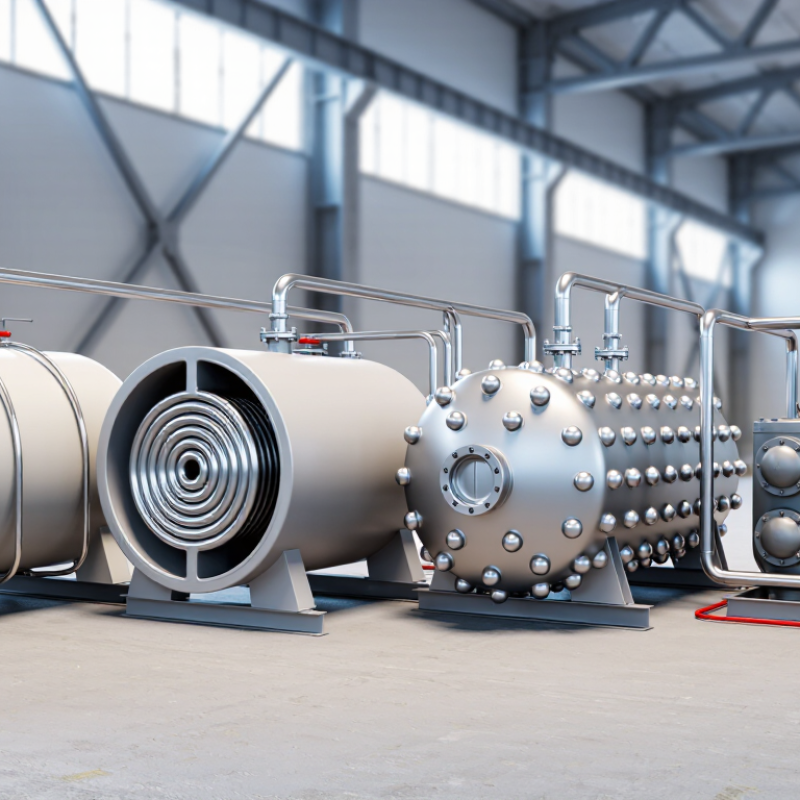
Heat transfer tanks use controlled energy to warm or cool liquids, slurries, and process mixtures.
Their core design includes a vessel, heating surface, insulation, sensors, and temperature controls. Heat moves through a jacket, internal coil, or external circulation loop. The fluid inside the tank receives energy through the tank wall.
Agitation improves contact and reduces hot spots. Without mixing, thick materials may stay cold near the center while the wall becomes dangerously hot.
Common heating media include hot water, thermal fluid, steam, and electric elements.
Each option requires suitable pressure ratings, materials, and control logic.
Tips:
Check the product’s viscosity at operating temperature. Measure the actual heat-up time. Leave room for expansion. Inspect insulation regularly. A clean sensor gives better control.
Heat transfer performance depends on surface area, temperature difference, flow rate, and material properties.
Engineers often calculate duty from mass, specific heat, and the required temperature change. They must also consider heat loss through fittings, covers, and pipe connections.
In real installations, calculations are not perfect. Sediment can reduce efficiency. A thin coating may act like a blanket.
This is why commissioning should include temperature mapping at several points inside the tank.
Operators should record heating curves, outlet temperatures, and control response. A slower-than-expected heat-up may signal poor circulation, fouling, or an undersized heating surface.
Safety devices should limit pressure and temperature independently from normal controls.

Jacketed tanks transfer heat through an outer chamber around the vessel. They suit food processing, liquid blending, and batch heating, especially when products flow easily. Hot water or thermal fluid circulates through the jacket. Check the required temperature range and heating rate before selecting one.
Dimple-jacketed tanks use formed channels on the vessel wall. Their broad contact area can support efficient heating or cooling in beverage, dairy, and chemical production.
Internal-coil tanks offer another option: a coil carries the heating or cooling medium inside the tank. They can work well where space is limited, but the coil may complicate cleaning.
For thick mixtures, scraped-surface designs help move product away from heated walls, reducing stagnant layers during processing. They are used for viscous foods, pastes, and similar materials.
Not every line needs this complexity. Tank choice also depends on batch size, product viscosity, cleaning routines, and available utilities. A common mistake is sizing around normal operation alone; startup, shutdown, and seasonal temperature changes can affect performance. Confirm material compatibility and discuss actual process conditions with a qualified equipment engineer.
Heat-transfer tanks vary by duty. Jacketed vessels suit gentle, uniform heating, while internal coils offer more exchange area in a compact footprint. External plate exchangers can simplify cleaning, but add pumps, valves, and connections. For food-grade or corrosive fluids, stainless steel is often selected; carbon steel may suit compatible fluids at lower cost. Material choice still depends on chemistry, temperature, pressure, and cleaning cycles.
Water stores substantial heat: ASHRAE Handbook—Fundamentals reports a specific heat of about 4.18 kJ/kg·K near room temperature. Tank performance also depends on coil area, fluid velocity, insulation, and temperature difference across the exchanger. The U.S. Department of Energy’s Improving Process Heating System Performance sourcebook estimates process heating uses about 2.3 quadrillion Btu annually in U.S. manufacturing. That scale makes avoidable heat loss worth measuring, not guessing. A tank can look well insulated and still lose heat through nozzles or supports.
Tips: Check temperature at the inlet, outlet, and tank layers during a full operating cycle. Compare measured heat-up time with the design target. Small details matter. Stratification may help storage, but can undermine uniform process temperatures; the right choice depends on the application.
Choosing a heat transfer tank starts with the batch, not the biggest capacity on a specification sheet. Estimate working volume from daily demand, refill frequency, and the largest expected draw. Allow space for circulation and thermal expansion, while checking that operators can reach valves and cleaning points. Small details matter.
Heating methods suit different jobs. A jacket heats the vessel wall evenly and keeps the product area clear, but may respond slowly with thick fluids. Internal coils can transfer heat directly, though they need suitable cleaning access. Immersion elements offer direct heating and compact installation; confirm they match the product and temperature range. Compare heat-up time, temperature uniformity, and control response under realistic loading—not just empty-tank figures.
Insulation thickness, lid fit, pipe routing, and standby time all affect energy use. Ask suppliers for consumption data at your operating temperature and batch size. A practical comparison is energy used per completed batch, alongside recovery time after a refill. Check whether controls prevent unnecessary heating during idle periods. A neat spreadsheet can still miss real-world heat loss; measure a pilot run when possible.
Compare capacity, heating methods, and energy efficiency using the chart below. It shows the ideal heat required to raise water from 20°C to 80°C at four common tank capacities.
How to compare heating methods: Electric resistance converts electricity to heat at the point of use, while steam or hot-water coils depend on boiler and distribution losses. Heat pumps can deliver more heat energy than the electricity they consume, but performance varies with operating conditions. Actual energy use also depends on insulation, heat-up time, and standby losses.
Ideal useful heat is calculated using water’s approximate specific heat capacity of 4.186 kJ/kg·°C and a 60°C temperature rise. Tank and system losses are excluded.
For global buyers, tank safety starts with the operating conditions, not the catalogue. Confirm design pressure, temperature range, fluid compatibility, and whether the vessel is pressurized. ASME Boiler and Pressure Vessel Code Section VIII and EN 13445 are widely used design references, but acceptance depends on the destination market and local requirements. Ask for material certificates, weld inspection records, pressure-test documentation, and clear operating limits. Paperwork matters.
Maintenance needs change with tank type and duty. Inspect insulation, heating coils, seals, supports, and drain points; look for corrosion around welds and damp patches beneath insulation. A written inspection schedule helps, but it cannot replace checks after unusual vibration, overheating, or fluid changes. Small leaks can be easy to miss. The U.S. Department of Energy’s 2015 Bandwidth Study reported that process heating used about 52% of U.S. manufacturing energy in 2010. That figure is dated and not tank-specific, yet it shows why heat-transfer efficiency deserves attention alongside safety.
Global procurement adds practical questions. Confirm spare-part availability, electrical frequency, control-system compatibility, and service access before ordering. Compare total lifecycle costs, not only purchase price; difficult-to-source gaskets can delay a repair. The DOE’s 2022 Industrial Decarbonization Roadmap identifies industry as a major source of U.S. energy-related emissions, reinforcing the value of efficient operation. Still, efficiency claims need test conditions and measurable evidence. A neat specification sheet is not proof.
Registered in England & Wales No. 2786496
Registered office at: 337 Tanworth Lane,
Shirley, Solihull, B90 4DU
Registered for VAT, registration No.
GB 655 1347 38


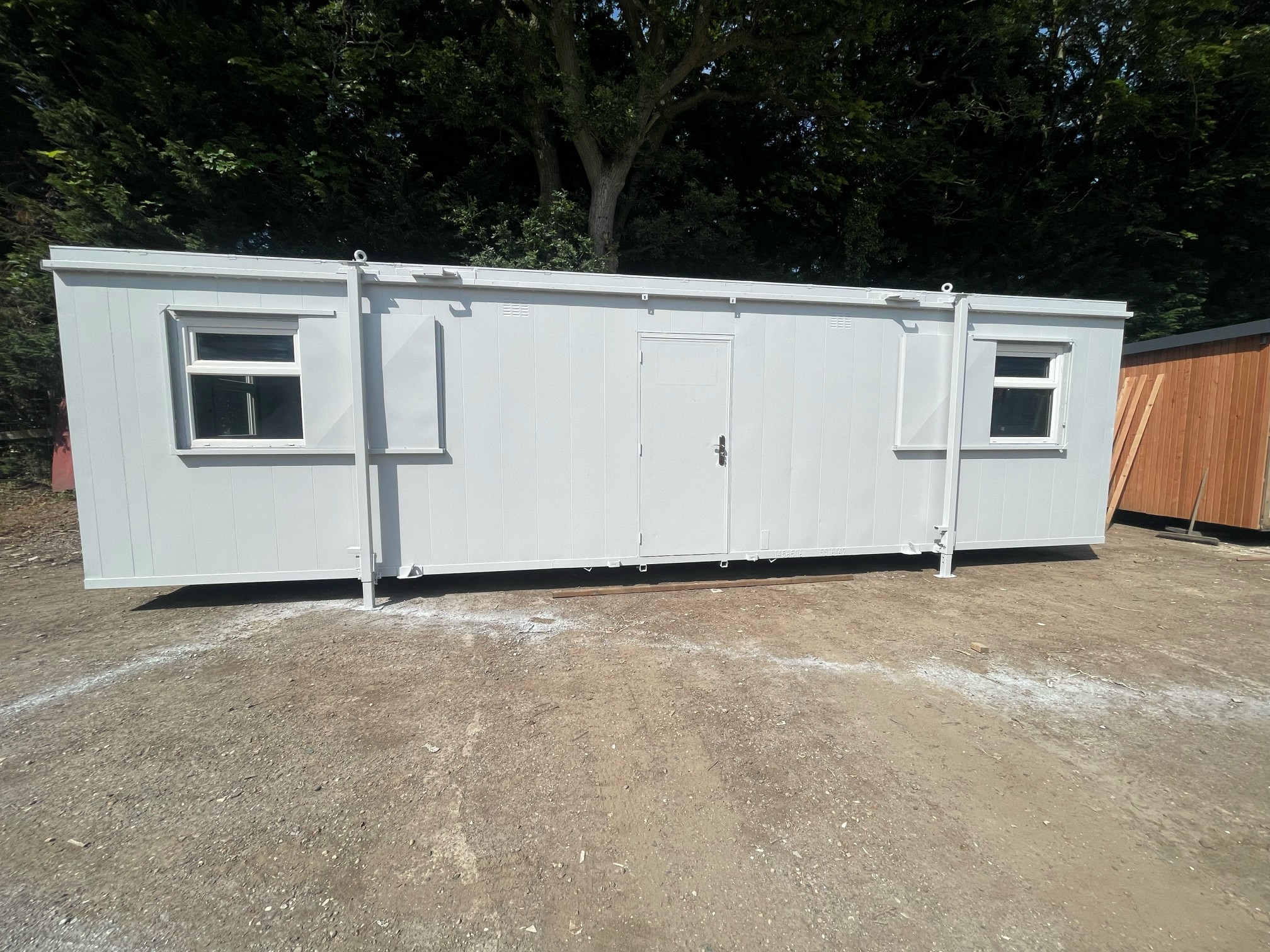
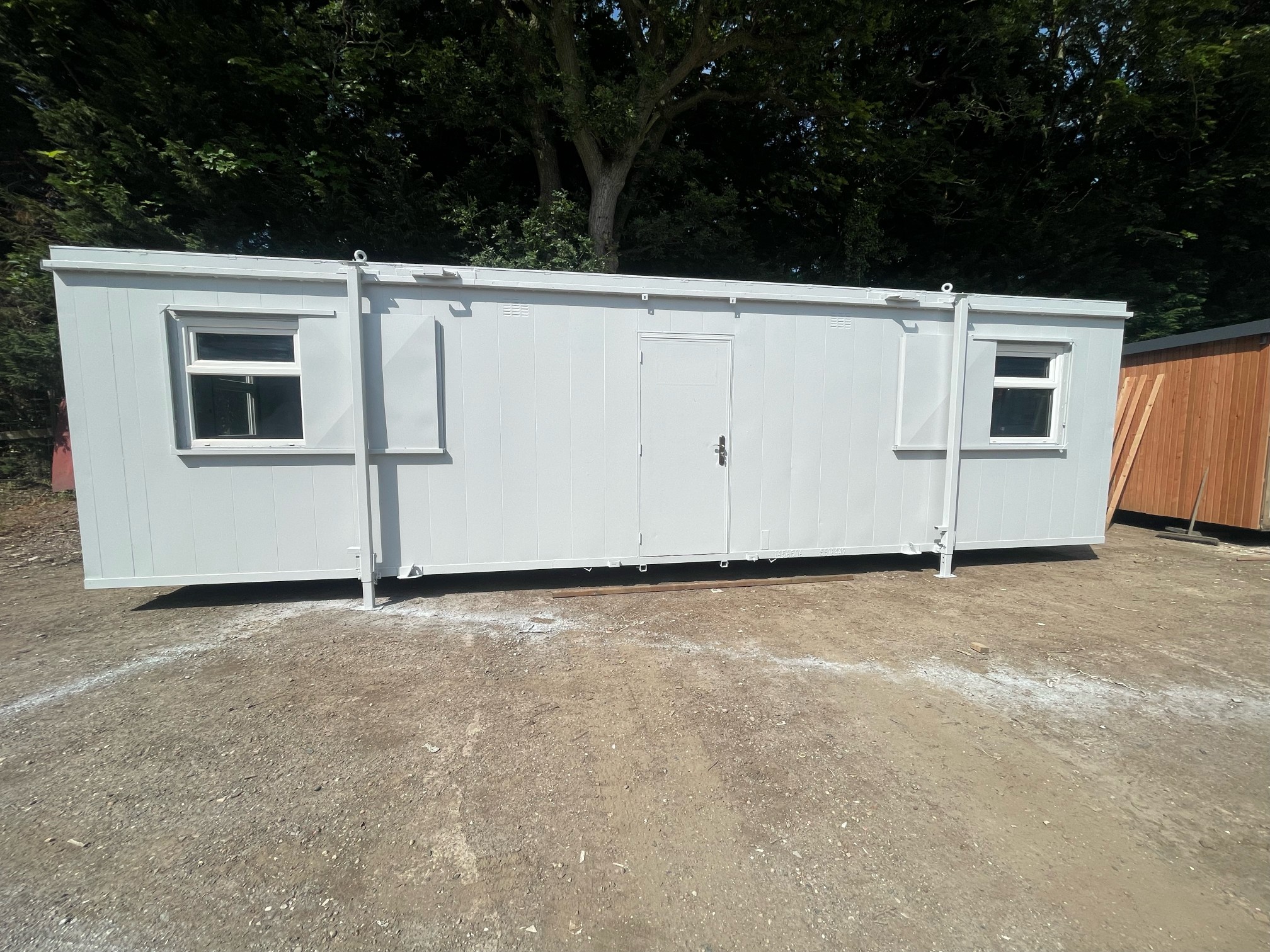
Location: Nationwide
Not Available for Hire
We can deliver for a cost please ask and send us post code.
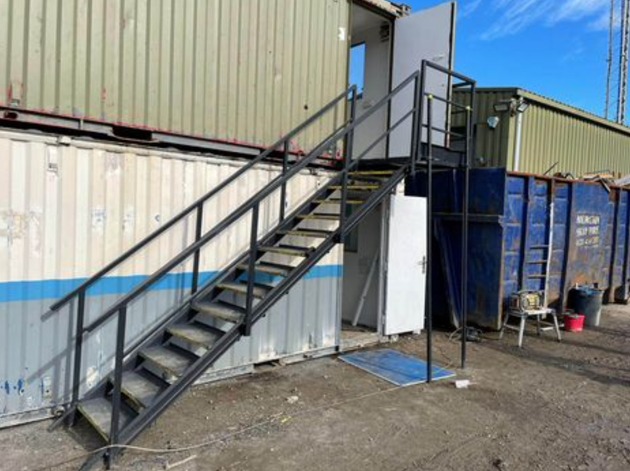
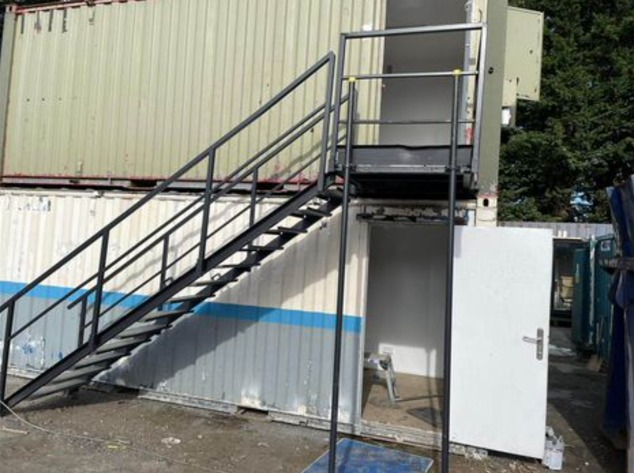
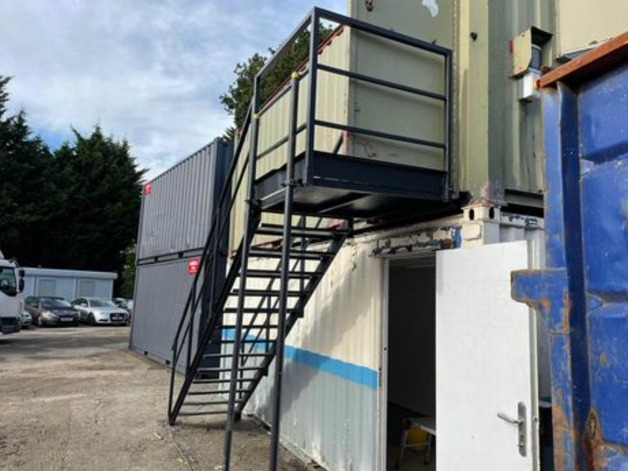
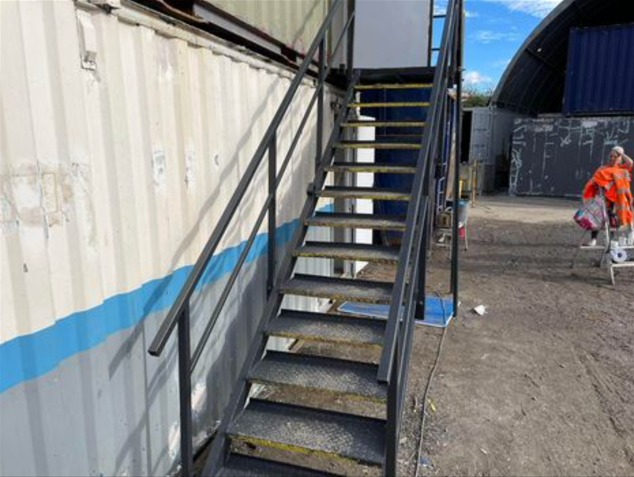
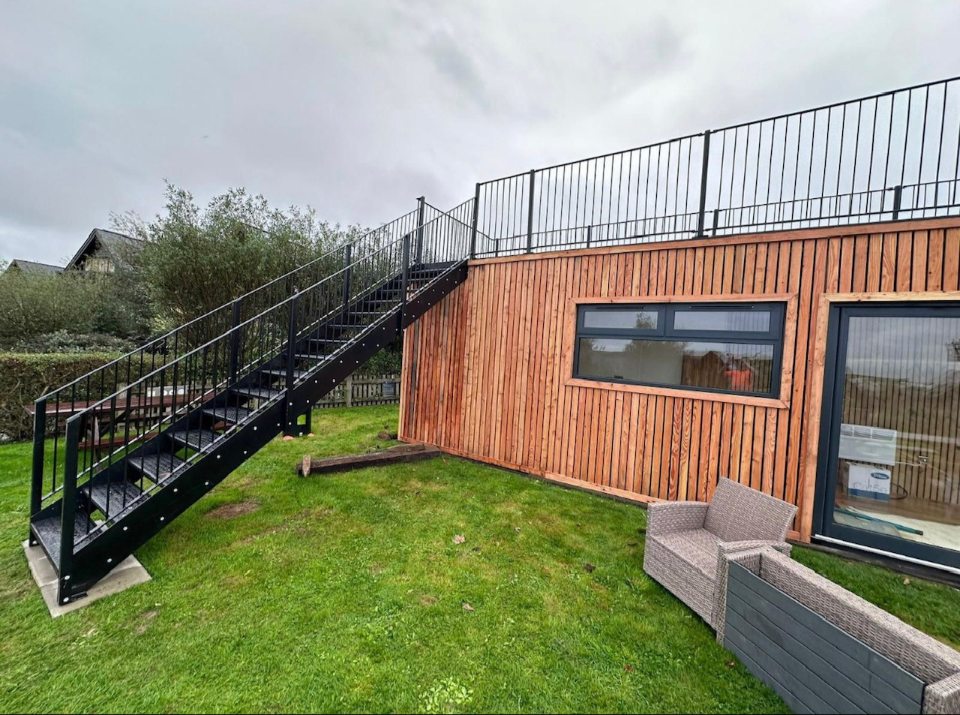
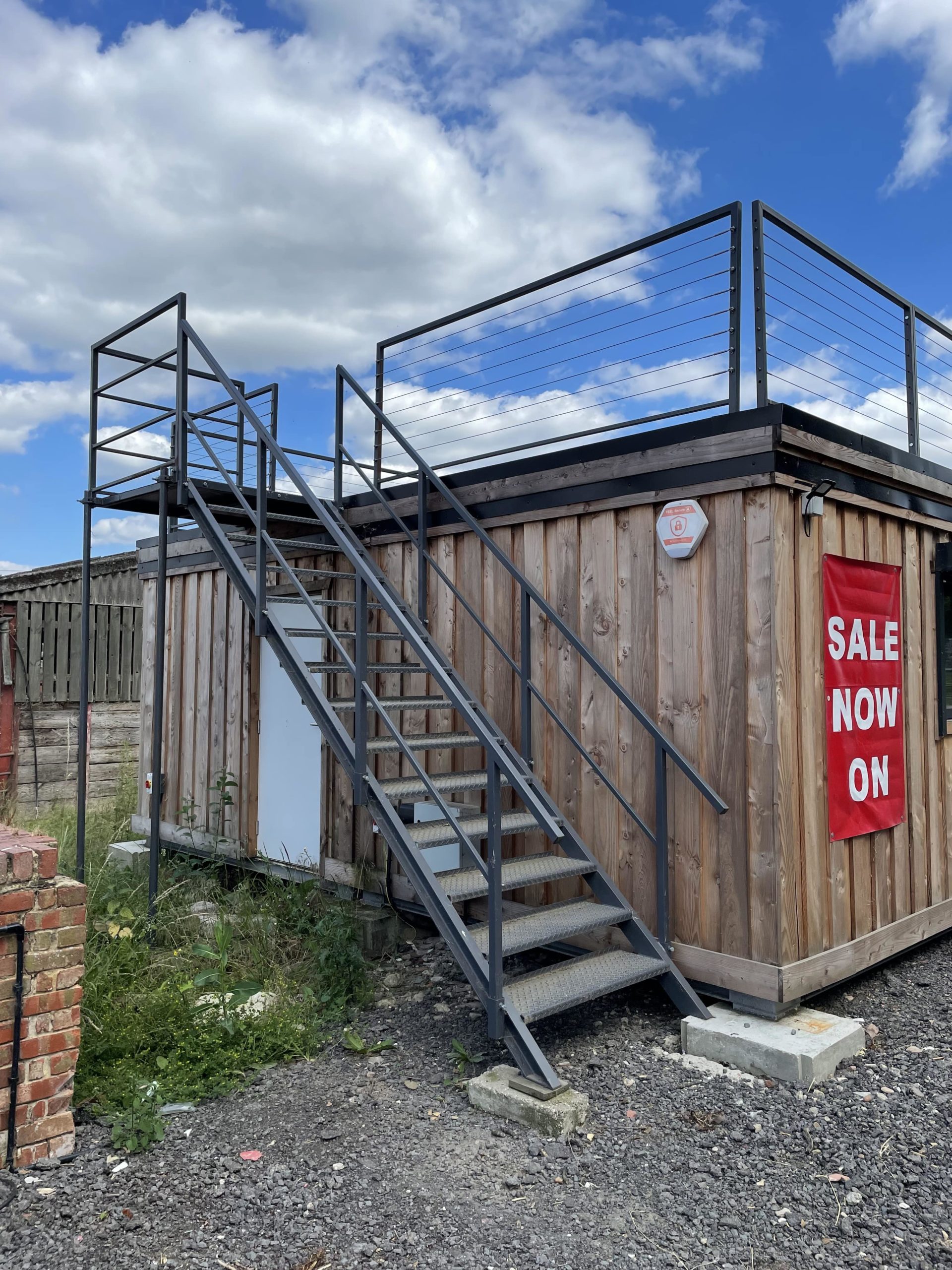
13 tread
14 tread
15 tread


Location: Nationwide
Not Available for Hire
Call for an instant quote!


Location: Nationwide
Not Available for Hire
We can deliver for a cost please ask and send us post code.
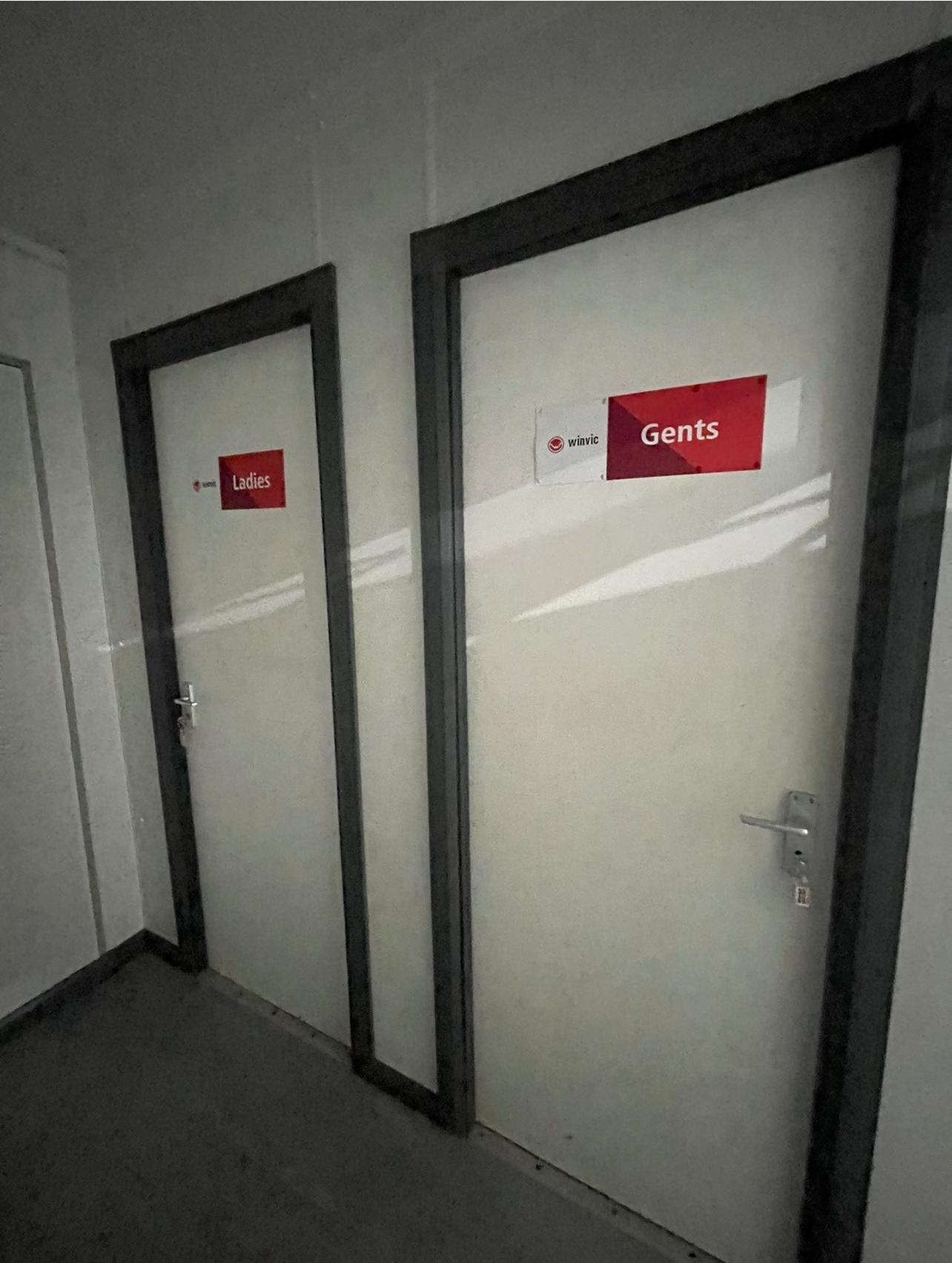
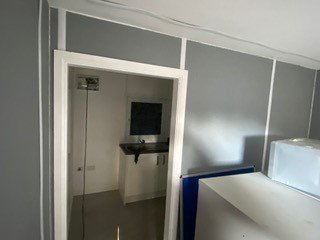
Hallway leading into:
Transport can be arranged please ask.


Location: Nationwide
Not Available for Hire
Call for an instant quote!
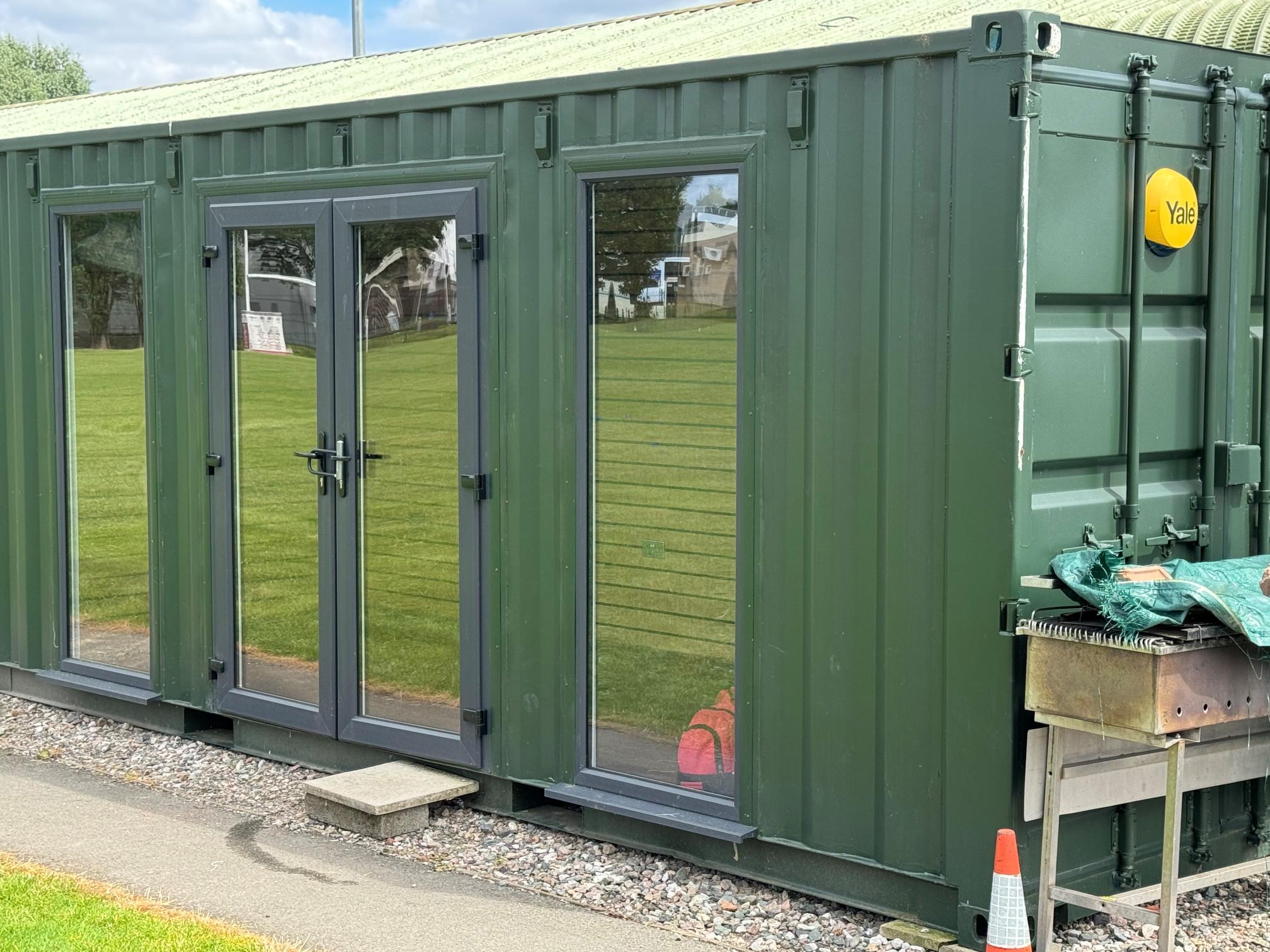
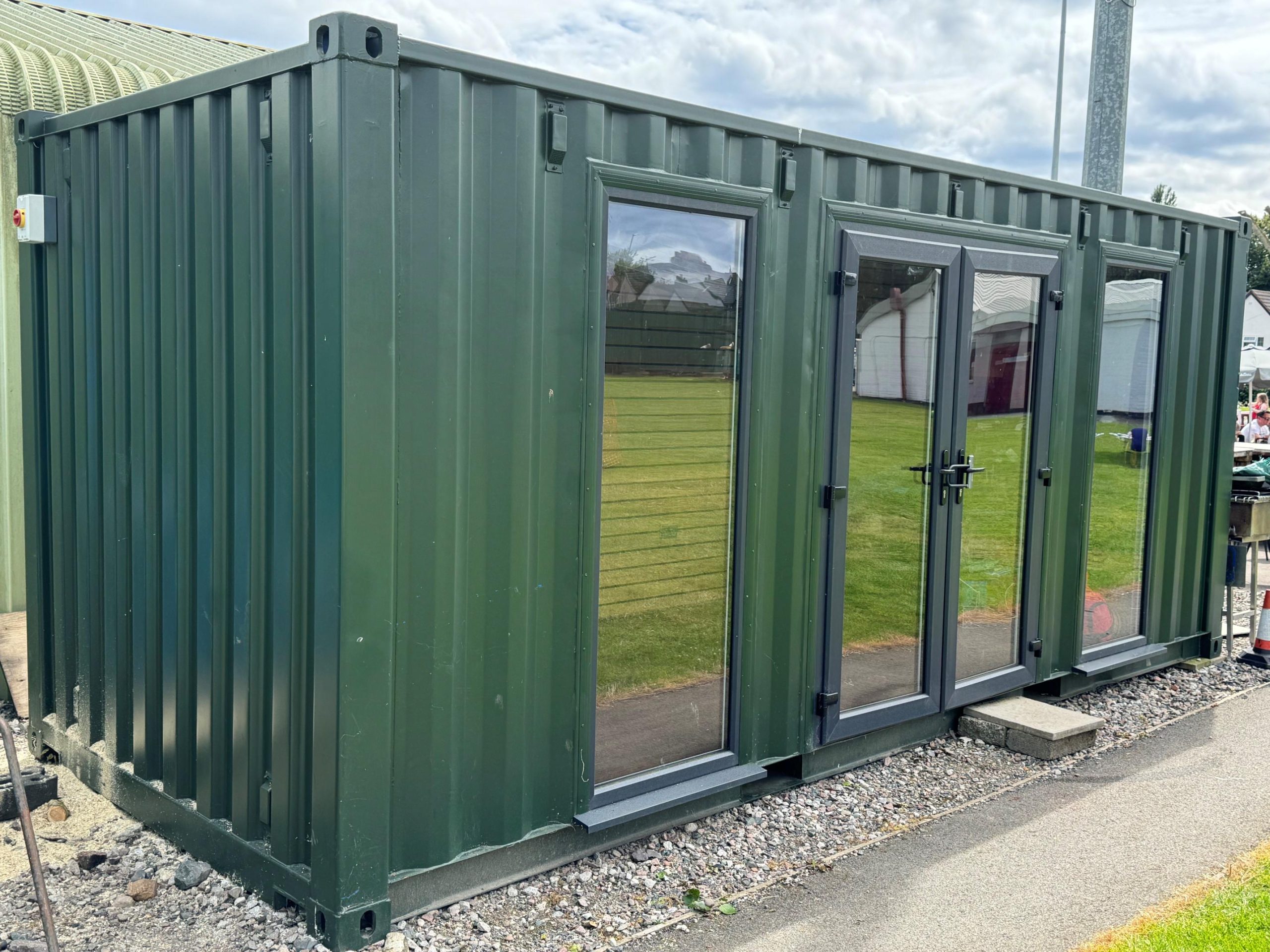
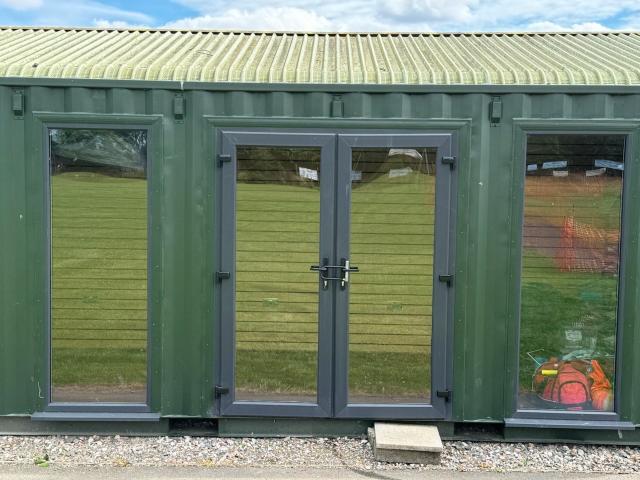
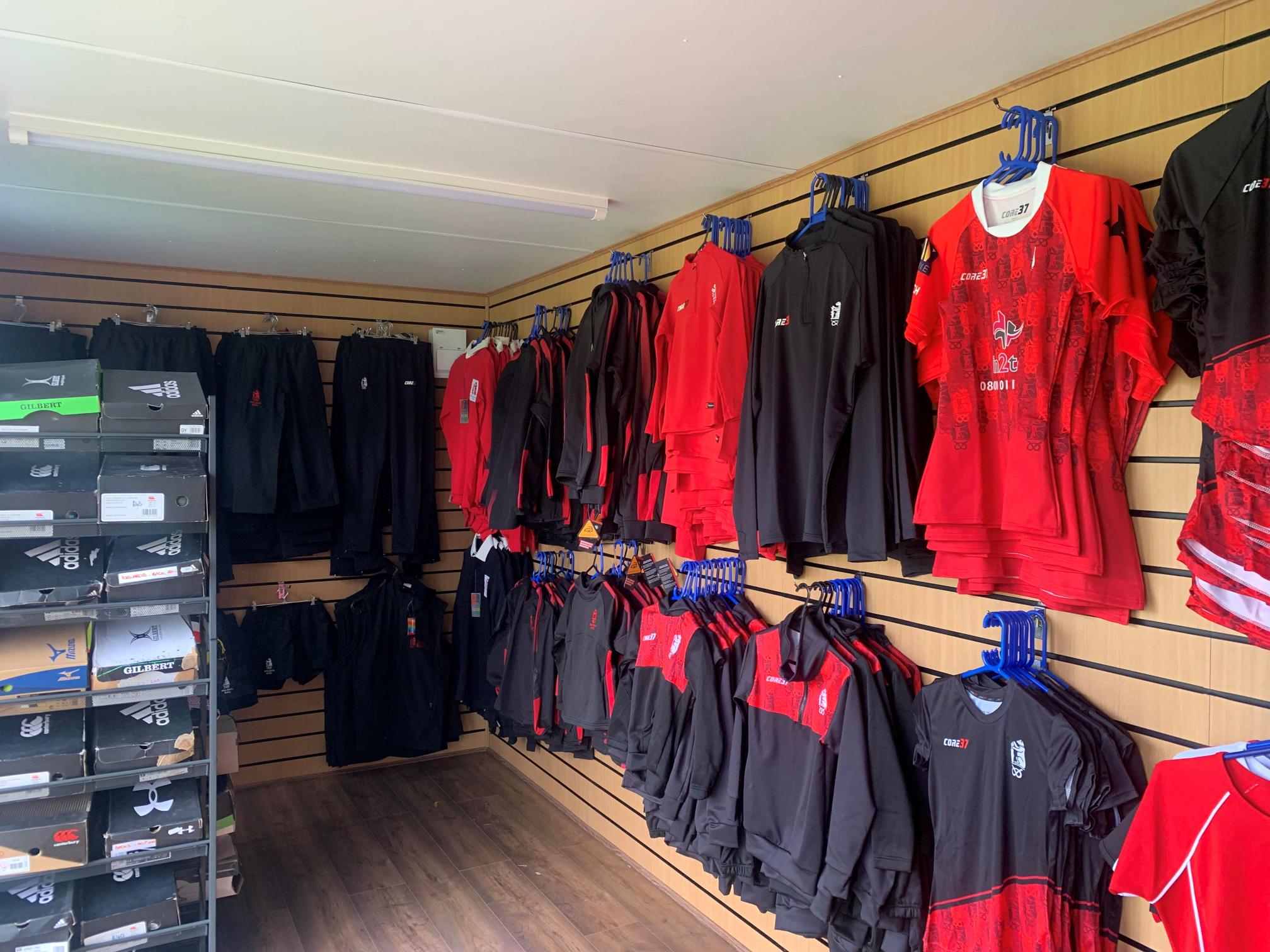
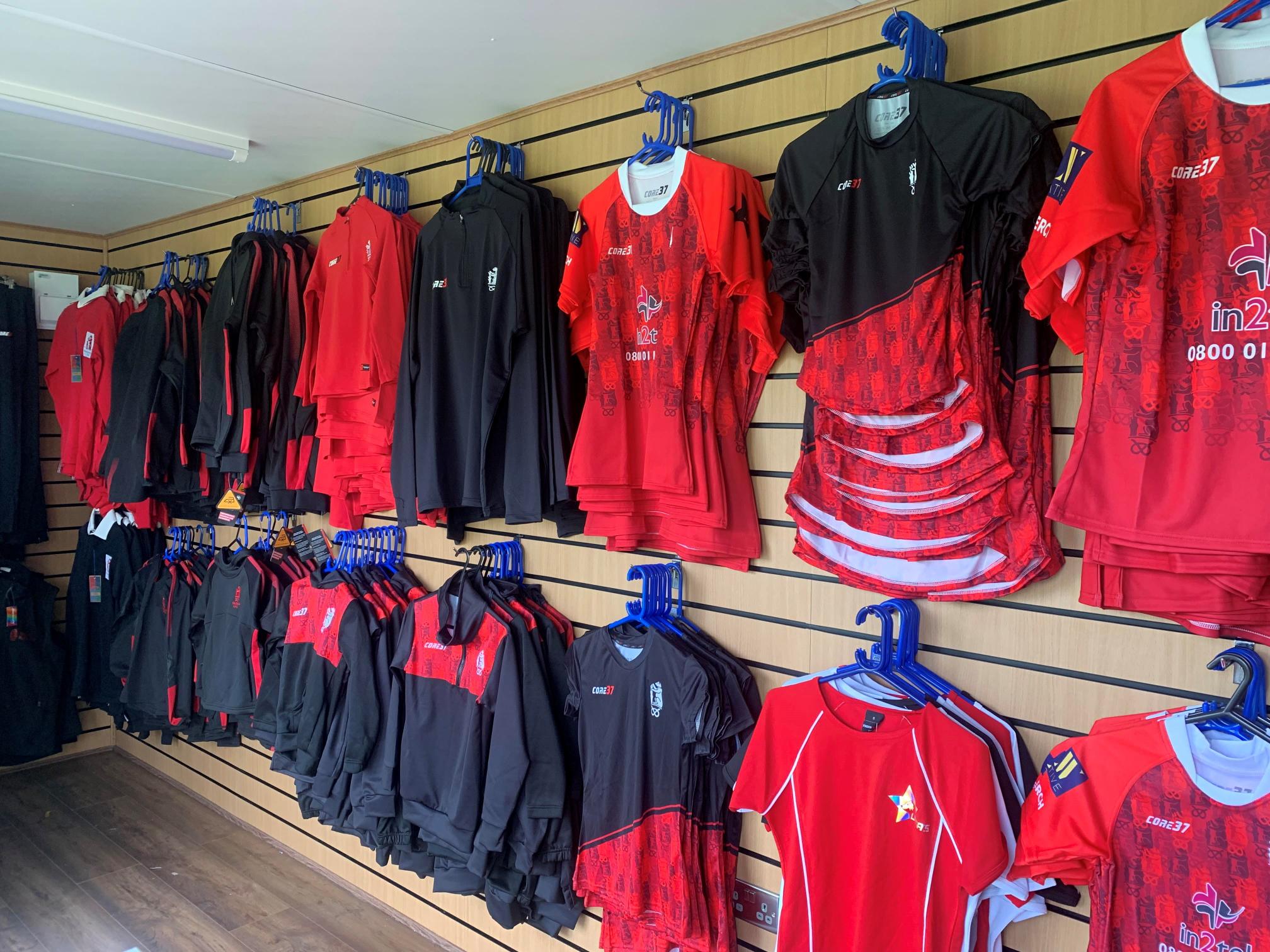
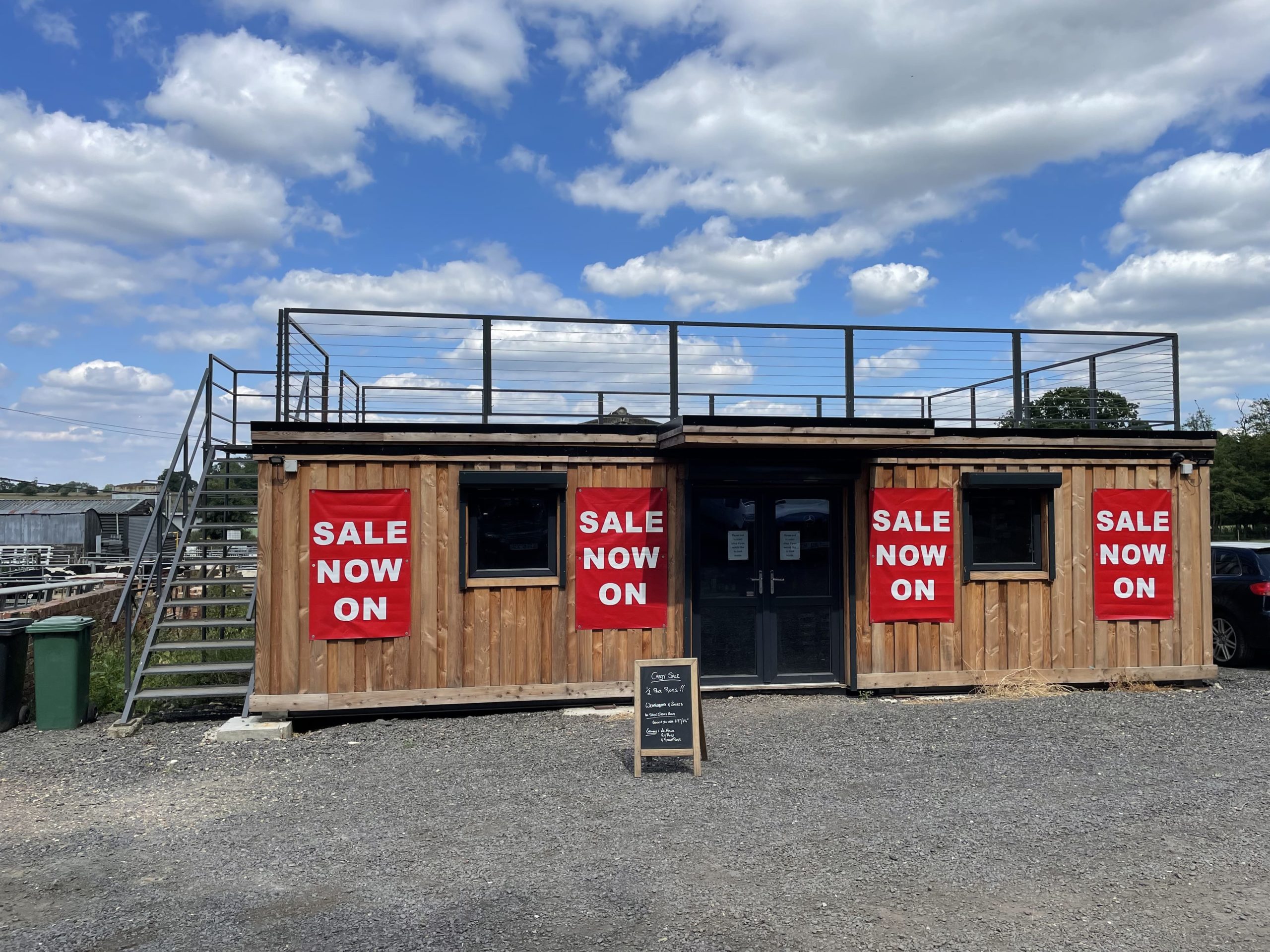
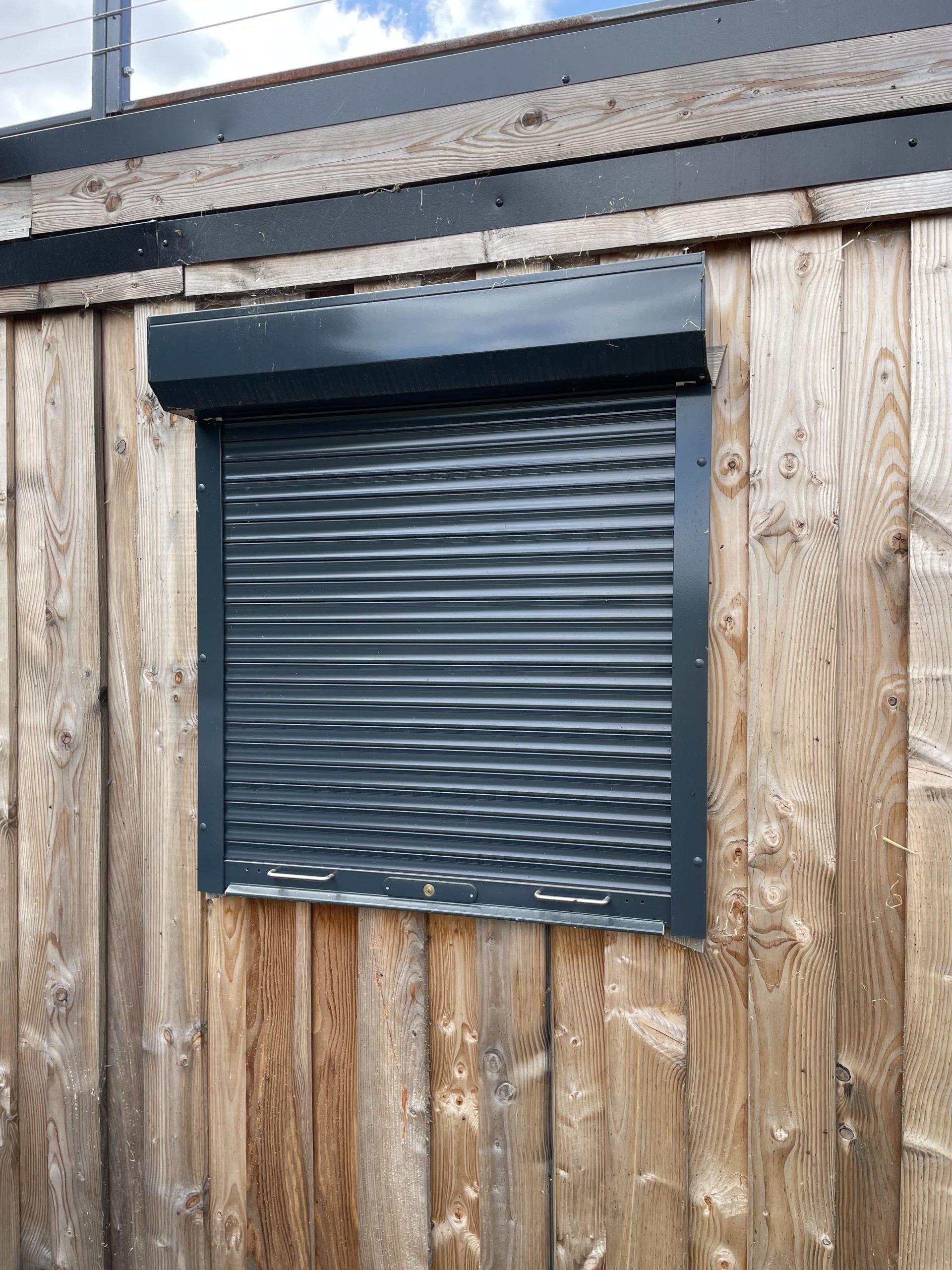
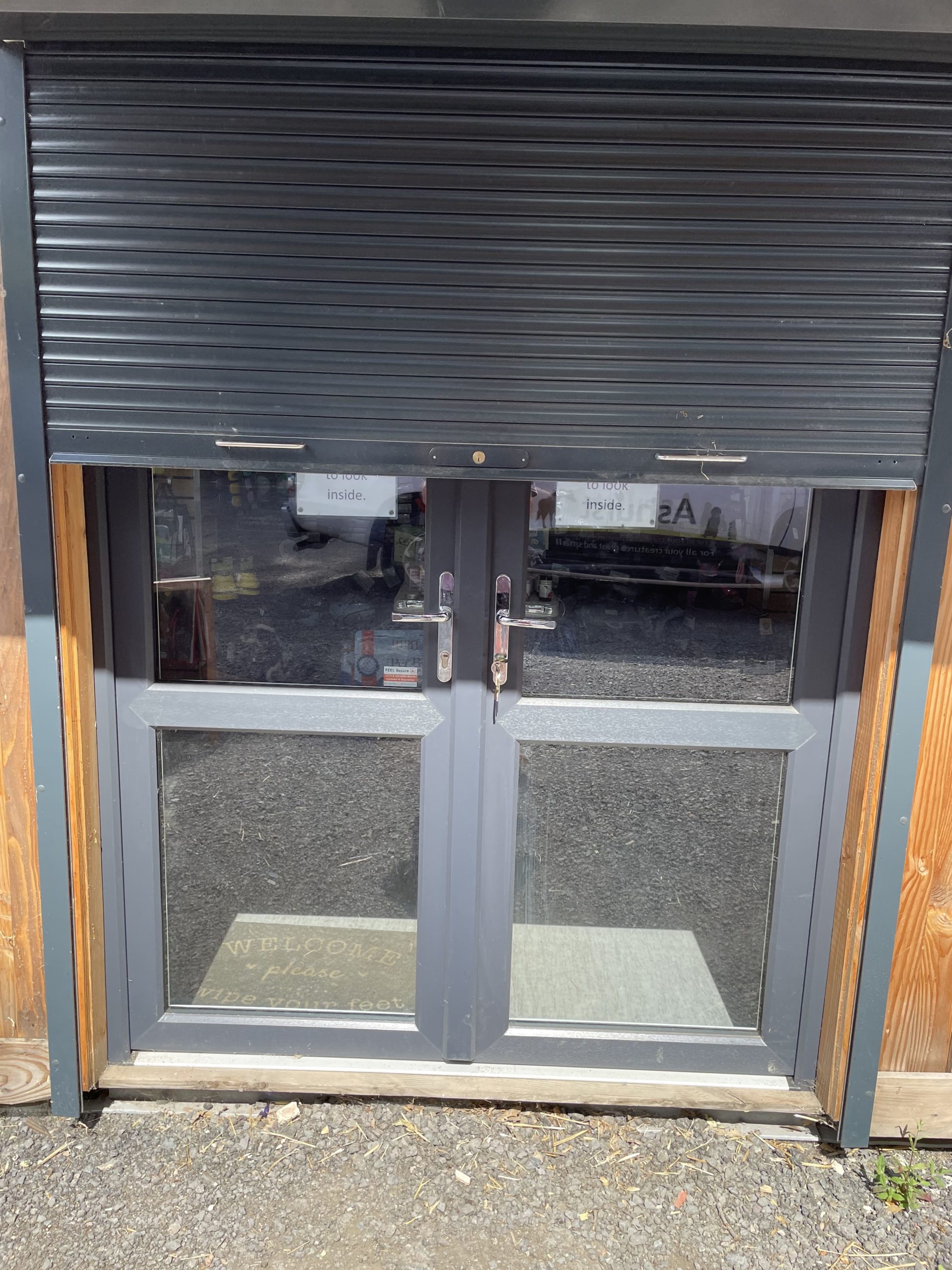
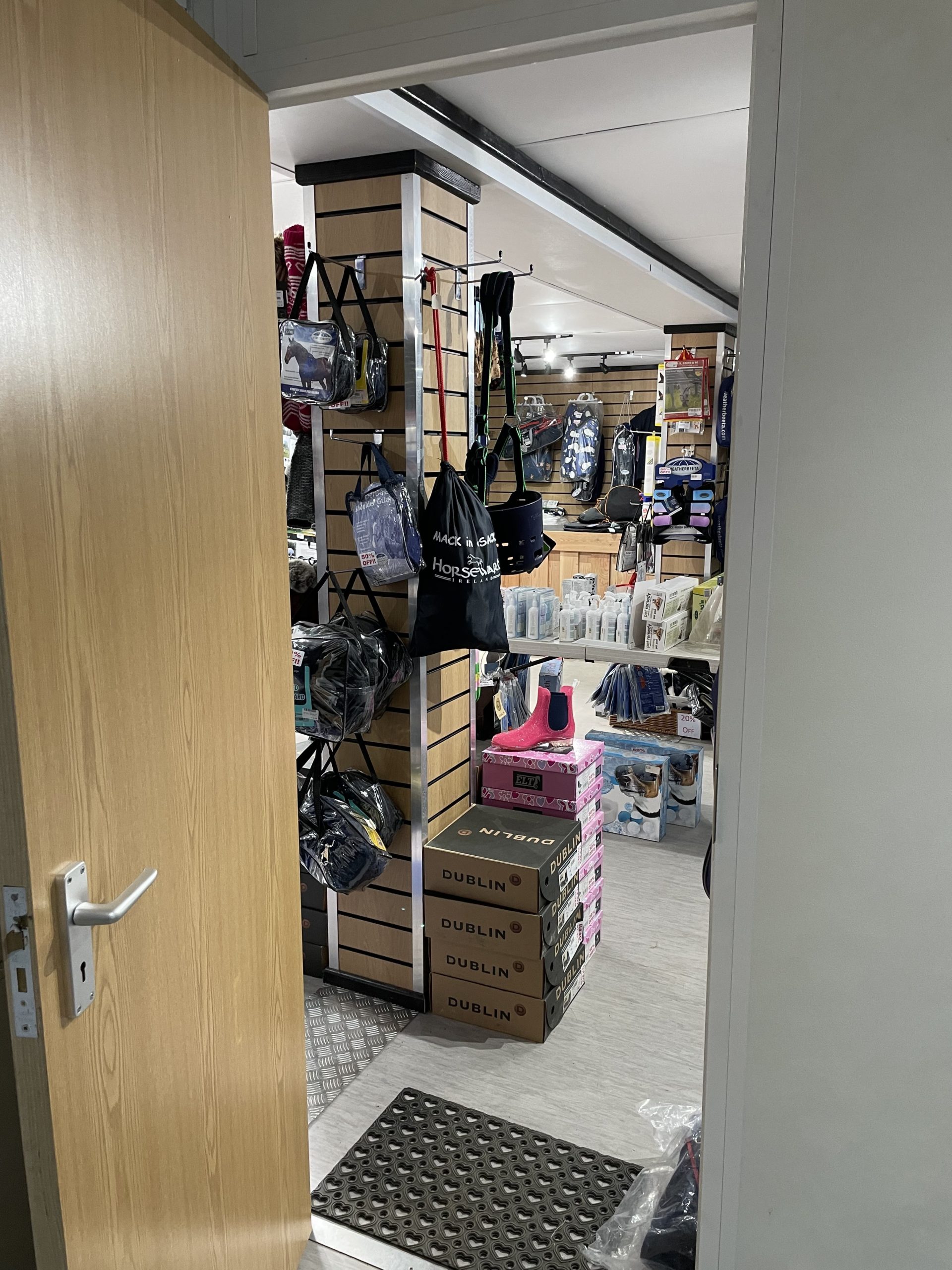
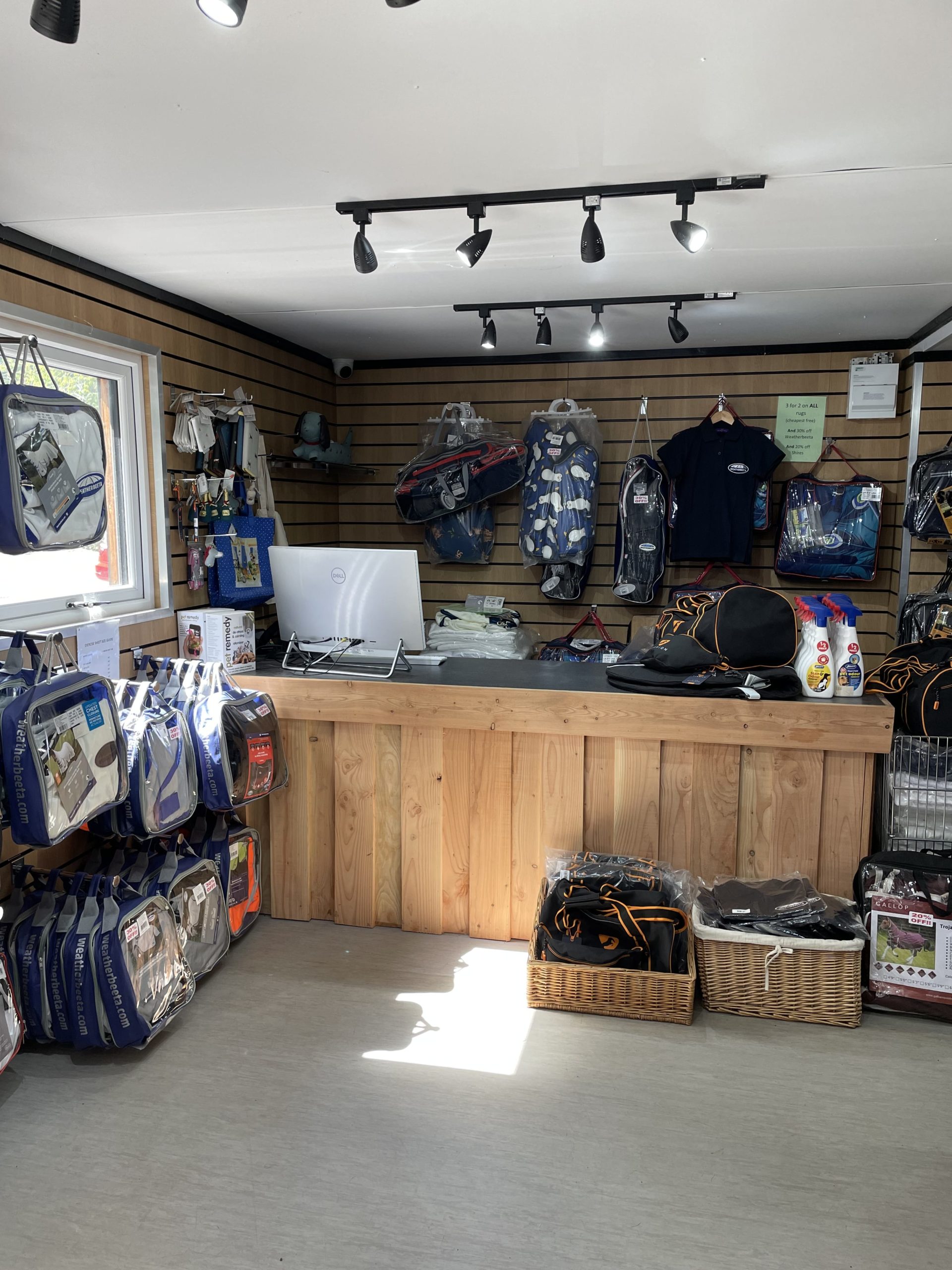
20ft x 8ft Container Conversion Retail Shop
UPVC Double glazed Windows + French Doors
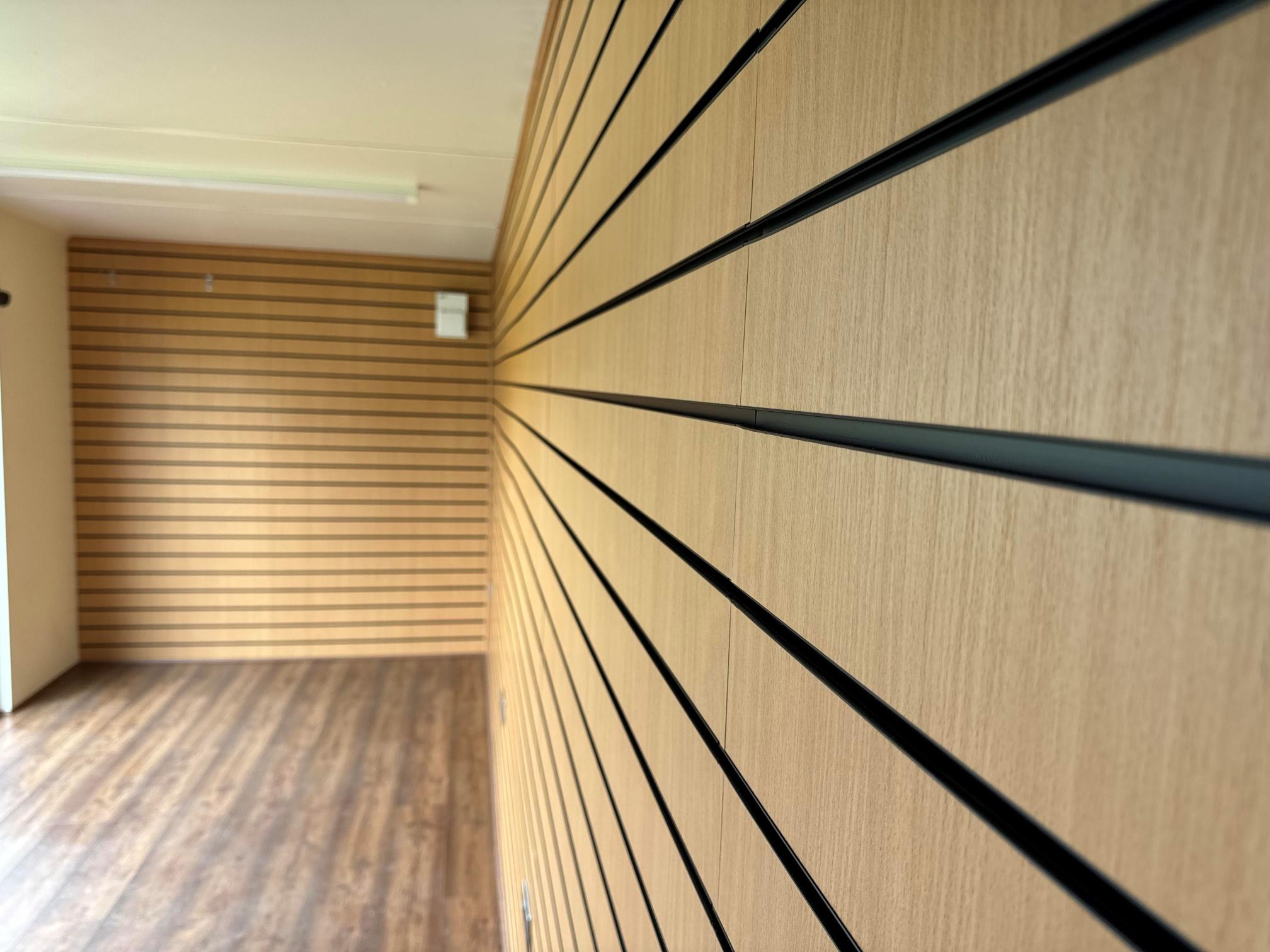
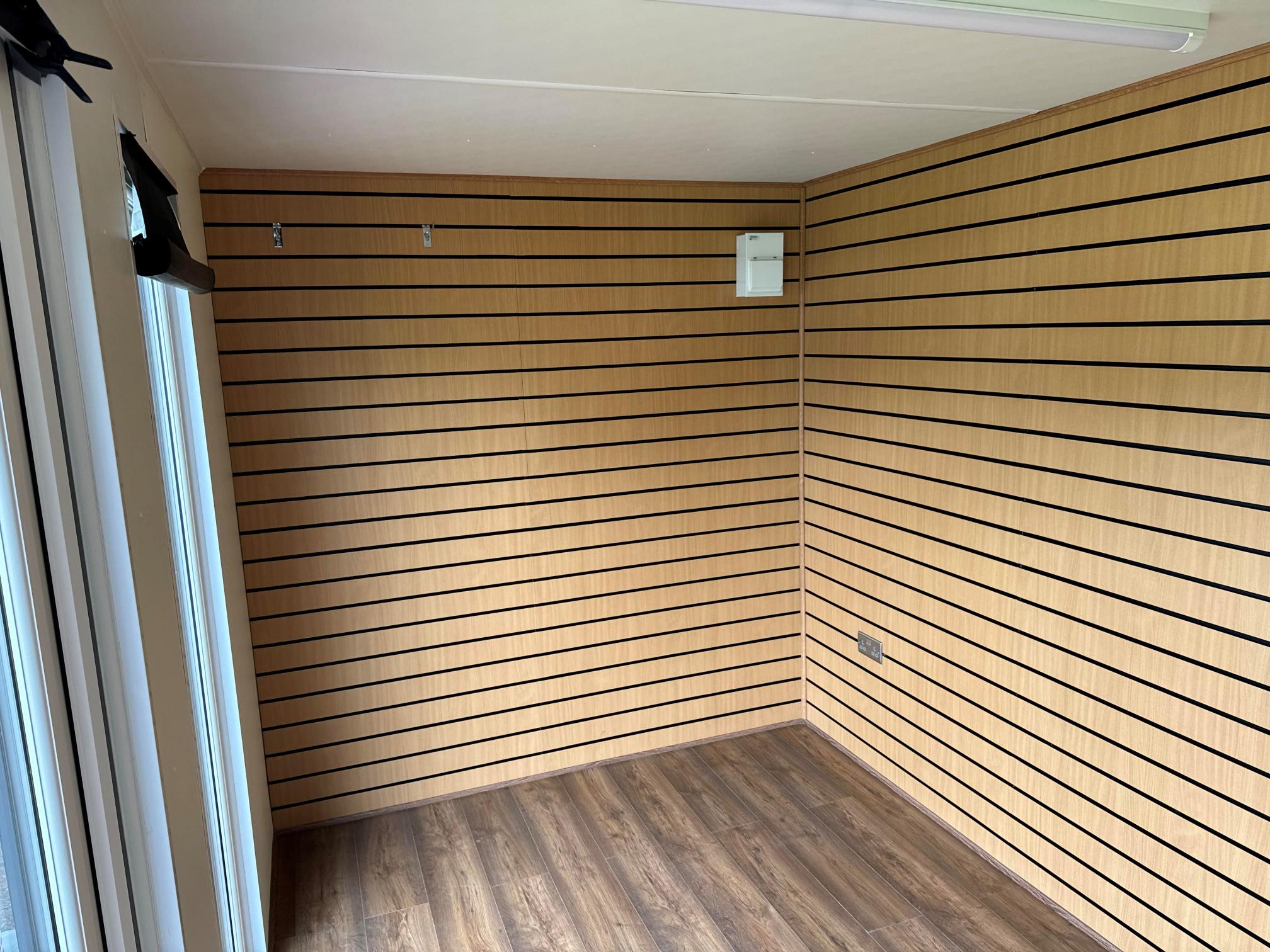
Slat Wall for retail fixings and Merchandise
Electric Chrome Sockets, led lighting and heating.
Laminate Flooring
12 months Warranty
Maintenance call out package included
Less than 2 years old
Still in Brand New Condition


Fully refurbished
Colour light grey
Slate grey anthracite upvc double glazed windows


Location: Nationwide
+ VAT
Not Available for Hire
Call for an instant quote!
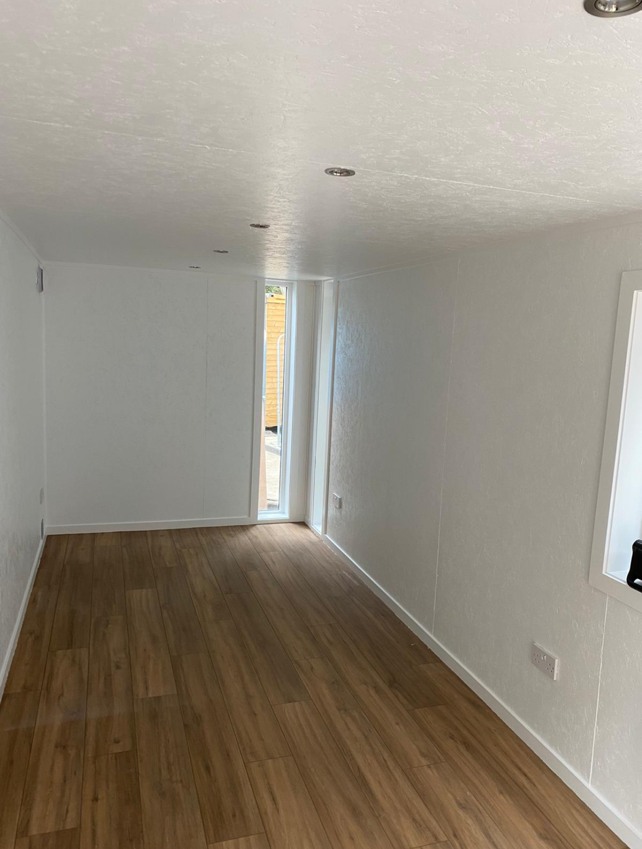
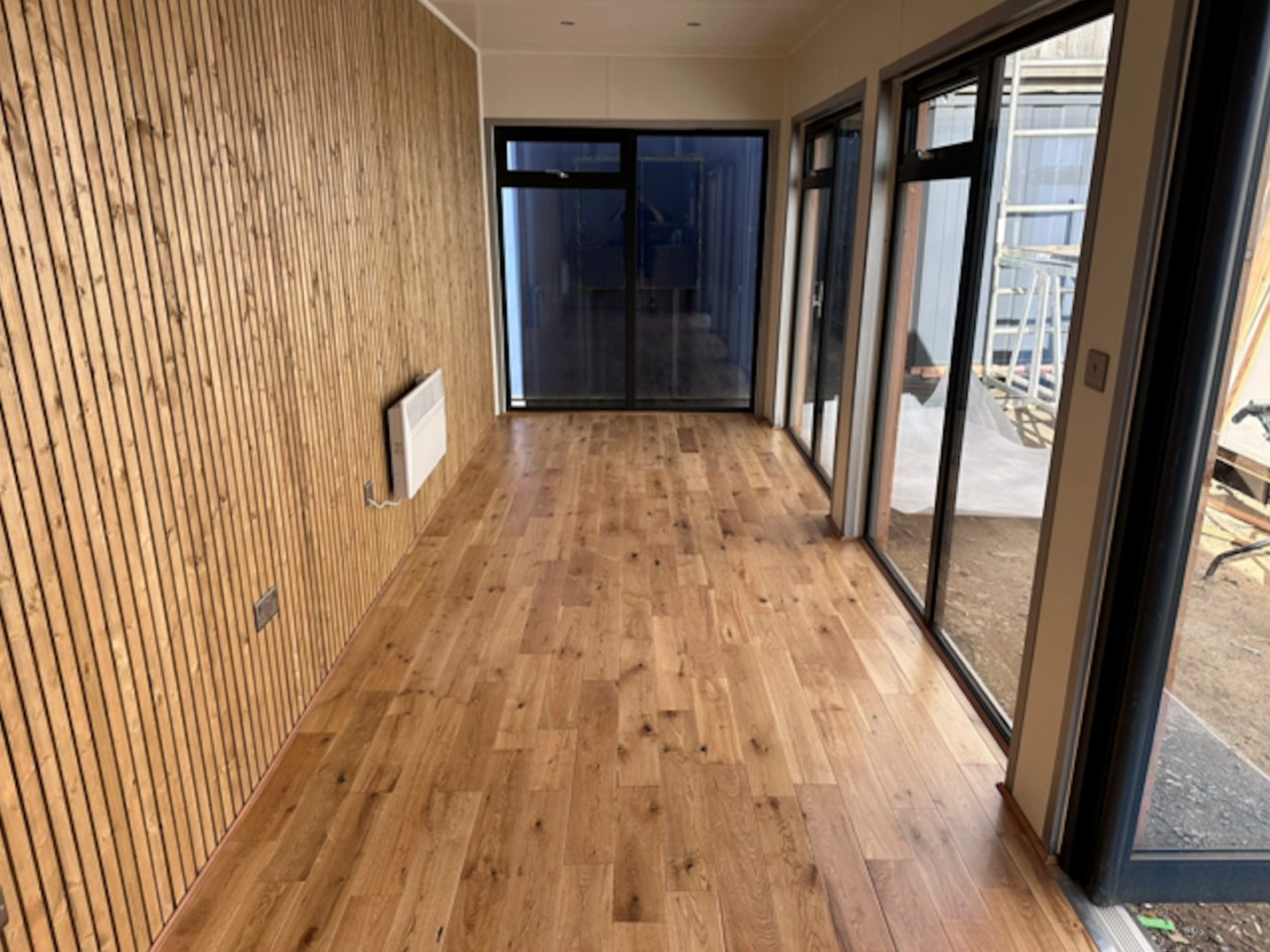
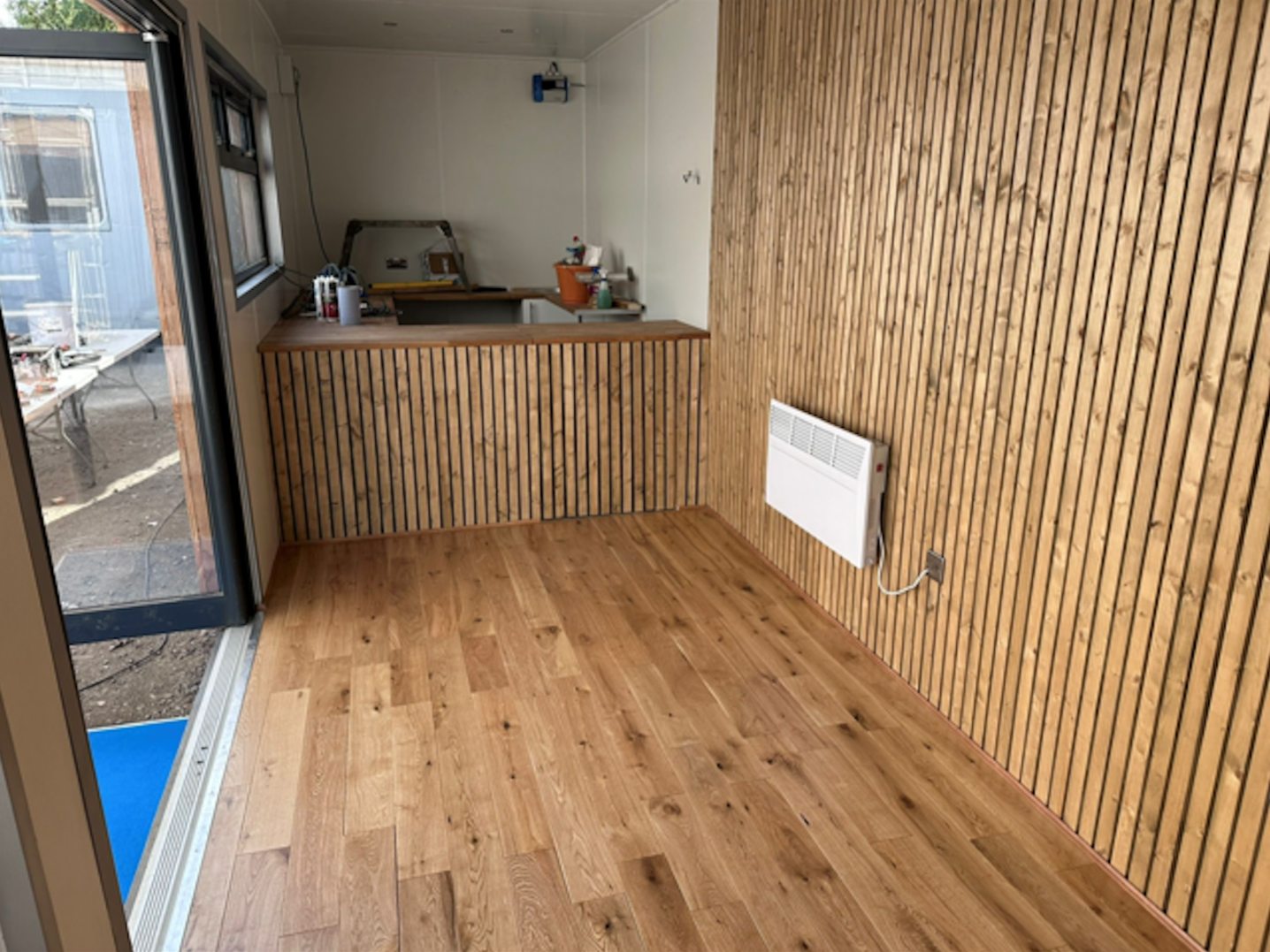
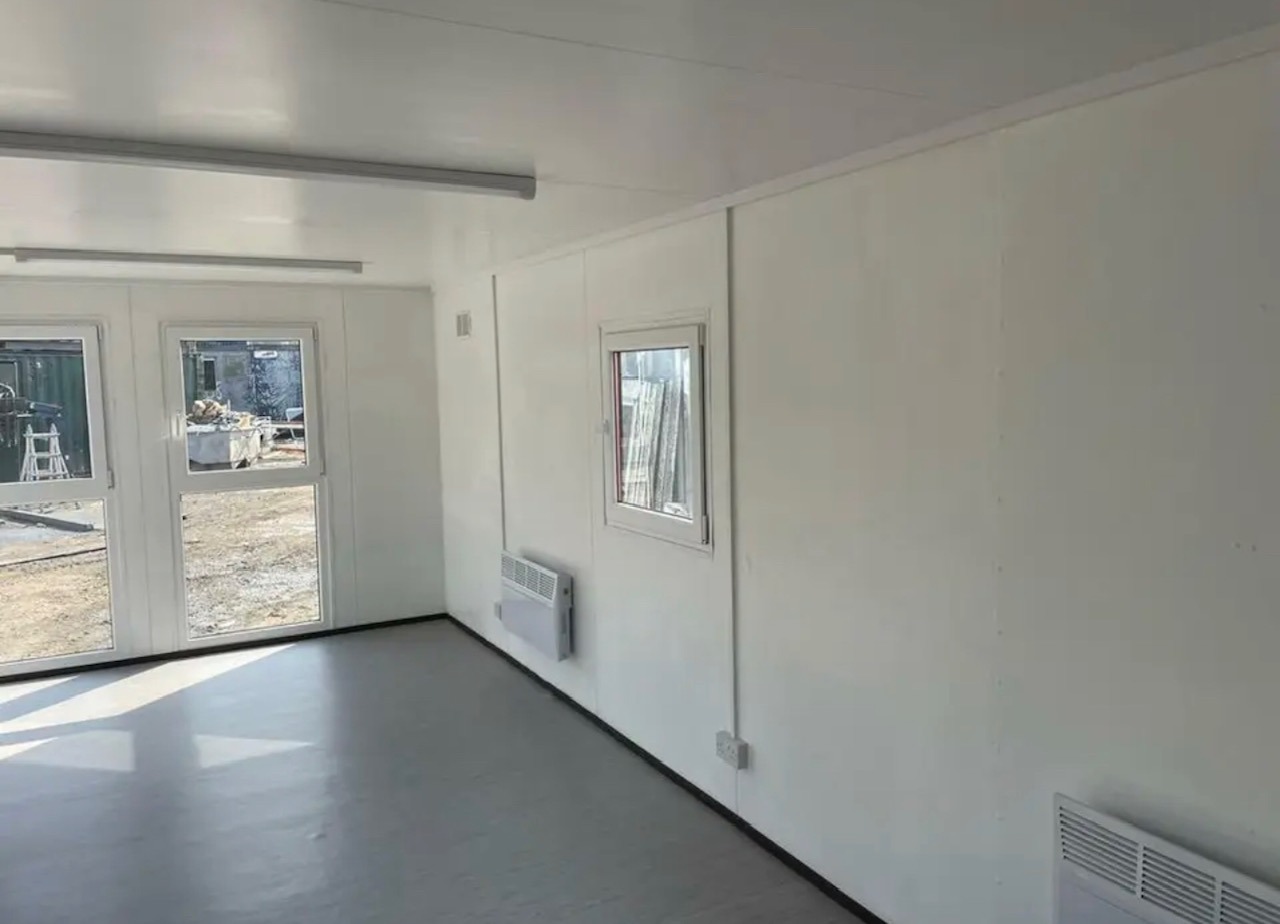
Fully Insulated with electric sockets, spot lighting, and heating
Wood Flooring
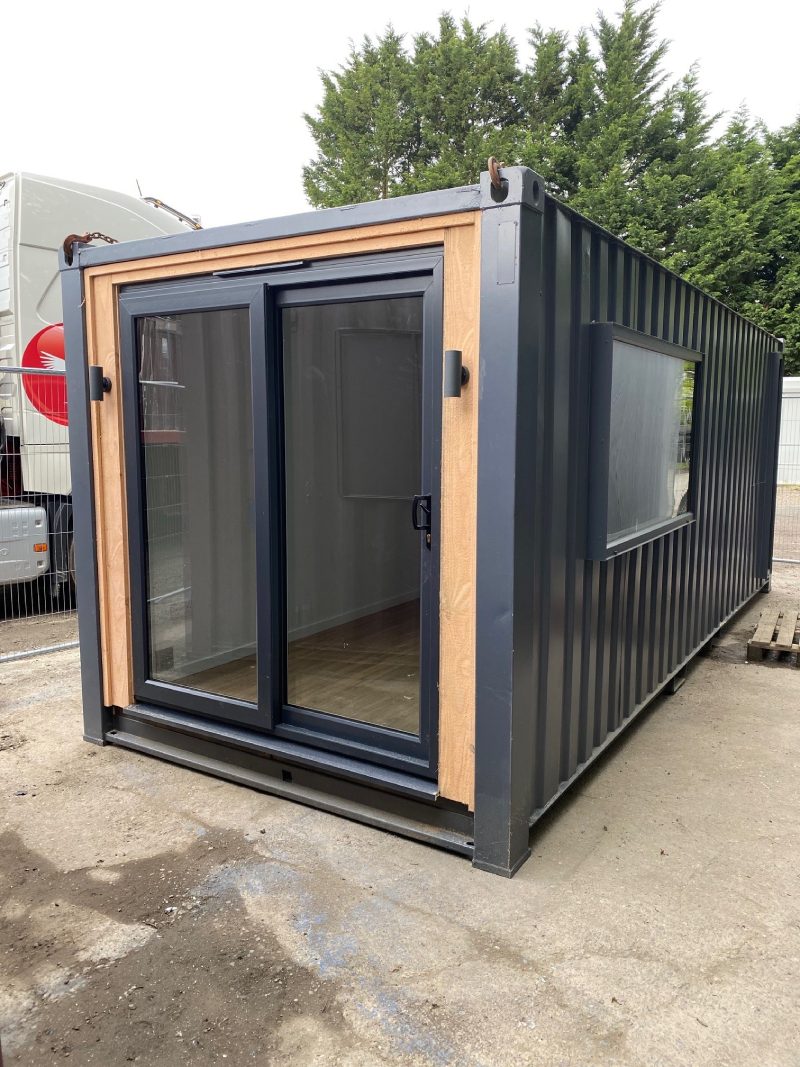
UPVC Sliding Door + Windows
Lead Time for build 6-8 weeks


Location: Nationwide
+ VAT
Not Available for Hire
Call for an instant quote!
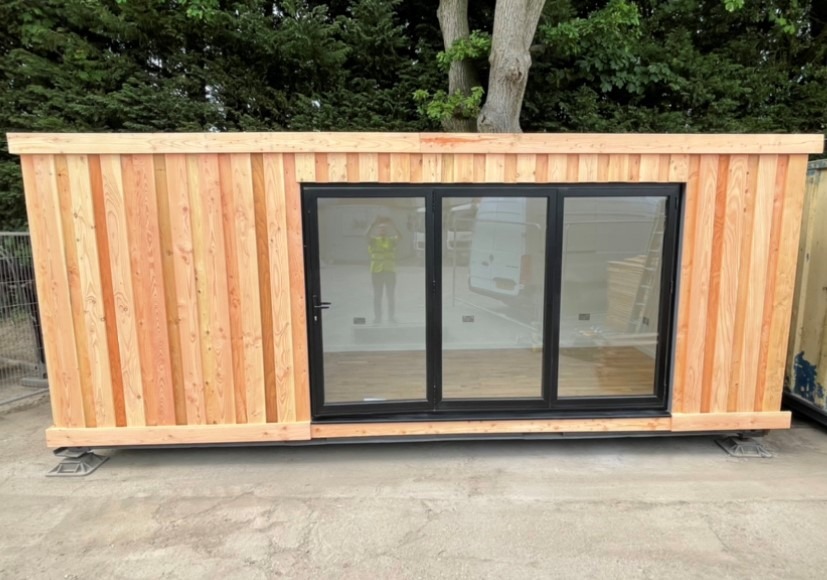
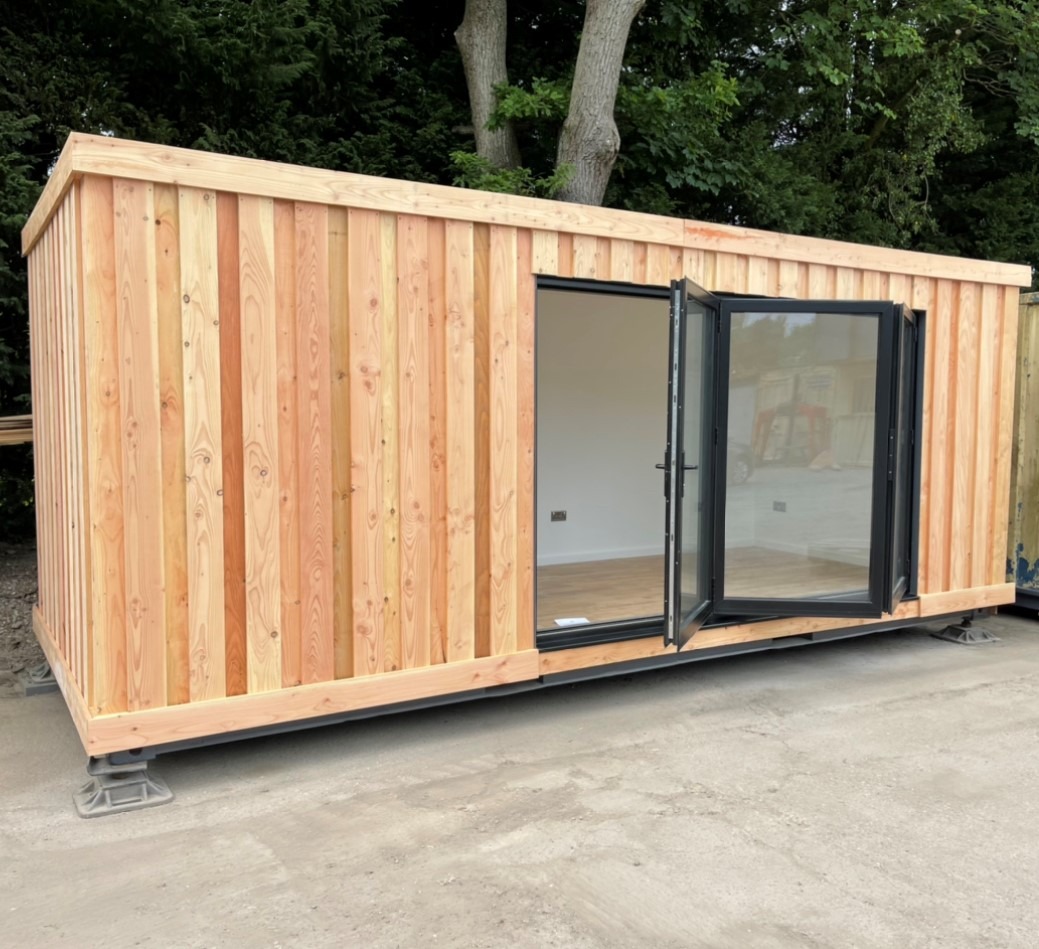
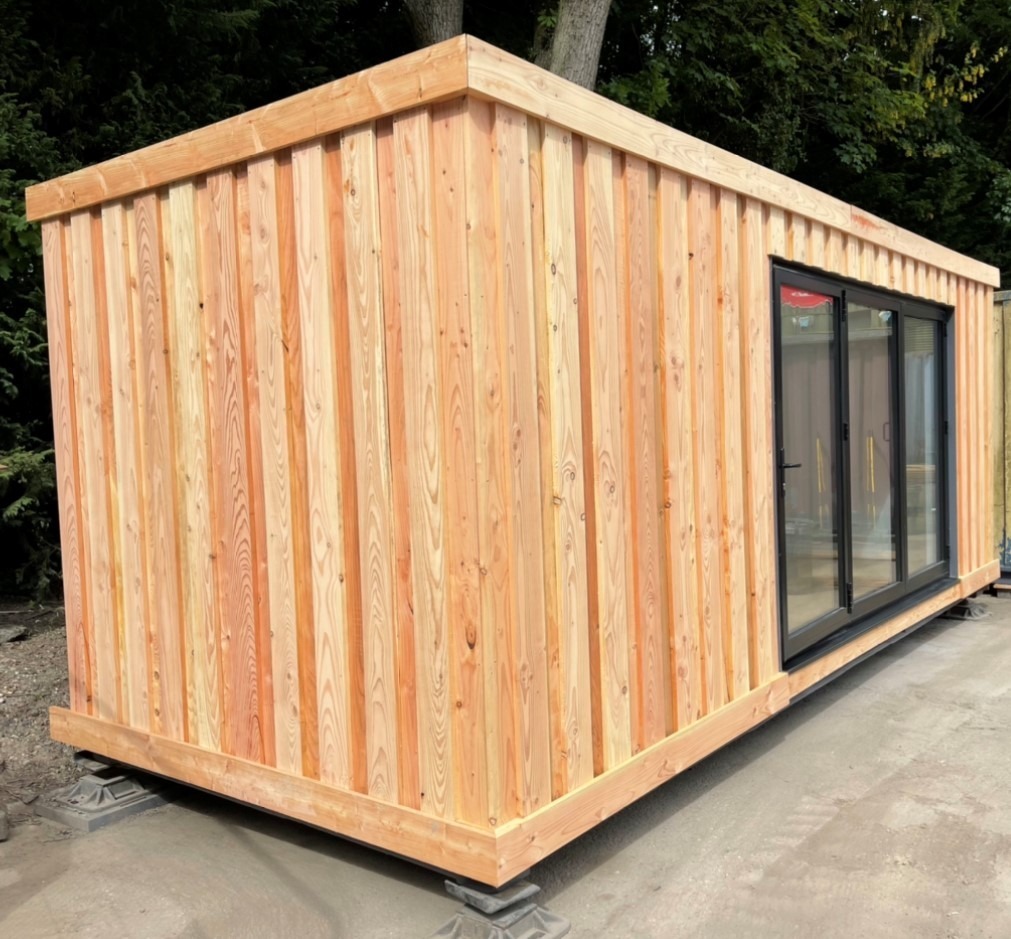
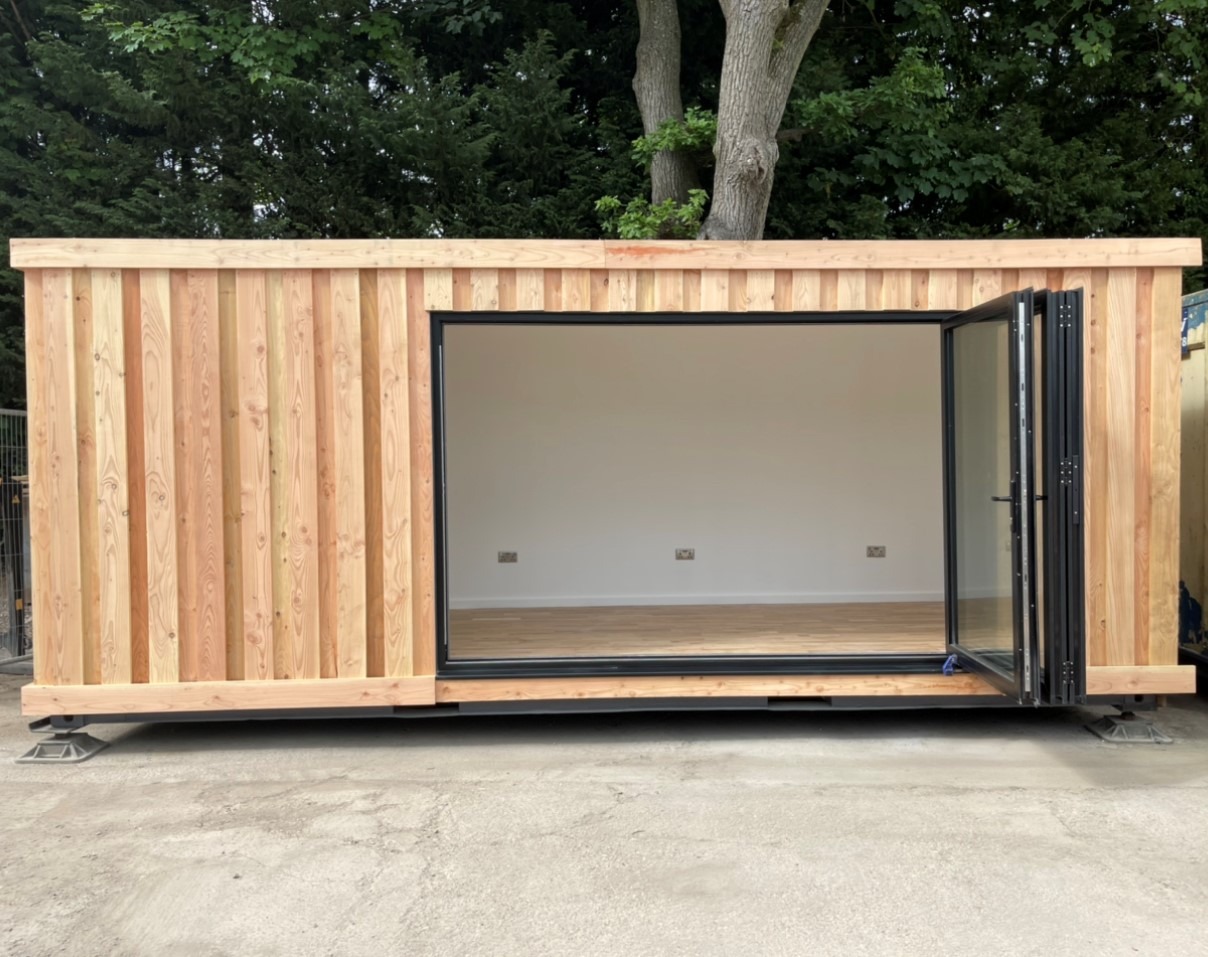
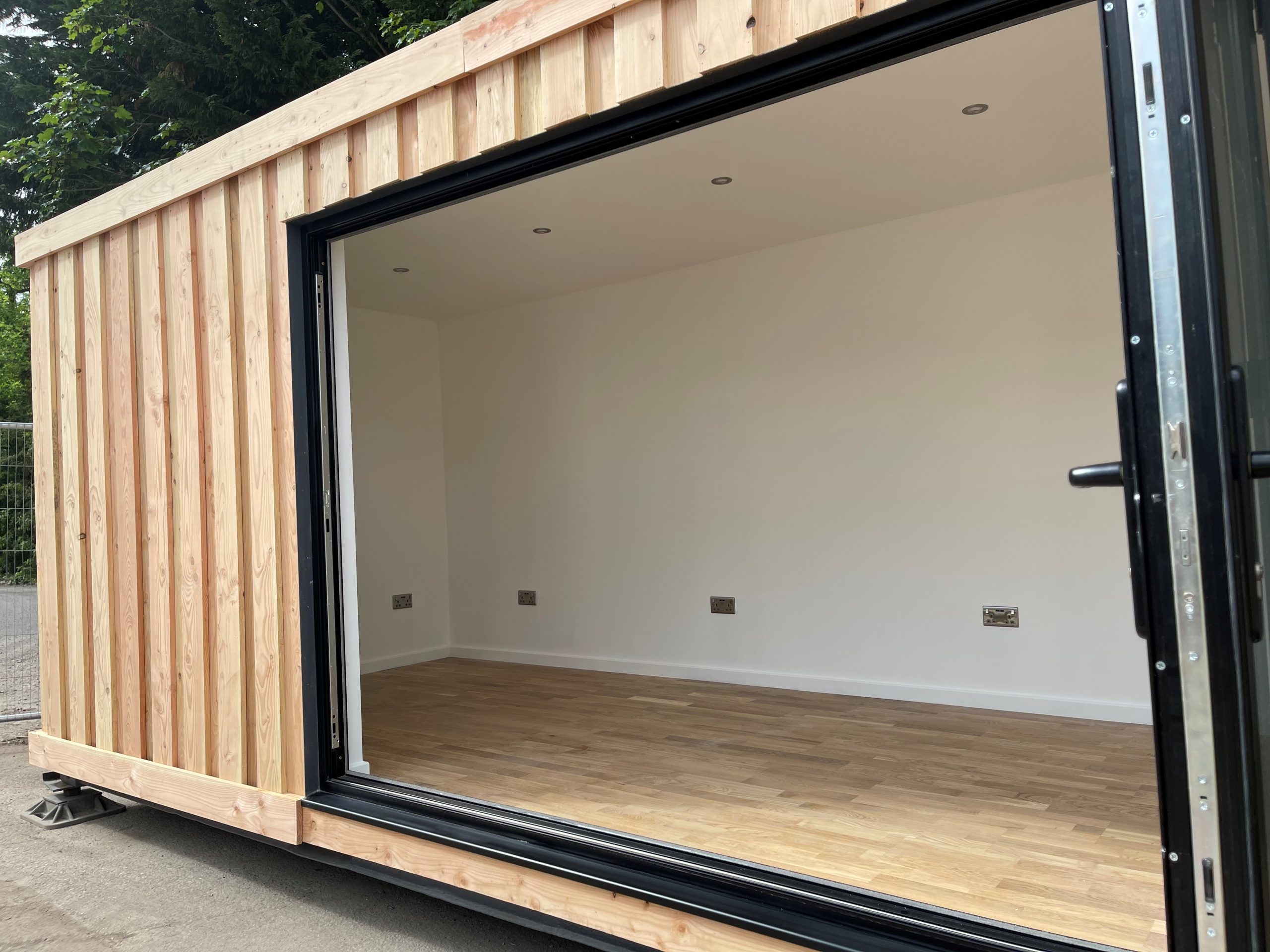
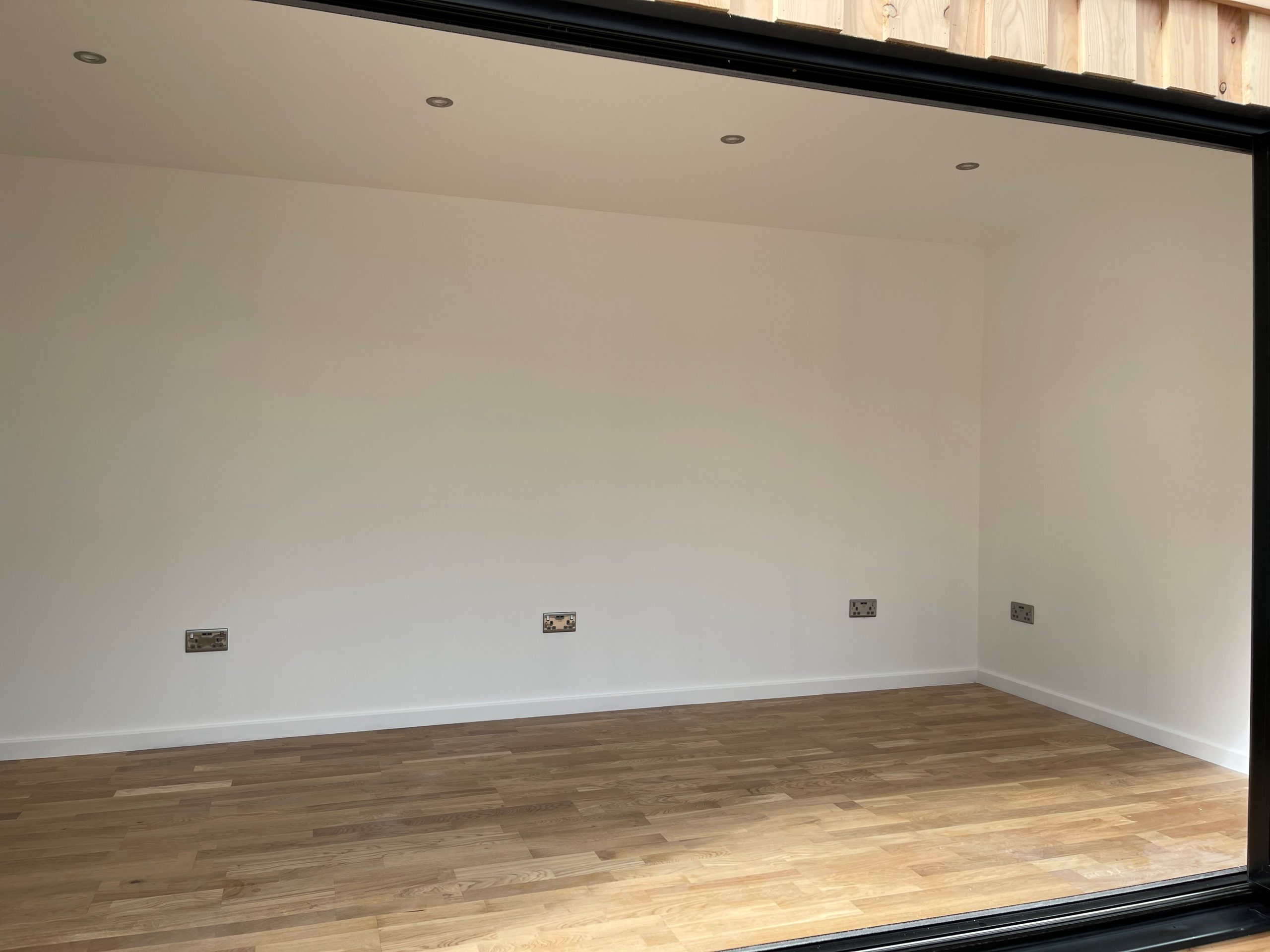
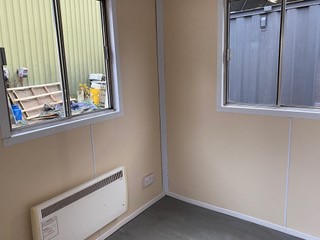
Fully Insulated with electric sockets, spot lighting, and heating
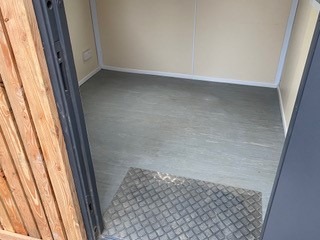
Wood Flooring
Aluminium Bi Fold Doors
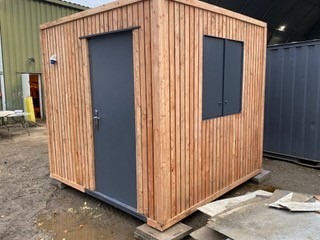
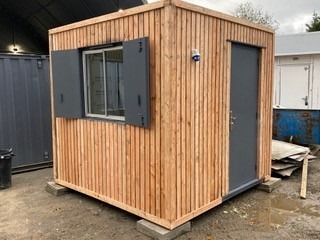
Fully wrapped in larch cladding
Lead Time for build 6-8 weeks


Location: Nationwide
+ VAT
Not Available for Hire
Call for an instant quote!
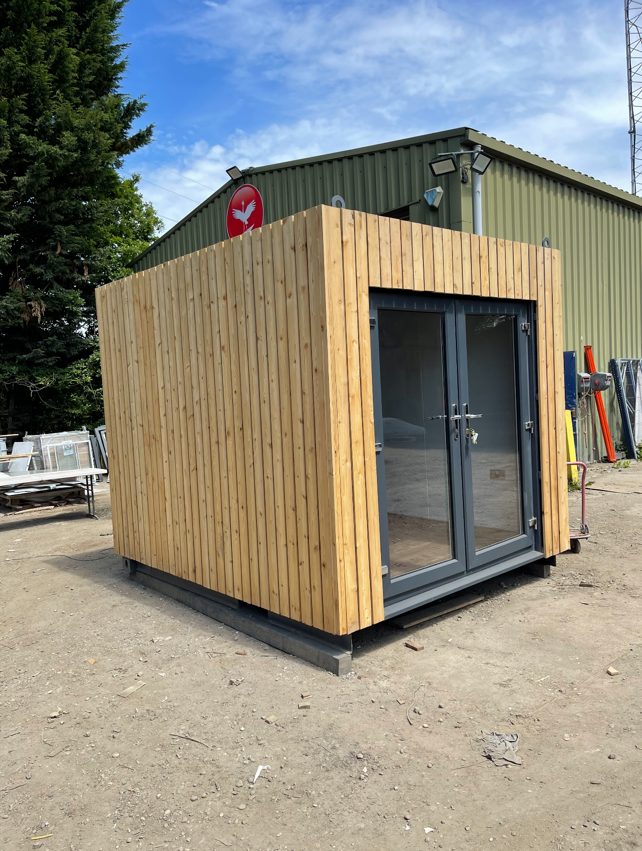
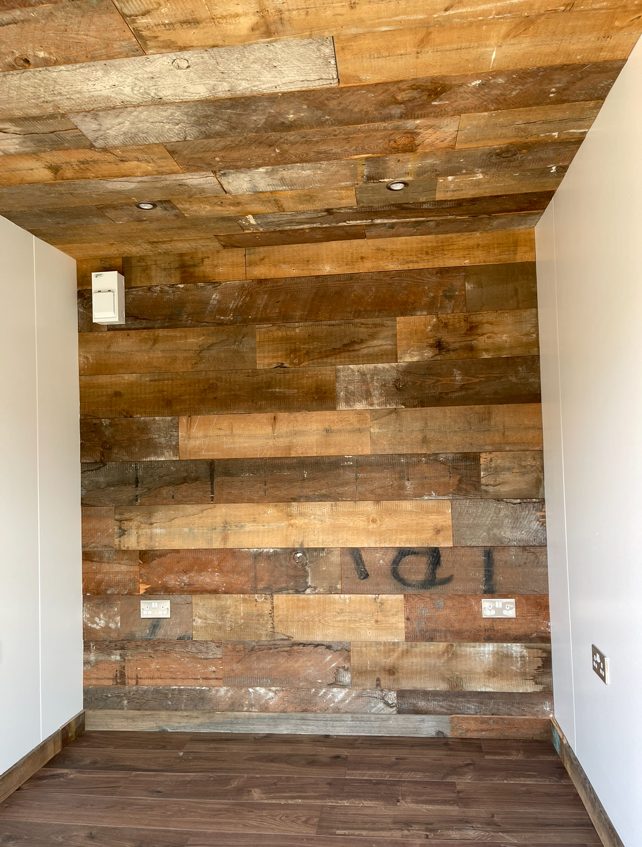
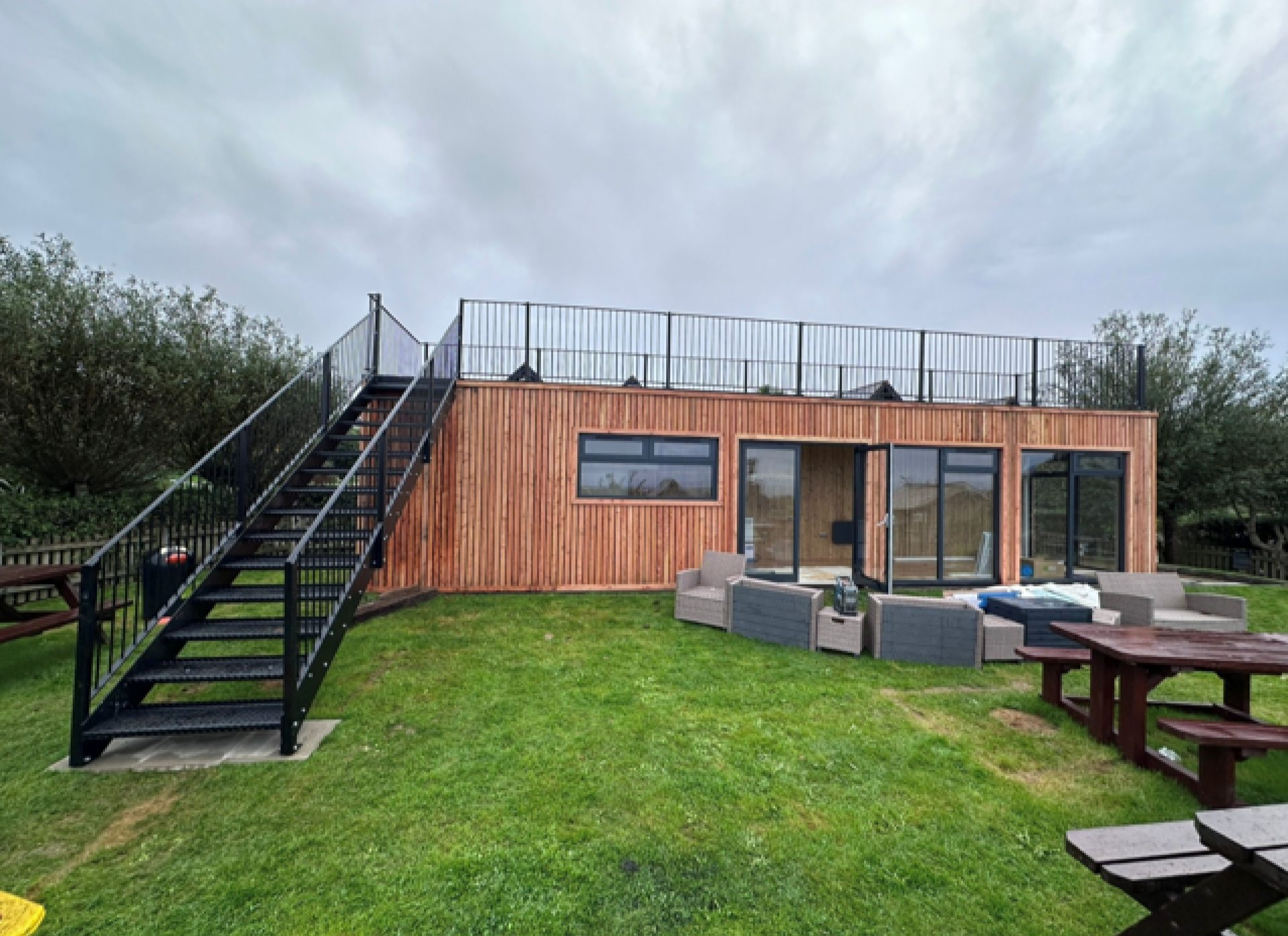
Fully Insulated with electric sockets, spot lighting, and heating
Wood Flooring
Feature Clad Wall and Ceiling
UPVC Double glazed French Doors
Fully wrapped in larch cladding
Lead Time for build 6-8 weeks


Location: Nationwide
EX VAT
Not Available for Hire
Call for an instant quote!


Location: Nationwide
EX VAT
Not Available for Hire
Call for an instant quote!


Location: Nationwide
EX VAT
Not Available for Hire
Call for an instant quote!


Location: Nationwide
EX VAT
Not Available for Hire
Call for an instant quote!


Location: Nationwide
EX VAT
Not Available for Hire
Call for an instant quote!

Location: Nationwide
EX VAT
Not Available for Hire
Call for an instant quote!


Location: Nationwide
EX VAT
Not Available for Hire
Call for an instant quote!


Location: Nationwide
EX VAT
Not Available for Hire
Call for an instant quote!


Location: Nationwide
EX VAT
Not Available for Hire
Call for an instant quote!


Location: Nationwide
EX VAT
Not Available for Hire
Call for an instant quote!


Location: Nationwide
EX VAT
Not Available for Hire
Call for an instant quote!


Location: Nationwide
EX VAT
Not Available for Hire
Call for an instant quote!


Location: Nationwide
EX VAT
Not Available for Hire
Call for an instant quote!


Location: Nationwide
EX VAT
Not Available for Hire
Call for an instant quote!


Location: Nationwide
EX VAT
Not Available for Hire
Call for an instant quote!


Location: Nationwide
EX VAT
Not Available for Hire
Call for an instant quote!
10ftx8ft – £5950 + Vat / 16ftx8ft – £7950 + Vat / 20ftx8ft – £9000 + Vat / 24ftx8ft – £12000 + Vat / 30ftx8ft – £13500 + Vat


Location: Nationwide
EX VAT
Not Available for Hire
Call for an instant quote!


Location: Nationwide
EX VAT
Not Available for Hire
Call for an instant quote!


Location: Nationwide
EX VAT
Not Available for Hire
Call for an instant quote!

Location: Nationwide
Quantity: ∞
EX VAT
Not Available for Hire
Call for an instant quote!
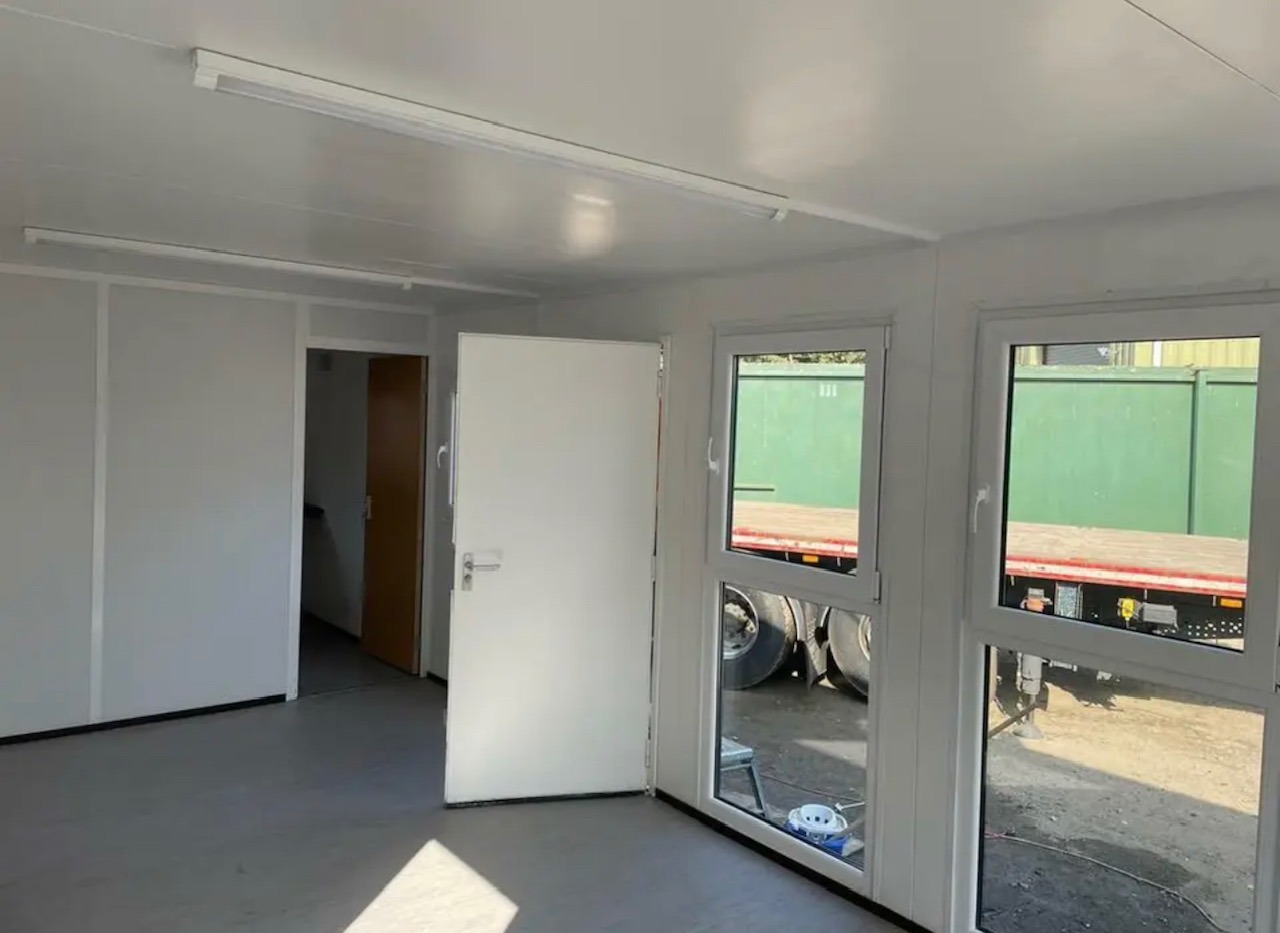
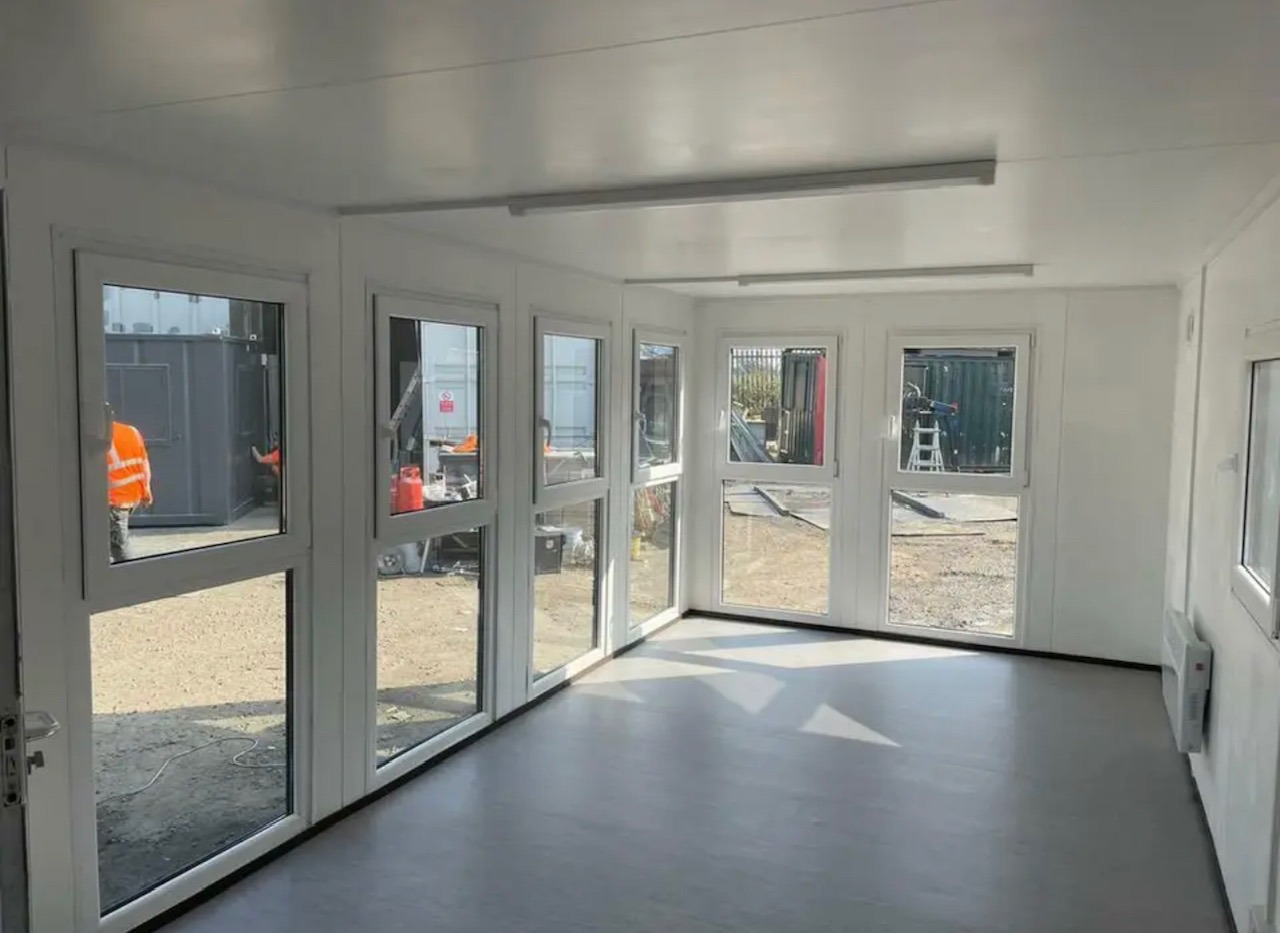
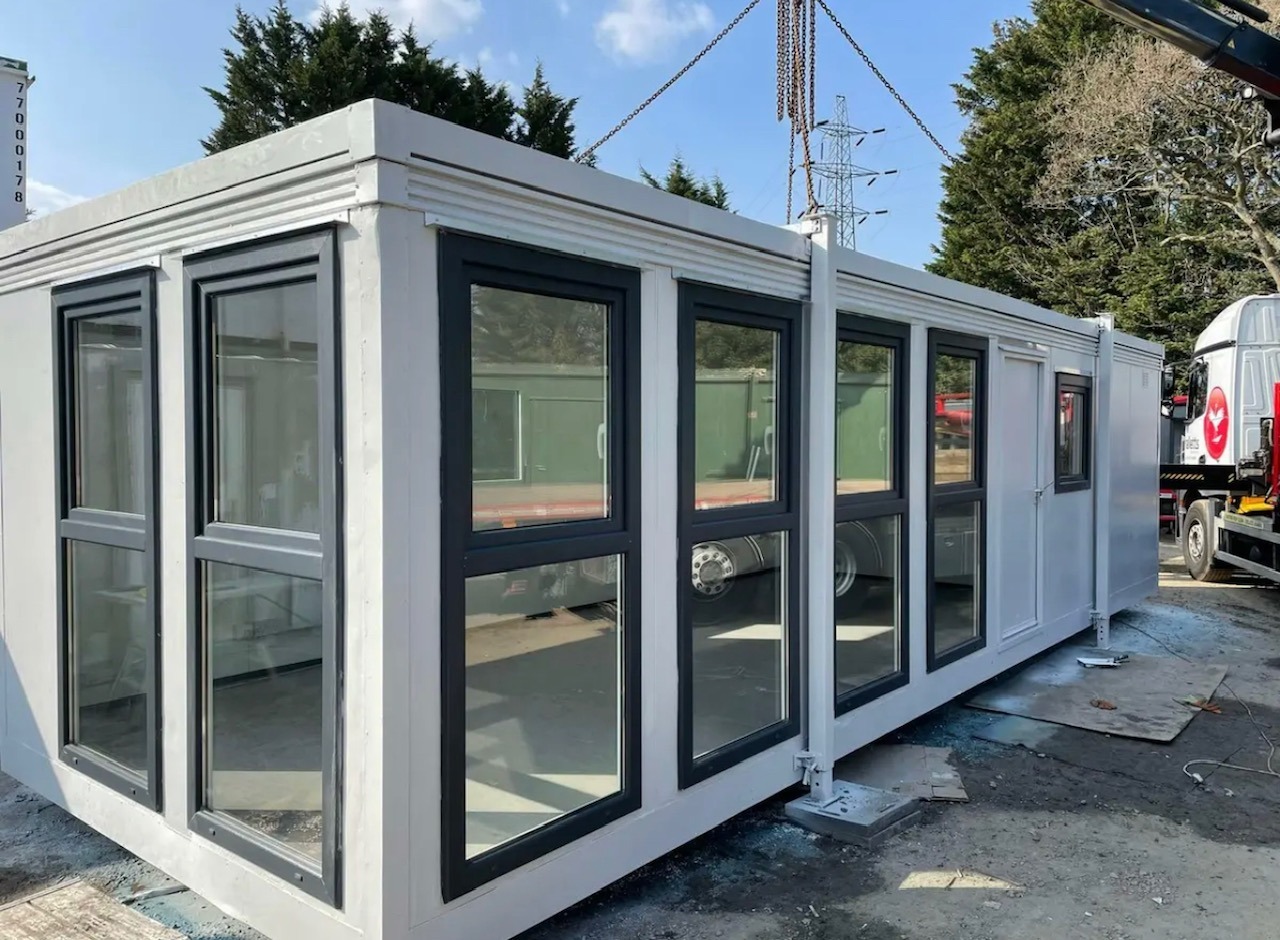
• Reinforced doors and windows with secure locking
• Open plan with electric sockets and lighting
• Ral Code Colour of choice
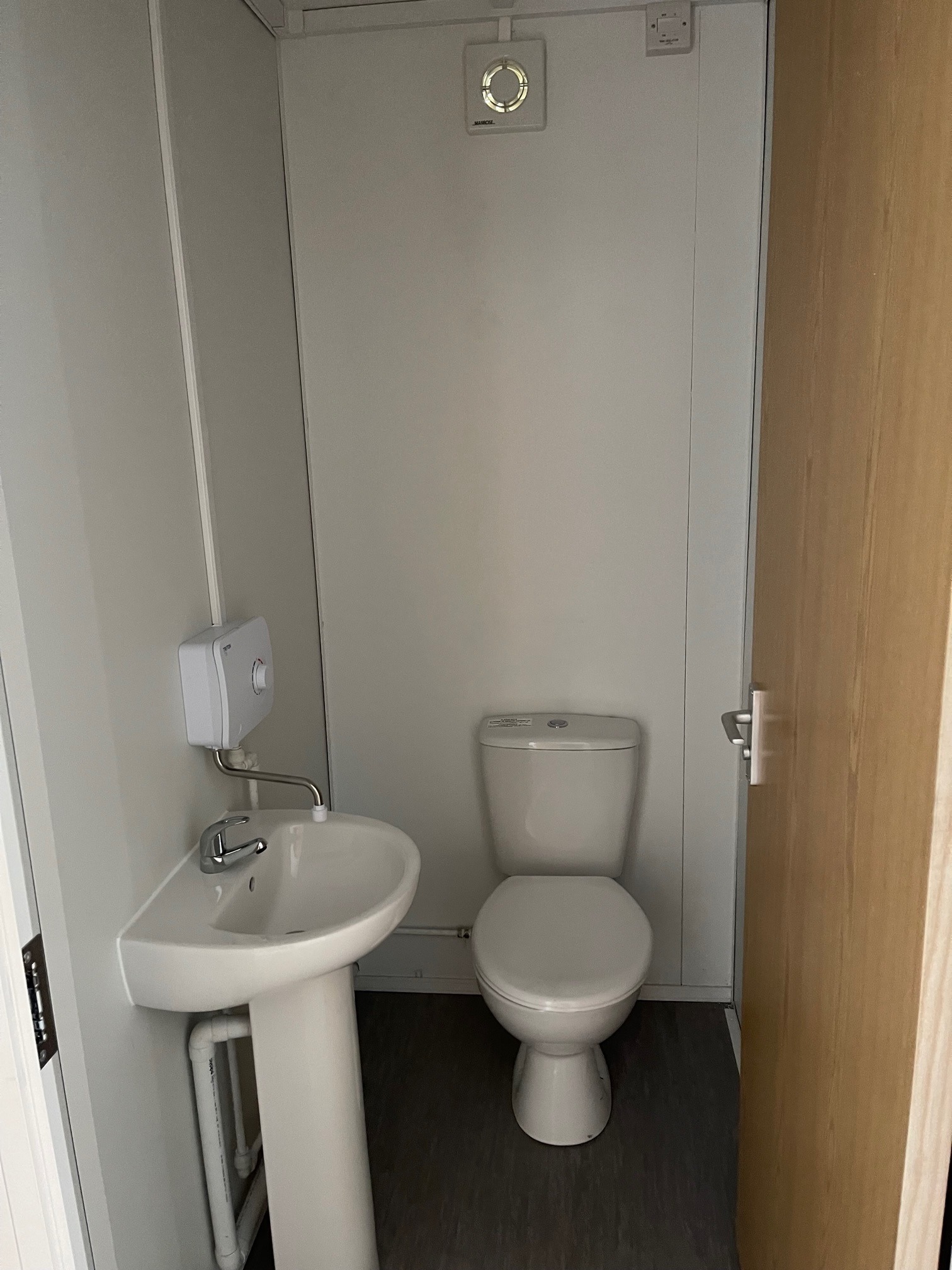
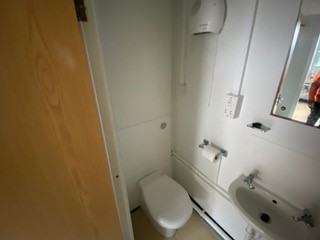
• Any Extras available : Canteen, Partitions, Toilets.


Location: Nationwide
EX VAT
Not Available for Hire
Call for an instant quote!
• Reinforced doors and windows with secure locking
• Open plan with electric sockets and lighting
• Ral Code Colour of choice
• Any Extras available : Canteen, Partitions, Toilets.

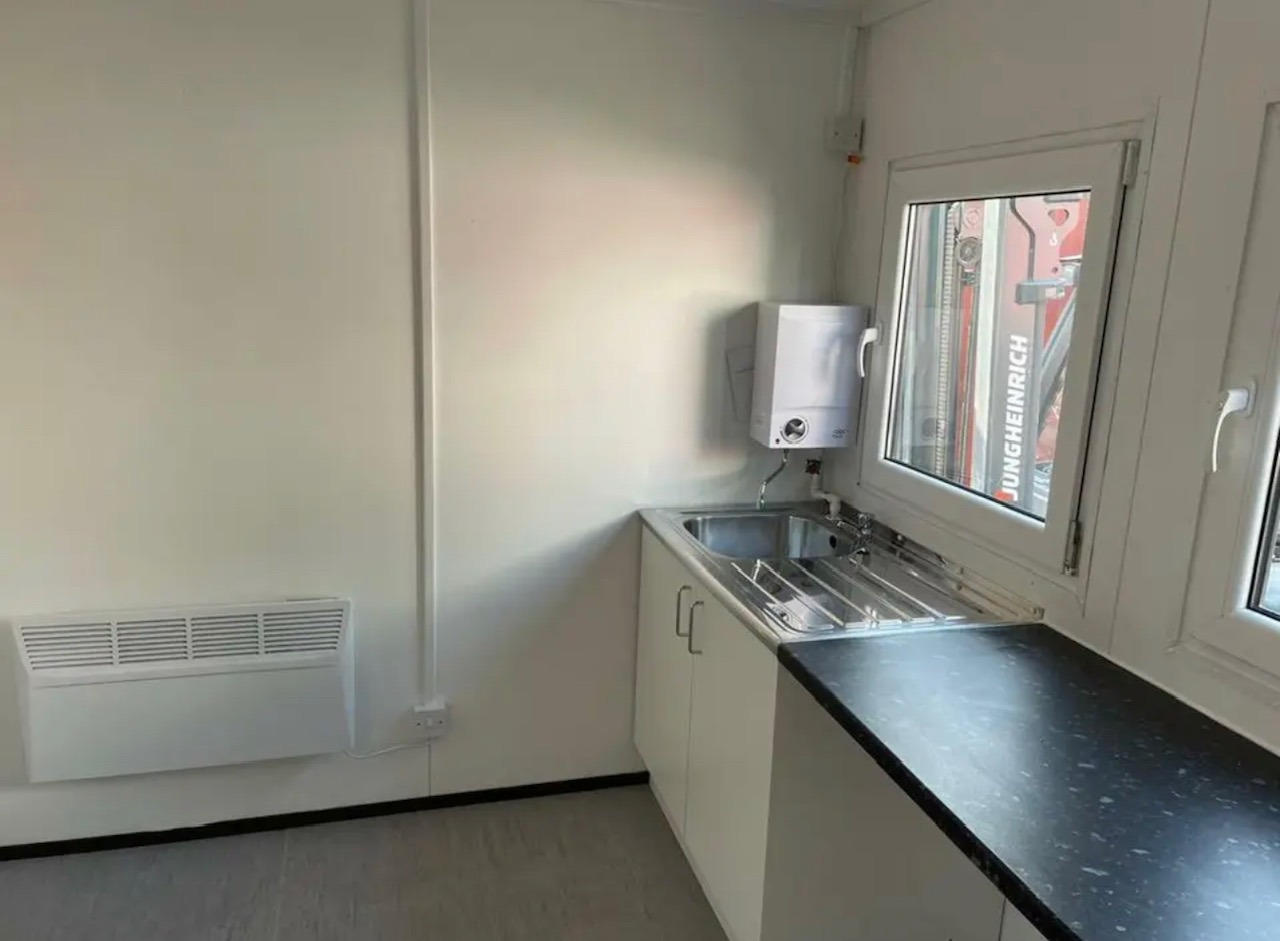
• Reinforced doors with secure locking
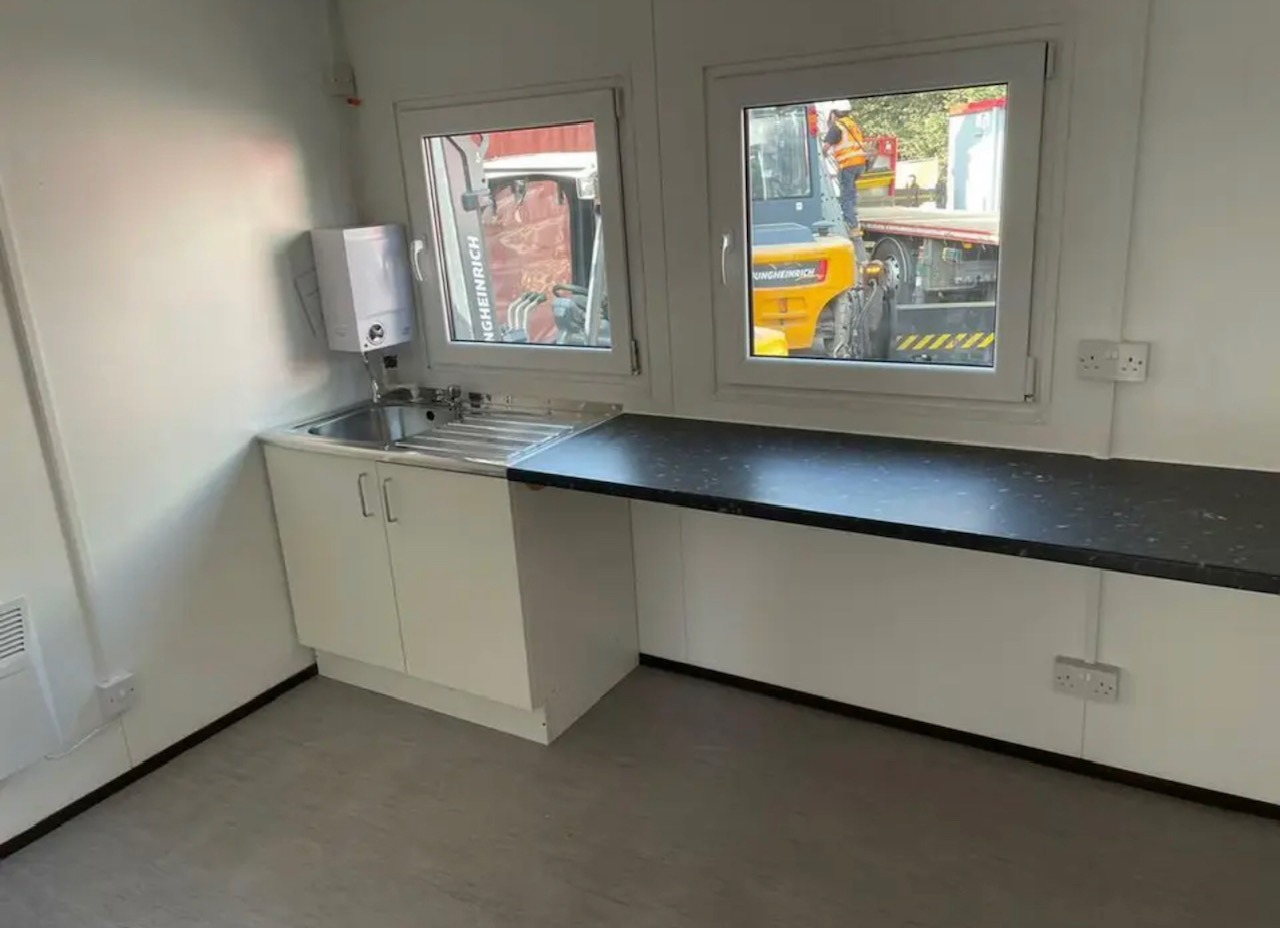
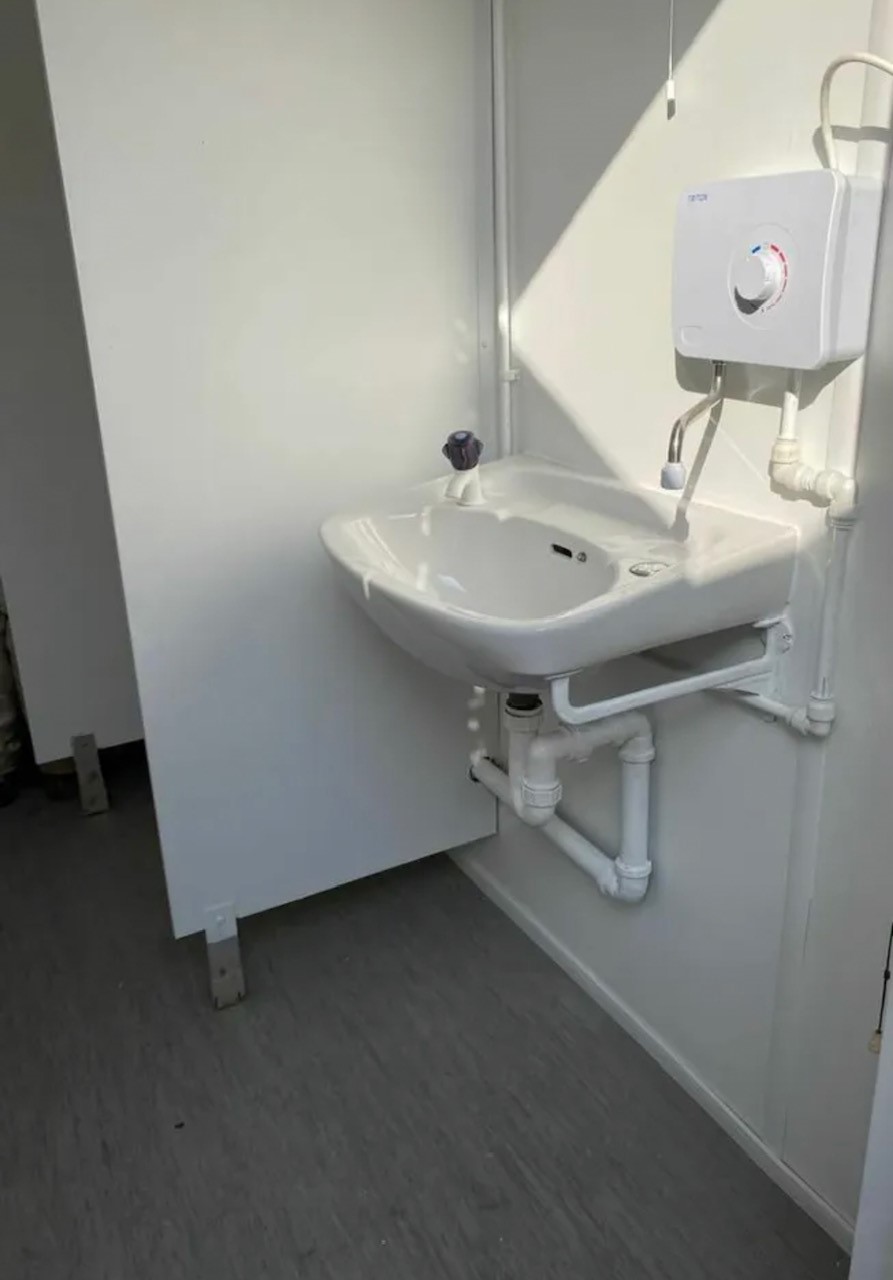
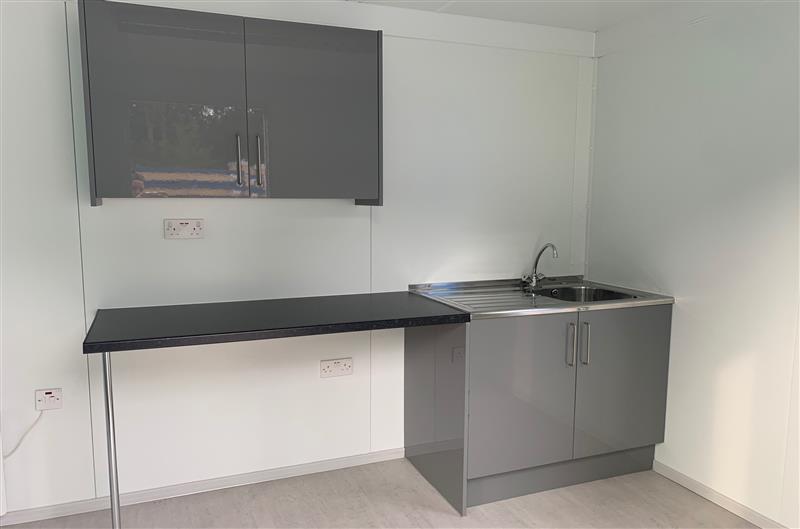
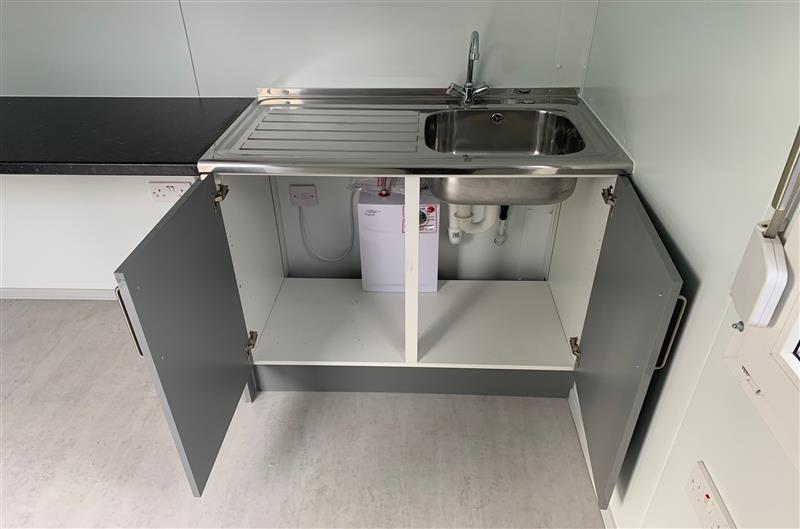
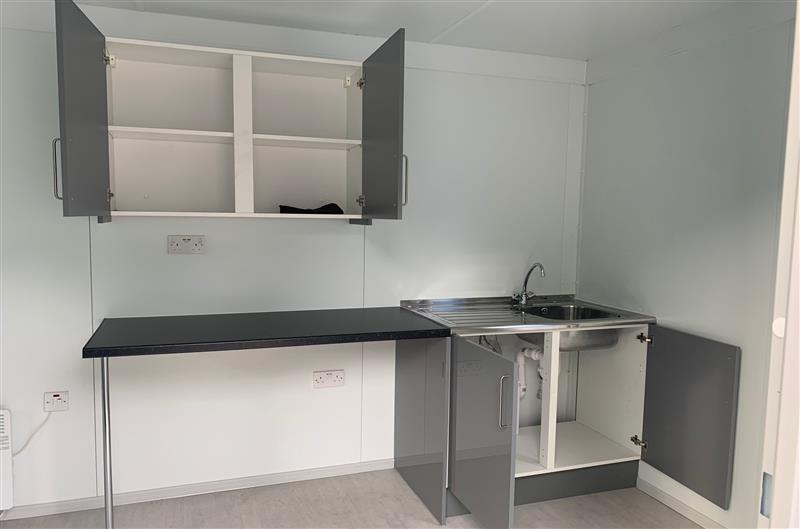
• Sink and water boiler included


Location: Nationwide
Quantity: ∞
EX VAT
Not Available for Hire
Call for an instant quote!


Location: Nationwide
EX VAT
Not Available for Hire
Call for an instant quote!
Get a Quick Container Quote Now!


Location: Nationwide
EX VAT
Not Available for Hire
Call for an instant quote!
Get a Quick Container Quote Now!