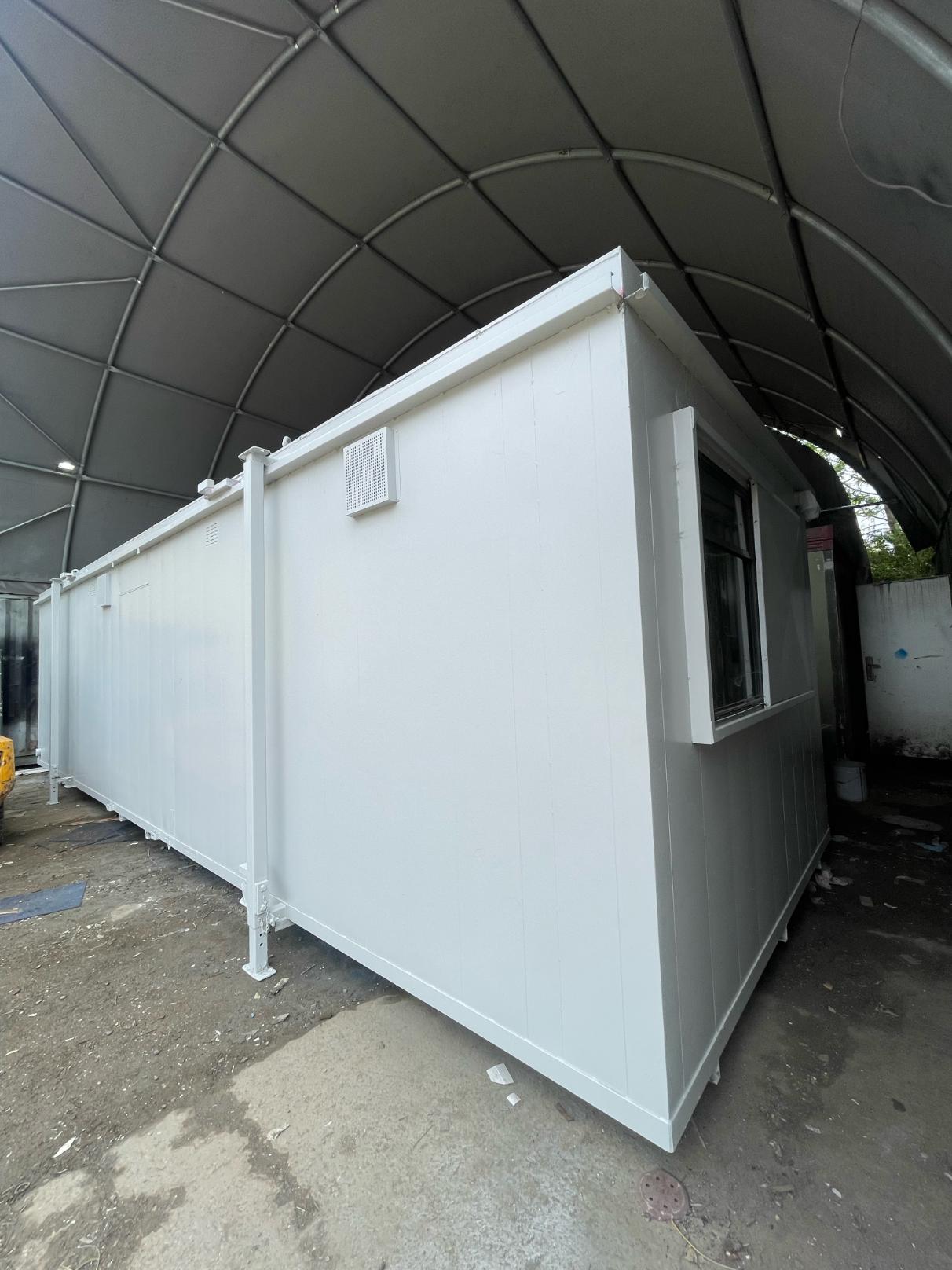
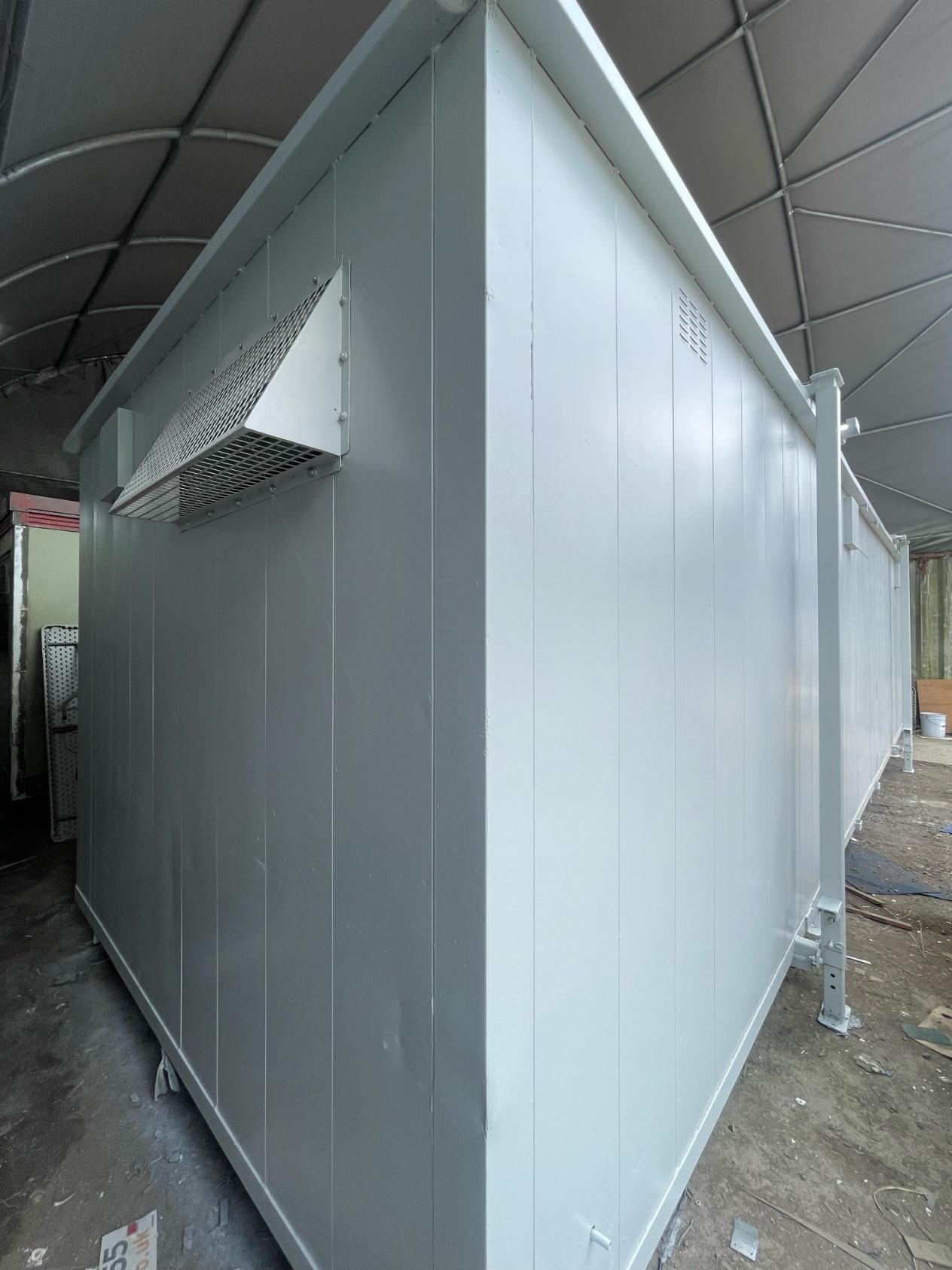
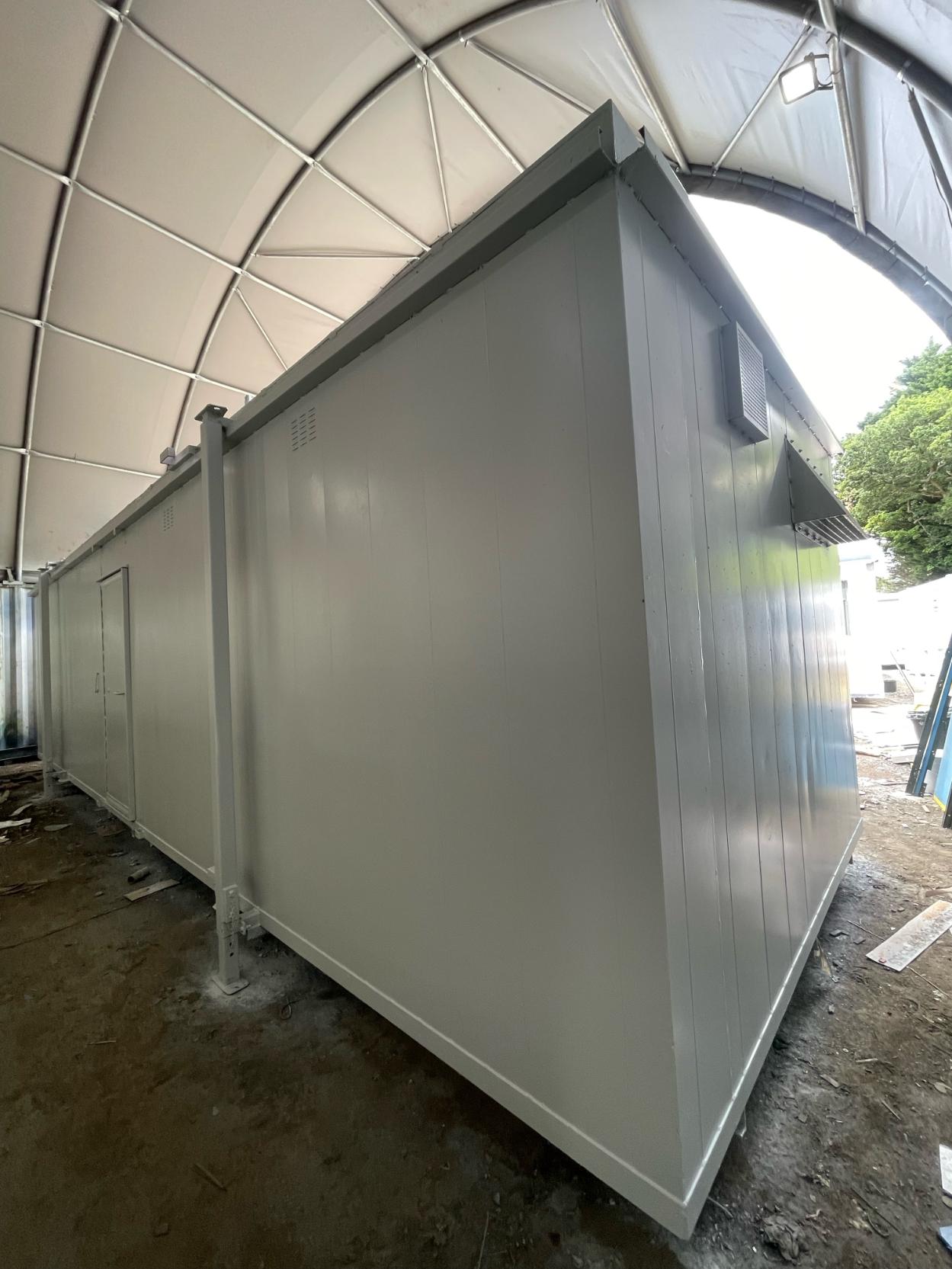
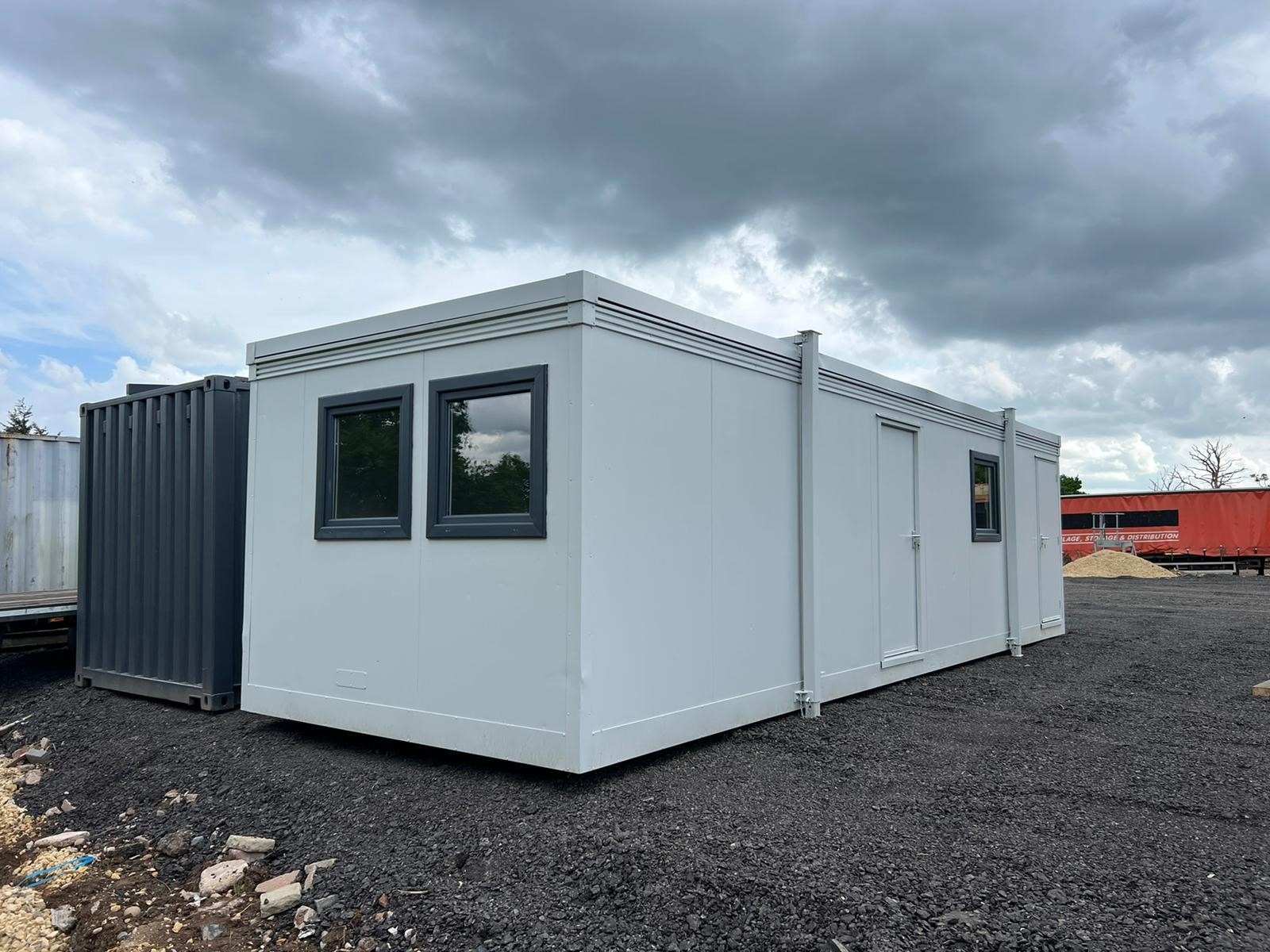
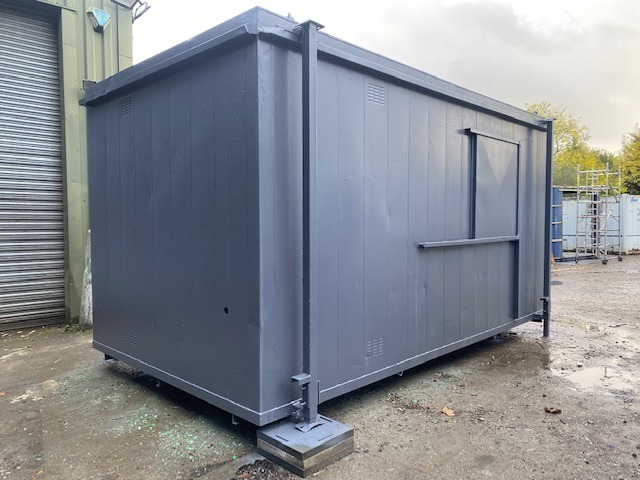
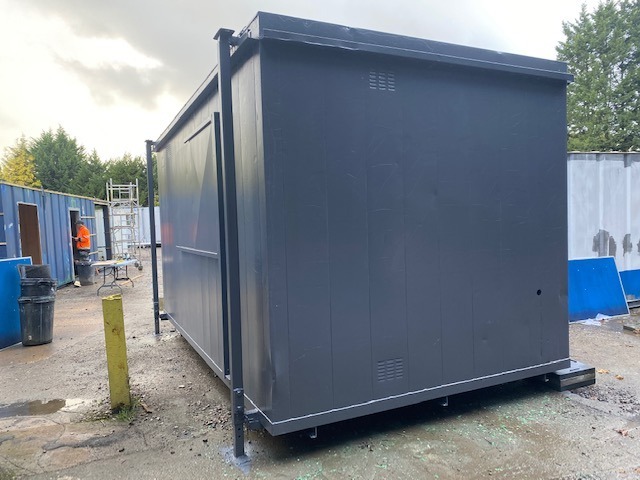
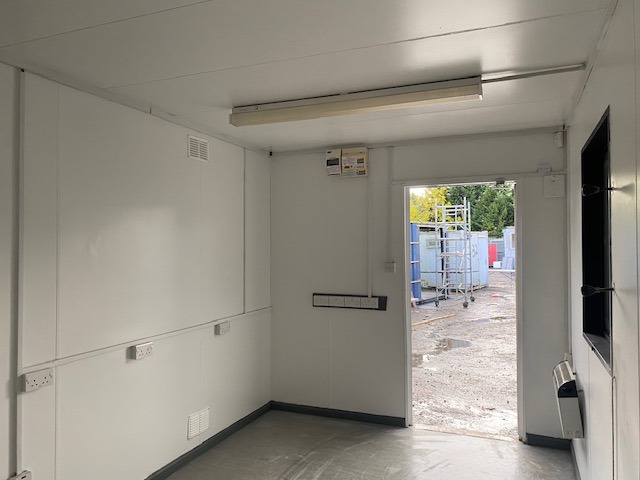
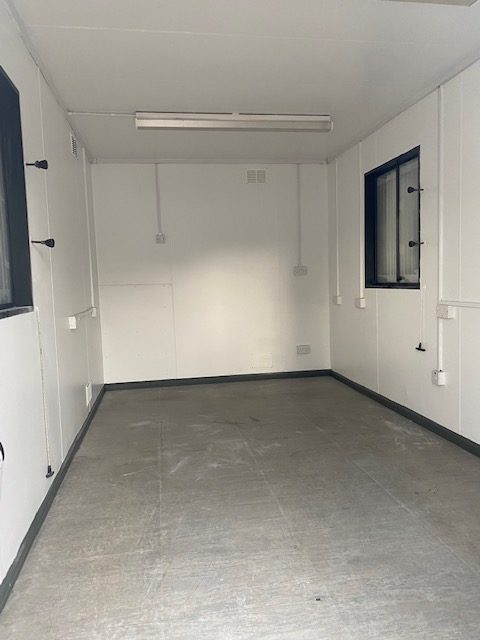
2026 Top Insulated Storage Container Types?
Choosing an insulated storage container in 2026 is no longer a simple capacity decision. Users now compare thermal performance, portability, sanitation, durability, and energy use. A container protecting vaccines, meal kits, seafood, or laboratory samples must maintain a stable internal temperature. Small details matter. A tight lid, thick wall, reflective lining, and replaceable gasket can prevent costly temperature swings. However, published insulation values do not always match warehouse, delivery, or outdoor conditions. This guide examines leading types, including foam-core boxes, vacuum-insulated units, active refrigerated containers, and phase-change systems. Each type serves a different operating rhythm. Some are ideal for short trips. Others support repeated commercial handling.
The comparison focuses on practical evidence rather than attractive specifications. We consider loading patterns, ambient heat, cleaning routines, condensation, battery life, and service access. Field experience shows that a container may perform well at 20°C yet struggle beside a loading dock in summer. That gap deserves attention. Reliable selection also requires checking test methods, food-contact suitability, temperature monitoring, and supplier support. Independent verification remains valuable, especially when products claim long hold times or extreme durability. There is no universal winner. A lightweight insulated storage container may suit a home caterer, while a powered model may better protect high-value goods during extended transport. This 2026 overview explains where each design works, where it fails, and which compromises buyers often overlook. Some conclusions may change as materials improve. That is worth admitting.
What Are Insulated Storage Containers and How Do They Work?
Insulated storage containers protect temperature-sensitive goods by slowing heat transfer. Their walls usually combine foam, fiberglass, or vacuum panels with reflective liners. The design limits conduction, convection, and radiant heat. Airtight seals help, too. A loose lid can ruin careful insulation.
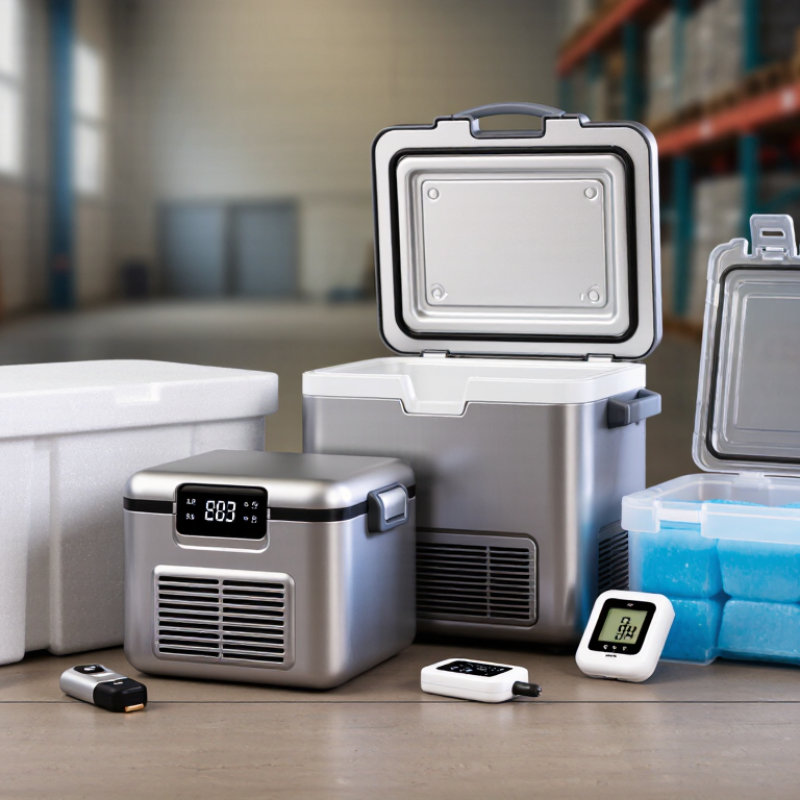
Common types include insulated boxes, pallet shippers, reusable transport totes, and refrigerated containers. Foam boxes suit short deliveries and small parcels. Pallet systems provide more capacity for food, medicines, or laboratory materials. Refrigerated units actively control temperature with compressors, while passive containers rely on frozen gel packs or phase-change materials. The latter absorb heat as they melt, keeping the interior within a selected range.
Performance depends on wall thickness, opening frequency, outside temperature, and loading pattern. A container packed tightly may hold temperature better, but blocked airflow can create warm pockets. That detail is easy to miss. The United Nations Environment Programme’s Food Waste Index Report 2024 estimated 1.05 billion tonnes of food waste in 2022. Meanwhile, the FAO’s 2019 State of Food and Agriculture reported that 14% of food is lost between harvest and retail. Better insulation cannot solve every loss, yet it can reduce temperature-related damage when paired with sensors and disciplined handling. Data matters more than appearance. A thick wall is not automatically a reliable one.
Which Insulation Materials Define Container Performance?
2026 Top Insulated Storage Container Types?
Insulation materials largely determine how a storage container handles heat, moisture, and temperature changes. Polyurethane foam offers strong thermal resistance with relatively thin walls. It suits containers where interior capacity matters. However, installation gaps can create cold bridges and reduce real-world performance.
Expanded polystyrene is lightweight, affordable, and easy to replace. Its performance can decline when moisture enters damaged sections. Mineral wool provides good fire resistance and acoustic control, but it usually needs thicker panels. Vacuum insulated panels achieve excellent insulation in slim spaces. They require careful handling because punctures can sharply reduce efficiency.
Aerogel-based materials deliver impressive thermal performance, especially around doors, corners, and narrow joints. Their cost may limit wider use. No material wins every test. Field experience shows that seals, floor insulation, and ventilation often matter as much as wall panels. A container with excellent foam can still develop condensation around a poorly sealed door.
Performance also depends on climate, loading frequency, and internal heat sources. In a humid coastal area, moisture resistance deserves more attention than laboratory conductivity alone. In colder regions, continuous insulation reduces thermal bridges more effectively. Specifications should include tested R-values, moisture behavior, compression strength, and service temperature. Some published figures look precise, yet actual results vary after repeated opening, transport, and repairs. That uncertainty should remain part of the purchasing decision.
2026 Top Insulated Storage Container Types: Which Insulation Materials Define Container Performance?
Lower thermal conductivity generally indicates better insulation performance. Vacuum insulation panels provide the strongest thermal resistance with the thinnest profile, while polyurethane foam offers a practical balance of insulation efficiency, structural support, cost, and manufacturability. Expanded polystyrene and extruded polystyrene remain widely used where lightweight construction and affordability are priorities.
Values shown are representative thermal-conductivity ranges for common insulation materials at approximately 23°C. Actual container performance also depends on wall thickness, moisture, thermal bridging, sealing quality, and temperature conditions.
What Are the Main Insulated Storage Container Types in 2026?
In 2026, insulated storage containers generally fall into four practical types: rigid, flexible, vacuum-insulated, and active temperature-controlled units. Rigid containers use molded foam panels inside a durable shell. They suit warehouses, food transport, and repeated handling. Their thick walls protect contents from short temperature swings. They are heavy, though. That drawback matters when staff move full units by hand.
Flexible containers use fabric covers, foam liners, and sealed closures. They fold flat and work well for short-distance delivery or temporary storage. Vacuum-insulated containers offer stronger thermal resistance in a smaller profile. They can protect sensitive materials, but damaged panels reduce performance quickly.
Passive containers rely on frozen or conditioned packs. Active units use powered cooling or heating systems and provide tighter control. They need electricity, monitoring, and maintenance. A power failure can become expensive.
Choosing among these types requires more than comparing insulation thickness. A food operation may need stable conditions between 2°C and 8°C. A warehouse storing dry goods may need only protection from heat and moisture. Use calibrated temperature loggers during real tests. Check the container after opening it repeatedly. Seals often fail before insulation does. I would not trust a specification sheet alone. A container may perform well in a laboratory, then struggle inside a hot delivery vehicle. Staff handling, loading time, cleaning methods, and available power all deserve equal attention.
How Do Container Types Compare for Different Storage Needs?
Choosing an insulated storage container depends on temperature stability, access frequency, and transport distance. Passive containers suit short deliveries and emergency storage. They use insulation and phase-change packs, with no powered equipment. Vacuum-insulated models provide stronger thermal resistance in thinner walls. Space matters here. Refrigerated containers suit long-term storage, but they require dependable electricity, ventilation, and maintenance.
Grand View Research valued the global cold-chain market at approximately USD 301.8 billion in 2023, with rapid growth projected through 2030. That expansion reflects demand for reliable temperature control, not simply larger containers. The International Energy Agency reports that cooling demand could more than triple by 2050 without efficiency improvements. Therefore, powered units may offer better control, yet they can increase energy exposure during outages. A passive unit can be safer for brief, high-risk transfers.
For food, medicines, and sensitive materials, data logging is as important as insulation thickness. A container holding 4°C at noon may drift after repeated opening. Small details matter: lid seals, internal airflow, exposed corners, and the time needed for pre-conditioning. The 2023 UNEP Cooling Emissions and Policy Synthesis Report links efficient cooling with lower energy use and emissions. Still, reports cannot replace site testing. I would compare measured temperature curves under real loading conditions, not empty-box claims. This is where planning often fails. A cheaper container may become expensive after spoilage, repairs, or repeated power interruptions.