Choosing the best Duct Air Heater in 2026 starts with the duct, not the product label. A compact unit may suit a short branch, while a larger system may need greater airflow and carefully matched heating capacity. Check the duct dimensions, available power supply, required temperature rise, and the system’s expected airflow before comparing models. A high wattage rating alone does not prove a heater will perform well in your installation.
Details matter. Look for clear specifications, documented overheat protection, suitable temperature controls, and installation instructions that match your system. Confirm whether the heater works with your existing sensors or controller, and check the manufacturer’s guidance on clearances and maintenance. A metal cabinet, accessible wiring compartment, and replaceable components can also make routine inspection easier. These are practical checks, not guarantees of quality.
Not always.
There is no single best choice for every building. Performance depends on the duct layout, operating conditions, and correct installation, so compare like-for-like ratings rather than relying on promotional claims. If electrical capacity or control compatibility is uncertain, ask a qualified HVAC professional to review the specifications. I would also treat missing performance data as a reason to pause; a polished product page cannot replace a clear technical manual. This guide explains which features deserve attention, how to compare common heater types, and what questions to ask before buying. Some details may seem minor until the unit is running daily.
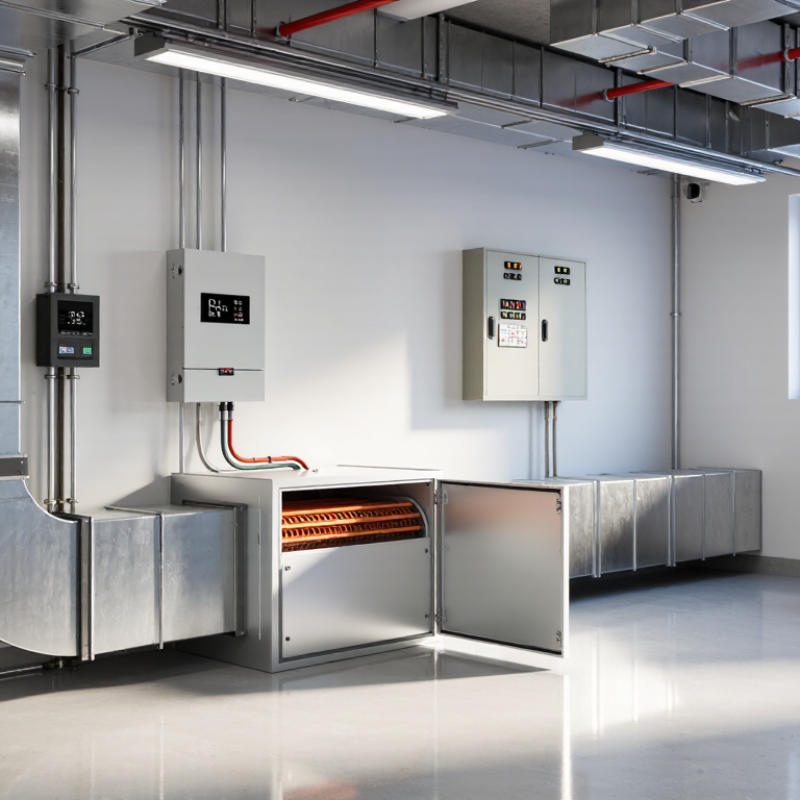
A duct air heater raises the temperature of air moving through a building’s ductwork. The main options are electric, gas, and hydronic. Each fits a different system, so “best” depends on the available utilities, airflow, and heating needs.
Electric heaters use resistance elements to warm passing air. They are compact and often straightforward to install, especially where gas is unavailable. However, they can draw substantial electrical power.
Gas heaters warm air through a heat exchanger and need suitable venting and combustion-air arrangements.
Hydronic heaters use a coil carrying hot water from a boiler or heat pump. They can suit buildings with existing water-based heating, but their performance depends on water temperature and flow. Details matter.
Before choosing, check the duct size, airflow, electrical capacity, and required temperature rise. A heater that is too large may cycle frequently; one that is too small may struggle on cold days. The comparison is less tidy than a simple efficiency chart suggests. Local energy costs and the rest of the heating system can change the result. Have a qualified heating professional verify sizing, controls, and safe installation for the specific duct system.
For duct air heater sizing, begin with the airflow and the temperature rise you need. The ASHRAE field formula is Q = 1.08 × CFM × Δ°F, with Q measured in BTU per hour. Here, CFM is airflow in cubic feet per minute, and Δ°F is the desired increase between entering and leaving air. For 800 CFM and a 25°F rise, the estimate is 21,600 BTU/h. A useful starting point.
Measure airflow and temperatures under steady operating conditions, not just from equipment labels. A partly clogged filter or closed damper can reduce airflow and change the actual temperature rise. That matters. The 1.08 factor assumes air near standard density; altitude and unusual operating conditions can affect the result. The formula estimates heat delivered to the air, not every loss in the duct system.
Compare the calculated output with the heater’s rated heat output, then verify its permitted airflow and temperature limits. Check duct insulation, too: a long, cool run may lose heat before it reaches the room. A perfect calculation can still disappoint. Have a qualified HVAC professional confirm the final selection, controls, and electrical requirements; the formula alone cannot account for every installation detail.
Estimate heater output with the ASHRAE HVAC formula: Q = 1.08 × CFM × Δ°F. At a 30°F air-temperature rise, the outputs below are calculated for each airflow rate and shown in thousands of Btu per hour (kBtu/h).
For example, 1,000 CFM with a 30°F temperature rise requires approximately 32.4 kBtu/h. Actual heater selection should also account for equipment limits, installation requirements, and site conditions.
What Is the Best Duct Air Heater in 2026?
For electric duct heaters, “nearly 100% efficient” needs a clear boundary. The U.S. Department of Energy’s Energy Saver guidance says electric resistance heating converts nearly all electricity entering the heater into heat at the point of use. A 10 kW element therefore supplies roughly 10 kW of heat while operating. No flue losses. That is the catch: this figure does not include power generation, duct leakage, or heat lost before air reaches the room. It is a useful benchmark, not a whole-building efficiency score.
The DOE’s Energy Saver guidance on heat pumps says they can use about 50% less electricity for heating than electric resistance systems. That comparison matters when choosing a duct heater for long winter run times. In the field, check the heater’s rated output against measured airflow and the required temperature rise; ASHRAE’s Handbook—HVAC Systems and Equipment treats these as core duct-heater selection factors. A clogged filter or weak blower can reduce airflow and create uncomfortable hot spots. Small details, but easy to miss. Ask for measured commissioning results, not just a catalog efficiency figure. The near-100% number is real at the element; the room may tell a less tidy story.
What Is the Best Duct Air Heater in 2026?
Safety and Compliance: UL 1996 and NEC Article 424 for Electric Duct Heaters
A dependable electric duct heater is more than a unit that reaches its setpoint. Its safety depends on correct selection, installation, and airflow. UL 1996 addresses the safety of electric duct heaters and evaluates features such as construction and protective controls. A listing to this standard is useful evidence, but it does not replace checking the heater’s ratings and installation instructions. Airflow matters. A heater operating without adequate airflow can overheat, even when its electrical connections appear sound.
NEC Article 424 covers fixed electric space-heating equipment, including requirements relevant to duct heaters. The applicable rules depend on the locally adopted code edition and the authority having jurisdiction. Installers should verify circuit sizing, overcurrent protection, disconnecting means, grounding, and required access before energizing the equipment. They should also confirm that airflow switches and temperature limit controls are wired and tested as specified. Small details count. A loose sensor or blocked filter can change operating conditions. Keep the heater’s nameplate and wiring diagram available for inspection, and document test results. Compliance is not a one-time checkbox; maintenance and future duct changes can affect safe operation. I would still review the actual installation with a qualified professional, because drawings rarely show every field condition.
| Evaluation dimension | What to look for | Safety and compliance relevance | What to verify before purchase or installation |
|---|---|---|---|
| Product certification | A duct heater certified to the applicable edition of UL 1996, with a certification mark and model identification. | UL 1996 addresses safety requirements for electric duct heaters. Certification applies to the identified product and its evaluated configuration; it does not replace correct installation. | Check the heater’s nameplate, certification listing, model number, electrical ratings, and installation instructions. Confirm that the specific model and options are covered. |
| NEC and local approval | Equipment and installation that meet the locally adopted National Electrical Code requirements, including applicable provisions of Article 424. | Article 424 covers fixed electric space-heating equipment. The adopted code edition, amendments, and authority having jurisdiction determine the applicable requirements. | Confirm the adopted NEC edition and local amendments with the authority having jurisdiction (AHJ). Follow the product listing and manufacturer’s installation instructions. |
| Airflow and temperature protection | A heater whose listed controls and installation design address operation without adequate airflow and excessive temperature. | Insufficient airflow or overheating can create a fire or equipment-damage hazard. Required safeguards and permitted configurations depend on the specific listed heater and its instructions. | Review the wiring diagram and installation manual for airflow-proving controls, temperature limits, required interlocks, and any stated minimum airflow or duct conditions. Do not bypass safety controls. |
| Electrical ratings and circuit protection | Voltage, phase, current, and heater capacity that match the electrical supply and are compatible with the circuit and equipment design. | Incorrect ratings or improperly sized conductors and overcurrent protection can cause malfunction, overheating, or shock and fire hazards. Article 424 requirements should be applied using the adopted code edition. | Compare the nameplate and manufacturer’s instructions with the supply, branch-circuit design, conductors, overcurrent protection, and disconnecting means. Have a qualified electrical professional verify the installation. |
| Duct installation conditions | A unit suitable for the duct arrangement, orientation, clearances, airflow, and environmental conditions at the installation site. | A listed heater is evaluated for specified conditions. Changing its orientation, clearances, duct configuration, or accessories may fall outside the evaluated installation. | Check the certified model’s instructions for approved mounting positions, clearances, duct dimensions, access for servicing, and any restrictions on nearby materials or components. |
| Capacity and system compatibility | A heater capacity selected to suit the building’s heating load and the air-handling system’s available airflow and electrical capacity. | A heater that is oversized or mismatched to the air system can lead to poor temperature control, nuisance trips, or operation outside the manufacturer’s stated conditions. | Confirm the design heating load, supply voltage, airflow, control strategy, and compatibility with the air handler or HVAC controls. Use manufacturer data and qualified design review rather than a universal wattage rule. |
| Documentation and inspection | Complete, model-specific installation, wiring, operating, and maintenance documentation that can be made available for inspection. | Documentation helps installers follow the evaluated configuration and allows inspectors and service personnel to confirm ratings and required safeguards. | Keep the nameplate information, certification details, wiring diagram, installation instructions, and inspection records with the project documentation. |
| Practical selection conclusion | The best choice is a correctly sized, UL 1996-certified duct heater that matches the system and can be installed in accordance with its listing, instructions, and locally adopted code. | No single heater is best for every application. Product certification, system compatibility, and code-compliant installation should be evaluated together. | Before approval, confirm the exact model and installation with the manufacturer’s documentation, a qualified electrical or HVAC professional, and the AHJ where required. |
Note: Code requirements vary by adopted edition and jurisdiction. This table is a general selection aid, not a substitute for the applicable code, product instructions, or review by the authority having jurisdiction.
Choosing a duct air heater starts with the heat the space actually needs, not the largest unit available. Estimate the required output from room heat loss, target temperature, and incoming air conditions. Then compare that figure with the heater’s rated kilowatts at the expected airflow. Measure, don’t guess. A unit that is too powerful may cycle often, while an undersized one can struggle on cold mornings.
Airflow and pressure drop belong in the same decision. Check the system’s design airflow and the heater’s pressure-drop data at that rate. A restrictive coil, filter, or long duct run can reduce delivered airflow. That may lead to uneven heating or overheating protection trips. Real ducts are rarely perfect. I would not trust a tidy spreadsheet alone; field measurements can reveal a mismatch between the design and the installed system.
Controls matter after the heater is sized. Confirm compatibility with the fan, thermostat, and any staged or modulating output. Look for clear limits, fault indication, and a way to prevent heating without adequate airflow. Small details matter. Before purchase, verify electrical supply, mounting clearances, and service access against the installation manual. A qualified HVAC professional can check calculations and operating conditions; even careful estimates deserve a second look.

Registered in England & Wales No. 2786496
Registered office at: 337 Tanworth Lane,
Shirley, Solihull, B90 4DU
Registered for VAT, registration No.
GB 655 1347 38



Location: Nationwide
Not Available for Hire
We can deliver for a cost please ask and send us post code.
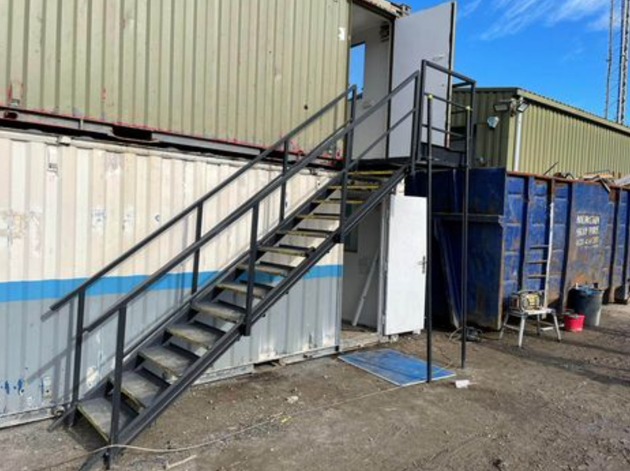
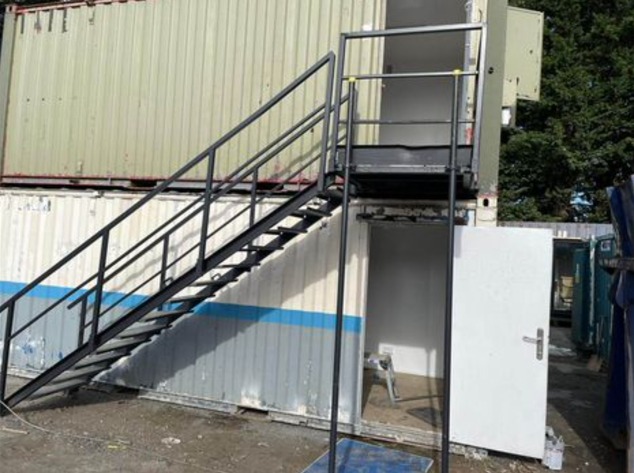
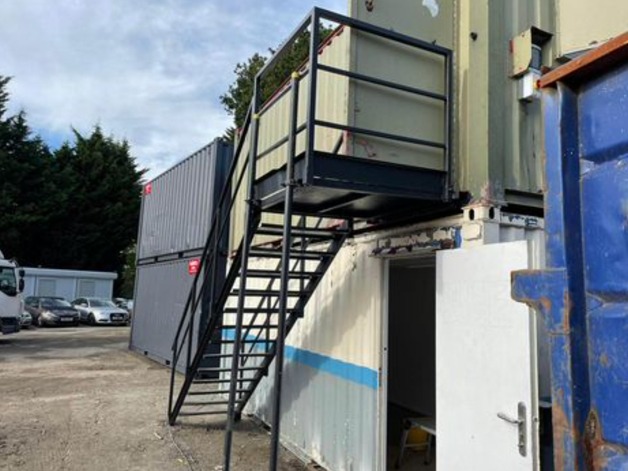
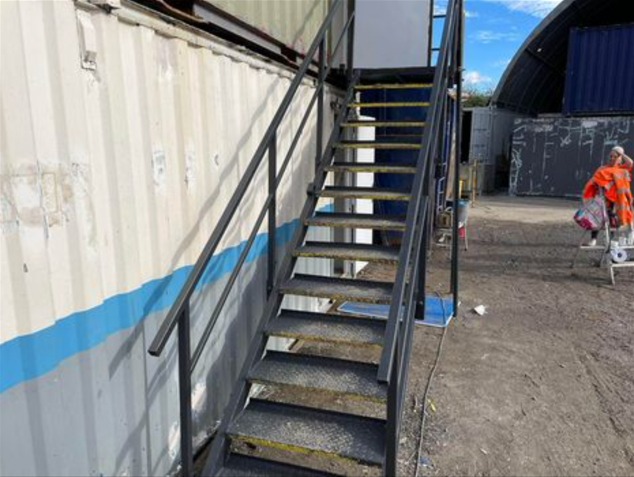
13 tread
14 tread
15 tread
Location: Nationwide
Not Available for Hire
Call for an instant quote!
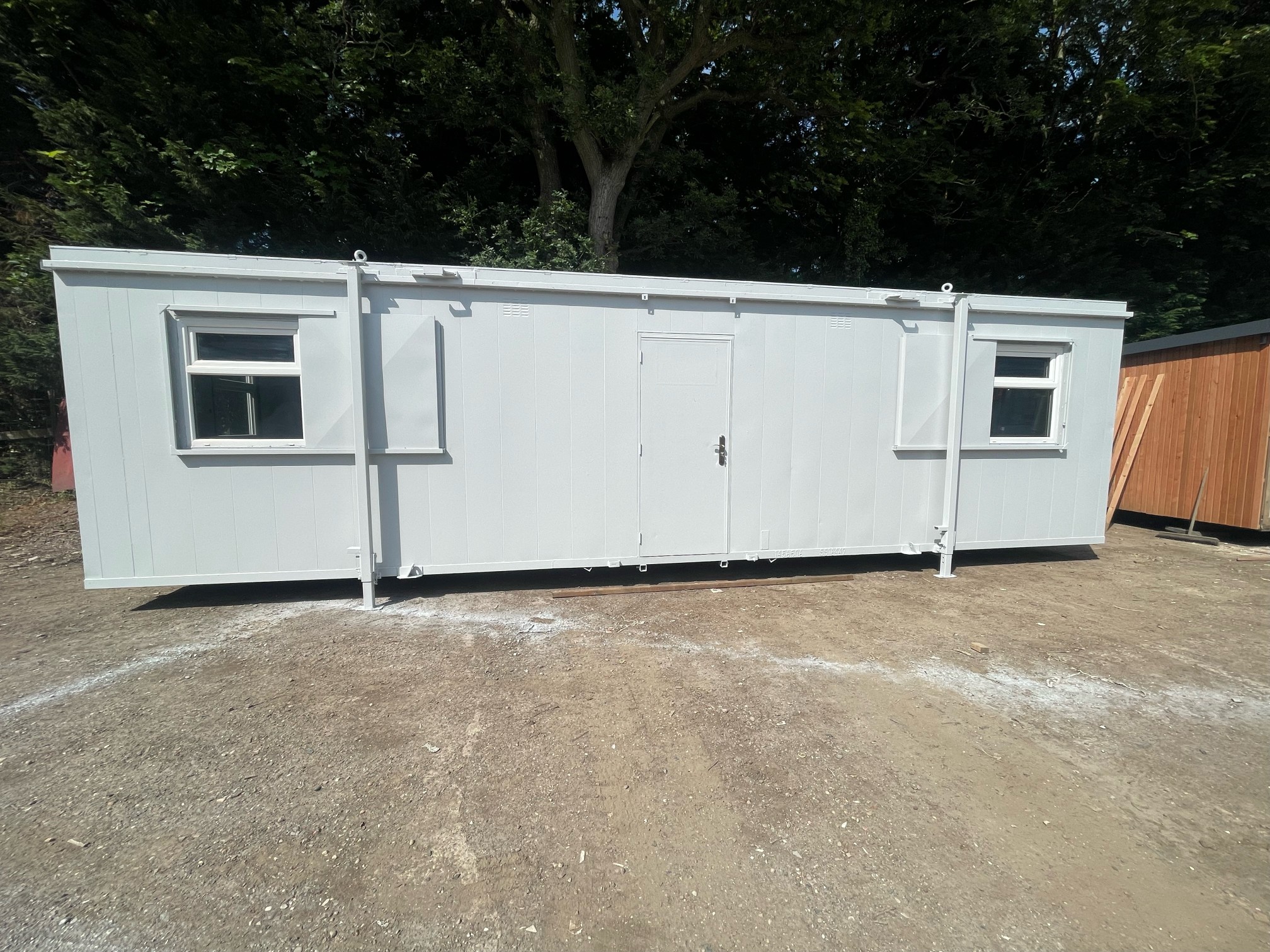
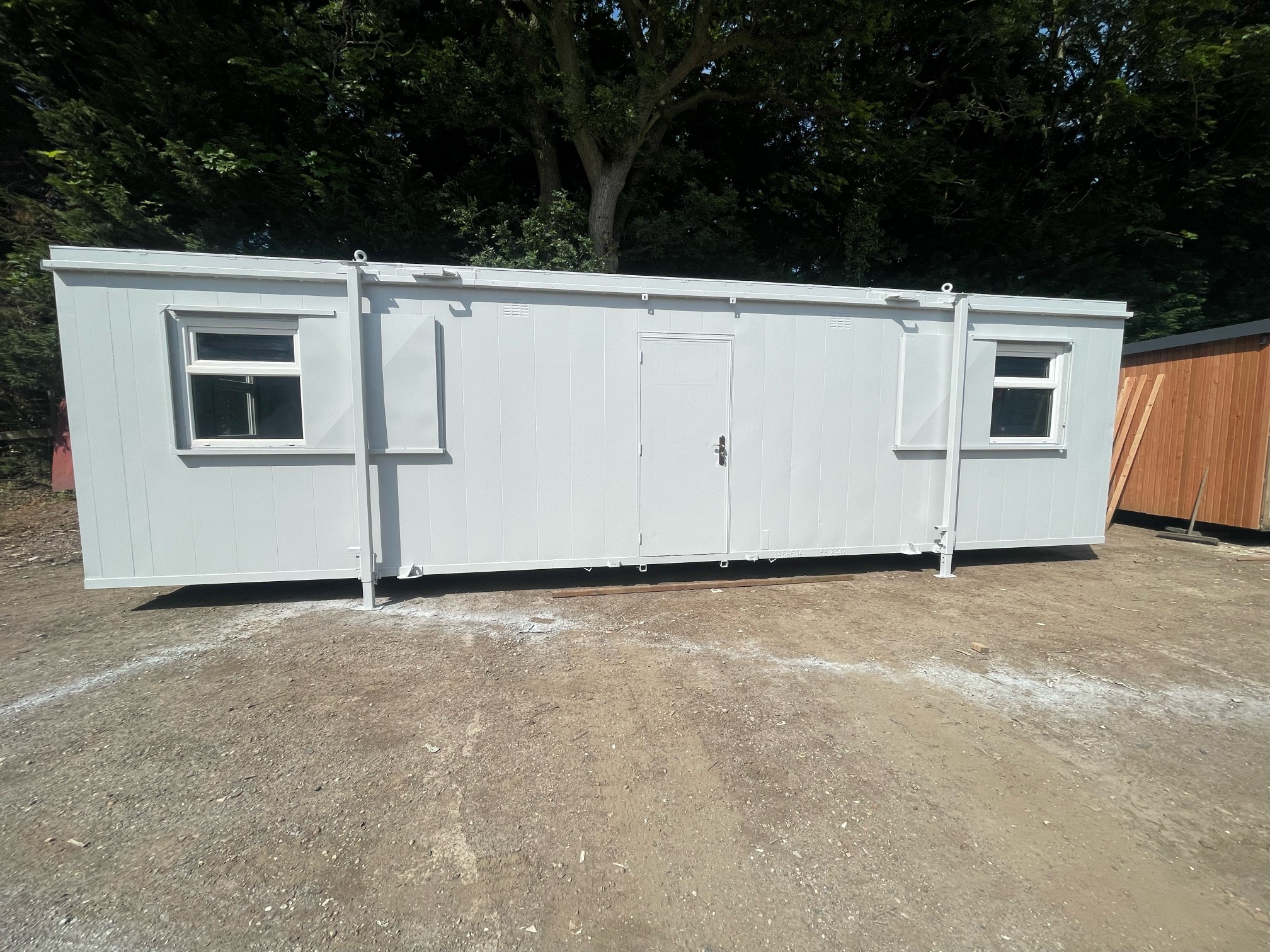
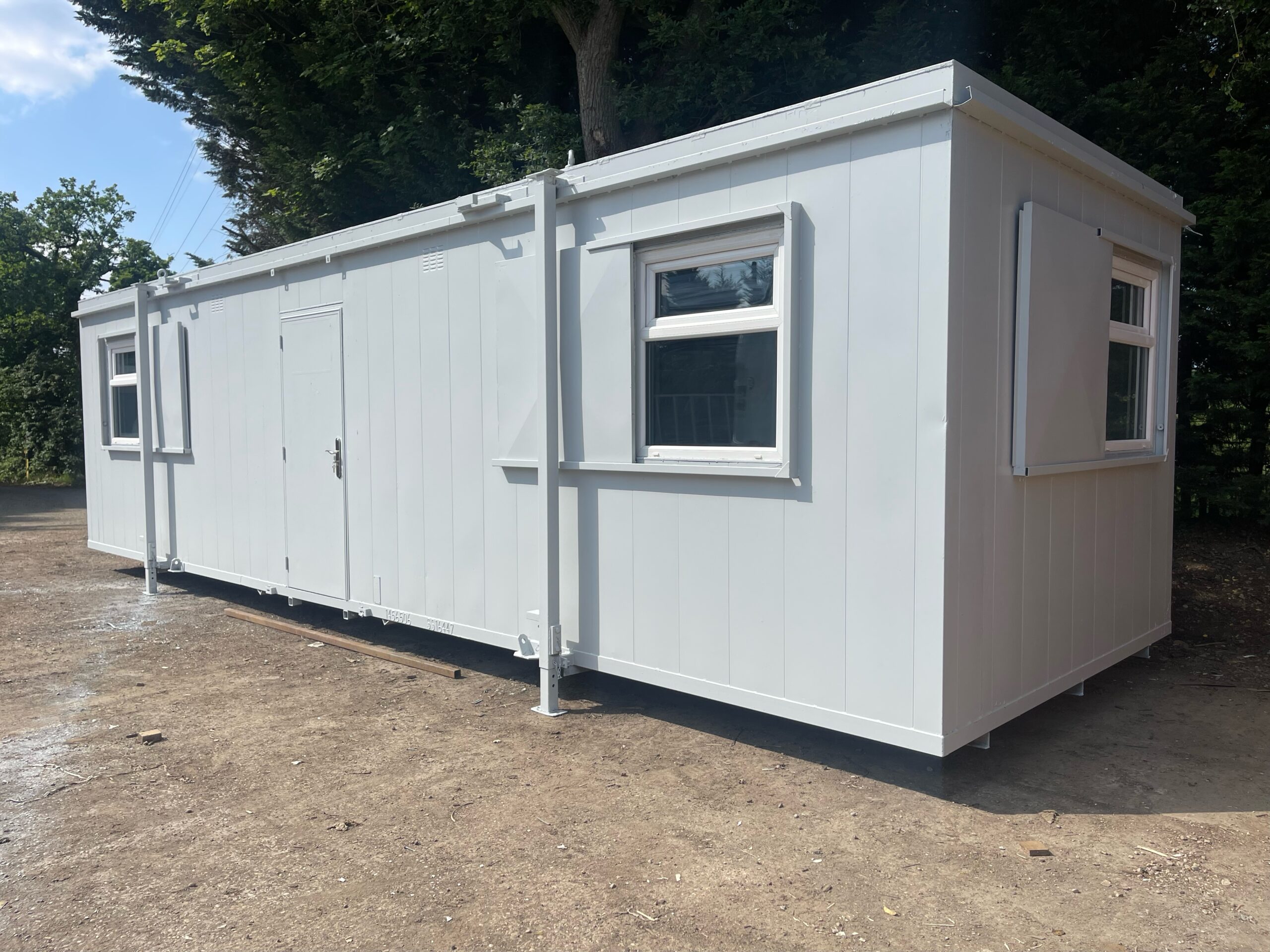
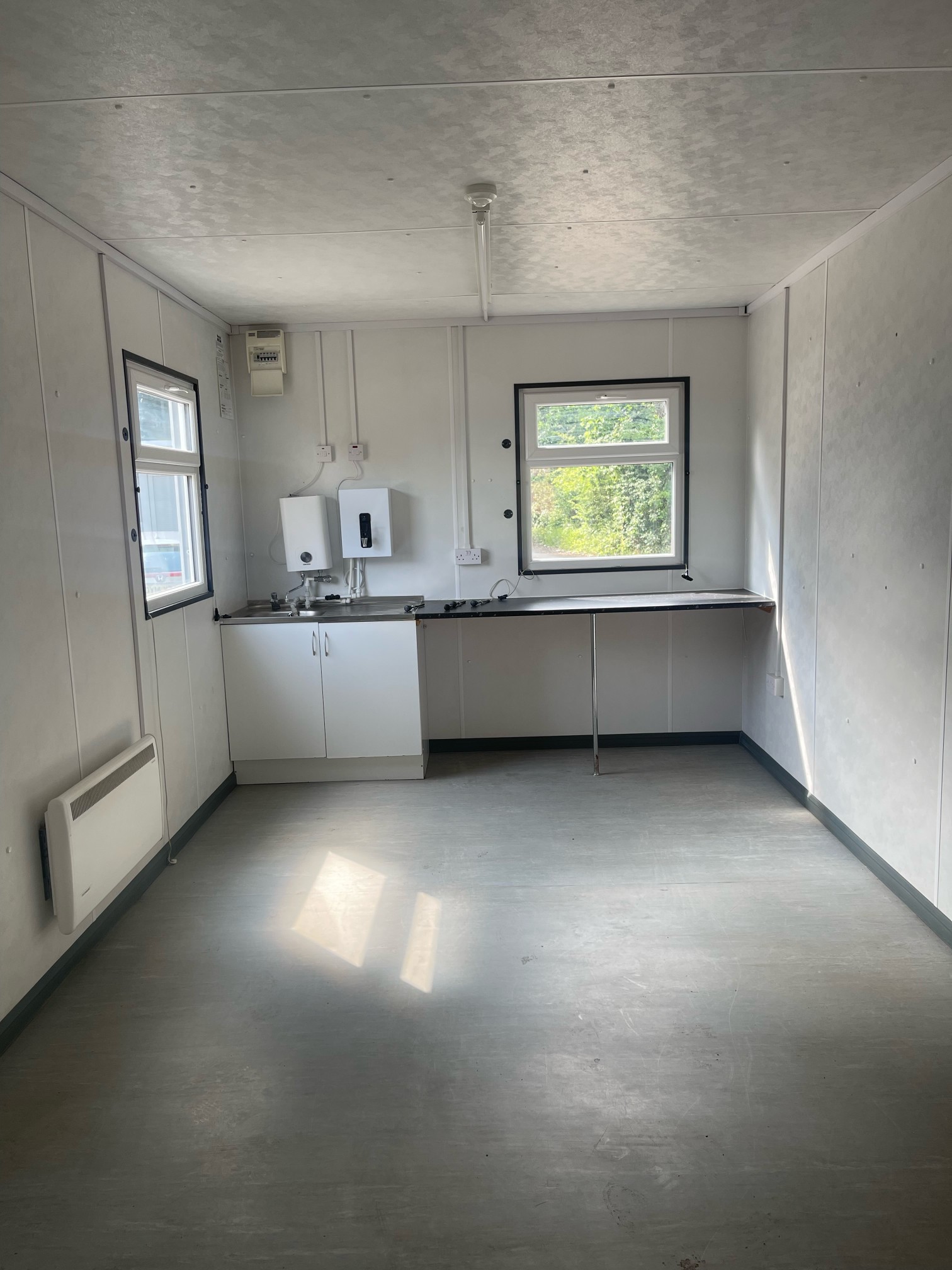
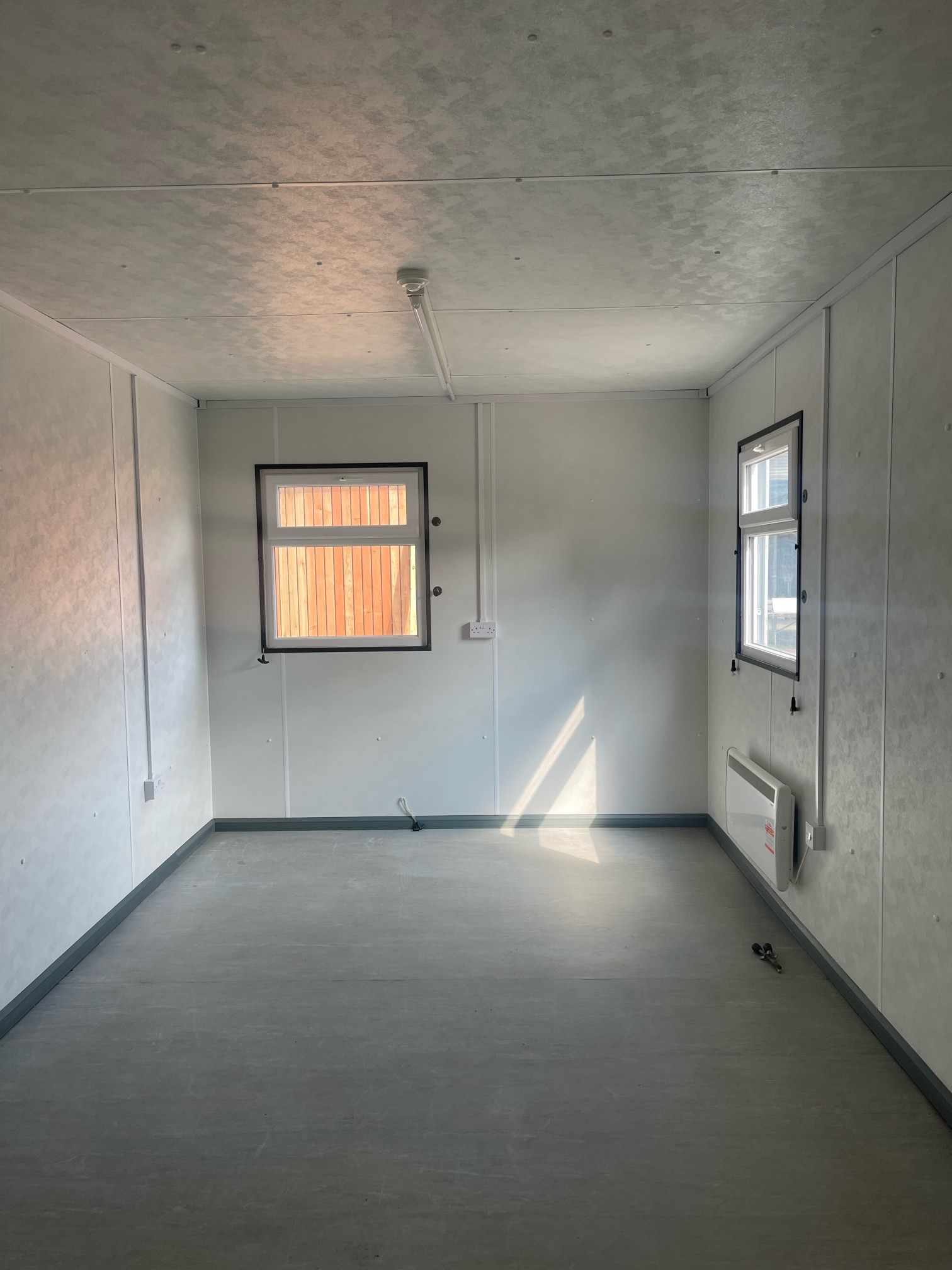
Location: Nationwide
Not Available for Hire
We can deliver for a cost please ask and send us post code.
Hallway leading into:
Transport can be arranged please ask.
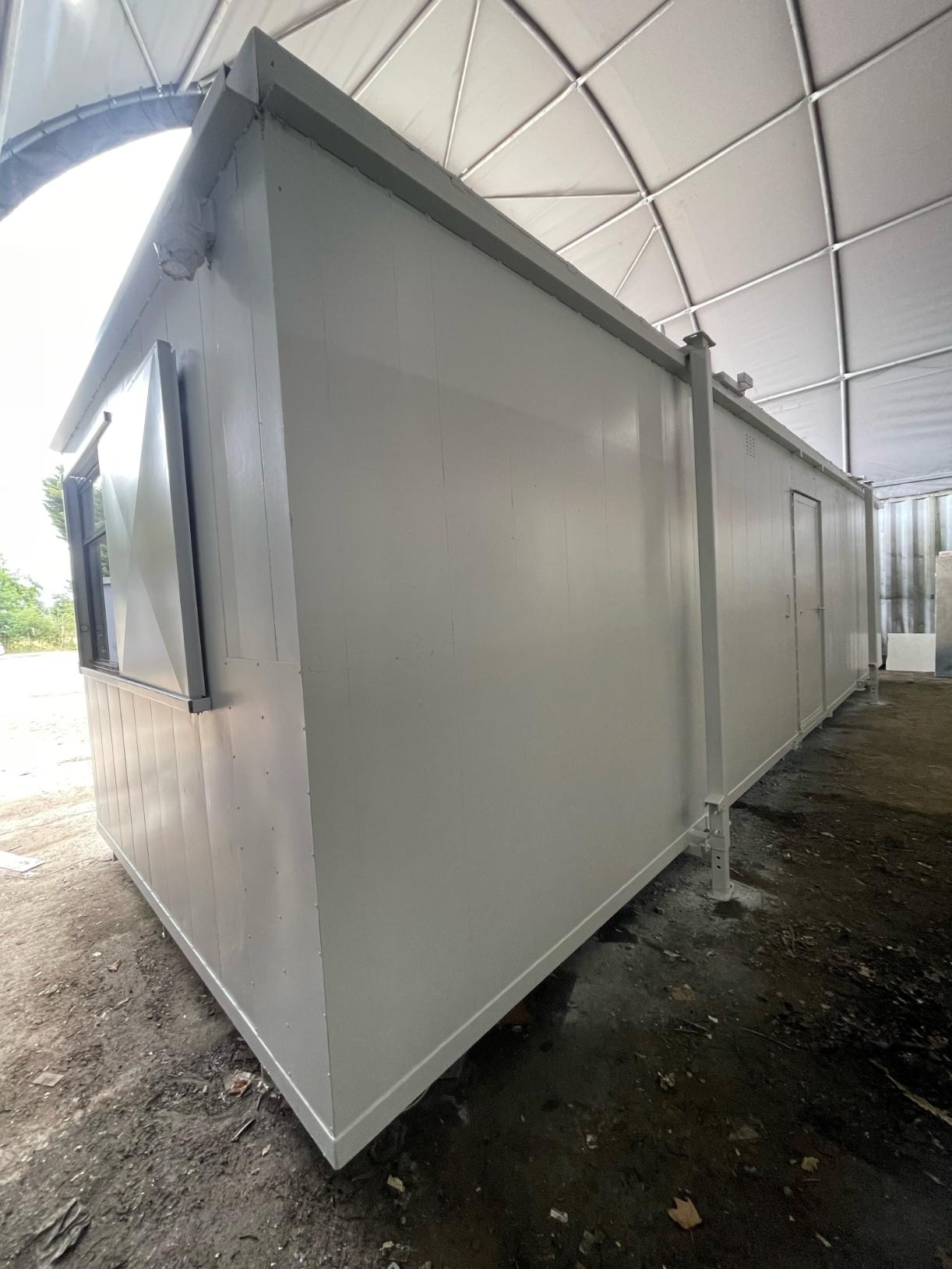
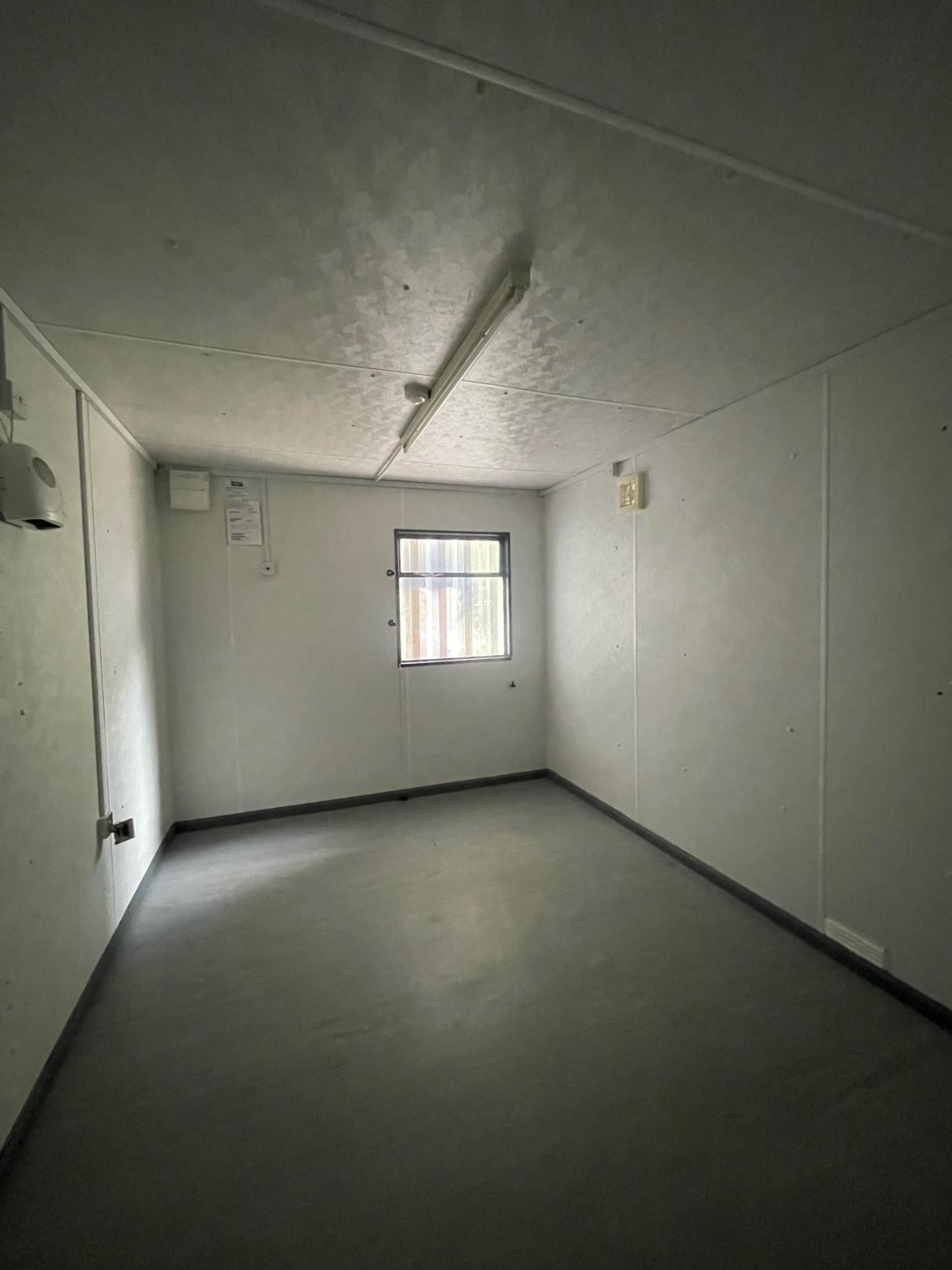
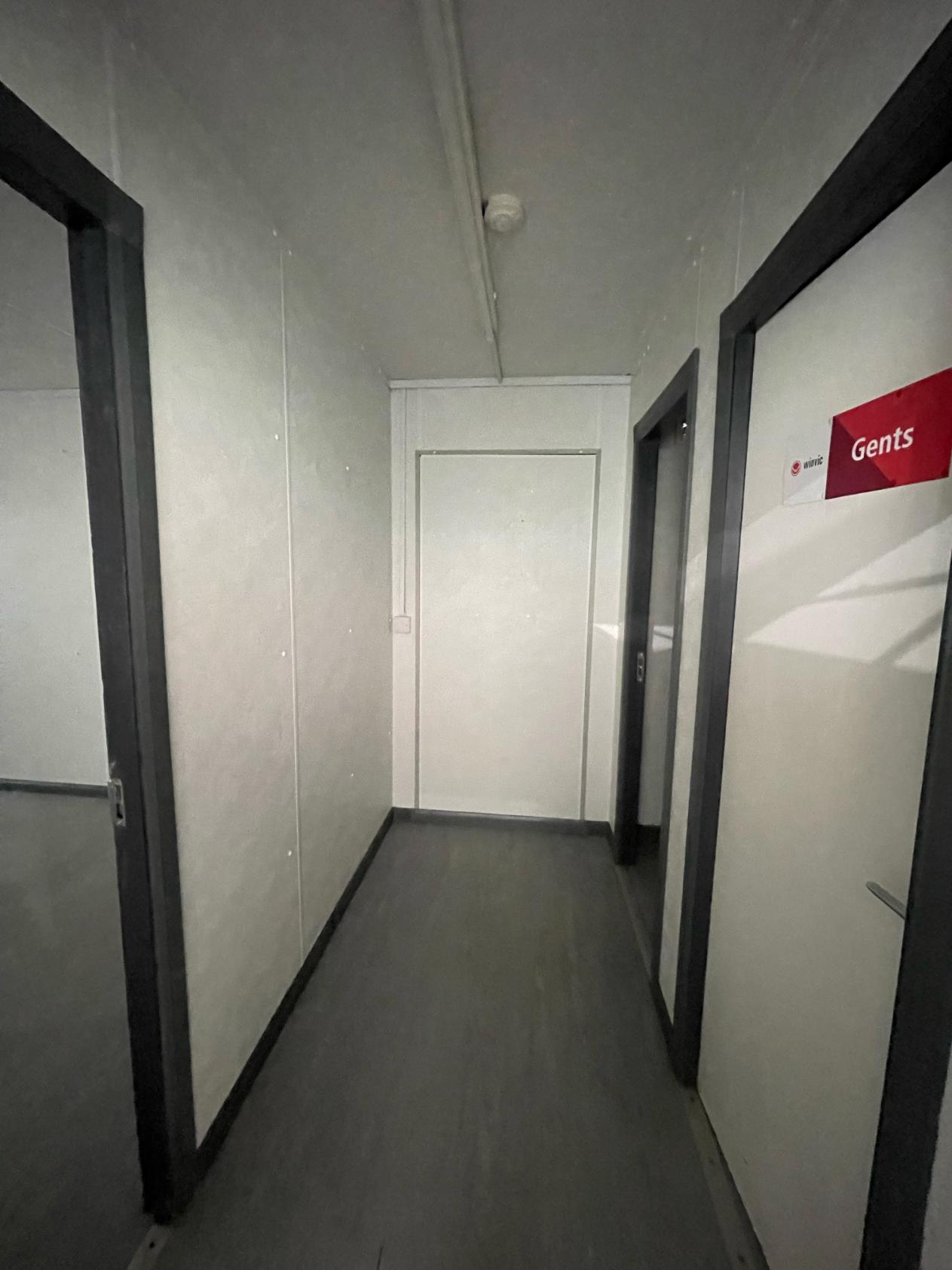
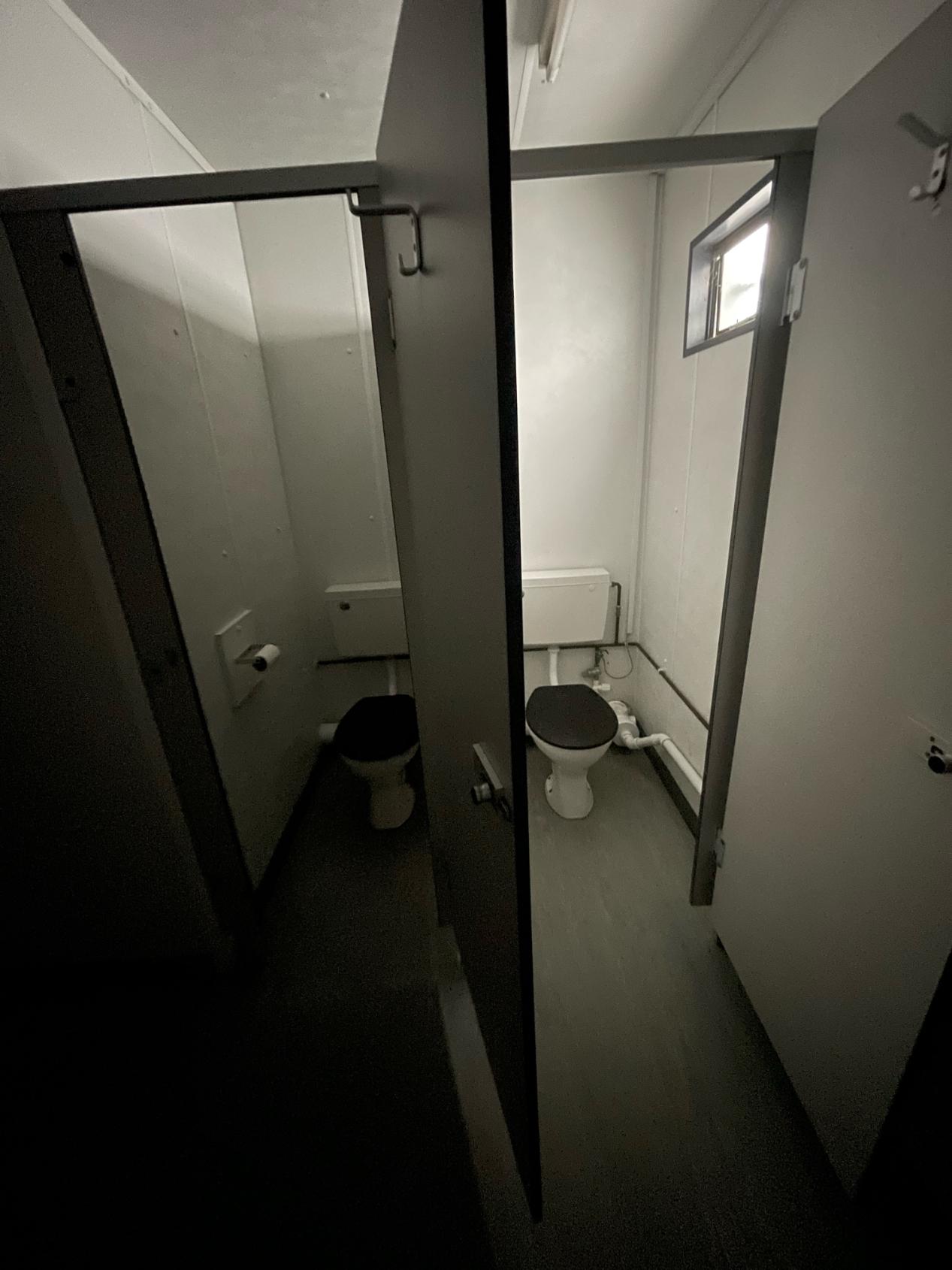
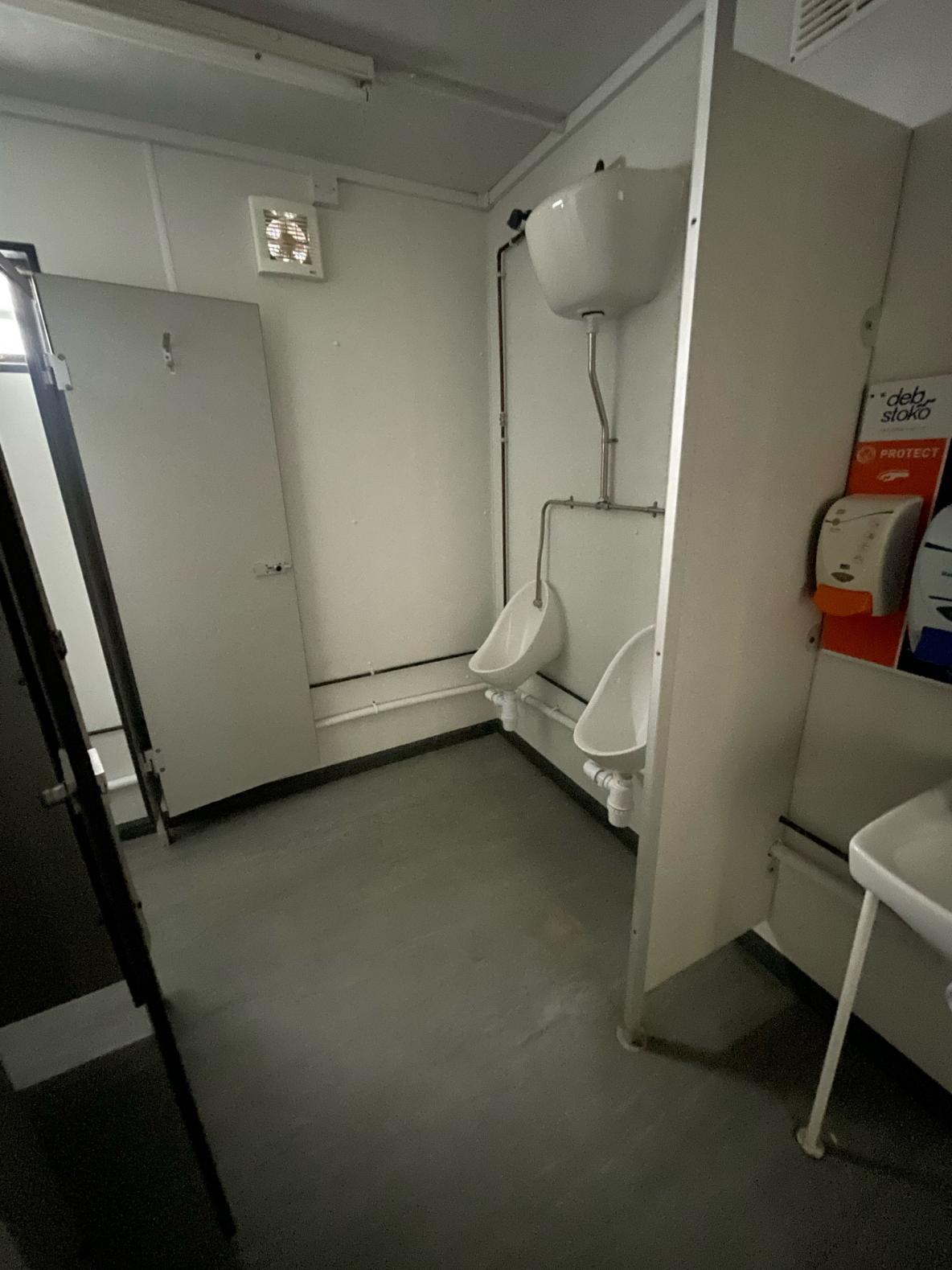
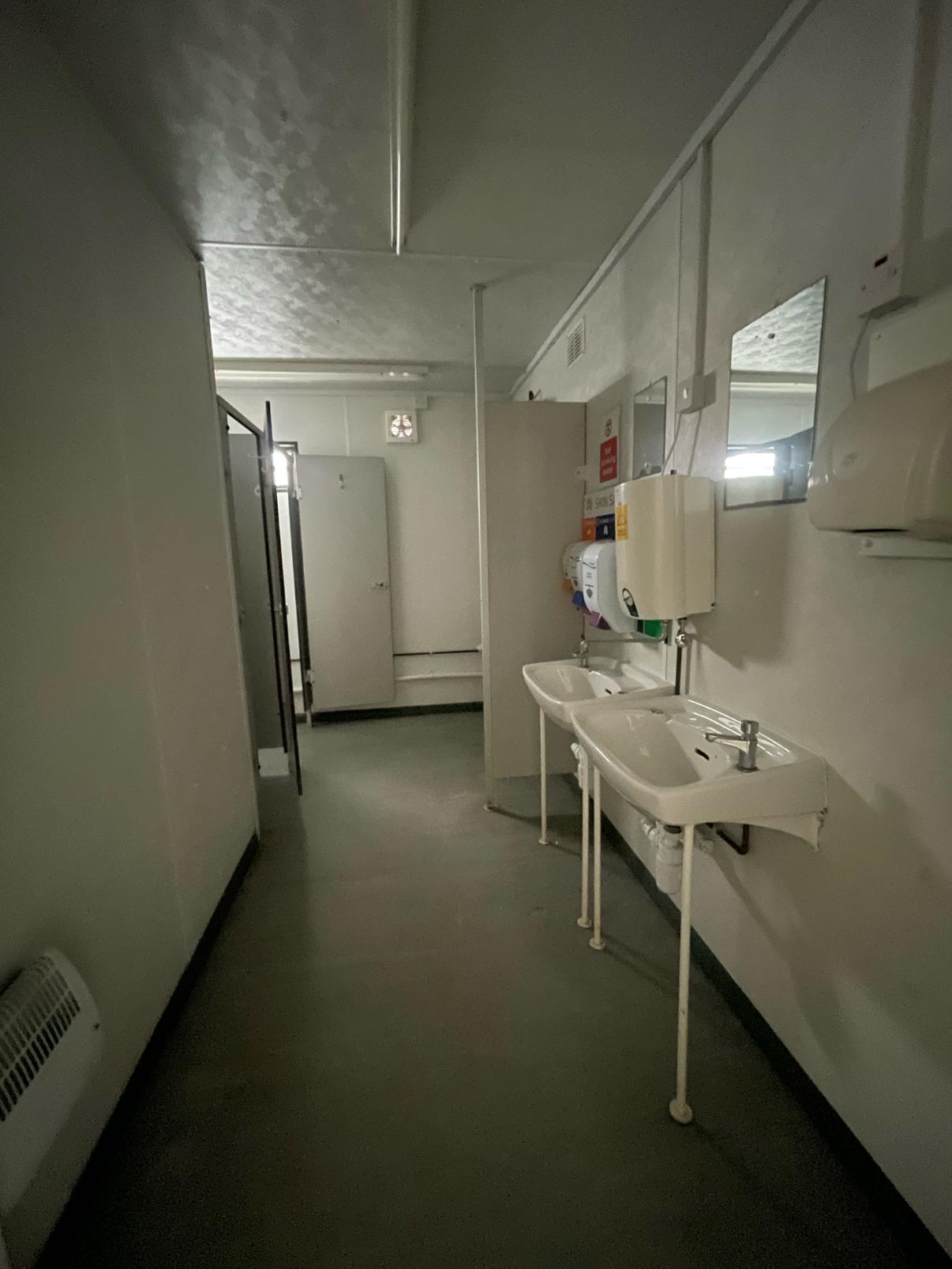
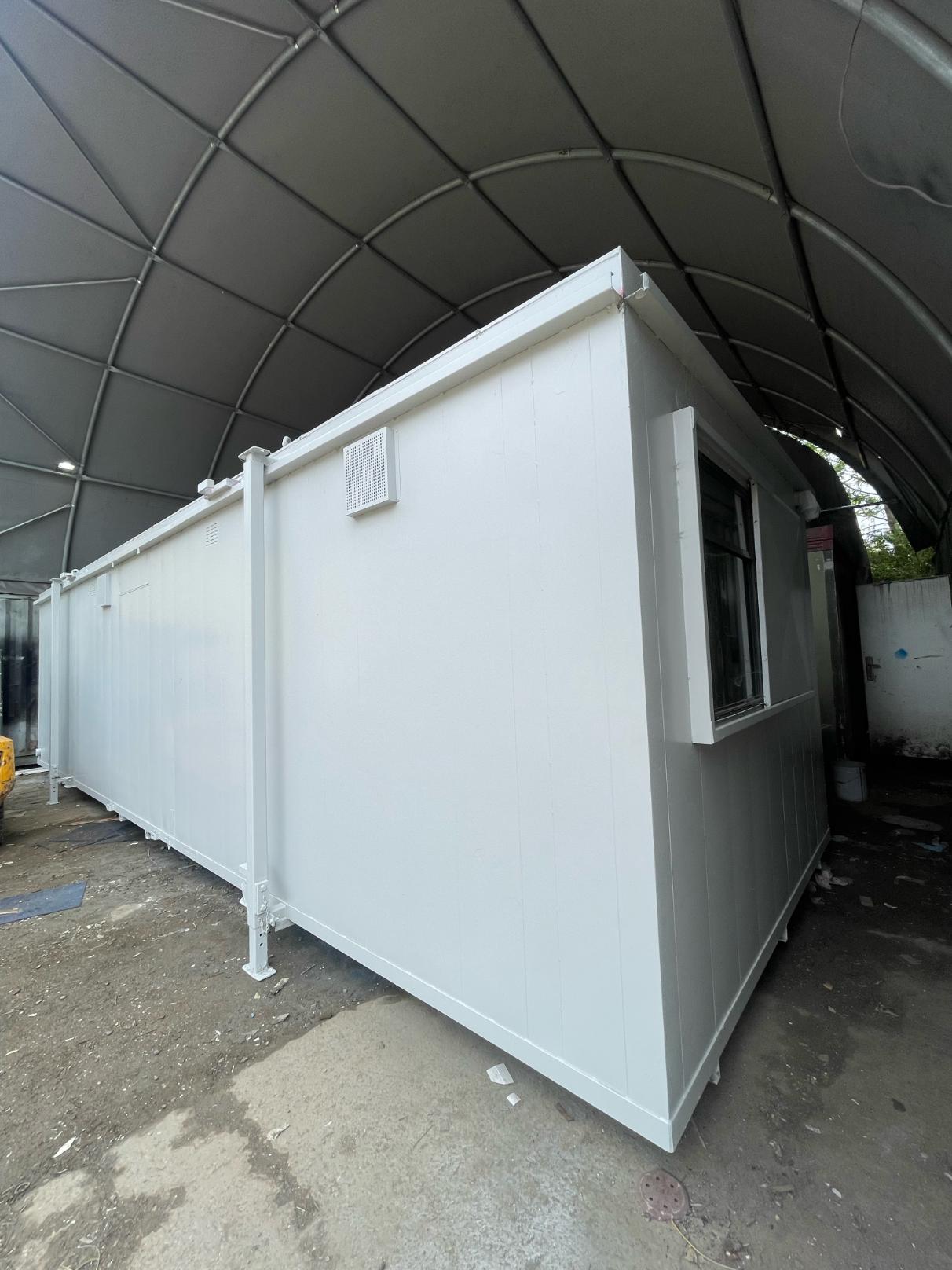
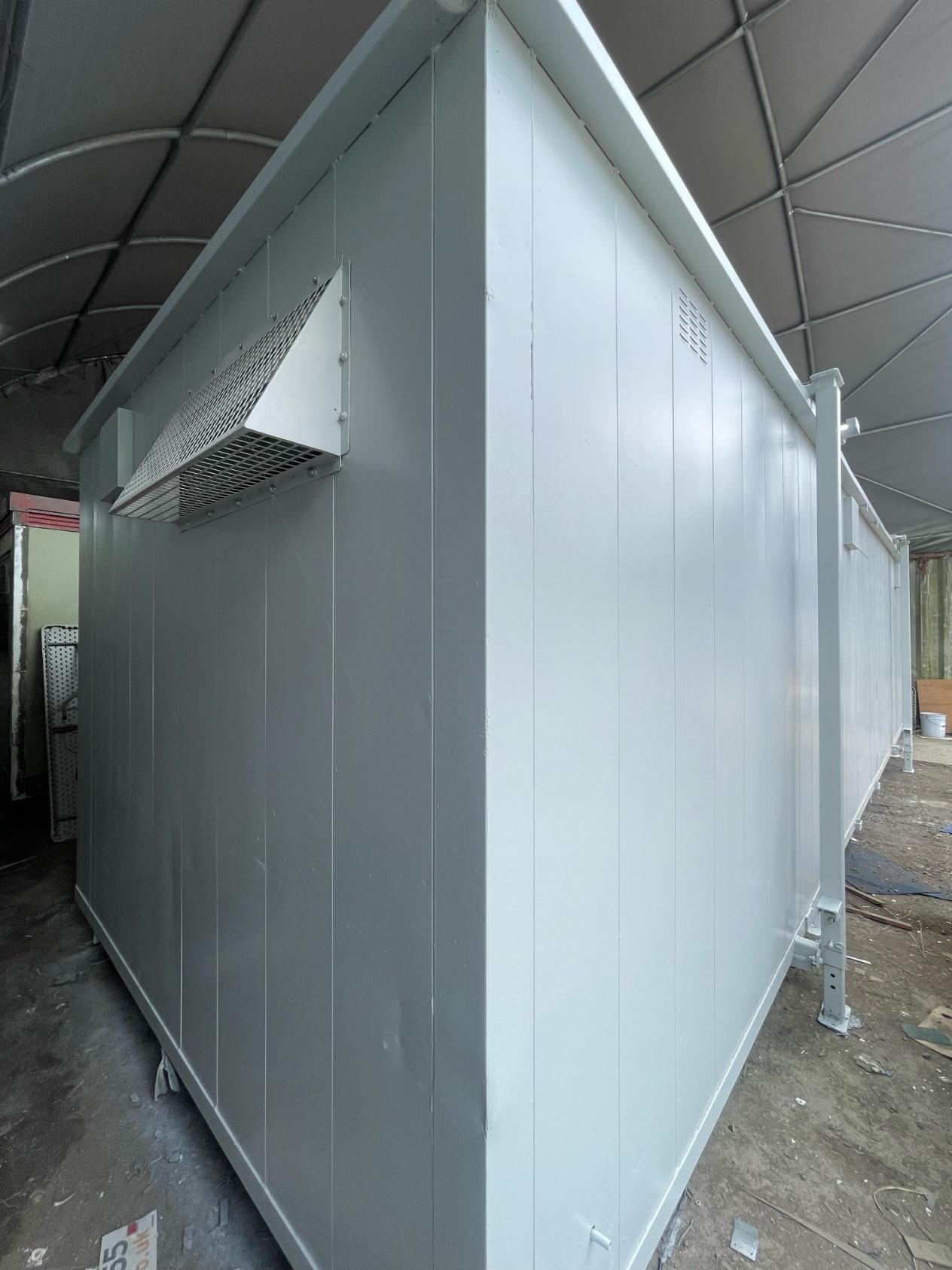
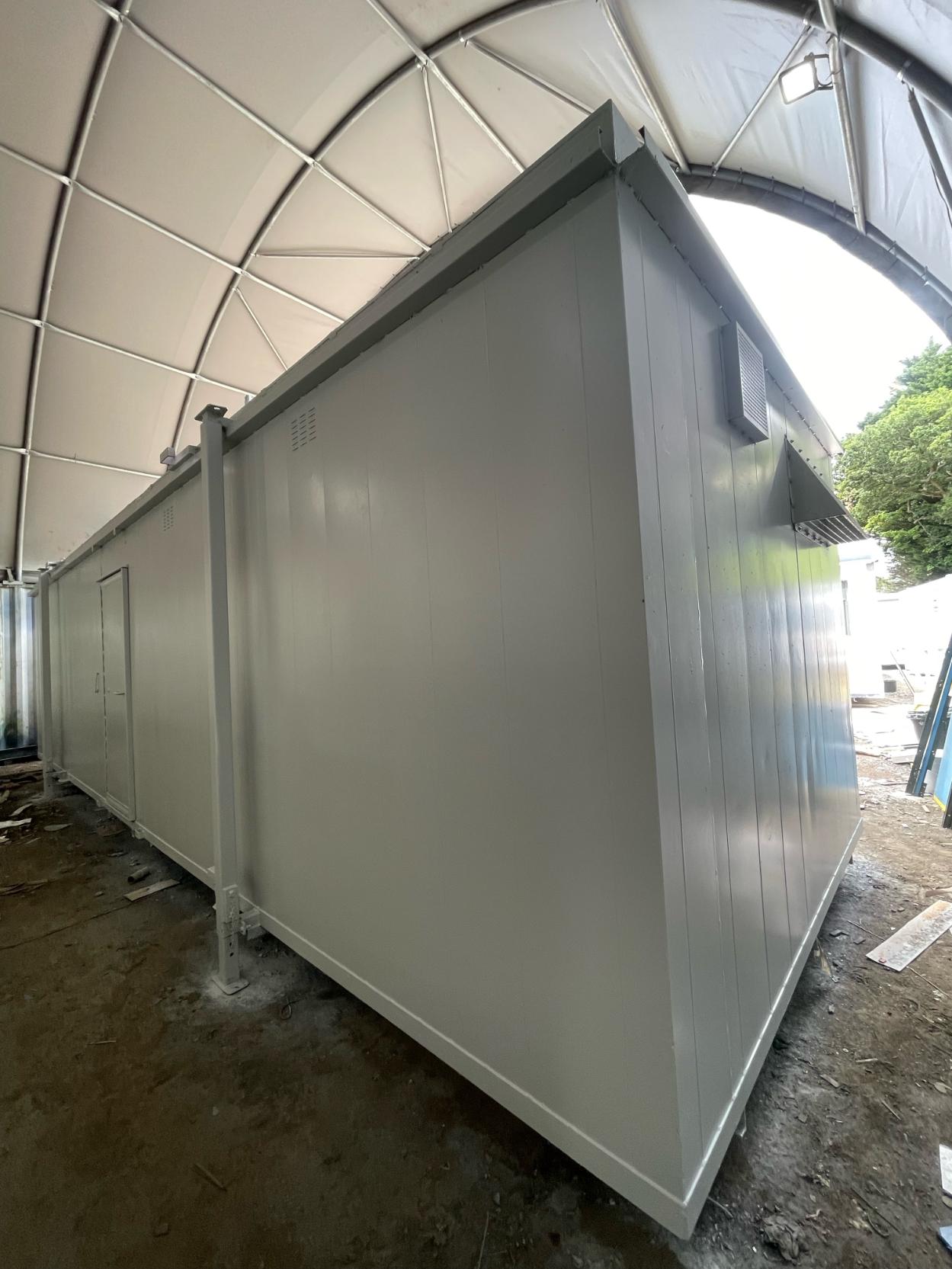
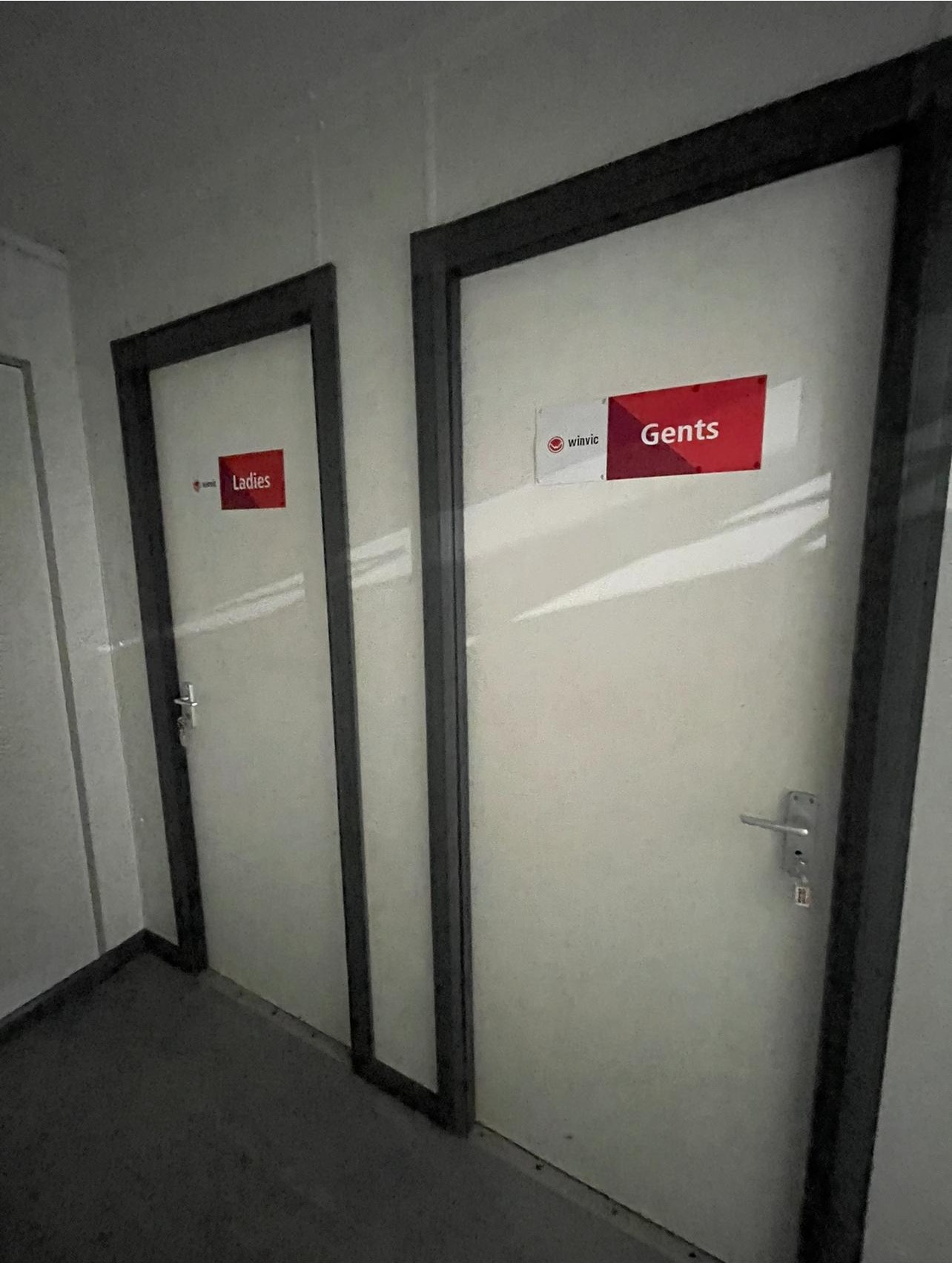
Location: Nationwide
Not Available for Hire
Call for an instant quote!
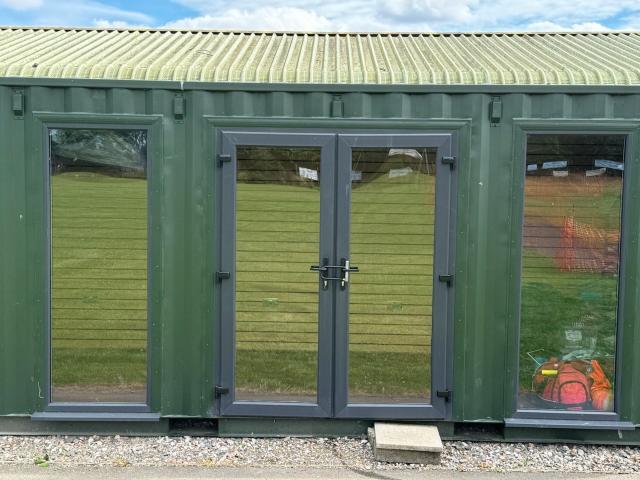
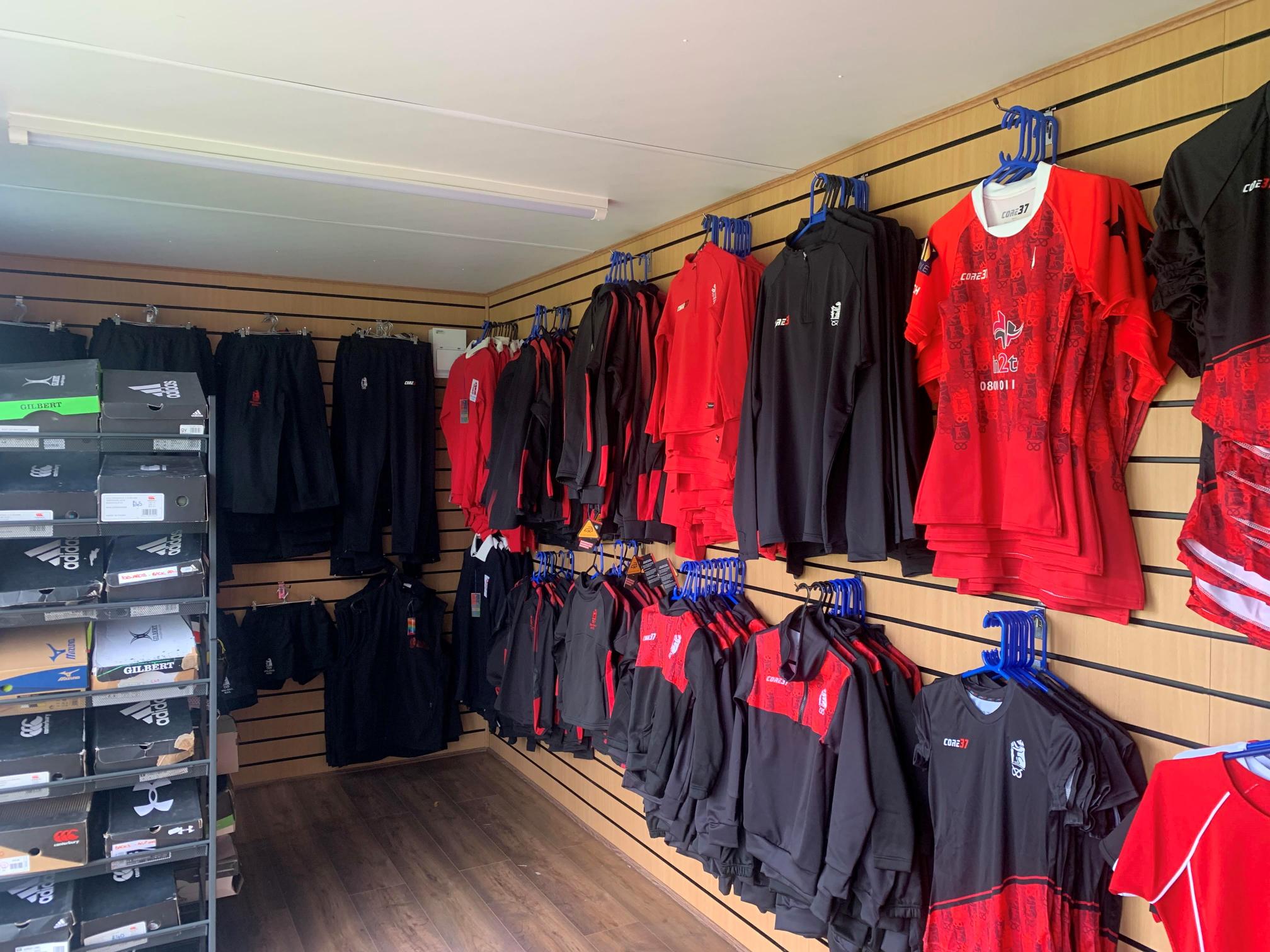
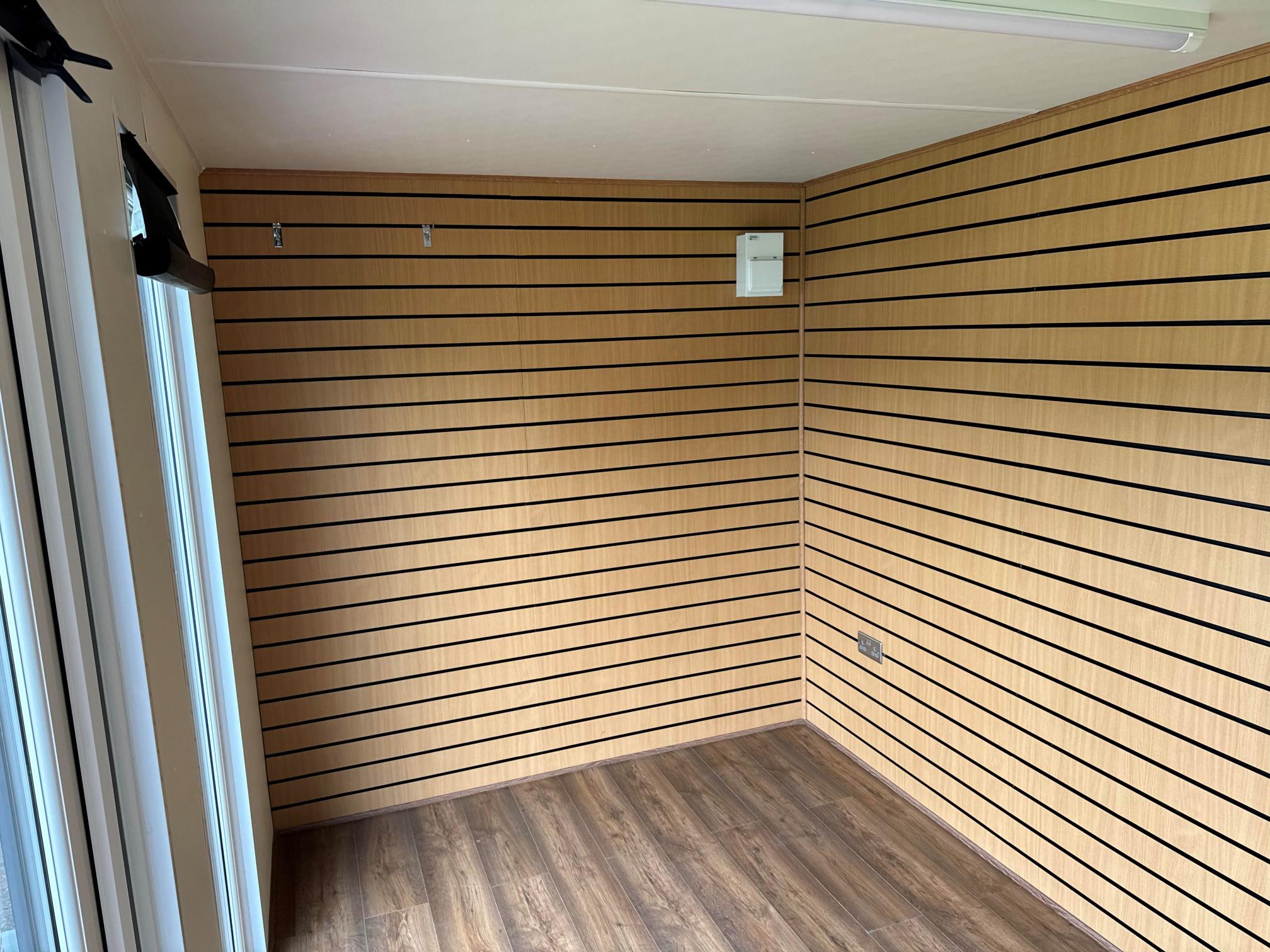
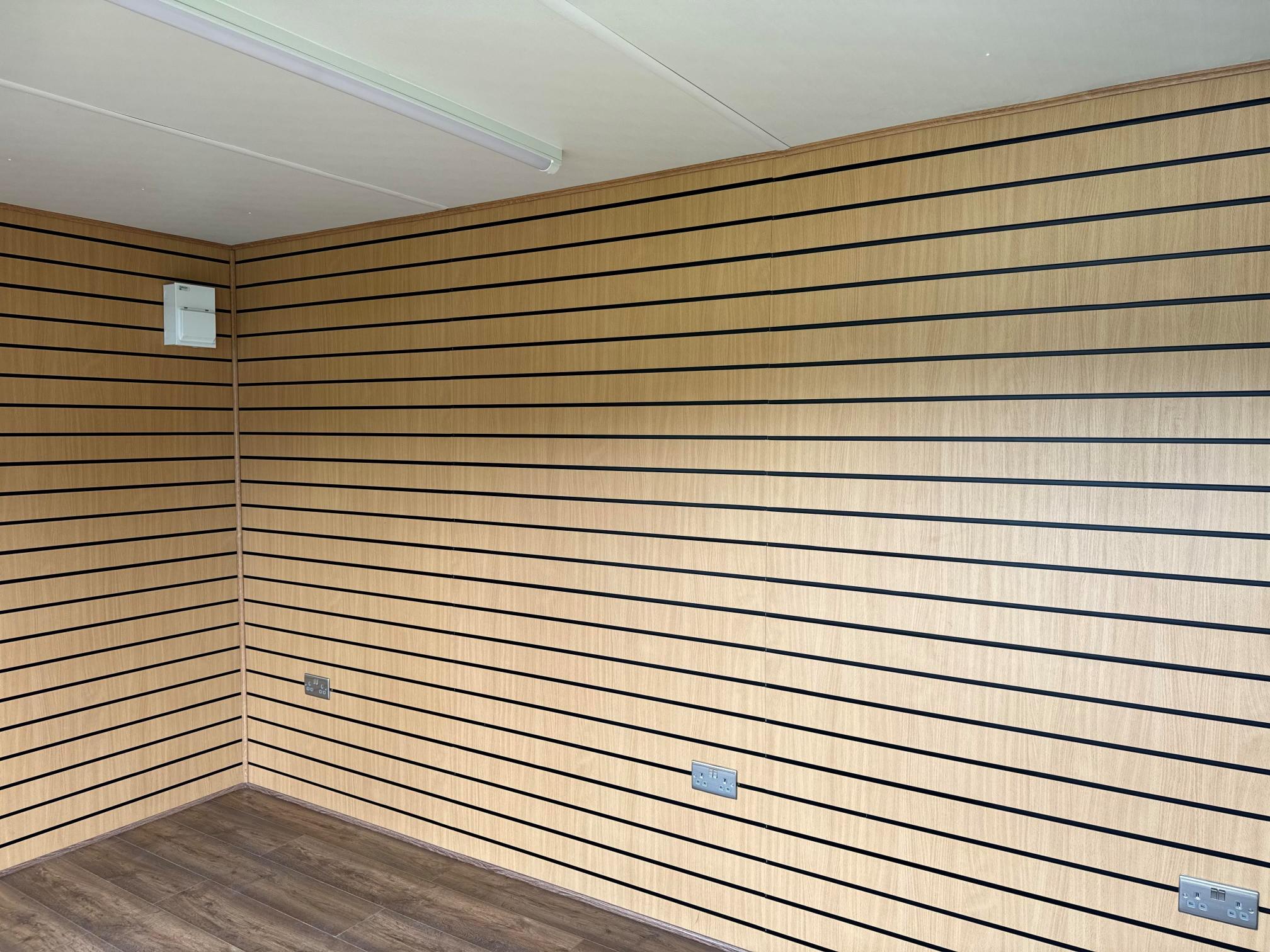
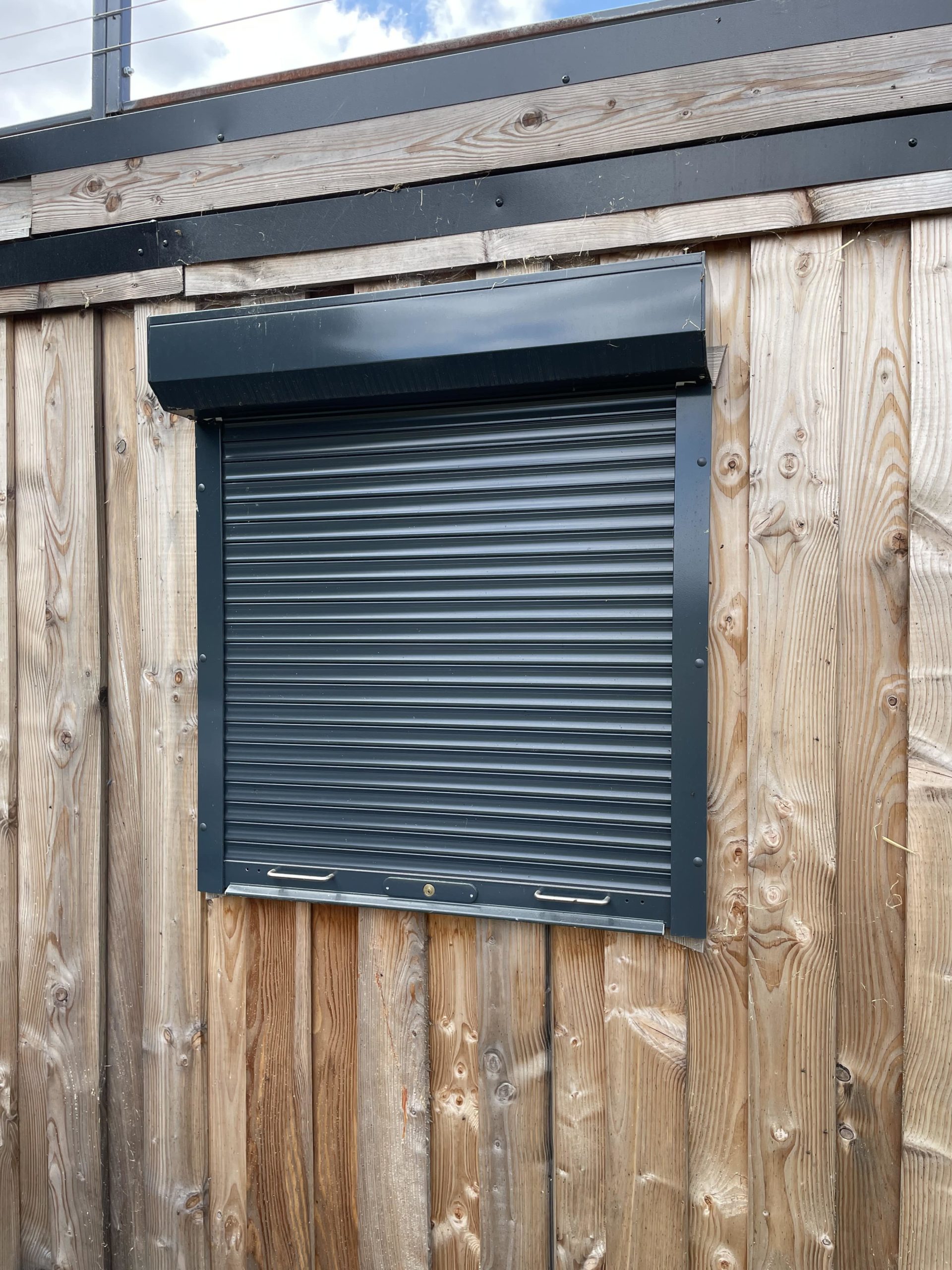
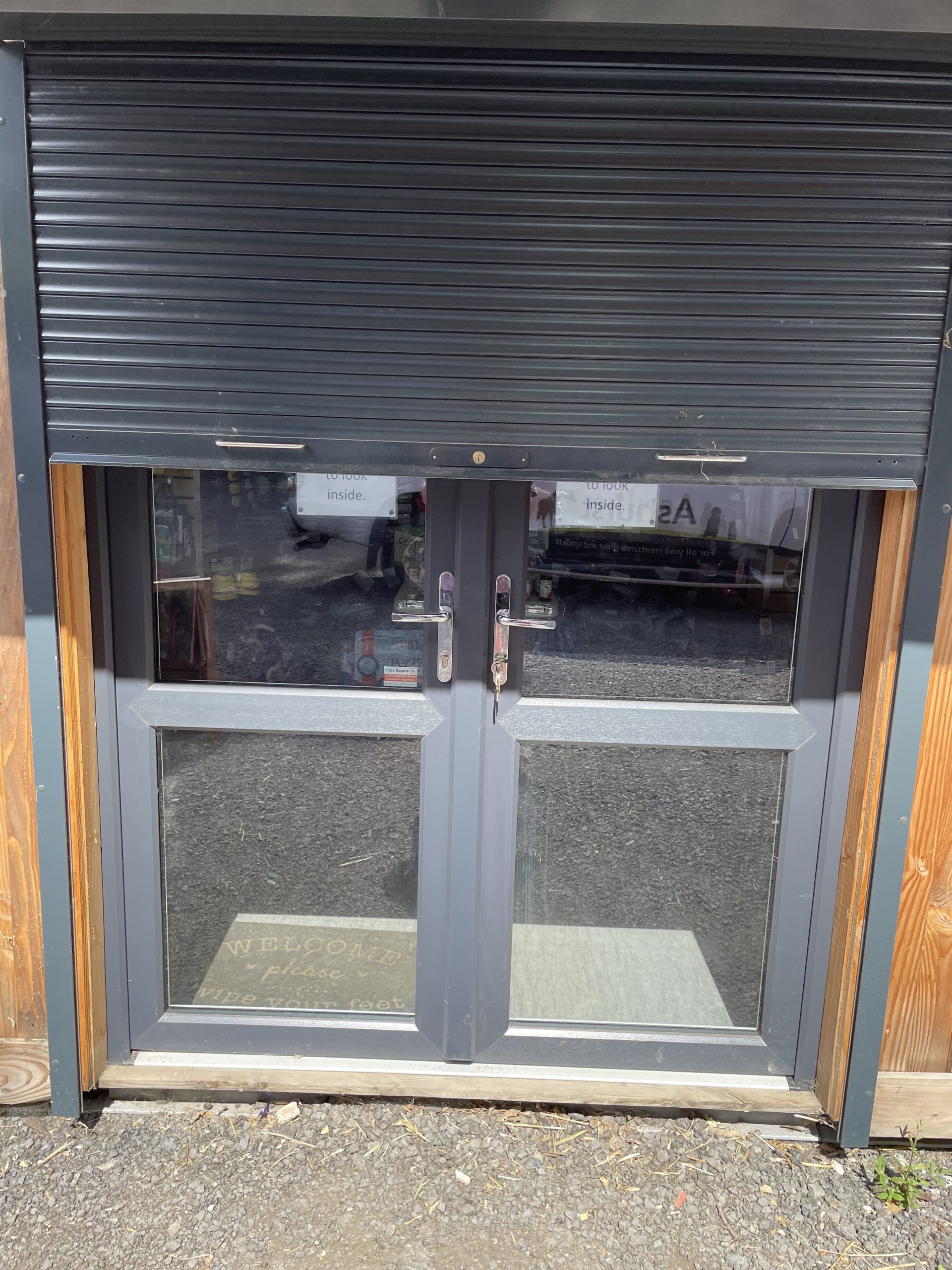
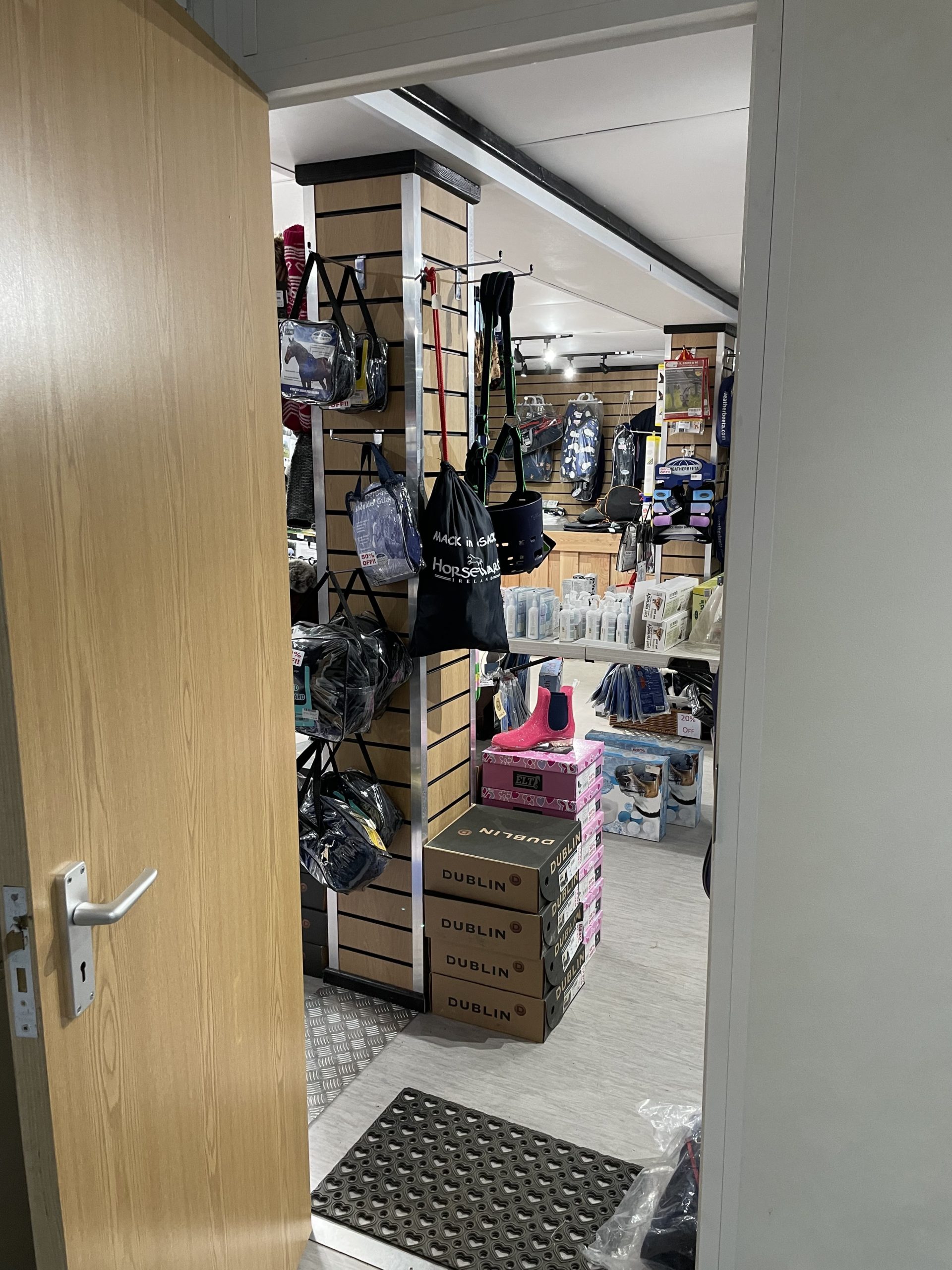
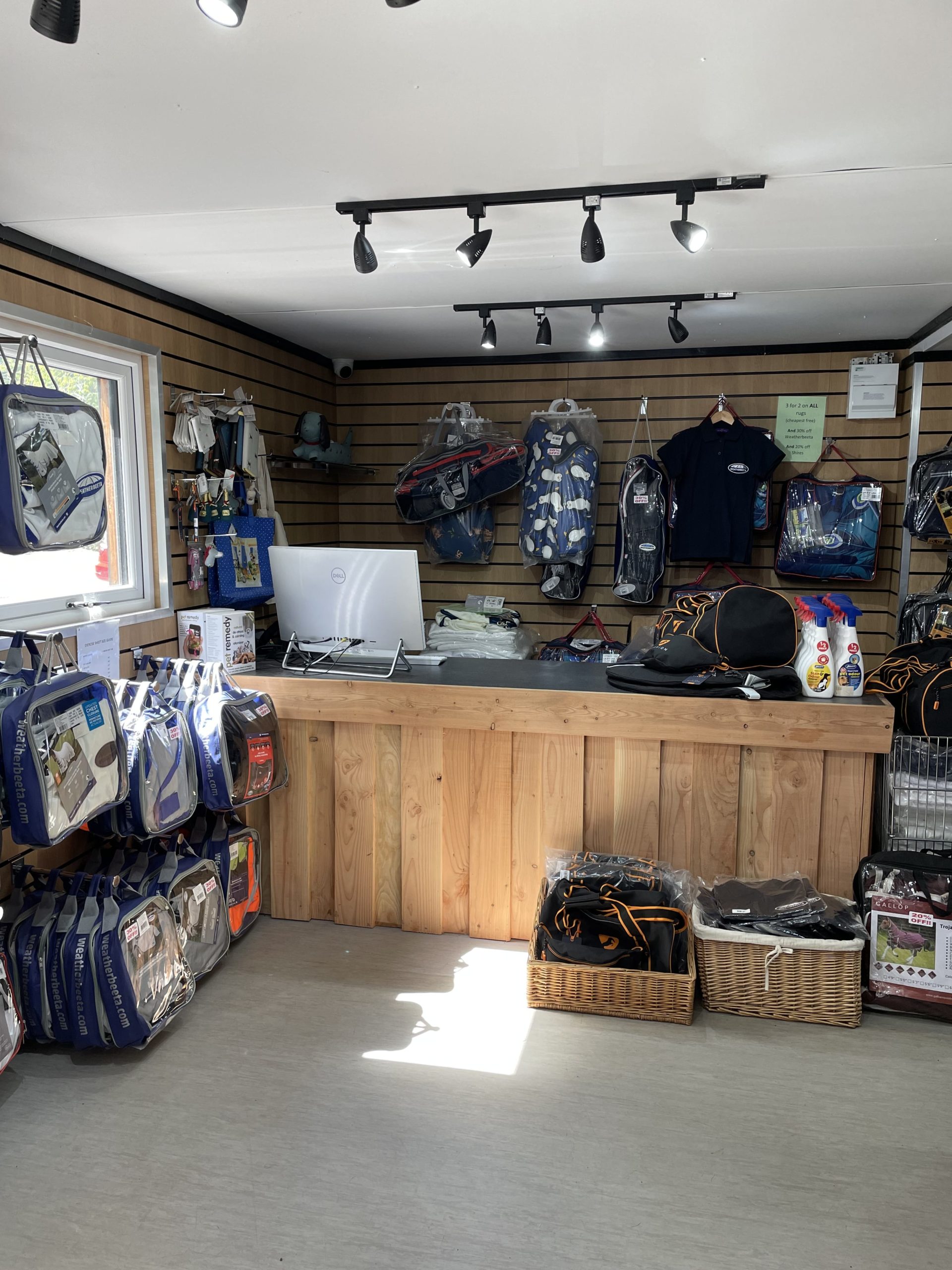
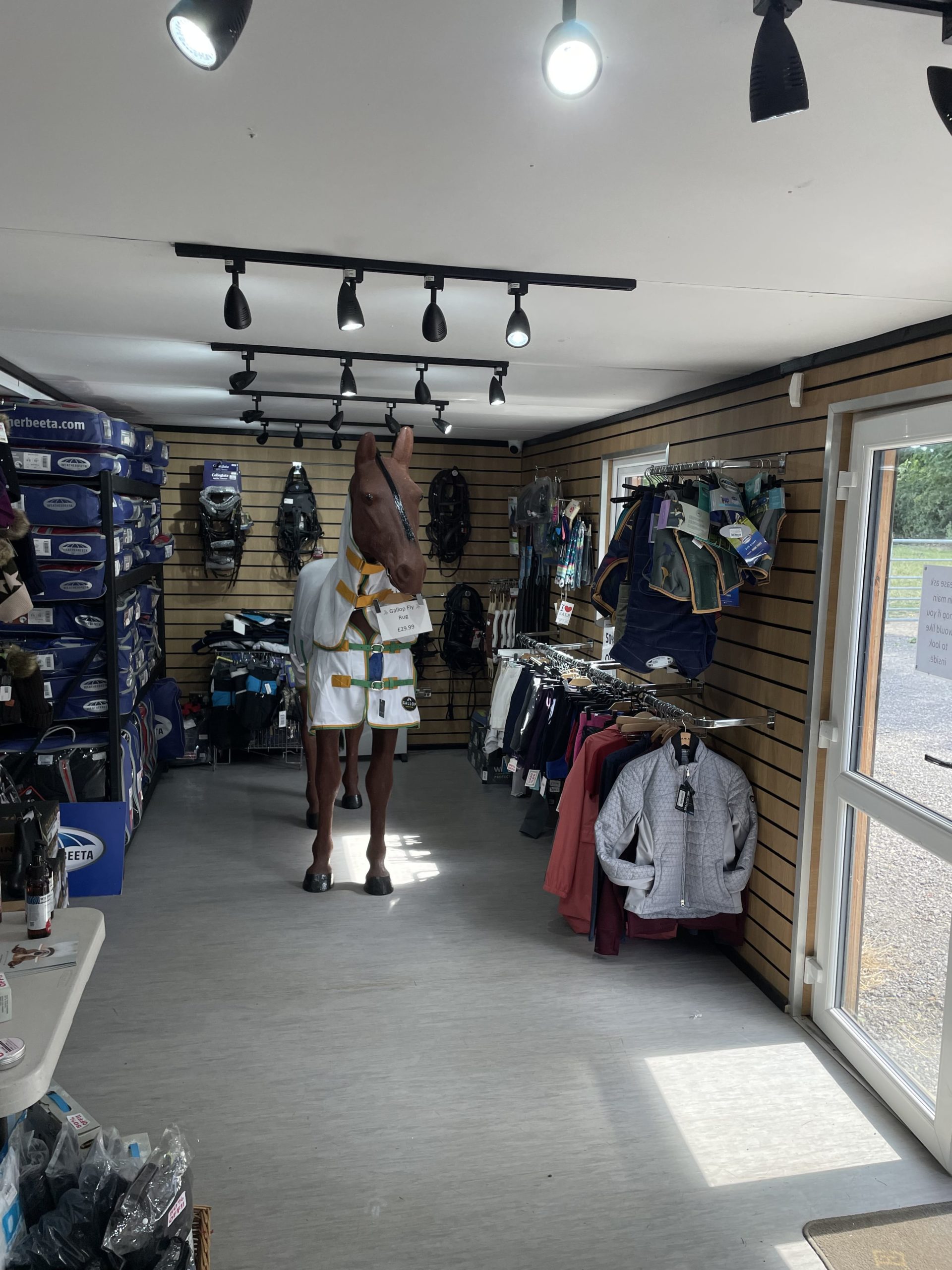
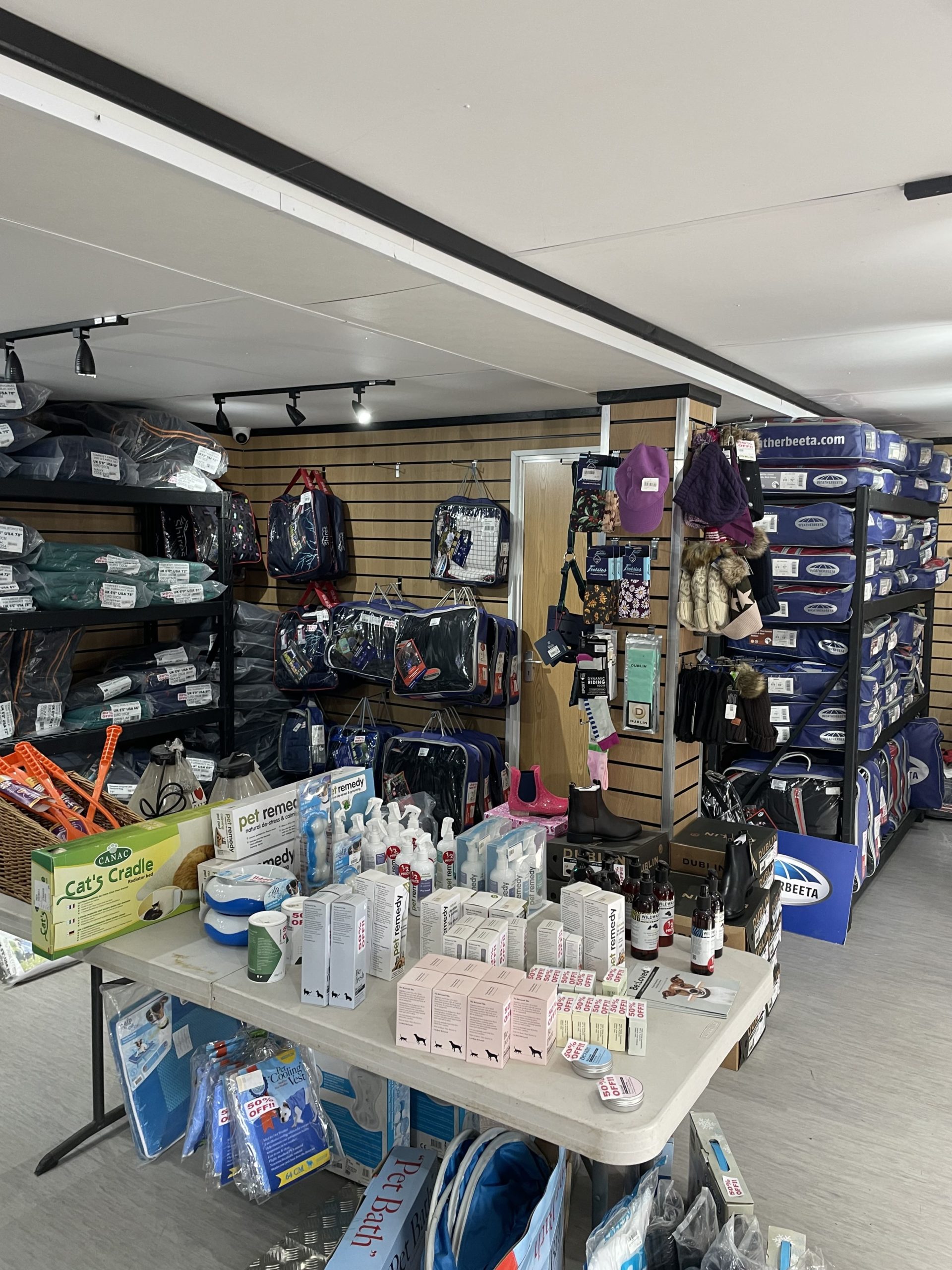
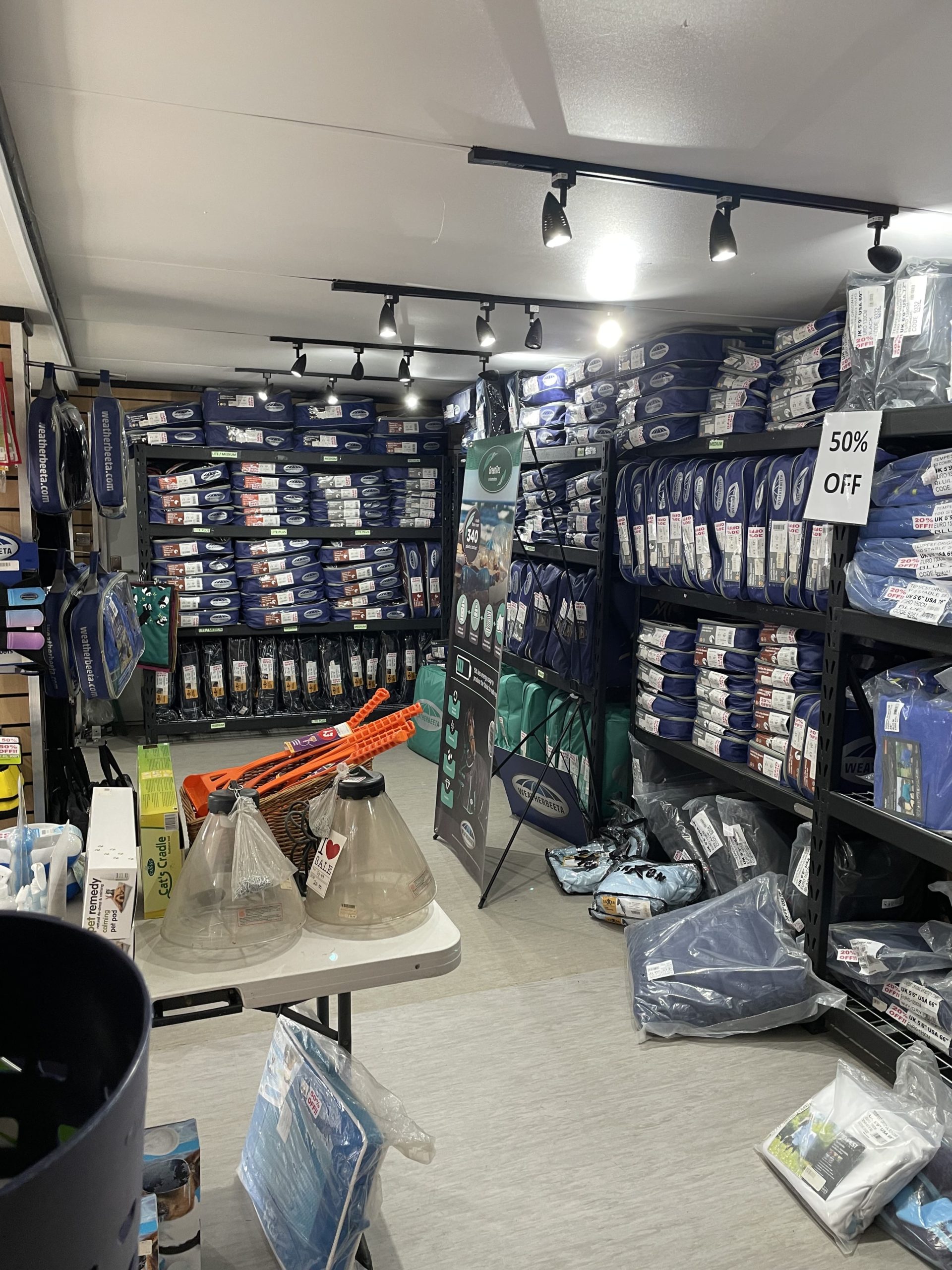
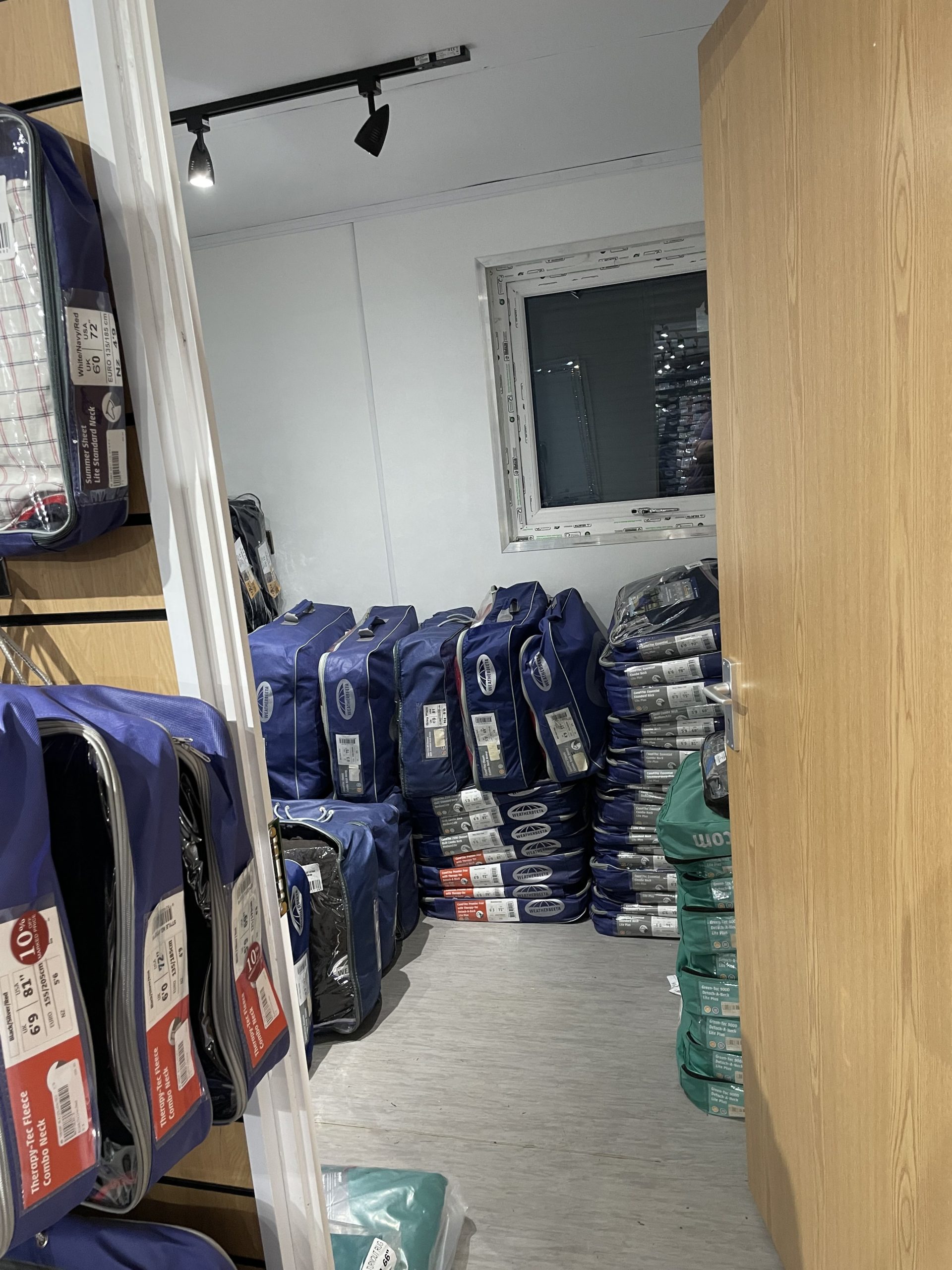
20ft x 8ft Container Conversion Retail Shop
UPVC Double glazed Windows + French Doors
Slat Wall for retail fixings and Merchandise
Electric Chrome Sockets, led lighting and heating.
Laminate Flooring
12 months Warranty
Maintenance call out package included
Less than 2 years old
Still in Brand New Condition
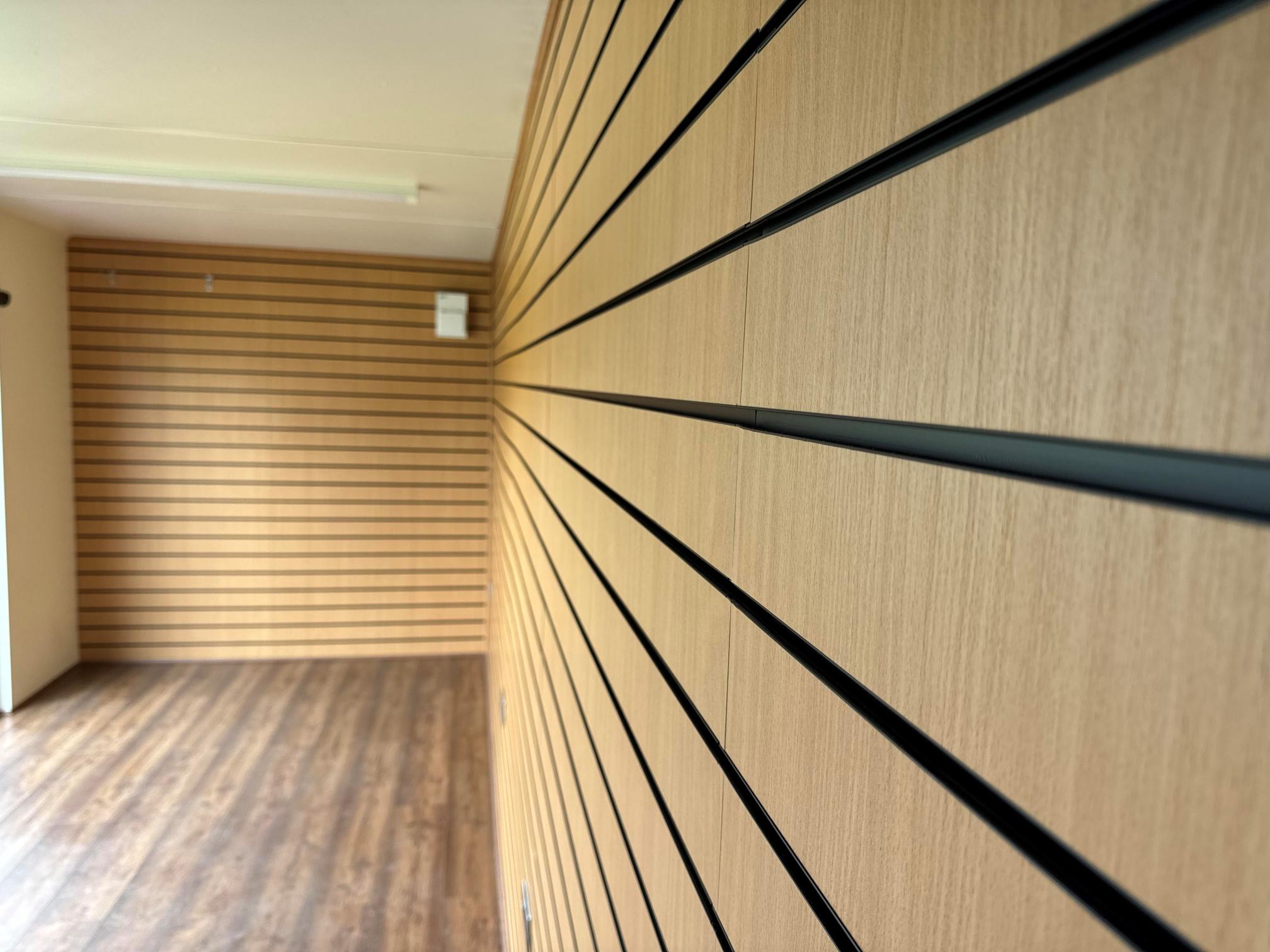
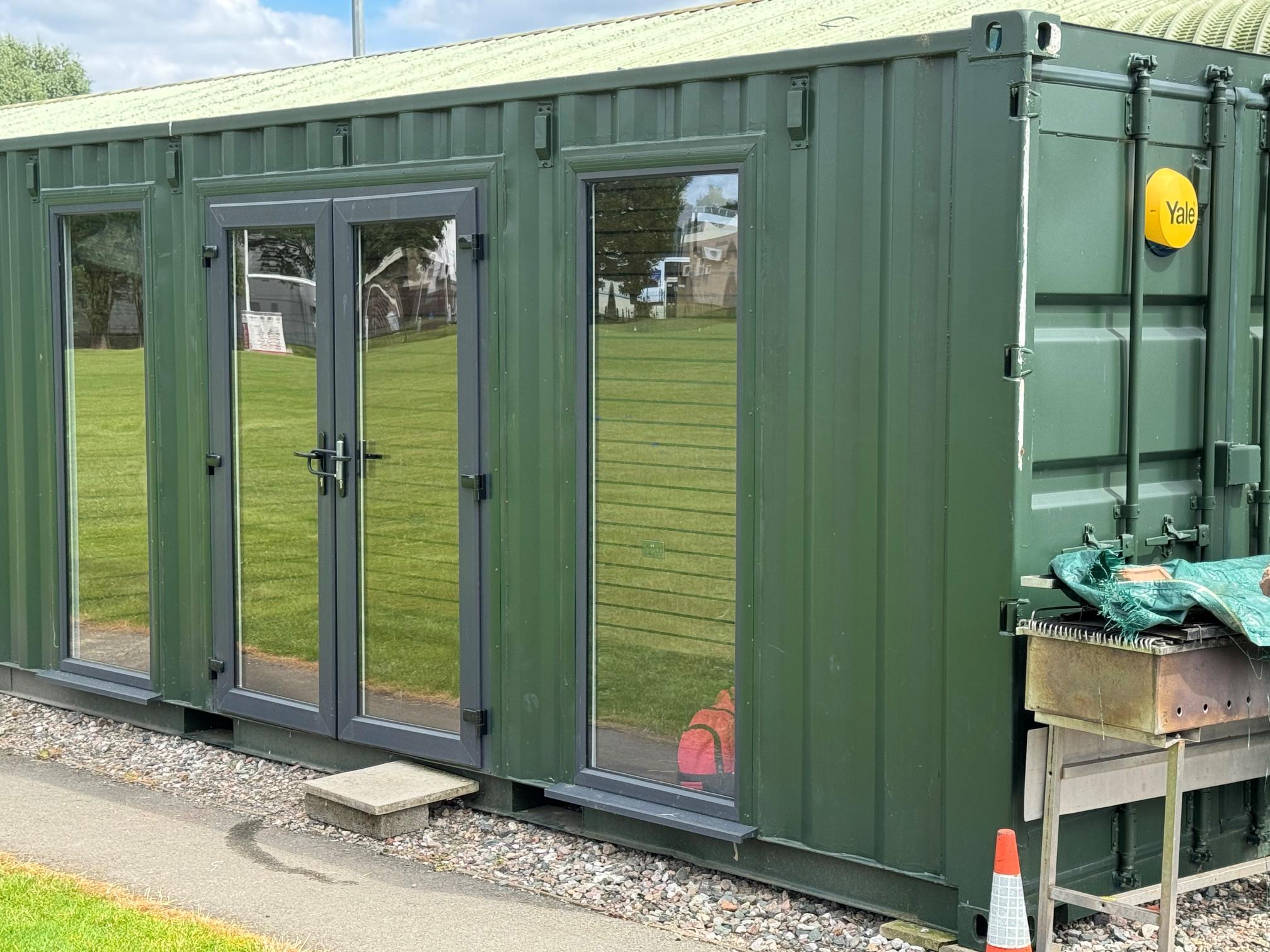
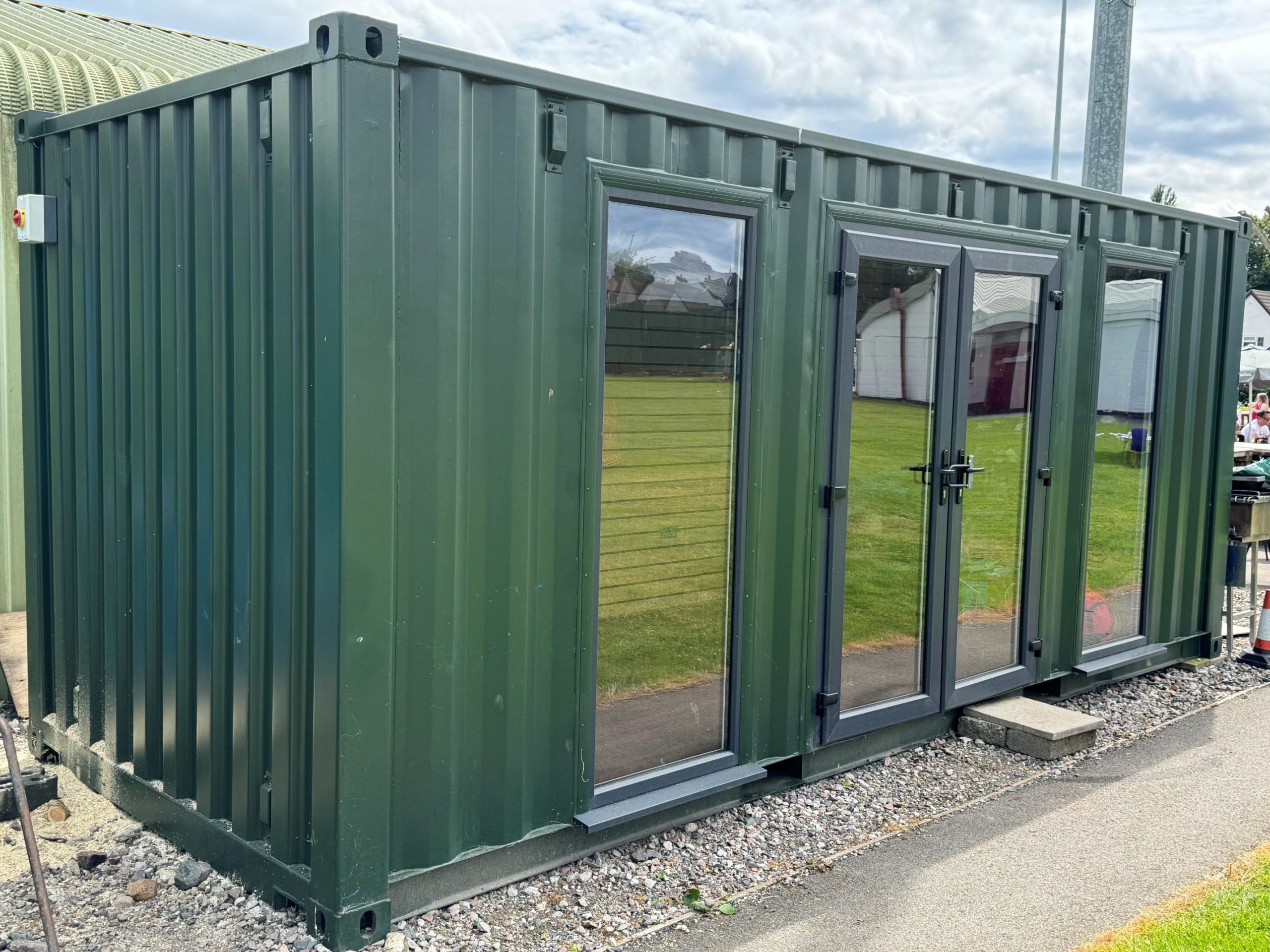

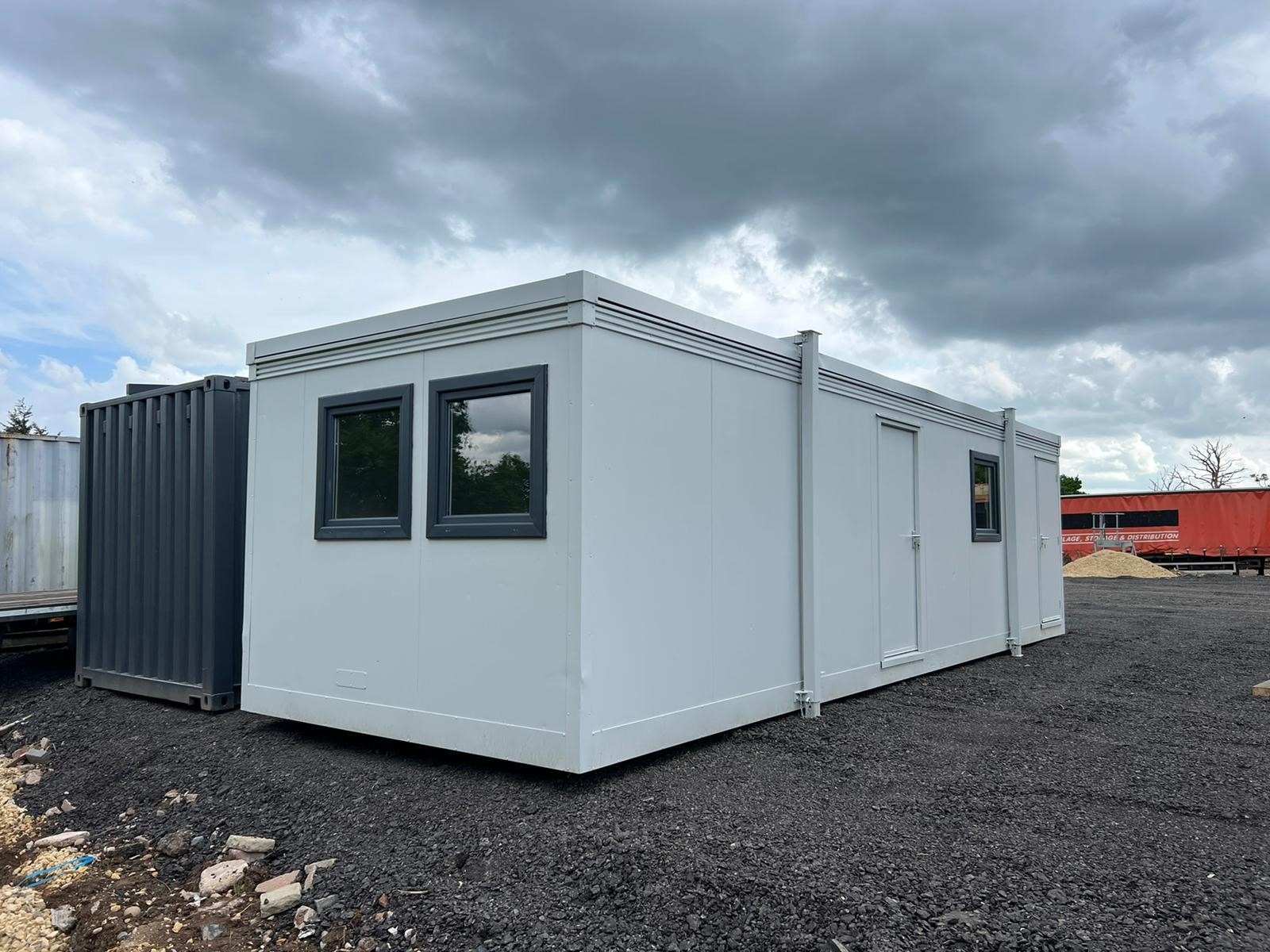
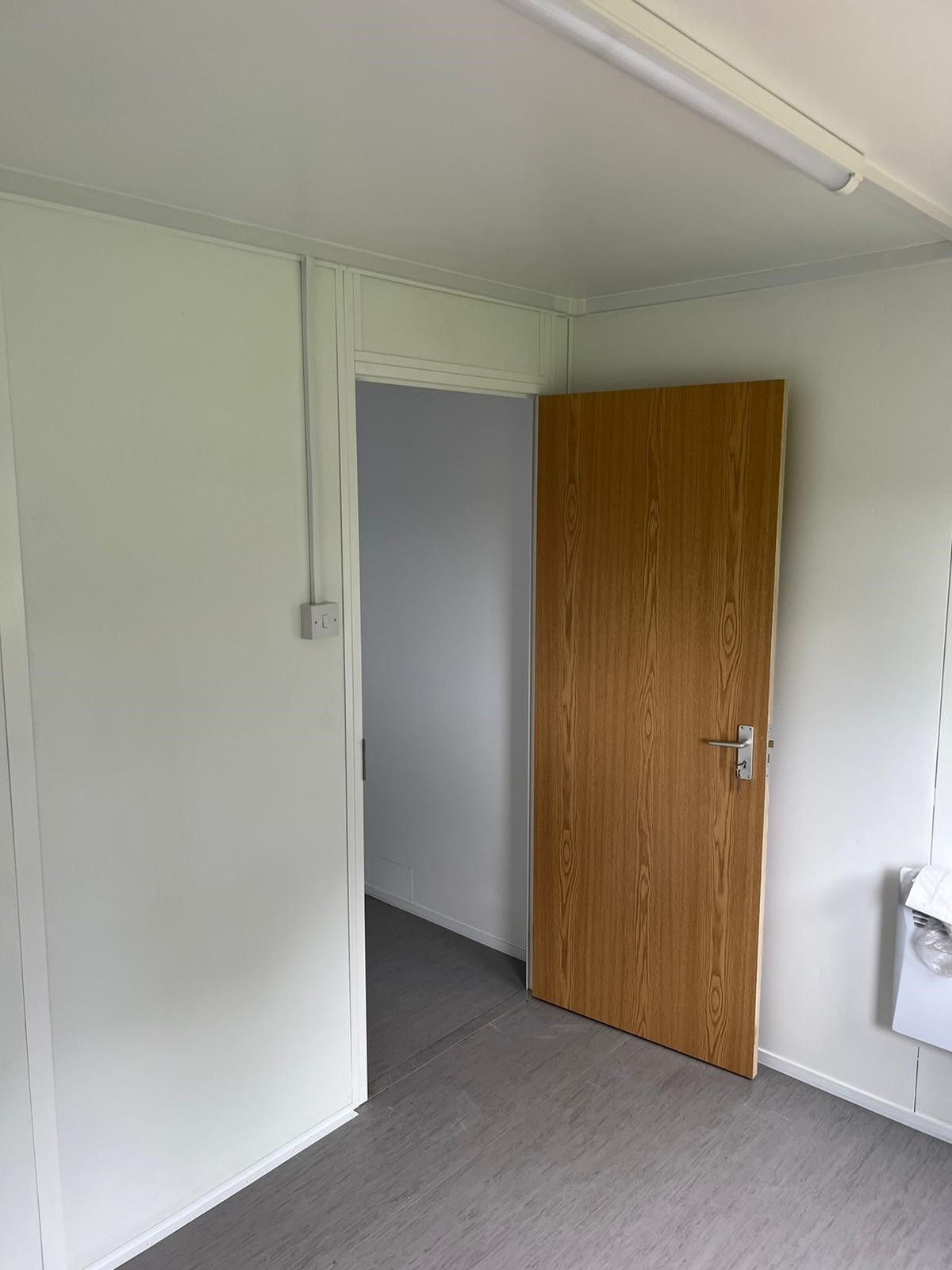
Fully refurbished
Colour light grey
Slate grey anthracite upvc double glazed windows
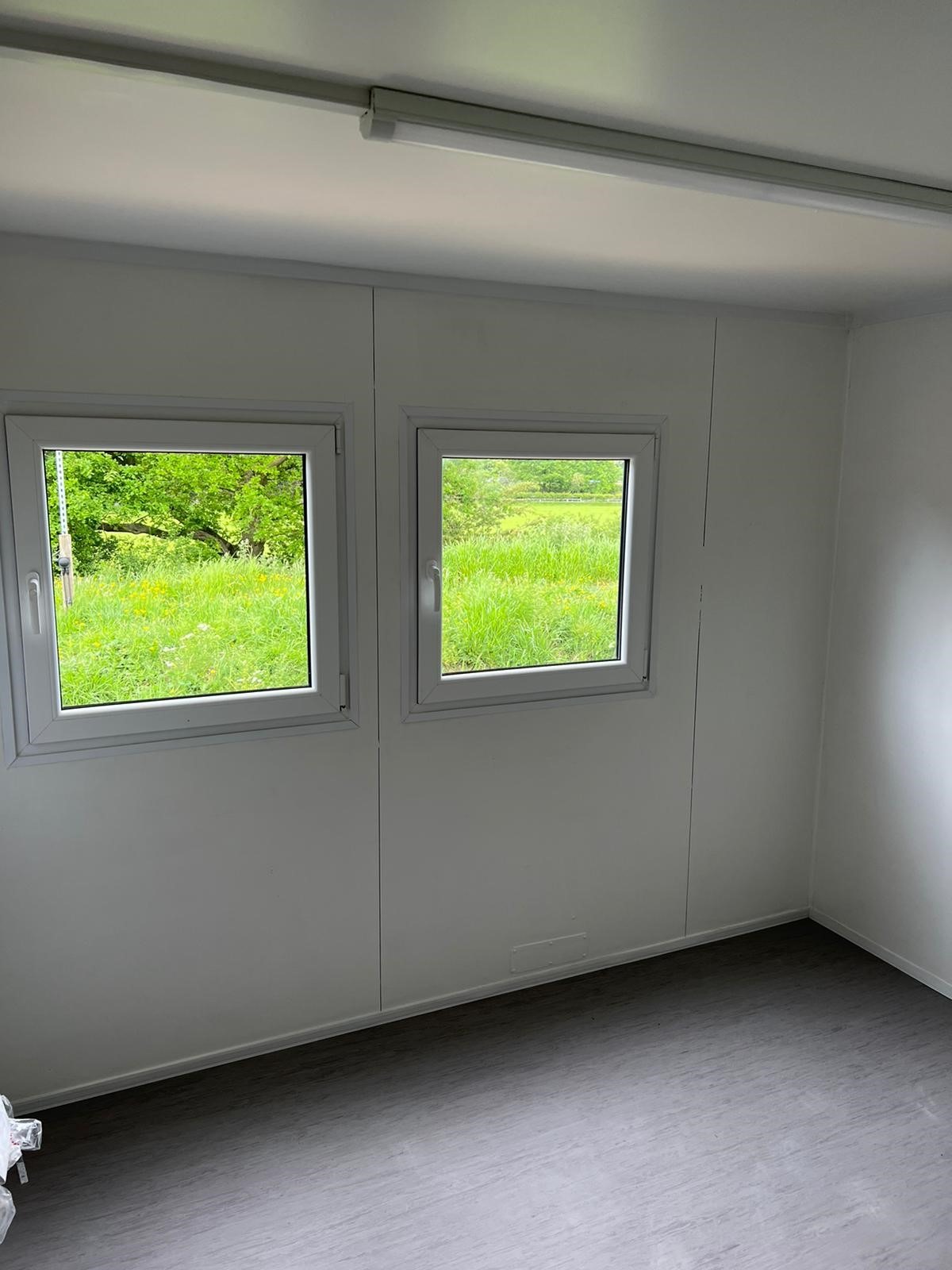
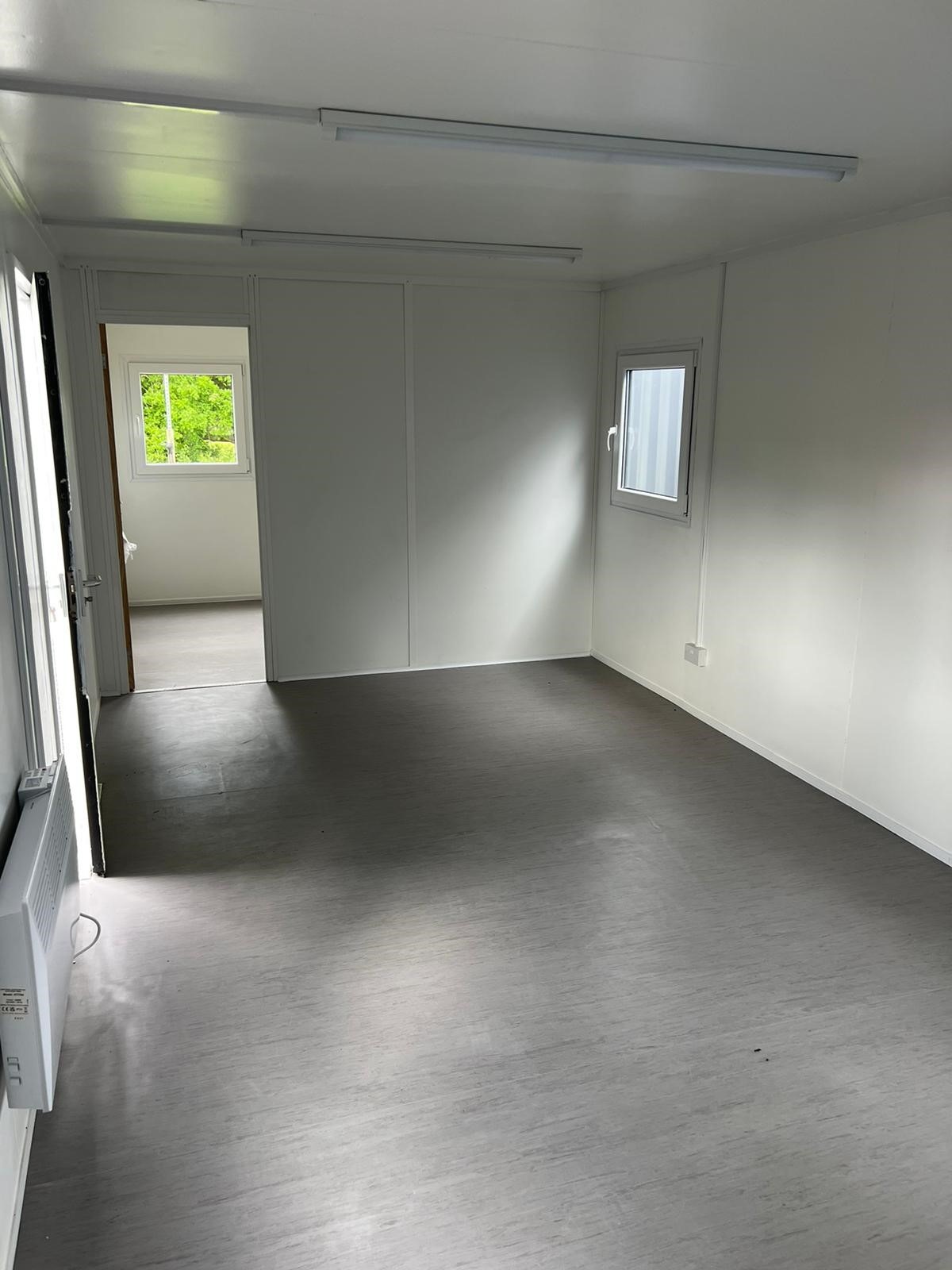
Location: Nationwide
+ VAT
Not Available for Hire
Call for an instant quote!
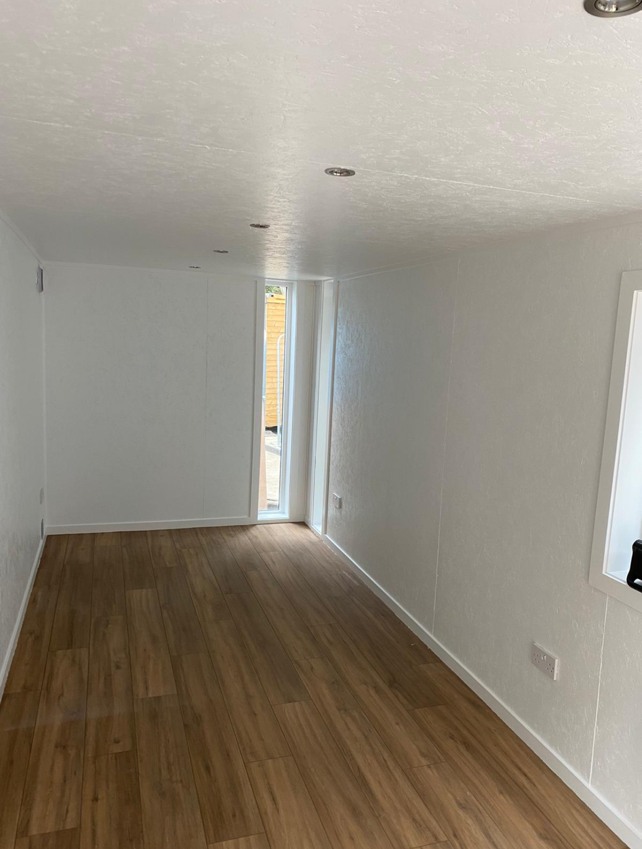
Fully Insulated with electric sockets, spot lighting, and heating
Wood Flooring
UPVC Sliding Door + Windows
Lead Time for build 6-8 weeks
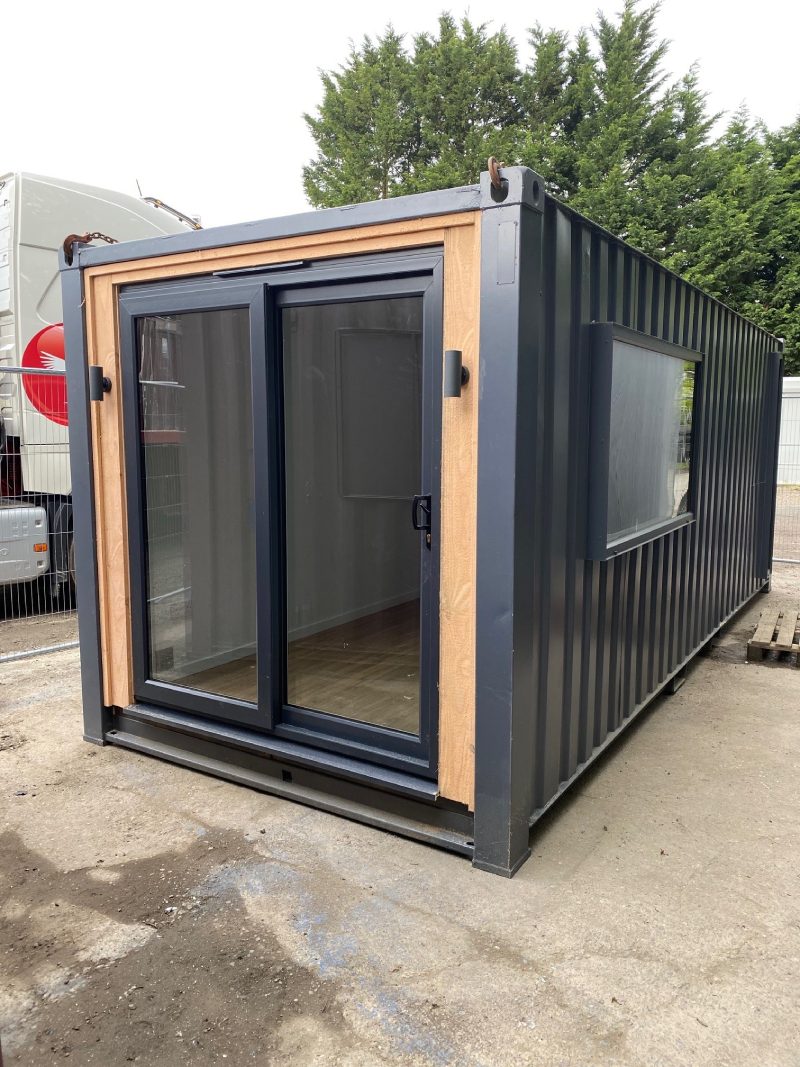
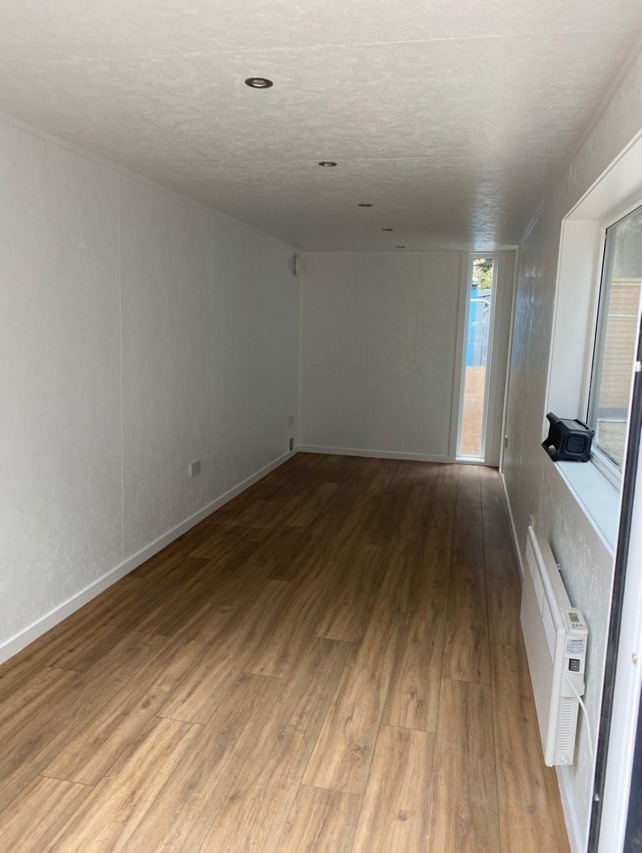
Location: Nationwide
+ VAT
Not Available for Hire
Call for an instant quote!
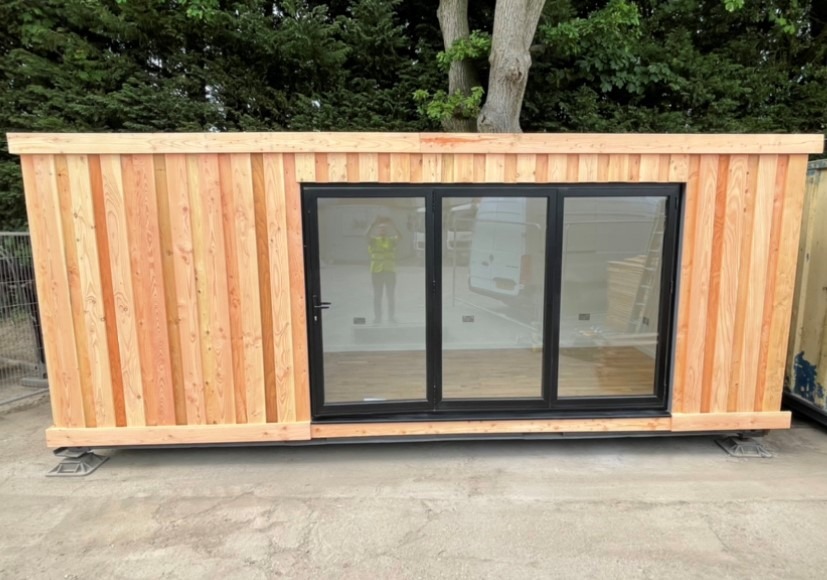
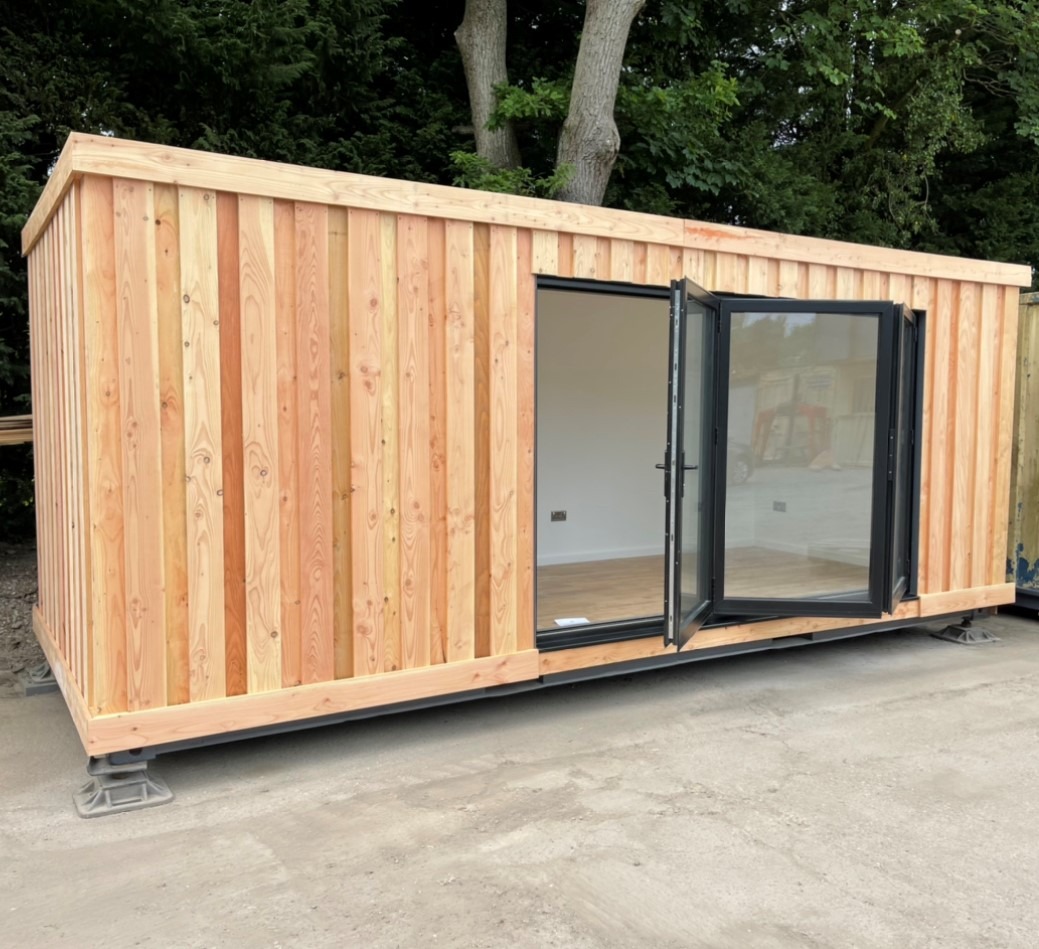
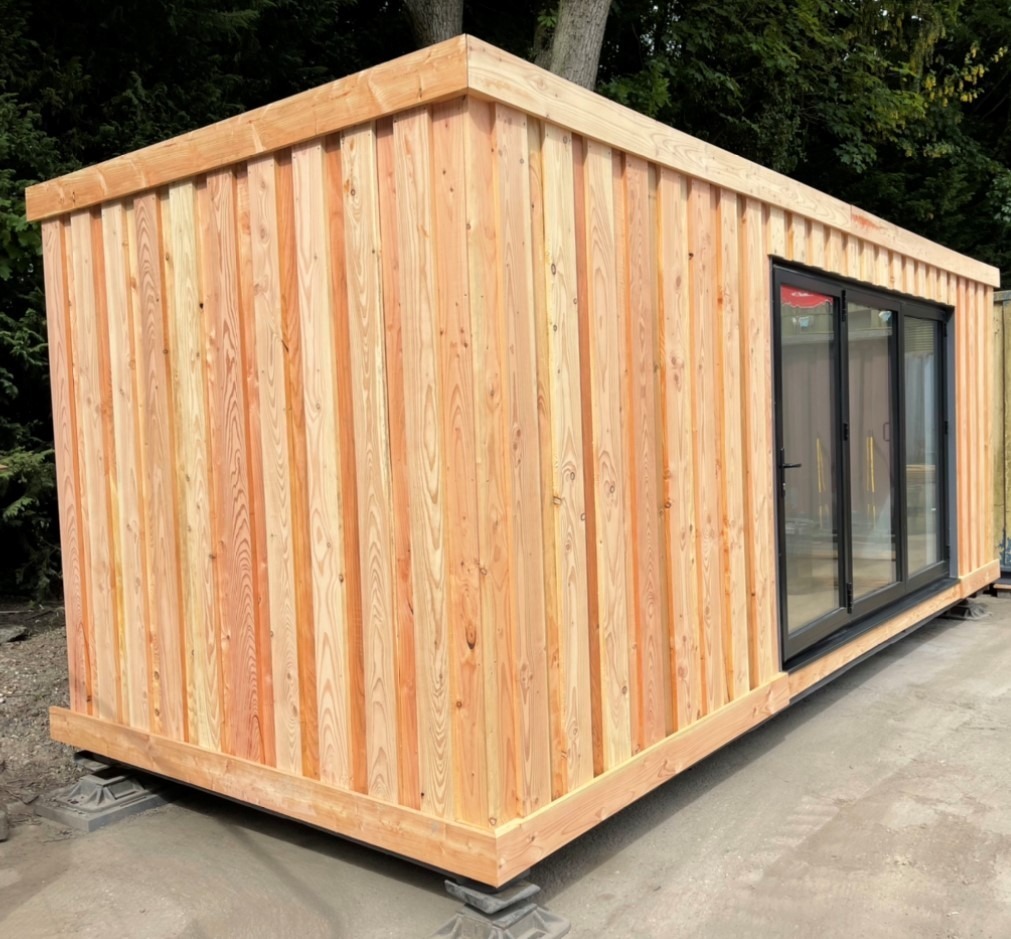
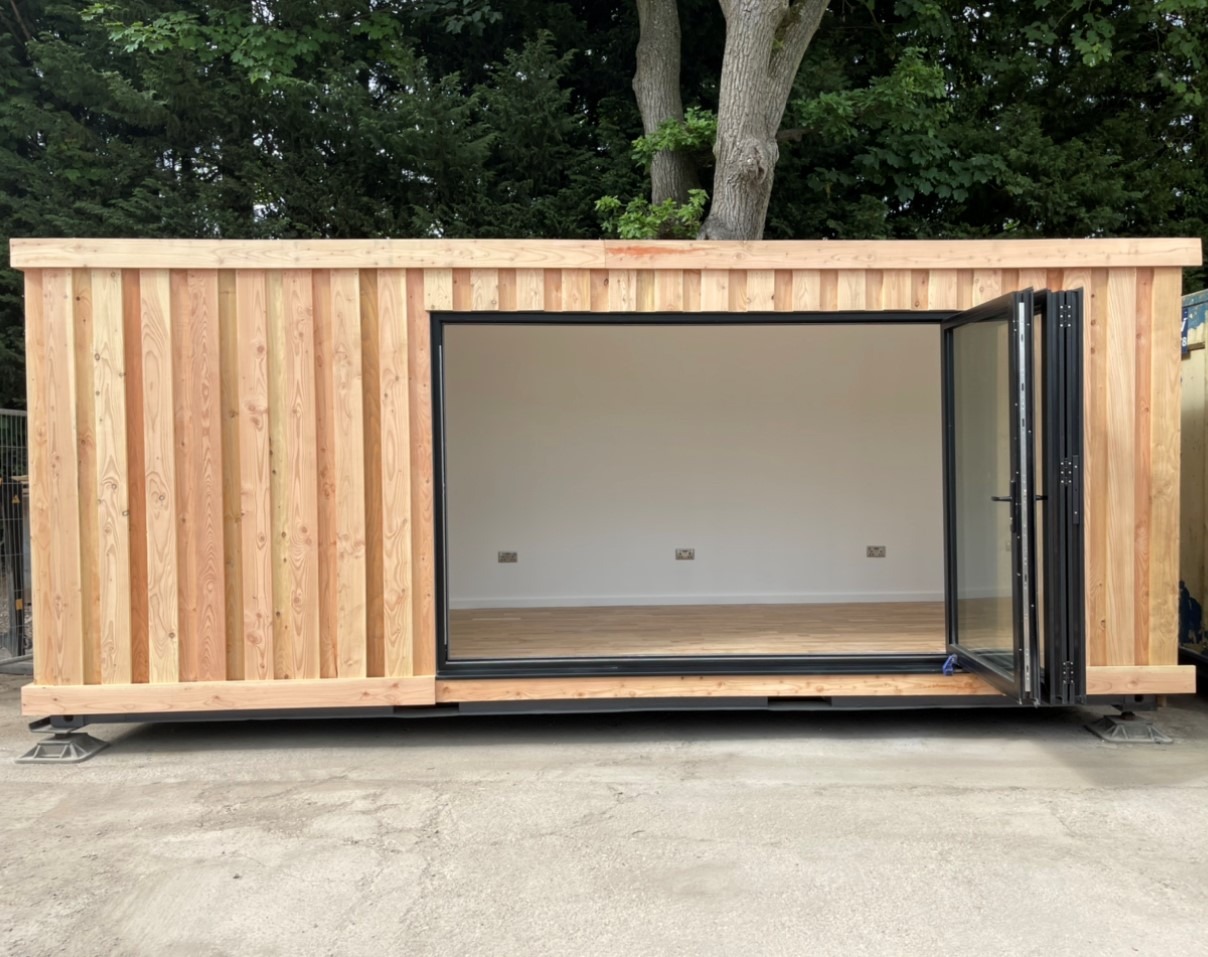
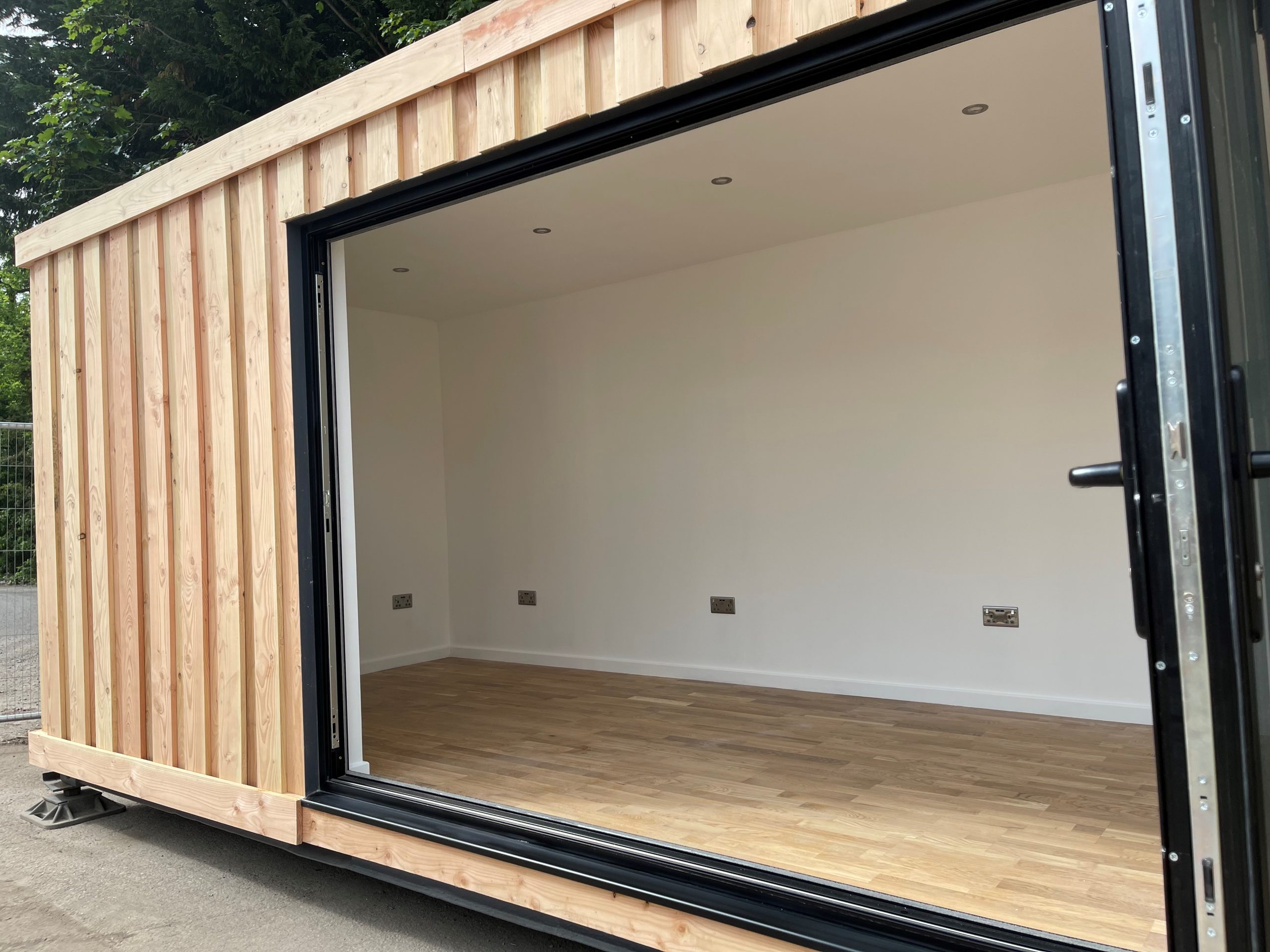
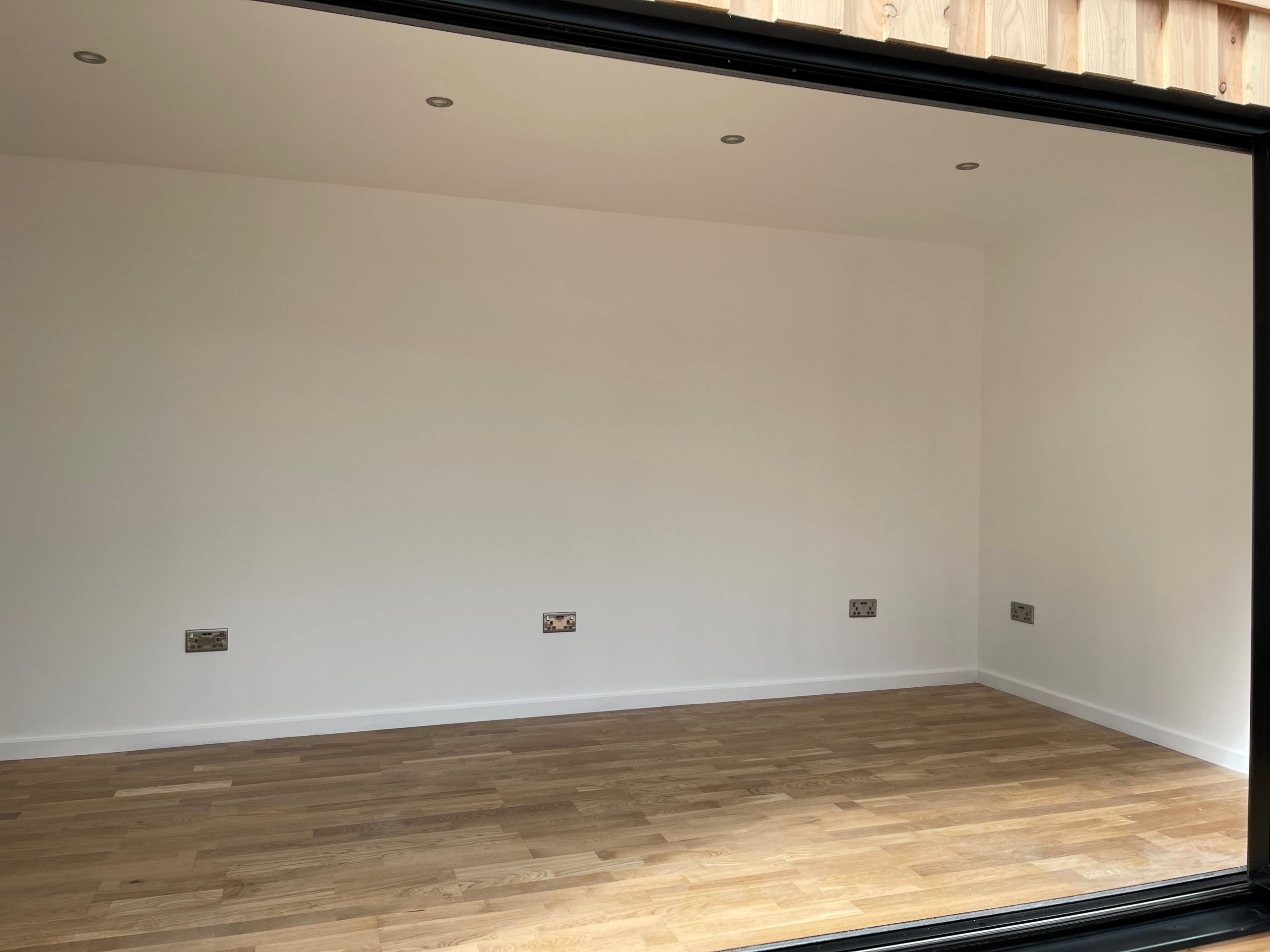
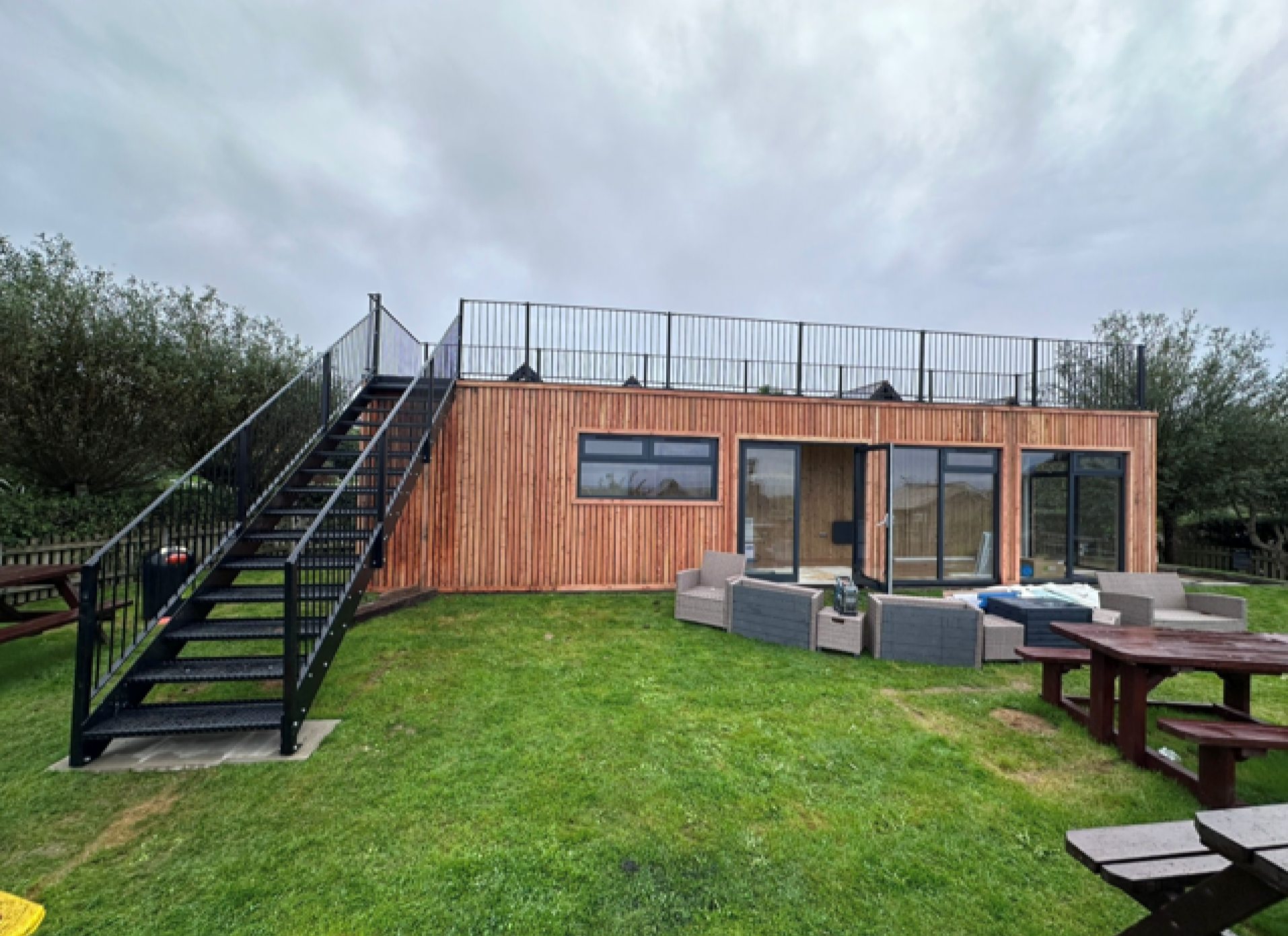
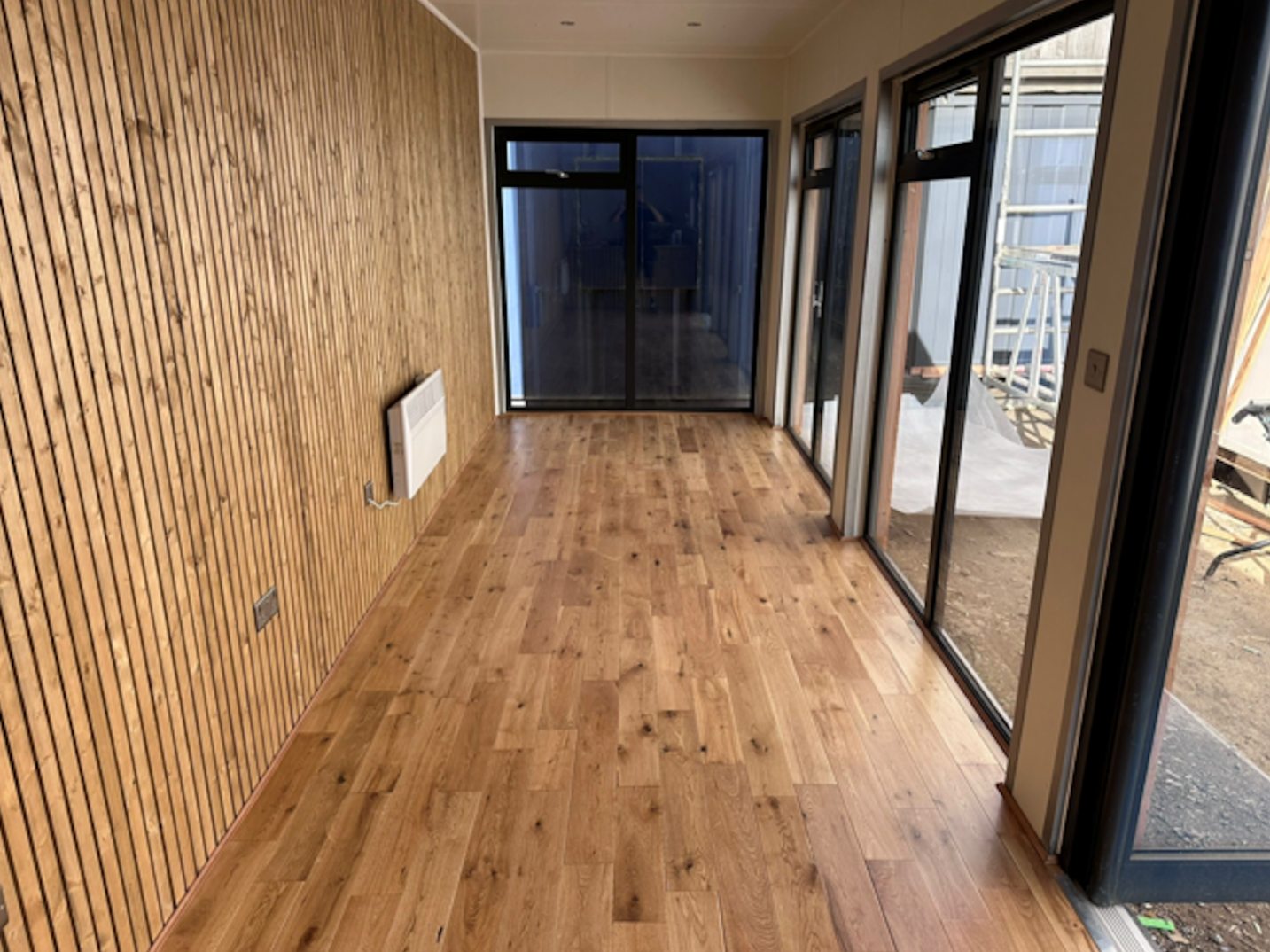
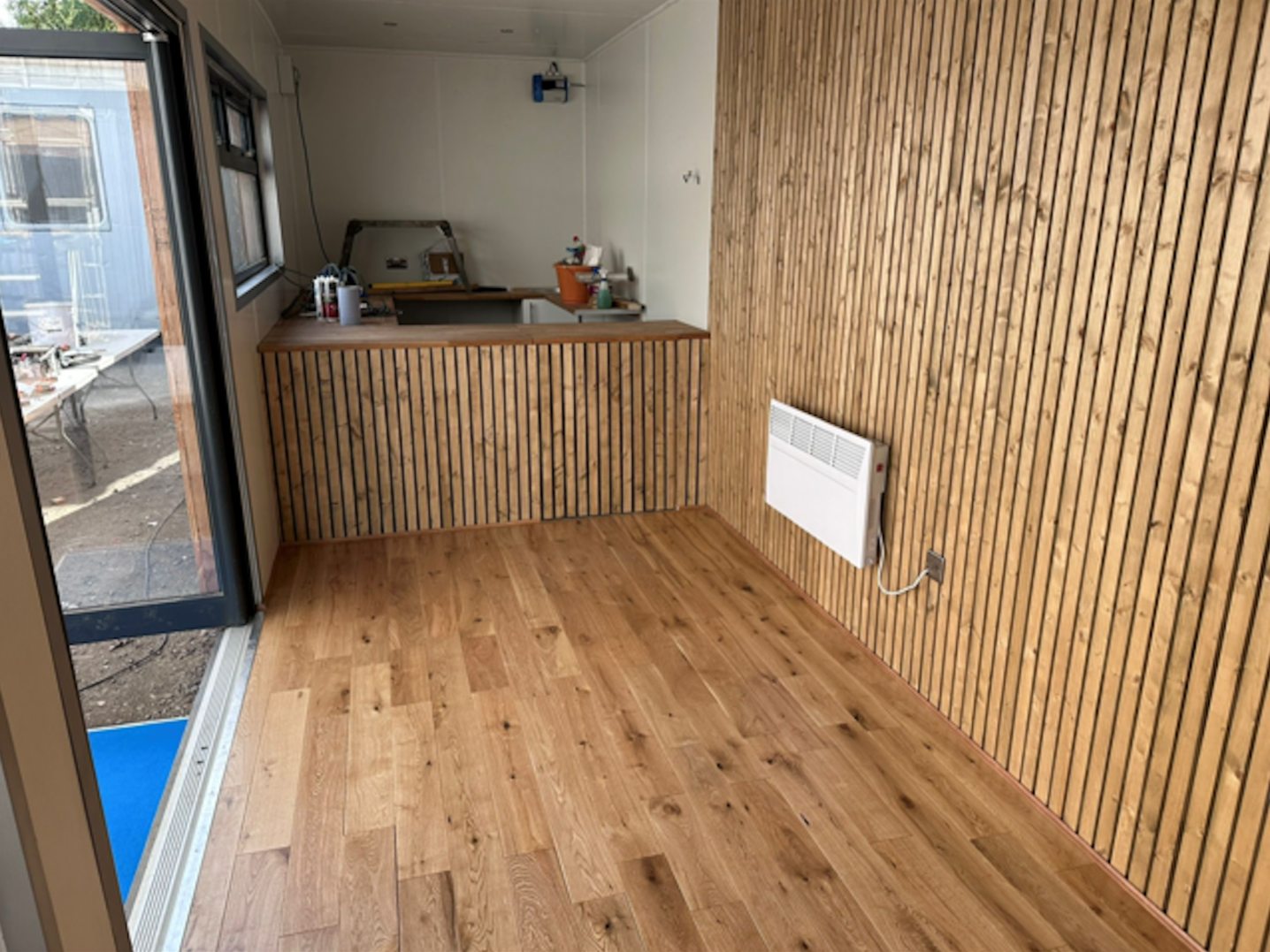
Fully Insulated with electric sockets, spot lighting, and heating
Wood Flooring
Aluminium Bi Fold Doors
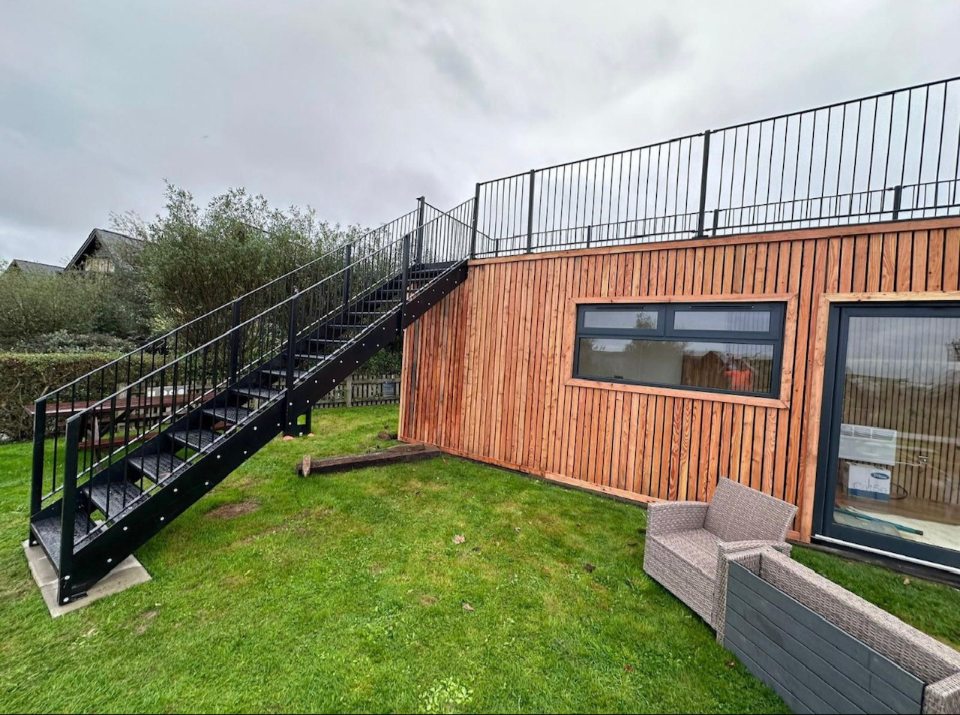
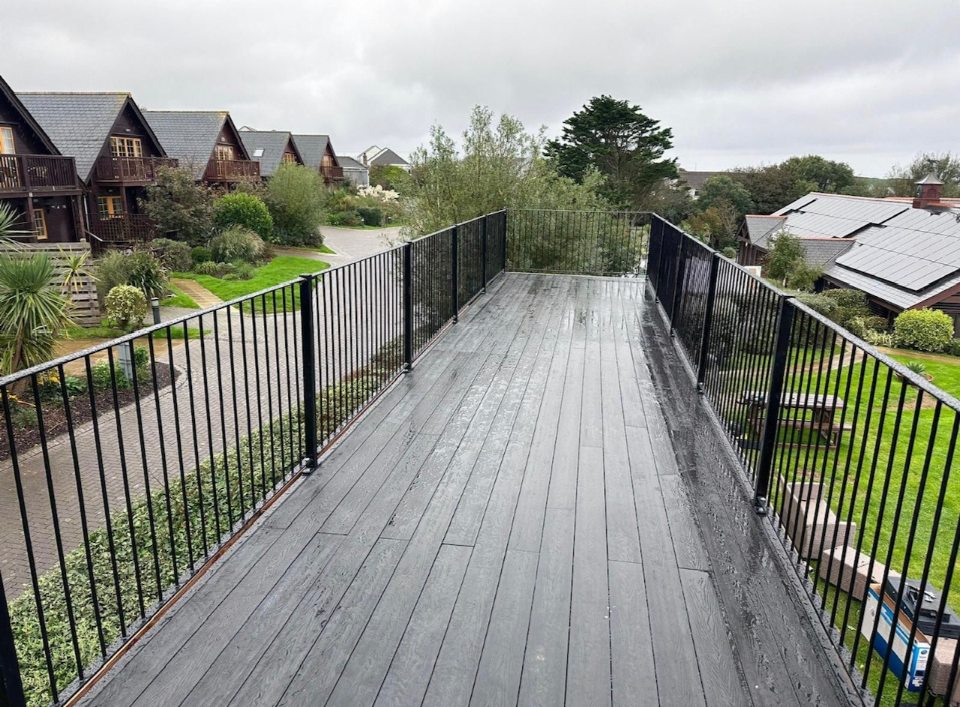
Fully wrapped in larch cladding
Lead Time for build 6-8 weeks
Location: Nationwide
+ VAT
Not Available for Hire
Call for an instant quote!
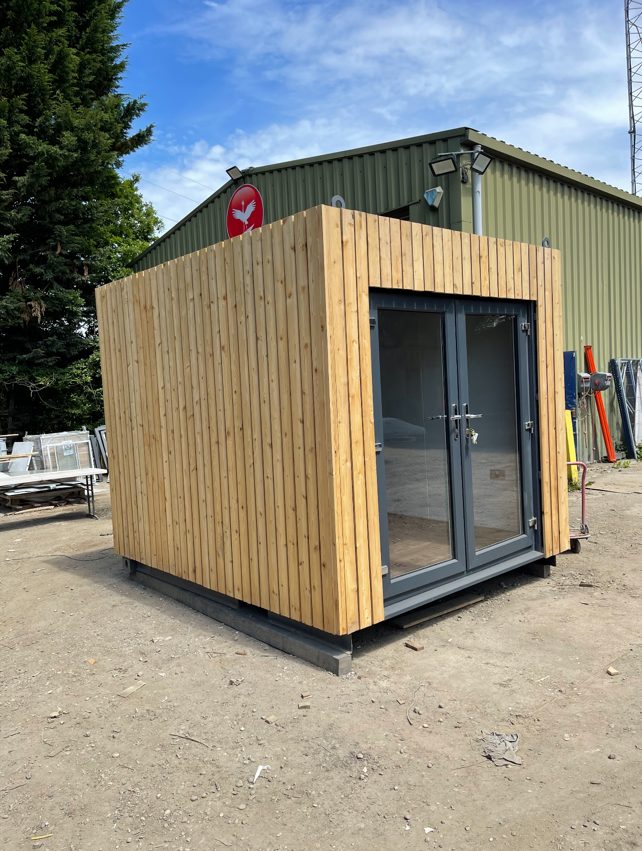
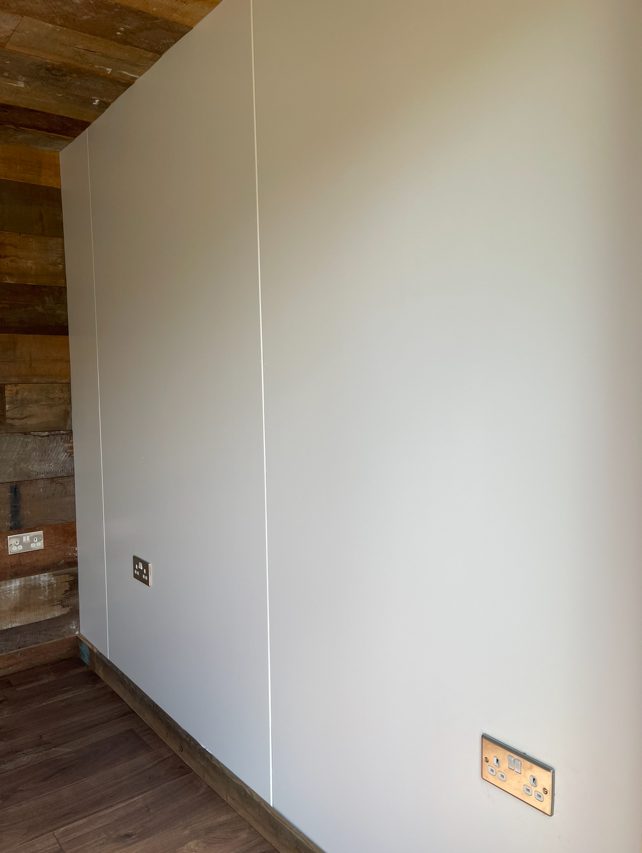
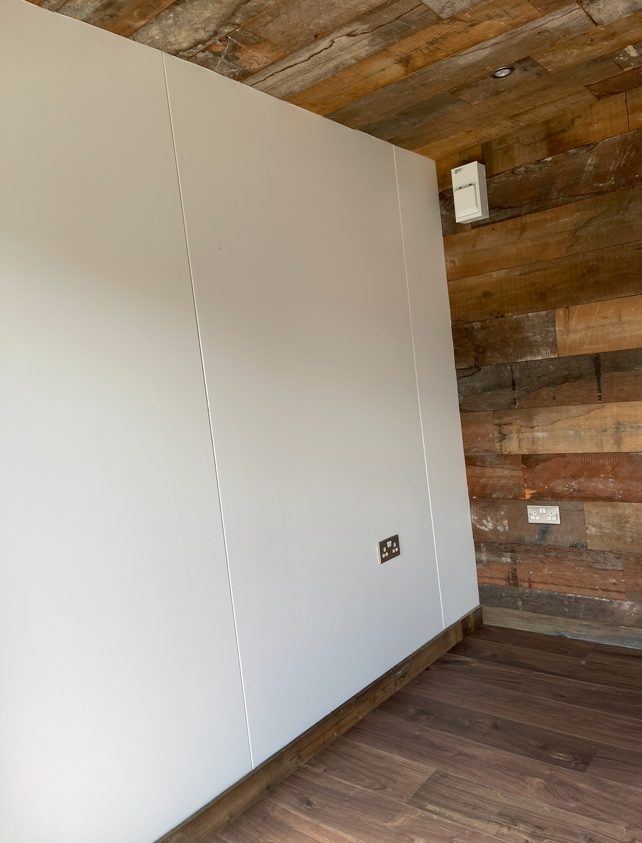
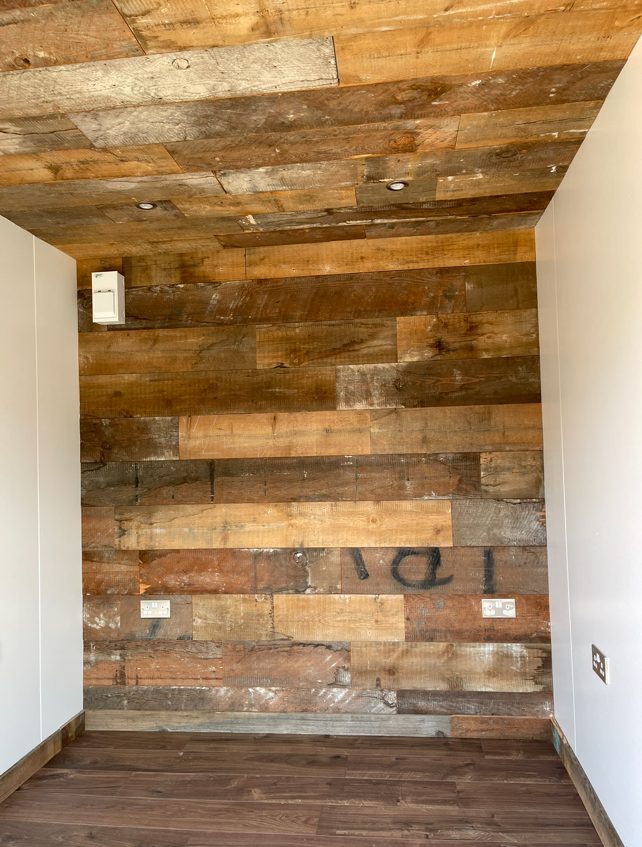
Fully Insulated with electric sockets, spot lighting, and heating
Wood Flooring
Feature Clad Wall and Ceiling
UPVC Double glazed French Doors
Fully wrapped in larch cladding
Lead Time for build 6-8 weeks
Location: Nationwide
EX VAT
Not Available for Hire
Call for an instant quote!
Location: Nationwide
EX VAT
Not Available for Hire
Call for an instant quote!
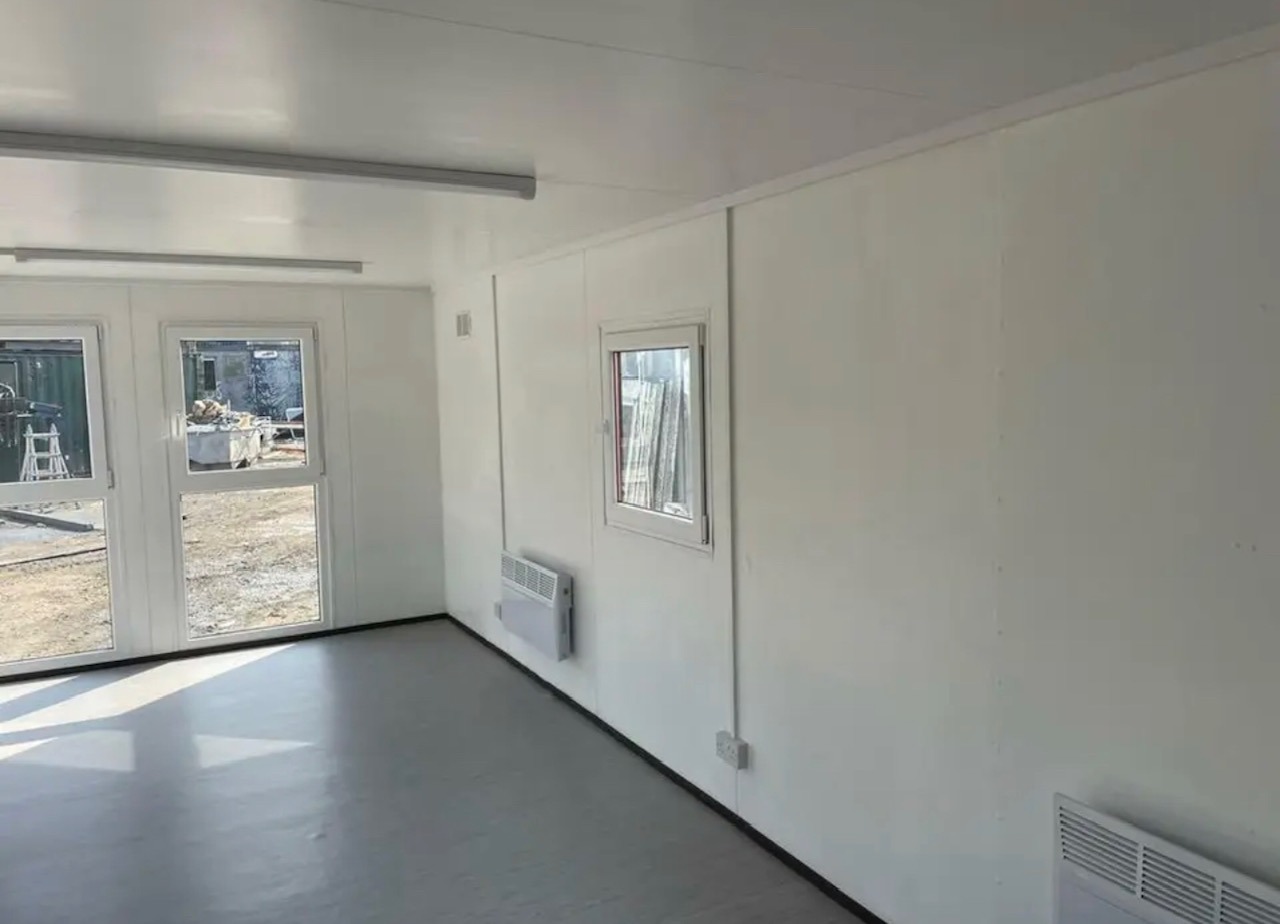
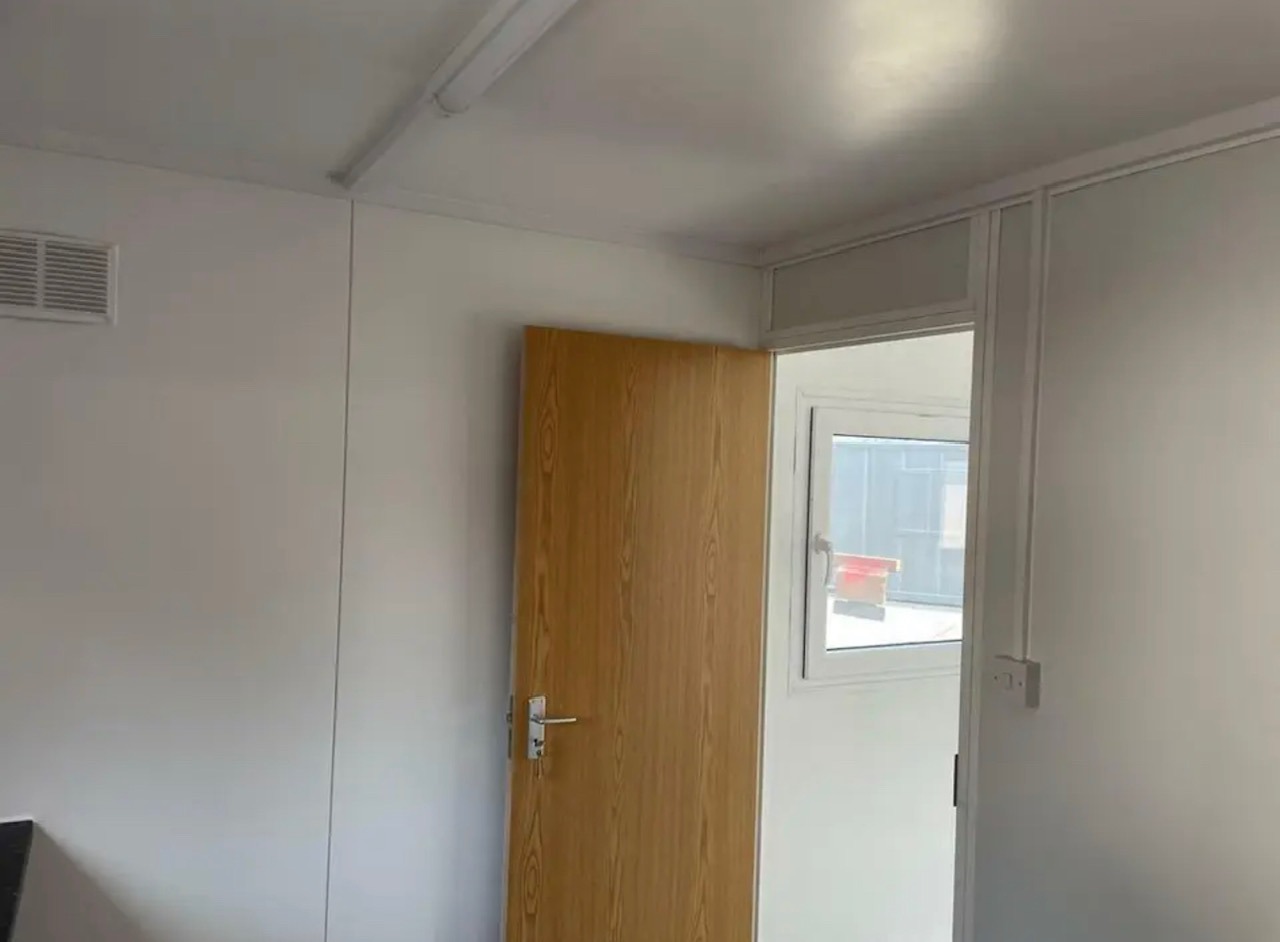
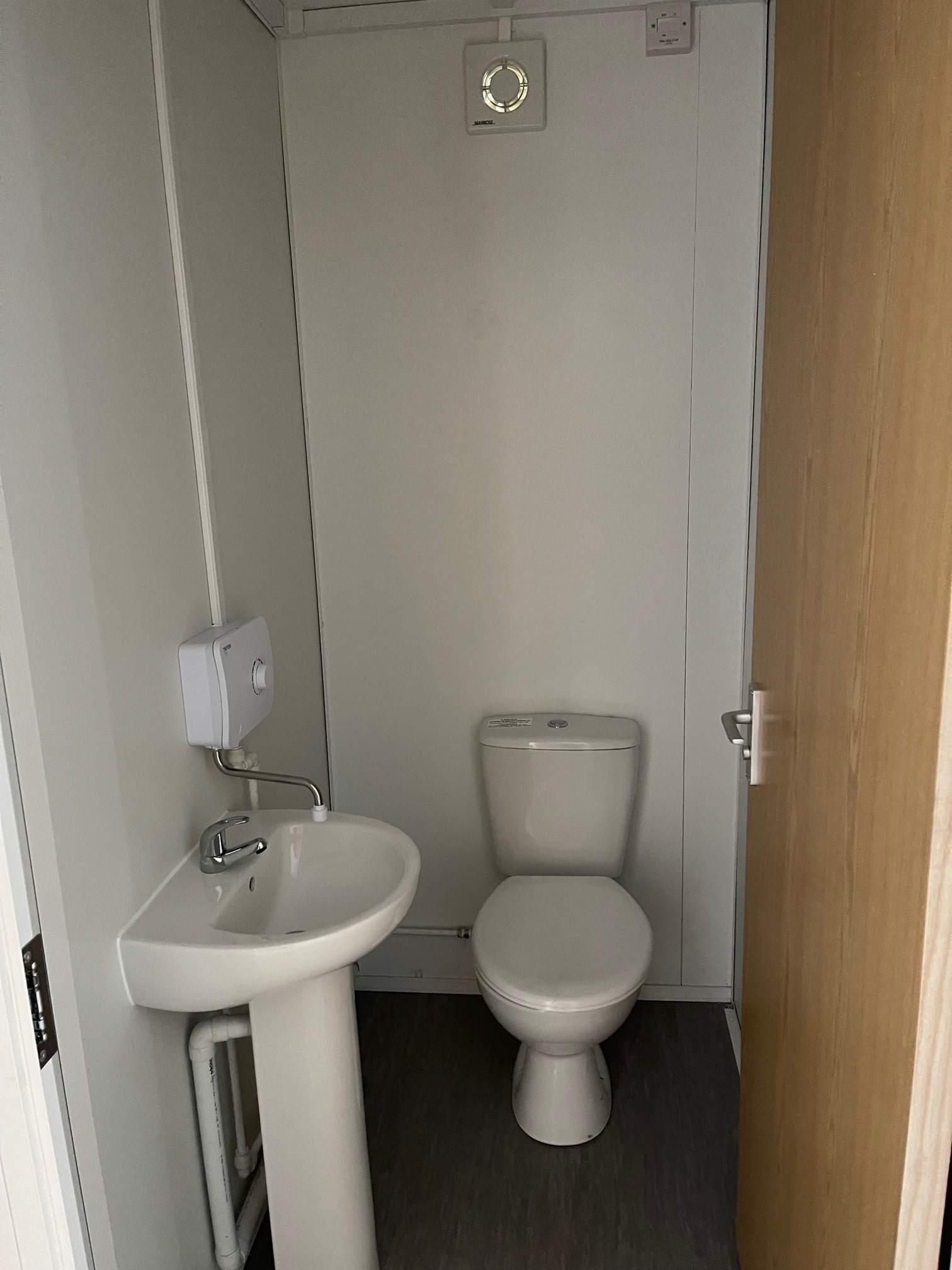
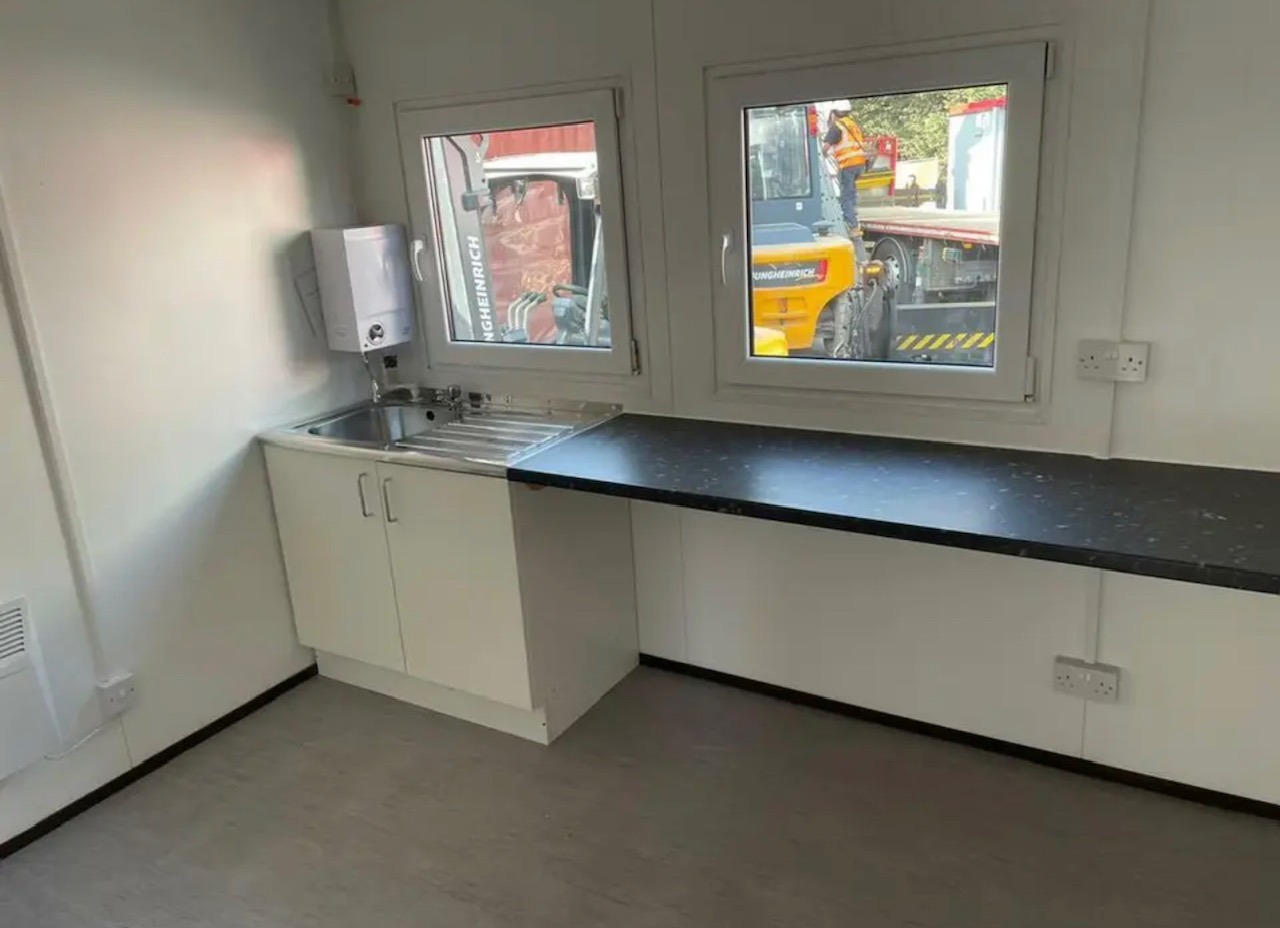
Location: Nationwide
EX VAT
Not Available for Hire
Call for an instant quote!
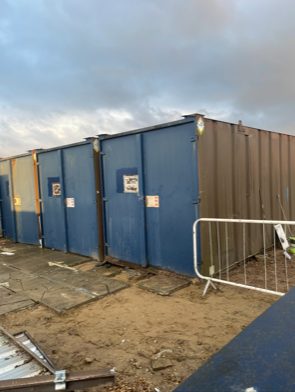
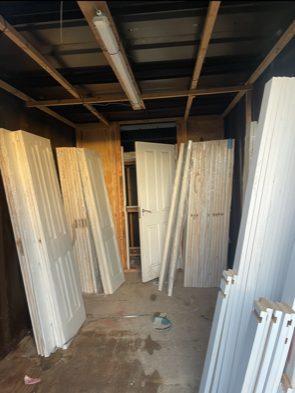
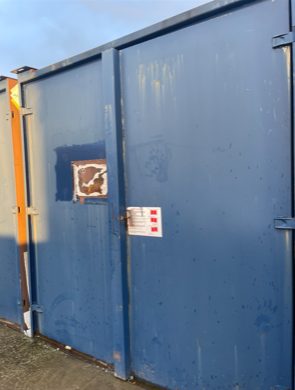
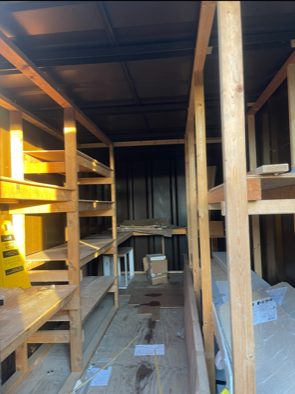
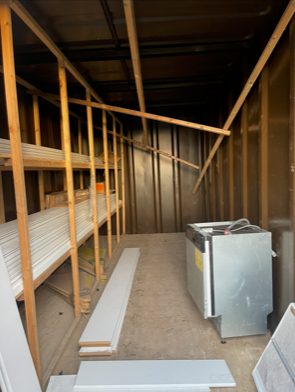
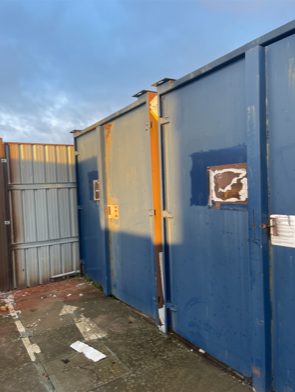
Location: Nationwide
EX VAT
Not Available for Hire
Call for an instant quote!
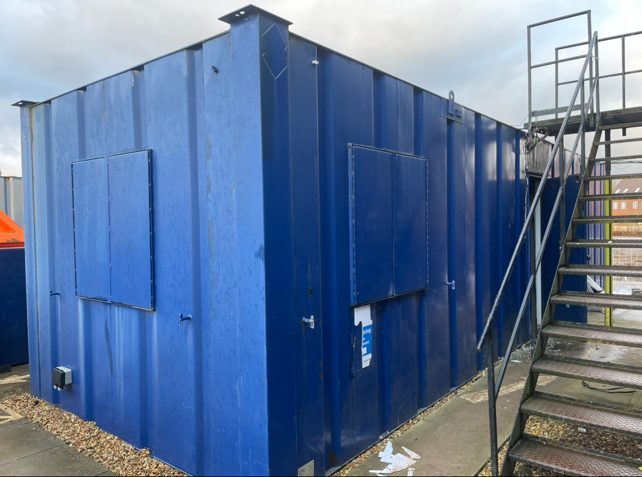
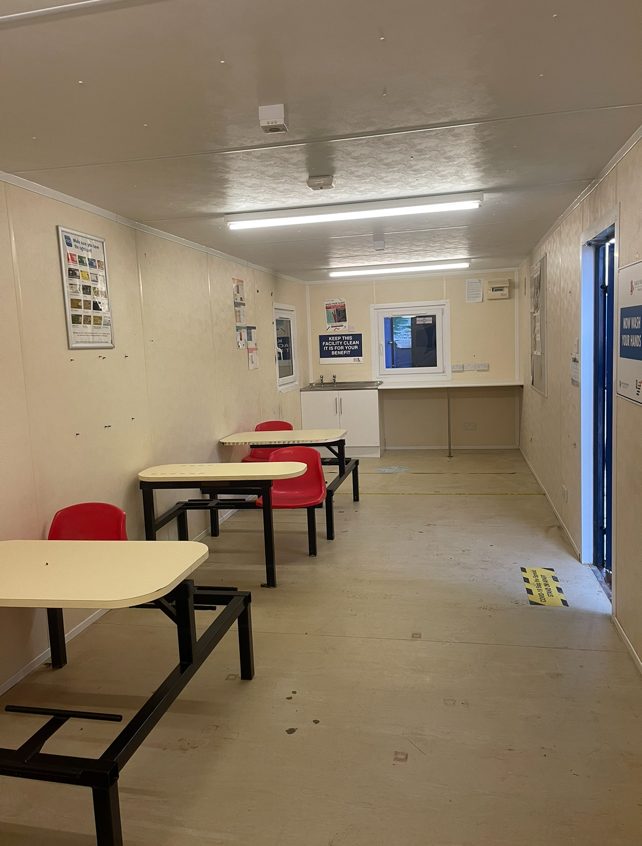

Location: Nationwide
EX VAT
Not Available for Hire
Call for an instant quote!

Location: Nationwide
EX VAT
Not Available for Hire
Call for an instant quote!
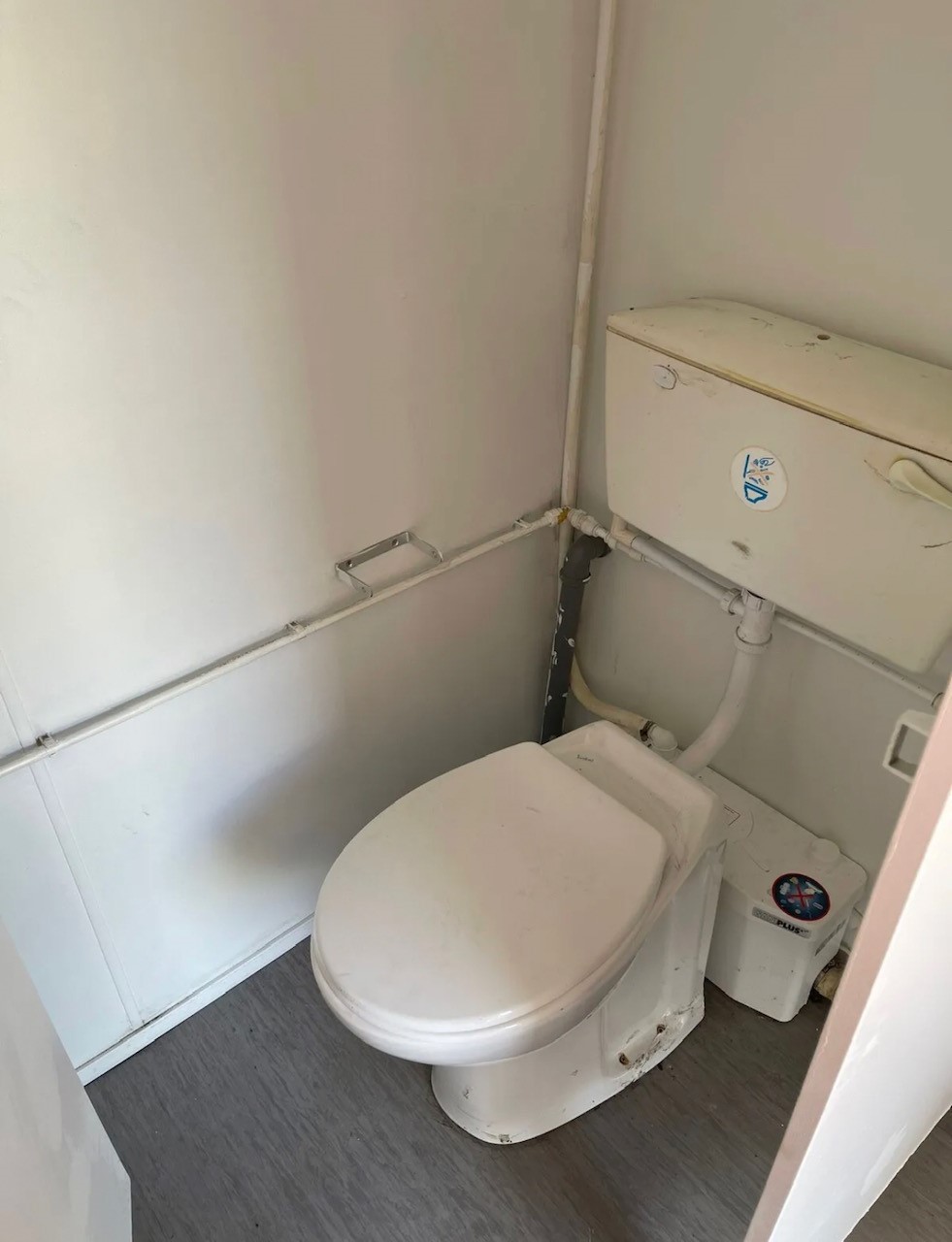
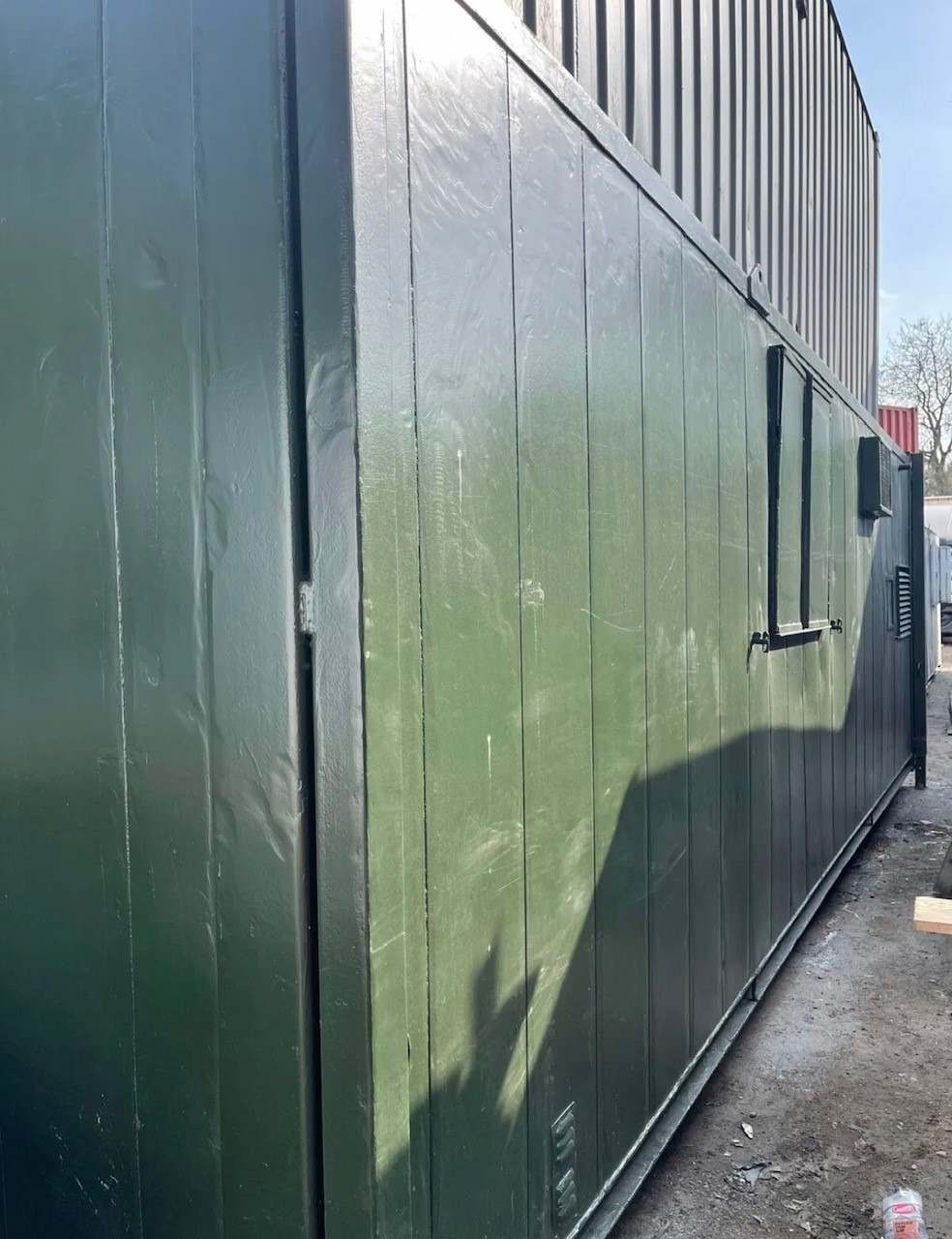
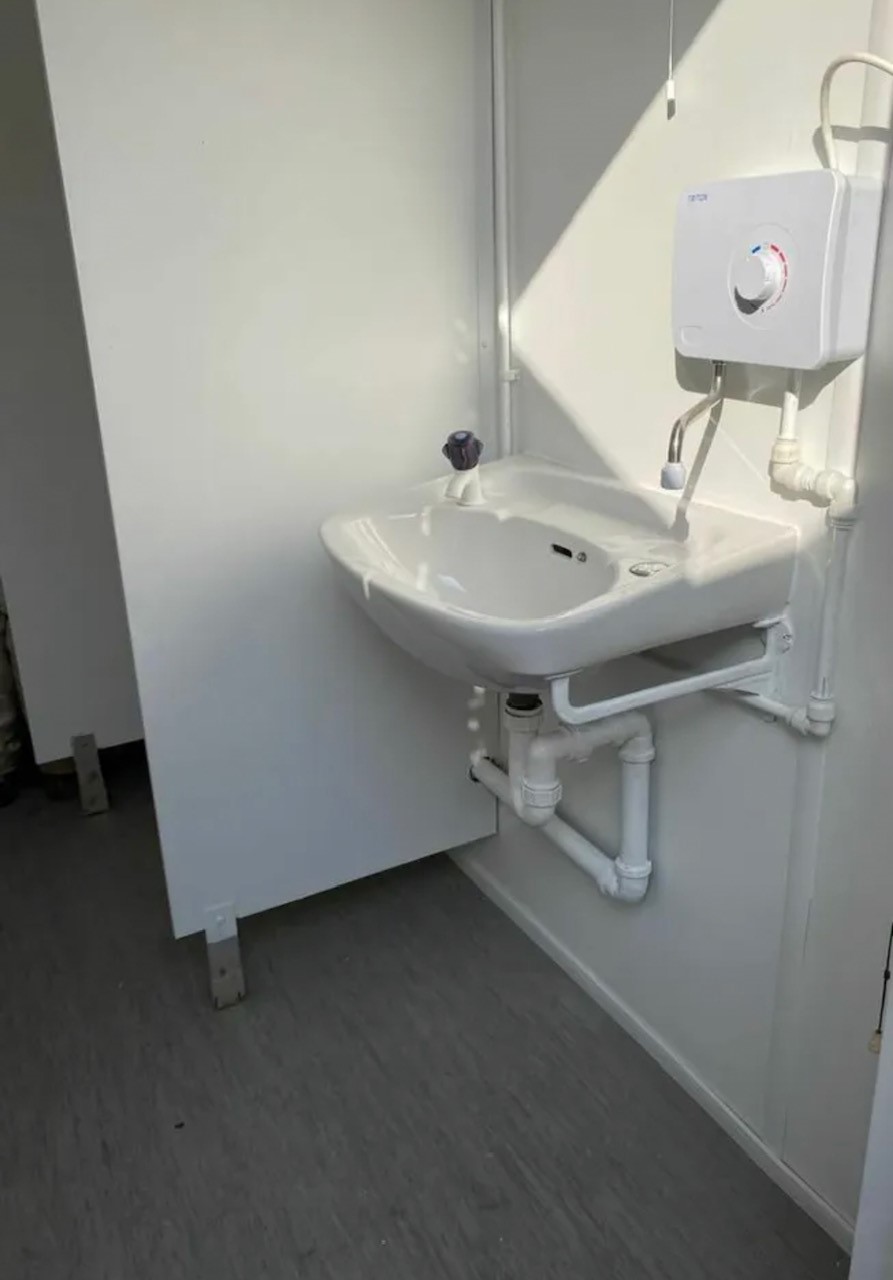
Location: Nationwide
EX VAT
Not Available for Hire
Call for an instant quote!
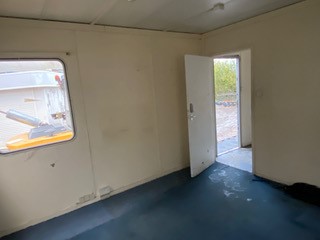
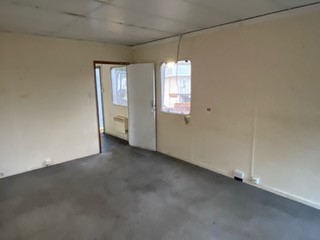

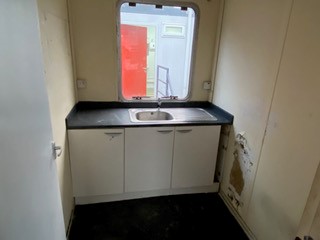
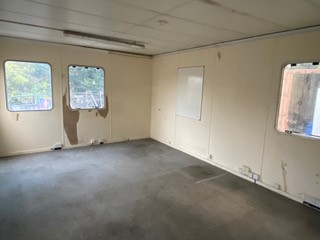
Location: Nationwide
EX VAT
Not Available for Hire
Call for an instant quote!
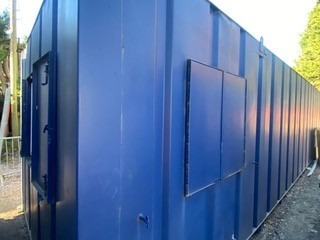
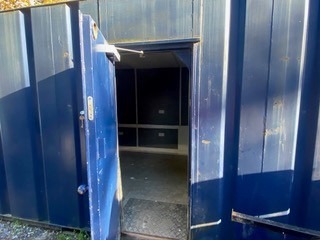
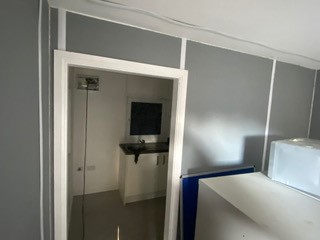
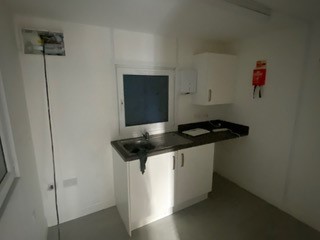
Location: Nationwide
EX VAT
Not Available for Hire
Call for an instant quote!
Location: Nationwide
EX VAT
Not Available for Hire
Call for an instant quote!



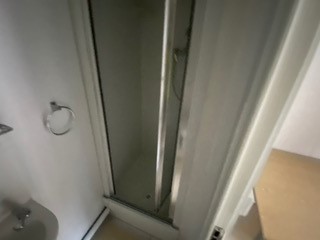
Location: Nationwide
EX VAT
Not Available for Hire
Call for an instant quote!
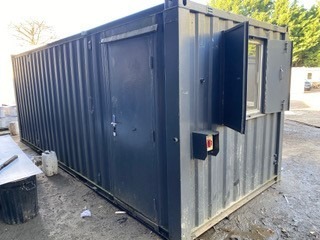
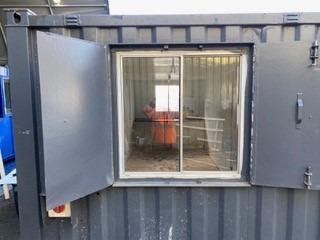
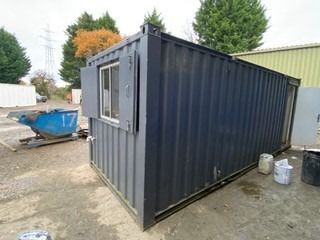
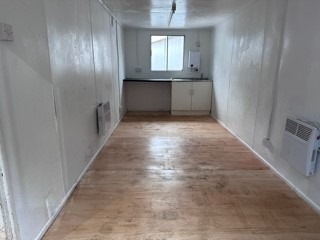
Location: Nationwide
EX VAT
Not Available for Hire
Call for an instant quote!
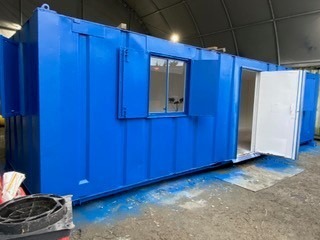
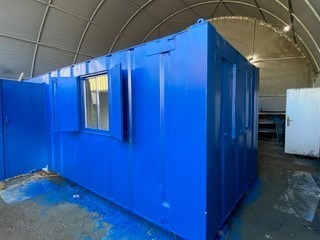
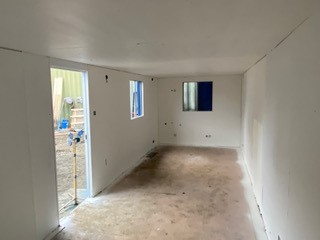
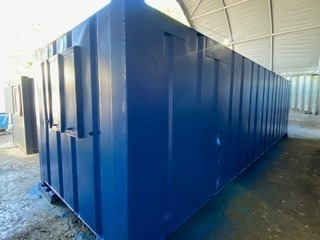
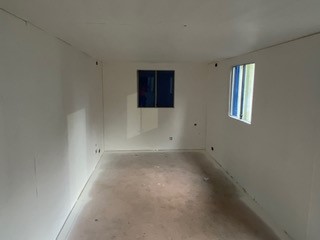
Location: Nationwide
EX VAT
Not Available for Hire
Call for an instant quote!
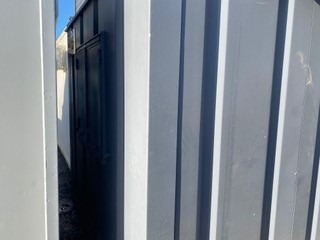
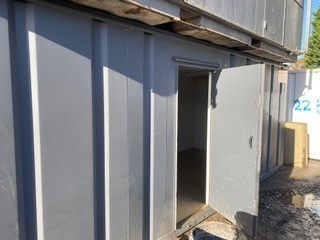
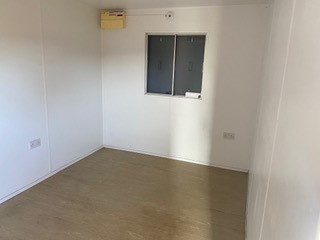
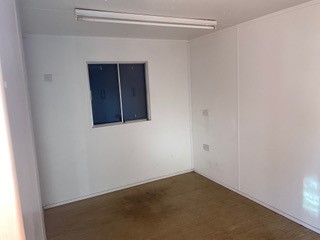
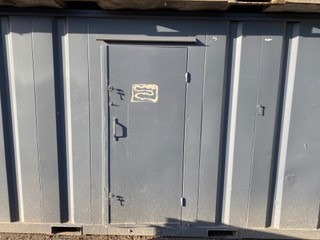
Location: Nationwide
EX VAT
Not Available for Hire
Call for an instant quote!
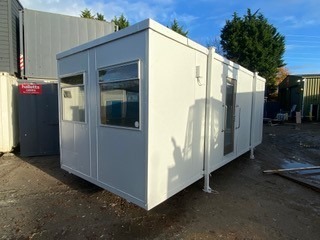
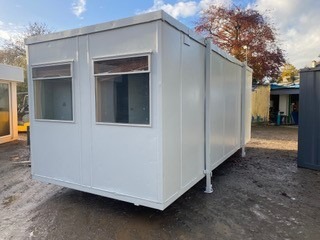
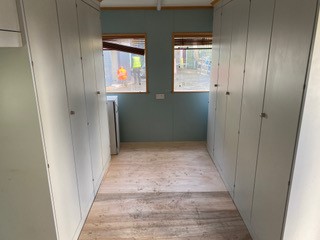

Location: Nationwide
EX VAT
Not Available for Hire
Call for an instant quote!
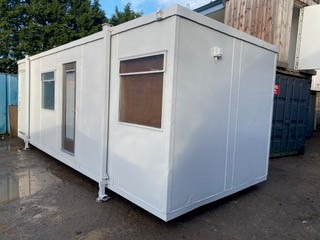
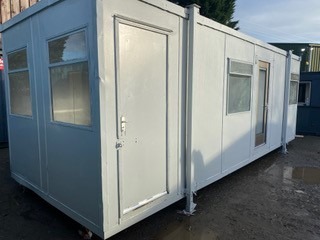
Location: Nationwide
EX VAT
Not Available for Hire
Call for an instant quote!
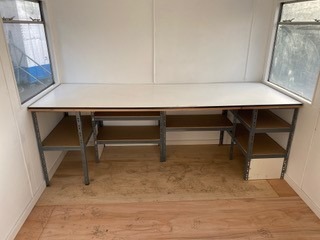
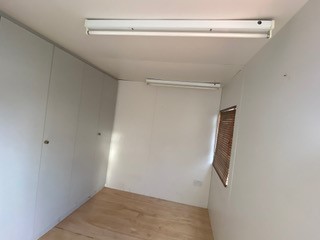
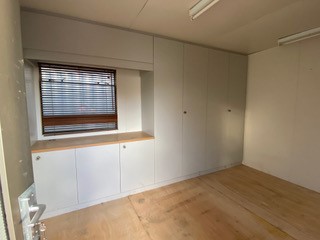
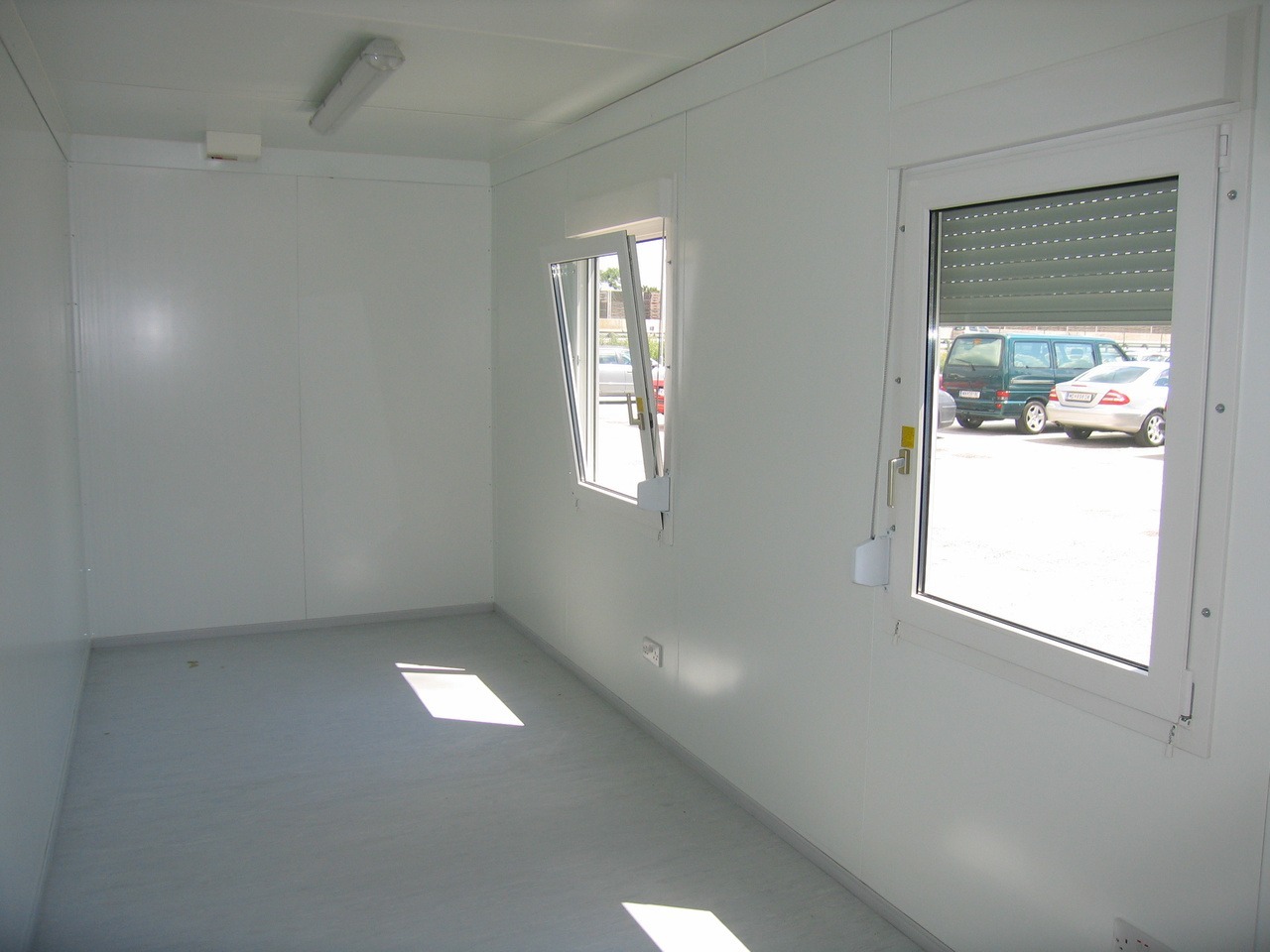
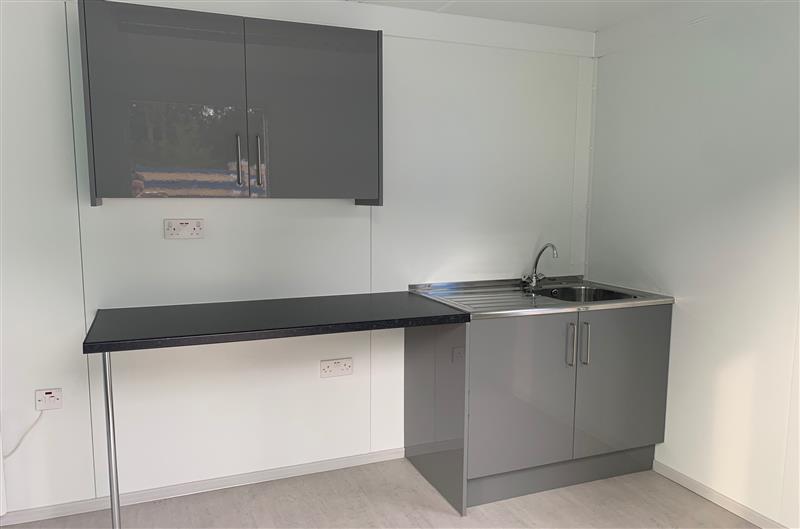
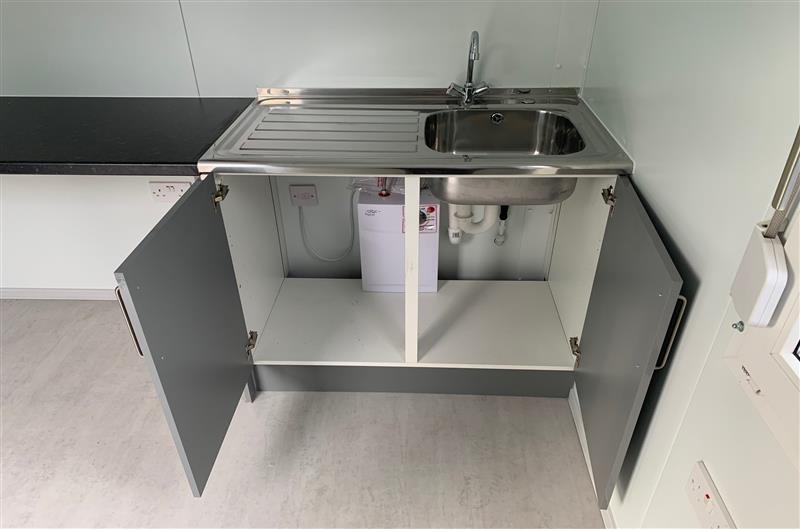
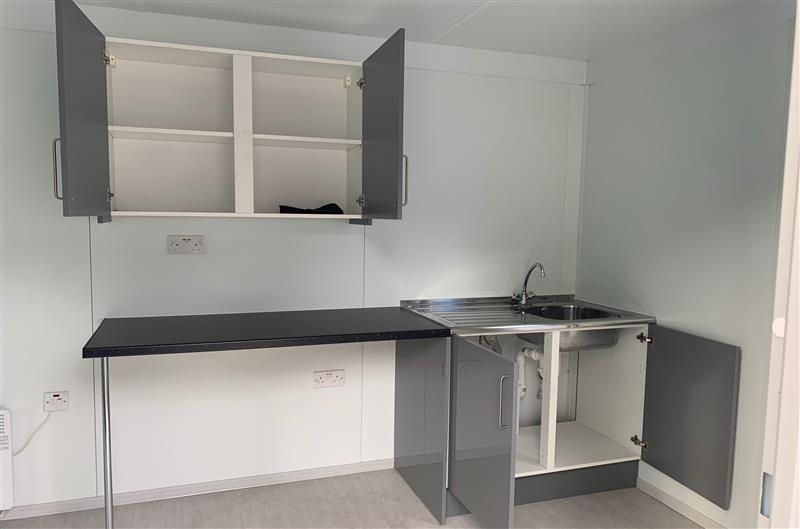
10ftx8ft – £5950 + Vat / 16ftx8ft – £7950 + Vat / 20ftx8ft – £9000 + Vat / 24ftx8ft – £12000 + Vat / 30ftx8ft – £13500 + Vat
Location: Nationwide
EX VAT
Not Available for Hire
Call for an instant quote!
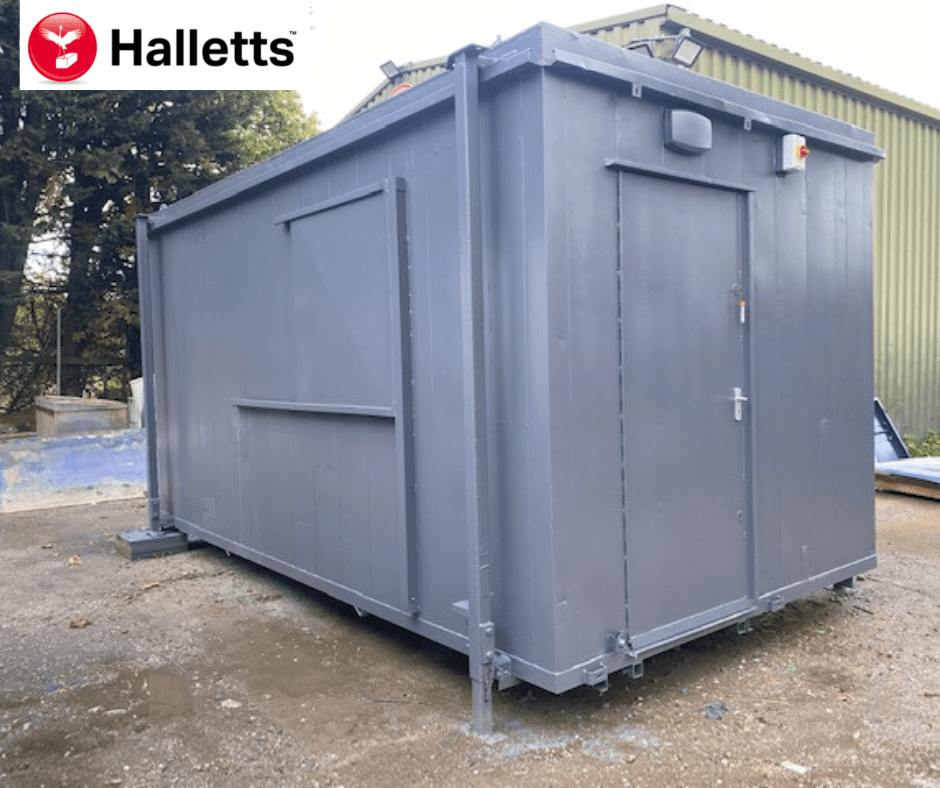
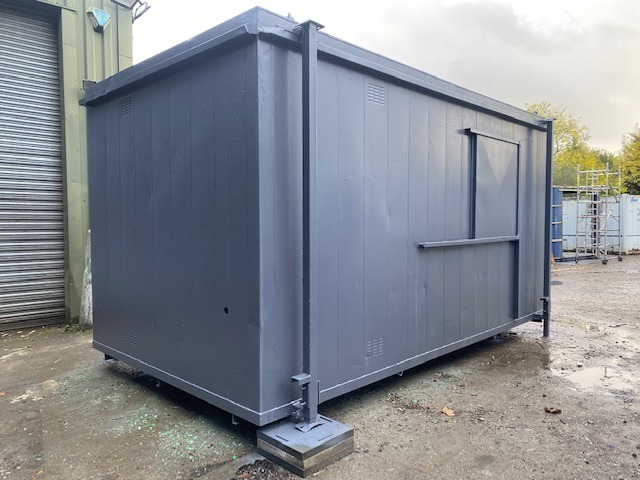
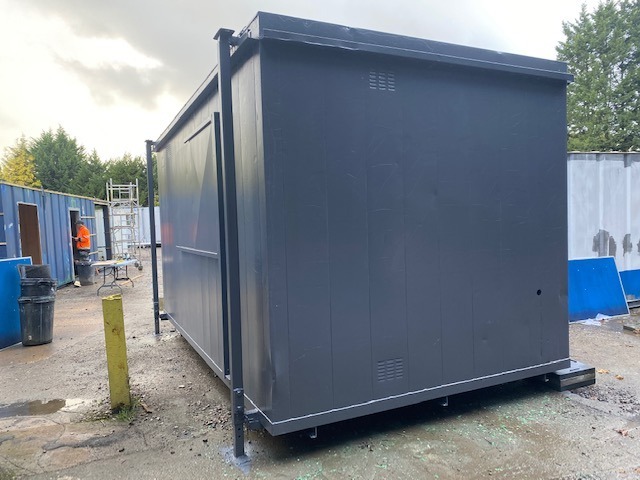
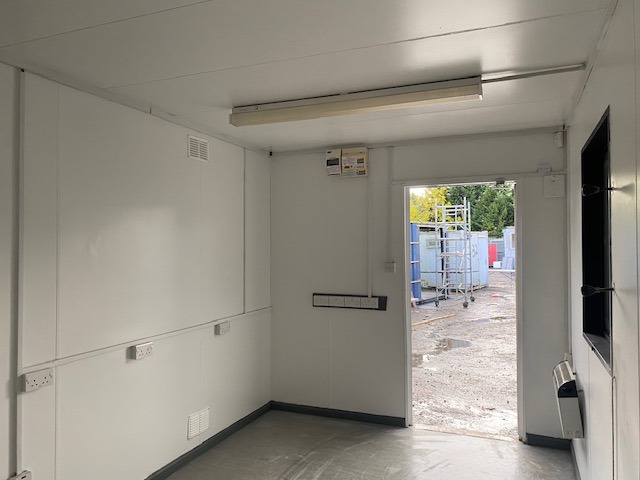
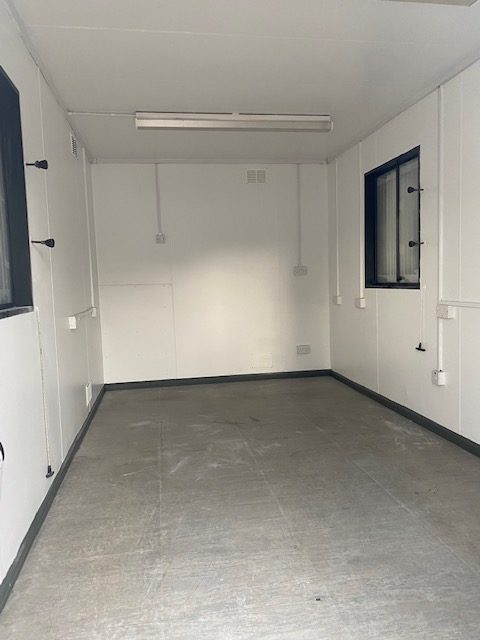
Location: Nationwide
EX VAT
Not Available for Hire
Call for an instant quote!
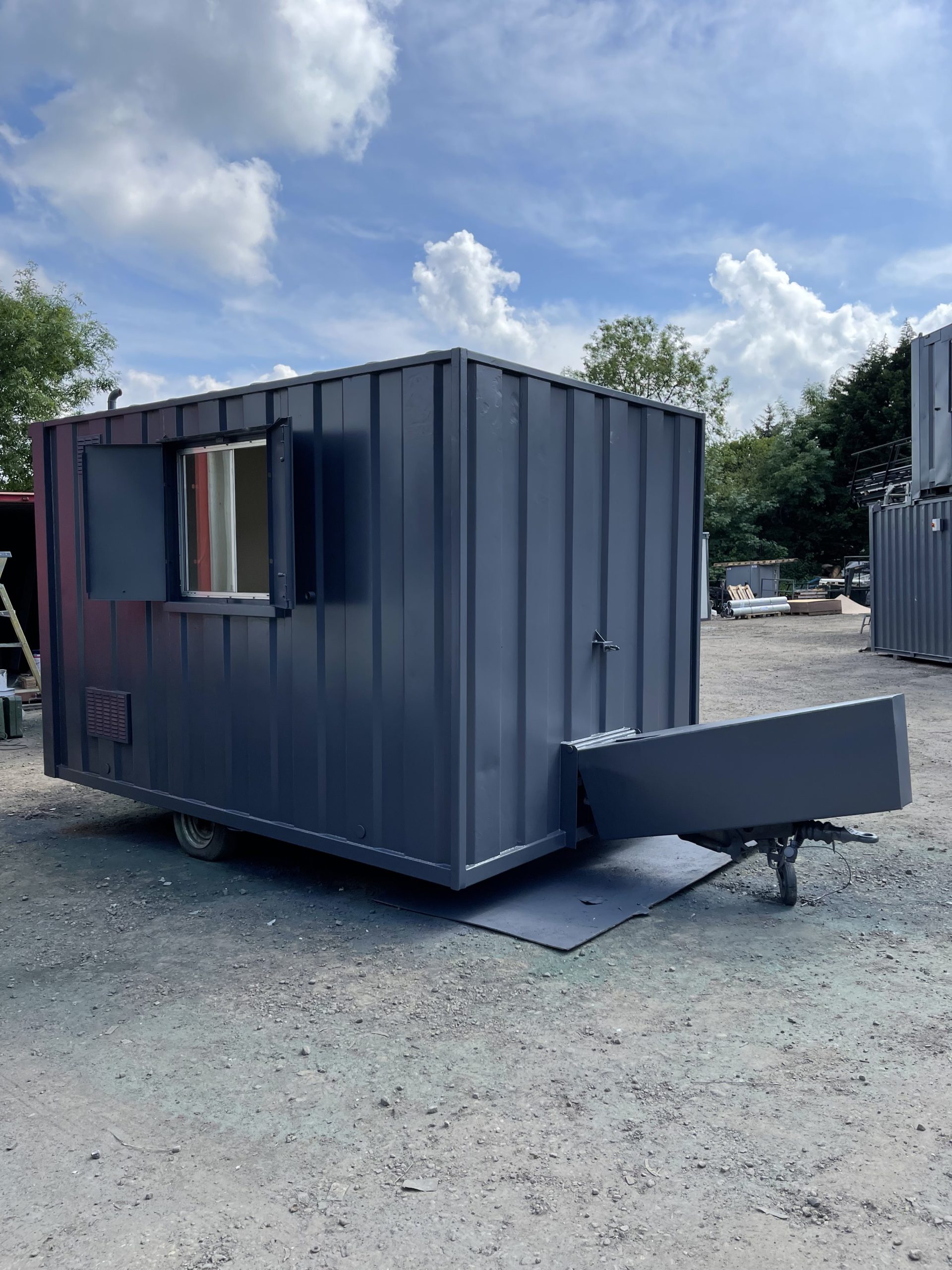
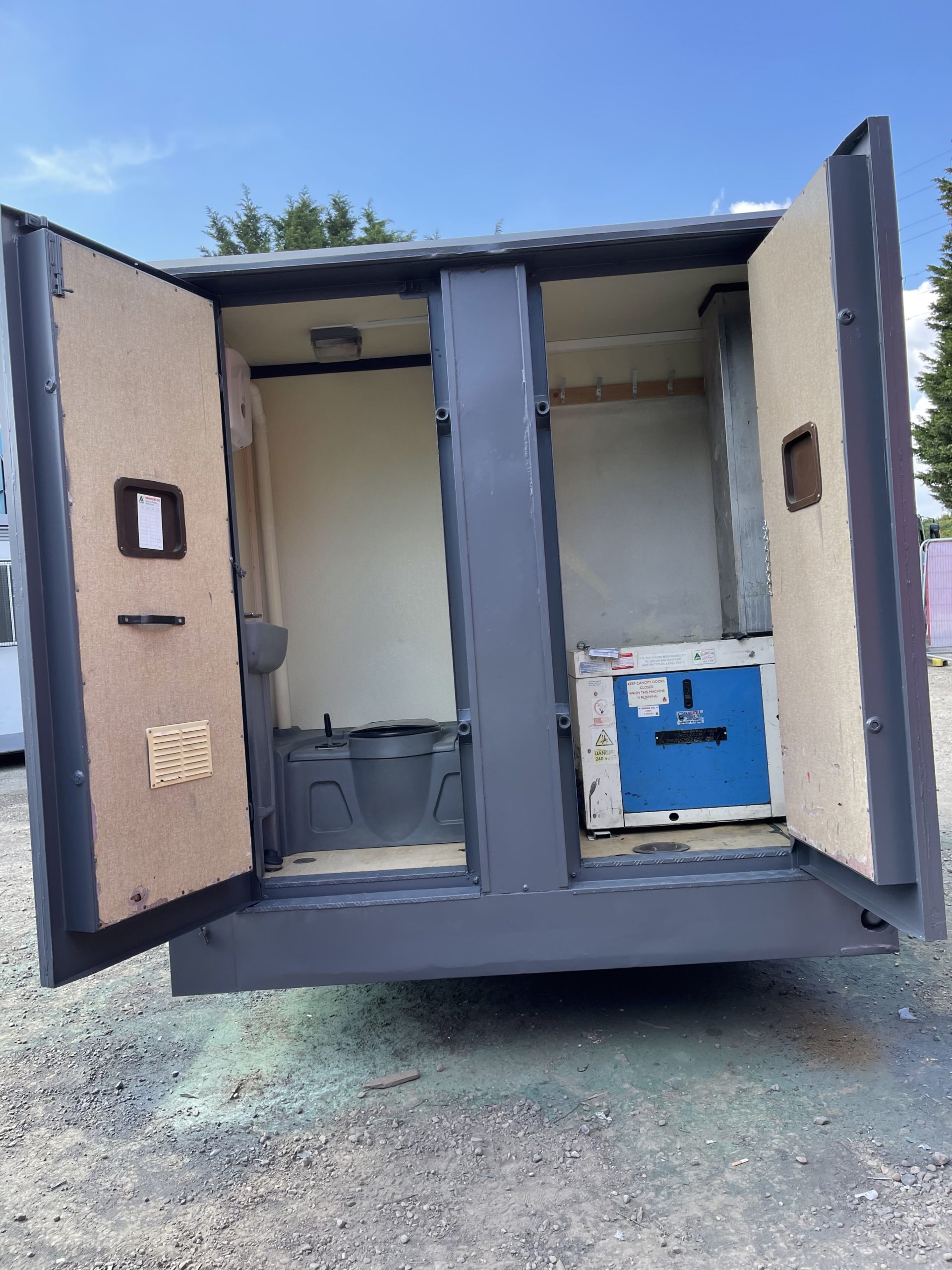
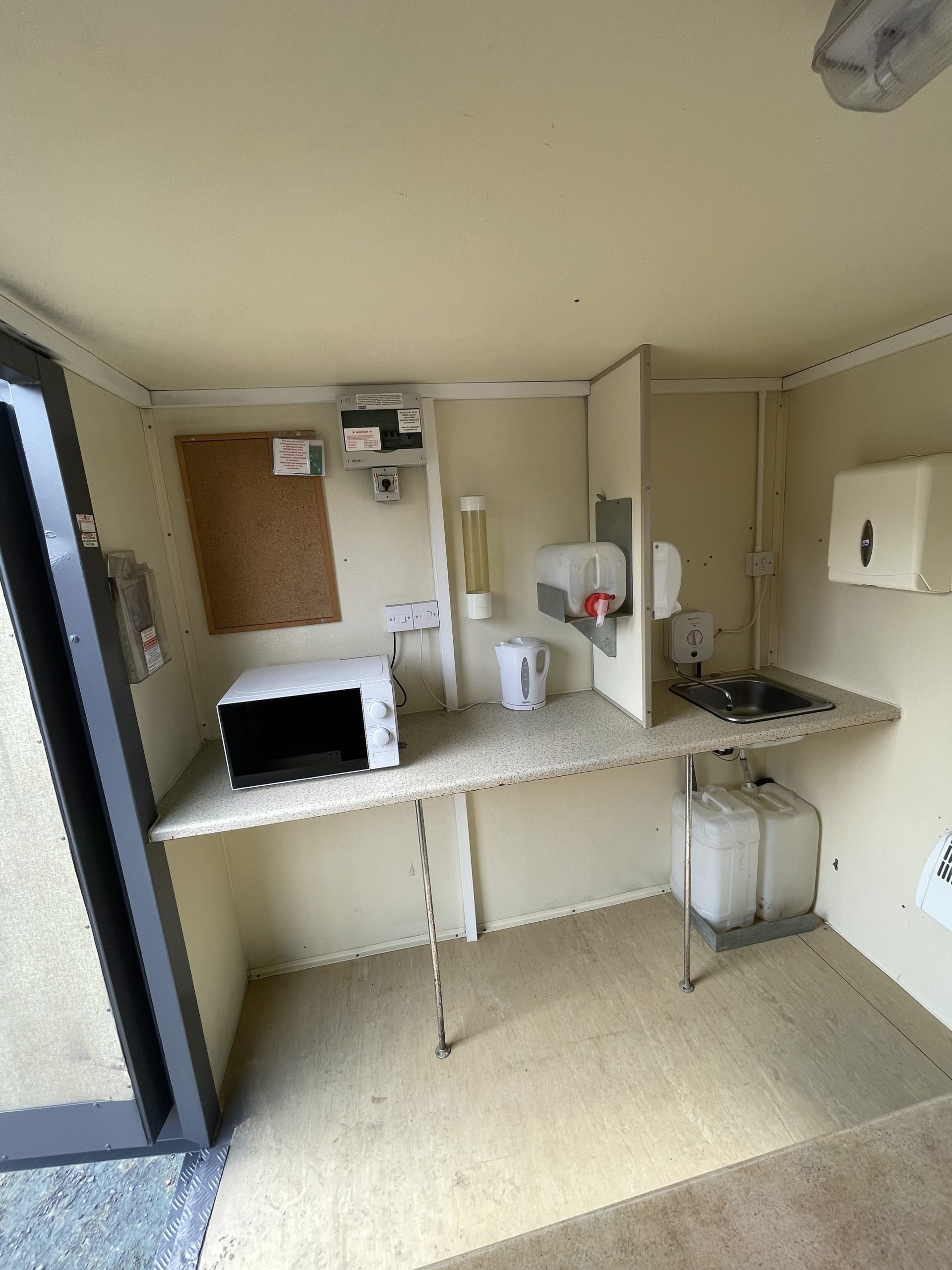
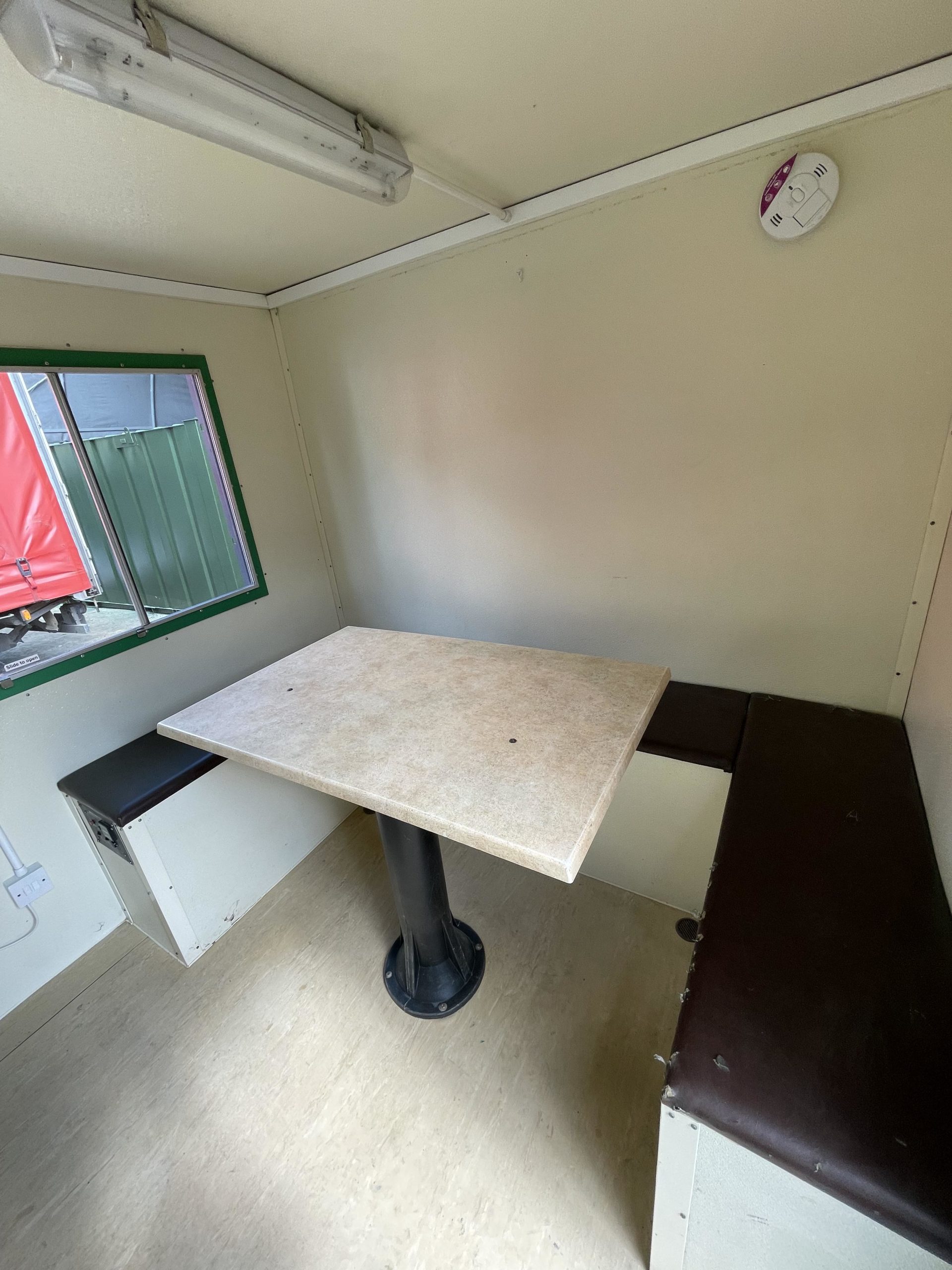
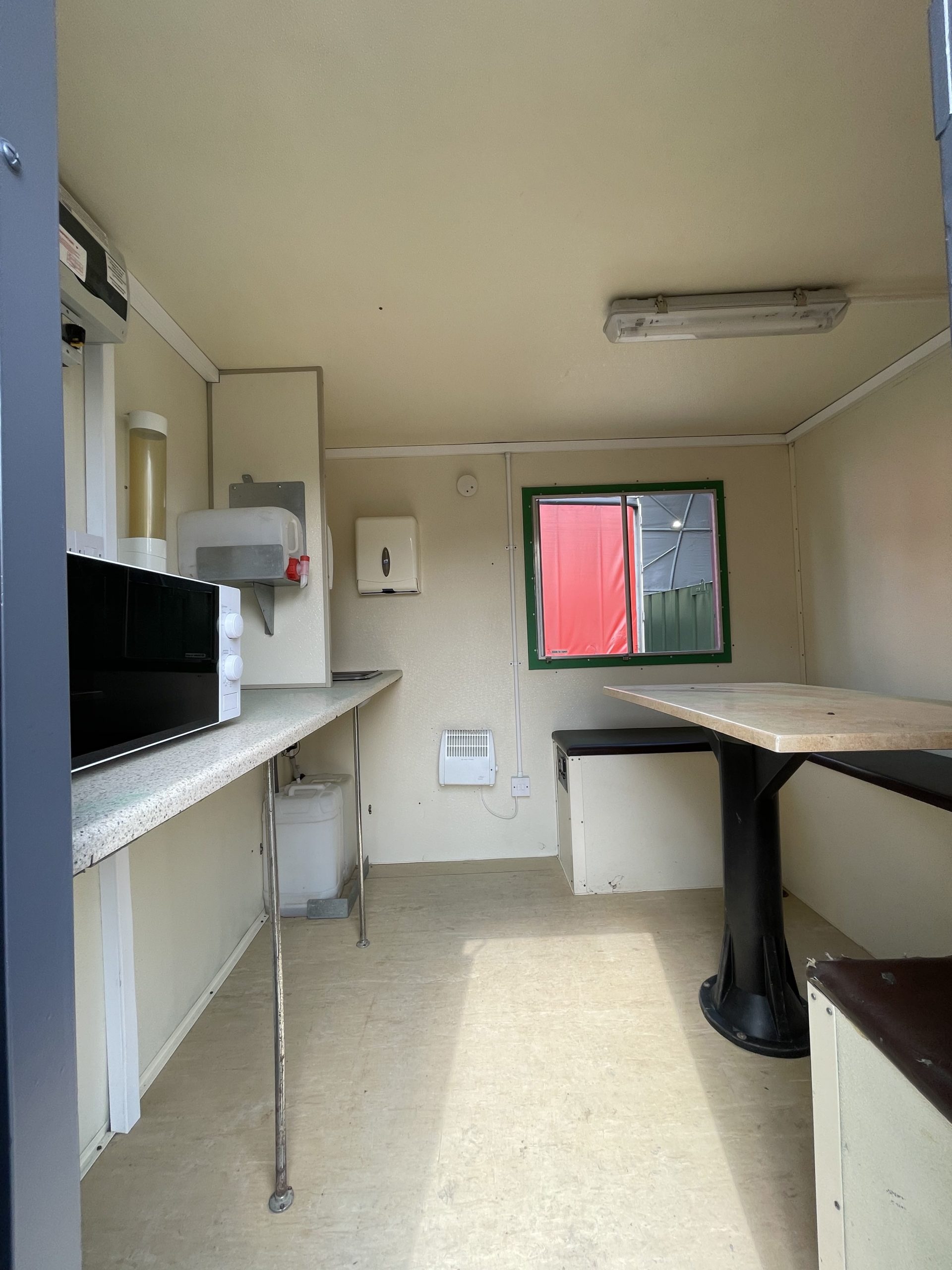
Location: Nationwide
EX VAT
Not Available for Hire
Call for an instant quote!
Location: Nationwide
Quantity: ∞
EX VAT
Not Available for Hire
Call for an instant quote!
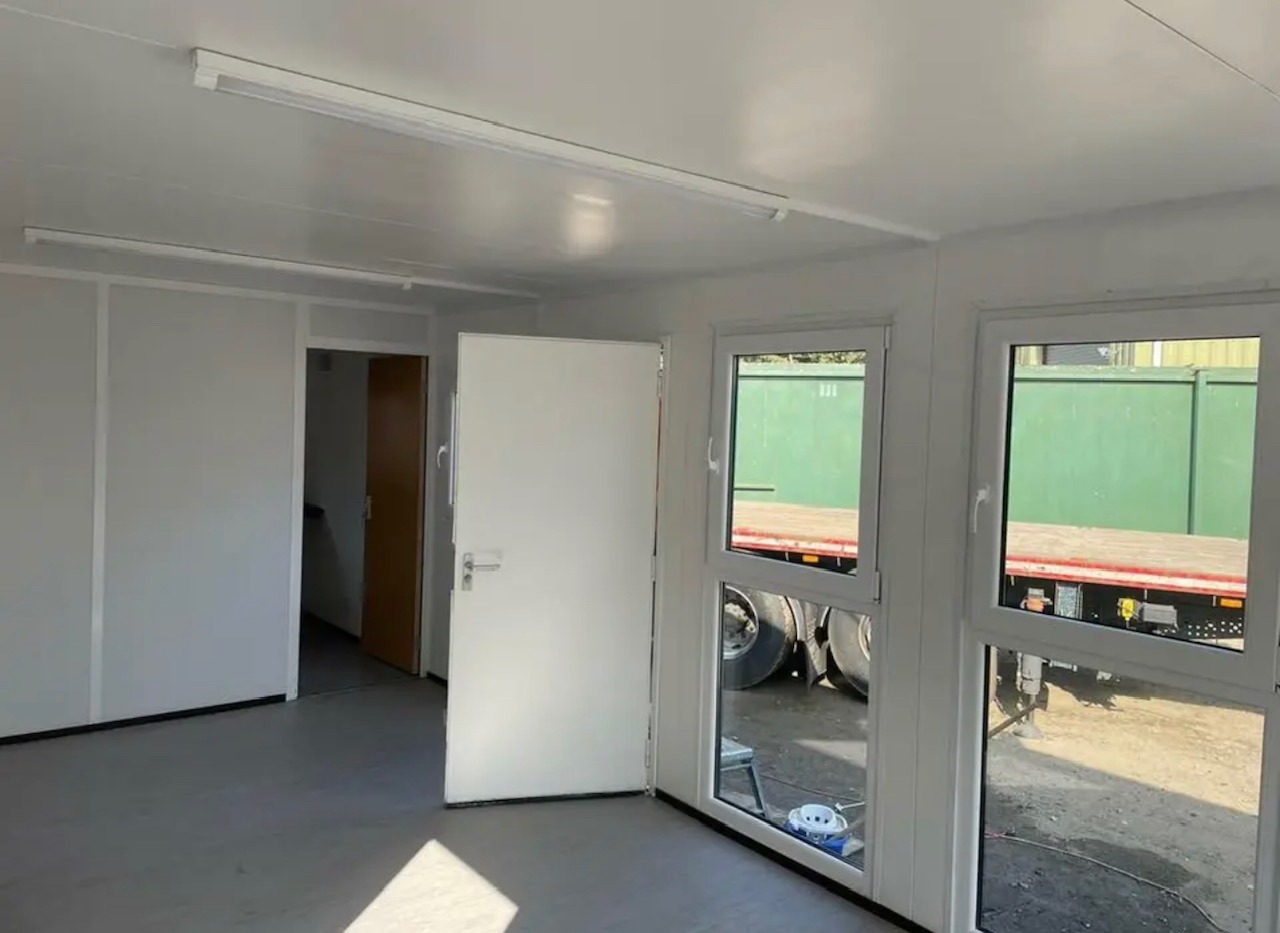
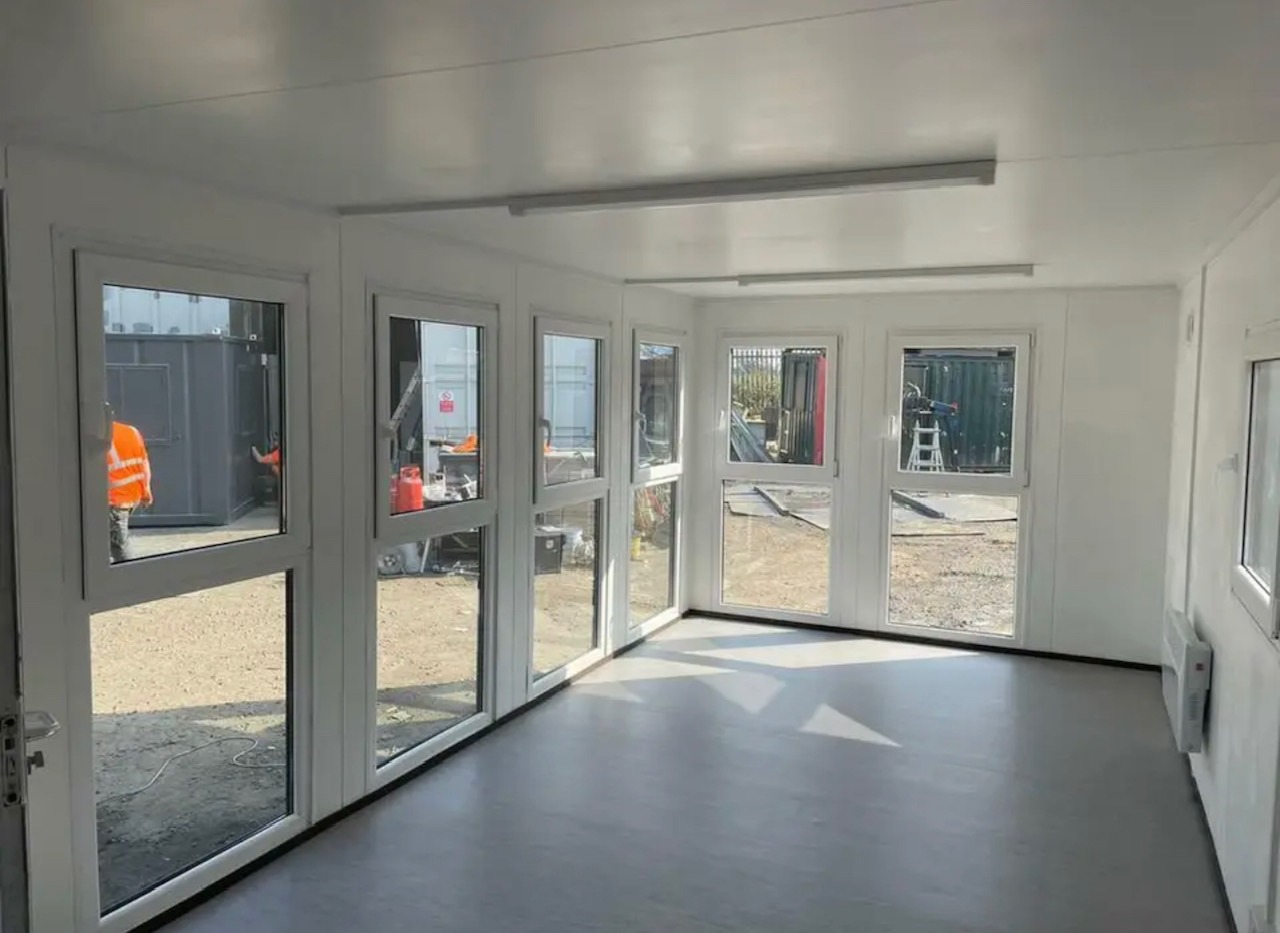
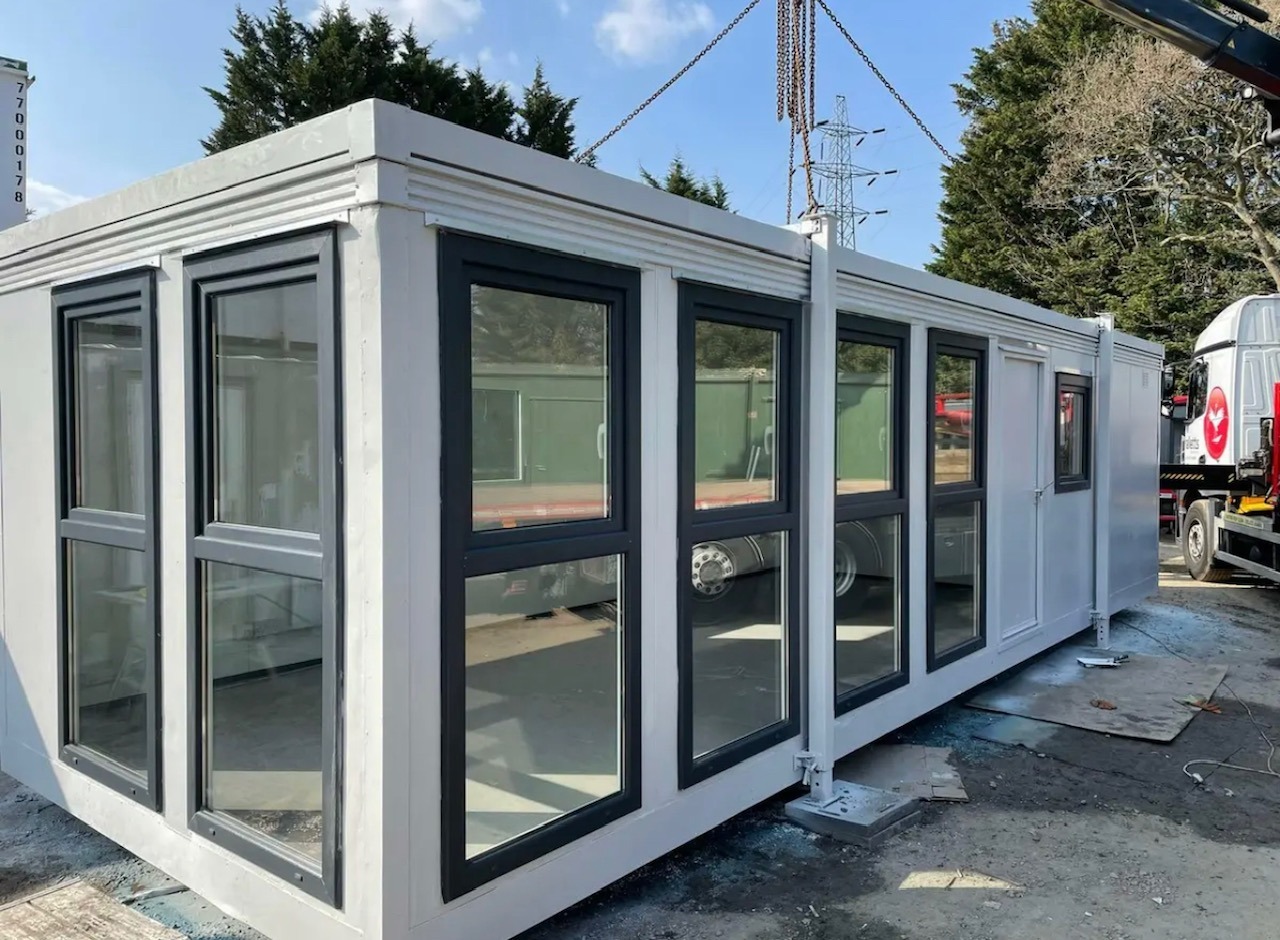
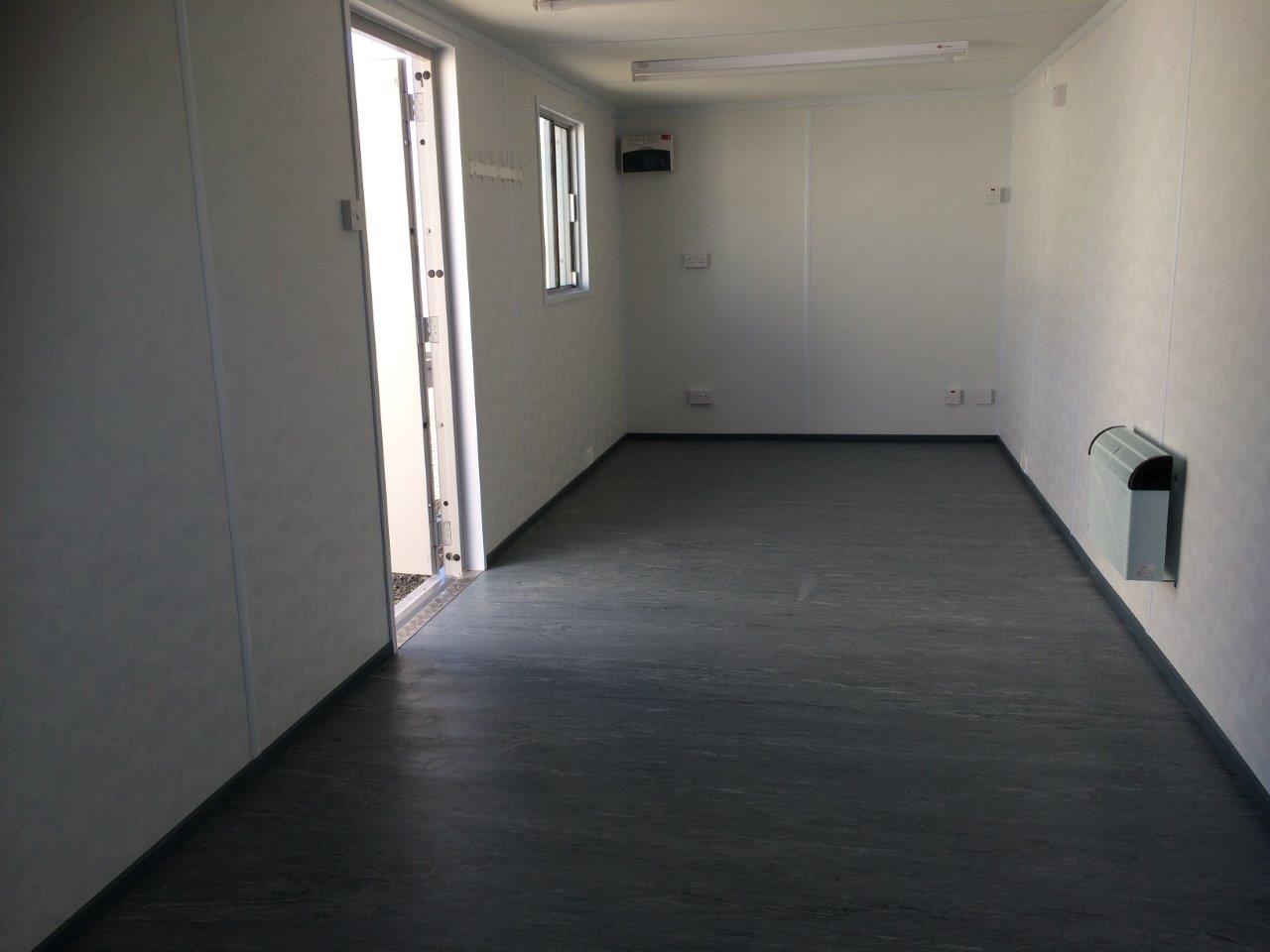
• Reinforced doors and windows with secure locking
• Open plan with electric sockets and lighting
• Ral Code Colour of choice
• Any Extras available : Canteen, Partitions, Toilets.
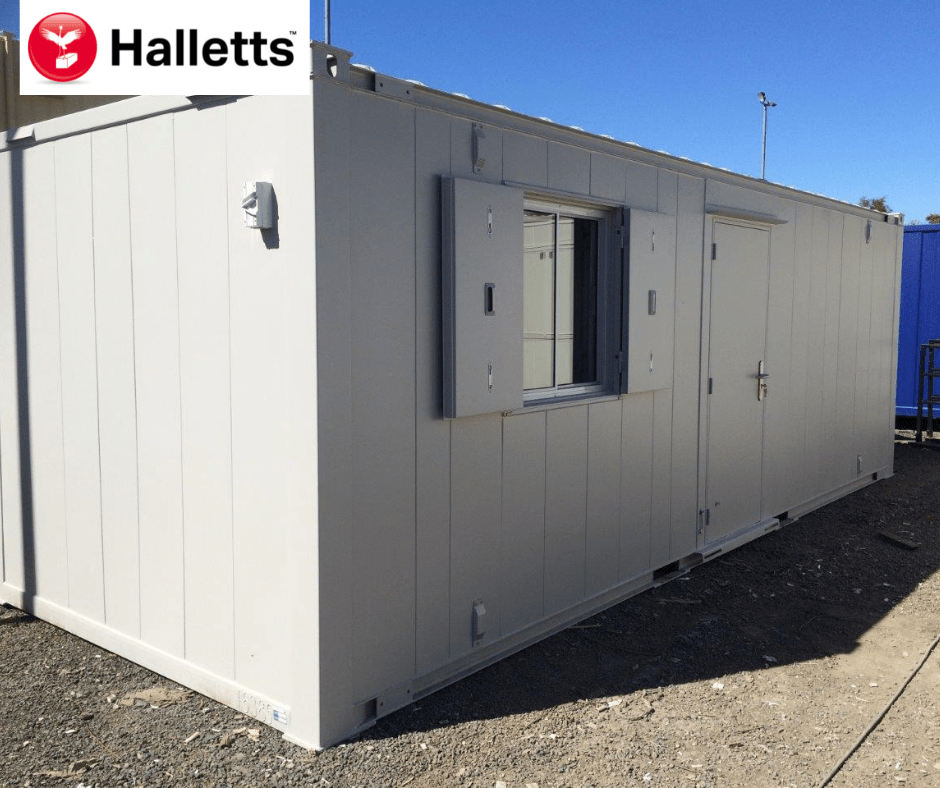
Location: Nationwide
EX VAT
Not Available for Hire
Call for an instant quote!
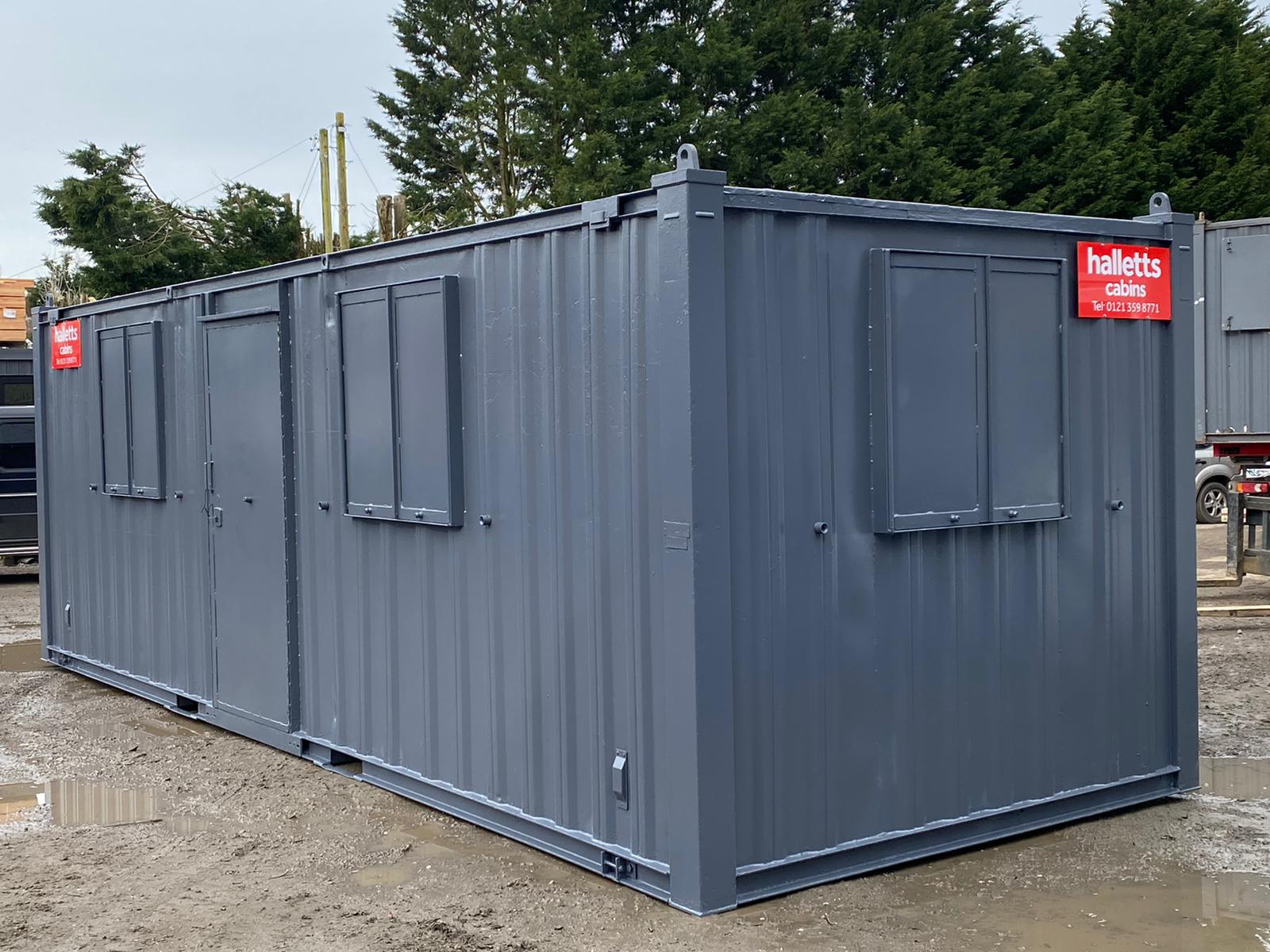
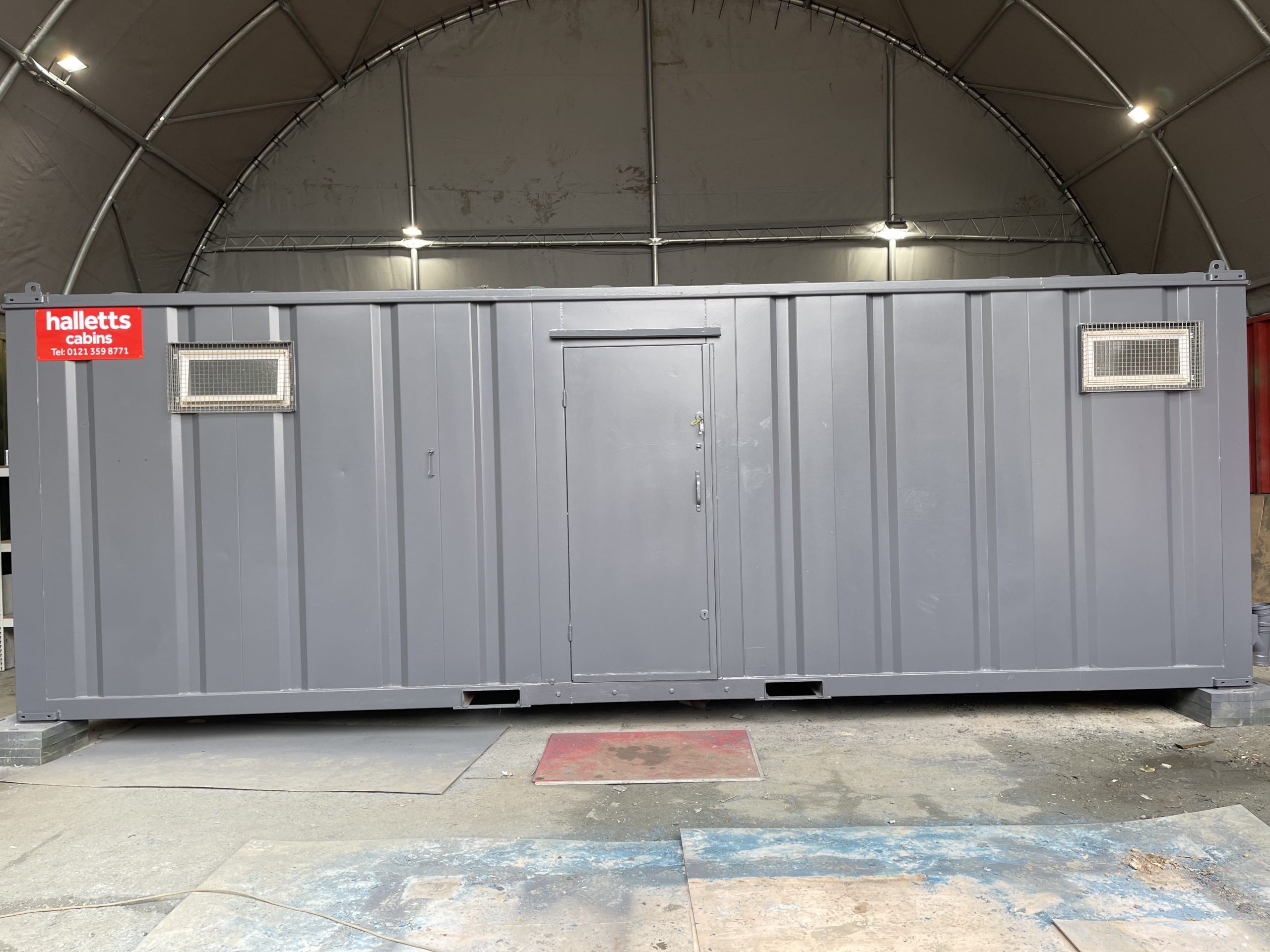
• Reinforced doors and windows with secure locking
• Open plan with electric sockets and lighting
• Ral Code Colour of choice
• Any Extras available : Canteen, Partitions, Toilets.
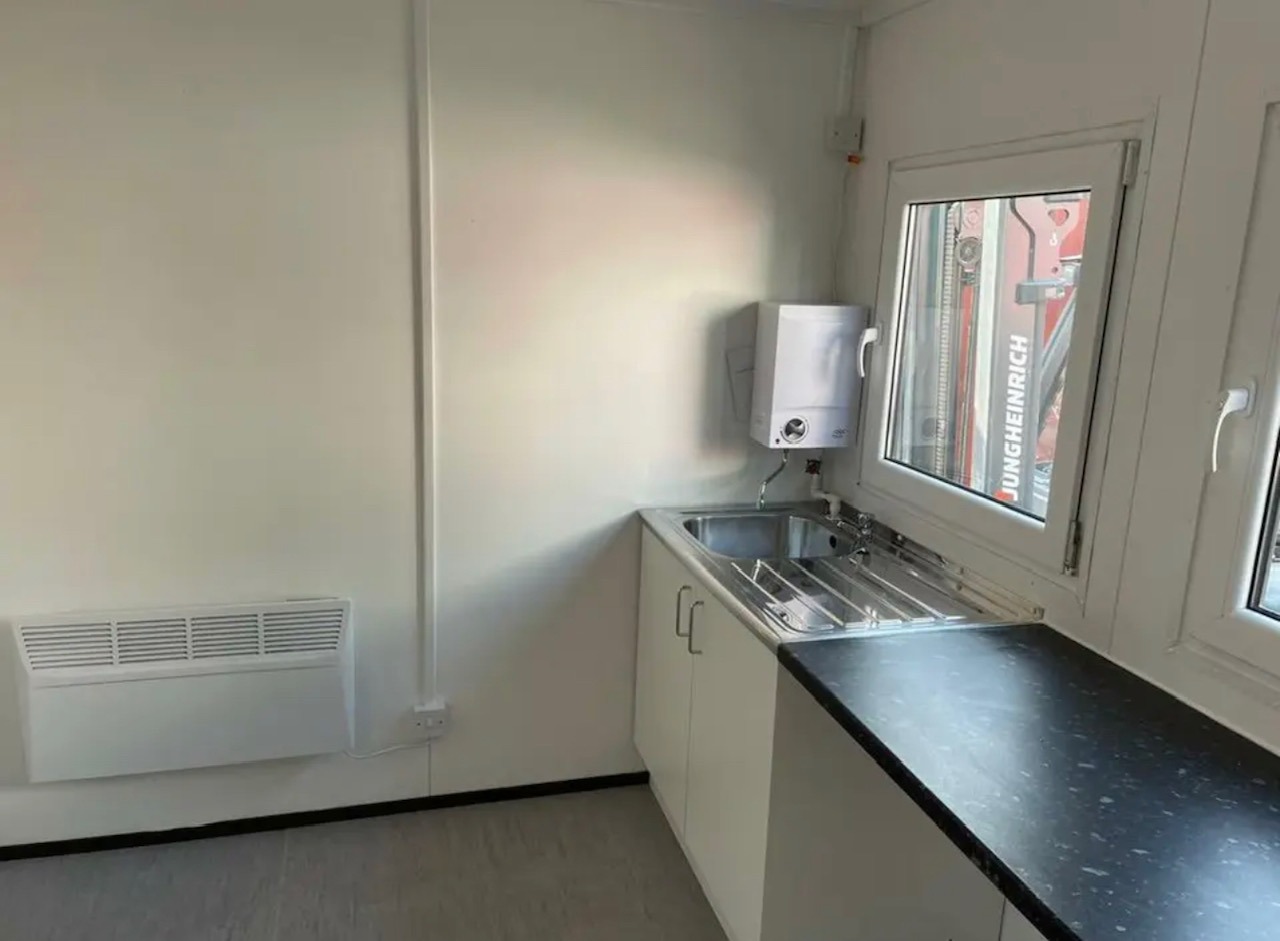
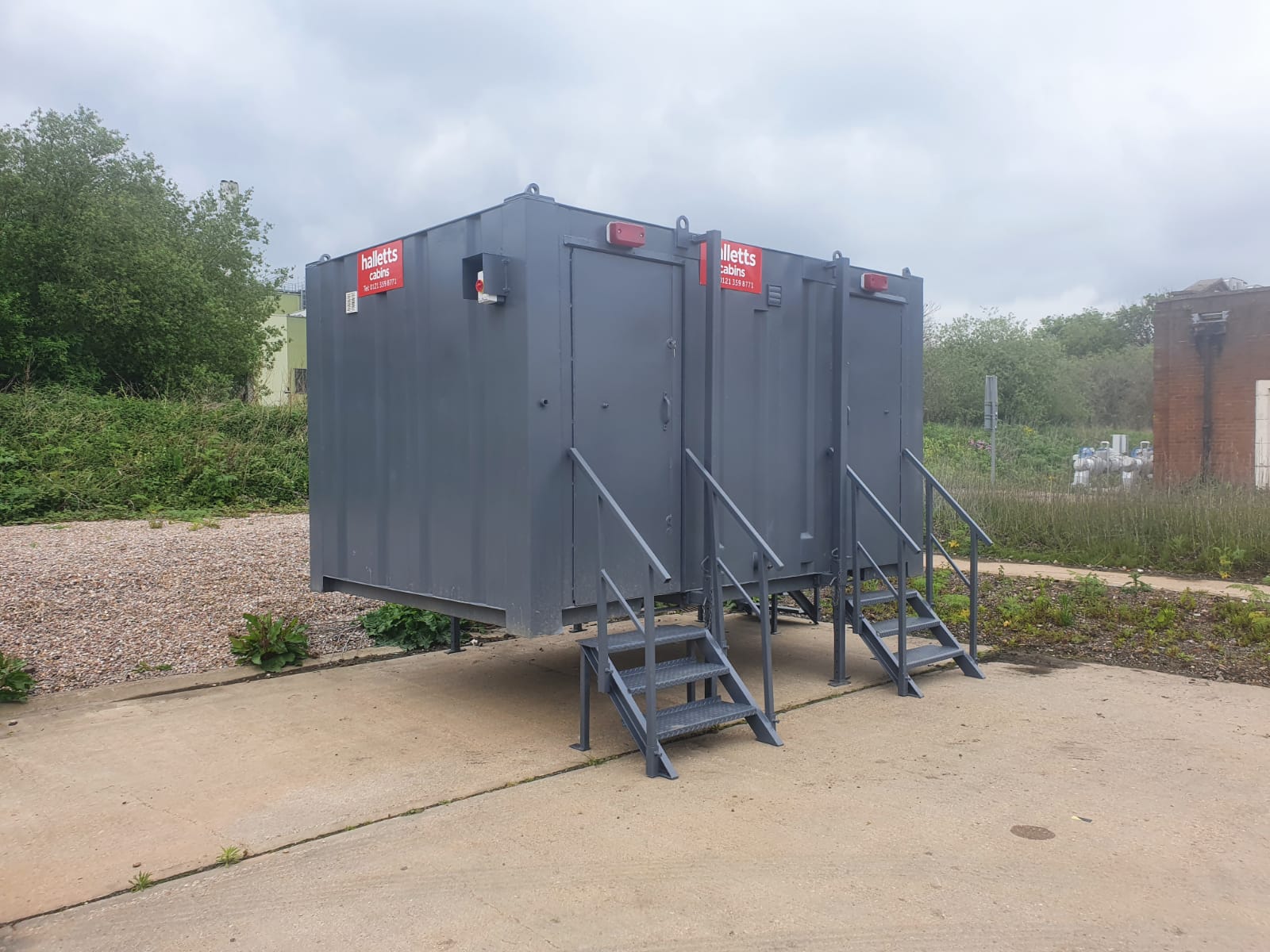
• Reinforced doors with secure locking
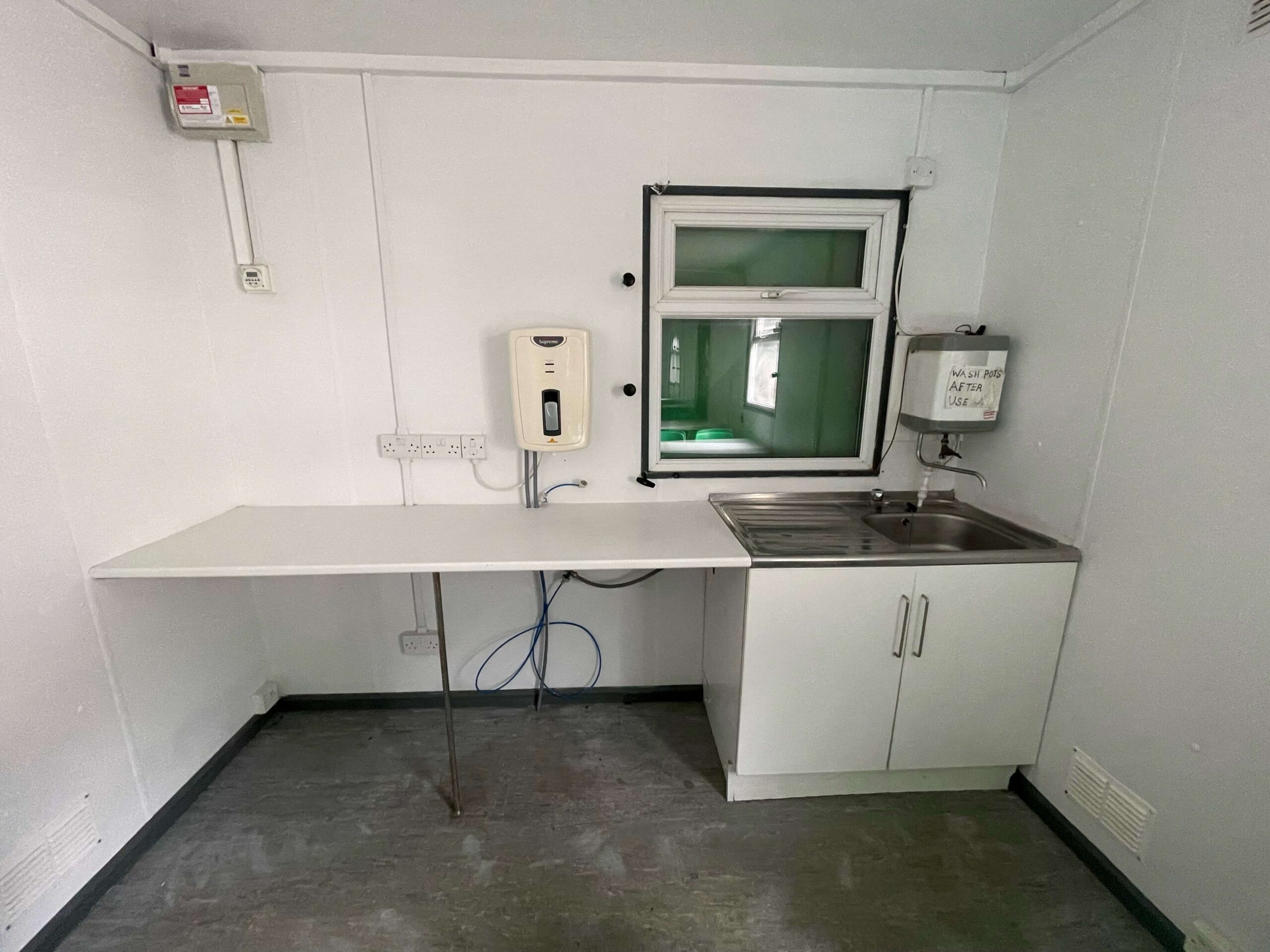
• Sink and water boiler included
Location: Nationwide
Quantity: ∞
EX VAT
Not Available for Hire
Call for an instant quote!

Location: Nationwide
EX VAT
Not Available for Hire
Call for an instant quote!
Get a Quick Container Quote Now!
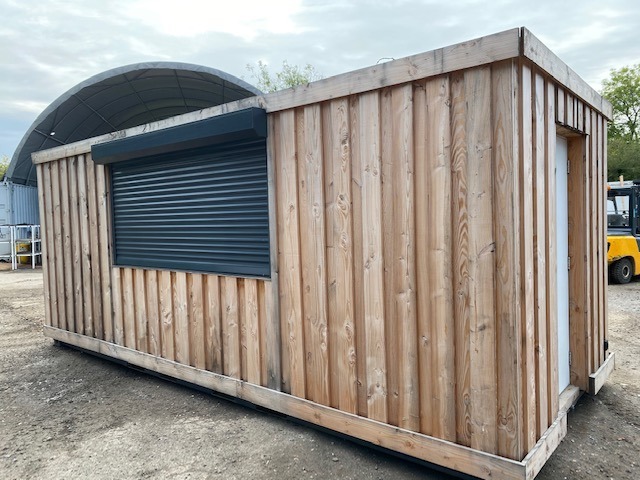
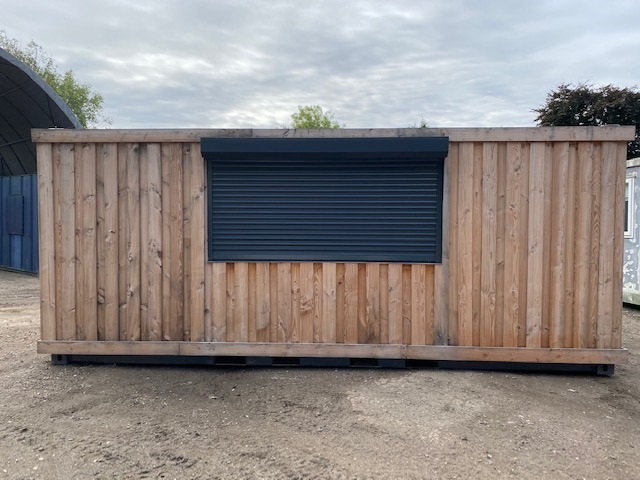
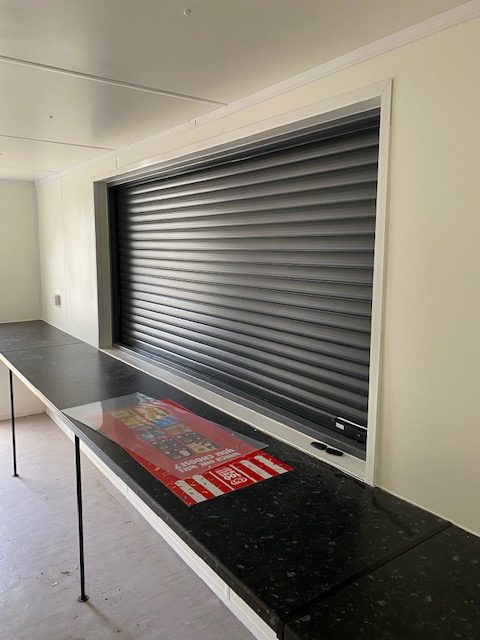
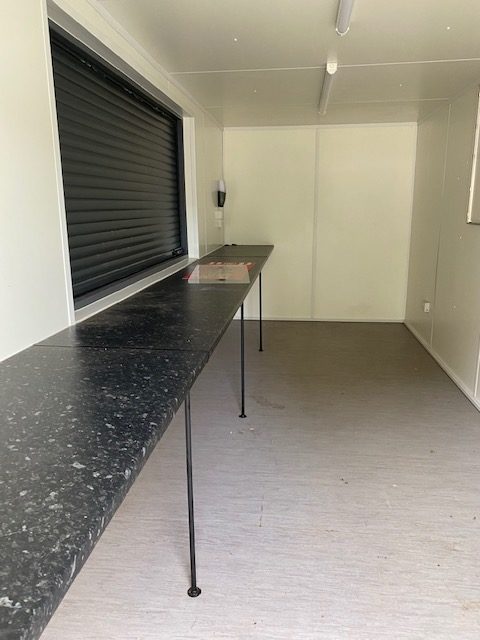
Location: Nationwide
EX VAT
Not Available for Hire
Call for an instant quote!
Get a Quick Container Quote Now!
Get a Quick Container Quote Now!
