Choosing a Titanium Bar supplier is not simply a matter of finding the lowest quote. Global buyers need to verify grade, dimensions, traceability, testing, and delivery capability before placing an order. A bar may look flawless under warehouse lighting, yet its paperwork and test results matter just as much. Aerospace demand offers one reason for careful sourcing: Boeing’s 2024 Commercial Market Outlook forecasts 43,975 new aircraft deliveries worldwide from 2024 through 2043. Demand is real. But a forecast does not guarantee steady availability for every alloy or size.
Supply chains also deserve close attention. The U.S. Geological Survey’s Mineral Commodity Summaries 2024 documents titanium sponge production across a relatively small group of producing countries, an upstream detail that can affect sourcing options and lead times. Still, sponge production is not the same as finished-bar capacity, so buyers should assess each supplier’s actual processing and inspection resources. The evidence may be thin. A credible supplier should provide material test reports, clear grade identification, dimensional tolerances, and realistic shipping dates. Buyers should also ask how nonconforming material is handled. These checks are practical, not decorative. This guide compares ten suppliers for global buyers, focusing on product range, documentation, quality controls, and export experience. No ranking removes every uncertainty; specifications, stock, and service can change, so confirm critical details directly before purchase.
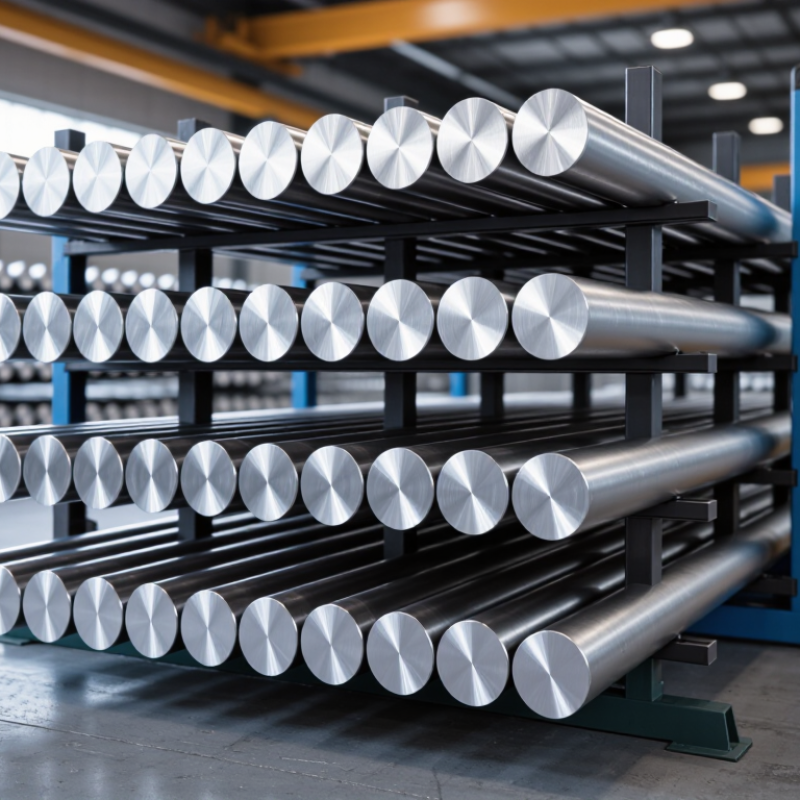
A titanium bar is a solid, semi-finished product supplied in round, square, or flat sections. Its grade and processing history affect strength, corrosion resistance, and ease of machining. It may be annealed, hot-worked, or cold-finished, so two bars with similar dimensions can behave differently in production. Details matter. Buyers should match the material certificate to the required grade and condition, rather than relying on appearance alone.
Global industries use titanium bars where low weight and resistance to corrosion are valuable. Aerospace manufacturers machine them into structural fittings and fasteners. Medical-device producers use suitable grades for components that require biocompatibility and careful surface finishing. Marine equipment makers may choose titanium for parts exposed to saltwater. Chemical-processing facilities use it in selected equipment exposed to corrosive media. Titanium is not automatically the best choice; cost, machining time, and the specific environment all matter.
For international purchasing, clear specifications help prevent costly mismatches. State the grade, diameter, length, tolerances, surface condition, and applicable inspection requirements. Ask for traceability documents, such as a material test certificate linked to the bar’s heat number. Check packing methods too: long bars can bend or suffer surface damage during transit. A supplier’s quote may look competitive, but unclear tolerances or incomplete records deserve a closer review.
Titanium bars are solid, long-form products used as stock for machining parts. Their relatively low density helps make them useful in aerospace, medical, chemical-processing, and marine applications.
Typical material densities (g/cm³): commercially pure titanium, about 4.51; Ti-6Al-4V, about 4.43; 304 stainless steel, about 8.0; 6061 aluminum, about 2.70; and nickel alloy 625, about 8.44. Values are approximate and can vary by specification. Titanium’s lower density than steel and nickel alloys can help reduce component weight; material selection also depends on strength, corrosion resistance, temperature, and application requirements.
Evaluating titanium bar suppliers for international procurement starts with the material, not the sales brochure. Ask for a sample mill test report that matches the bar’s heat number and stated grade. Check chemical composition, mechanical properties, diameter tolerance, and applicable test standards. Details matter. A 25-millimeter bar can arrive with a slightly different tolerance than your machining plan allows. Confirm the required specification in writing, including whether testing or inspection records must accompany each shipment.
Then examine how the supplier controls traceability and delivery. Heat numbers should remain identifiable on the bars and on the packing list. Request photos of packaging, especially for long bars exposed to moisture or handling damage during transit. Ask who arranges export documents, freight insurance, and shipment updates. Response quality is useful evidence, though not proof of production quality. A small trial order may reveal more than a polished presentation. It is not foolproof; documents can appear complete while leaving key questions unanswered. Compare records, clarify gaps, and consider an independent inspection when order value or technical risk justifies the cost. Also discuss production capacity and lead-time changes before placing repeat orders. A supplier’s honest estimate may be less reassuring than a fast promise, but easier to plan around.
| Evaluation Dimension | What International Buyers Should Verify | Useful Evidence to Request | Suggested Weight | Scoring Guide (0–5) |
|---|---|---|---|---|
| 1. Product and grade coverage | Confirm availability of the required commercially pure or alloy grades, product forms, dimensions, and tolerances. Common bar grades include Grade 2, Grade 5 (Ti-6Al-4V), and Grade 23 (Ti-6Al-4V ELI). | Current product list; grade and size range; dimensional tolerances; confirmation that the requested grade and condition can be supplied. | 12% | 0: No suitable range; 3: Covers the main requirement; 5: Clearly documented range and reliable supply options for the full specification. |
| 2. Standards and specification control | Check that the quotation identifies the applicable material specification and edition. ASTM B348/B348M covers titanium and titanium alloy bars and billets; confirm any additional customer or industry requirements separately. | Written specification cross-reference; order review; documented process for managing specification revisions and deviations. | 12% | 0: Standards are unclear; 3: Correct specification is stated; 5: Specification, revision, condition, and exceptions are reviewed and confirmed in writing. |
| 3. Traceability and material documentation | Ensure each shipment can be traced to its production batch or heat and that documentation matches the delivered material and purchase order. | Sample inspection or test certificate; heat or batch identification; packing-list and certificate matching process. EN 10204 Type 3.1 may be specified where appropriate by contract. | 12% | 0: No verifiable traceability; 3: Batch identification and basic certificates provided; 5: Complete, consistent records with traceability maintained through shipment. |
| 4. Quality management and process controls | Assess the quality system and controls relevant to the intended application. ISO 9001 certification is a general quality-management indicator; sector-specific requirements may apply for aerospace or medical supply chains. | Current certificate and scope; audit or quality questionnaire; inspection, nonconformance, corrective-action, and change-control procedures. | 12% | 0: No quality-system evidence; 3: Suitable documented system; 5: Current, relevant certifications and clearly demonstrated process controls. |
| 5. Testing and inspection capability | Match inspection and testing to the purchase specification, including chemical composition, mechanical properties, dimensions, and any required additional examinations. | Inspection plan; sample test reports; laboratory qualifications or subcontract controls; equipment calibration records; acceptance criteria. | 10% | 0: Requirements cannot be verified; 3: Standard tests are documented; 5: Required tests, methods, acceptance criteria, and records are agreed before production. |
| 6. Export packaging and corrosion protection | Verify that bars will be protected against handling damage, contamination, and transit exposure, with packaging suited to the route and mode of transport. | Packaging specification; bundle and marking details; photographs or packing examples; written confirmation of customer-specific packaging requirements. | 8% | 0: Packaging is unspecified; 3: Basic export packaging is defined; 5: Packaging, identification, and handling controls are tailored to the shipment. |
| 7. International logistics and delivery planning | Evaluate the supplier’s ability to plan export documentation, shipment milestones, transport arrangements, and delivery terms. Confirm Incoterms® rules and the named place in the contract. | Written delivery schedule; proposed Incoterm and named place; export-document checklist; shipment-status and delay-escalation process. | 10% | 0: No reliable delivery plan; 3: Schedule and shipping responsibilities are stated; 5: Milestones, responsibilities, documents, and contingency communication are clear. |
| 8. Commercial transparency and total cost | Compare the full landed-cost basis rather than unit price alone. Review currency, quote validity, tooling or cutting charges, freight, insurance, duties, and payment terms. | Itemized quotation; clearly stated quantity and unit basis; surcharge and packaging details; payment terms; agreed responsibility for freight and insurance. | 8% | 0: Material costs or terms are unclear; 3: Main costs are itemized; 5: Price basis, exclusions, payment conditions, and shipment costs are transparent. |
| 9. Communication and technical responsiveness | Assess how promptly and accurately the supplier handles technical questions, specification clarifications, document requests, and changes to the order. | Response samples during quotation; named sales and quality contacts; documented order-confirmation and escalation process. | 8% | 0: Responses are inconsistent or incomplete; 3: Questions are answered adequately; 5: Responses are timely, technically clear, and consistently documented. |
| 10. Risk management and supplier continuity | Consider capacity, subcontracting controls, business continuity, and the impact of supply interruptions. Validate capabilities against the buyer’s required volume and risk level. | Capacity and production-planning information; subcontractor controls; business-continuity approach; references or a qualified supplier audit where appropriate. | 8% | 0: Material risks are unaddressed; 3: Basic capacity and continuity information is available; 5: Risks, controls, and contingency arrangements are clearly evidenced. |
| Total evaluation weight | 100% | Apply the same criteria to each shortlisted supplier. | ||
Scoring method: Rate each dimension from 0 to 5, multiply the rating by its suggested weight, and compare the resulting weighted totals. This is a buyer evaluation framework, not a ranking or verification of specific suppliers. Confirm current specifications, certifications, export requirements, and contractual terms directly before placing an order.
The ten supplier profiles represent different routes to sourcing titanium bar, rather than a simple ranking. An integrated mill may offer closer control over production records, while a regional stockholder can be useful when buyers need common sizes quickly. Some suppliers focus on aerospace specifications; others handle medical-grade material or small-diameter precision bars. Details matter.
The profiles also cover large-diameter forged bar suppliers, custom-cut service providers, export-focused distributors, and general metal stockists. A technical-service supplier may help review drawings and material certificates before an order is placed. A value-focused supplier could suit standard requirements, but buyers should check exactly what inspection and documentation are included. These differences are easy to miss when comparing prices alone.
For each supplier, global buyers should confirm alloy, dimensions, tolerances, available test reports, packaging, and shipping terms in writing. Ask how heat numbers remain linked to the material after cutting. Request a sample document set, not just a catalogue. A polished website is not proof of consistent quality. Nor is a low quote automatically a warning; it needs context. These profiles offer a practical starting point, though a real purchase still deserves technical review.
Global buyers should compare titanium bar suppliers by grade range, documentation, and production capability, not price alone. Grade 2 is commercially pure and commonly selected for corrosion resistance and forming. Grade 5, or Ti-6Al-4V, offers higher strength for demanding structural parts. Grade 23 has lower interstitial content and may suit applications where toughness and fatigue performance matter. The right choice depends on the component, not the supplier’s broadest catalogue.
Standards help make offers comparable. For bar, buyers often request compliance with ASTM B348 or the applicable purchase specification. Ask whether the supplier provides heat numbers, chemical analysis, mechanical test results, and traceable material certificates. Check that the quoted grade, condition, diameter, and tolerances match the documents. A certificate is useful, but it does not replace a clear inspection plan. Details matter.
Capabilities also differ. One supplier may hold common diameters in stock, while another can arrange custom lengths, tighter tolerances, or additional testing. Confirm available bar sizes, surface condition, cutting services, and realistic lead times before placing an order. Ask how nonconforming material is handled. Not always. A polished sample can look convincing, yet the paperwork may leave a gap. That is worth questioning. Even experienced buyers can miss small differences between standards, so write acceptance requirements plainly and review them before production begins.
Before ordering titanium bars, match the quoted grade to the application and the required specification. Similar-looking grades can differ in strength, corrosion resistance, and forming behavior. Ask for the applicable standard and confirm that the certificate lists the same grade and heat number as the material. Check the chemistry and mechanical test results, not just the supplier’s product description. Small details matter.
Confirm diameter, length, straightness, and dimensional tolerances in writing. A bar that is slightly oversized may create extra machining work; one below tolerance may be unusable. Ask how surface condition is defined, and whether scratches, scale, or visible seams are acceptable. Photos can help, but they cannot replace inspection records or agreed acceptance criteria. Do not assume.
Review traceability and documentation before payment. Request a material test certificate, and clarify whether independent testing is available if the order is large or critical. Also verify packaging, storage, delivery dates, and how shortages or damaged bars are handled. Moisture-resistant wrapping and firm supports can reduce handling damage during transit. It is easy to feel finished once a quote looks complete, but that is not quite enough. I would still compare the paperwork against the physical markings on a sample shipment. A small mismatch can delay production.

Registered in England & Wales No. 2786496
Registered office at: 337 Tanworth Lane,
Shirley, Solihull, B90 4DU
Registered for VAT, registration No.
GB 655 1347 38
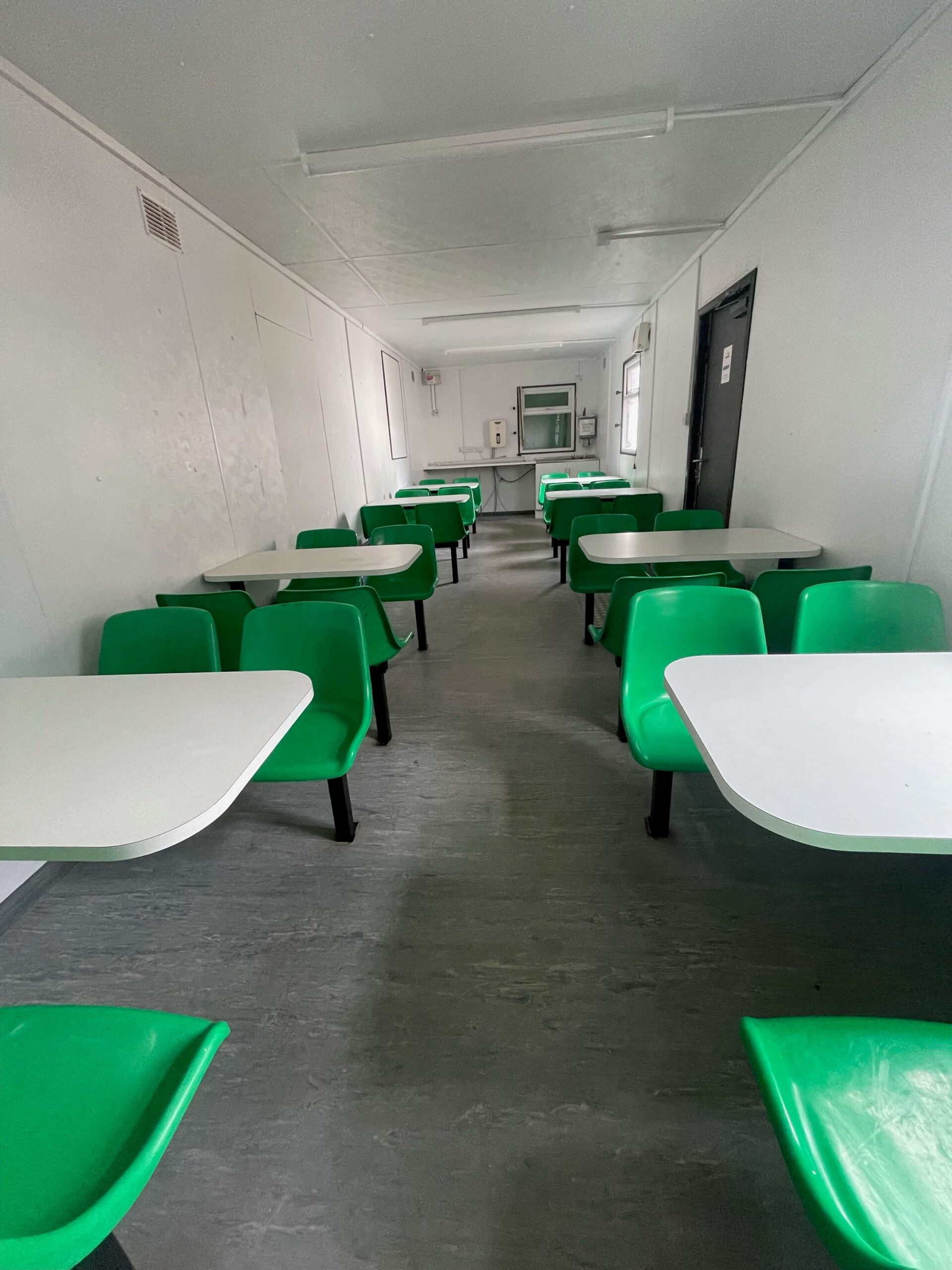
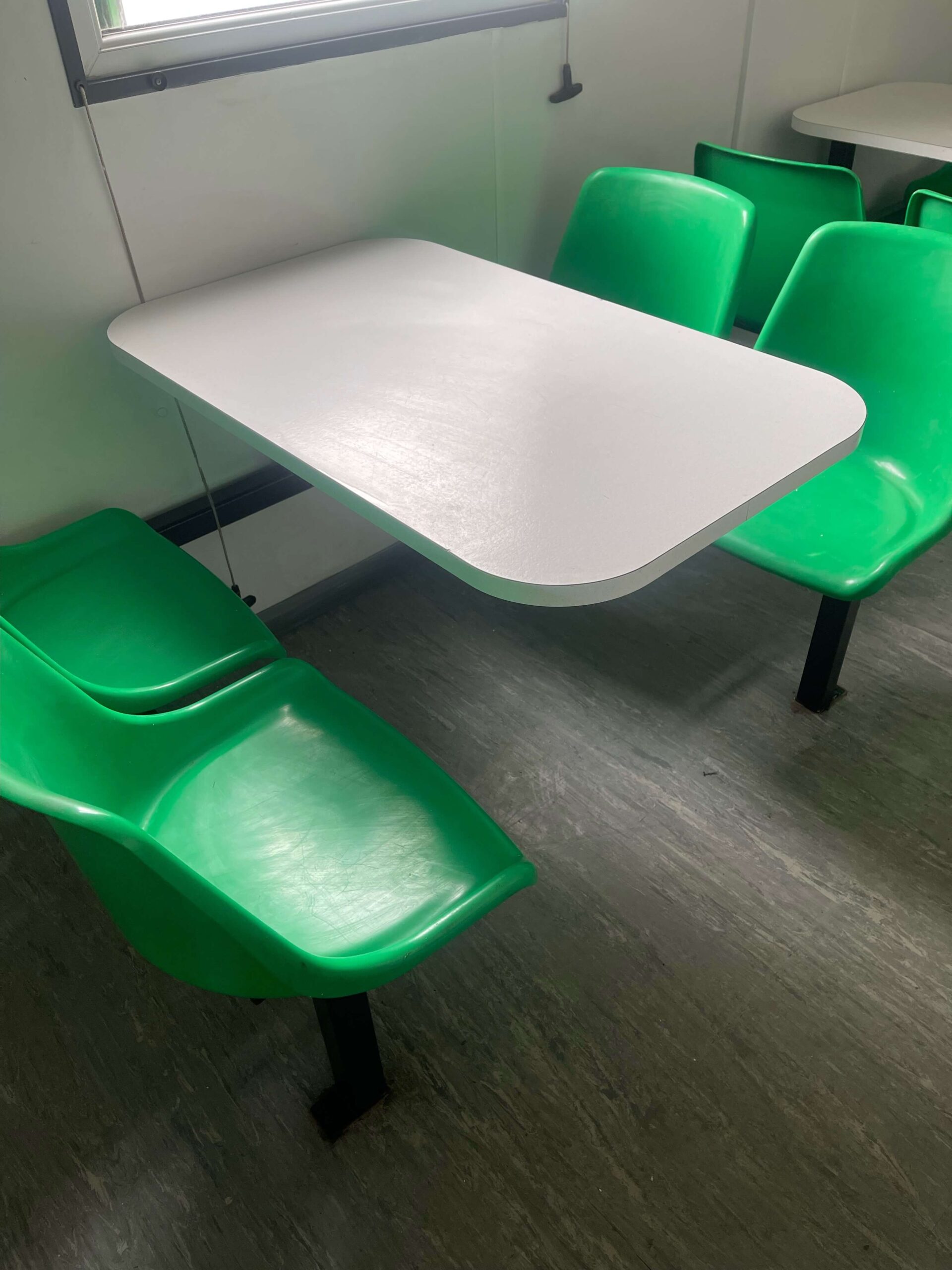
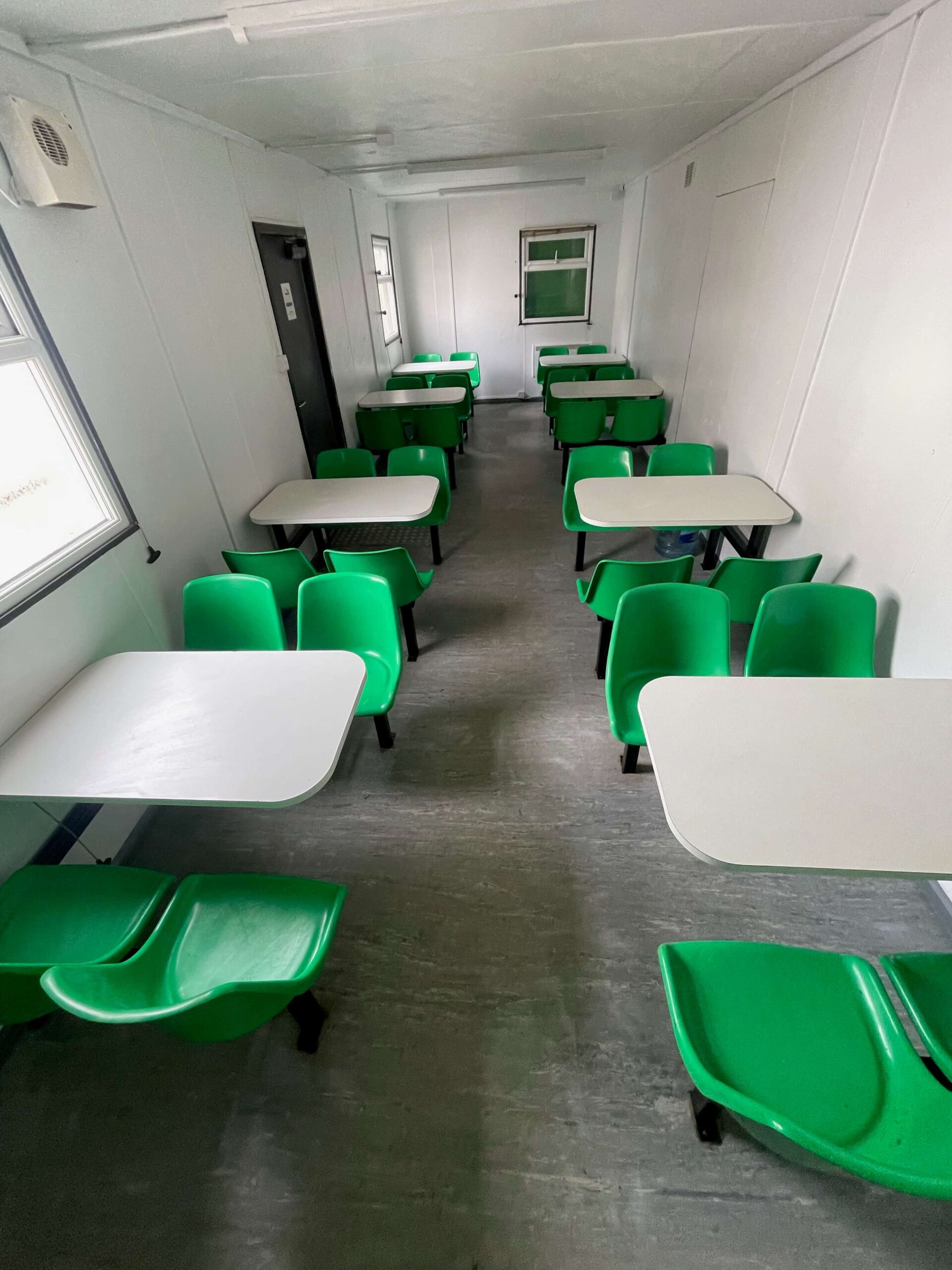
Location: Nationwide
Not Available for Hire
We can deliver for a cost please ask and send us post code.
13 tread
14 tread
15 tread
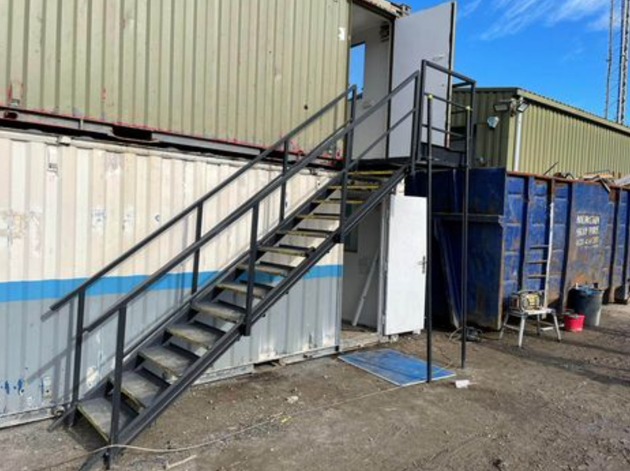
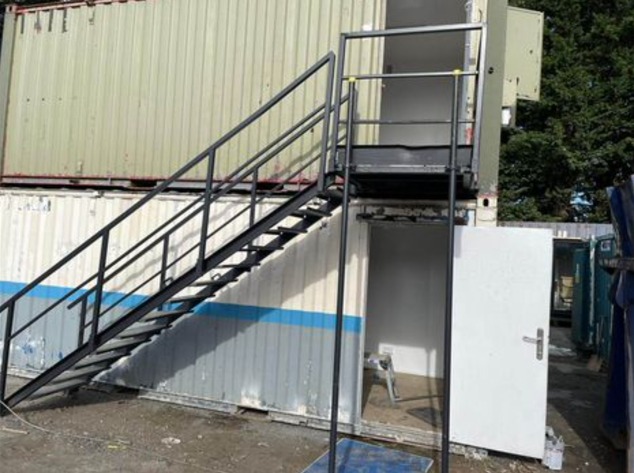
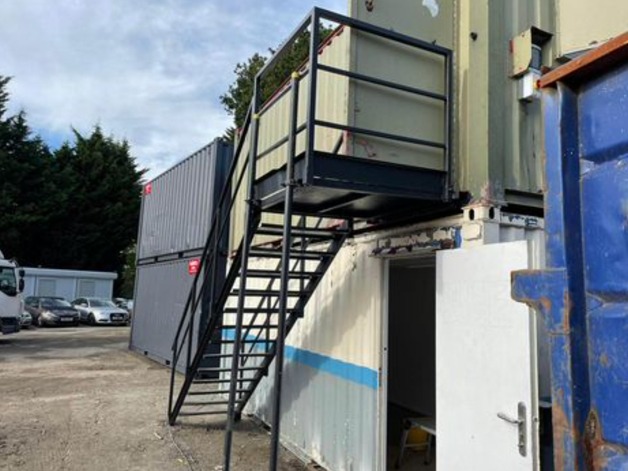
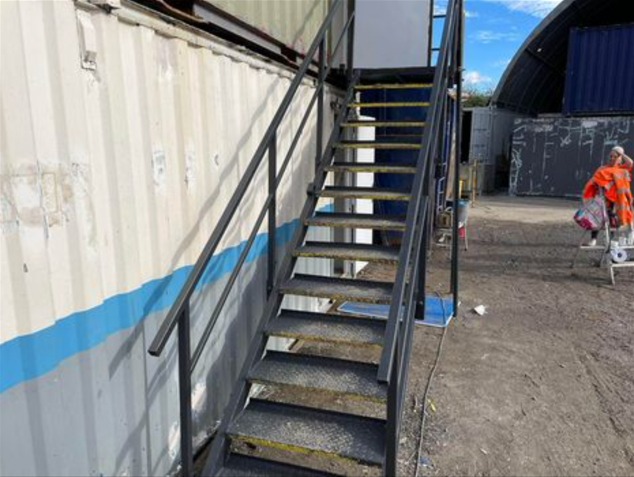
Location: Nationwide
Not Available for Hire
Call for an instant quote!
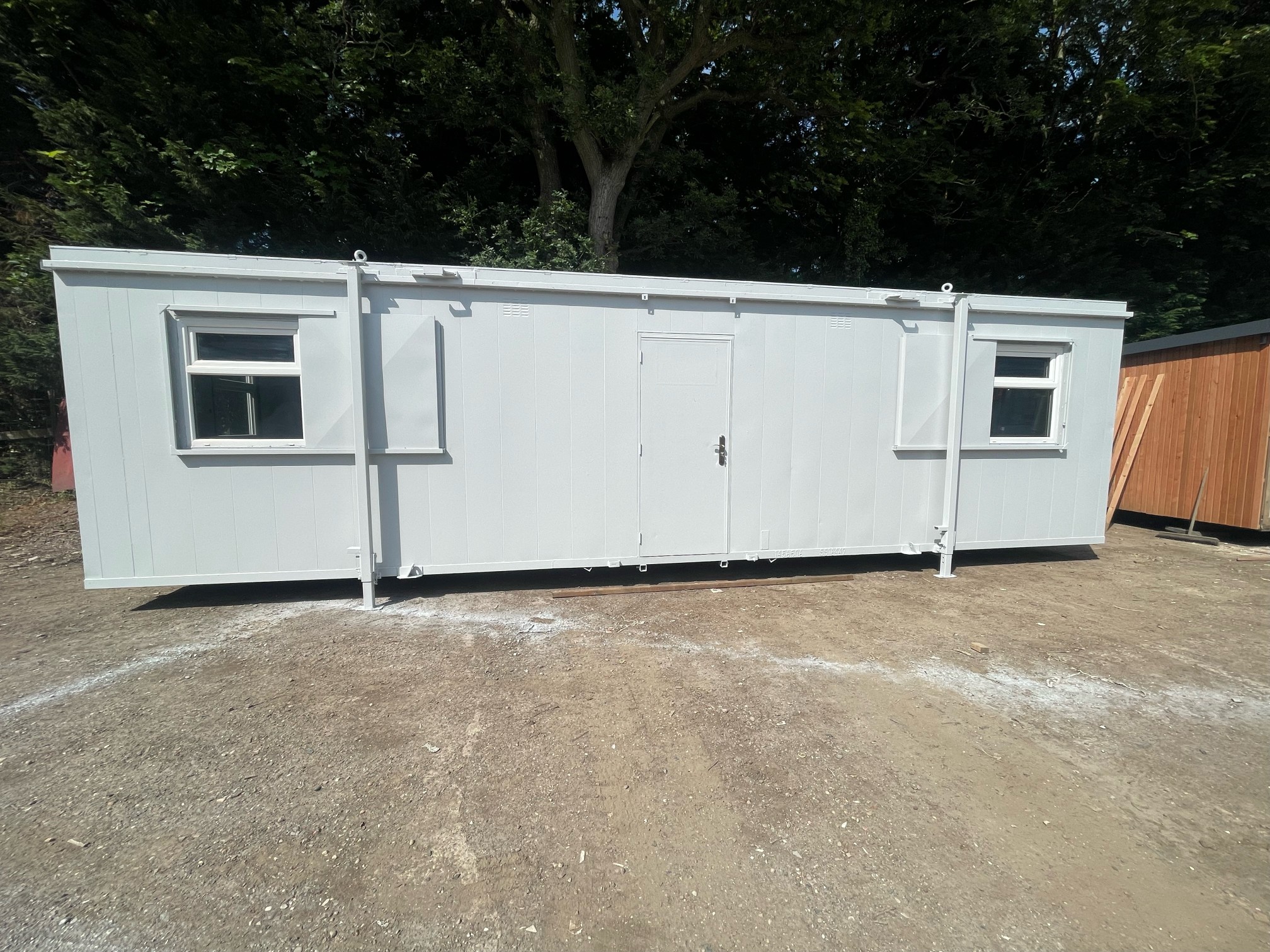
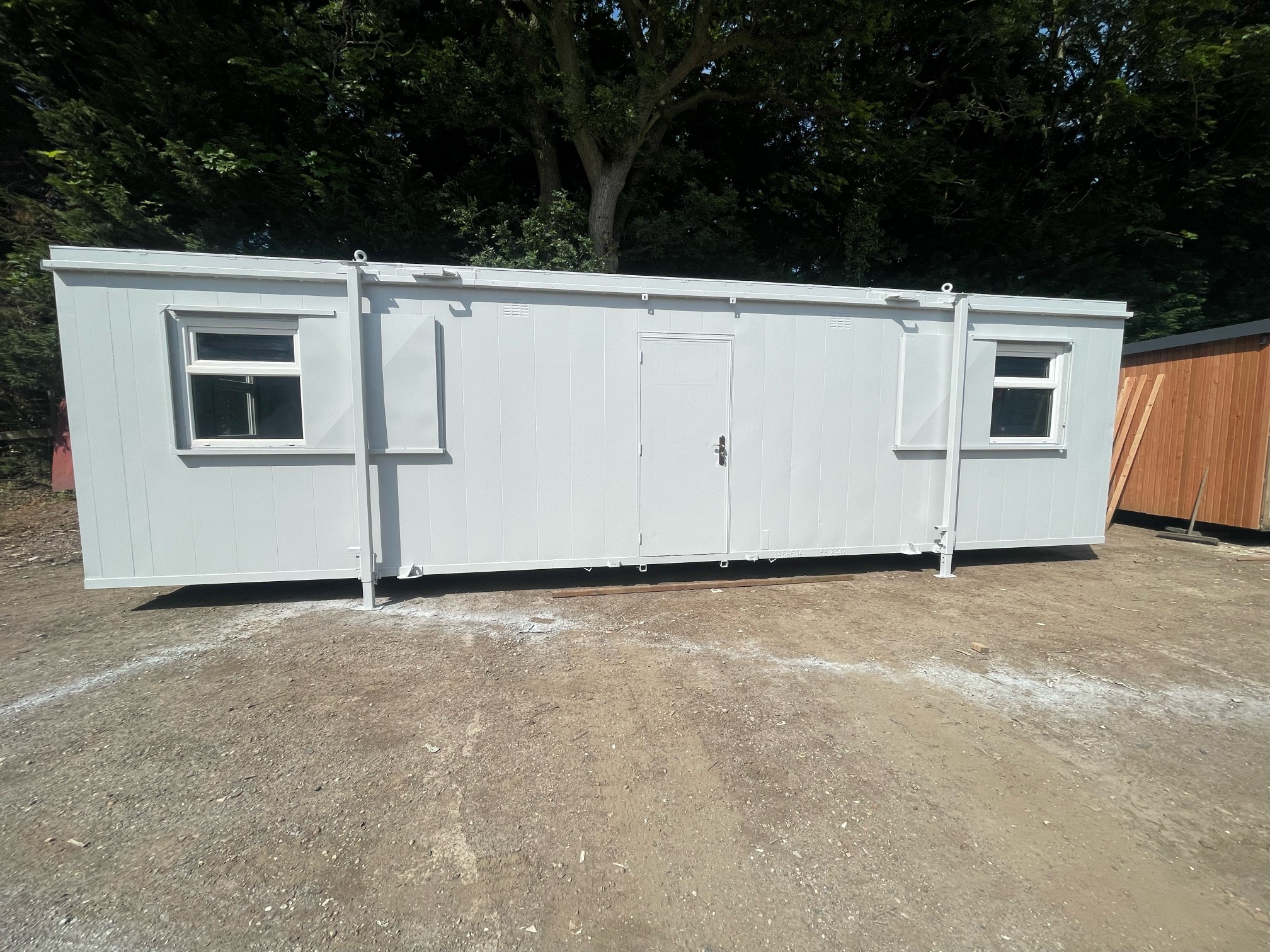
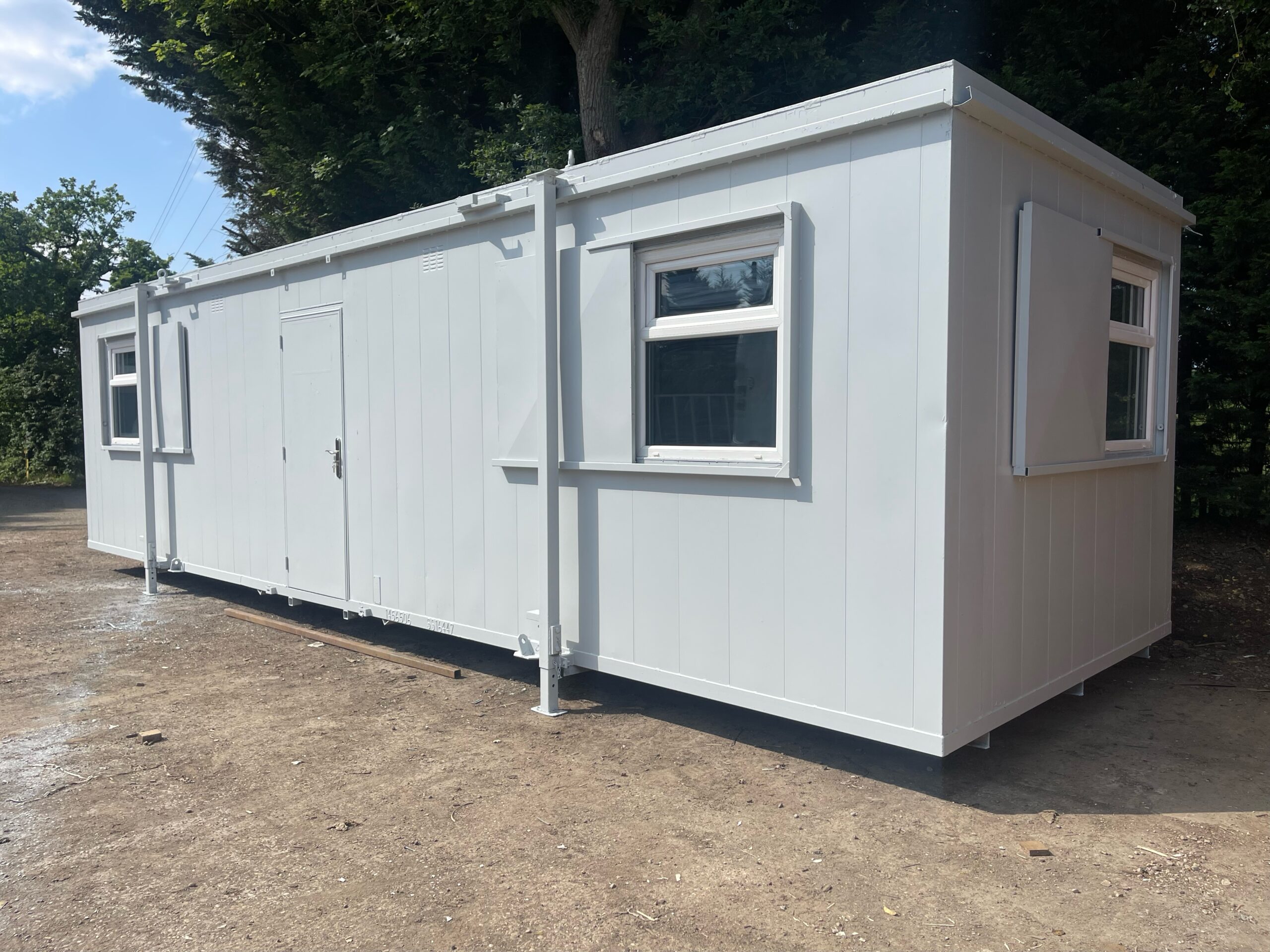
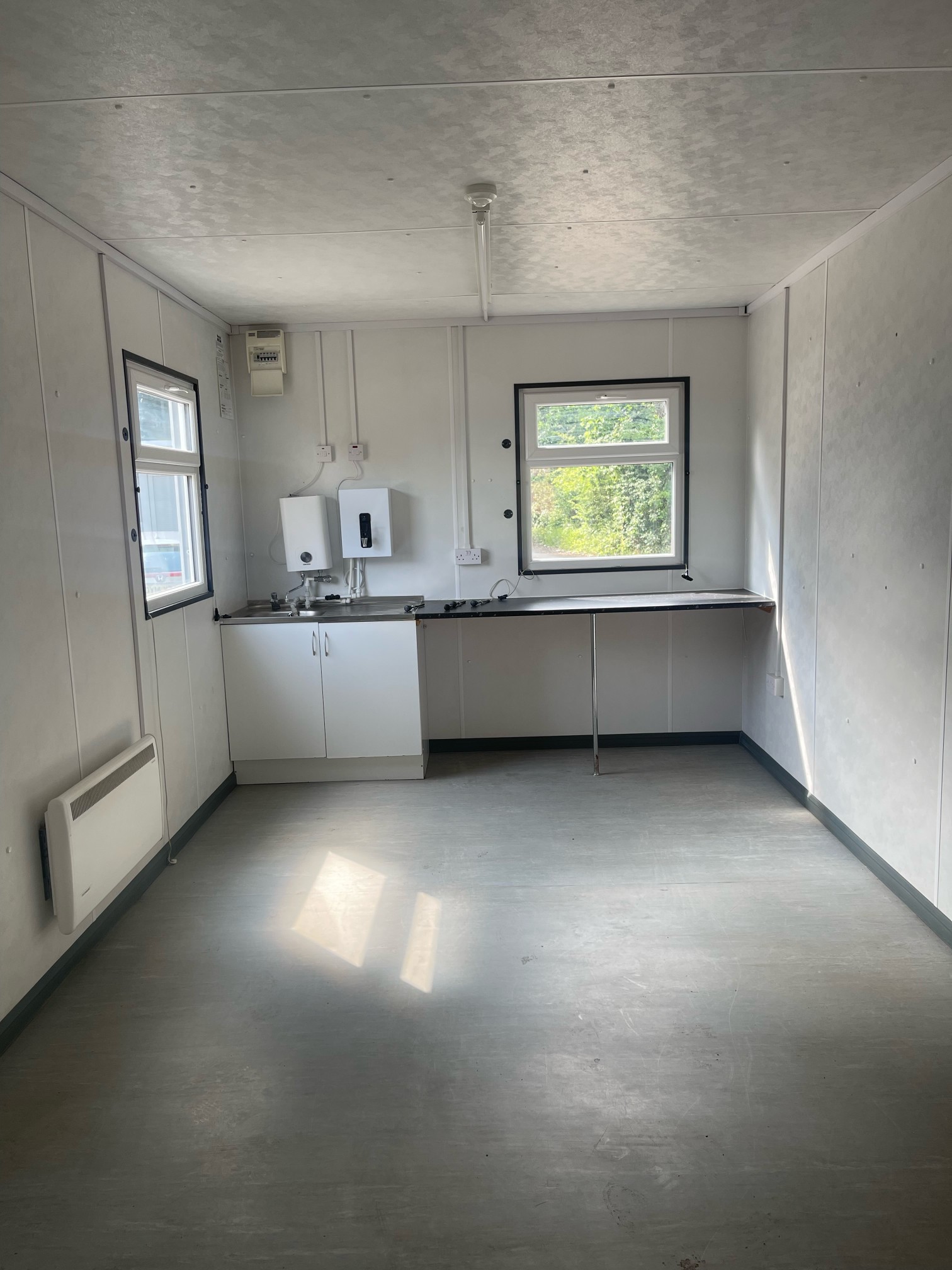
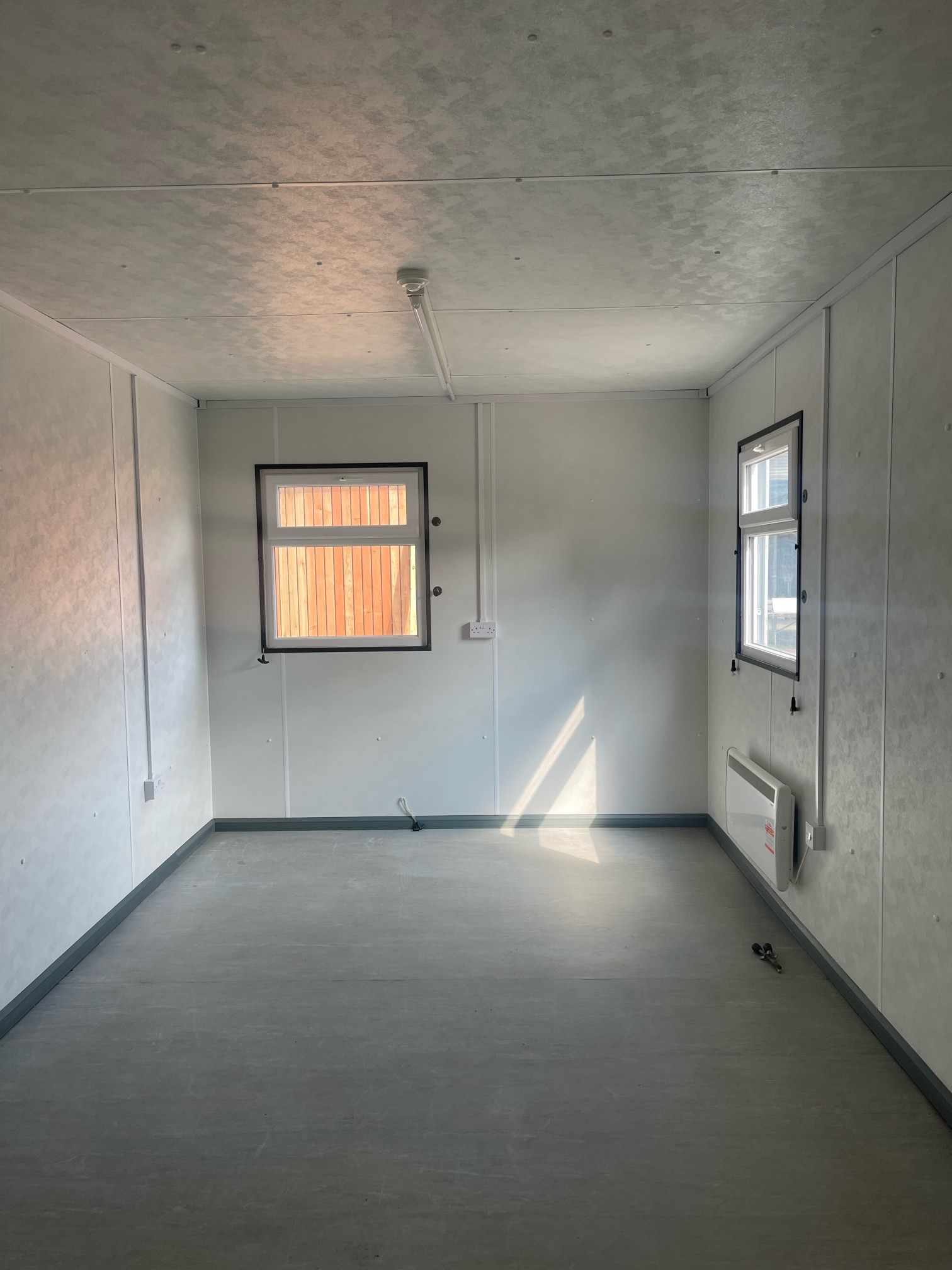
Location: Nationwide
Not Available for Hire
We can deliver for a cost please ask and send us post code.
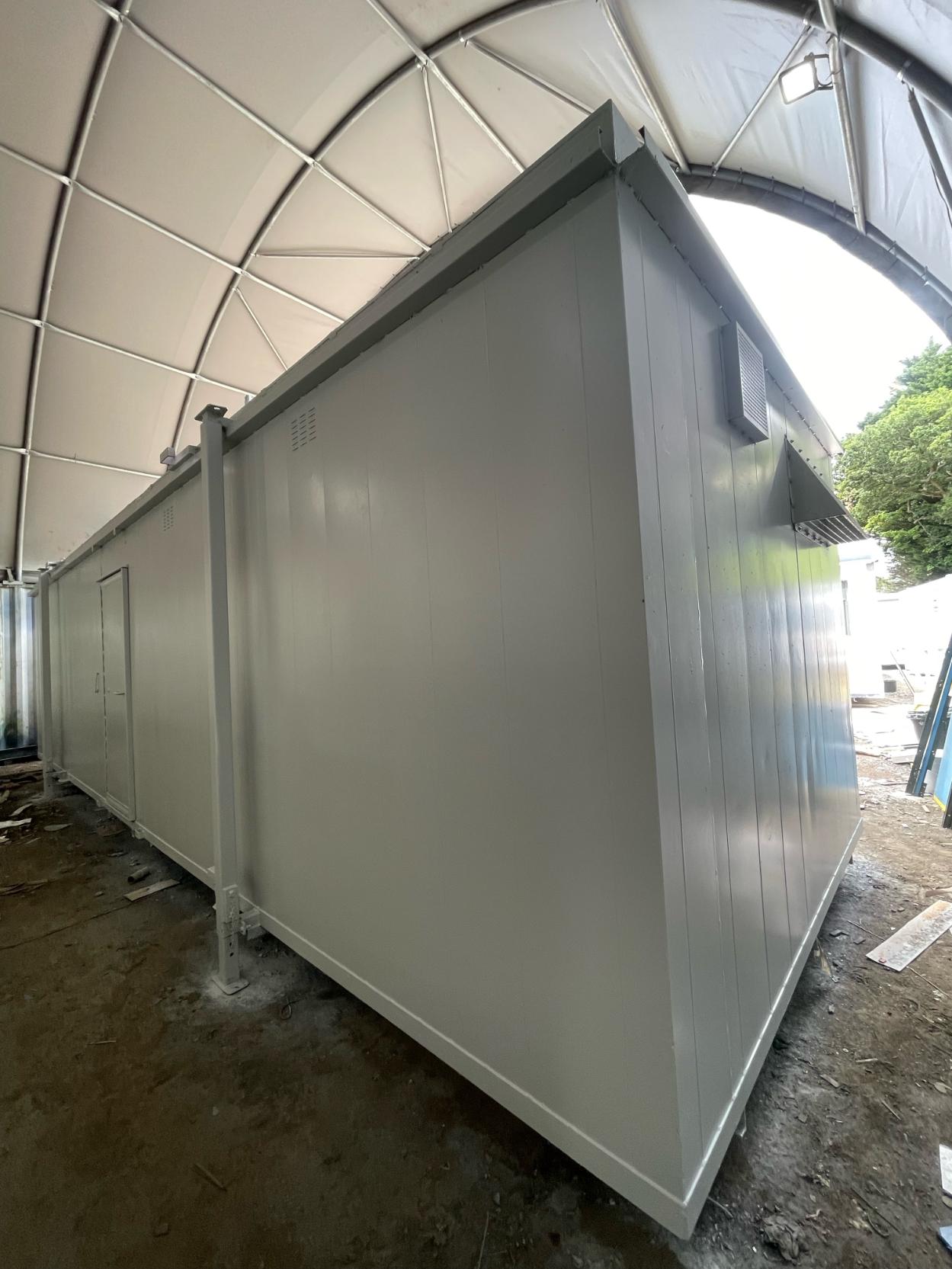
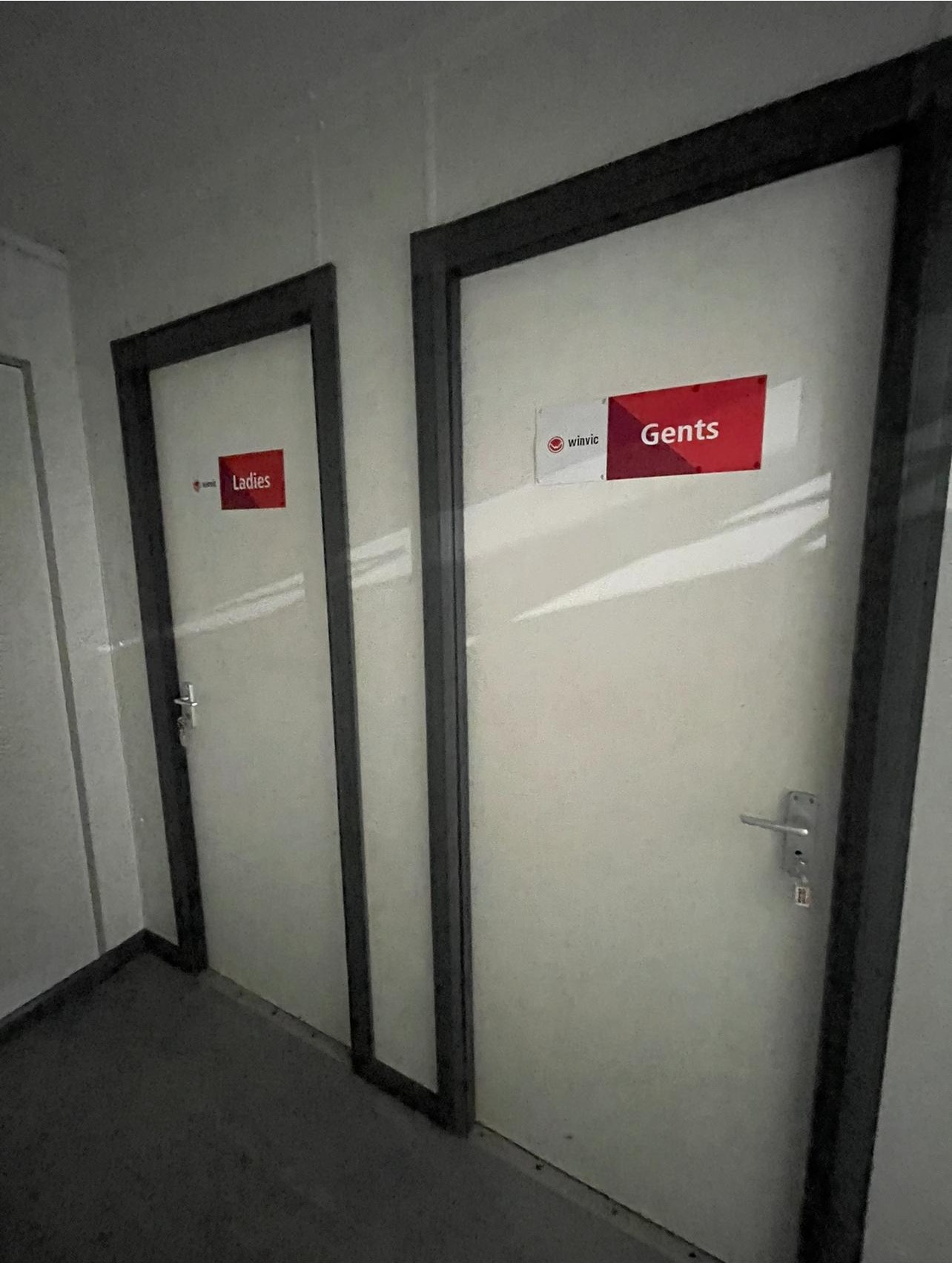
Hallway leading into:
Transport can be arranged please ask.
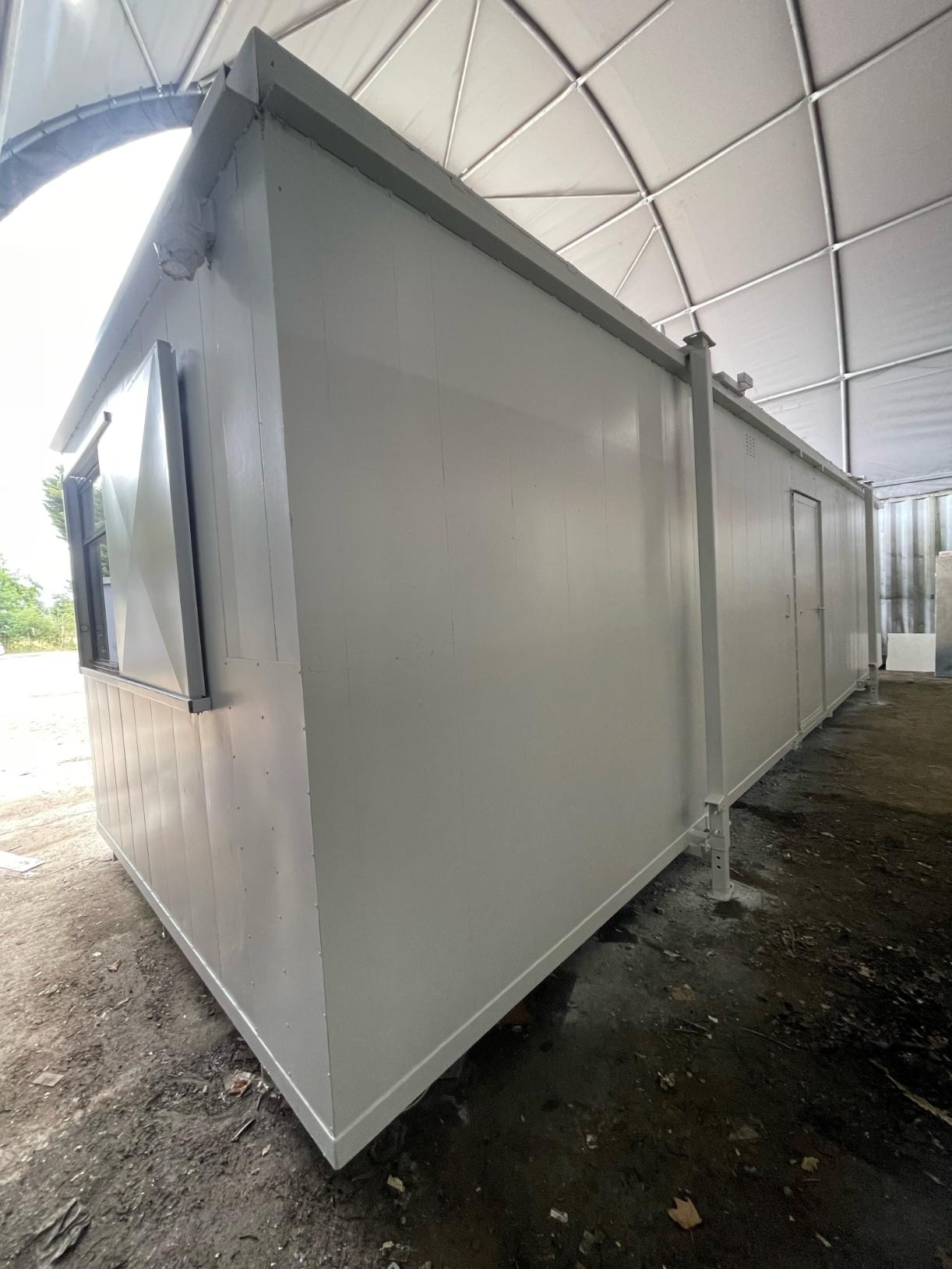
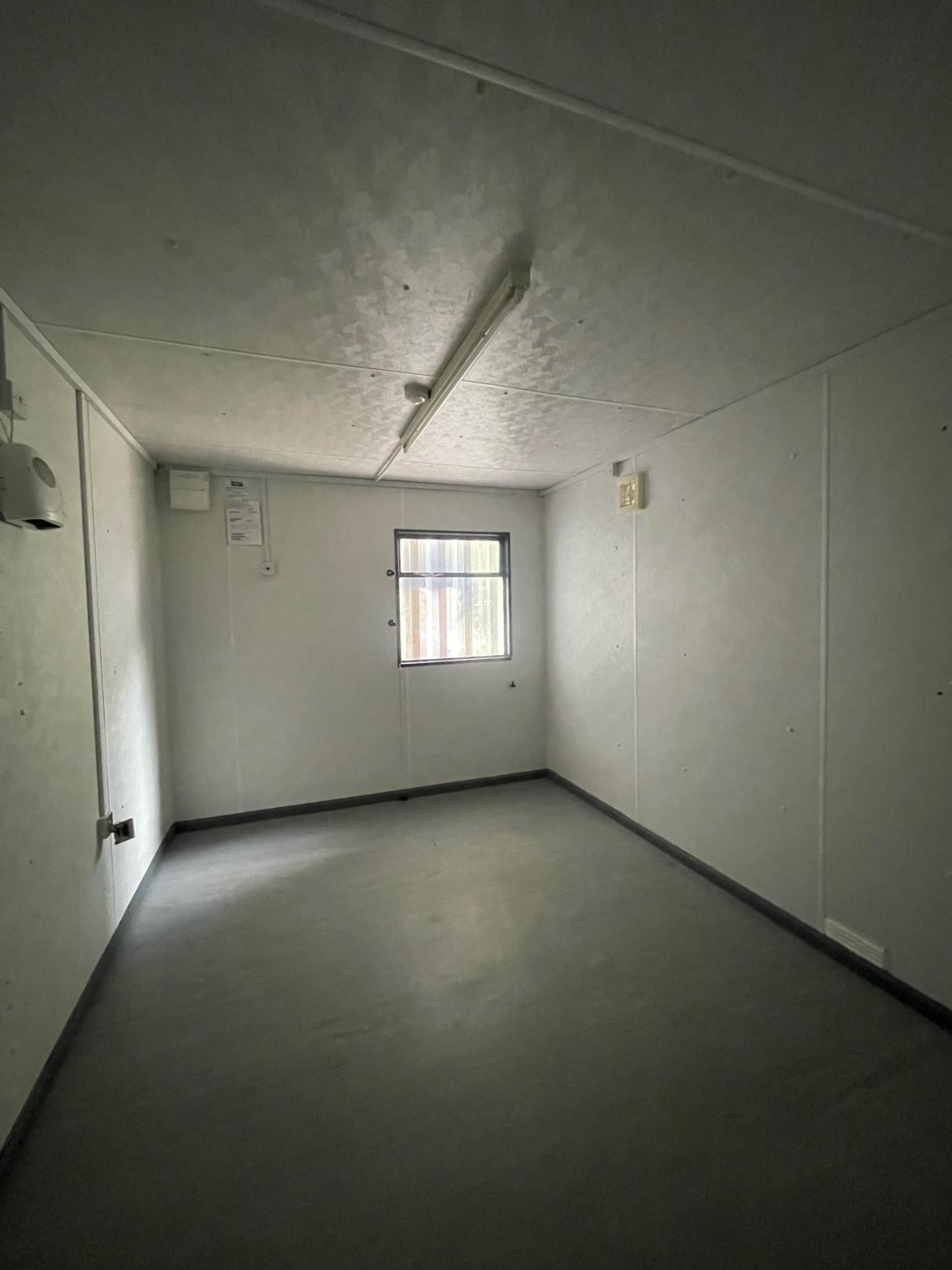
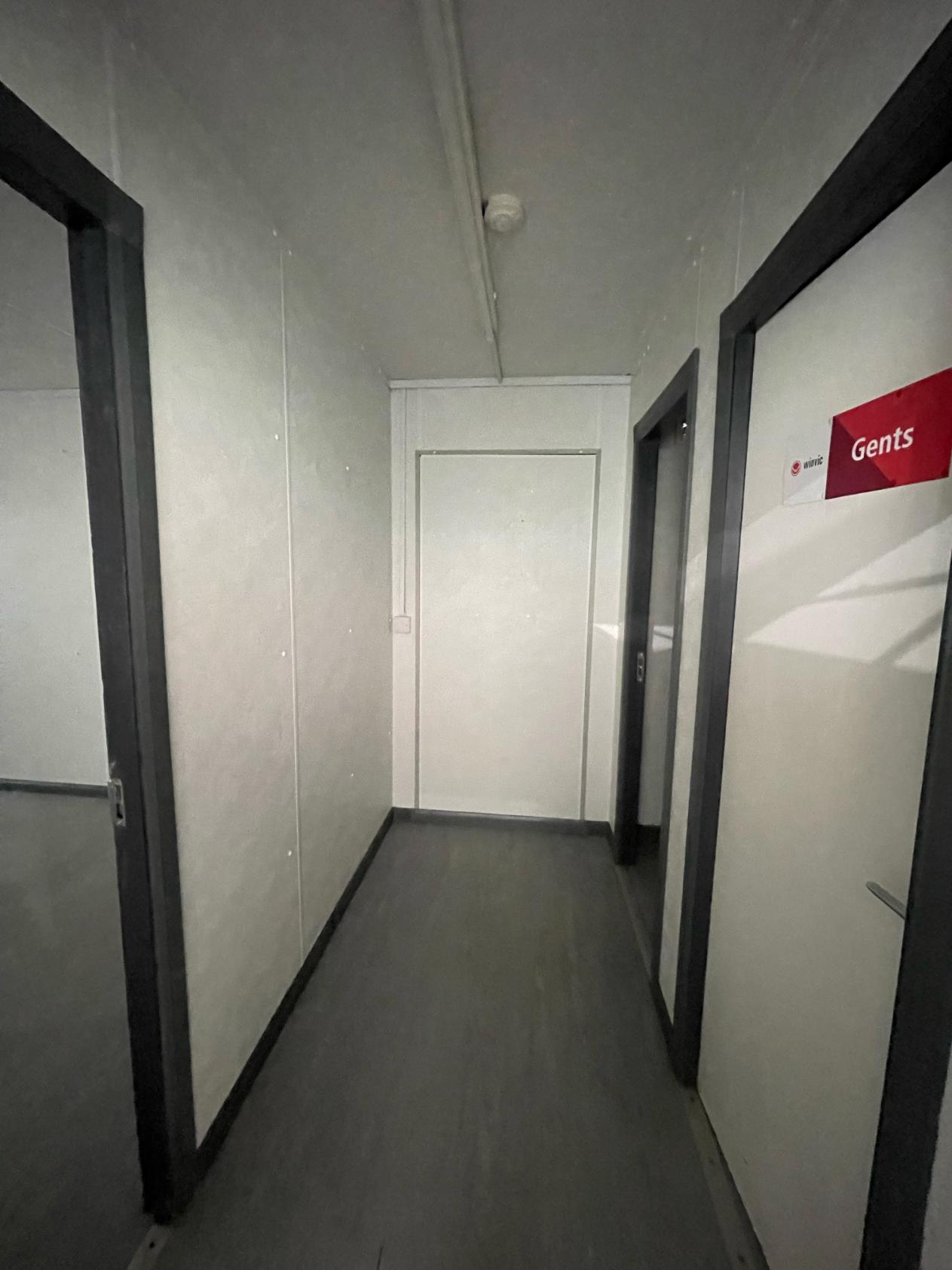
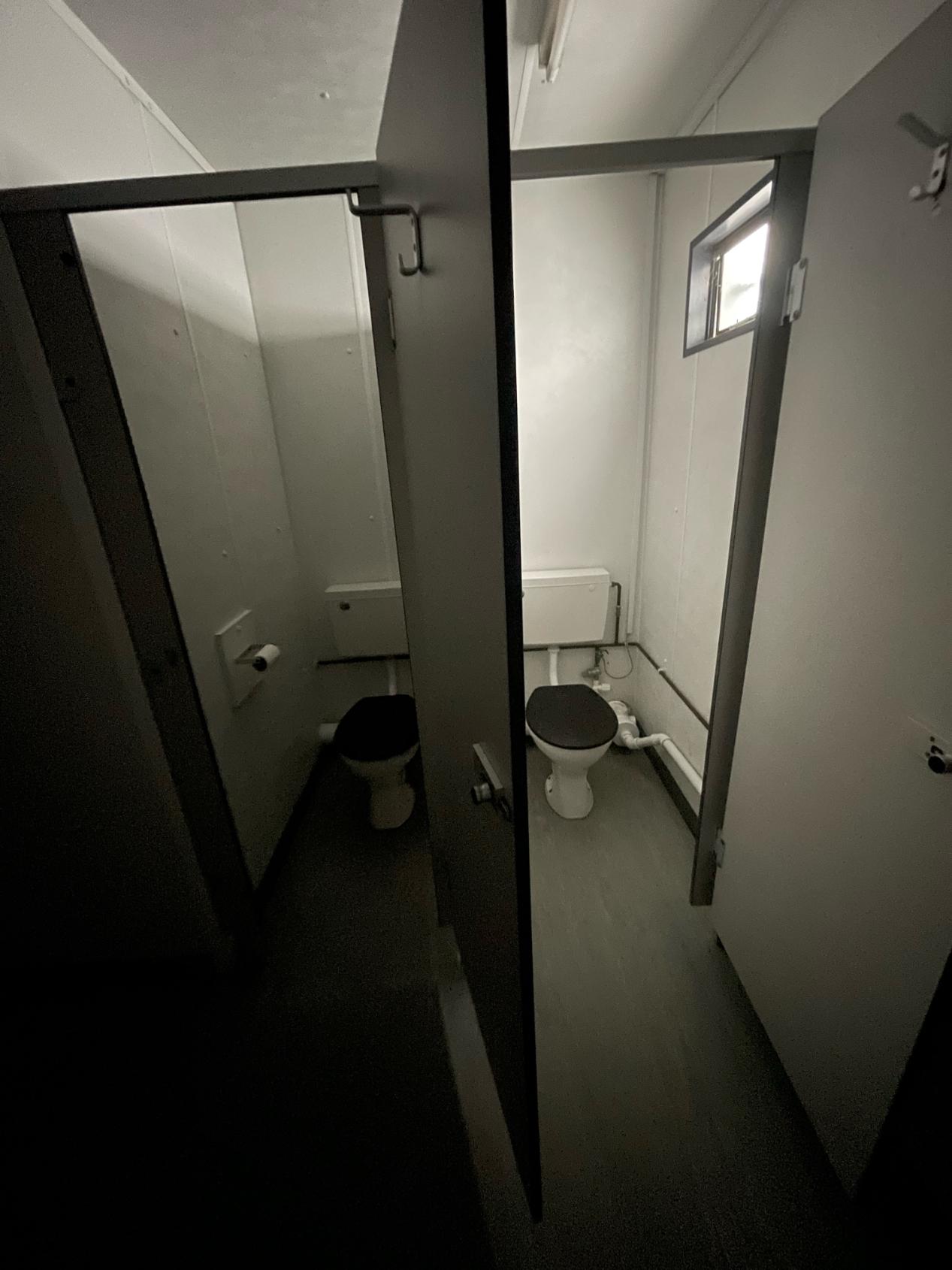
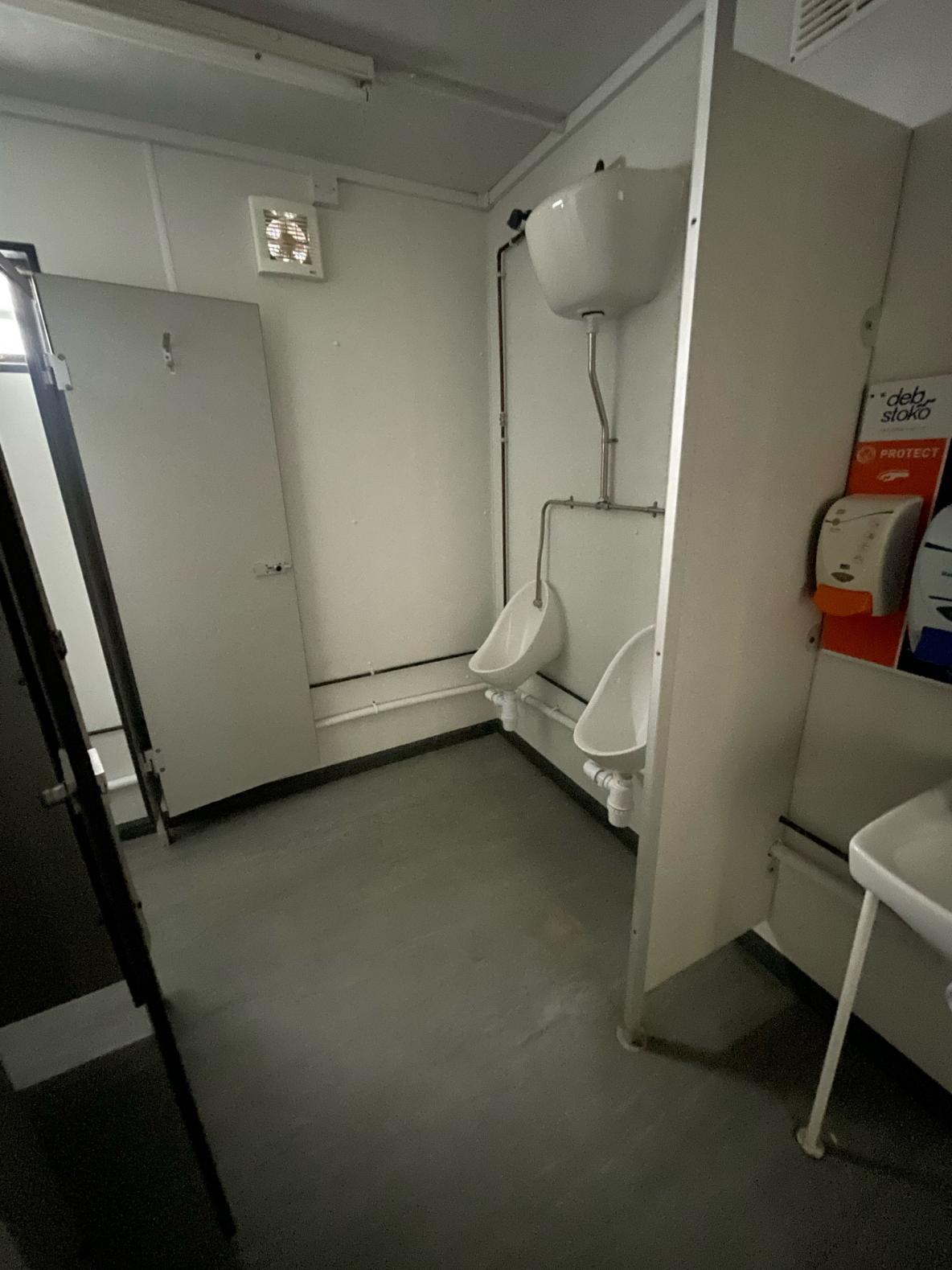
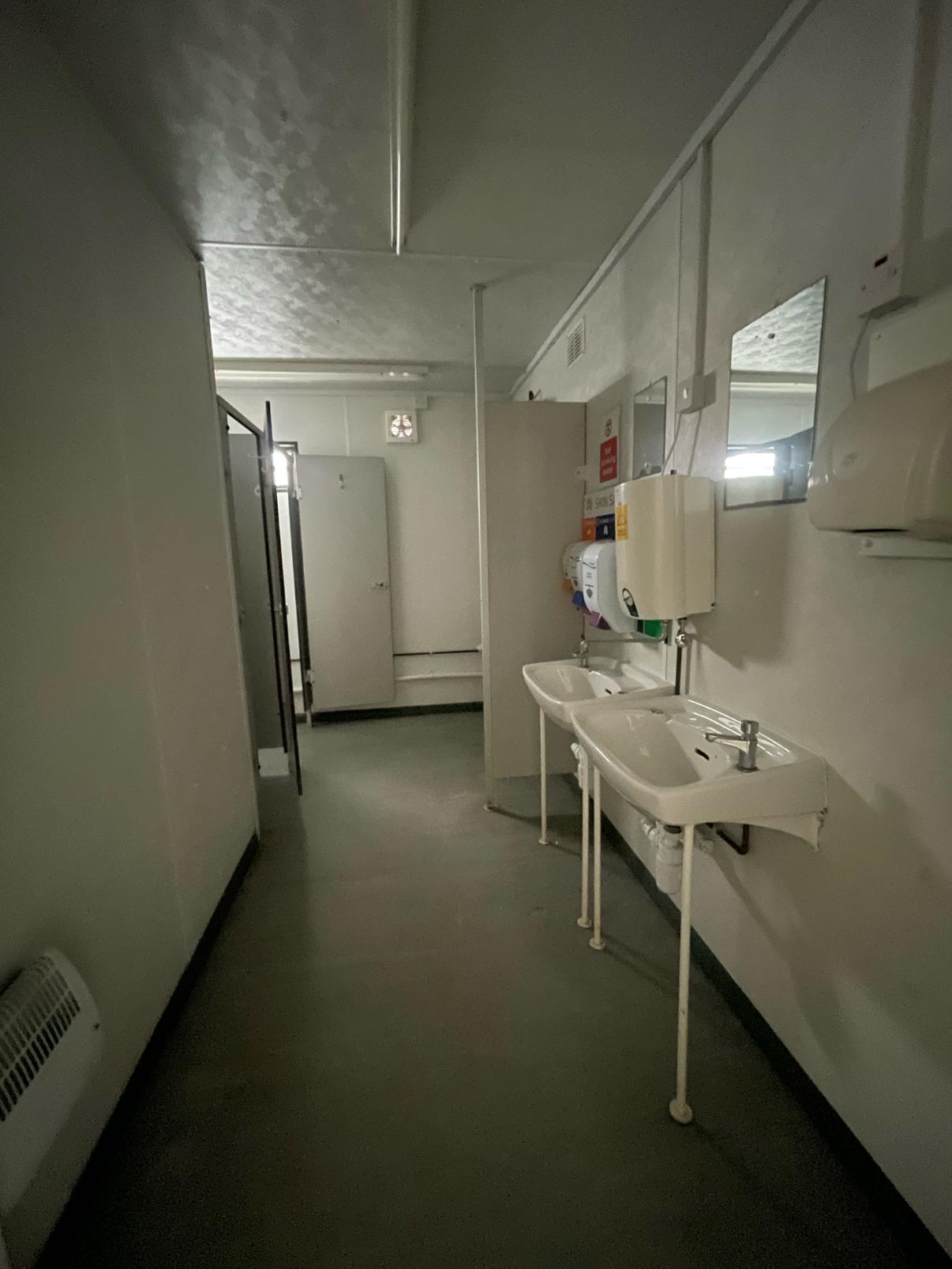
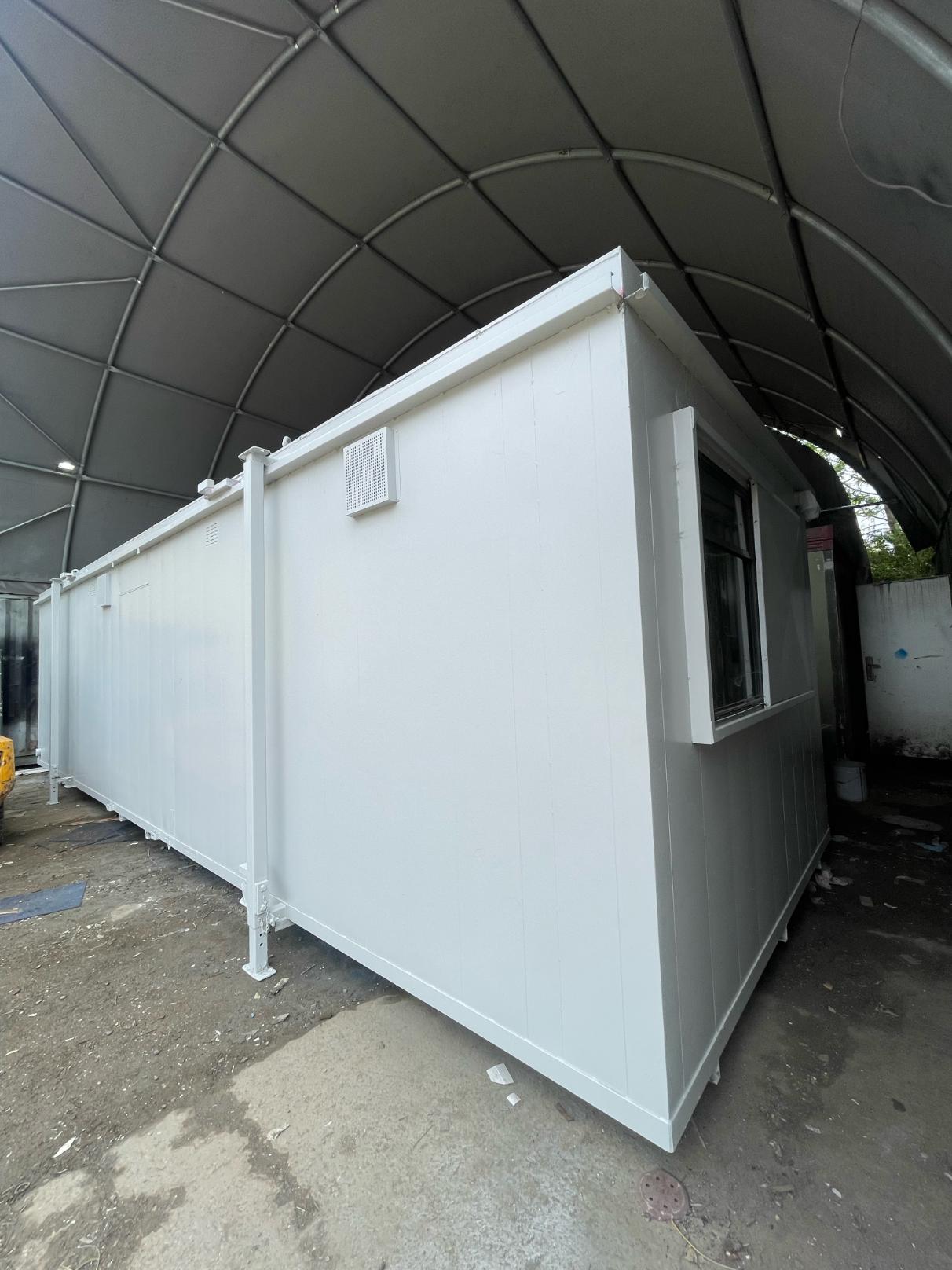
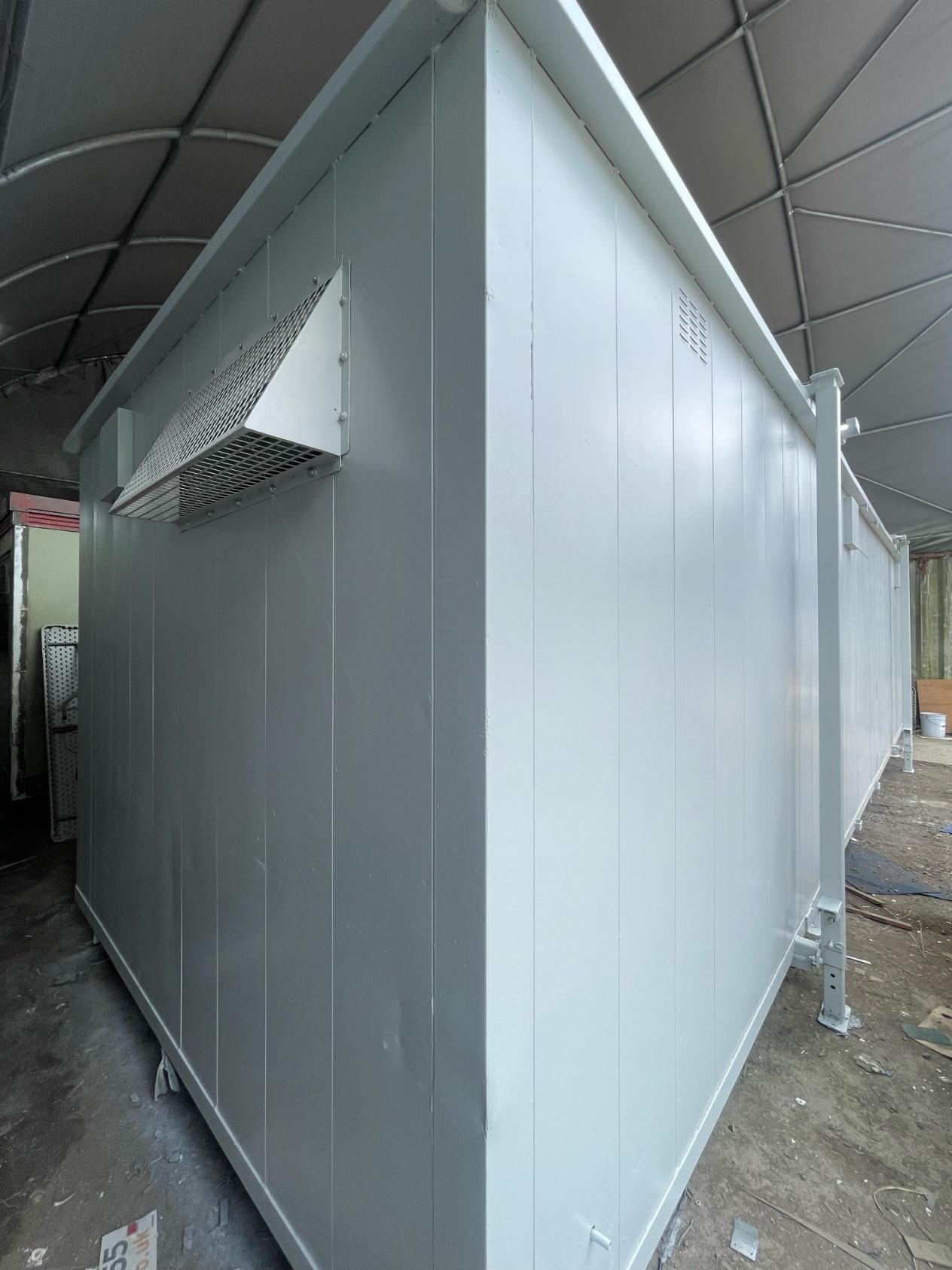
Location: Nationwide
Not Available for Hire
Call for an instant quote!
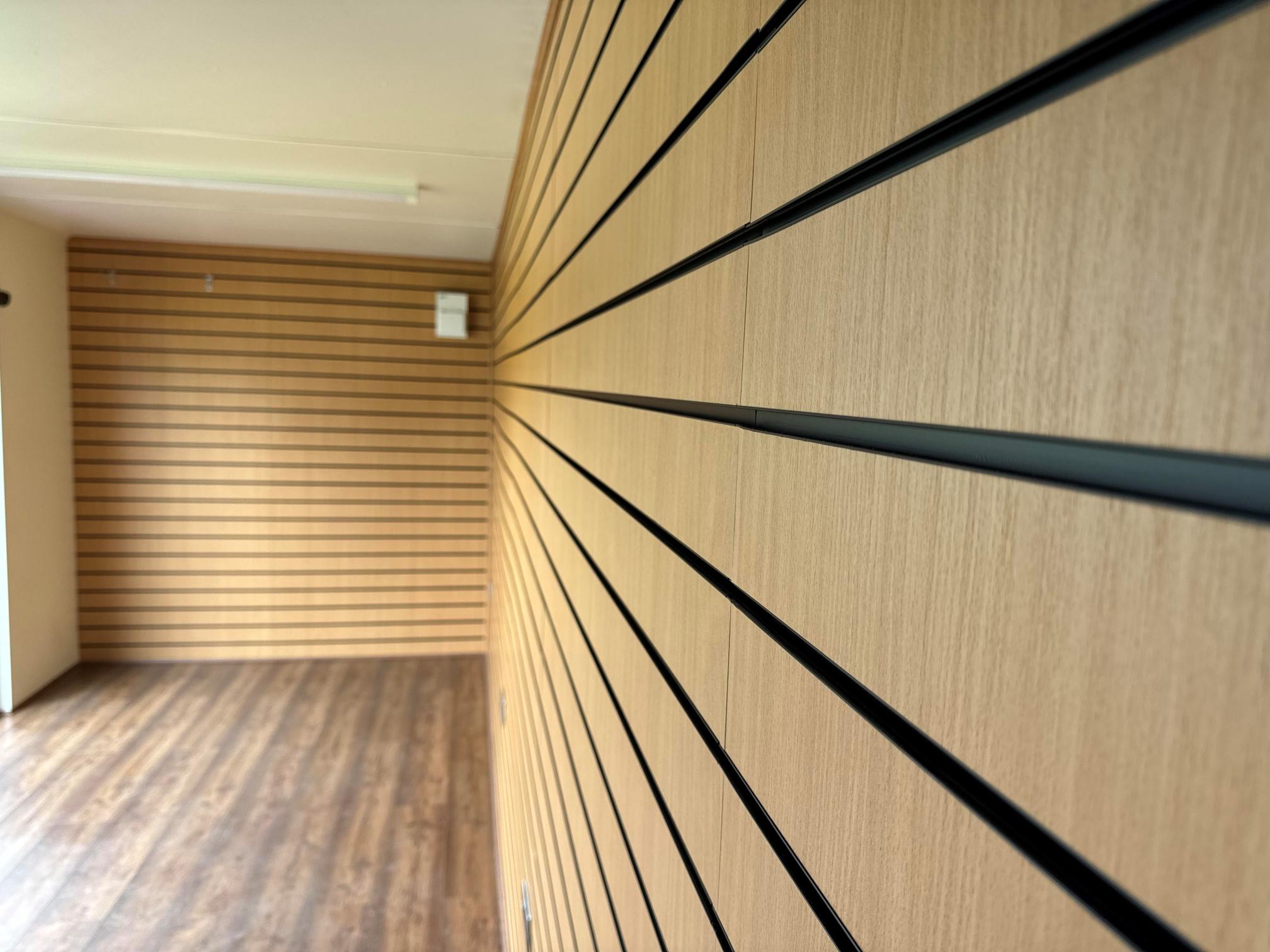
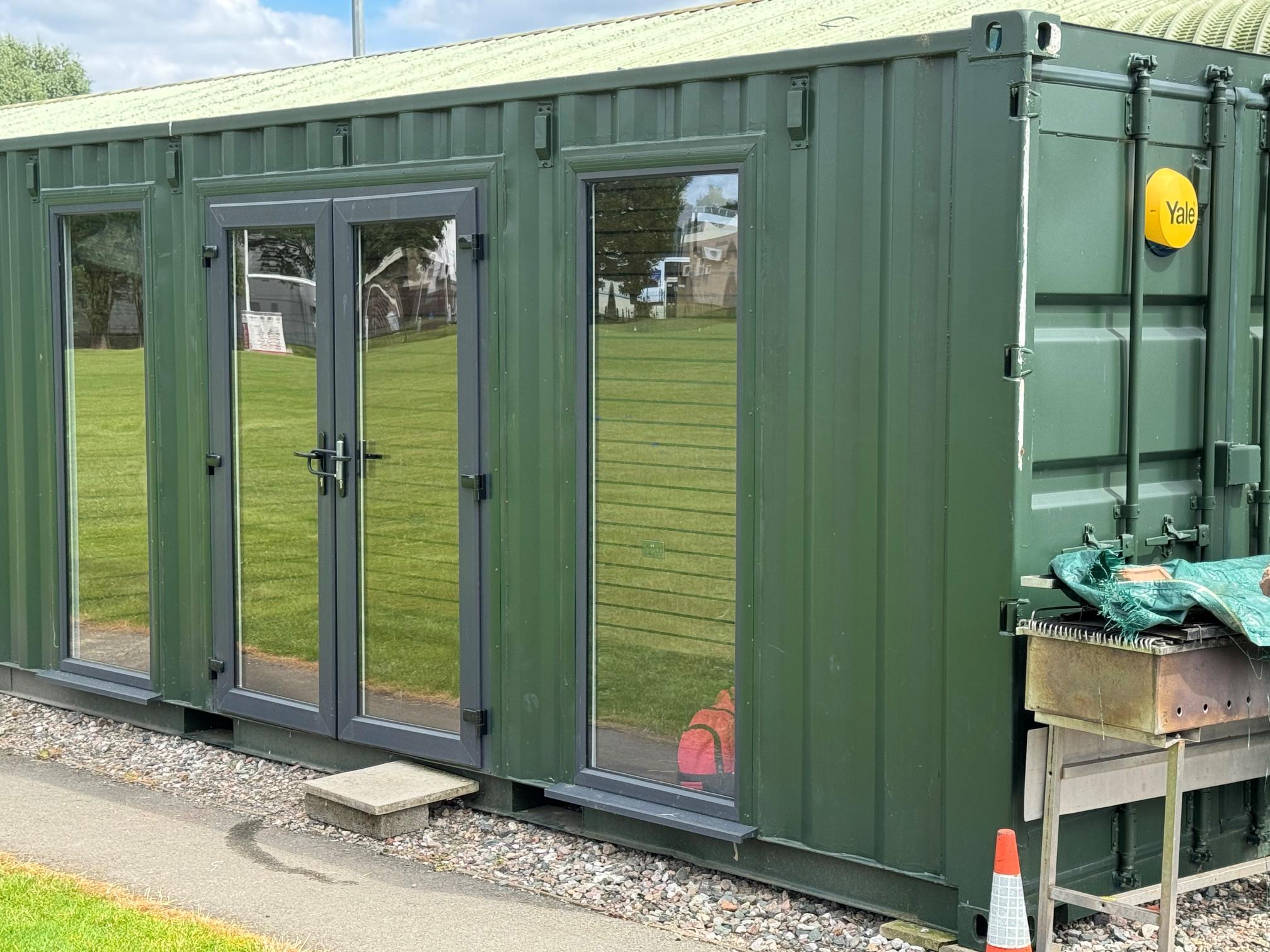
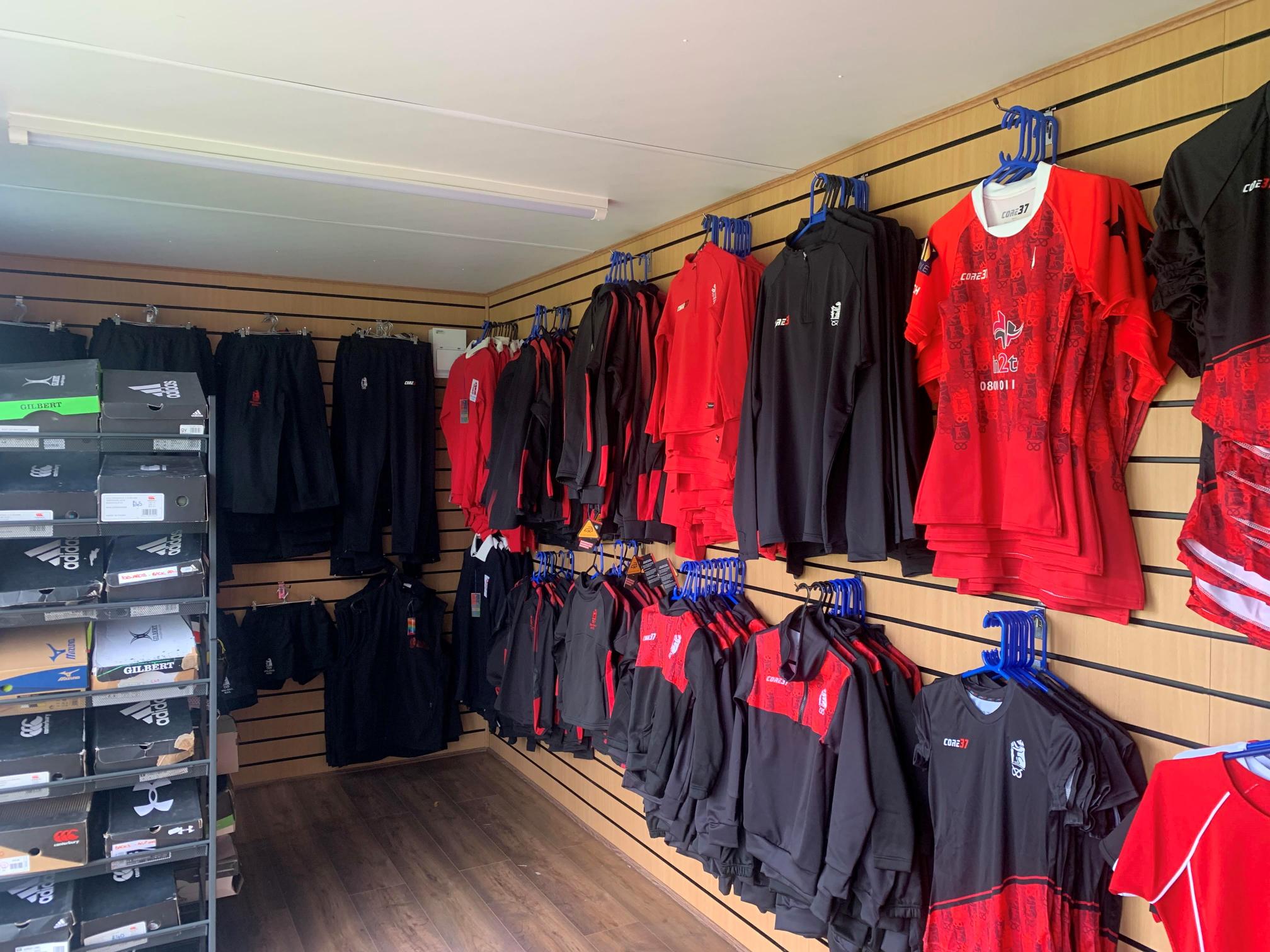
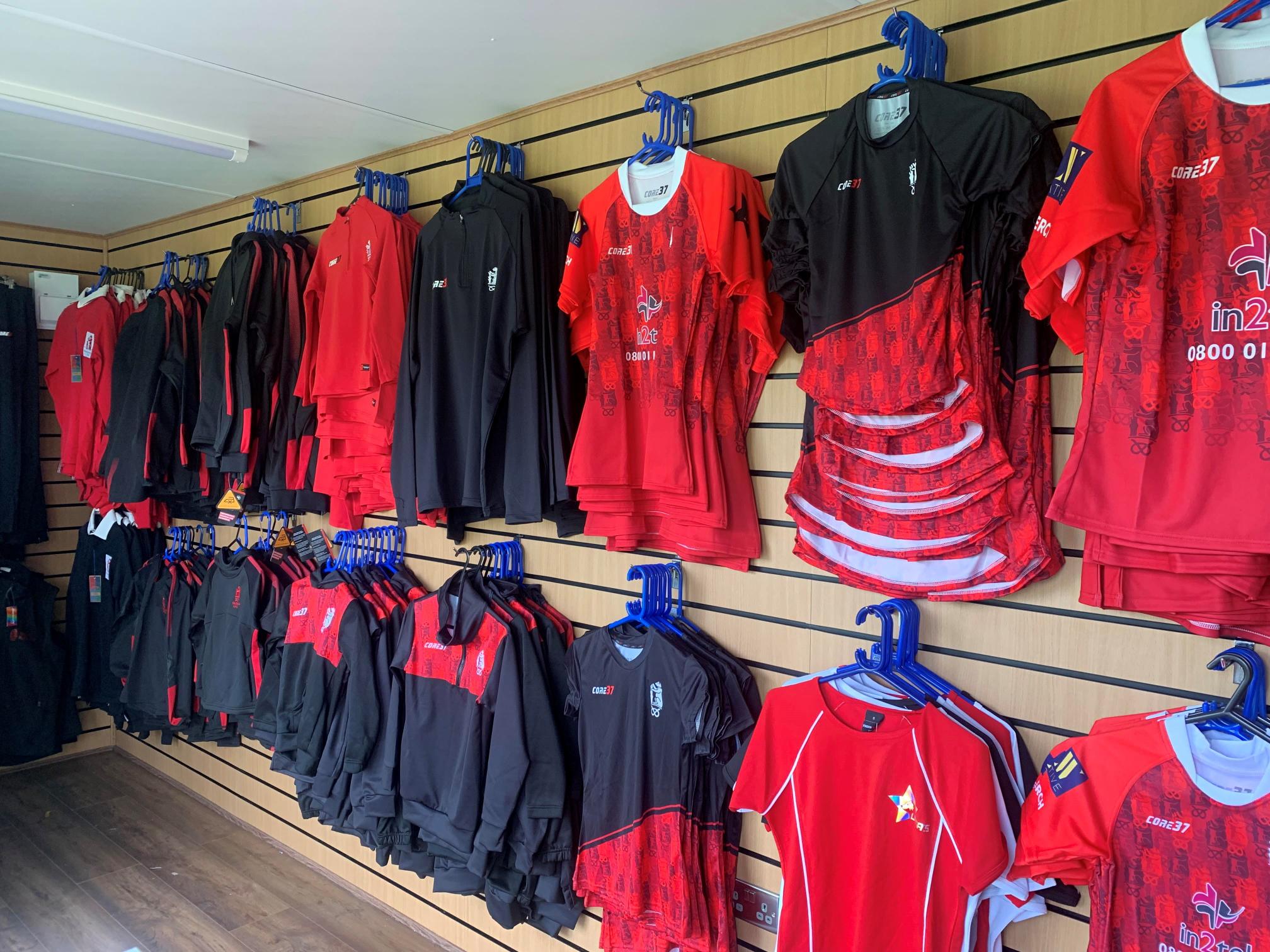
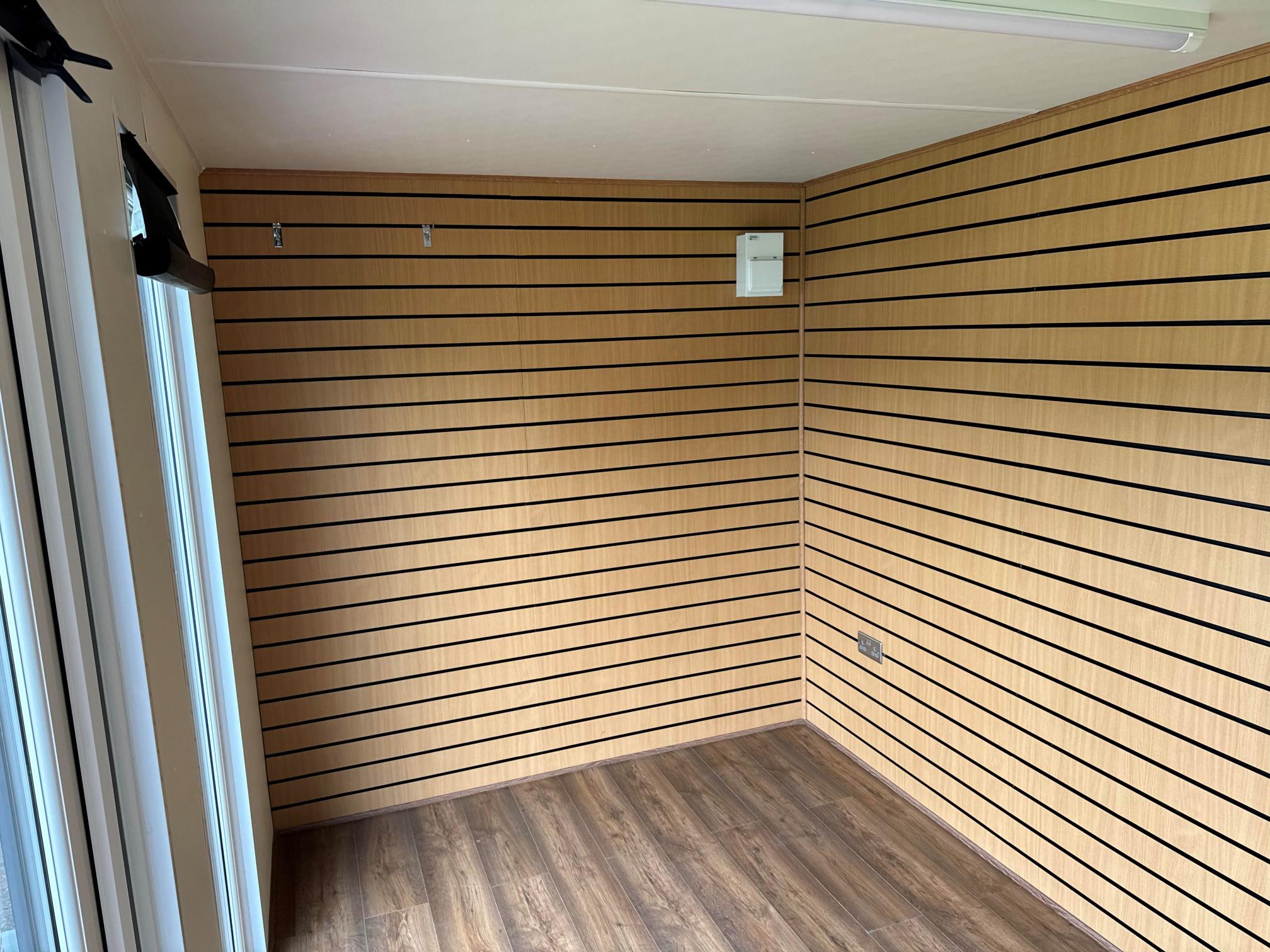
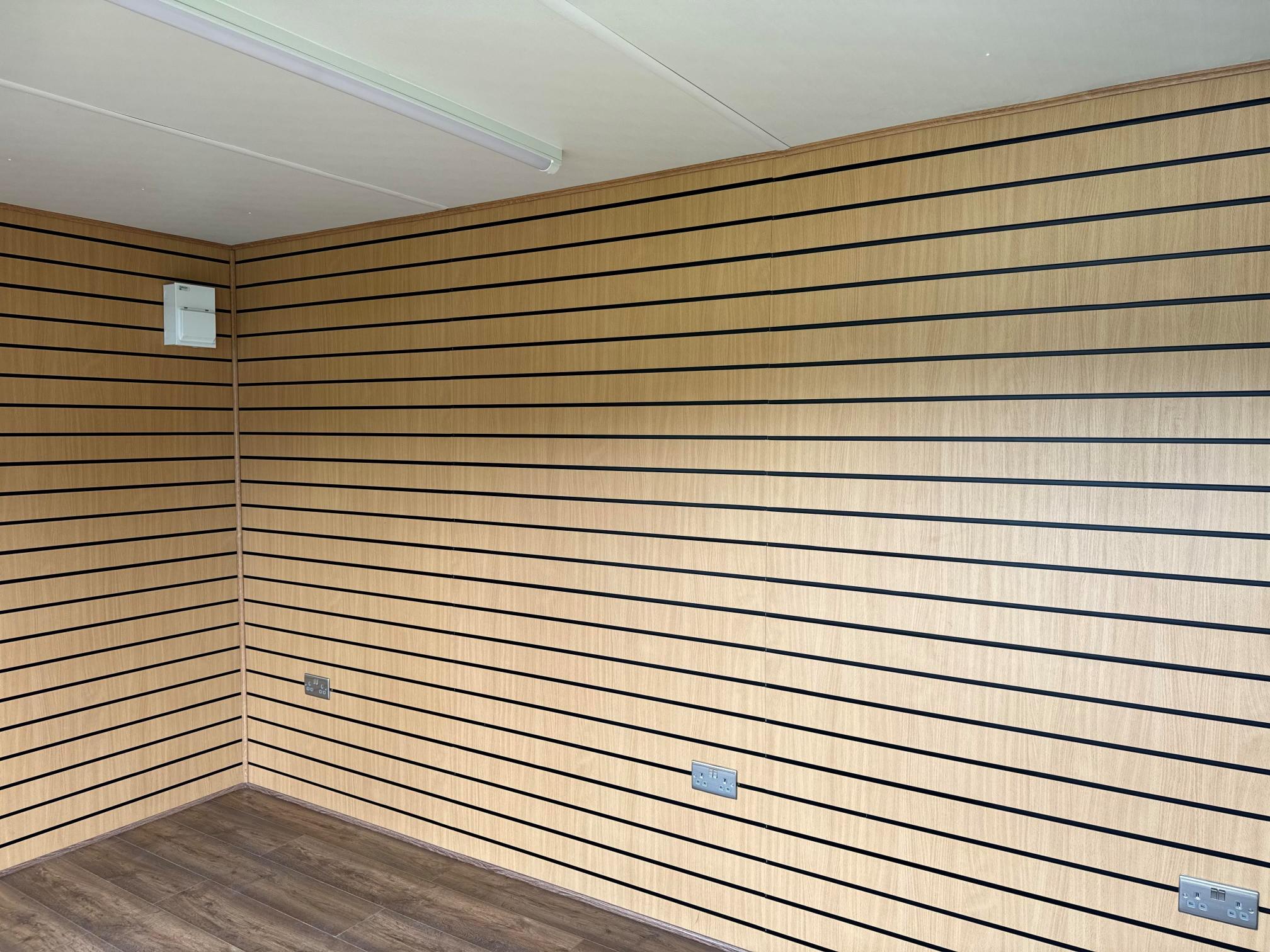
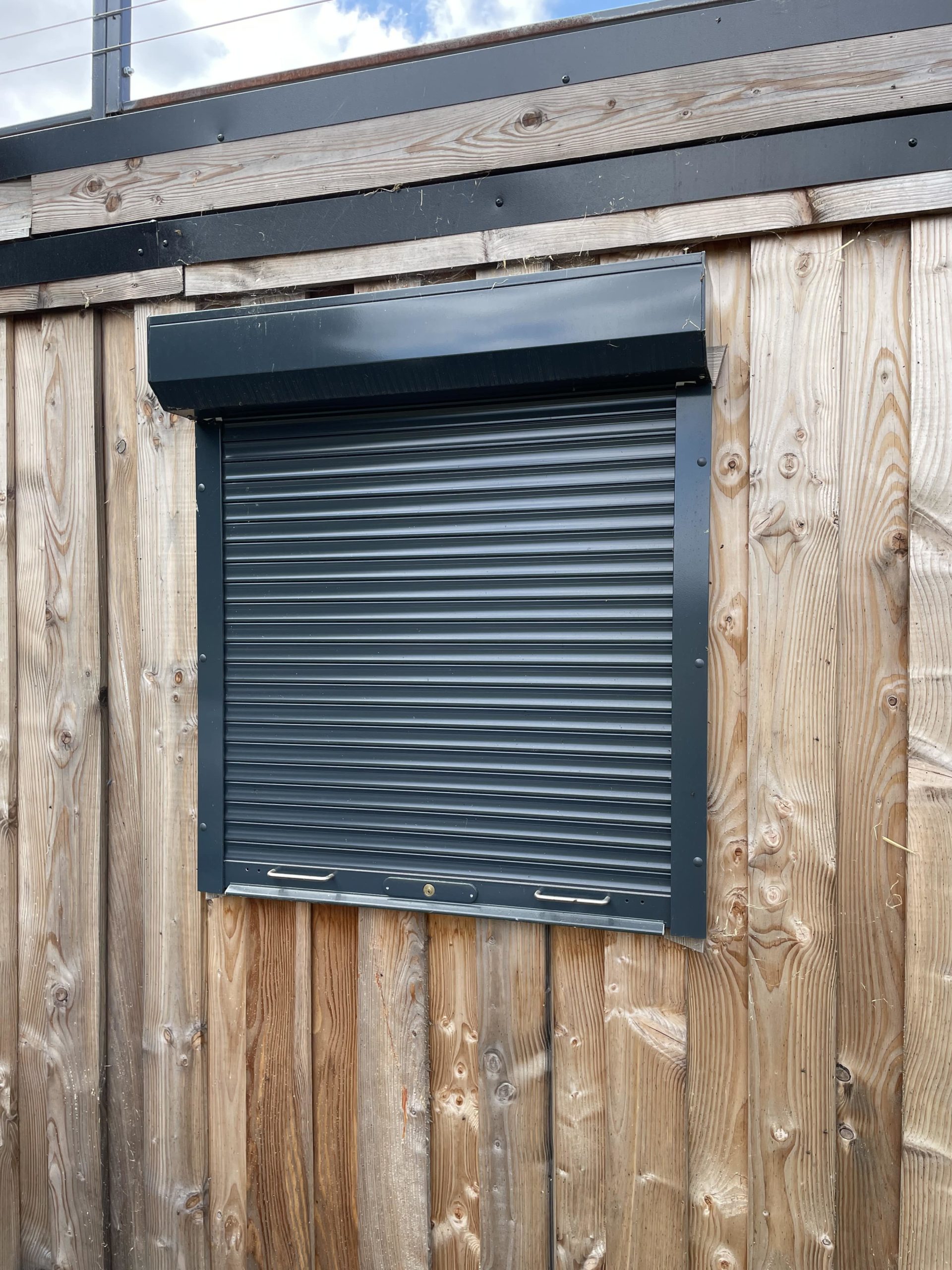
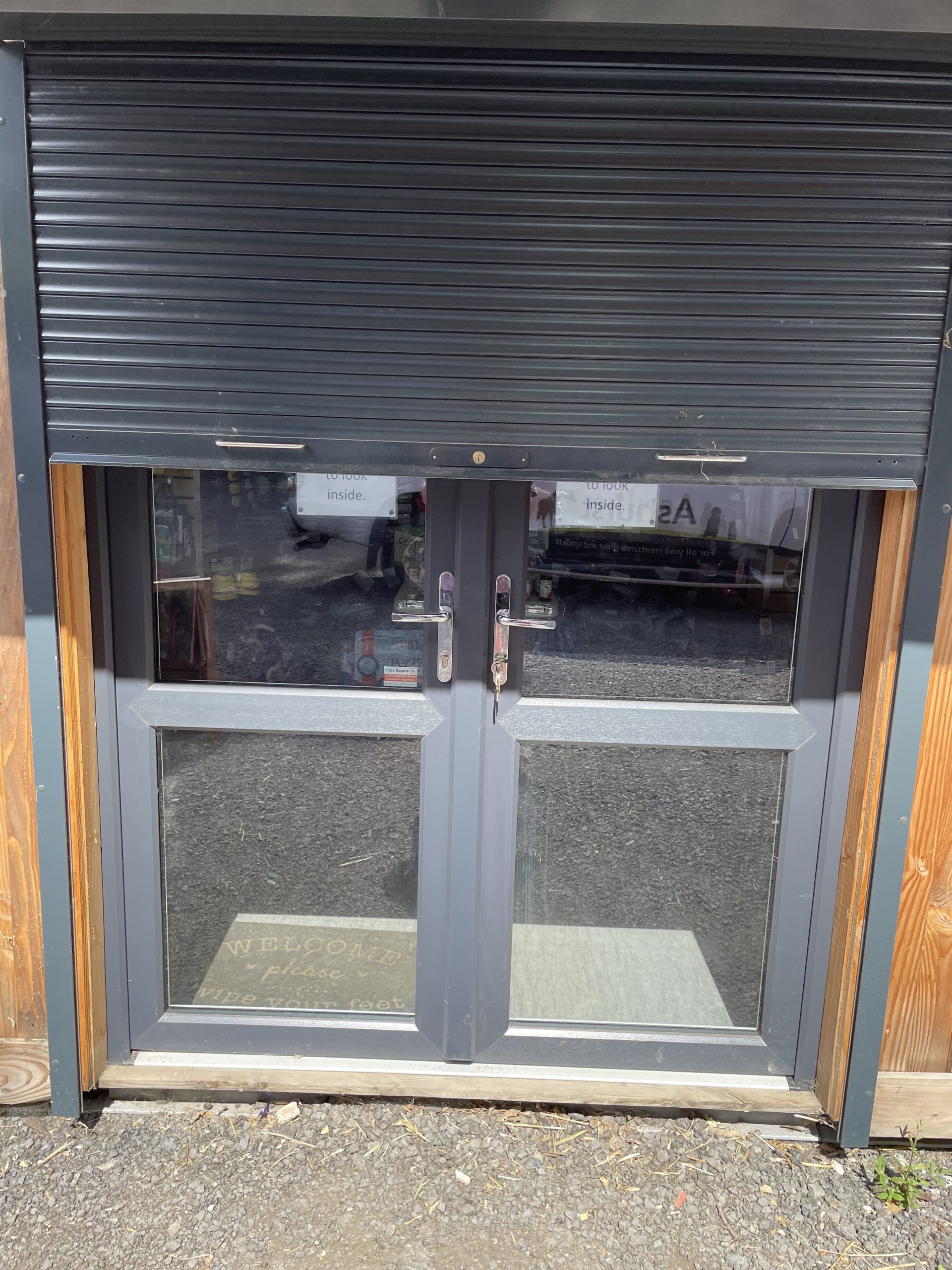
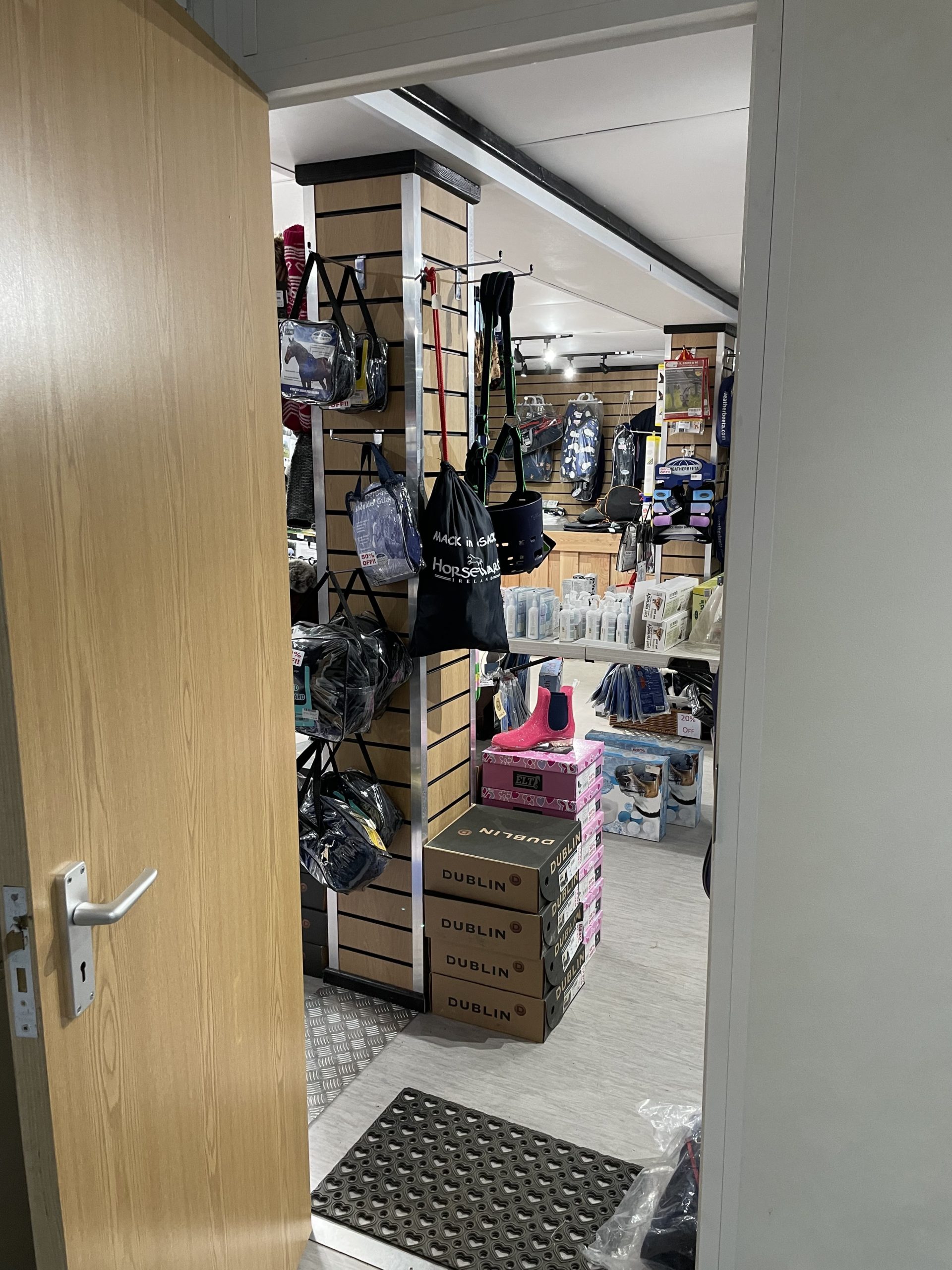
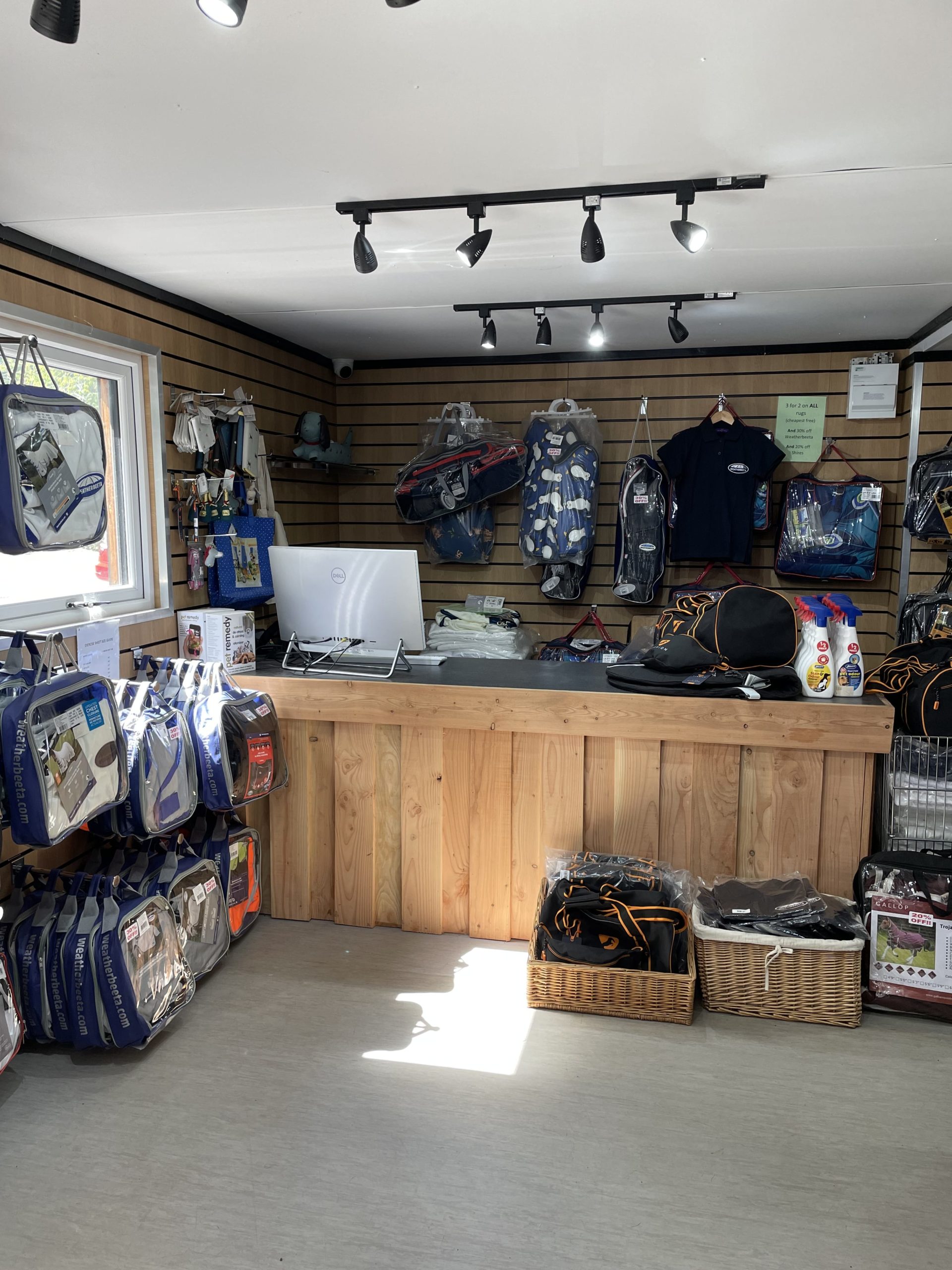
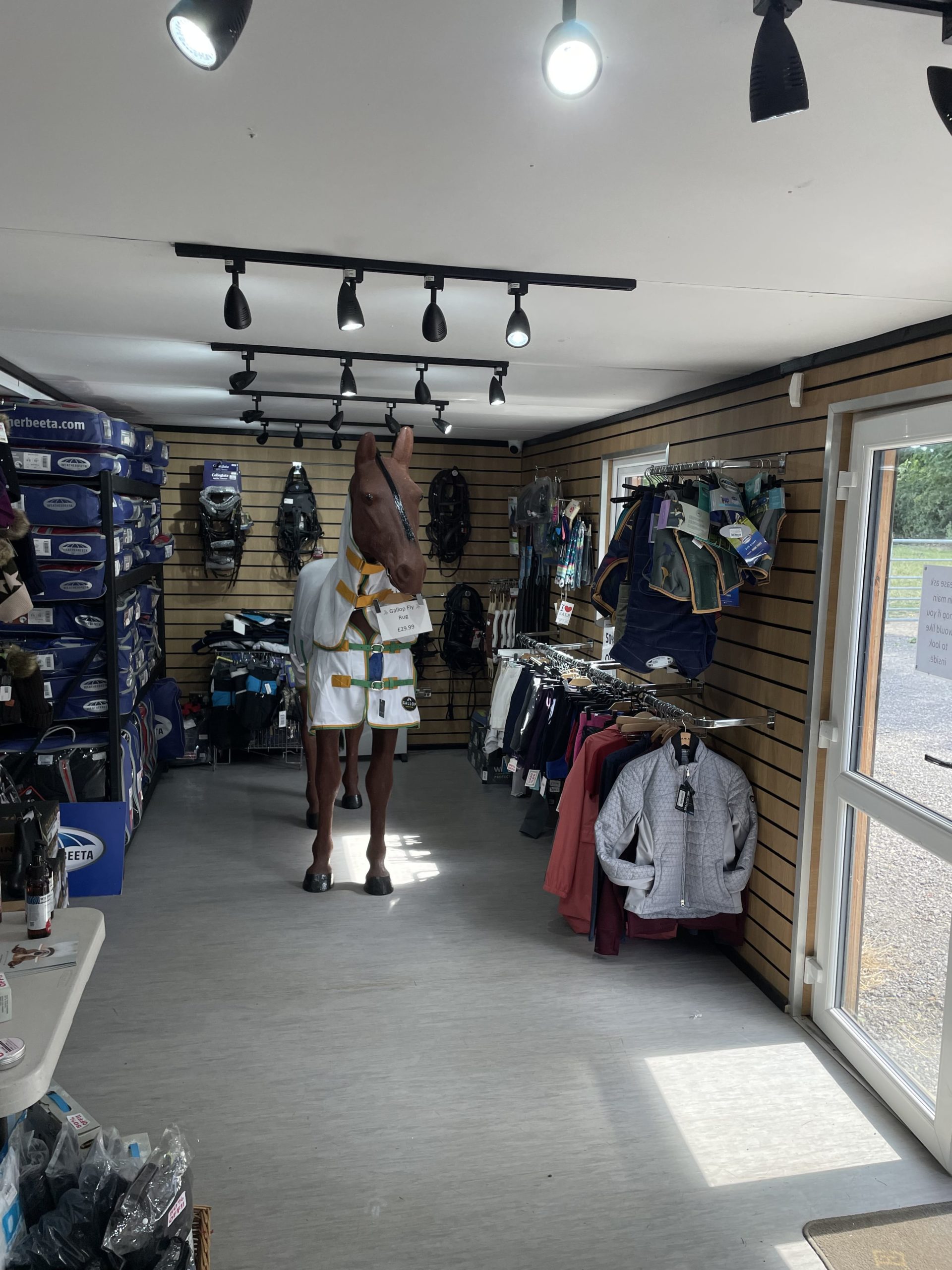
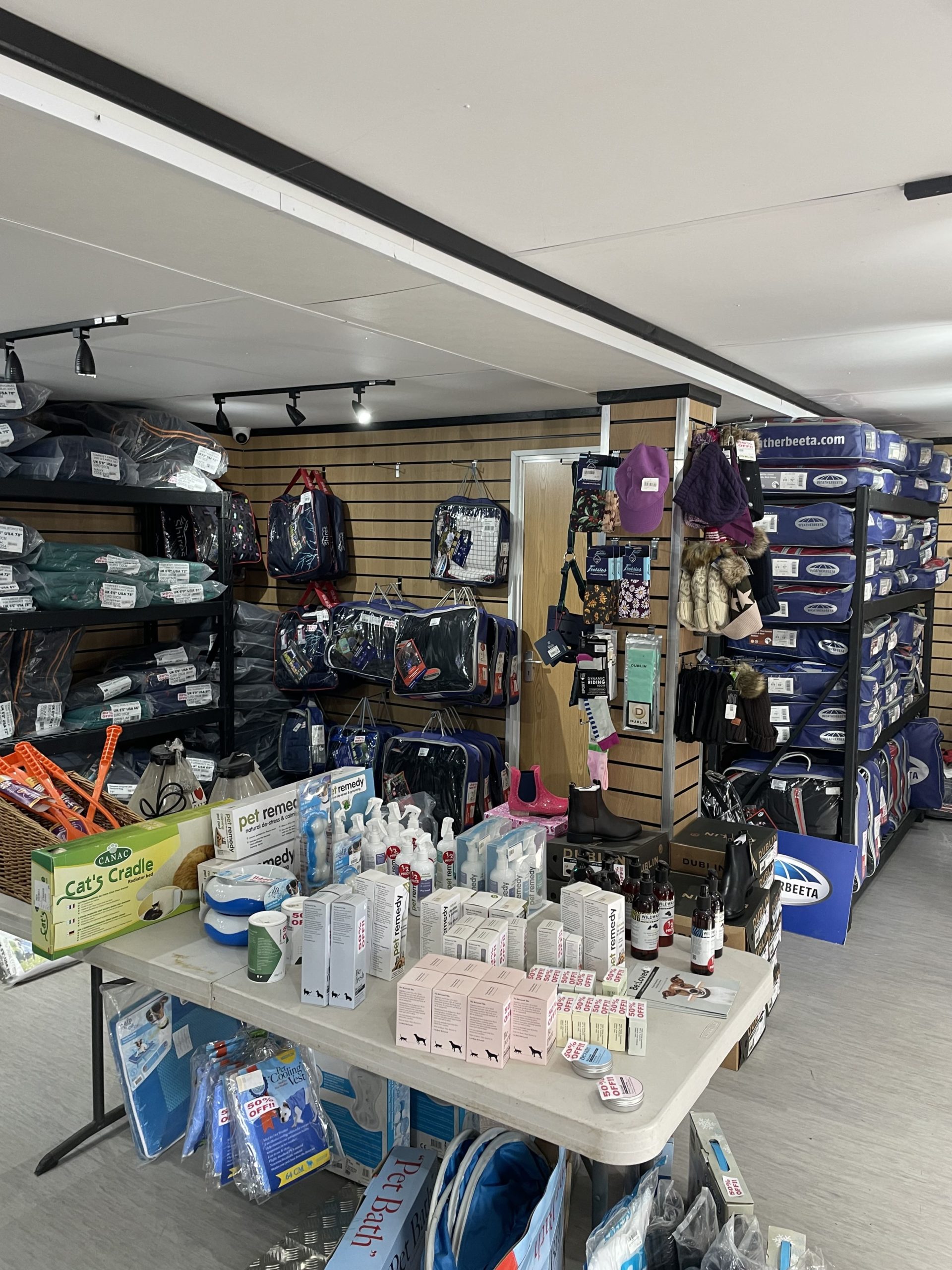
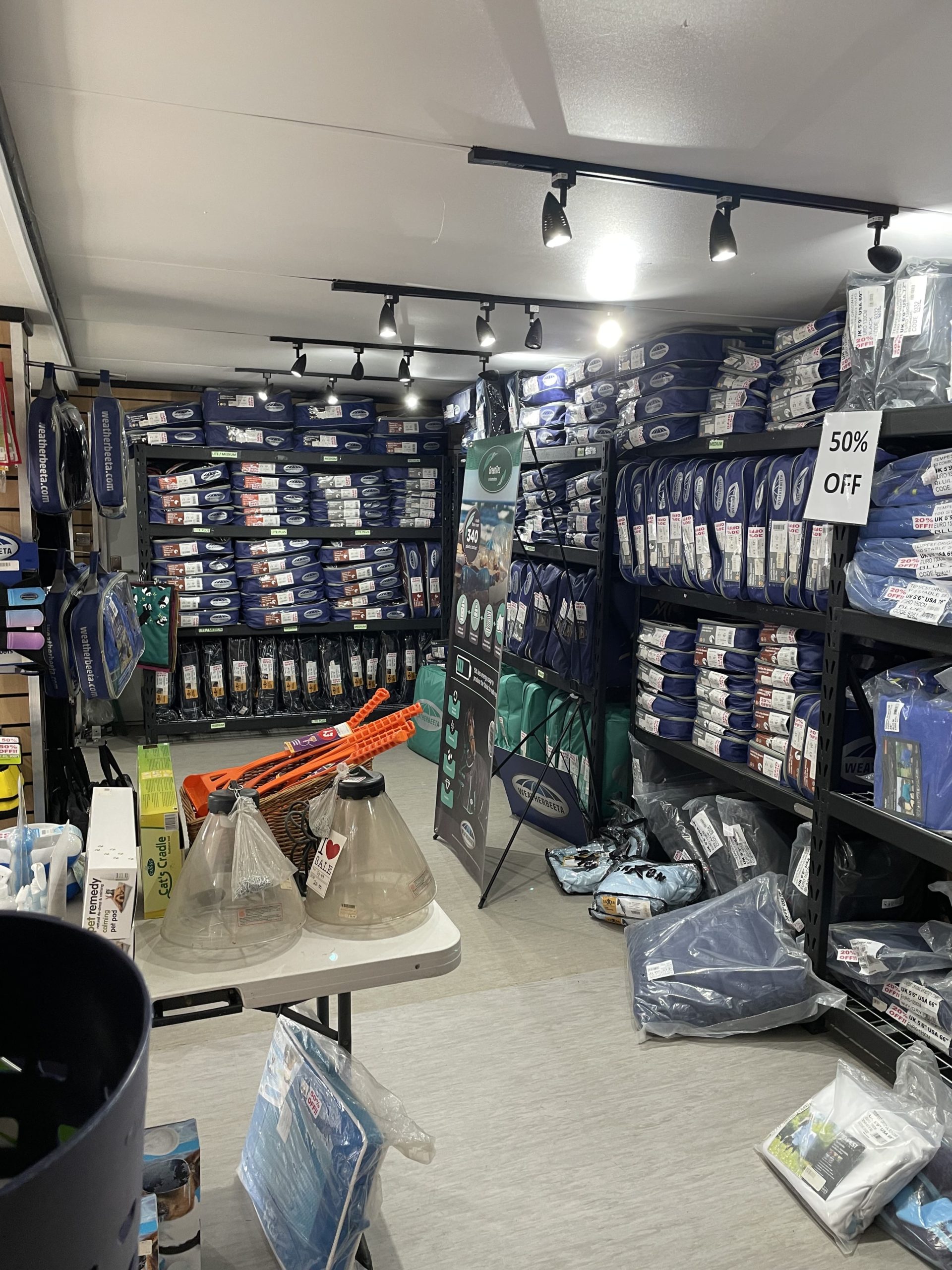
20ft x 8ft Container Conversion Retail Shop
UPVC Double glazed Windows + French Doors
Slat Wall for retail fixings and Merchandise
Electric Chrome Sockets, led lighting and heating.
Laminate Flooring
12 months Warranty
Maintenance call out package included
Less than 2 years old
Still in Brand New Condition
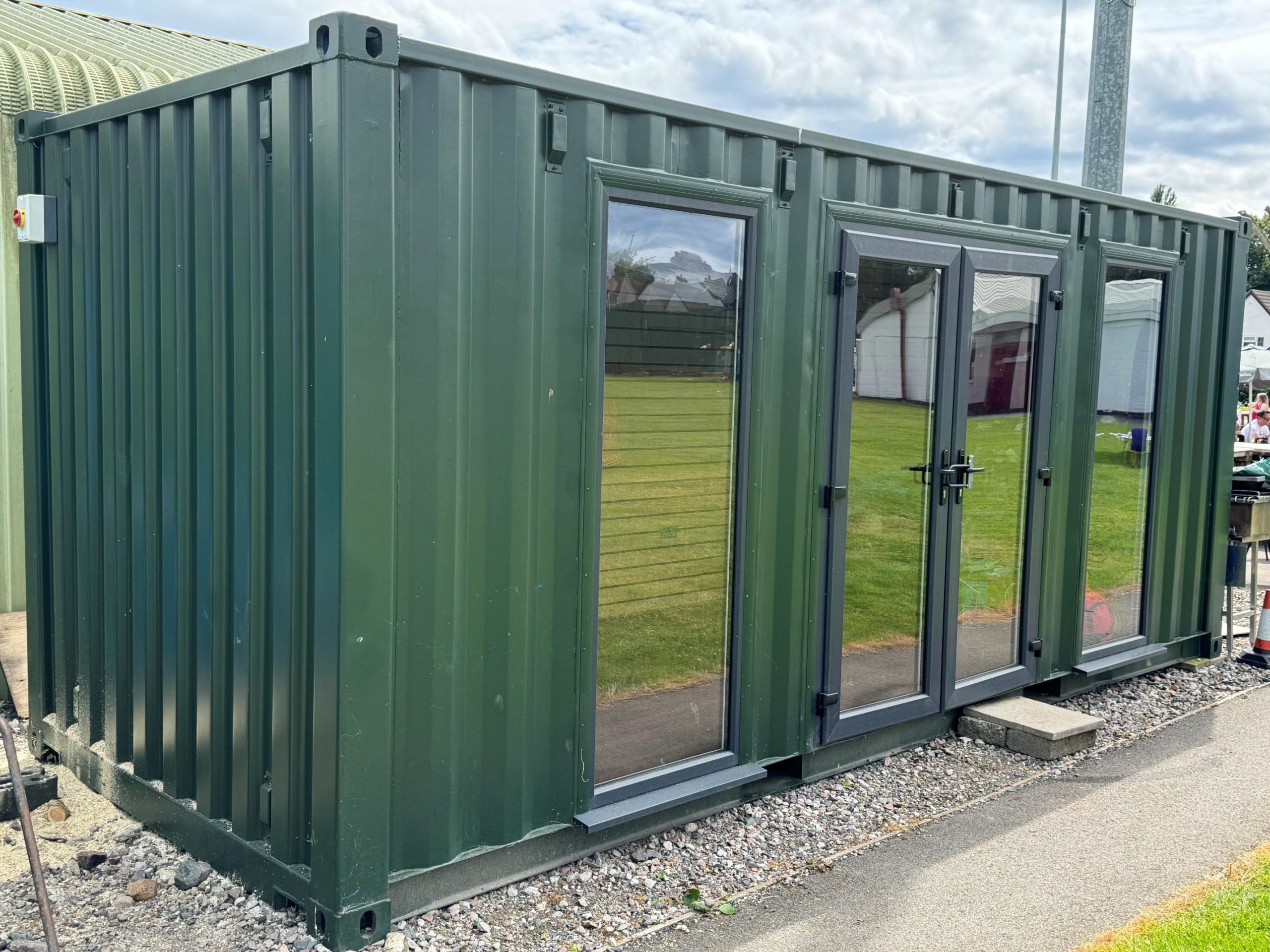
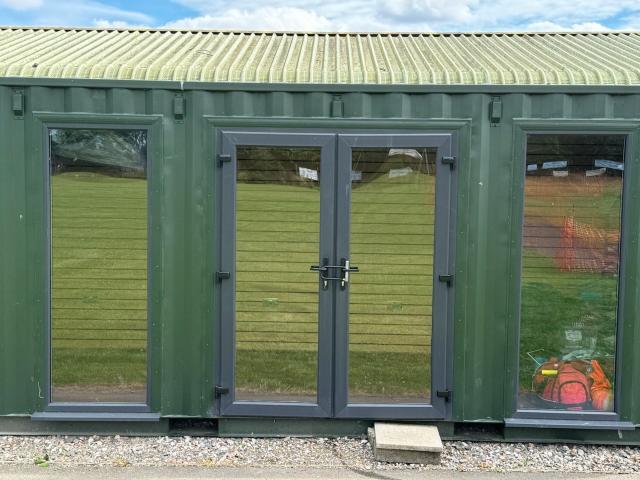
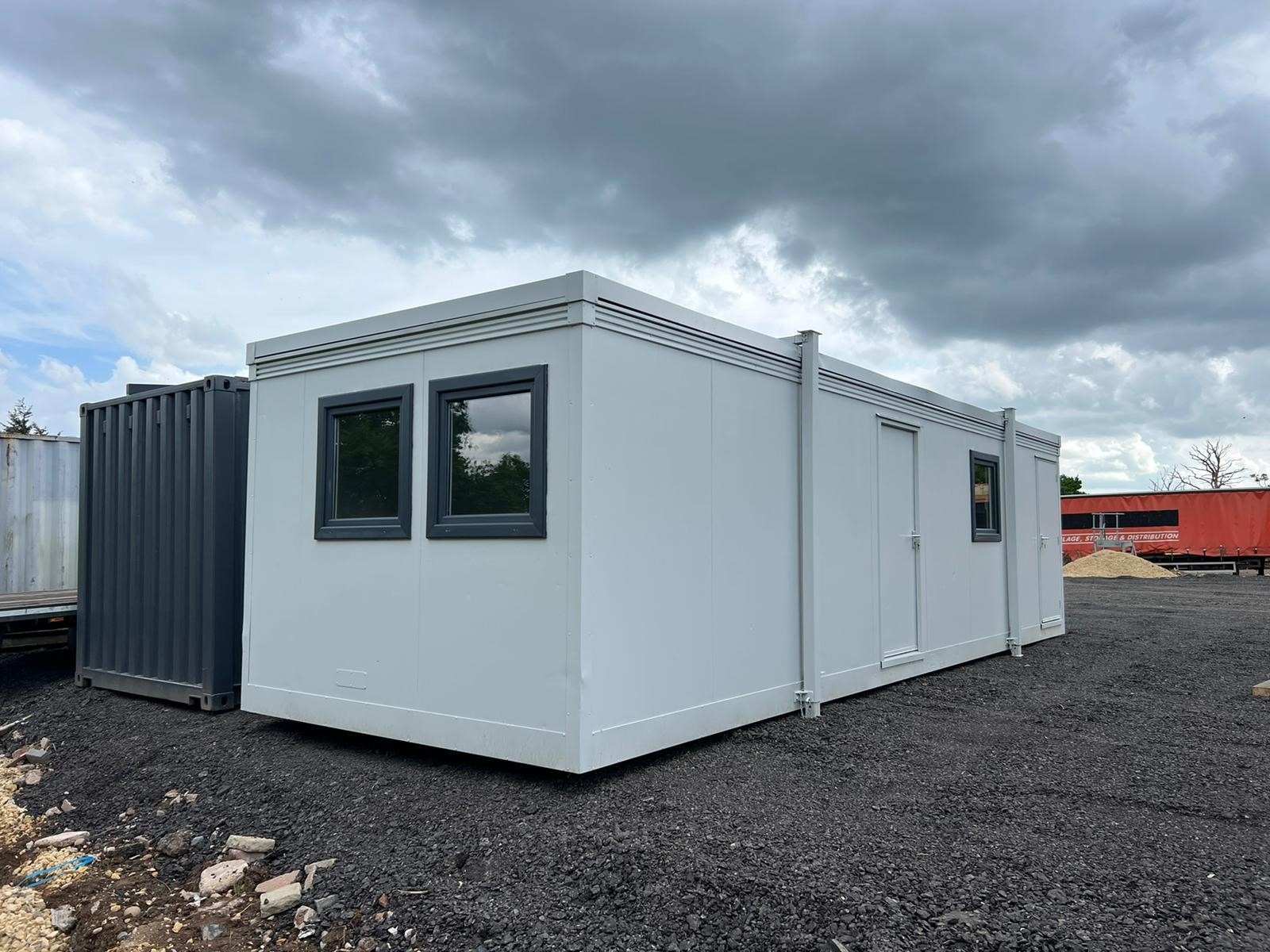
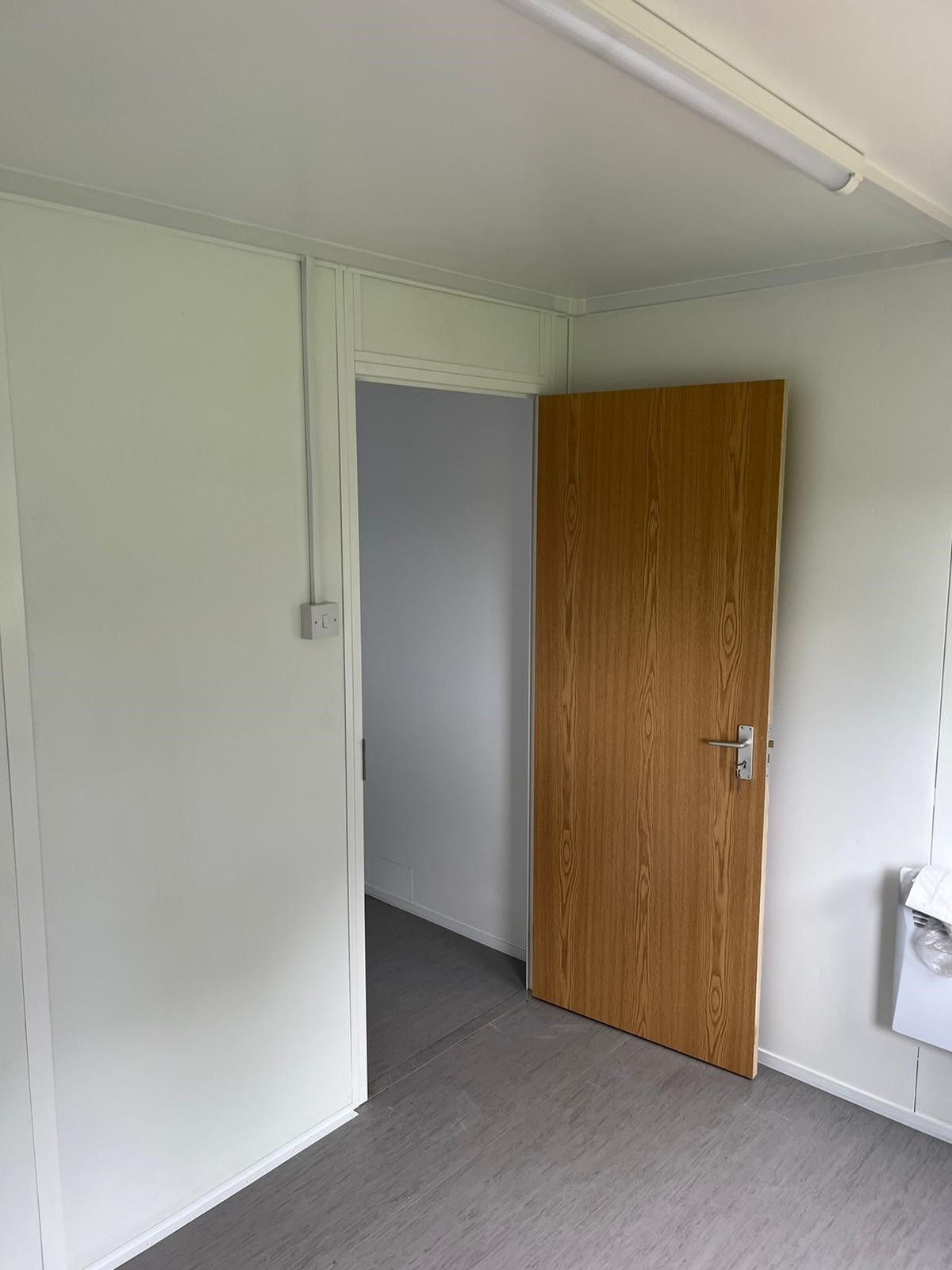
Fully refurbished
Colour light grey
Slate grey anthracite upvc double glazed windows
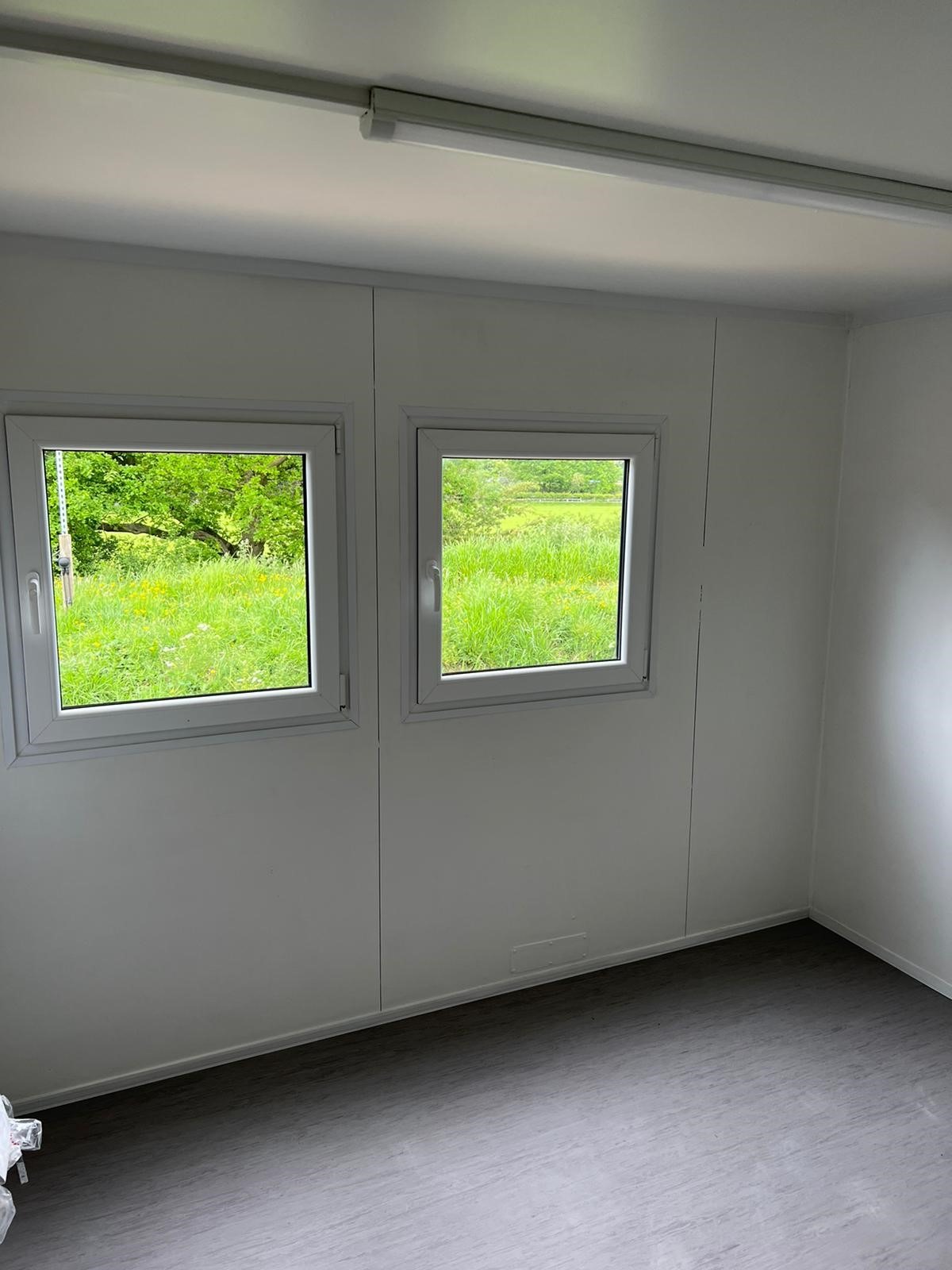
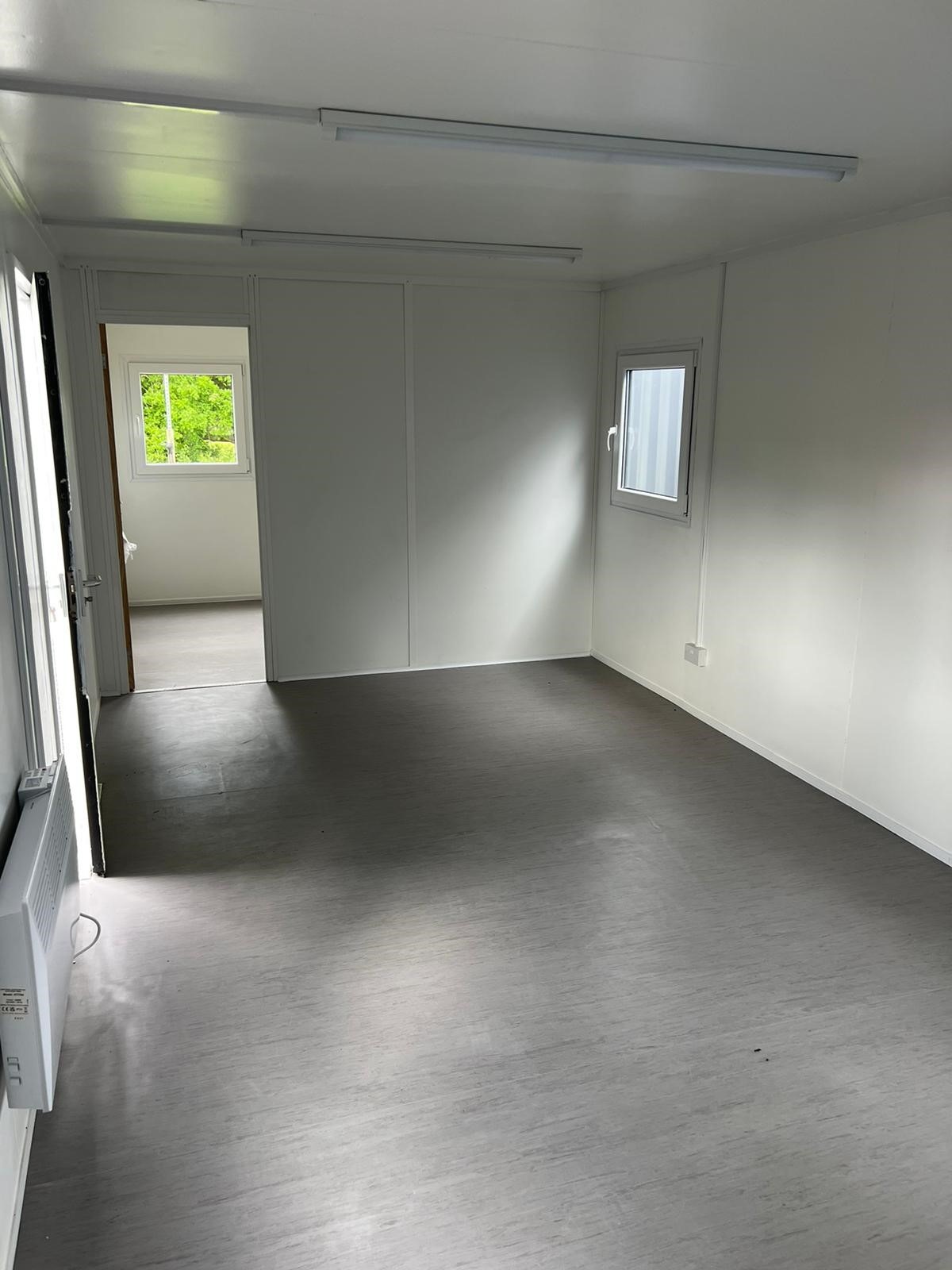
Location: Nationwide
+ VAT
Not Available for Hire
Call for an instant quote!
Fully Insulated with electric sockets, spot lighting, and heating
Wood Flooring
UPVC Sliding Door + Windows
Lead Time for build 6-8 weeks
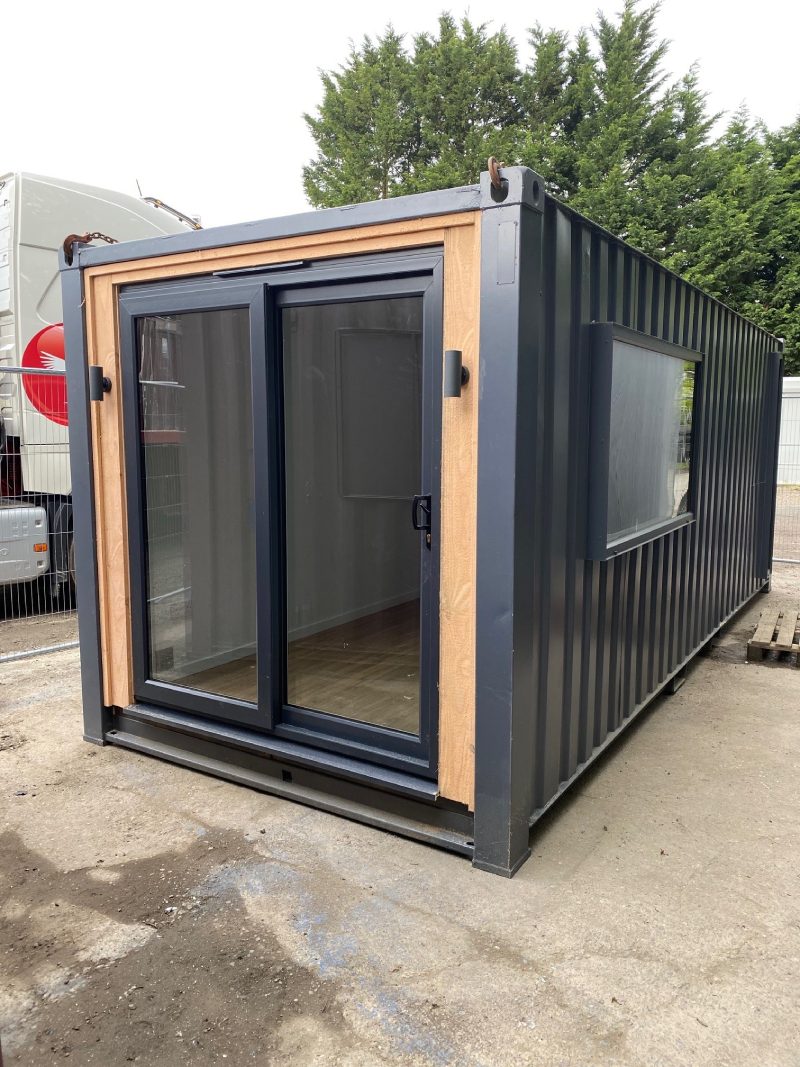
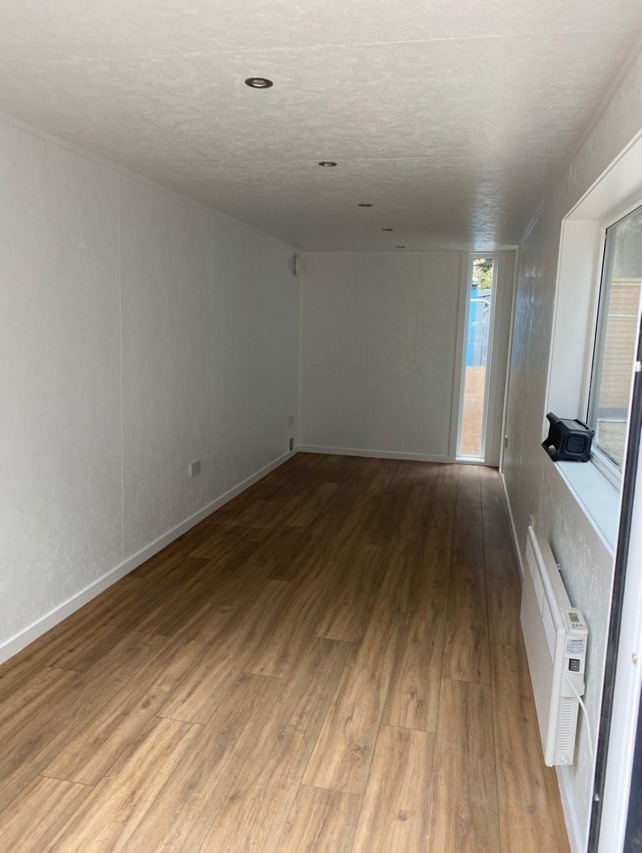
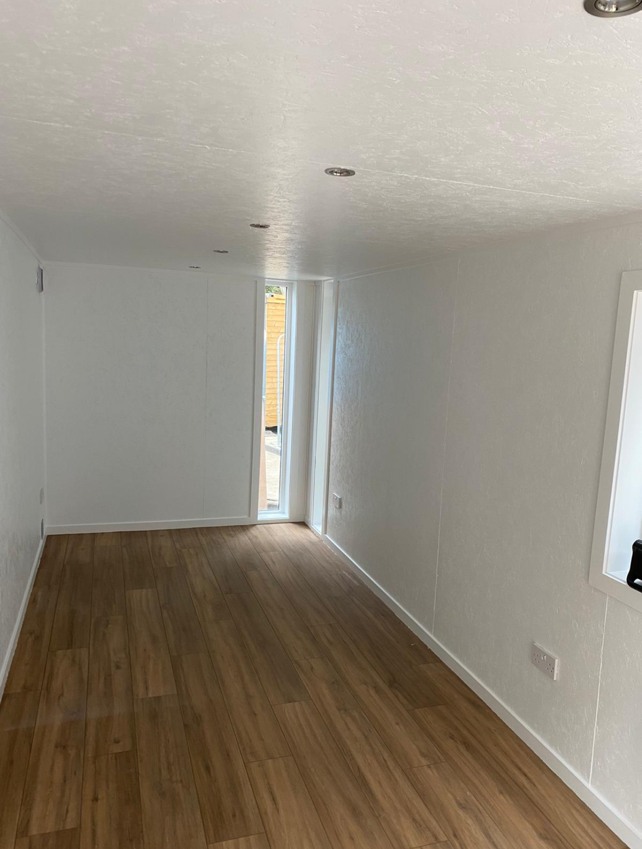
Location: Nationwide
+ VAT
Not Available for Hire
Call for an instant quote!
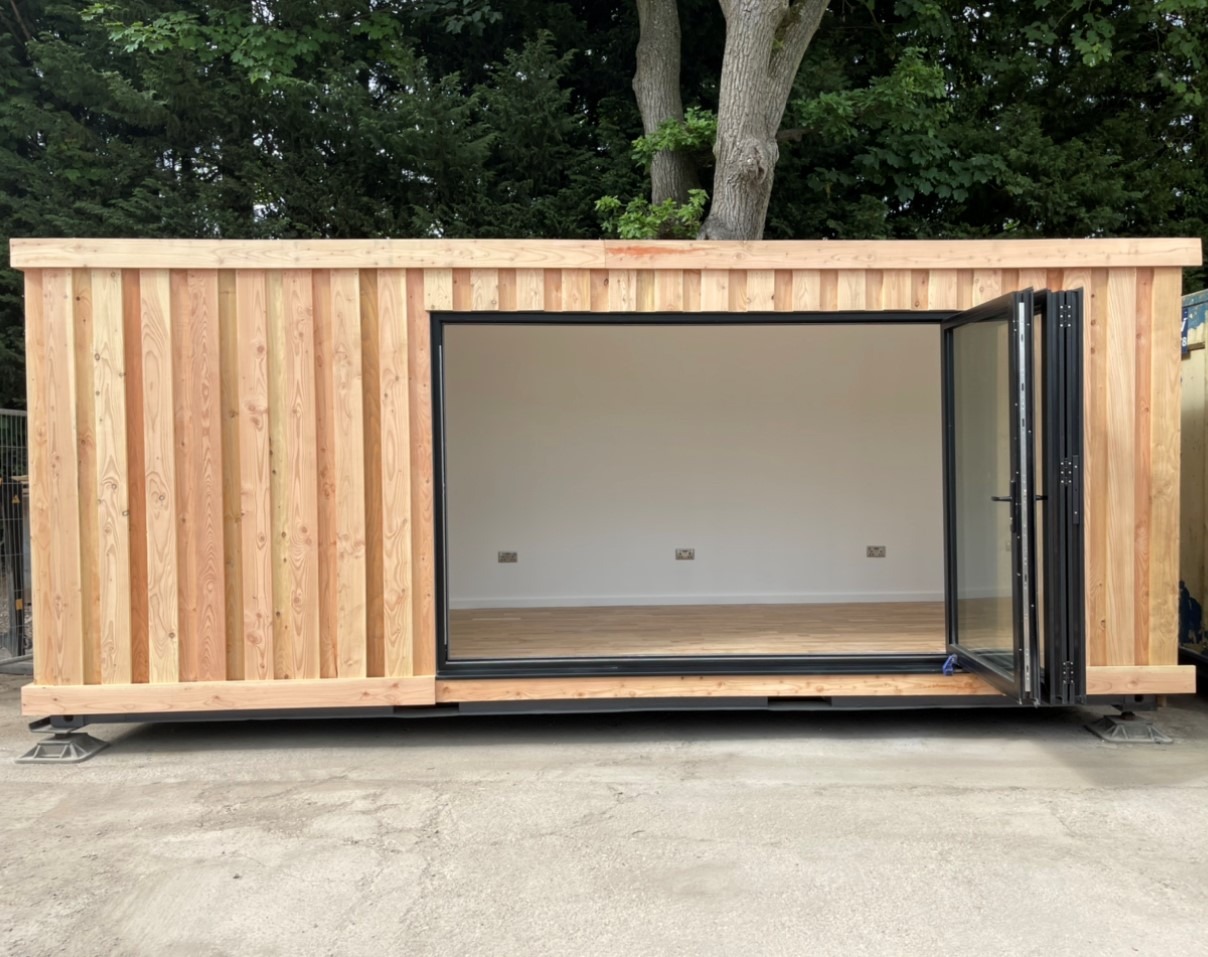
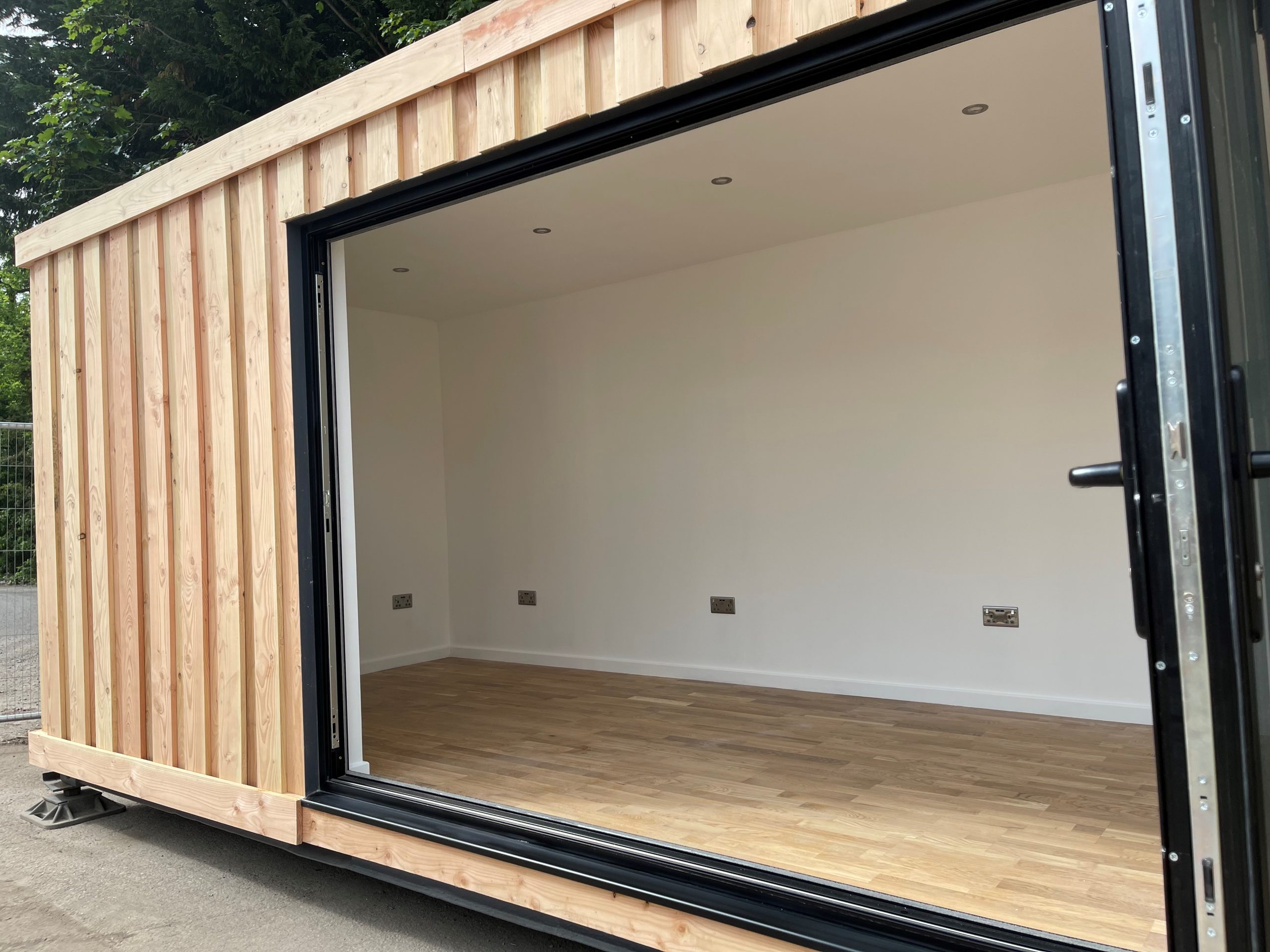
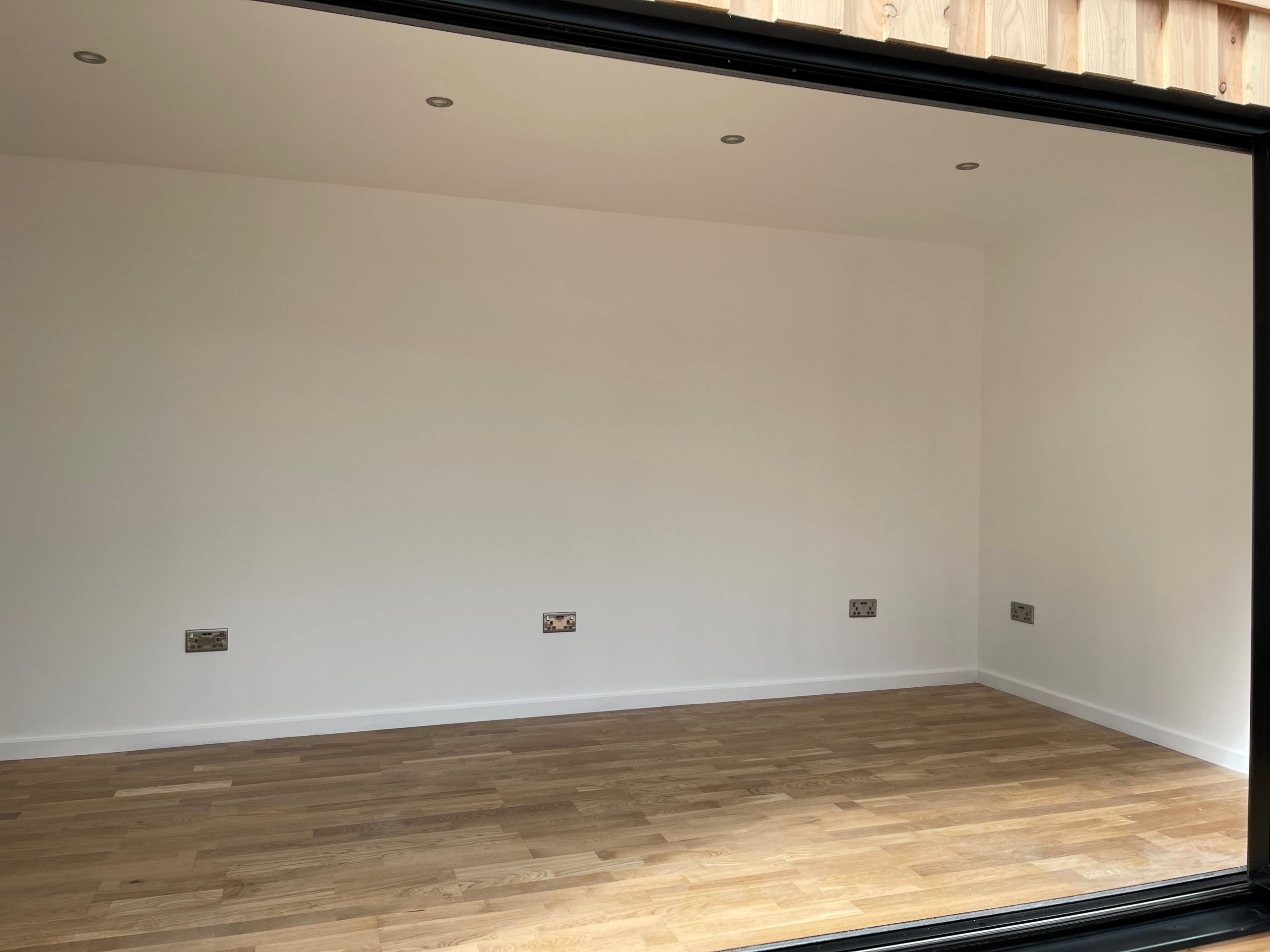
Fully Insulated with electric sockets, spot lighting, and heating
Wood Flooring
Aluminium Bi Fold Doors
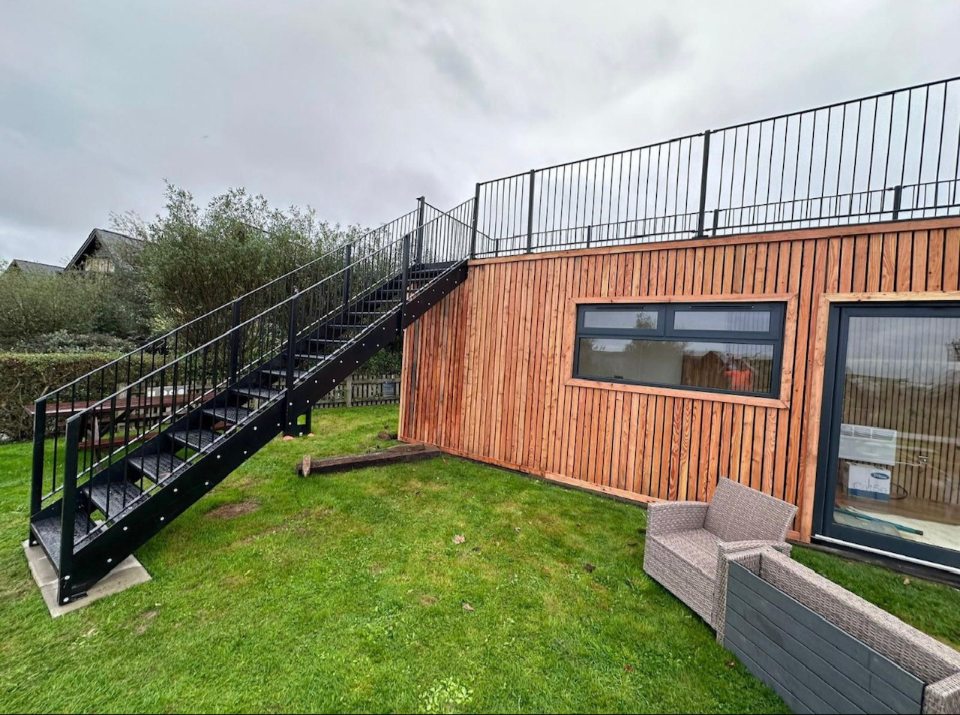
Fully wrapped in larch cladding
Lead Time for build 6-8 weeks
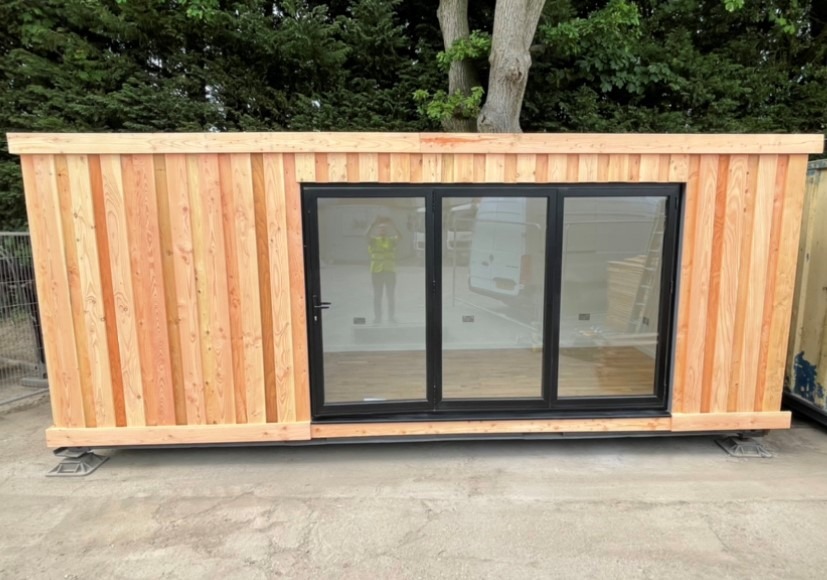
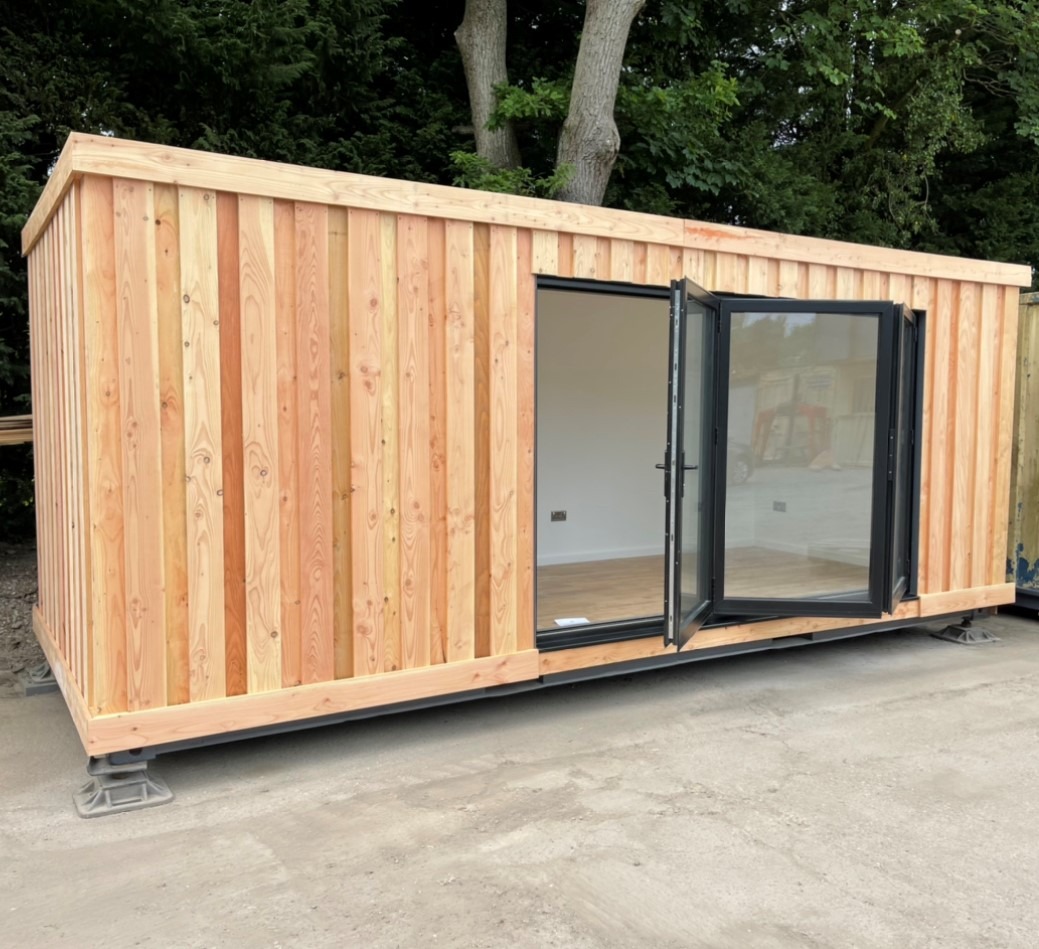
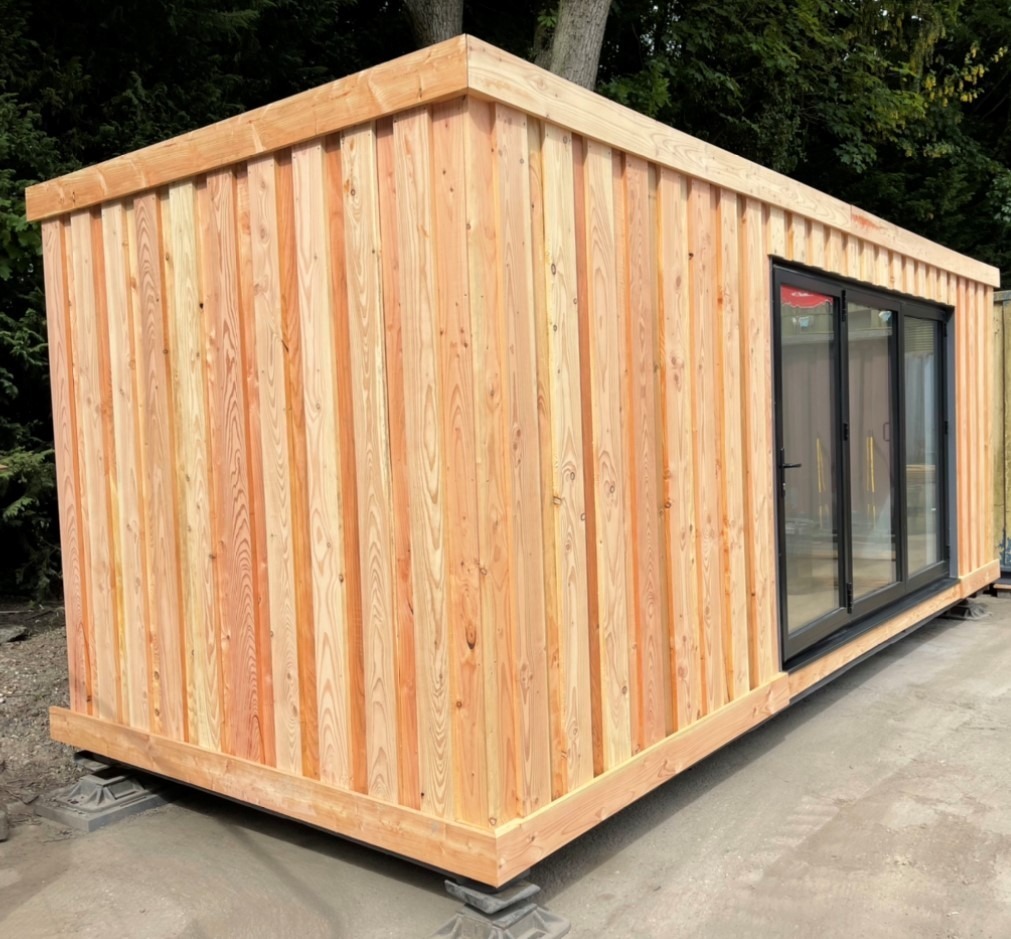
Location: Nationwide
+ VAT
Not Available for Hire
Call for an instant quote!
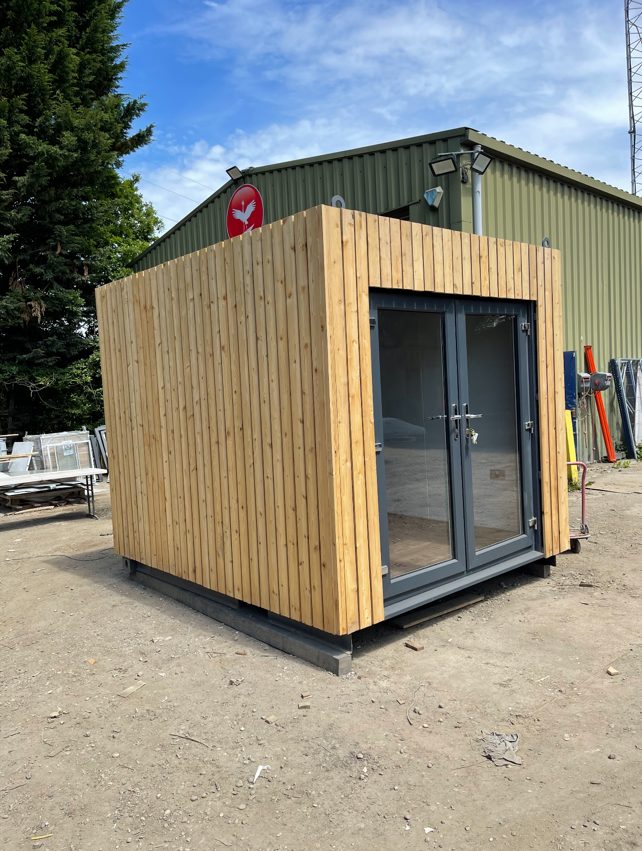
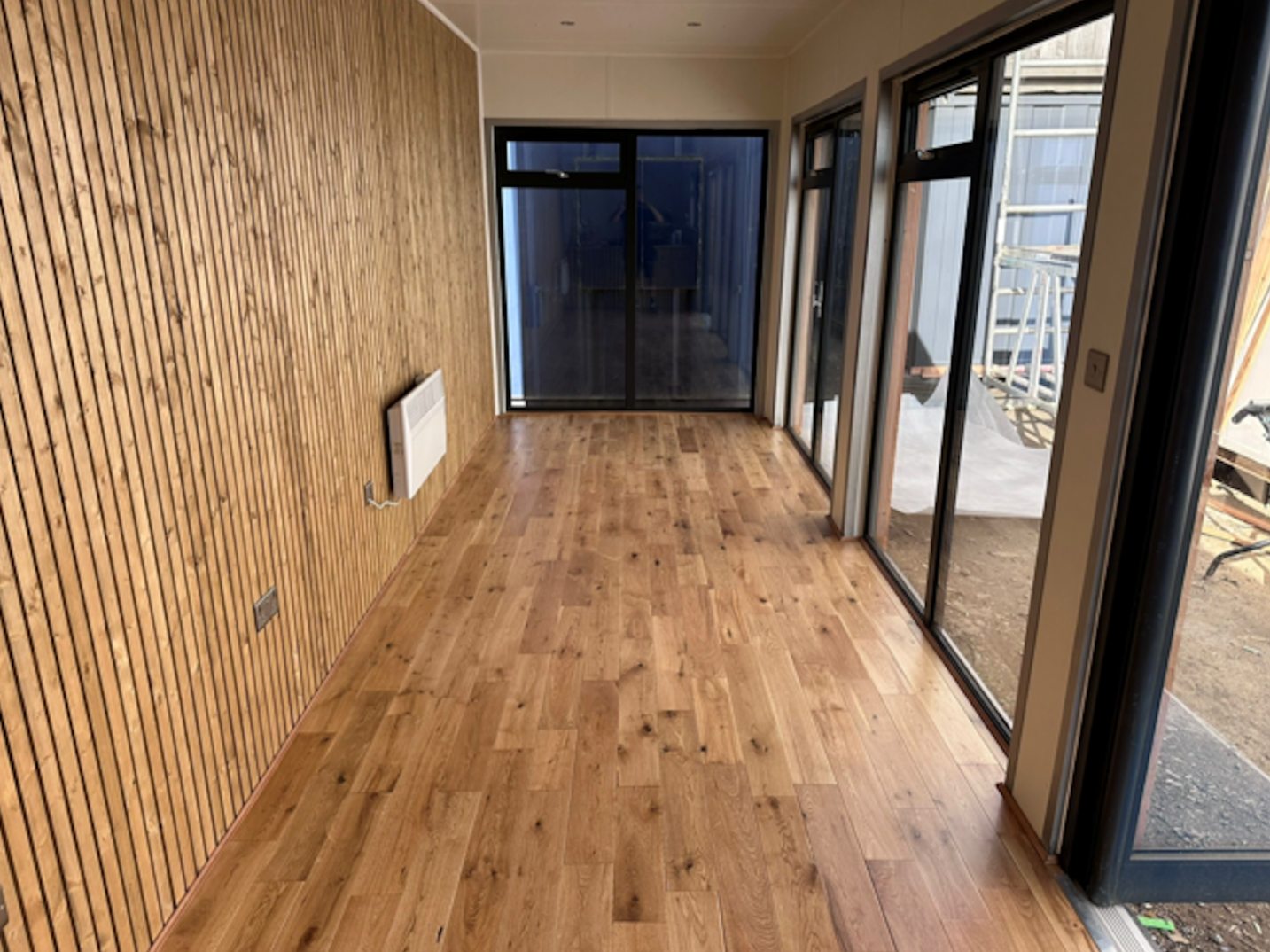
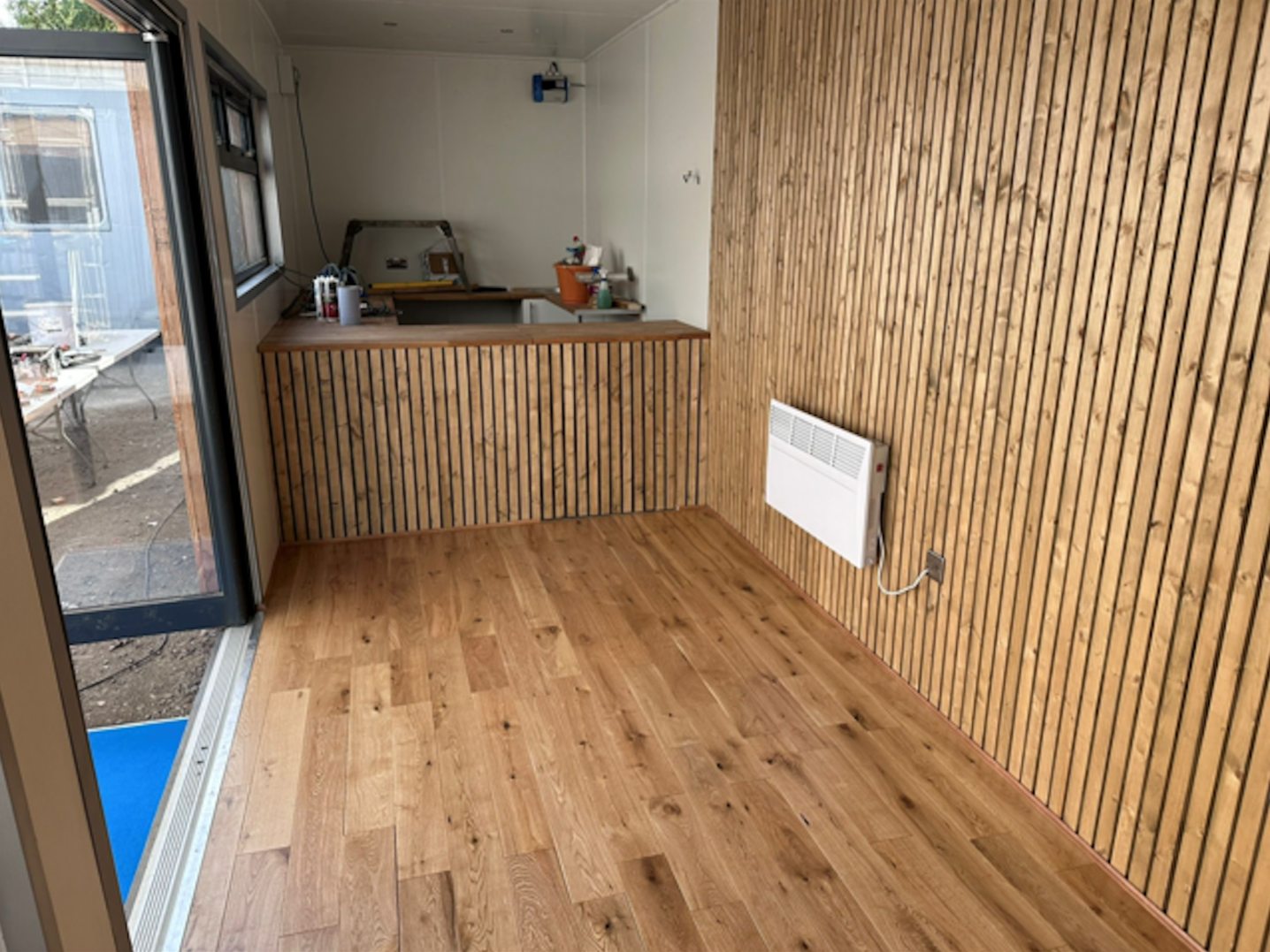
Fully Insulated with electric sockets, spot lighting, and heating
Wood Flooring
Feature Clad Wall and Ceiling
UPVC Double glazed French Doors
Fully wrapped in larch cladding
Lead Time for build 6-8 weeks
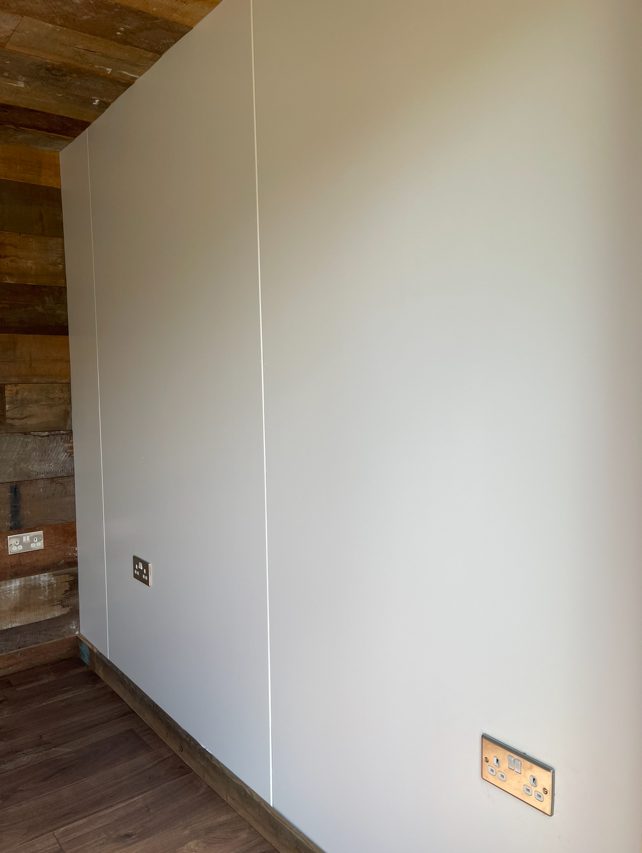
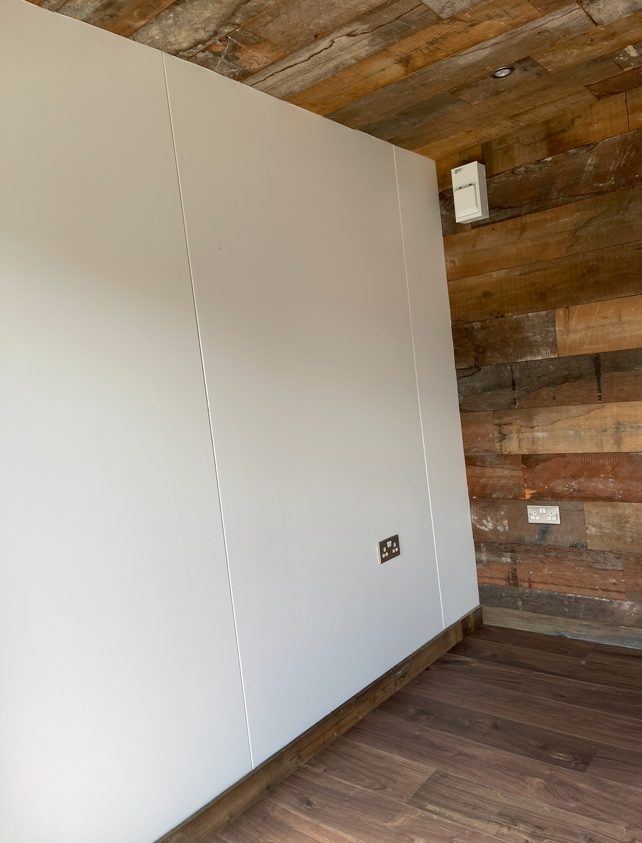
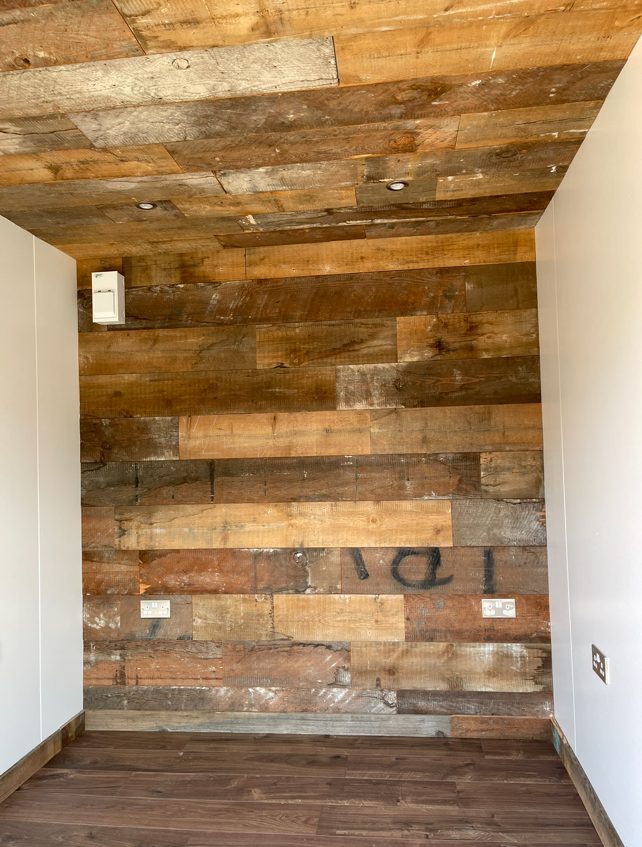
Location: Nationwide
EX VAT
Not Available for Hire
Call for an instant quote!
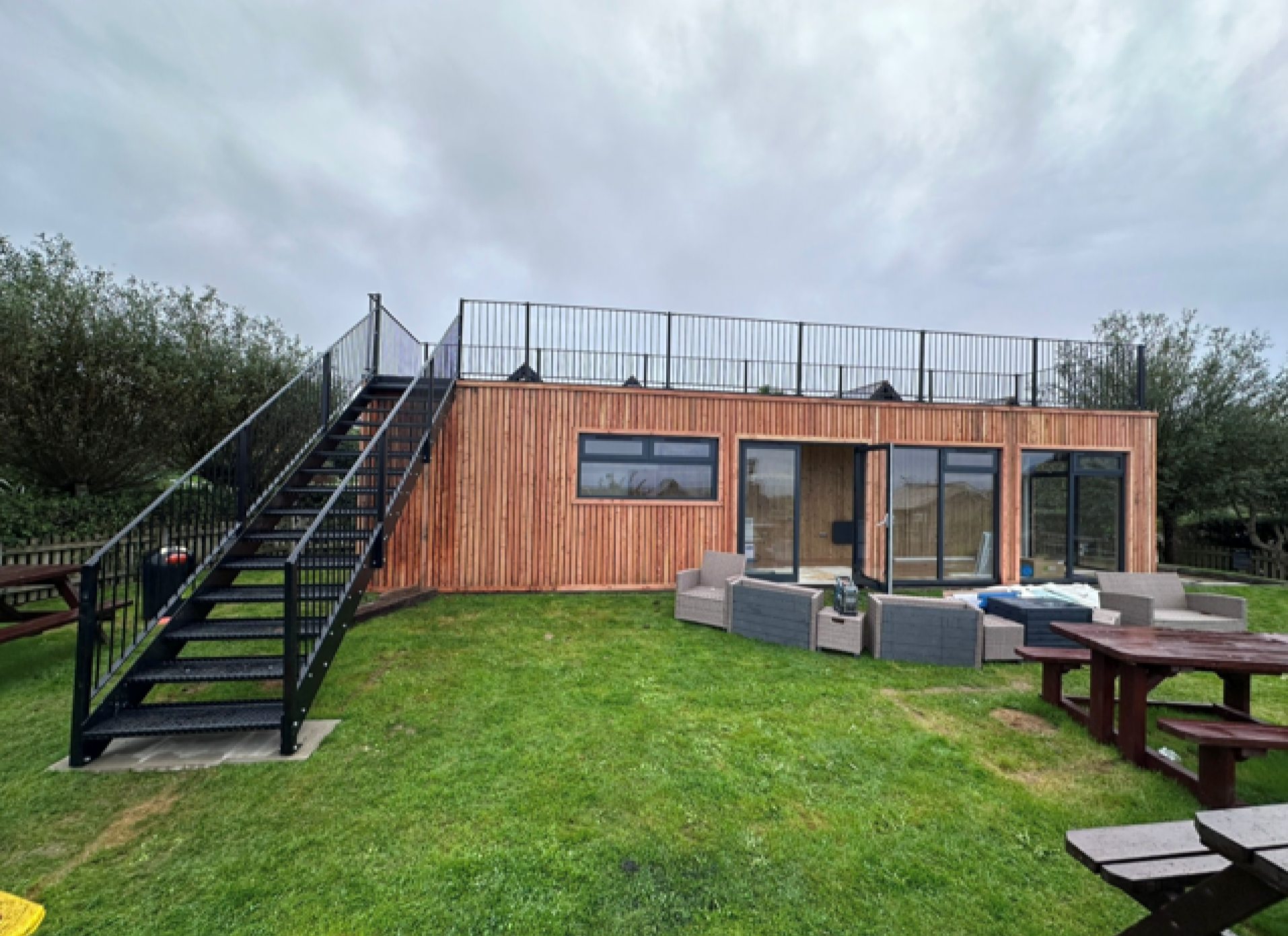
Location: Nationwide
EX VAT
Not Available for Hire
Call for an instant quote!
Location: Nationwide
EX VAT
Not Available for Hire
Call for an instant quote!
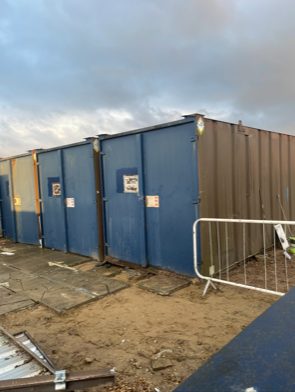
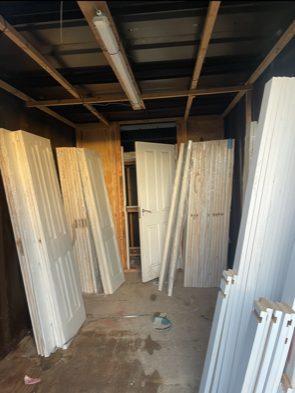
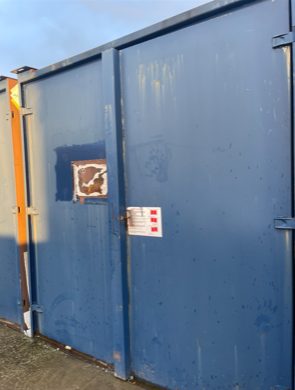
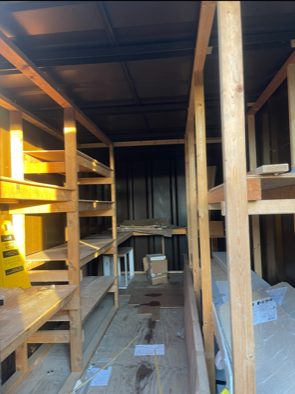
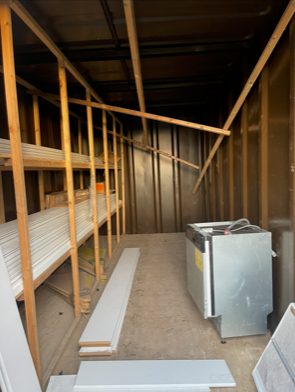
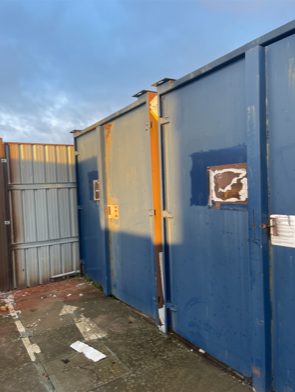
Location: Nationwide
EX VAT
Not Available for Hire
Call for an instant quote!
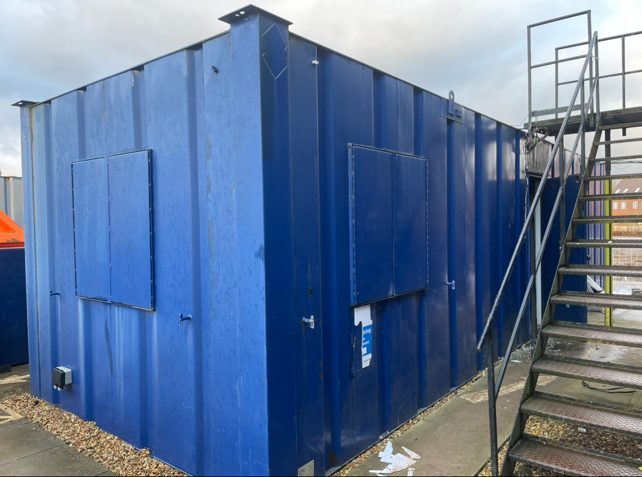
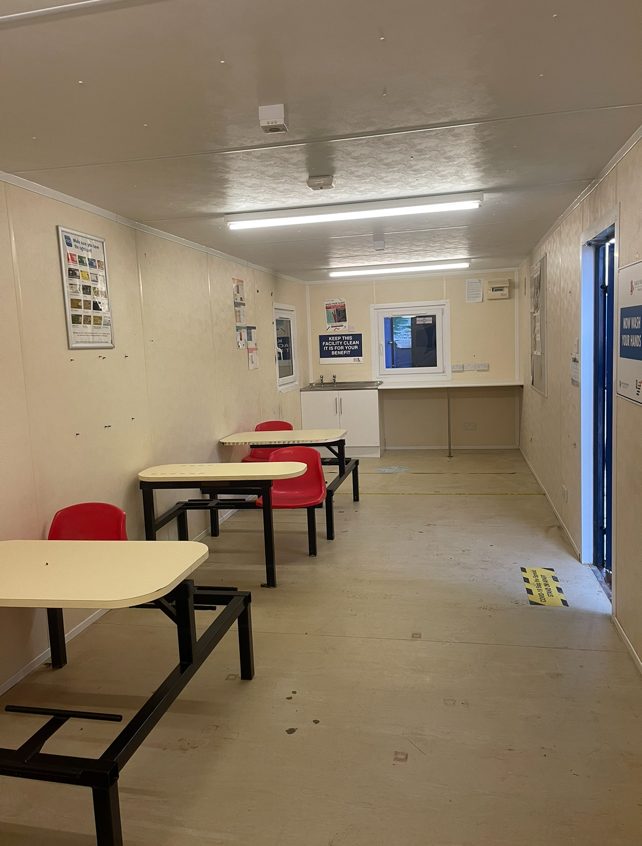
Location: Nationwide
EX VAT
Not Available for Hire
Call for an instant quote!
Location: Nationwide
EX VAT
Not Available for Hire
Call for an instant quote!
Location: Nationwide
EX VAT
Not Available for Hire
Call for an instant quote!


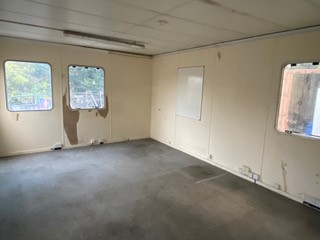
Location: Nationwide
EX VAT
Not Available for Hire
Call for an instant quote!
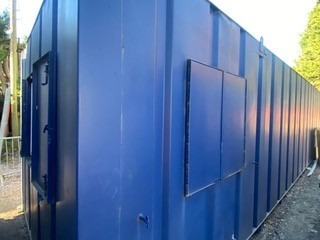
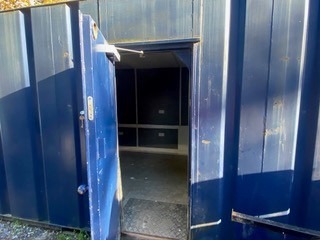
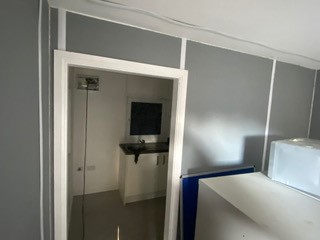
Location: Nationwide
EX VAT
Not Available for Hire
Call for an instant quote!
Location: Nationwide
EX VAT
Not Available for Hire
Call for an instant quote!
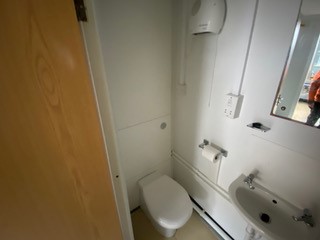




Location: Nationwide
EX VAT
Not Available for Hire
Call for an instant quote!
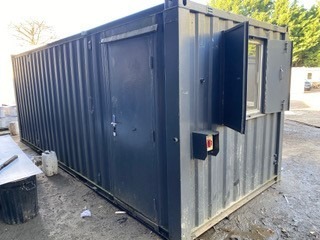
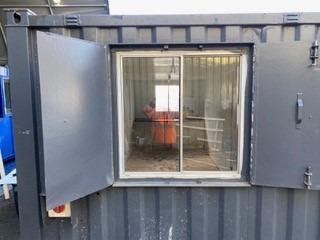
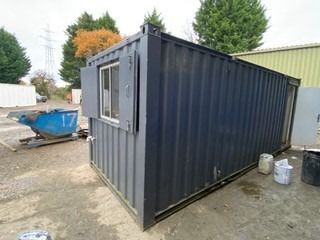
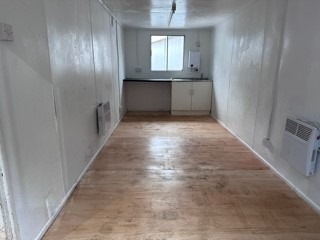
Location: Nationwide
EX VAT
Not Available for Hire
Call for an instant quote!
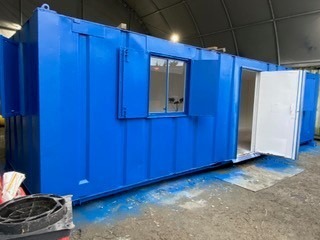
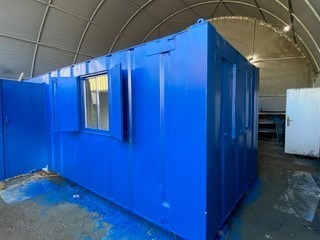

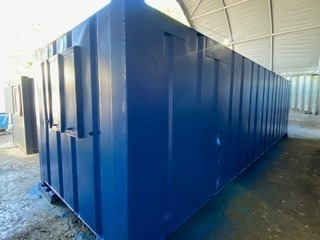
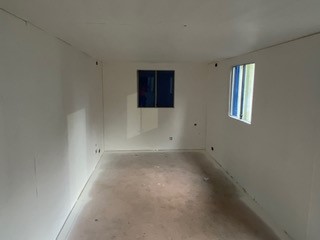
Location: Nationwide
EX VAT
Not Available for Hire
Call for an instant quote!

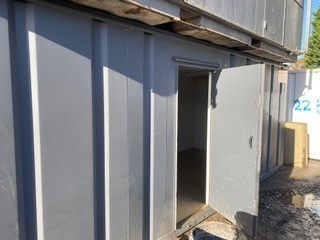
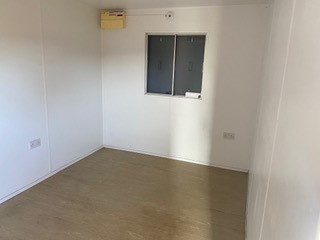
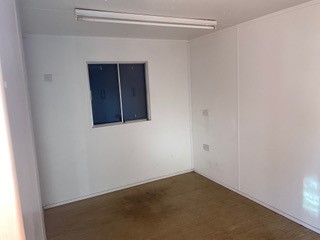
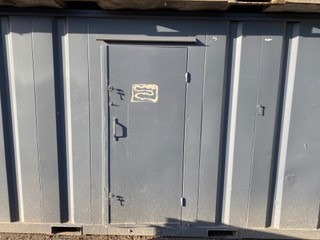
Location: Nationwide
EX VAT
Not Available for Hire
Call for an instant quote!
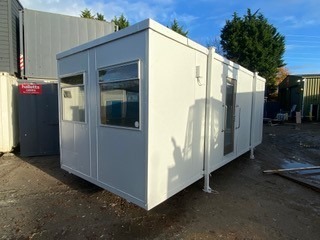
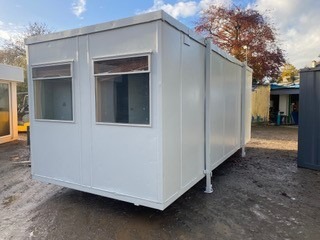
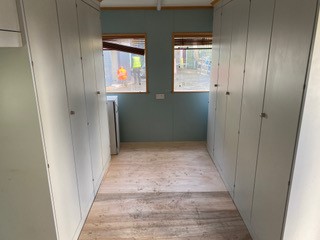
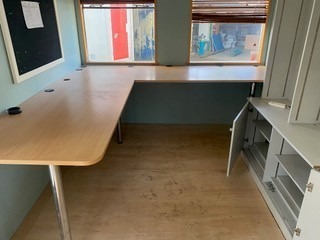
Location: Nationwide
EX VAT
Not Available for Hire
Call for an instant quote!
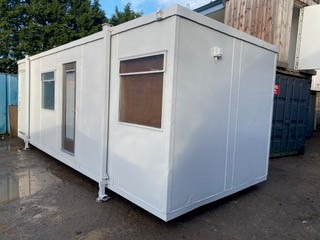
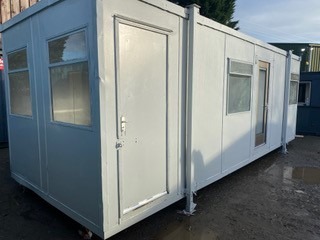
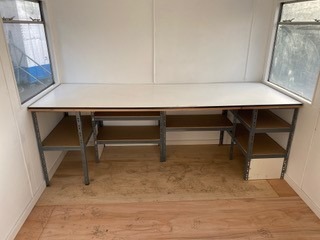
Location: Nationwide
EX VAT
Not Available for Hire
Call for an instant quote!
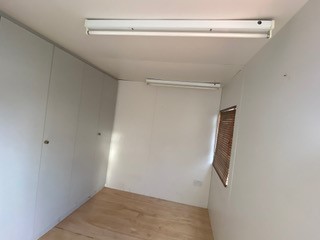
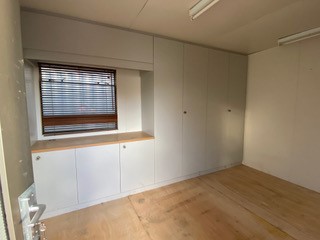
10ftx8ft – £5950 + Vat / 16ftx8ft – £7950 + Vat / 20ftx8ft – £9000 + Vat / 24ftx8ft – £12000 + Vat / 30ftx8ft – £13500 + Vat
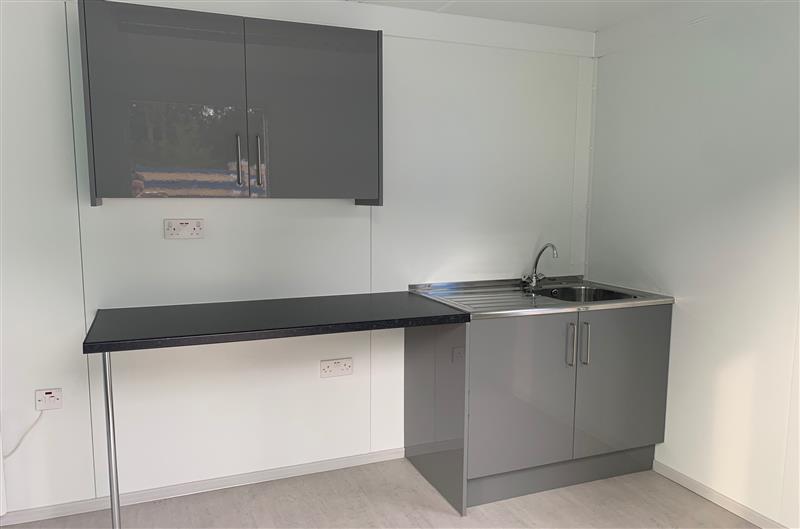
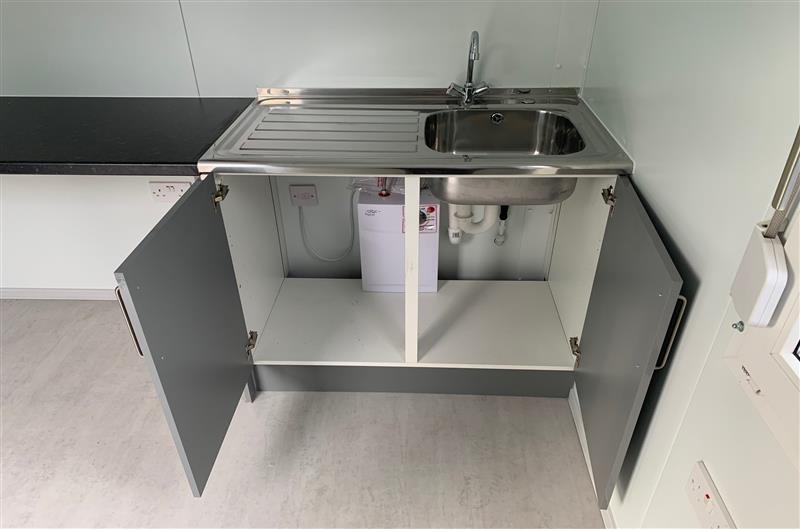
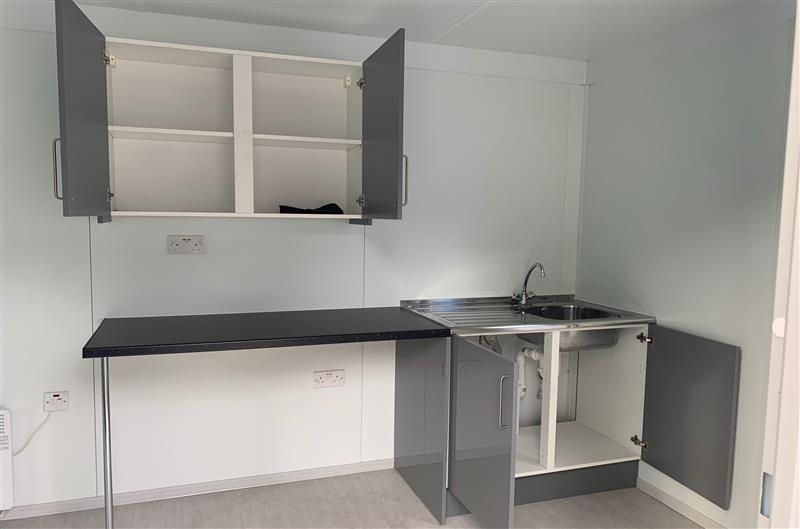
Location: Nationwide
EX VAT
Not Available for Hire
Call for an instant quote!
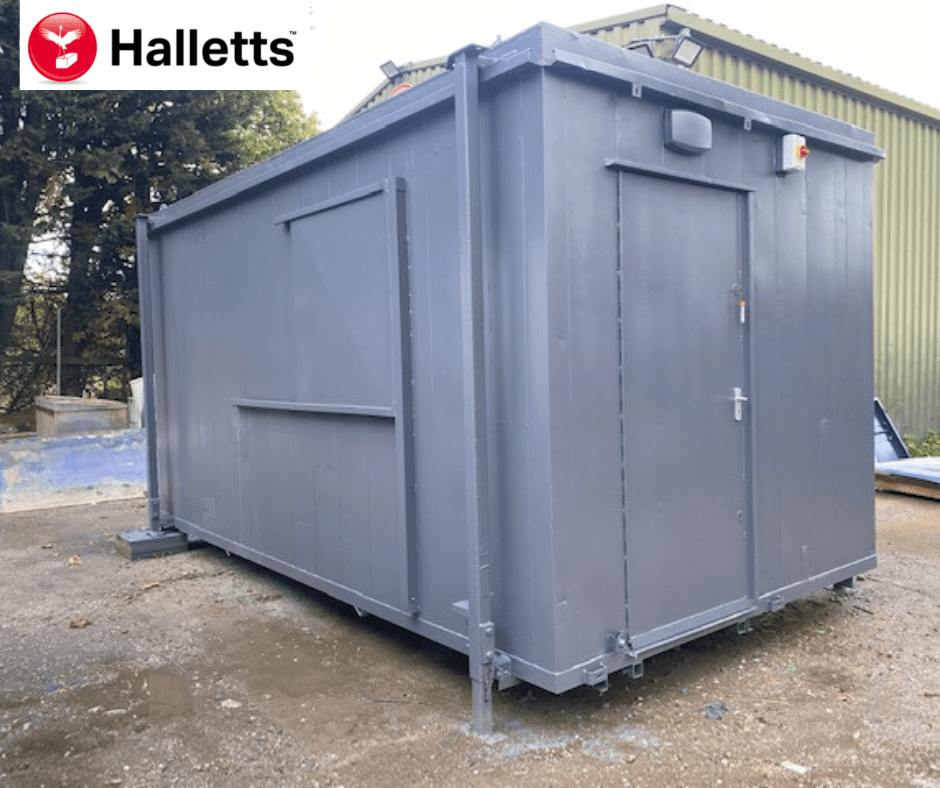
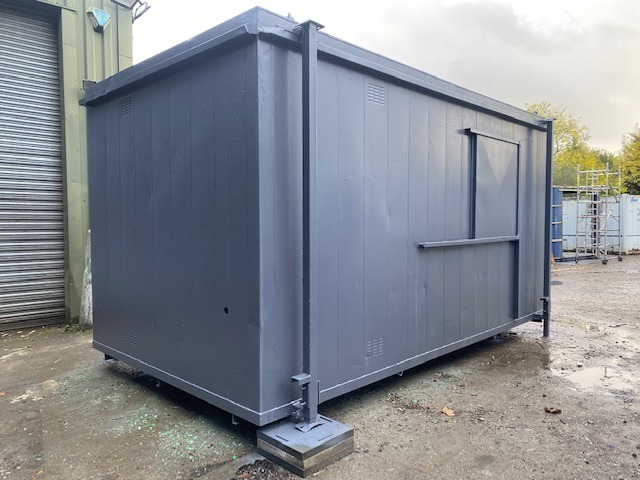
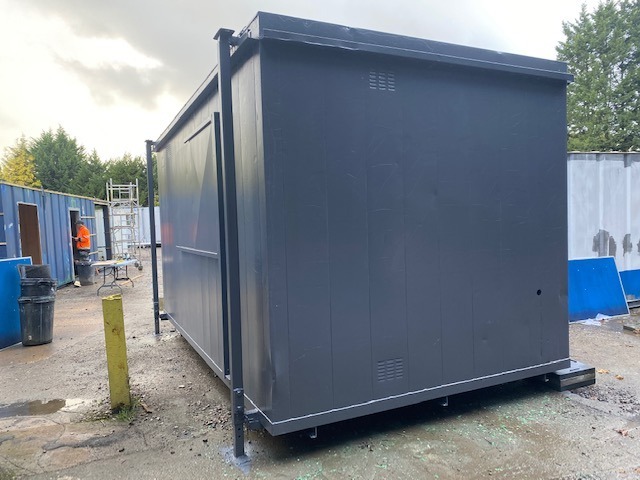
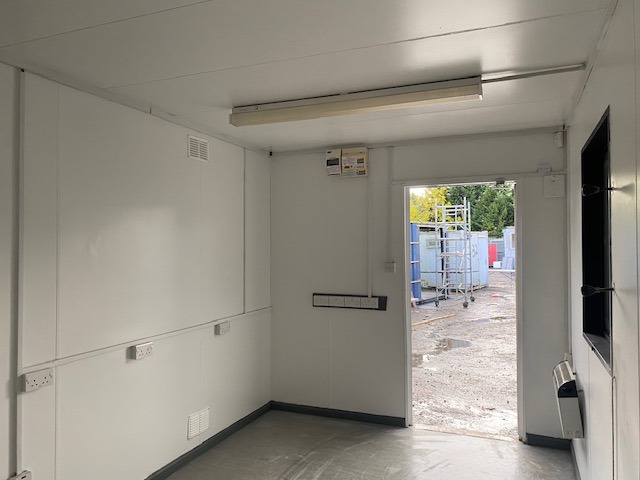
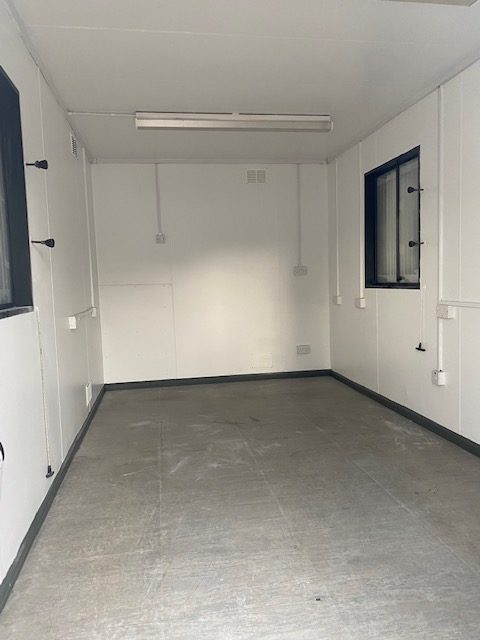
Location: Nationwide
EX VAT
Not Available for Hire
Call for an instant quote!
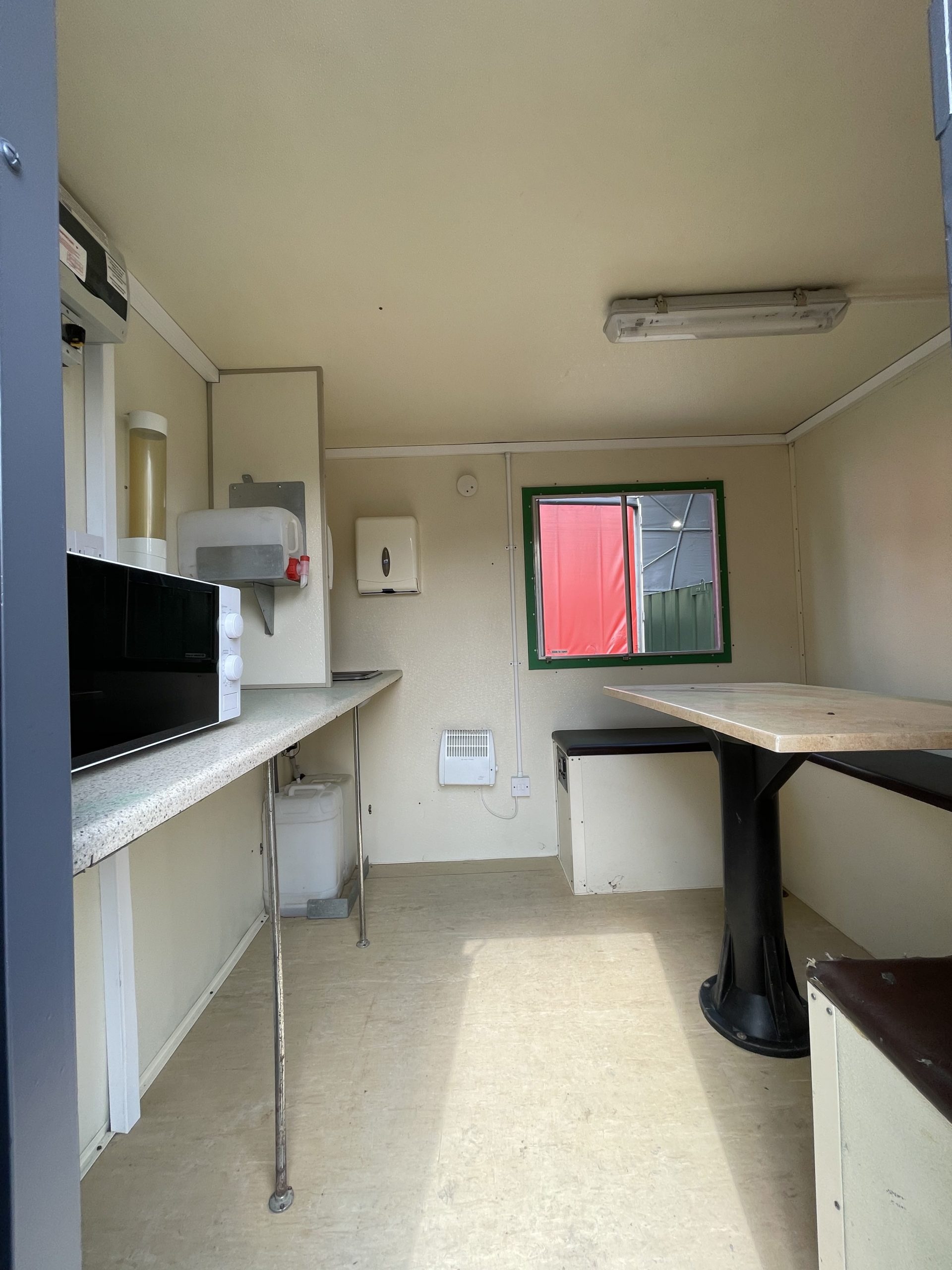
Location: Nationwide
EX VAT
Not Available for Hire
Call for an instant quote!
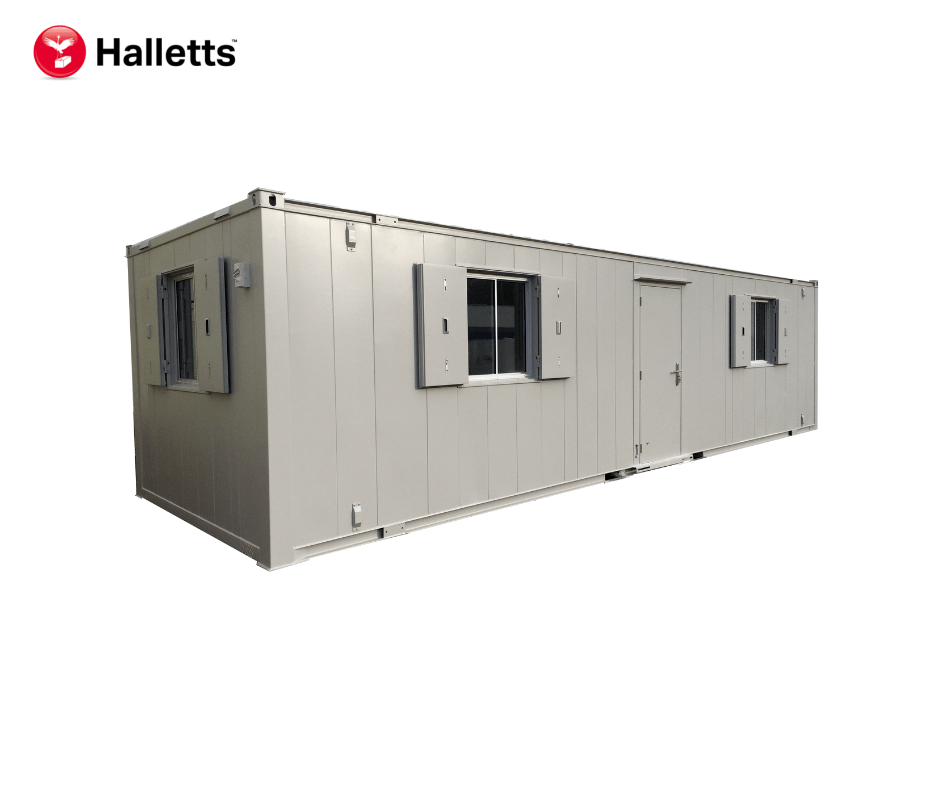
Location: Nationwide
Quantity: ∞
EX VAT
Not Available for Hire
Call for an instant quote!
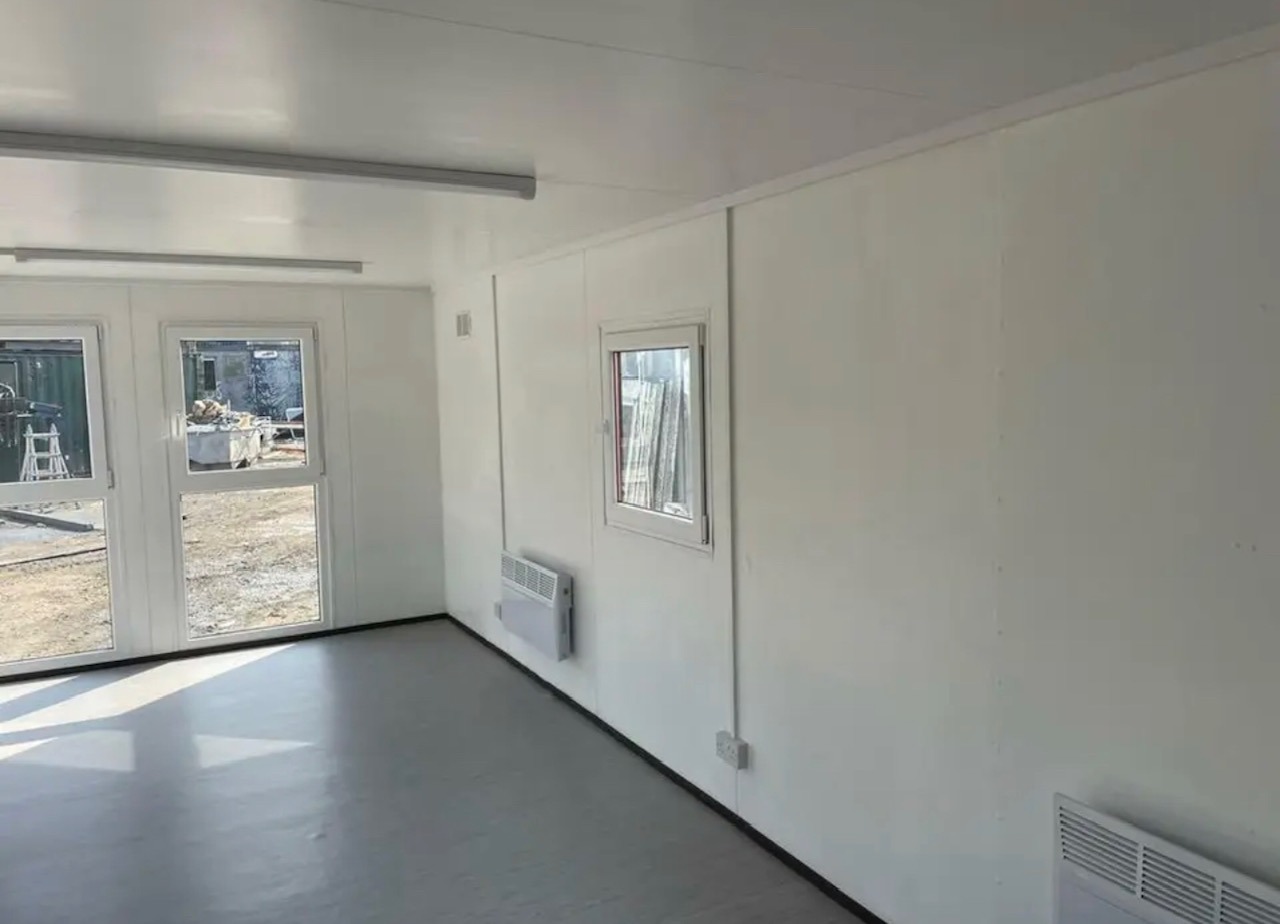
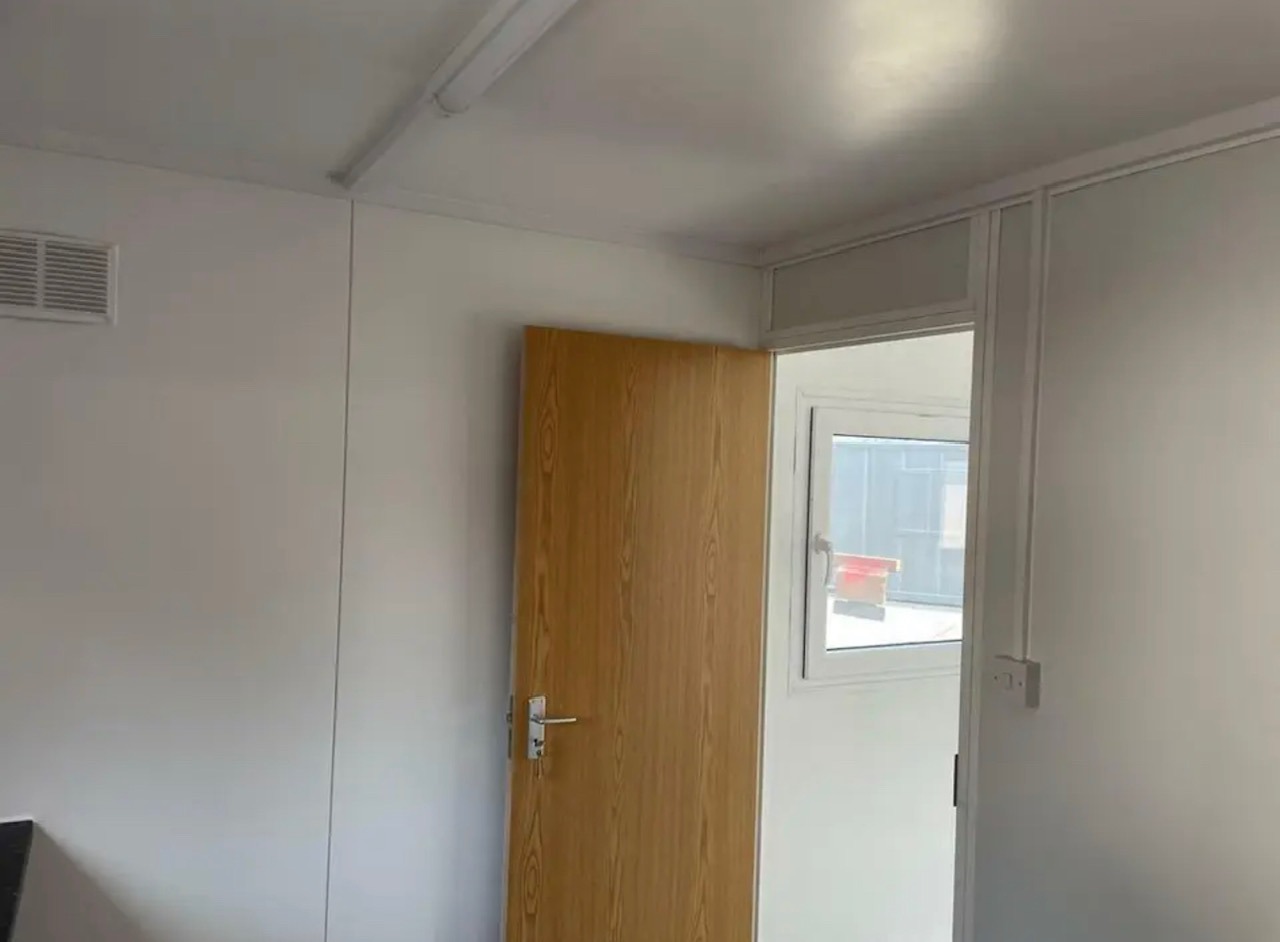
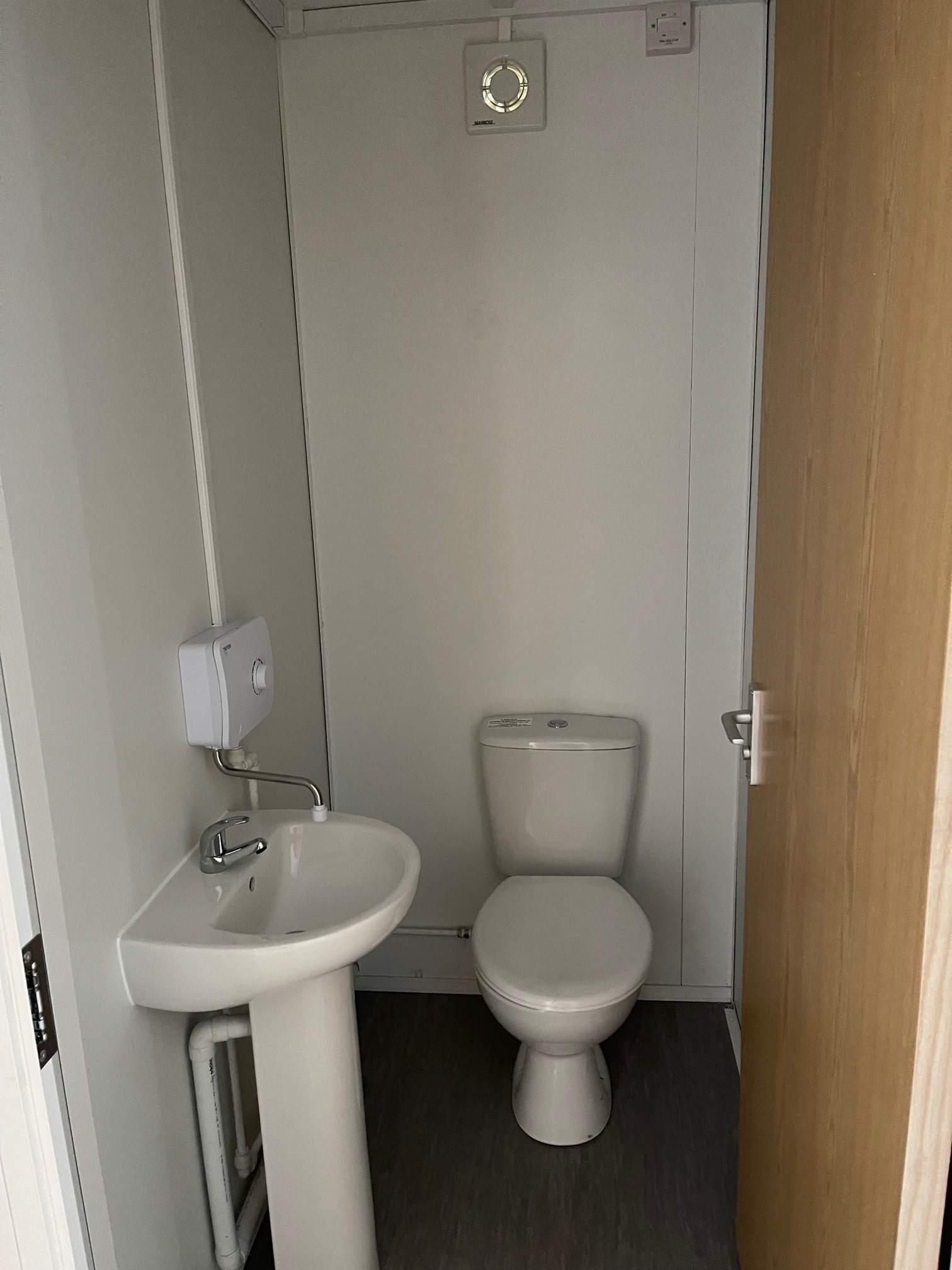
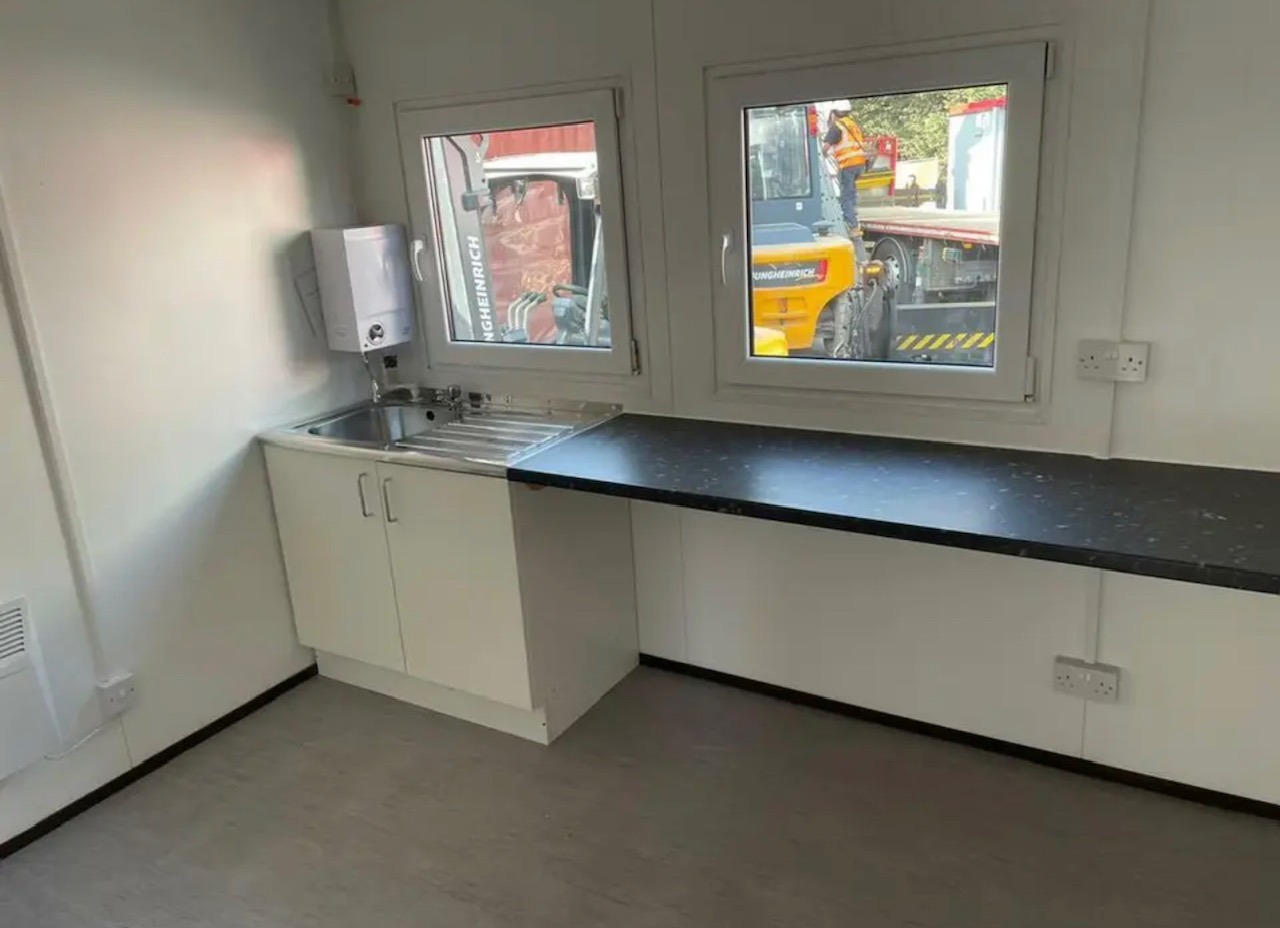
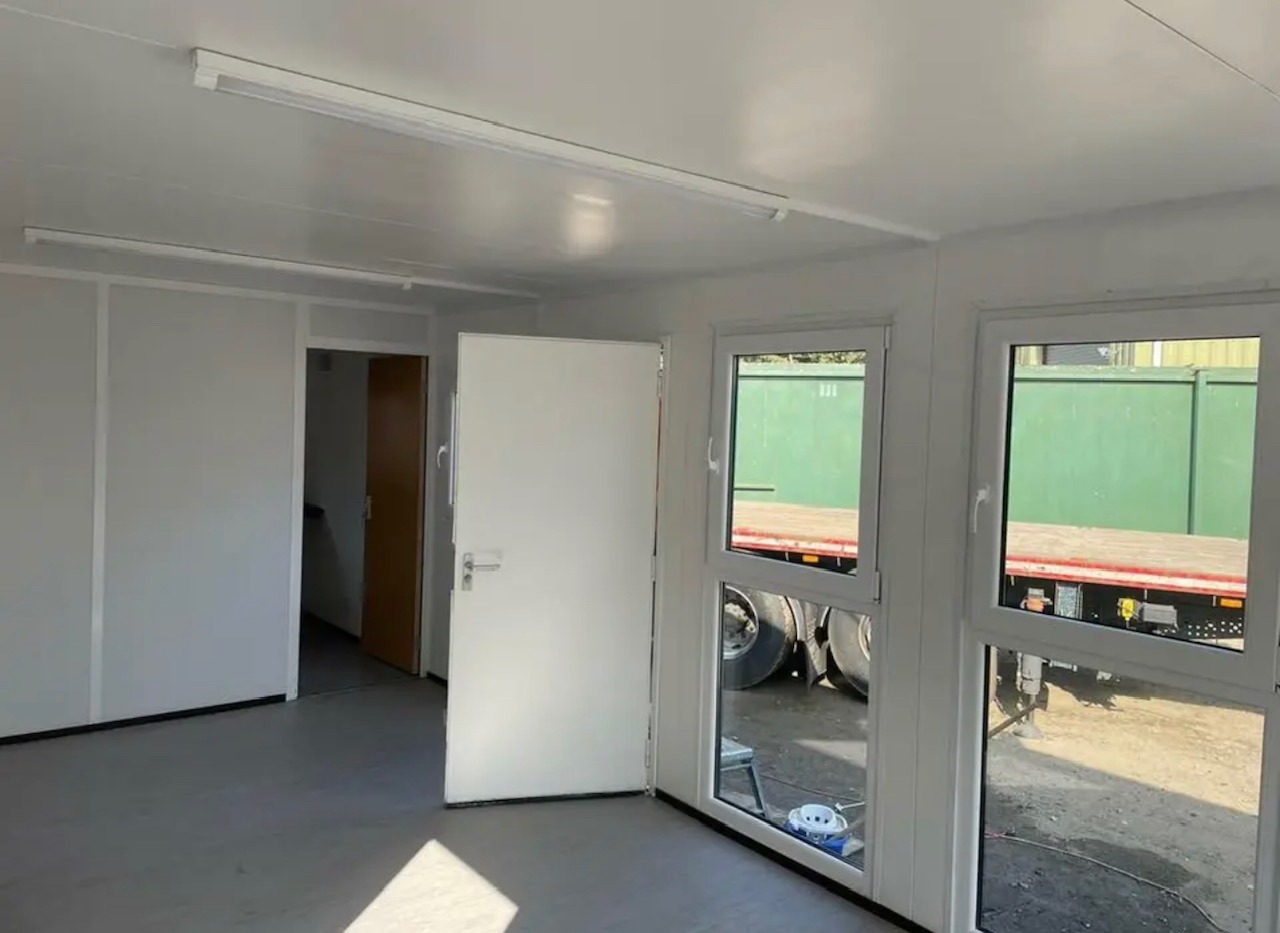
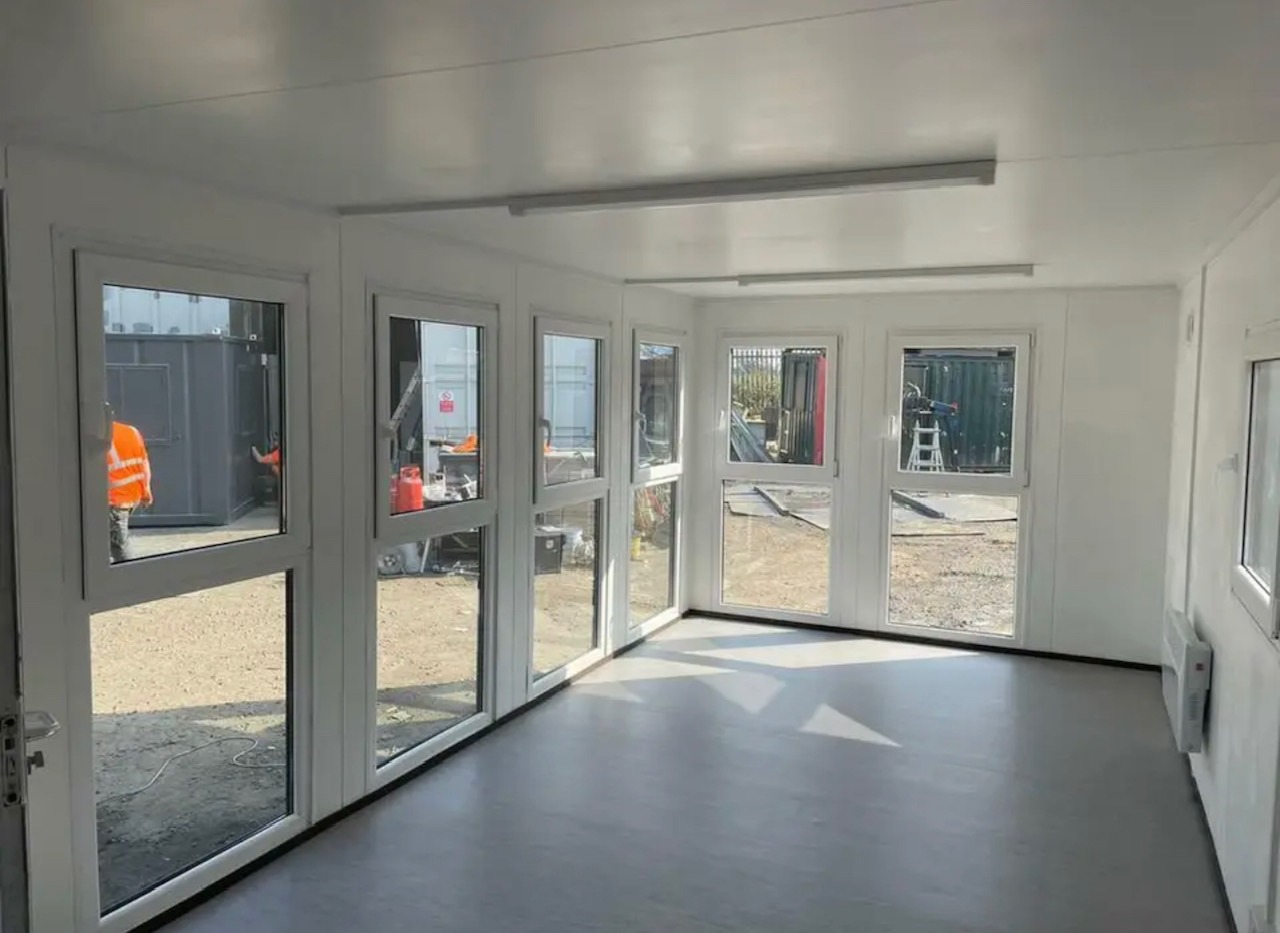
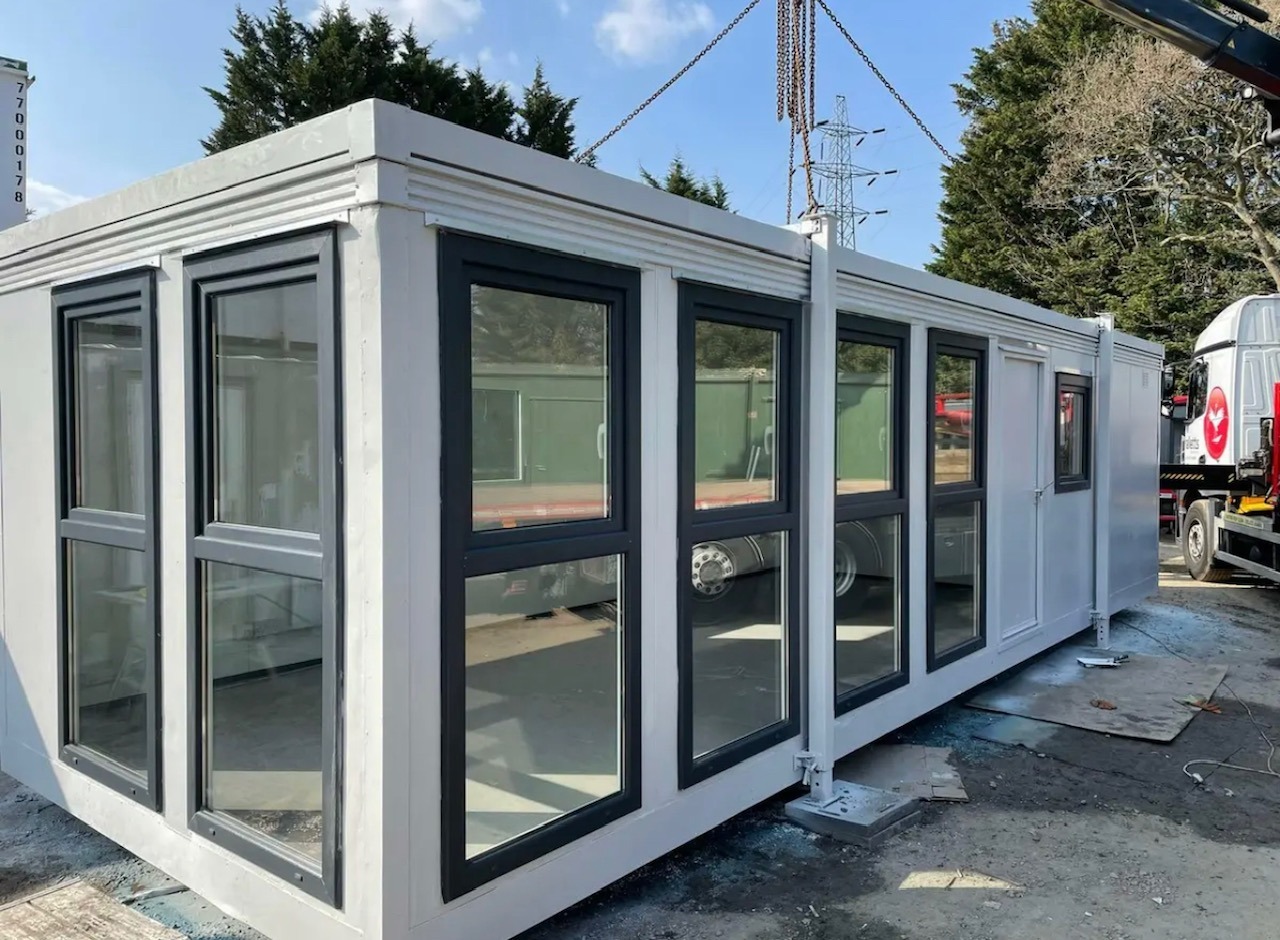
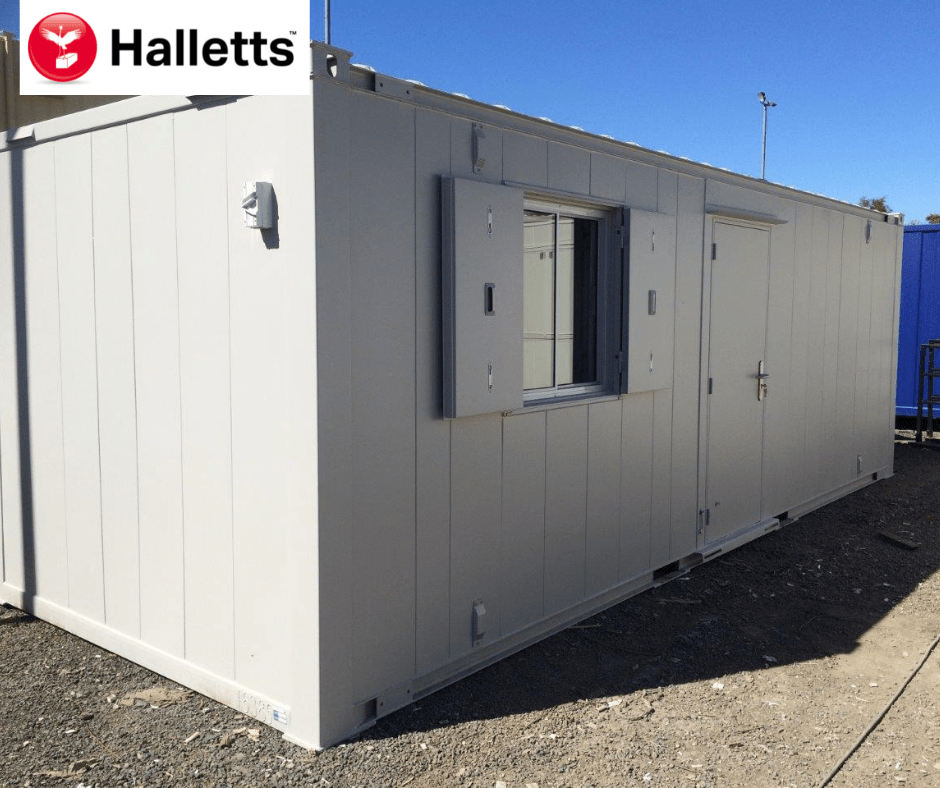
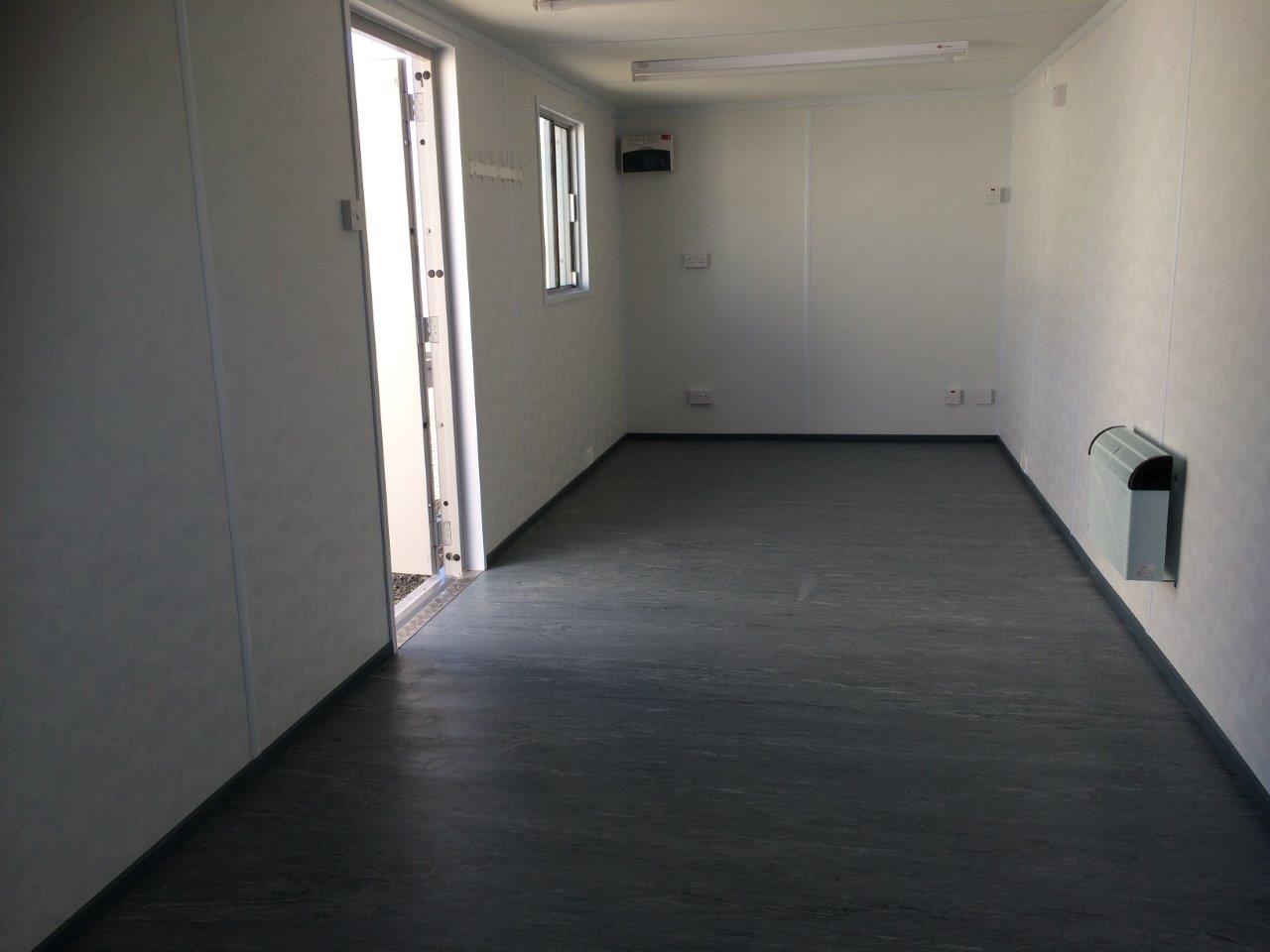
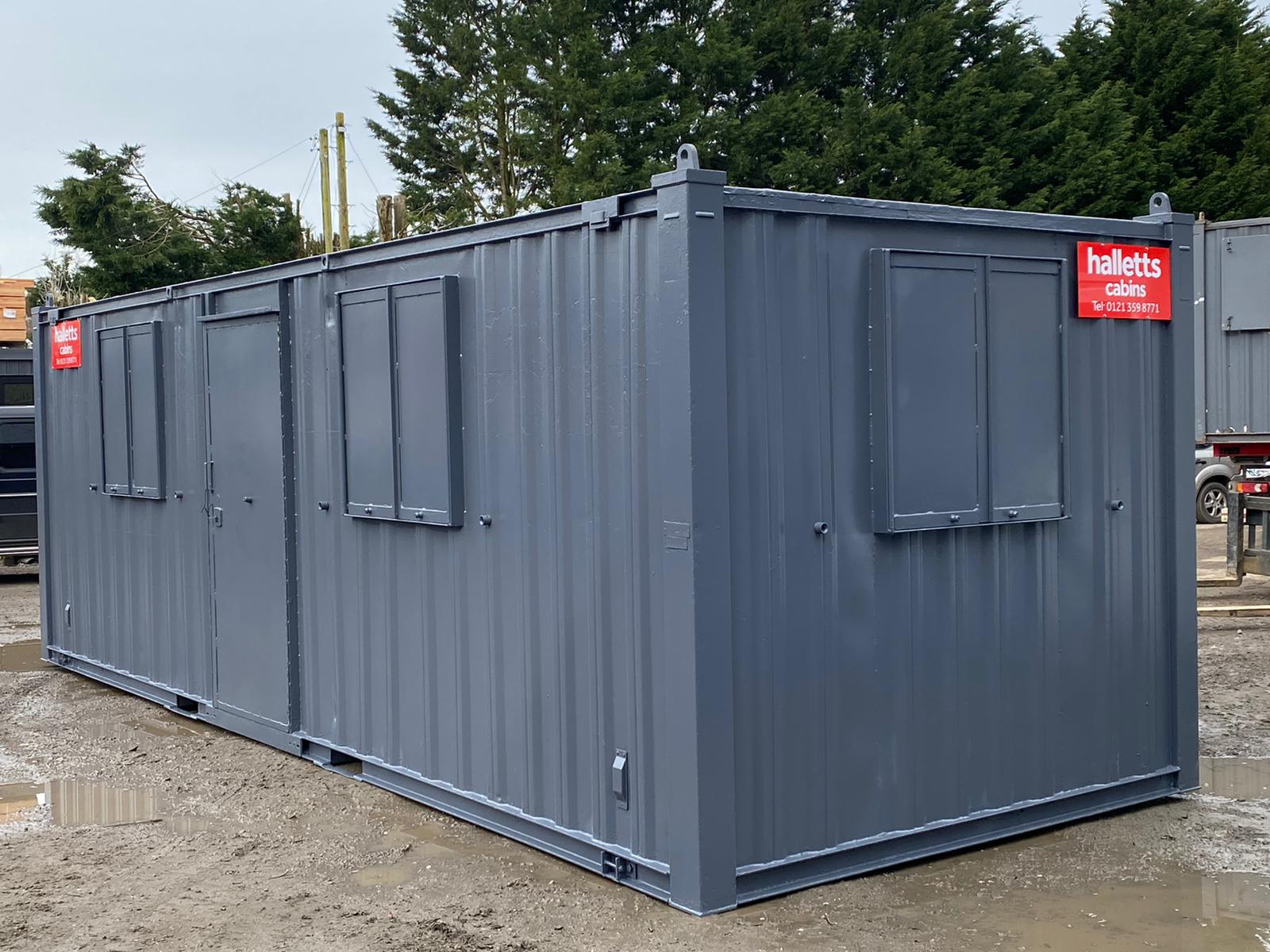
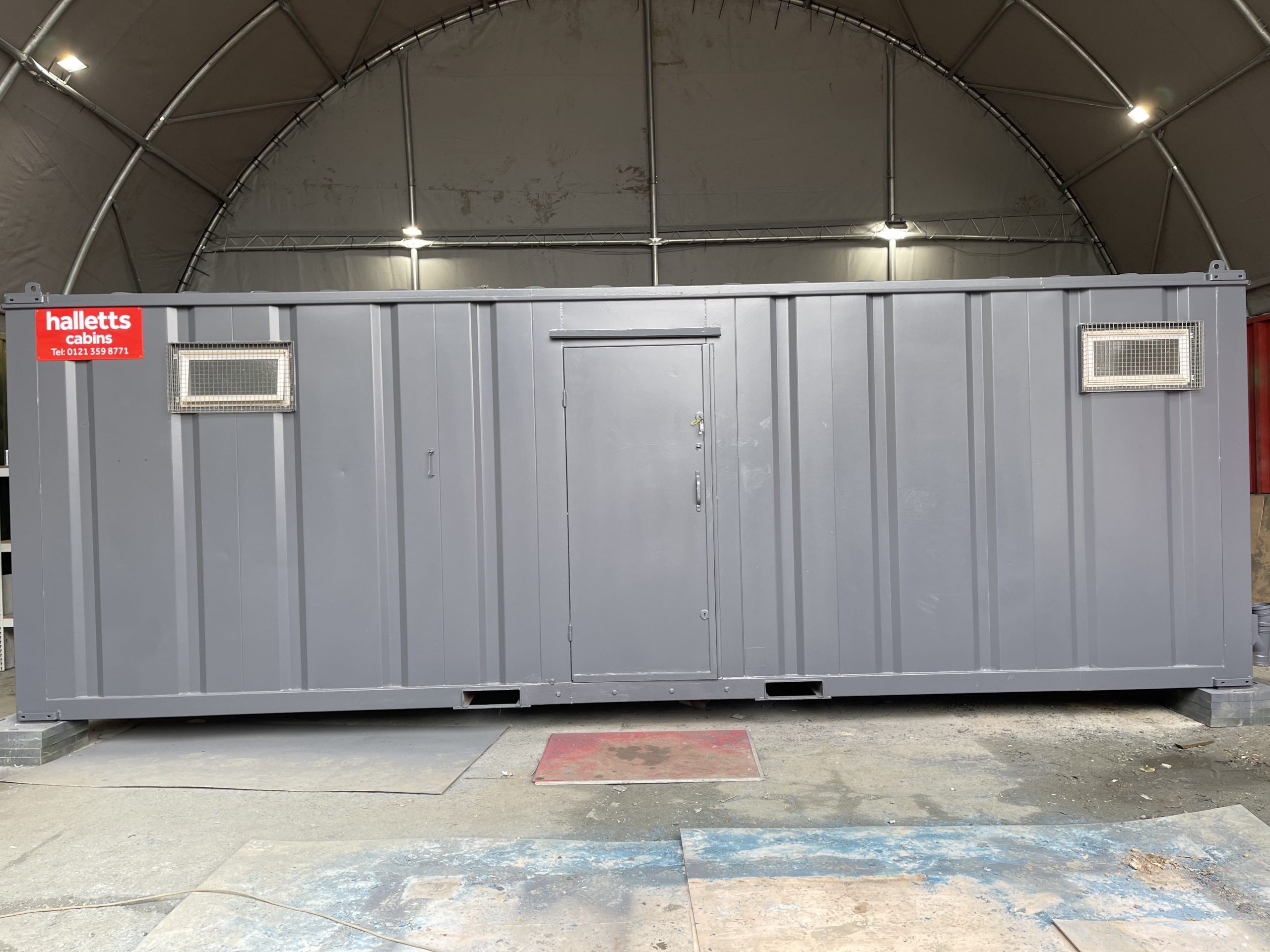
• Reinforced doors and windows with secure locking
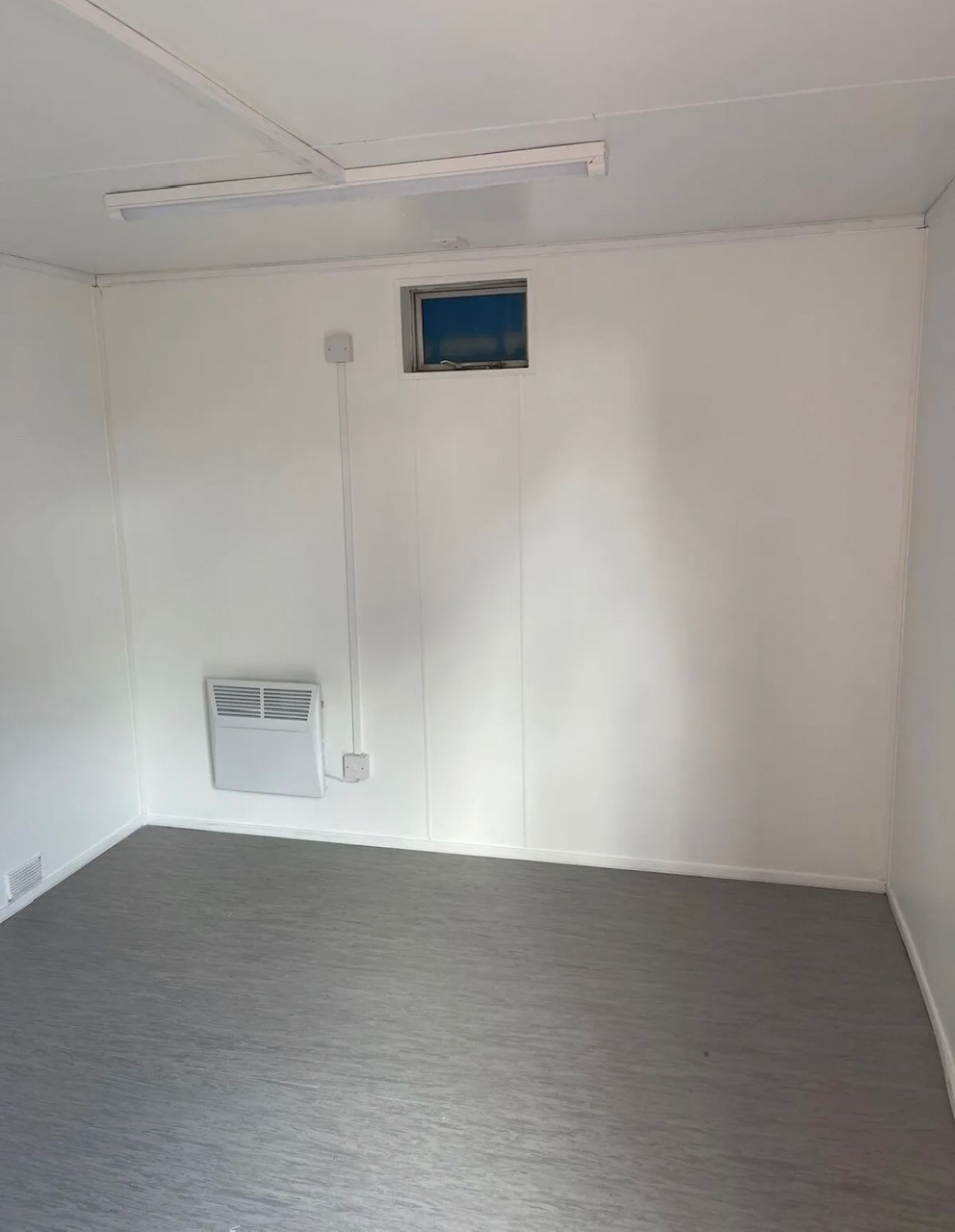
• Open plan with electric sockets and lighting
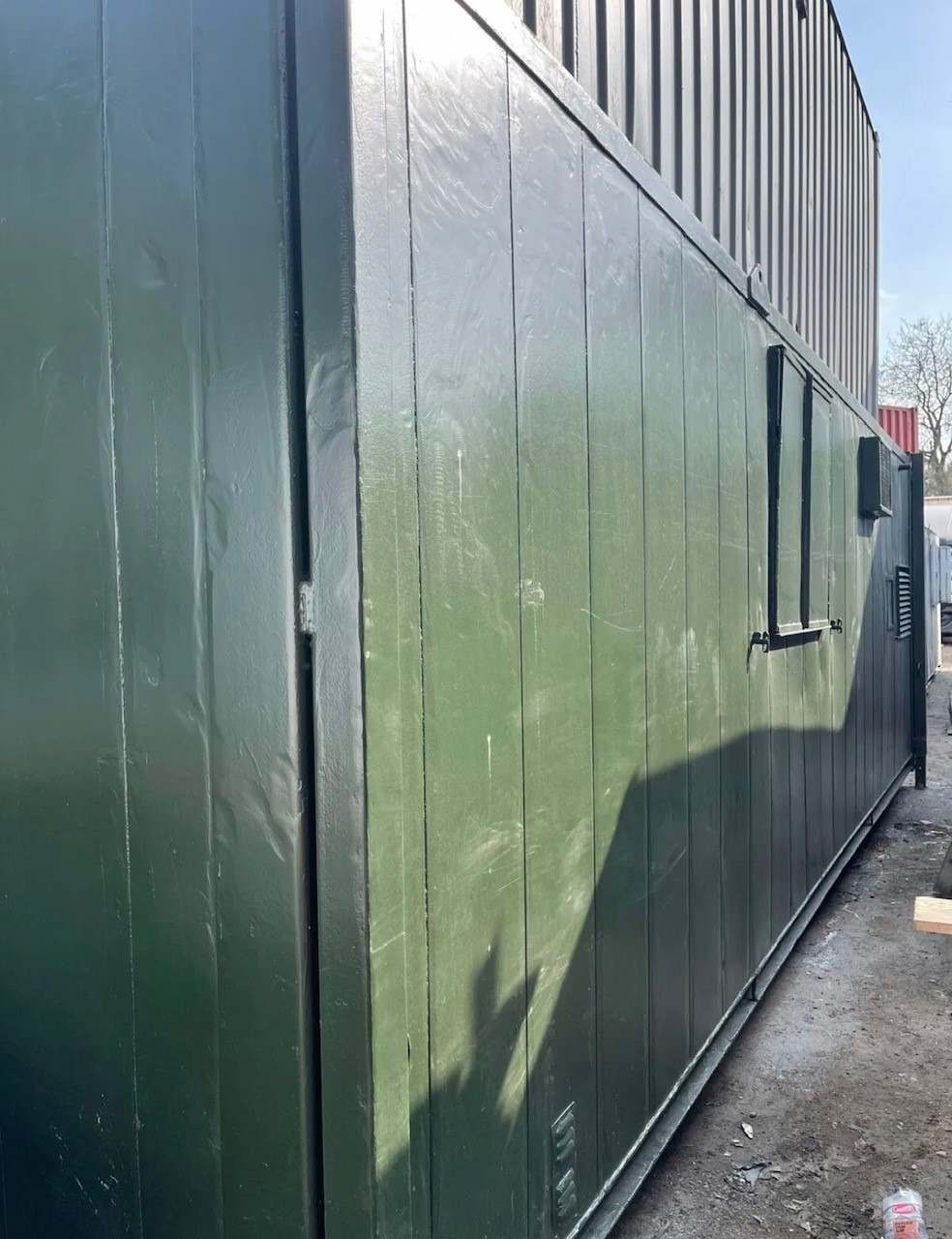
• Ral Code Colour of choice
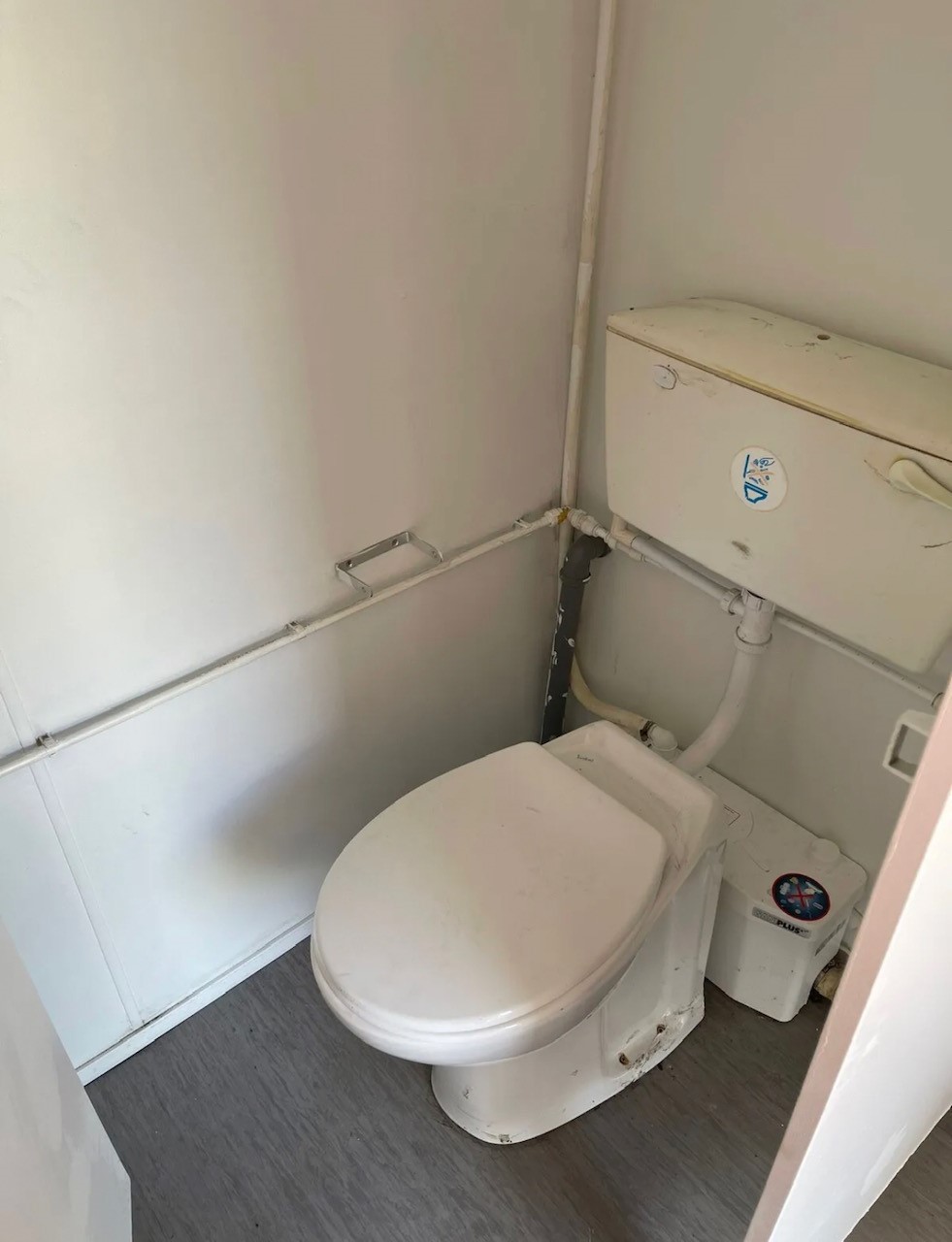
• Any Extras available : Canteen, Partitions, Toilets.
Location: Nationwide
EX VAT
Not Available for Hire
Call for an instant quote!
• Reinforced doors and windows with secure locking
• Open plan with electric sockets and lighting
• Ral Code Colour of choice
• Any Extras available : Canteen, Partitions, Toilets.
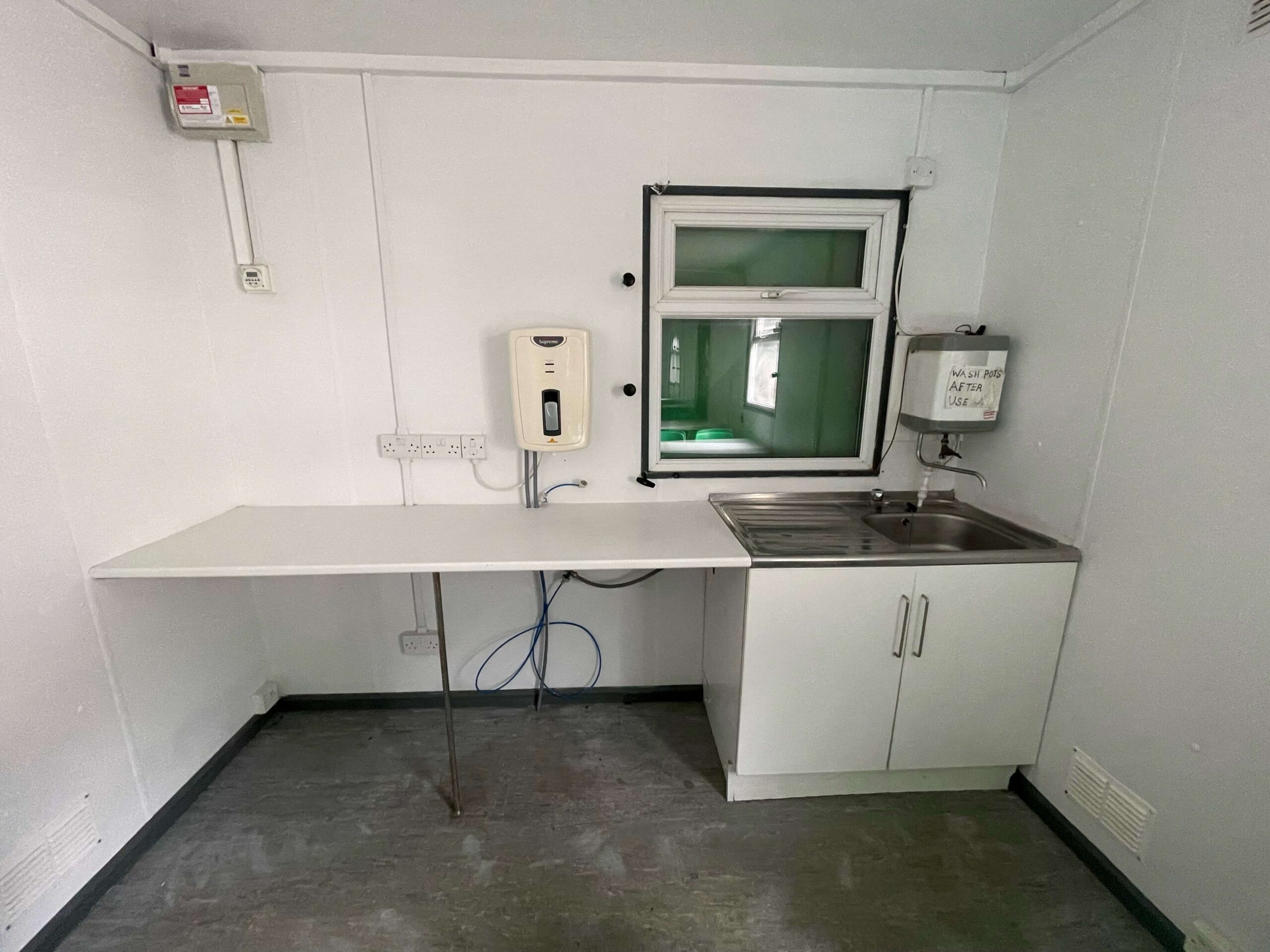
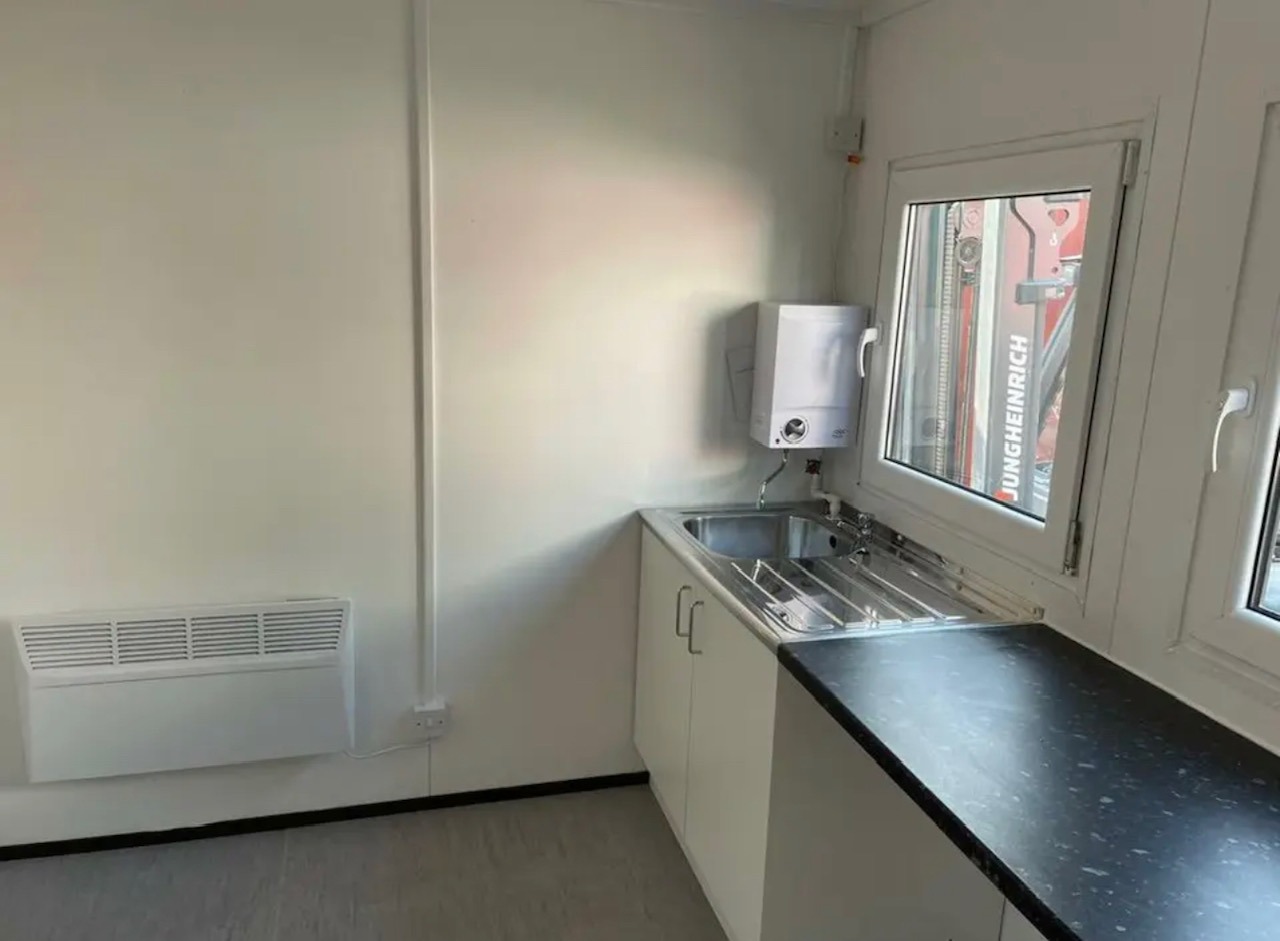
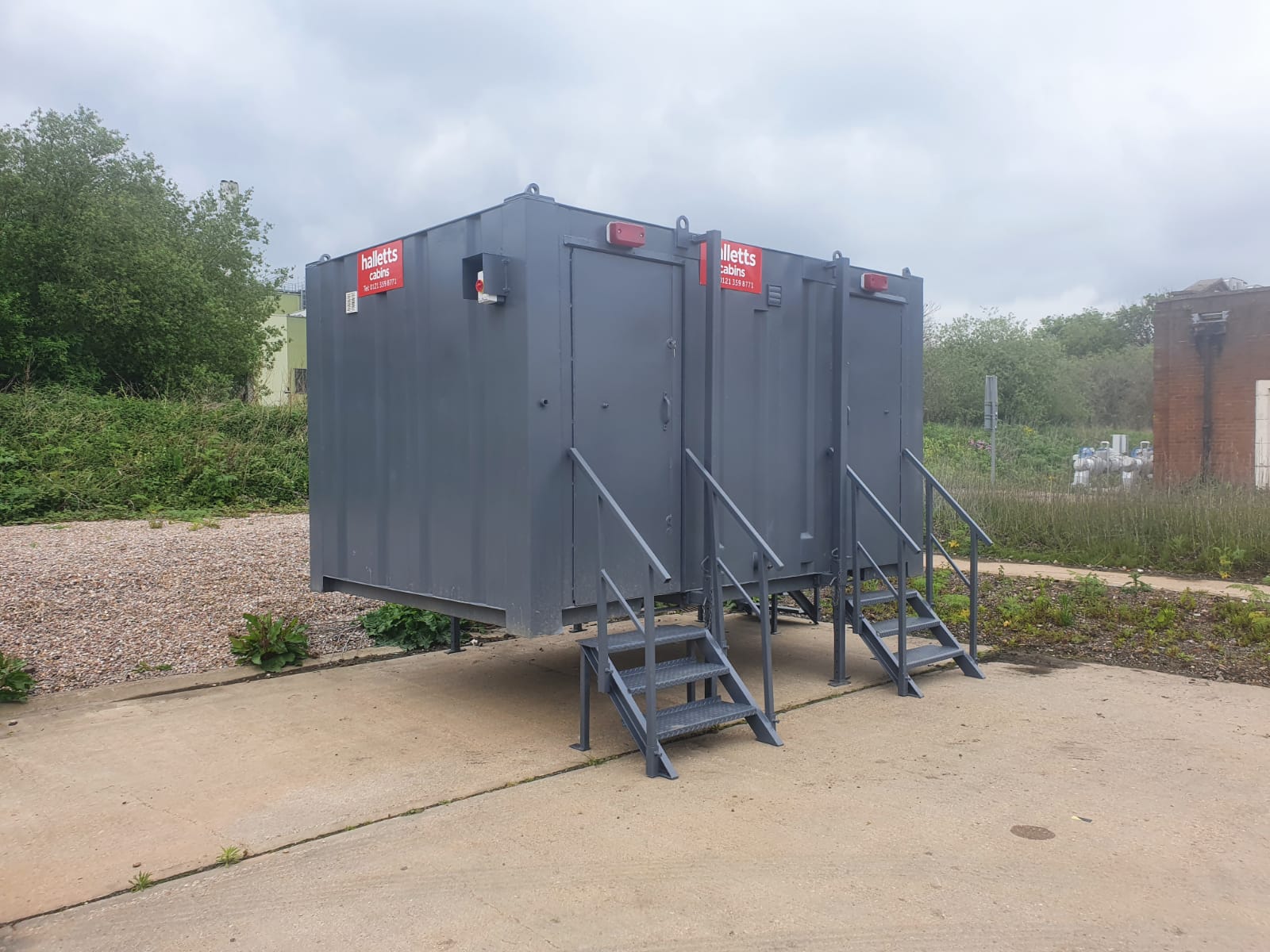
• Reinforced doors with secure locking
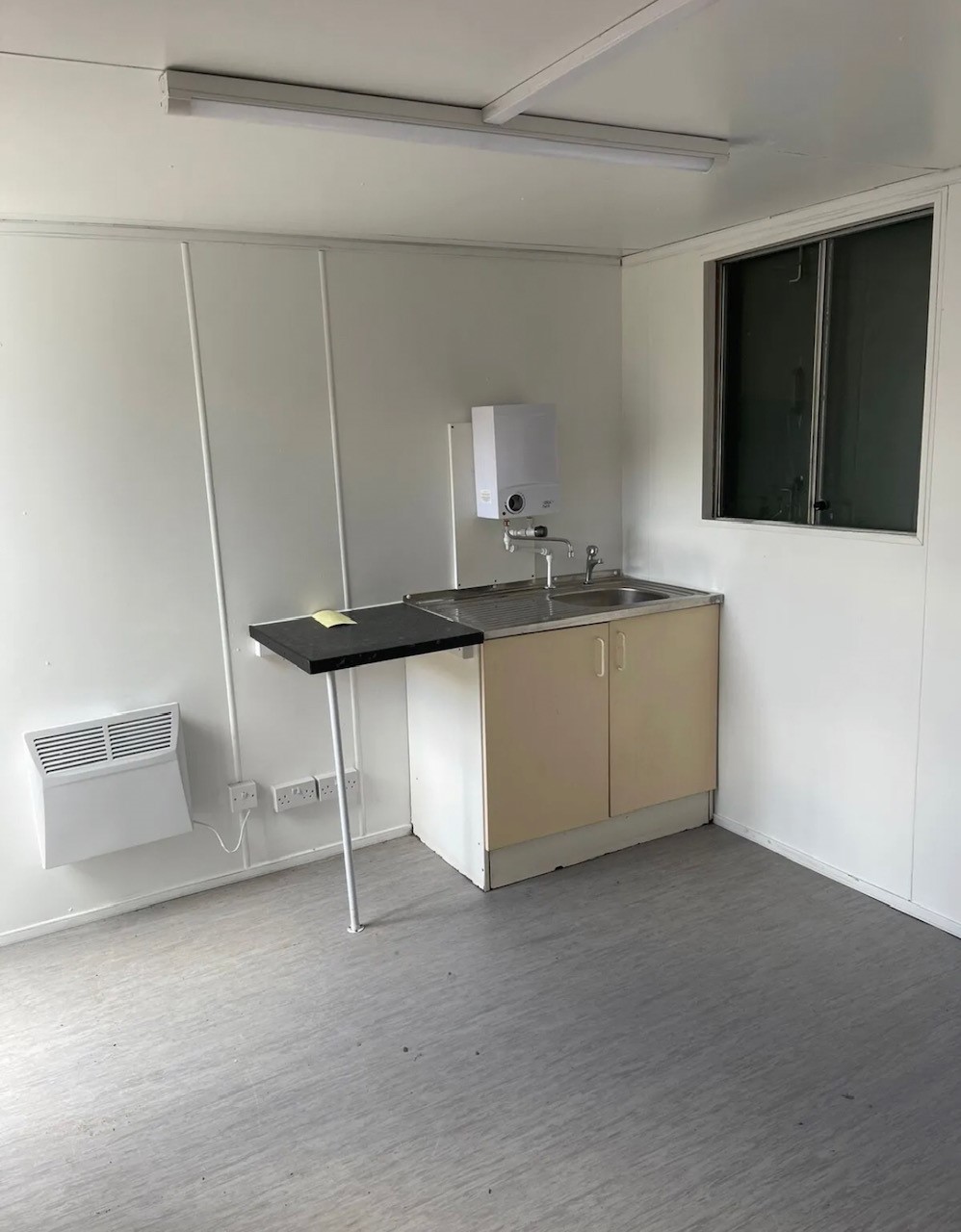
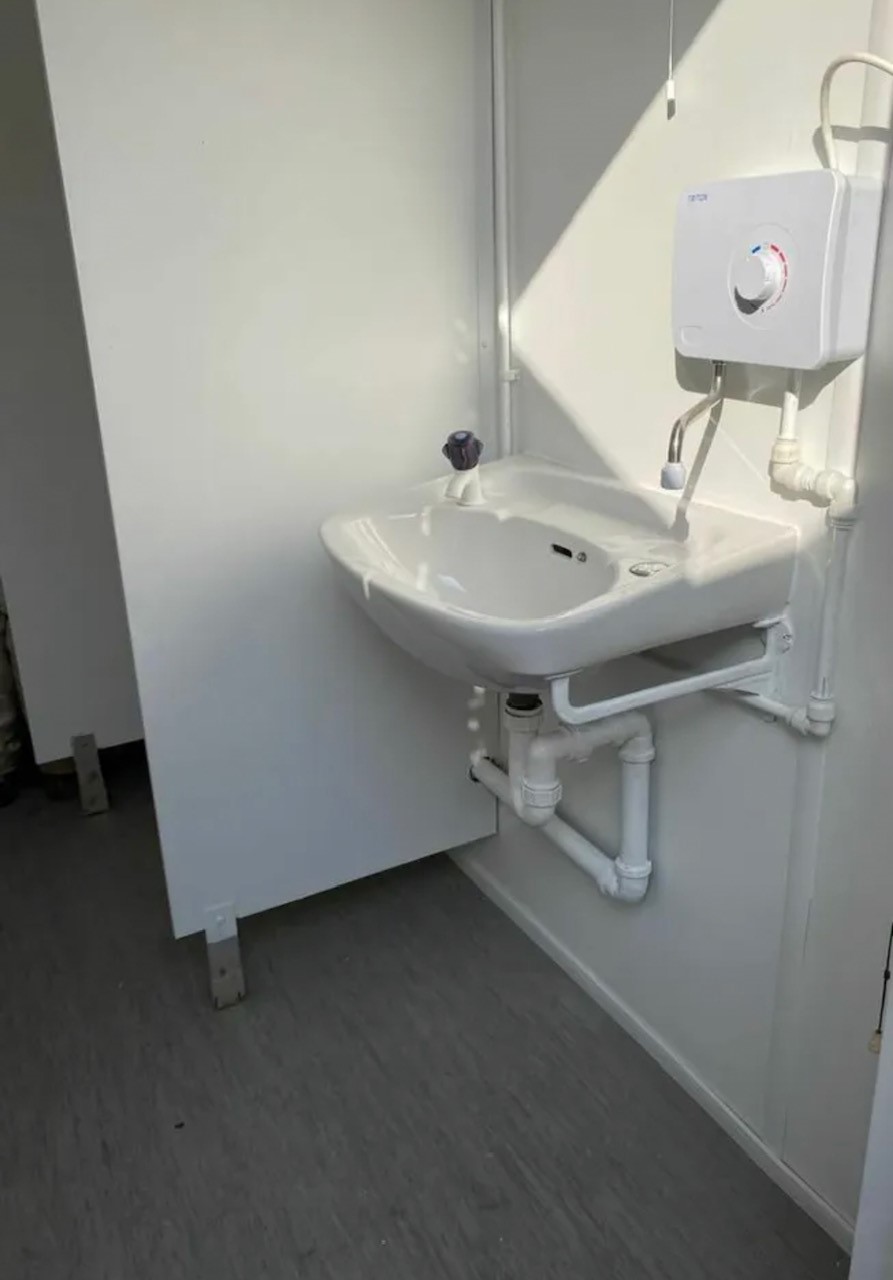
• Sink and water boiler included
Location: Nationwide
Quantity: ∞
EX VAT
Not Available for Hire
Call for an instant quote!
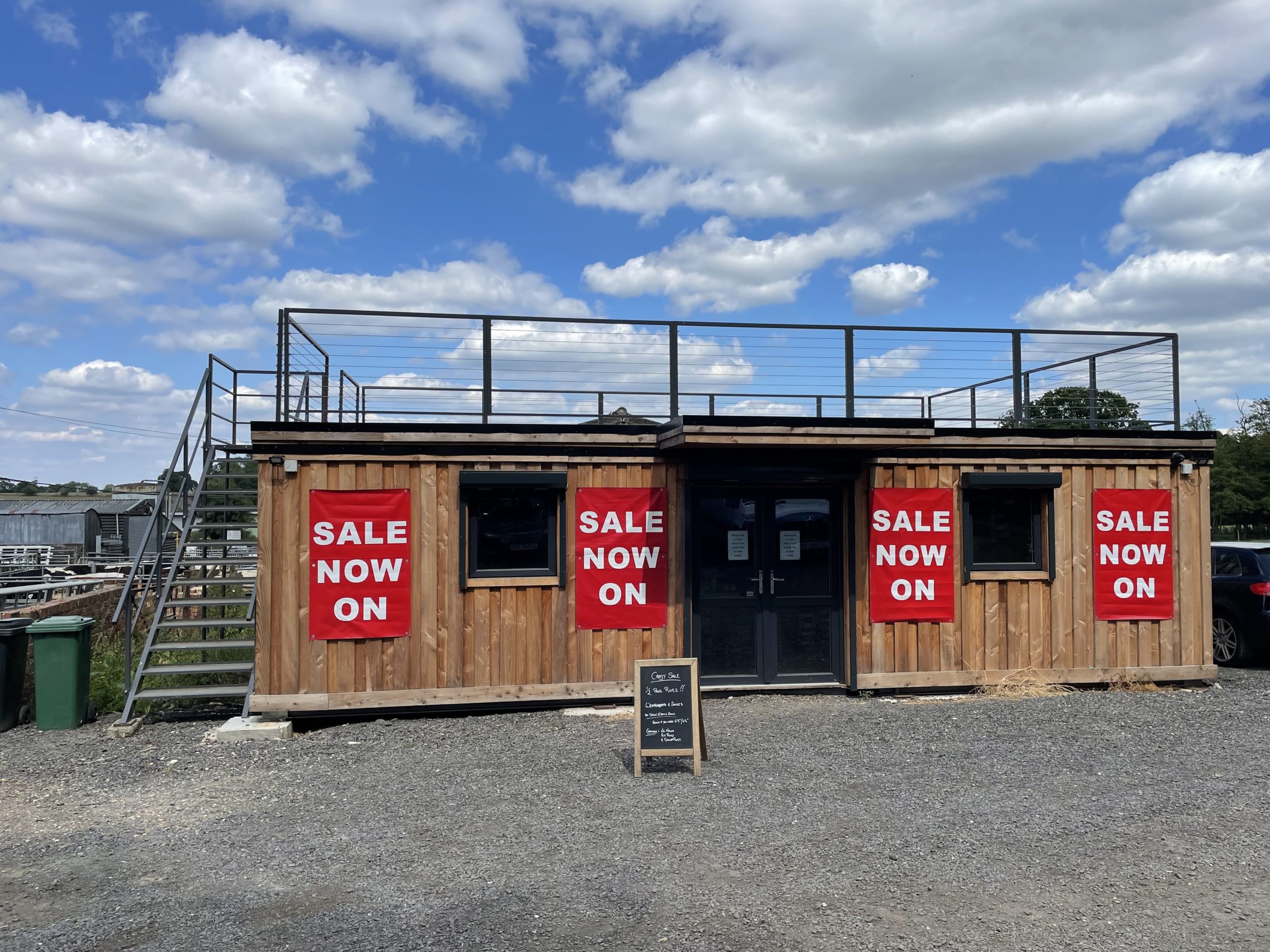
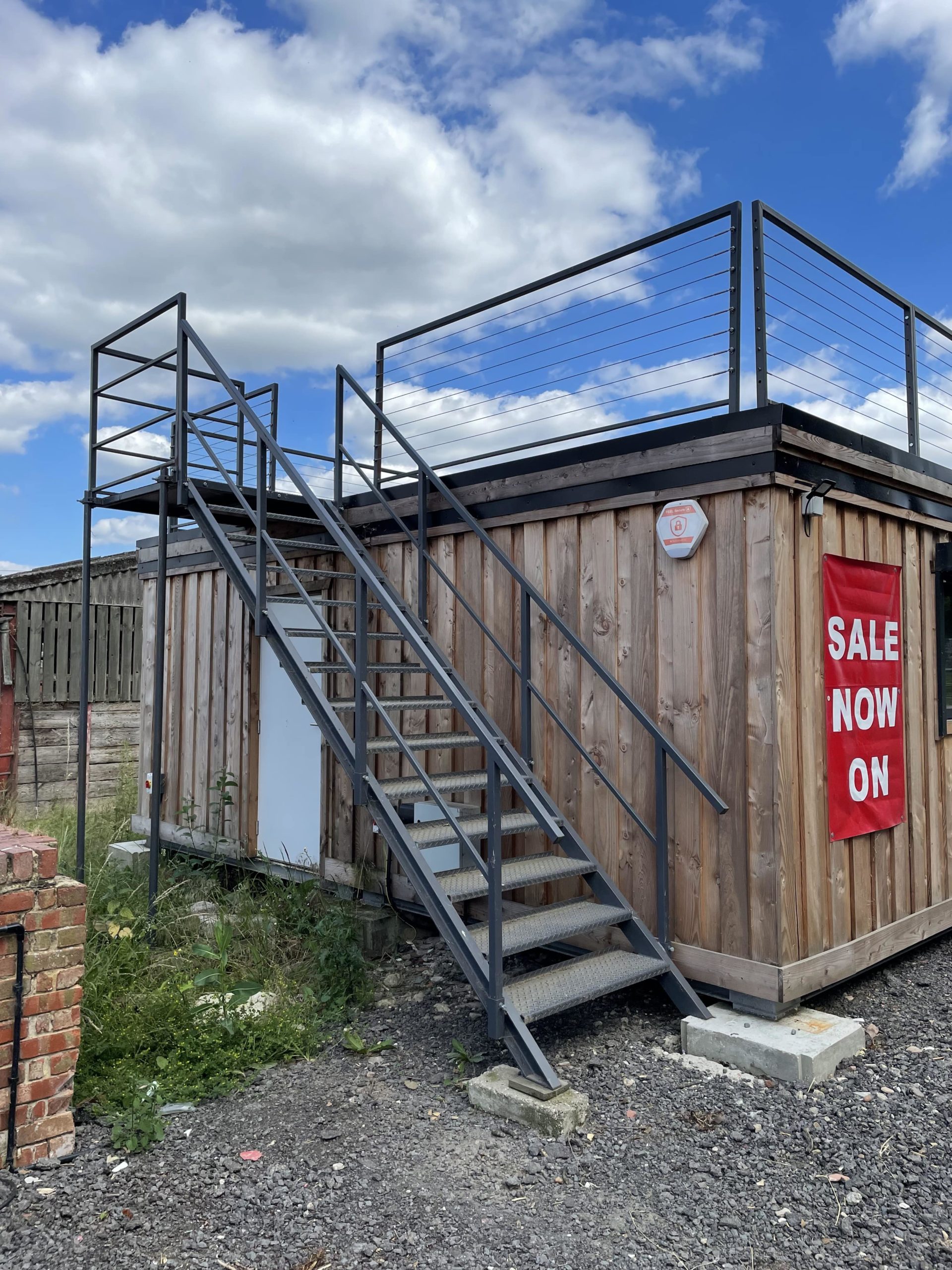
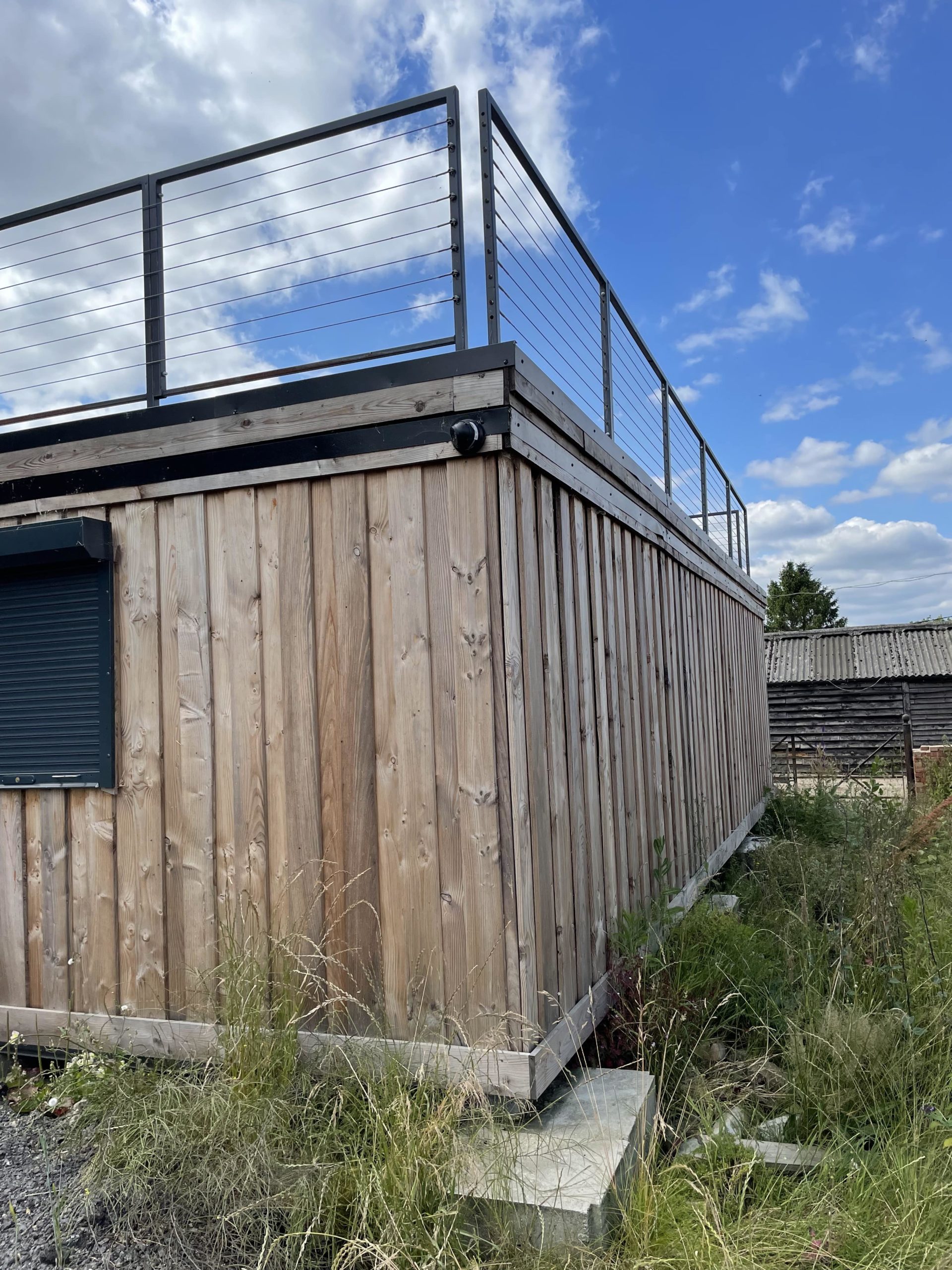
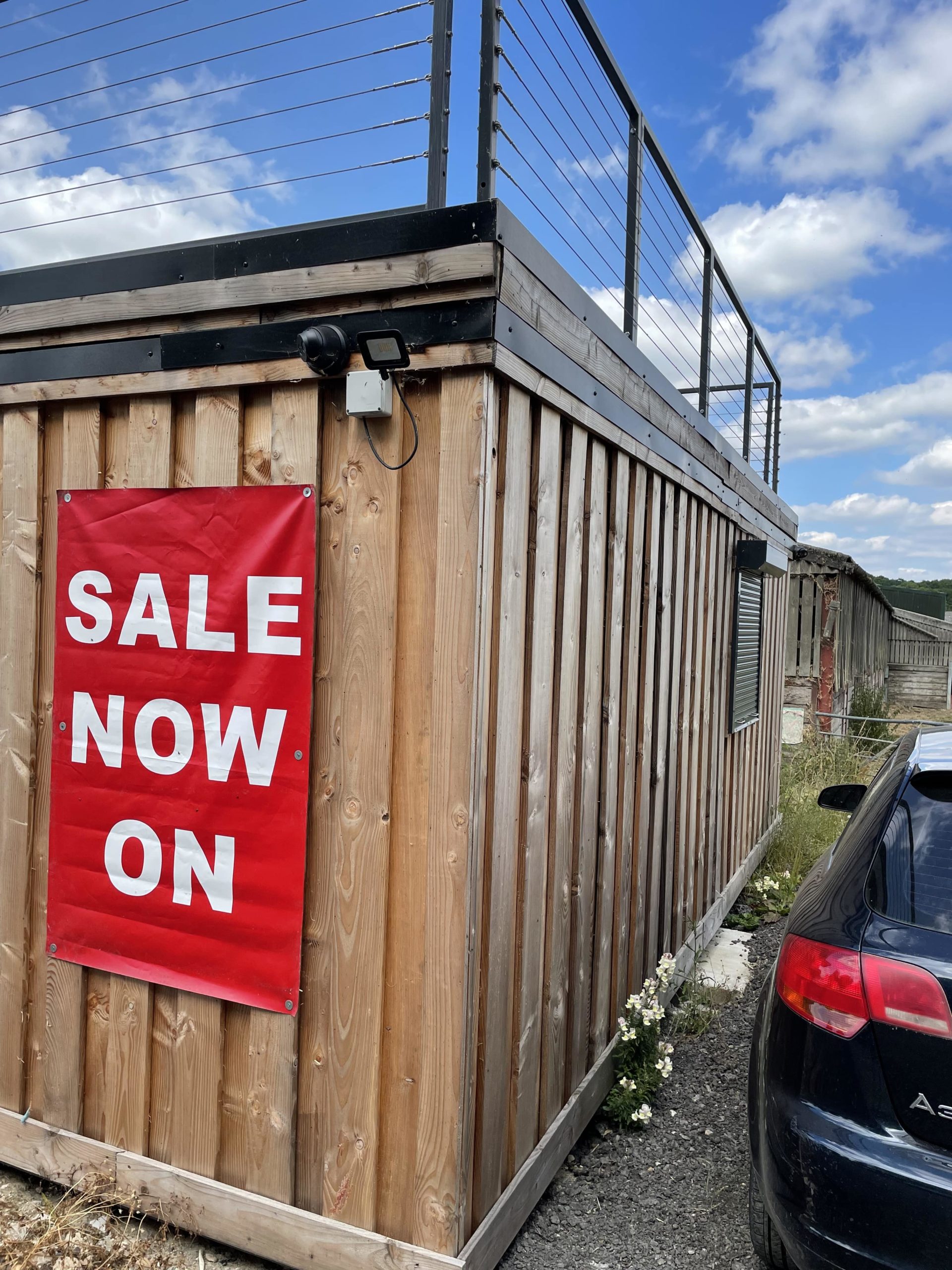
Location: Nationwide
EX VAT
Not Available for Hire
Call for an instant quote!
Get a Quick Container Quote Now!
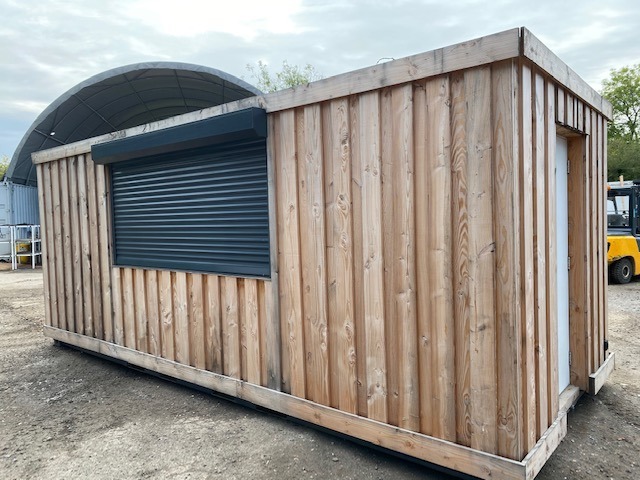
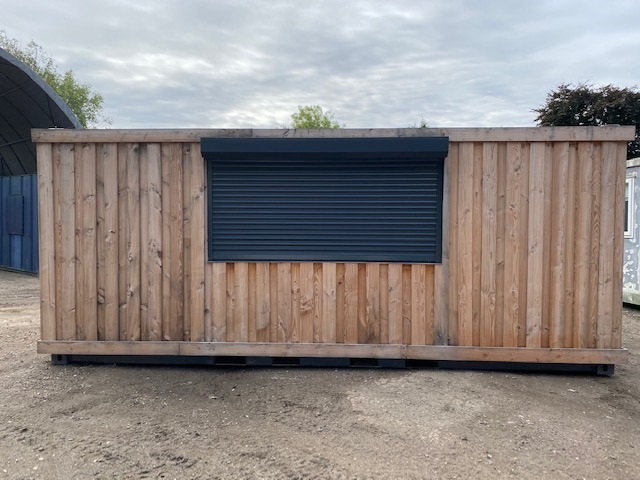
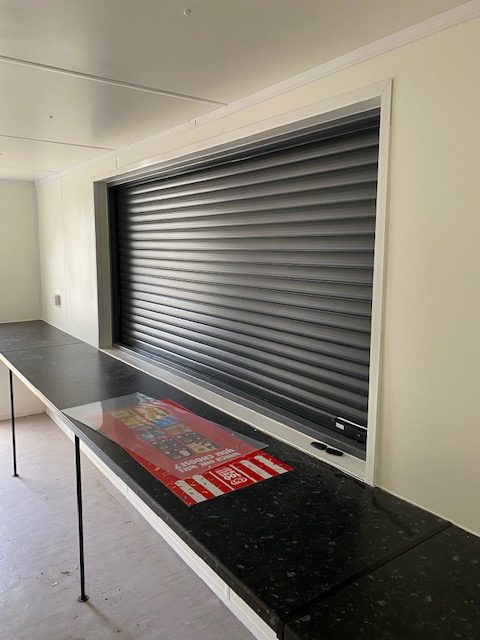
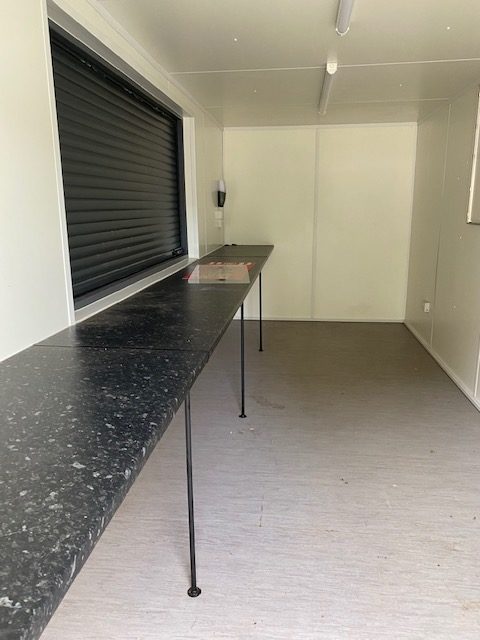
Location: Nationwide
EX VAT
Not Available for Hire
Call for an instant quote!
Get a Quick Container Quote Now!
Get a Quick Container Quote Now!
