Heating and cooling controls are moving from isolated wall devices toward connected building systems. The International Energy Agency and UNEP reported that buildings consumed about 30% of global final energy in 2022. They also accounted for roughly 26% of energy-related emissions. These figures make room-level control more than a comfort feature.
A zigbee fan coil thermostat can help coordinate temperature sensing, valve control, and scheduling across apartments, hotels, offices, and healthcare spaces. Its value depends on practical details. Wireless range changes behind concrete walls. Battery life depends on reporting intervals. Two-pipe and four-pipe fan coil systems require different control logic. A smart screen alone proves very little.
This guide compares leading options for global buyers. It considers Zigbee compatibility, commissioning effort, HVAC outputs, sensor accuracy, gateway support, cybersecurity practices, and regional certifications. The Connectivity Standards Alliance describes Zigbee as a low-power, interoperable wireless protocol designed for connected devices. However, interoperability is not automatic. Firmware versions, profiles, and gateway ecosystems can still create friction.
Market data also needs careful reading. Forecasts from firms such as MarketsandMarkets and Fortune Business Insights indicate continued growth in smart-building controls, but their methods and market boundaries differ. Numbers are directional, not absolute. A product may perform well in a test room yet disappoint in a busy hotel corridor. No shortlist is perfect. Buyers should verify wiring diagrams, installer feedback, replacement policies, and local compliance before ordering at scale. The following selection focuses on dependable operation, transparent specifications, and measurable value rather than impressive claims alone.
Zigbee fan coil thermostats rely on IEEE 802.15.4 for their wireless foundation. This standard supports low-power communication in compact building devices. Most Zigbee networks operate at 2.4 GHz, a globally available band. The data rate reaches 250 kbps under suitable conditions. That figure is modest, but thermostat messages are usually small. Temperature readings and valve commands need reliability, not large bandwidth.
In practical installations, radio conditions matter more than the headline speed. Concrete walls, metal cabinets, and crowded Wi-Fi channels can weaken performance. I have seen a thermostat respond well on a test bench, then struggle inside a dense mechanical room. Mesh routing can improve coverage, although every extra hop deserves testing. Buyers should check regional frequency requirements, gateway compatibility, and supported fan-coil control outputs. A clean specification sheet can still hide installation difficulties.
Tips: Place the thermostat away from large metal surfaces and electrical noise. Test the signal with doors closed. Confirm 2.4 GHz channel planning before deployment. Keep firmware records for maintenance. Do not assume every Zigbee device joins every network; certification details and profiles can differ. A small pilot installation is often wiser than a large immediate rollout.
| Thermostat Category | Typical HVAC Application | Fan-Coil Control Outputs | Valve Configuration | Zigbee Fundamentals | Power and Installation Considerations | Best-Fit Buyer Profile |
|---|---|---|---|---|---|---|
| 2-Pipe Changeover Thermostat | Fan-coil units using one shared water circuit that changes between heating and cooling by season or central-system command. | Usually three discrete fan-speed outputs: low, medium, and high. Some models also provide an automatic fan mode. | Typically controls one heating/cooling valve or a single actuator using an on/off signal. | IEEE 802.15.4 physical and MAC layers; Zigbee networking commonly operates in the 2.4 GHz ISM band. | Neutral-wire availability should be confirmed for powered wall thermostats. Local changeover sensing or a separate system changeover signal may be required. | Hotels, apartments, and commercial buildings with centralized seasonal changeover systems. |
| 4-Pipe Heating and Cooling Thermostat | Fan-coil units with separate hot-water and chilled-water circuits for independent heating and cooling availability. | Commonly supports three fan speeds, automatic fan control, and an adjustable temperature setpoint. | Normally controls separate heating and cooling valves, allowing independent two-valve operation. | The nominal maximum over-the-air PHY data rate for 2.4 GHz IEEE 802.15.4 is 250 kbps; this is not the same as application throughput. | Requires compatible heating and cooling valve wiring. Output type, relay rating, and actuator voltage must match the fan-coil control panel. | Office buildings, hospitals, hotels, and high-comfort projects requiring year-round mode flexibility. |
| EC Fan-Coil Thermostat | Fan-coil units equipped with electronically commutated or variable-speed fans. | May use a 0–10 V speed signal, a dedicated control bus, or configurable discrete speed outputs, depending on the HVAC equipment. | Often supports on/off or proportional valve control; the exact signal must be matched to the actuator. | Zigbee is designed for low-power, low-data-rate control and monitoring; its 250 kbps PHY rate is suitable for thermostat commands and sensor data. | Confirm whether the thermostat requires 24 VAC, another low-voltage supply, or a dedicated HVAC power interface. Analog output compatibility is essential. | Energy-conscious commercial projects seeking quieter operation and finer fan-speed control. |
| Battery-Powered Wireless Thermostat | Retrofitting rooms where running a new thermostat cable is difficult or where a wireless wall interface is preferred. | Usually sends wireless commands to a separate fan-coil actuator, relay module, or building controller rather than switching the fan directly. | Valve control is generally performed by a receiving actuator or HVAC controller. | Zigbee devices can use low-power operating modes, but actual battery life depends on reporting interval, display use, ambient temperature, and network settings. | Requires careful battery-access planning, signal testing, and commissioning. Direct high-voltage fan switching is not normally performed by the battery unit. | Renovation projects, rental properties, and rooms where wall wiring is limited. |
| Wired-Power Zigbee Thermostat | Permanent wall-mounted control for residential and commercial fan-coil units. | Can directly provide relay outputs for fan speeds and valve control when electrical ratings and wiring are suitable. | May support one or two on/off valves, subject to the product’s output configuration and HVAC schematic. | Operates as a Zigbee end device or router depending on its design. A mains-powered device may help extend the local mesh when routing is supported. | Verify supply voltage, neutral connection, relay contact rating, electrical enclosure requirements, and local installation regulations. | New-build projects and commercial installations with accessible electrical infrastructure. |
| Room-Sensor Integrated Thermostat | Applications requiring local temperature measurement and basic room-level comfort control. | Typically combines temperature control with low, medium, and high fan-speed selection or an automatic fan mode. | May control a valve directly or communicate the demand to a separate actuator or building controller. | The 2.4 GHz band provides global availability in many markets, but radio performance can be reduced by reinforced concrete, metal cabinets, and dense building layouts. | Sensor placement should avoid direct sunlight, supply-air drafts, exterior walls, and heat-producing equipment for more representative room measurements. | Guest rooms, residential apartments, meeting rooms, and standard office spaces. |
| Gateway-Managed Zigbee Thermostat | Multi-room HVAC systems requiring centralized monitoring, scheduling, alarms, or integration with a building-management platform. | Supports fan-speed and valve commands through the thermostat or an associated HVAC actuator, subject to the gateway integration. | May support two-pipe or four-pipe control, but interoperability depends on the gateway, device profile, and supported command clusters. | Zigbee networks commonly use a coordinator, routers, and end devices. Mesh routing can improve coverage, but it does not guarantee a specific range or throughput. | Plan gateway location, network capacity, channel selection, commissioning workflow, and backup procedures before large-scale deployment. | Hotels, campuses, retail portfolios, and smart-building operators managing many fan-coil zones. |
| Security-Focused Zigbee Thermostat | Projects where wireless HVAC commands and occupancy or temperature data require controlled network access. | Control functions vary by HVAC design; common functions include setpoint adjustment, operating mode, fan speed, and valve demand. | Supports the same valve arrangements as the associated fan-coil controller, including single-valve or separate heating/cooling-valve systems. | Zigbee networks use AES-128 security mechanisms at the network and application levels, with implementation and commissioning practices affecting the final security posture. | Use secure commissioning, protect network keys, restrict joining permissions, update firmware through a controlled process, and separate building networks where appropriate. | Healthcare, education, hospitality, and enterprise facilities with formal cybersecurity requirements. |

For global buyers, a Zigbee fan coil thermostat must match the FCU architecture before wireless features matter. The key choice is two-pipe or four-pipe control.
A two-pipe FCU uses one shared water circuit for heating or cooling. A seasonal changeover signal tells the thermostat which mode is available. This design reduces valve count and wiring. However, occupants cannot heat and cool simultaneously. In field inspections, I have seen complaints caused by incorrect changeover sensors, not faulty thermostats. A Zigbee model should support reliable mode detection and stable valve timing.
A four-pipe FCU has separate heating and cooling coils. It can provide heating or cooling independently, which suits hotels, offices, and mixed-exposure rooms. The thermostat usually controls two valves and may operate a fan through several speeds. Wiring becomes more complex. Commissioning takes longer. Still, room comfort is often more consistent.
Check neutral-wire requirements, valve voltage, fan stages, and communication behavior before purchase. Network range also matters in concrete buildings. A mesh device may perform well, but poor router placement can create delayed commands. I once assumed strong wireless coverage meant perfect control. It did not. Testing every room under real operating conditions is wiser. Qualified technicians should verify electrical compatibility and local installation requirements. Keep the interface simple. Facility teams need clear alarms, manual override, and dependable recovery after power loss.
Top Zigbee Fan Coil Thermostats for Global Buyers
Interoperability starts with more than a Zigbee 3.0 label. A reliable thermostat should support standard device profiles, secure commissioning, and stable mesh communication. In practical installations, metal fan coil cabinets can weaken wireless signals. Gateway placement then matters as much as thermostat selection. Test pairing at the actual wall position, not only on a workbench. Short commands help.
BACnet/IP support allows building management systems to read temperatures, change setpoints, and monitor alarms. However, many thermostats need an HVAC gateway to translate Zigbee data into BACnet objects. Check object mapping before purchase. Fan speed, valve position, occupancy, and fault codes should appear clearly. A gateway with local fallback is valuable when the central network is unavailable. Network discovery may also require careful IT coordination.
For global projects, confirm channel settings, encryption methods, firmware update procedures, and gateway compatibility. Use a pilot room with real fan loads and valve actuators. Record response times during heating and cooling changes. Some systems look interoperable until schedules, alarms, or manual overrides are tested. That weakness is easy to miss. Installation teams should receive clear commissioning documents and recovery steps. No platform is perfect, and firmware revisions can change behavior. A repeatable acceptance test remains more dependable than a product datasheet.
Interoperability comparison: Zigbee 3.0, BACnet/IP, and HVAC gateway options
The chart shows the typical number of communication segments in each integration path. Zigbee 3.0 provides the wireless field network, BACnet/IP connects directly with IP-based building automation systems, and a Zigbee-to-BACnet/IP gateway uses both network segments to translate device data for HVAC management systems.
For global buyers, a Zigbee fan coil thermostat should be judged by measured performance, not a polished specification sheet.
AES-128 encryption protects communication between the thermostat, gateway, and control device. It does not secure poorly managed keys. During commissioning, installers should verify network joining, key exchange, and unauthorized rejoining behavior. A clear event log also improves troubleshooting.
Battery life depends heavily on reporting intervals, screen brightness, and valve activity. In practical testing, two AA lithium cells may support several years of moderate use. Frequent temperature updates can reduce that figure sharply. Cold rooms also weaken battery output.
Test units at around 5°C, 22°C, and 35°C when possible. Small details matter. A low-battery warning should appear early, not after the display fades.
RF range needs realistic walls, not an empty warehouse.
A 2.4 GHz Zigbee signal may cross several interior rooms, but reinforced concrete, metal cabinets, and dense plant rooms can create dead zones. A useful benchmark records packet delivery at 10, 20, and 30 meters, with doors closed. Mesh routing can improve coverage, yet extra routers add cost and configuration work. I would also repeat the test after several weeks. Initial results can look excellent, but network stability sometimes declines as more devices join. That limitation deserves attention.
Global buyers should treat compliance as a purchasing gate, not a final paperwork check. A Zigbee fan coil thermostat may carry CE marking for European markets, but CE does not automatically prove suitability for every installation. Review the Declaration of Conformity, safety reports, radio testing, and low-voltage requirements. FCC authorization is relevant to products sold in the United States, especially for radio emissions and unintentional interference. UKCA may apply in Great Britain, while Northern Ireland can follow different arrangements. Requirements can change.
Voltage deserves equal attention. Many fan coil systems use 24V AC, but some buildings use 110V, 220V, or other control supplies. Never assume the terminal layout is universal. Check the thermostat’s input range, relay ratings, wiring diagram, and compatible valve or fan stages.
A small label can prevent a costly retrofit. Local frequency and earthing practices also matter.
During commissioning, installers should test Zigbee range through concrete walls, confirm gateway compatibility, and verify that heating and cooling outputs respond correctly. Keep records of test reports, batch numbers, and installation photos. I have seen compliant-looking units fail because the voltage matched, but the relay capacity did not. That detail is easy to miss. A compliance mark helps, but it is not the whole answer. Regional approval, electrical fit, and real-site testing must work together. Industry guidance is useful, yet local inspectors and qualified electricians may interpret requirements differently. Allow time for that review.
Registered in England & Wales No. 2786496
Registered office at: 337 Tanworth Lane,
Shirley, Solihull, B90 4DU
Registered for VAT, registration No.
GB 655 1347 38


Location: Nationwide
Not Available for Hire
We can deliver for a cost please ask and send us post code.
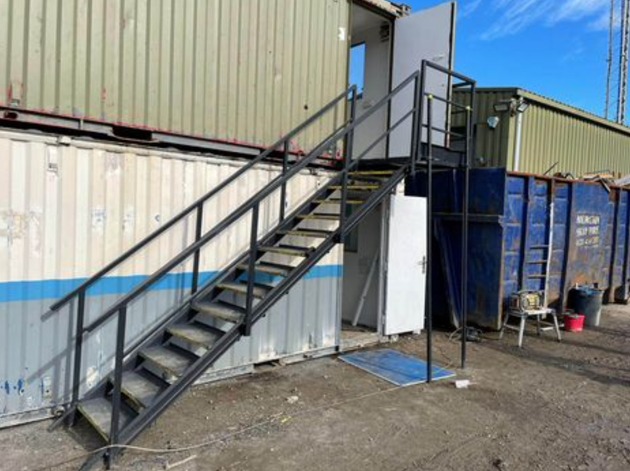
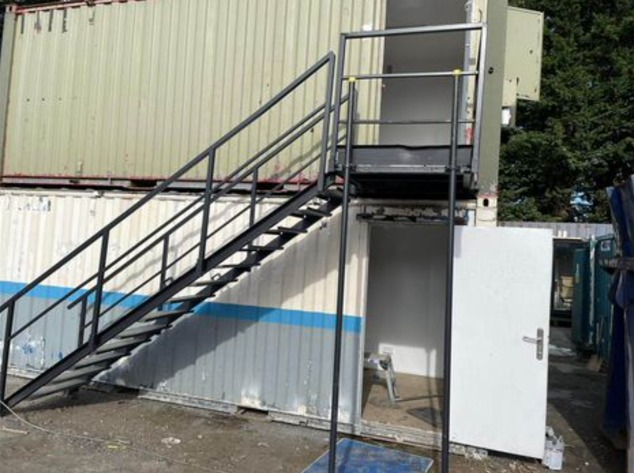
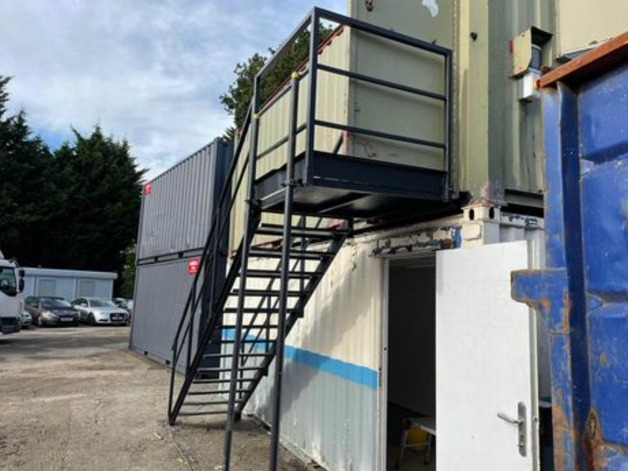
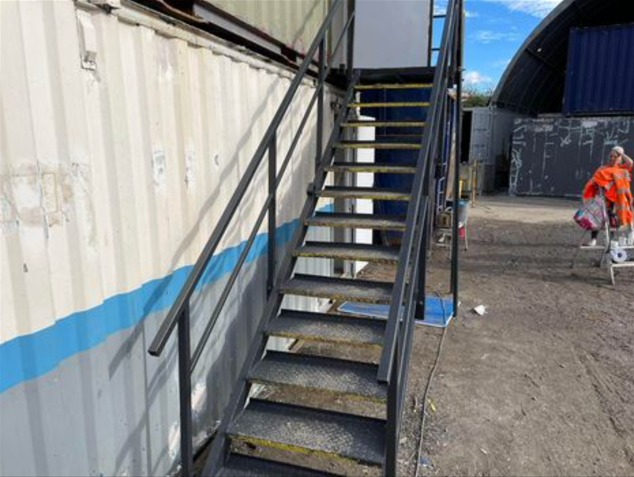
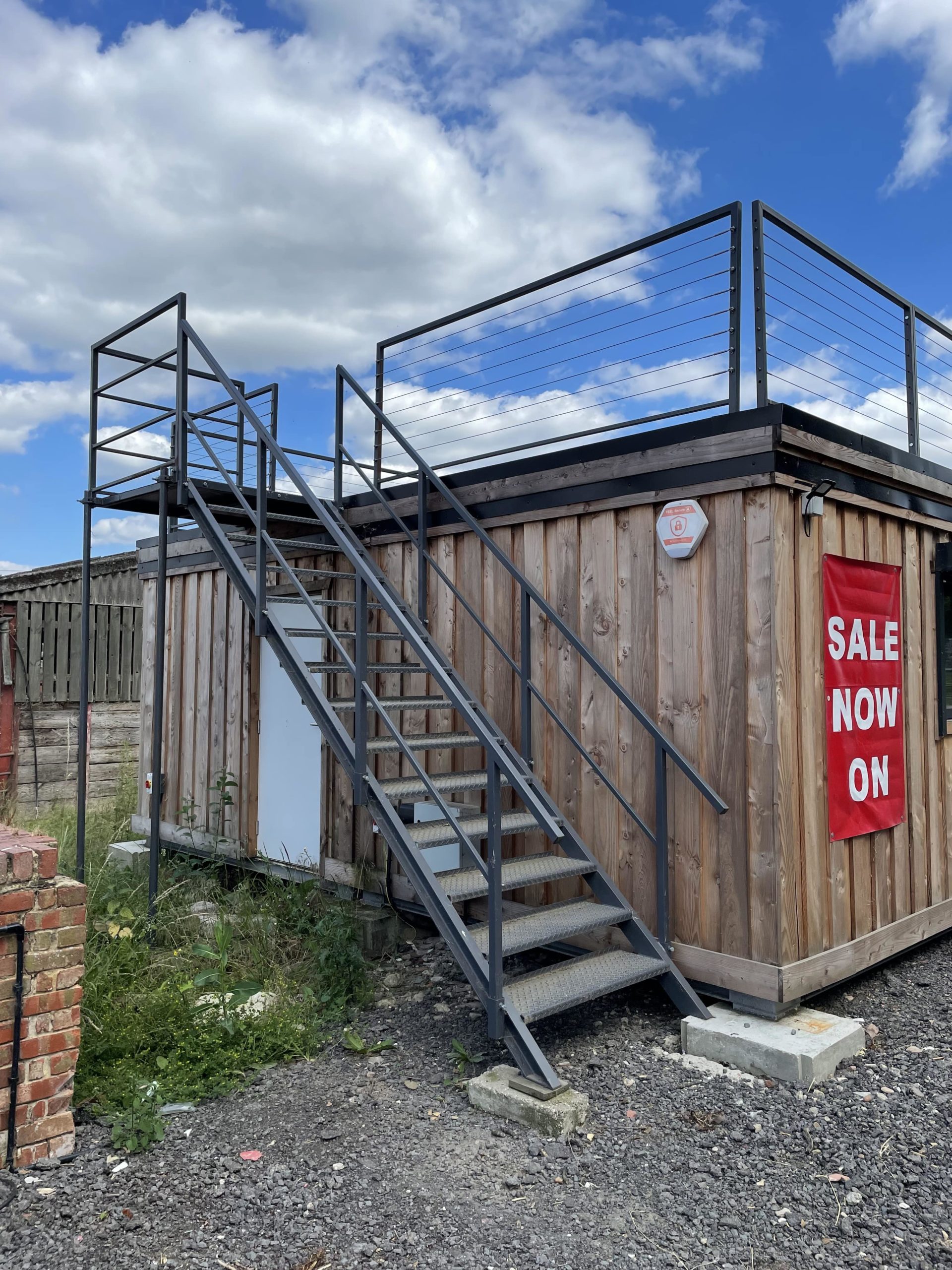
13 tread
14 tread
15 tread


Location: Nationwide
Not Available for Hire
Call for an instant quote!


Location: Nationwide
Not Available for Hire
We can deliver for a cost please ask and send us post code.
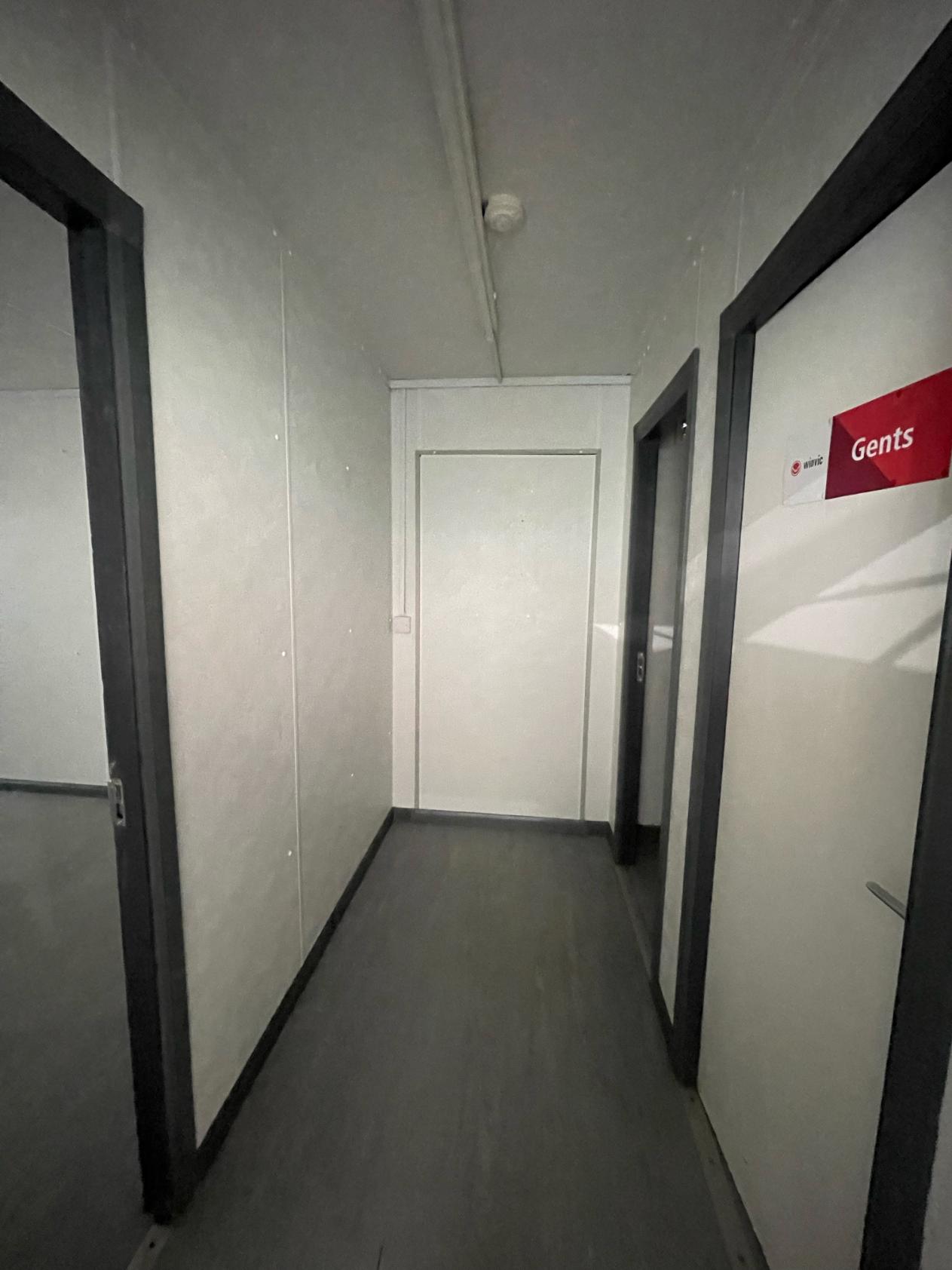
Hallway leading into:
Transport can be arranged please ask.


Location: Nationwide
Not Available for Hire
Call for an instant quote!
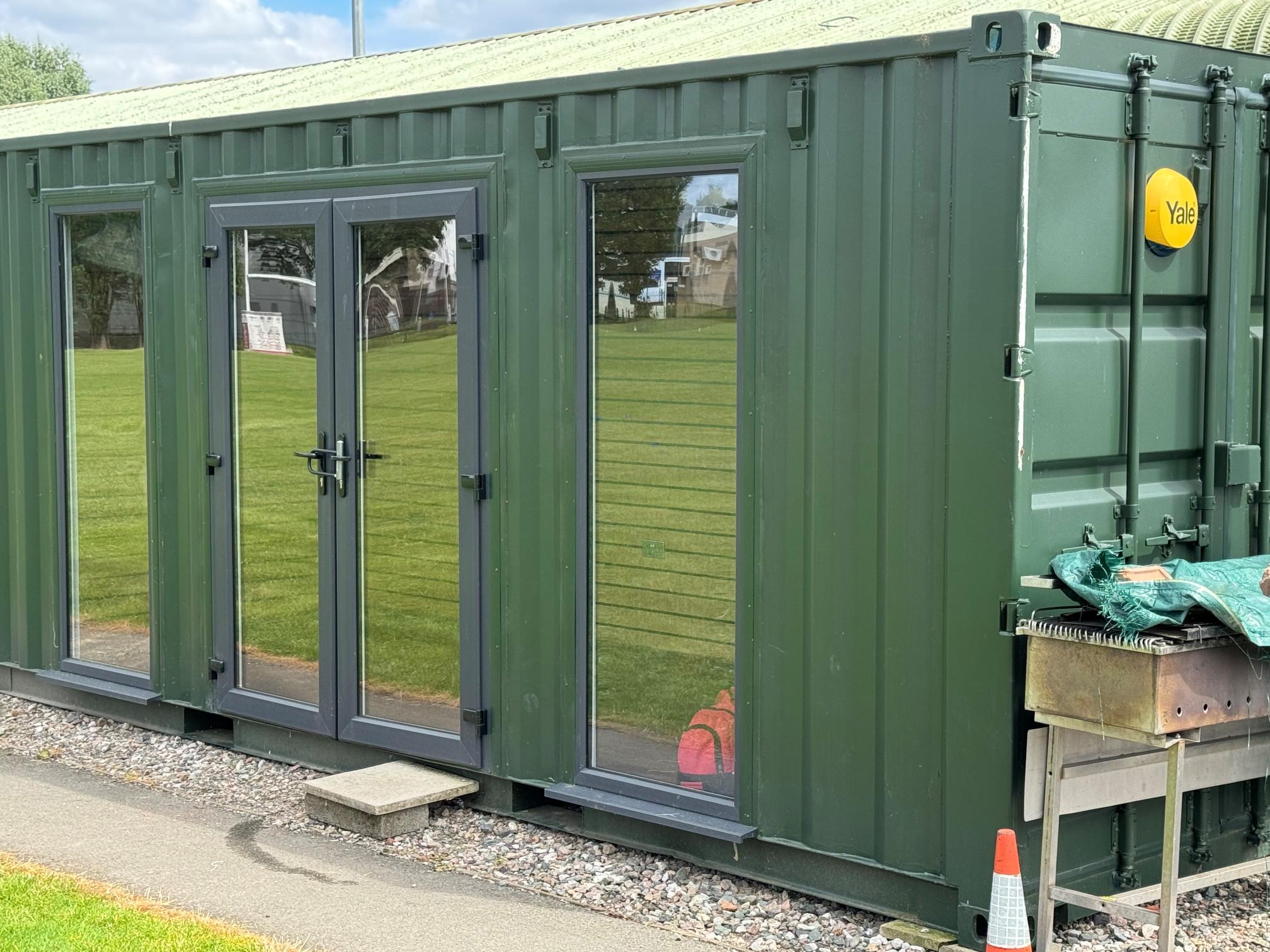
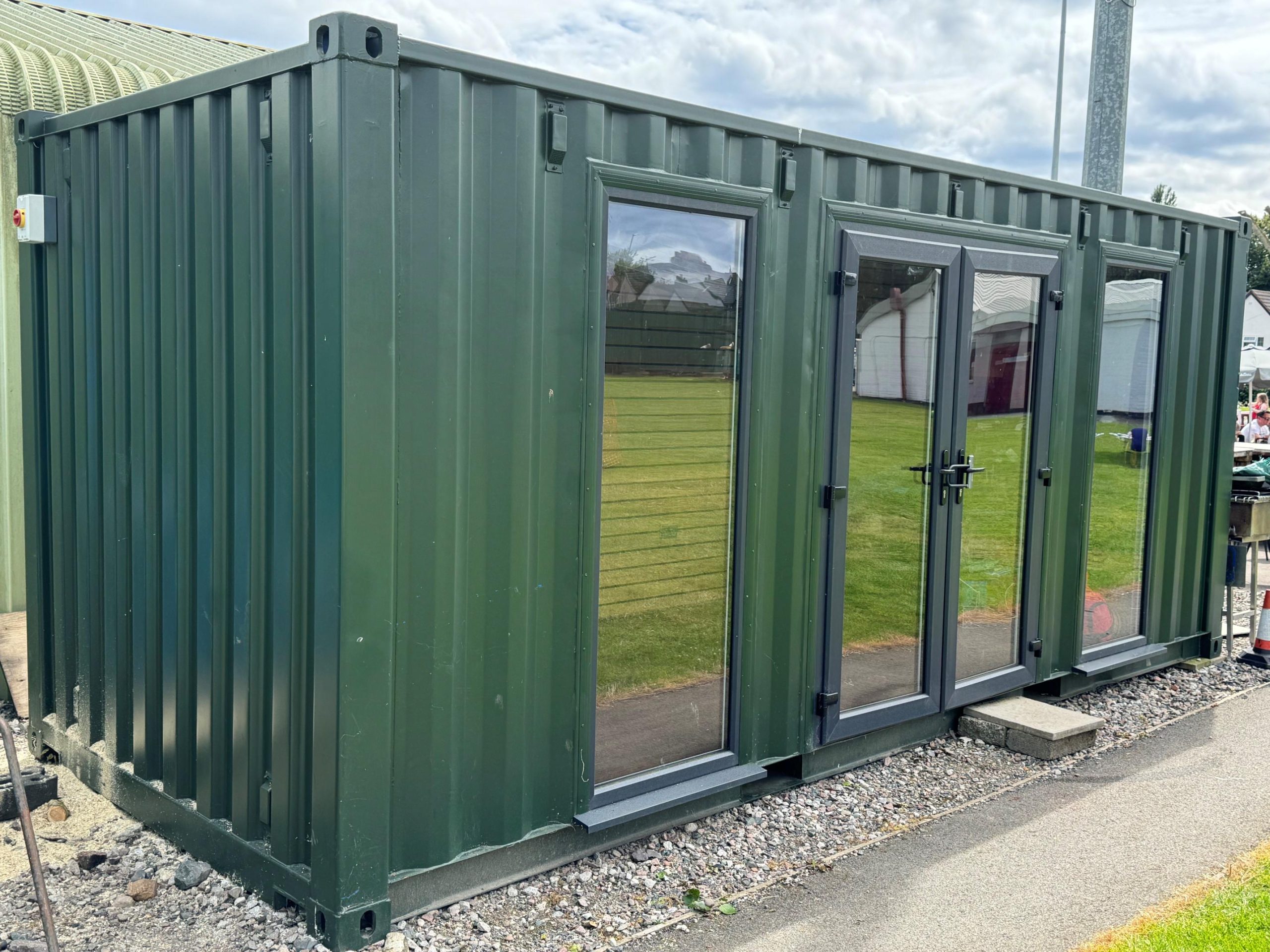
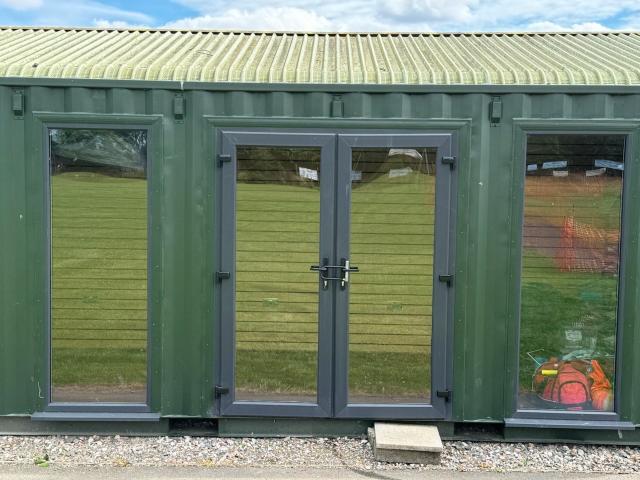
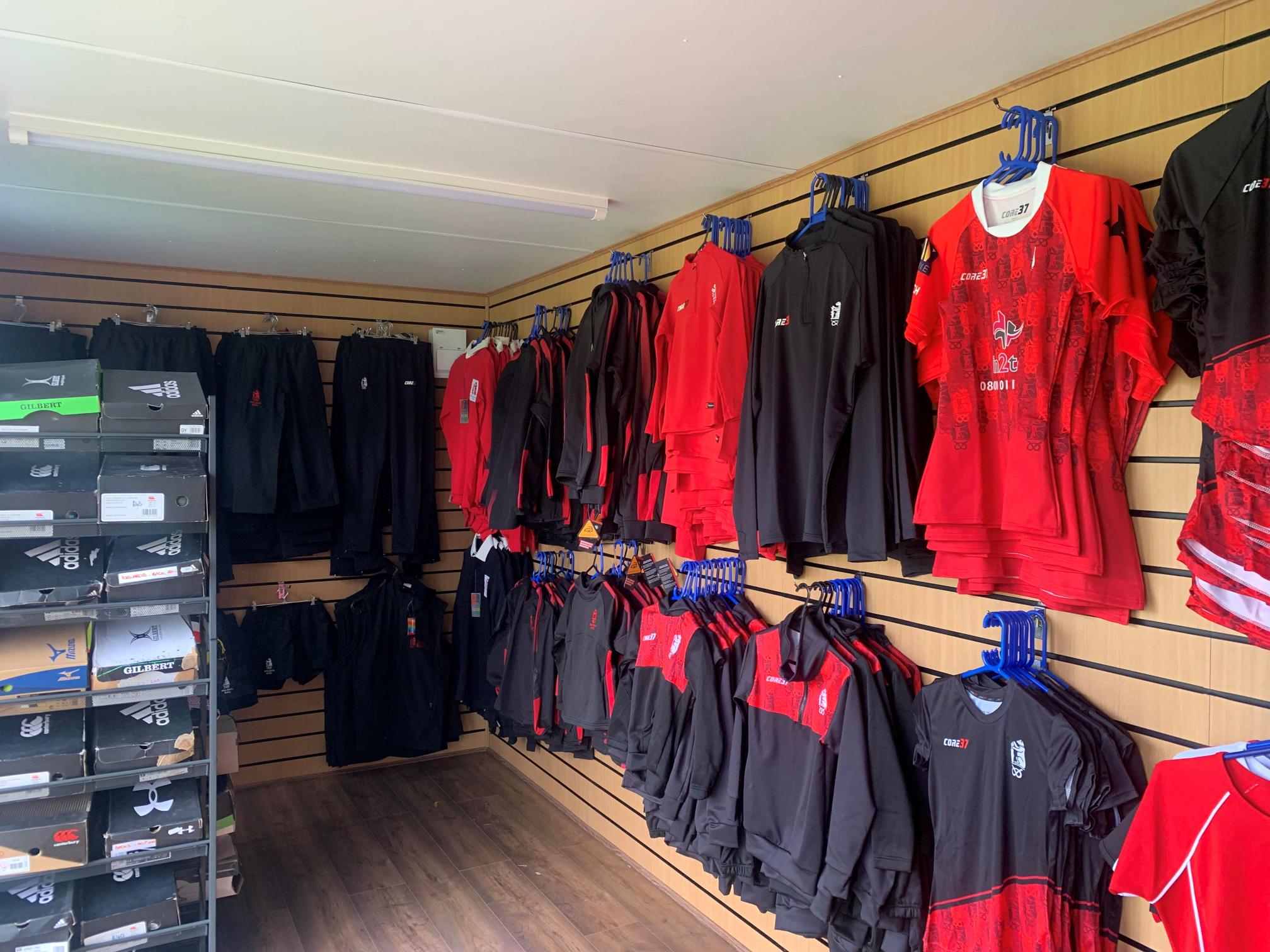
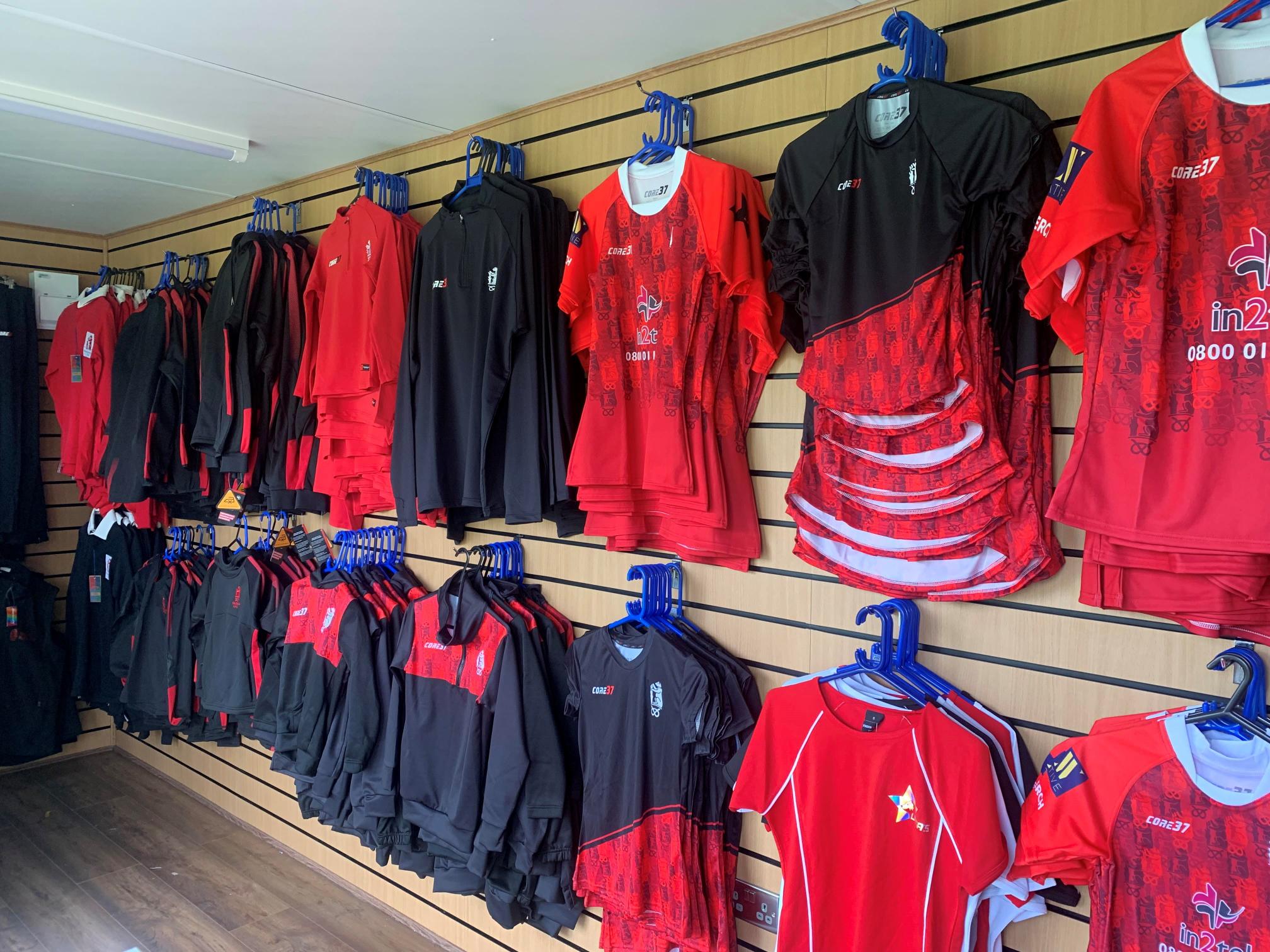
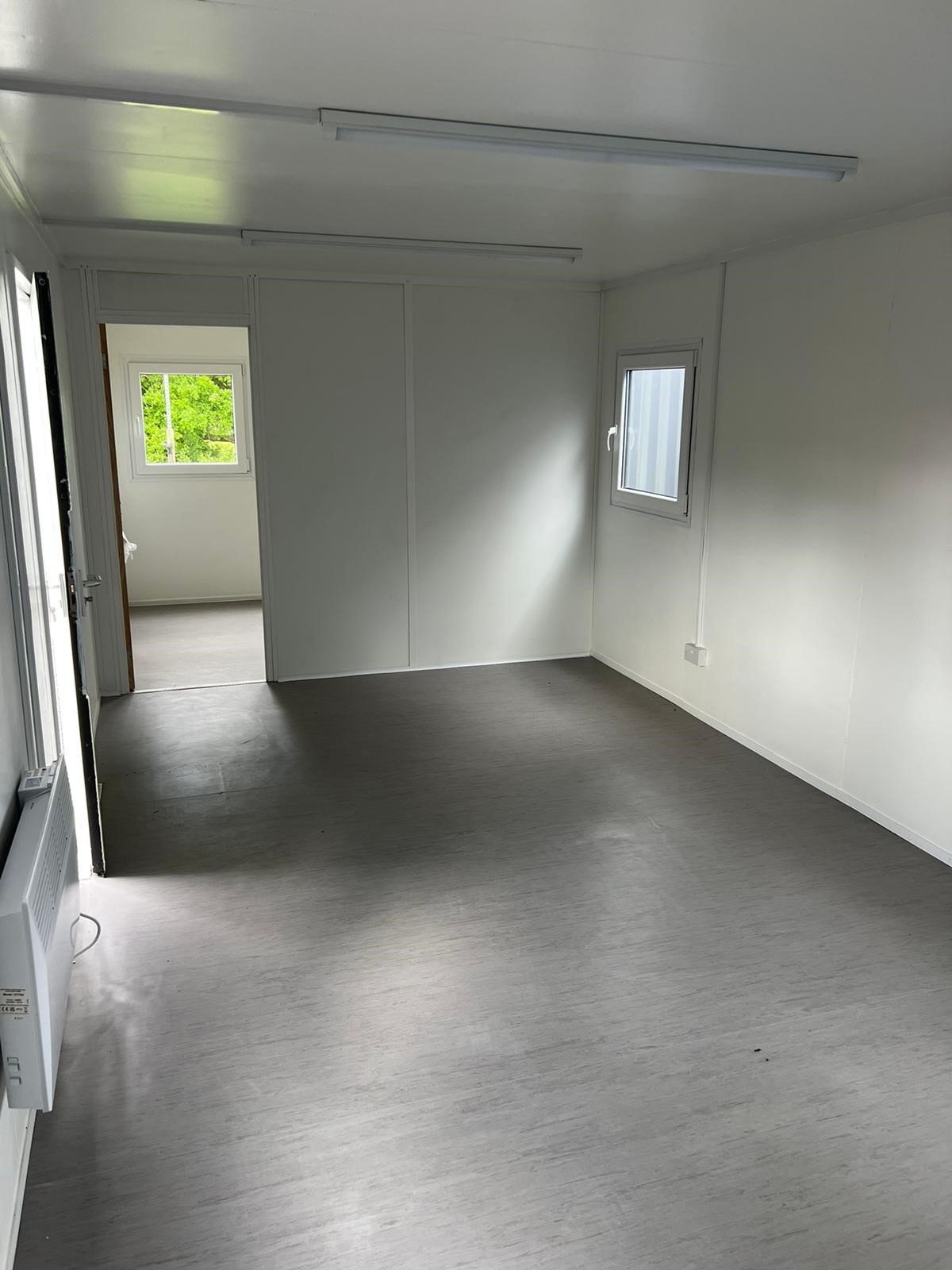
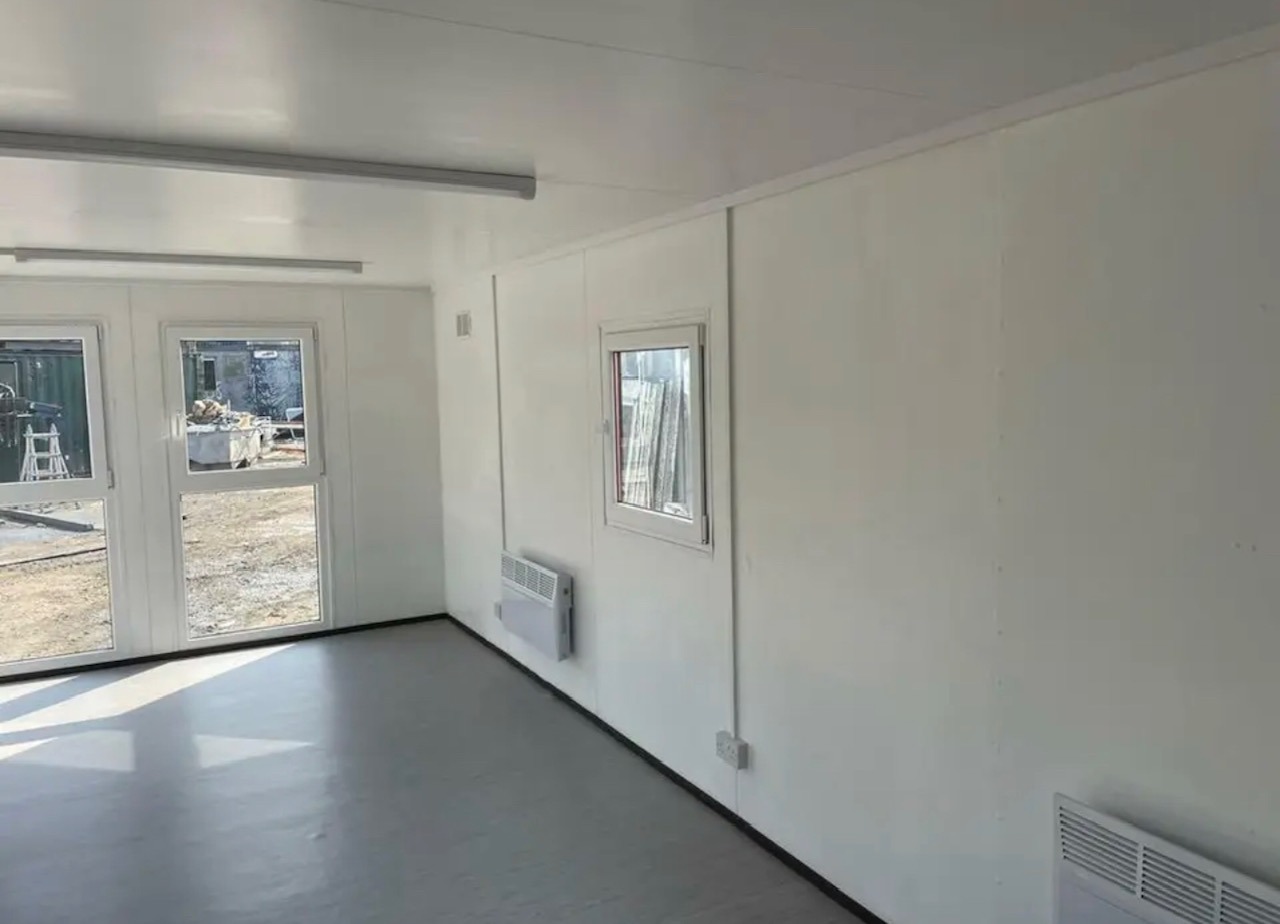
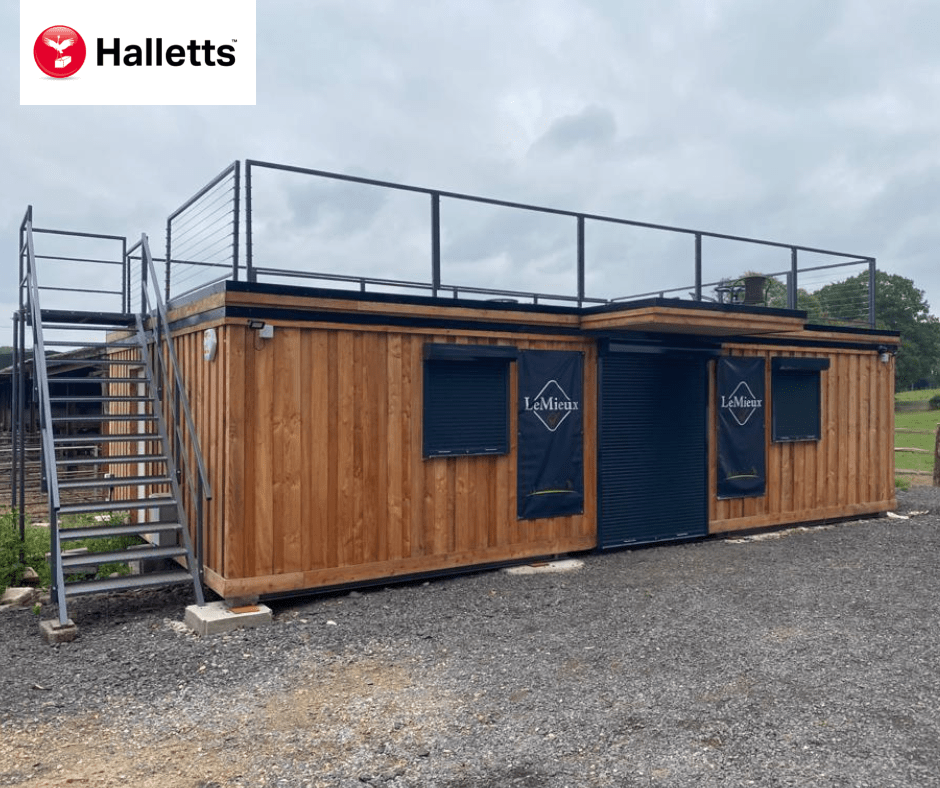
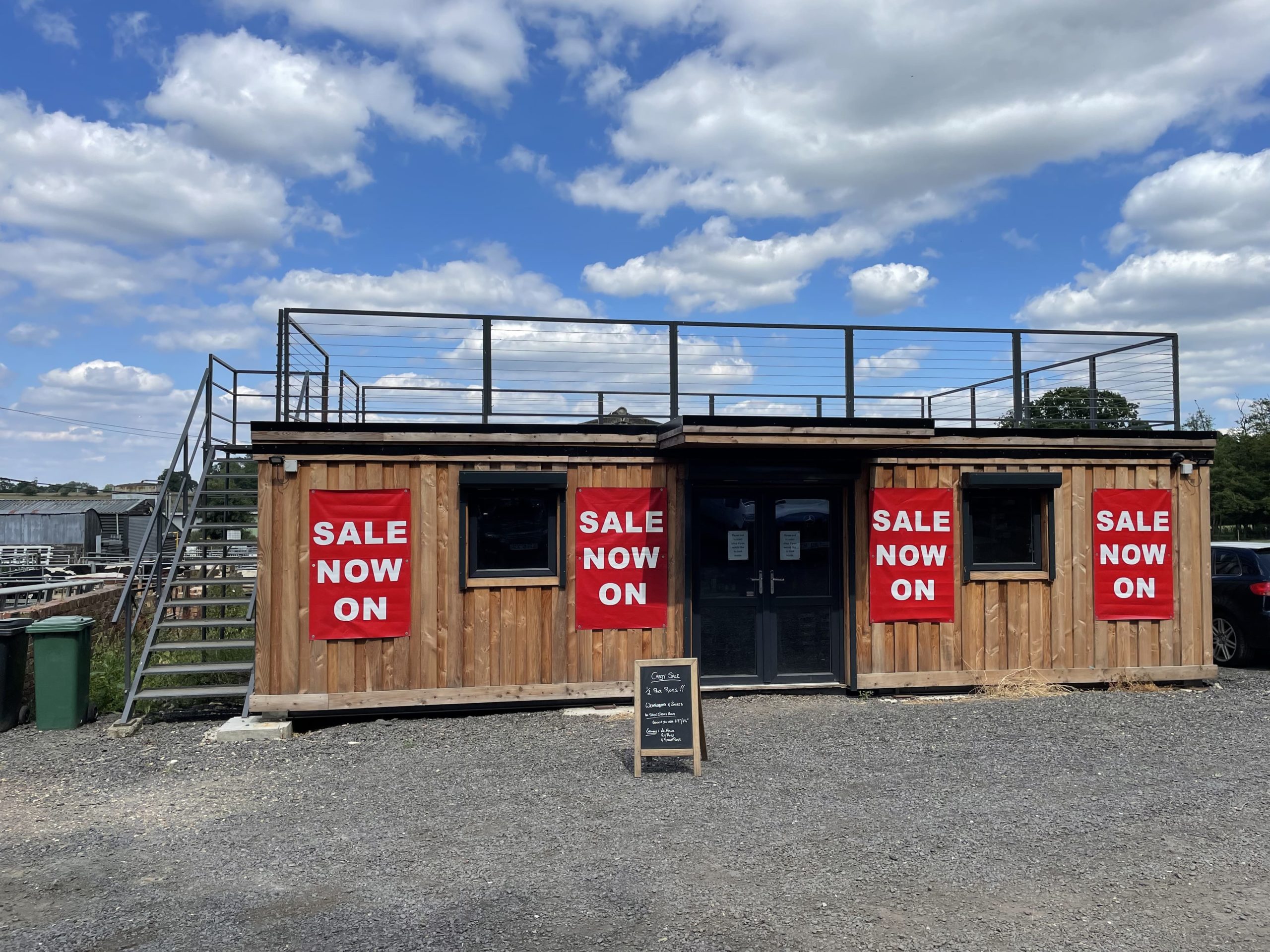
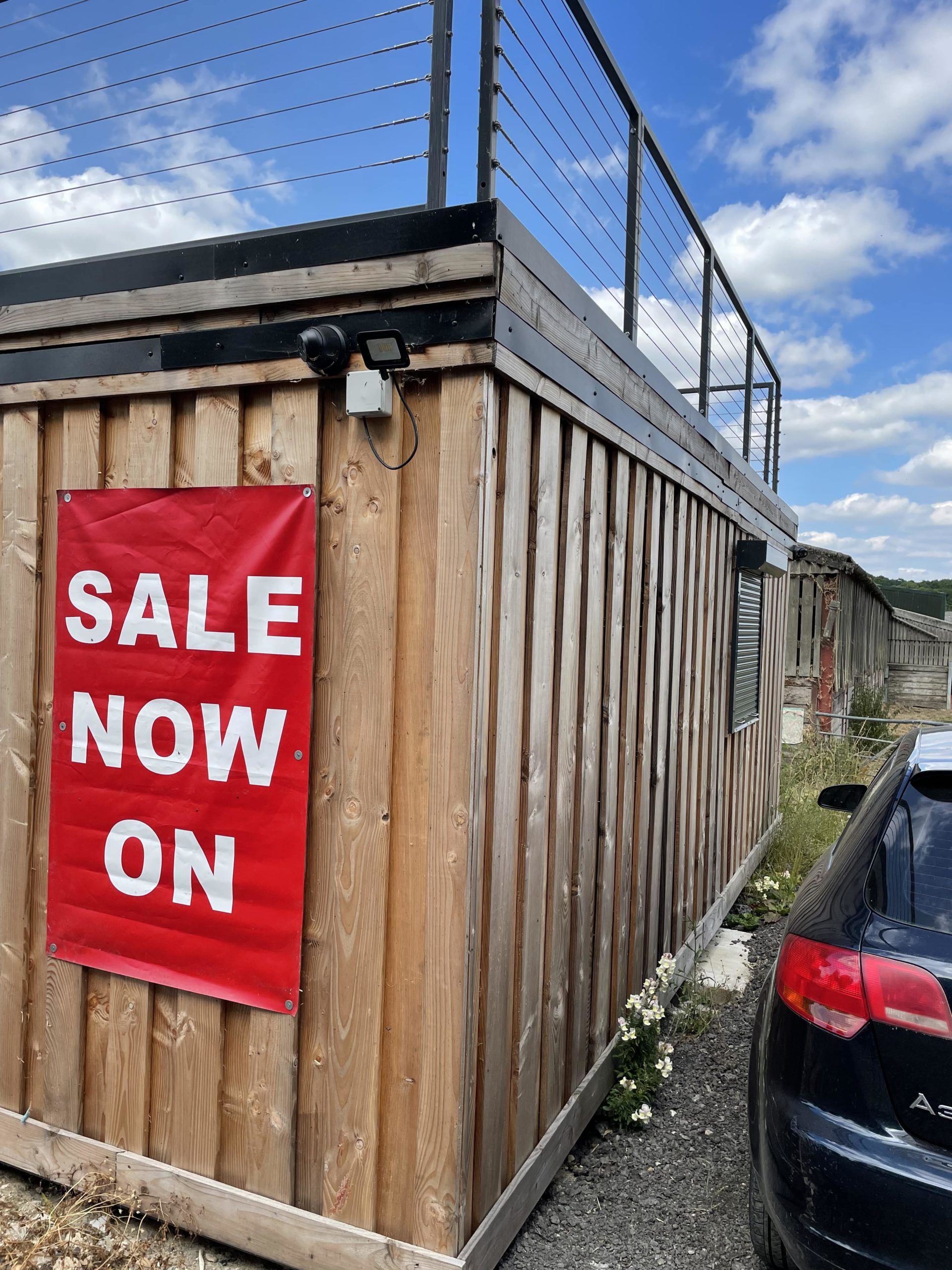
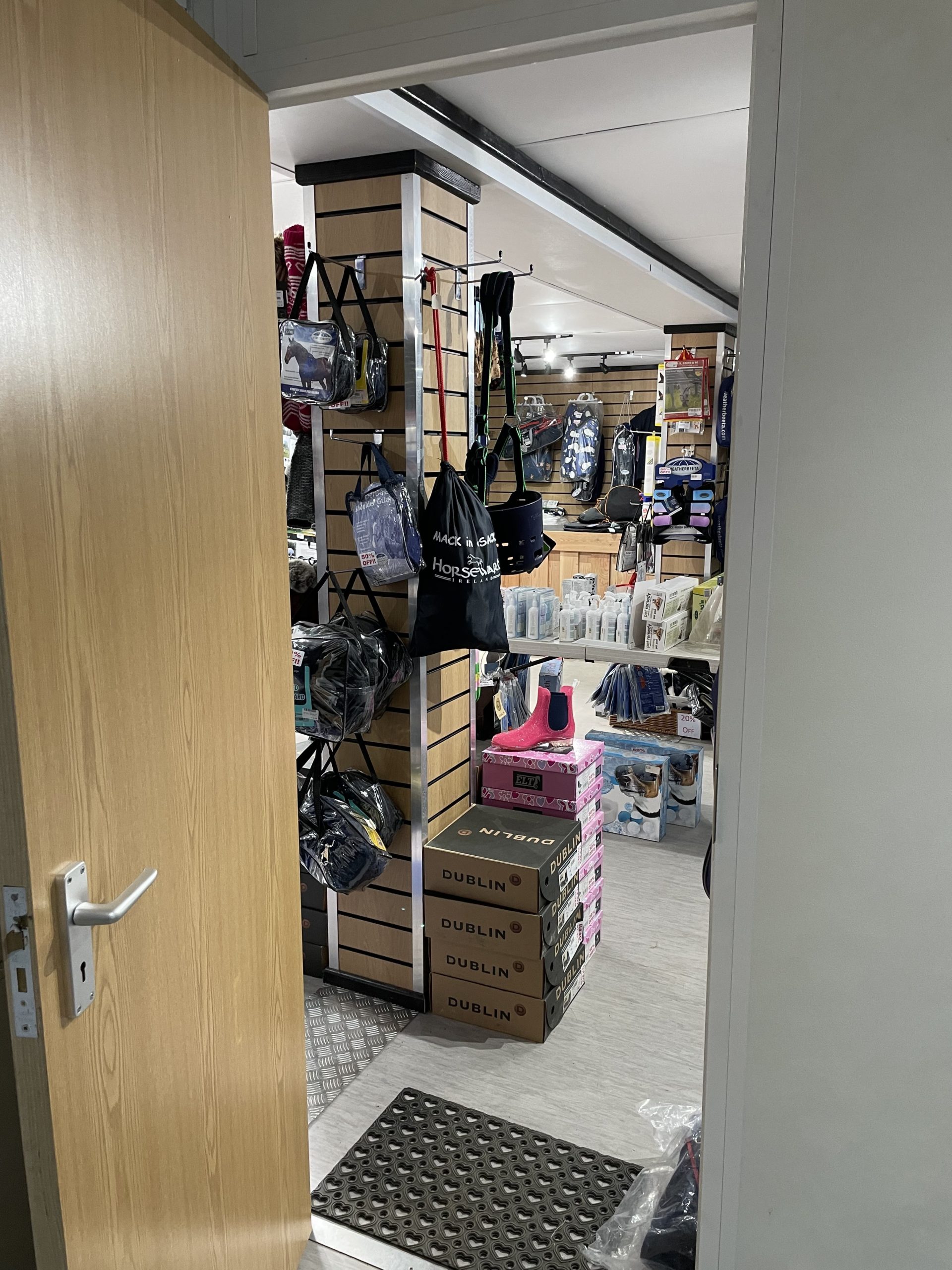
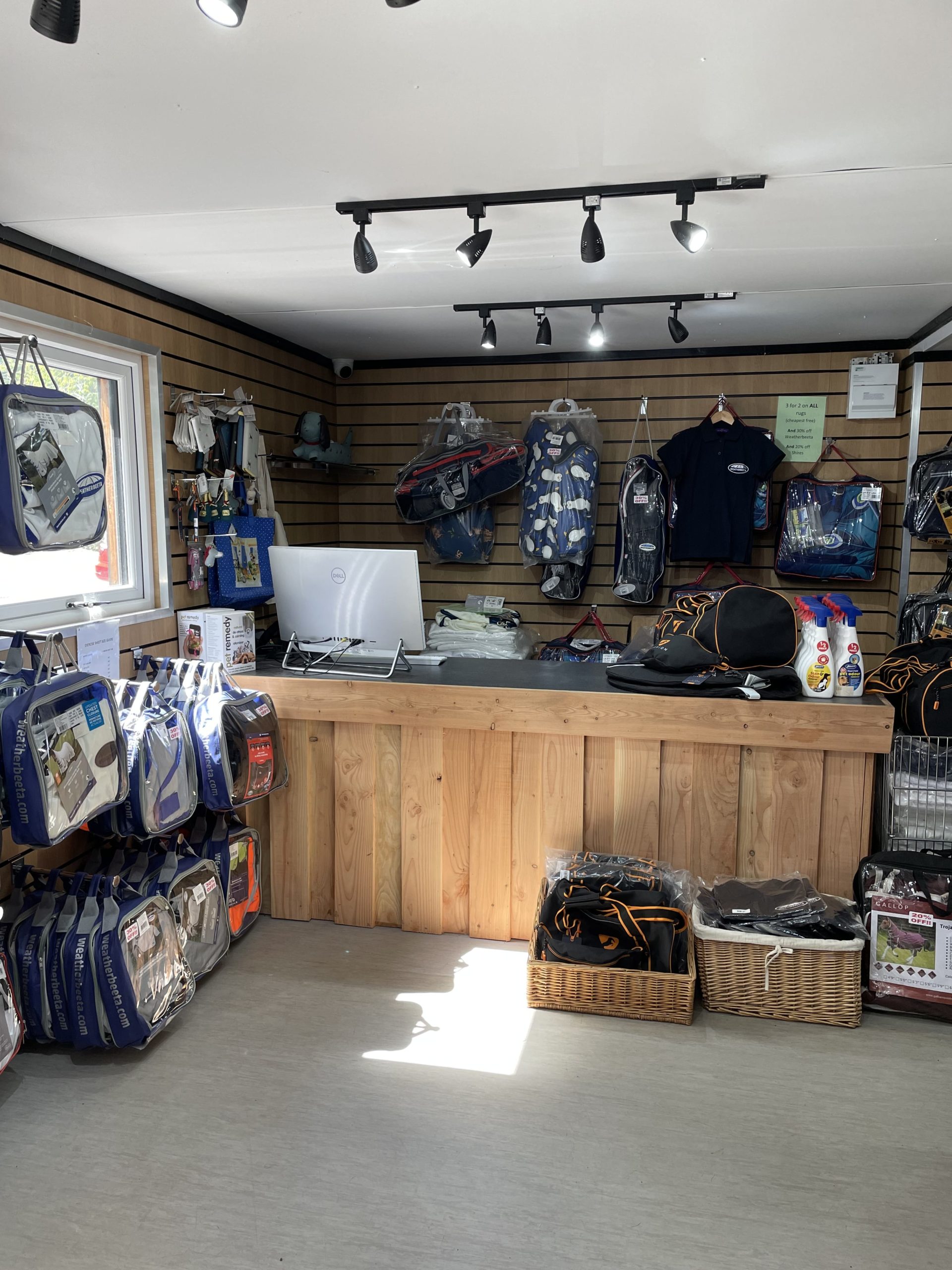
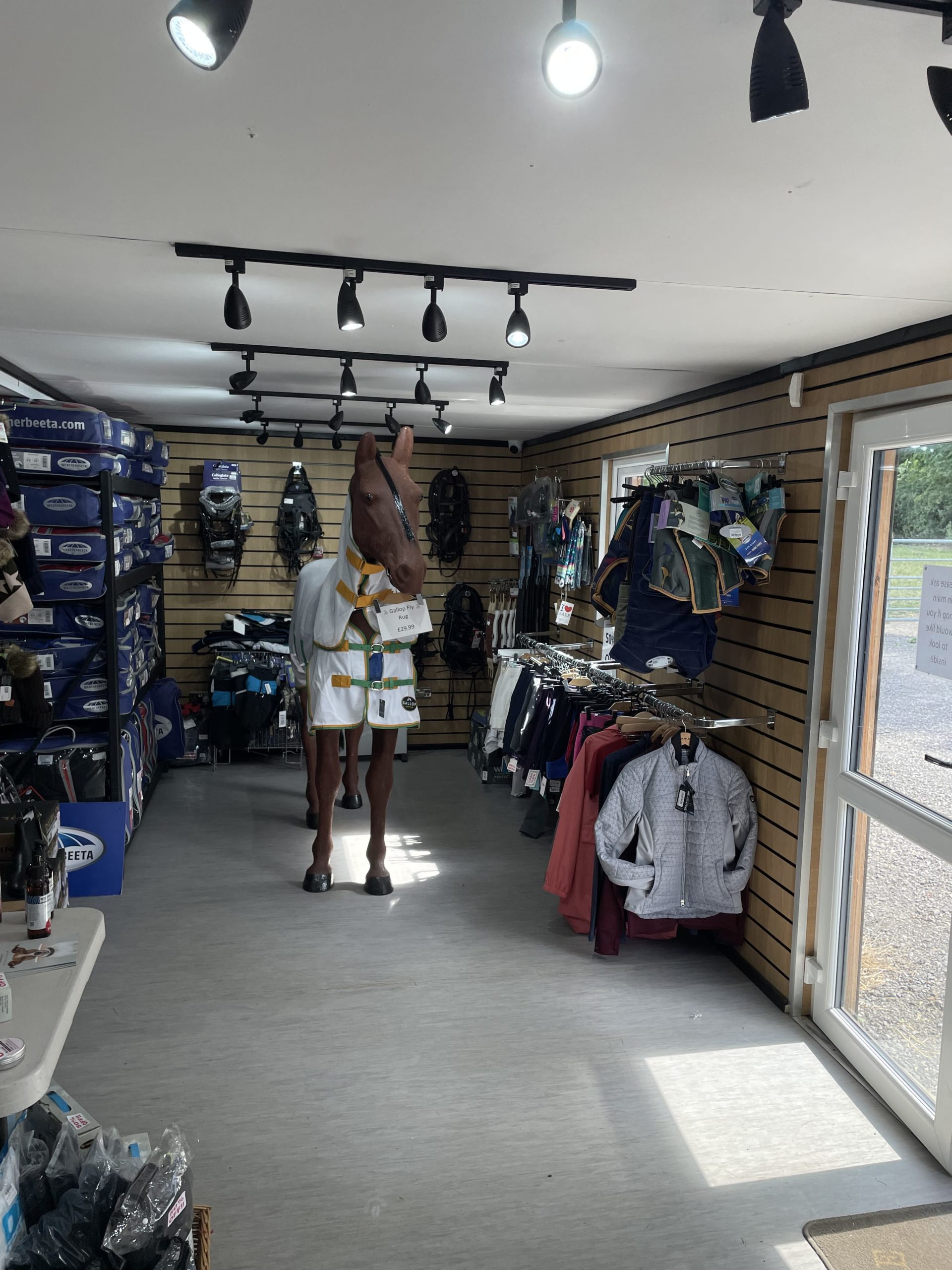
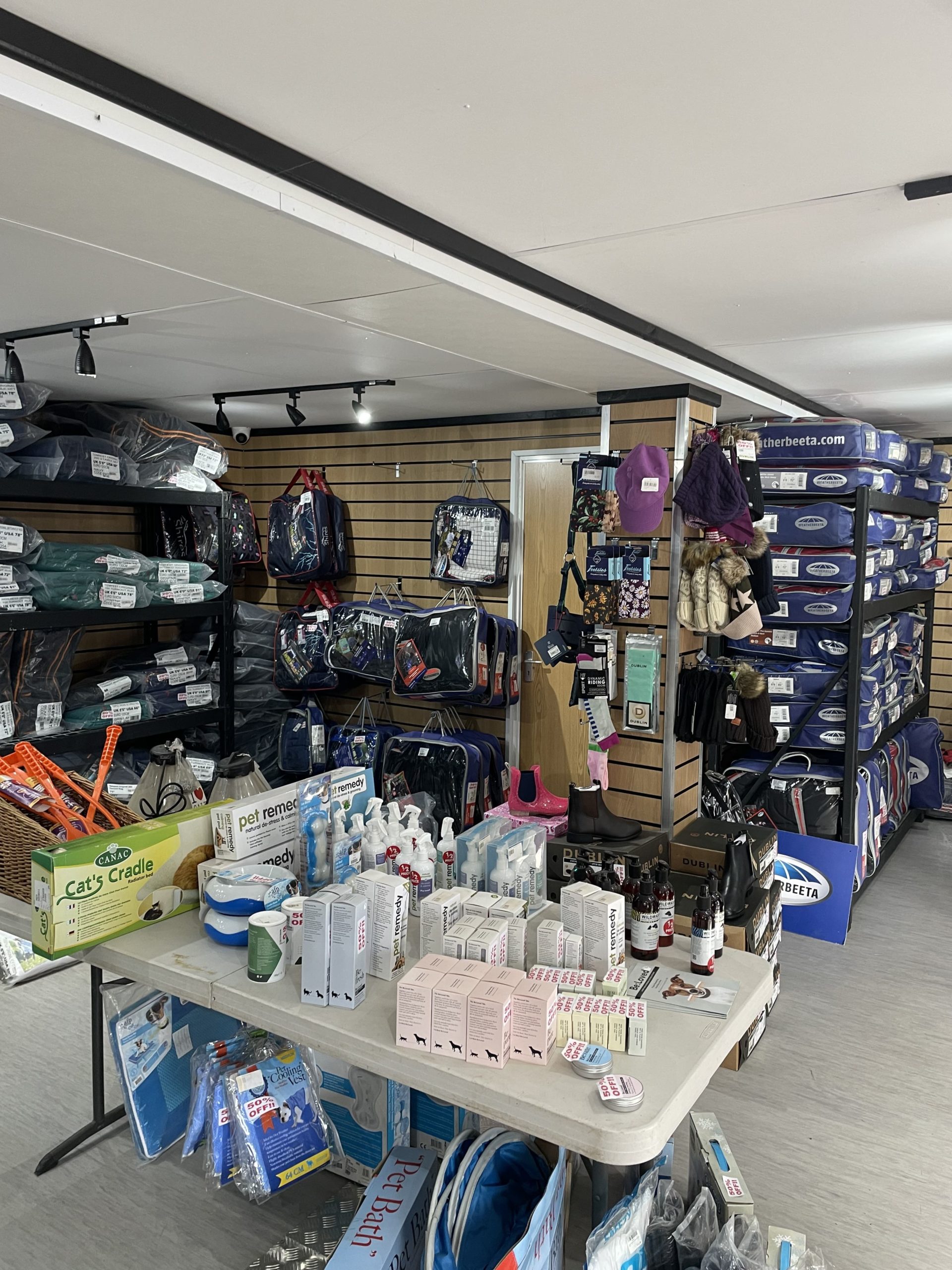
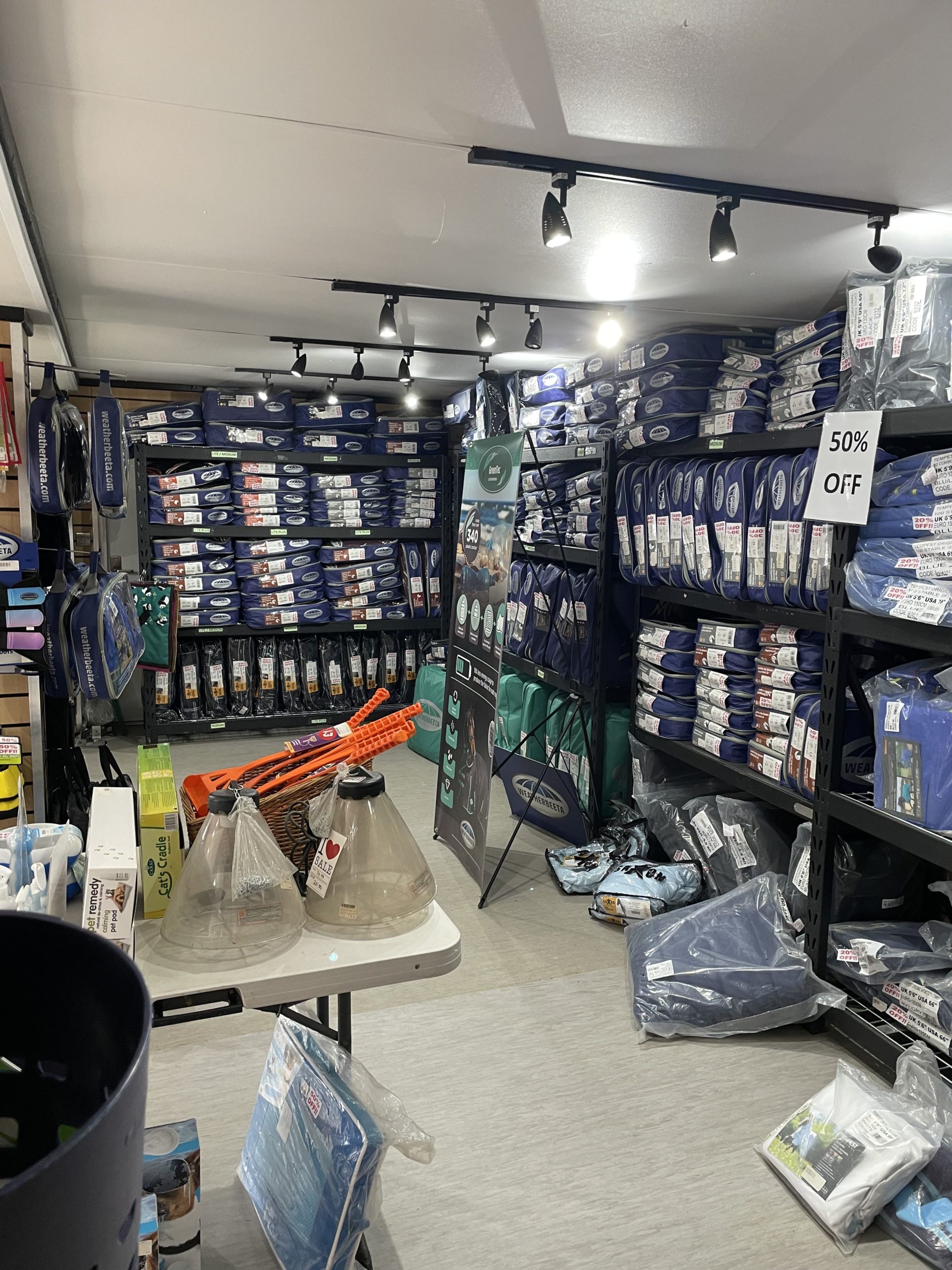
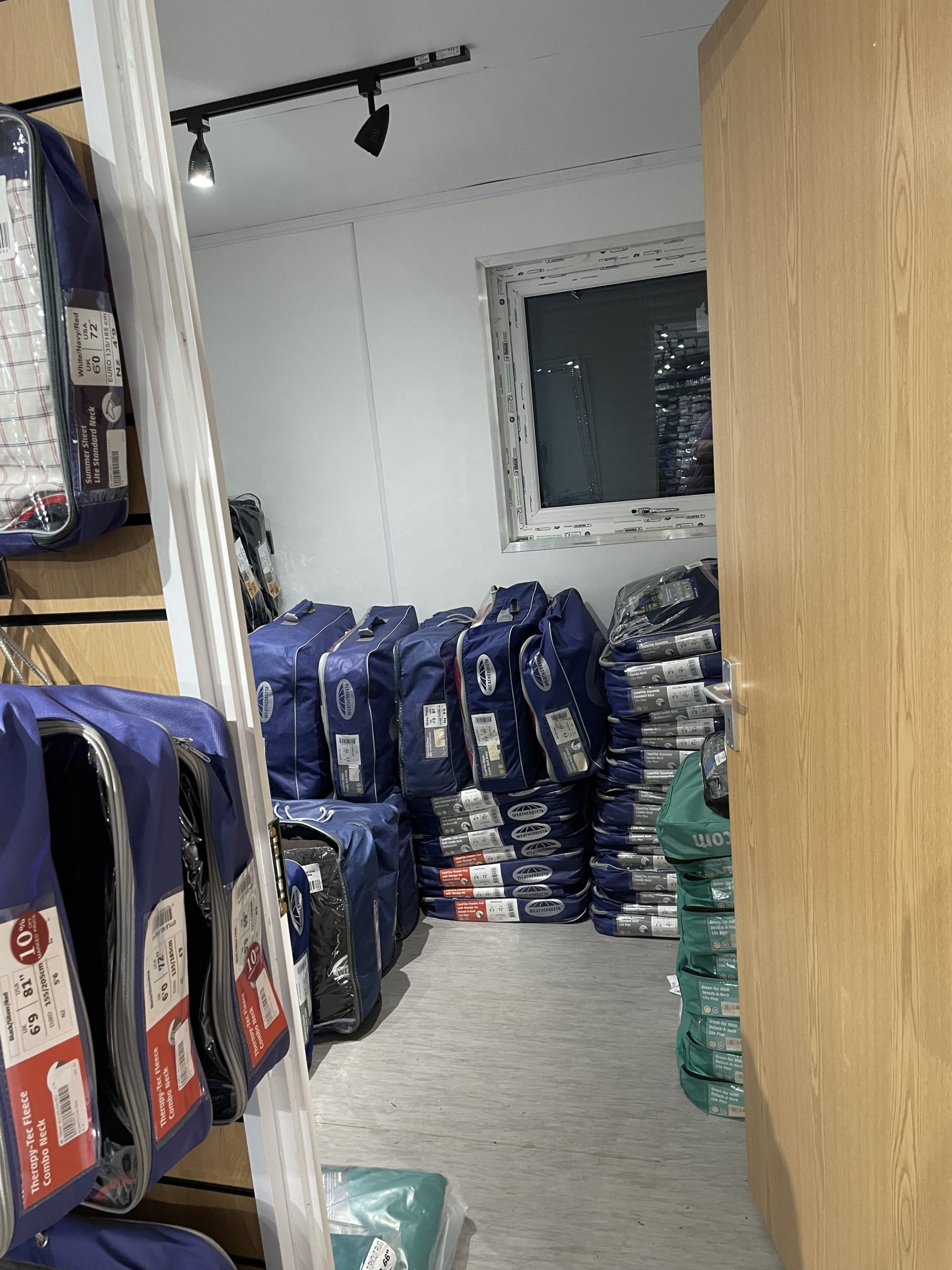
20ft x 8ft Container Conversion Retail Shop
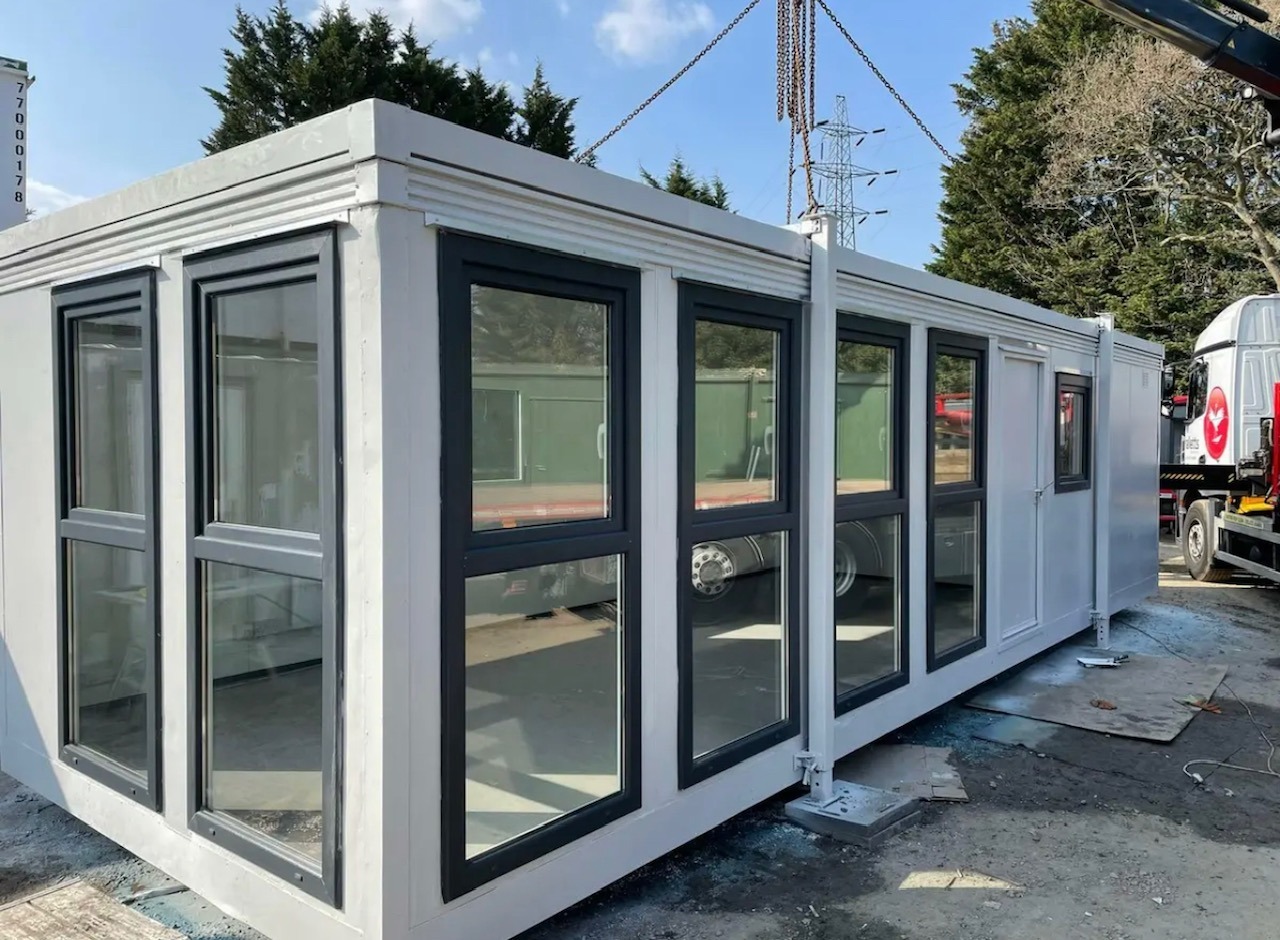
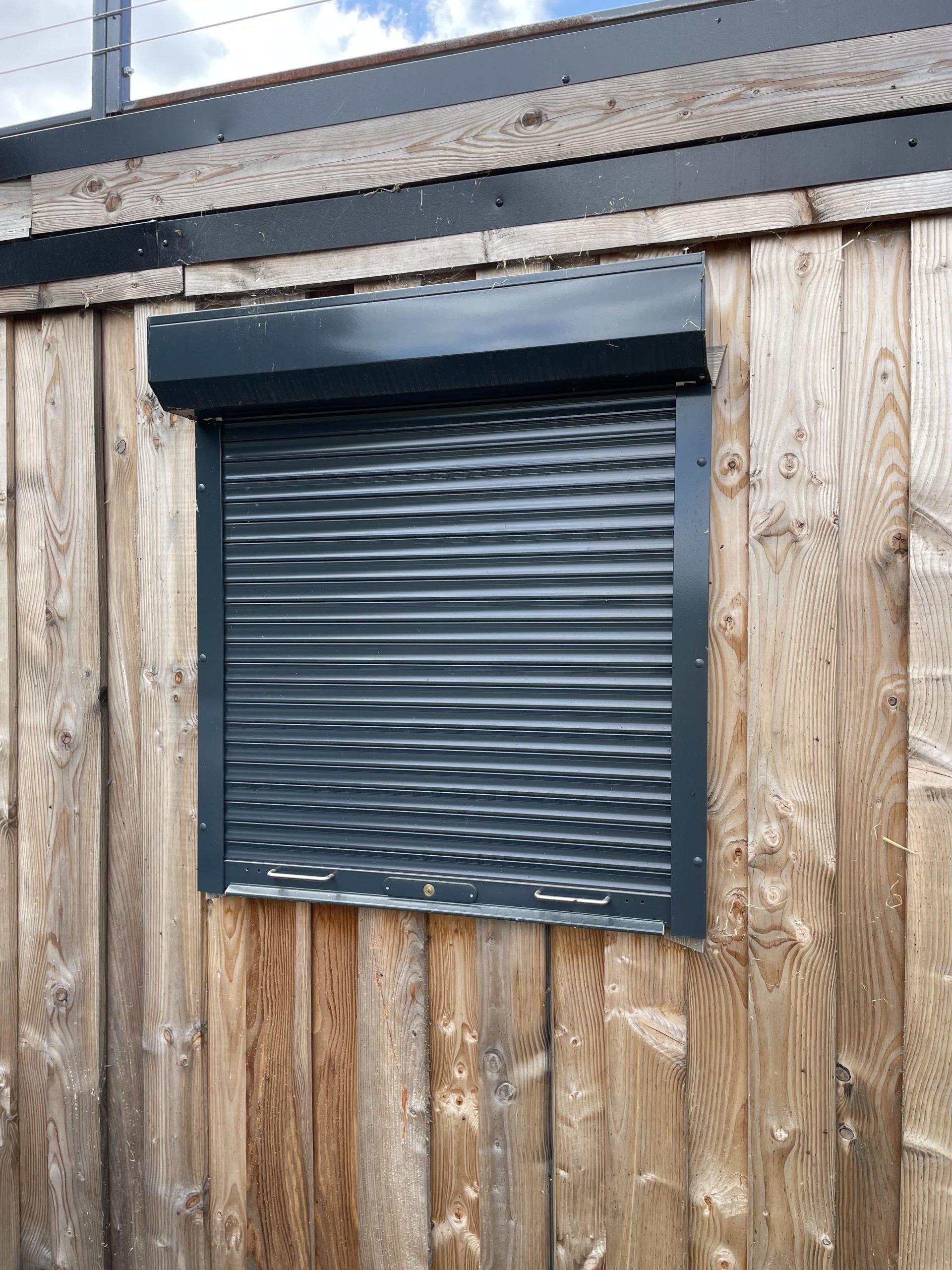
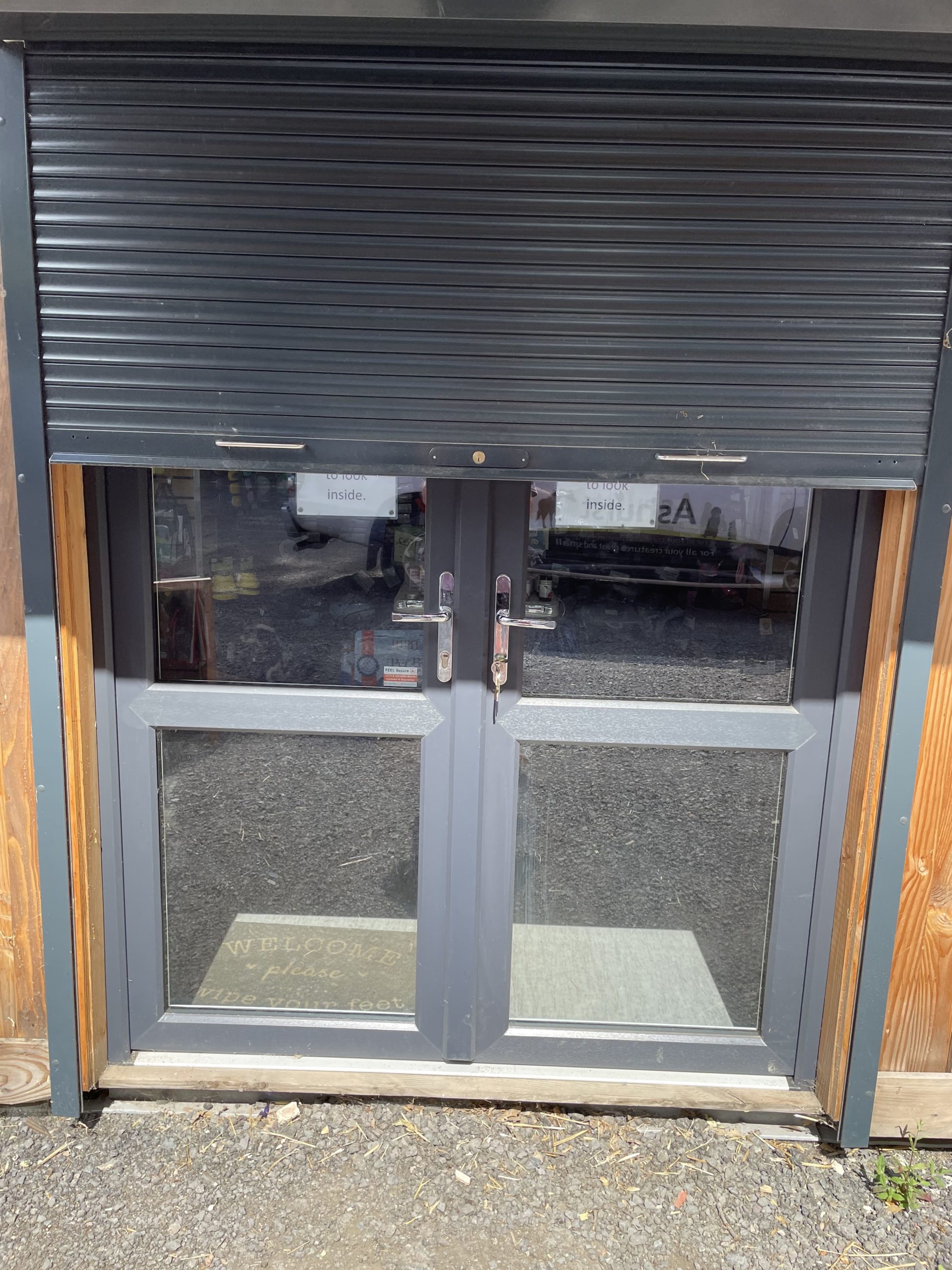
UPVC Double glazed Windows + French Doors
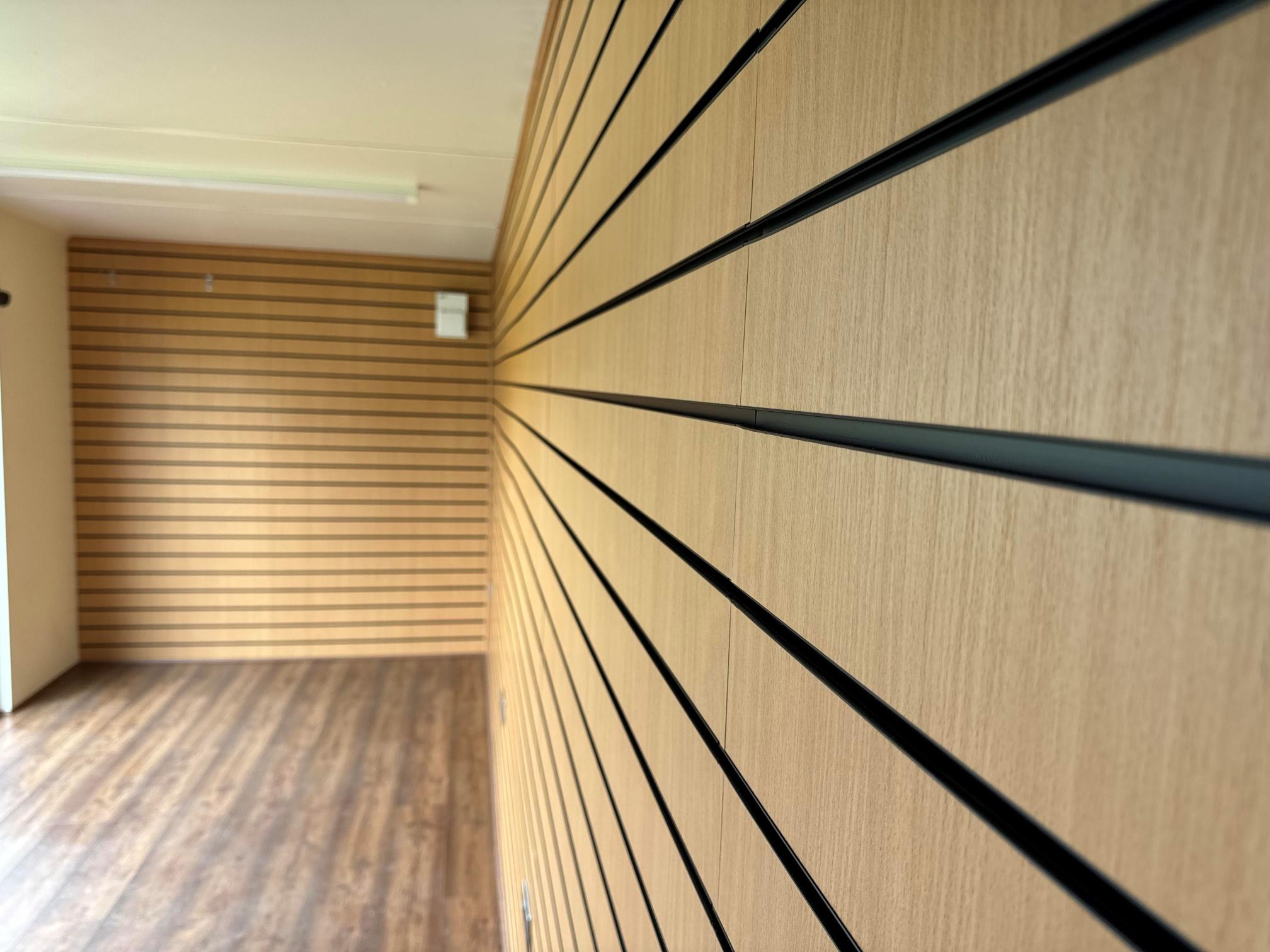
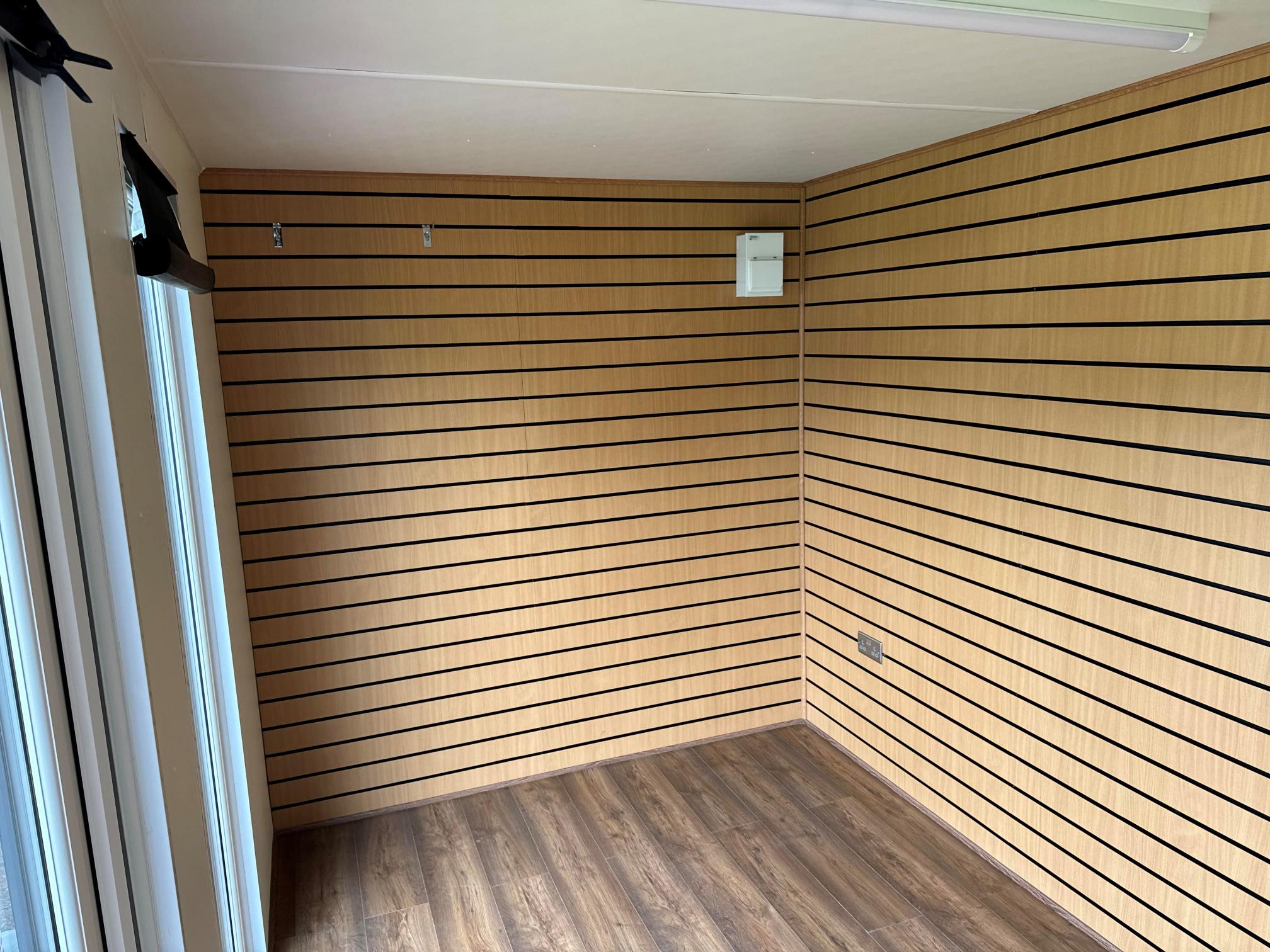
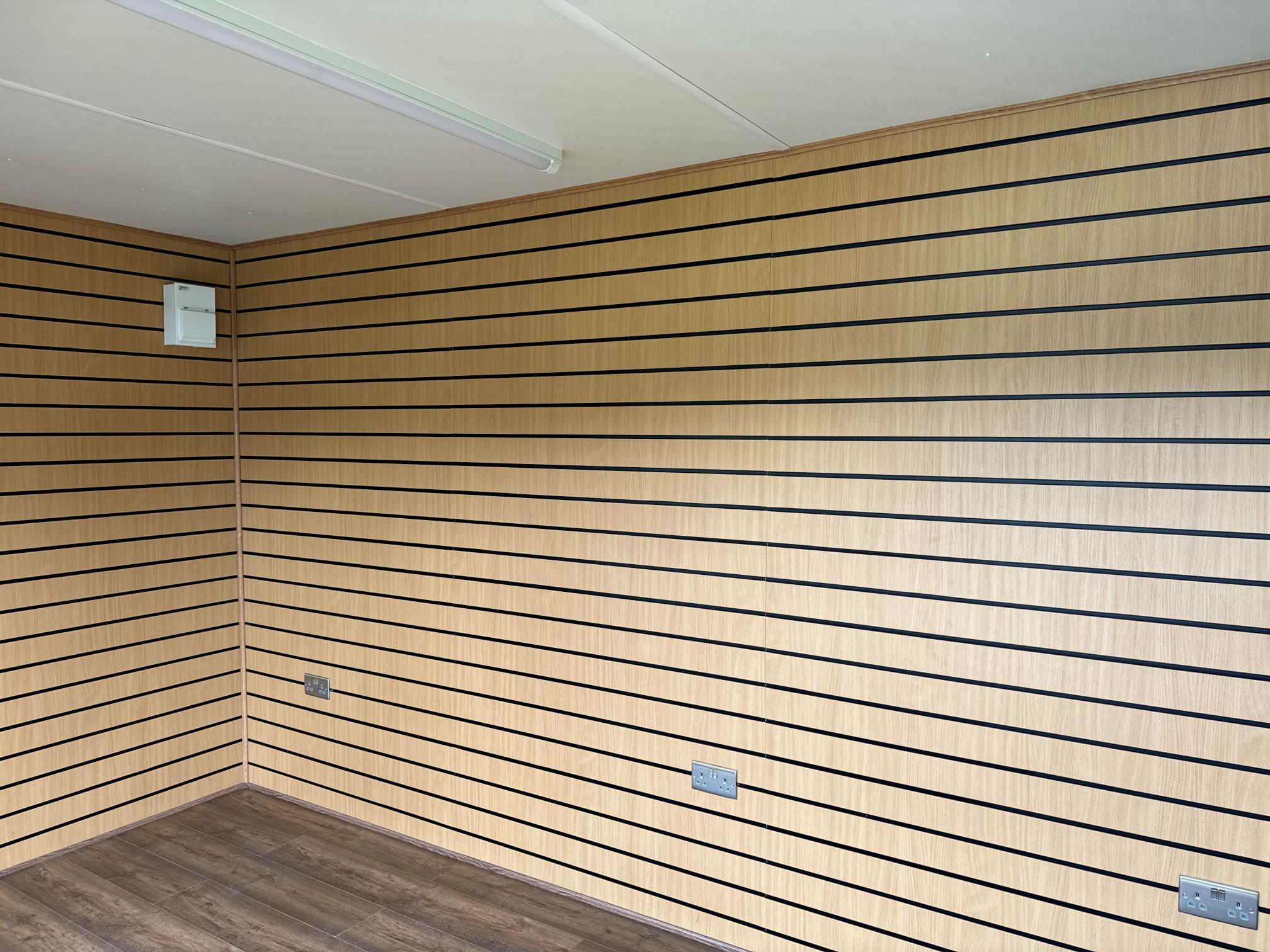
Slat Wall for retail fixings and Merchandise
Electric Chrome Sockets, led lighting and heating.
Laminate Flooring
12 months Warranty
Maintenance call out package included
Less than 2 years old
Still in Brand New Condition


Fully refurbished
Colour light grey
Slate grey anthracite upvc double glazed windows


Location: Nationwide
+ VAT
Not Available for Hire
Call for an instant quote!
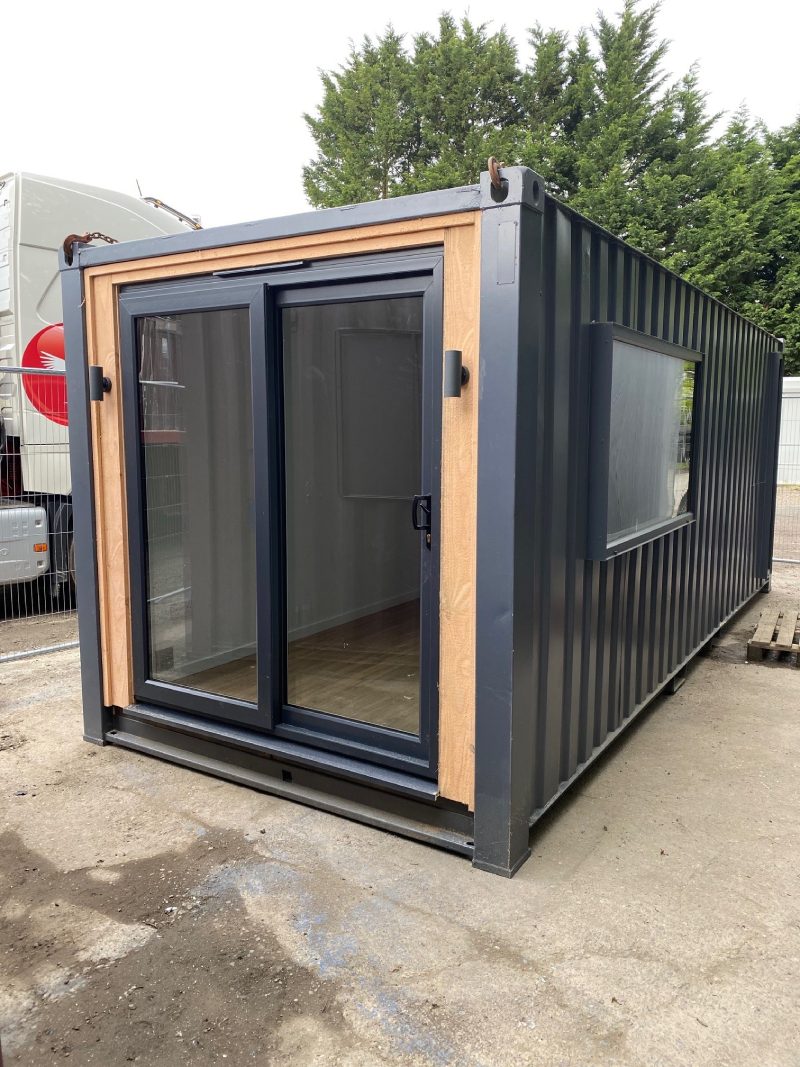
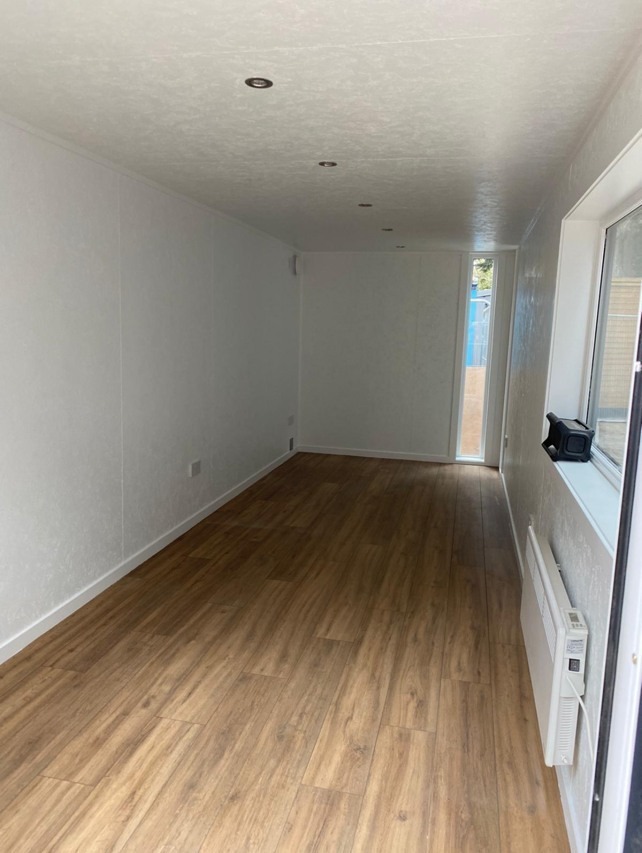
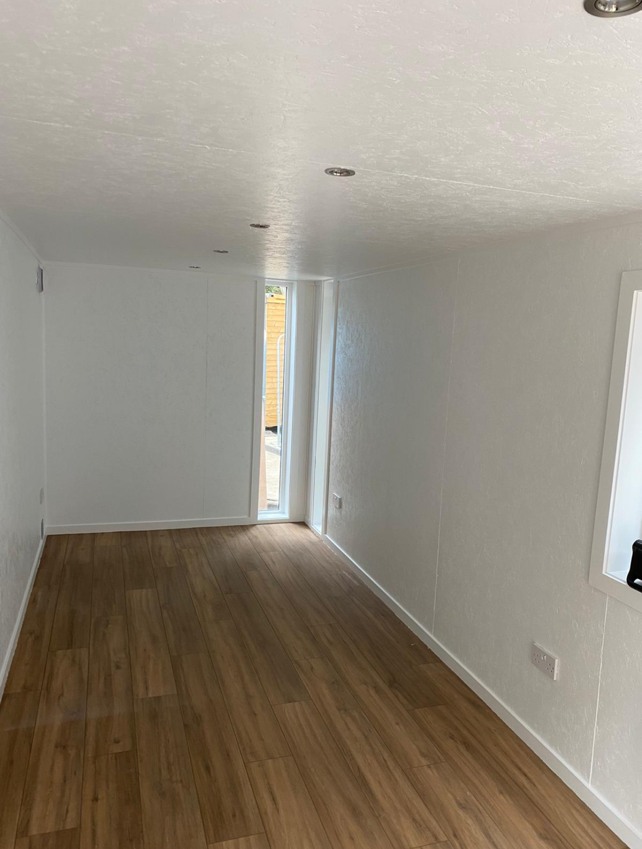
Fully Insulated with electric sockets, spot lighting, and heating
Wood Flooring
UPVC Sliding Door + Windows
Lead Time for build 6-8 weeks


Location: Nationwide
+ VAT
Not Available for Hire
Call for an instant quote!
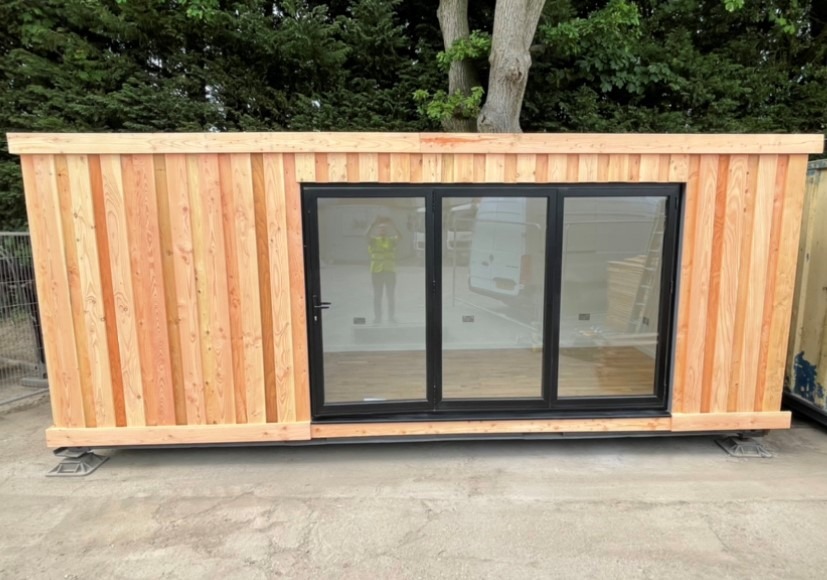
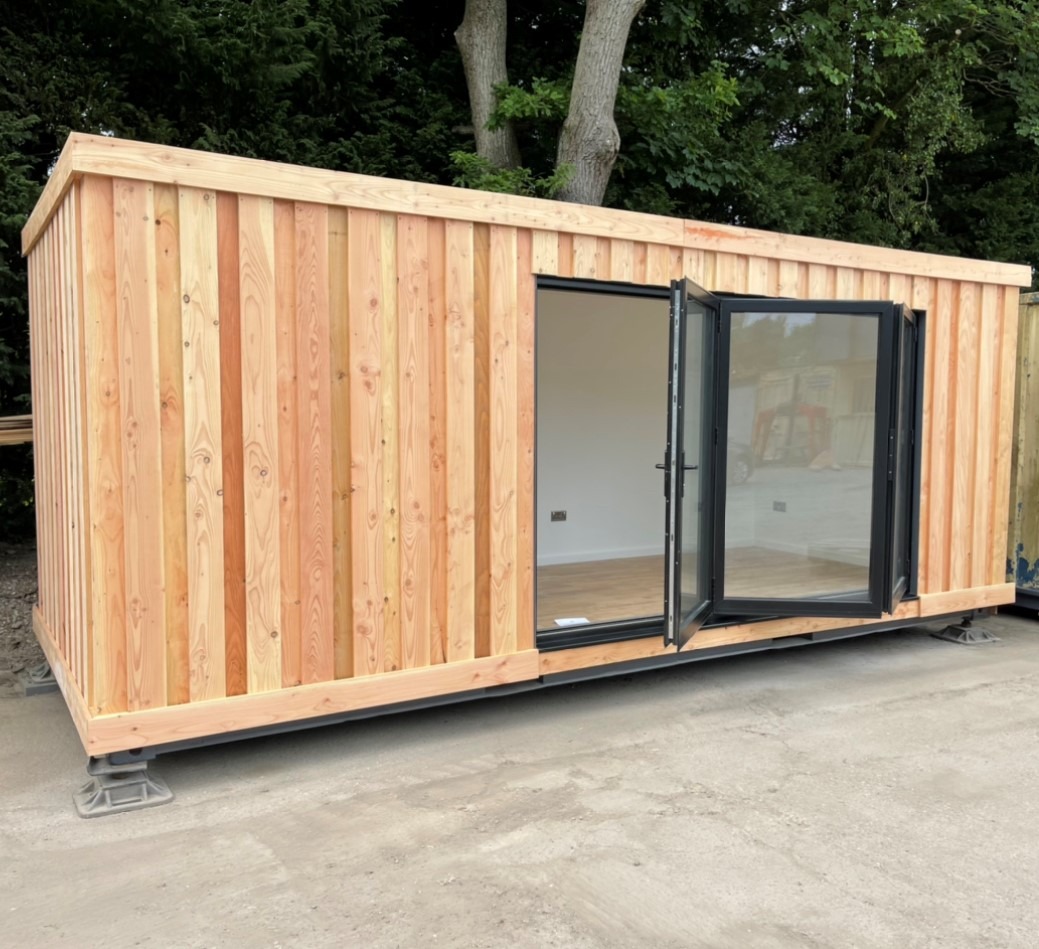
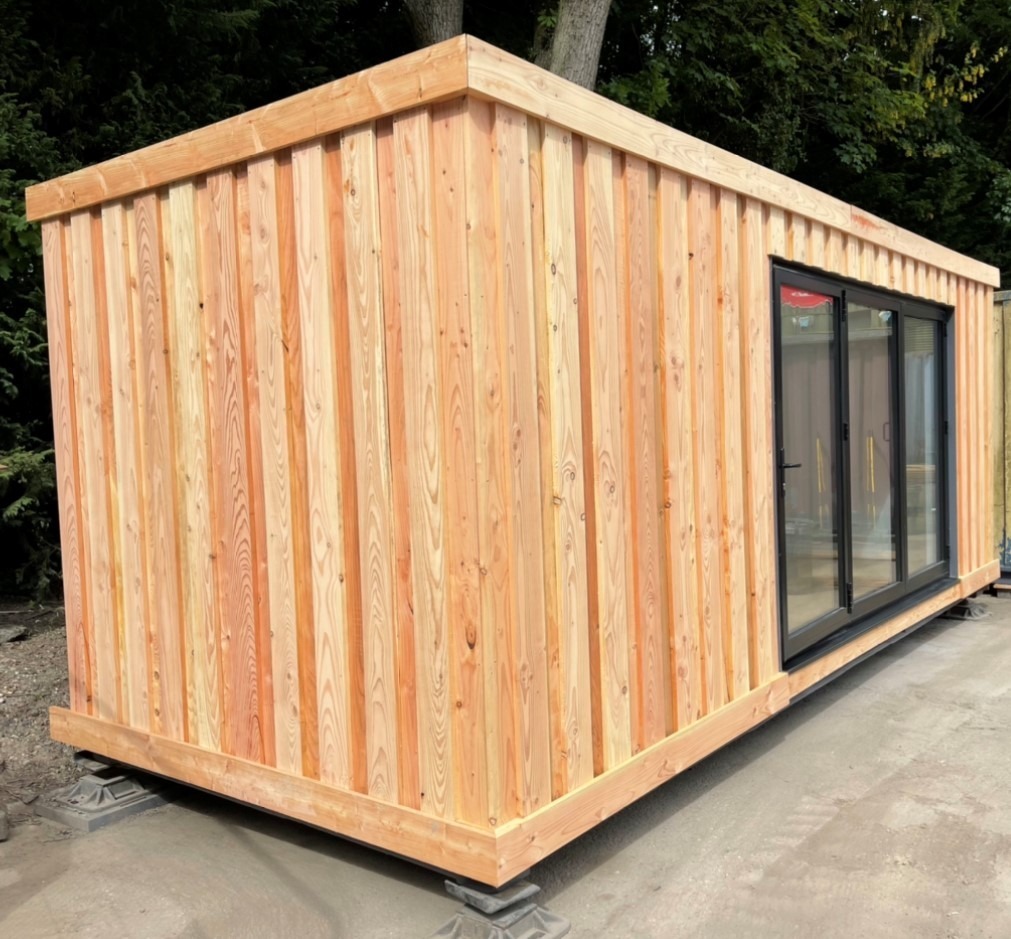
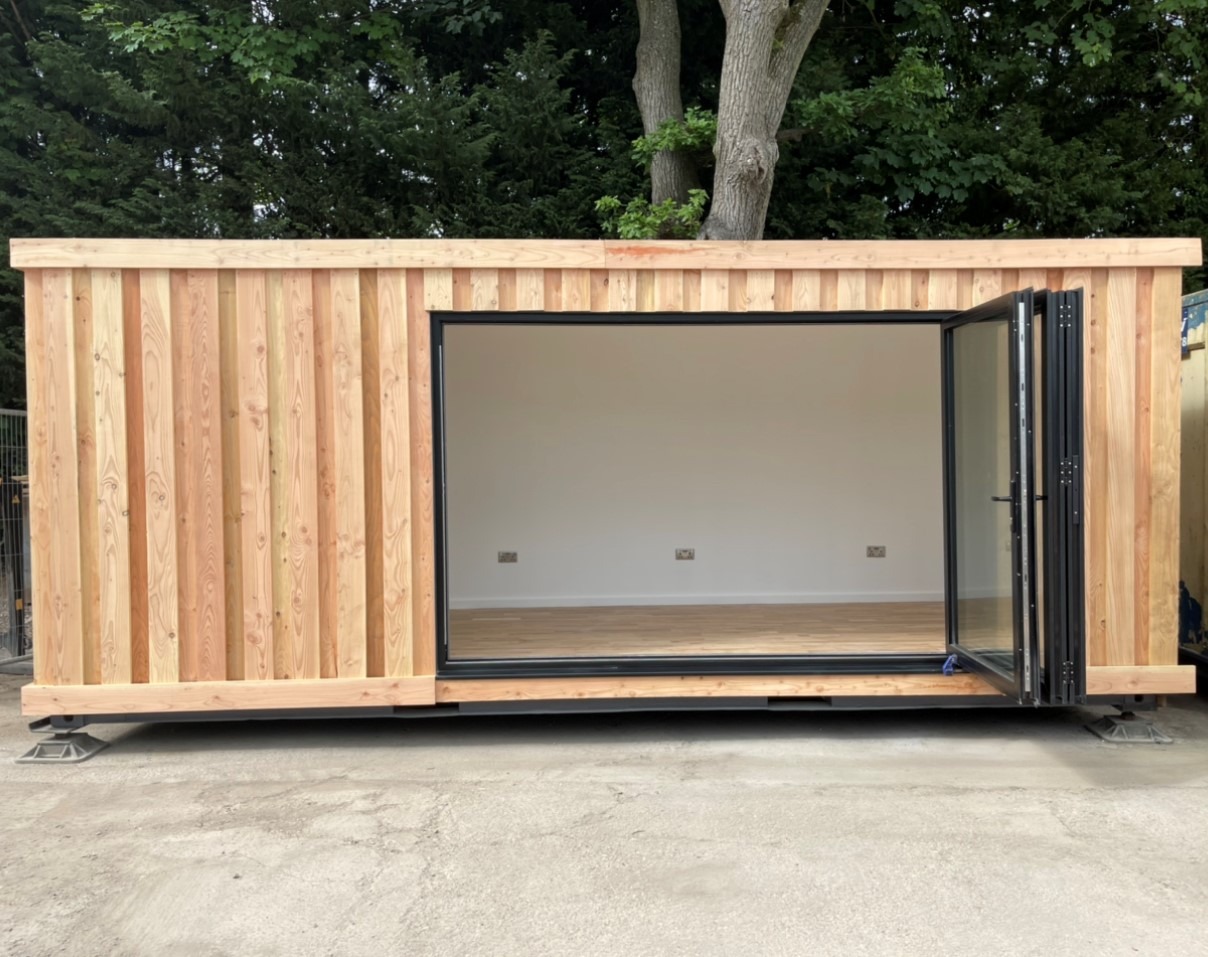
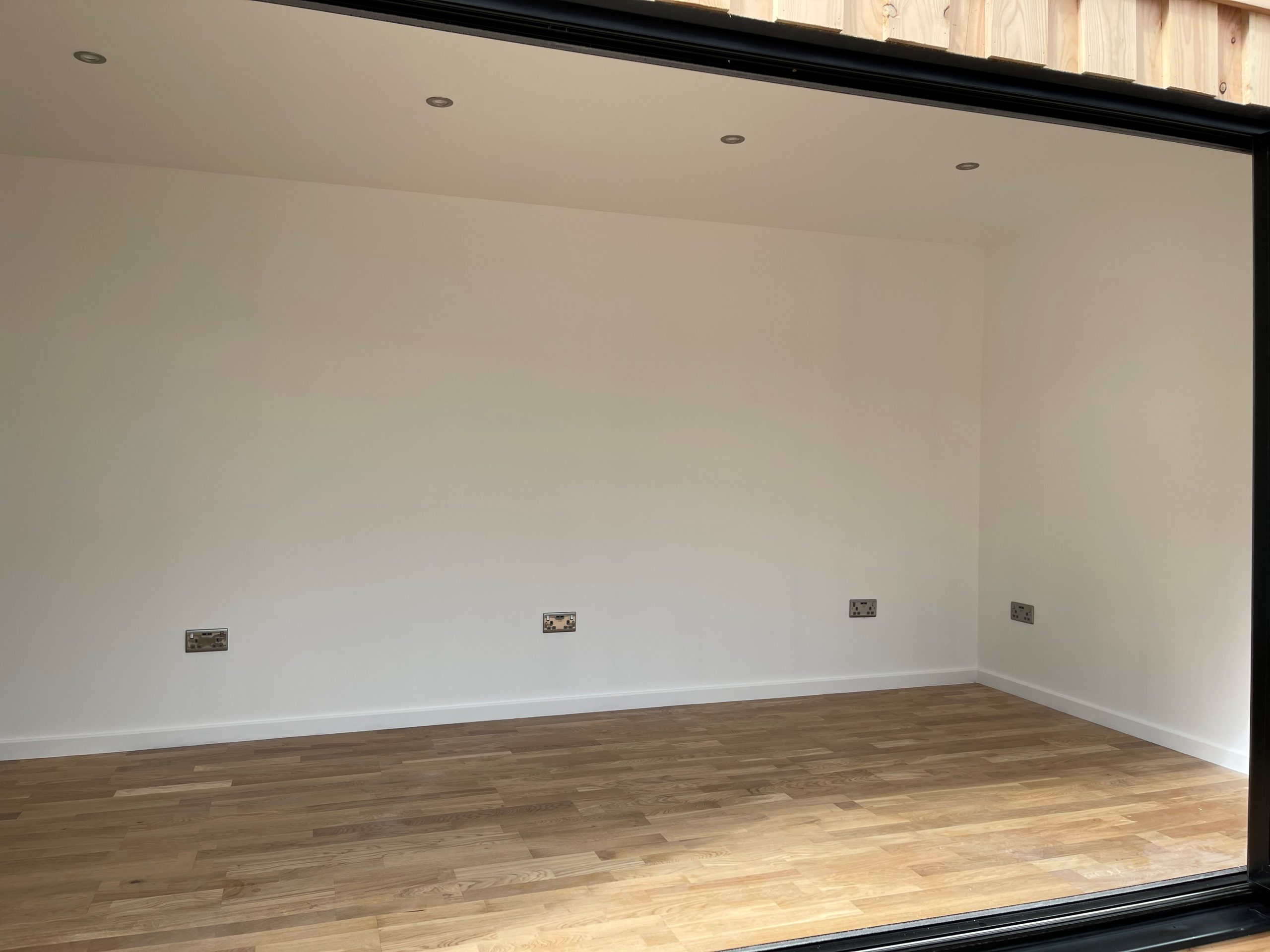
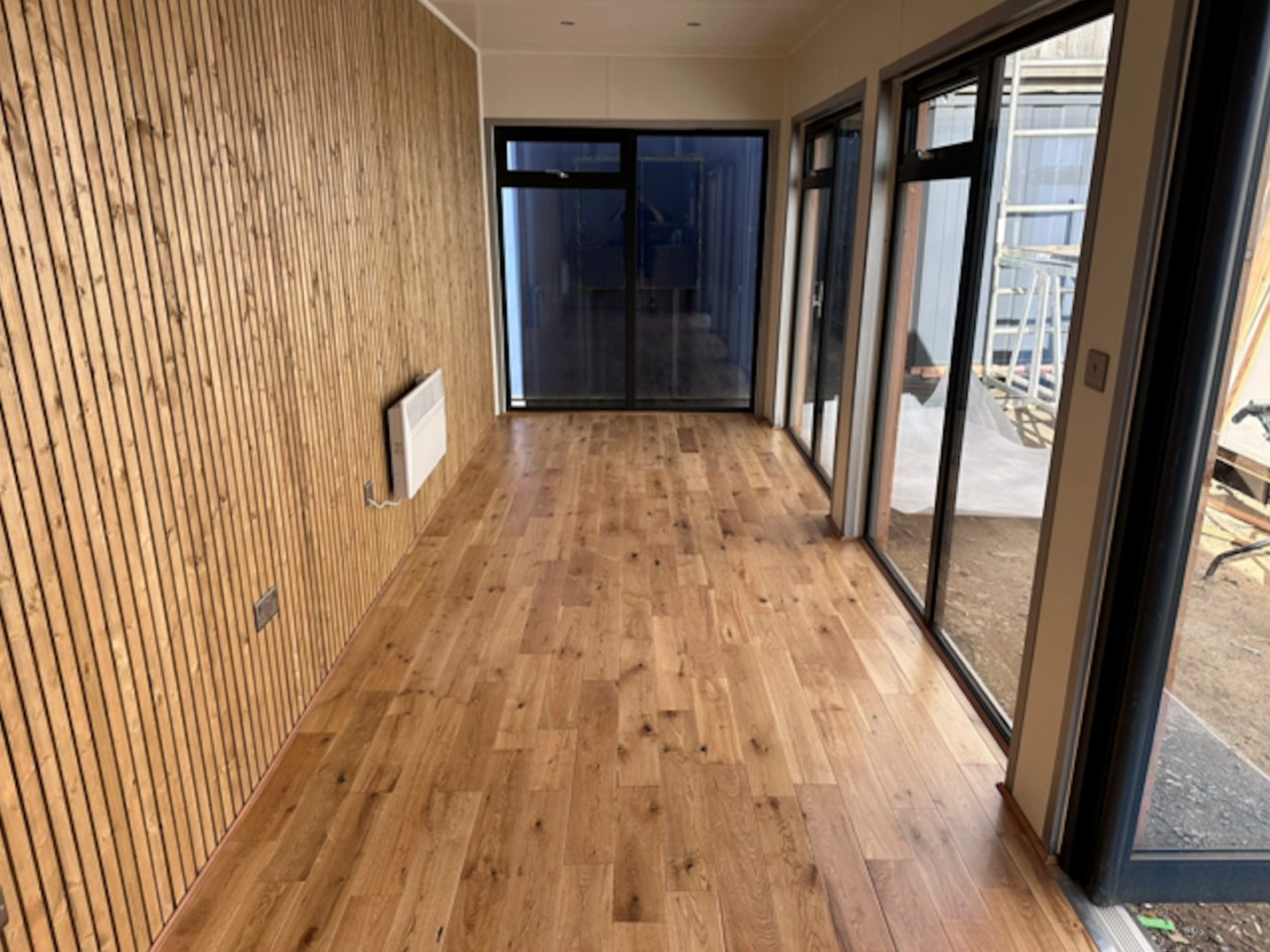
Fully Insulated with electric sockets, spot lighting, and heating
Wood Flooring
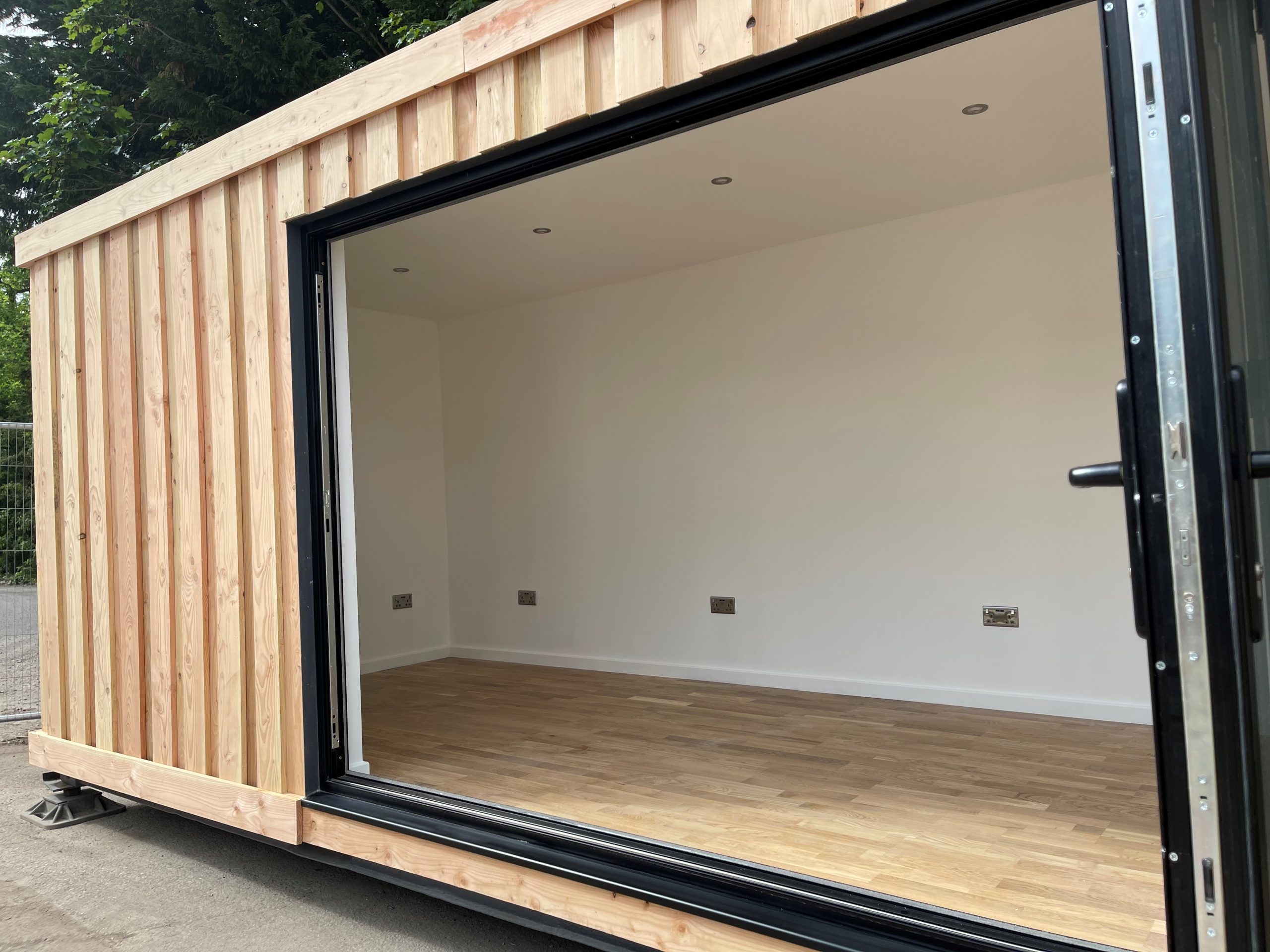
Aluminium Bi Fold Doors
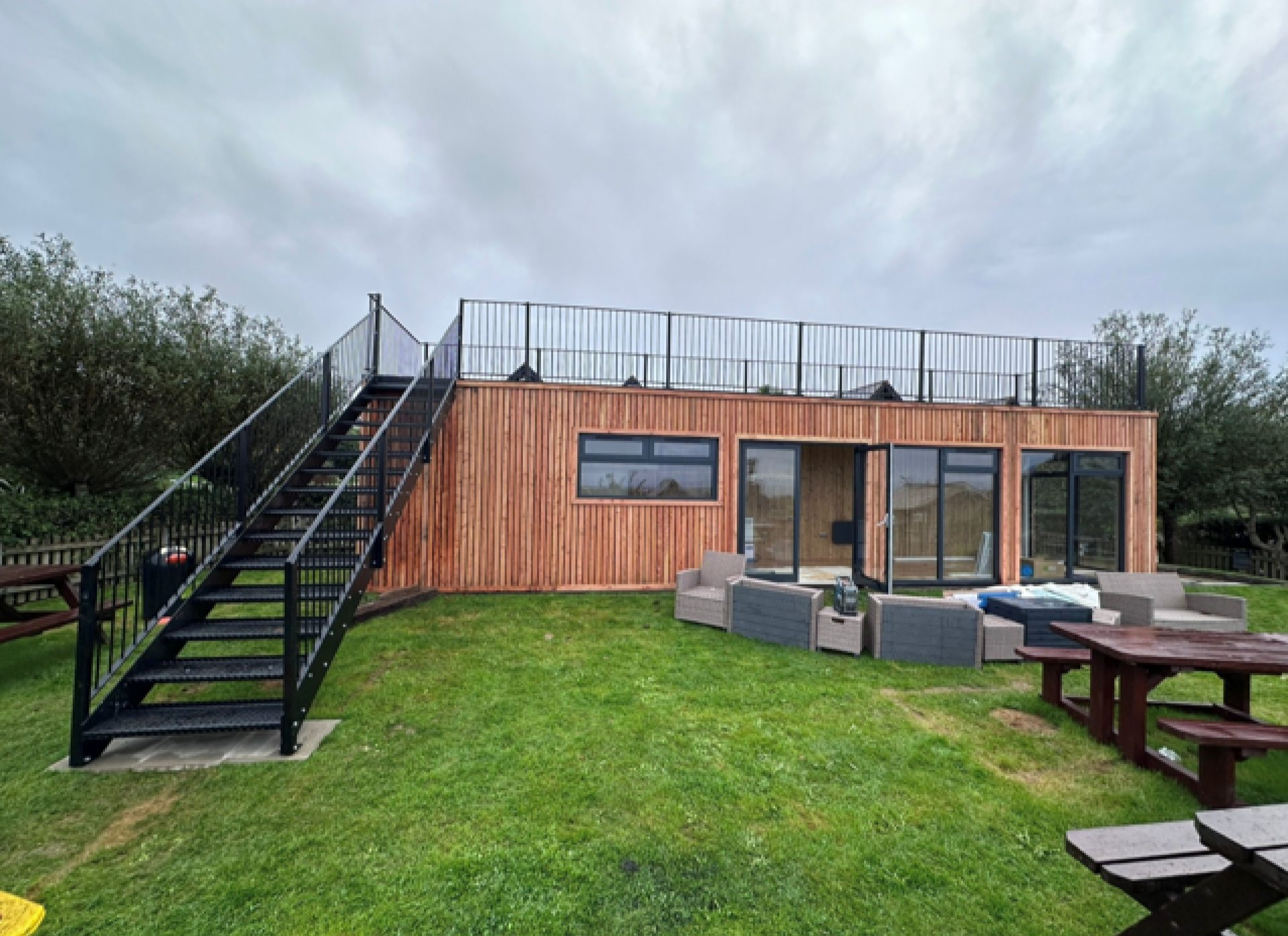
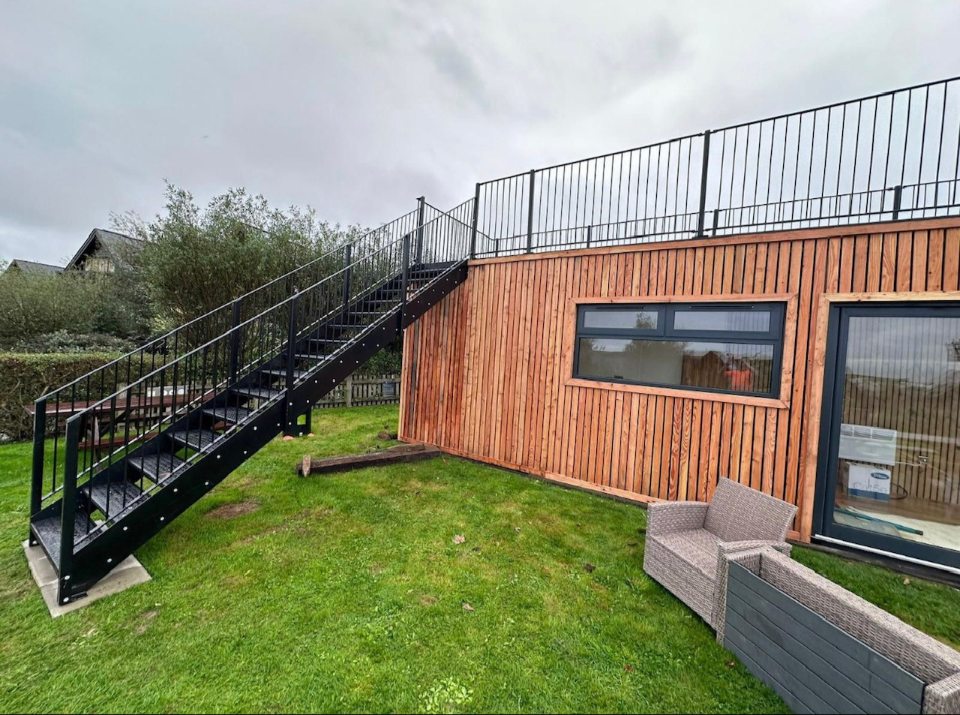
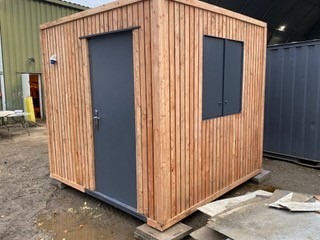
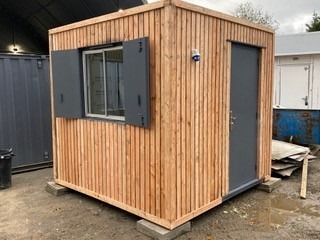
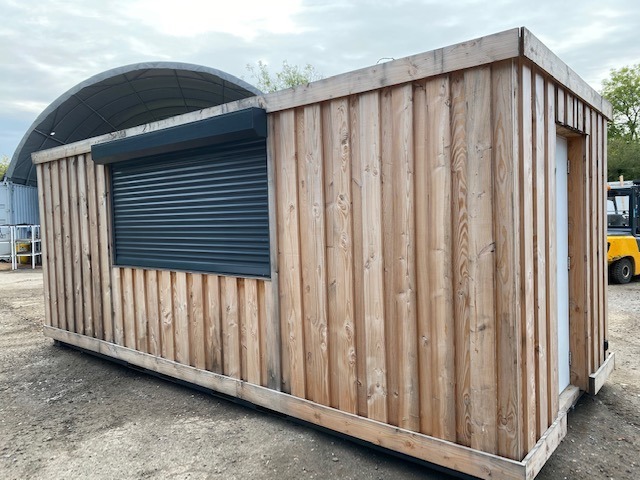
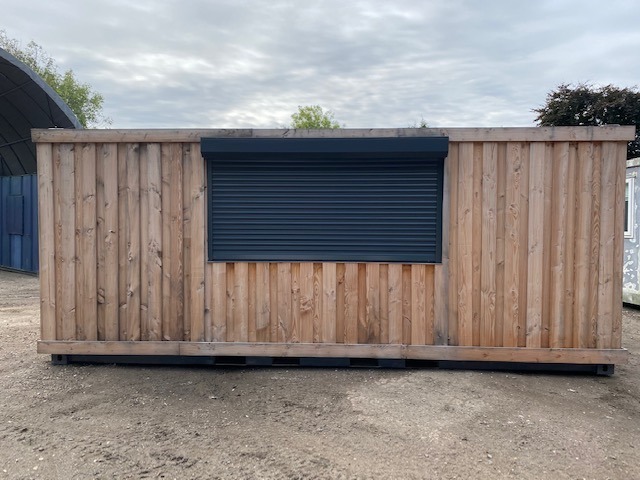
Fully wrapped in larch cladding
Lead Time for build 6-8 weeks


Location: Nationwide
+ VAT
Not Available for Hire
Call for an instant quote!
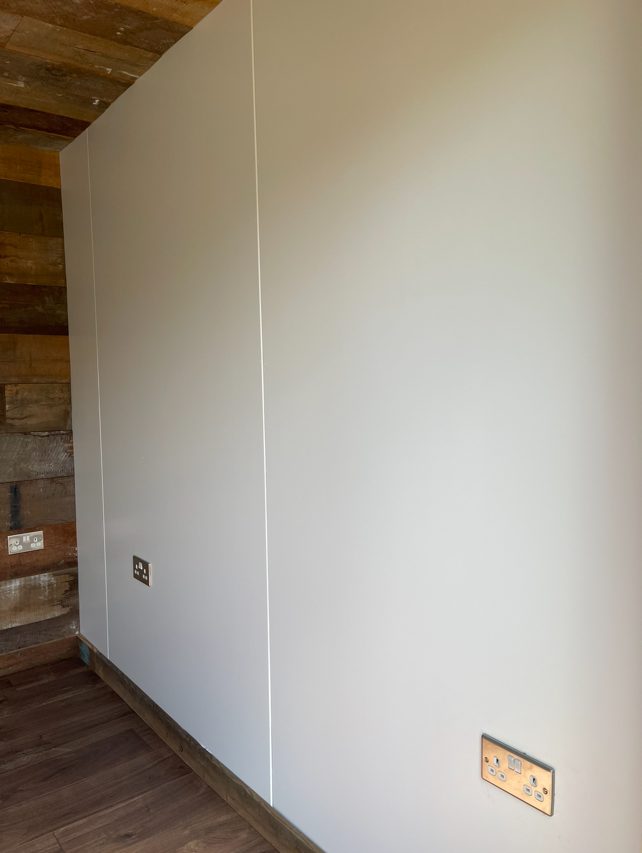
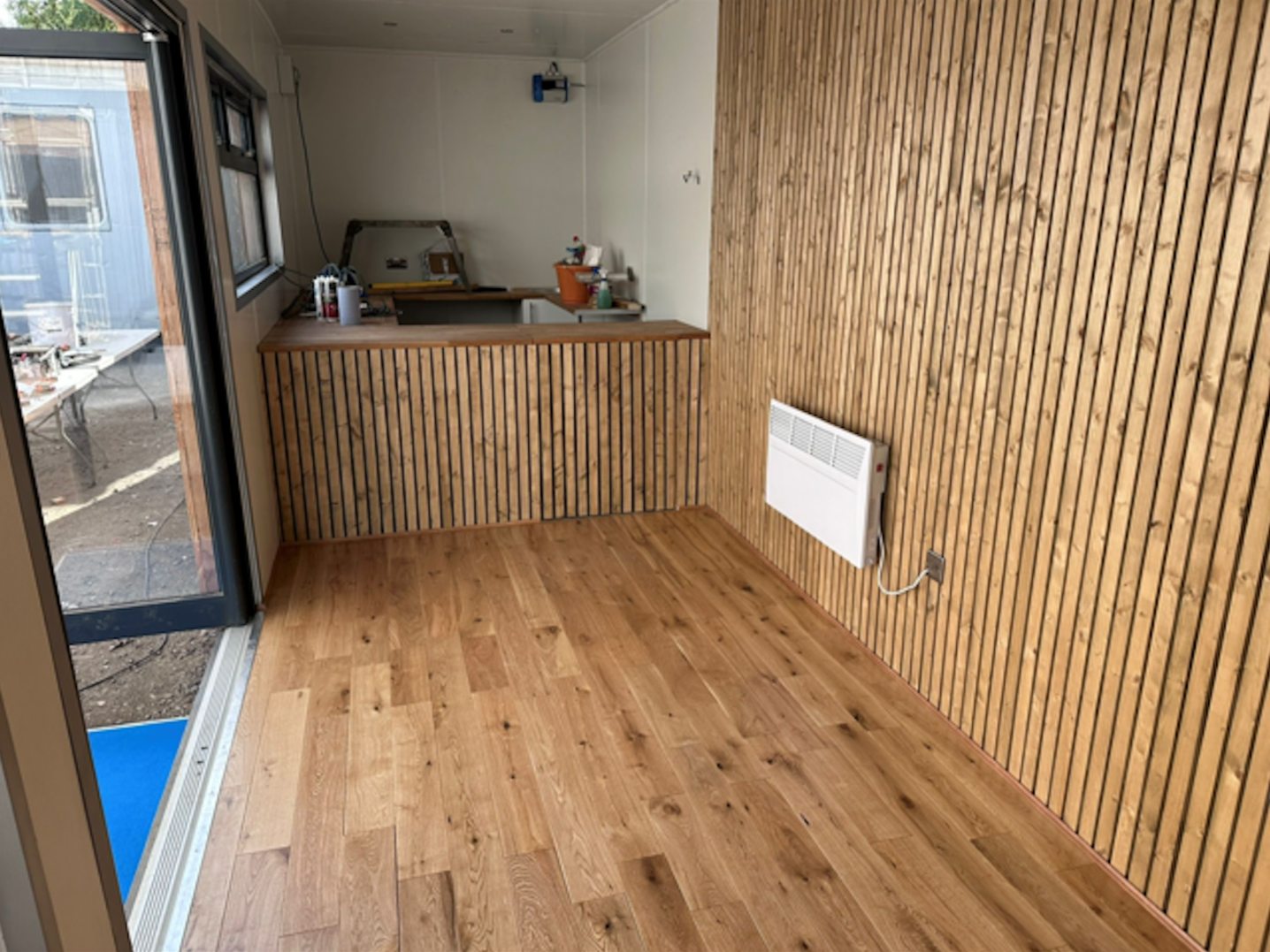
Fully Insulated with electric sockets, spot lighting, and heating
Wood Flooring
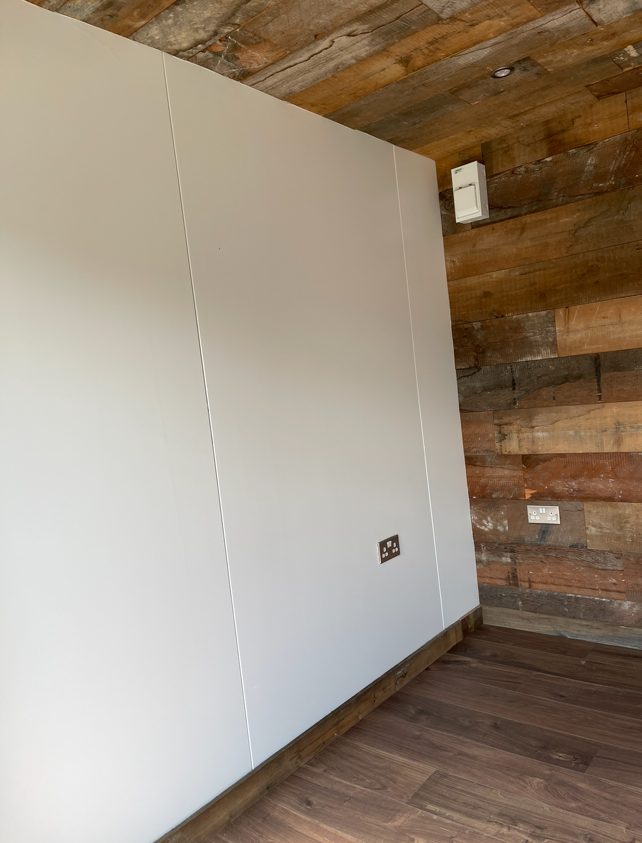
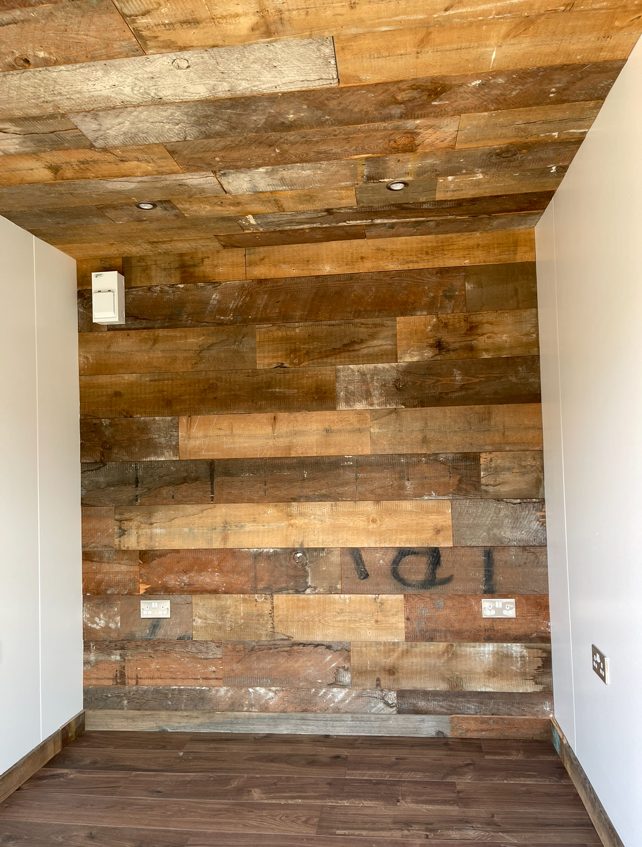
Feature Clad Wall and Ceiling
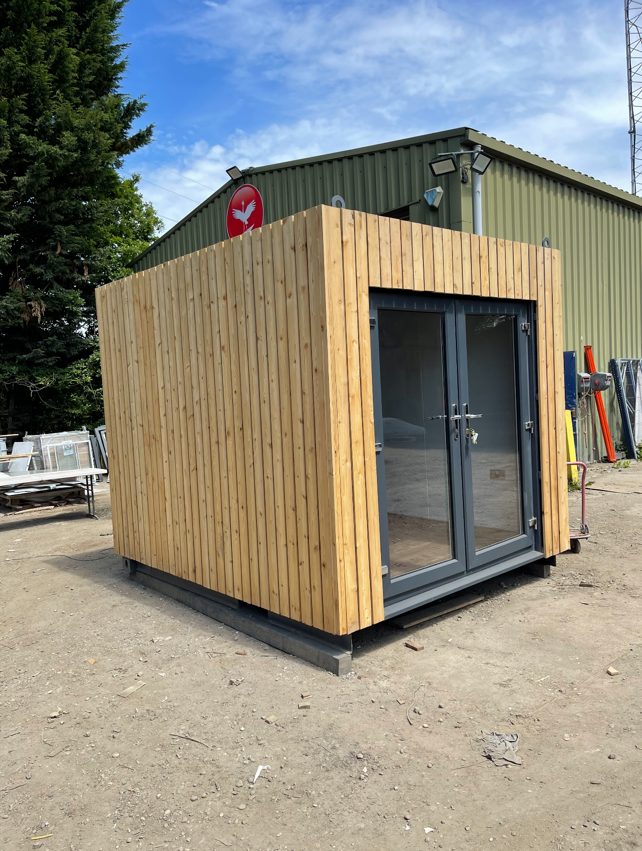
UPVC Double glazed French Doors
Fully wrapped in larch cladding
Lead Time for build 6-8 weeks


Location: Nationwide
EX VAT
Not Available for Hire
Call for an instant quote!


Location: Nationwide
EX VAT
Not Available for Hire
Call for an instant quote!


Location: Nationwide
EX VAT
Not Available for Hire
Call for an instant quote!


Location: Nationwide
EX VAT
Not Available for Hire
Call for an instant quote!


Location: Nationwide
EX VAT
Not Available for Hire
Call for an instant quote!

Location: Nationwide
EX VAT
Not Available for Hire
Call for an instant quote!


Location: Nationwide
EX VAT
Not Available for Hire
Call for an instant quote!


Location: Nationwide
EX VAT
Not Available for Hire
Call for an instant quote!


Location: Nationwide
EX VAT
Not Available for Hire
Call for an instant quote!


Location: Nationwide
EX VAT
Not Available for Hire
Call for an instant quote!


Location: Nationwide
EX VAT
Not Available for Hire
Call for an instant quote!


Location: Nationwide
EX VAT
Not Available for Hire
Call for an instant quote!


Location: Nationwide
EX VAT
Not Available for Hire
Call for an instant quote!


Location: Nationwide
EX VAT
Not Available for Hire
Call for an instant quote!


Location: Nationwide
EX VAT
Not Available for Hire
Call for an instant quote!


Location: Nationwide
EX VAT
Not Available for Hire
Call for an instant quote!
10ftx8ft – £5950 + Vat / 16ftx8ft – £7950 + Vat / 20ftx8ft – £9000 + Vat / 24ftx8ft – £12000 + Vat / 30ftx8ft – £13500 + Vat


Location: Nationwide
EX VAT
Not Available for Hire
Call for an instant quote!


Location: Nationwide
EX VAT
Not Available for Hire
Call for an instant quote!


Location: Nationwide
EX VAT
Not Available for Hire
Call for an instant quote!

Location: Nationwide
Quantity: ∞
EX VAT
Not Available for Hire
Call for an instant quote!
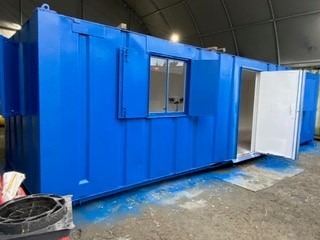
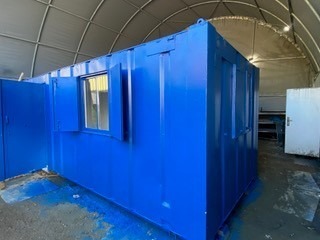
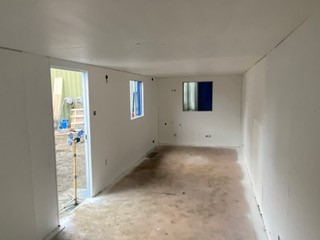
• Reinforced doors and windows with secure locking
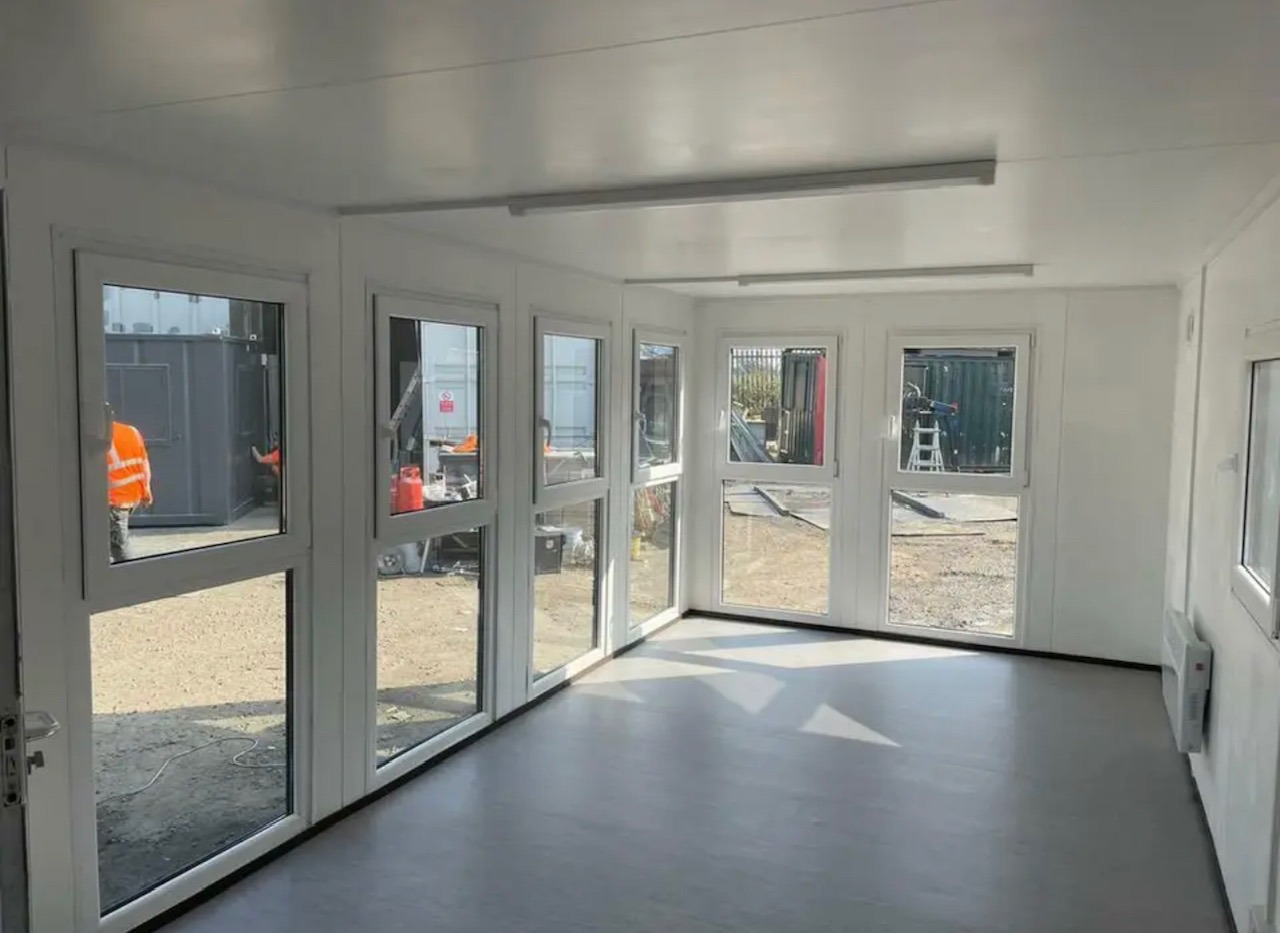
• Open plan with electric sockets and lighting
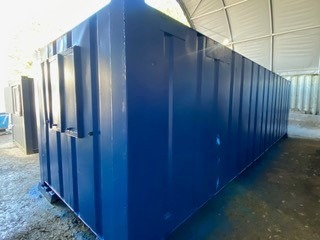
• Ral Code Colour of choice
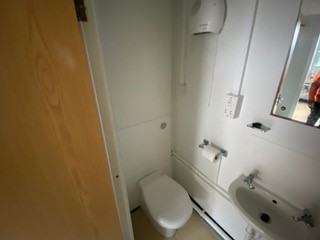
• Any Extras available : Canteen, Partitions, Toilets.


Location: Nationwide
EX VAT
Not Available for Hire
Call for an instant quote!
• Reinforced doors and windows with secure locking
• Open plan with electric sockets and lighting
• Ral Code Colour of choice
• Any Extras available : Canteen, Partitions, Toilets.

• Reinforced doors with secure locking
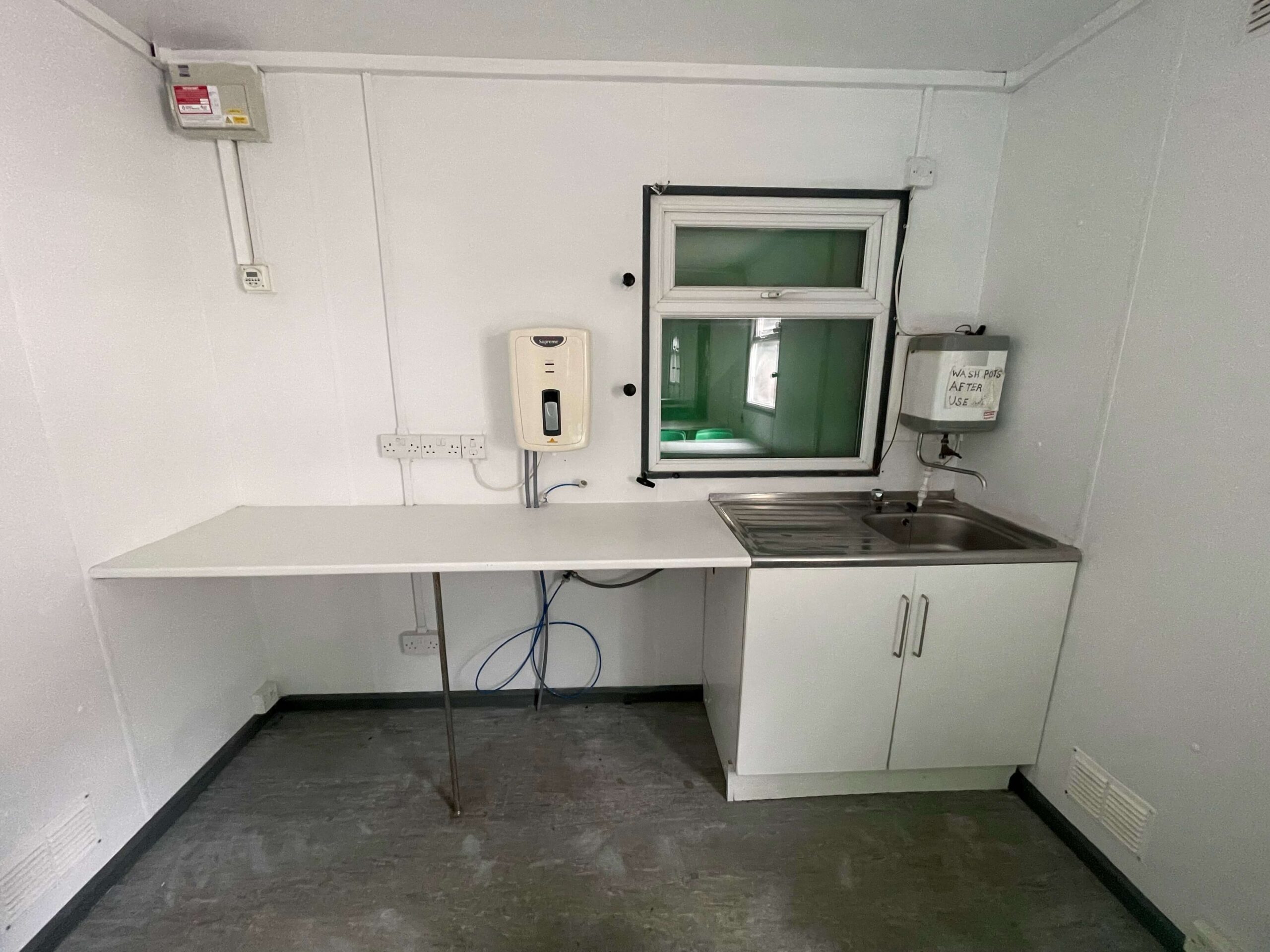
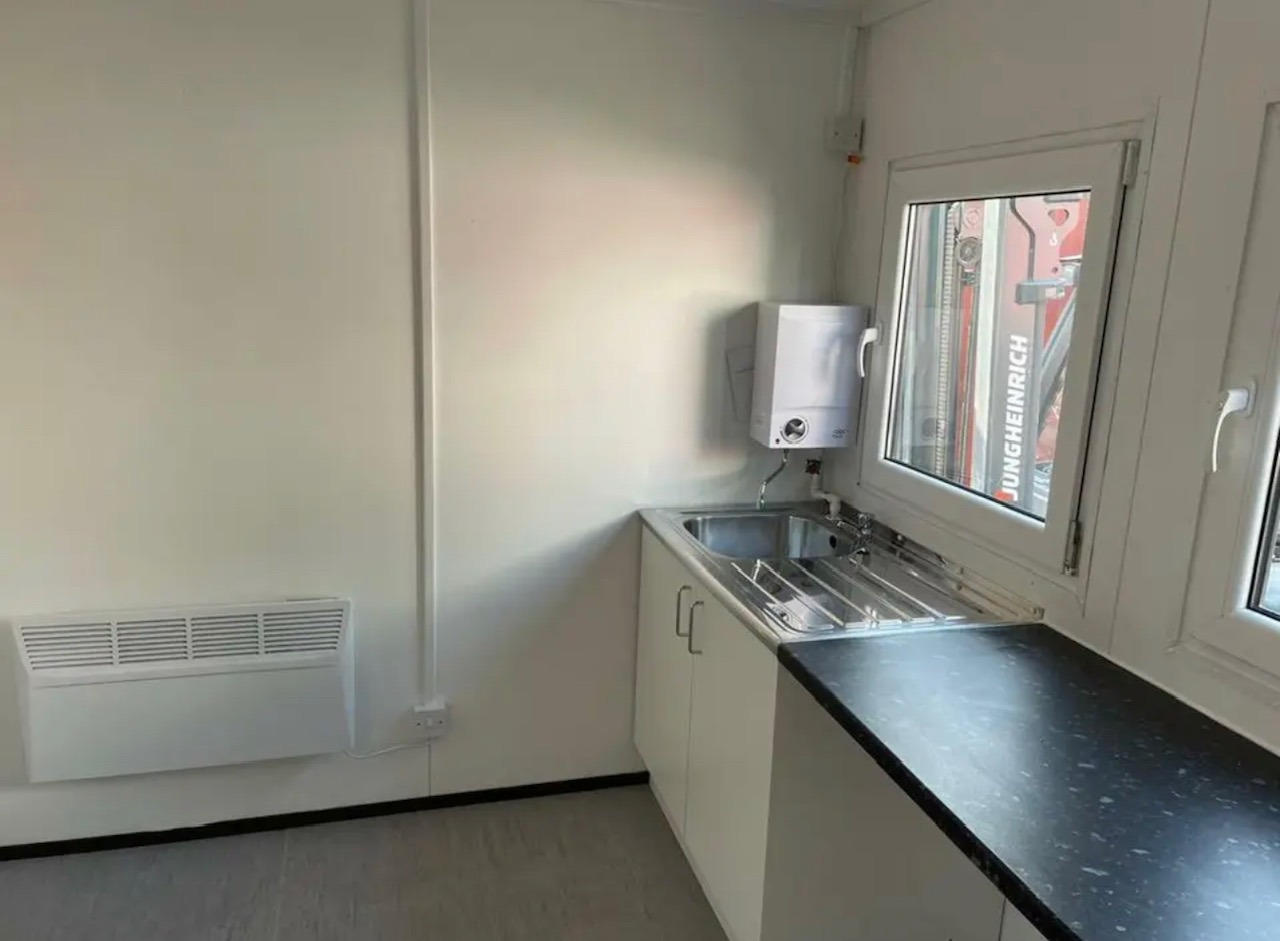
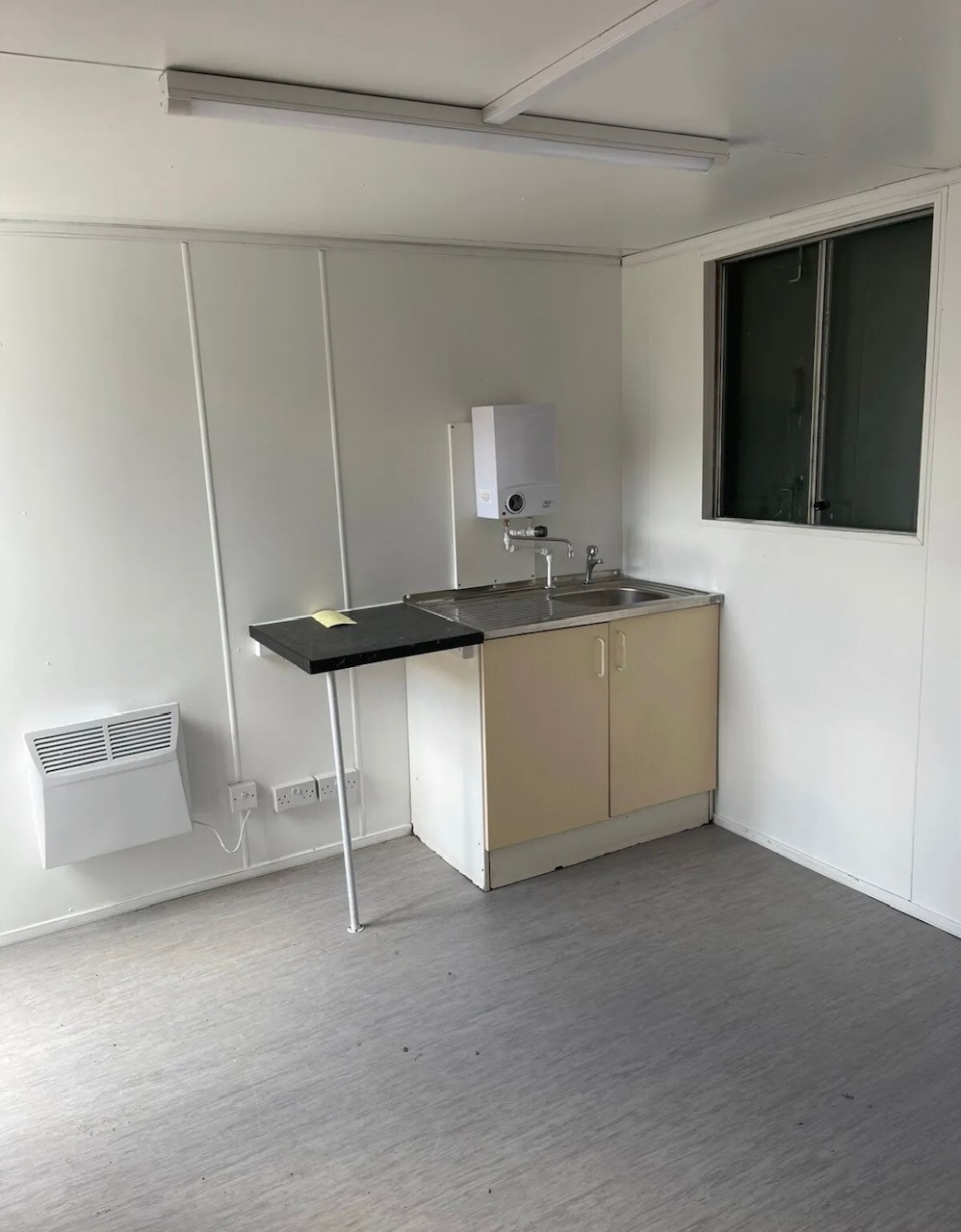
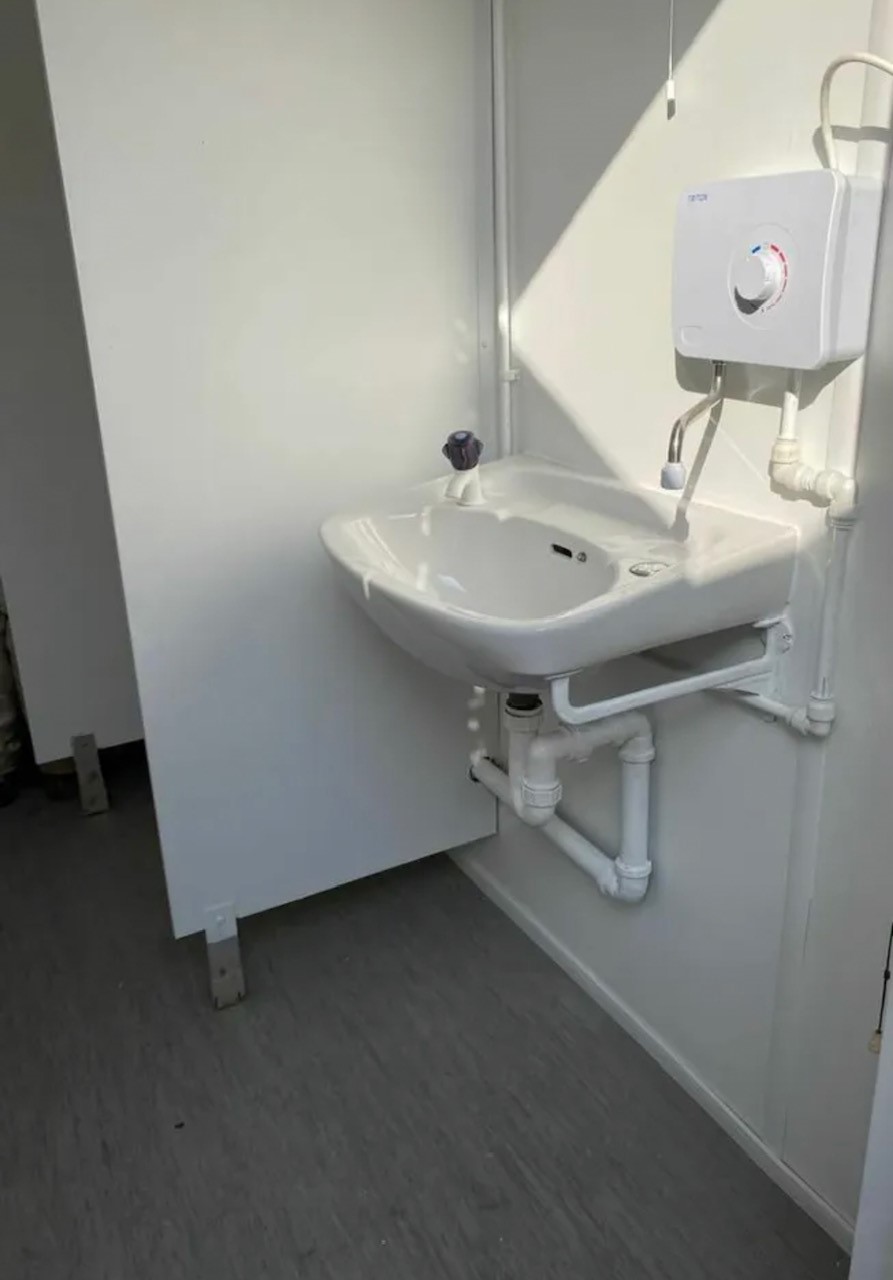
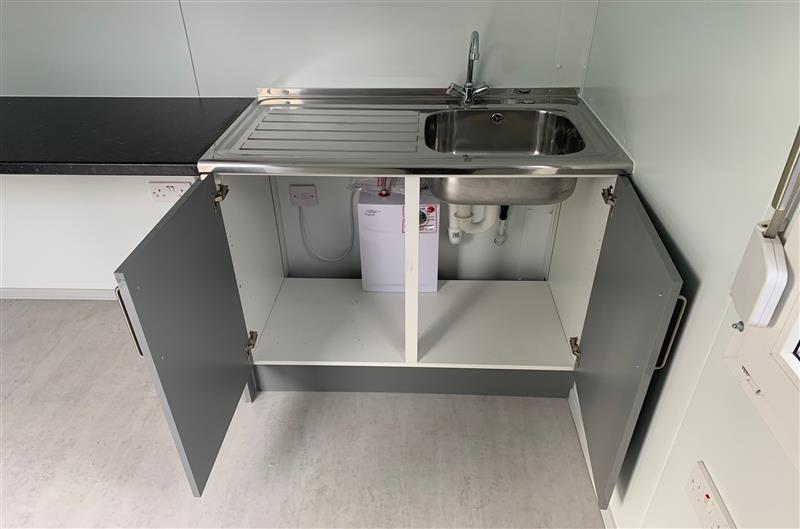
• Sink and water boiler included


Location: Nationwide
Quantity: ∞
EX VAT
Not Available for Hire
Call for an instant quote!


Location: Nationwide
EX VAT
Not Available for Hire
Call for an instant quote!
Get a Quick Container Quote Now!


Location: Nationwide
EX VAT
Not Available for Hire
Call for an instant quote!
Get a Quick Container Quote Now!