China Top 10 Shipping a Container Cost Guide for Global Buyers
Shipping a container from China can look simple until the first quotation arrives. The headline ocean freight rate is only one part of the bill. Export handling, documentation, customs services, terminal charges, insurance, and inland delivery can change the final amount significantly. A quote from Shanghai may not resemble one from Shenzhen or Ningbo.
This guide examines the China top 10 shipping a container costs that global buyers commonly encounter. It compares major routes, container sizes, port choices, seasonal changes, and common pricing structures. It also explains why a 20-foot container may suit dense cargo, while a 40-foot container usually offers more space for lighter goods. Small details matter. A few extra cartons can affect loading plans, weight limits, or local trucking fees.
Lars Jensen, an independent container-shipping expert, has said, “A container rate is never just a freight rate.” That observation deserves attention. Buyers should request itemized quotations, confirm the Incoterm, and check whether destination charges are included. A low offer can become expensive after arrival.
The figures in this guide should be treated as practical reference points, not permanent promises. Freight markets move quickly. Fuel prices, port congestion, equipment shortages, and exchange rates can all shift costs. Even experienced buyers sometimes compare unlike quotations. That mistake is common. Careful verification remains essential when shipping a container from China.
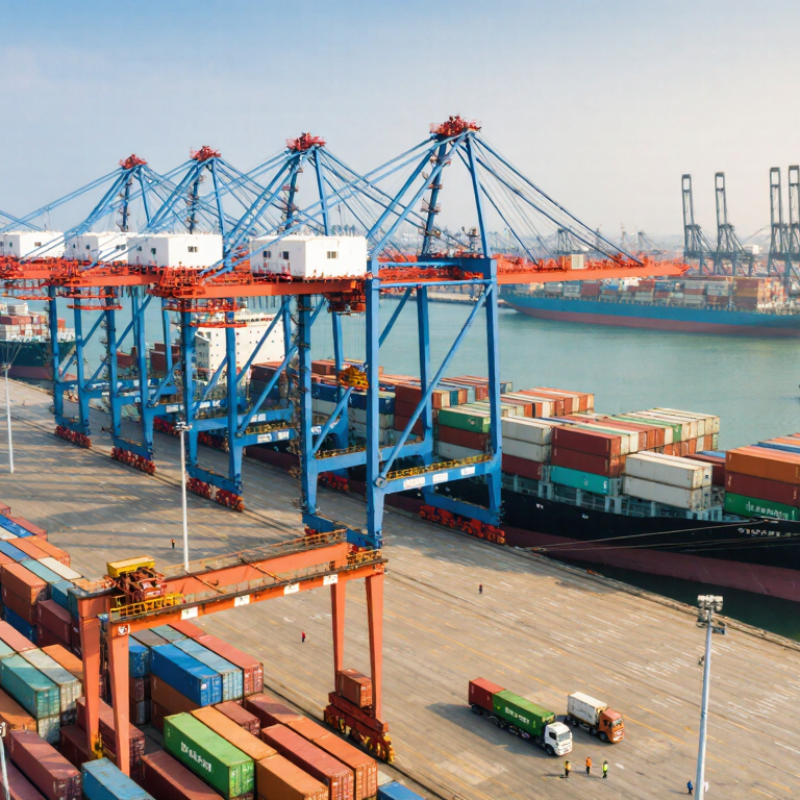
What Determines the Cost of Shipping a Container from China
Shipping a container from China is not priced by distance alone. The main drivers are container size, cargo weight, route, season, and service level. A 20-foot container may suit dense cargo, while a 40-foot unit offers more volume. However, volume can mislead. Heavy goods may trigger weight limits or handling charges before the container is full. Origin trucking, port handling, documentation, customs clearance, and destination delivery also affect the final amount.
Origin location matters. A factory near a major port usually needs less trucking than one inland. That difference can change the quote by hundreds of dollars. Ocean freight also moves with fuel prices, vessel capacity, currency changes, and peak-season demand. During busy months, space may tighten, and surcharges can appear with little warning. Ask for ocean freight, origin charges, destination charges, insurance, and delivery fees separately. A low headline rate is not always a low landed cost.
Your shipping term also changes responsibility. Under a port-to-port arrangement, you may handle more costs after arrival. A delivered service can be simpler, but it may include wider margins. In practical quotation reviews, the common mistake is comparing different scopes. One quote may include loading and documentation; another may exclude them. Request the quote’s validity period and ask what happens if cargo misses the planned sailing. Estimates become unreliable when dimensions are guessed. Measure cartons carefully, keep invoices and packing lists consistent, and confirm local fees before booking. Still, estimates are imperfect. Rates change.
How to Calculate Freight, Port, Customs, and Delivery Charges
China Top 10 Shipping a Container Cost Guide for Global Buyers
How to Calculate Freight, Port, Customs, and Delivery Charges
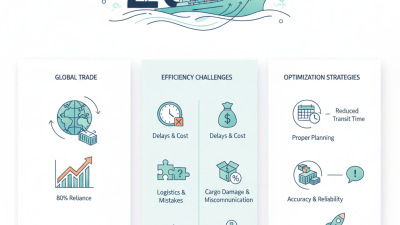
A container quote is rarely the final cost. Start with ocean freight, then add origin trucking, export documentation, terminal handling, and customs filing. At destination, include terminal charges, import duty, value-added tax, broker fees, and final-mile delivery. Demurrage and detention are separate risks. Insurance is also easy to overlook. These ten cost areas can change the landed price significantly.
Use the shipment’s container type, cargo weight, cubic volume, loading port, destination port, and delivery address. Ask whether the quotation includes origin charges, destination charges, or both. UNCTAD’s Review of Maritime Transport reports that more than 80% of global merchandise trade by volume moves by sea. Therefore, small rate changes can affect many purchasing decisions. The World Bank’s 2023 Logistics Performance Index also treats customs, infrastructure, and timeliness as separate logistics factors. A fast ocean rate does not guarantee fast delivery.
Build a cost sheet with three columns: estimated charge, currency, and payment condition. Record the quote date and validity period. Freight rates can expire quickly during peak seasons. I usually add a modest contingency for inspections, storage, or documentation corrections. It is not perfect, but ignoring uncertainty is worse. Confirm the applicable trade term, tax basis, and free-time allowance in writing. Port rules differ. A spreadsheet can still miss local charges. Real invoices should be checked against the original quotation before payment.
China Top 10 Shipping a Container Cost Guide for Global Buyers
Indicative cost structure for a 20-foot dry container shipped from China to major global destinations
Estimated total logistics costs range from approximately US$3,200 to US$6,400 per 20-foot container, including ocean freight, origin handling, destination port charges, customs clearance, and local delivery. Import duties, VAT or GST, cargo insurance, storage, demurrage, and special cargo surcharges are excluded because they vary by product, country, and customs valuation.
Choosing the Right Shipping Method for Global Buyers
China Top 10 Shipping a Container Cost Guide for Global Buyers
Choosing the right shipping method starts with cargo behavior, not the lowest quotation. Sea freight usually suits heavy, non-urgent goods. UNCTAD’s Review of Maritime Transport reports that over 80% of global merchandise trade moves by sea. For buyers, full-container load (FCL) offers better control when goods fill most of a 20-foot or 40-foot container. Less-than-container load (LCL) can reduce upfront spending, but consolidation fees, warehouse handling, and delivery delays may increase the final cost.
Air freight is faster, yet its pricing depends heavily on chargeable weight and volume. Rail can serve selected China-to-Europe corridors, but route availability and border procedures require careful checking. The World Bank’s Logistics Performance Index 2023 highlights reliability, customs efficiency, and shipment timeliness as key logistics factors. A cheaper route is not always efficient. It may create storage charges, missed production windows, or difficult claims.
Ask for a complete landed-cost comparison. Include origin trucking, export clearance, ocean or air freight, insurance, destination handling, duties, and final delivery. Confirm whether the quotation uses actual or volumetric weight. Check sailing frequency, transit-time tolerance, and delivery responsibilities under the agreed trade term. Small cargo often favors LCL. Stable, high-volume cargo usually favors FCL. Urgent samples may justify air shipment. The choice is rarely perfect. Seasonal congestion can change the calculation within days, so buyers should review quotes before booking.
Ways to Compare Quotes and Reduce Total Container Shipping Costs
China Top 10 Shipping a Container Cost Guide for Global Buyers
Comparing container quotes requires more than checking the ocean freight number. Ask each provider for the same shipment details: cargo volume, container type, loading city, destination port, and delivery terms. A 40-foot container may seem cheaper per unit, but unused space can increase your real cost. Request a line-by-line quotation covering origin handling, documentation, customs clearance, insurance, destination fees, and delivery. Check the quote’s validity period, because seasonal rates can change quickly.
Tips: Compare identical terms. Confirm whether taxes, port storage, and demurrage are included. Ask for recent sailing schedules and written transit-time estimates. A low quote with unclear destination charges is not truly low. Review payment conditions carefully, too.
Experienced buyers also examine service reliability. Verify whether the provider has handled similar cargo and can explain delay procedures. Compare at least three complete quotes, not three headline prices. Calculate the landed cost per carton, including inland transport and possible inspection fees. Flexible loading dates may reduce rates, while urgent bookings often cost more. Consolidation can help with smaller shipments, but handling may increase and delivery becomes less predictable. I once underestimated destination charges; the cheapest quote became the most expensive option. That mistake still matters. Prices alone do not tell the whole story.