How to Choose the Best Rust Lube for Metal Protection?
Protecting metal from rust often begins with a simple question: which Rust Lube suits the job? A bicycle chain, outdoor hinge, steel tool, and marine fitting face different conditions. Moisture, salt, dust, heat, and friction can quickly expose a weak lubricant. The right product should reduce oxidation while supporting smooth movement and resisting wash-off. It should not merely look effective after one application.
In practical maintenance, I inspect the metal before choosing a formula. A clean hinge may need a light penetrating lubricant, while a heavily used machine part may require a thicker protective film. Rust Lube products vary in viscosity, corrosion resistance, drying behavior, and compatibility with rubber or plastic. Always read the technical data sheet and follow the manufacturer’s instructions. Small details matter. Ventilation matters too.
A reliable choice comes from matching the lubricant to the environment, not trusting a bold label. Outdoor equipment may need stronger water resistance. Indoor tools may benefit from a cleaner, low-odor formula. Test a small hidden area first. Some products attract dust or leave an unwanted residue, especially when applied too heavily. I have found that more lubricant does not always mean better protection. That assumption deserves a second look.
This guide examines key performance factors, application methods, and common selection mistakes. It also considers storage, reapplication intervals, and realistic maintenance expectations. No Rust Lube prevents every form of corrosion forever. Good protection still depends on preparation, inspection, and consistent care.
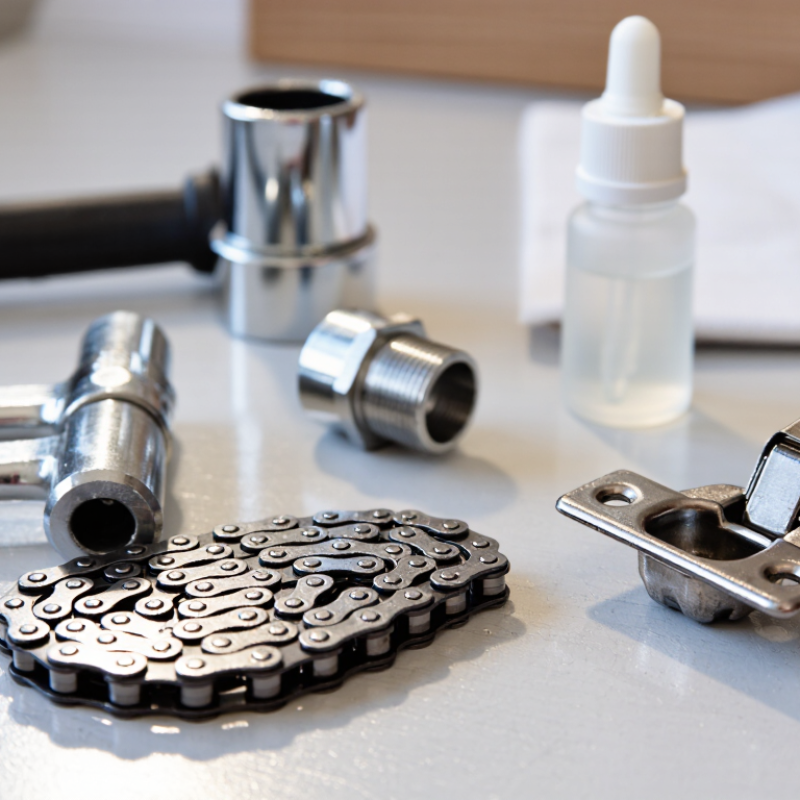
Define Metal, Environment, and Corrosivity Using ISO 9223 Categories
How to Choose the Best Rust Lube for Metal Protection?
Metal selection should begin with its environment. ISO 9223 classifies atmospheric corrosivity from C1, very low, to CX, extreme. These categories consider humidity, airborne salt, pollutants, and measured first-year corrosion loss. For carbon steel, C1 means up to 1.3 micrometres per year. C5 reaches 80–200 micrometres, while CX exceeds 200 micrometres annually. Zinc follows different limits, so never transfer steel data directly to galvanized parts.
Match the rust lube to the metal and exposure. A light indoor steel assembly may need a thin, removable film under C1 or C2 conditions. Coastal equipment needs stronger water displacement and salt resistance. In C4 to CX environments, inspect seams, threads, and trapped moisture more often.
The NACE IMPACT study estimated global corrosion costs at 2.5 trillion US dollars, or about 3.4% of global GDP. That figure shows why small protection choices matter. Still, ISO classification is not a complete product test. Temperature cycling, abrasion, and cleaning chemicals can change performance.
Tips: Confirm the metal, coating, and ISO category before application. Wipe a small hidden area first. Apply a thin film, then inspect after salt exposure or condensation. I would not trust a single laboratory result; field notes often reveal missed details. Record film appearance, residue, and reapplication time. Sometimes the “best” lube is simply the one workers can apply consistently.
Compare Rust-Lube Films by ASTM B117 Salt-Spray Hours and Coverage
Choosing the best rust lube starts with comparing ASTM B117 salt-spray hours, not attractive labels. Higher hours usually indicate stronger corrosion resistance under controlled salt exposure. However, they do not predict outdoor service life exactly. Temperature, humidity, scratches, and metal preparation change real results. A product lasting 500 hours may perform poorly on a dirty surface.
Coverage matters just as much. Check the stated square meters per liter and the recommended wet-film thickness. A thin film may cover more area, but it can leave weak spots around threads, welds, and sharp edges. During practical inspections, I look for continuous coverage under bright light. Missed areas are common. That small mistake can become the starting point for red rust.
Tips:
Compare test hours using the same ASTM B117 method and test conditions. Record coverage at the thickness used in production, not only the laboratory estimate. Clean and dry steel before application. Use a small trial panel first. Measure film thickness when possible. I would also repeat the test after handling or abrasion, because laboratory panels rarely reflect every workshop mistake. Salt-spray numbers help, but judgment still matters.
Match Viscosity, Water Displacement, and Film Type to the Application
How to Choose the Best Rust Lube for Metal Protection?
Match viscosity, water displacement, and film type to the working environment. A thin rust lube flows into hinges, threads, and narrow gaps. It spreads quickly, but its protective film may disappear under frequent washing. A medium-viscosity fluid suits tools and exposed steel parts. It offers better cling without feeling excessively sticky. For outdoor storage, a heavy film or wax-like coating usually lasts longer. However, it can trap dust around moving joints.
Water displacement matters after condensation, rinsing, or humid storage. Look for test evidence based on ASTM D665, which evaluates rust prevention when water contacts lubricated metal.
The NACE IMPACT study estimated global corrosion costs at about 2.5 trillion US dollars annually, equal to roughly 3.4% of global GDP. That figure makes small maintenance choices less trivial. Still, one product cannot solve every corrosion problem. I sometimes see users choose the thickest film, then discover seized mechanisms and collected grit. That is a useful warning.
Tips: Test a small hidden area first. Apply the thinnest effective layer. Wipe excess from moving parts. Check the safety data sheet and reapplication interval. Record humidity, washing frequency, and storage temperature. If protection fails early, question the application method, not only the lubricant. Even good advice needs checking.
Verify Compatibility with NACE/AMPP Practices for Metals and Coatings
Choosing a rust lube for metal protection requires more than comparing corrosion ratings. The product must suit the metal, existing coating, service temperature, and exposure conditions. A lubricant that works on bare steel may soften an epoxy film or leave a surface too oily for recoating. Check the technical data sheet carefully.
NACE/AMPP practices provide a useful framework for evaluating surface condition, contamination, coating performance, and corrosion control. They do not automatically approve every rust lube. Verify whether the product has documented compatibility with the relevant metal and coating system. Ask for test data covering adhesion, underfilm corrosion, residue, and removal procedures. Pay attention to preparation requirements, especially salt contamination and surface cleanliness.
Run a small trial area first. Clean a section, apply the lube at the specified thickness, and expose it to realistic moisture and temperature changes. Inspect for blistering, staining, softening, or loss of coating adhesion. A simple tape check can reveal problems, but critical assets may need formal adhesion testing by qualified personnel. I once treated compatibility as obvious and overlooked an old repair coating; the surface later became difficult to repaint. That mistake still matters. “Compatible” should mean verified for this substrate, this coating, and this environment—not merely stated in a sales description. Keep application records, photographs, batch details, and inspection results for future maintenance decisions.
How to Choose the Best Rust Lube for Metal Protection?
Use this practical screening framework to verify compatibility with the metal substrate, existing coatings, cleaning requirements, and applicable NACE/AMPP project practices. NACE/AMPP practices do not identify one universal “best” rust lubricant; product selection should be supported by technical documentation and project-specific testing.
Priority scale: 1 = lower screening priority, 5 = critical verification item. Confirm substrate compatibility, coating interaction, corrosion-test evidence, residue removal, safety documentation, and application conditions before approval.
Select the Safest Product by VOC, Flash Point, and Reapplication Data
Choosing the best rust lube starts with safety data, not a shiny finish. Check the VOC level on the technical data sheet. Lower VOC emissions usually support better indoor air quality, but ventilation still matters. A product with mild odor is not automatically harmless.
Flash point deserves careful attention. It indicates how easily vapors may ignite under tested conditions. Never treat it as a complete safety guarantee. Keep the product away from sparks, heaters, and hot metal. I once applied lubricant near a warm workshop lamp, assuming the low odor meant low risk. That assumption was careless. Read the safety data sheet before opening the container.
Tips:
Compare reapplication intervals, not just first-day performance. Test a small steel panel outdoors or in a ventilated area. Record the application date, humidity, and surface condition. Products with clear reapplication data are easier to manage. Wipe excess lubricant from hinges and threads, then inspect them after several damp days. A white cloth can reveal oily residue or early rust transfer. If the coating attracts dust, reduce the amount next time. More product is not always better. Reapplication guidance may still vary with salt air, condensation, and handling. When data seems incomplete, contact the supplier or choose a product with clearer documentation.