How to Choose the Best Heat Meters for Global Projects?

Choosing the right Heat Meters for global projects requires more than comparing prices and flow ranges. Each building presents different conditions. A district heating network may use treated water, glycol mixtures, or unstable pressure. A commercial tower may demand compact meters with remote data access. Project teams must examine temperature ranges, pipe sizes, communication protocols, accuracy classes, and maintenance access.

Small details matter. A sensor installed in the wrong direction can distort readings. Poor insulation near the temperature probes can create misleading consumption data. Experienced engineers usually review hydraulic drawings, operating temperatures, and expected loads before selecting equipment. They also check whether the meter supports local certification requirements, including applicable metrology rules and building standards. Global approval does not always guarantee acceptance in every market.

Reliable selection also depends on the project’s future needs. Wireless communication may reduce wiring costs, but signal strength can change across concrete plant rooms. A highly accurate meter may deliver better data, yet it can require stricter installation conditions. There is no perfect meter. Trade-offs remain.

This guide explores practical methods for comparing Heat Meters across residential, commercial, and industrial applications. It considers accuracy, durability, connectivity, lifecycle cost, and supplier support. Real project experience shows that documentation matters as much as hardware. Calibration records, clear installation instructions, spare-part availability, and responsive technical service can prevent expensive delays. Some assumptions may fail in practice. That is why careful testing, qualified commissioning, and regular verification should remain part of every global project plan.

How to Choose the Best Heat Meters for Global Projects?

Define Heat Meter Types and Their Core Measurement Principles

How to Choose the Best Heat Meters for Global Projects?

Heat meters calculate thermal energy from three measured values: flow rate, supply temperature, and return temperature. The calculator combines these readings with the fluid’s heat capacity. In simple terms, energy rises when more water flows or when the temperature difference becomes larger.

Mechanical heat meters use an impeller or turbine to measure water volume. They are familiar, cost-effective, and suitable for clean water with stable flow. However, moving parts can wear, especially when water quality is poor.

Ultrasonic heat meters measure flow by comparing sound travel times through the pipe. They have no moving parts and often perform well at low flow rates. Their accuracy still depends on correct installation and a clean signal path.

Electromagnetic meters measure conductive liquids through induced voltage. They can suit larger systems, but ordinary treated water must provide enough conductivity.

A practical selection begins with the project’s pipe size, flow range, pressure, temperature, and water condition. I have seen accurate meters fail because installers ignored straight pipe requirements or reversed the sensors. Small details matter.

The supply and return probes need matching response characteristics and secure mounting.

For global projects, check local metrology rules, approved accuracy classes, communication requirements, and verification procedures. Remote reading may use wired or wireless communication, but network conditions vary between buildings and countries.

A neat datasheet is not enough. Field testing, documented calibration, and periodic inspection make the measurement more trustworthy. Some assumptions may still be wrong, especially when glycol mixtures or unusual operating temperatures change the calculation.

Assess Project-Specific Requirements Across Different Countries

Choosing heat meters for global projects starts with the building, not the catalogue. Climate, pipe layout, water quality, and billing rules change by country. A meter sized for a cold district heating network may perform poorly in a smaller, low-temperature system. Check the expected flow range, temperature difference, pressure, and installation space before selecting the measurement principle.

The International Energy Agency’s Energy Efficiency 2023 report states that buildings use about 30% of global final energy. The UNEP Global Status Report for Buildings and Construction 2023 reports that buildings and construction create about 37% of global energy-related emissions. These figures make accurate heat measurement commercially important. However, project teams should not copy one specification worldwide. European projects may require conformity with EN 1434 and legal metrology rules under the Measuring Instruments framework. Other countries may require national verification, approved communication protocols, or specific temperature sensors.

Ask local authorities and utilities for current requirements. Confirm whether billing data must be remotely transmitted, encrypted, stored, or audited. In areas with hard water, ultrasonic meters may reduce moving-part wear, but water chemistry still needs review. Mechanical meters can suit stable, clean systems with regular maintenance. Not always. Commissioning teams often discover poor readings after sensors are installed too close to pumps or valves. Leave straight pipe lengths where required, document sensor insertion depth, and test the complete meter set under realistic flow conditions. A smaller meter can be more accurate. Oversizing remains a common and costly mistake.

Compare Accuracy, Connectivity, Installation, and Maintenance Features

How to Choose the Best Heat Meters for Global Projects?

Heat meters should be selected around accuracy, not just purchase price. Buildings consume about 30% of global final energy, according to UNEP’s 2023 Global Status Report. Small measurement errors can therefore distort billing and efficiency decisions across large sites. Choose meters tested under EN 1434 or equivalent national standards. Check accuracy at low, medium, and peak flow rates. A meter that performs well only in laboratory conditions is a poor investment. In commissioning work, unstable flow often reveals installation problems, not faulty electronics. The difference matters.

Connectivity affects daily control. Wireless communication can simplify access in crowded plant rooms, while wired protocols may provide stronger reliability in difficult environments. Confirm compatibility with the project’s building management system before ordering. Data should include flow, supply temperature, return temperature, alarms, and battery status. Remote readings reduce manual visits and support faster fault detection. Still, connectivity is not automatically useful. Weak signal coverage and poor cybersecurity planning can create expensive blind spots.

Installation details deserve equal attention. Follow the manufacturer’s required pipe orientation, sensor spacing, and straight-run conditions. Protect sensors from vibration, air pockets, and freezing temperatures. For glycol systems, verify fluid properties and calibration assumptions. Maintenance teams need replaceable batteries, accessible valves, clear displays, and documented verification procedures. OIML R75 and local metrology rules may impose additional requirements. No project is perfectly predictable. A pilot installation is often wiser than a large first order. The best specification leaves room for local water quality, climate, skills, and inspection practices.

How to Choose the Best Heat Meters for Global Projects? - Compare Accuracy, Connectivity, Installation, and Maintenance Features

Evaluation Dimension Ultrasonic Heat Meter Mechanical Heat Meter Electromagnetic Heat Meter Project Selection Guidance
Typical Accuracy Class Usually Class 2 under EN 1434, depending on the complete meter assembly and certification. Commonly Class 3; some higher-grade models may achieve better performance under specified conditions. Often Class 2 when correctly sized, installed, and paired with compatible temperature sensors. Use certified Class 2 equipment where billing, regulation, or energy-performance guarantees require tighter measurement control.
Low-Flow Measurement Very good; no moving parts help maintain stable measurement at low flow rates. Moderate; sensitivity and repeatability can reduce as flow approaches the lower measuring limit. Very good when minimum conductivity and the specified flow range are maintained. For variable loads, fan-coil systems, and lightly occupied buildings, prioritize a low permanent-flow threshold.
Typical Pipe Sizes Commonly DN15–DN300; larger sizes are available for district-energy applications. Commonly DN15–DN100; larger sizes may require additional installation space and maintenance planning. Commonly DN15–DN300 and beyond, subject to the selected flow sensor and application. Select the meter by actual design flow, not only by nominal pipe diameter. Check minimum and permanent flow rates.
Pressure Loss Generally low, especially in full-bore designs. Can be moderate to high because of the internal turbine, impeller, or mechanical measuring element. Generally low because the flow path has no rotating measuring element. For energy-saving projects, compare pressure loss at the design flow and include pump-energy impact in lifecycle calculations.
Water Quality Tolerance Good, but air bubbles, heavy suspended solids, and severe deposits can affect signal quality or readings. More sensitive to particles, scale, magnetic debris, and contamination that can obstruct or wear moving parts. Good for conductive fluids; electrodes and liners must remain compatible with the water chemistry. Review water treatment, filtration, conductivity, glycol concentration, and expected sediment before final selection.
Installation Requirements Requires a completely filled pipe, correct flow direction, suitable straight-pipe conditions, and effective air management. Requires correct orientation, a clean upstream supply, and protection from excessive flow, vibration, and debris. Requires a full pipe, proper grounding or equipotential bonding, correct liner selection, and suitable straight-pipe conditions. Allow access for commissioning, sensor replacement, verification, isolation valves, strainers, and future maintenance.
Temperature Sensor Arrangement Normally uses matched pair platinum resistance temperature sensors, commonly Pt100 or Pt500. Uses matched temperature sensors; installation depth and thermal contact strongly affect accuracy. Uses matched temperature sensors and a compatible calculator; sensor wiring and pairing must be verified. Specify sensor type, cable length, pocket arrangement, and permitted sensor-pair tolerance in the project documents.
Connectivity Options Pulse, M-Bus, wireless M-Bus, LoRaWAN, NB-IoT, and other wireless or wired options may be available. Pulse and M-Bus are common; wireless options depend on the calculator and communication module. Pulse, M-Bus, RS-485, and selected wireless or cellular interfaces may be available. Choose open protocols and document data intervals, cybersecurity responsibilities, gateway placement, and system interoperability.
Remote Reading Capability Well suited to automated meter reading and advanced metering infrastructure. Suitable when a compatible communication module is integrated or connected to the meter. Suitable for building management systems and district-energy platforms with compatible interfaces. For multinational portfolios, standardize the protocol and data model before procurement to simplify integration.
Power Supply and Battery Life Battery-powered models commonly provide several years of operation; mains-powered versions support frequent communication. Battery-powered operation is common and can provide several years, depending on reading frequency and radio use. Often uses an external power supply; battery operation is possible in selected low-power configurations. Match the power architecture to site access, radio transmission frequency, local electrical standards, and outage strategy.
Maintenance Requirements Low routine maintenance; inspect for air, deposits, sensor condition, alarms, and battery status. Higher maintenance potential because moving parts may wear, stick, or require cleaning and replacement. Low mechanical maintenance; inspect electrodes, grounding, lining, electronics, and sensor integrity. Use ultrasonic or electromagnetic technology where labor access is limited or maintenance intervals must be extended.
Commissioning Checks Verify full pipe condition, flow direction, air removal, sensor pairing, zero-flow behavior, and communication. Verify orientation, strainer condition, flow range, pulse value, sensor pairing, and absence of mechanical obstruction. Verify full pipe condition, grounding, conductivity, zero stability, flow direction, sensor pairing, and communication. Include documented commissioning records, initial readings, configuration backups, and acceptance-test results.
Best-Fit Applications Commercial buildings, district heating and cooling, apartment buildings, variable-flow systems, and remote portfolios. Cost-sensitive residential or small commercial installations with clean water and accessible maintenance locations. Large pipework, district-energy plants, cooling-water systems, and applications requiring low pressure loss. Base the final decision on the hydraulic profile, regulatory requirements, water quality, communications plan, and total cost of ownership.
Global Project Considerations Confirm local approvals, radio frequencies, encryption requirements, units, time zones, and operating-temperature limits. Confirm local metrology rules, replacement-part availability, water-quality limits, and service capability. Confirm electrical standards, grounding practices, fluid conductivity, local certification, and environmental protection ratings. Require documented compliance with applicable national regulations and internationally recognized heat-meter standards, such as EN 1434 where applicable.
Note: Performance figures and available interfaces vary by meter design, size, configuration, installation conditions, and local certification requirements. Always verify the current technical datasheet and applicable legal metrology rules before procurement.

Verify Standards, Certifications, and Compatibility With Local Systems

How to Choose the Best Heat Meters for Global Projects?

Selecting a heat meter for an international project requires more than comparing flow ranges and prices. Standards, certifications, and local compatibility can determine whether the device passes inspection or creates costly delays. Check the measurement standard required in the target market, such as EN 1434 or OIML R75. Requirements may differ between commercial billing, district heating, and internal energy monitoring.

Certification details need careful reading. A CE mark alone may not confirm approval for legal billing. Request the type-examination certificate, accuracy class, environmental rating, and verification records. Confirm whether the certificate covers the complete meter, including the calculator, temperature sensors, and flow sensor. Small omissions matter. A datasheet can look convincing. It can still hide a compliance gap.

Compatibility should be tested before shipment. Verify pipe diameter, connection type, installation position, temperature range, and pressure rating. Then check communication protocols used by the local building system, such as M-Bus, Modbus, pulse output, or wireless interfaces. Ask how data is formatted and whether the system accepts the required units. Field teams should also test cable length, sensor pairing, and time synchronization on a sample installation.
I once underestimated commissioning differences between two sites using the same equipment. That assumption caused rework. Local installers and accredited laboratories can reveal practical issues that specifications do not mention.

Build a Cost-Based Selection and Deployment Strategy for Global Projects

Choosing heat meters for global projects should begin with cost, not purchase price.

A low-cost meter can become expensive after installation, calibration, and data integration. Compare total ownership costs across the expected service life.
Define the project’s thermal range, flow variation, pipe size, and water quality. A meter designed for stable conditions may perform poorly in older buildings. Check accuracy certificates, temperature limits, pressure ratings, and communication compatibility. Local technicians should understand installation and verification procedures. Reliable support matters when a site is thousands of kilometers away.

Use a cost model for each market. Include transport, import duties, currency changes, spare meters, software, and scheduled testing. A simple spreadsheet can compare five-year expenses by site.

Add weather exposure and difficult access. Outdoor installations may need stronger enclosures and extra protection. Small details become large invoices.
Pilot the selected meter in one representative building before wider deployment. Measure installation hours, reading stability, fault rates, and operator feedback. Do not trust laboratory performance alone. Field conditions can disagree. Our experience suggests that a slightly higher initial cost may reduce service visits. Still, this is not guaranteed. Project teams should review the assumptions after three and twelve months, then adjust quantities, training, and maintenance plans. Reliability grows from evidence, not confident promises.

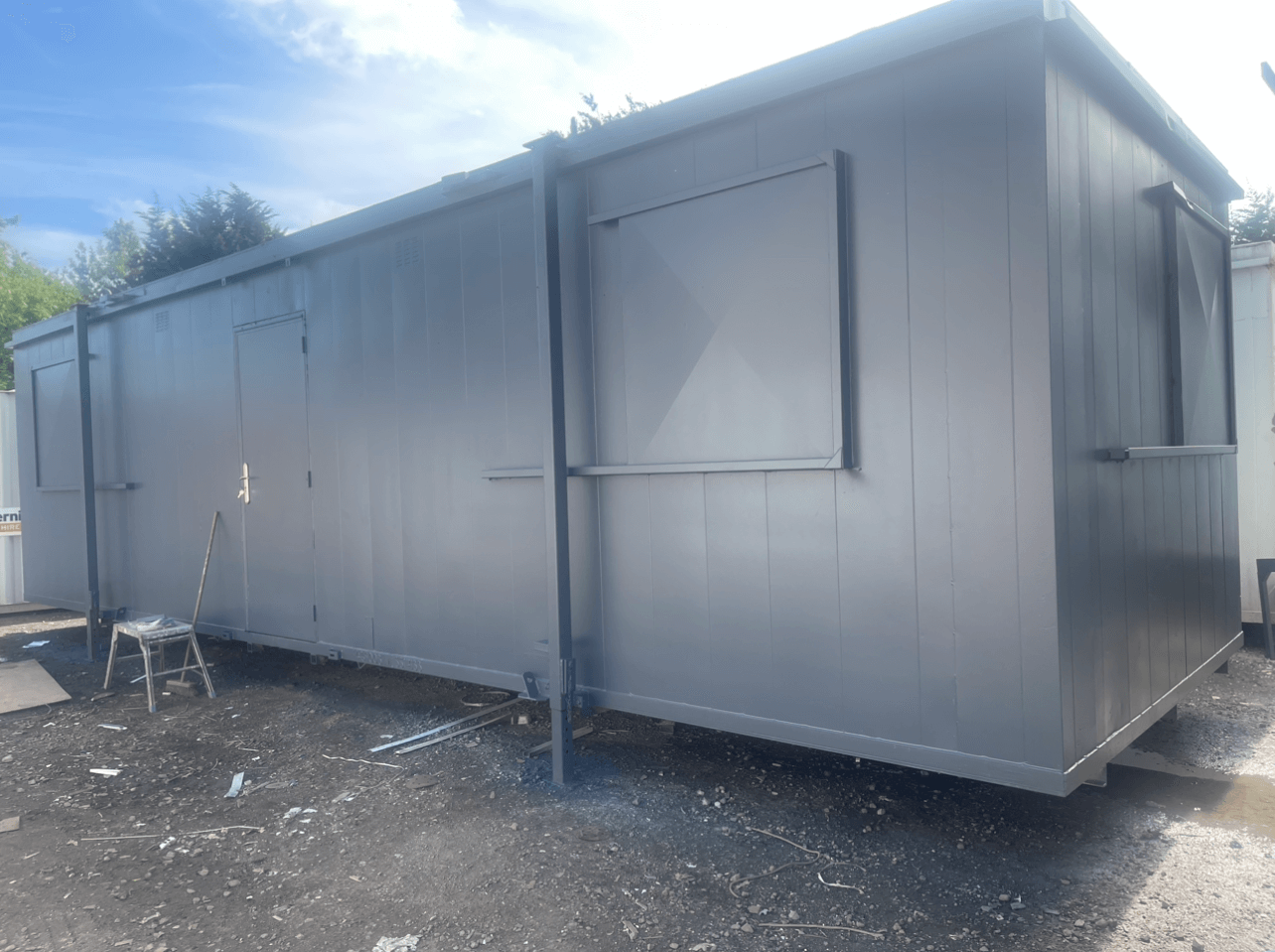
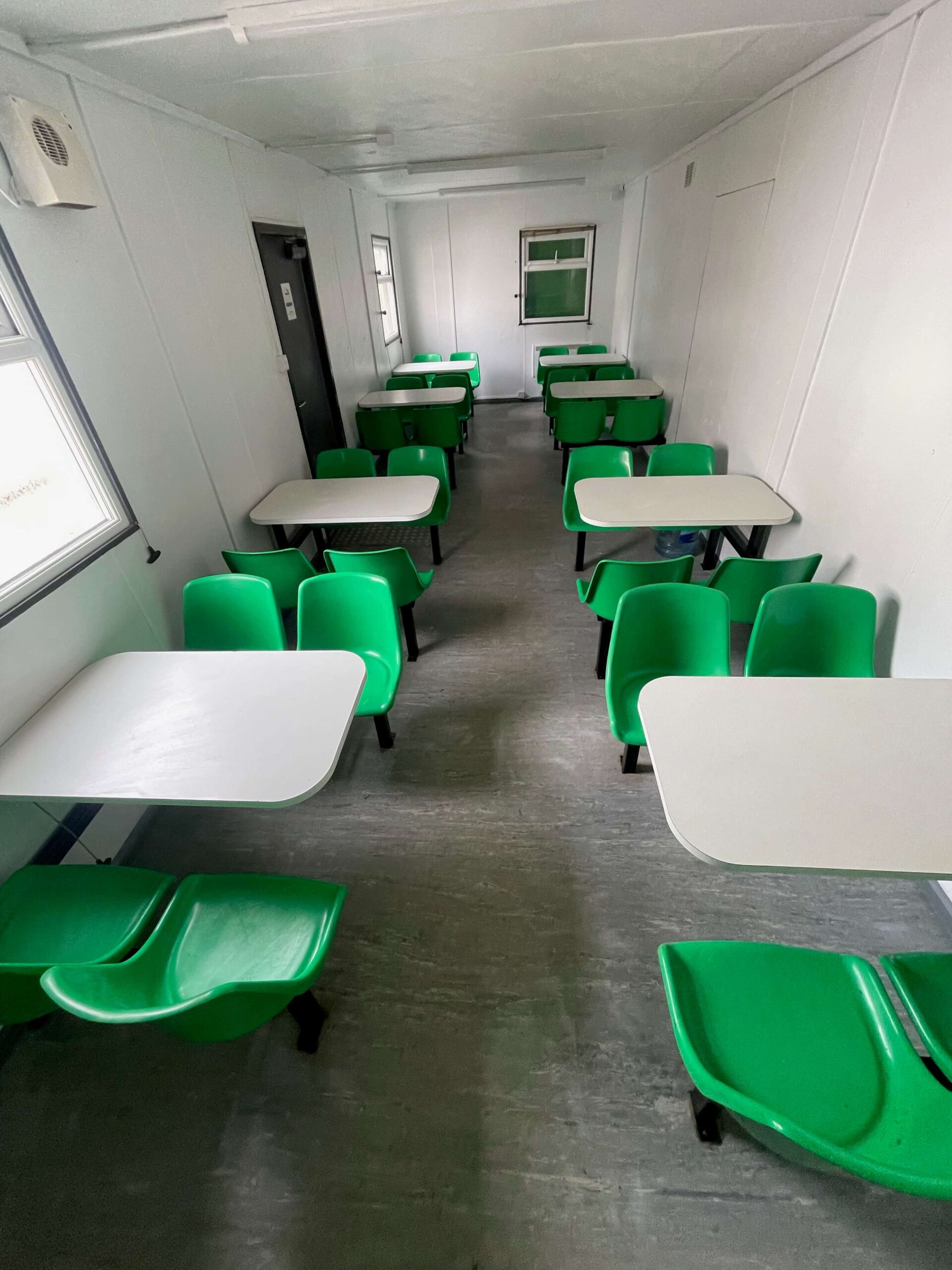
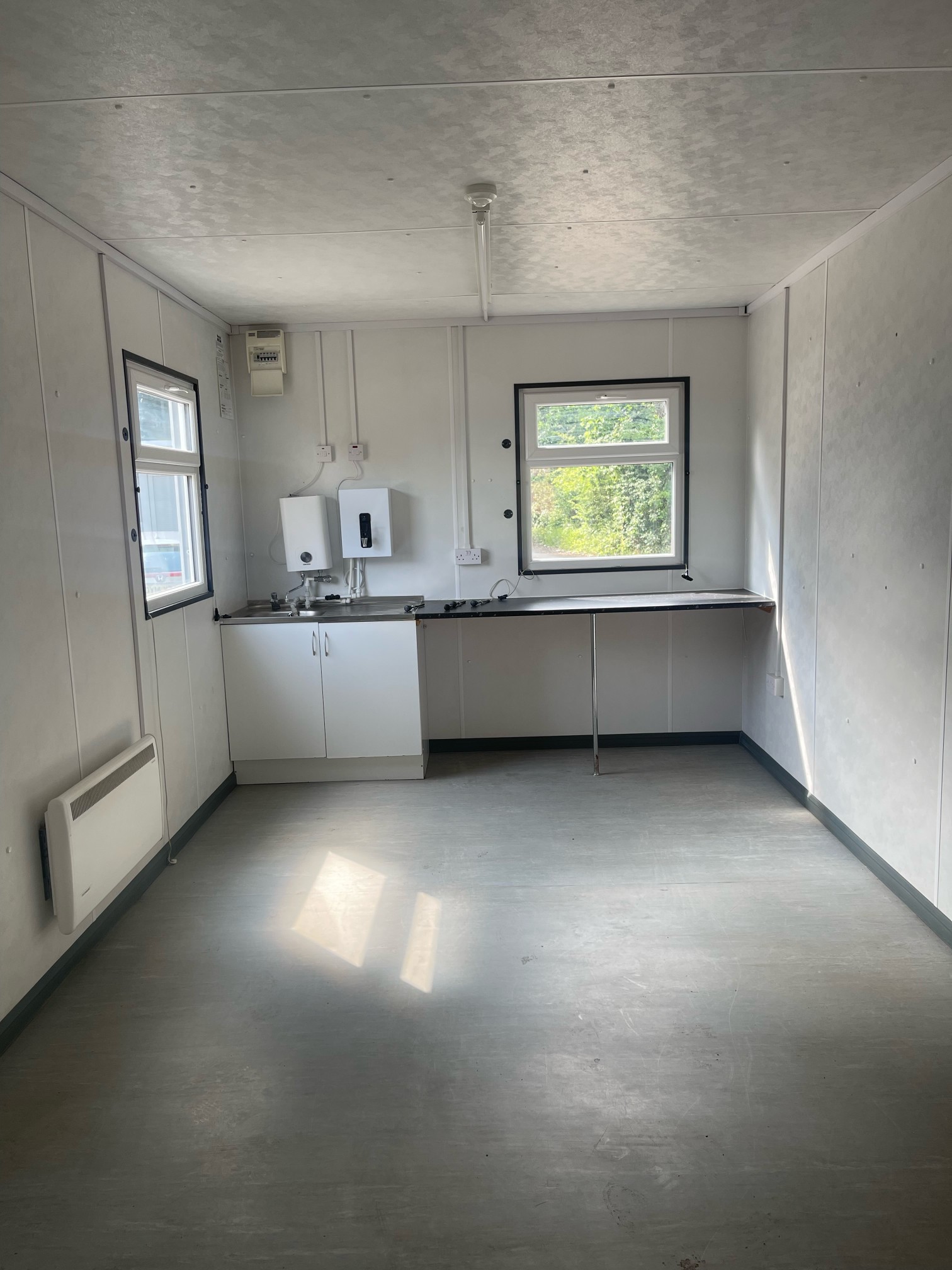
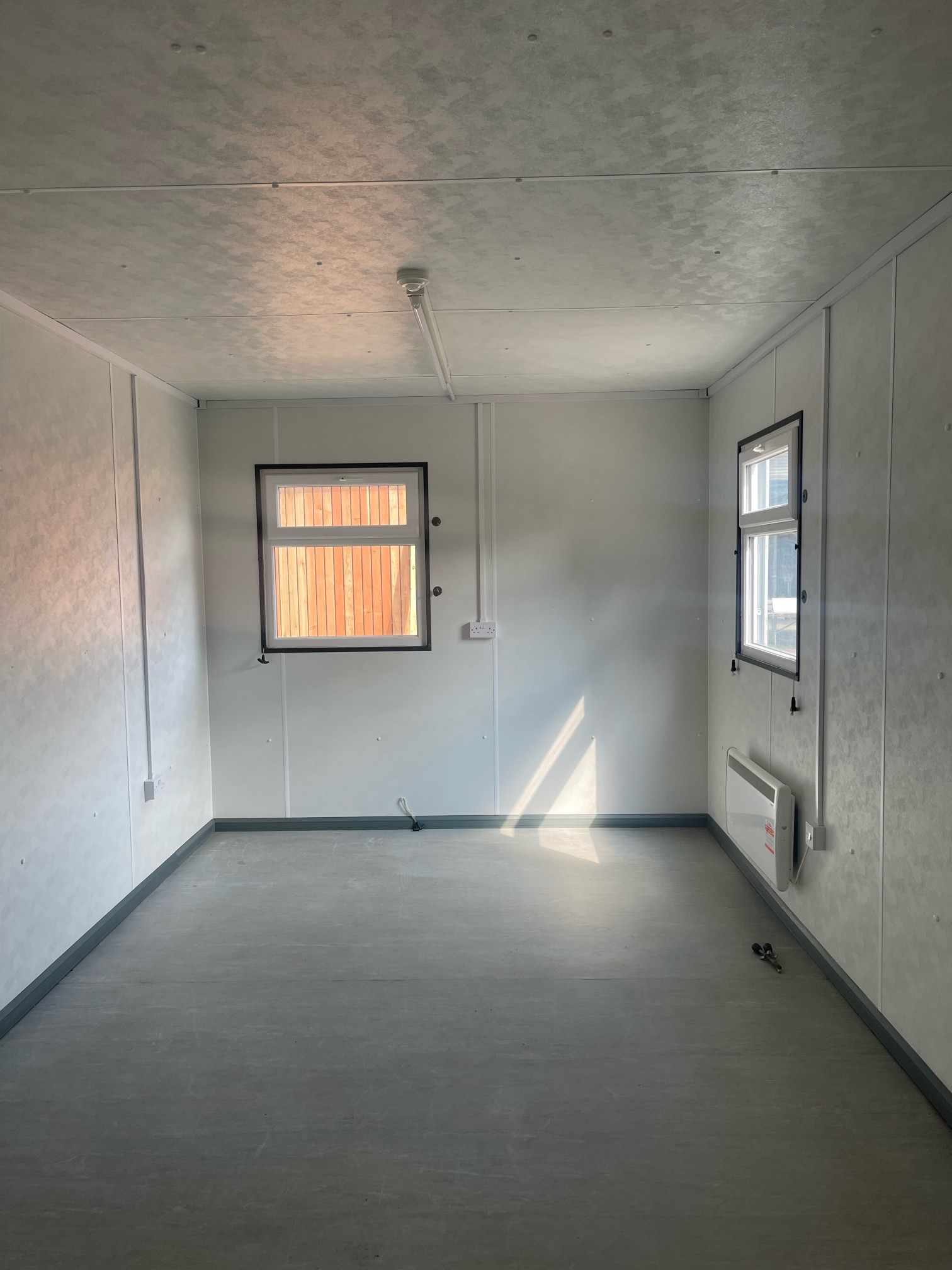
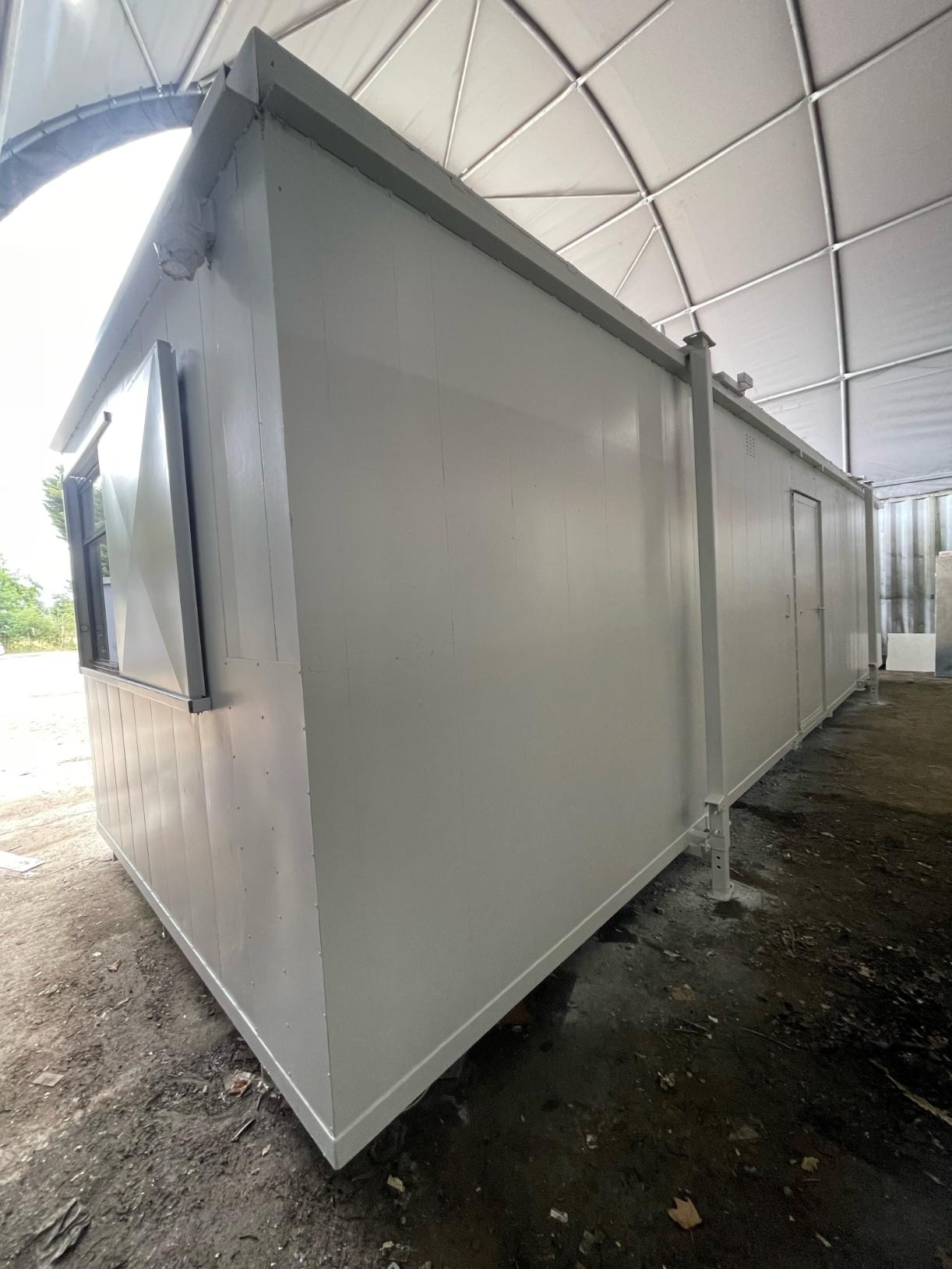
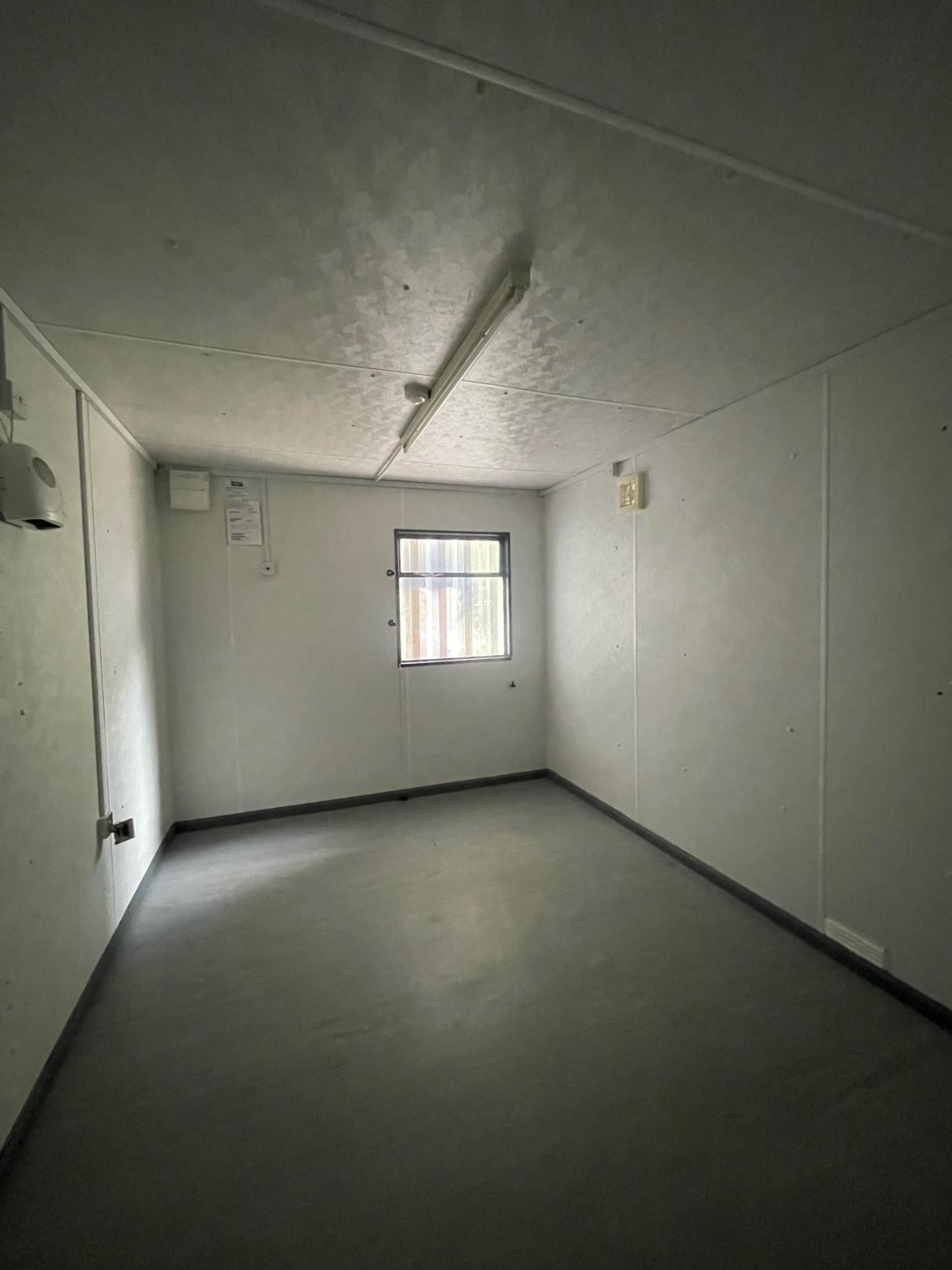
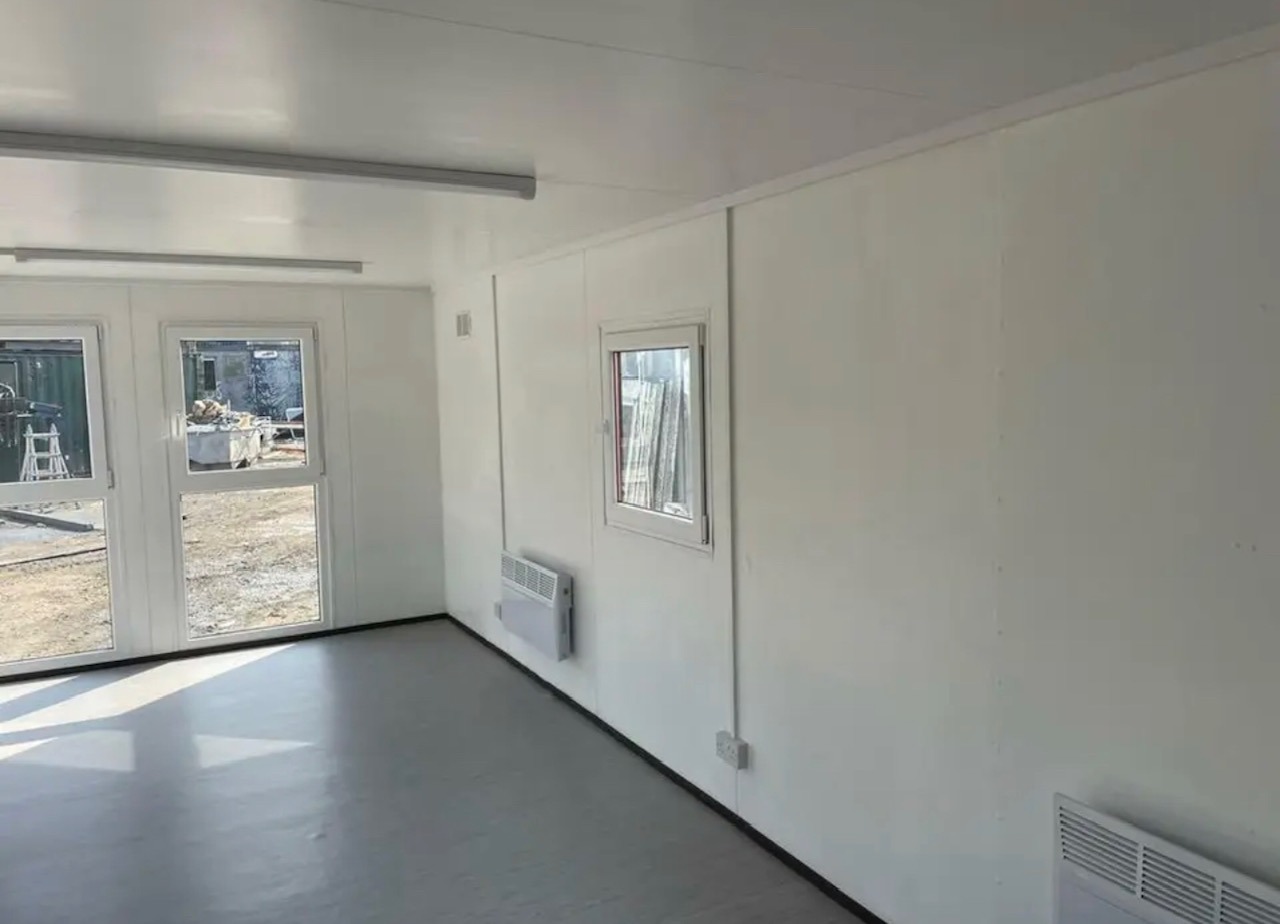
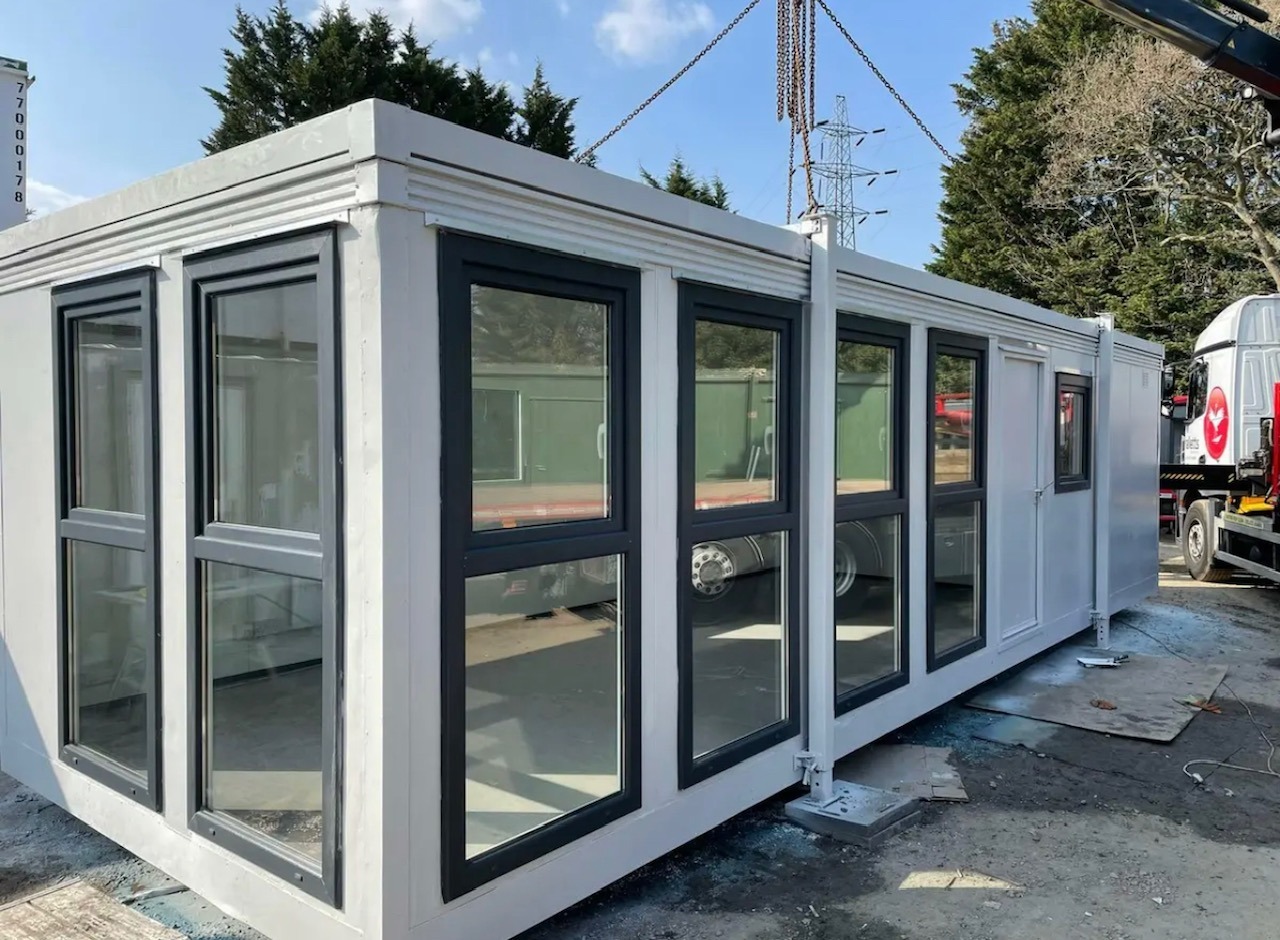
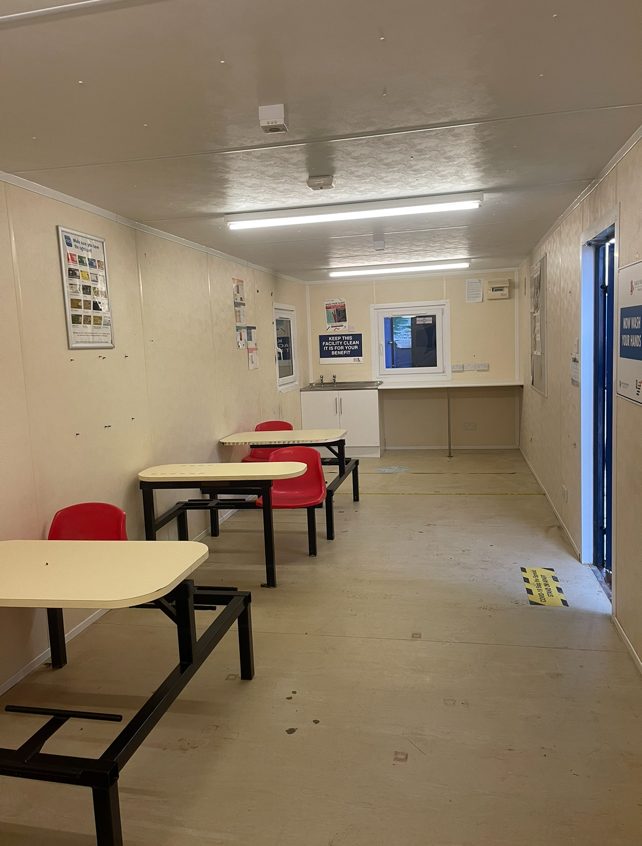
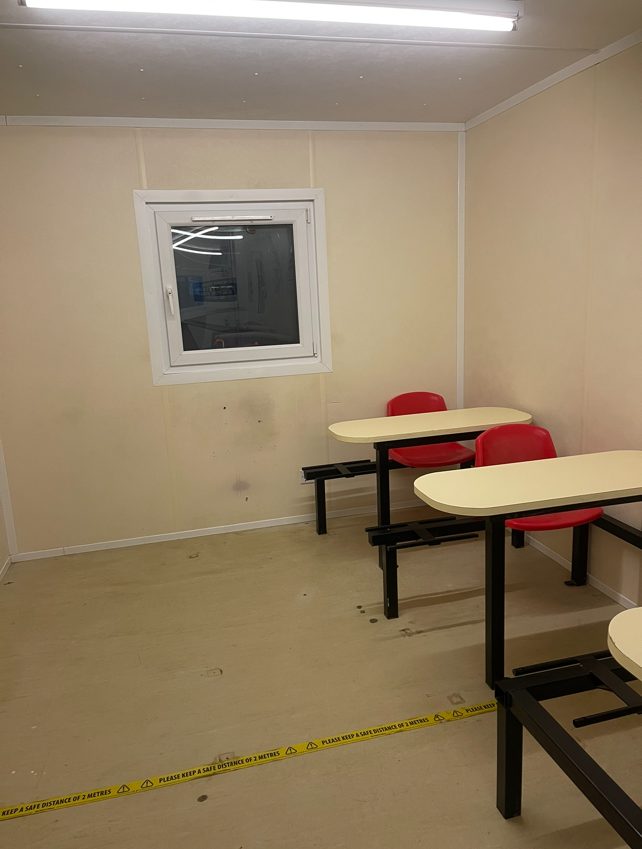
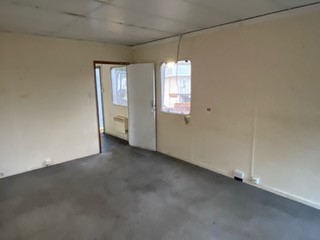
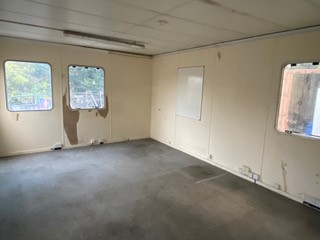
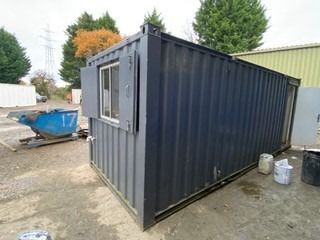
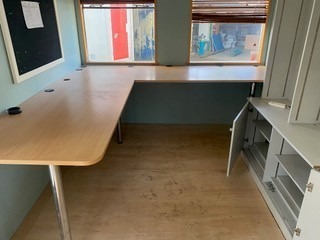
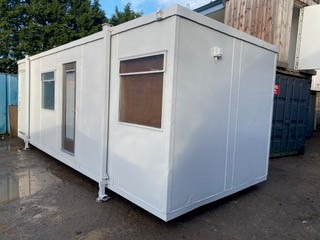
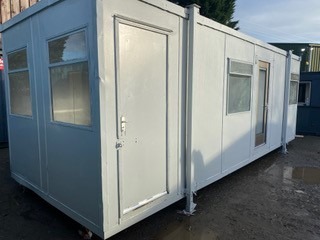
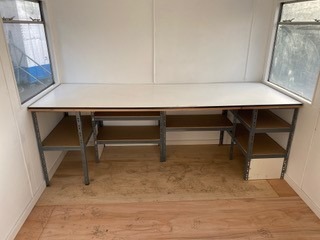
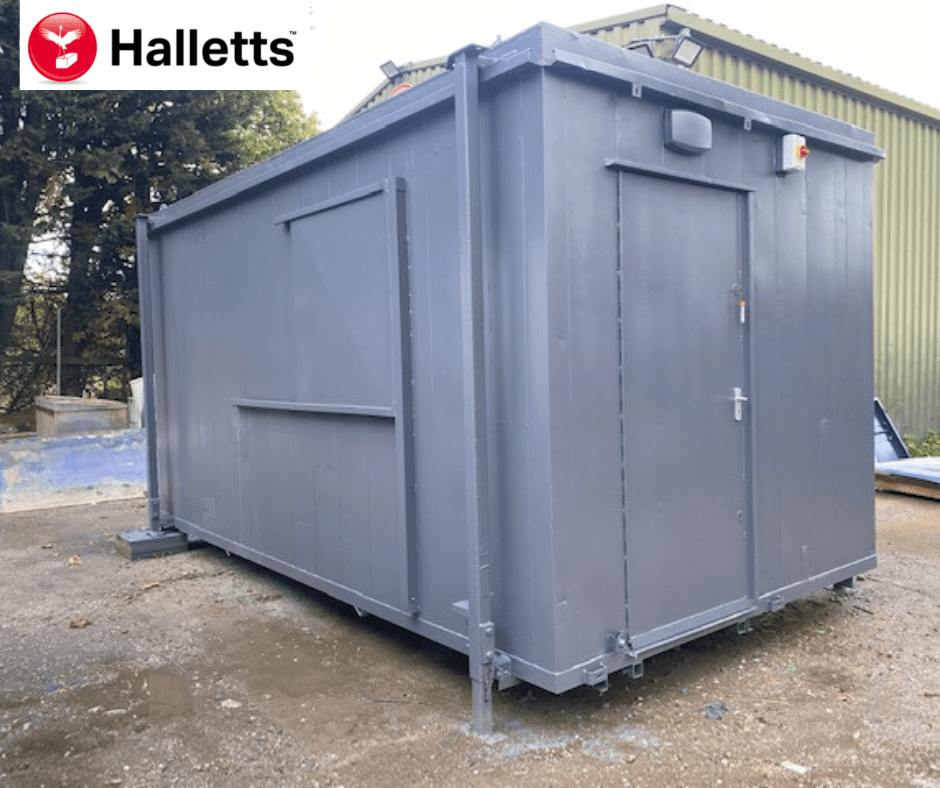
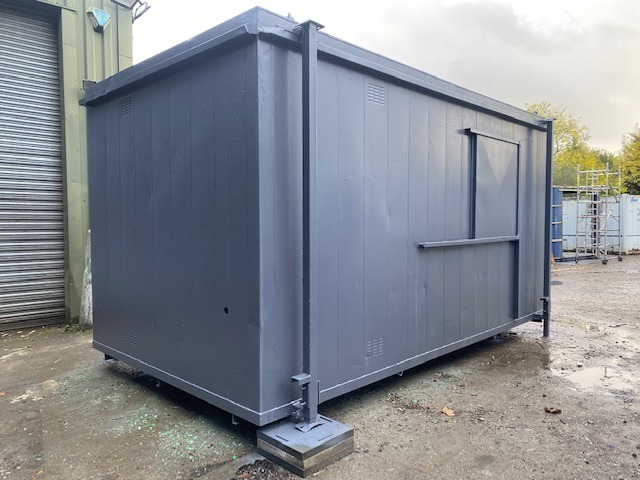
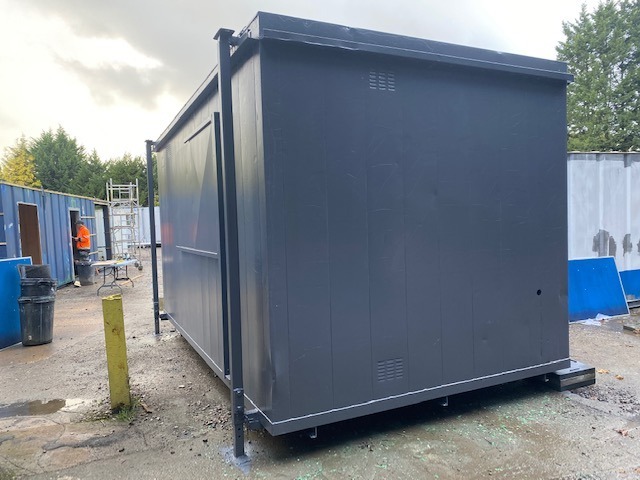
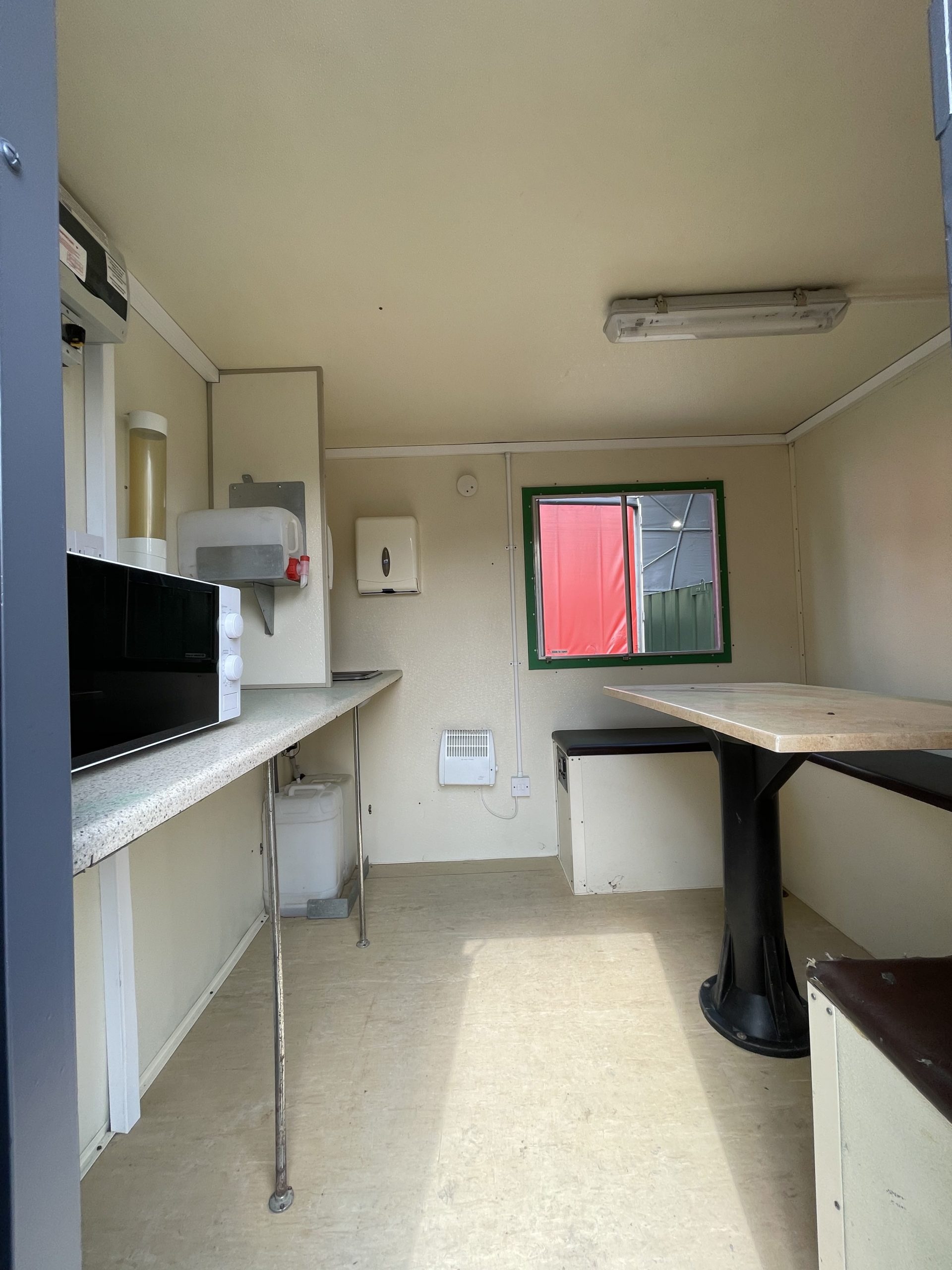
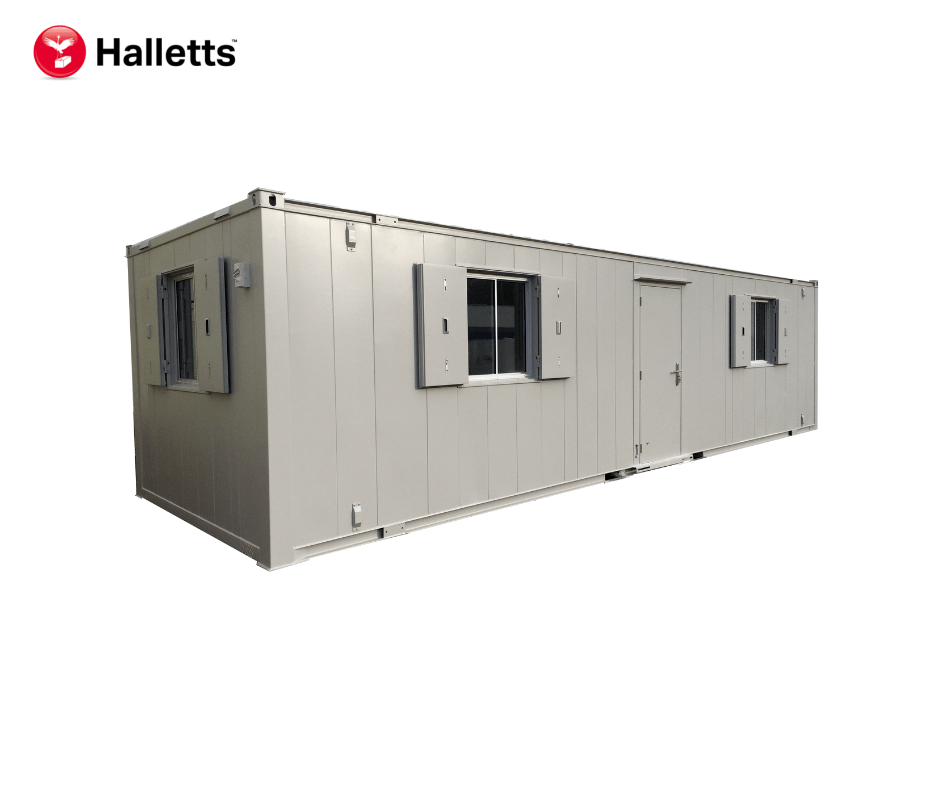
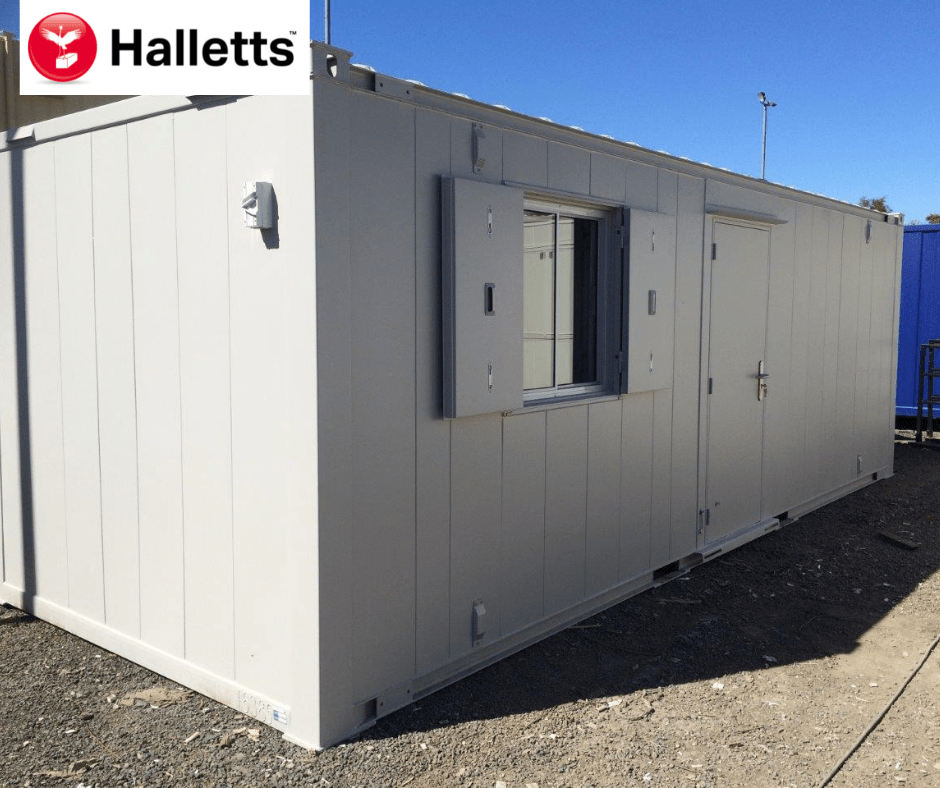
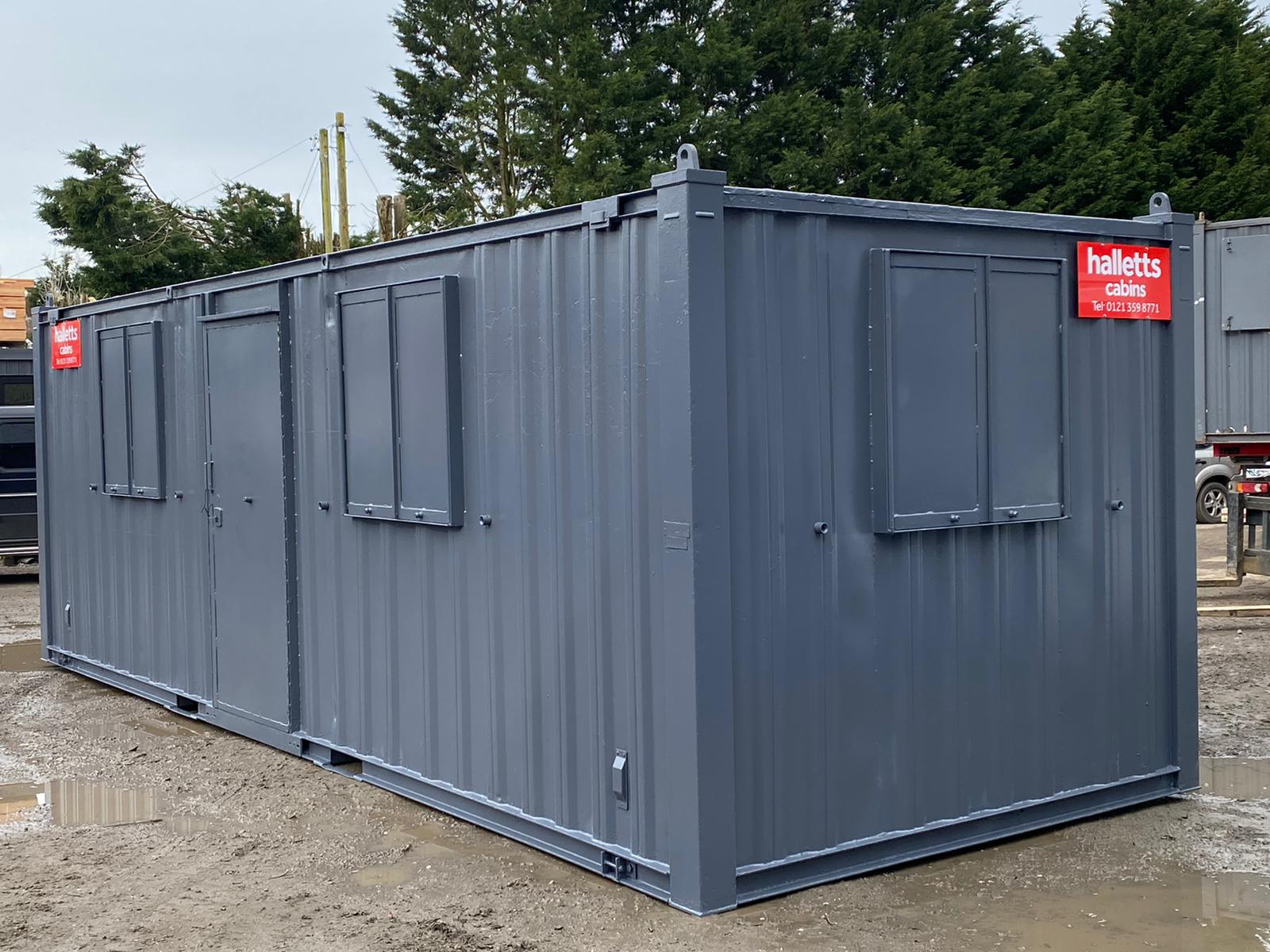
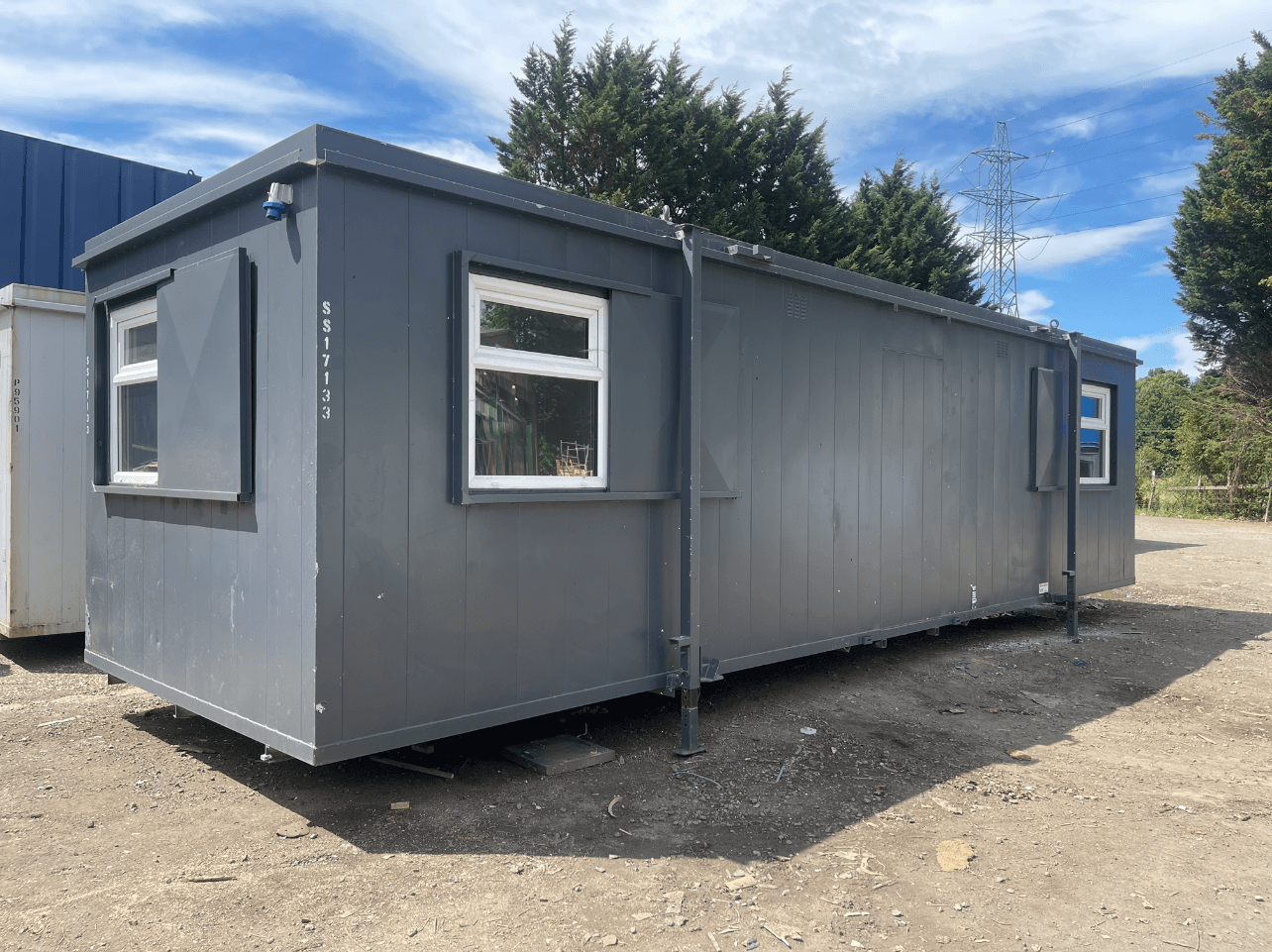
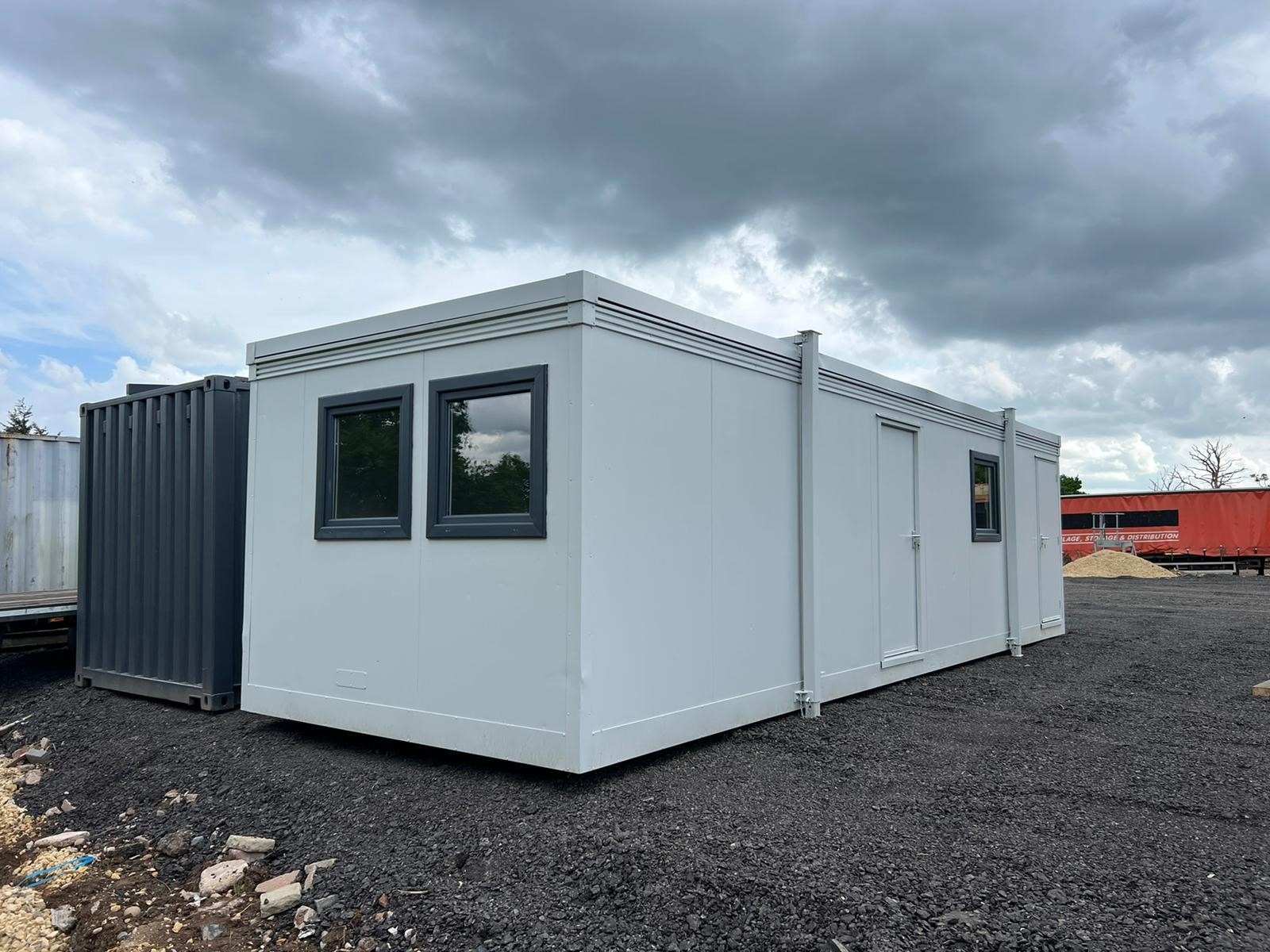
32ft x 10ft Anti Vandal Canteen/Office

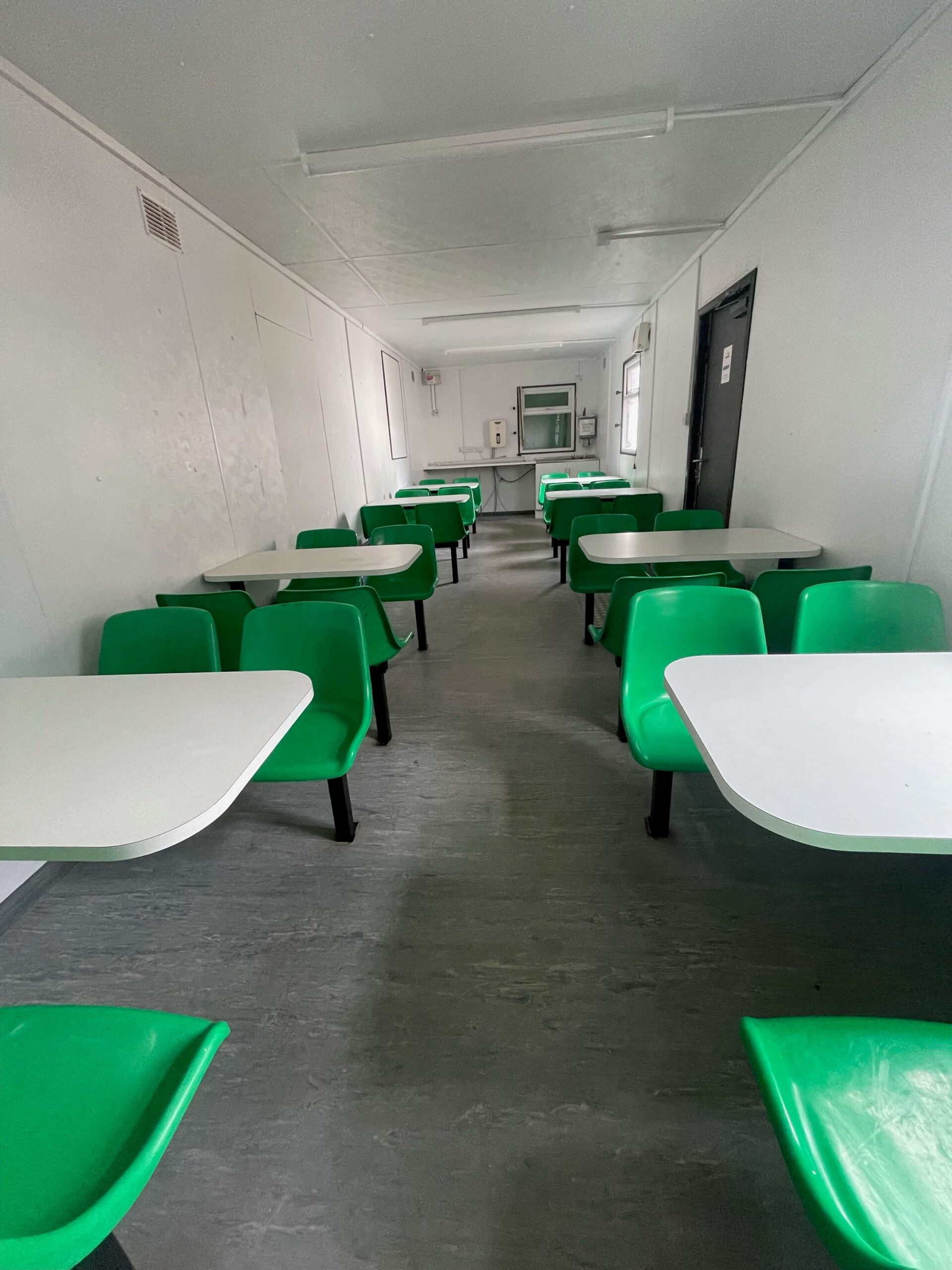
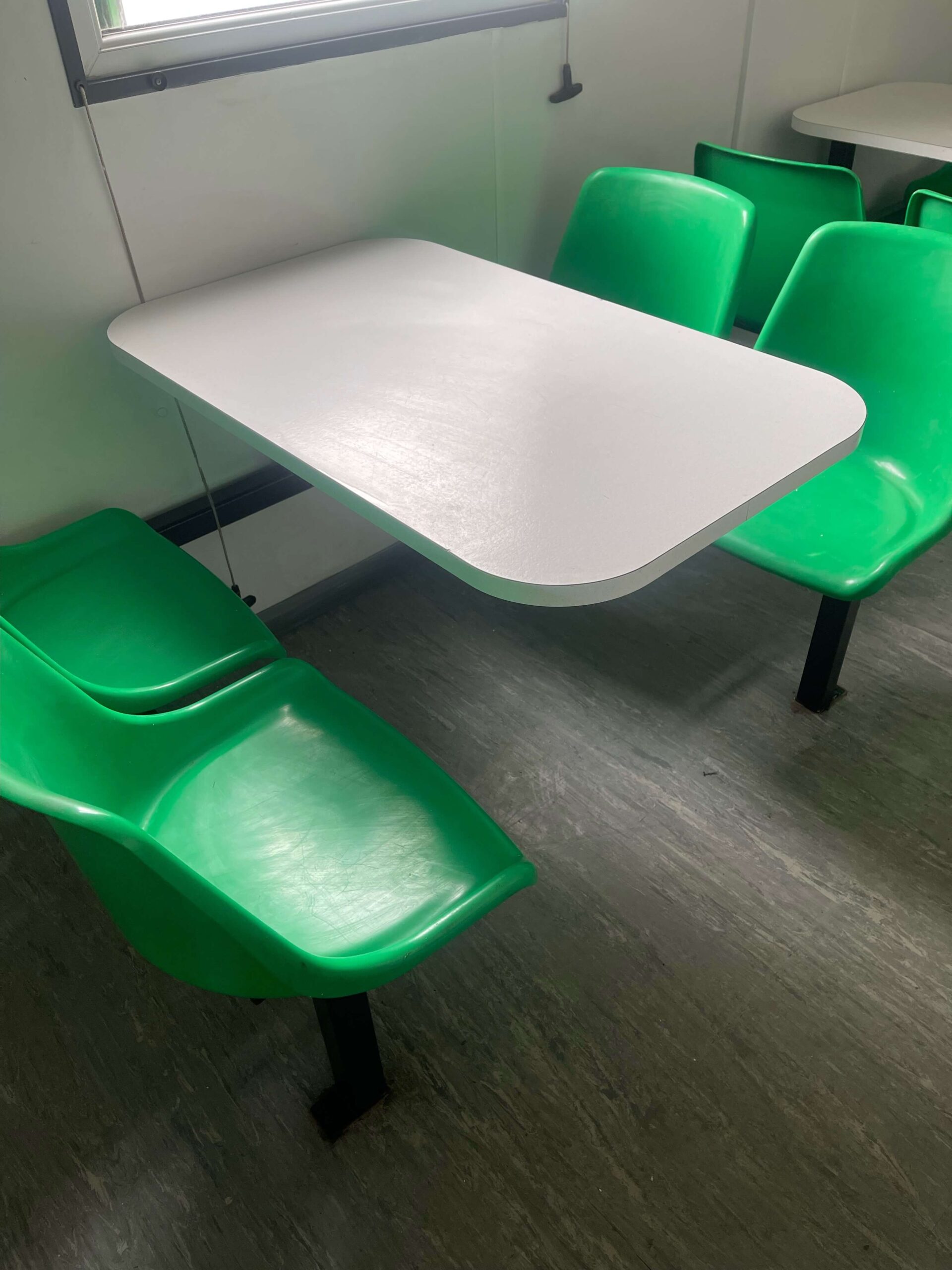
  • Complete with tables and chairs
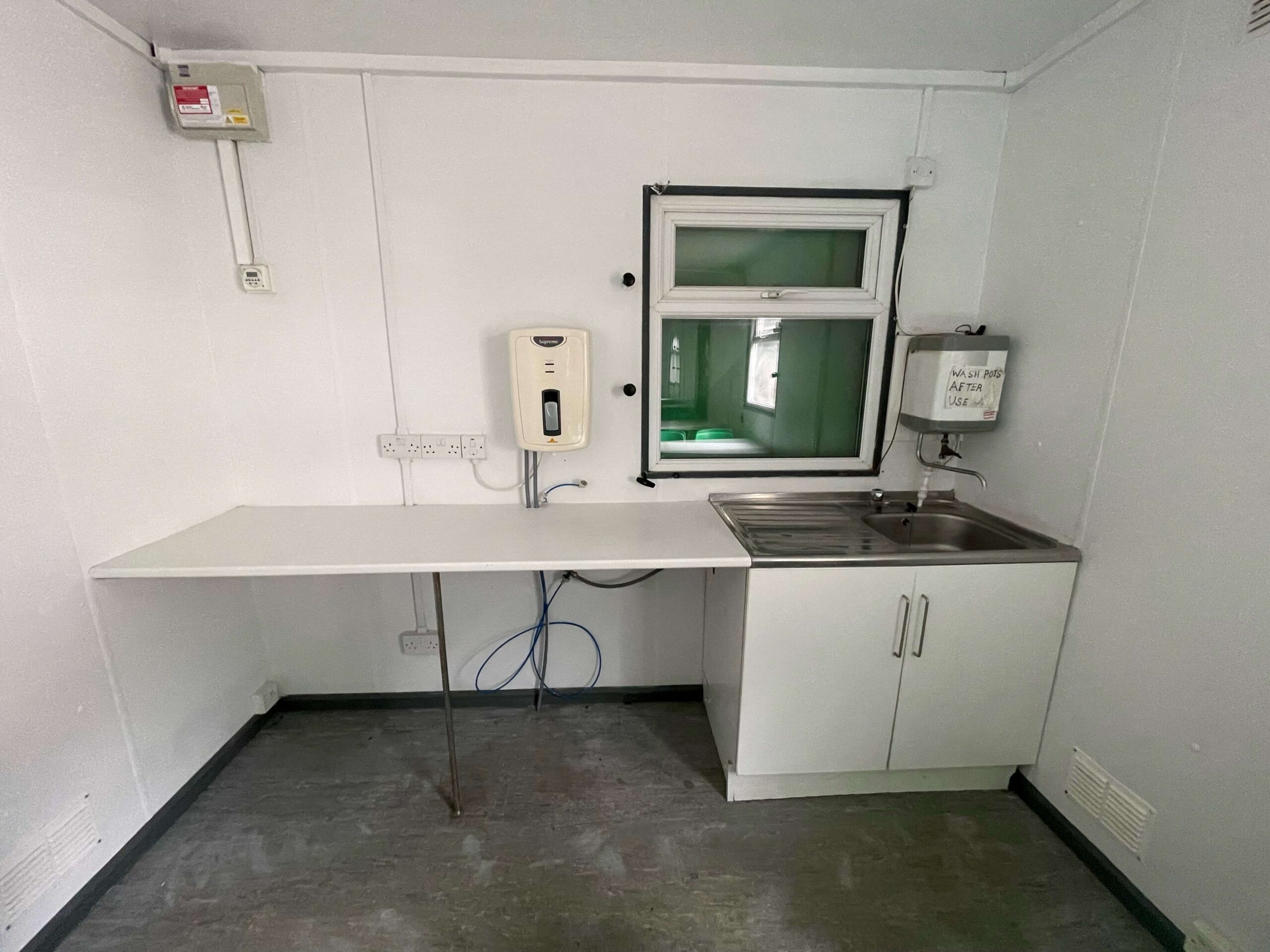
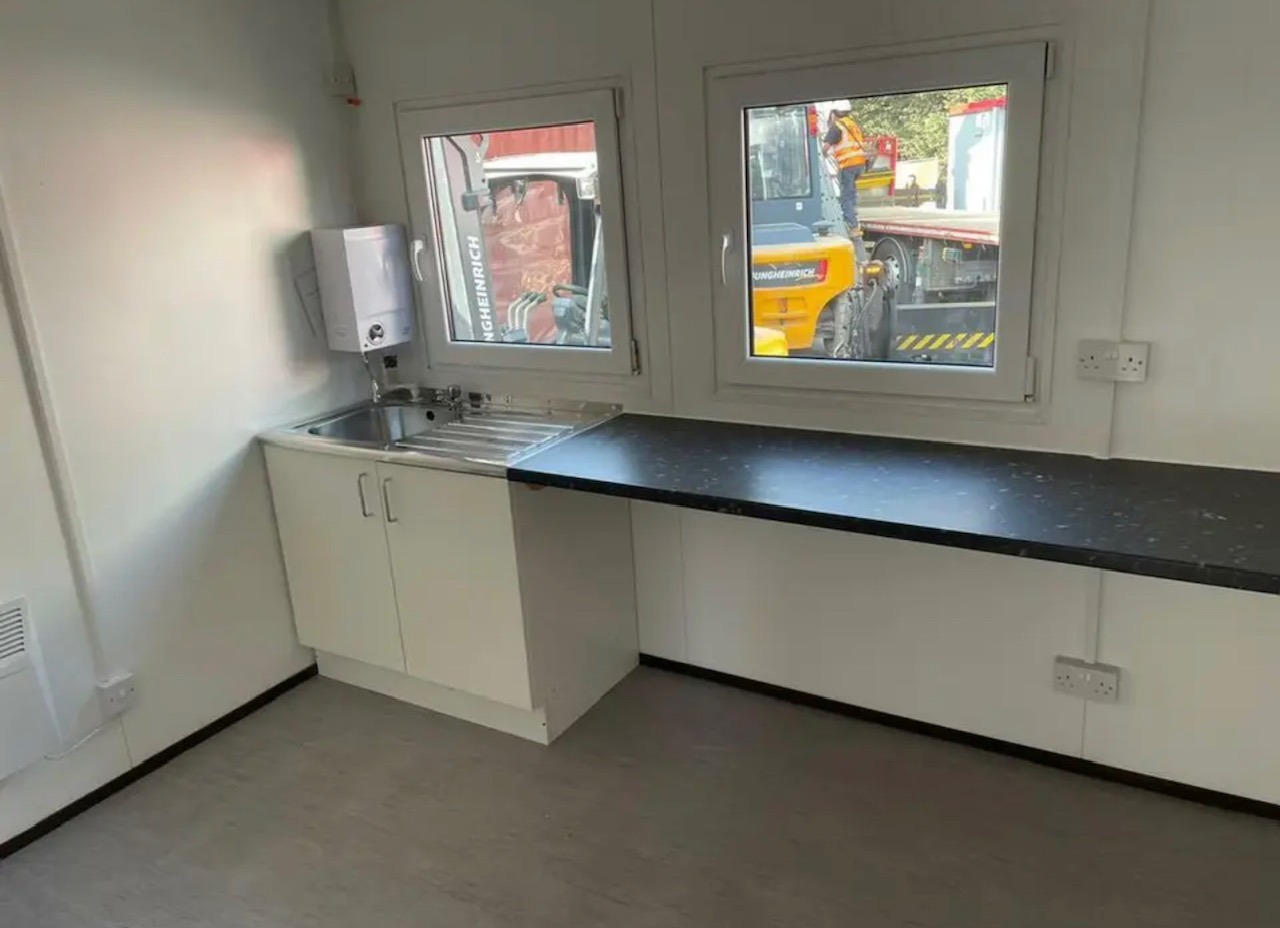
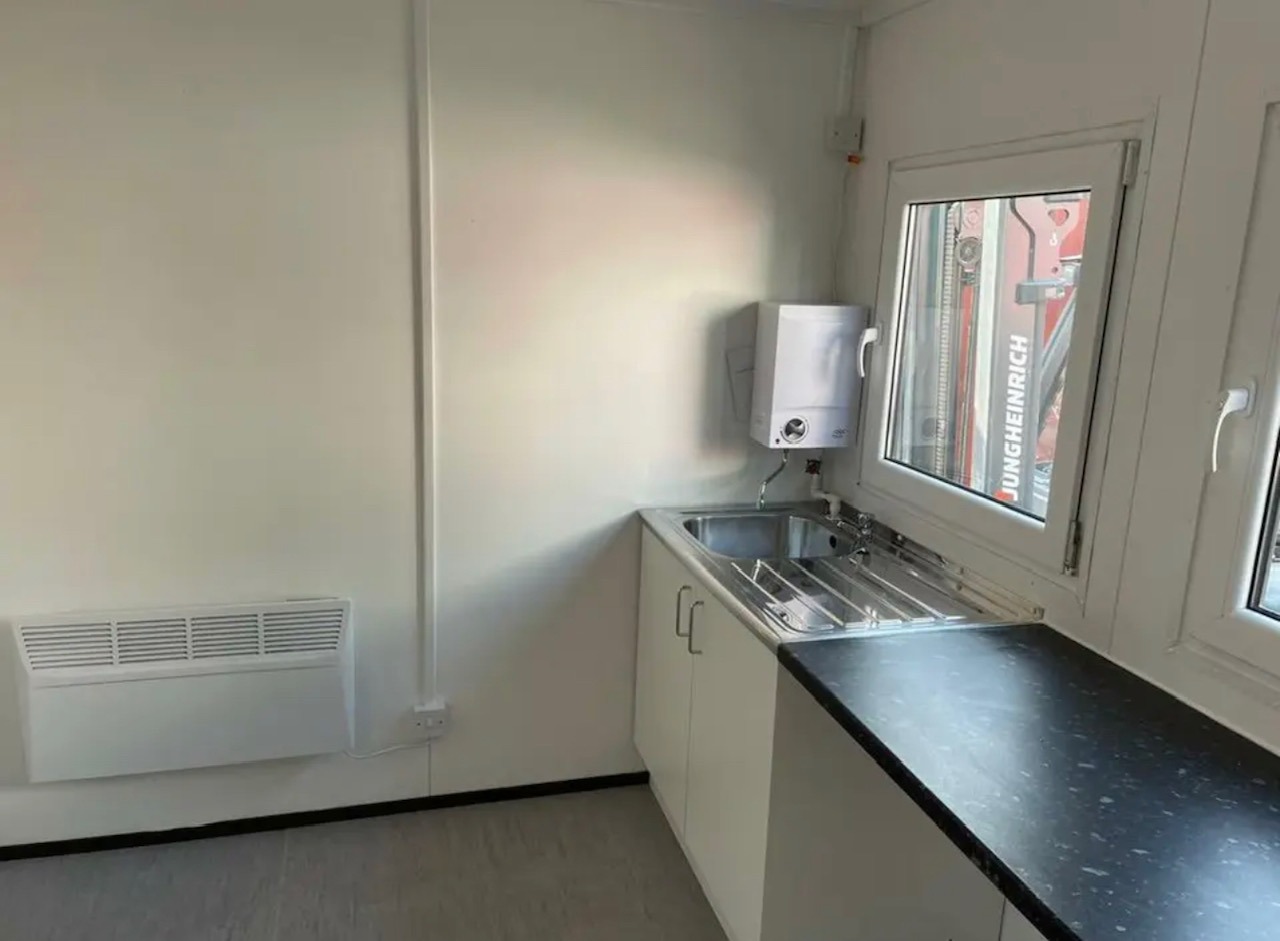
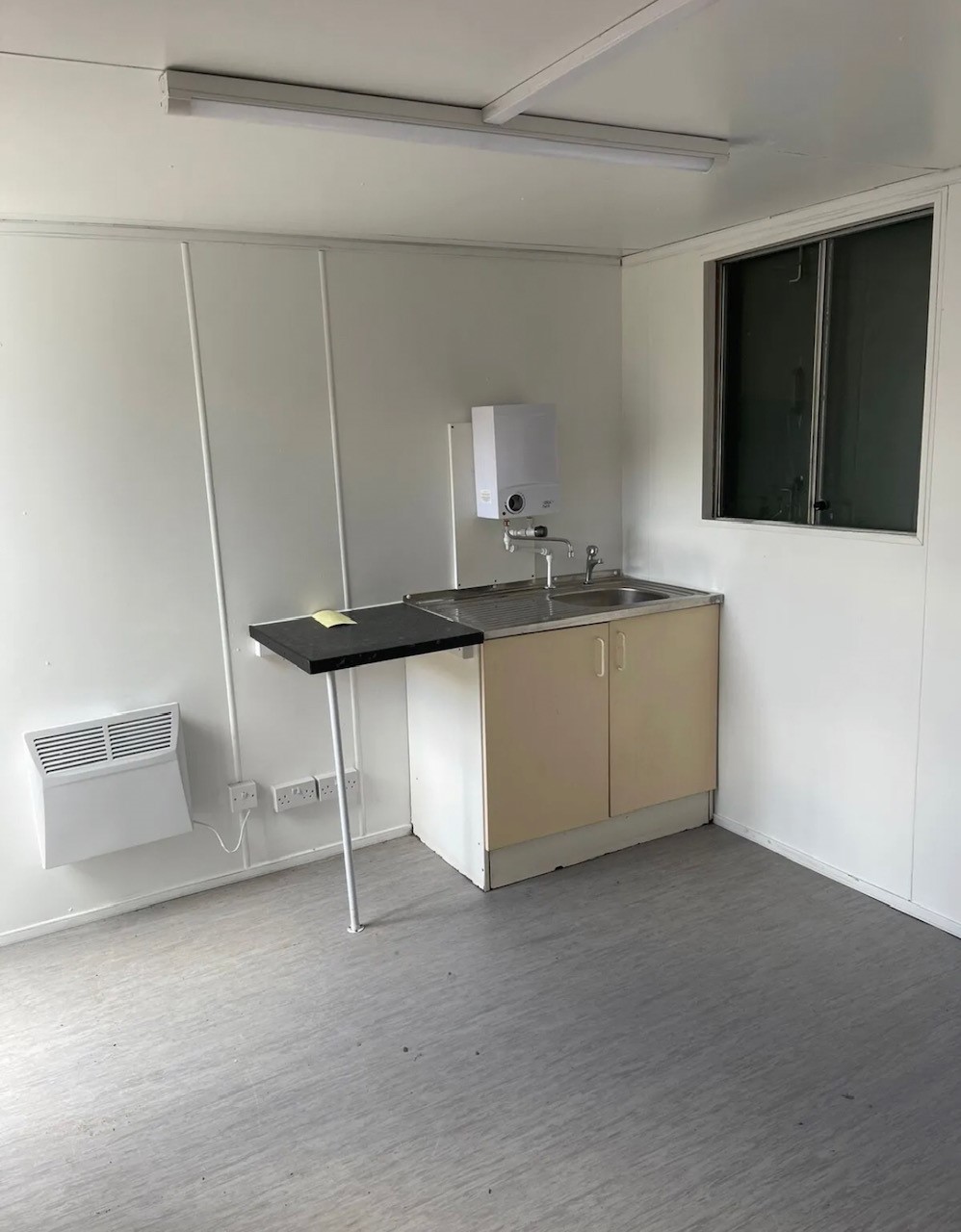
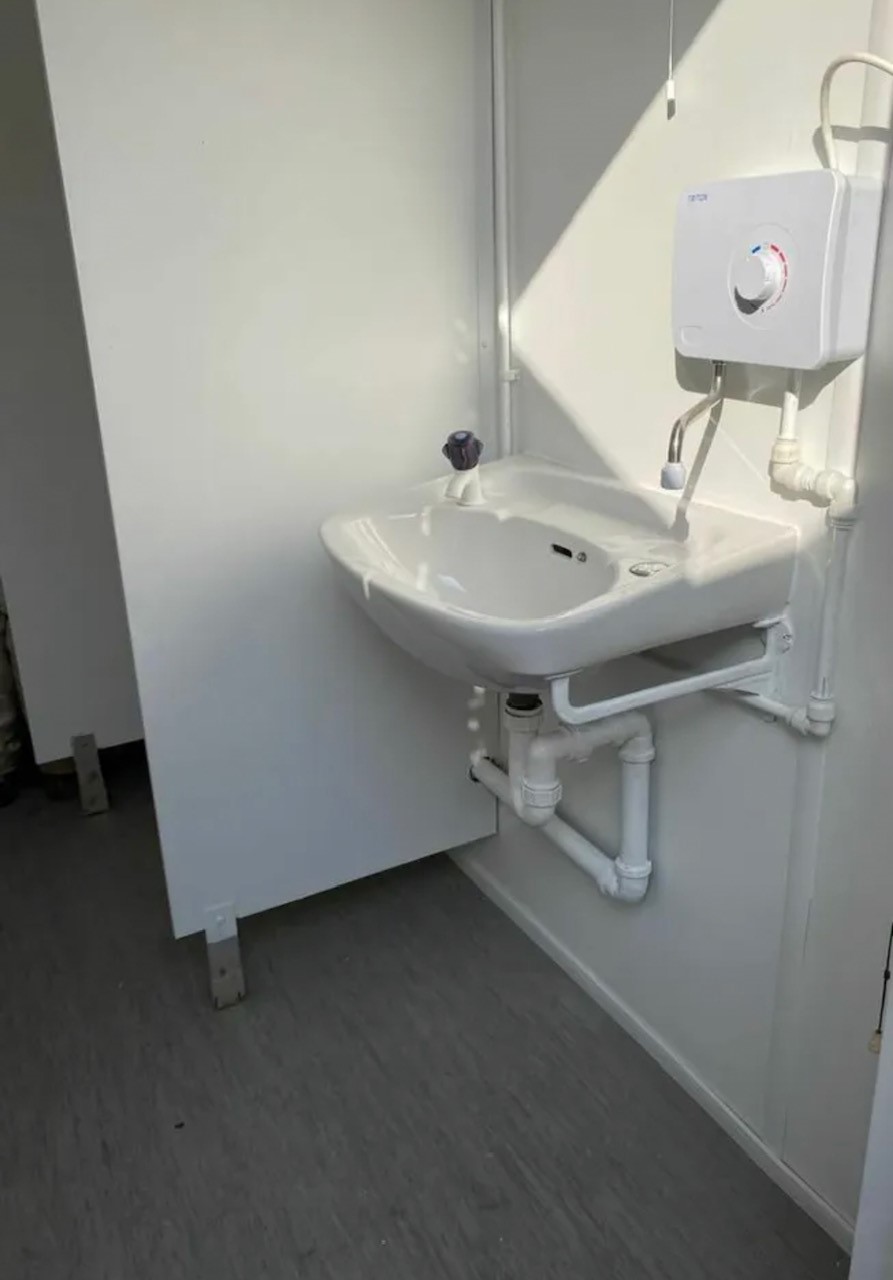
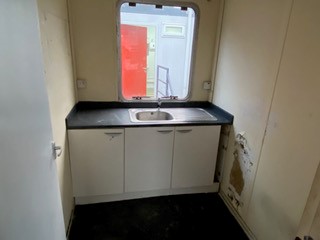
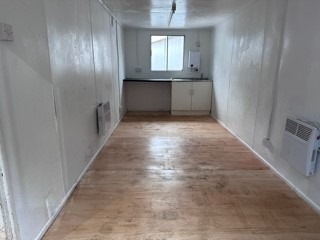
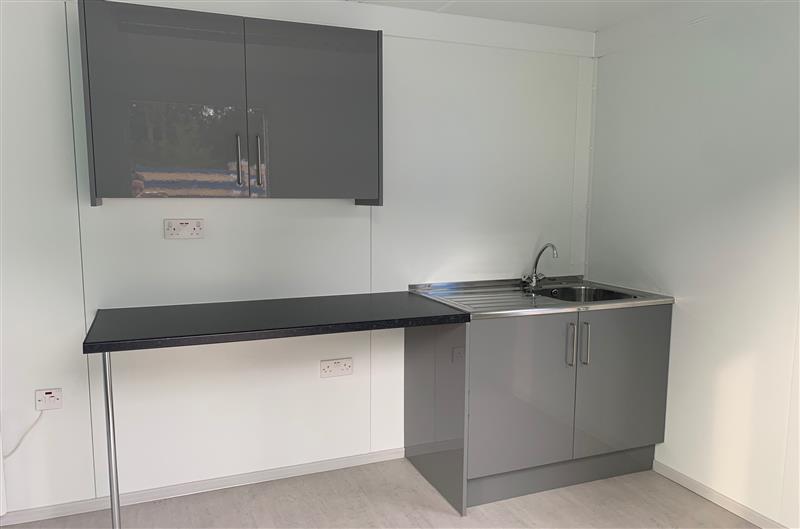
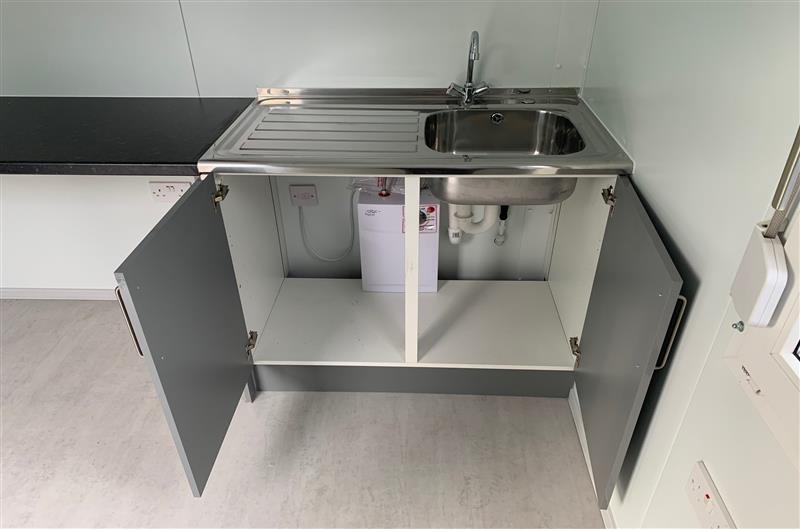
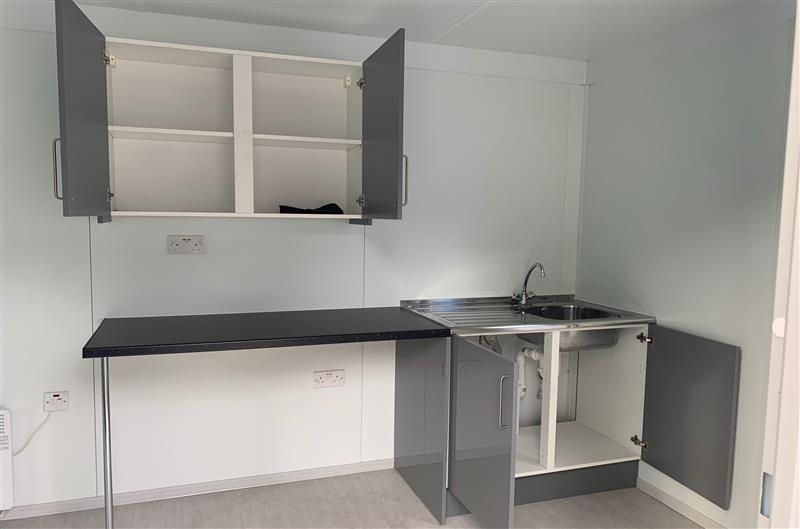
  • Kitchen with sink worktop, cupboard and water heater
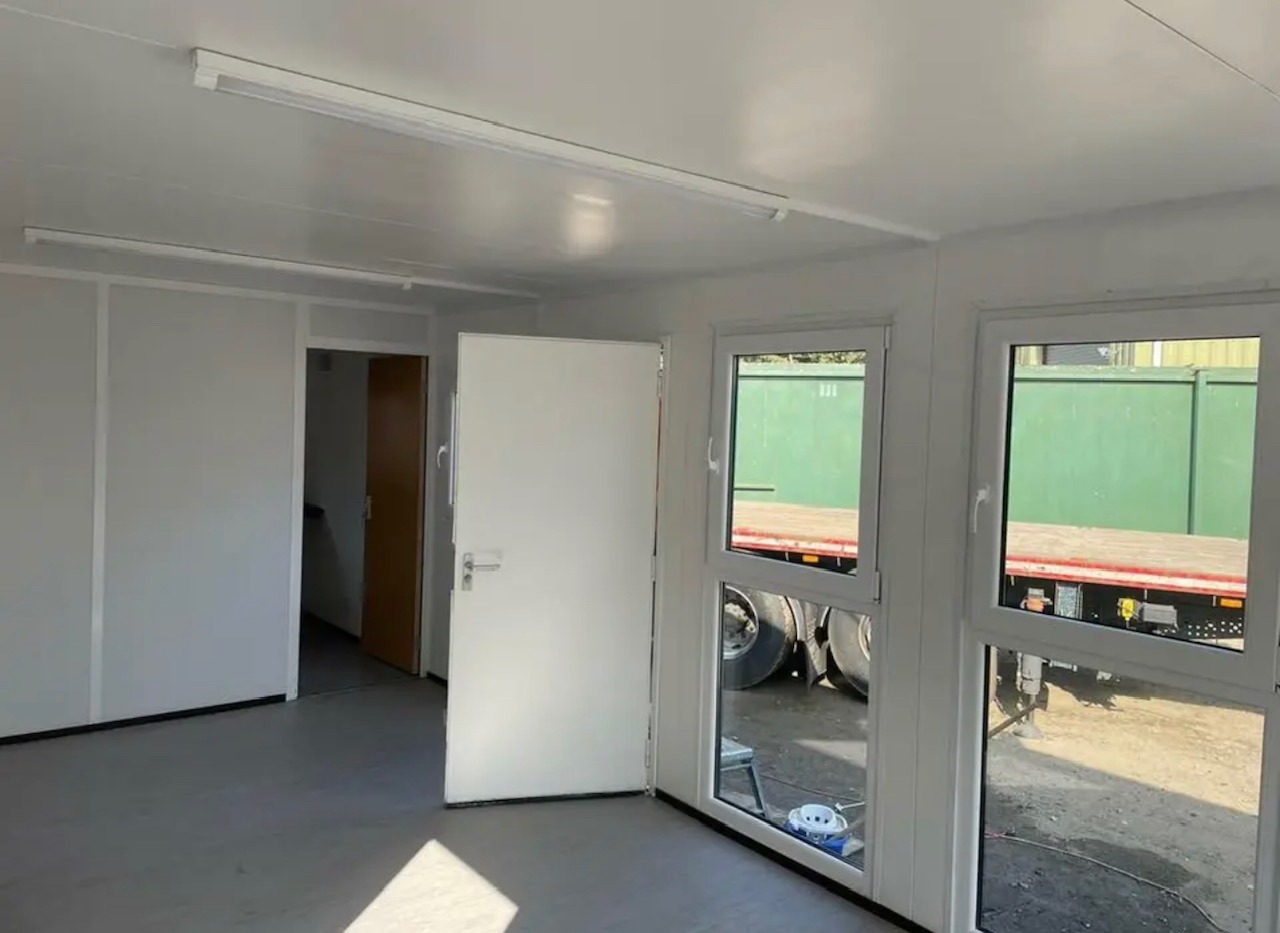
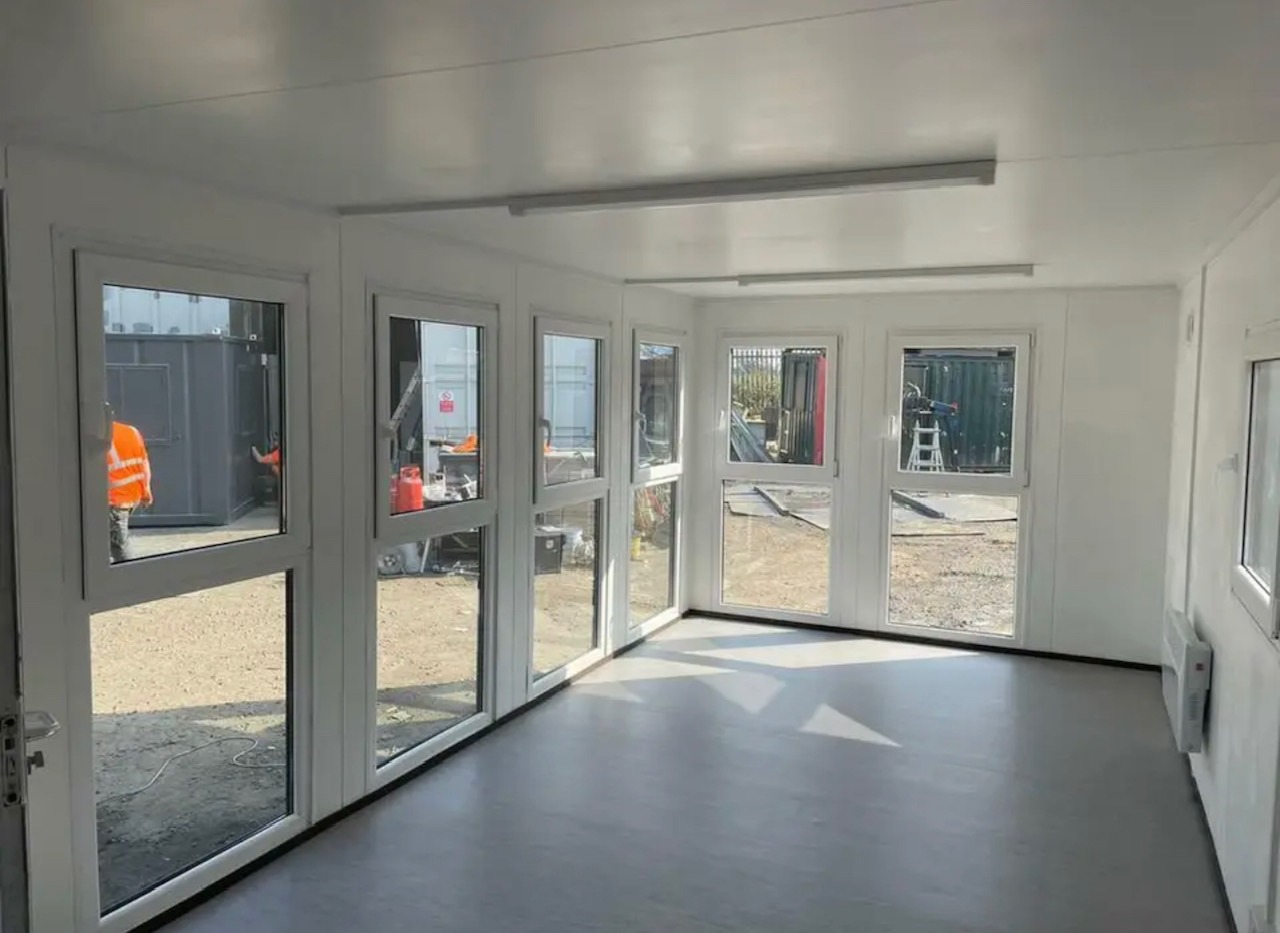
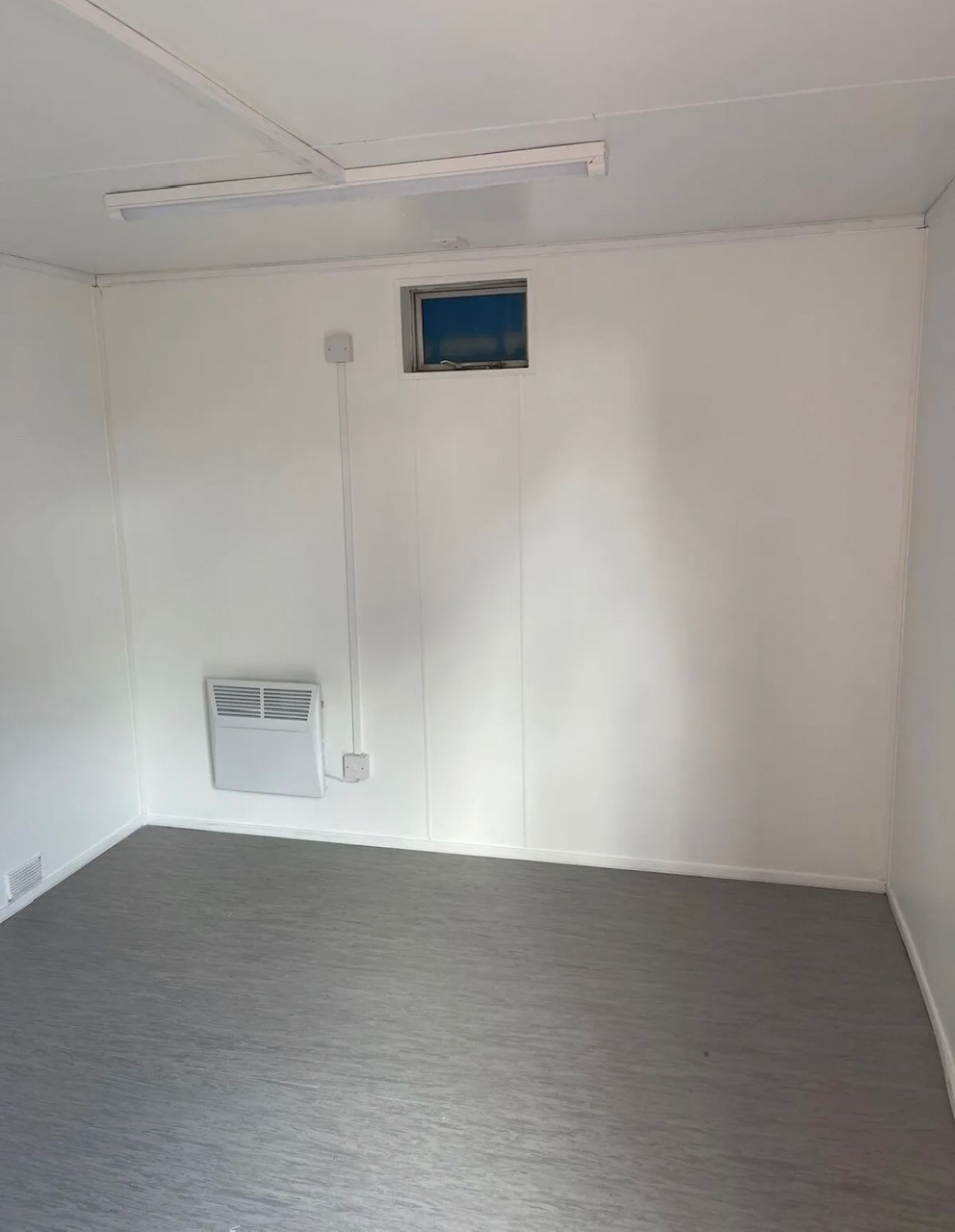
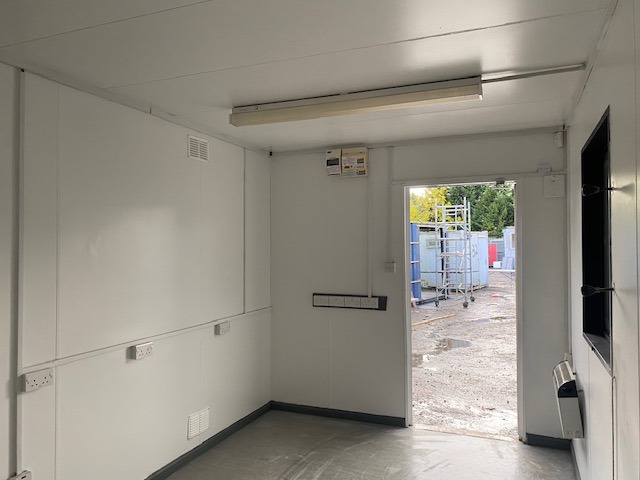
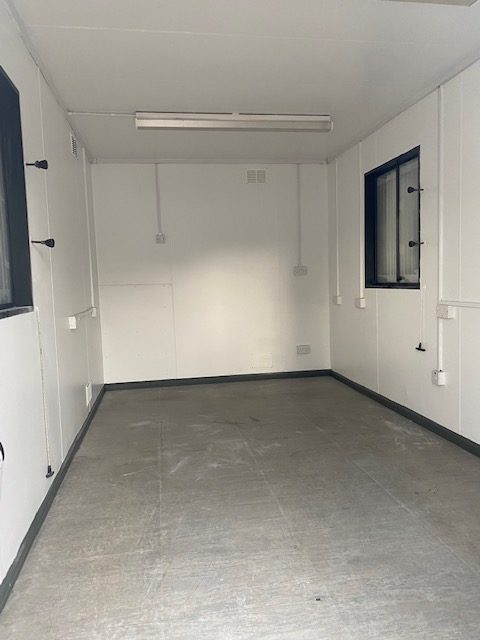
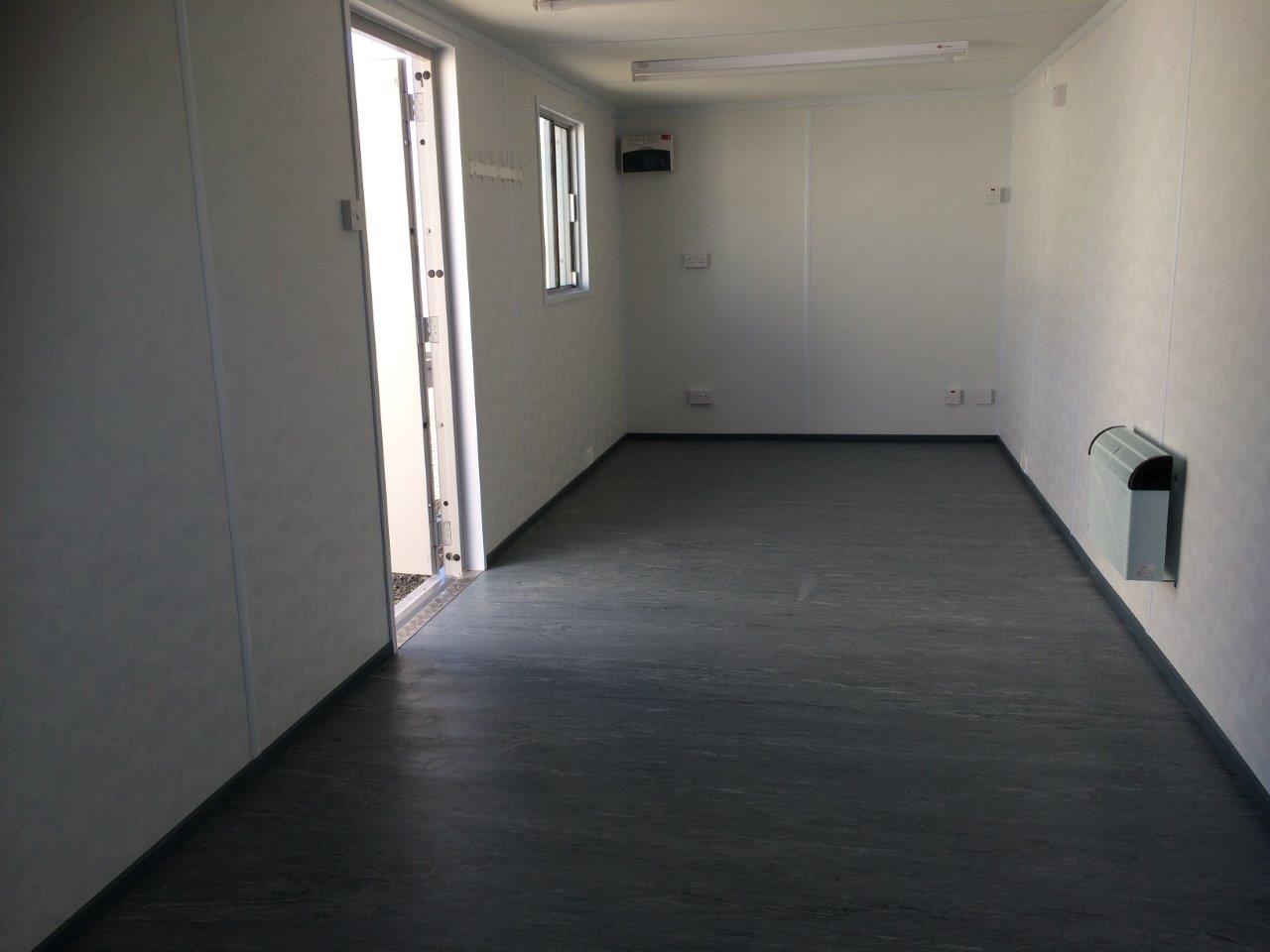
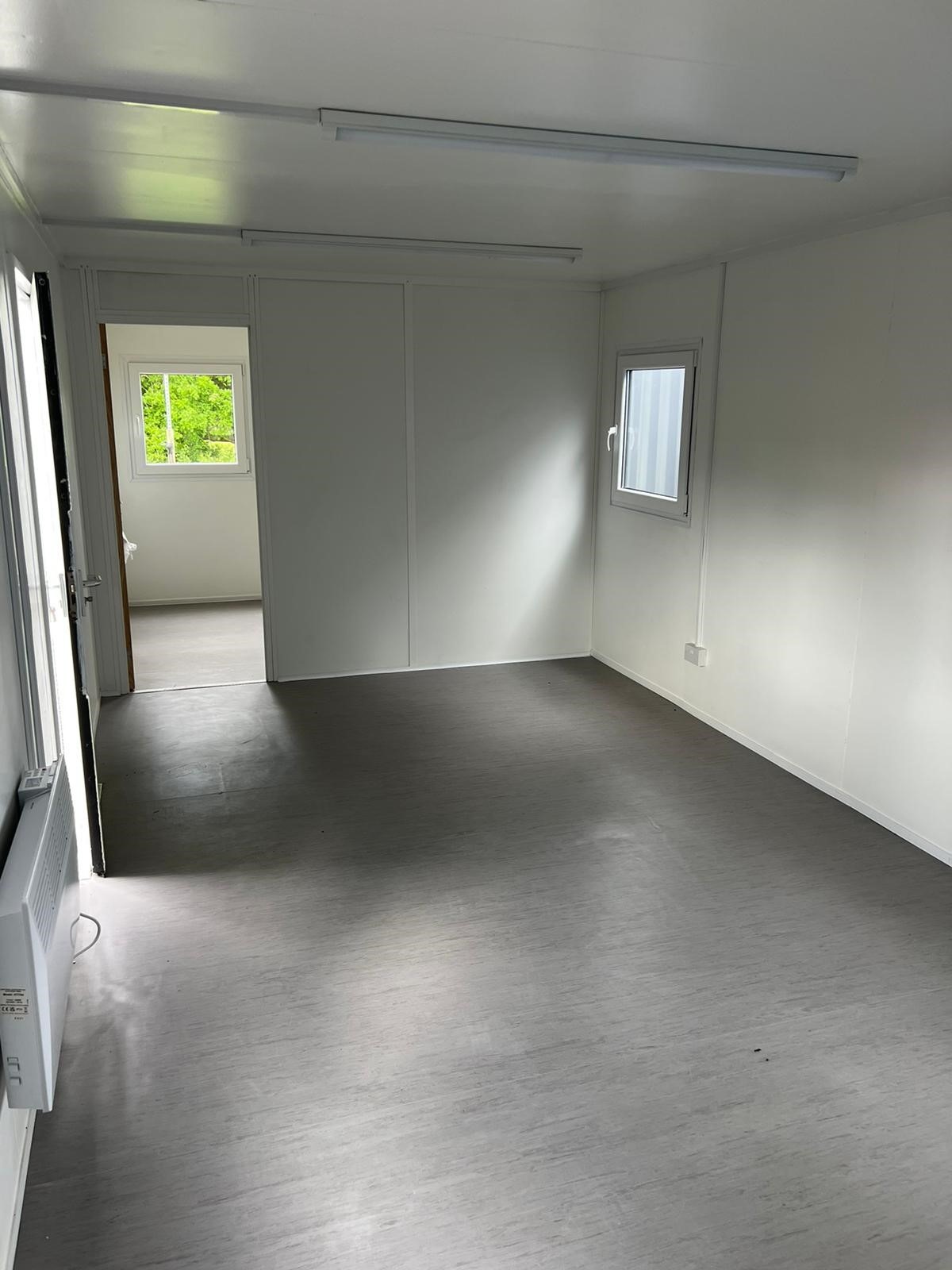
  • Insulated with electric sockets, lighting and heating
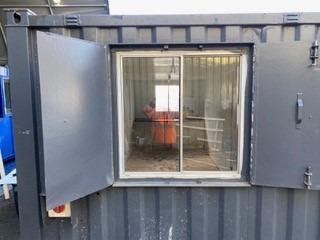
  • White upvc double glazing
  • External re spray in dark grey

Location: Nationwide

£6,500 + vat

Not Available for Hire

We can deliver for a cost please ask and send us post code.

Call for an instant quote!

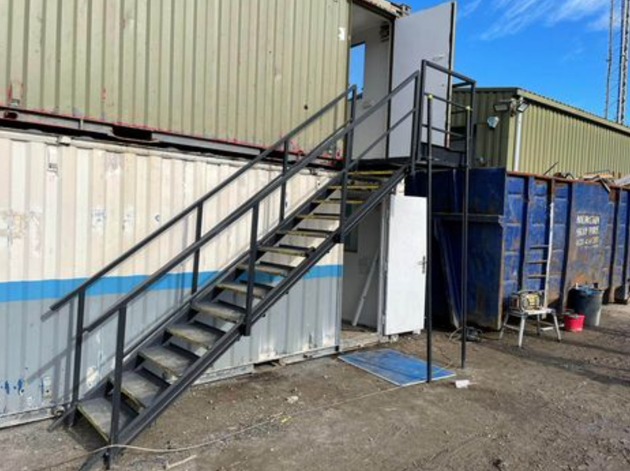
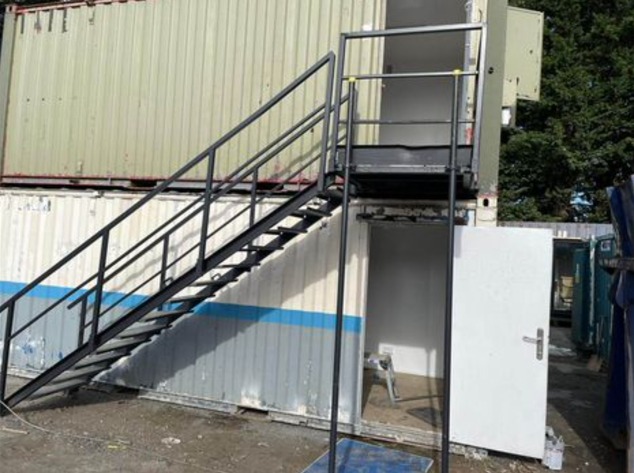
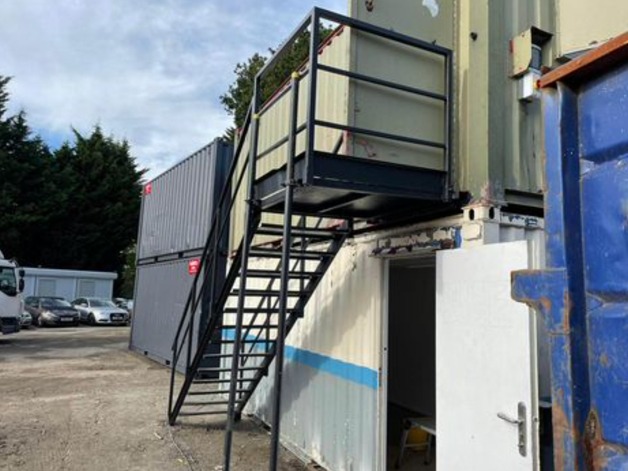
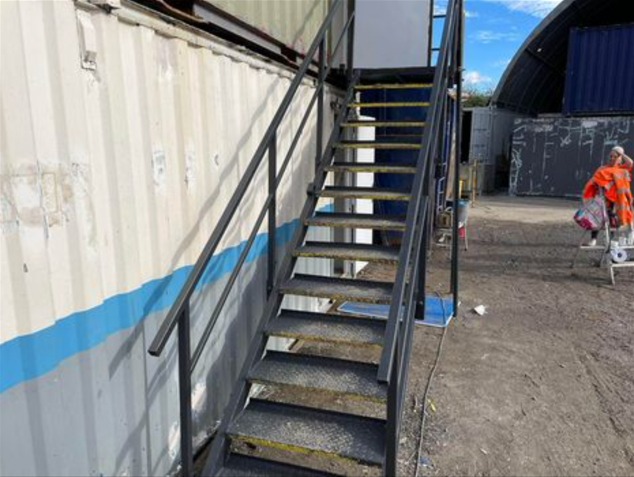
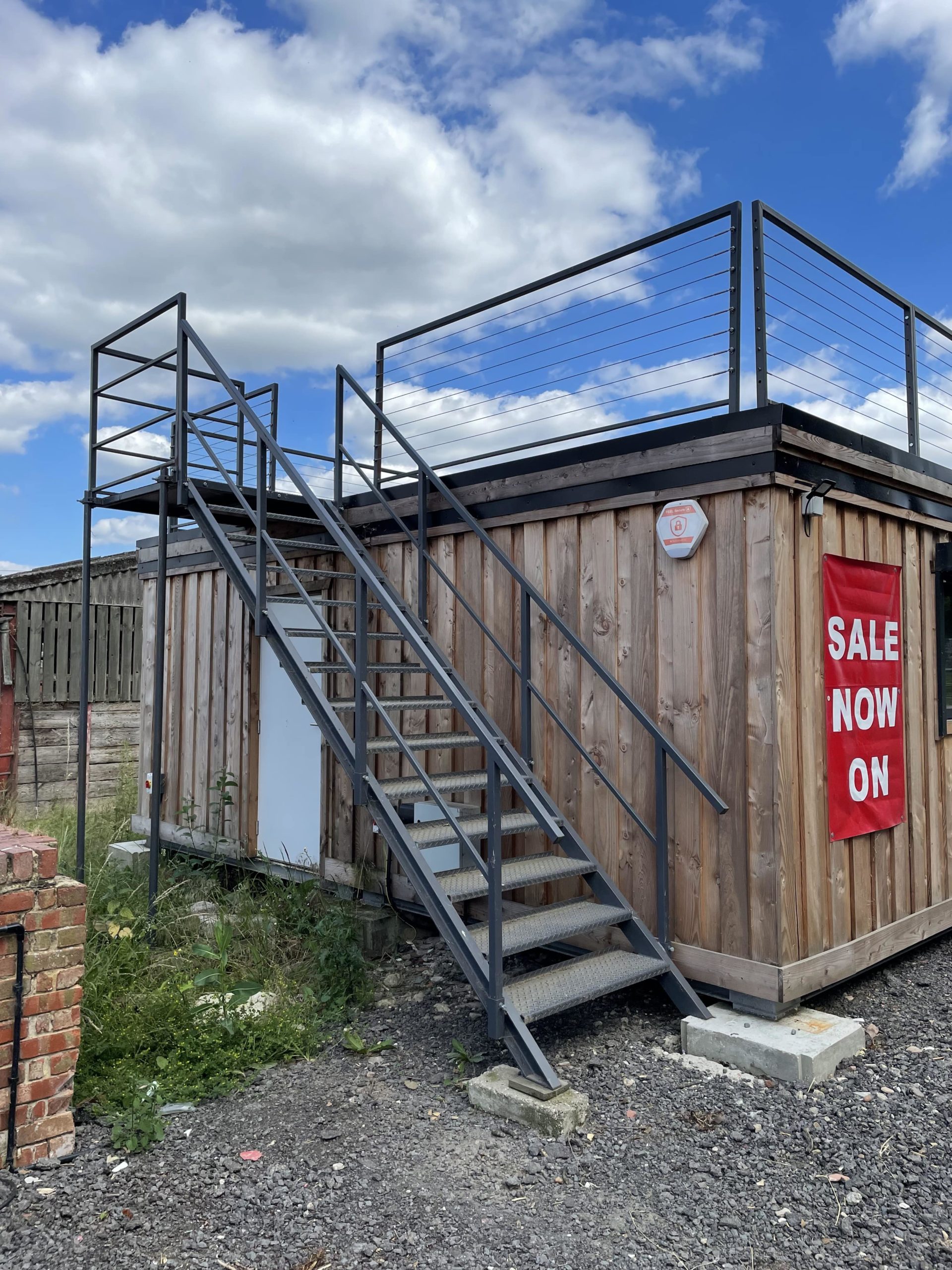
Steel Cabin Staircases, in various sizes

  • 13 tread

  • 14 tread

  • 15 tread

Location: Nationwide

£1,200.00 + vat

Not Available for Hire

Call for an instant quote!

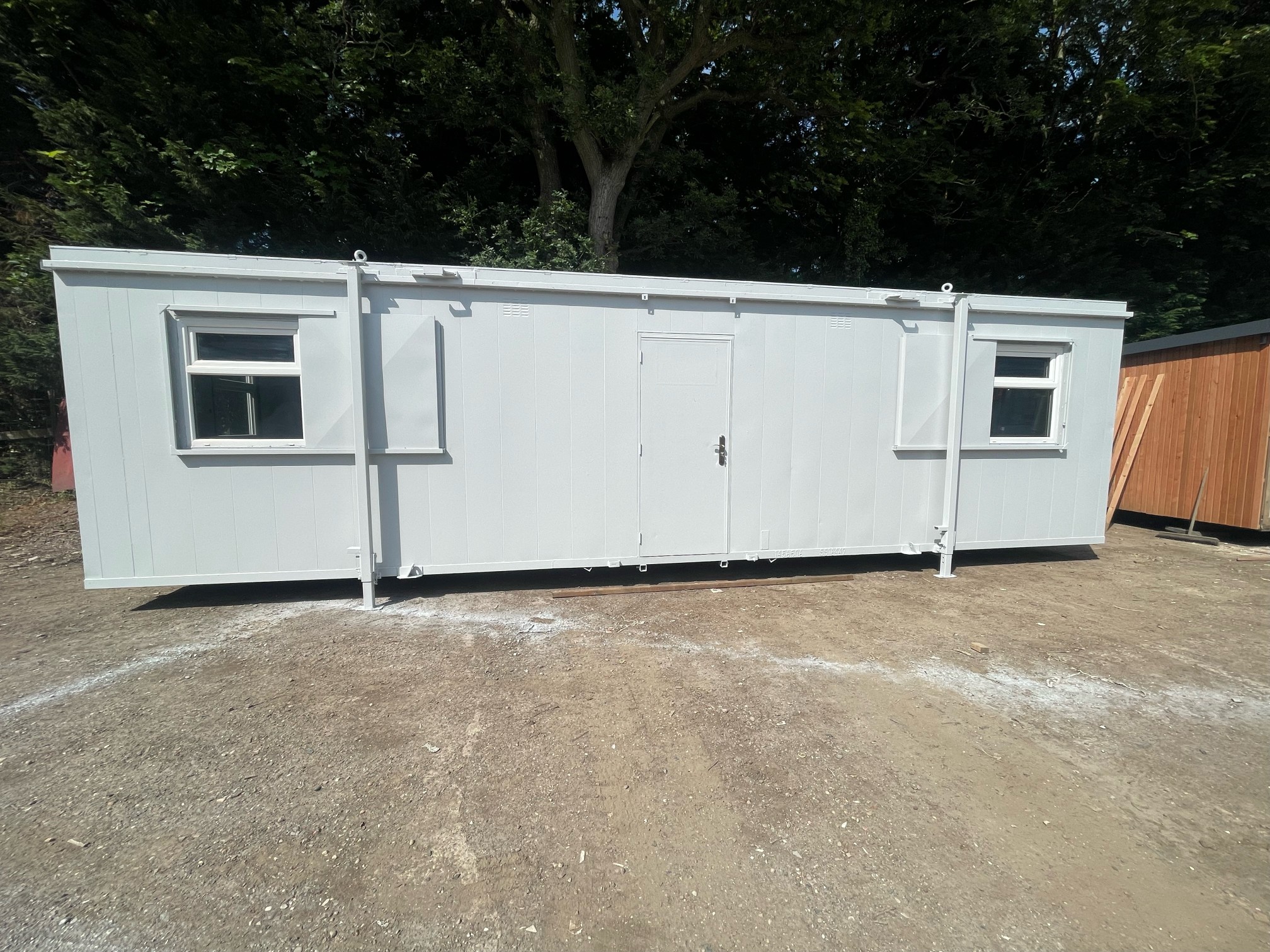
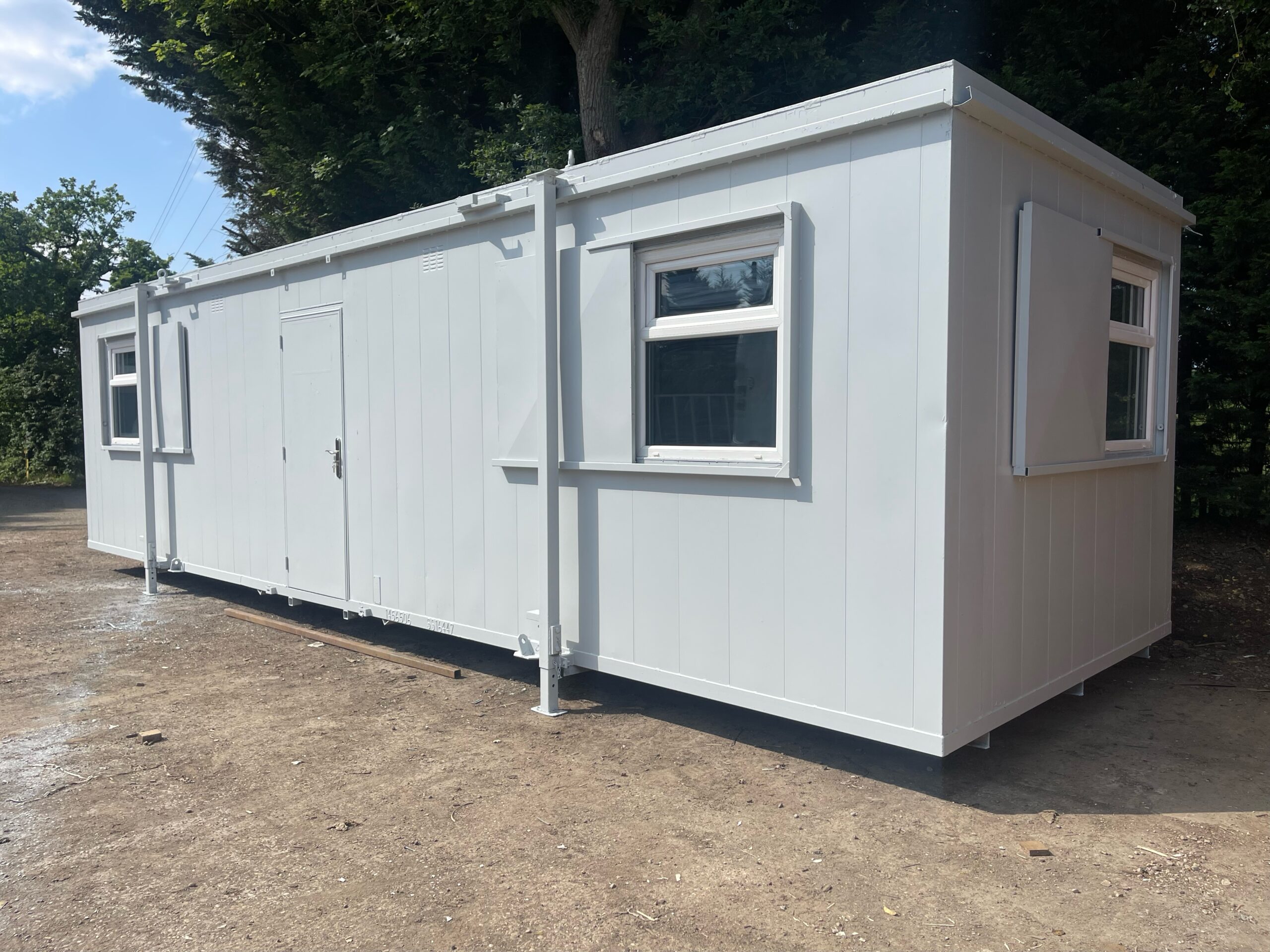
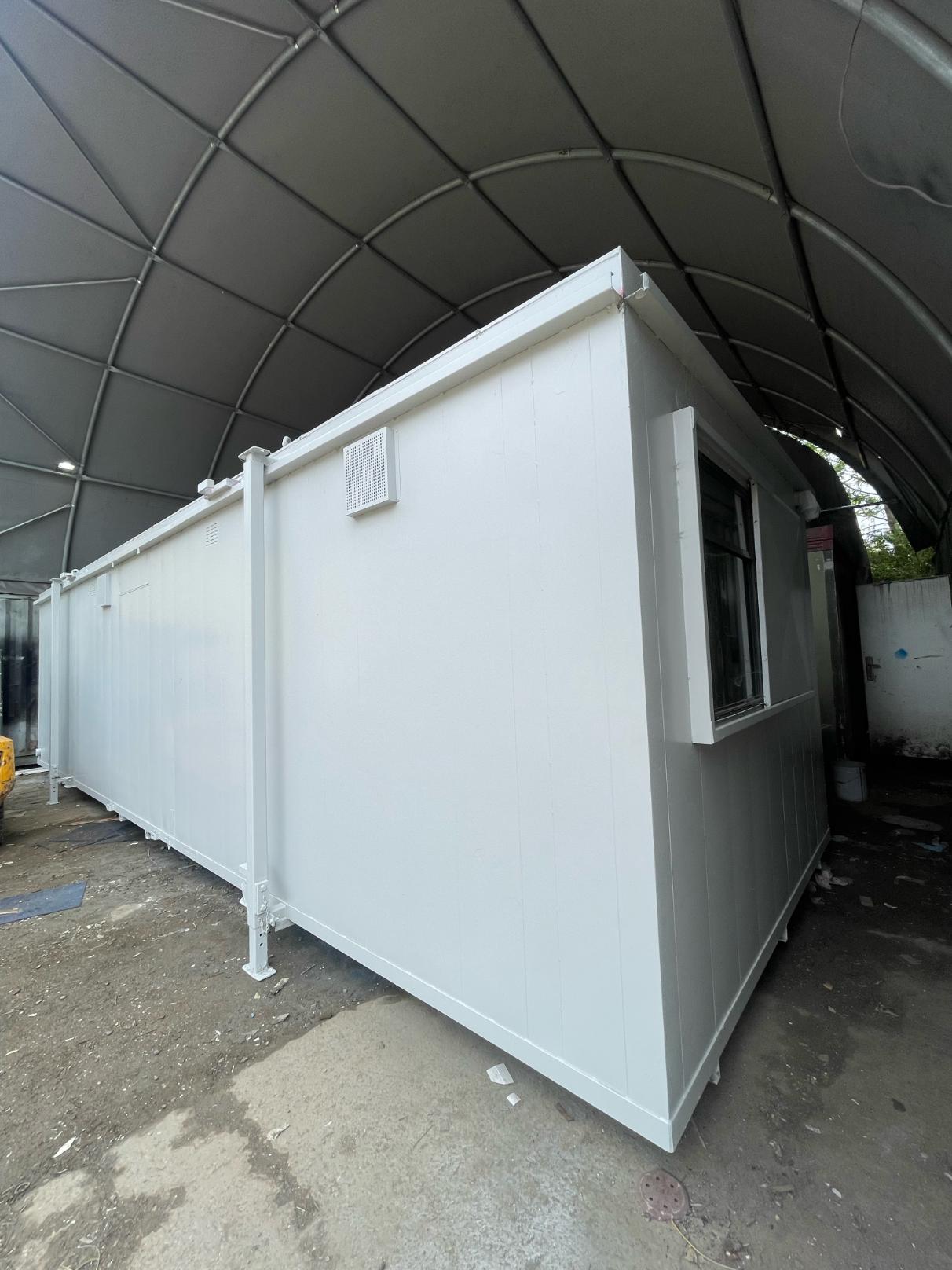
32ft x 10ft Anti Vandal Canteen/Office

    • Price: £5,995 + VAT
    • Description: 32ft x 10ft Anti Vandal Canteen/Office
  Part refurbished including:
  • Electric sockets, lighting and heating
  • White upvc double glazing
  • Canteen
  • Open plan
  • External light grey re spray

Location: Nationwide

£5,995 + vat

Not Available for Hire

We can deliver for a cost please ask and send us post code.

Call for an instant quote!

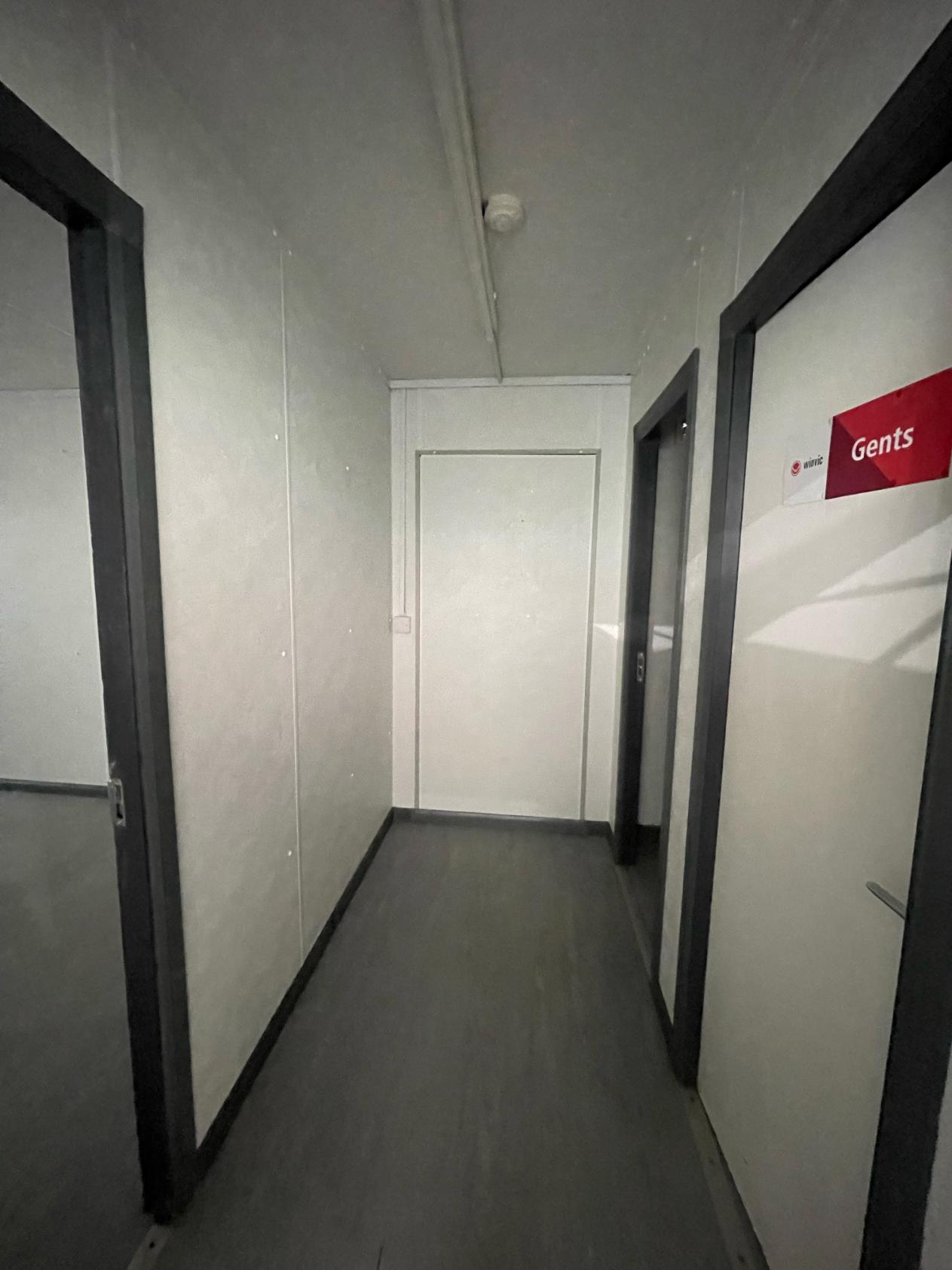
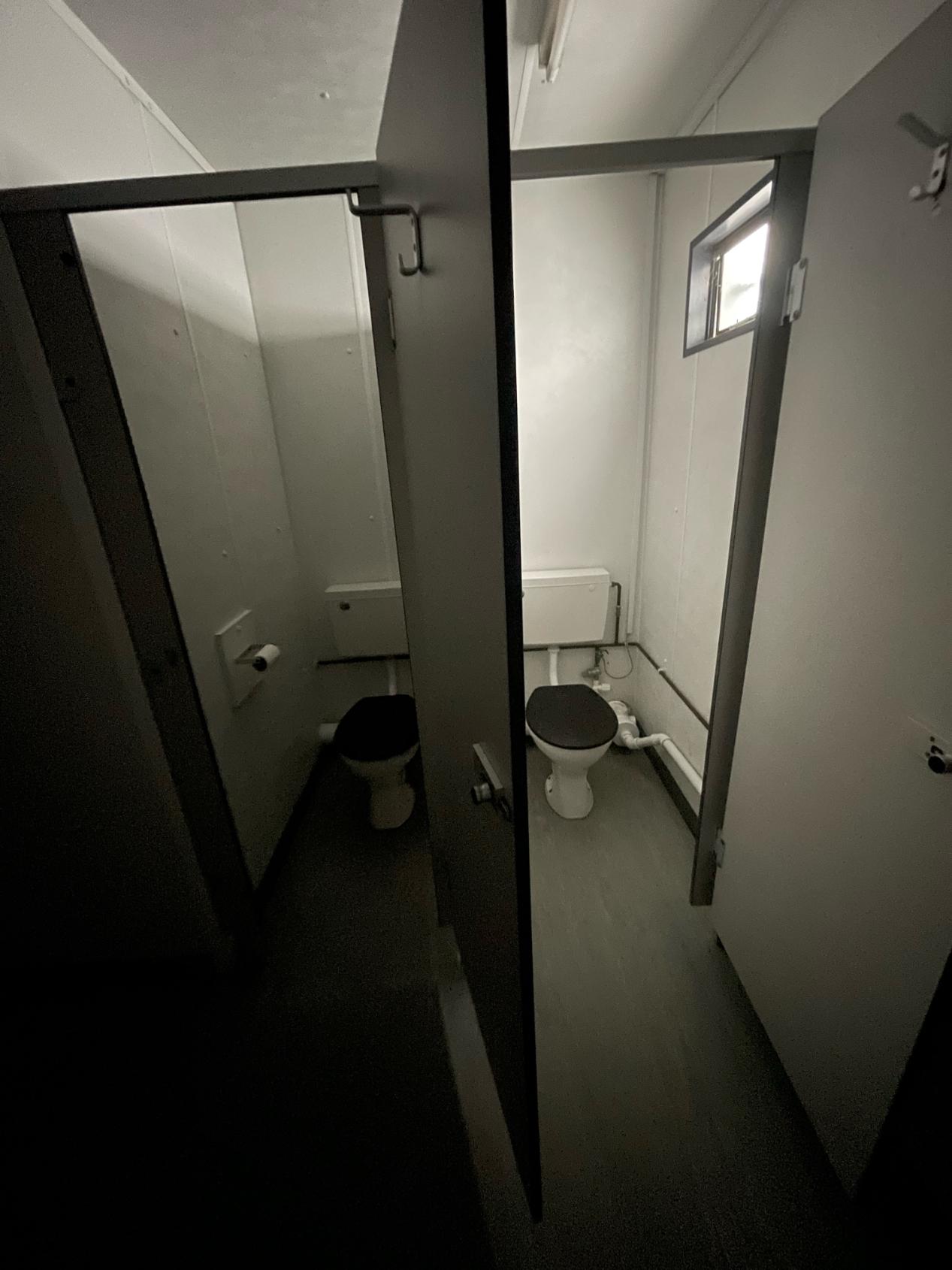
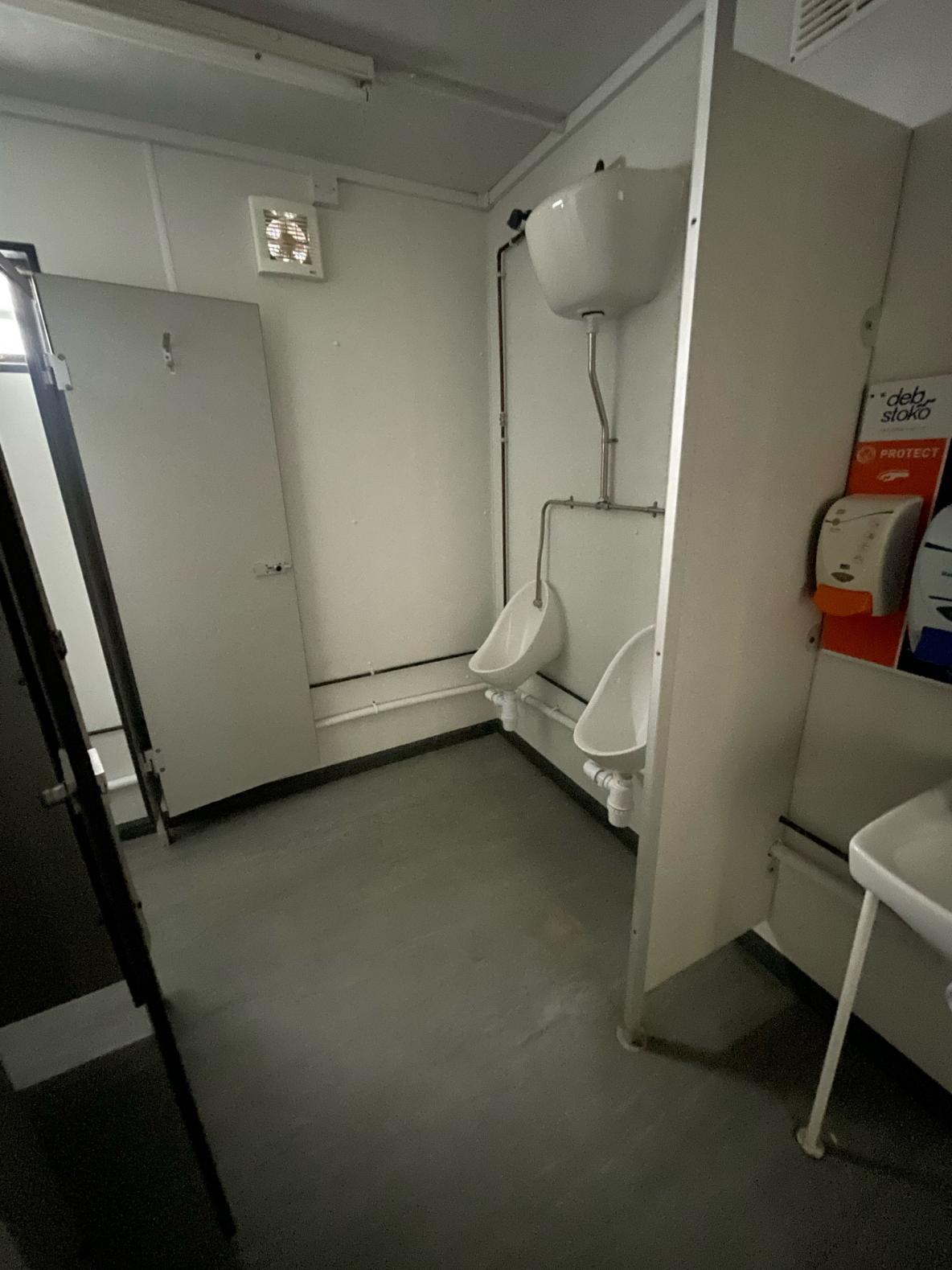
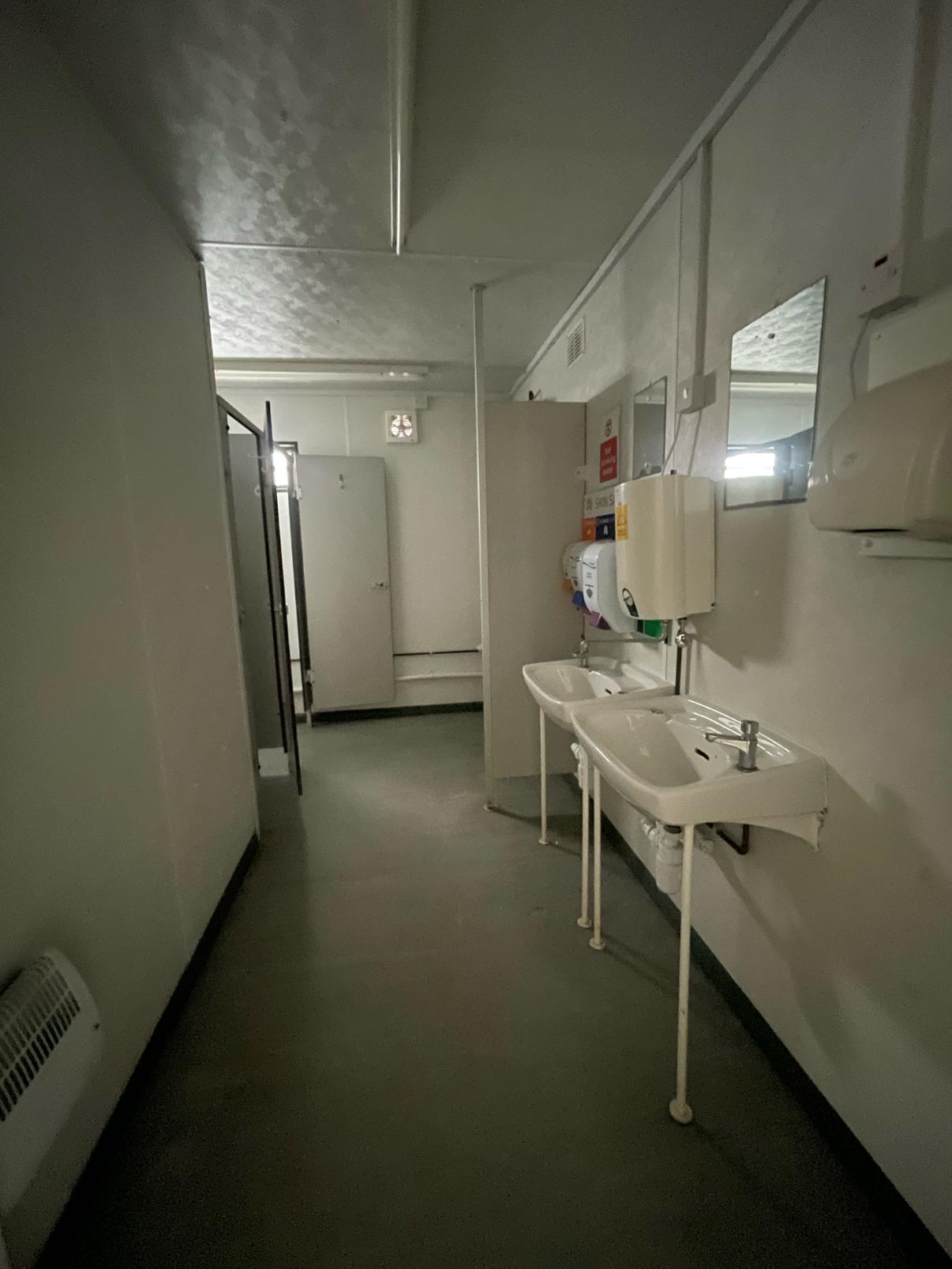
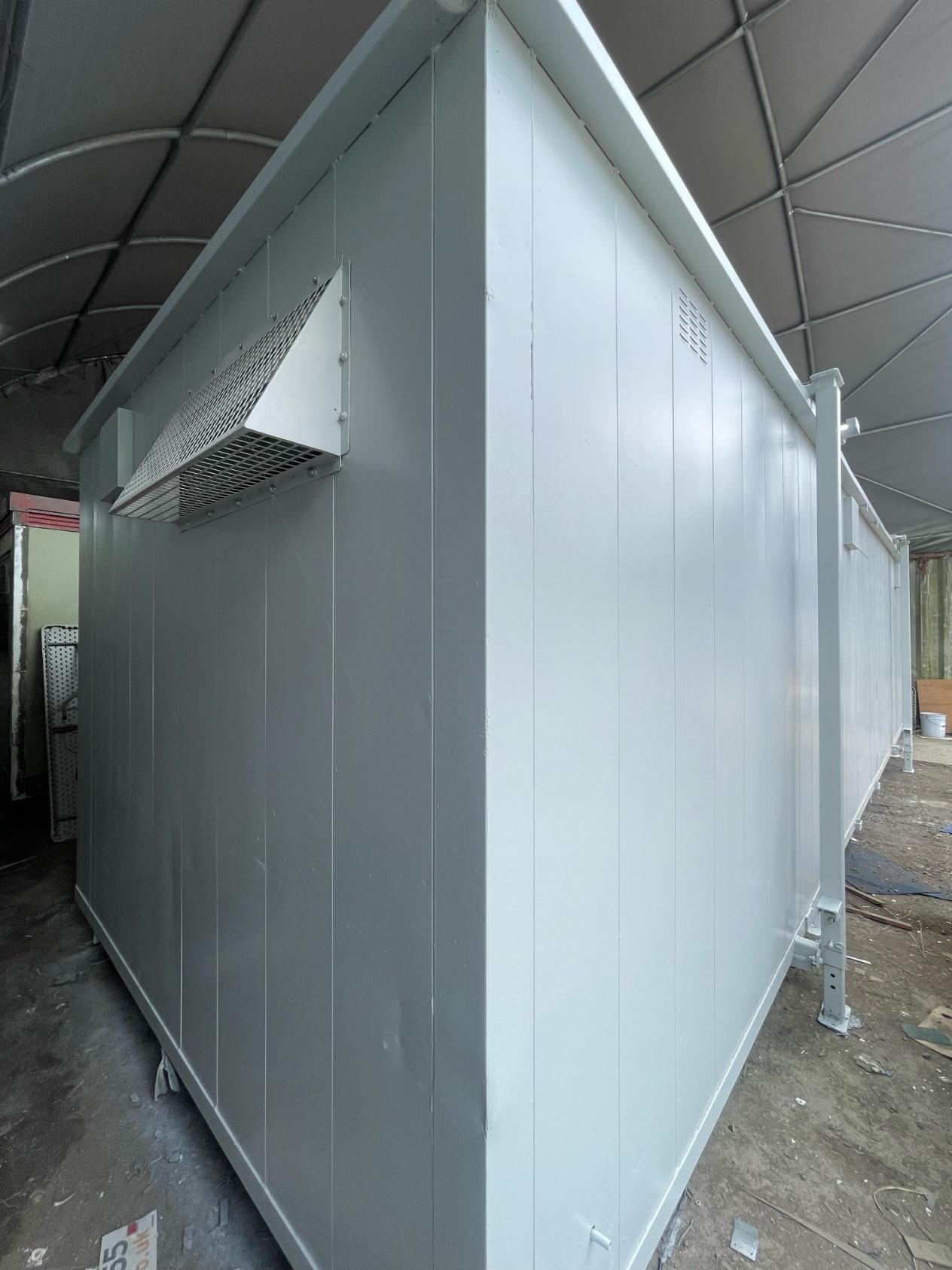
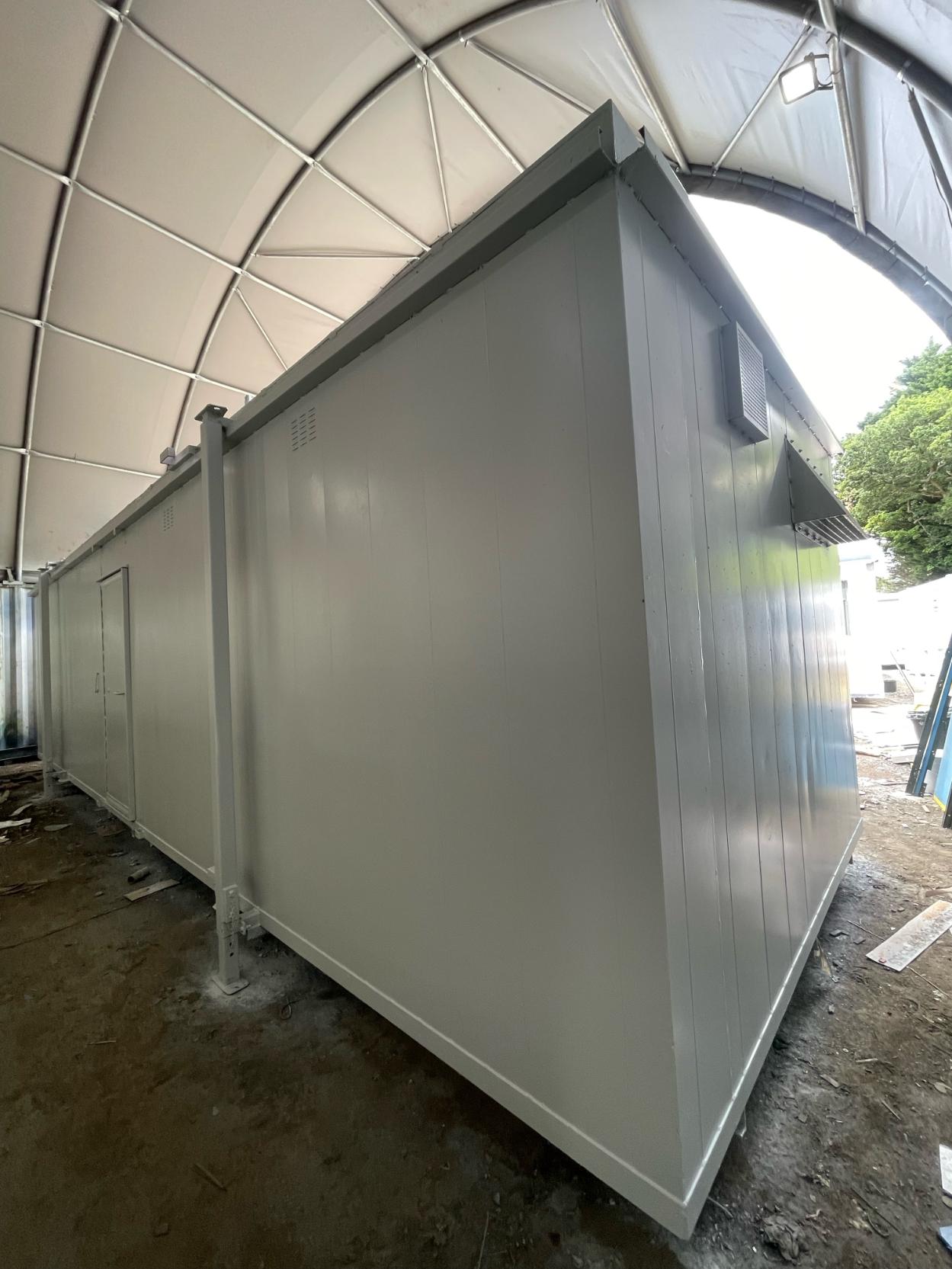
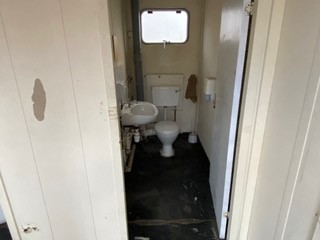
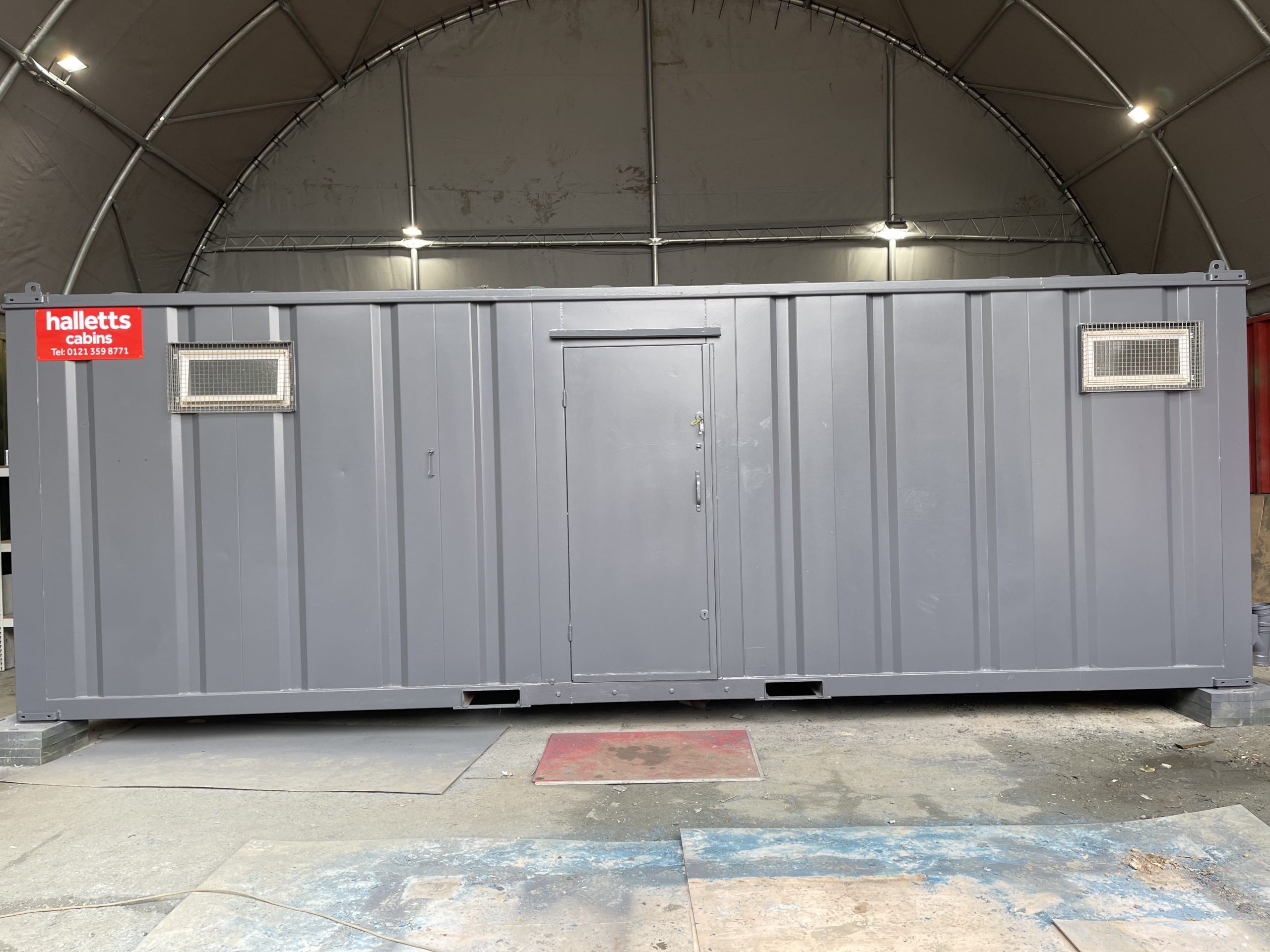
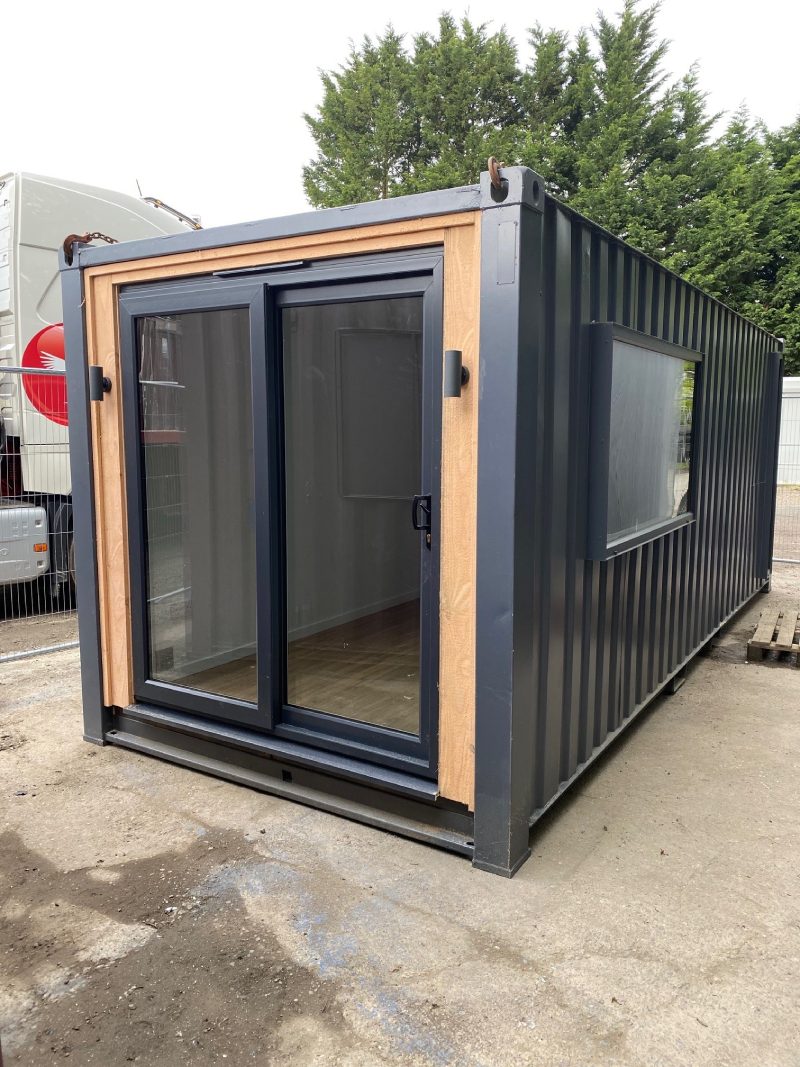
32ft x 10ft Drying Room, Toilet Block

Hallway leading into:

  • Price: £6,500 + VAT
  • Half open plan drying room, or we could add in a canteen. (additional cost)
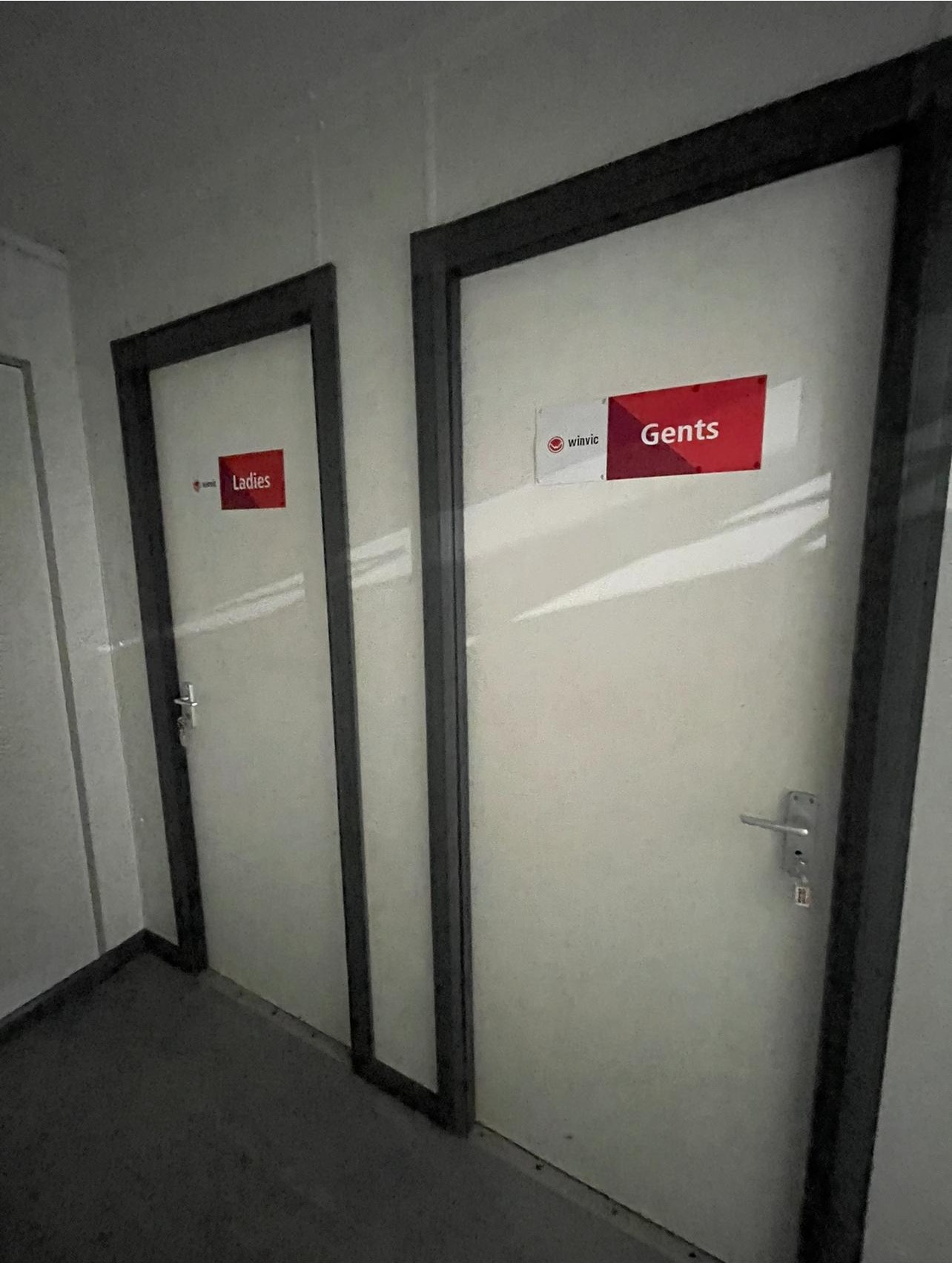
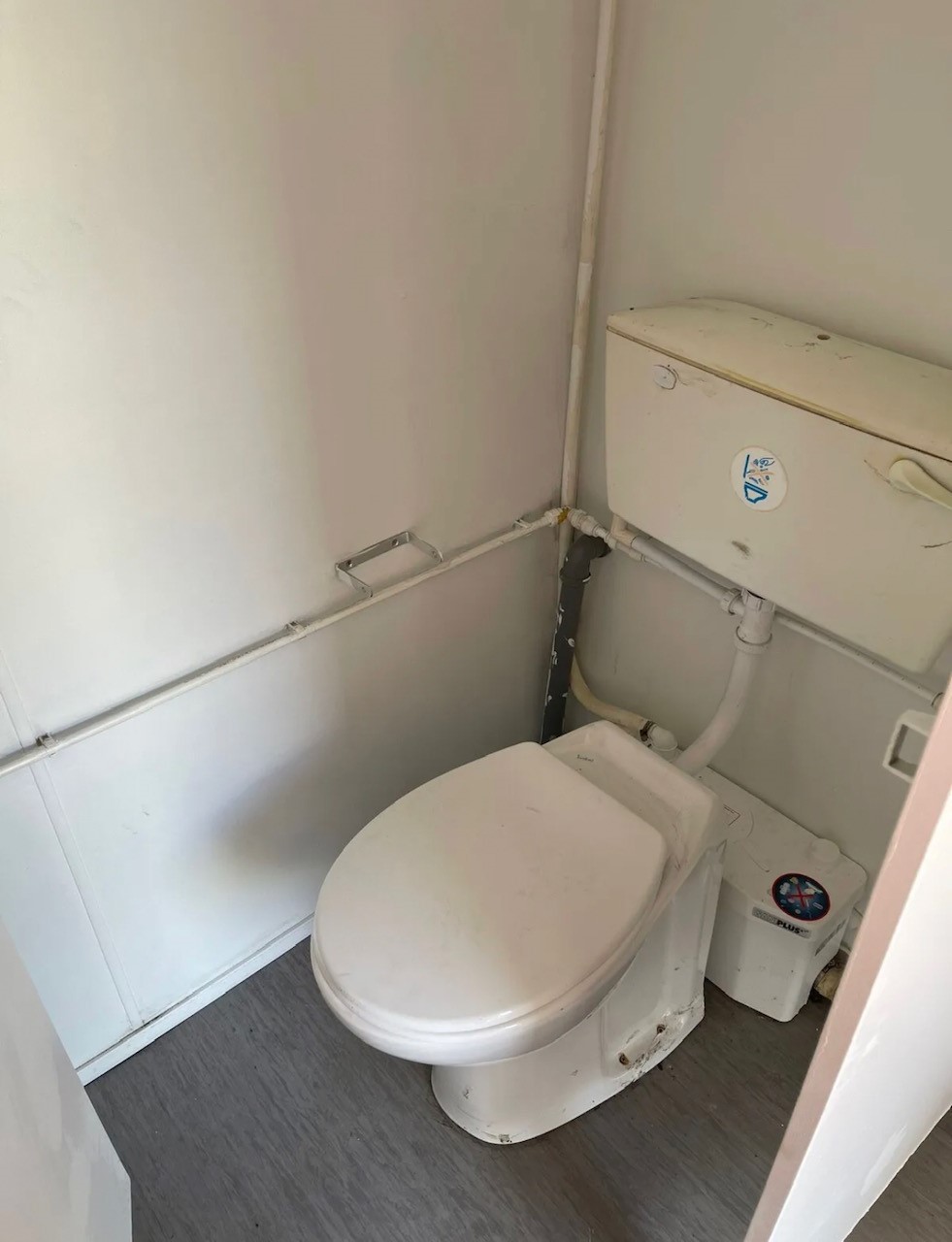
  • Female Single toilet
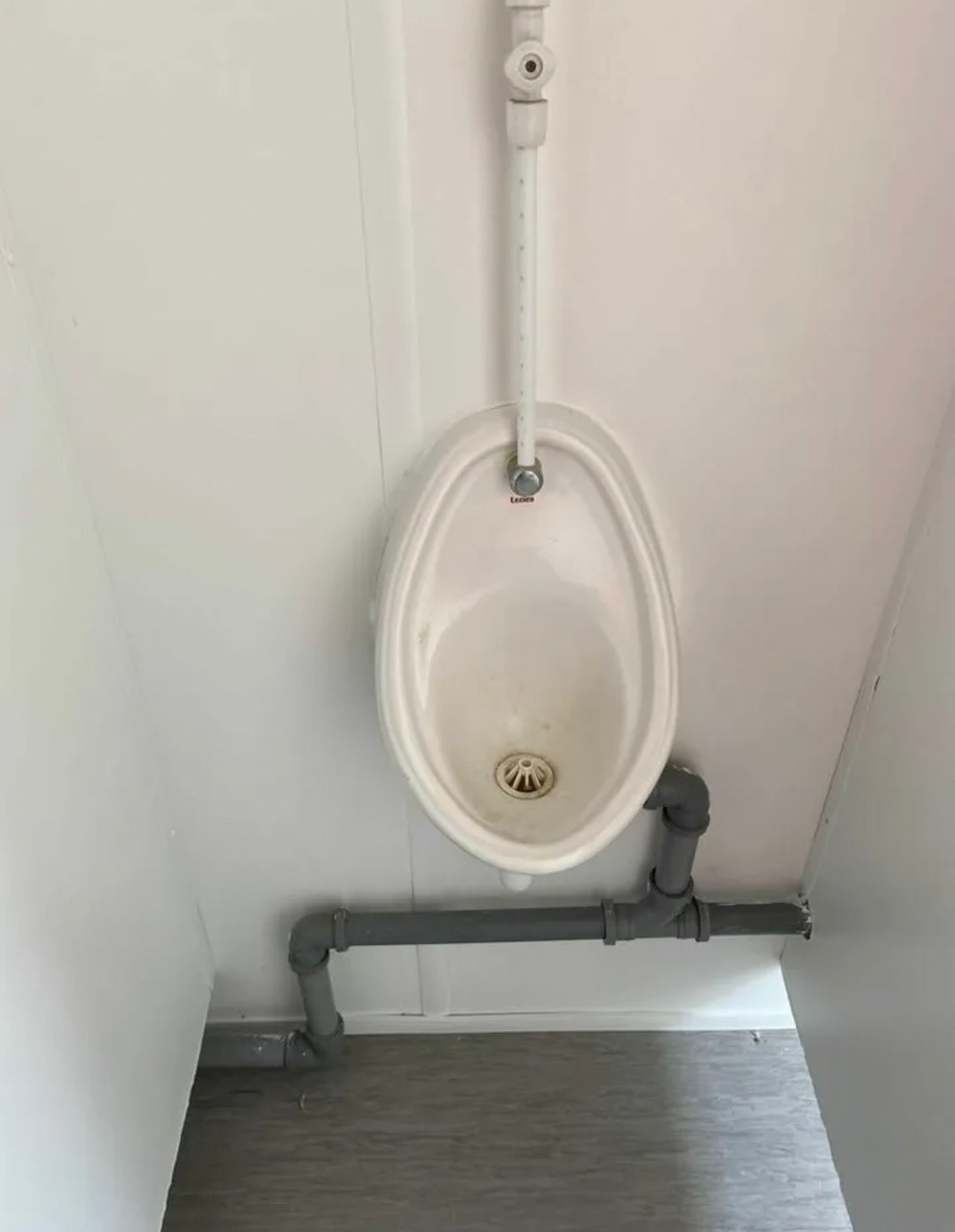
  • Male toilets including 2 x cubicles, 2 x urinals and 2 x sinks
  • External light grey spray
  • Deep cleaned
  • Ready to use
  • Excellent overall condition

Transport can be arranged please ask.
Location: Nationwide

£6,500.00 + vat

Not Available for Hire

Call for an instant quote!

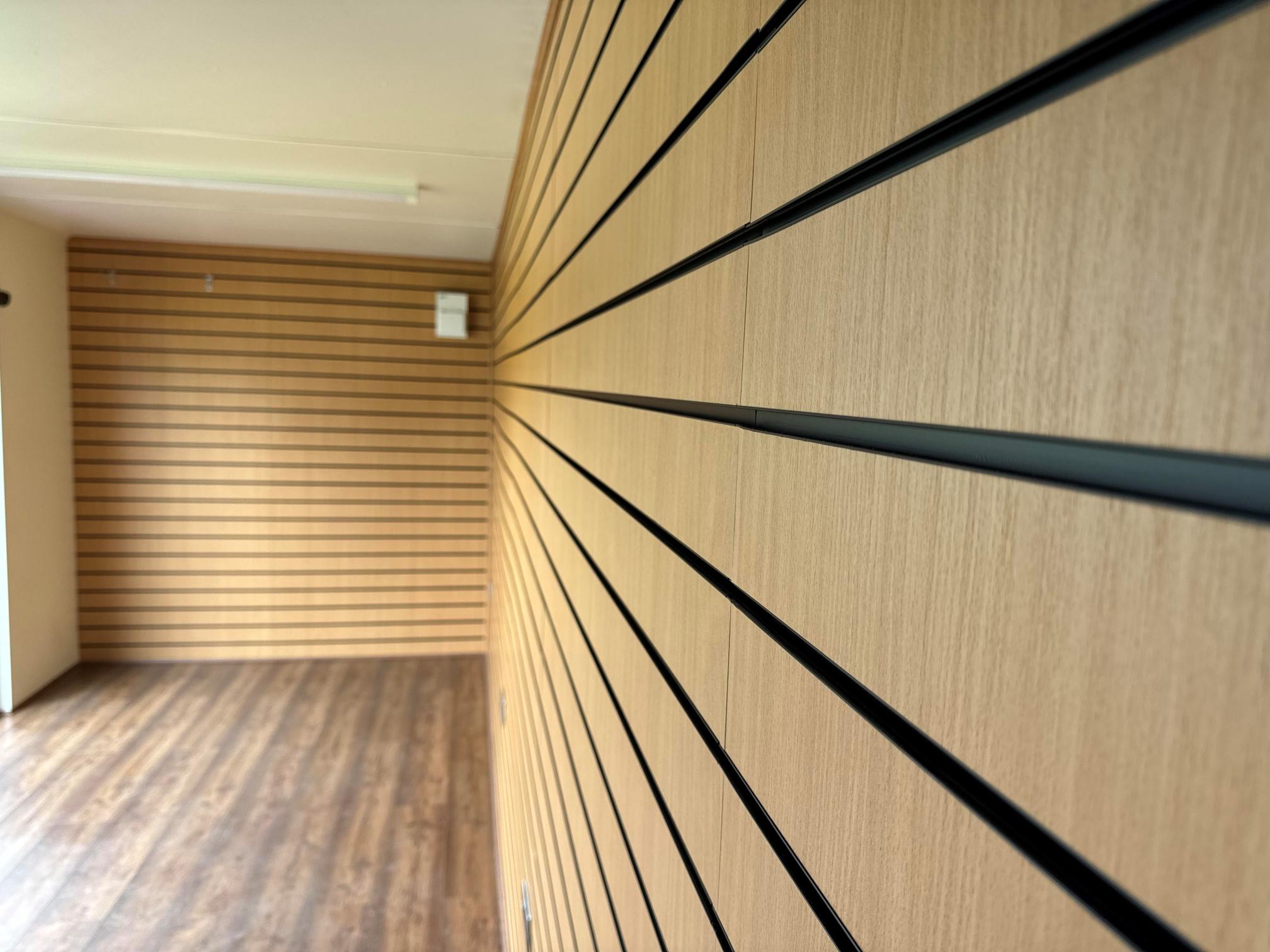
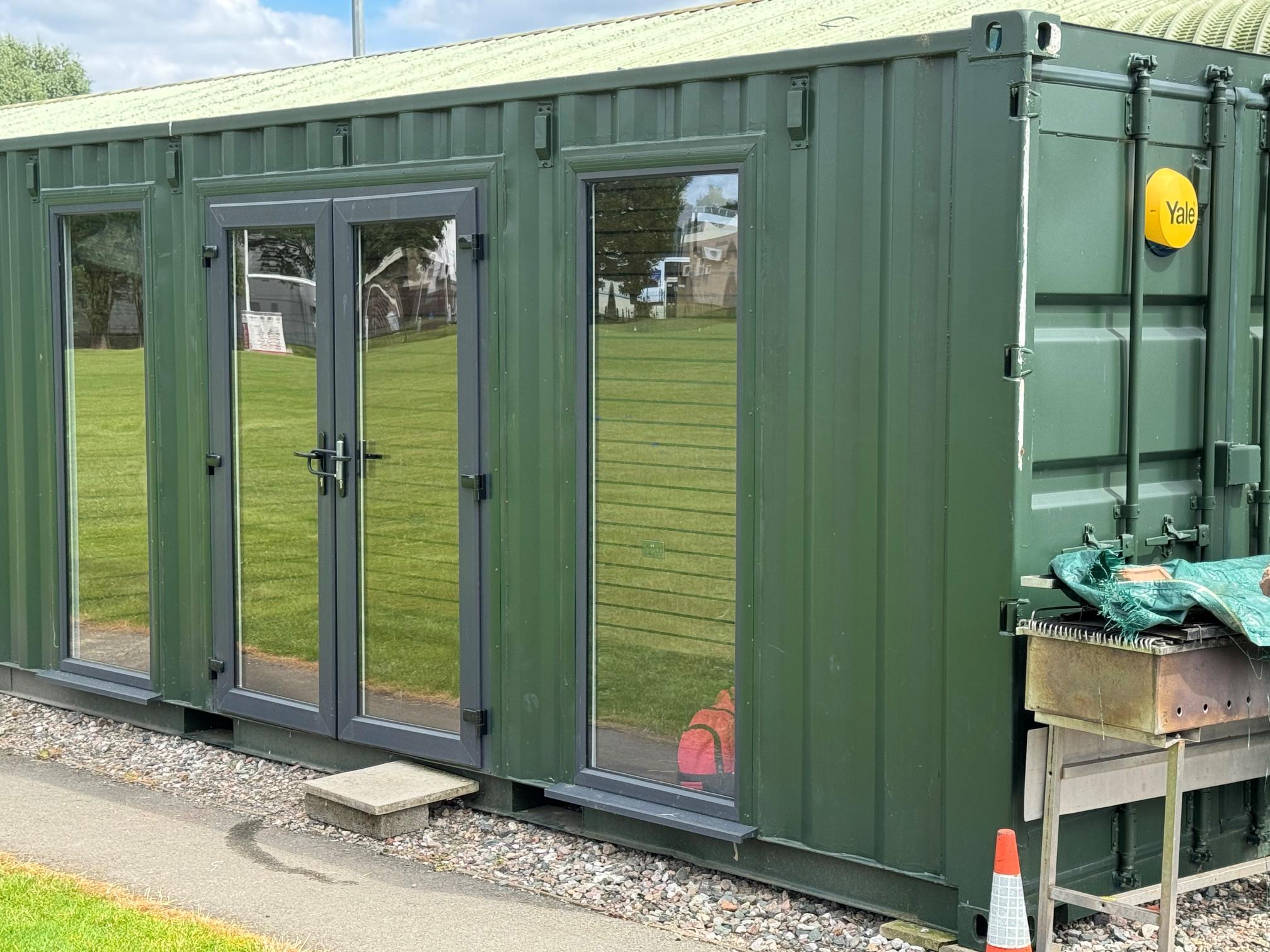
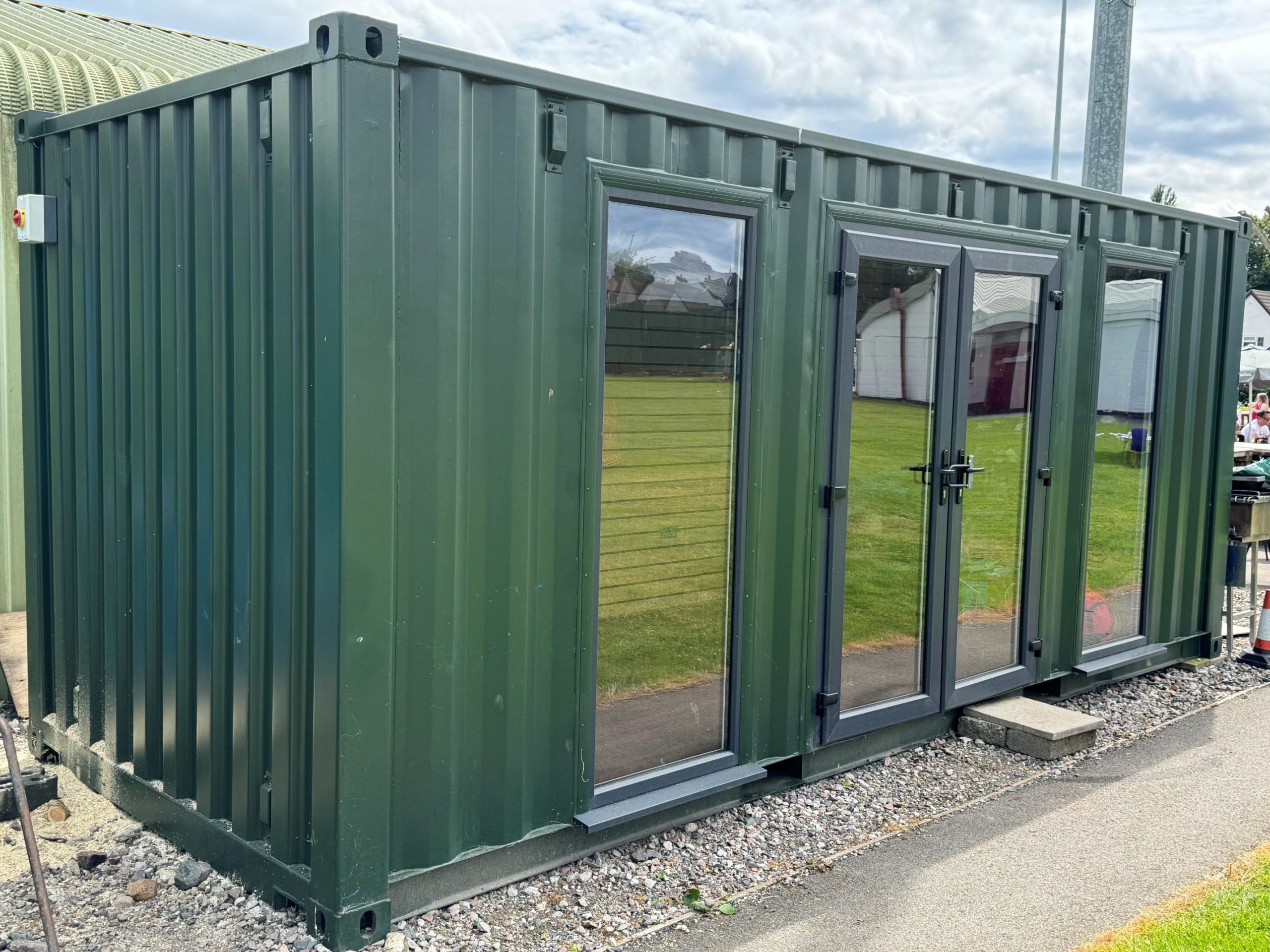
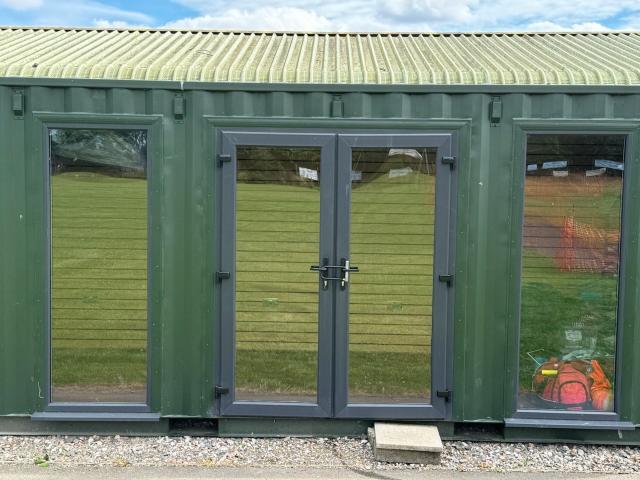
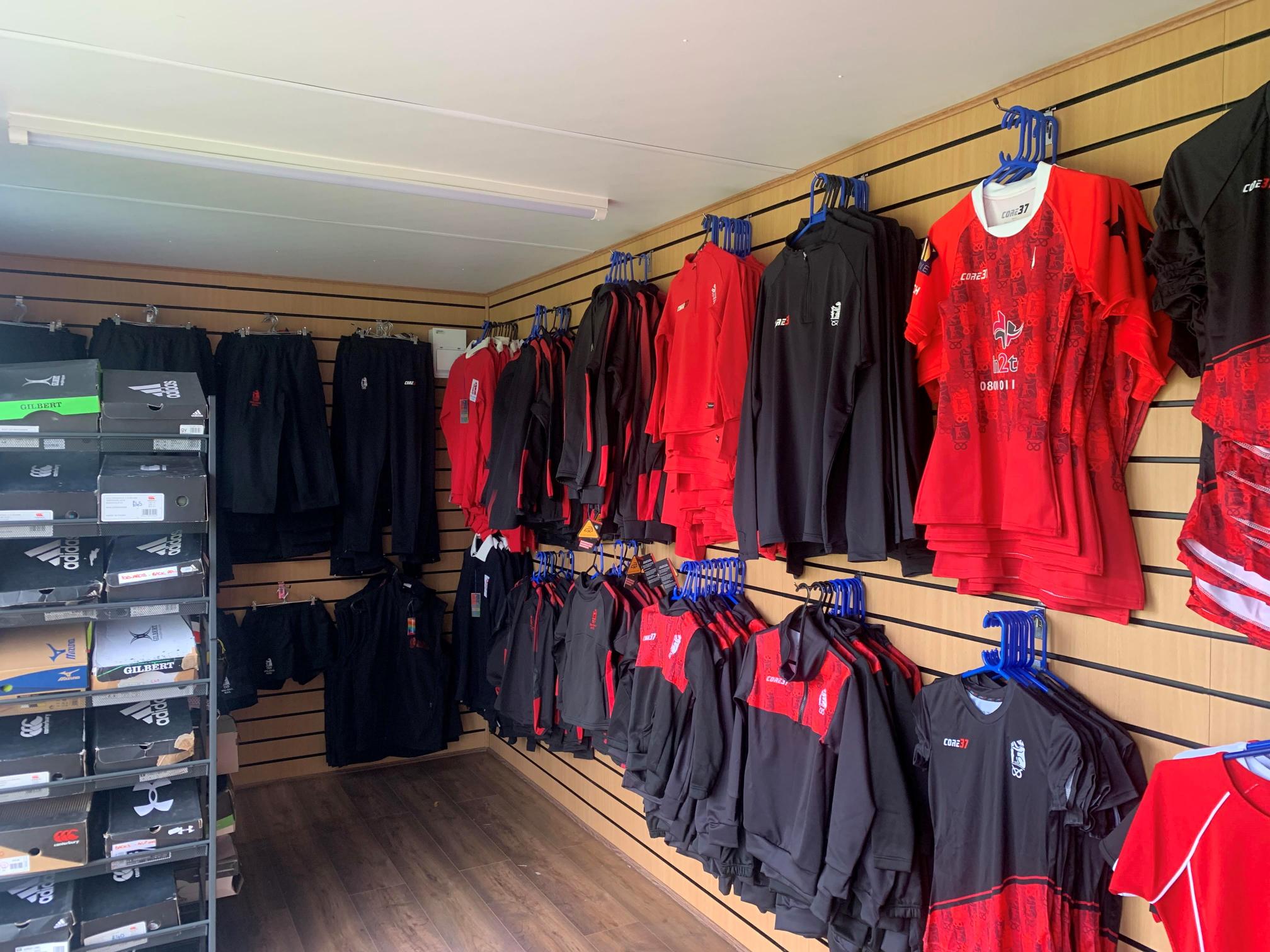
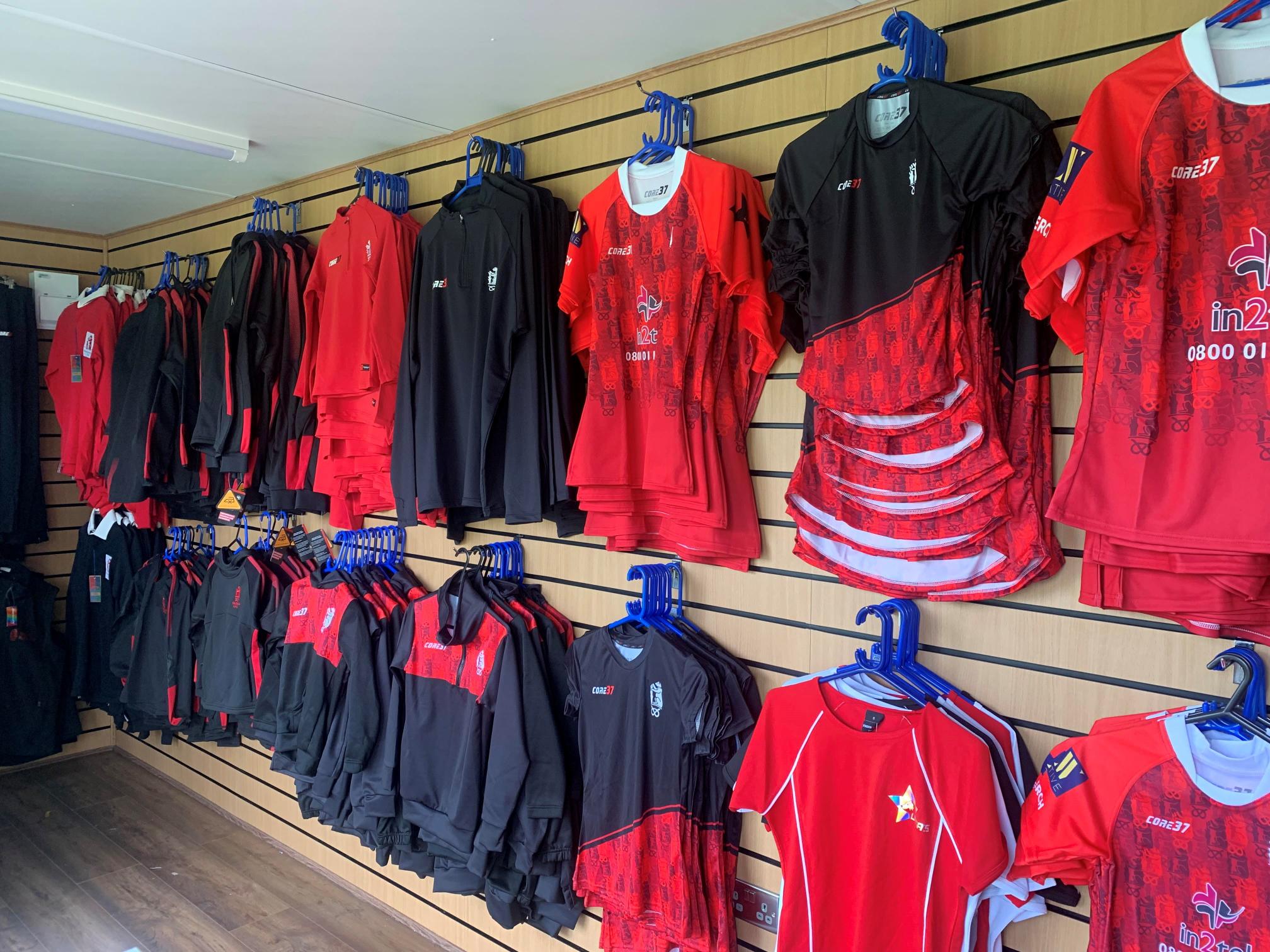
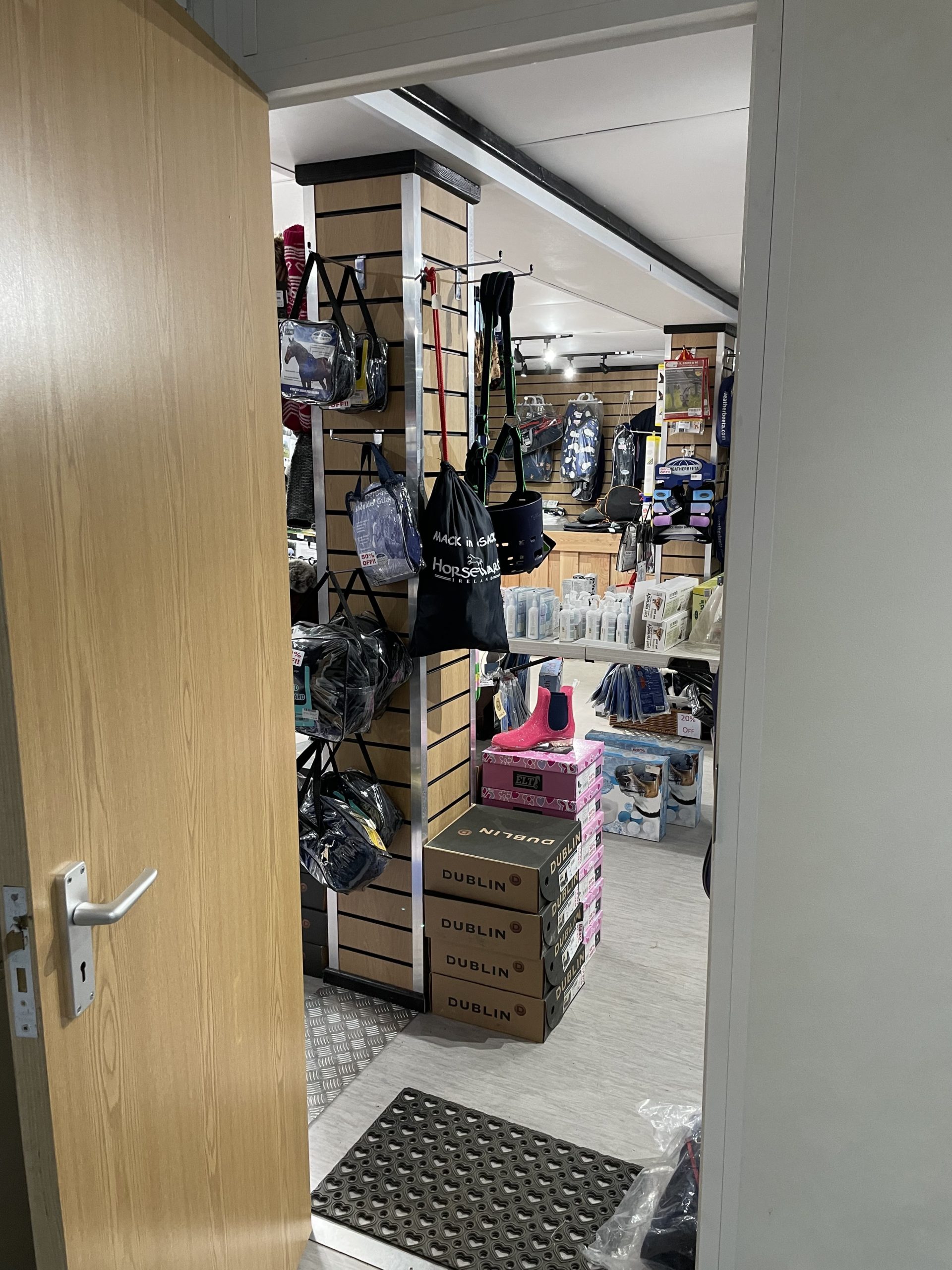
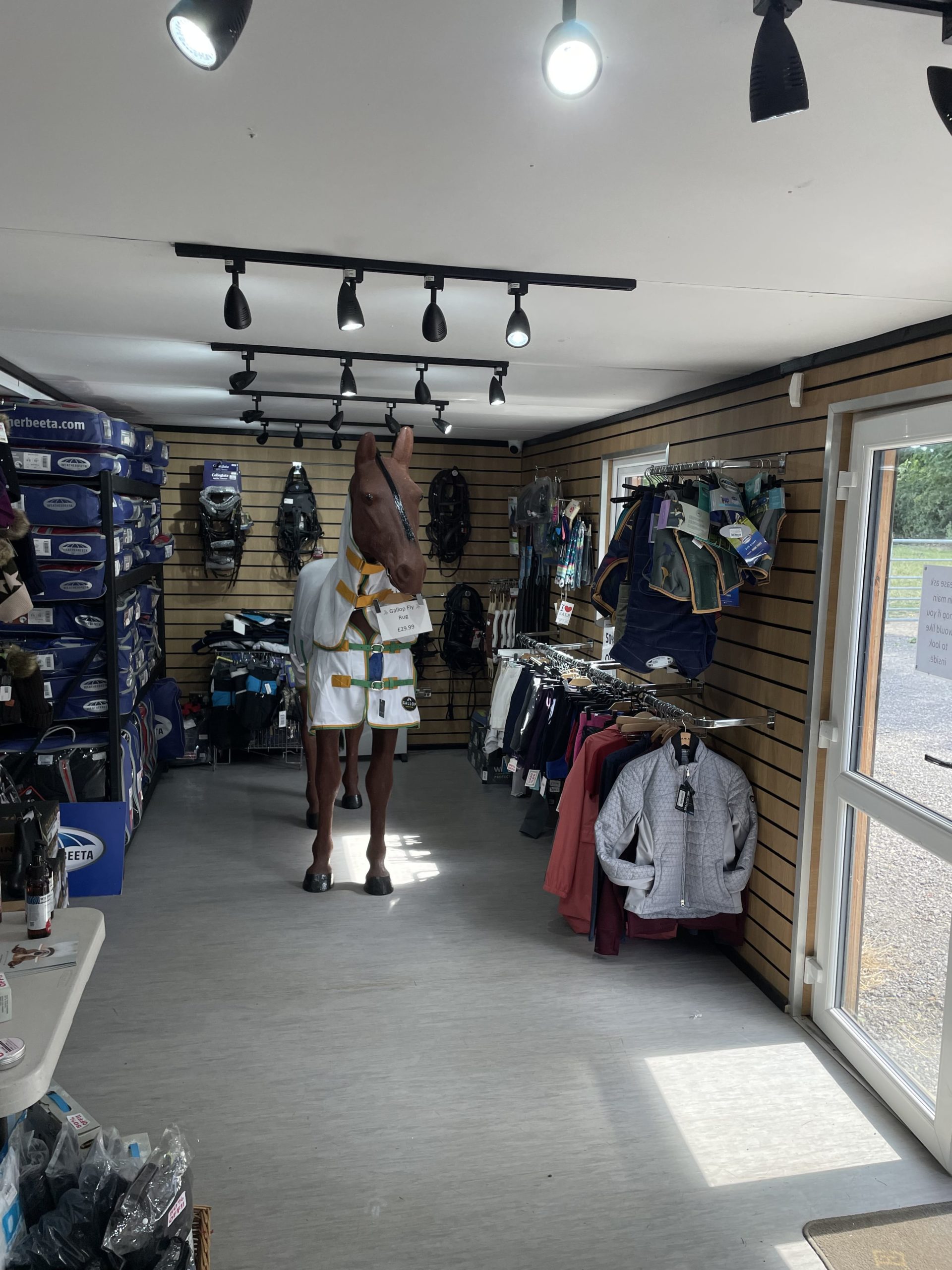
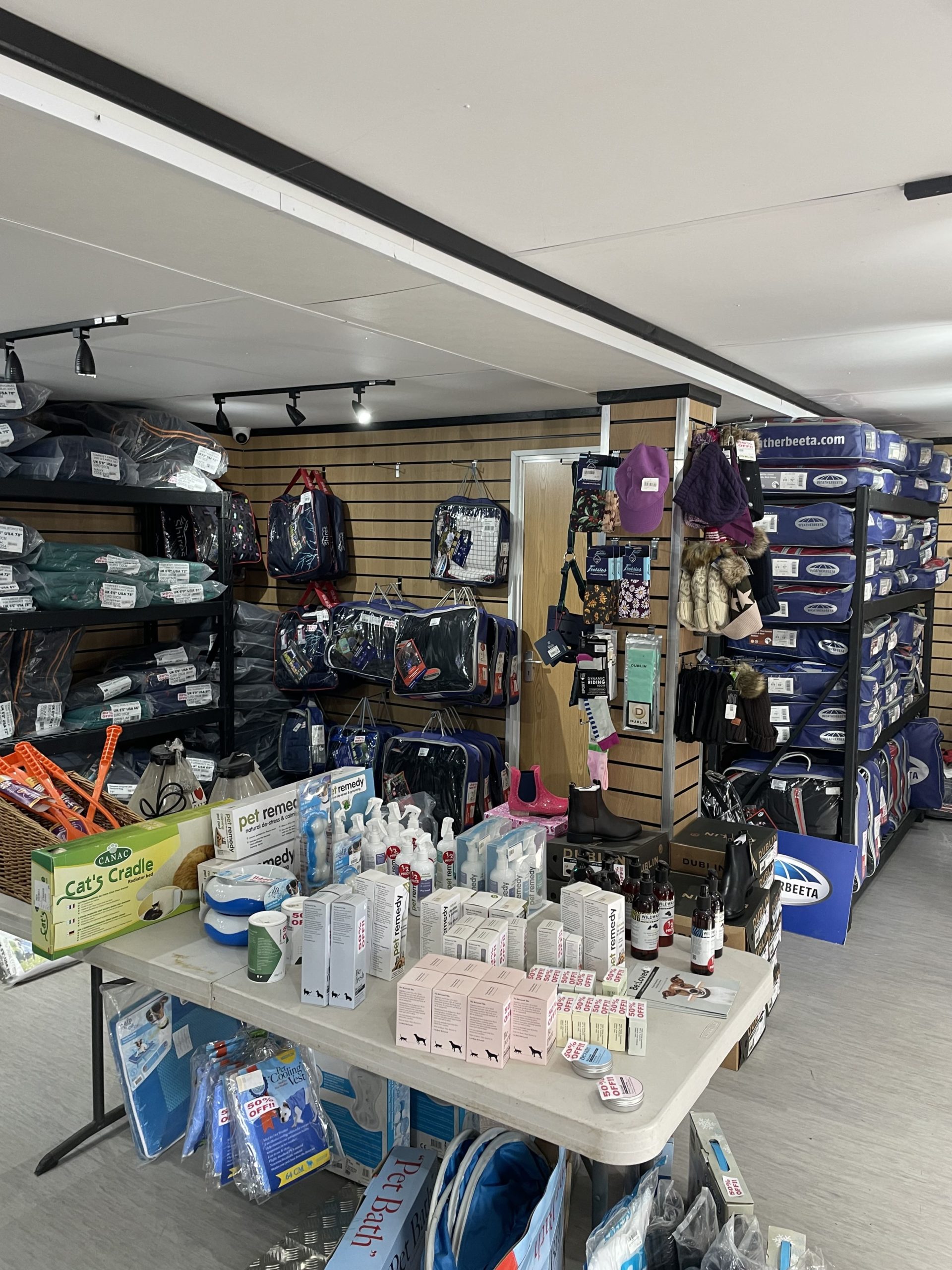
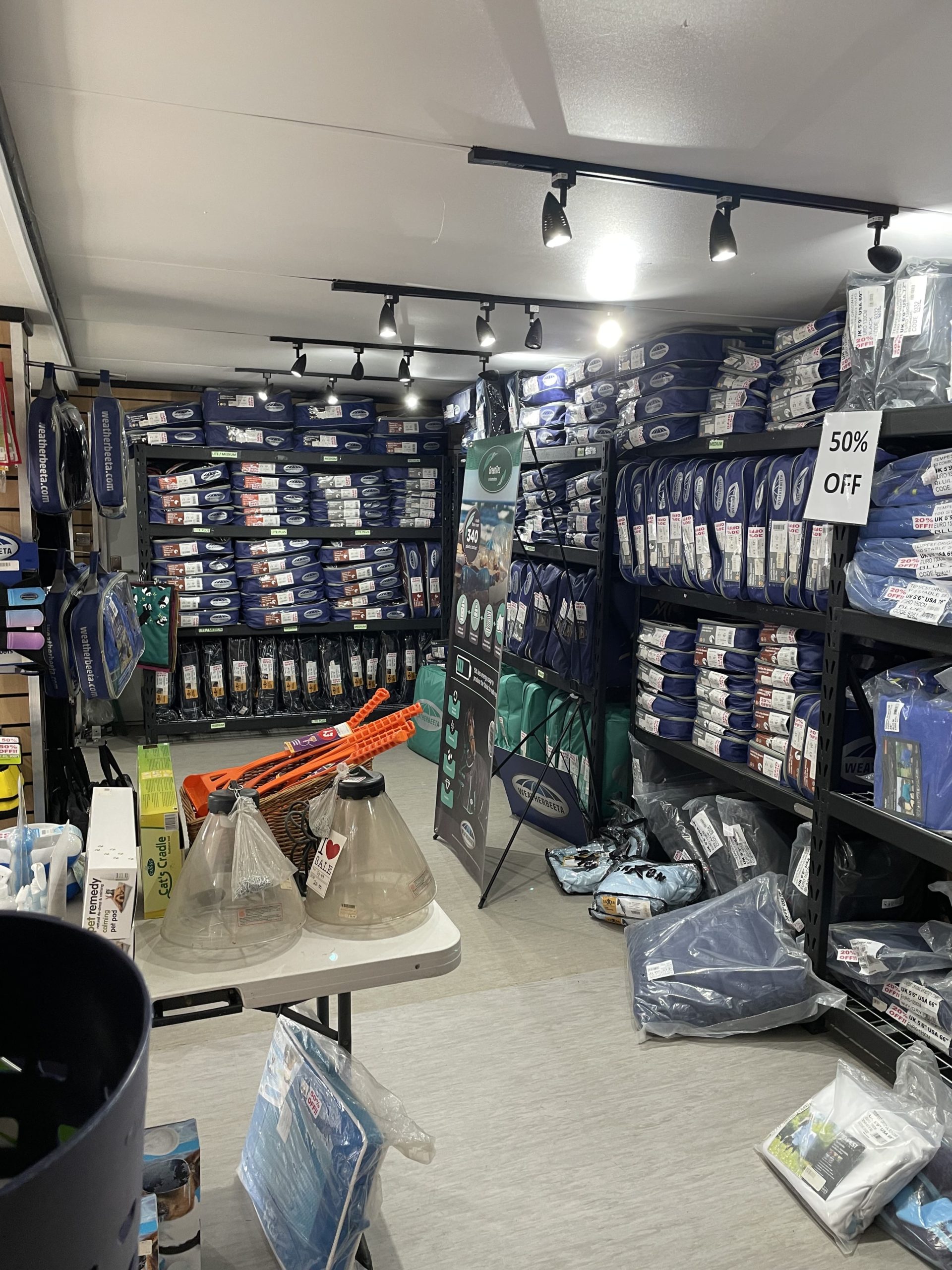
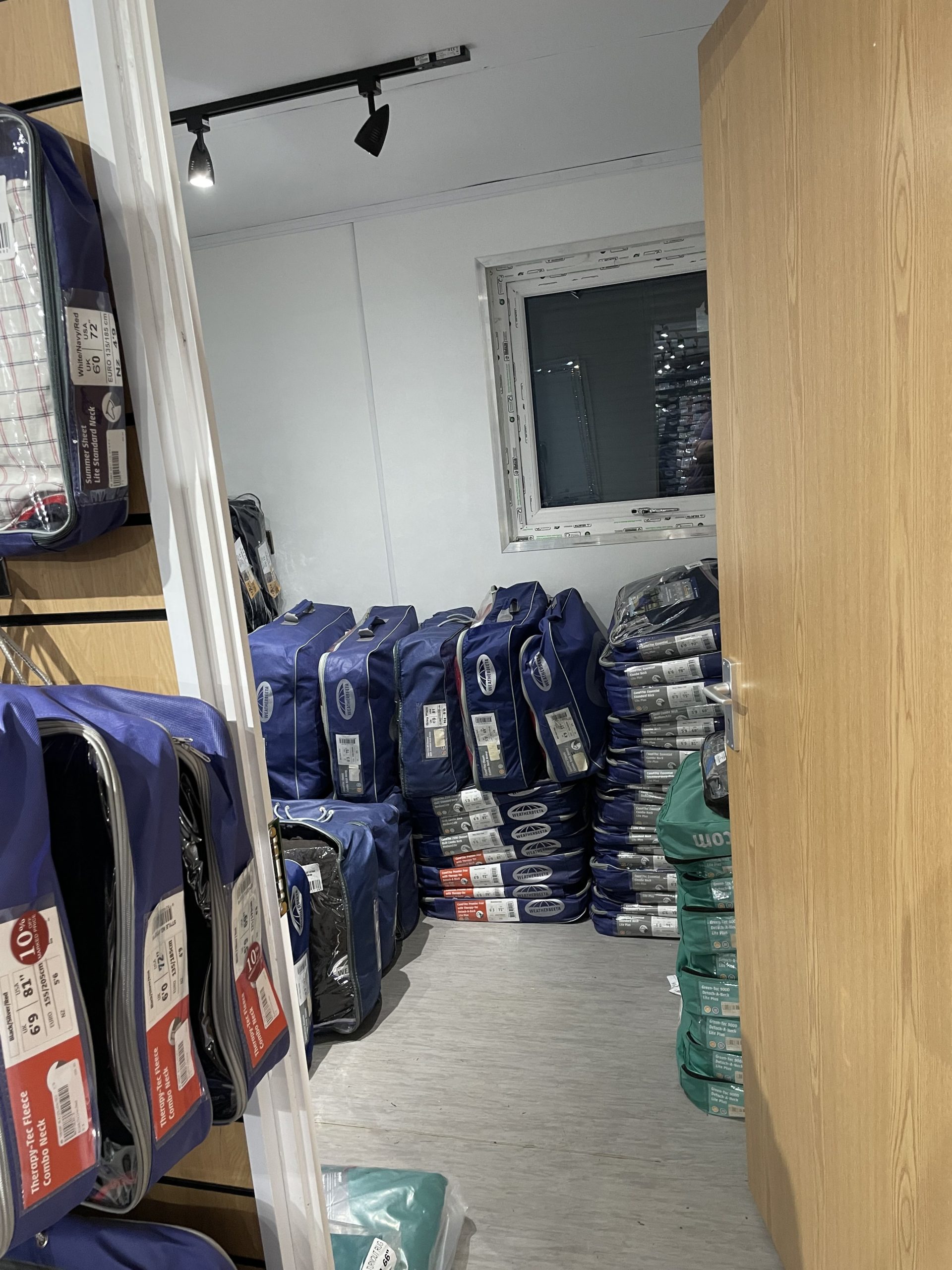
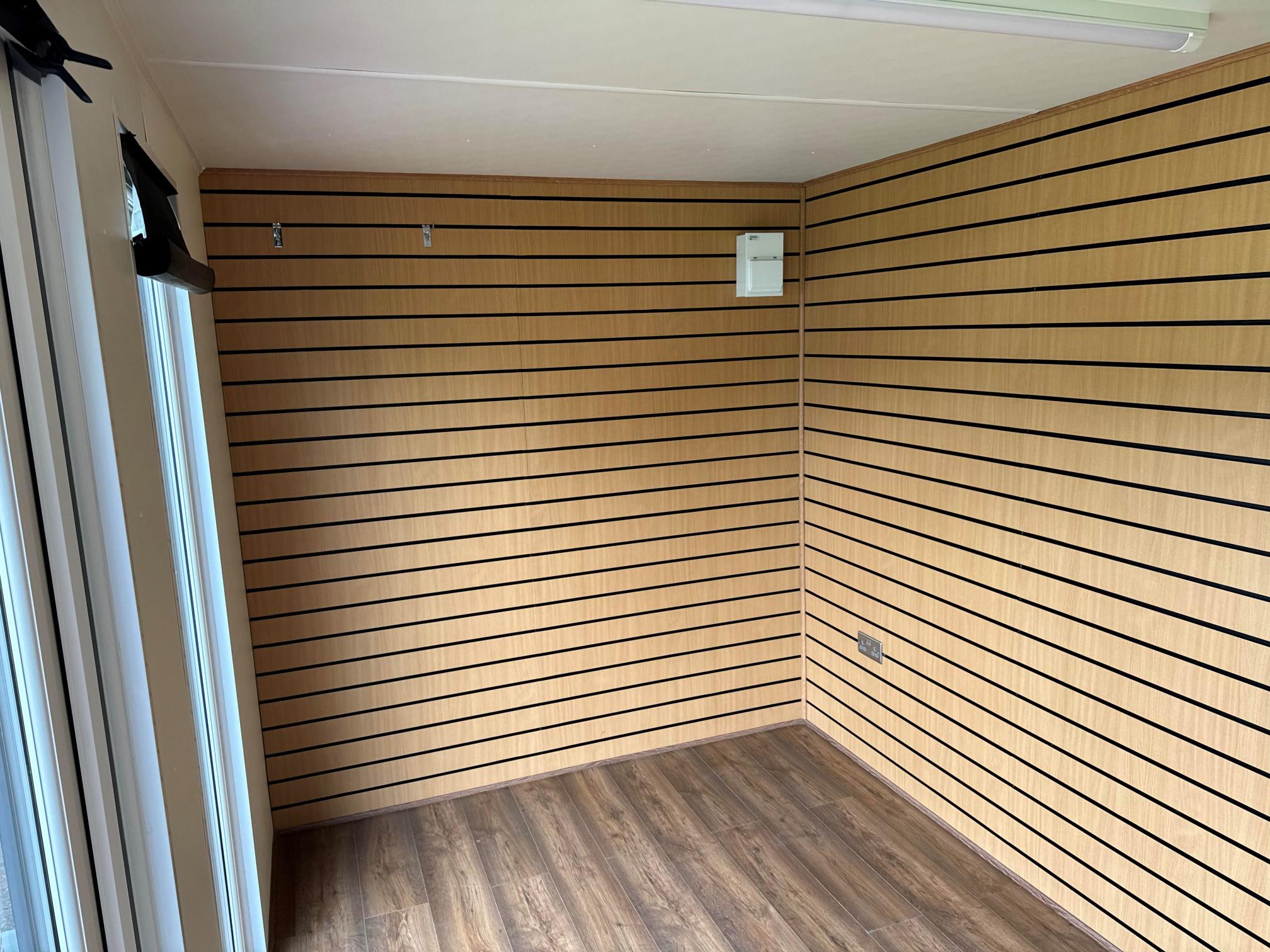
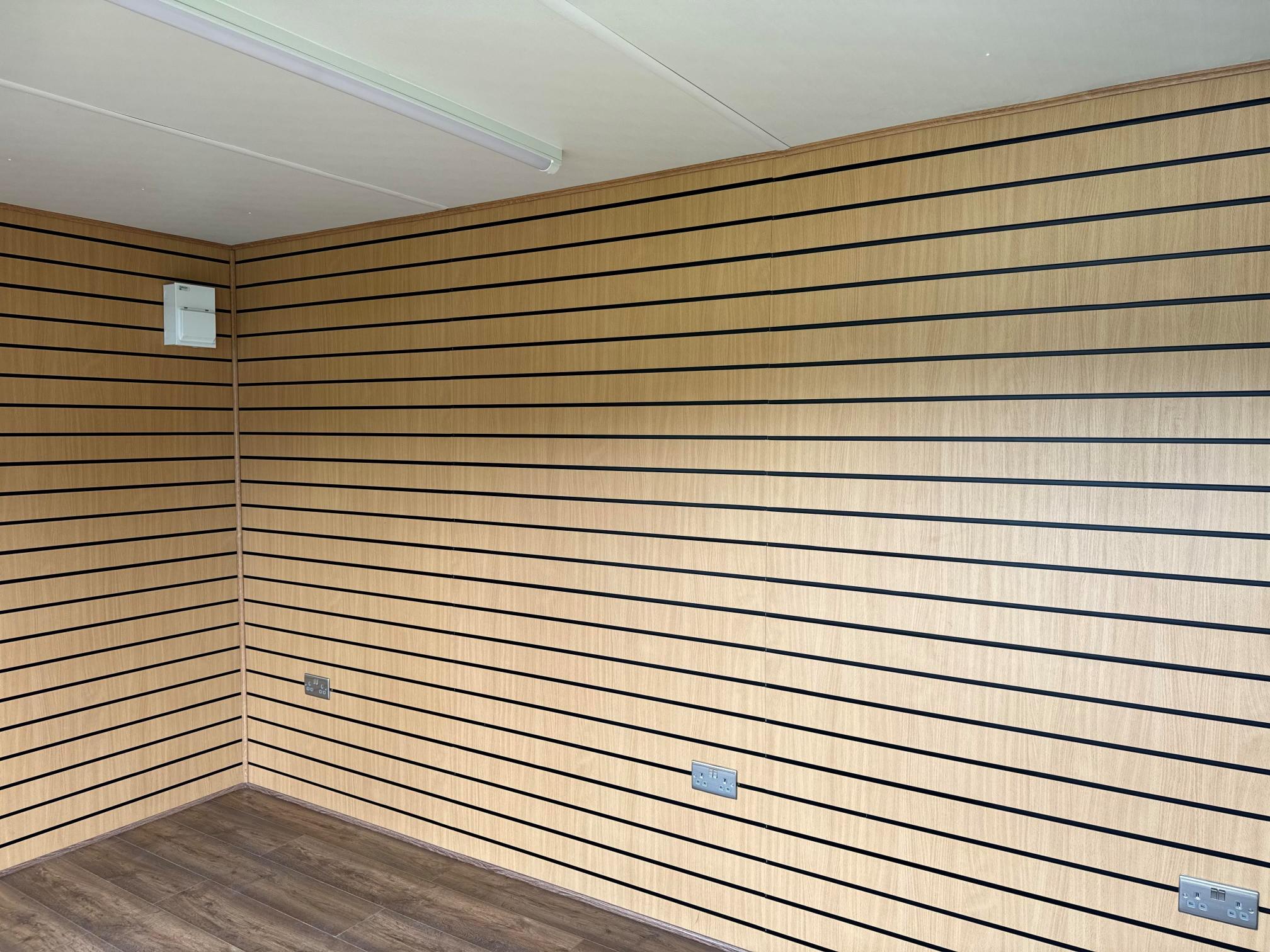
  • 20ft x 8ft Container Conversion Retail Shop

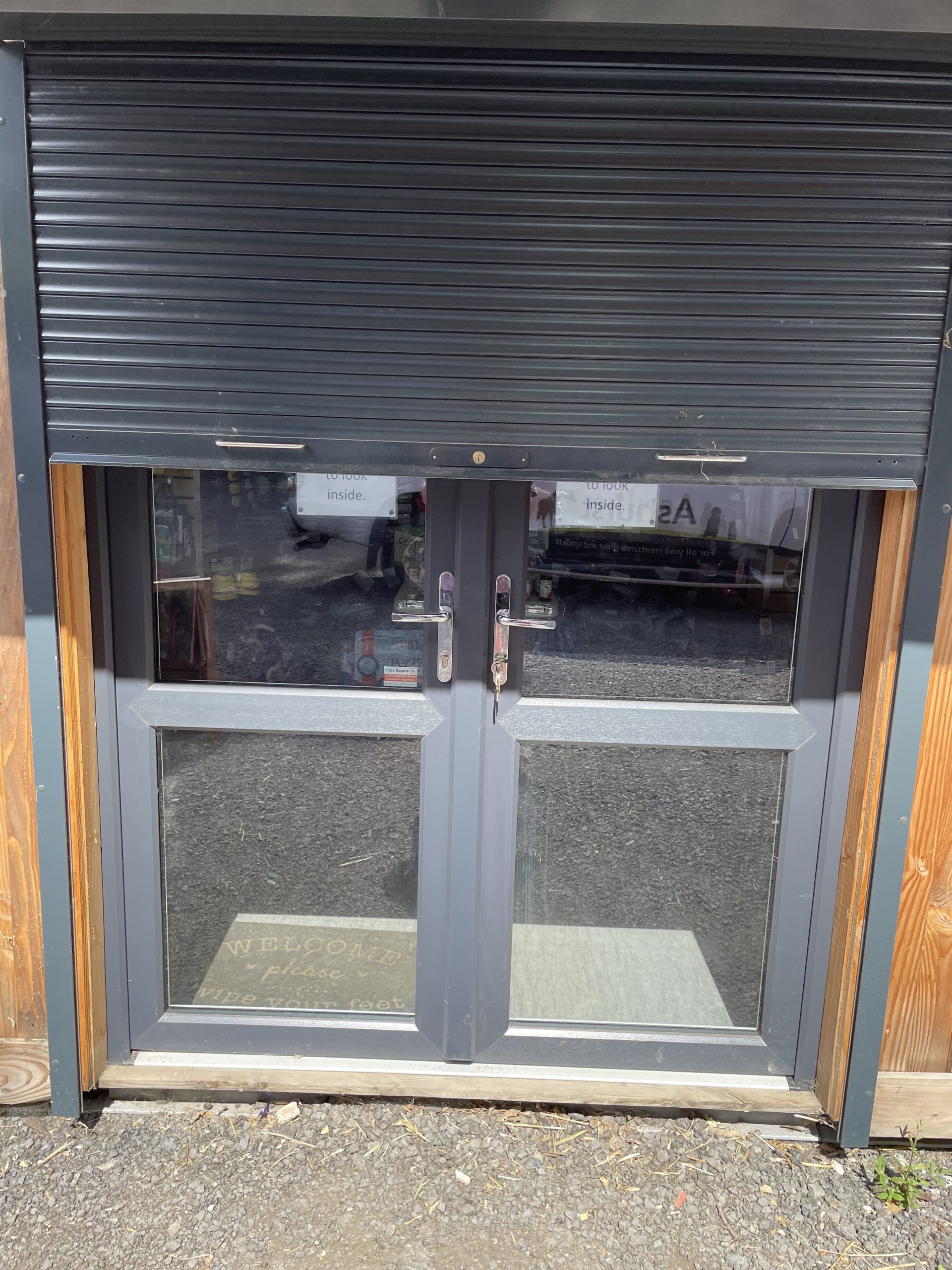
  • UPVC Double glazed Windows + French Doors

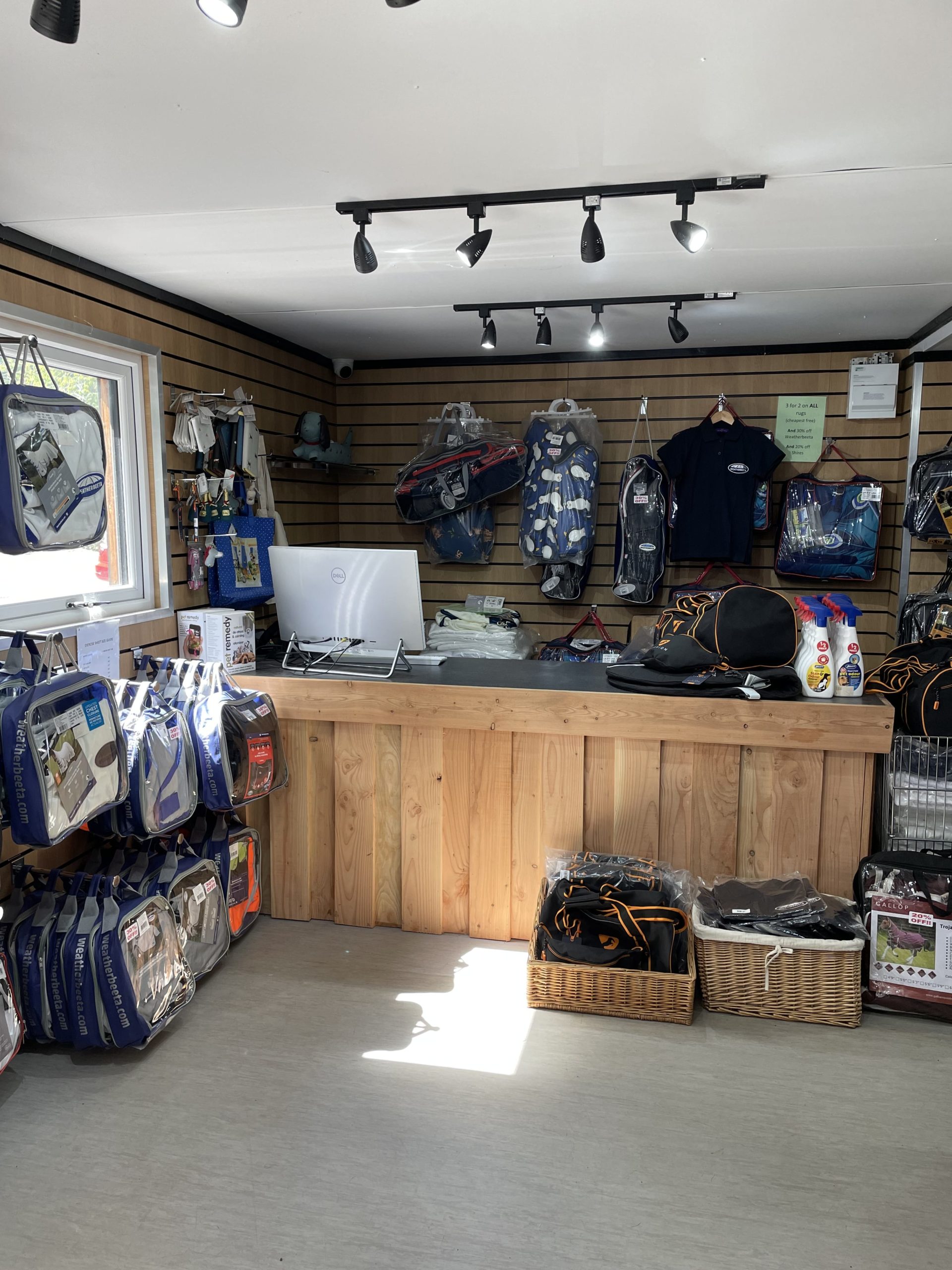
  • Slat Wall for retail fixings and Merchandise

  • Electric Chrome Sockets, led lighting and heating.
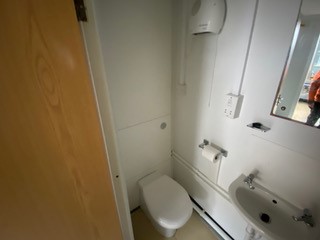
  • Laminate Flooring

  • 12 months Warranty

  • Maintenance call out package included

  • Less than 2 years old

  • Still in Brand New Condition

Location: Nationwide

POA

Not Available for Hire

Call for an instant quote!

32ft x 10ft Jack Leg Cabin

  • Fully refurbished

  • Colour light grey

  • Slate grey anthracite upvc double glazed windows

Location: Nationwide


£15,000

+ VAT

Not Available for Hire

Call for an instant quote!

20ft x 8ft Container Office

  • Fully Insulated with electric sockets, spot lighting, and heating

  • Wood Flooring

  • UPVC Sliding Door + Windows

  • Lead Time for build 6-8 weeks

Location: Nationwide


£12,995.00

+ VAT

Not Available for Hire

Call for an instant quote!

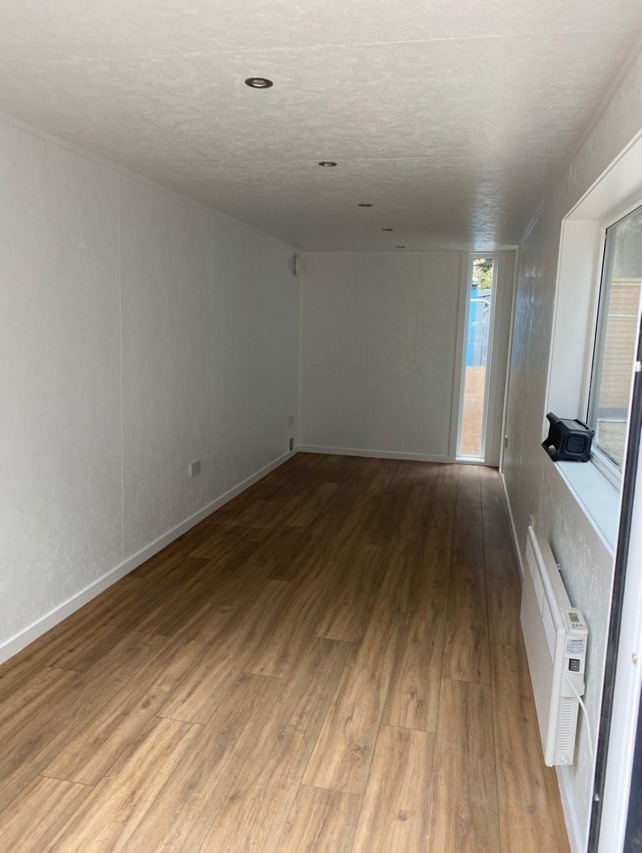
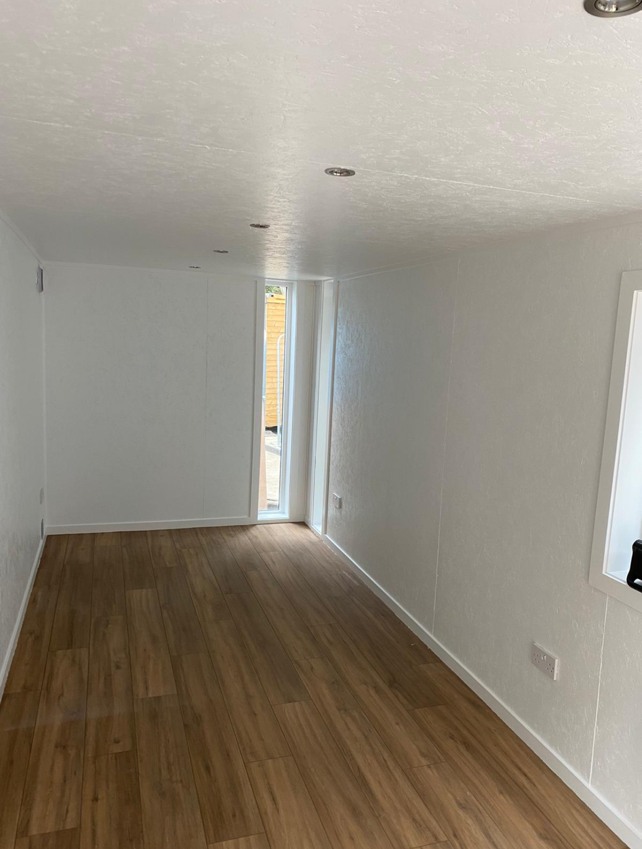
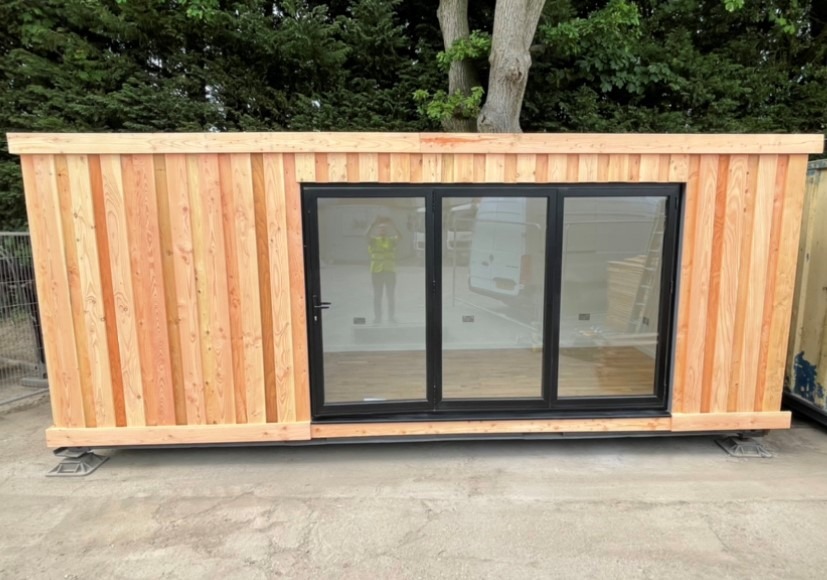
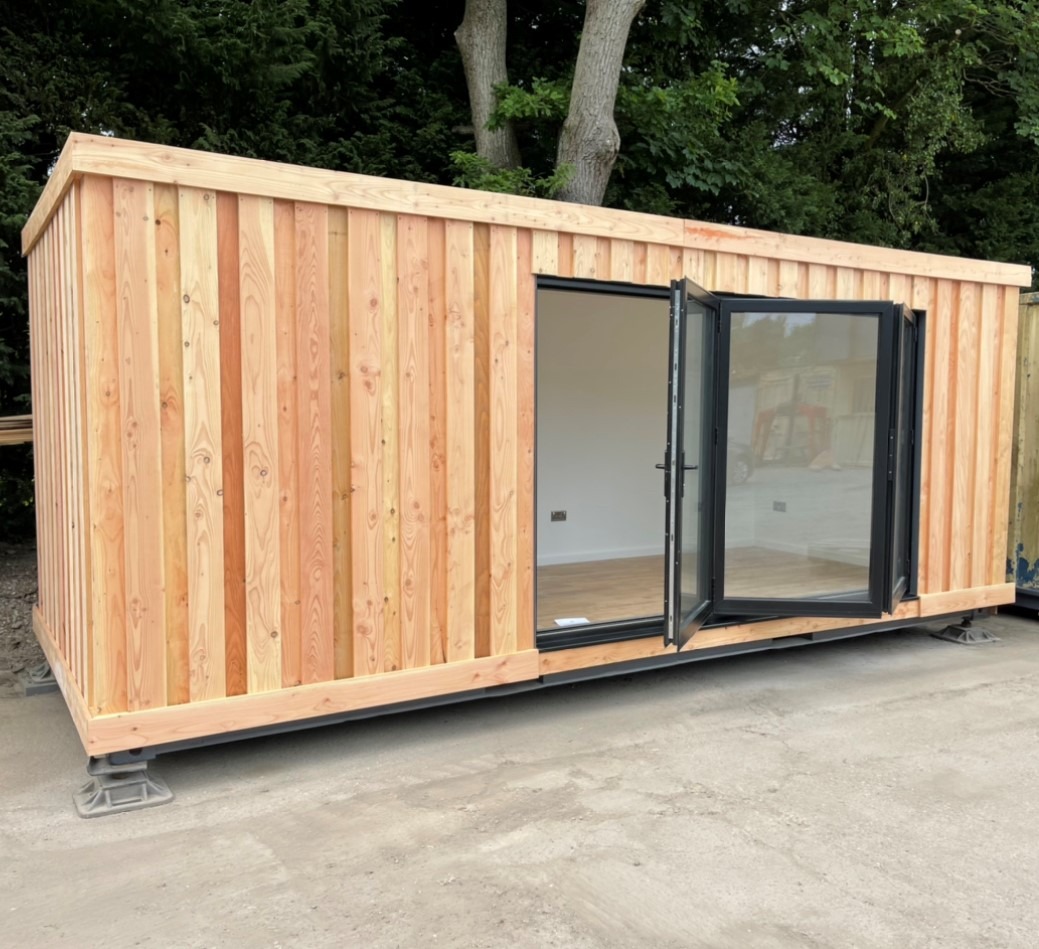
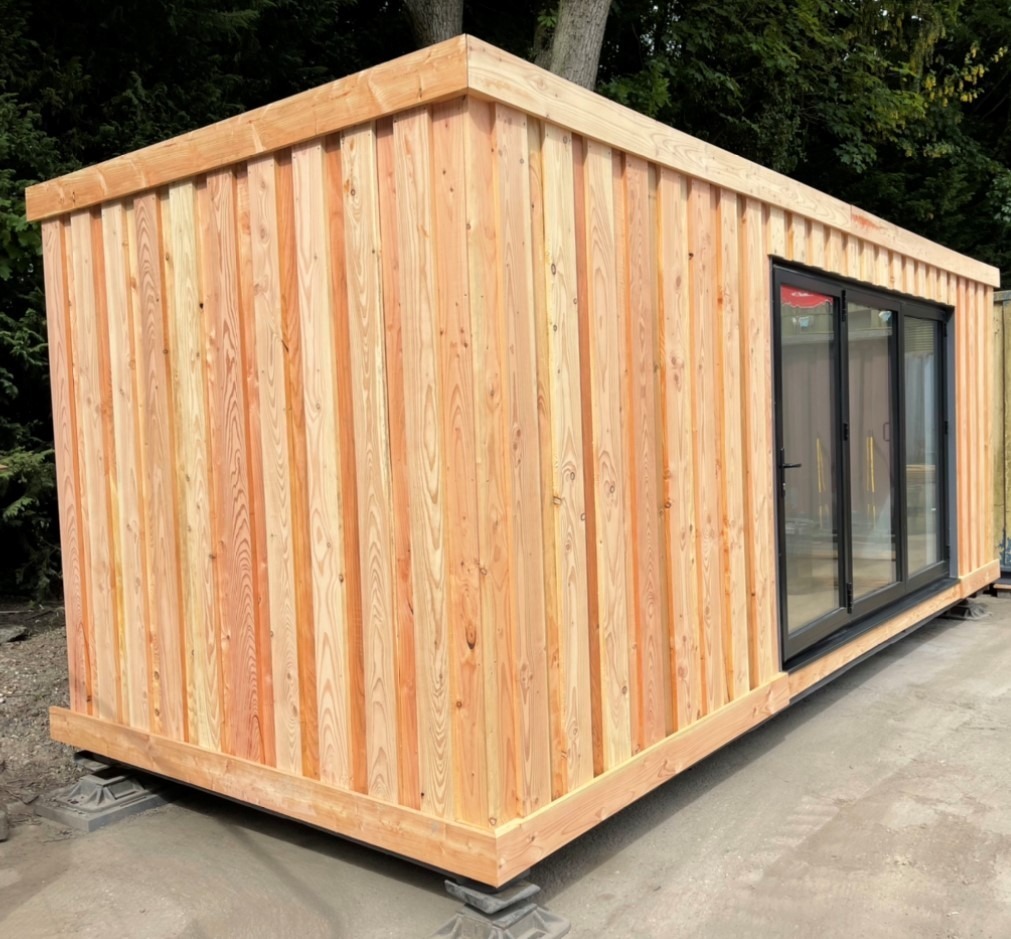
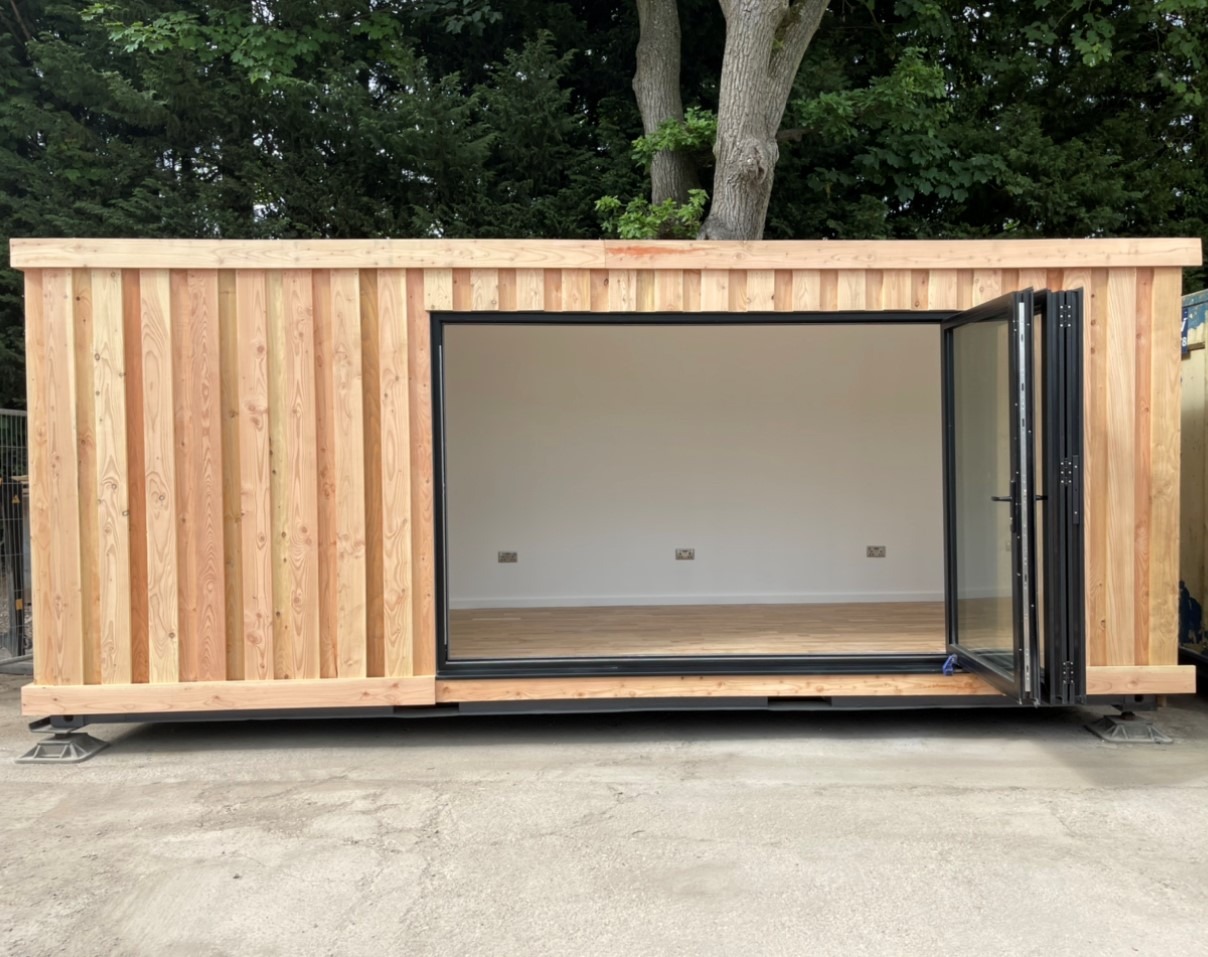
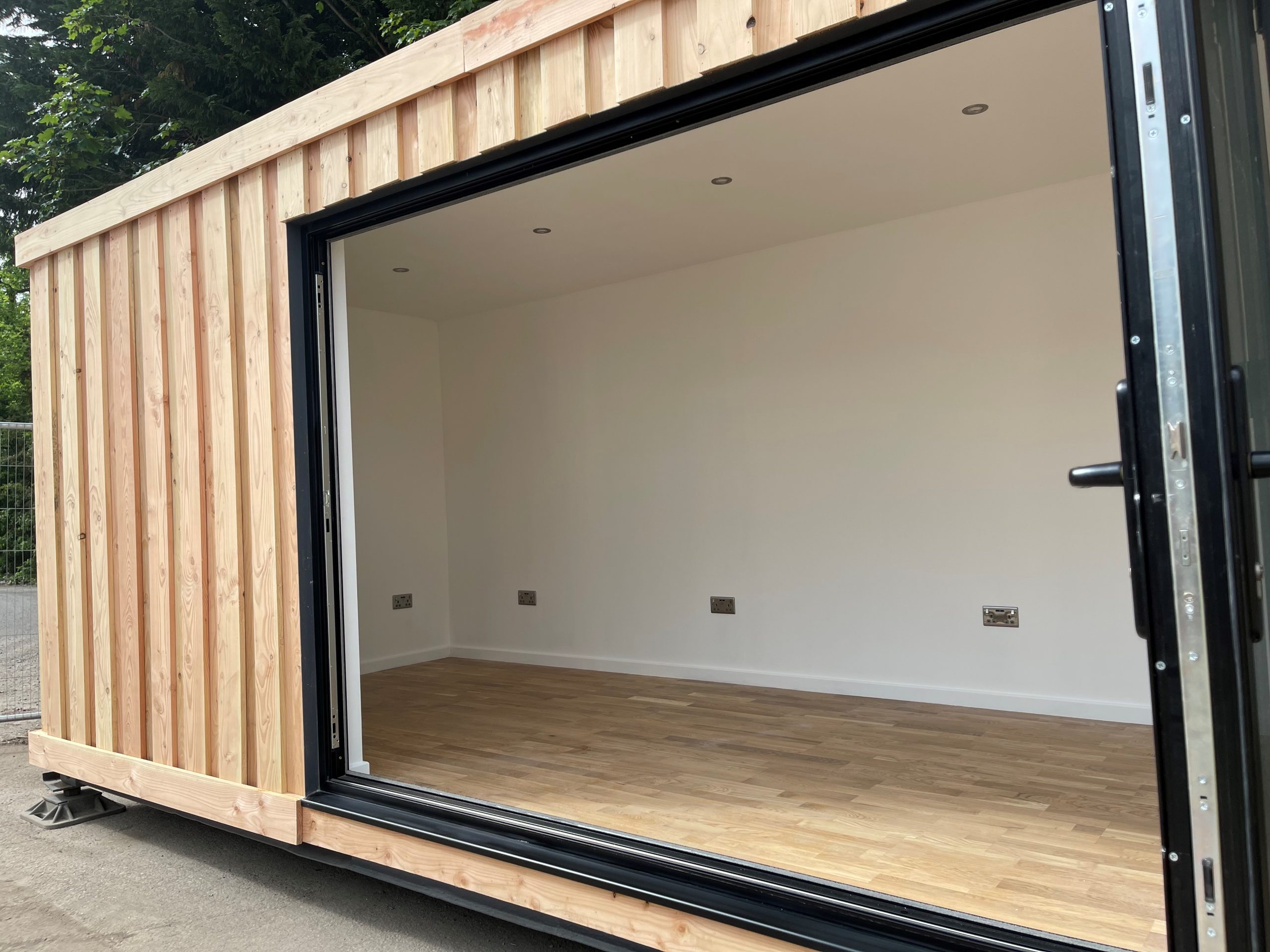
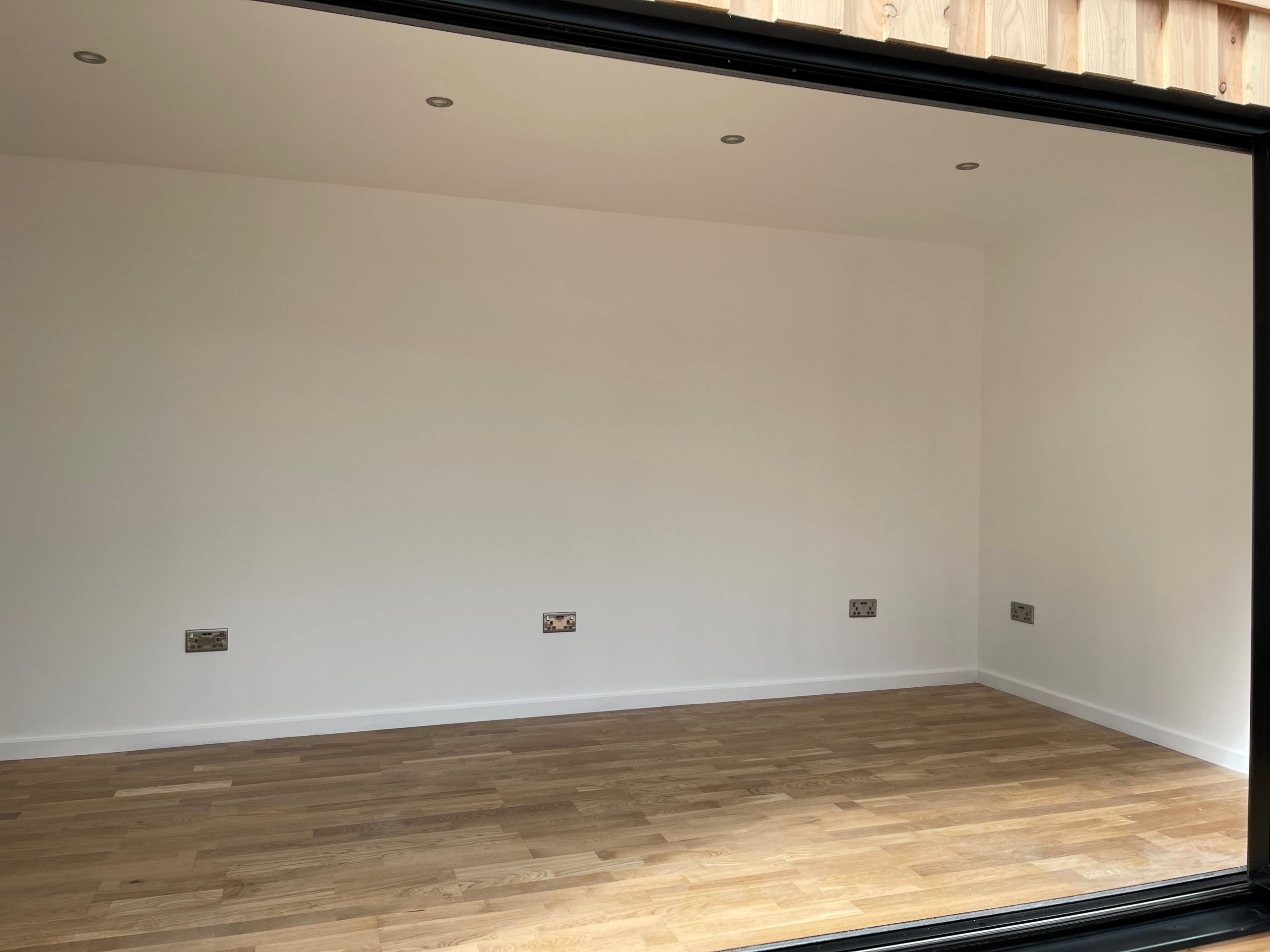
20ft x 8ft Container Office

  • Fully Insulated with electric sockets, spot lighting, and heating

  • Wood Flooring

  • Aluminium Bi Fold Doors

  • Fully wrapped in larch cladding

  • Lead Time for build 6-8 weeks

Location: Nationwide


£16,500.00

+ VAT

Not Available for Hire

Call for an instant quote!

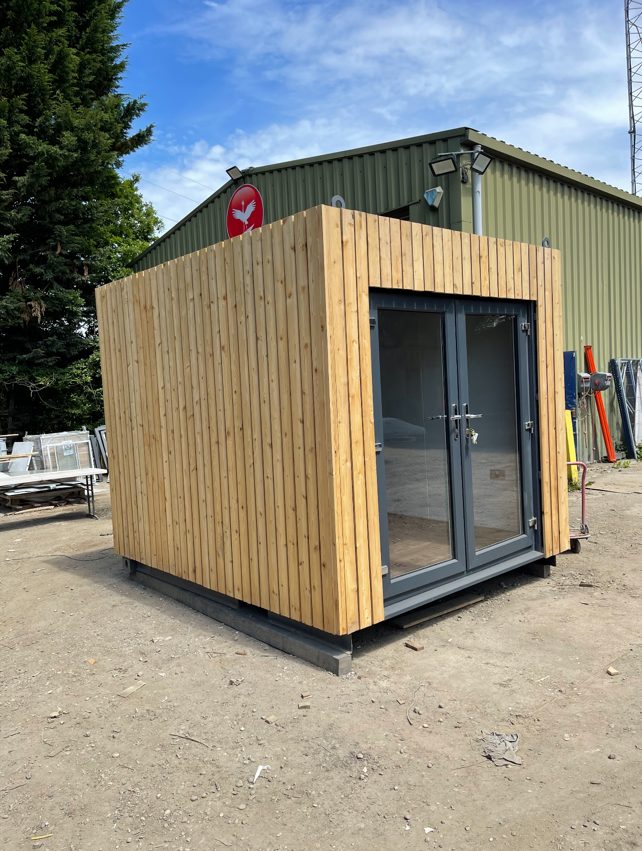
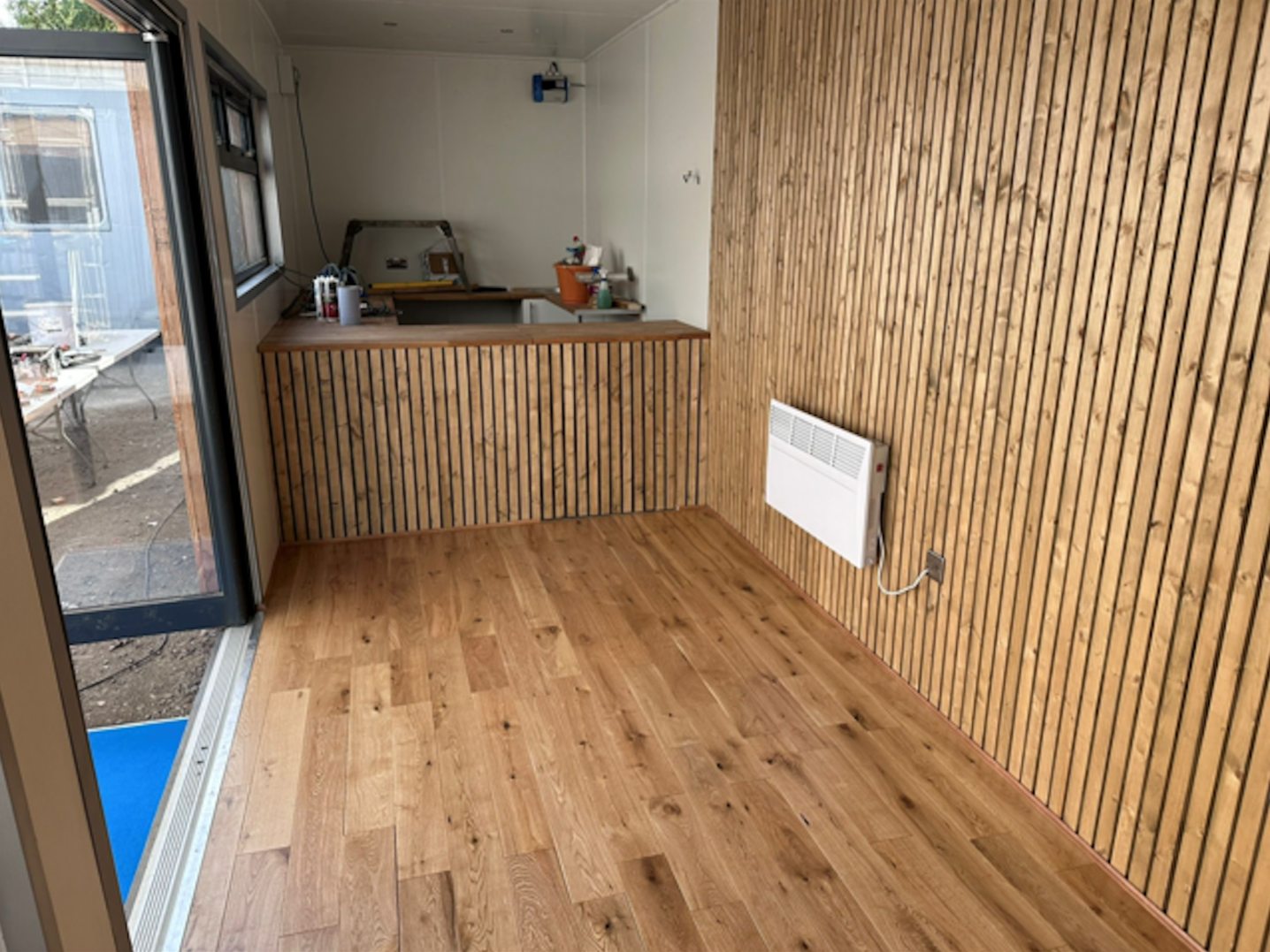
10ft x 8ft Container Conversion

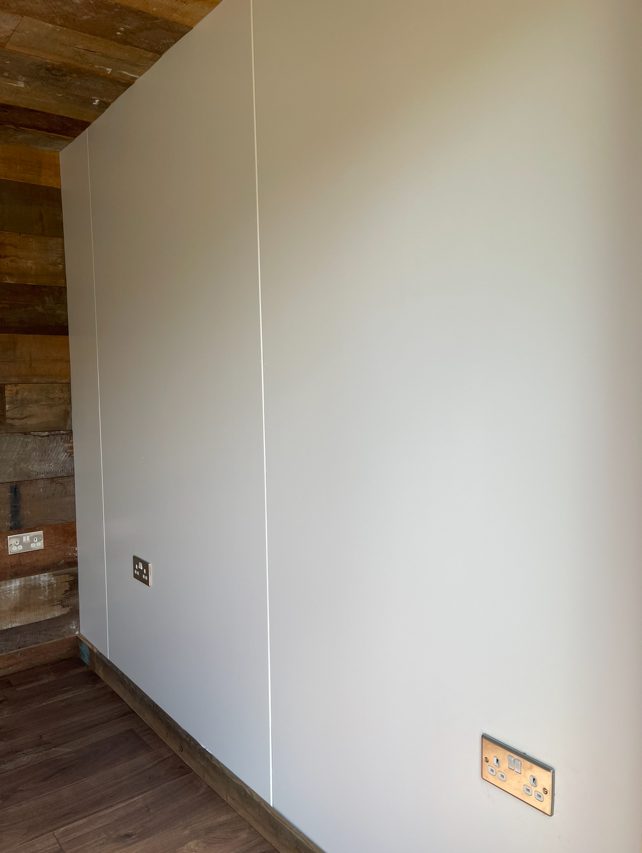
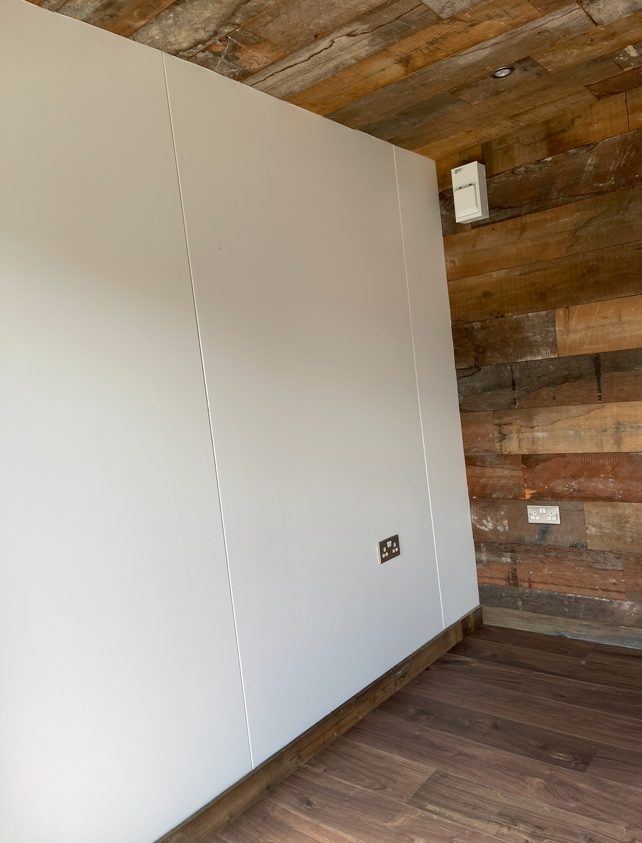
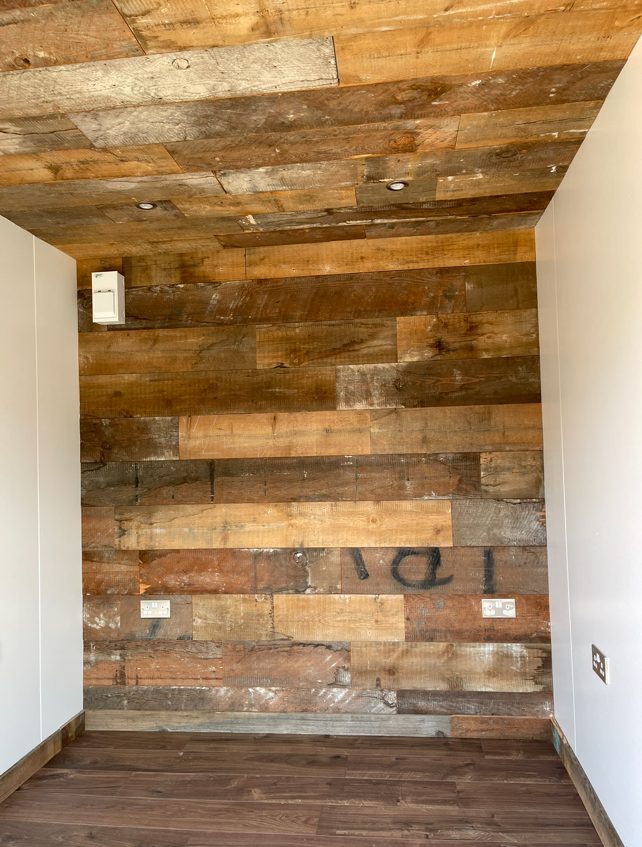
  • Fully Insulated with electric sockets, spot lighting, and heating

  • Wood Flooring

  • Feature Clad Wall and Ceiling

  • UPVC Double glazed French Doors

  • Fully wrapped in larch cladding

  • Lead Time for build 6-8 weeks

Location: Nationwide


£12,500.00

EX VAT

Not Available for Hire

Call for an instant quote!

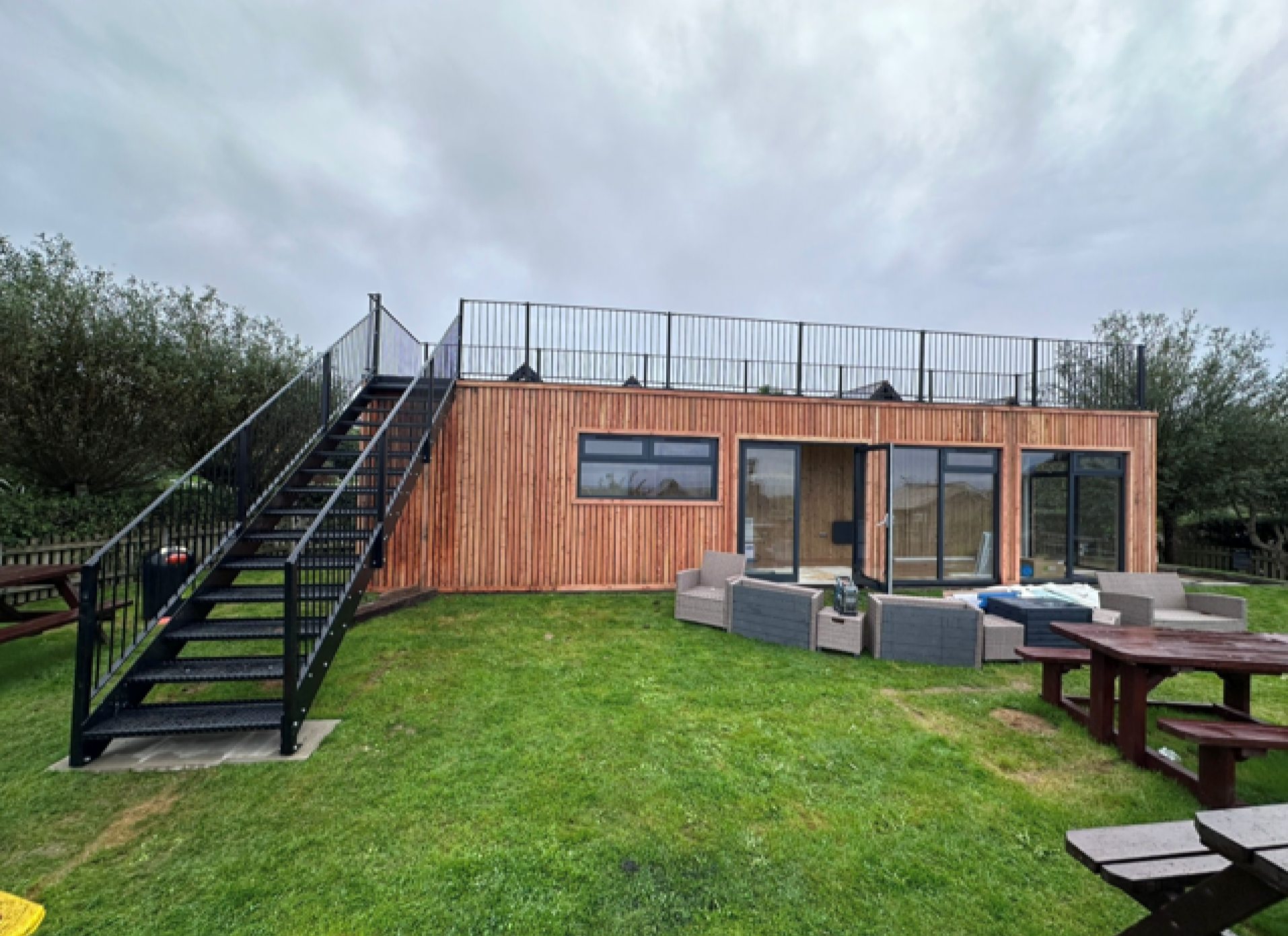
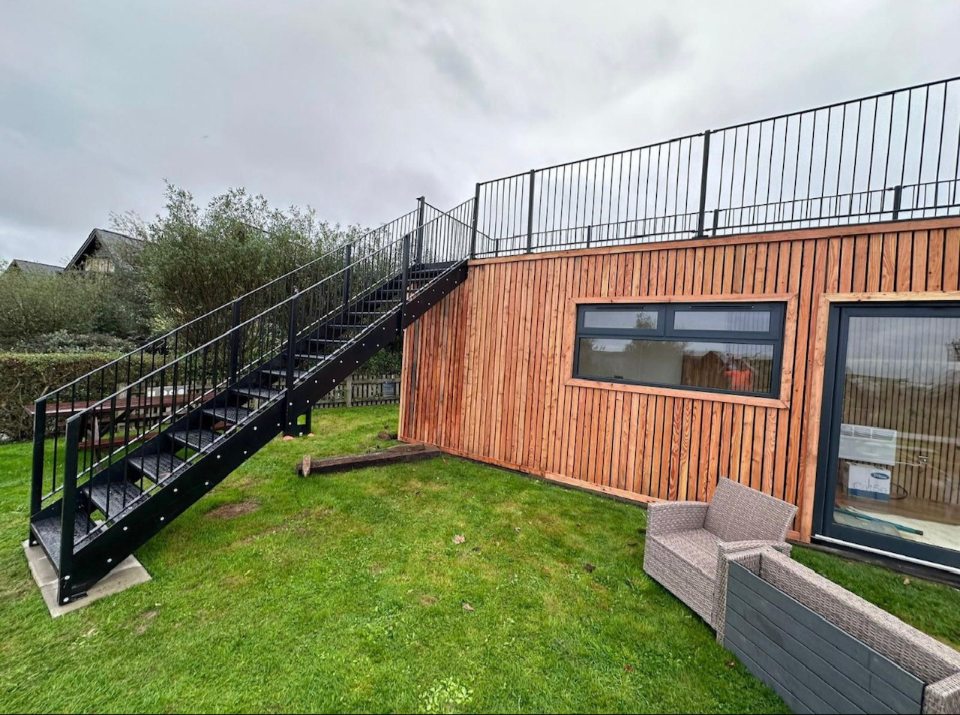
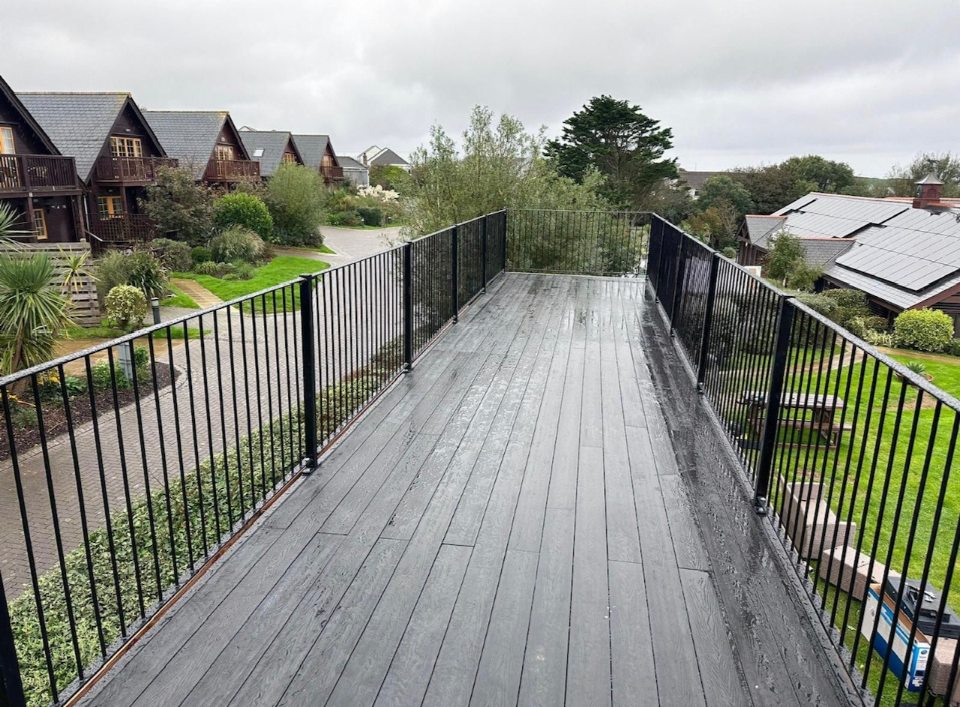
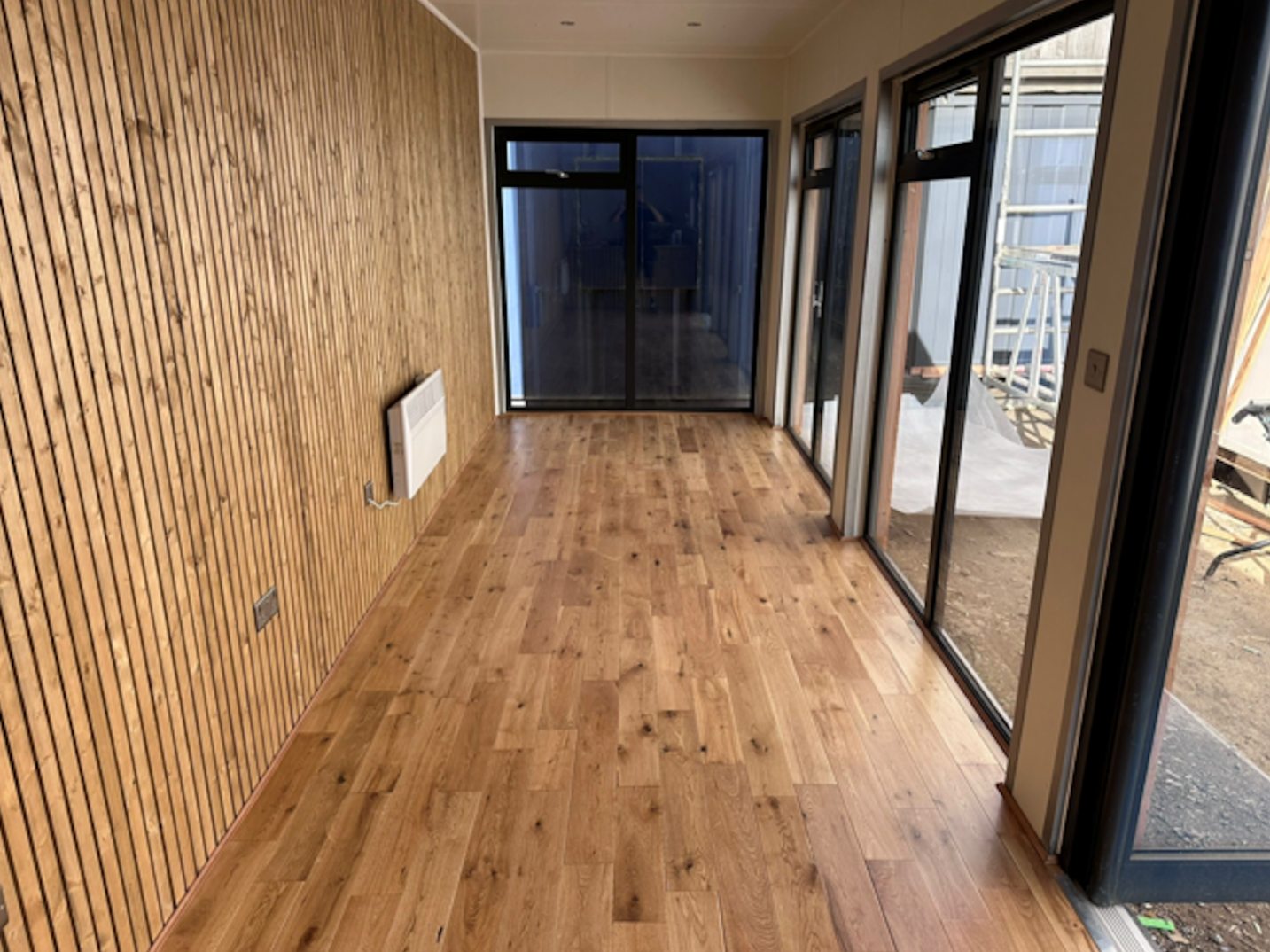
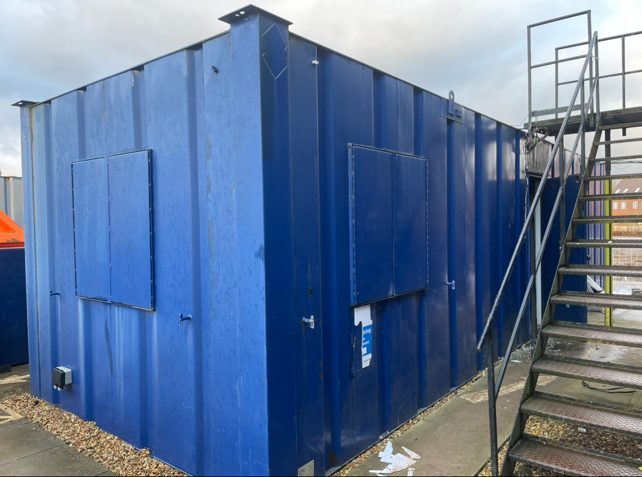
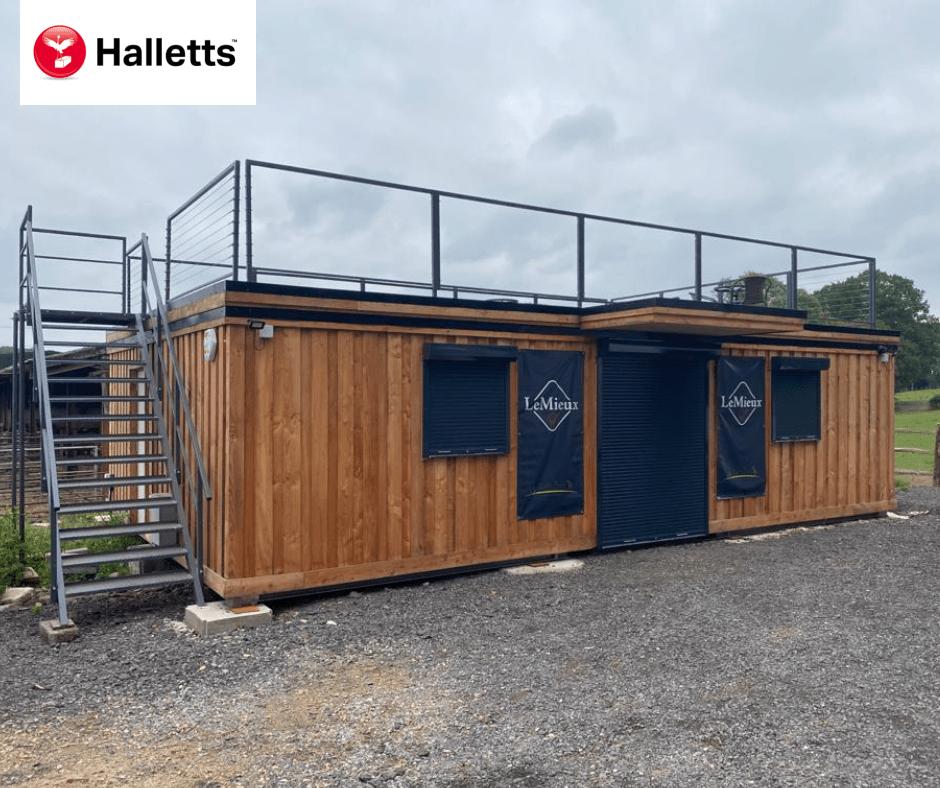
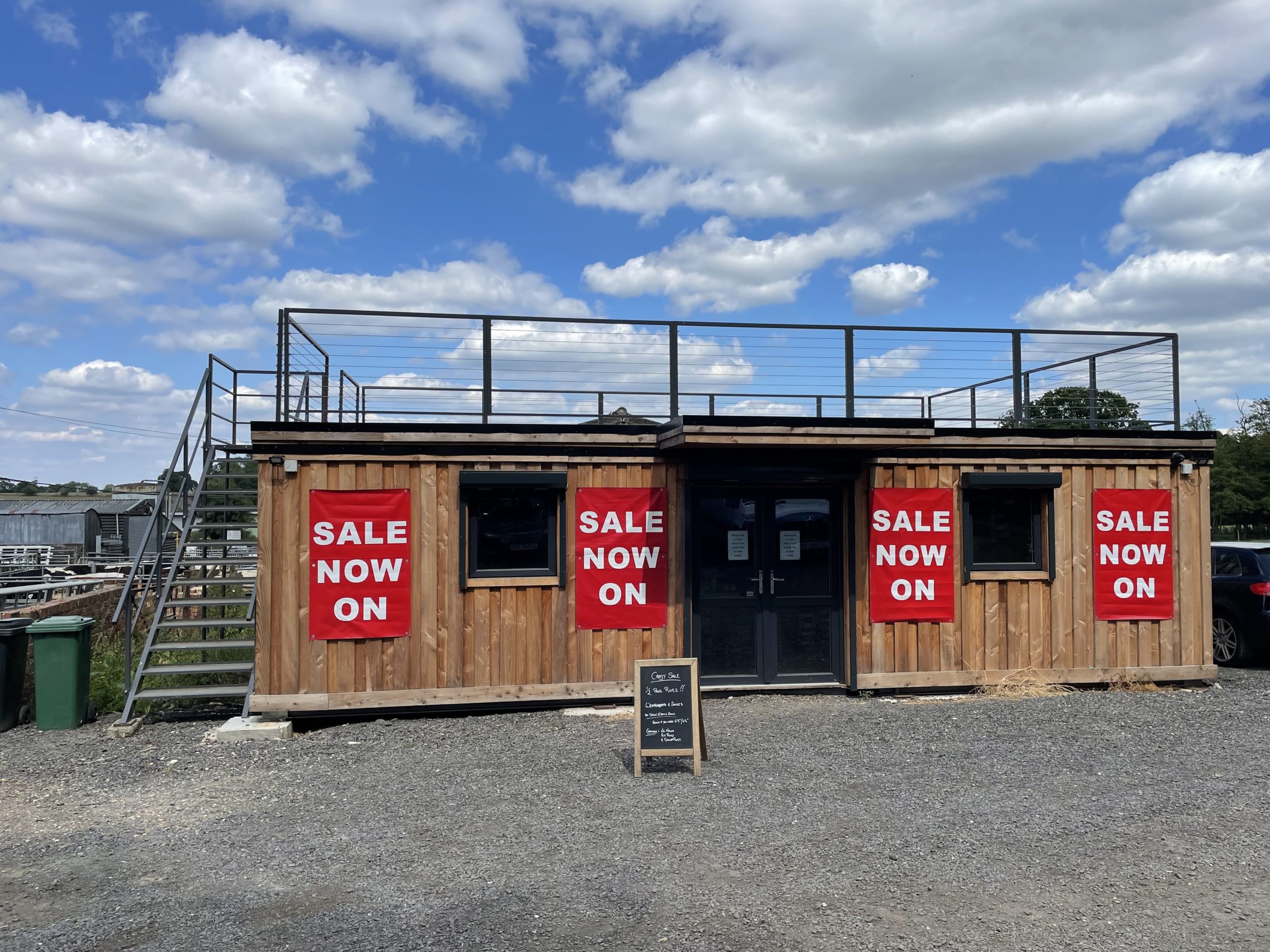
40ft x 8ft Rooftop Container Bar

  • 40ft x 8ft Rooftop Container Bar
  • Fully Insulated with electric sockets, spot lighting, and heating
  • Built in Bar
  • Wood Flooring
  • Feature Larch Clad Wall
  • Aluminium double glazed premium windows and double French doors
  • Fully wrapped in larch cladding
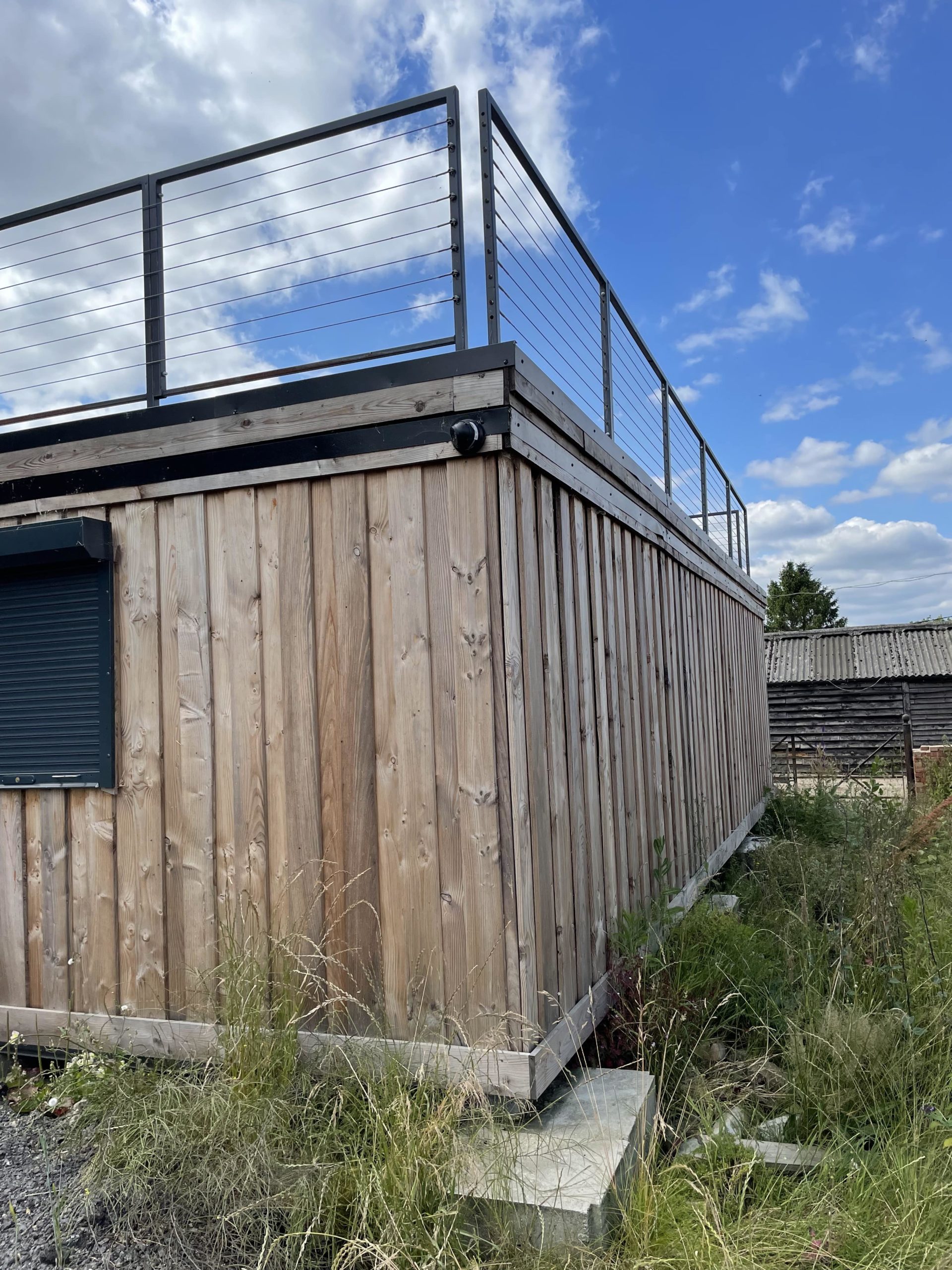
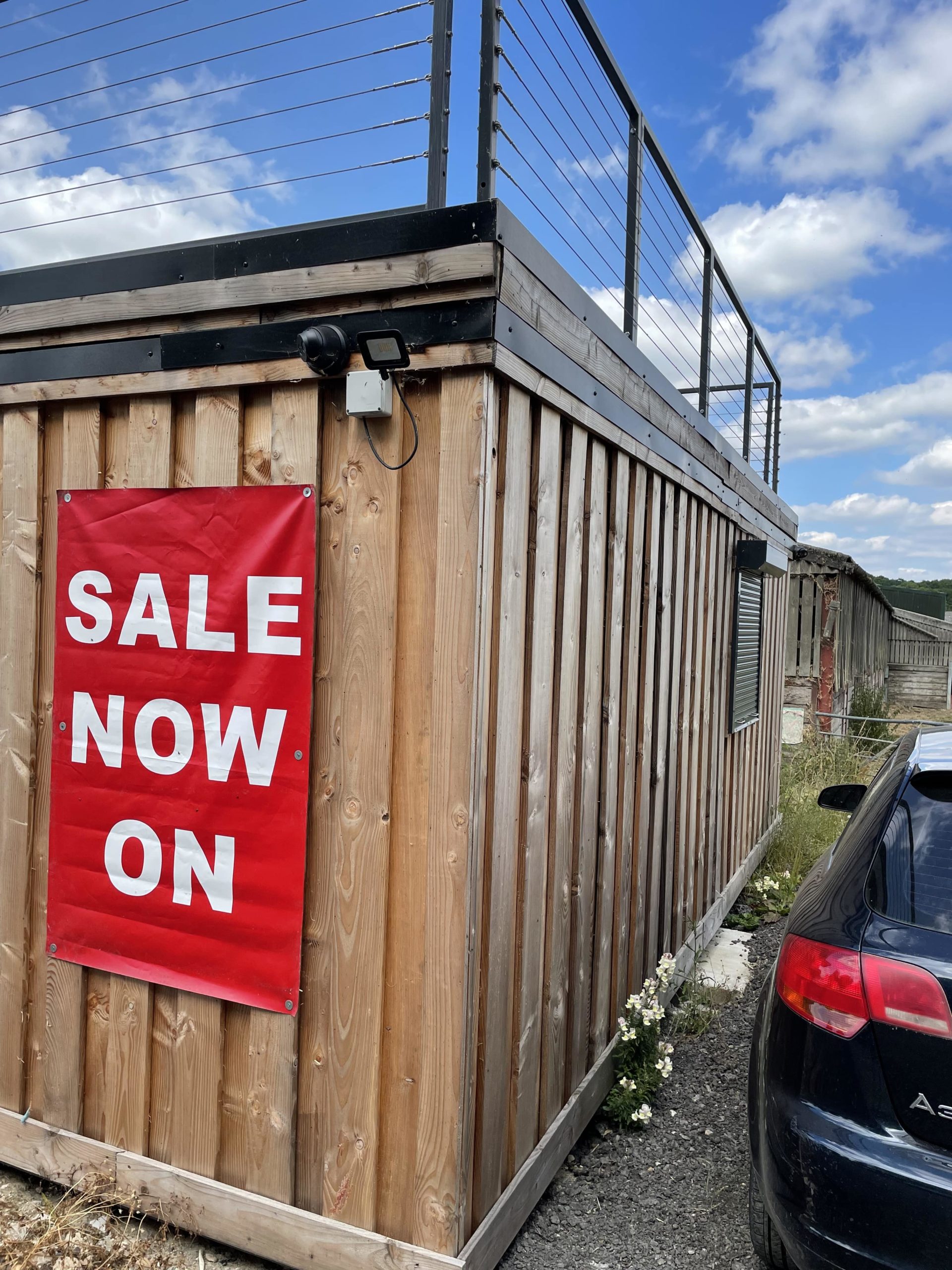
  • Steel staircase up to Rooftop terrace with full surrounding steel balustrade
  • Double container doors leading to cool room with Air Conditioning unit.
  • Lead Time for build 6-8 weeks

Location: Nationwide


£85,000.00

EX VAT

Not Available for Hire

Call for an instant quote!

  • Fully Refurbished
  • Zinc Roof
  • Colour Light Grey (Other Colour Options Available)
  • New Flooring
  • New Electric Sockets, Lighting and Heating
  • New UPVC Large and Small Windows
  • New Kitchenette with Partition
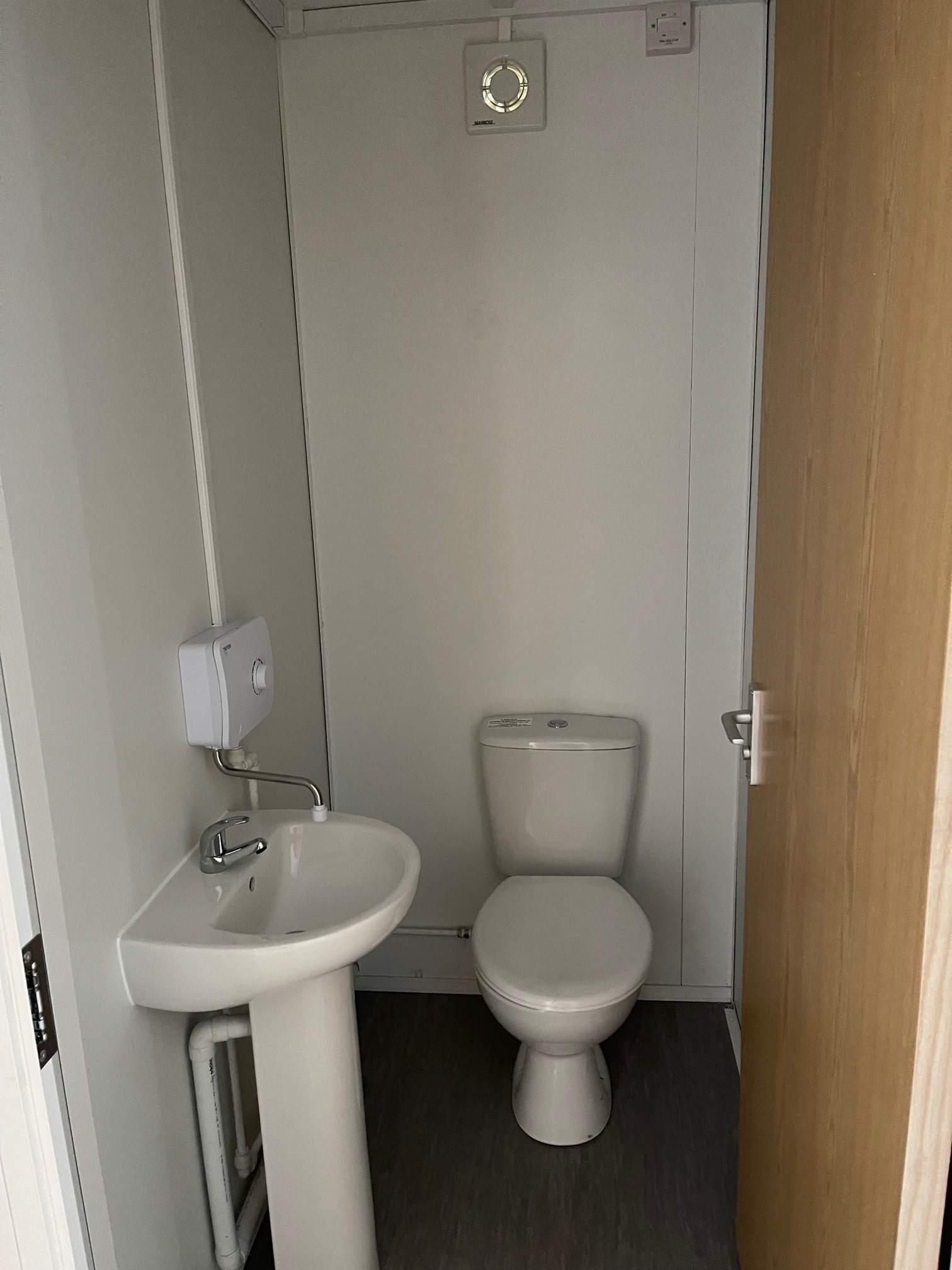
  • New Toilet Room with toilet, Sink, Water Heater and Fan

Location: Nationwide

£18,995

EX VAT

Not Available for Hire

Call for an instant quote!

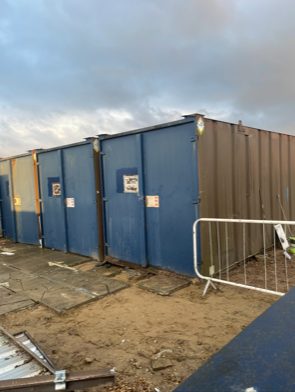
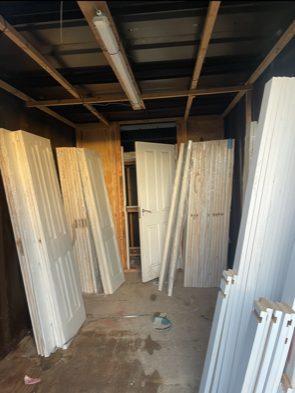
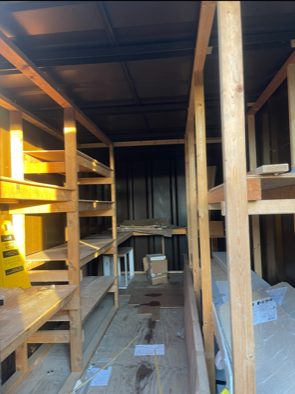
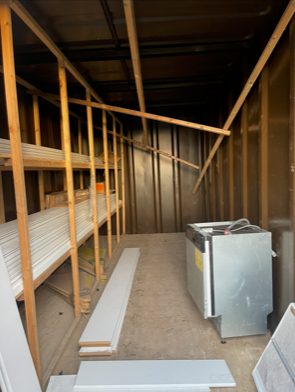
6 x 21ft x 8ft Container Stores

  • Wind and Water Tight
  • Very Good Condition
  • Some have racking inside
  • Floorings all good
  • Contents not included

Location: Nationwide


£1,500

EX VAT

Not Available for Hire

Call for an instant quote!

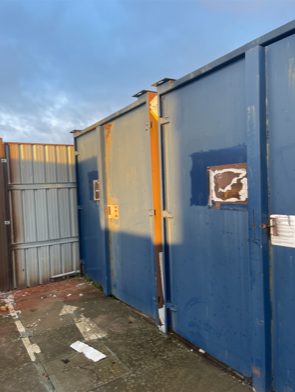
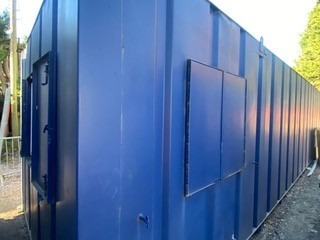
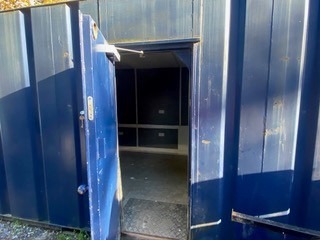
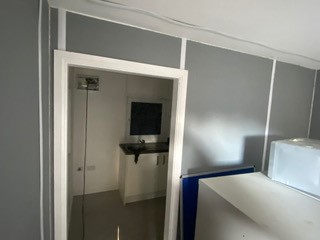
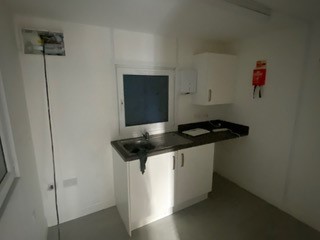
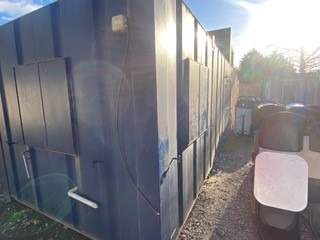
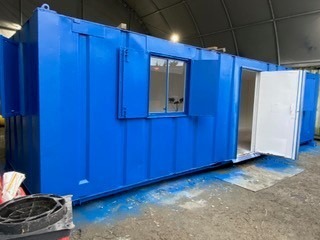
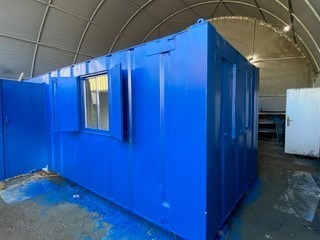
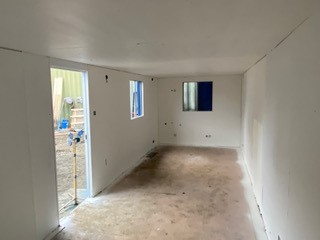
32ft x 10ft Anti Vandal Canteen in Blue

  • Used with electric sockets, lighting and heating
  • UPVC Double Glazed Windows
  • Furniture
  • Kitchenette 

Location: Nationwide


£4,995

EX VAT

Not Available for Hire

Call for an instant quote!

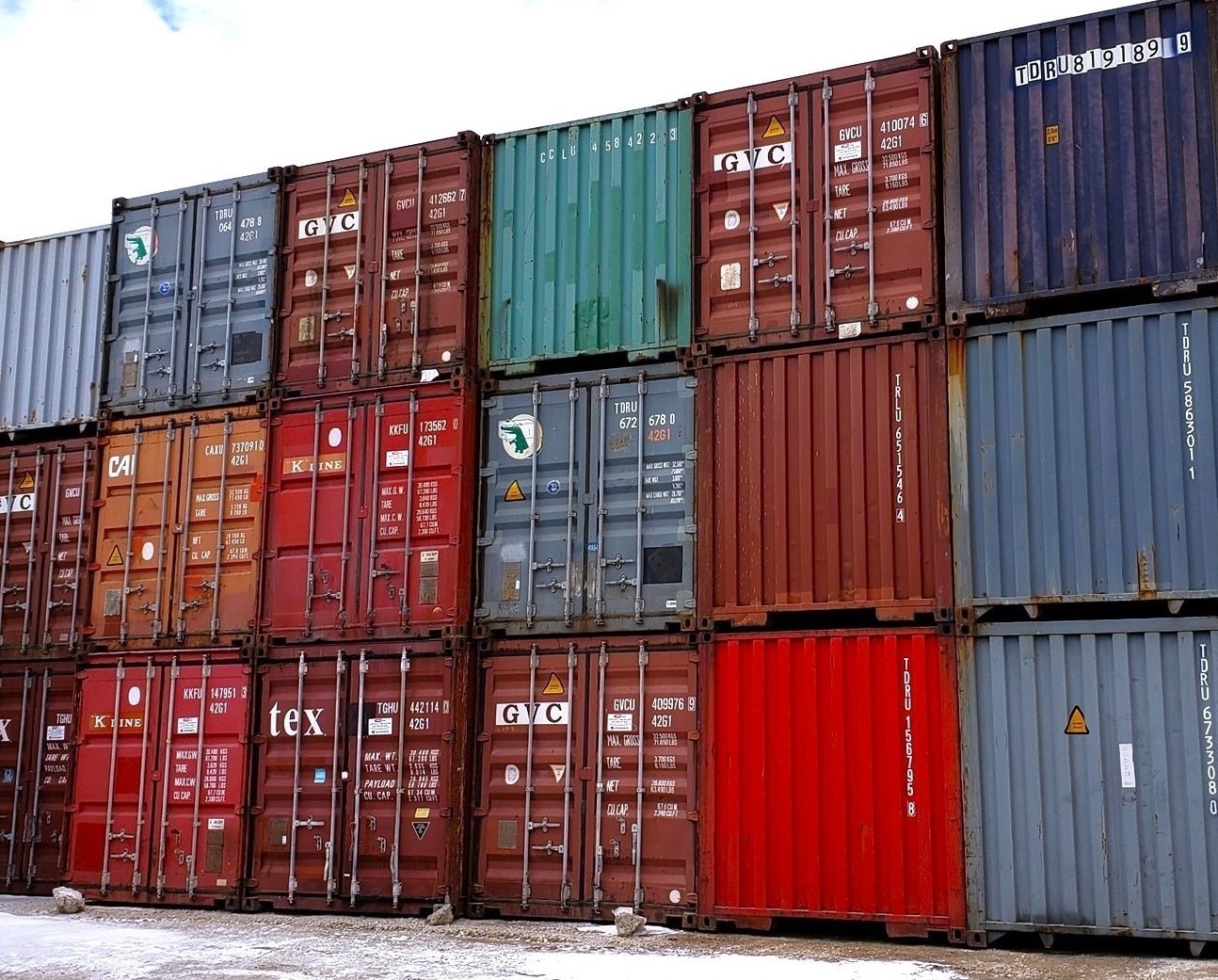
20ft Used Shipping Containers

  • Wind and Water Tight
  • Doors in good working Order
  • Random Selection
  • Lock Box and Lock additional cost.

Location: Nationwide


£1,500

EX VAT

Not Available for Hire

Call for an instant quote!

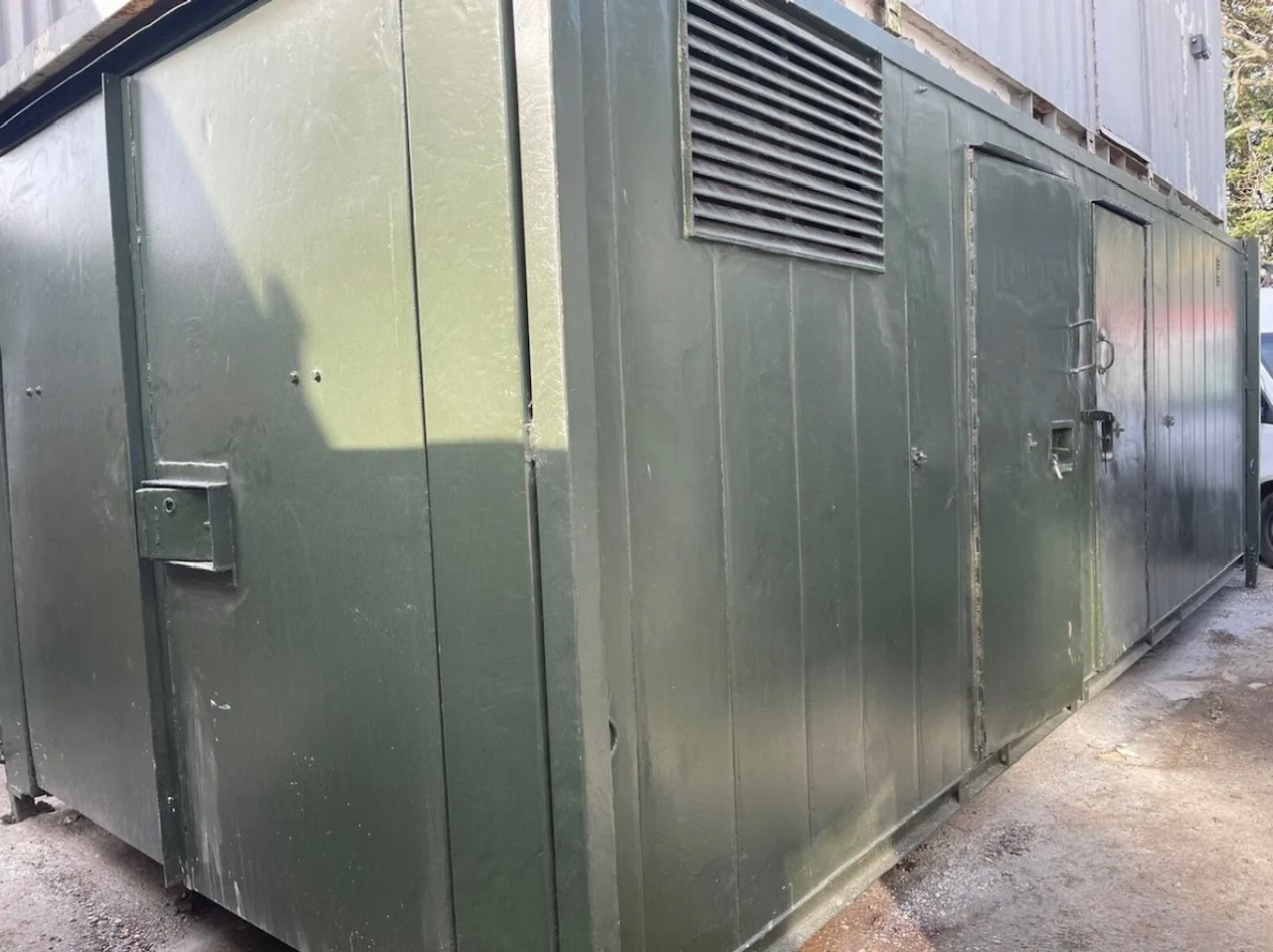
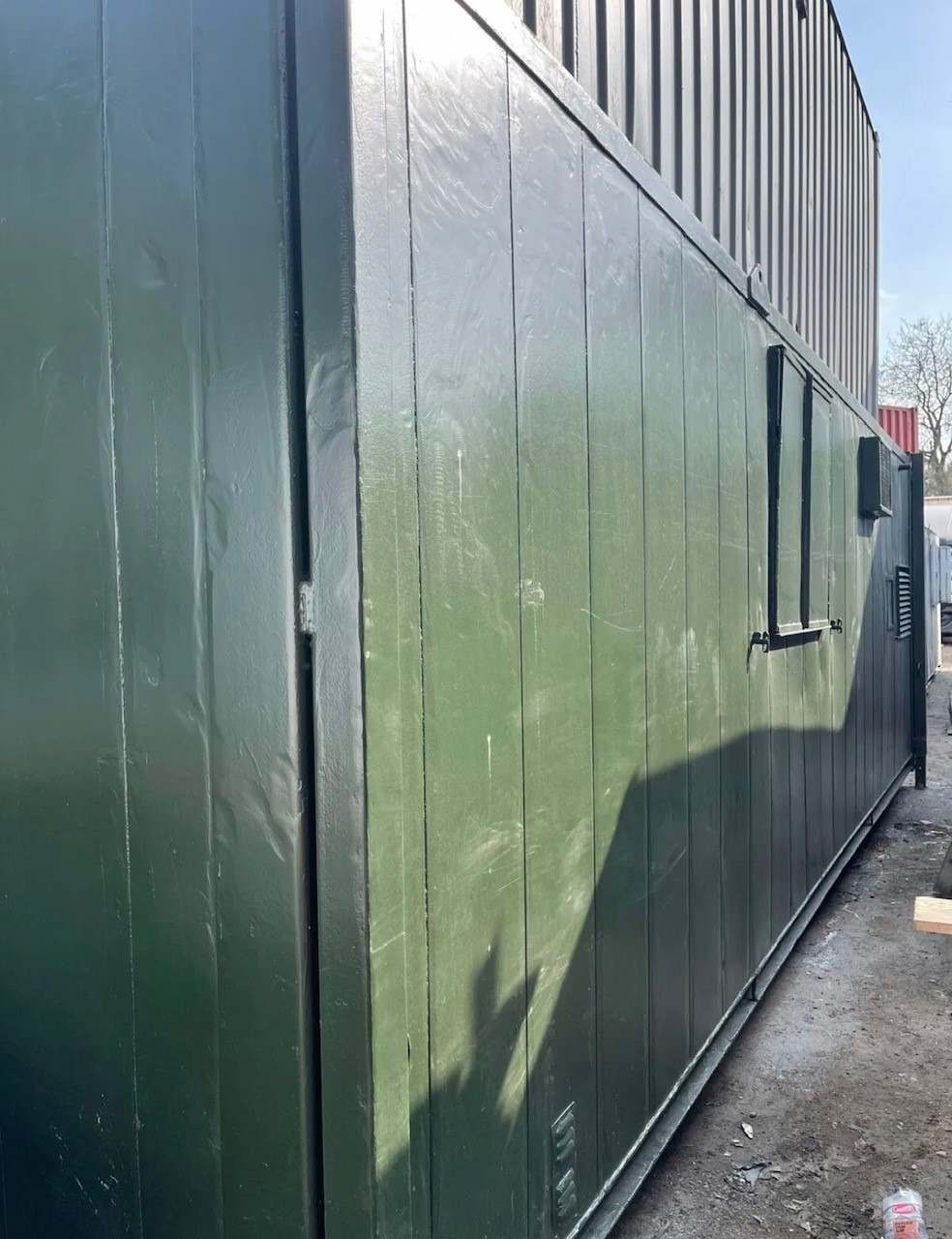
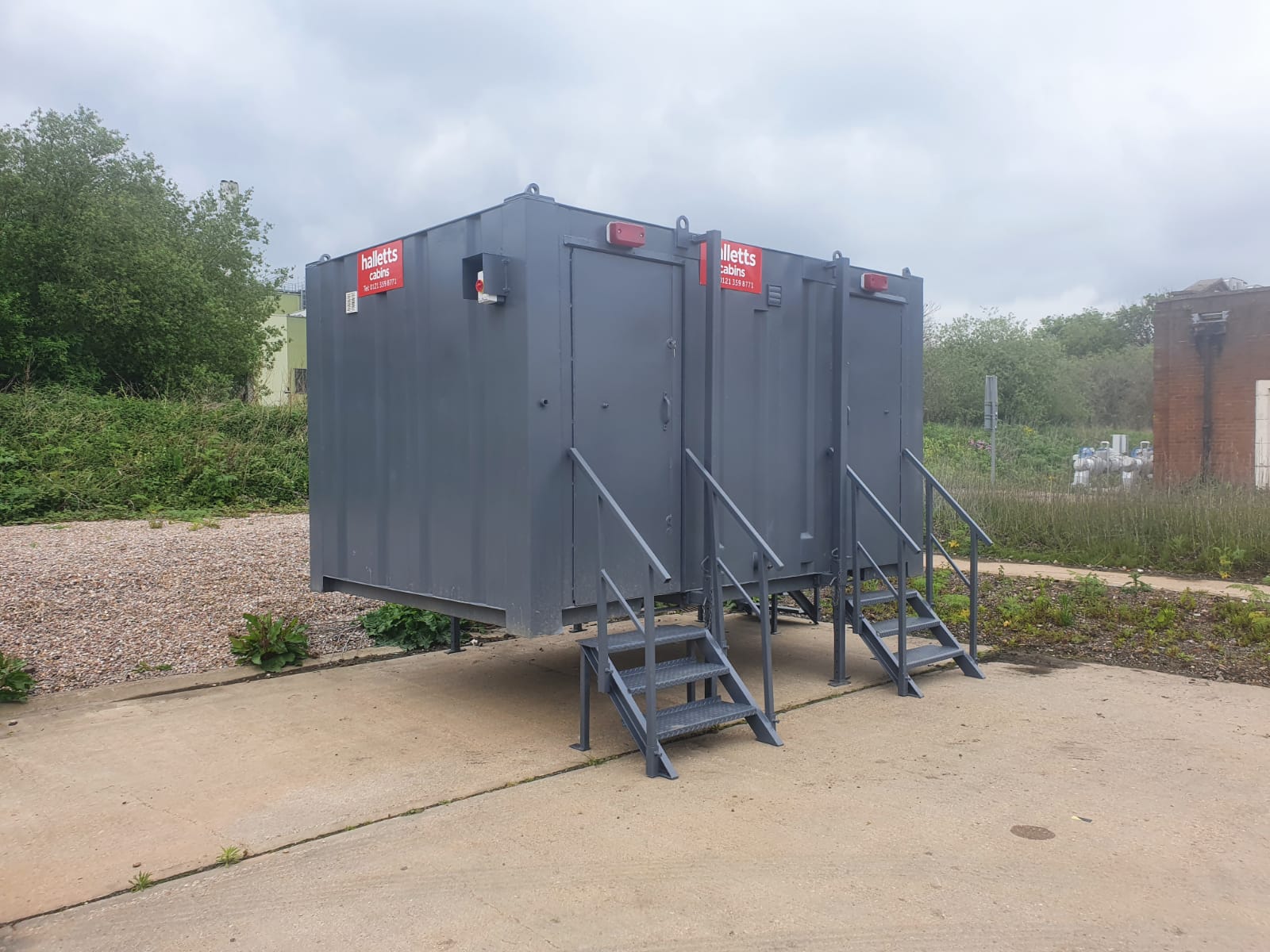
24ft x 10ft Jack Leg Anti Vandal Canteen/Toilet/Storage

  • Split entrance for Canteen room and WC which includes single cubical, urinal and sink.
  • Container door end with storage.
  • Electric Sockets, Lighting and Heating
  • Fitted Floor to Ceiling Cupboards
  • Colour: Dark Green

Location: Nationwide


£5,000

EX VAT

Not Available for Hire

Call for an instant quote!

40ft x 12ft Jack Leg Genuine Portakabin Pullman

  • 2 x Offices, Canteen and WC
  • Electric Sockets, Lighting and Heating
  • Colour: Light Grey
  • Full or Part Refurbishment option is available please ask.

Location: Nationwide


£9,500

EX VAT

Not Available for Hire

Call for an instant quote!

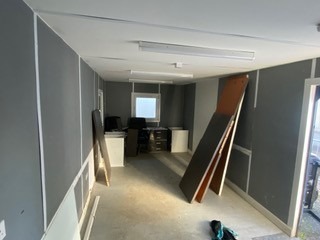
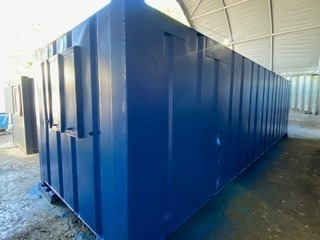
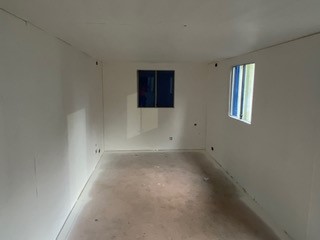
32ft x 10ft Anti Vandal Split Canteen/Office

  • Canteen approx 10ft – Office approx 22ft
  • Electric Sockets, Lighting and Heating
  • UPVC Double Glazing
  • Colour: Dark Blue

Location: Nationwide


£5,500

EX VAT

Not Available for Hire

Call for an instant quote!

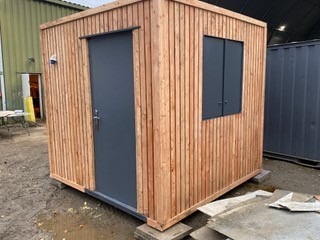
8ft x 8ft Anti Vandal Gate House/Office

  • Open Plan
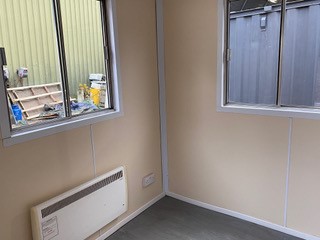
  • Electric Sockets, Lighting and Heating
  • Colour: Clad in New Larch Timber

Location: Nationwide


£5,500

EX VAT

Not Available for Hire

Call for an instant quote!

20ft x 10ft Anti Vandal Sleeper Unit

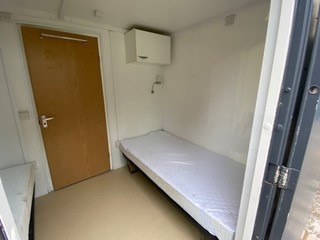
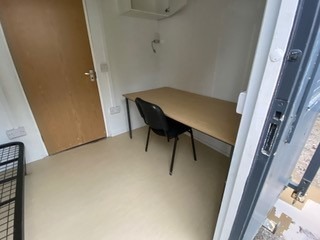
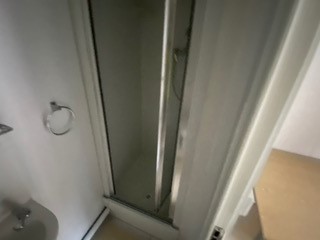
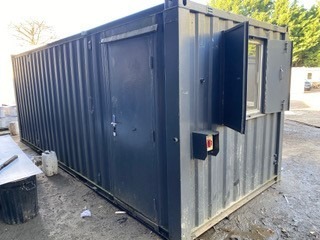
  • Split sides with two entrances, each side has its own room and Shower Toilet Facility
  • Electric Sockets, Lighting and Heating
  • Colour: Dark Grey

Location: Nationwide


£6,500

EX VAT

Not Available for Hire

Call for an instant quote!

21ft x 8ft Anti Vandal Canteen

  • Open Plan
  • Electric Sockets, Lighting and Heating, Hot water Unit + kitchen with cupboards and work top.
  • Colour: Dark Grey 

Location: Nationwide


£4,200

EX VAT

Not Available for Hire

Call for an instant quote!

30ft x 9ft Anti Vandal Fire Rated Office

  • Open Plan Refurbished
  • Electric Sockets, Lighting and Heating
  • Colour: Dark Blue

Location: Nationwide


£6,500

EX VAT

Not Available for Hire

Call for an instant quote!

24ft x 9ft Anti Vandal Office

  • Open Plan
  • Electric Sockets, Lighting and Heating
  • Colour: Dark Grey

Location: Nationwide


£4,200

EX VAT

Not Available for Hire

Call for an instant quote!

22ft x 9ft Jack Leg Portable Cabin

  • 22ft x 9ft Jack Leg Portable Cabin
  • Open Plan
  • Electric Sockets, Lighting and Heating
  • Fitted Desk and Floor to Ceiling Cupboards
  • Colour: Light Grey

Location: Nationwide


£4,995

EX VAT

Not Available for Hire

Call for an instant quote!

24ft x 9ft Jack Leg Portable Cabin

  • 24ft x 9ft Jack Leg Portable Cabin
  • Split Offices with two entrances
  • Electric Sockets, Lighting and Heating
  • Fitted Floor to Ceiling Cupboards
  • Colour: Light Grey

Location: Nationwide


£5,500

EX VAT

Not Available for Hire

Call for an instant quote!

10ftx8ft – £5950 + Vat / 16ftx8ft – £7950 + Vat / 20ftx8ft – £9000 + Vat / 24ftx8ft – £12000 + Vat / 30ftx8ft – £13500 + Vat

  • Reinforced doors and windows with secure locking
  • Open plan with electric sockets and lighting
  • Any Extras available: Canteen, Partitions, Toilets.

Location: Nationwide


From £5,950

EX VAT

Not Available for Hire

Call for an instant quote!

  •  Electric Sockets, Lighting and Heating
  •  Wind & watertight
  •  Sprayed Dark Grey

Location: Nationwide


£4,995

EX VAT

Not Available for Hire

Call for an instant quote!

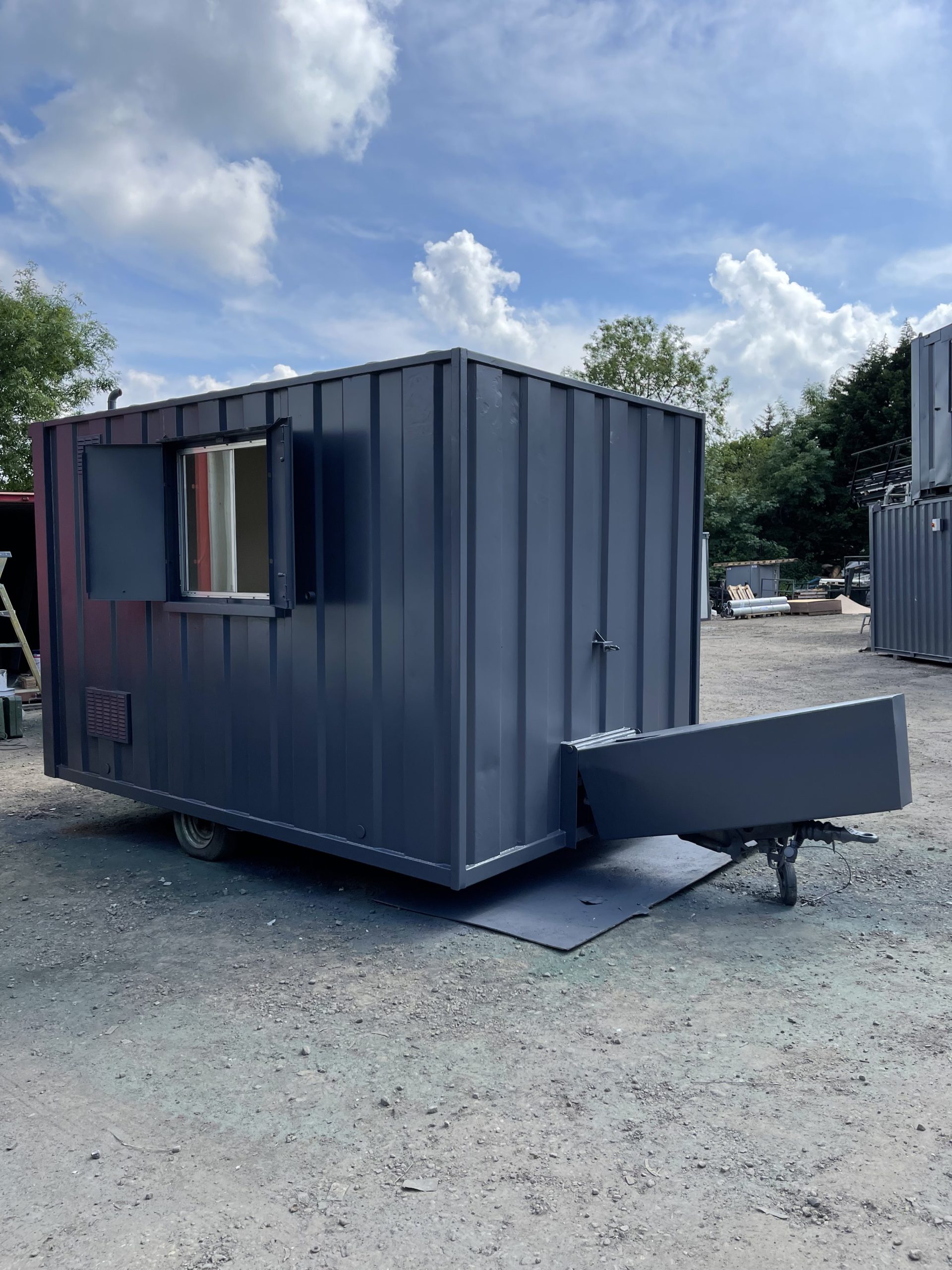
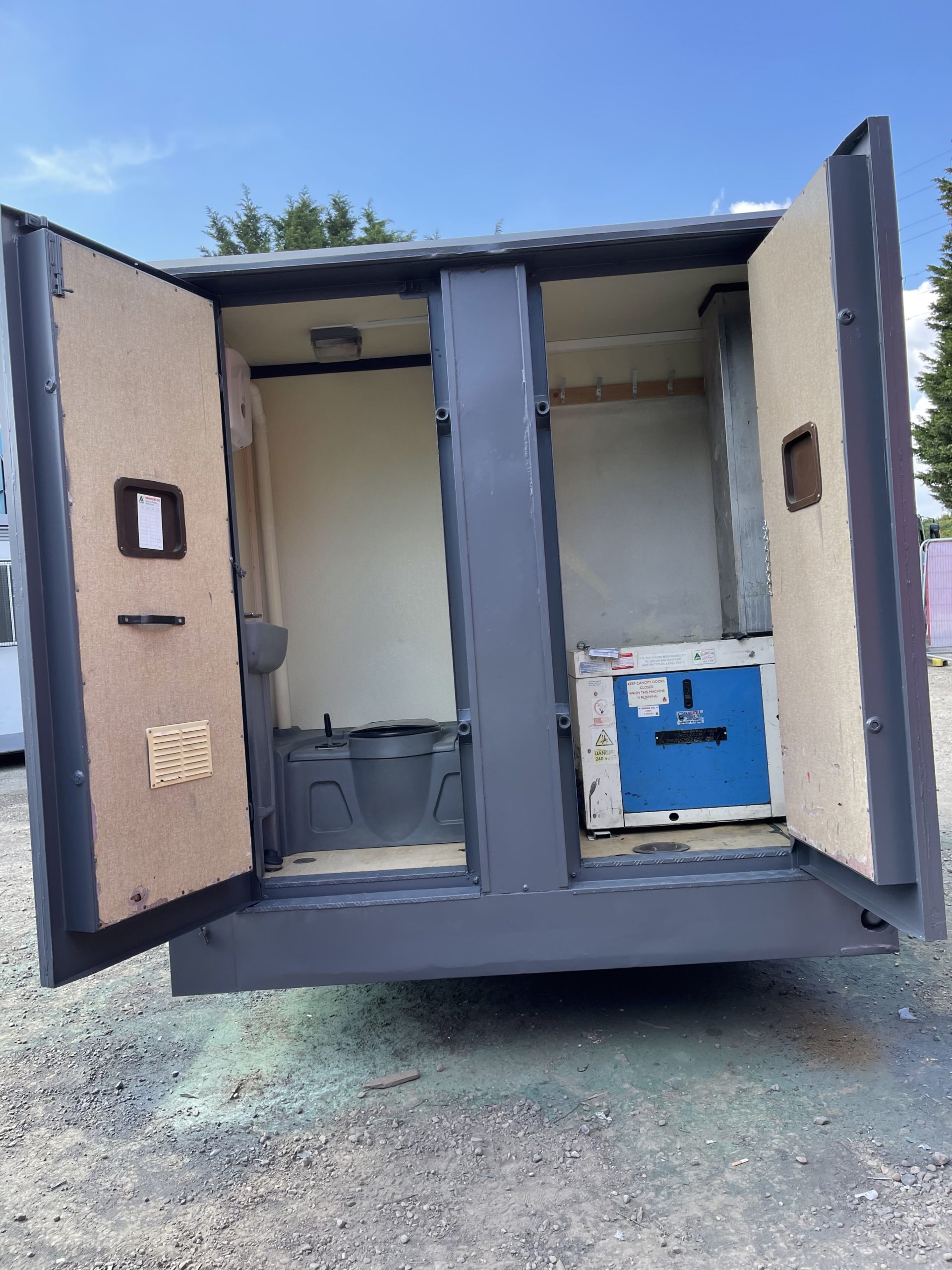
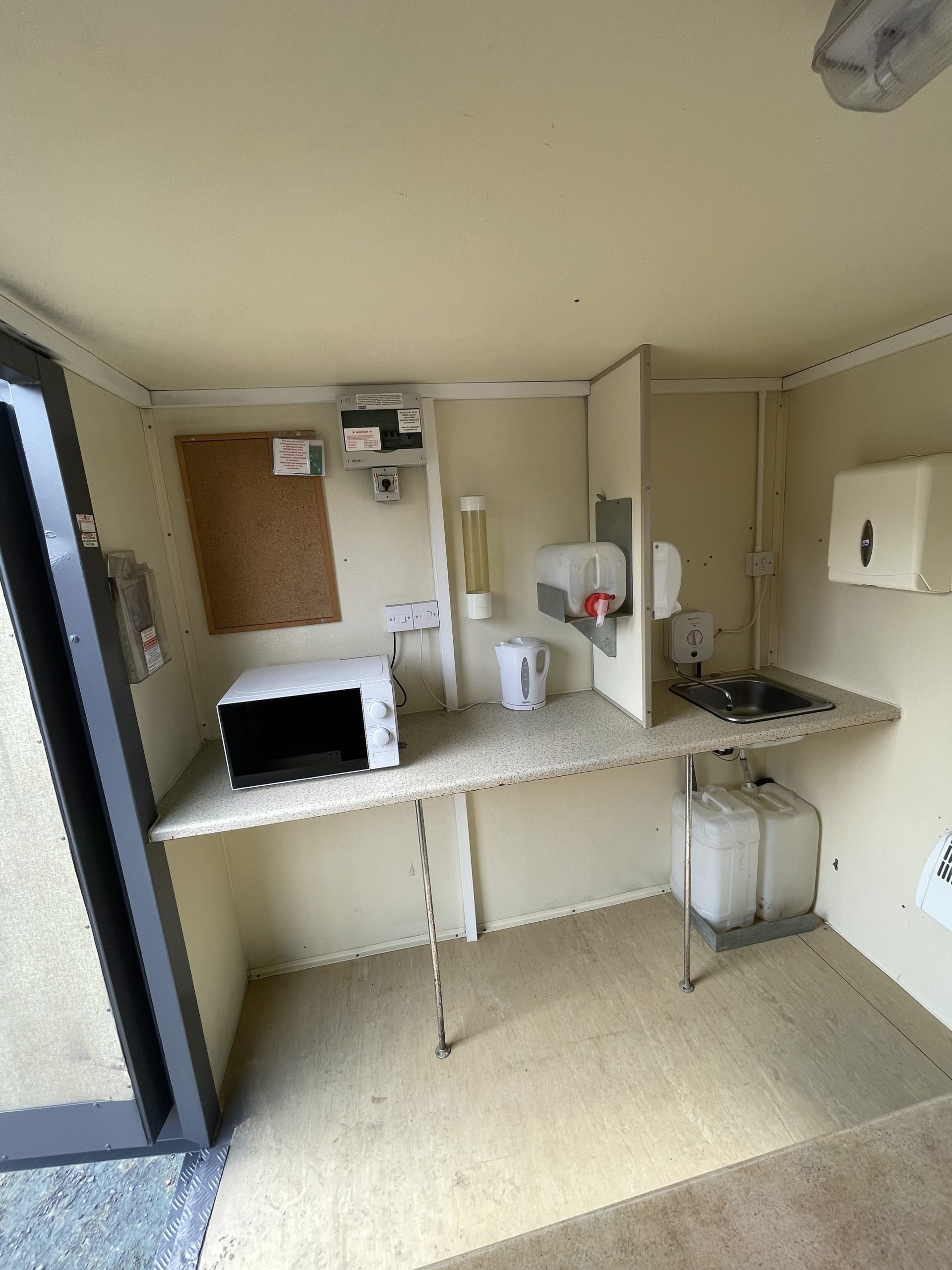
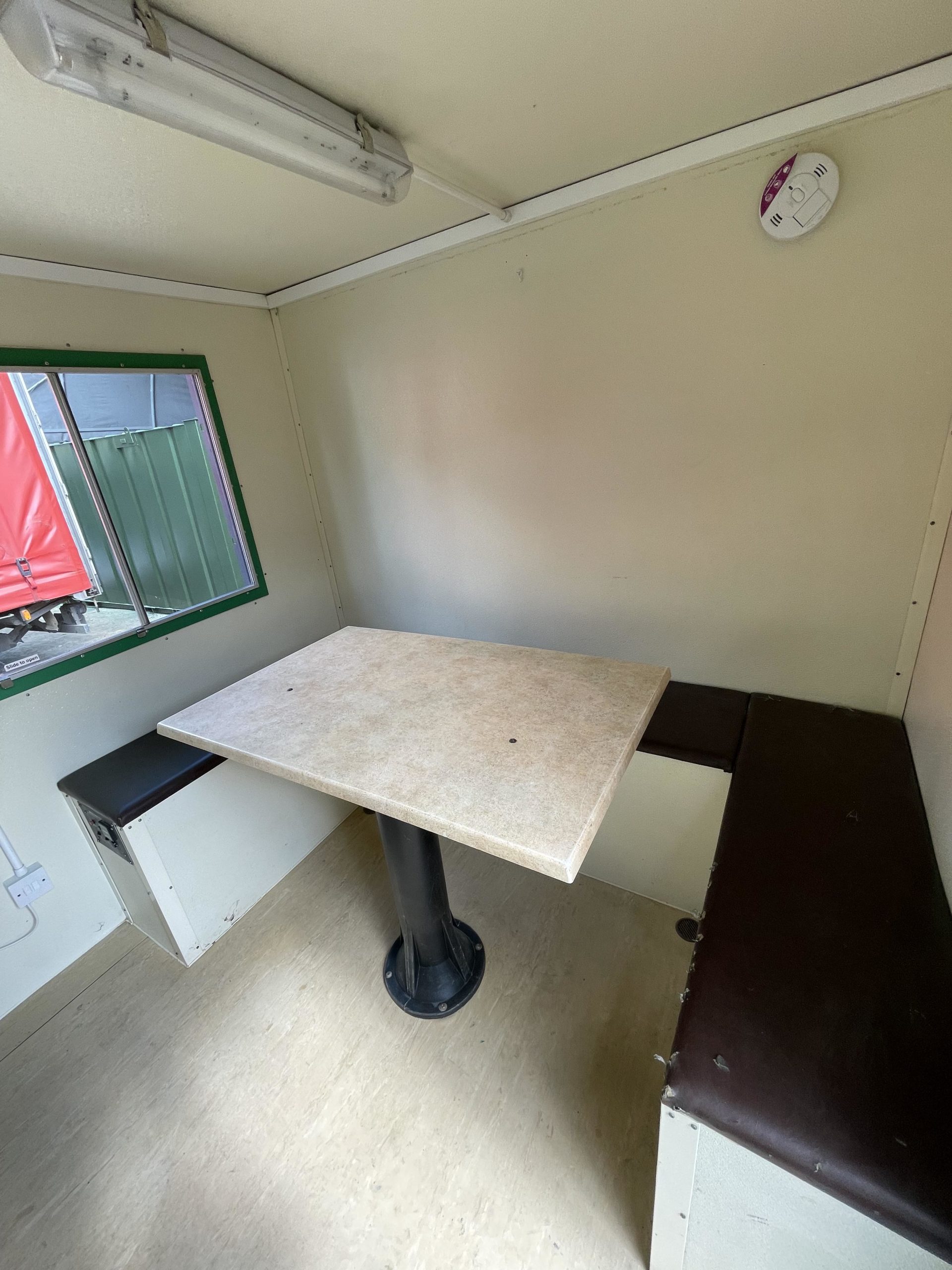
  • 12ft Towable Gound Hog
  • Includes: toilet, canteen and seating area
  • Full working generator, fully serviced and in great condition


Location: Nationwide


£6,500

EX VAT

Not Available for Hire

Call for an instant quote!

  • Reinforced doors with secure locking 
  • Electrics and lights included
  • Sink and water boiler included

Location: Nationwide

Quantity: ∞

£15,000

EX VAT

Not Available for Hire

Call for an instant quote!

• Reinforced doors and windows with secure locking
• Open plan with electric sockets and lighting
• Ral Code Colour of choice

• Any Extras available : Canteen, Partitions, Toilets.

Location: Nationwide


£11,995

EX VAT

Not Available for Hire

Call for an instant quote!

• Reinforced doors and windows with secure locking

• Open plan with electric sockets and lighting

• Ral Code Colour of choice

• Any Extras available : Canteen, Partitions, Toilets.

Location: Nationwide


POA

Not Available for Hire

Call for an instant quote!

test

• Reinforced doors with secure locking
• Sink and water boiler included

Location: Nationwide

Quantity: ∞

£12,495

EX VAT

Not Available for Hire

Call for an instant quote!

32ft x 20ft Cabin

  • Reinforced doors with secure locking 
  • Electrics and lights included
  • Sink and water boiler included
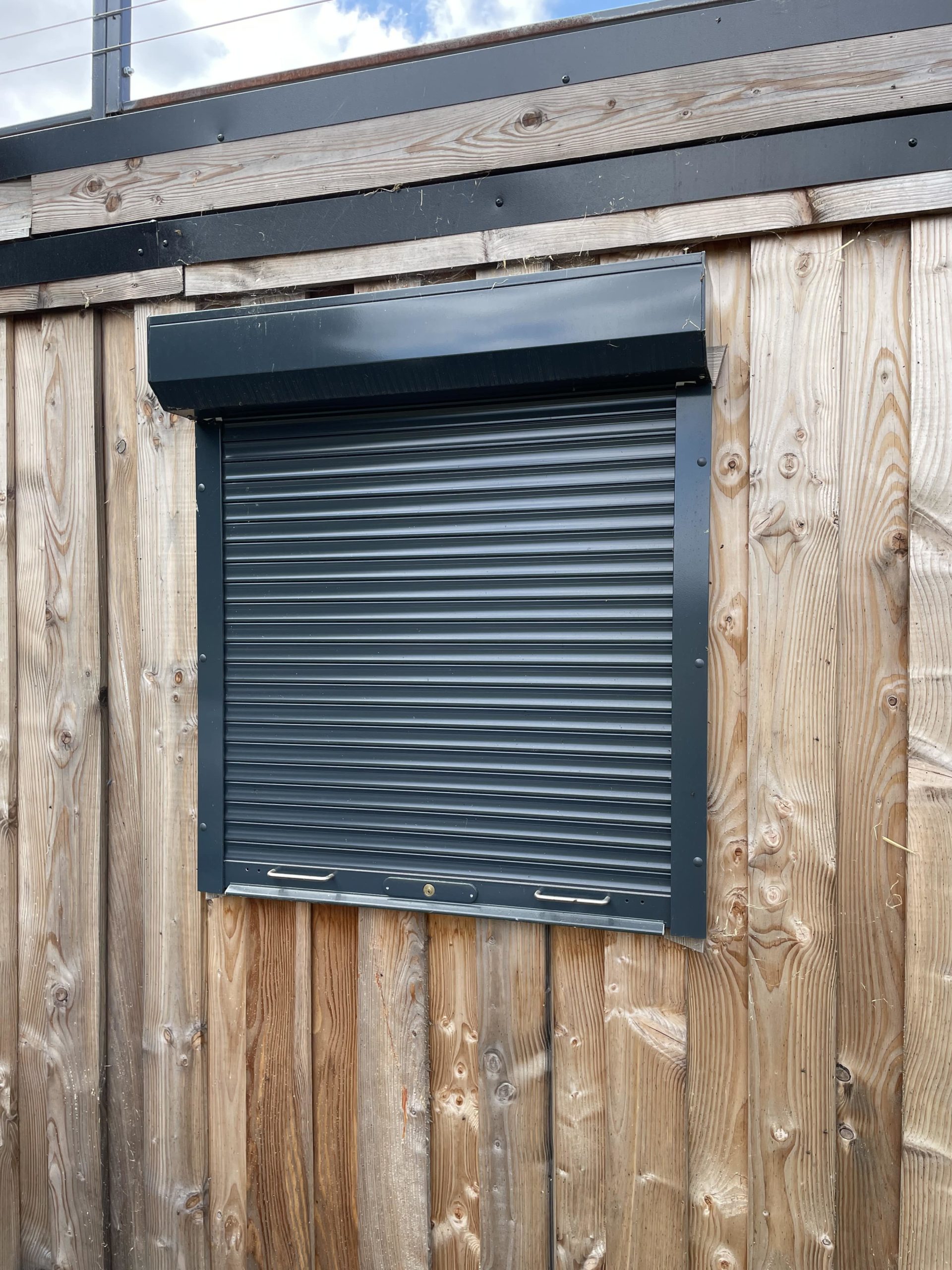
  • Electric Roller Shutters
  • Roof top terrace 
  • Store Room 
  • Slatwall installation 

Location: Nationwide


£39,000

EX VAT

Not Available for Hire

Call for an instant quote!

Looking to Buy or Hire?

Get a Quick Container Quote Now!

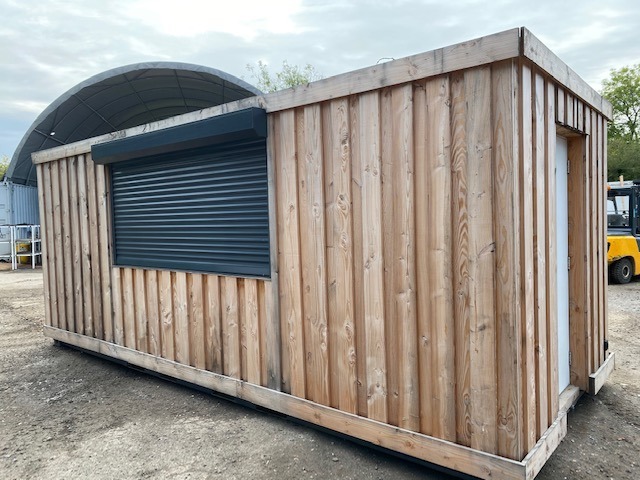
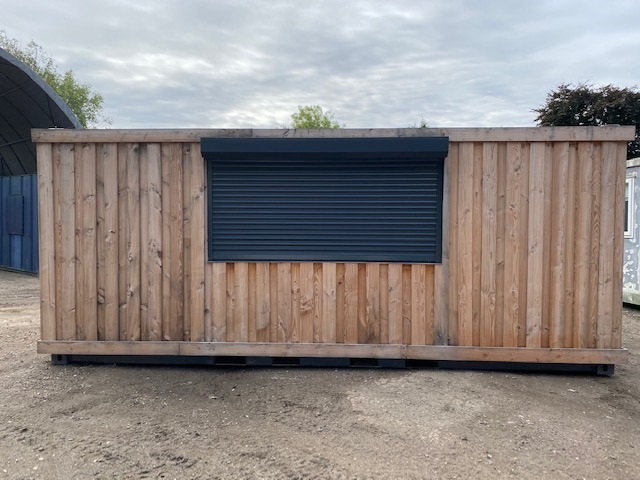
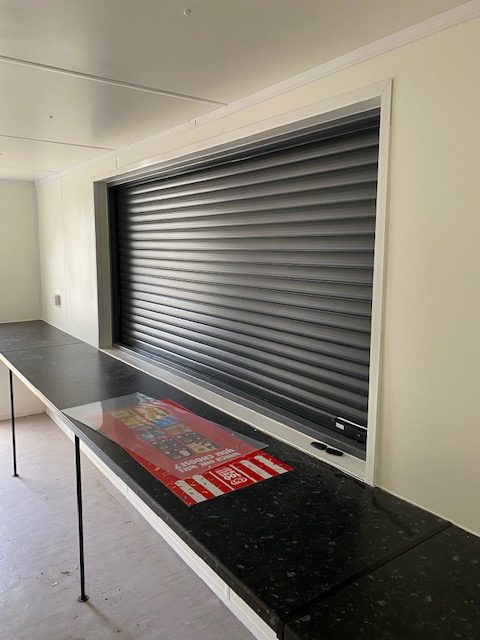
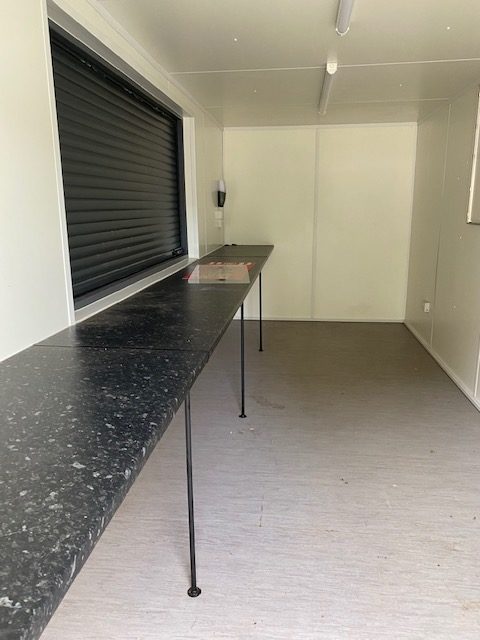
20ft x 8ft Container Kiosk

  • Open plan layout with worktop serving area
  • Electric roller shutter with remote control
  • Electrics and lights included

Location: Nationwide


£15,000

EX VAT

Not Available for Hire

Call for an instant quote!

Looking to Buy?

Get a Quick Container Quote Now!

Newsletter Signup Form

Be the first to discover our exclusive offers and latest company updates by signing up to our email newsletter. Every month we’ll keep you informed of our best prices, industry updates, customer’s container projects, national shows we’ll be exhibiting at, and much more.

Looking to Buy or Hire?

Get a Quick Container Quote Now!