Choosing the right Tissue Tape can influence packaging speed, product presentation, and customer satisfaction. A weak adhesive may lift during shipping. An overly aggressive tape can damage delicate surfaces or leave residue. These small failures become expensive when repeated across thousands of orders.
The best choice depends on your materials, production environment, and application method. Consider whether you need single-sided or double-sided tape, strong initial tack, clean removal, or reliable bonding on paper, cardboard, fabric, or plastic. Temperature and humidity also matter. A tape that performs well in a dry warehouse may behave differently in a cold delivery vehicle. Test it in real conditions.
Small tests prevent large problems.
Experienced purchasing teams should request technical data, sample rolls, and clear information about adhesive composition. Check roll width, length, liner quality, storage requirements, and expected shelf life. Supplier consistency is equally important. A low price means little if adhesive strength changes between batches. Certifications and documented quality controls can support safer, more reliable decisions, but they should not replace practical testing.
It is tempting to select the strongest Tissue Tape available. That approach is not always correct. Excessive tack may slow application or harm finished surfaces. I have also seen businesses focus on appearance while overlooking dispenser compatibility. This is an easy mistake to make. Reviewing failure points honestly can reveal what the business actually needs. A balanced evaluation helps you choose tape that supports efficiency, protects products, and remains dependable as order volume grows.
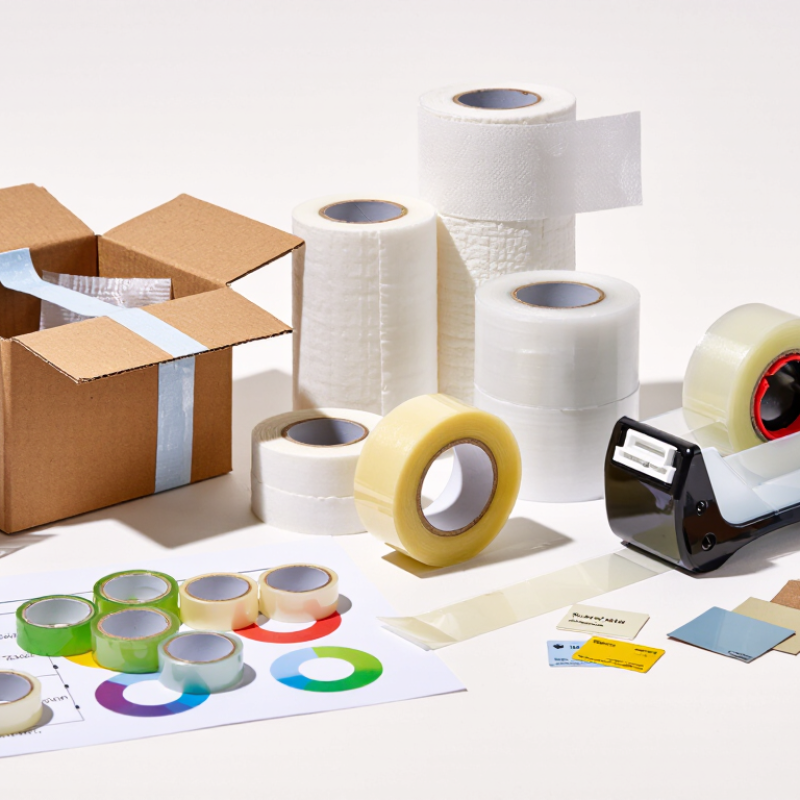
How to Choose the Best Tissue Tape for Your Business?
Tissue tape comes in several forms, and each suits a different business task. Double-sided tissue tape works well for mounting labels, displays, and lightweight materials. It offers a smooth bond without adding much thickness. Single-sided tissue tape can protect surfaces or support temporary wrapping. Reinforced tissue tape provides extra strength for heavier applications. The adhesive also matters. Acrylic adhesives usually resist aging and temperature changes better, while rubber-based adhesives often provide faster initial grip. However, performance depends on the surface.
In real production settings, I test tape on the actual materials before purchasing large quantities. Cardboard, coated paper, plastic, and fabric can react differently. Humidity may weaken the bond. Dust can create early failure. A tape that performs perfectly in a sample room may disappoint on a busy production line. Check peel strength, shear resistance, liner release, and clean removal. Ask suppliers for technical data and batch consistency. Independent testing is useful, but practical trials reveal details that documents sometimes miss.
Tips: Match tape strength to the job, not to the highest specification. Test after 24 and 72 hours. Store rolls away from heat and moisture. Record application temperature and surface condition. If workers struggle to remove the liner, productivity may suffer. A cheaper tape is not always economical. I have found that small handling problems can become costly waste.
| Tissue Tape Type | Adhesive System | Typical Thickness | Key Performance Characteristics | Best Business Applications | Suitable Substrates | Main Advantages | Important Limitations |
|---|---|---|---|---|---|---|---|
| Standard Single-Sided Tissue Tape | Pressure-sensitive rubber or acrylic adhesive on one side | Approximately 50–100 microns | Fast bonding, easy hand application, good conformability, and moderate holding power | Carton sealing Paper splicing General office use Light-duty bundling | Paper, cardboard, films, labels, and lightweight painted surfaces | Cost-effective, easy to tear, and suitable for high-volume manual operations | Usually unsuitable for heavy loads, rough surfaces, or prolonged outdoor exposure |
| Double-Sided Tissue Tape | Pressure-sensitive adhesive coated on both sides with a paper or film release liner | Approximately 70–160 microns, excluding liner | Clean hidden bonding, good initial tack, and consistent adhesion on smooth surfaces | Point-of-sale displays Signage mounting Envelope assembly Product decoration | Paperboard, plastics, coated metals, glass, and laminated materials | Creates a neat appearance without visible mechanical fasteners | Requires careful positioning; removal may damage paper, coatings, or painted surfaces |
| High-Tack Double-Sided Tissue Tape | High-tack rubber or modified acrylic adhesive on both sides | Approximately 90–180 microns, excluding liner | Strong initial grab, reliable bonding to many low- and medium-energy surfaces, and good die-cutting behavior | Retail displays Foam and felt attachment Automotive trim assembly Industrial labels | Foam, felt, plastics, painted metal, wood, paper, and coated boards | Reduces the need for clips, staples, or liquid adhesives in assembly work | High tack can make repositioning difficult and may leave adhesive residue during removal |
| Water-Based Acrylic Tissue Tape | Water-based acrylic pressure-sensitive adhesive | Approximately 60–140 microns, excluding liner | Low odor, good aging resistance, balanced adhesion, and generally cleaner processing than many solvent-based systems | Paper converting Label production Envelope manufacturing Light packaging | Paper, cardboard, films, and selected plastics | Good choice when workplace odor, process cleanliness, and regular production are priorities | May require more pressure or dwell time to reach final bond strength, especially on difficult surfaces |
| Solvent-Based Acrylic Tissue Tape | Solvent-based acrylic pressure-sensitive adhesive | Approximately 70–160 microns, excluding liner | Strong aging resistance, improved temperature stability, and dependable adhesion over a broad service range | Durable labels Appliance assembly Industrial mounting Long-life packaging | Metals, glass, plastics, painted surfaces, paper, and laminated boards | Suitable for applications requiring longer service life and more stable performance | Typically costs more and may require stronger process controls for solvent handling and ventilation |
| Removable Double-Sided Tissue Tape | Low- or medium-tack rubber or acrylic adhesive designed for clean release | Approximately 70–150 microns, excluding liner | Temporary bonding, clean removal from selected surfaces, and easier repositioning than permanent grades | Temporary signage Event displays Sample mounting Retail planograms | Smooth painted walls, glass, paperboard, and selected plastics | Supports short-term installation while reducing the need for screws or permanent bonding | Not intended for safety-critical, heavy-load, high-humidity, or long-term applications |
| Reinforced Tissue Tape | Rubber or acrylic adhesive supported by scrim, fiber, or other reinforcing material | Approximately 100–250 microns | Higher tensile strength, improved tear resistance, and better dimensional stability than plain tissue tape | Heavy-duty splicing Carpet installation Bookbinding Material joining | Textiles, carpets, paper products, films, foams, and irregular assemblies | Handles greater mechanical stress and is less likely to split during application | Usually less conformable and less suitable for ultra-thin, invisible bonding applications |
| Heat-Resistant Acrylic Tissue Tape | High-performance acrylic adhesive engineered for elevated temperatures | Approximately 80–180 microns, excluding liner | Better resistance to heat, aging, and plasticizer migration than general-purpose tissue tape | Electronics assembly Lighting products Automotive components Powder-coating processes | Metals, engineering plastics, glass, coated surfaces, and selected films | Maintains bond performance in warmer production or service environments | Higher material cost; final selection must be validated at the actual operating temperature |
| Low-Residue Tissue Tape | Specially formulated acrylic or synthetic rubber adhesive | Approximately 60–150 microns, excluding liner | Designed to minimize adhesive transfer, surface staining, and cleanup after removal | Temporary protection Surface masking Reusable fixtures Finished goods handling | Painted metal, glass, plastics, coated paper, and finished panels | Reduces rework, cleaning time, and the risk of visible surface contamination | Clean removal depends on surface energy, dwell time, temperature, and exposure to sunlight |
| Biodegradable or Paper-Focused Tissue Tape | Paper-compatible acrylic or rubber adhesive with a paper-based carrier and liner options | Approximately 60–140 microns, excluding liner | Good printability and convertibility, with material choices that can support paper-based packaging goals | Sustainable packaging Paper crafts Printed materials Envelope production | Paper, cardboard, kraft board, labels, and other fiber-based materials | Integrates well with paper converting and can support fiber-oriented packaging designs | Environmental claims depend on the complete tape construction, liner, adhesive, and local recycling facilities |

Choosing tissue tape starts with the product, not the tape roll. Start with the product. Identify the surfaces, bonding area, application speed, and expected service life. A carton, label, molded plastic part, and coated paper each create different demands. Smooth surfaces may need balanced initial tack, while porous materials often require stronger wetting. Test real surfaces. Small details matter.
During product trials, measure peel strength, shear resistance, and holding power after aging. Check performance under heat, humidity, dust, and handling pressure. A tape that bonds well in a clean room may fail on a busy production line. I once saw a promising sample wrinkle because operators applied it too quickly. The adhesive was not the only problem. Review the liner release, roll unwind, die-cut accuracy, and application method. These details affect labor and waste.
Reliable selection requires repeatable testing and written records. Use consistent pressure, dwell time, surface preparation, and test temperatures. Compare results across several production batches, not one convenient sample. A laboratory result can mislead. That is worth remembering. Consider storage conditions, packaging, and the time between application and final use. If the tape will contact sensitive surfaces, inspect residue and surface marking after removal. I would avoid choosing only by price. A lower-cost tape can create rework, rejected goods, and slower output. The best specification is the one that matches actual performance needs, even when the first choice needs revision.
Comparing Adhesion, Material Quality, and Durability
Choosing tissue tape starts with the surface, not the tape roll. In daily packaging work, I test adhesion on the exact paper, carton, or fabric used in production. A tape that grips clean cardboard may lift from recycled stock. Surface dust, moisture, and coating can change the result. Press a 10-centimeter strip firmly, then wait 24 hours. Check the edges, not only the center. Fast tack is useful, but it does not prove lasting adhesion. Some tapes feel strong at first and fail during transport.
Material quality affects both handling and performance. Tissue backing should tear cleanly when workers need speed, yet remain stable under tension. A thin backing can follow curved surfaces, while a thicker one may resist wrinkling. Adhesive chemistry also matters. Water-based options may suit lighter indoor applications, while hot-melt or solvent-based systems can handle tougher conditions. These categories are not automatic guarantees. Ask for technical data, batch information, and test samples. Specifications alone can mislead.
For durability, expose samples to heat, cold, humidity, pressure, and repeated handling. Record peel strength after one hour, one day, and one week. Look for adhesive transfer, drying, edge lift, and backing tears. A simple spreadsheet can reveal patterns that memory misses. Do not choose only by price. Replacing failed labels or damaged cartons costs more than expected. Still, testing may miss seasonal changes. Recheck the tape when materials, suppliers, or storage conditions change.
Choosing tissue tape for business use involves more than comparing prices. Supplier reliability should be tested through evidence, not promises. Request recent batch records, production capacity, and clear lead-time commitments. A dependable supplier can explain how raw materials are controlled and how delayed shipments are handled.
Ask for samples from different production lots. Check adhesion, unwind performance, tear strength, and residue after application. A tape that works well on one carton may fail on recycled paper. During a small trial, record room temperature, surface type, application pressure, and storage time.
My early mistake was testing only one roll. The result looked convincing, but later batches behaved differently.
Customization should match your process, not merely your packaging design. Discuss width, roll length, core size, adhesive strength, printing, and carton quantities. Confirm whether custom production changes minimum order volumes or delivery schedules. Compliance also needs practical documentation. Request technical data sheets, safety information, composition details, and batch traceability. Check whether the materials meet the regulations required in your target markets and industry. Do not accept vague certificates. Verify issue dates, testing scope, and the responsible facility. Keep approval samples and written specifications in your purchasing file. If a supplier resists reasonable questions, that is useful information. Reliability is sometimes revealed before the first order.
Choosing tissue tape is not simply a price comparison. In daily packaging operations, the cheapest roll can create expensive delays. I have seen teams focus on unit cost, then overlook waste, application speed, and failed seals. A practical evaluation starts with substrate, carton texture, storage conditions, and handling pressure. Kraft paper, recycled board, and coated surfaces may require different adhesive behavior. Test them carefully.
Ask suppliers for technical data, including adhesion range, temperature limits, backing composition, and storage life. Do not accept vague sustainability claims. Request recycled content percentages, fiber sources, and recognized certification evidence where available. A recyclable backing helps, but the full package design still matters. If tape removal contaminates recycling streams, its environmental advantage may shrink. This point is often missed. Cost should include labor, rejected parcels, dispenser maintenance, and disposal. A slightly higher-priced tape may reduce replacement time and improve packing consistency. However, premium performance is not automatically better value. Small businesses may overbuy specifications they never use.
Run a controlled trial for two weeks. Record rolls used, application time, seal failures, and customer complaints. Include humid mornings and rushed afternoon shifts. Staff feedback reveals problems that laboratory sheets cannot show. Review supplier response times and batch traceability, too. Reliability matters when packaging schedules tighten. No option is perfect. Some recycled materials feel less uniform, while stronger adhesion can complicate recycling. Document these compromises before signing a long-term agreement. Recheck the choice after seasonal demand changes, because a tape that works in a quiet warehouse may fail during peak fulfillment.
Registered in England & Wales No. 2786496
Registered office at: 337 Tanworth Lane,
Shirley, Solihull, B90 4DU
Registered for VAT, registration No.
GB 655 1347 38


Location: Nationwide
Not Available for Hire
We can deliver for a cost please ask and send us post code.
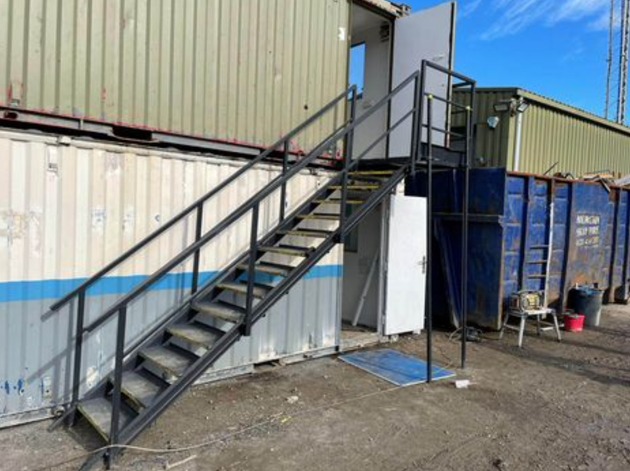
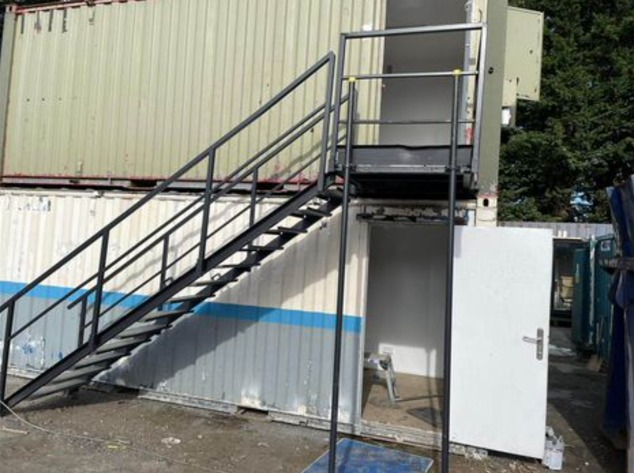
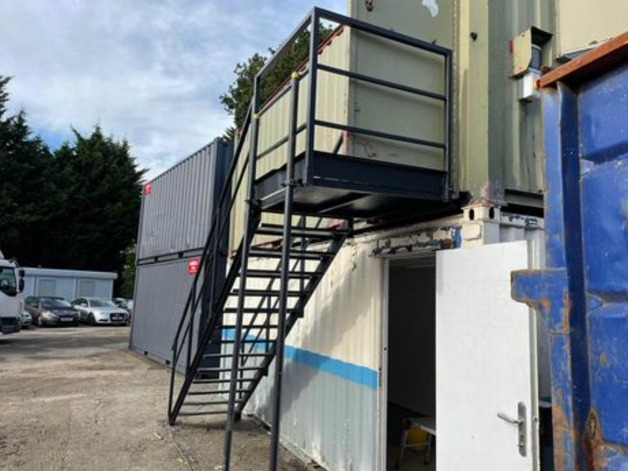
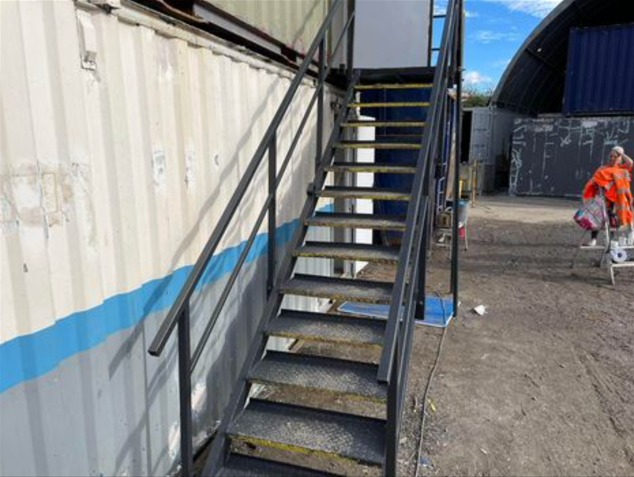
13 tread
14 tread
15 tread


Location: Nationwide
Not Available for Hire
Call for an instant quote!


Location: Nationwide
Not Available for Hire
We can deliver for a cost please ask and send us post code.
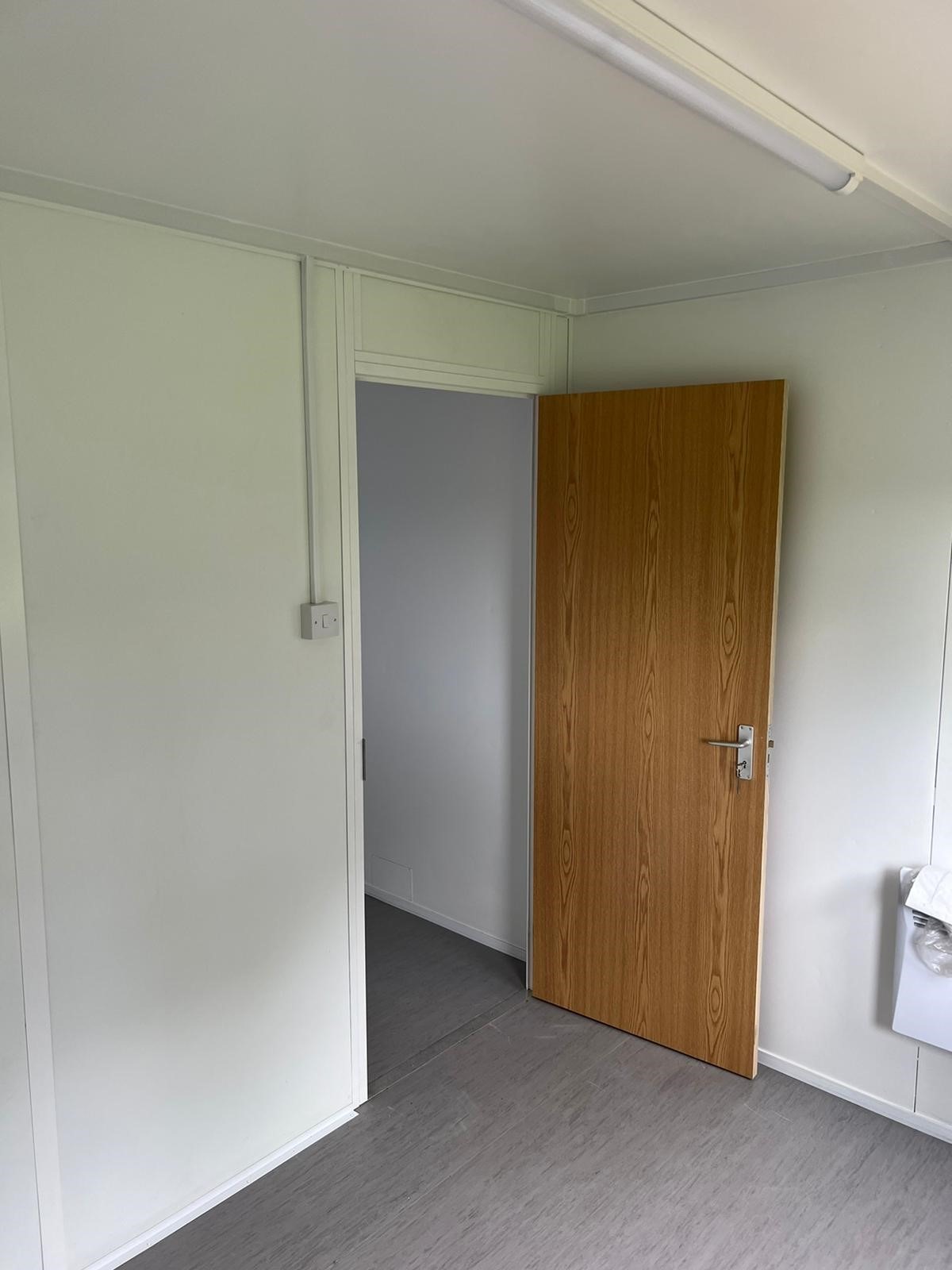
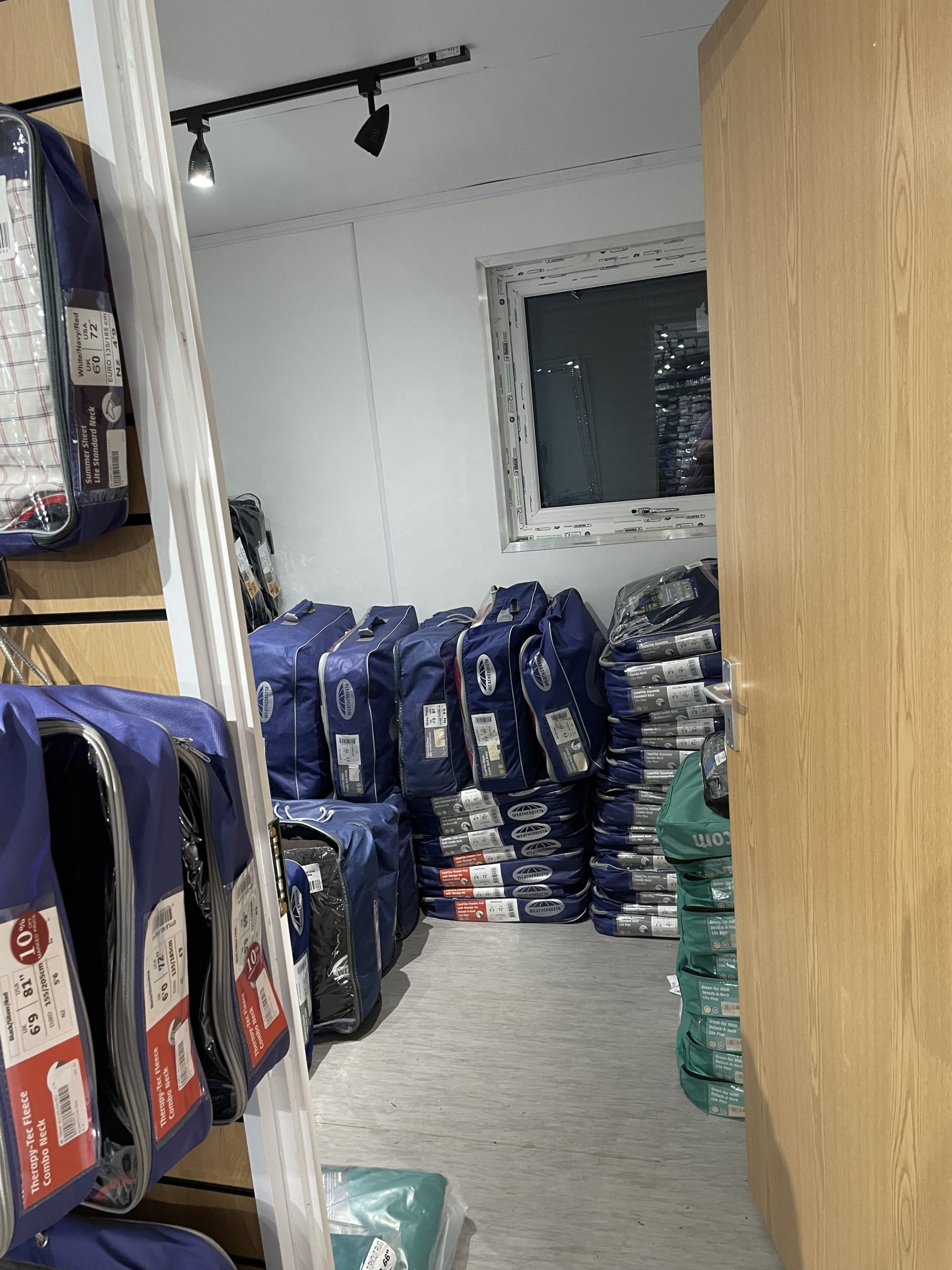
Hallway leading into:
Transport can be arranged please ask.


Location: Nationwide
Not Available for Hire
Call for an instant quote!
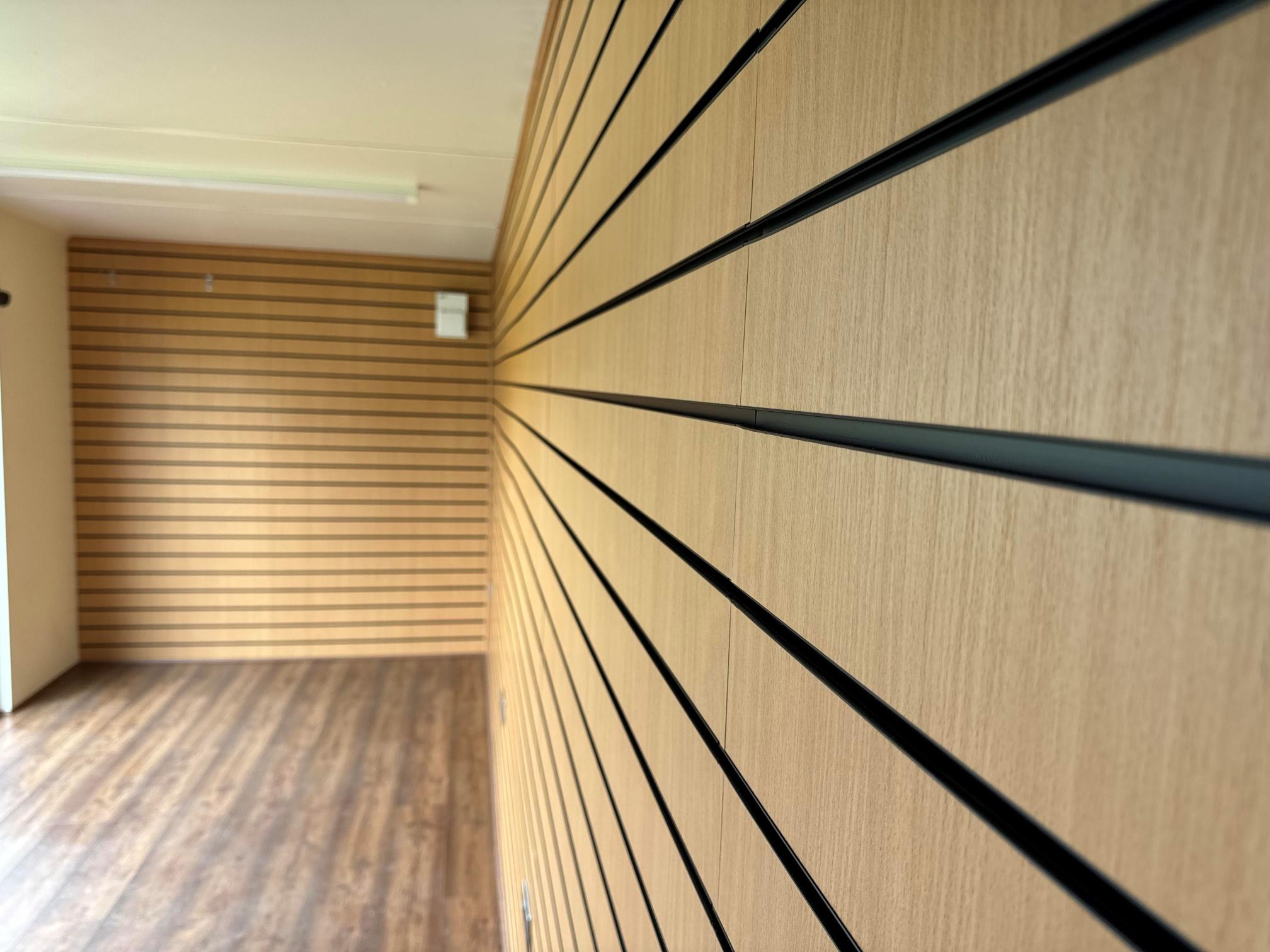
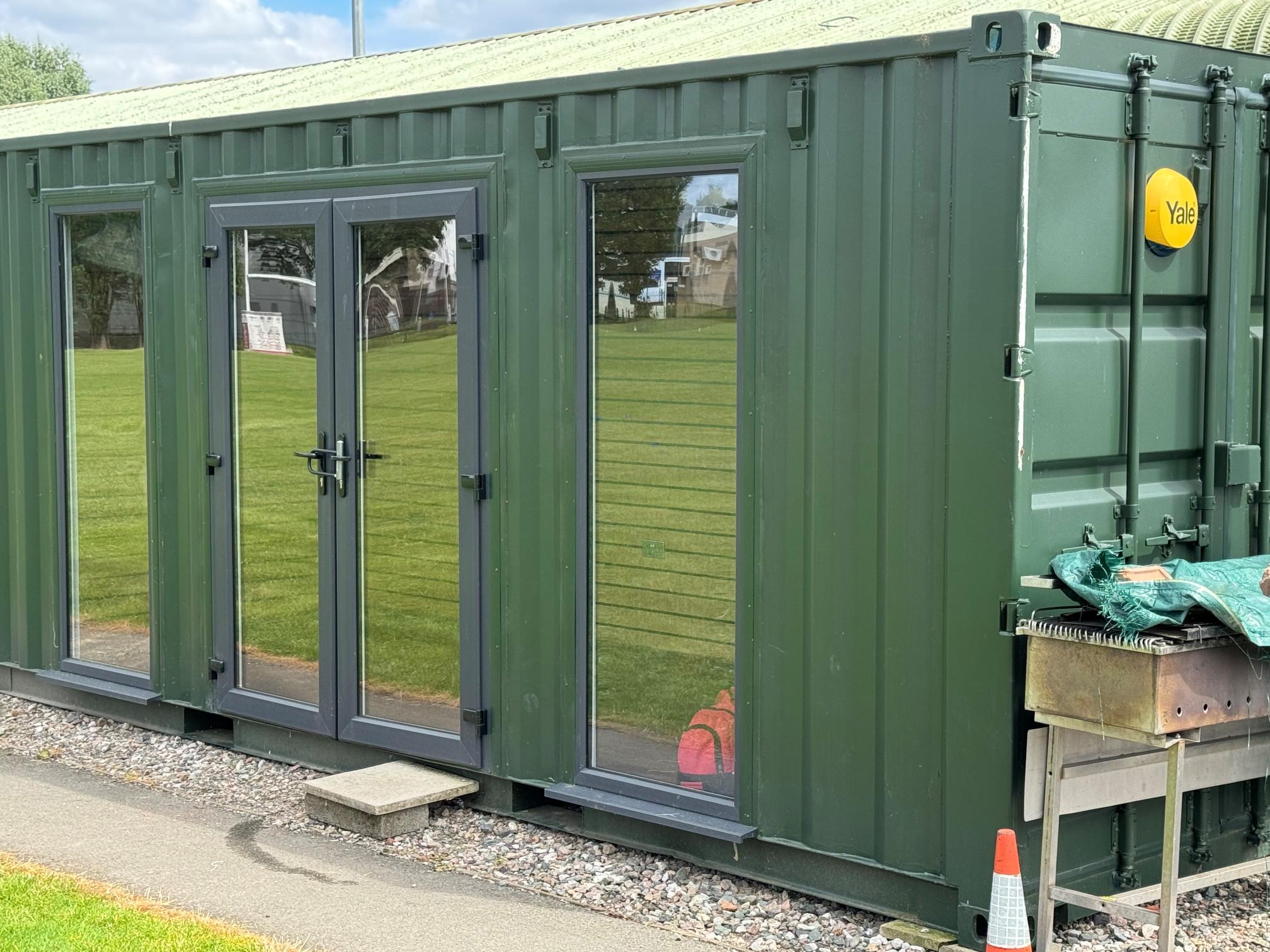
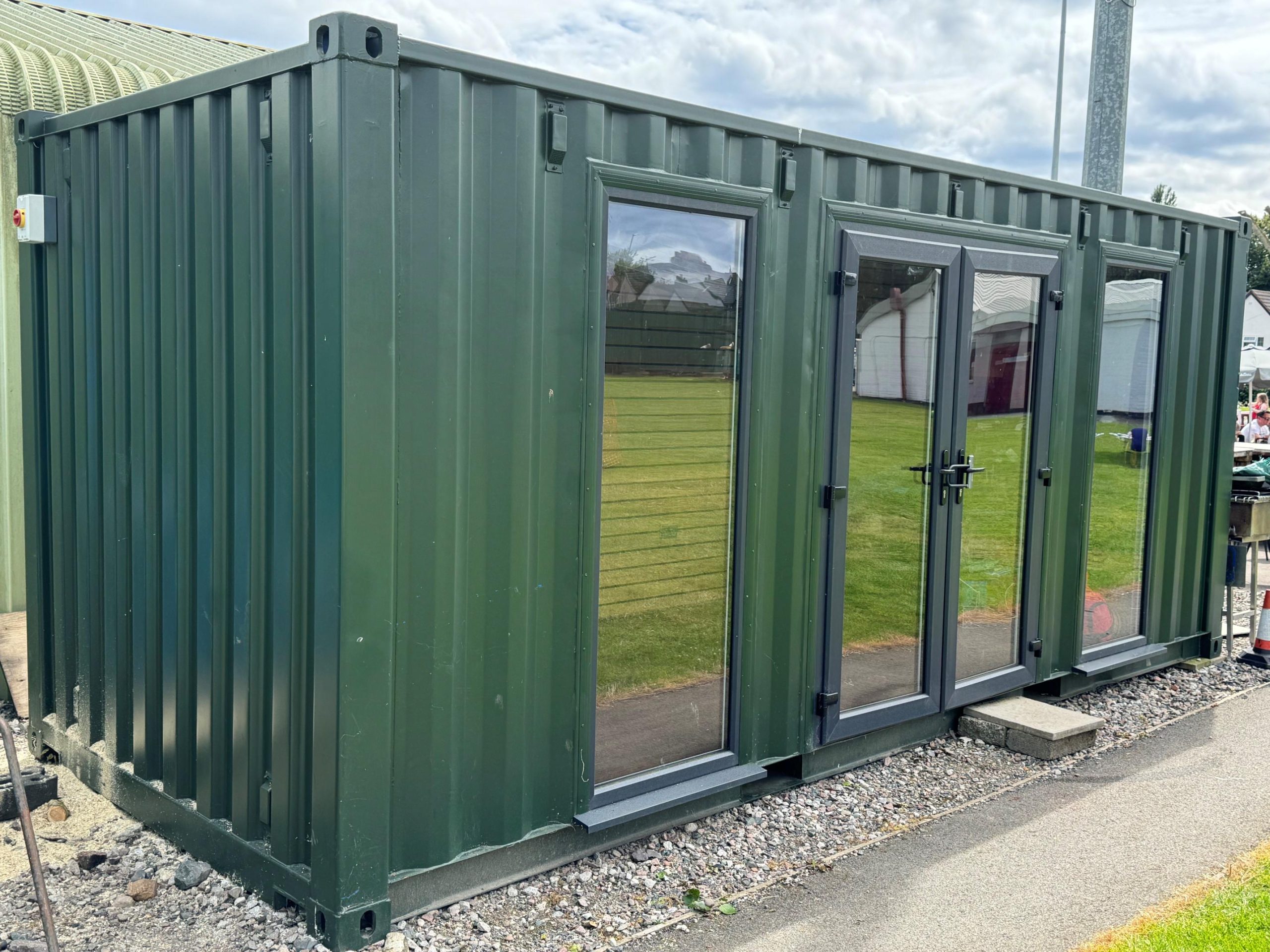
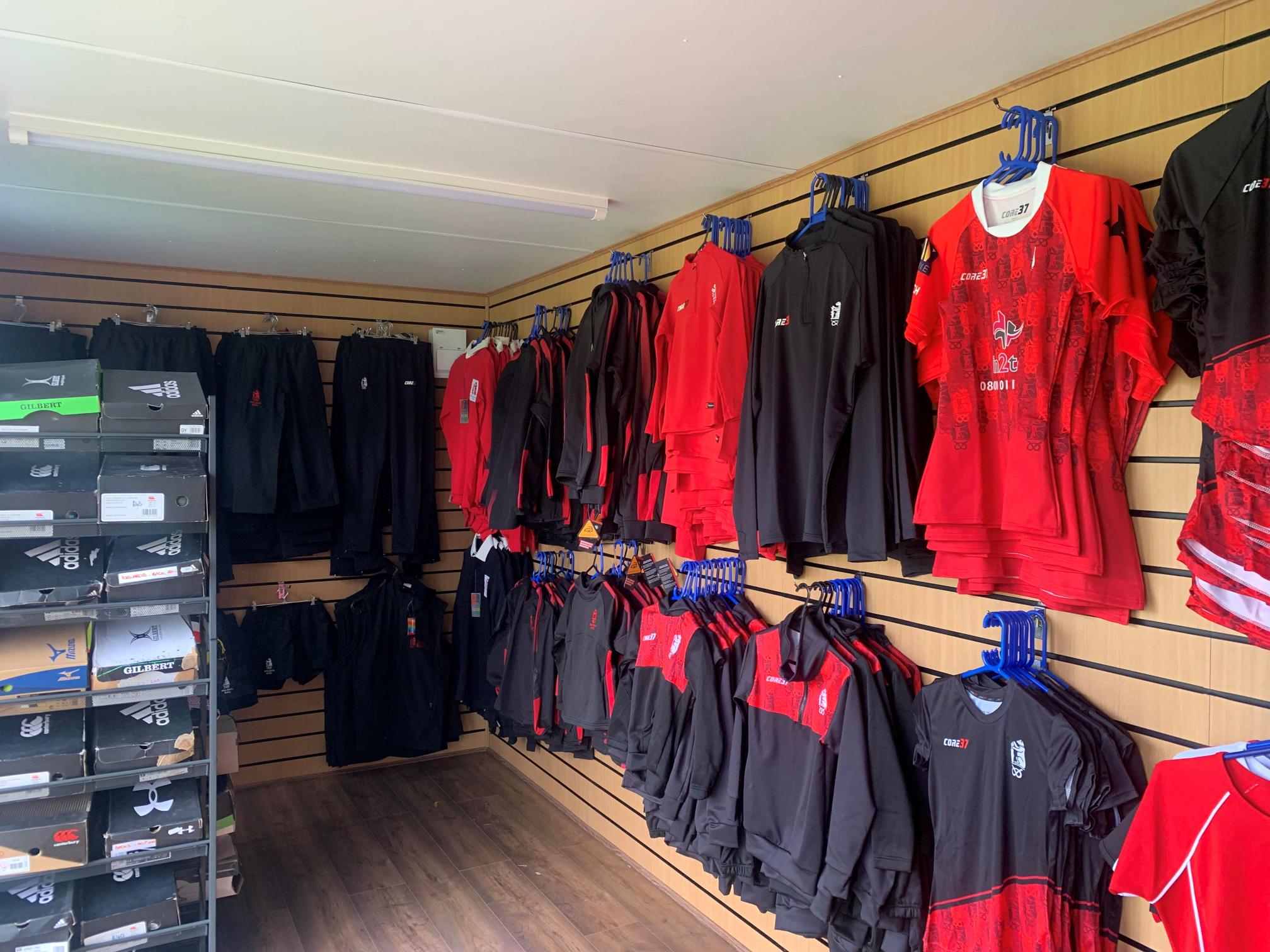
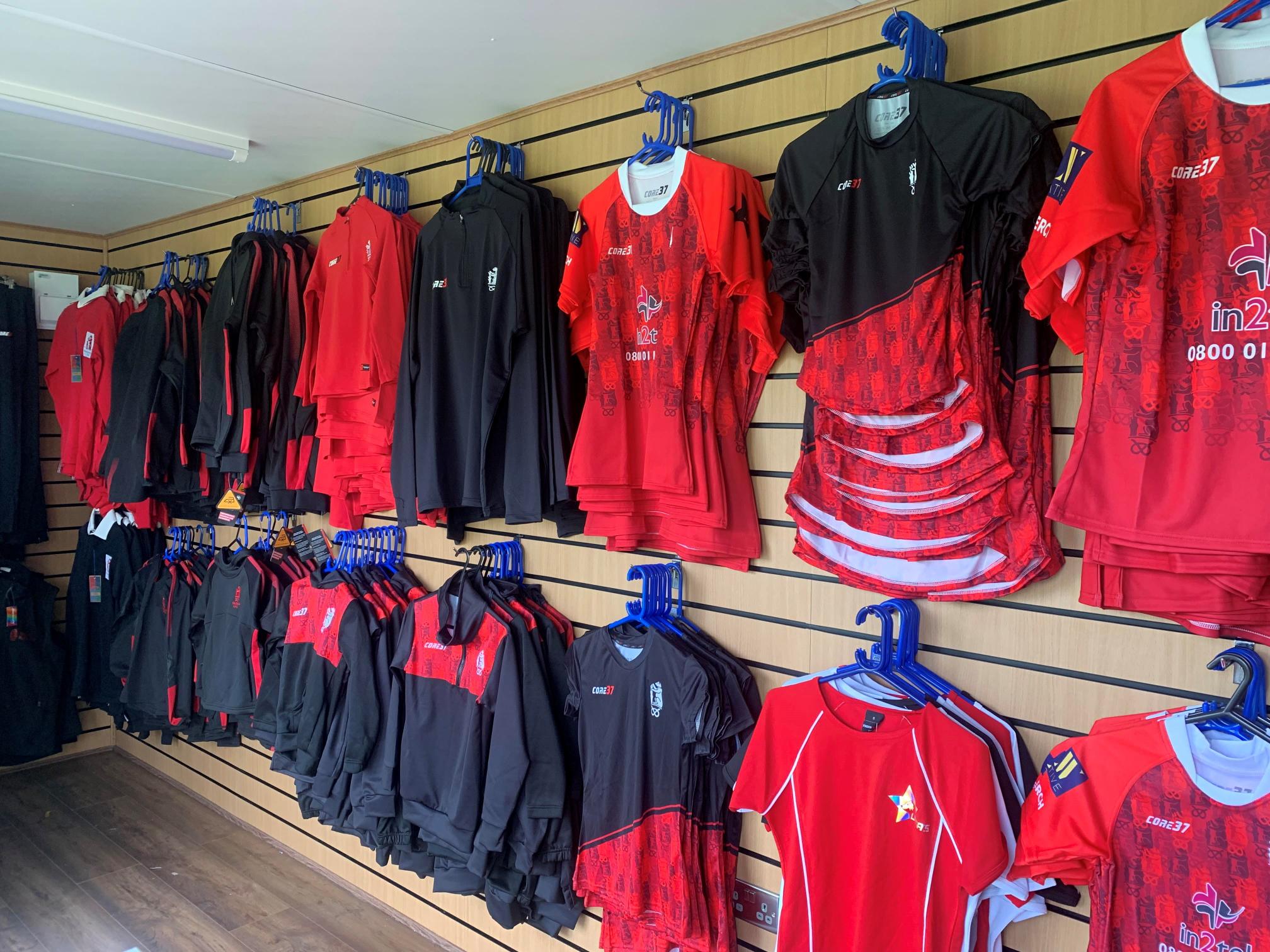
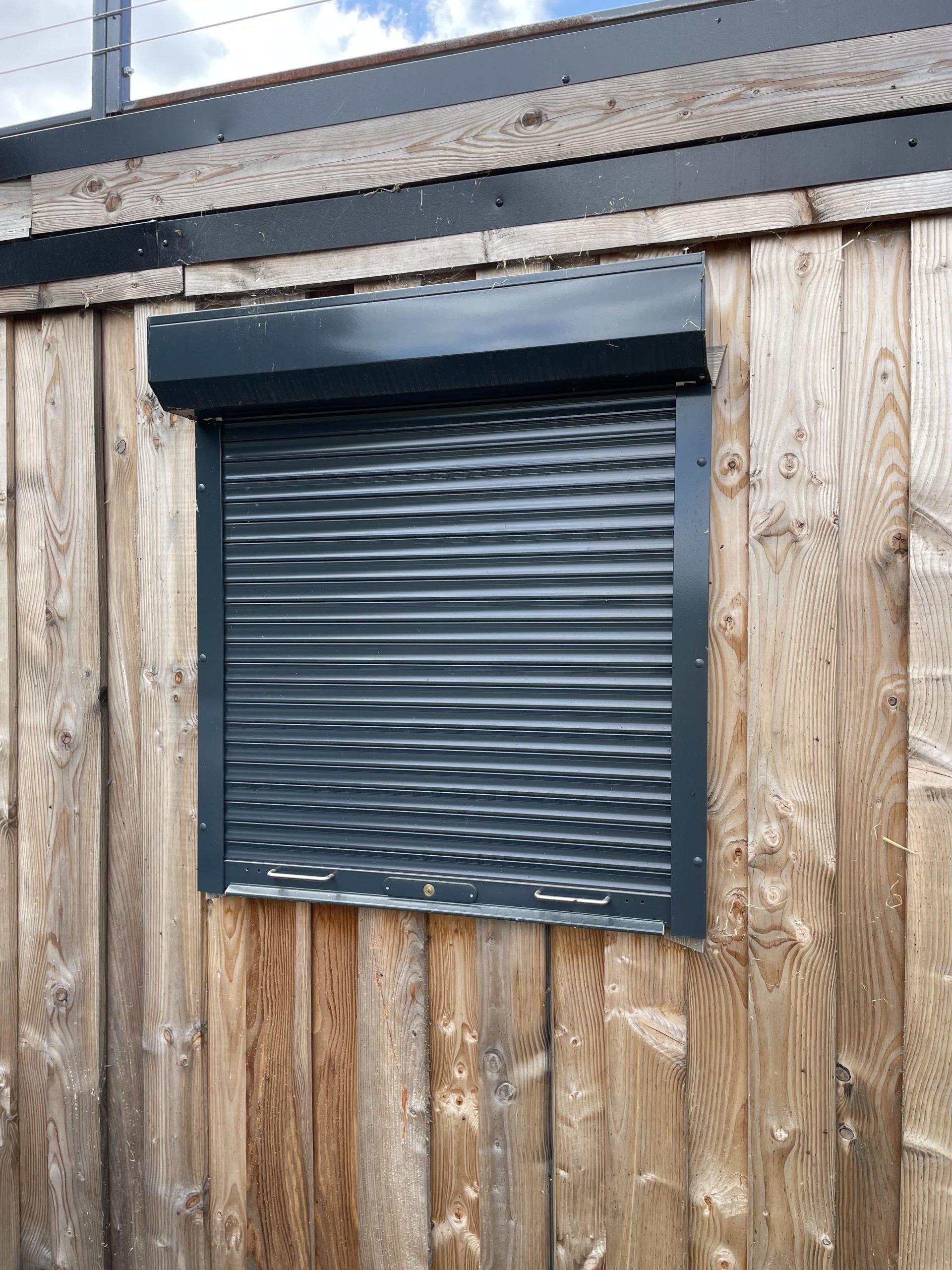
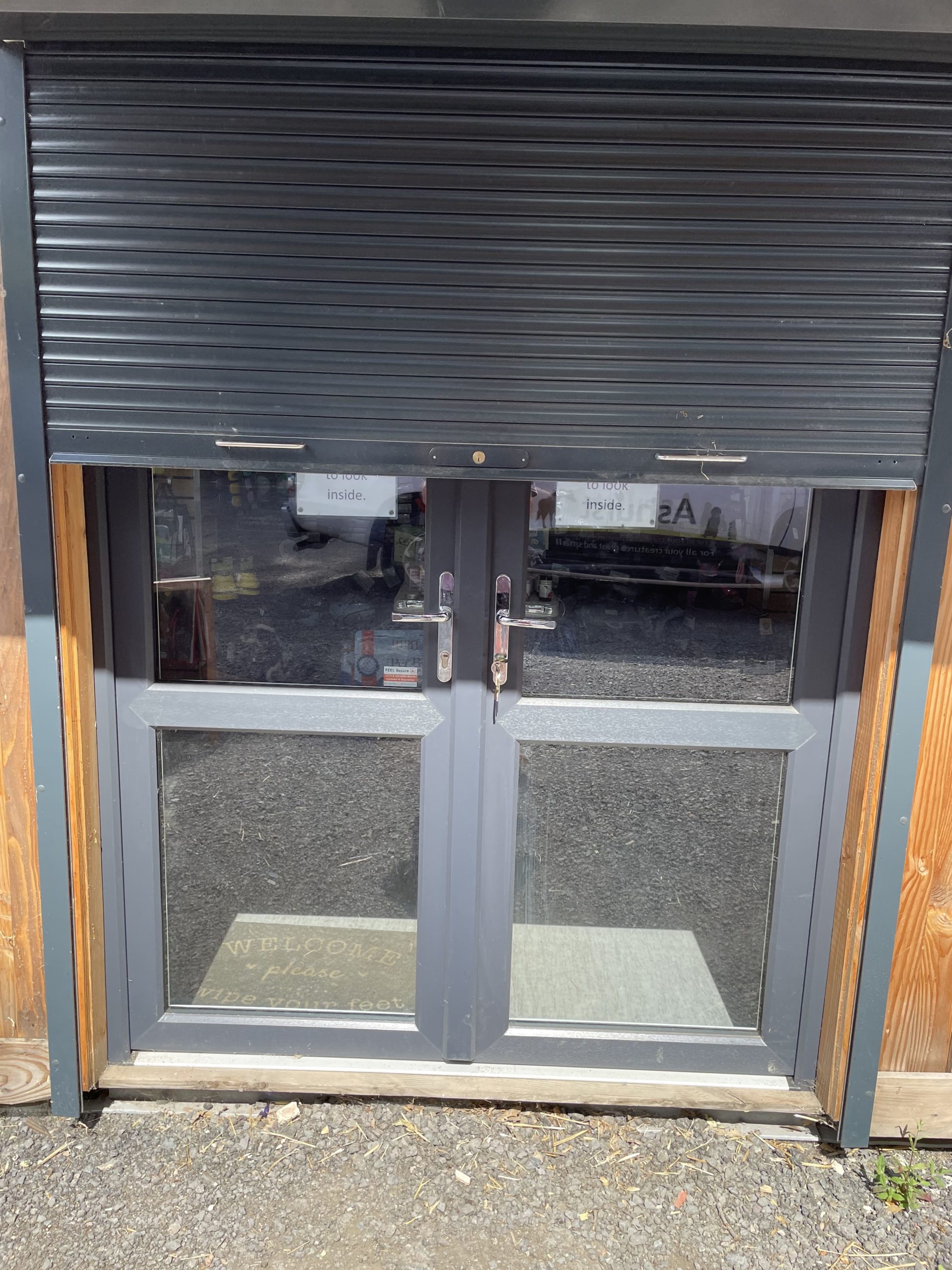
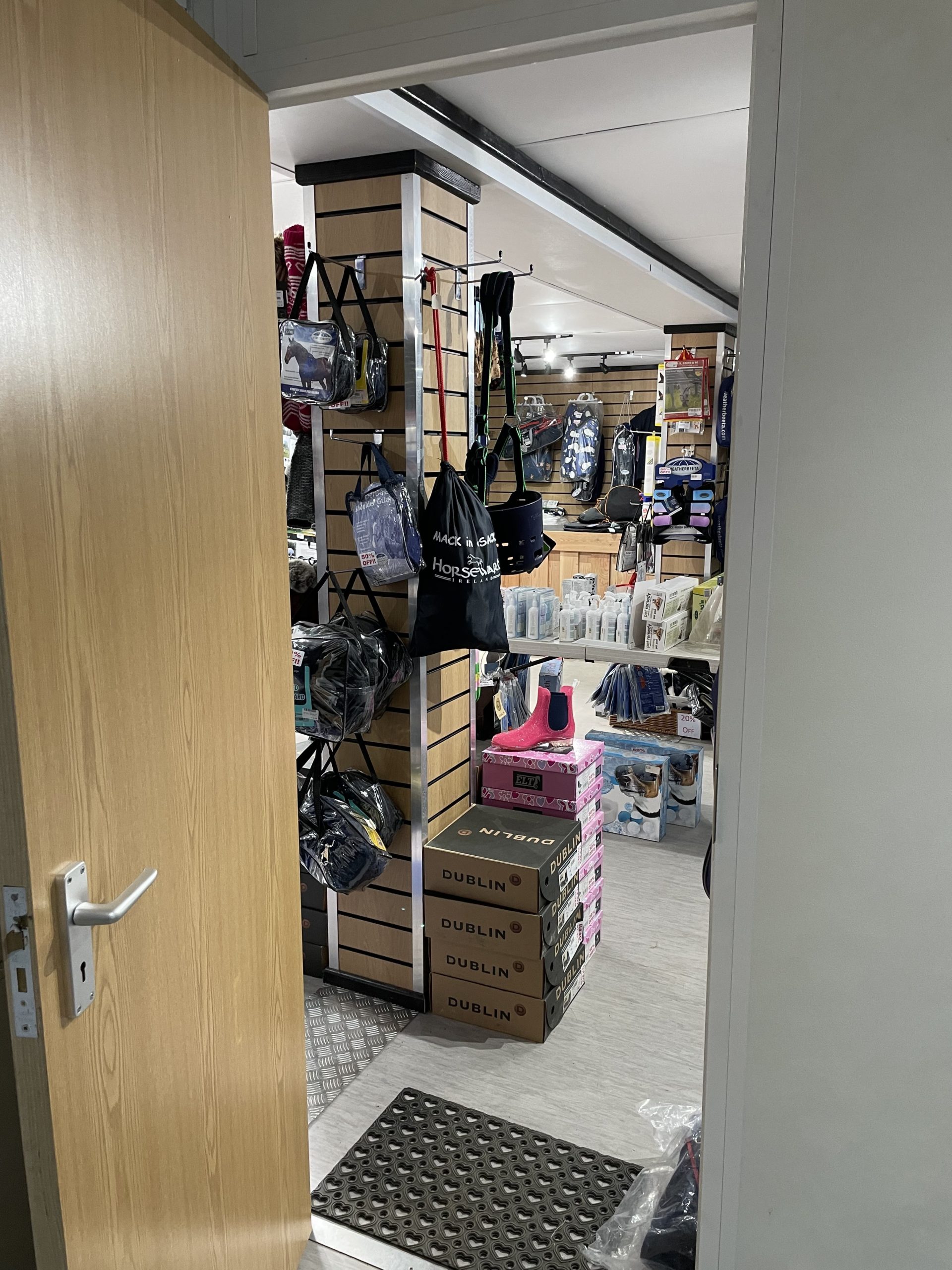
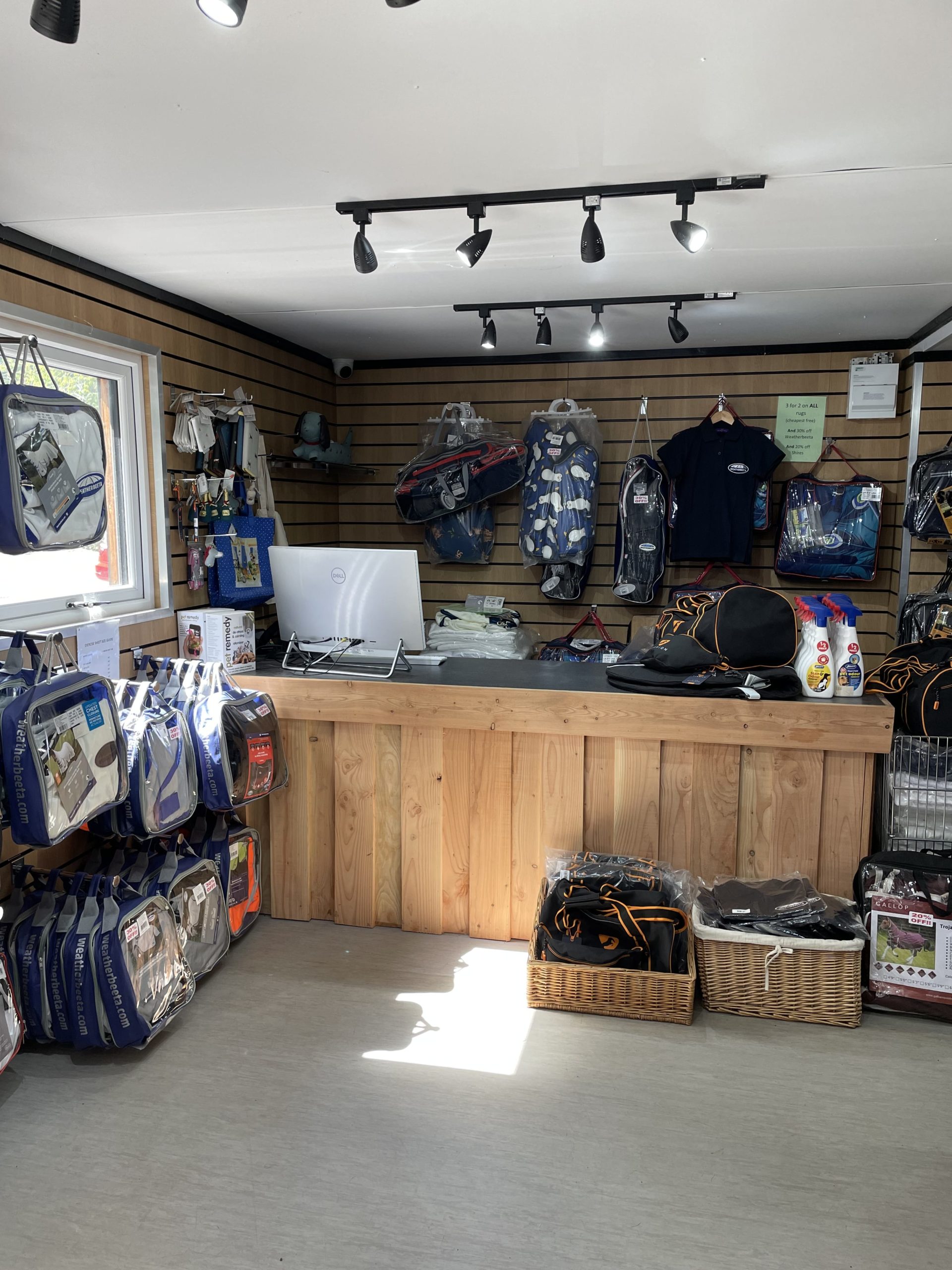
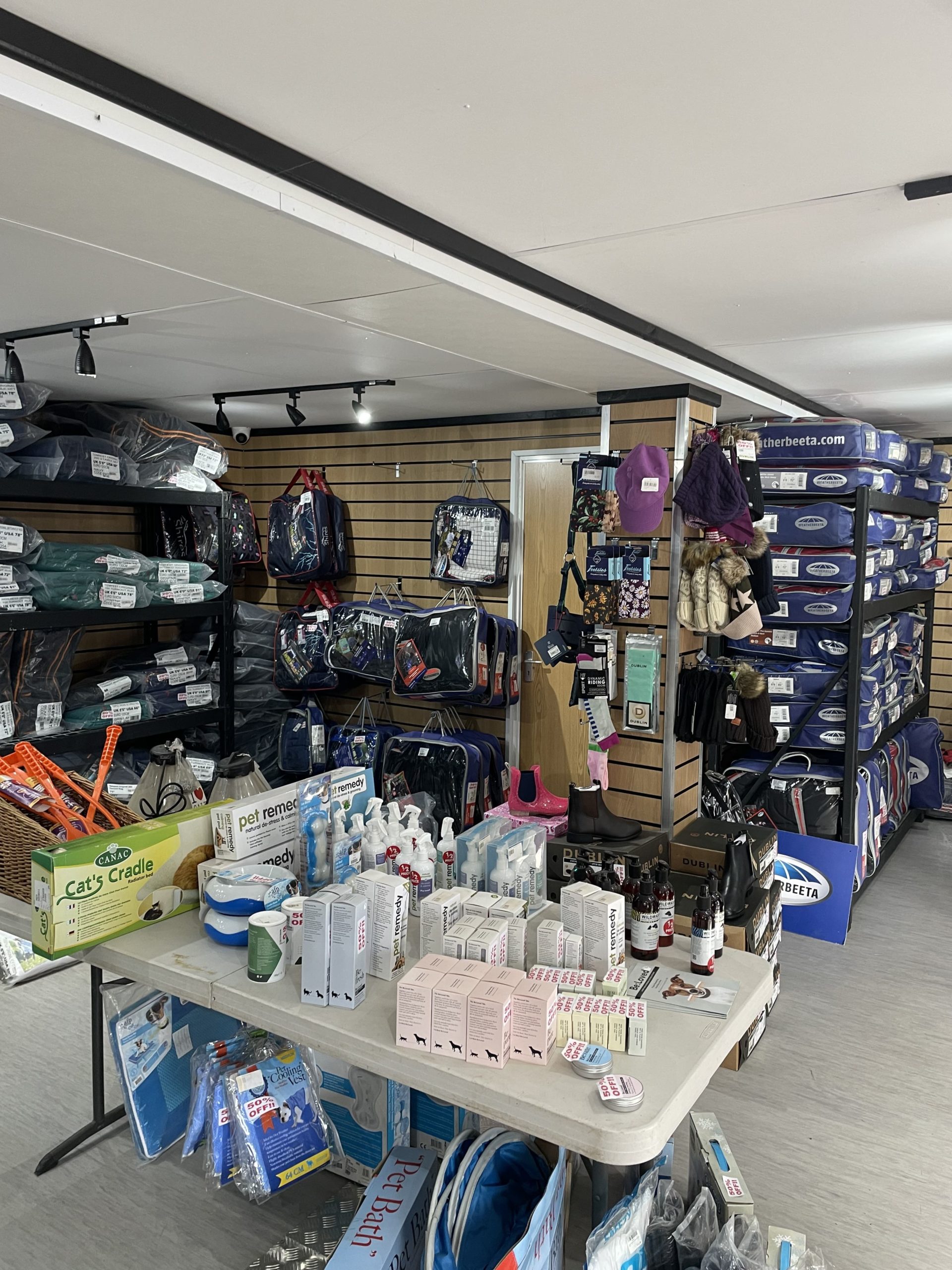
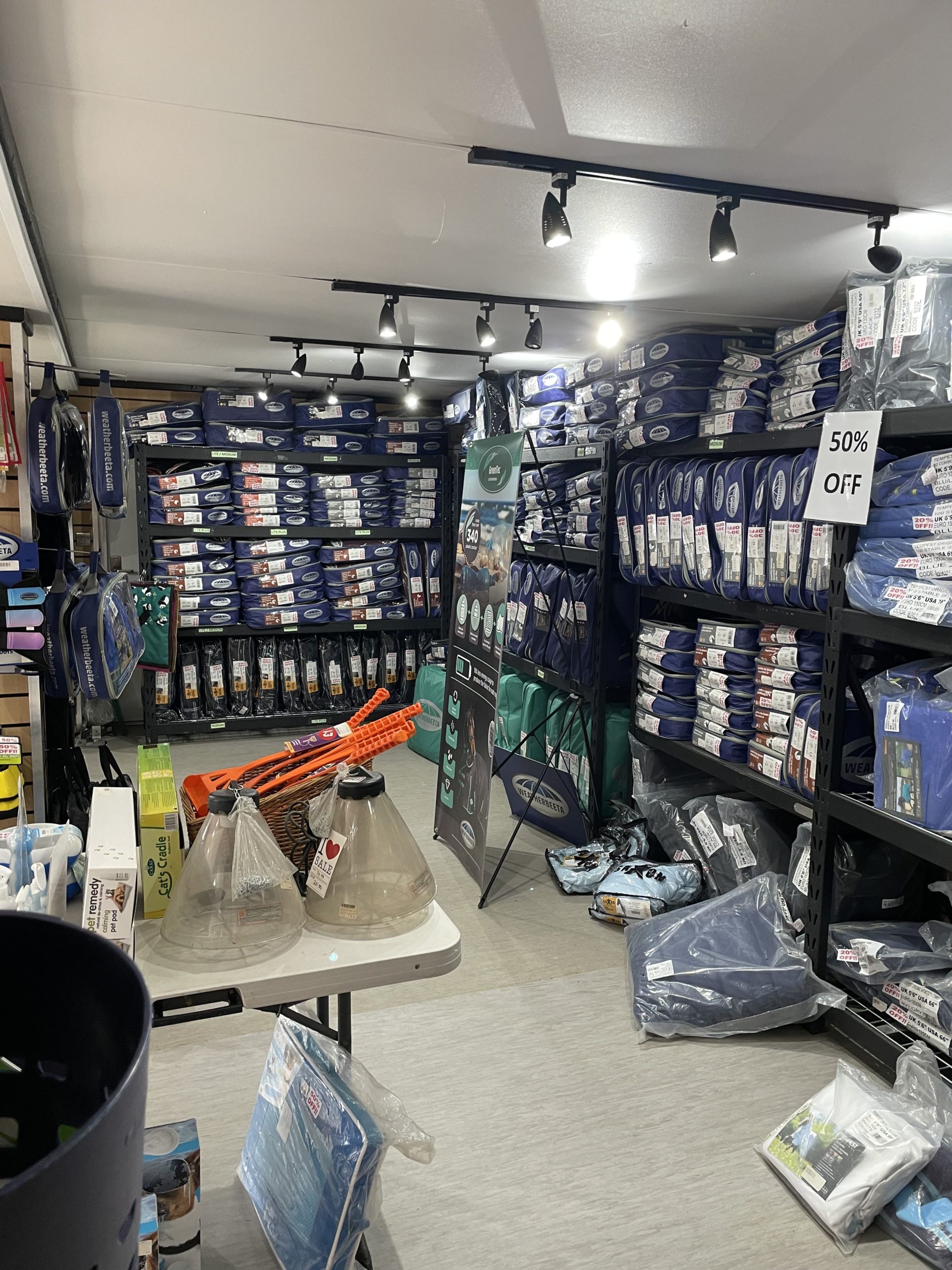
20ft x 8ft Container Conversion Retail Shop
UPVC Double glazed Windows + French Doors
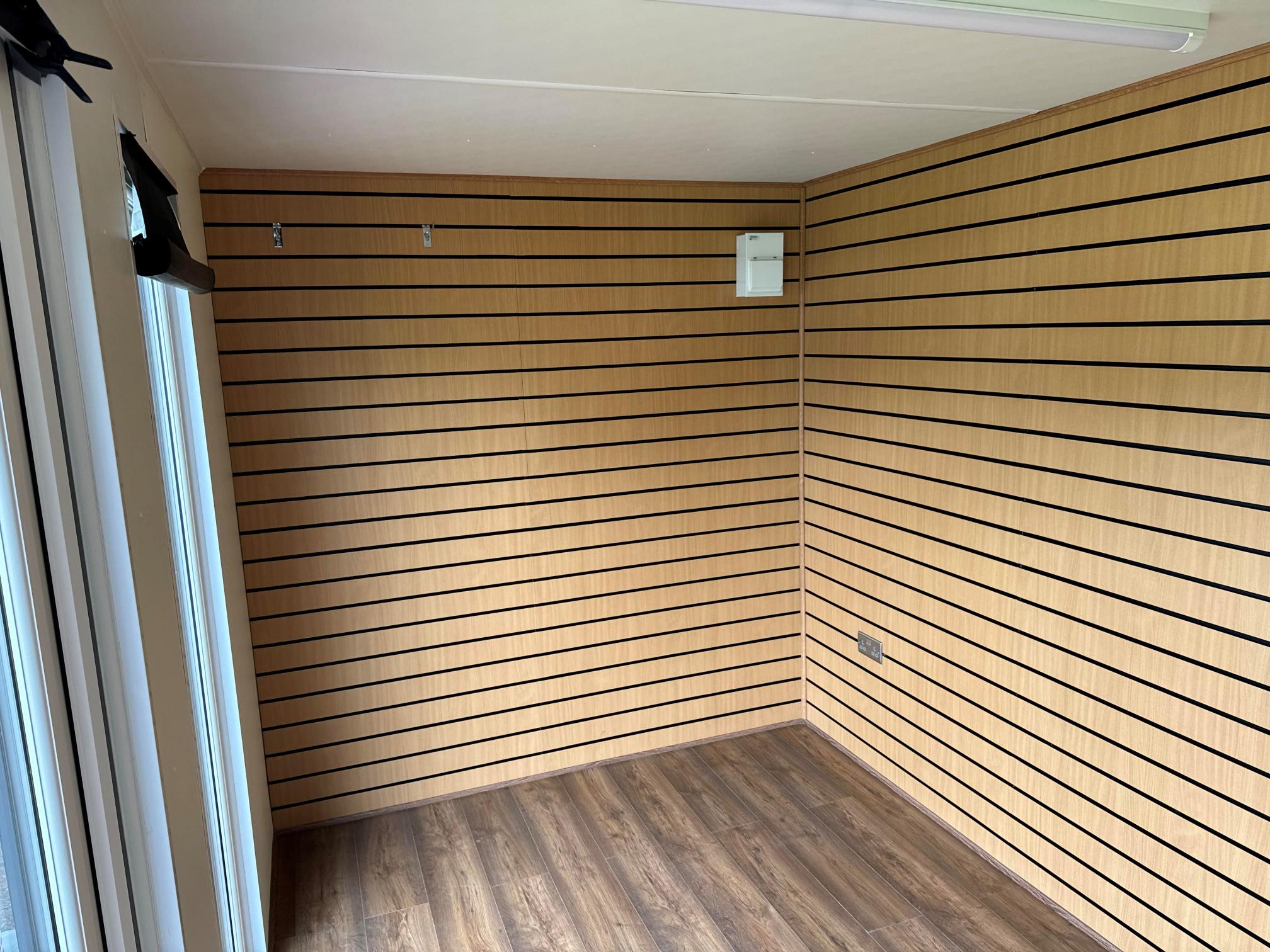
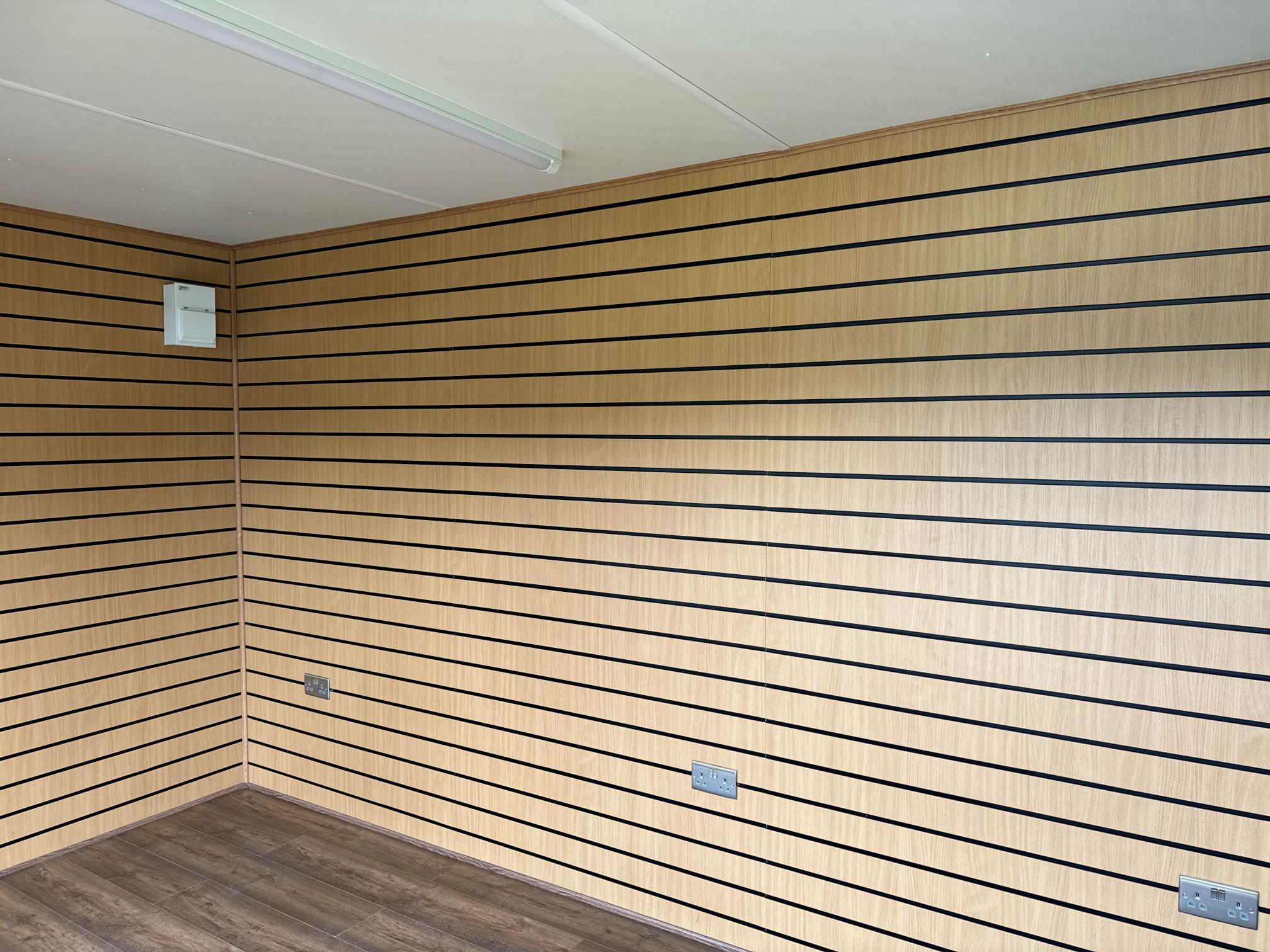
Slat Wall for retail fixings and Merchandise
Electric Chrome Sockets, led lighting and heating.
Laminate Flooring
12 months Warranty
Maintenance call out package included
Less than 2 years old
Still in Brand New Condition


Fully refurbished
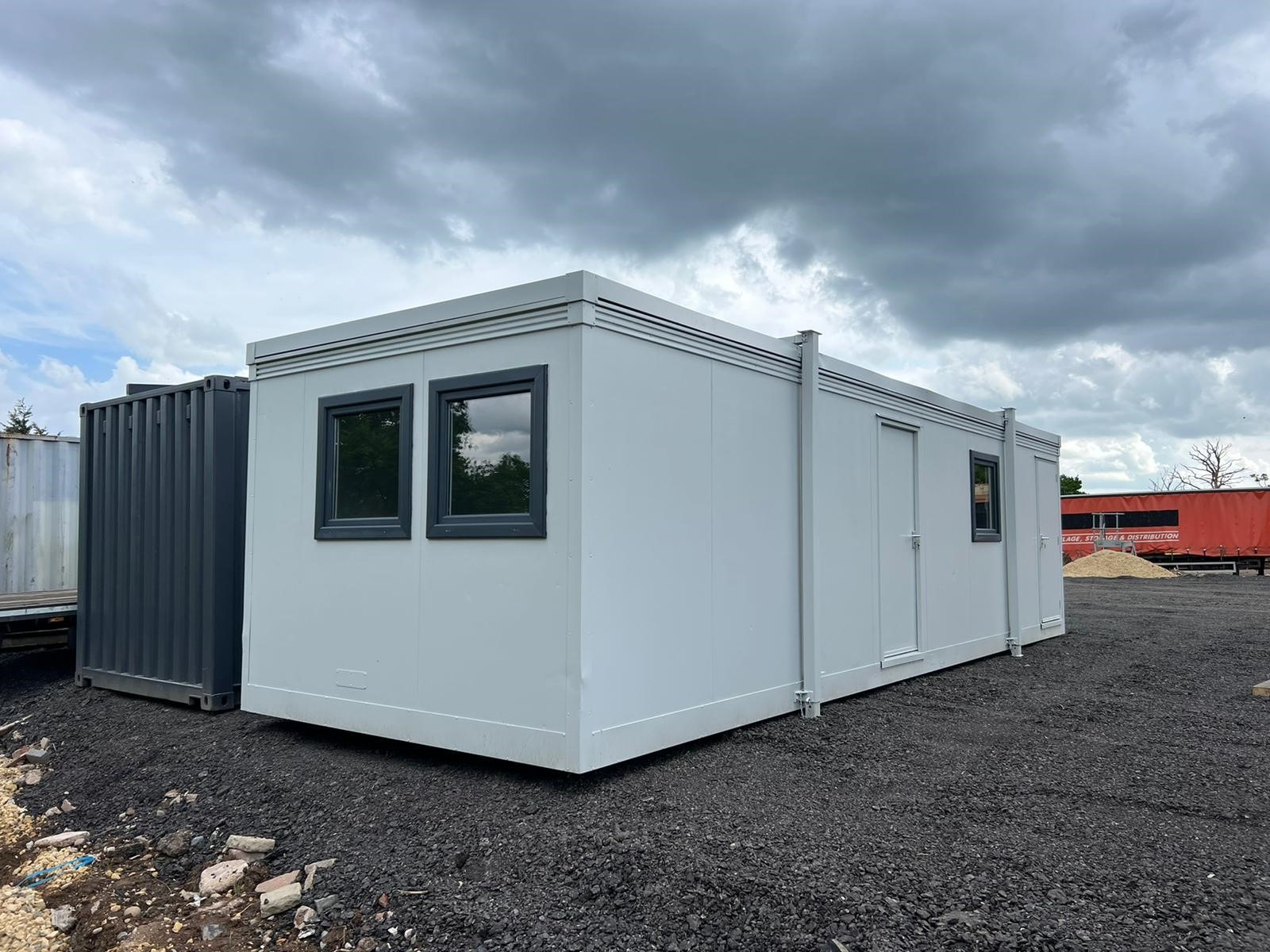
Colour light grey
Slate grey anthracite upvc double glazed windows


Location: Nationwide
+ VAT
Not Available for Hire
Call for an instant quote!
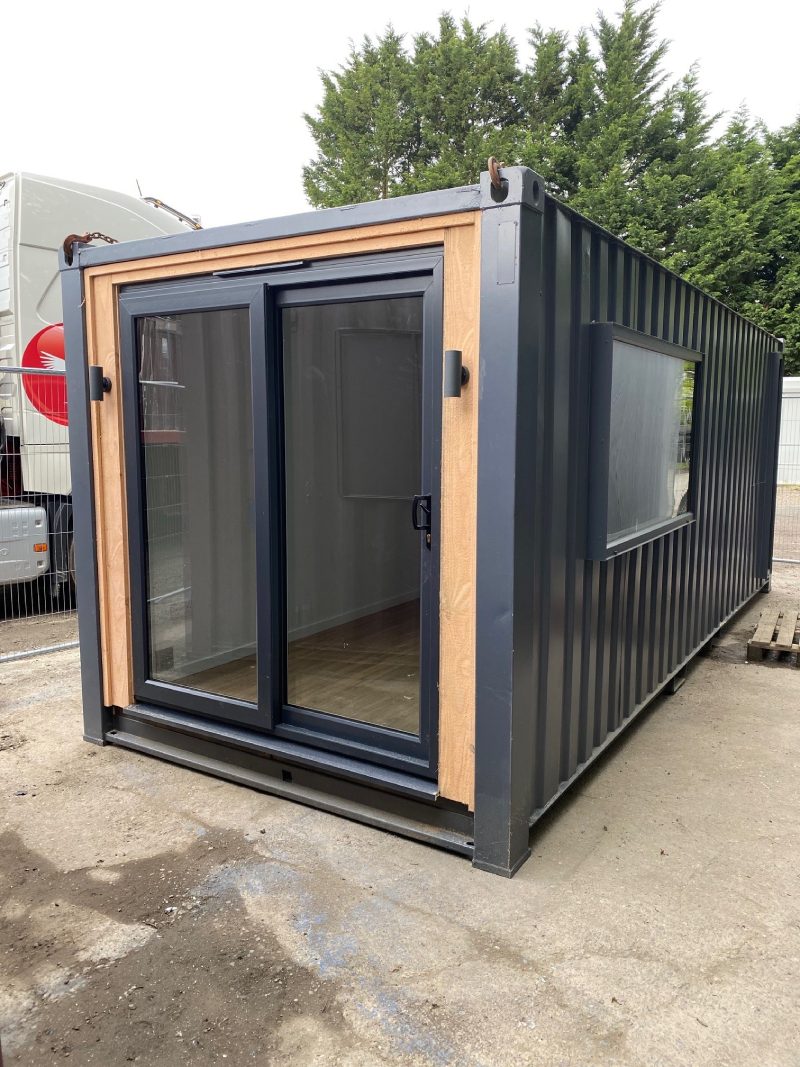
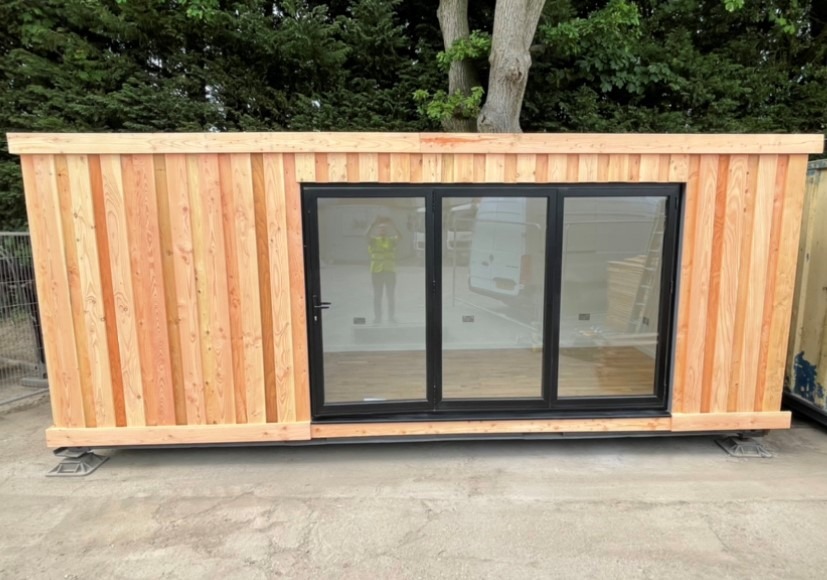
Fully Insulated with electric sockets, spot lighting, and heating
Wood Flooring
UPVC Sliding Door + Windows
Lead Time for build 6-8 weeks


Location: Nationwide
+ VAT
Not Available for Hire
Call for an instant quote!
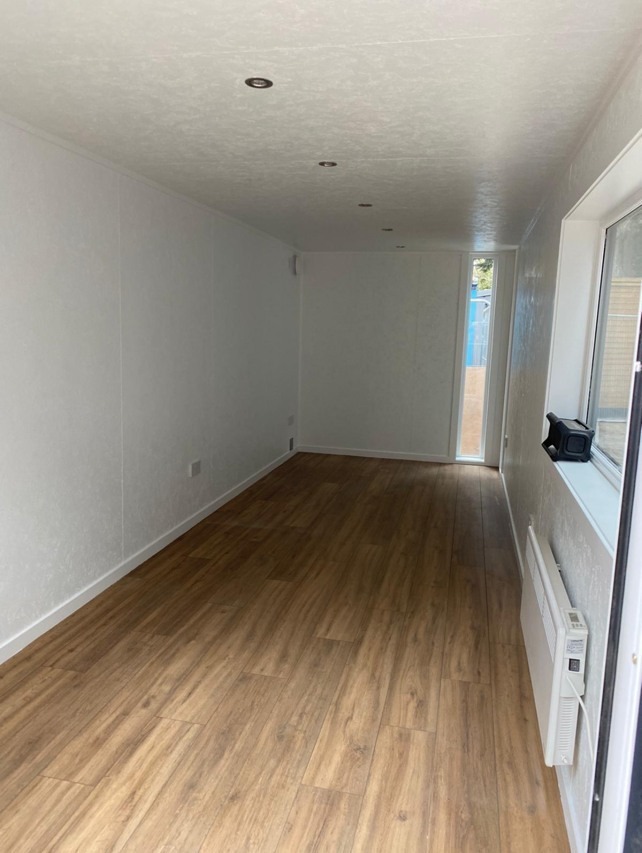
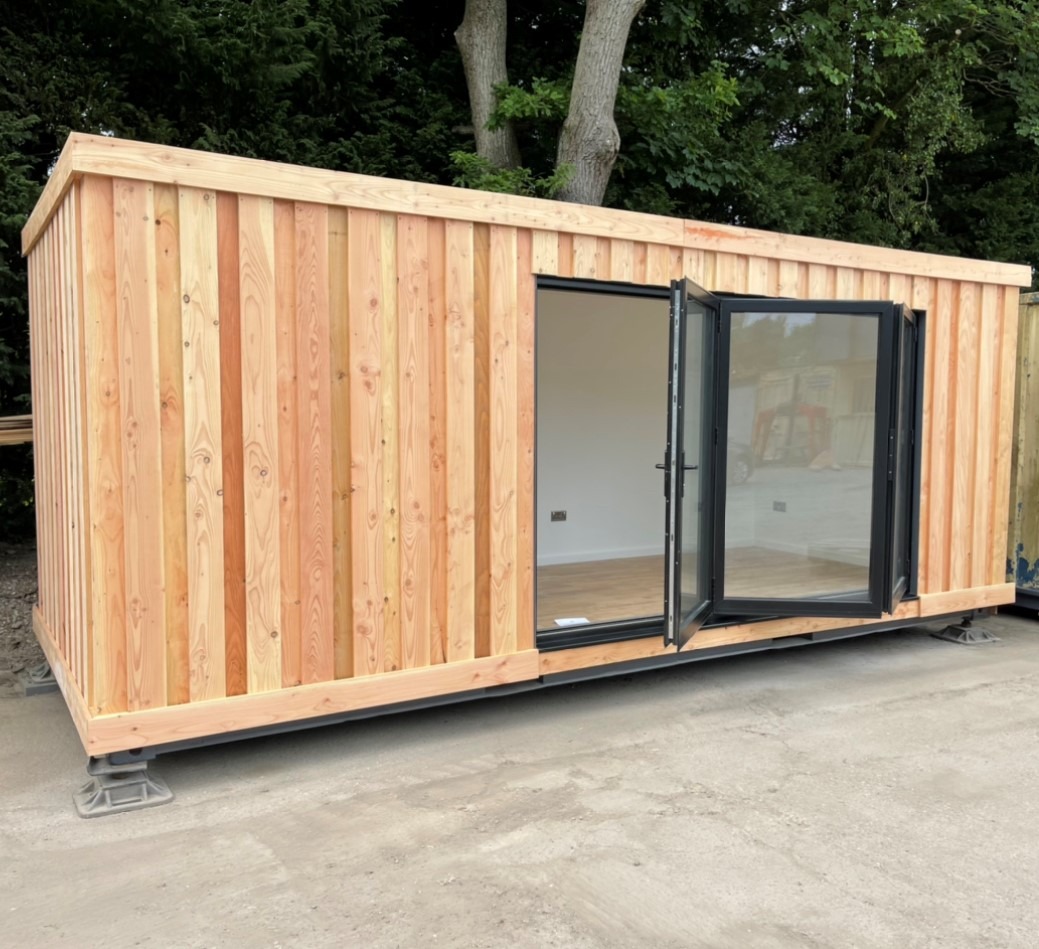
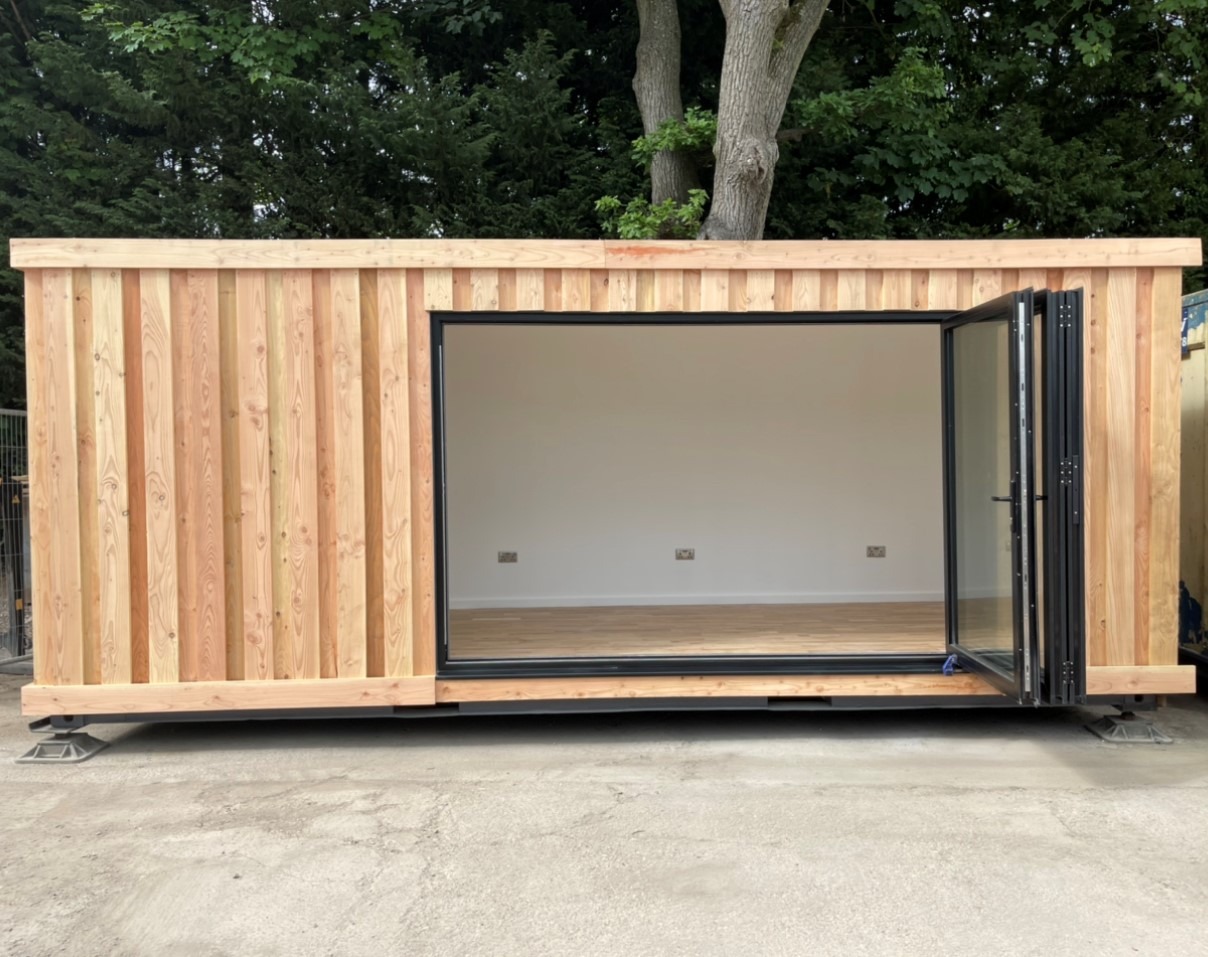
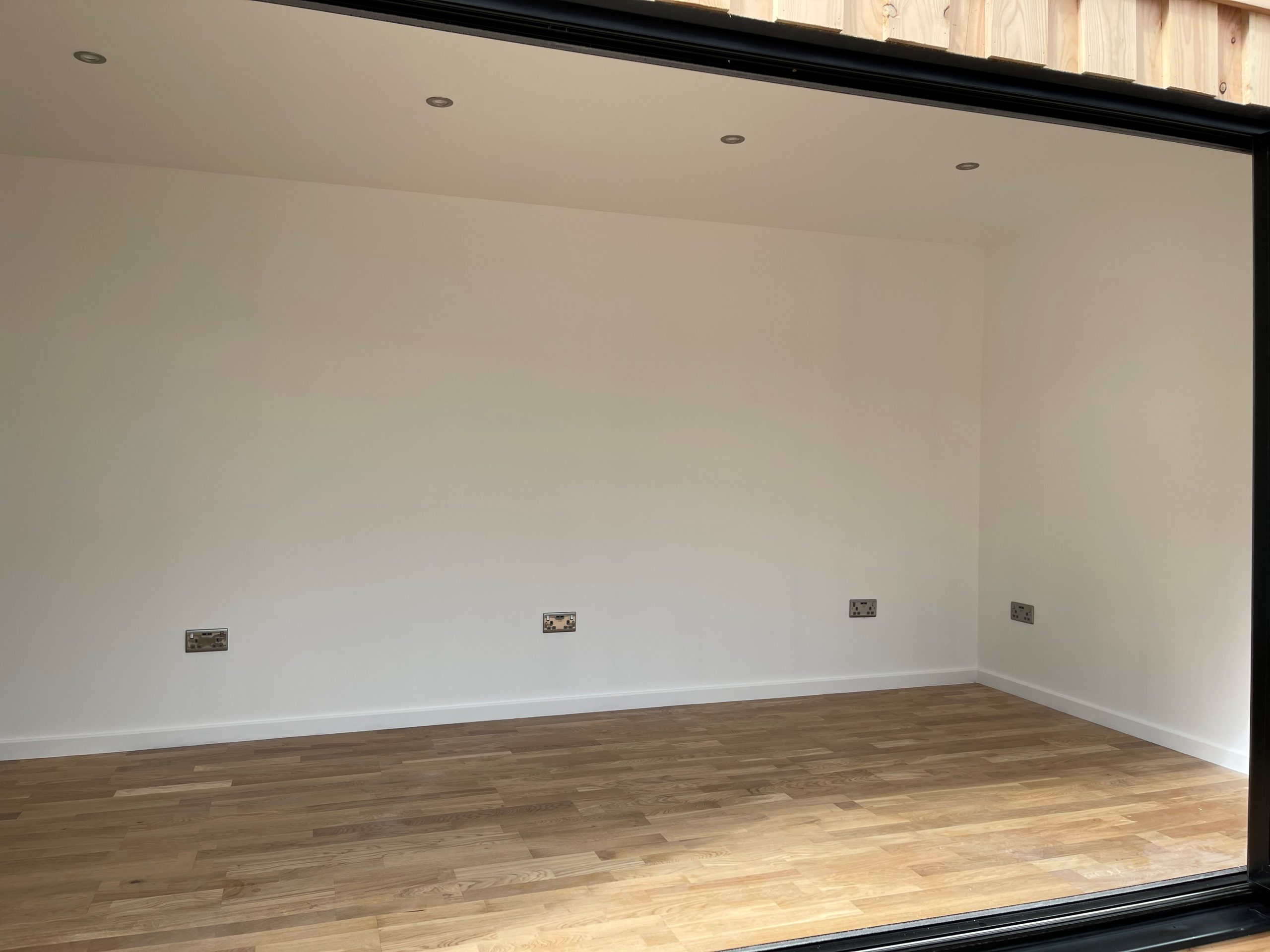
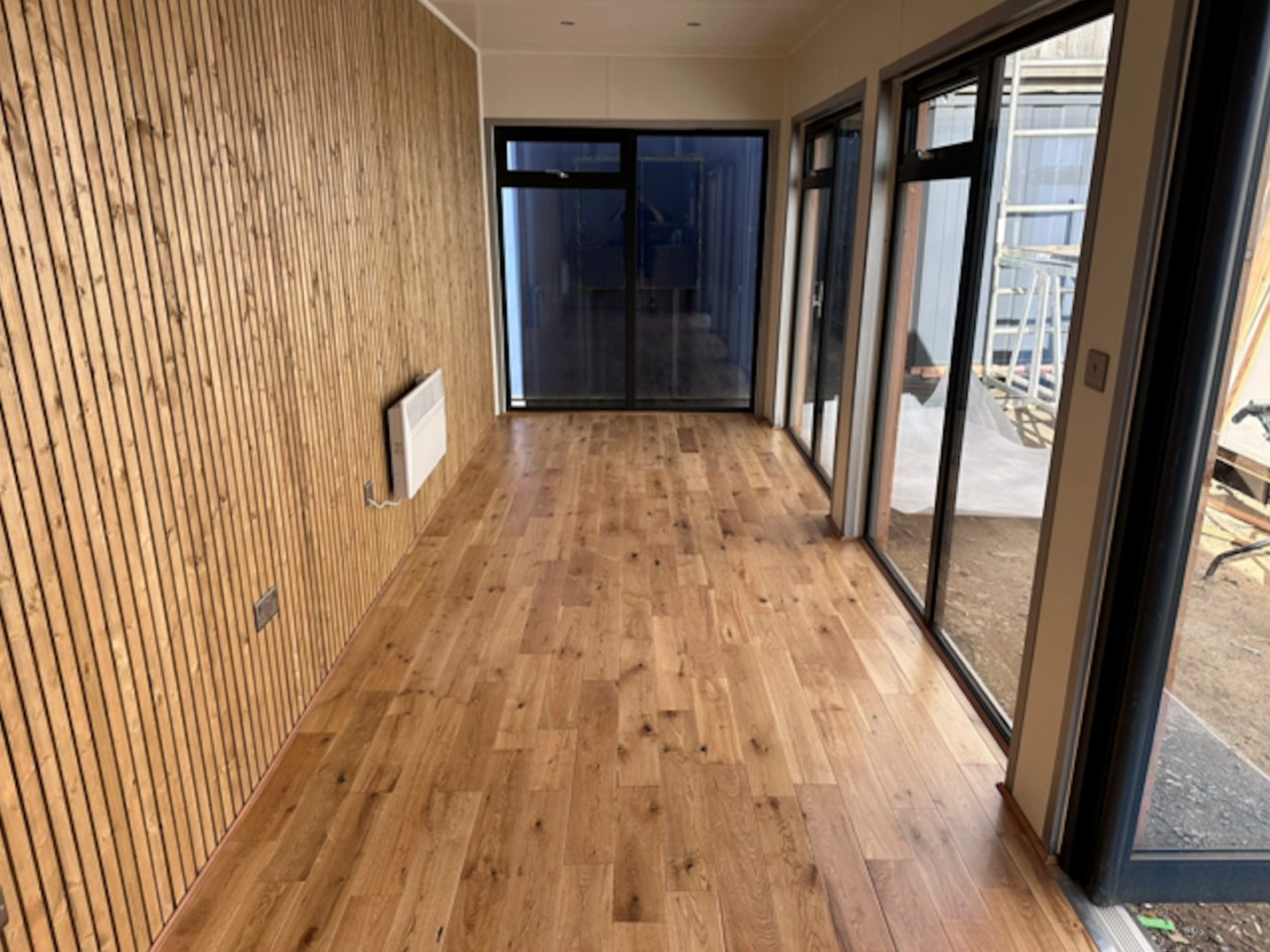
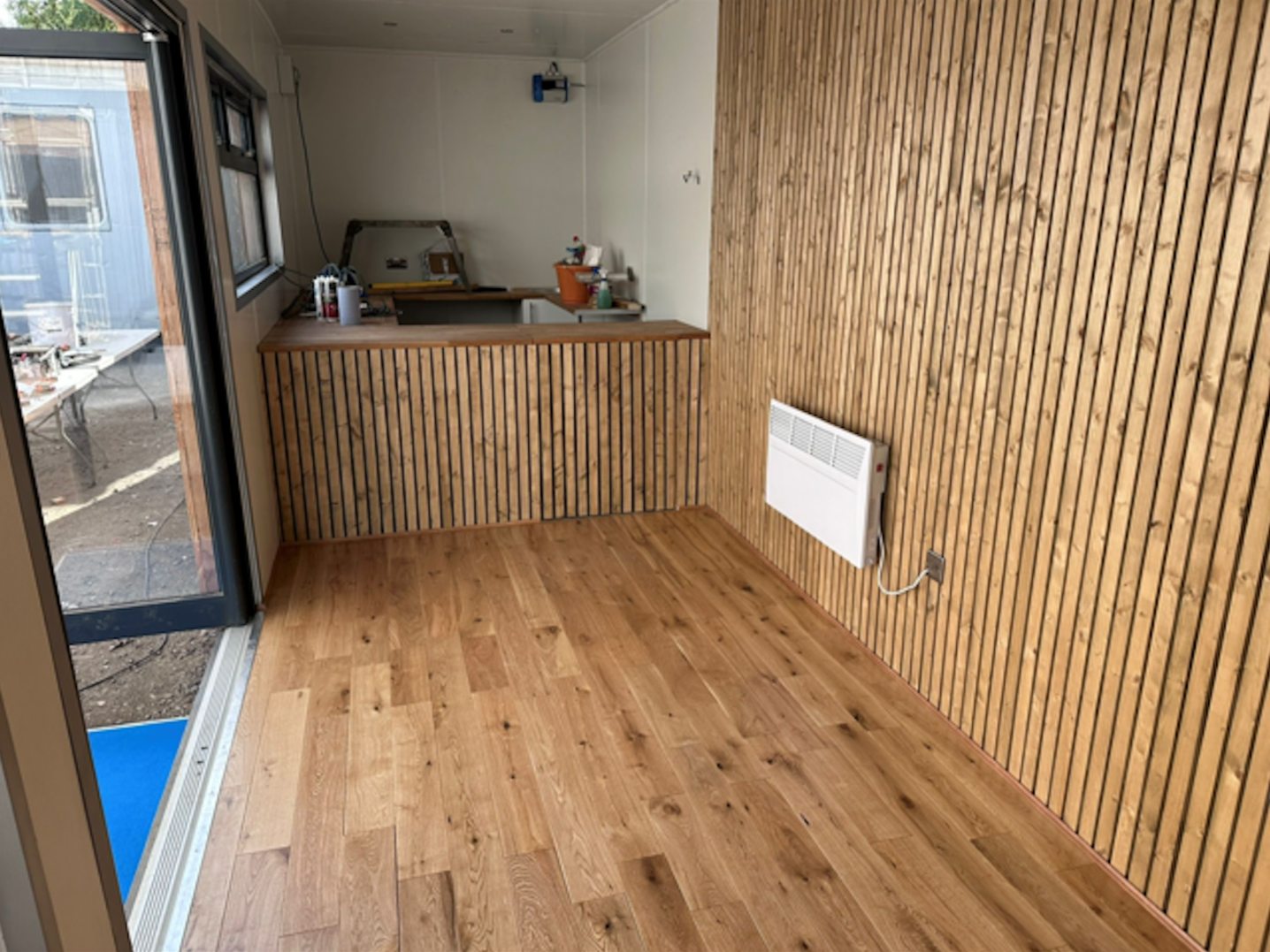
Fully Insulated with electric sockets, spot lighting, and heating
Wood Flooring
Aluminium Bi Fold Doors
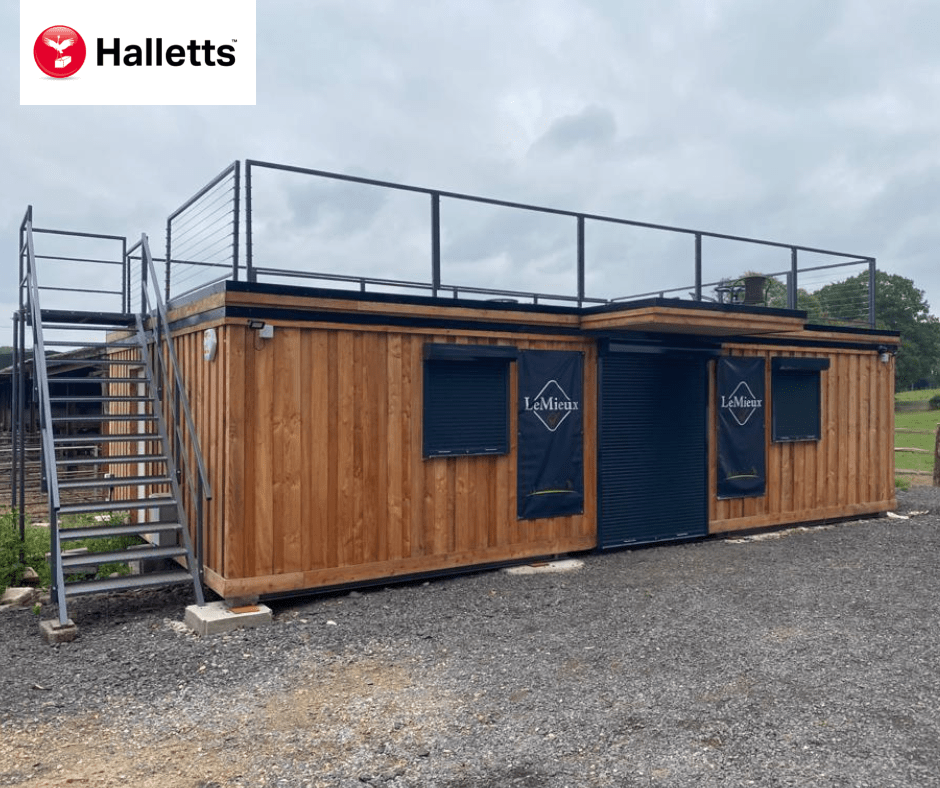
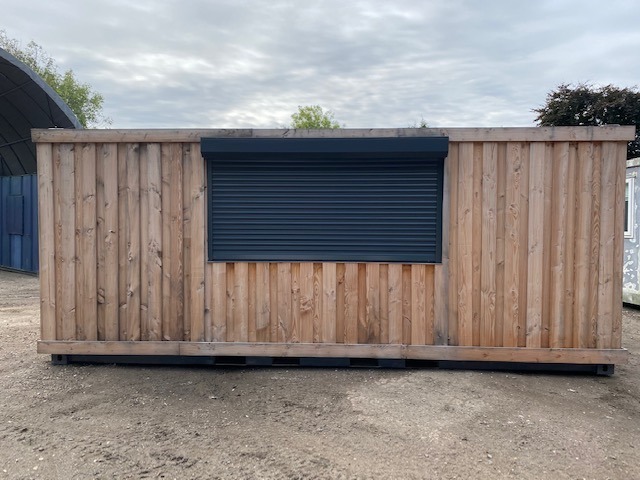
Fully wrapped in larch cladding
Lead Time for build 6-8 weeks


Location: Nationwide
+ VAT
Not Available for Hire
Call for an instant quote!
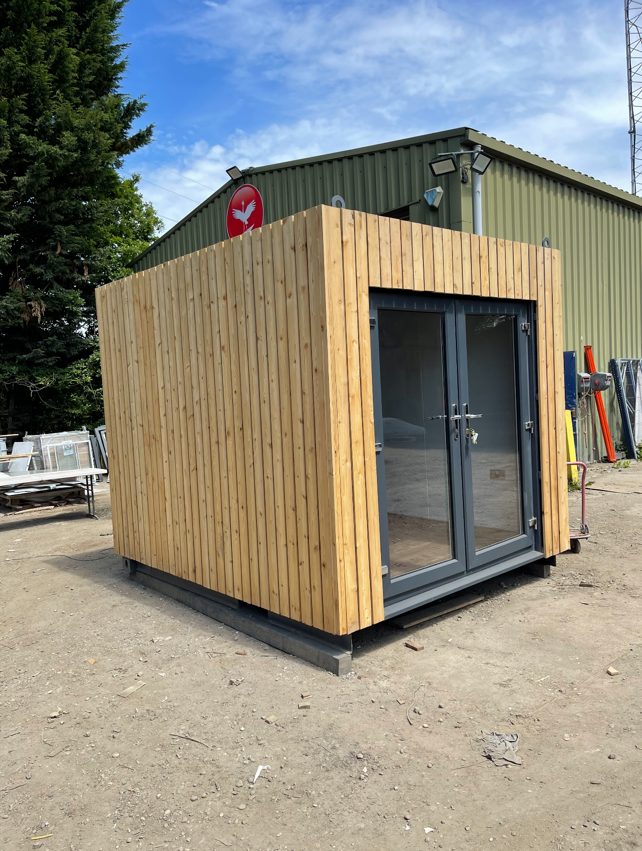
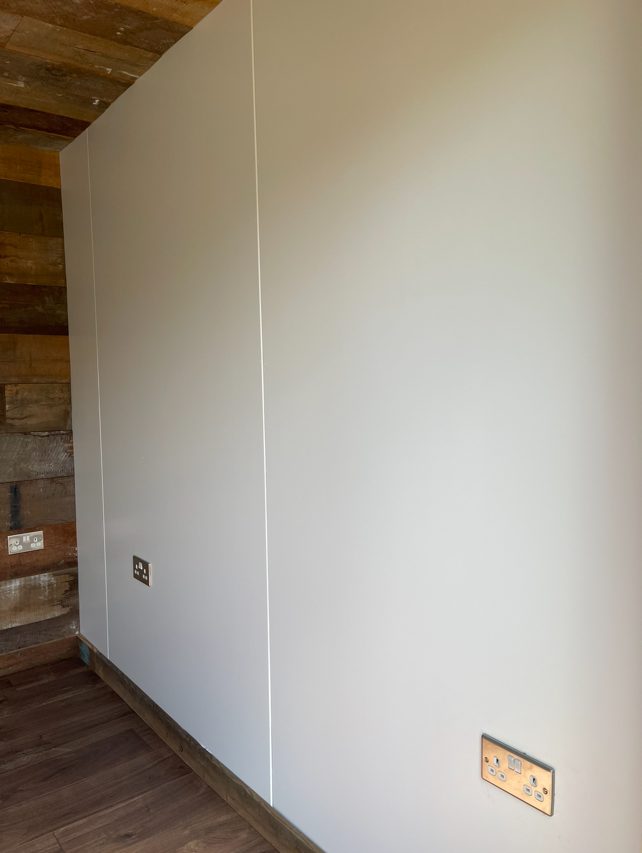
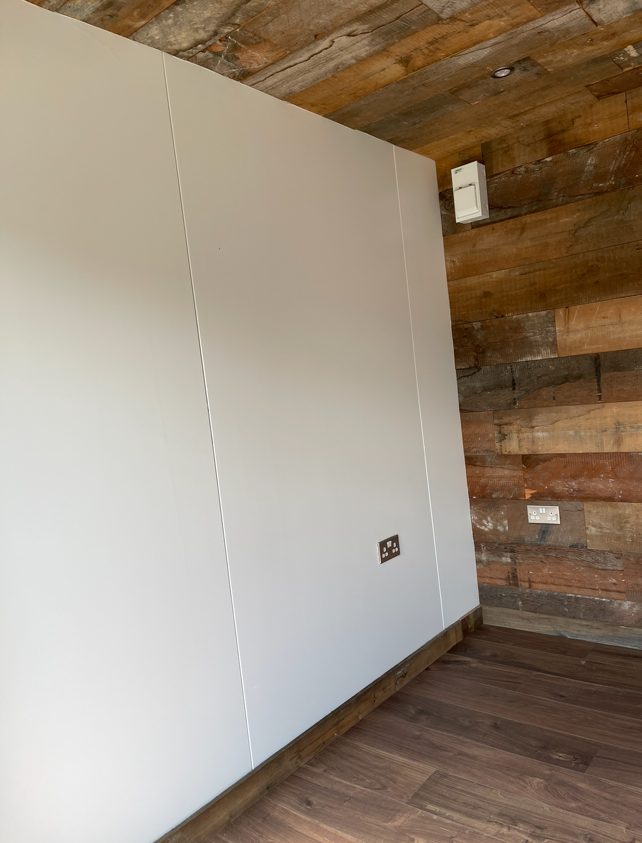
Fully Insulated with electric sockets, spot lighting, and heating
Wood Flooring
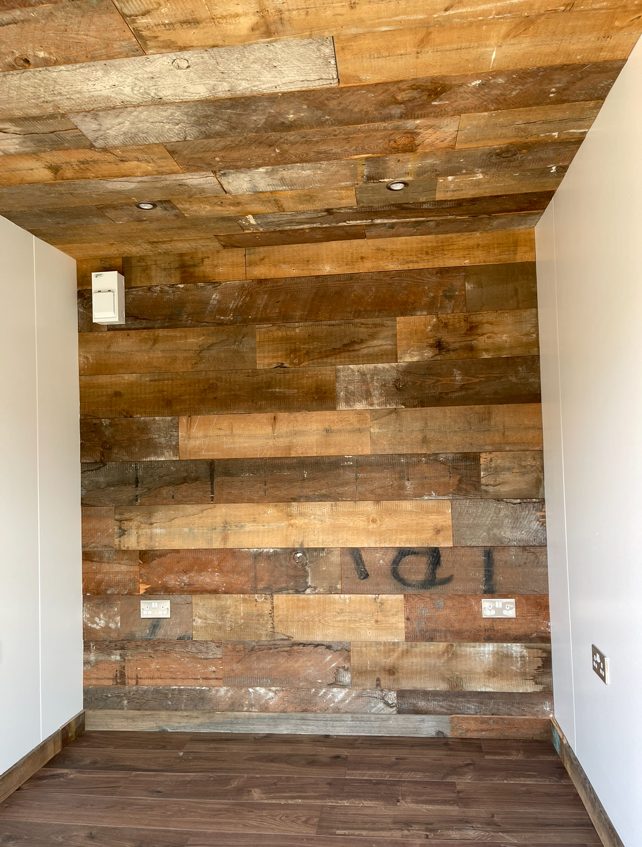
Feature Clad Wall and Ceiling
UPVC Double glazed French Doors
Fully wrapped in larch cladding
Lead Time for build 6-8 weeks


Location: Nationwide
EX VAT
Not Available for Hire
Call for an instant quote!


Location: Nationwide
EX VAT
Not Available for Hire
Call for an instant quote!


Location: Nationwide
EX VAT
Not Available for Hire
Call for an instant quote!


Location: Nationwide
EX VAT
Not Available for Hire
Call for an instant quote!


Location: Nationwide
EX VAT
Not Available for Hire
Call for an instant quote!

Location: Nationwide
EX VAT
Not Available for Hire
Call for an instant quote!


Location: Nationwide
EX VAT
Not Available for Hire
Call for an instant quote!


Location: Nationwide
EX VAT
Not Available for Hire
Call for an instant quote!


Location: Nationwide
EX VAT
Not Available for Hire
Call for an instant quote!


Location: Nationwide
EX VAT
Not Available for Hire
Call for an instant quote!


Location: Nationwide
EX VAT
Not Available for Hire
Call for an instant quote!


Location: Nationwide
EX VAT
Not Available for Hire
Call for an instant quote!


Location: Nationwide
EX VAT
Not Available for Hire
Call for an instant quote!


Location: Nationwide
EX VAT
Not Available for Hire
Call for an instant quote!


Location: Nationwide
EX VAT
Not Available for Hire
Call for an instant quote!


Location: Nationwide
EX VAT
Not Available for Hire
Call for an instant quote!
10ftx8ft – £5950 + Vat / 16ftx8ft – £7950 + Vat / 20ftx8ft – £9000 + Vat / 24ftx8ft – £12000 + Vat / 30ftx8ft – £13500 + Vat


Location: Nationwide
EX VAT
Not Available for Hire
Call for an instant quote!


Location: Nationwide
EX VAT
Not Available for Hire
Call for an instant quote!


Location: Nationwide
EX VAT
Not Available for Hire
Call for an instant quote!

Location: Nationwide
Quantity: ∞
EX VAT
Not Available for Hire
Call for an instant quote!
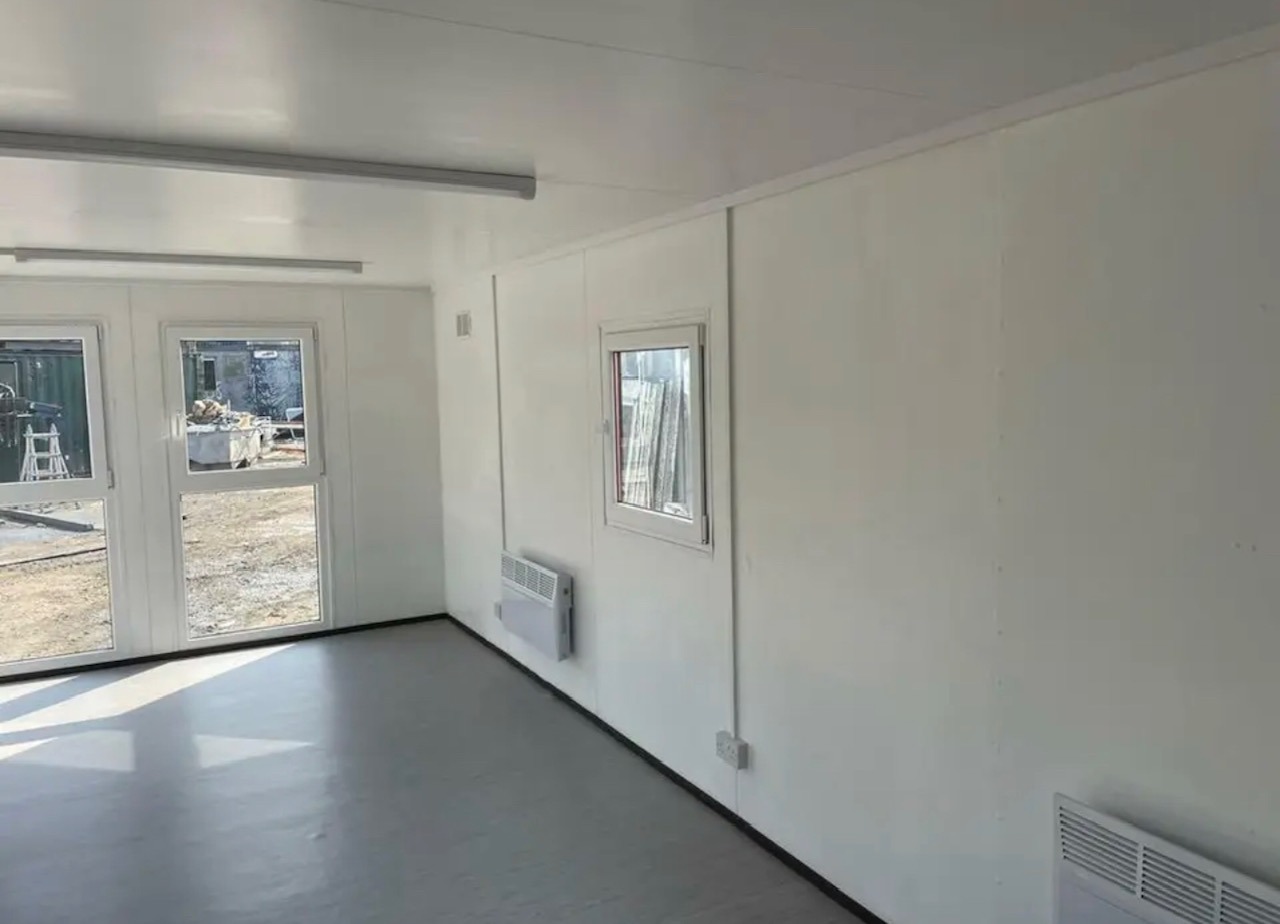
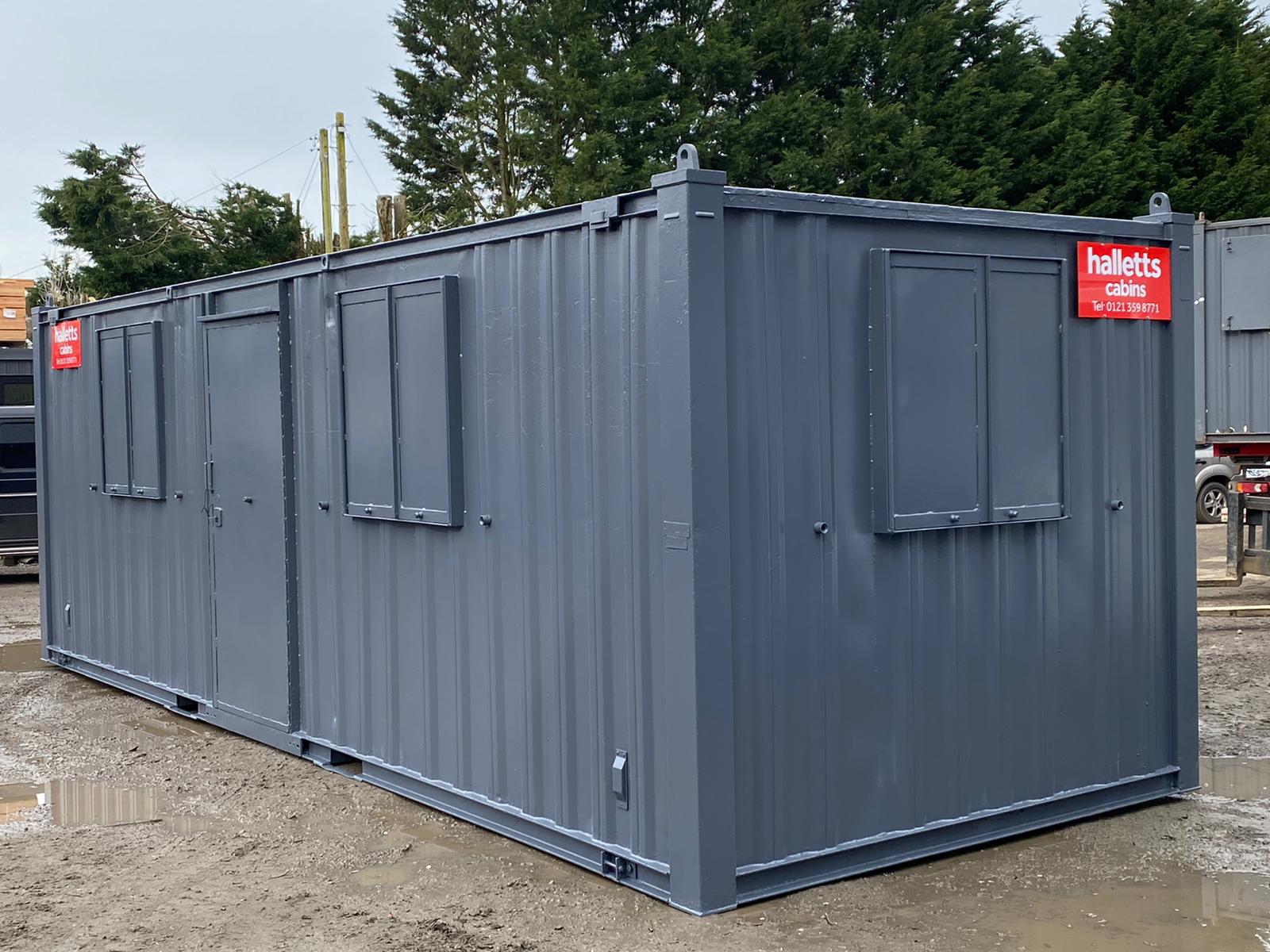
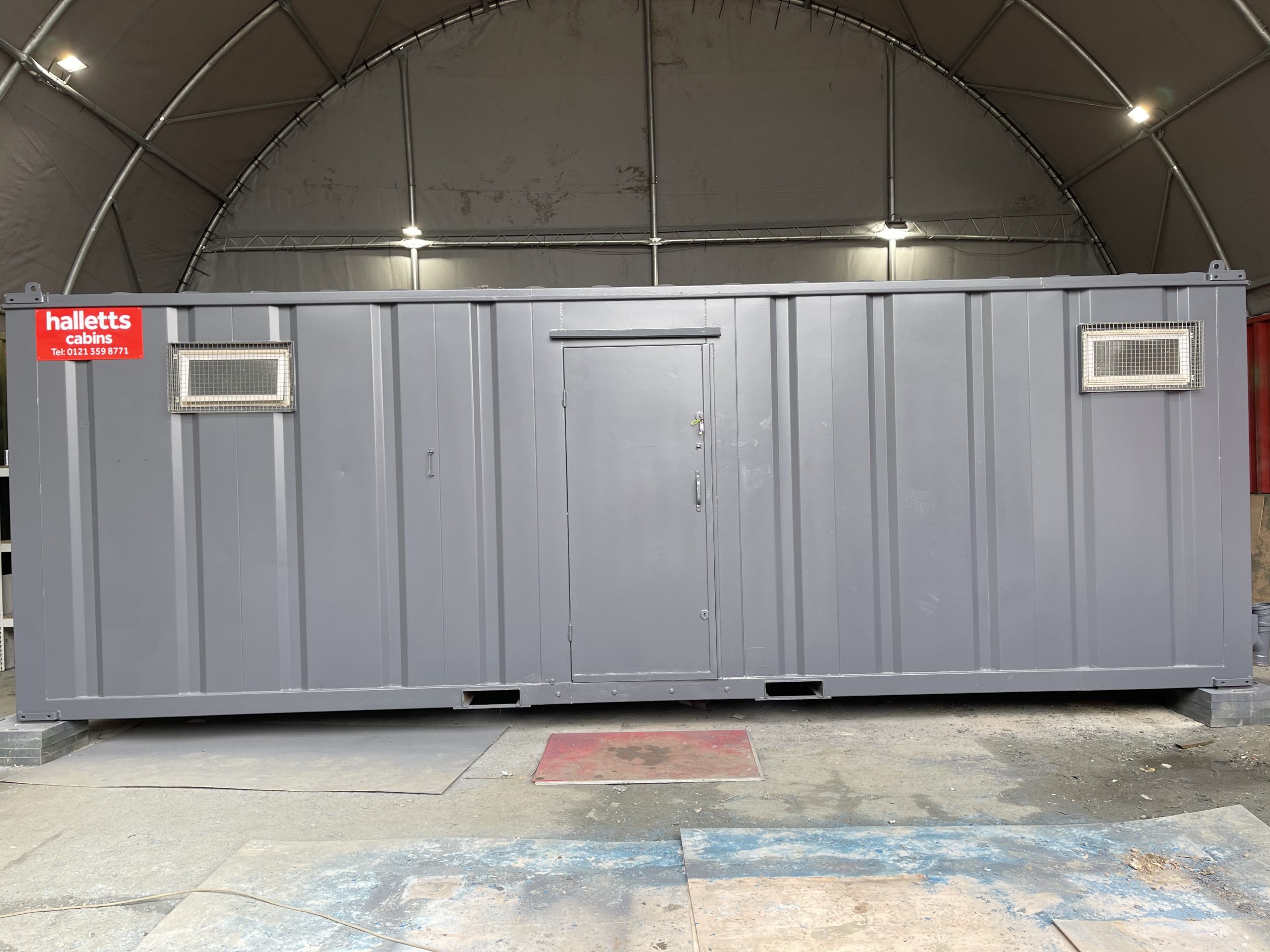
• Reinforced doors and windows with secure locking
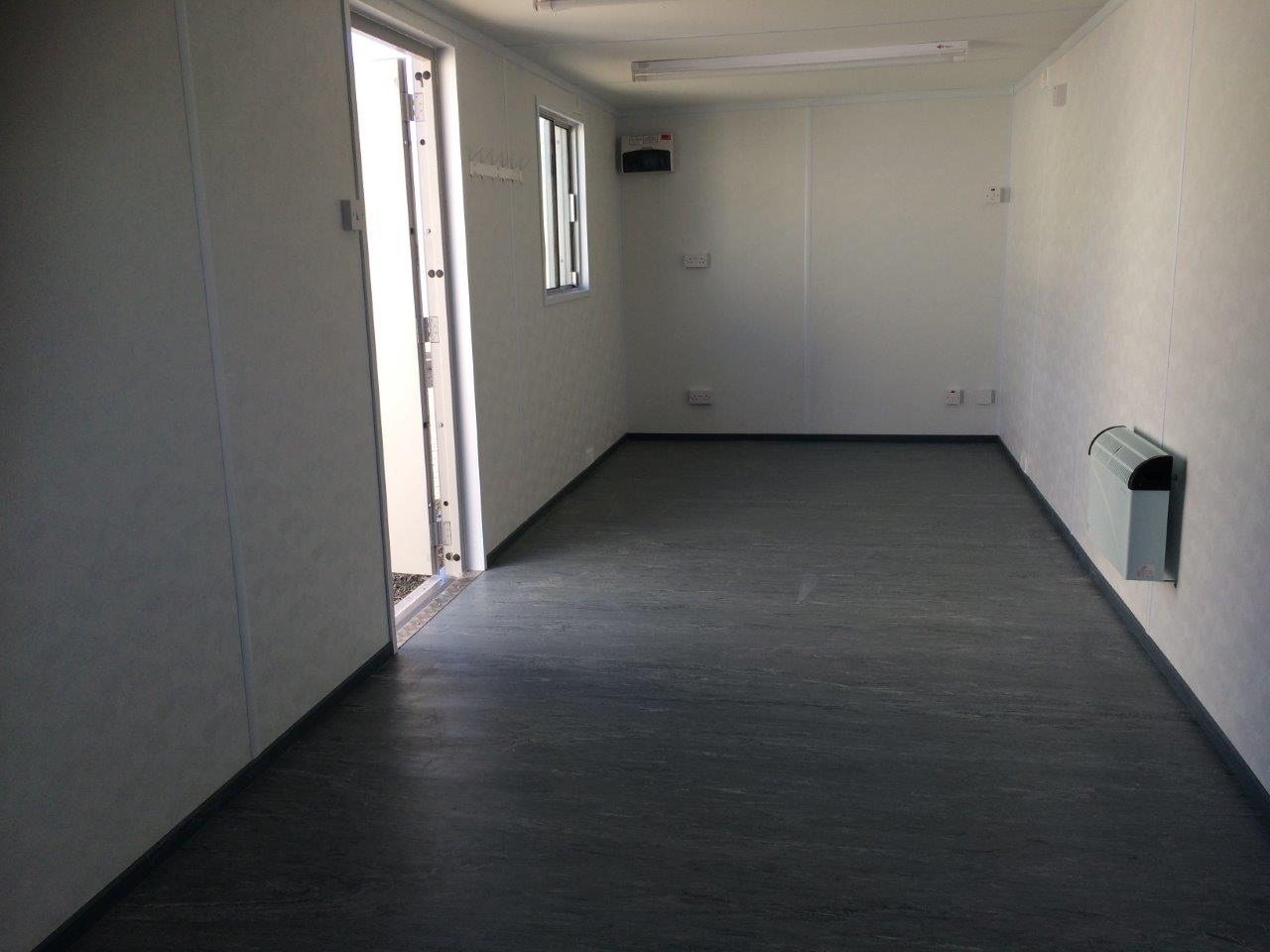
• Open plan with electric sockets and lighting
• Ral Code Colour of choice
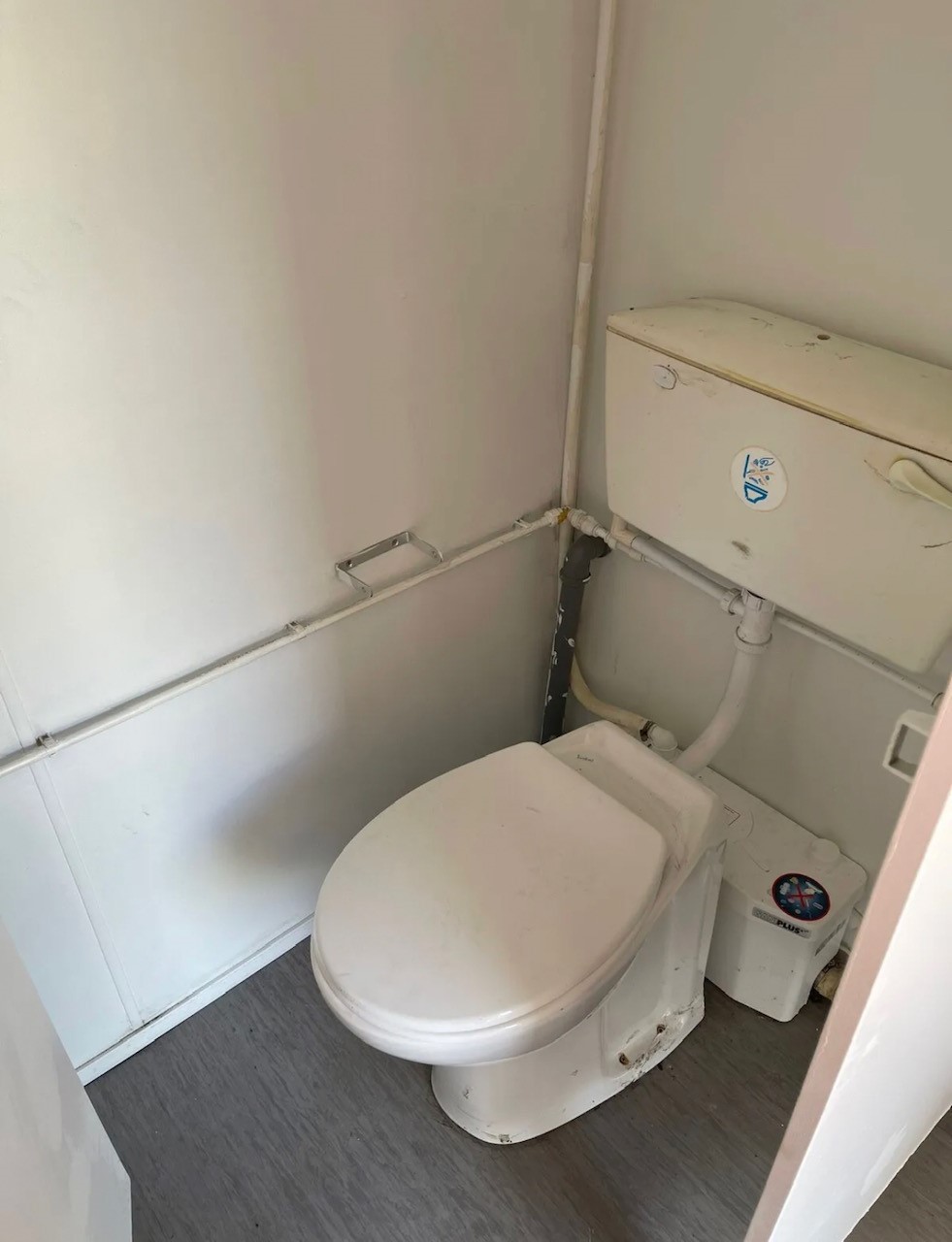
• Any Extras available : Canteen, Partitions, Toilets.


Location: Nationwide
EX VAT
Not Available for Hire
Call for an instant quote!
• Reinforced doors and windows with secure locking
• Open plan with electric sockets and lighting
• Ral Code Colour of choice
• Any Extras available : Canteen, Partitions, Toilets.

• Reinforced doors with secure locking
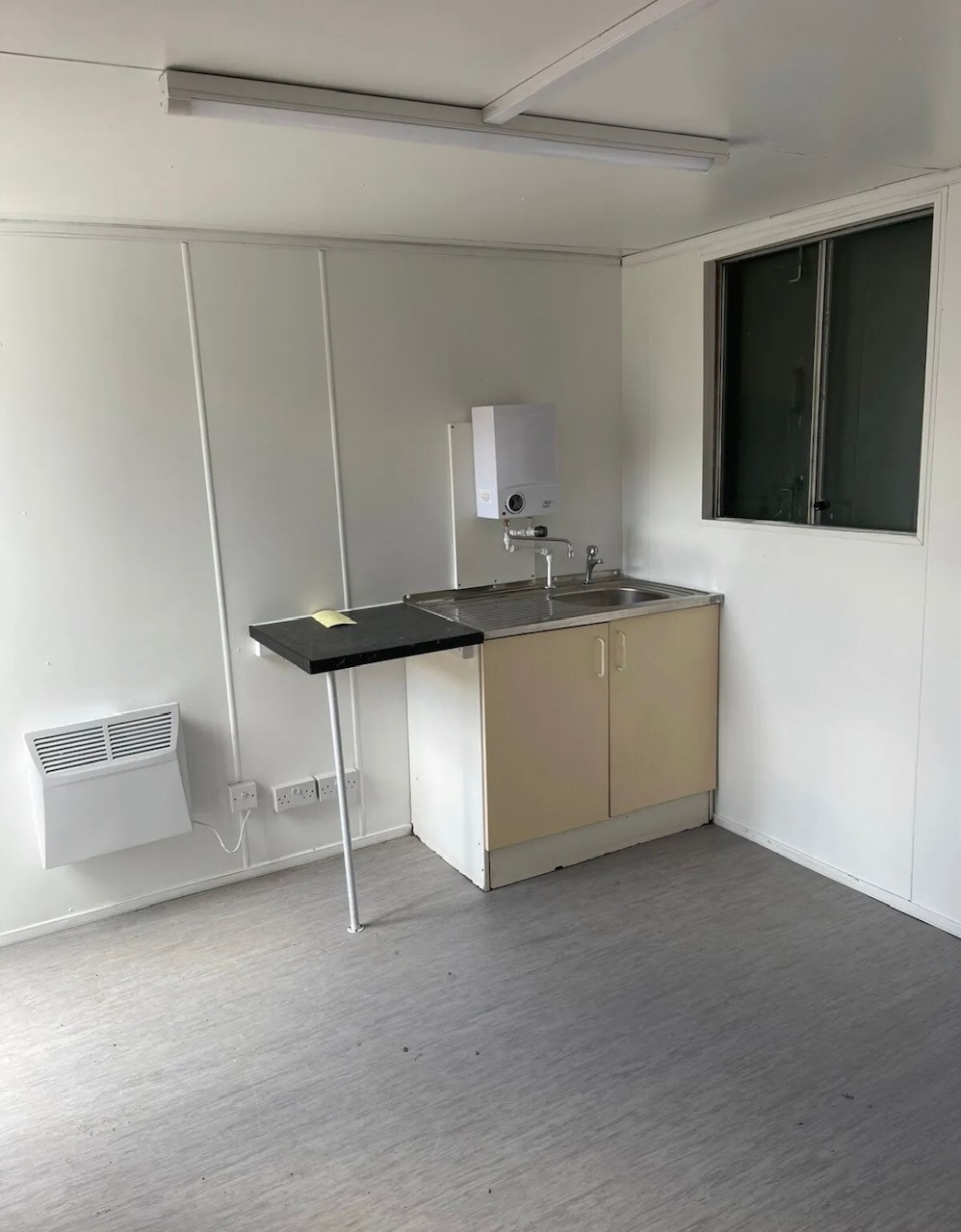
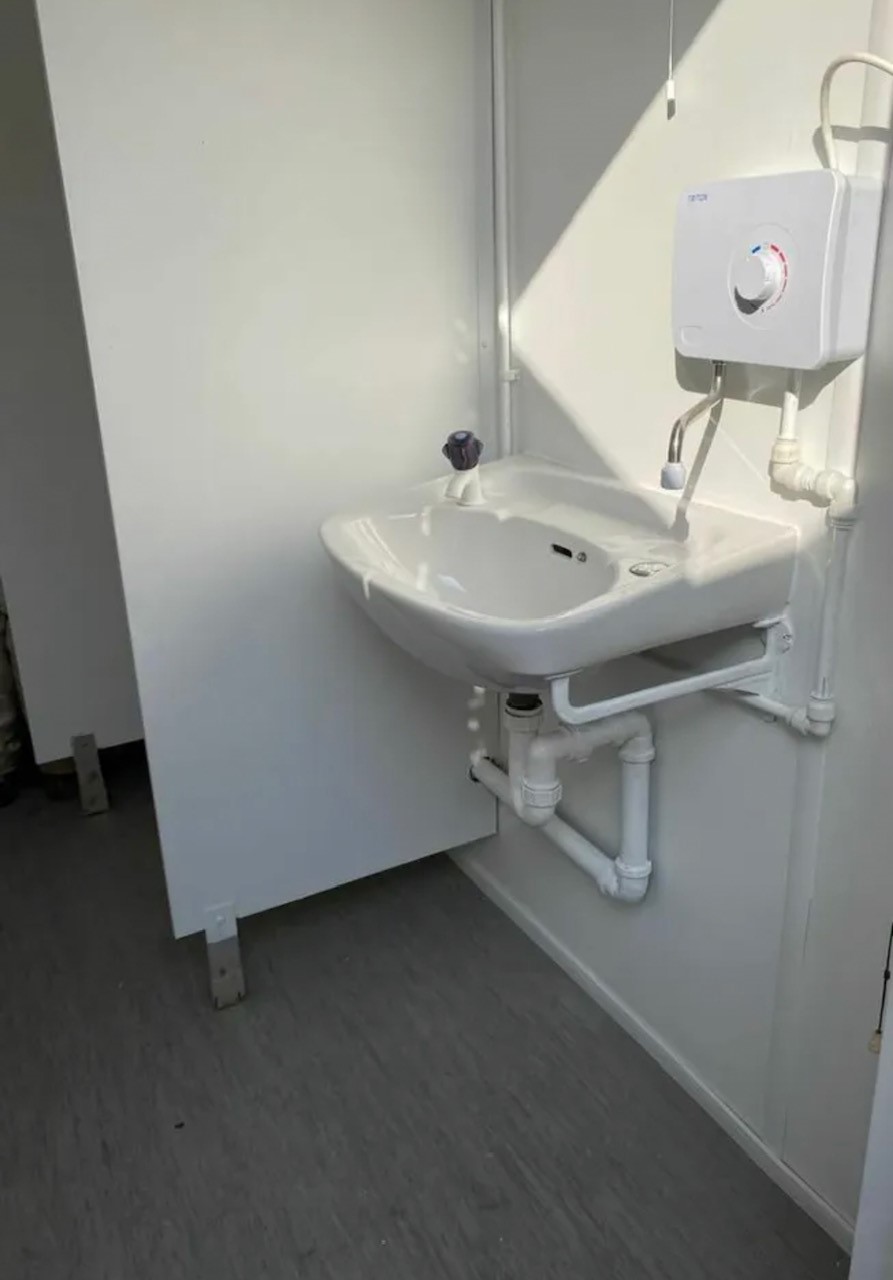
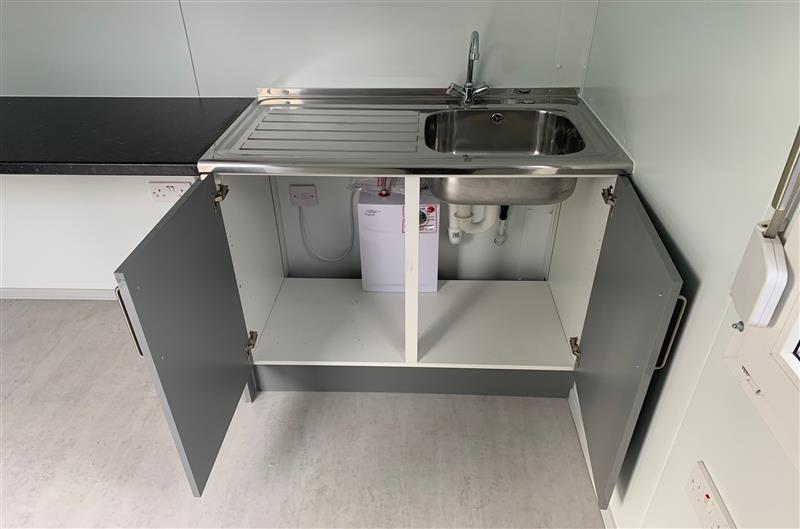
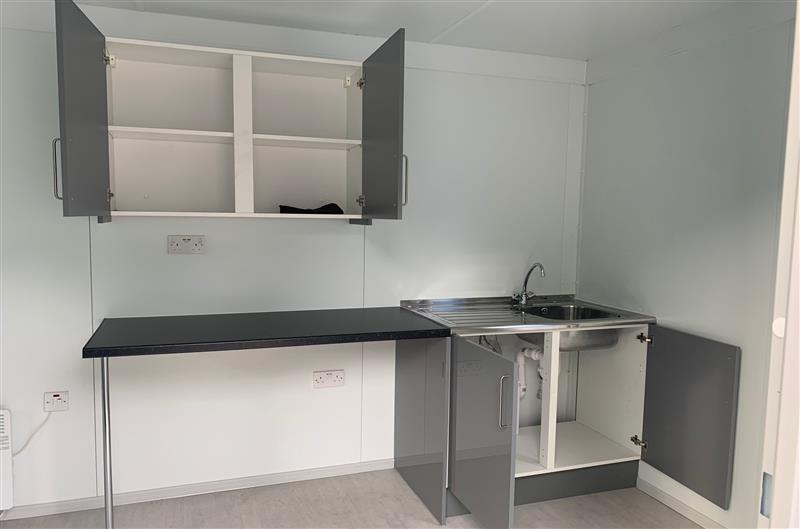
• Sink and water boiler included


Location: Nationwide
Quantity: ∞
EX VAT
Not Available for Hire
Call for an instant quote!


Location: Nationwide
EX VAT
Not Available for Hire
Call for an instant quote!
Get a Quick Container Quote Now!


Location: Nationwide
EX VAT
Not Available for Hire
Call for an instant quote!
Get a Quick Container Quote Now!