Choosing a Circulating Pump in 2026 requires more than comparing prices and motor ratings. The right model must match the system’s flow, pressure, fluid temperature, pipe size, and operating schedule. A pump that performs quietly in a showroom may struggle inside a long hydronic loop. Real conditions matter.
This guide examines practical selection factors used by heating engineers, installers, and facility technicians. It considers variable-speed control, energy efficiency, corrosion resistance, noise, maintenance access, and compatibility with modern heating systems. Measurement should come before purchase. Record the required flow rate, total head, fluid temperature, and connection dimensions. Small errors here can cause poor circulation, vibration, or unnecessary electricity use.
Do not trust every specification sheet blindly. Some ratings reflect ideal laboratory conditions, not older pipes, mineral deposits, or frequent temperature changes. I have seen undersized pumps run continuously while oversized units create noise and unstable flow. That mistake is easy to make. It is also expensive over time.
Reliable selection depends on verified performance data, manufacturer support, installation guidance, and the pump’s expected service environment. In 2026, smart monitoring may improve control, but it cannot correct incorrect system design. Consider lifecycle cost, not only the purchase price. A careful decision may take longer, yet it can deliver steadier temperatures, lower operating costs, and fewer emergency repairs. Even experienced professionals should review their assumptions before approving a final model.
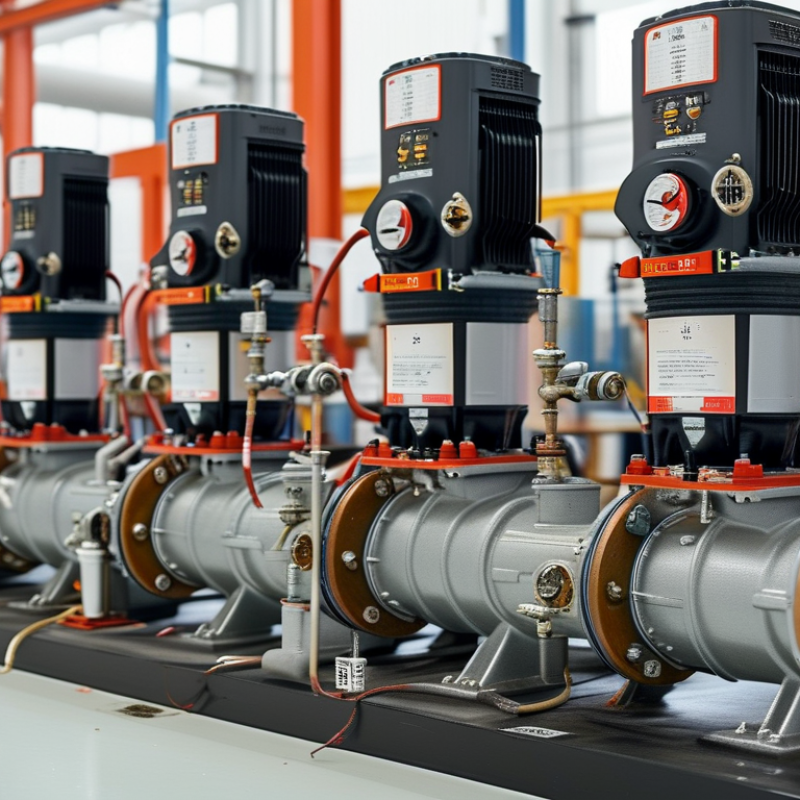
A circulating pump moves water or another compatible fluid through a closed piping system. It does not create heat. Instead, it transfers heated or cooled fluid between equipment, pipes, and terminals such as radiators or floor loops. Most modern units use a centrifugal design. An electric motor spins an impeller, creating a pressure difference that pushes fluid through the circuit.
The process is continuous. Fluid enters the pump near the impeller center, gains velocity, and leaves through the discharge port. The return line brings cooler fluid back to the heat source. In a properly balanced system, this flow can feel like a steady loop rather than a sudden surge. That detail matters. Air pockets, blocked strainers, or incorrect pipe sizing can reduce circulation and produce cold sections.
When choosing a circulating pump in 2026, match flow rate and head pressure to actual system resistance. A larger pump is not automatically better. It may waste electricity, create valve noise, and accelerate pipe wear. Variable-speed control can adjust output as thermostatic valves open or close. Check fluid temperature, connection size, seal materials, and electrical requirements before installation. Technicians also inspect for cavitation, which sounds like gravel inside the housing. Quiet is not always efficient. Some early selections look correct on paper but fail because real pipe layouts contain more bends, fittings, and height changes than expected.
How to Choose a Circulating Pump in 2026?
Accurate flow and head calculations prevent most circulation-pump sizing mistakes. The U.S. Department of Energy reports that pumping systems can consume about 25% of industrial electricity. Oversizing wastes energy and may create noise, erosion, and unstable control.
Start with flow. Divide the required volume by the available circulation time: Q = V ÷ t. A 12 m³ system needing complete circulation in 30 minutes requires 24 m³/h. Add only a realistic allowance for peak demand. A fixed 20% margin may be convenient, but it is not always technically justified. Measure actual operating conditions when possible. Seasonal loads can differ sharply.
Then calculate pump head. Add static lift, pipe-friction loss, valves, filters, and the pressure required at the outlet. For example, 6 m static lift, 8 m friction loss, and 2 m outlet pressure require approximately 16 m total head. Remember that 1 bar equals about 10.2 m of water head. Use the manufacturer-independent system curve, not only the maximum rating. The selected pump should operate near its best-efficiency point at 24 m³/h and 16 m head. The Hydraulic Institute’s Pump System Optimization guidance emphasizes evaluating the complete system, because fittings, throttled valves, and changing flow conditions alter real performance. Field checks matter. Calculations can look precise while remaining wrong.
How to Choose a Circulating Pump in 2026?
How to Match Pump Materials with System Conditions
Material selection should begin with the fluid, not the pump’s price or appearance. In closed heating systems, cast iron can perform well when oxygen entry remains low. However, frequent refilling introduces fresh oxygen and may accelerate corrosion. Stainless steel is usually safer for domestic hot water, especially when hygiene and water quality matter. Check chloride levels, pH, temperature, and pressure before making a decision.
Glycol mixtures need careful attention. Their concentration changes viscosity and can reduce flow if the pump is selected only by water performance. Seals must also tolerate the fluid and operating temperature. In coastal areas or systems with aggressive water, stainless steel components may offer better resistance. Yet “more resistant” does not mean immune. I have seen suitable metal fail when tiny contaminants entered the circuit.
Tips: Ask for a complete fluid analysis. Confirm the shaft, housing, impeller, and seal materials separately. Do not judge compatibility from one material alone. Review the worst operating condition, including startup temperature and maximum pressure. A small material mismatch can become a large maintenance cost. When data is incomplete, pause the selection and test the fluid. That extra step feels slow, but it is often cheaper than replacing a seized pump.
| System Condition or Fluid | Typical Operating Temperature | Recommended Wetted Materials | Seal and Elastomer Considerations | Materials Requiring Caution | Selection Rationale and Practical Notes |
|---|---|---|---|---|---|
| Closed-loop heating water with corrosion inhibitor | 60–110°C | Cast iron or stainless steel pump casing; stainless steel shaft; ceramic or silicon-carbide mechanical seal faces | EPDM is commonly suitable for water-based heating systems. Confirm compatibility with the specific inhibitor package. | Untreated carbon steel and unsuitable elastomers may corrode or swell. | Closed systems generally contain less oxygen than open systems, reducing corrosion risk. Verify the inhibitor concentration, pH, system pressure, and maximum temperature before final selection. |
| Open-loop domestic hot-water circulation | 5–65°C, depending on the system design | Stainless steel casing and wetted components; bronze may be suitable in some potable-water applications when permitted by local regulations | Use drinking-water-approved seals and elastomers. EPDM is often selected for hot-water service when certification and temperature limits are satisfied. | Standard cast iron can release corrosion products and is generally unsuitable for potable-water wetted parts. | The pump must comply with applicable potable-water material and hygiene requirements. Check local regulations, certification, disinfection temperature, and water chemistry. |
| Chilled water with glycol | −10–25°C | Cast iron or stainless steel casing; stainless steel shaft; materials confirmed for the selected glycol concentration | EPDM is commonly compatible with propylene glycol and many ethylene-glycol mixtures, but the exact formulation must be checked. FKM may be considered for selected fluid and temperature ranges. | Natural rubber and some low-cost elastomers may deteriorate. Glycol additives can change compatibility compared with water alone. | Higher glycol concentrations increase viscosity and can reduce pump flow and efficiency. Select the pump using the actual mixture concentration, viscosity, and minimum temperature. |
| Seawater or chloride-rich water | 5–40°C | Duplex stainless steel, super-duplex stainless steel, titanium, or other materials specifically qualified for chloride exposure | Use elastomers and seal faces rated for saltwater. Silicon carbide seal faces are often considered for abrasive or chemically demanding water service. | Cast iron, carbon steel, standard bronze, and some stainless-steel grades can suffer corrosion, pitting, or crevice attack. | Material selection depends strongly on chloride concentration, oxygen level, velocity, temperature, and galvanic couples. Avoid mixing dissimilar metals without evaluating galvanic corrosion. |
| Mildly acidic water approximately pH 5–6 | 10–50°C | 316 stainless steel may be suitable for some conditions; polymer-lined or engineered-polymer wetted parts may be considered after chemical review | EPDM, FKM, or PTFE may be suitable depending on the acid type and concentration. Chemical compatibility must be checked against the complete seal assembly. | Cast iron and lower-alloy steels may corrode rapidly, especially with dissolved oxygen or chlorides. | pH alone is not enough to select materials. Identify the acid species, concentration, conductivity, oxidizing conditions, and presence of solids. |
| Alkaline cleaning solution such as diluted caustic solution | 20–90°C | 316 stainless steel, nickel-based alloys, or chemically resistant engineered polymers, subject to concentration and temperature | PTFE is broadly resistant to many caustic chemicals. EPDM can work with selected alkaline solutions; confirm concentration and temperature limits. | Aluminum, zinc, and some elastomers may be attacked. Stainless steel can also be unsuitable in highly concentrated or high-temperature caustic service. | Confirm the chemical concentration during both normal operation and cleaning cycles. Consider thermal expansion, crystallization, and the possibility of dry running. |
| Lightly abrasive water with suspended sand or mineral particles | 5–60°C | Hardened stainless steel or abrasion-resistant alloy components; silicon-carbide seal faces; replaceable wear components where available | Choose seal materials designed for solids-containing fluids. A flushed or separated seal arrangement may be required for higher solids loads. | Standard carbon-ceramic seal faces and soft metals can wear quickly. Fine particles may damage close-clearance components. | Use filtration, settling, or a suitable strainer when possible. Particle size, concentration, hardness, and pump velocity are critical to service life. |
| Water containing iron or manganese deposits | 5–70°C | Stainless steel wetted parts where deposit formation is severe; otherwise, properly protected iron-based components may be acceptable in closed systems | Use seals that tolerate the temperature and cleaning chemicals. Design the system to permit inspection and cleaning. | Narrow passages and close-clearance parts can become restricted by deposits, reducing flow and increasing power demand. | Material changes alone may not solve fouling. Water treatment, periodic cleaning, adequate velocity, and an accessible strainer can be equally important. |
| Thermal oil or synthetic heat-transfer fluid | 80–300°C, depending on the fluid | Materials specifically rated for the selected heat-transfer fluid and temperature; stainless steel may be suitable in many systems | EPDM is generally unsuitable for many hydrocarbon-based thermal oils. FKM, PTFE, or other high-temperature materials may be considered after compatibility testing. | Water-service seals and elastomers may swell, harden, or lose sealing performance. Standard circulator designs may not be suitable. | Check viscosity at operating temperature, vapor pressure, oxidation stability, seal temperature, and required cooling arrangements. Use a pump specifically designed for thermal-oil duty. |
| Water with dissolved oxygen and frequent make-up | 5–90°C | 316 stainless steel or corrosion-protected materials; cast iron may be acceptable only when water chemistry and system design support it | Use elastomers compatible with the water treatment chemicals. Select seal faces that tolerate possible corrosion products and intermittent operation. | Repeated oxygen ingress accelerates corrosion in unprotected ferrous components, particularly where deposits or stagnant zones exist. | Investigate the source of make-up water, dissolved oxygen, conductivity, pH, chlorides, and treatment chemicals. Improving system control may extend pump life more effectively than changing materials alone. |
| Mixed-fluid system with uncertain chemistry | Project-specific | 316 stainless steel or a higher-alloy or polymer-lined construction selected after a documented compatibility review | PTFE can provide broad chemical resistance, but its mechanical and temperature limits still require verification. Select elastomers based on the actual fluid blend. | Do not rely on a general label such as “chemical water” or “process liquid.” Unidentified additives can cause rapid seal or casing failure. | Obtain the safety data sheet and full composition, then review concentration, temperature, pressure, viscosity, solids, conductivity, and cleaning conditions with the pump manufacturer or materials specialist. |
| Material compatibility is only one part of pump selection. Confirm flow rate, total head, operating temperature, pressure rating, viscosity, solids content, electrical requirements, seal arrangement, applicable regulations, and the complete fluid composition before purchasing. The temperature ranges shown are general screening values, not universal limits. | |||||
Pump selection now depends on controls as much as hydraulic capacity. Start with the real duty point: flow, head, fluid temperature, viscosity, and operating hours. A fixed-speed pump may suit a stable heating loop, but variable-speed models usually perform better under changing demand. The U.S. Department of Energy reports that pumping systems can account for significant industrial electricity use, making oversizing an expensive mistake. A pump operating far from its best efficiency point wastes energy and may create noise.
Compare control logic carefully. Constant-pressure control fits systems with predictable resistance, while proportional-pressure control can reduce output as valves close. Differential-pressure sensors should represent the most demanding circuit, not simply sit beside the pump. Temperature-based control may help domestic hot-water or renewable heating systems, but poor sensor placement can produce unstable cycling. The International Energy Agency’s Energy Efficiency 2023 report identifies motor-driven systems as a major global electricity load, reinforcing the value of accurate control.
Tips: Check the pump curve at minimum, normal, and peak flow. Compare wire-to-water efficiency, not motor efficiency alone. Ask for standby power data. Confirm compatibility with the building management system. In field work, I have seen “efficient” pumps run badly because installers selected excessive head. That is a practical weakness in many specifications. Recheck pipe resistance, valve authority, and commissioning results before accepting the installation. Industry guidance from the Hydraulic Institute also supports system-level assessment rather than choosing a pump by motor size alone.
A suitable circulating pump begins with the system, not the catalog. Check flow rate, required head, fluid temperature, pipe size, and electrical supply. Oversizing wastes energy and may create noisy, unstable flow. Undersizing leaves distant radiators or process equipment cold. Read the current installation manual and local electrical requirements before purchasing.
Install the pump with the flow arrow matching the pipe direction. Place it where valves can isolate both sides. Keep the motor and terminal box dry. Flush debris from the pipe, support heavy pipework, and check that threaded joints are not strained. Vent trapped air before starting. Never run it dry. A qualified electrician should verify grounding, voltage, and protective devices. I still recheck alignment after tightening connections; a neat-looking joint can hide stress.
Operate the pump at the lowest setting that meets demand. Listen for rattling, humming, or repeated cycling during the first hour. Small noises matter. Record pressure, temperature, and operating hours in a maintenance log. Inspect seals, valves, wiring, and insulation regularly. Clean strainers when flow drops, and stop the pump before opening any component. Keep it accessible. One weakness in many maintenance plans is relying on memory; written readings reveal gradual changes earlier than a sudden failure.

Registered in England & Wales No. 2786496
Registered office at: 337 Tanworth Lane,
Shirley, Solihull, B90 4DU
Registered for VAT, registration No.
GB 655 1347 38


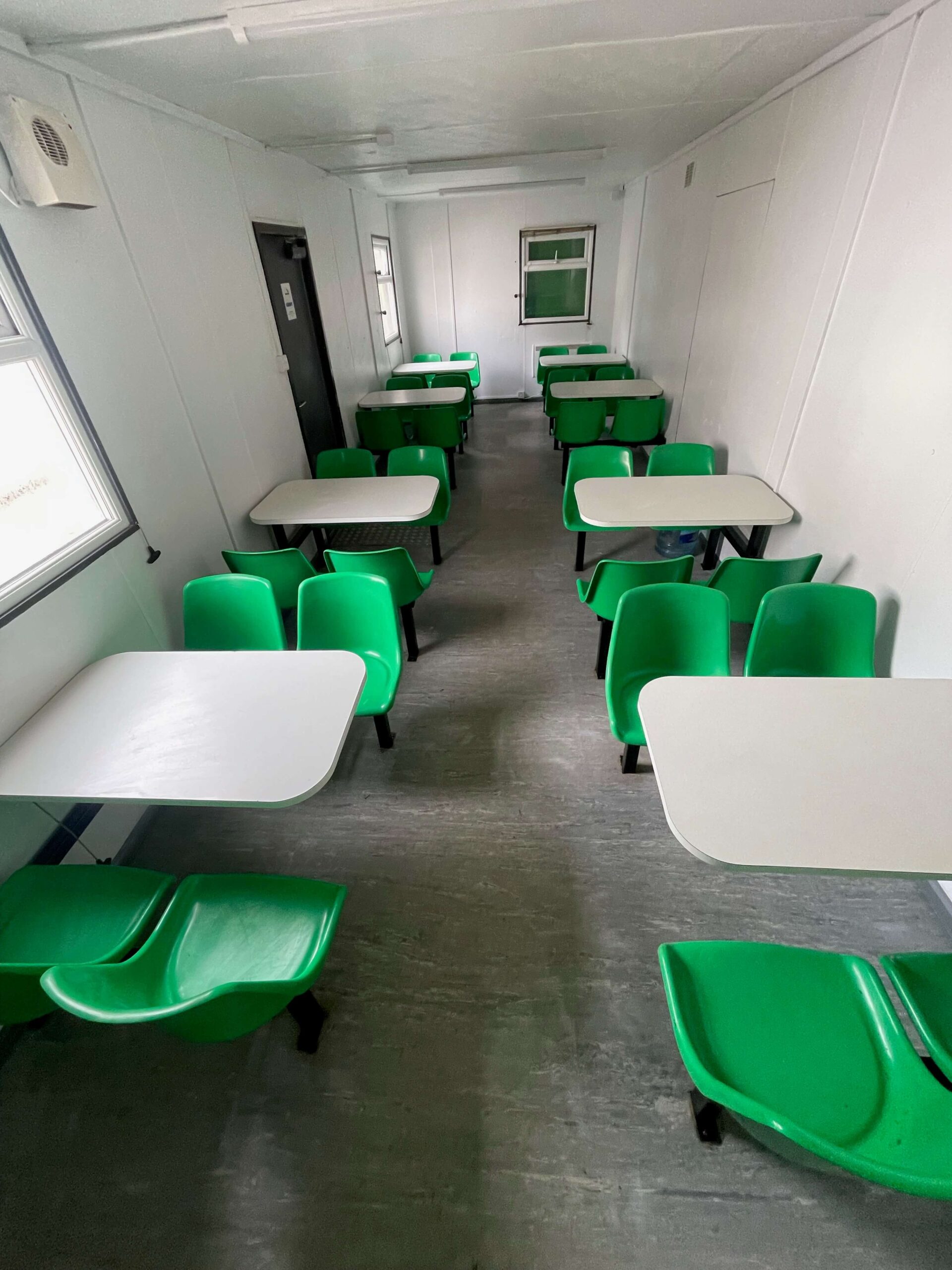
Location: Nationwide
Not Available for Hire
We can deliver for a cost please ask and send us post code.
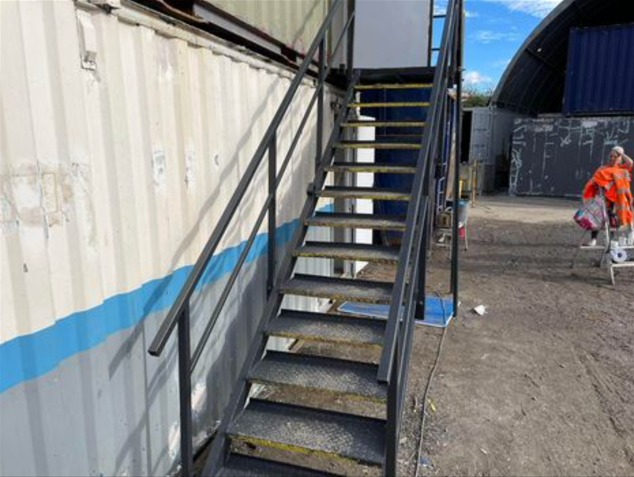
13 tread
14 tread
15 tread
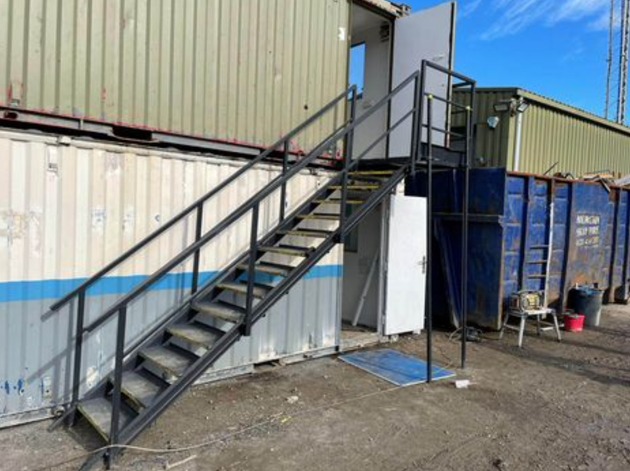
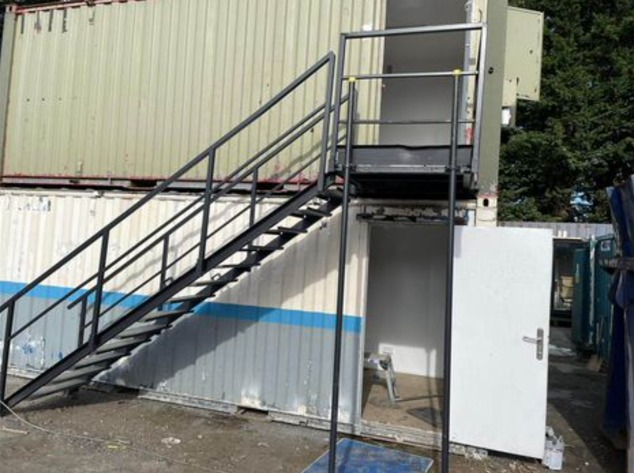
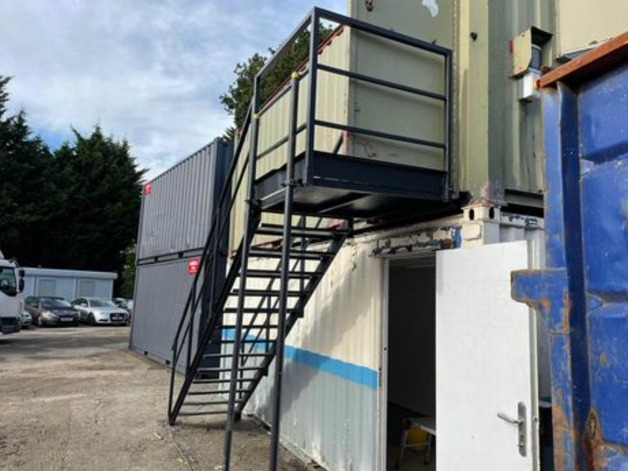
Location: Nationwide
Not Available for Hire
Call for an instant quote!

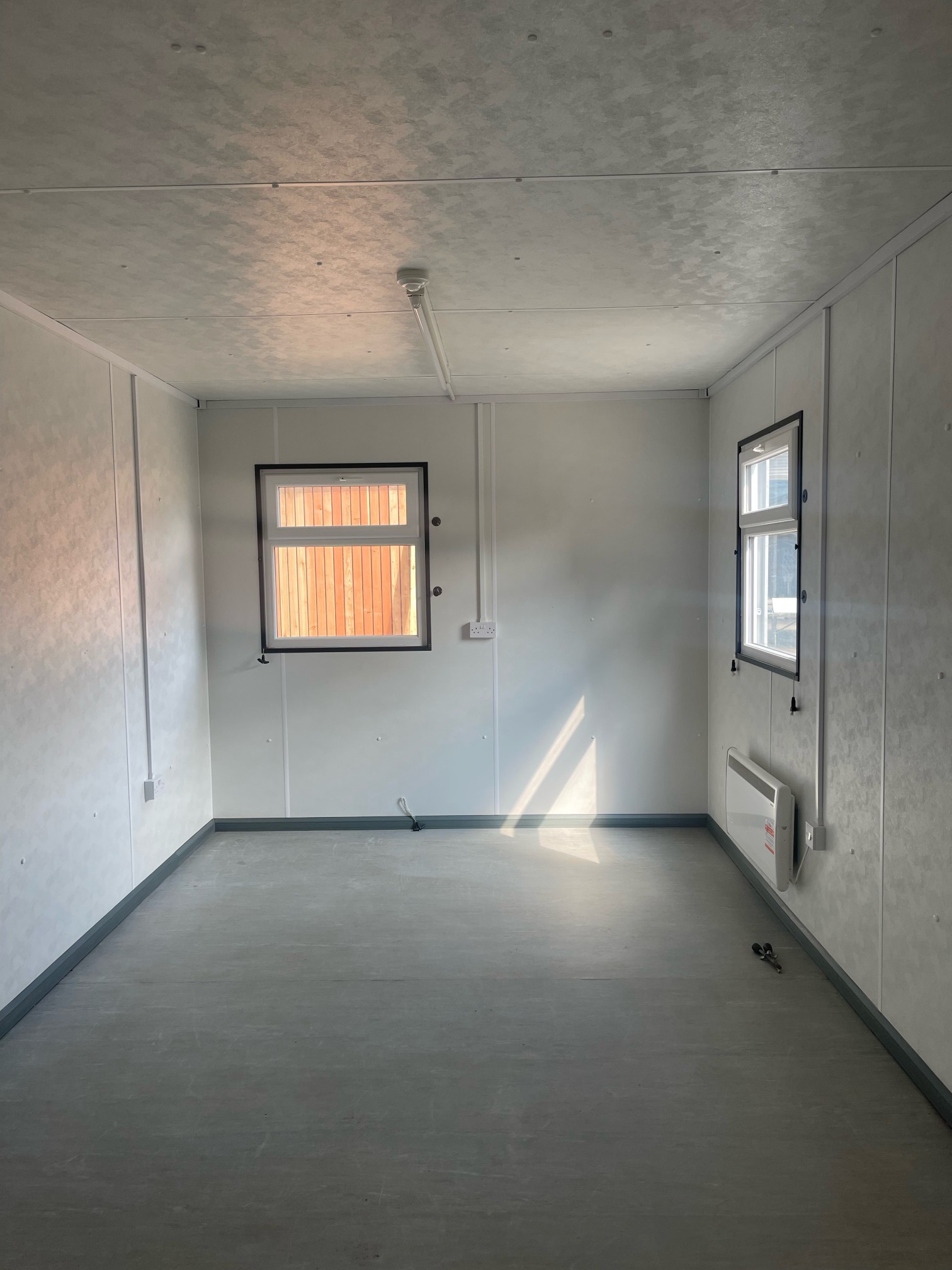
Location: Nationwide
Not Available for Hire
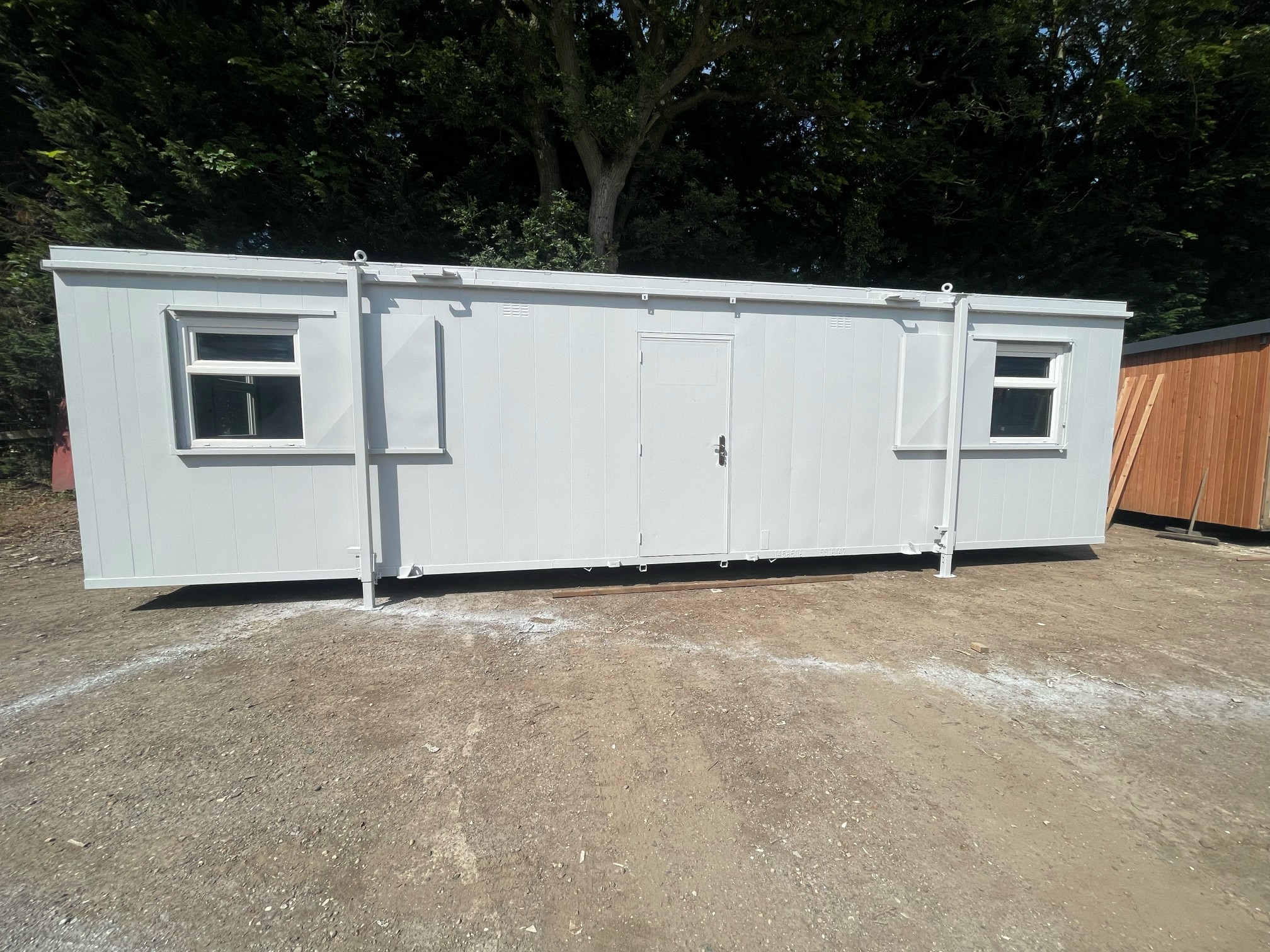
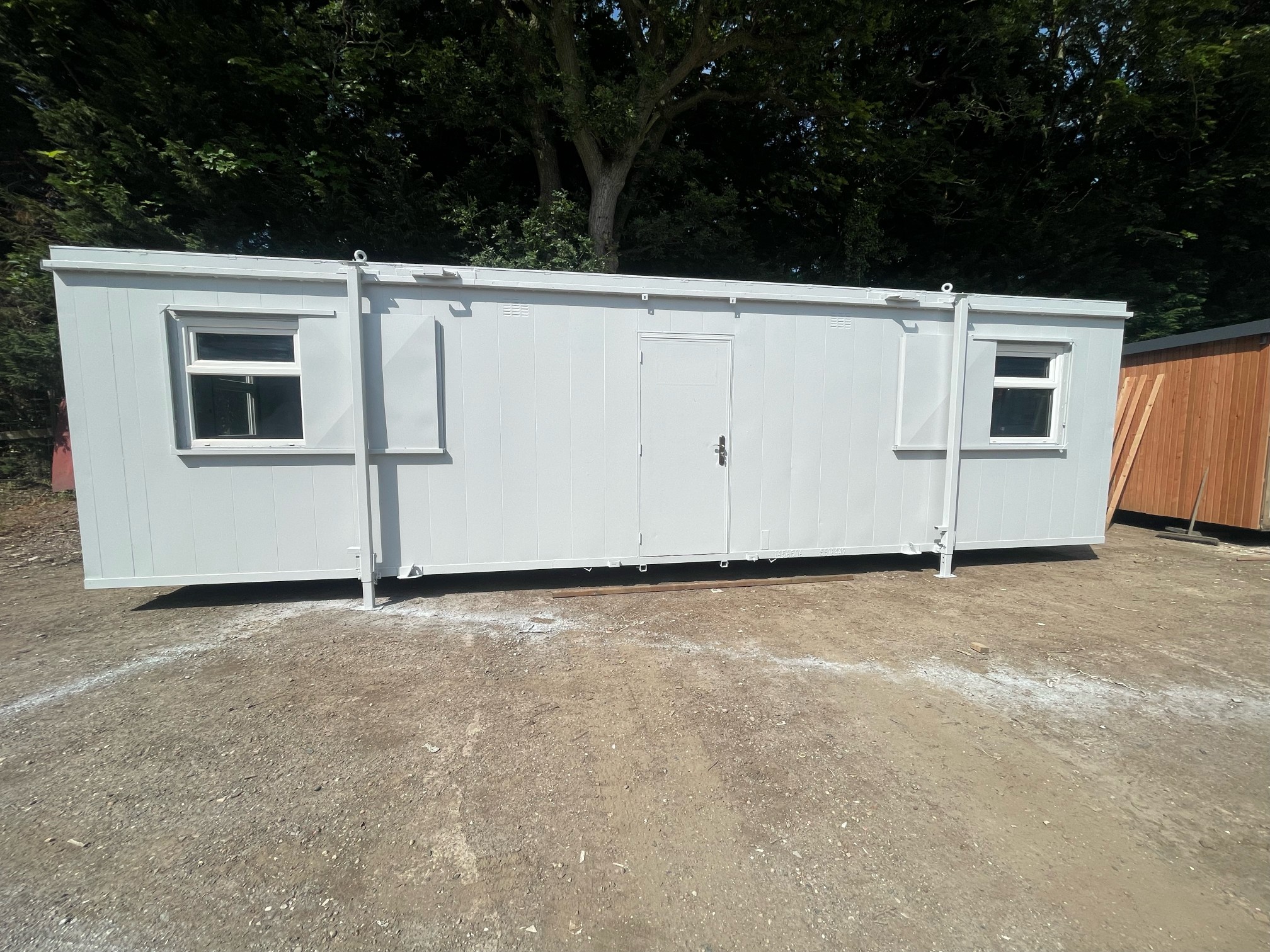
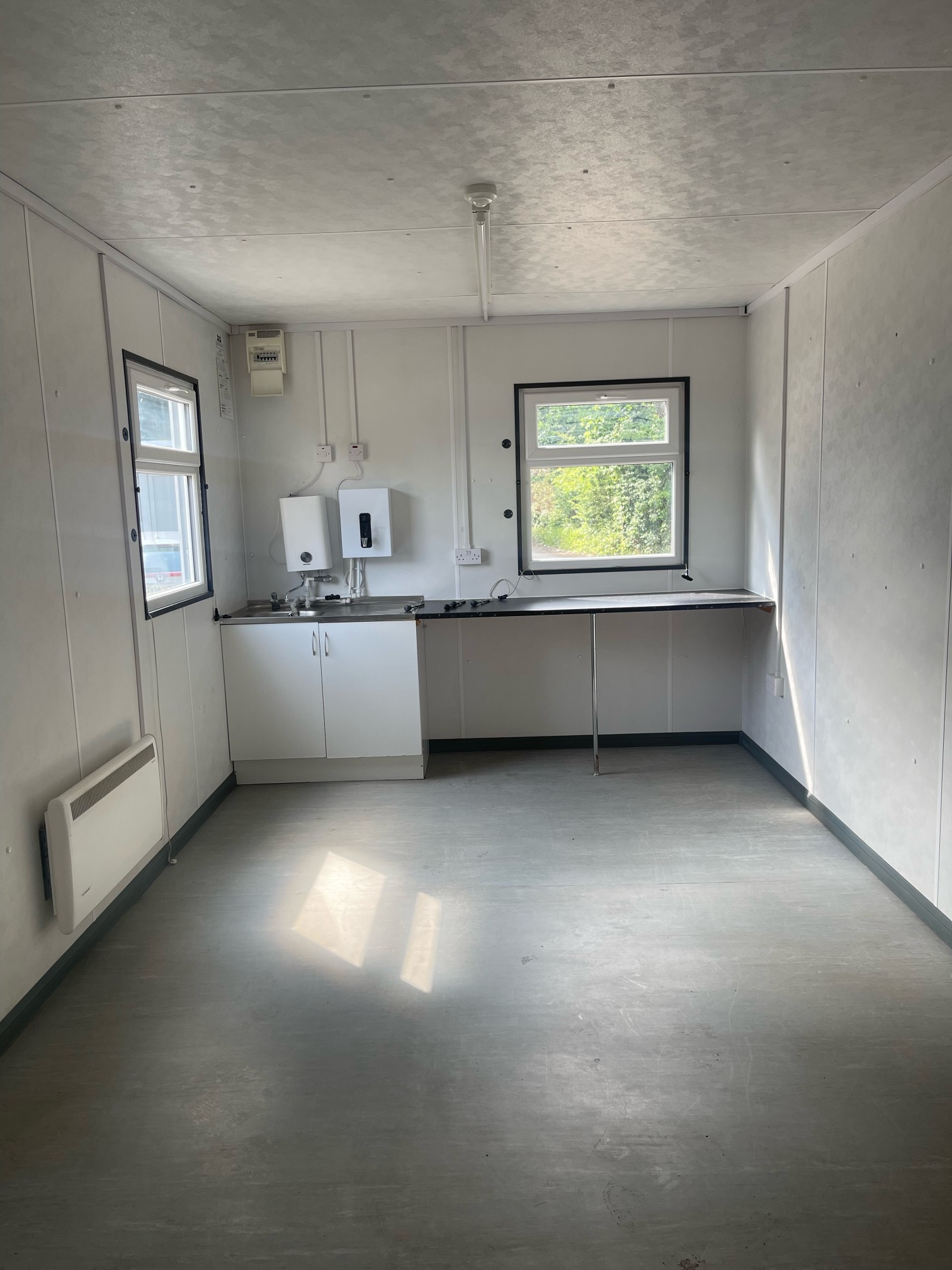
We can deliver for a cost please ask and send us post code.
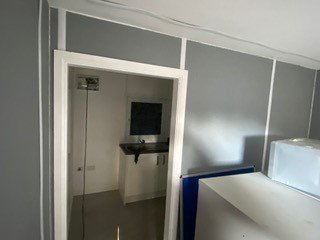
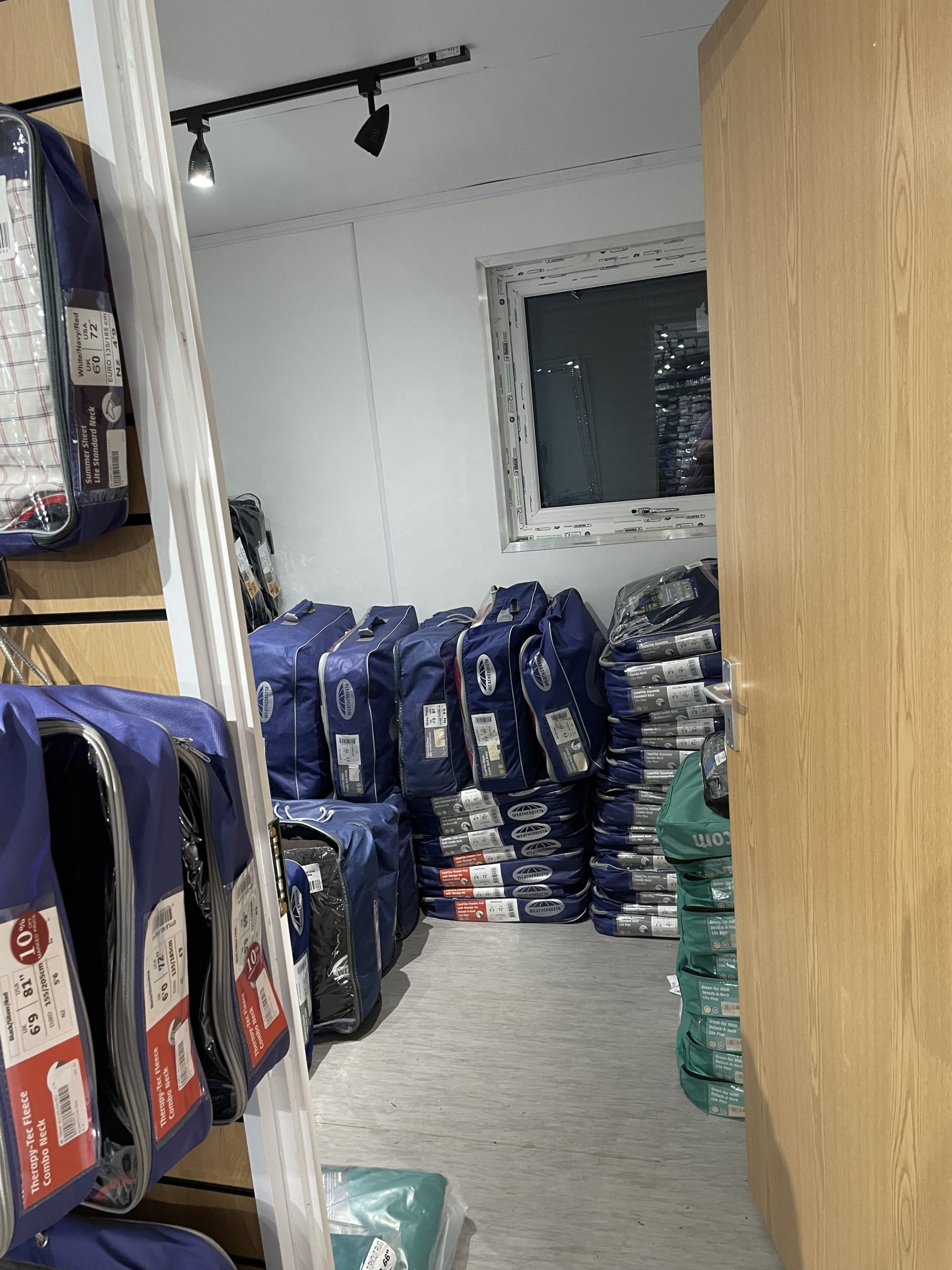
Hallway leading into:
Transport can be arranged please ask.
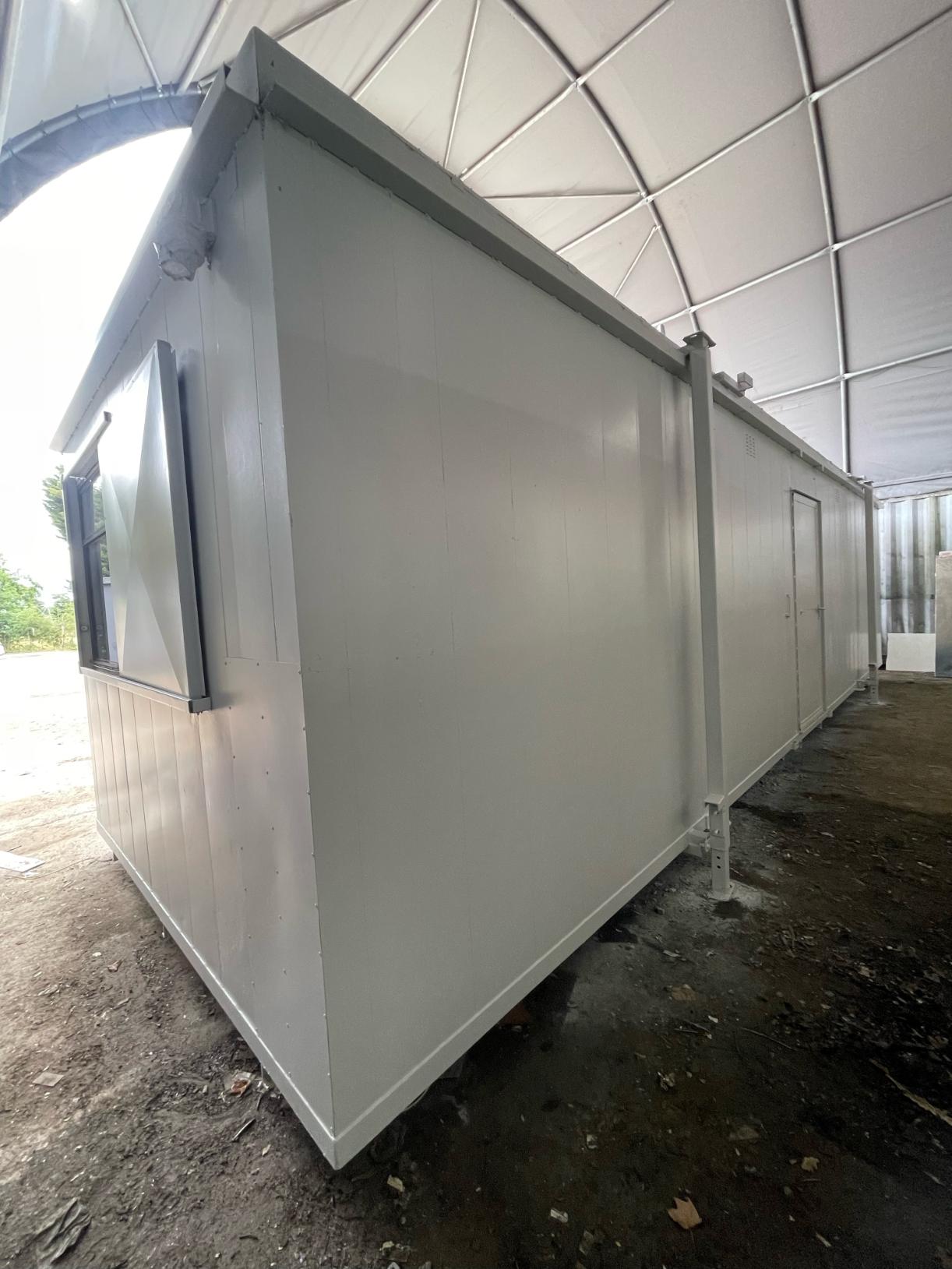
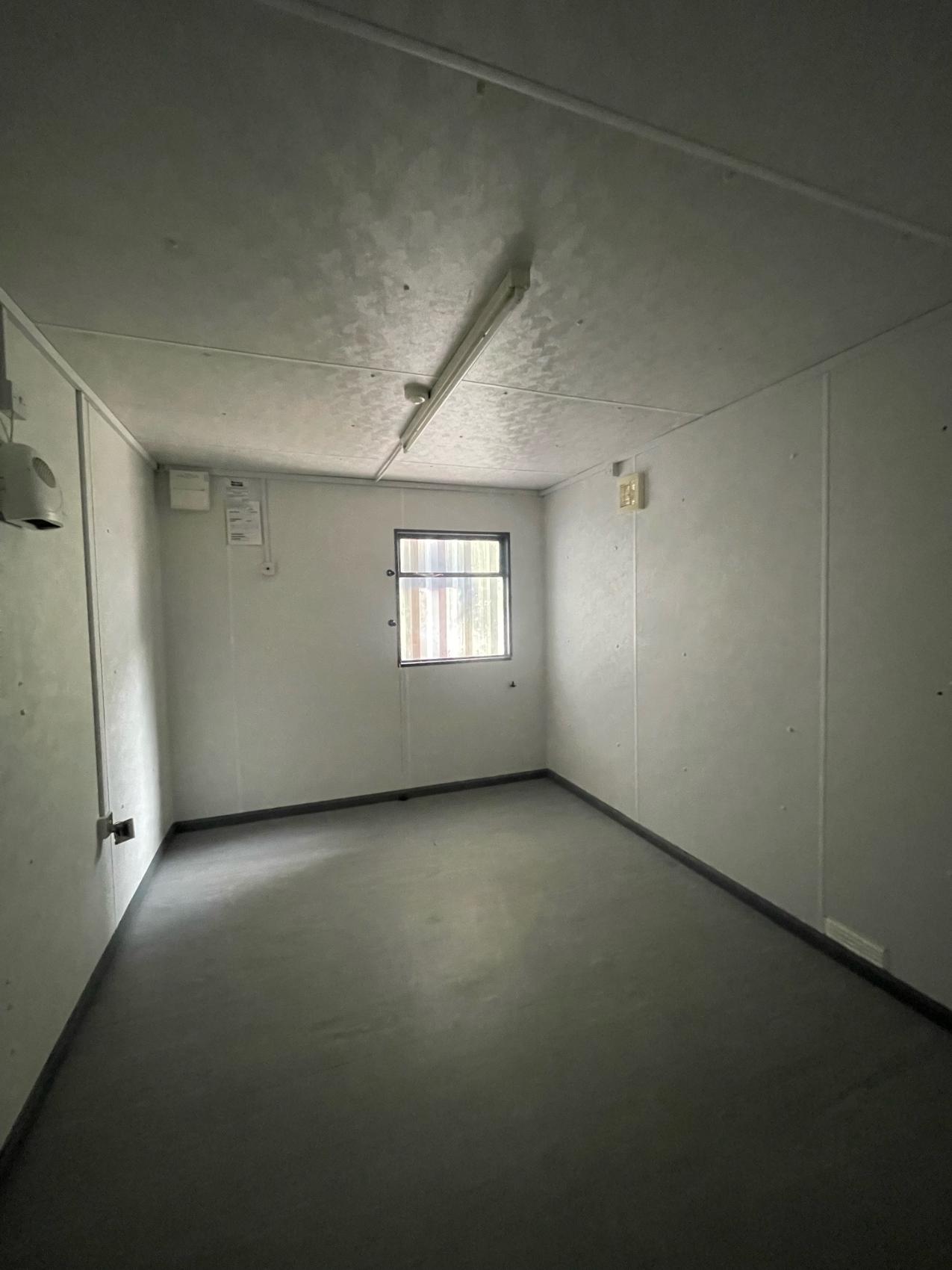
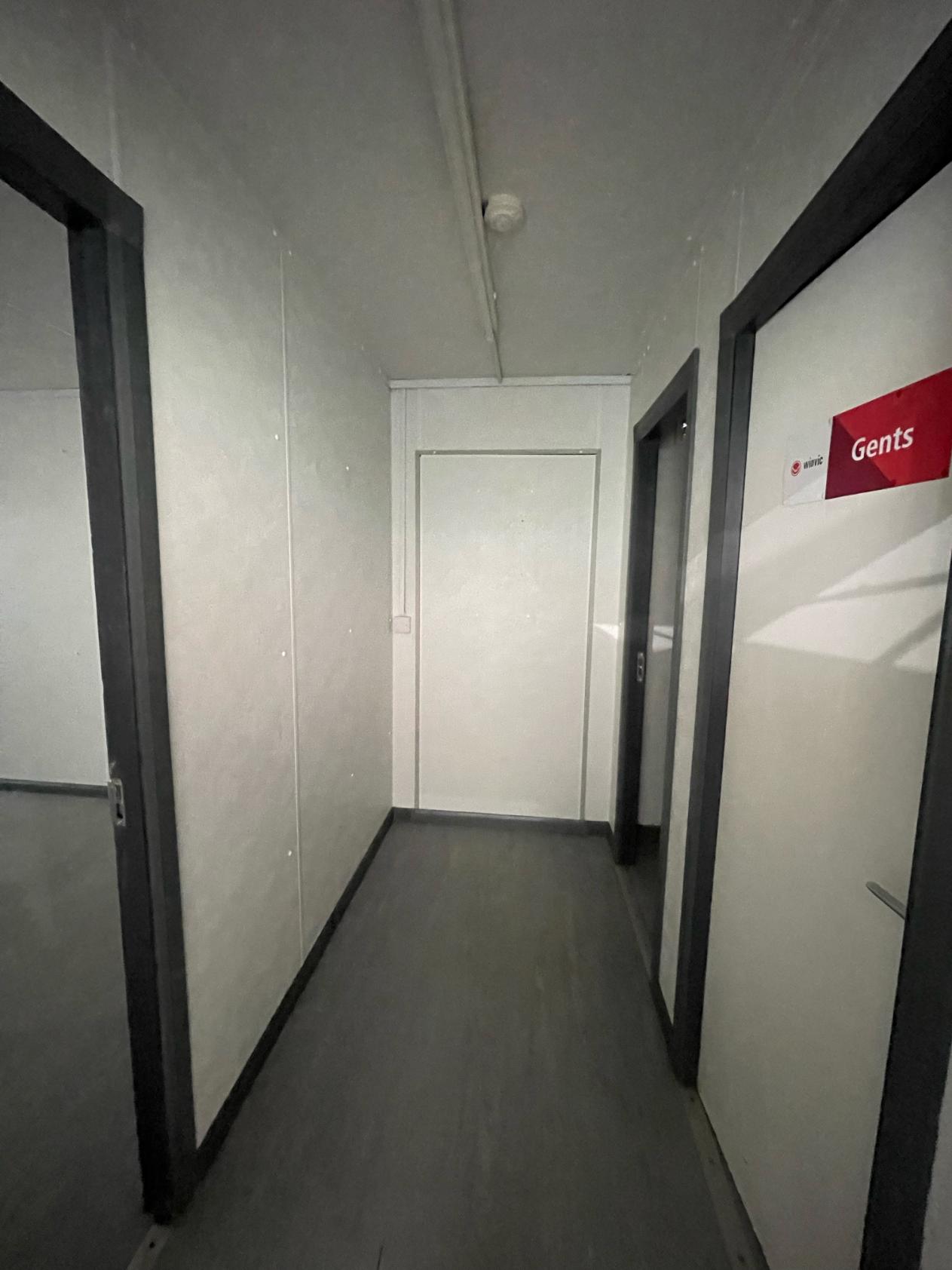
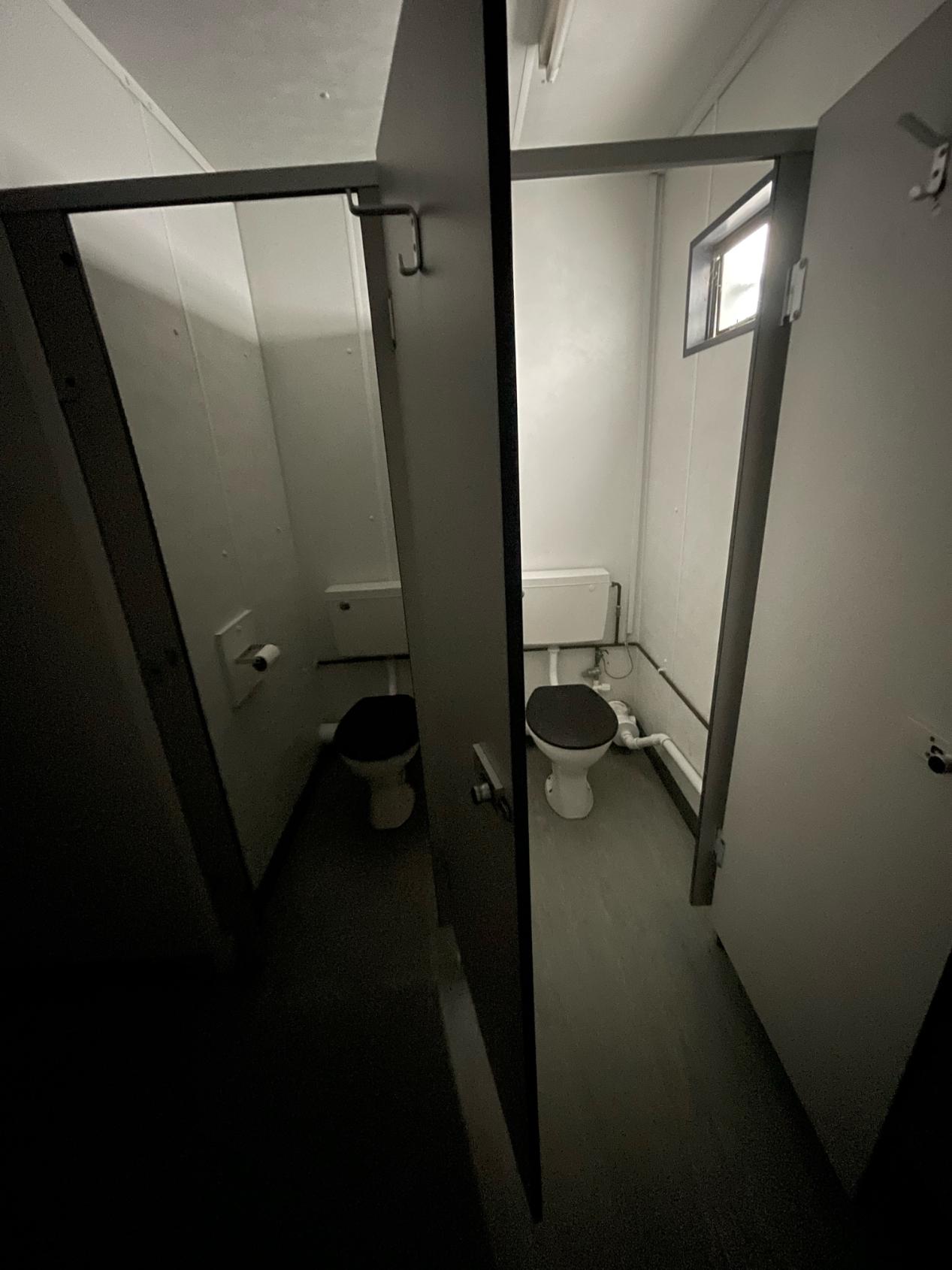
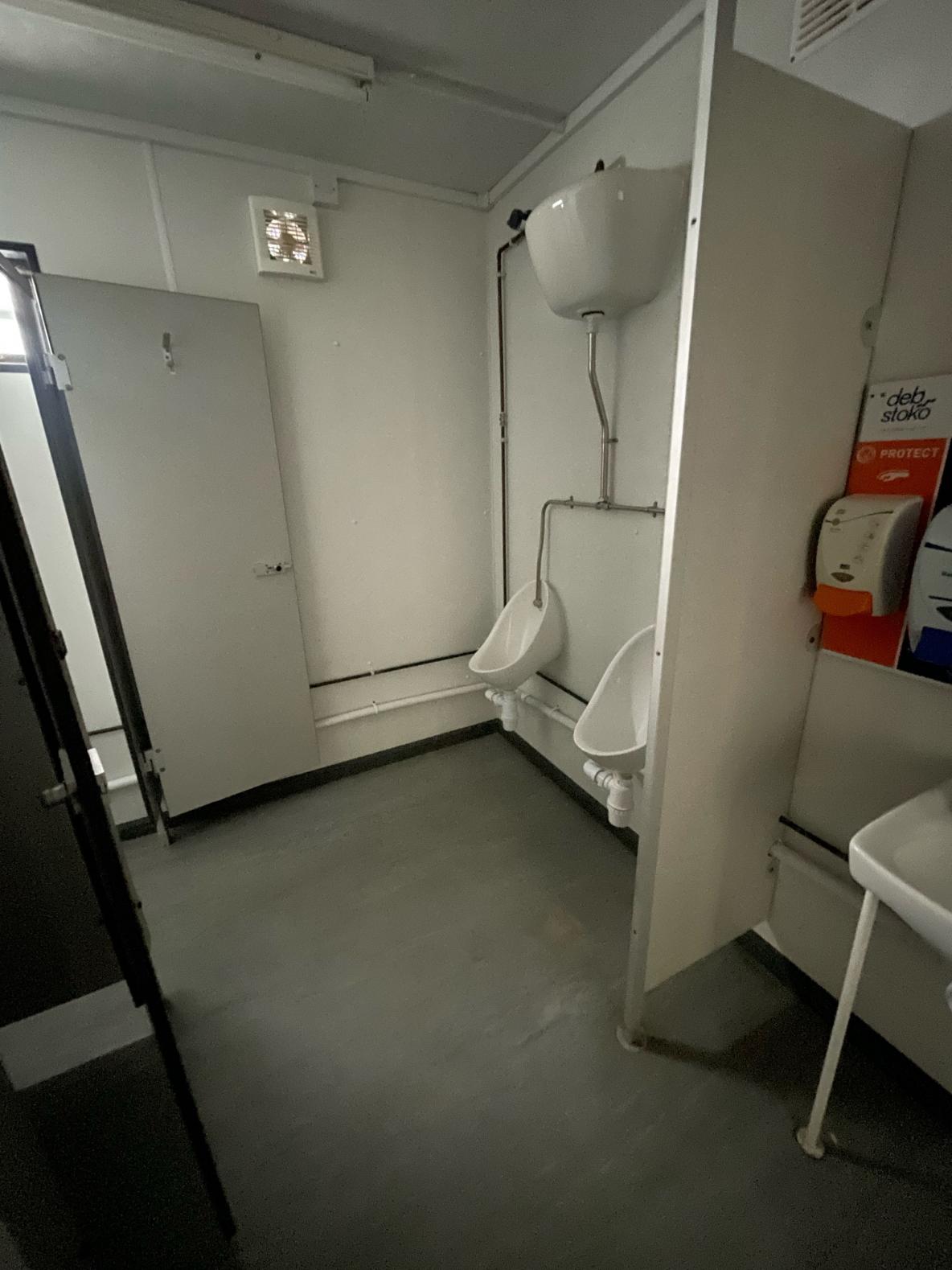
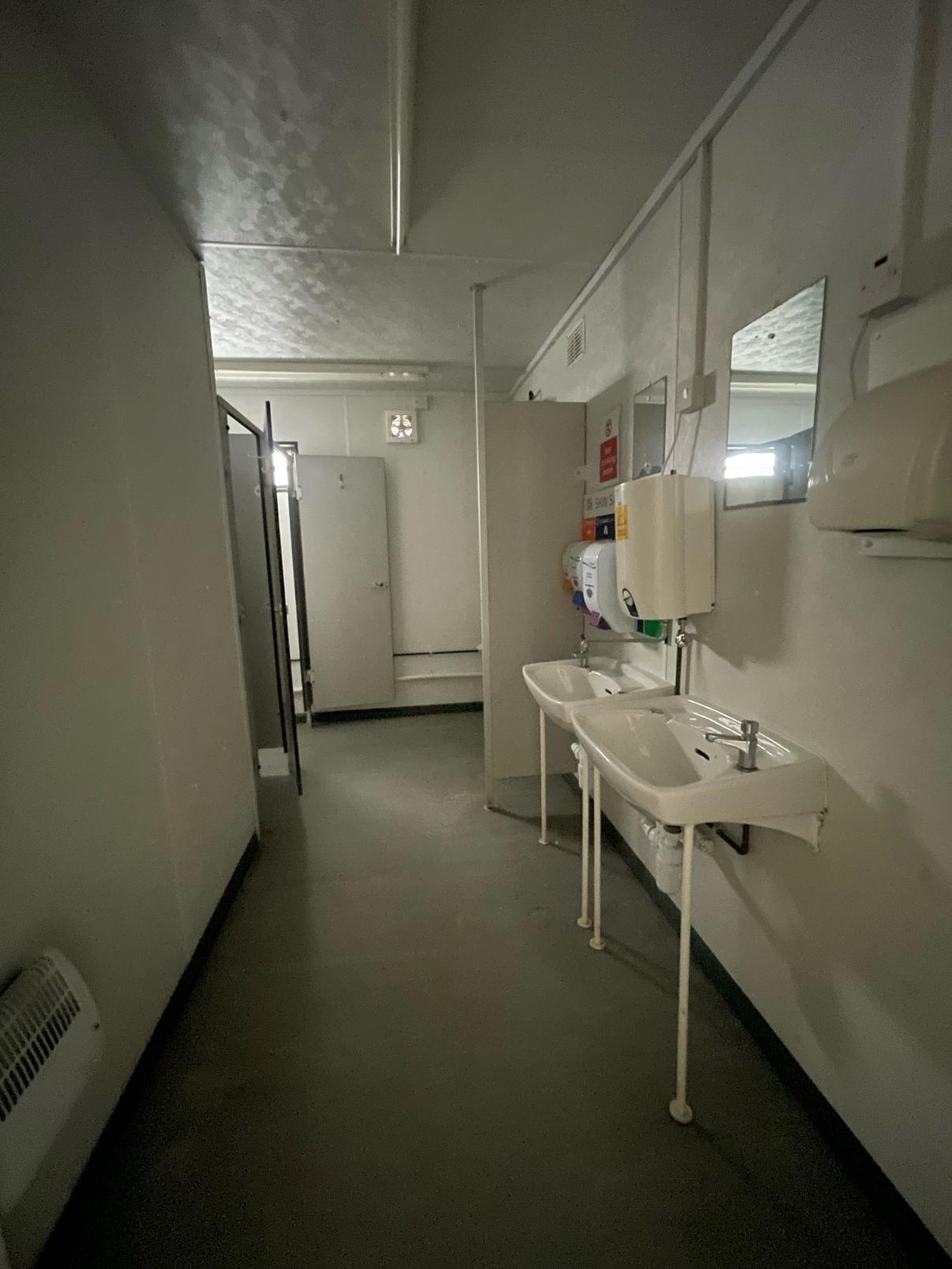
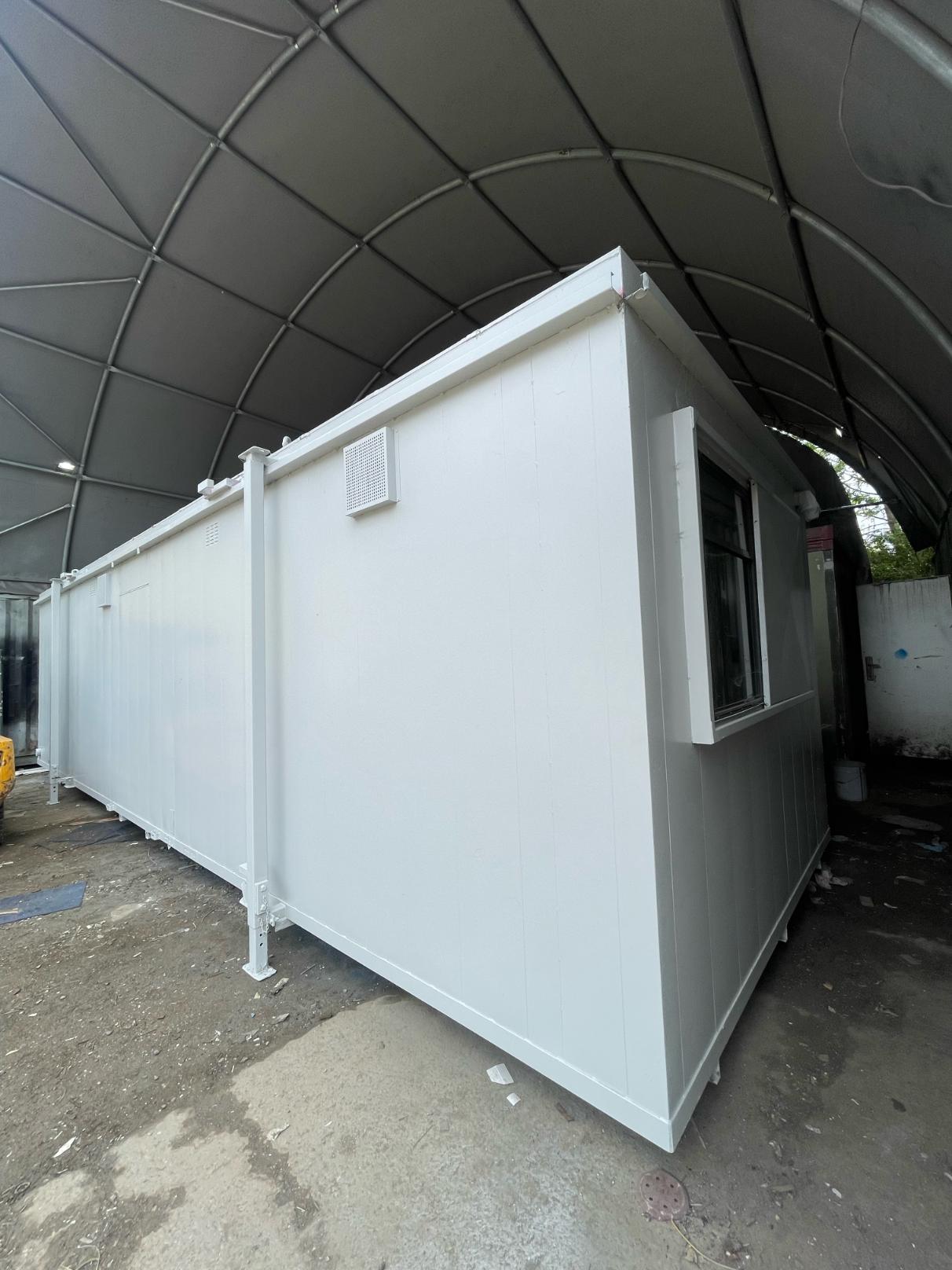
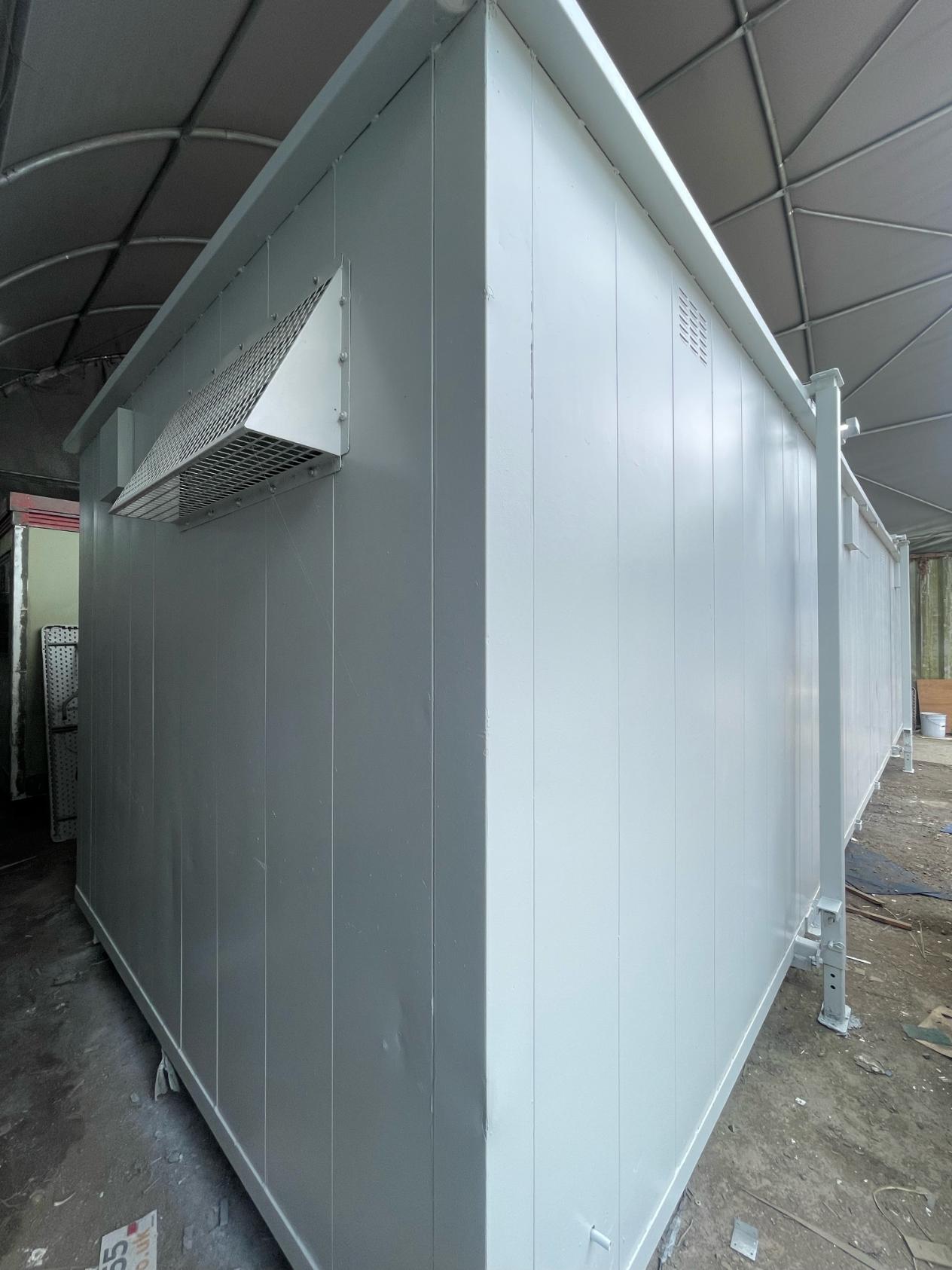
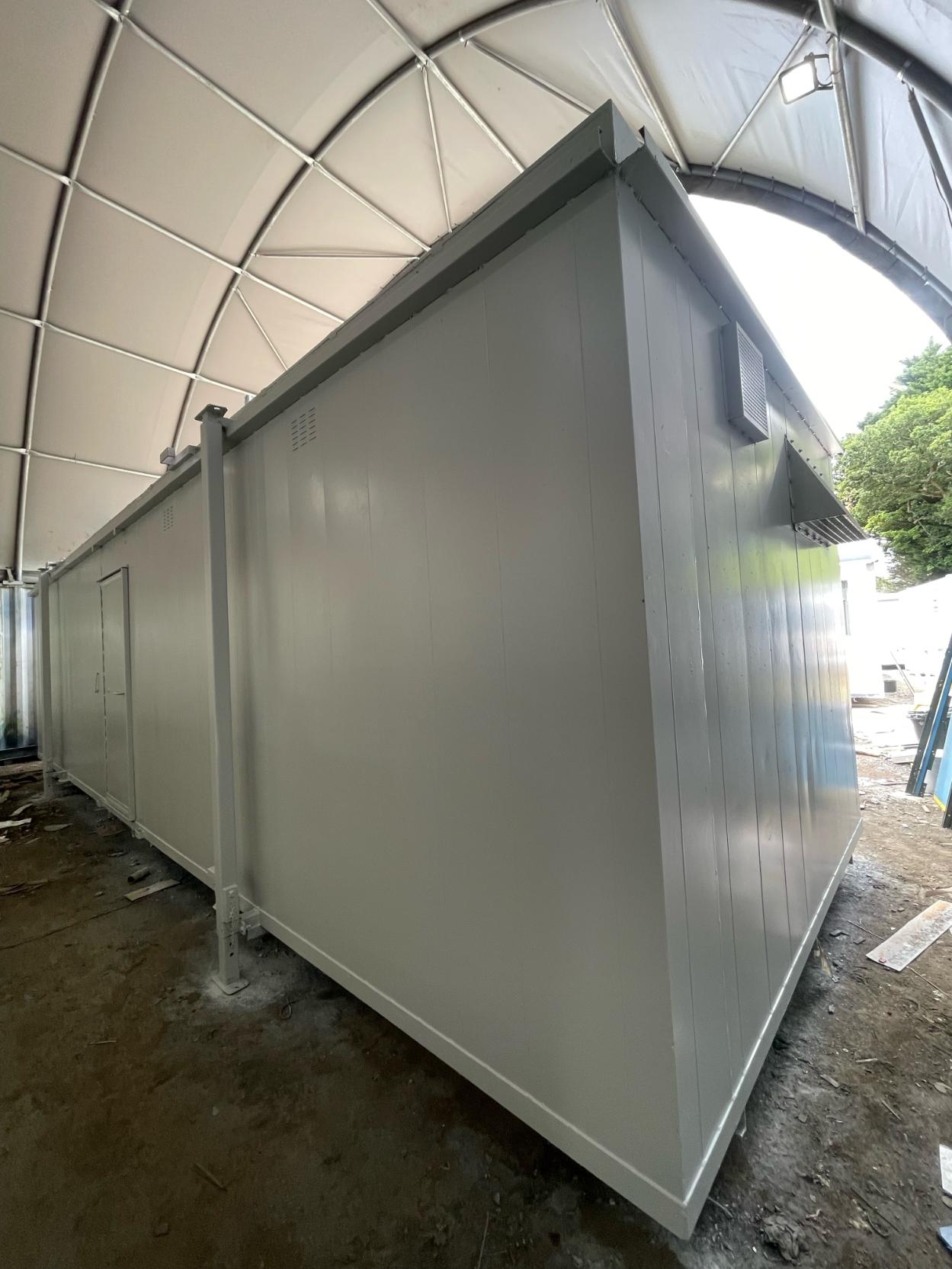
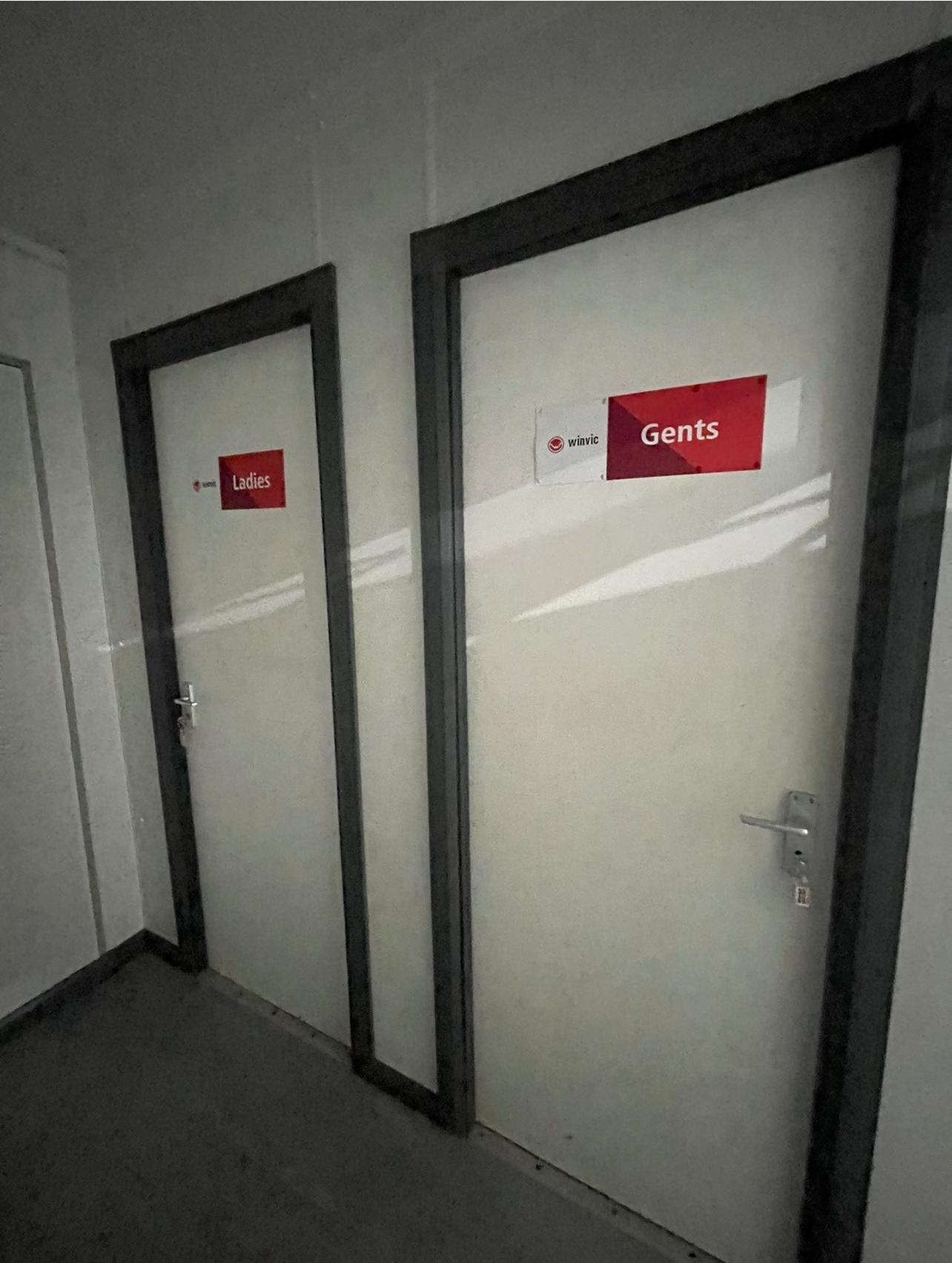
Location: Nationwide
Not Available for Hire
Call for an instant quote!
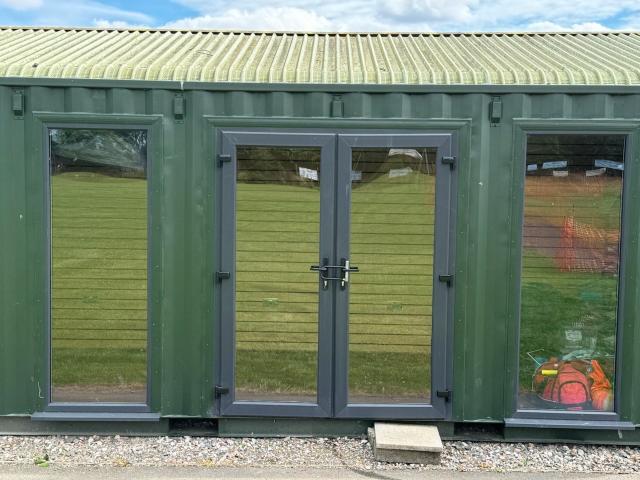
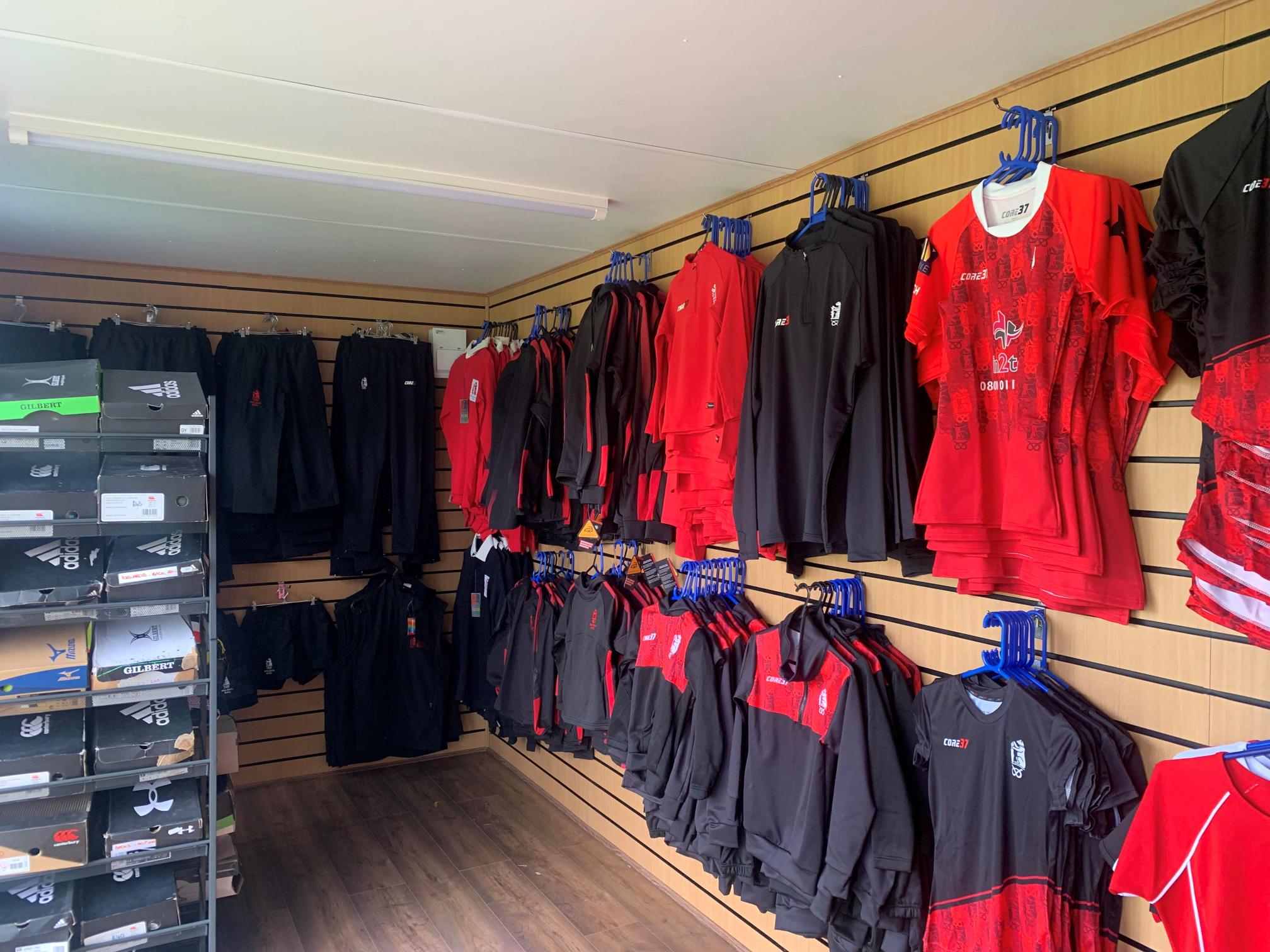
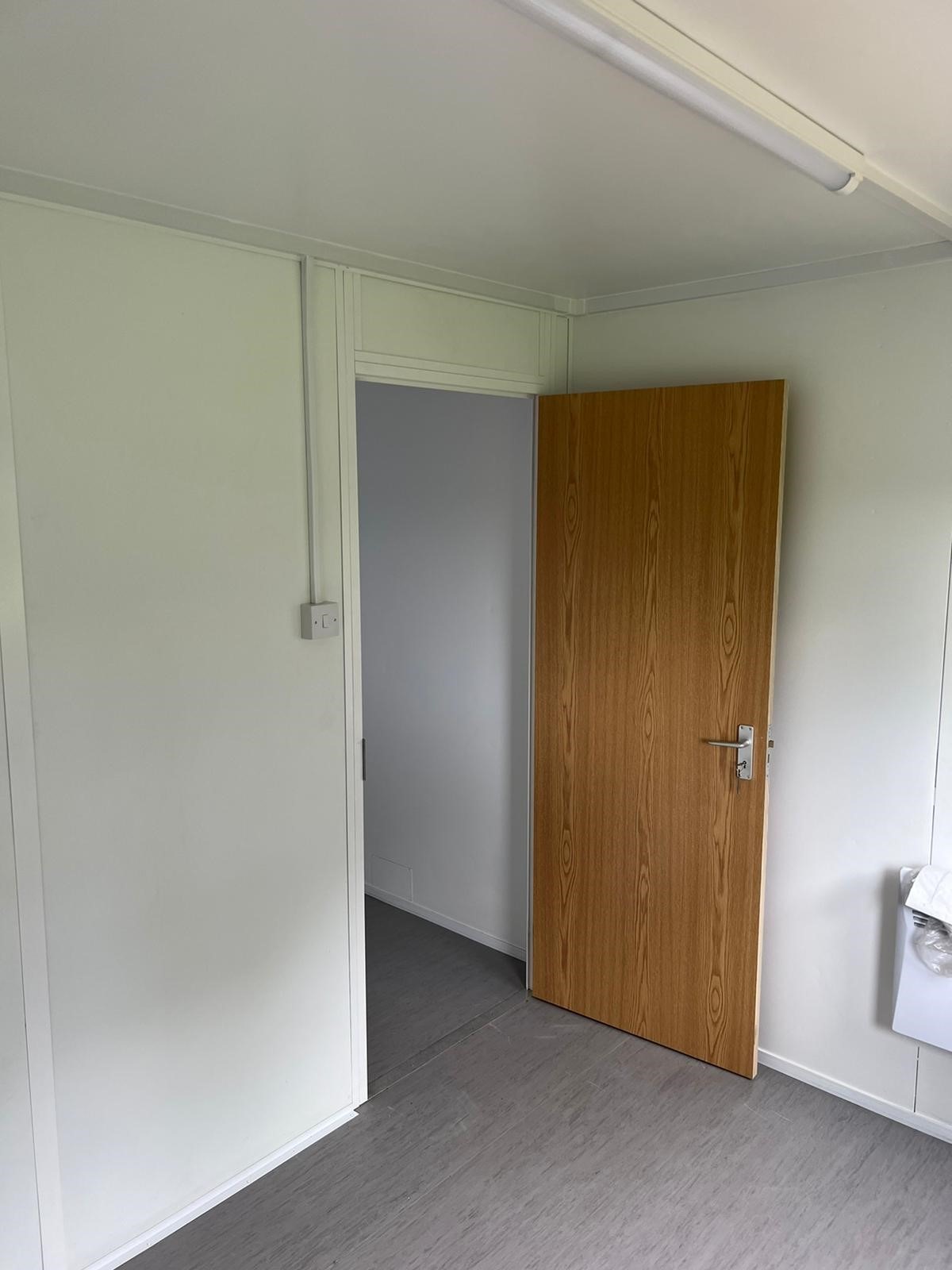
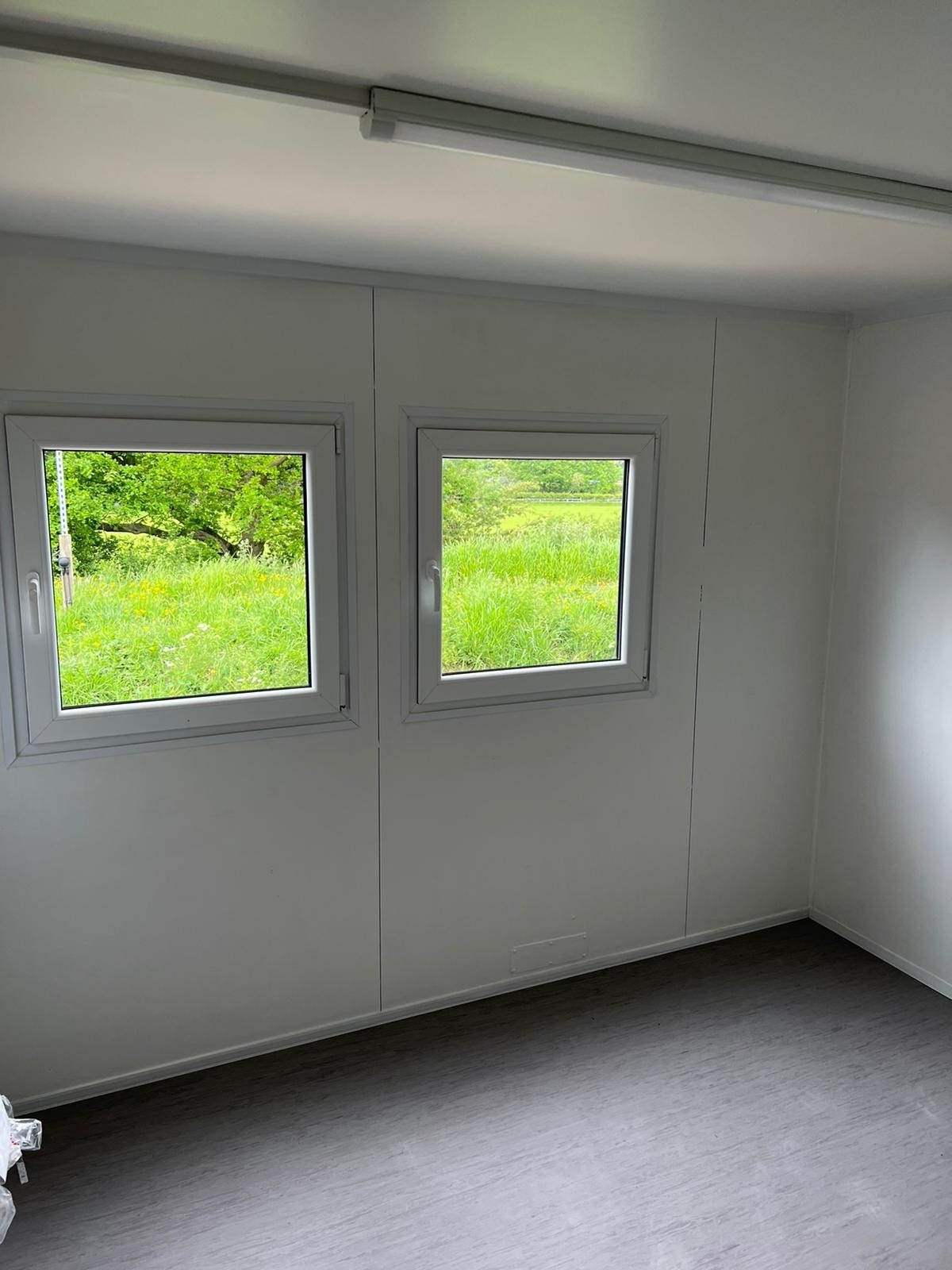
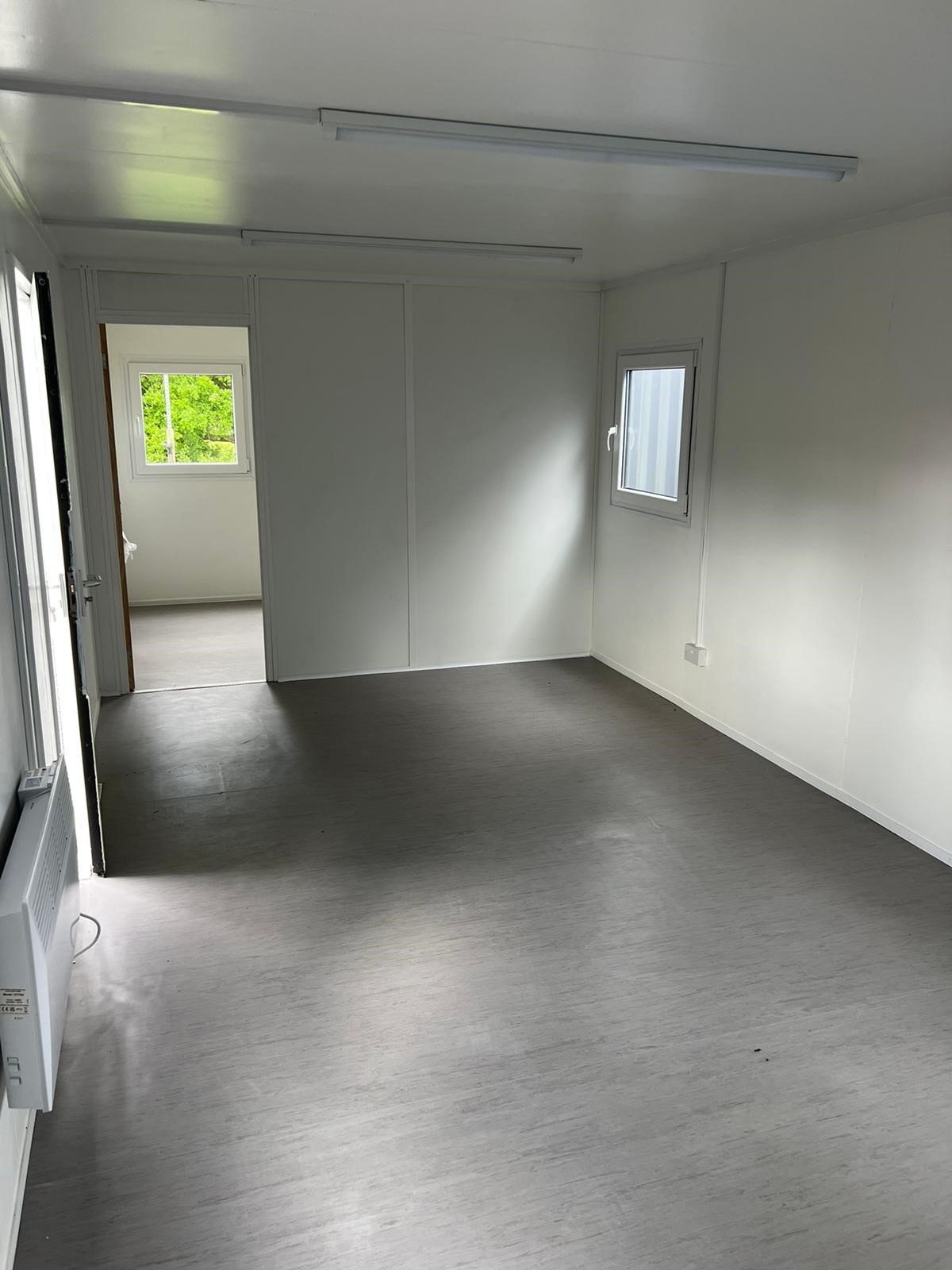
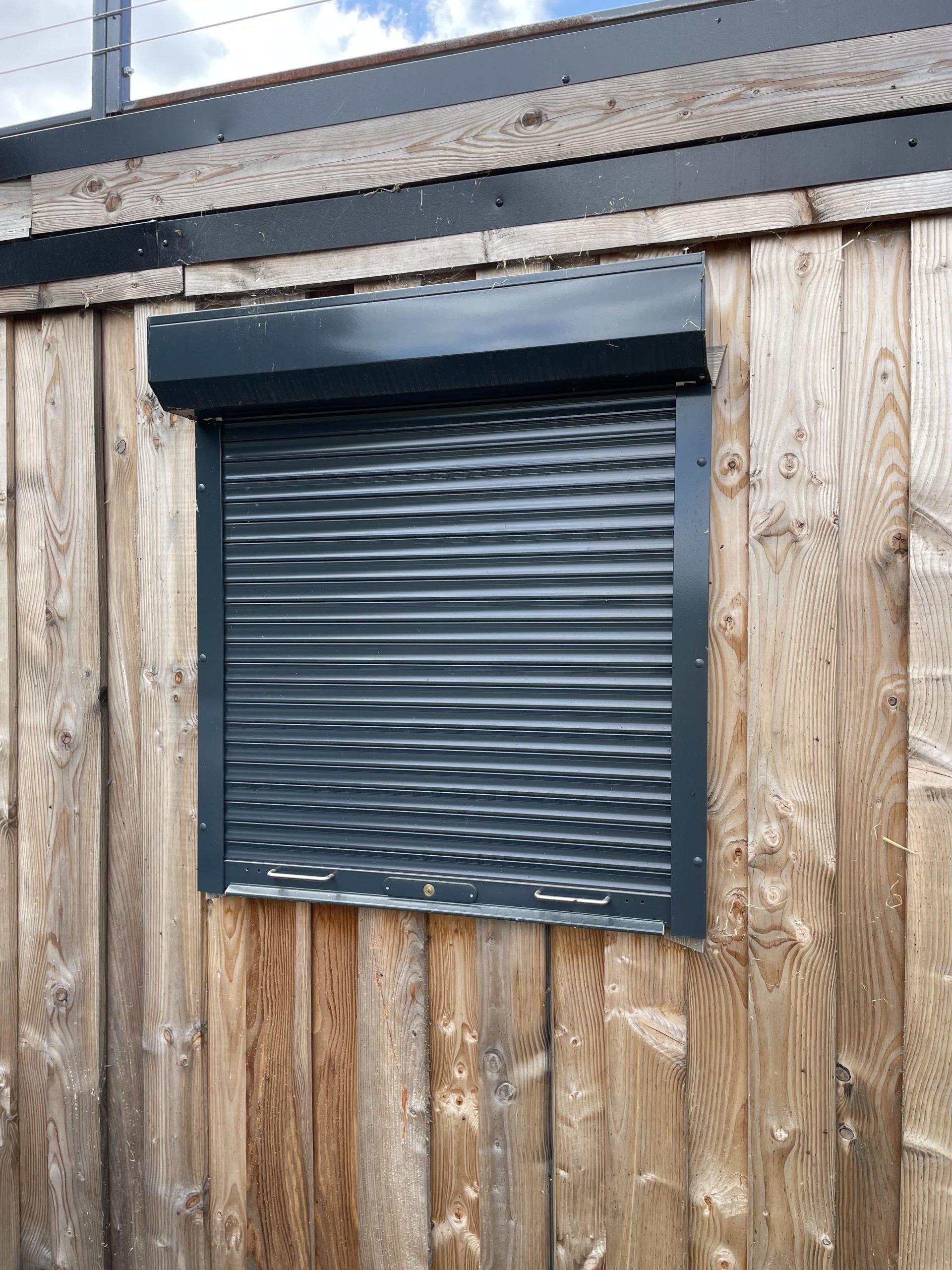
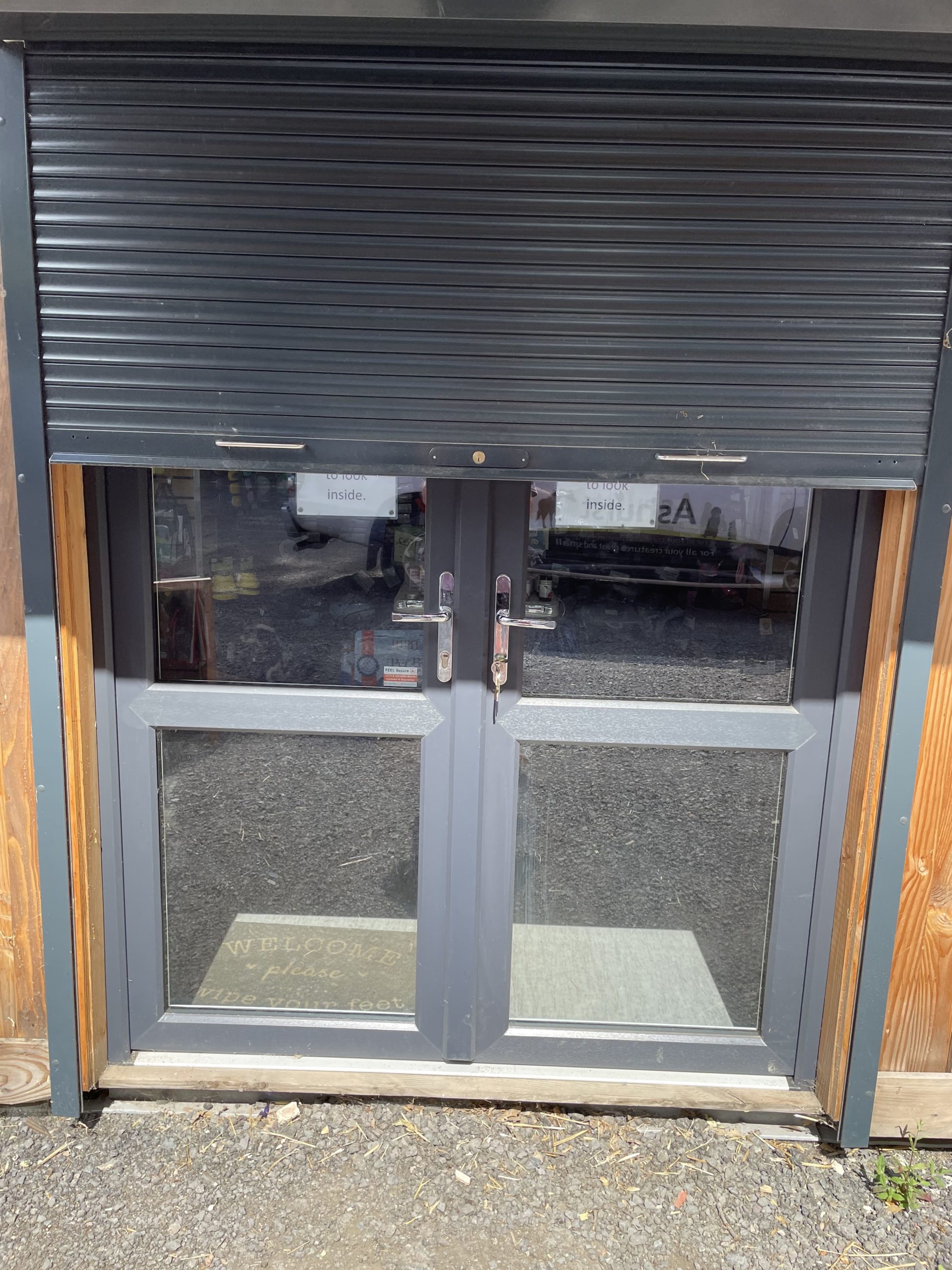
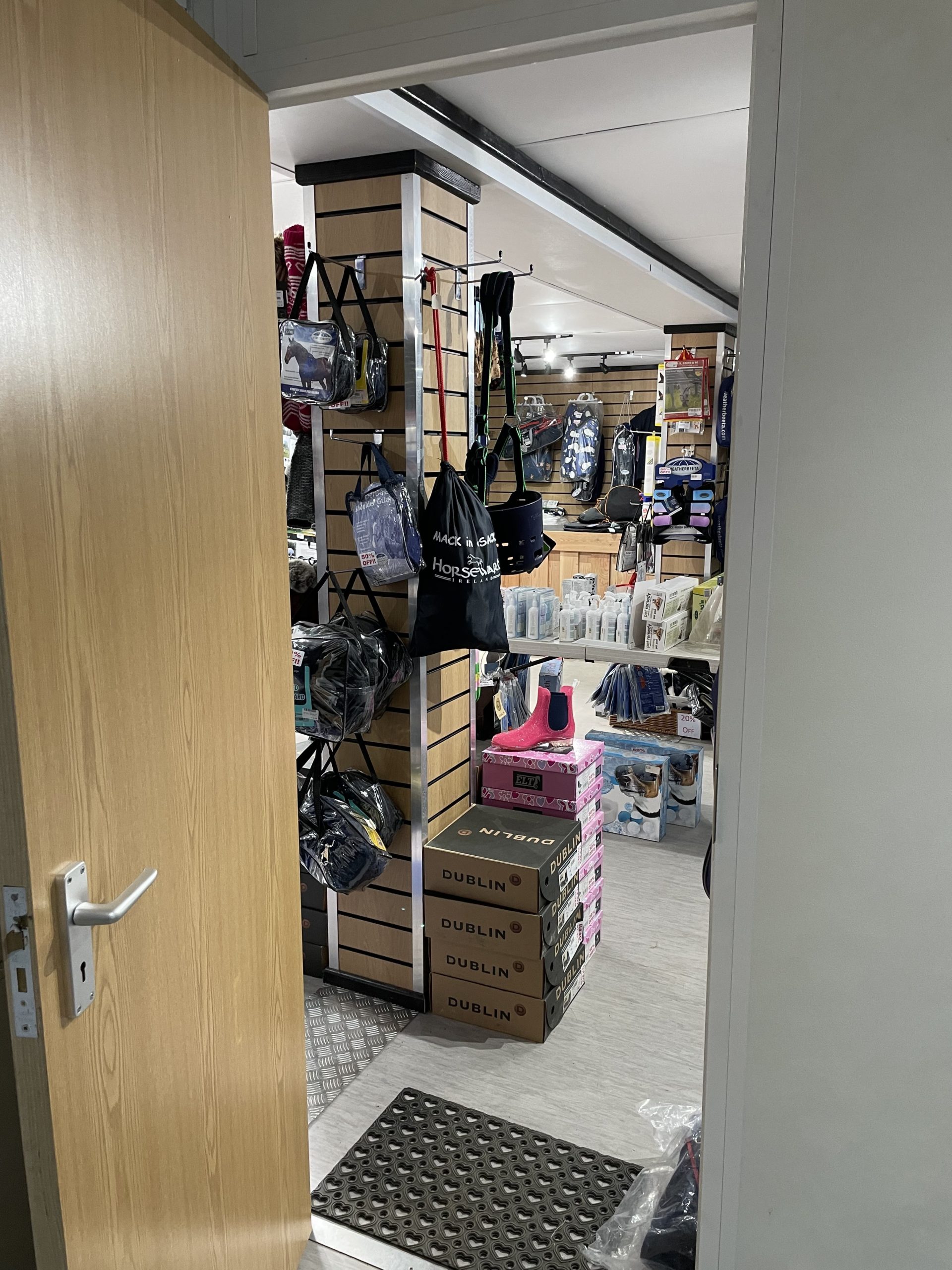
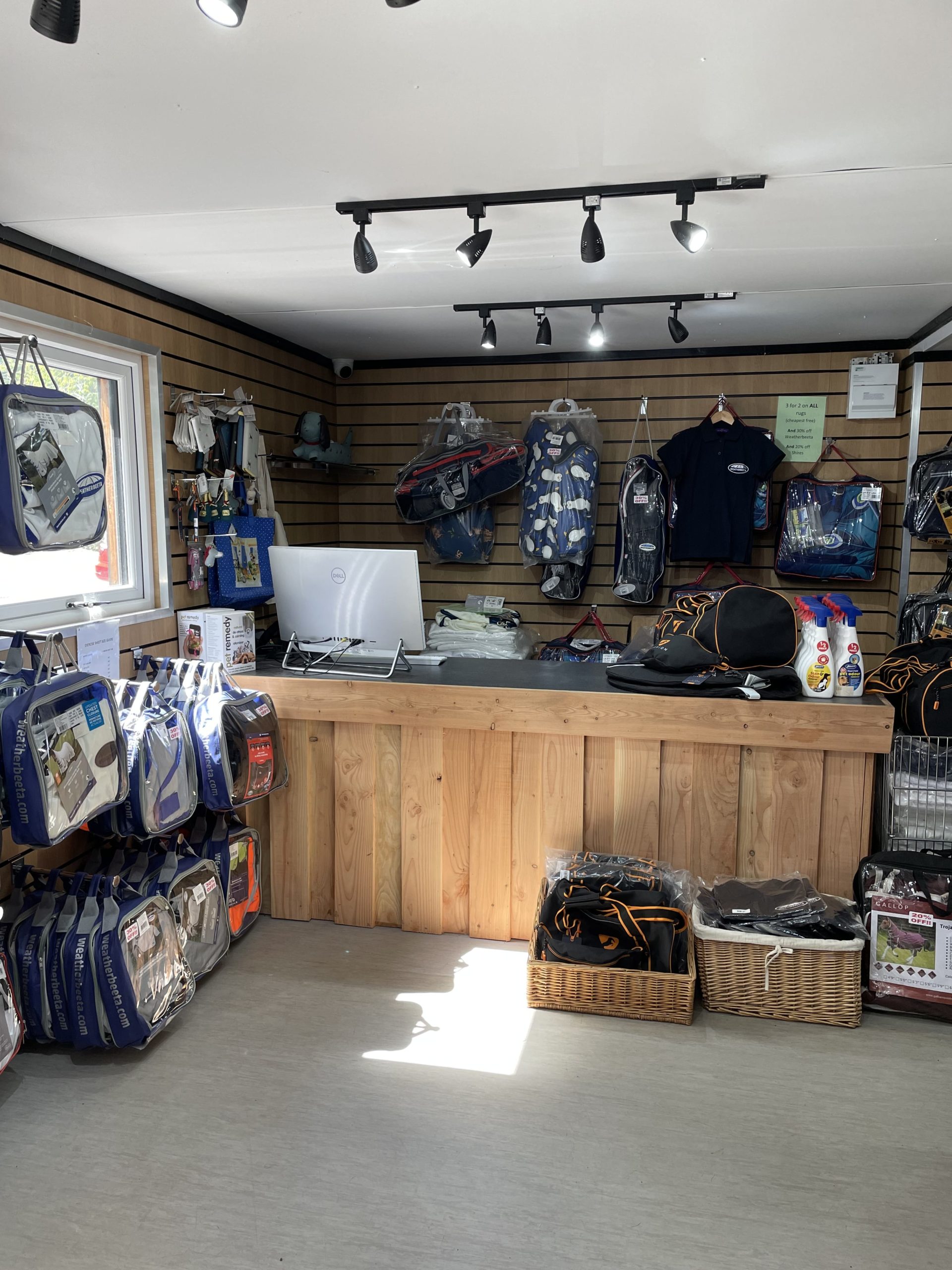
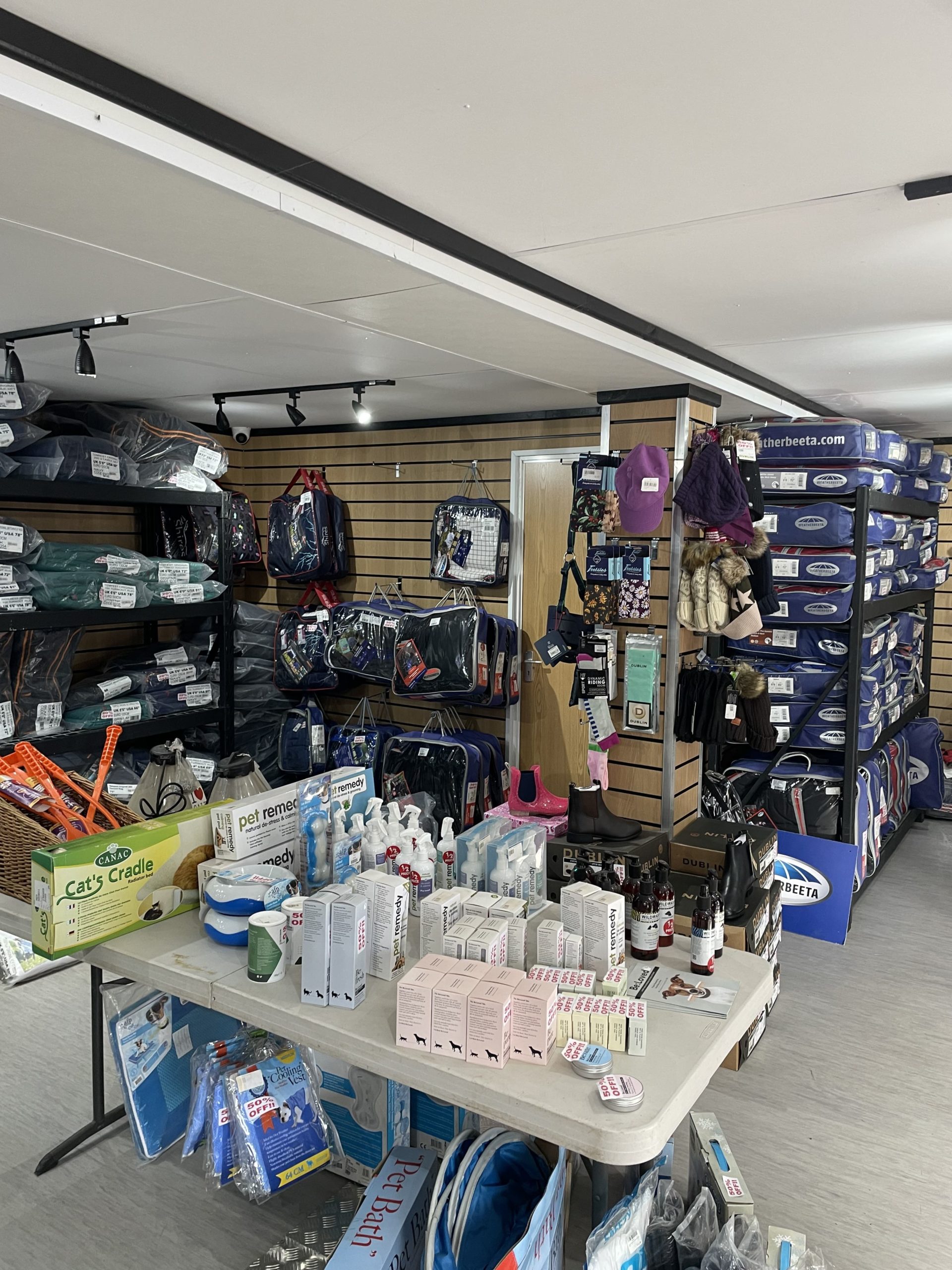
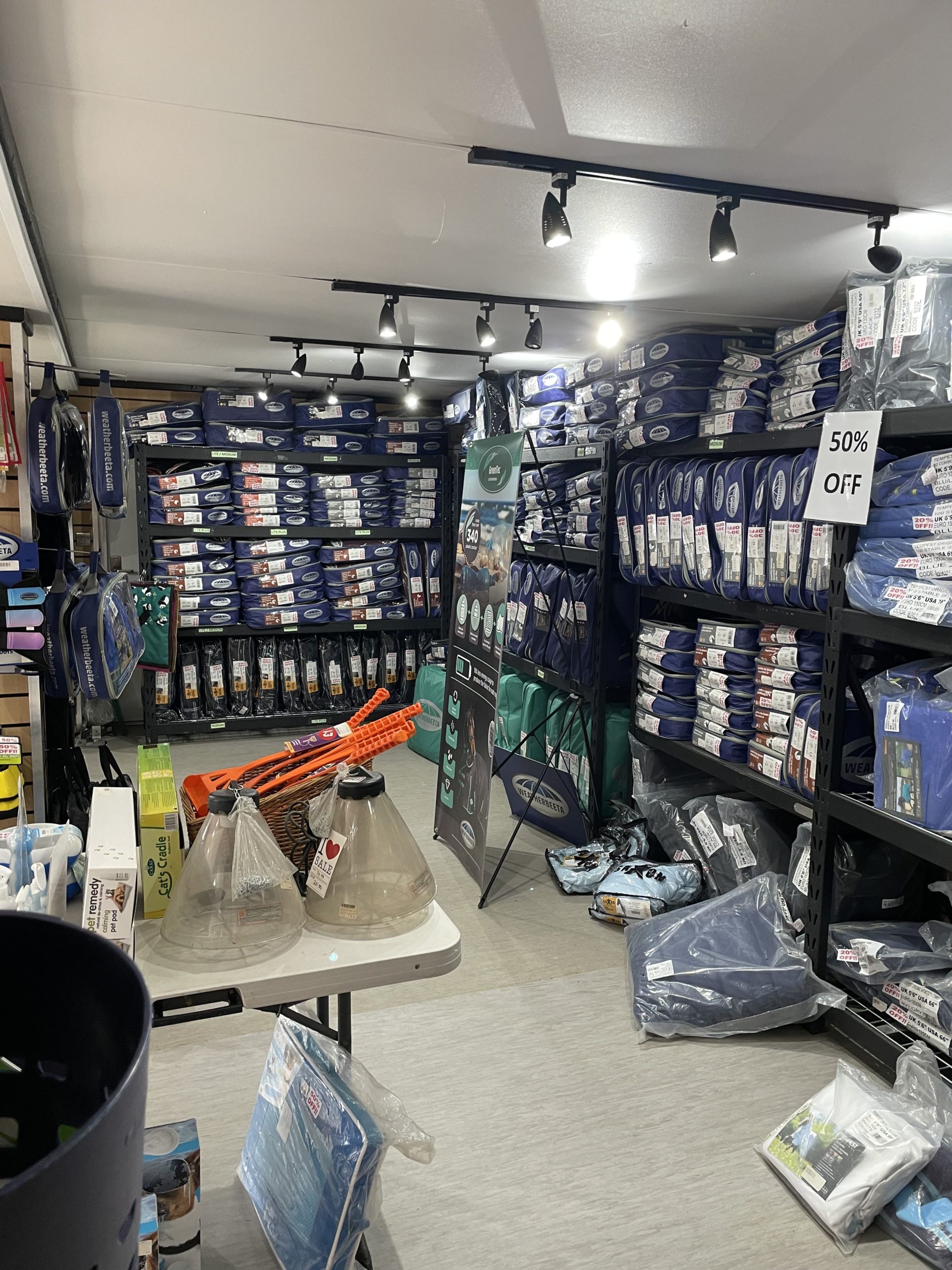
20ft x 8ft Container Conversion Retail Shop
UPVC Double glazed Windows + French Doors
Slat Wall for retail fixings and Merchandise
Electric Chrome Sockets, led lighting and heating.
Laminate Flooring
12 months Warranty
Maintenance call out package included
Less than 2 years old
Still in Brand New Condition
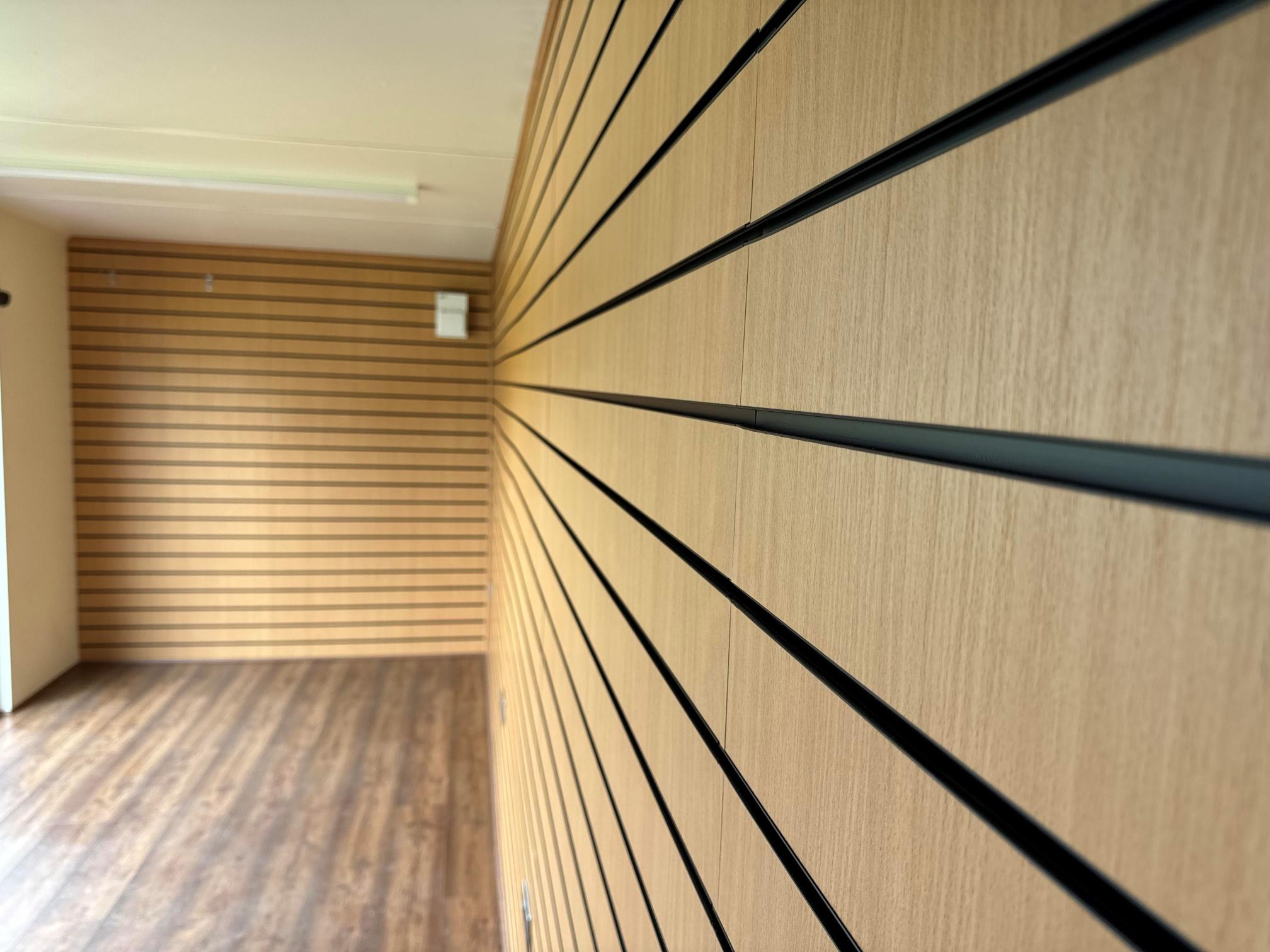
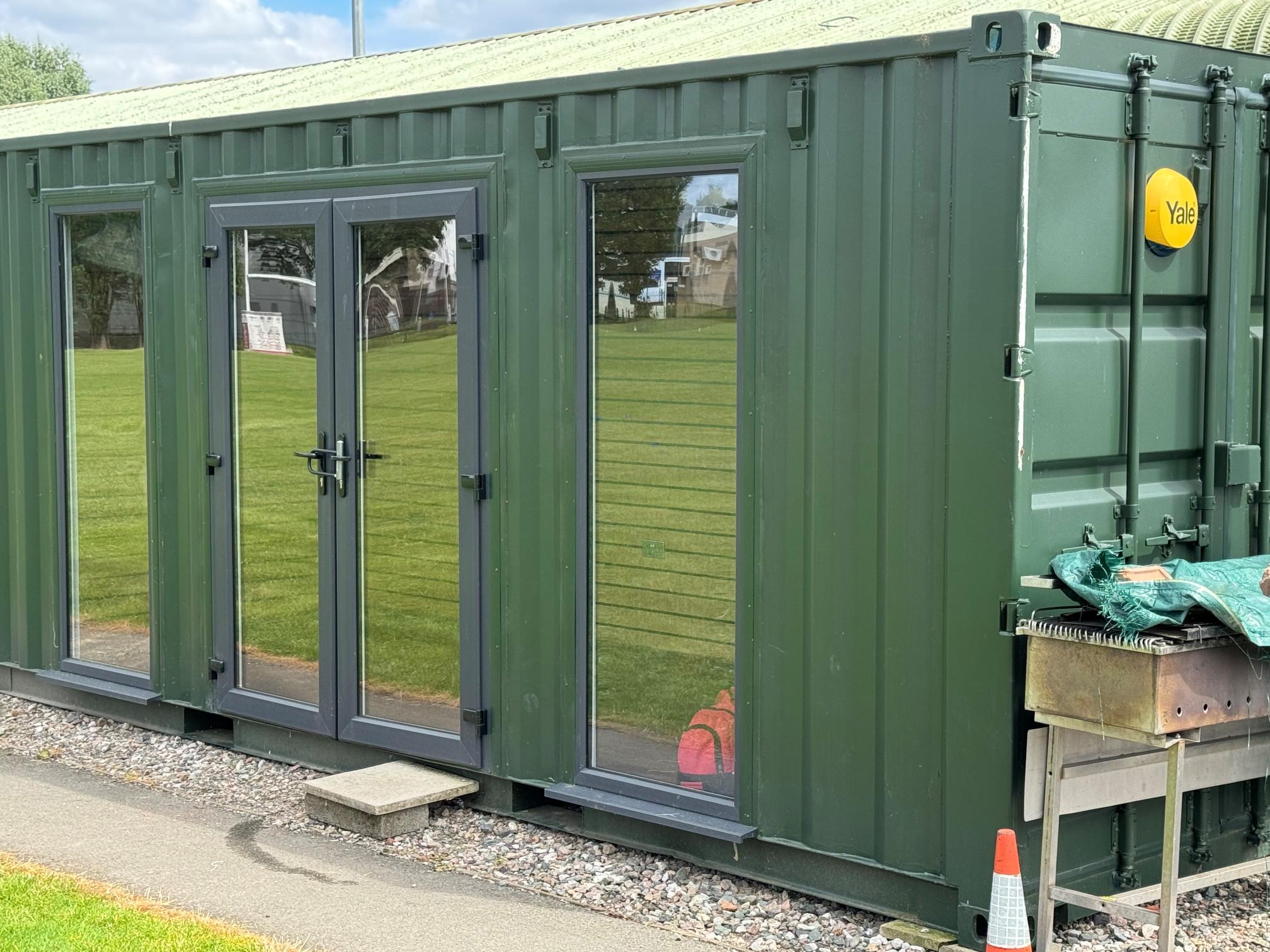
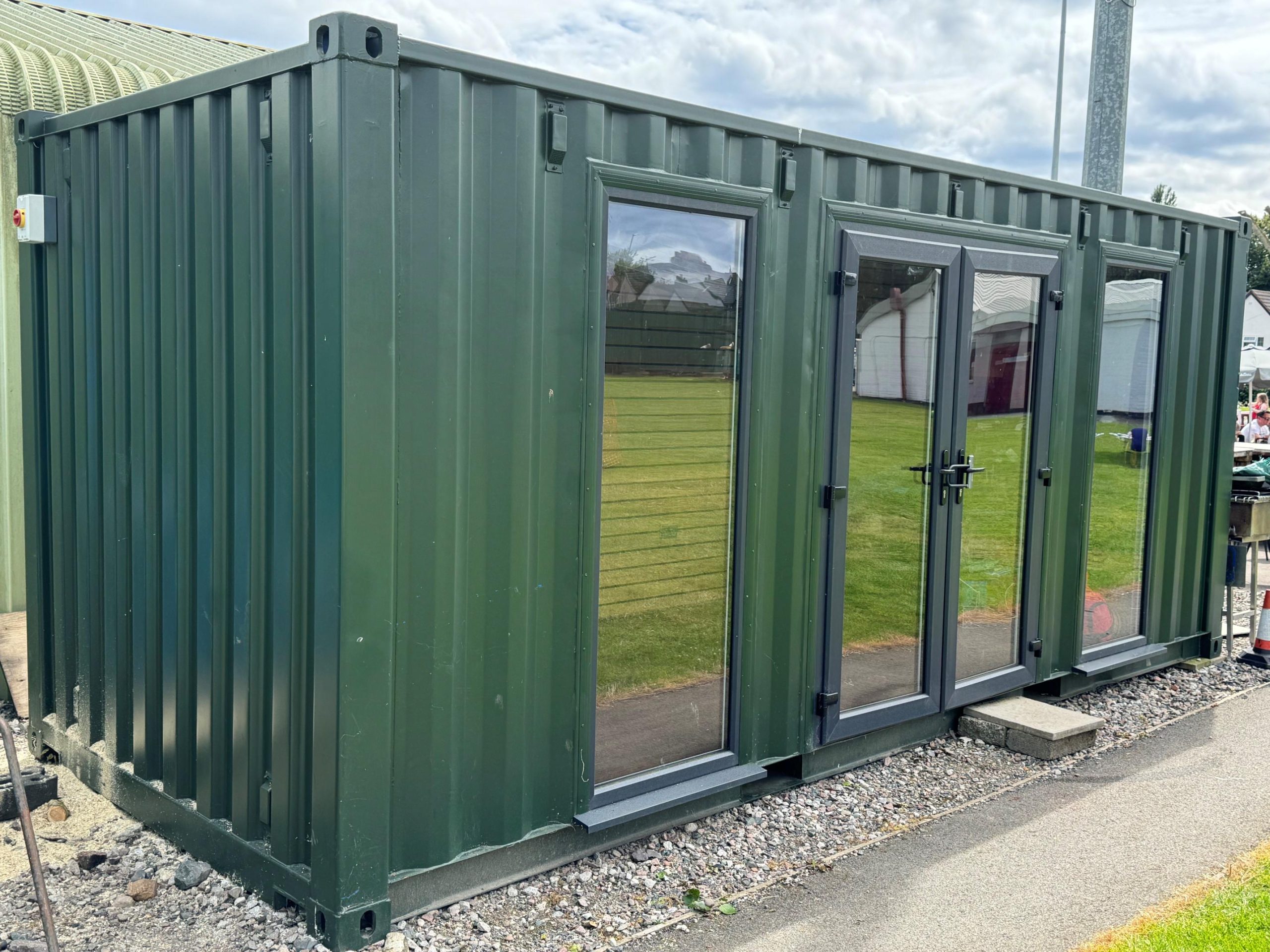
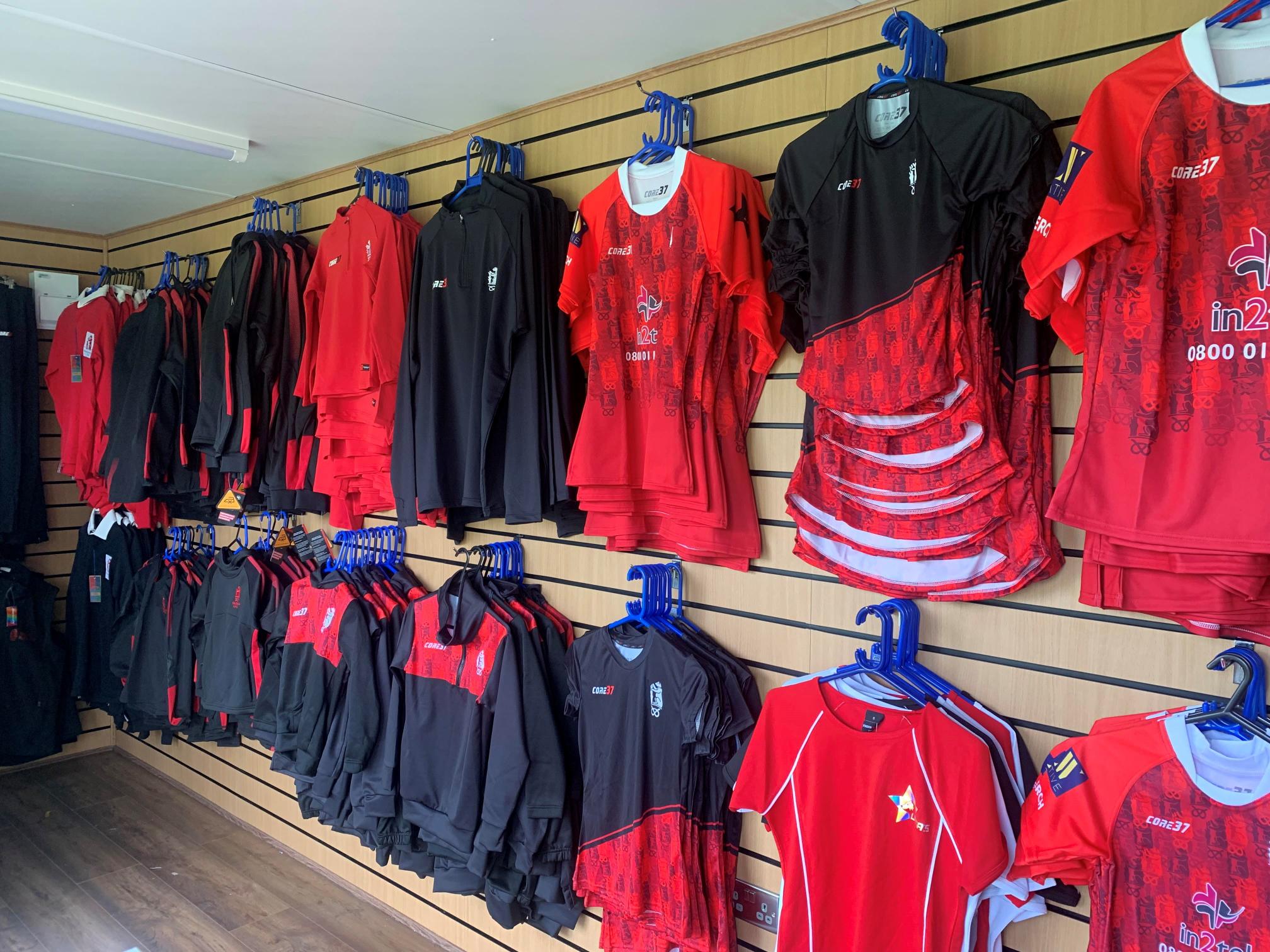
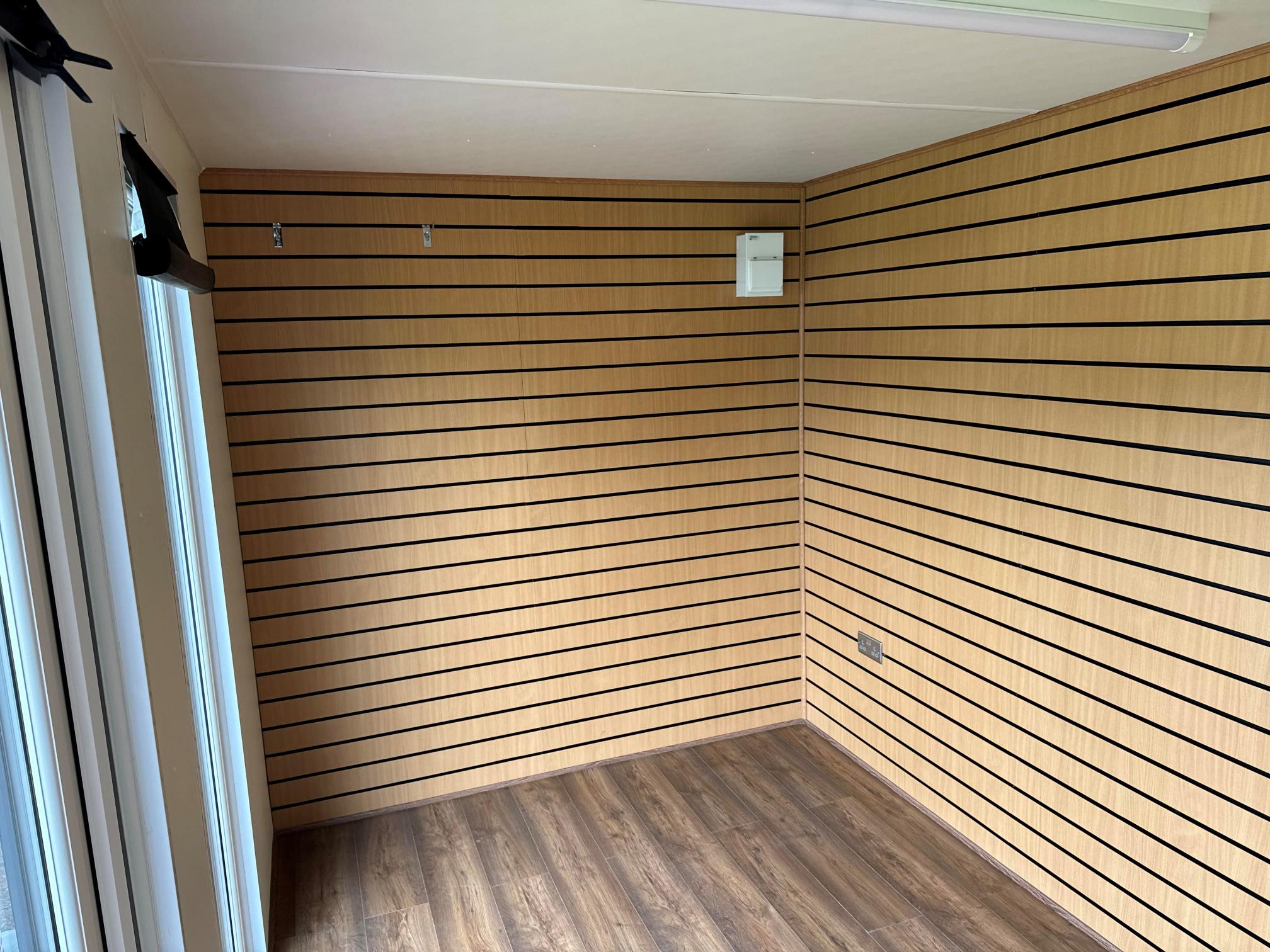
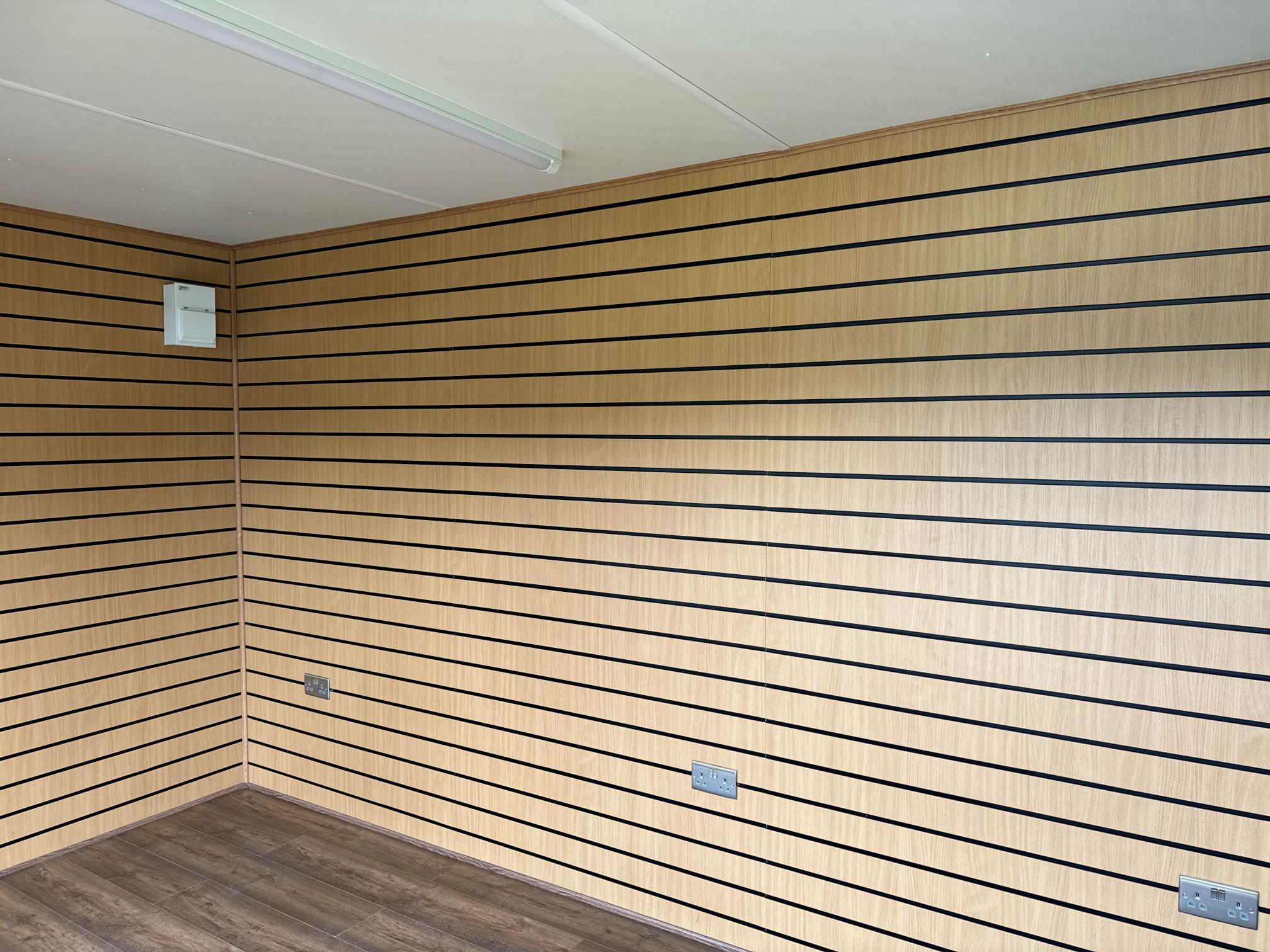
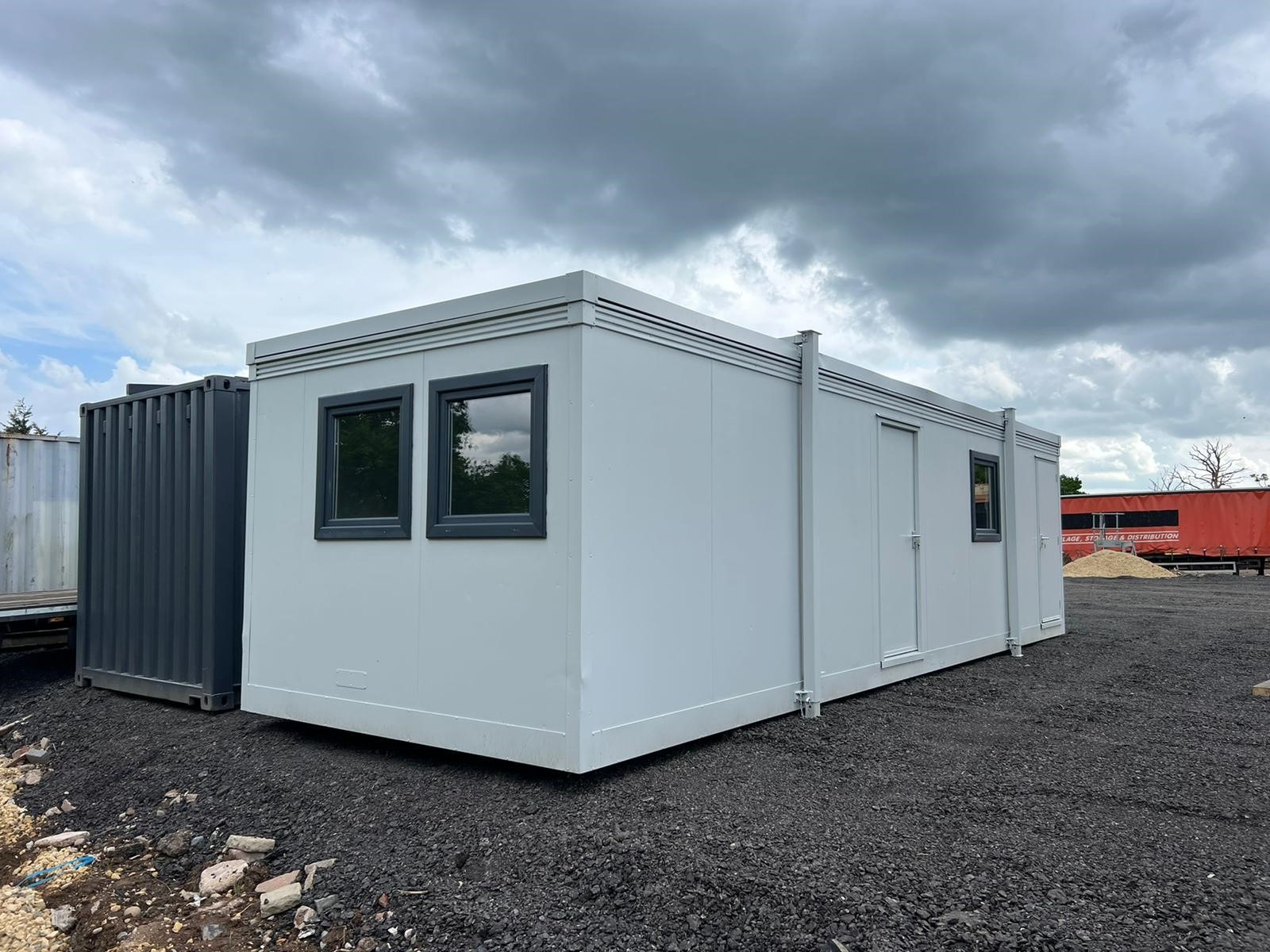
Fully refurbished
Colour light grey
Slate grey anthracite upvc double glazed windows
Location: Nationwide
+ VAT
Not Available for Hire
Call for an instant quote!
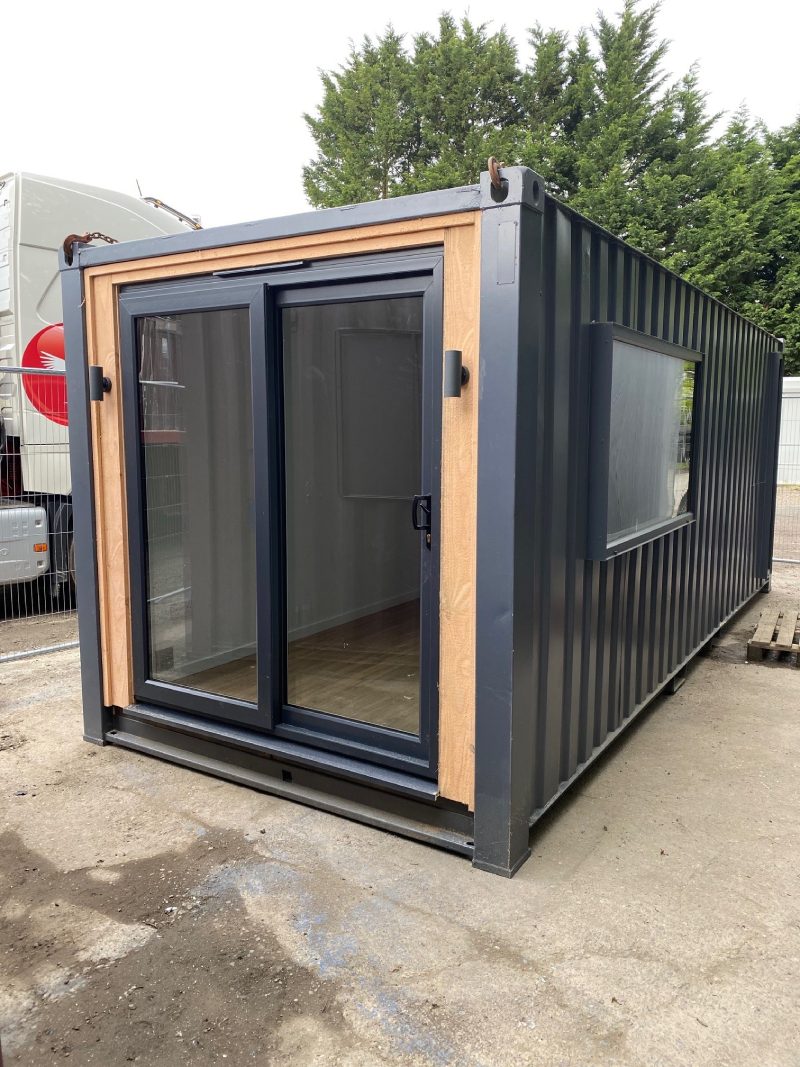
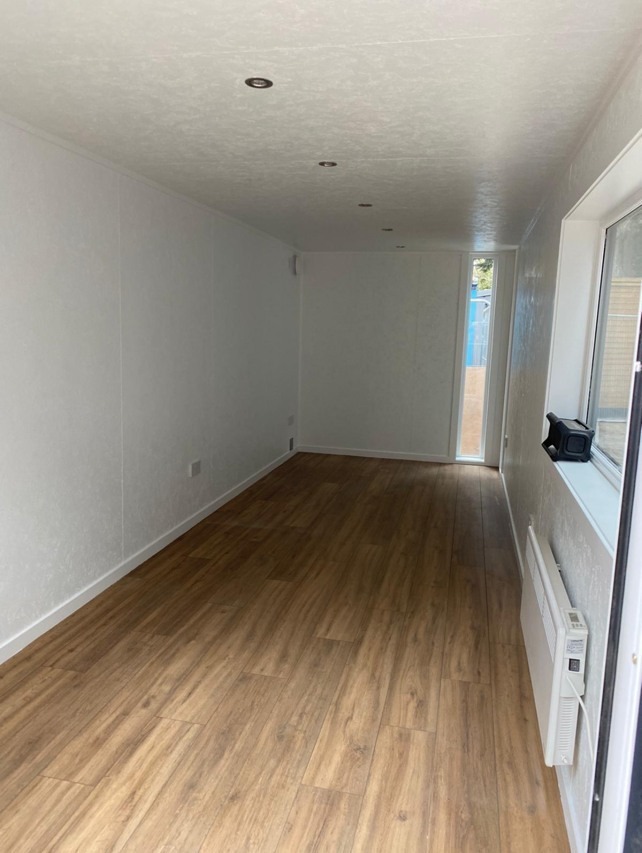
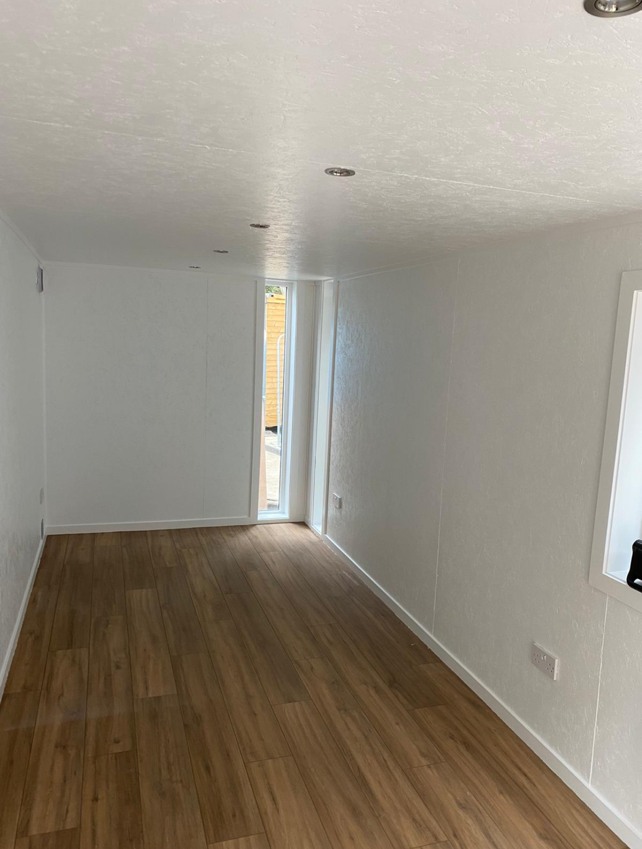
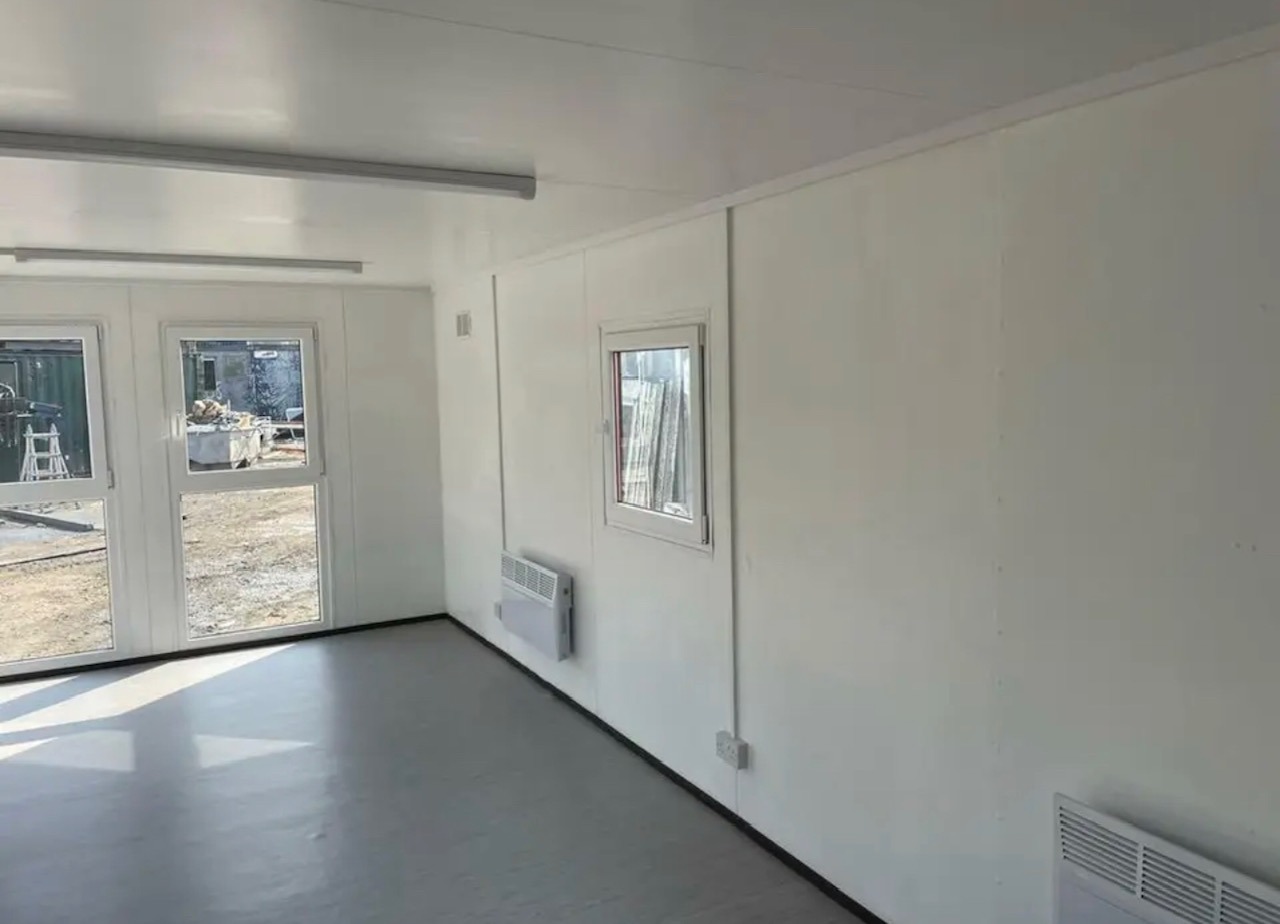
Fully Insulated with electric sockets, spot lighting, and heating
Wood Flooring
UPVC Sliding Door + Windows
Lead Time for build 6-8 weeks
Location: Nationwide
+ VAT
Not Available for Hire
Call for an instant quote!
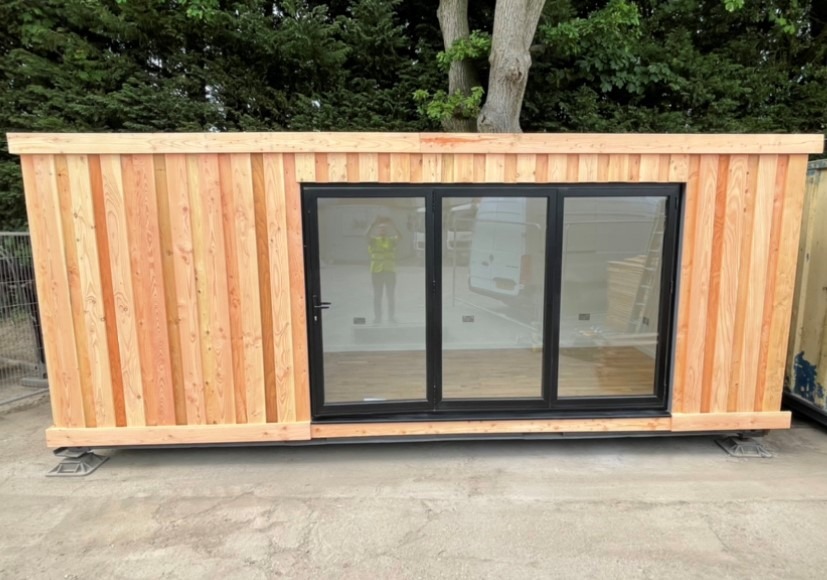
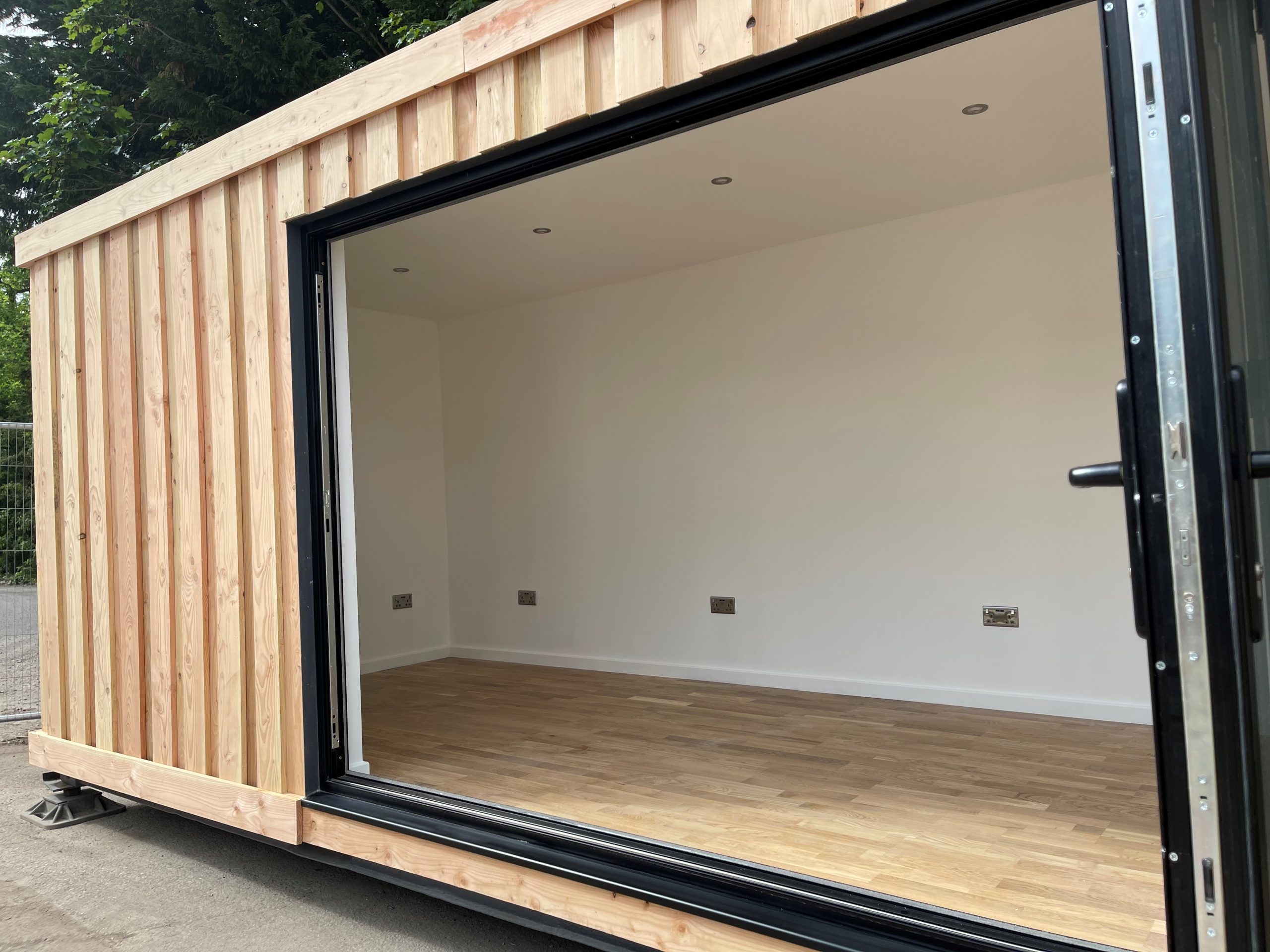
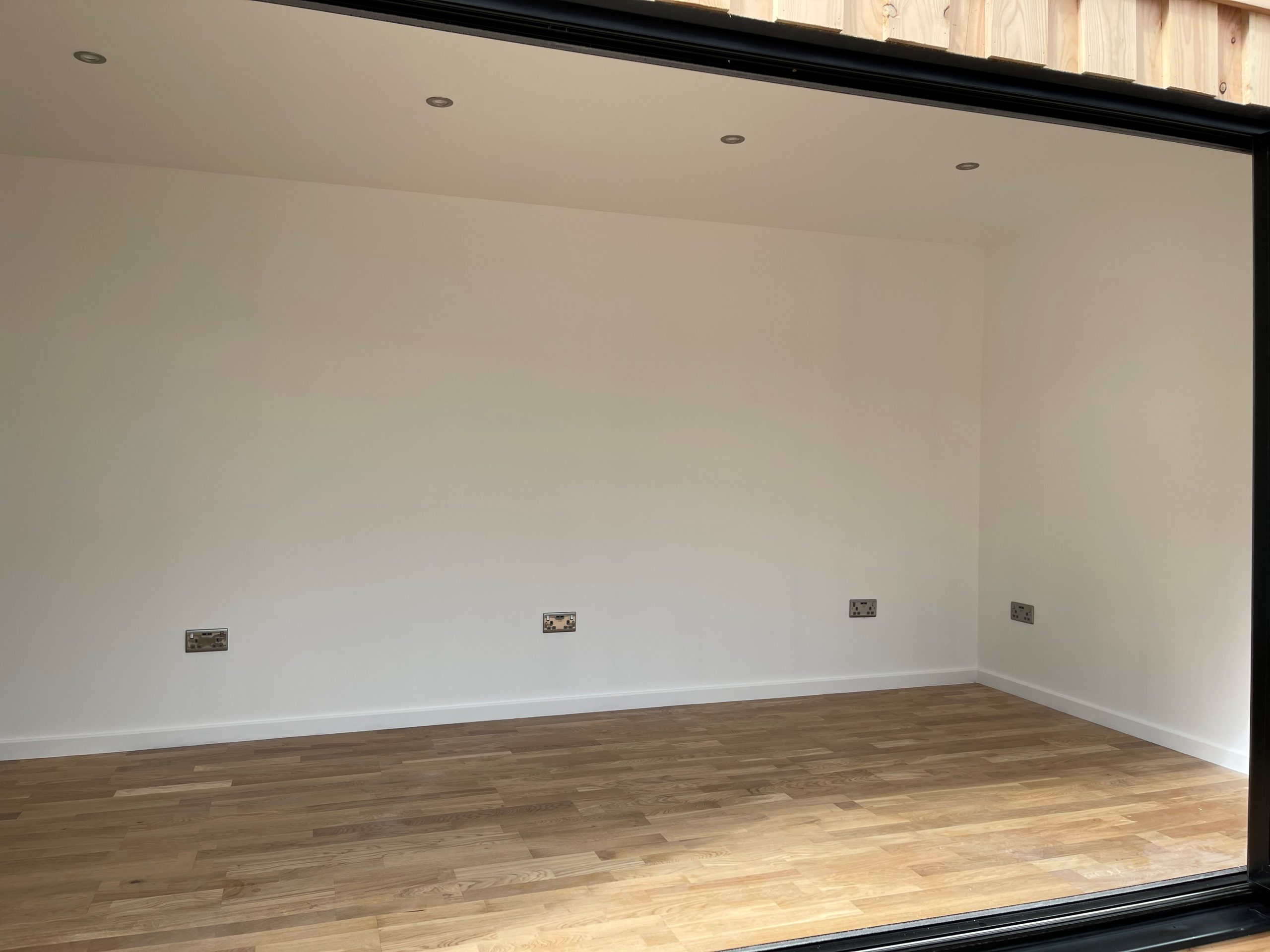
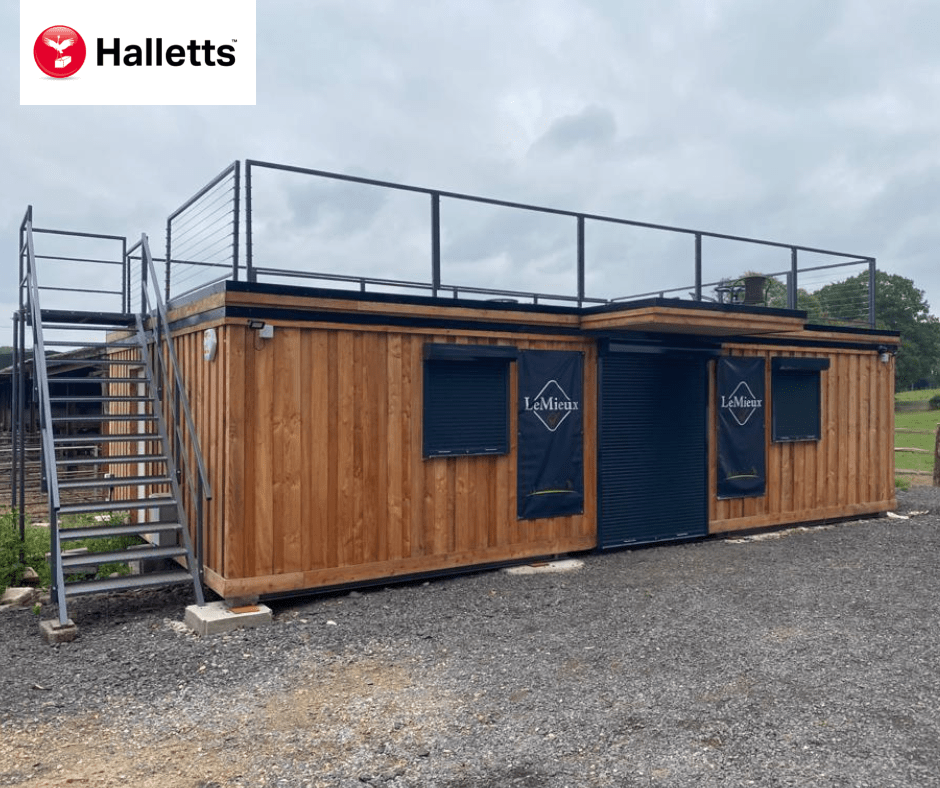
Fully Insulated with electric sockets, spot lighting, and heating
Wood Flooring
Aluminium Bi Fold Doors
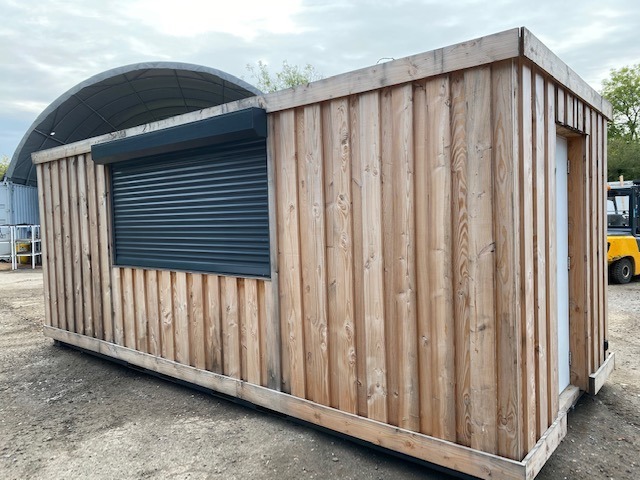
Fully wrapped in larch cladding
Lead Time for build 6-8 weeks



Location: Nationwide
+ VAT
Not Available for Hire
Call for an instant quote!
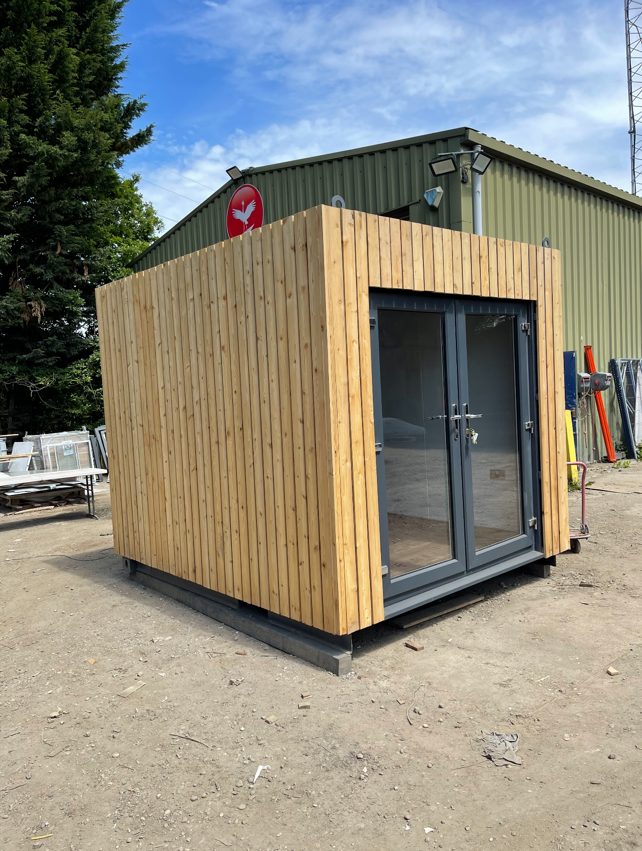
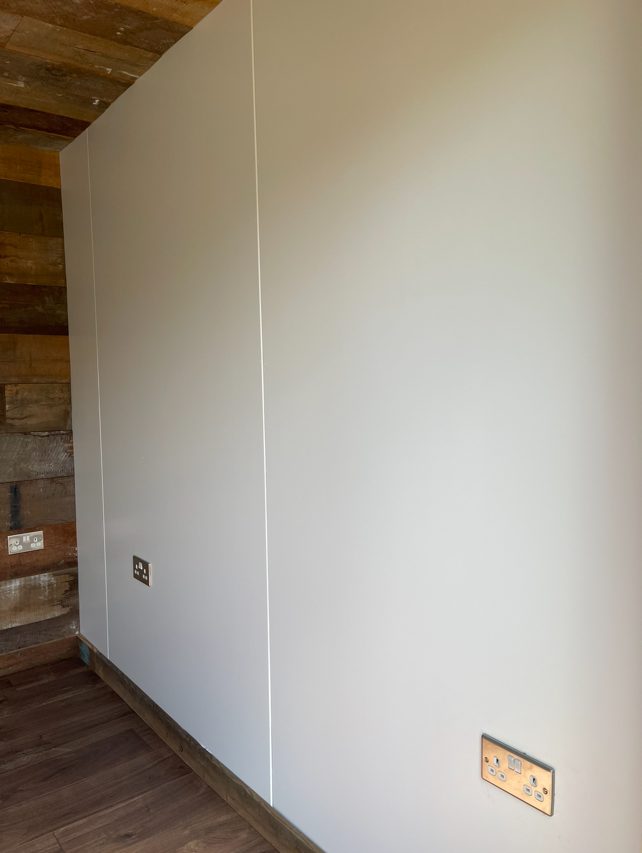
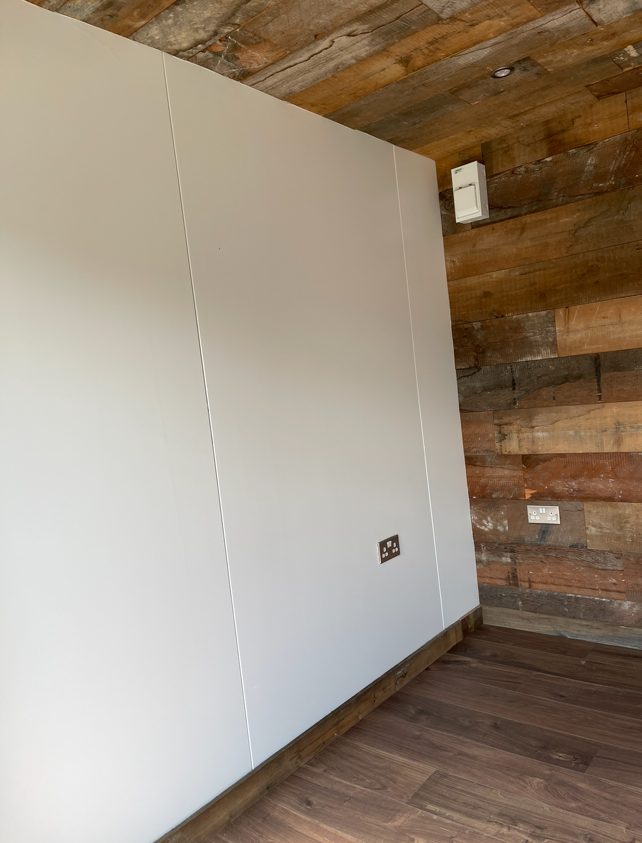
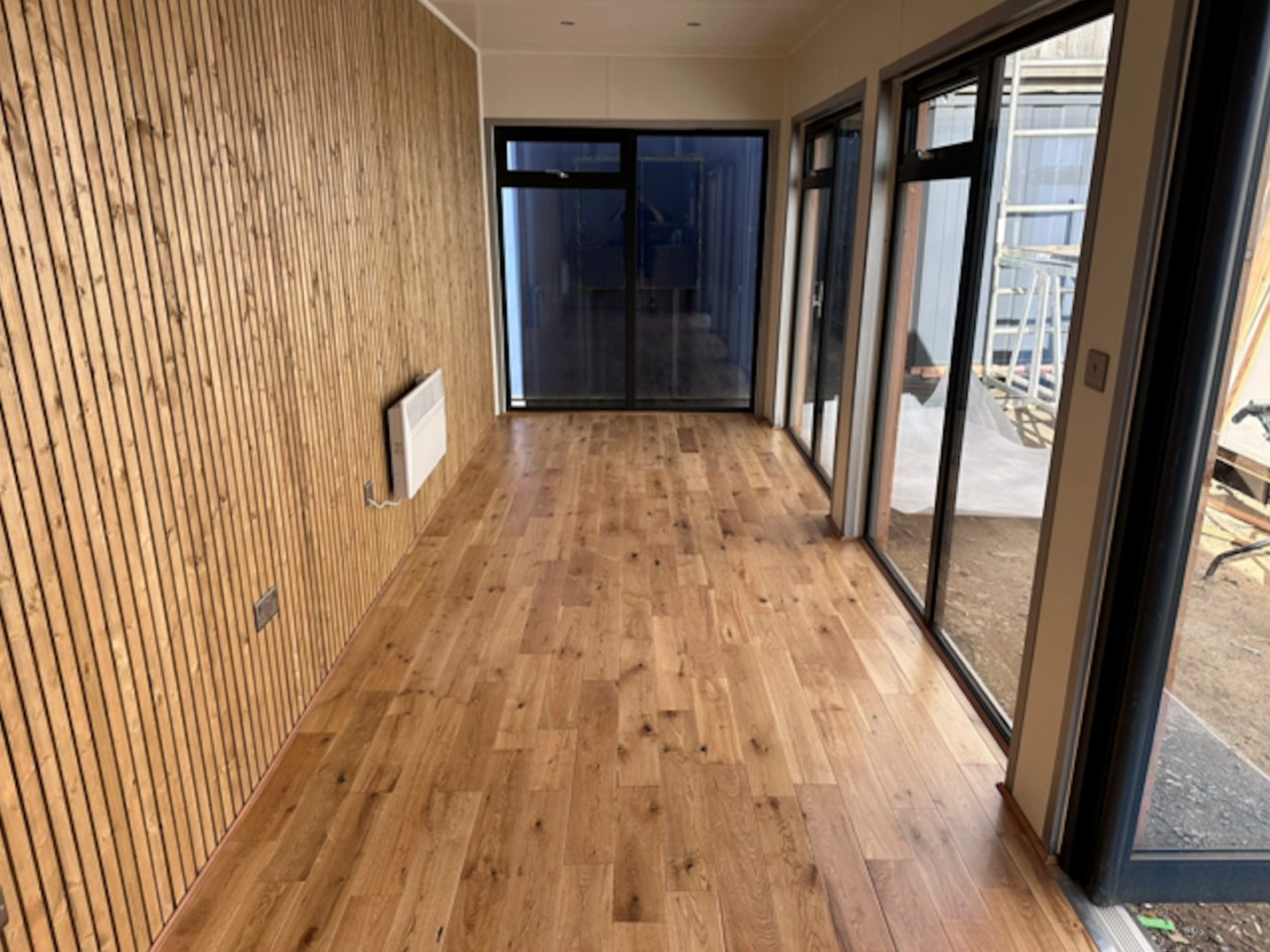
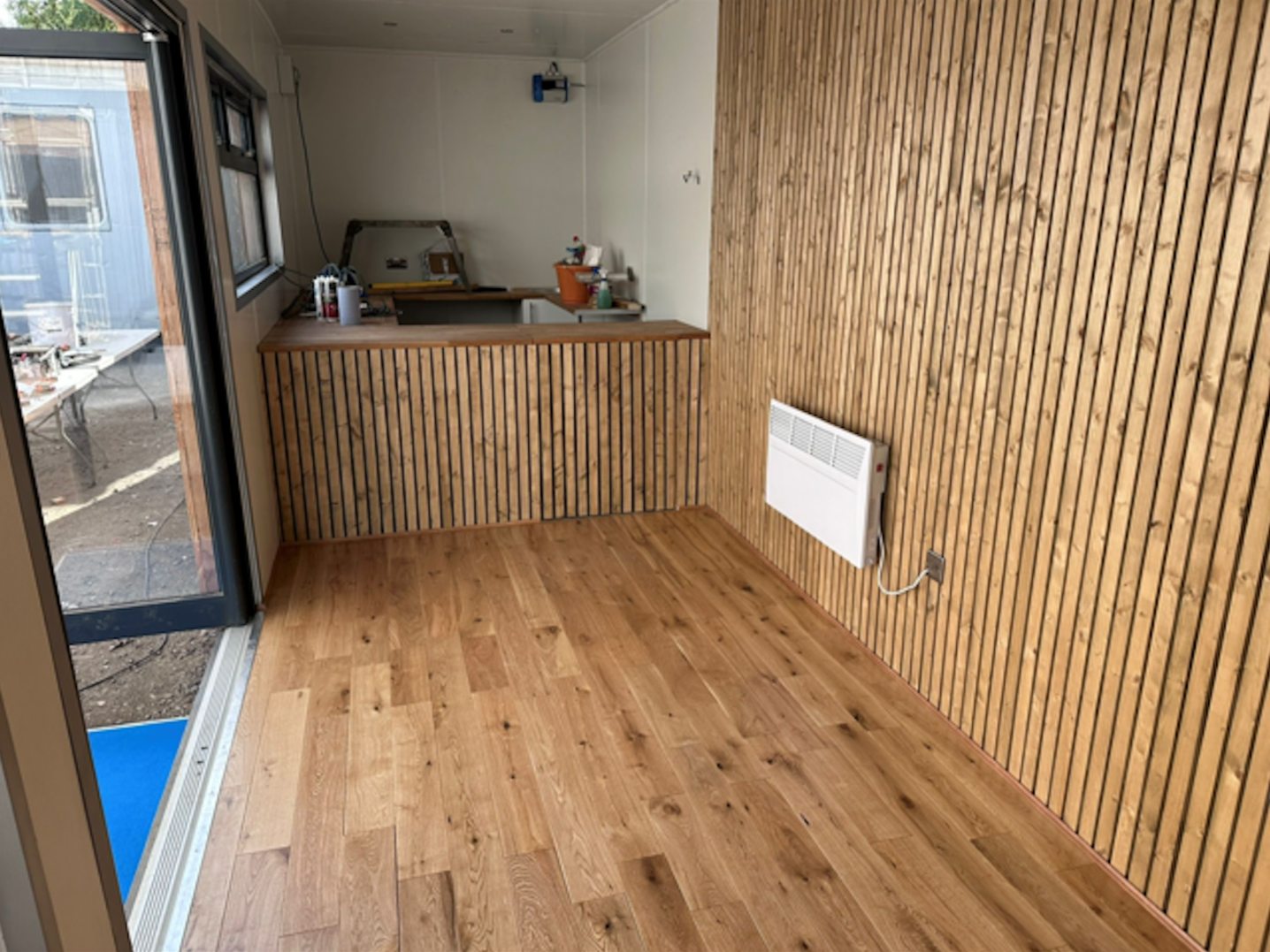
Fully Insulated with electric sockets, spot lighting, and heating
Wood Flooring
Feature Clad Wall and Ceiling
UPVC Double glazed French Doors
Fully wrapped in larch cladding
Lead Time for build 6-8 weeks
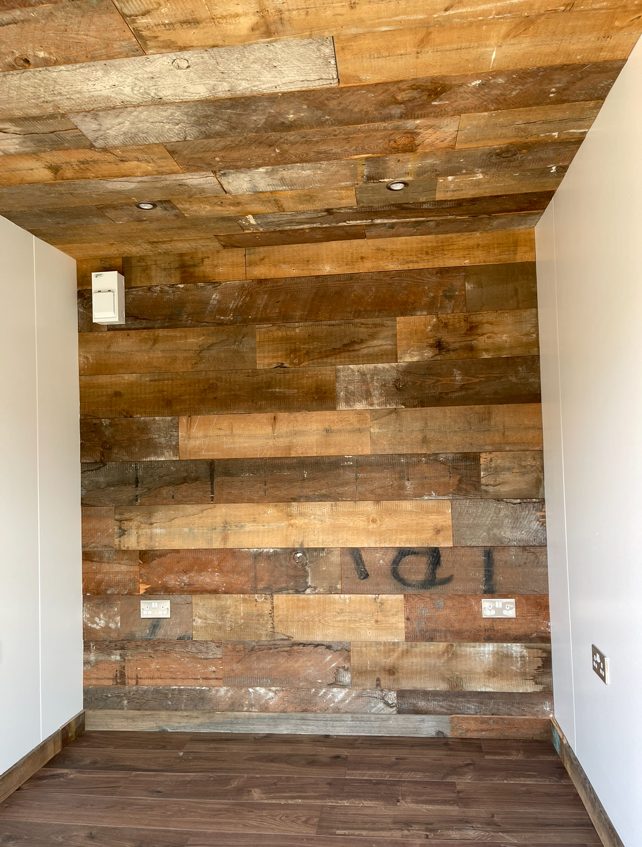
Location: Nationwide
EX VAT
Not Available for Hire
Call for an instant quote!
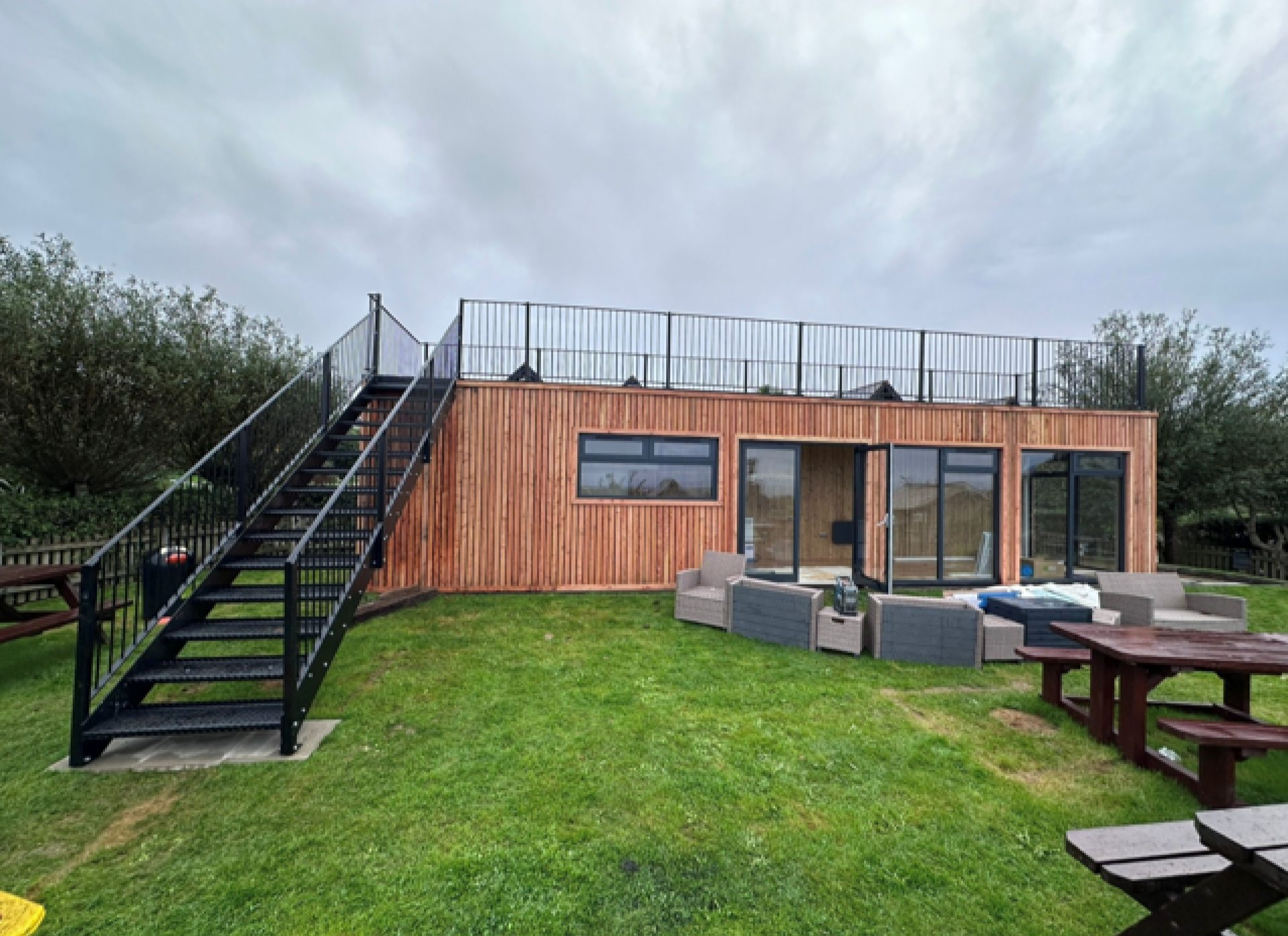
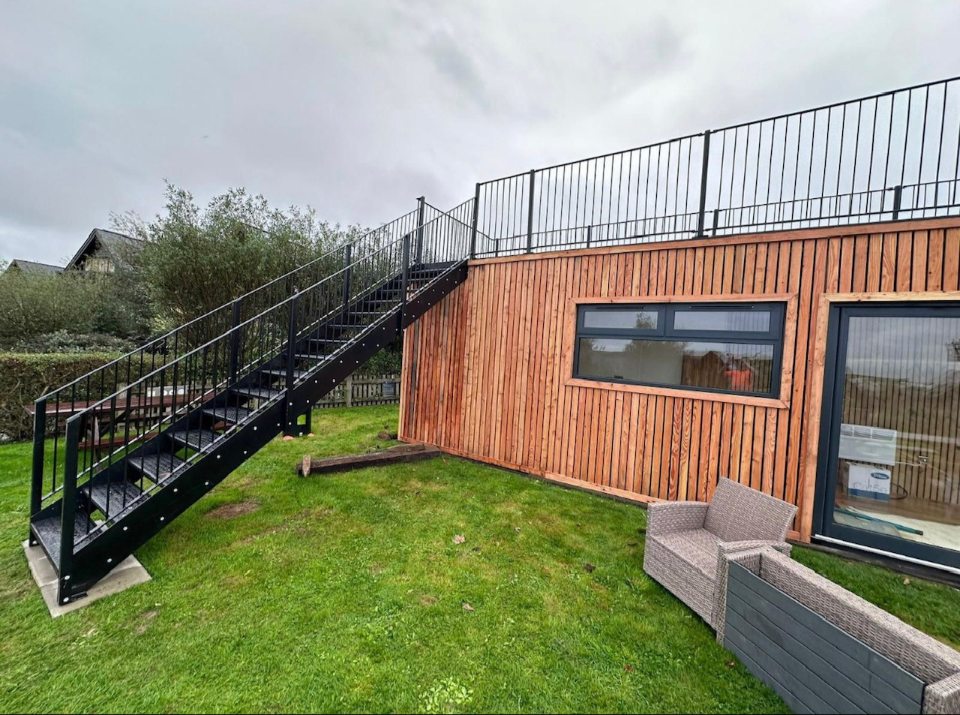
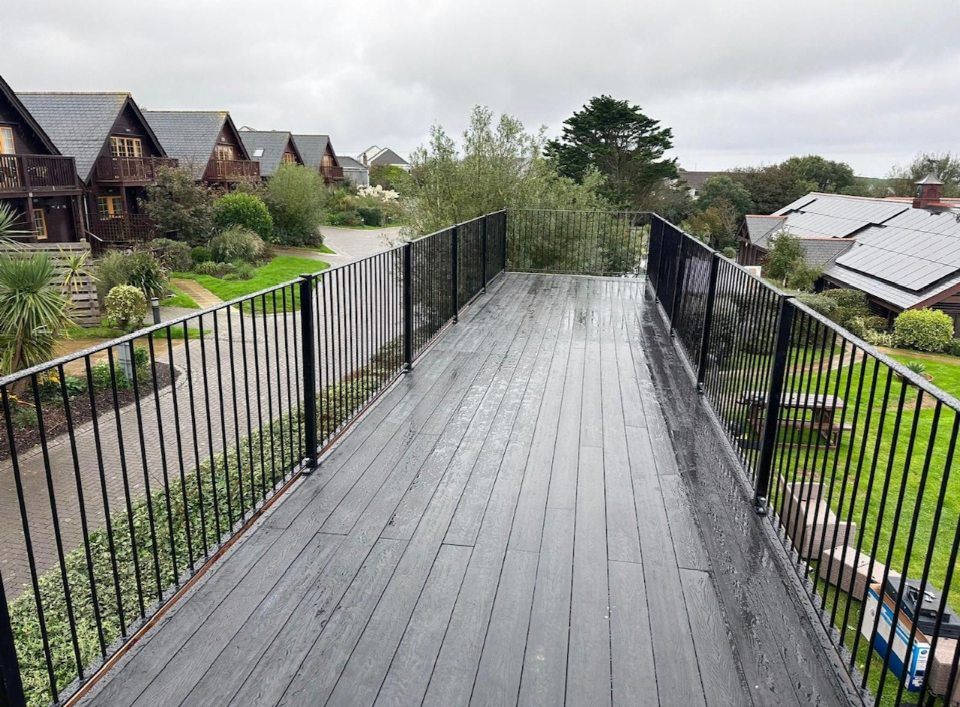
Location: Nationwide
EX VAT
Not Available for Hire
Call for an instant quote!
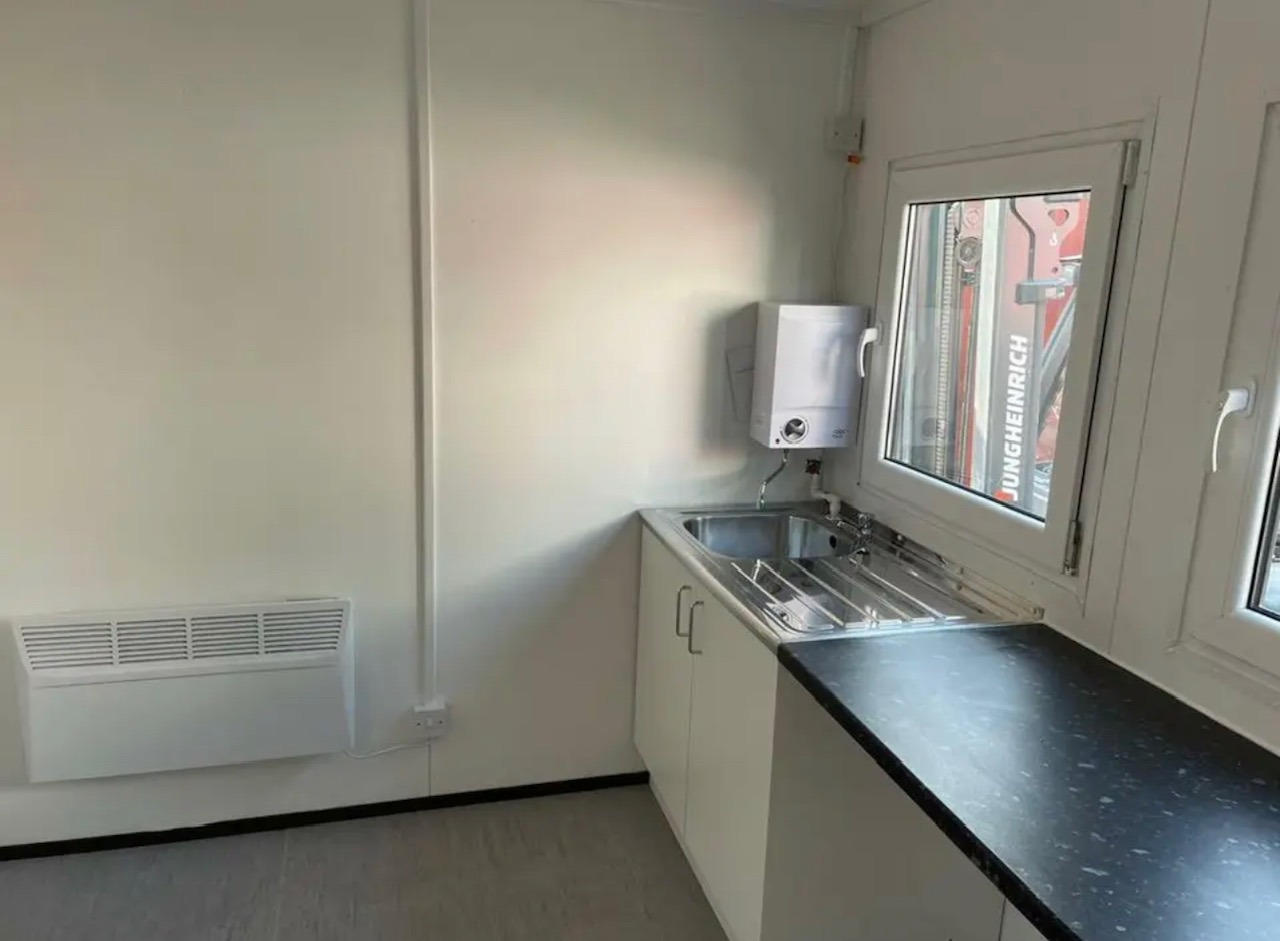
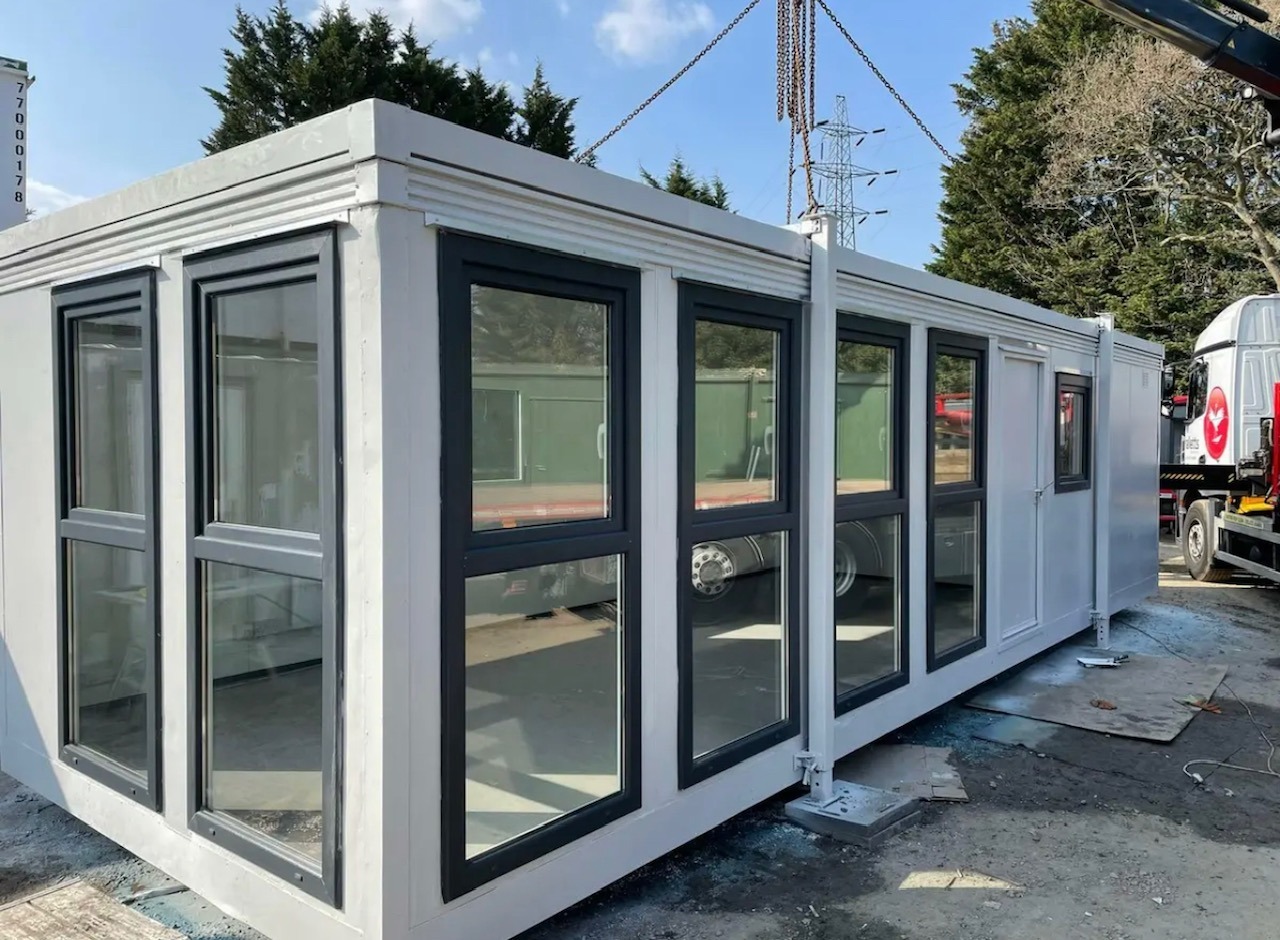
Location: Nationwide
EX VAT
Not Available for Hire
Call for an instant quote!

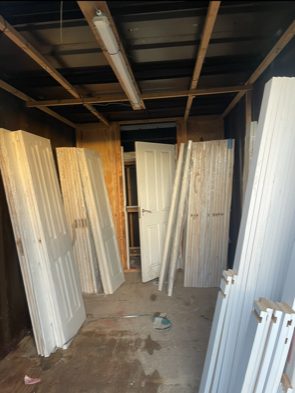
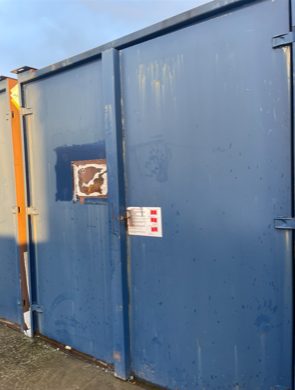

Location: Nationwide
EX VAT
Not Available for Hire
Call for an instant quote!

Location: Nationwide
EX VAT
Not Available for Hire
Call for an instant quote!
Location: Nationwide
EX VAT
Not Available for Hire
Call for an instant quote!
Location: Nationwide
EX VAT
Not Available for Hire
Call for an instant quote!

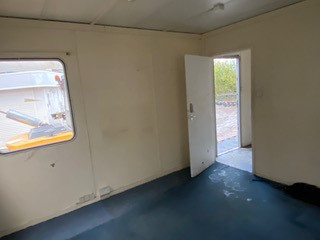



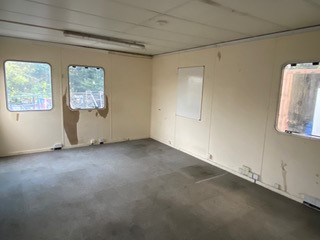
Location: Nationwide
EX VAT
Not Available for Hire
Call for an instant quote!
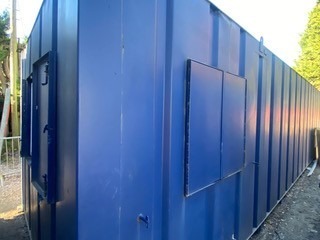
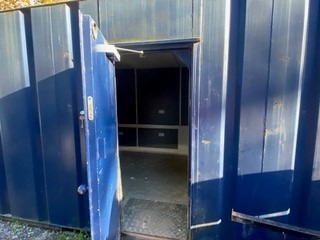

Location: Nationwide
EX VAT
Not Available for Hire
Call for an instant quote!
Location: Nationwide
EX VAT
Not Available for Hire
Call for an instant quote!
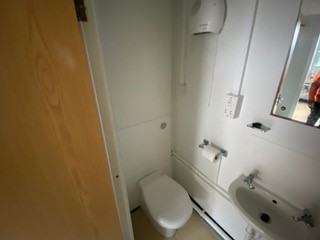




Location: Nationwide
EX VAT
Not Available for Hire
Call for an instant quote!
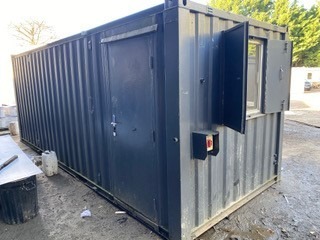
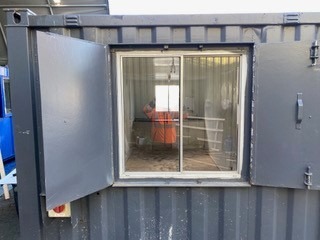
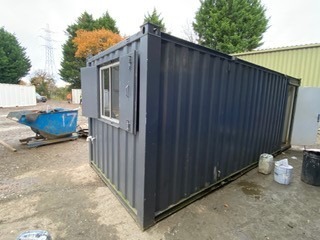

Location: Nationwide
EX VAT
Not Available for Hire
Call for an instant quote!
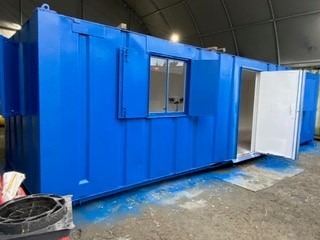
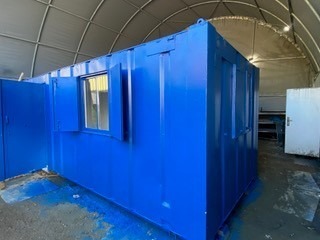

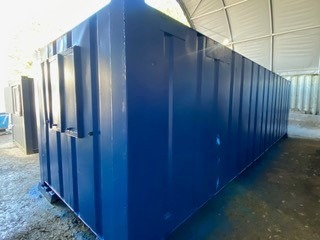

Location: Nationwide
EX VAT
Not Available for Hire
Call for an instant quote!

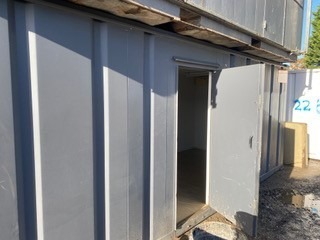
Location: Nationwide
EX VAT
Not Available for Hire
Call for an instant quote!


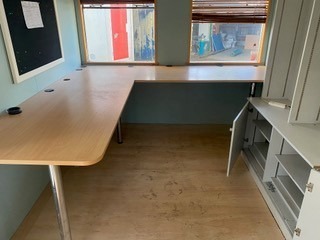
Location: Nationwide
EX VAT
Not Available for Hire
Call for an instant quote!
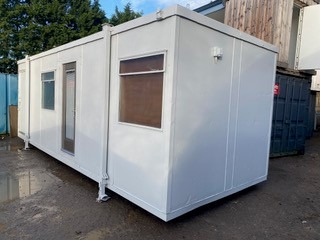
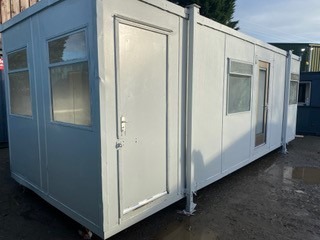
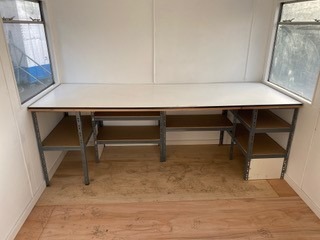
Location: Nationwide
EX VAT
Not Available for Hire
Call for an instant quote!
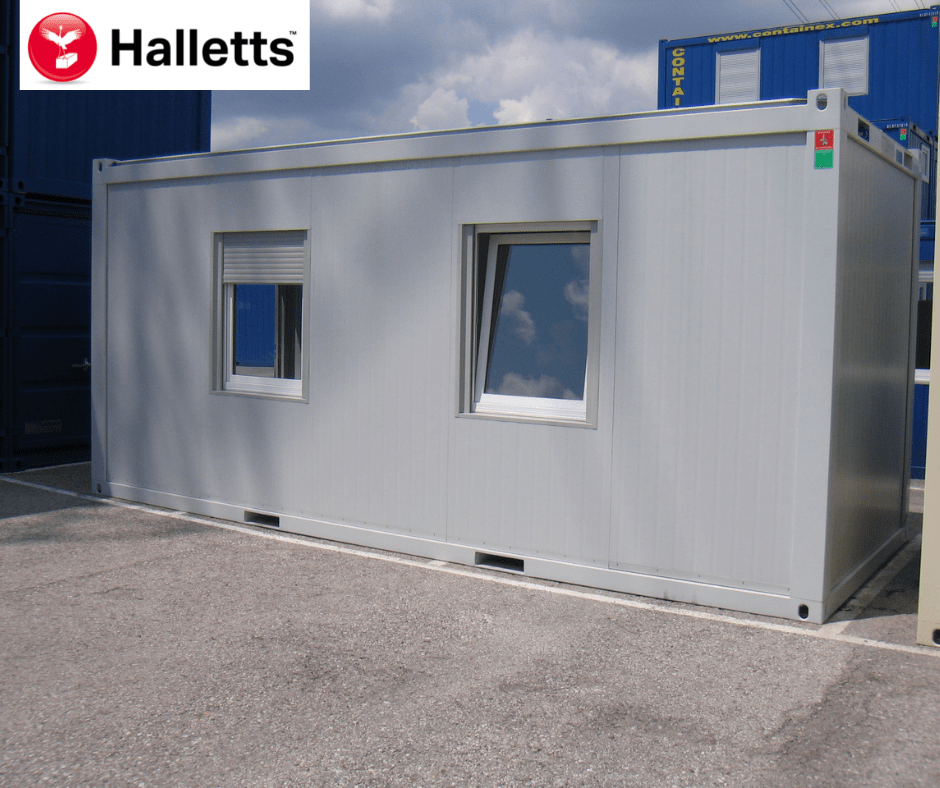
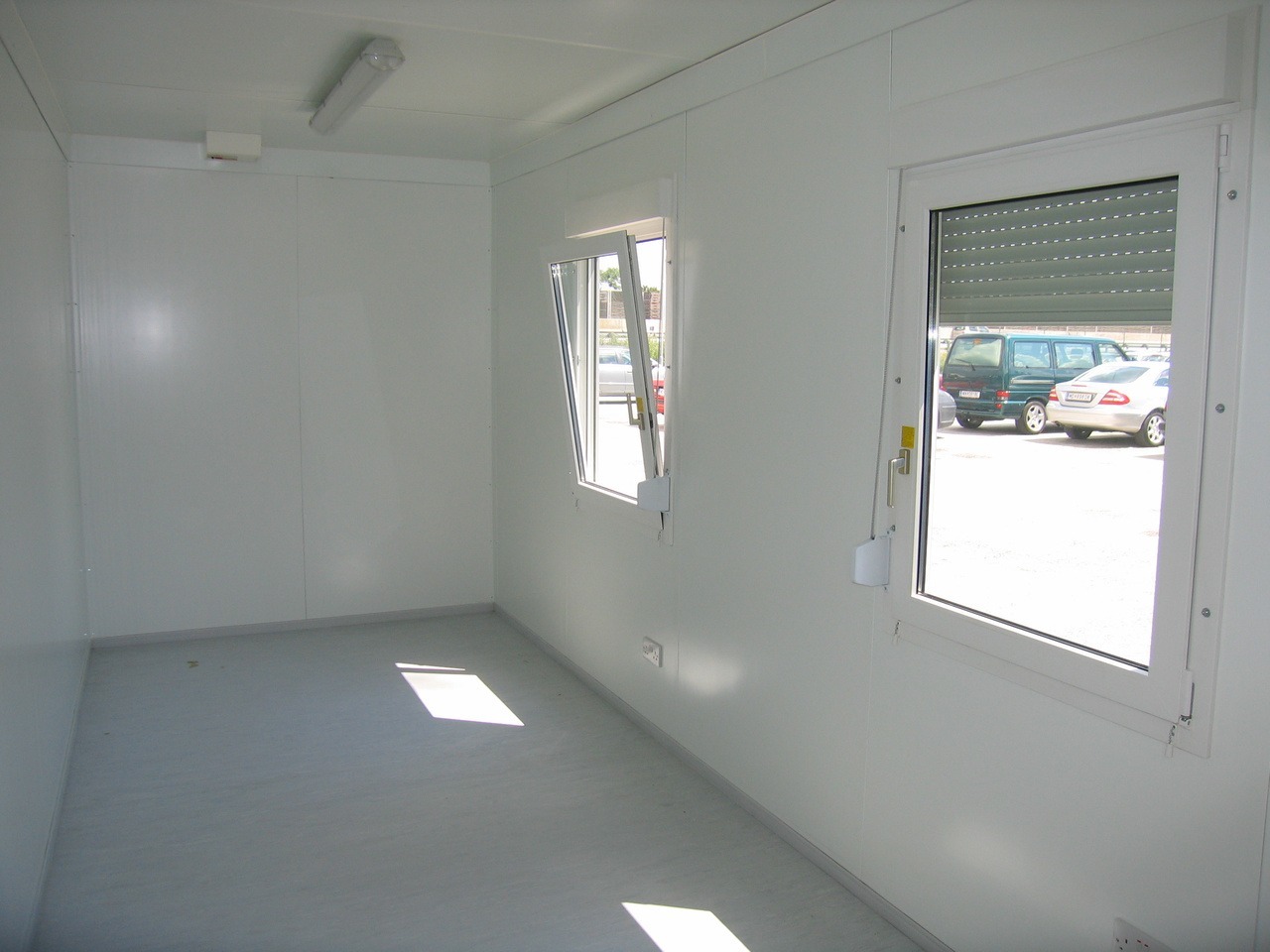
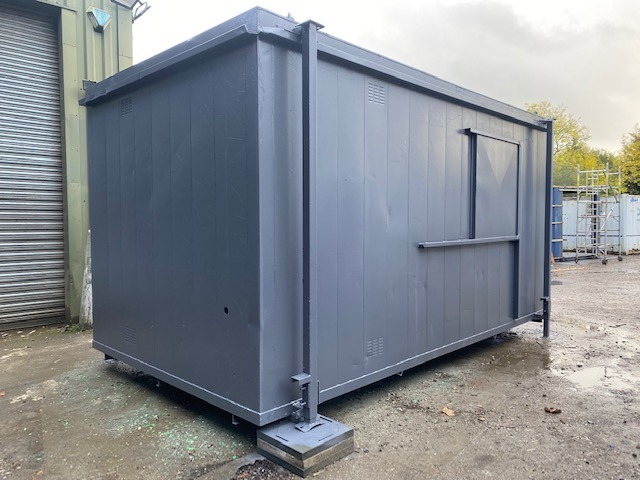
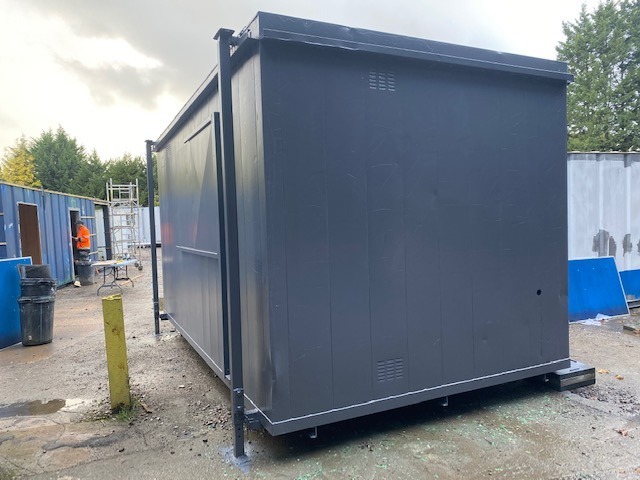
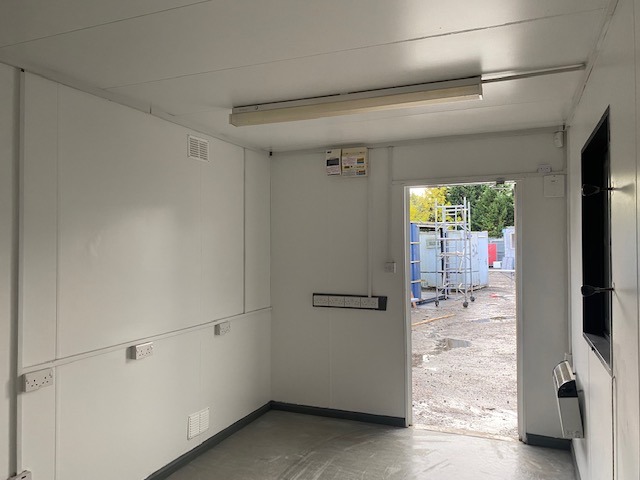
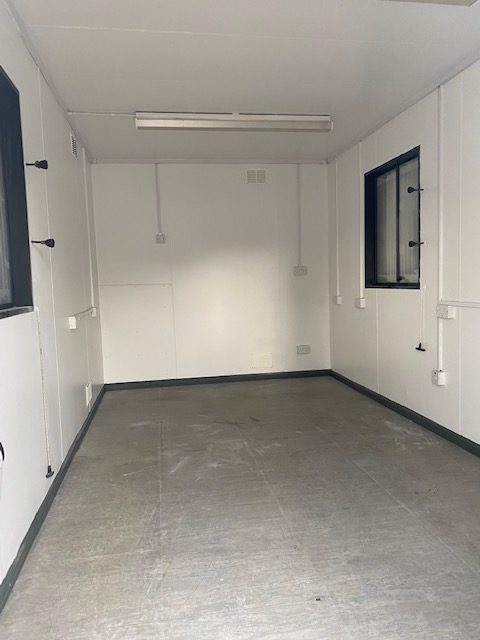
10ftx8ft – £5950 + Vat / 16ftx8ft – £7950 + Vat / 20ftx8ft – £9000 + Vat / 24ftx8ft – £12000 + Vat / 30ftx8ft – £13500 + Vat
Location: Nationwide
EX VAT
Not Available for Hire
Call for an instant quote!
Location: Nationwide
EX VAT
Not Available for Hire
Call for an instant quote!
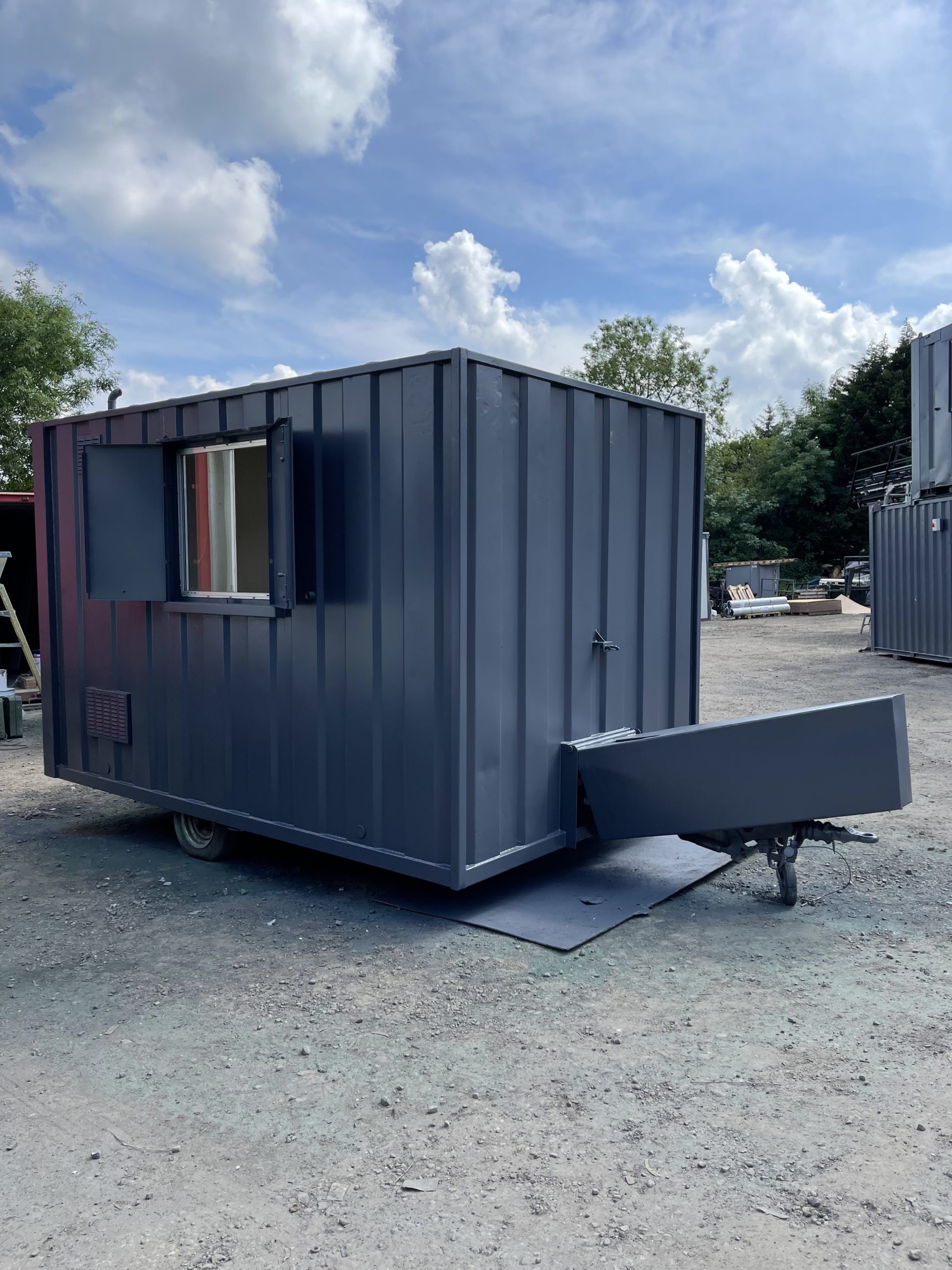
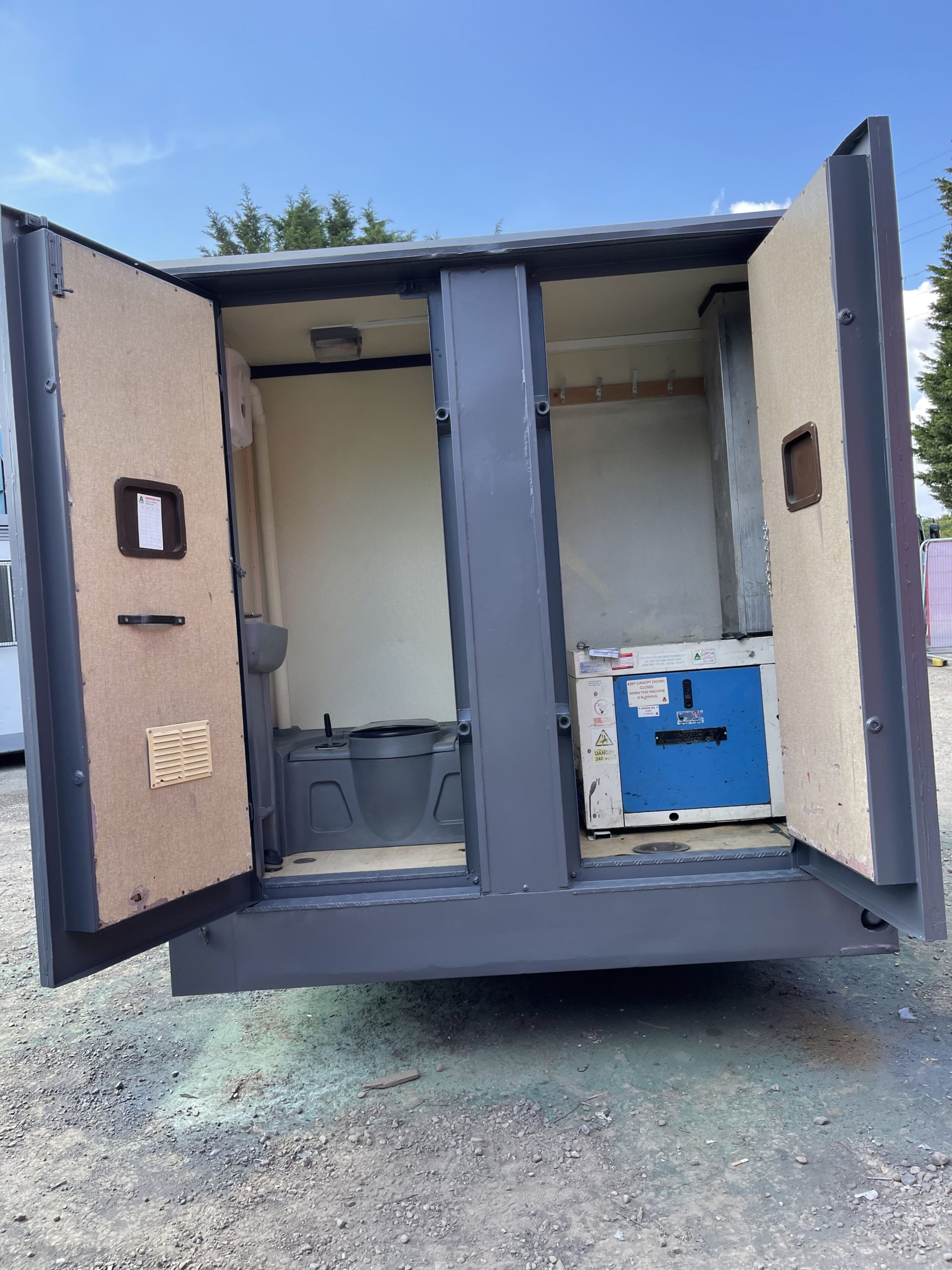
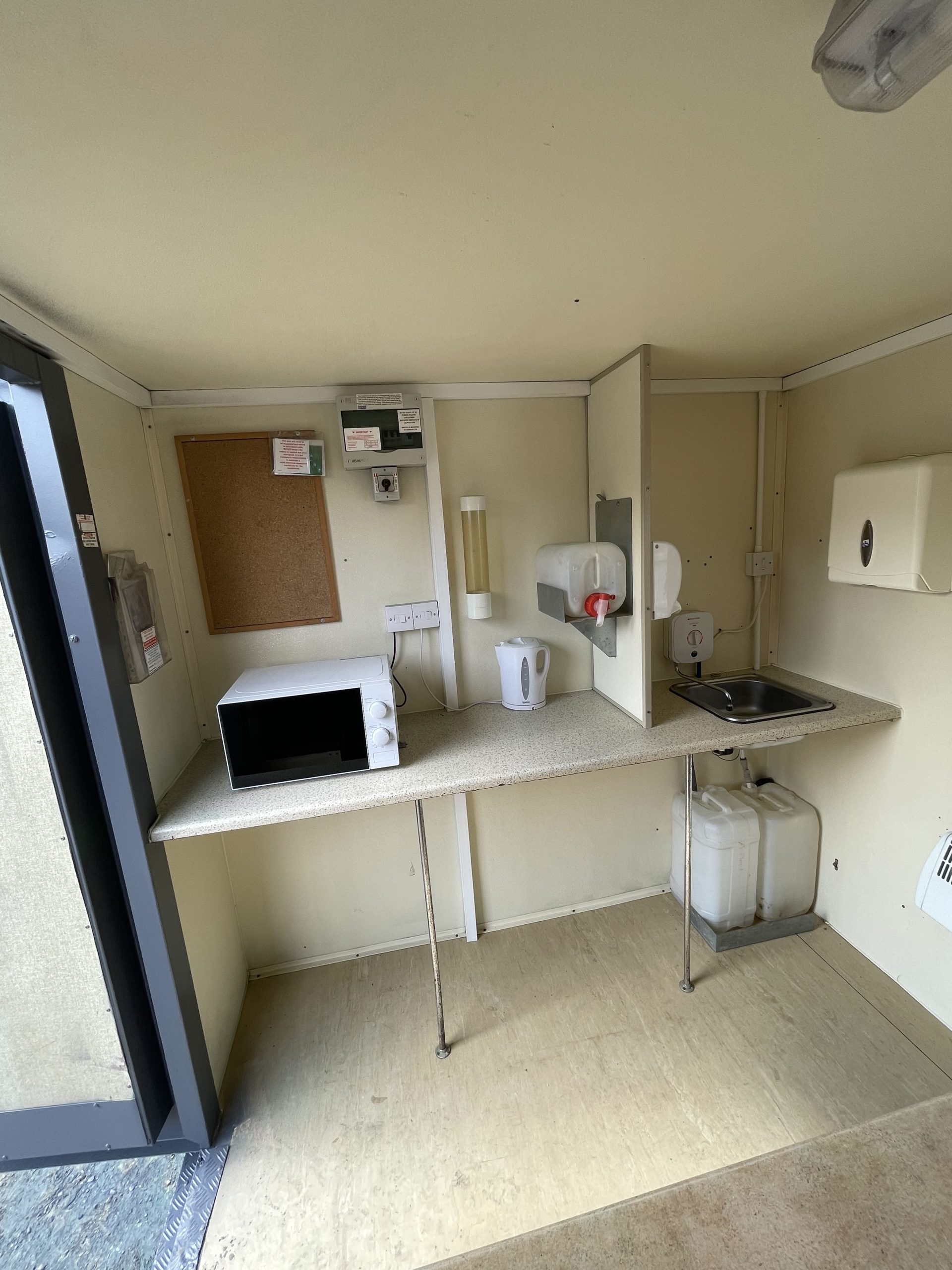
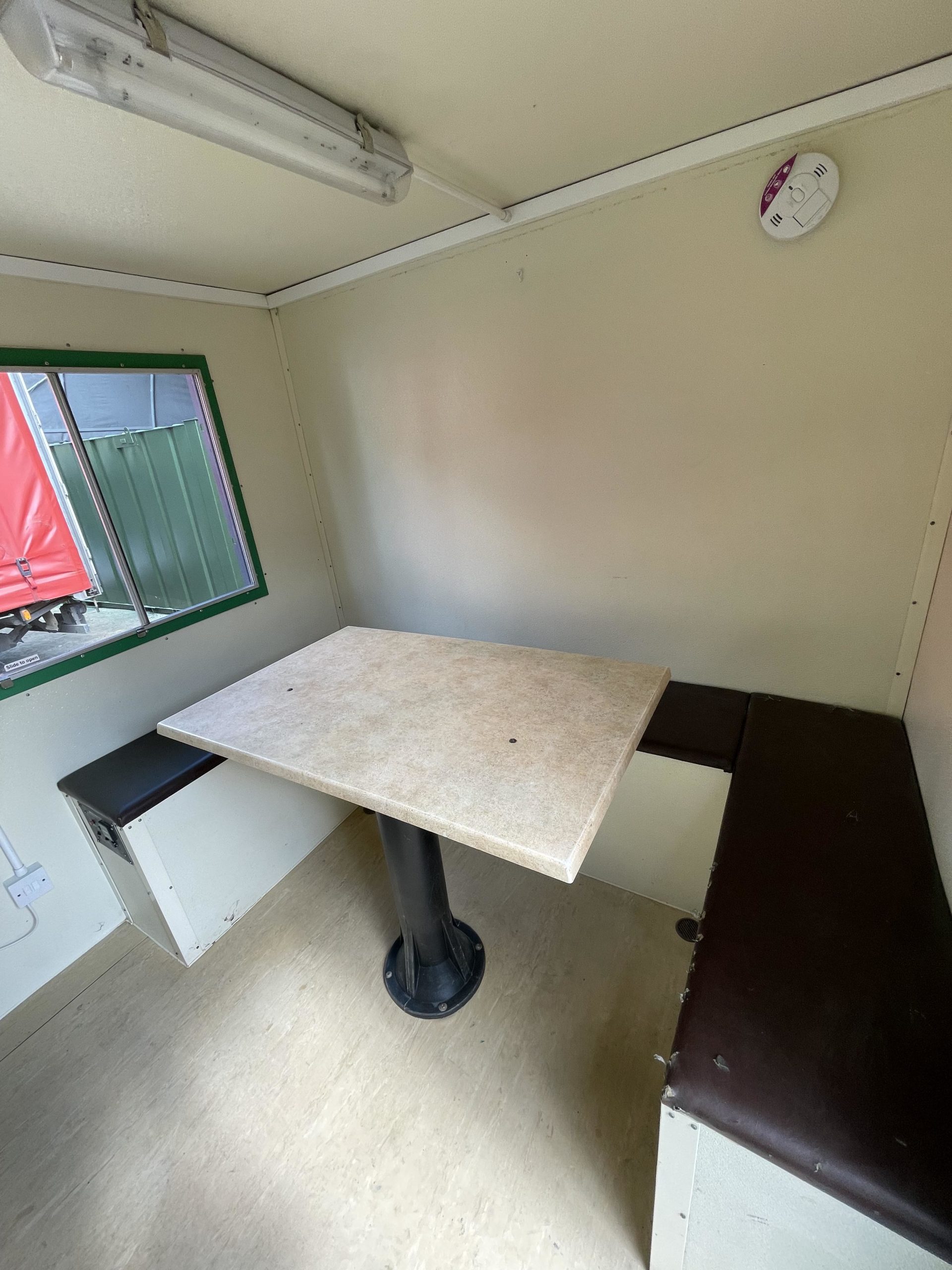
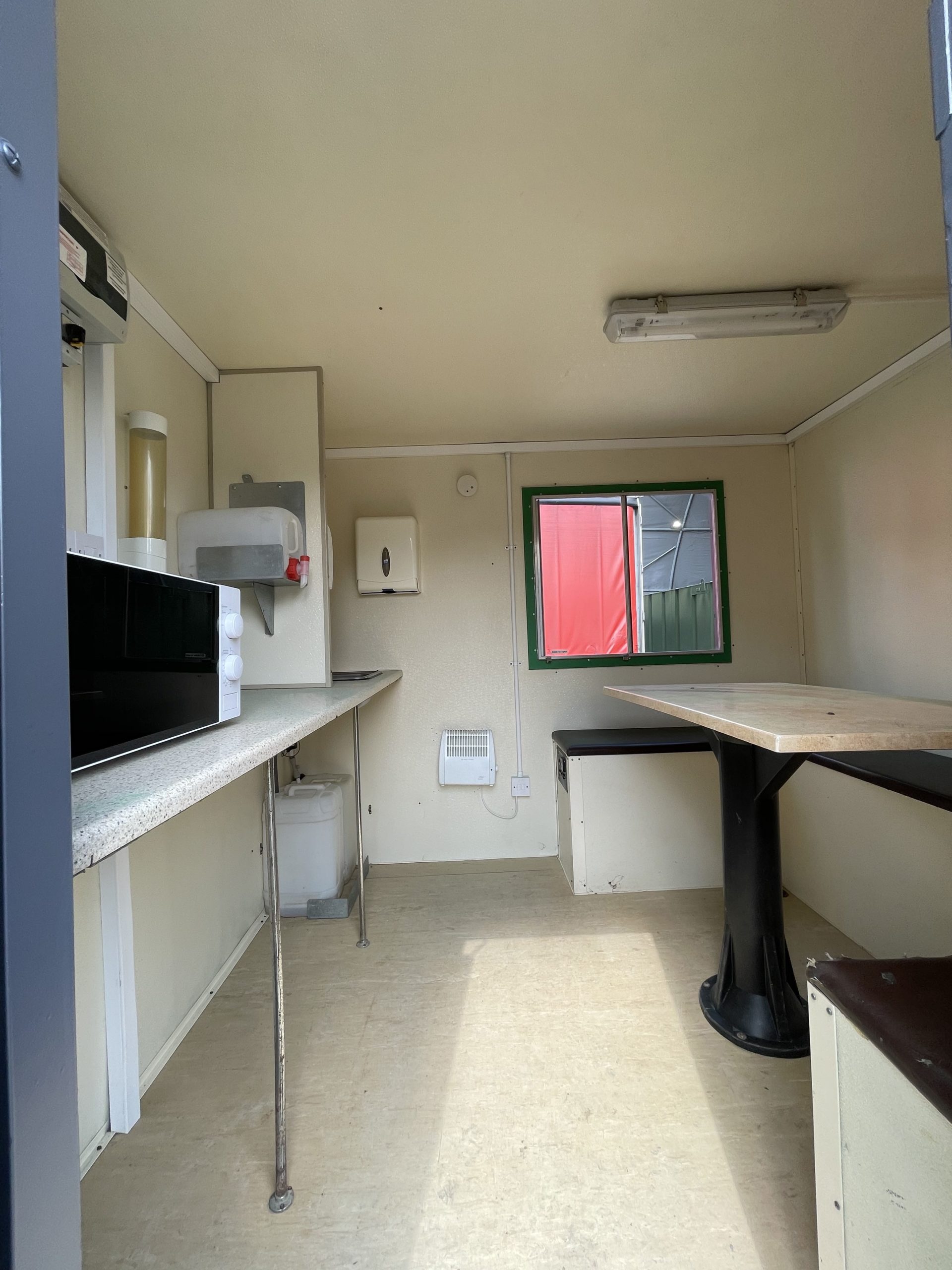
Location: Nationwide
EX VAT
Not Available for Hire
Call for an instant quote!
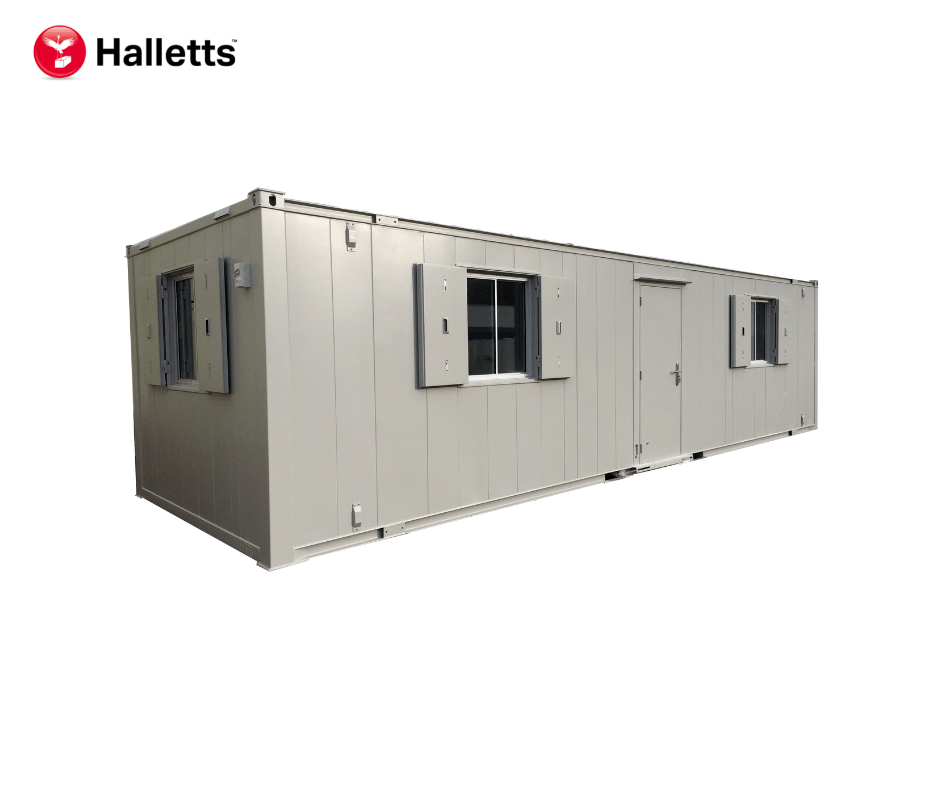
Location: Nationwide
Quantity: ∞
EX VAT
Not Available for Hire
Call for an instant quote!
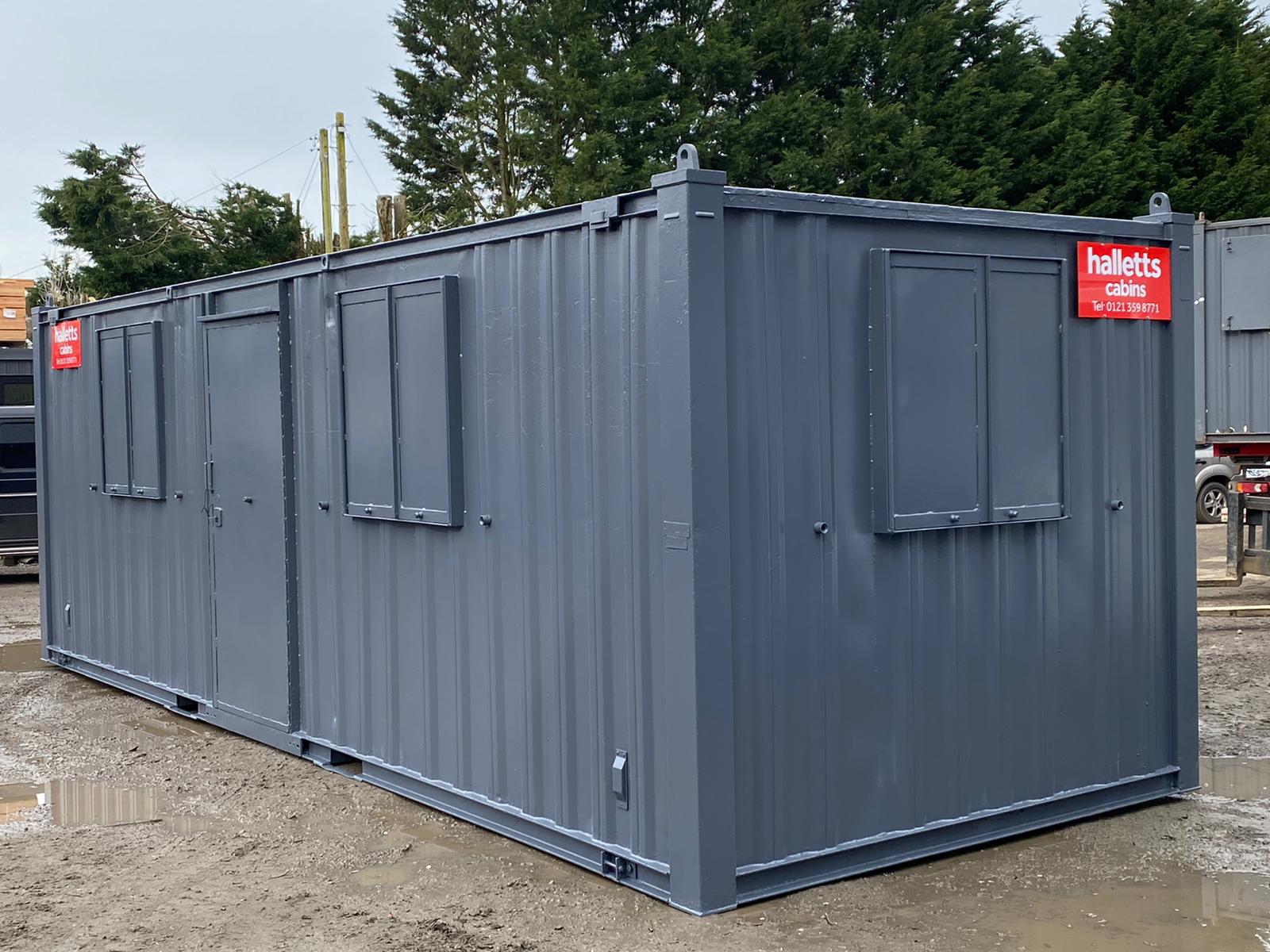
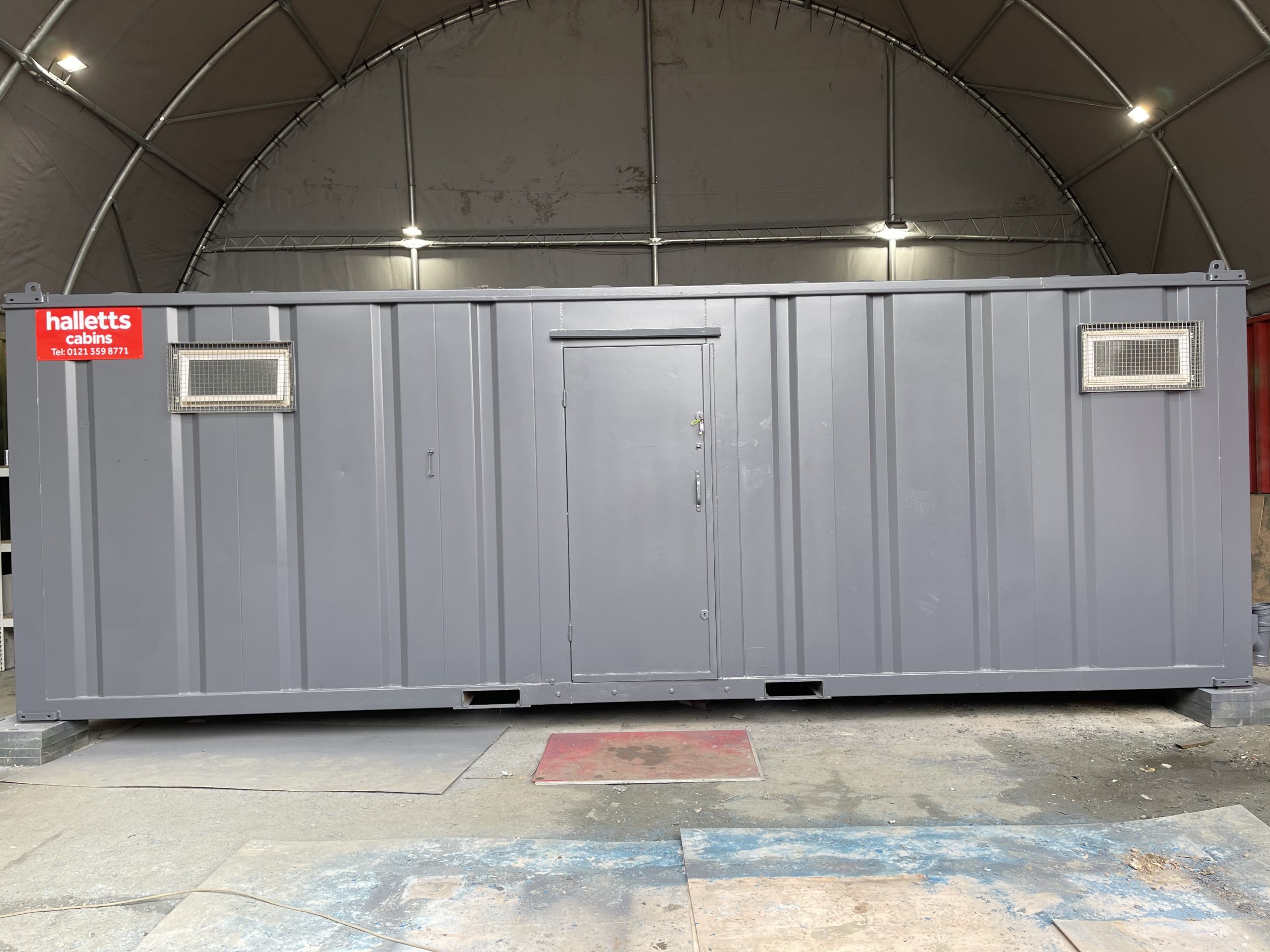
• Reinforced doors and windows with secure locking
• Open plan with electric sockets and lighting
• Ral Code Colour of choice
• Any Extras available : Canteen, Partitions, Toilets.
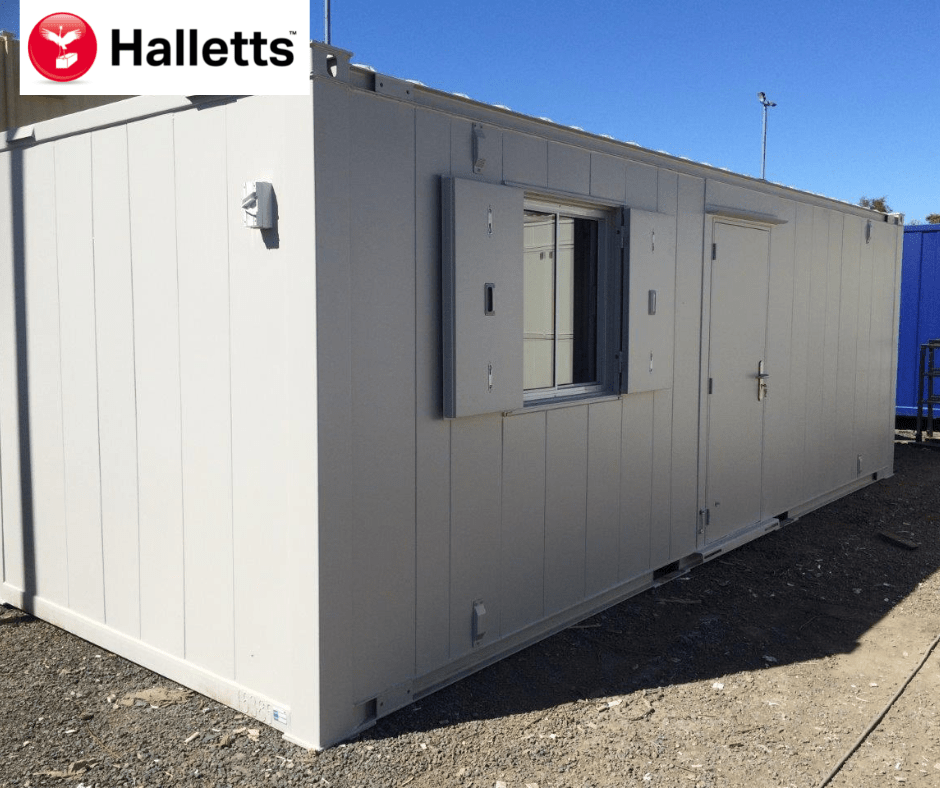
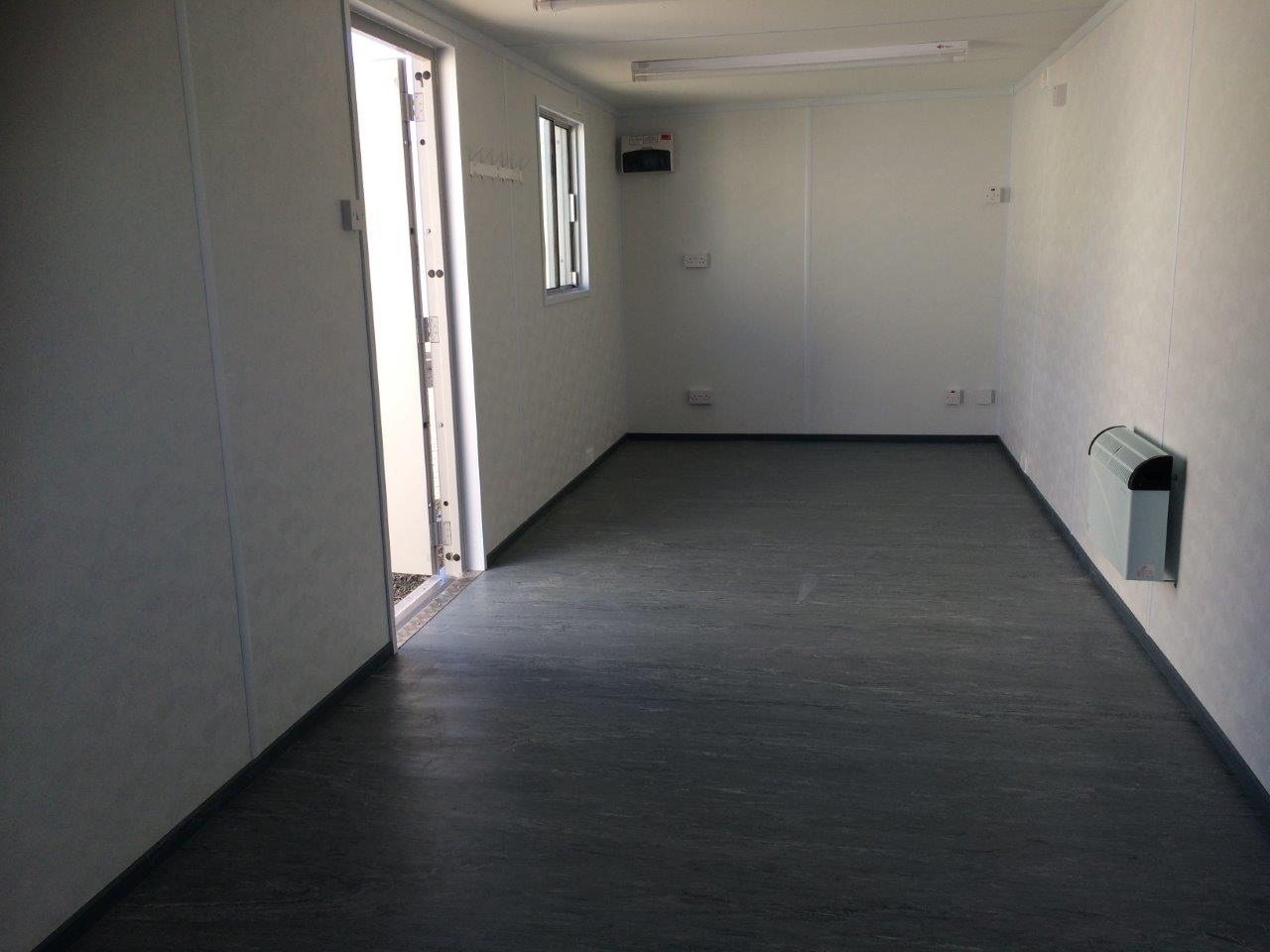
Location: Nationwide
EX VAT
Not Available for Hire
Call for an instant quote!
• Reinforced doors and windows with secure locking
• Open plan with electric sockets and lighting
• Ral Code Colour of choice
• Any Extras available : Canteen, Partitions, Toilets.
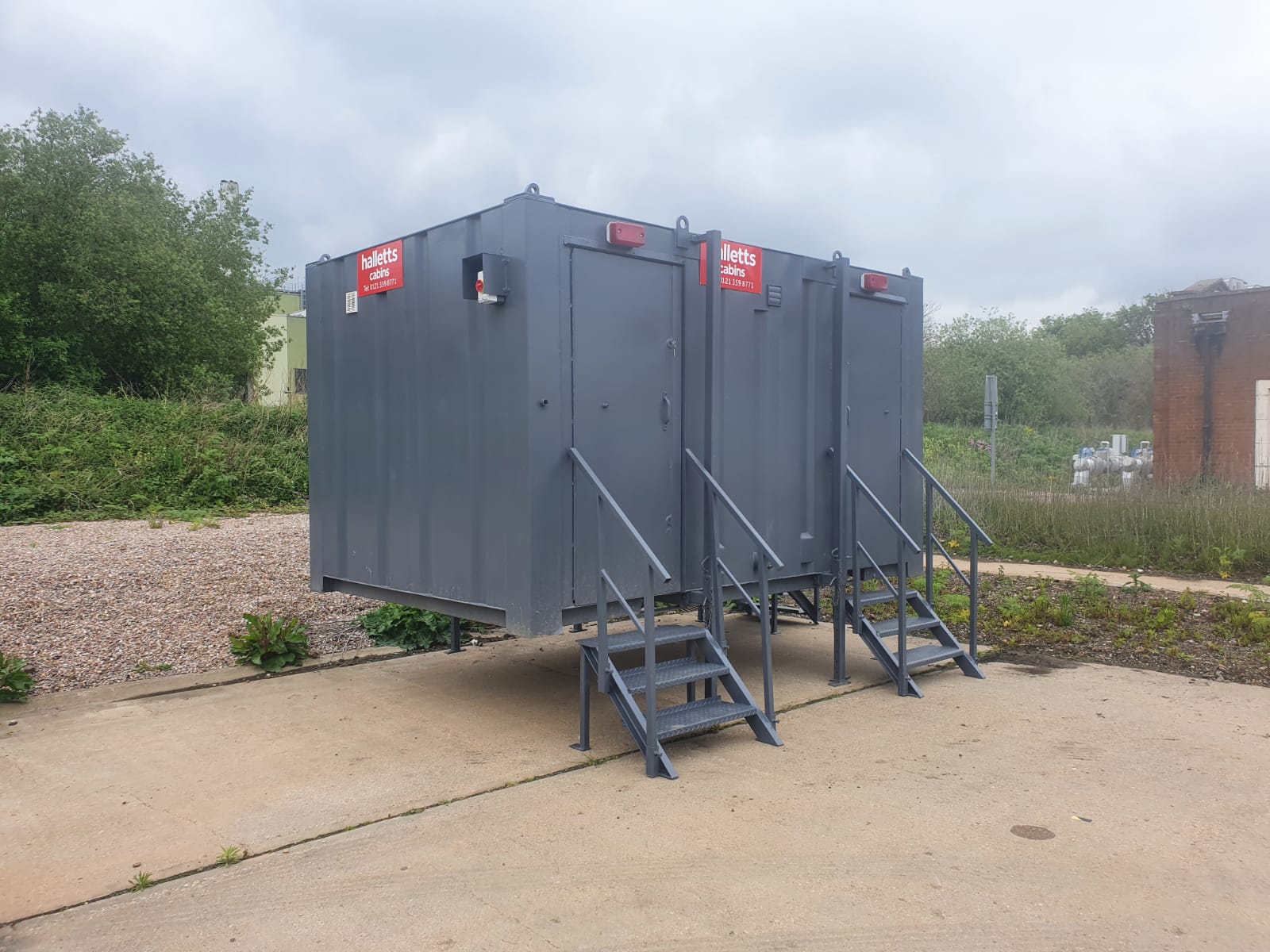
• Reinforced doors with secure locking
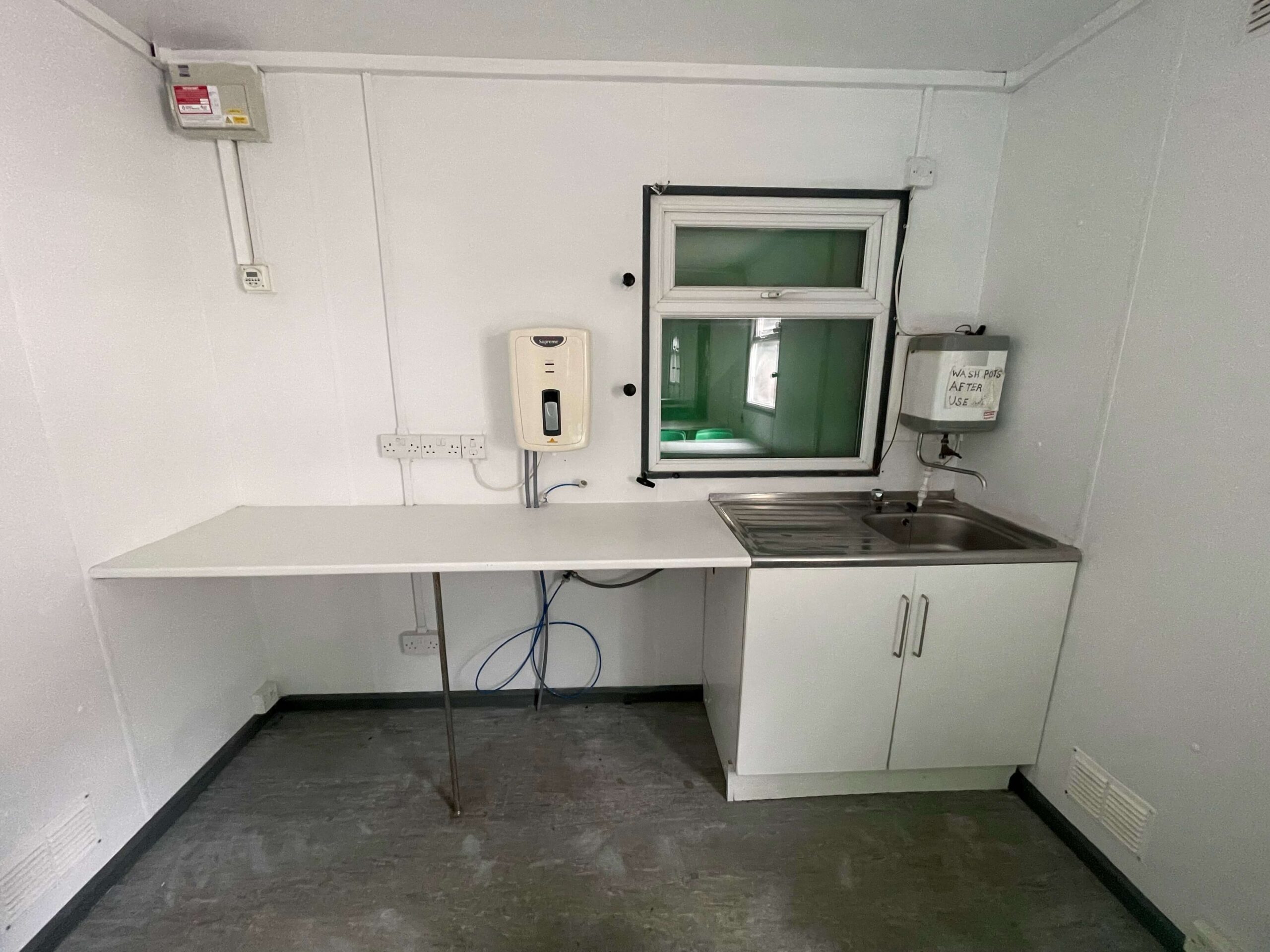
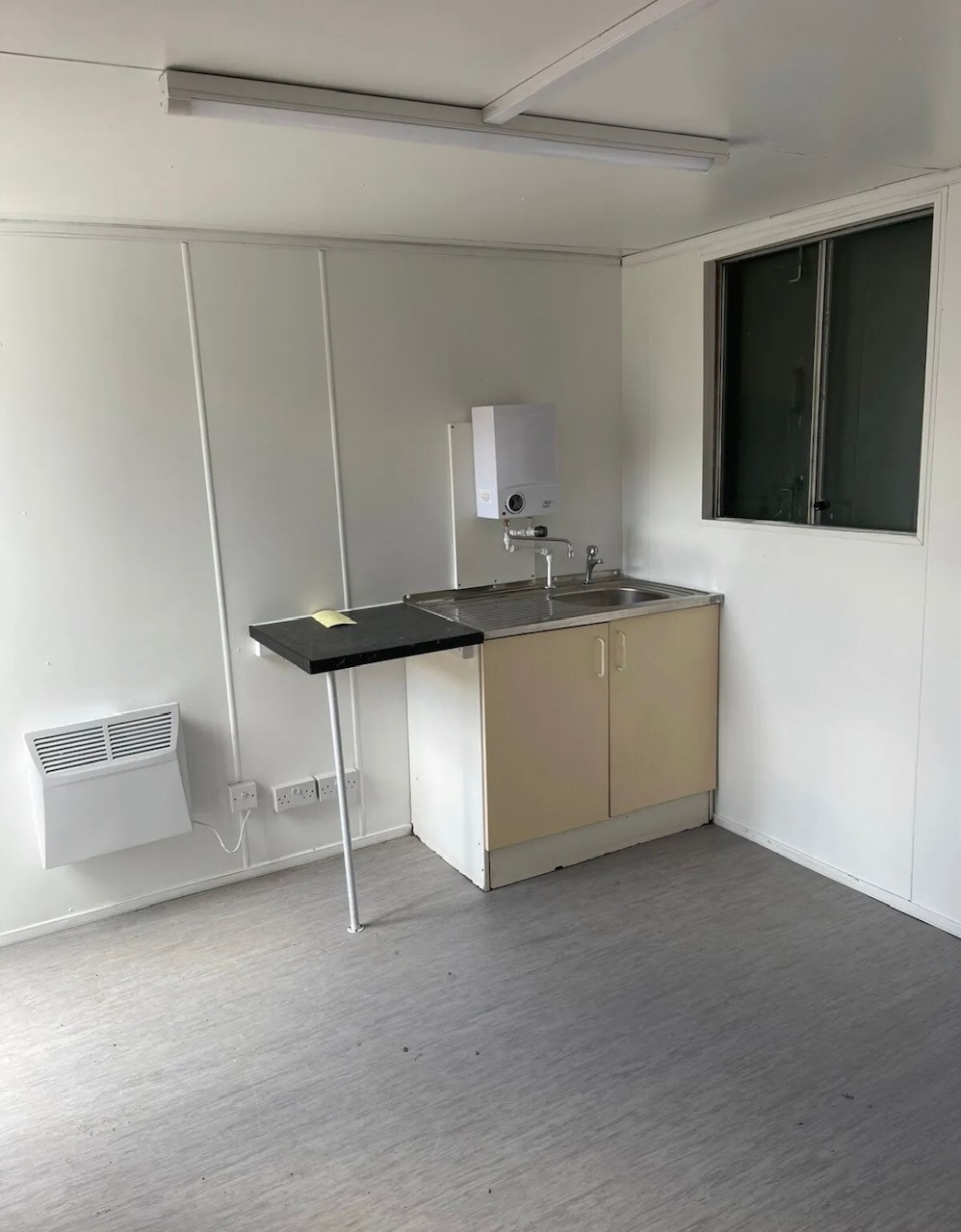
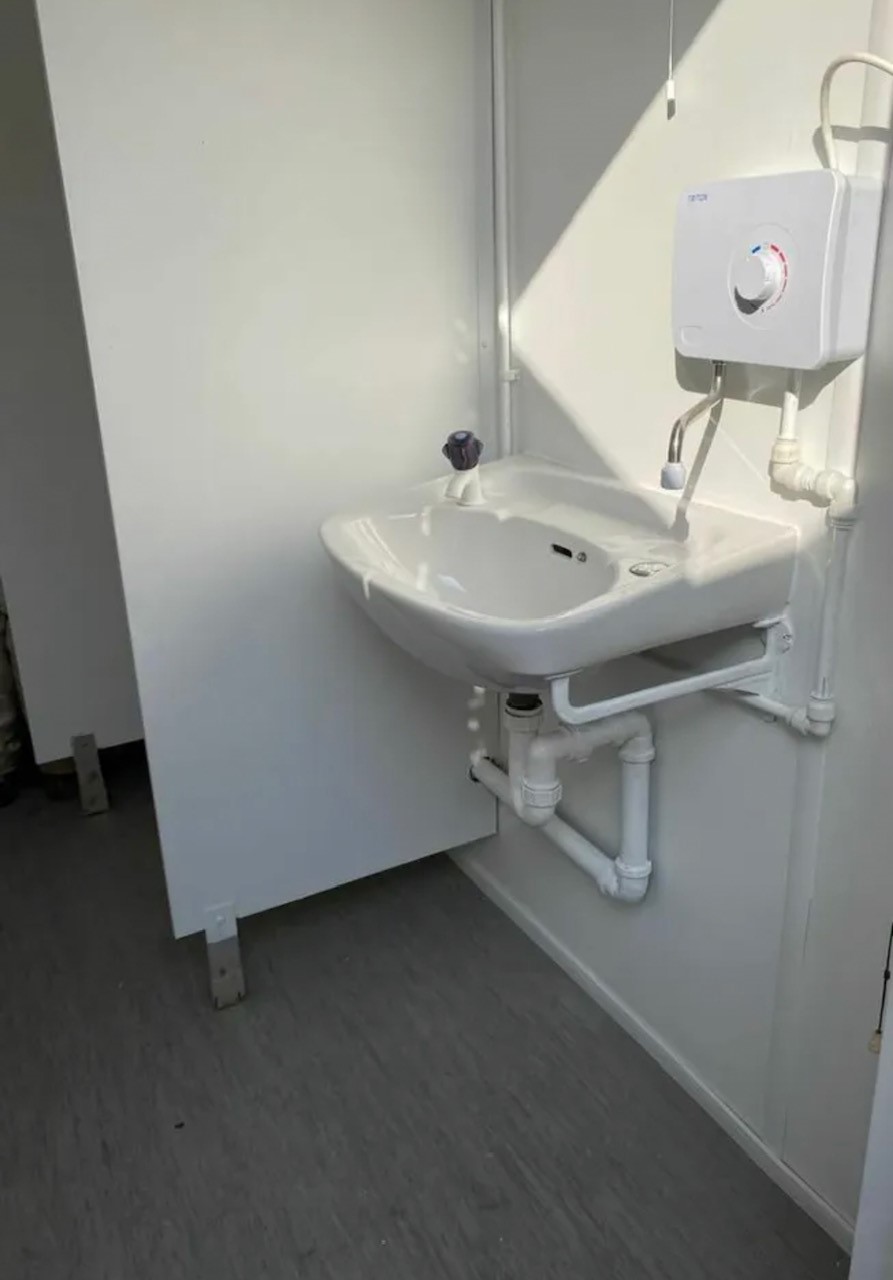
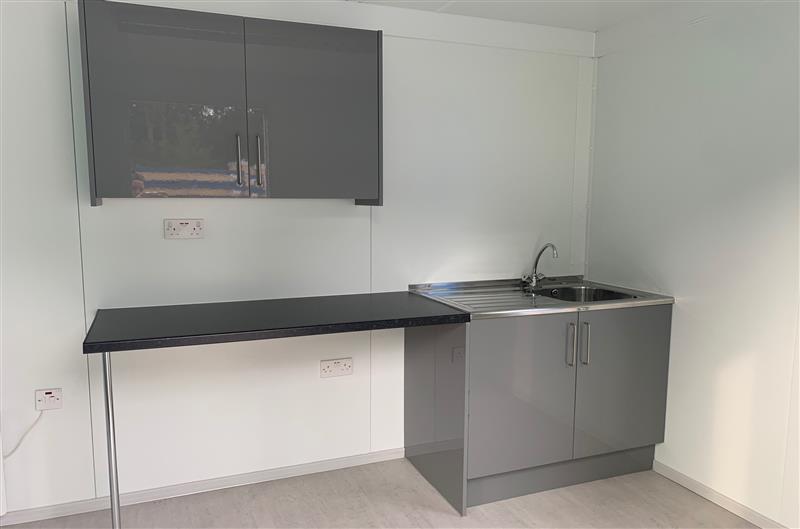
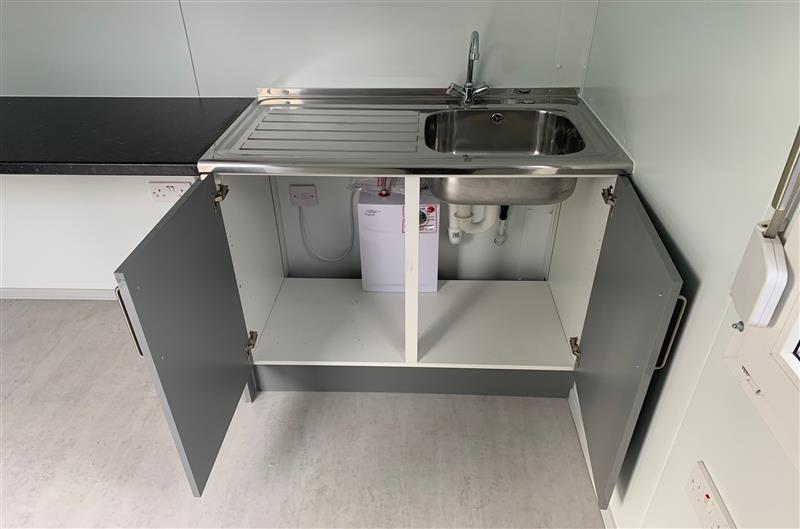
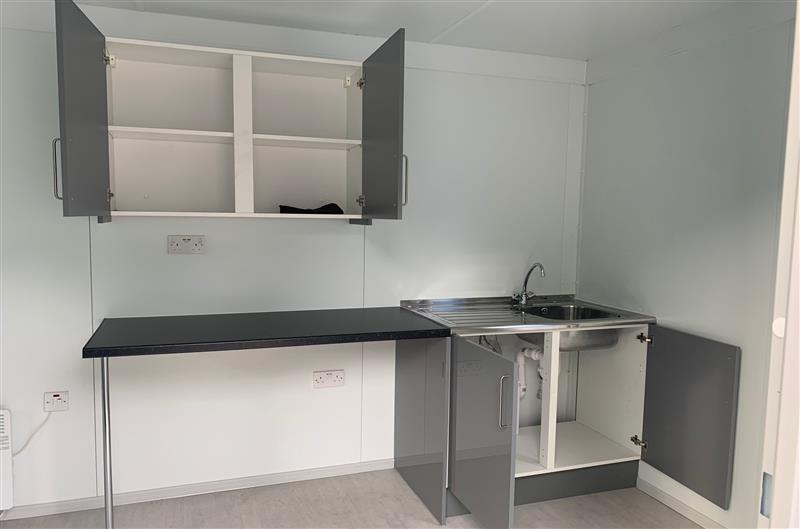
• Sink and water boiler included
Location: Nationwide
Quantity: ∞
EX VAT
Not Available for Hire
Call for an instant quote!
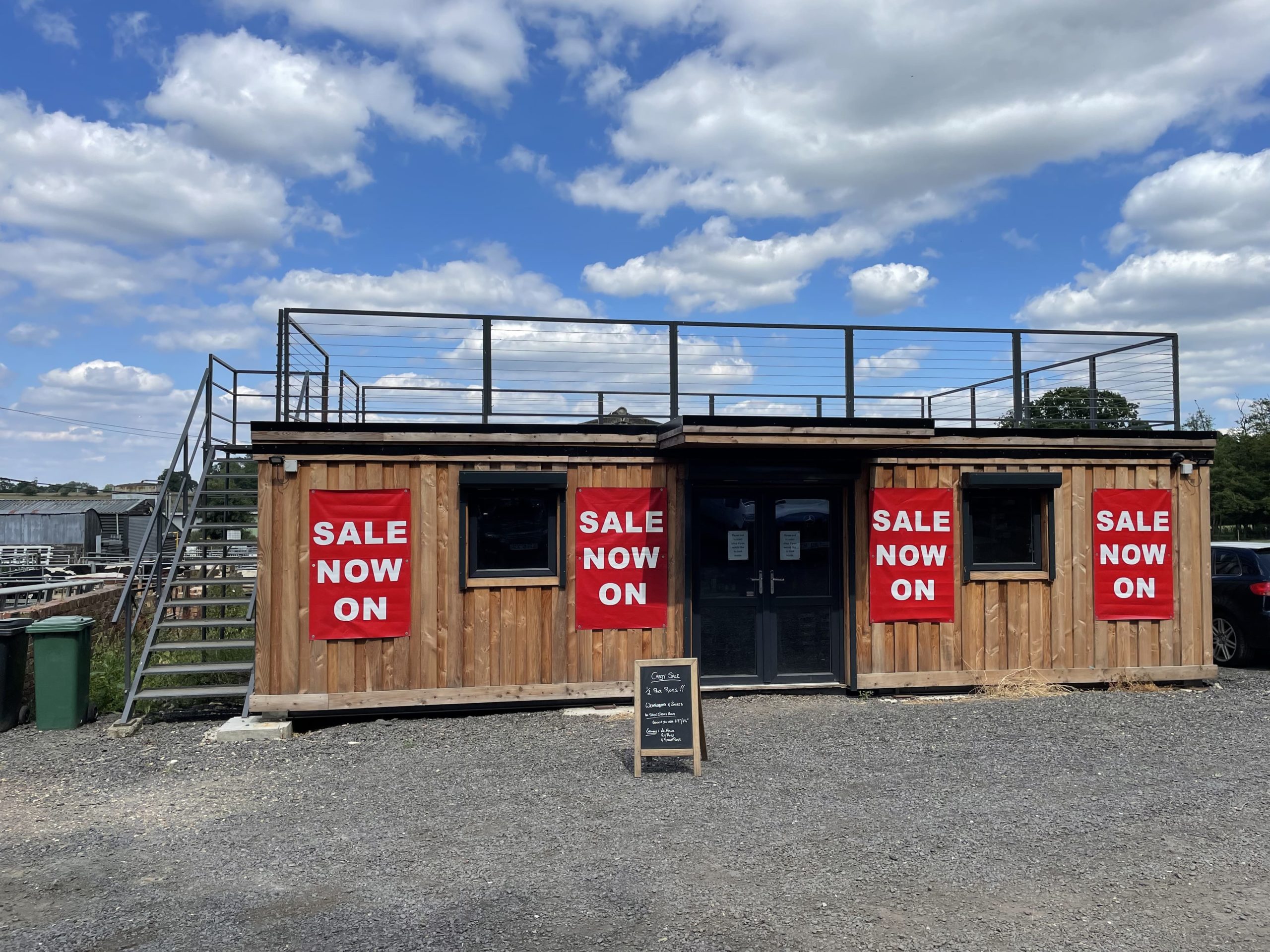
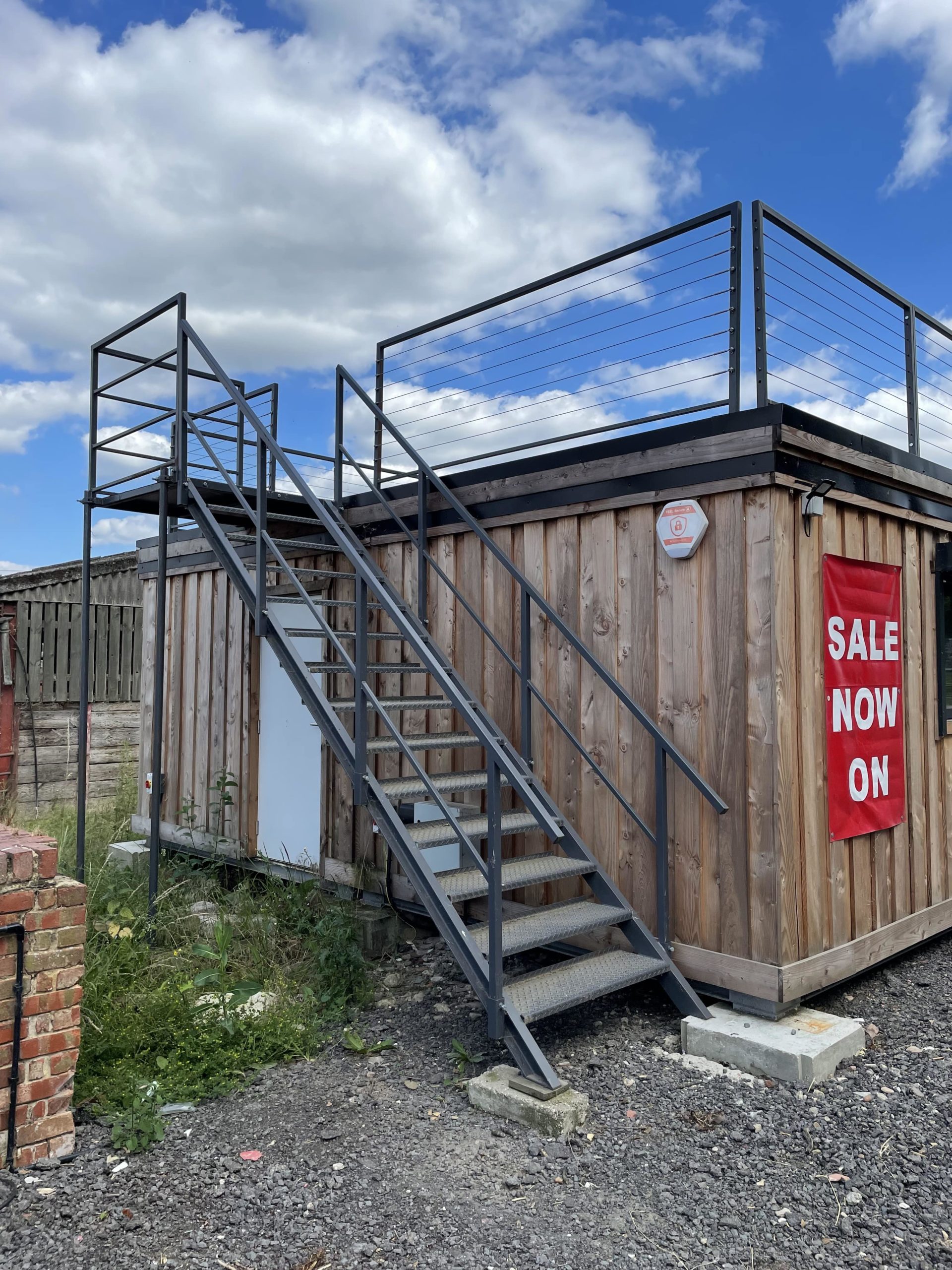
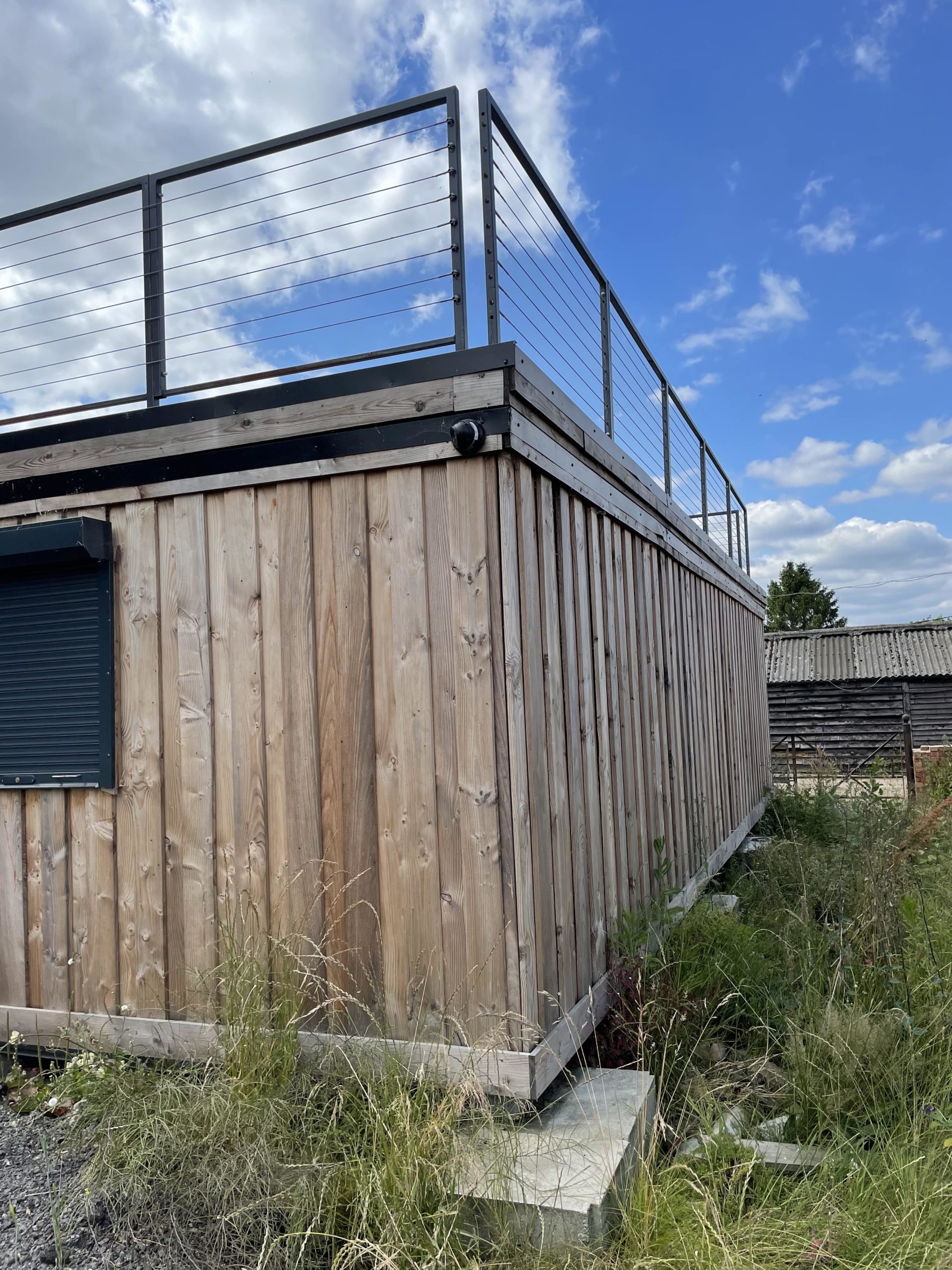
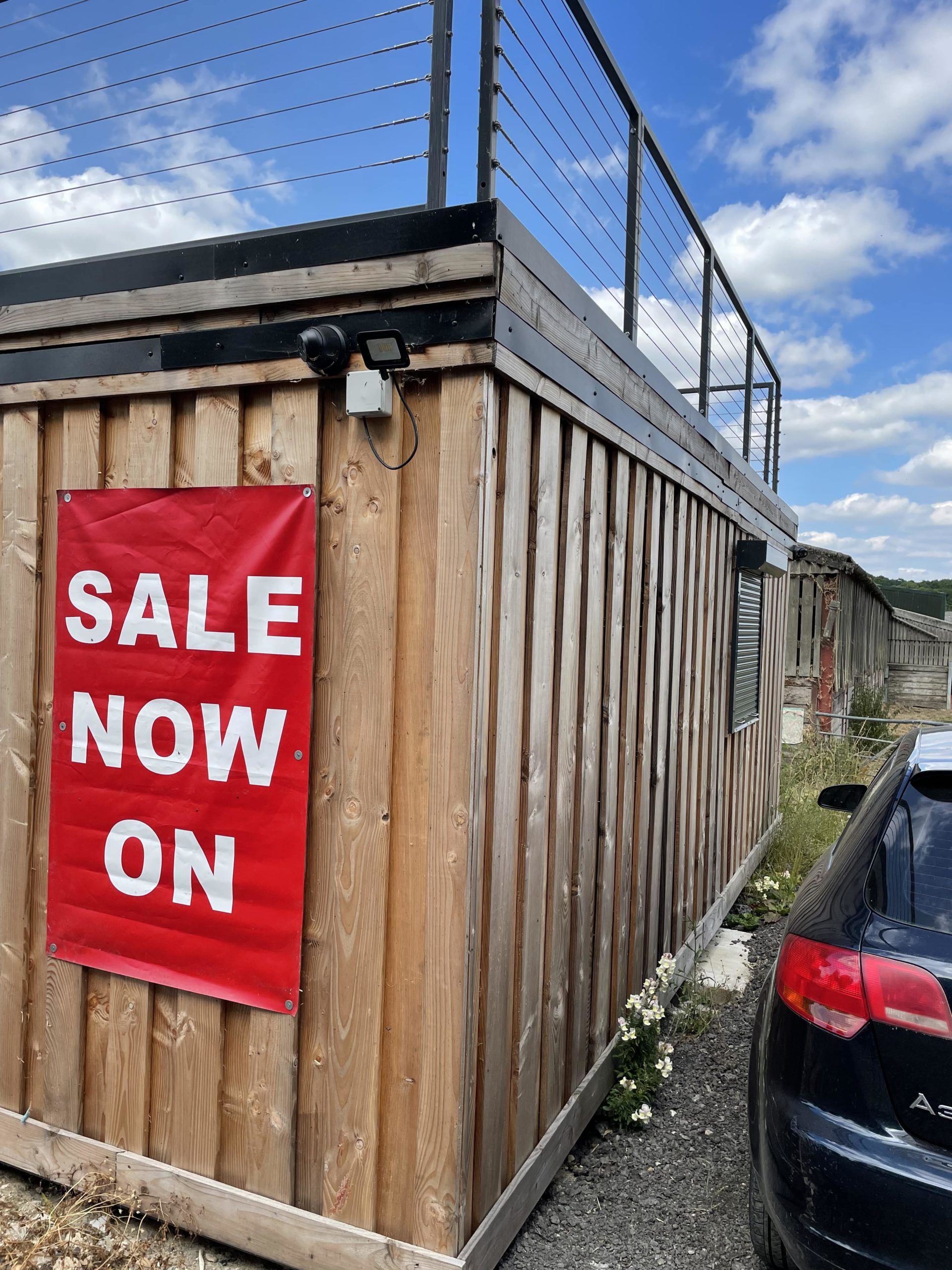

Location: Nationwide
EX VAT
Not Available for Hire
Call for an instant quote!
Get a Quick Container Quote Now!
Location: Nationwide
EX VAT
Not Available for Hire
Call for an instant quote!
Get a Quick Container Quote Now!
Get a Quick Container Quote Now!
