How to Choose a Cold Storage Container?

Choosing a cold storage container is a practical decision, not a simple purchase. The right unit protects temperature, product quality, and operating continuity. It must also fit your loading space, transport route, power supply, and monitoring process.

Professor Judith Evans, a recognised refrigeration and cold-chain specialist, has said, “Good temperature control begins with understanding the product, not merely buying a refrigerated box.” That principle deserves attention. Fresh produce, vaccines, seafood, and laboratory materials can require different temperature ranges. Some products also react badly to rapid cooling, dry air, or repeated door opening. A container that looks impressive may still perform poorly in real conditions.

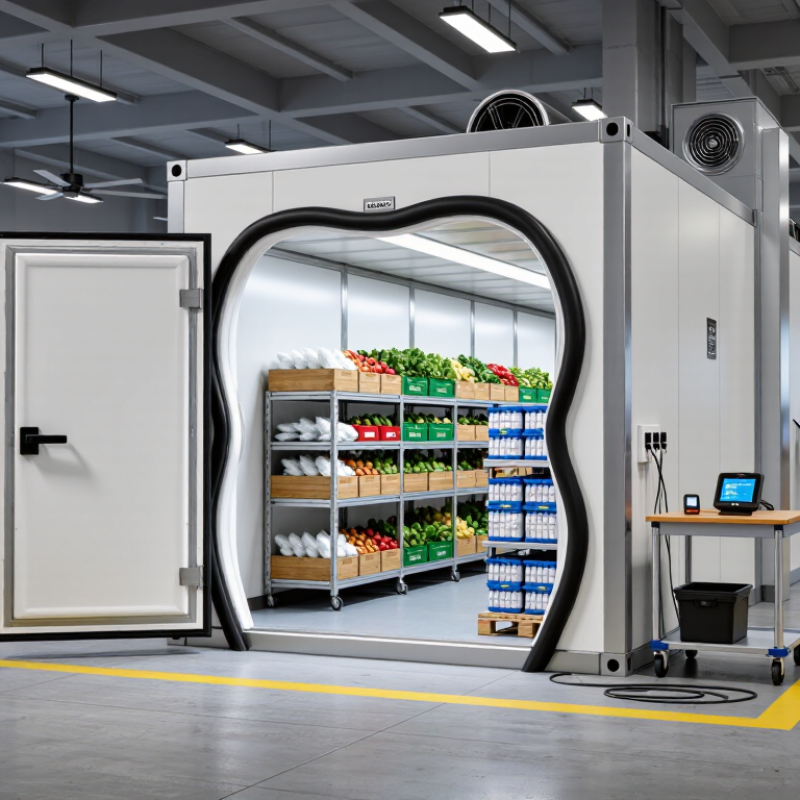
Look closely at insulation thickness, refrigeration capacity, airflow, internal dimensions, and temperature-recording features. Check the floor condition too. A damaged floor can create cleaning problems and uneven loading. Door seals should close firmly, without visible gaps. Ask how the unit performs during hot weather, power interruptions, and frequent access. These details often matter more than a polished specification sheet.

Experience also exposes uncomfortable uncertainties. Energy estimates may change with local climate and loading habits. Monitoring devices can fail. Staff may leave doors open longer than expected. Planning for these weaknesses improves reliability. The best cold storage container is not always the newest model. It is the one that maintains the required conditions consistently, supports safe handling, and remains practical for your daily operation. Specification alone cannot guarantee that.
How to Choose a Cold Storage Container?

Understanding Cold Storage Container Types and Uses

Choosing a cold storage container starts with understanding its type and intended use. An insulated passive container relies on ice packs or dry ice to hold a stable temperature. It suits short deliveries of food, laboratory samples, or temperature-sensitive medicines. It needs careful packing.

Active refrigerated containers use a powered cooling system. They support longer storage periods and large shipments. Ports, warehouses, farms, and catering operations often use them. Their digital controls can maintain set temperatures, but power interruptions remain a serious risk.

Blast-freezing containers remove heat quickly. They work well for seafood, meat, prepared meals, and other products requiring rapid freezing. Standard refrigerated units are better for maintaining frozen goods than freezing warm products. That difference is easy to miss.

Temperature range matters as much as capacity. Check the product’s required range, loading temperature, and expected travel time. Leave space around cartons so air can circulate. Overpacking often creates warm pockets, even when the display looks normal. A small data logger can reveal these hidden changes.

I have found that measuring only external temperature gives false confidence. Sensors should sit near the cargo, especially beside the warmest expected area. Inspect door seals, insulation, drainage, and alarm functions before use. Consider cleaning access too. A container that holds temperature well but cannot be cleaned properly creates operational problems. Availability of power, handling equipment, and trained staff also affects the practical choice.


Defining Temperature, Capacity, and Storage Requirements

How to Choose a Cold Storage Container?

Defining Temperature, Capacity, and Storage Requirements

Choosing a cold storage container starts with a temperature definition, not a catalog size. Write the required range, such as 2°C to 8°C, and identify the warmest acceptable exposure. Products may need different conditions during loading, transport, and overnight holding. Do not confuse the controller set point with the actual product temperature. Use calibrated probes to check temperatures at several internal positions.

Measure usable internal volume, not the container’s advertised outside dimensions. Allow space between cartons, walls, and evaporator outlets. Airflow needs space. Packed cartons can block circulation and create warm corners. Calculate the heat load from incoming goods, door openings, lighting, and surrounding weather. Freshly loaded products may require far more cooling power than stored products.

Storage requirements also include dwell time, access frequency, power supply, floor loading, and door clearance. Confirm that shelving supports the load safely and remains easy to clean. Review alarm functions, temperature records, and backup power arrangements. Temperature mapping under empty and loaded conditions provides stronger evidence than a single display reading.

Real sites rarely behave like spreadsheets. Staff may open doors repeatedly, or sunlight may heat one wall. An apparently oversized unit can waste energy, while a smaller unit may struggle during peak loading. Even a careful estimate can be wrong. Recheck assumptions against actual operating routines before approving the container.

Evaluating Insulation, Refrigeration, and Energy Efficiency

Choosing a cold storage container starts with insulation, not the refrigeration unit. Poor panels force compressors to work harder and run longer.

The International Institute of Refrigeration estimates that refrigeration uses about 17% of global electricity. That figure makes energy efficiency a practical design issue, not a marketing phrase. Select panels with consistent insulation thickness and low thermal conductivity. Check the floor, corners, door frame, and cable openings for thermal bridges. A small gap around a door can admit warm, humid air repeatedly. Condensation follows.

Use measured performance data.

The refrigeration system should match the container’s volume, product temperature, loading frequency, and local climate. Oversized equipment may cool quickly, but it can cycle inefficiently and increase maintenance stress. The U.S. Department of Energy reports that refrigeration controls, efficient compressors, and improved maintenance can reduce energy use substantially in commercial systems. Actual savings vary with operating conditions. That part is often overlooked. A higher coefficient of performance can lower electricity demand, but only when the unit remains clean and correctly charged. Install temperature and energy meters, then compare readings during empty, half-loaded, and fully loaded operation. The International Energy Agency’s The Future of Cooling reports that cooling already represents more than 10% of global electricity consumption. Therefore, insulation quality deserves equal attention beside compressor efficiency. I would not rely on a single laboratory rating. Site conditions are messier. Door openings, sunlight, dust, and delayed maintenance can erase expected gains. Choose the container that performs reliably under those conditions.

How to Choose a Cold Storage Container? - Evaluating Insulation, Refrigeration, and Energy Efficiency
Evaluation Dimension Typical Option or Specification Typical Performance Data Advantages Limitations and Selection Notes Recommended Application
Target Temperature Chilled storage +2°C to +8°C Suitable for fresh food, beverages, flowers, and many pharmaceutical products. Product-specific temperature limits must be confirmed. Frequent door opening can quickly raise the internal temperature.
Target Temperature Frozen storage -18°C to -25°C Maintains common frozen-food storage conditions and limits microbial growth. Requires stronger refrigeration capacity and better door management than chilled storage.
Target Temperature Deep-frozen storage -25°C to -40°C Provides additional temperature margin for products requiring very low storage temperatures. Higher energy consumption, longer pull-down time, and greater compressor stress are expected.
Insulation Material Expanded polystyrene (EPS) Typical thermal conductivity: approximately 0.032–0.040 W/m·K Lightweight, widely available, and generally economical. Usually requires greater panel thickness than polyurethane-based insulation for comparable thermal performance. Budget-conscious chilled applications and moderate-duty use
Insulation Material Polyurethane (PUR) Typical thermal conductivity: approximately 0.022–0.028 W/m·K Good insulation efficiency with a relatively low panel thickness. Performance depends on density, panel construction, joints, and aging. Damaged panels can lose effectiveness.
Insulation Material Polyisocyanurate (PIR) Typical thermal conductivity: approximately 0.020–0.026 W/m·K High thermal resistance and improved fire performance compared with many conventional foam options. Typically costs more than EPS and may require careful protection against moisture and mechanical damage.
Panel Thickness 80–100 mm insulated panels Common range for moderate chilled applications; approximate U-value often 0.20–0.30 W/m²·K, depending on material and construction. Balances usable internal volume, insulation performance, and purchase cost. May be insufficient for very low temperatures, hot climates, or frequent door opening. Chilled storage and mild-to-moderate ambient conditions
Panel Thickness 100–150 mm insulated panels Common range for frozen applications; approximate U-value often 0.14–0.22 W/m²·K, depending on material and thermal bridges. Reduces heat gain and lowers refrigeration demand compared with thinner panels. Reduces internal volume and increases weight and initial cost.
Thermal Bridging Continuous insulation with sealed panel joints Effective performance depends on minimizing gaps, metal bridges, and unsealed penetrations. Improves temperature stability and reduces condensation risk. Installation quality is as important as the published insulation rating.
Refrigeration Capacity System selected for design heat load Heat load includes transmission, product pull-down, door opening, fans, lighting, and ambient conditions. Provides reliable temperature recovery after loading or door opening. Oversized systems may cycle inefficiently; undersized systems may fail to reach the set point.
Temperature Control Electronic controller with calibrated sensors Typical control resolution: 0.1°C; actual accuracy depends on sensor quality and calibration. Supports stable operation, alarms, and easier temperature verification. Sensor location matters. A single sensor may not detect temperature differences throughout the container.
Air Circulation Forced-air evaporator with unobstructed airflow Uniformity depends on fan operation, product spacing, and loading pattern. Improves temperature distribution and accelerates temperature recovery. Blocked air paths increase energy use and create warm or cold zones.
Energy Efficiency High-efficiency compressor and variable-speed or staged control Seasonal efficiency varies with set point, ambient temperature, load, defrosting, and equipment sizing. Can reduce cycling losses and improve part-load efficiency. Purchase price may be higher, and savings depend on operating hours and maintenance.
Defrost Strategy Demand-based or scheduled defrost Defrost frequency depends on humidity, door opening, and evaporator frost accumulation. Maintains airflow and heat-transfer performance while avoiding unnecessary heating cycles. Inadequate defrost causes ice buildup; excessive defrost wastes energy and can affect product temperature.
Door Performance Insulated door with magnetic gasket, self-closing hardware, and strip curtains Reduces infiltration of warm, humid air during access. Improves temperature recovery and reduces condensation and frost formation. Damaged gaskets and doors left open can become major sources of heat gain.
Monitoring and Alarms Continuous temperature logging with high/low alarms Recording intervals of 1–15 minutes are commonly used, depending on compliance requirements. Helps identify equipment failure, prolonged door opening, and temperature excursions. Systems should be tested regularly and supported by an emergency response procedure.
Operating Environment Ambient temperature and solar exposure assessment Heat gain increases significantly in direct sunlight and high ambient temperatures. Proper placement, shading, and ventilation can reduce refrigeration demand. Do not place the refrigeration condenser where hot air can recirculate.
Maintenance Clean condenser, inspect gaskets, verify sensors, and check refrigerant circuit Inspection frequency should reflect operating hours, dust levels, humidity, and regulatory requirements. Maintains capacity, efficiency, and temperature reliability. Neglected maintenance can increase energy consumption and shorten equipment life.
Note: The numerical values are typical engineering ranges rather than guaranteed performance ratings. Final selection should be based on product temperature requirements, container dimensions, product loading temperature, ambient conditions, door-opening frequency, required pull-down time, local electrical standards, and a documented refrigeration heat-load calculation.

Checking Safety, Maintenance, Mobility, and Installation Needs

Choosing a cold storage container requires more than checking its temperature range. Safety comes first. Inspect door seals, flooring, lighting, emergency release systems, and electrical protection before delivery. ISO 1496-2 addresses thermal-container performance, while ASHRAE Standard 15 guides refrigerant safety practices. These standards are useful, but they do not replace a site-specific risk assessment. A blocked aisle or wet floor can still create a serious hazard.

Maintenance affects both product quality and operating cost. The FAO’s 2022 State of Food and Agriculture report estimates that 13.2% of food was lost between harvest and retail in 2021. Reliable temperature logging can reduce avoidable losses, especially during loading. Check condenser airflow, drain lines, insulation panels, and calibration records regularly. Mobility also matters. Confirm the container can pass through gates, tolerate the ground surface, and connect to stable power. Installation teams should measure clearance around doors and ventilation areas. Small errors become expensive later.

Tips: Ask for temperature-mapping records, not only a promised set point. Test the alarm before storing products. Keep a maintenance log with dates and measured readings. Leave space around the condenser. A checklist can still miss human mistakes, so train every operator briefly. UNEP’s 2023 cooling report warns that cooling demand may more than triple by 2050, making efficient equipment and careful installation increasingly important.

Comparing Costs, Suppliers, and Long-Term Value

Choosing a cold storage container starts with more than the purchase price. A low quote may exclude delivery, electrical work, installation, and temperature monitoring. Compare the full cost over five years, not just the invoice.
Inspect the insulation thickness, door seals, refrigeration capacity, and expected energy use. A container holding a stable temperature at 2°C may perform poorly at -20°C. Ask suppliers for test records, maintenance terms, spare-part availability, and response times. Reliable suppliers explain limitations clearly. That matters more than impressive sales language. My early comparisons focused too heavily on equipment cost. I later found that frequent repairs and power consumption changed the result.

Tips: Request an itemized quotation. Check internal dimensions against pallet sizes. Measure the available site before ordering. Ask who handles emergency service. Confirm warranty exclusions in writing. A short trial or site inspection can reveal airflow problems, floor damage, and difficult door access. Do not ignore noise levels near workers or neighboring buildings. The cheapest supplier is rarely the lowest-cost option when downtime affects stock, labor, and delivery schedules. Also compare insulation aging, cleaning access, and future resale value. A container that remains efficient after several seasons may justify a higher starting price, though projected savings should be verified with real usage data.
This comparison uses a 20-foot refrigerated container operated continuously for three years. The estimated total cost includes acquisition, electricity, and scheduled maintenance. Refurbished units generally have the lowest entry cost, while new units may offer better energy efficiency and lower maintenance risk over time. Actual costs vary by region, temperature setting, utilization, electricity rates, and warranty coverage.
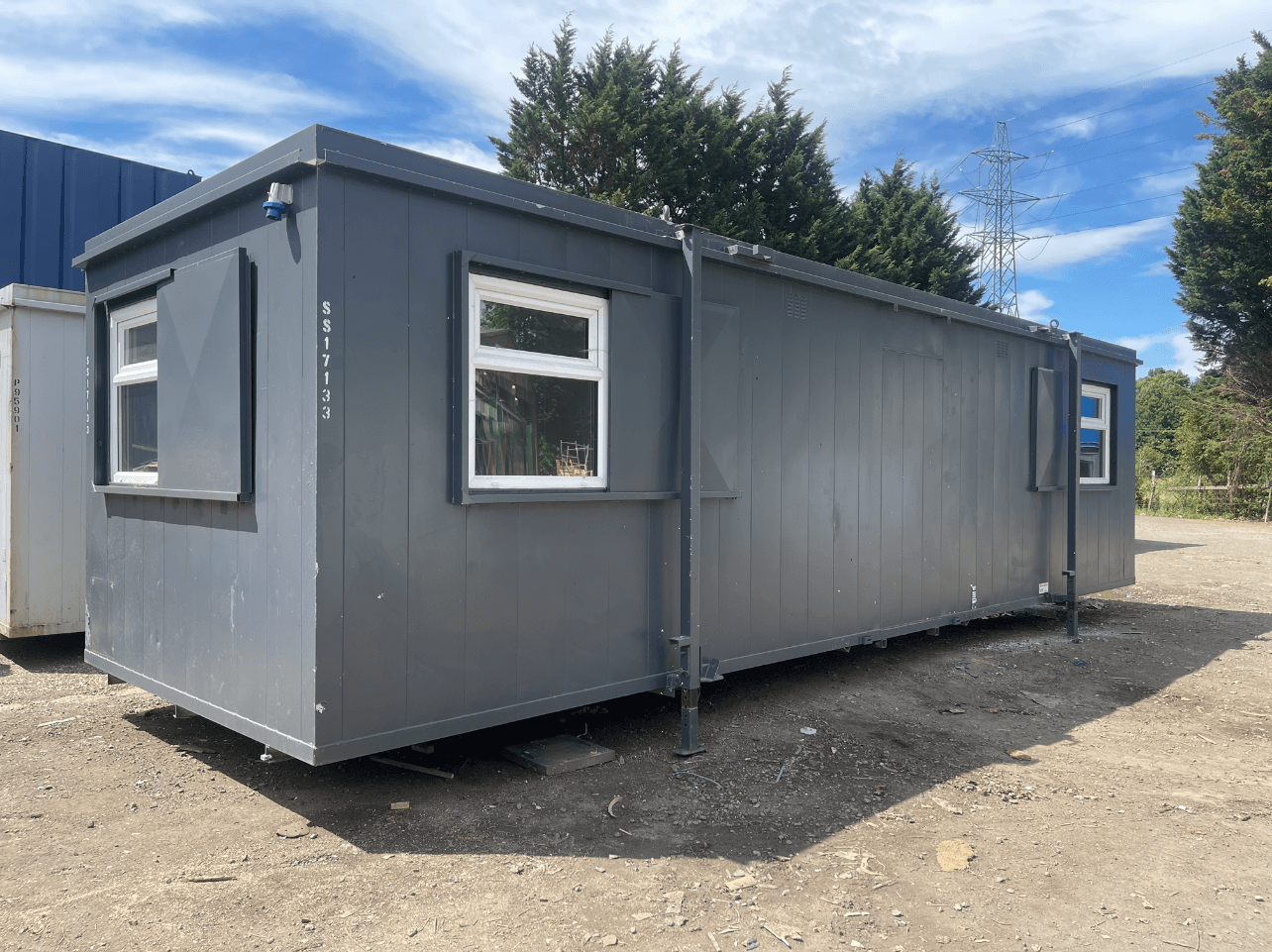
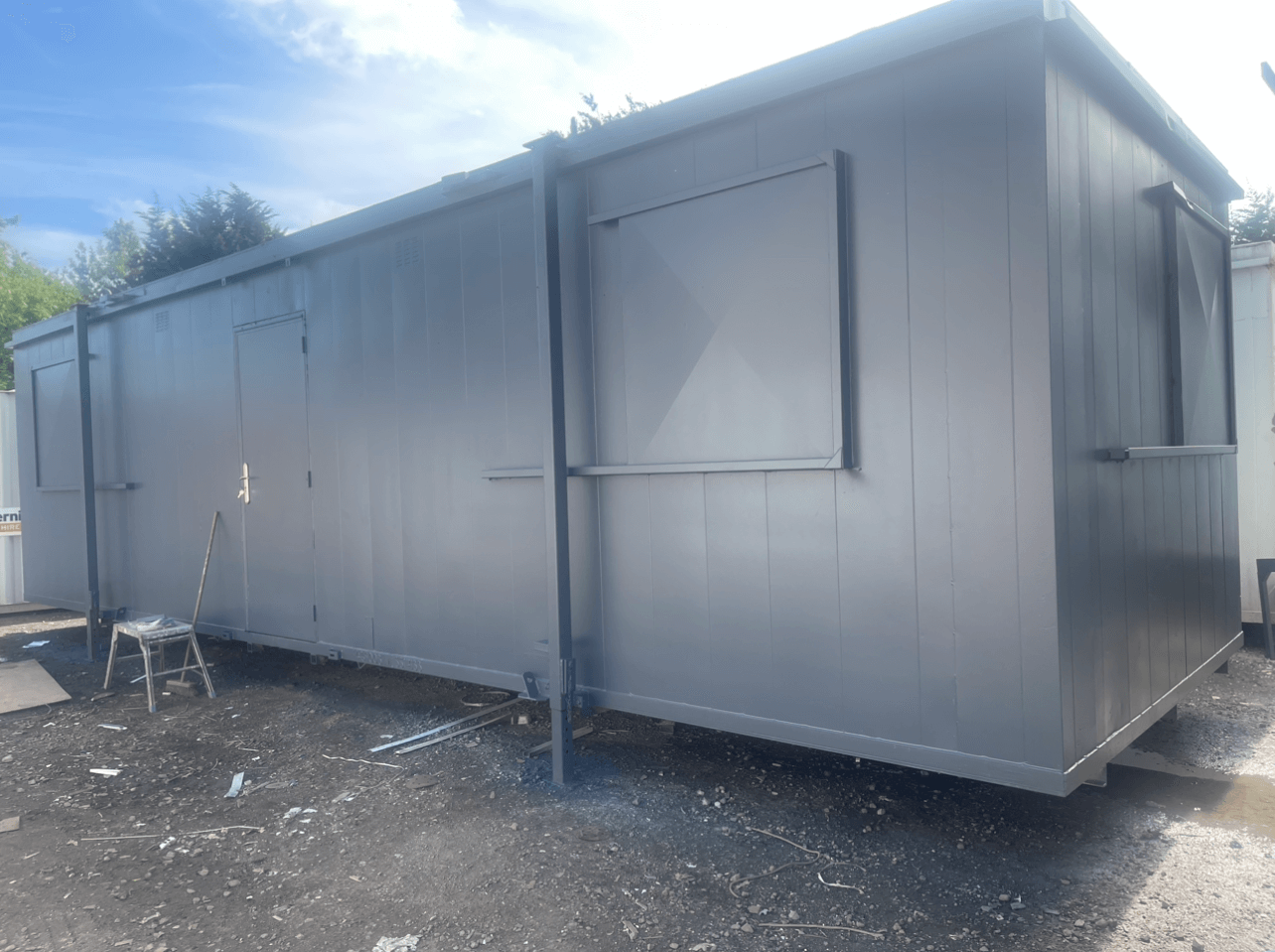
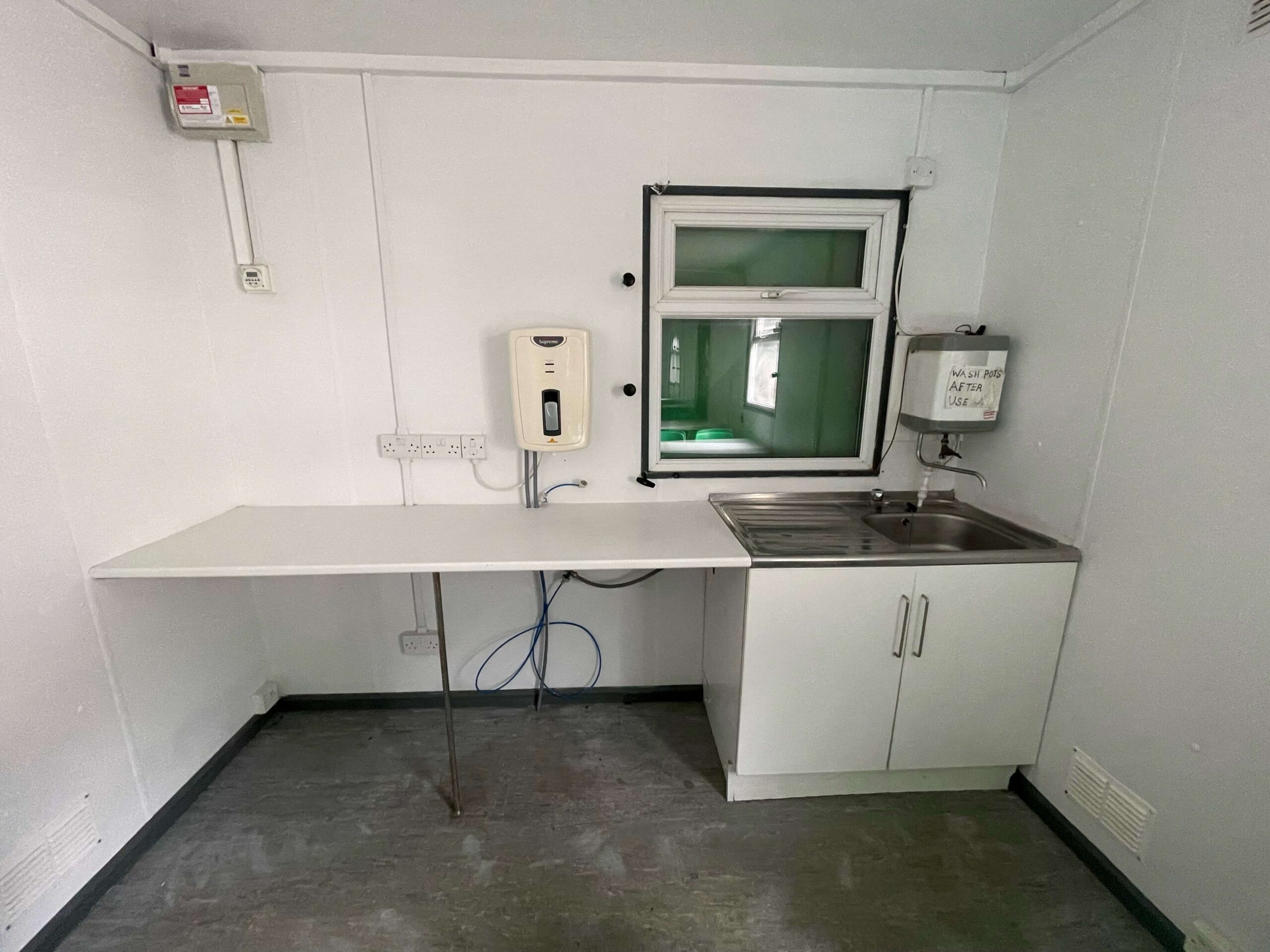
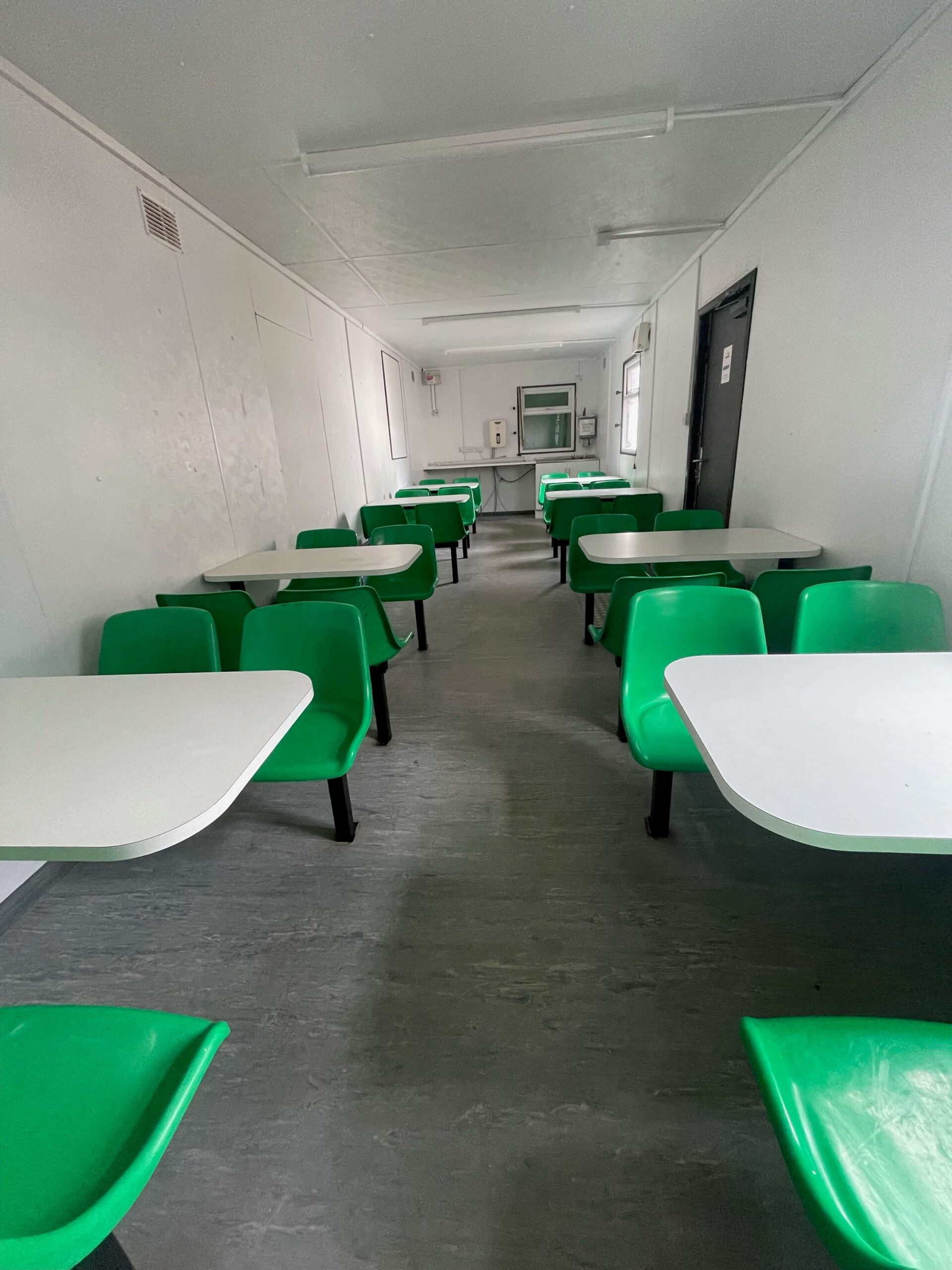
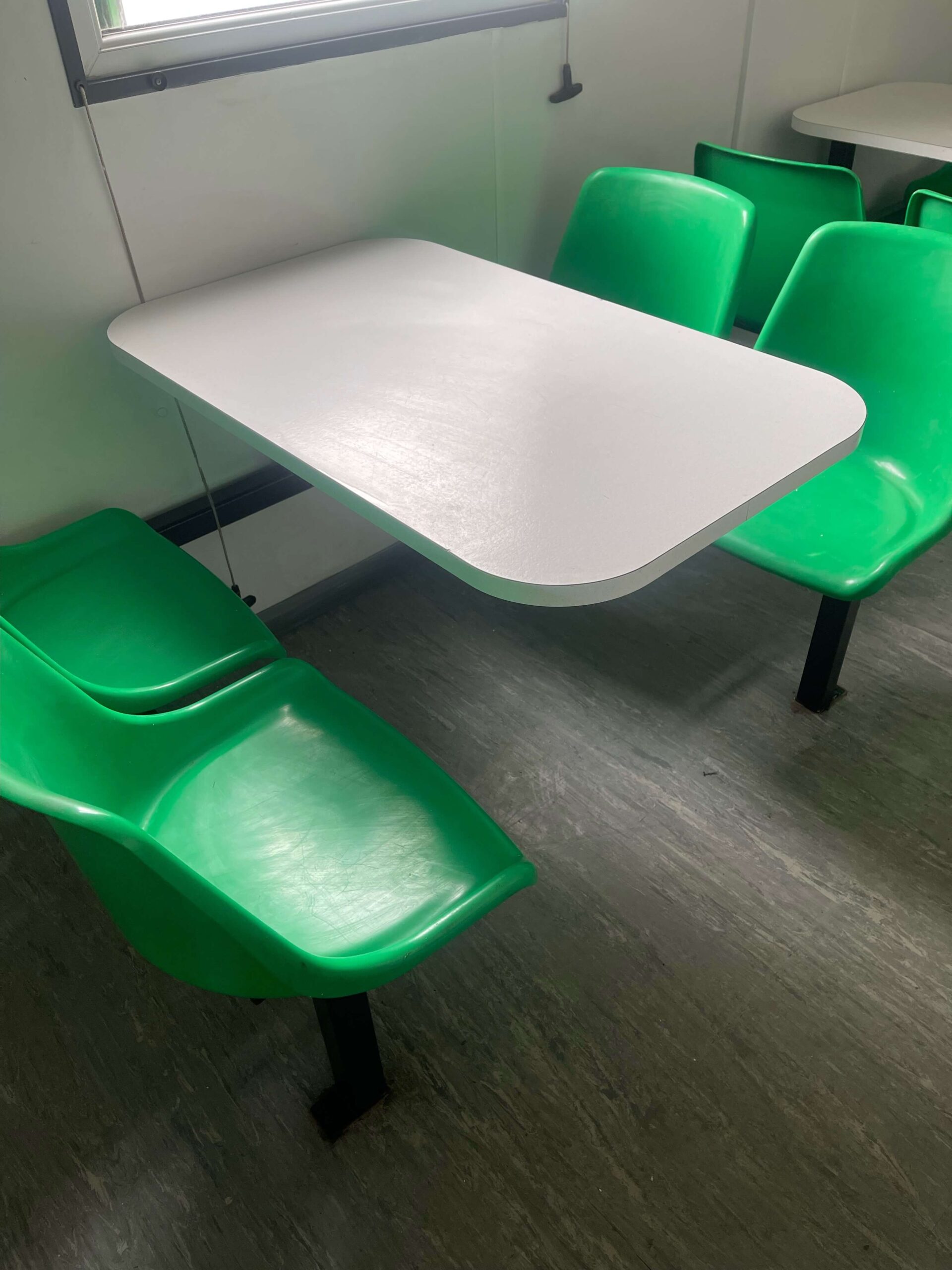
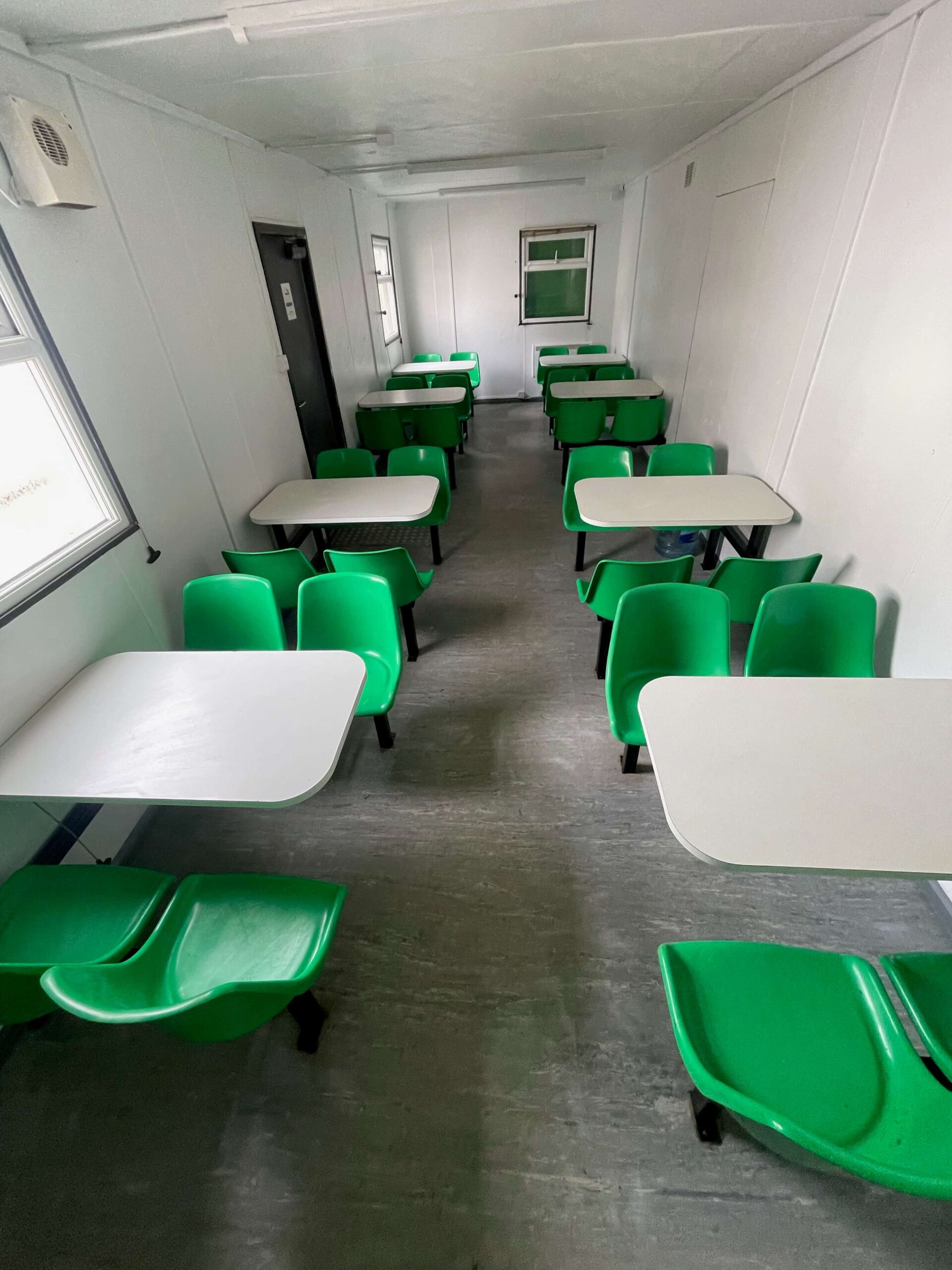
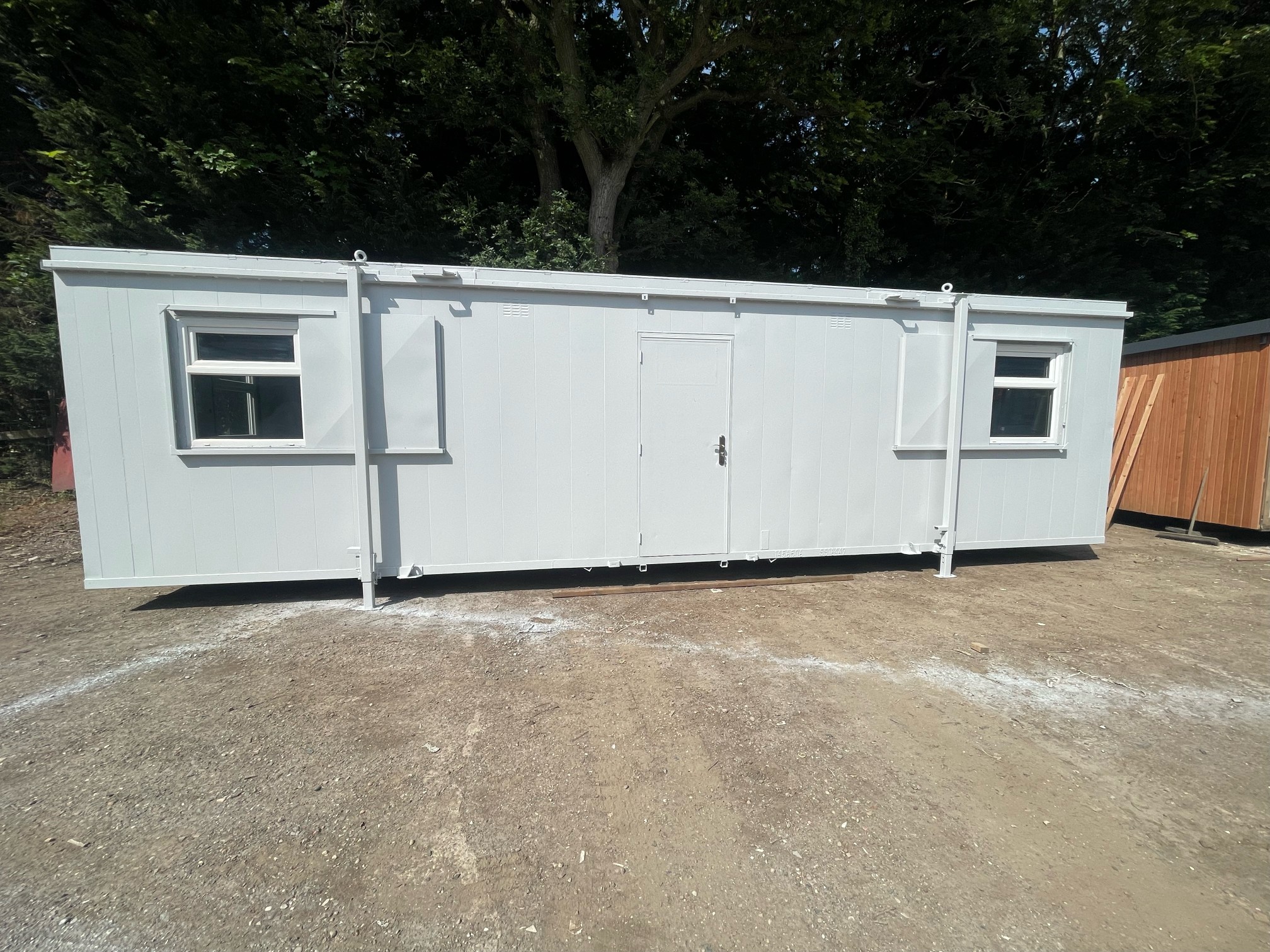
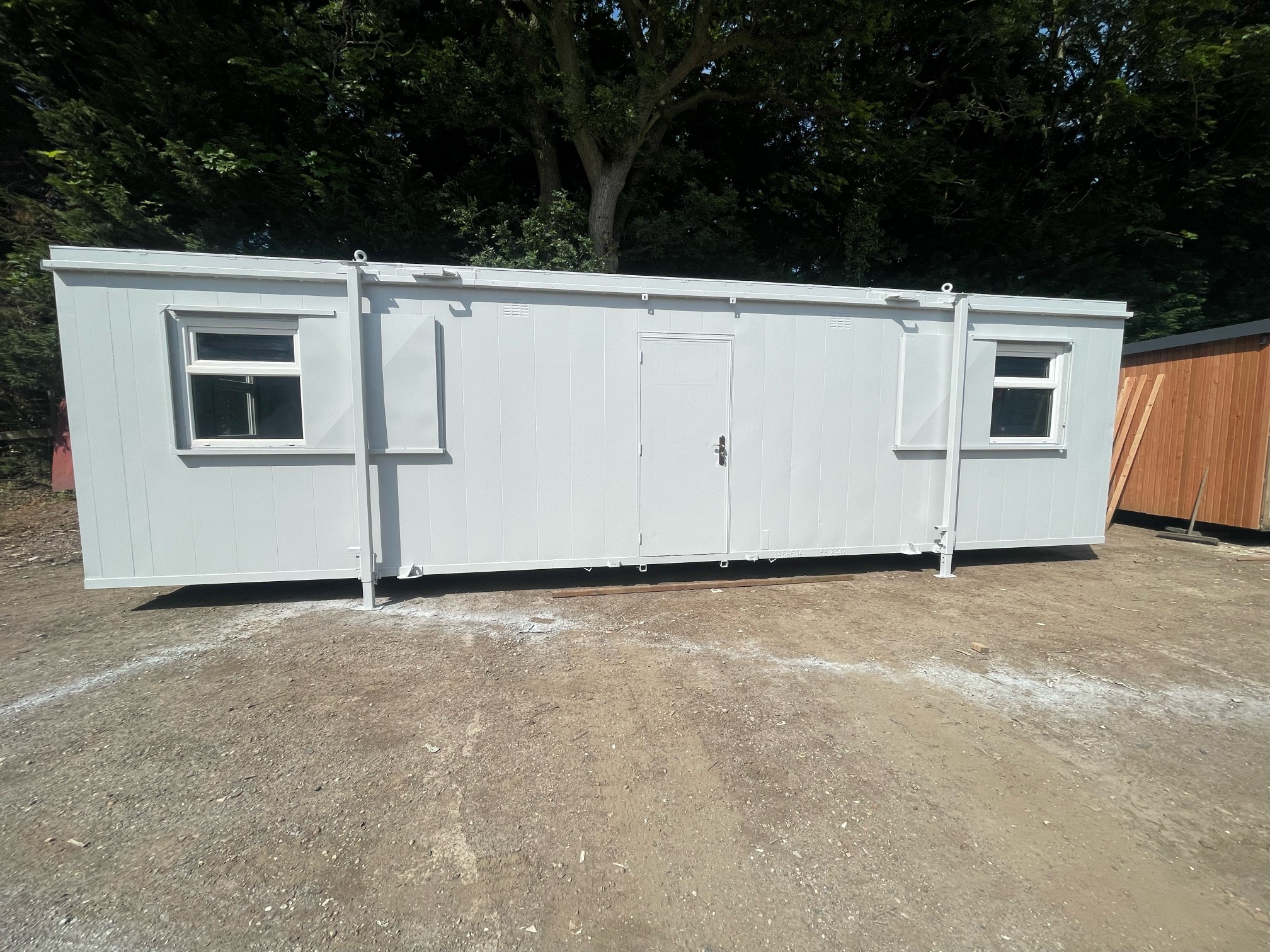
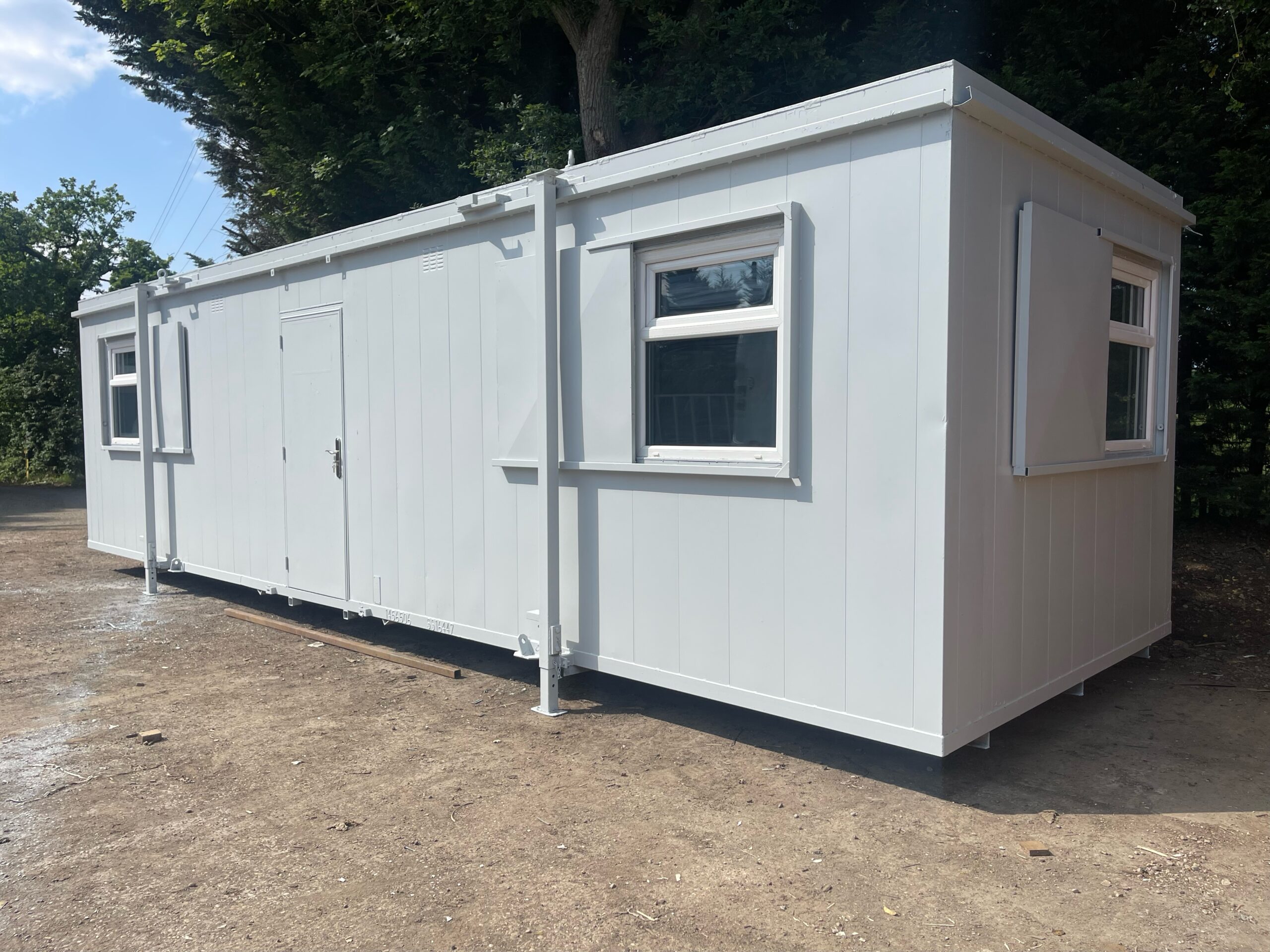
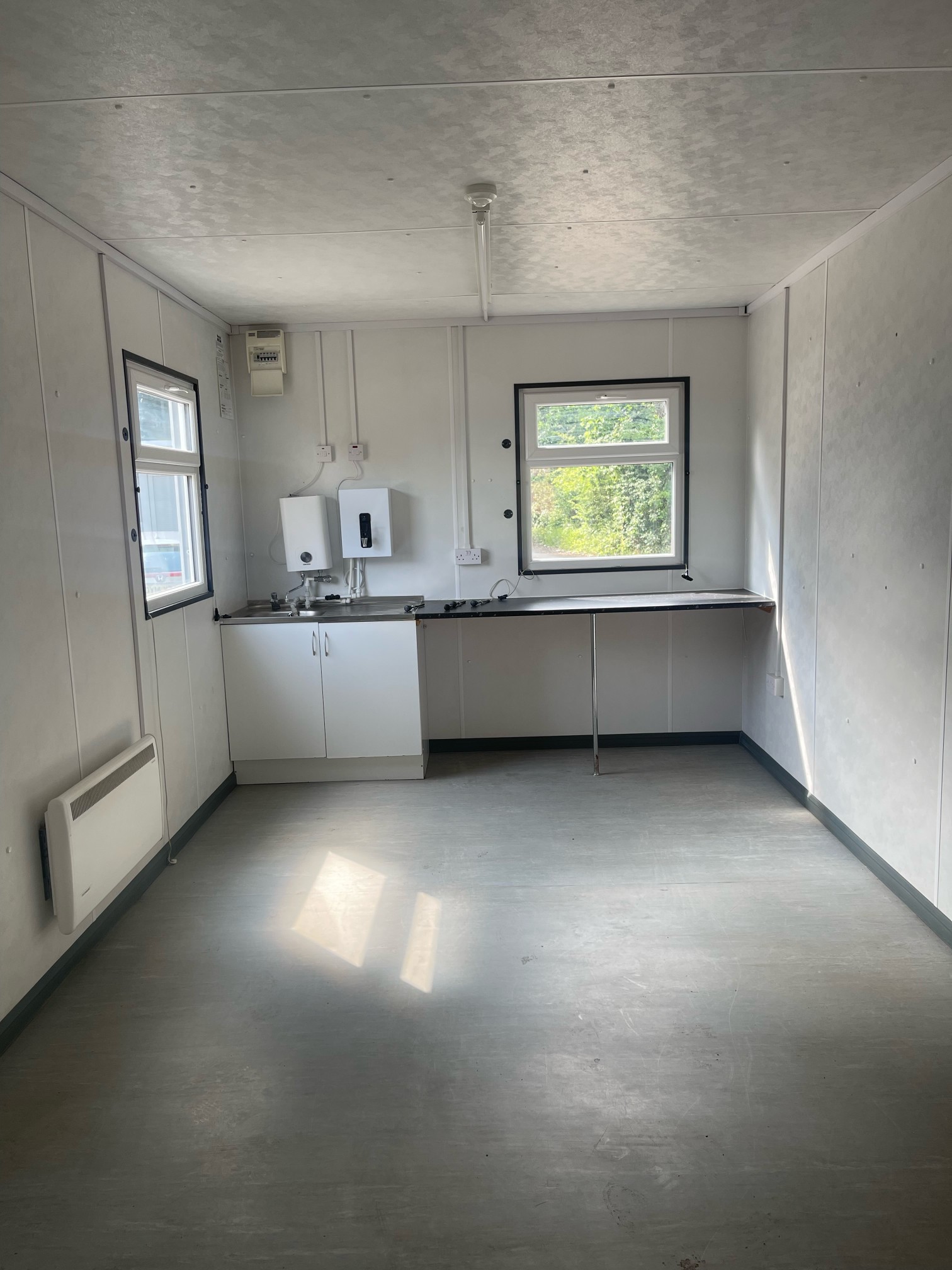
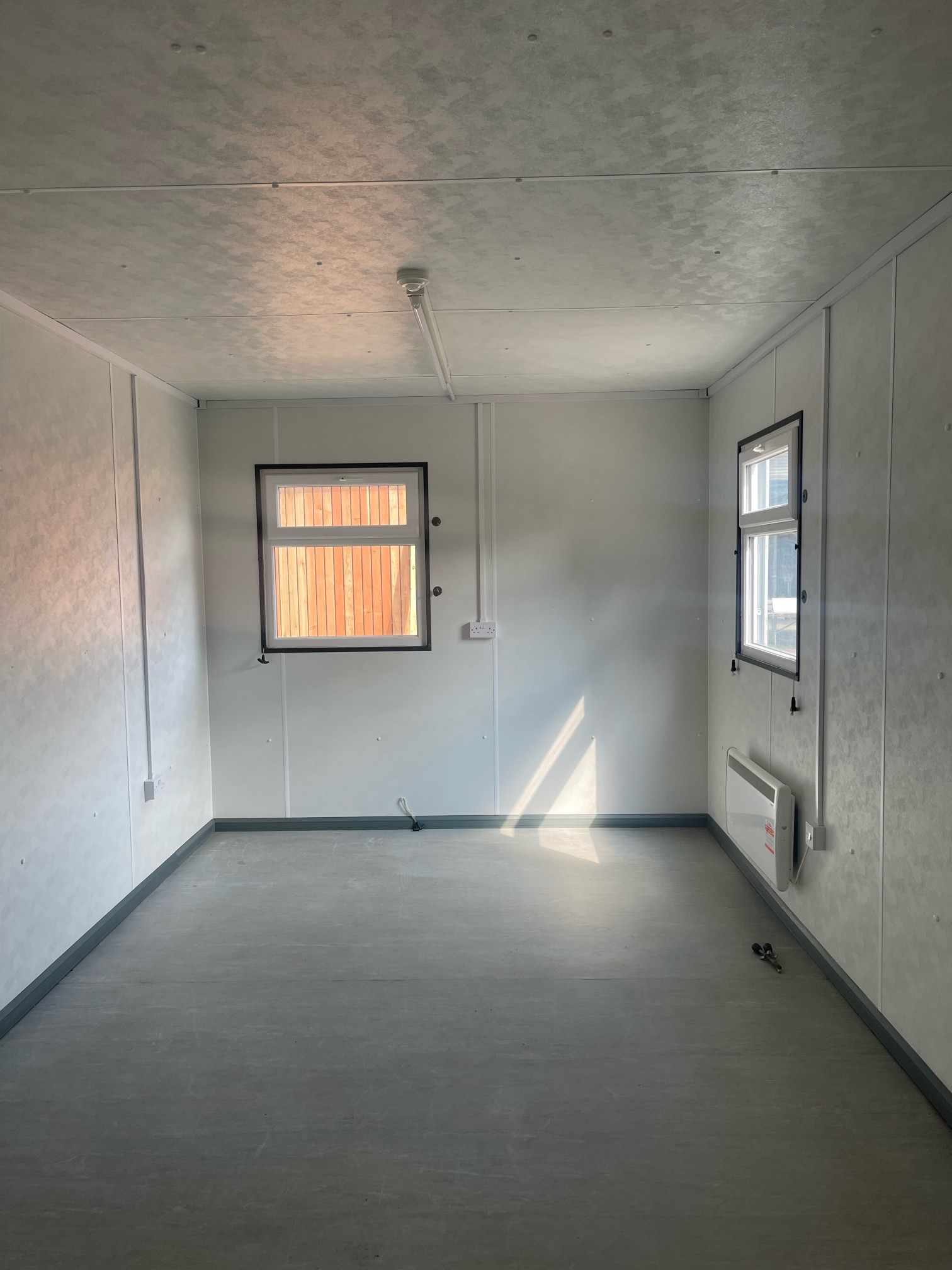
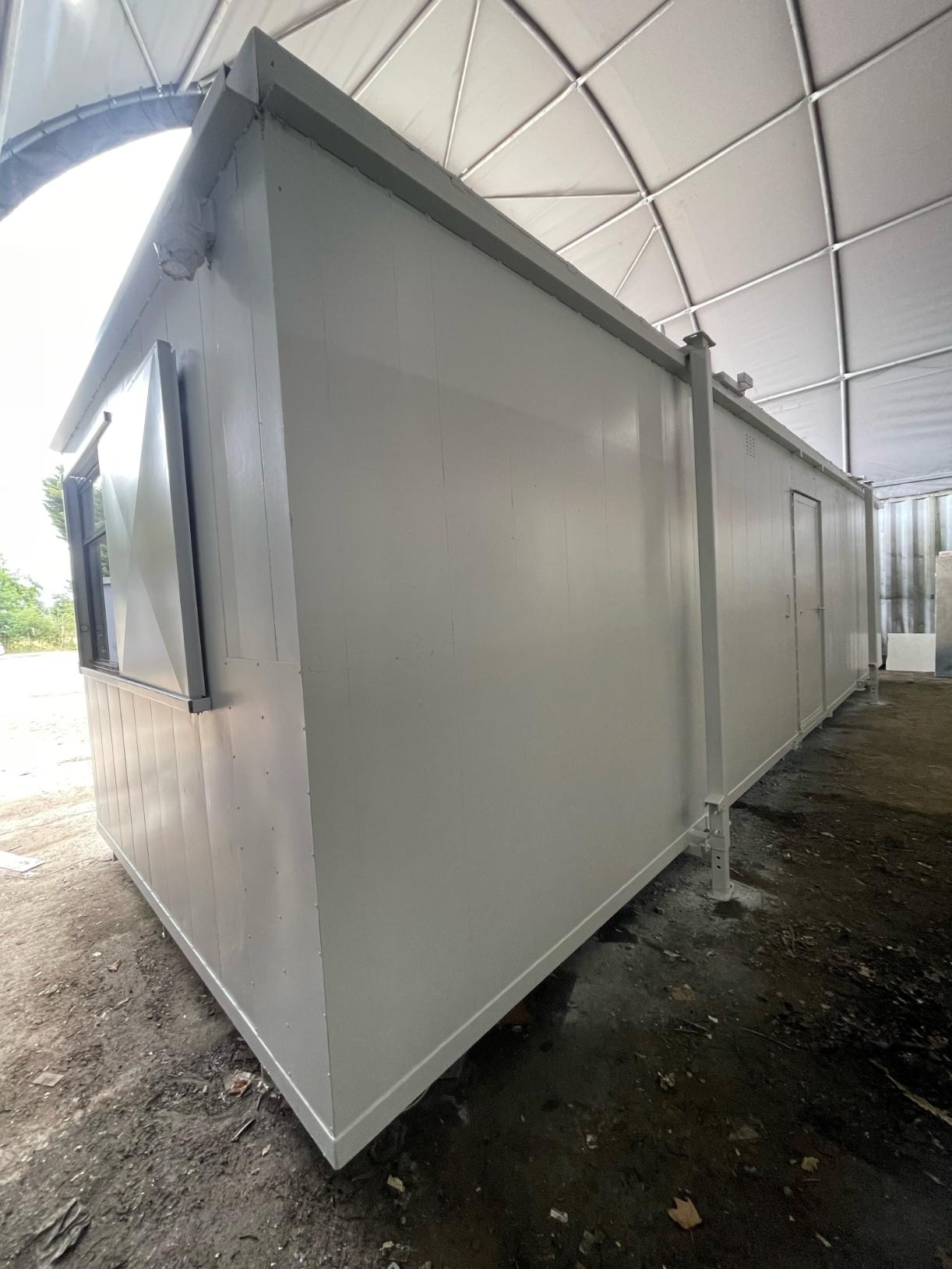
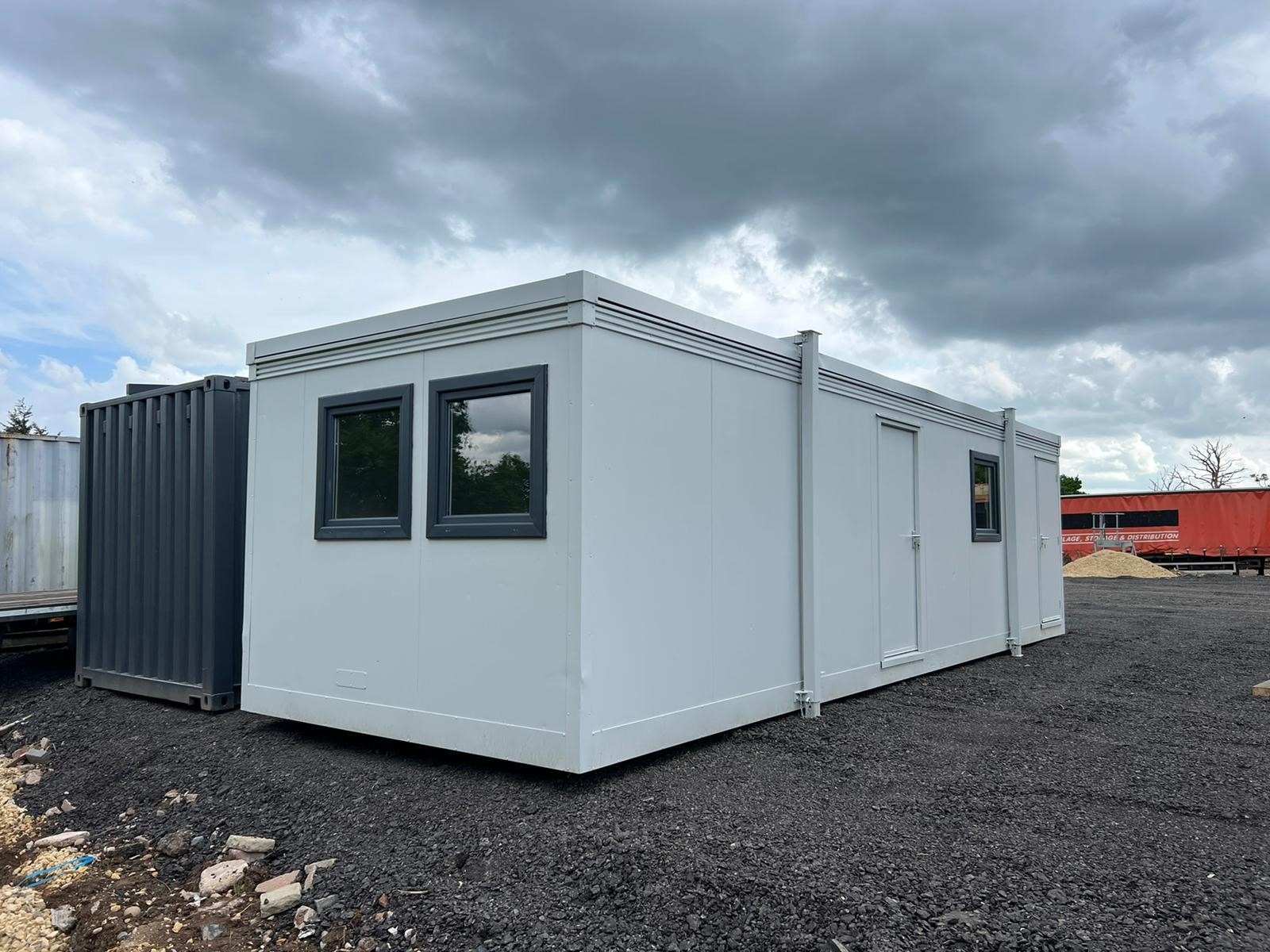
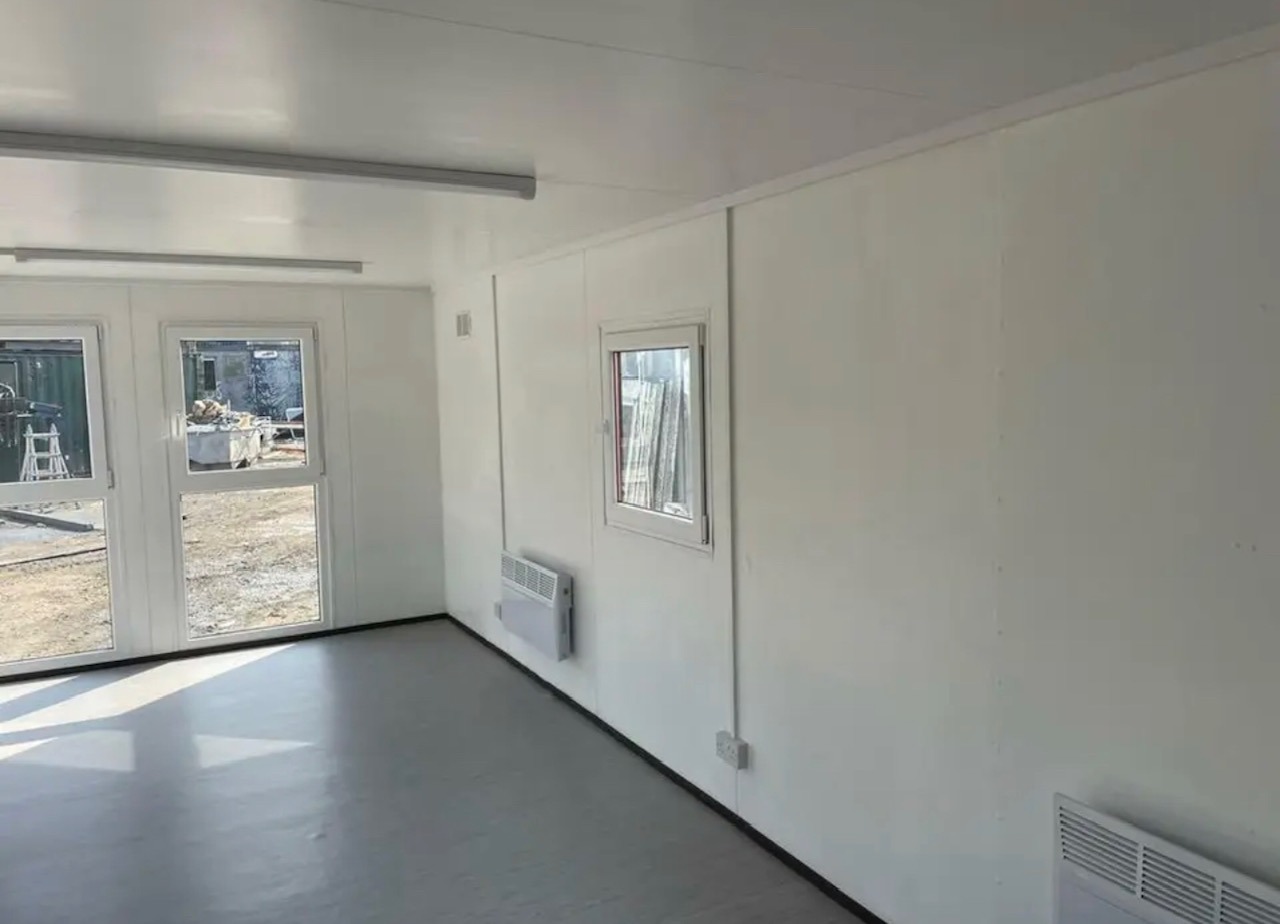
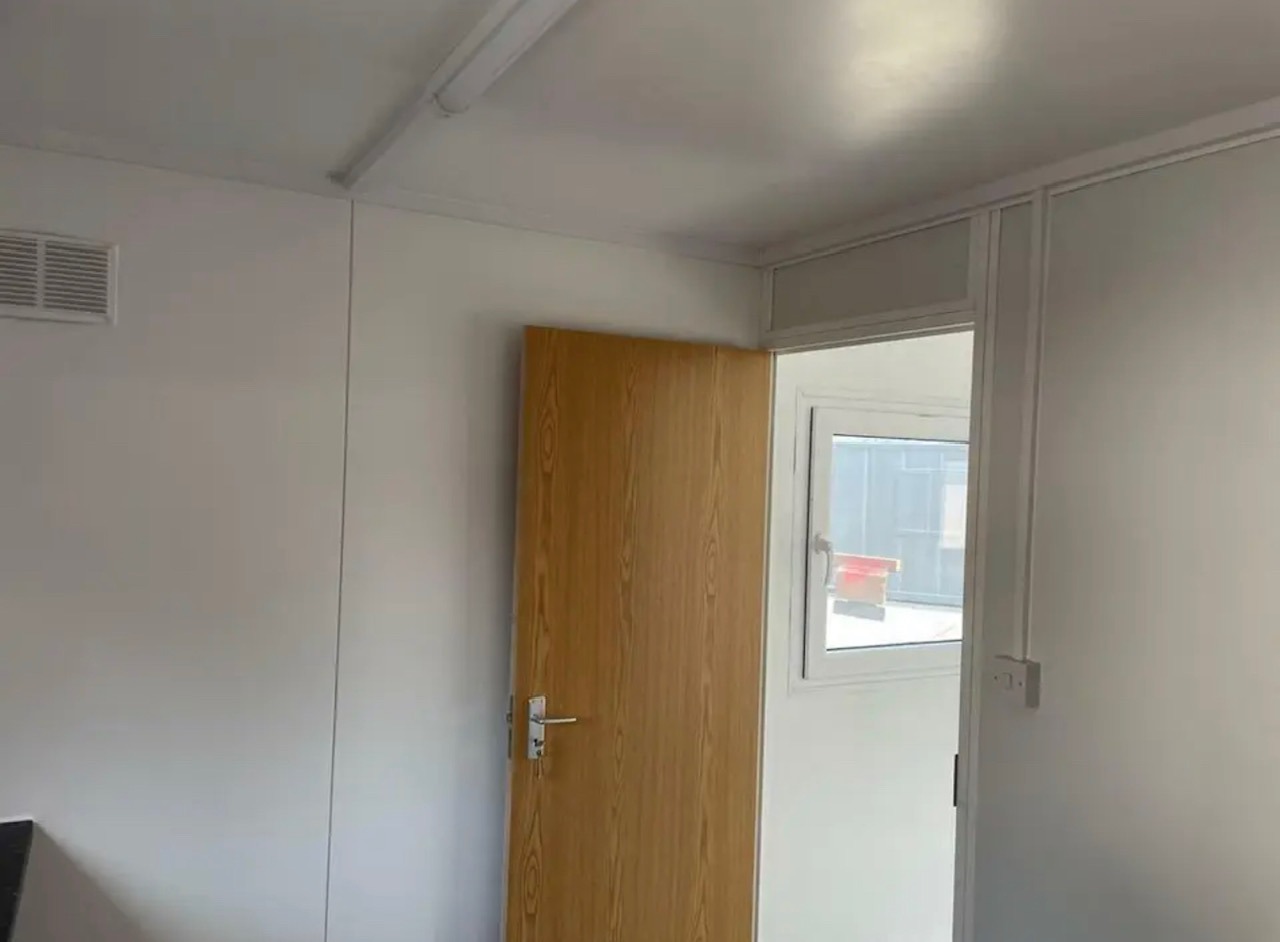
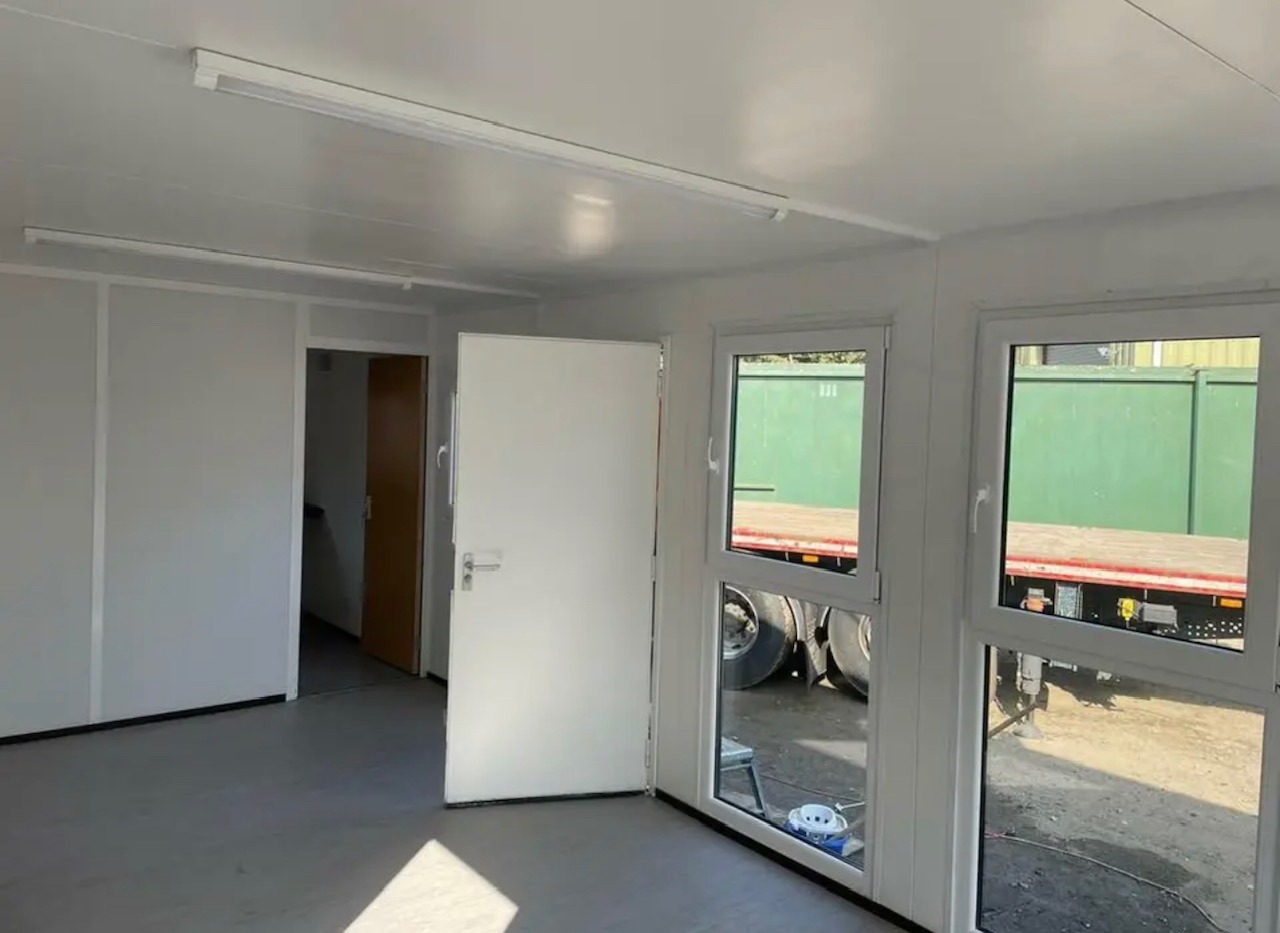
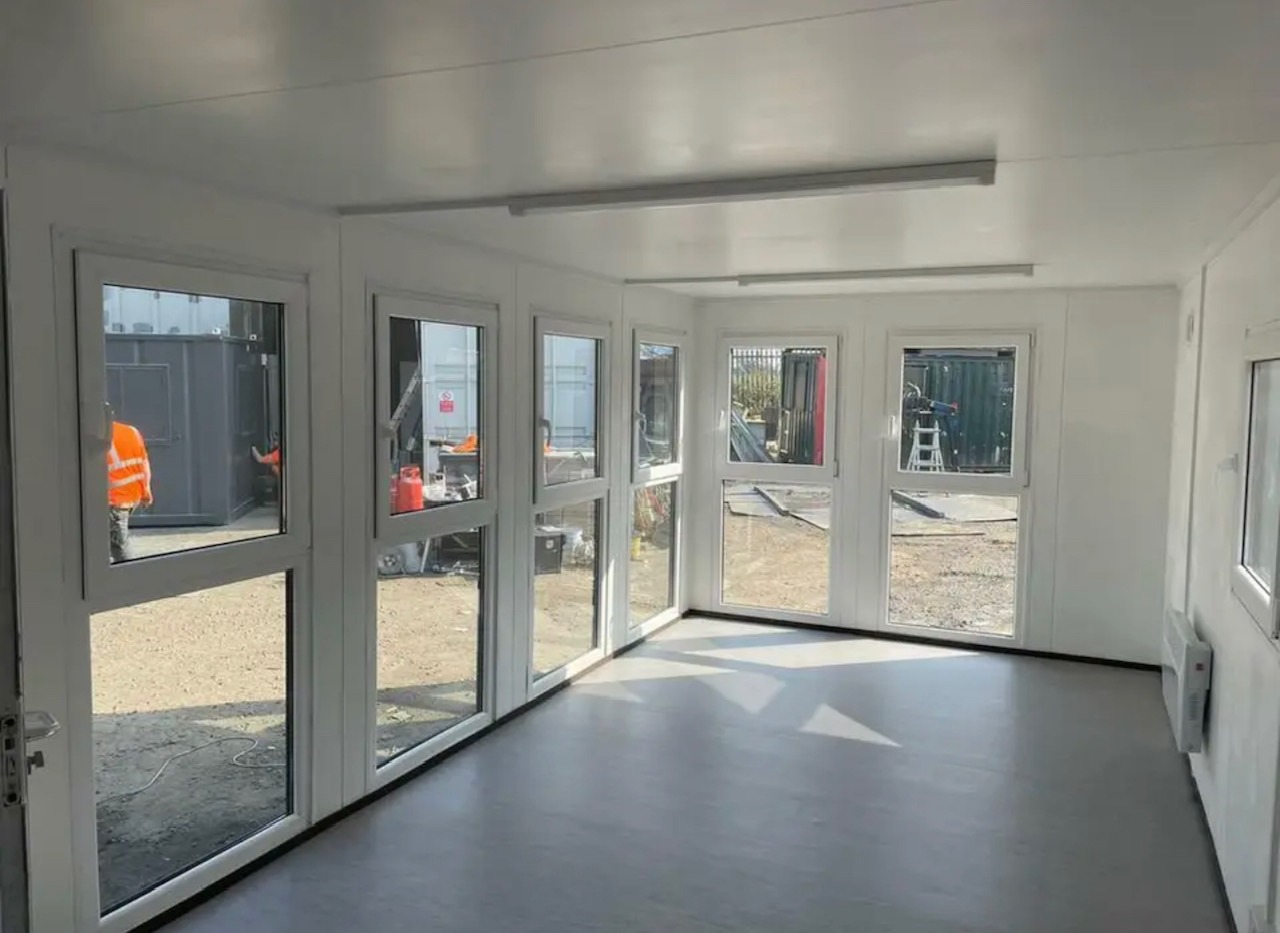
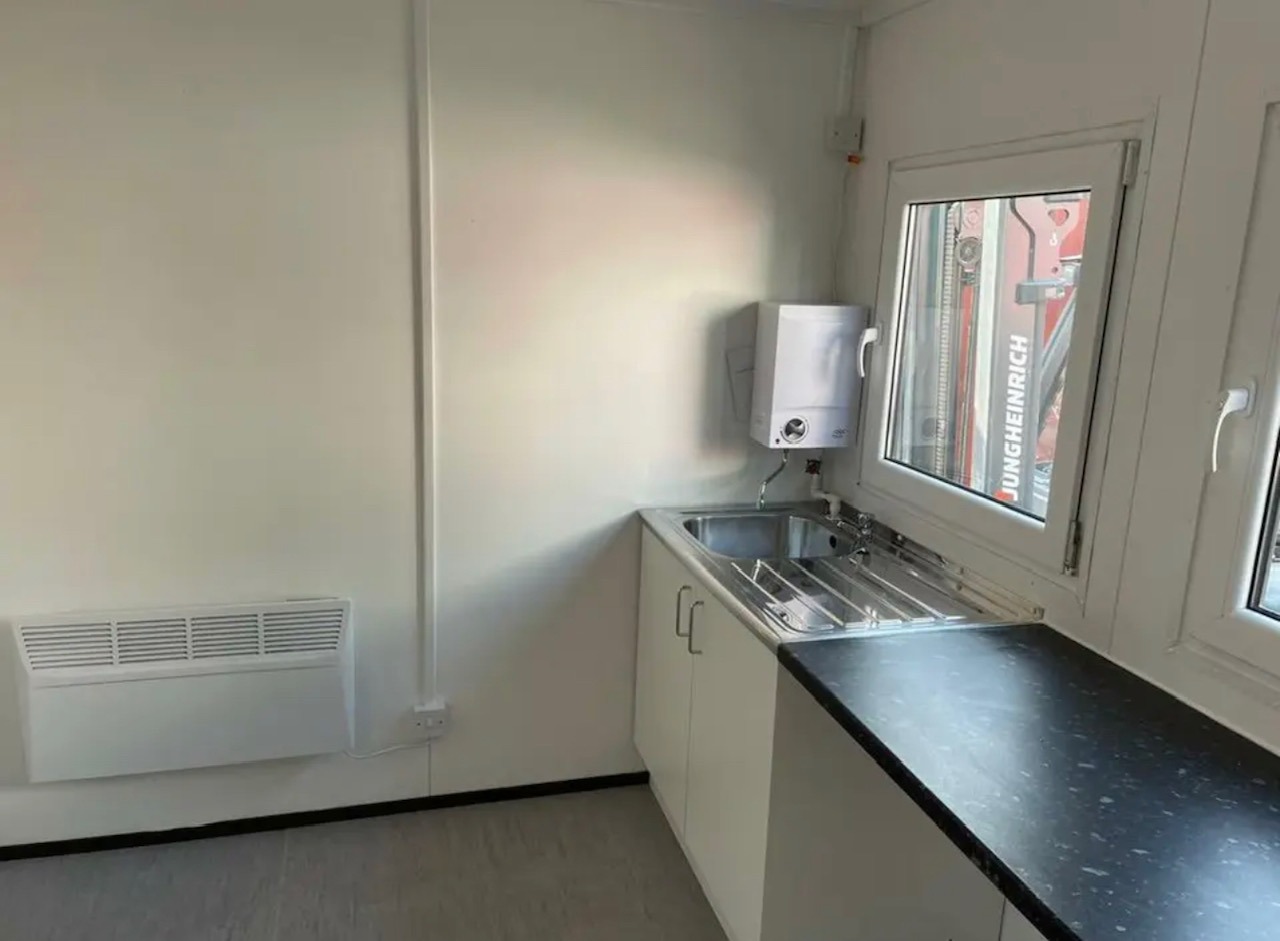
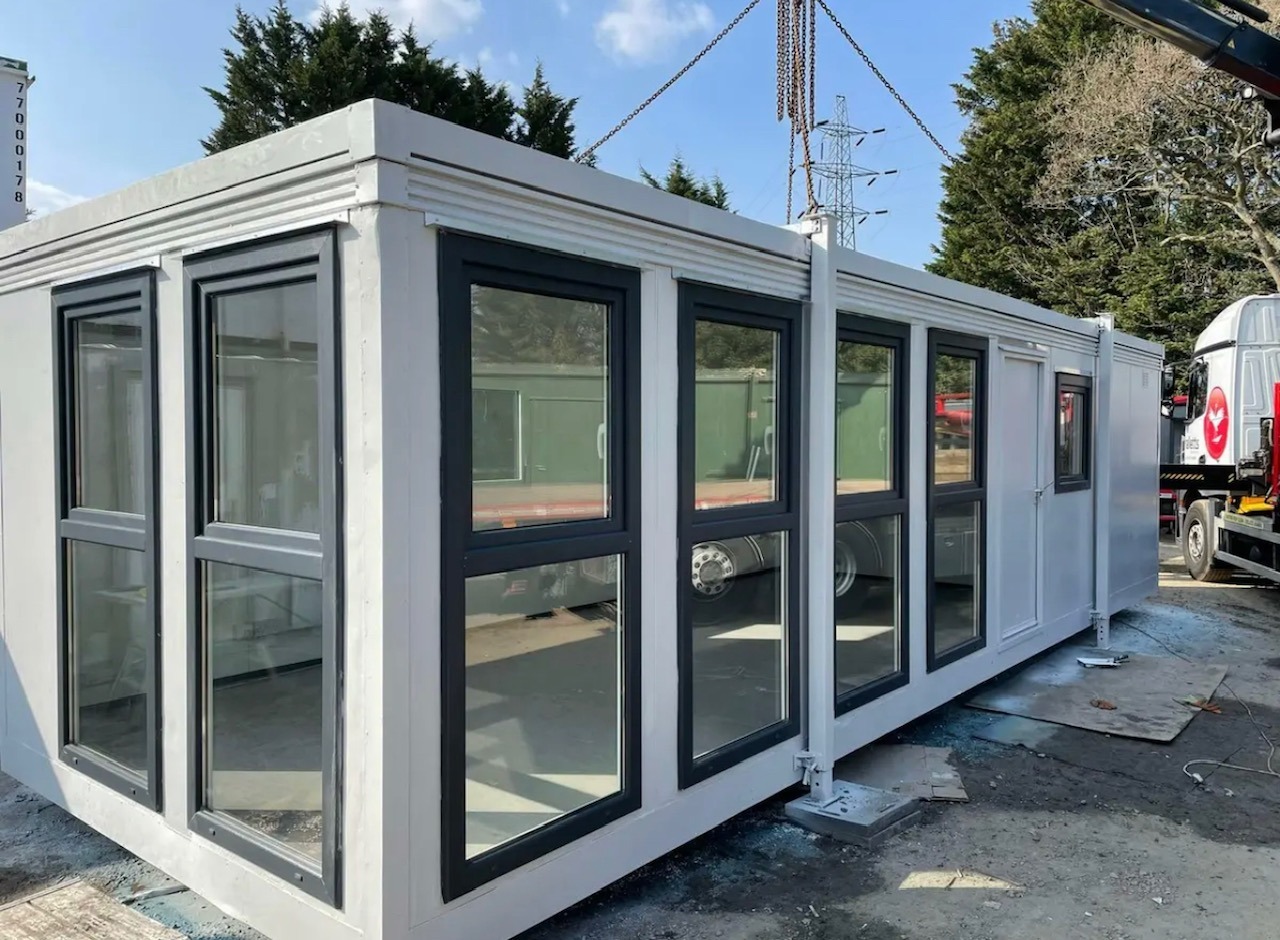
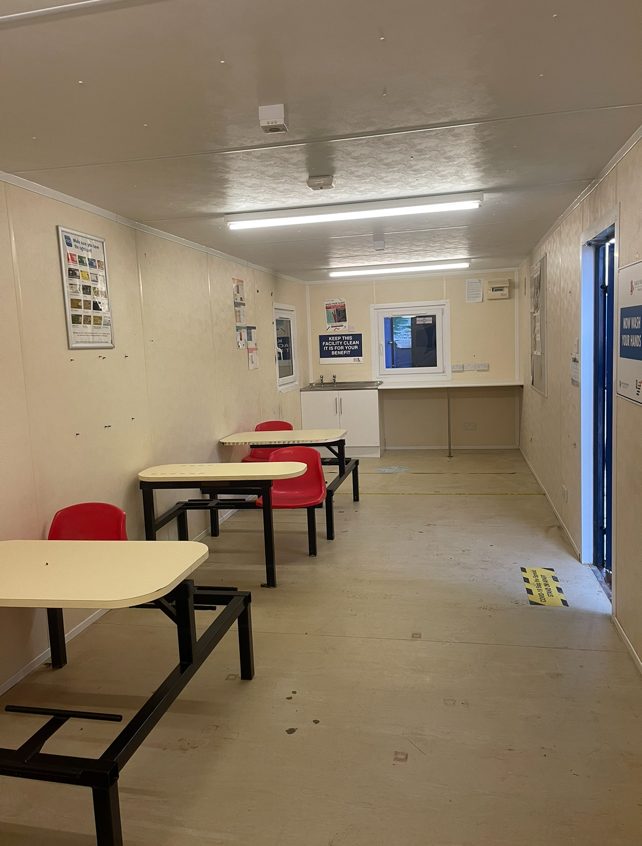
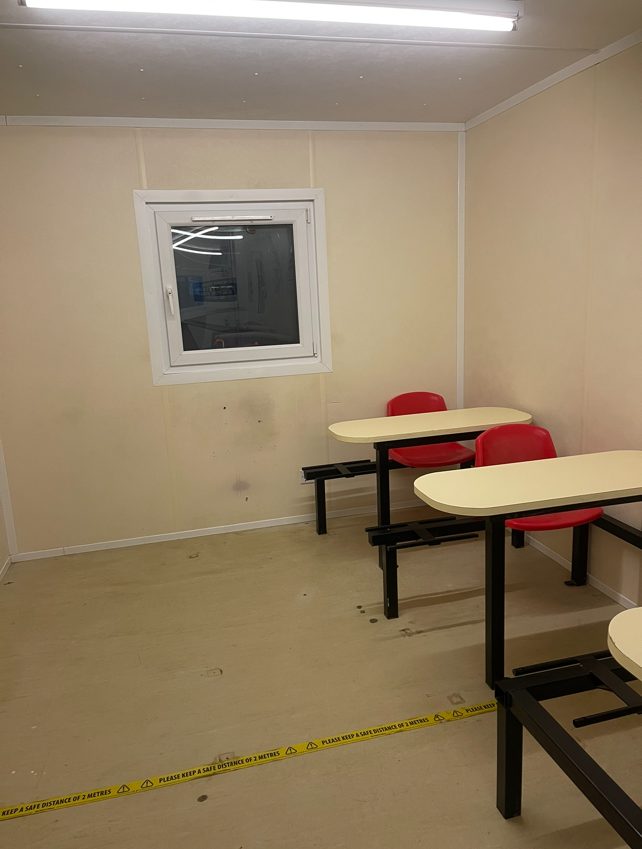
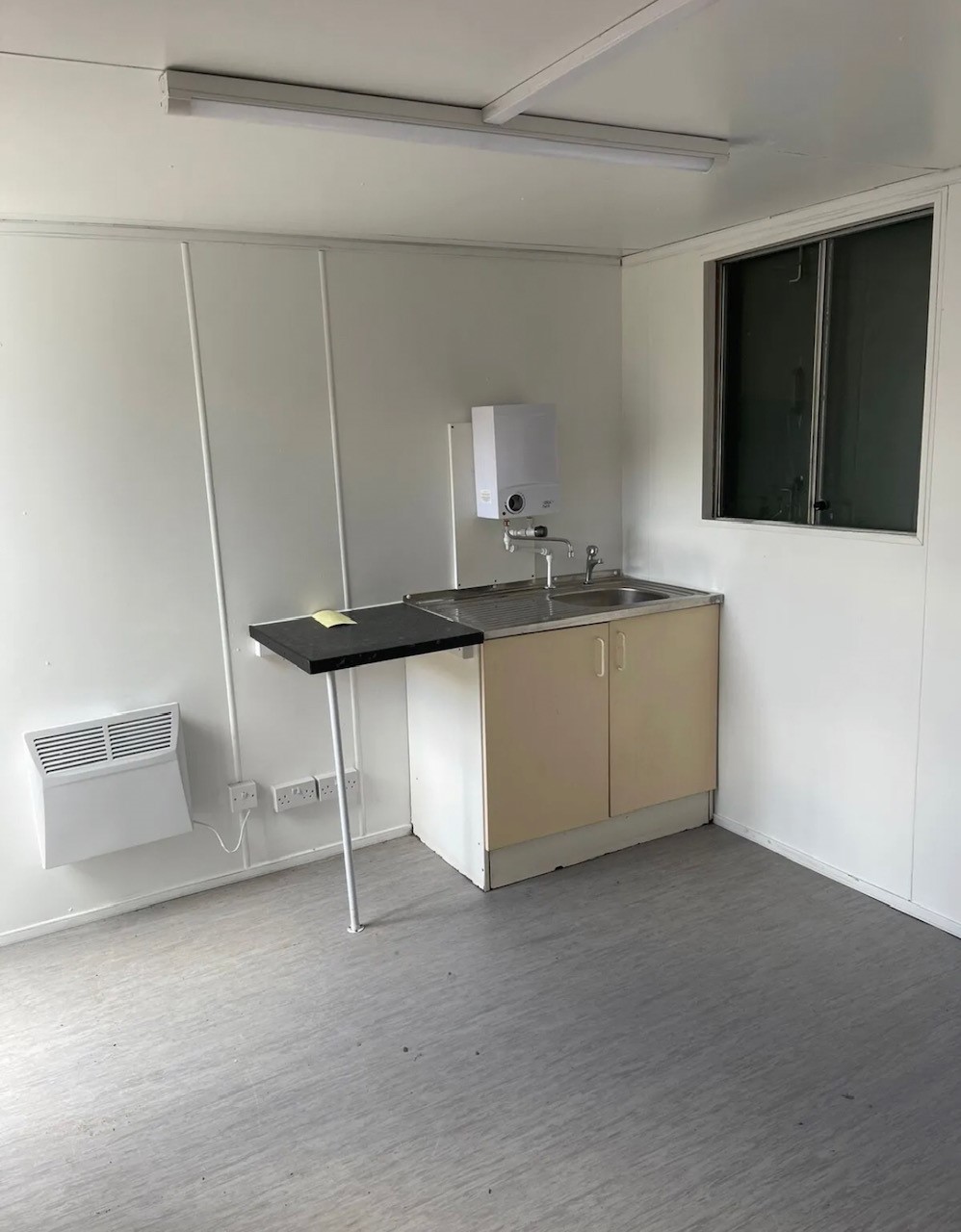
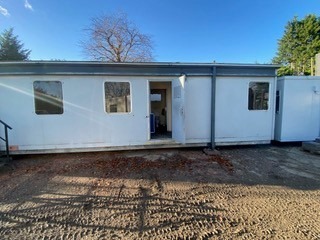
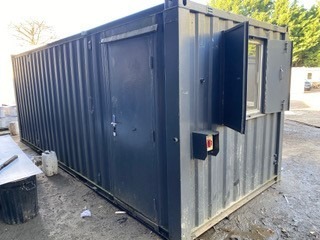
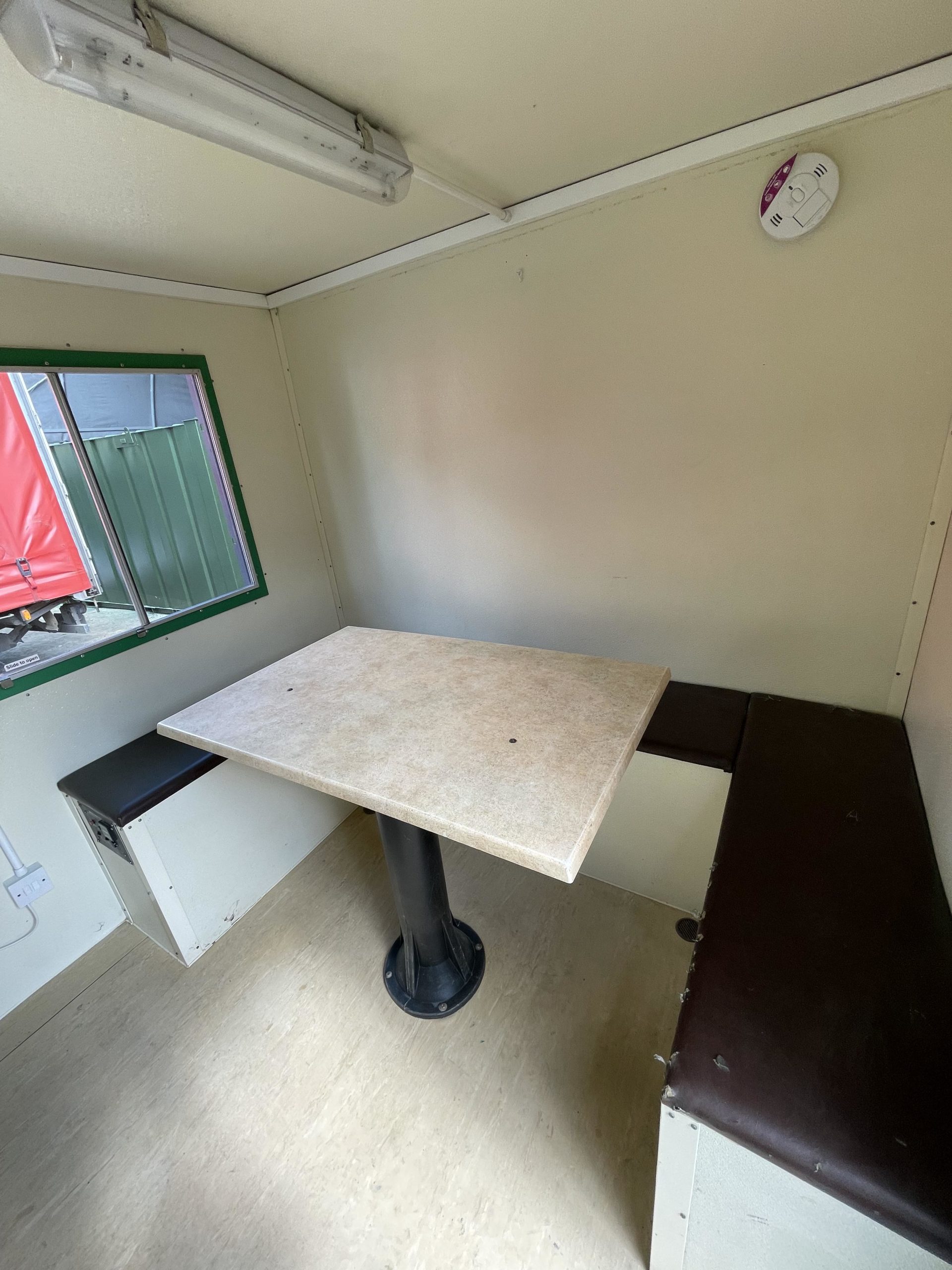
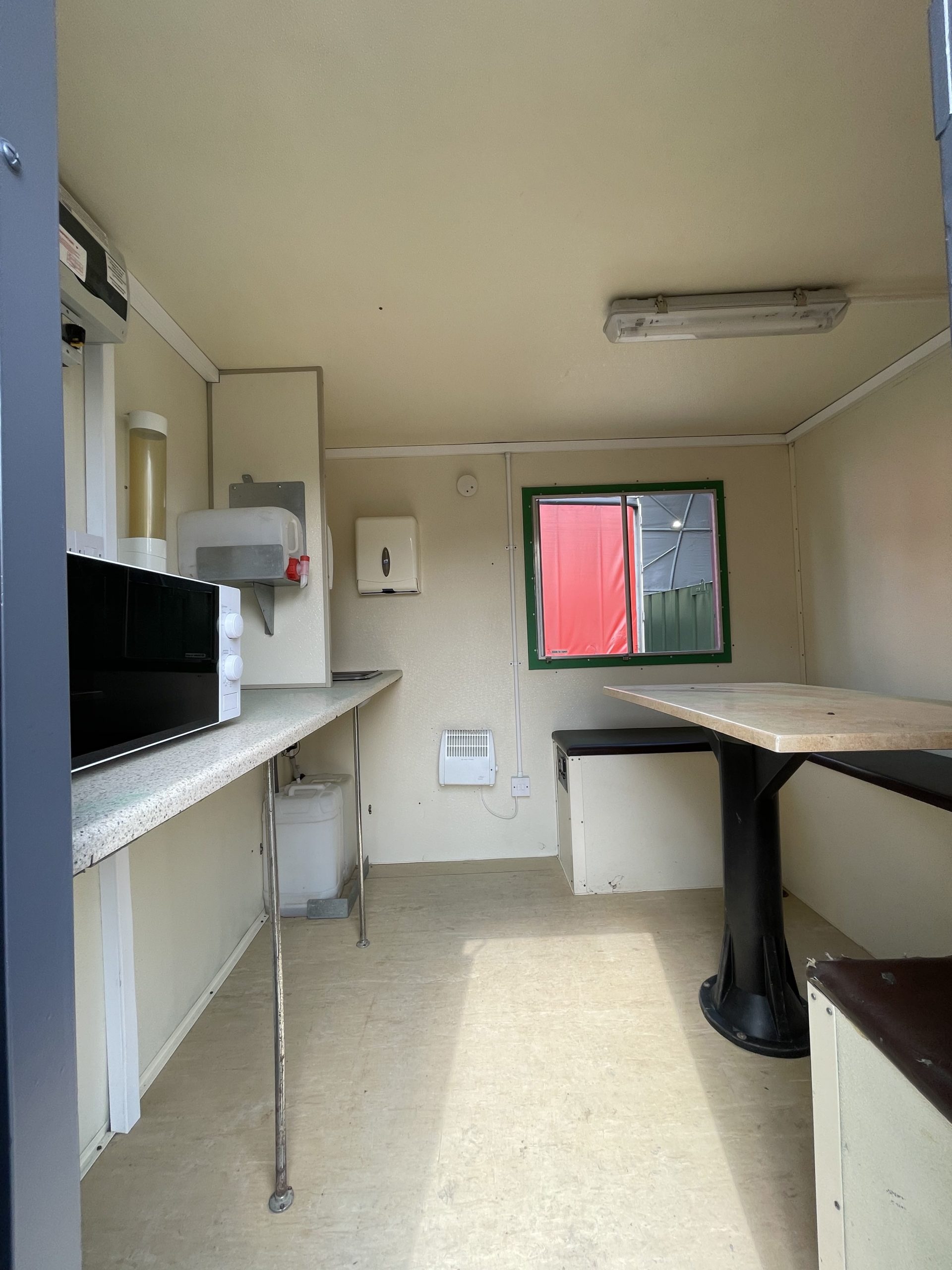
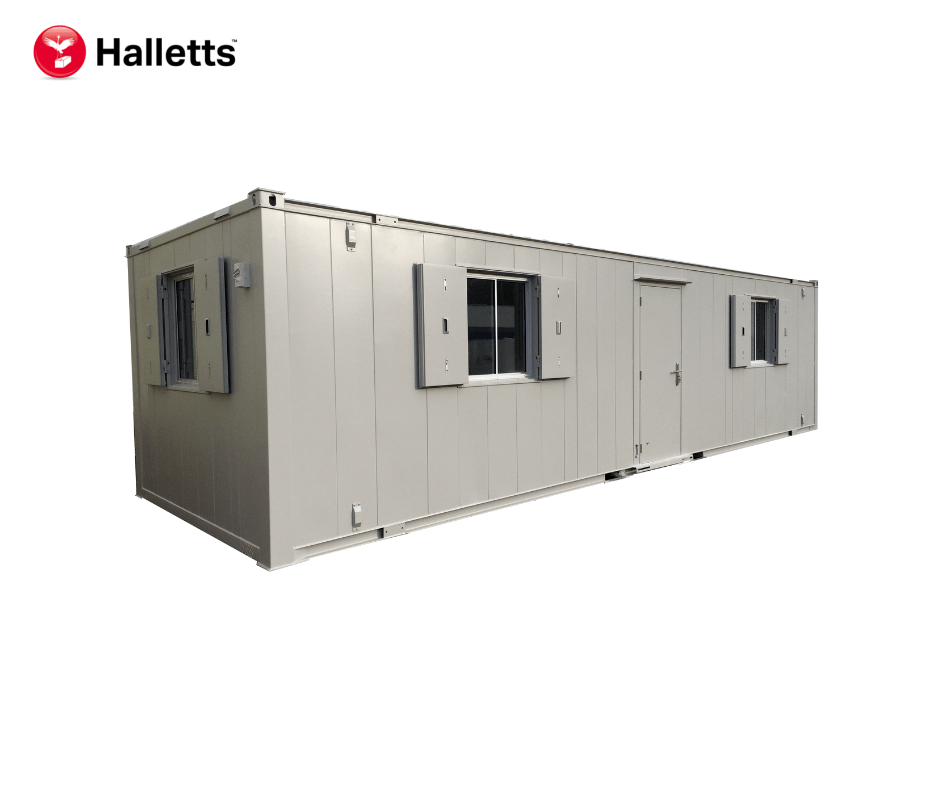
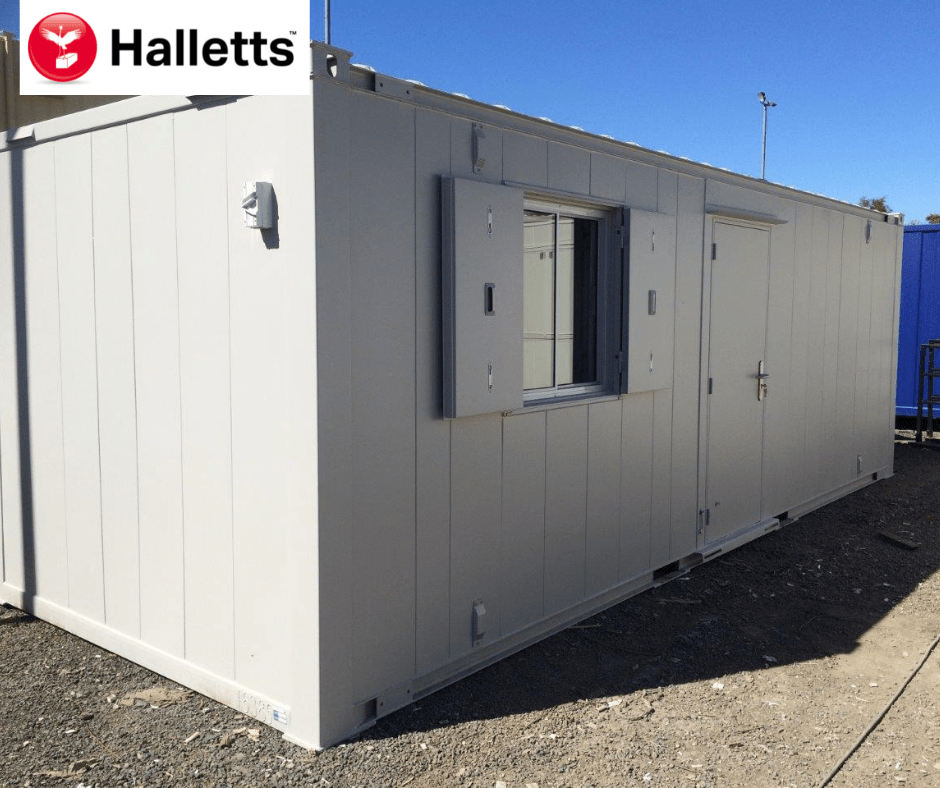
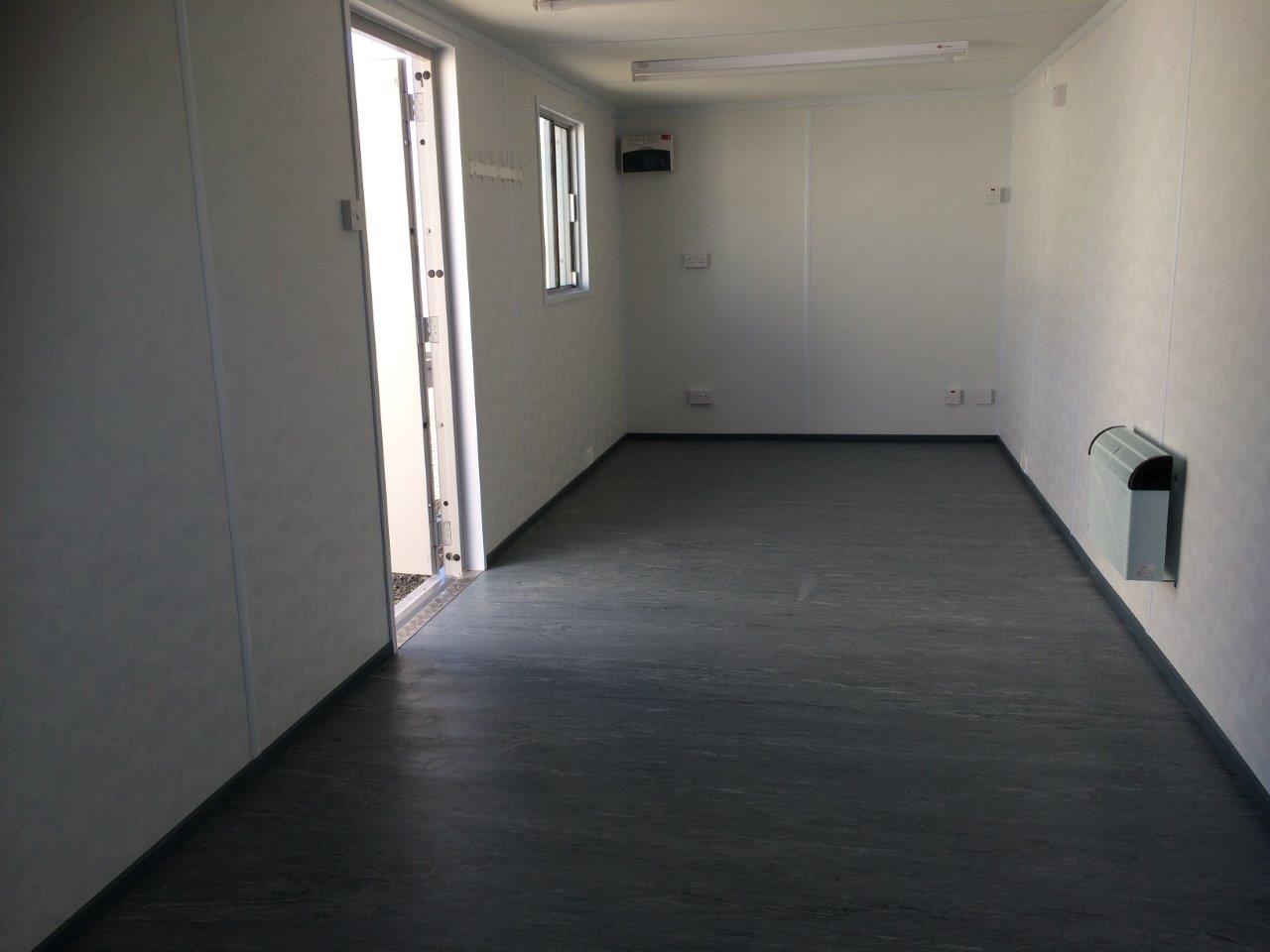
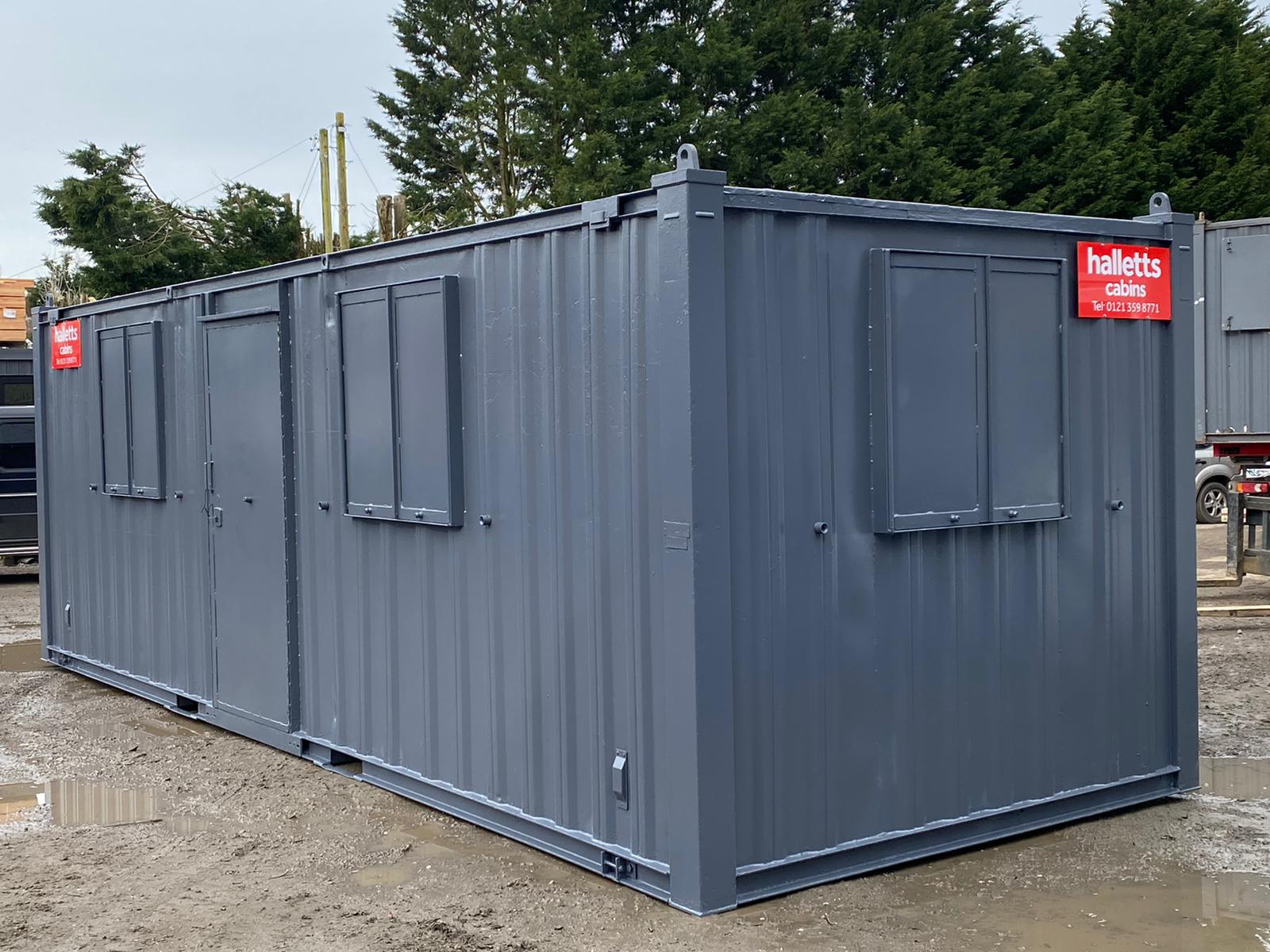
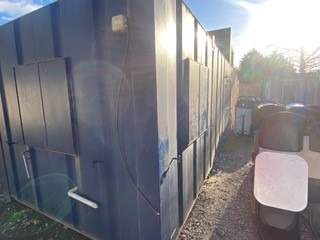
32ft x 10ft Anti Vandal Canteen/Office

  • Complete with tables and chairs
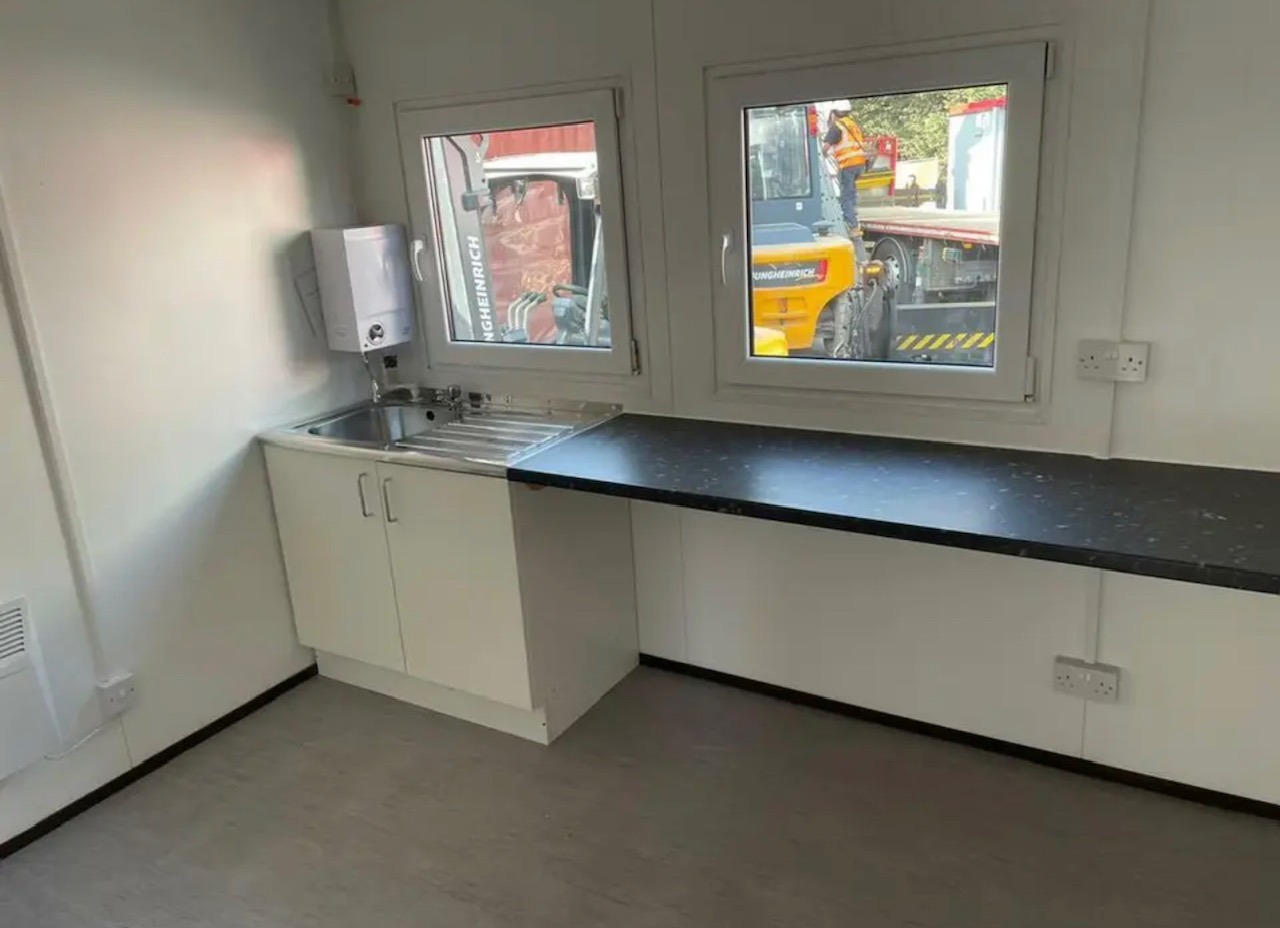
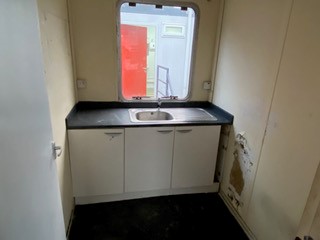
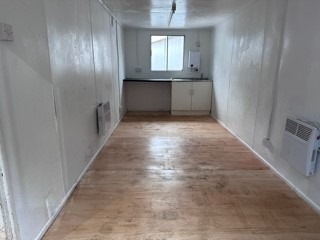
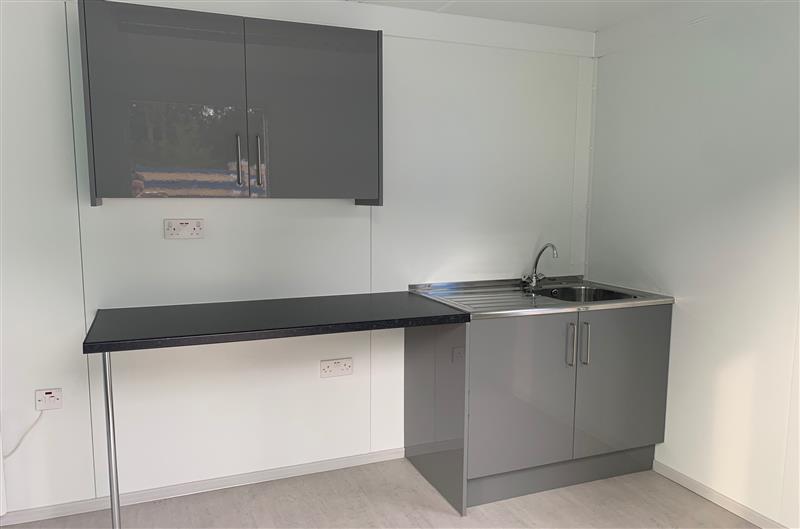
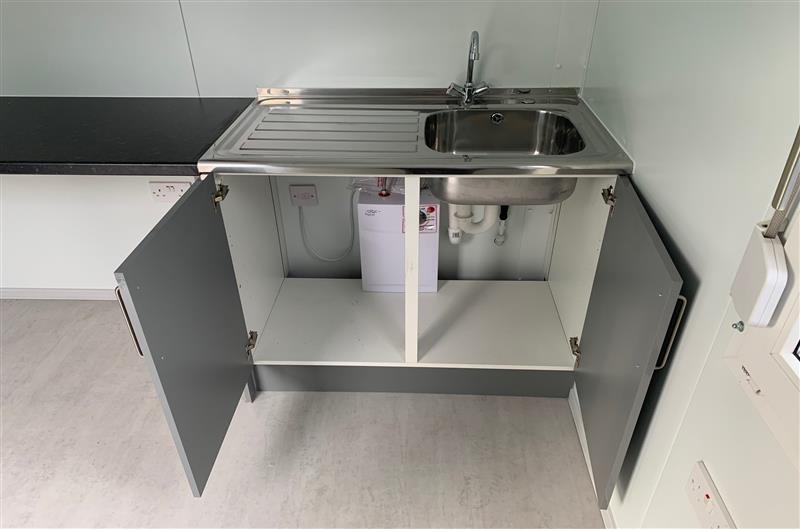
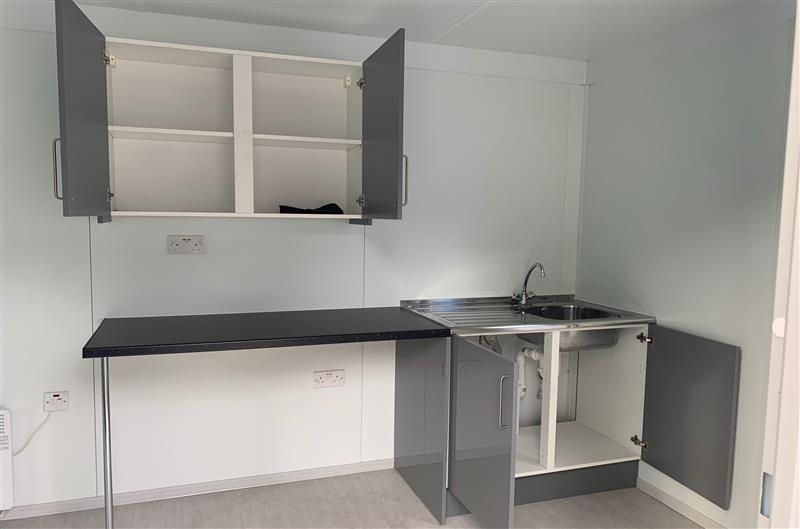
  • Kitchen with sink worktop, cupboard and water heater
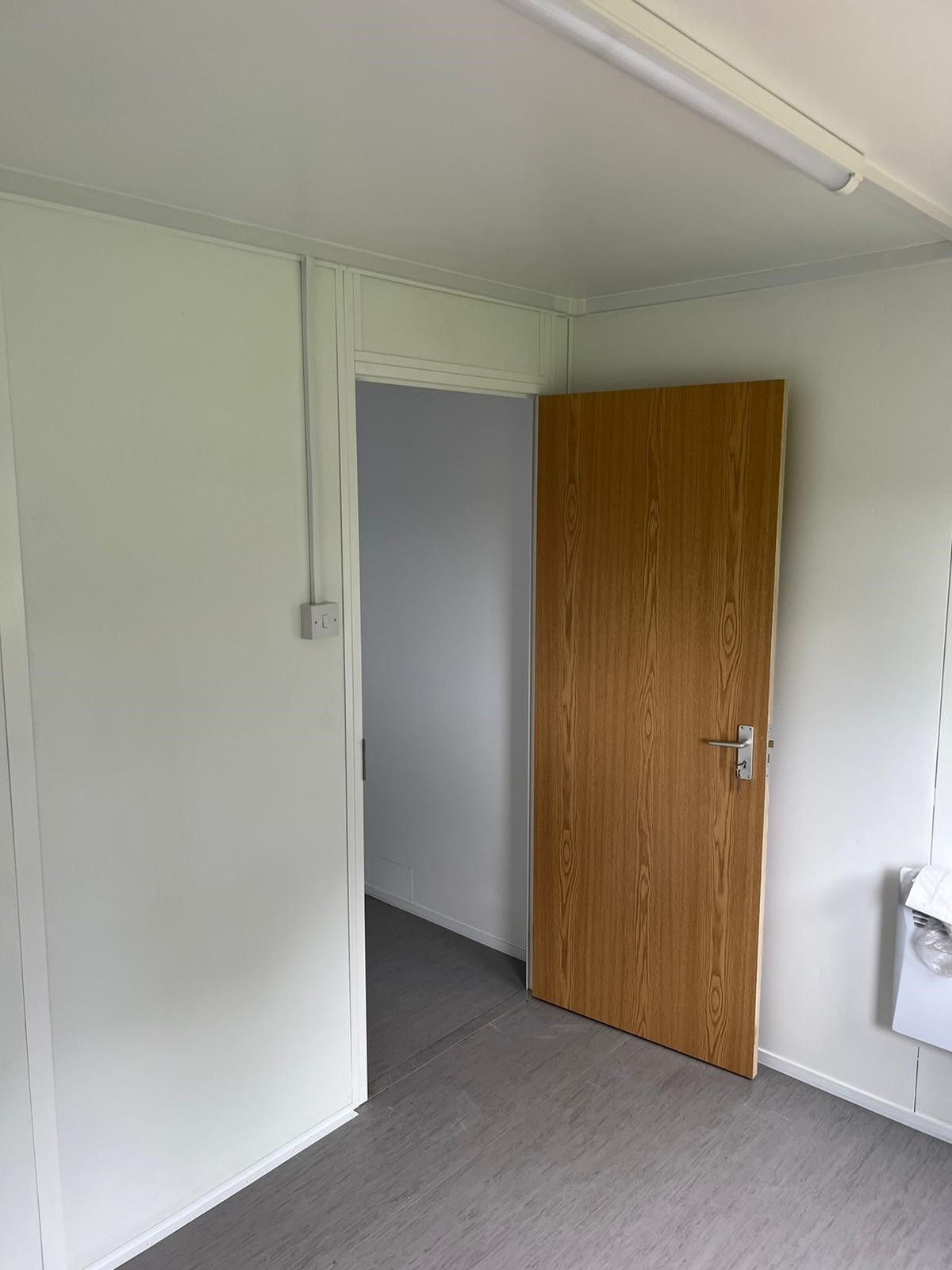
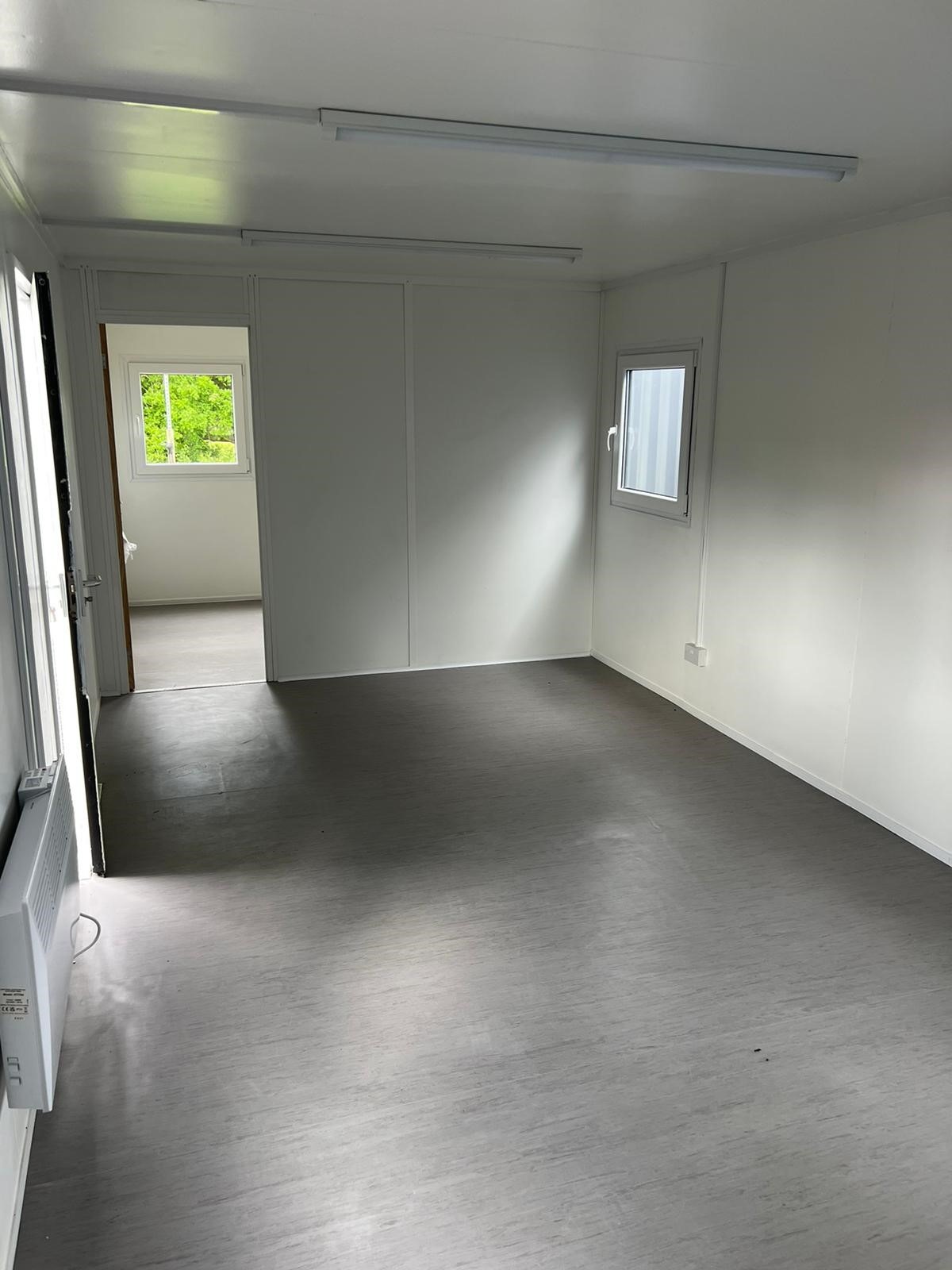
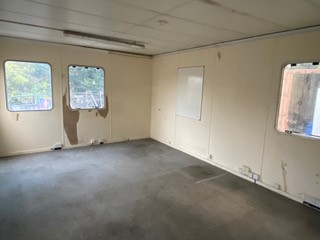
  • Insulated with electric sockets, lighting and heating
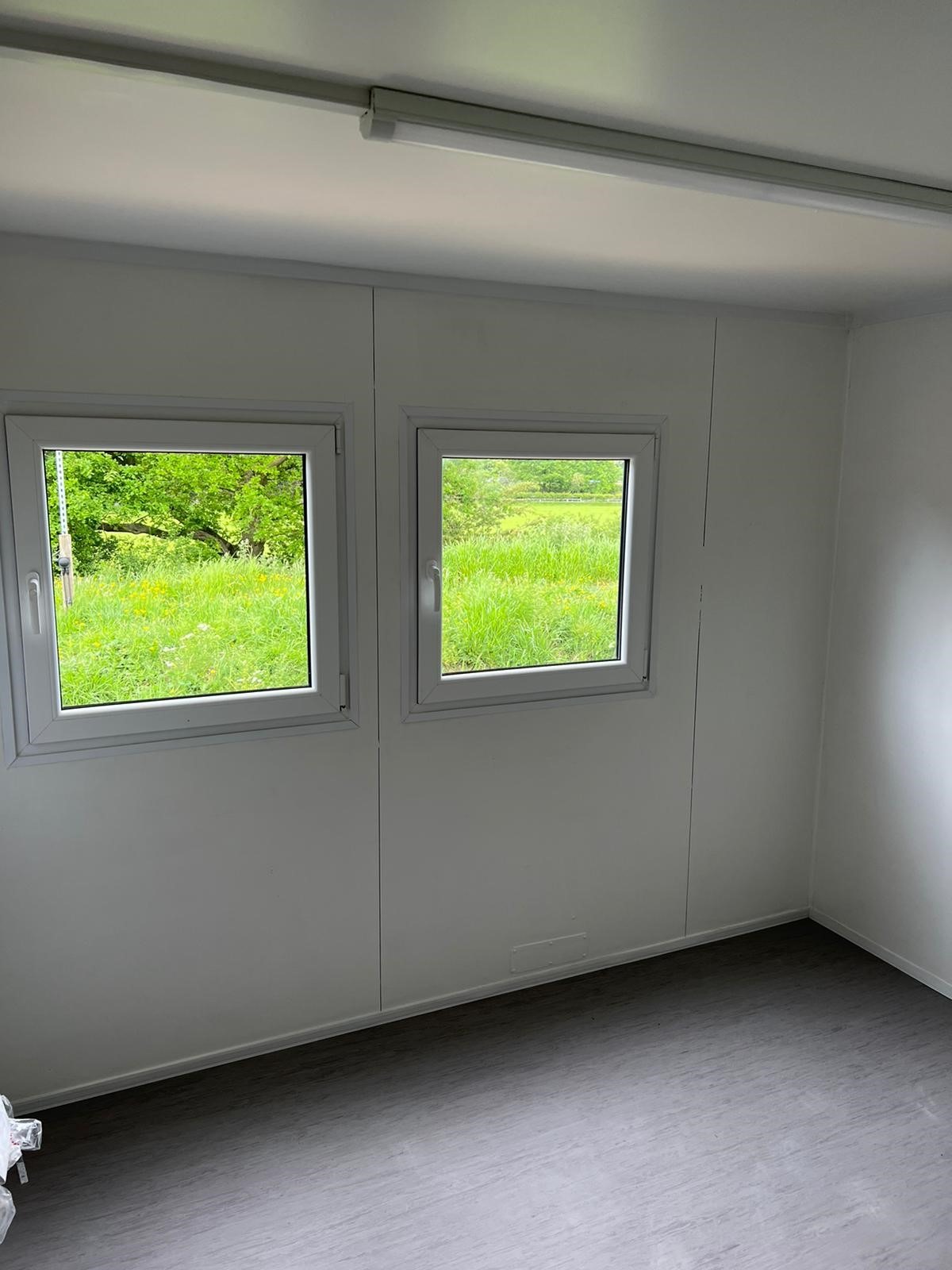
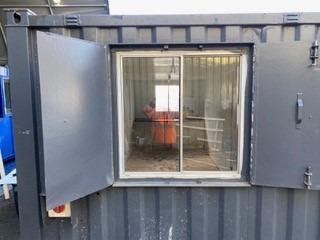
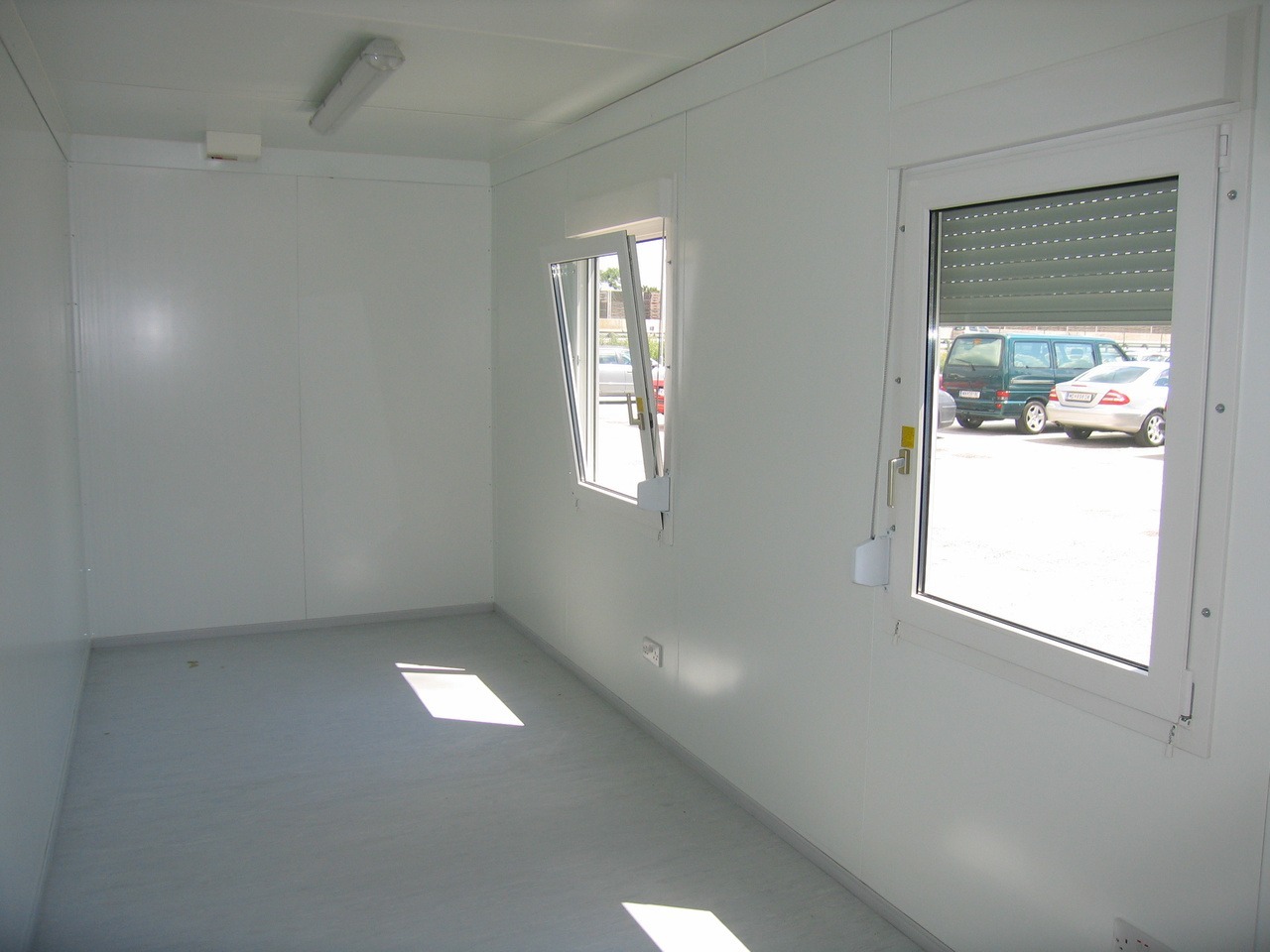
  • White upvc double glazing
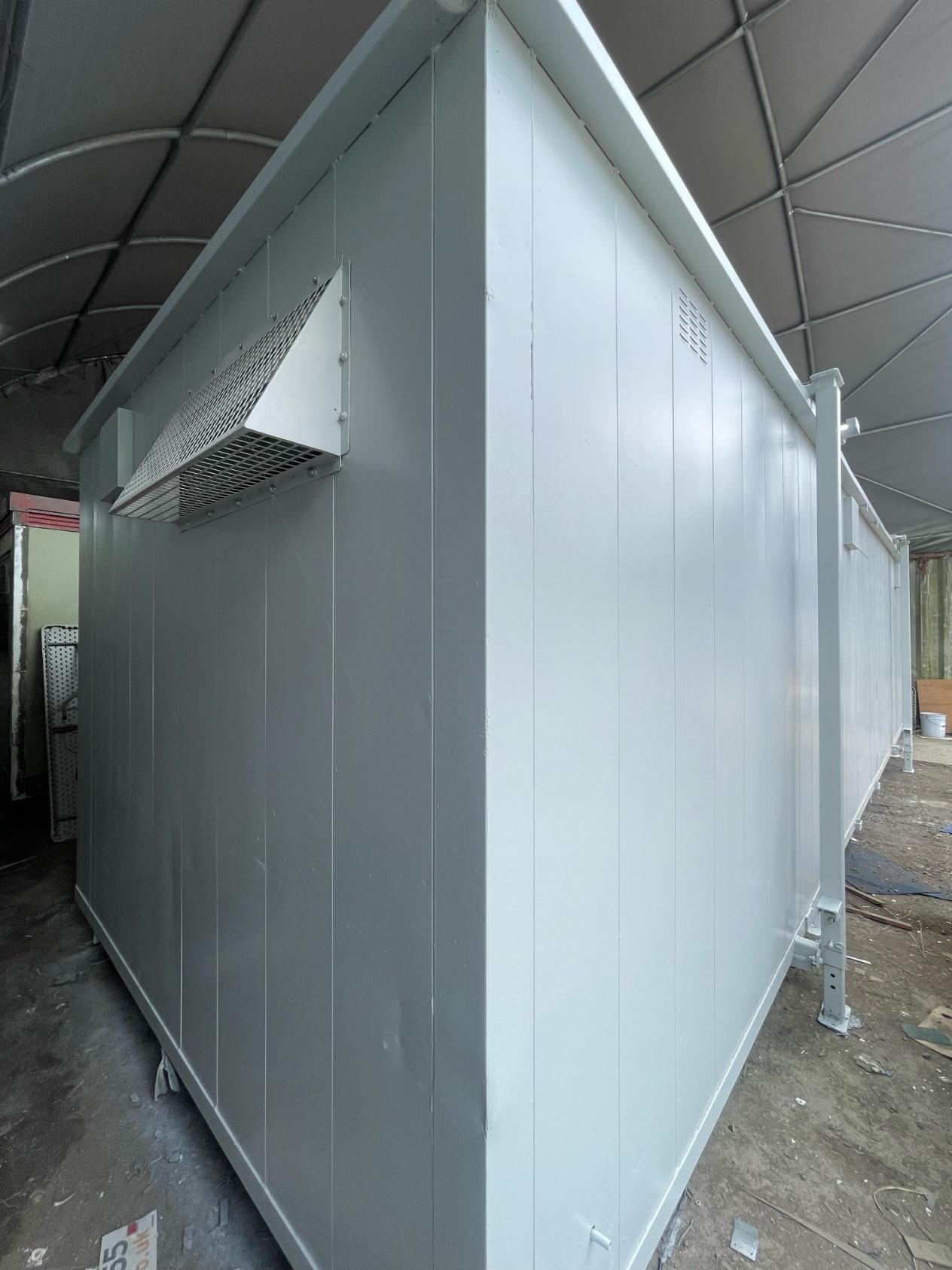
  • External re spray in dark grey

Location: Nationwide

£6,500 + vat

Not Available for Hire

We can deliver for a cost please ask and send us post code.
Call for an instant quote!

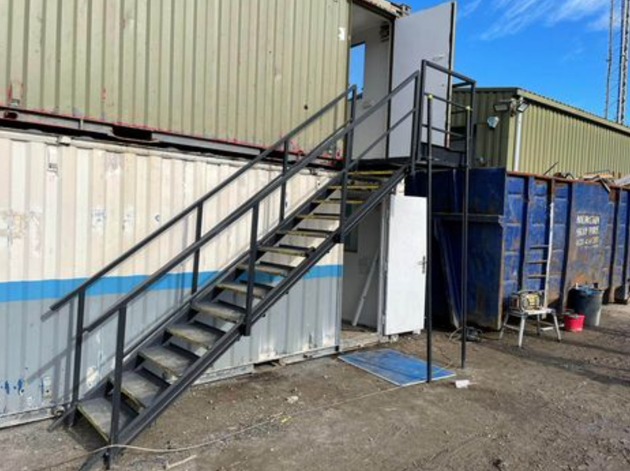
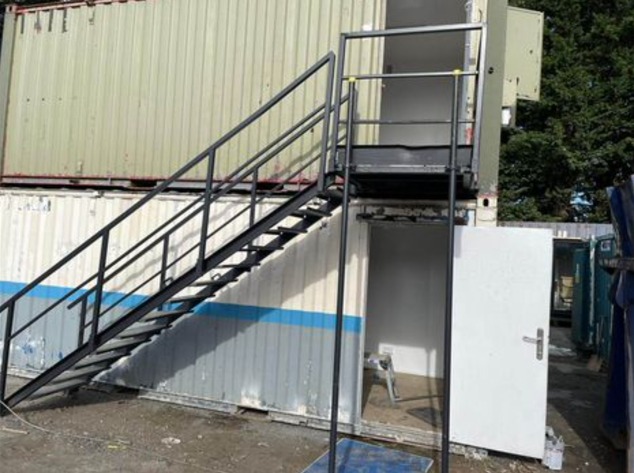
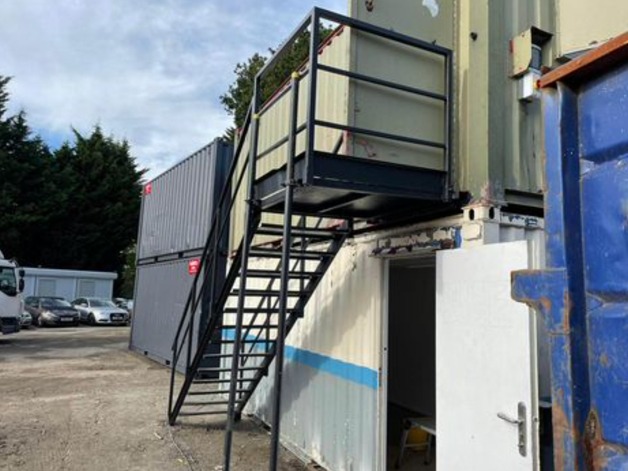
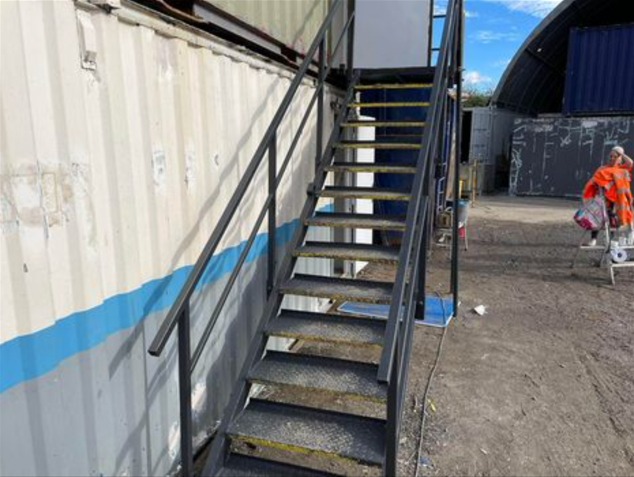
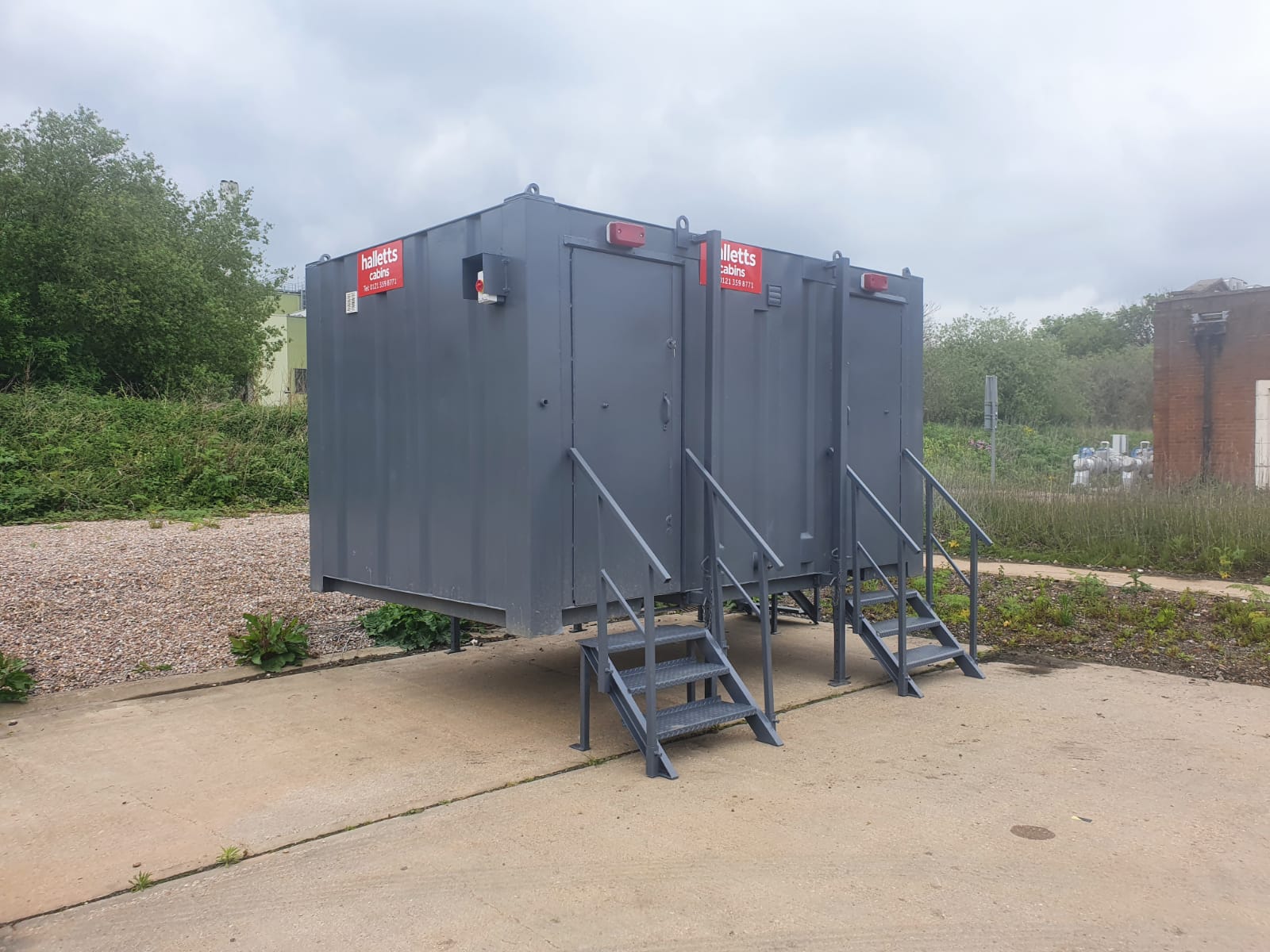
Steel Cabin Staircases, in various sizes

  • 13 tread

  • 14 tread

  • 15 tread

Location: Nationwide

£1,200.00 + vat

Not Available for Hire

Call for an instant quote!

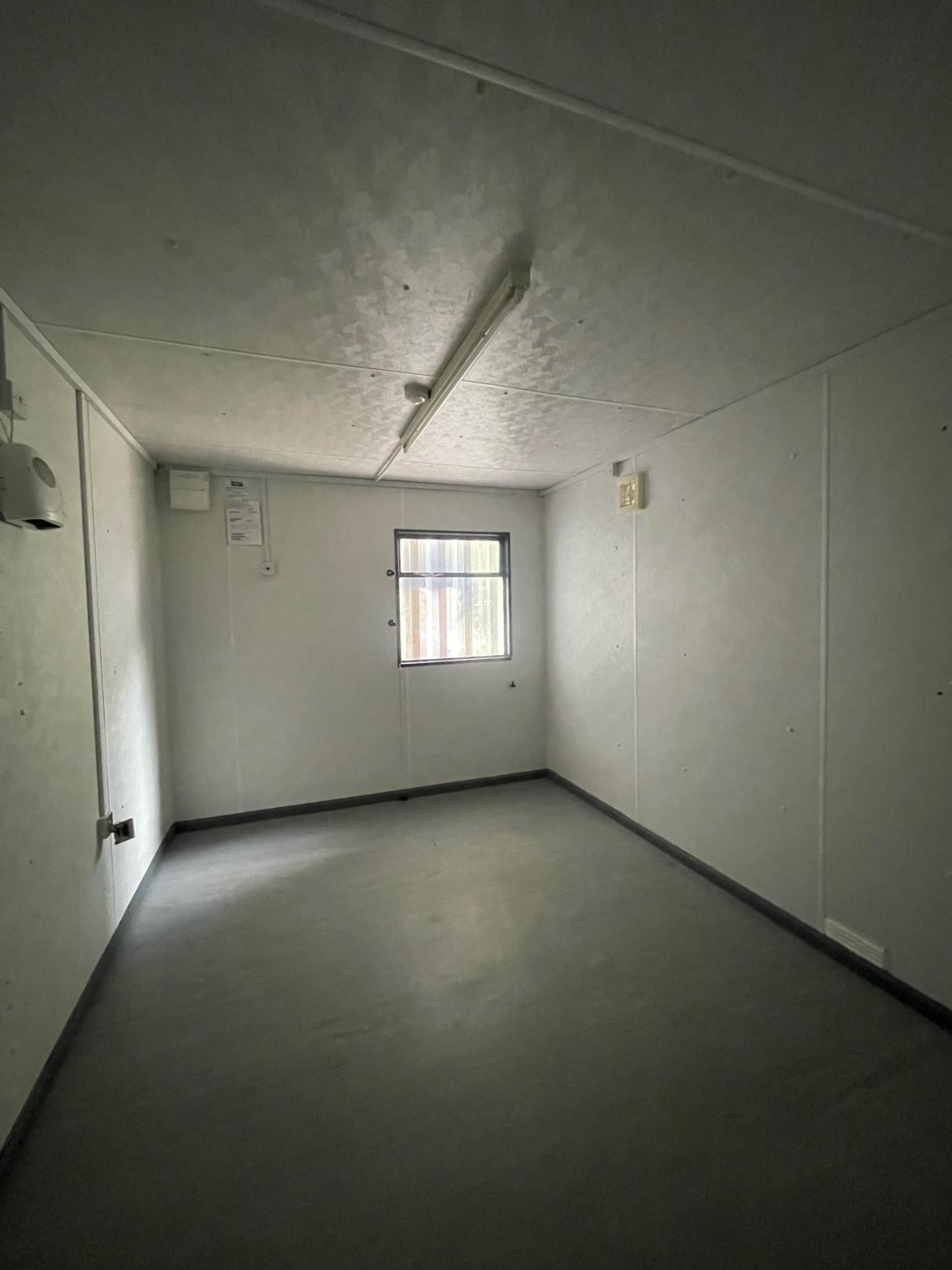
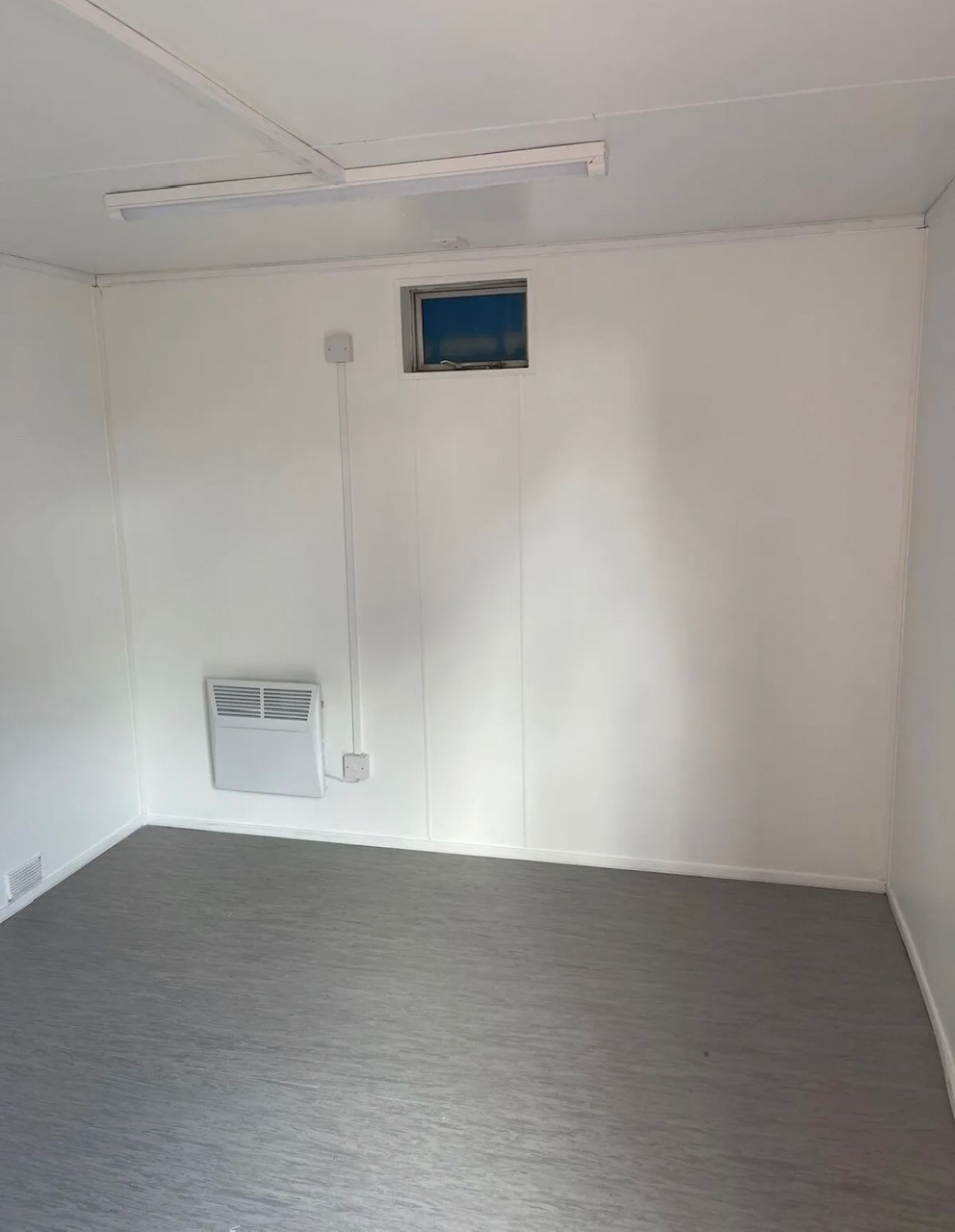
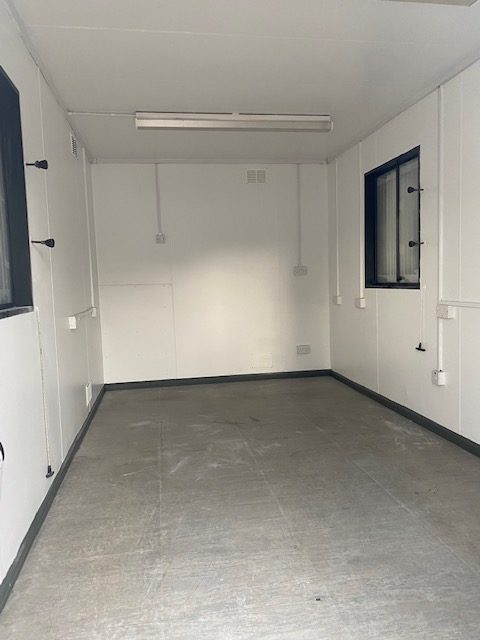
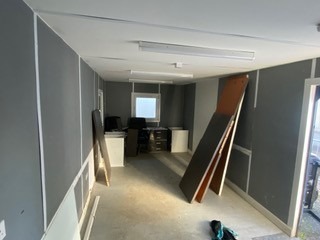
32ft x 10ft Anti Vandal Canteen/Office

    • Price: £5,995 + VAT
    • Description: 32ft x 10ft Anti Vandal Canteen/Office
  Part refurbished including:
  • Electric sockets, lighting and heating
  • White upvc double glazing
  • Canteen
  • Open plan
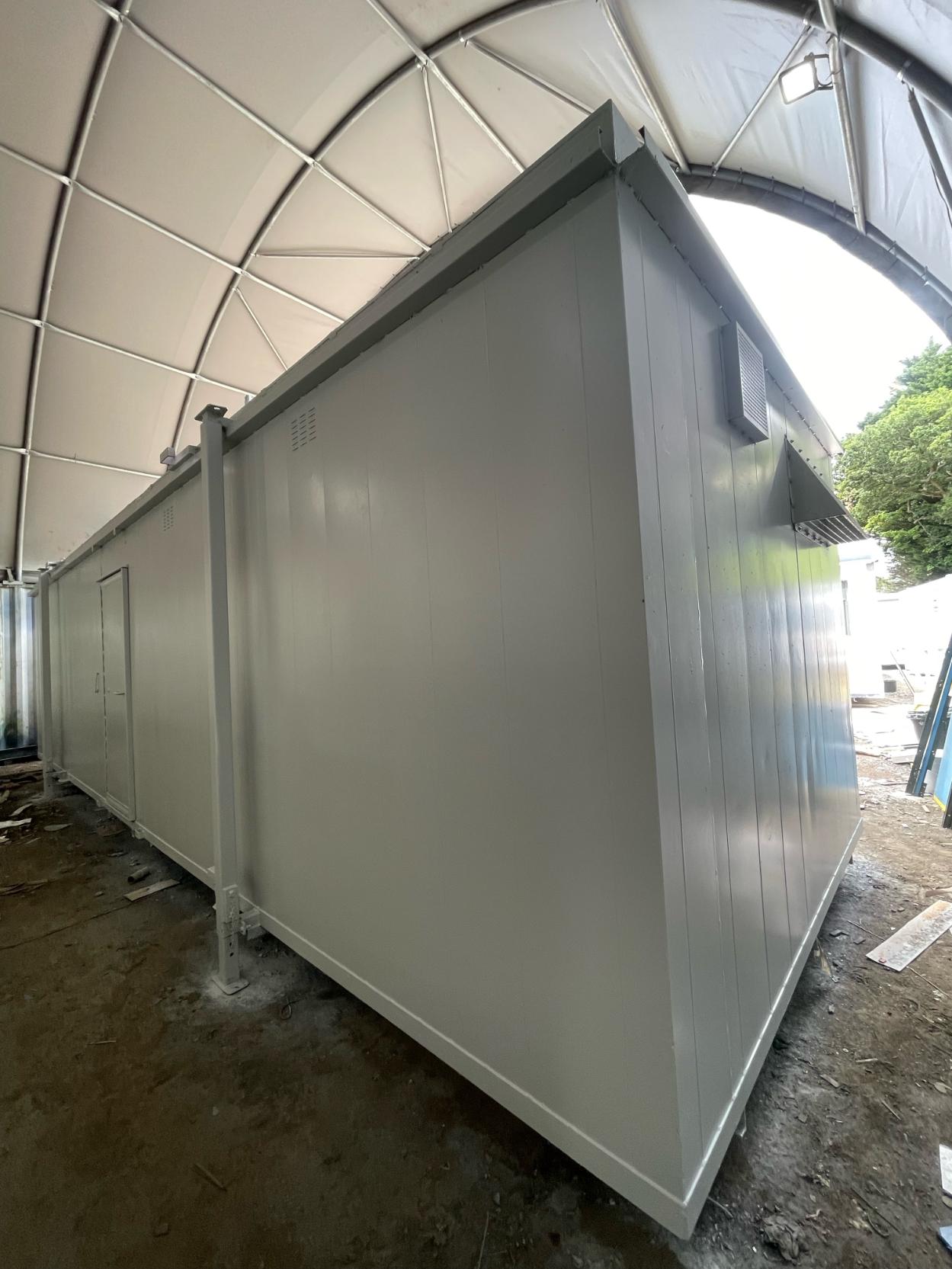
  • External light grey re spray

Location: Nationwide

£5,995 + vat

Not Available for Hire

We can deliver for a cost please ask and send us post code.
Call for an instant quote!

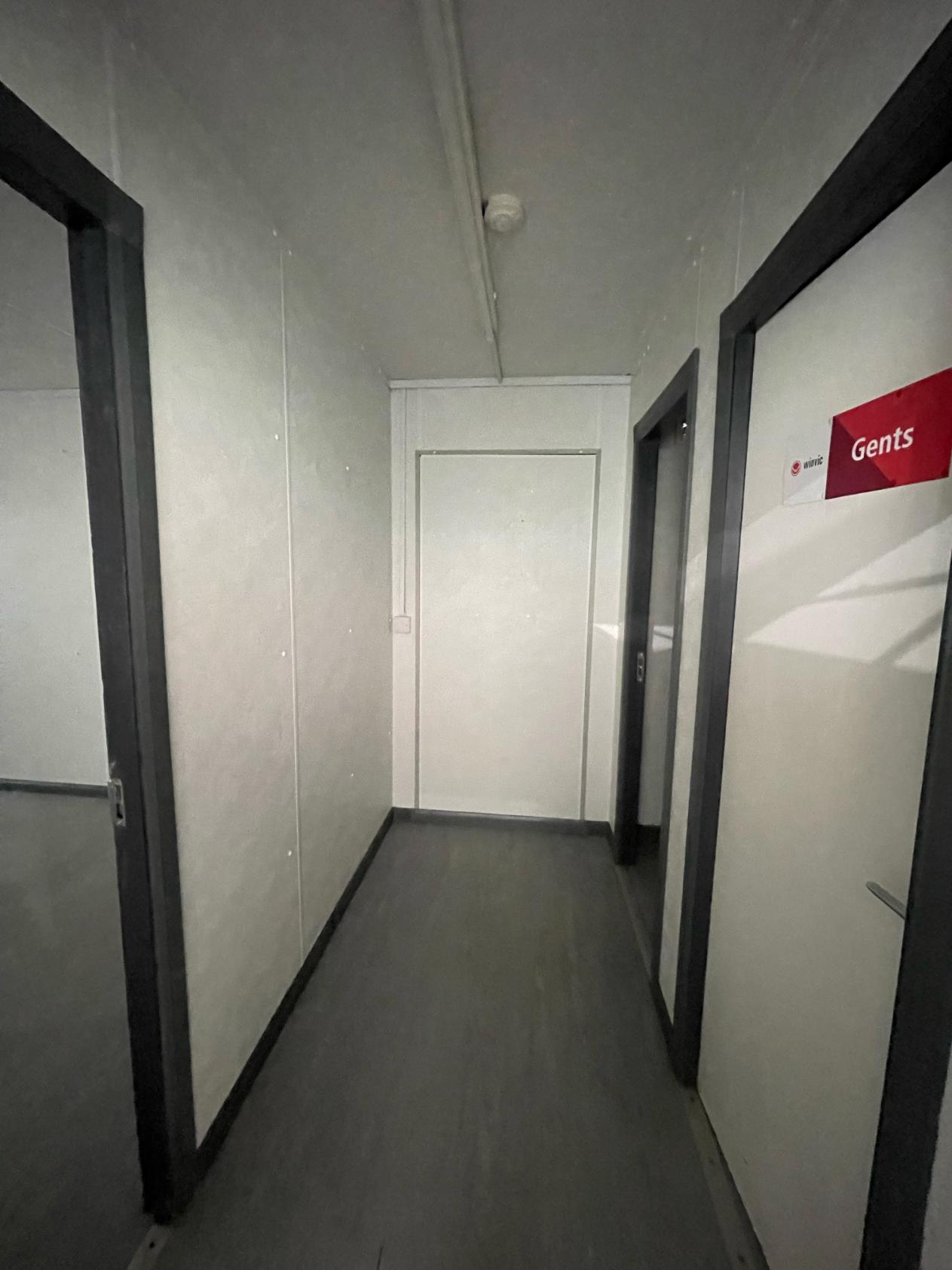
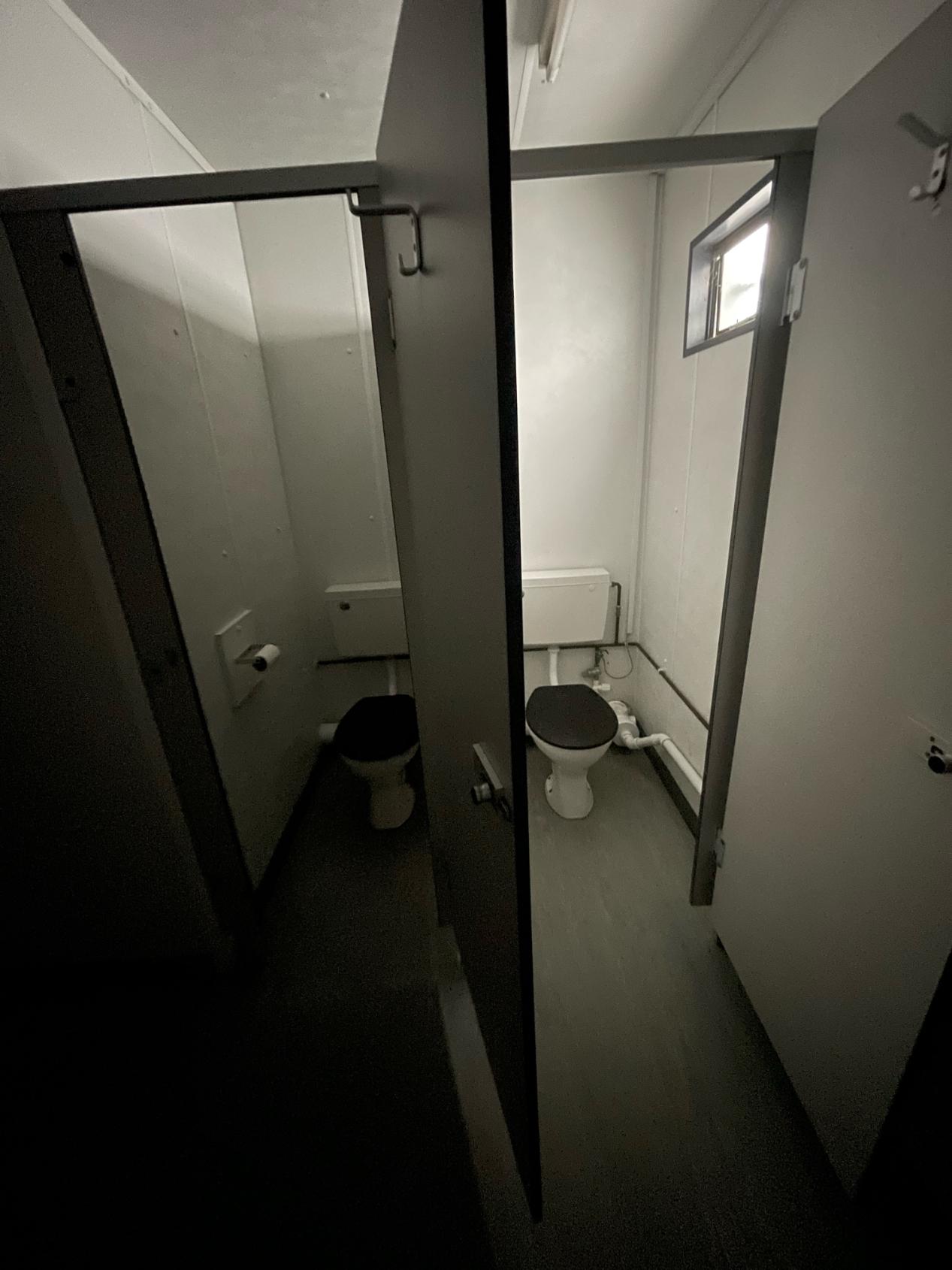
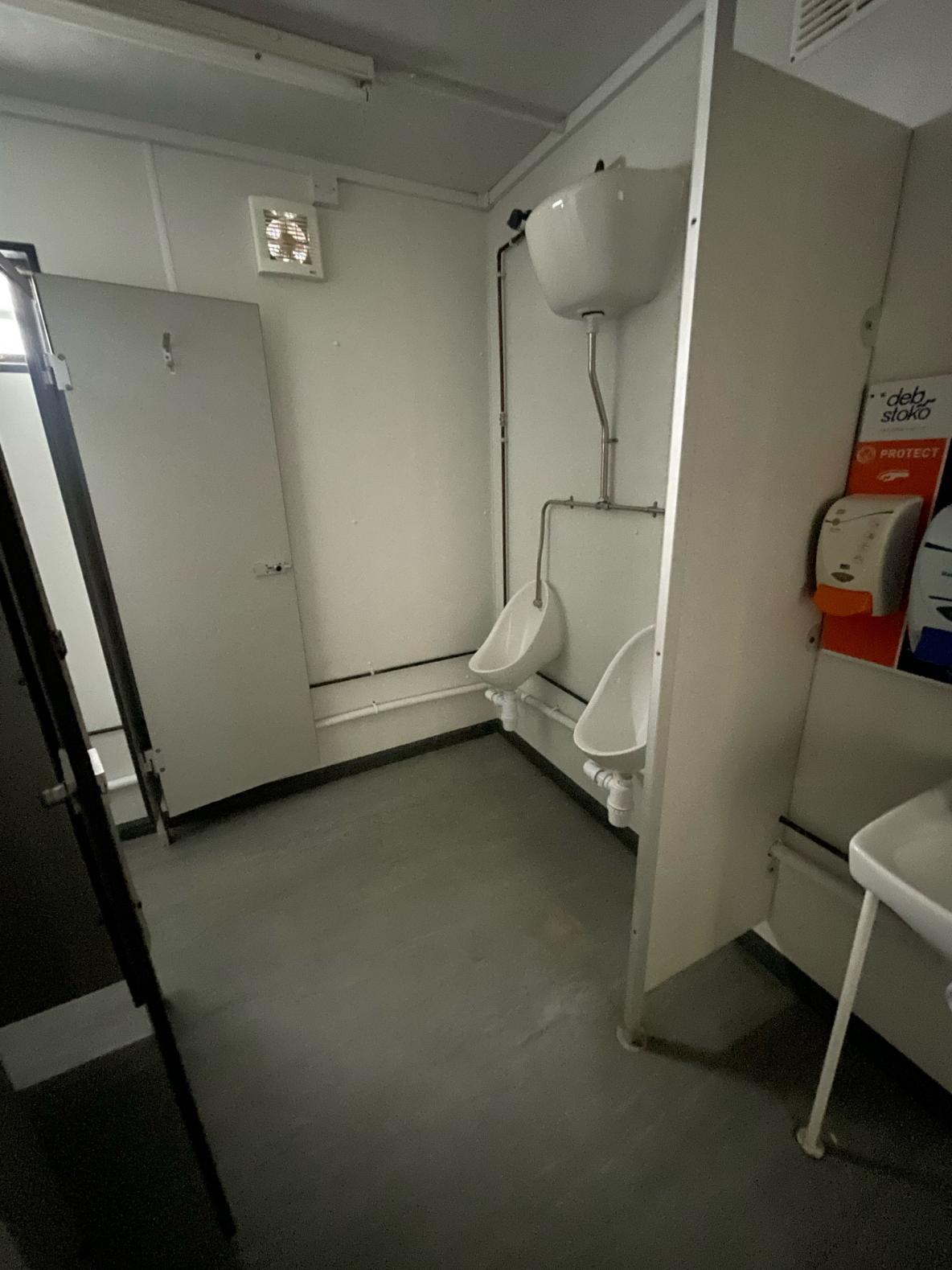
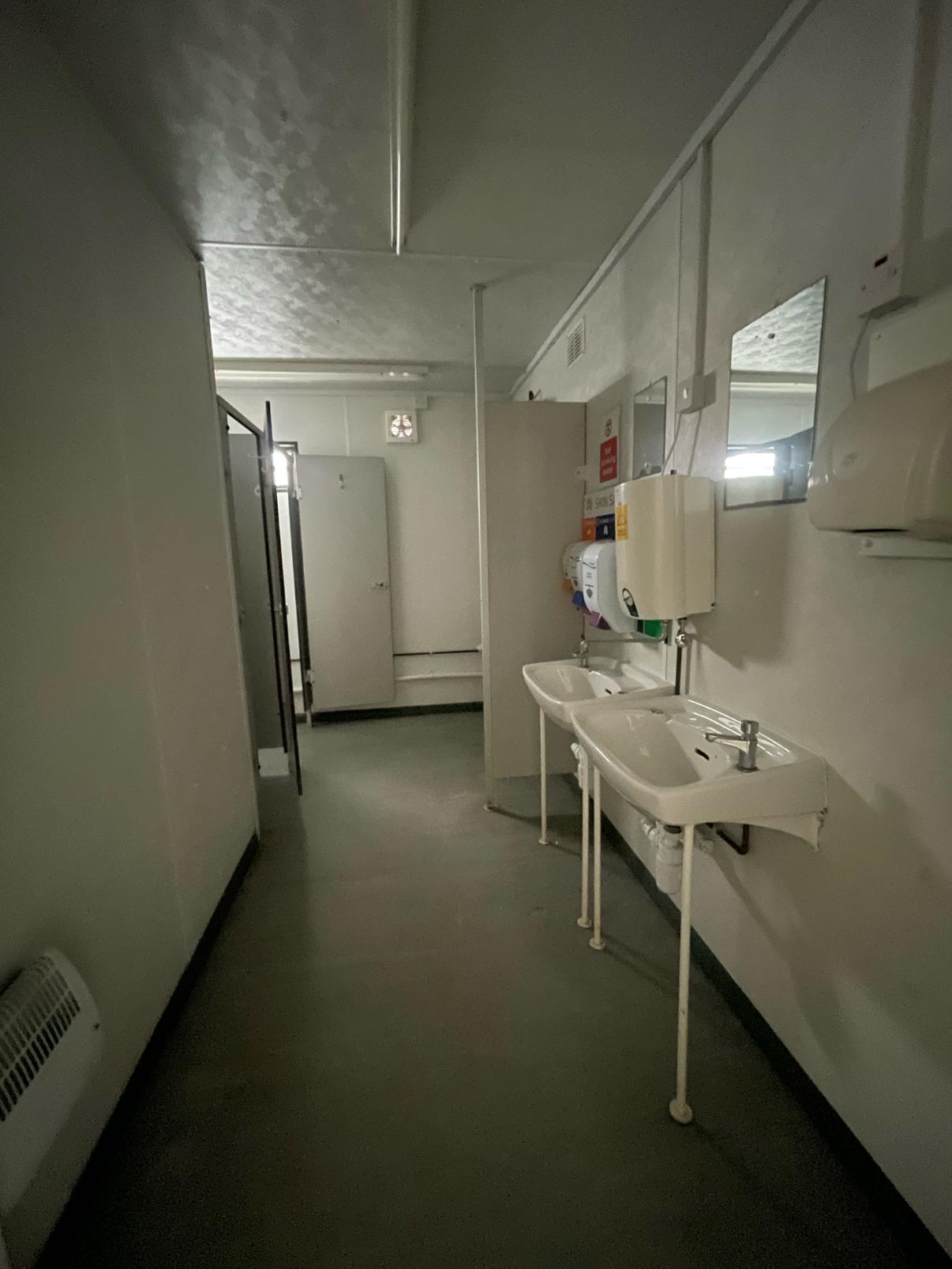
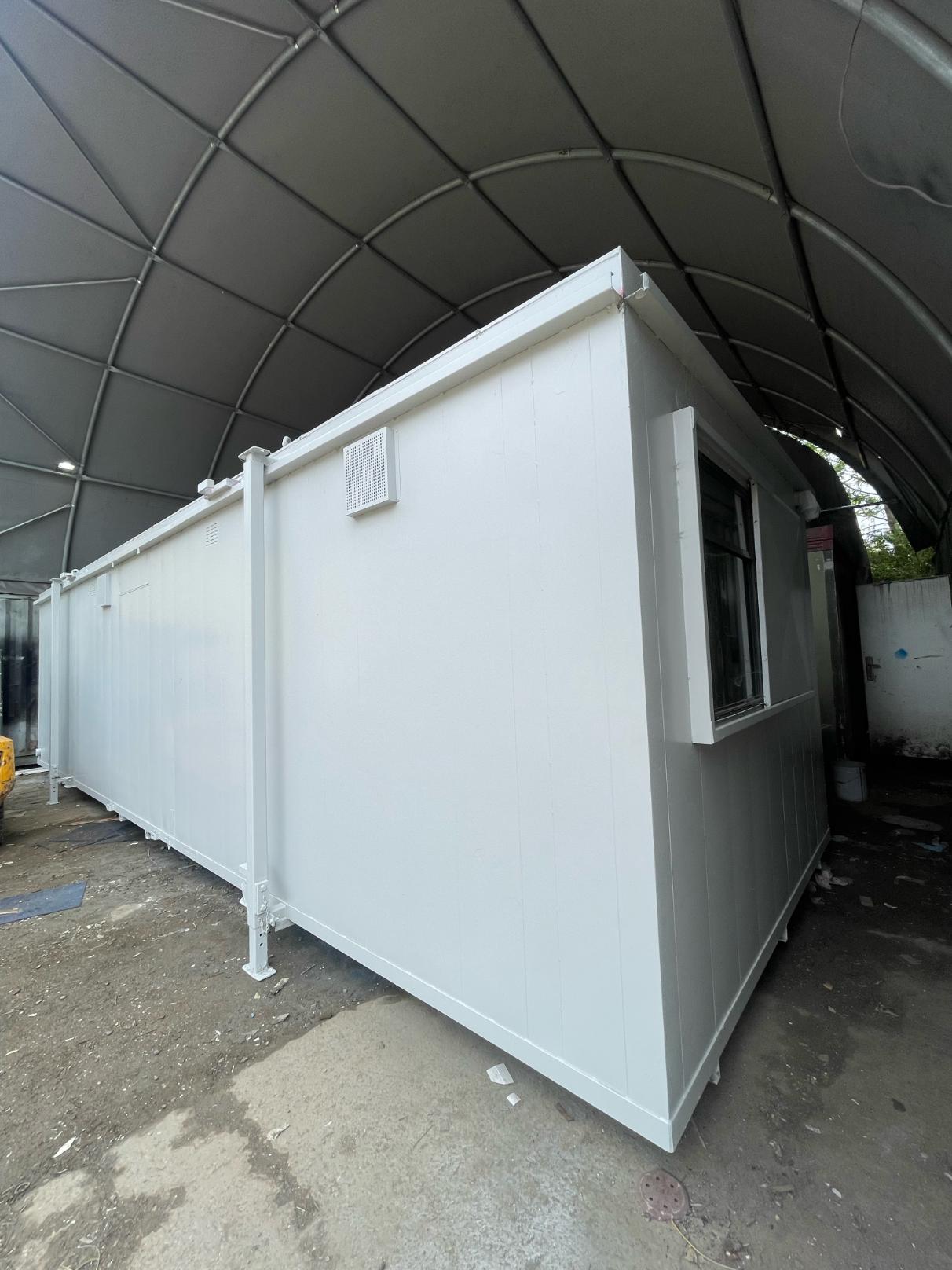
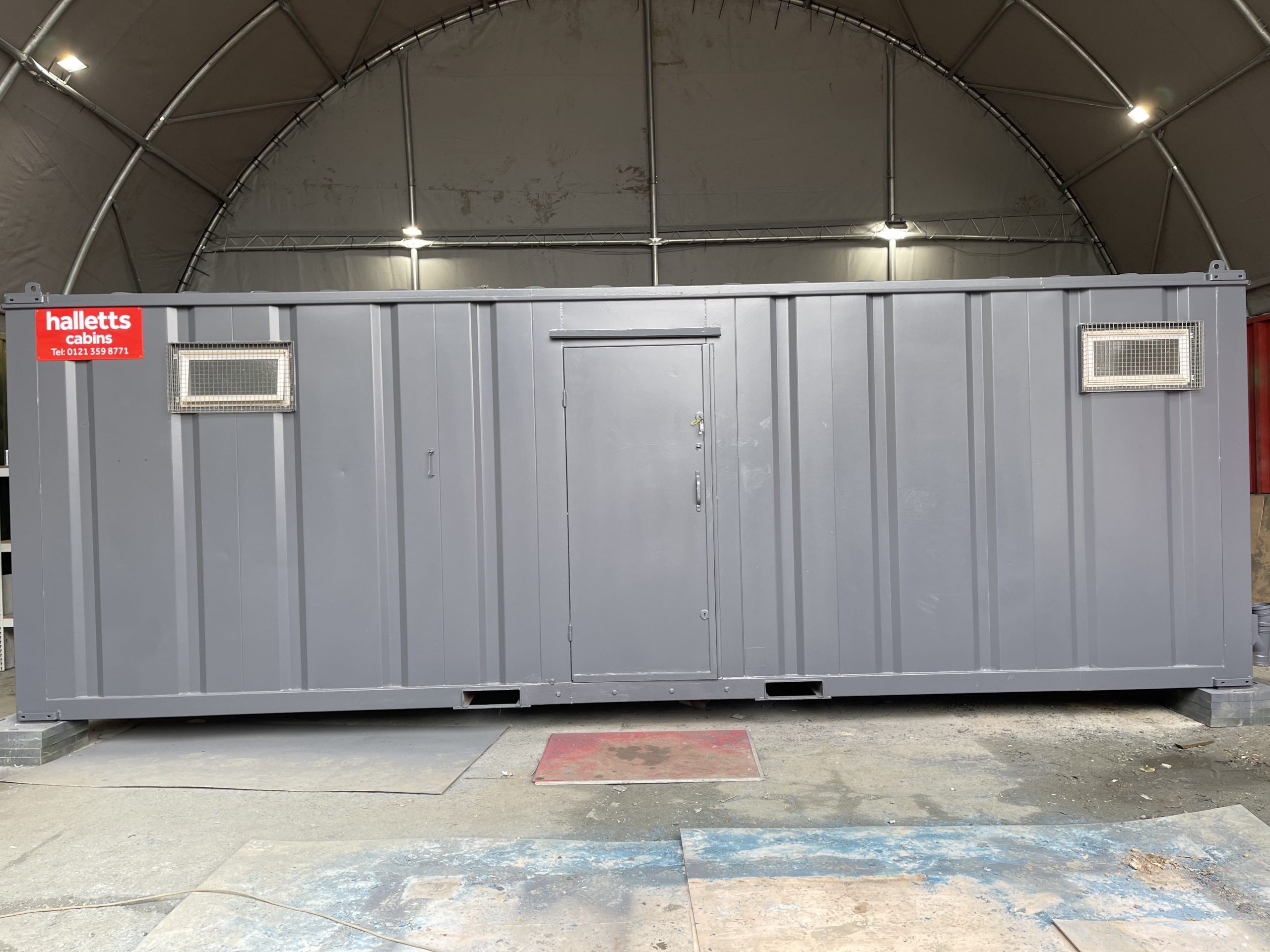
32ft x 10ft Drying Room, Toilet Block

Hallway leading into:

  • Price: £6,500 + VAT
  • Half open plan drying room, or we could add in a canteen. (additional cost)
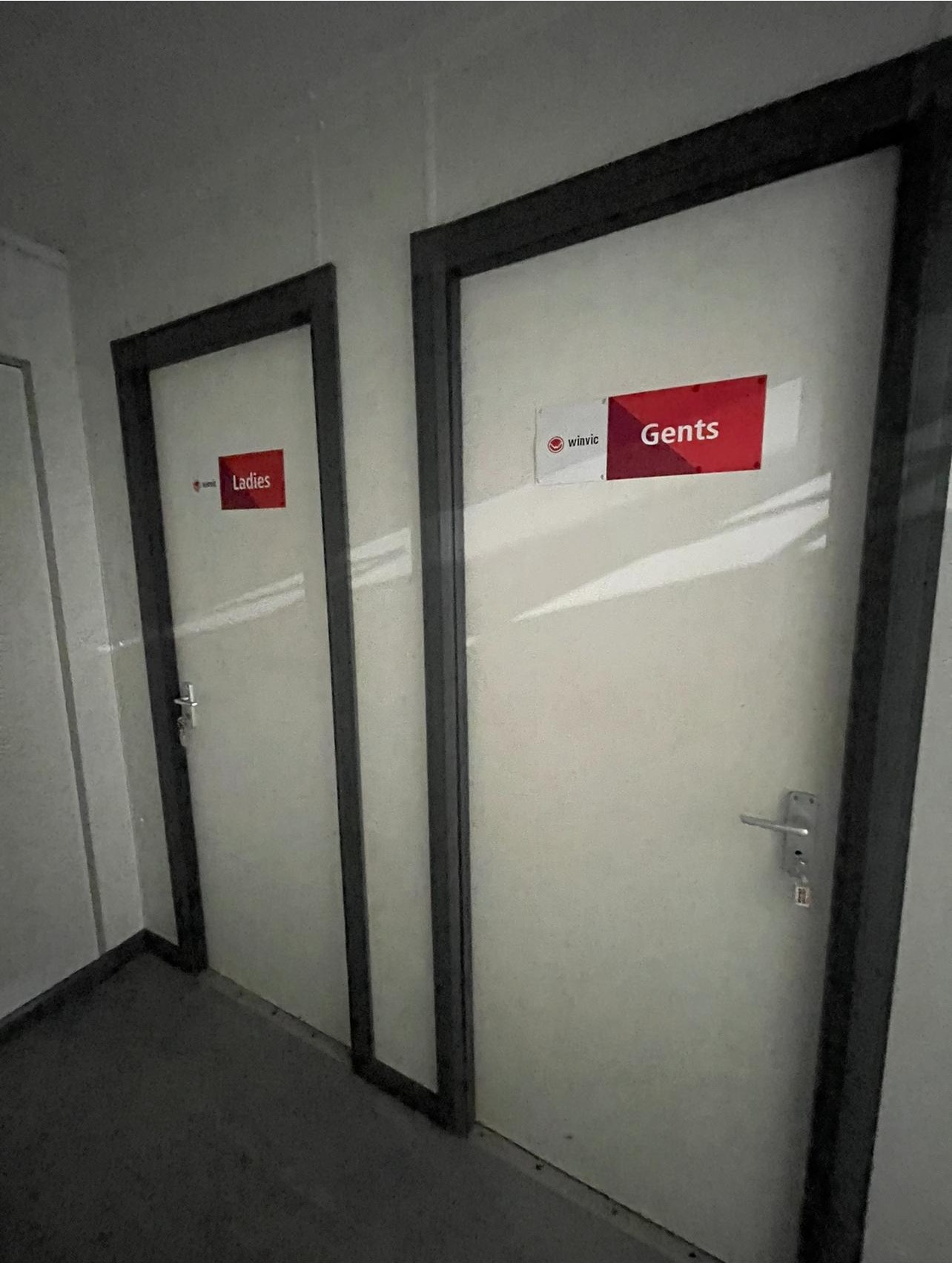
  • Female Single toilet
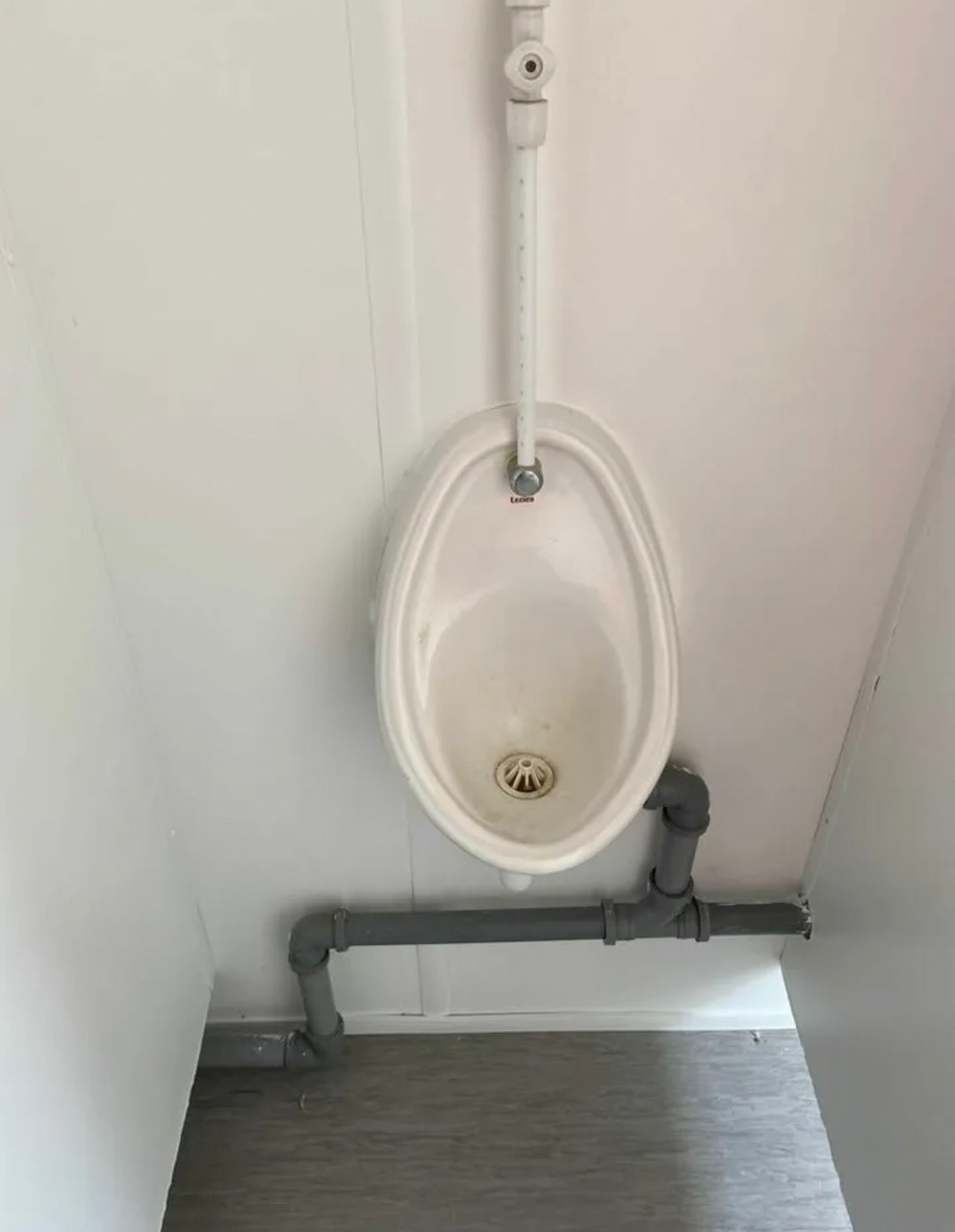
  • Male toilets including 2 x cubicles, 2 x urinals and 2 x sinks
  • External light grey spray
  • Deep cleaned
  • Ready to use
  • Excellent overall condition

Transport can be arranged please ask.

Location: Nationwide

£6,500.00 + vat

Not Available for Hire

Call for an instant quote!

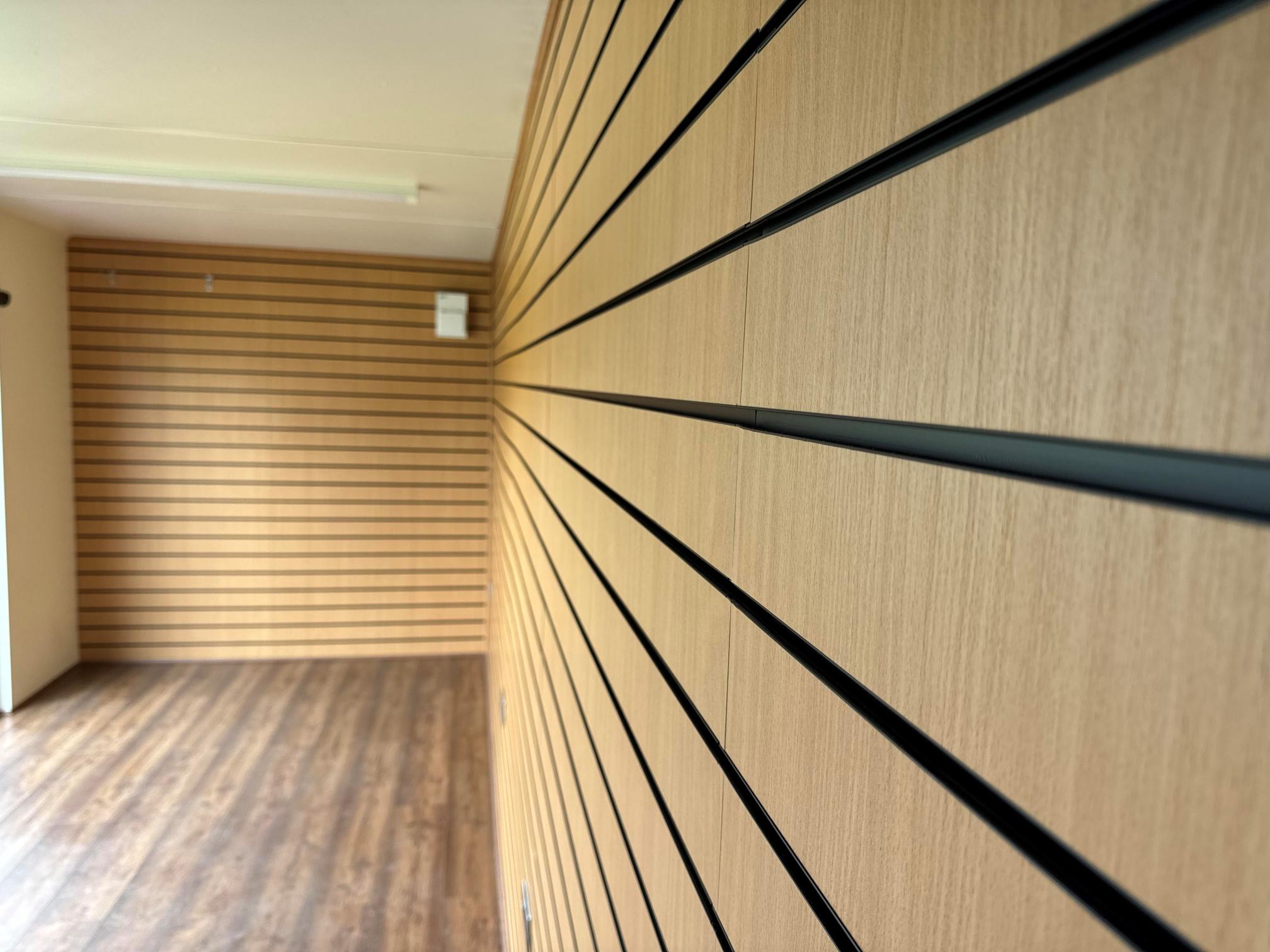
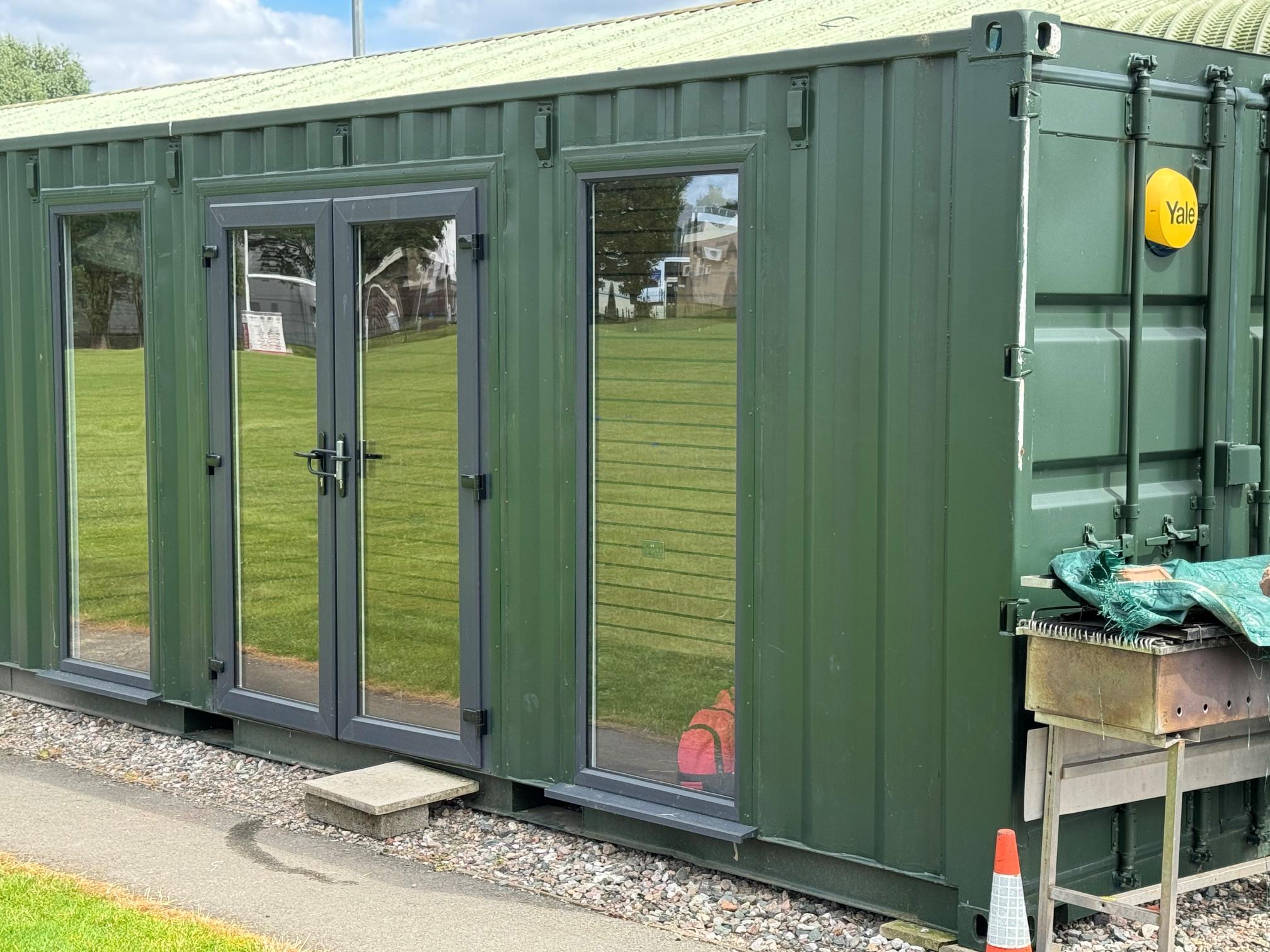
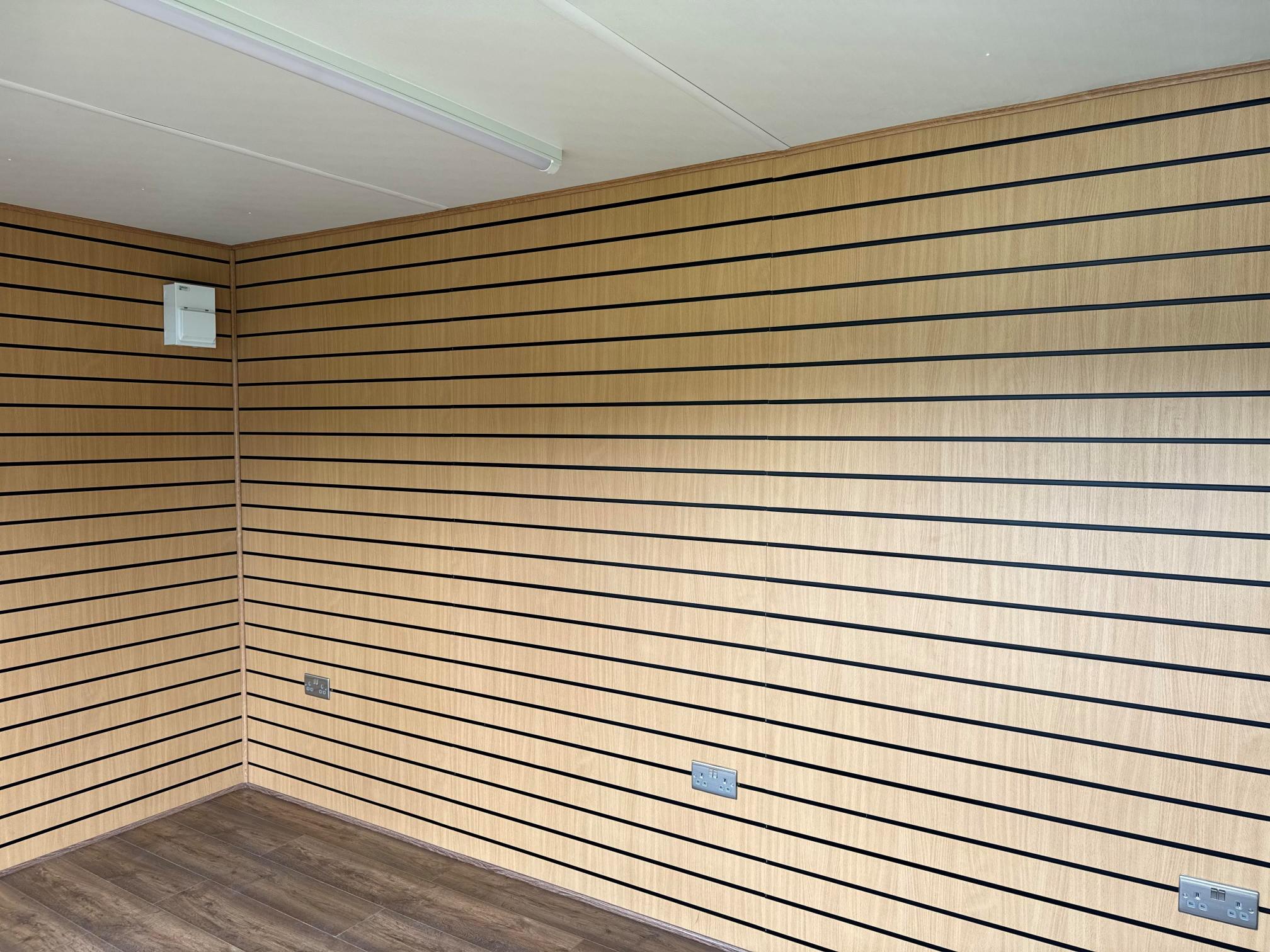
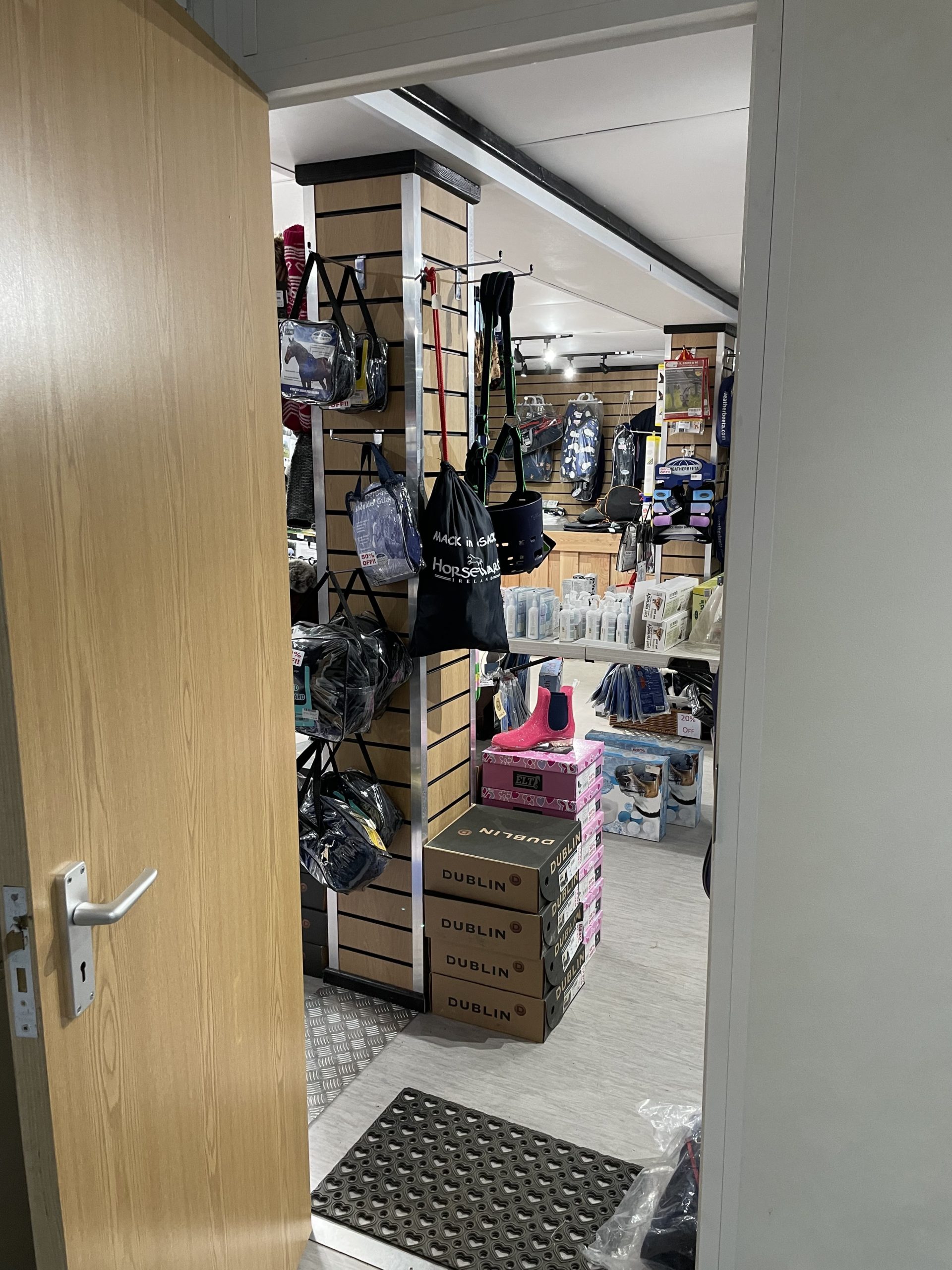
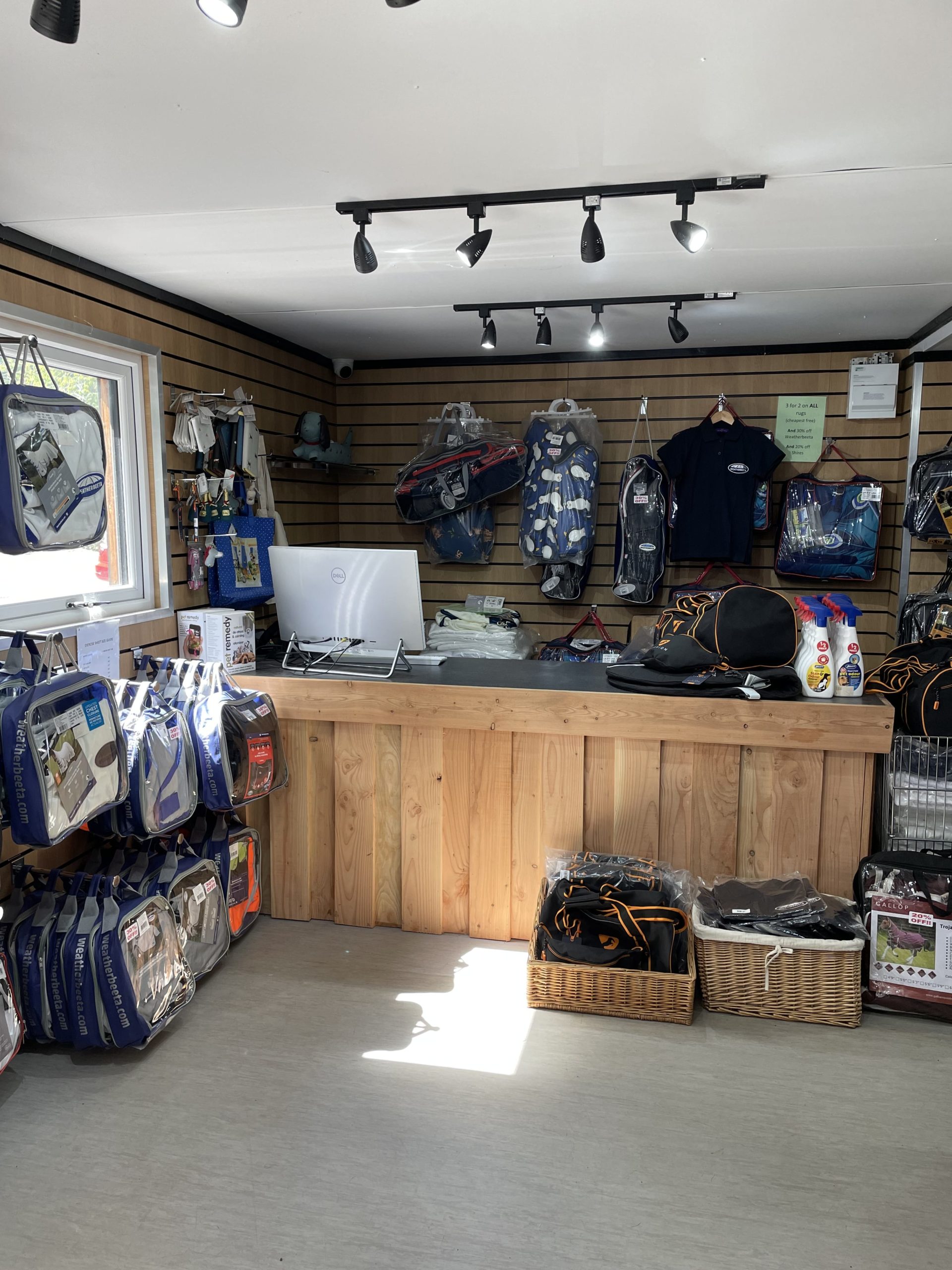
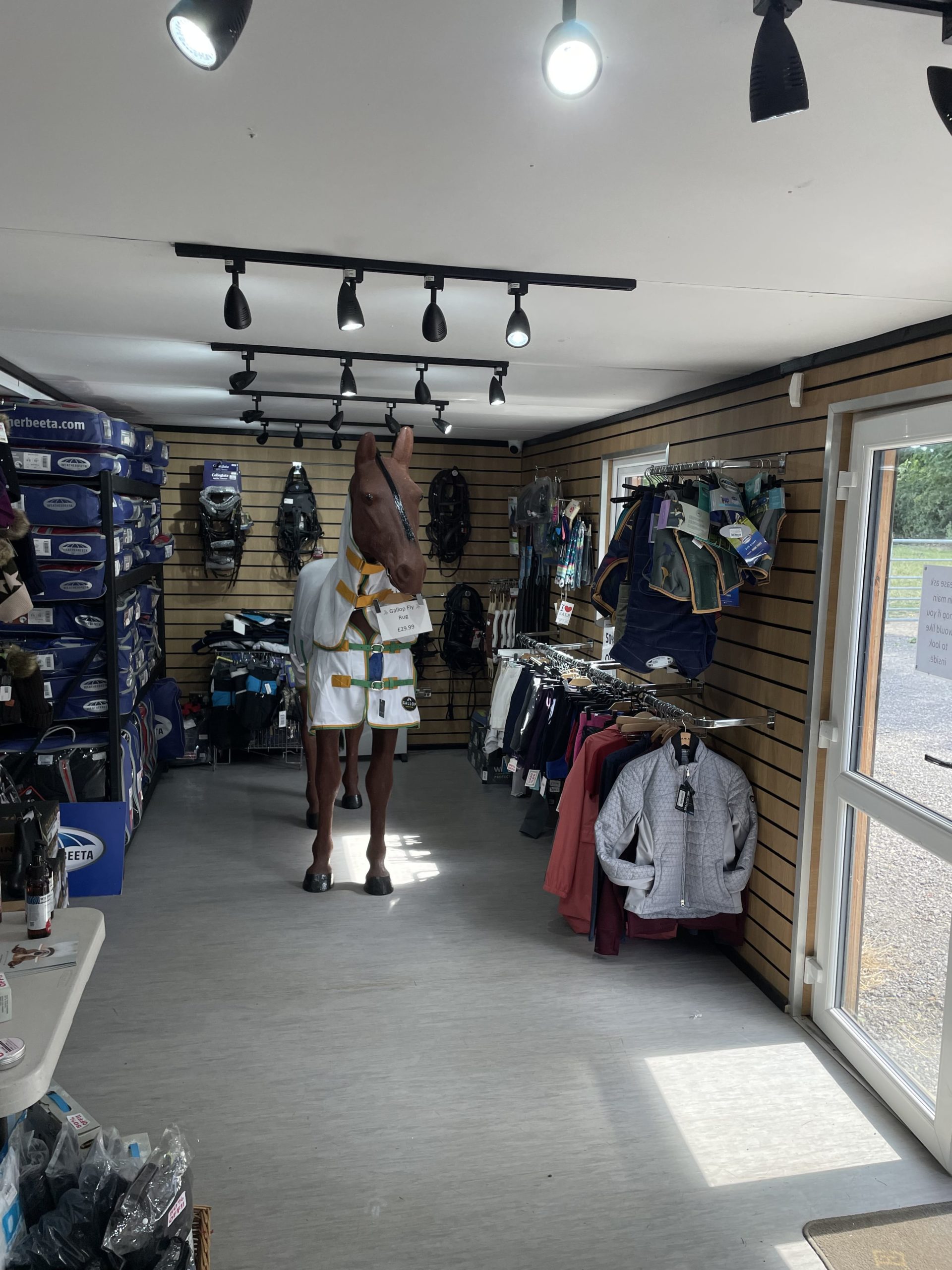
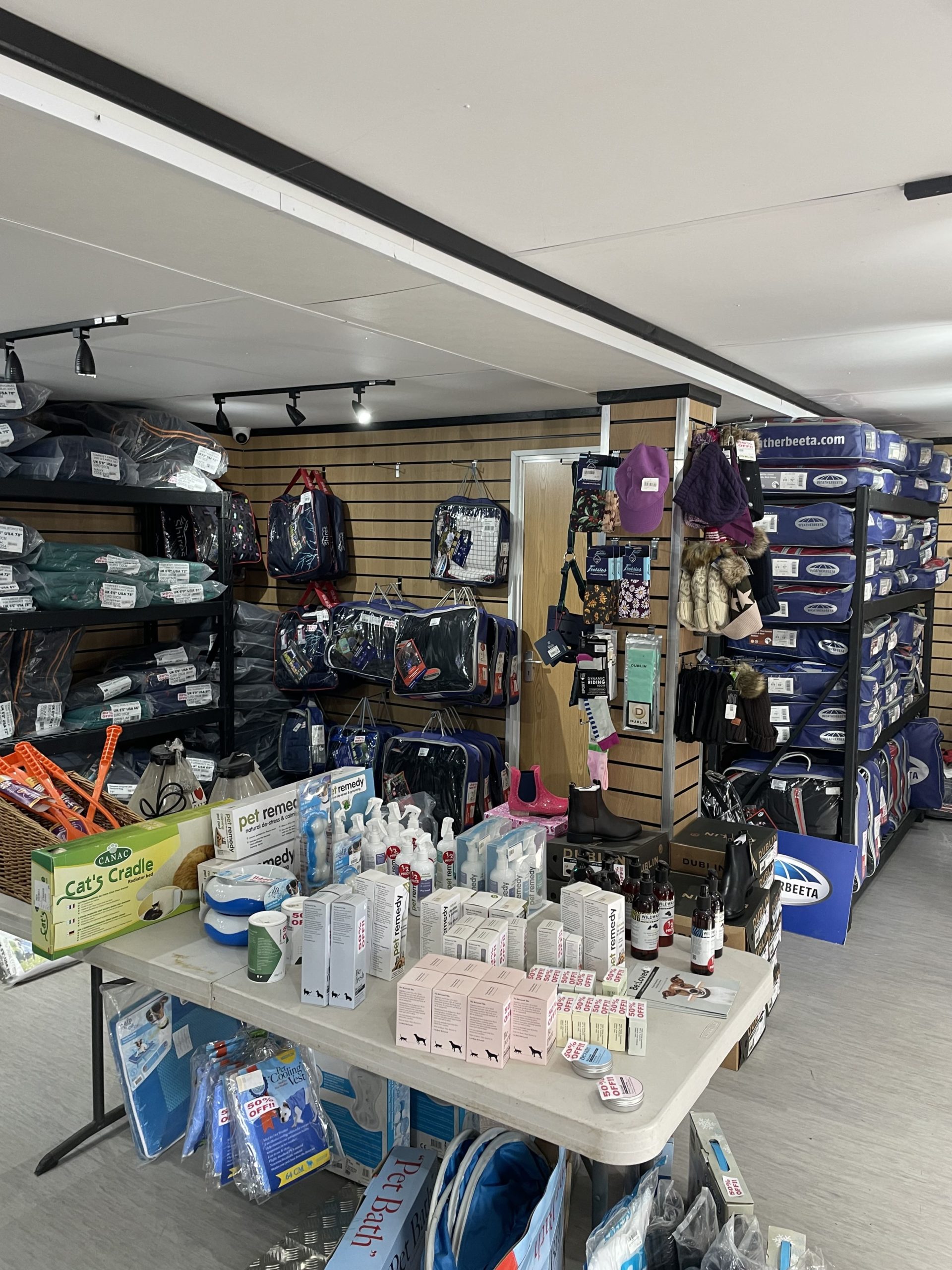
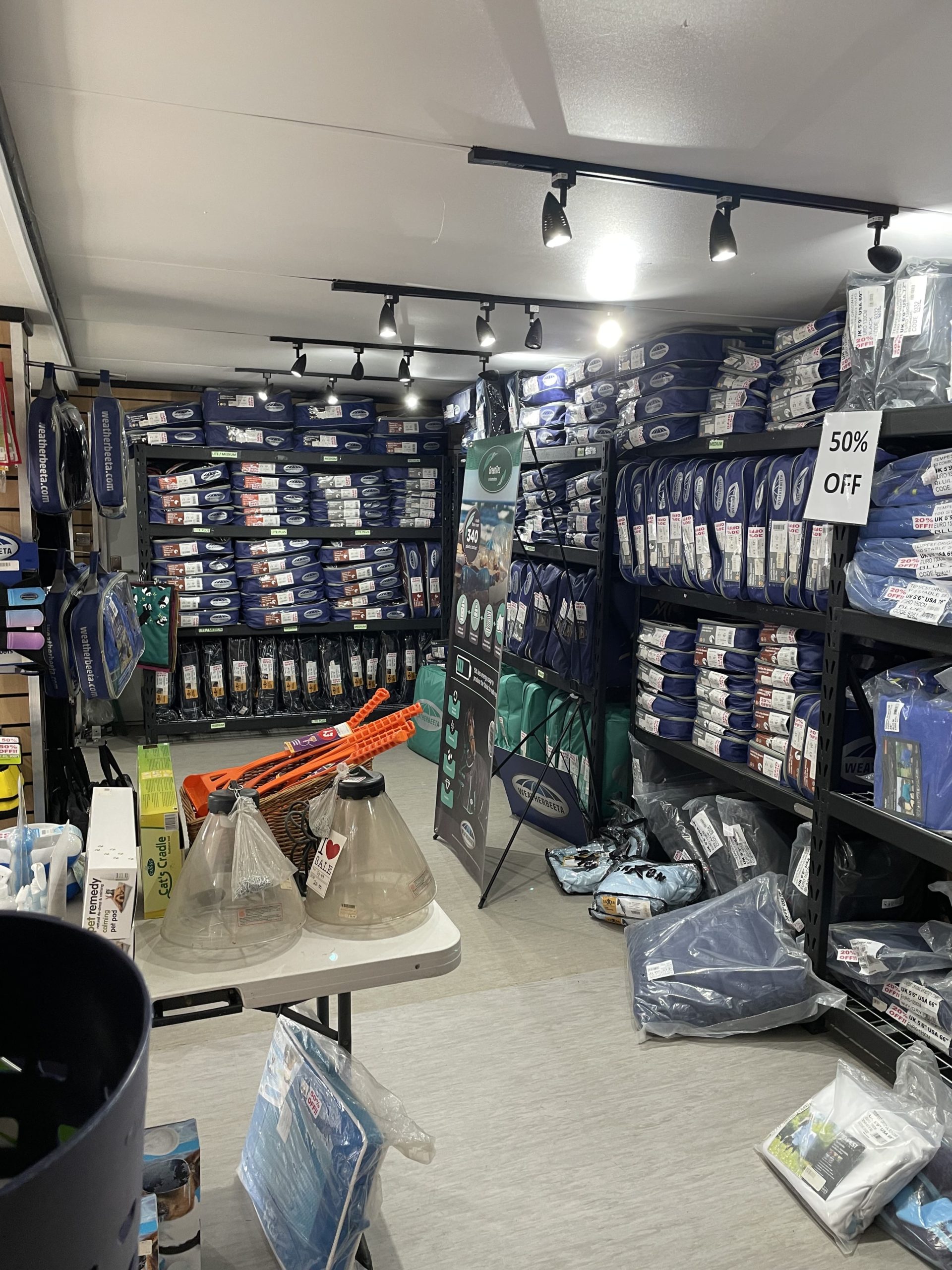
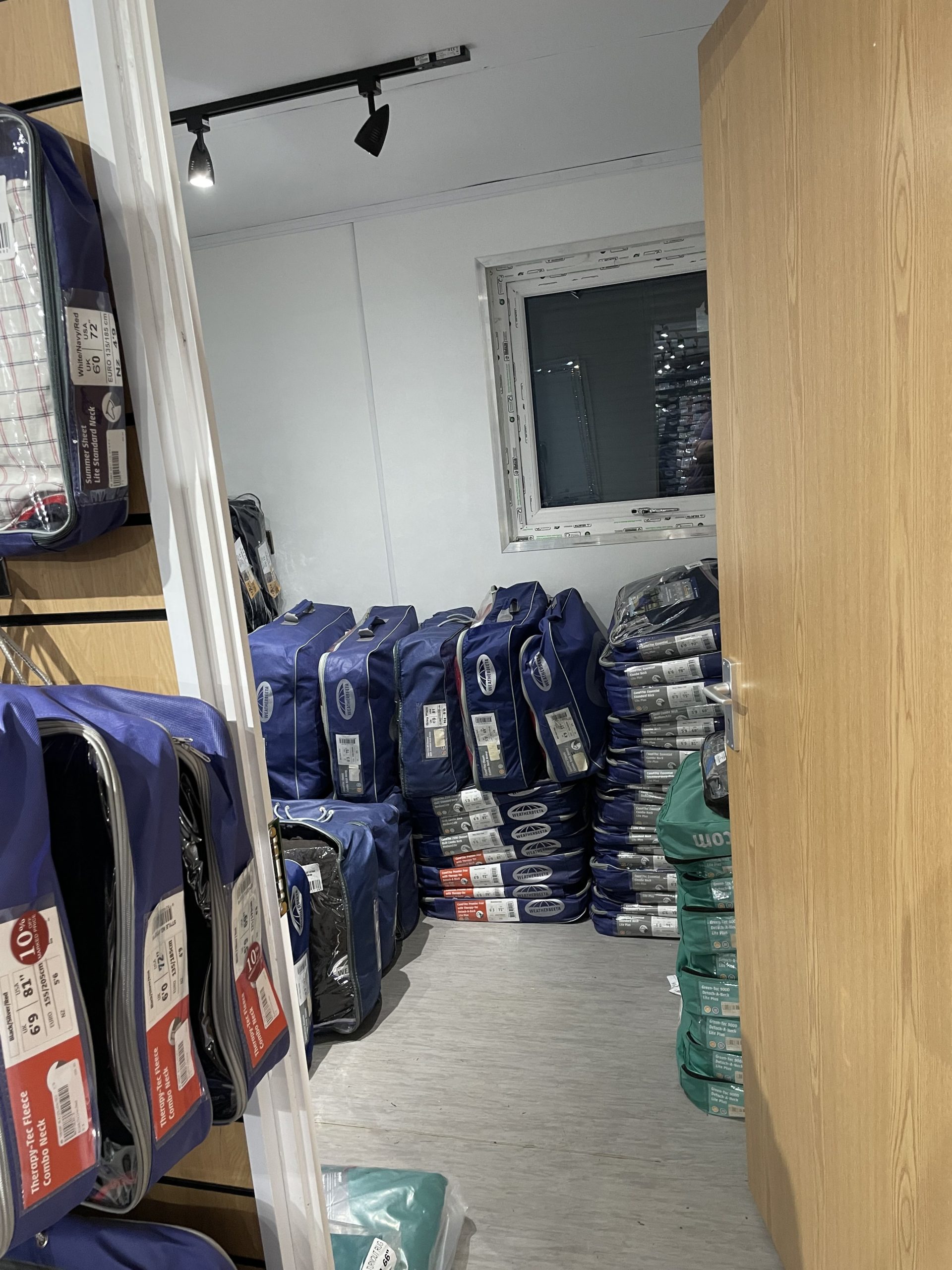
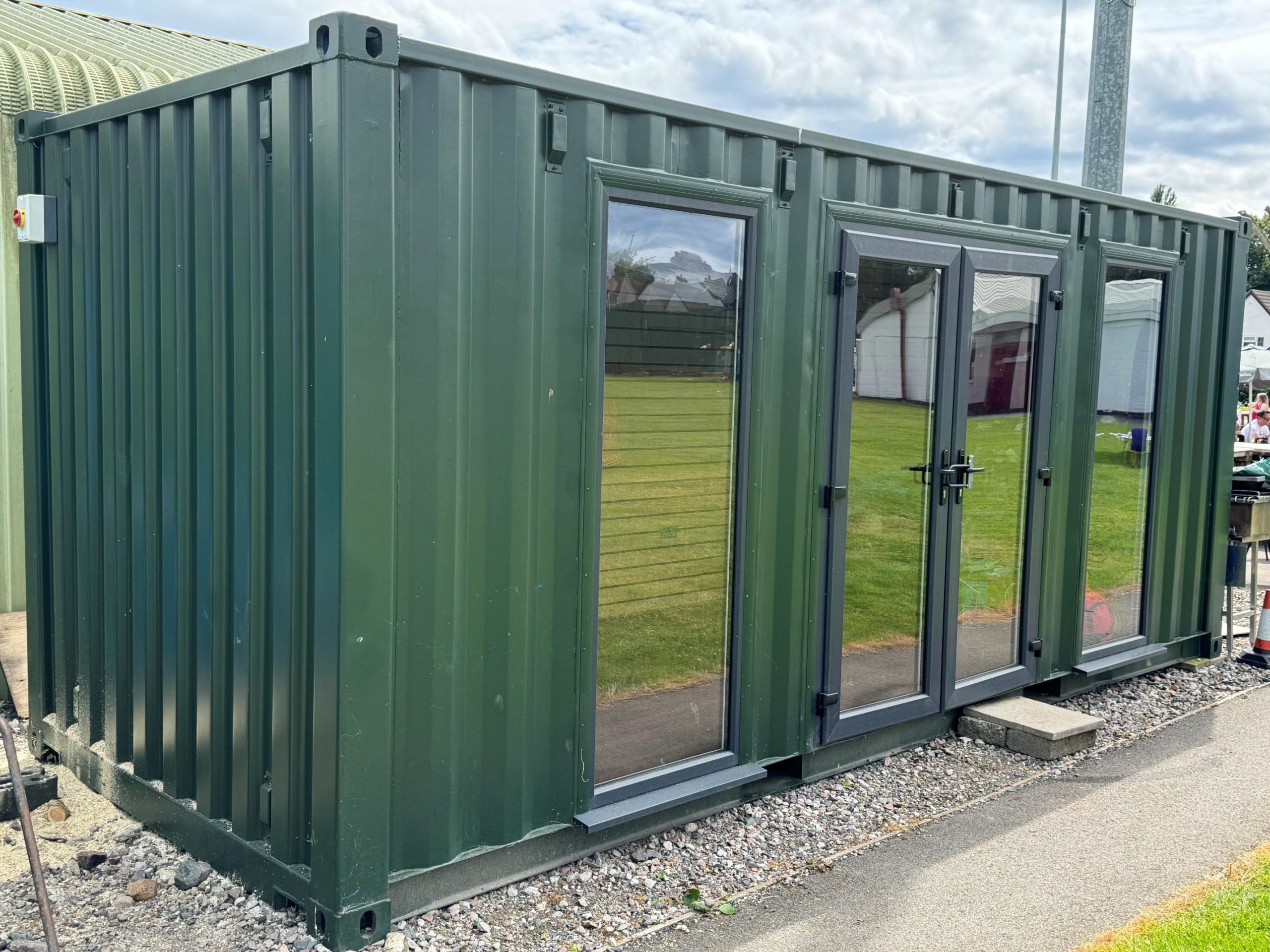
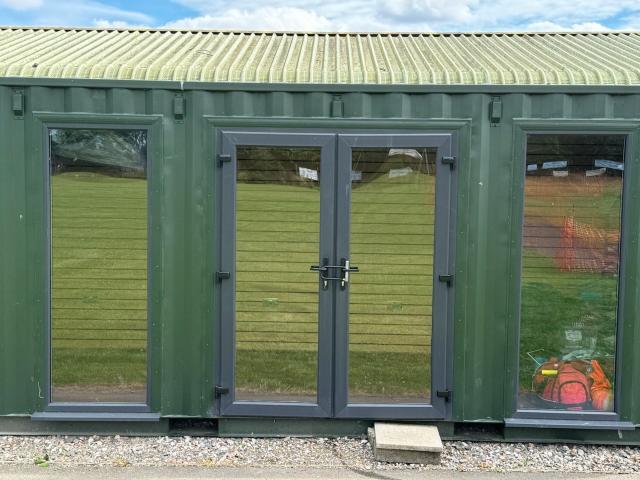
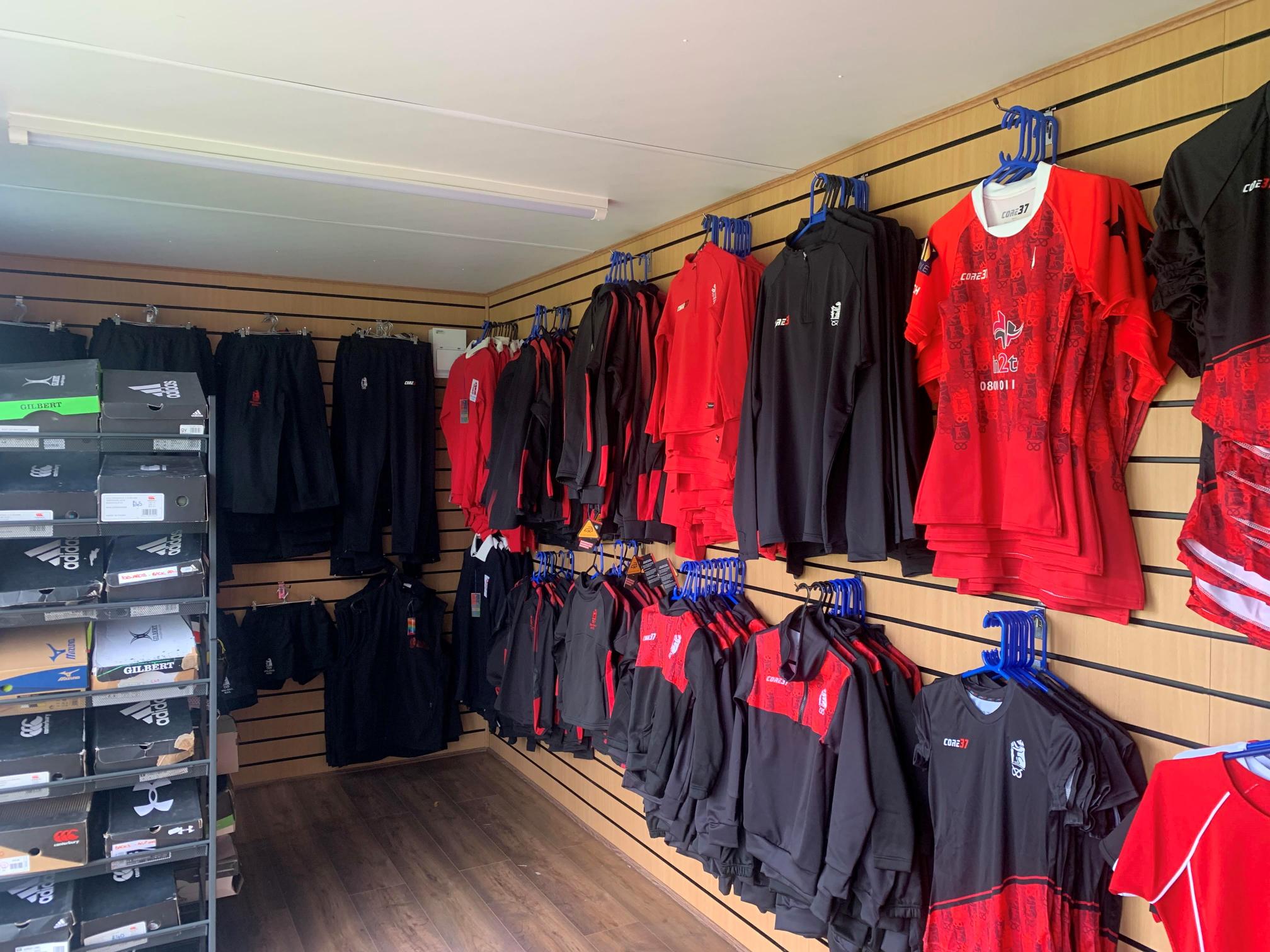
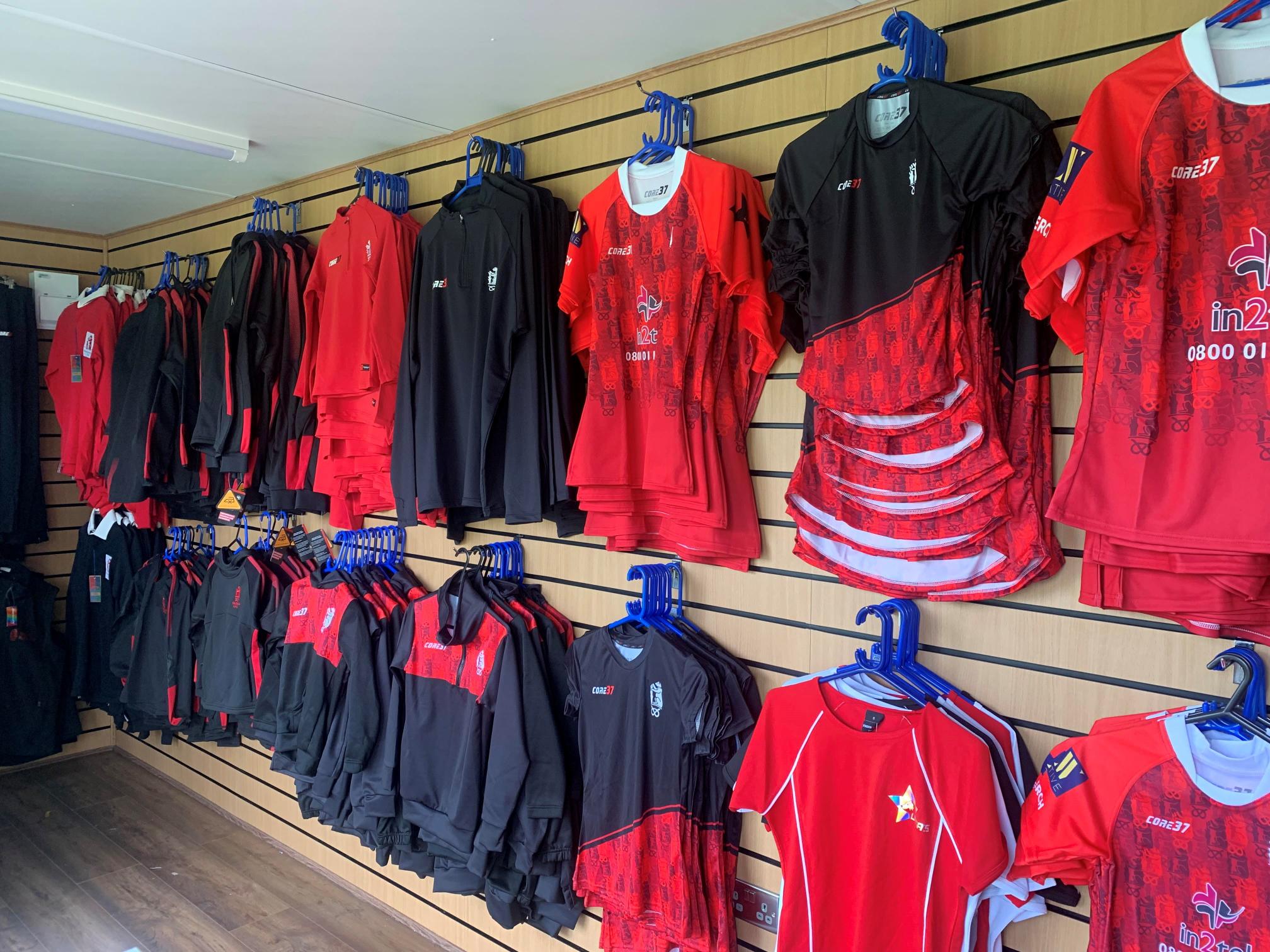
  • 20ft x 8ft Container Conversion Retail Shop

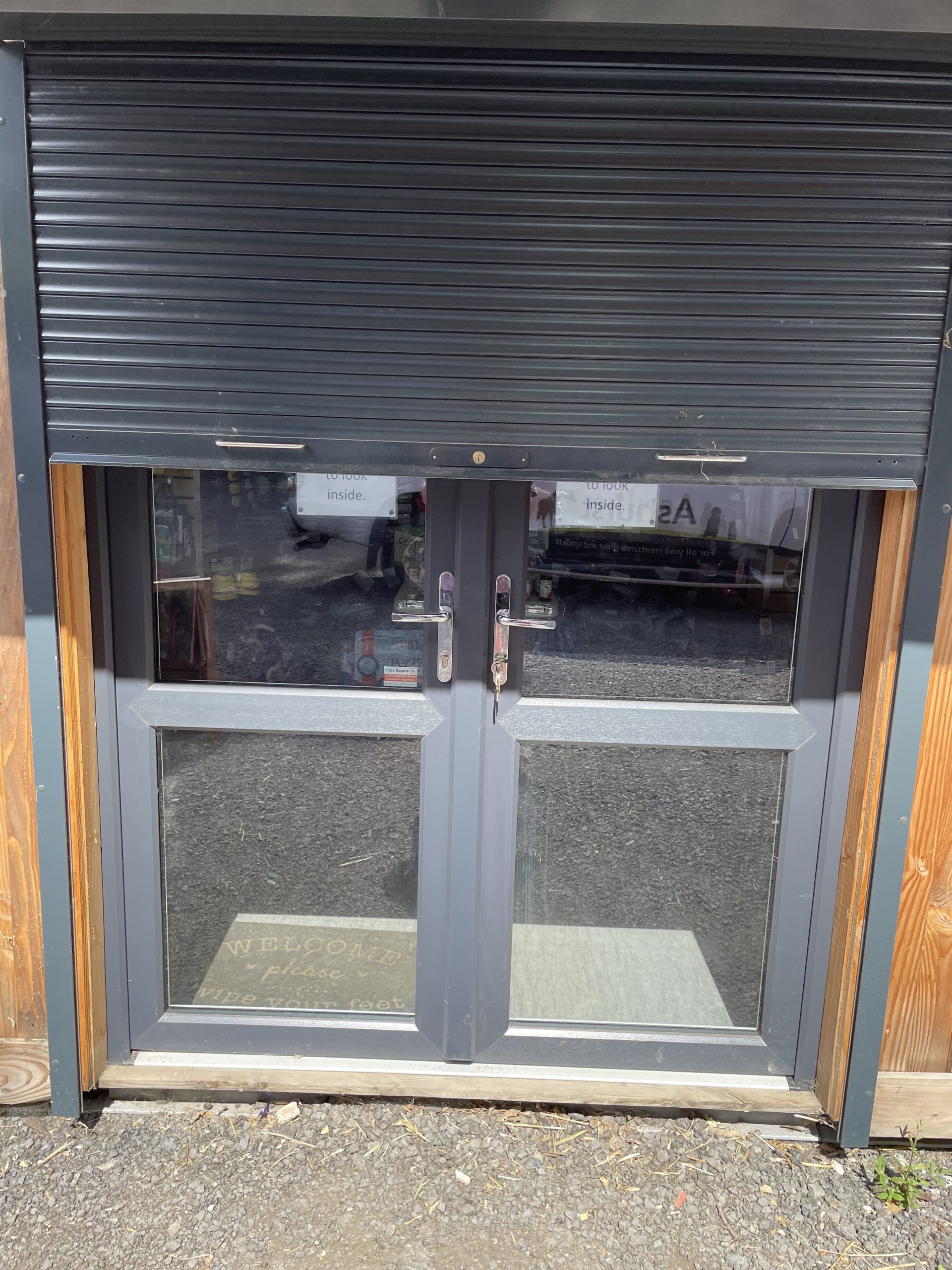
  • UPVC Double glazed Windows + French Doors

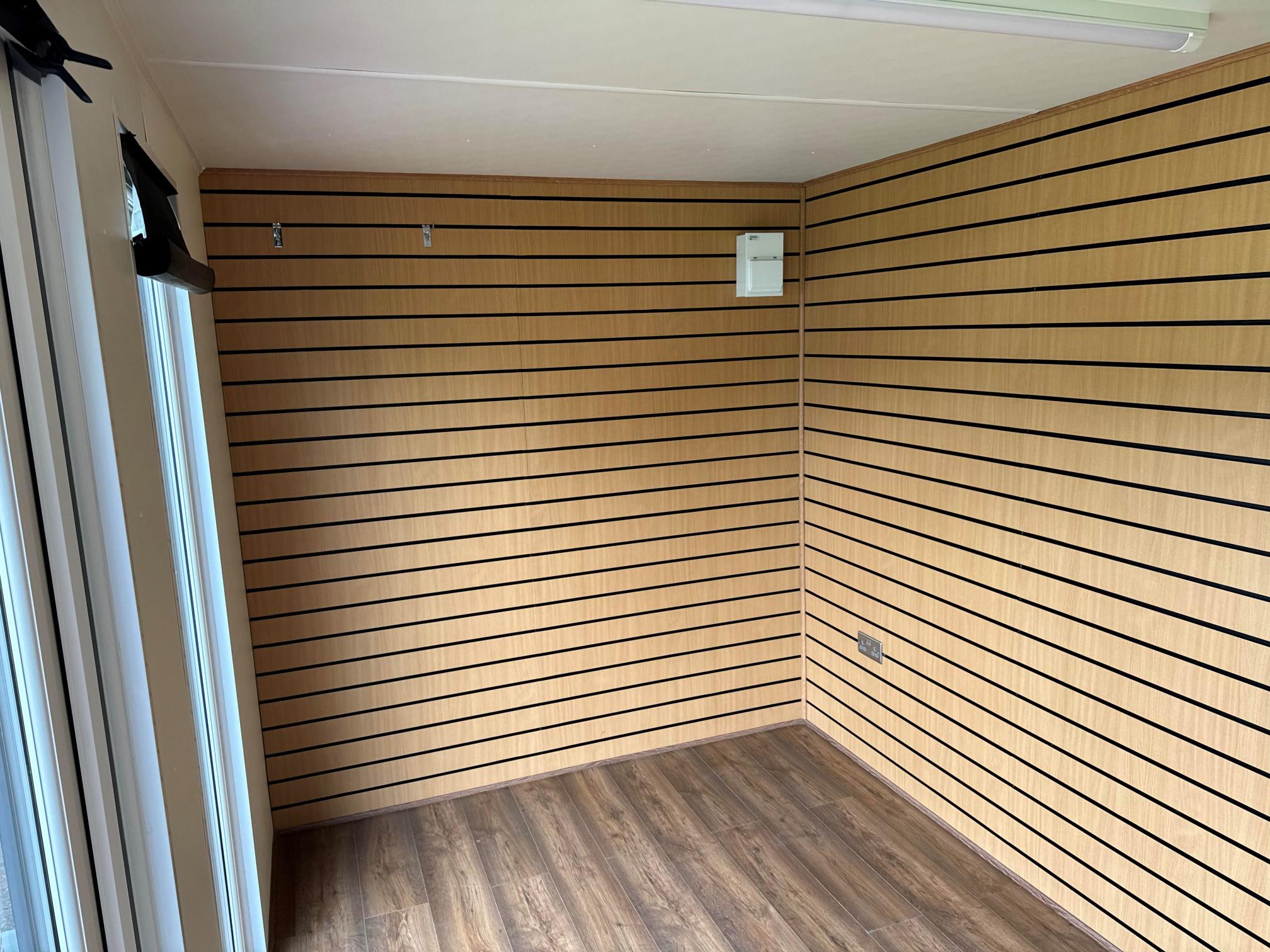
  • Slat Wall for retail fixings and Merchandise

  • Electric Chrome Sockets, led lighting and heating.

  • Laminate Flooring

  • 12 months Warranty

  • Maintenance call out package included

  • Less than 2 years old

  • Still in Brand New Condition

Location: Nationwide

POA

Not Available for Hire

Call for an instant quote!

32ft x 10ft Jack Leg Cabin

  • Fully refurbished

  • Colour light grey

  • Slate grey anthracite upvc double glazed windows

Location: Nationwide


£15,000

+ VAT

Not Available for Hire

Call for an instant quote!

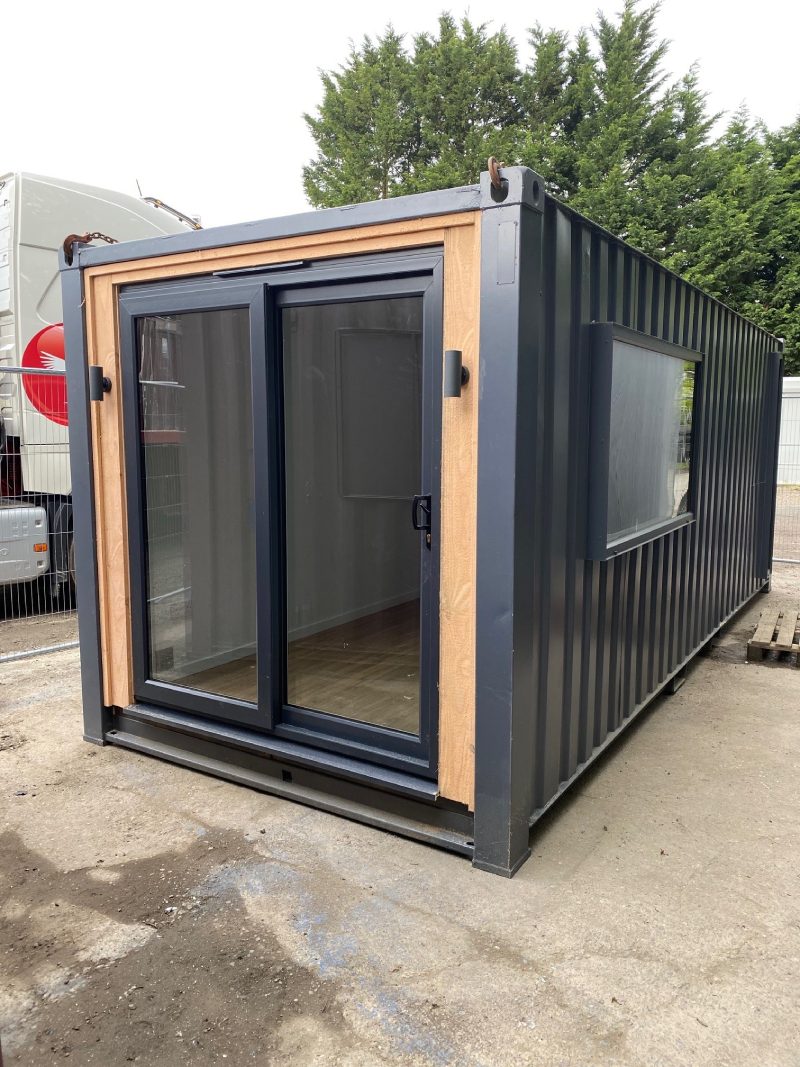
20ft x 8ft Container Office

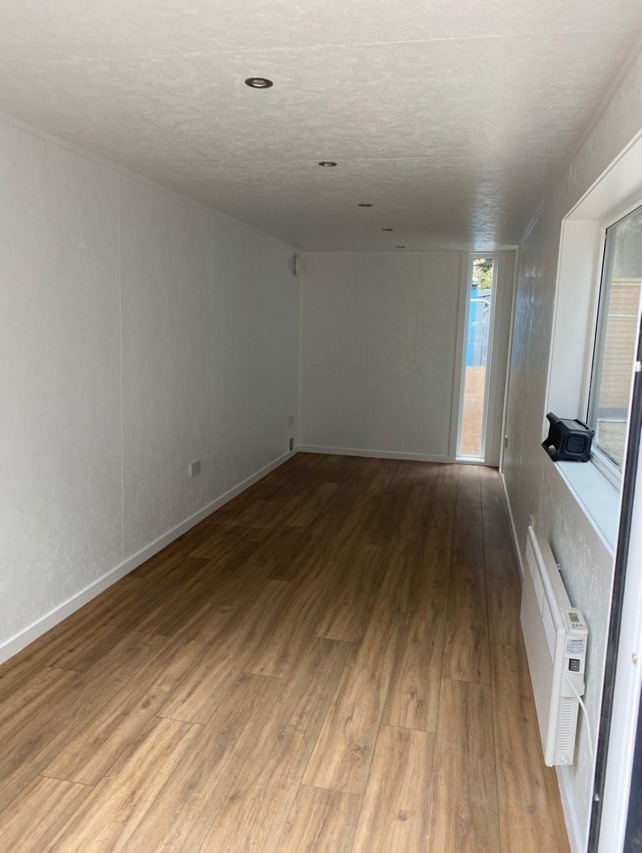
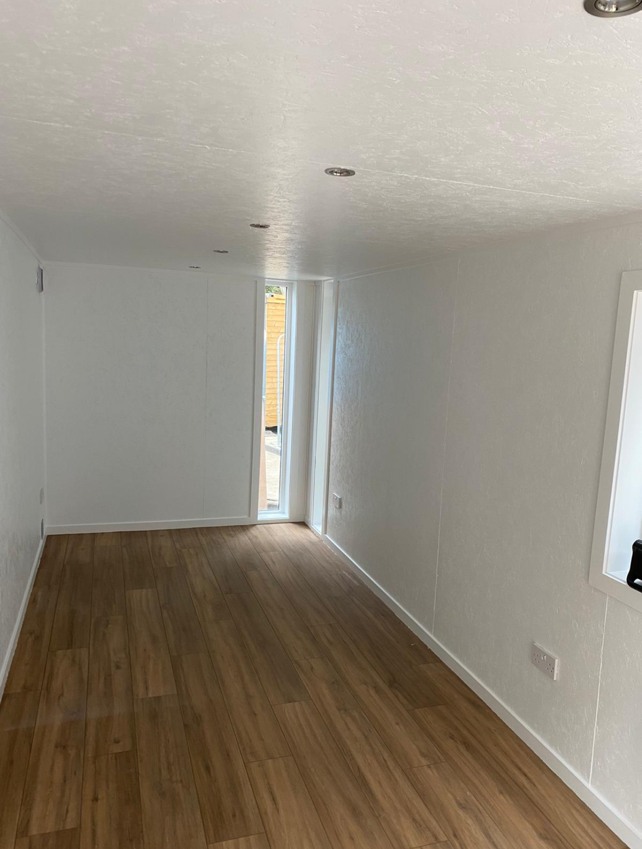
  • Fully Insulated with electric sockets, spot lighting, and heating

  • Wood Flooring

  • UPVC Sliding Door + Windows

  • Lead Time for build 6-8 weeks

Location: Nationwide


£12,995.00

+ VAT

Not Available for Hire

Call for an instant quote!

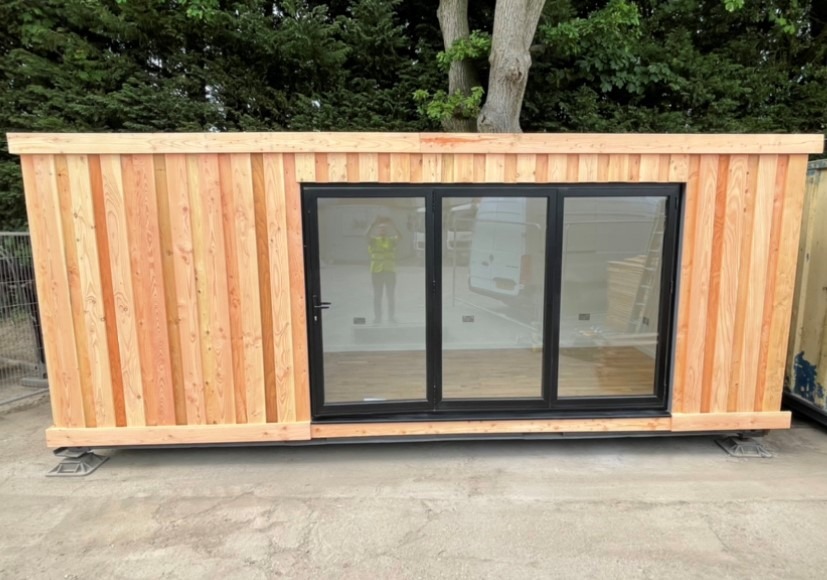
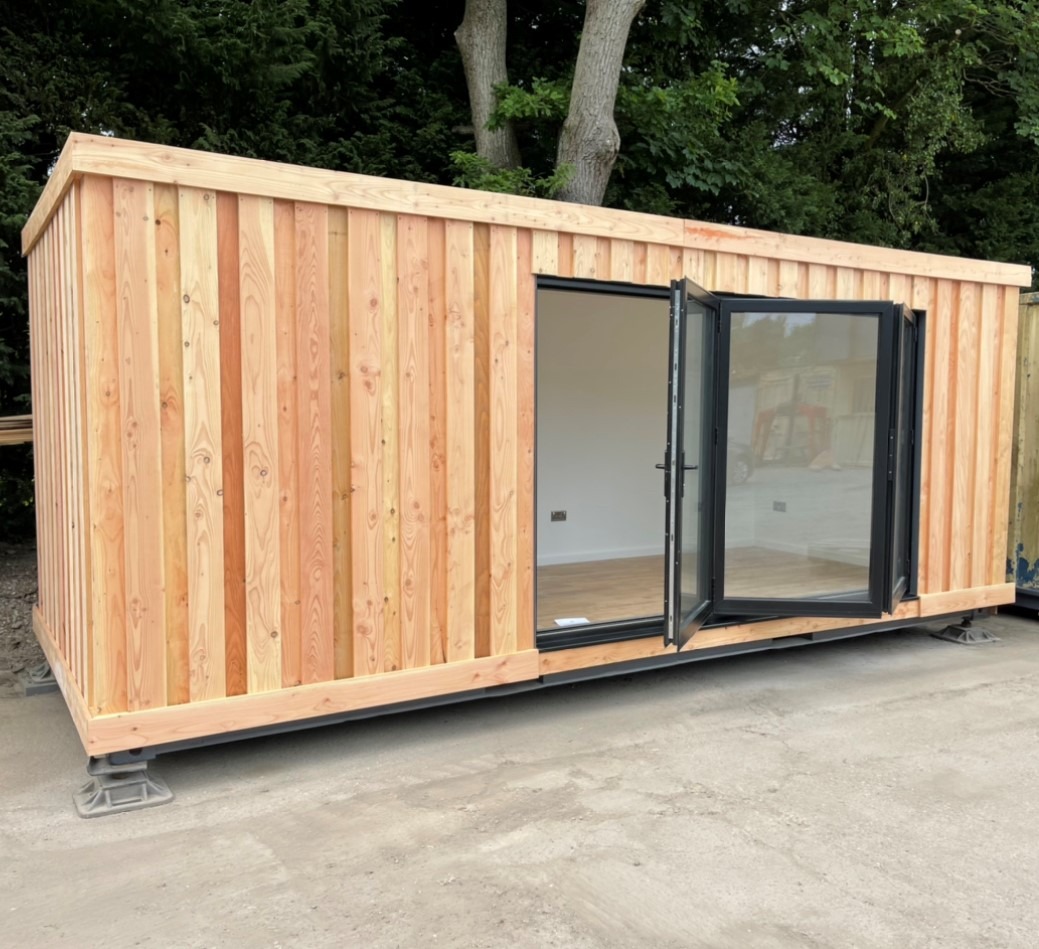
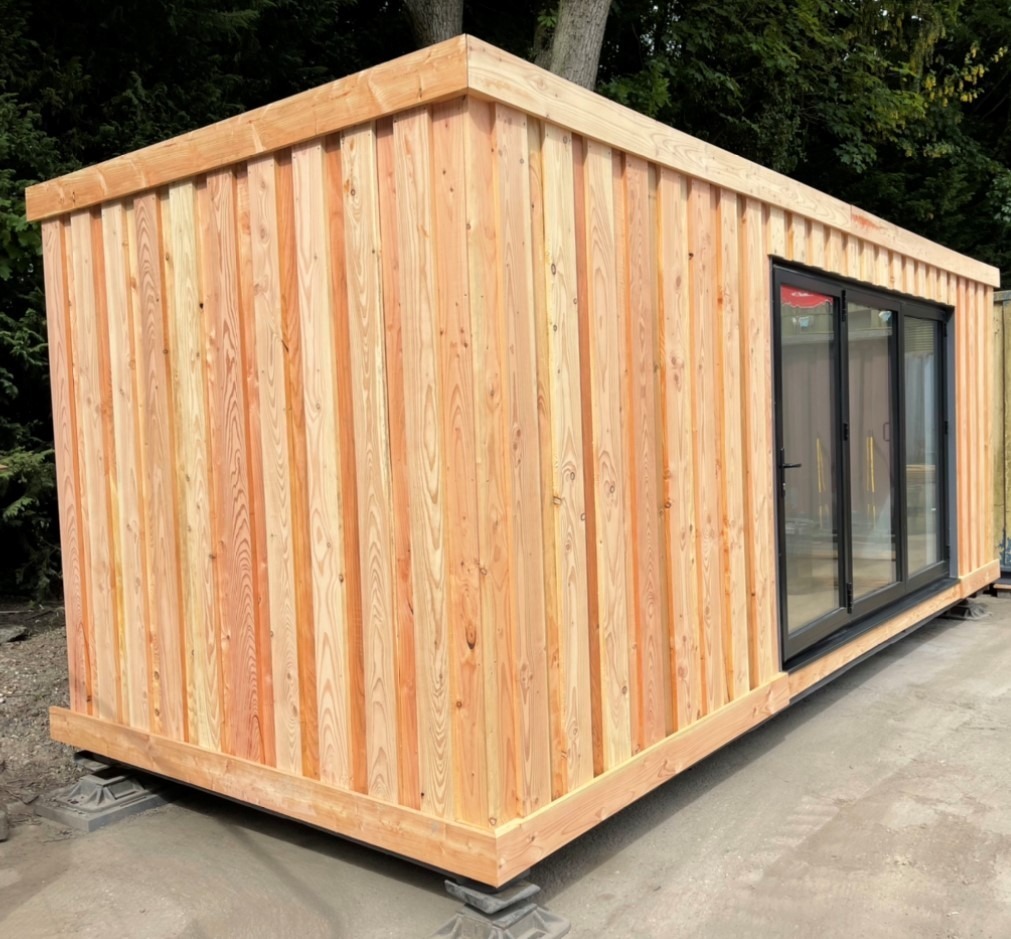
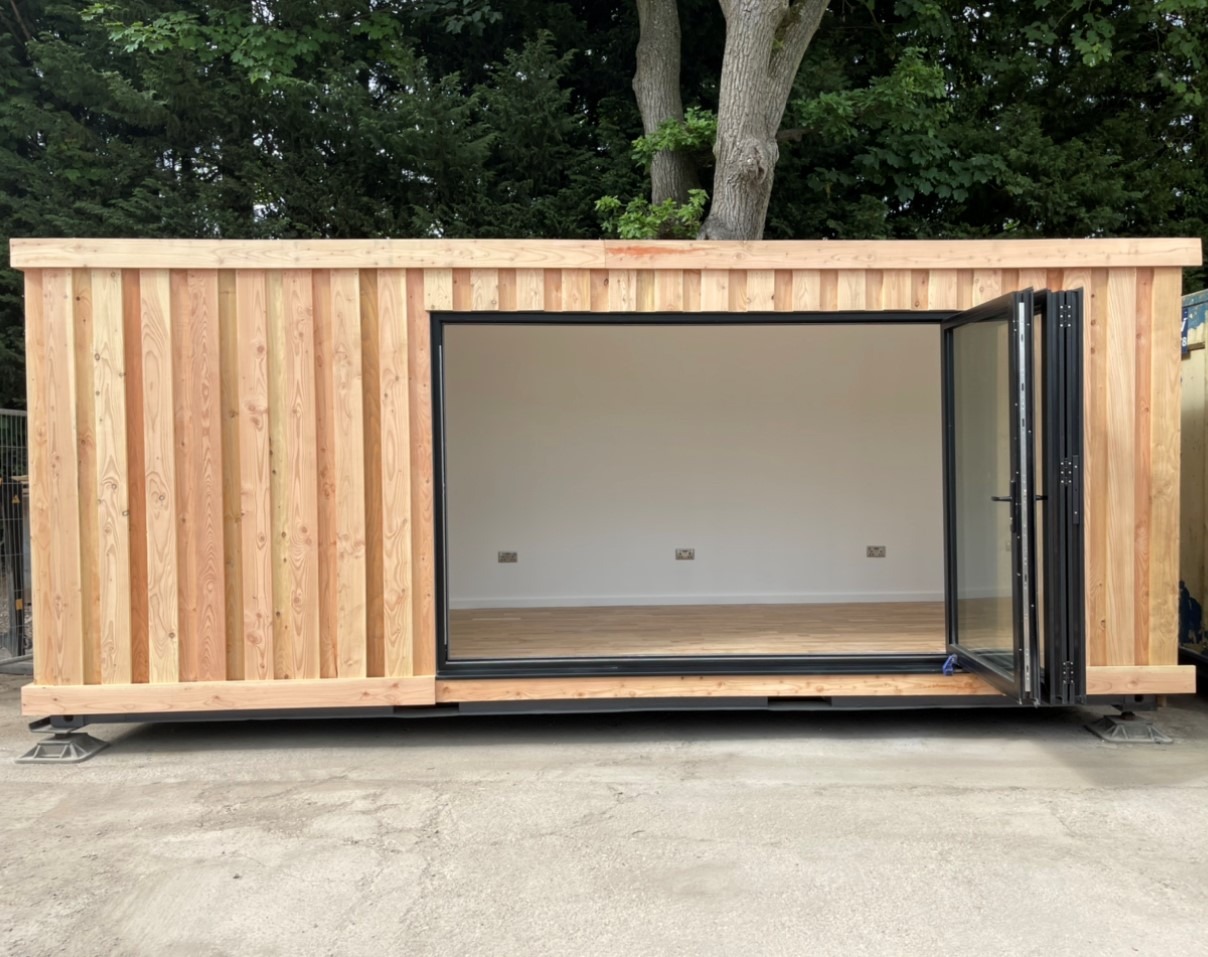
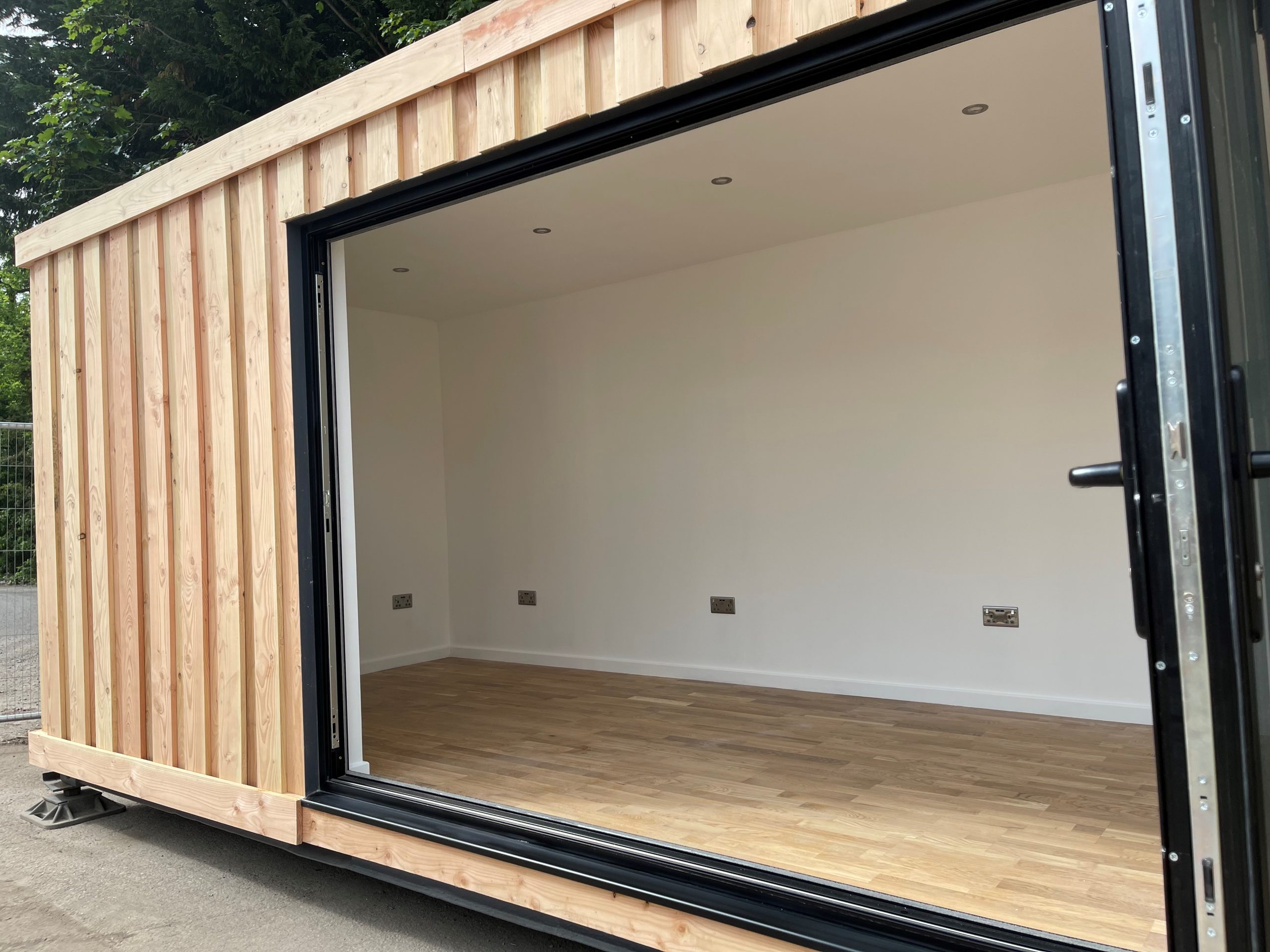
20ft x 8ft Container Office

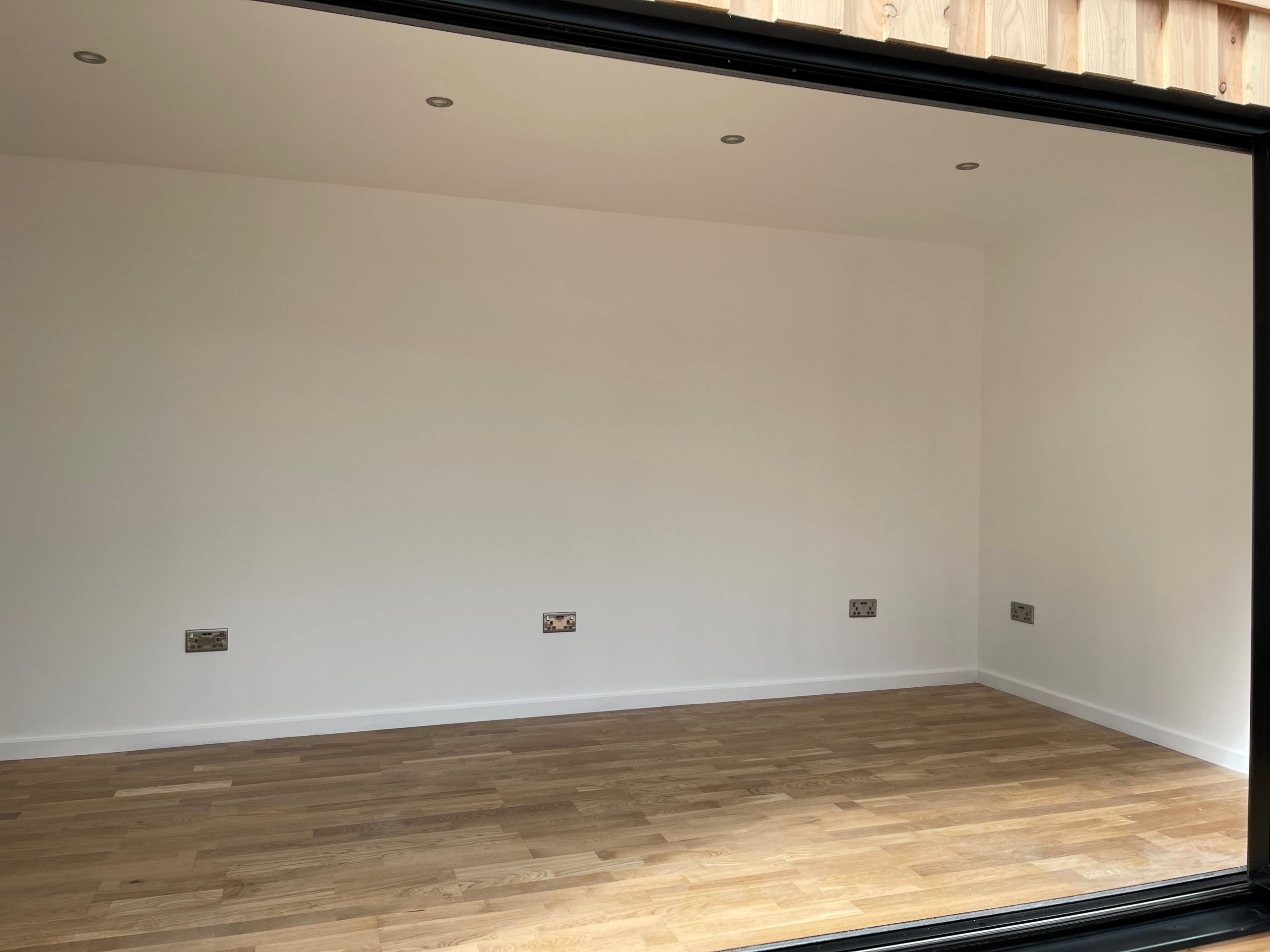
  • Fully Insulated with electric sockets, spot lighting, and heating

  • Wood Flooring

  • Aluminium Bi Fold Doors

  • Fully wrapped in larch cladding

  • Lead Time for build 6-8 weeks

Location: Nationwide


£16,500.00

+ VAT

Not Available for Hire

Call for an instant quote!

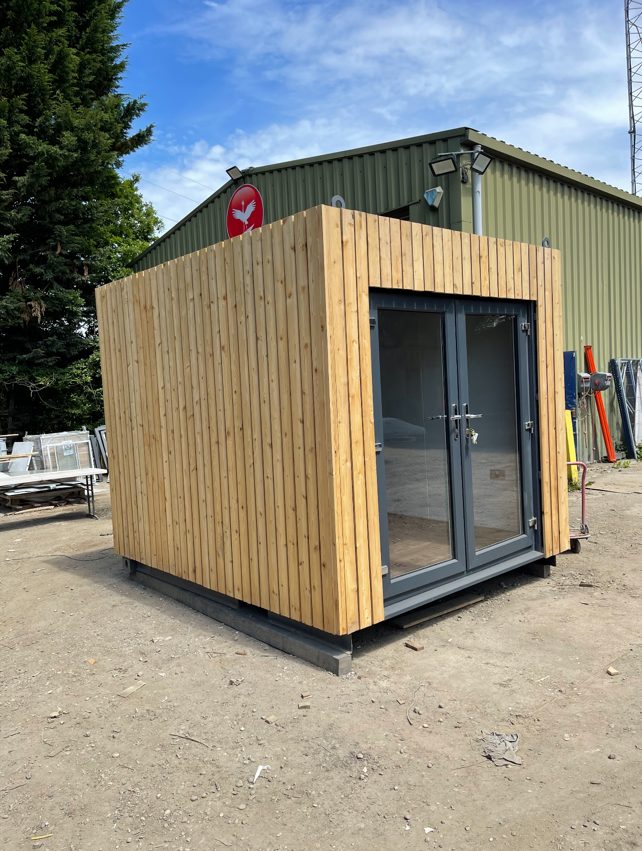
10ft x 8ft Container Conversion

  • Fully Insulated with electric sockets, spot lighting, and heating

  • Wood Flooring

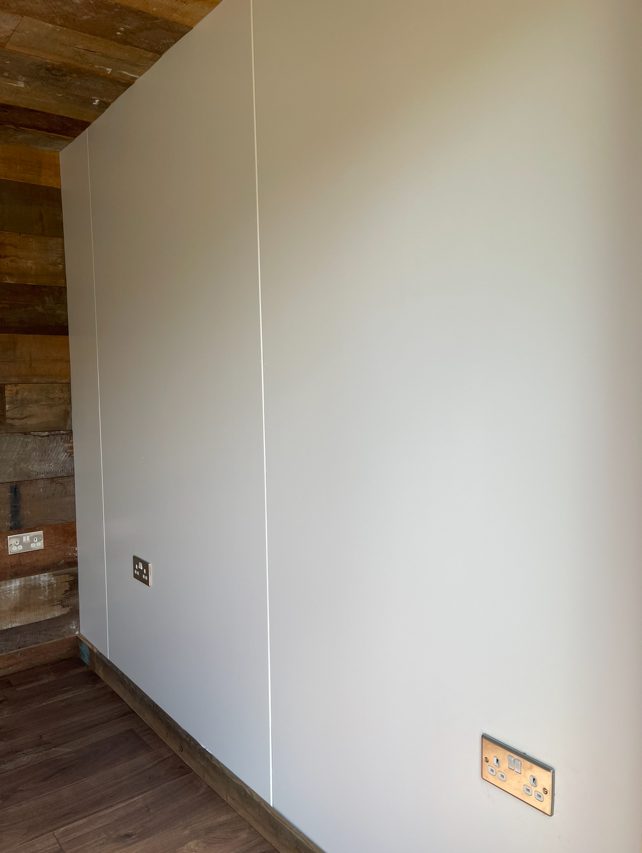
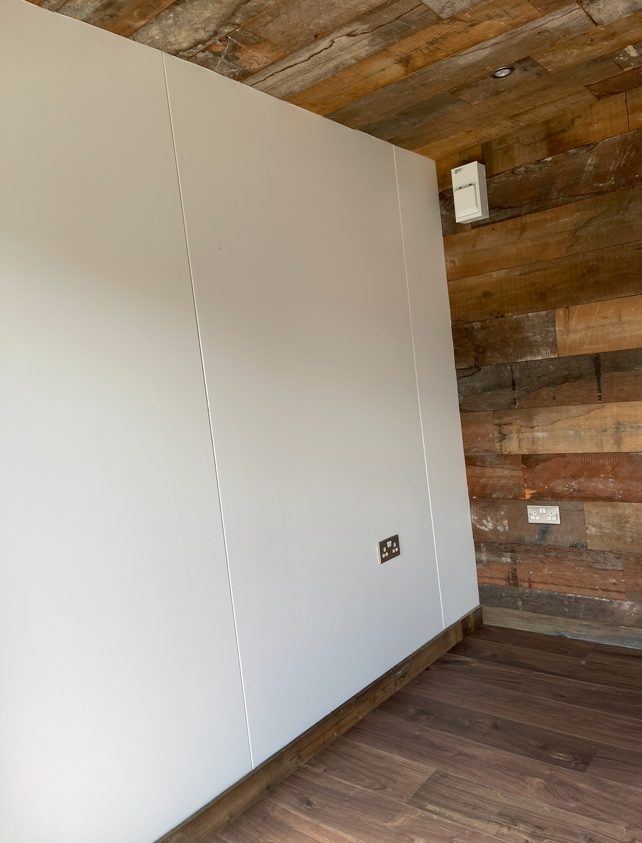
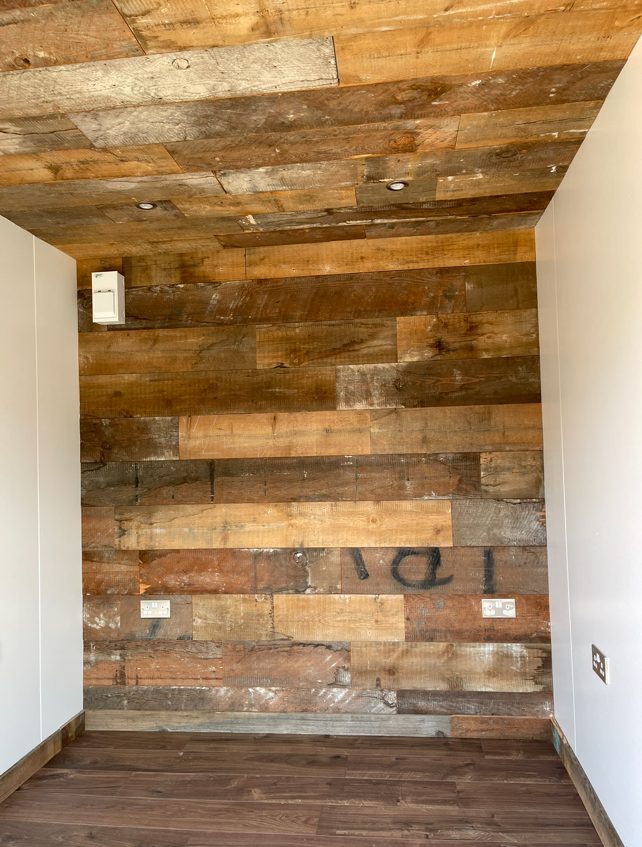
  • Feature Clad Wall and Ceiling

  • UPVC Double glazed French Doors

  • Fully wrapped in larch cladding

  • Lead Time for build 6-8 weeks

Location: Nationwide


£12,500.00

EX VAT

Not Available for Hire

Call for an instant quote!

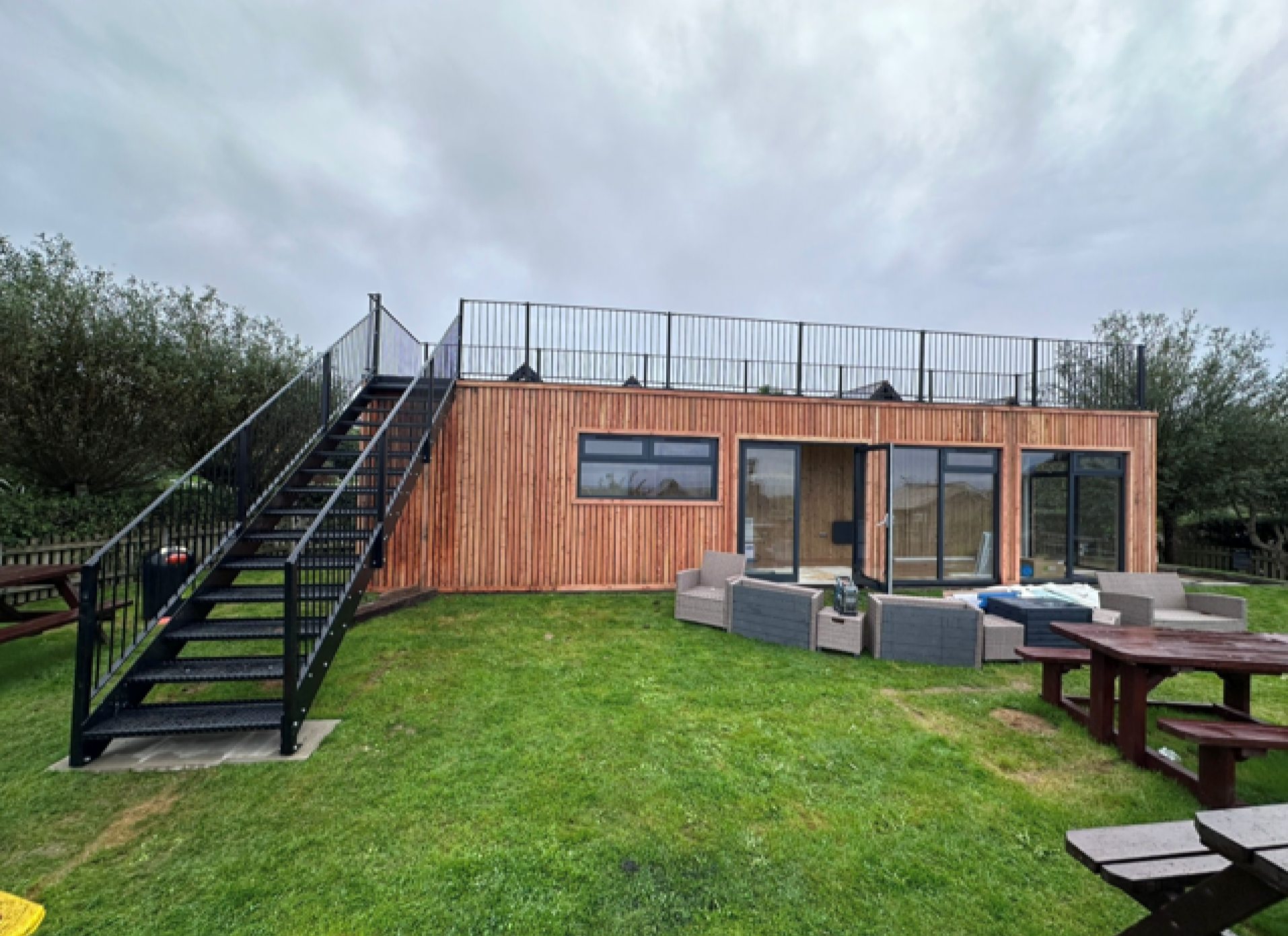
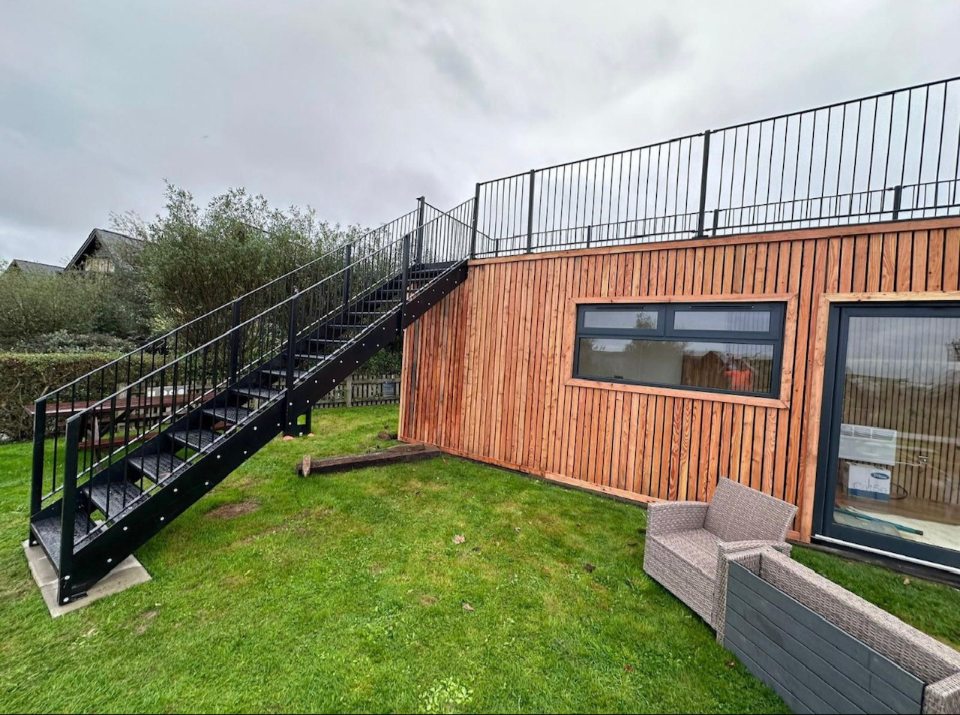
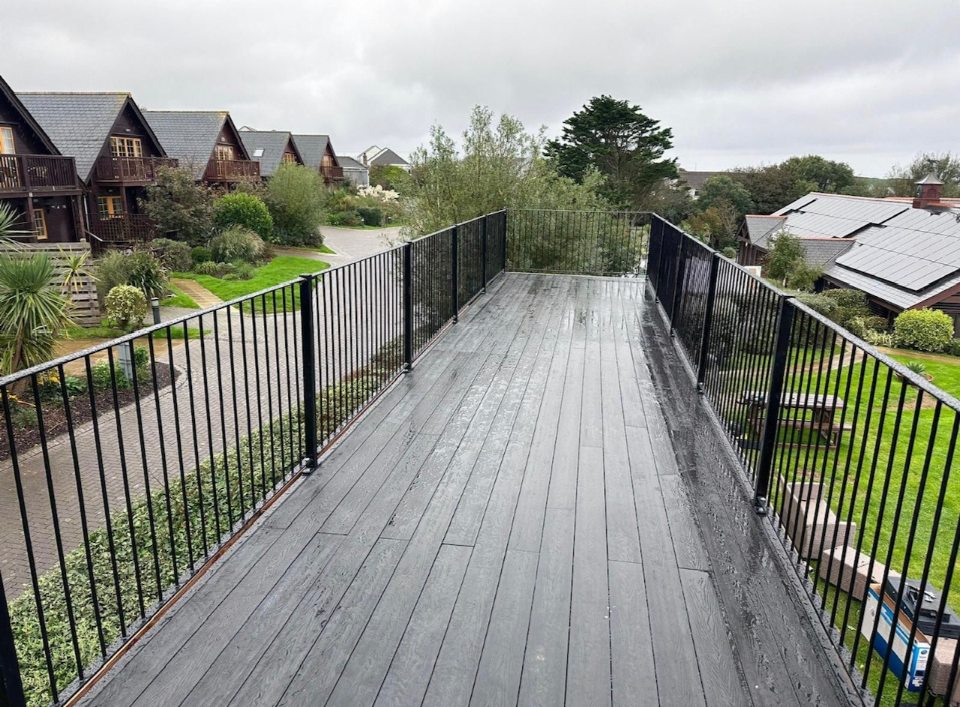
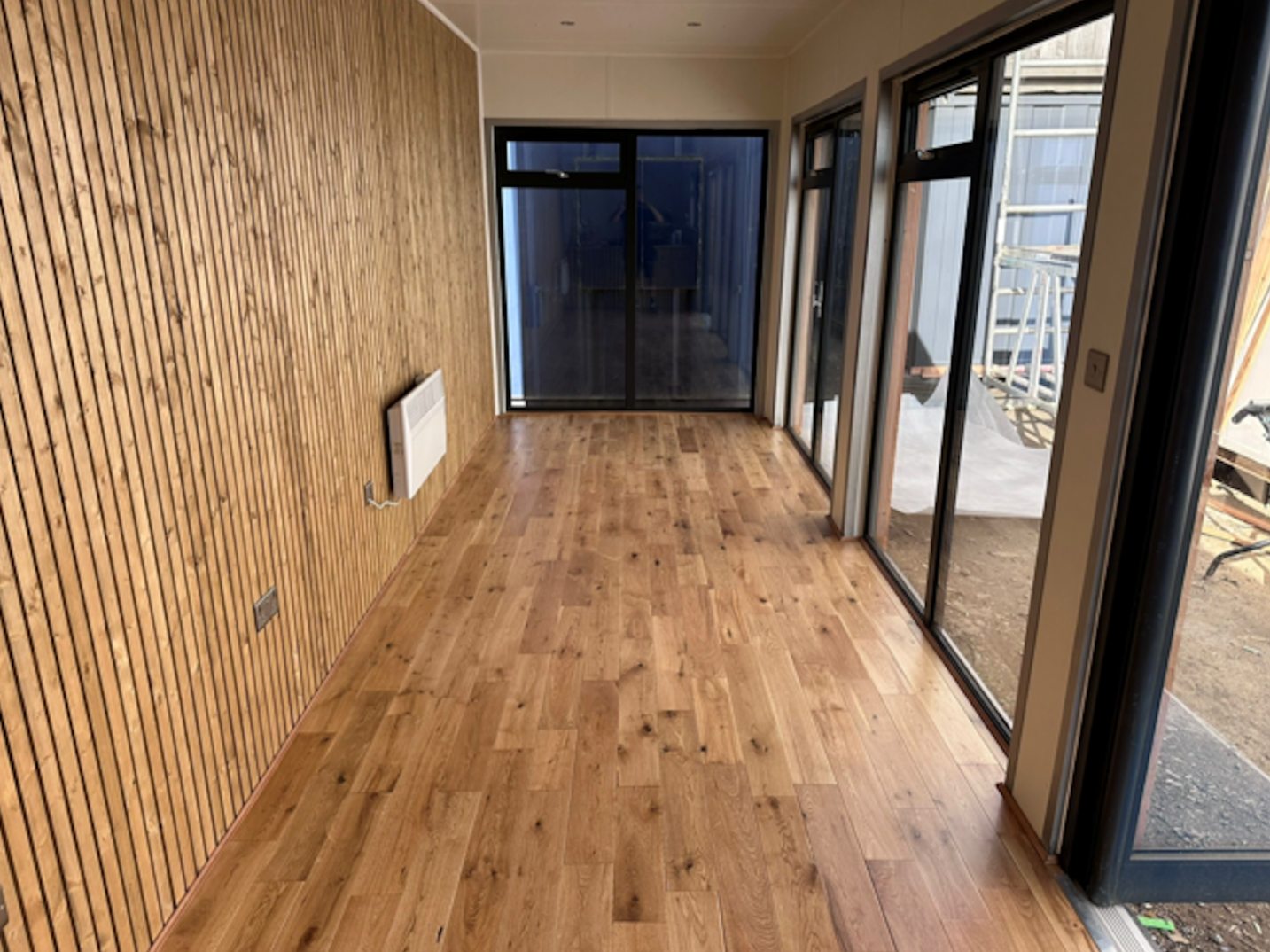
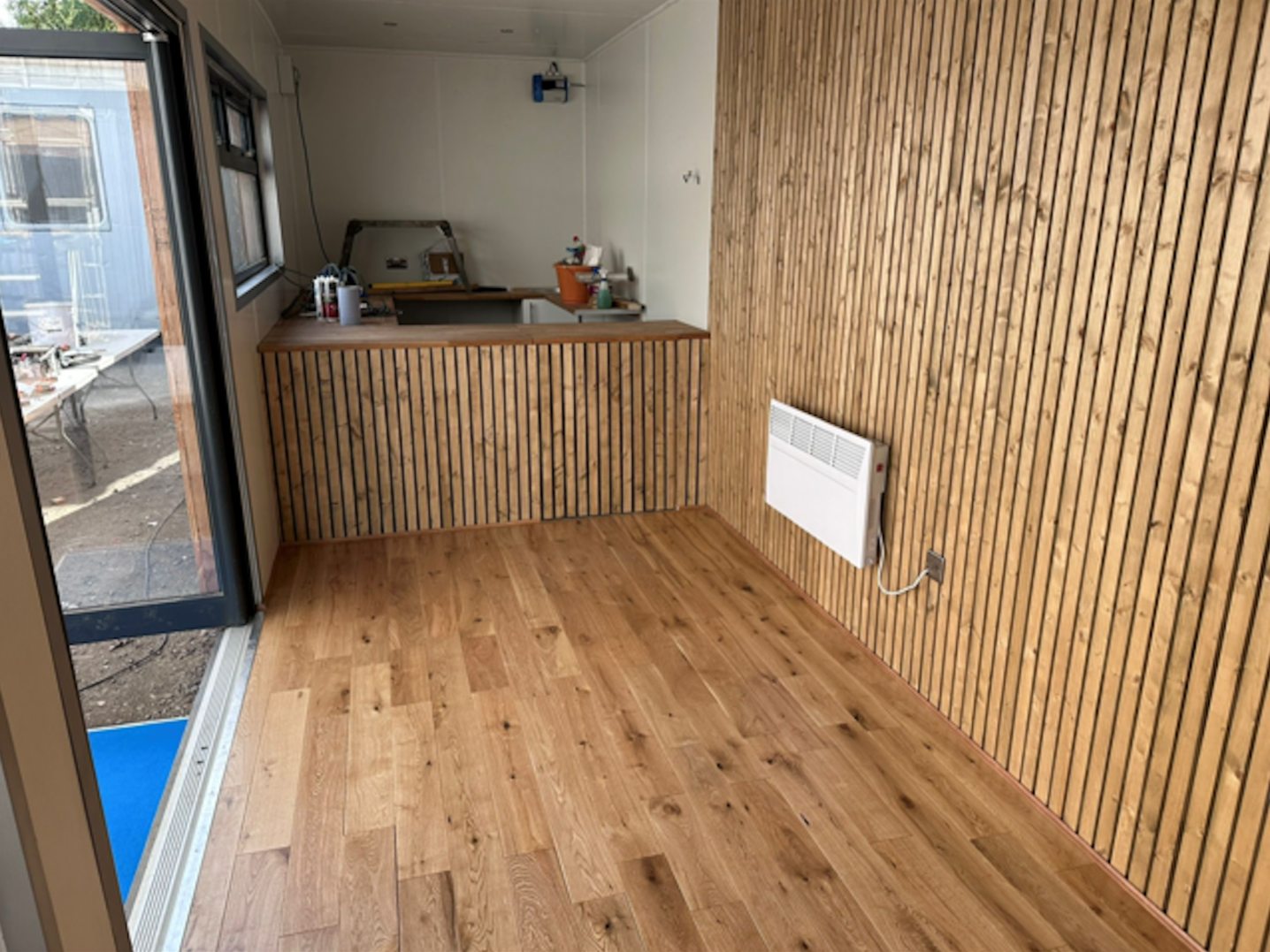
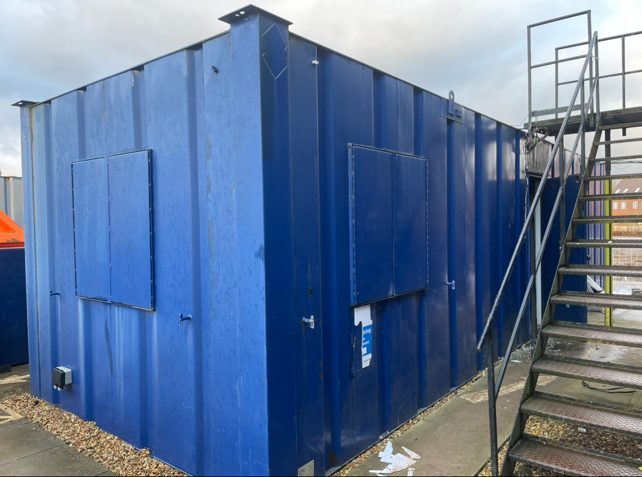
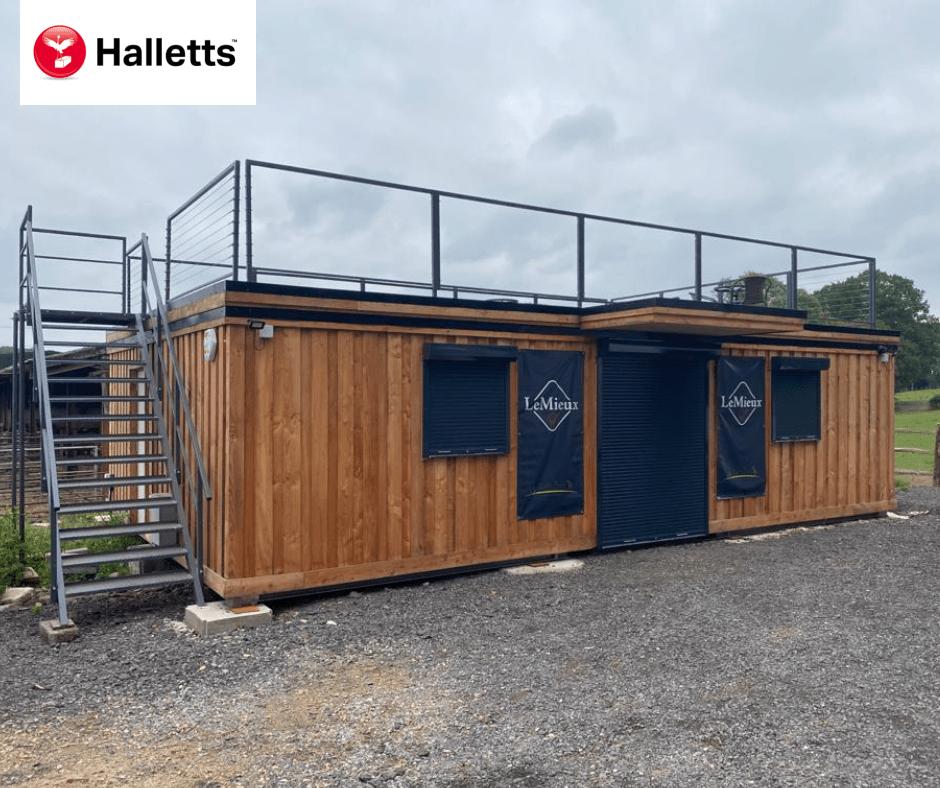
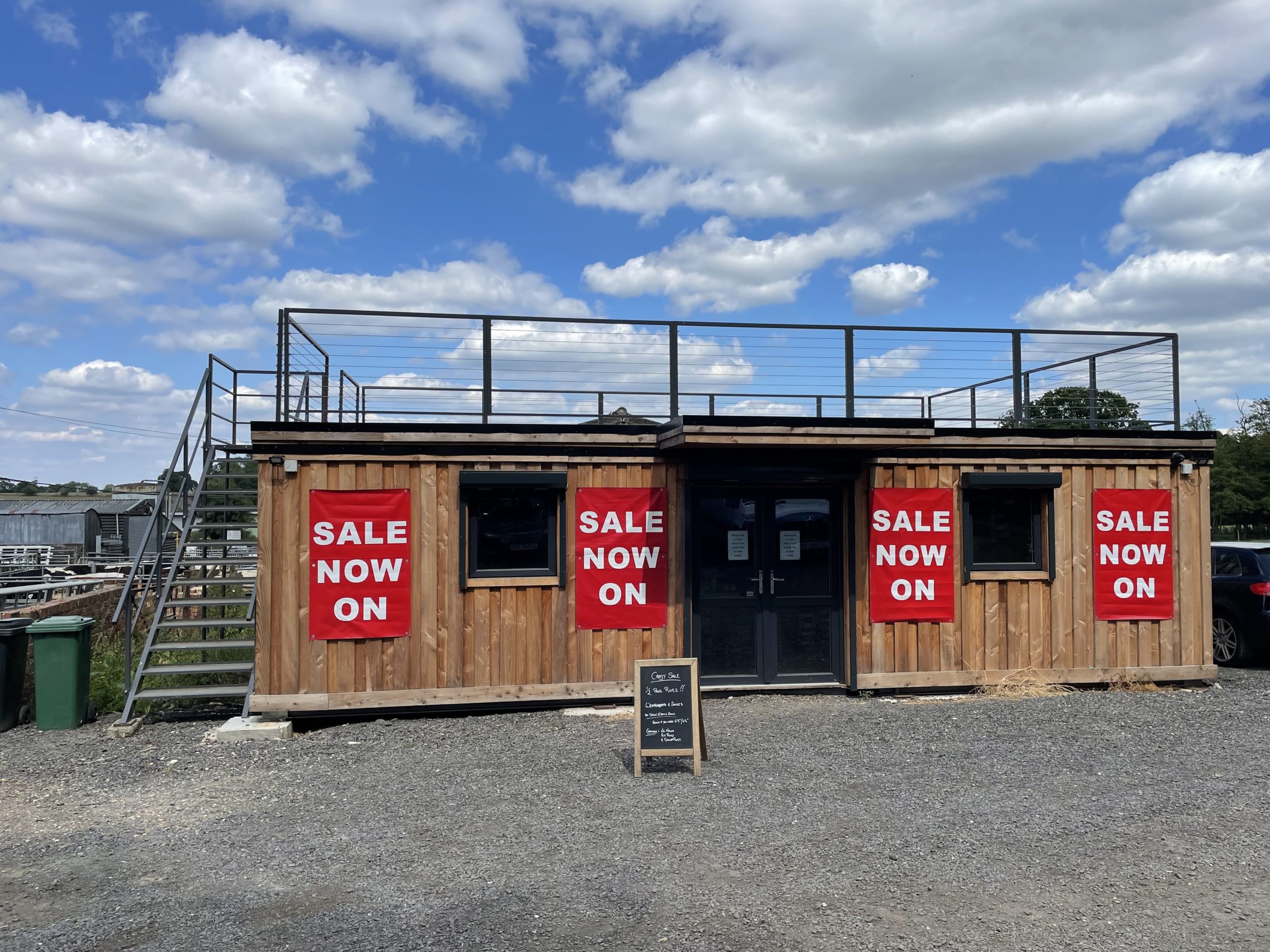
40ft x 8ft Rooftop Container Bar

  • 40ft x 8ft Rooftop Container Bar
  • Fully Insulated with electric sockets, spot lighting, and heating
  • Built in Bar
  • Wood Flooring
  • Feature Larch Clad Wall
  • Aluminium double glazed premium windows and double French doors
  • Fully wrapped in larch cladding
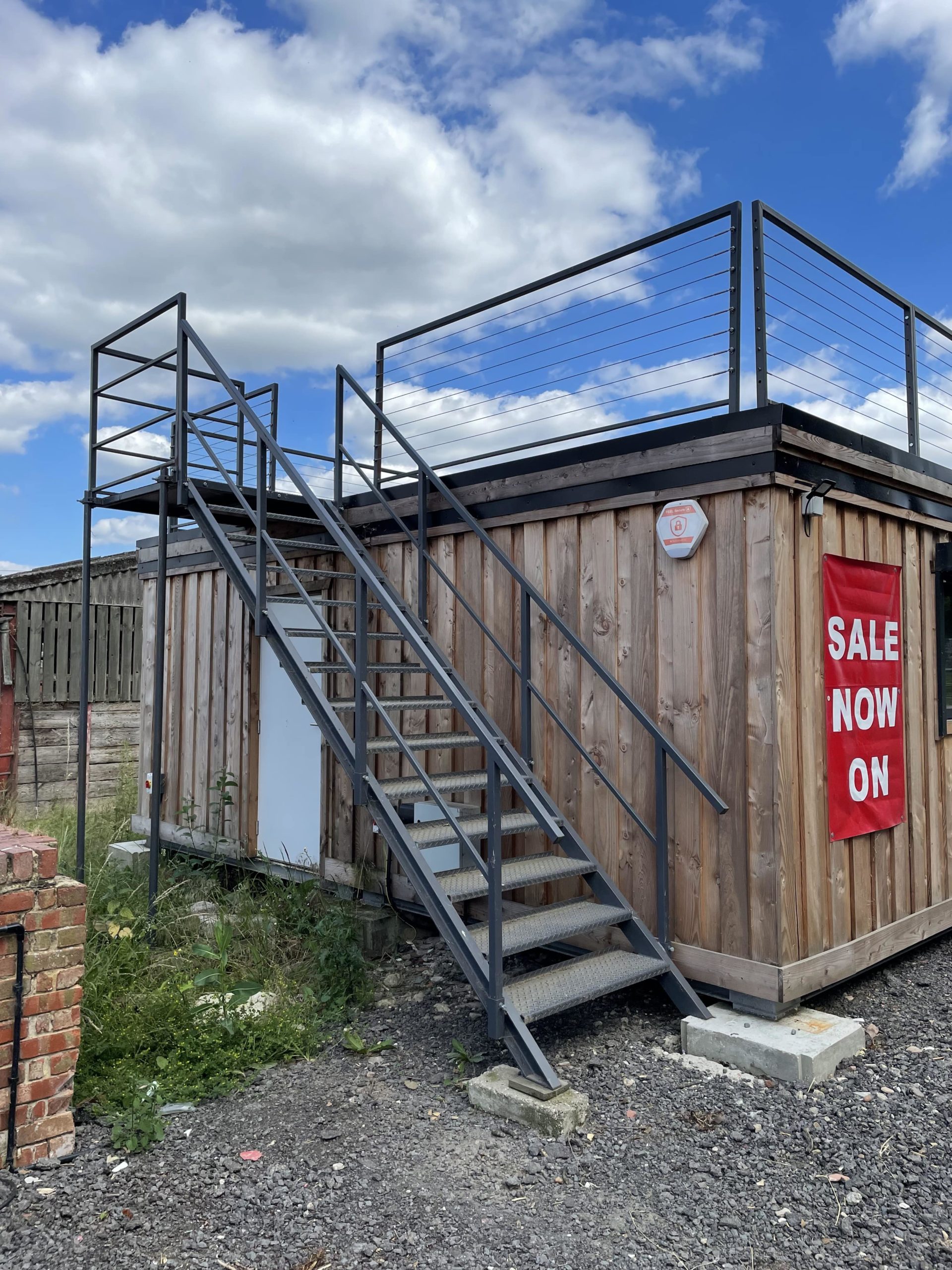
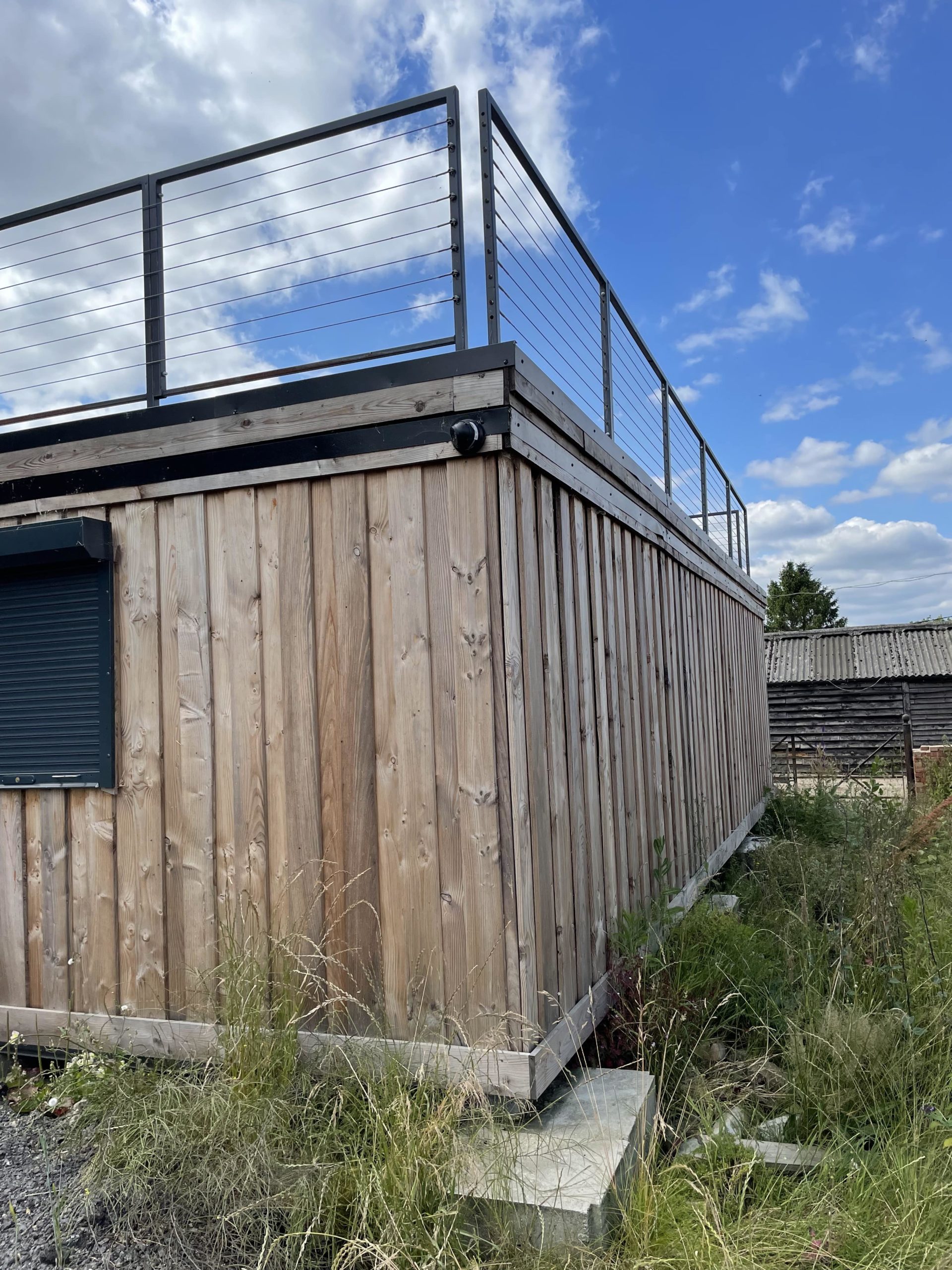
  • Steel staircase up to Rooftop terrace with full surrounding steel balustrade
  • Double container doors leading to cool room with Air Conditioning unit.
  • Lead Time for build 6-8 weeks

Location: Nationwide


£85,000.00

EX VAT

Not Available for Hire

Call for an instant quote!

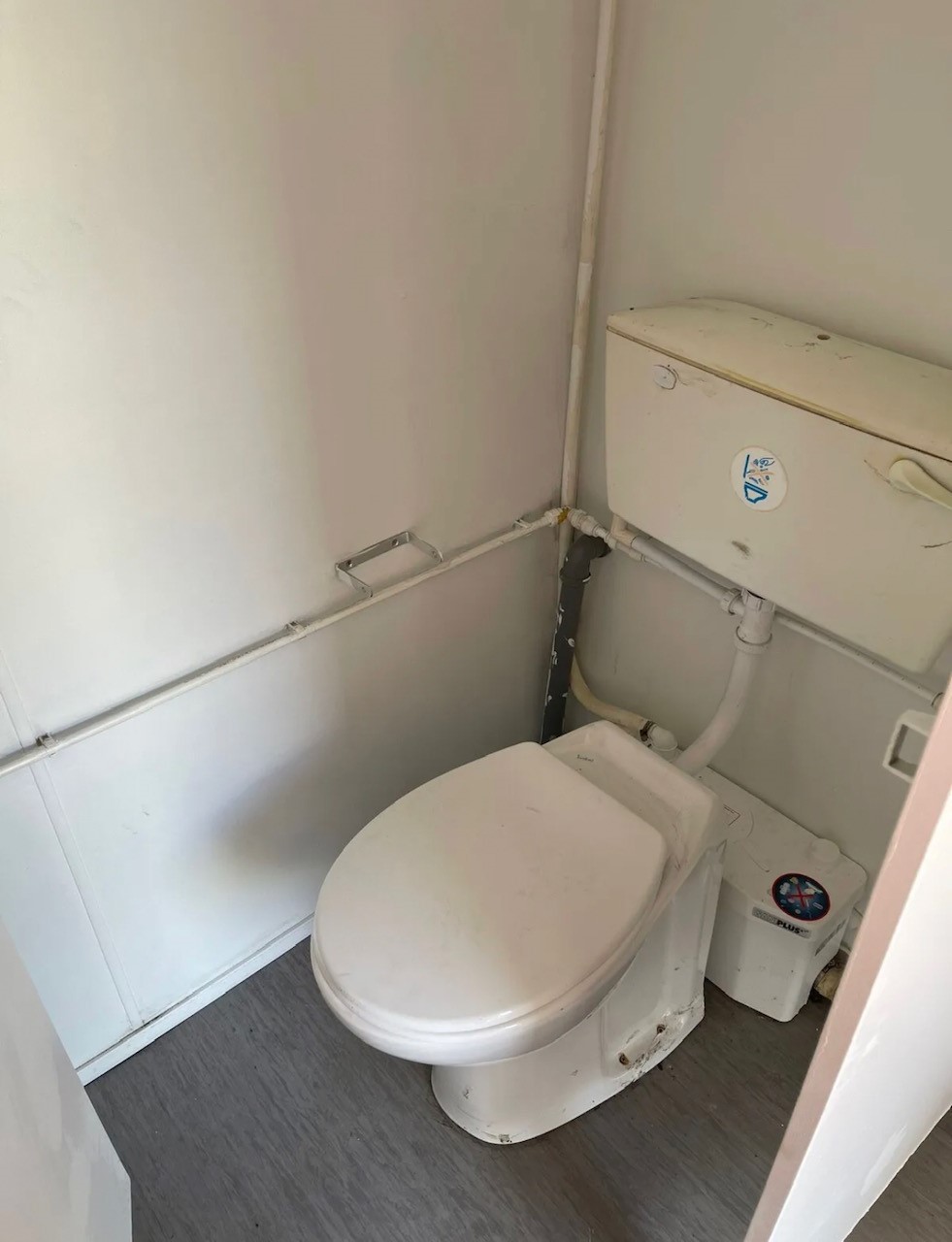
  • Fully Refurbished
  • Zinc Roof
  • Colour Light Grey (Other Colour Options Available)
  • New Flooring
  • New Electric Sockets, Lighting and Heating
  • New UPVC Large and Small Windows
  • New Kitchenette with Partition
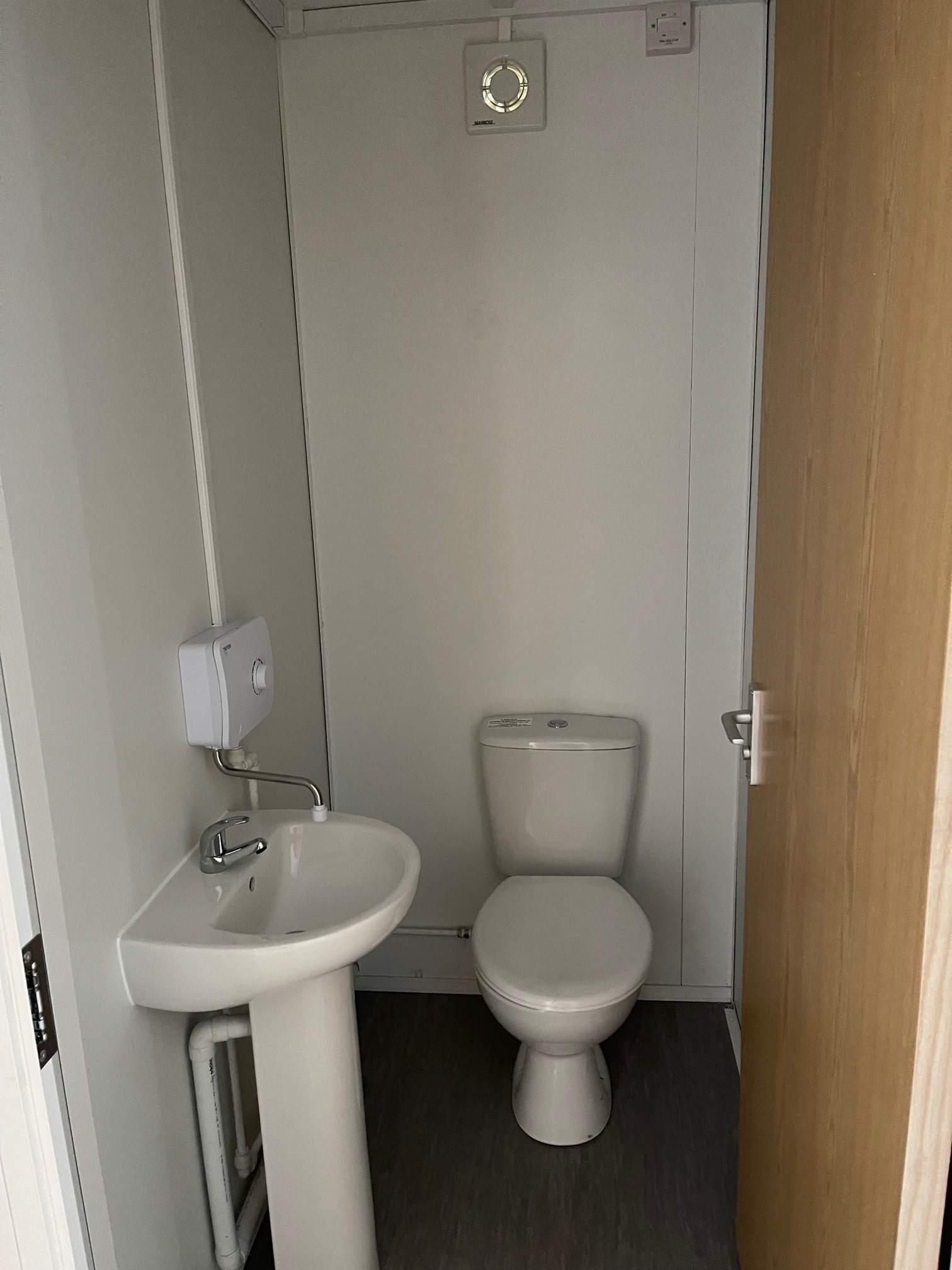
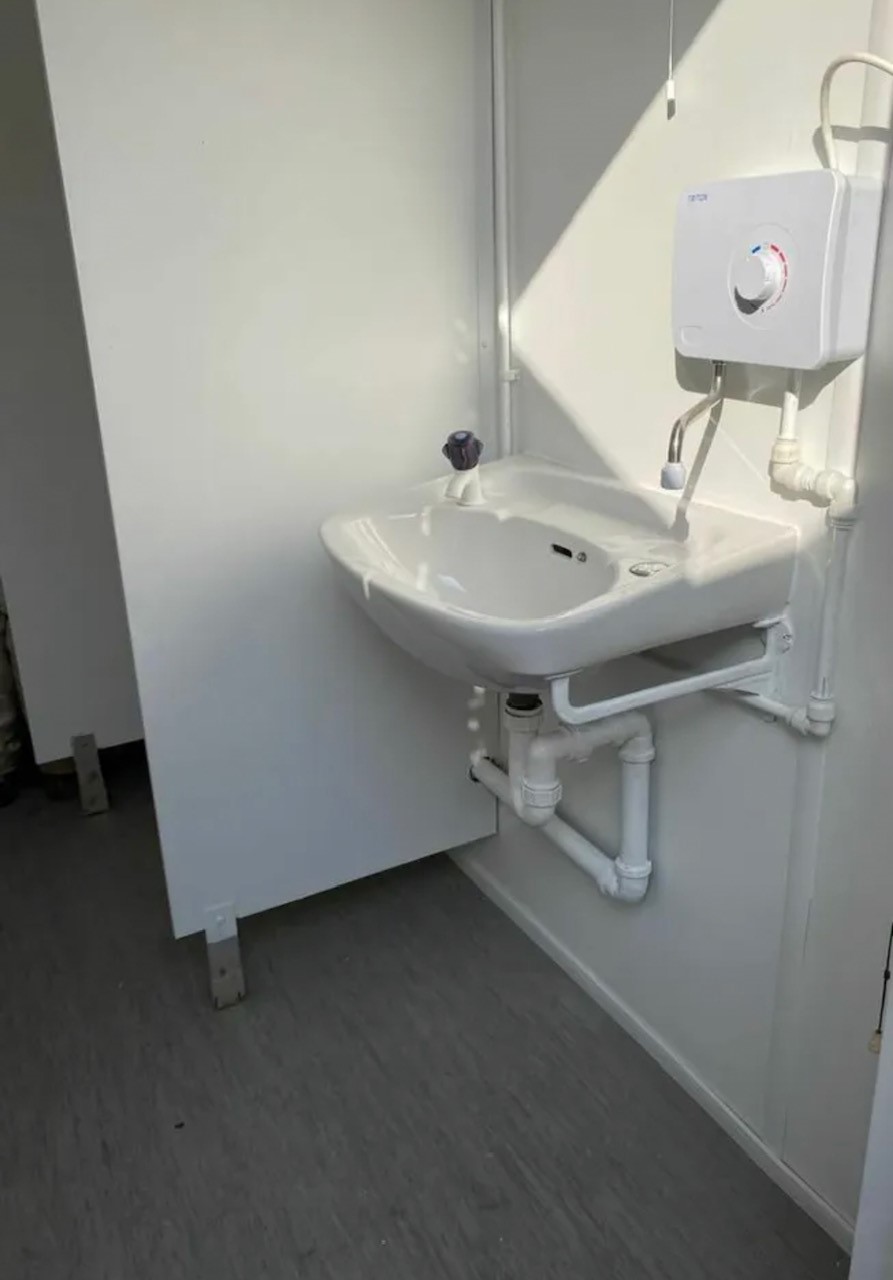
  • New Toilet Room with toilet, Sink, Water Heater and Fan

Location: Nationwide

£18,995

EX VAT

Not Available for Hire

Call for an instant quote!

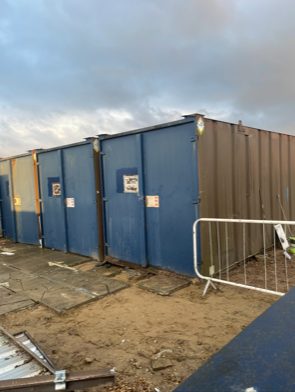
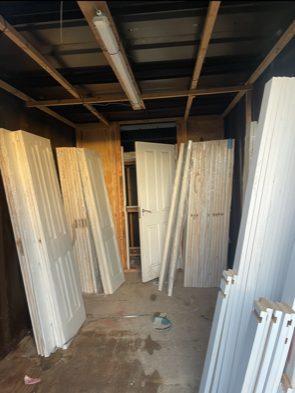
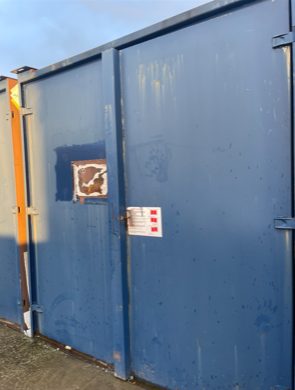
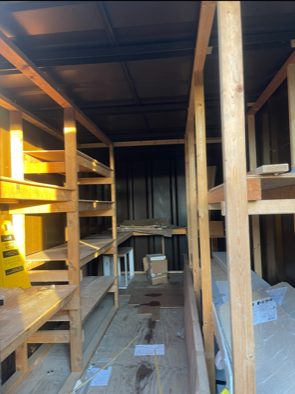
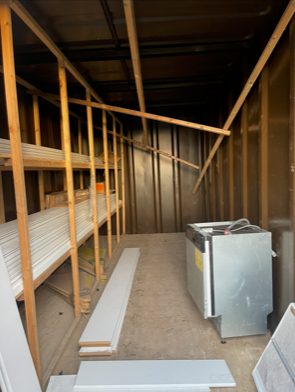
6 x 21ft x 8ft Container Stores

  • Wind and Water Tight
  • Very Good Condition
  • Some have racking inside
  • Floorings all good
  • Contents not included

Location: Nationwide


£1,500

EX VAT

Not Available for Hire

Call for an instant quote!

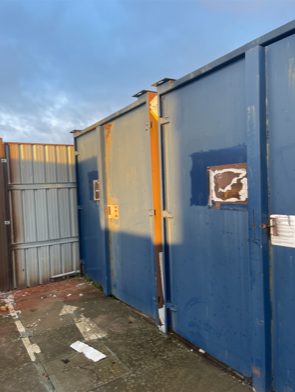
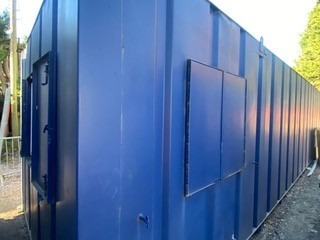
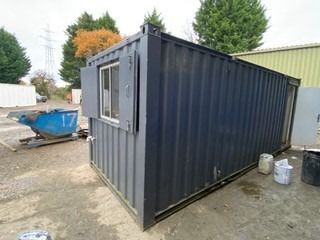
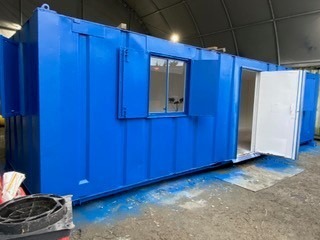
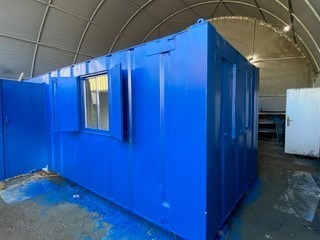
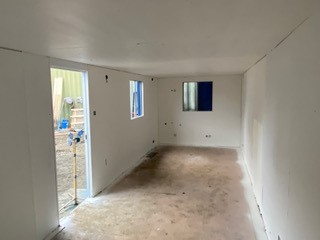
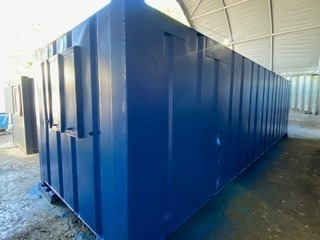
32ft x 10ft Anti Vandal Canteen in Blue

  • Used with electric sockets, lighting and heating
  • UPVC Double Glazed Windows
  • Furniture
  • Kitchenette 

Location: Nationwide


£4,995

EX VAT

Not Available for Hire

Call for an instant quote!

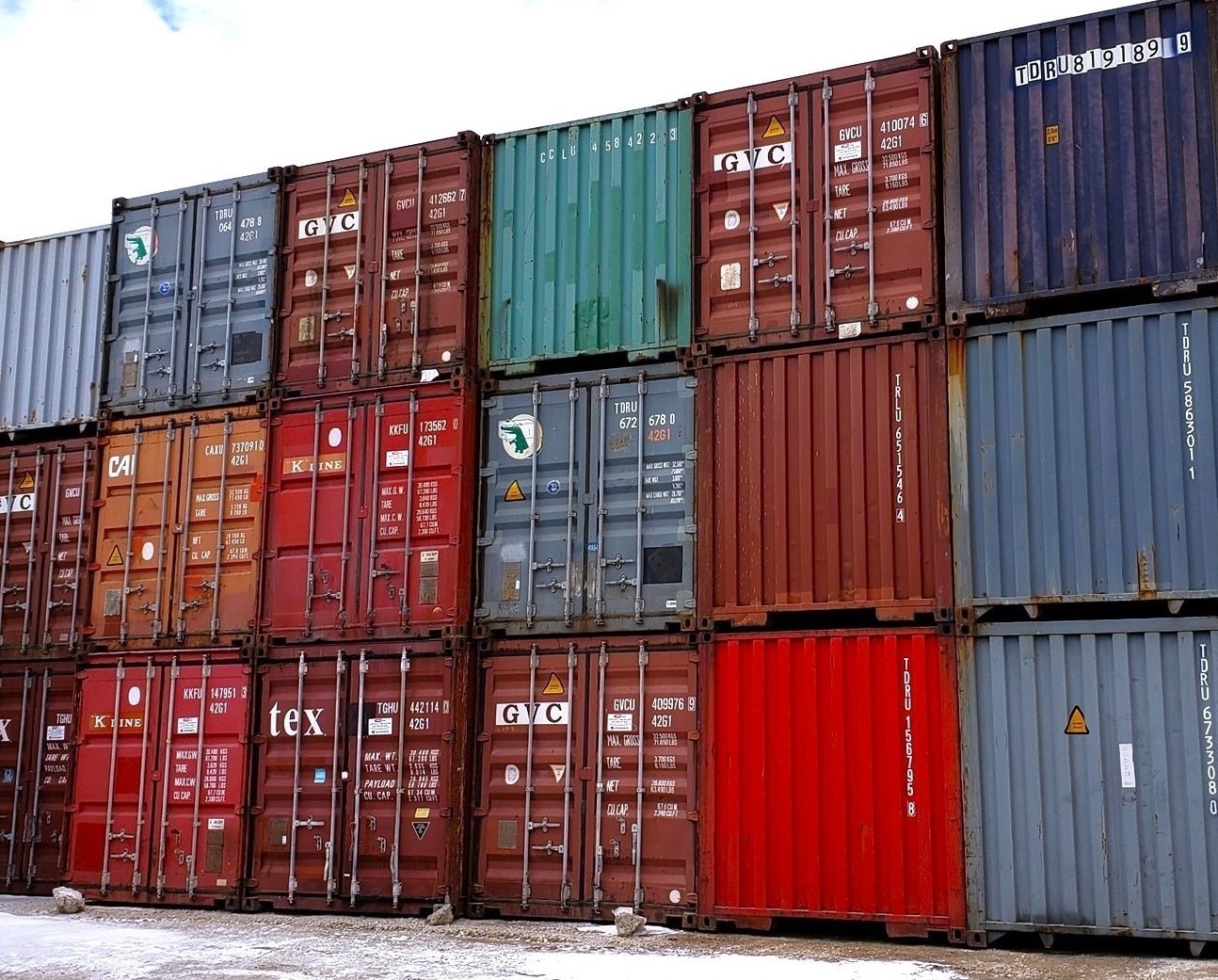
20ft Used Shipping Containers

  • Wind and Water Tight
  • Doors in good working Order
  • Random Selection
  • Lock Box and Lock additional cost.

Location: Nationwide


£1,500

EX VAT

Not Available for Hire

Call for an instant quote!

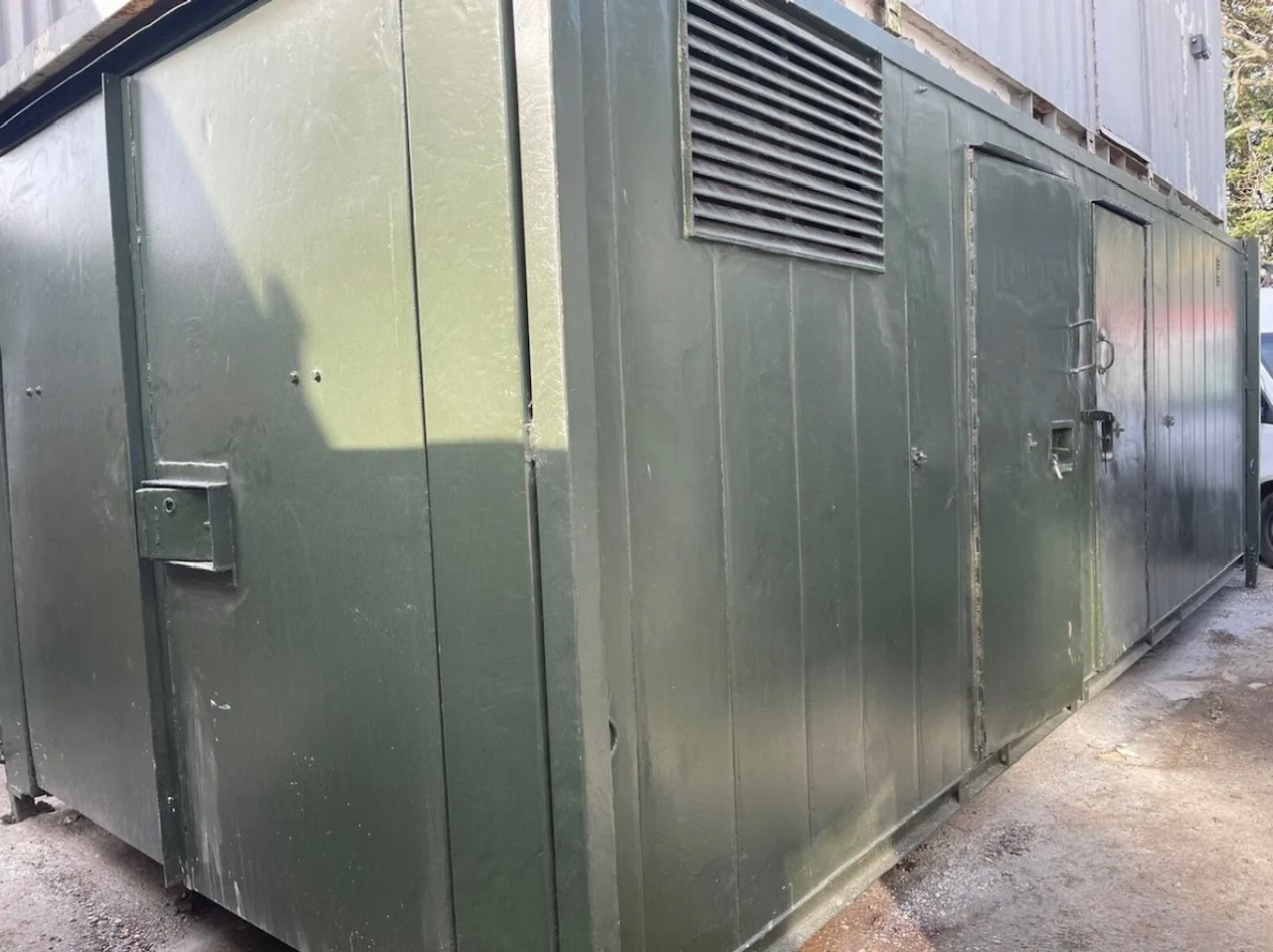
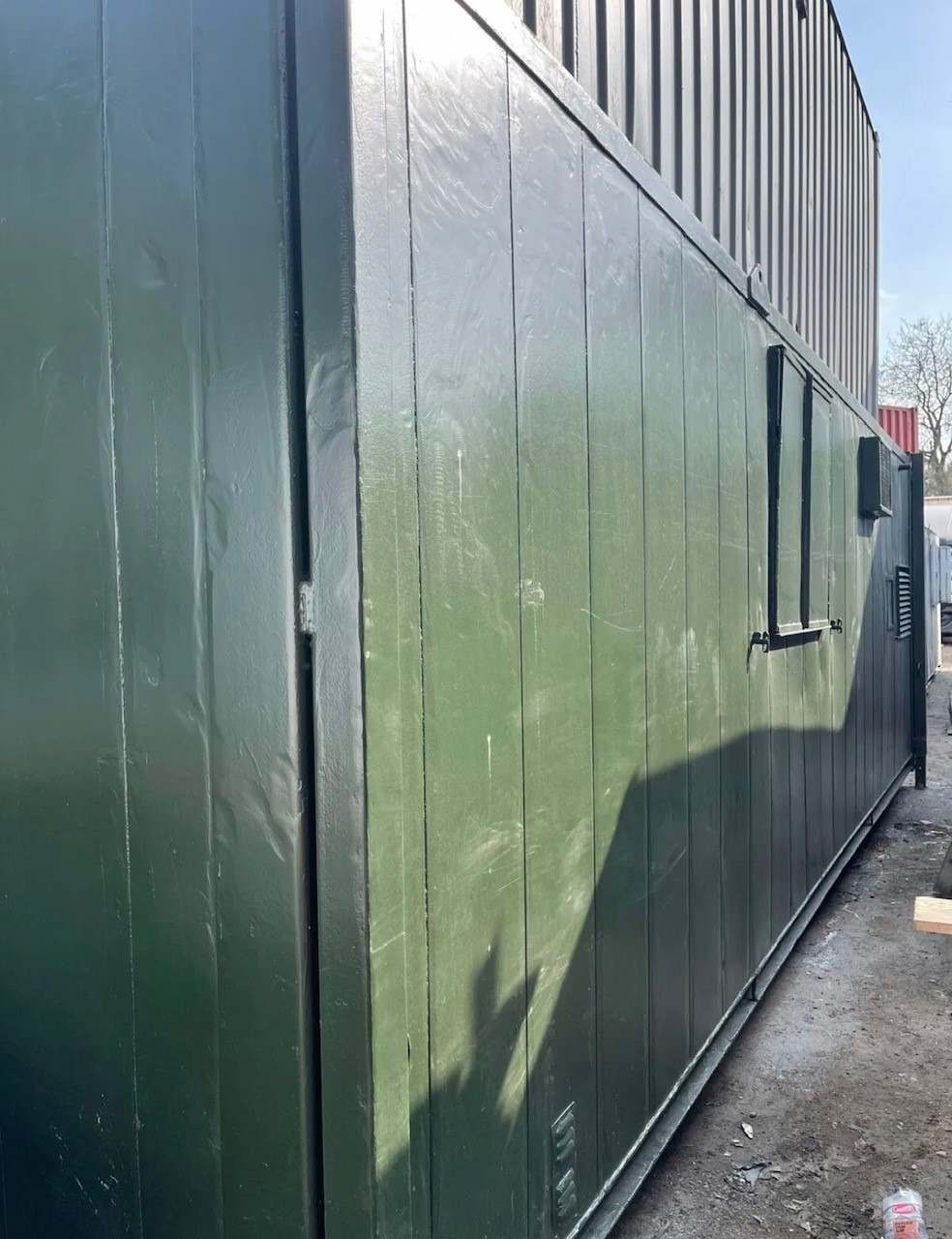
24ft x 10ft Jack Leg Anti Vandal Canteen/Toilet/Storage

  • Split entrance for Canteen room and WC which includes single cubical, urinal and sink.
  • Container door end with storage.
  • Electric Sockets, Lighting and Heating
  • Fitted Floor to Ceiling Cupboards
  • Colour: Dark Green

Location: Nationwide


£5,000

EX VAT

Not Available for Hire

Call for an instant quote!

40ft x 12ft Jack Leg Genuine Portakabin Pullman

  • 2 x Offices, Canteen and WC
  • Electric Sockets, Lighting and Heating
  • Colour: Light Grey
  • Full or Part Refurbishment option is available please ask.

Location: Nationwide


£9,500

EX VAT

Not Available for Hire

Call for an instant quote!

32ft x 10ft Anti Vandal Split Canteen/Office

  • Canteen approx 10ft – Office approx 22ft
  • Electric Sockets, Lighting and Heating
  • UPVC Double Glazing
  • Colour: Dark Blue

Location: Nationwide


£5,500

EX VAT

Not Available for Hire

Call for an instant quote!

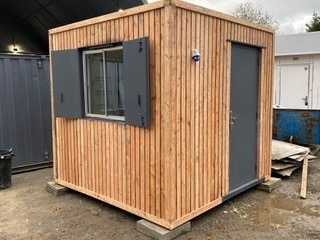
8ft x 8ft Anti Vandal Gate House/Office

  • Open Plan
  • Electric Sockets, Lighting and Heating
  • Colour: Clad in New Larch Timber

Location: Nationwide


£5,500

EX VAT

Not Available for Hire

Call for an instant quote!

20ft x 10ft Anti Vandal Sleeper Unit

  • Split sides with two entrances, each side has its own room and Shower Toilet Facility
  • Electric Sockets, Lighting and Heating
  • Colour: Dark Grey

Location: Nationwide


£6,500

EX VAT

Not Available for Hire

Call for an instant quote!

21ft x 8ft Anti Vandal Canteen

  • Open Plan
  • Electric Sockets, Lighting and Heating, Hot water Unit + kitchen with cupboards and work top.
  • Colour: Dark Grey 

Location: Nationwide


£4,200

EX VAT

Not Available for Hire

Call for an instant quote!

30ft x 9ft Anti Vandal Fire Rated Office

  • Open Plan Refurbished
  • Electric Sockets, Lighting and Heating
  • Colour: Dark Blue

Location: Nationwide


£6,500

EX VAT

Not Available for Hire

Call for an instant quote!

24ft x 9ft Anti Vandal Office

  • Open Plan
  • Electric Sockets, Lighting and Heating
  • Colour: Dark Grey

Location: Nationwide


£4,200

EX VAT

Not Available for Hire

Call for an instant quote!

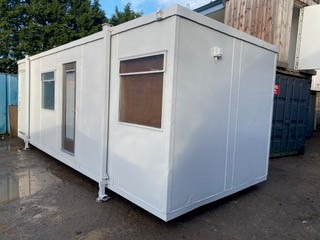
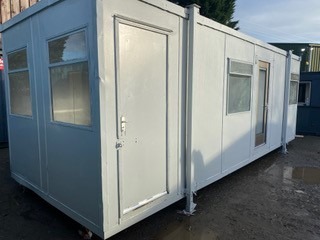
22ft x 9ft Jack Leg Portable Cabin

  • 22ft x 9ft Jack Leg Portable Cabin
  • Open Plan
  • Electric Sockets, Lighting and Heating
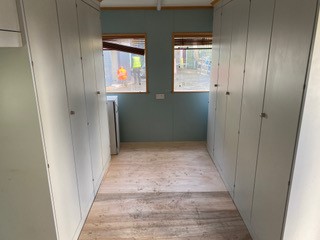
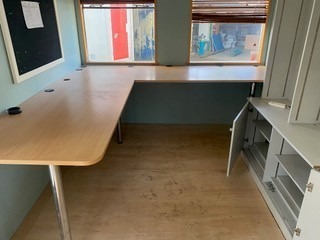
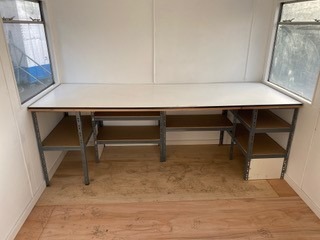
  • Fitted Desk and Floor to Ceiling Cupboards
  • Colour: Light Grey

Location: Nationwide


£4,995

EX VAT

Not Available for Hire

Call for an instant quote!

24ft x 9ft Jack Leg Portable Cabin

  • 24ft x 9ft Jack Leg Portable Cabin
  • Split Offices with two entrances
  • Electric Sockets, Lighting and Heating
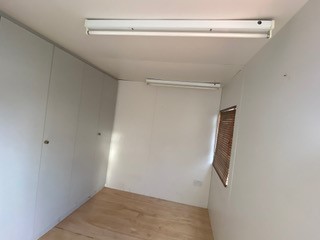
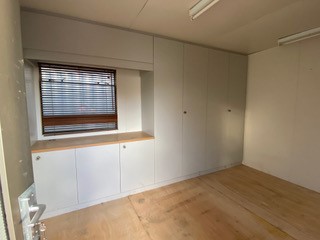
  • Fitted Floor to Ceiling Cupboards
  • Colour: Light Grey

Location: Nationwide


£5,500

EX VAT

Not Available for Hire

Call for an instant quote!

10ftx8ft – £5950 + Vat / 16ftx8ft – £7950 + Vat / 20ftx8ft – £9000 + Vat / 24ftx8ft – £12000 + Vat / 30ftx8ft – £13500 + Vat

  • Reinforced doors and windows with secure locking
  • Open plan with electric sockets and lighting
  • Any Extras available: Canteen, Partitions, Toilets.

Location: Nationwide


From £5,950

EX VAT

Not Available for Hire

Call for an instant quote!

  •  Electric Sockets, Lighting and Heating
  •  Wind & watertight
  •  Sprayed Dark Grey

Location: Nationwide


£4,995

EX VAT

Not Available for Hire

Call for an instant quote!

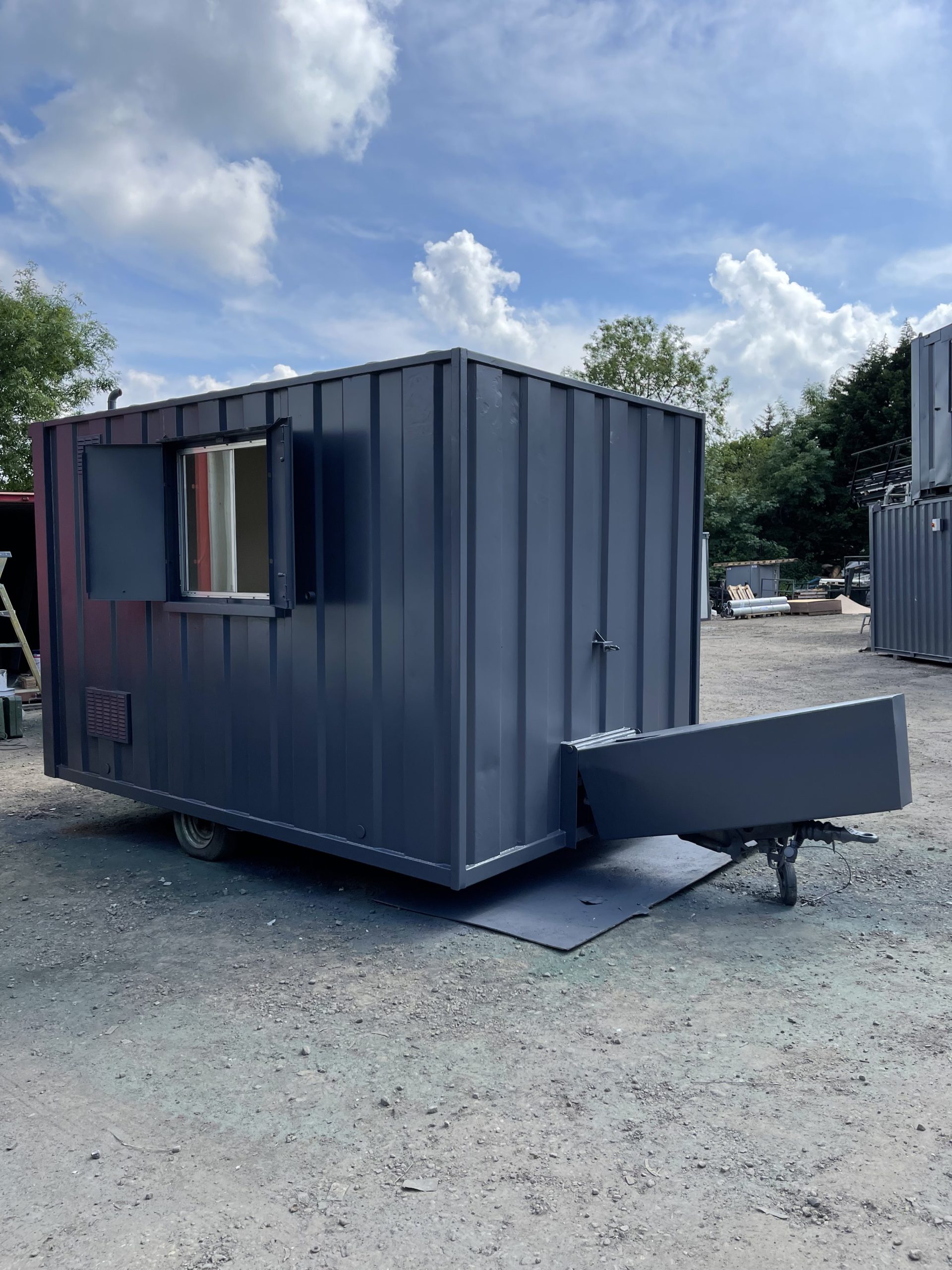
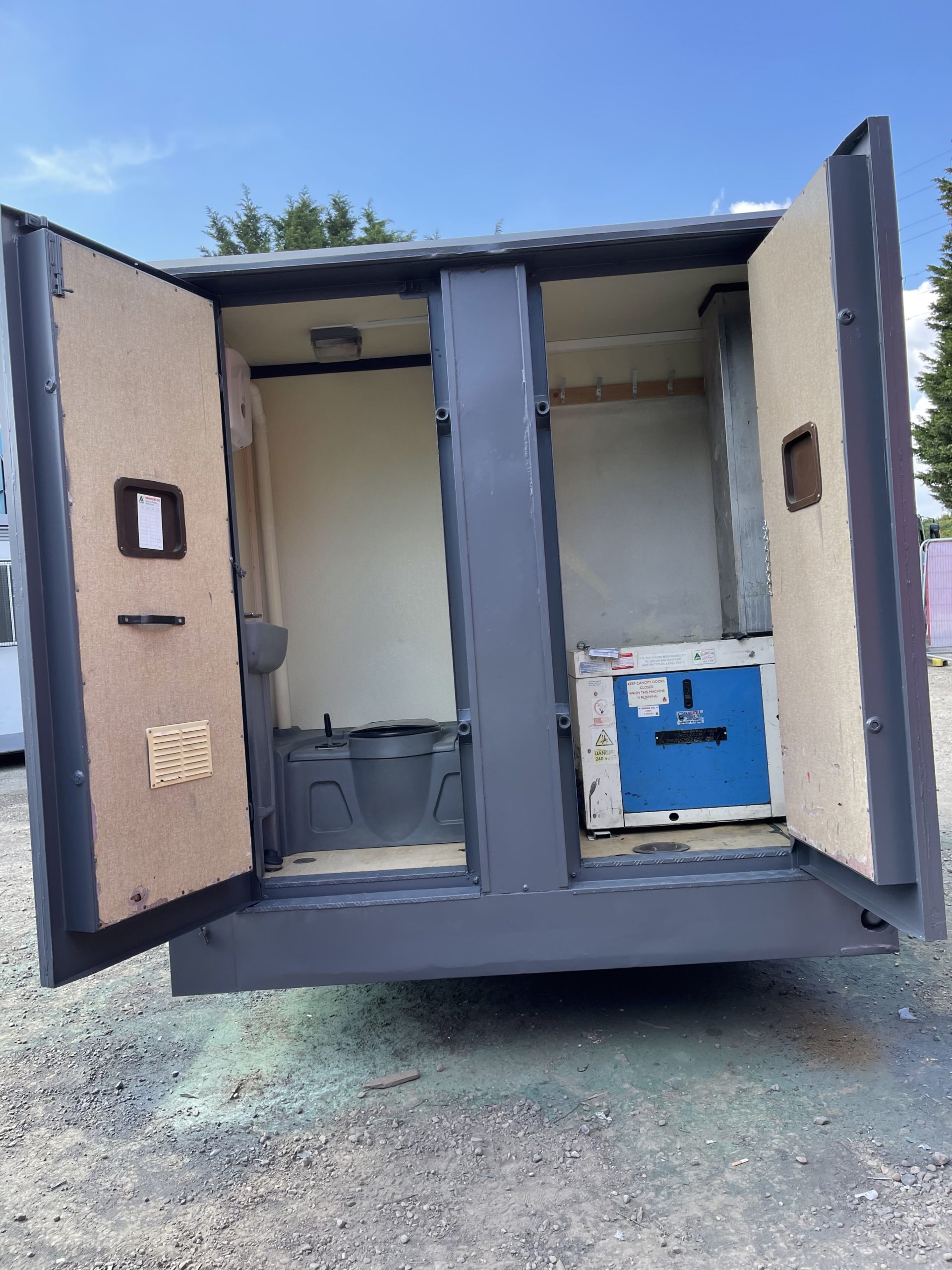
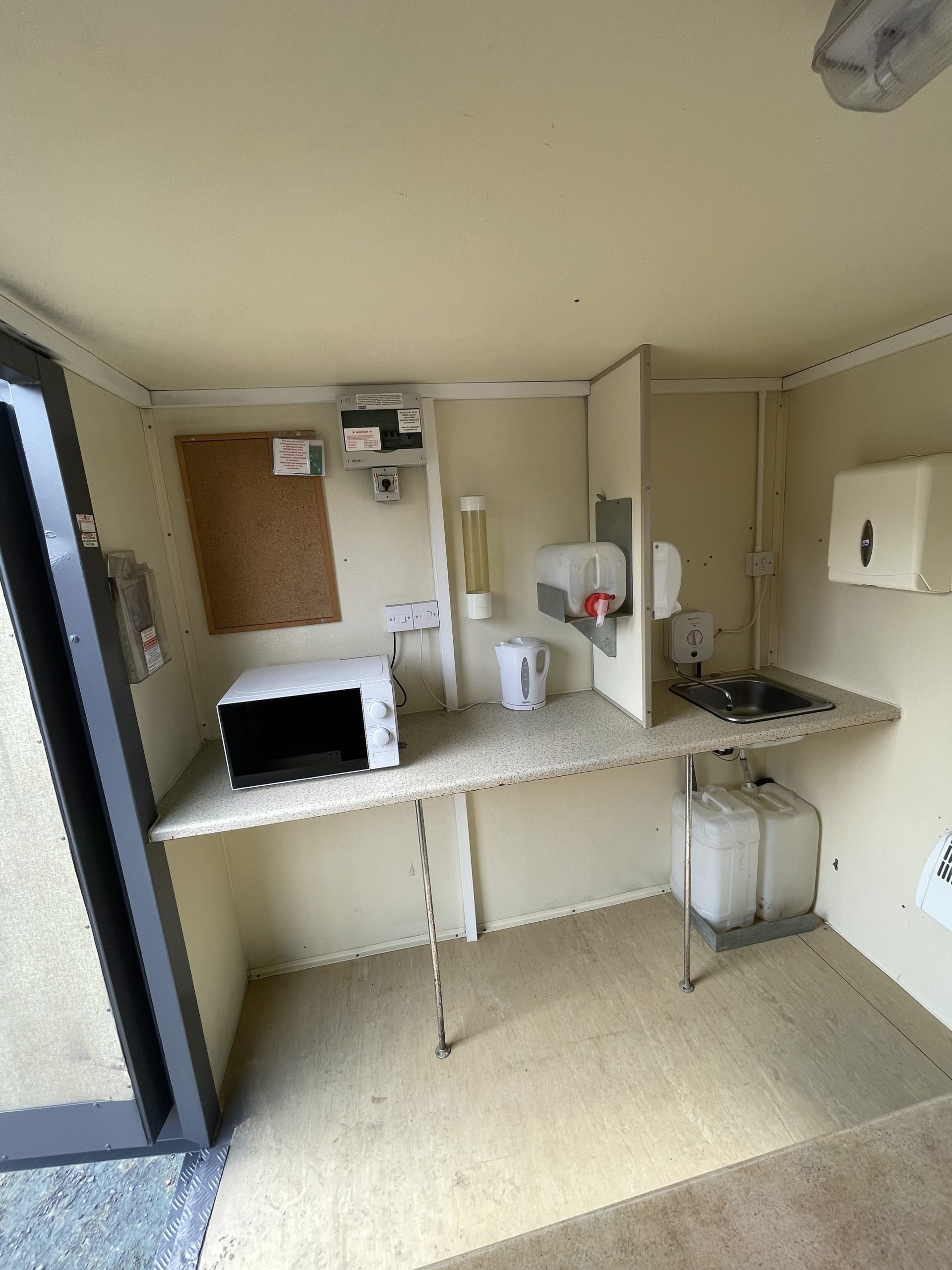
  • 12ft Towable Gound Hog
  • Includes: toilet, canteen and seating area
  • Full working generator, fully serviced and in great condition


Location: Nationwide


£6,500

EX VAT

Not Available for Hire

Call for an instant quote!

  • Reinforced doors with secure locking 
  • Electrics and lights included
  • Sink and water boiler included

Location: Nationwide

Quantity: ∞

£15,000

EX VAT

Not Available for Hire

Call for an instant quote!

• Reinforced doors and windows with secure locking
• Open plan with electric sockets and lighting
• Ral Code Colour of choice

• Any Extras available : Canteen, Partitions, Toilets.

Location: Nationwide


£11,995

EX VAT

Not Available for Hire

Call for an instant quote!

• Reinforced doors and windows with secure locking

• Open plan with electric sockets and lighting

• Ral Code Colour of choice

• Any Extras available : Canteen, Partitions, Toilets.

Location: Nationwide


POA

Not Available for Hire

Call for an instant quote!

test

• Reinforced doors with secure locking
• Sink and water boiler included

Location: Nationwide

Quantity: ∞

£12,495

EX VAT

Not Available for Hire

Call for an instant quote!

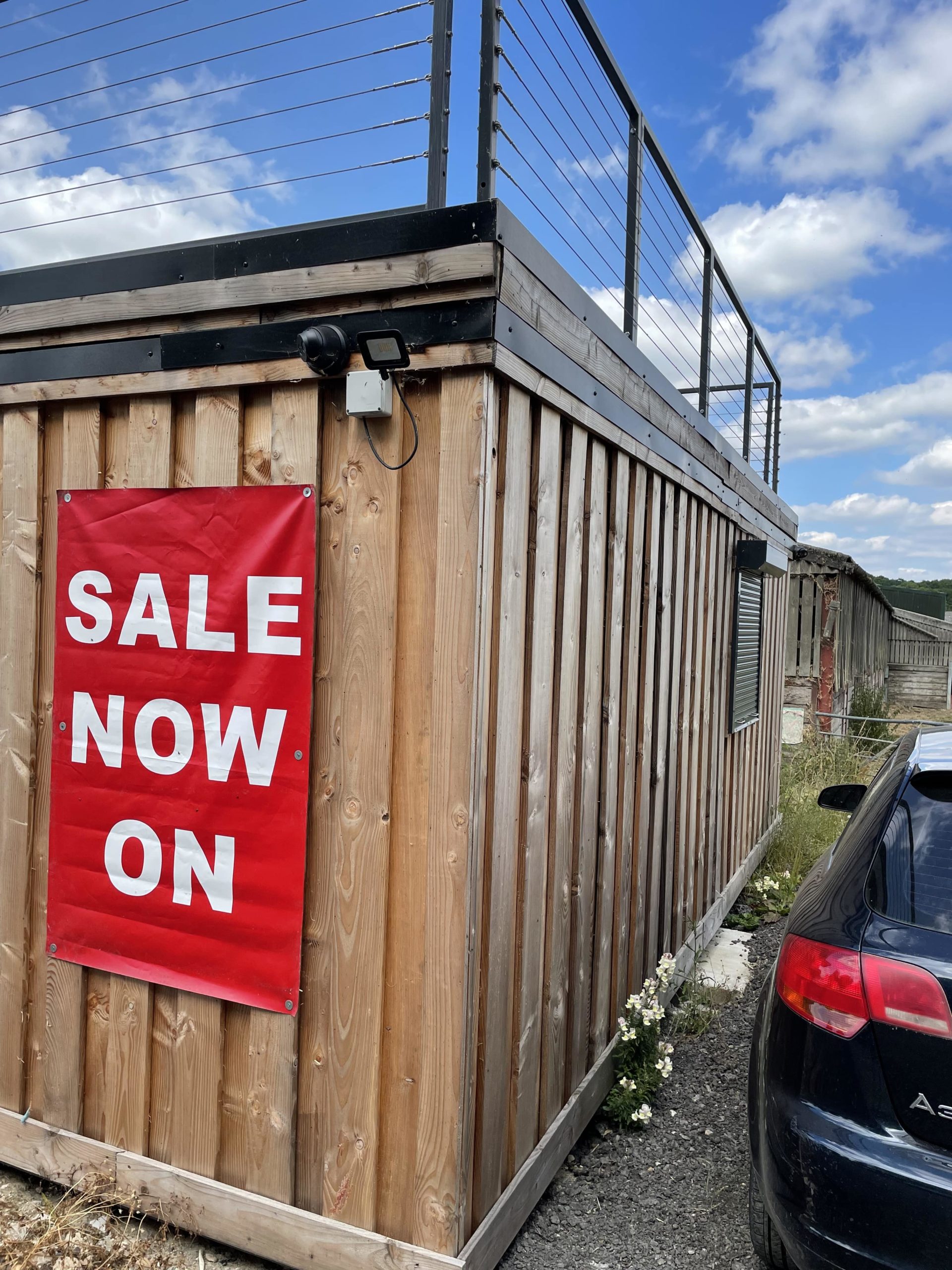
32ft x 20ft Cabin

  • Reinforced doors with secure locking 
  • Electrics and lights included
  • Sink and water boiler included
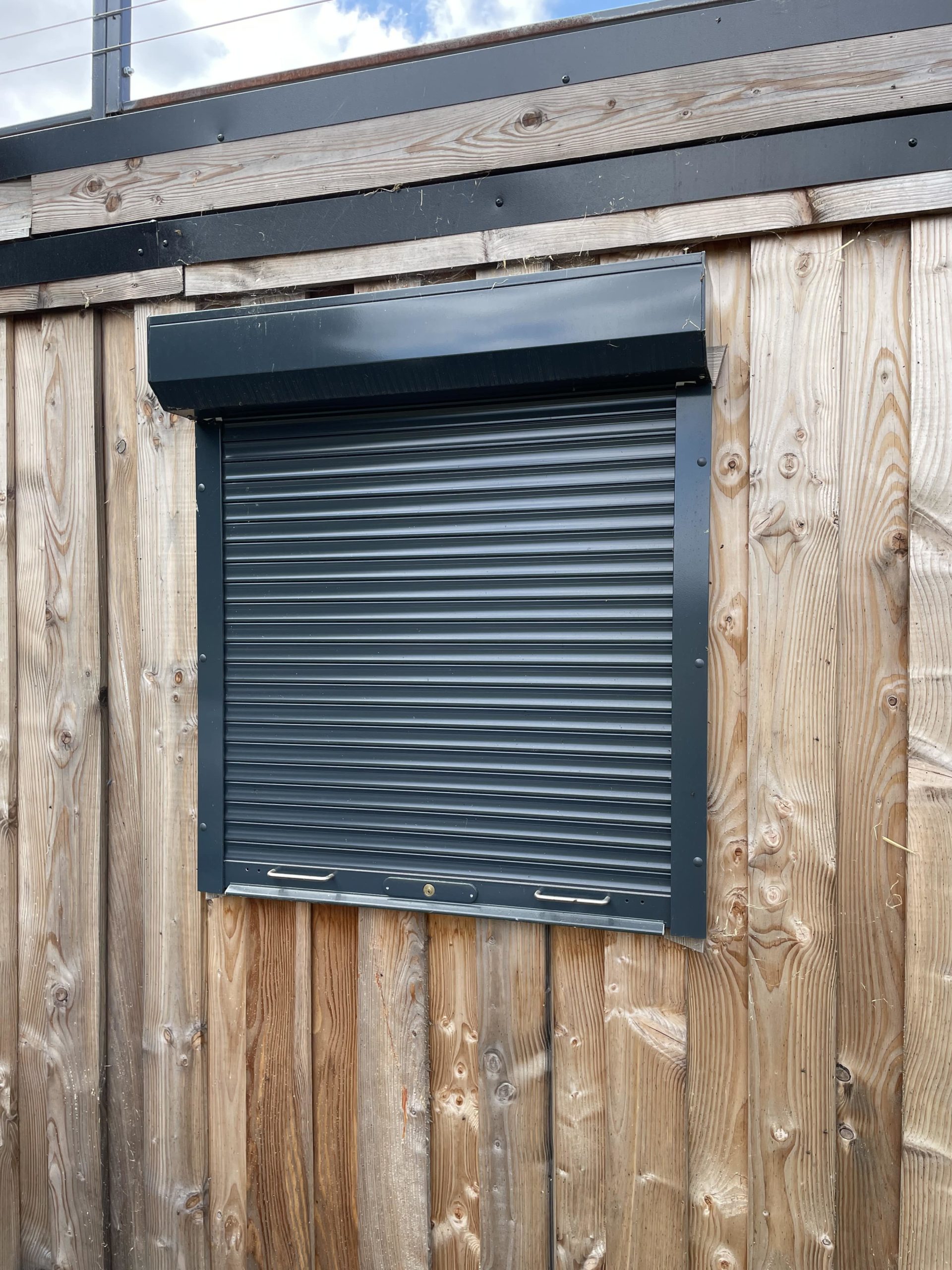
  • Electric Roller Shutters
  • Roof top terrace 
  • Store Room 
  • Slatwall installation 

Location: Nationwide


£39,000

EX VAT

Not Available for Hire

Call for an instant quote!

Looking to Buy or Hire?

Get a Quick Container Quote Now!

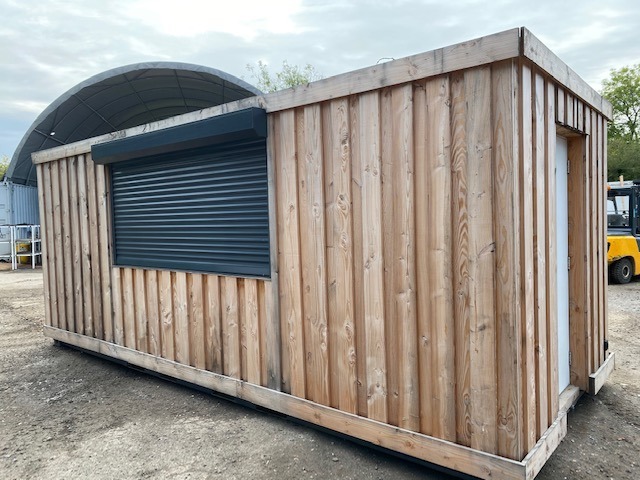
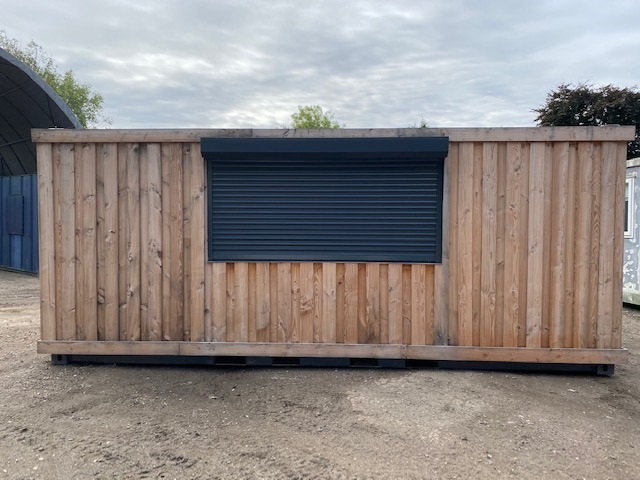
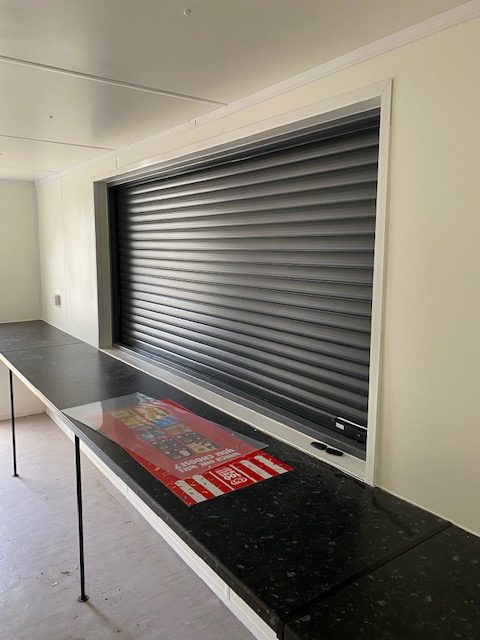
20ft x 8ft Container Kiosk

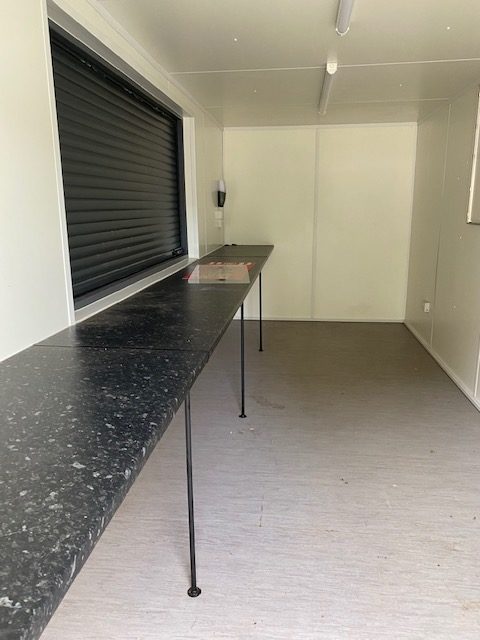
  • Open plan layout with worktop serving area
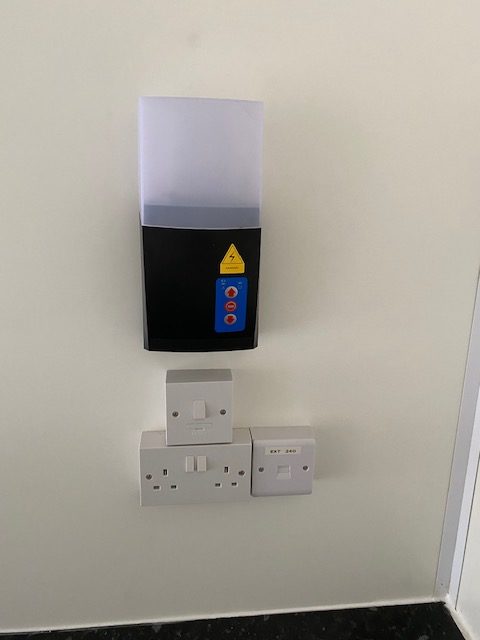
  • Electric roller shutter with remote control
  • Electrics and lights included

Location: Nationwide


£15,000

EX VAT

Not Available for Hire

Call for an instant quote!

Looking to Buy?

Get a Quick Container Quote Now!

Newsletter Signup Form

Be the first to discover our exclusive offers and latest company updates by signing up to our email newsletter. Every month we’ll keep you informed of our best prices, industry updates, customer’s container projects, national shows we’ll be exhibiting at, and much more.

Looking to Buy or Hire?

Get a Quick Container Quote Now!