Choosing the right Electric Damper Actuator is a control decision, not merely a product comparison. The actuator influences airflow stability, indoor comfort, energy use, and equipment protection. In commercial buildings, these details matter. The U.S. Department of Energy reports that buildings consume roughly 40% of total U.S. energy, while HVAC systems represent a major share of that demand. Even a small damper error can create visible effects: uneven temperatures, noisy ducts, overworked fans, or a room that never reaches its setpoint.
The 2024 Global Status Report for Buildings and Construction, published by UNEP and GlobalABC, states that buildings account for about 30% of global final energy consumption and 26% of energy-related emissions. This context makes actuator selection increasingly important. A reliable evaluation should examine torque requirements, damper size, control signal, fail-safe behavior, response time, enclosure rating, and compatibility with the building automation system. ASHRAE guidance also highlights the value of coordinated control sequences and proper commissioning. Field teams often discover that nominal torque ratings do not tell the whole story. Friction, shaft alignment, pressure, and maintenance conditions can change performance. No selection rule is perfect. I may be too quick to trust catalog figures without checking real installation conditions. This guide explains how to compare an Electric Damper Actuator using practical specifications, recognized engineering guidance, and site-level observations. The goal is simple: dependable airflow control with fewer surprises after installation.
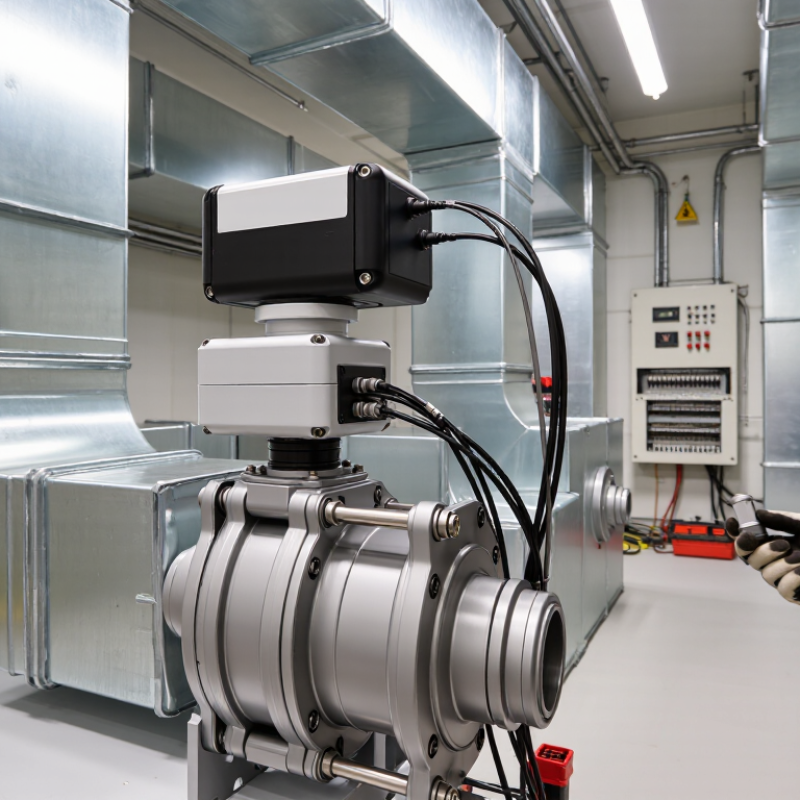
An electric damper actuator is the device that moves an air damper inside a ventilation or heating system. It changes electrical energy into rotary movement, turning the damper shaft to regulate airflow. A control signal may command two positions, such as open or closed, or a gradual position between them.
The actuator receives power from the building control system. Its internal motor moves gears, while a limit mechanism stops travel at the correct angle. In modulating systems, a sensor or feedback signal reports the blade position. This helps maintain stable airflow when room temperature or pressure changes. Spring-return models use stored mechanical energy to move the damper toward a safe position during power loss.
Choosing the correct actuator requires more than matching voltage. Check the damper torque, shaft size, rotation angle, operating time, and control signal. A large damper with sticky bearings may need greater torque than its dimensions suggest. That detail is often missed. On a rooftop unit, moisture and low temperatures can also affect performance, so enclosure protection and operating limits matter. During commissioning, confirm full closure, smooth movement, and feedback accuracy. A quiet motor is useful, but quiet operation does not prove correct airflow. Actual system readings still need checking. Sometimes the actuator is blamed when the damper linkage is bent or poorly aligned. That mistake can waste both time and energy.
Choosing the right electric damper actuator starts with matching specifications, not selecting the strongest model. Measure the damper’s required torque, blade size, air pressure, and rotation angle. Add a safety margin, but avoid excessive oversizing. A large actuator may waste energy and create poor control.
The HVAC system also determines voltage and control type. Confirm 24 VAC or 230 VAC power before installation. Check whether the controller uses on/off, floating, or 0–10 V modulation. Select spring return operation when the damper must close during power loss. Non-spring return units may suit normal ventilation zones. Running time matters too. Fast movement can cause noise, pressure swings, or unstable room conditions.
The U.S. Department of Energy reports that HVAC can represent about 40% of commercial building energy use. Small control errors can become expensive.
Tips: Record torque in newton-metres, not only damper dimensions. Check the actuator’s temperature range, enclosure rating, duty cycle, and feedback signal. The IEA’s 2023 Global Status Report for Buildings and Construction states that buildings consume about 30% of global final energy. Efficient control is therefore practical, not cosmetic. In field work, I have found that shaft adapters and mounting space are often underestimated. That mistake is avoidable. Recheck the installation drawing before ordering. Some specifications still look acceptable on paper, yet fail after dust, vibration, or repeated cycling enter the picture.
Selecting an electric damper actuator starts with the power supply, not the actuator size. Check the equipment schedule, wiring distance, and available voltage at the panel. Common options include 24 VAC, 24 VDC, and higher-voltage supplies. The actuator’s rated voltage must match the measured supply. A small mismatch can cause overheating, unreliable movement, or early failure. Also check the running and starting current. A transformer may appear adequate on paper, yet voltage can drop when several actuators start together.
The control signal must match the building controller and the actuator input. A modulating actuator may accept 0–10 V, 2–10 V, or 4–20 mA. A floating-point actuator needs separate open and close commands. On site, confirm whether the signal is active, passive, or polarity-sensitive. Keep low-voltage control wiring away from high-voltage cables where practical. It reduces interference.
I have seen installations fail because technicians selected the correct voltage but ignored the signal type. That mistake is easy to repeat. Before ordering, compare the actuator data sheet with the controller terminals, wiring diagram, and required fail position. Then test the command range at the panel. Do not assume a 10-volt signal always means fully open; some systems use a limited operating range. A final point-to-point check often reveals reversed wires or an incorrect common connection.
Small details matter.
How to Choose the Right Electric Damper Actuator?
Which Environmental and Installation Factors Affect Actuator Choice
Environmental conditions often determine actuator reliability more than nominal torque. The IEA’s 2023 Global Status Report states that buildings consume about 30% of global final energy. Poorly controlled airflow increases this burden. Choose an actuator for the actual damper load, not only its catalog rating. Dust, condensation, salt air, and chemical vapors can damage housings and electrical contacts. Outdoor installations usually need suitable IP or NEMA protection, while washdown areas require stronger sealing.
Temperature also changes performance. Check the actuator’s operating range, starting torque, and cycle time. In cold ducts, frozen condensate can lock the damper. In hot plant rooms, motor insulation and electronics may age faster. ASHRAE Handbook guidance supports evaluating airflow, pressure, access, and control requirements together. A spring-return model may protect a system during power loss, but it needs extra running torque and space. That detail is easy to miss.
Installation geometry matters. Measure the shaft, blade resistance, rotation angle, and available clearance before ordering. A well-sized actuator can still fail when the linkage is misaligned. The U.S. Department of Energy reports that HVAC systems represent roughly 40% of energy use in many commercial buildings. Small control errors can therefore become expensive. Commissioning should verify full closure, end switches, feedback signals, and manual override. One assumption may be wrong: the manufacturer’s stated torque is not always the installed torque. Recheck it under real pressure.
The chart uses a practical screening scale from 1 to 5, where 5 means the factor should be verified before final actuator selection. Moisture exposure, corrosive atmospheres, available damper torque, and fail-safe requirements commonly have the greatest effect on actuator specification.
Check the actuator’s ambient temperature range, enclosure protection, supply voltage, control signal, mounting compatibility, and torque rating against the actual installation. For outdoor or washdown locations, confirm the required ingress protection classification in accordance with IEC 60529 and include an appropriate torque safety margin for friction, contamination, and damper aging.
How to Choose the Right Electric Damper Actuator?
Selecting an electric damper actuator requires more than matching voltage and torque. Safety features should fit the air-handling system’s actual risks. Check for spring-return operation when airflow must stop during power loss. Thermal overload protection can prevent damage during stalled movement. A manual override is useful during inspection or emergency servicing. Confirm that position feedback and end switches match the control panel.
Compatibility problems often appear during installation. Measure the damper shaft, mounting space, and blade resistance carefully. The actuator must provide enough torque, but excessive torque can damage the linkage. Compare control signals, such as floating-point, proportional, or simple open-close control. Review the enclosure rating if the actuator faces dust, moisture, or temperature changes. A commissioning technician should test full travel, response time, and the fail position.
Tips: Ask for the actuator’s tested torque range, wiring diagram, and service instructions. Check whether replacement parts remain accessible. Keep terminals dry and label every connection. Inspect linkages for looseness during scheduled maintenance. I have found that installation assumptions can be wrong, especially when old dampers have hidden friction. Recheck movement by hand before final calibration. Small resistance often becomes a larger failure later.
Compare common electric damper actuator configurations by operating function, safety behavior, system compatibility, installation requirements, and ongoing maintenance needs.
| Actuator Type | Typical Application | Safety Behavior | Control Signal | Compatibility Checks | Installation Requirements | Maintenance Needs | Best Choice When |
|---|---|---|---|---|---|---|---|
| Two-Position, Non-Spring Return | Outdoor-air, return-air, exhaust, and isolation dampers that only need open or closed operation. | Maintains its last position when power is removed. It does not automatically return to a safe position. | Usually an on/off electrical command, commonly through a relay or dedicated controller output. | Verify supply voltage, actuator torque, rotation direction, shaft dimensions, and end-switch requirements. | Requires correct mechanical linkage, adequate shaft engagement, and accessible wiring terminals. | Periodically inspect mounting, linkage alignment, damper movement, and electrical connections. | Simple open/closed control is sufficient. |
| Two-Position, Spring Return | Ventilation, smoke-control-related equipment, and dampers requiring a defined position during power loss. | Returns to its spring position when power is interrupted. The spring position must match the required fail-safe condition. | Normally an on/off command with a suitable power supply and, where needed, auxiliary position contacts. | Confirm spring direction, fail-safe position, torque under load, voltage, and required actuator run time. | Spring force can increase installation effort. The damper must not be obstructed in the return direction. | Test power-failure operation, inspect the spring-return mechanism, and verify full damper travel. | The damper must move to a defined position after power loss. |
| Modulating Actuator | Airflow, temperature, pressure, or indoor-air-quality control where the damper must hold intermediate positions. | Safety behavior depends on the selected model: non-spring return holds position, while spring return moves to its fail-safe position. | Common signals include 0–10 V DC or 2–10 V DC; some systems use three-point floating control. | Match the signal type, input/output range, controller configuration, feedback requirements, voltage, and torque. | Requires correct commissioning, actuator rotation setup, signal polarity, and damper position calibration. | Check feedback accuracy, linkage wear, command response, and calibration during scheduled HVAC service. | Precise airflow or pressure regulation is required. |
| Proportional Actuator with Position Feedback | Building automation systems that need both variable positioning and confirmation of actual damper position. | May provide useful position feedback, but feedback alone is not a fail-safe function. A spring-return design may be required for power-loss protection. | Typically a modulating command plus an auxiliary feedback signal, such as a proportional voltage output. | Confirm controller input/output compatibility, feedback range, common reference, supply voltage, and signal scaling. | Requires careful wiring separation, correct signal polarity, and commissioning against the actual damper angle. | Verify commanded versus actual position and inspect feedback wiring for loose or damaged connections. | The control system must verify damper position. |
| High-Torque Actuator | Large, sealed, opposed-blade, or high-resistance dampers that require greater driving force. | Can be either spring return or non-spring return. High torque does not automatically provide a fail-safe response. | Available with on/off, floating, or modulating control depending on the actuator design. | Calculate required torque using damper size, blade type, air velocity, pressure differential, seal friction, and manufacturer data. | Requires a rigid mounting arrangement and sufficient shaft strength. Avoid selecting torque solely from damper face area. | Inspect mounting hardware, shaft deformation, linkage condition, and signs of overheating or stalled operation. | Measured damper resistance exceeds the capacity of standard actuators. |
| Fire or Smoke Damper Actuator | Listed fire, smoke, or combination fire-and-smoke damper assemblies where life-safety performance is involved. | Must operate according to the complete listed damper assembly and applicable code requirements, often including automatic closure under specified conditions. | Control method varies by the approved assembly and may include supervisory contacts, relay control, or dedicated life-safety control equipment. | Use only an actuator approved or listed for the specific damper assembly. Verify temperature rating, closure time, torque, voltage, and required accessories. | Installation must follow the damper and actuator listing, approved mounting method, wiring requirements, and local code. | Requires documented periodic inspection and functional testing according to applicable codes, standards, and facility procedures. | Life-safety applications require project-specific approval and code verification. |
| Weather-Resistant or Outdoor Actuator | Rooftop units, outdoor-air intakes, louvers, and equipment exposed to moisture, dust, or temperature changes. | Safety response depends on the actuator configuration. Environmental protection does not determine fail-safe behavior. | May support on/off, floating, or modulating signals depending on the selected model. | Check enclosure or ingress protection rating, ambient temperature range, UV exposure, voltage, torque, and cable-entry method. | Use weatherproof conduit and glands where required. Prevent water from tracking along cables into the actuator enclosure. | Inspect seals, cable entries, corrosion, condensation, mounting security, and damper travel. | The actuator is installed in a harsh or exposed environment. |
| Fast-Running Actuator | Dampers that must reach their commanded position quickly for ventilation sequences or equipment protection. | Fast operation does not by itself provide fail-safe performance. Confirm whether spring return is required. | Often available for on/off or modulating control, subject to the controller’s output capability. | Verify required run time, control cycle frequency, torque throughout travel, supply capacity, and damper mechanical limits. | Ensure the damper can safely tolerate the operating speed without excessive noise, vibration, or mechanical impact. | Inspect stops, linkage, gears, noise, vibration, and repeated cycling performance. | Fast travel is necessary and the damper is mechanically suitable. |
| Low-Power Actuator | Distributed terminal units, small dampers, and systems where available electrical capacity is limited. | Safety behavior depends on whether the unit is spring return or non-spring return, not on its low power consumption. | May use on/off, floating, or low-voltage modulating control. | Confirm operating current, inrush current, transformer capacity, signal compatibility, torque, and shaft adapter size. | Correct sizing is essential because insufficient torque can cause incomplete travel or repeated stall conditions. | Check for stalled movement, overheating, loose adapters, and incomplete damper closure or opening. | The damper load is modest and panel capacity is limited. |
Selection note: Always confirm actuator torque from the damper manufacturer or a measured system calculation. Verify voltage, control signal, shaft and mounting dimensions, rotation direction, spring-return position, environmental rating, and any required safety listing before installation. For fire and smoke applications, the complete damper-actuator assembly and installation must comply with the applicable project specifications and local codes.

Registered in England & Wales No. 2786496
Registered office at: 337 Tanworth Lane,
Shirley, Solihull, B90 4DU
Registered for VAT, registration No.
GB 655 1347 38
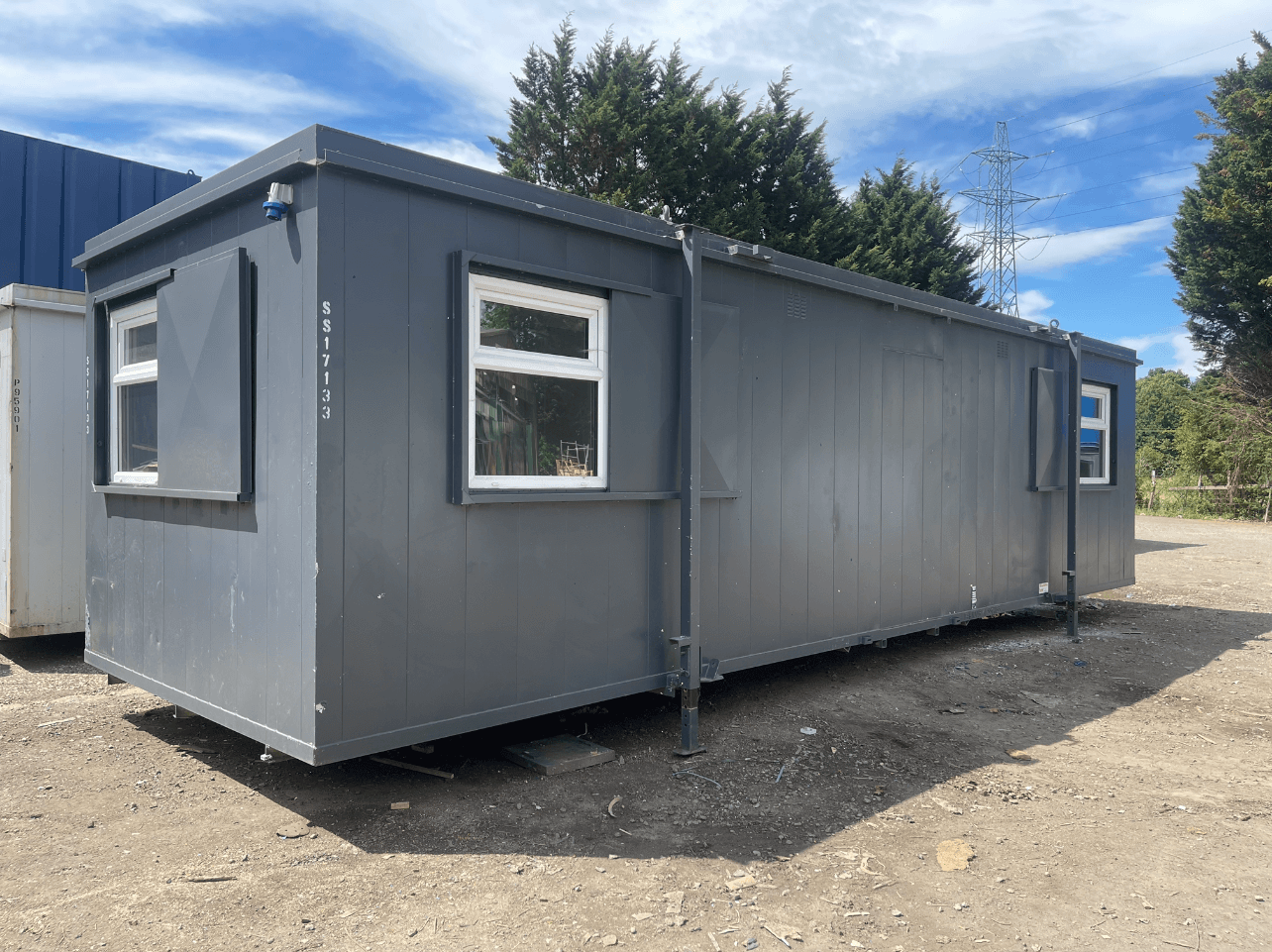
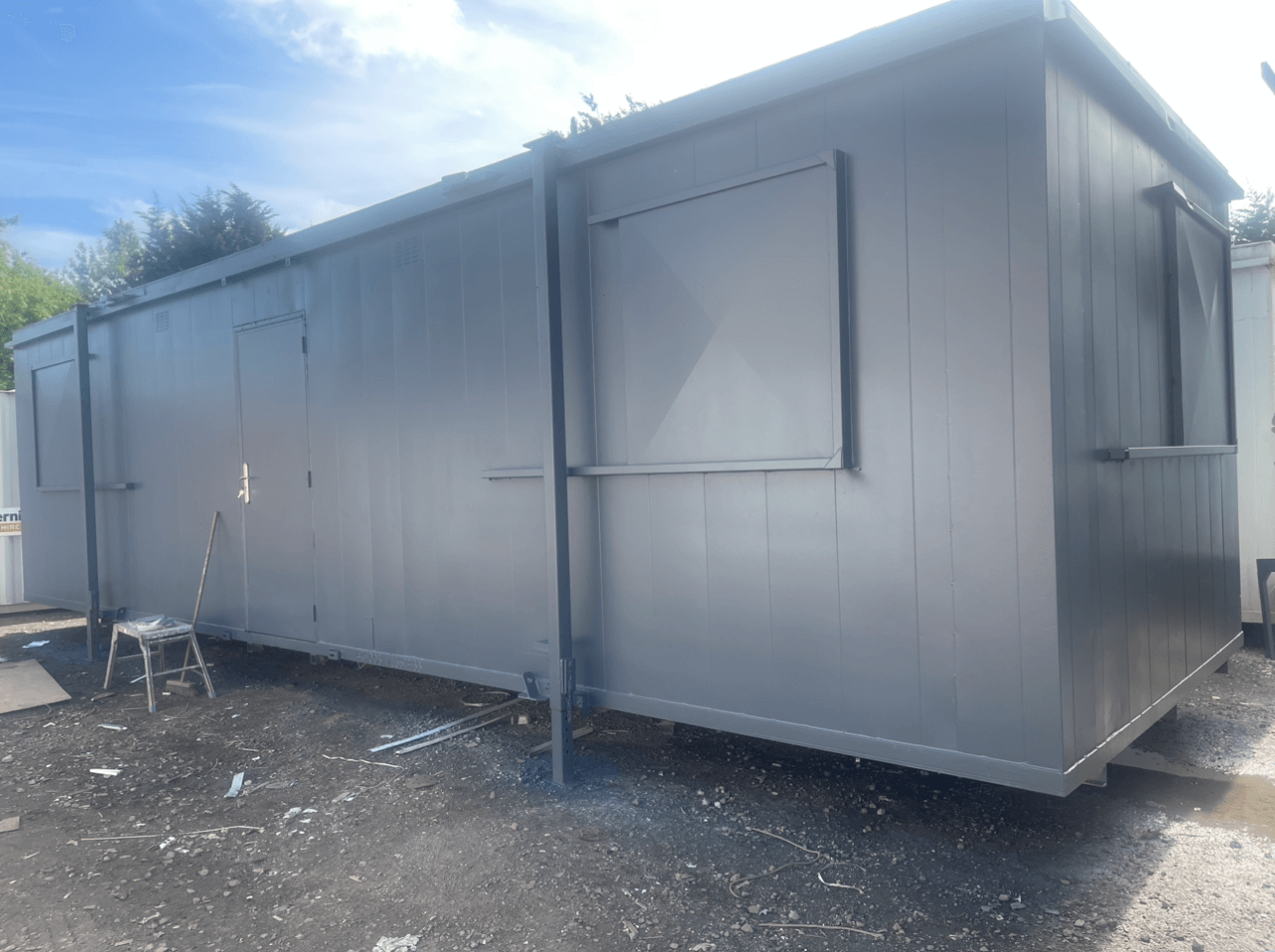
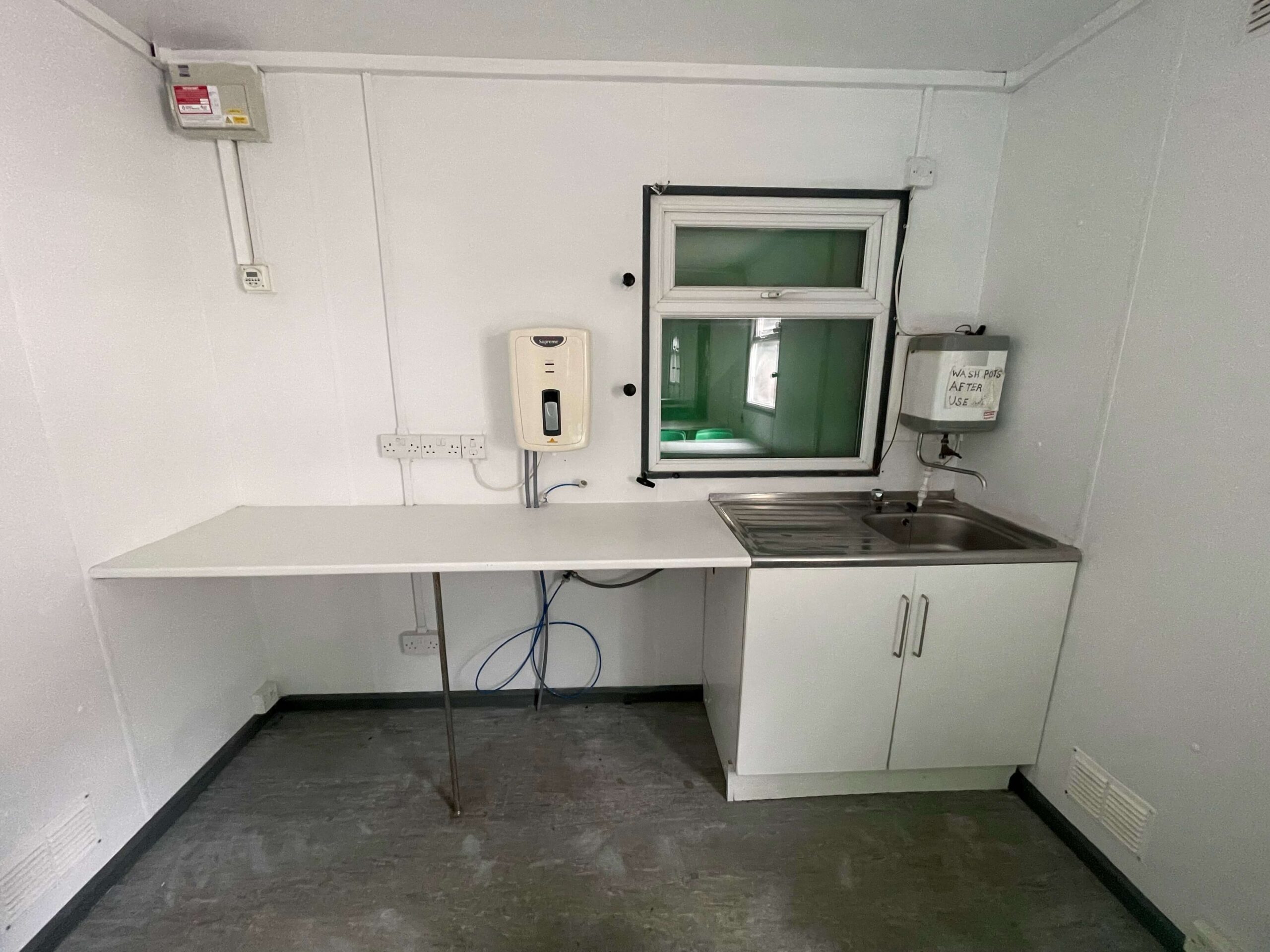
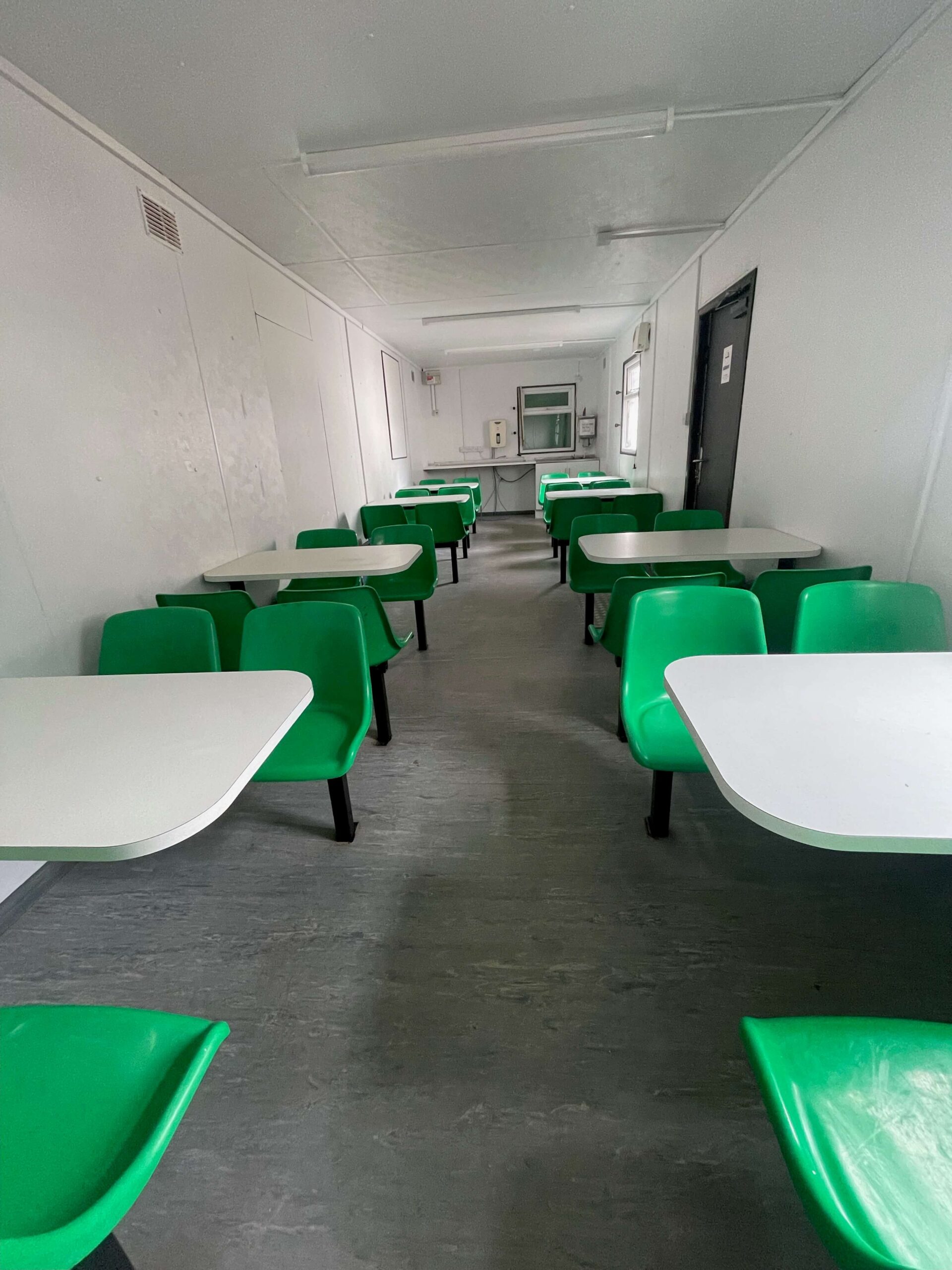

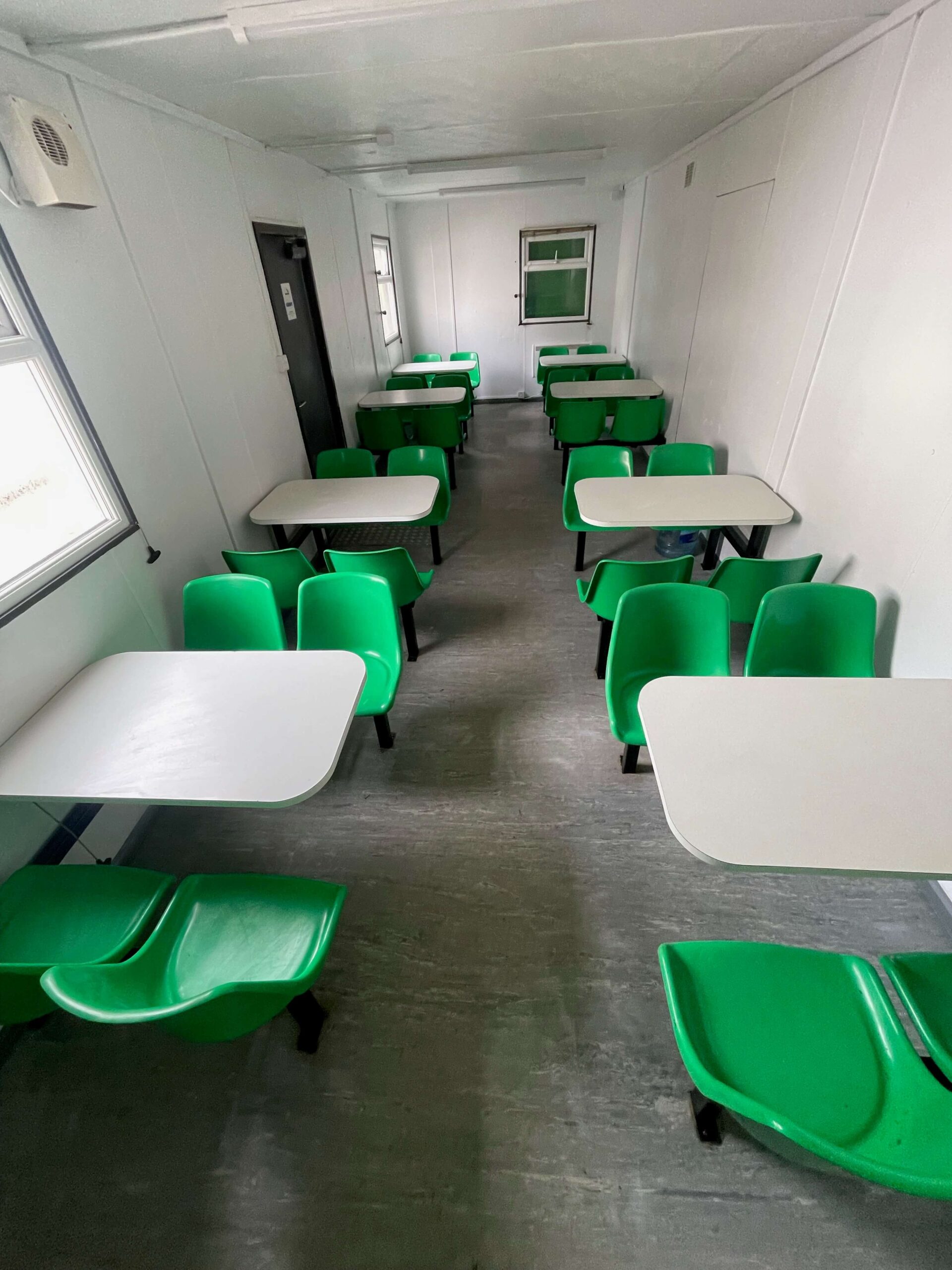
Location: Nationwide
Not Available for Hire
We can deliver for a cost please ask and send us post code.
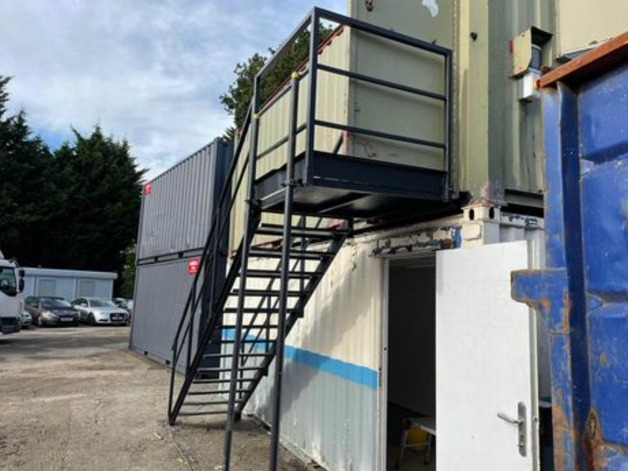
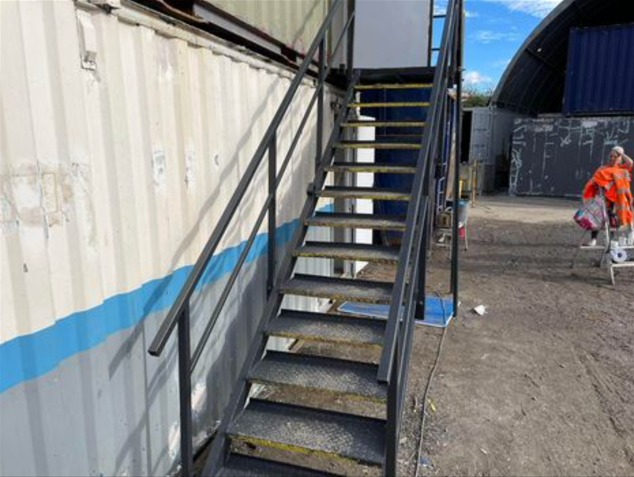
13 tread
14 tread
15 tread
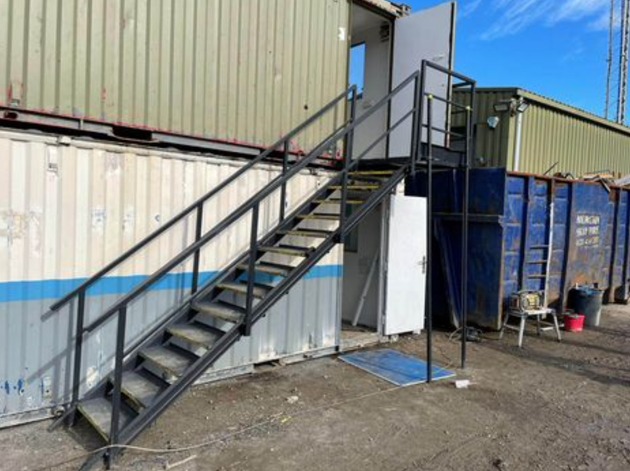
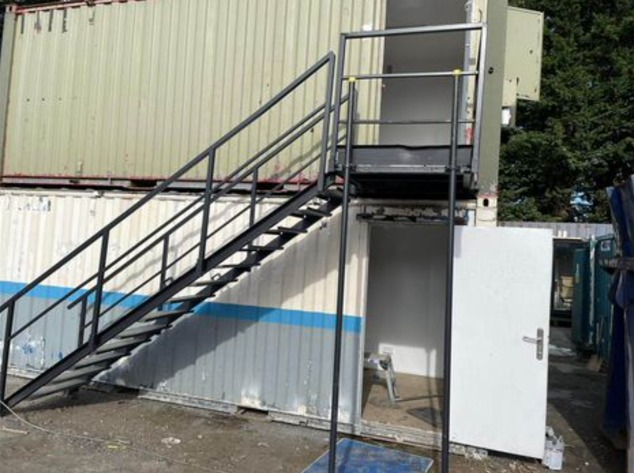
Location: Nationwide
Not Available for Hire
Call for an instant quote!
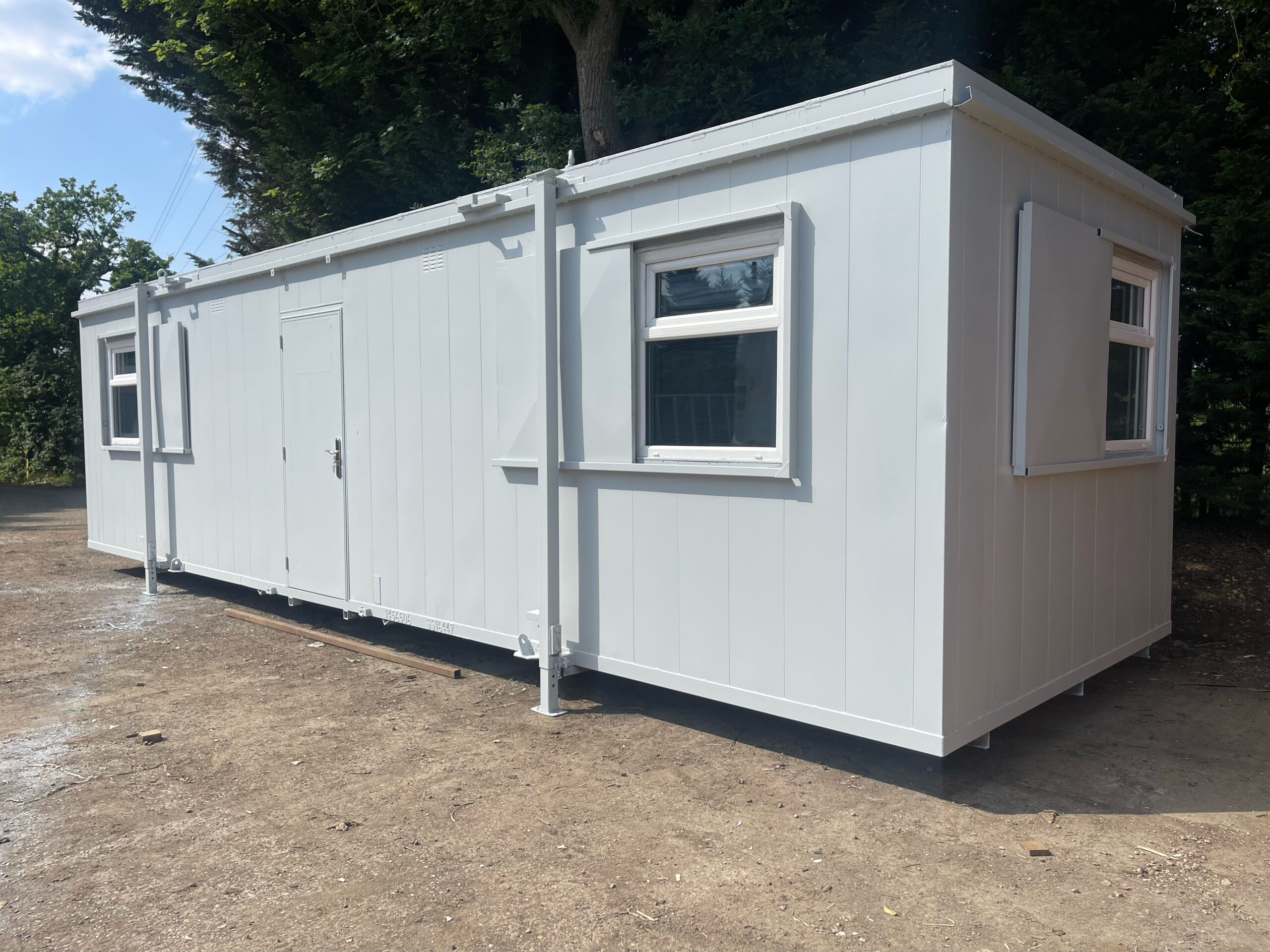
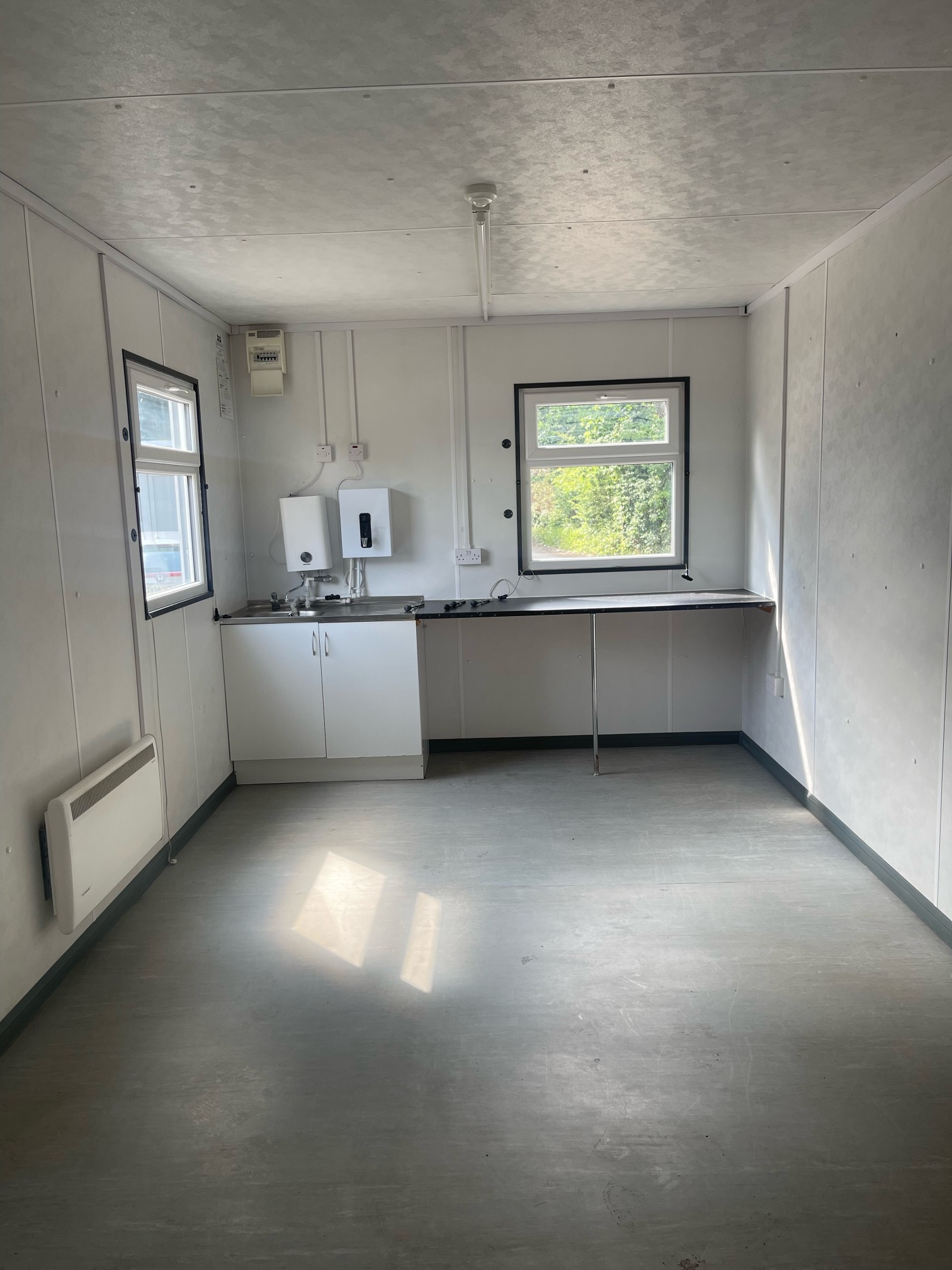
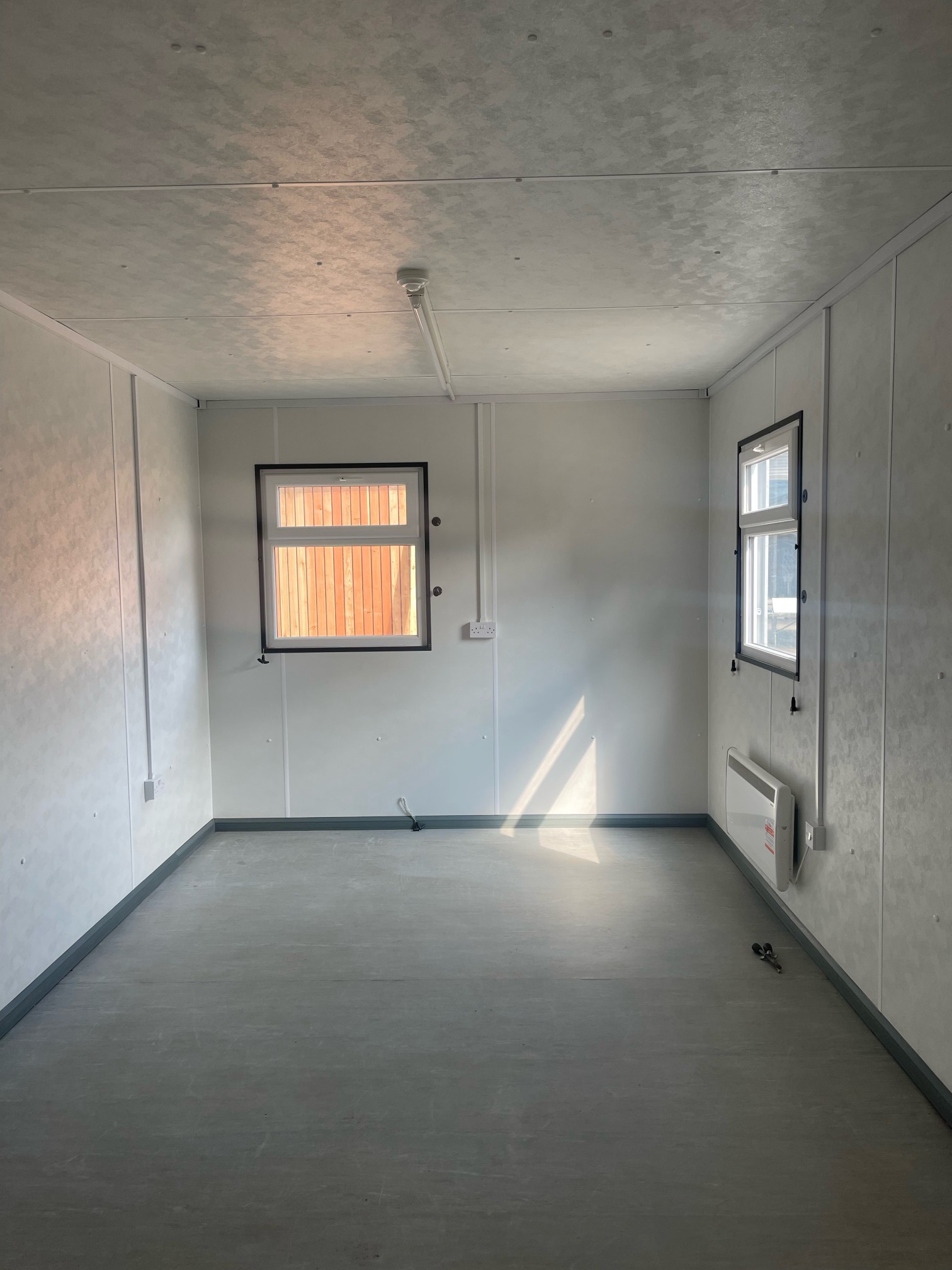
Location: Nationwide
Not Available for Hire
We can deliver for a cost please ask and send us post code.
Hallway leading into:
Transport can be arranged please ask.
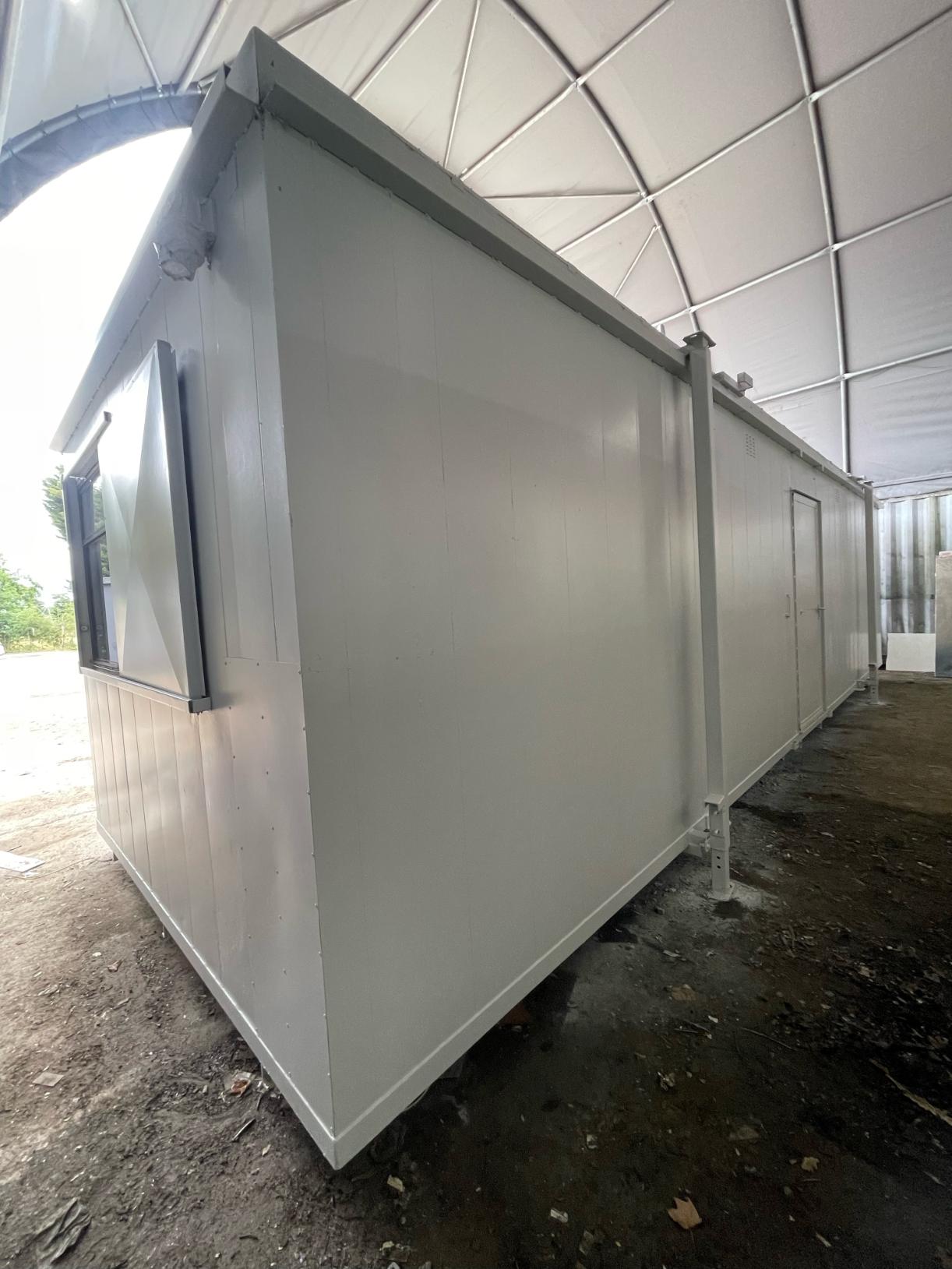
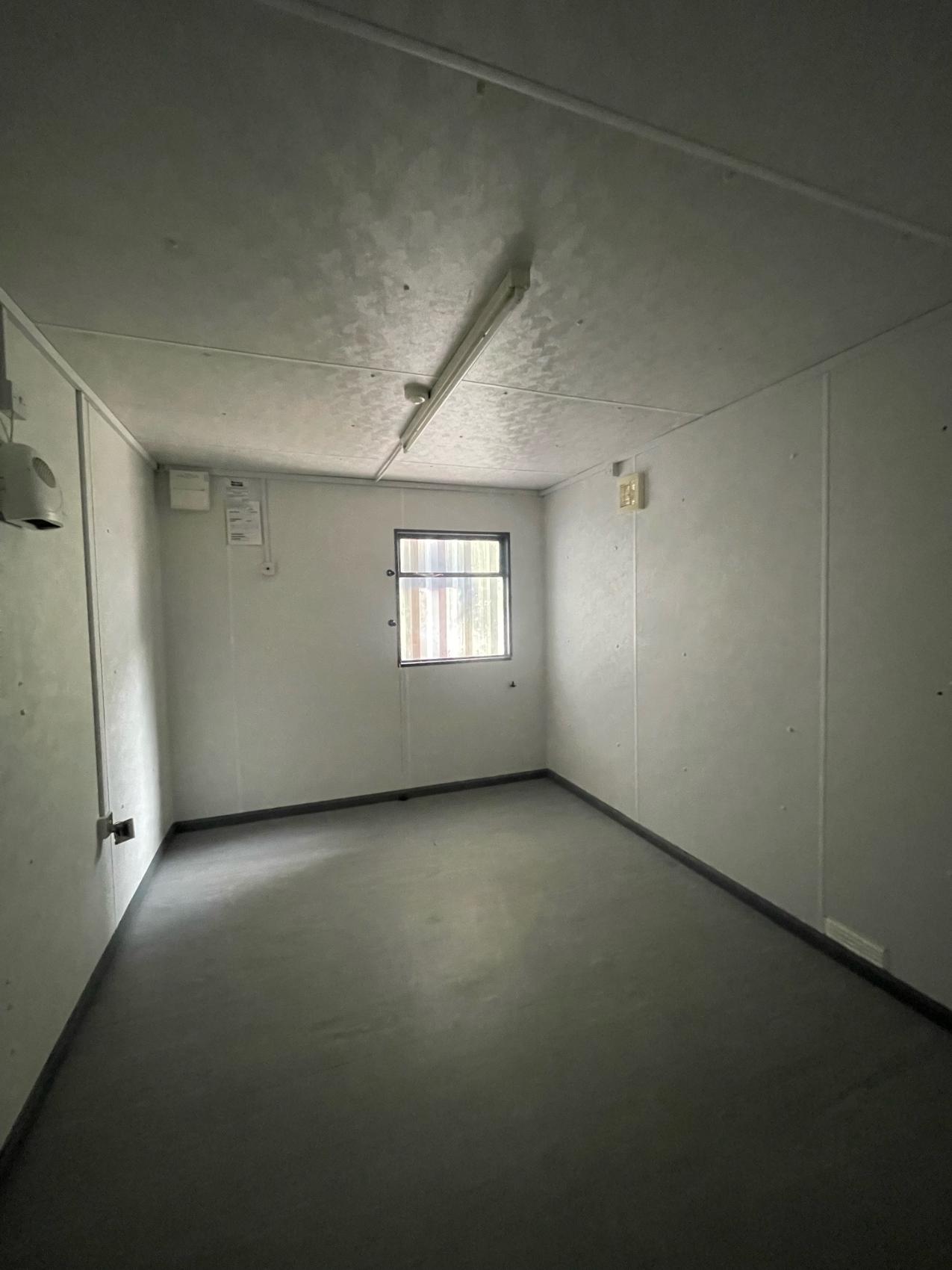
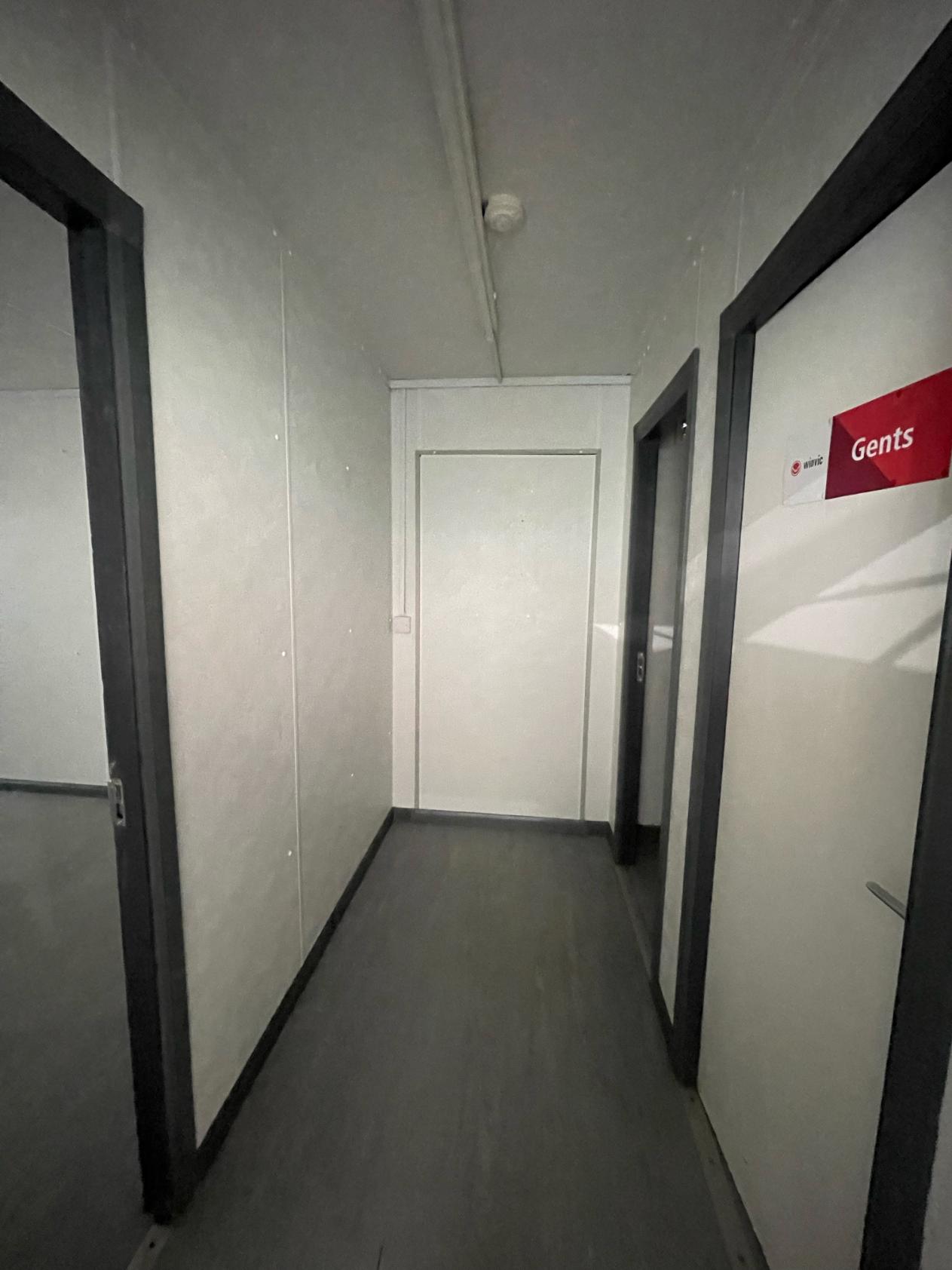
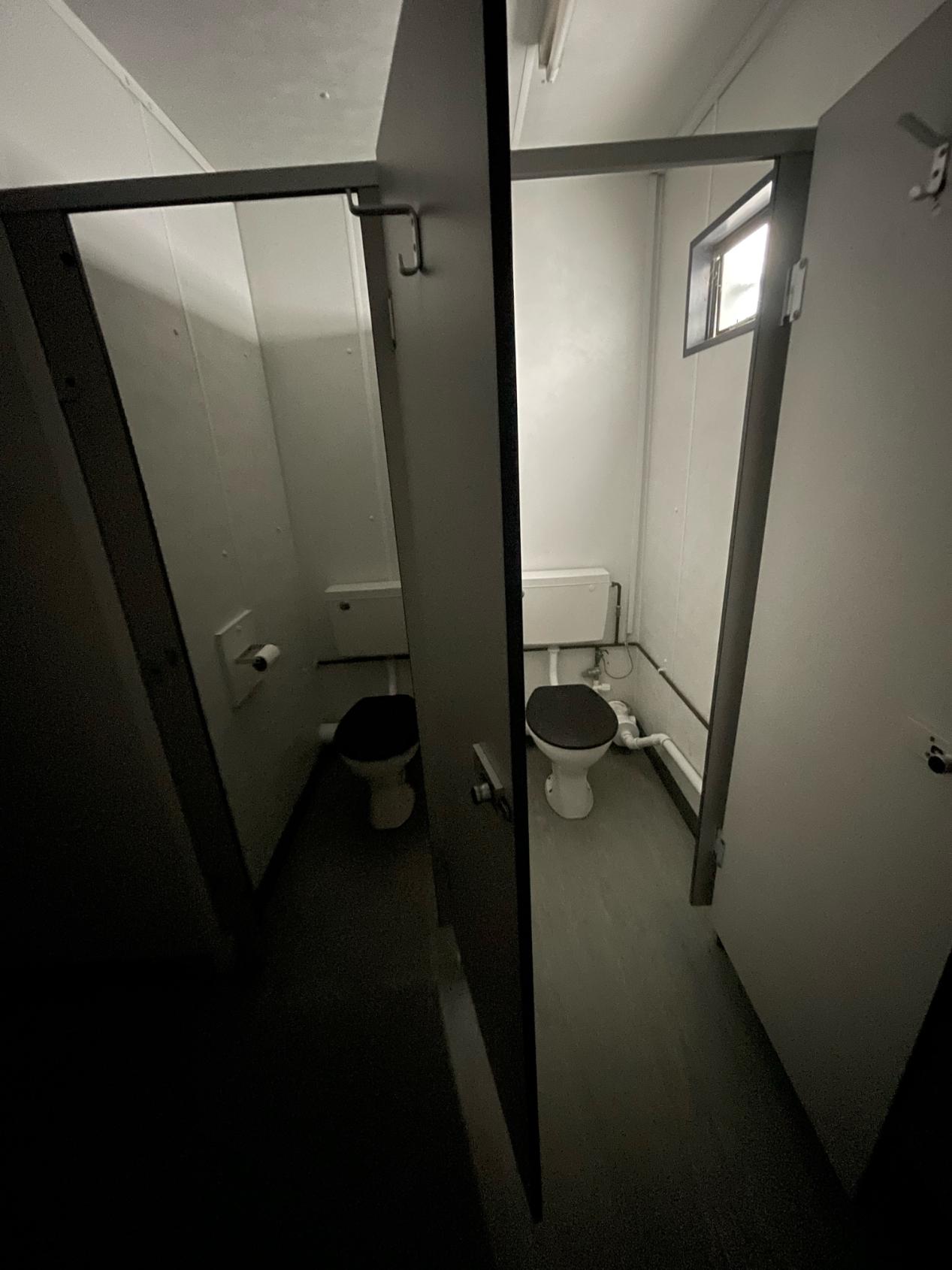
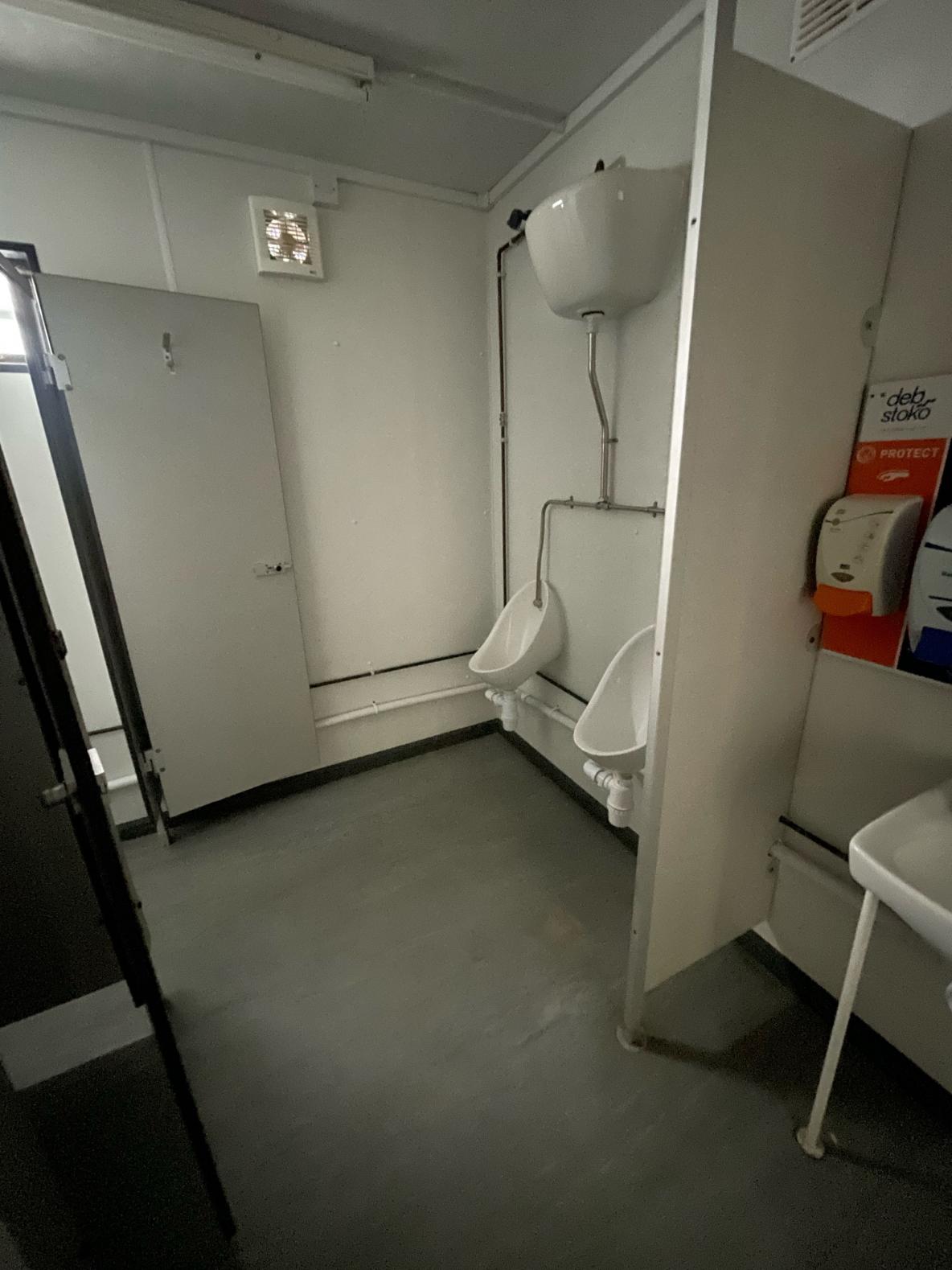
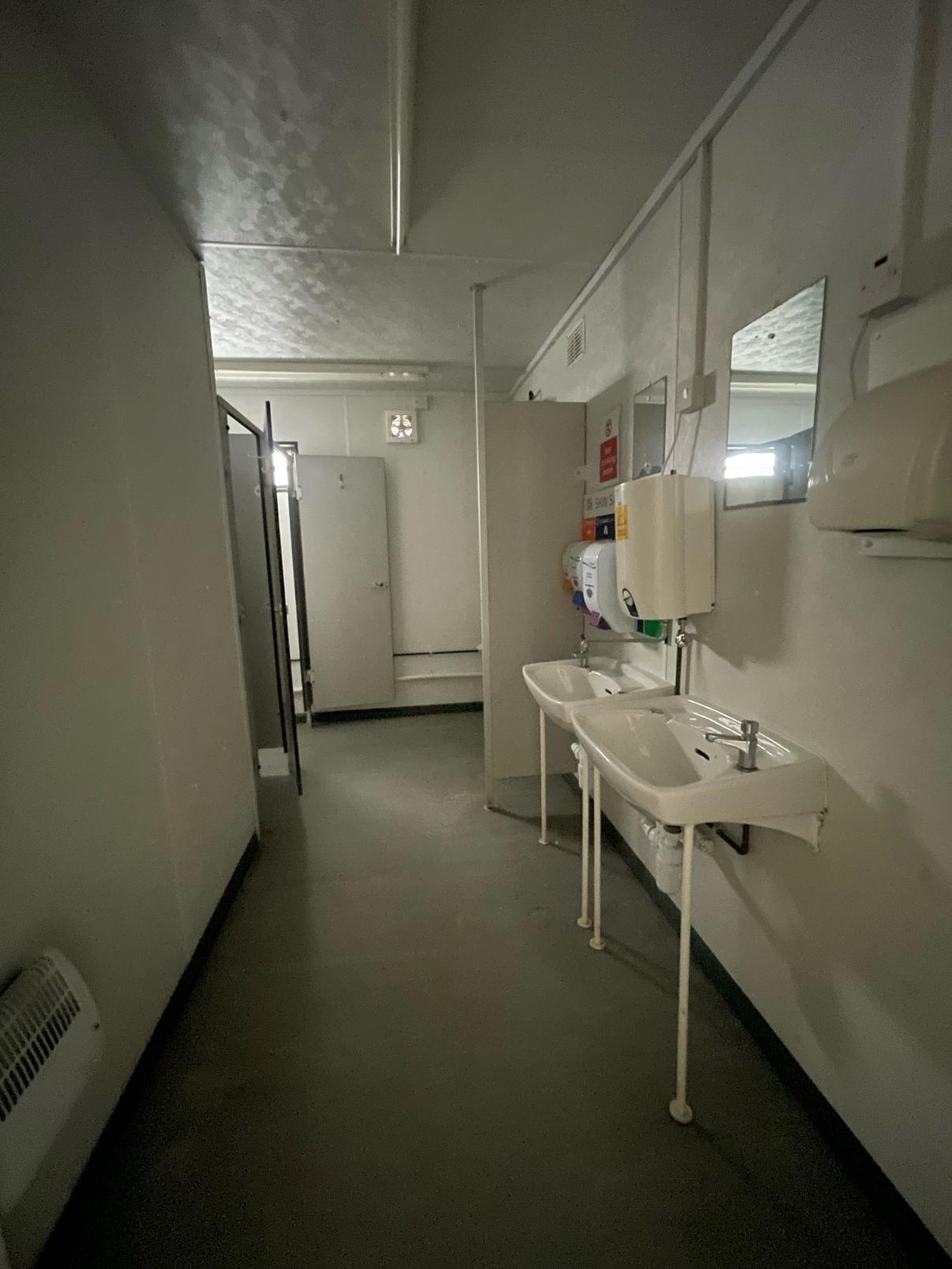
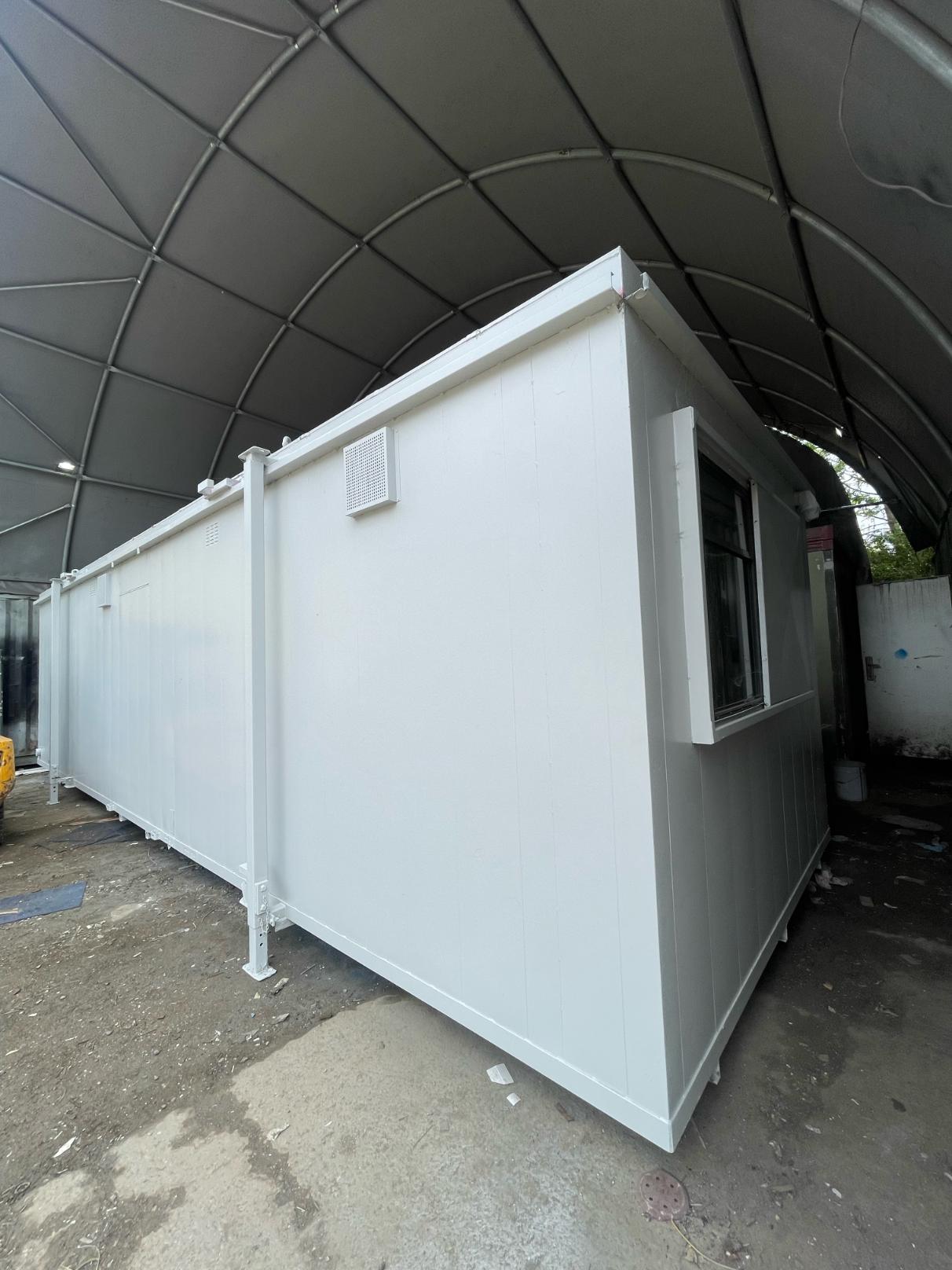
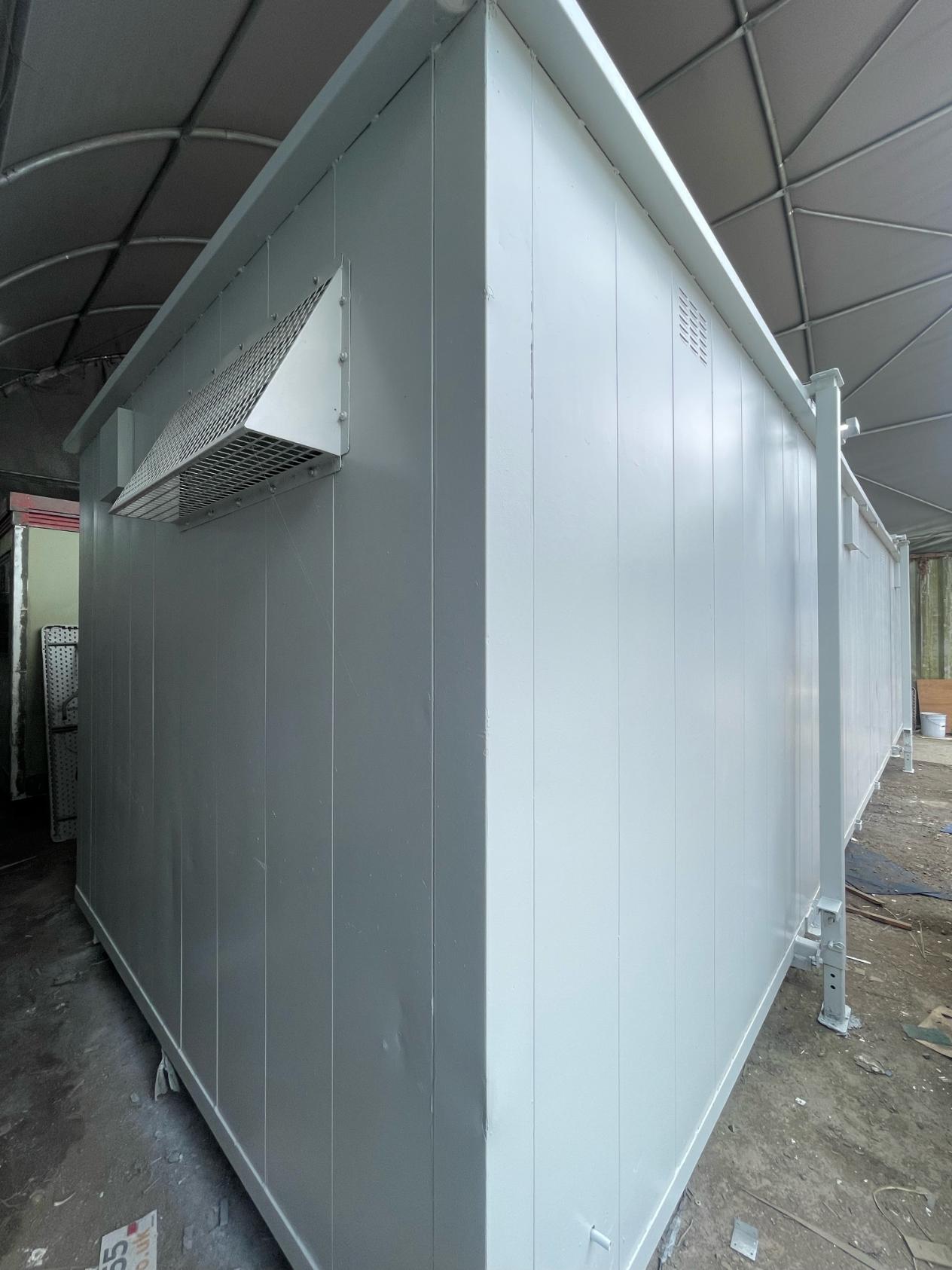
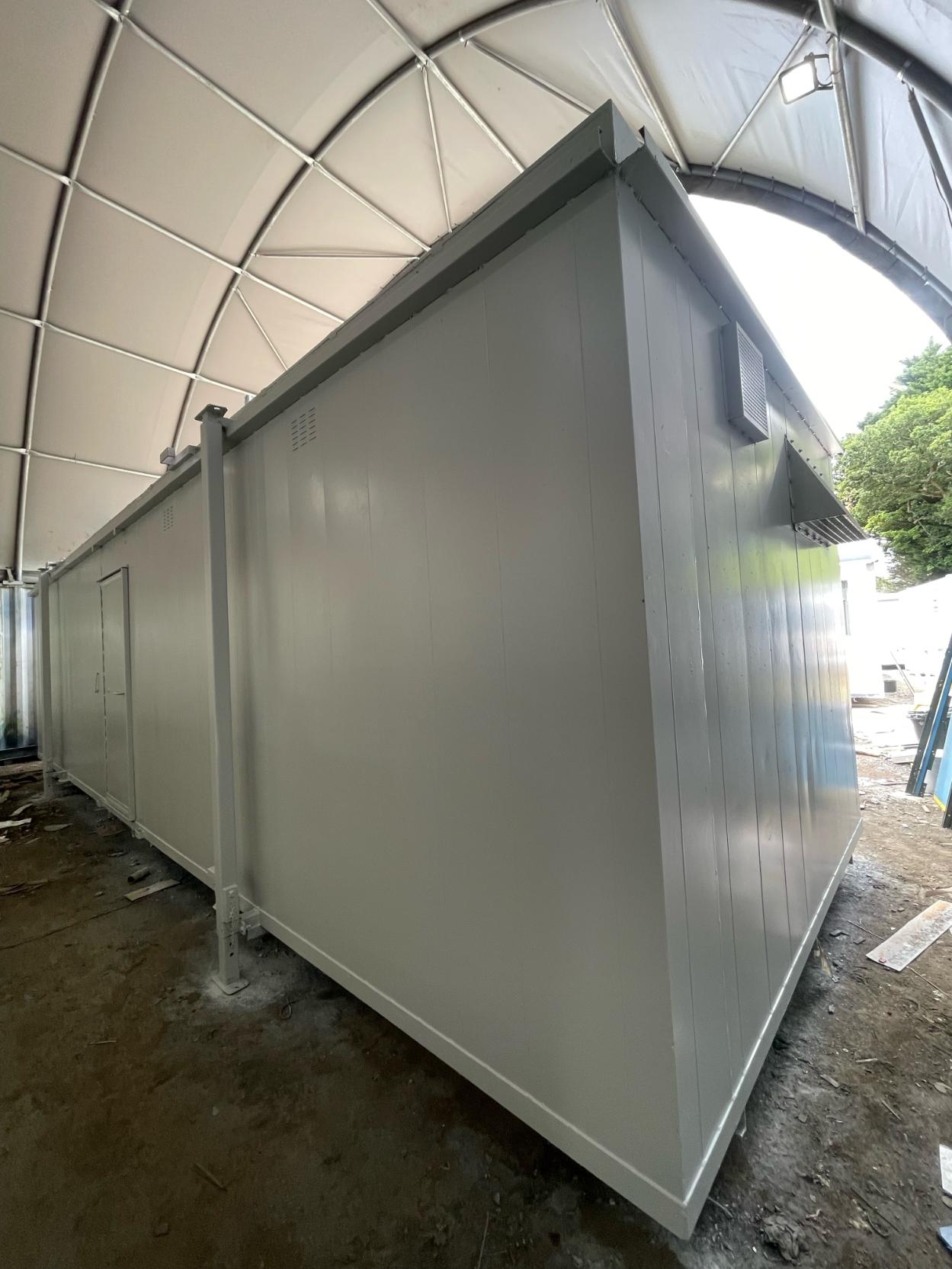
Location: Nationwide
Not Available for Hire
Call for an instant quote!
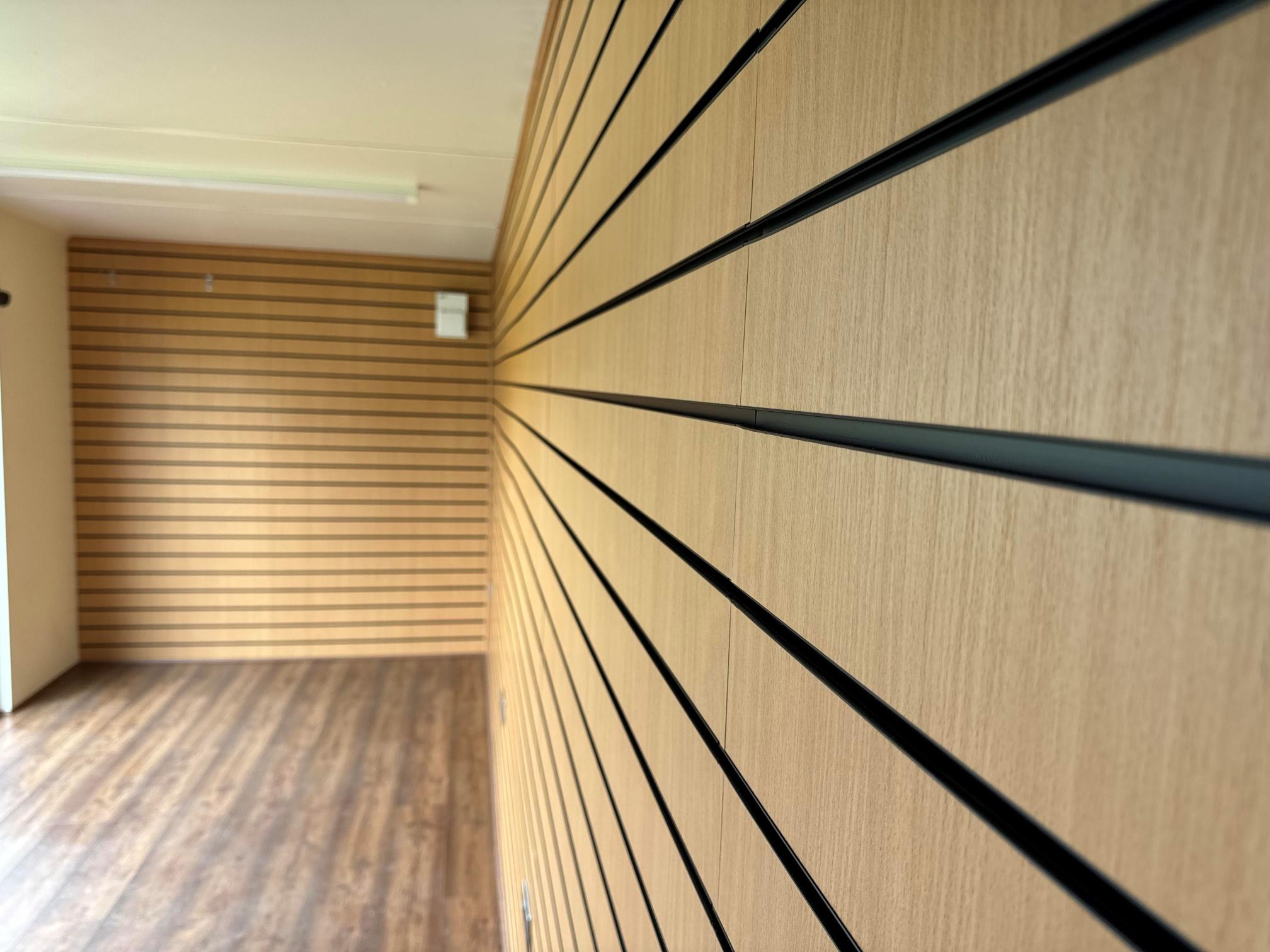
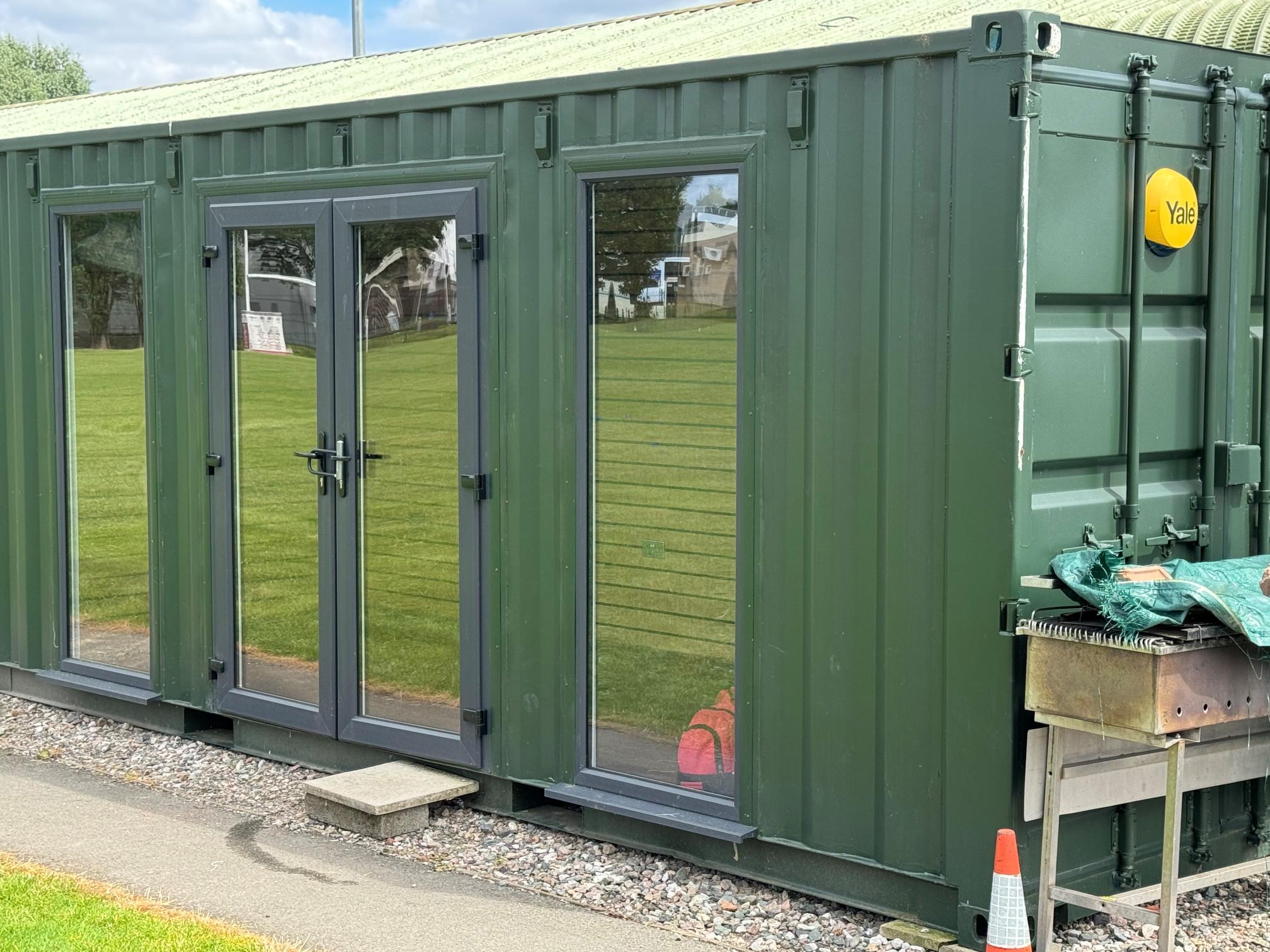
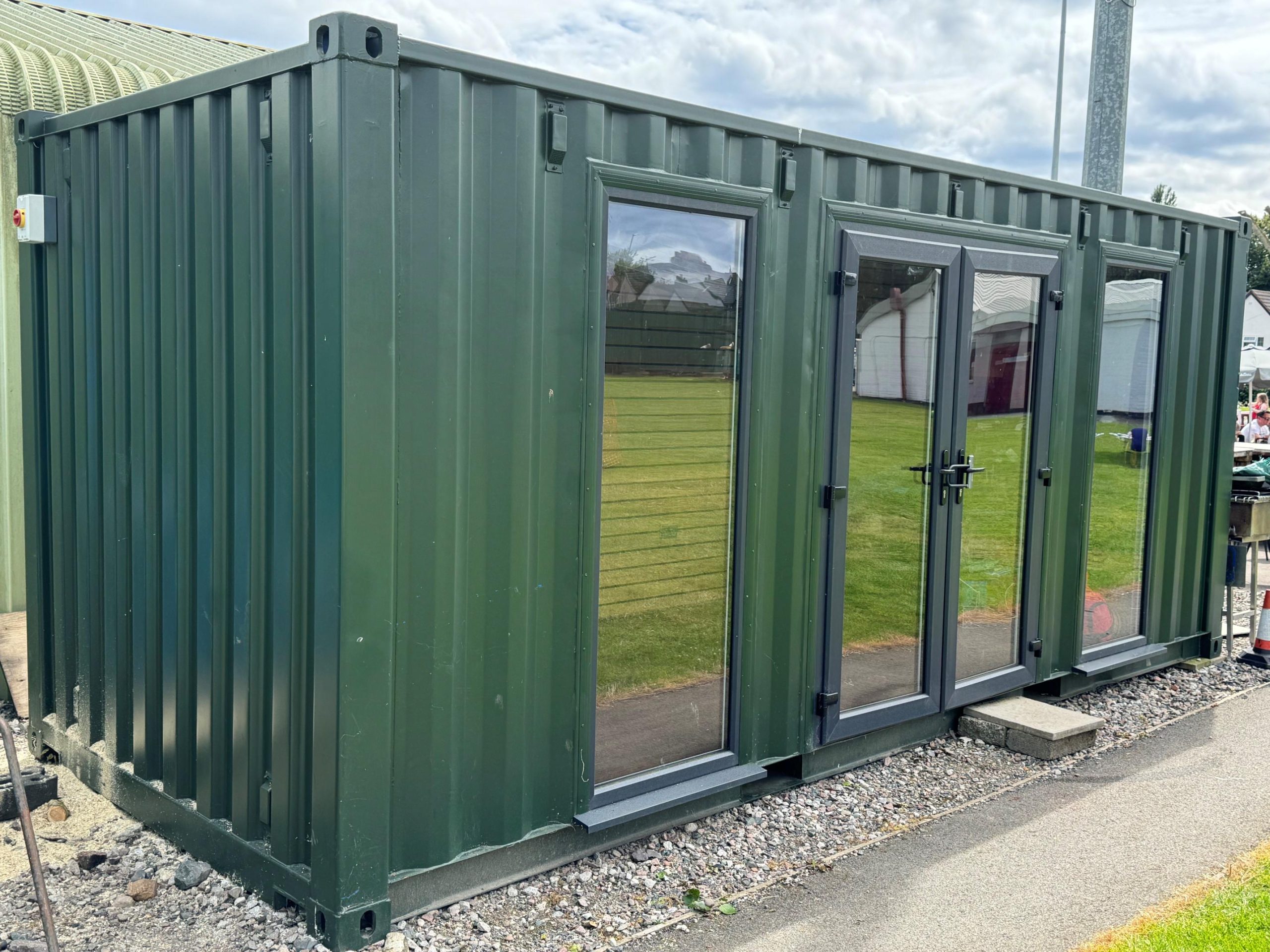
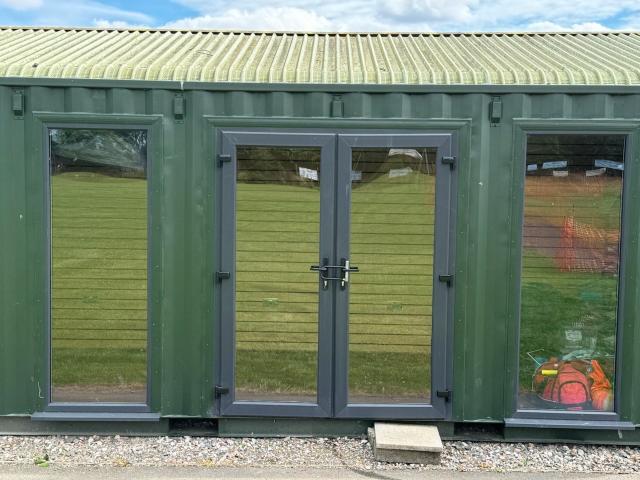
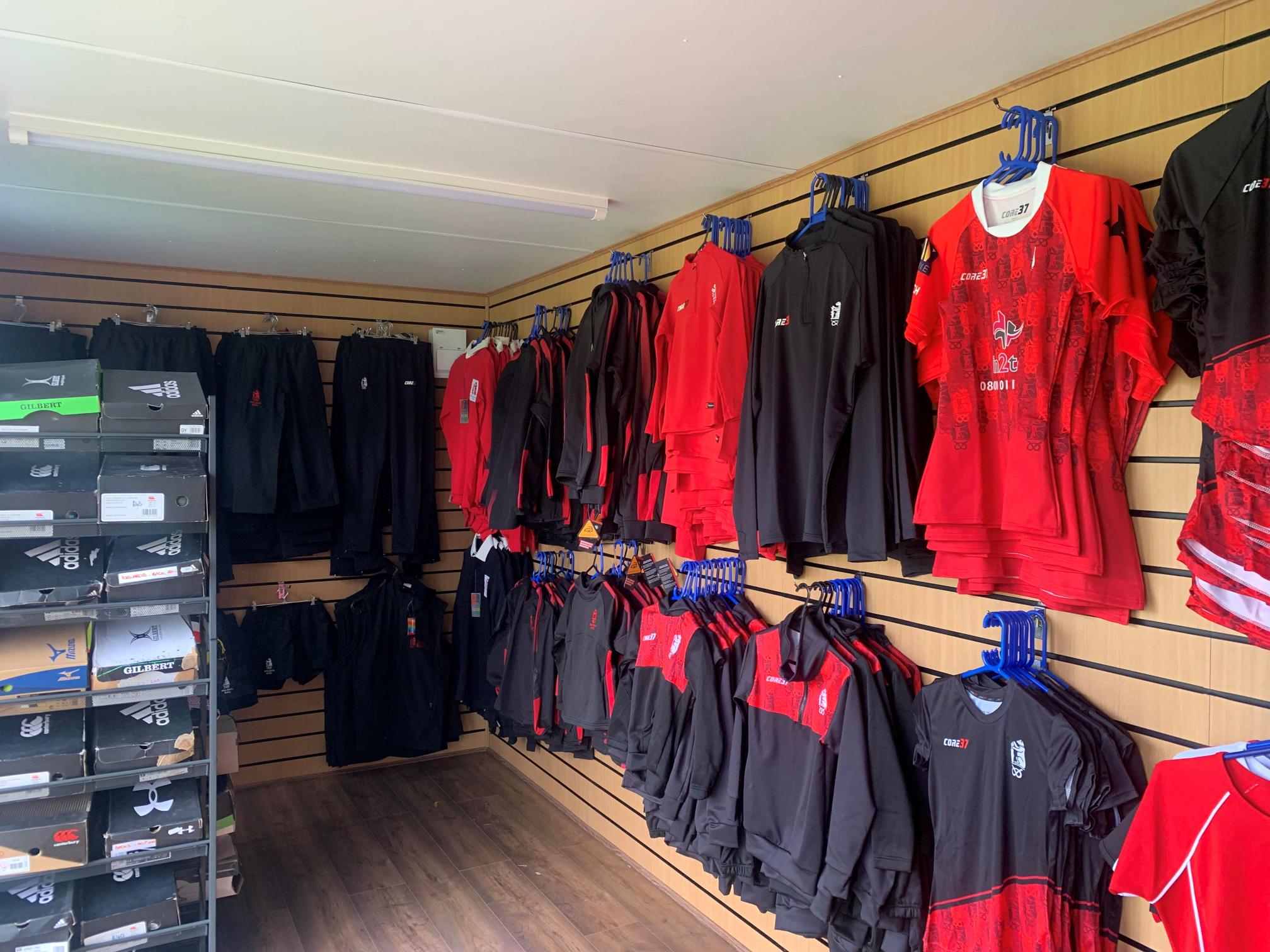
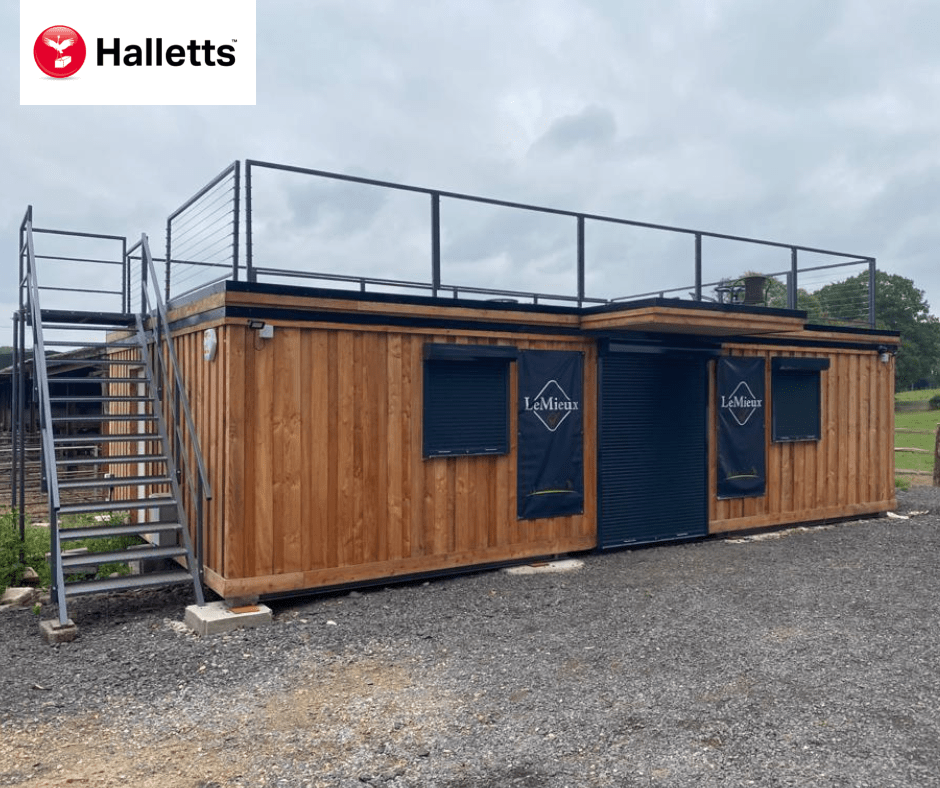
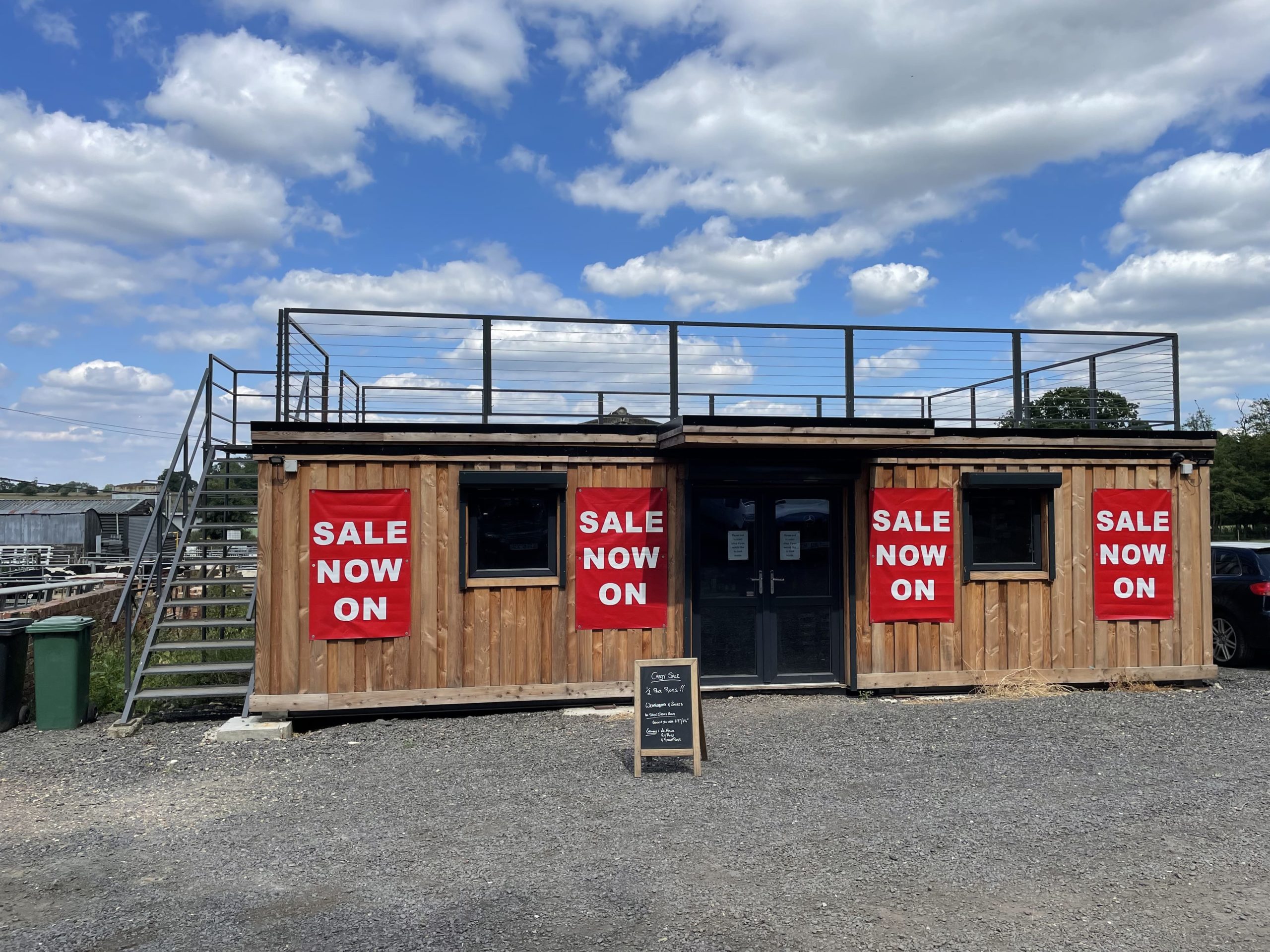
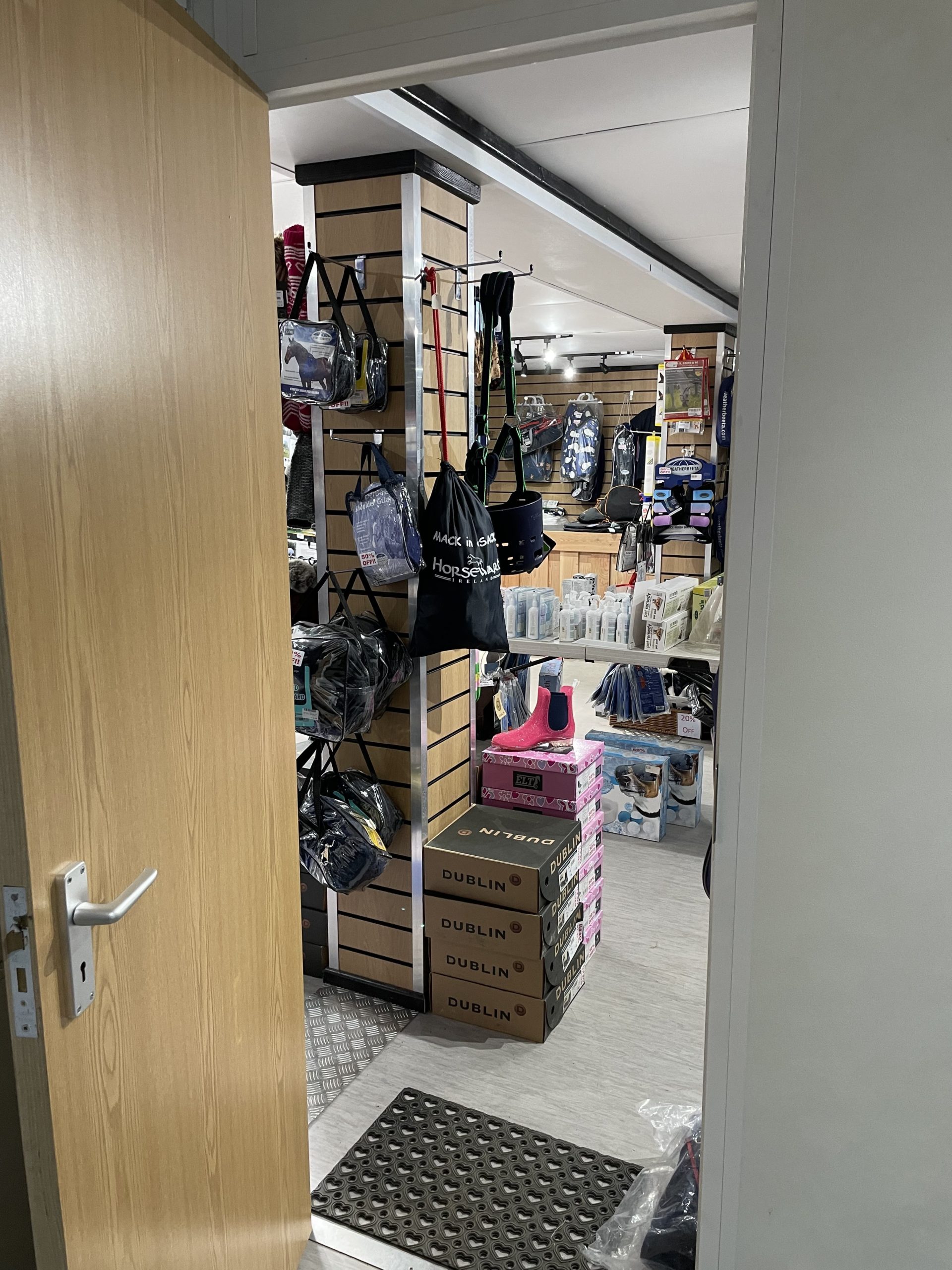
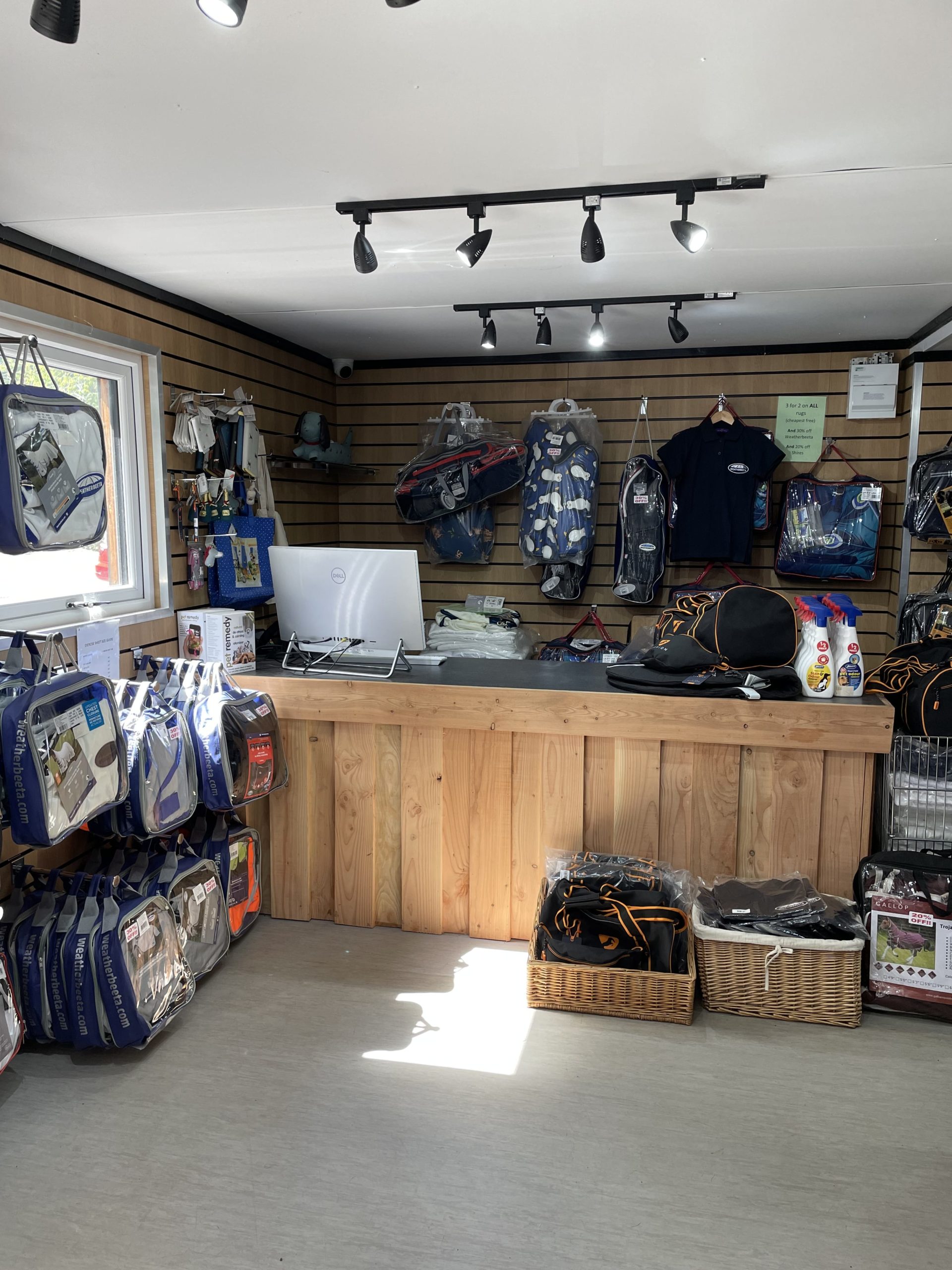
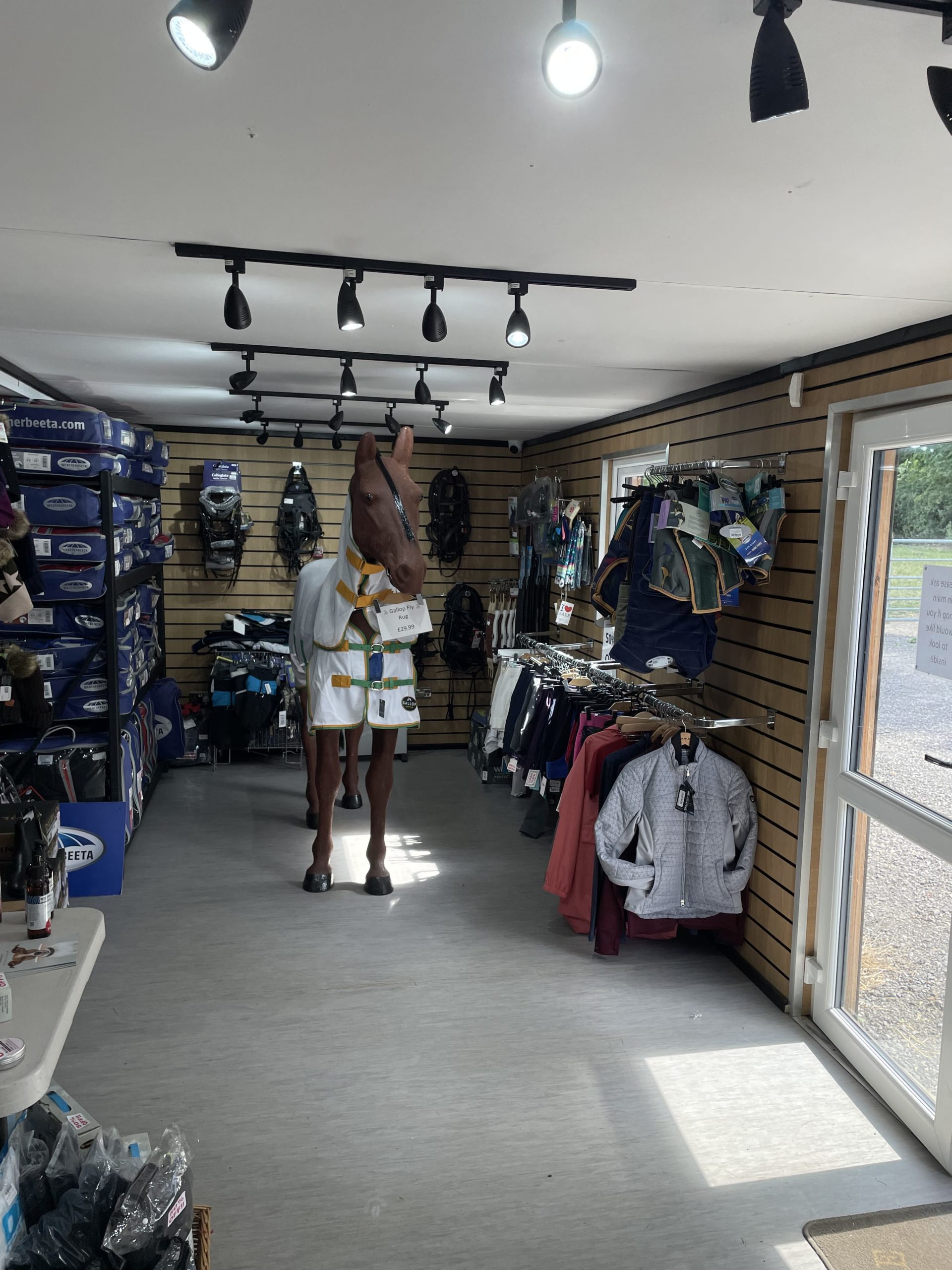
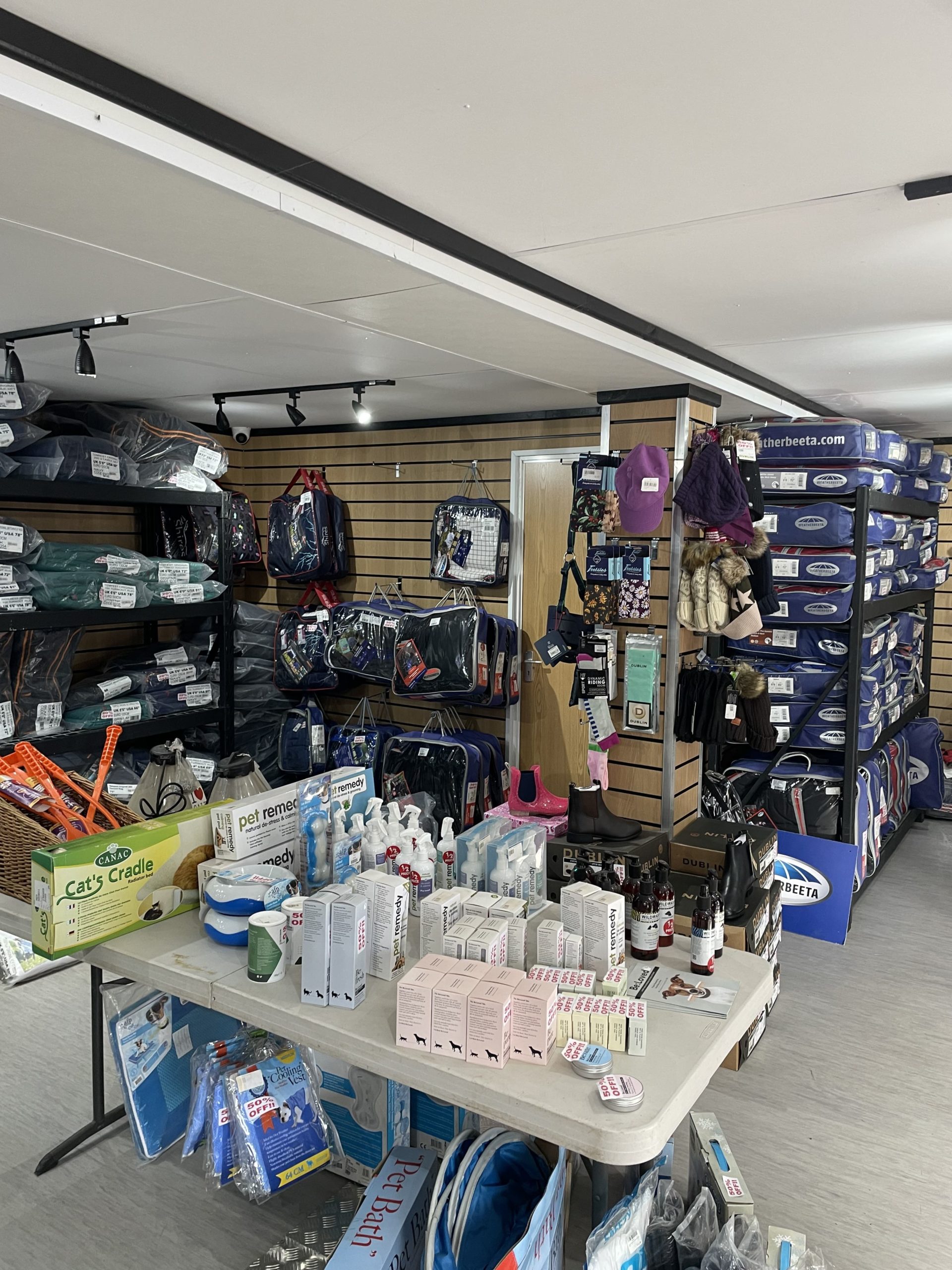
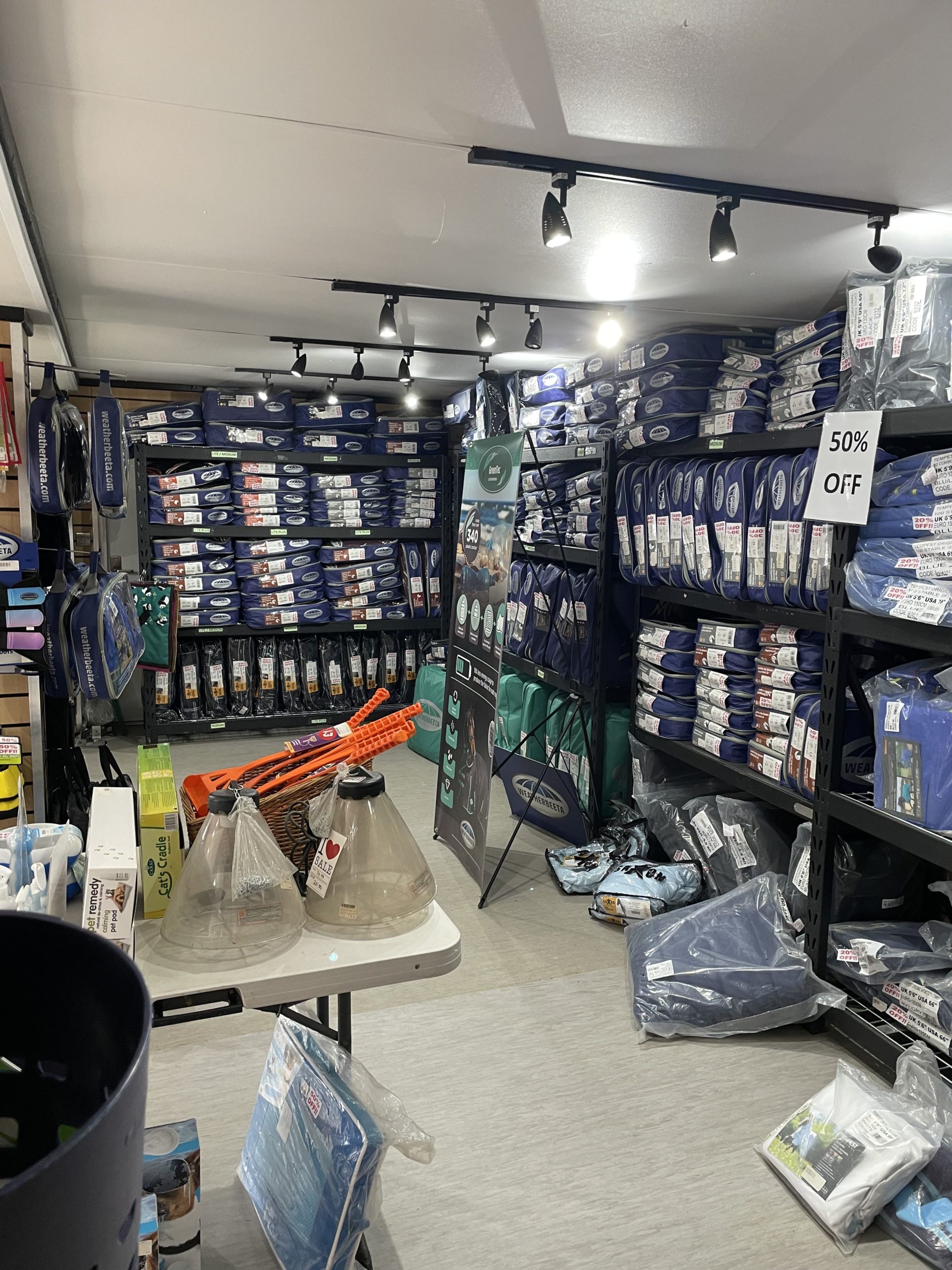
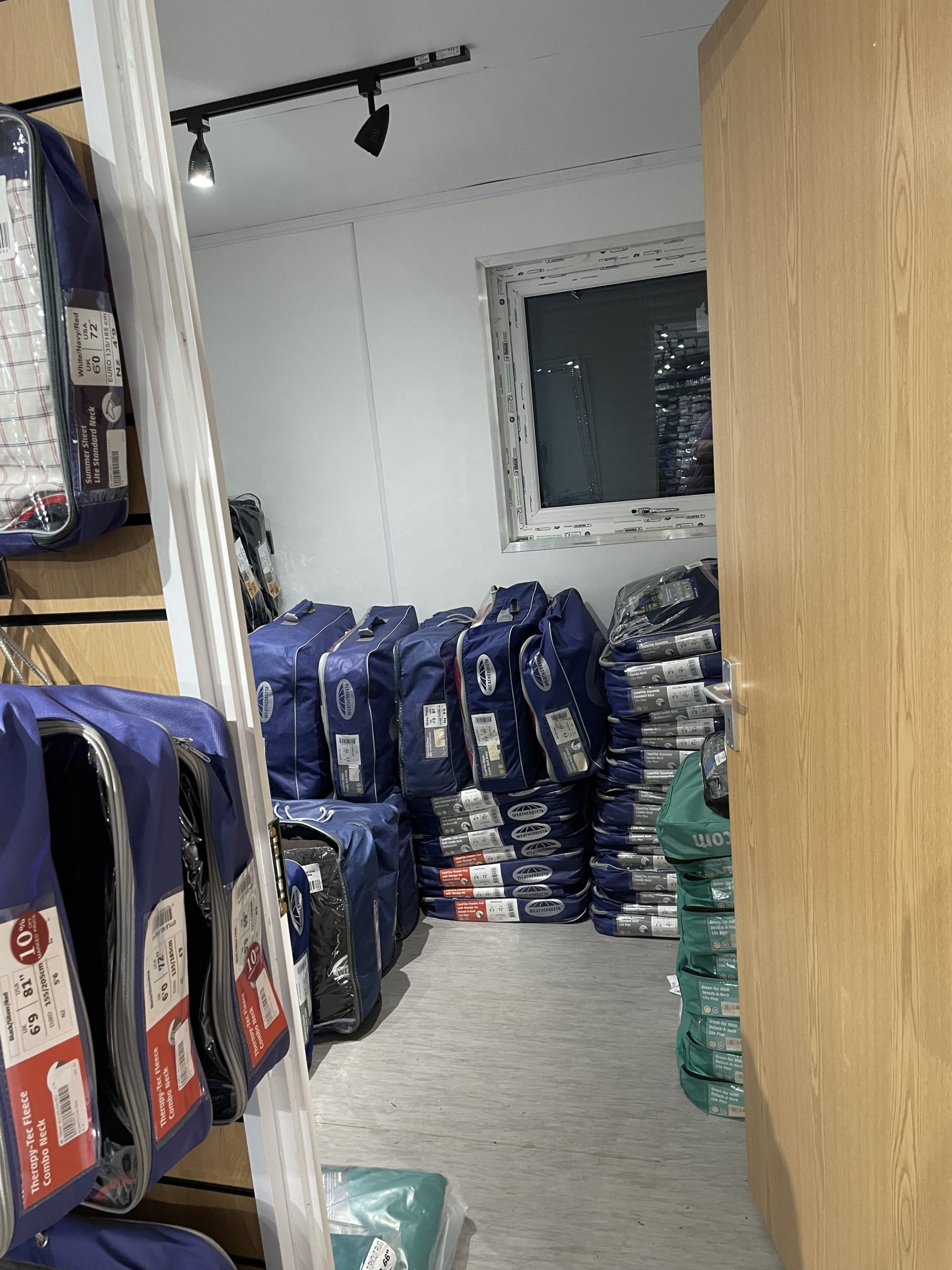
20ft x 8ft Container Conversion Retail Shop
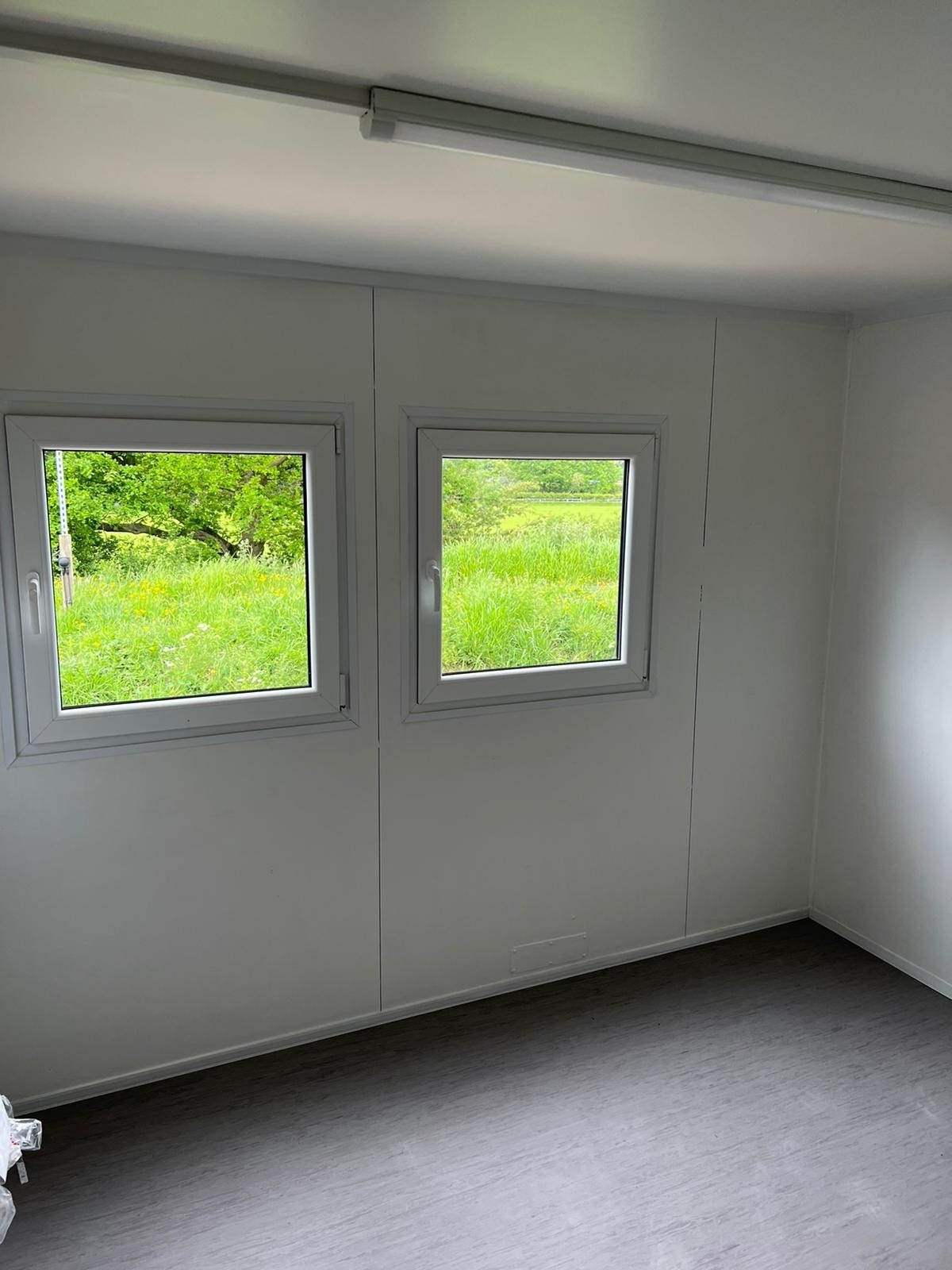
UPVC Double glazed Windows + French Doors
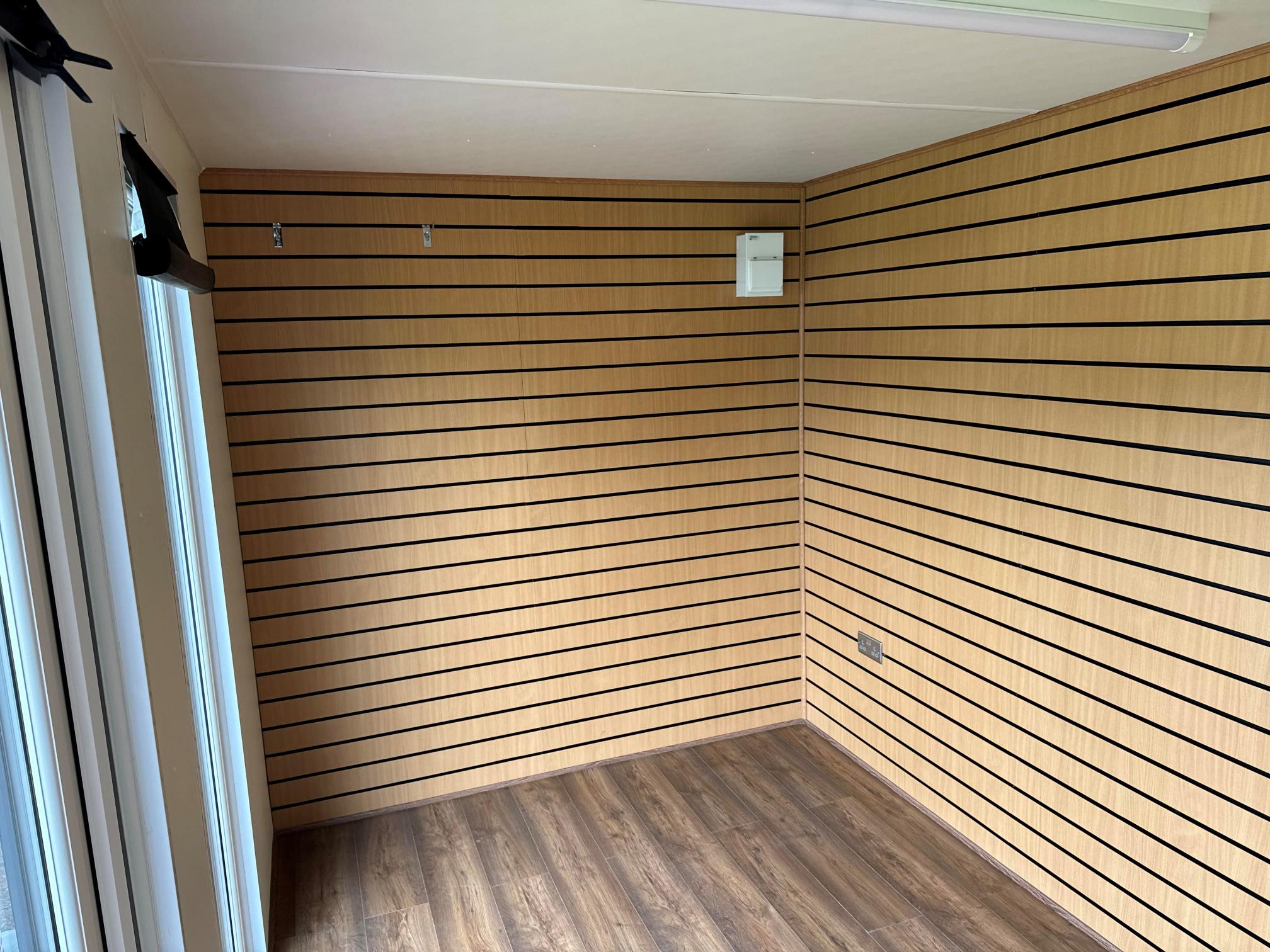
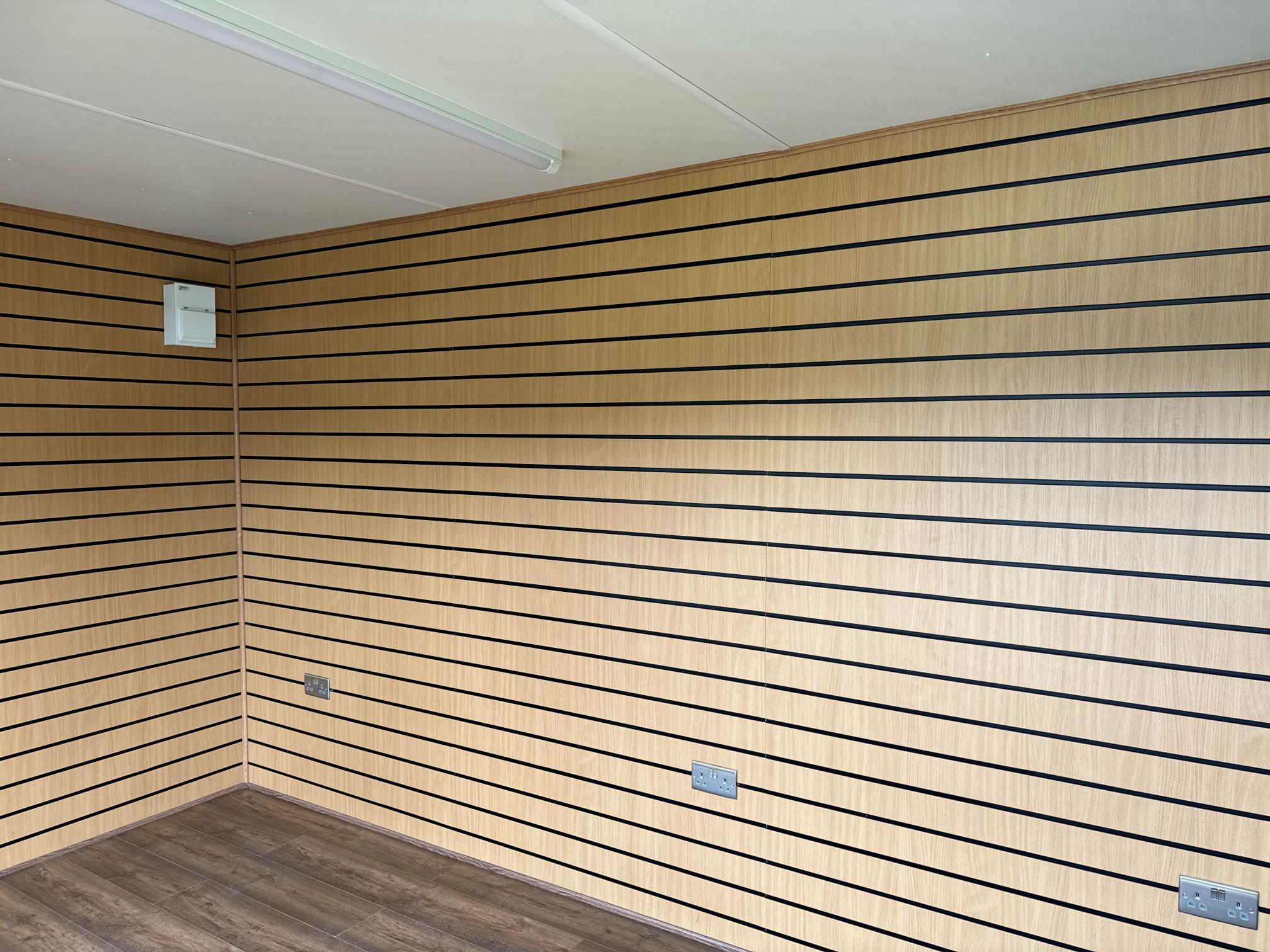
Slat Wall for retail fixings and Merchandise
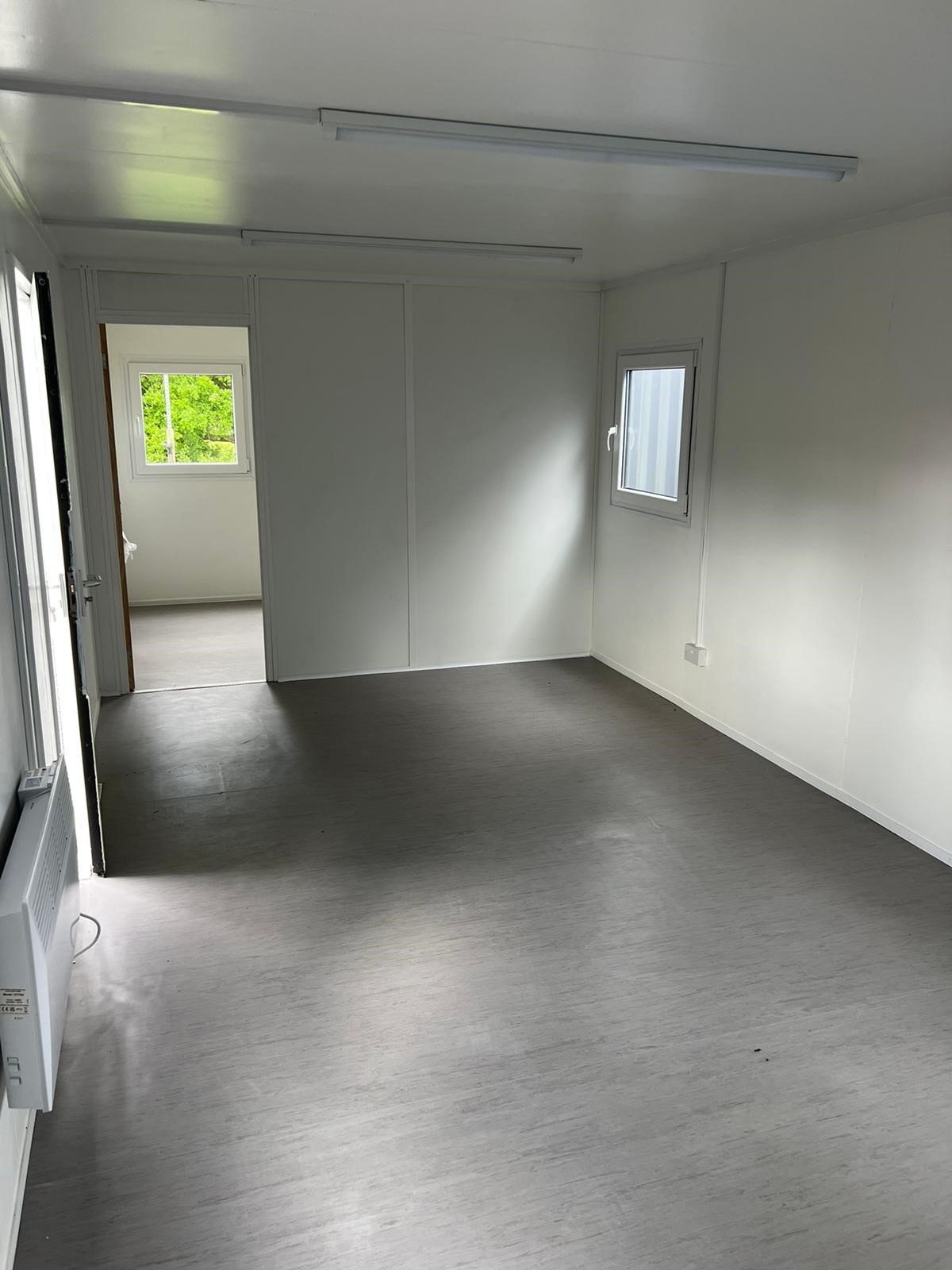
Electric Chrome Sockets, led lighting and heating.
Laminate Flooring
12 months Warranty
Maintenance call out package included
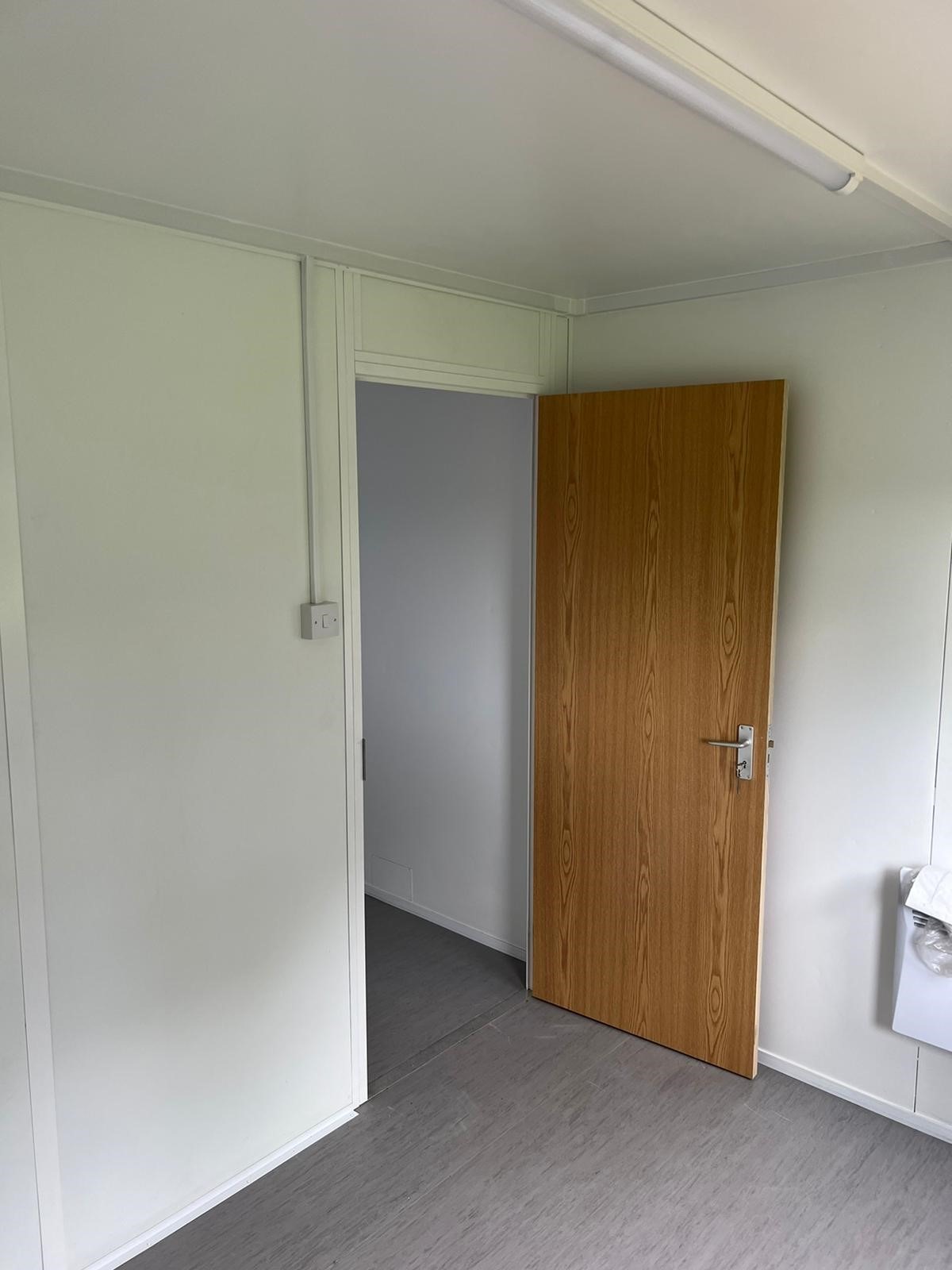
Less than 2 years old
Still in Brand New Condition

Fully refurbished
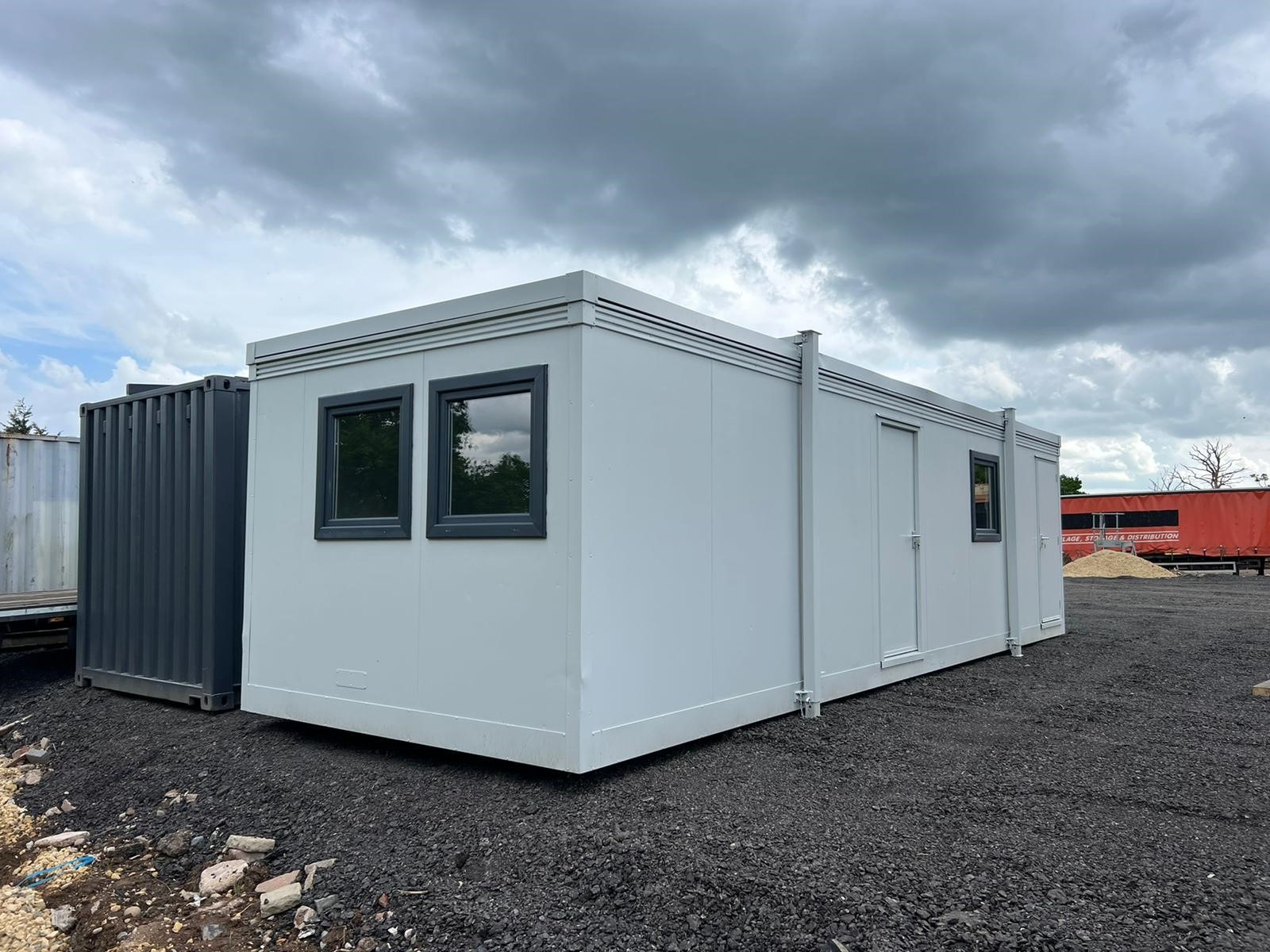
Colour light grey
Slate grey anthracite upvc double glazed windows
Location: Nationwide
+ VAT
Not Available for Hire
Call for an instant quote!
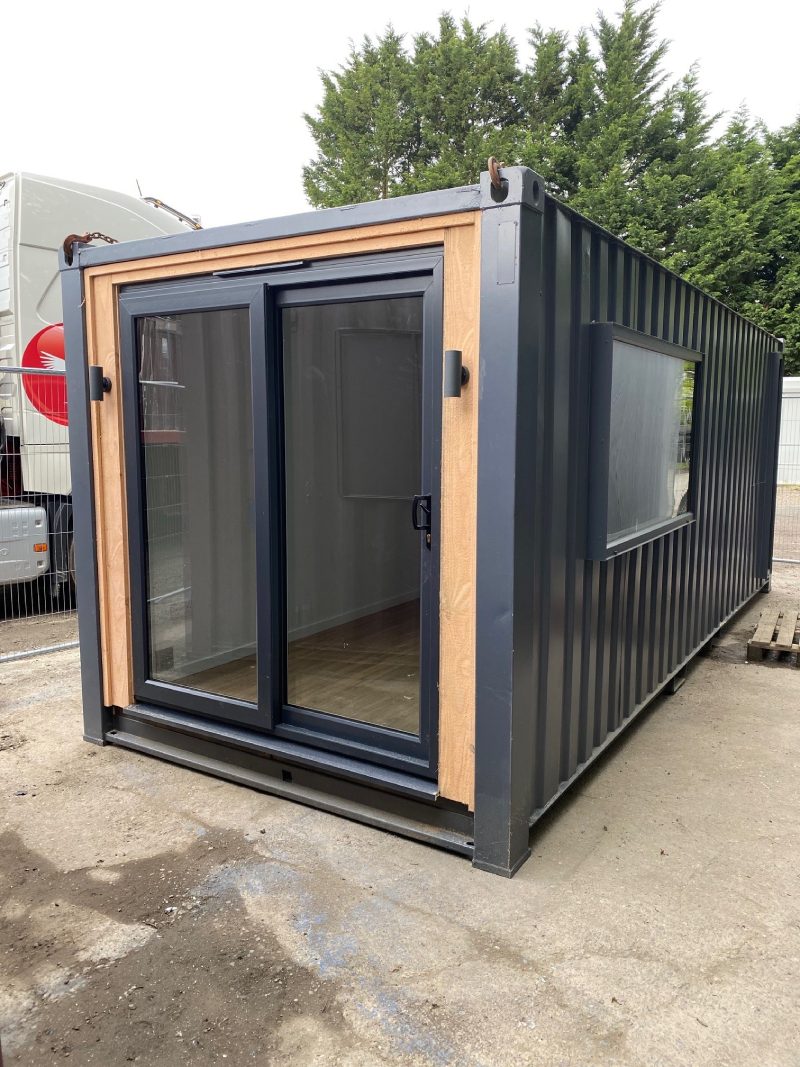
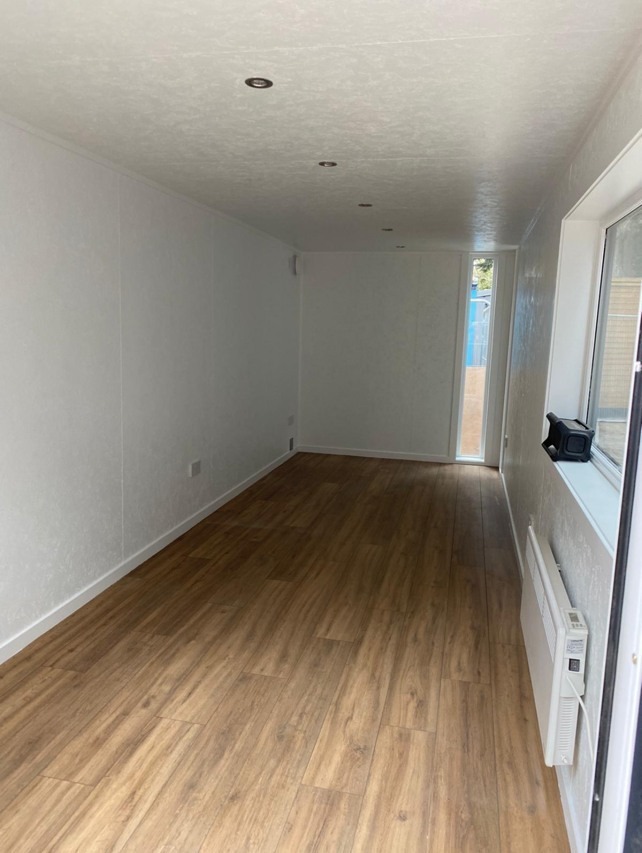
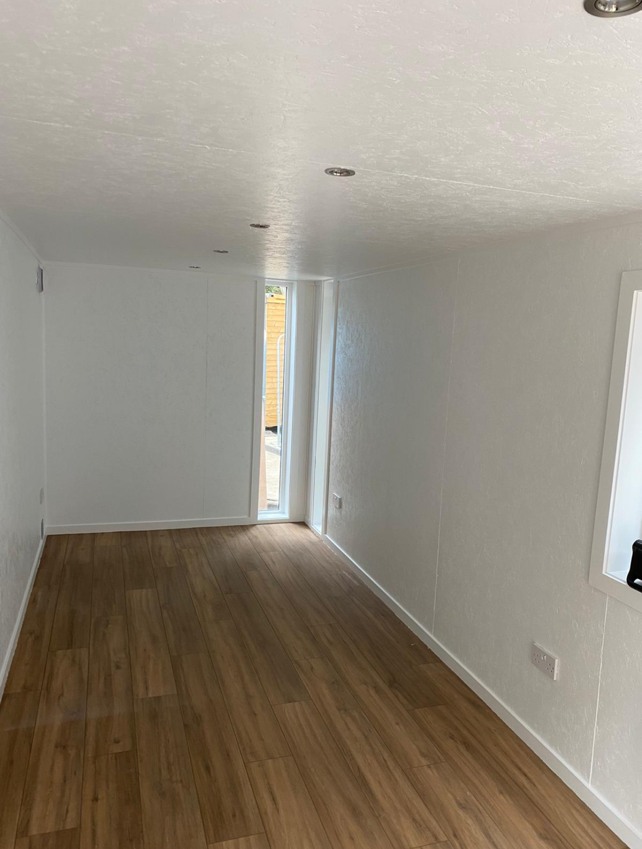
Fully Insulated with electric sockets, spot lighting, and heating
Wood Flooring
UPVC Sliding Door + Windows
Lead Time for build 6-8 weeks
Location: Nationwide
+ VAT
Not Available for Hire
Call for an instant quote!
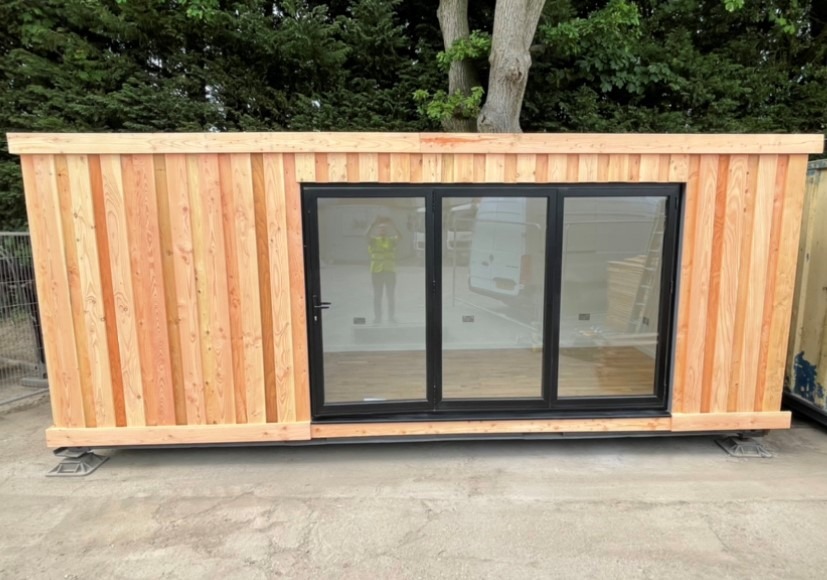
Fully Insulated with electric sockets, spot lighting, and heating
Wood Flooring
Aluminium Bi Fold Doors
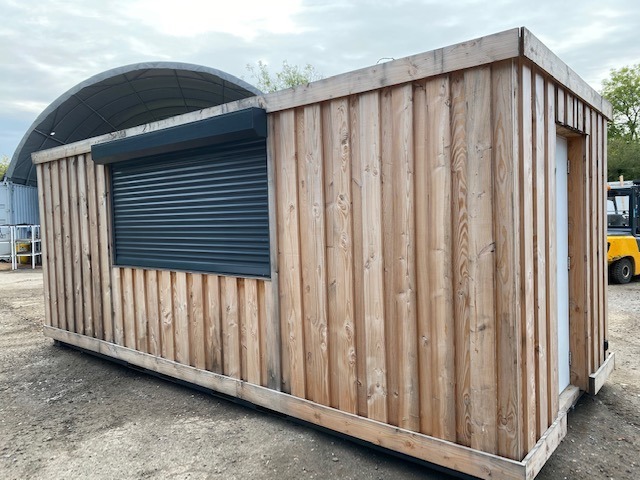
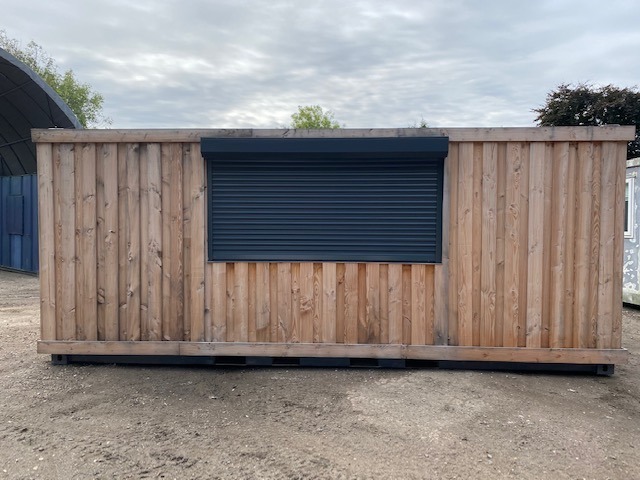
Fully wrapped in larch cladding
Lead Time for build 6-8 weeks
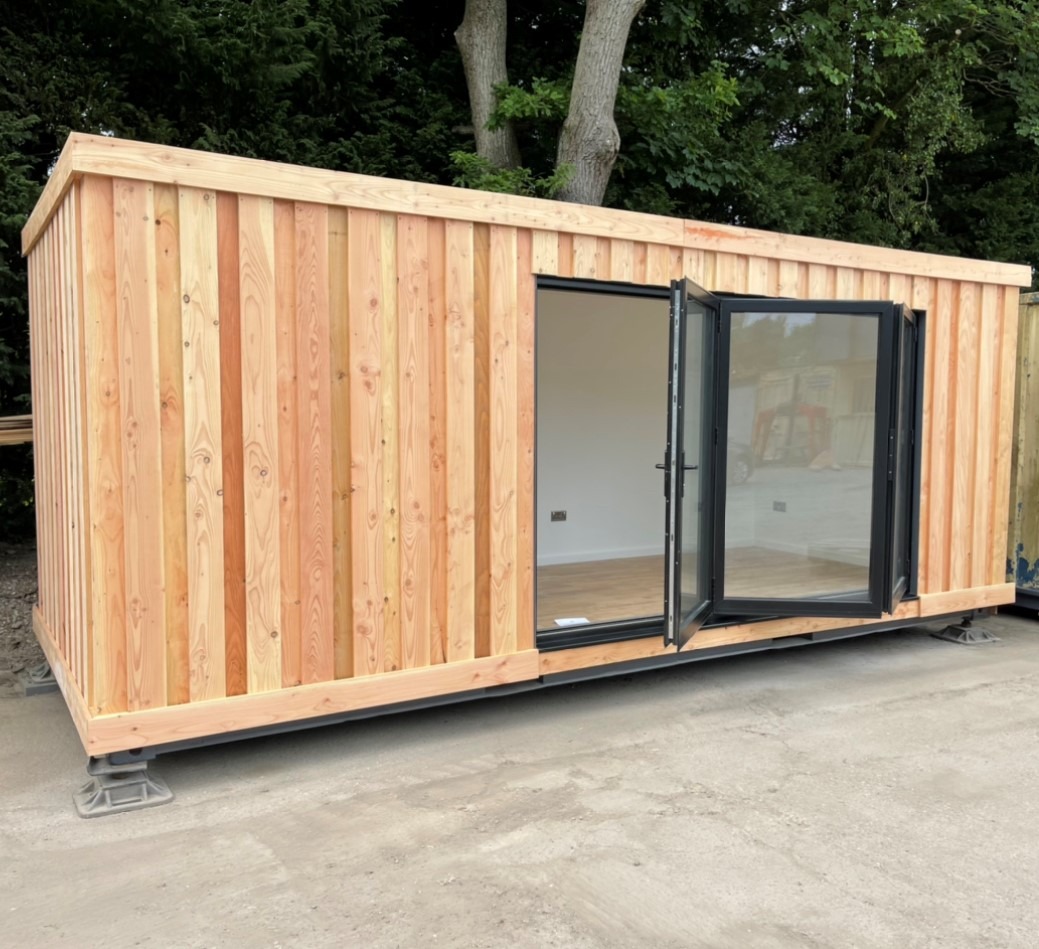
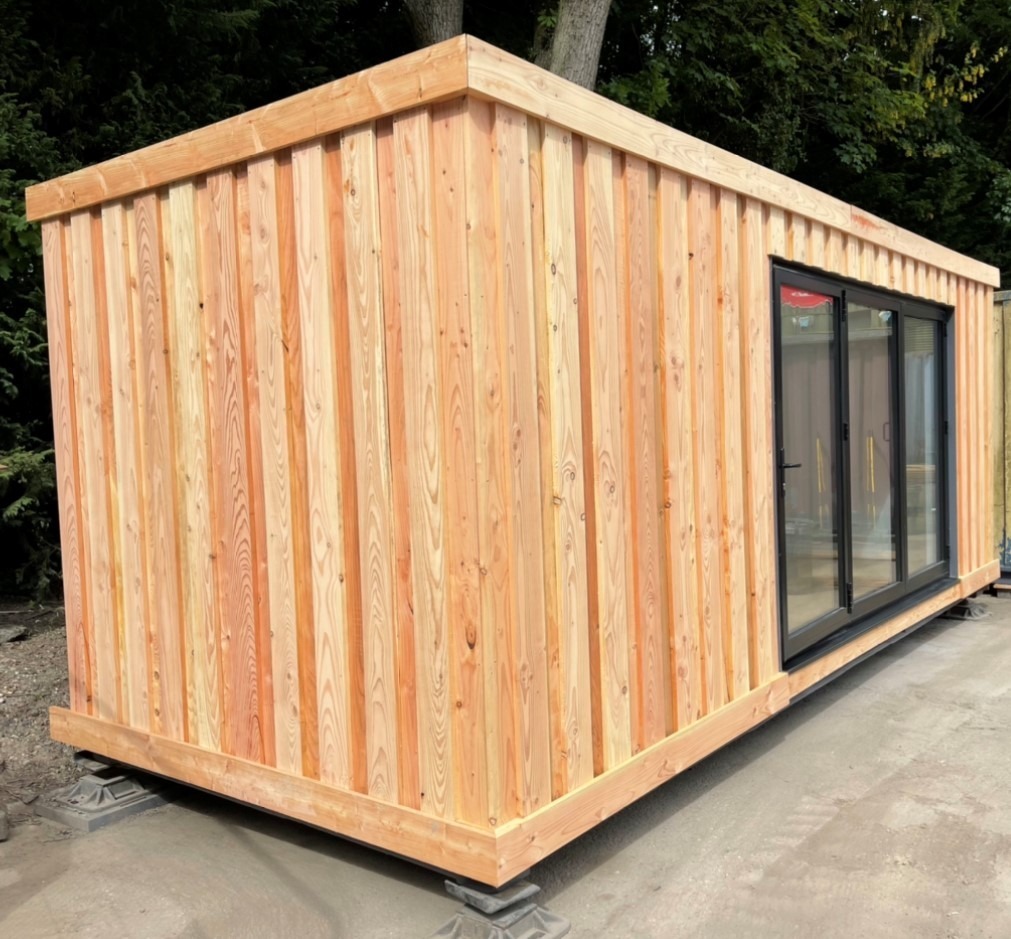
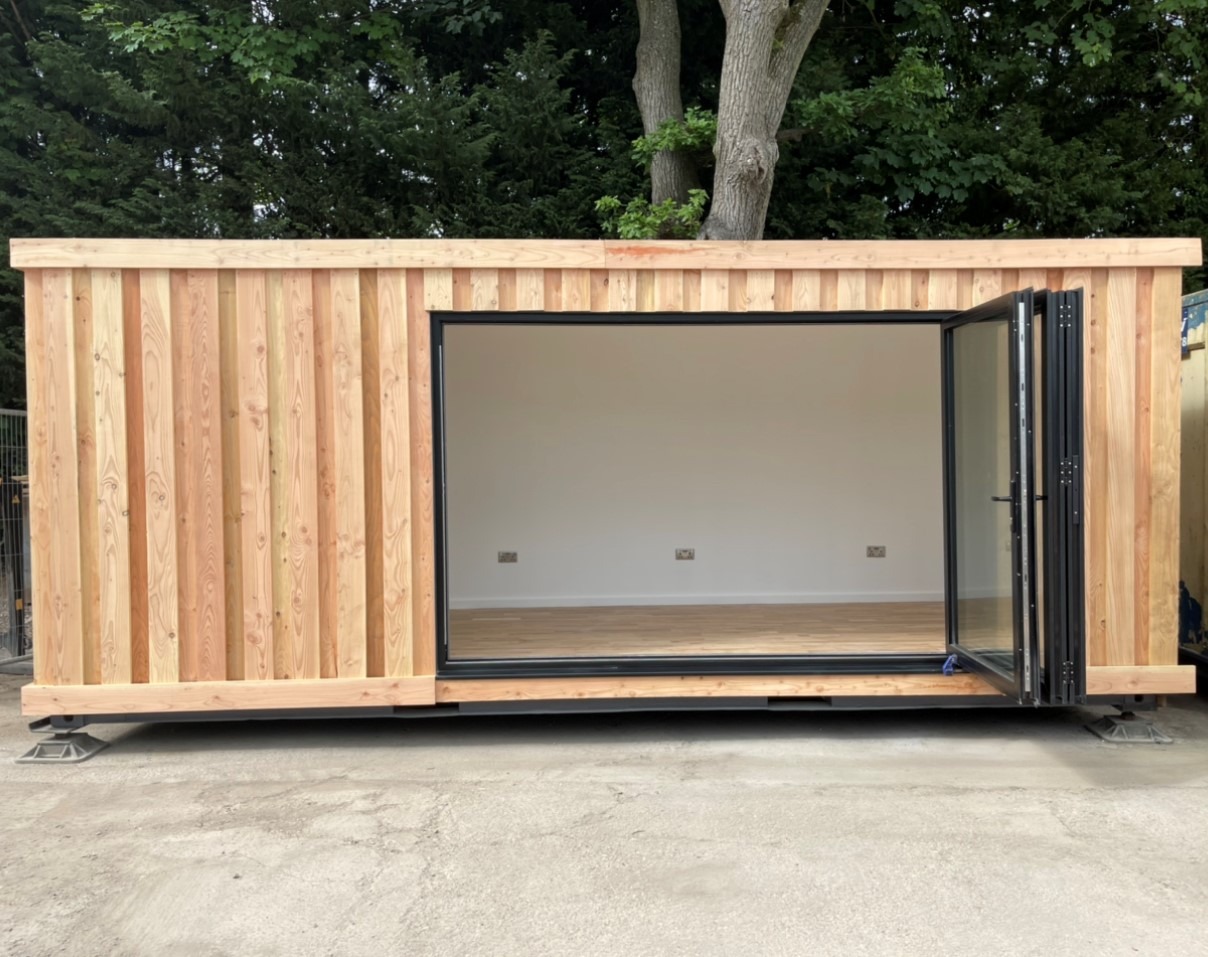
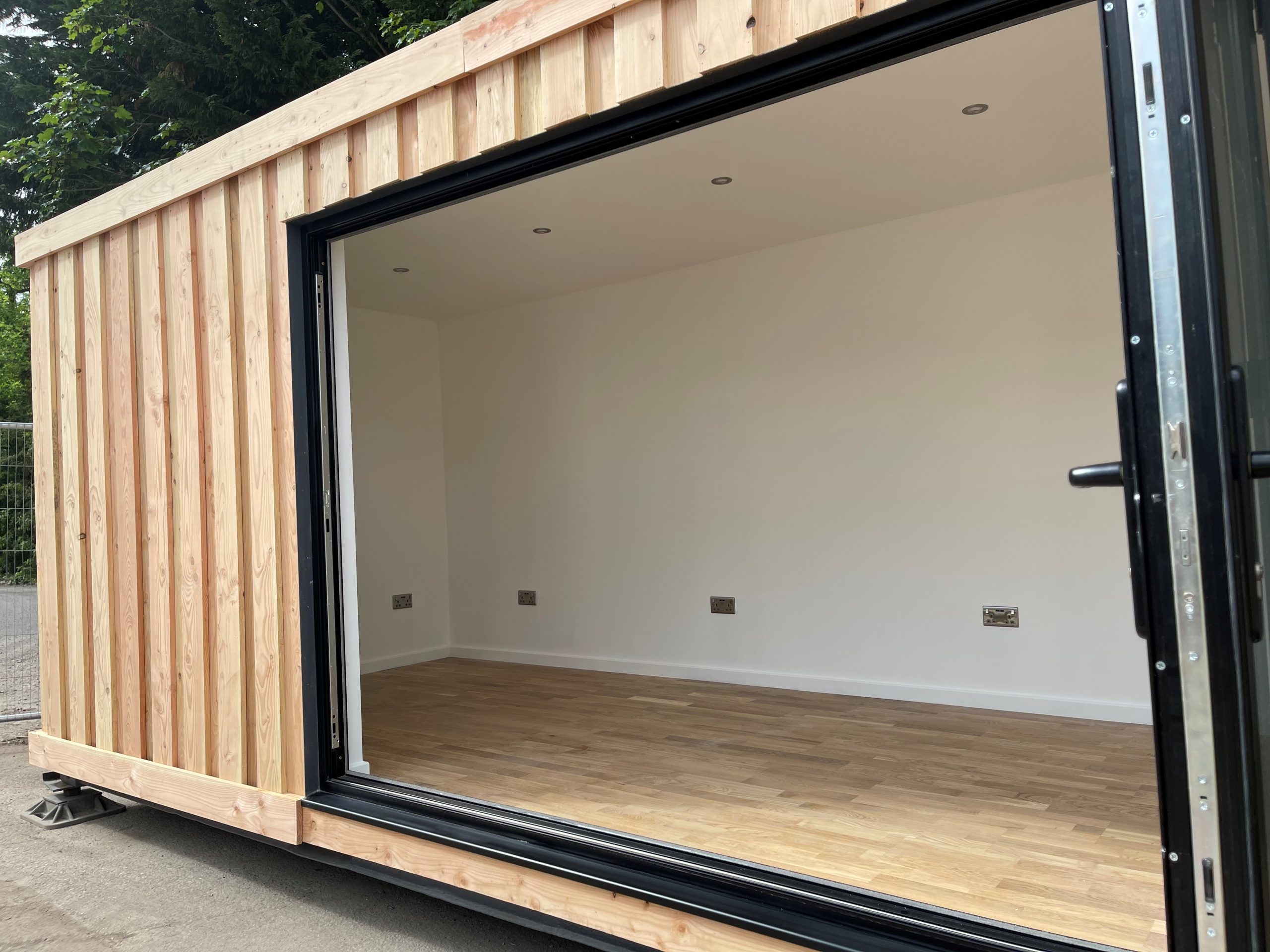
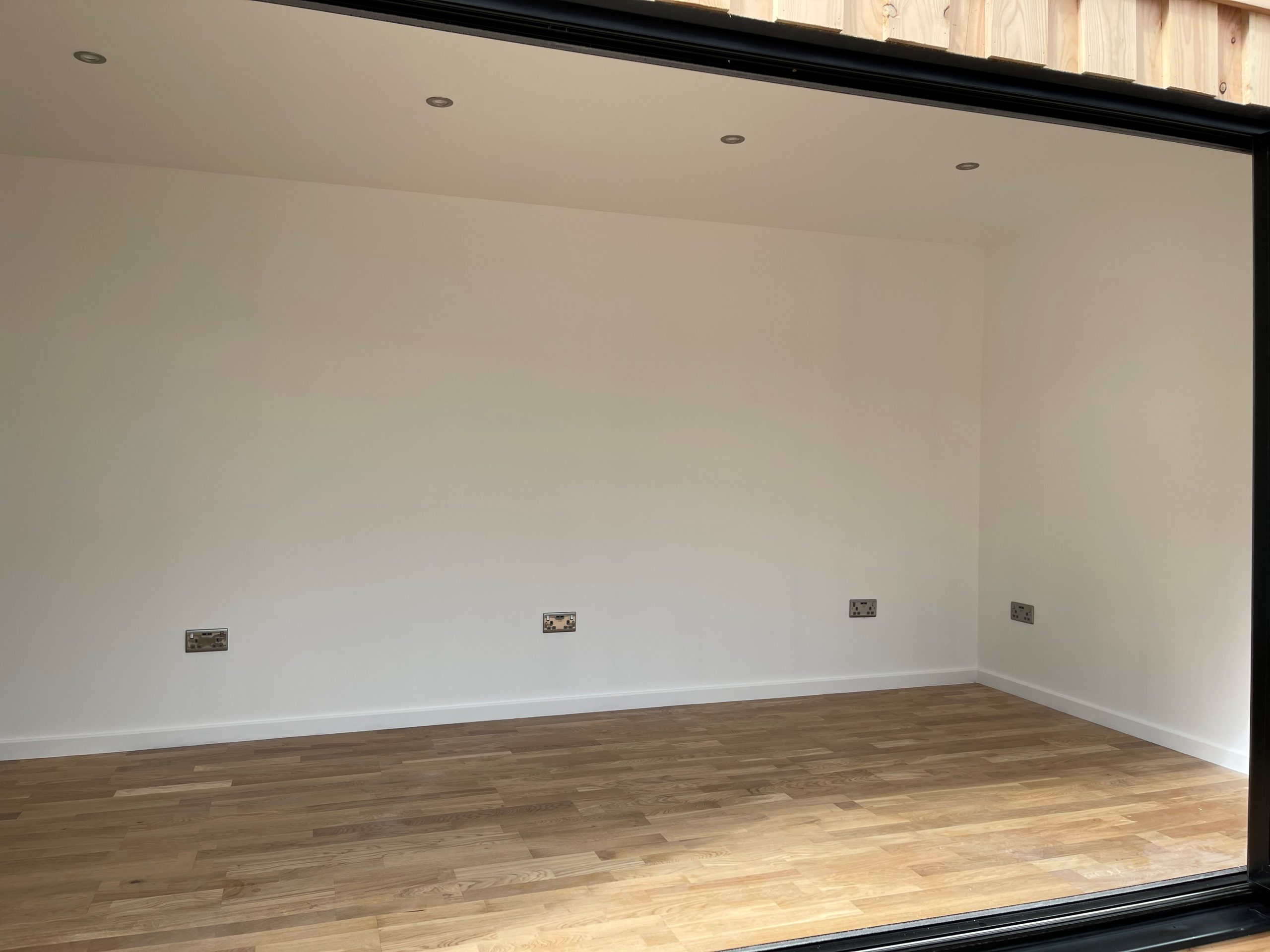
Location: Nationwide
+ VAT
Not Available for Hire
Call for an instant quote!
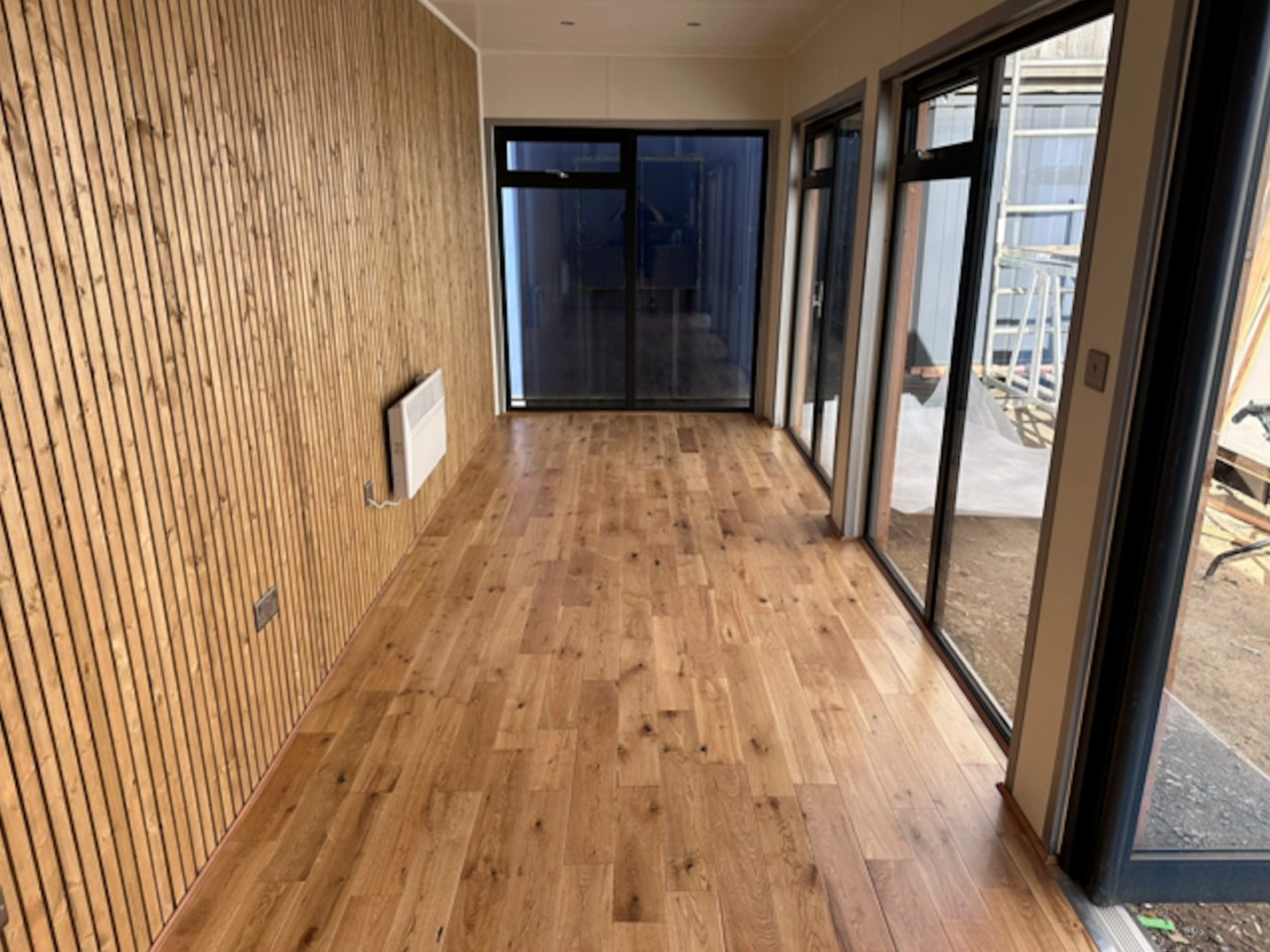
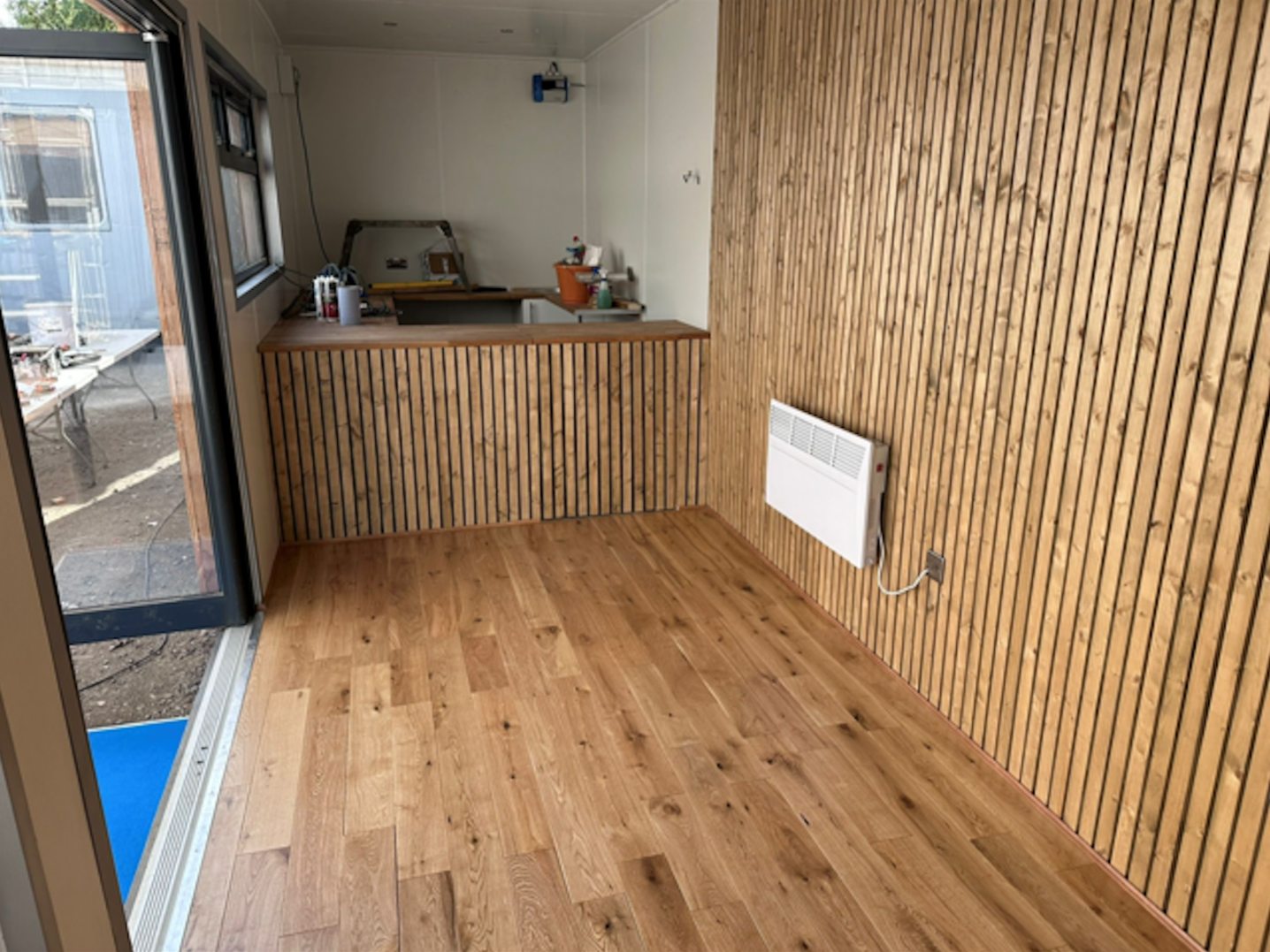
Fully Insulated with electric sockets, spot lighting, and heating
Wood Flooring
Feature Clad Wall and Ceiling
UPVC Double glazed French Doors
Fully wrapped in larch cladding
Lead Time for build 6-8 weeks
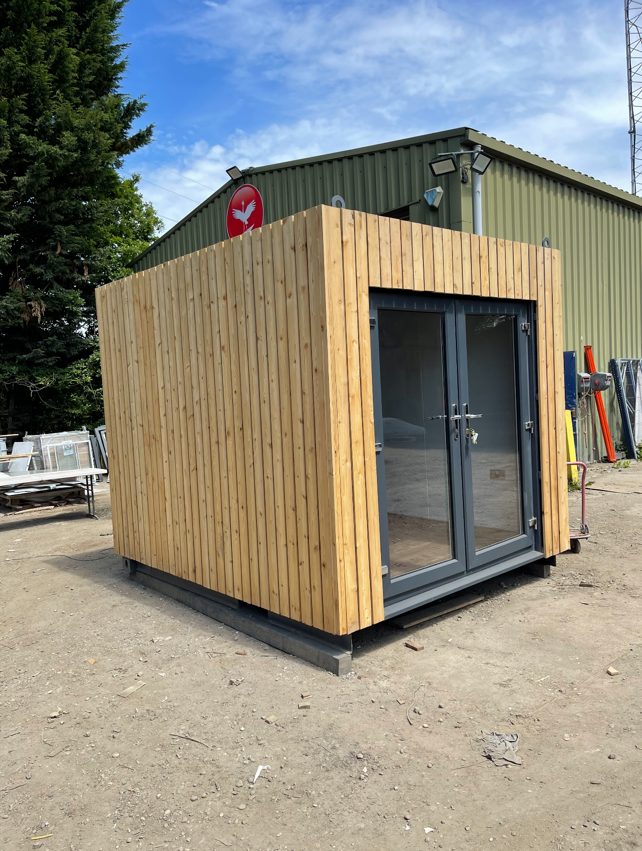
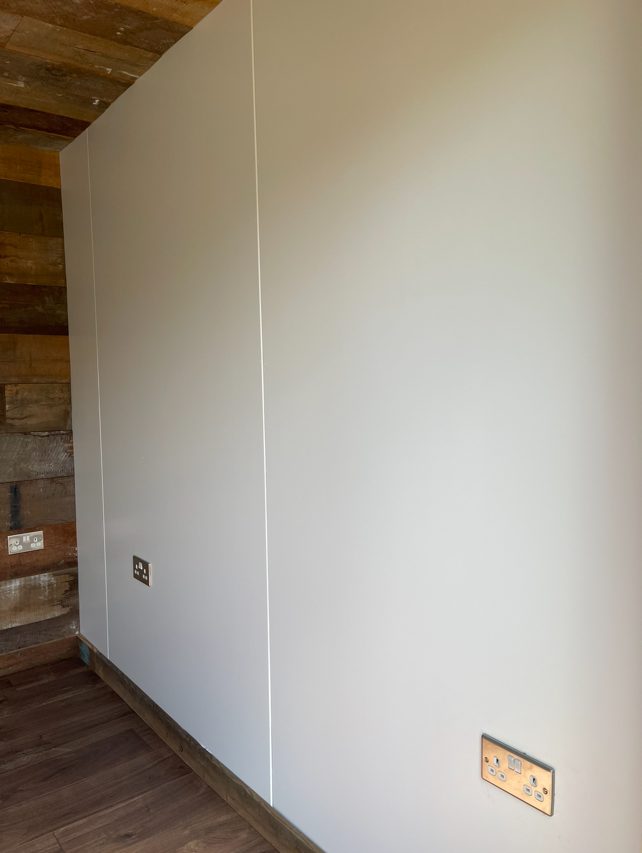
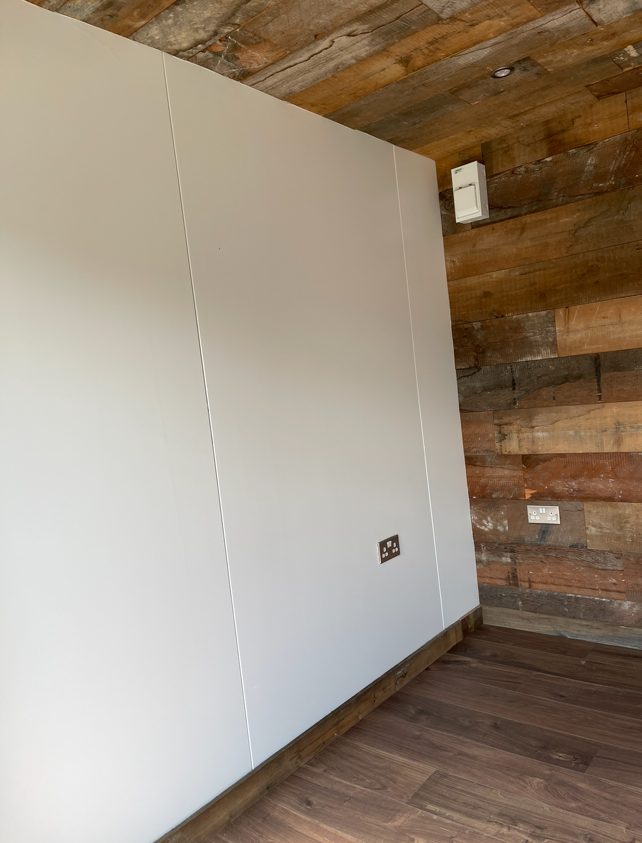
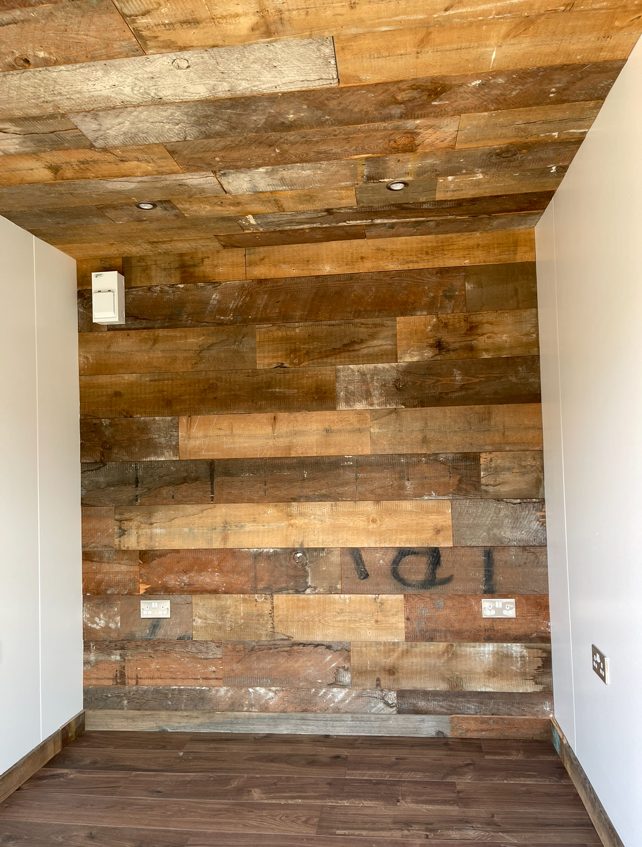
Location: Nationwide
EX VAT
Not Available for Hire
Call for an instant quote!
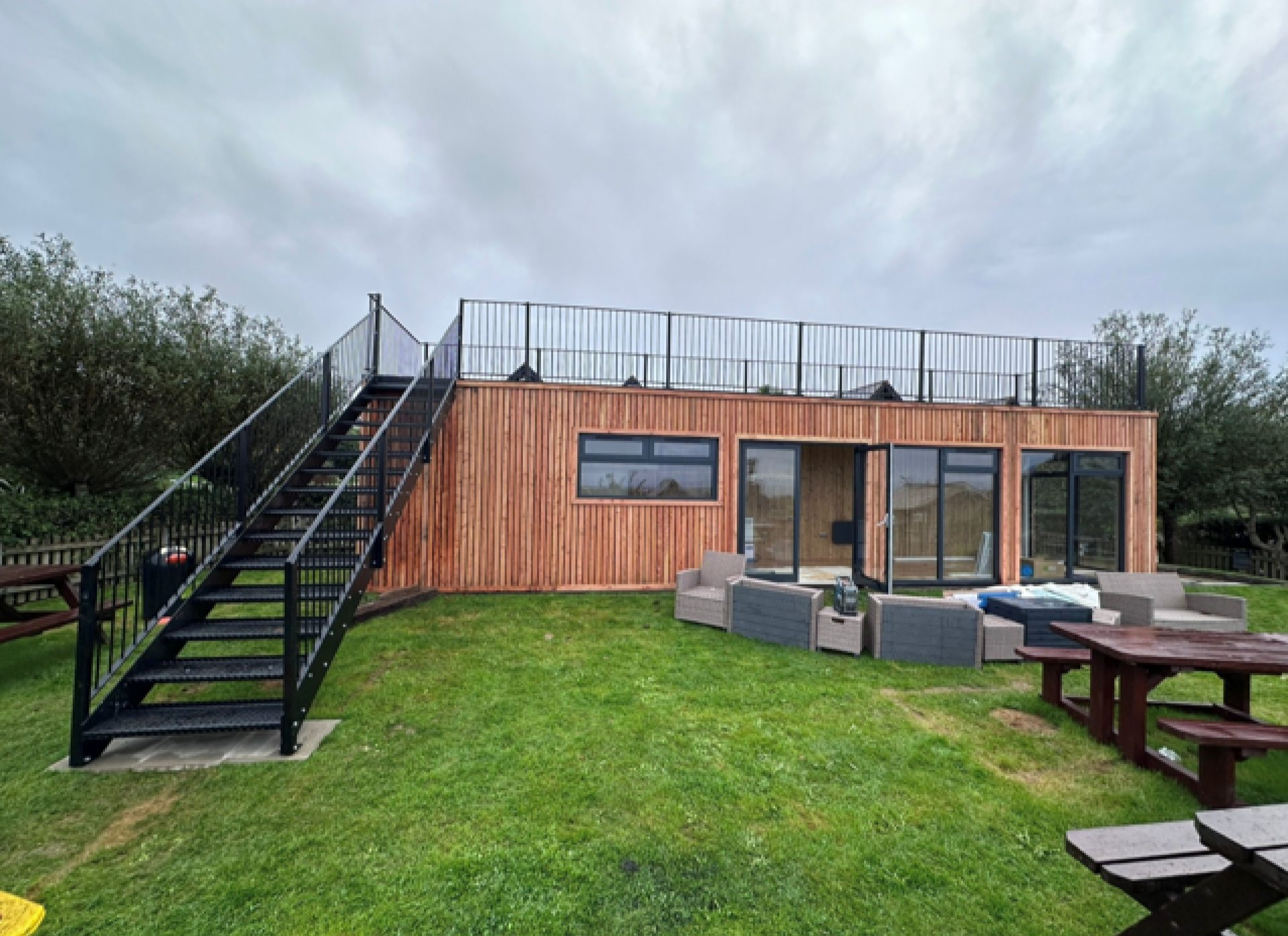
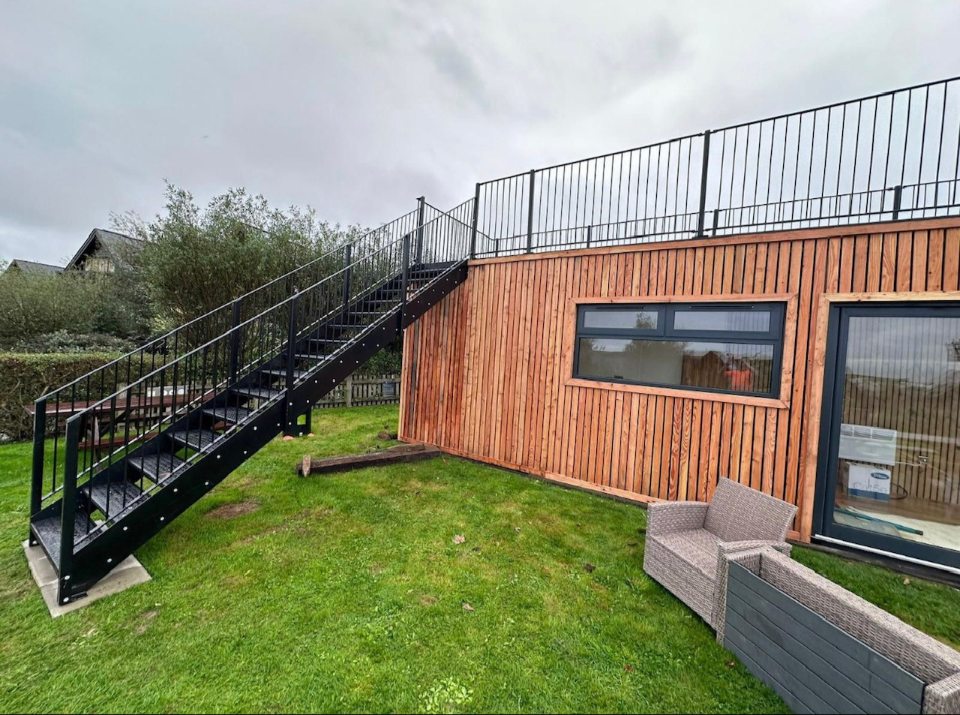
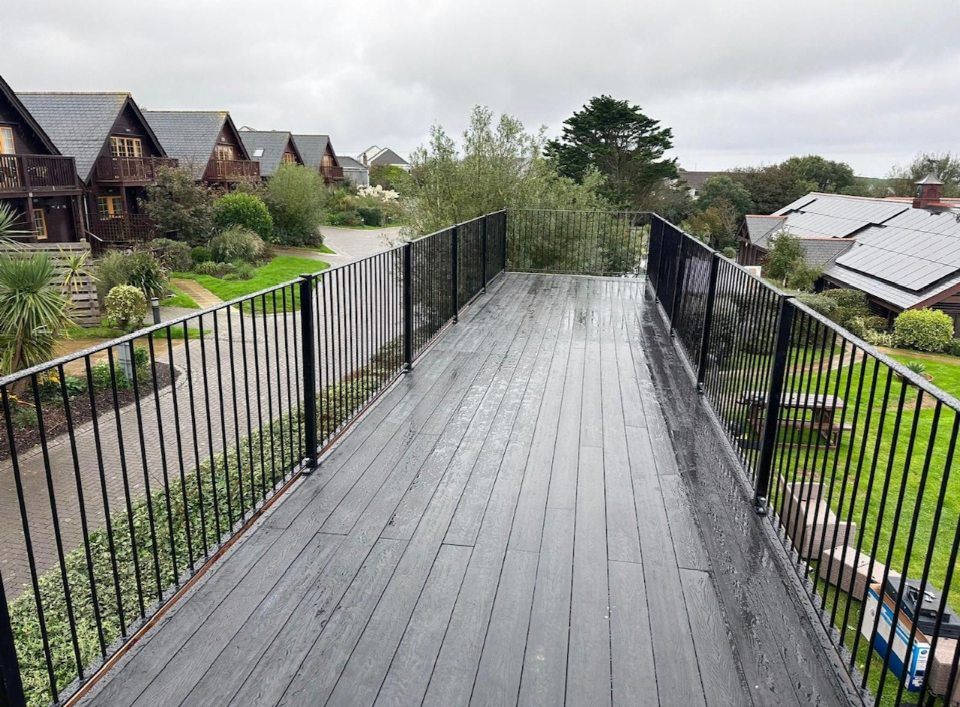
Location: Nationwide
EX VAT
Not Available for Hire
Call for an instant quote!
Location: Nationwide
EX VAT
Not Available for Hire
Call for an instant quote!
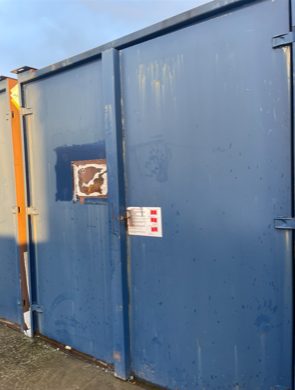
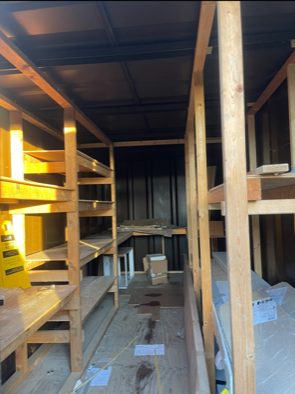
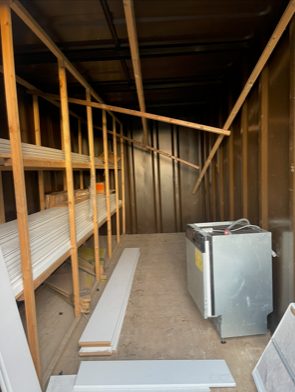
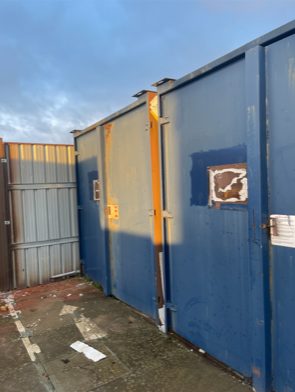
Location: Nationwide
EX VAT
Not Available for Hire
Call for an instant quote!

Location: Nationwide
EX VAT
Not Available for Hire
Call for an instant quote!

Location: Nationwide
EX VAT
Not Available for Hire
Call for an instant quote!
Location: Nationwide
EX VAT
Not Available for Hire
Call for an instant quote!
Location: Nationwide
EX VAT
Not Available for Hire
Call for an instant quote!
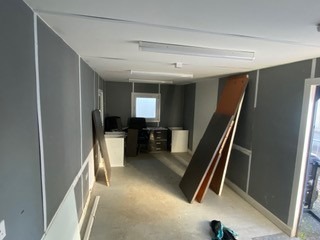
Location: Nationwide
EX VAT
Not Available for Hire
Call for an instant quote!
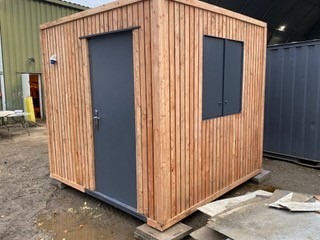
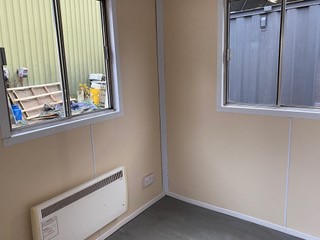
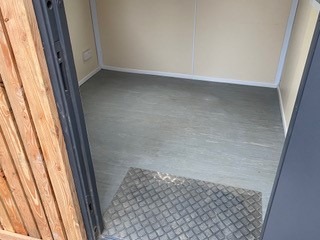
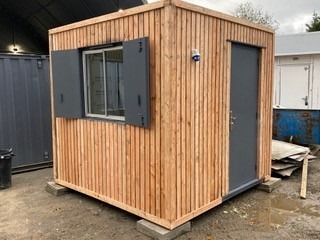
Location: Nationwide
EX VAT
Not Available for Hire
Call for an instant quote!
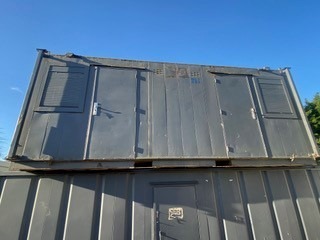
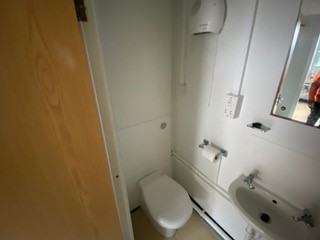
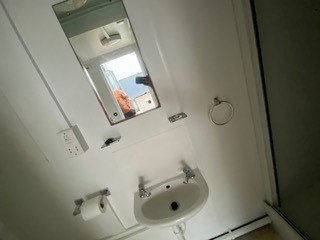
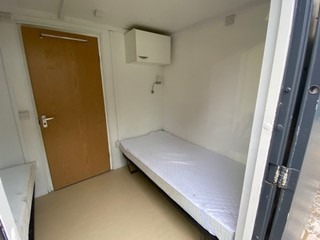

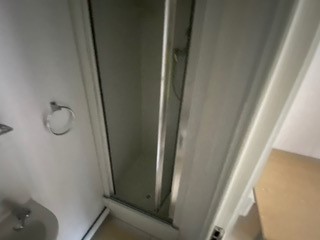
Location: Nationwide
EX VAT
Not Available for Hire
Call for an instant quote!
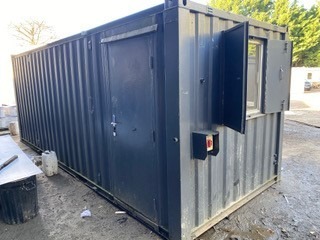
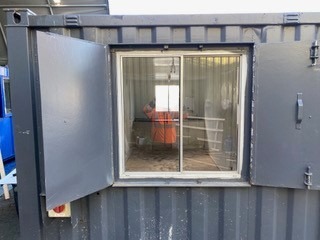
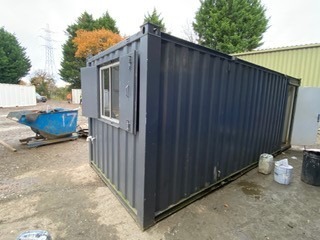
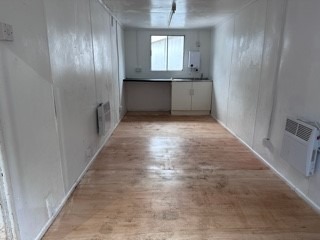
Location: Nationwide
EX VAT
Not Available for Hire
Call for an instant quote!
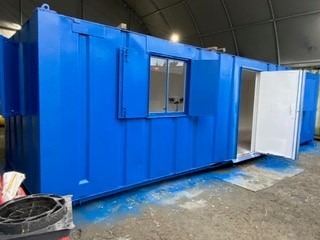
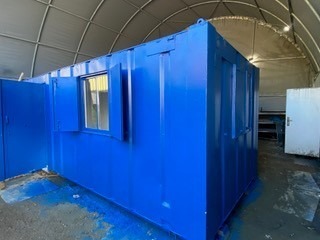
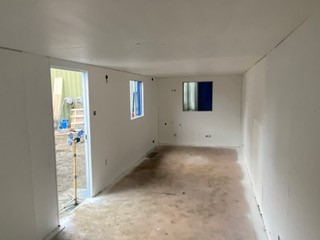
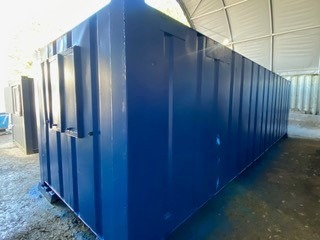
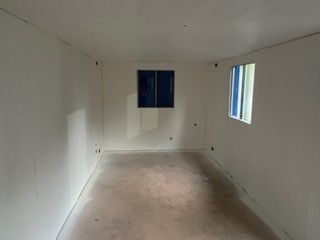
Location: Nationwide
EX VAT
Not Available for Hire
Call for an instant quote!
Location: Nationwide
EX VAT
Not Available for Hire
Call for an instant quote!
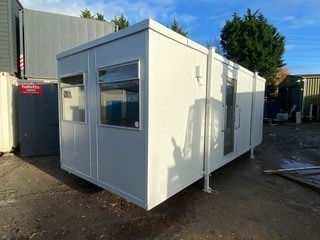
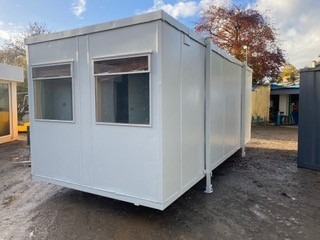
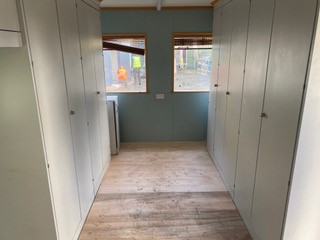

Location: Nationwide
EX VAT
Not Available for Hire
Call for an instant quote!
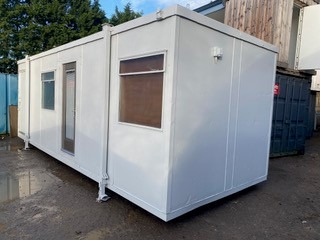
Location: Nationwide
EX VAT
Not Available for Hire
Call for an instant quote!
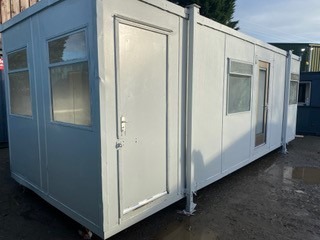
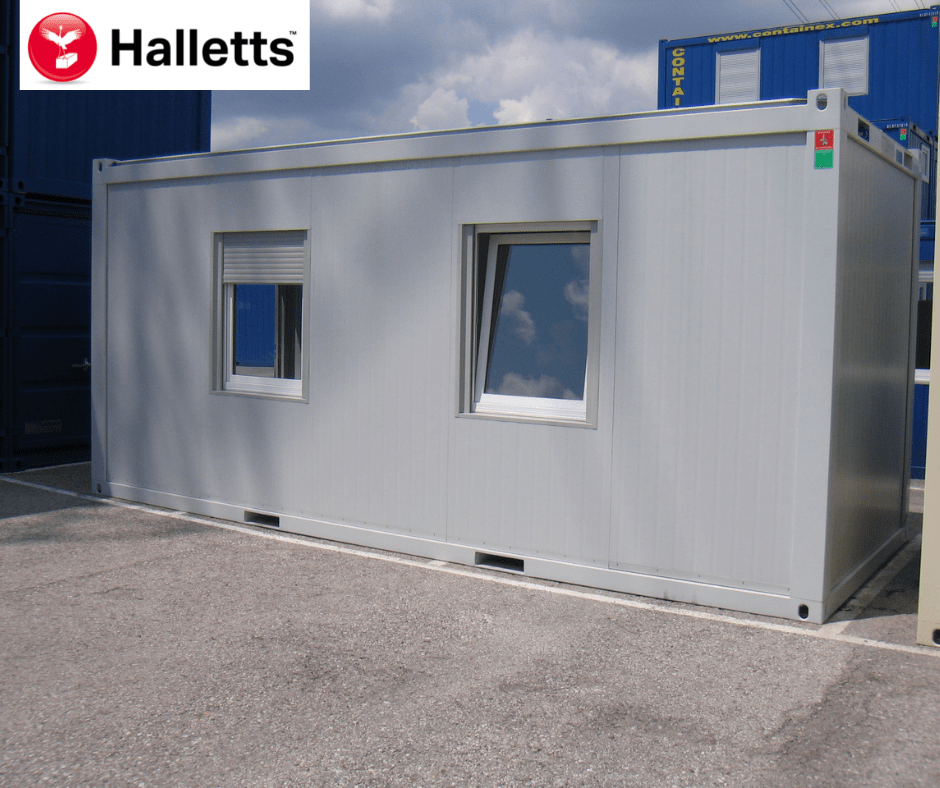
10ftx8ft – £5950 + Vat / 16ftx8ft – £7950 + Vat / 20ftx8ft – £9000 + Vat / 24ftx8ft – £12000 + Vat / 30ftx8ft – £13500 + Vat
Location: Nationwide
EX VAT
Not Available for Hire
Call for an instant quote!
Location: Nationwide
EX VAT
Not Available for Hire
Call for an instant quote!
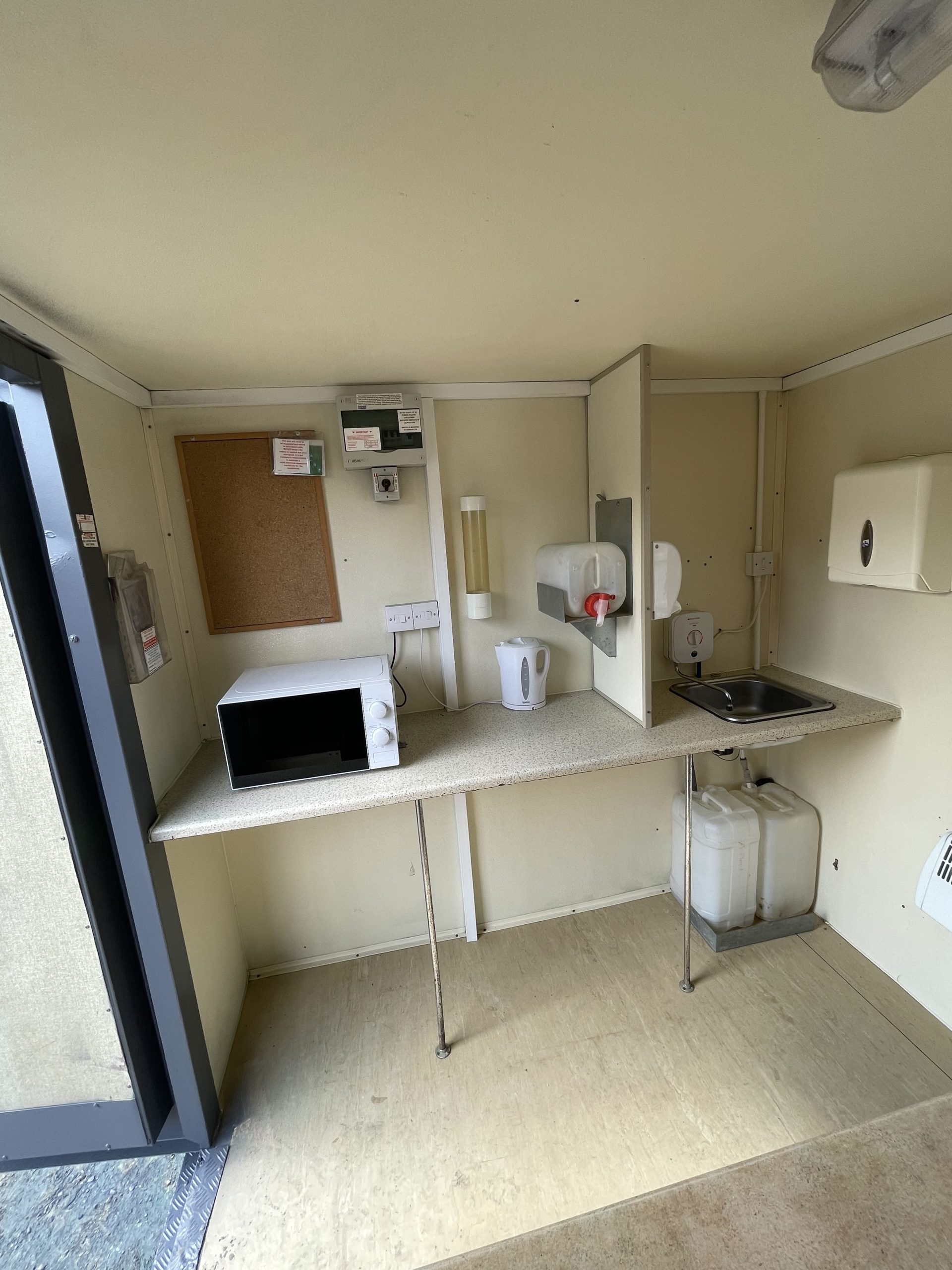
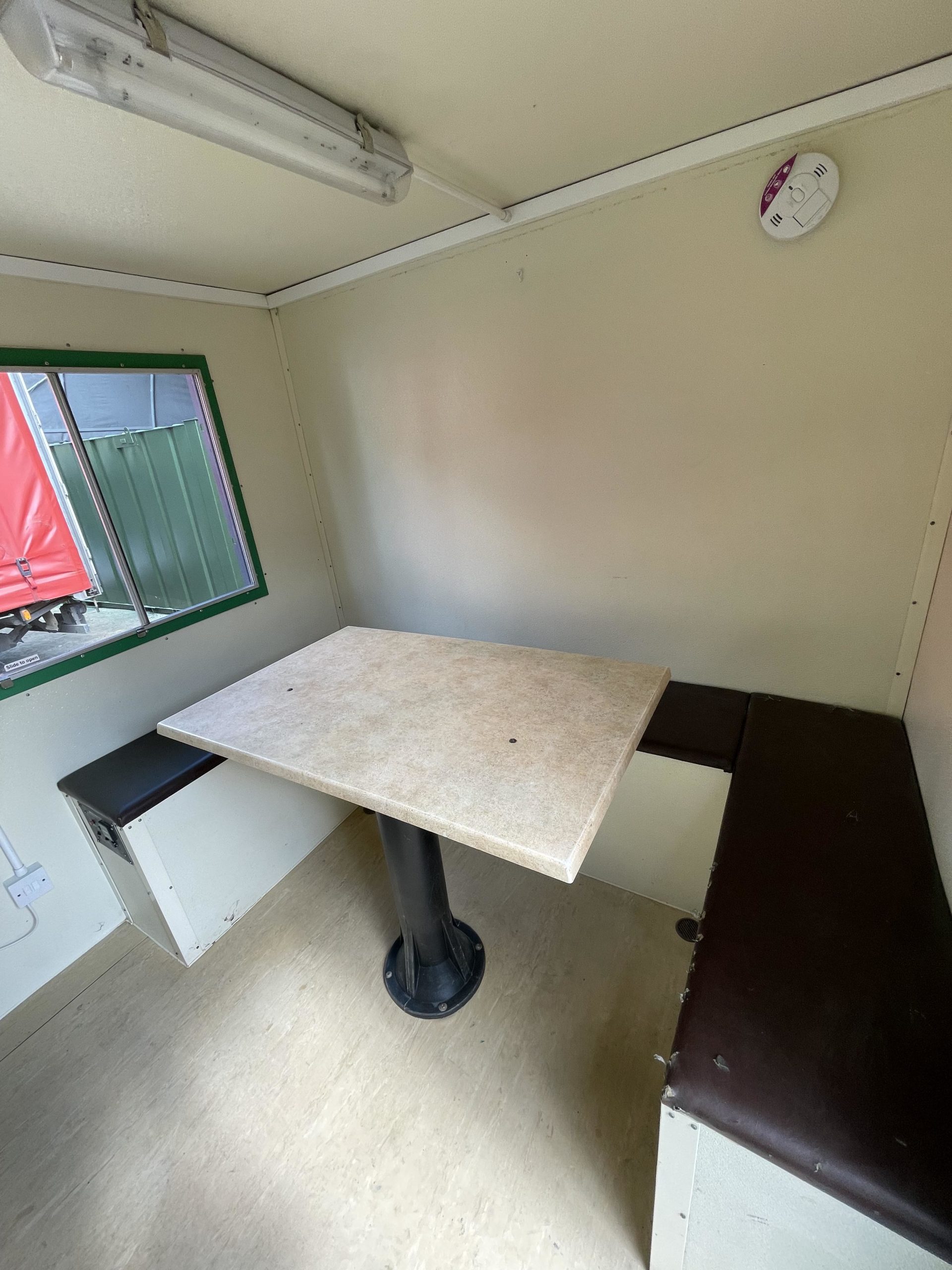
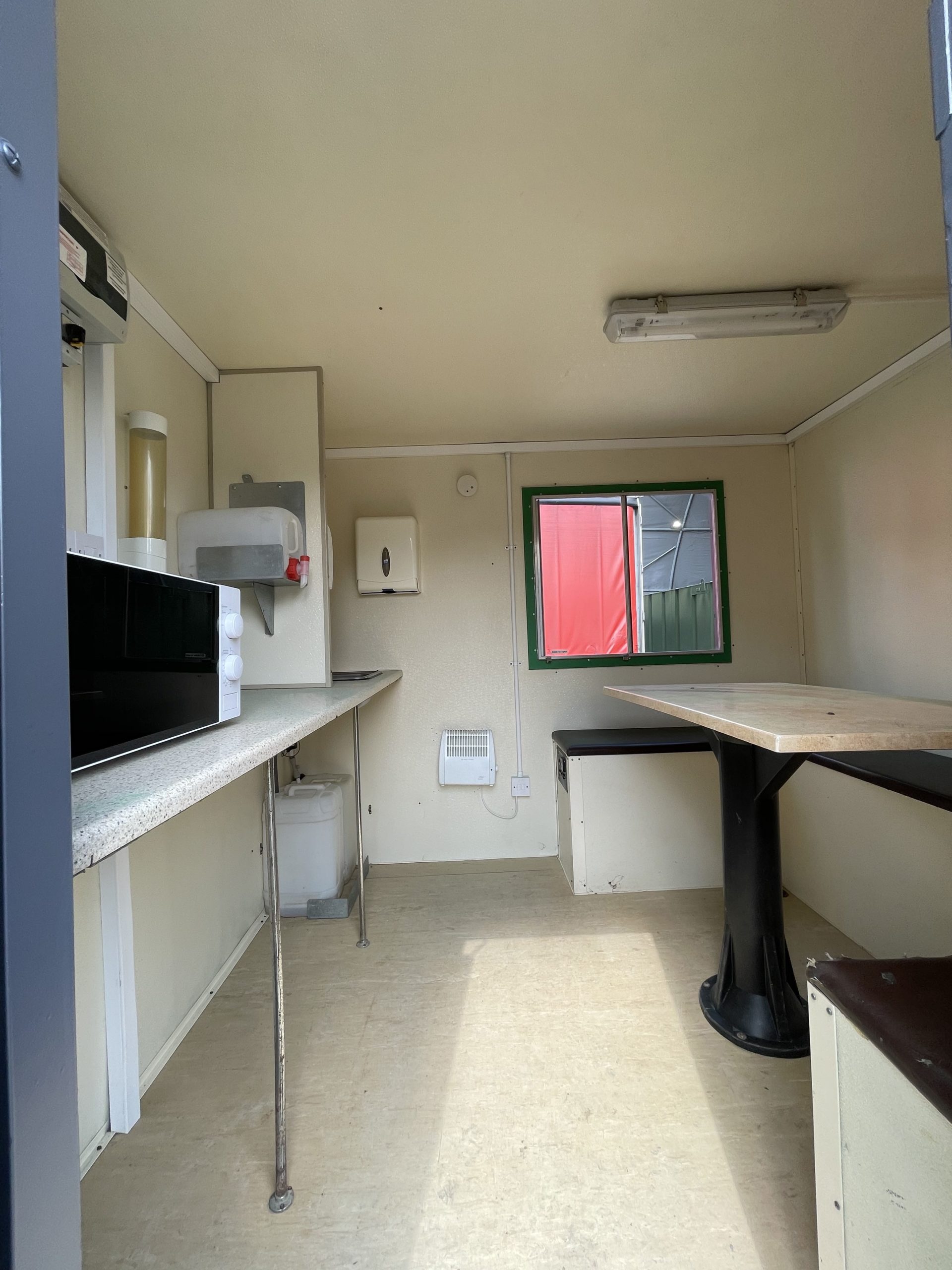
Location: Nationwide
EX VAT
Not Available for Hire
Call for an instant quote!
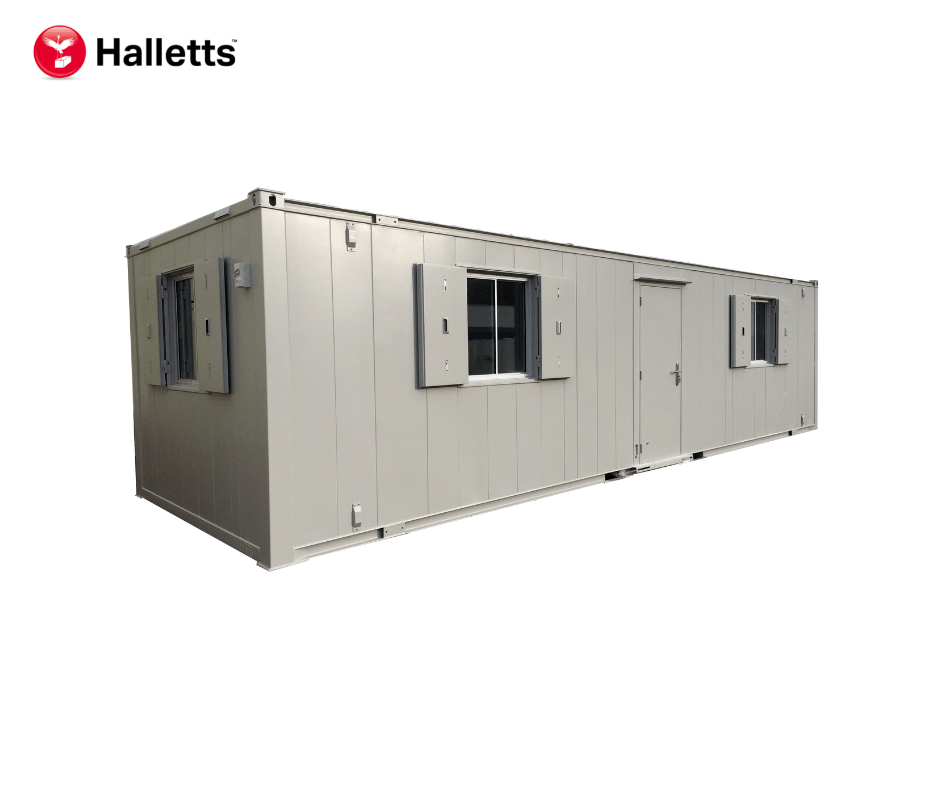
Location: Nationwide
Quantity: ∞
EX VAT
Not Available for Hire
Call for an instant quote!
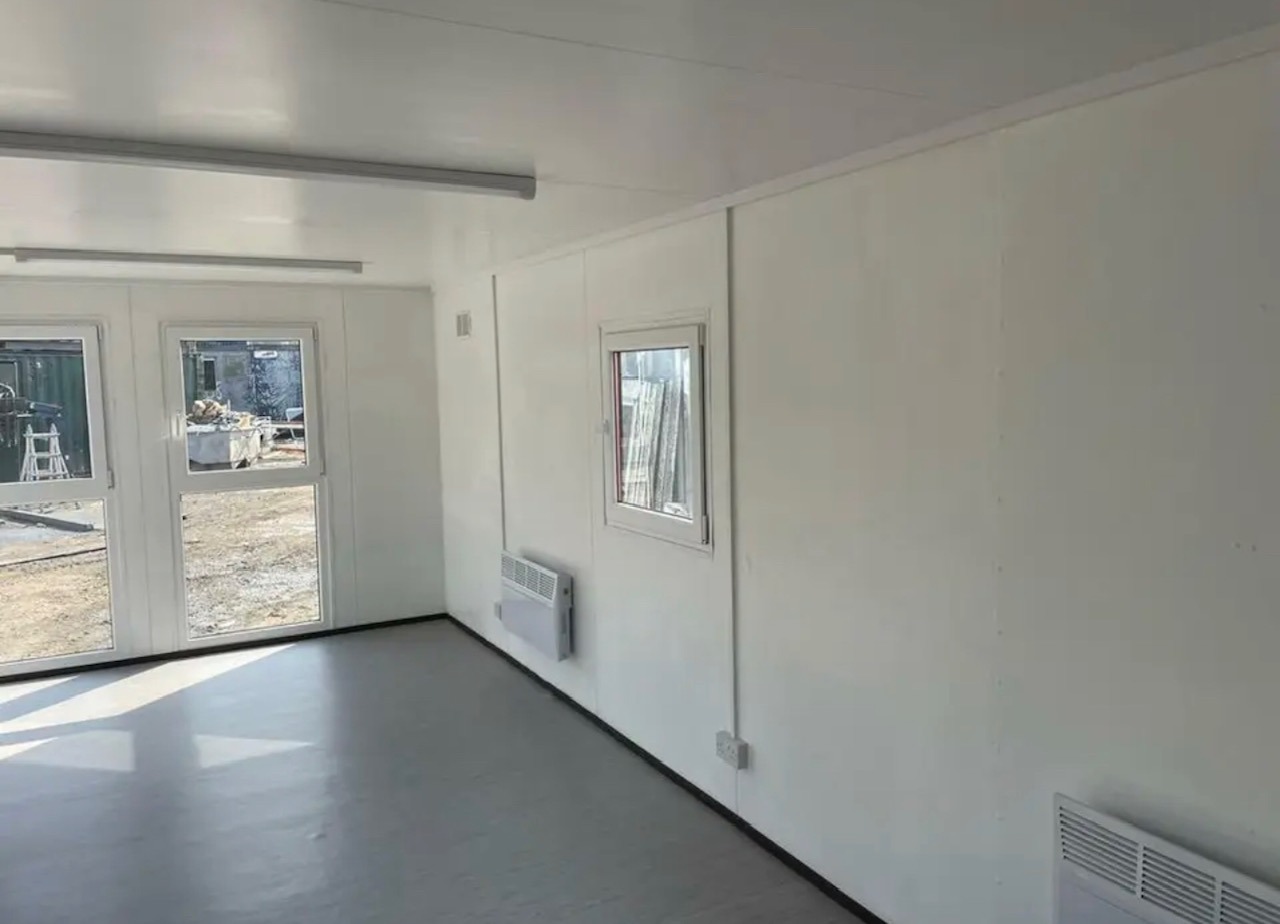
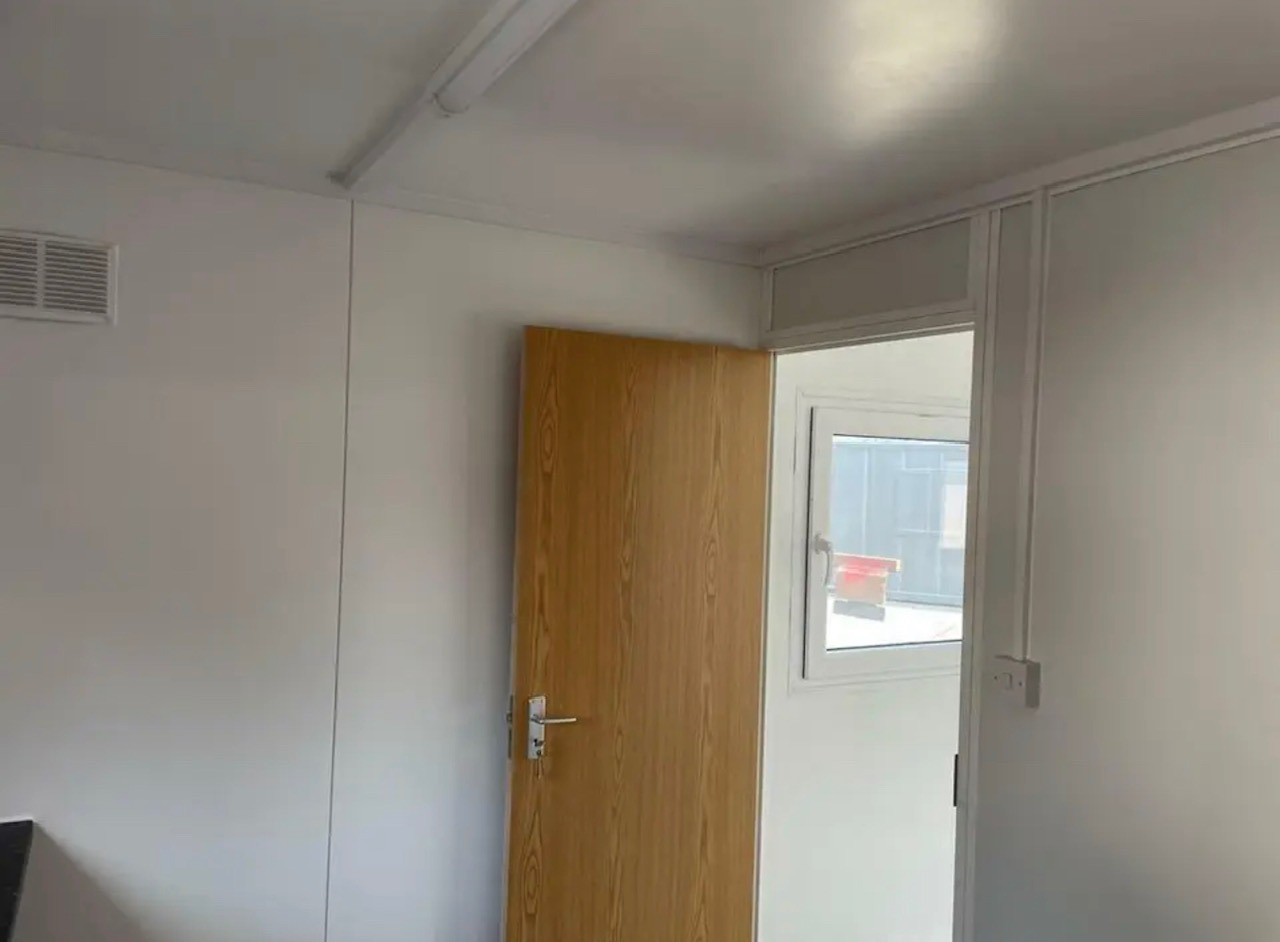
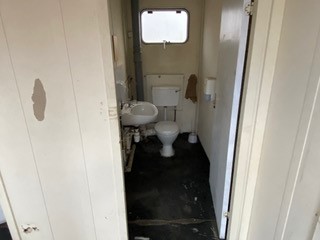
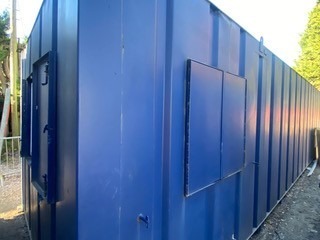
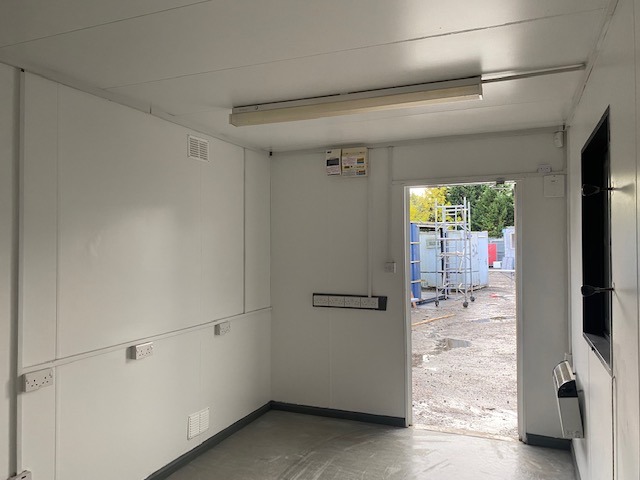
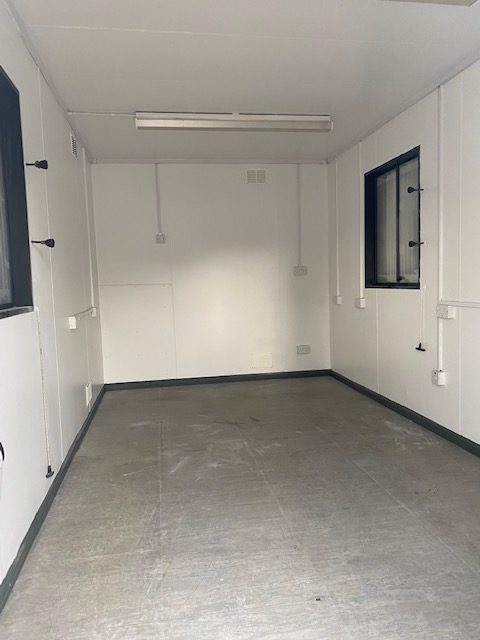
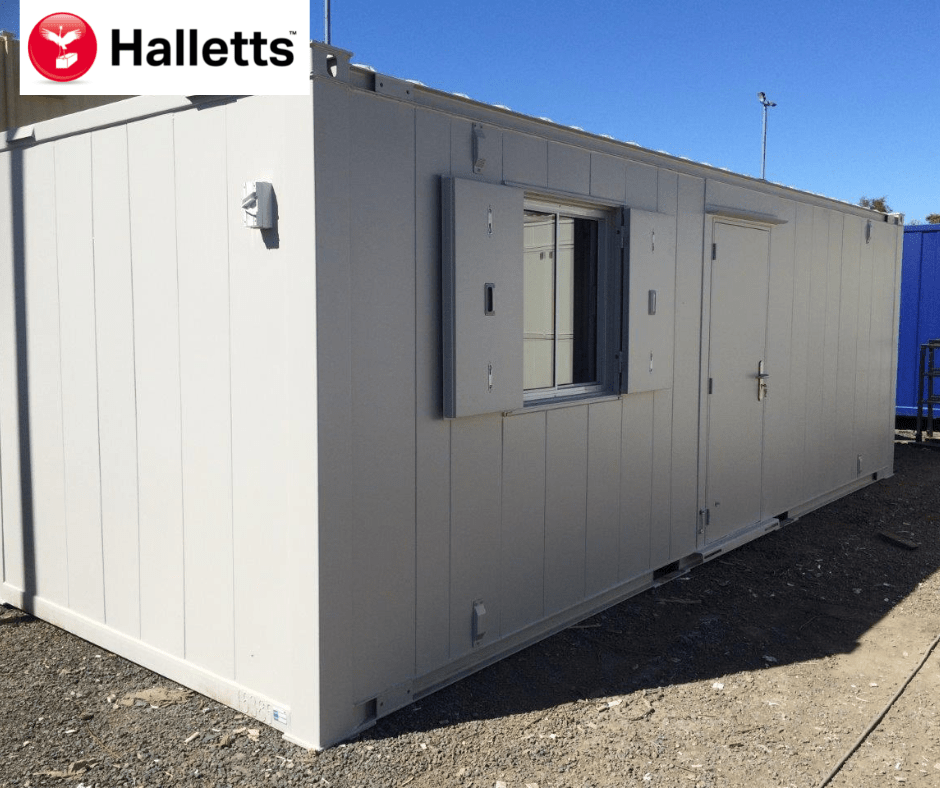
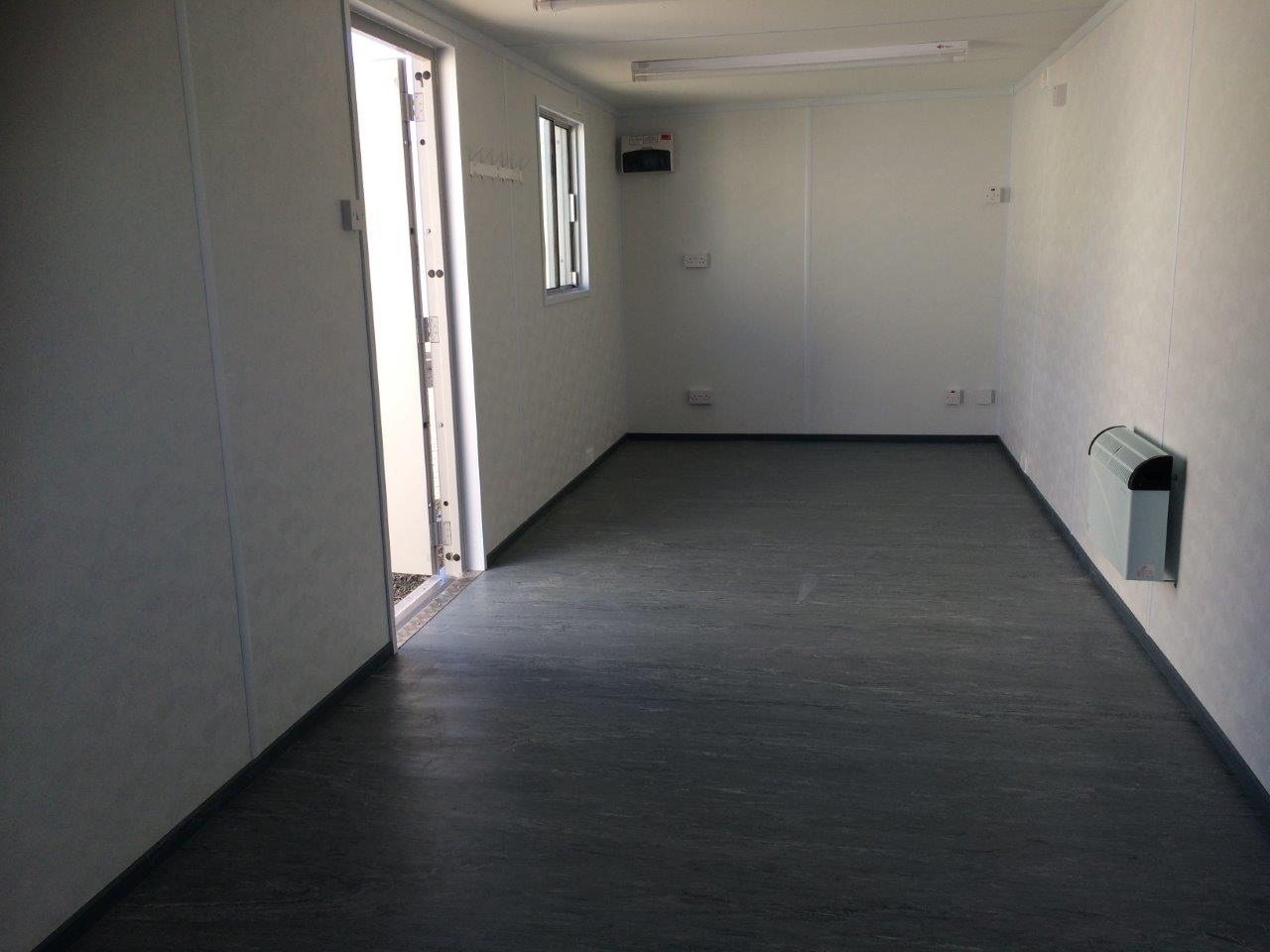
• Reinforced doors and windows with secure locking
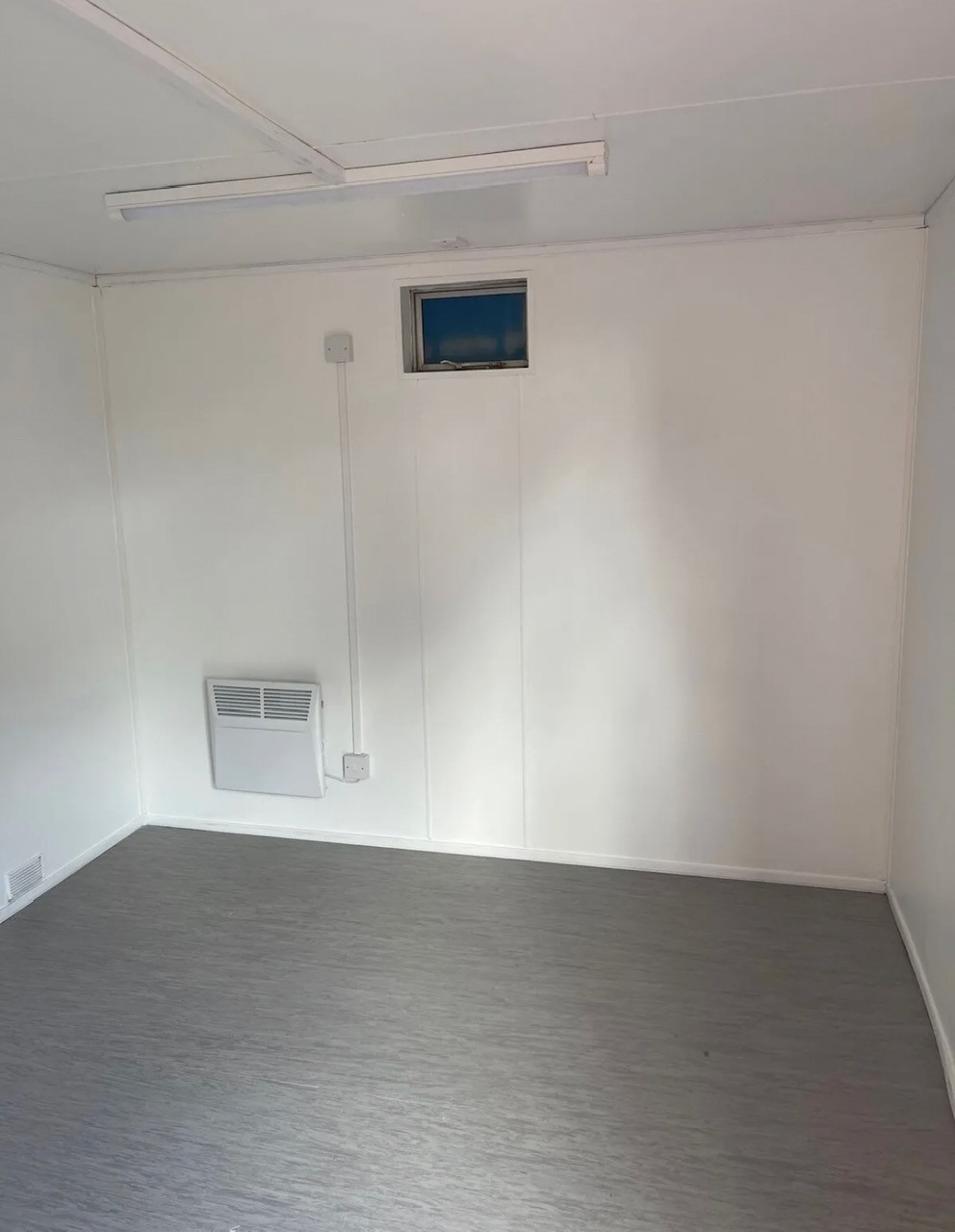
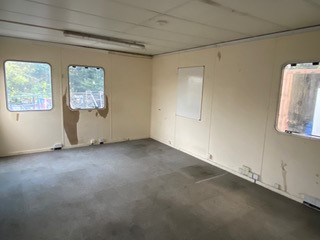
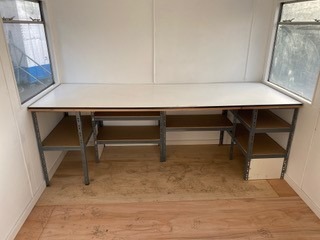
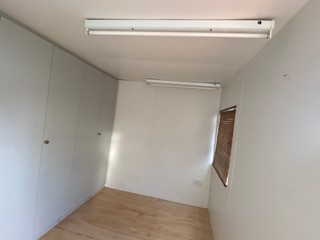
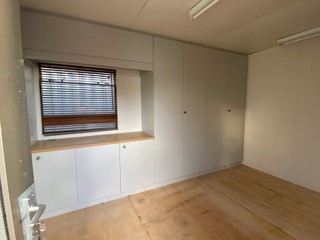
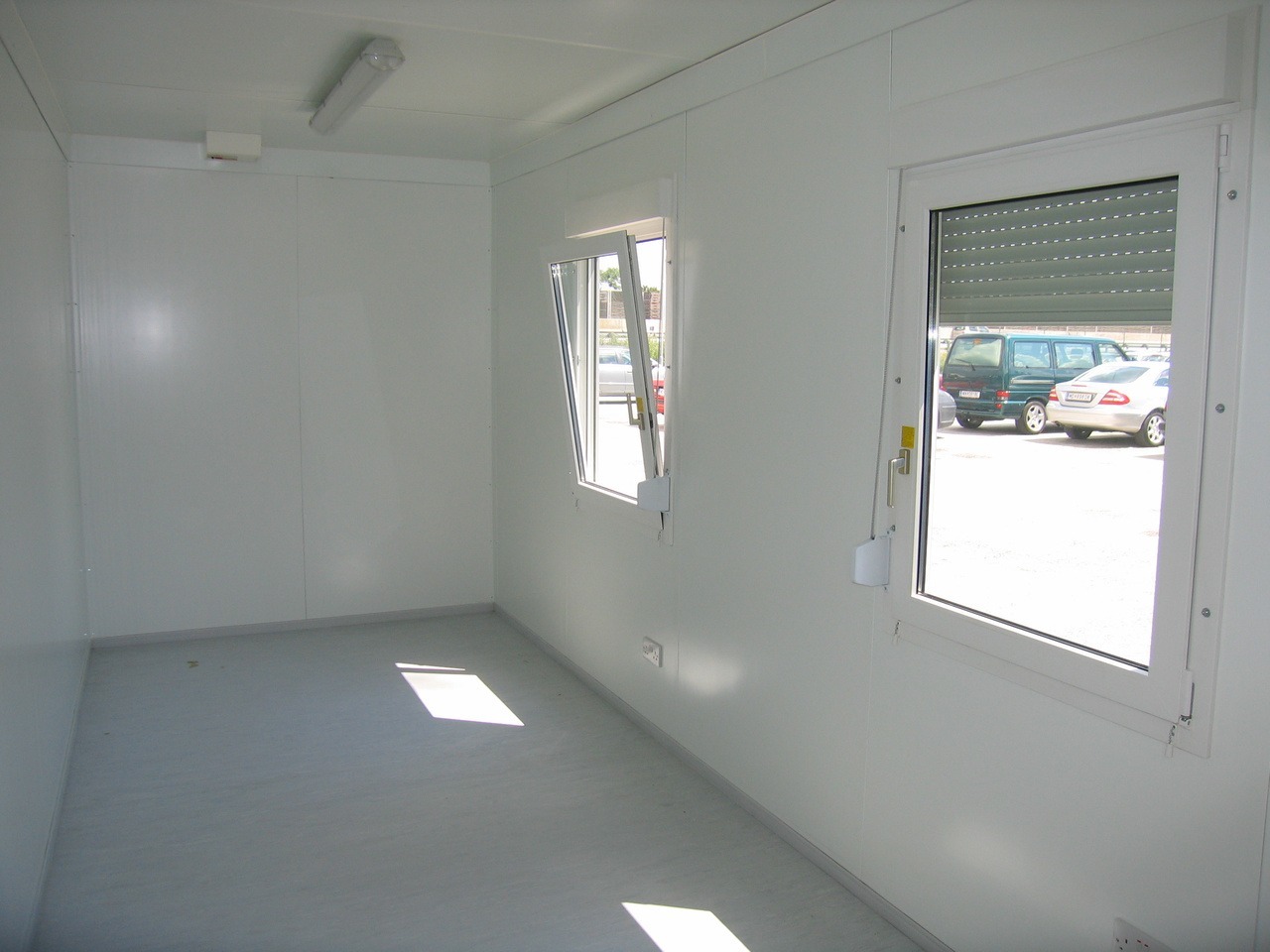
• Open plan with electric sockets and lighting
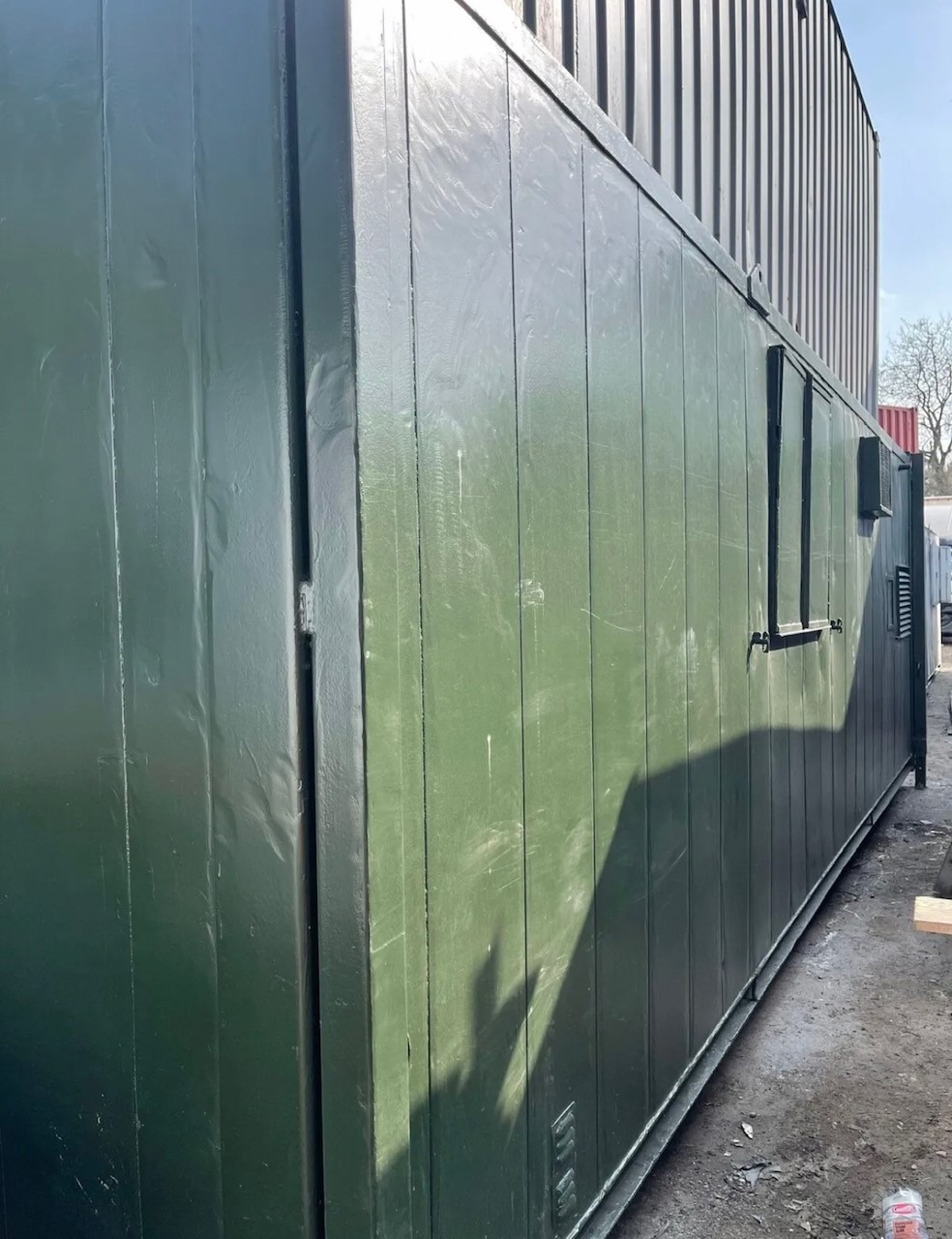
• Ral Code Colour of choice
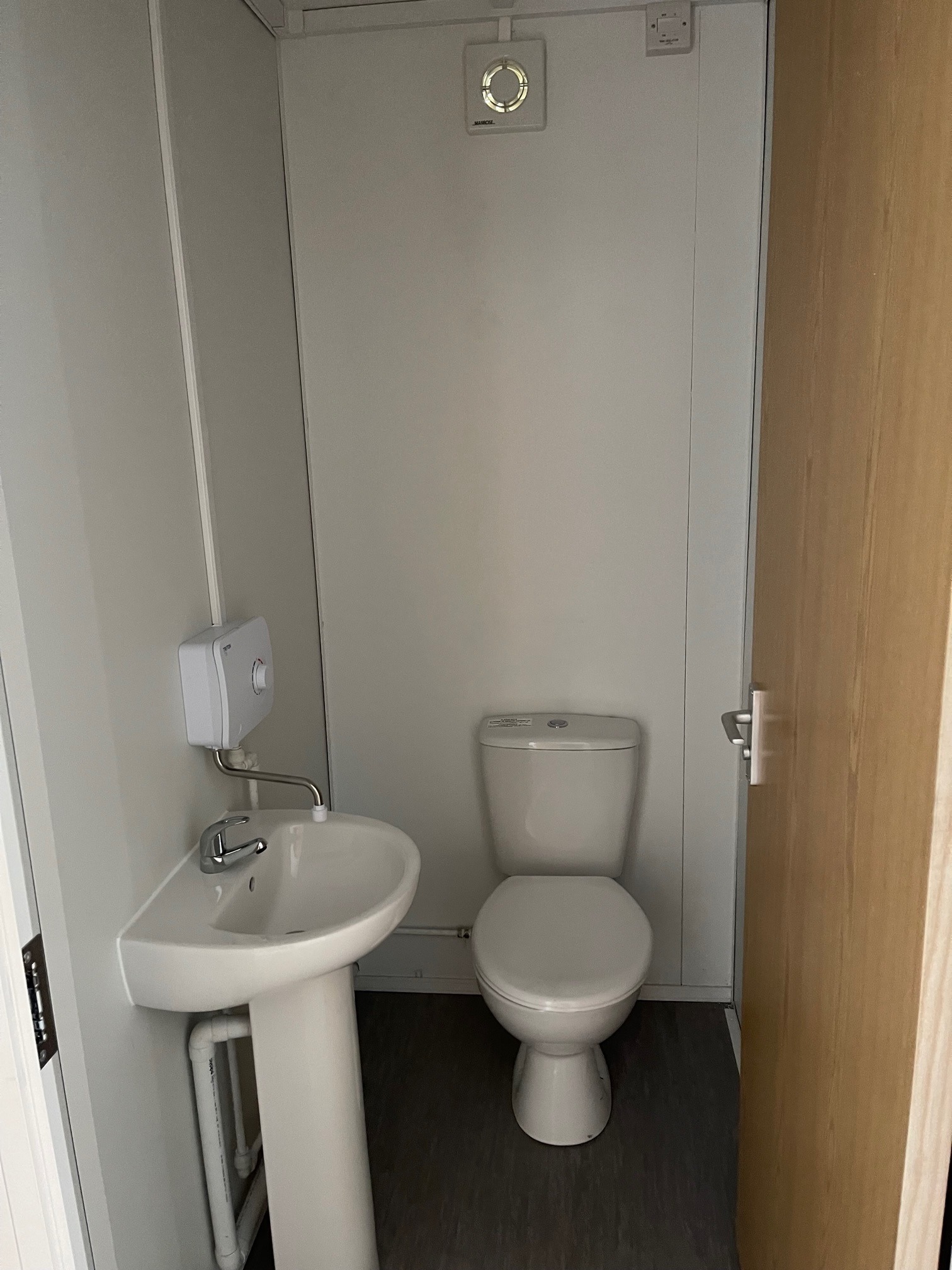
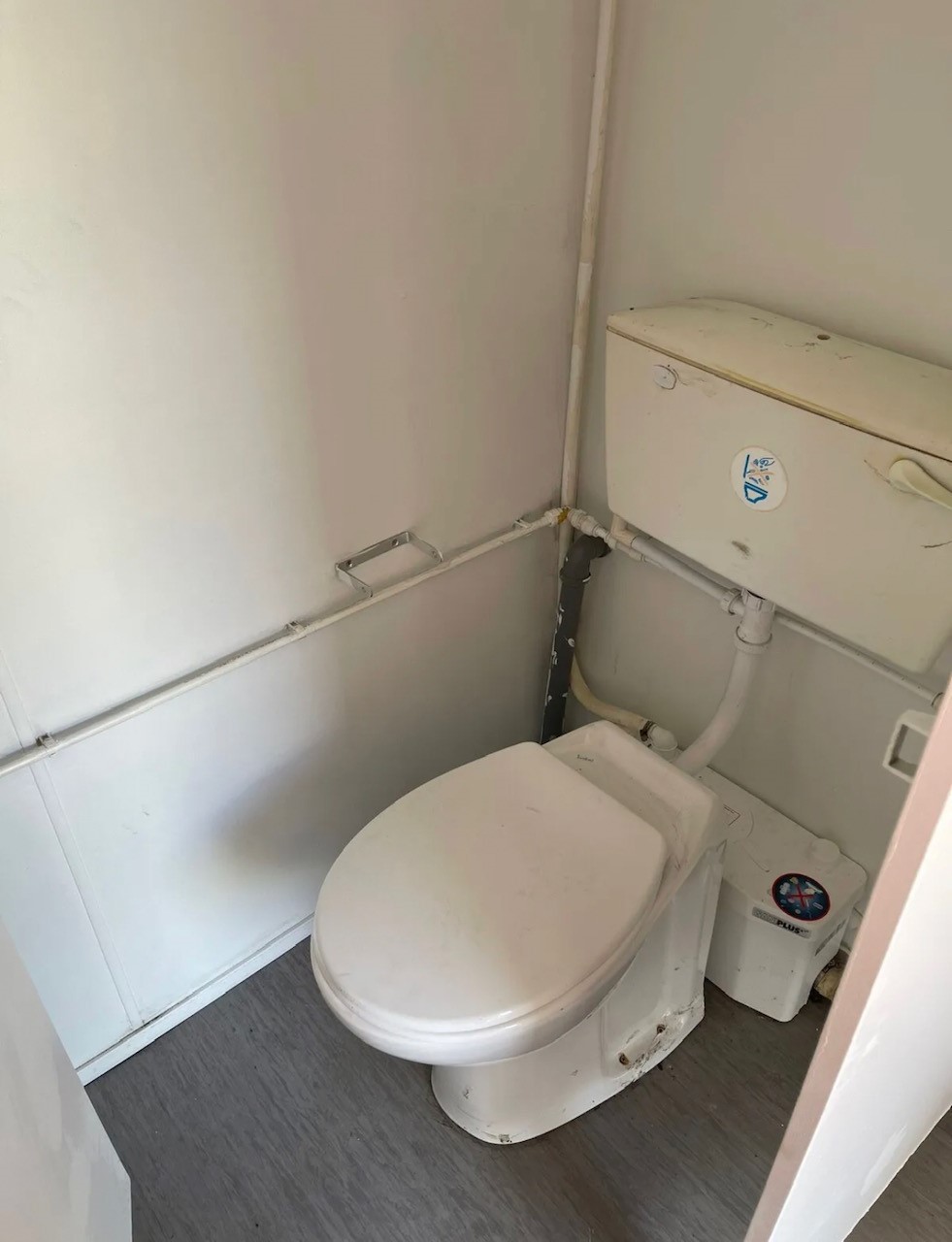
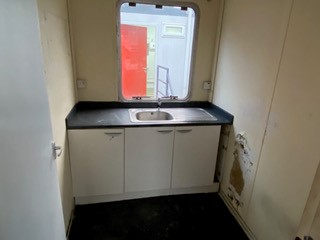
• Any Extras available : Canteen, Partitions, Toilets.
Location: Nationwide
EX VAT
Not Available for Hire
Call for an instant quote!
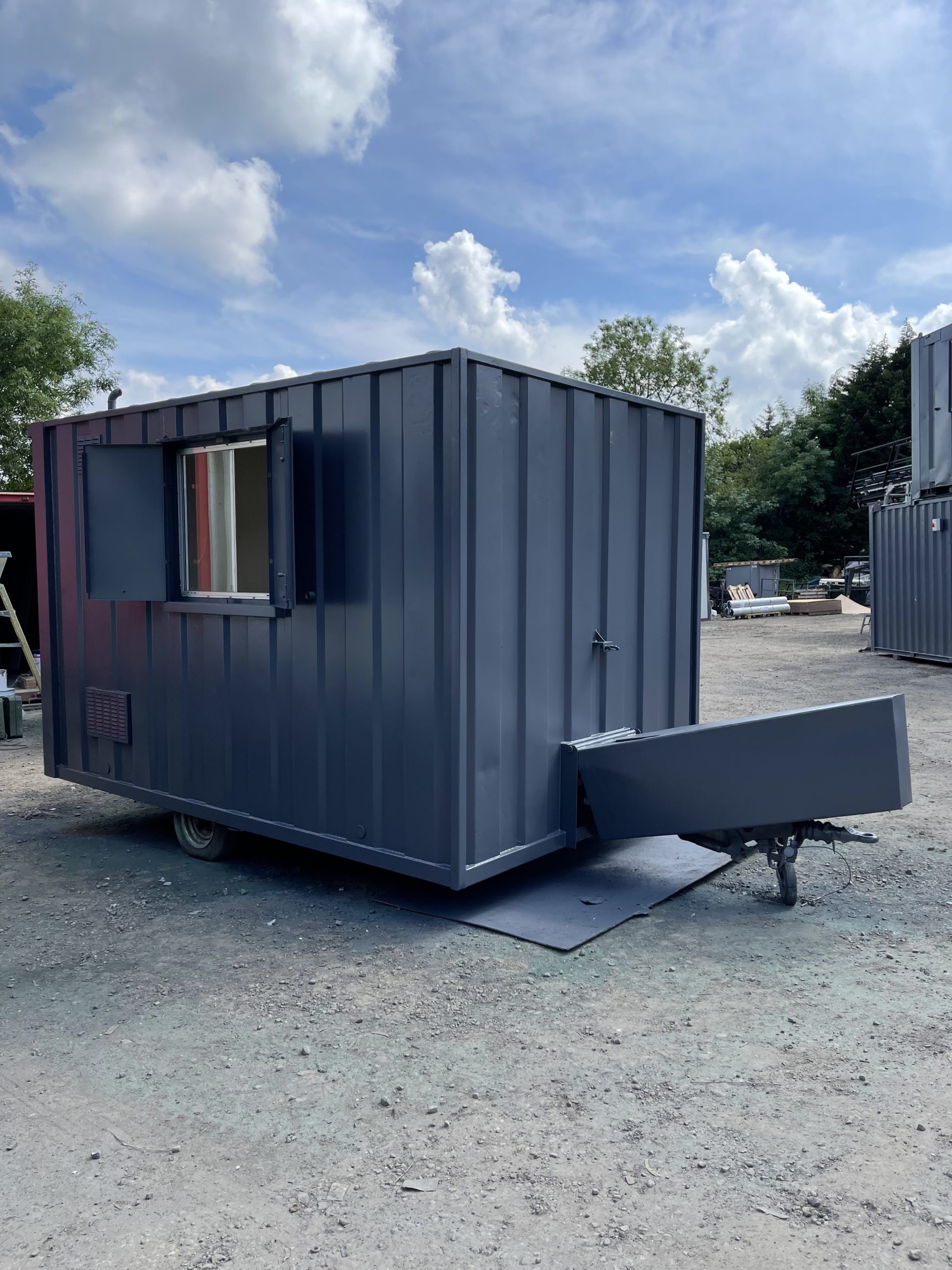
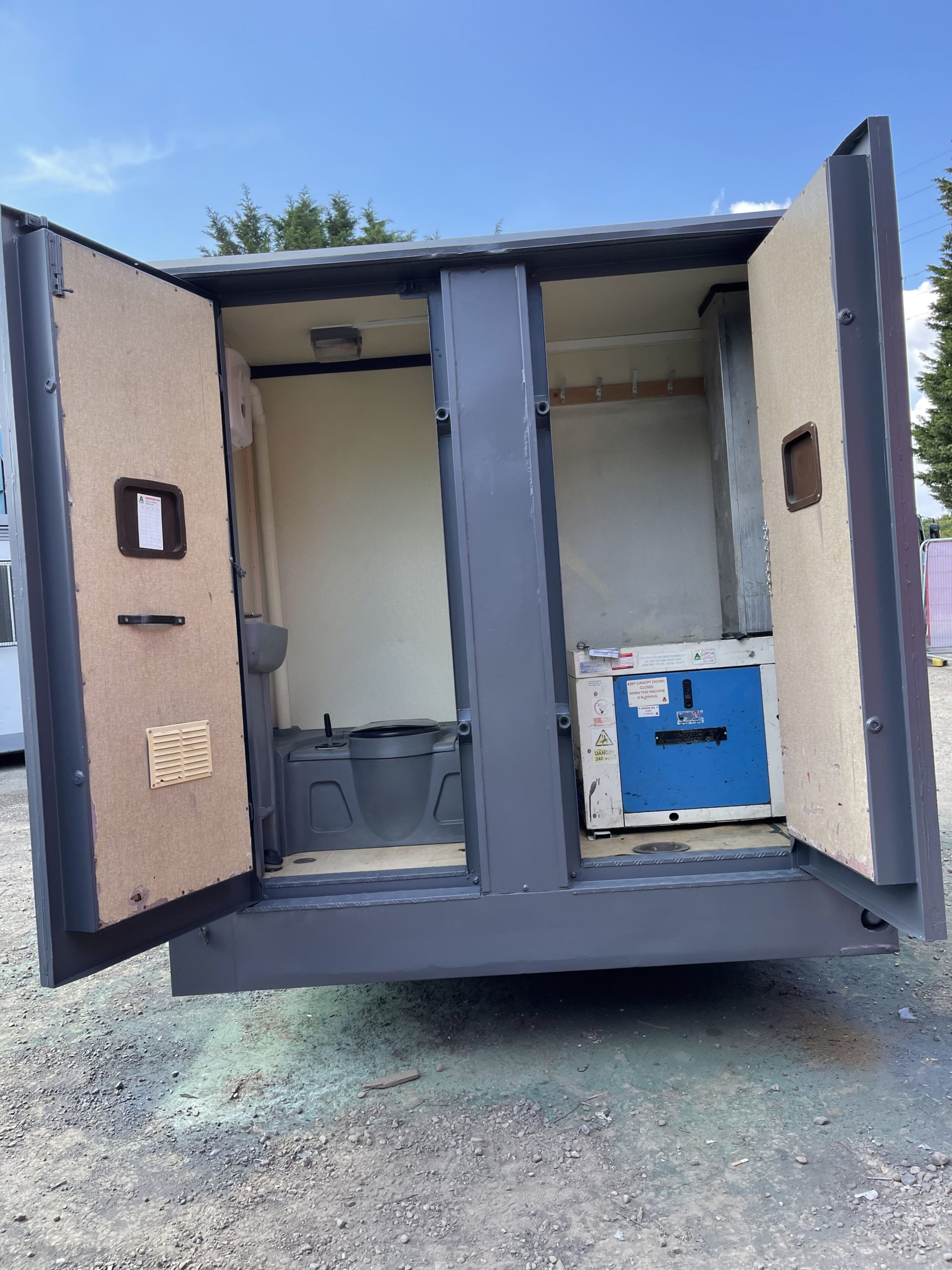
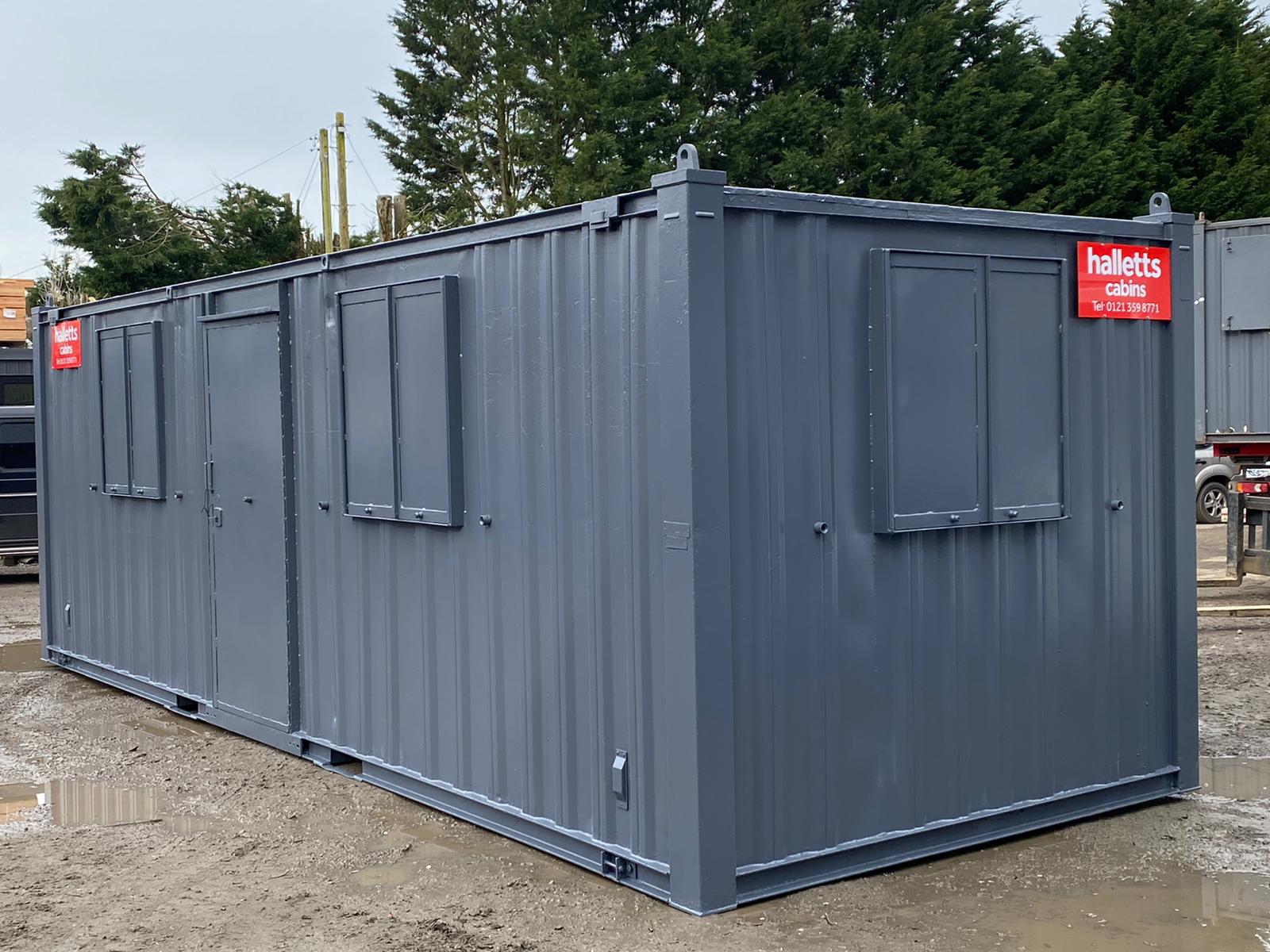
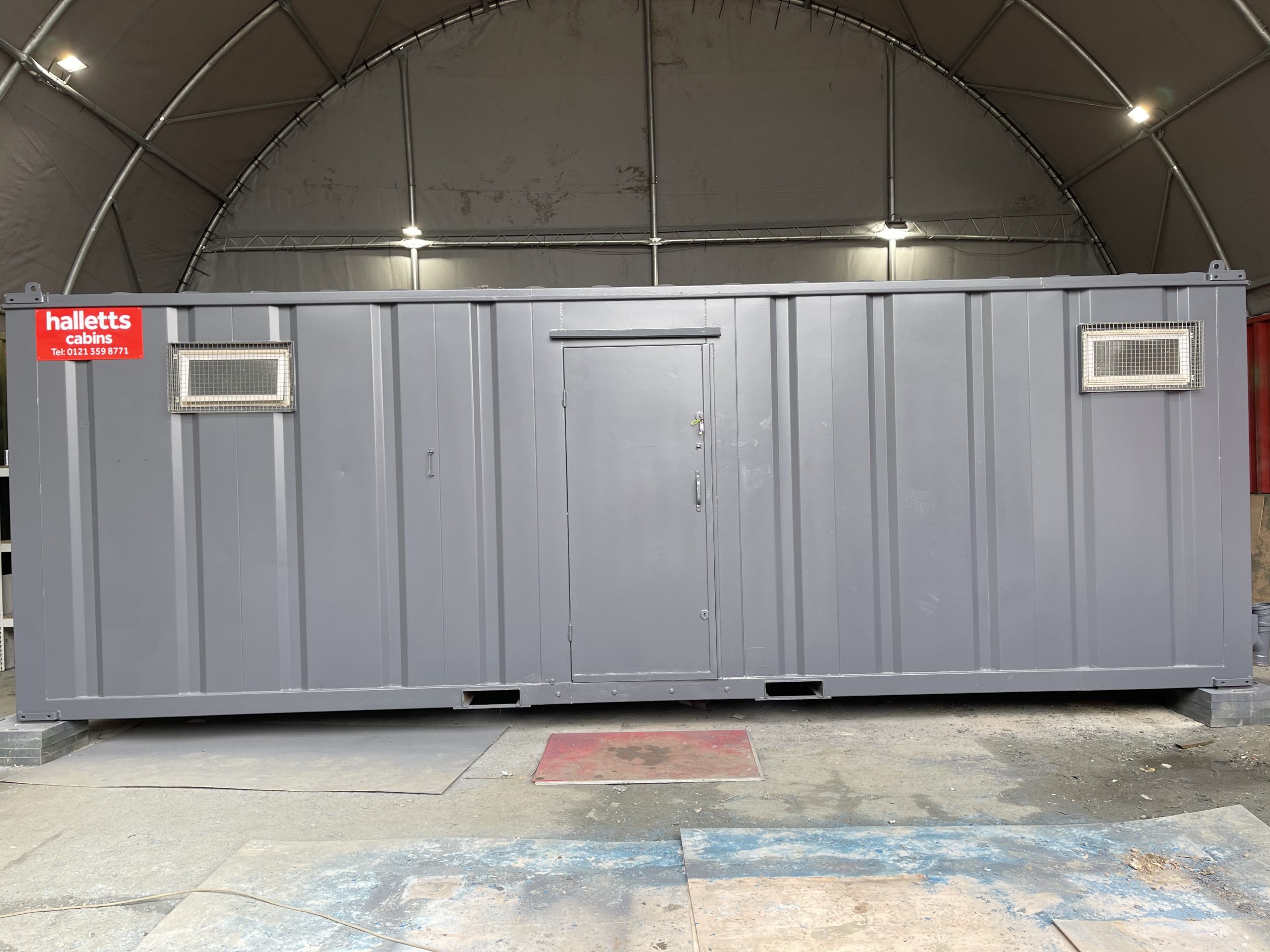
• Reinforced doors and windows with secure locking
• Open plan with electric sockets and lighting
• Ral Code Colour of choice
• Any Extras available : Canteen, Partitions, Toilets.
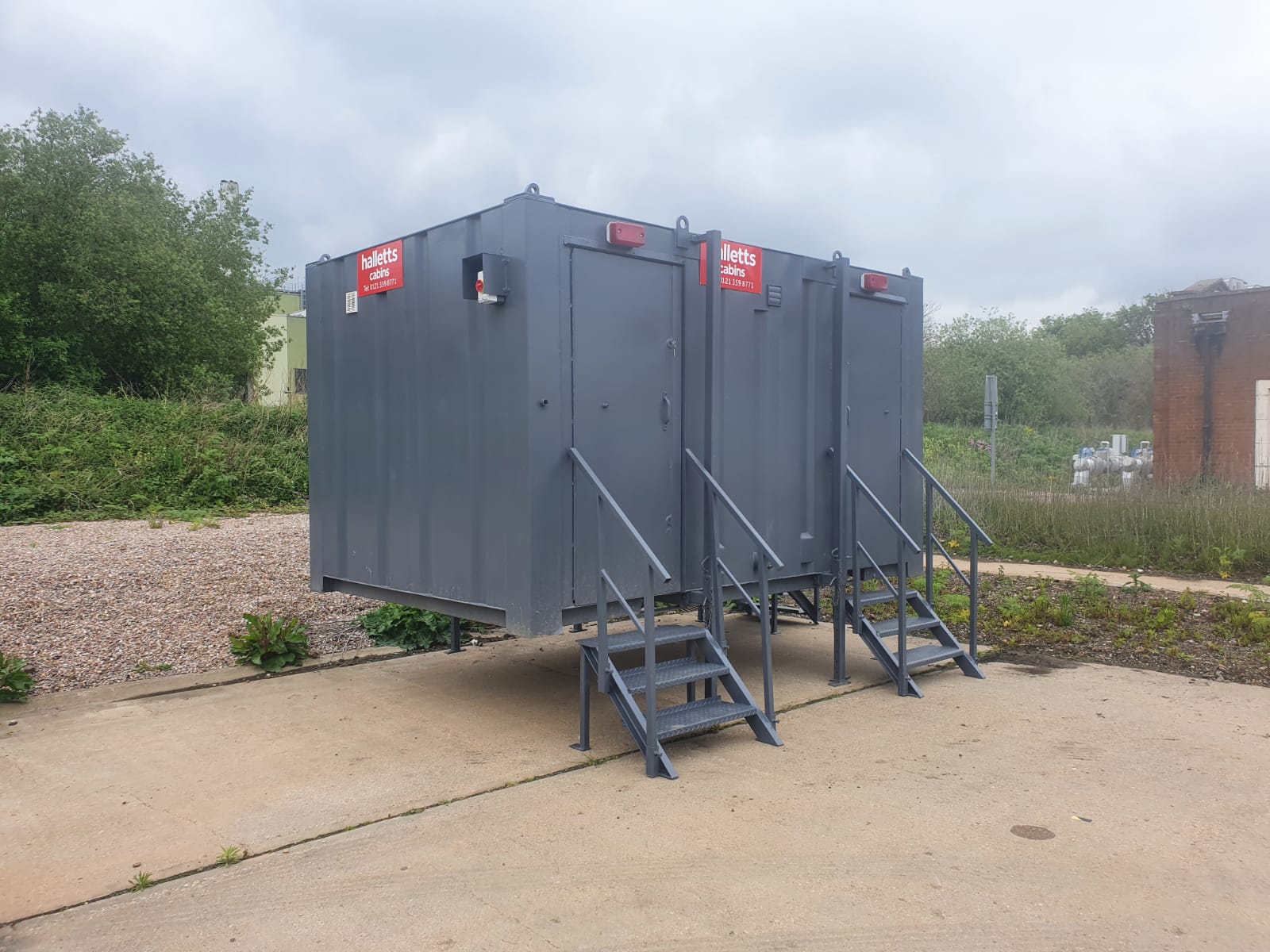
• Reinforced doors with secure locking
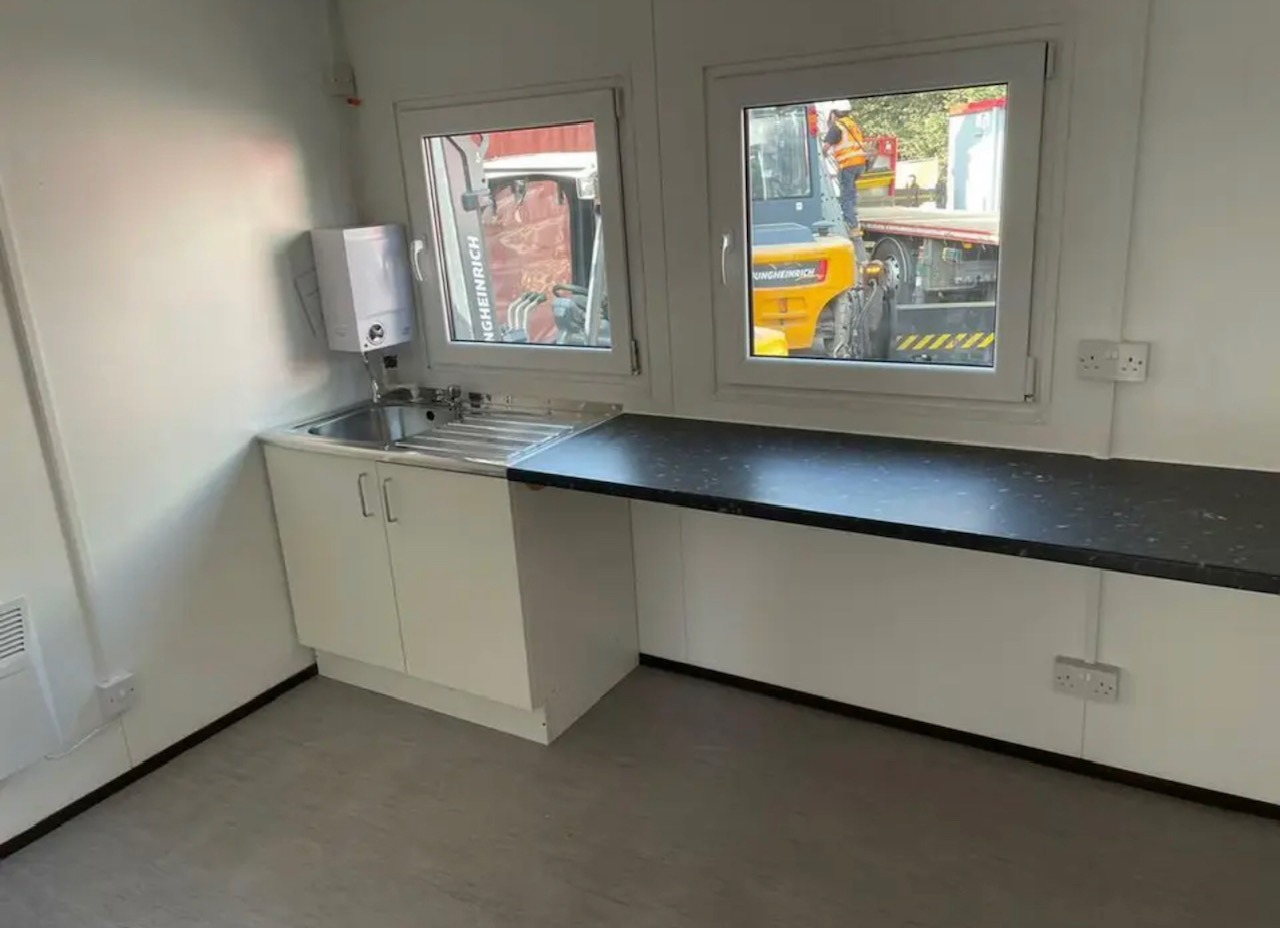
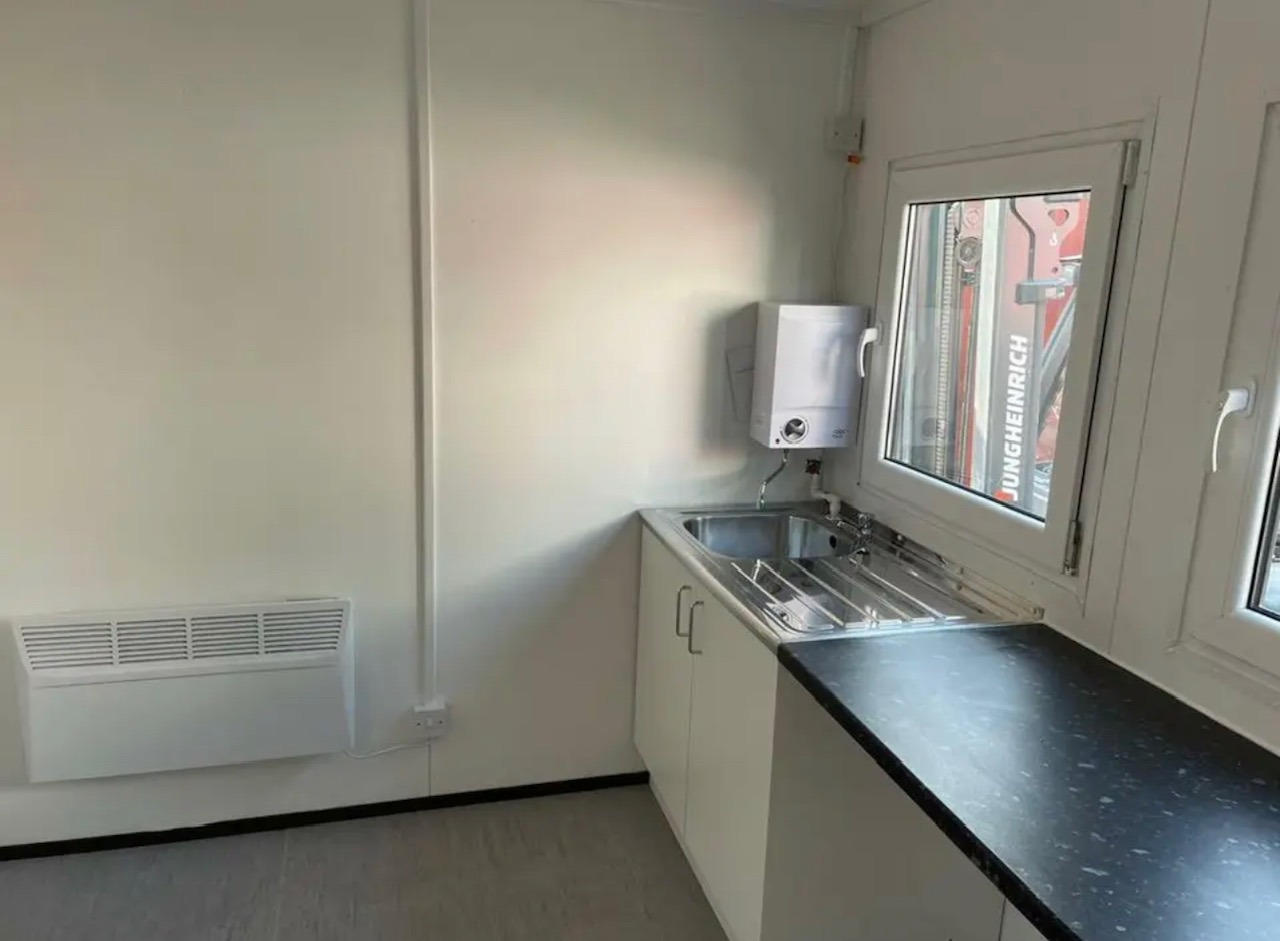
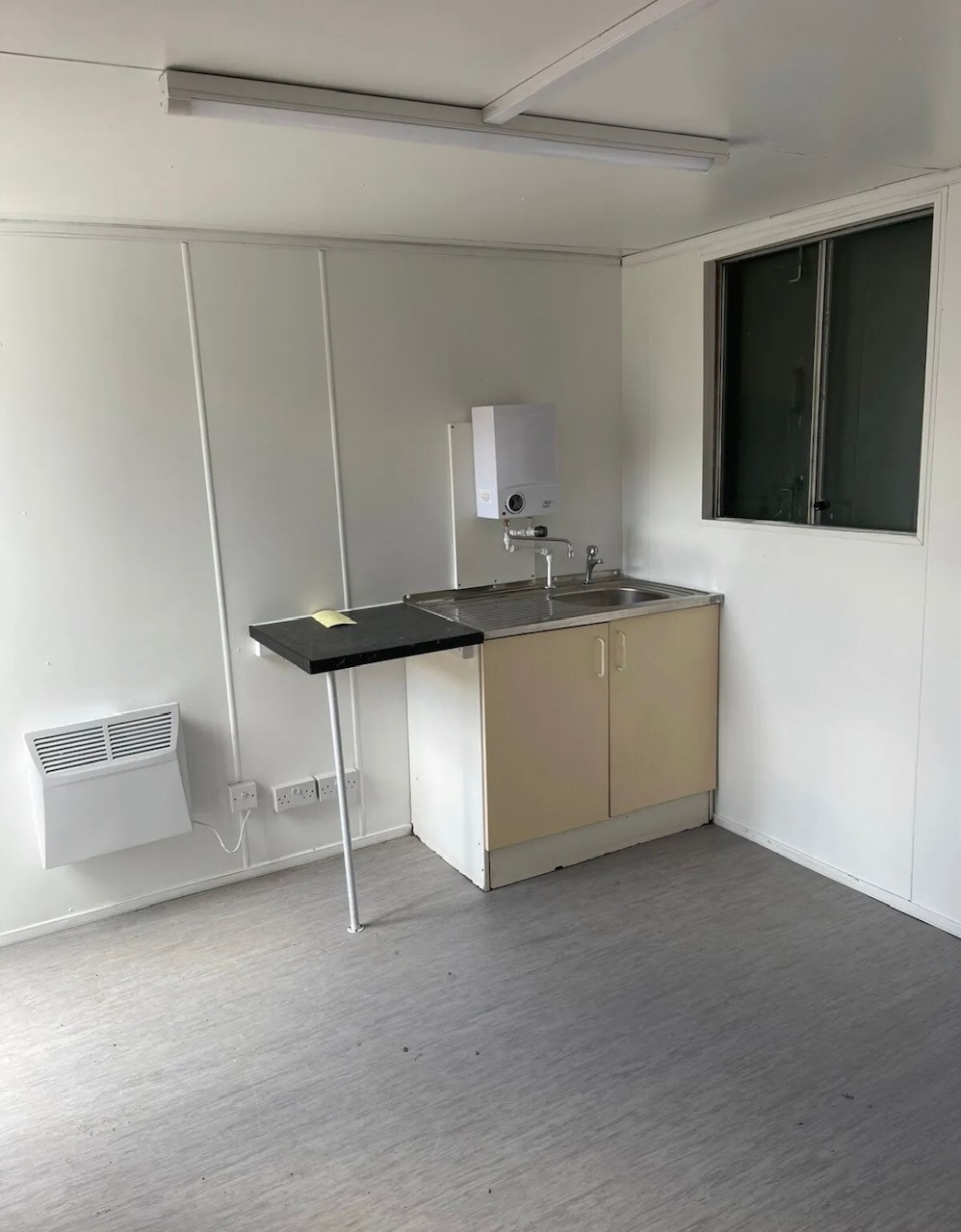
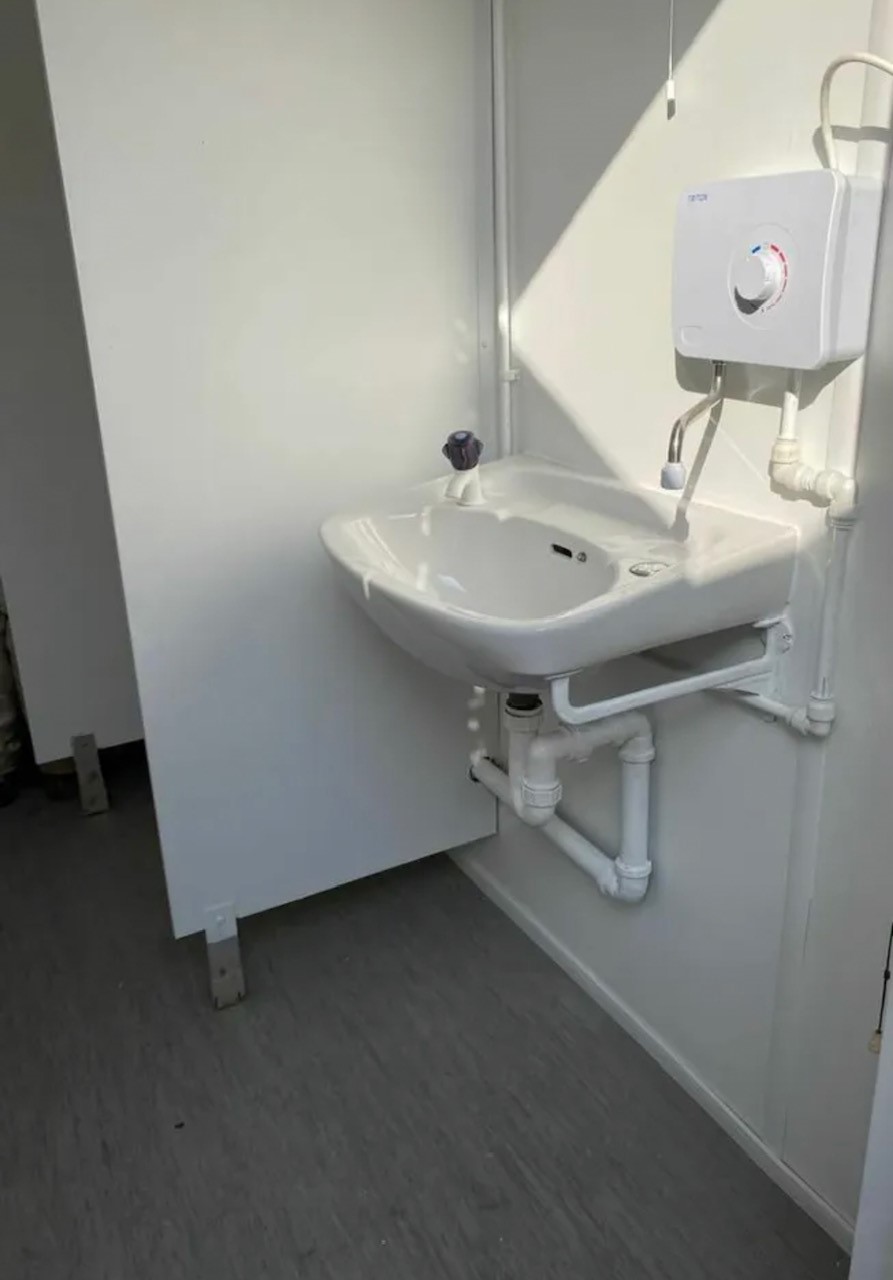
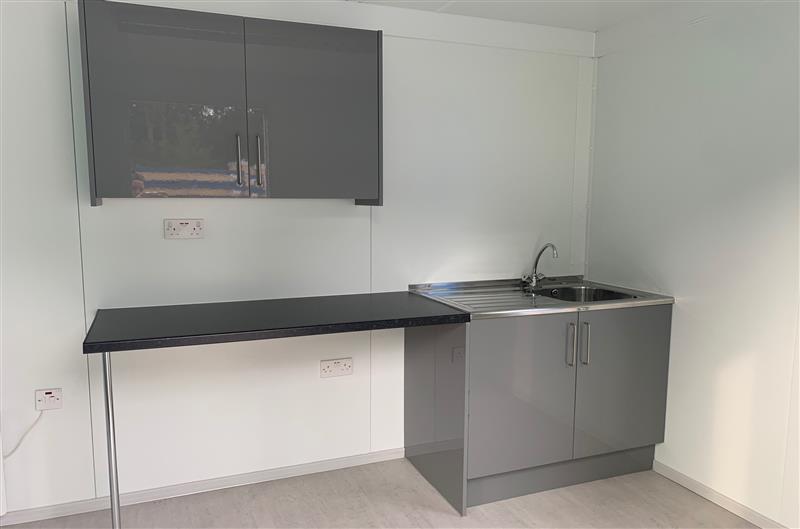
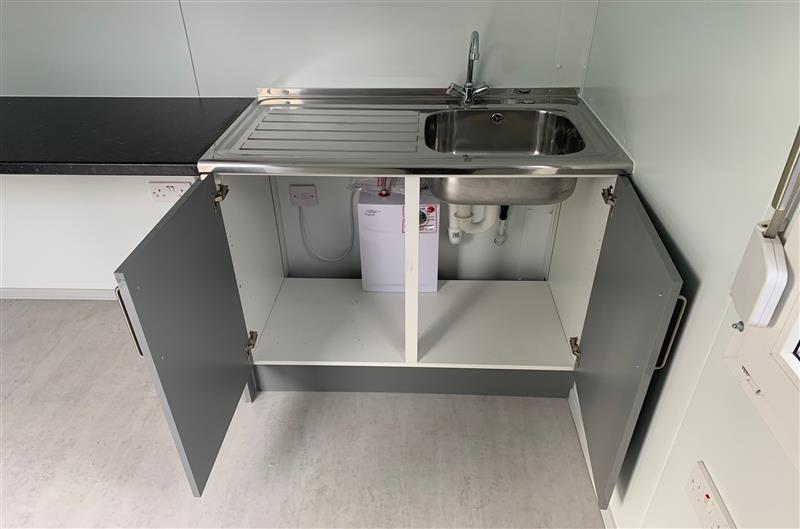
• Sink and water boiler included
Location: Nationwide
Quantity: ∞
EX VAT
Not Available for Hire
Call for an instant quote!
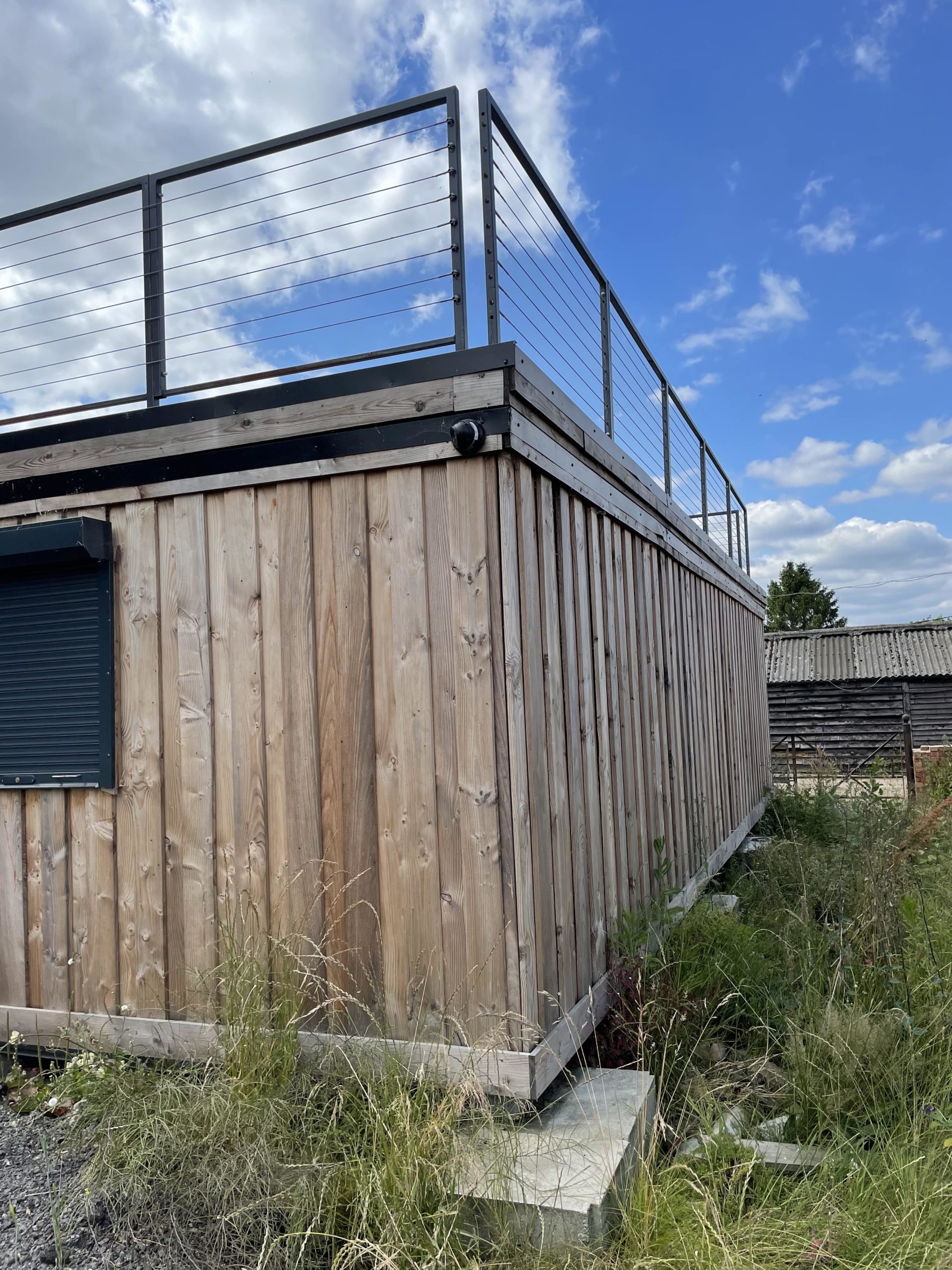
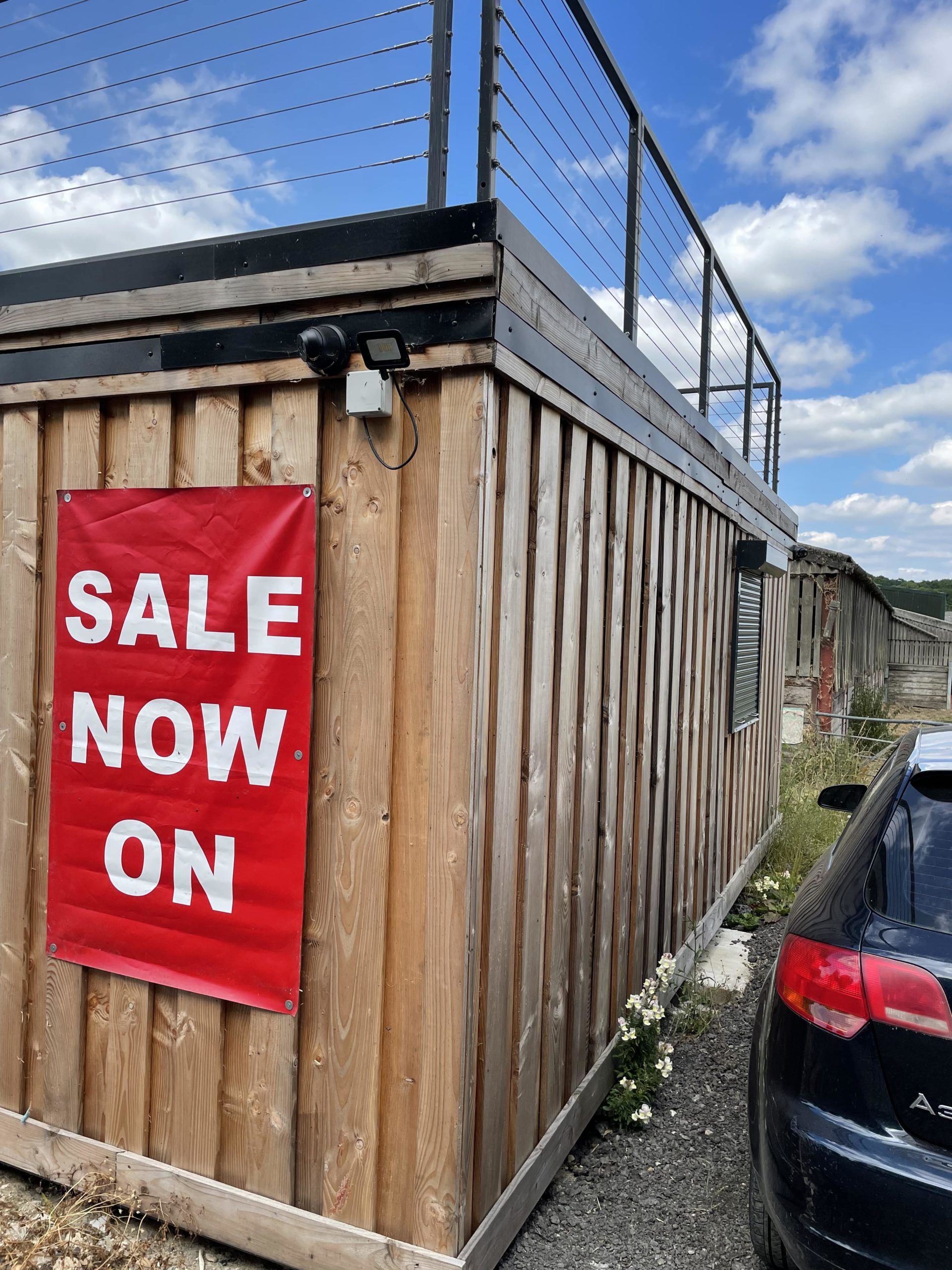
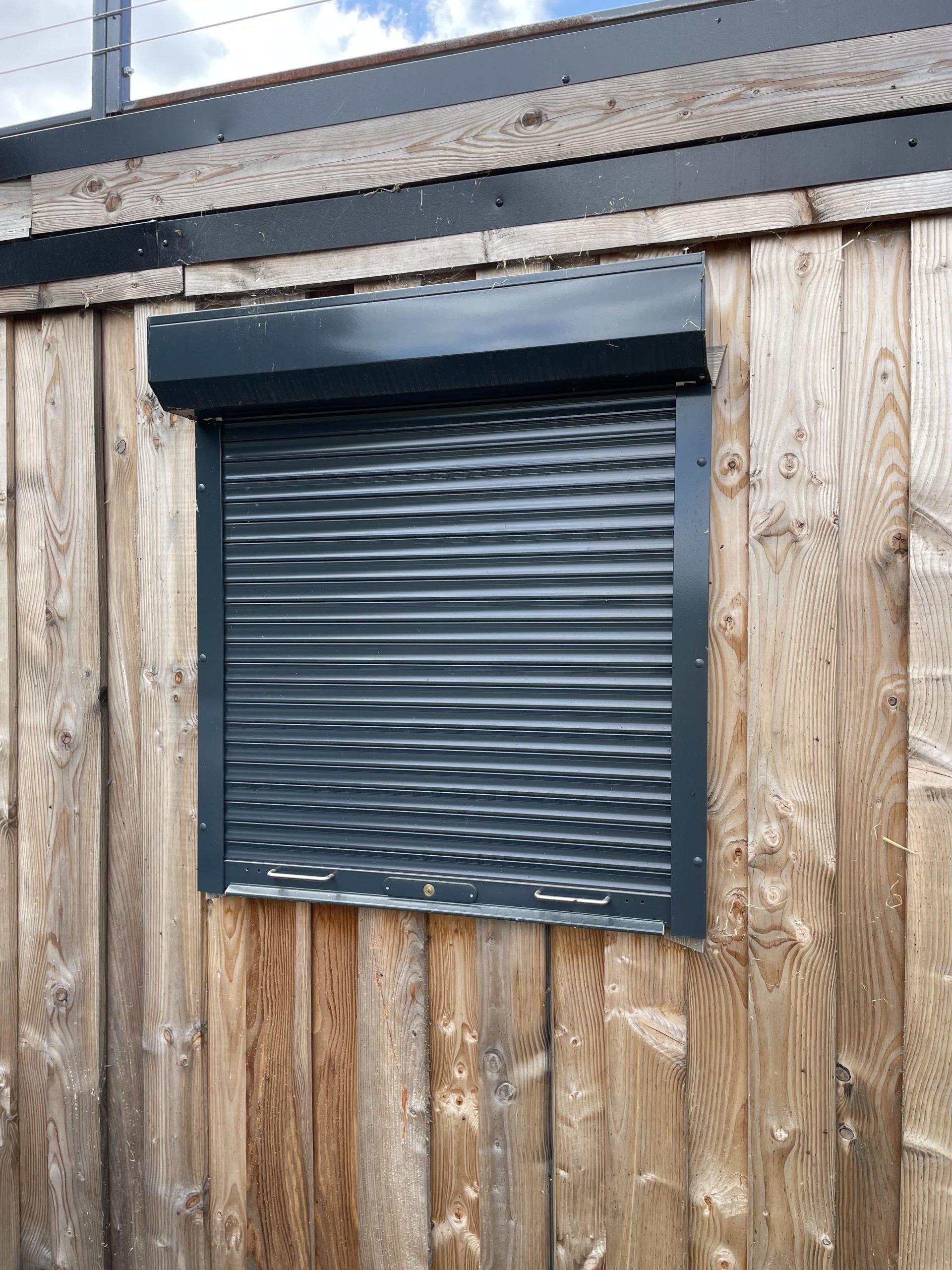
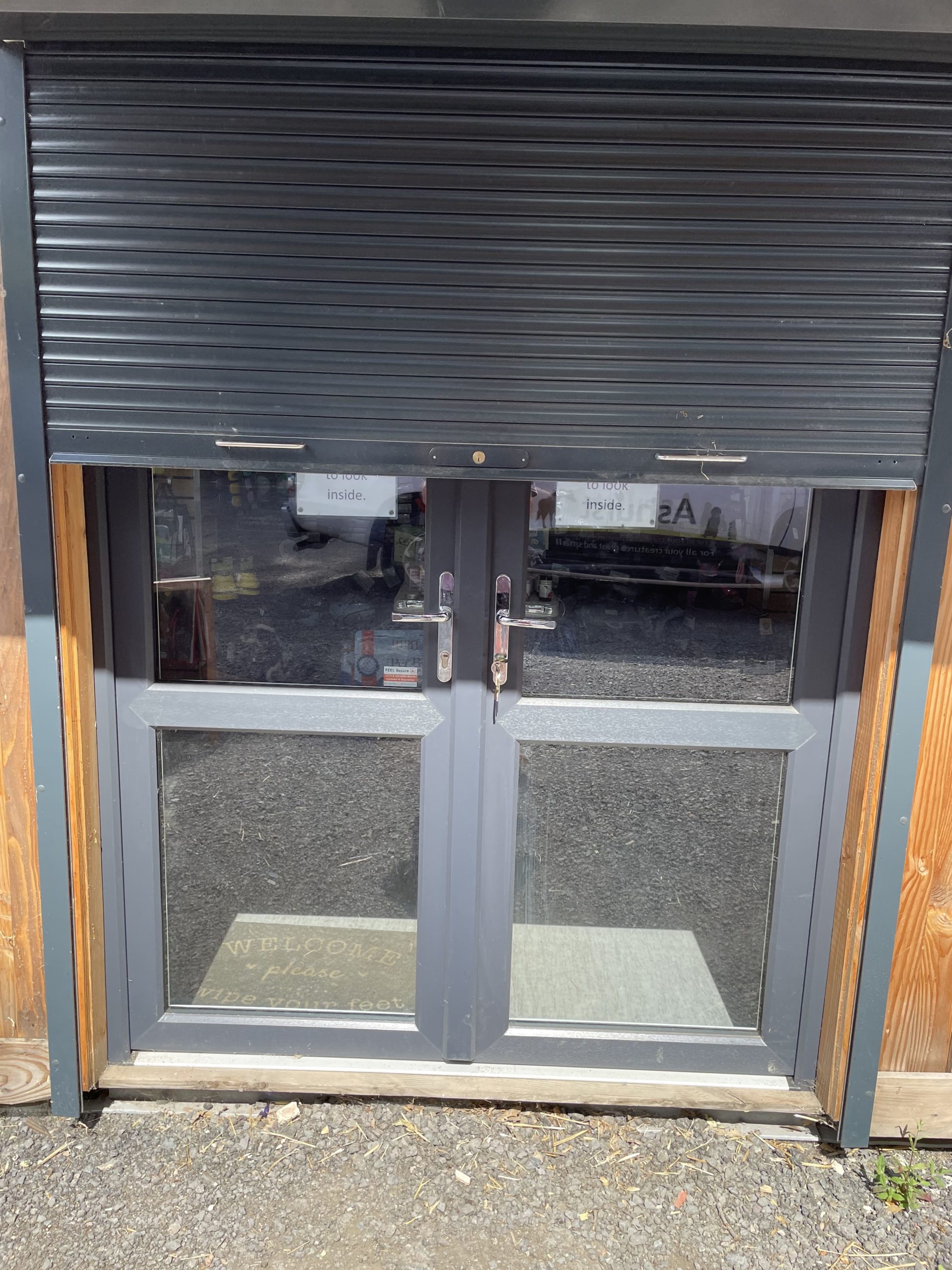
Location: Nationwide
EX VAT
Not Available for Hire
Call for an instant quote!
Get a Quick Container Quote Now!
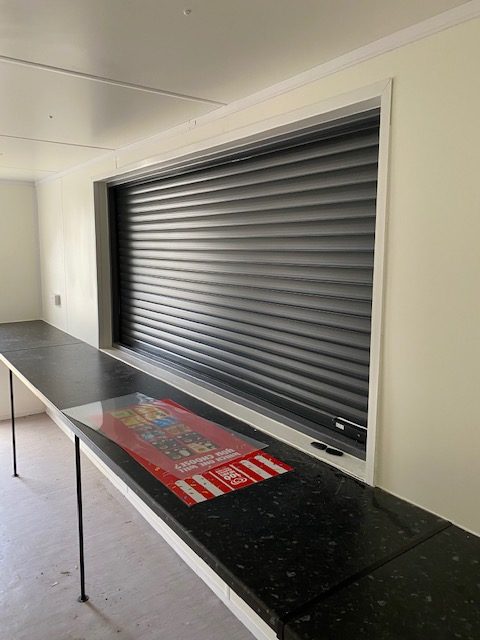
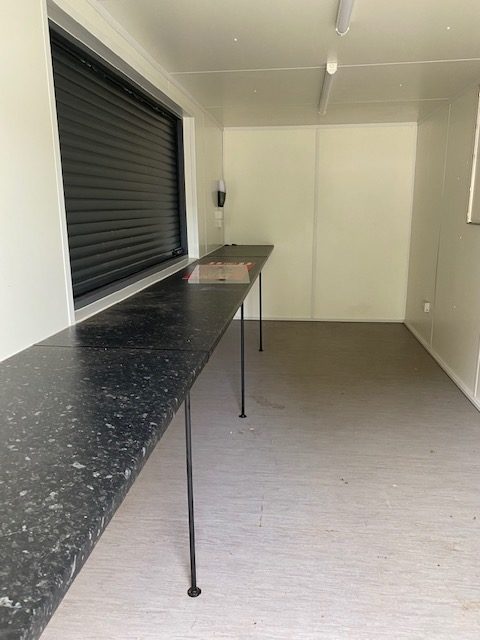
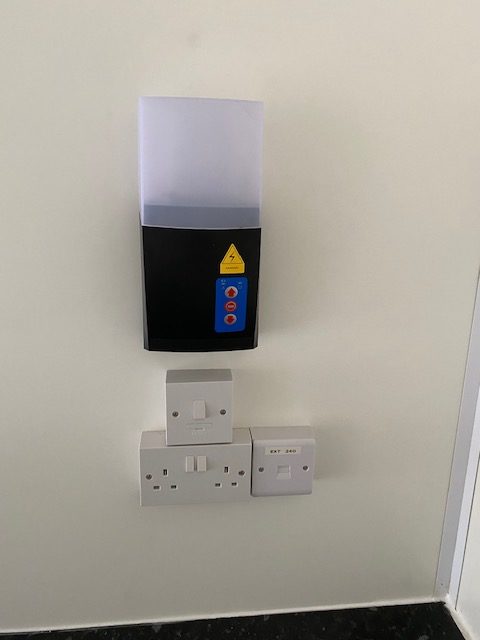
Location: Nationwide
EX VAT
Not Available for Hire
Call for an instant quote!
Get a Quick Container Quote Now!
Get a Quick Container Quote Now!
