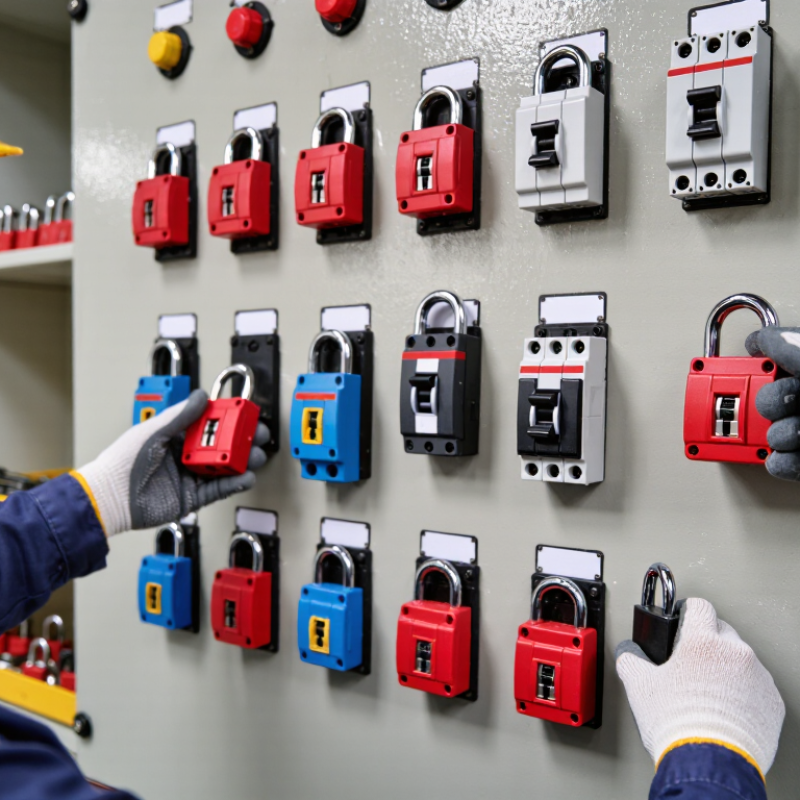
Choosing the Right Padlock Lockout for Global Sourcing requires more than comparing prices. The device must match the isolating point, workplace conditions, and users’ daily habits. A lockout that fits one breaker may fail on another model.
Safety trainer Jeffrey Dalto captures this practical concern: “The best lockout device is the one workers will use correctly, every time.” That principle matters during international purchasing. Buyers should examine jaw diameter, body material, shackle clearance, and label visibility. A compact nylon body may suit indoor panels. A reinforced design may perform better near dust, moisture, or vibration. The details are small. The consequences are not.
Global sourcing also demands disciplined supplier verification. Request dimensional drawings, material declarations, test records, and clear product photographs. Confirm whether the Padlock Lockout supports the padlocks already used by maintenance teams. Check keying options, color consistency, packaging protection, and replacement availability. A sample should be tested on the actual disconnects before a large order is released. That step can reveal awkward clearance, weak grip, or confusing identification.
Experience still has limits. A polished specification sheet does not prove field usability. One supplier may offer a lower unit price but weaker documentation. Another may cost more while reducing training time and replacement delays. The better choice balances fit, durability, traceability, and worker acceptance. Buyers should also review relevant occupational safety expectations in each destination market. Requirements can differ. Assumptions create risk. A careful sourcing decision leaves room for inspection, feedback, and revision after real workplace use.
Purpose comes first. A padlock lockout should prevent unauthorized operation during maintenance, inspection, or equipment adjustment. Define the energy source before selecting the device. Electrical switches, valves, and compact disconnects may require different lockout designs. A clear purpose prevents buyers from choosing a product based only on price or appearance.
Scope matters just as much. Identify who will use the lockout, how many workers need protection, and where it will operate. A factory with oily floors may need a durable, corrosion-resistant body and a highly visible finish. Outdoor sites may require stable performance under rain, dust, and temperature changes. Measure the shackle diameter and clearance carefully. Measure before ordering.
From practical sourcing experience, small dimensional errors often create large delays. The device may fit a sample switch but fail on older equipment. Request drawings, material details, load information, and test records from suppliers. Confirm packaging, labeling, replacement parts, and inspection procedures for each destination market. These details support traceability and consistent quality across multiple shipments.
No selection is perfect. One earlier assumption may prove wrong after a site trial. A pilot order can reveal access problems, awkward handling, or poor visibility before full production. Review those findings with maintenance staff and procurement teams. Their feedback often exposes risks that a catalog cannot show.

Choosing a padlock lockout for global sourcing requires more than comparing prices. Material selection affects durability, visibility, and performance in different work environments. Nylon or reinforced polymer bodies resist electrical conductivity and many chemicals. Stainless steel bodies offer stronger resistance against impact, moisture, and outdoor corrosion. However, no material performs perfectly everywhere. Review temperature changes, dust, humidity, and chemical exposure before approving a specification.
Design details also influence daily use. A compact body fits crowded control panels, while a longer shackle may reach isolated energy points. Keyed-alike systems can simplify authorized access management across multiple facilities. Different colors help workers identify equipment ownership quickly. Engraved identification can remain readable after repeated handling. Avoid oversized designs when workers must attach several devices in one location. Small choices matter.
Safety features should support clear procedures, not replace them. Select lockouts with durable labels, tamper-resistant construction, and a consistent key-control process. Confirm that the shackle diameter matches the lockout hasp and isolation point. Test samples with gloves, cold hands, and limited visibility. I once focused too heavily on body strength and overlooked label readability. That mistake delayed field use. Suppliers should provide material data, inspection records, and realistic sample testing. Requirements may differ by country, so verify applicable workplace safety standards before placing a large order.
When sourcing padlock lockouts globally, compliance starts with the worksite, not the catalog. Each destination may follow different occupational safety rules, testing expectations, and labeling practices. Match the lockout with the equipment’s isolation point, energy source, and local procedures. A lockout for a narrow breaker handle may fail on a thicker switch. Measure before ordering.
Specification details matter. Check shackle diameter, clearance, body material, corrosion resistance, and operating temperature. Nonconductive materials can reduce electrical exposure risks, but they do not replace proper isolation procedures. Confirm that the lock accepts the required key system and supports controlled key ownership. Some sites require one employee, one key, and one identifiable lock. Others use group lockout arrangements. The product must fit both systems.
In sourcing reviews, I request drawings, material data, test records, and sample units. I also compare labels with the languages used by workers at each facility. Small text can become a serious usability problem. Ask whether markings remain readable after oil, dust, sunlight, and repeated handling. Certification claims need verification through current documents, not sales language. A neat specification sheet is not enough.
I also check packaging and traceability. Lot numbers, inspection dates, and replacement records support reliable audits. Yet global compliance is rarely perfect at the first attempt. I once treated a universal fit as a safe assumption; the clearance was wrong. Rechecking the actual isolation points would have prevented that mistake. Build a review step into every purchase.
Choosing a padlock lockout for global sourcing starts with the supplier, not the product photo.
Request factory addresses, audit records, material specifications, and recent inspection reports. ISO 9001 shows a quality management system, but it does not automatically certify lockout performance. Ask for independent test evidence against the standards required in your target market. A certificate without a clear scope is only paper.
Check practical details. Does the lock body resist corrosion in humid storage? Does the shackle fit common isolation points? Can each unit carry a durable identification label?
In procurement reviews, sample testing often reveals issues that documents miss, including stiff mechanisms or inconsistent key control. That part is easy to underestimate. A small failure can delay an entire maintenance program.
Shipping needs equal attention. UNCTAD’s Review of Maritime Transport 2023 reports that over 80% of global merchandise trade by volume moves by sea. Confirm the Incoterm, export documents, HS classification, carton dimensions, and port handling responsibilities before placing an order.
World Bank’s Logistics Performance Index 2023 evaluates customs, infrastructure, tracking, and timeliness; these factors affect replenishment more than a low unit price. Build a realistic buffer for inspections and port delays.
I would not trust a promised lead time until a trial shipment proves it. Supplier ratings can also change, and that uncomfortable possibility deserves a documented backup plan.
How to Choose the Right Padlock Lockout for Global Sourcing?
Product quality should be verified before approving a padlock lockout for global sourcing. OSHA estimates that lockout/tagout controls prevent about 120 fatalities and 50,000 injuries annually. This figure shows why appearance alone is insufficient. Request material certificates, dimensional drawings, and independent laboratory reports. Testing should cover shackle tensile strength, corrosion resistance, key operation, and temperature exposure. An ISO/IEC 17025-accredited laboratory can improve confidence in reported results.
Small details matter. Test the lockout with gloves, wet hands, and limited visibility. Check whether it fits common energy-isolation points and group hasps. Trial users should attach and remove it repeatedly during routine maintenance simulations. Record jammed keys, unclear labels, sharp edges, and accidental interference with nearby controls. A lockout that passes a bench test may fail inside a crowded electrical cabinet. That weakness is easy to miss.
Field testing also needs realistic stress. Use dust, oil, moisture, and repeated handling. HSE guidance emphasizes that isolation procedures must work in real workplaces, not only on paper. Keep batch samples for comparison, especially when changing suppliers. One honest concern remains: a perfect sample may not represent full production. Therefore, inspect incoming batches and repeat workplace trials after design or material changes. Quality is never a single certificate.
| Evaluation Dimension | Compact Nylon Padlock | Safety Aluminum Padlock | Weather-Resistant Steel Padlock | Non-Conductive Composite Padlock | Sourcing Interpretation |
|---|---|---|---|---|---|
| Typical use case | Indoor electrical panels and light-duty isolation points | General industrial lockout and group lockout stations | Outdoor utilities, construction, and humid production areas | Electrical environments where reduced conductivity is preferred | Select the construction according to exposure, electrical risk, and frequency of use. |
| Body material | Engineering nylon or equivalent polymer | Anodized or powder-coated aluminum | Coated or stainless steel body | Glass-filled engineering polymer | Request material declarations and coating specifications for every production batch. |
| Typical shackle diameter | 6 mm | 6 mm | 6–8 mm | 6 mm | Confirm compatibility with the lockout hasp, valve cover, breaker device, and energy-isolation point. |
| Key-control feature | Key-retaining cylinder recommended | Key-retaining cylinder recommended | Key-retaining cylinder recommended | Key-retaining cylinder recommended | Verify that the key cannot be removed while the shackle is open, where required by the site procedure. |
| Corrosion test benchmark | Target: 24–48 h neutral salt spray with no functional impairment | Target: 48–96 h neutral salt spray with no seizure | Target: 96–240 h neutral salt spray, depending on coating system | Target: 48–96 h neutral salt spray with no functional impairment | Use ASTM B117 or an equivalent documented laboratory method; define acceptance criteria before testing. |
| Mechanical test plan | Key cycling, shackle pull, torsion, and drop testing | Key cycling, shackle pull, torsion, and drop testing | Key cycling, shackle pull, torsion, impact, and drop testing | Key cycling, shackle pull, torsion, and drop testing | Test after environmental exposure and confirm that the lock still opens, closes, and retains the key correctly. |
| Suggested temperature range | Approximately −20°C to +80°C; verify polymer grade | Approximately −20°C to +80°C; verify coating and cylinder lubricant | Approximately −30°C to +100°C; verify seal and lubricant | Approximately −20°C to +80°C; verify polymer grade | Obtain supplier temperature limits and conduct low/high-temperature functional checks for the target region. |
| Workplace trial duration | 2–4 weeks | 4–8 weeks | 8–12 weeks, including wet or outdoor exposure | 4–8 weeks | Include multiple shifts, gloved operation, cleaning routines, and representative lockout devices. |
| Trial-use acceptance criteria | No cracked body, seized cylinder, accidental opening, or unreadable identification | No functional failure; clear identification after repeated handling | No severe corrosion, seized mechanism, or loss of shackle retention | No cracking, deformation, electrical-use restriction conflict, or key-control failure | Record failures per 100 uses, user feedback, installation time, and compatibility issues. |
| Identification and traceability | Color coding and engraved or printed identifier | Color coding and durable identifier | Durable identifier suitable for outdoor exposure | Color coding and durable identifier | Require batch numbers, inspection records, material details, and change-control notifications. |
| Global sourcing documents | Technical drawing, test report, material declaration, packing specification | Technical drawing, test report, coating specification, packing specification | Technical drawing, corrosion report, coating specification, inspection plan | Technical drawing, material declaration, test report, electrical-use statement | Request documents in English and verify that the tested configuration matches the production configuration. |
| Recommended sourcing position | Best for indoor, lightweight applications | Balanced option for general industrial use | Preferred for harsh outdoor conditions | Preferred where non-conductive construction is required | Approve only after document review, laboratory testing, sample inspection, and workplace trial use. |
Note: Performance targets should be confirmed against the buyer’s risk assessment, local occupational-safety requirements, electrical procedures, environmental conditions, and the supplier’s validated test data.
Registered in England & Wales No. 2786496
Registered office at: 337 Tanworth Lane,
Shirley, Solihull, B90 4DU
Registered for VAT, registration No.
GB 655 1347 38


Location: Nationwide
Not Available for Hire
We can deliver for a cost please ask and send us post code.
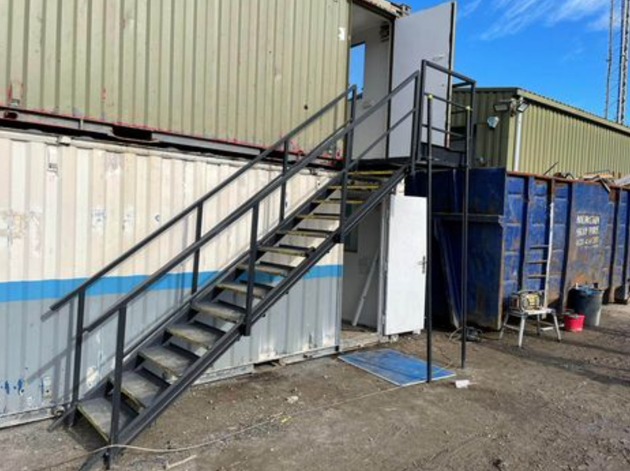
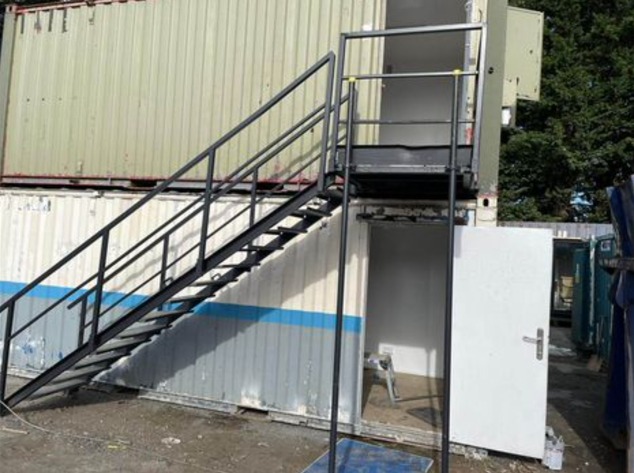
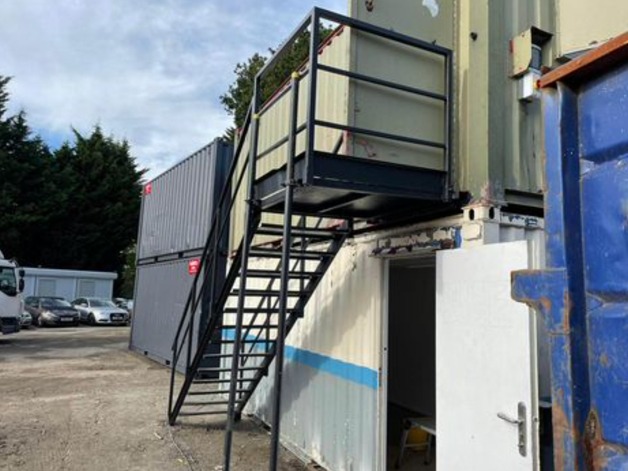
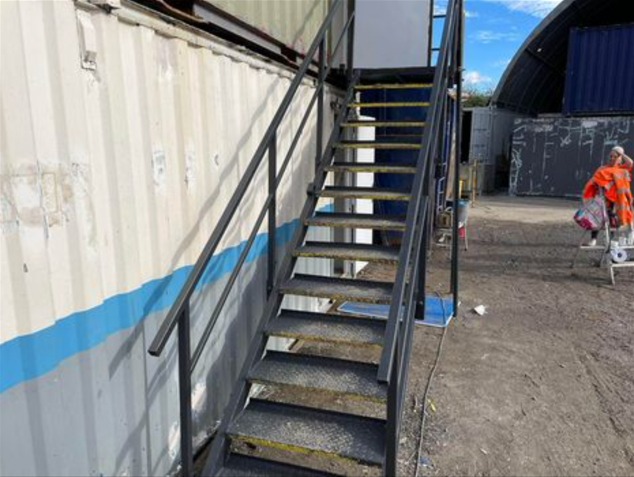
13 tread
14 tread
15 tread


Location: Nationwide
Not Available for Hire
Call for an instant quote!


Location: Nationwide
Not Available for Hire
We can deliver for a cost please ask and send us post code.
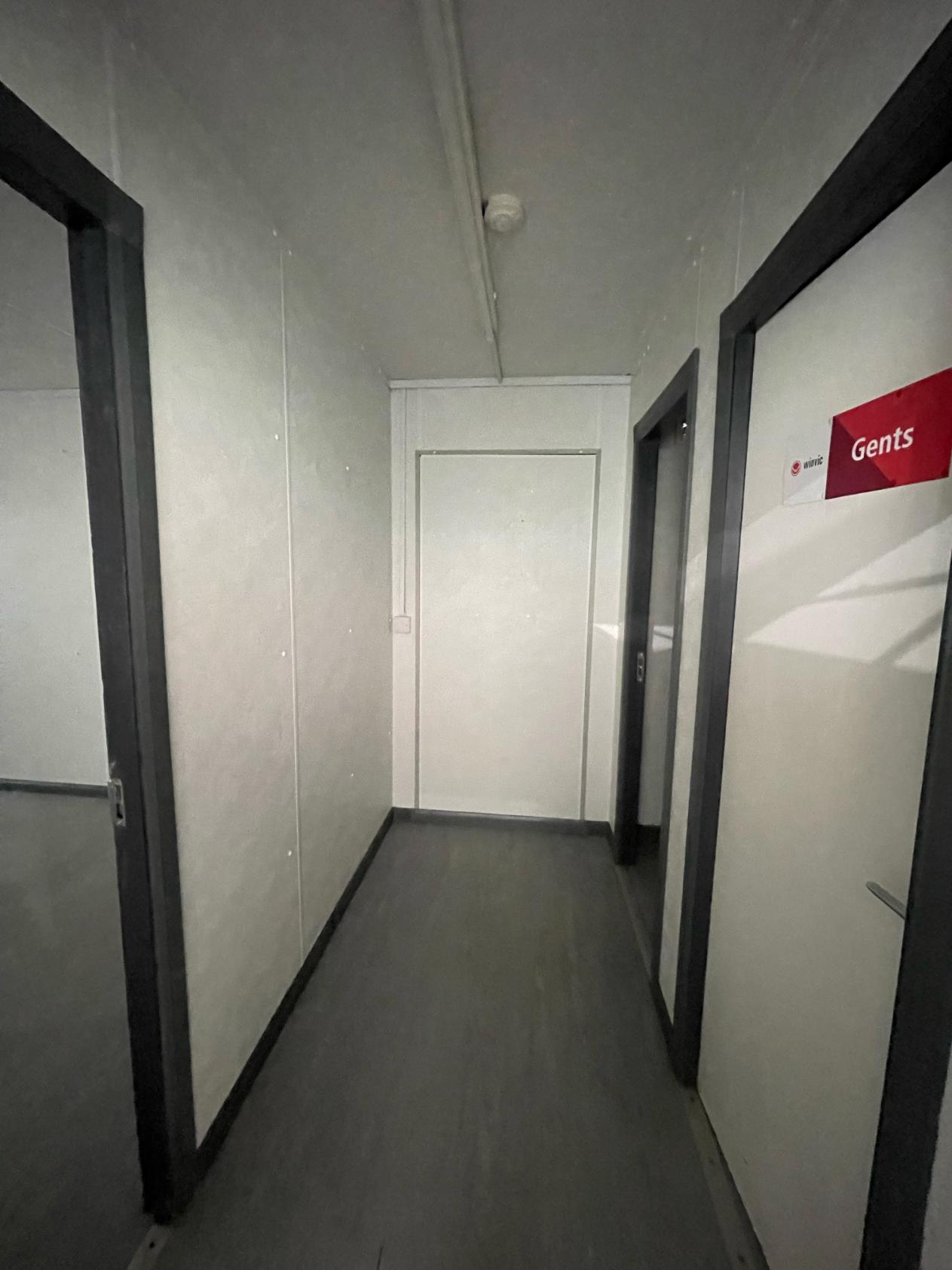
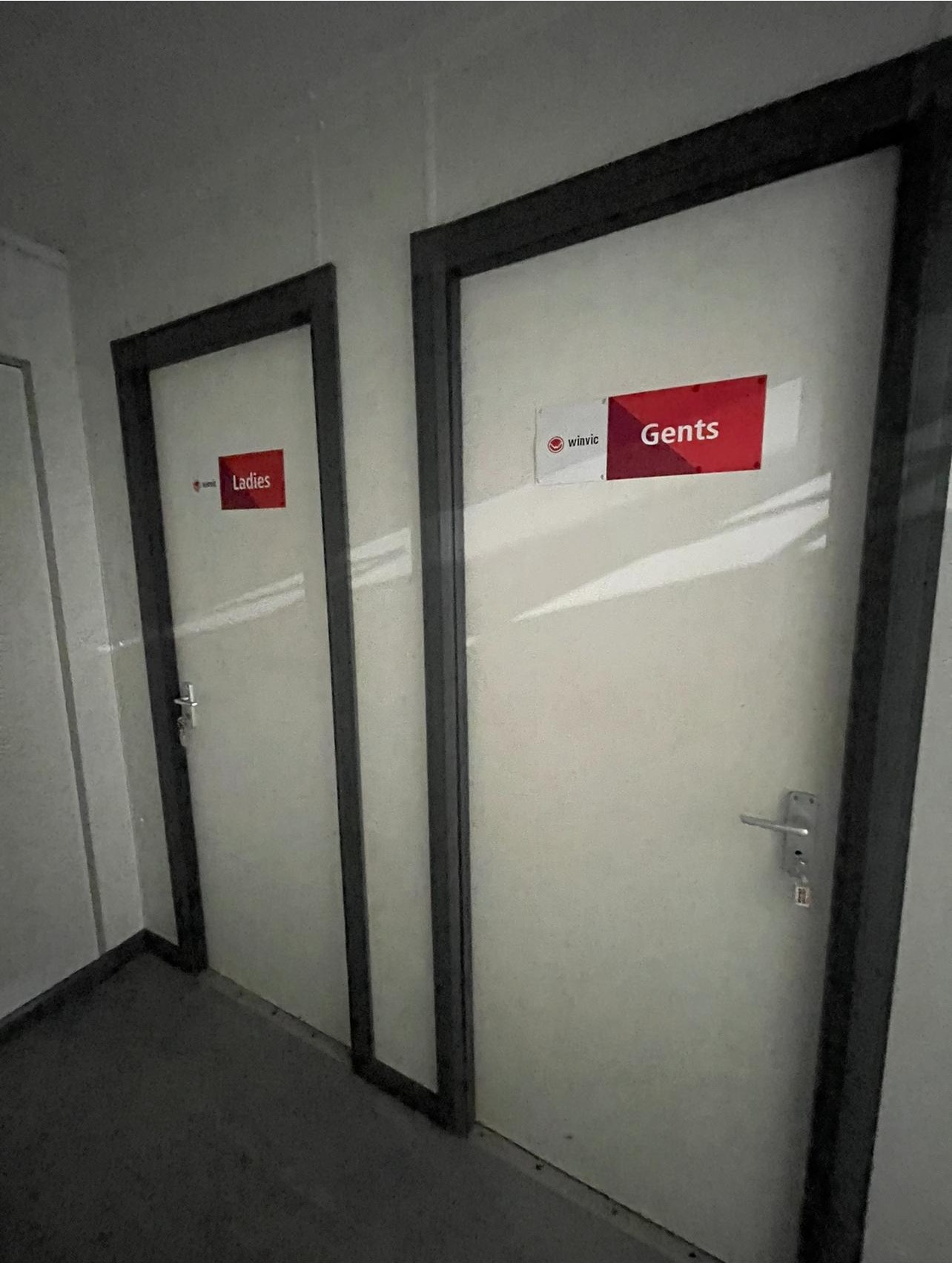
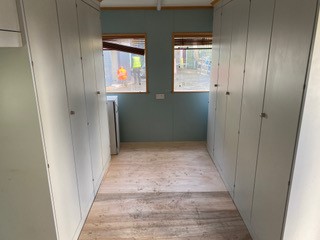
Hallway leading into:
Transport can be arranged please ask.


Location: Nationwide
Not Available for Hire
Call for an instant quote!
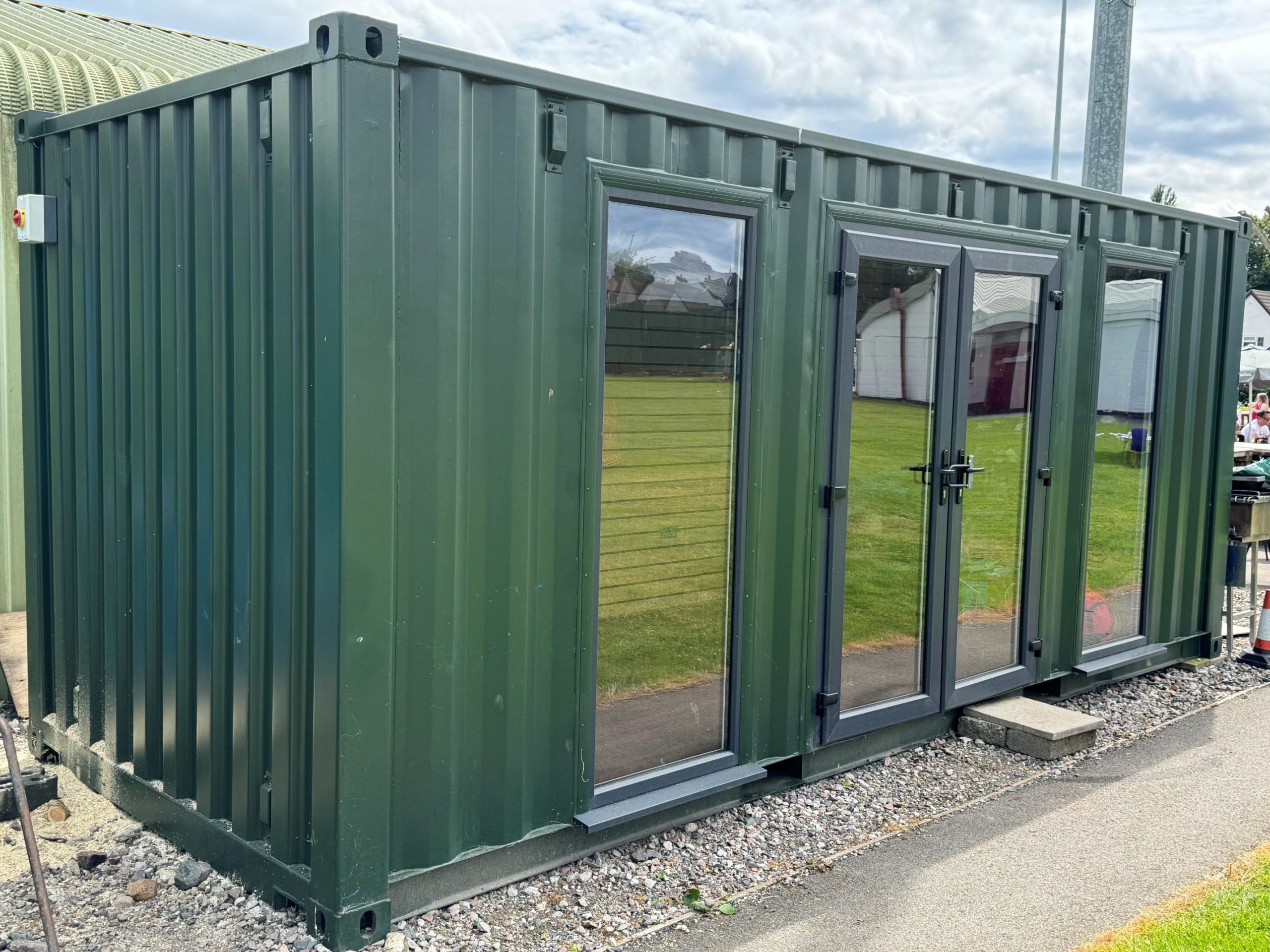
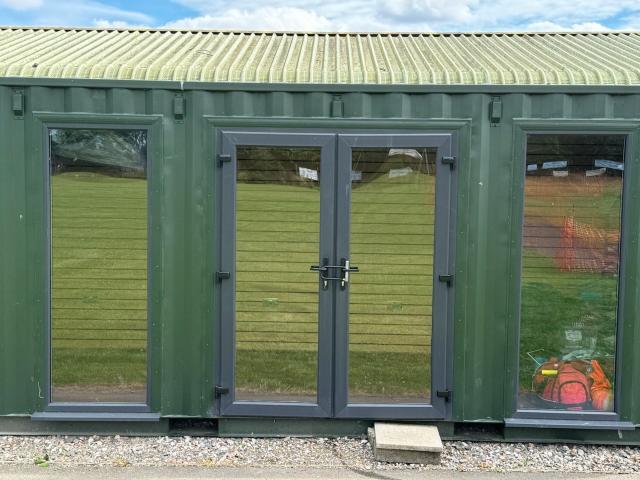
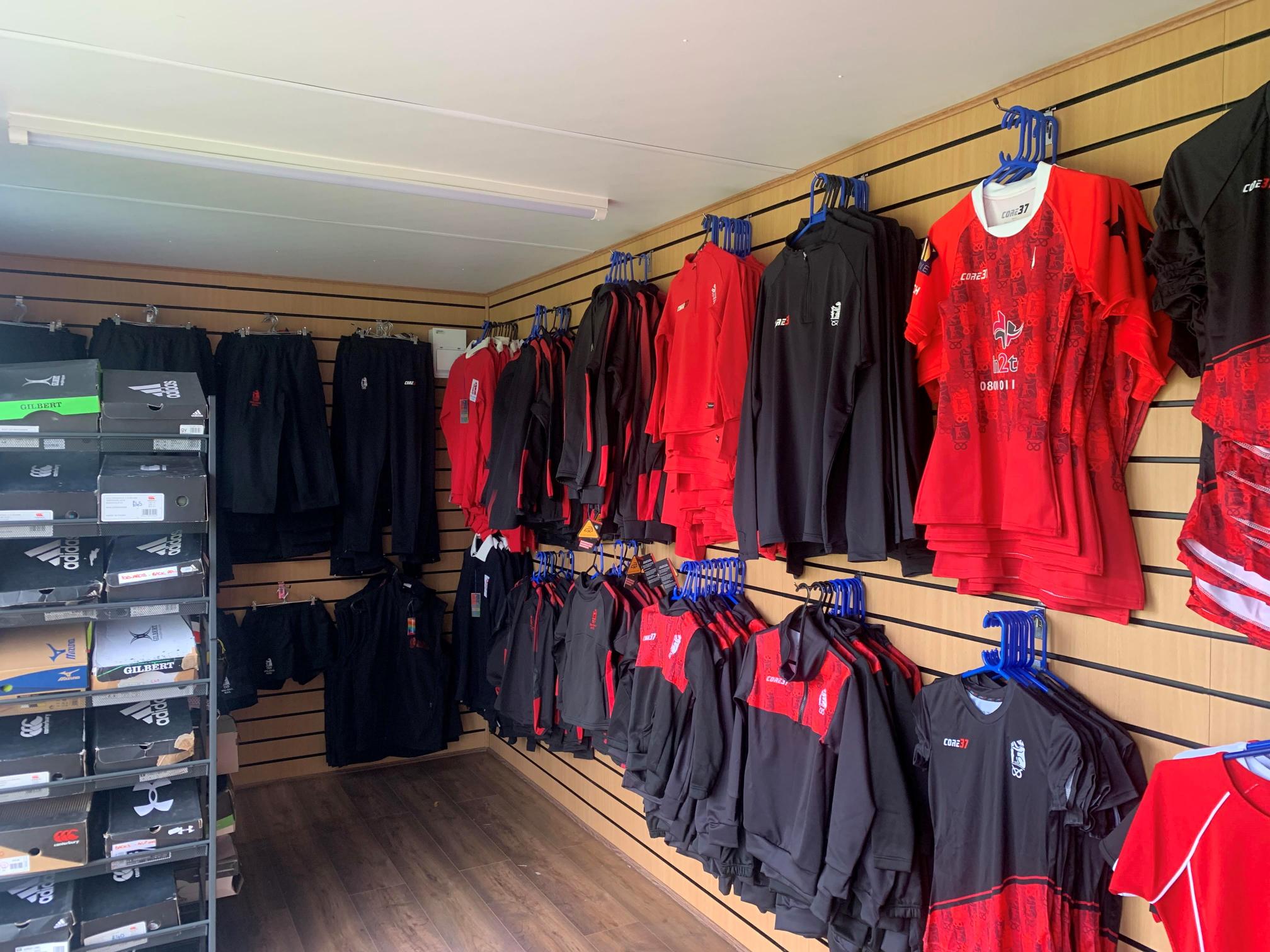
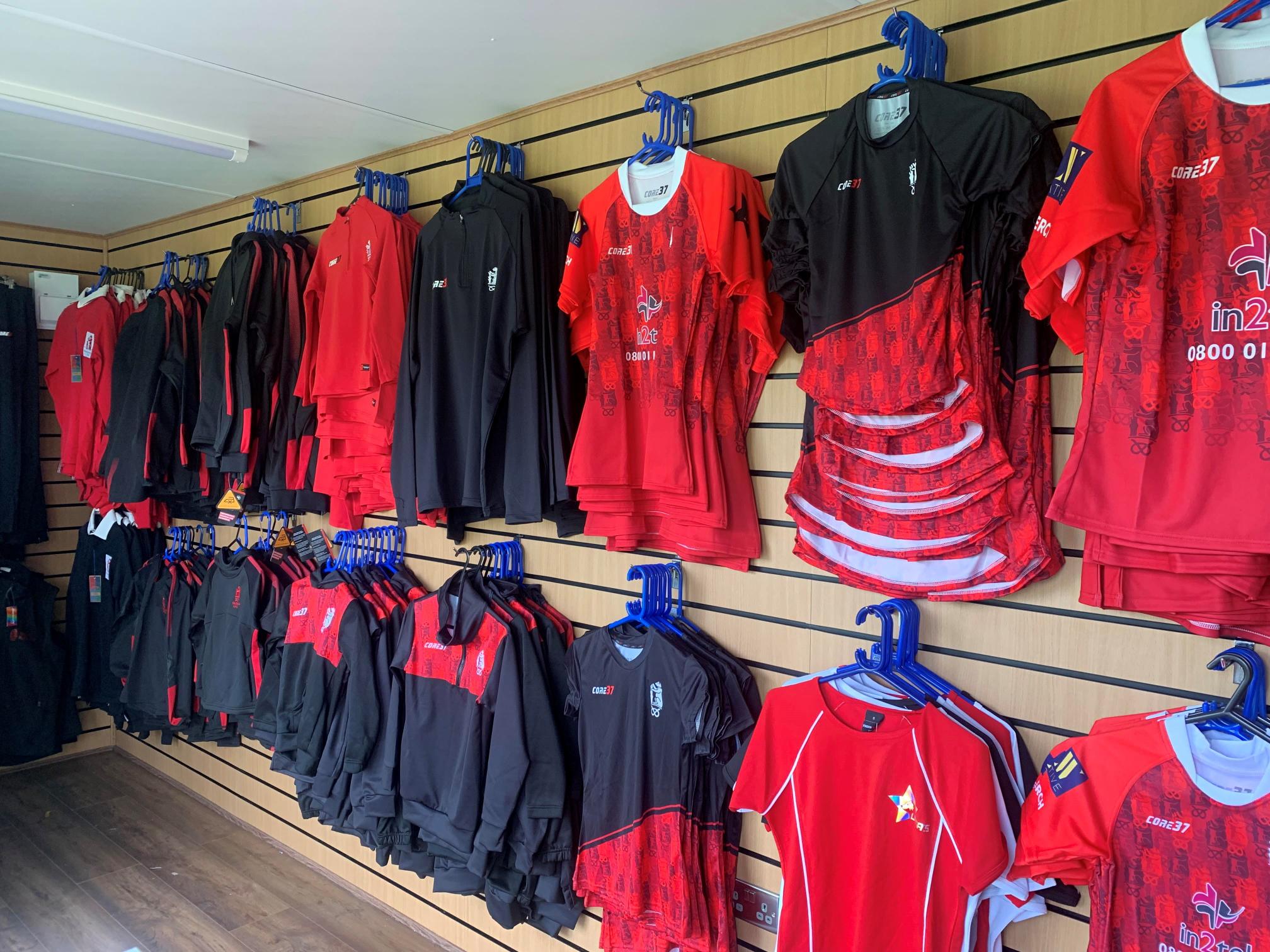
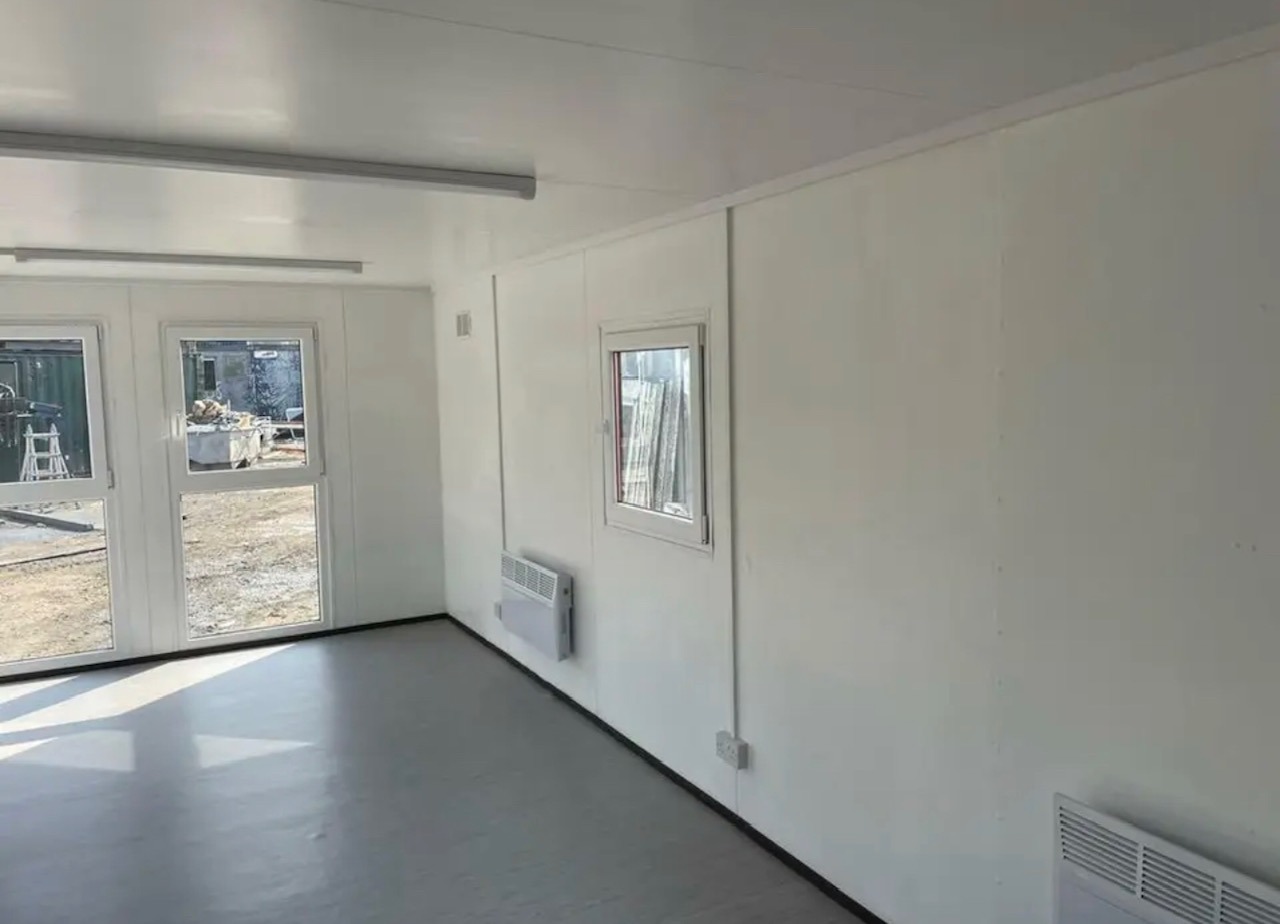
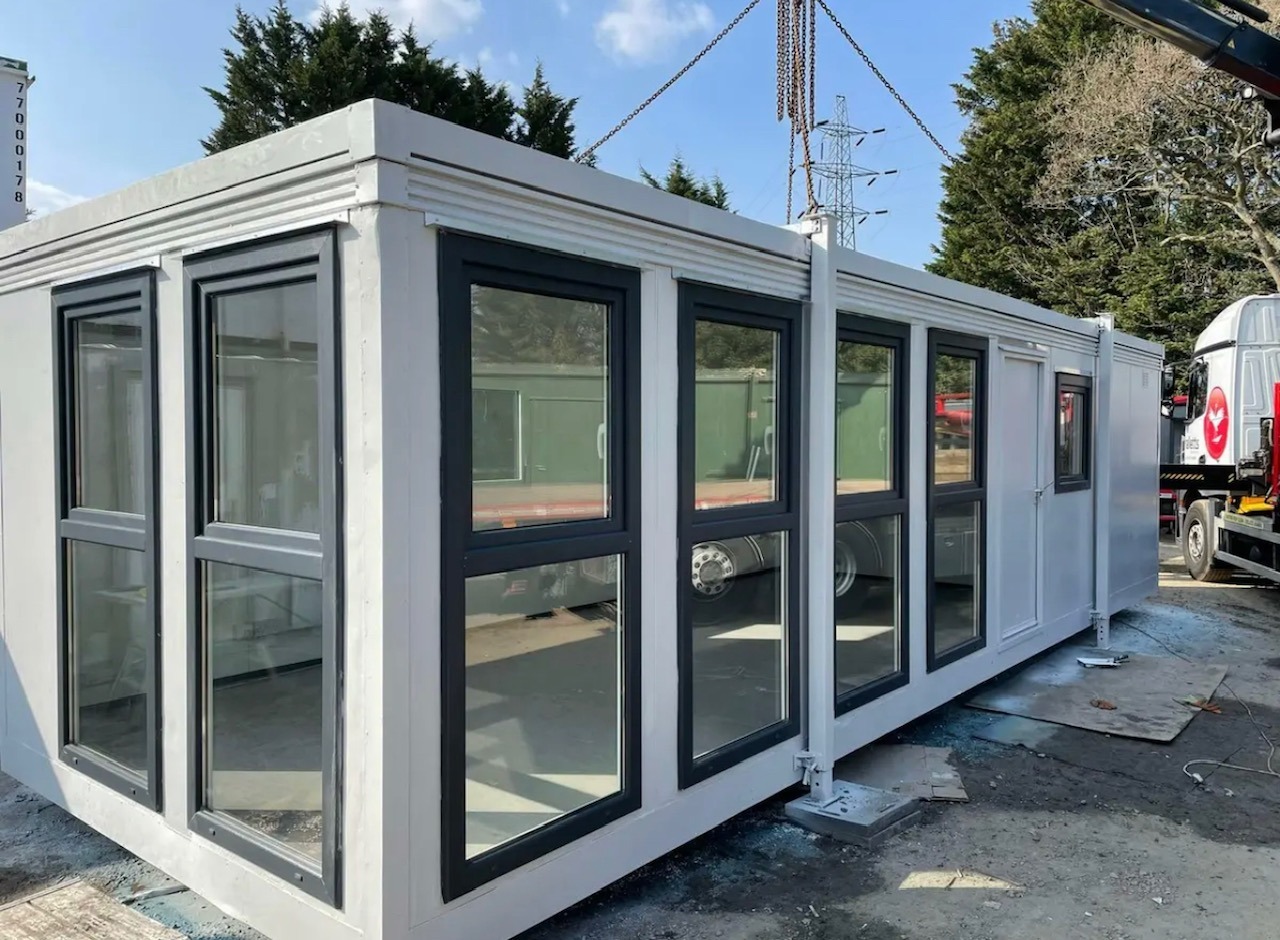
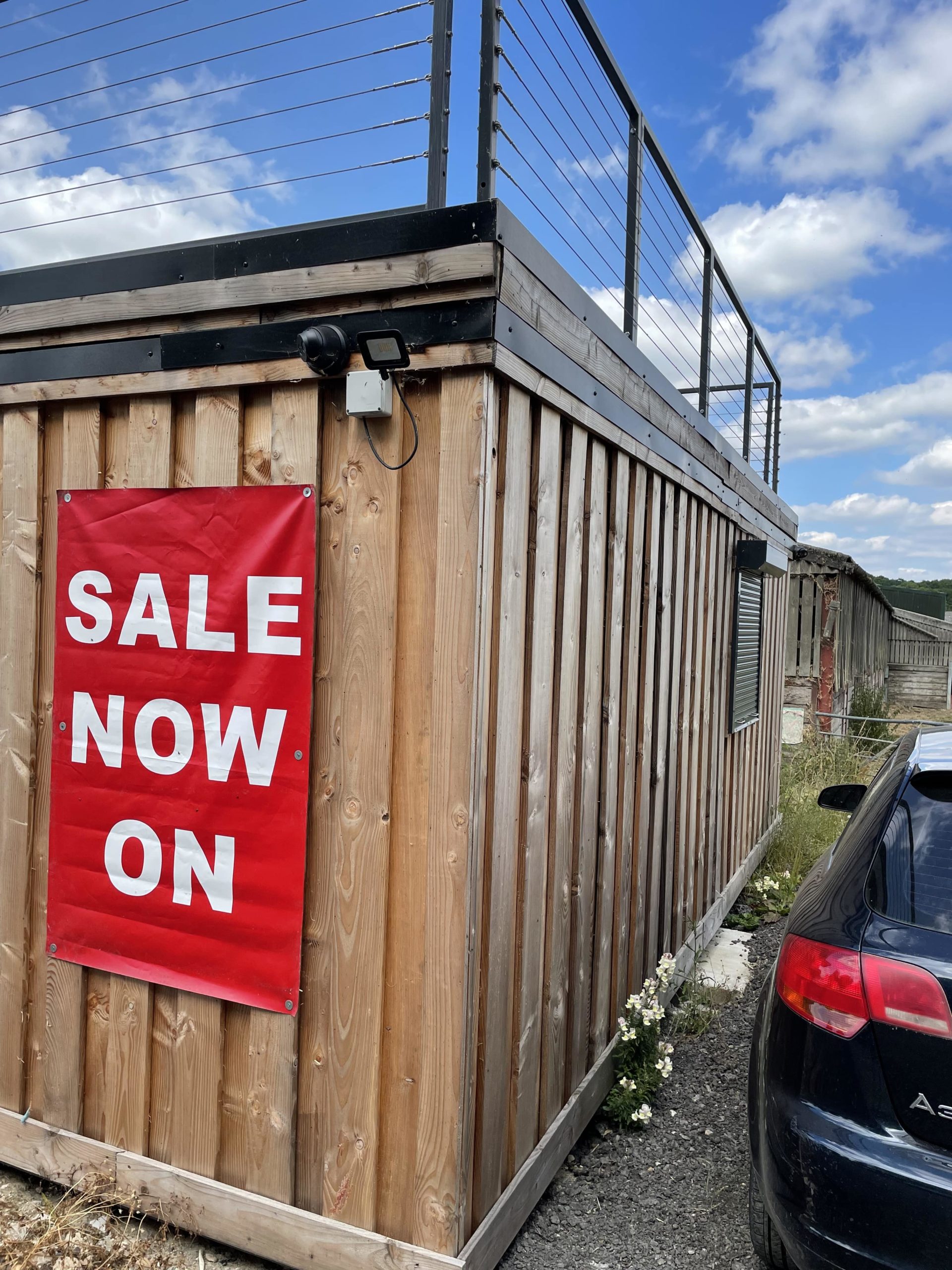
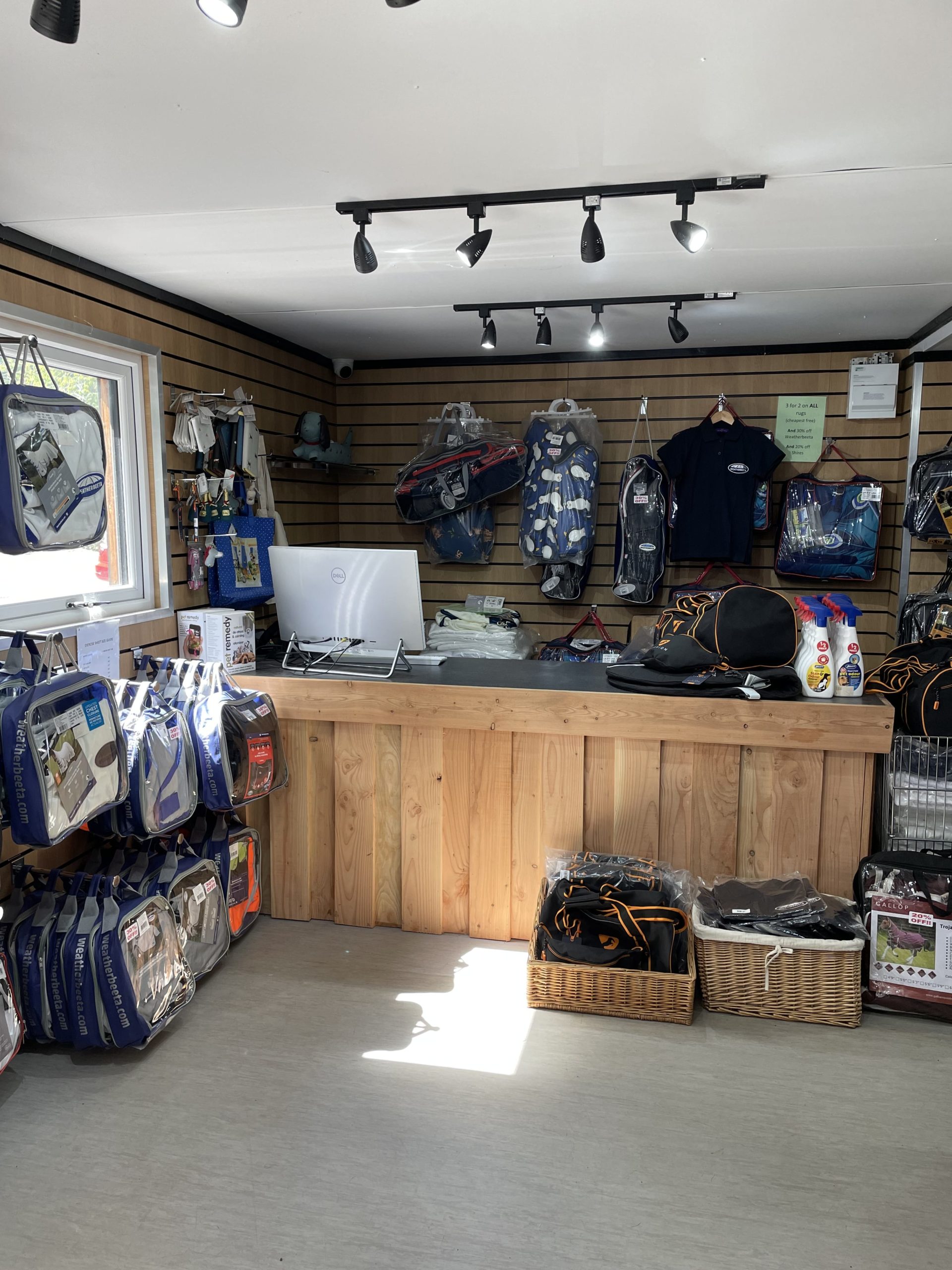
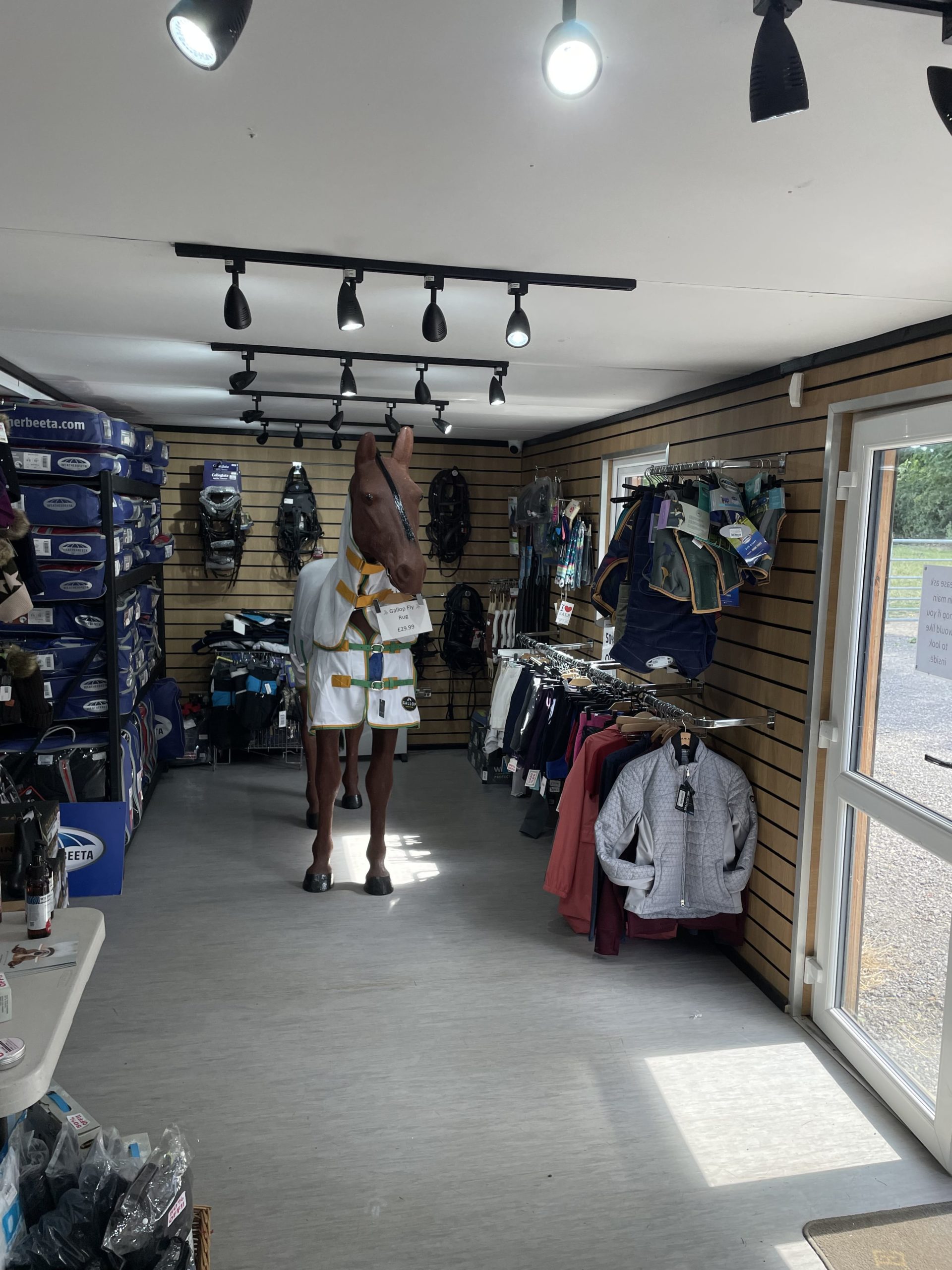
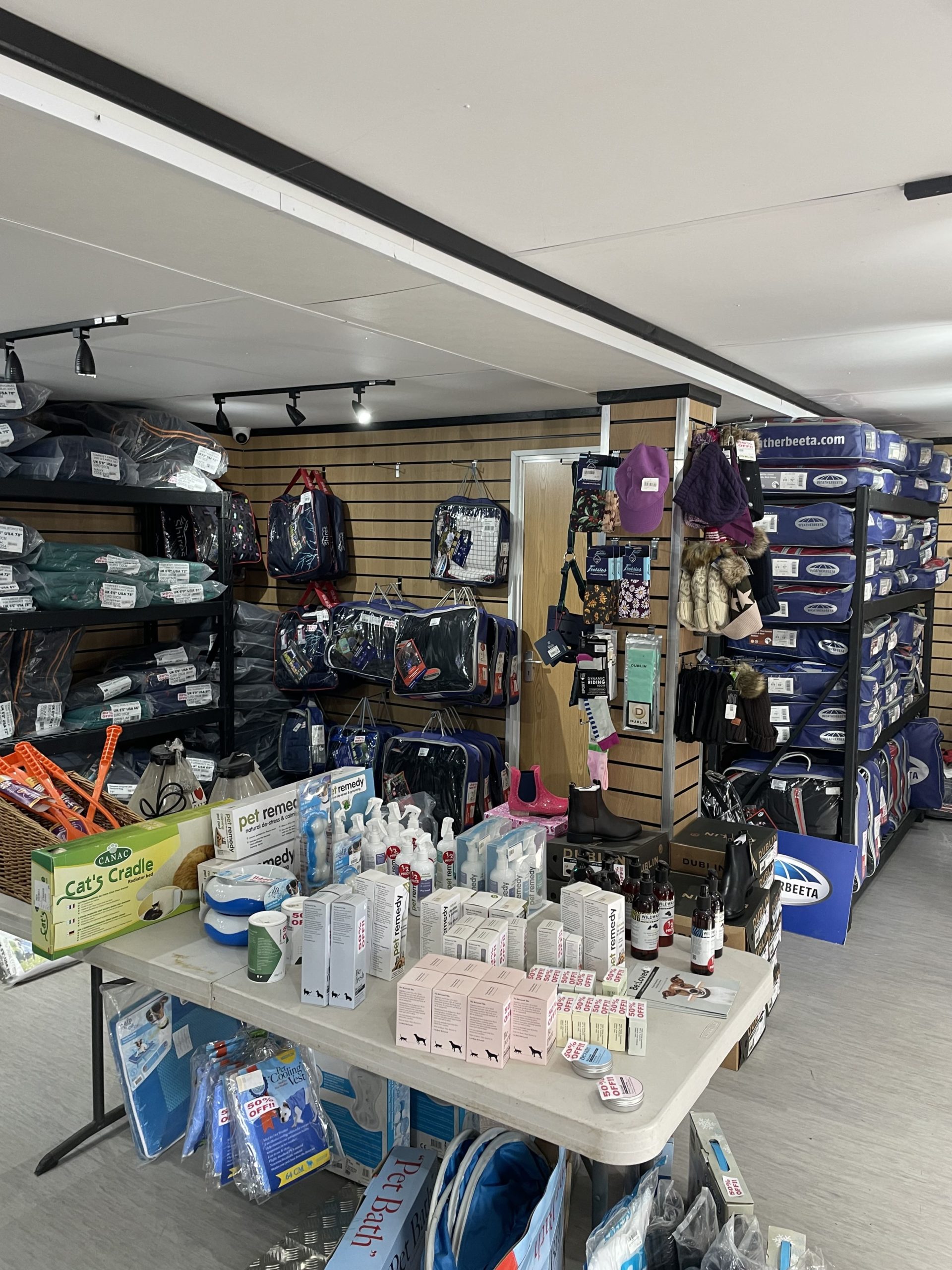
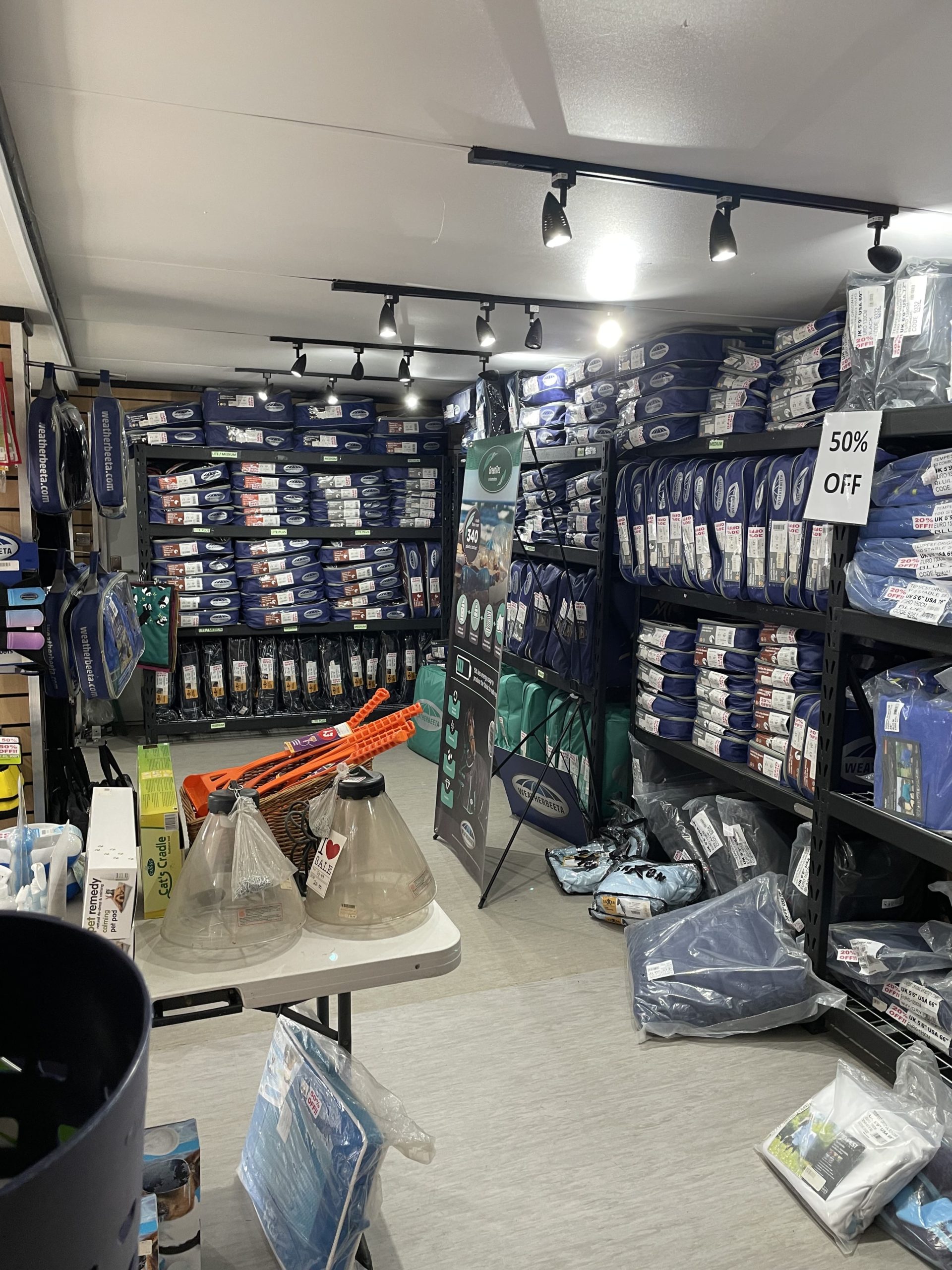
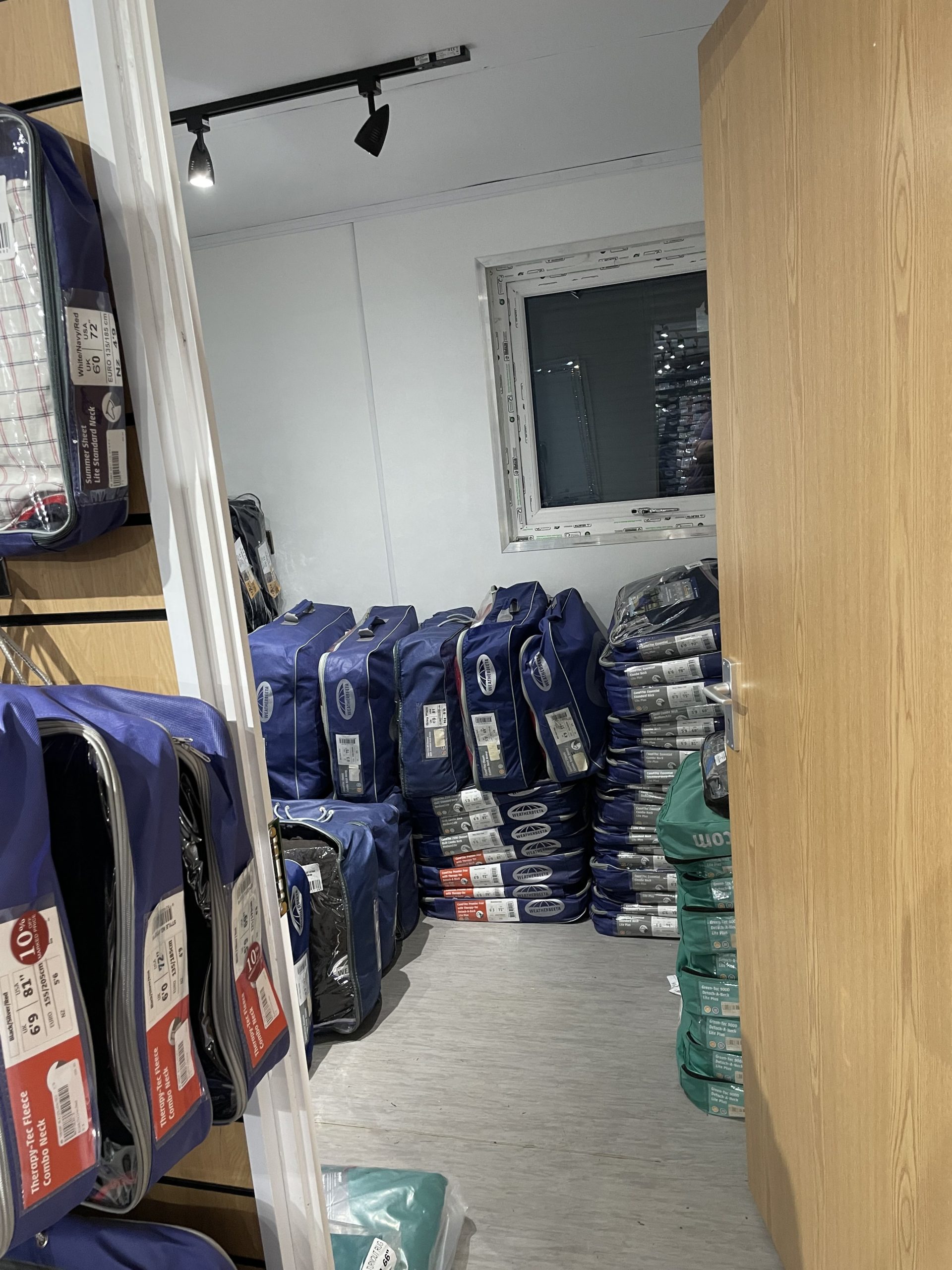
20ft x 8ft Container Conversion Retail Shop
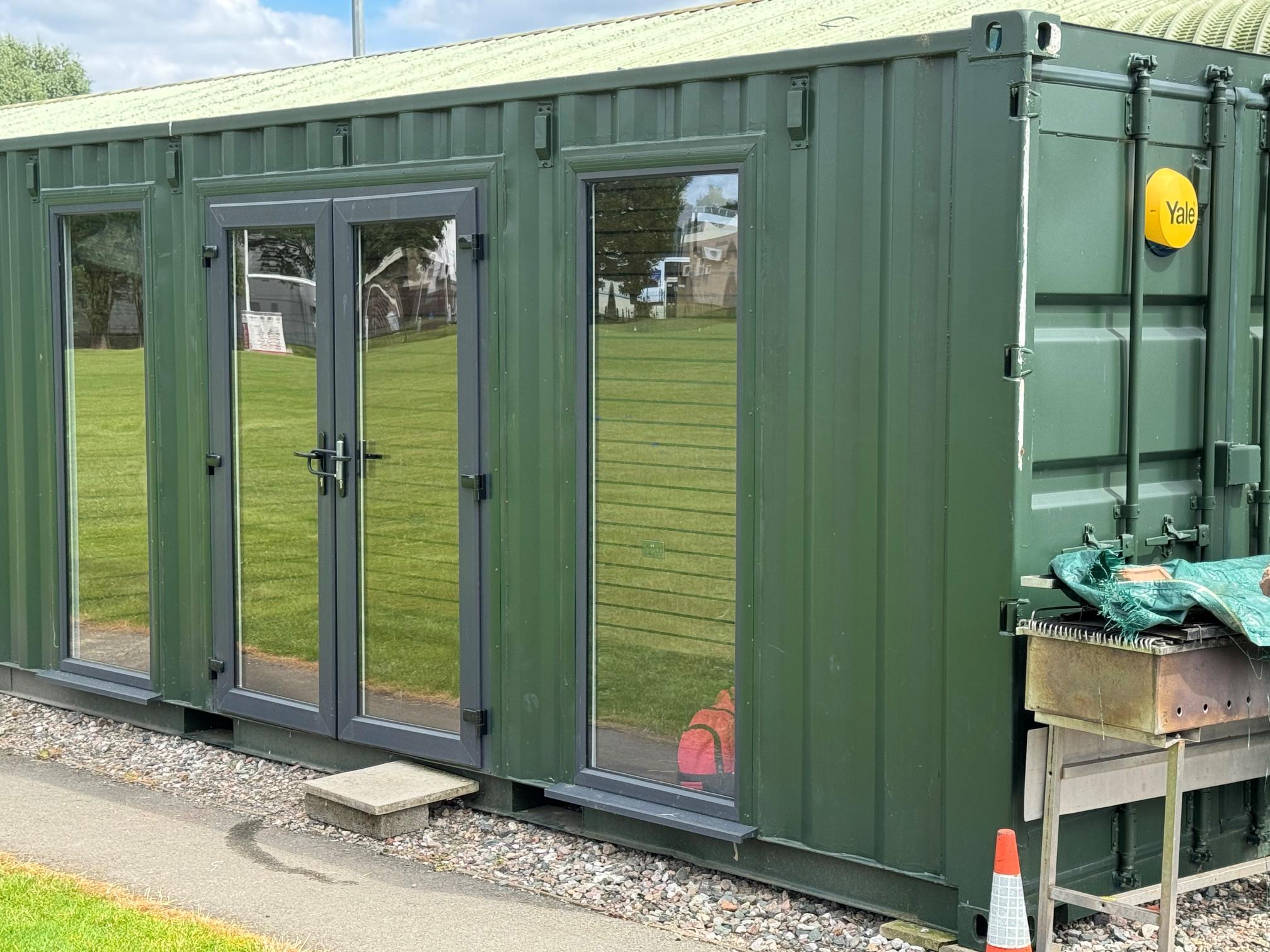
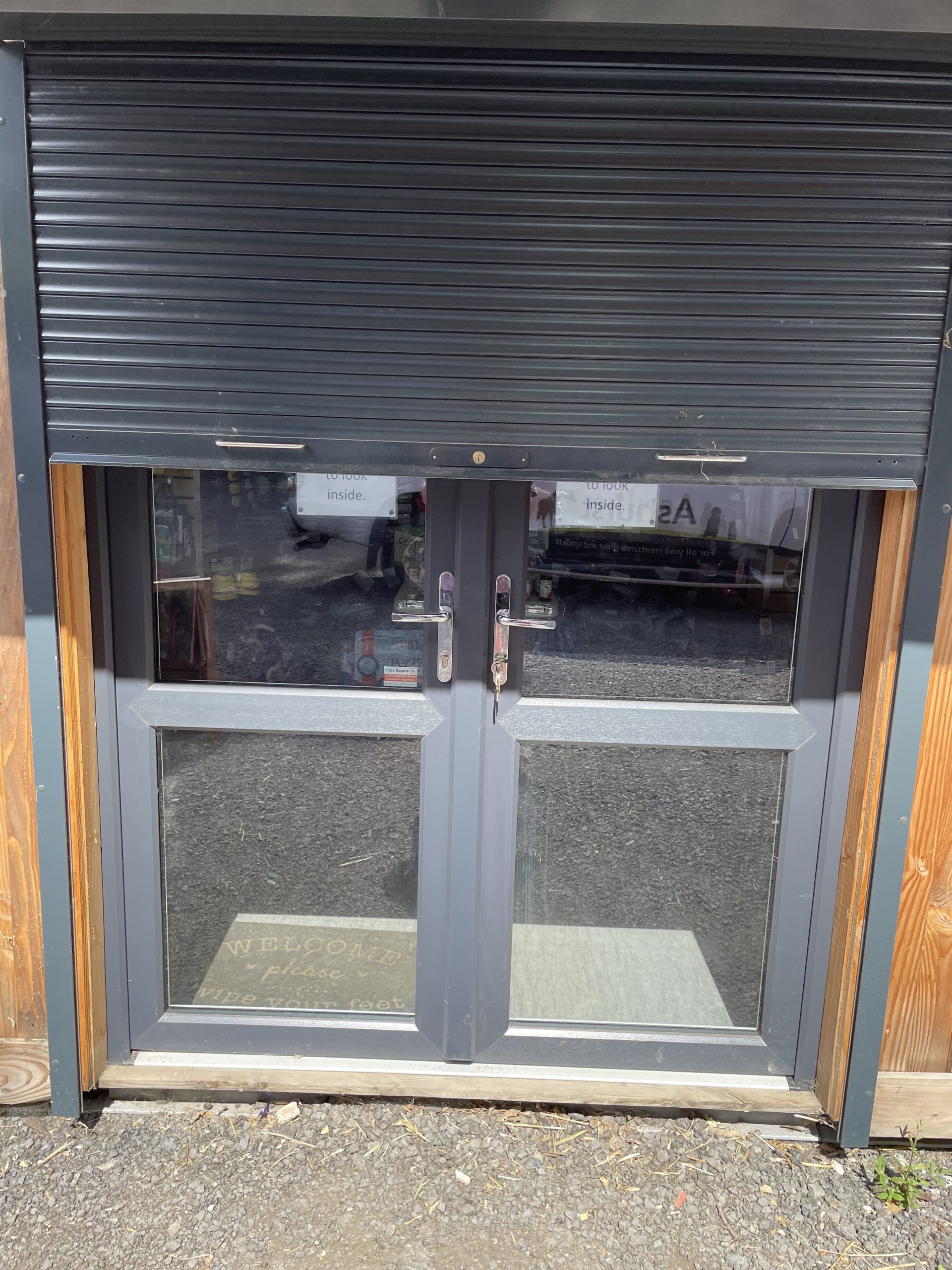
UPVC Double glazed Windows + French Doors
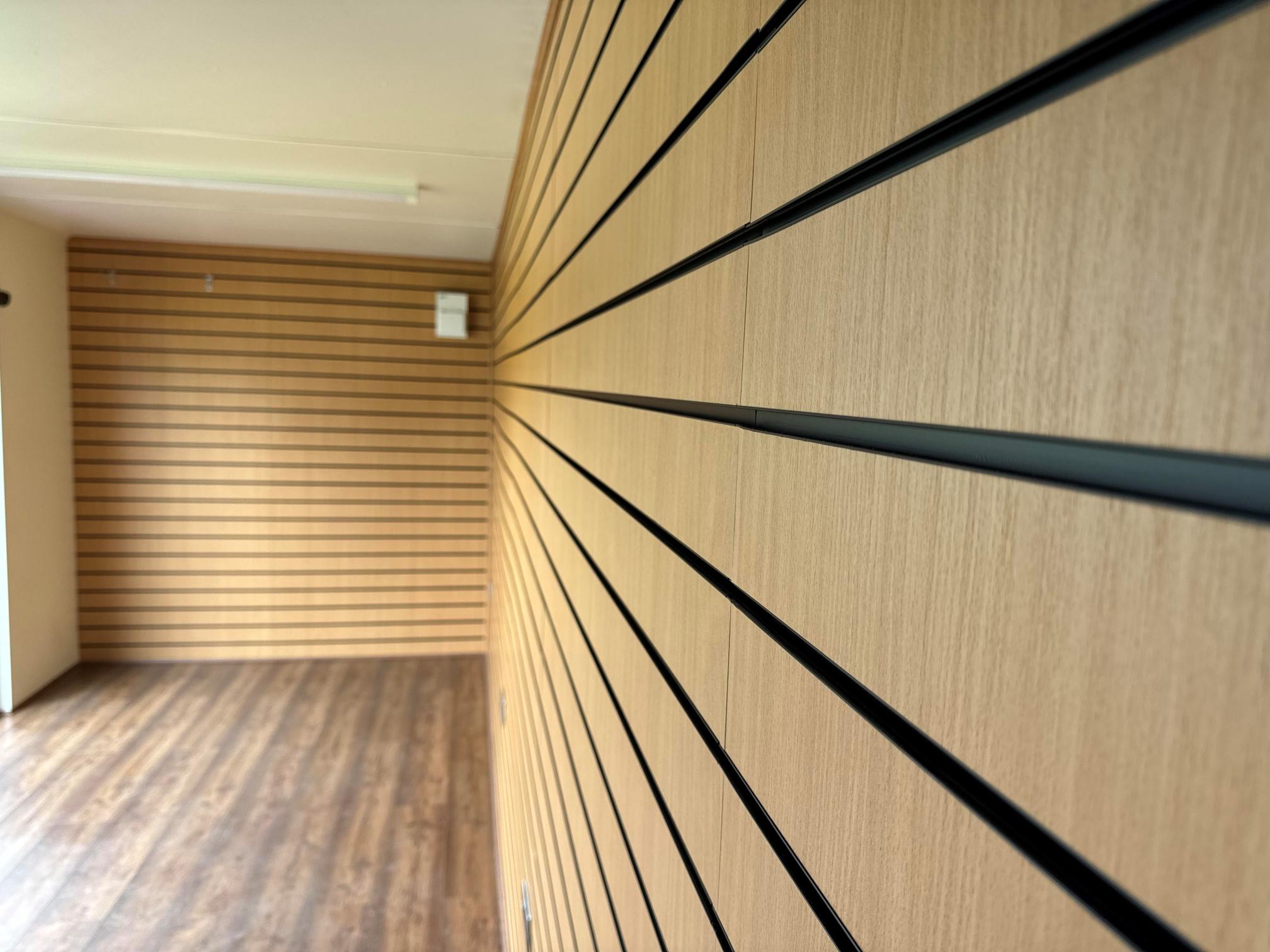
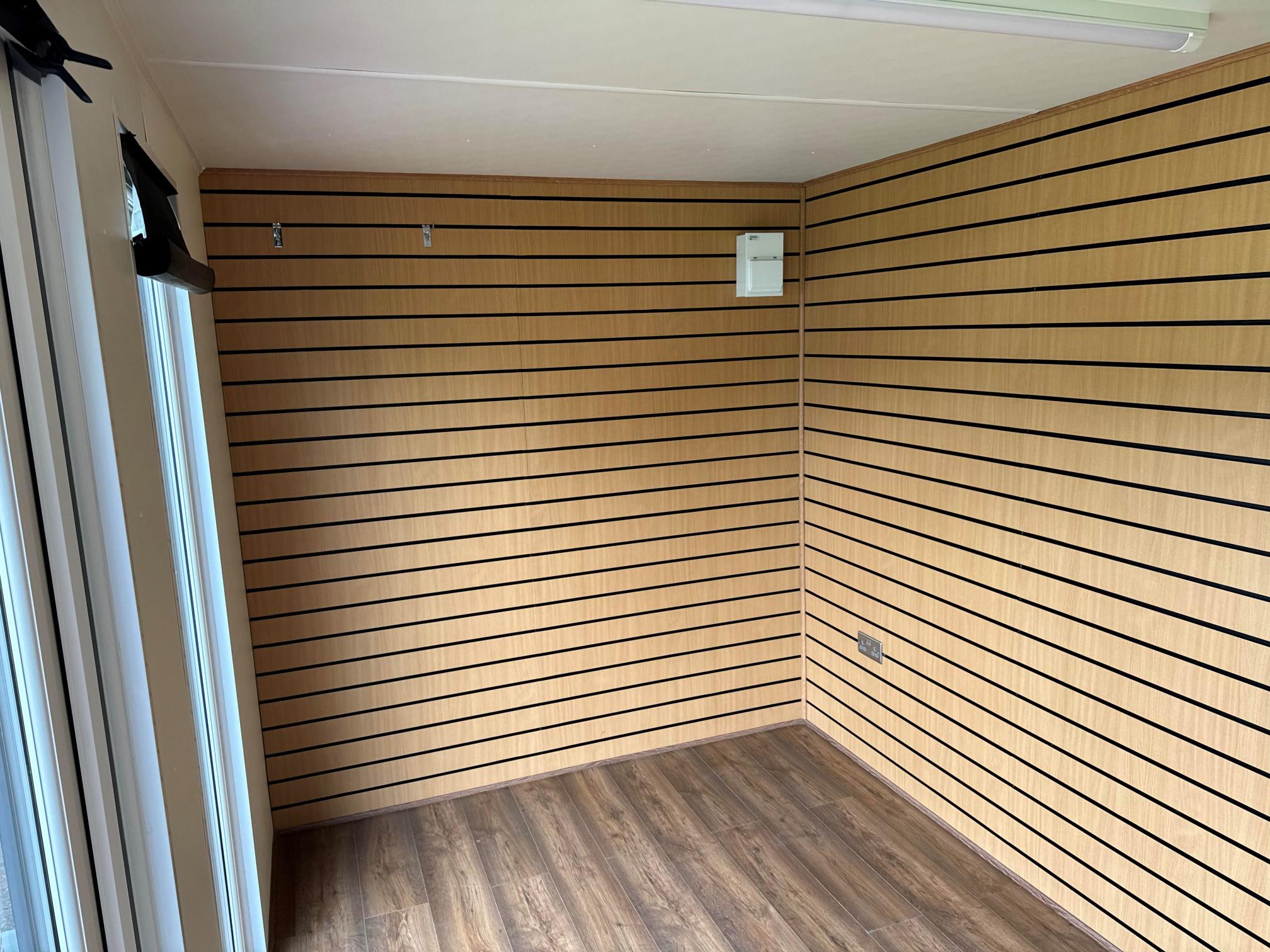
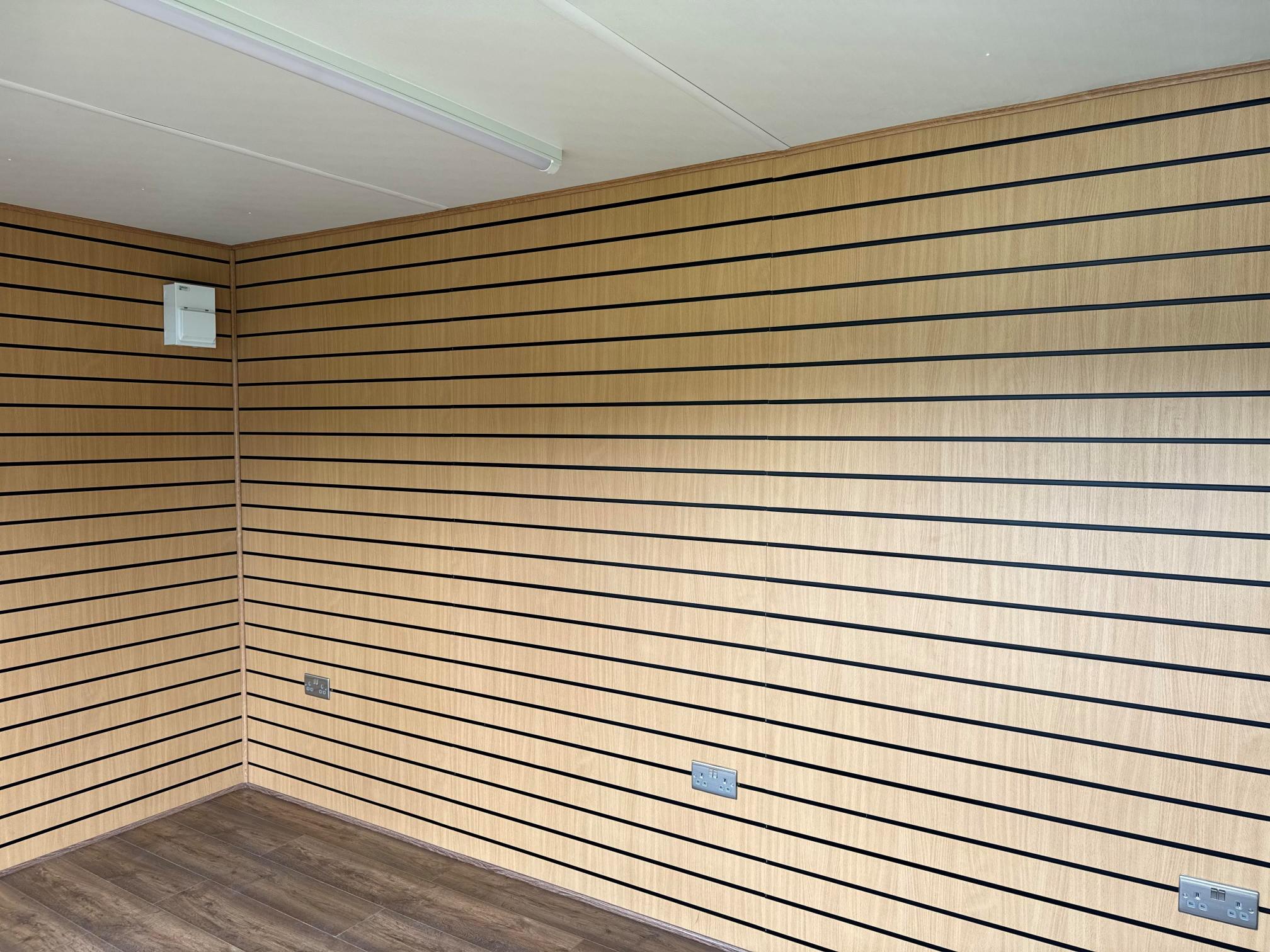
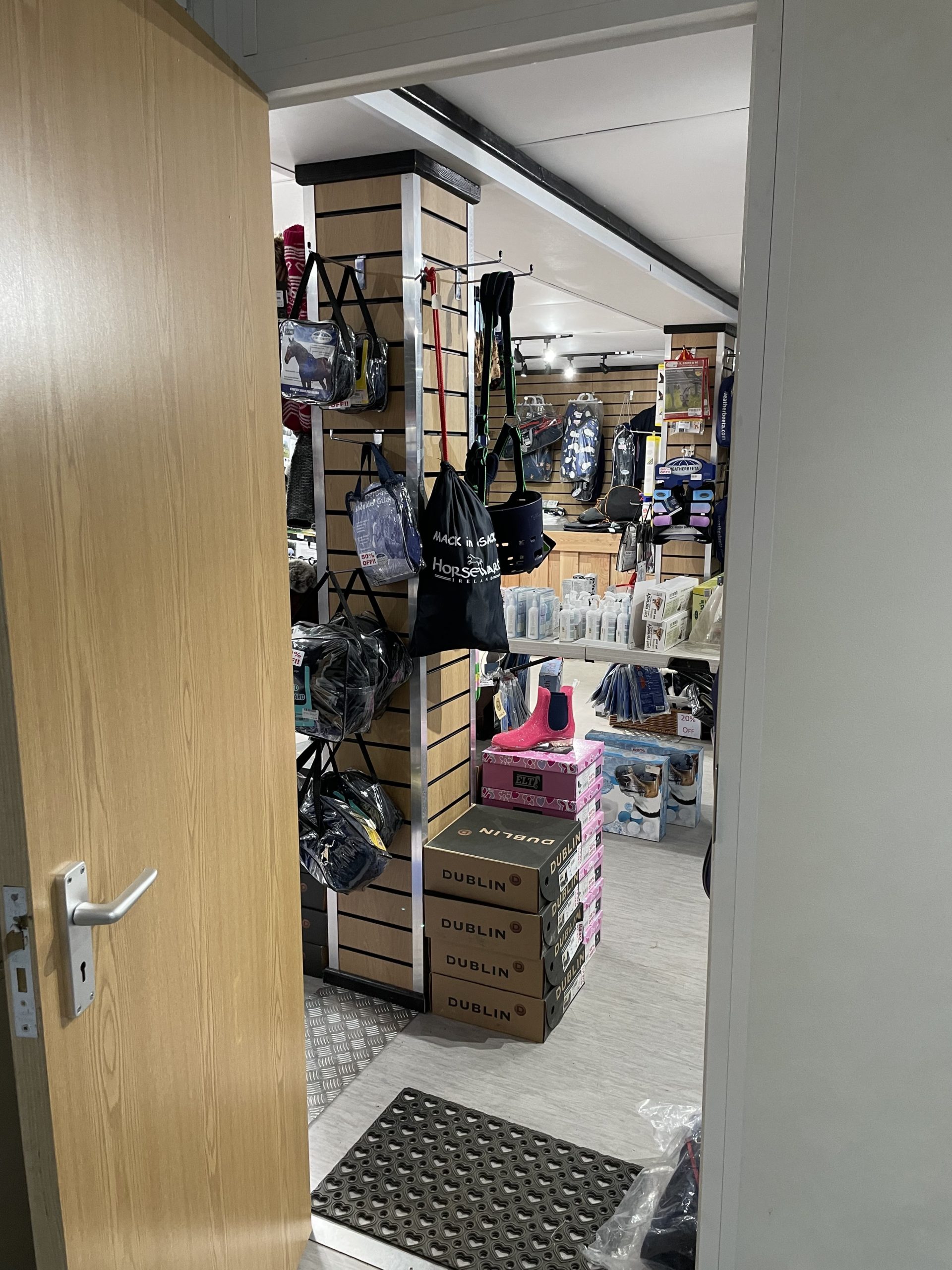
Slat Wall for retail fixings and Merchandise
Electric Chrome Sockets, led lighting and heating.
Laminate Flooring
12 months Warranty
Maintenance call out package included
Less than 2 years old
Still in Brand New Condition


Fully refurbished
Colour light grey
Slate grey anthracite upvc double glazed windows


Location: Nationwide
+ VAT
Not Available for Hire
Call for an instant quote!
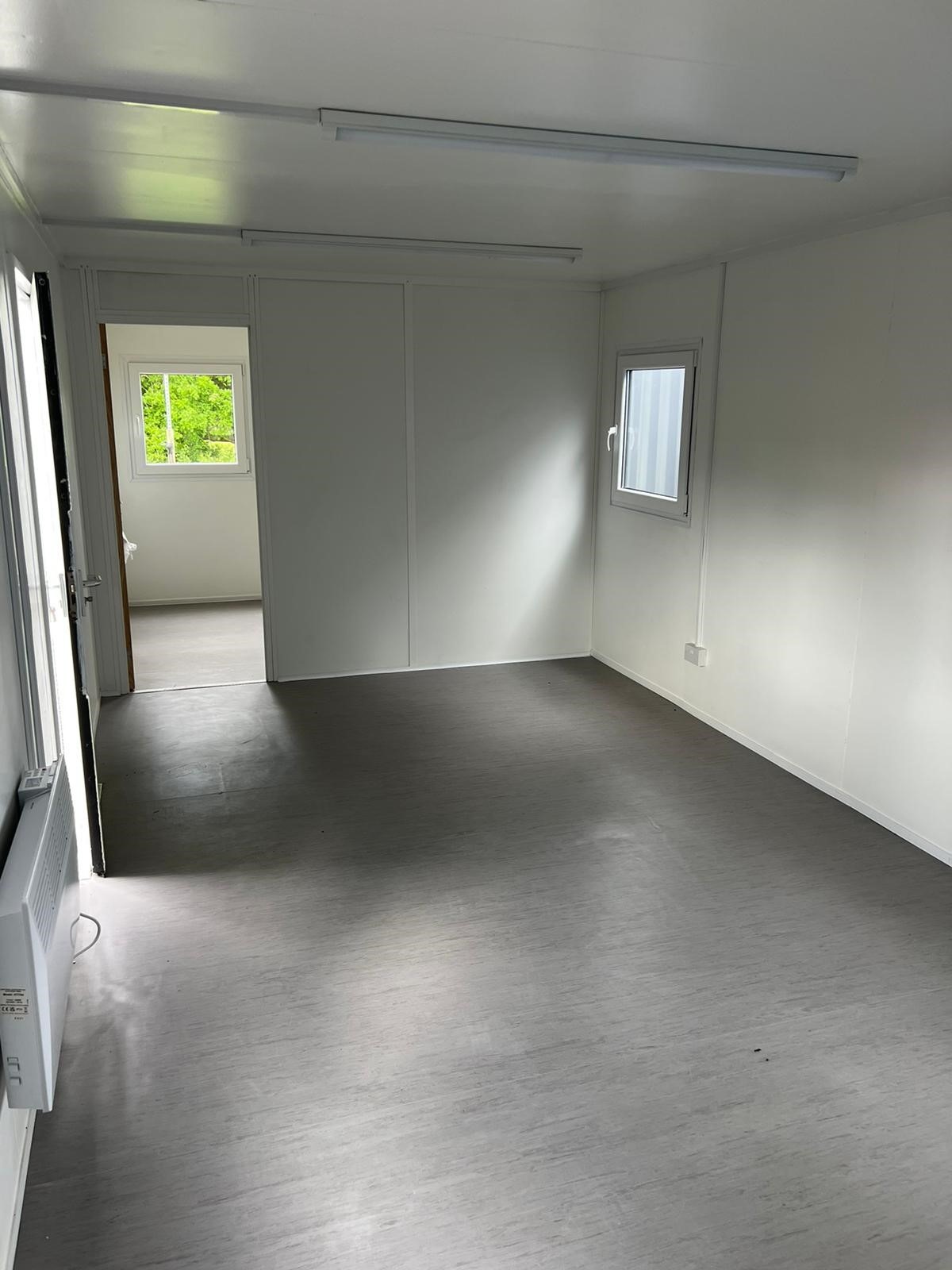
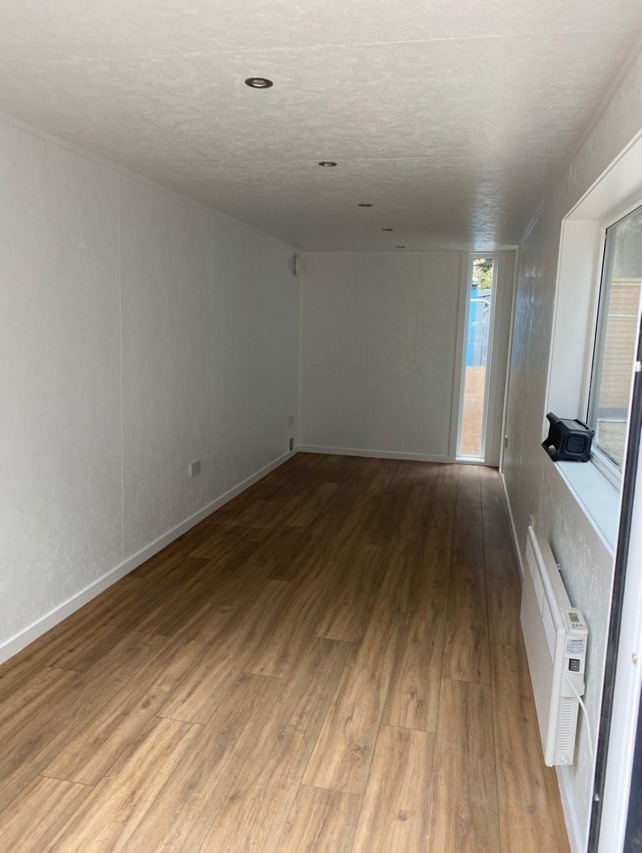
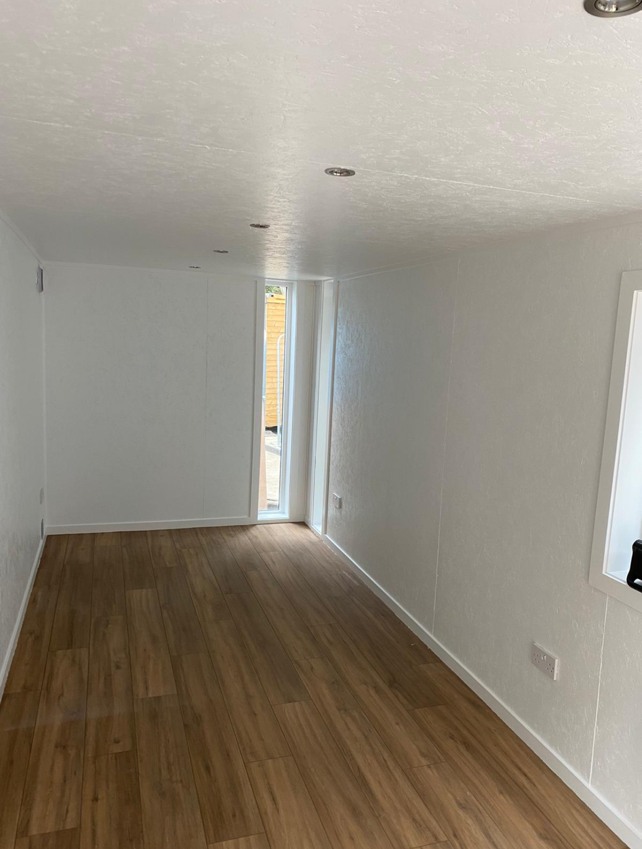
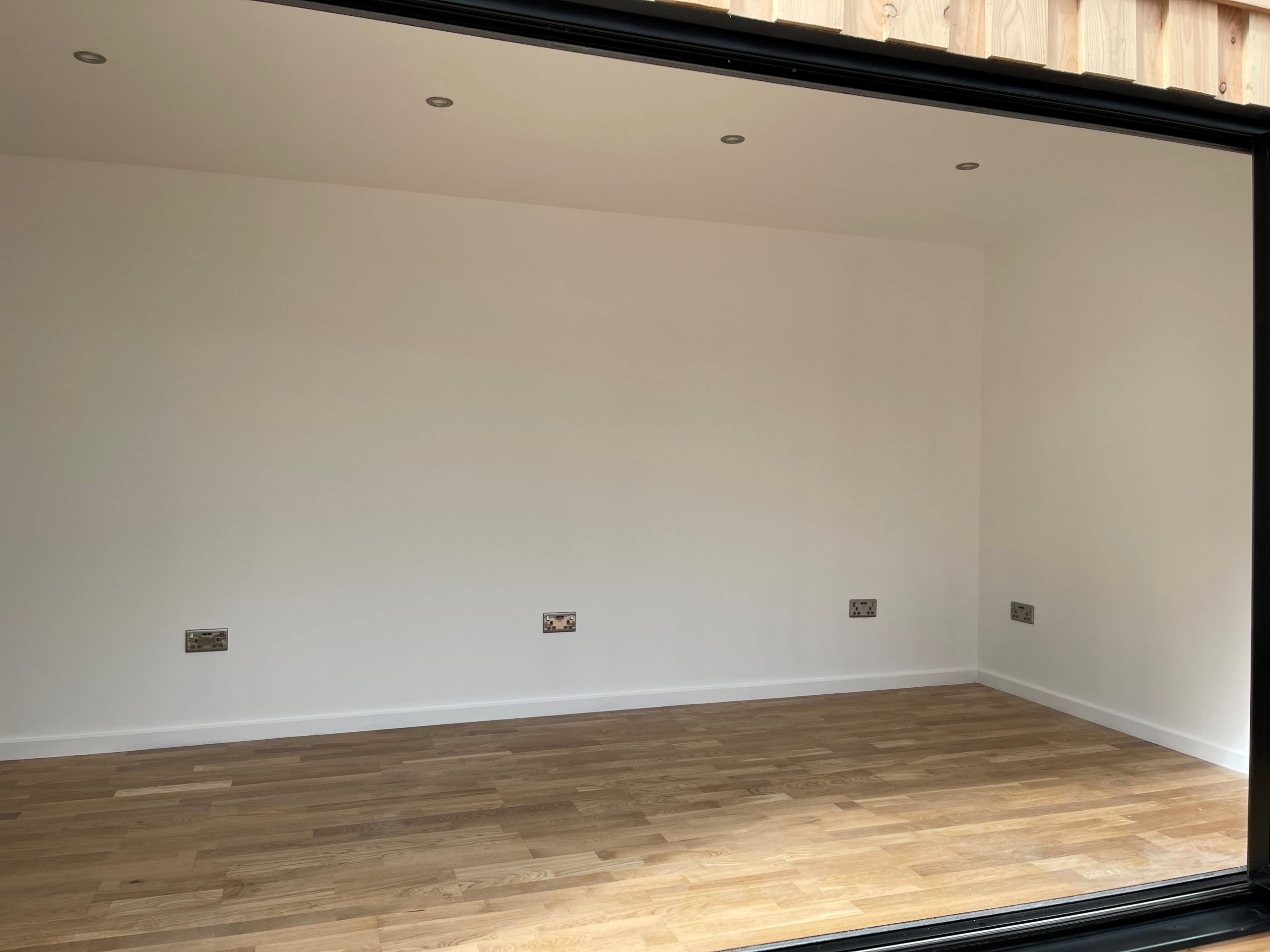
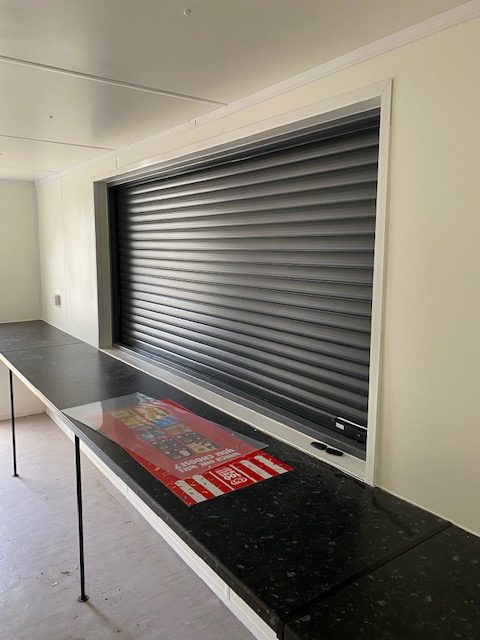
Fully Insulated with electric sockets, spot lighting, and heating
Wood Flooring
UPVC Sliding Door + Windows
Lead Time for build 6-8 weeks


Location: Nationwide
+ VAT
Not Available for Hire
Call for an instant quote!
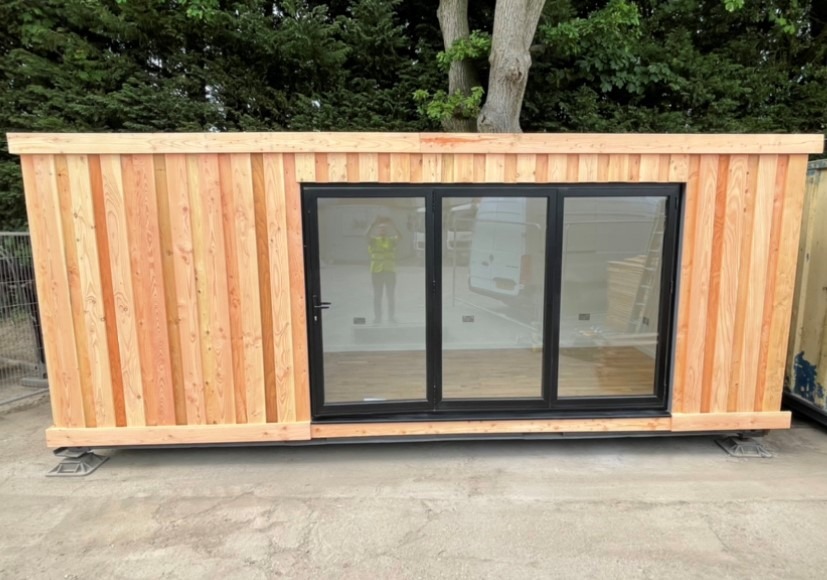
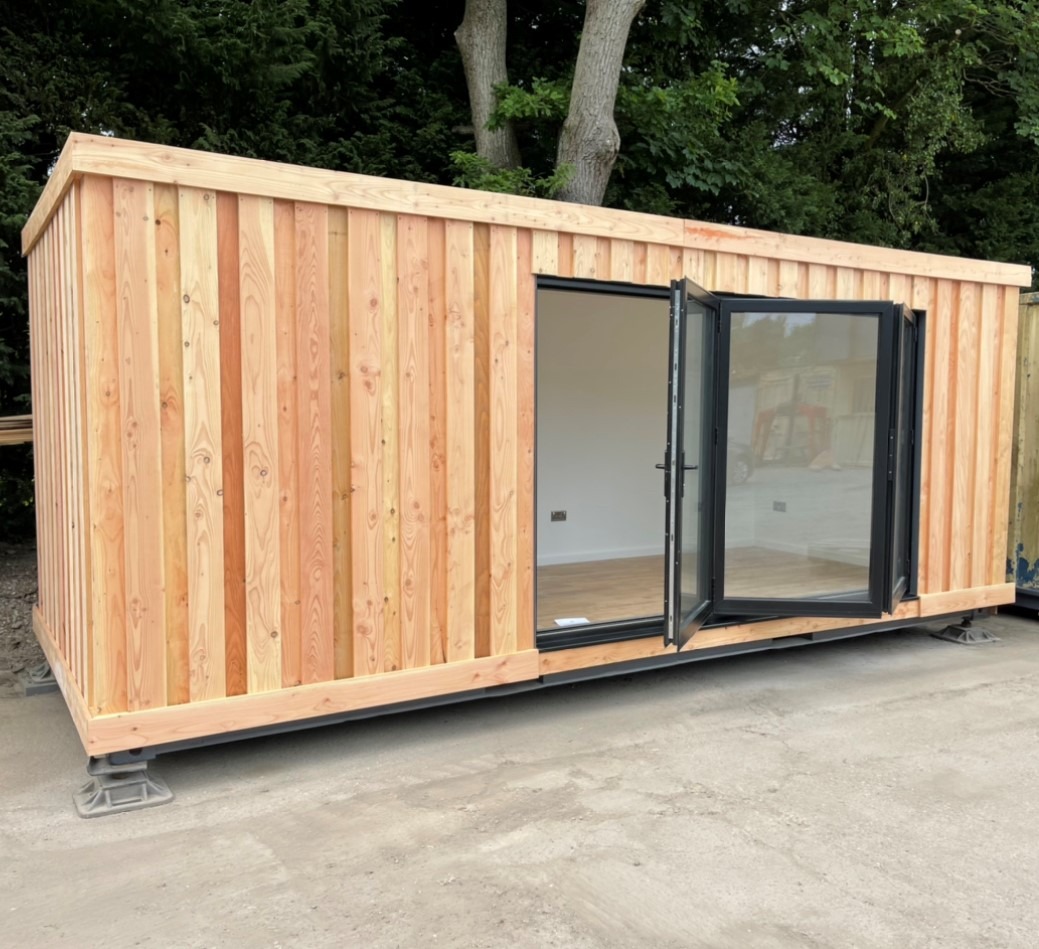
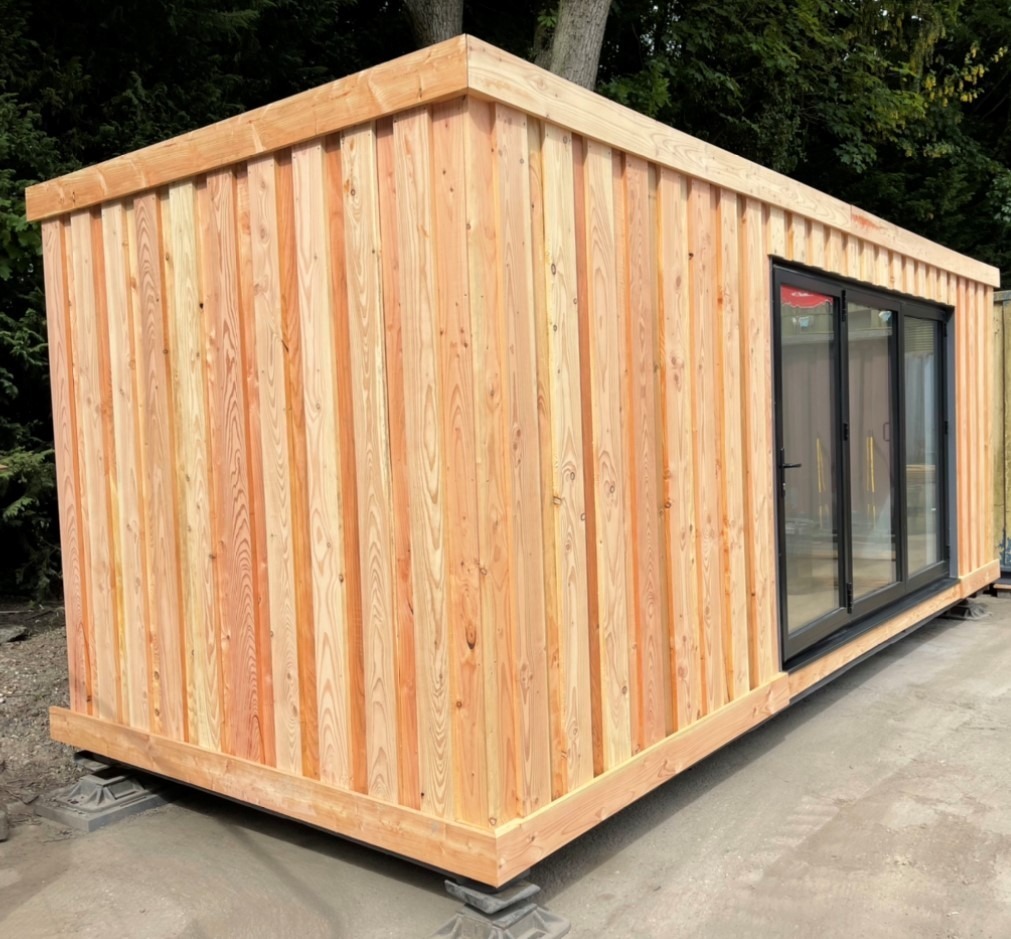
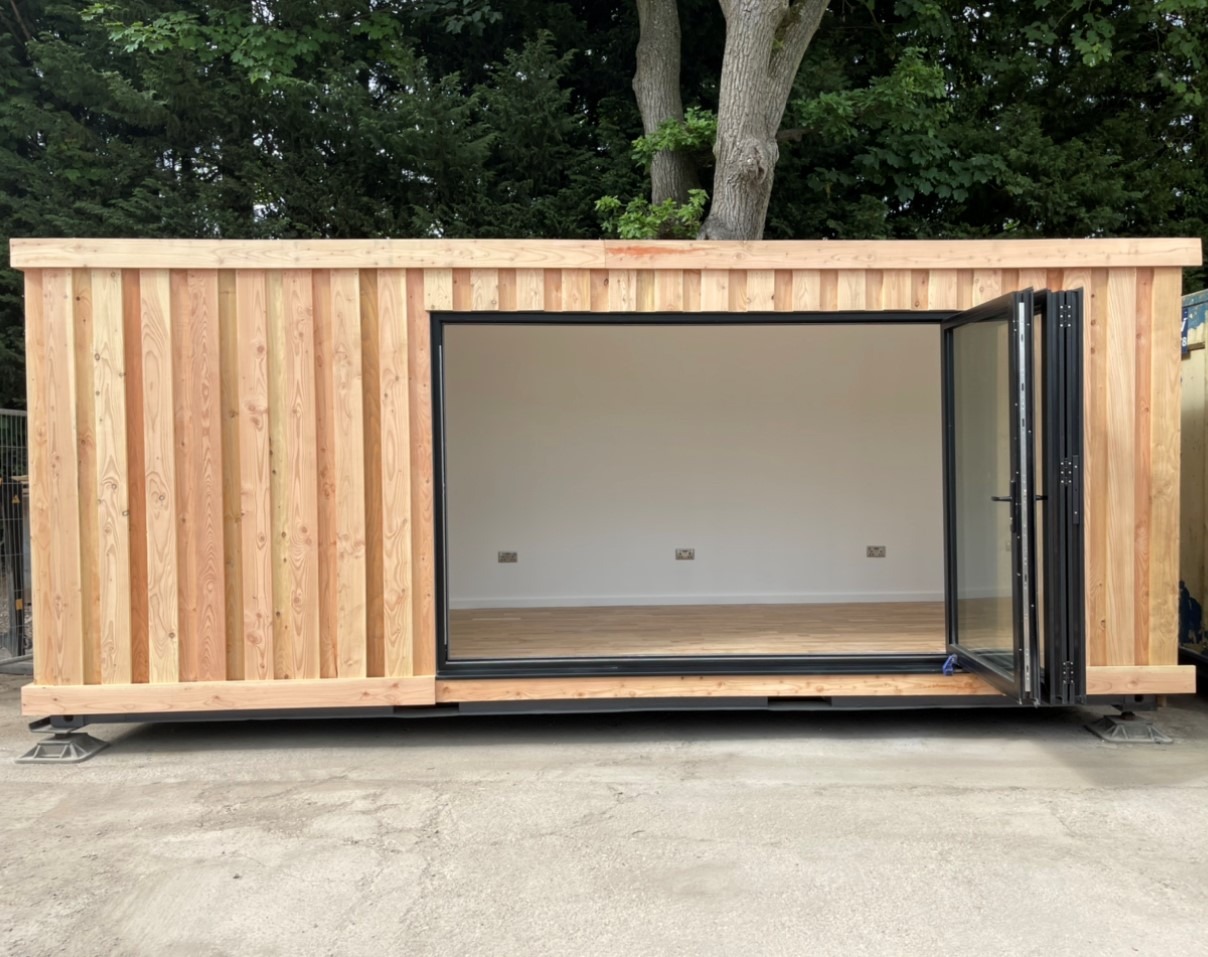
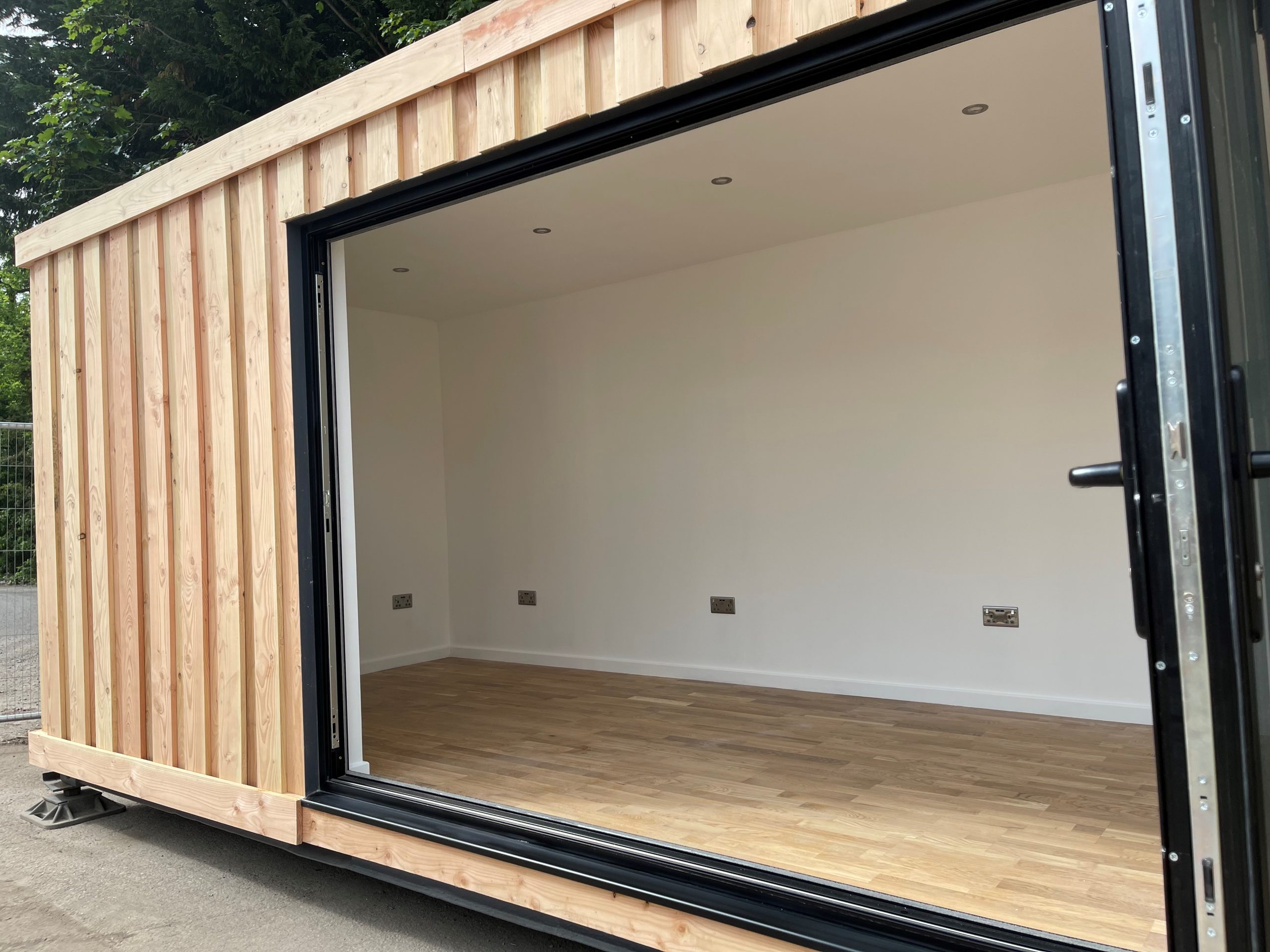
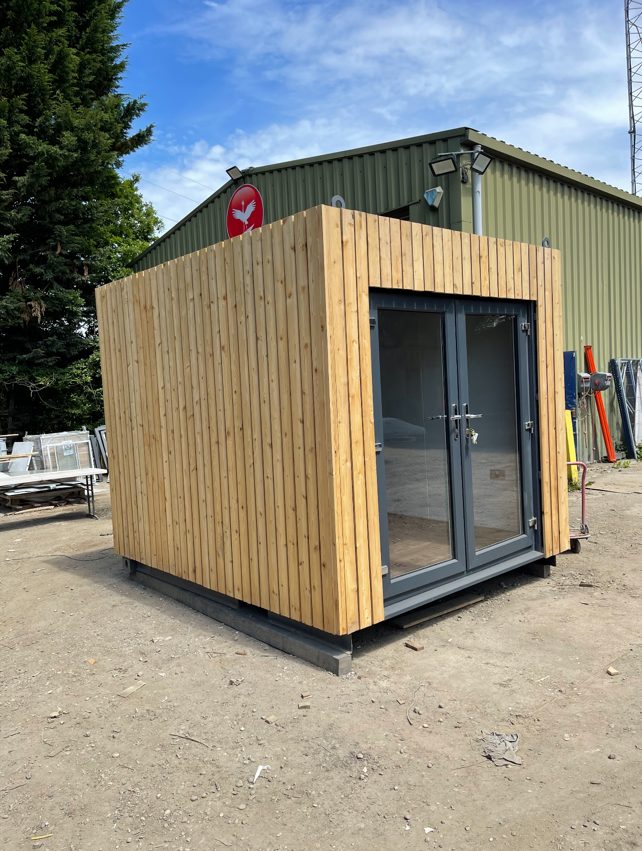
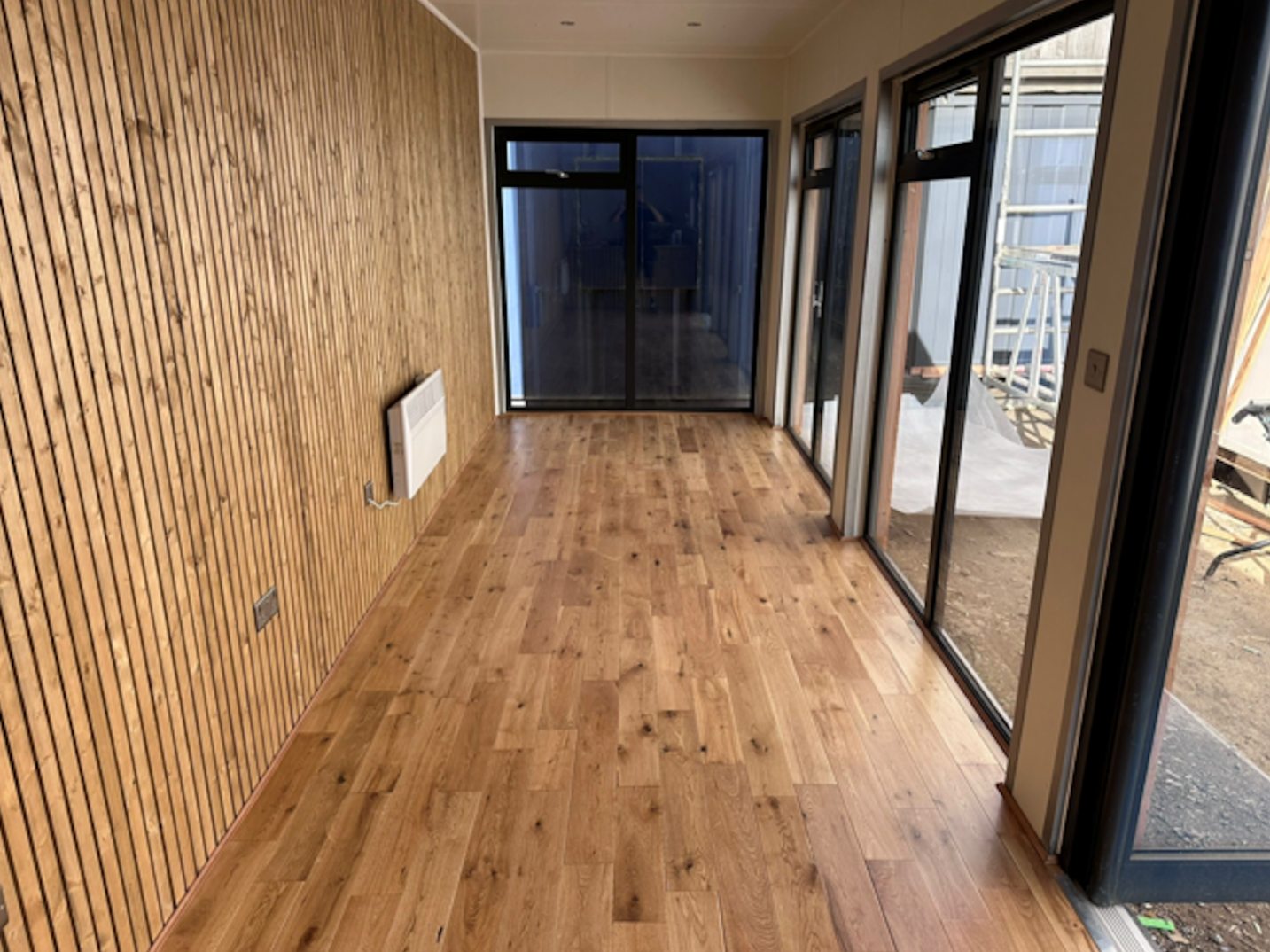
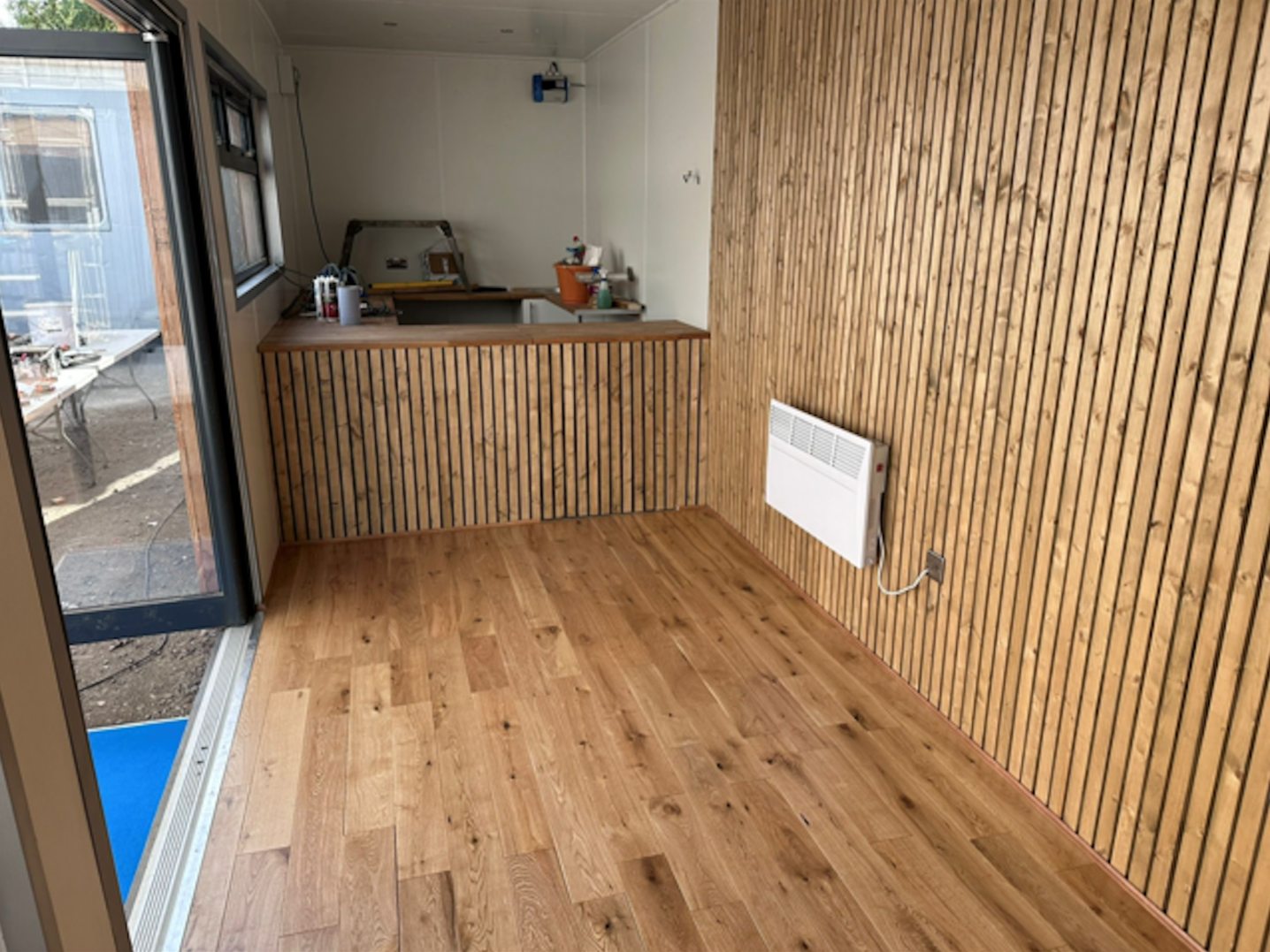
Fully Insulated with electric sockets, spot lighting, and heating
Wood Flooring
Aluminium Bi Fold Doors
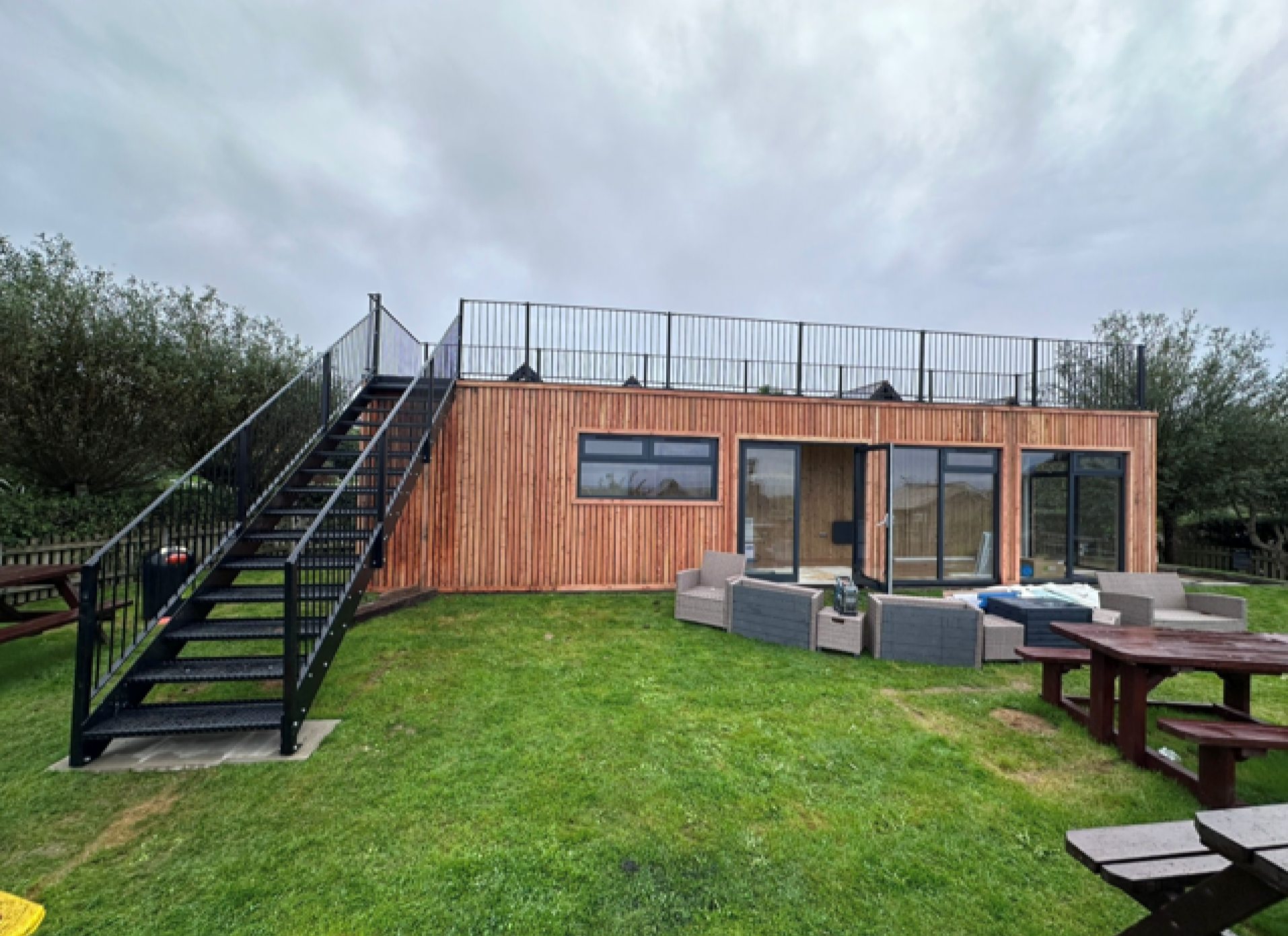
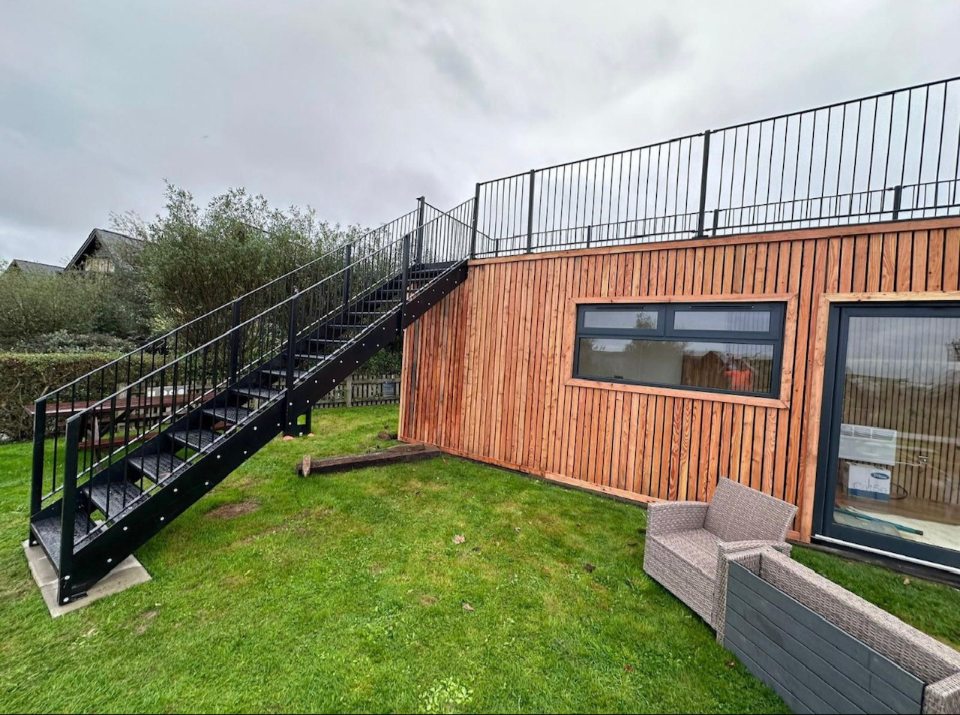
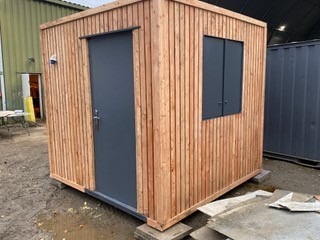
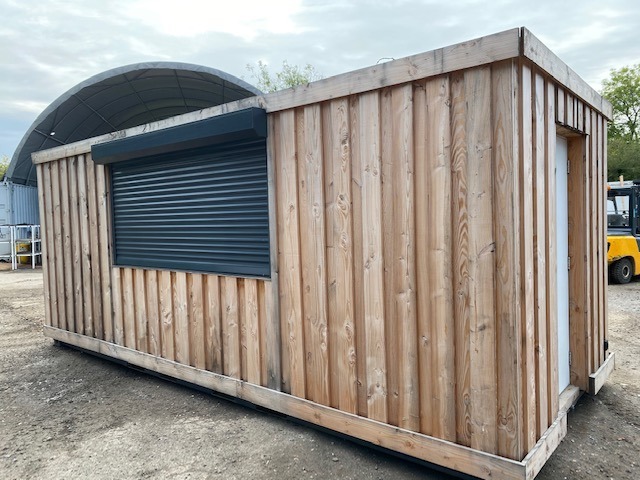
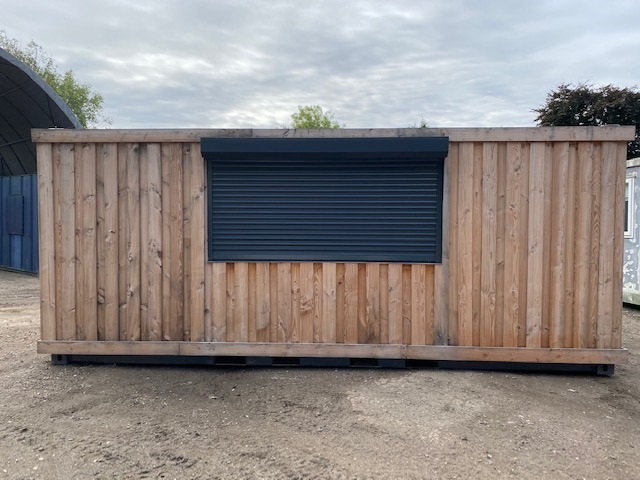
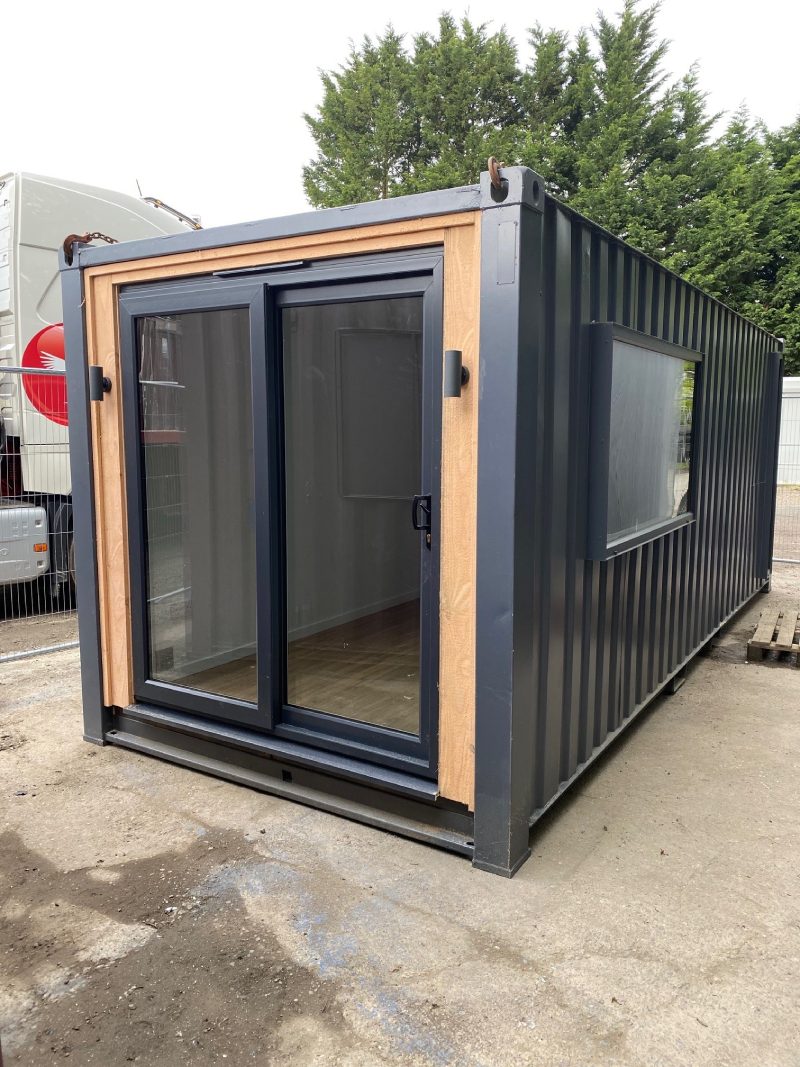
Fully wrapped in larch cladding
Lead Time for build 6-8 weeks


Location: Nationwide
+ VAT
Not Available for Hire
Call for an instant quote!
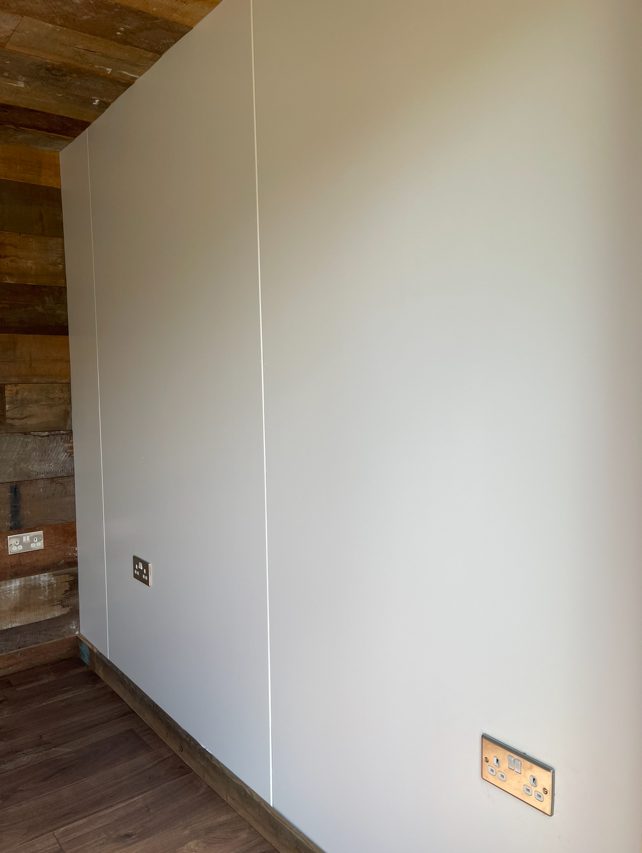
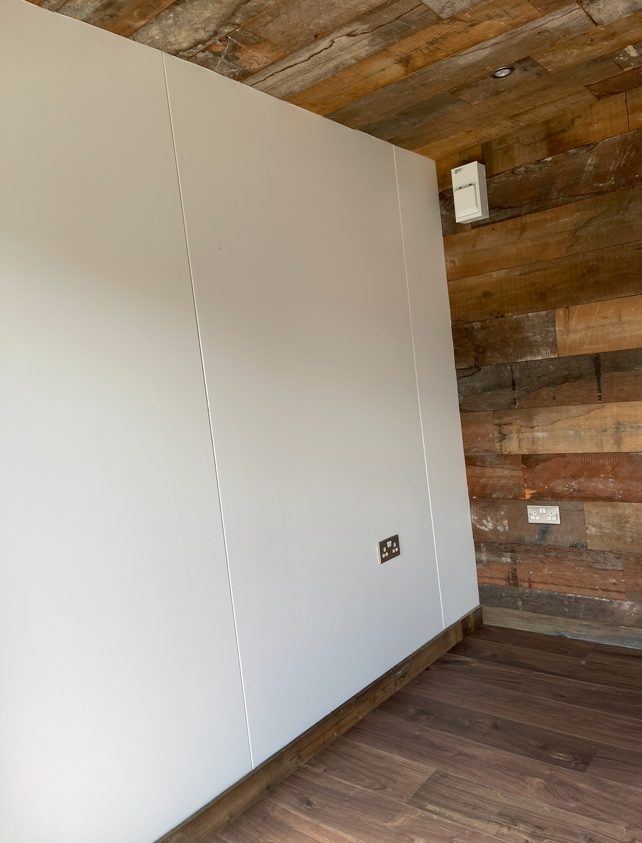
Fully Insulated with electric sockets, spot lighting, and heating
Wood Flooring
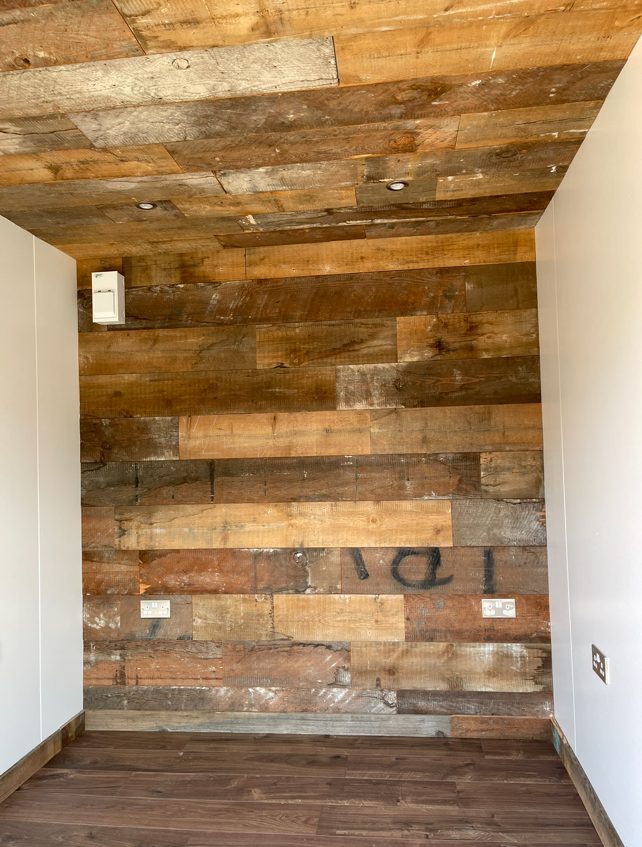
Feature Clad Wall and Ceiling
UPVC Double glazed French Doors
Fully wrapped in larch cladding
Lead Time for build 6-8 weeks


Location: Nationwide
EX VAT
Not Available for Hire
Call for an instant quote!


Location: Nationwide
EX VAT
Not Available for Hire
Call for an instant quote!


Location: Nationwide
EX VAT
Not Available for Hire
Call for an instant quote!


Location: Nationwide
EX VAT
Not Available for Hire
Call for an instant quote!


Location: Nationwide
EX VAT
Not Available for Hire
Call for an instant quote!

Location: Nationwide
EX VAT
Not Available for Hire
Call for an instant quote!


Location: Nationwide
EX VAT
Not Available for Hire
Call for an instant quote!


Location: Nationwide
EX VAT
Not Available for Hire
Call for an instant quote!


Location: Nationwide
EX VAT
Not Available for Hire
Call for an instant quote!


Location: Nationwide
EX VAT
Not Available for Hire
Call for an instant quote!


Location: Nationwide
EX VAT
Not Available for Hire
Call for an instant quote!


Location: Nationwide
EX VAT
Not Available for Hire
Call for an instant quote!


Location: Nationwide
EX VAT
Not Available for Hire
Call for an instant quote!


Location: Nationwide
EX VAT
Not Available for Hire
Call for an instant quote!


Location: Nationwide
EX VAT
Not Available for Hire
Call for an instant quote!


Location: Nationwide
EX VAT
Not Available for Hire
Call for an instant quote!
10ftx8ft – £5950 + Vat / 16ftx8ft – £7950 + Vat / 20ftx8ft – £9000 + Vat / 24ftx8ft – £12000 + Vat / 30ftx8ft – £13500 + Vat


Location: Nationwide
EX VAT
Not Available for Hire
Call for an instant quote!


Location: Nationwide
EX VAT
Not Available for Hire
Call for an instant quote!


Location: Nationwide
EX VAT
Not Available for Hire
Call for an instant quote!

Location: Nationwide
Quantity: ∞
EX VAT
Not Available for Hire
Call for an instant quote!
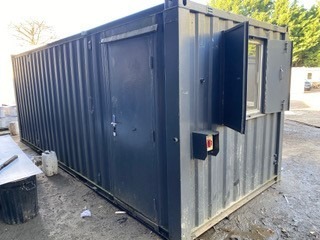
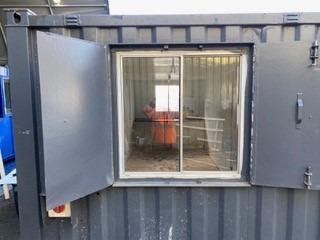
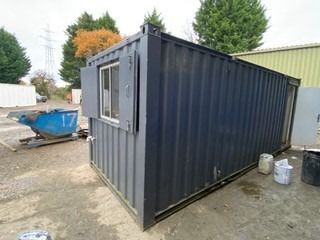
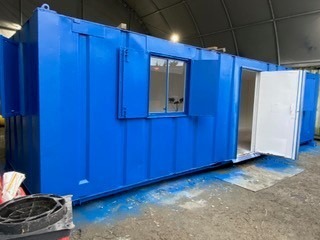
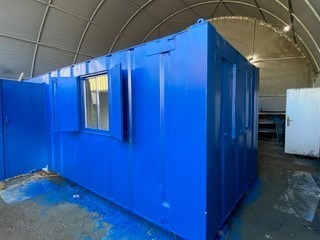
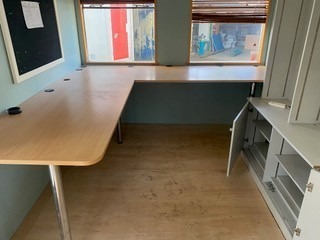
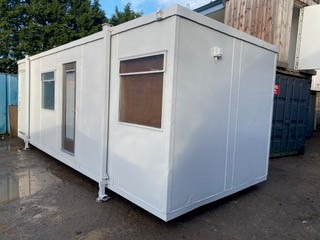
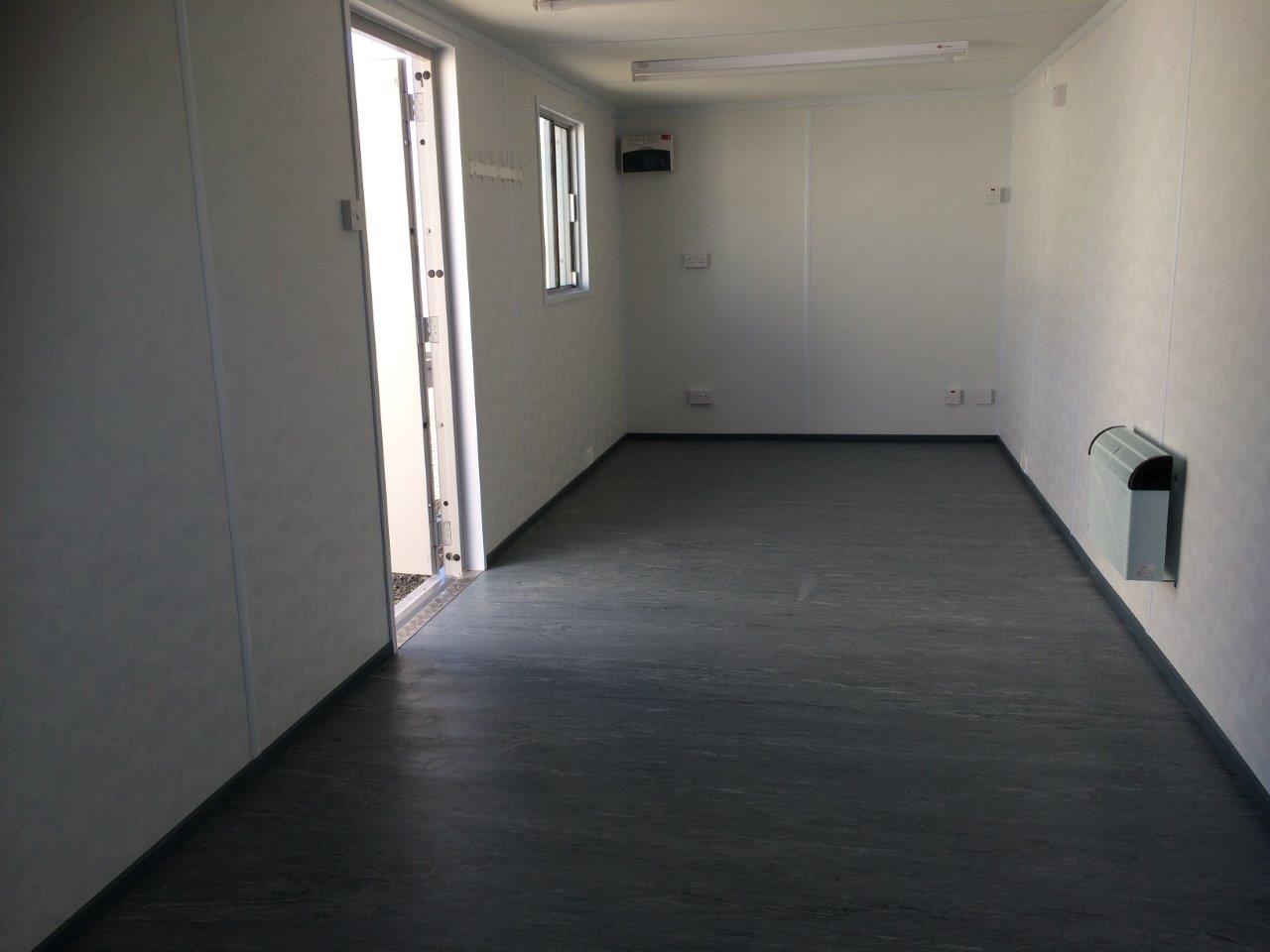
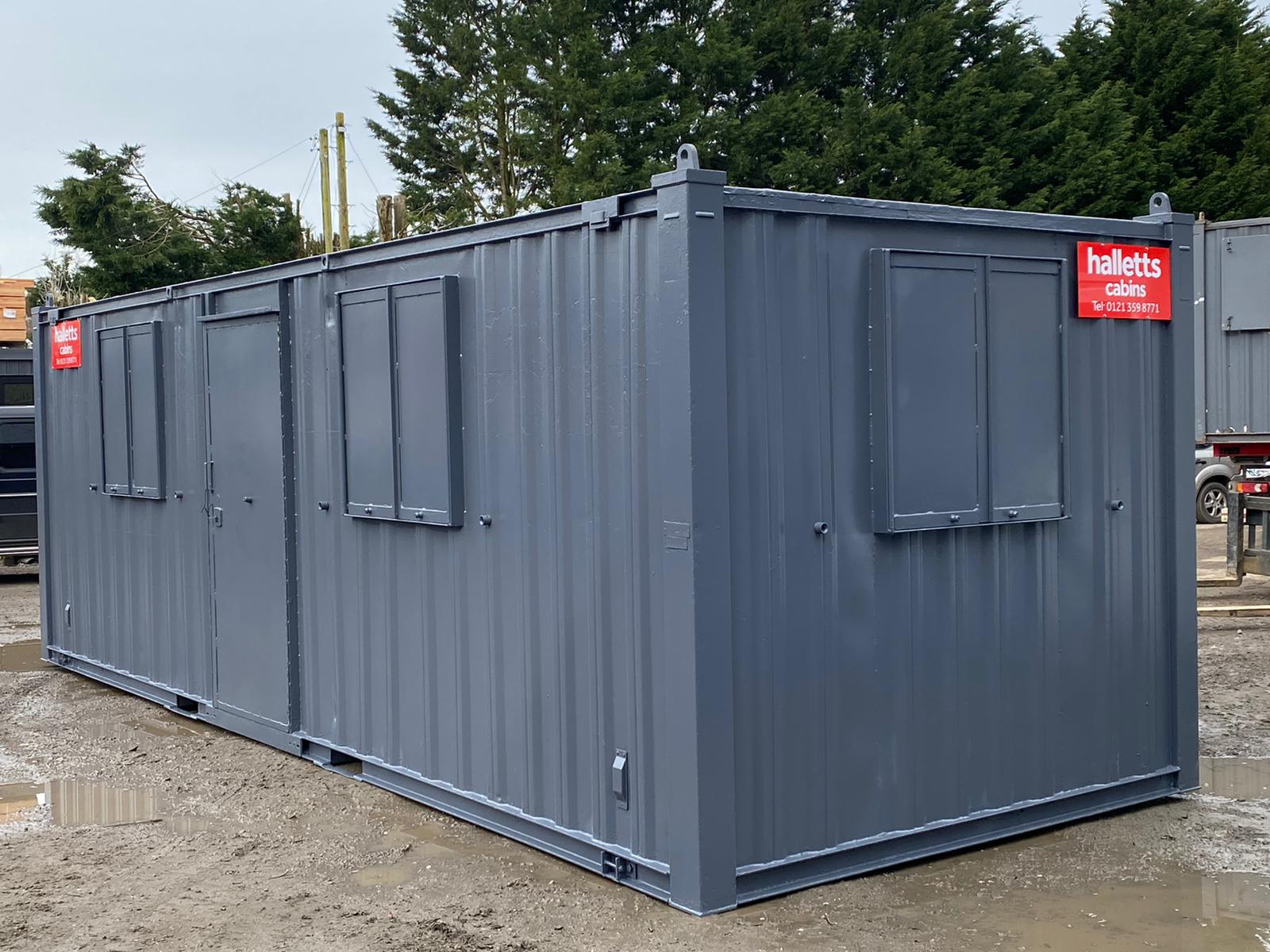
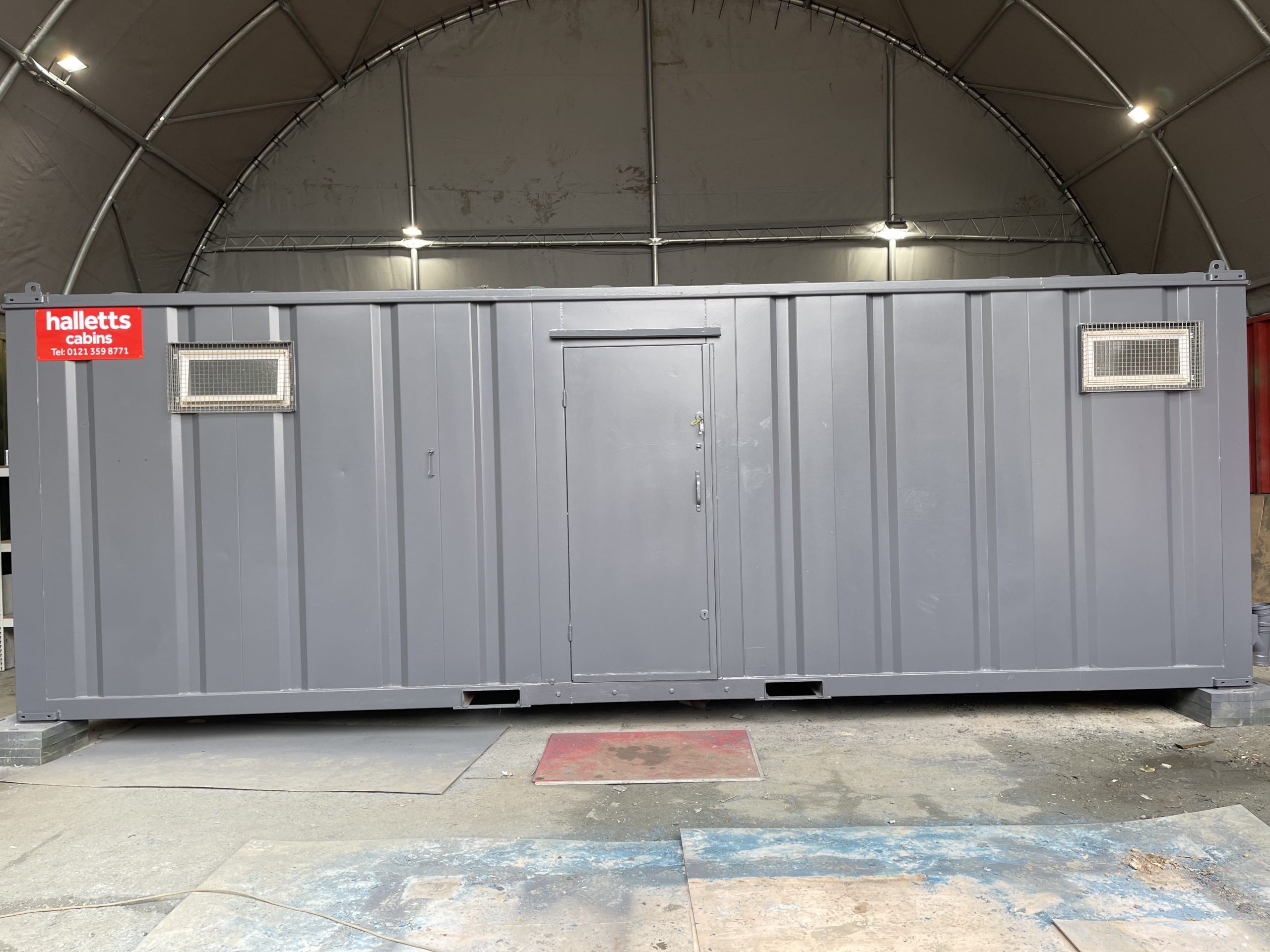
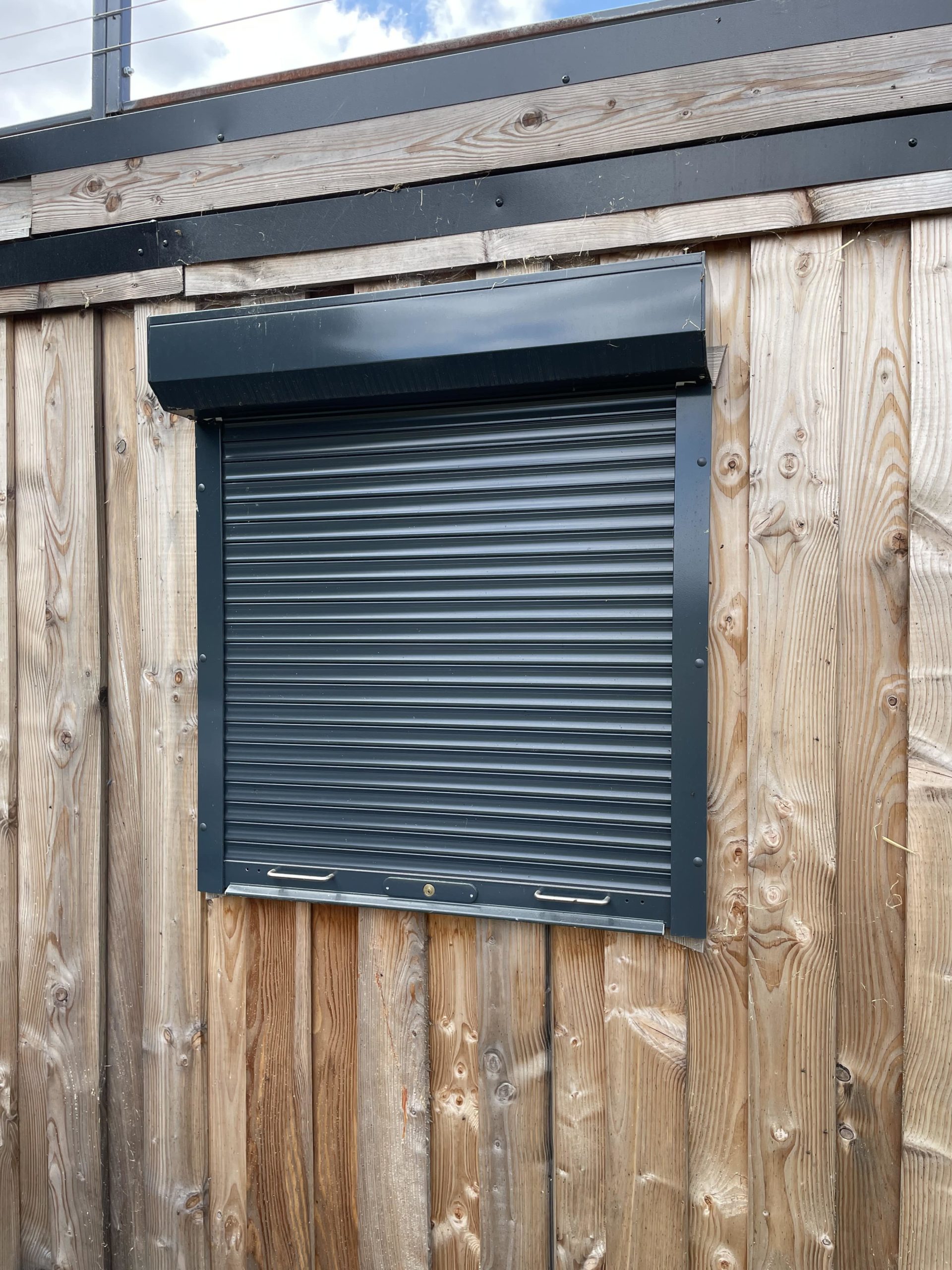
• Reinforced doors and windows with secure locking
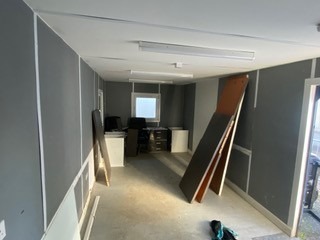
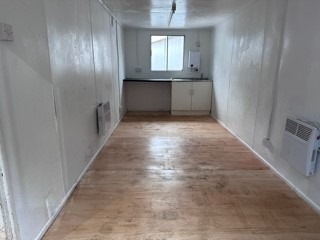
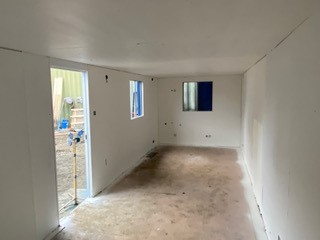
• Open plan with electric sockets and lighting
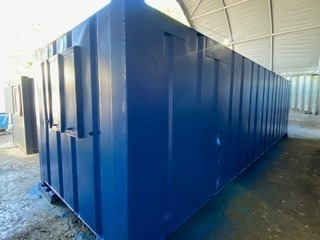
• Ral Code Colour of choice
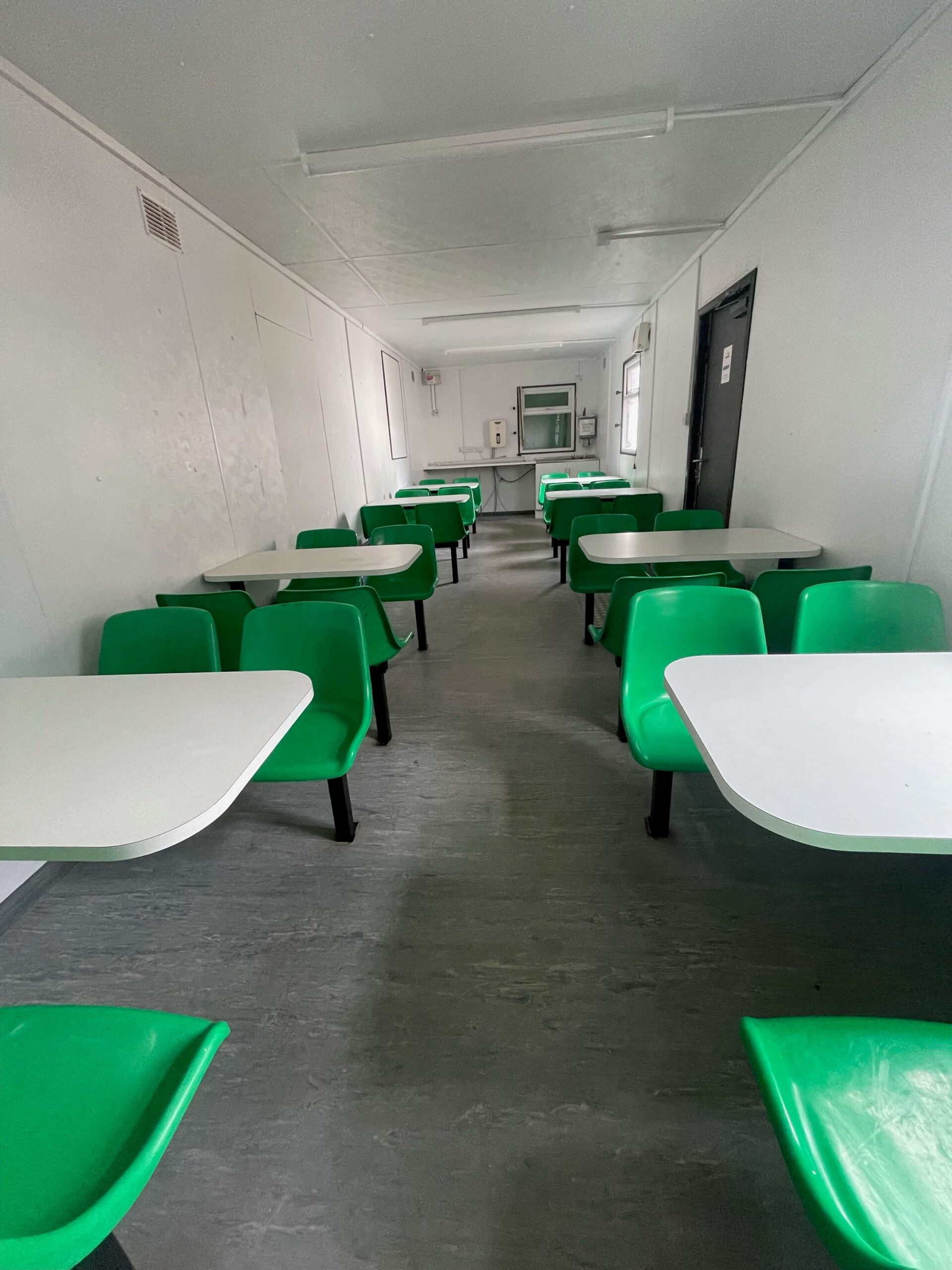
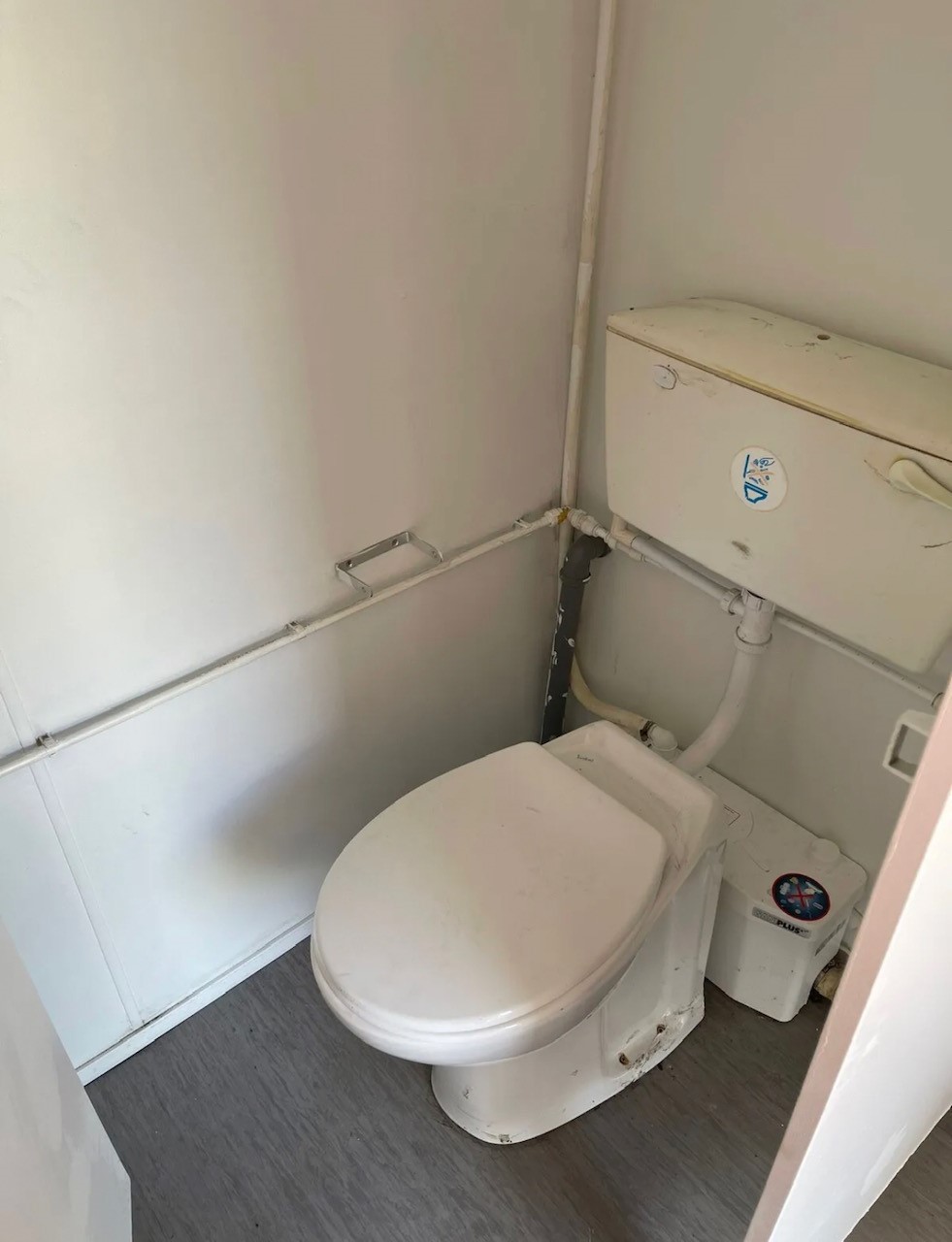
• Any Extras available : Canteen, Partitions, Toilets.


Location: Nationwide
EX VAT
Not Available for Hire
Call for an instant quote!
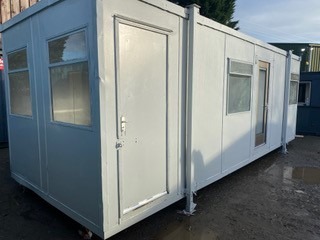
• Reinforced doors and windows with secure locking
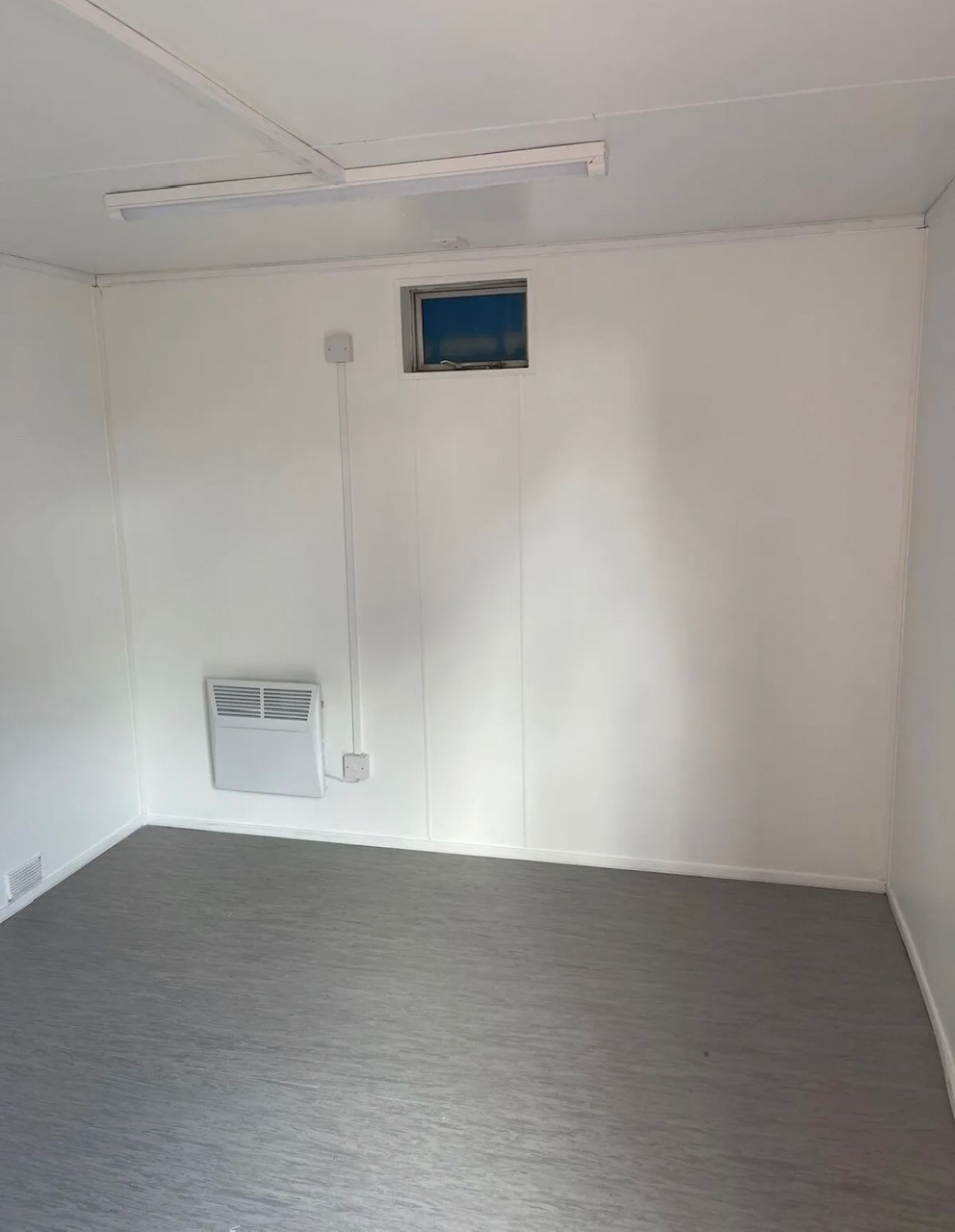
• Open plan with electric sockets and lighting
• Ral Code Colour of choice
• Any Extras available : Canteen, Partitions, Toilets.

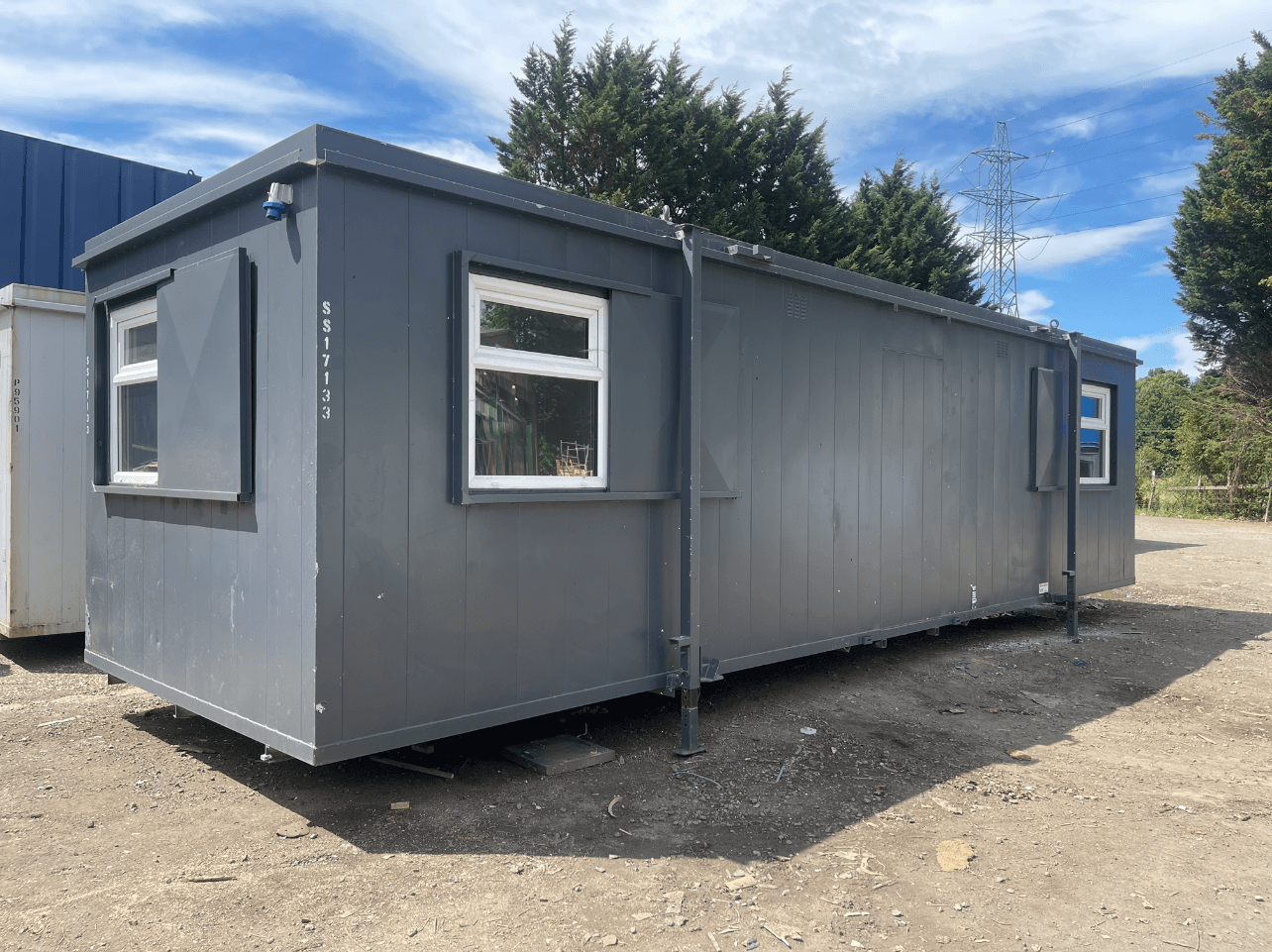
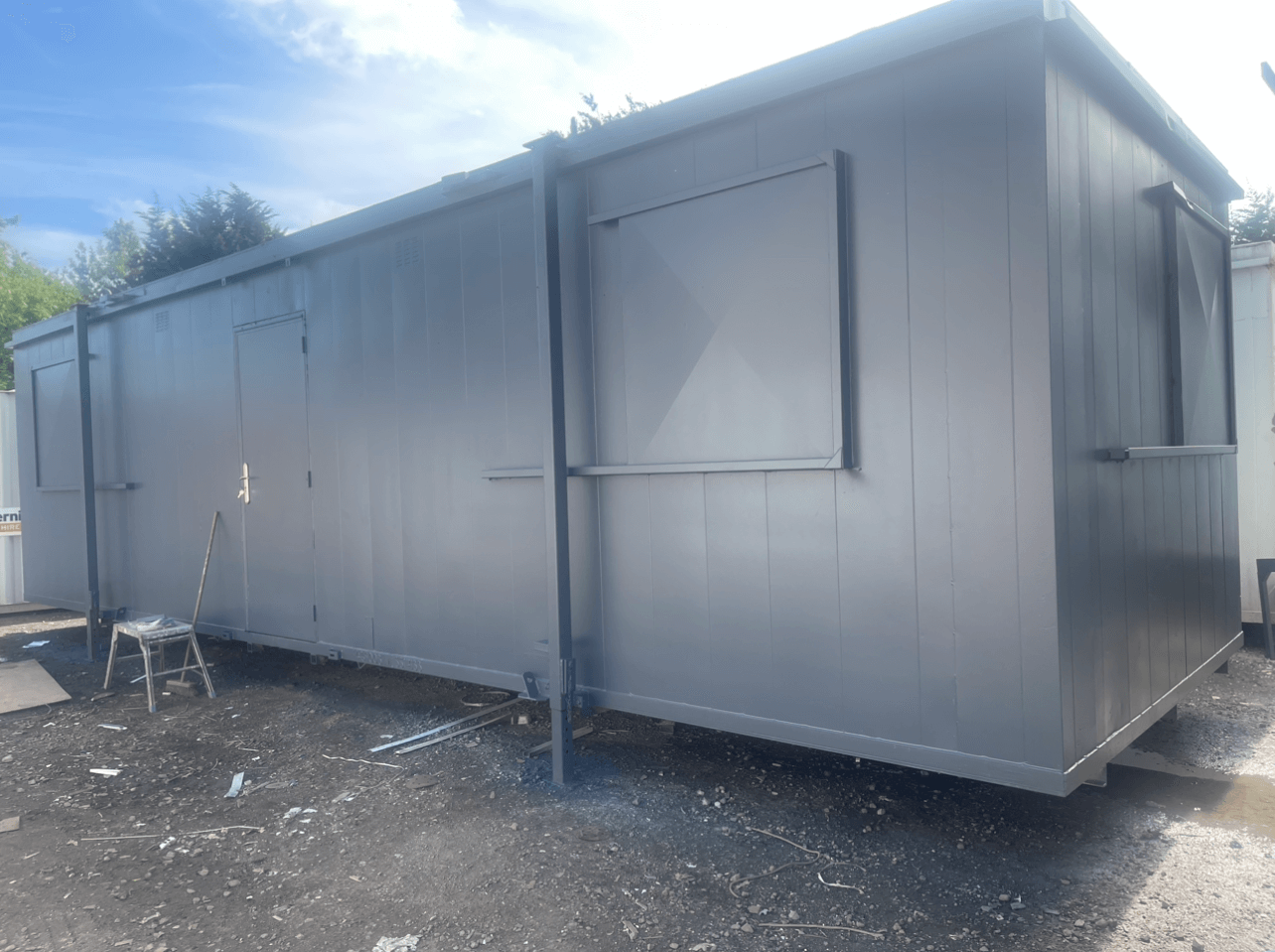
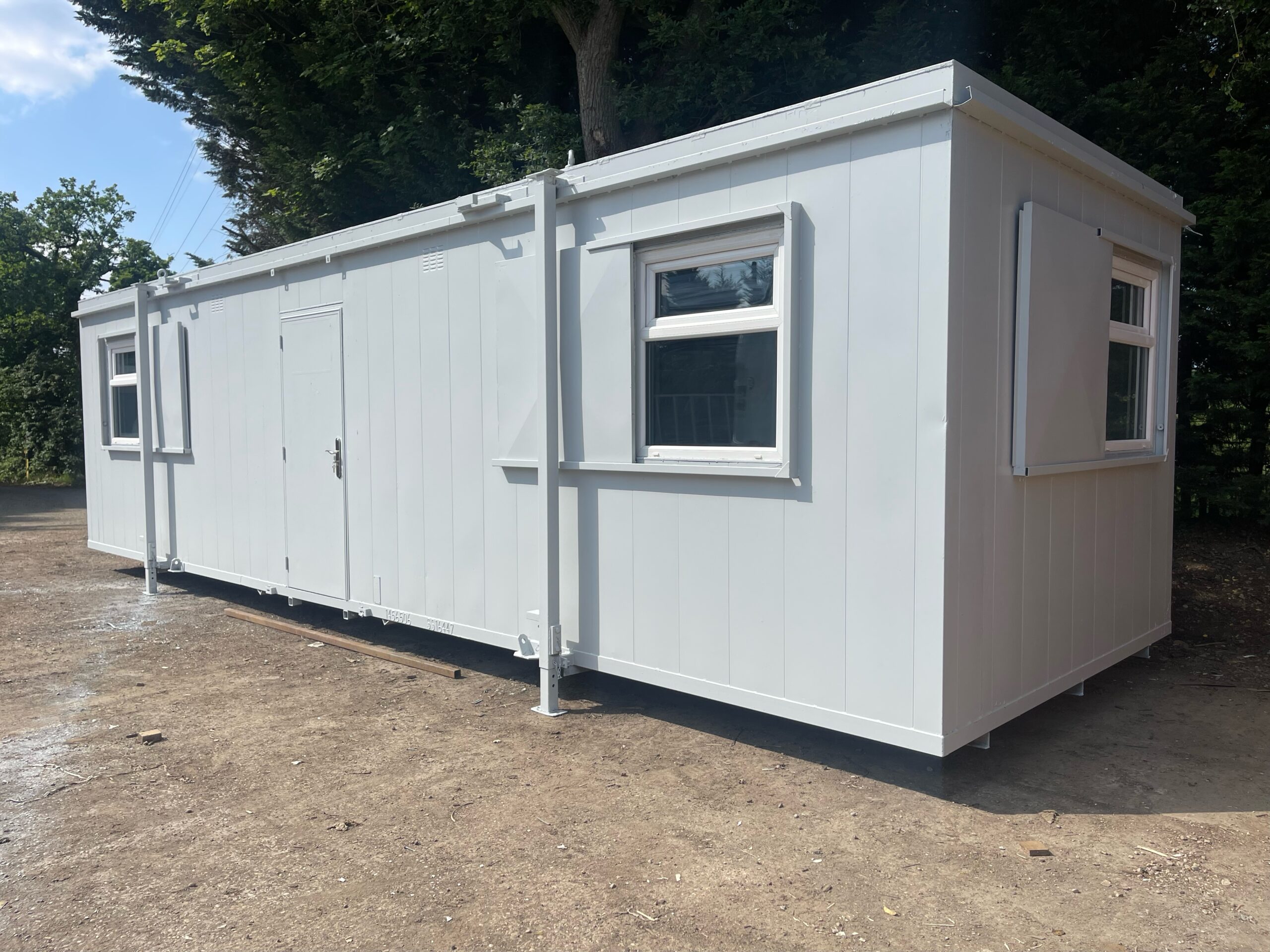
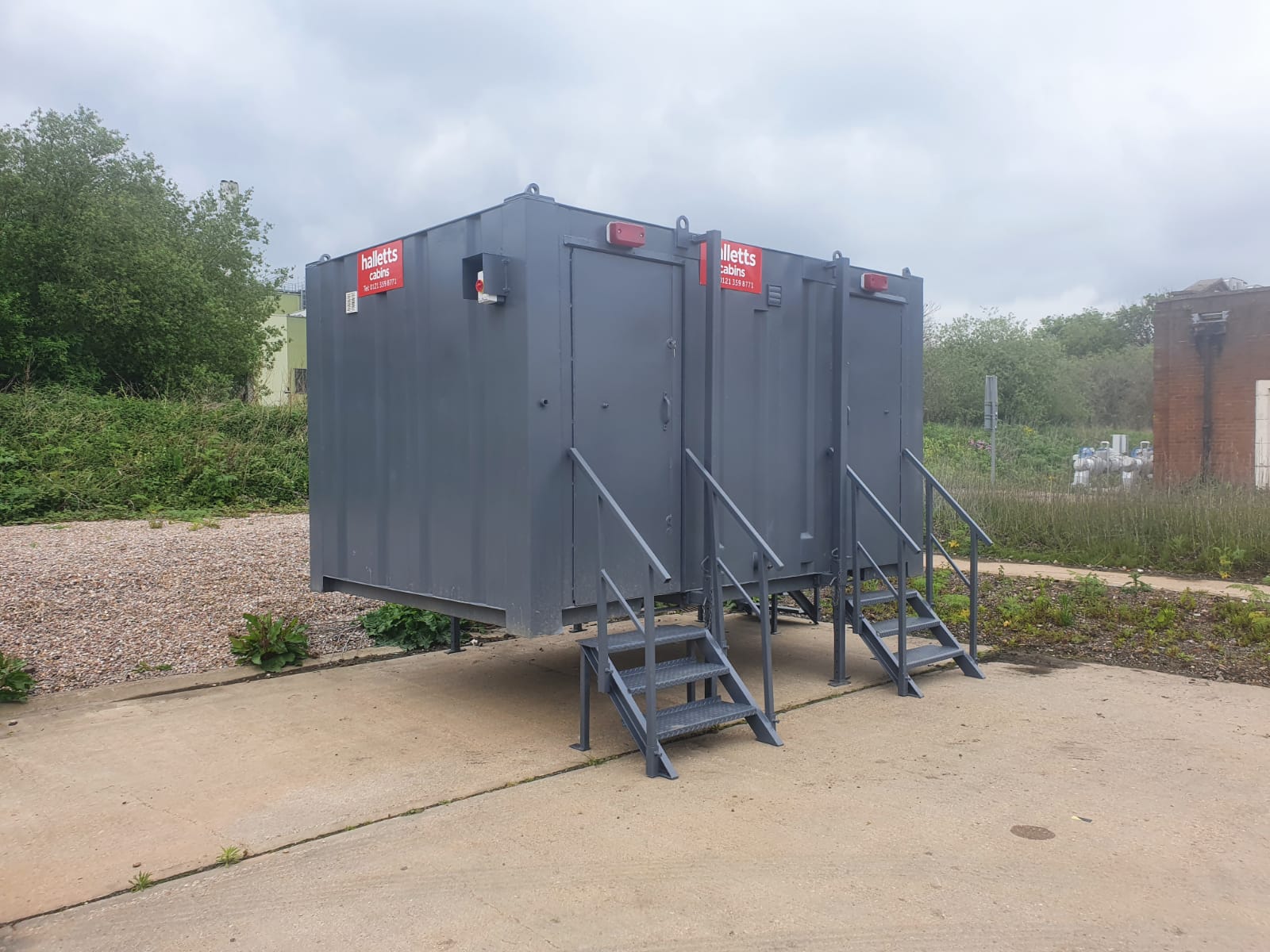
• Reinforced doors with secure locking
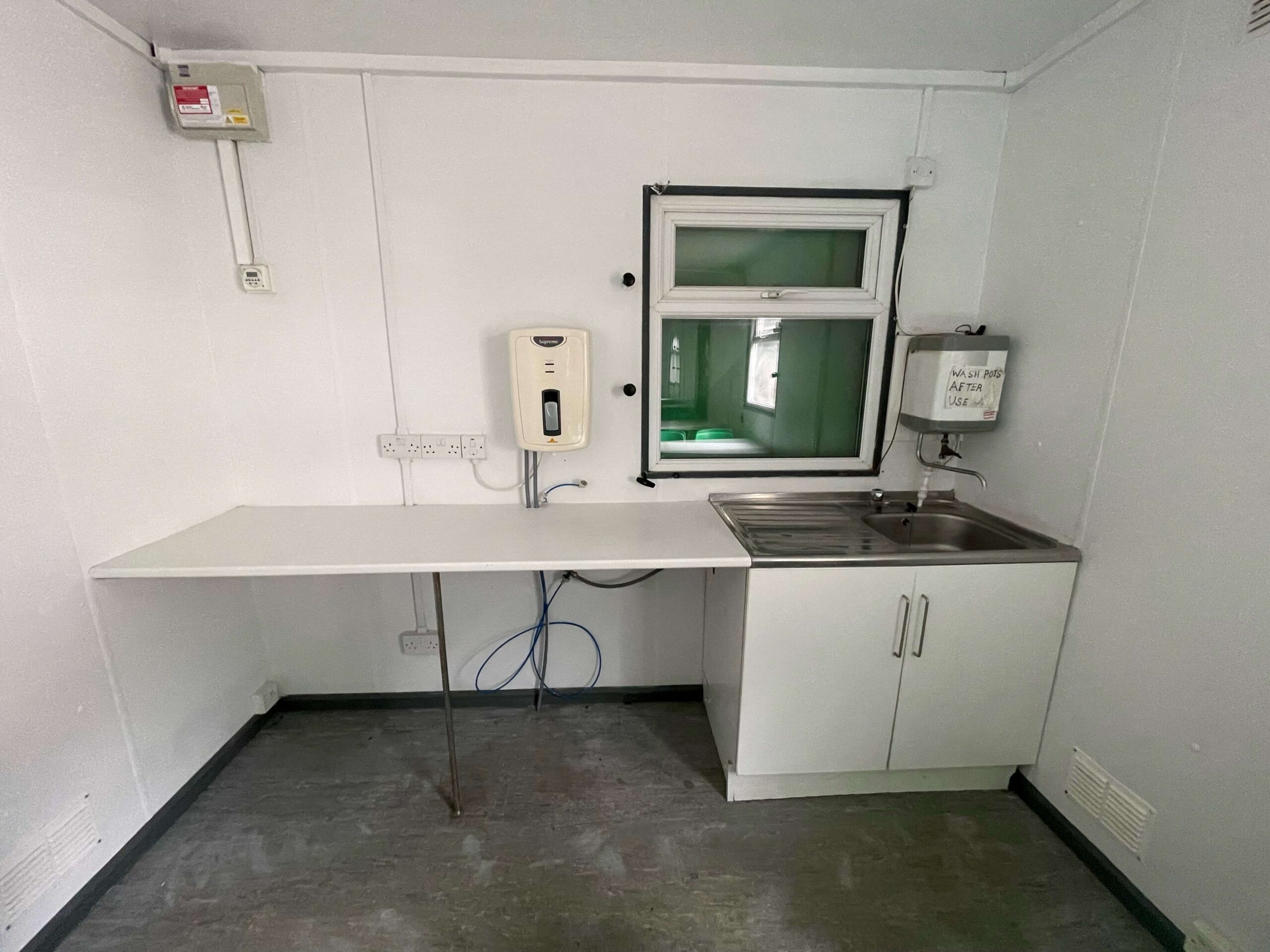
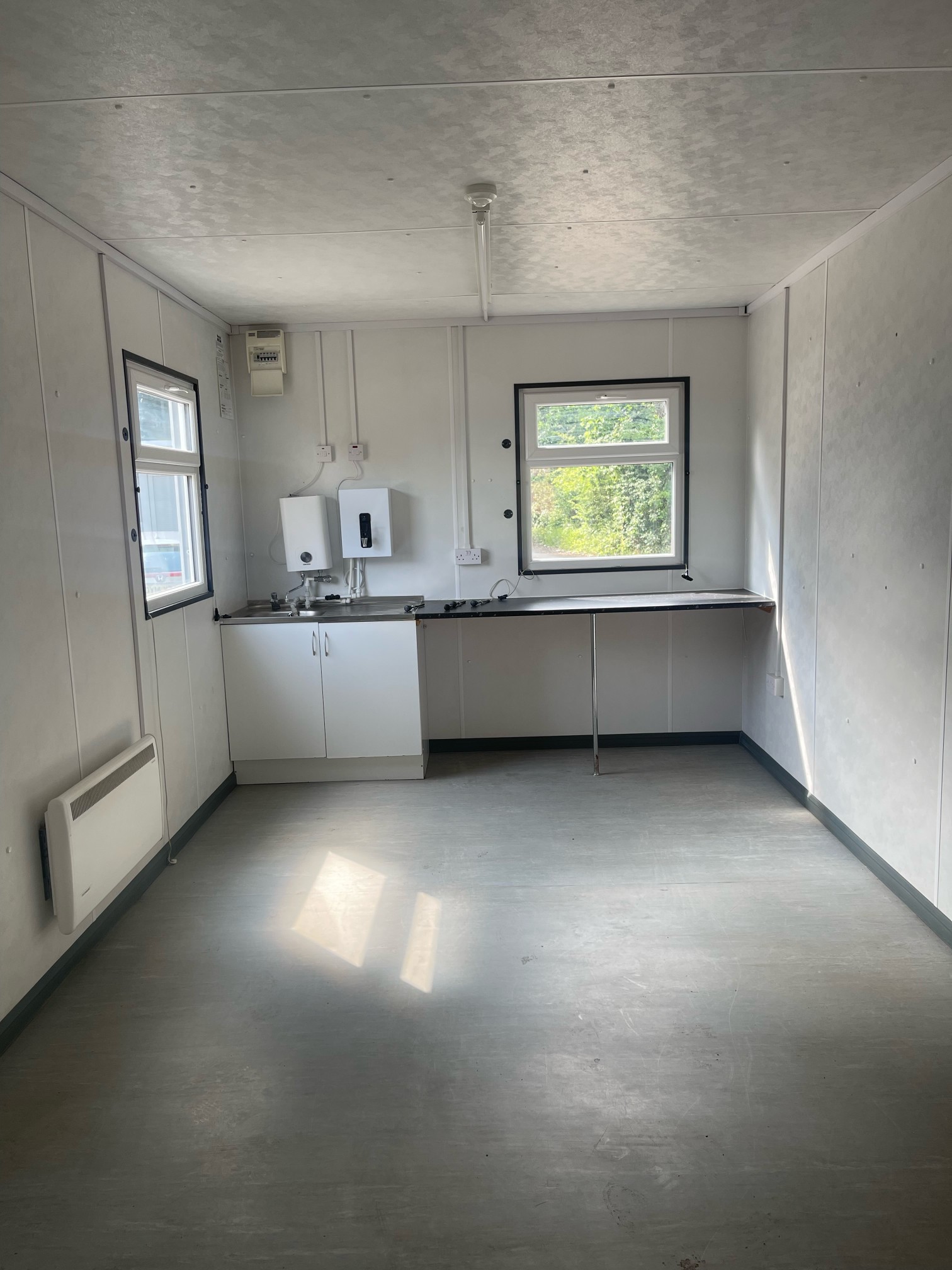
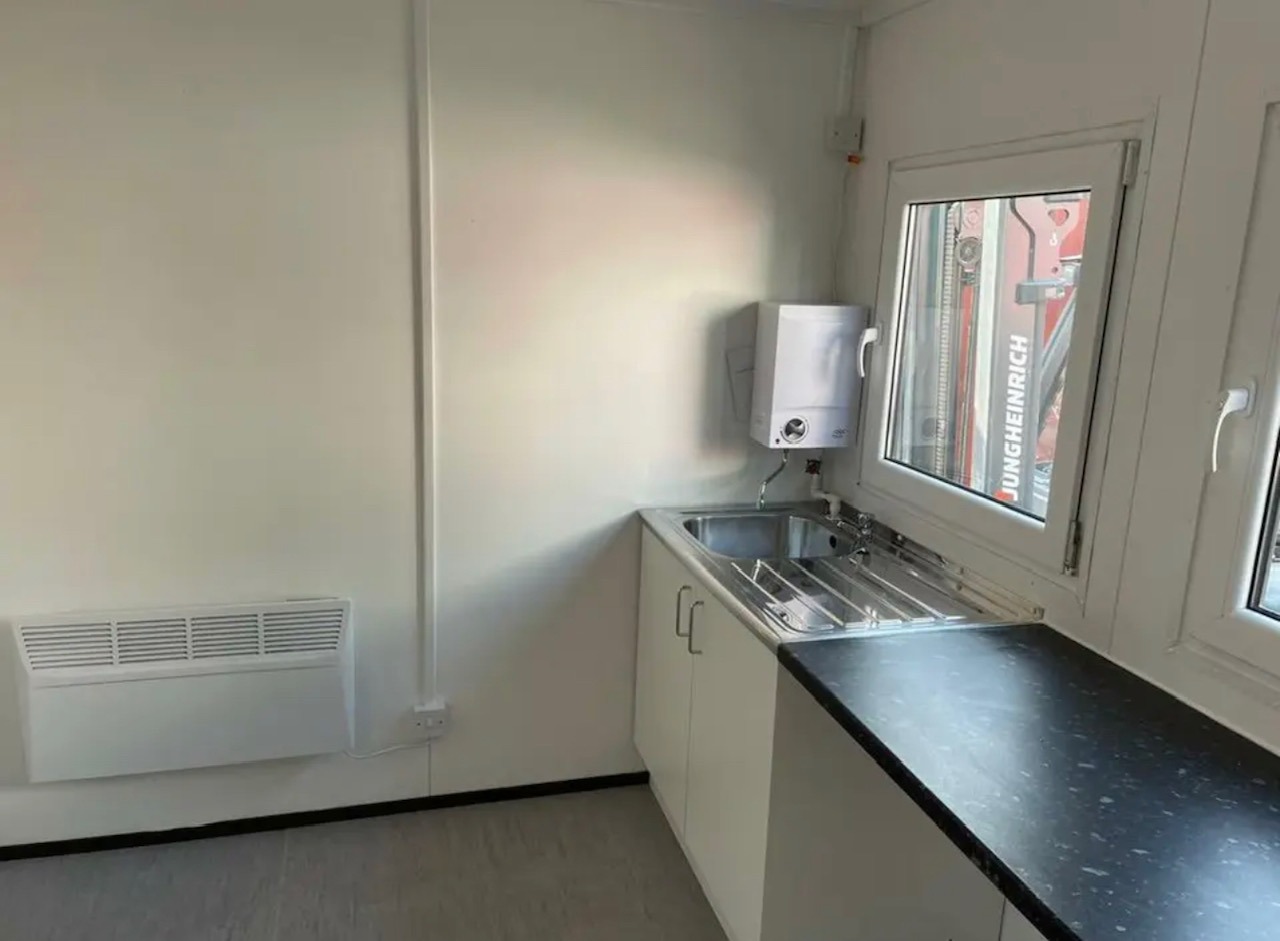
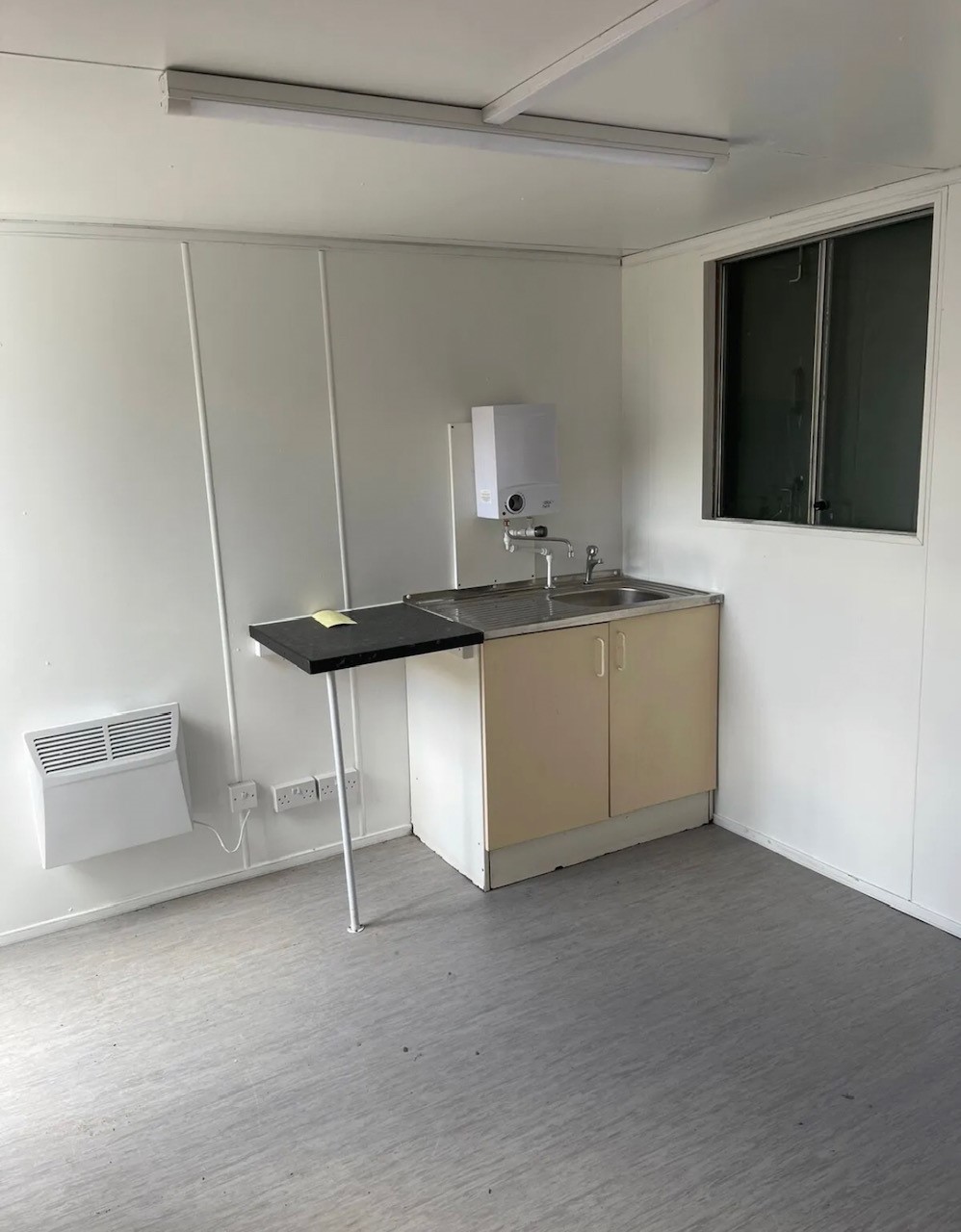
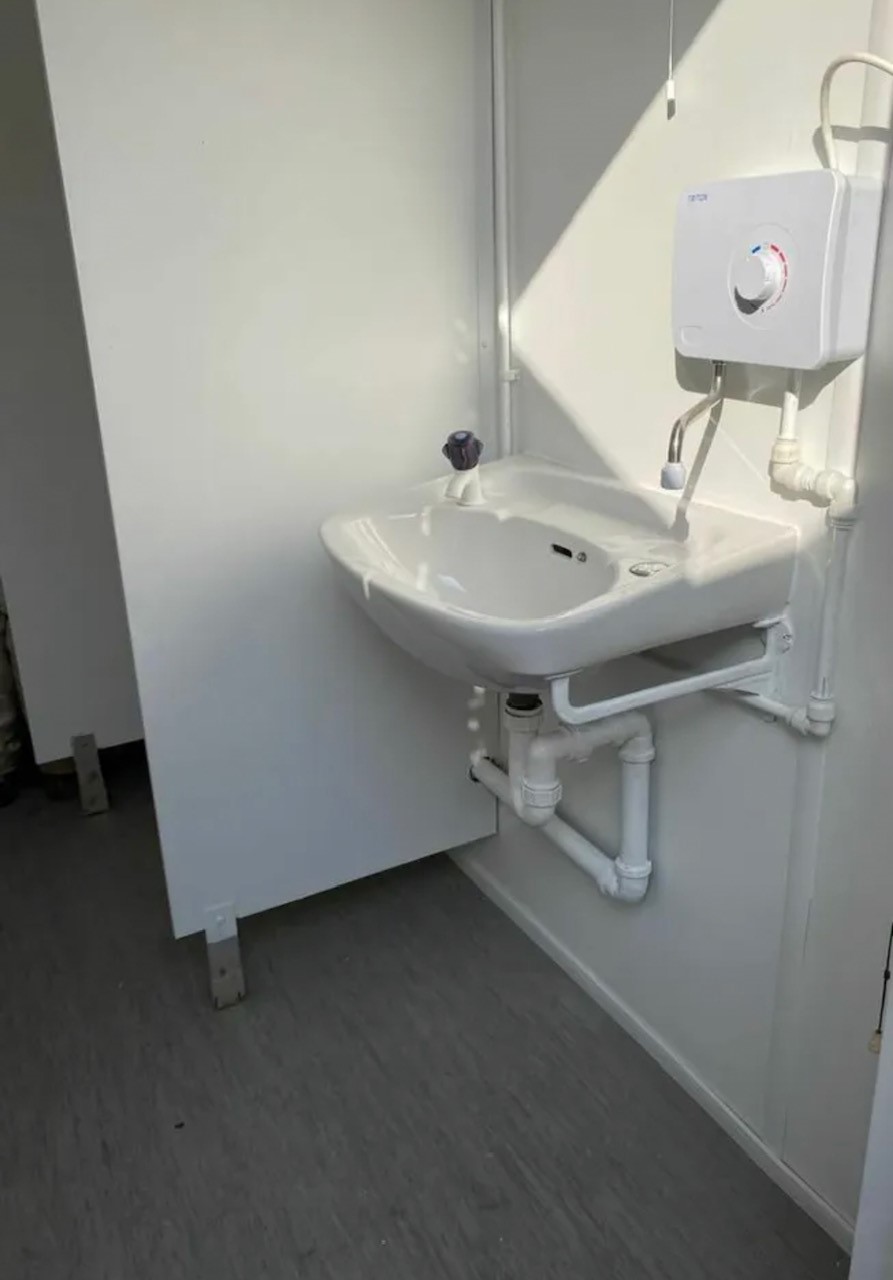
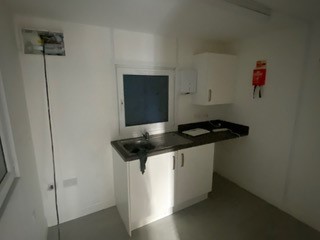
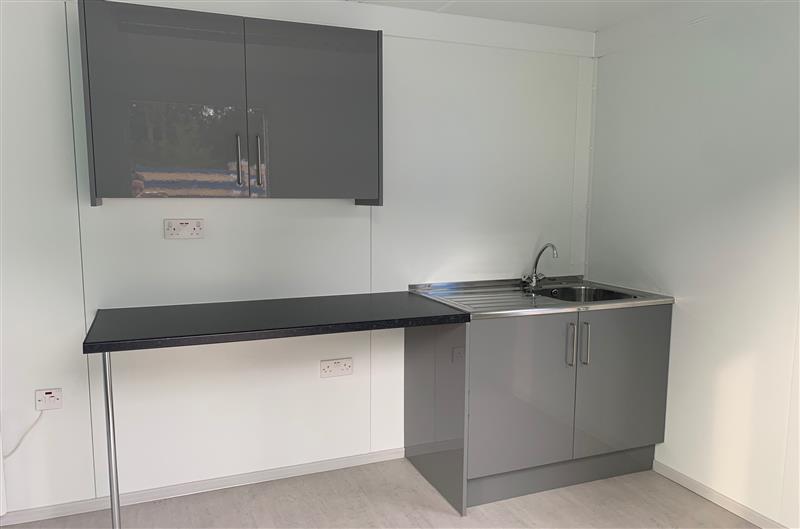
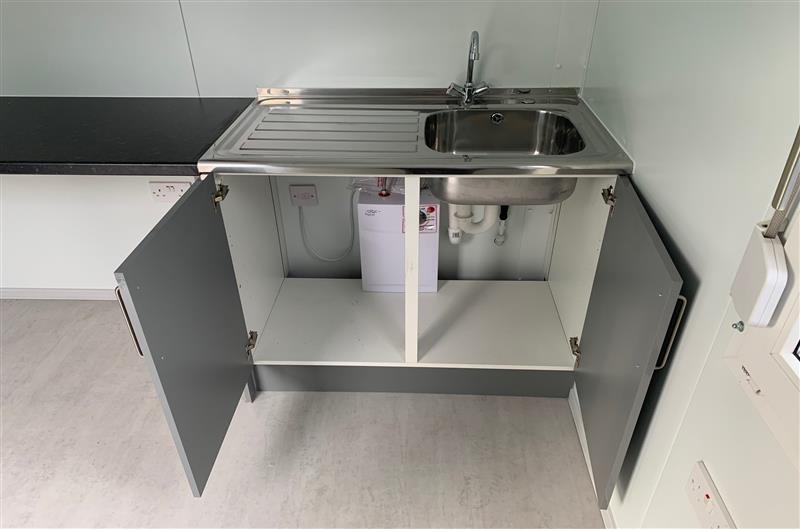
• Sink and water boiler included


Location: Nationwide
Quantity: ∞
EX VAT
Not Available for Hire
Call for an instant quote!


Location: Nationwide
EX VAT
Not Available for Hire
Call for an instant quote!
Get a Quick Container Quote Now!


Location: Nationwide
EX VAT
Not Available for Hire
Call for an instant quote!
Get a Quick Container Quote Now!