Choosing a Water Meter is not merely a matter of matching pipe size. The right device must suit actual flow rates, water quality, installation conditions, and the level of detail you need. A household with steady daily use has different requirements from a farm with seasonal irrigation or a facility with sharp demand peaks. Small differences matter. An oversized meter may record low flows poorly, while an undersized one can restrict flow or wear faster.
Water loss makes accurate measurement practical, not just technical. The U.S. Environmental Protection Agency’s WaterSense program reports that household leaks waste nearly 10,000 gallons of water each year on average. That figure highlights why dependable readings and routine checks matter. The American Water Works Association’s 2024 State of the Water Industry report also identifies infrastructure renewal and financial sustainability as ongoing concerns for water providers. Those pressures make meter selection relevant to both operating costs and long-term planning.
This guide compares mechanical, ultrasonic, and electromagnetic meters, then explains key selection factors such as flow range, accuracy, maintenance, and data access. It also considers total ownership costs, because purchase price alone can be misleading. Product specifications do not always reflect real installation conditions. A careful choice starts with measured demand and a clear purpose, then checks manufacturer documentation and qualified installer advice. There is no universal best meter; the best fit depends on your system, and sometimes the available information is incomplete.
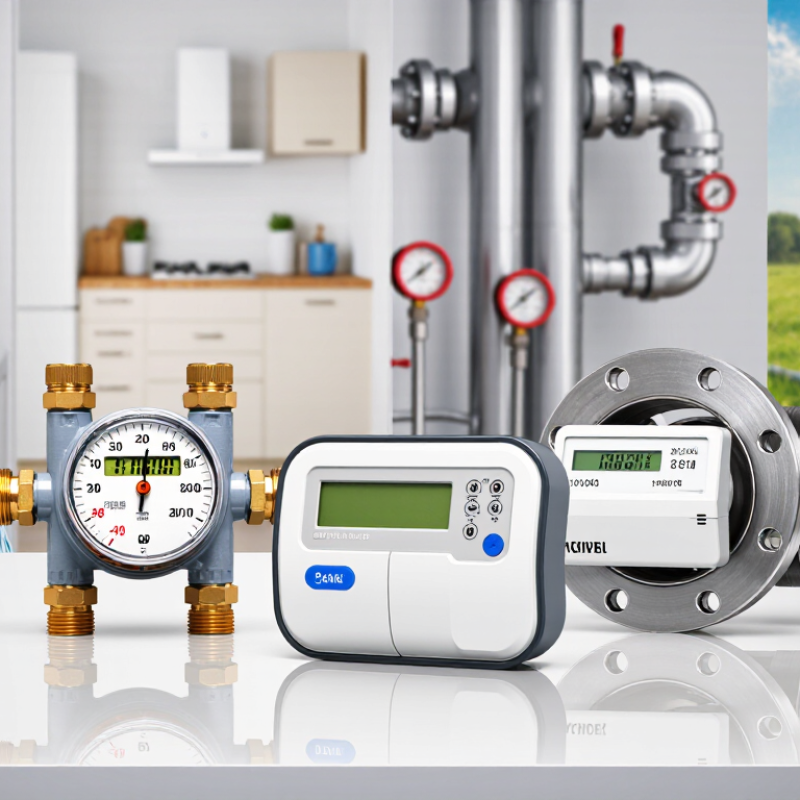
Choosing a water meter starts with the supply. Is it a municipal service line, a private well, or a dedicated irrigation branch? Each brings different flow patterns, pressure conditions, and installation constraints. Record the pipe’s actual diameter, expected peak flow, lowest trickle, water temperature, and whether the water carries sediment. A meter sized only for peak demand may miss small flows; one sized too small can restrict service. Small details matter.
The USGS report Estimated Use of Water in the United States in 2020 estimated public-supply withdrawals at about 39 billion gallons per day. That national figure cannot size an individual meter, but it shows why reliable measurement matters across varied systems. Match the meter’s stated flow range and accuracy to your real use: household billing, leak checks, irrigation tracking, or process control. Confirm pressure loss, installation orientation, straight-pipe requirements, and output compatibility before buying.
Tips: Compare the meter’s minimum and continuous flow ratings with actual readings, not just the pipe size. Check whether the water is clean enough for the chosen design; particles can affect some meters. Keep a simple flow log during normal use and peak demand. It may feel excessive, but one week of readings can reveal assumptions that a specification sheet misses.

Choosing a water meter starts with understanding how it measures flow. Mechanical meters use water to turn an internal rotor or move a measuring chamber. The meter counts those movements and converts them into a volume reading. They are common in homes and are usually straightforward to inspect. However, sand or other particles can wear moving parts, and very low flow may be harder to measure accurately.
Ultrasonic meters send sound waves through the pipe and compare their travel times or frequency shifts. They have no moving parts, so they can suit systems where wear is a concern. Their readings may be affected by installation conditions, pipe material, or air in the line. They need power. Electromagnetic meters measure voltage produced as conductive water moves through a magnetic field. They can handle changing flows, but require suitable water conductivity and careful installation.
For a small home, compare expected flow range, pipe size, available space, and maintenance needs—not just the purchase price. A mechanical meter may offer a simple, practical fit; an ultrasonic model may be attractive where low flow or reduced wear matters. Check the manufacturer’s stated accuracy range and installation instructions, especially for straight-pipe requirements. It is easy to overvalue advanced features. The best choice is not always obvious, and actual water quality can change the decision.
| Meter Type | How It Works | Typical Strengths | Considerations | Common Applications |
|---|---|---|---|---|
| Positive Displacement | Water repeatedly fills and empties a measuring chamber. The meter counts each measured volume and totals the flow. | Often performs well at low flow rates and can provide useful measurement in small service connections. | Moving parts can wear over time. The measuring mechanism creates some pressure loss, and debris may affect operation. | Homes, apartments, and other small water services where low-flow measurement is important. |
| Multi-Jet Velocity | Several water jets turn an impeller. The rotation rate is related to the water’s velocity and is converted into a volume reading. | Compact design and generally stable measurement across a practical flow range for smaller meters. | Contains moving parts. Water quality, installation orientation, and the meter’s specified flow range should be checked. | Residential and small commercial service lines. |
| Turbine Velocity | Flow turns a turbine or rotor inside the meter. The meter uses rotor speed to determine flow rate and accumulated volume. | Suitable for larger flows and can have relatively low pressure loss when correctly sized. | Performance may be affected by low flow, changing flow conditions, debris, or swirl; follow the manufacturer’s straight-pipe requirements. | Commercial, industrial, and larger-diameter water systems with fairly steady flows. |
| Electromagnetic | Uses Faraday’s law: a magnetic field and electrodes measure the voltage produced as conductive water passes through the meter. | No moving parts and an unobstructed measuring tube; useful where low pressure loss is desirable. | Water must be electrically conductive. The pipe generally needs to remain full, and proper grounding and installation are important. | Large service lines, treatment plants, and process-water systems carrying conductive water. |
| Ultrasonic — Transit-Time | Ultrasonic signals travel both with and against the flow. The difference in travel time is used to calculate water velocity and flow. | No moving parts or obstruction in the flow path. Clamp-on models can be installed externally without cutting the pipe. | Results depend on correct sizing, pipe data, sensor placement, and suitable flow conditions. Air or suspended material can affect some installations. | Building monitoring, water distribution, and applications where non-invasive measurement or low maintenance is preferred. |
| Compound | Combines a low-flow measuring element with a higher-flow element. The meter uses the appropriate path as flow changes. | Can cover a wider flow range than a single-element meter, including both low demand and peak demand. | More complex than a single-element design; correct sizing, installation, and maintenance are especially important. | Buildings or sites with highly variable demand, such as facilities with steady low use and occasional high peaks. |
| Selection Checklist | Before choosing, confirm the pipe size, expected minimum and peak flow, water quality, allowable pressure loss, installation space and orientation, required accuracy, and reading or data-output needs. Compare the meter’s specified operating range and local approval requirements with the actual application. | |||
Choosing a water meter by pipe diameter alone is a common shortcut, but it can mislead. Size the meter around the flow your system is likely to use, not just the pipe it connects to. Estimate ordinary demand and brief peaks, such as a shower running while a washing machine fills. Check the meter’s documented operating range, including its minimum flow and maximum continuous flow. Small details matter.
A meter that is too large may not register small, steady uses accurately, depending on its design. A meter that is too small can restrict flow or operate beyond its rated capacity. For a home, list the fixtures that may run together and consider how many people use them. For a larger building, review measured demand or reliable usage records. Guessing from the number of occupants alone is imperfect.
The tricky part is that peak demand is easy to overestimate. A sink and shower may rarely run together, yet future use can change. Compare your estimate with the manufacturer’s flow curves and any utility or system requirements. If the numbers sit near a meter’s limits, ask a qualified water professional to review the sizing. A little checking now can prevent poor readings or unnecessary pressure loss later.
A water meter must fit the site, not just the pipe diameter. Measure the available space, including room for unions, valves, and future servicing. In a narrow cabinet, a meter may technically fit but leave no safe way to read or replace it. Check whether the installation allows the meter to sit in its required orientation. Some designs need a stable, level position; others permit more flexibility.
Confirm the system’s operating conditions before comparing models. Note the expected flow range, water pressure, temperature, and pipe material. A meter sized only by pipe diameter may perform poorly if normal flow falls outside its recommended range. Check the flow arrow, straight-pipe requirements, and any stated limits on pressure loss. If readings need to enter a building-management system, verify the output type and communication interface as well. Details vary by system, so use the meter’s technical documentation and ask a qualified installer when specifications are unclear. One easy-to-miss issue is access: a buried or obstructed meter can make routine checks frustrating.
Tips: Photograph the pipe layout and record its diameter before shopping. Check shutoff-valve access, orientation, and connection type. Leave space for maintenance, even if the installation looks tidy today. A checklist can still miss something; confirm the final fit on site.
Choosing a water meter starts with the flow it must measure. Check its stated operating range, especially low-flow sensitivity and peak demand. A meter that misses slow overnight flow may hide small leaks. Compare test records, not just the accuracy claim.
Standards matter, too. Check conformity with ISO 4064 or OIML R 49, plus applicable local metrology requirements. EPA estimates household leaks waste nearly 10,000 gallons yearly on average; 10% of homes lose at least 90 gallons daily. That makes reliable low-flow measurement useful, though a meter cannot fix a leak by itself. Maintenance also matters: consider sediment, water hardness, strainer access, and the maker’s inspection or calibration schedule. Small details count.
Compare the full ownership cost: purchase, installation, reading labor, communications, battery changes, testing, and eventual replacement. EPA’s 2023 Drinking Water Infrastructure Needs Survey and Assessment estimates $625 billion in U.S. drinking-water infrastructure needs over 20 years. Budgets are real constraints. A connected meter may reduce manual reads, but it is not automatically the cheaper choice. I would compare service needs over the expected life, then check whether the savings justify the extra equipment. A neat spreadsheet can still miss site-specific labor or access problems. Sources: U.S. EPA, Fix a Leak Week; U.S. EPA, 2023 Drinking Water Infrastructure Needs Survey and Assessment.
Registered in England & Wales No. 2786496
Registered office at: 337 Tanworth Lane,
Shirley, Solihull, B90 4DU
Registered for VAT, registration No.
GB 655 1347 38


Location: Nationwide
Not Available for Hire
We can deliver for a cost please ask and send us post code.
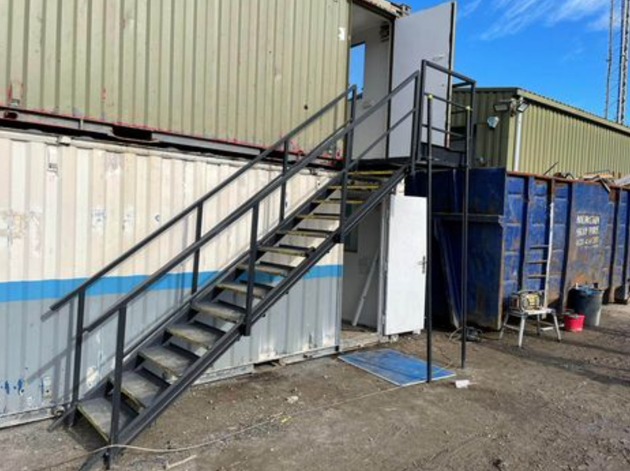
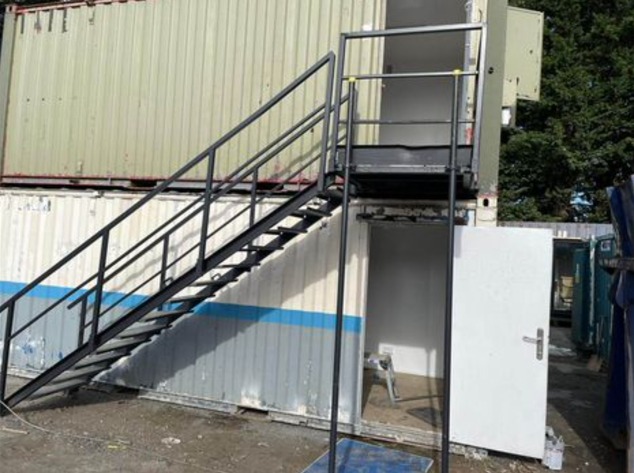
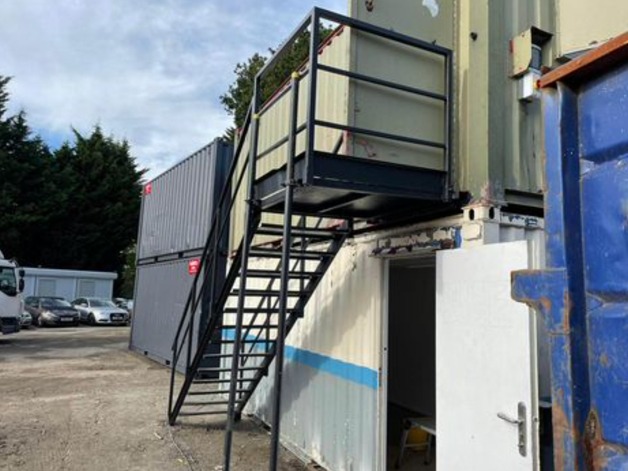
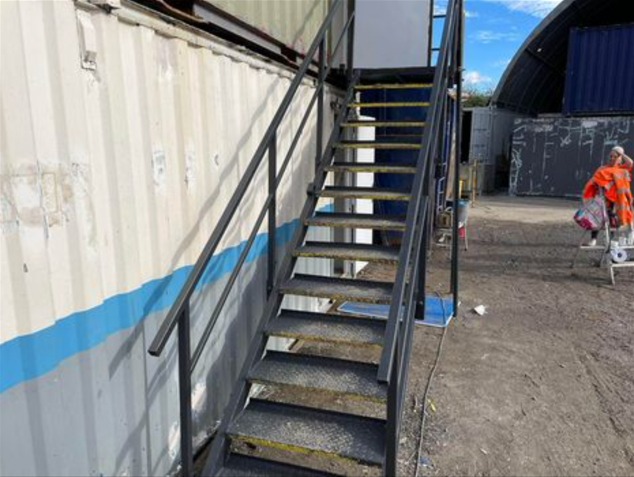
13 tread
14 tread
15 tread


Location: Nationwide
Not Available for Hire
Call for an instant quote!


Location: Nationwide
Not Available for Hire
We can deliver for a cost please ask and send us post code.
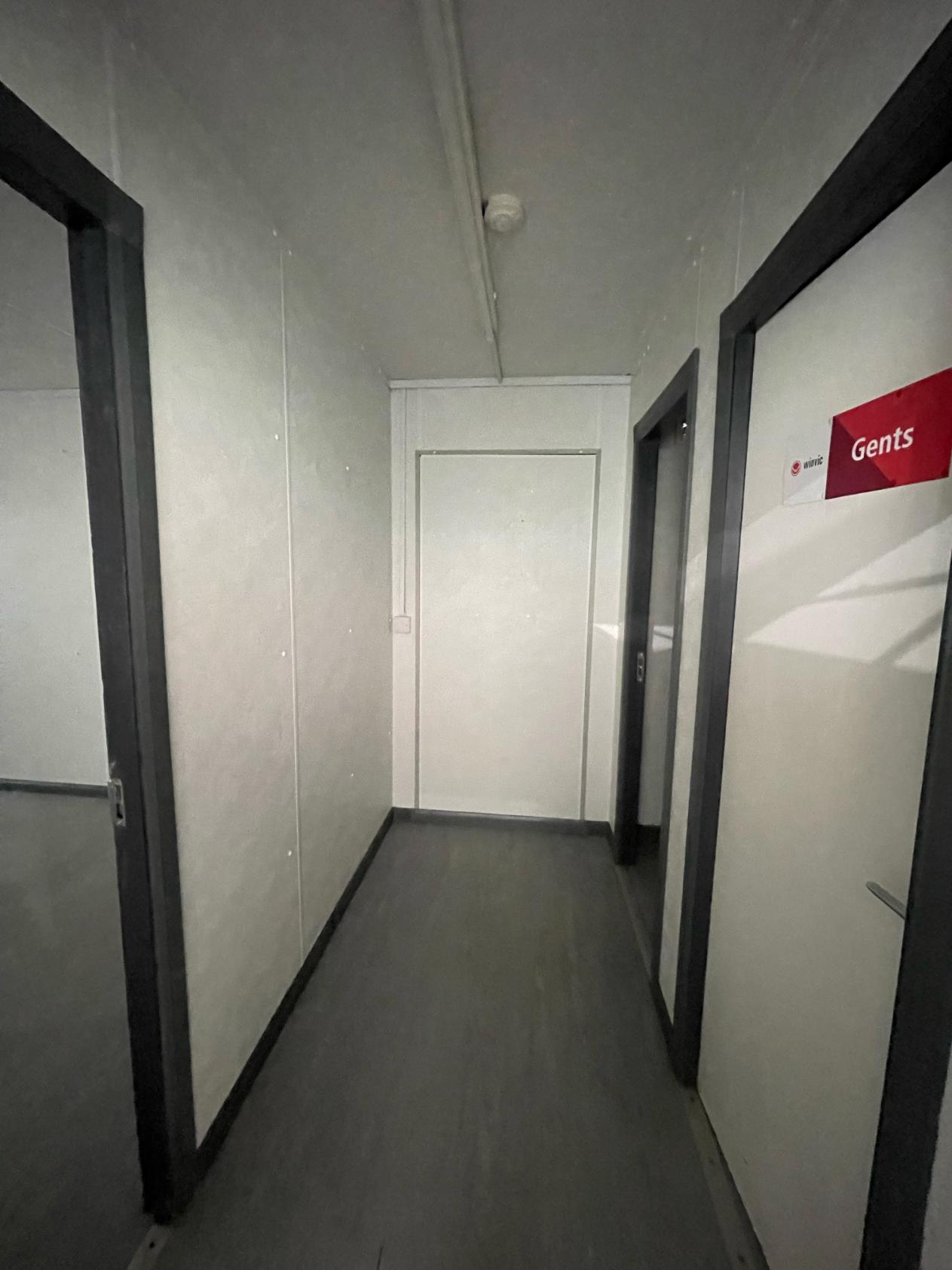
Hallway leading into:
Transport can be arranged please ask.


Location: Nationwide
Not Available for Hire
Call for an instant quote!
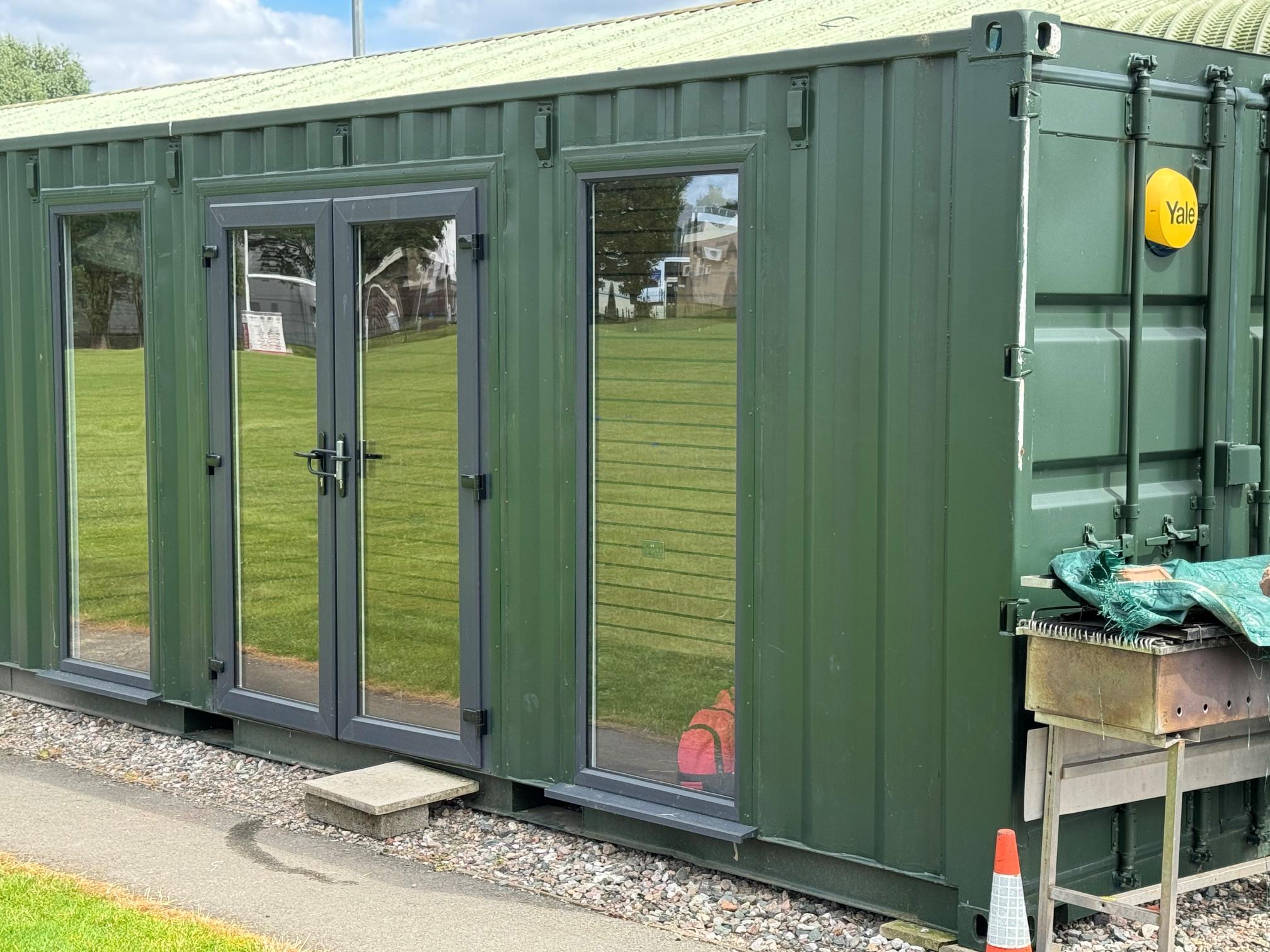
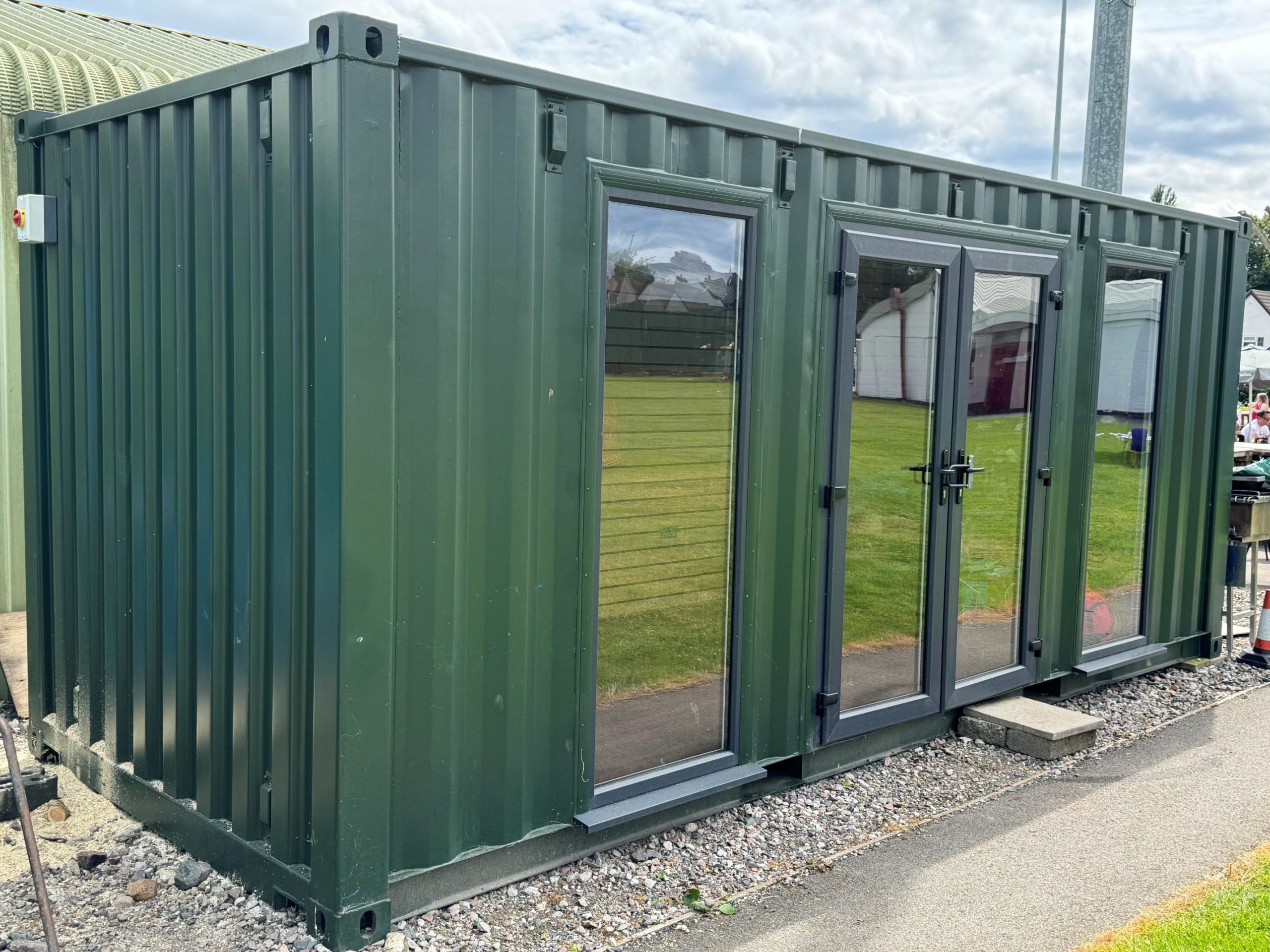
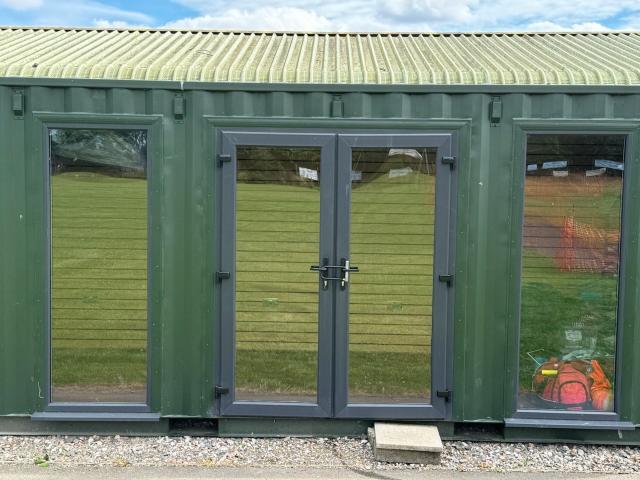
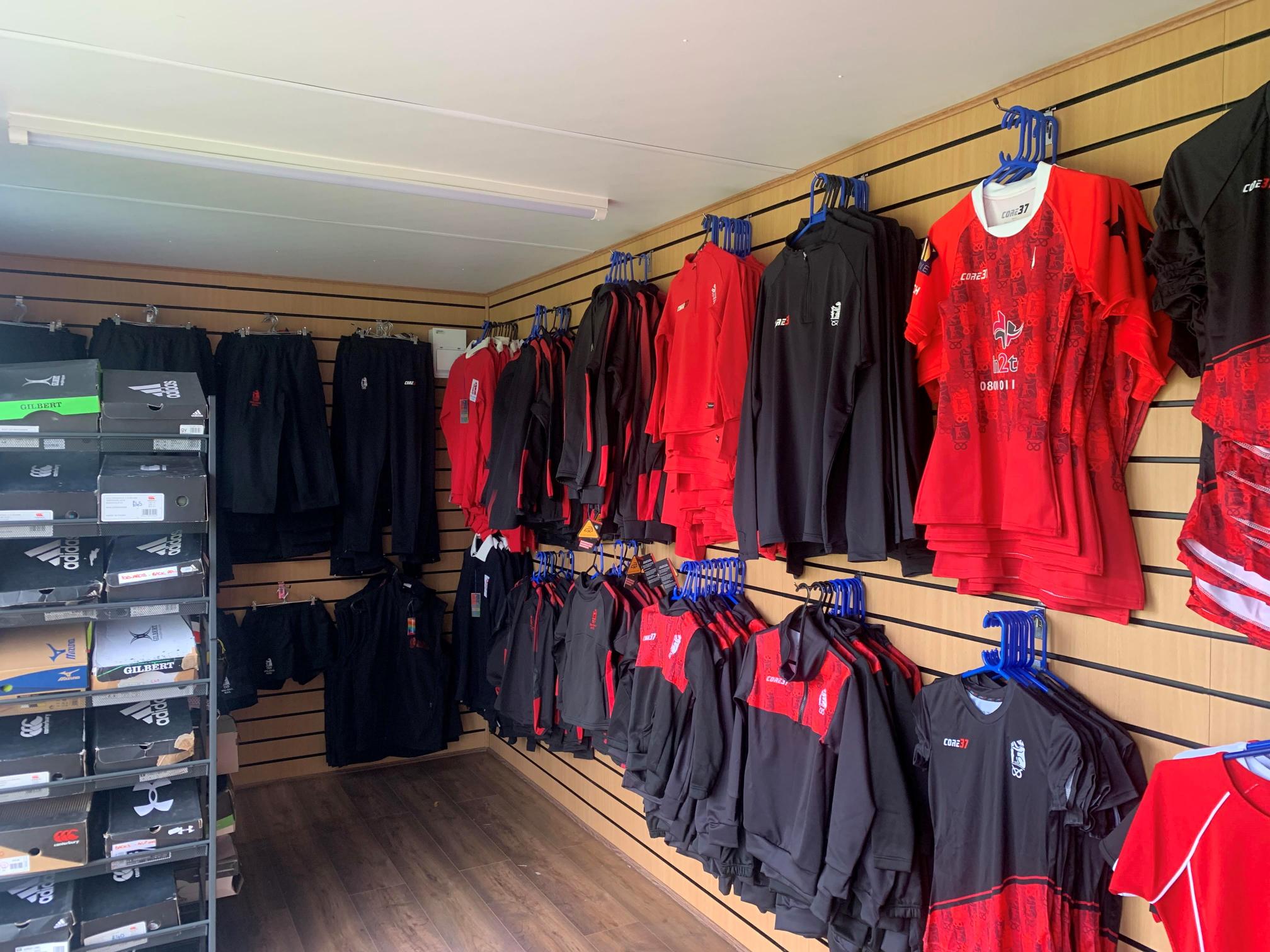
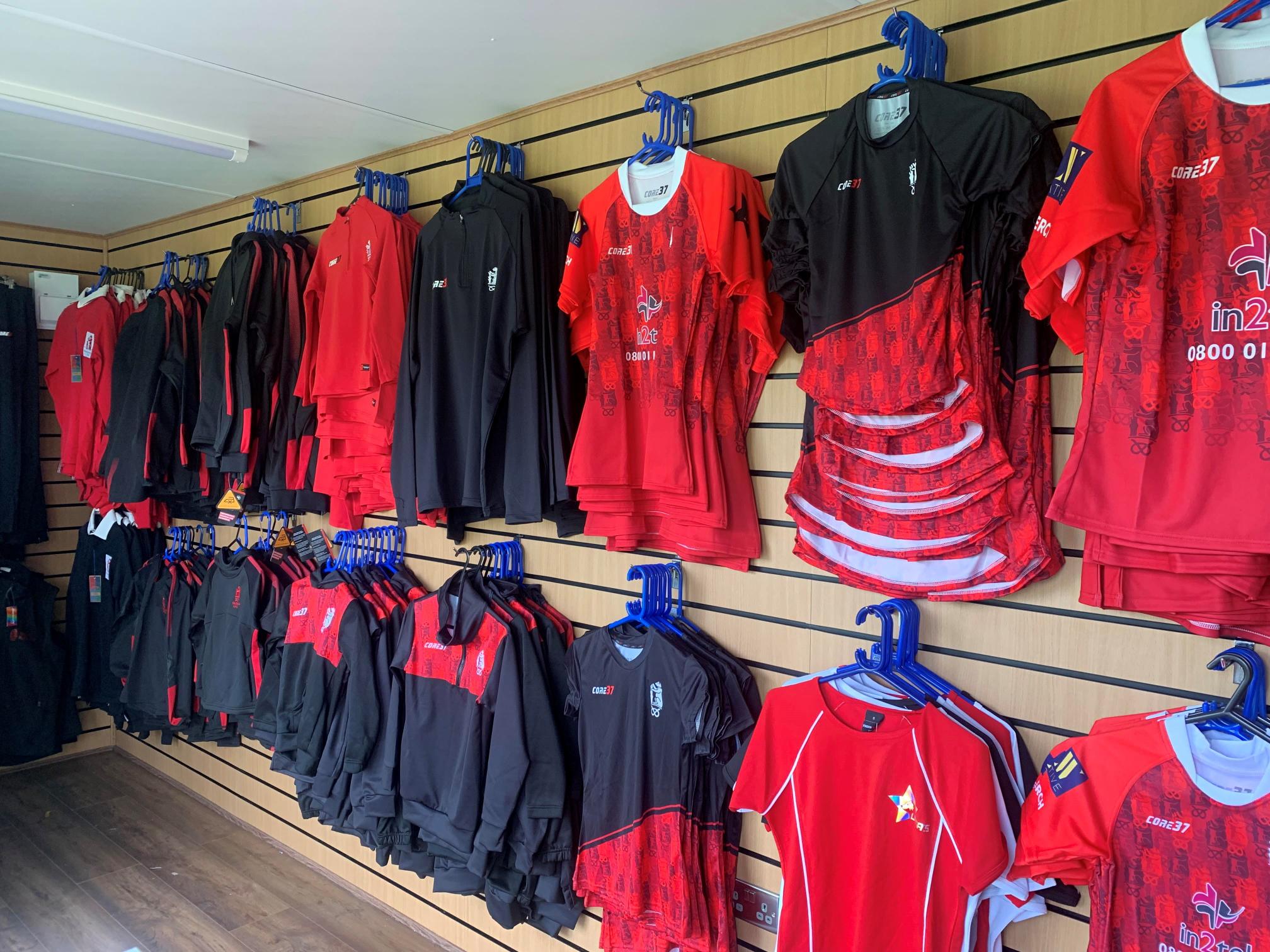
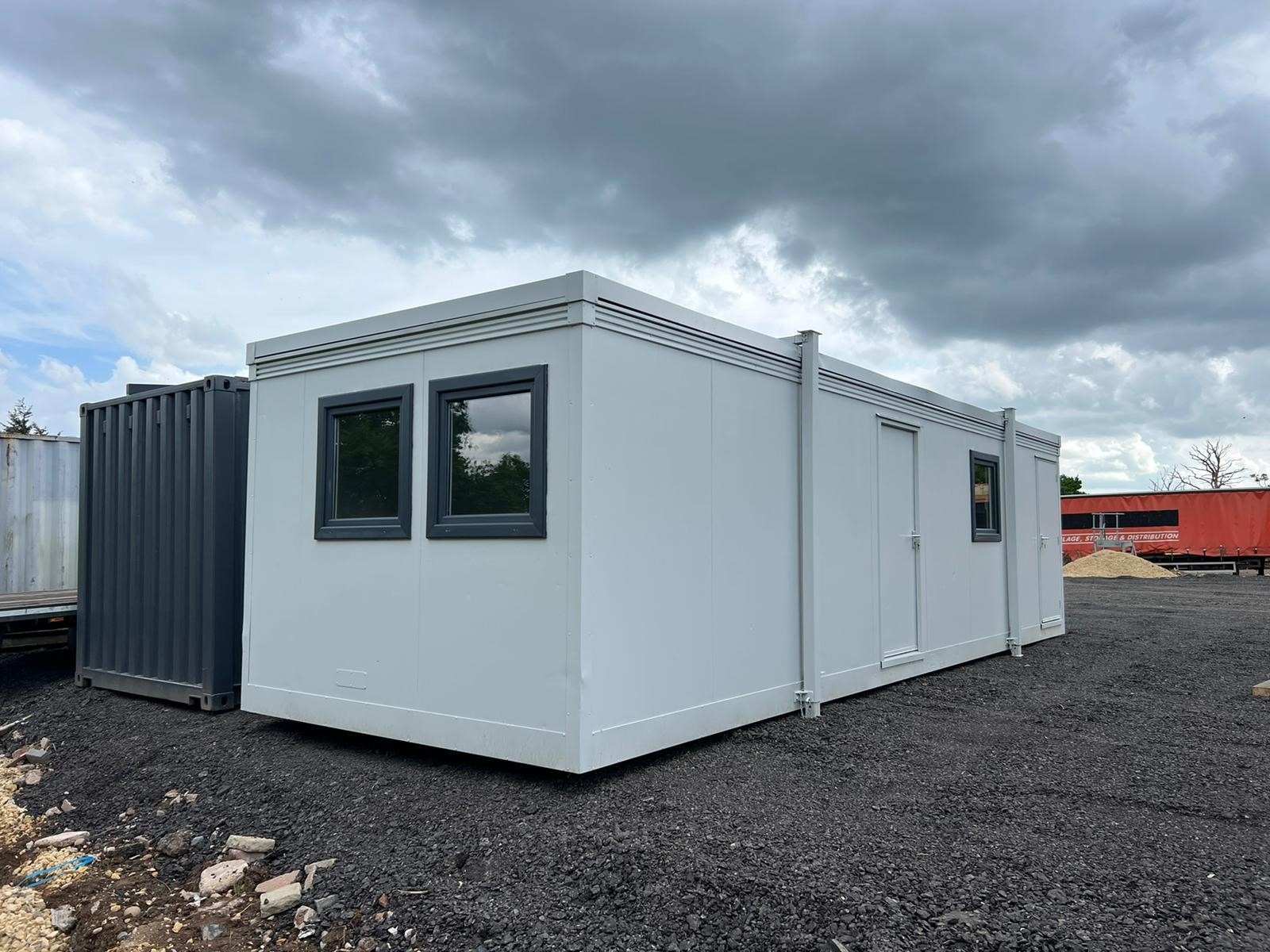
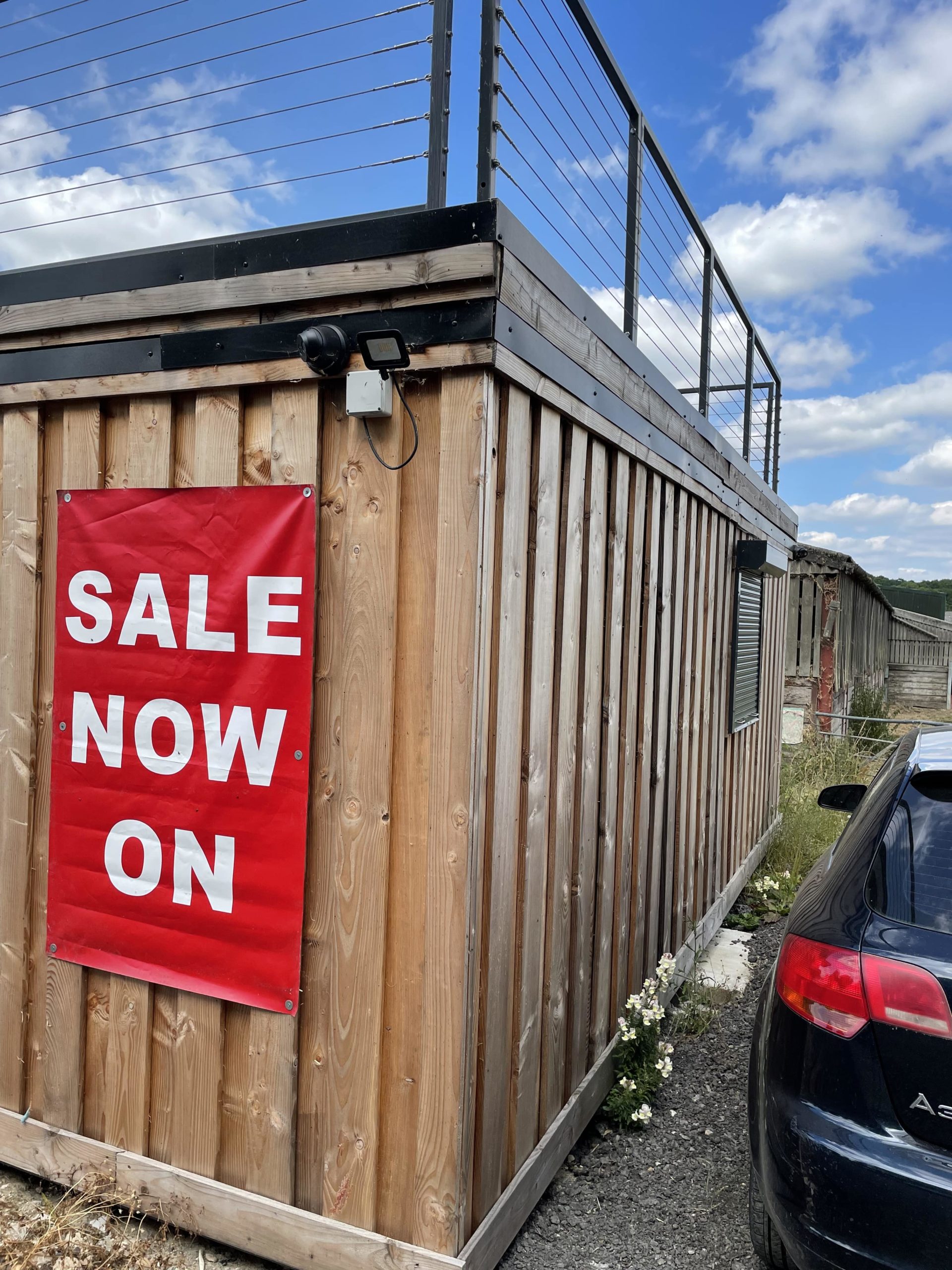
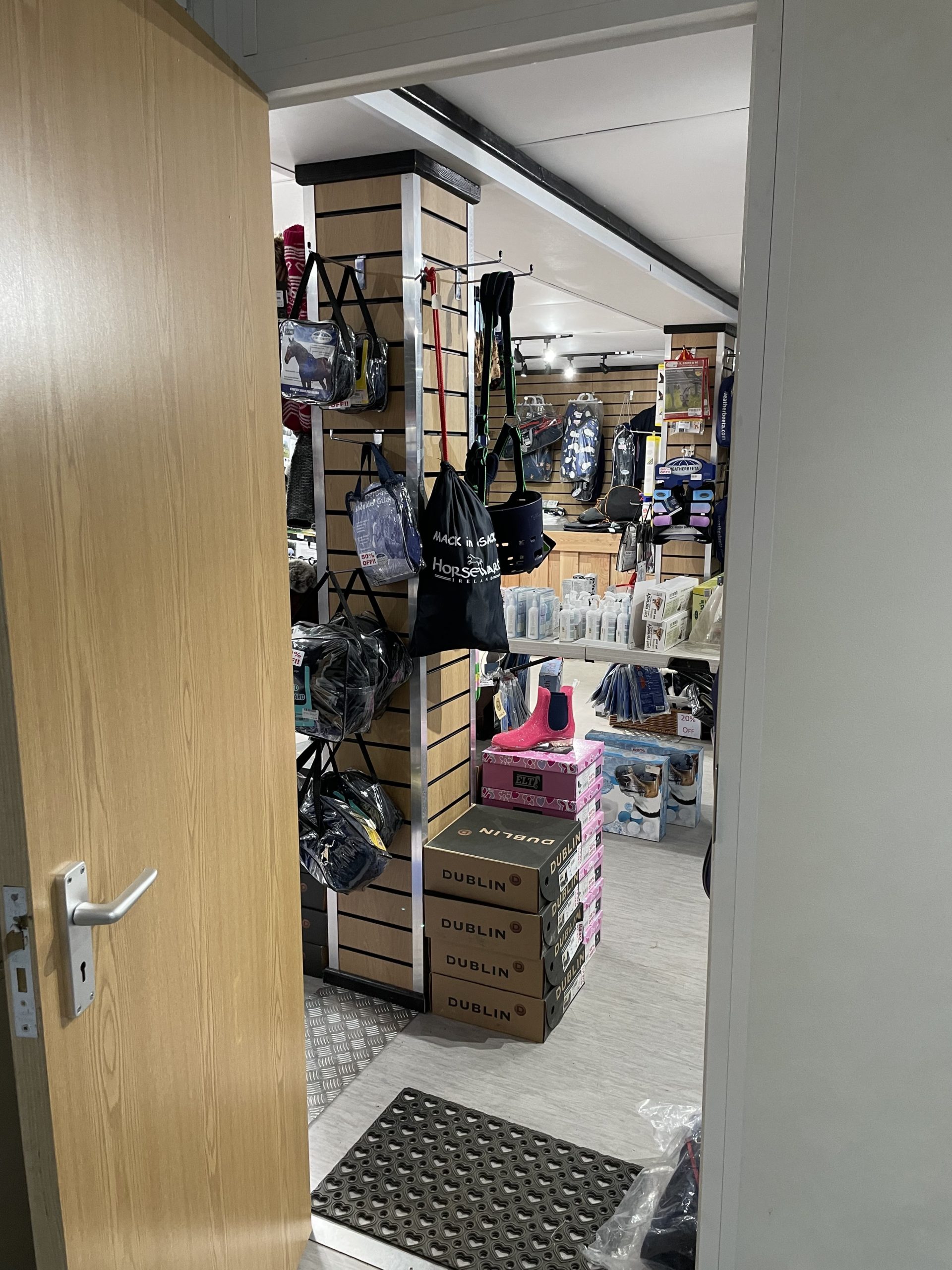
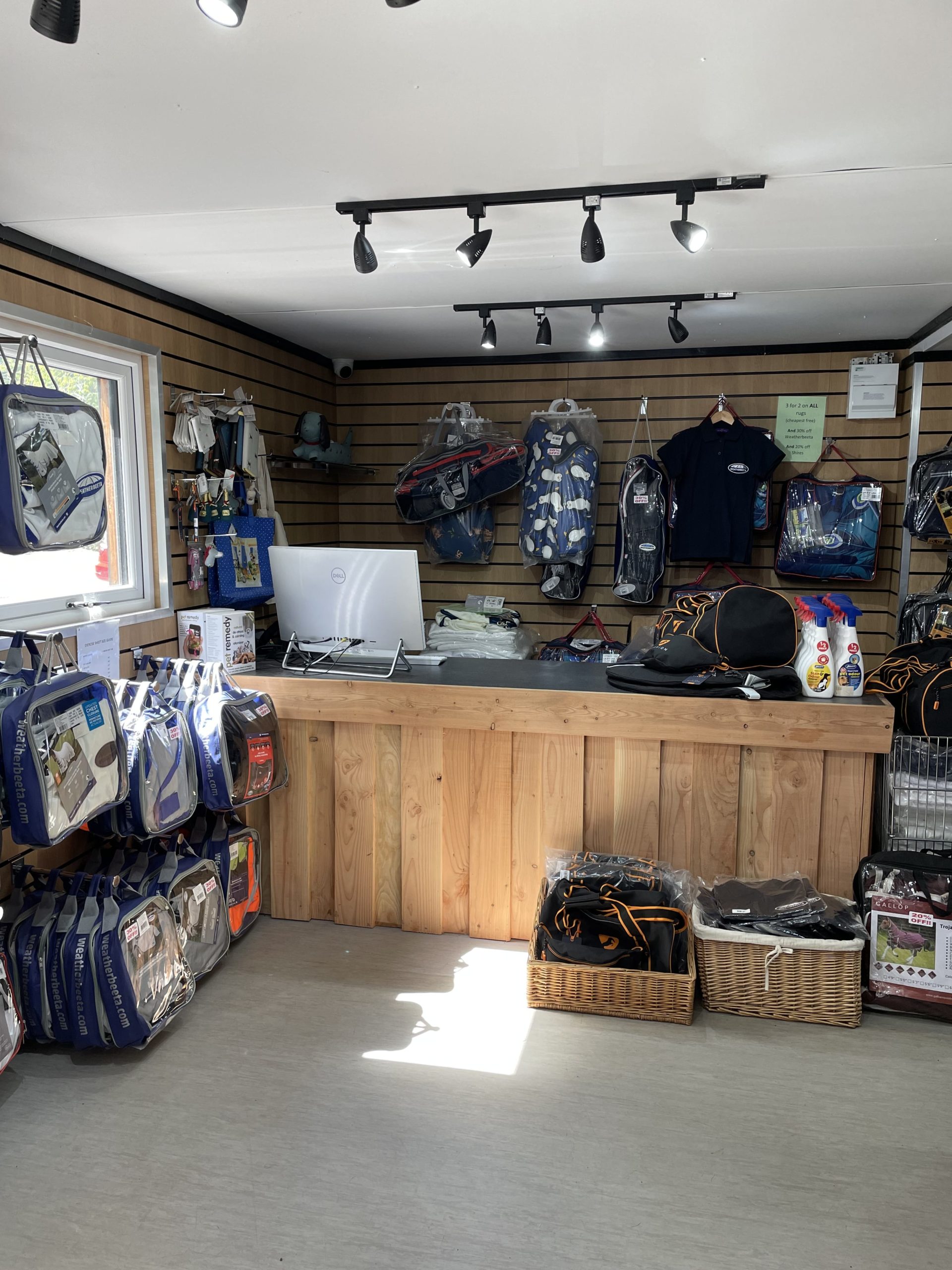
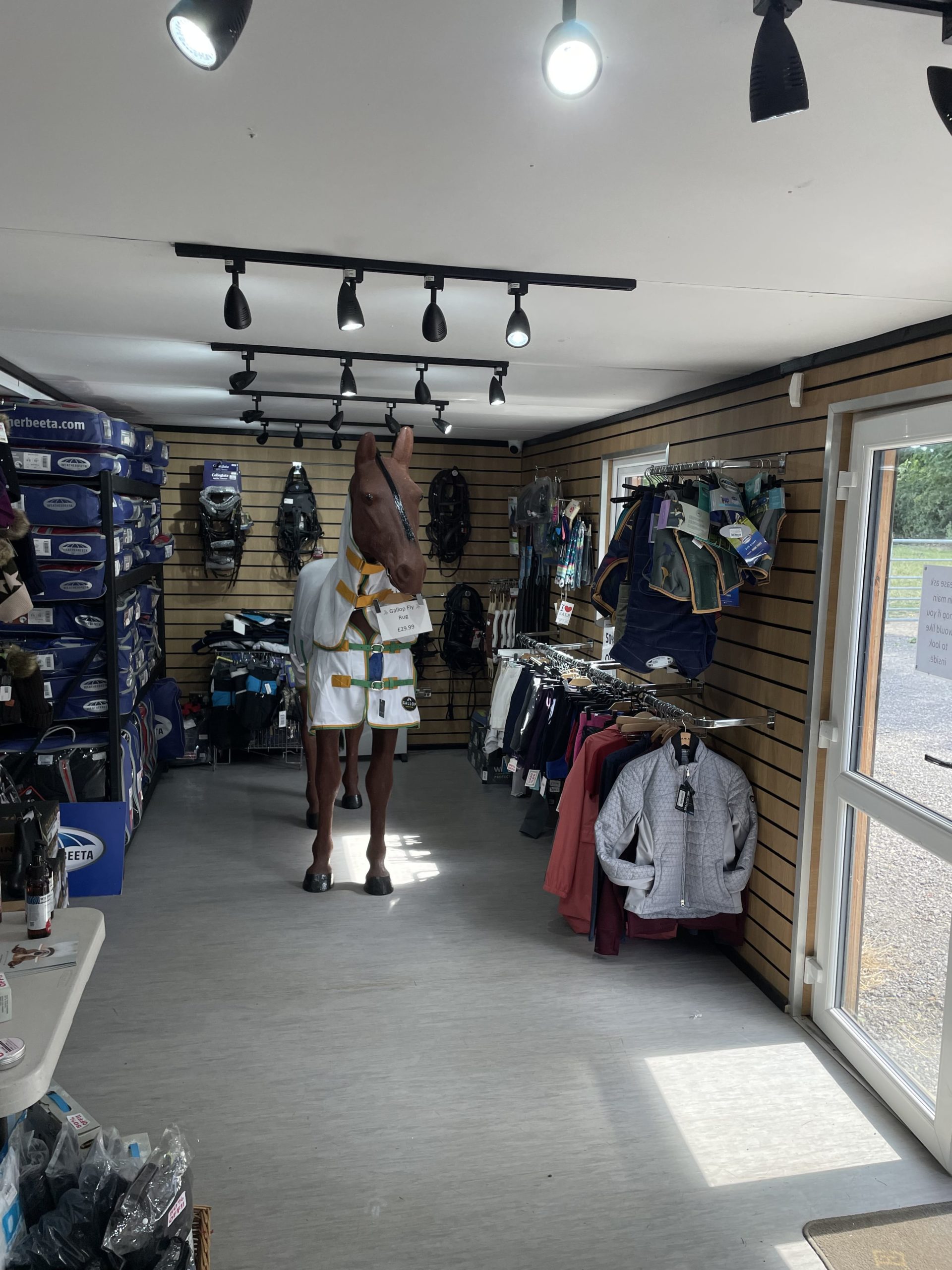
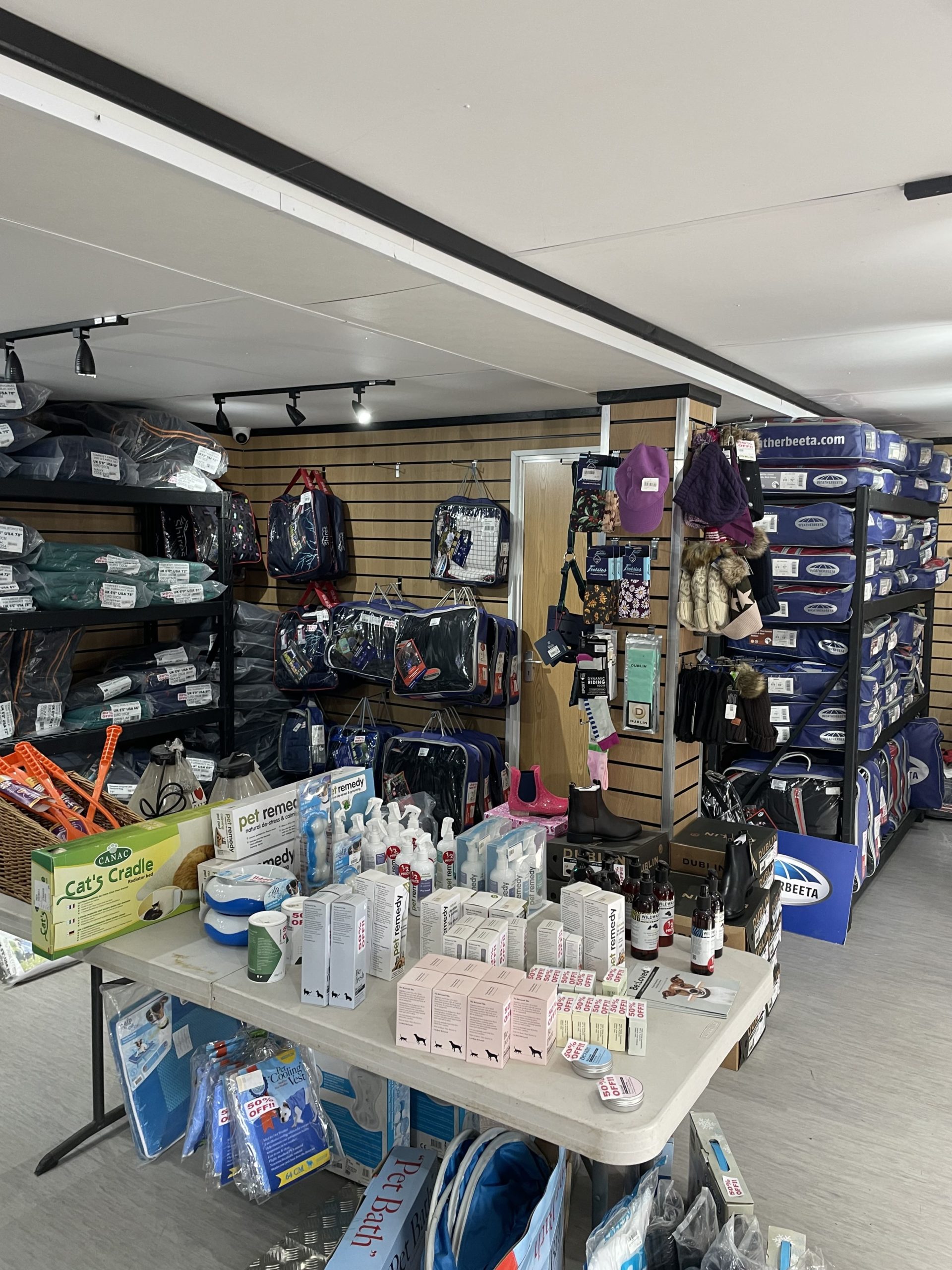
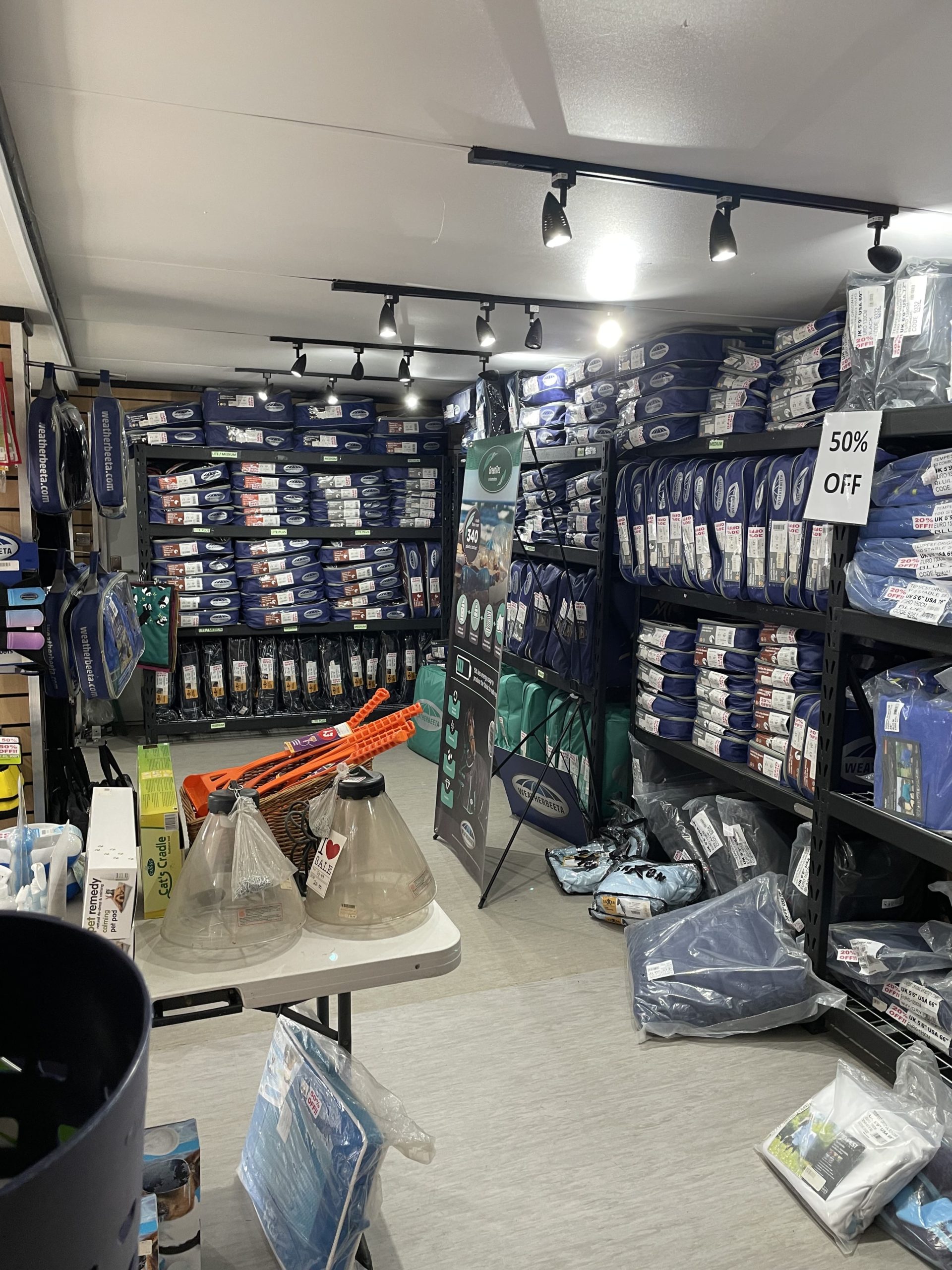
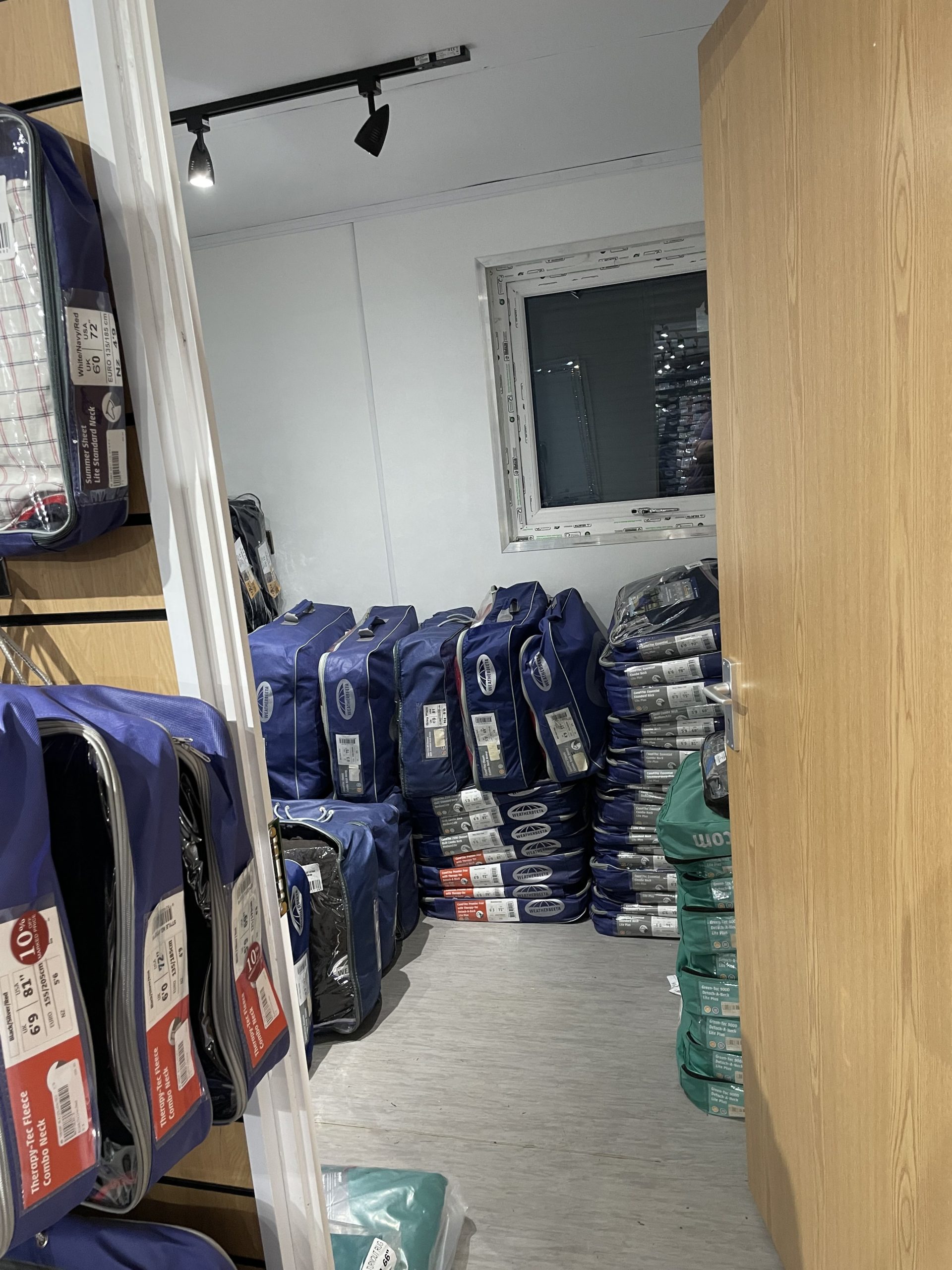
20ft x 8ft Container Conversion Retail Shop
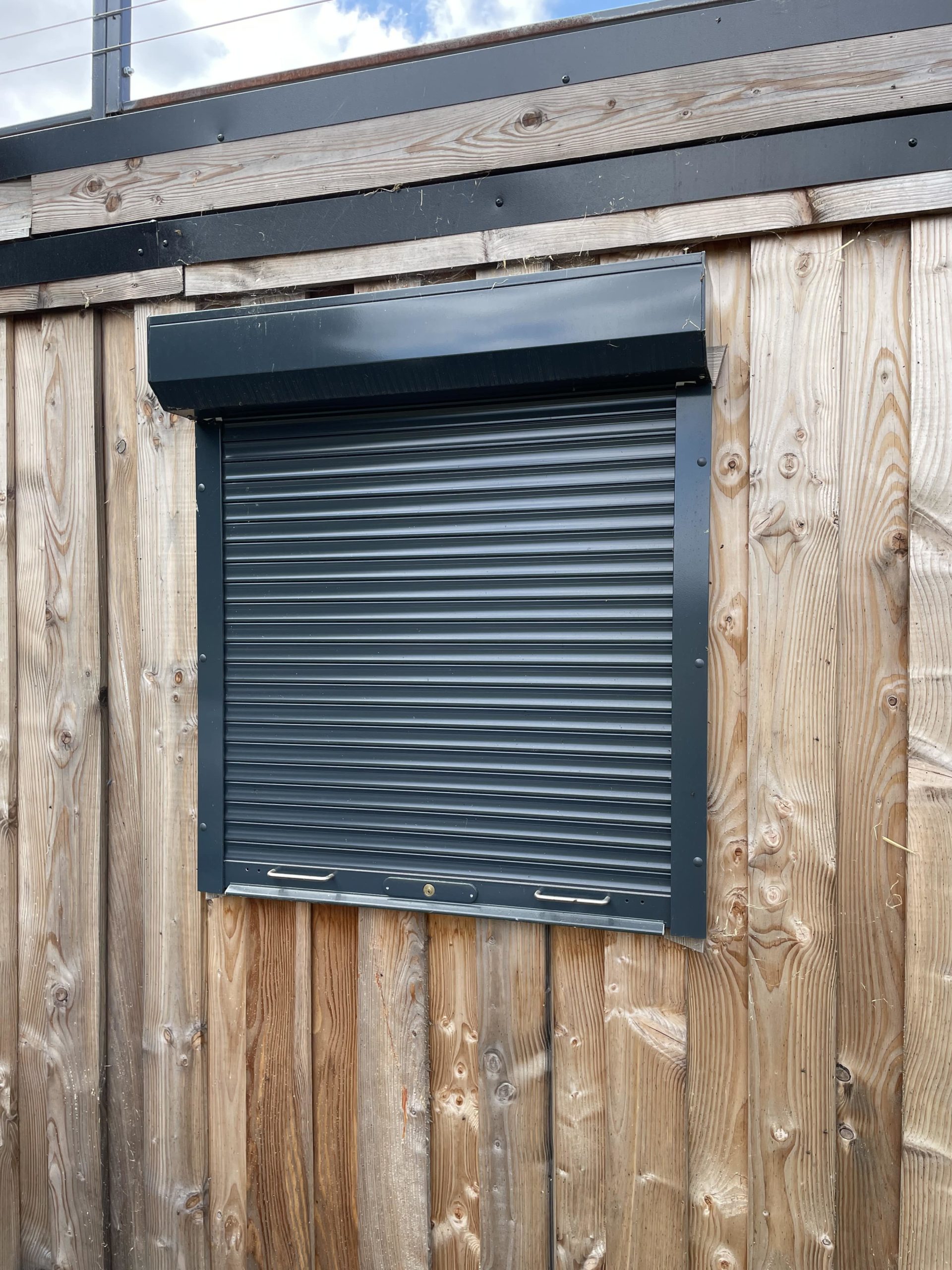
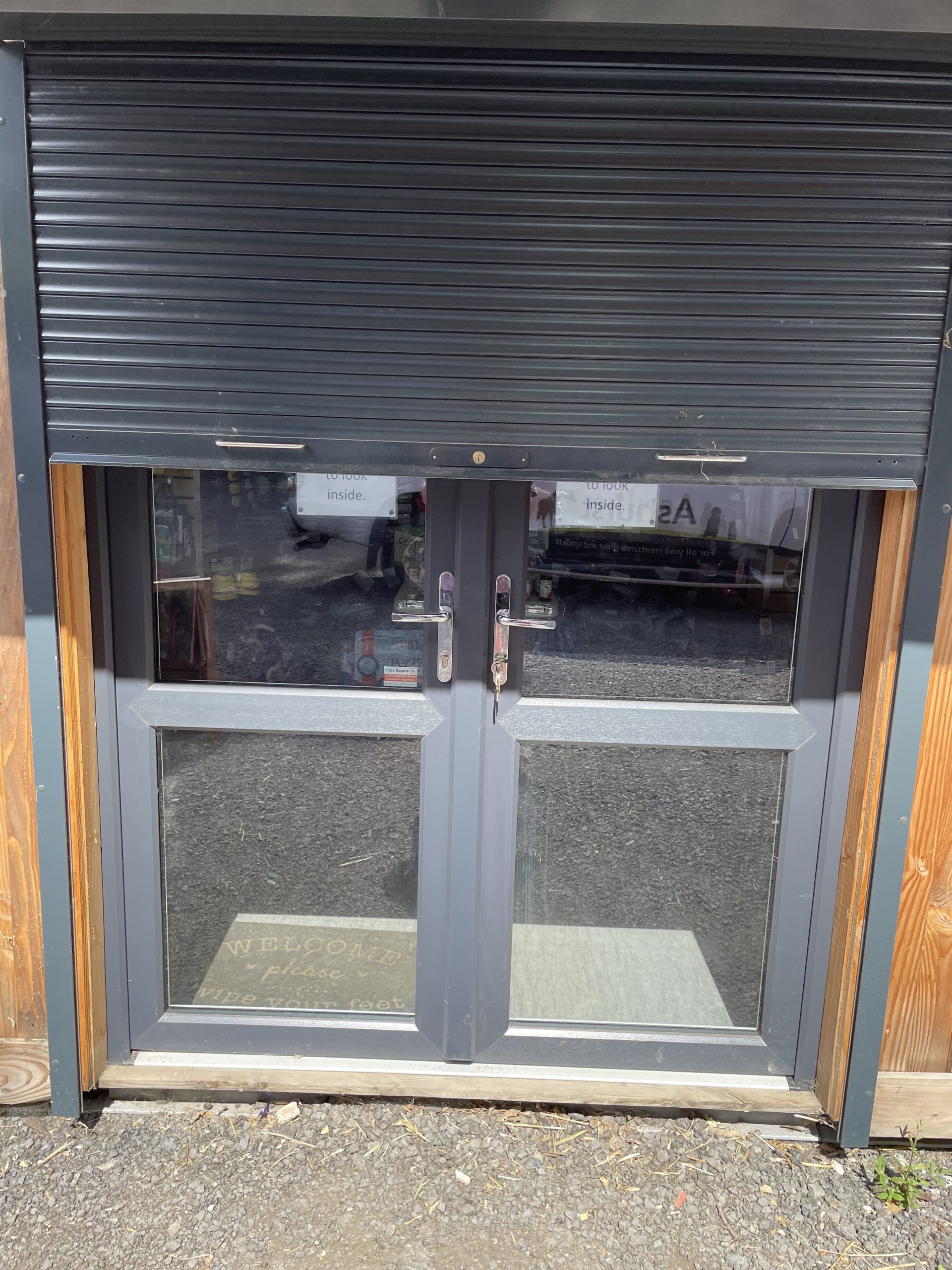
UPVC Double glazed Windows + French Doors
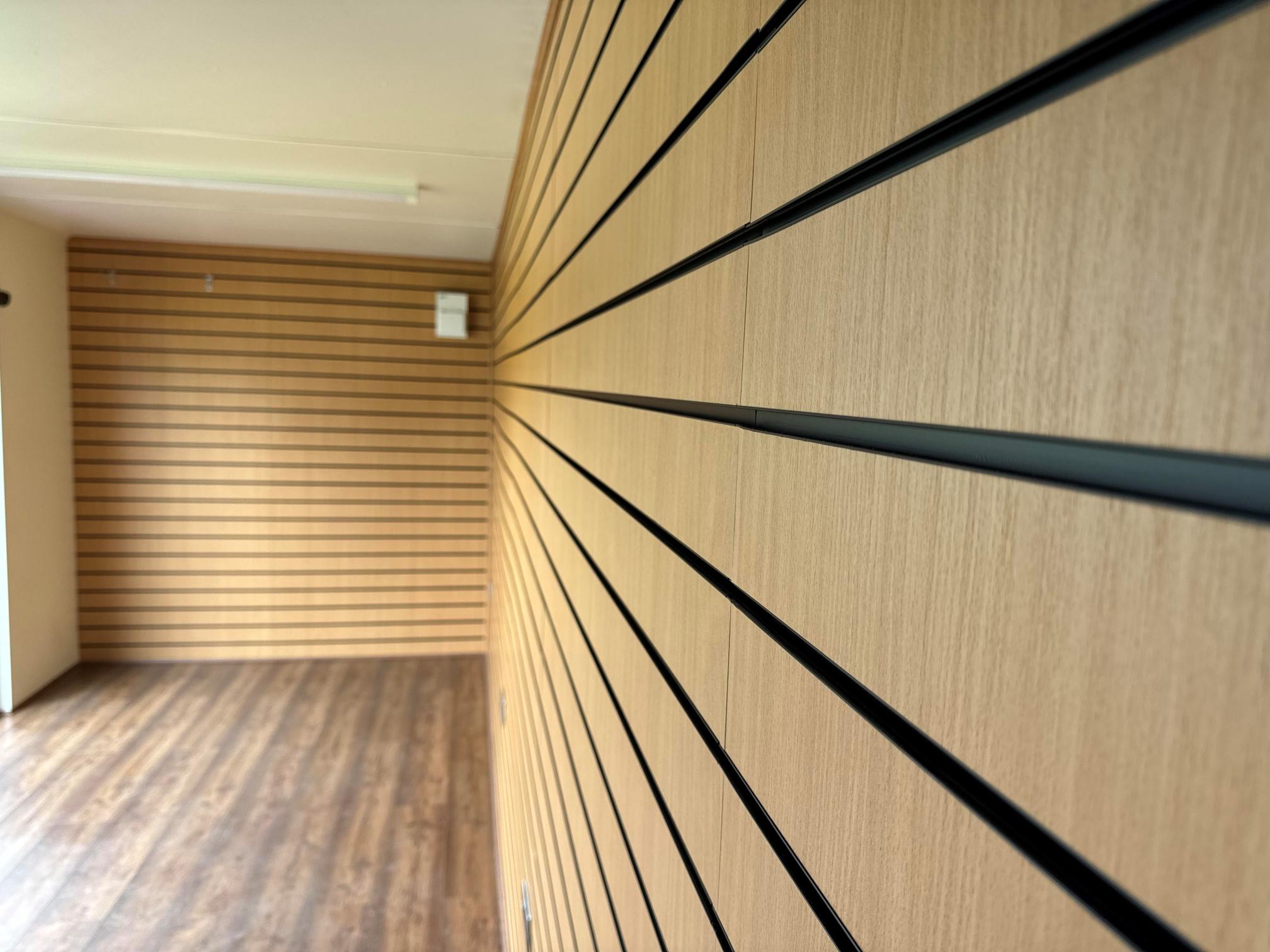
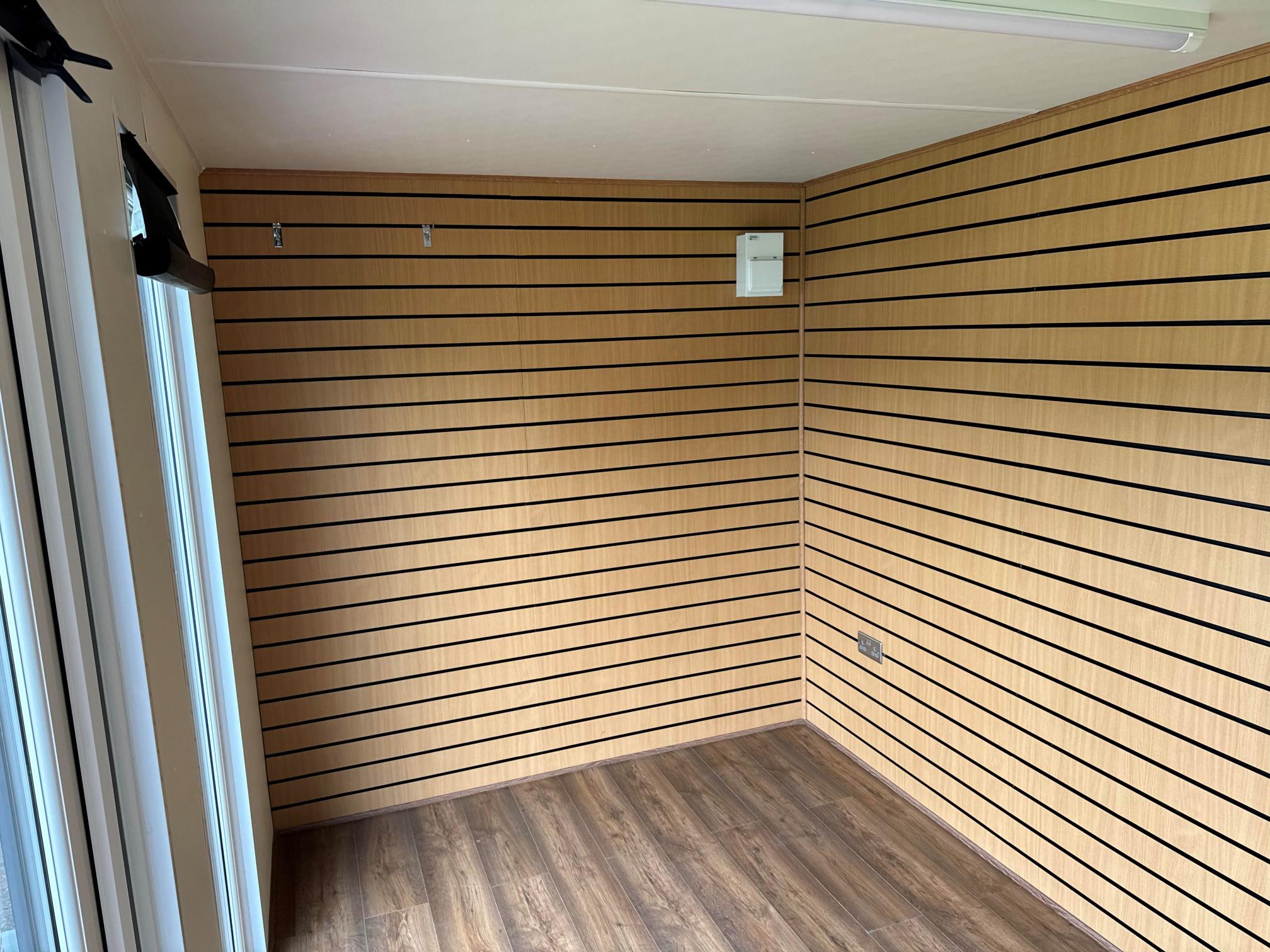
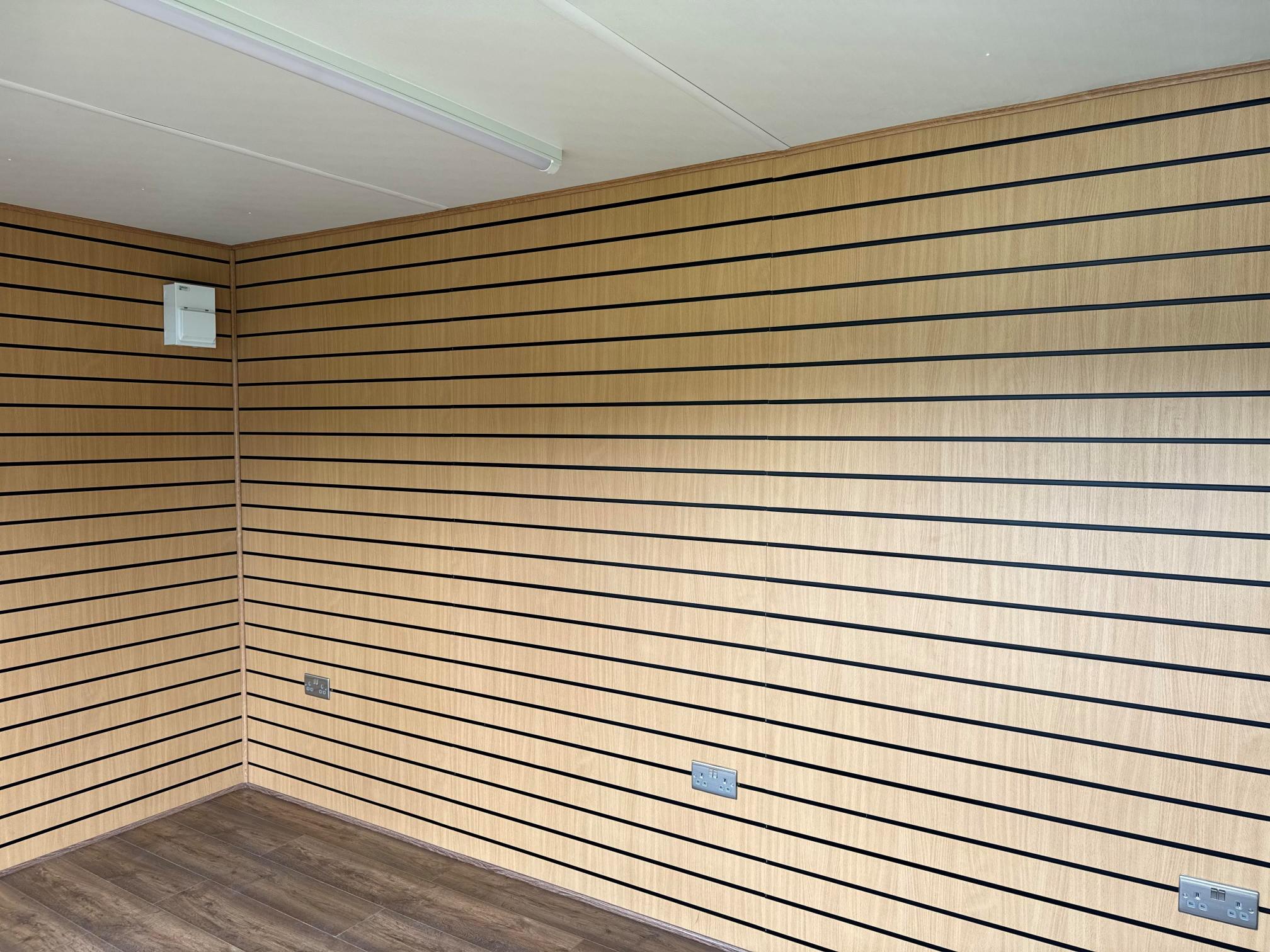
Slat Wall for retail fixings and Merchandise
Electric Chrome Sockets, led lighting and heating.
Laminate Flooring
12 months Warranty
Maintenance call out package included
Less than 2 years old
Still in Brand New Condition


Fully refurbished
Colour light grey
Slate grey anthracite upvc double glazed windows


Location: Nationwide
+ VAT
Not Available for Hire
Call for an instant quote!
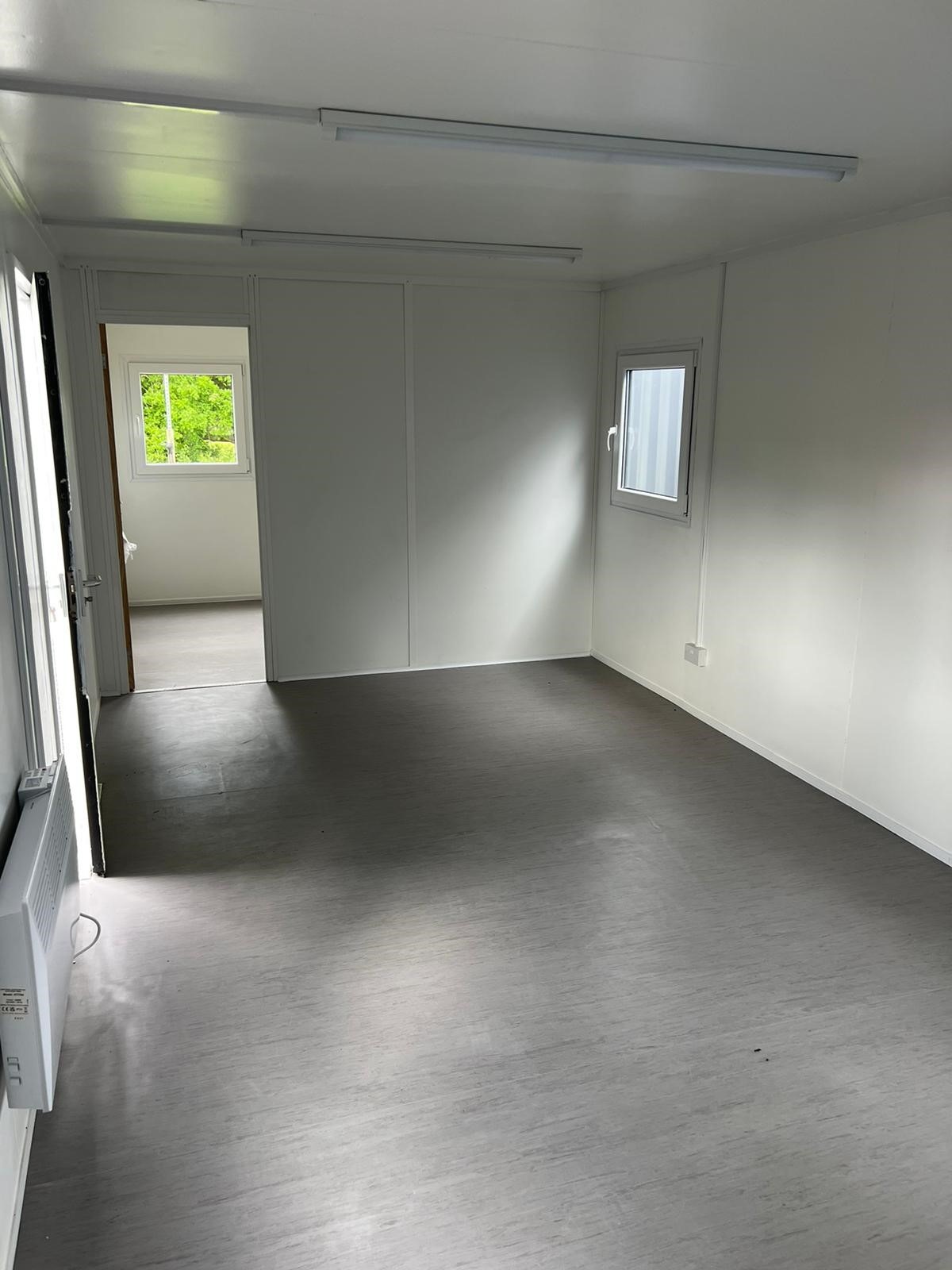
Fully Insulated with electric sockets, spot lighting, and heating
Wood Flooring
UPVC Sliding Door + Windows
Lead Time for build 6-8 weeks


Location: Nationwide
+ VAT
Not Available for Hire
Call for an instant quote!
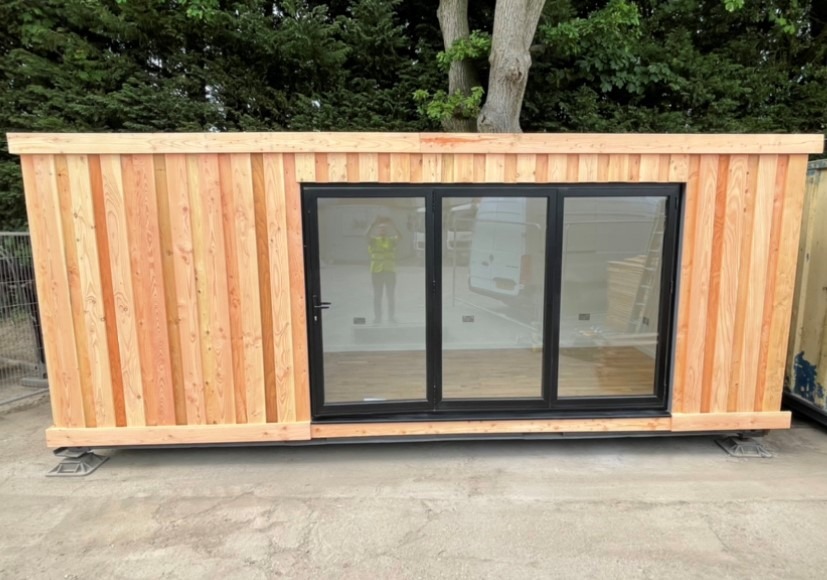
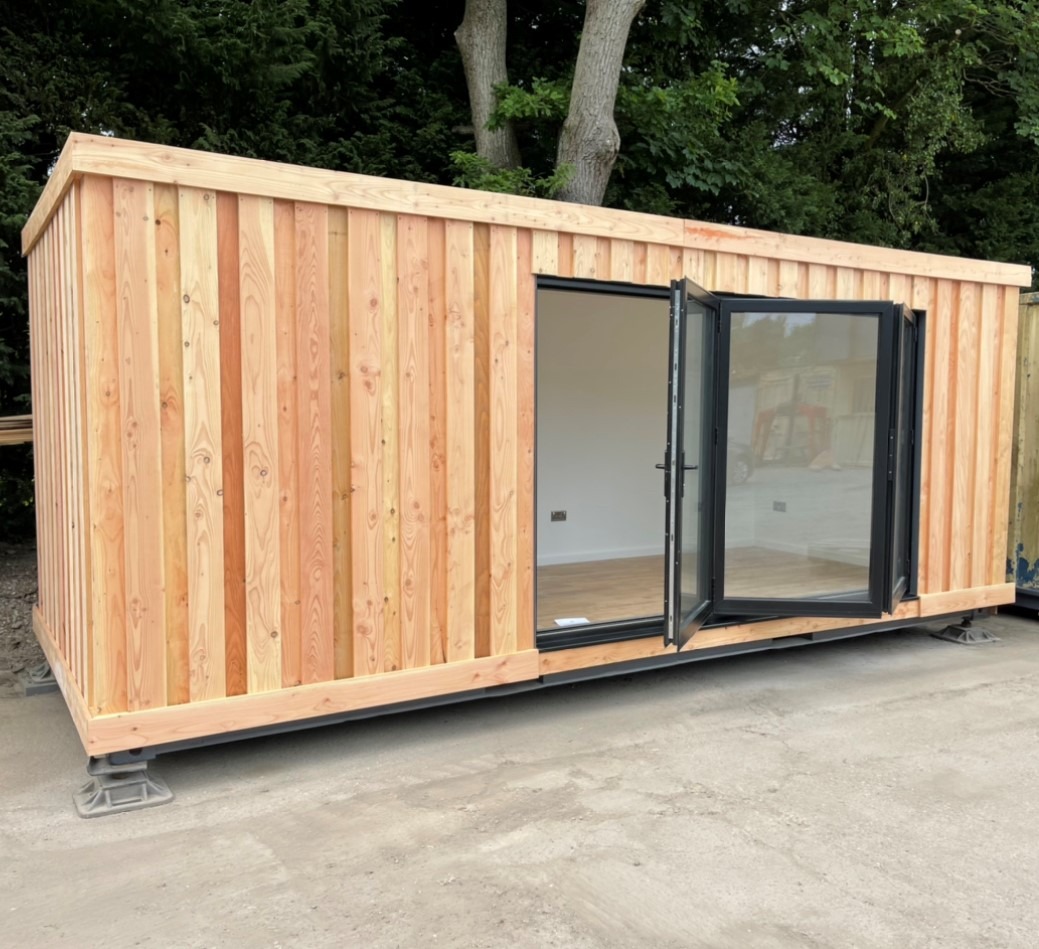
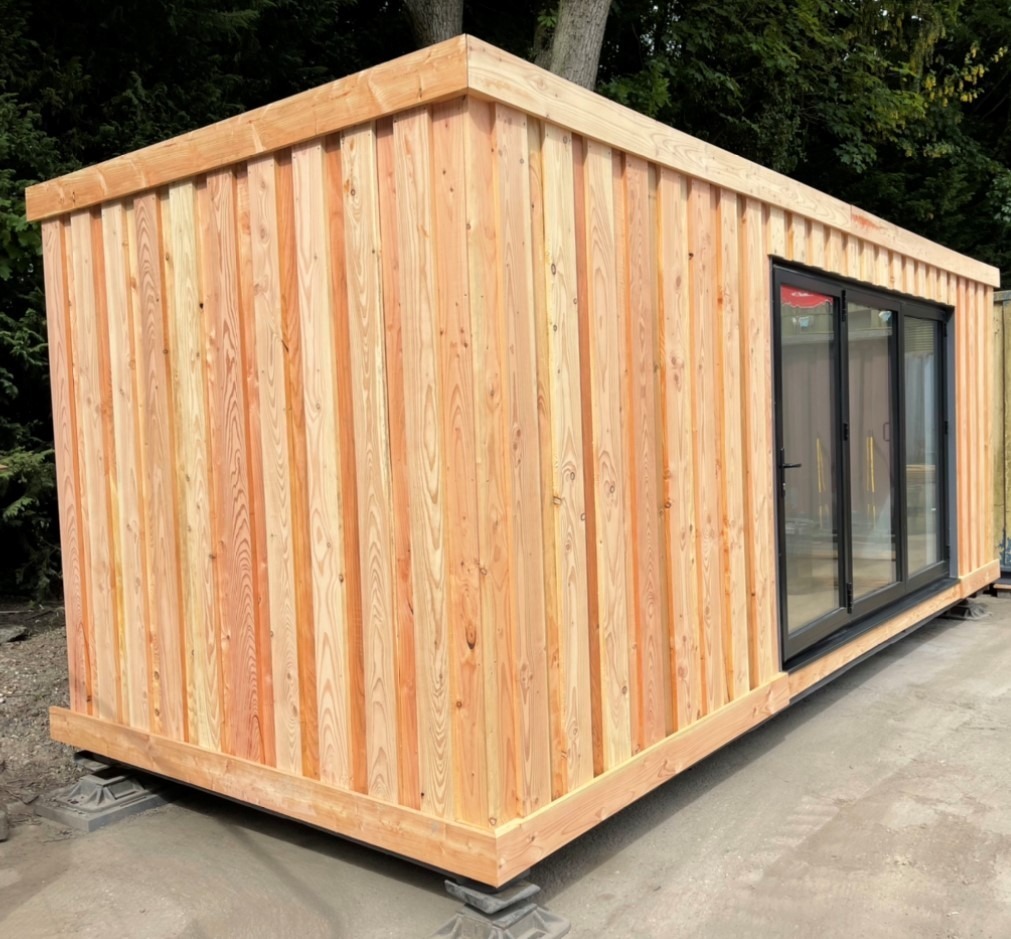
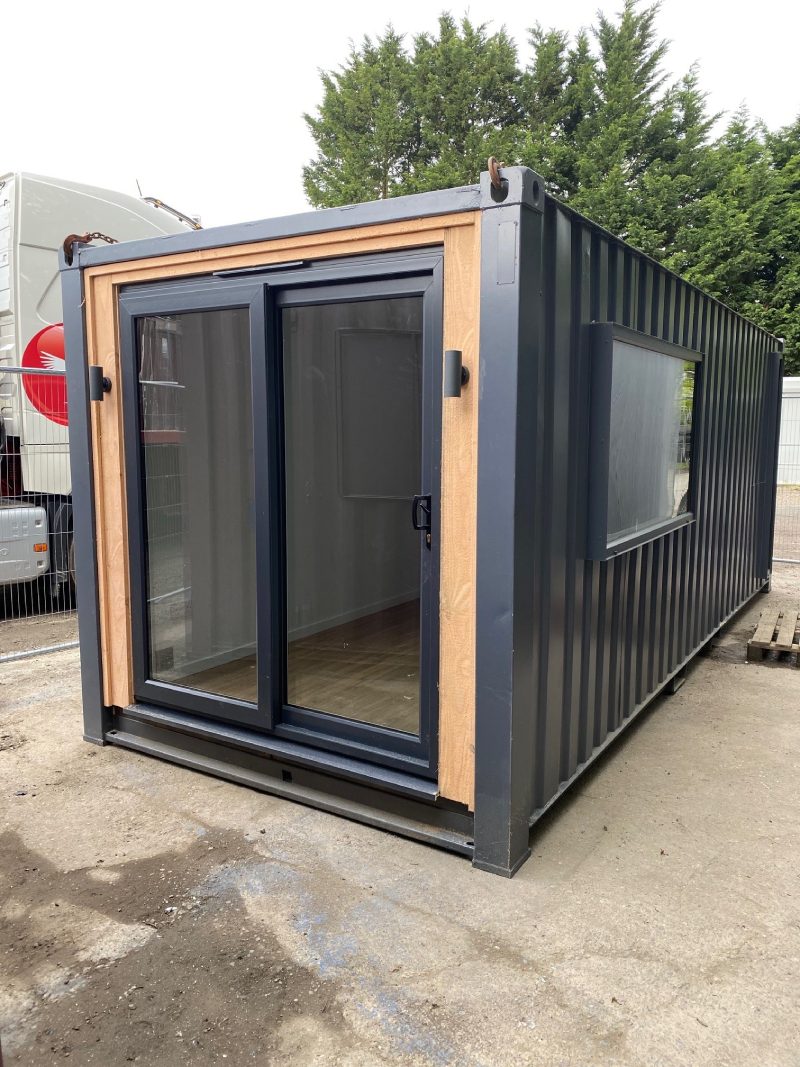
Fully Insulated with electric sockets, spot lighting, and heating
Wood Flooring
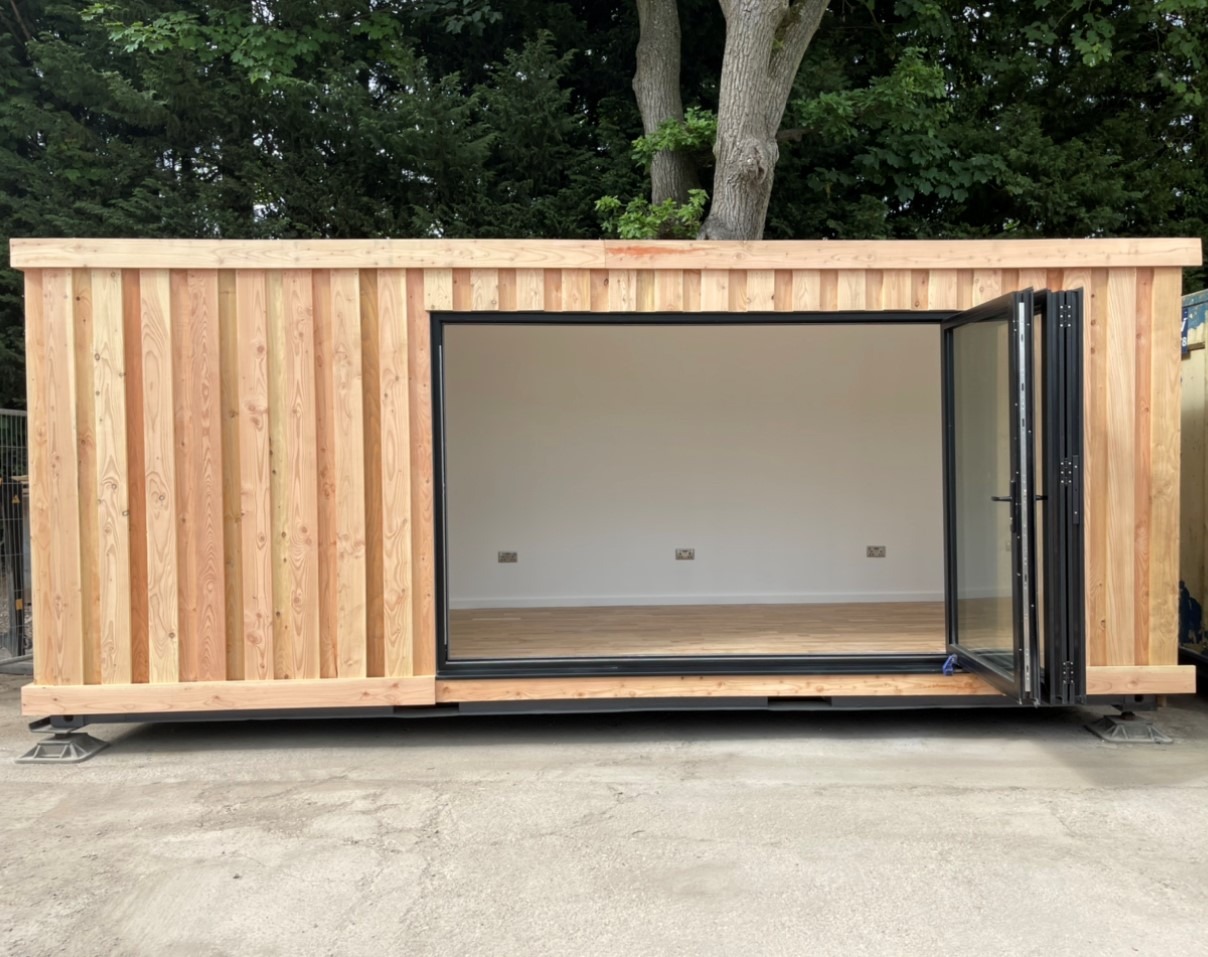
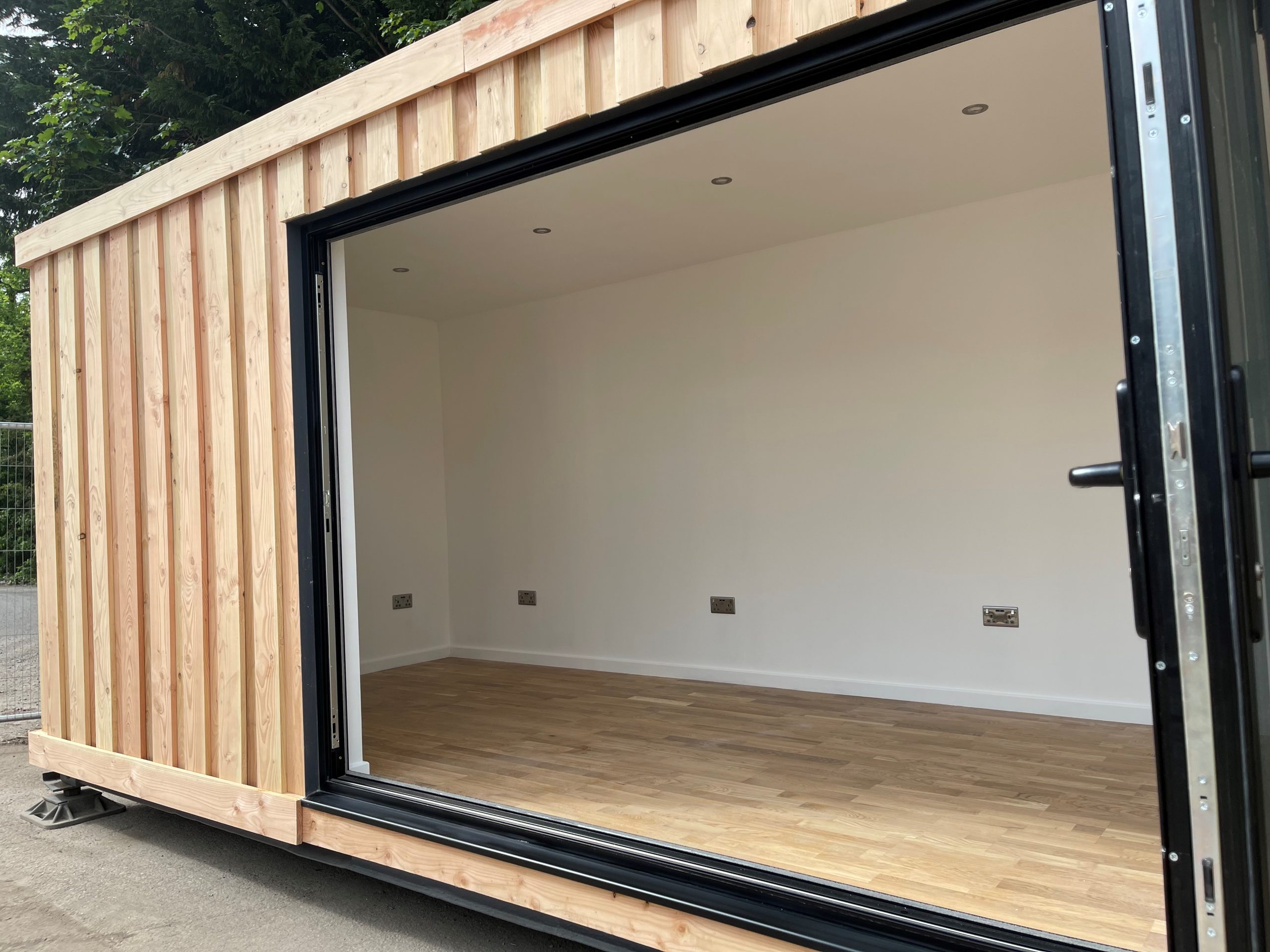
Aluminium Bi Fold Doors
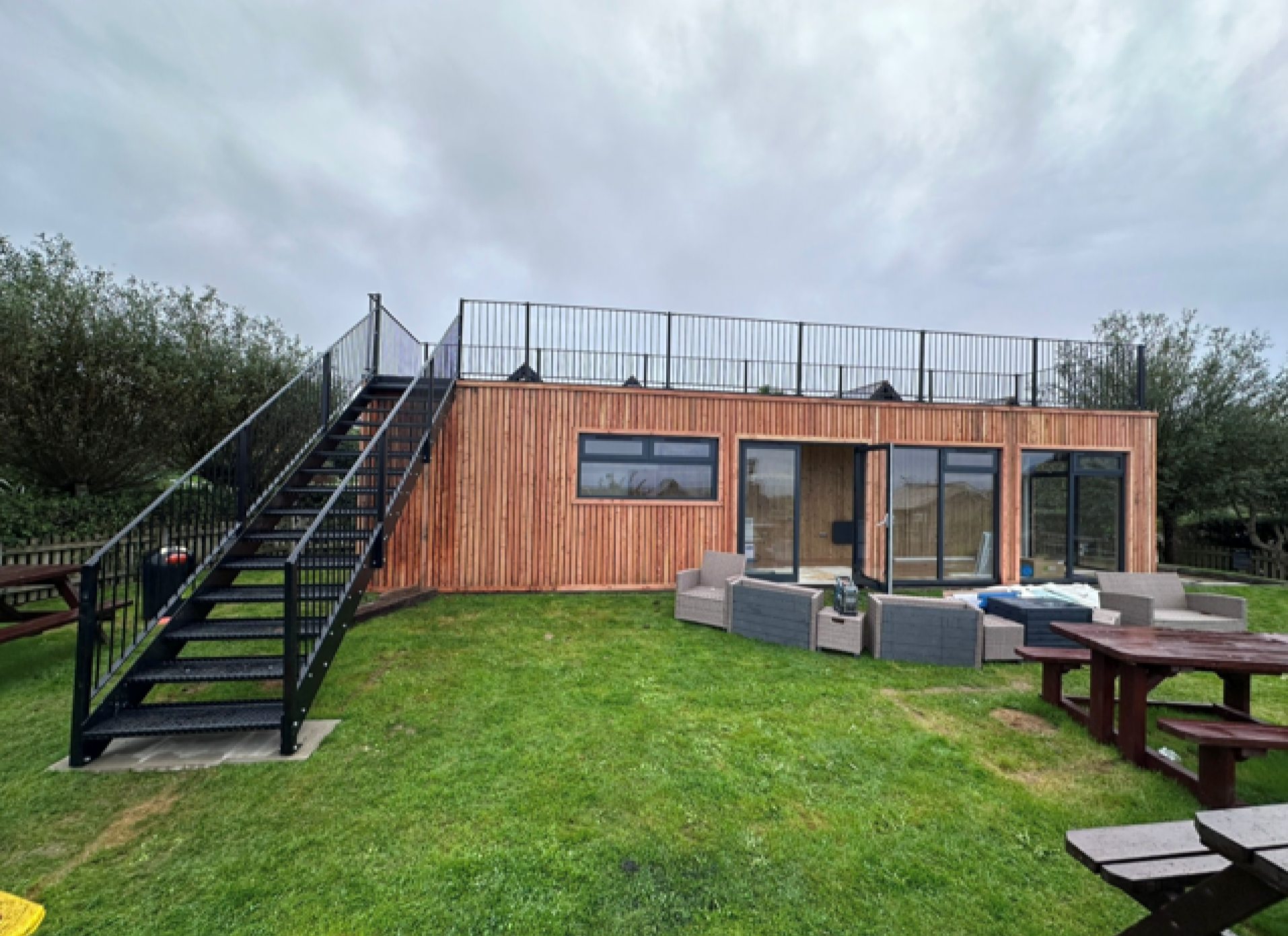
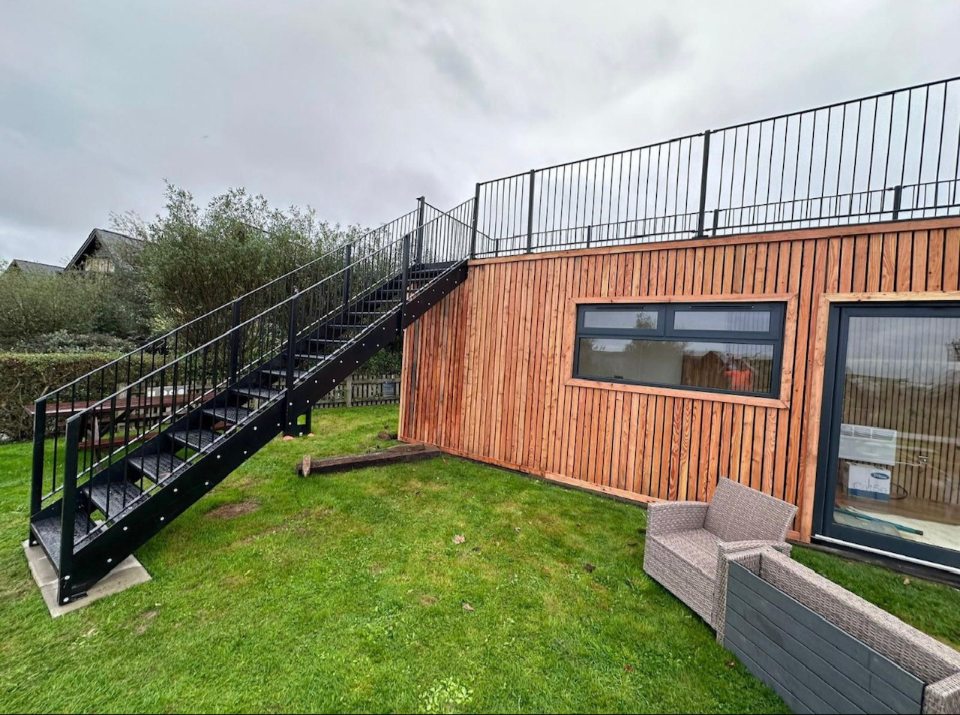
Fully wrapped in larch cladding
Lead Time for build 6-8 weeks


Location: Nationwide
+ VAT
Not Available for Hire
Call for an instant quote!
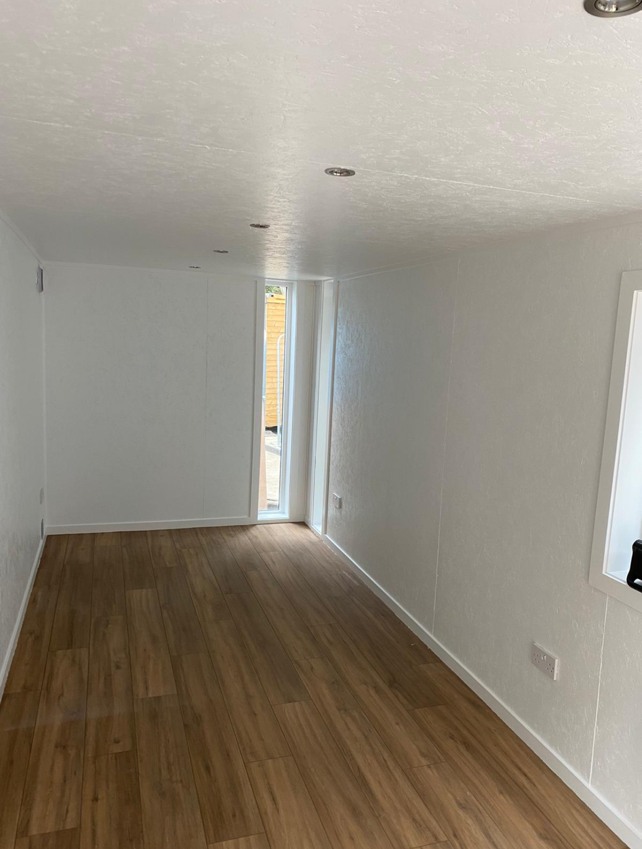
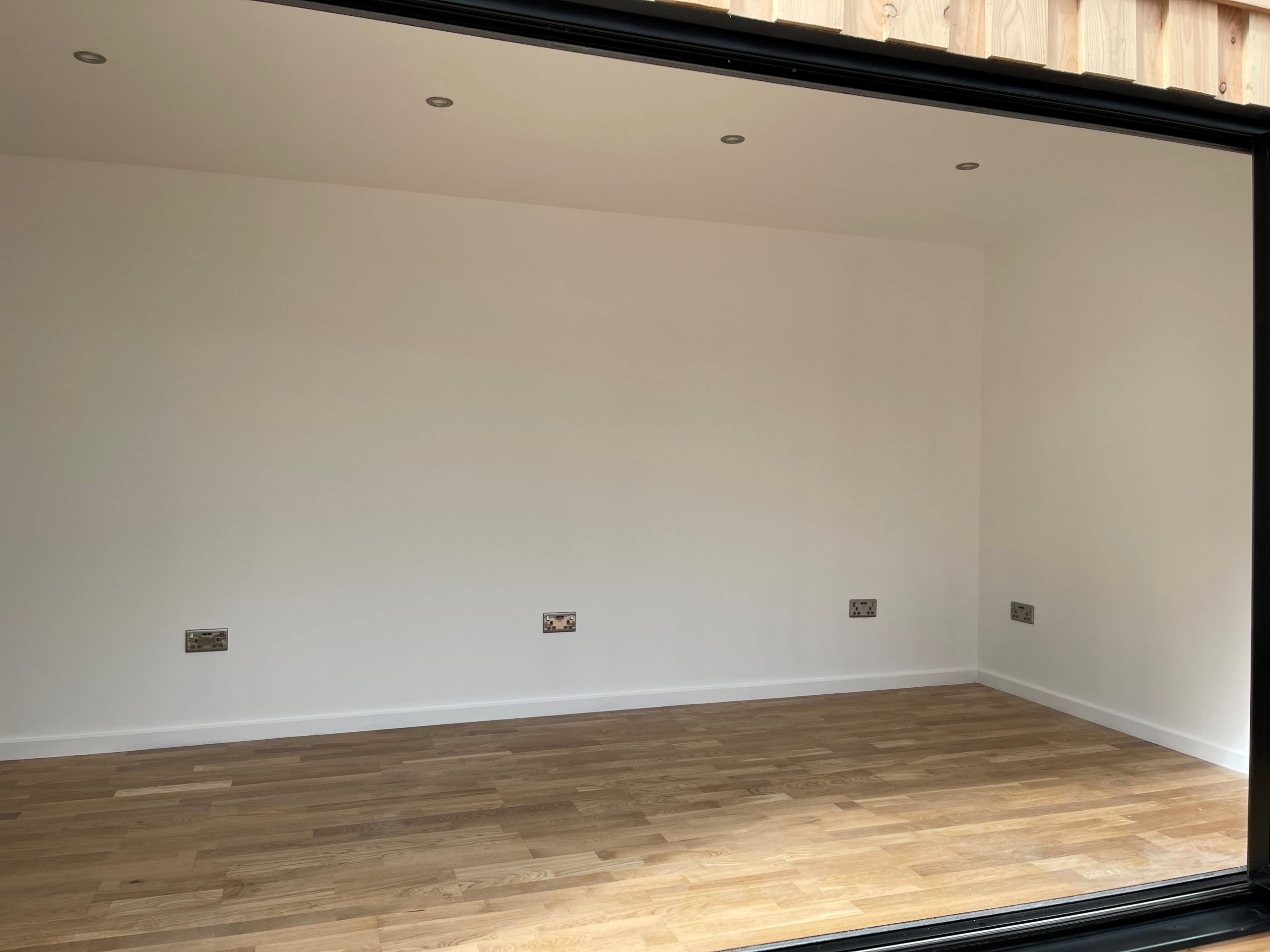
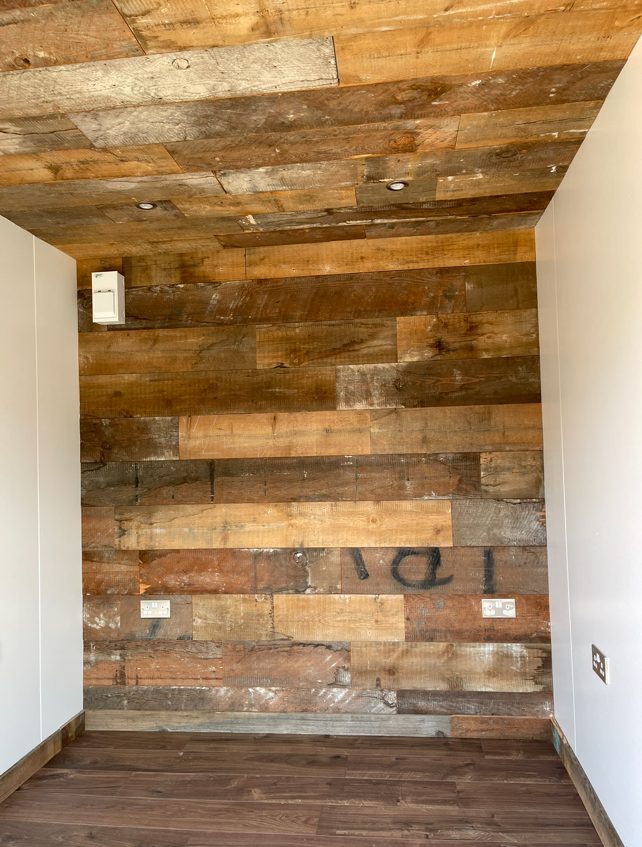
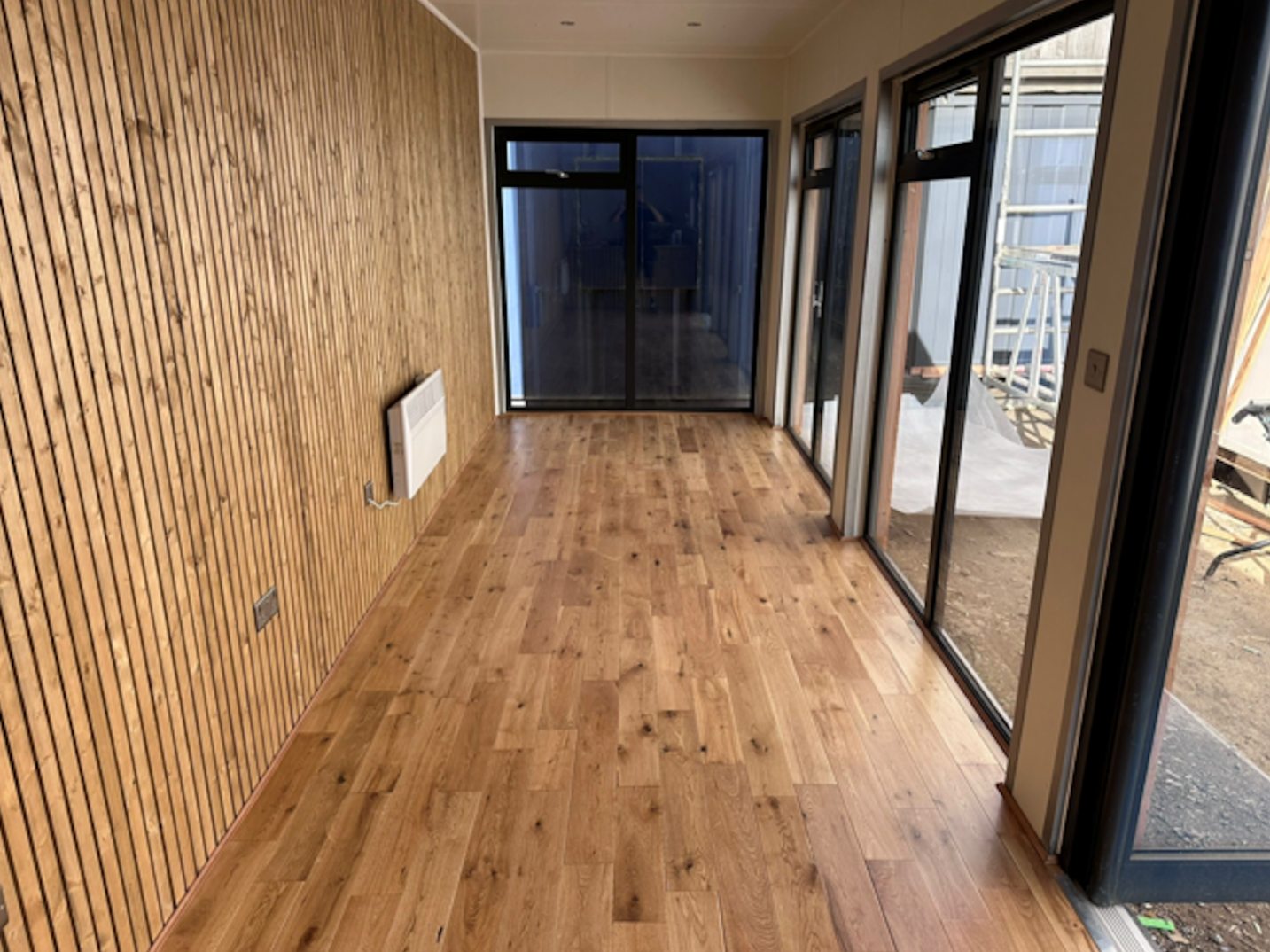
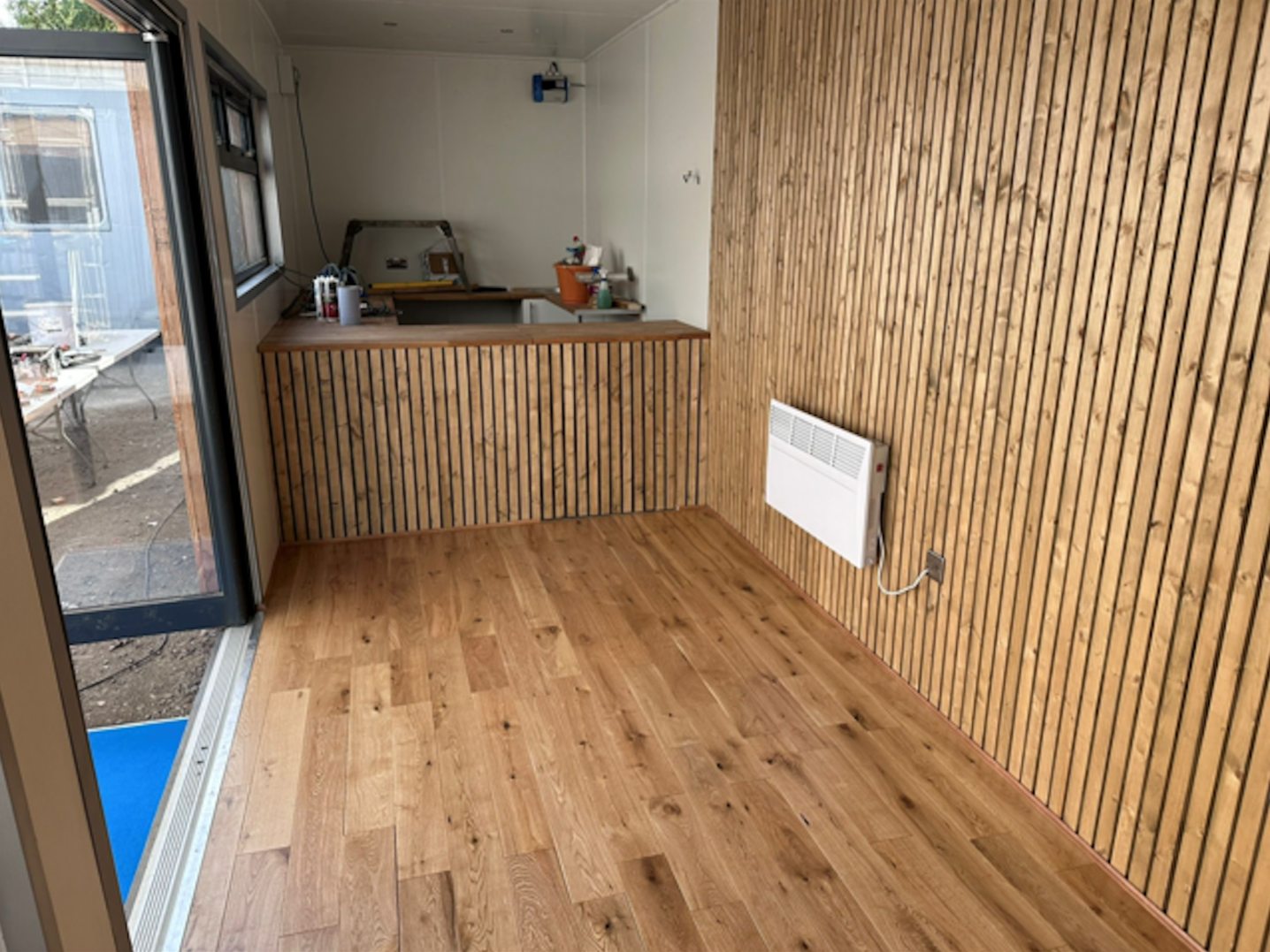
Fully Insulated with electric sockets, spot lighting, and heating
Wood Flooring
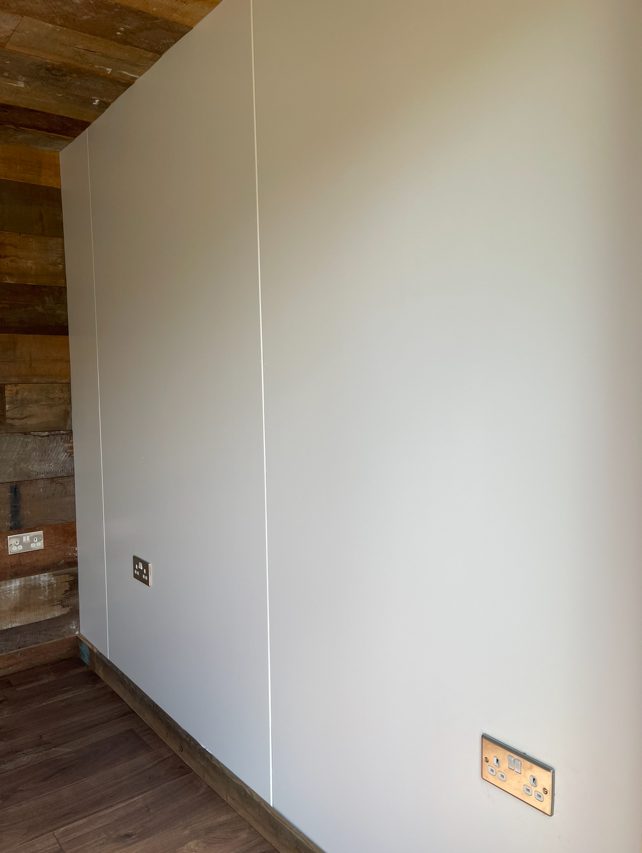
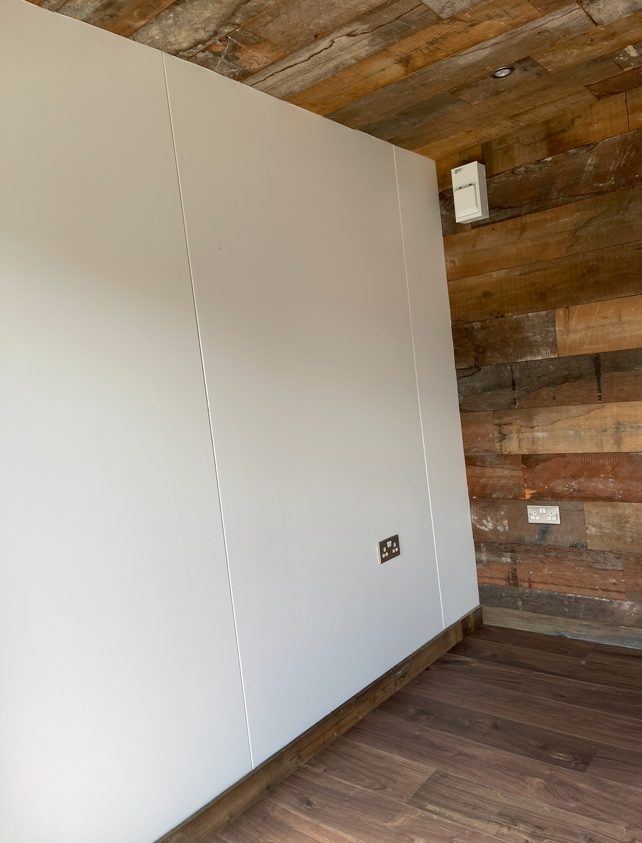
Feature Clad Wall and Ceiling
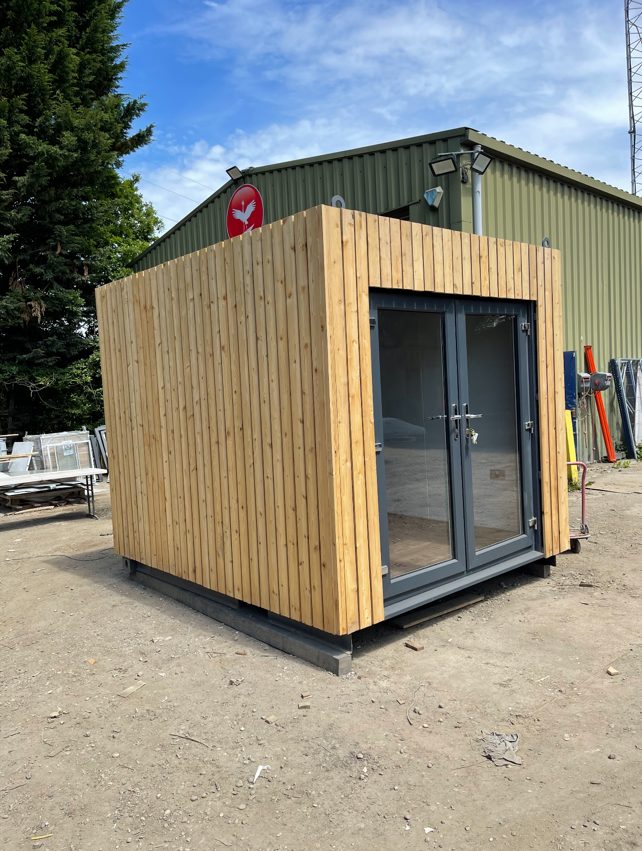
UPVC Double glazed French Doors
Fully wrapped in larch cladding
Lead Time for build 6-8 weeks


Location: Nationwide
EX VAT
Not Available for Hire
Call for an instant quote!


Location: Nationwide
EX VAT
Not Available for Hire
Call for an instant quote!


Location: Nationwide
EX VAT
Not Available for Hire
Call for an instant quote!


Location: Nationwide
EX VAT
Not Available for Hire
Call for an instant quote!


Location: Nationwide
EX VAT
Not Available for Hire
Call for an instant quote!

Location: Nationwide
EX VAT
Not Available for Hire
Call for an instant quote!


Location: Nationwide
EX VAT
Not Available for Hire
Call for an instant quote!


Location: Nationwide
EX VAT
Not Available for Hire
Call for an instant quote!


Location: Nationwide
EX VAT
Not Available for Hire
Call for an instant quote!


Location: Nationwide
EX VAT
Not Available for Hire
Call for an instant quote!


Location: Nationwide
EX VAT
Not Available for Hire
Call for an instant quote!


Location: Nationwide
EX VAT
Not Available for Hire
Call for an instant quote!


Location: Nationwide
EX VAT
Not Available for Hire
Call for an instant quote!


Location: Nationwide
EX VAT
Not Available for Hire
Call for an instant quote!


Location: Nationwide
EX VAT
Not Available for Hire
Call for an instant quote!


Location: Nationwide
EX VAT
Not Available for Hire
Call for an instant quote!
10ftx8ft – £5950 + Vat / 16ftx8ft – £7950 + Vat / 20ftx8ft – £9000 + Vat / 24ftx8ft – £12000 + Vat / 30ftx8ft – £13500 + Vat


Location: Nationwide
EX VAT
Not Available for Hire
Call for an instant quote!


Location: Nationwide
EX VAT
Not Available for Hire
Call for an instant quote!


Location: Nationwide
EX VAT
Not Available for Hire
Call for an instant quote!

Location: Nationwide
Quantity: ∞
EX VAT
Not Available for Hire
Call for an instant quote!
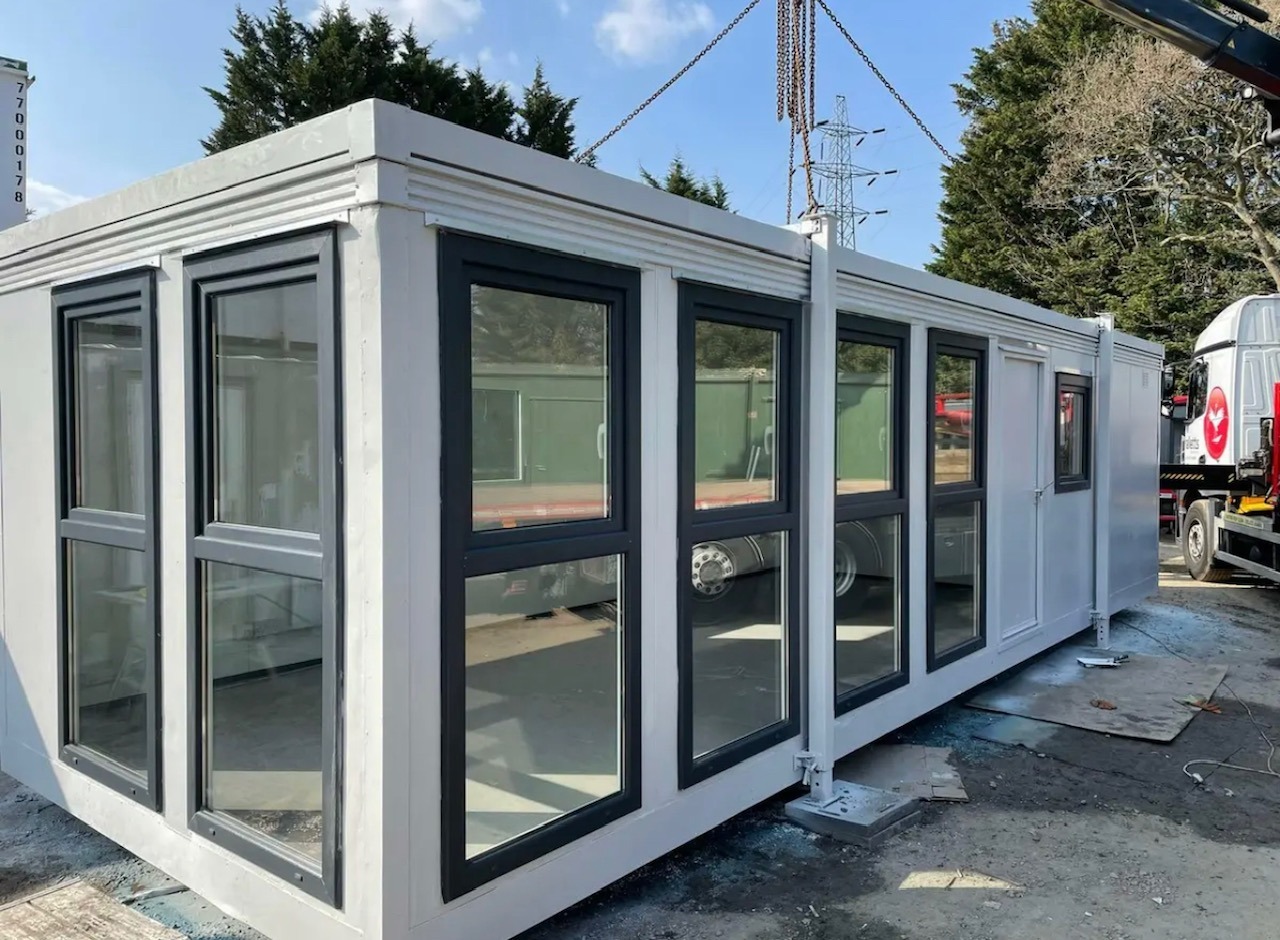
• Reinforced doors and windows with secure locking
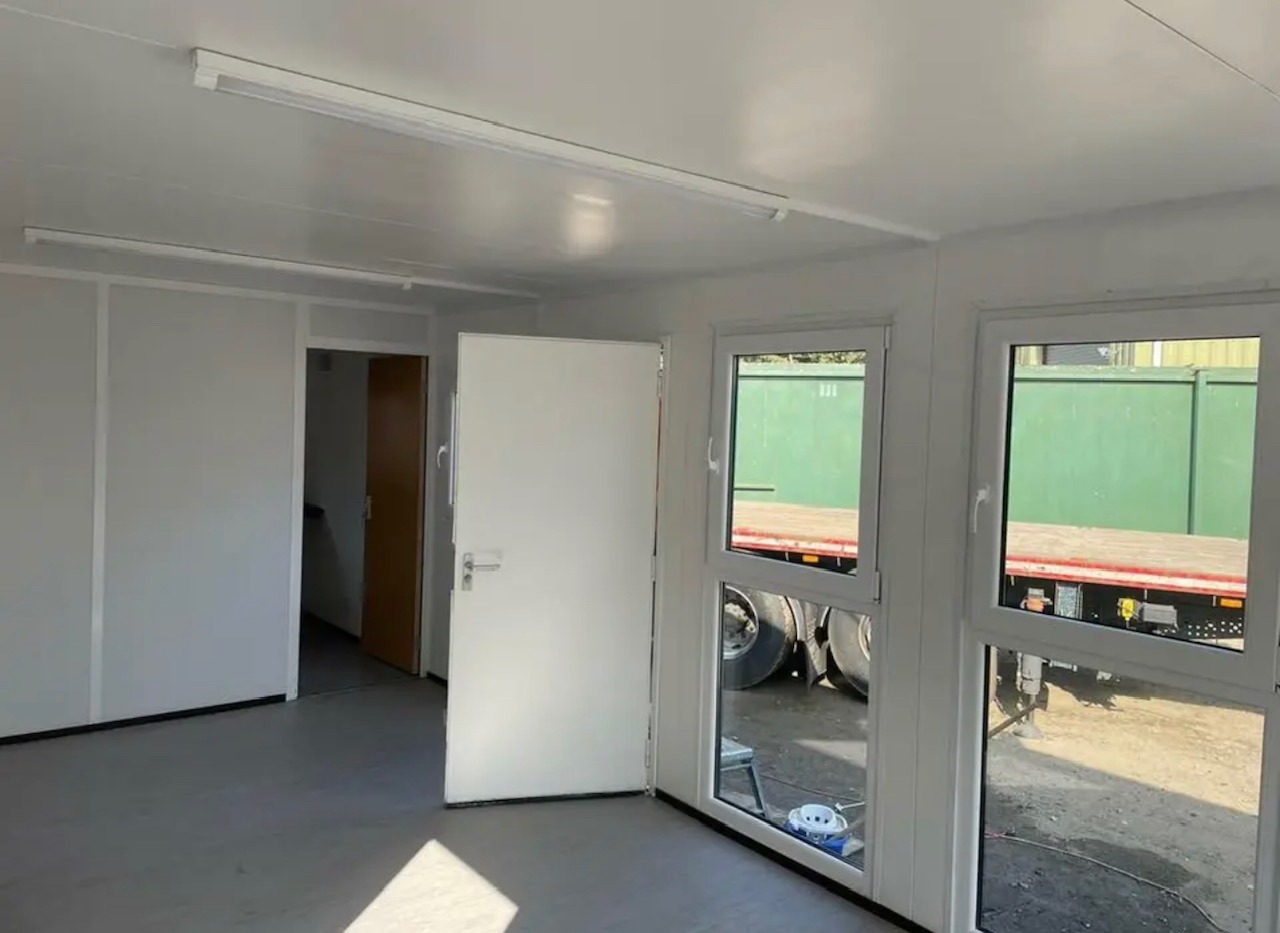
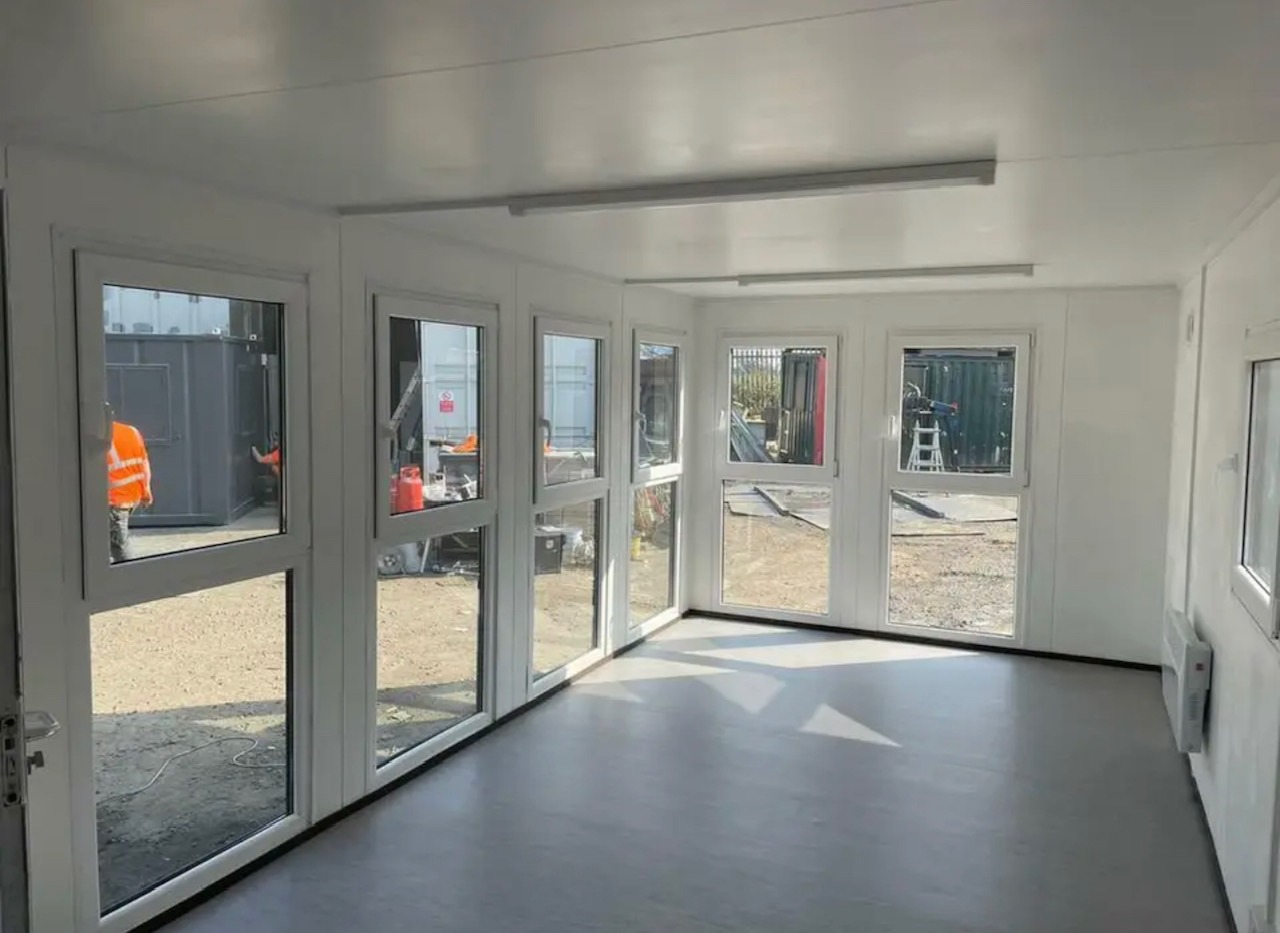
• Open plan with electric sockets and lighting
• Ral Code Colour of choice
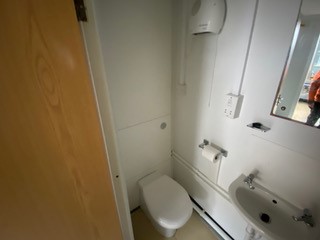
• Any Extras available : Canteen, Partitions, Toilets.


Location: Nationwide
EX VAT
Not Available for Hire
Call for an instant quote!
• Reinforced doors and windows with secure locking
• Open plan with electric sockets and lighting
• Ral Code Colour of choice
• Any Extras available : Canteen, Partitions, Toilets.

• Reinforced doors with secure locking
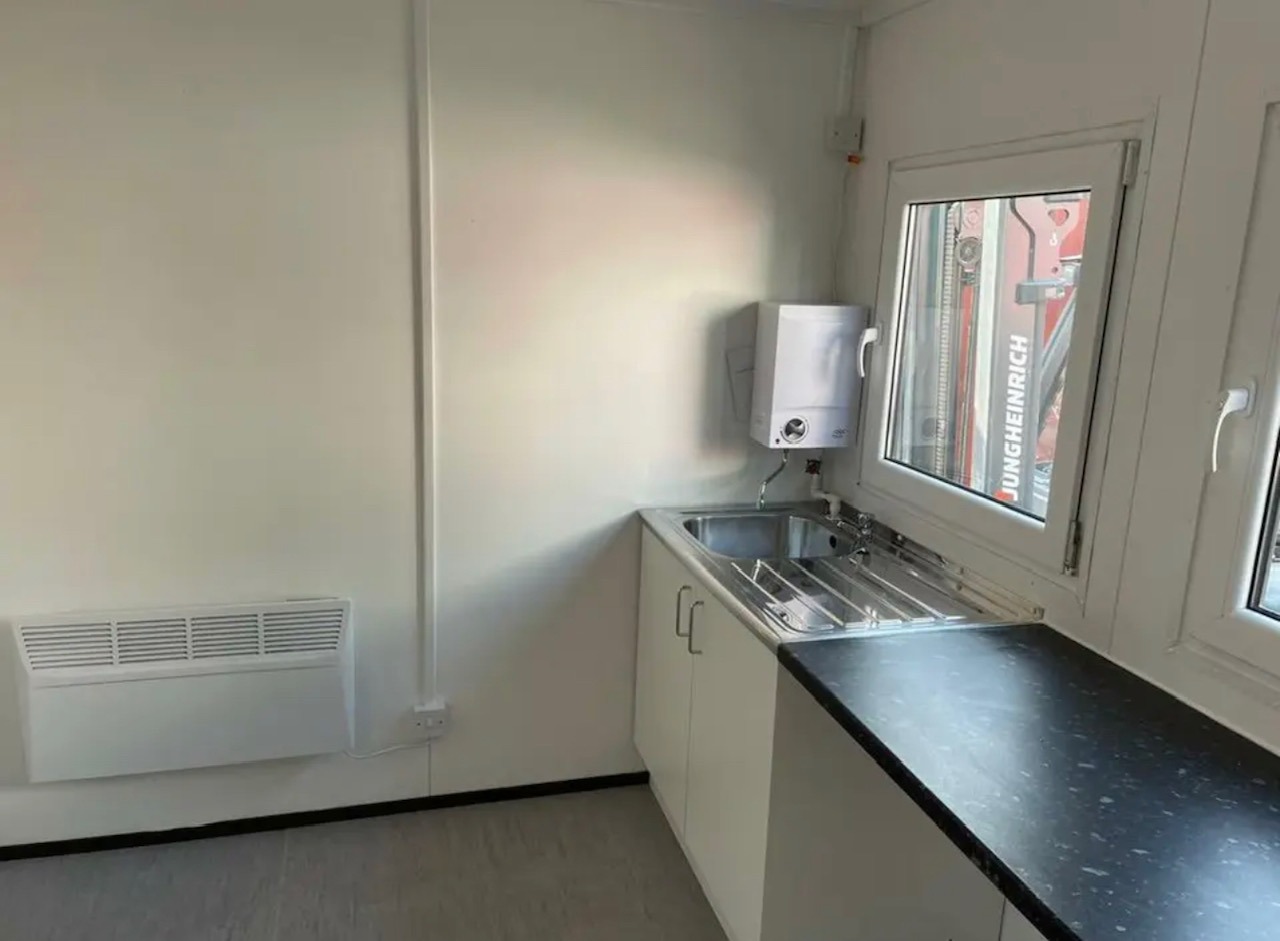
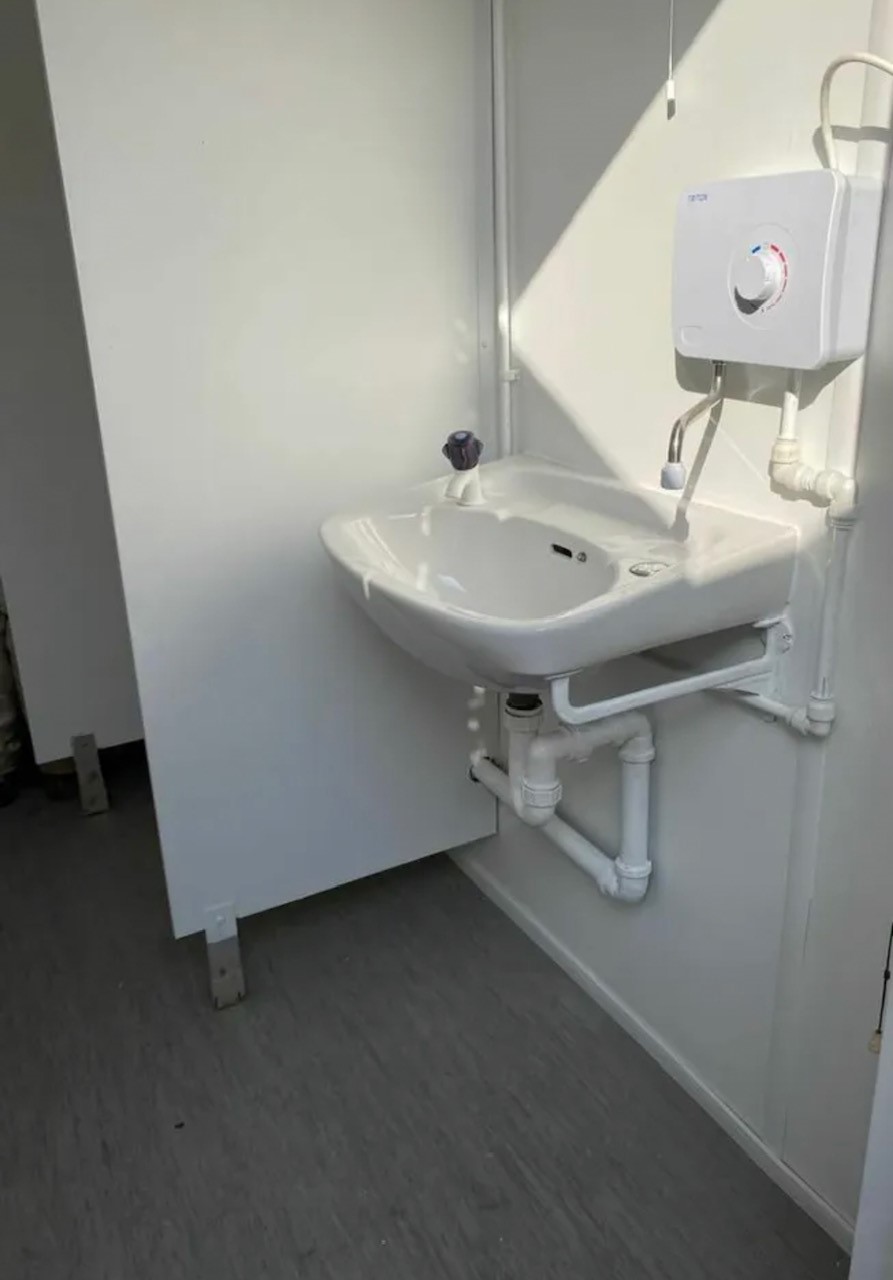
• Sink and water boiler included


Location: Nationwide
Quantity: ∞
EX VAT
Not Available for Hire
Call for an instant quote!


Location: Nationwide
EX VAT
Not Available for Hire
Call for an instant quote!
Get a Quick Container Quote Now!


Location: Nationwide
EX VAT
Not Available for Hire
Call for an instant quote!
Get a Quick Container Quote Now!