What Is a Commercial Power Plant and How Does It Work?

A commercial power plant converts an energy source into electricity for sale to homes, businesses, and public services. It may burn natural gas or coal, split uranium atoms, or capture energy from moving water, wind, or sunlight. The equipment depends on the source, but the goal is similar: generate electricity and deliver it to the grid. No single design fits every site.

The demand is substantial. The International Energy Agency’s Electricity 2024 report estimated that global electricity demand would grow by 3.4% in 2024. In the United States, the Energy Information Administration’s 2023 generation data show natural gas supplied about 43% of utility-scale electricity, with nuclear power providing about 19%. These figures help explain why plants use different technologies and operating schedules. At a thermal plant, fuel heats water, producing steam that spins a turbine connected to a generator. Solar photovoltaic plants work differently: panels convert sunlight directly into electricity. Wind turbines capture energy from moving air. Different paths, same destination.

The process does not end at the generator. Transformers raise voltage for transmission, while operators balance output with changing demand and grid conditions. Cooling systems, fuel handling, emissions controls, and maintenance also shape how a plant performs. Small details matter. A plant’s actual output can vary with weather, equipment outages, fuel supply, and operating limits. And the boundary between a “commercial” plant and other generating facilities is not always tidy; usage can depend on ownership and market context. Understanding the plant means looking beyond its turbines or panels to the systems that make dependable electricity possible.
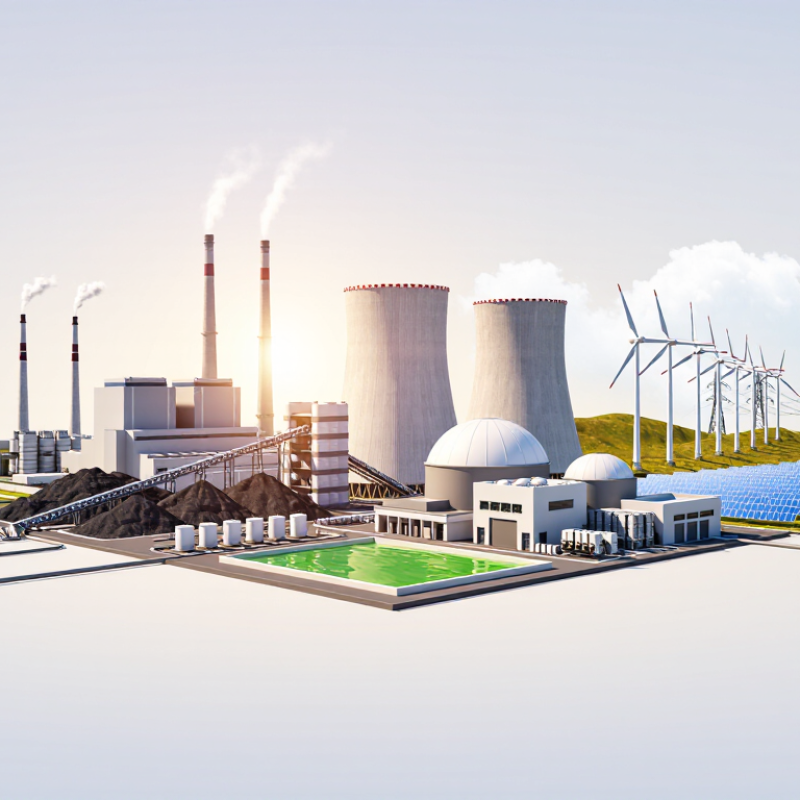
What Is a Commercial Power Plant and How Does It Work?

What Defines a Commercial Power Plant?

A commercial power plant generates electricity for sale or contracted supply to businesses, utilities, or the wider grid. Purpose matters most. Its defining feature is its role in an electricity system, not a particular fuel or capacity. A small solar site can qualify, while a large generator serving one industrial campus may use a different commercial model. Scale alone misleads. The boundary is not always neat.

Inside, turbines, engines, photovoltaic panels, or other generators convert an energy source into electrical power. Transformers raise voltage for transmission, while meters record output and control systems help balance generation with changing demand. Operators track temperatures, vibration, weather, and equipment alarms; a hot bearing or dirty panel can reduce production. Power may flow to a grid, a nearby customer, or both, depending on plant design and connection. This is where the label can mislead: commercial purpose does not guarantee constant output or profit. Wind and solar vary with conditions, and dependable equipment still needs planned maintenance. In practice, the key distinction is a facility managed as part of paid or contracted energy supply. It is more than a machine that makes electricity.

What Is a Commercial Power Plant and How Does It Work? - What Defines a Commercial Power Plant?
Dimension What It Means How It Works in Practice
Definition A commercial power plant is a facility that generates electricity for sale or delivery to customers, businesses, public services, or an electricity network. It is generally distinguished by its electricity-supply purpose, rather than by one specific fuel or technology. Exact legal definitions vary by jurisdiction.
Primary function The plant converts energy from a source into electrical energy. Generated electricity may be delivered to a grid, supplied under contract to customers, or used on-site with any surplus exported where permitted.
Energy sources Sources can include natural gas, coal, nuclear fuel, moving water, wind, sunlight, geothermal heat, and biomass. The source determines the plant’s equipment and operating process. For example, solar photovoltaic panels convert sunlight directly into electricity, while many thermal plants use heat to produce steam.
Main conversion equipment Equipment depends on the technology and may include turbines, generators, photovoltaic modules, inverters, boilers, or water turbines. A turbine or engine can turn a generator. In a photovoltaic plant, inverters convert the panels’ direct-current output into grid-compatible alternating current.
Typical electricity flow Electricity usually passes from generating equipment through electrical systems before reaching customers or the grid. Transformers commonly increase voltage for transmission or distribution. Switchgear and protection systems help control power flow and isolate faults.
Grid connection Grid-connected plants must meet applicable technical requirements for safe and reliable operation. Connection equipment, controls, and protective devices help synchronize or otherwise coordinate the plant’s output with the electrical system.
Output and capacity Capacity describes the maximum electrical power a plant is designed to produce under specified conditions; it is commonly measured in megawatts (MW). Actual output can be lower than capacity because of maintenance, weather, fuel availability, operating limits, or electricity-system needs. Energy produced over time is measured in megawatt-hours (MWh).
Operations and control Operators monitor generation equipment, electrical output, safety systems, and operating conditions. Control systems can adjust output when the technology allows. Dispatchable plants can generally be scheduled or adjusted within their operating limits; wind and solar output depends on available natural resources.
Cooling and heat management Some plants need cooling systems to remove waste heat, while others have little or no water-based cooling requirement. Thermal plants may use cooling towers, water systems, or air cooling. The design affects water use, efficiency, and environmental considerations.
Environmental considerations Environmental effects depend on the plant’s energy source, technology, location, and operating practices. Assessment may consider air emissions, water use, land use, waste, noise, habitat, and lifecycle impacts. Renewable generation generally avoids fuel combustion during operation, but still has site and equipment-related impacts.
Reliability and maintenance Reliable service depends on equipment condition, safety procedures, resource or fuel availability, and electrical-system coordination. Planned inspections and maintenance help reduce failures. Energy storage or other generation resources may help balance supply when output varies.
What defines it The defining feature is its role in producing electricity for commercial supply, not a particular plant size, fuel, or ownership structure. A utility-scale facility and an on-site commercial generator can both serve commercial electricity needs, though their grid connections, scale, and operating arrangements may differ.

Which Main Systems Make Up a Power Plant?

A commercial power plant is a group of connected systems that turn an energy source into electricity for the grid. The exact equipment depends on whether the plant uses gas, coal, nuclear heat, water, wind, or sunlight. In a steam-based plant, a boiler or heat source produces steam, which spins a turbine. The turbine drives a generator, where rotating magnetic fields produce electrical current. That is the core.

Other systems keep the process stable. Cooling equipment removes waste heat, often using water and large heat exchangers. Pumps move water and fuel, while pipes carry steam and cooling flows between machines. Transformers raise the generator’s voltage for efficient transmission. Switchgear and protective relays help isolate faults, and control systems monitor pressure, temperature, speed, and electrical output. Operators may watch these readings from a control room, but instruments still need inspection and maintenance.

Many plants also include emissions controls, such as filters or treatment equipment, depending on their fuel and design. These systems reduce certain pollutants; they do not make every plant impact-free. Backup power and fire protection support safe operation during equipment problems. A simplified diagram can make the systems look neatly separate. In practice, they depend on one another, and a small pump issue can affect the whole operating process.

What Is a Commercial Power Plant and How Does It Work?

Illustrative Energy Flow in a Conventional Steam Power Plant

A commercial power plant converts an energy source into electricity for the grid. In this illustrative coal-fired example, about 88% of the fuel’s energy is transferred to steam, roughly 39% becomes gross electricity, and around 37% remains as net electricity after the plant uses some power to run its equipment. Actual results vary with plant design, fuel, operating conditions, and ambient temperature.

Key systems include fuel handling, the boiler and steam system, the turbine-generator, the condenser and cooling system, emissions controls, and electrical equipment that delivers power to the grid.

How Does a Power Plant Convert Fuel or Resources into Electricity?

A commercial power plant converts an energy source into electricity for delivery to the grid. In a fuel-fired steam plant, burning fuel heats water inside a boiler. The resulting steam spins a turbine, and the turbine turns a generator. Heat becomes motion. Then comes the generator, where changing magnetic fields induce electric current. A transformer raises the voltage for transmission. Operators monitor temperatures, pressure, and output from control rooms, while equipment sensors flag unusual vibration or heat.

The conversion path depends on the resource. Hydropower sends flowing water through a turbine; wind uses rotor blades to drive a generator. Solar photovoltaic panels convert light directly into electricity, without a steam cycle. The IPCC’s Sixth Assessment Report, Working Group III (2022), gives typical efficiency ranges of roughly 35–45% for coal-fired plants and 55–60% for combined-cycle gas plants. Actual performance shifts with plant design, operating conditions, and maintenance. The figures describe energy conversion, not the share of time a plant operates. A tidy diagram can hide the real trade-offs: some energy leaves as waste heat, and that matters.

Tips: When comparing plants, check both conversion efficiency and output profile. A turbine’s sound, a warm exhaust plume, or a changing river level can reveal how its energy source behaves—but none alone proves how much electricity it supplies.

How Is Generated Electricity Delivered to the Grid?

Electricity leaves a commercial power plant through a sequence of equipment, not a single cable. A generator produces alternating current, but its voltage is usually too low for efficient long-distance transmission. A step-up transformer raises the voltage, reducing current and limiting energy lost as heat in the lines. Nearby switchyard equipment routes the power and helps isolate faults. The metal structures and insulators outside the plant are part of this connection.

Before power flows outward, control systems check electrical conditions and coordinate the generator with the grid. Voltage, frequency, and phase must stay within acceptable ranges. Protection relays can disconnect equipment when they detect a fault. They act quickly. From the switchyard, electricity travels over high-voltage transmission lines to substations, where transformers lower the voltage for regional networks and, later, local distribution. Operators monitor supply and demand because grid conditions keep changing. A plant may adjust output or follow dispatch instructions, depending on its design and operating limits. The route sounds tidy on paper; real networks are more complex, and electricity’s exact path cannot be traced like water through one pipe. Its delivery depends on connected lines, changing loads, and equipment availability.

How Are Plant Operations, Safety, and Emissions Managed?

Commercial power plant operations begin in the control room, where operators track pressure, temperature, vibration, and grid frequency. Field staff check pumps, valves, and visible leaks during regular rounds. Before maintenance, teams isolate equipment and verify lockout procedures. Short drills matter. A trip or alarm can change conditions within seconds. Procedures differ by technology and site, so one checklist cannot cover every risk.

Emissions management combines operating controls with measurement and reporting. The International Energy Agency’s Electricity 2024 report found that low-emissions sources supplied about 39% of global electricity in 2023. In the United States, the Energy Information Administration reported that natural gas and coal together generated roughly 59% of utility-scale electricity that year. For covered power units, U.S. Environmental Protection Agency programs use continuous emissions monitoring to track pollutants such as sulfur dioxide and nitrogen oxides. Operators review readings, investigate unusual changes, and document corrective work. Still, a dashboard cannot tell the whole story: a sensor may reveal a spike, but not its cause. That judgment takes trained people, careful records, and a willingness to question routine readings.

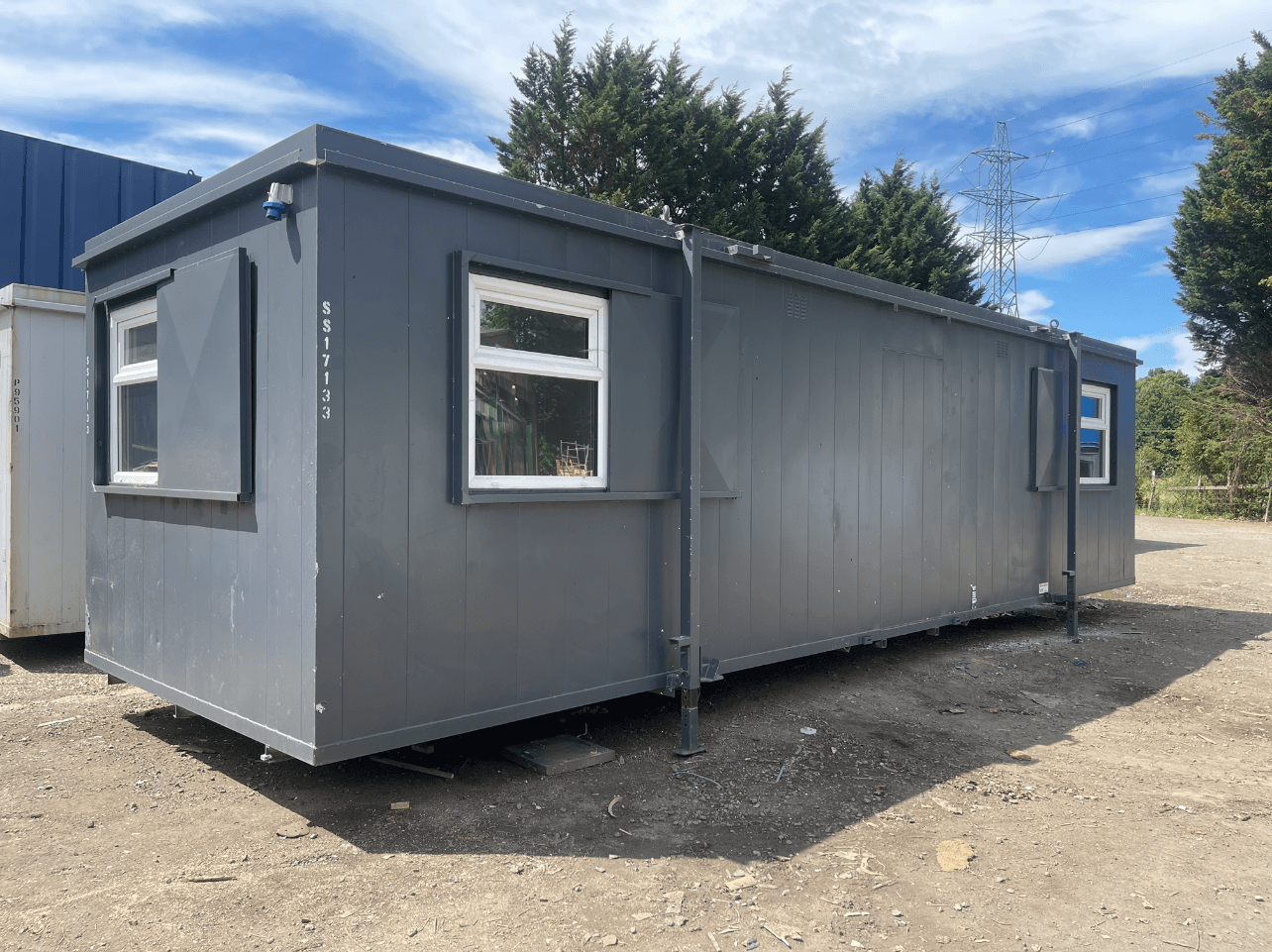
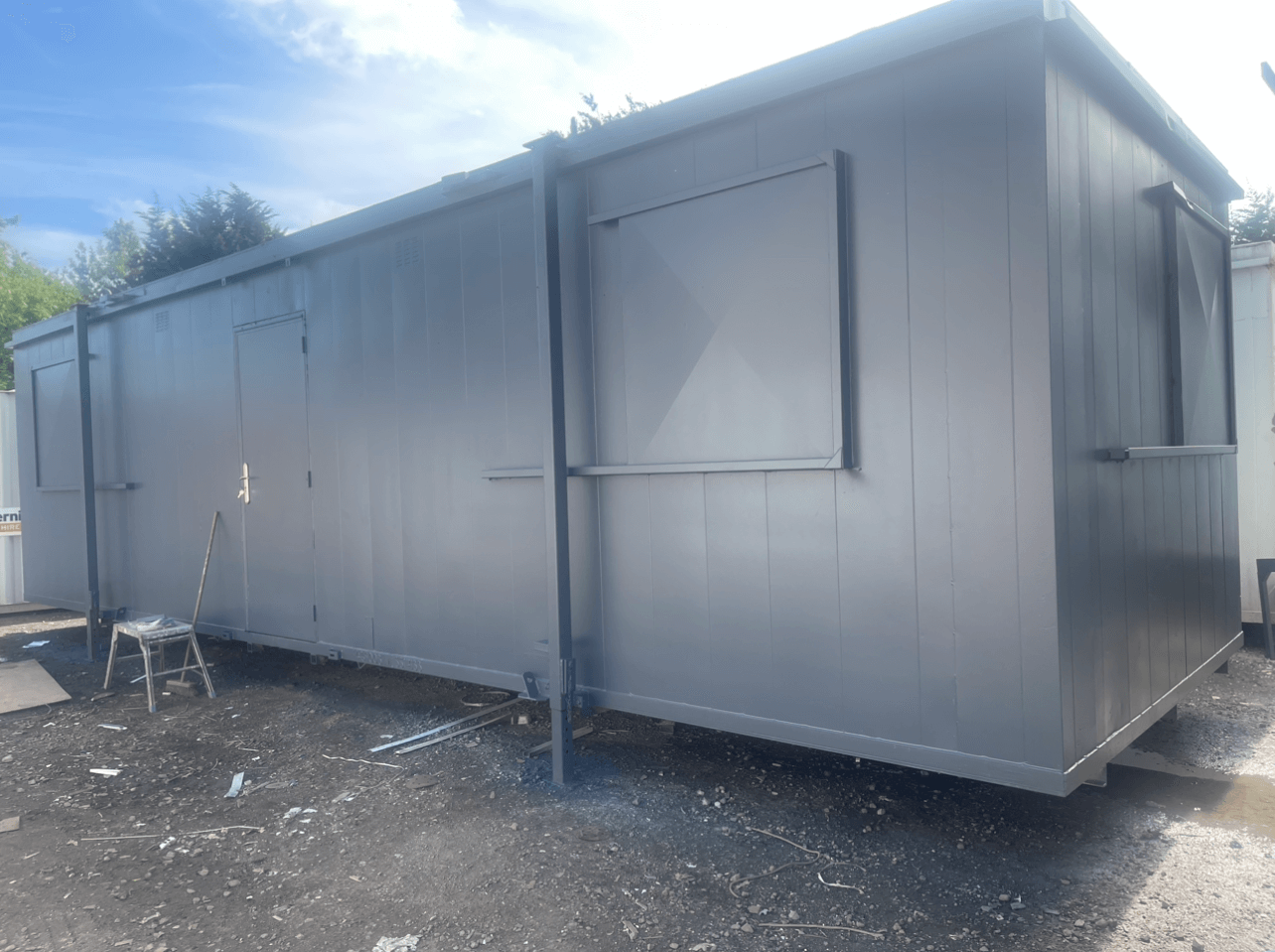
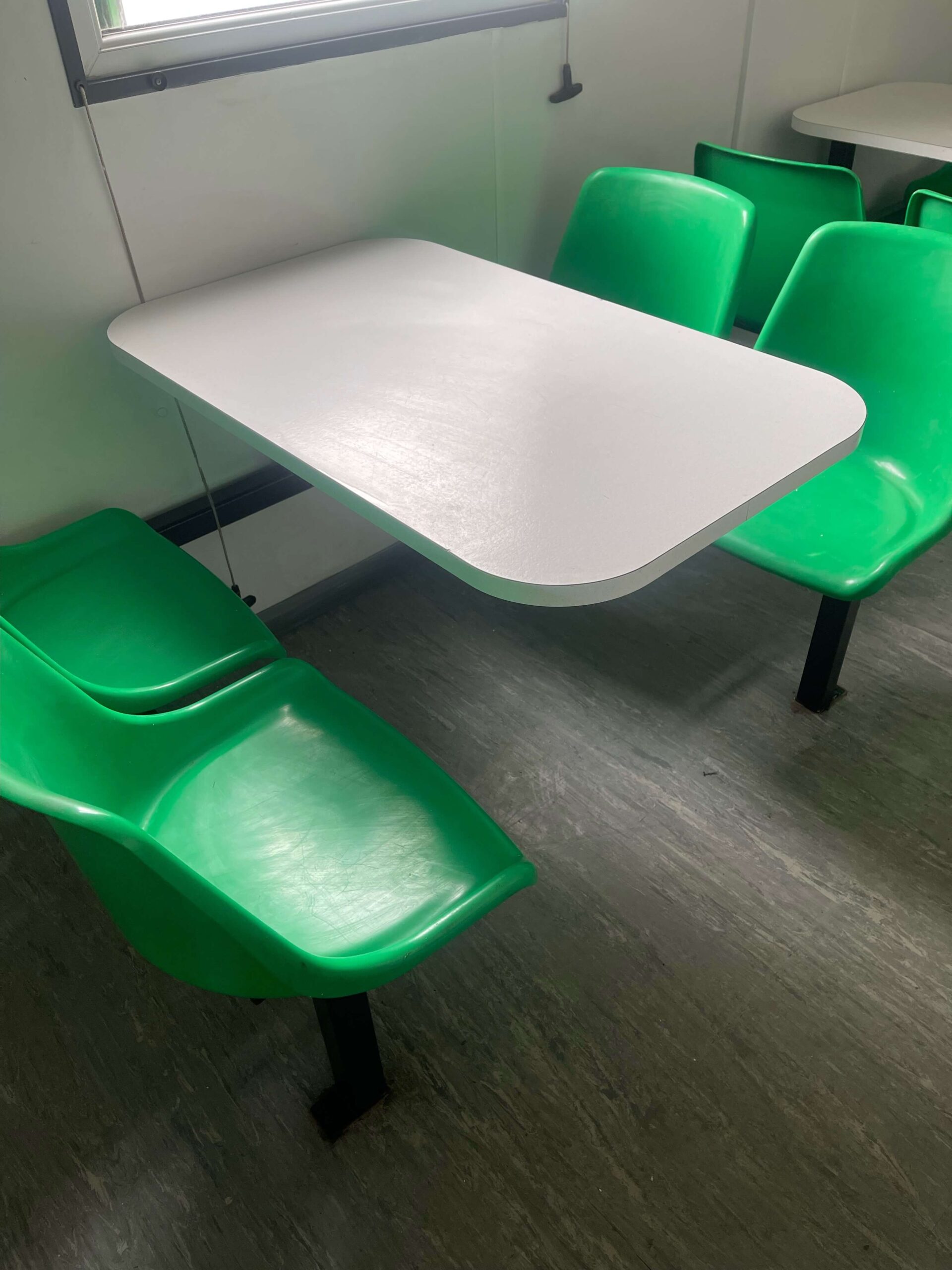
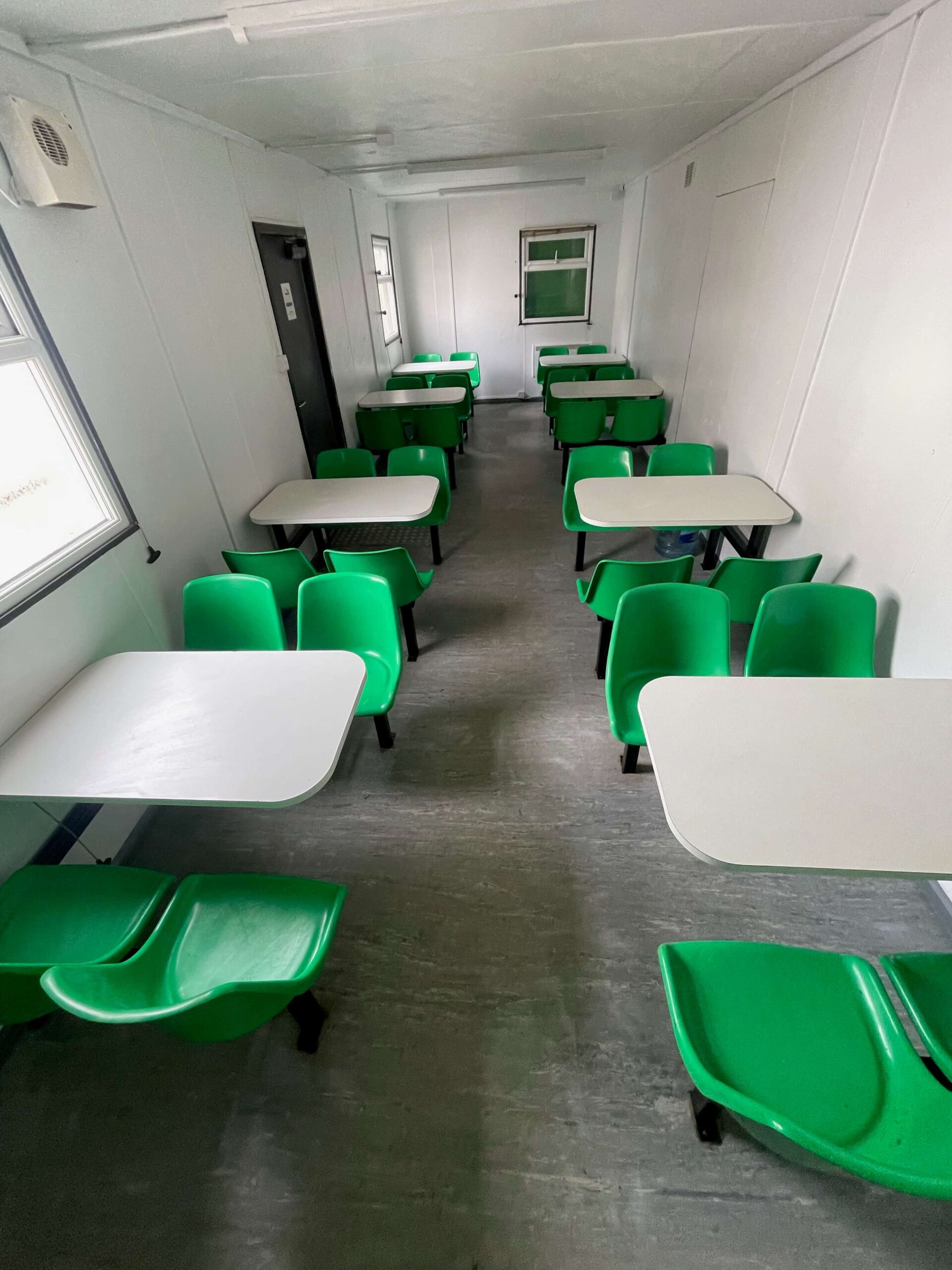
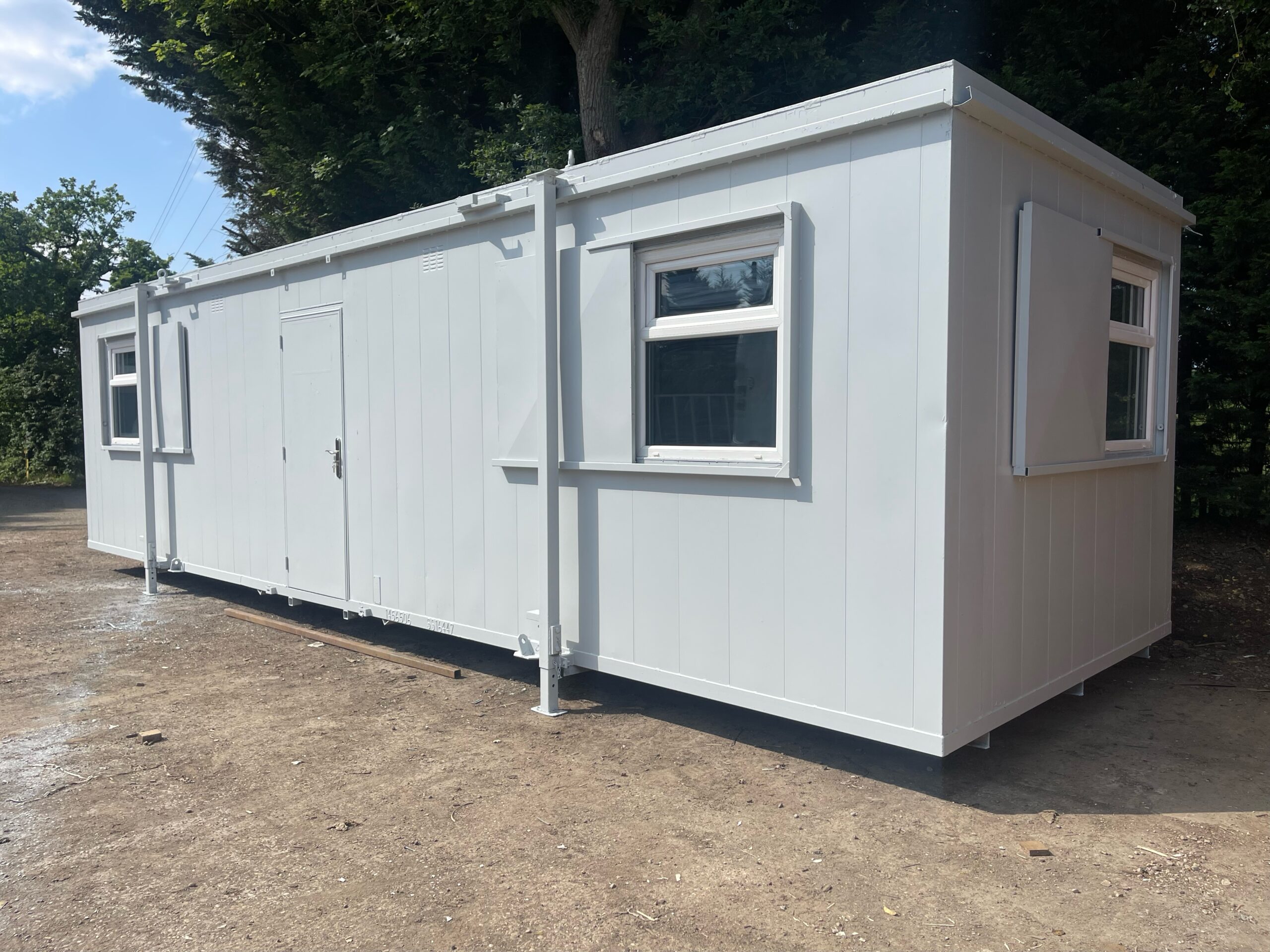
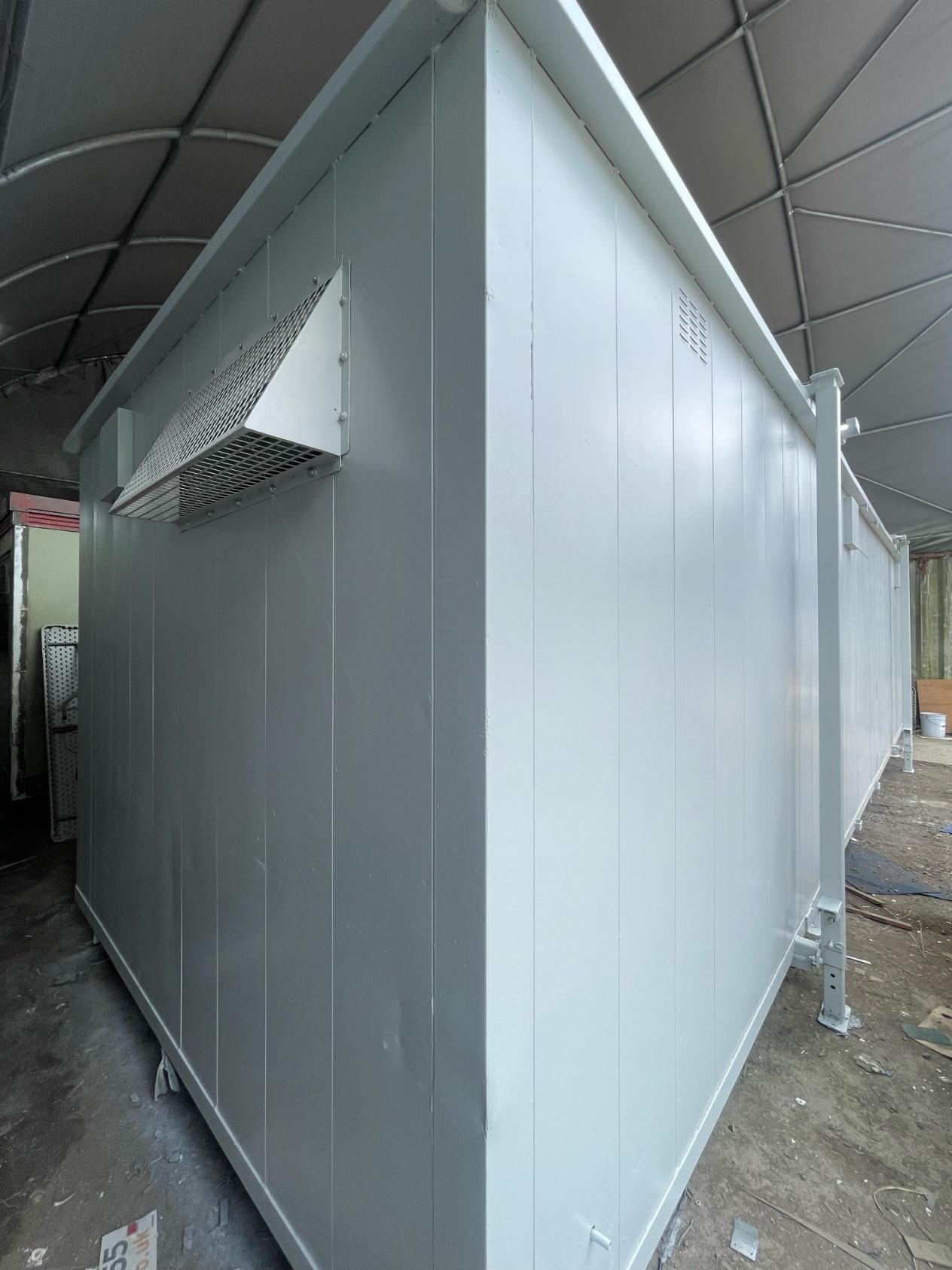
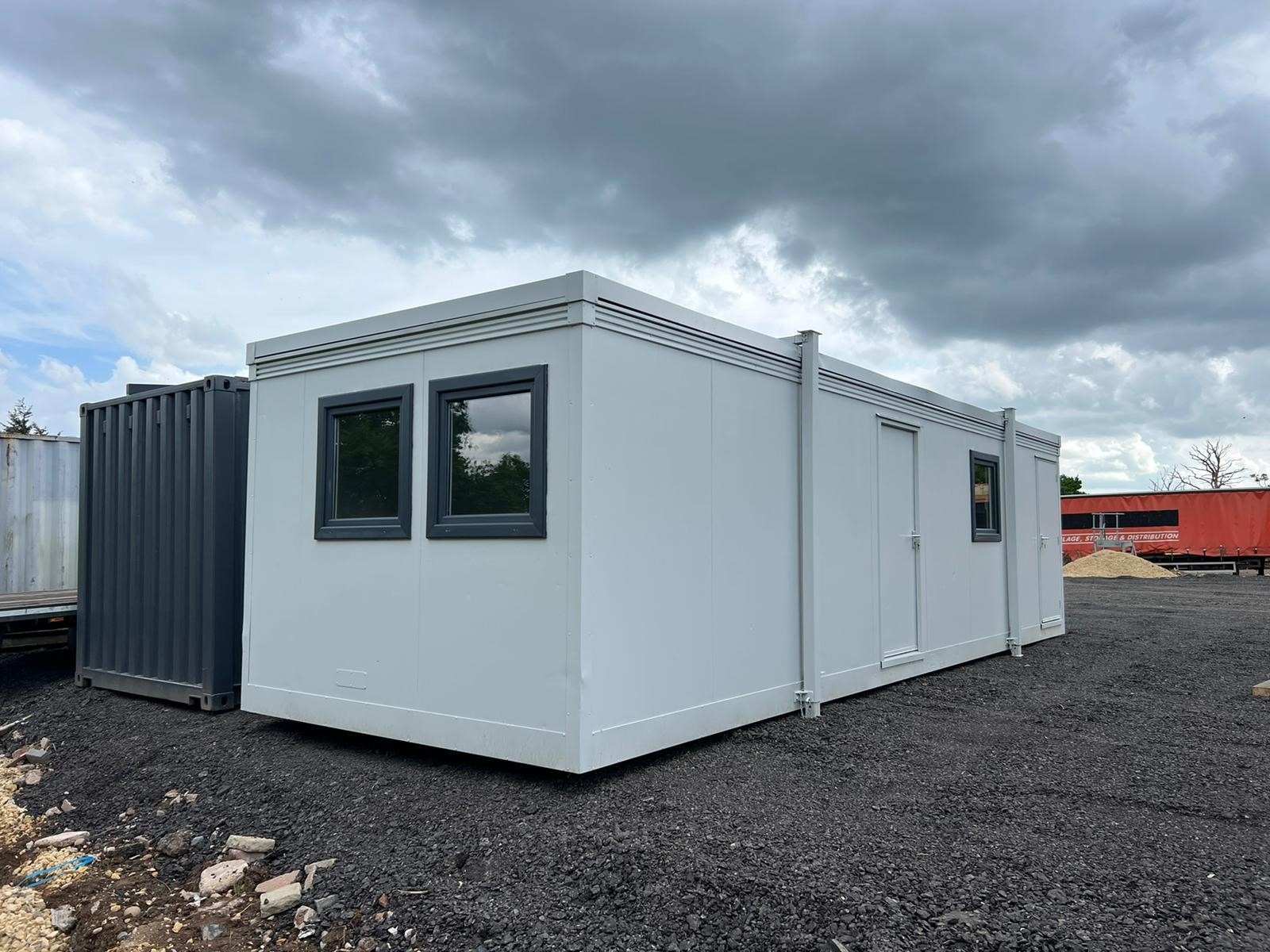
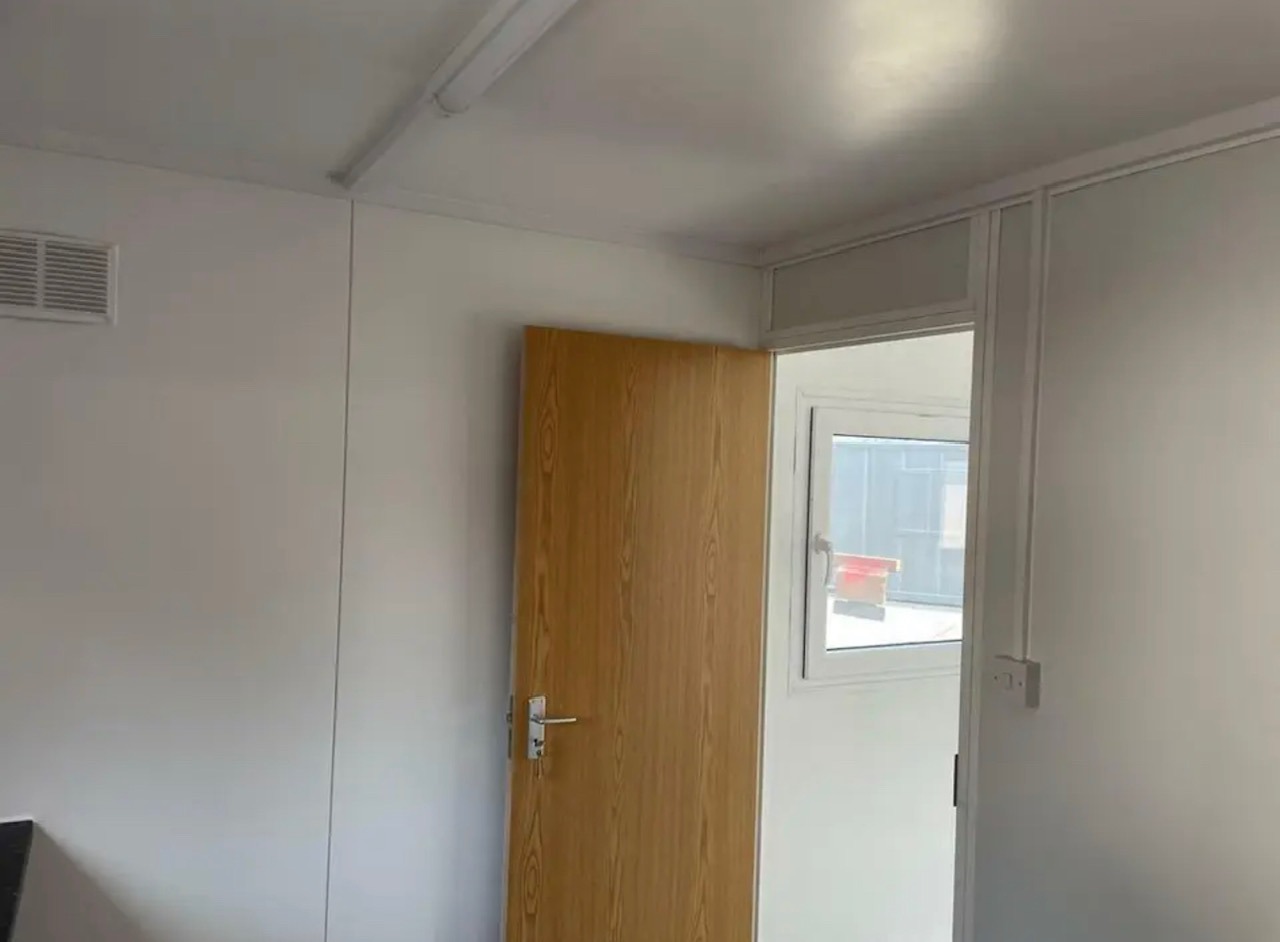
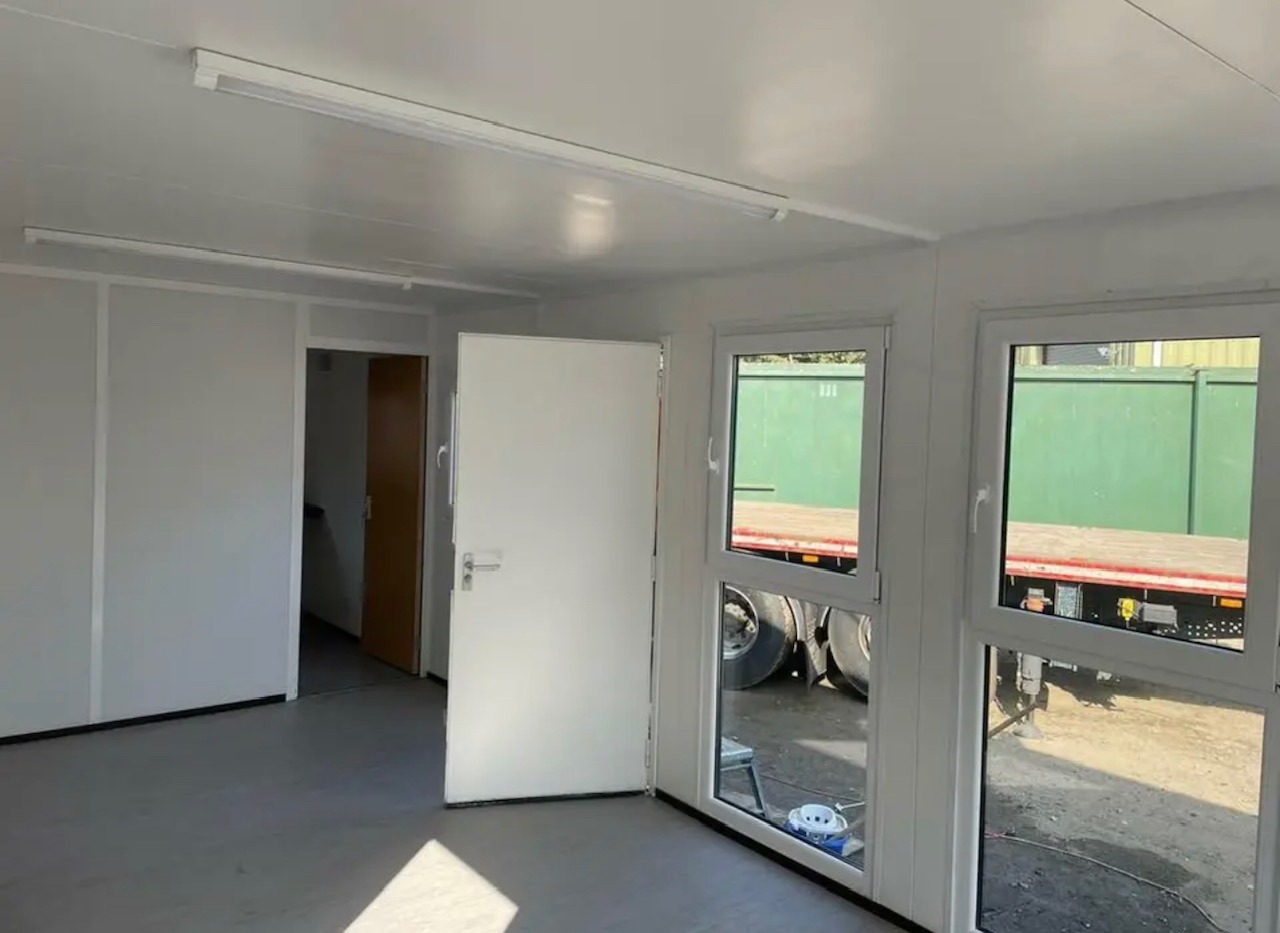
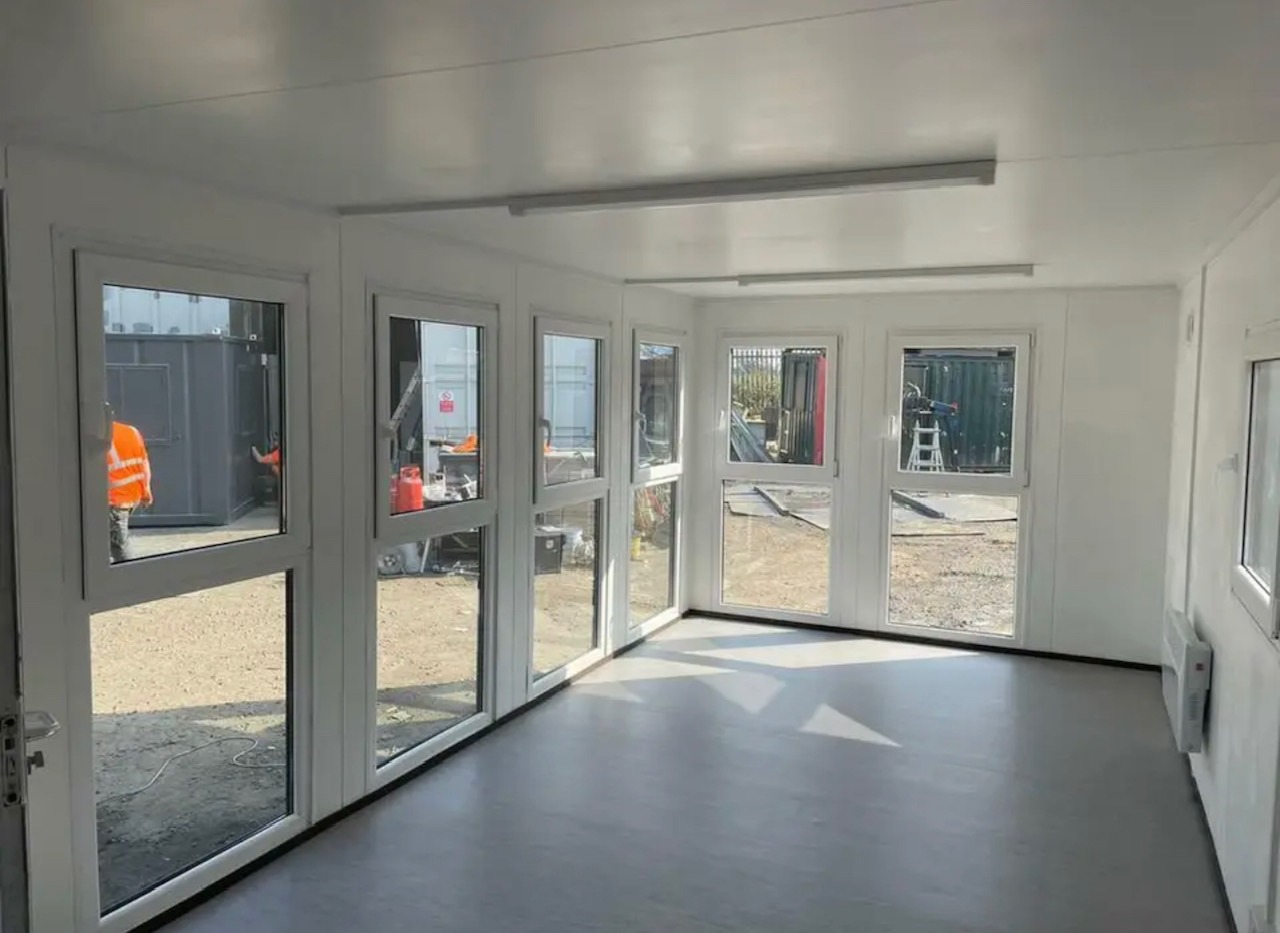
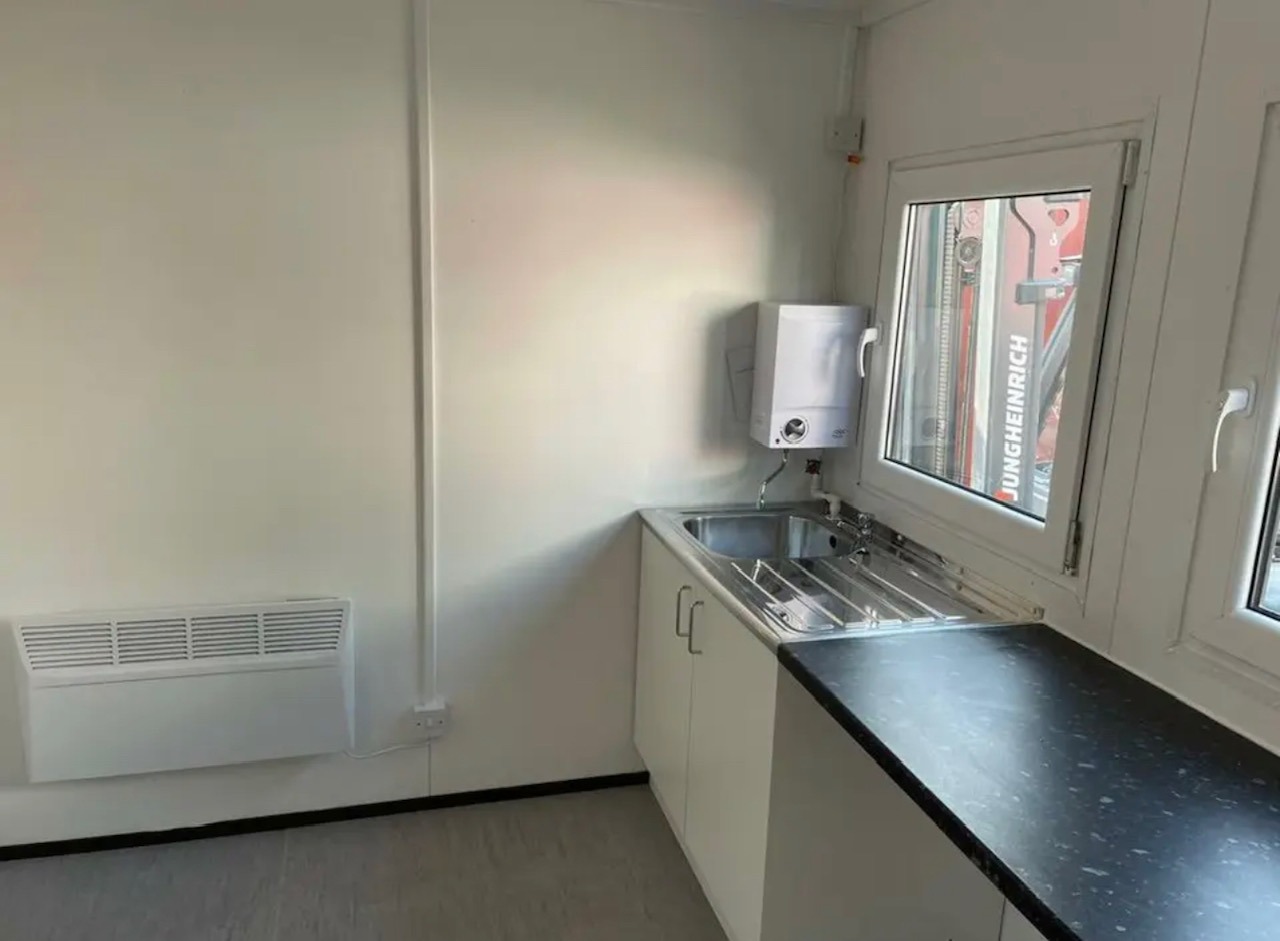
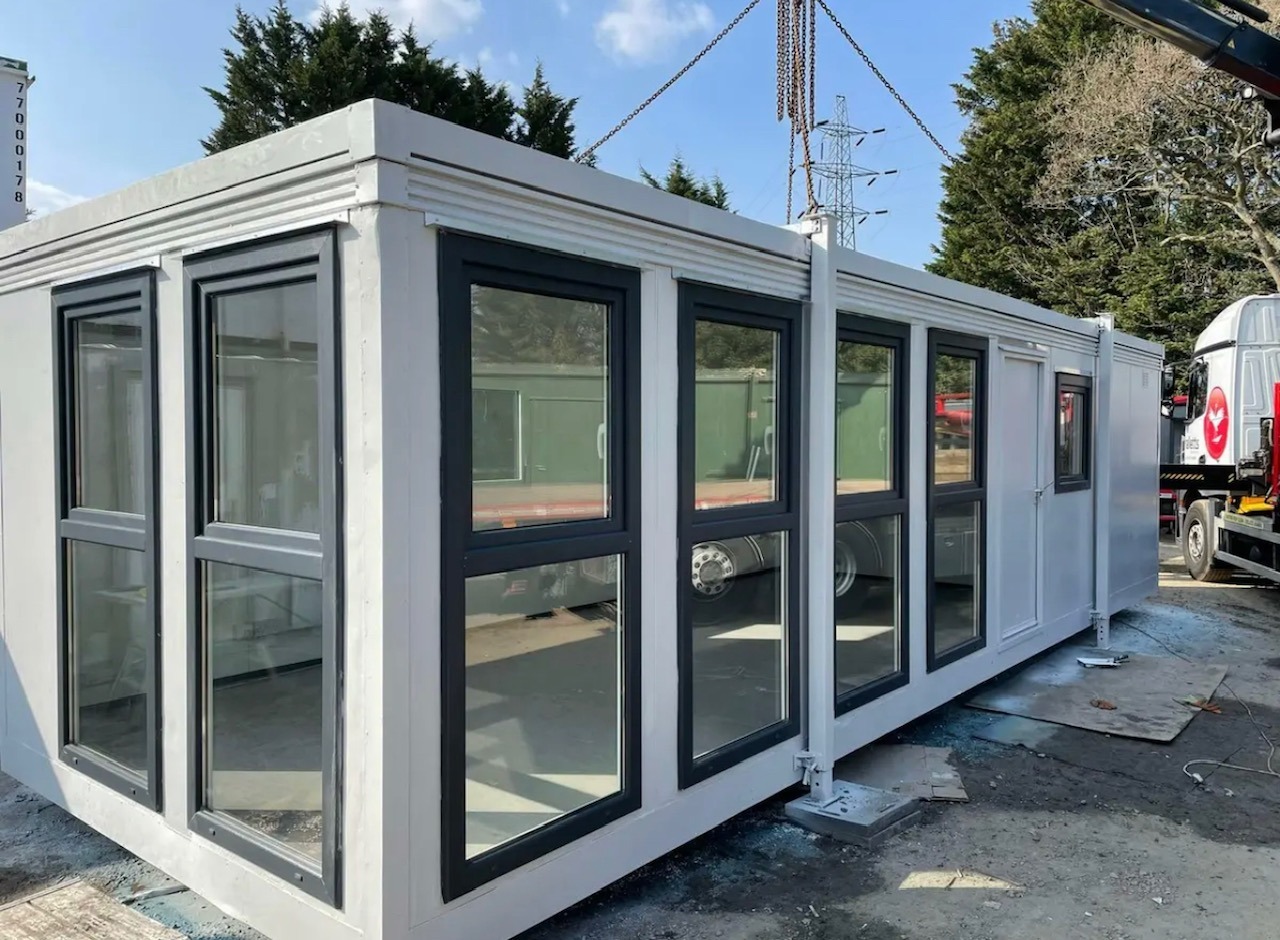
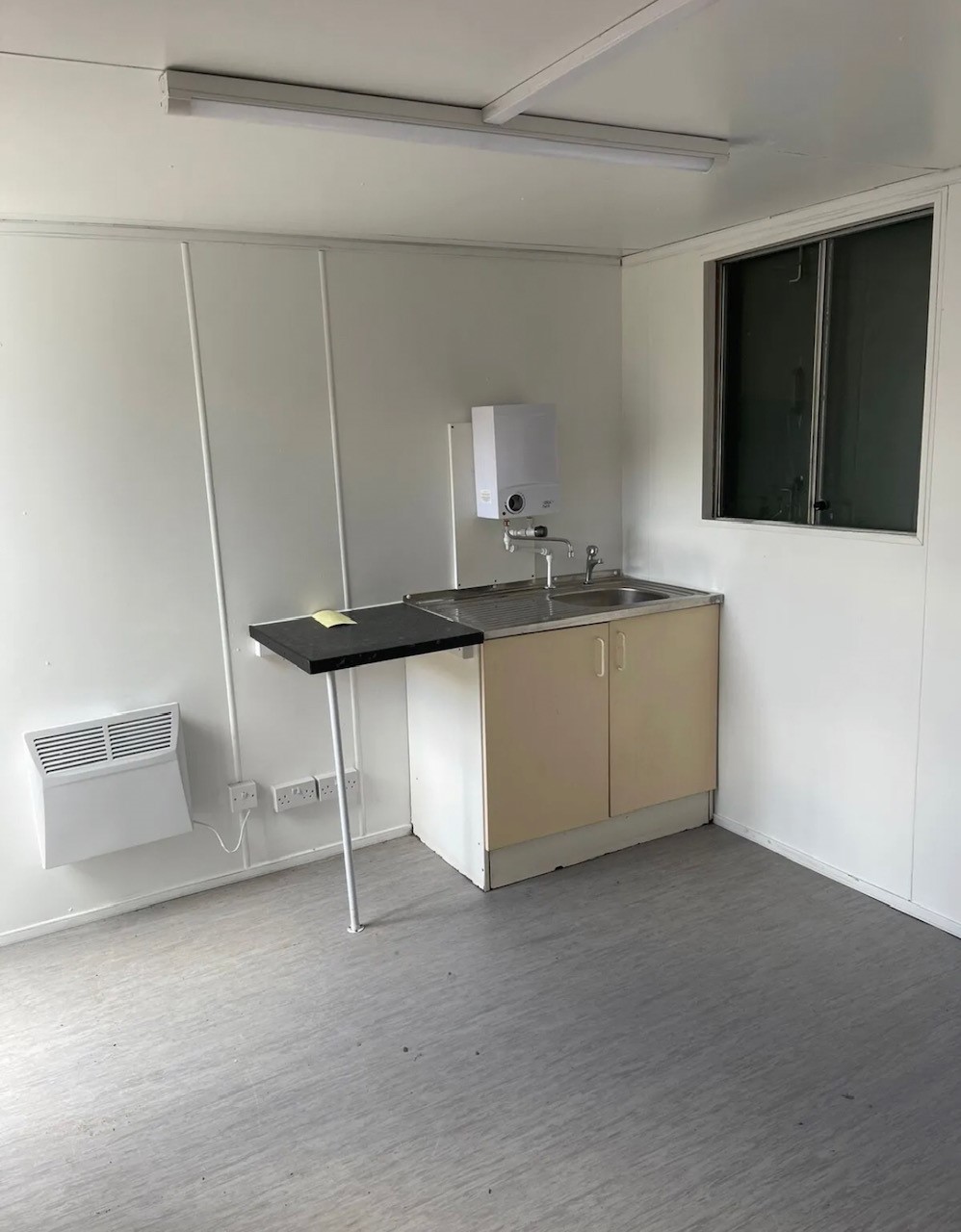
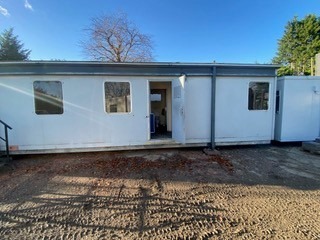
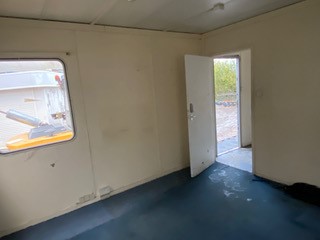
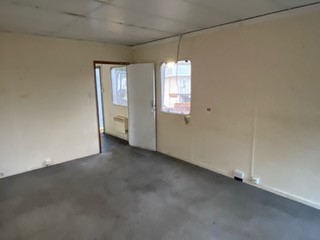
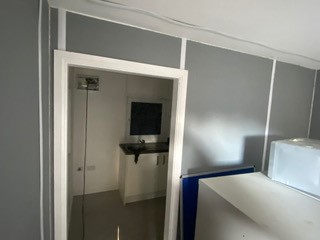
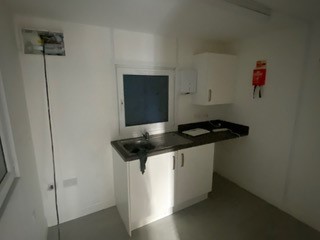
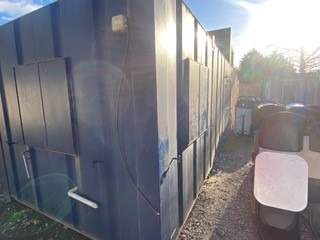
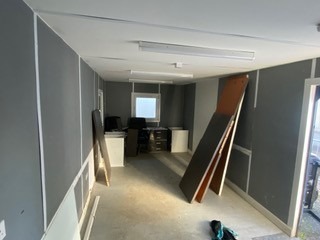
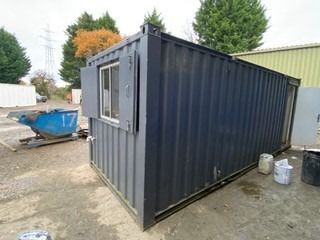
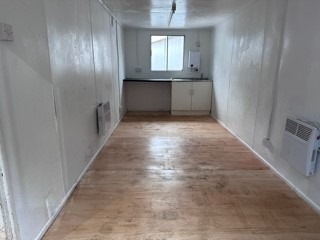
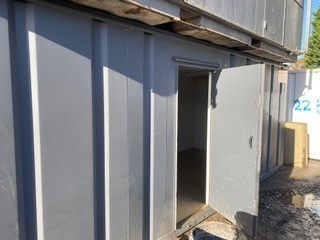
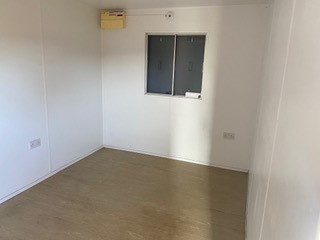
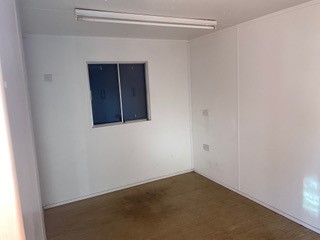
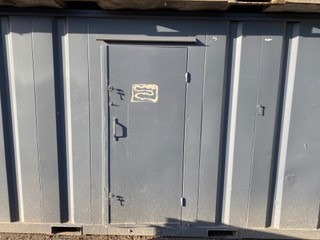
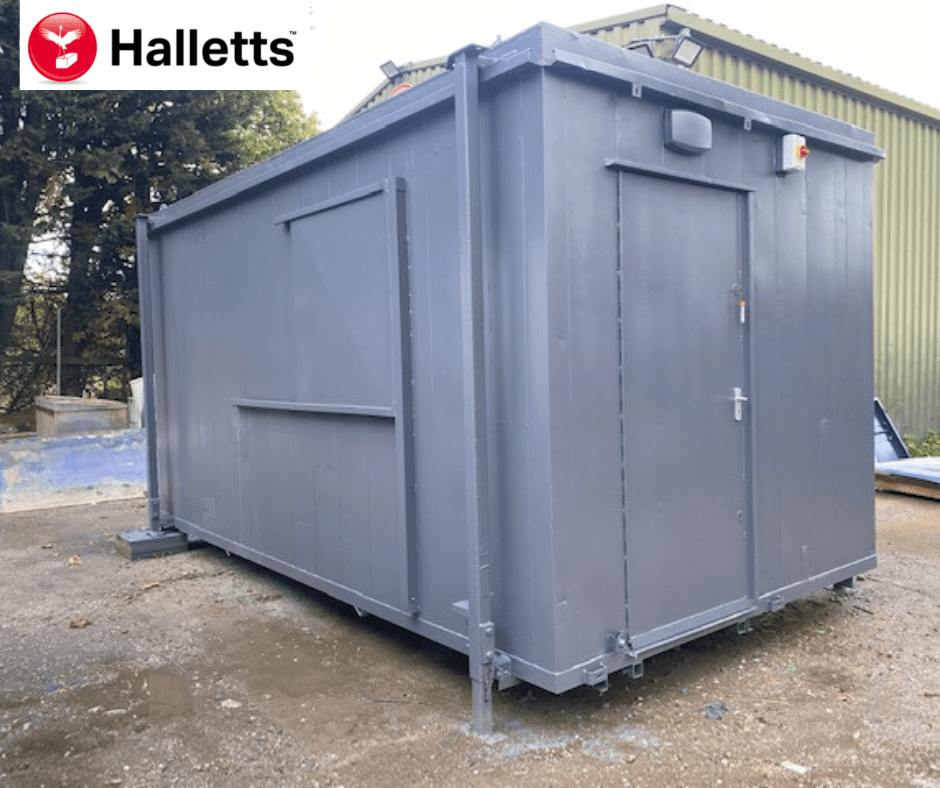
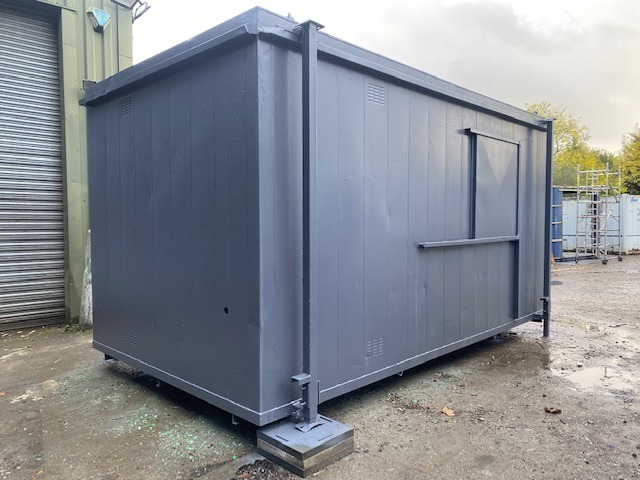
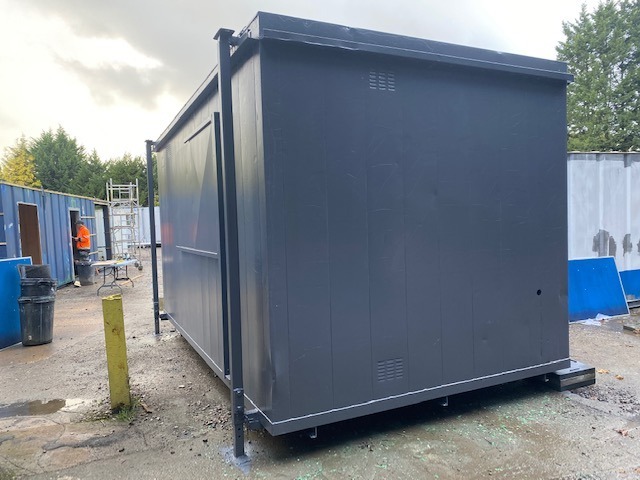
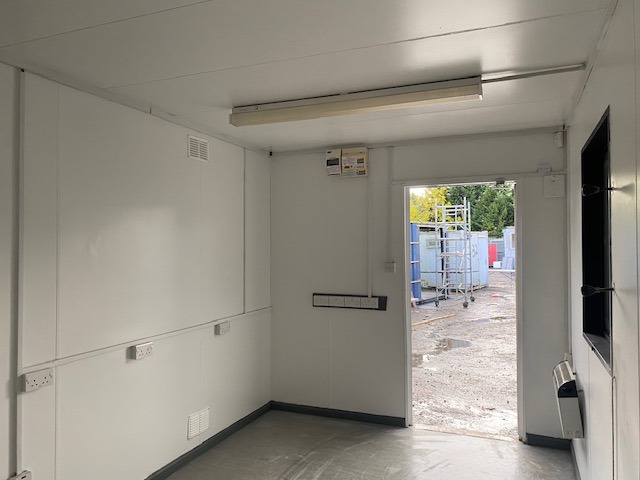
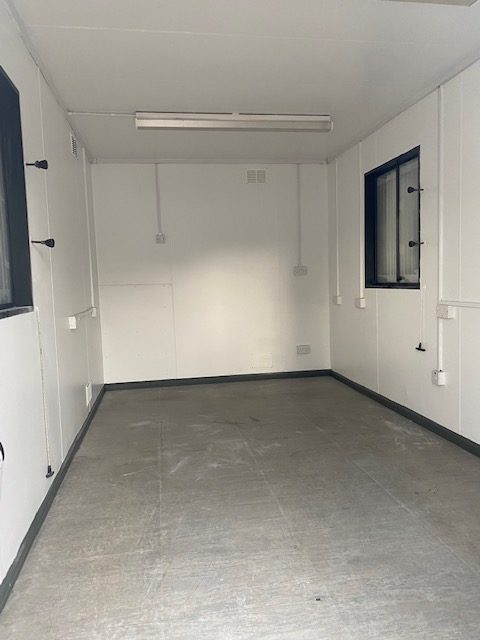
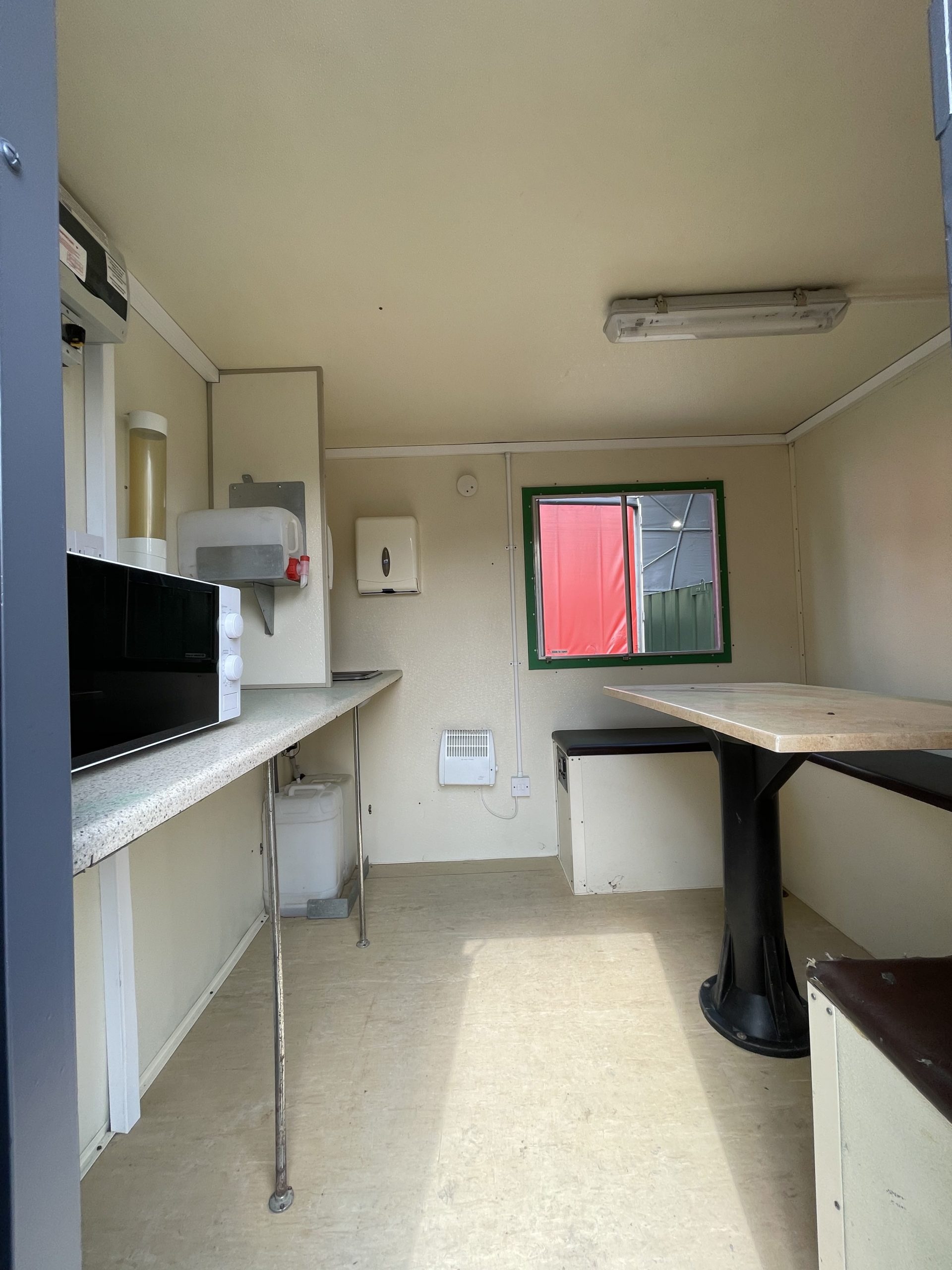
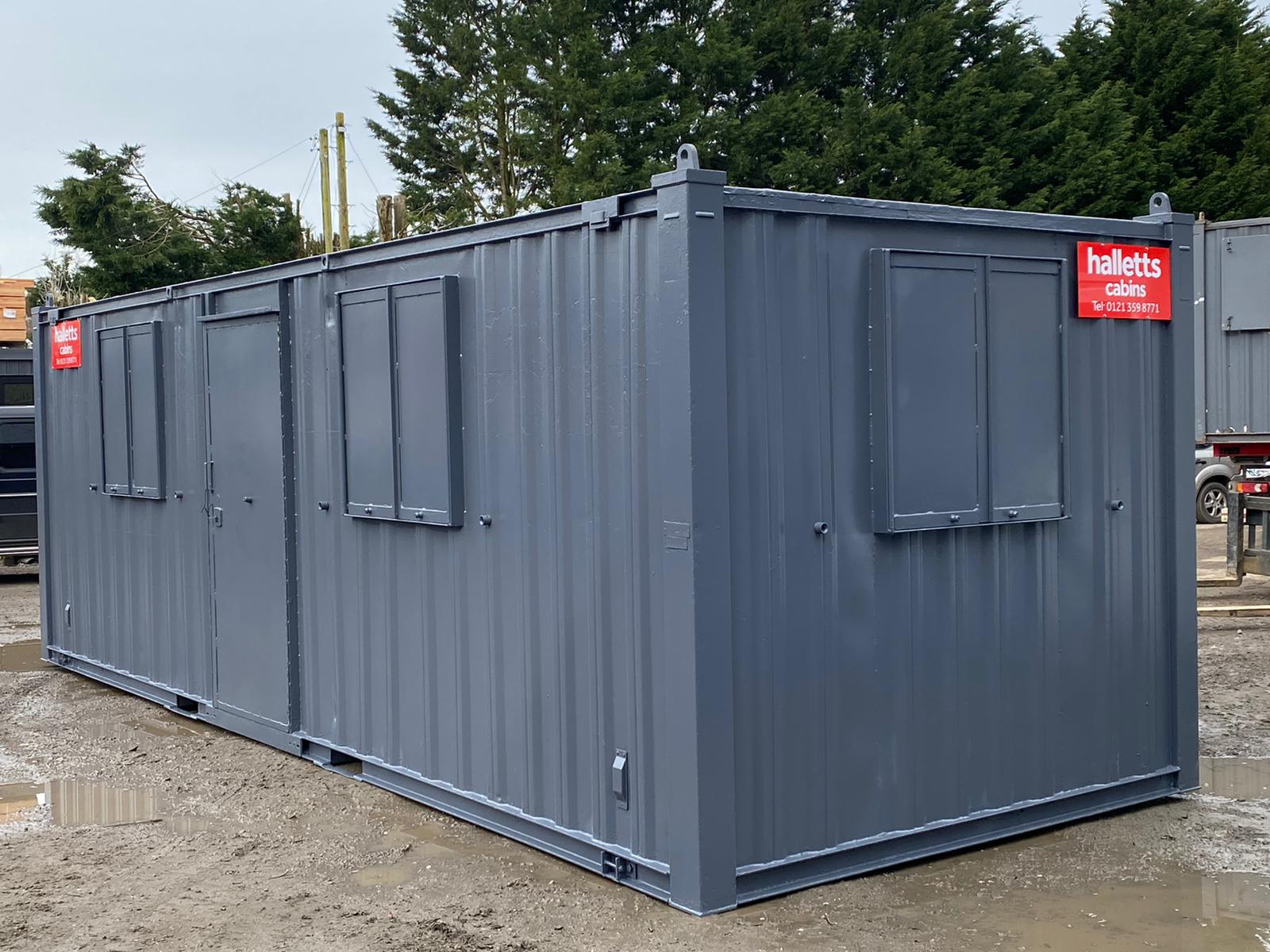
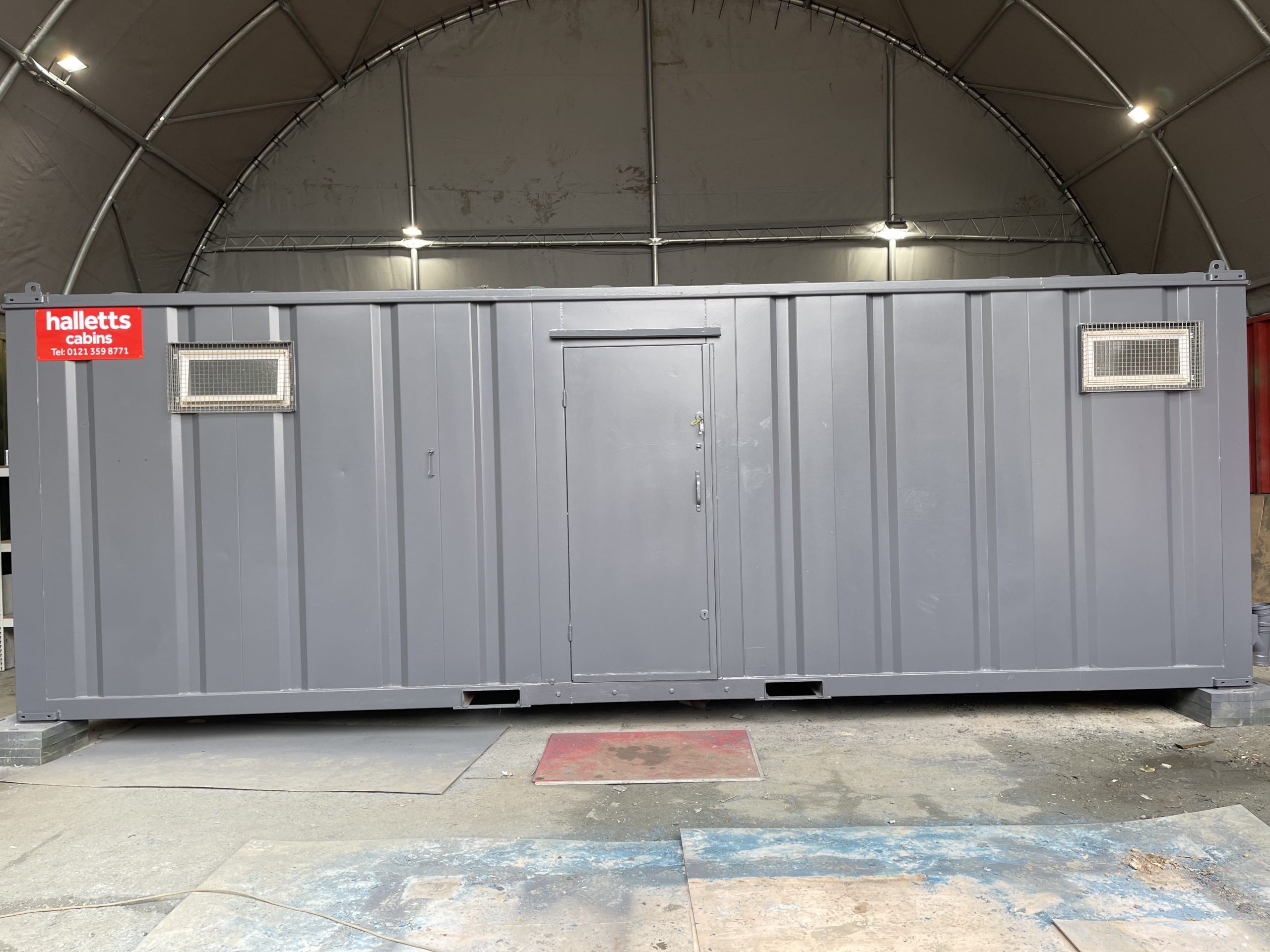
32ft x 10ft Anti Vandal Canteen/Office

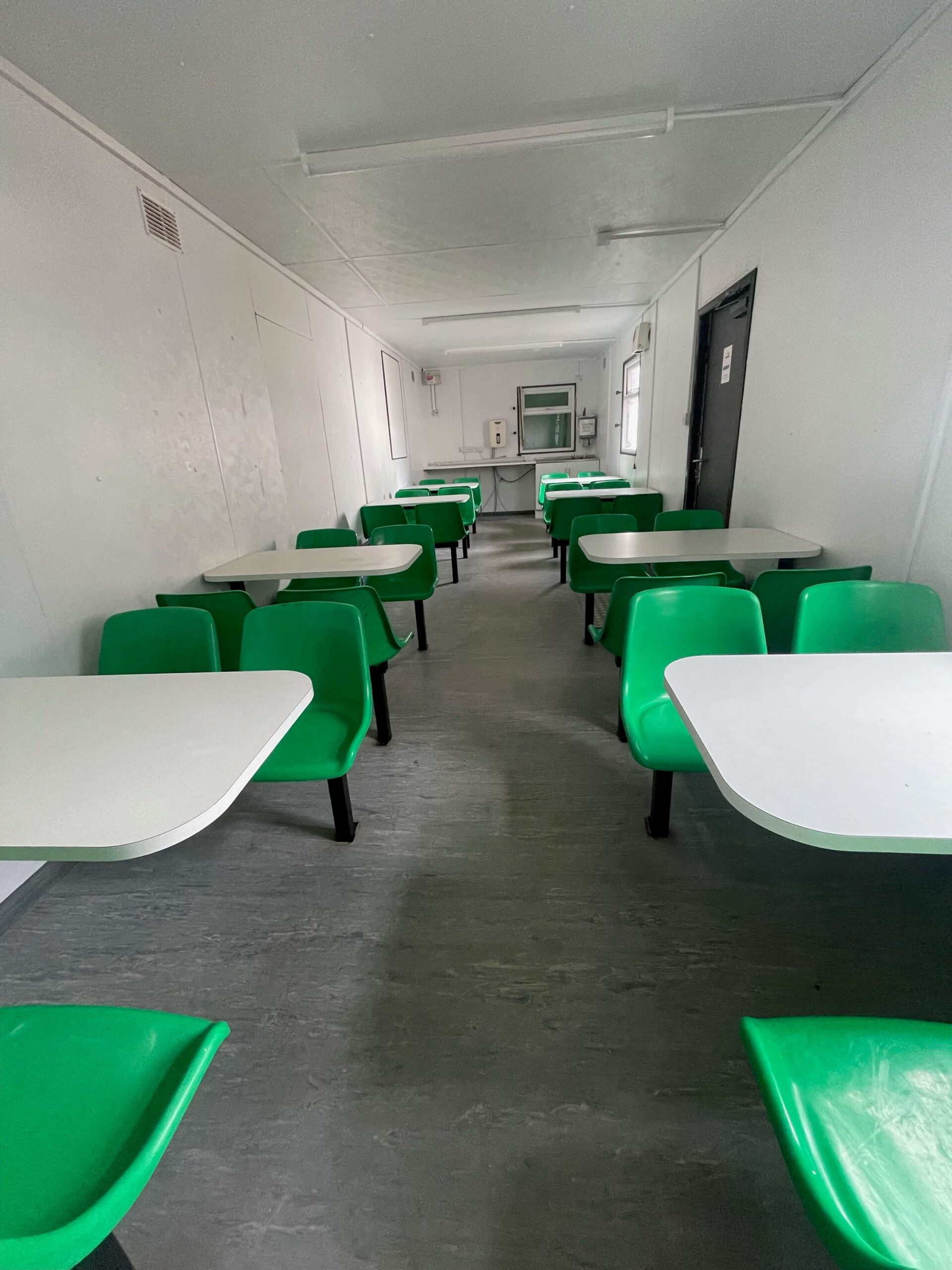
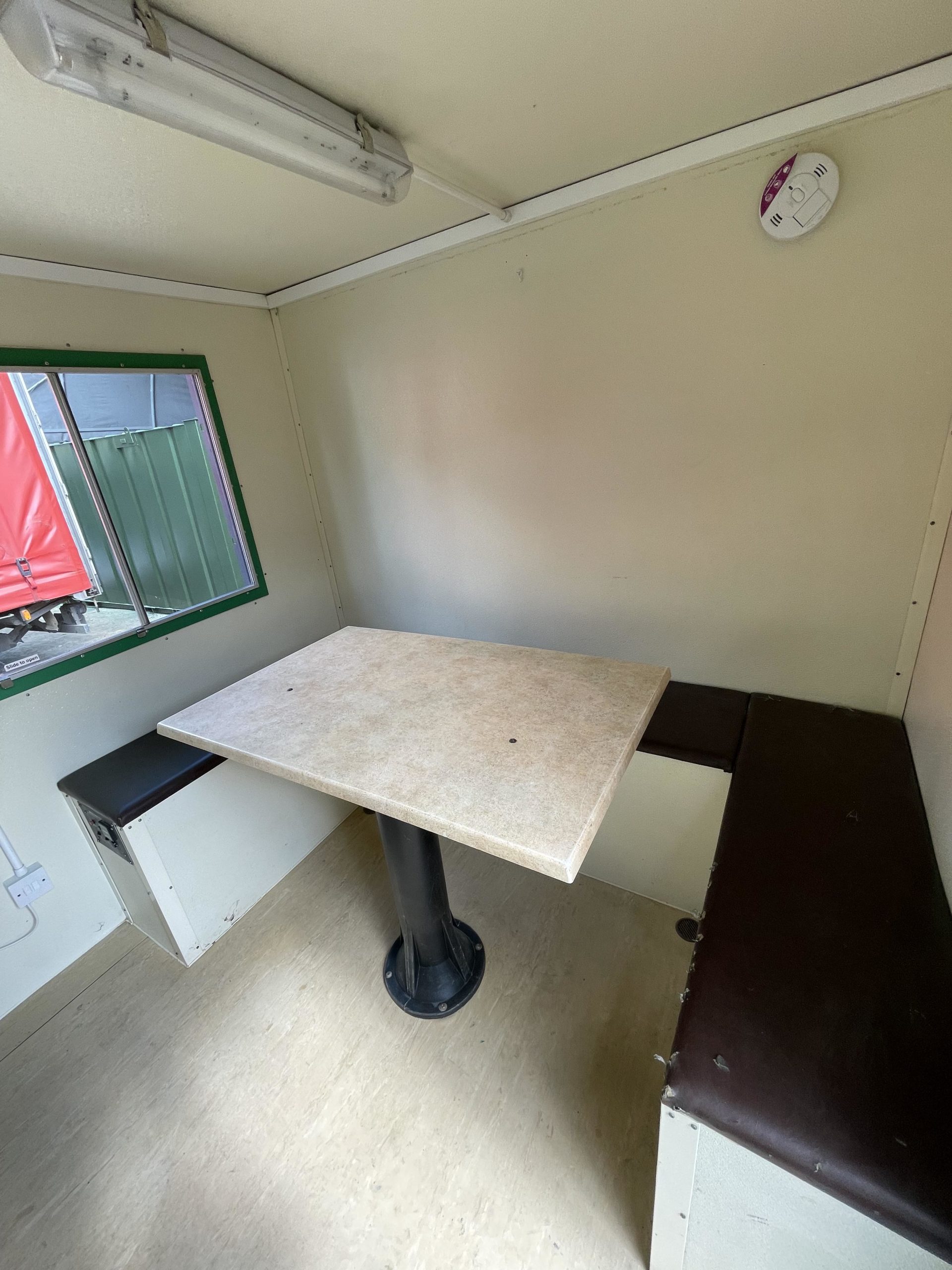
  • Complete with tables and chairs
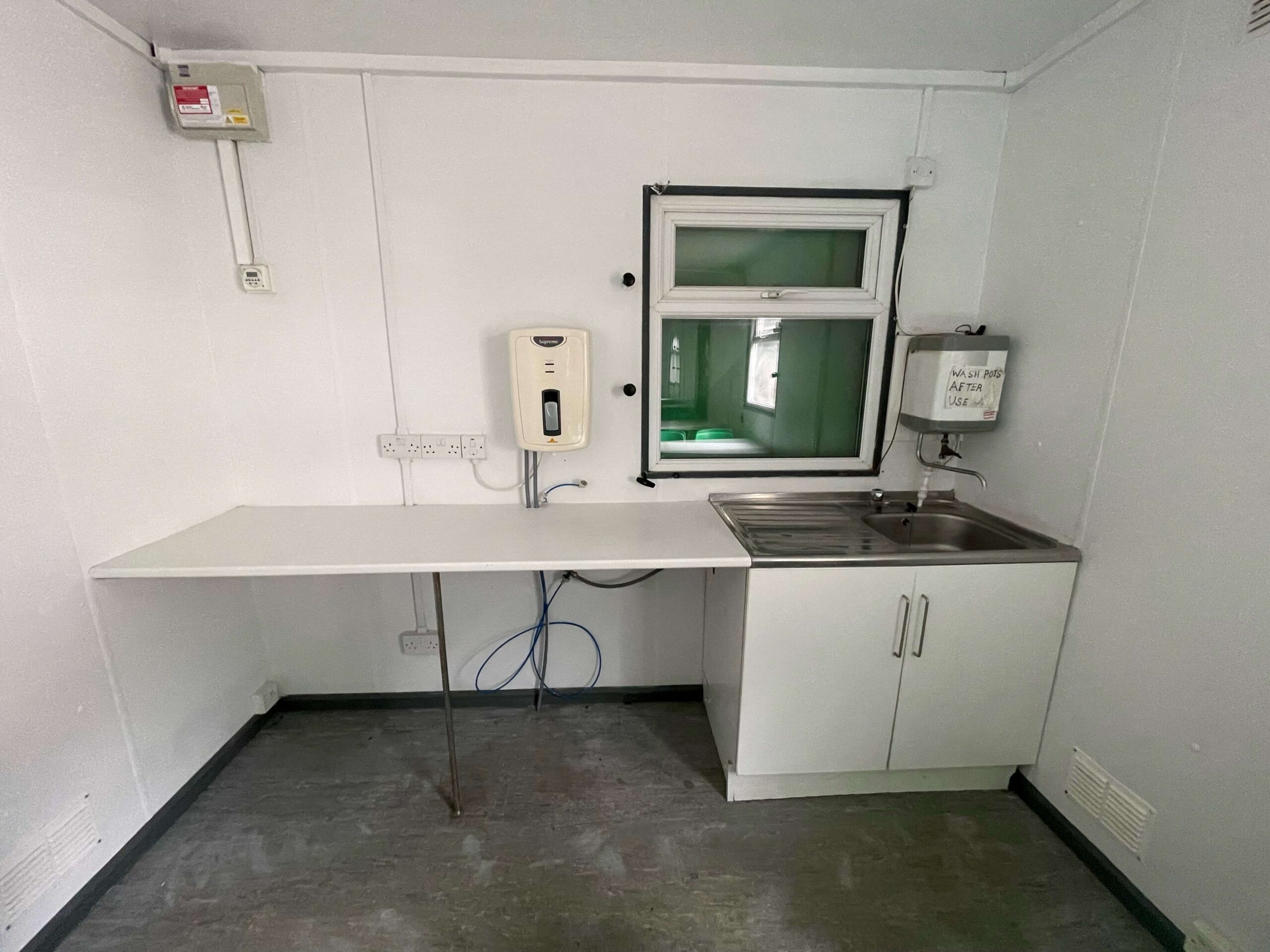
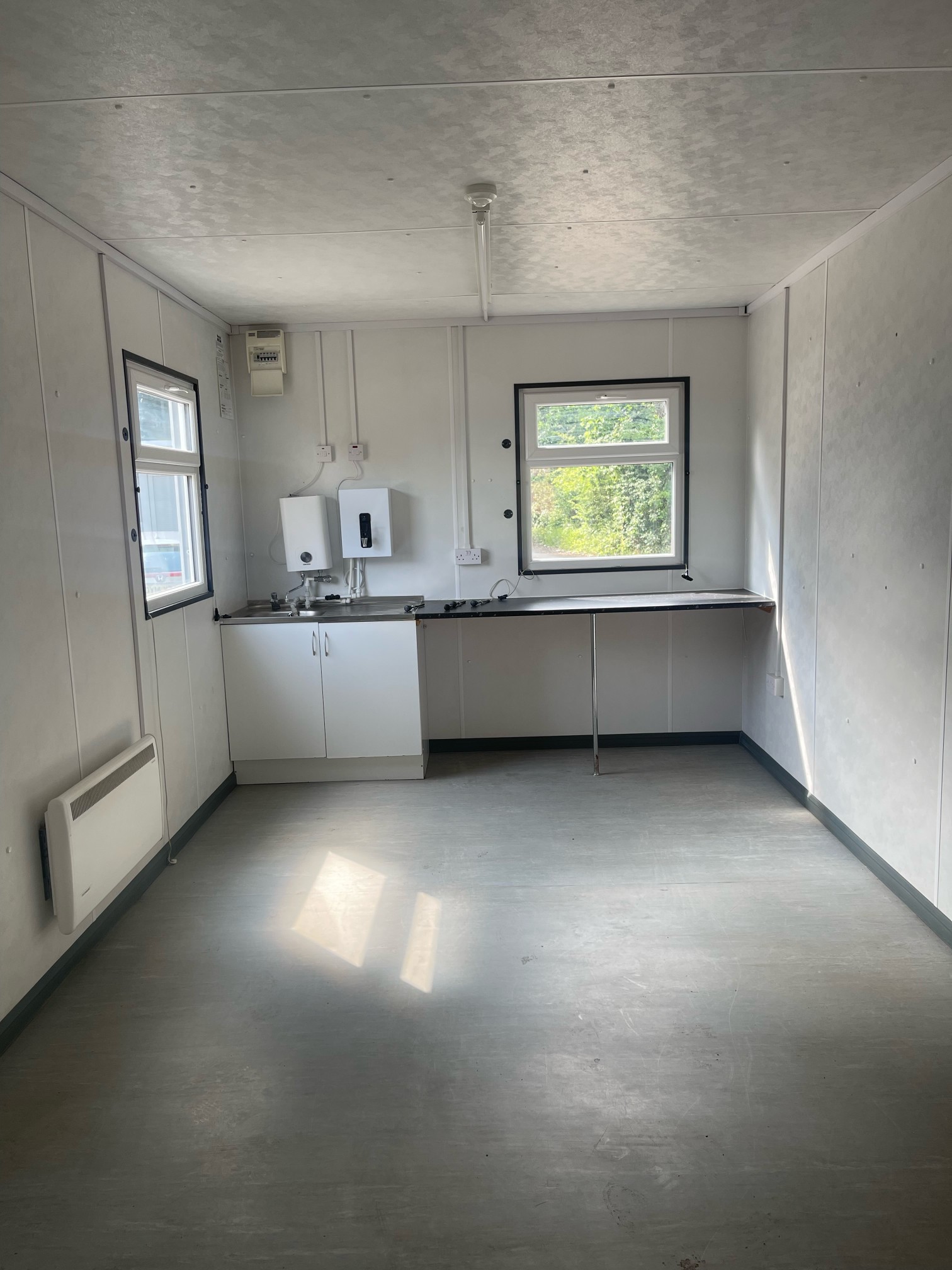
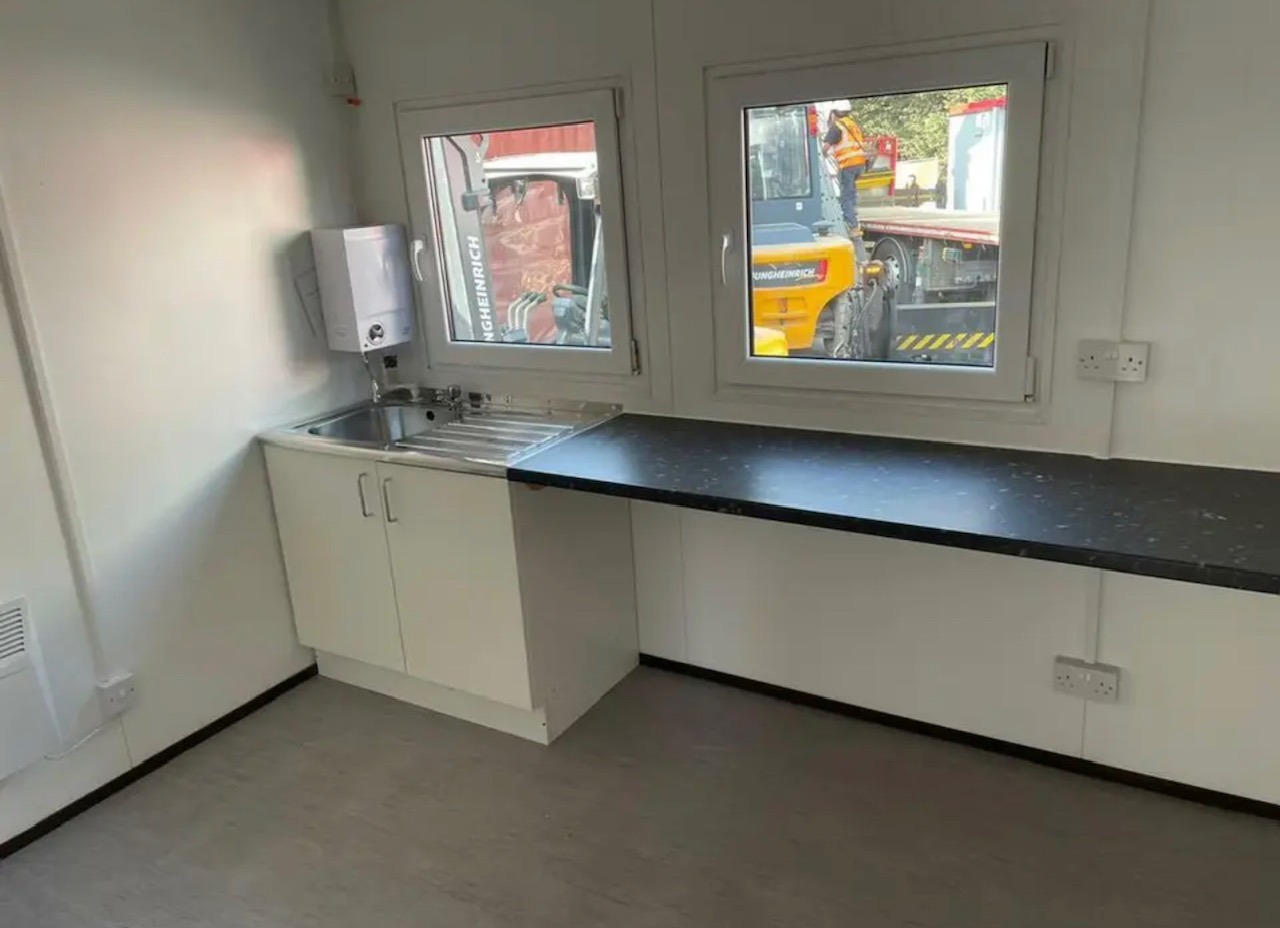
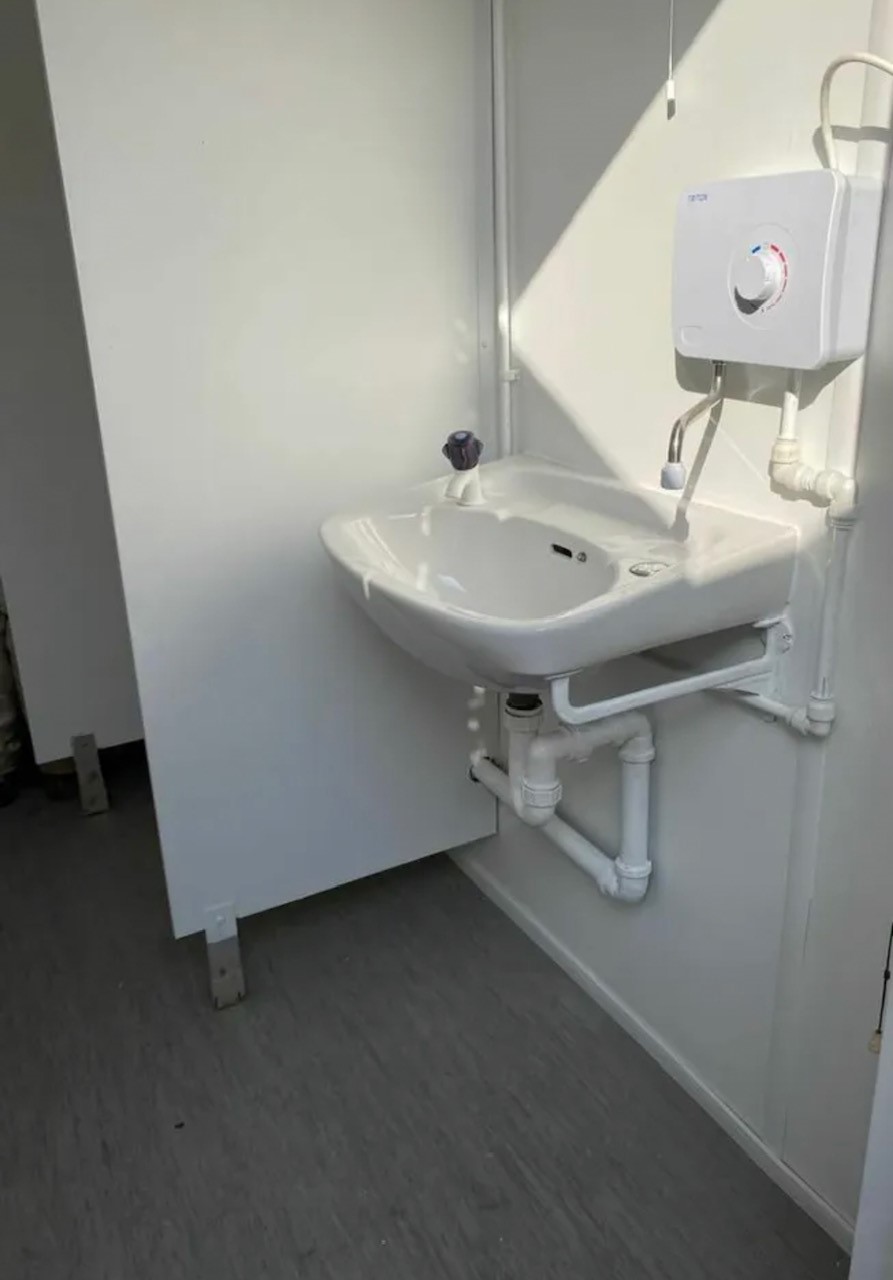
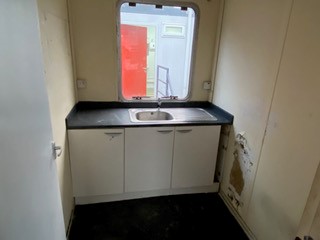
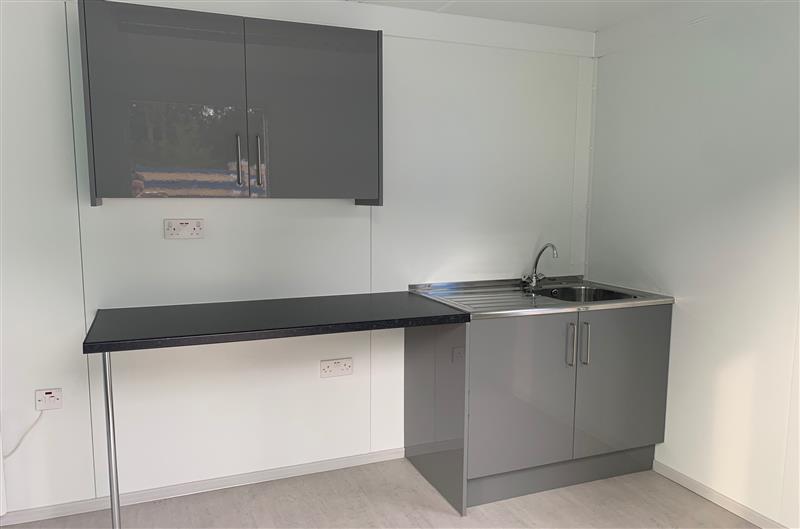
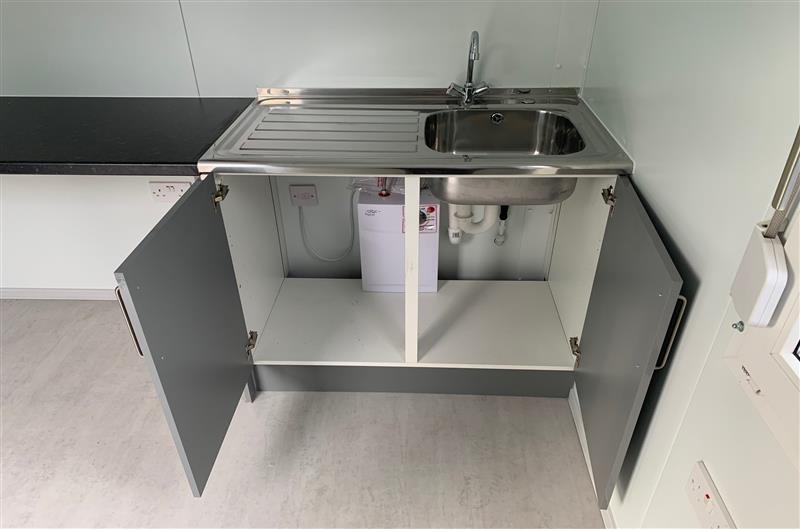
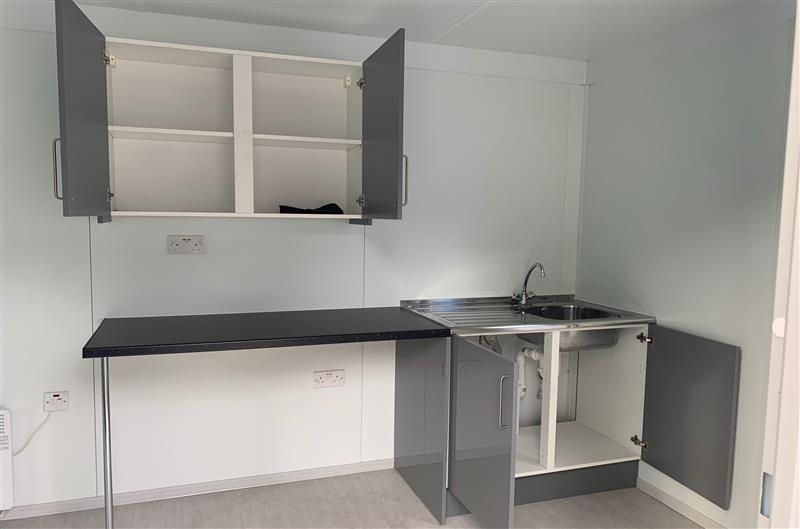
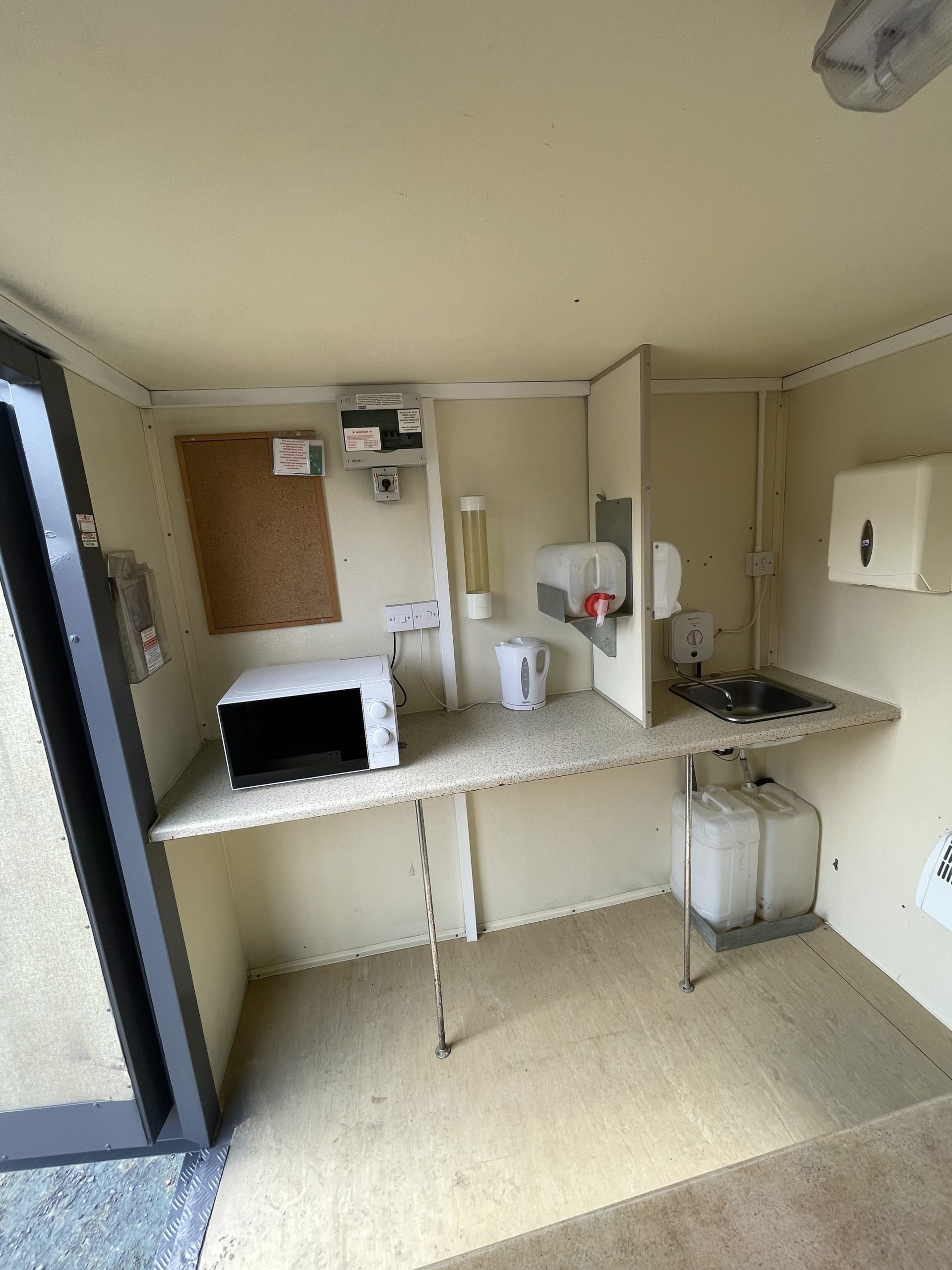
  • Kitchen with sink worktop, cupboard and water heater
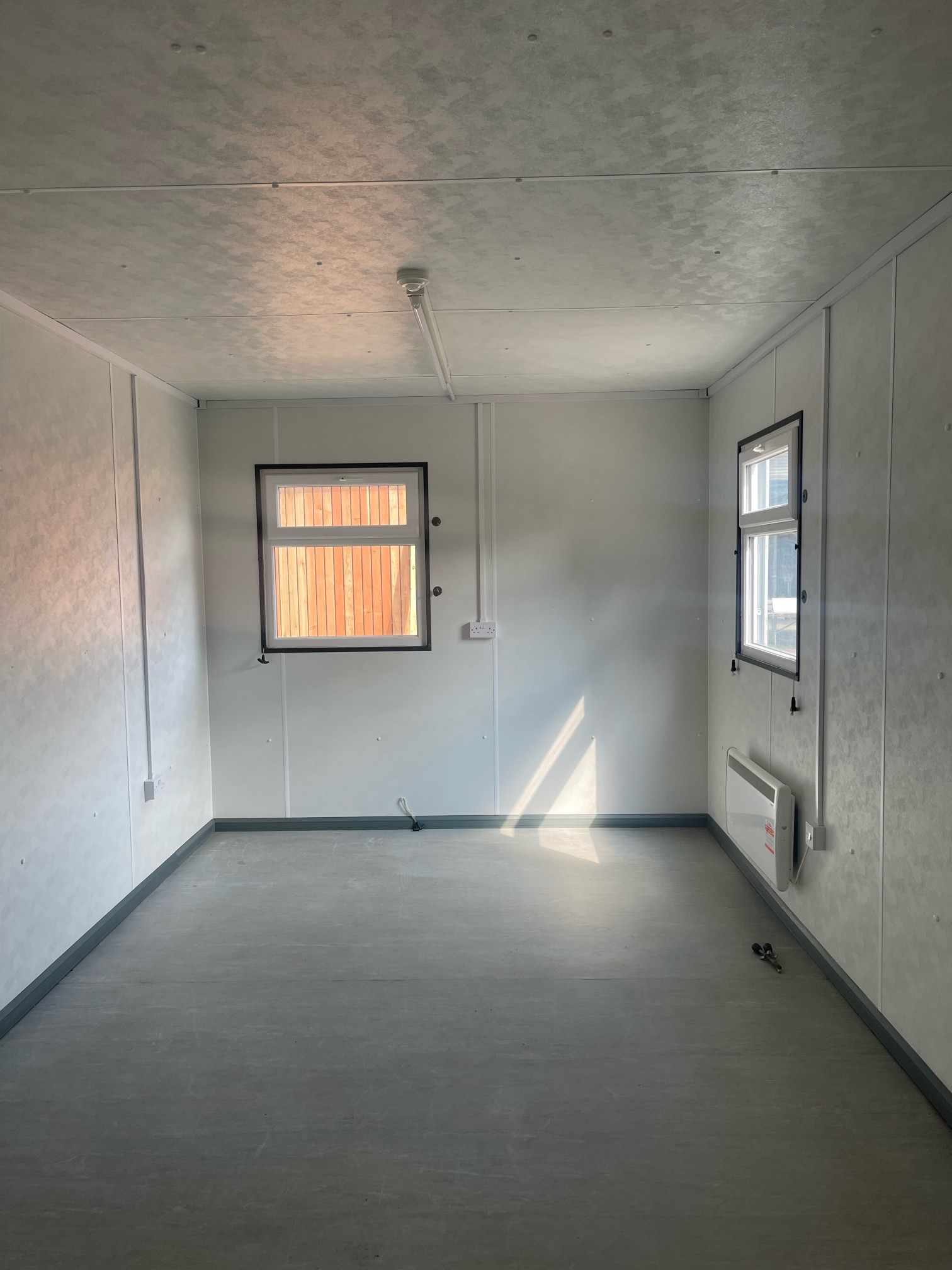
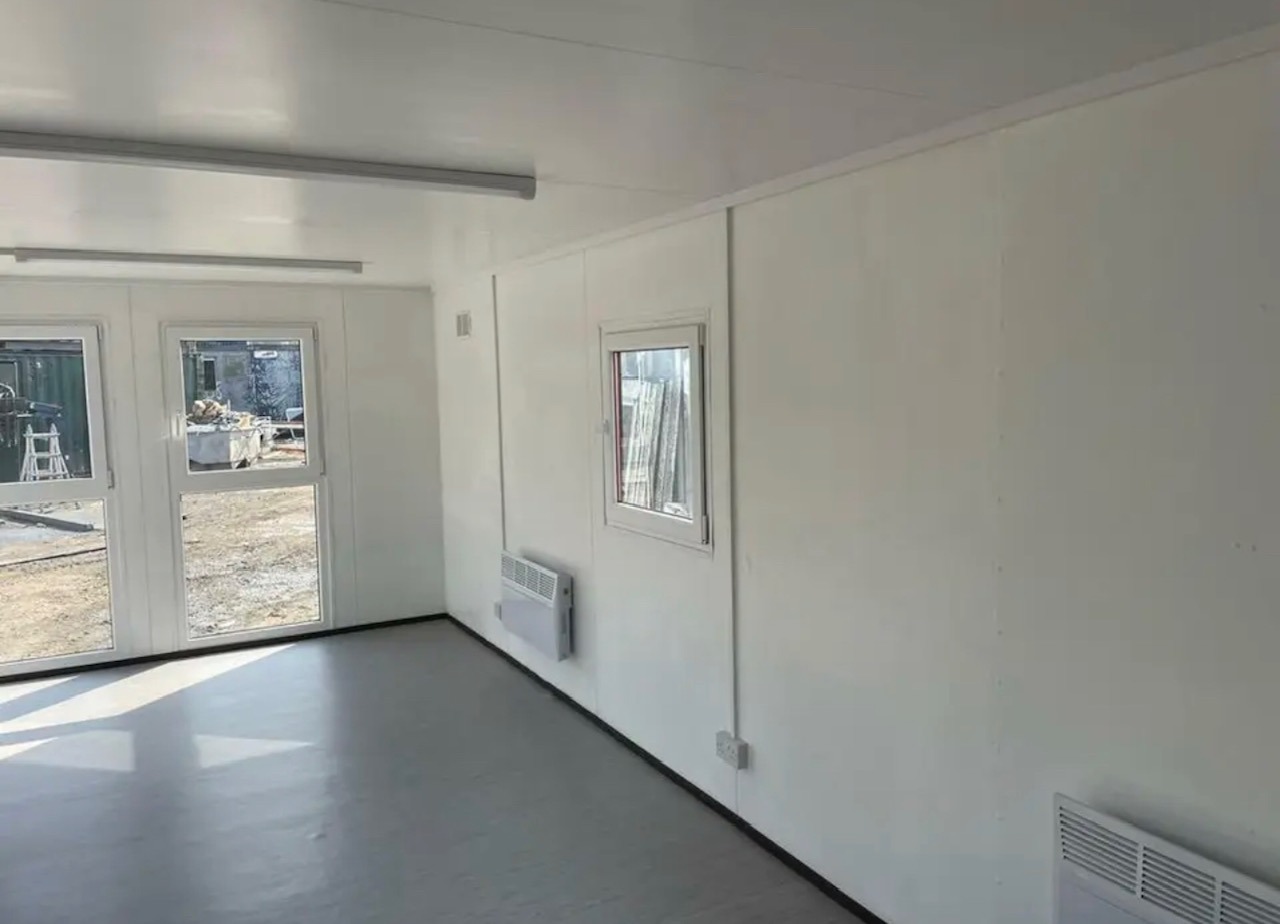
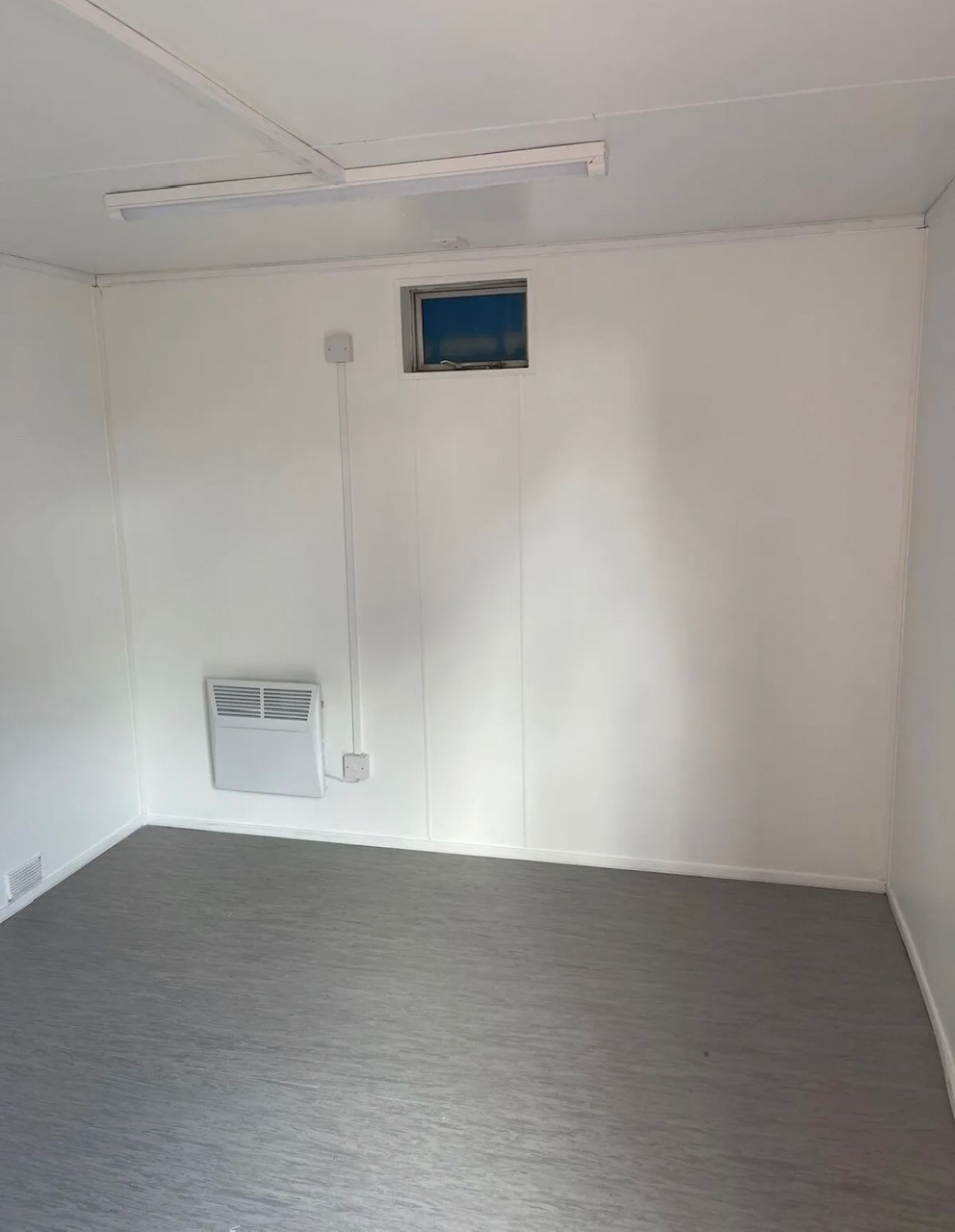
  • Insulated with electric sockets, lighting and heating
  • White upvc double glazing
  • External re spray in dark grey

Location: Nationwide

£6,500 + vat

Not Available for Hire

We can deliver for a cost please ask and send us post code.

Call for an instant quote!

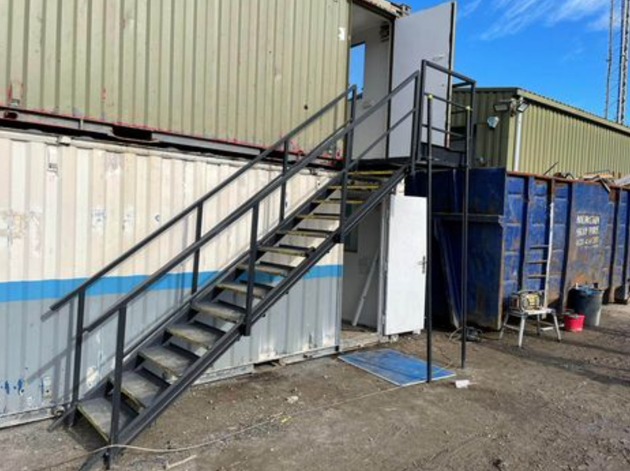
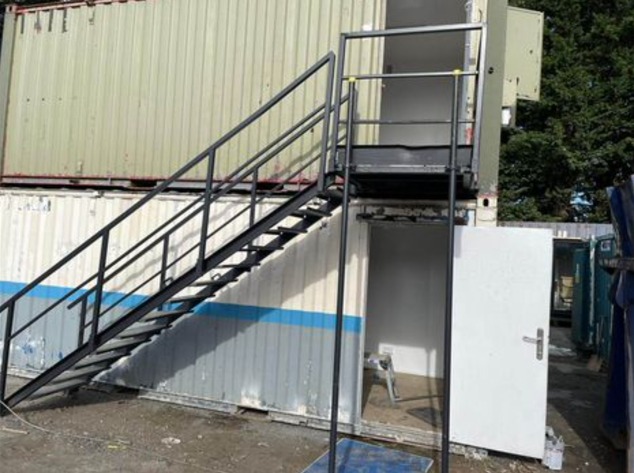
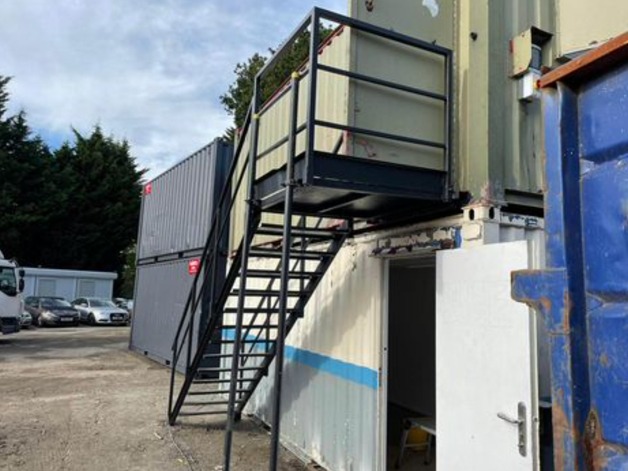
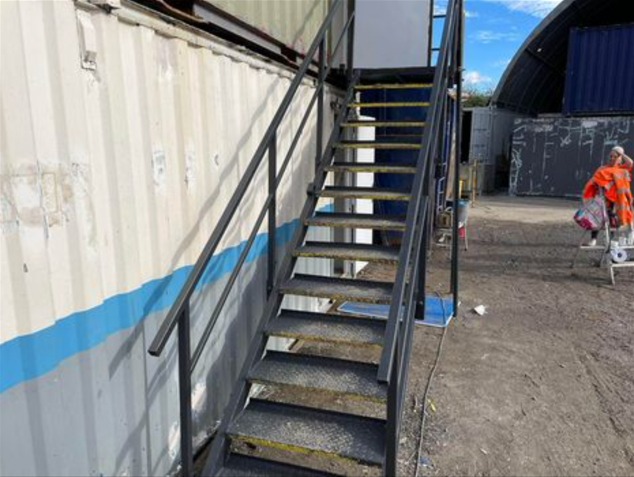
Steel Cabin Staircases, in various sizes

  • 13 tread

  • 14 tread

  • 15 tread

Location: Nationwide

£1,200.00 + vat

Not Available for Hire

Call for an instant quote!

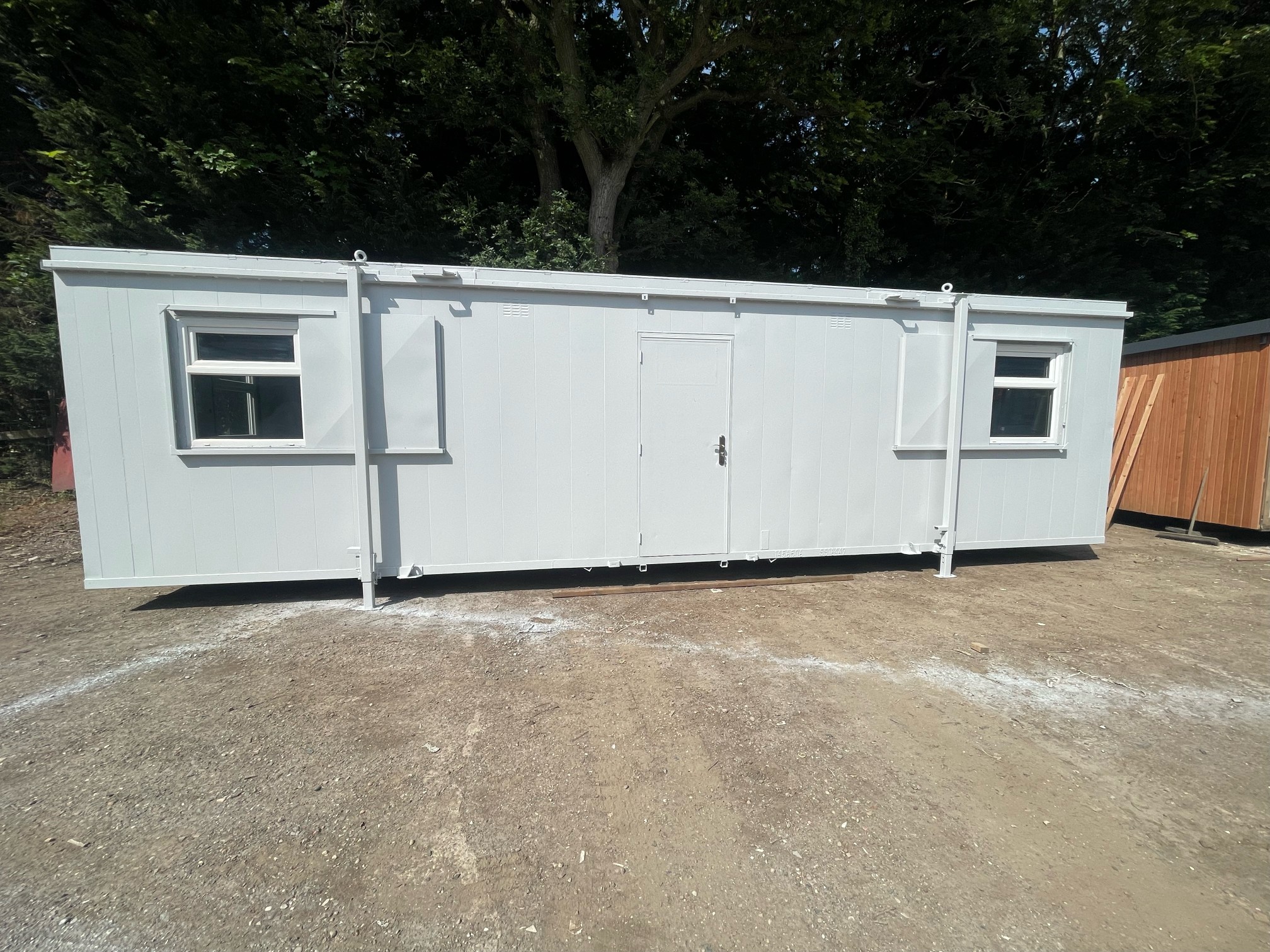
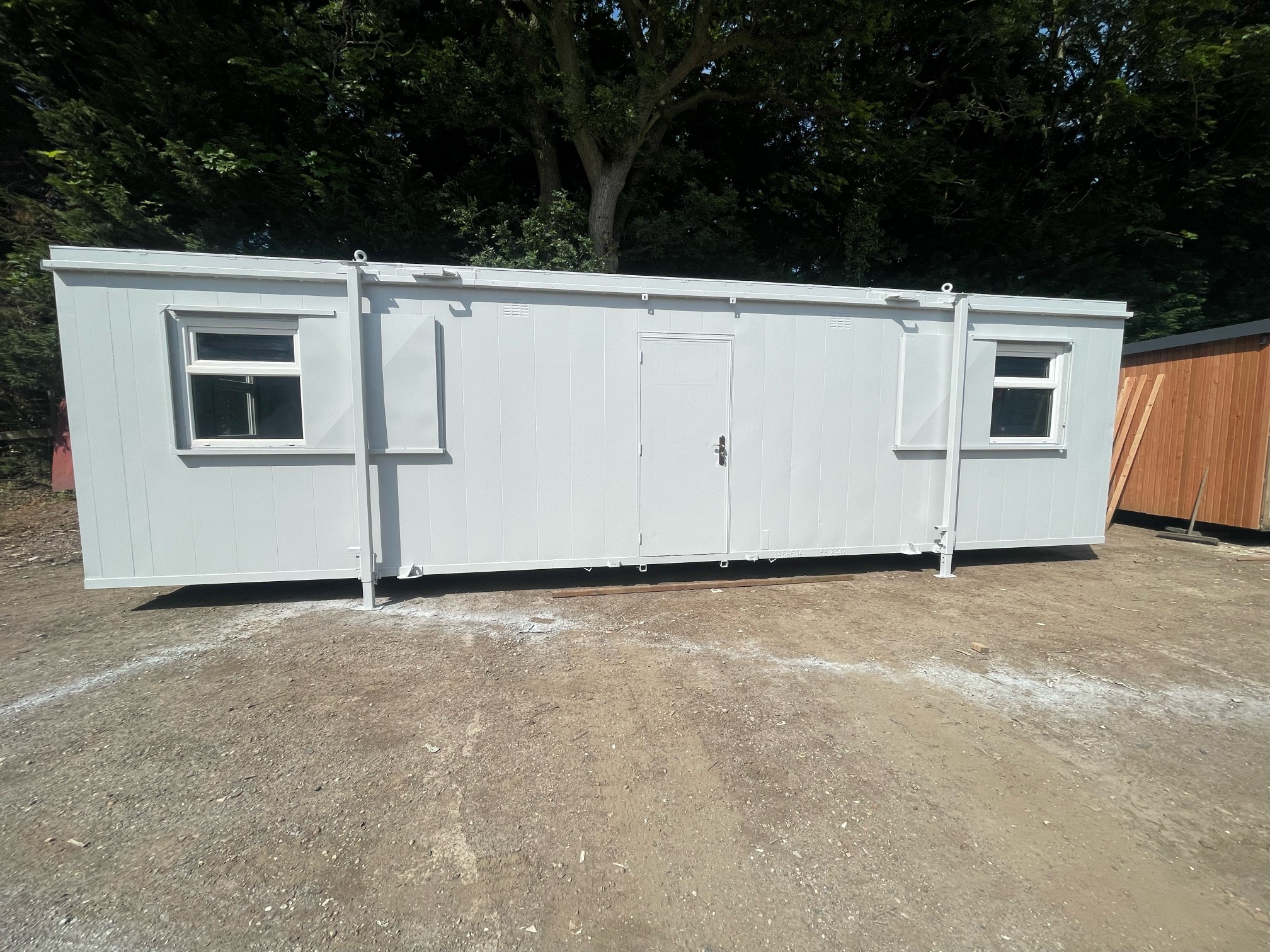
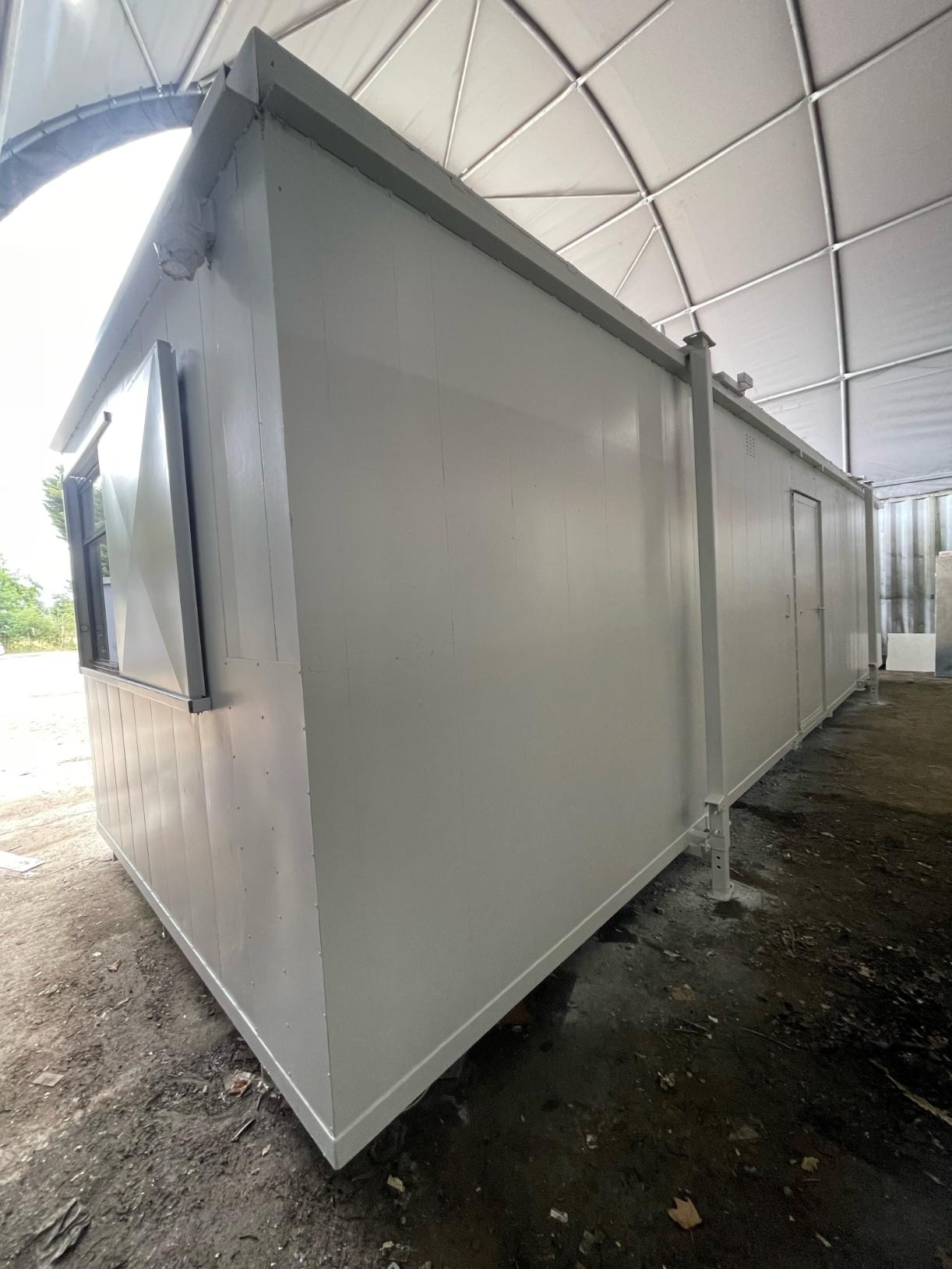
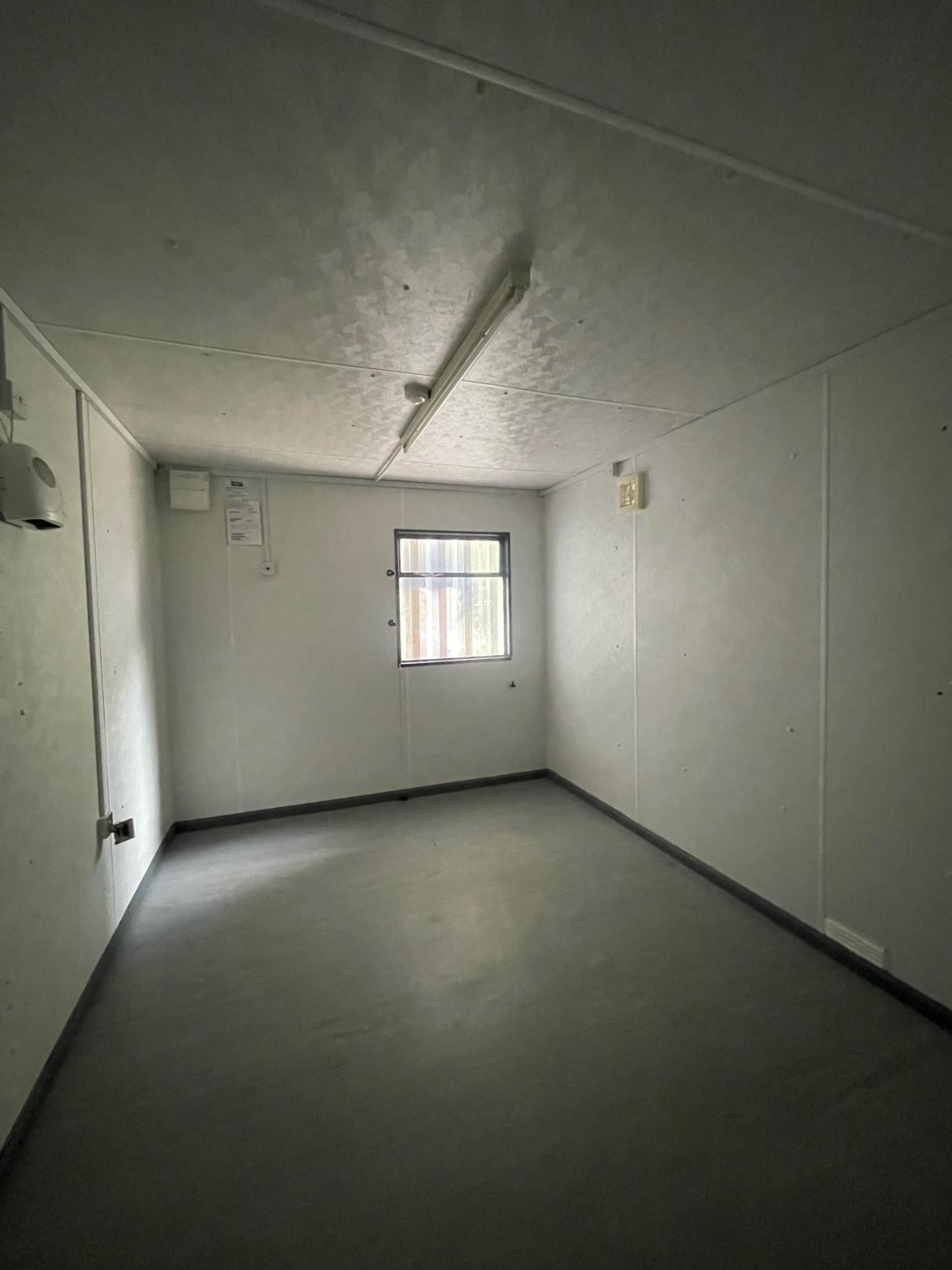
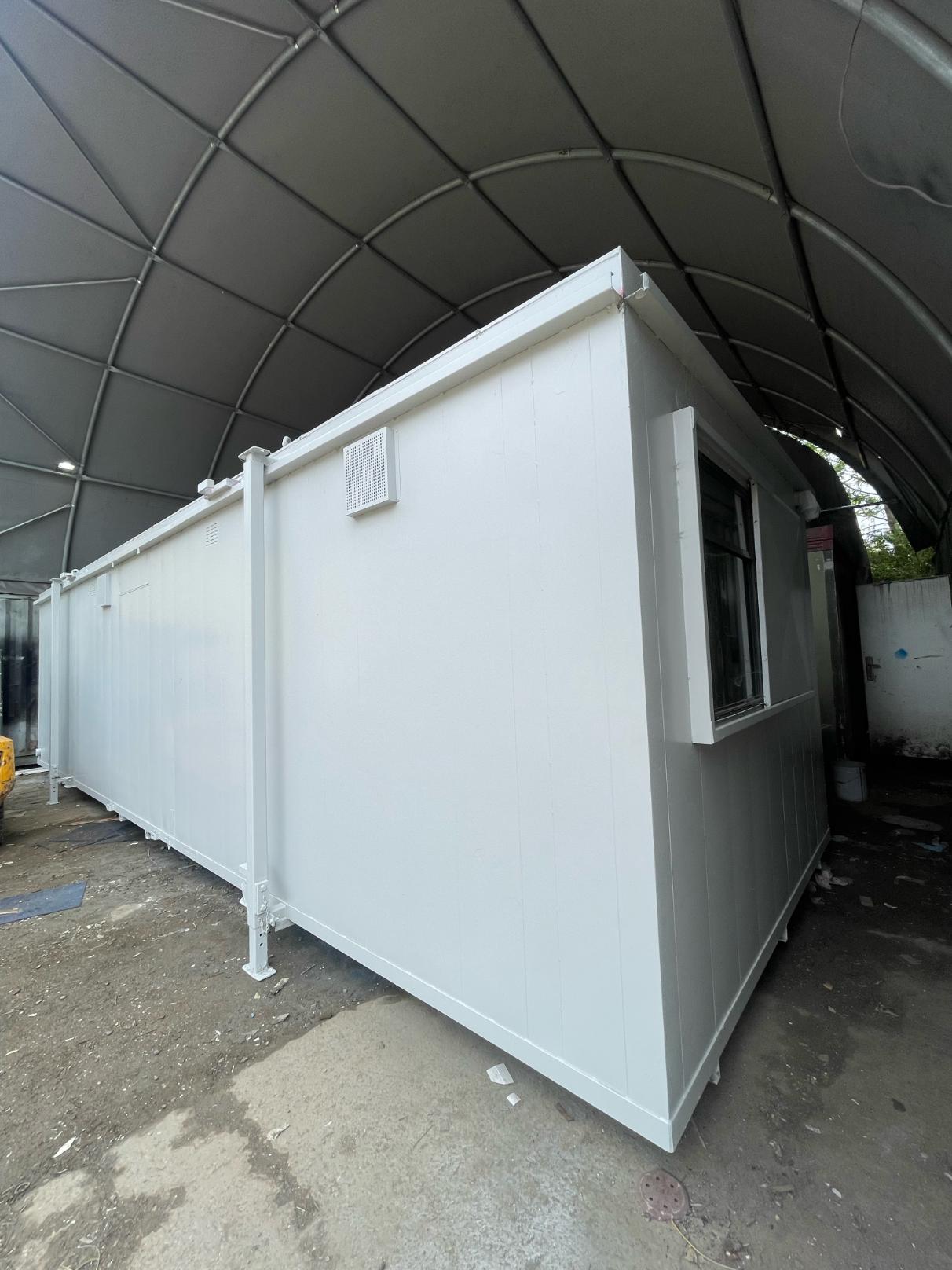
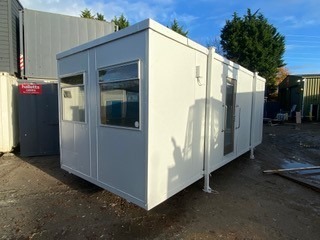
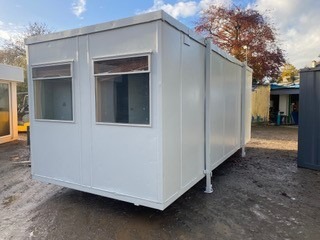
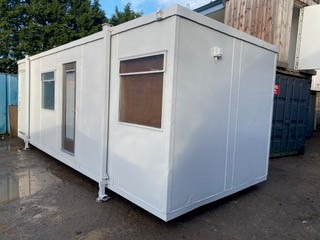
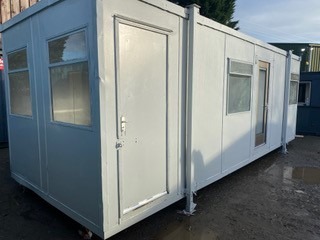
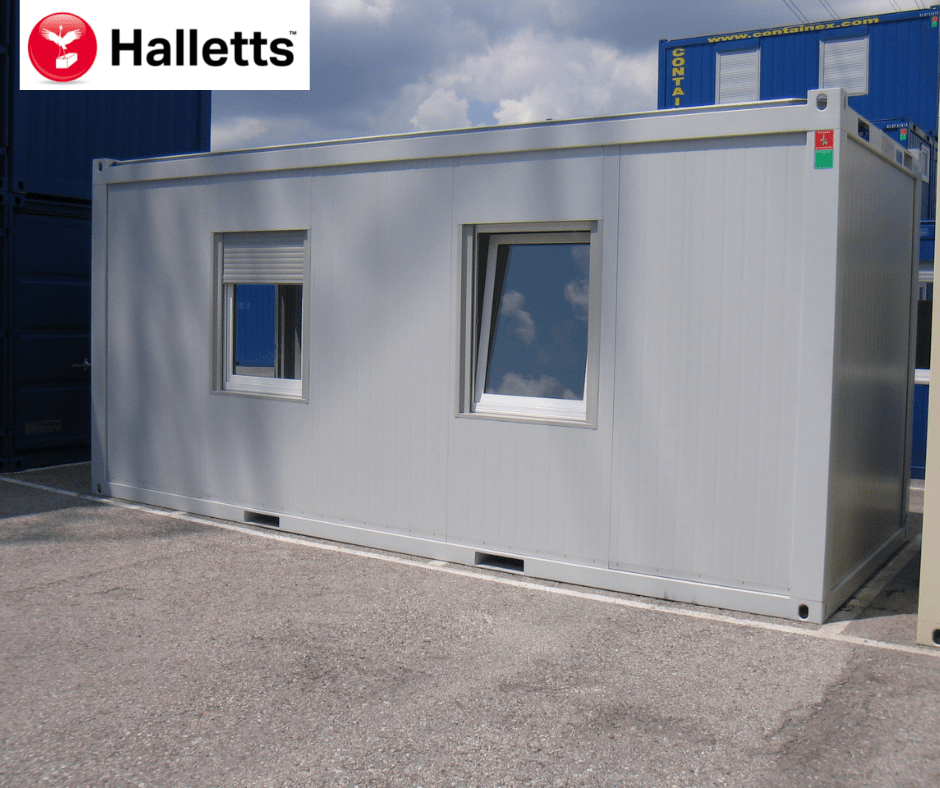
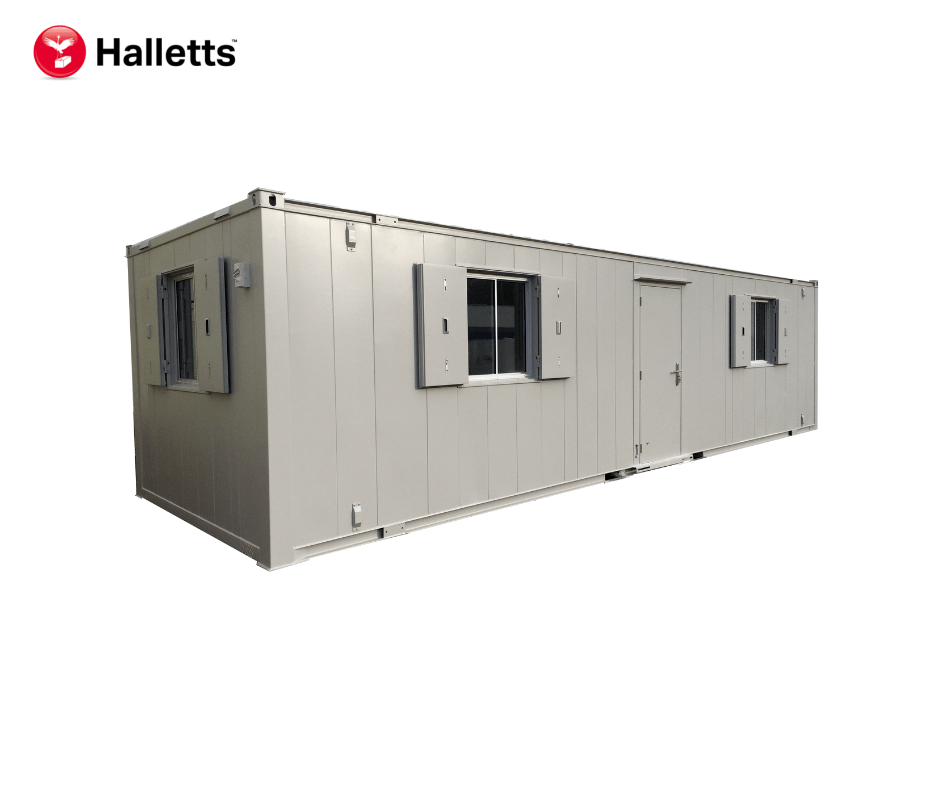
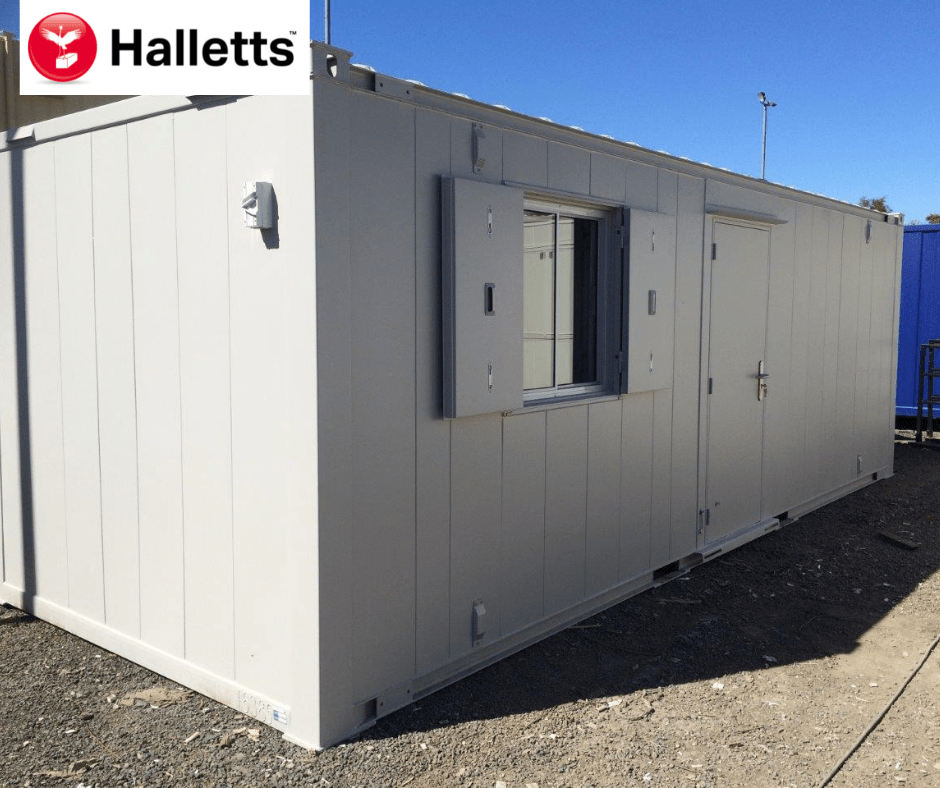
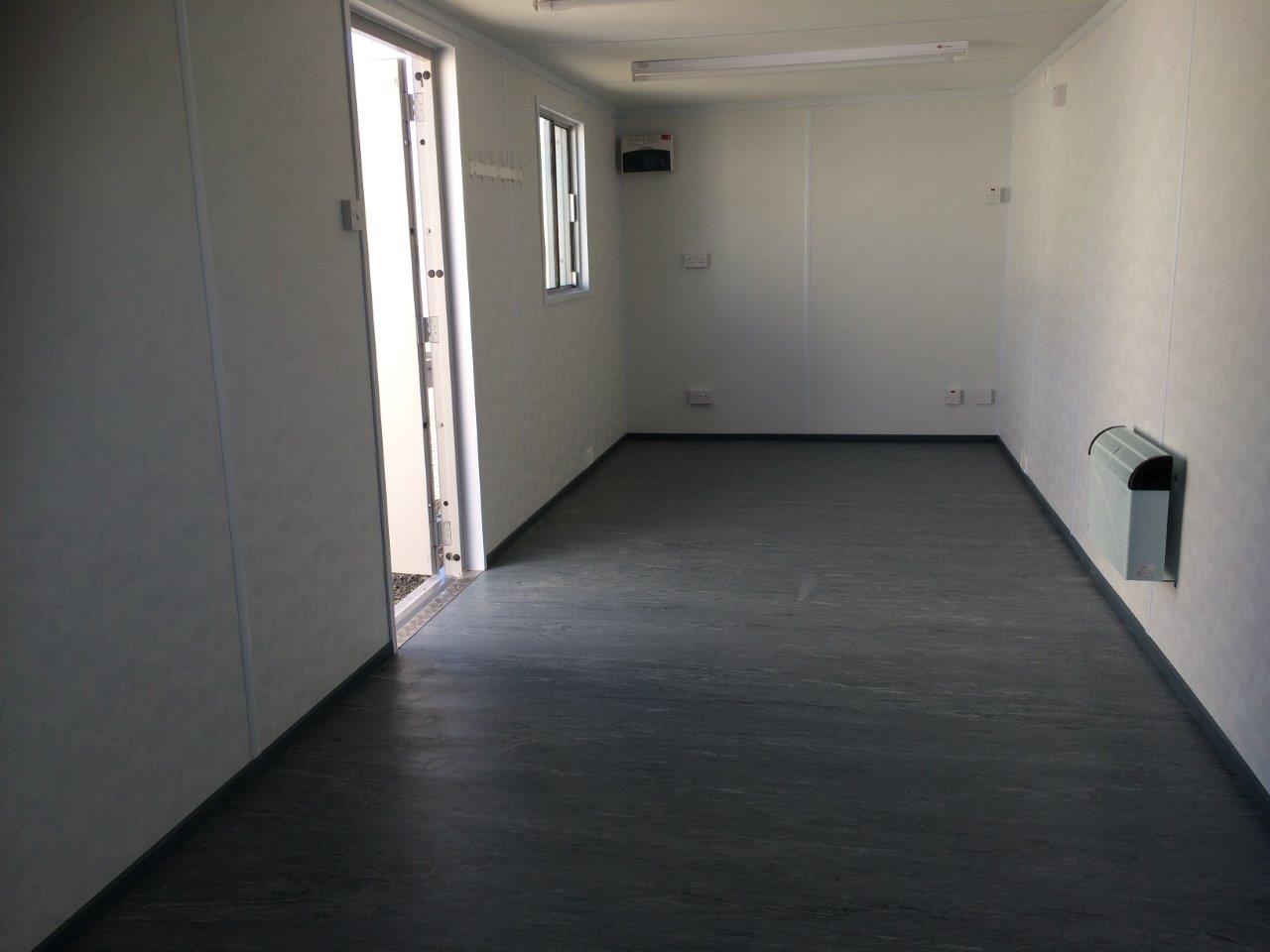
32ft x 10ft Anti Vandal Canteen/Office

    • Price: £5,995 + VAT
    • Description: 32ft x 10ft Anti Vandal Canteen/Office
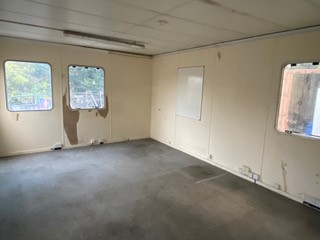
  Part refurbished including:
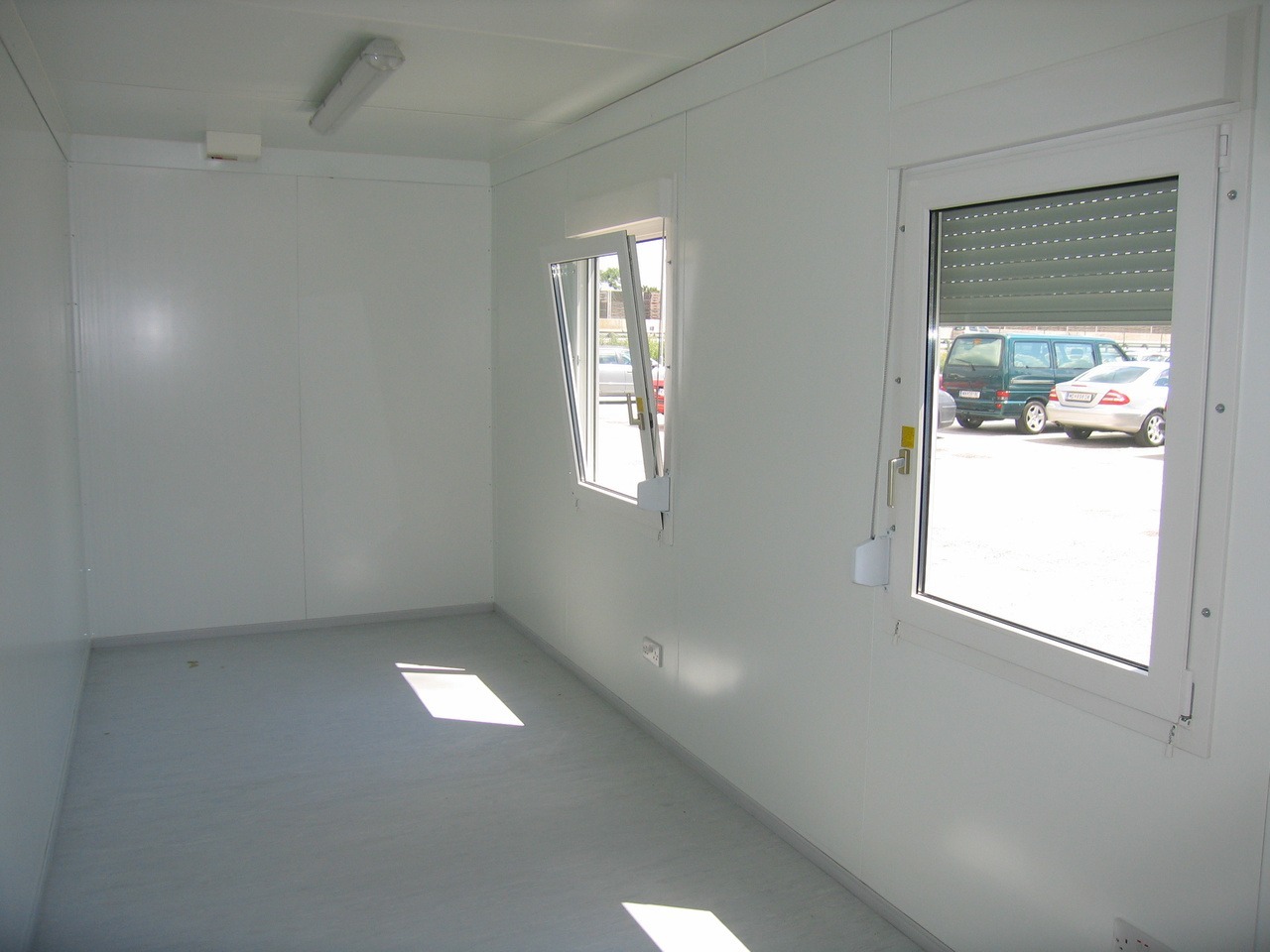
  • Electric sockets, lighting and heating
  • White upvc double glazing
  • Canteen
  • Open plan
  • External light grey re spray

Location: Nationwide

£5,995 + vat

Not Available for Hire

We can deliver for a cost please ask and send us post code.

Call for an instant quote!

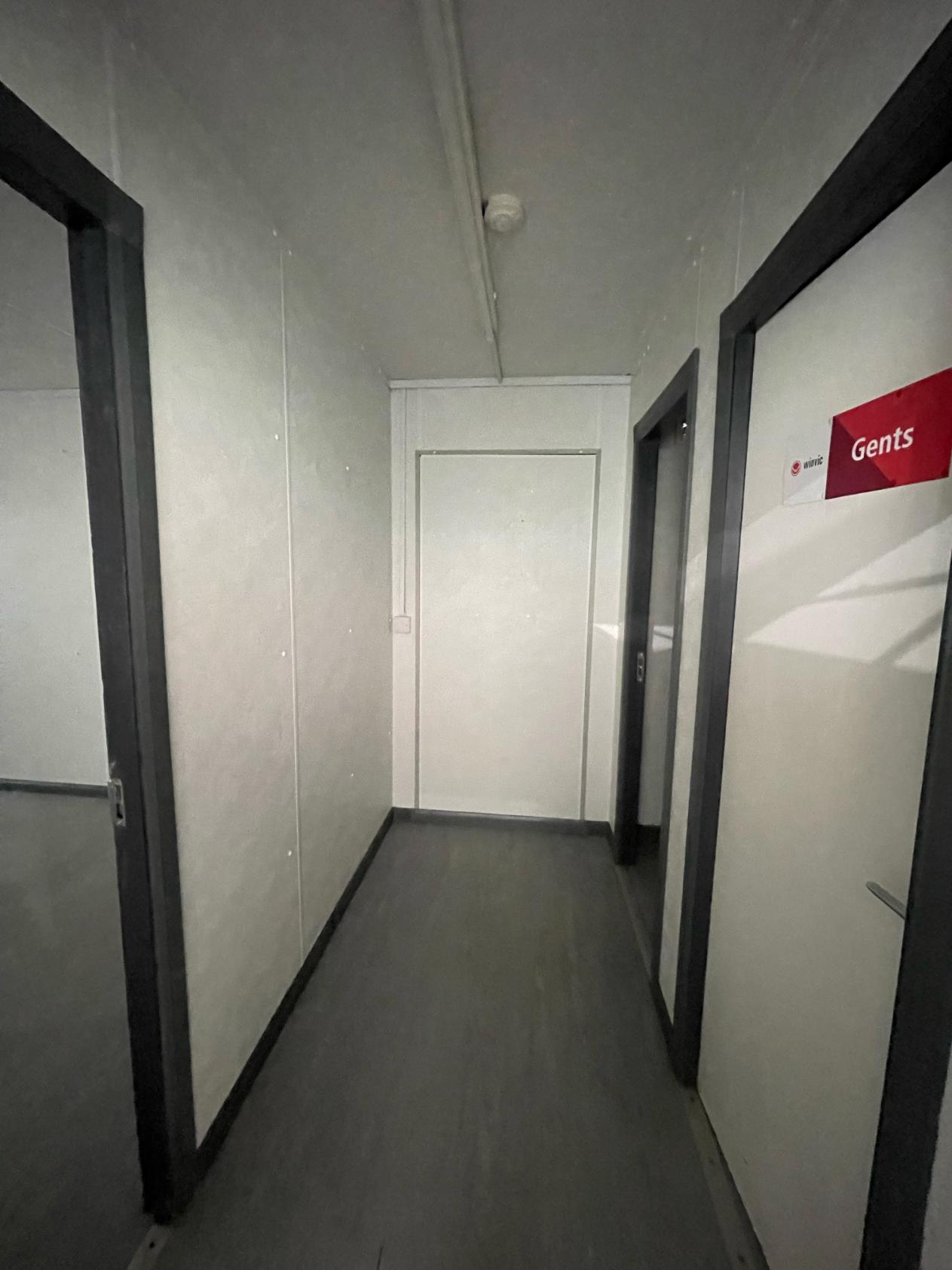
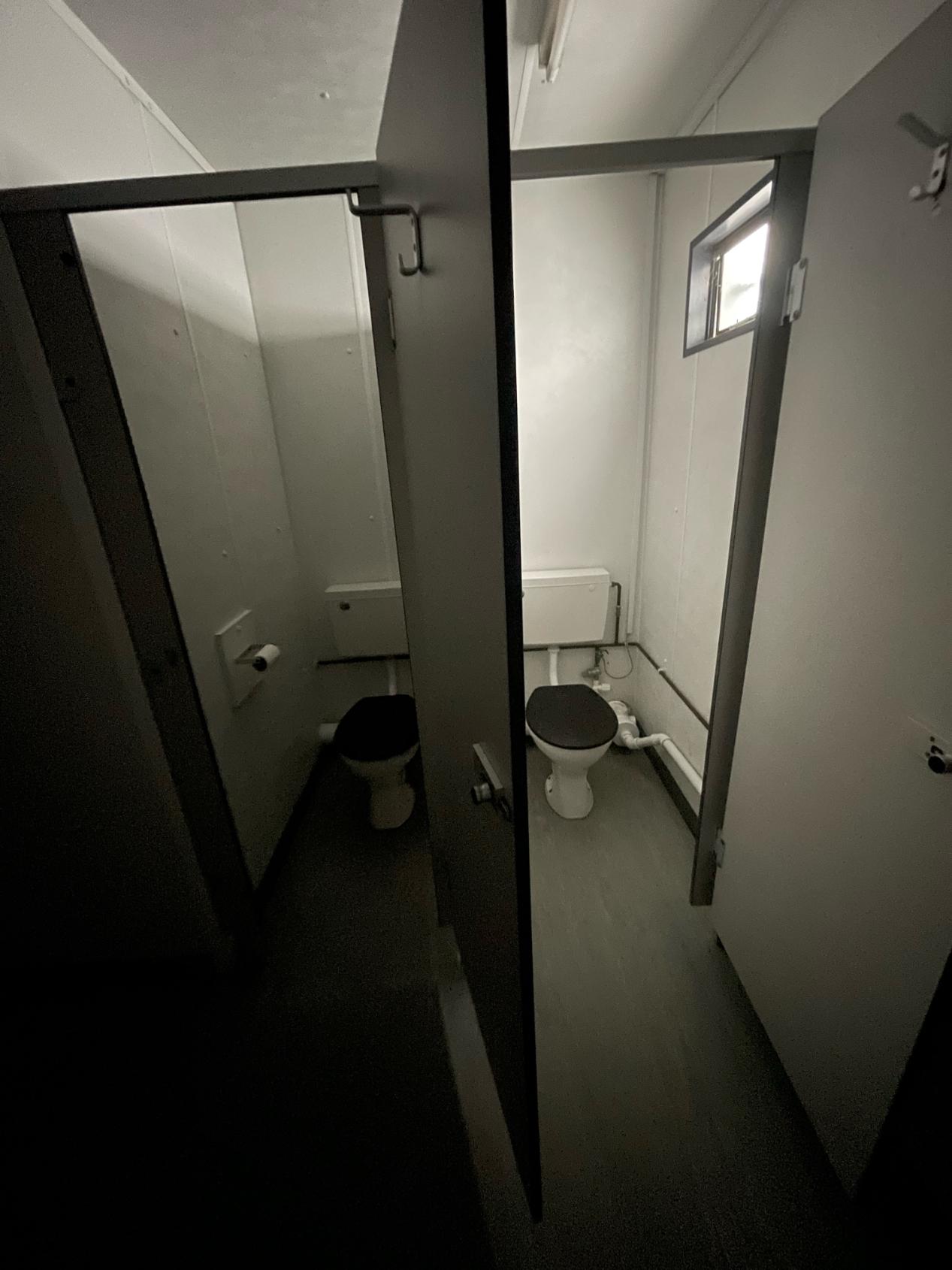
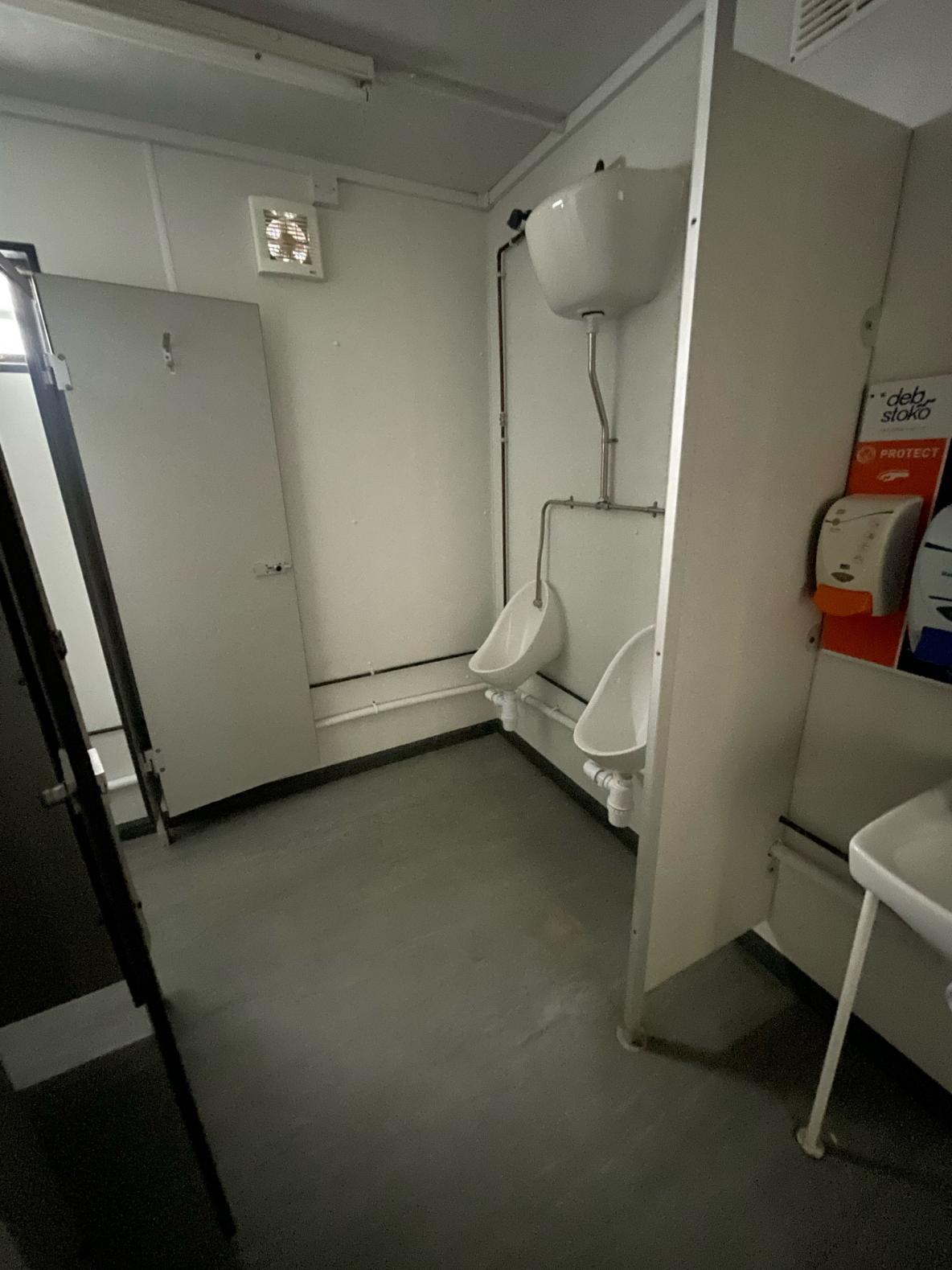
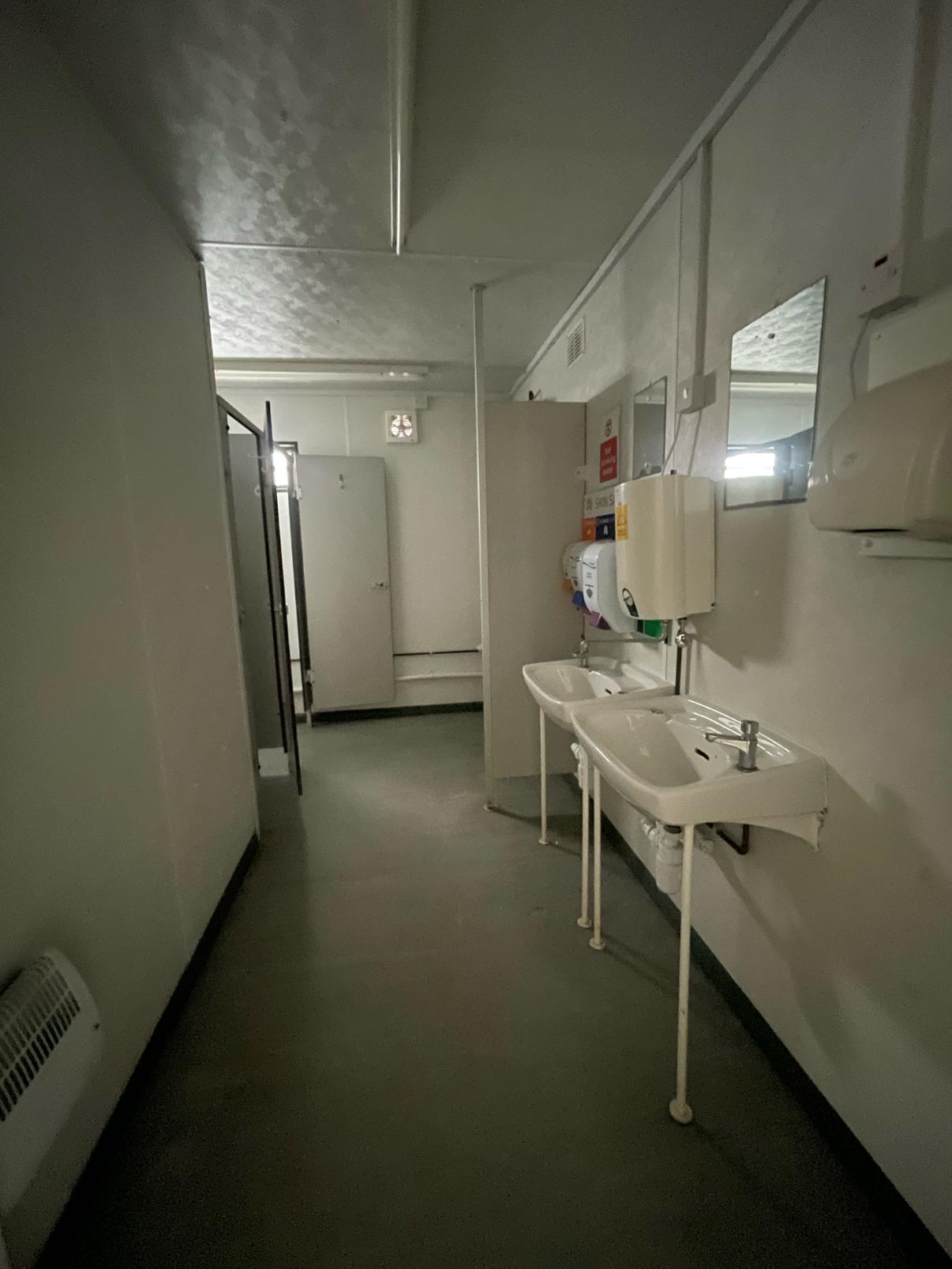
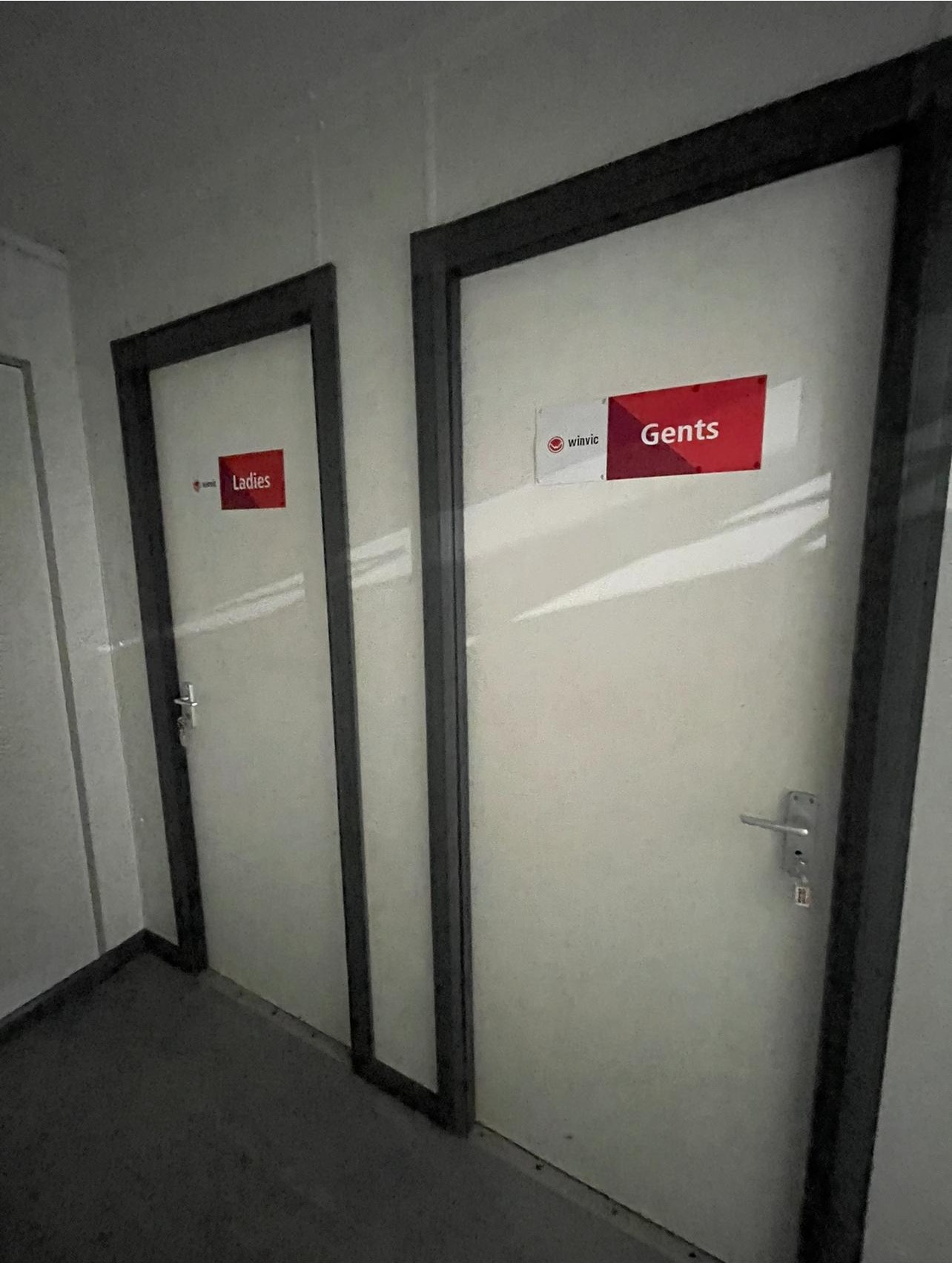
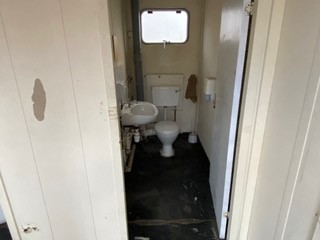
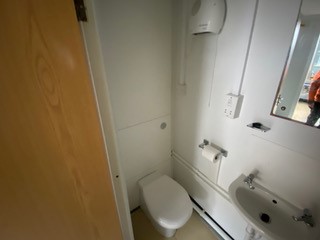
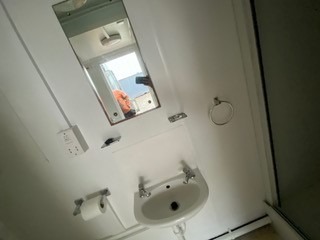
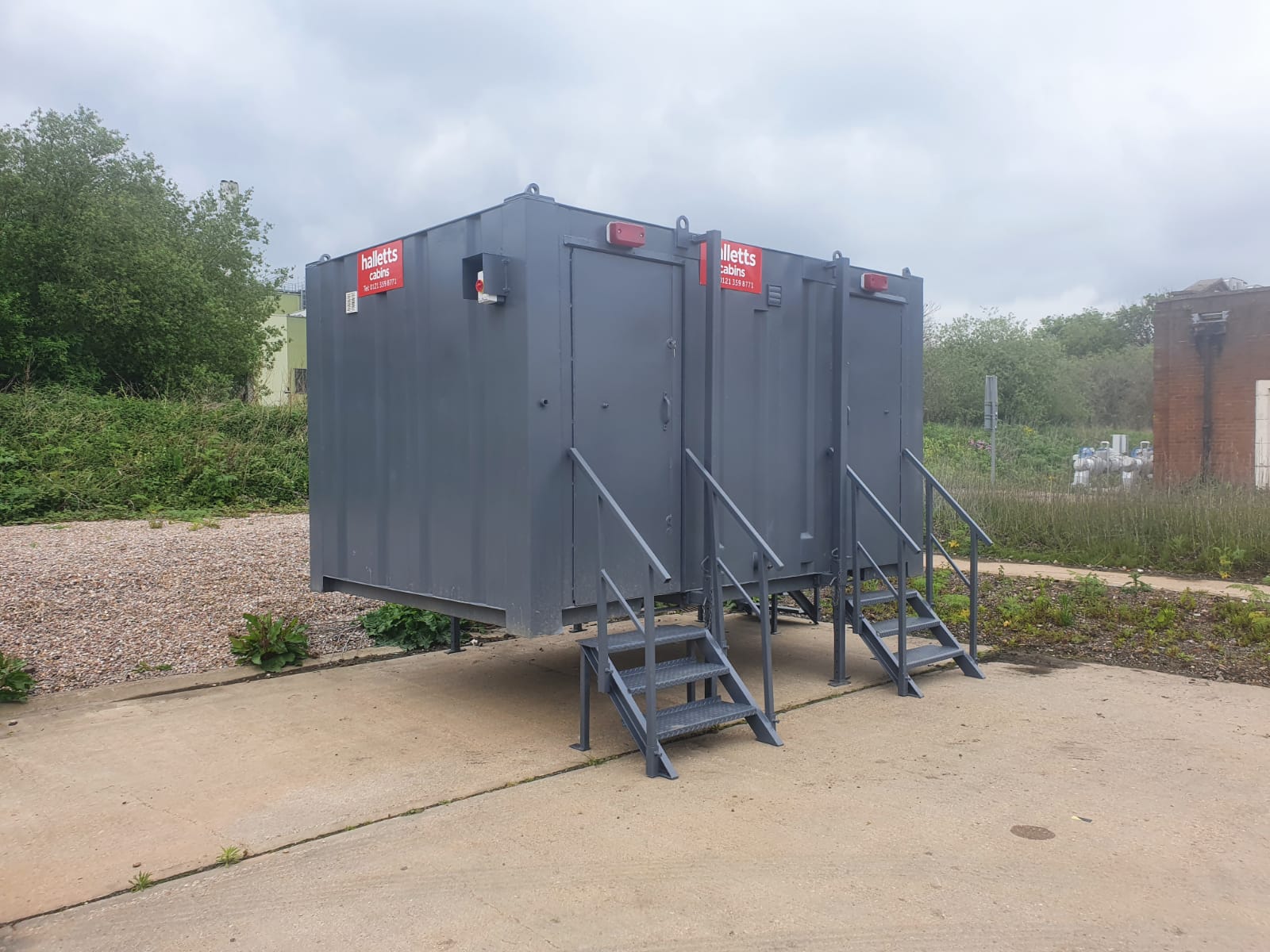
32ft x 10ft Drying Room, Toilet Block

Hallway leading into:

  • Price: £6,500 + VAT
  • Half open plan drying room, or we could add in a canteen. (additional cost)
  • Female Single toilet
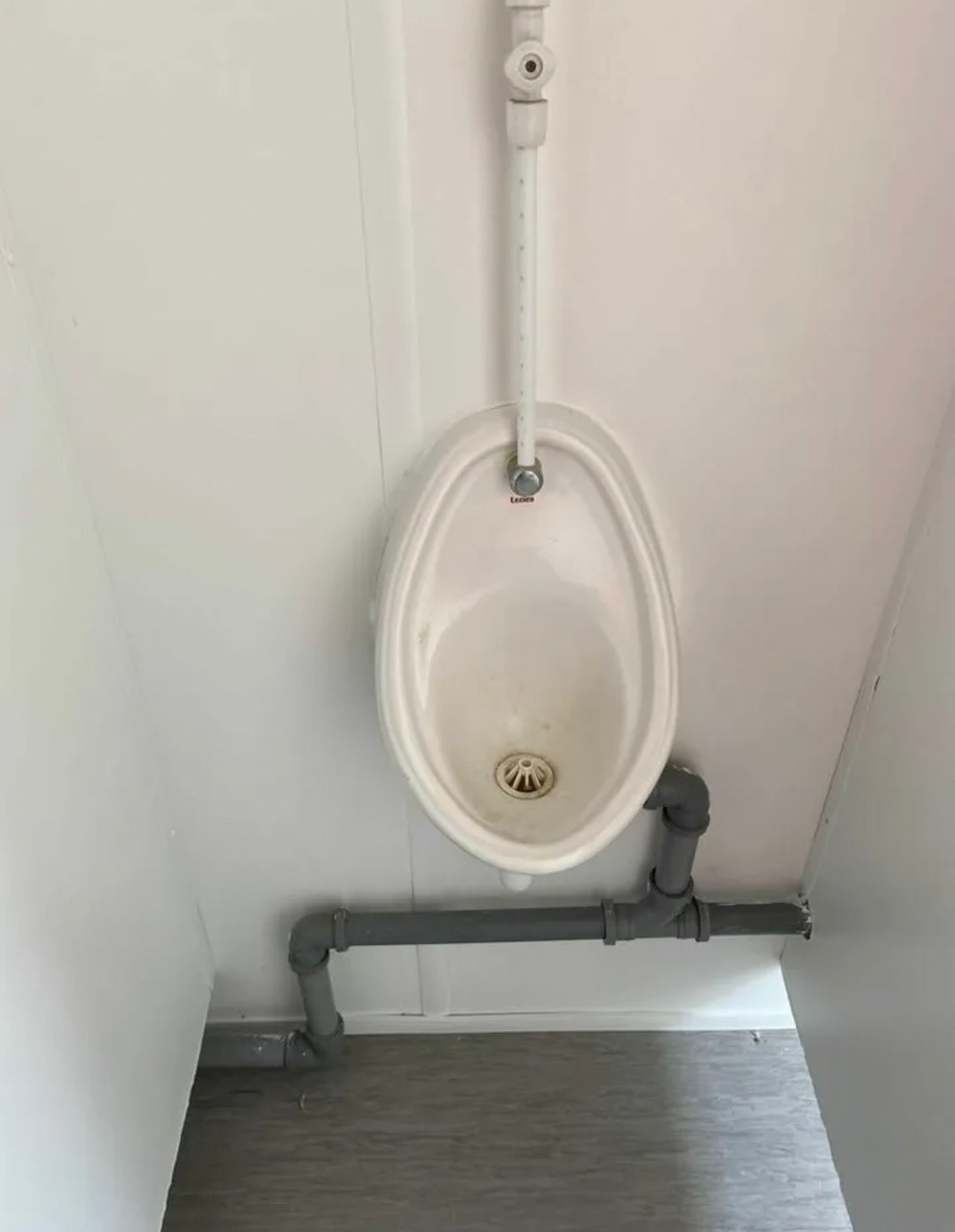
  • Male toilets including 2 x cubicles, 2 x urinals and 2 x sinks
  • External light grey spray
  • Deep cleaned
  • Ready to use
  • Excellent overall condition

Transport can be arranged please ask.

Location: Nationwide

£6,500.00 + vat

Not Available for Hire

Call for an instant quote!

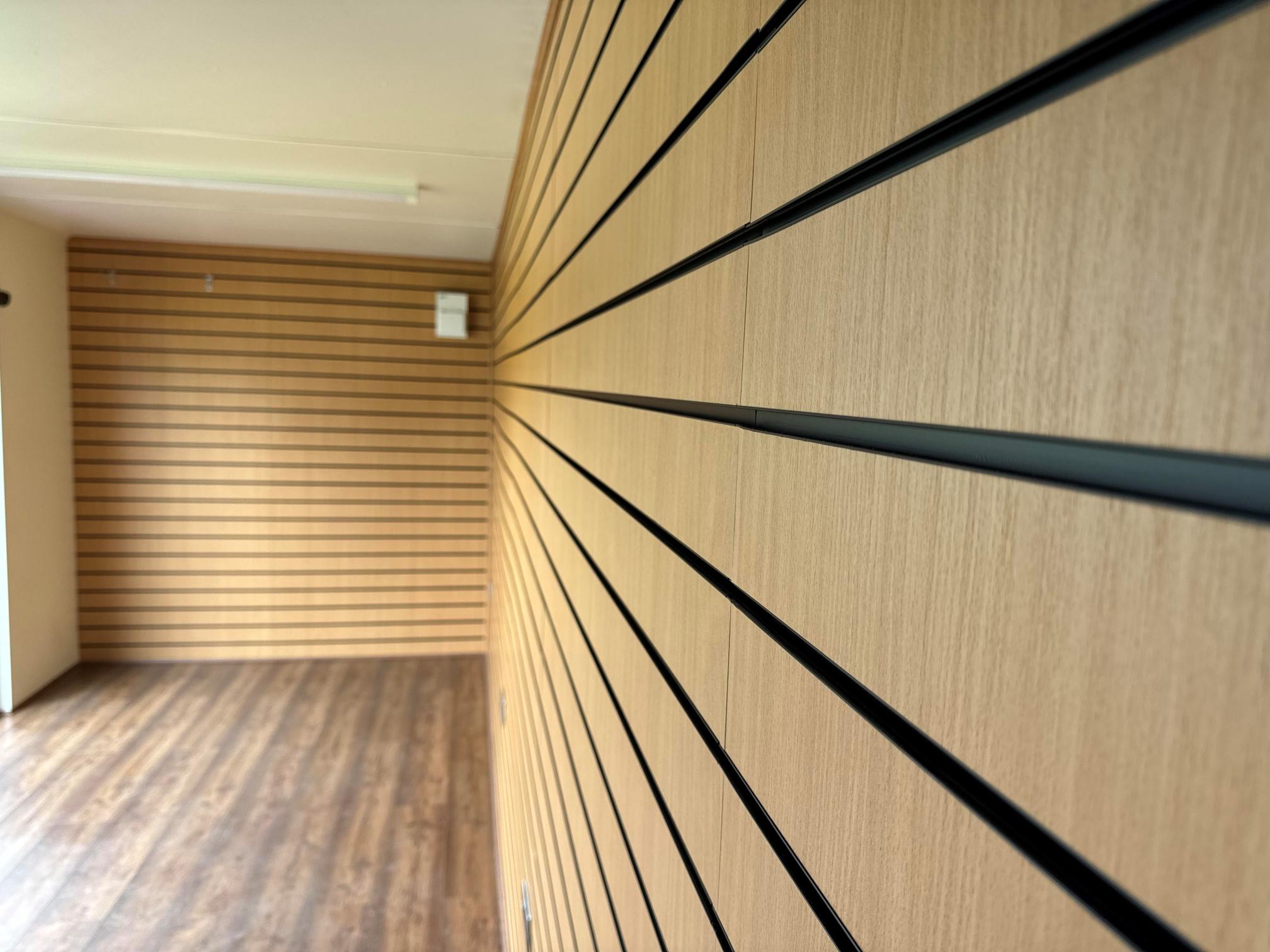
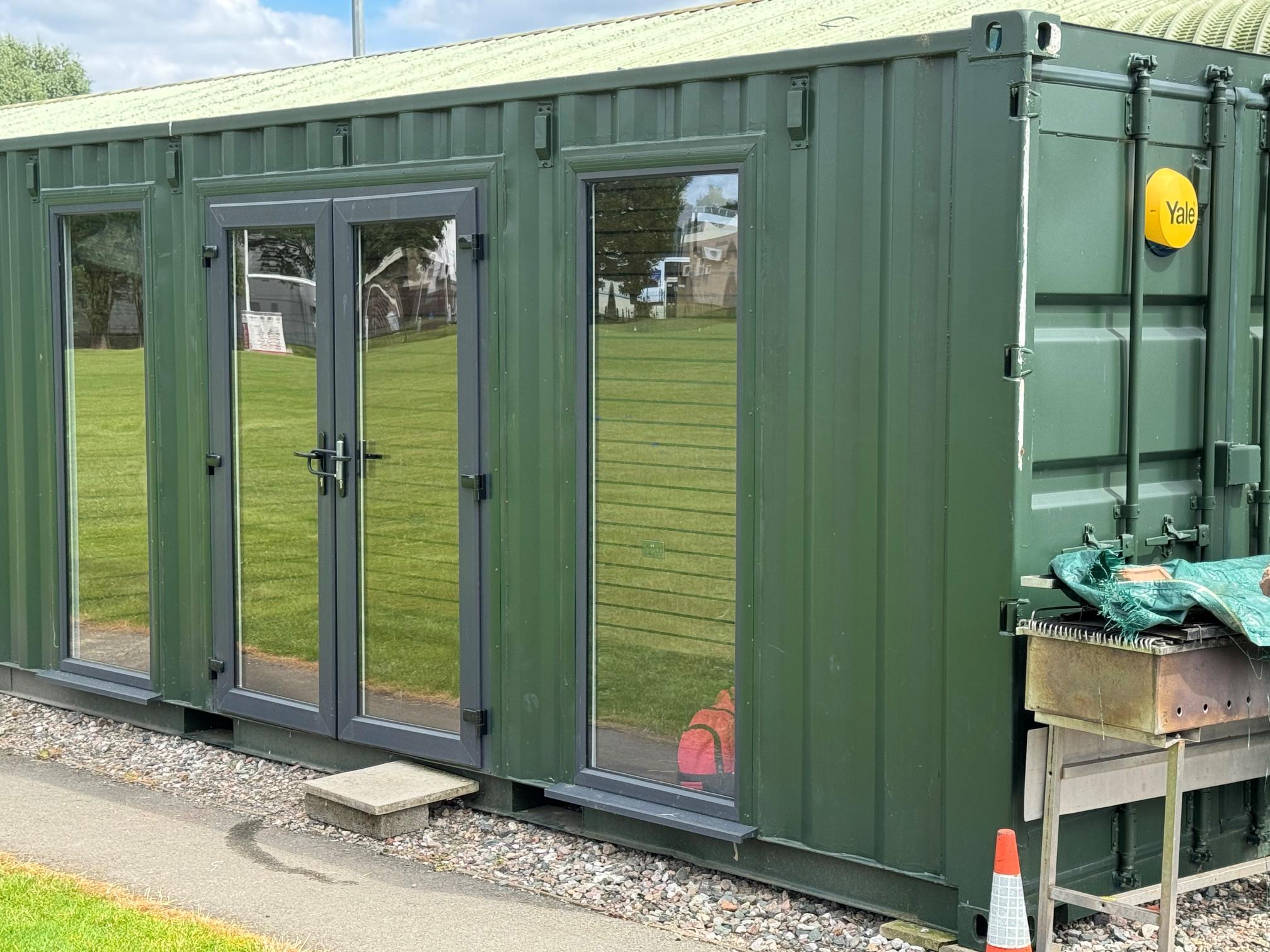
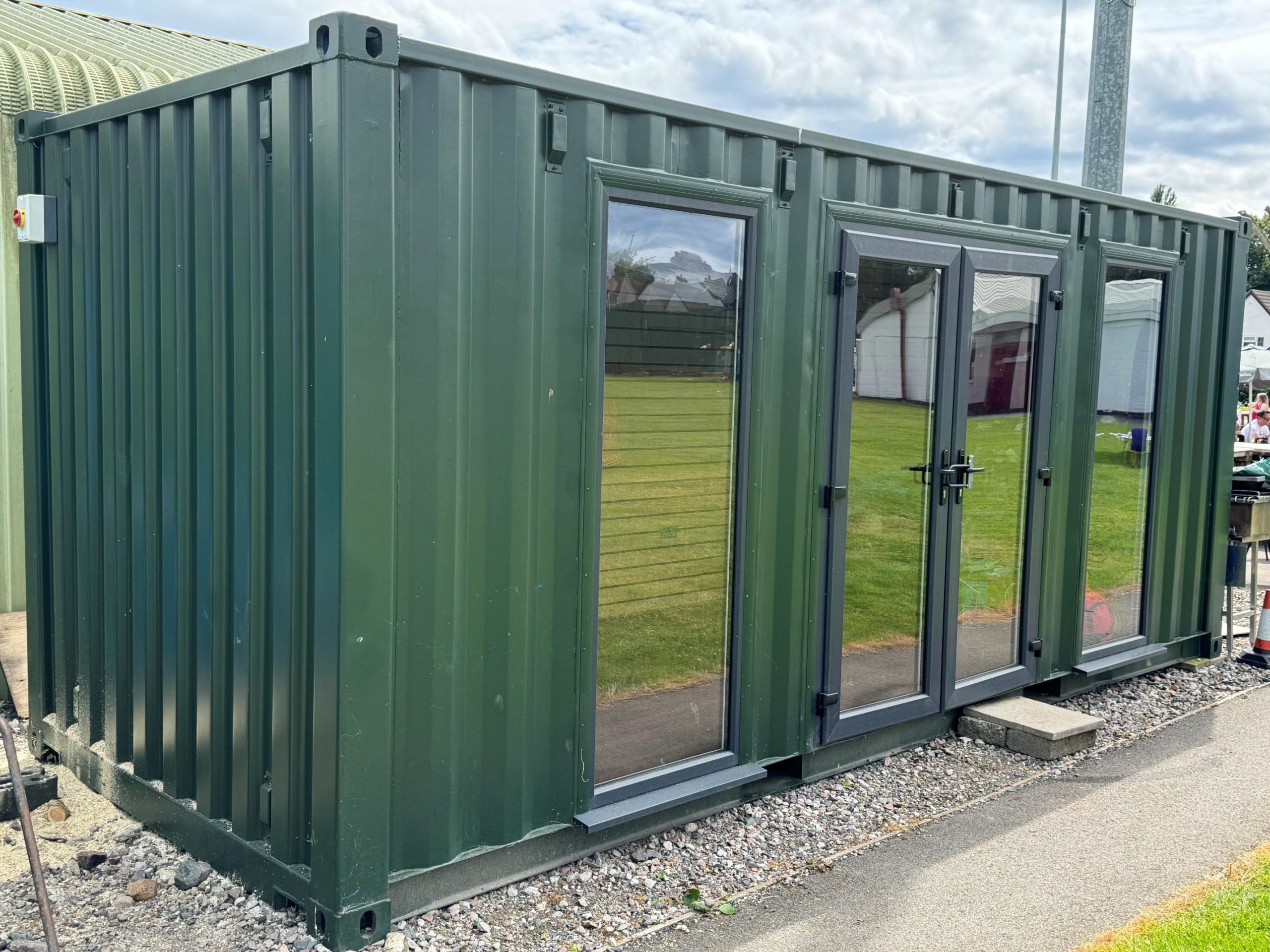
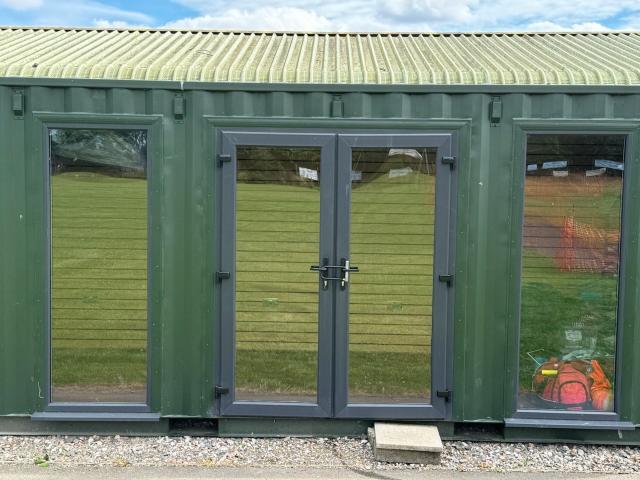
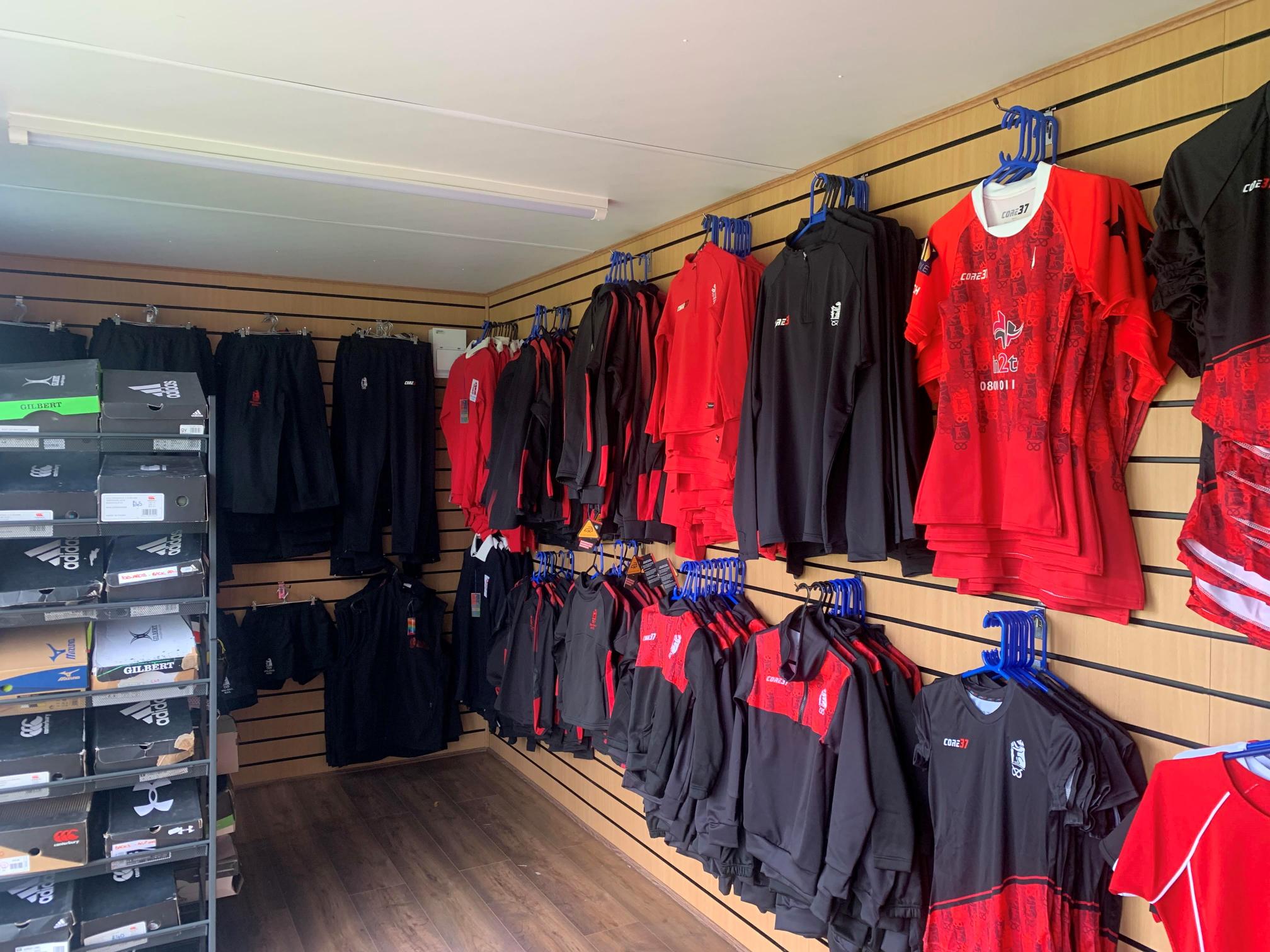
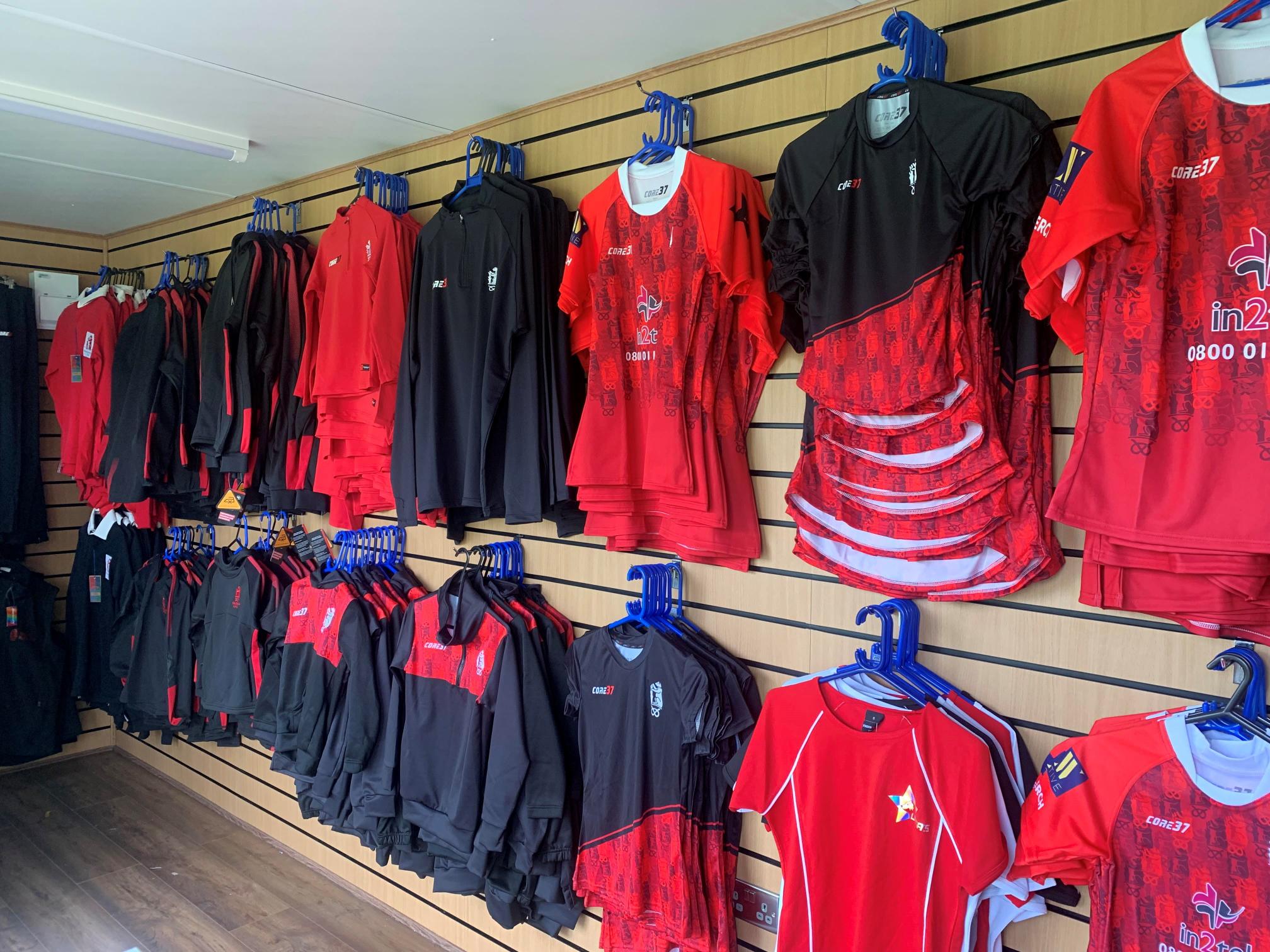
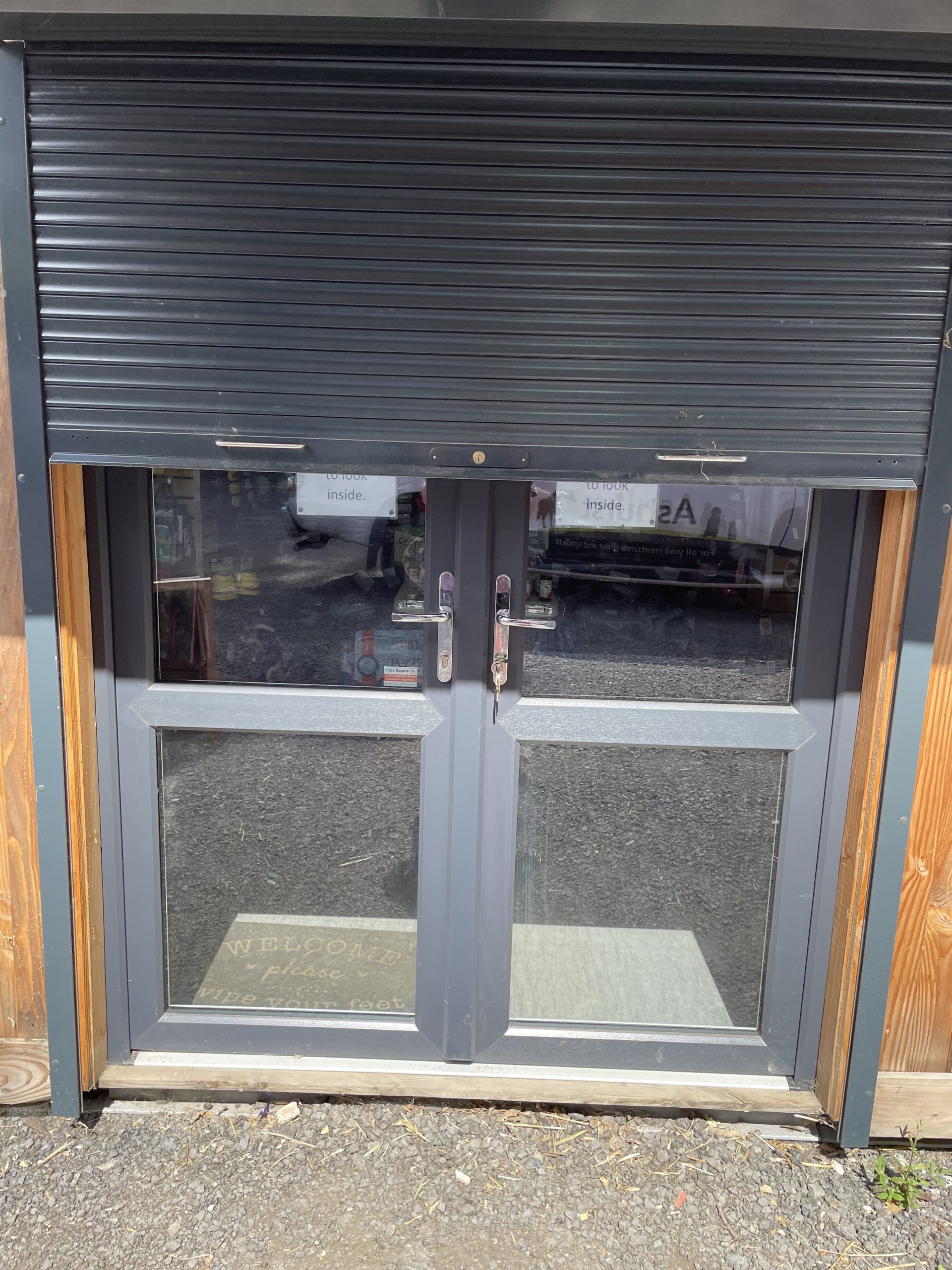
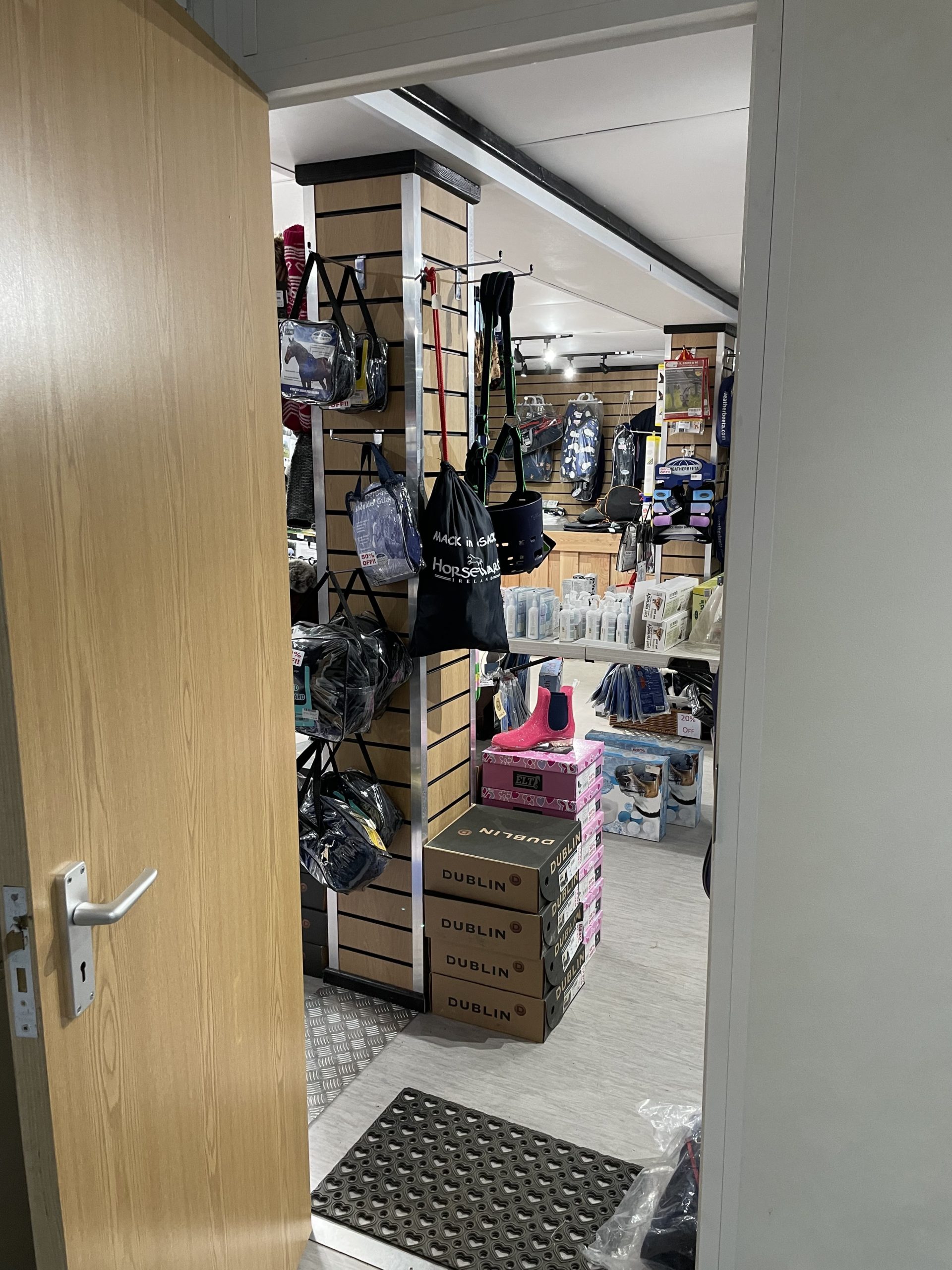
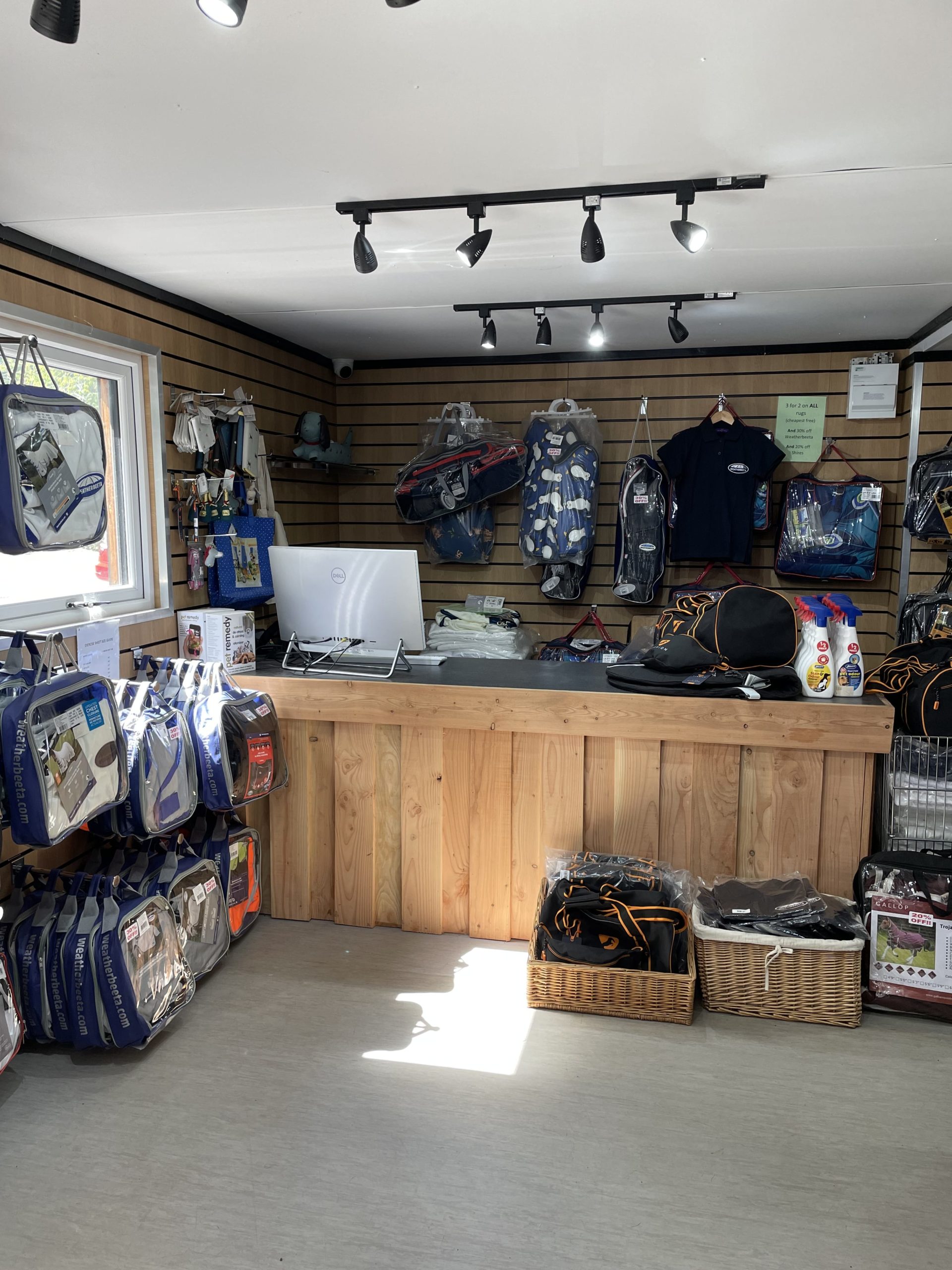
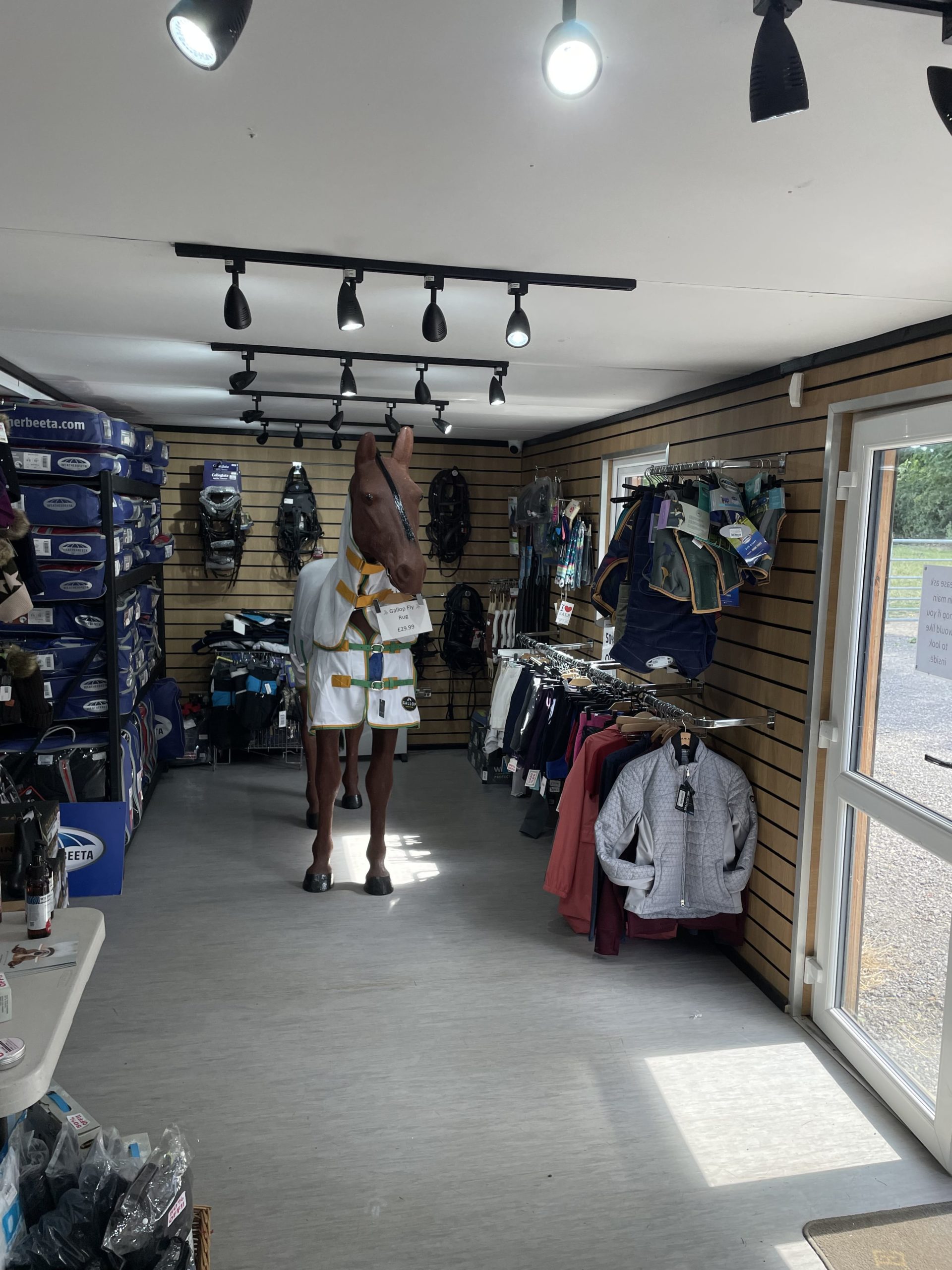
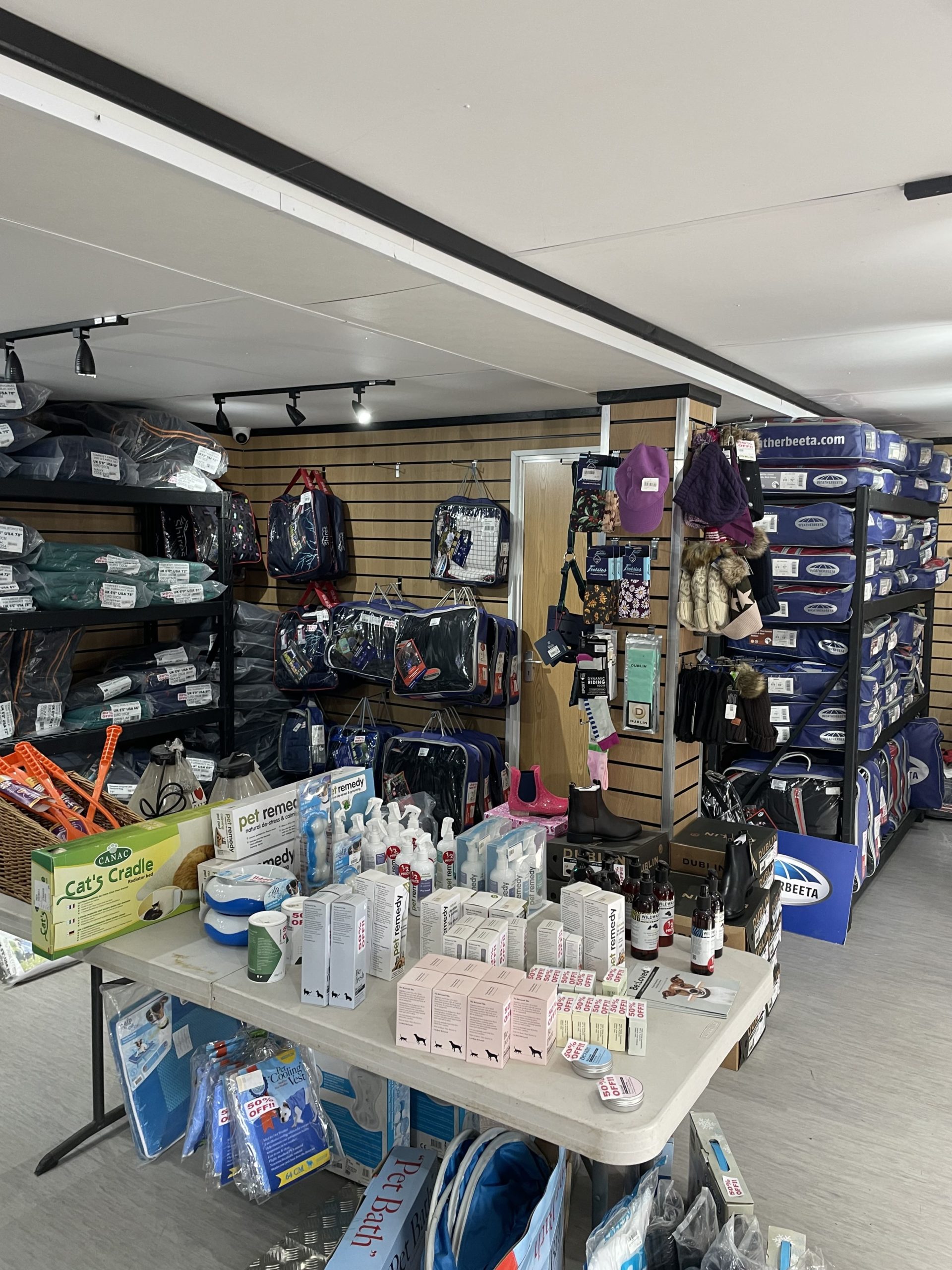
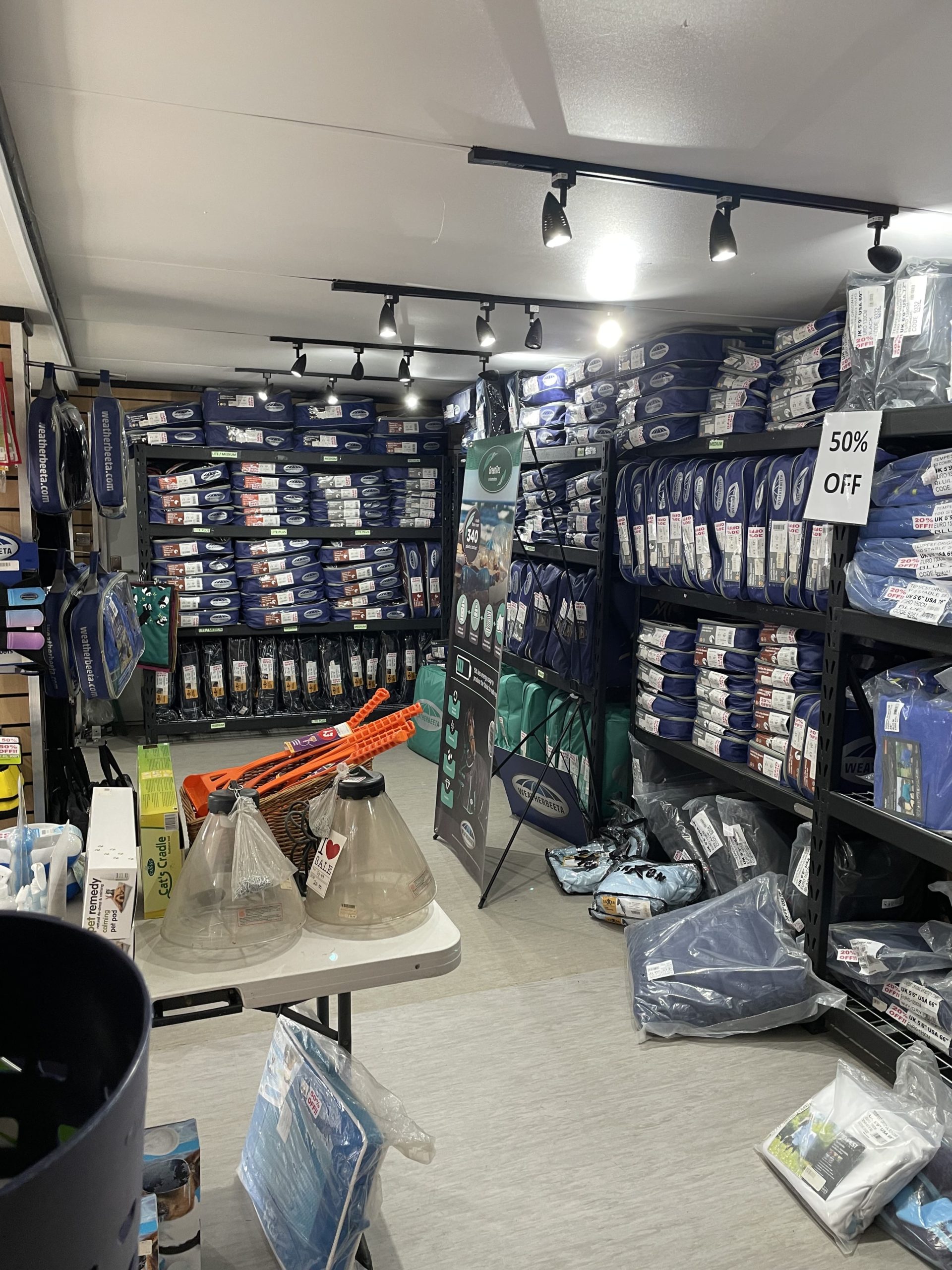
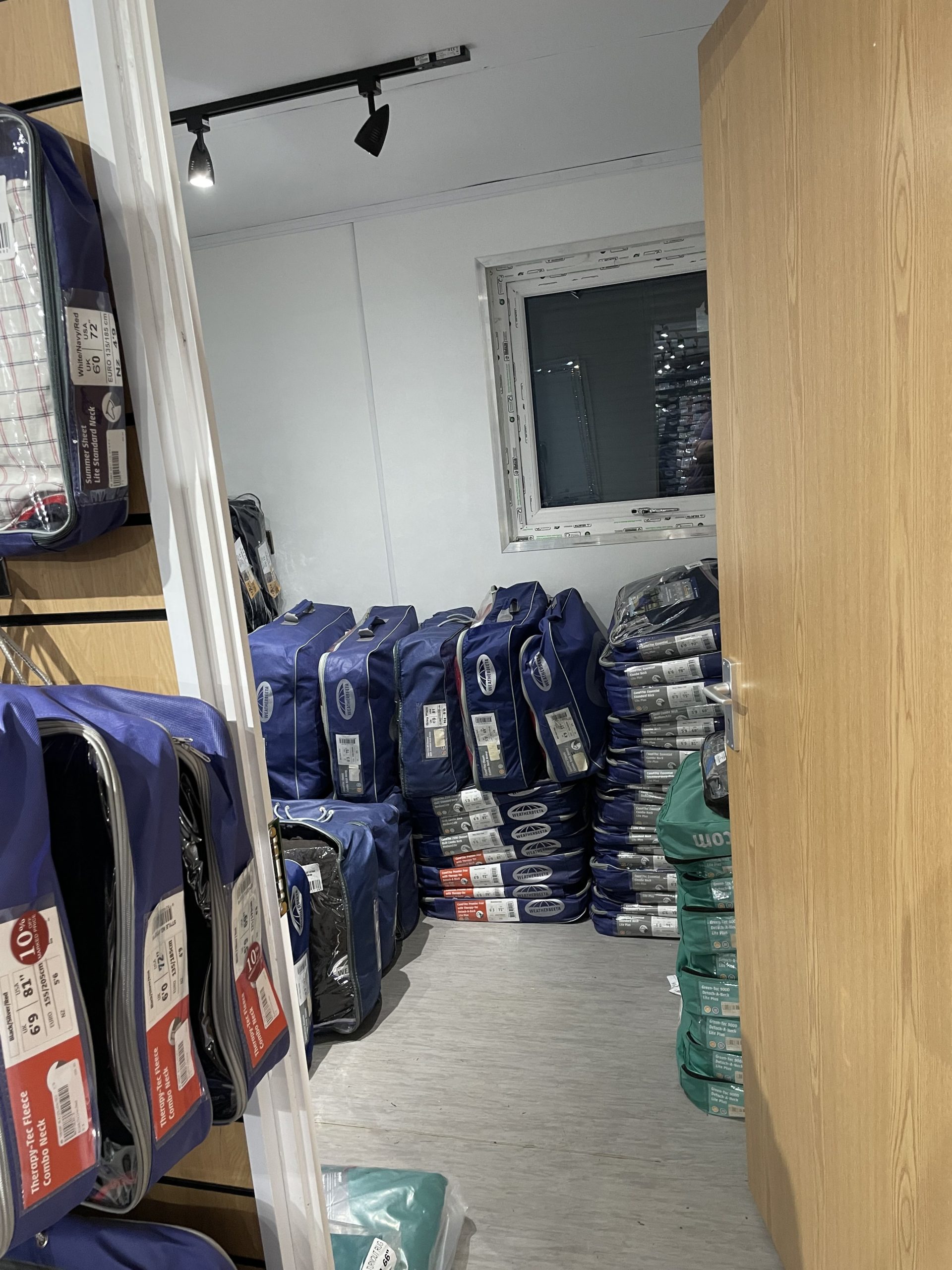
  • 20ft x 8ft Container Conversion Retail Shop

  • UPVC Double glazed Windows + French Doors

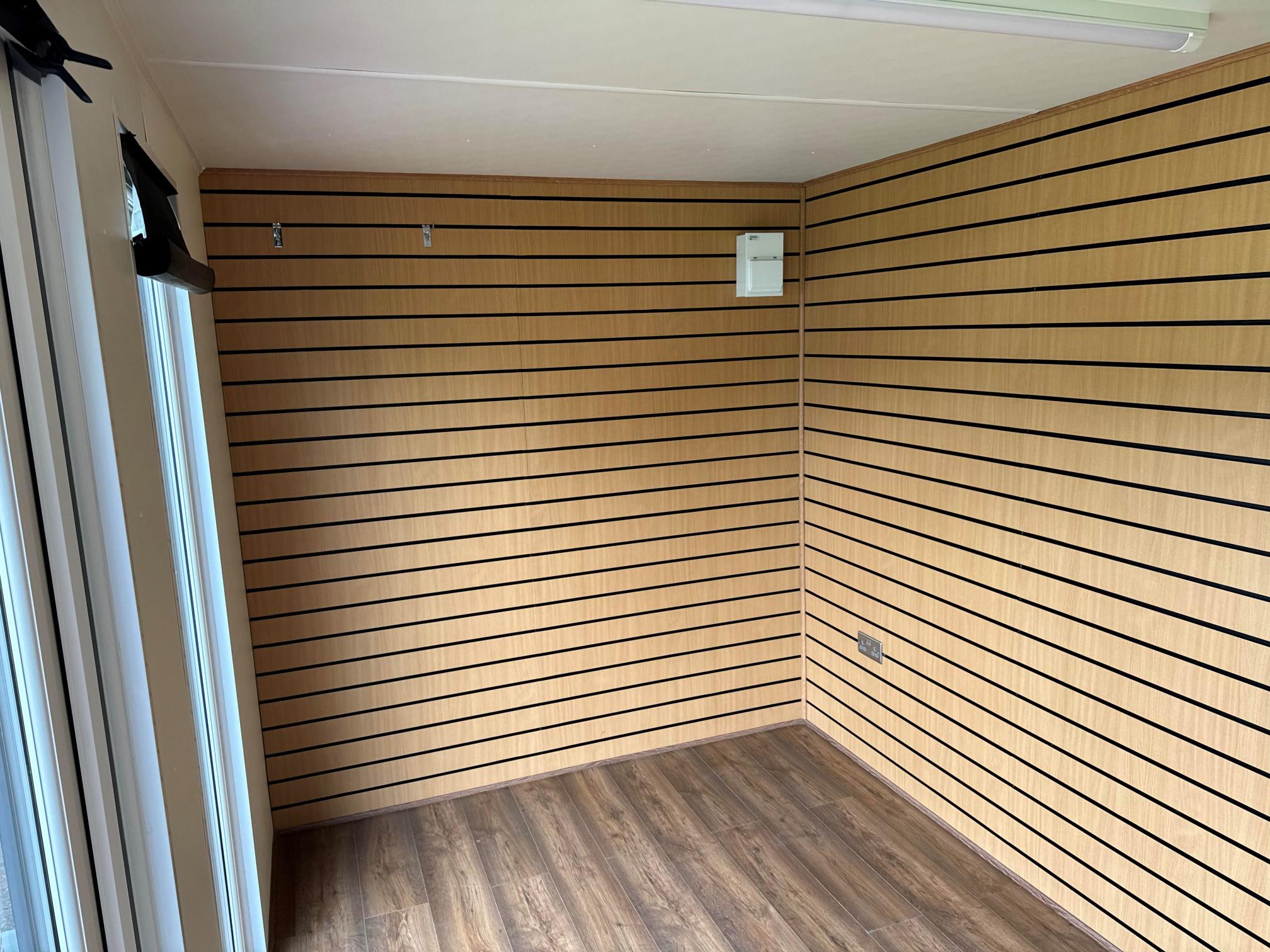
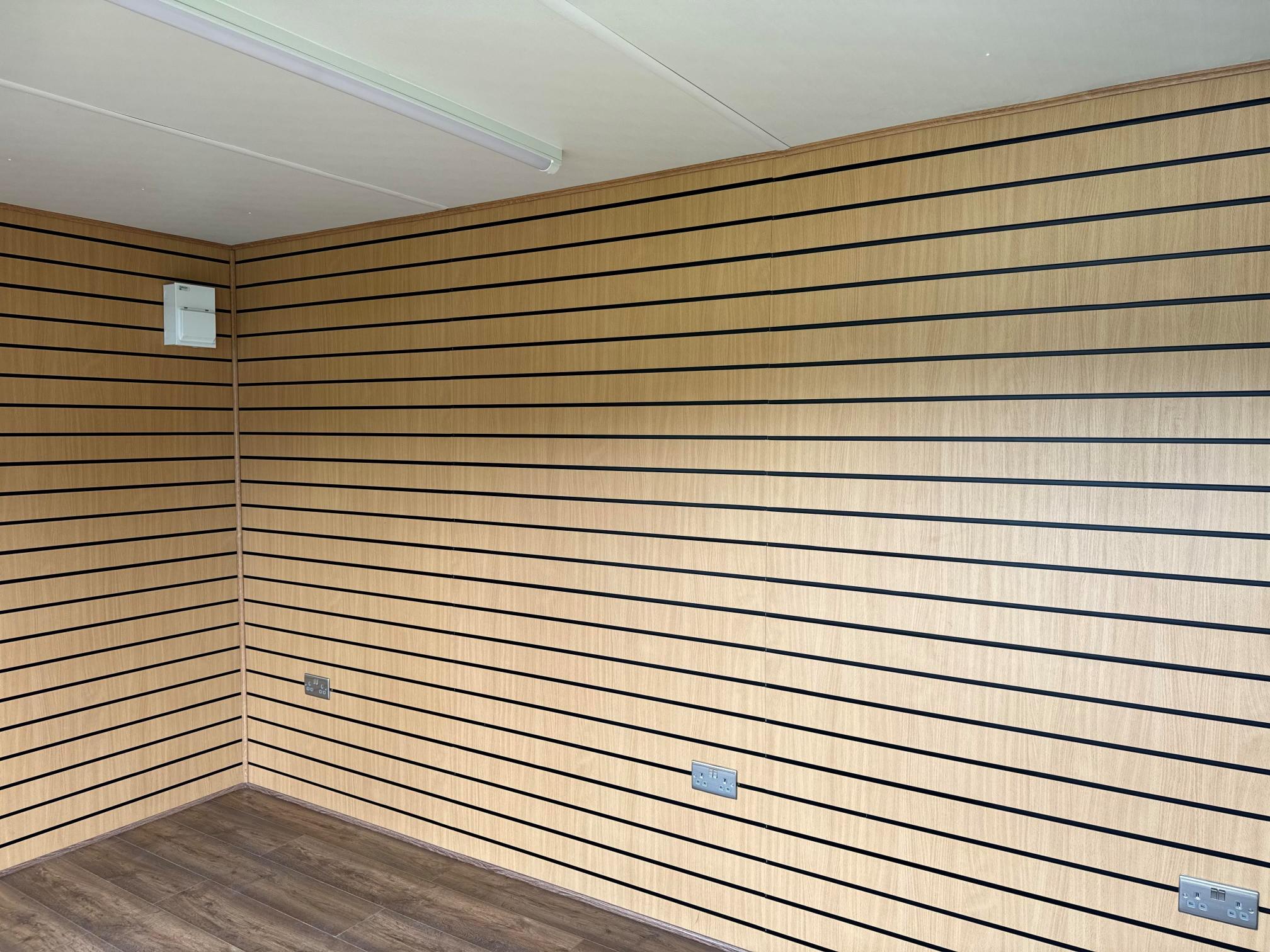
  • Slat Wall for retail fixings and Merchandise

  • Electric Chrome Sockets, led lighting and heating.

  • Laminate Flooring

  • 12 months Warranty

  • Maintenance call out package included

  • Less than 2 years old

  • Still in Brand New Condition

Location: Nationwide

POA

Not Available for Hire

Call for an instant quote!

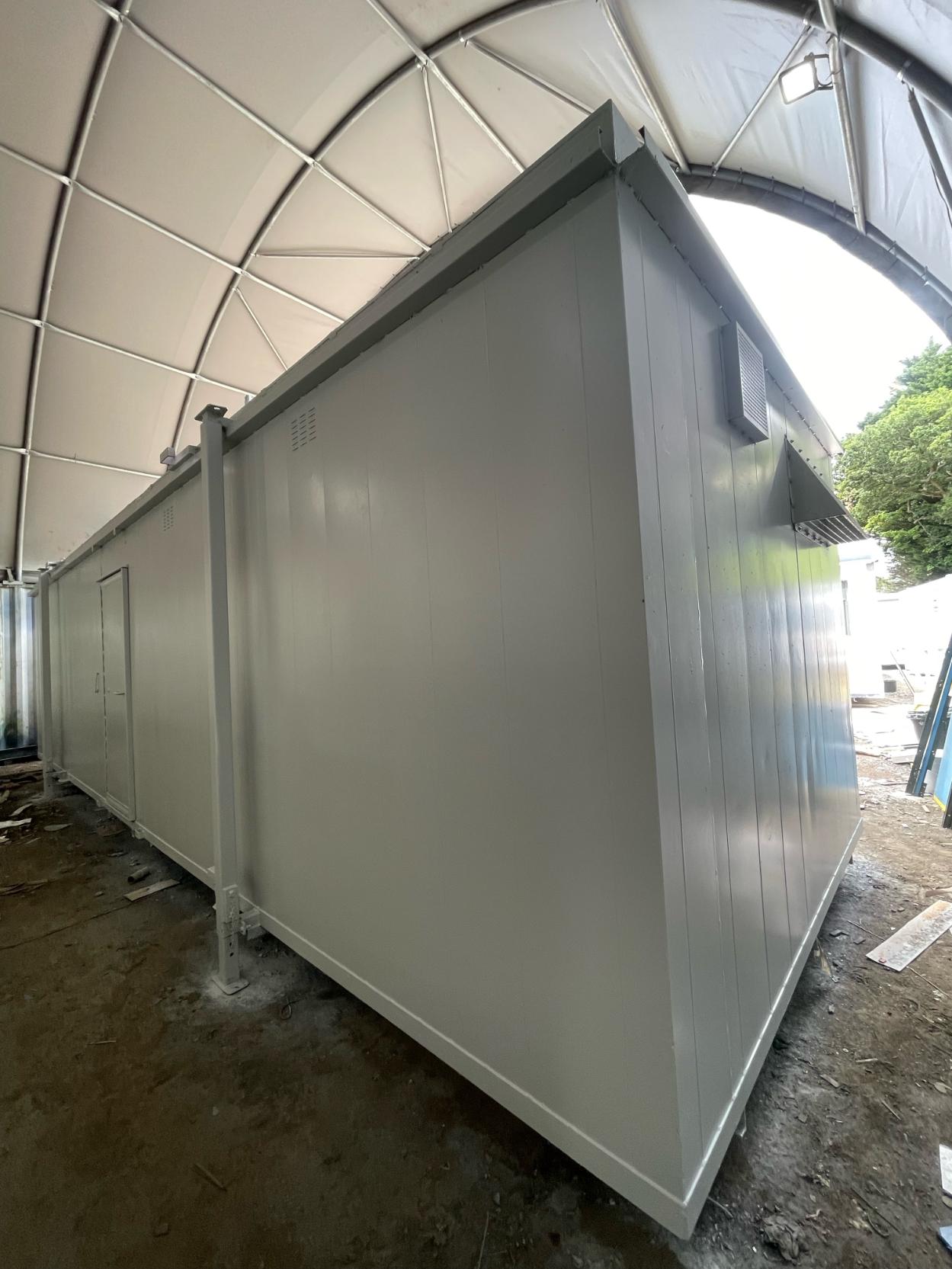
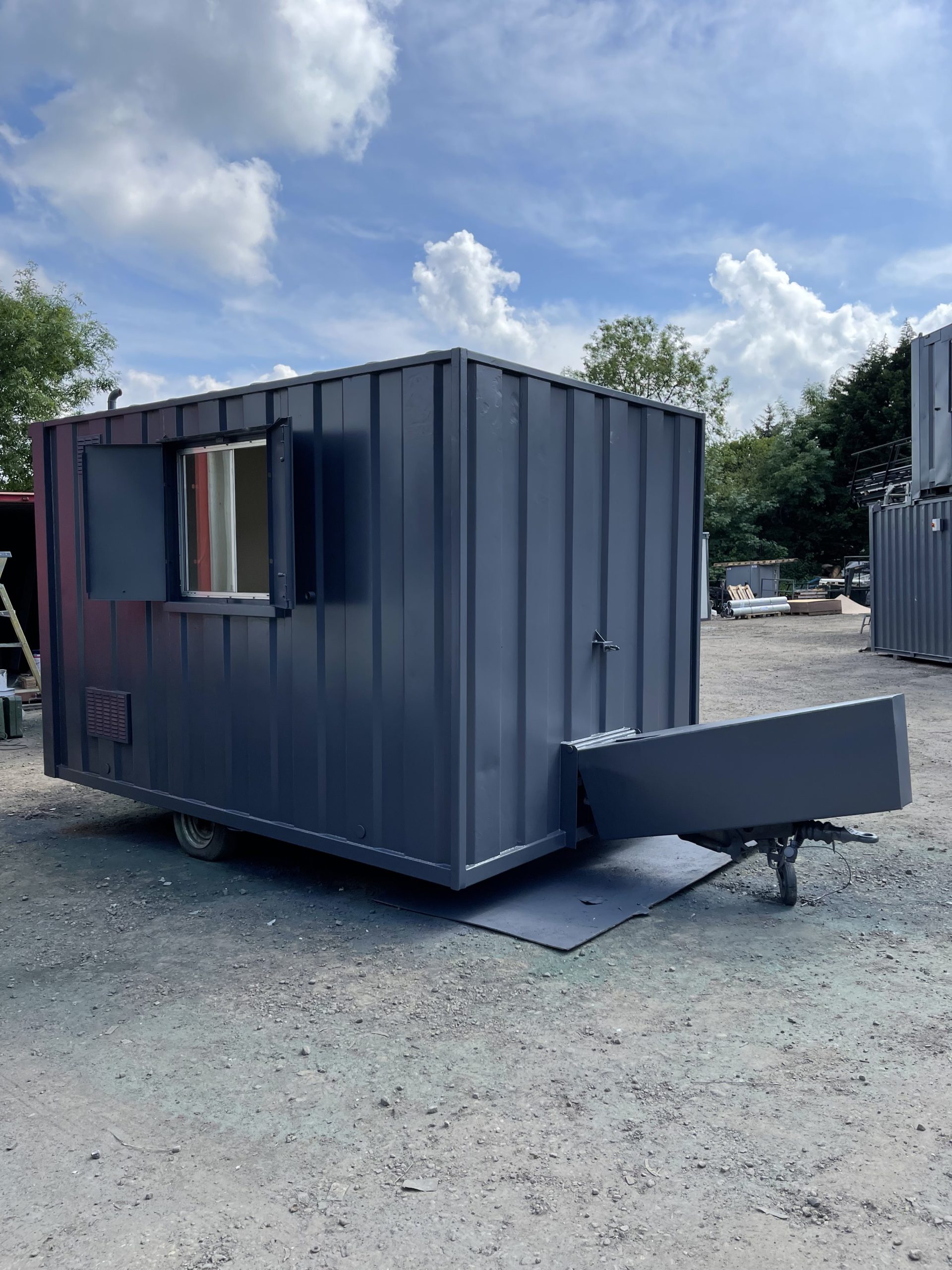
32ft x 10ft Jack Leg Cabin

  • Fully refurbished

  • Colour light grey

  • Slate grey anthracite upvc double glazed windows

Location: Nationwide


£15,000

+ VAT

Not Available for Hire

Call for an instant quote!

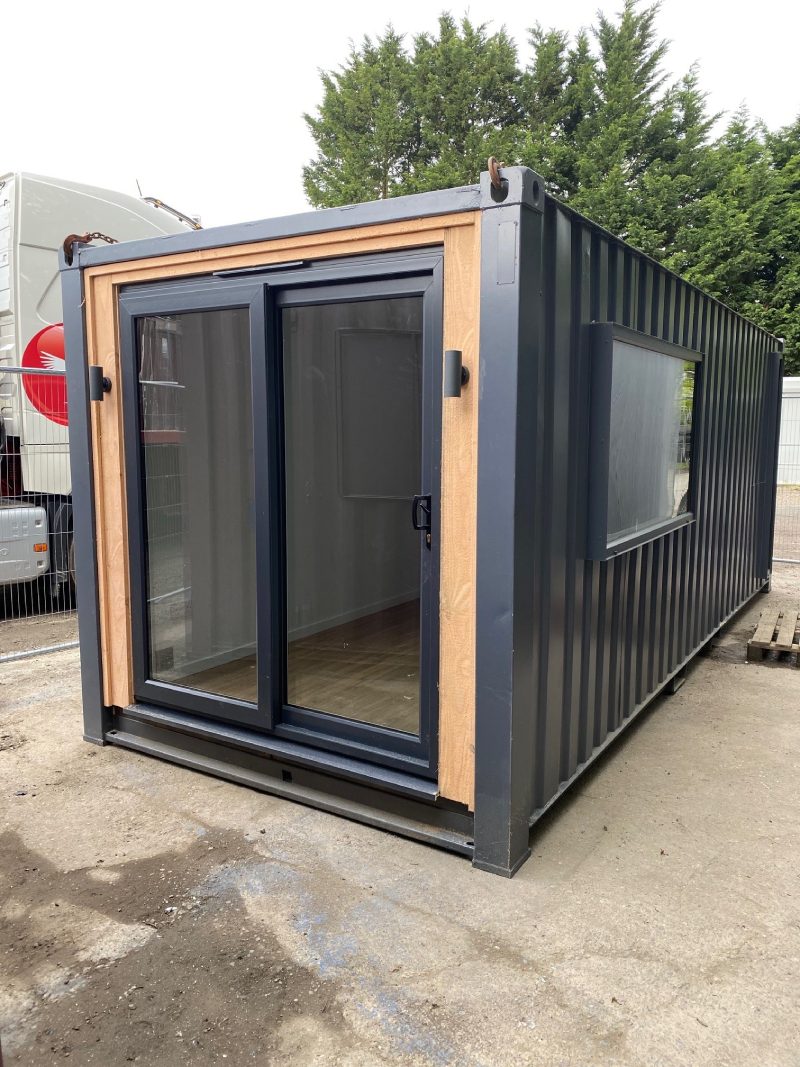
20ft x 8ft Container Office

  • Fully Insulated with electric sockets, spot lighting, and heating

  • Wood Flooring

  • UPVC Sliding Door + Windows

  • Lead Time for build 6-8 weeks

Location: Nationwide


£12,995.00

+ VAT

Not Available for Hire

Call for an instant quote!

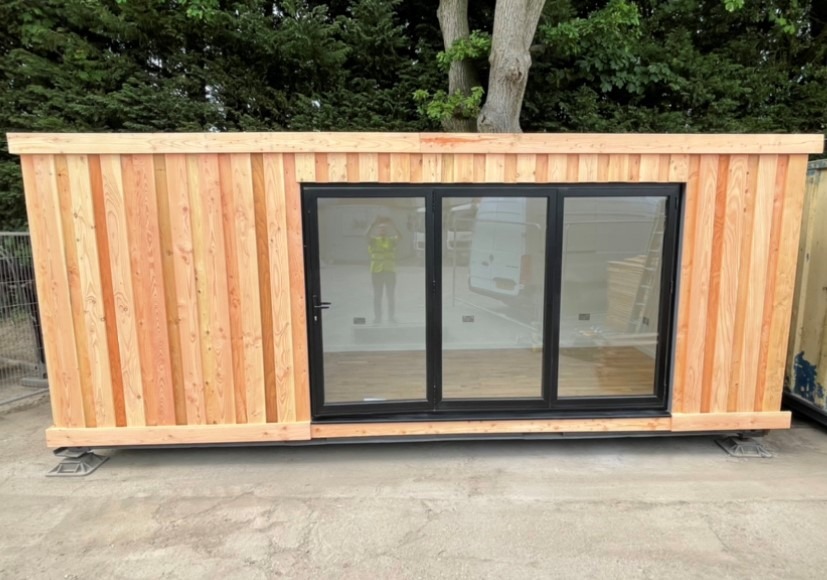
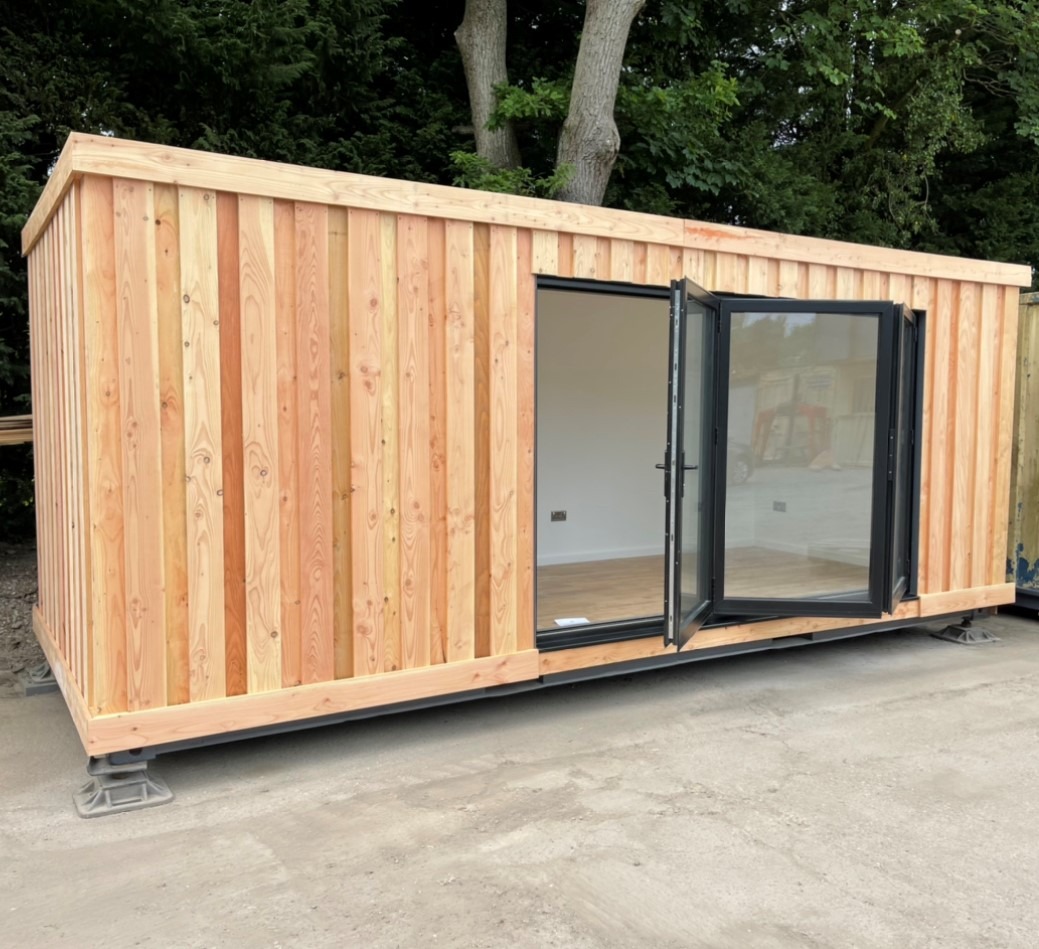
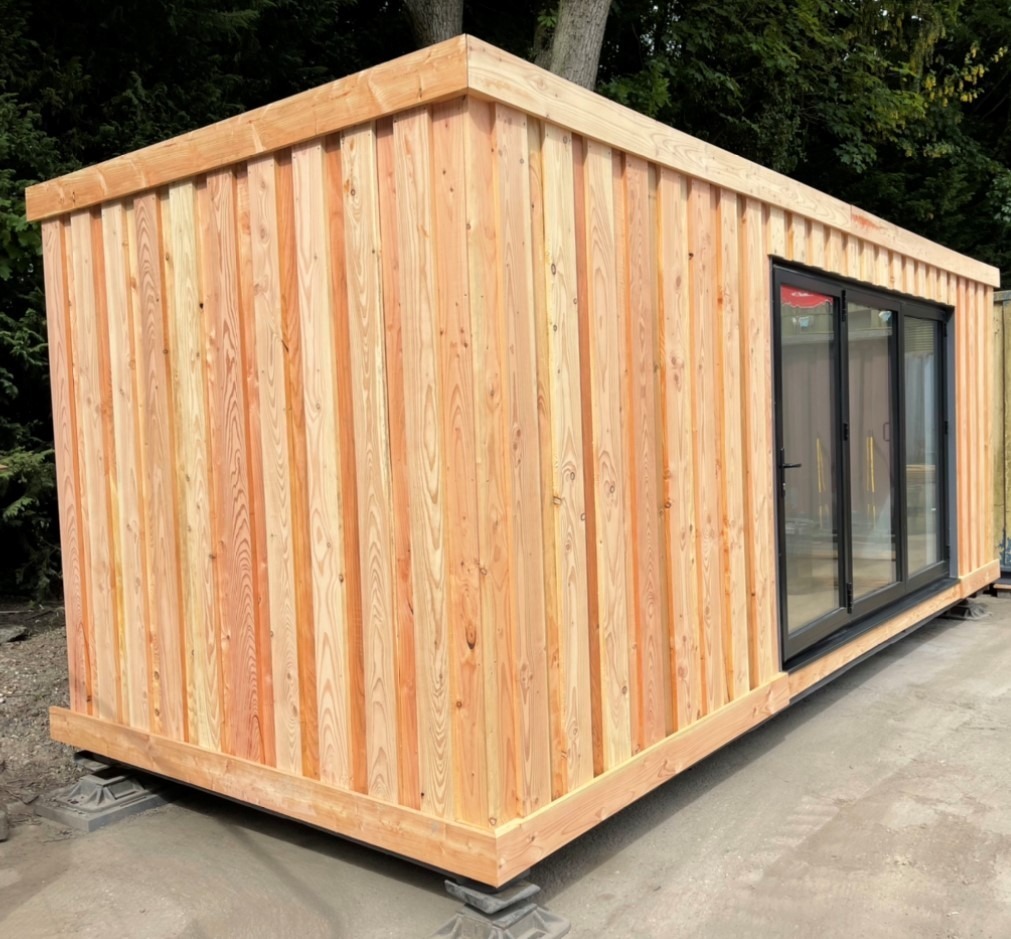
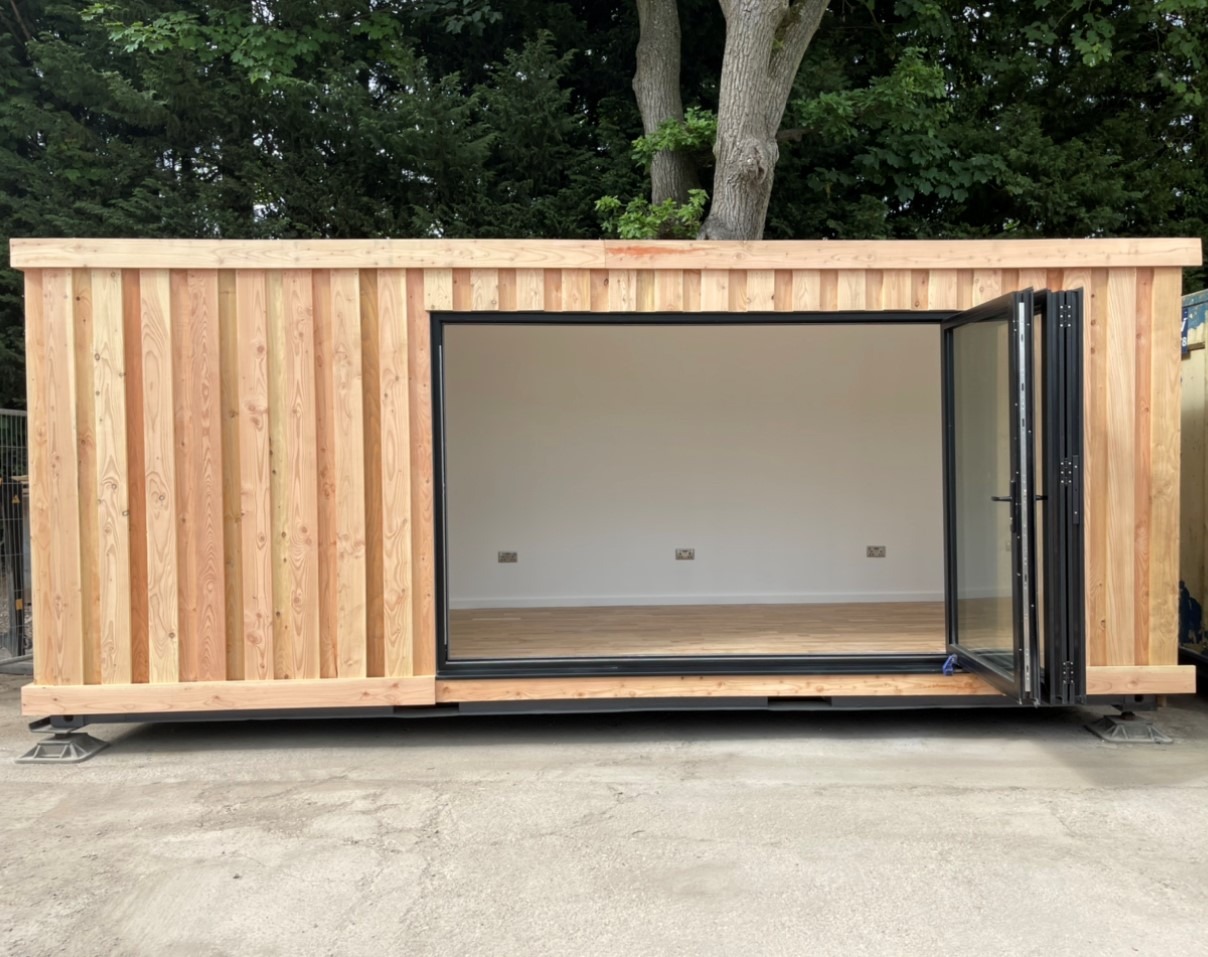
20ft x 8ft Container Office

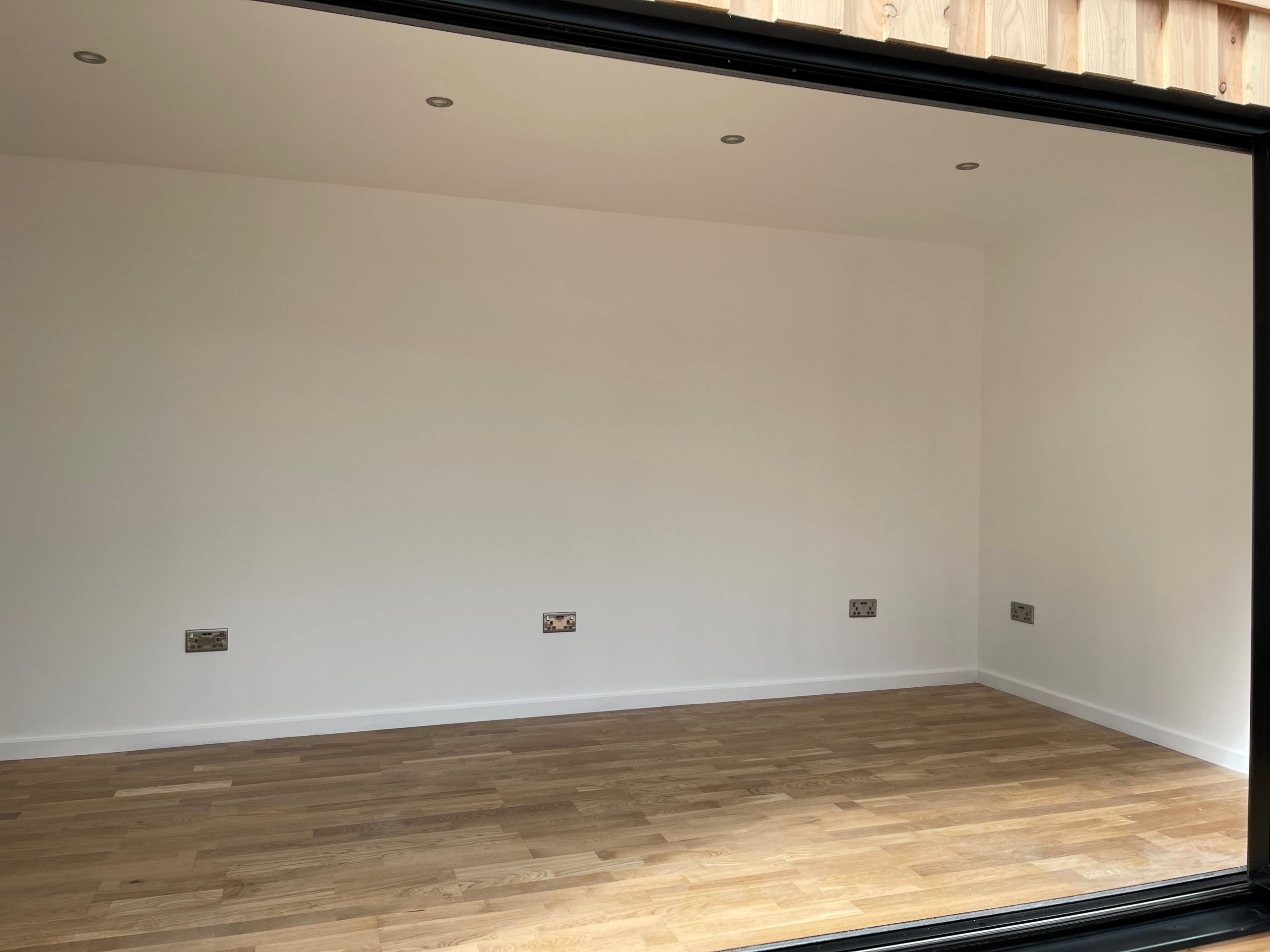
  • Fully Insulated with electric sockets, spot lighting, and heating

  • Wood Flooring

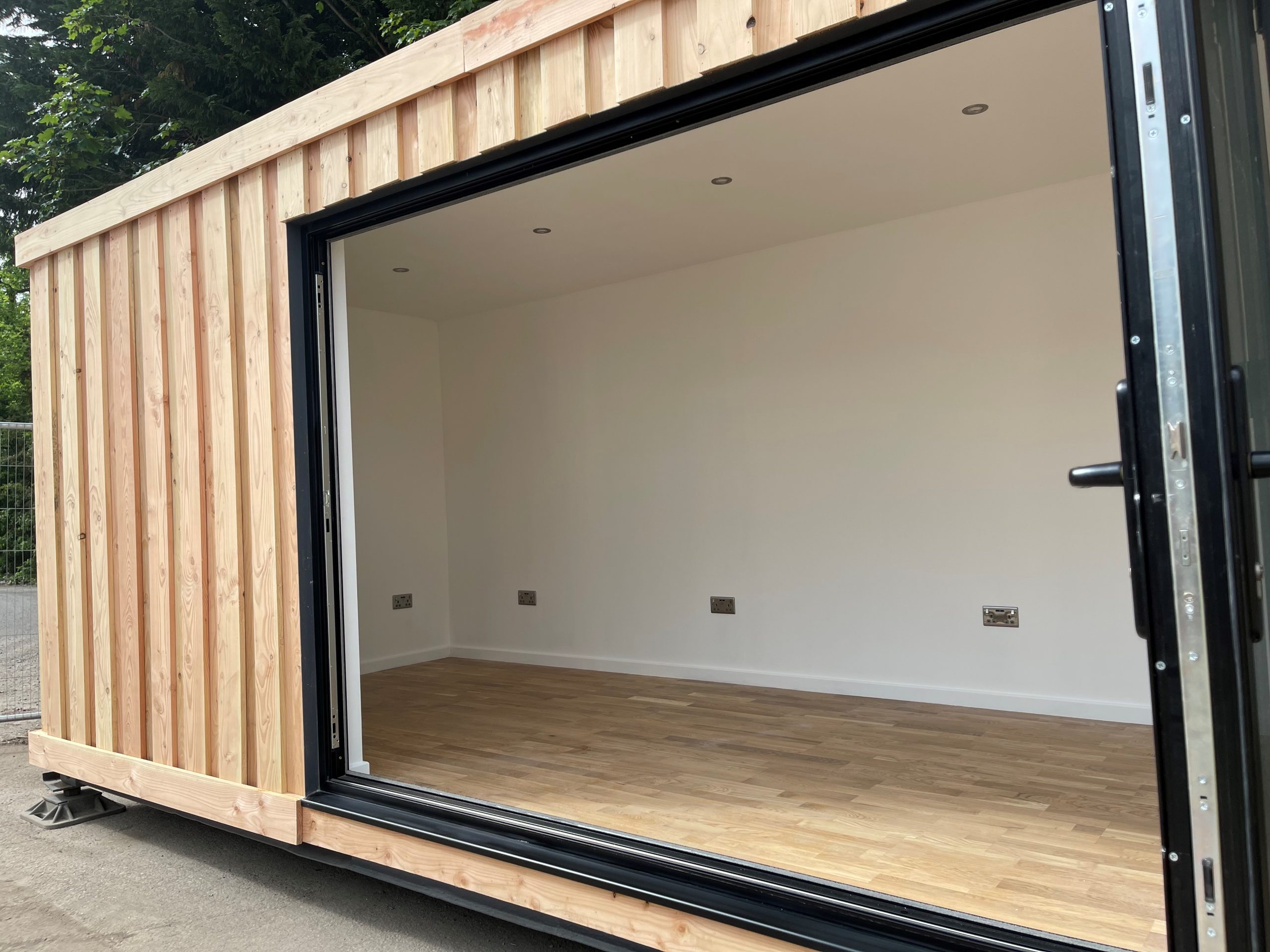
  • Aluminium Bi Fold Doors

  • Fully wrapped in larch cladding

  • Lead Time for build 6-8 weeks

Location: Nationwide


£16,500.00

+ VAT

Not Available for Hire

Call for an instant quote!

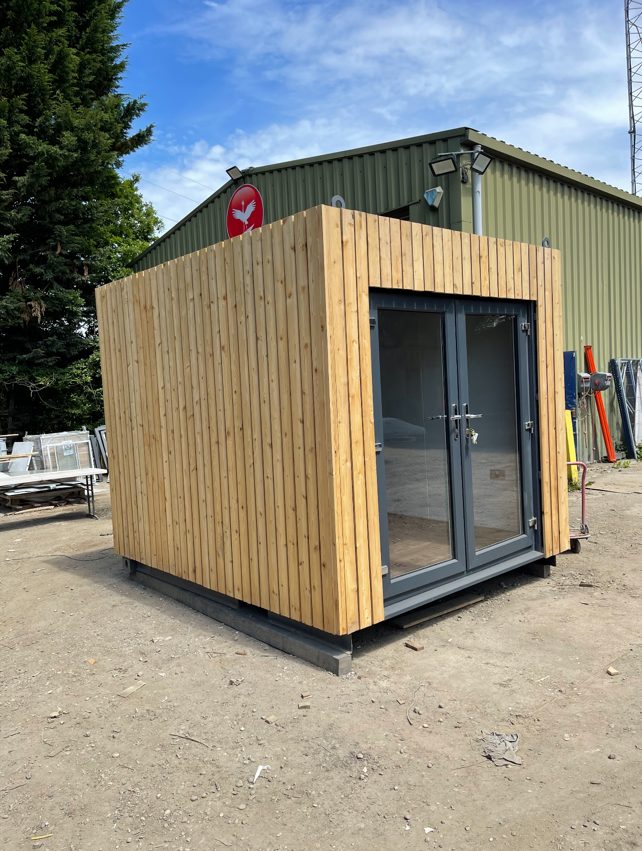
10ft x 8ft Container Conversion

  • Fully Insulated with electric sockets, spot lighting, and heating

  • Wood Flooring

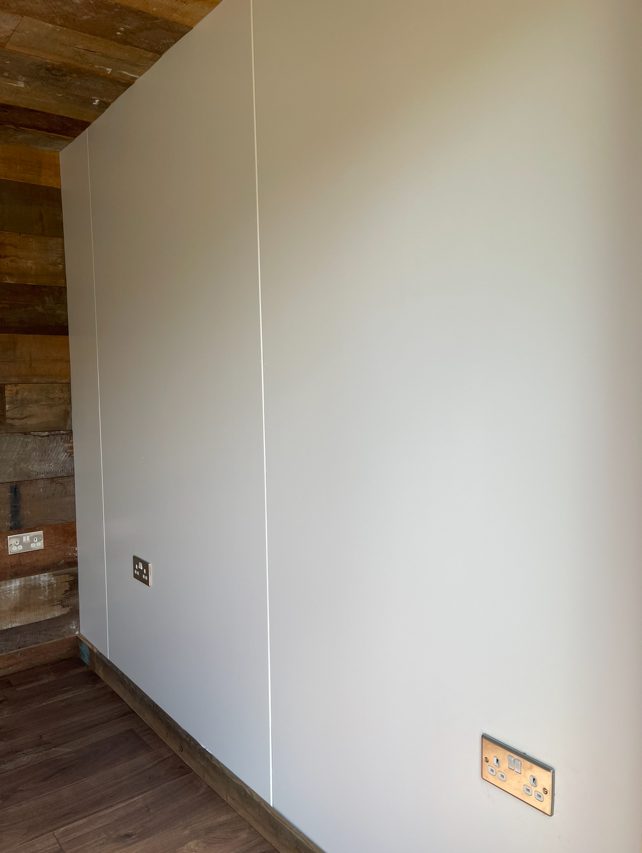
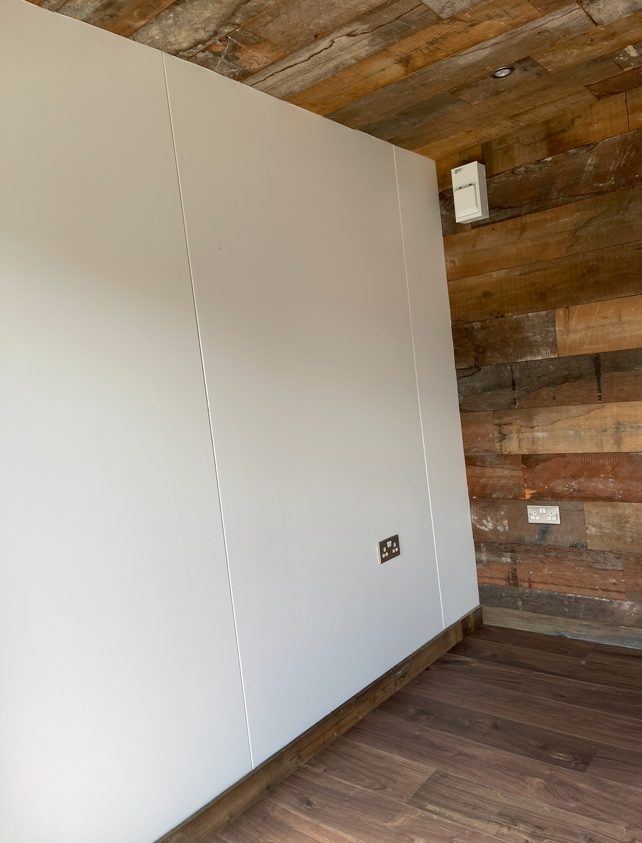
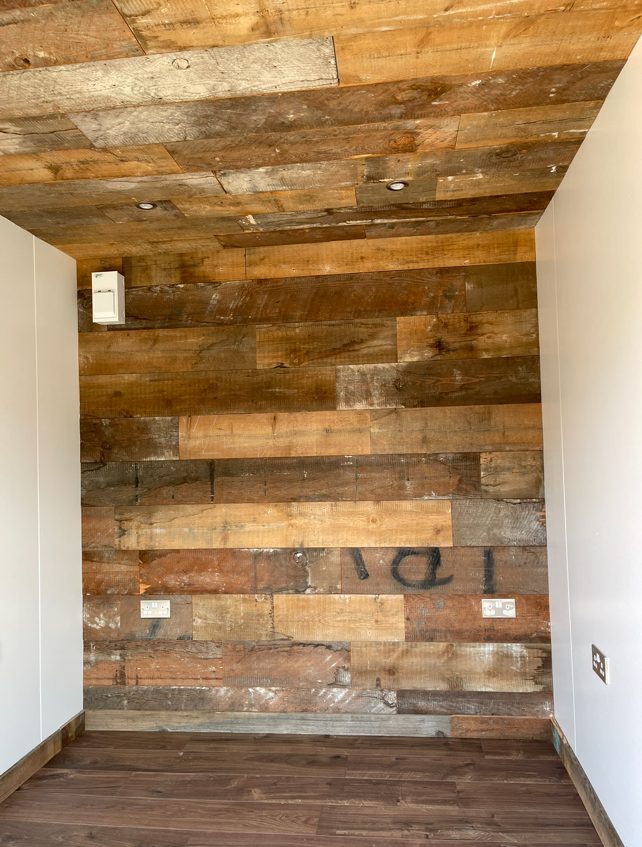
  • Feature Clad Wall and Ceiling

  • UPVC Double glazed French Doors

  • Fully wrapped in larch cladding

  • Lead Time for build 6-8 weeks

Location: Nationwide


£12,500.00

EX VAT

Not Available for Hire

Call for an instant quote!

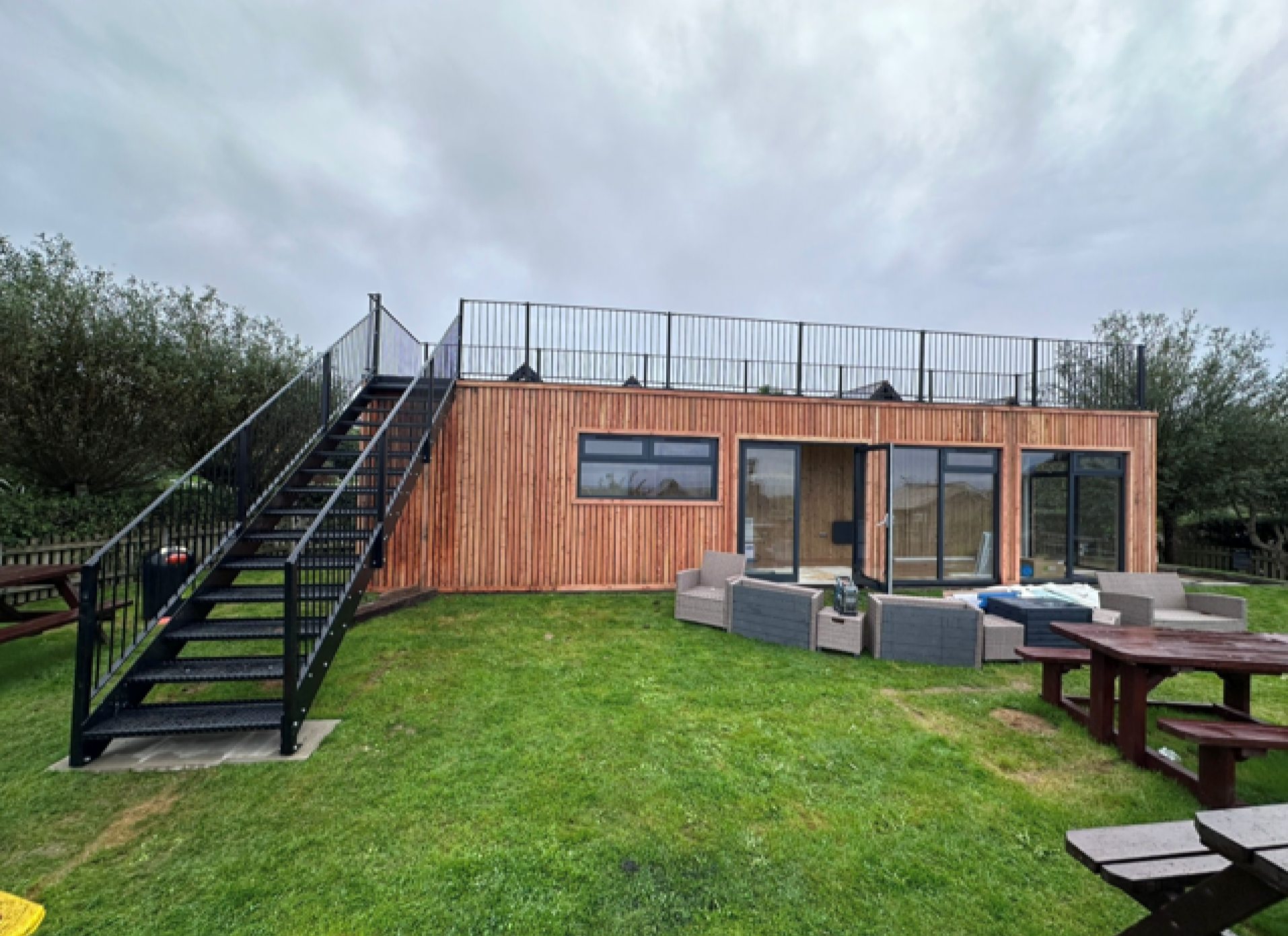
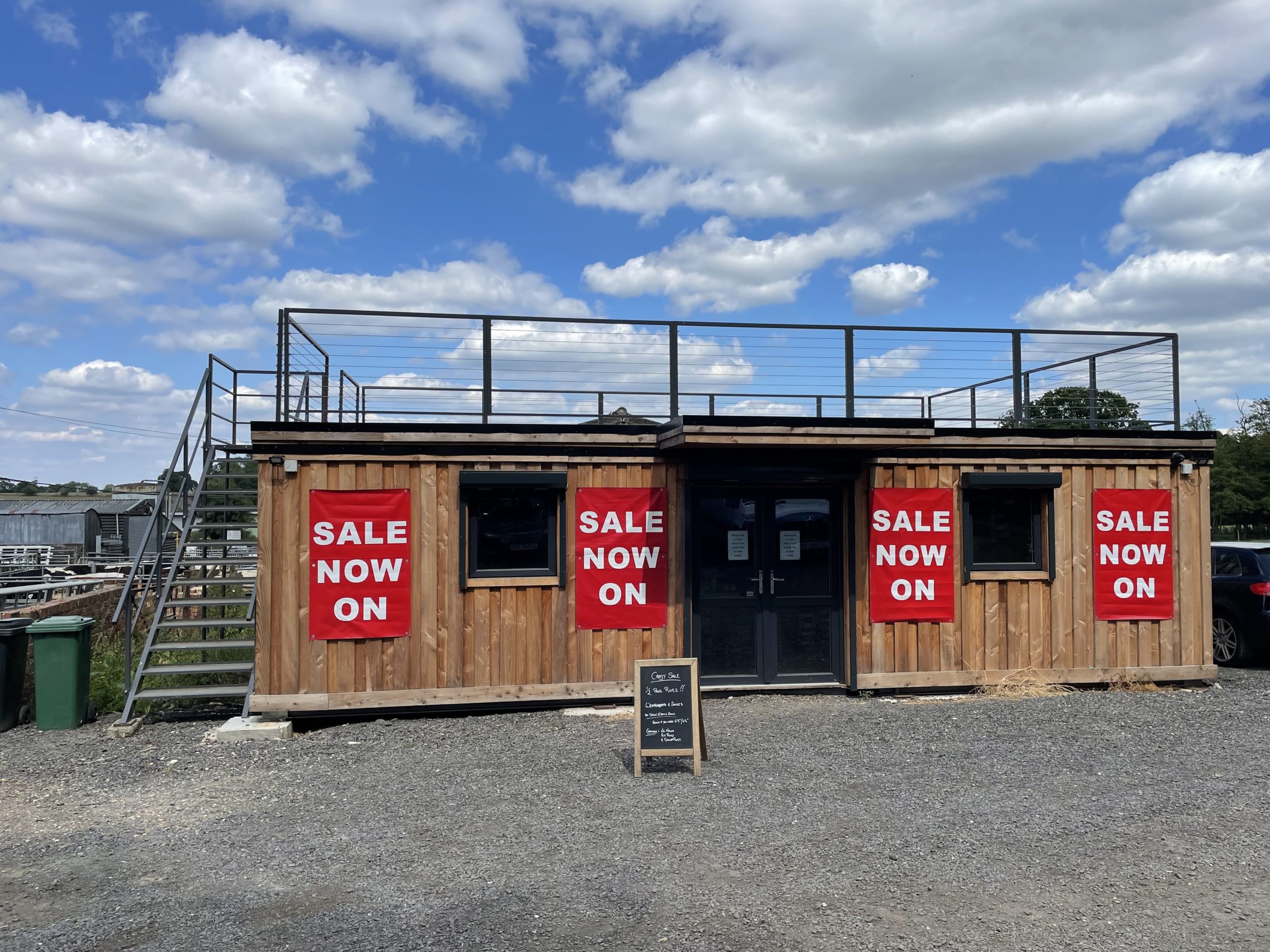
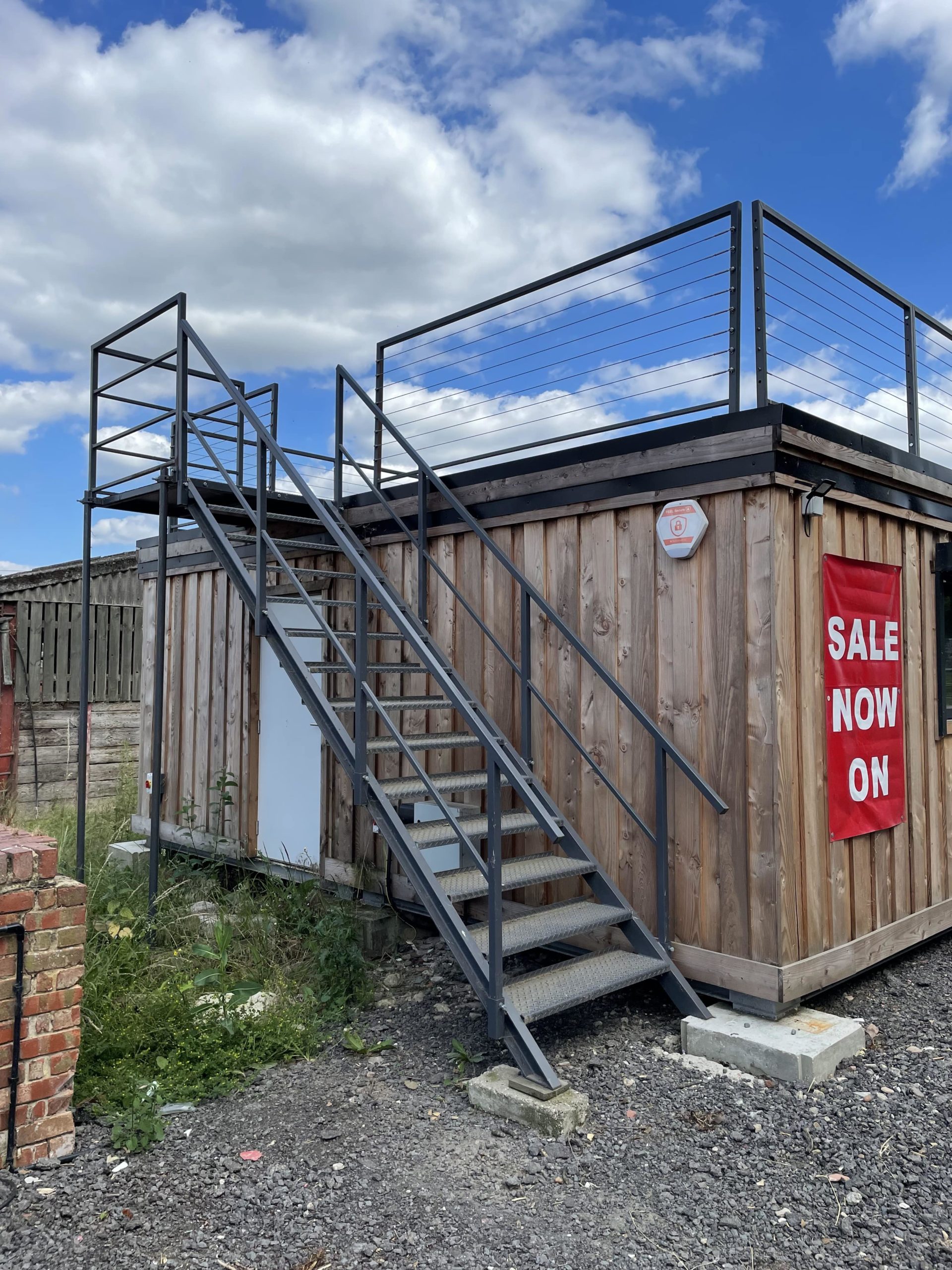
40ft x 8ft Rooftop Container Bar

  • 40ft x 8ft Rooftop Container Bar
  • Fully Insulated with electric sockets, spot lighting, and heating
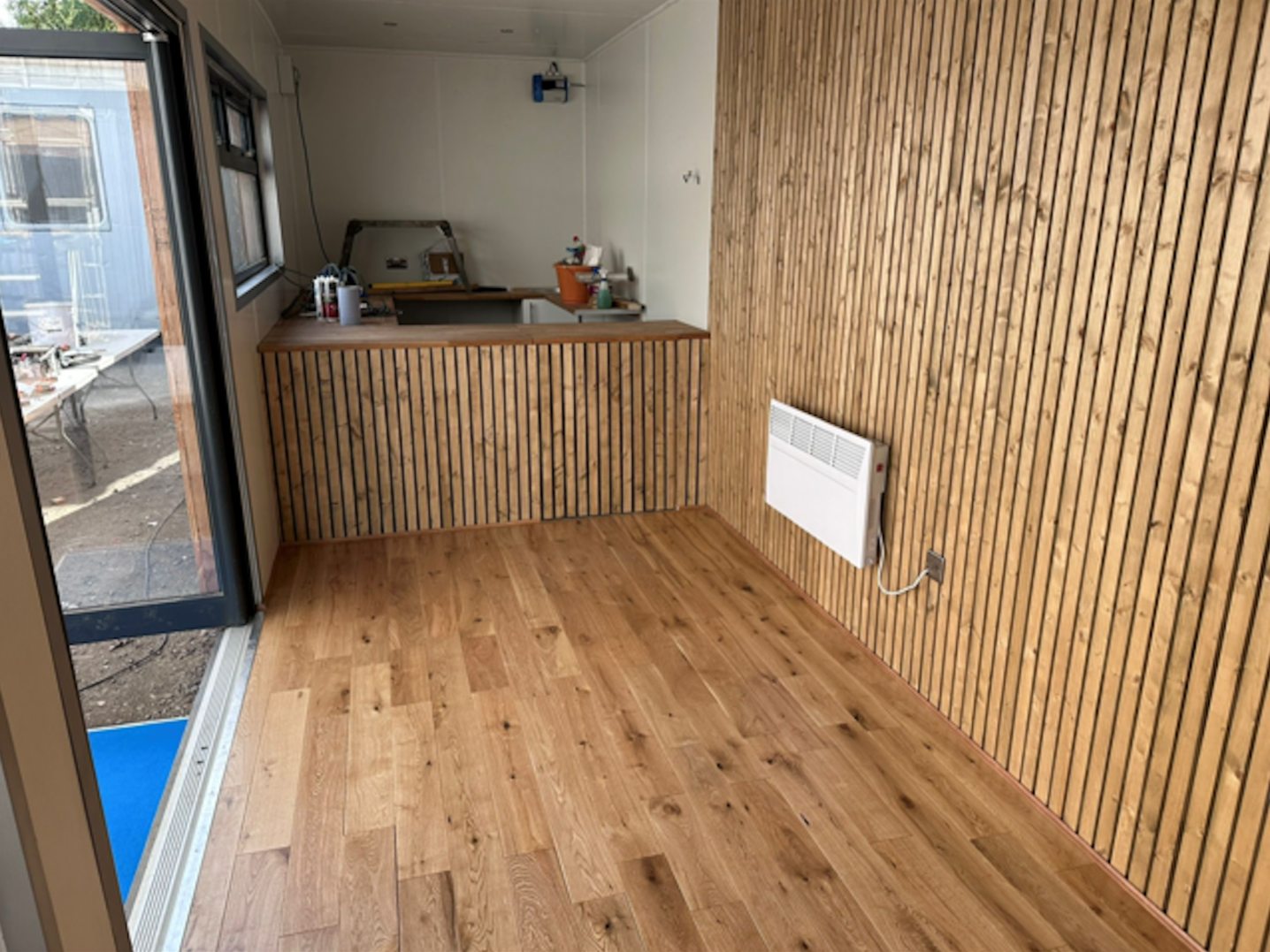
  • Built in Bar
  • Wood Flooring
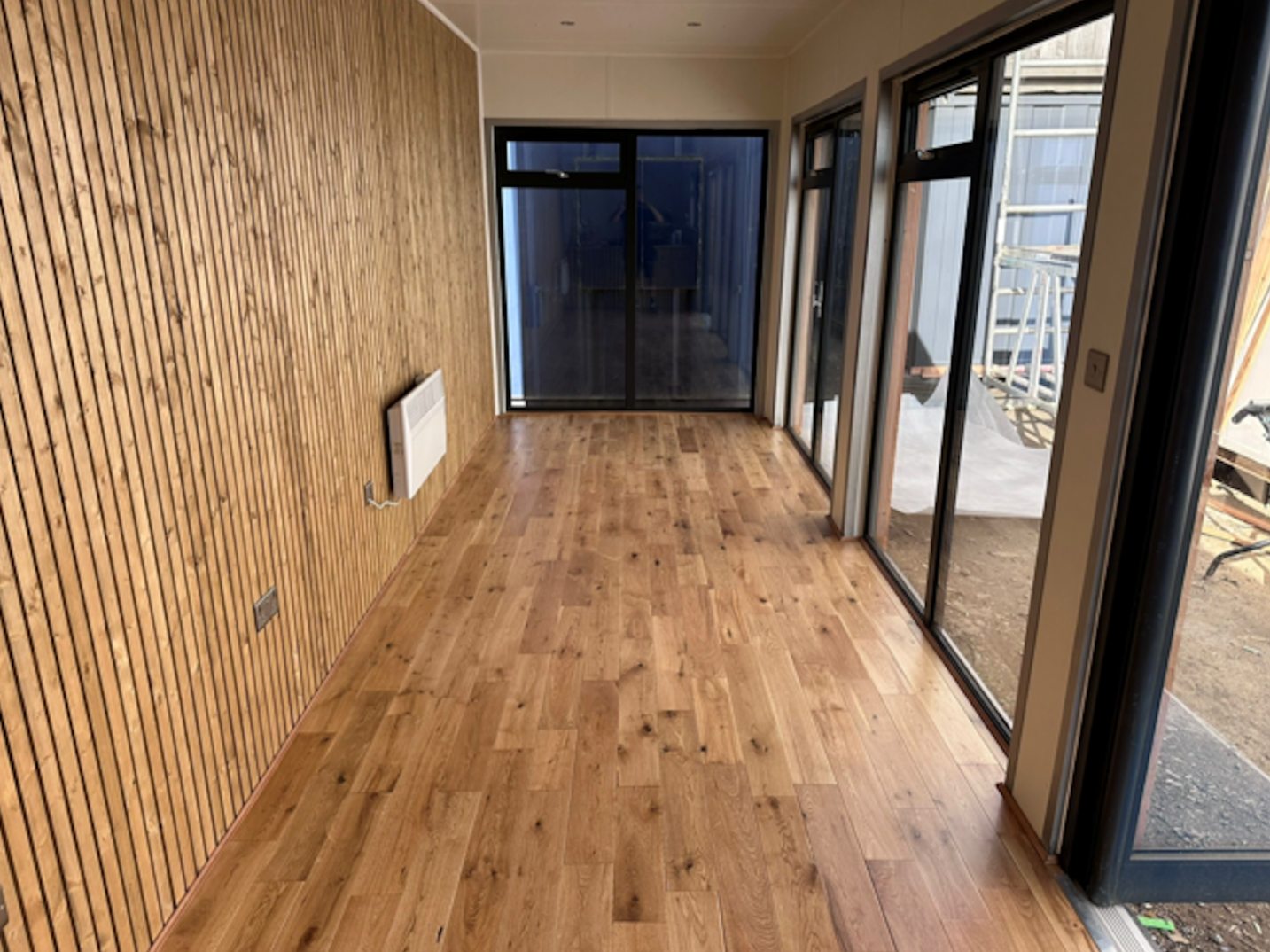
  • Feature Larch Clad Wall
  • Aluminium double glazed premium windows and double French doors
  • Fully wrapped in larch cladding
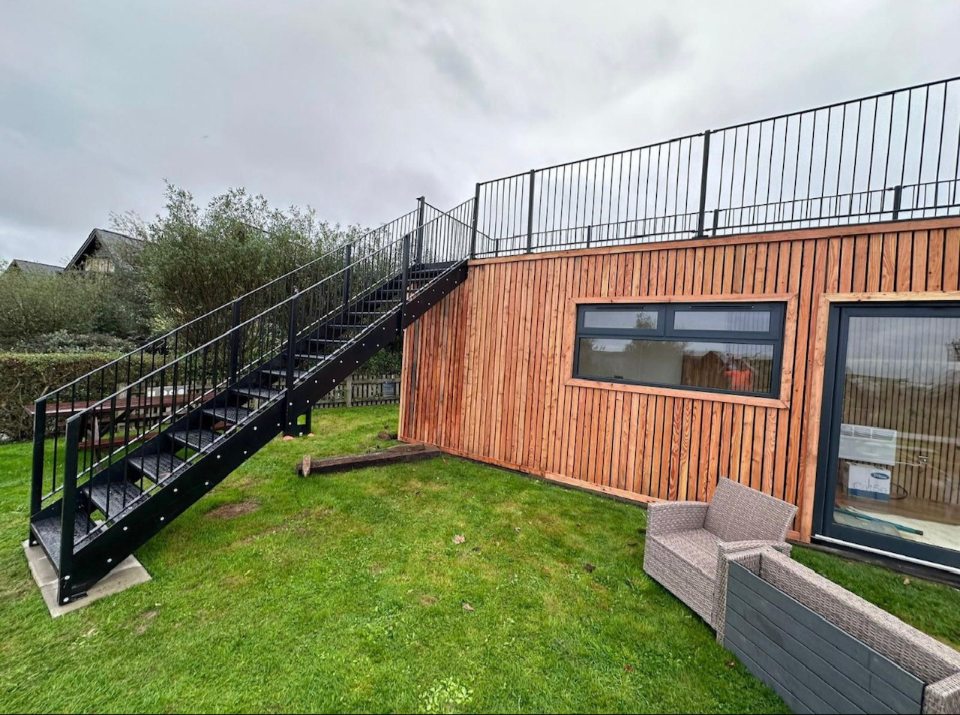
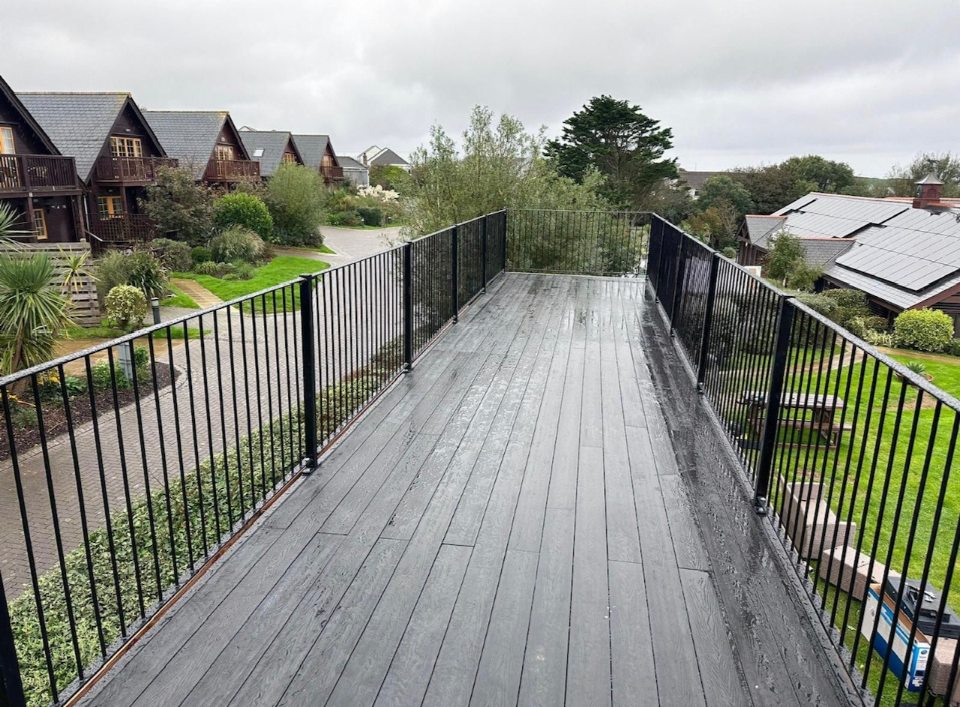
  • Steel staircase up to Rooftop terrace with full surrounding steel balustrade
  • Double container doors leading to cool room with Air Conditioning unit.
  • Lead Time for build 6-8 weeks

Location: Nationwide


£85,000.00

EX VAT

Not Available for Hire

Call for an instant quote!

  • Fully Refurbished
  • Zinc Roof
  • Colour Light Grey (Other Colour Options Available)
  • New Flooring
  • New Electric Sockets, Lighting and Heating
  • New UPVC Large and Small Windows
  • New Kitchenette with Partition
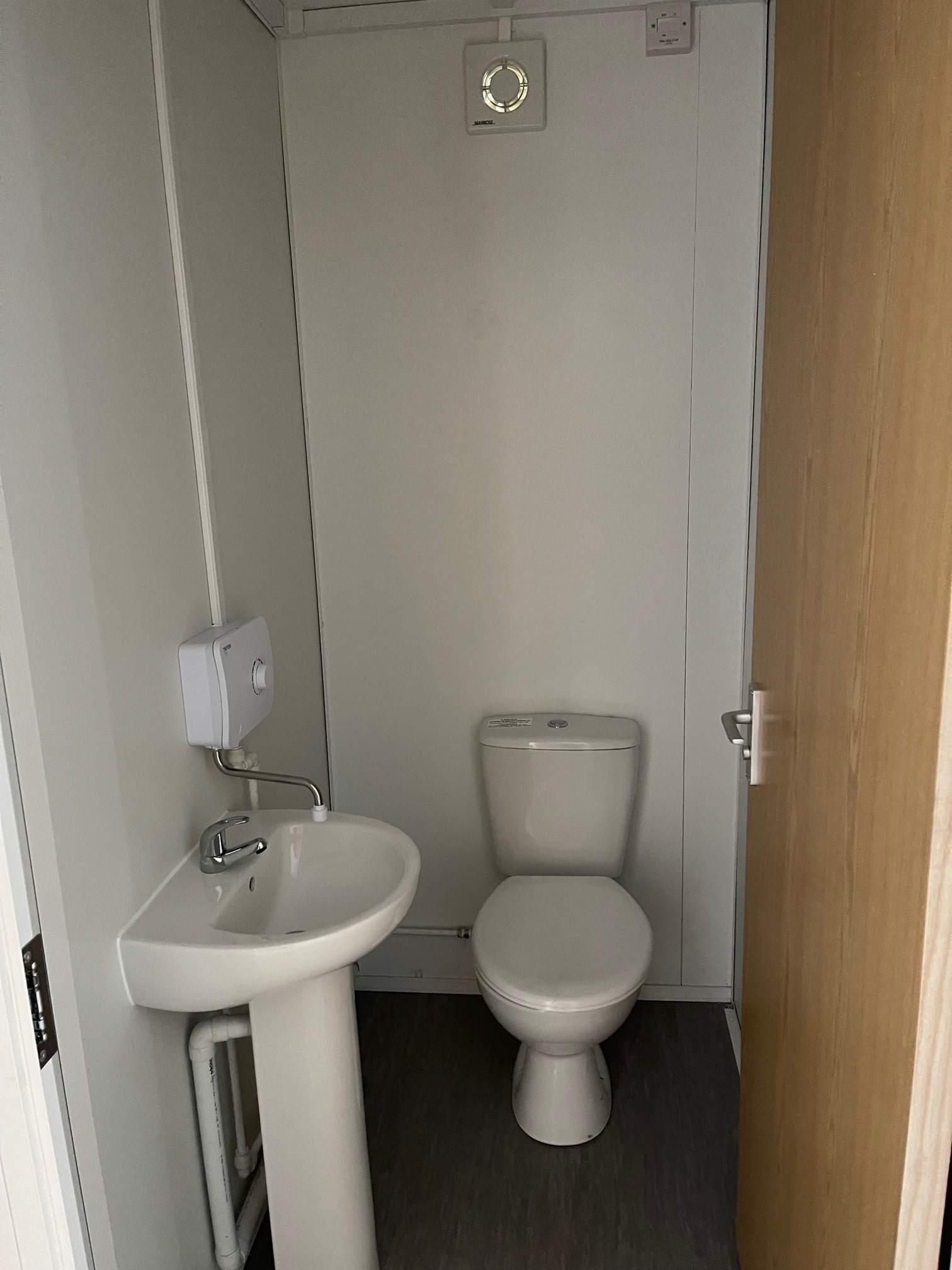
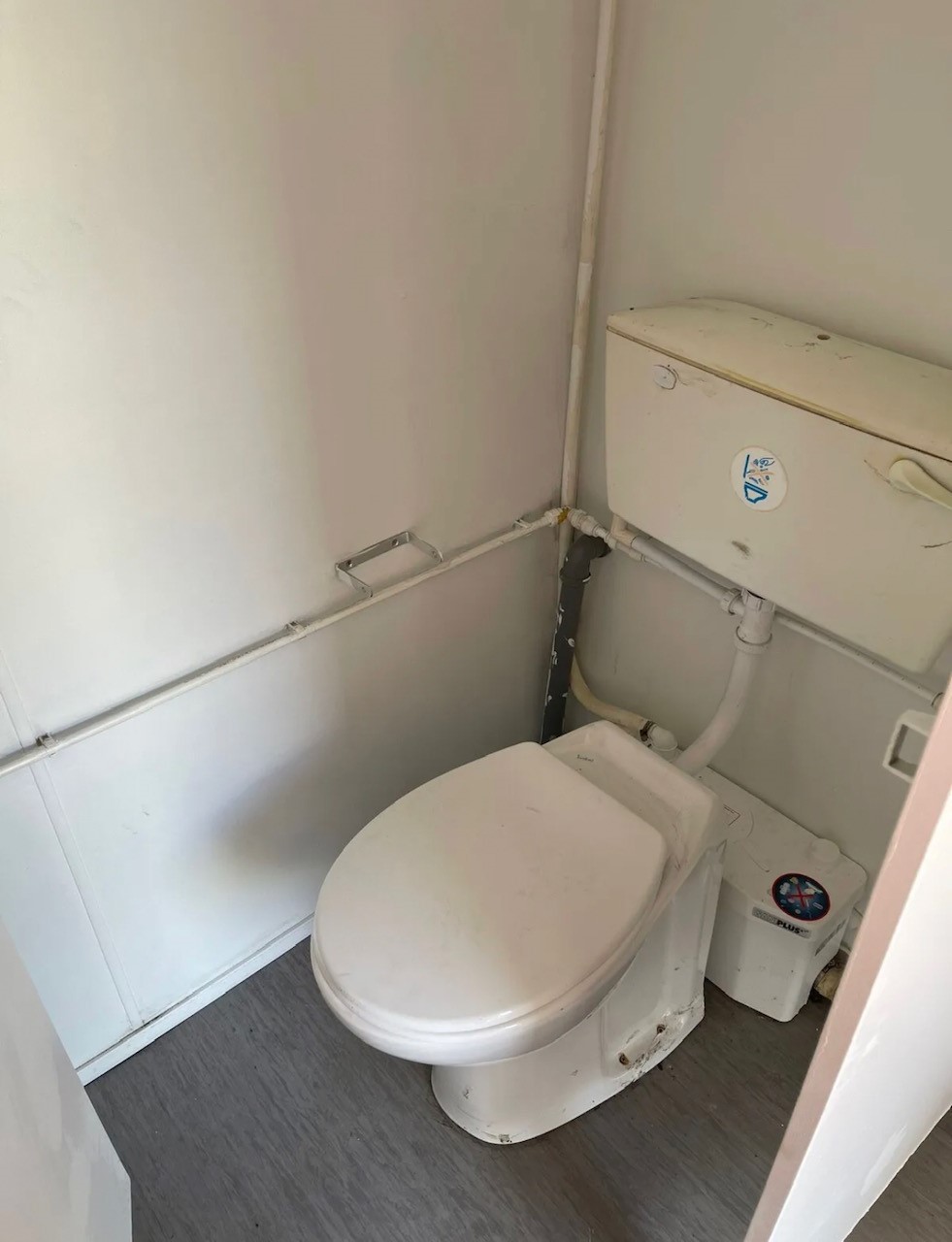
  • New Toilet Room with toilet, Sink, Water Heater and Fan

Location: Nationwide

£18,995

EX VAT

Not Available for Hire

Call for an instant quote!

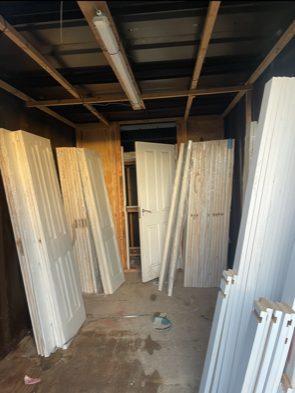
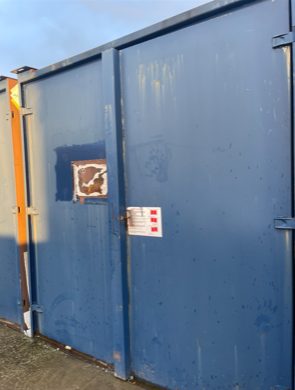
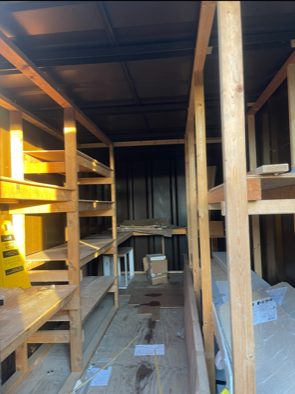
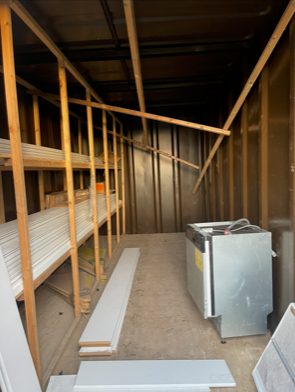
6 x 21ft x 8ft Container Stores

  • Wind and Water Tight
  • Very Good Condition
  • Some have racking inside
  • Floorings all good
  • Contents not included

Location: Nationwide


£1,500

EX VAT

Not Available for Hire

Call for an instant quote!

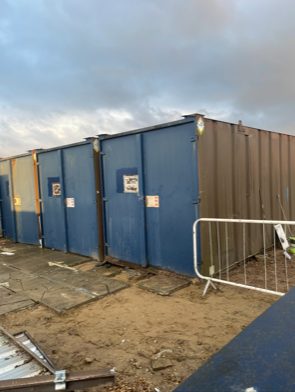
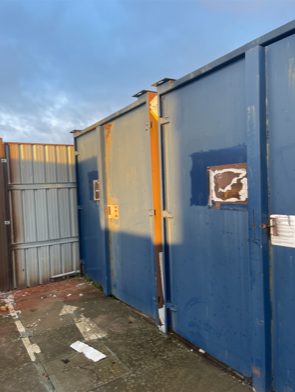
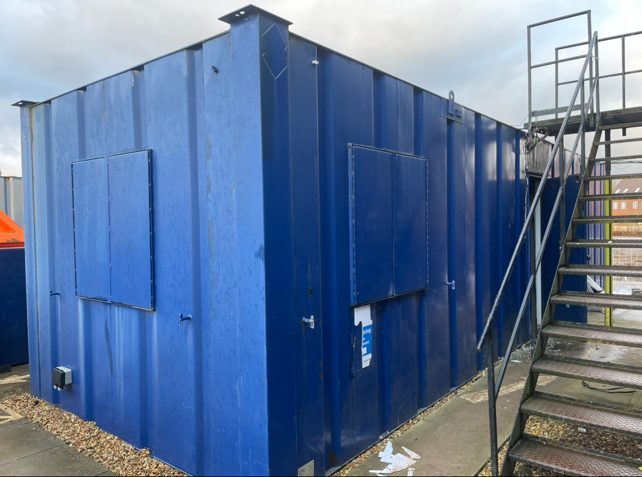
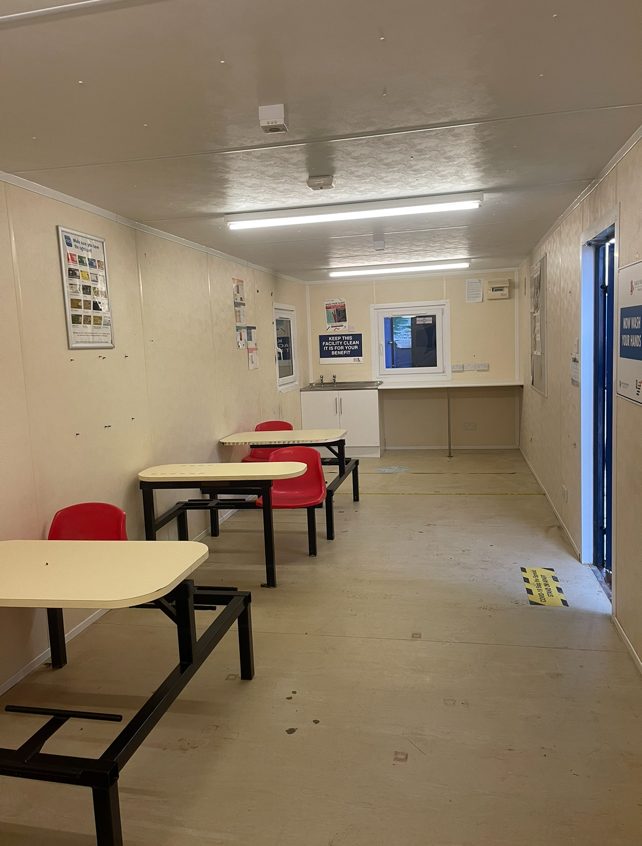
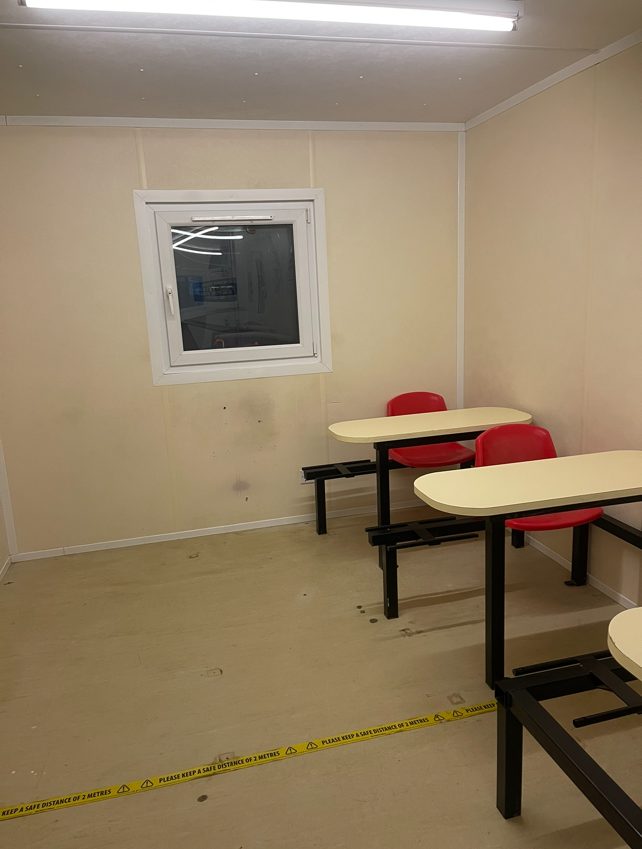
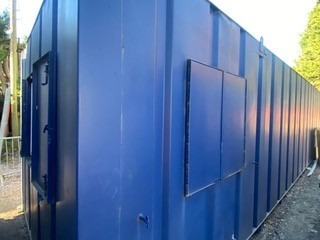
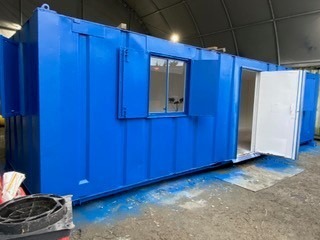
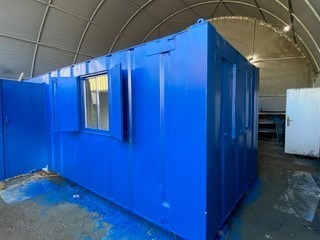
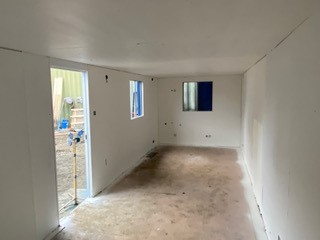
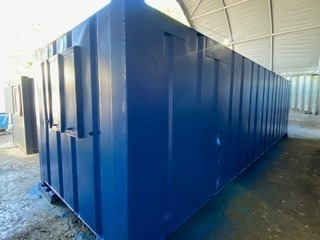
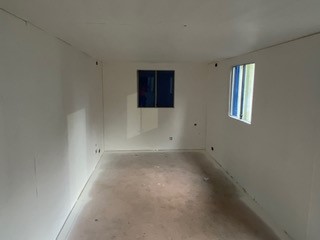
32ft x 10ft Anti Vandal Canteen in Blue

  • Used with electric sockets, lighting and heating
  • UPVC Double Glazed Windows
  • Furniture
  • Kitchenette 

Location: Nationwide


£4,995

EX VAT

Not Available for Hire

Call for an instant quote!

20ft Used Shipping Containers

  • Wind and Water Tight
  • Doors in good working Order
  • Random Selection
  • Lock Box and Lock additional cost.

Location: Nationwide


£1,500

EX VAT

Not Available for Hire

Call for an instant quote!

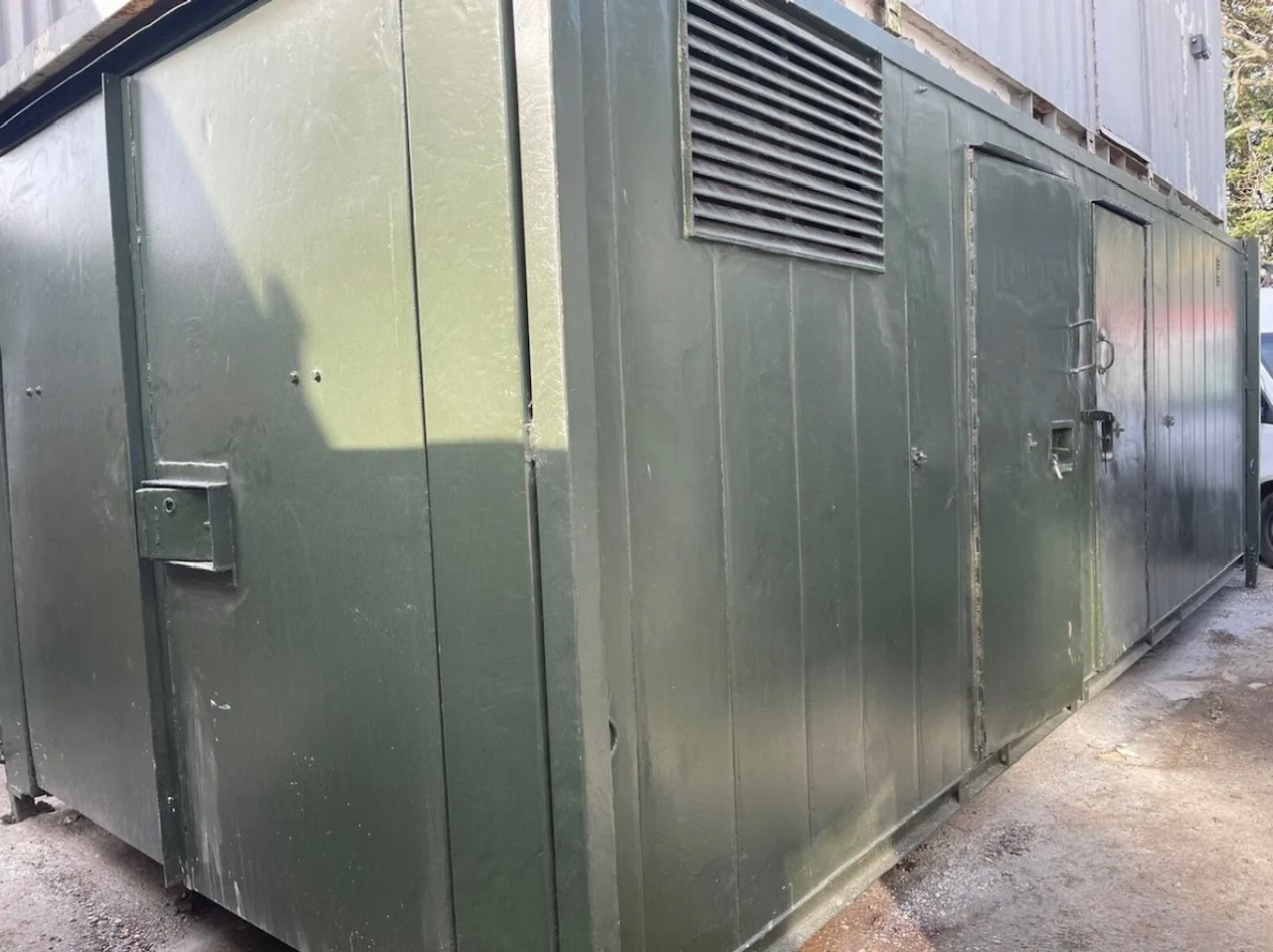
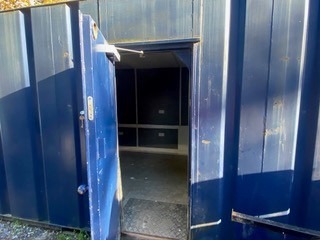
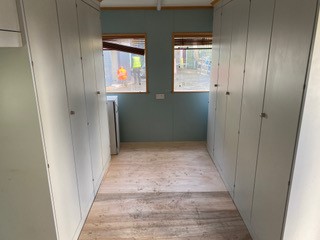
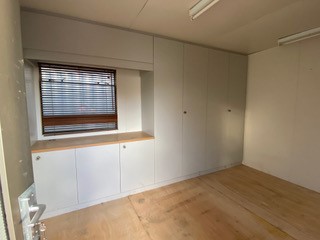
24ft x 10ft Jack Leg Anti Vandal Canteen/Toilet/Storage

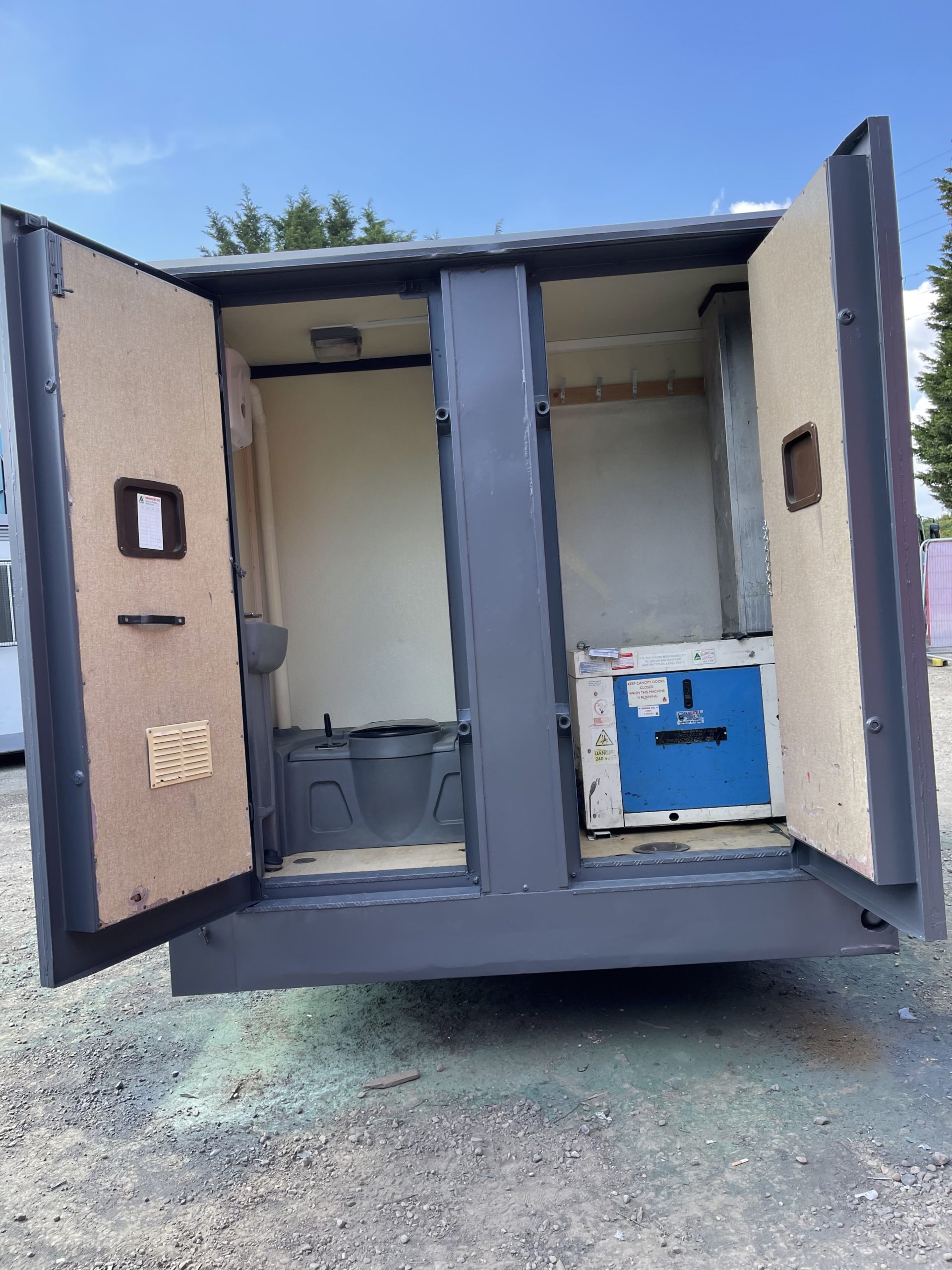
  • Split entrance for Canteen room and WC which includes single cubical, urinal and sink.
  • Container door end with storage.
  • Electric Sockets, Lighting and Heating
  • Fitted Floor to Ceiling Cupboards
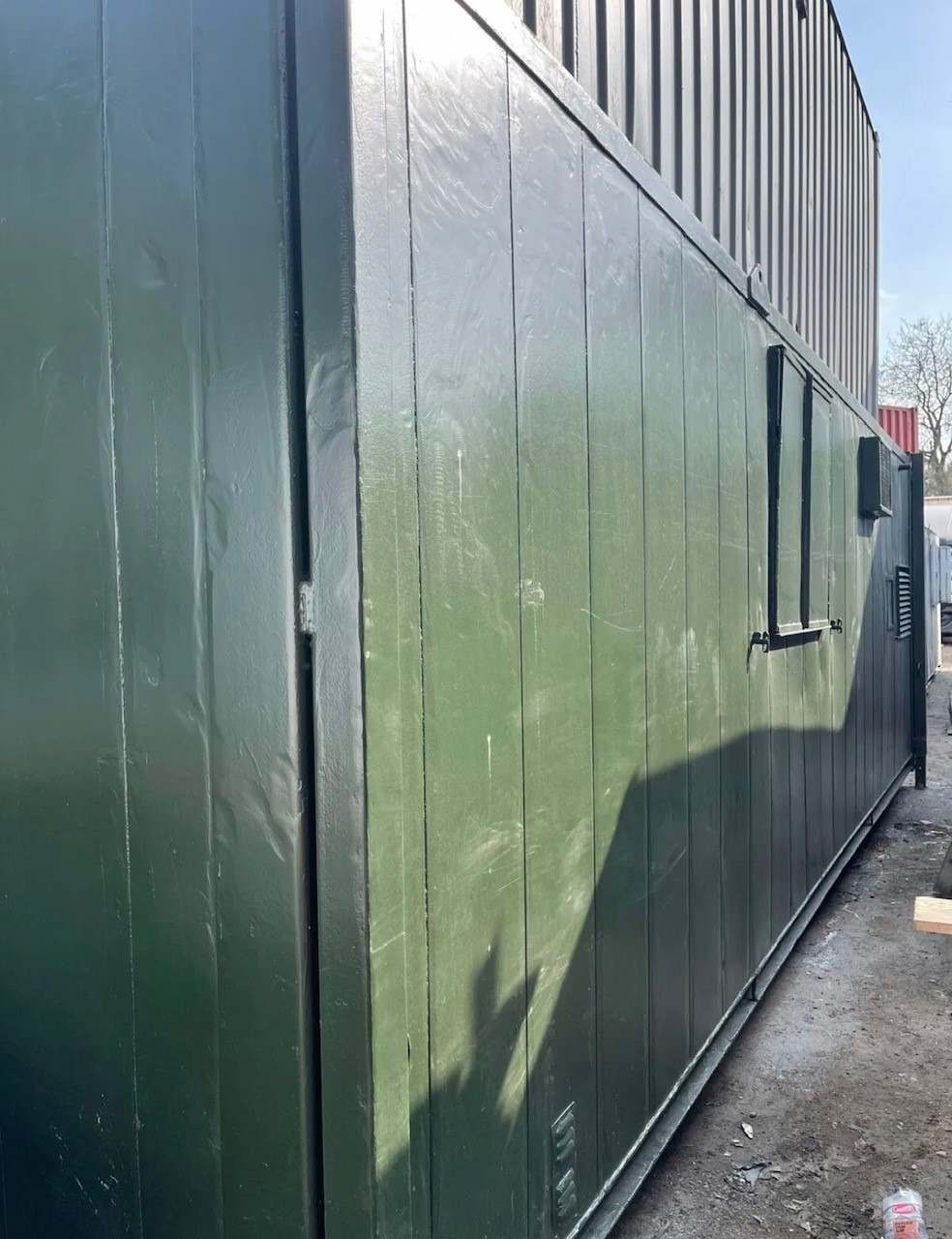
  • Colour: Dark Green

Location: Nationwide


£5,000

EX VAT

Not Available for Hire

Call for an instant quote!

40ft x 12ft Jack Leg Genuine Portakabin Pullman

  • 2 x Offices, Canteen and WC
  • Electric Sockets, Lighting and Heating
  • Colour: Light Grey
  • Full or Part Refurbishment option is available please ask.

Location: Nationwide


£9,500

EX VAT

Not Available for Hire

Call for an instant quote!

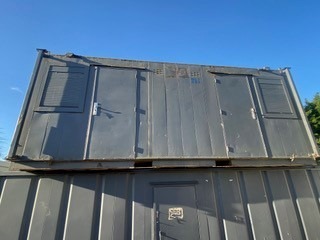
32ft x 10ft Anti Vandal Split Canteen/Office

  • Canteen approx 10ft – Office approx 22ft
  • Electric Sockets, Lighting and Heating
  • UPVC Double Glazing
  • Colour: Dark Blue

Location: Nationwide


£5,500

EX VAT

Not Available for Hire

Call for an instant quote!

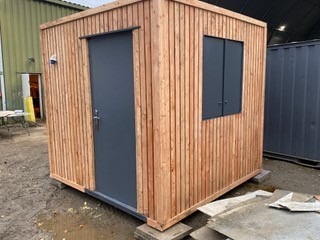
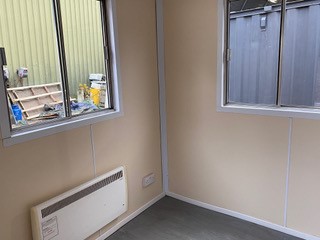
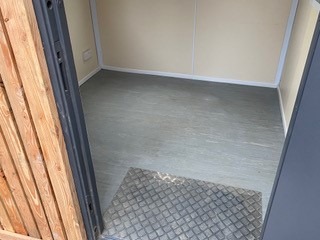
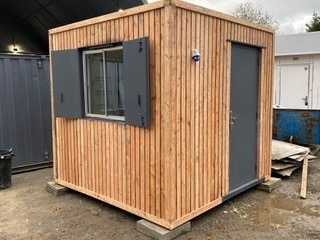
8ft x 8ft Anti Vandal Gate House/Office

  • Open Plan
  • Electric Sockets, Lighting and Heating
  • Colour: Clad in New Larch Timber

Location: Nationwide


£5,500

EX VAT

Not Available for Hire

Call for an instant quote!

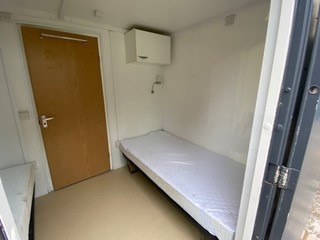
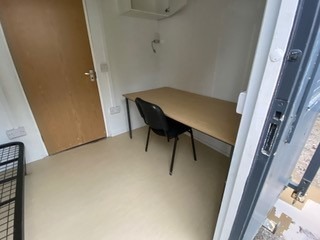
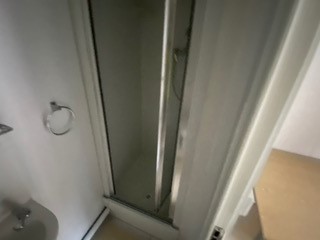
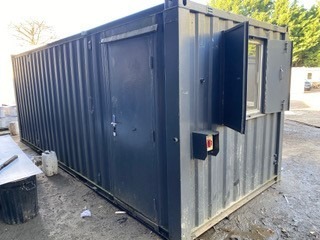
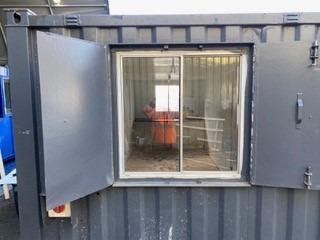
20ft x 10ft Anti Vandal Sleeper Unit

  • Split sides with two entrances, each side has its own room and Shower Toilet Facility
  • Electric Sockets, Lighting and Heating
  • Colour: Dark Grey

Location: Nationwide


£6,500

EX VAT

Not Available for Hire

Call for an instant quote!

21ft x 8ft Anti Vandal Canteen

  • Open Plan
  • Electric Sockets, Lighting and Heating, Hot water Unit + kitchen with cupboards and work top.
  • Colour: Dark Grey 

Location: Nationwide


£4,200

EX VAT

Not Available for Hire

Call for an instant quote!

30ft x 9ft Anti Vandal Fire Rated Office

  • Open Plan Refurbished
  • Electric Sockets, Lighting and Heating
  • Colour: Dark Blue

Location: Nationwide


£6,500

EX VAT

Not Available for Hire

Call for an instant quote!

24ft x 9ft Anti Vandal Office

  • Open Plan
  • Electric Sockets, Lighting and Heating
  • Colour: Dark Grey

Location: Nationwide


£4,200

EX VAT

Not Available for Hire

Call for an instant quote!

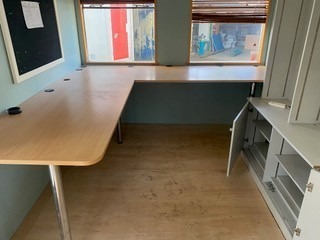
22ft x 9ft Jack Leg Portable Cabin

  • 22ft x 9ft Jack Leg Portable Cabin
  • Open Plan
  • Electric Sockets, Lighting and Heating
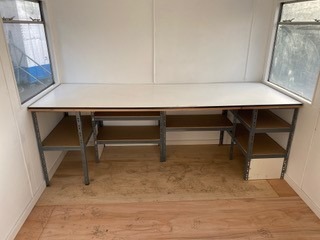
  • Fitted Desk and Floor to Ceiling Cupboards
  • Colour: Light Grey

Location: Nationwide


£4,995

EX VAT

Not Available for Hire

Call for an instant quote!

24ft x 9ft Jack Leg Portable Cabin

  • 24ft x 9ft Jack Leg Portable Cabin
  • Split Offices with two entrances
  • Electric Sockets, Lighting and Heating
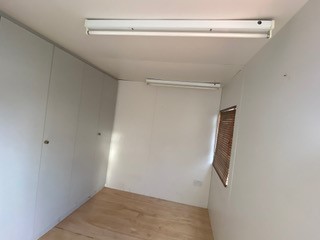
  • Fitted Floor to Ceiling Cupboards
  • Colour: Light Grey

Location: Nationwide


£5,500

EX VAT

Not Available for Hire

Call for an instant quote!

10ftx8ft – £5950 + Vat / 16ftx8ft – £7950 + Vat / 20ftx8ft – £9000 + Vat / 24ftx8ft – £12000 + Vat / 30ftx8ft – £13500 + Vat

  • Reinforced doors and windows with secure locking
  • Open plan with electric sockets and lighting
  • Any Extras available: Canteen, Partitions, Toilets.

Location: Nationwide


From £5,950

EX VAT

Not Available for Hire

Call for an instant quote!

  •  Electric Sockets, Lighting and Heating
  •  Wind & watertight
  •  Sprayed Dark Grey

Location: Nationwide


£4,995

EX VAT

Not Available for Hire

Call for an instant quote!

  • 12ft Towable Gound Hog
  • Includes: toilet, canteen and seating area
  • Full working generator, fully serviced and in great condition


Location: Nationwide


£6,500

EX VAT

Not Available for Hire

Call for an instant quote!

  • Reinforced doors with secure locking 
  • Electrics and lights included
  • Sink and water boiler included

Location: Nationwide

Quantity: ∞

£15,000

EX VAT

Not Available for Hire

Call for an instant quote!

• Reinforced doors and windows with secure locking
• Open plan with electric sockets and lighting
• Ral Code Colour of choice

• Any Extras available : Canteen, Partitions, Toilets.

Location: Nationwide


£11,995

EX VAT

Not Available for Hire

Call for an instant quote!

• Reinforced doors and windows with secure locking

• Open plan with electric sockets and lighting

• Ral Code Colour of choice

• Any Extras available : Canteen, Partitions, Toilets.

Location: Nationwide


POA

Not Available for Hire

Call for an instant quote!

test

• Reinforced doors with secure locking
• Sink and water boiler included

Location: Nationwide

Quantity: ∞

£12,495

EX VAT

Not Available for Hire

Call for an instant quote!

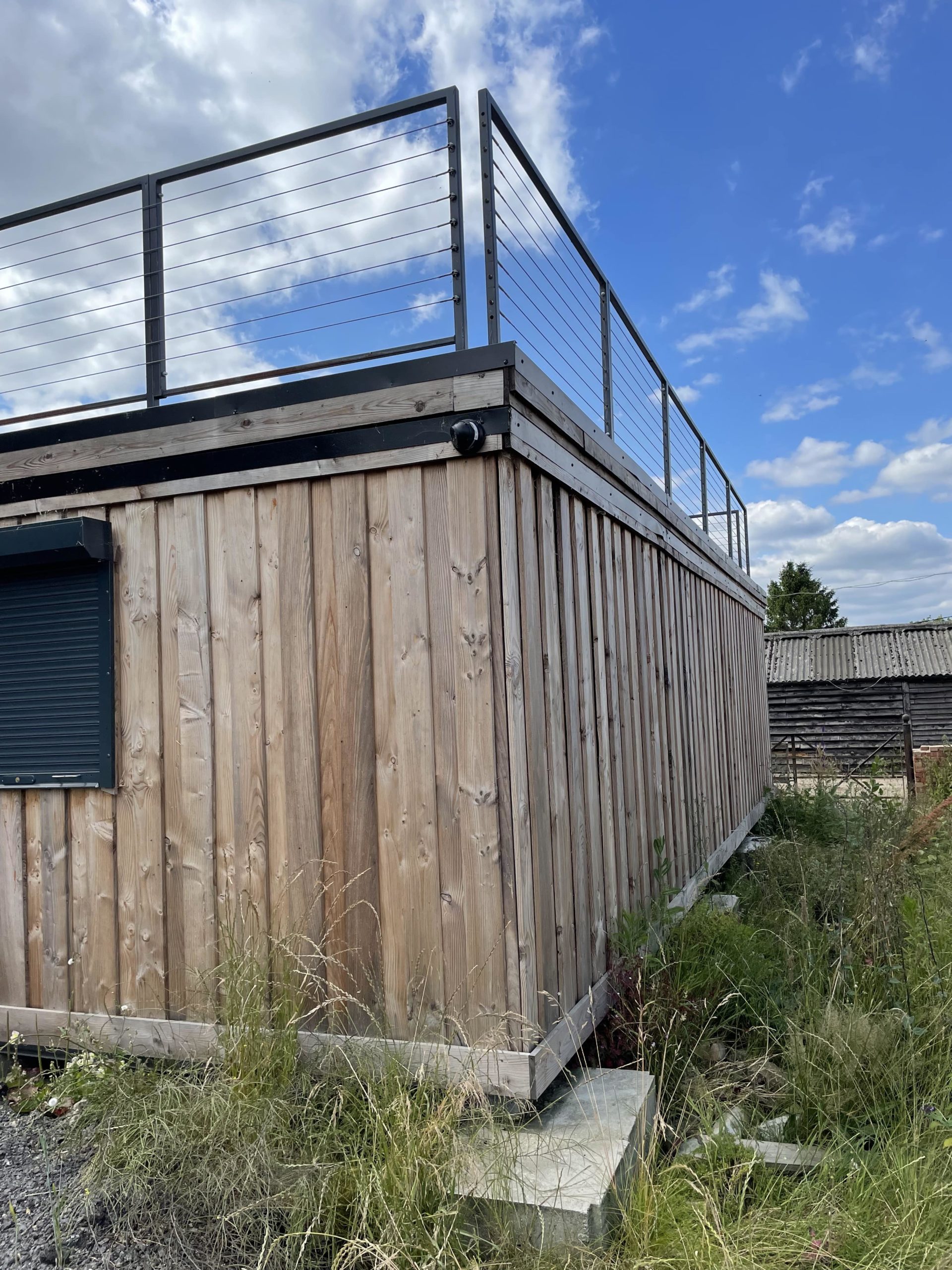
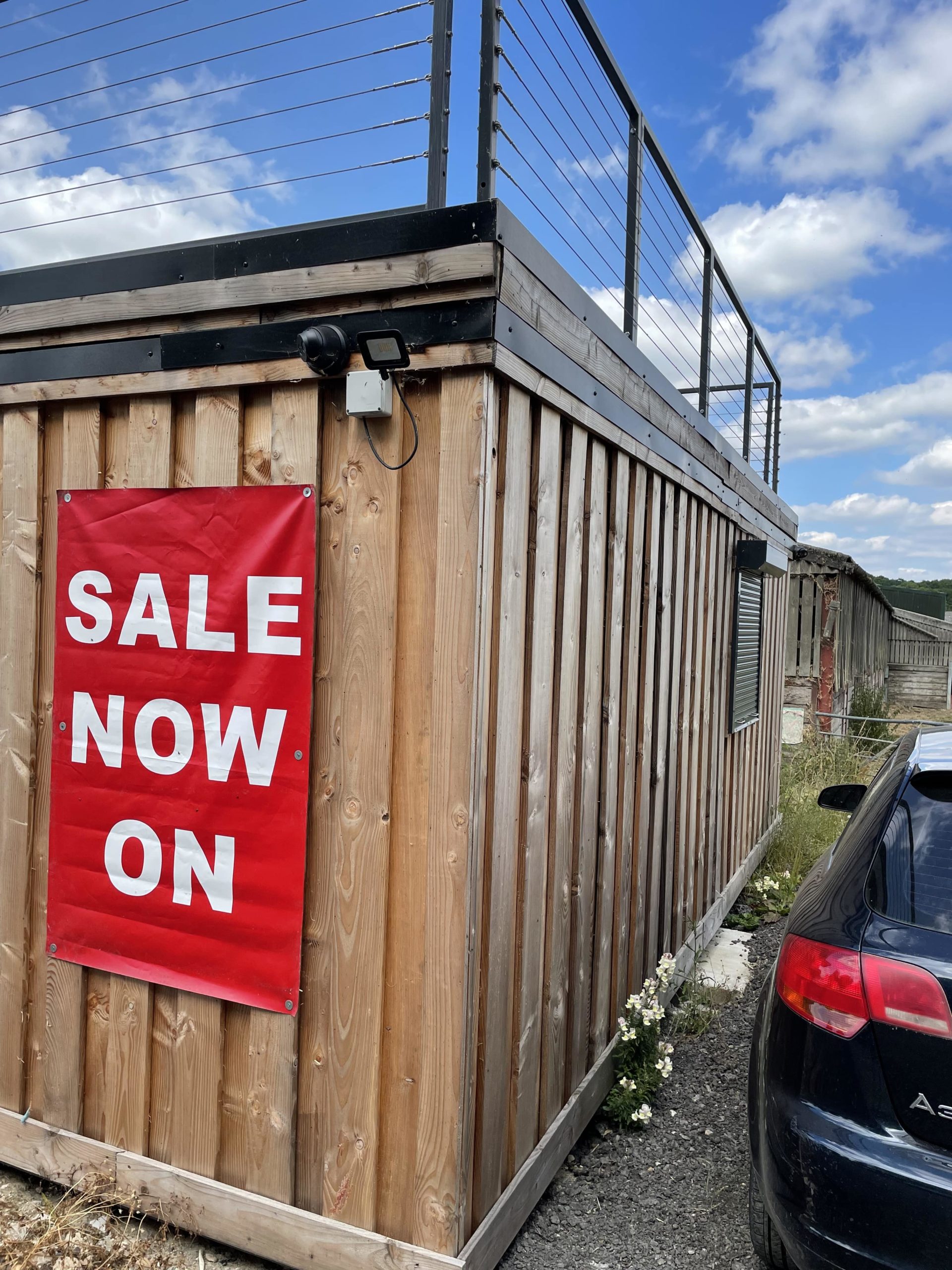
32ft x 20ft Cabin

  • Reinforced doors with secure locking 
  • Electrics and lights included
  • Sink and water boiler included
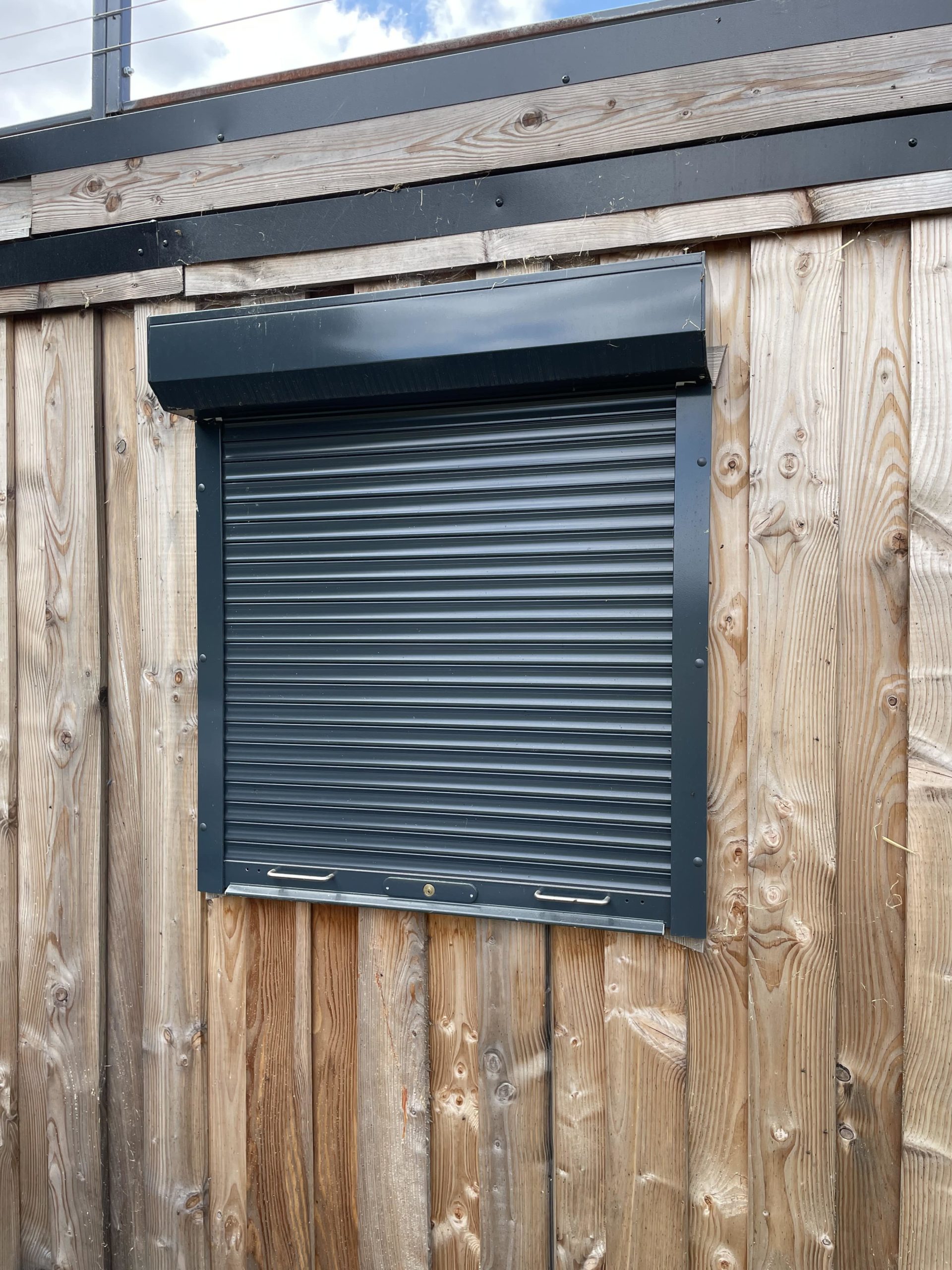
  • Electric Roller Shutters
  • Roof top terrace 
  • Store Room 
  • Slatwall installation 

Location: Nationwide


£39,000

EX VAT

Not Available for Hire

Call for an instant quote!

Looking to Buy or Hire?

Get a Quick Container Quote Now!

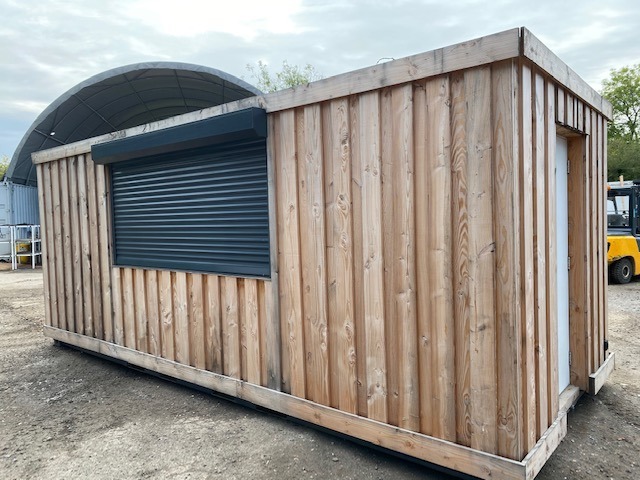
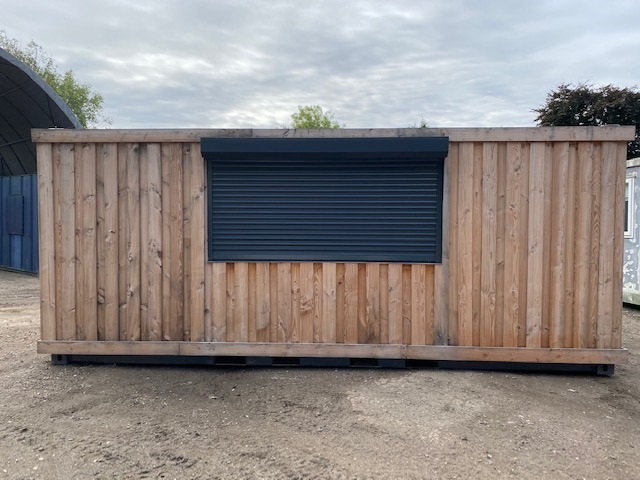
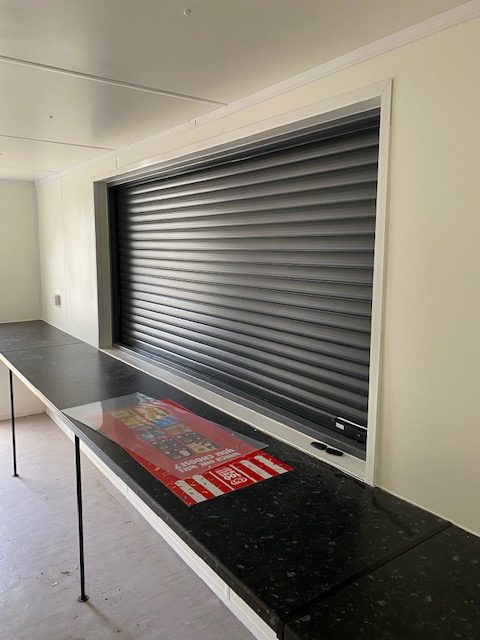
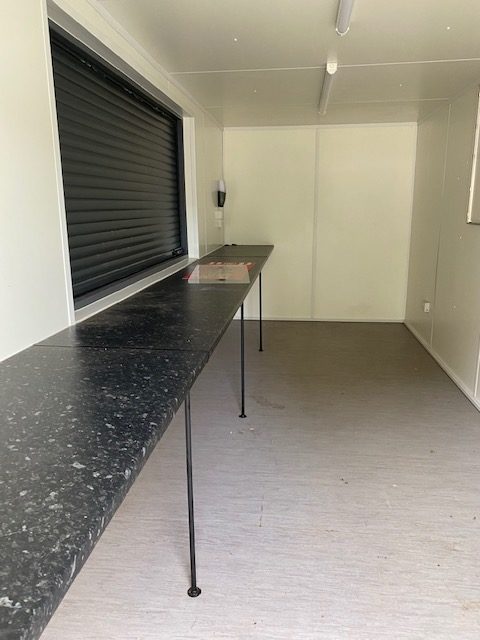
20ft x 8ft Container Kiosk

  • Open plan layout with worktop serving area
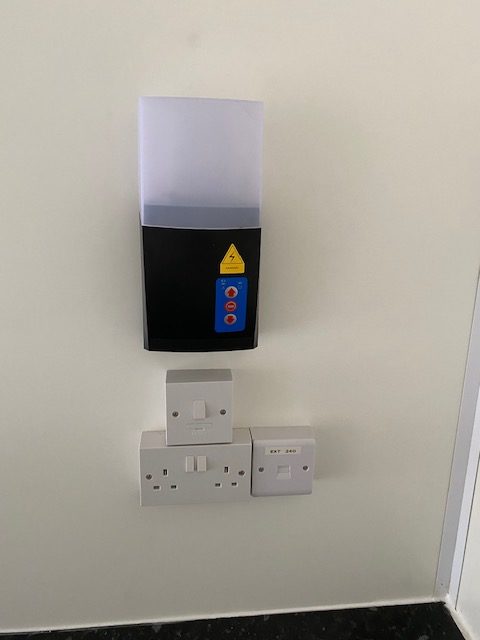
  • Electric roller shutter with remote control
  • Electrics and lights included

Location: Nationwide


£15,000

EX VAT

Not Available for Hire

Call for an instant quote!

Looking to Buy?

Get a Quick Container Quote Now!

Newsletter Signup Form

Be the first to discover our exclusive offers and latest company updates by signing up to our email newsletter. Every month we’ll keep you informed of our best prices, industry updates, customer’s container projects, national shows we’ll be exhibiting at, and much more.

Looking to Buy or Hire?

Get a Quick Container Quote Now!