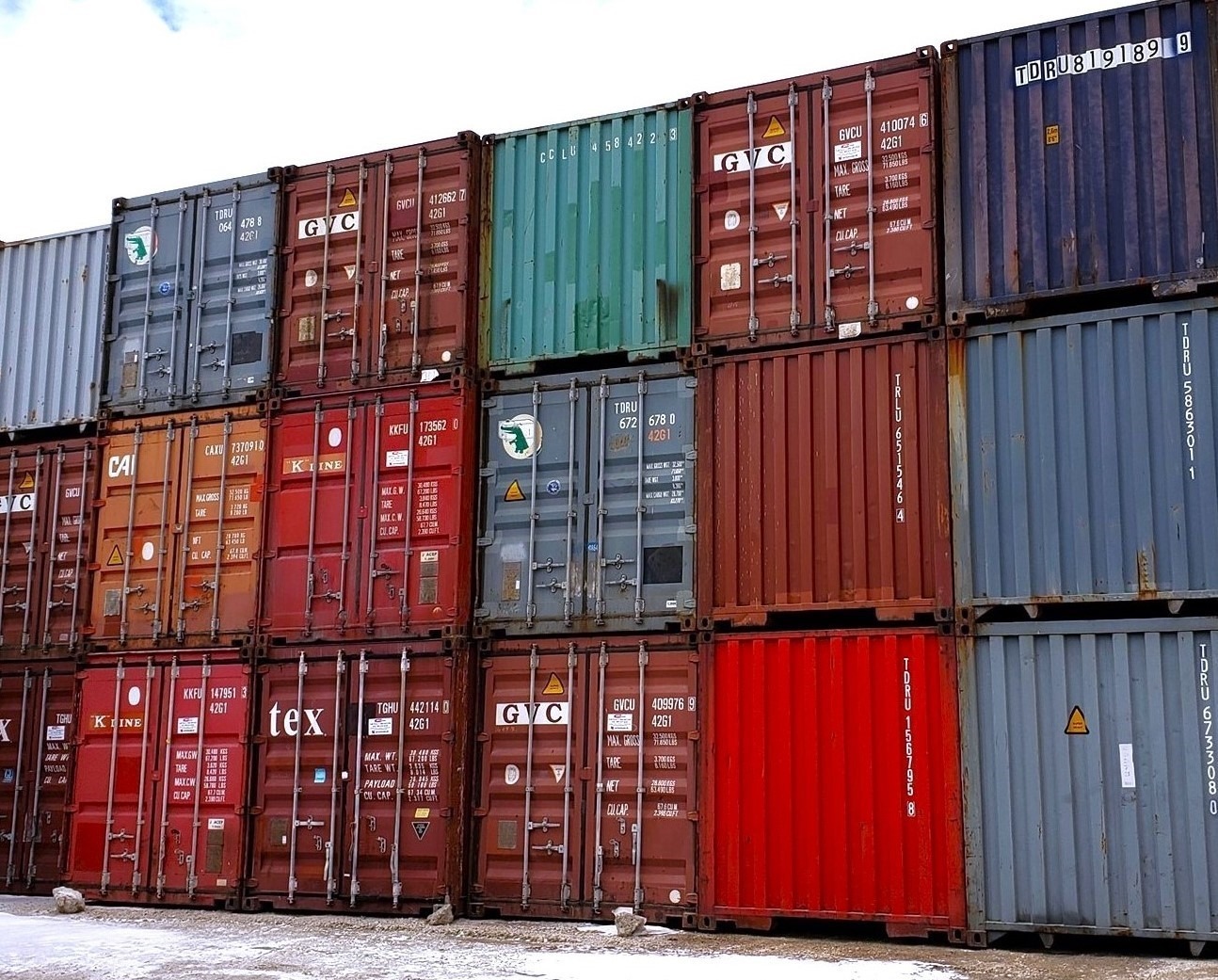
A free shipping container can sound like an easy win for a growing business. In reality, it requires research, practical negotiation, and careful cost checking. Free units often come from businesses with excess stock, damaged equipment, or expensive storage problems. Their owners may welcome a responsible local user.
Christian Roeloffs, CEO of Container xChange, has said, “Container availability is a matter of supply and demand.” This simple observation explains why opportunities differ between ports, cities, and seasons. A container sitting unused near a depot may be available, while another costs thousands to reposition. The word “free” does not always include delivery, inspection, cleaning, modifications, or local taxes.
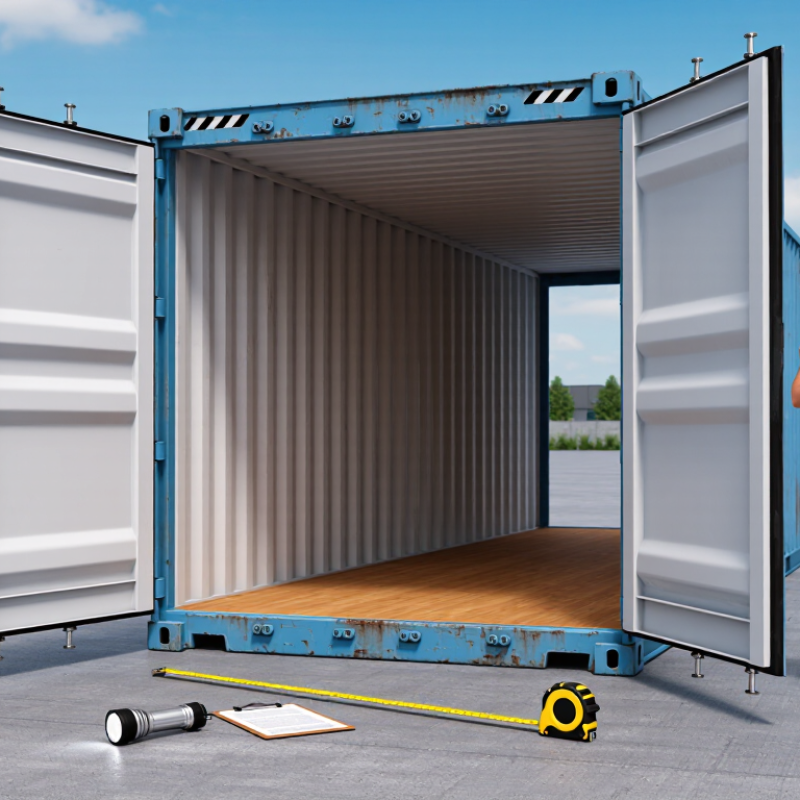
This guide explains how to locate a free shipping container through legitimate channels. These may include freight companies, construction firms, farms, manufacturers, ports, and online reuse networks. You will learn what questions to ask before collecting one. Check the floor, roof, doors, seals, rust, and structural frame. A flashlight and measuring tape can prevent an expensive mistake.
Ask for ownership proof and written terms. Confirm that the container is safe for your intended business use. Do not accept a unit connected to unclear ownership or restricted materials. That risk is not worth saving money.
Some advice may feel inconvenient. It is.
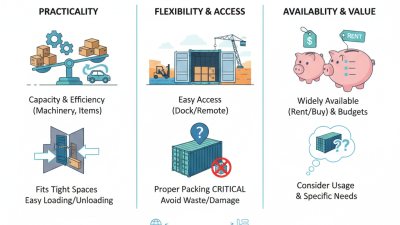
A free container with a leaking roof can damage inventory within hours. A distant unit can cost more to move than a used local container. The best decision depends on total cost, condition, transport distance, and your business needs. This article focuses on realistic savings, not attractive promises.
Before seeking a free shipping container, measure the job, not just the available space. List the goods, loading method, storage period, and delivery route. A 20-foot container usually offers about 33 cubic meters, while a 40-foot unit provides roughly 67 cubic meters. Actual capacity varies by design and condition.
Check the container’s identification plate and structural condition. ISO 668 defines standard external dimensions, but usable space depends on wall thickness and fittings. The CSC safety plate also confirms whether the unit is approved for international transport. Do not rely on photographs alone. Inspect door seals, flooring, roof leaks, corrosion, and previous repairs.
Your weight estimate matters as much as volume. The UNCTAD Review of Maritime Transport 2024 recorded 2.4% growth in global maritime trade during 2023. That pressure can increase equipment shortages and delivery costs in active markets. Record the heaviest pallet, forklift access, and required ground clearance. A local distributor may offer a retired unit for storage, but “free” can still involve transport, unloading, and repairs. I once underestimated crane access; the container fit the site, but the truck could not position it safely. Recheck the route, permits, and placement surface before accepting any offer.

How to Get a Free Shipping Container for Your Business?
Research Legitimate Sources of Free or Low-Cost Containers
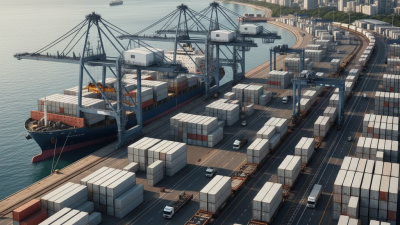
A free shipping container usually has a hidden cost. Transport, inspection, repairs, and local permits can exceed its purchase price. The UNCTAD Review of Maritime Transport 2024 states that ships carry over 80% of global merchandise trade by volume. This constant movement creates a large pool of used containers, but availability differs by region and season.
Start with nearby ports, freight forwarders, container leasing companies, and registered exporters. Ask for written details about ownership, condition, size, and pickup deadlines. Some businesses release older units after cargo operations. Municipal surplus auctions and verified reuse programs may also offer low-cost options. Avoid vague social media listings requesting deposits before inspection.
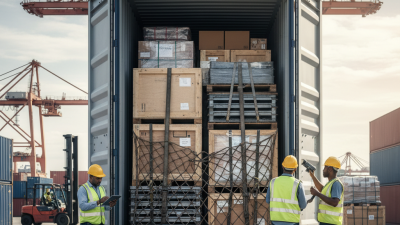
Inspect the container in daylight. Check door seals, corner posts, roof dents, floor damage, and evidence of chemical odors. The Institute of International Container Lessors reports that containers require strict safety controls under international standards, even after retirement from shipping use. Confirm the unit’s identification plate and maintenance history. A damaged floor can make storage unsafe.
A “free” unit may still need a crane and specialized trucking. Get two transport quotes. My first cost estimate would probably miss access restrictions or unloading equipment. That is an uncomfortable but useful lesson. Keep invoices, inspection photos, and ownership records for reliable business documentation.
| Potential Source | How to Find It | Typical Availability | Expected Condition | Potential Buyer Costs | Verification Checklist | Free or Low-Cost Potential |
|---|---|---|---|---|---|---|
| Port or terminal surplus programs | Check official port authority notices, procurement pages, surplus-property listings, and public auction schedules. | Irregular; depends on equipment replacement cycles and local surplus policies. | Used; may have cosmetic damage, corrosion, damaged flooring, or limited remaining service life. | Transportation, loading, auction fees, taxes, inspection, and repairs. | Confirm ownership, container number, dimensions, pickup deadline, access requirements, and whether title transfers legally. | Medium |
| Government surplus auctions | Search official federal, state, provincial, or municipal surplus-auction portals and published tender notices. | Periodic; listings vary by region and agency. | Unknown until inspected; sold as-is in many auctions. | Winning bid, buyer premium where applicable, sales tax, transport, lifting equipment, and storage. | Read the complete lot description, inspect photographs and documents, verify pickup rules, and avoid off-platform payment requests. | Medium |
| Local importers and distribution centers | Contact warehouses, manufacturers, retailers, farms, and construction businesses that regularly receive goods in containers. | Often available locally, but dependent on inbound freight volume and storage needs. | Usually used; condition may range from cargo-worthy to suitable only for storage or conversion. | Hauling, unloading, site preparation, repairs, and possible delivery charges. | Ask whether the unit is owned or leased, check for active lease markings, inspect doors and floors, and obtain a written transfer agreement. | High |
| Construction, demolition, and event projects | Network with contractors, temporary-site managers, film or event organizers, and property developers. | Project-based; availability increases when a project is completed or relocated. | May be heavily used, modified, painted, or fitted with temporary electrical components. | Removal, transport, crane or forklift service, restoration, and disposal of unwanted fittings. | Confirm that modifications are safe, check structural integrity, identify hazardous materials, and verify permission to remove the unit. | Medium |
| Reuse, salvage, and material-exchange programs | Search local reuse centers, building-material exchanges, nonprofit directories, and municipal waste-reduction programs. | Limited and highly location-dependent. | Variable; some units may be damaged or repurposed and not suitable for international cargo use. | Membership or transfer fees, transport, cleaning, repairs, and compliance upgrades. | Confirm the unit’s legal ownership, dimensions, structural condition, and whether it is approved for the intended use. | Medium |
| Freight forwarders and container service providers | Ask about retired equipment, off-hire units, storage containers, and local repositioning inventory. | Variable; depends on regional fleet balance and equipment retirement. | Often graded by condition; units may be weatherproof but not suitable for export cargo. | Delivery, repositioning, depot handling, inspection, and possible documentation fees. | Request the condition grade, ownership confirmation, valid identification number, dimensions, and written pricing terms. | Low to Medium |
| Online local listings and community networks | Use local classified listings, trade groups, business associations, and community bulletin boards. | Unpredictable; listings can disappear quickly. | Ranges from nearly new to severely damaged or modified. | Transport, lifting, site access, repairs, and possible inspection costs. | Inspect in person, verify the seller’s identity and ownership, avoid deposits before verification, and use a written bill of sale. | Medium |
| Businesses replacing storage equipment | Contact farms, workshops, retailers, warehouses, and small manufacturers that are renovating or changing sites. | Occasional; usually tied to relocation or facility upgrades. | Used and potentially modified with shelves, insulation, doors, wiring, or ventilation. | Removal, transport, restoration, and safe disconnection of installed systems. | Check for permits, electrical modifications, leaks, structural alterations, and any continuing rental or finance obligations. | High |
| Important planning note: A container advertised as “free” commonly still involves delivery, loading or unloading, inspection, site preparation, taxes, repairs, and permitting. Before accepting any unit, verify ownership, measure the access route, confirm the container’s external dimensions, inspect the roof, doors, corner posts, and floor, and obtain all terms in writing. | ||||||
“free” shipping container may still carry serious costs. Removal, inspection, transport, and repairs can exceed its market value. UNCTAD’s Review of Maritime Transport reports that over 80% of global merchandise trade moves by sea. That scale creates a large pool of aging equipment, but availability does not prove ownership.
Request the container number, written ownership confirmation, and a signed transfer document. Check the CSC safety plate, which records inspection and structural information. Compare its details with the seller’s paperwork. Ask whether a depot, carrier, lender, or customs authority still controls the unit. An informal promise is not enough. This is where many small businesses become careless.
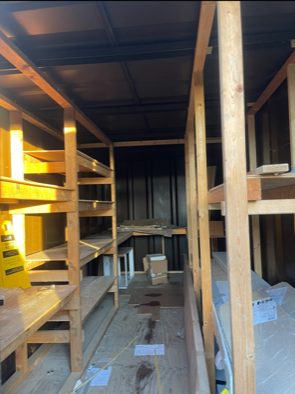
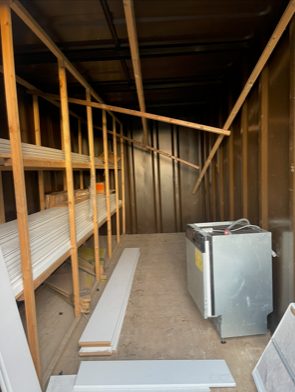
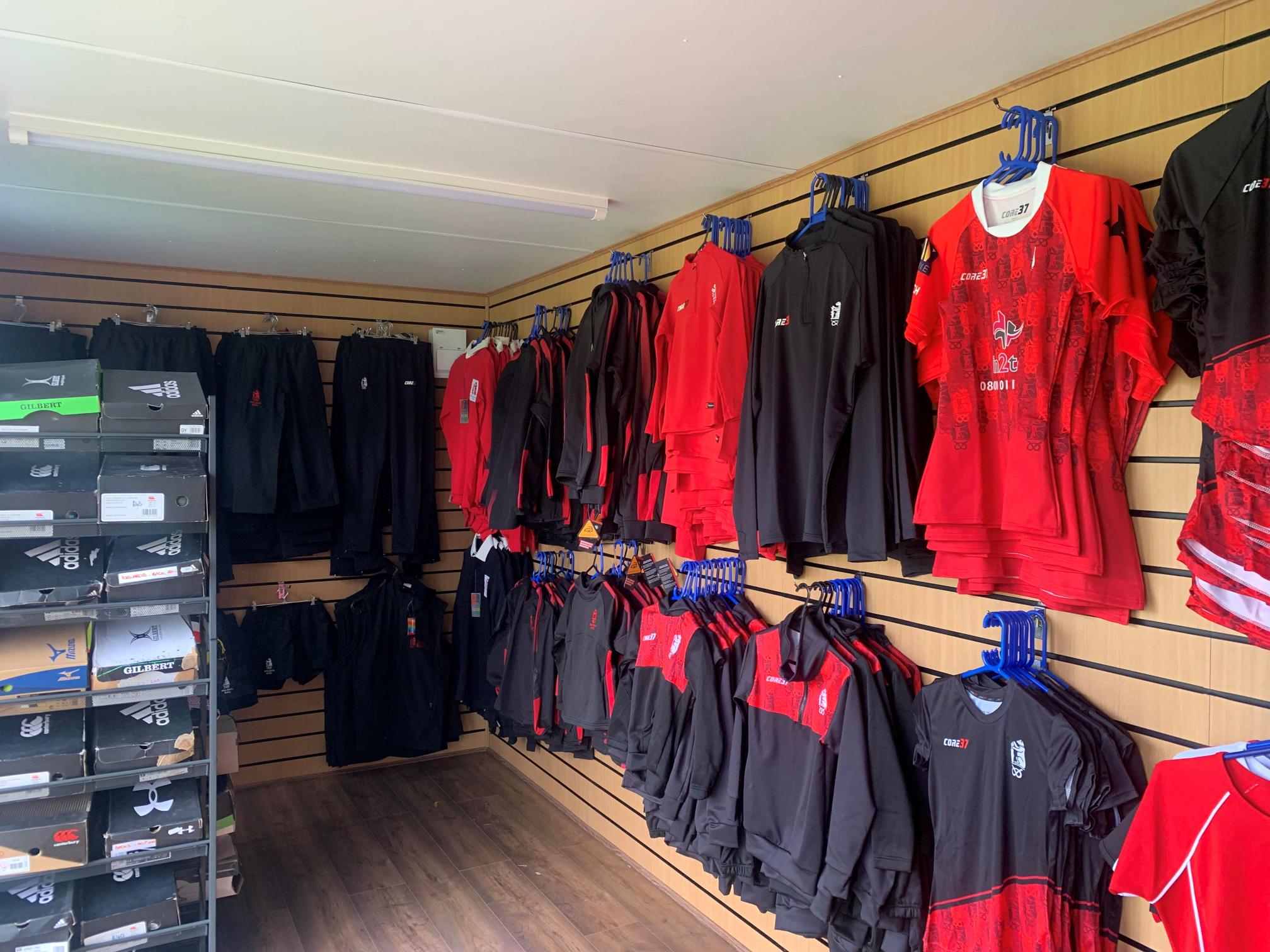
Inspect the roof from ground level for daylight or standing water. Open both doors and test the locking bars. Look for cracked corner castings, bent rails, wet flooring, chemical odors, and recent paint hiding corrosion. The IICL’s technical guidance emphasizes structural condition, door operation, flooring, and cleanliness during container inspections. A damaged floor can also create workplace risks.
Tips: Photograph every side, the serial number, plate, floor, and doors before collection. Confirm local zoning, permits, fire rules, and placement limits. Ask for a written statement that no customs or ownership restriction remains. The Container Owners Association warns that safety markings and inspection records matter when containers change use. I would also budget for a professional survey. It feels unnecessary, but one missed defect can erase the “free” deal.
A free shipping container usually comes from a company with surplus units, damaged stock, or limited storage space. “Free” rarely means cost-free. You may still pay for transport, lifting, cleaning, or minor repairs. A clear request improves your chances. Describe your business, required container size, preferred condition, pickup location, and intended use. Attach photos of your available access route if possible. Narrow gates and soft ground can create expensive surprises.
Keep your request practical and professional. Ask whether the container is empty, structurally usable, and available for direct pickup. Request recent photos, measurements, floor condition, door operation, and visible rust. Then negotiate a written pickup agreement. It should state the container’s condition, collection deadline, loading responsibility, transport arrangements, and any agreed charges. Confirm who handles damage during loading. Do not rely only on a friendly phone conversation. I have found that small details prevent larger disputes, although no agreement removes every risk.
Tips: Prepare two pickup dates. Use a suitable vehicle and qualified lifting support. Check local placement rules before delivery. Keep copies of messages and photos. If the container needs extensive repair, “free” may not be the practical option. Ask for time to inspect it, even when the owner seems trustworthy.
A free shipping container is rarely truly free. You may find one through local manufacturers, farms, construction firms, or storage operators with surplus units. Ask about dents, leaks, ownership, and removal deadlines. Request clear photos before making arrangements.
Inspect the container in daylight, preferably with an experienced technician. Check the roof, floor, door seals, hinges, locking bars, and corner posts. Look for standing water, soft flooring, sharp metal, and strong chemical odors. A qualified inspector can identify structural damage that photographs hide. Record each defect. Do not rely on a friendly promise.
Transport requires careful planning. Measure the access road, gate width, overhead cables, and unloading area. Confirm the container’s weight and choose suitable lifting equipment. Use a licensed transport provider and obtain any required local permissions. Protect nearby paving and keep people away during placement. One failed delivery can cost more than the container.
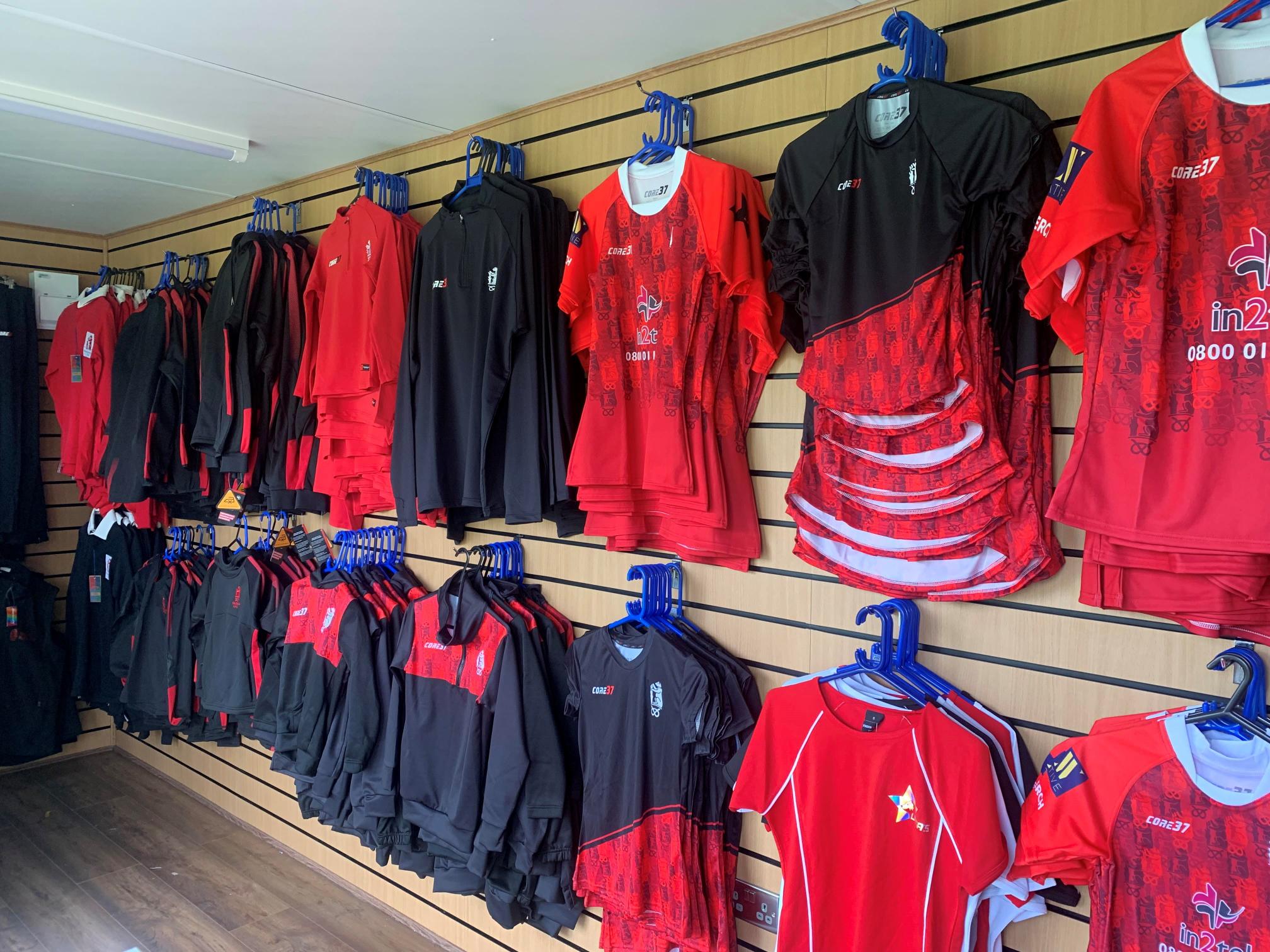
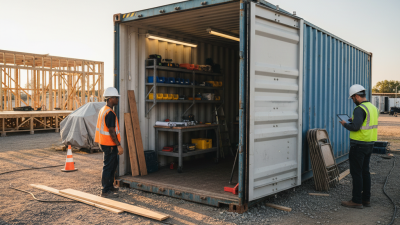
Use the unit only for lawful, suitable business activities. Confirm zoning, fire safety, ventilation, drainage, and workplace access requirements. Store ordinary, non-hazardous goods in sealed containers and keep walkways clear. Add lighting, shelving, and moisture control without weakening the walls.
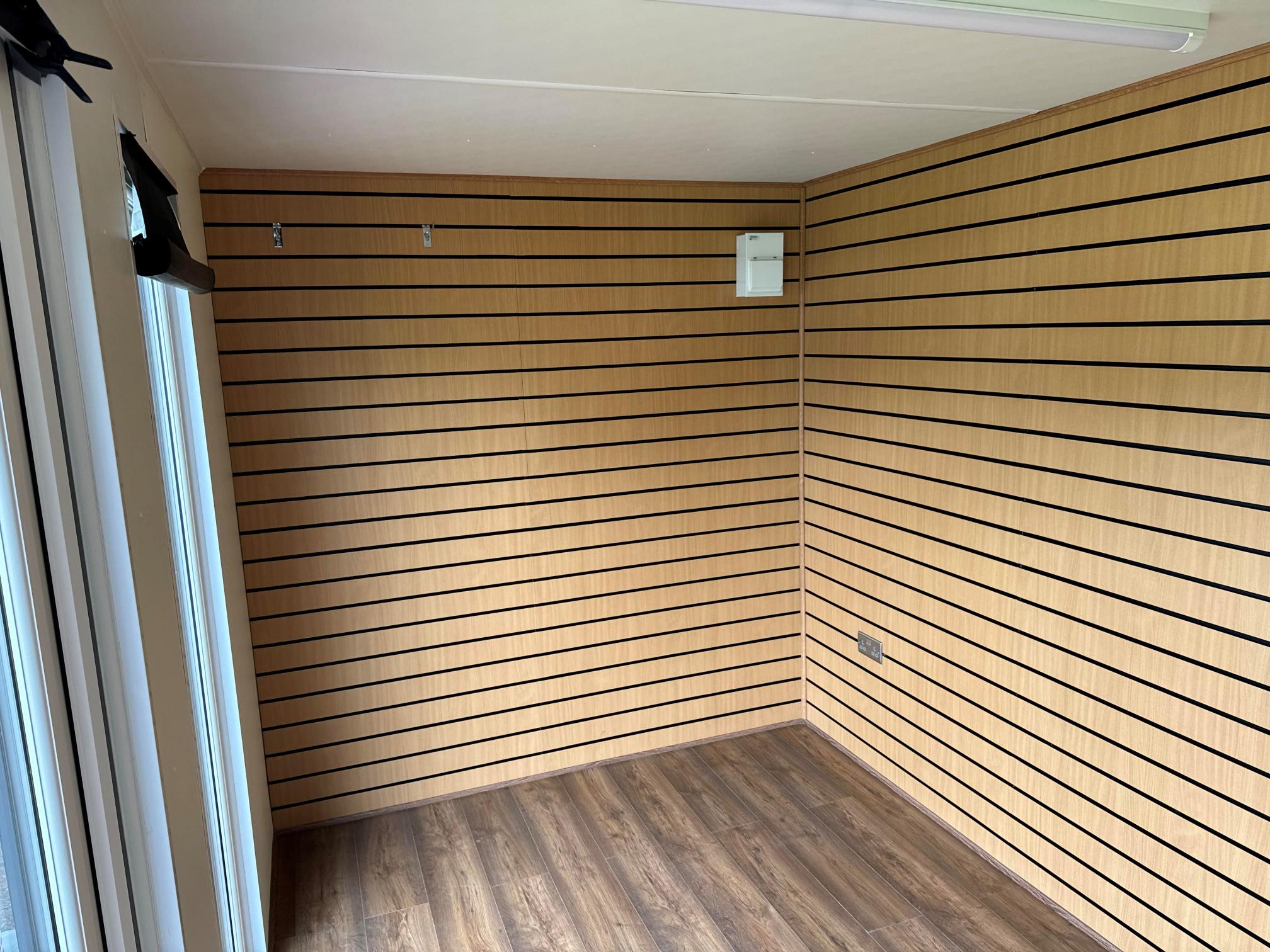
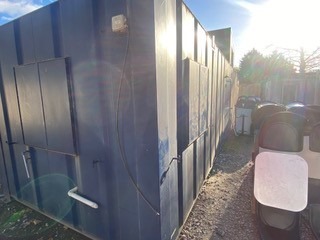
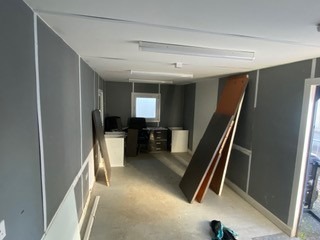
My first low-cost conversion overlooked condensation. The stock suffered. A simple ventilation plan would have prevented it.
Recheck the container after heavy rain, strong wind, or relocation.
Registered in England & Wales No. 2786496
Registered office at: 337 Tanworth Lane,
Shirley, Solihull, B90 4DU
Registered for VAT, registration No.
GB 655 1347 38


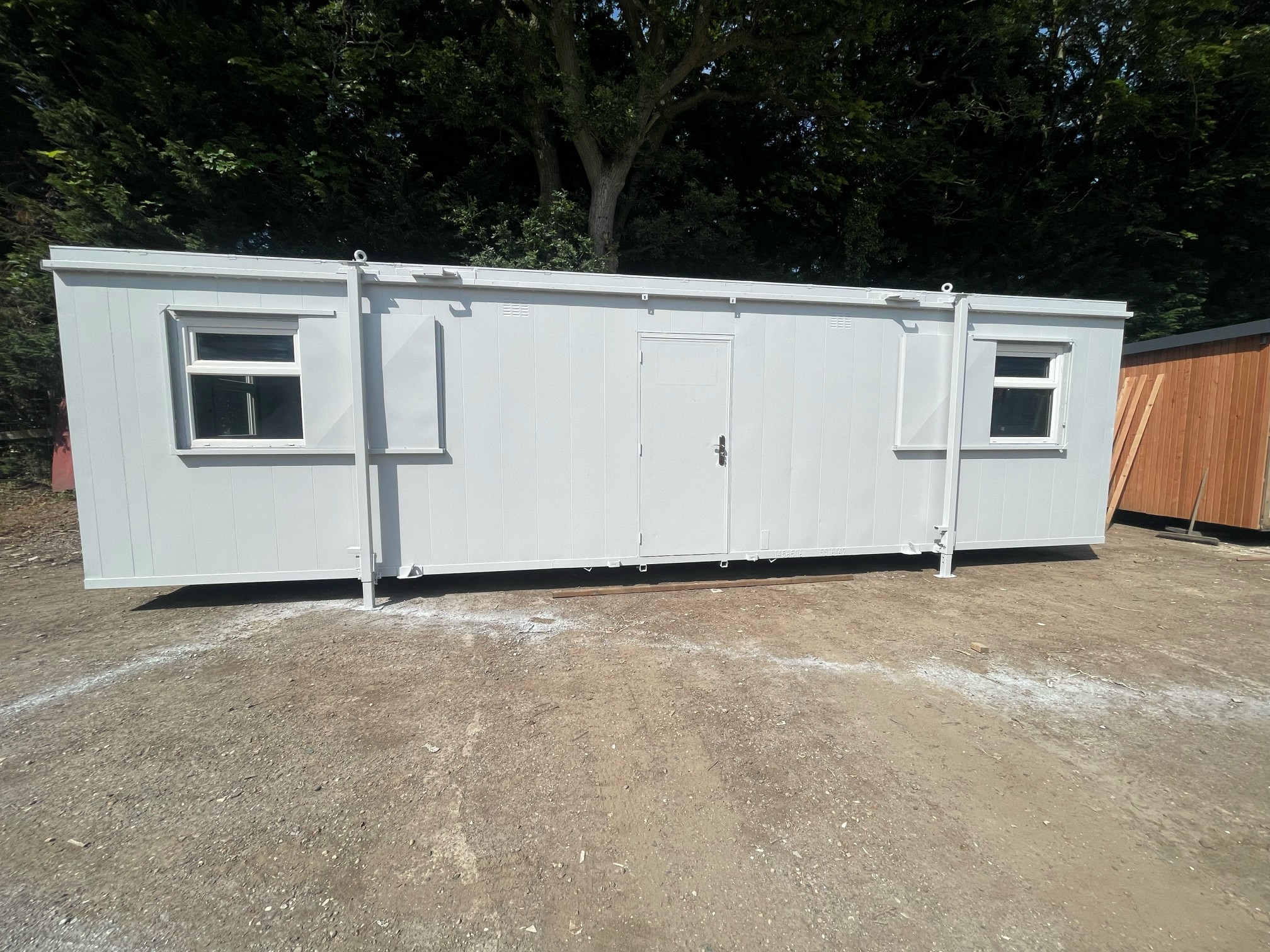
Location: Nationwide
Not Available for Hire
We can deliver for a cost please ask and send us post code.
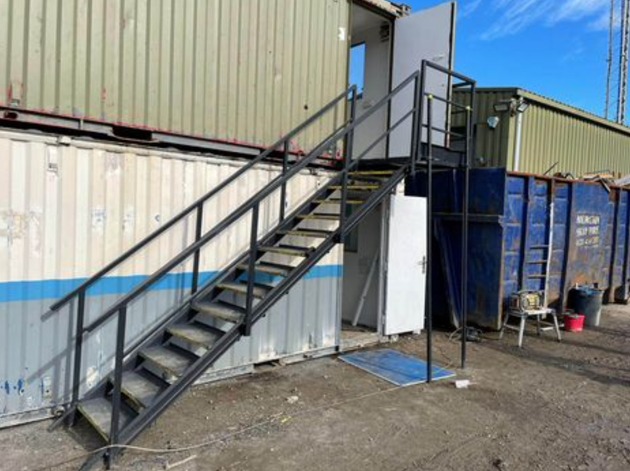
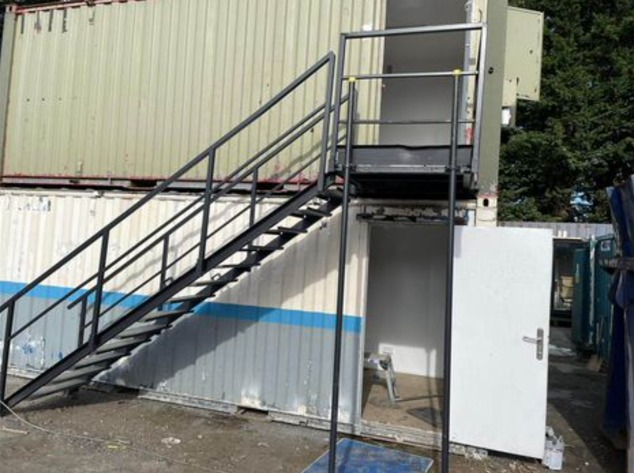
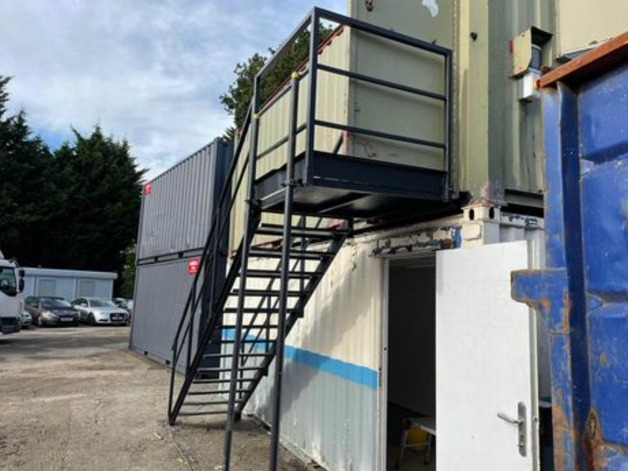
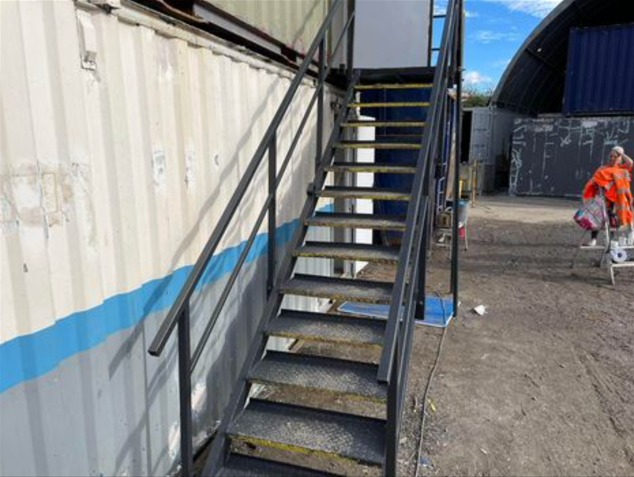
13 tread
14 tread
15 tread


Location: Nationwide
Not Available for Hire
Call for an instant quote!


Location: Nationwide
Not Available for Hire
We can deliver for a cost please ask and send us post code.
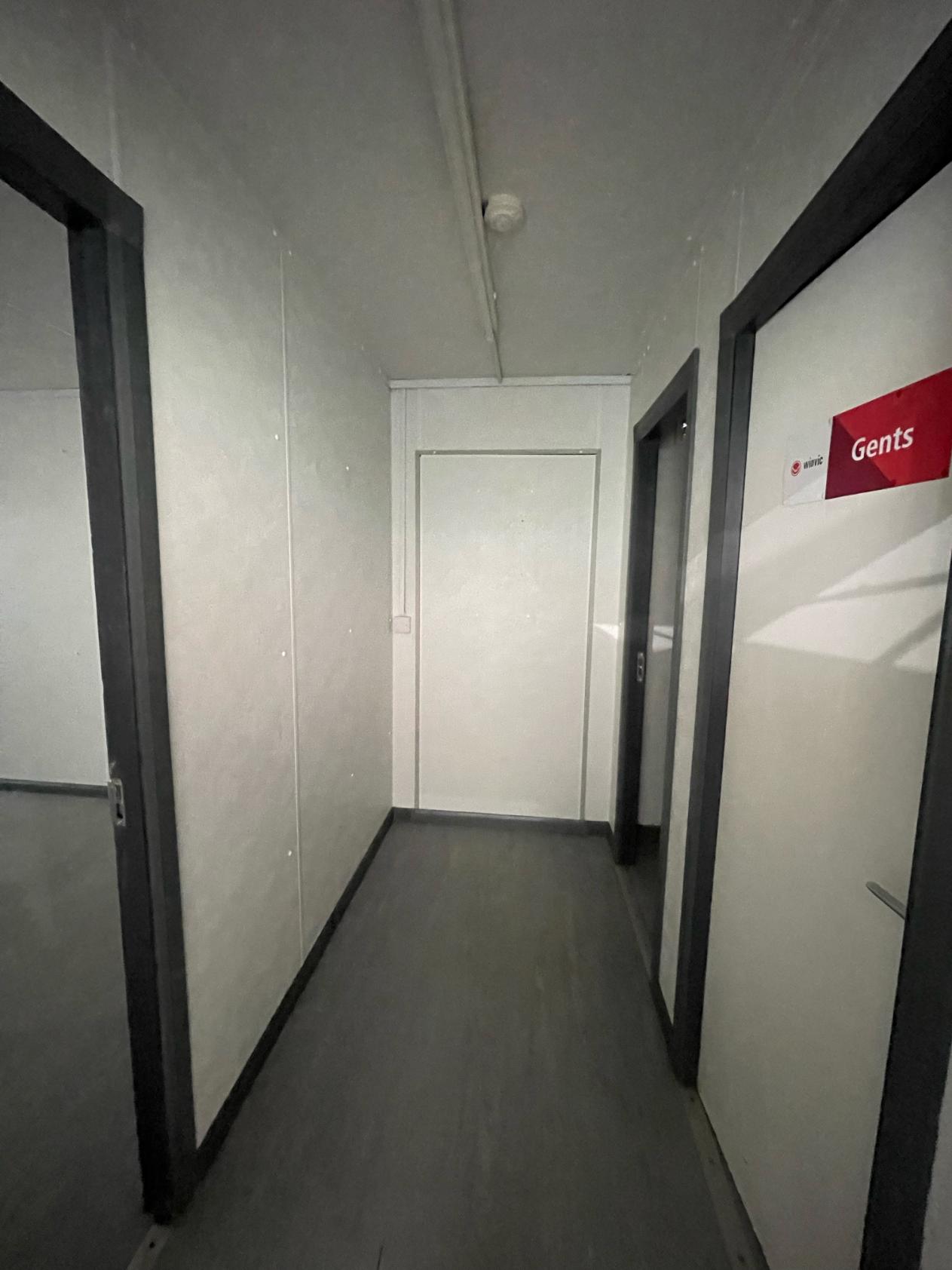
Hallway leading into:
Transport can be arranged please ask.


Location: Nationwide
Not Available for Hire
Call for an instant quote!
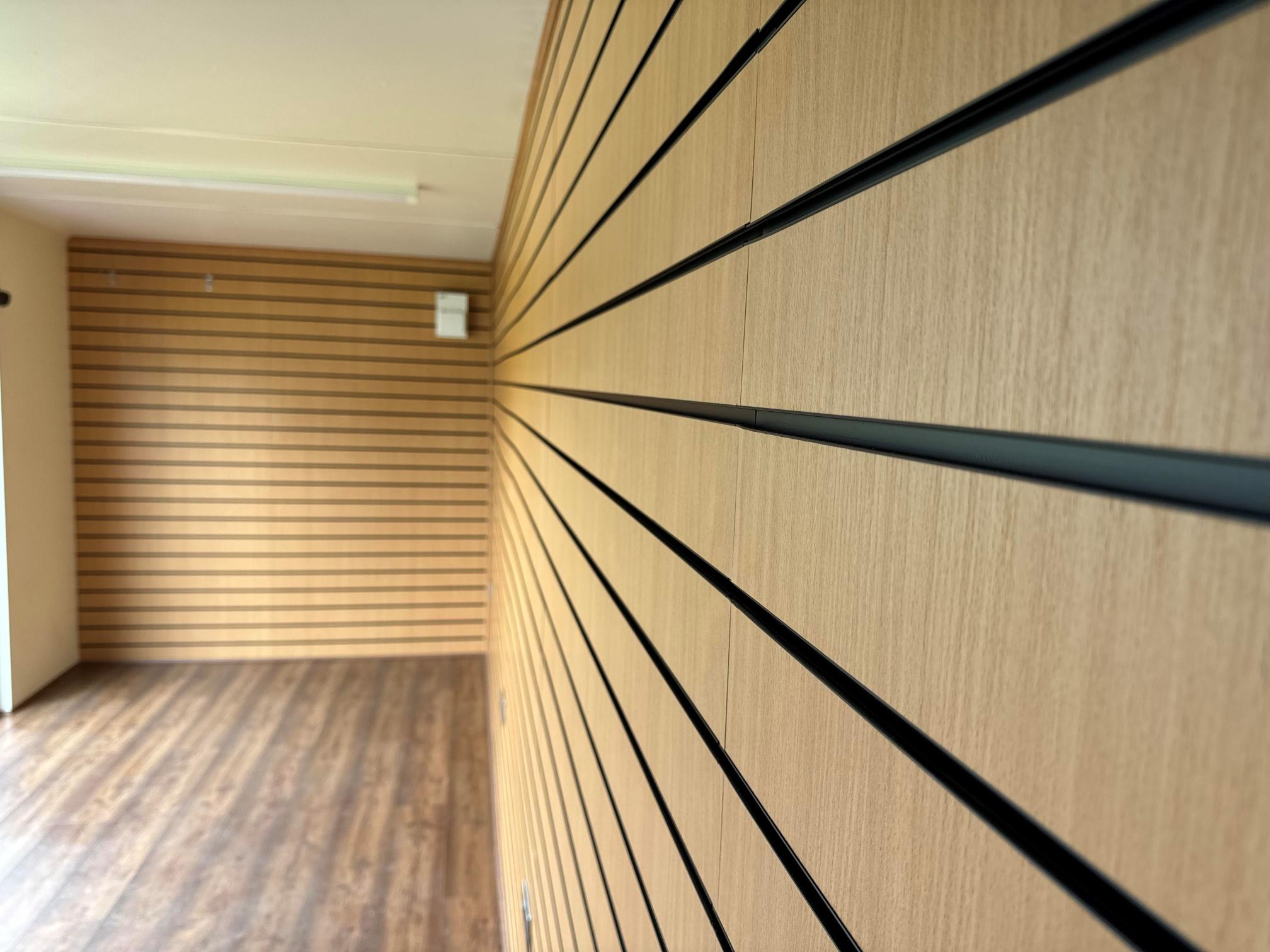
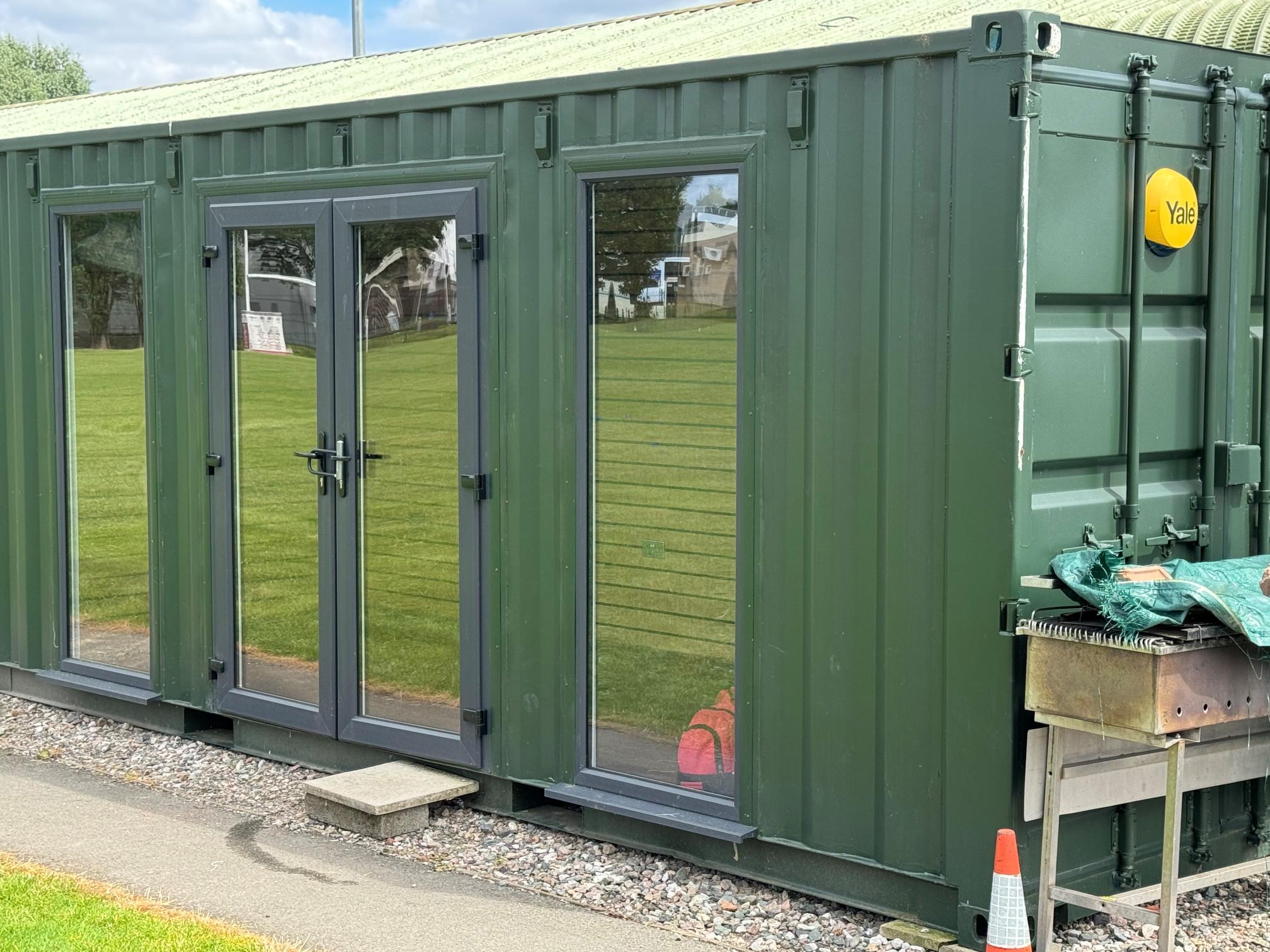
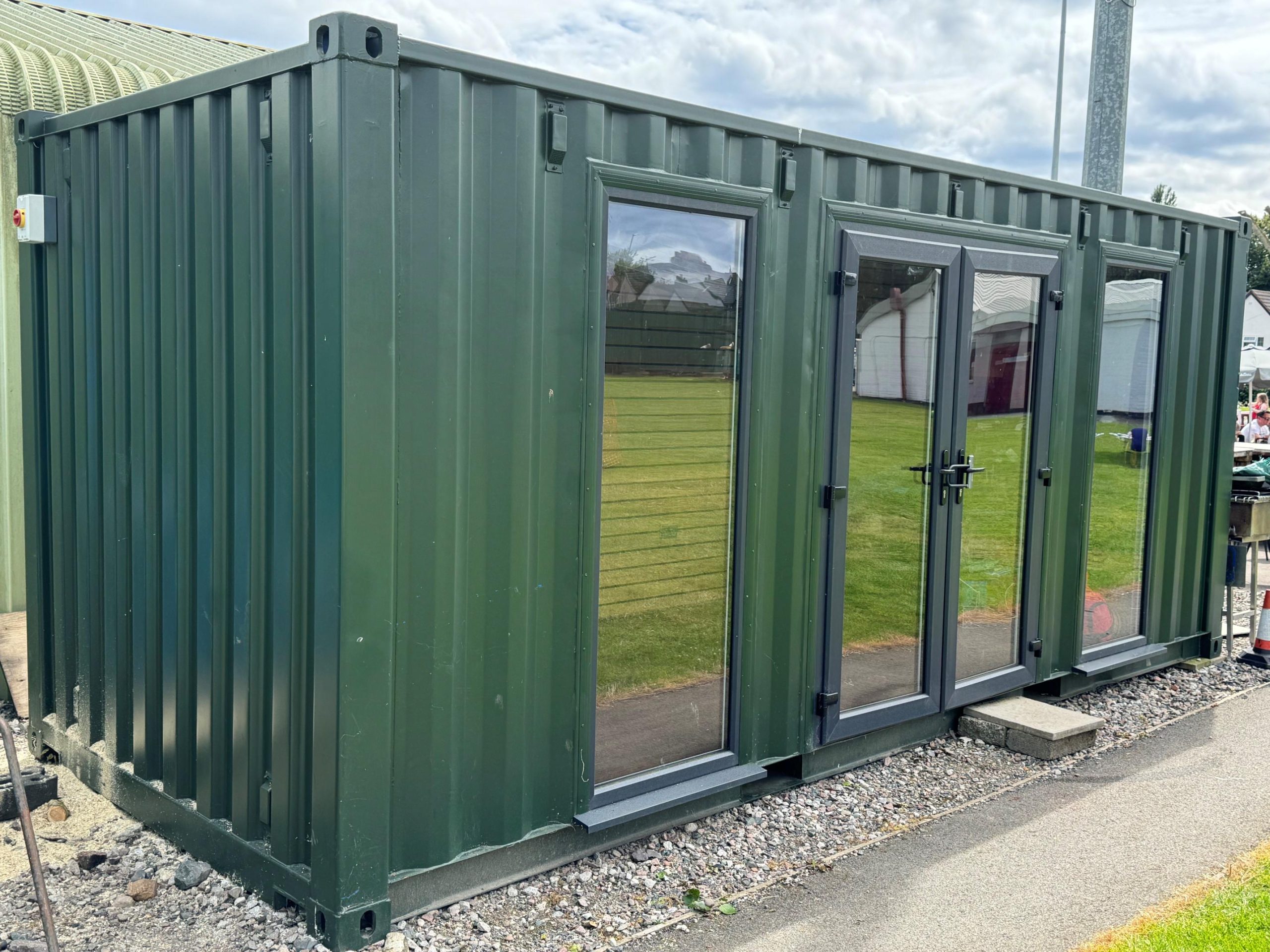
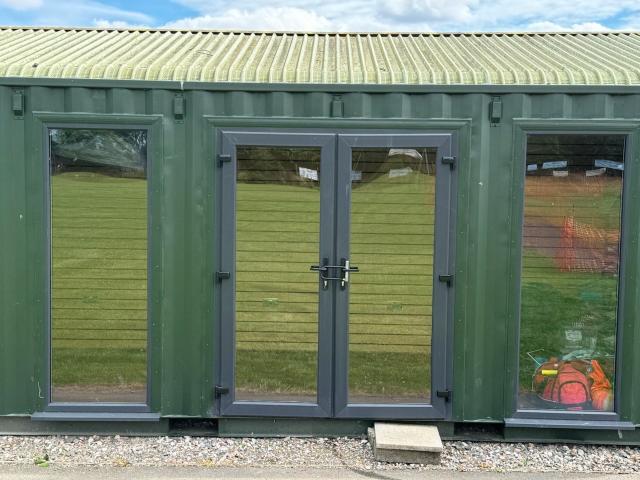
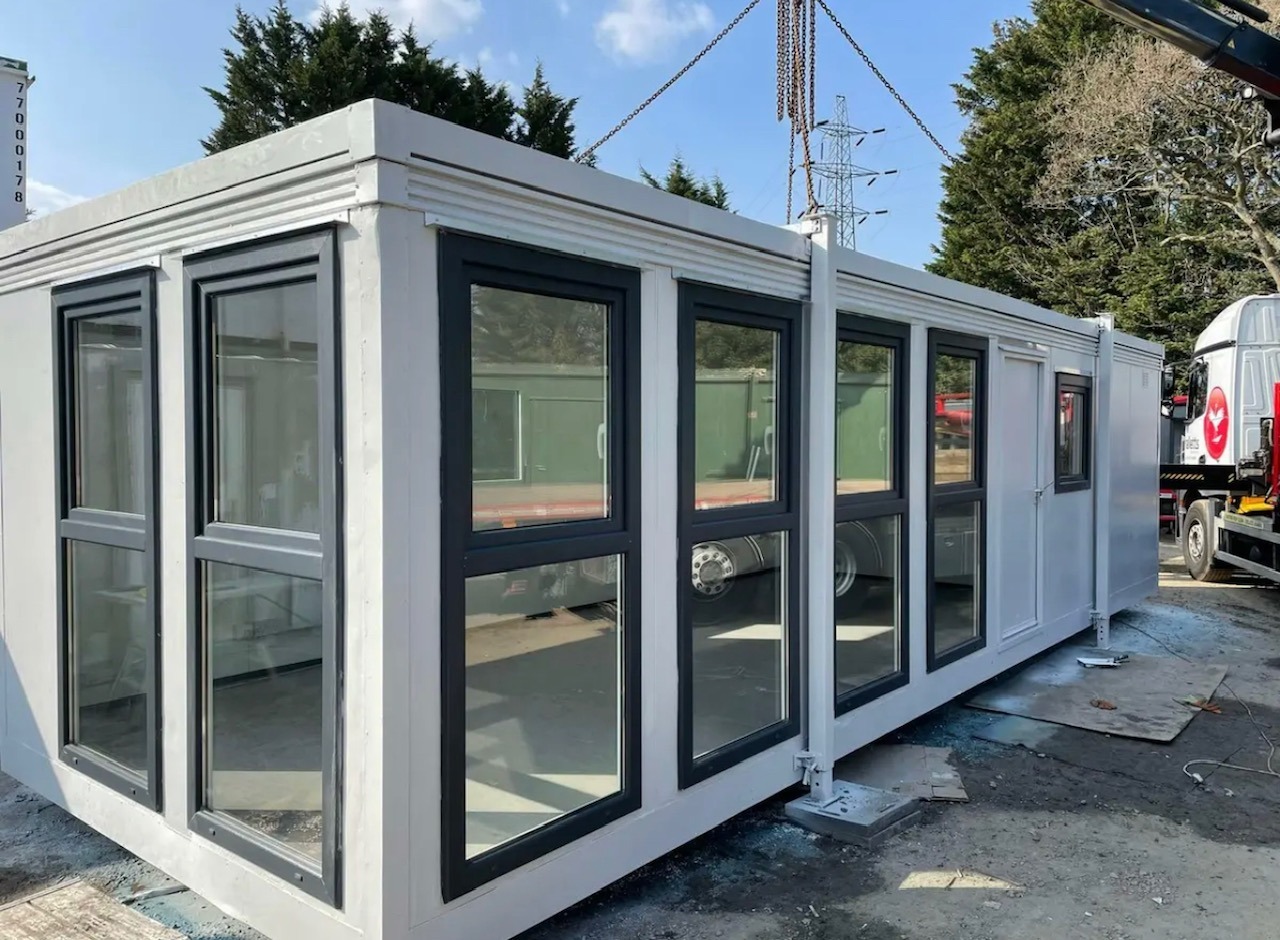
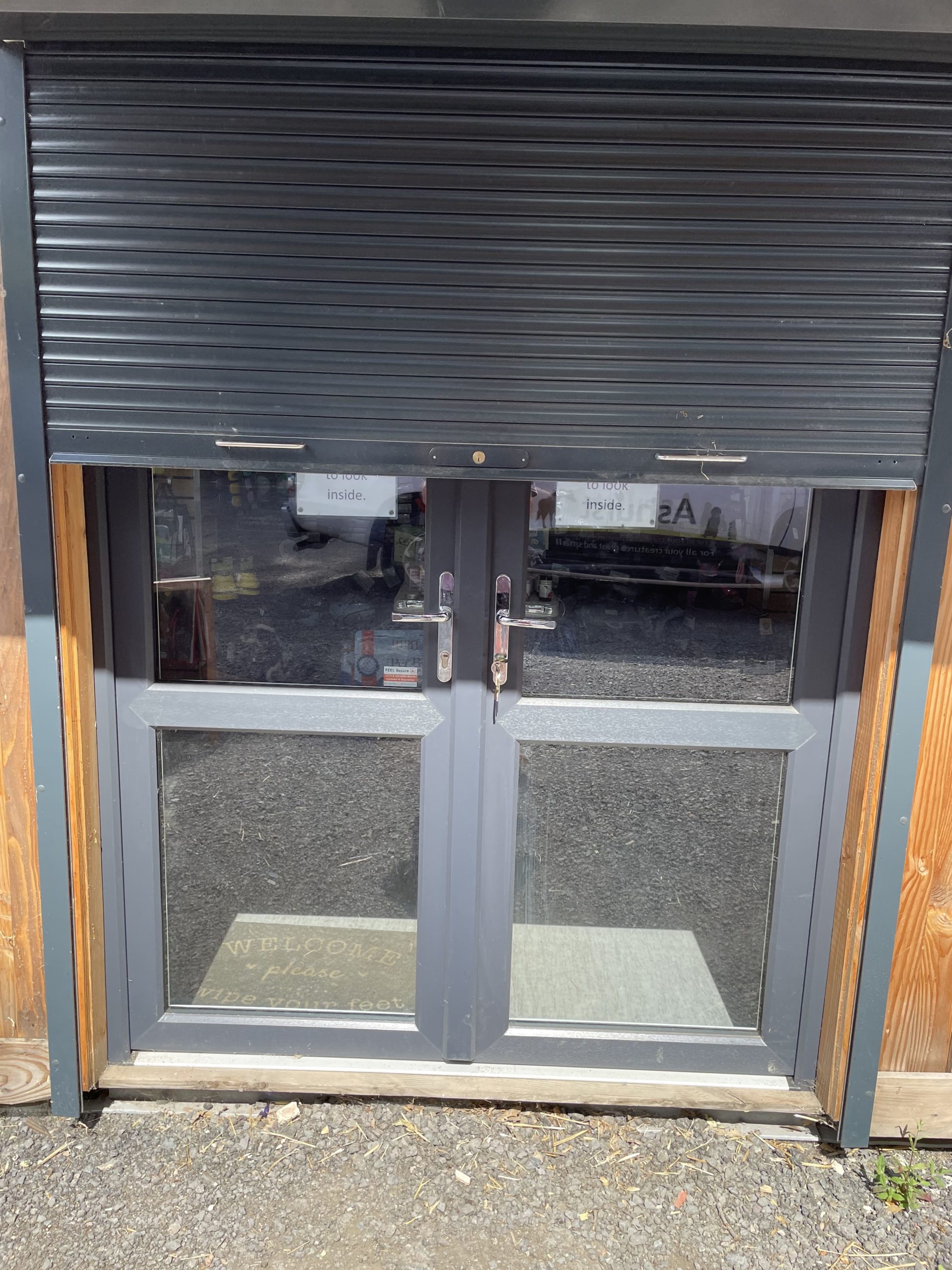
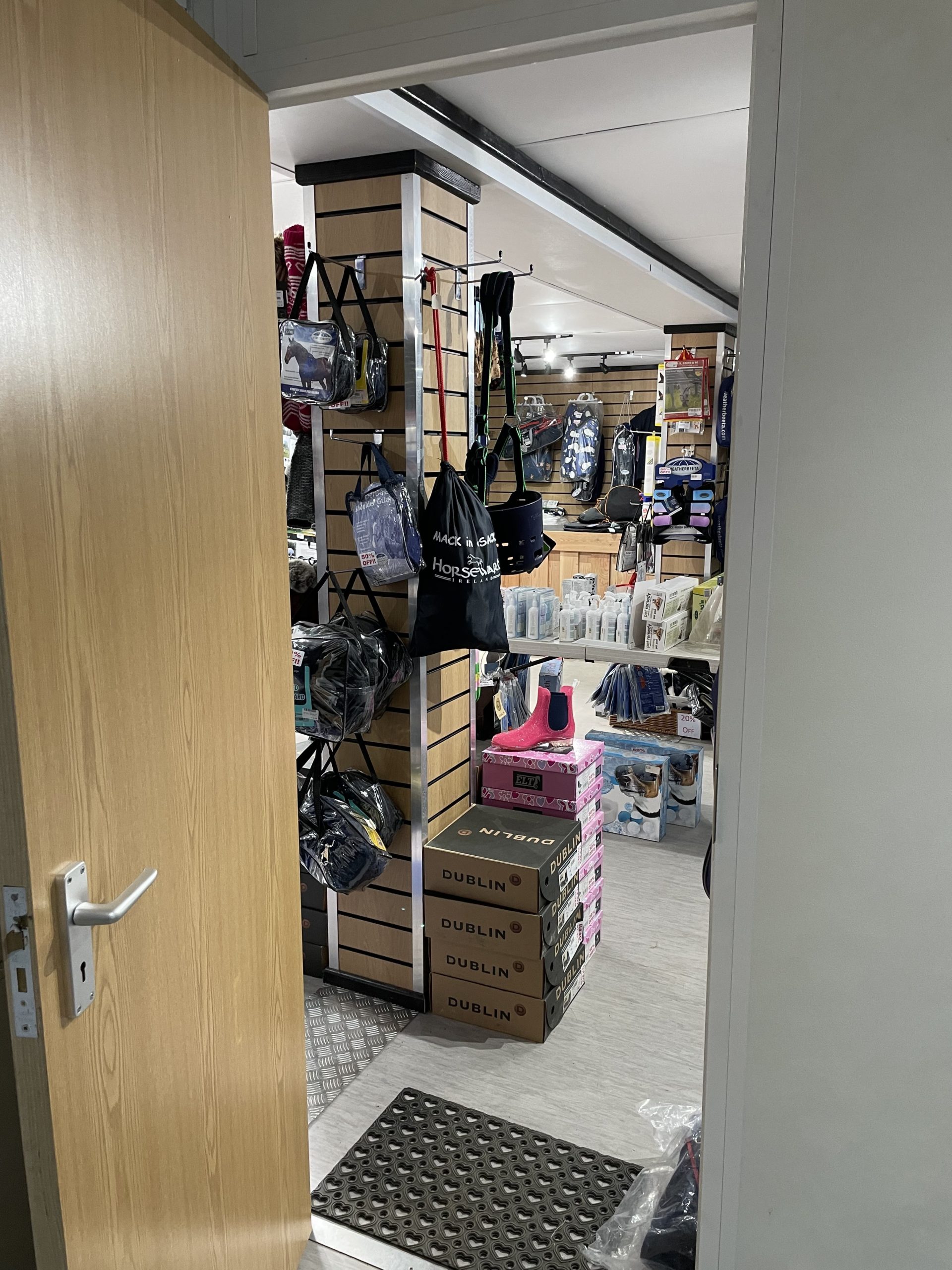
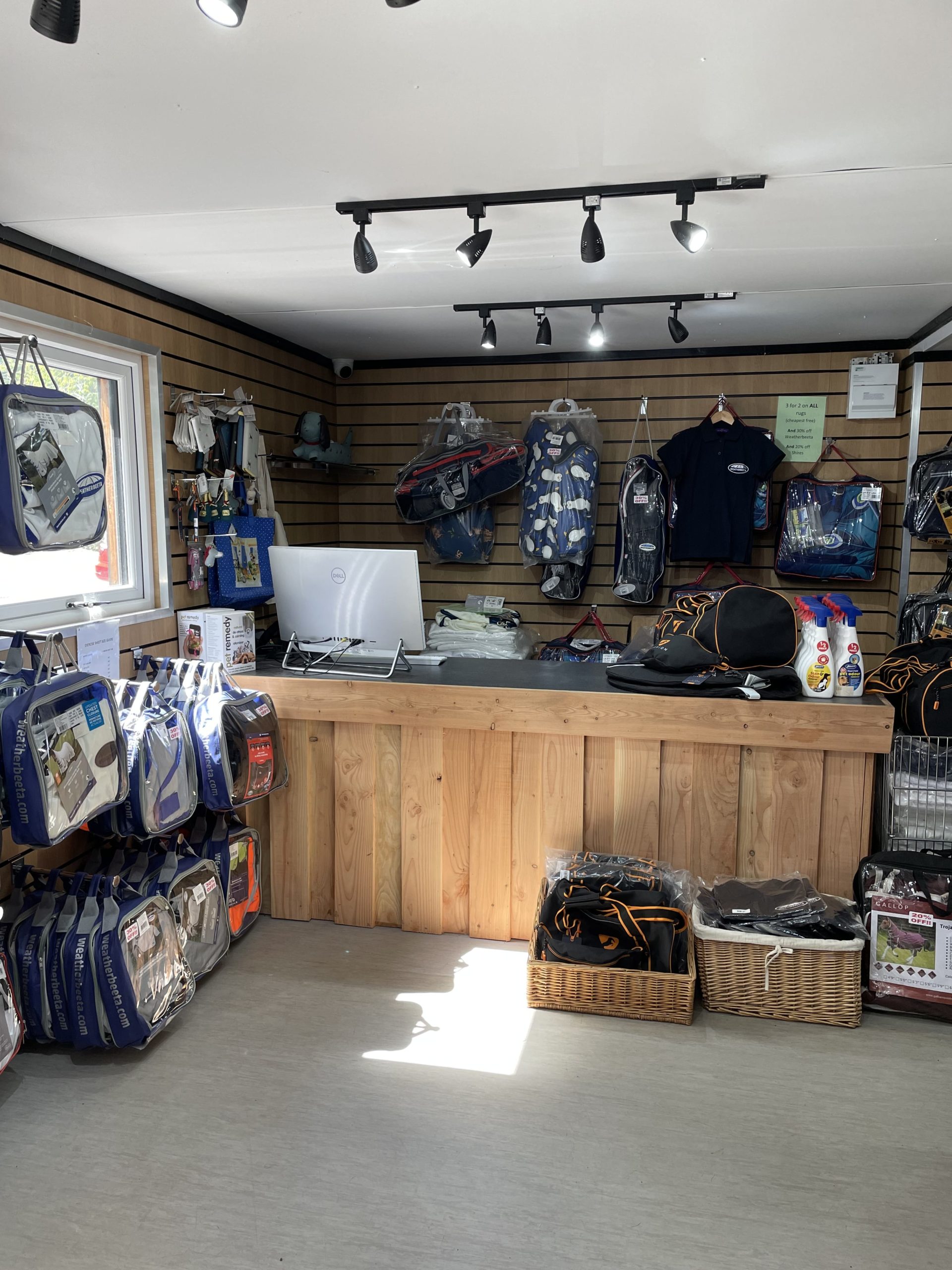
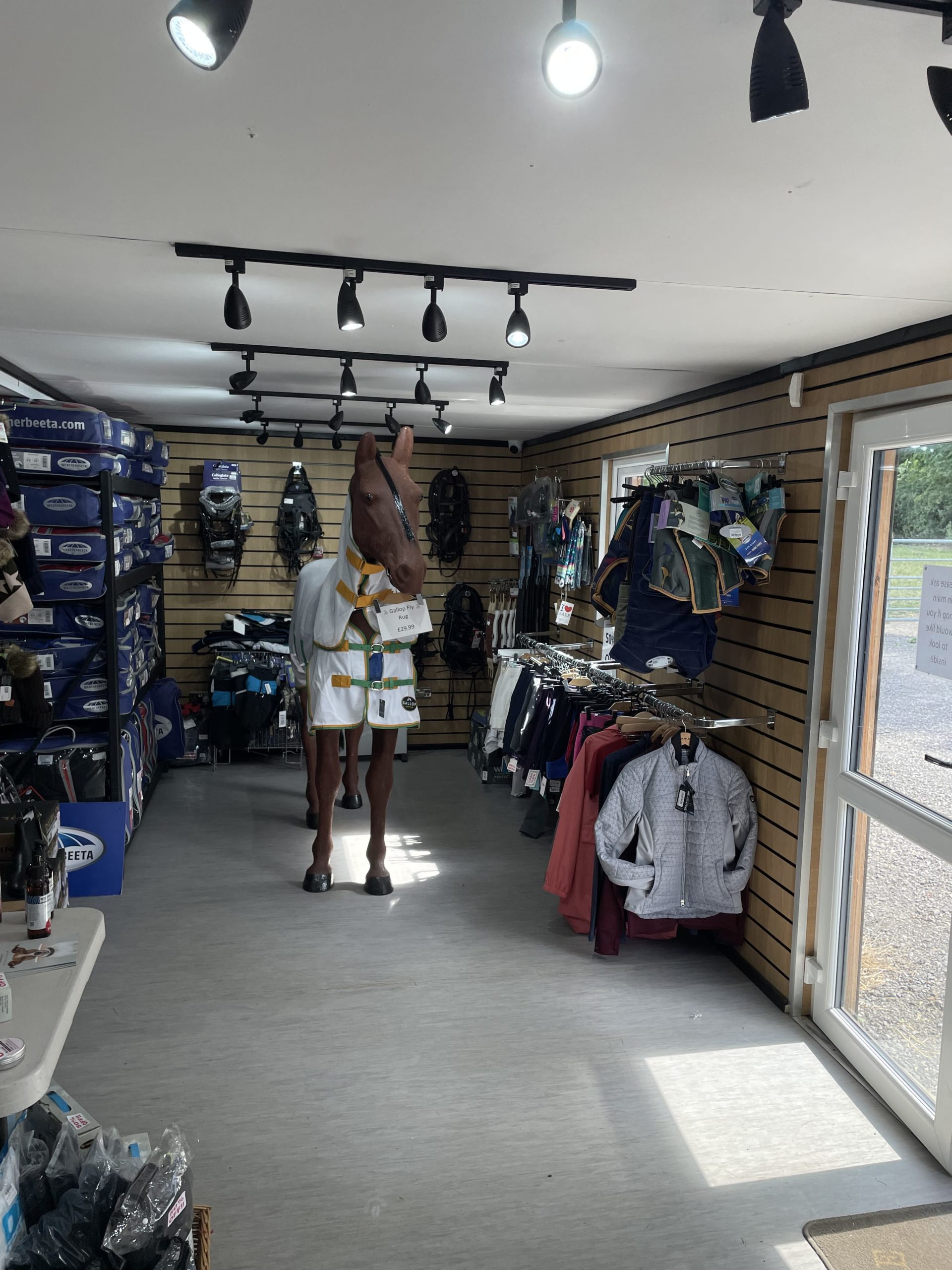
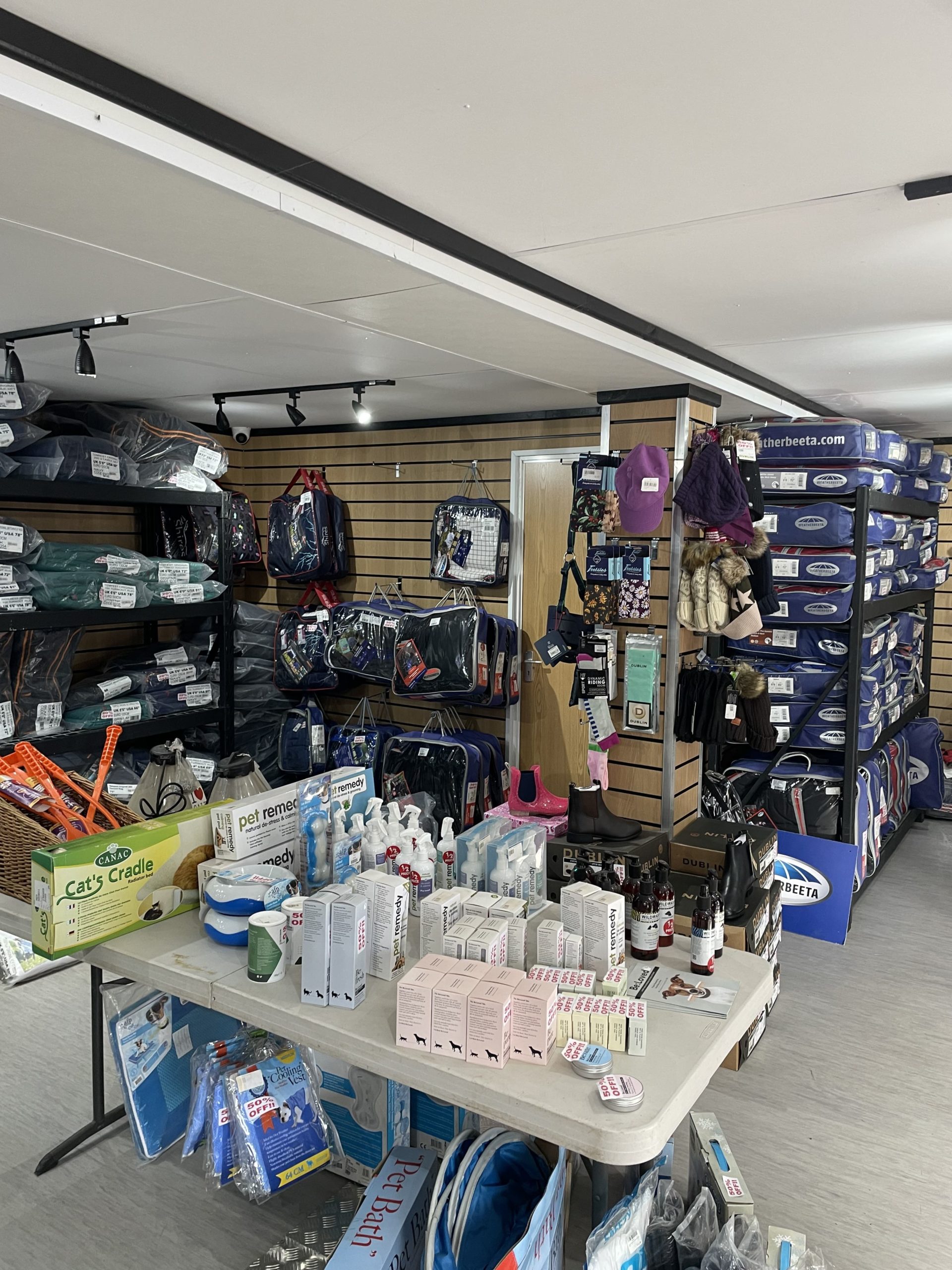
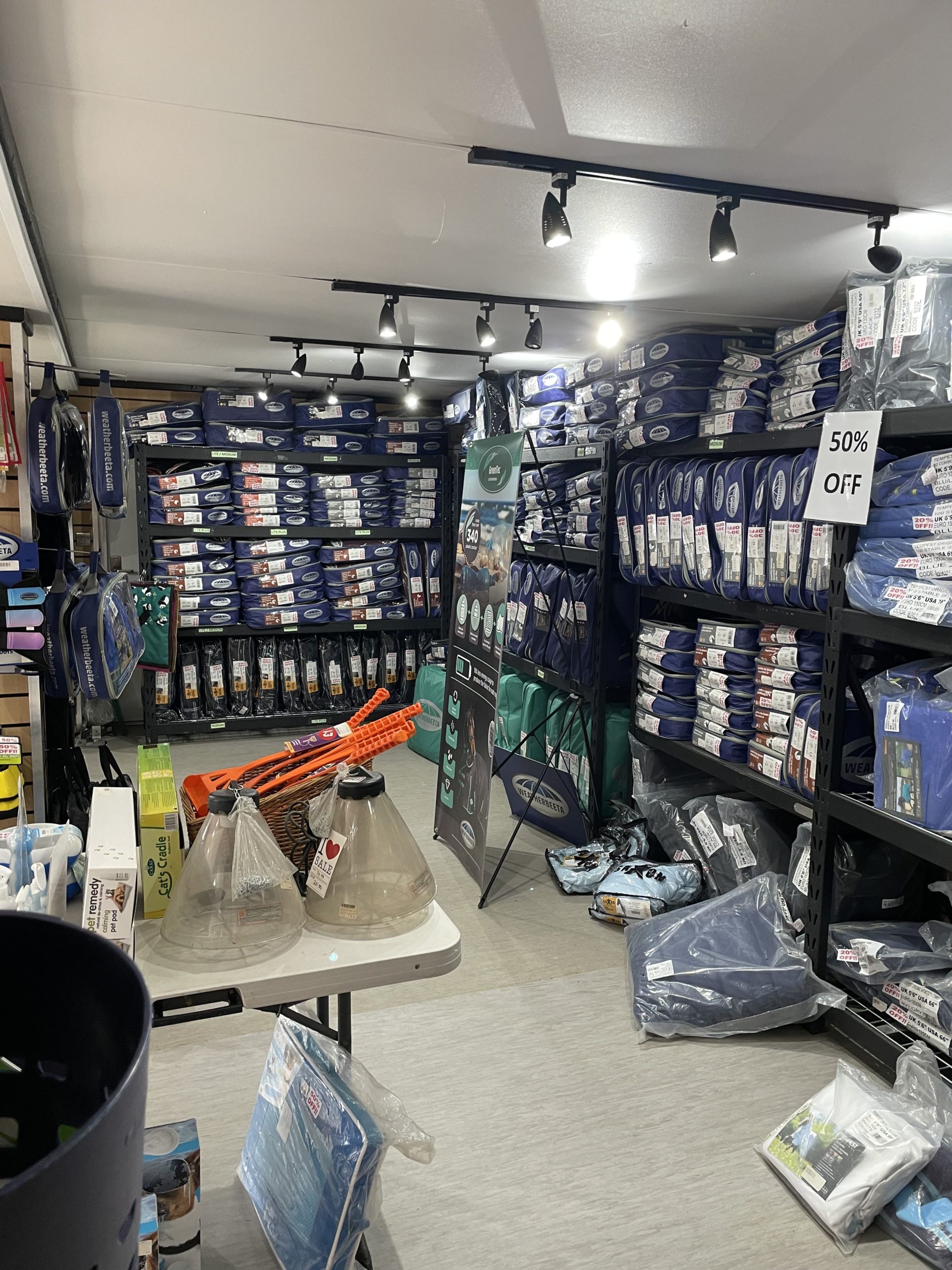
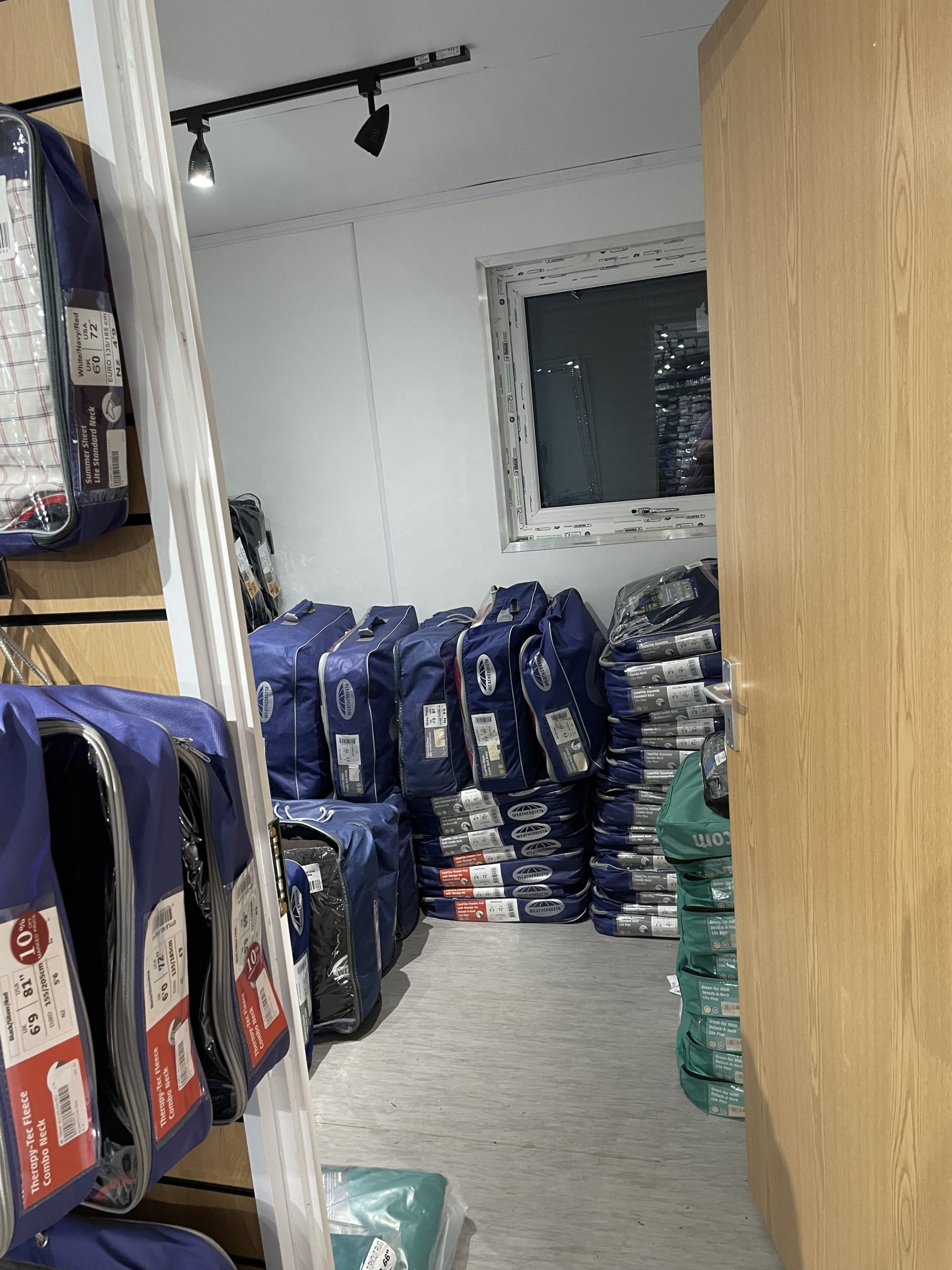
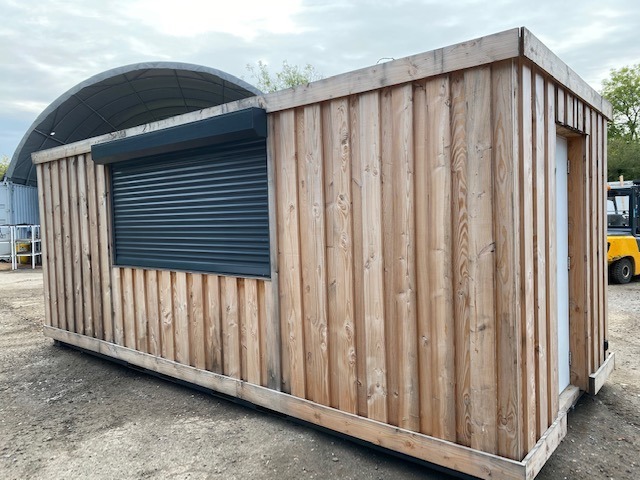
20ft x 8ft Container Conversion Retail Shop
UPVC Double glazed Windows + French Doors
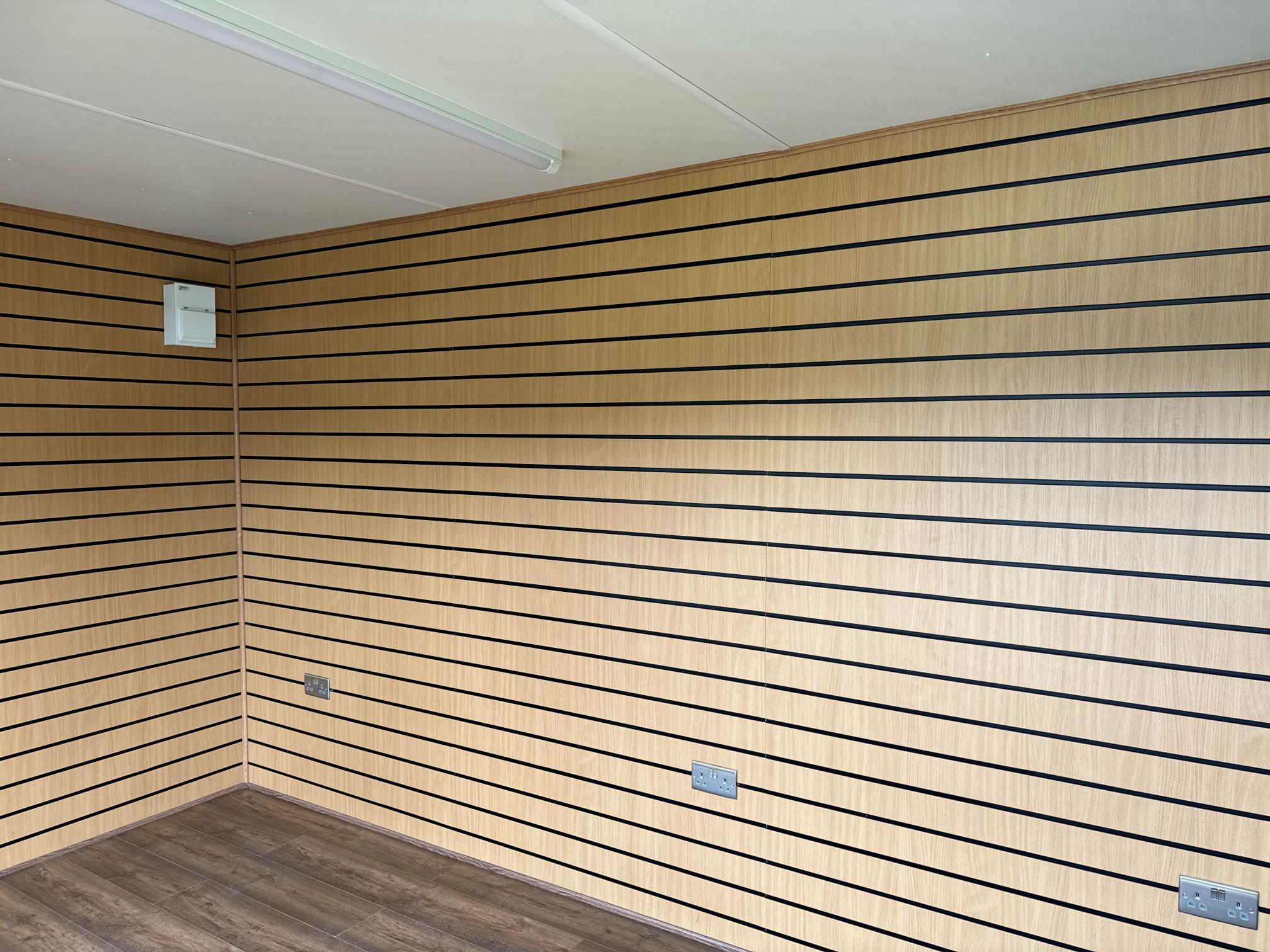
Slat Wall for retail fixings and Merchandise
Electric Chrome Sockets, led lighting and heating.
Laminate Flooring
12 months Warranty
Maintenance call out package included
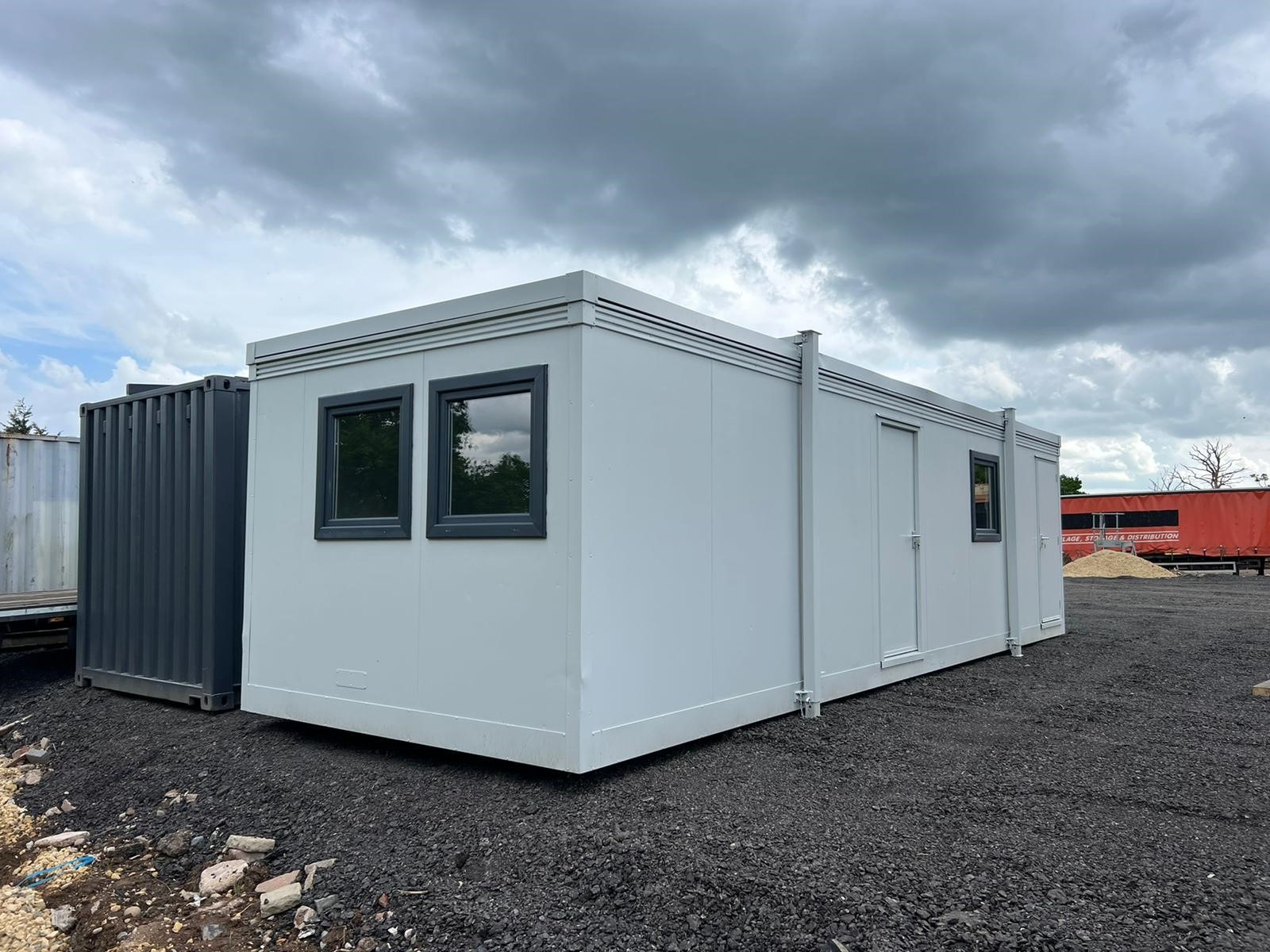
Less than 2 years old
Still in Brand New Condition


Fully refurbished
Colour light grey
Slate grey anthracite upvc double glazed windows


Location: Nationwide
+ VAT
Not Available for Hire
Call for an instant quote!
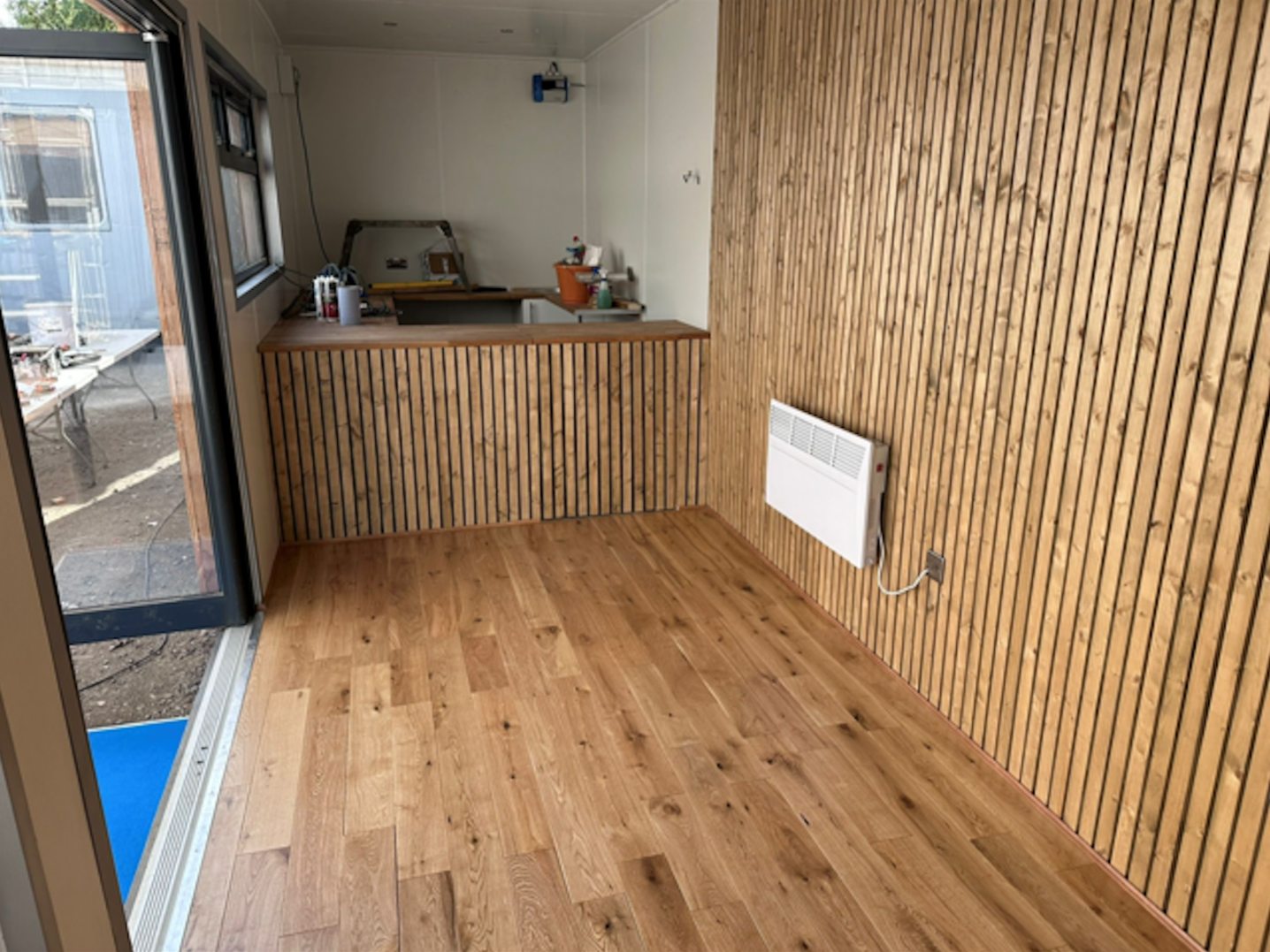
Fully Insulated with electric sockets, spot lighting, and heating
Wood Flooring
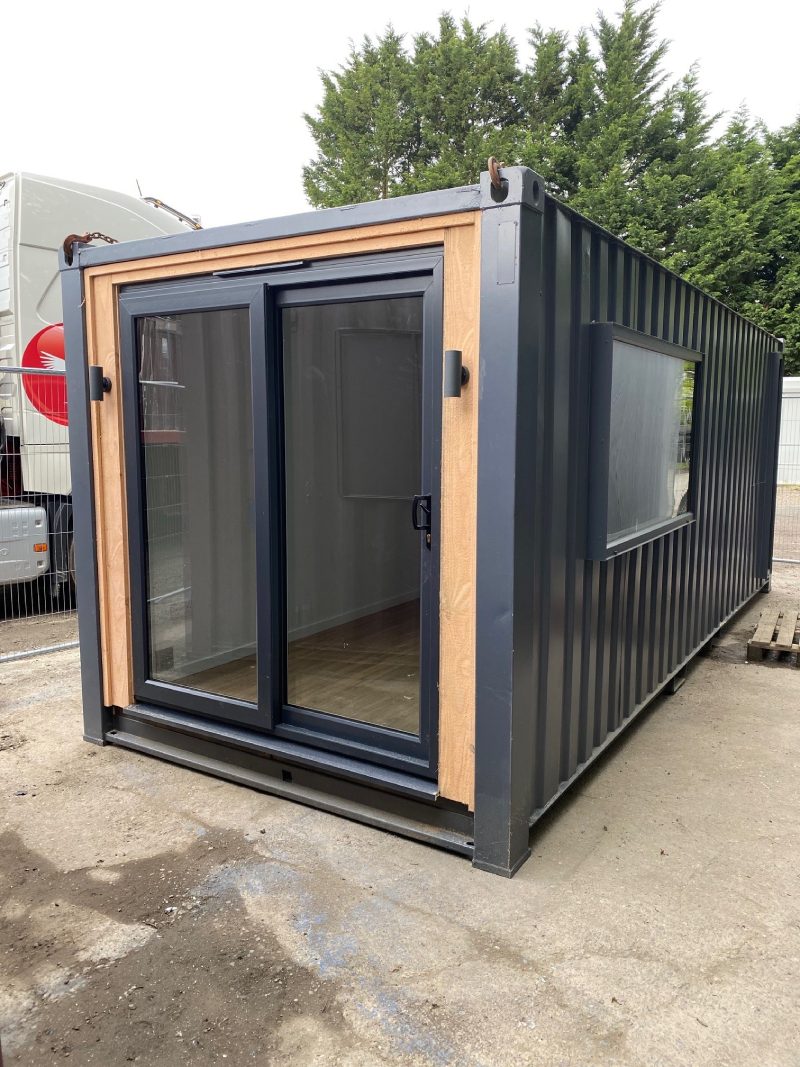
UPVC Sliding Door + Windows
Lead Time for build 6-8 weeks


Location: Nationwide
+ VAT
Not Available for Hire
Call for an instant quote!
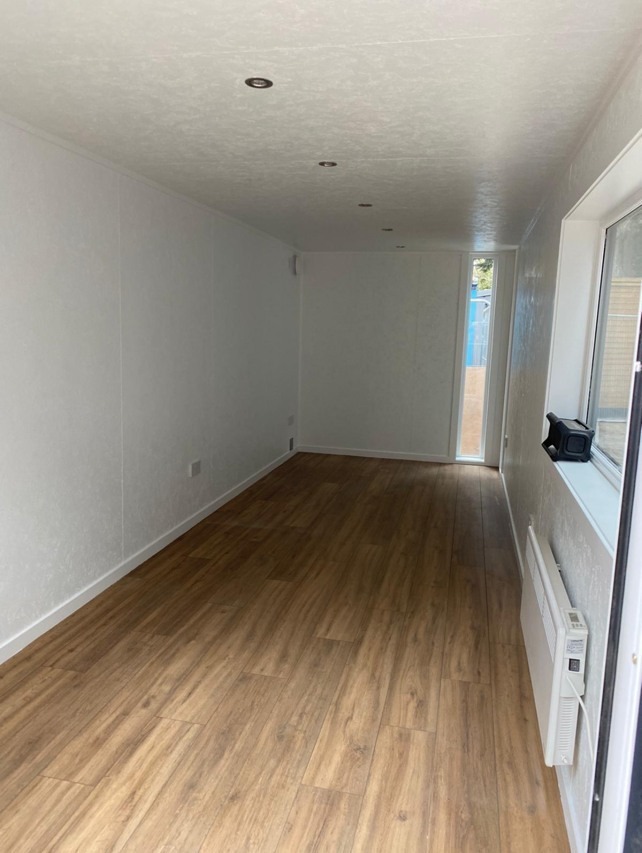
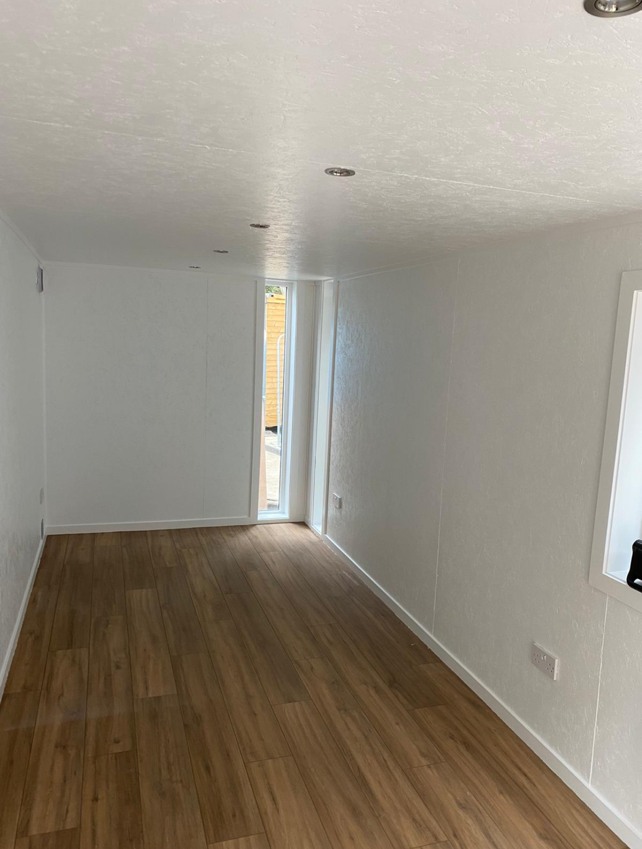
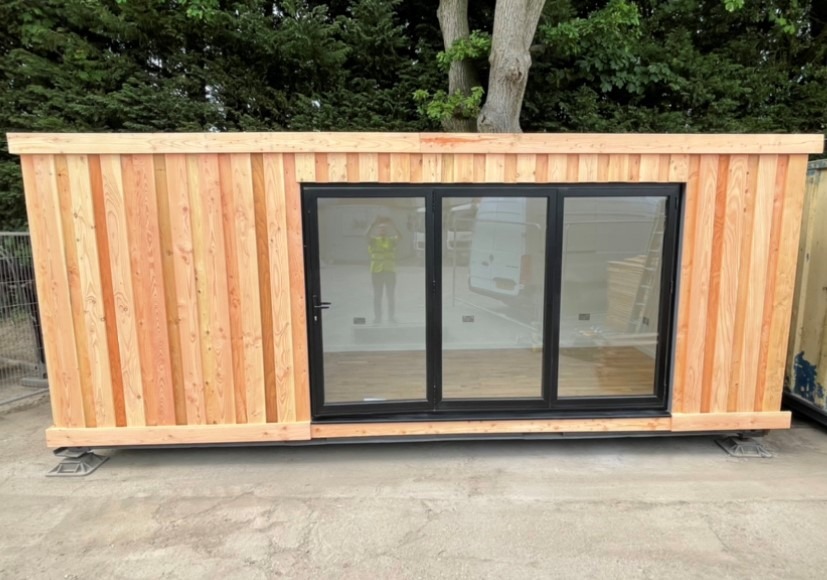
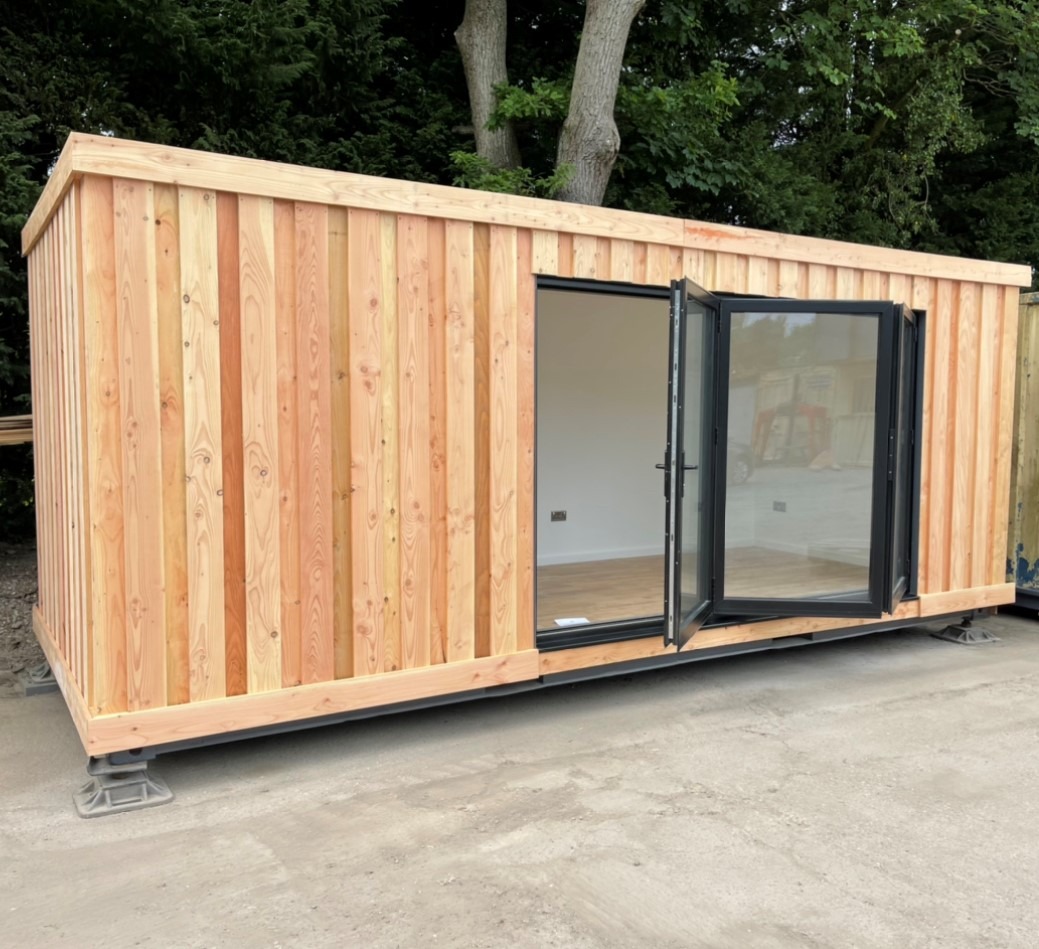
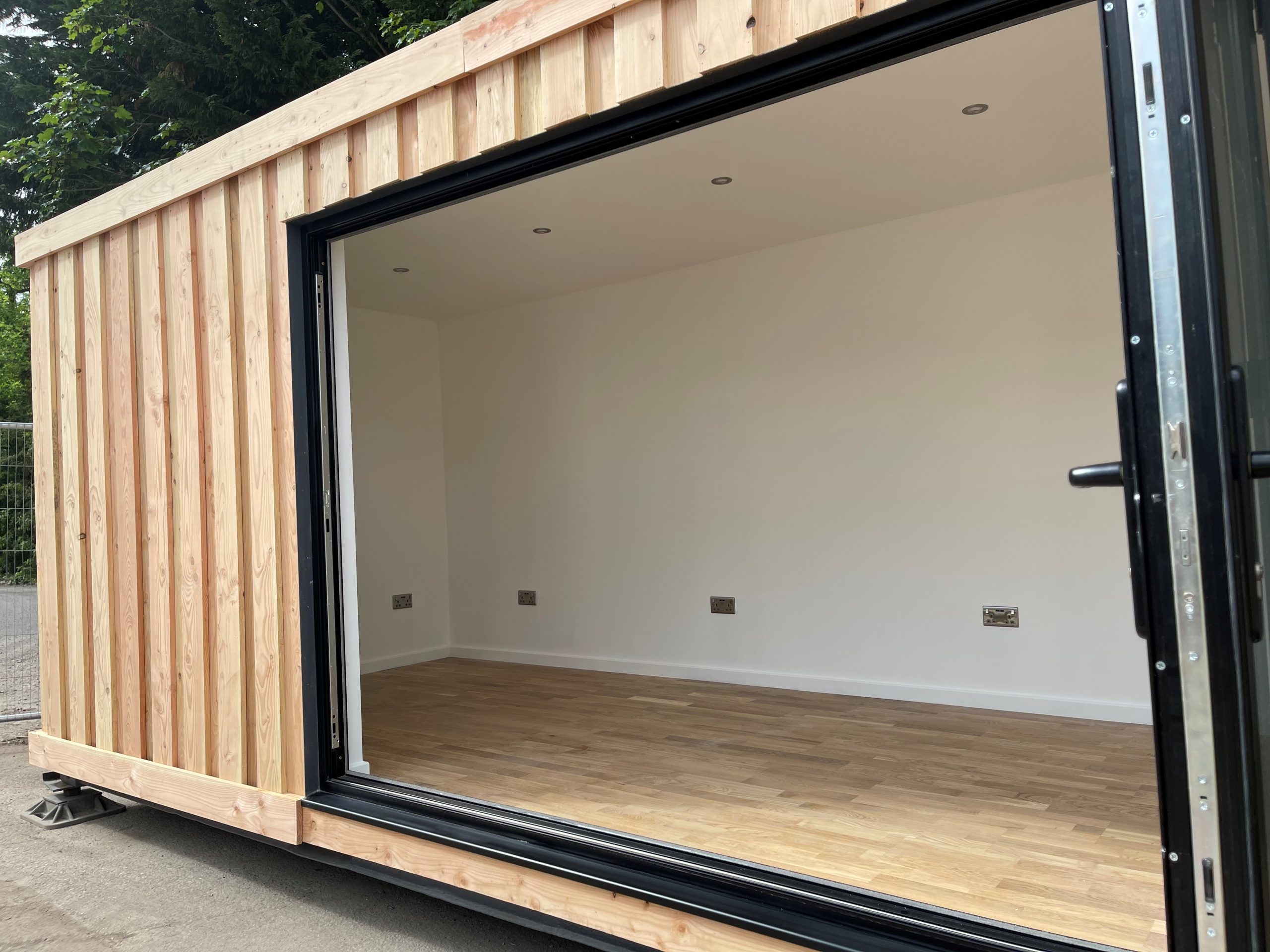
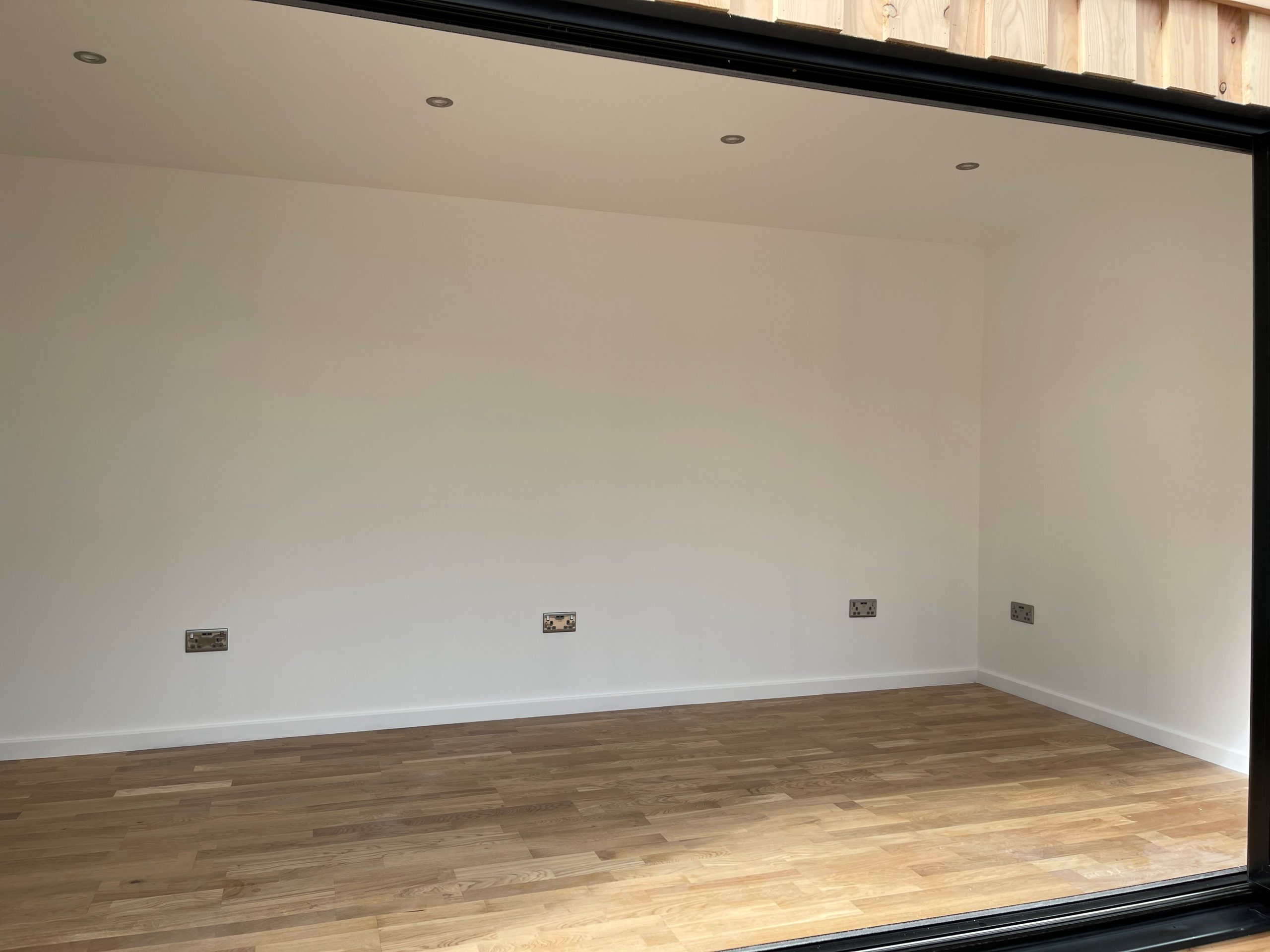
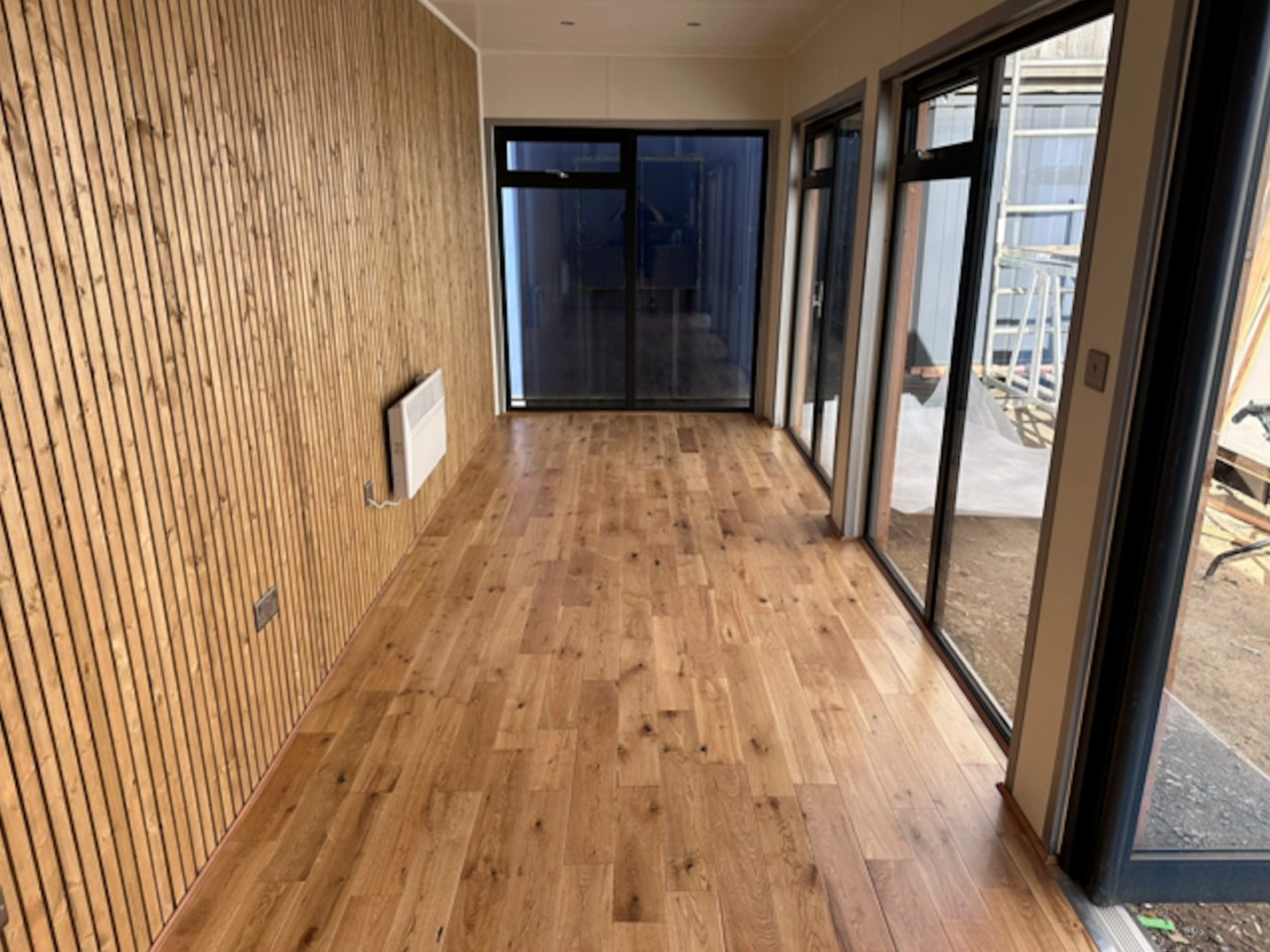
Fully Insulated with electric sockets, spot lighting, and heating
Wood Flooring
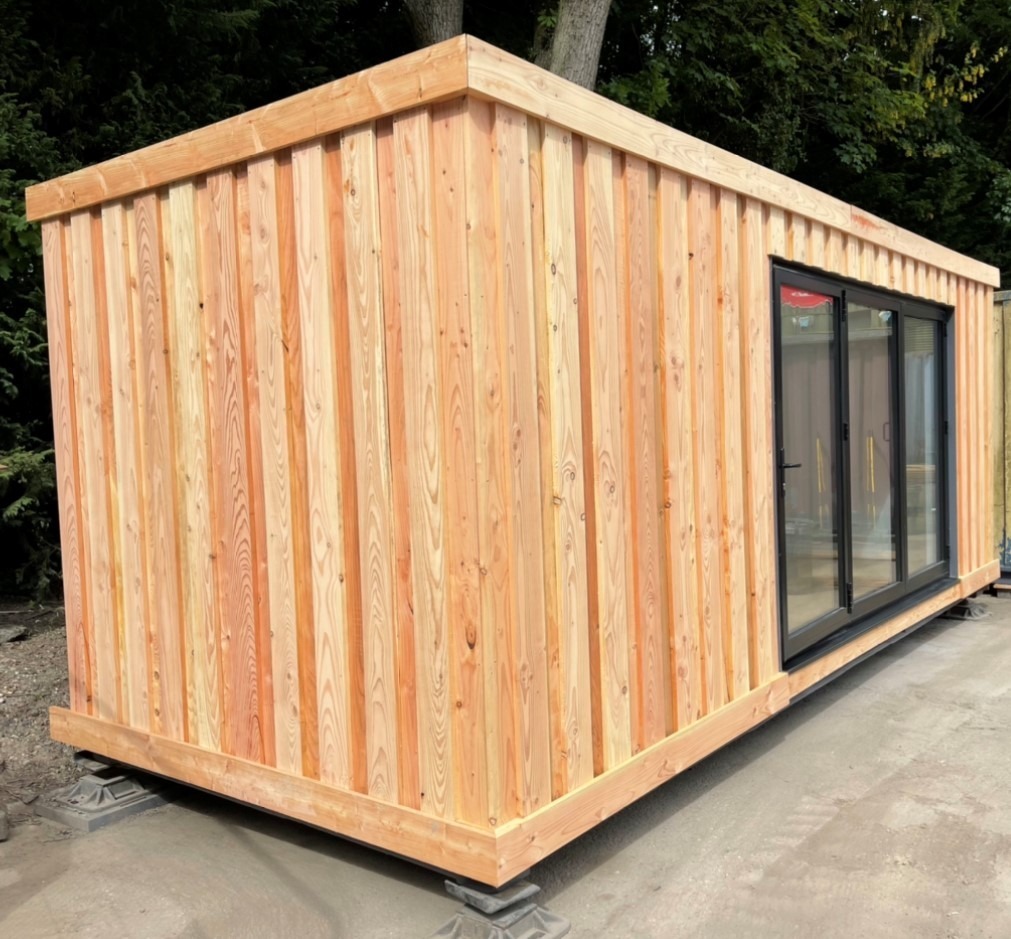
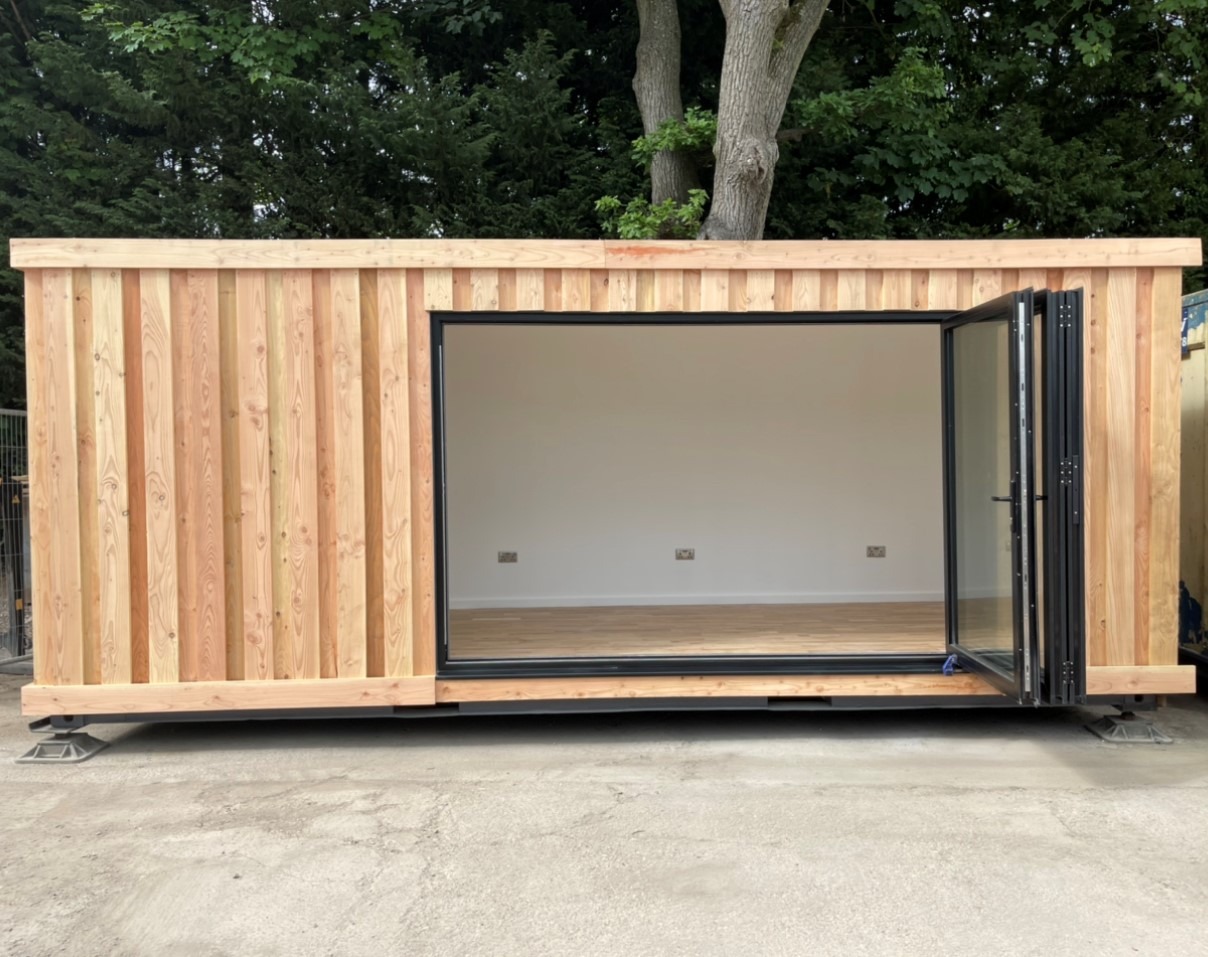
Aluminium Bi Fold Doors
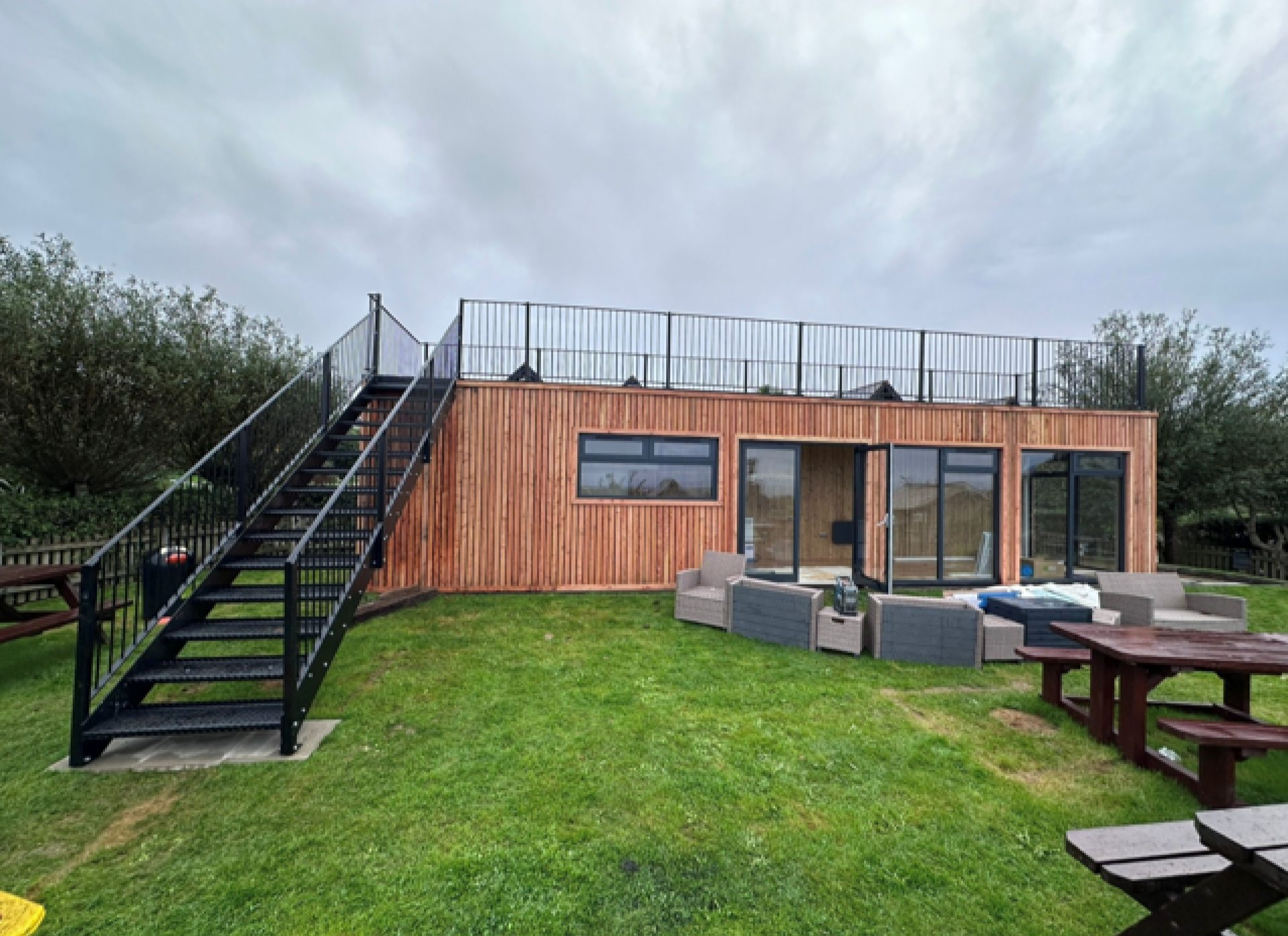
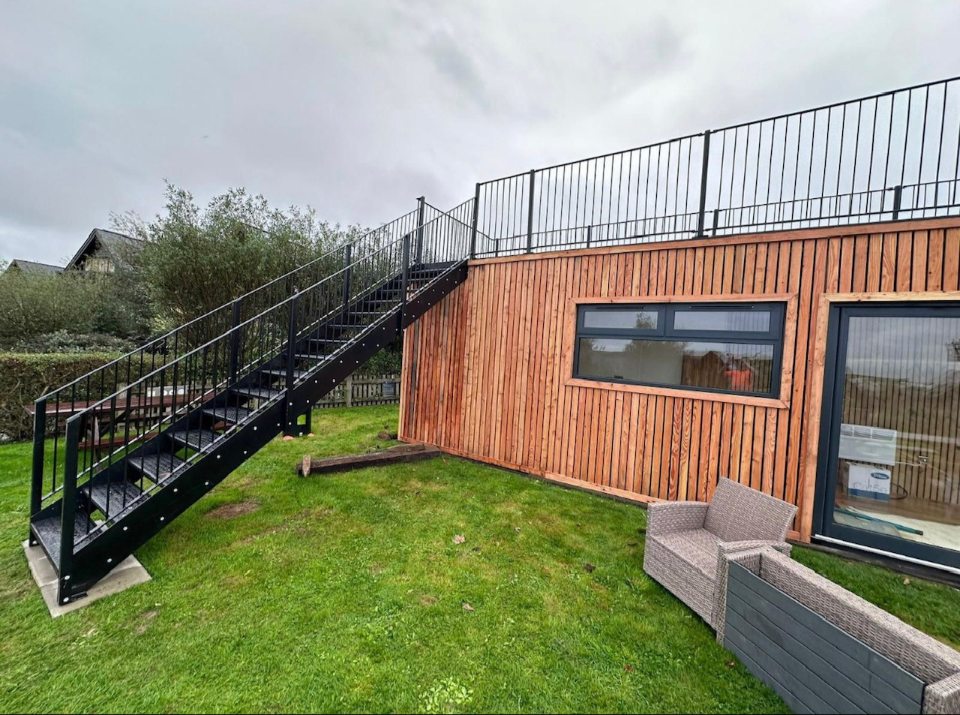
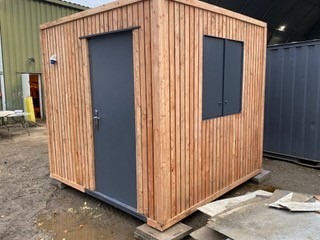
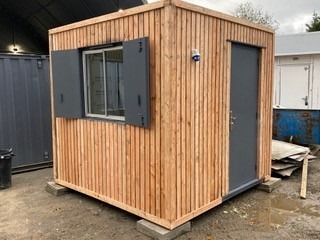
Fully wrapped in larch cladding
Lead Time for build 6-8 weeks


Location: Nationwide
+ VAT
Not Available for Hire
Call for an instant quote!
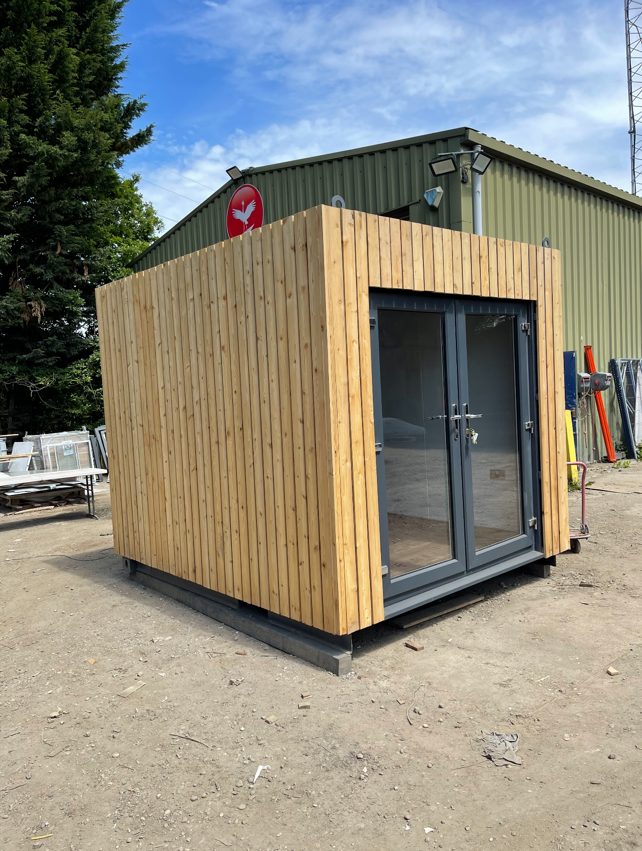
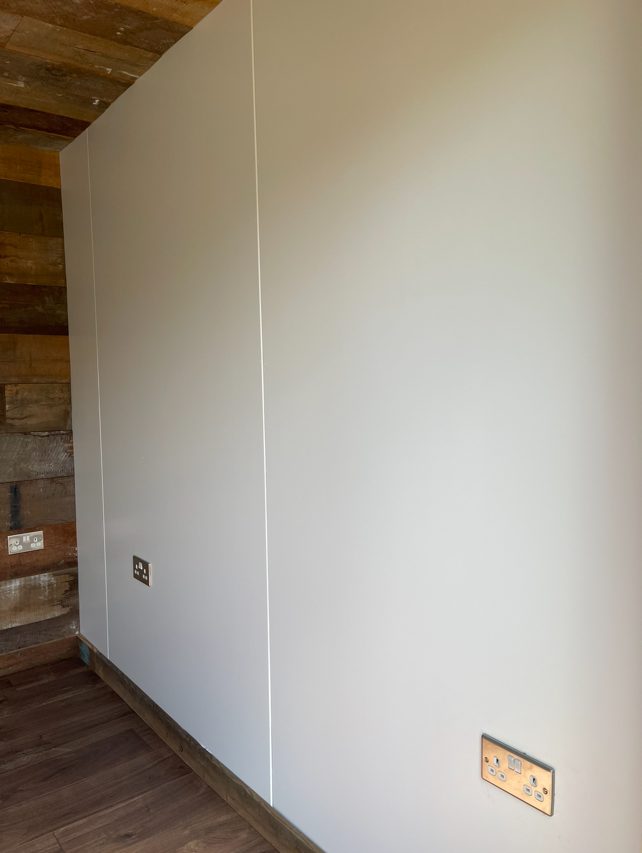
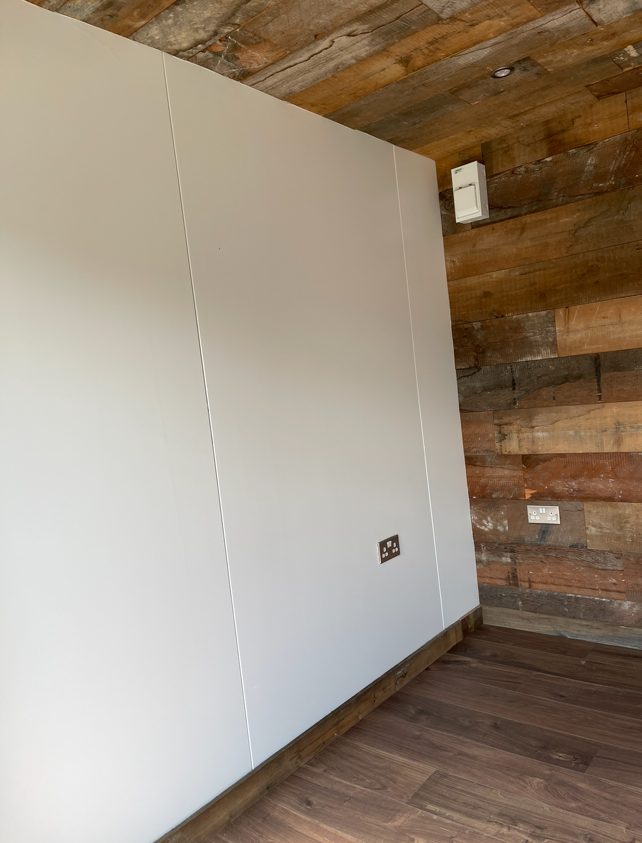
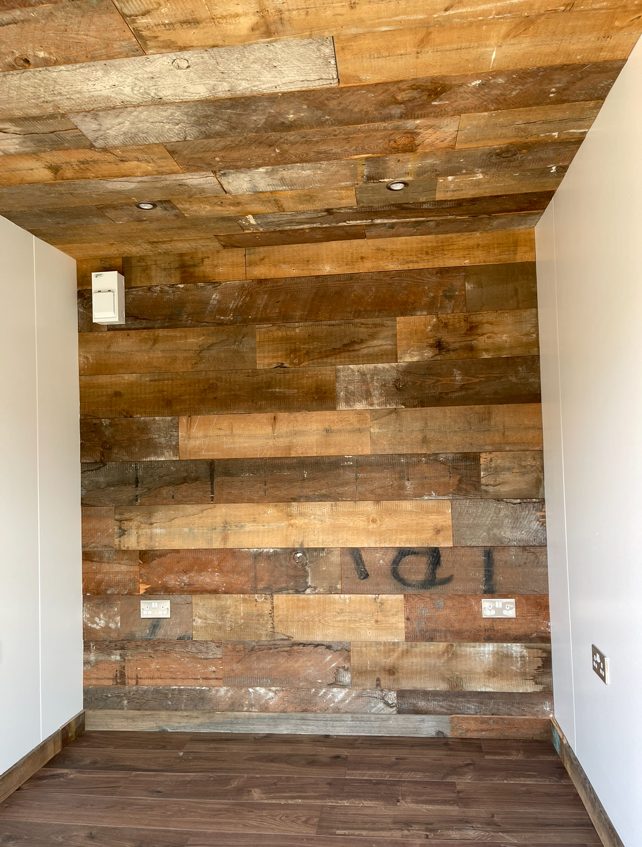
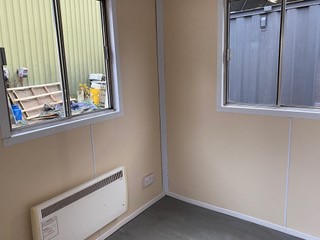
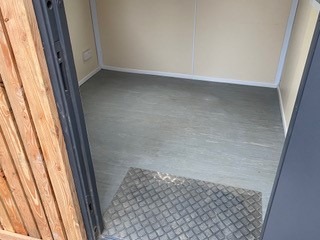
Fully Insulated with electric sockets, spot lighting, and heating
Wood Flooring
Feature Clad Wall and Ceiling
UPVC Double glazed French Doors
Fully wrapped in larch cladding
Lead Time for build 6-8 weeks


Location: Nationwide
EX VAT
Not Available for Hire
Call for an instant quote!


Location: Nationwide
EX VAT
Not Available for Hire
Call for an instant quote!


Location: Nationwide
EX VAT
Not Available for Hire
Call for an instant quote!


Location: Nationwide
EX VAT
Not Available for Hire
Call for an instant quote!


Location: Nationwide
EX VAT
Not Available for Hire
Call for an instant quote!

Location: Nationwide
EX VAT
Not Available for Hire
Call for an instant quote!


Location: Nationwide
EX VAT
Not Available for Hire
Call for an instant quote!


Location: Nationwide
EX VAT
Not Available for Hire
Call for an instant quote!


Location: Nationwide
EX VAT
Not Available for Hire
Call for an instant quote!


Location: Nationwide
EX VAT
Not Available for Hire
Call for an instant quote!


Location: Nationwide
EX VAT
Not Available for Hire
Call for an instant quote!


Location: Nationwide
EX VAT
Not Available for Hire
Call for an instant quote!


Location: Nationwide
EX VAT
Not Available for Hire
Call for an instant quote!


Location: Nationwide
EX VAT
Not Available for Hire
Call for an instant quote!


Location: Nationwide
EX VAT
Not Available for Hire
Call for an instant quote!


Location: Nationwide
EX VAT
Not Available for Hire
Call for an instant quote!
10ftx8ft – £5950 + Vat / 16ftx8ft – £7950 + Vat / 20ftx8ft – £9000 + Vat / 24ftx8ft – £12000 + Vat / 30ftx8ft – £13500 + Vat


Location: Nationwide
EX VAT
Not Available for Hire
Call for an instant quote!


Location: Nationwide
EX VAT
Not Available for Hire
Call for an instant quote!


Location: Nationwide
EX VAT
Not Available for Hire
Call for an instant quote!

Location: Nationwide
Quantity: ∞
EX VAT
Not Available for Hire
Call for an instant quote!
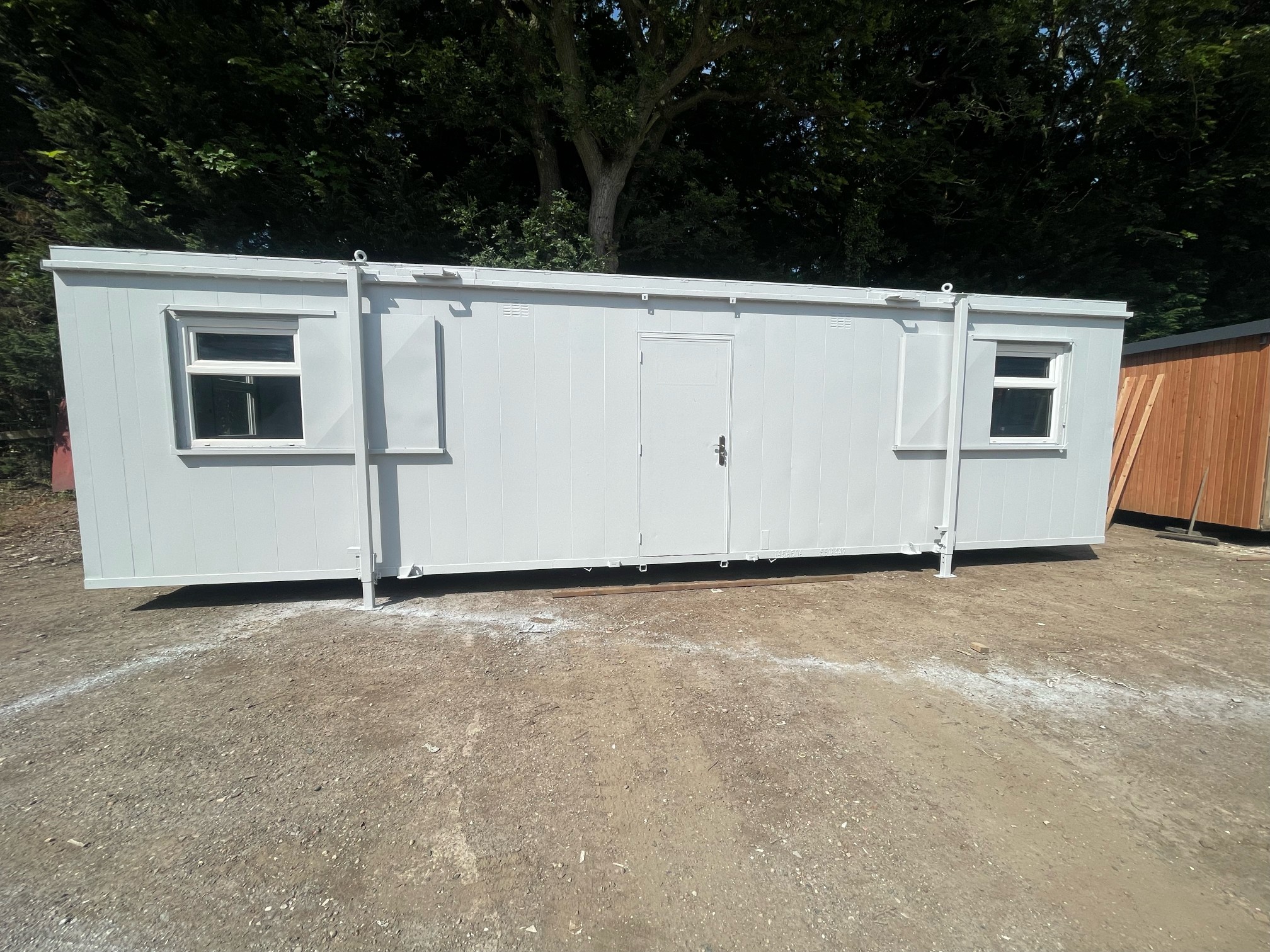
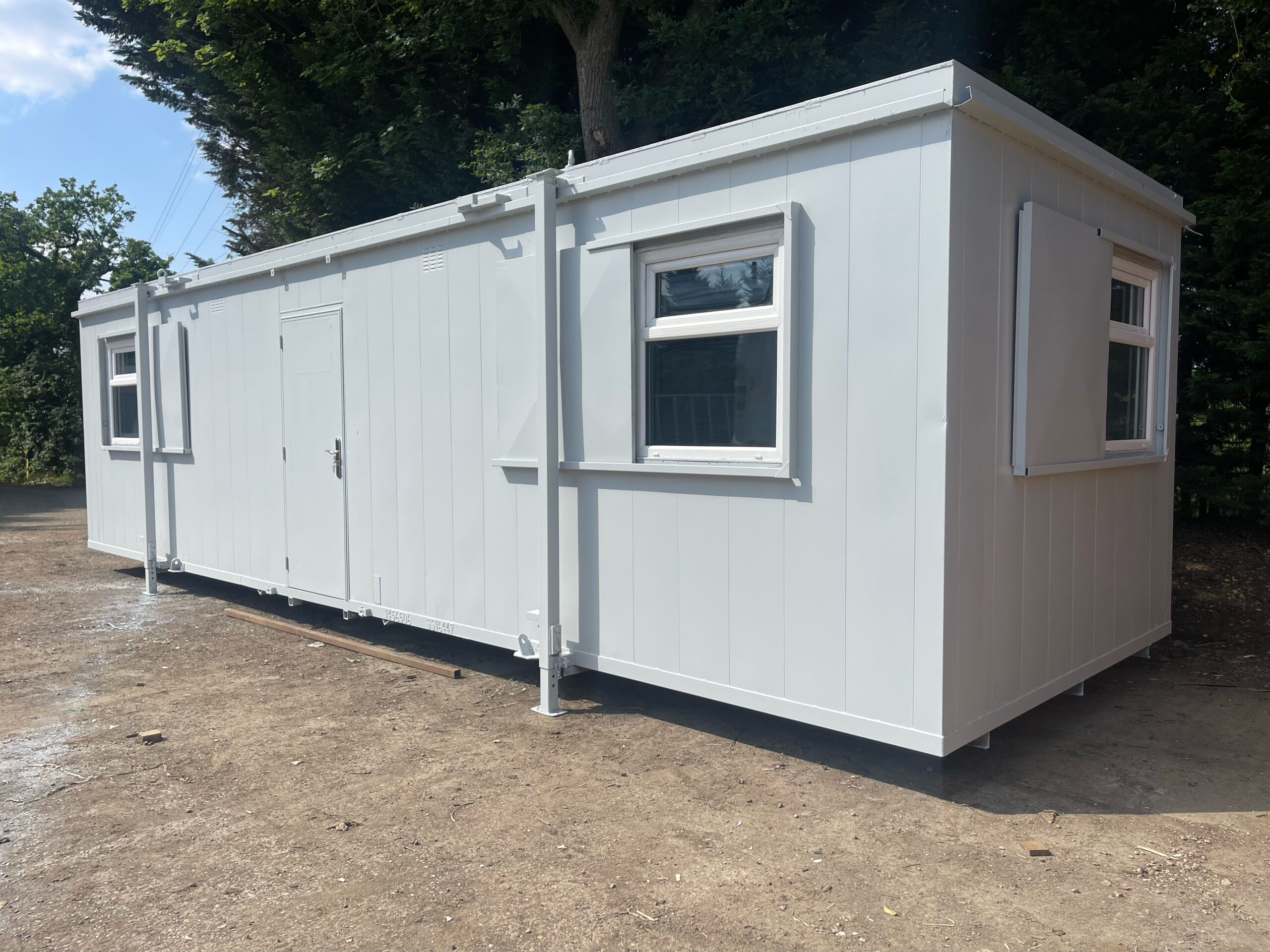
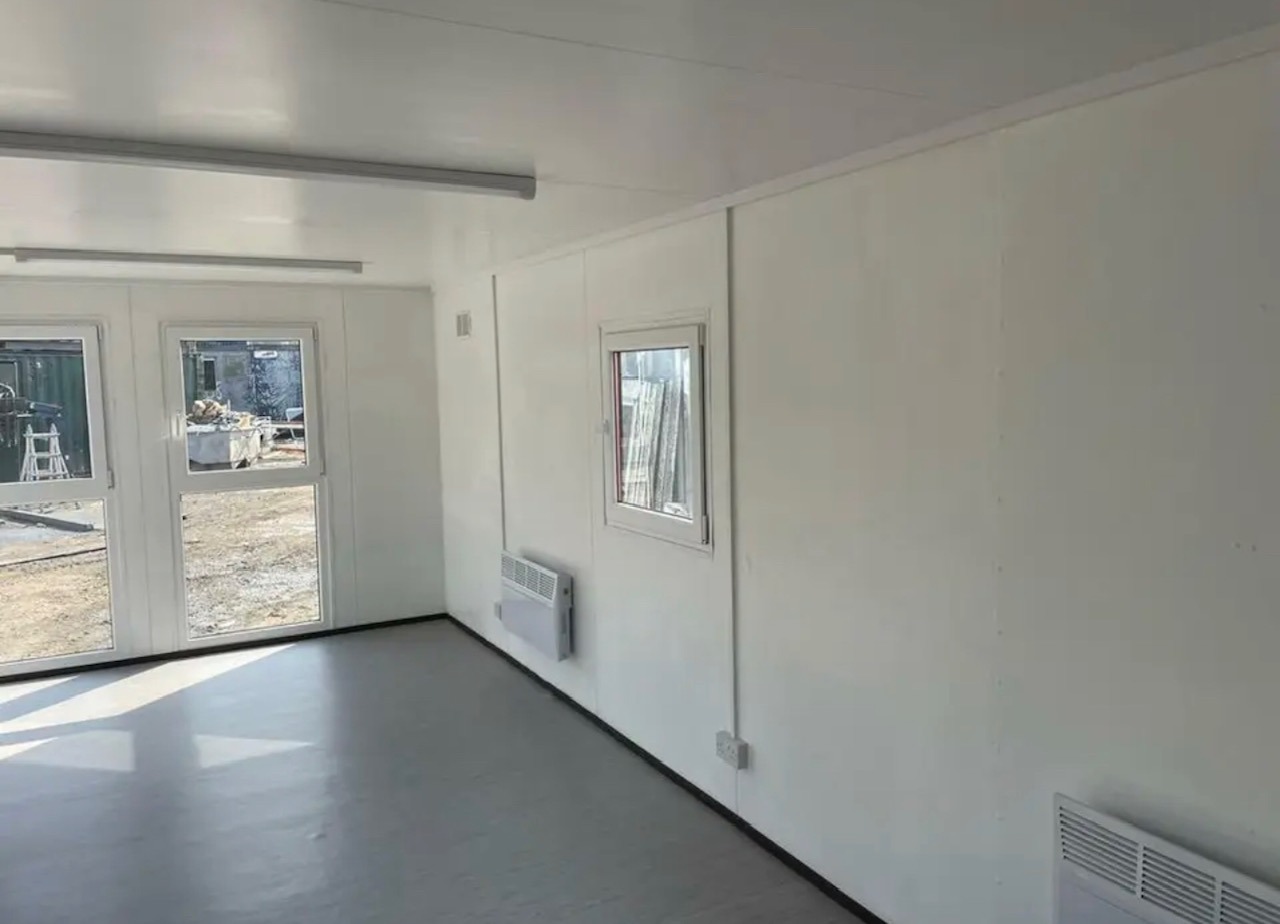
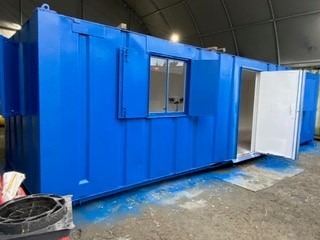
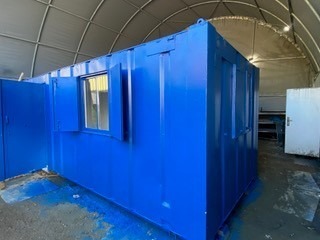
• Reinforced doors and windows with secure locking
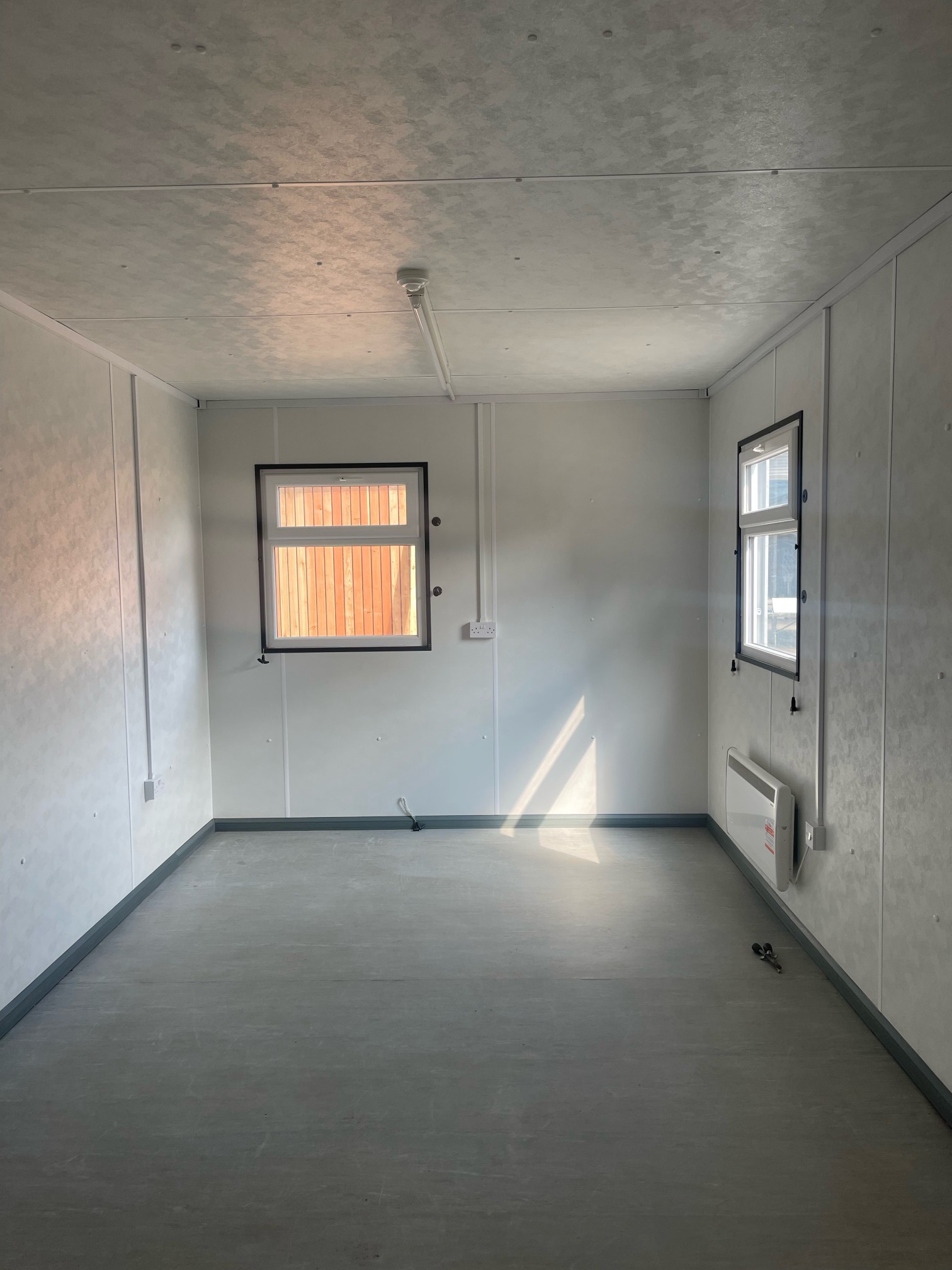
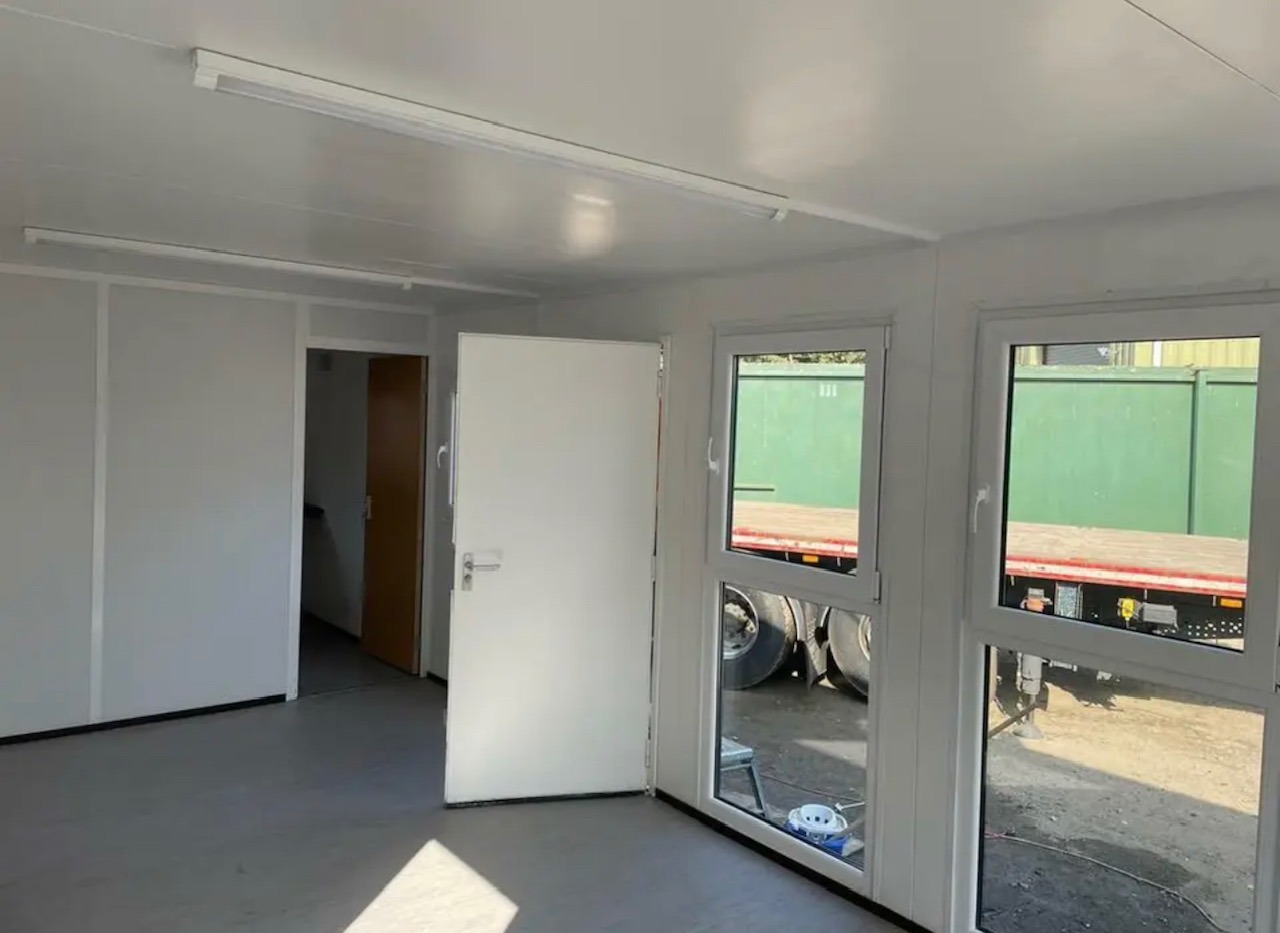
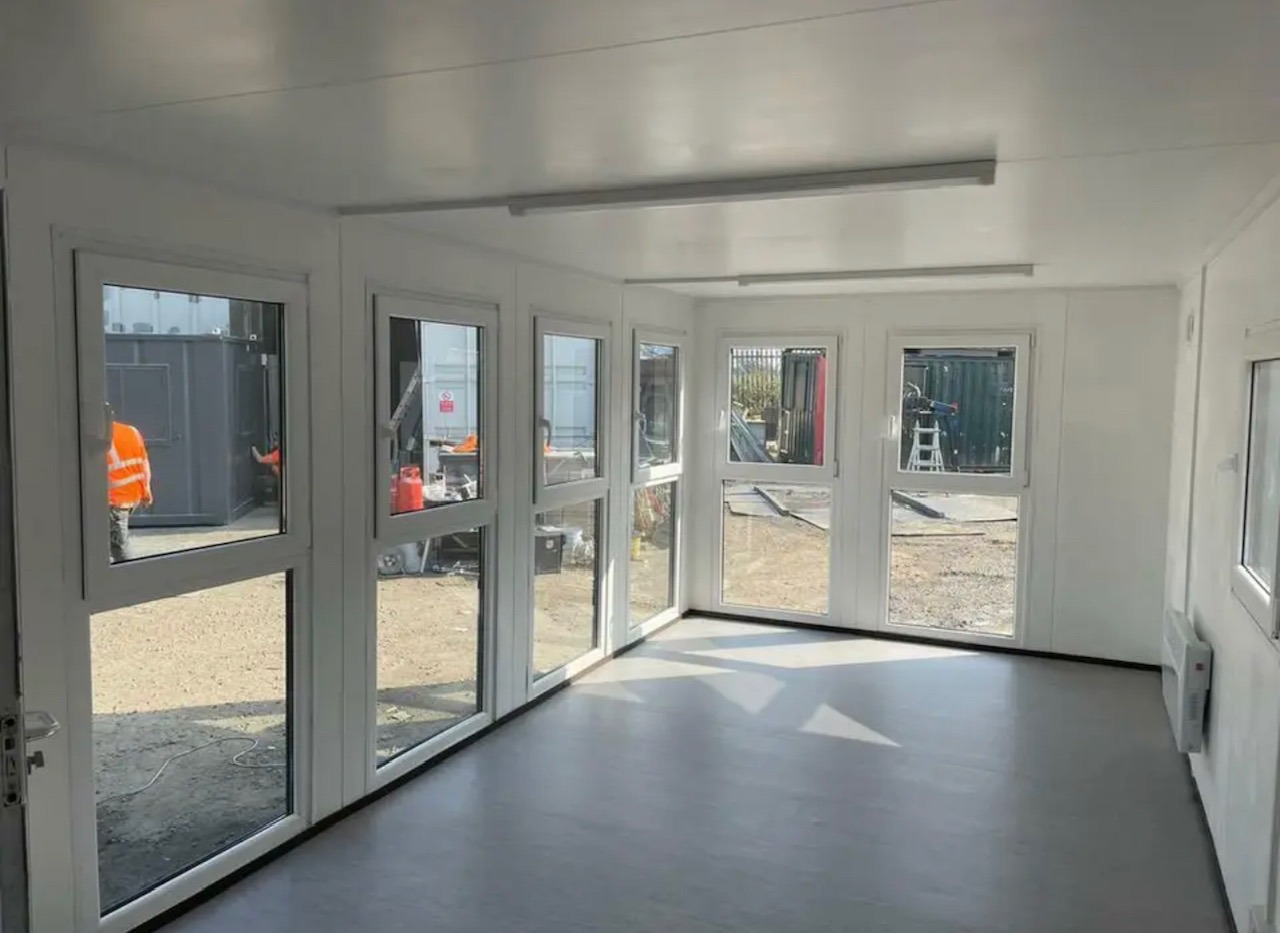
• Open plan with electric sockets and lighting
• Ral Code Colour of choice
• Any Extras available : Canteen, Partitions, Toilets.


Location: Nationwide
EX VAT
Not Available for Hire
Call for an instant quote!
• Reinforced doors and windows with secure locking
• Open plan with electric sockets and lighting
• Ral Code Colour of choice
• Any Extras available : Canteen, Partitions, Toilets.

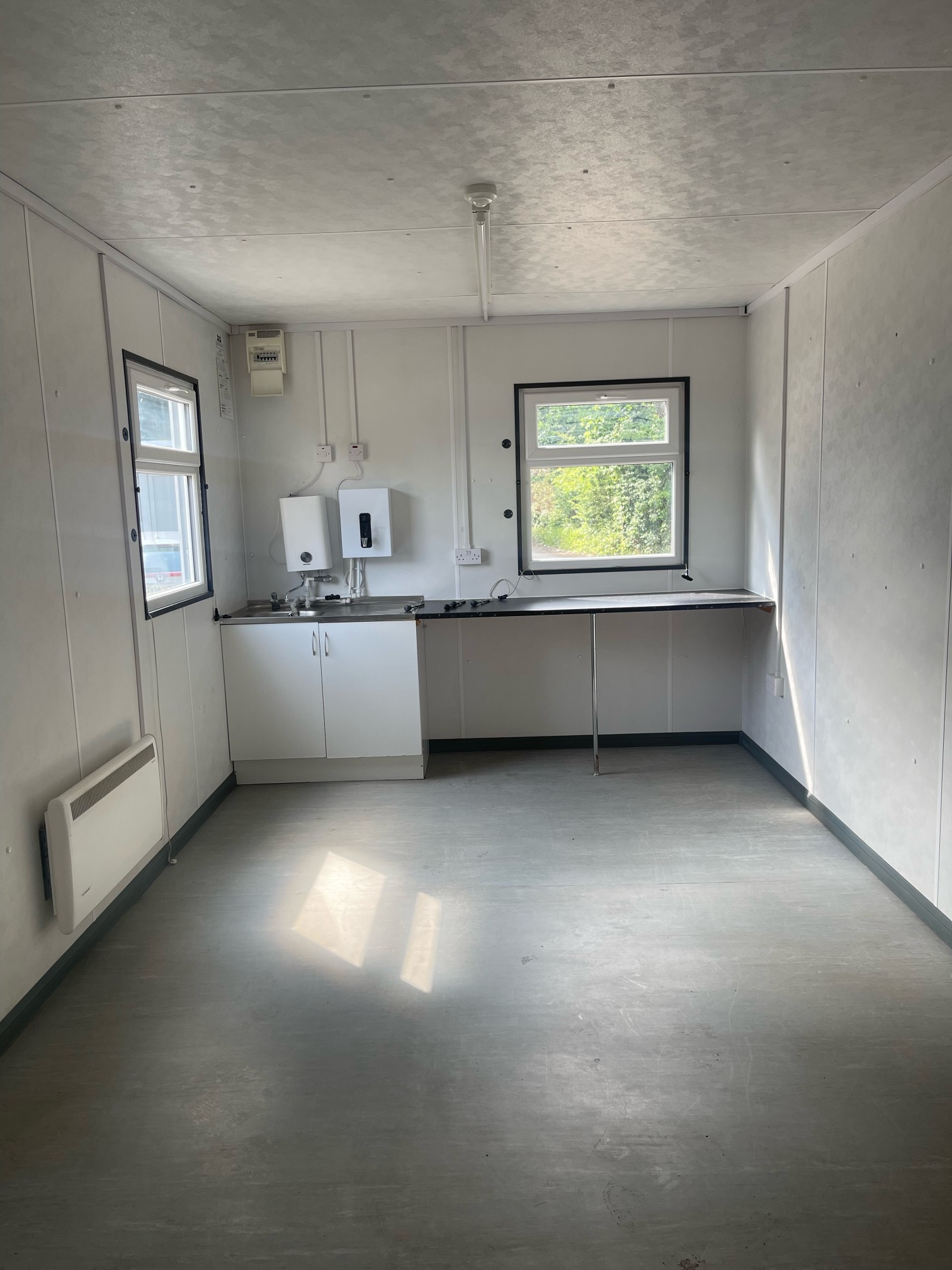
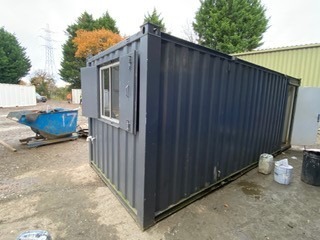
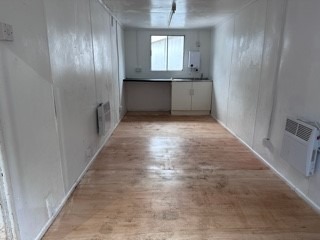
• Reinforced doors with secure locking
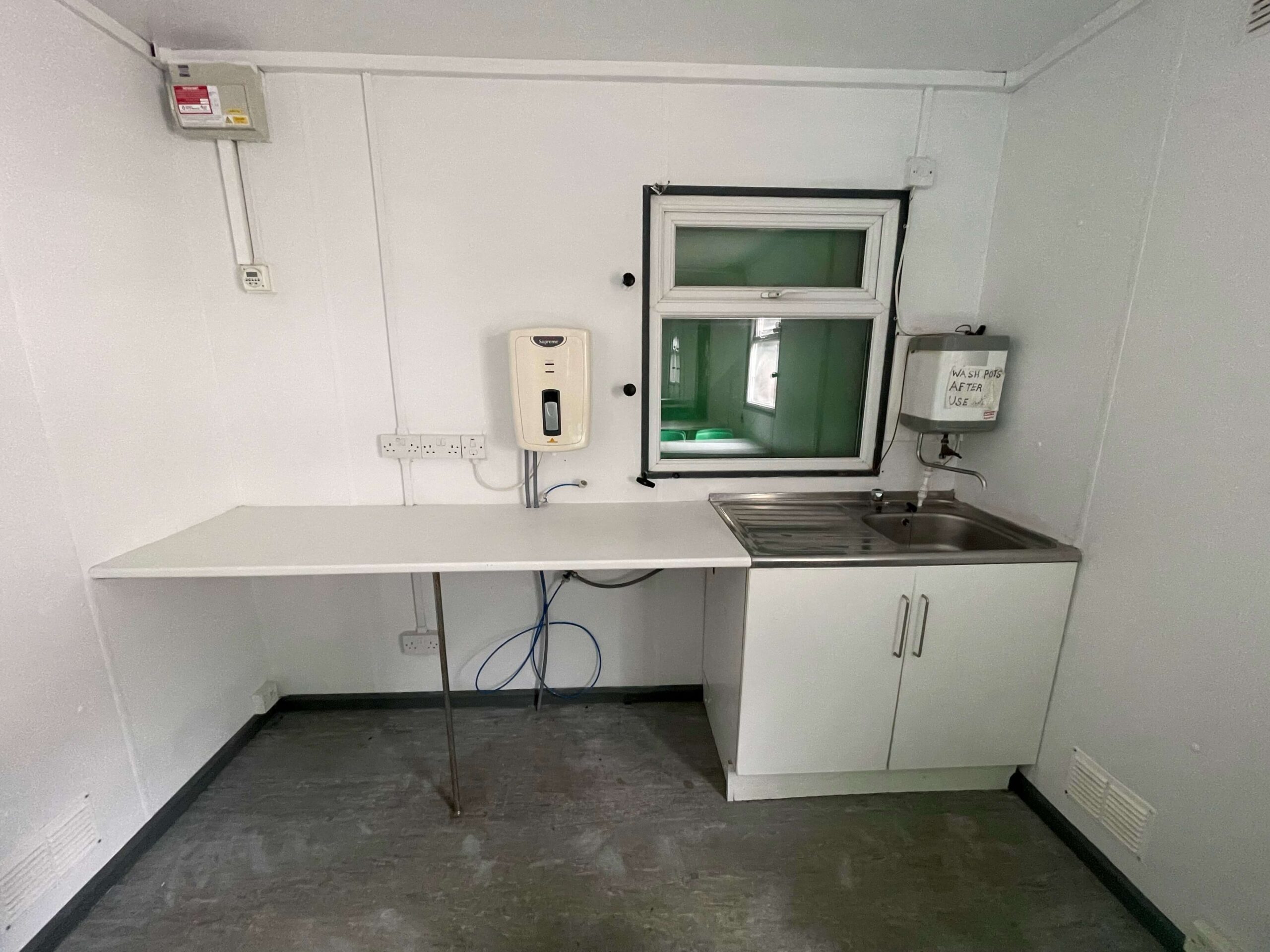
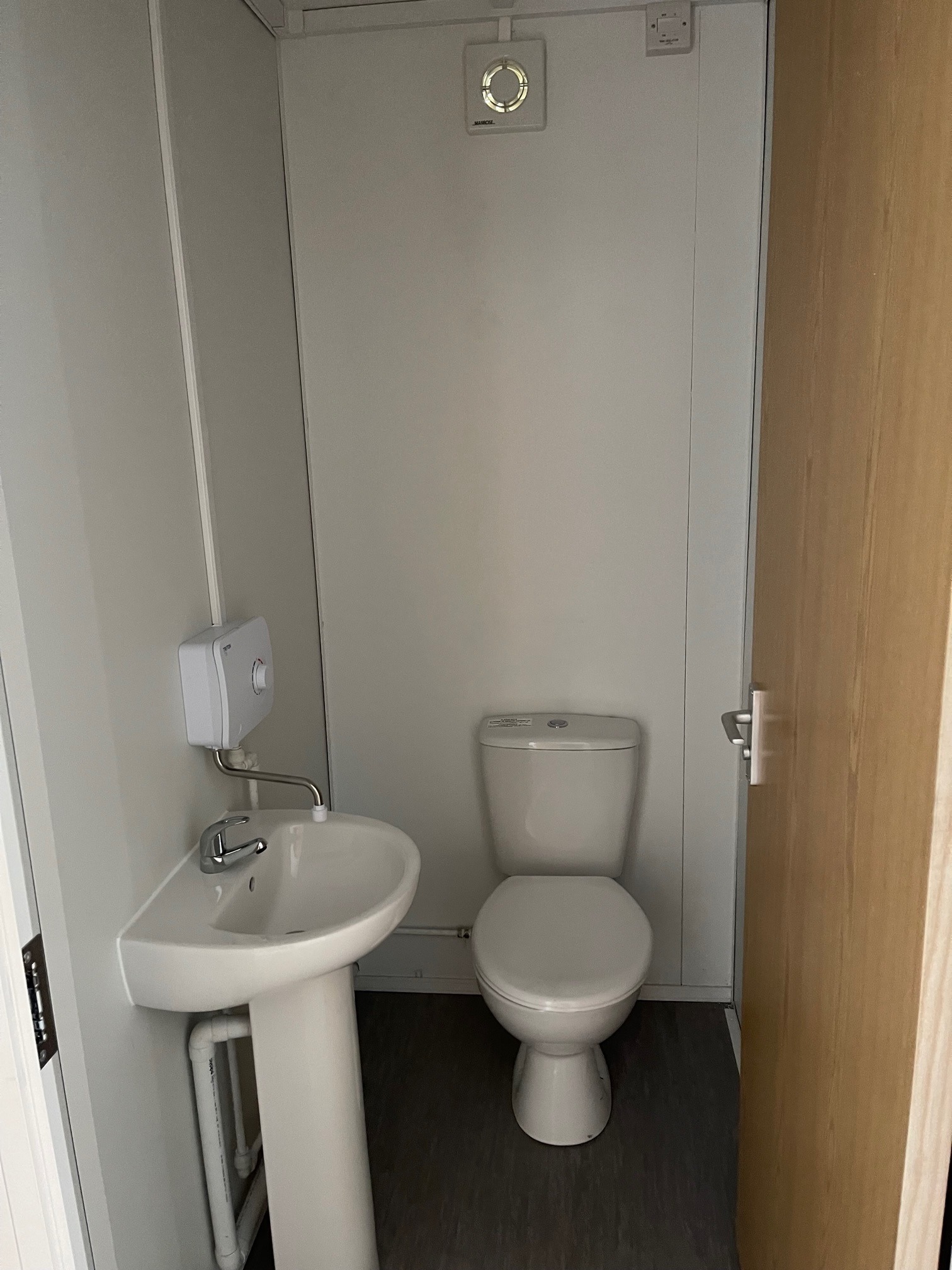
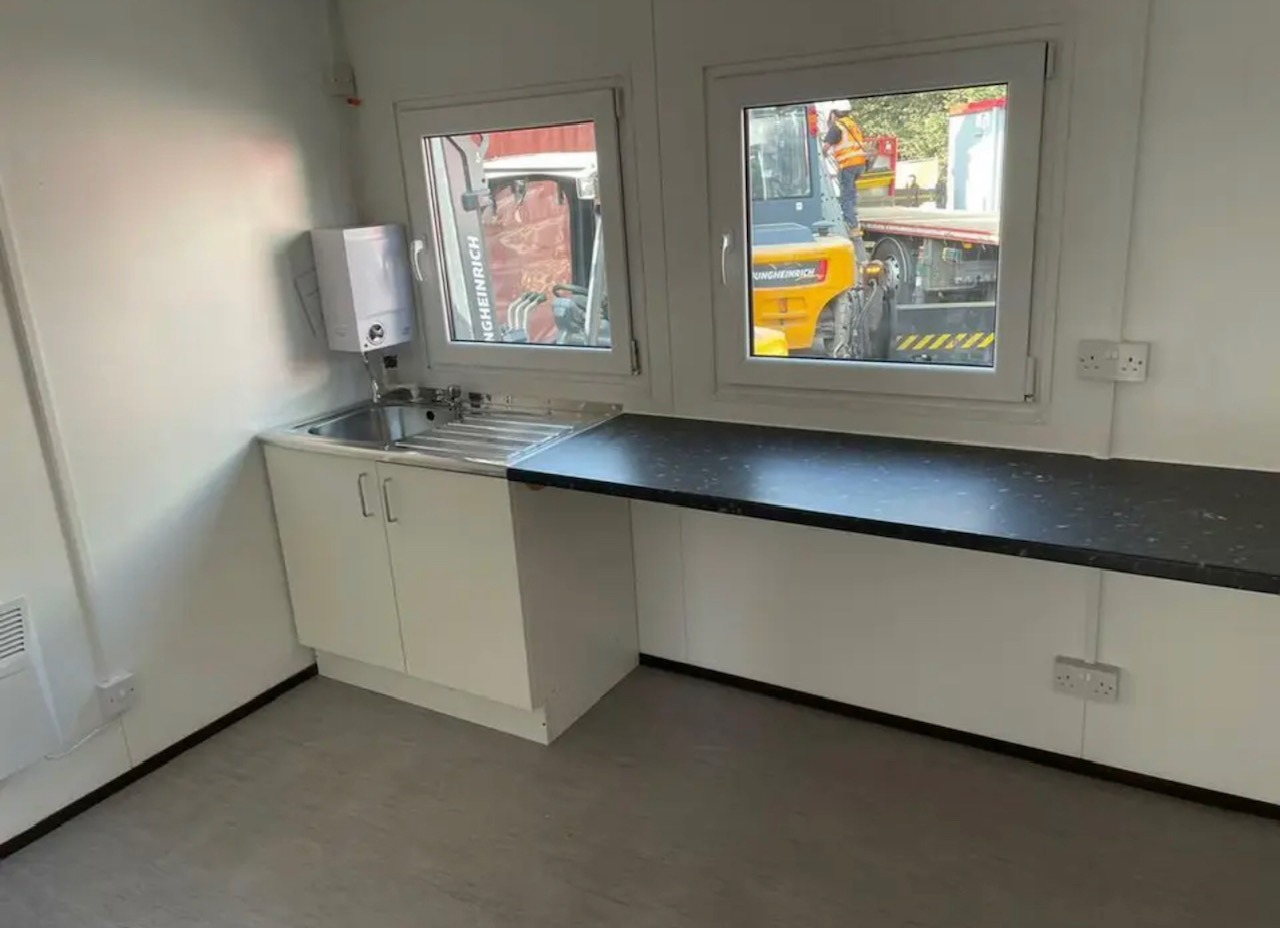
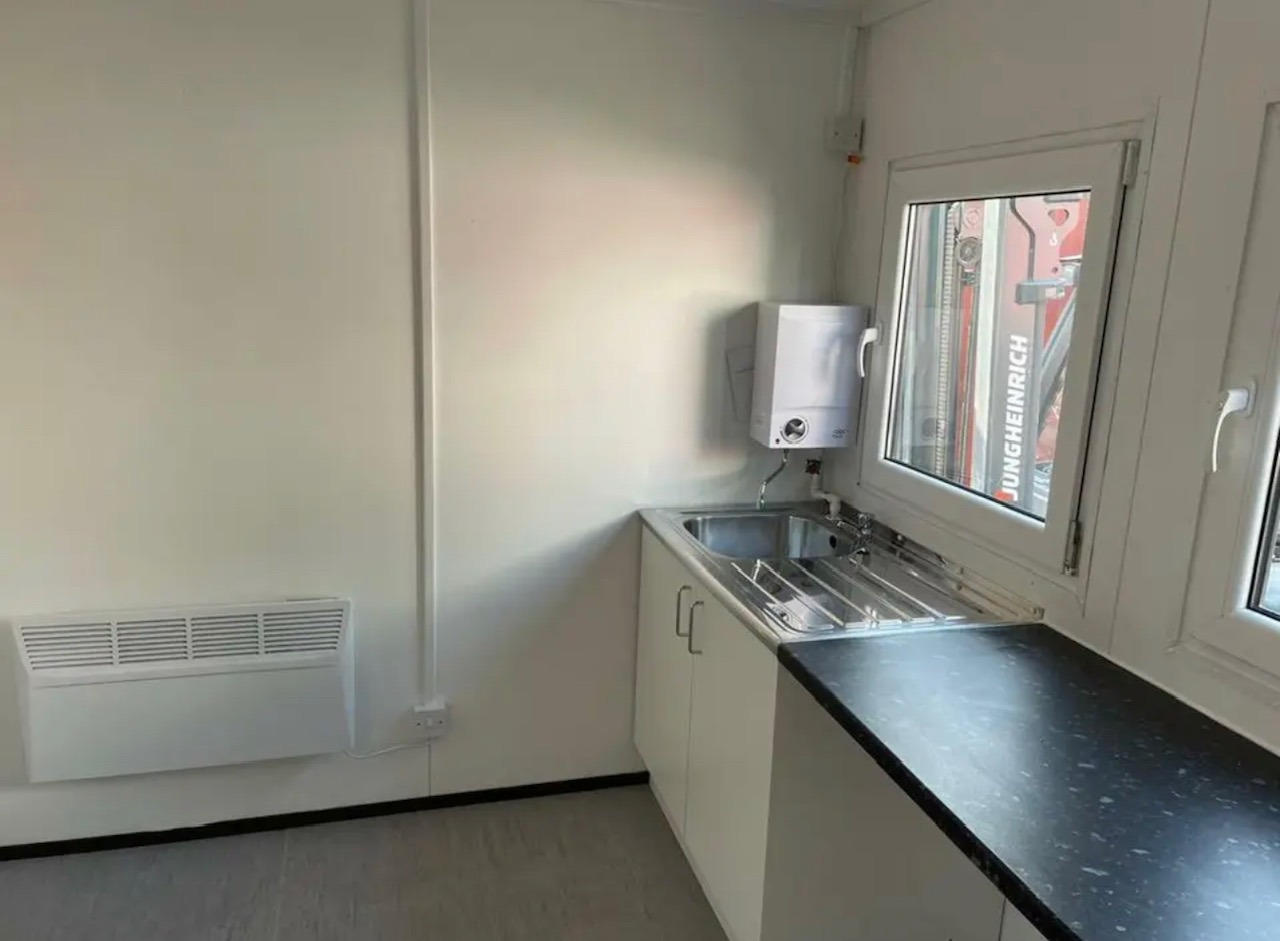
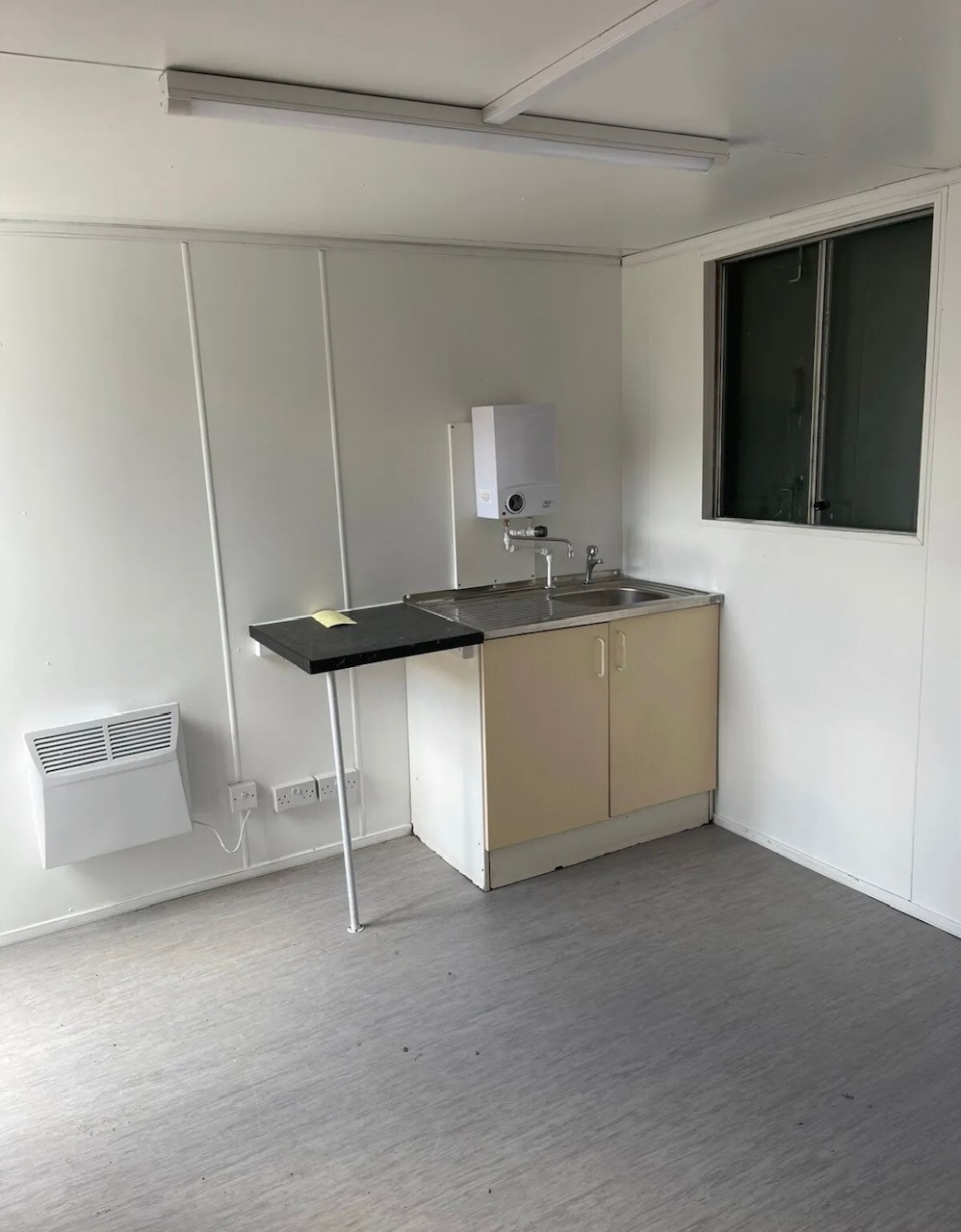
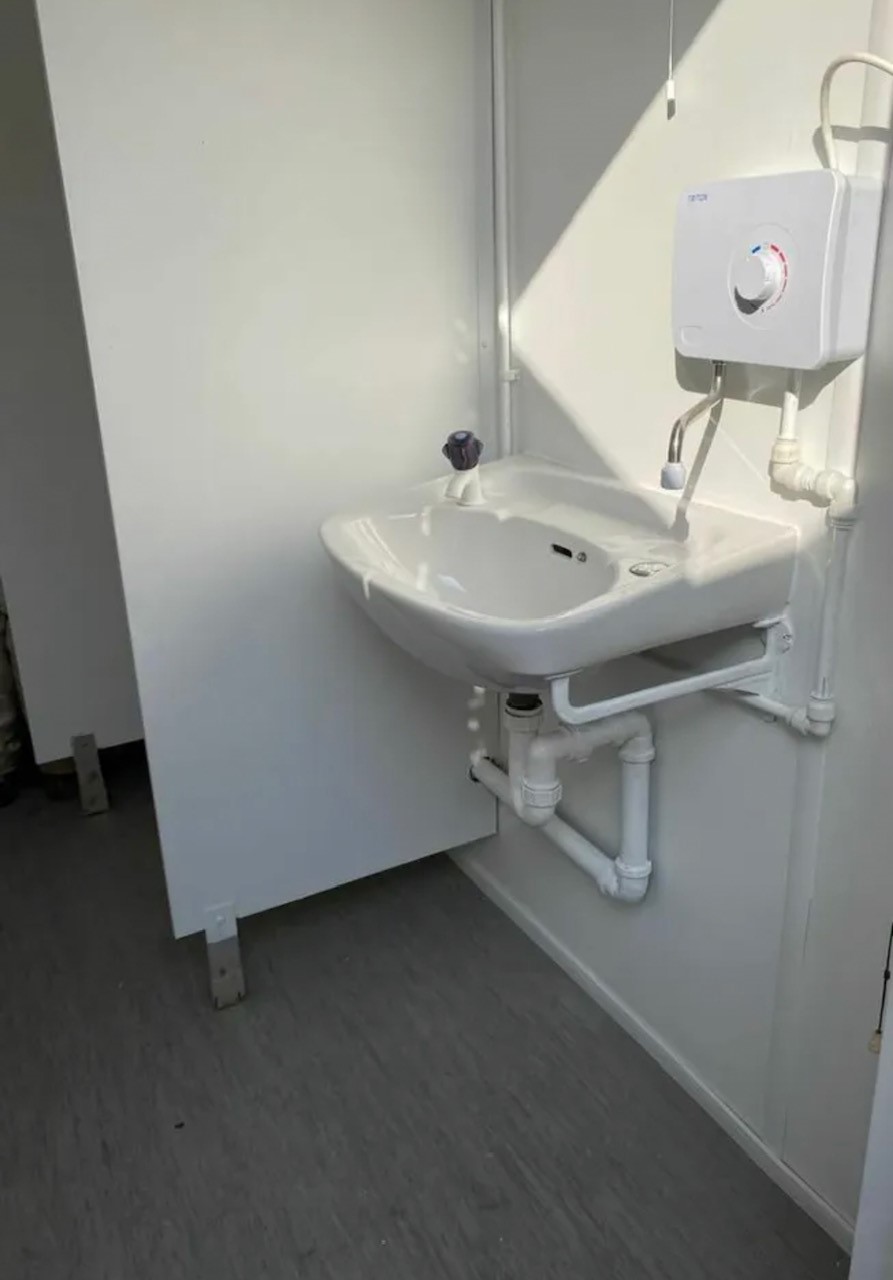
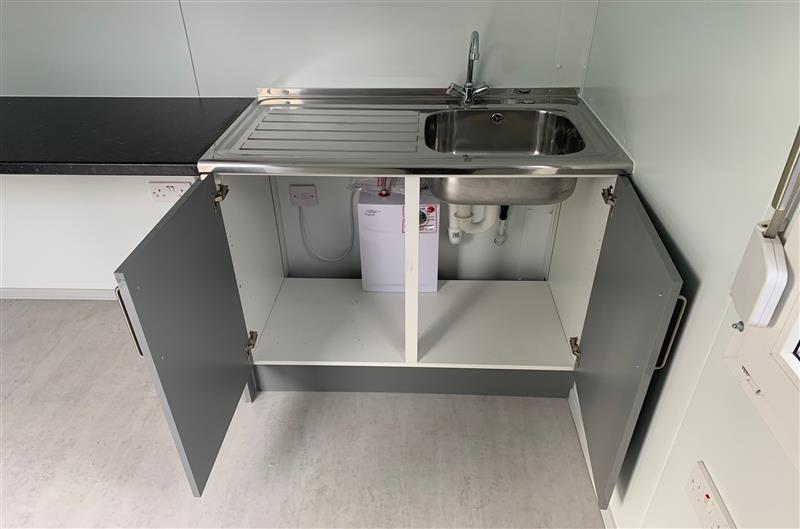
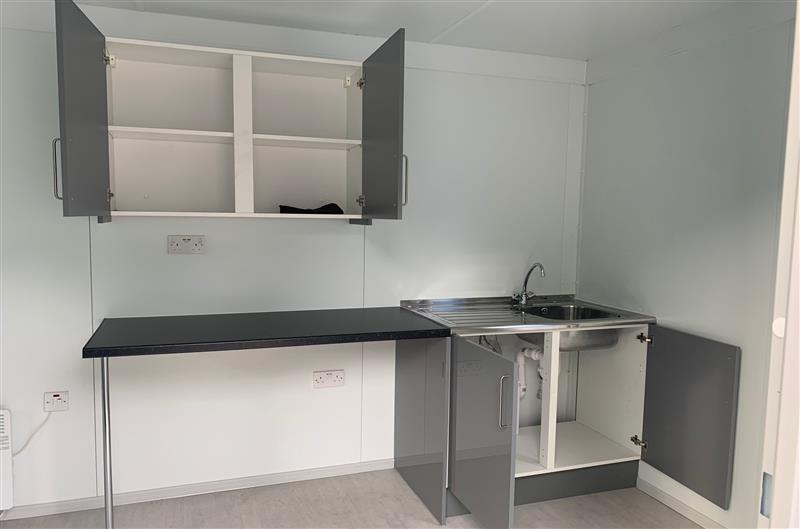
• Sink and water boiler included


Location: Nationwide
Quantity: ∞
EX VAT
Not Available for Hire
Call for an instant quote!


Location: Nationwide
EX VAT
Not Available for Hire
Call for an instant quote!
Get a Quick Container Quote Now!


Location: Nationwide
EX VAT
Not Available for Hire
Call for an instant quote!
Get a Quick Container Quote Now!