How to Choose a Carbon Fiber Production Line Factory?

Choosing a Carbon fiber production line factory is a technical investment, not a simple equipment purchase. Demand is expanding across aerospace, wind energy, electric vehicles, and sporting goods. The International Energy Agency reported approximately 14 million electric car sales worldwide in 2023, with further growth expected in 2024. This trend increases demand for lightweight, high-strength materials.

Market forecasts remain different. MarketsandMarkets projects continued carbon fiber market growth through 2029, while other industry reports use wider or narrower estimates. That difference matters. A reliable buyer should examine real production data, not accept impressive figures without evidence. Factory capacity, fiber type, tow size, curing technology, energy use, and final tensile performance need careful comparison.

Look closely.

An experienced Carbon fiber production line factory should provide traceable test records, process diagrams, equipment specifications, and customer references. ISO 9001 certification supports quality management, while AS9100 is important for aerospace-related production. However, certificates alone cannot prove stable output. Ask to inspect pilot samples, furnace temperature records, winding tension, and surface treatment results.

Small details reveal practical experience. Can the factory explain downtime causes? Can it maintain consistent carbonization temperature across a long furnace? Can its engineers support installation, operator training, spare parts, and process optimization after delivery? These questions often separate a working production line from an attractive brochure.

No factory is perfect. Even strong suppliers may underestimate commissioning time or maintenance costs. Therefore, evaluate documented performance, lifecycle expenses, safety controls, and communication quality together. A careful decision protects product consistency, investment value, and future production flexibility.
How to Choose a Carbon Fiber Production Line Factory?

Define Your Carbon Fiber Production Requirements

How to Choose a Carbon Fiber Production Line Factory?

Define Your Carbon Fiber Production Requirements

Before contacting a factory, describe the fiber you need to produce. Specify precursor type, tow size, tensile strength, modulus, and target annual output. A line for 1K aerospace yarn differs greatly from one for 24K industrial reinforcement.

Demand forecasts can prevent unrealistic planning. The International Energy Agency reported nearly 14 million electric car sales worldwide in 2023. The Global Wind Energy Council recorded 117 gigawatts of new wind capacity that year. These sectors increasingly require lightweight composite materials, but demand does not guarantee your project’s profitability.

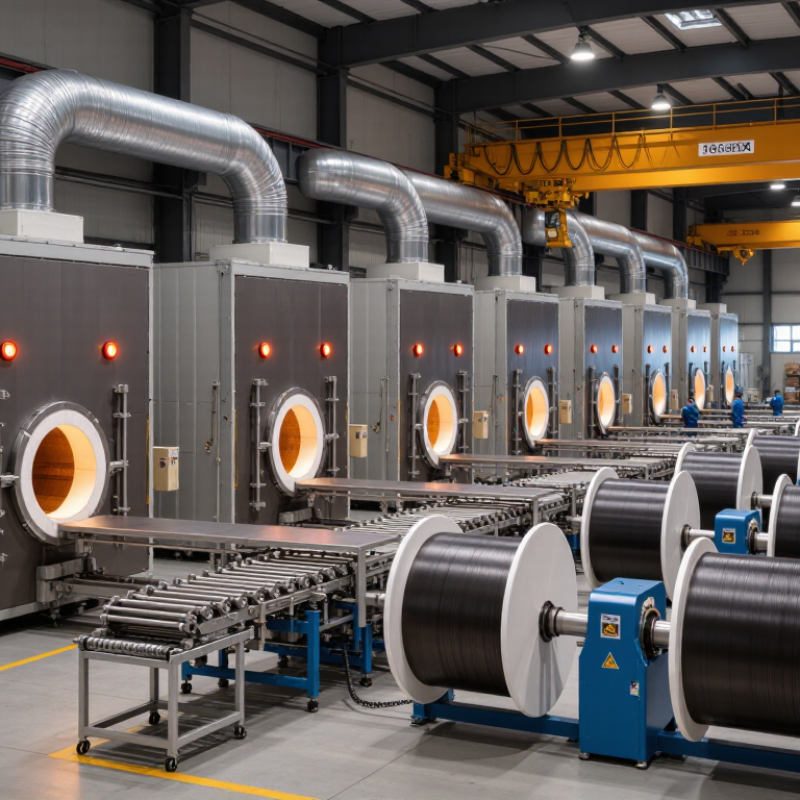
Start with measurable process requirements. Identify oxidation temperature ranges, carbonization zones, surface treatment, sizing chemistry, line speed, and expected yield. Ask the factory to provide mass-balance calculations, energy consumption per kilogram, and production data from similar lines. Numbers matter.

They reveal gaps.

A reliable supplier should explain furnace uniformity, tension control, exhaust treatment, and fiber inspection methods. Request test results for strength, elongation, sizing content, and coefficient of variation. ISO and ASTM procedures can help make comparisons consistent.

Do not specify capacity alone. A 1,000-ton annual line may sound attractive, yet it could operate poorly with your precursor or local energy supply. I would also question optimistic commissioning schedules. Pilot trials, operator training, spare-parts access, and acceptance testing often receive less attention than equipment price. That oversight can become expensive.

How to Choose a Carbon Fiber Production Line Factory? - Define Your Carbon Fiber Production Requirements

A practical requirements checklist for comparing carbon fiber production line factories

Requirement Dimension What to Define Before Contacting a Factory Typical Planning Reference Factory Verification Points
Final Product Type Specify whether the line will produce continuous carbon fiber tow, chopped fiber, milled fiber, woven reinforcement, or another intermediate material. Continuous tow production requires precursor conversion, stabilization, carbonization, surface treatment, sizing, drying, and winding. Confirm that the factory has designed and commissioned lines for the intended product form and downstream application.
Target Application Identify the end use, such as aerospace structures, pressure vessels, wind-energy components, automotive parts, sporting goods, or industrial composites. Application requirements determine the required tensile strength, modulus, filament count, surface chemistry, sizing, and consistency. Ask for documented performance data from materials made on comparable equipment, without relying only on laboratory samples.
Precursor Material Define the precursor chemistry, incoming tow specifications, filament count, linear density, moisture limits, and supply format. Polyacrylonitrile is the most widely used precursor for structural carbon fiber; pitch is used for selected high-modulus applications. Verify compatibility between the precursor and tension control, oven design, residence time, and conversion recipe.
Tow Size and Filament Count Select the intended tow size and required number of filaments per bundle. Common commercial categories include small-tow products below 24,000 filaments and large-tow products at or above 24,000 filaments. Check whether the line maintains uniform heating, spreading, tension, and sizing across the full tow width and filament count.
Annual Production Capacity State the required output in tonnes per year, operating hours, planned utilization, number of production lines, and expansion target. A preliminary capacity model should distinguish nameplate capacity from expected saleable output after maintenance, changeovers, and quality losses. Request mass-balance calculations, line-speed assumptions, yield estimates, and capacity data from a comparable installation.
Stabilization Process Define the number of stabilization zones, temperature profile, residence time, tension strategy, and exhaust requirements. PAN-based precursor stabilization generally occurs in an oxidizing atmosphere at approximately 200–300°C, depending on the precursor and recipe. Evaluate temperature uniformity, airflow control, off-gas management, fire protection, and prevention of tow sticking or breakage.
Carbonization and Graphitization Define the required carbonization temperature, optional high-temperature treatment, atmosphere, line speed, and target modulus. Carbonization commonly uses inert gas at approximately 1,000–1,500°C; optional graphitization may operate above 2,000°C for higher-modulus grades. Verify furnace temperature uniformity, inert-gas purity, seal performance, energy consumption, emergency shutdown, and electrode or heating-element service life.
Surface Treatment and Sizing Specify the required surface oxidation level, sizing chemistry, sizing add-on percentage, compatibility with the matrix resin, and drying conditions. Sizing add-on is commonly controlled as a low single-digit percentage of fiber mass, but the correct value depends on the resin system and application. Confirm bath concentration control, coating uniformity, wastewater treatment, solvent or emission controls, and compatibility testing with the customer’s resin.
Mechanical Performance Set minimum tensile strength, tensile modulus, elongation, density, filament damage rate, and coefficient of variation. Commercial carbon fiber grades typically target tensile strengths from approximately 3 to 7 GPa and tensile moduli from approximately 200 to 700 GPa, depending on grade. Require test methods, sampling plans, statistical process capability, calibration records, and acceptance criteria for each property.
Line Speed and Tension Control Define target line speed, allowable tension range, tension zones, tow spreading requirements, and maximum acceptable filament breaks. Higher line speed can increase output but may reduce conversion uniformity if heating, residence time, and tension control are not properly matched. Check closed-loop tension control, automatic speed synchronization, break detection, restart procedures, and recipe control.
Energy and Utility Demand List electrical capacity, natural gas or other fuel requirements, inert gas consumption, cooling water, compressed air, ventilation, and wastewater needs. High-temperature furnaces are major energy consumers; actual demand depends on throughput, insulation, furnace design, temperature profile, and heat recovery. Request a utility balance with peak and average loads, operating costs, heat-recovery options, and required utility quality specifications.
Environmental and Safety Controls Define requirements for exhaust treatment, volatile organic compounds, hydrogen cyanide risk, hot surfaces, fire protection, inert-gas asphyxiation controls, and emergency response. Stabilization and carbonization can generate hazardous gases and combustible off-gases; controls must be designed according to local regulations and process chemistry. Review hazard assessments, interlocks, gas monitoring, ventilation calculations, fire detection, permitting support, and operator safety procedures.
Automation and Data Management Specify the required level of automation, recipe management, alarm history, production tracking, remote diagnostics, and integration with manufacturing systems. Critical variables normally include zone temperature, tow tension, line speed, gas flow, oxygen level, sizing concentration, and winding parameters. Confirm data ownership, cybersecurity, audit trails, sensor calibration, control-system redundancy, and availability of spare automation components.
Quality Assurance Capability Define incoming-material inspection, in-process monitoring, final-product testing, traceability, nonconformance handling, and certificate-of-analysis requirements. Testing may include tensile properties, linear density, sizing content, density, electrical resistivity, surface chemistry, and filament break inspection. Inspect the factory laboratory, test equipment calibration, standard test methods, measurement uncertainty, and batch-level traceability.
Factory Acceptance and Performance Tests Set measurable acceptance criteria for capacity, yield, product properties, energy consumption, uptime, safety functions, and operator training. Acceptance tests should use agreed raw materials and production recipes and should distinguish short trial performance from sustained production performance. Include factory acceptance testing, site acceptance testing, performance guarantees, punch-list closure, documentation delivery, and warranty conditions.
Installation and Site Conditions Define building height, floor loading, line layout, crane access, clean areas, storage, laboratory space, utility rooms, and material flow. The required footprint varies significantly with line capacity, furnace arrangement, auxiliary equipment, maintenance access, and environmental-control systems. Request general-arrangement drawings, foundation loads, installation tolerances, shipping dimensions, and a detailed site-preparation responsibility matrix.
Lifecycle Support and Spare Parts Define preventive-maintenance intervals, critical spare parts, local service coverage, training, response time, and expected equipment availability. Furnace heating elements, insulation, seals, sensors, drives, rollers, pumps, filters, and control components should be assessed as lifecycle items. Compare spare-parts lead times, maintenance manuals, technician qualifications, remote-support procedures, and total cost of ownership.

Note: The numerical ranges are general engineering planning references. Final operating conditions and performance targets must be confirmed through process trials, material testing, local regulations, and the selected production recipe.

Evaluate Factory Expertise and Manufacturing Capabilities

When choosing a carbon fiber production line factory, study its practical expertise, not only its website. An experienced factory should explain every stage clearly, from fiber unwinding to resin impregnation, curing, slitting, and final inspection. Ask how engineers control fiber tension, resin content, oven temperature, and line speed. These details directly affect strength, surface quality, and production stability.
Request documented evidence, such as process records, equipment maintenance logs, and quality inspection reports. A reliable factory should provide trial samples and explain their testing methods. Check whether the facility has pilot equipment for material development and flexible production lines for different widths or resin systems. During factory visits, observe the workshop floor. Clean work areas, labeled materials, calibrated instruments, and organized storage often reveal real manufacturing discipline. No factory is perfect. I would value honest answers about past defects more than polished promises.
Tips: Ask to review one complete production batch. Trace the material from incoming fiber to packaged rolls. Confirm the factory’s experience with your target output, required tolerances, and delivery volume. Speak with the technical team, not only sales staff. Their answers should include measurable figures, inspection frequency, and corrective actions. If explanations remain vague, pause before signing. Small omissions can become expensive problems later.

How to Choose a Carbon Fiber Production Line Factory?

Evaluate each factory against the following due-diligence criteria. The weighting model emphasizes process expertise and manufacturing capability while avoiding company-specific or brand-specific data.

How to use this chart: Request documented evidence for each category, including process-flow records, equipment specifications, quality-control procedures, testing reports, capacity plans, and production traceability. Compare factories using the same criteria and weighting.

Inspect Equipment Quality, Technology, and Production Capacity

Choosing a carbon fiber production line factory requires more than checking a polished showroom. Inspect the equipment directly. Look for stable tension control, accurate resin metering, uniform oven temperatures, and clean fiber-guiding paths. A small temperature drift can create inconsistent curing. That defect may appear only during downstream testing.

The 2024 Global Carbon Fiber Supply Chain Competitiveness Analysis reported global nameplate capacity above 200,000 metric tonnes annually, although actual output varies by facility. This gap matters. Ask the factory for verified production records, equipment availability, scrap rates, and recent acceptance-test results. ISO 10618:2017 provides useful guidance for testing carbon fiber tensile properties. Request samples from continuous production, not specially prepared pieces. Production capacity should include staffing, maintenance support, spare parts, and quality-control laboratories. A large line without reliable operators is not truly productive.

Tip: Walk through a live line if possible. Check whether operators can explain temperature alarms, tow breaks, and resin-viscosity changes. Ask for a three-shift capacity calculation and compare it with delivered output. Factory claims are sometimes optimistic. I would also test a pilot batch before signing a large contract. This step costs time, but it can reveal uneven fiber spread, weak impregnation, or excessive waste. Even experienced buyers can overlook these details when focusing only on hourly output.

Verify Quality Standards, Testing, and After-Sales Support

How to Choose a Carbon Fiber Production Line Factory?

A reliable factory should prove quality through records, not promises. Ask for quality certificates, process controls, and recent inspection reports. Check whether each machine has traceable serial numbers and documented calibration. During a factory visit, inspect winding tension, heating zones, resin distribution, and line cleanliness. Request samples from several production batches. Test their tensile strength, fiber alignment, resin content, and surface finish. I once focused too much on machine appearance. That was a mistake. Stable output matters more than polished equipment.

Tips: Ask to observe a complete factory acceptance test. Confirm temperature uniformity across the production line. Review test methods, measurement tools, and acceptance limits. Compare sample results with the factory’s internal reports. A useful supplier should explain failures clearly, not hide them. Also, ask who performs final testing and how records are stored.

After-sales support often determines long-term production stability. Confirm installation supervision, operator training, spare-parts availability, and response times. Ask whether engineers can diagnose vibration, uneven tension, or curing problems remotely. A serious factory should provide maintenance schedules and troubleshooting instructions. Discuss warranty coverage in writing, including excluded parts and service limits. Visit one operating customer if possible, but do not rely on one reference alone. Production conditions vary, and one successful line may not fit your material, output, or workshop layout.

Compare Costs, Delivery Terms, and Long-Term Partnership Value

How to Choose a Carbon Fiber Production Line Factory?

Compare Costs, Delivery Terms, and Long-Term Partnership Value

A low quotation can hide expensive gaps. Request a line-by-line cost sheet covering equipment, molds, software, installation, training, spare parts, and energy use. The International Energy Agency reported more than 14 million electric cars sold in 2023. That growth increases pressure for lighter structures, but demand alone cannot justify an oversized line. Compare output, scrap rates, labor needs, and maintenance access. A cheaper machine that stops beside a dusty plant floor is not cheap.

Delivery terms deserve equal attention. Ask for tested milestones, not only a promised shipping date. Require factory acceptance testing with documented fiber tension, temperature stability, winding accuracy, and safety performance. The 2024 MarketsandMarkets Carbon Fiber Market analysis projects continued market expansion through 2029, yet supply-chain delays remain a practical risk. Clarify who pays for commissioning delays, damaged modules, customs issues, and missing components. Put these terms in writing. Verbal confidence is weak evidence.

Long-term value appears after the warranty ends. Check the factory’s field-service response time, software update policy, spare-parts availability, and technician training records. Speak with several operating customers, if possible. Ask what failed during the first year. Their answer may be uncomfortable, but useful. A capable supplier should provide traceable test reports and realistic production guarantees. Some buyers focus too heavily on hourly output. I have seen maintenance access overlooked, creating avoidable downtime. That mistake deserves more attention. (IEA, Global EV Outlook 2024; MarketsandMarkets, Carbon Fiber Market—Global Forecast to 2029)

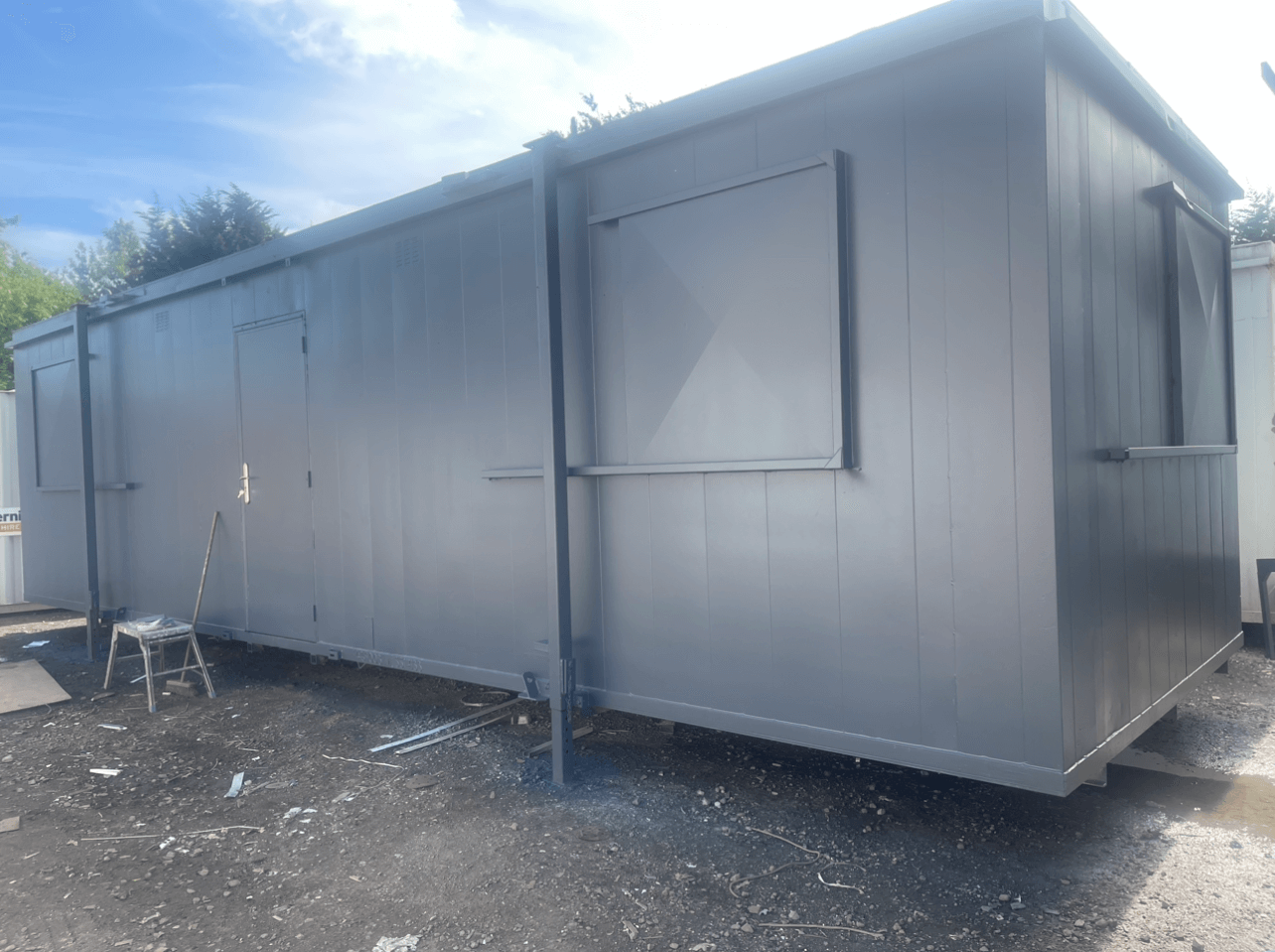
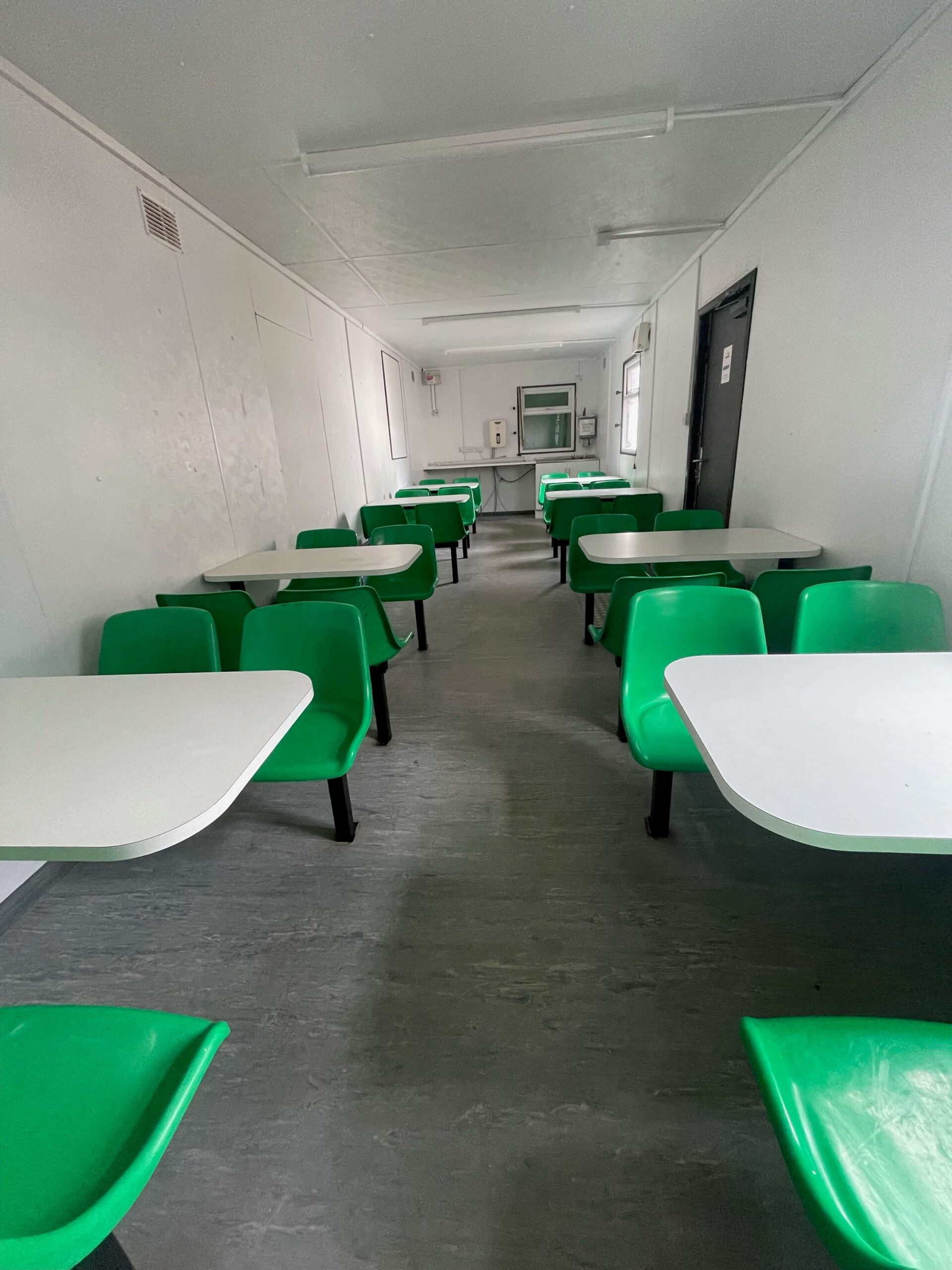
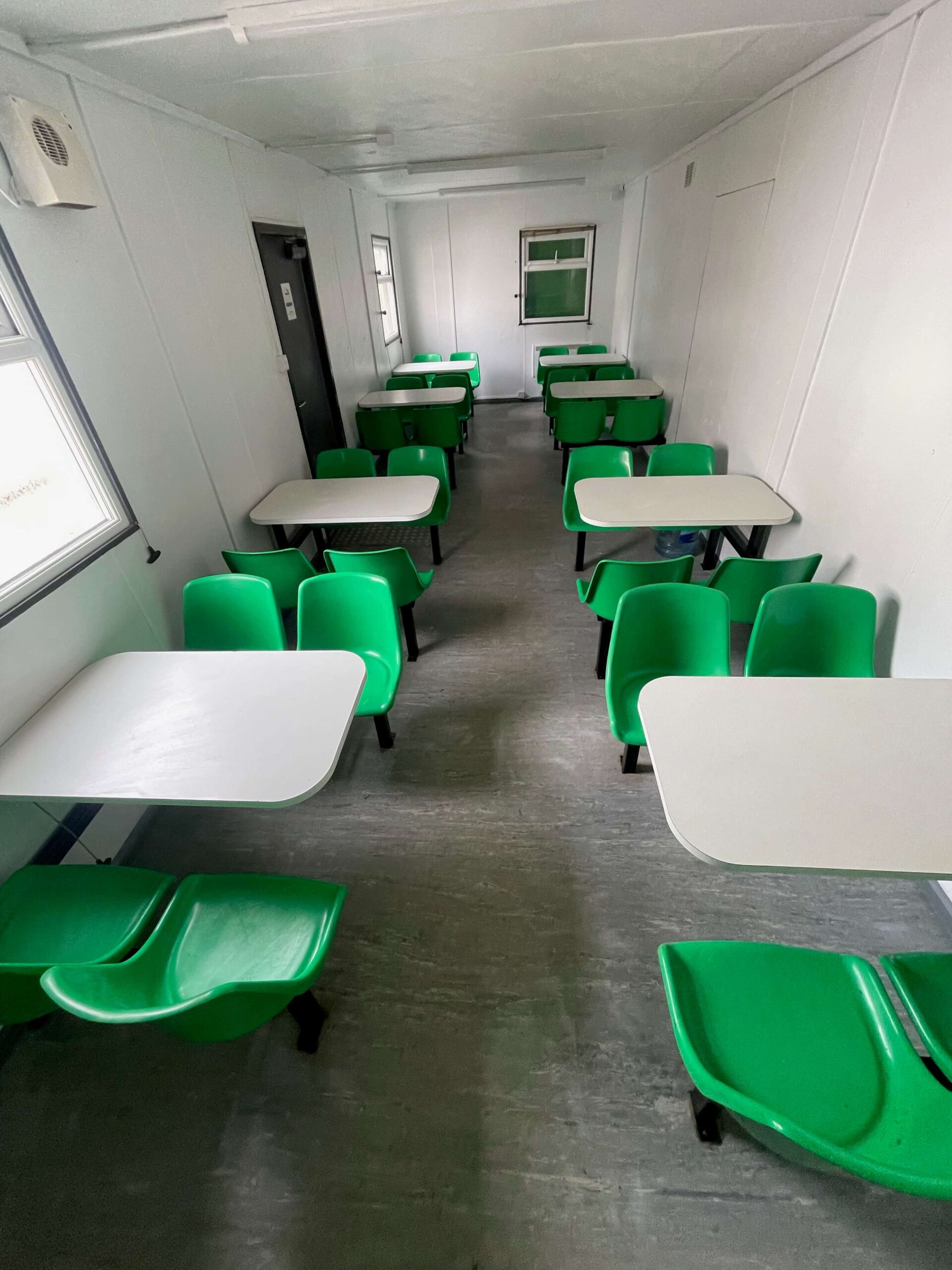
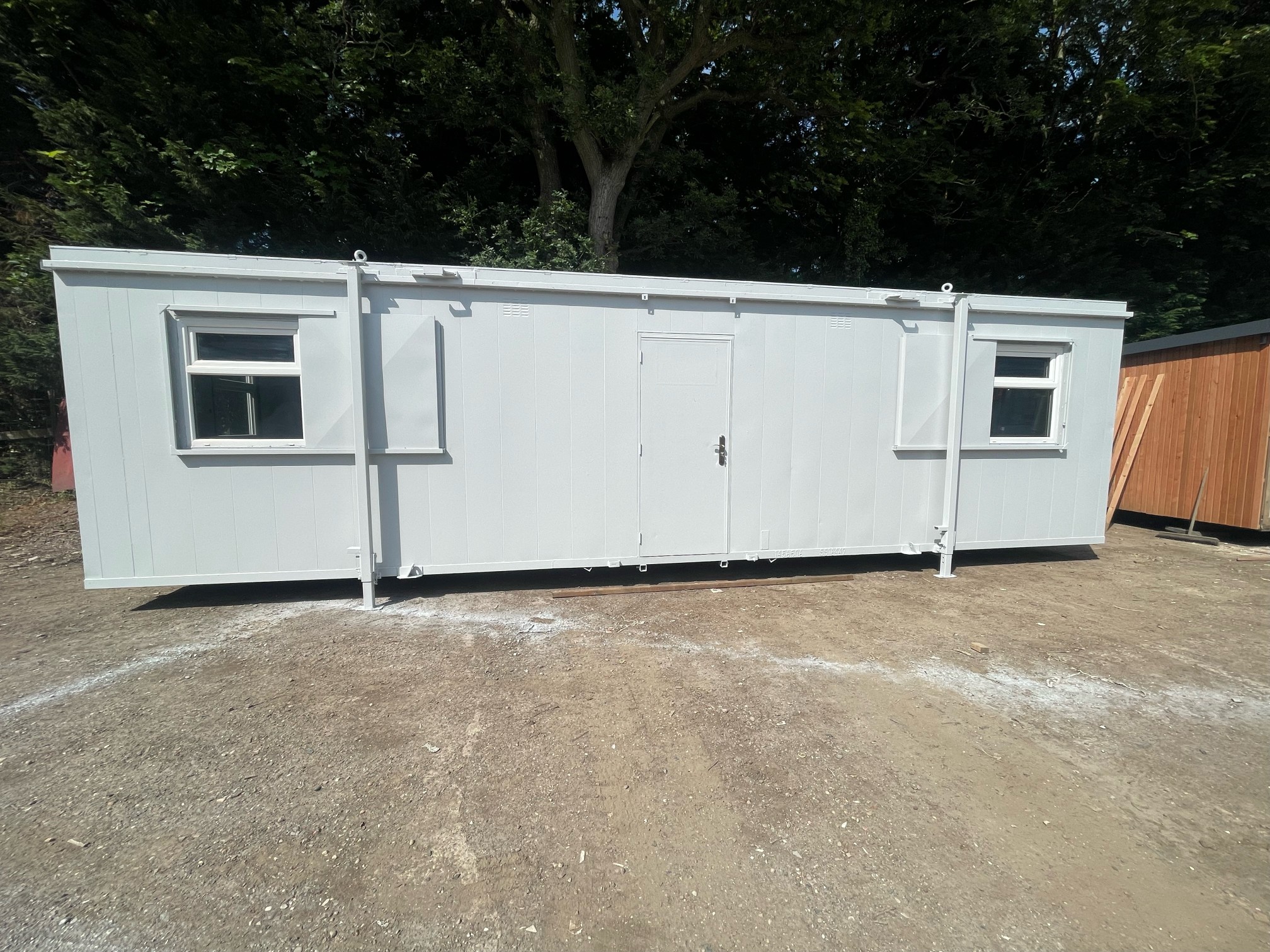
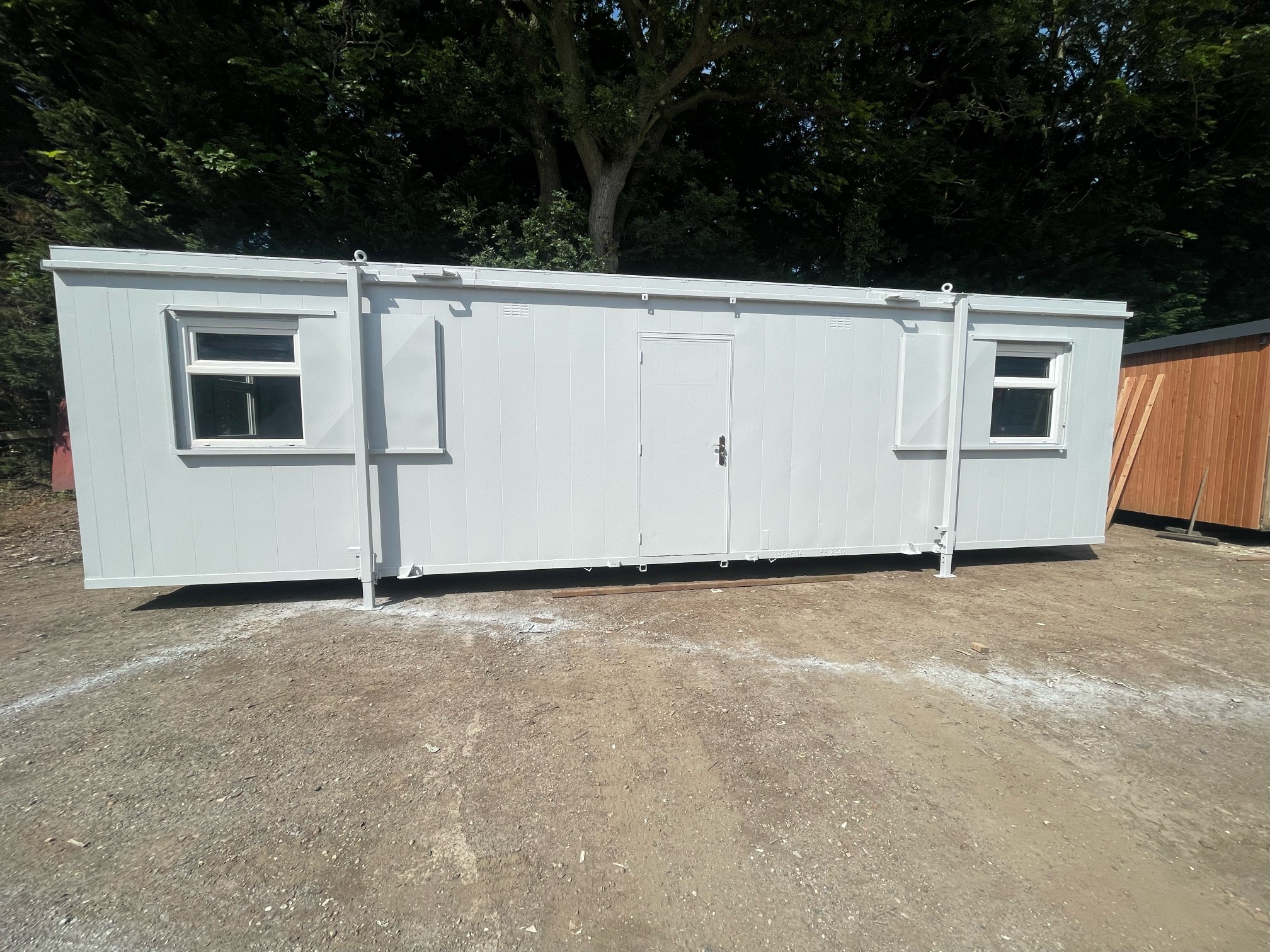
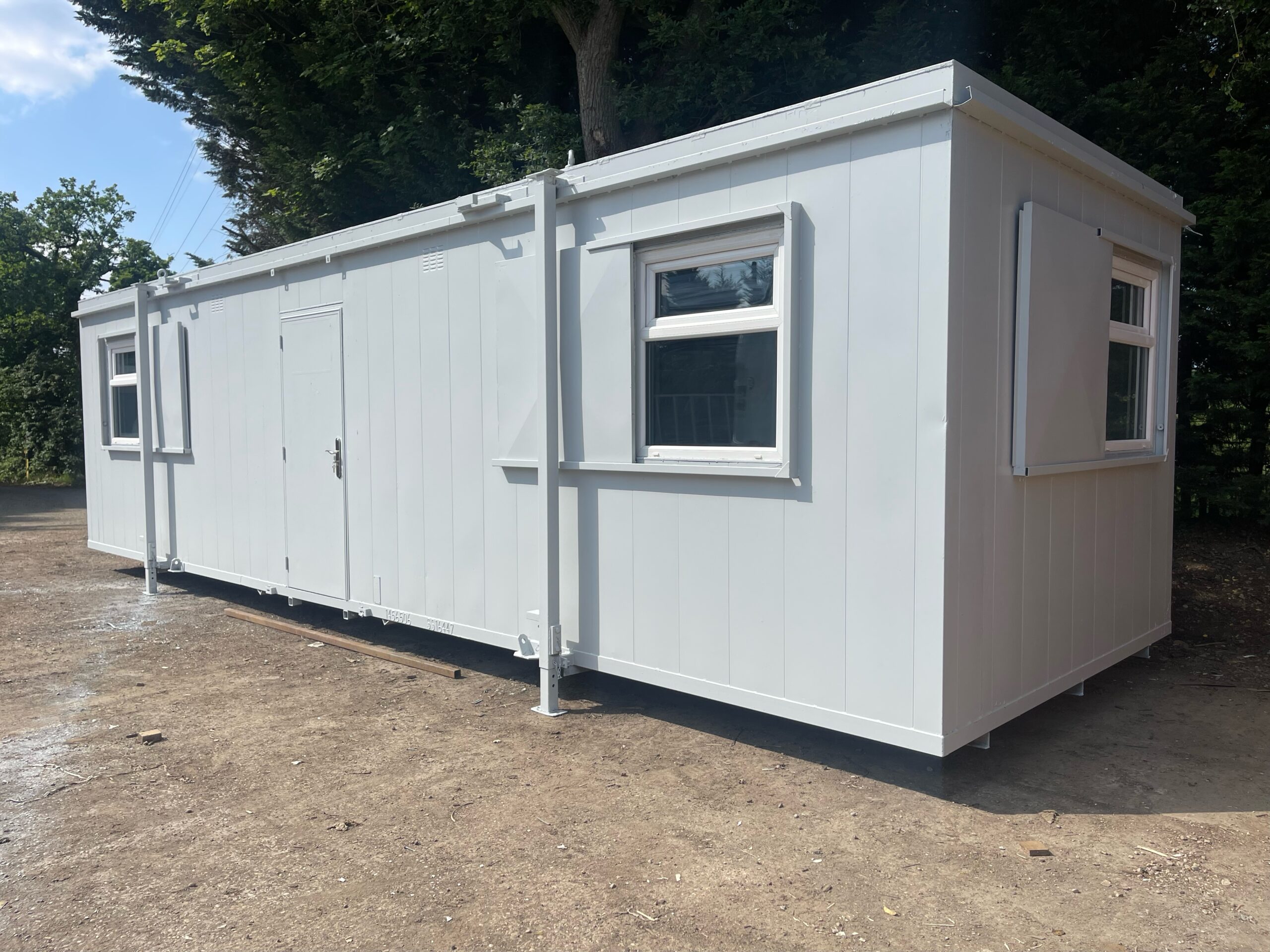
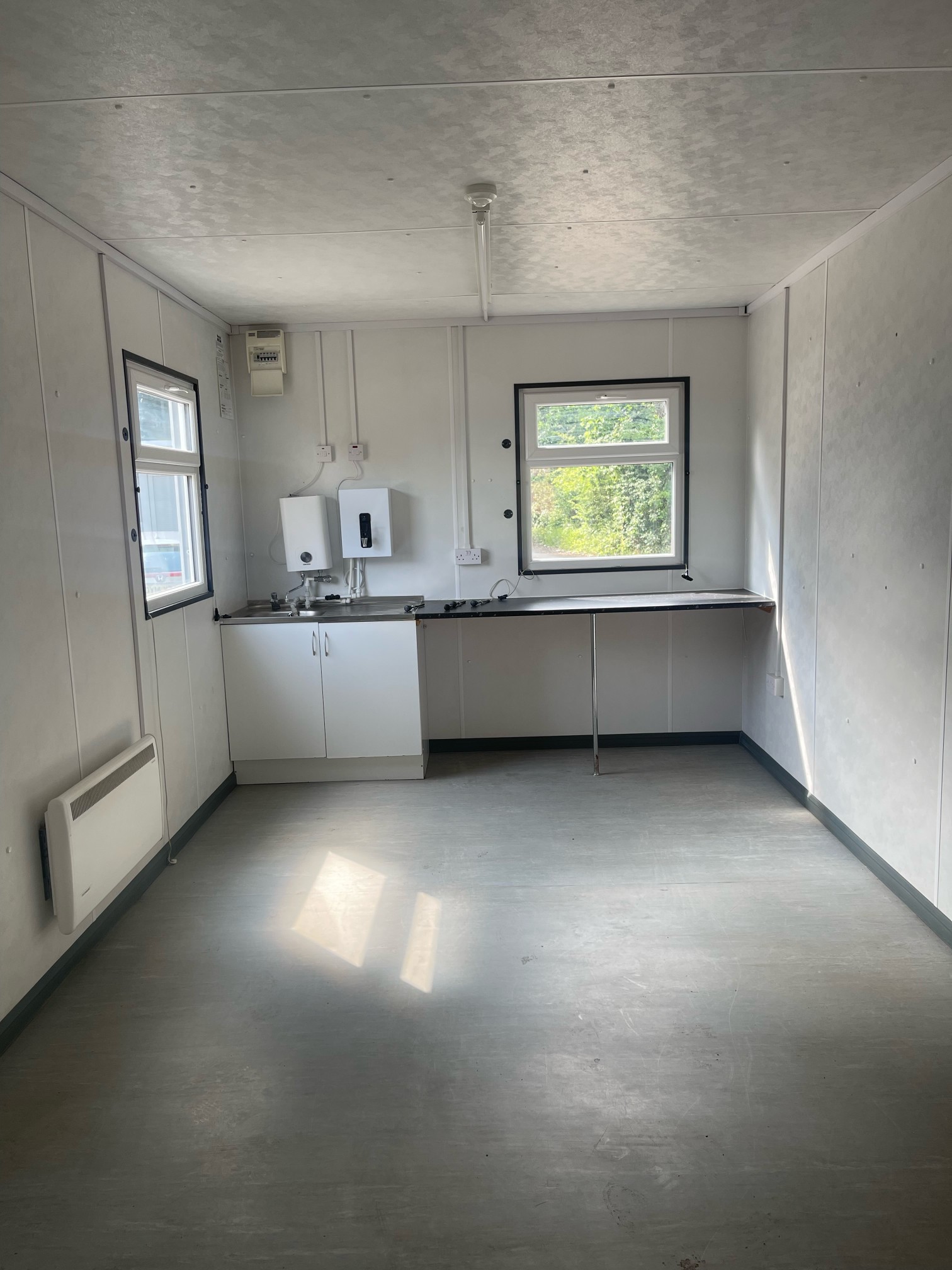
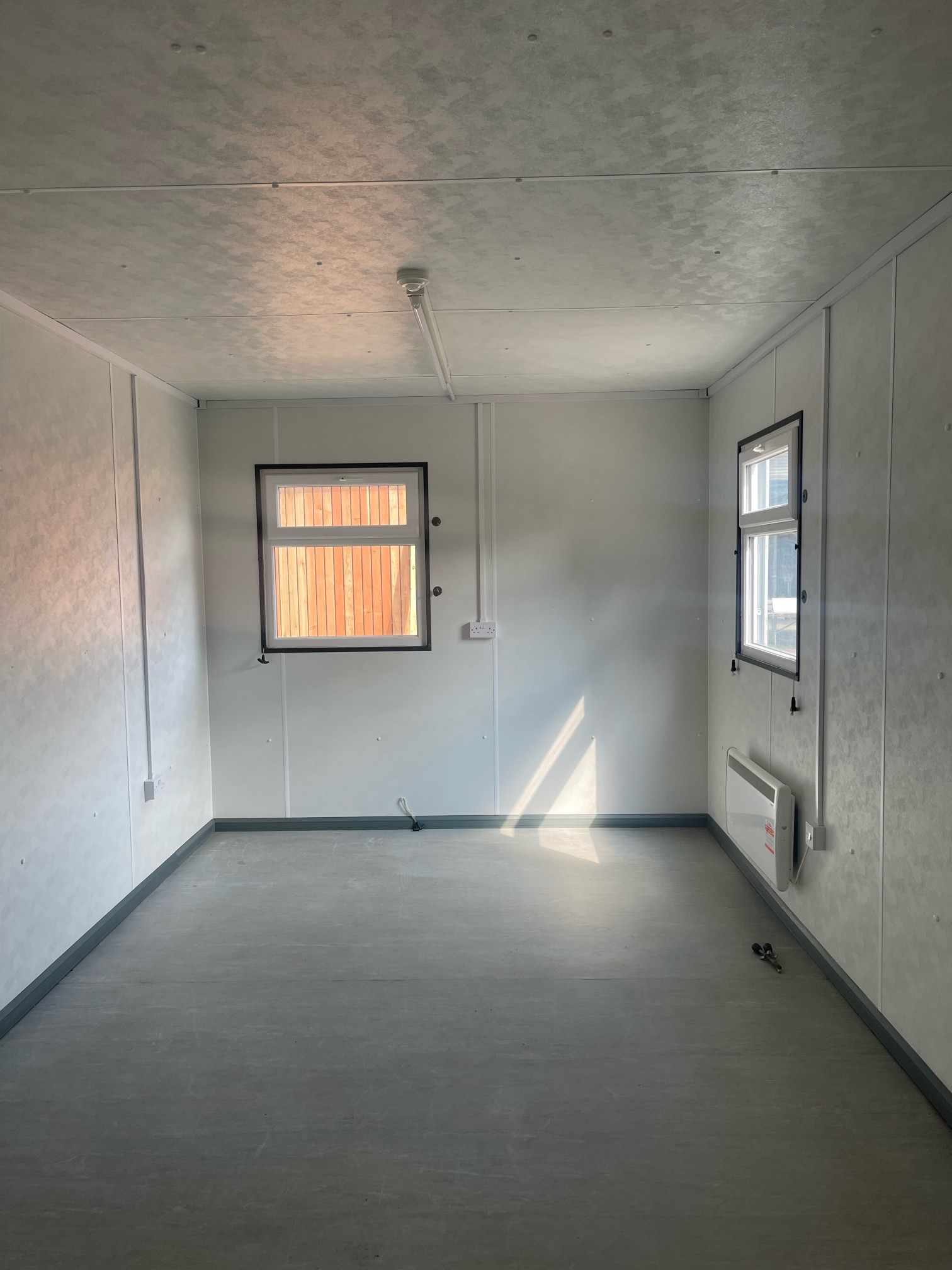
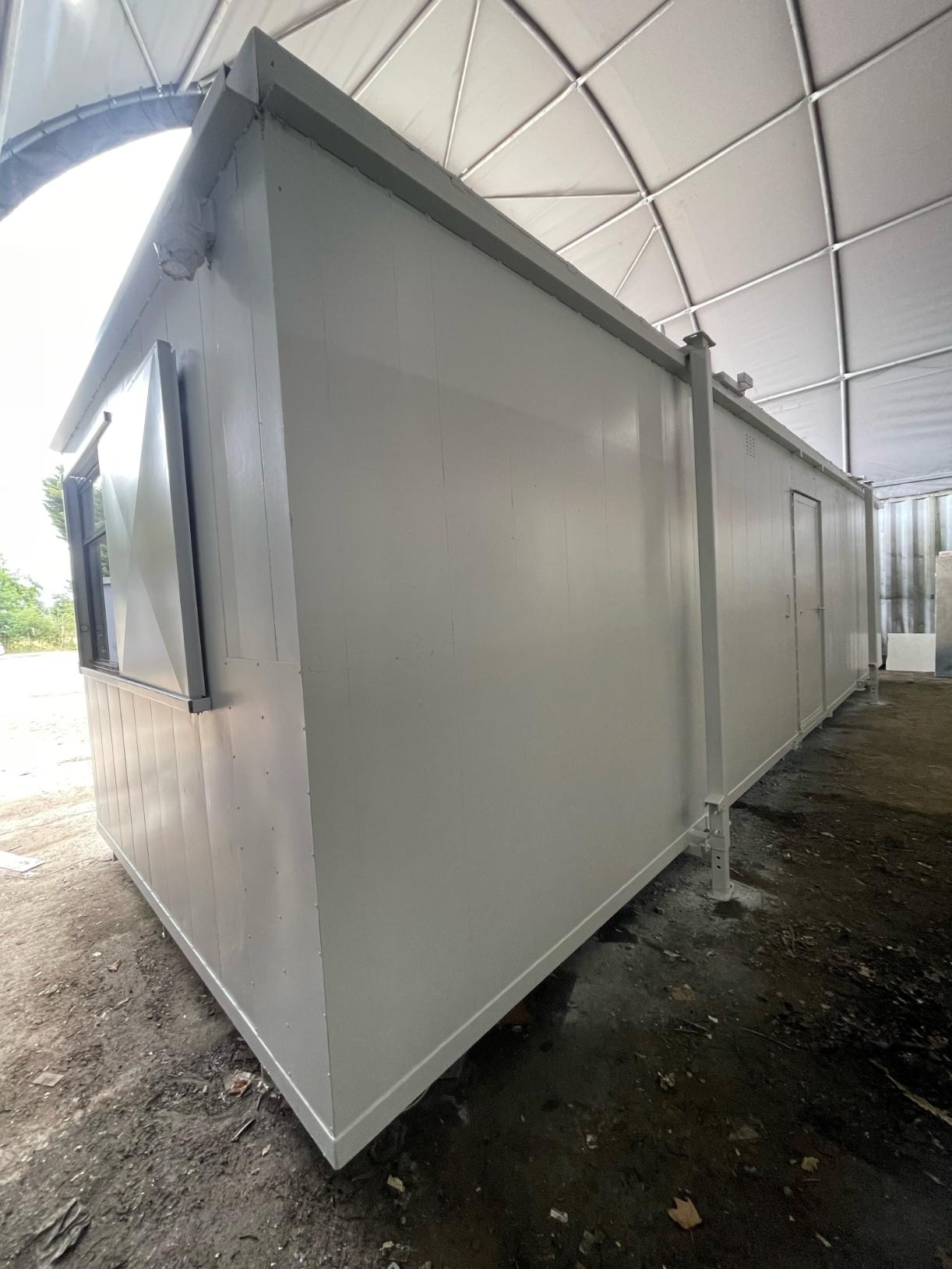
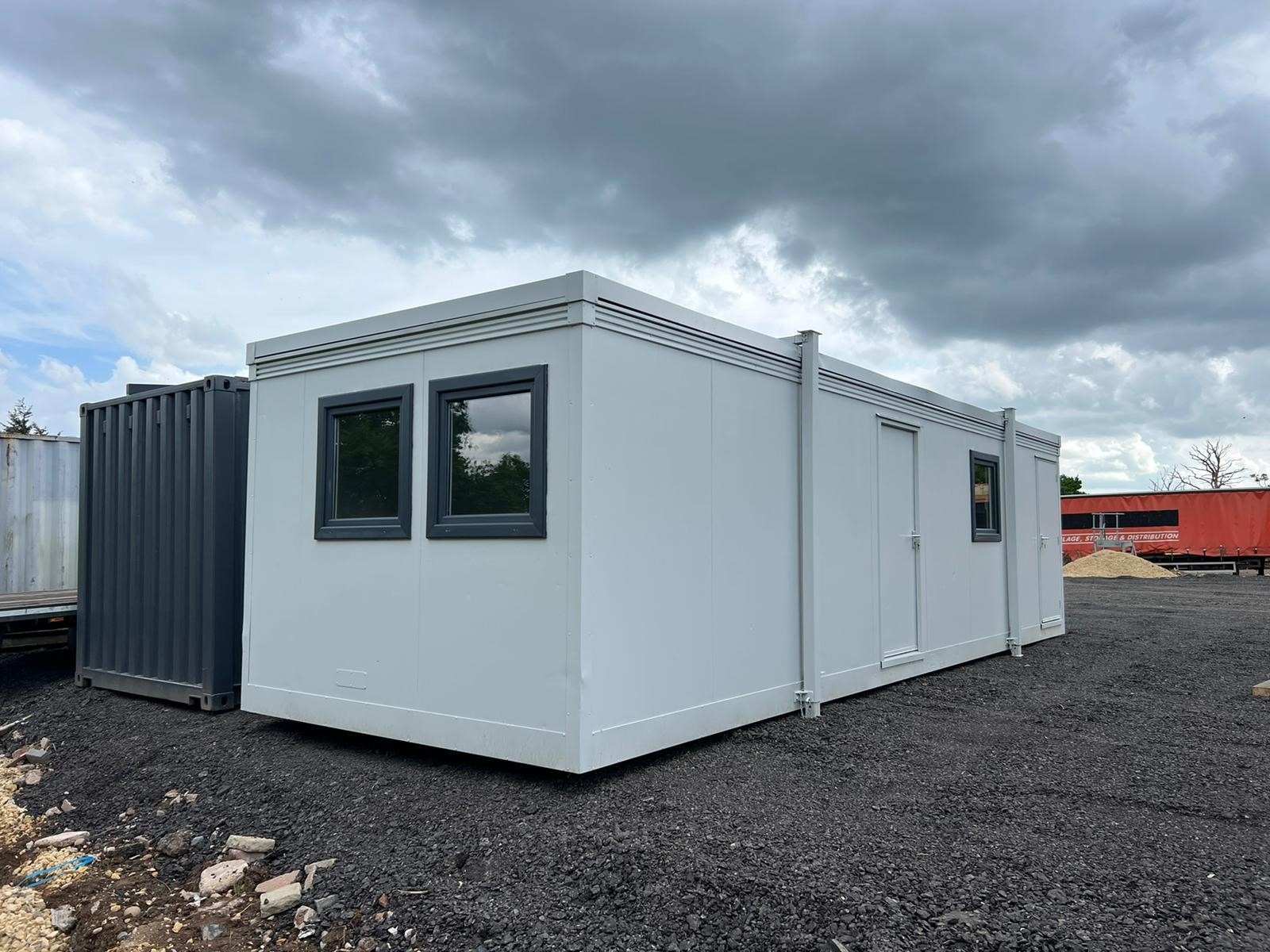
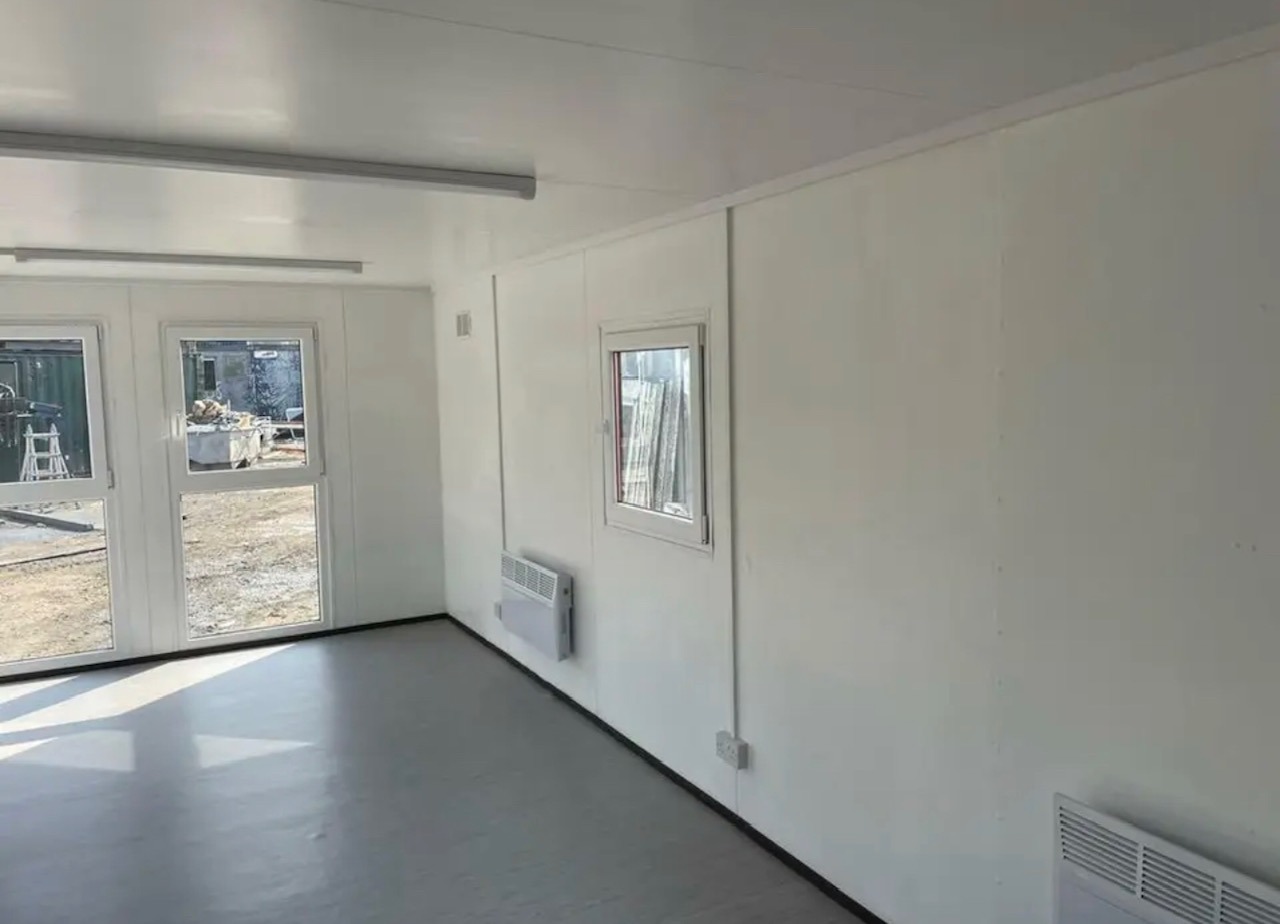
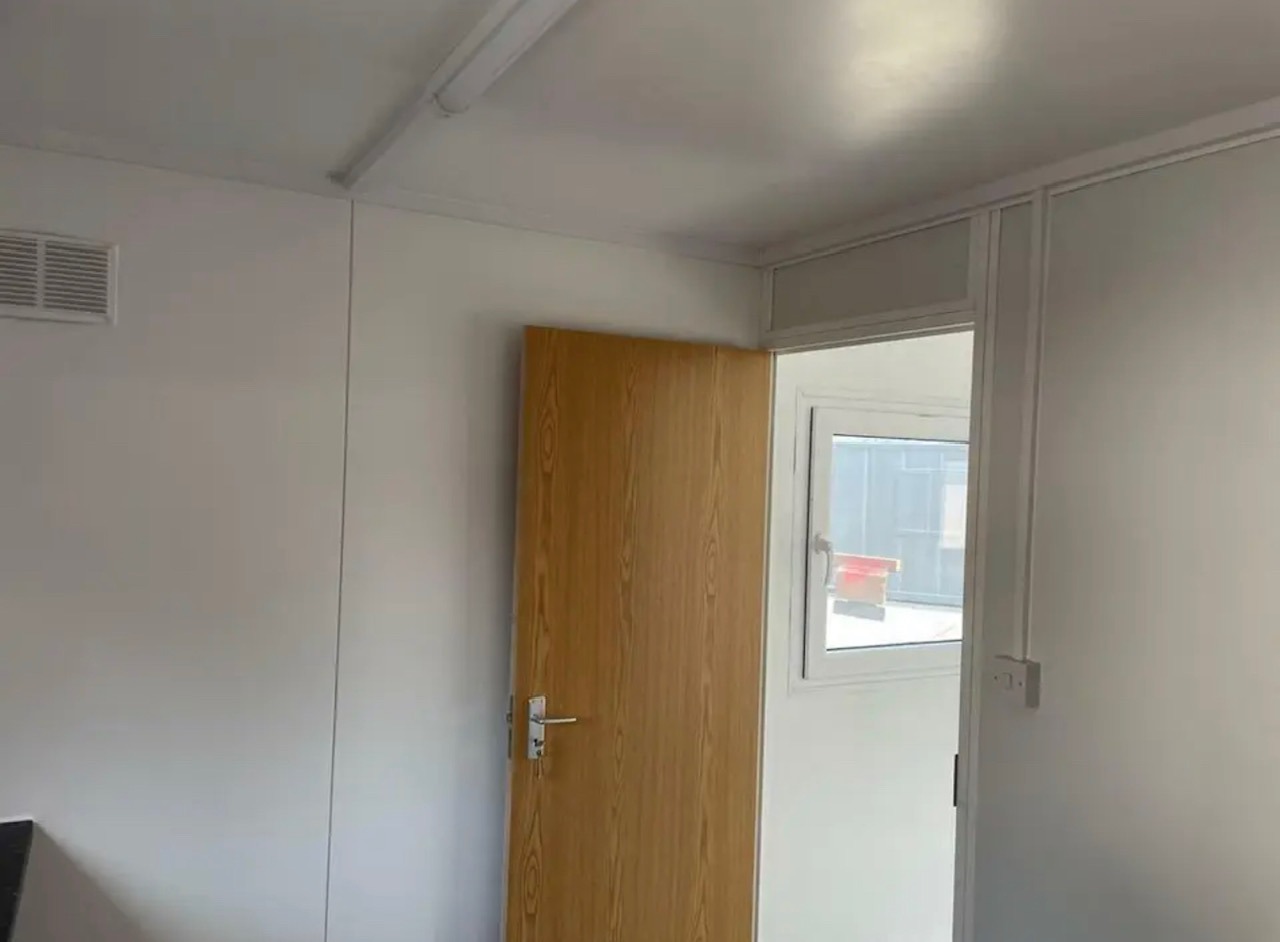
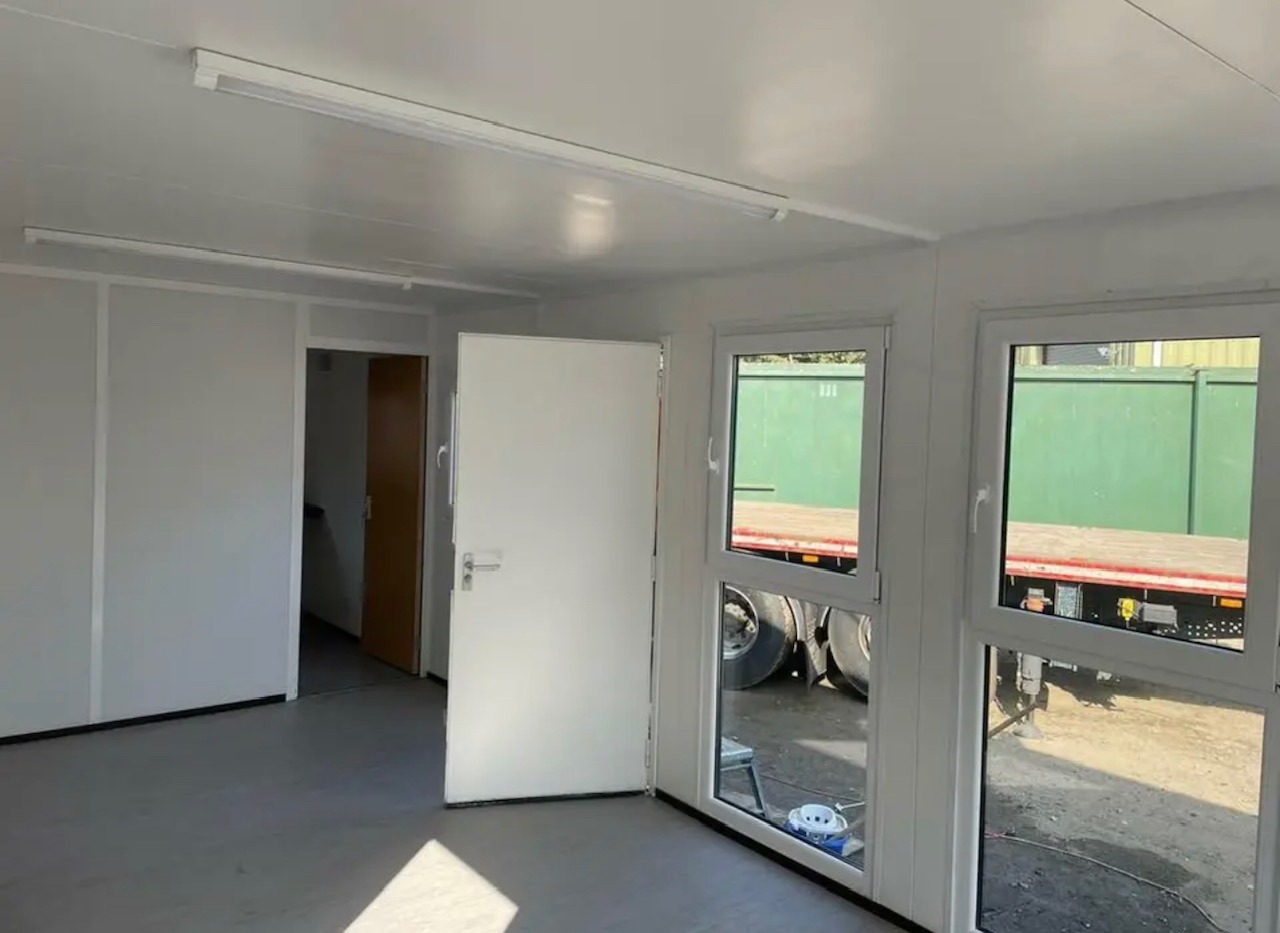
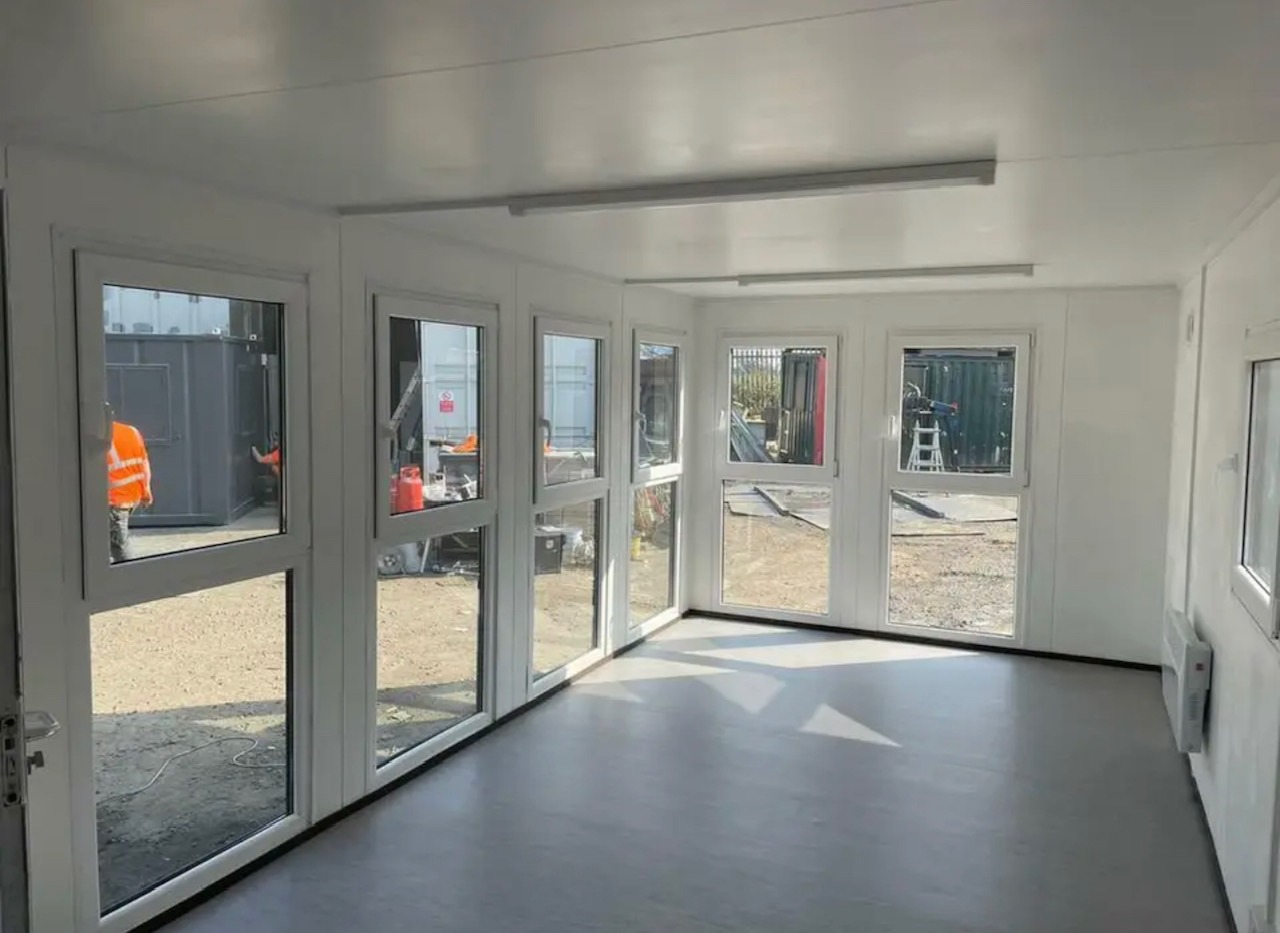
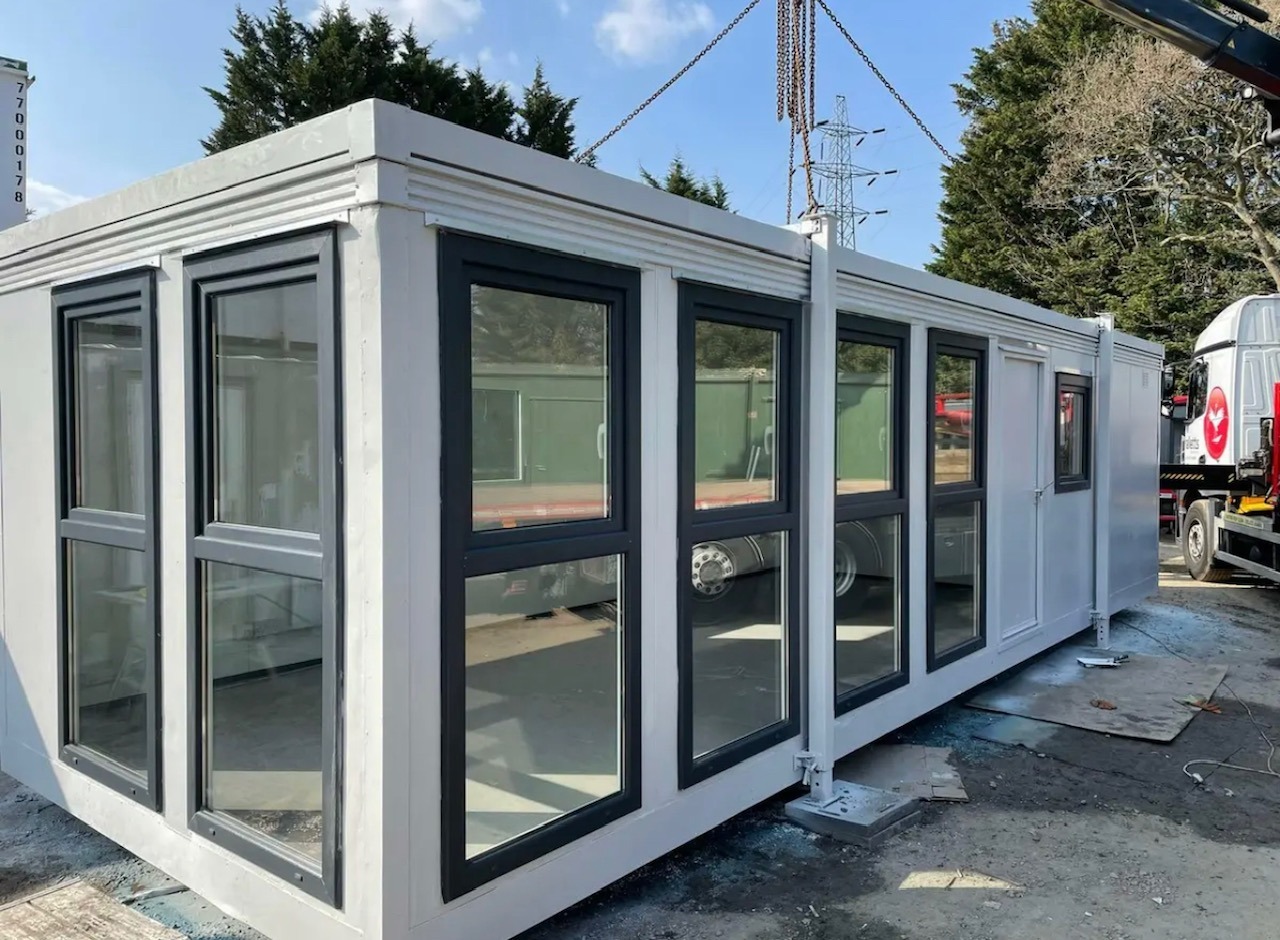
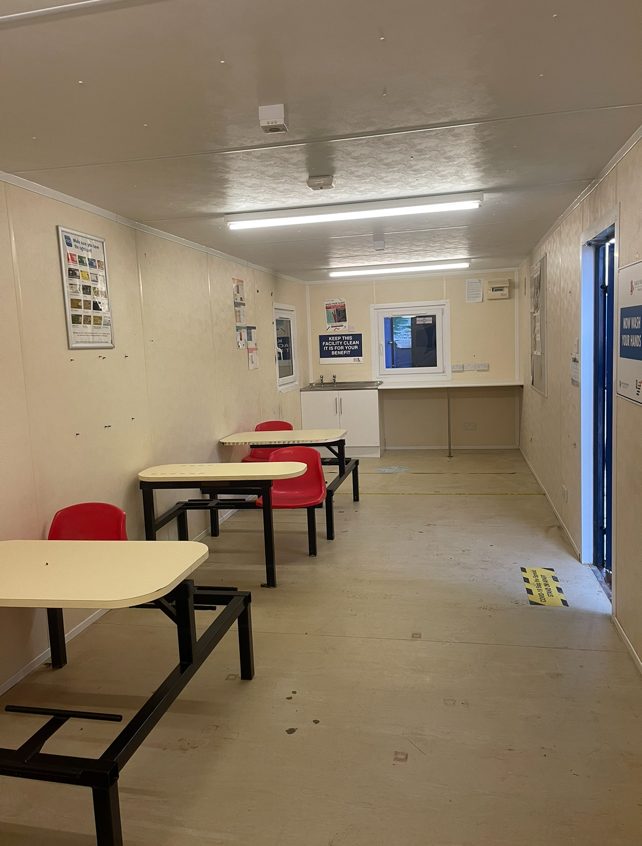
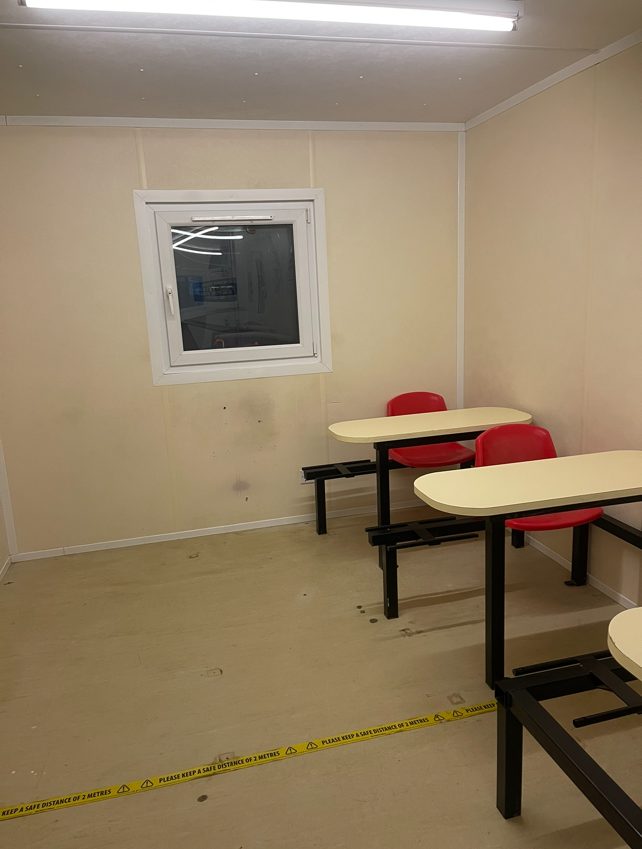
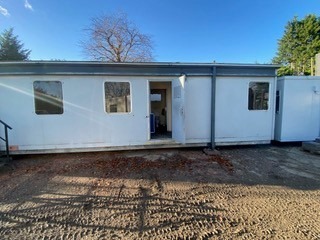
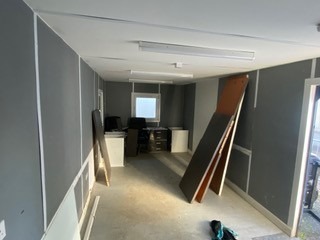
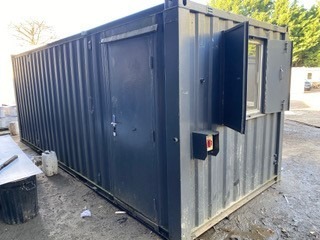
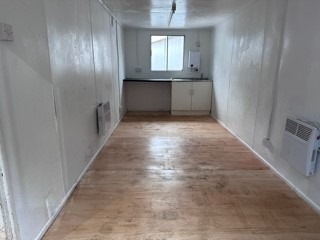
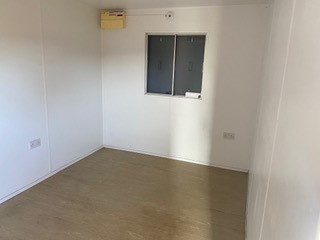
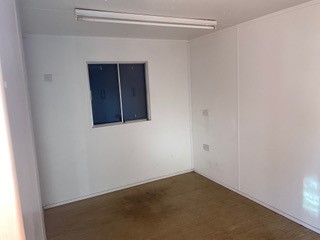
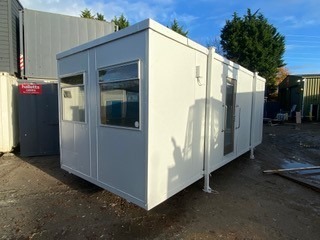
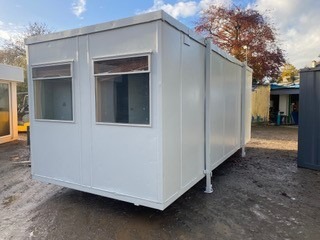
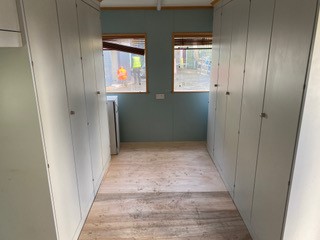
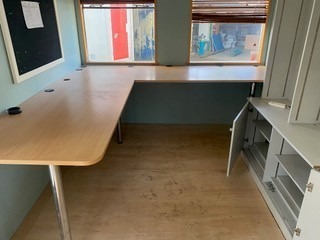
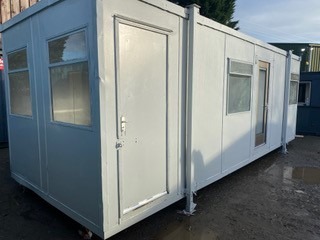
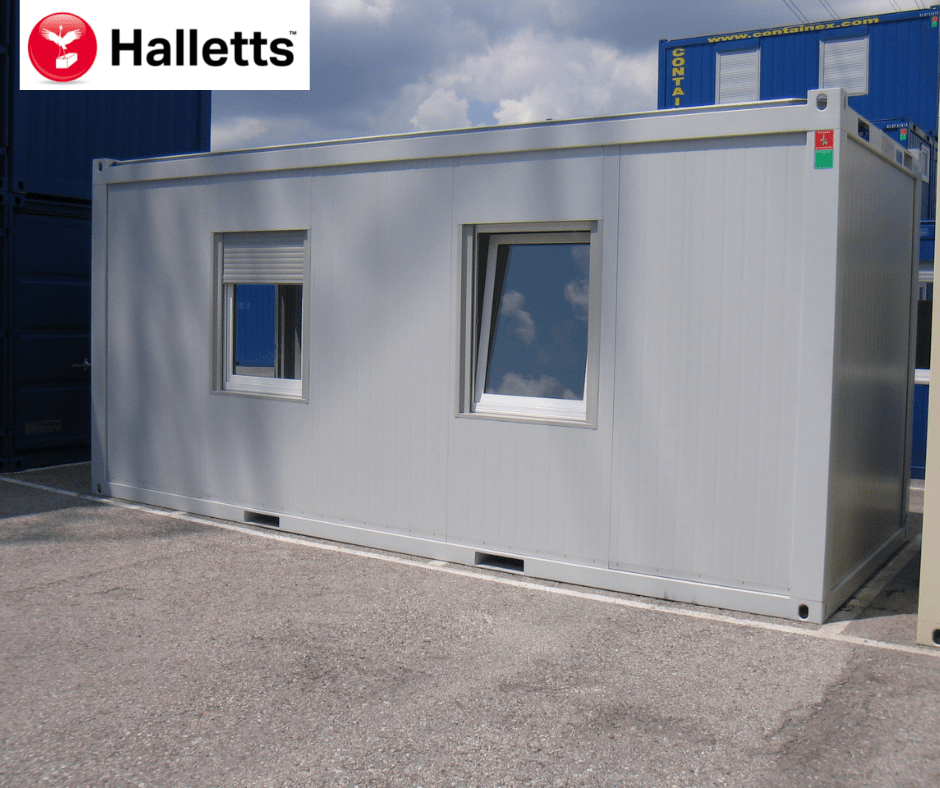
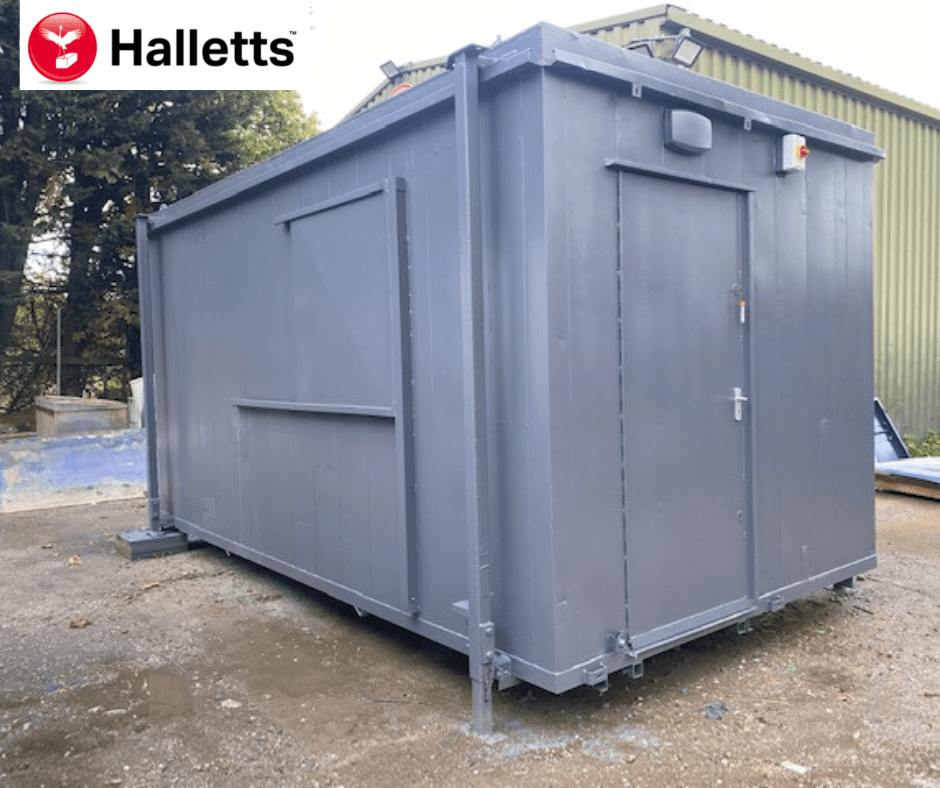
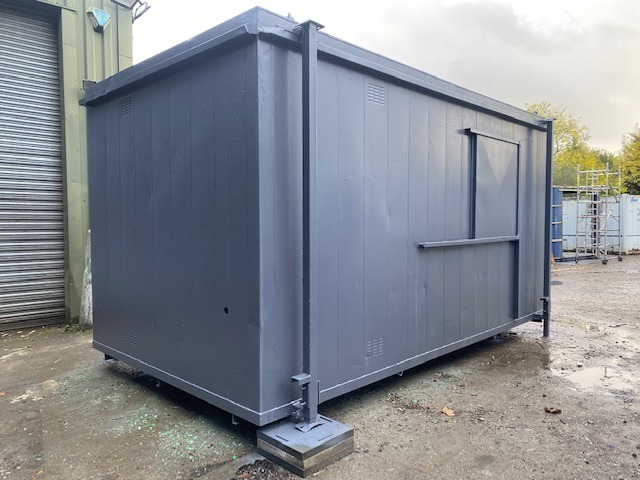
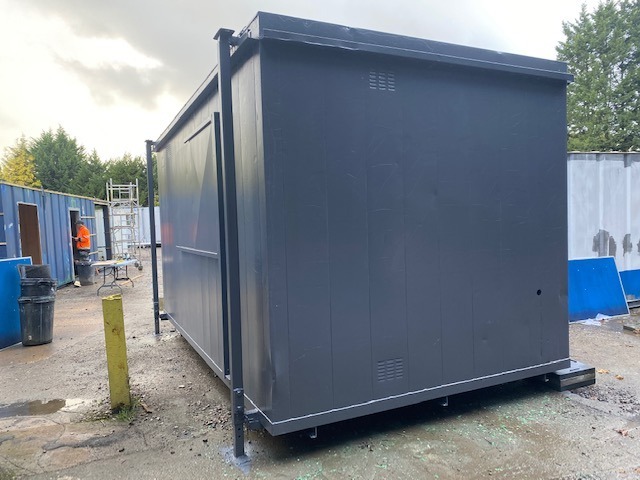
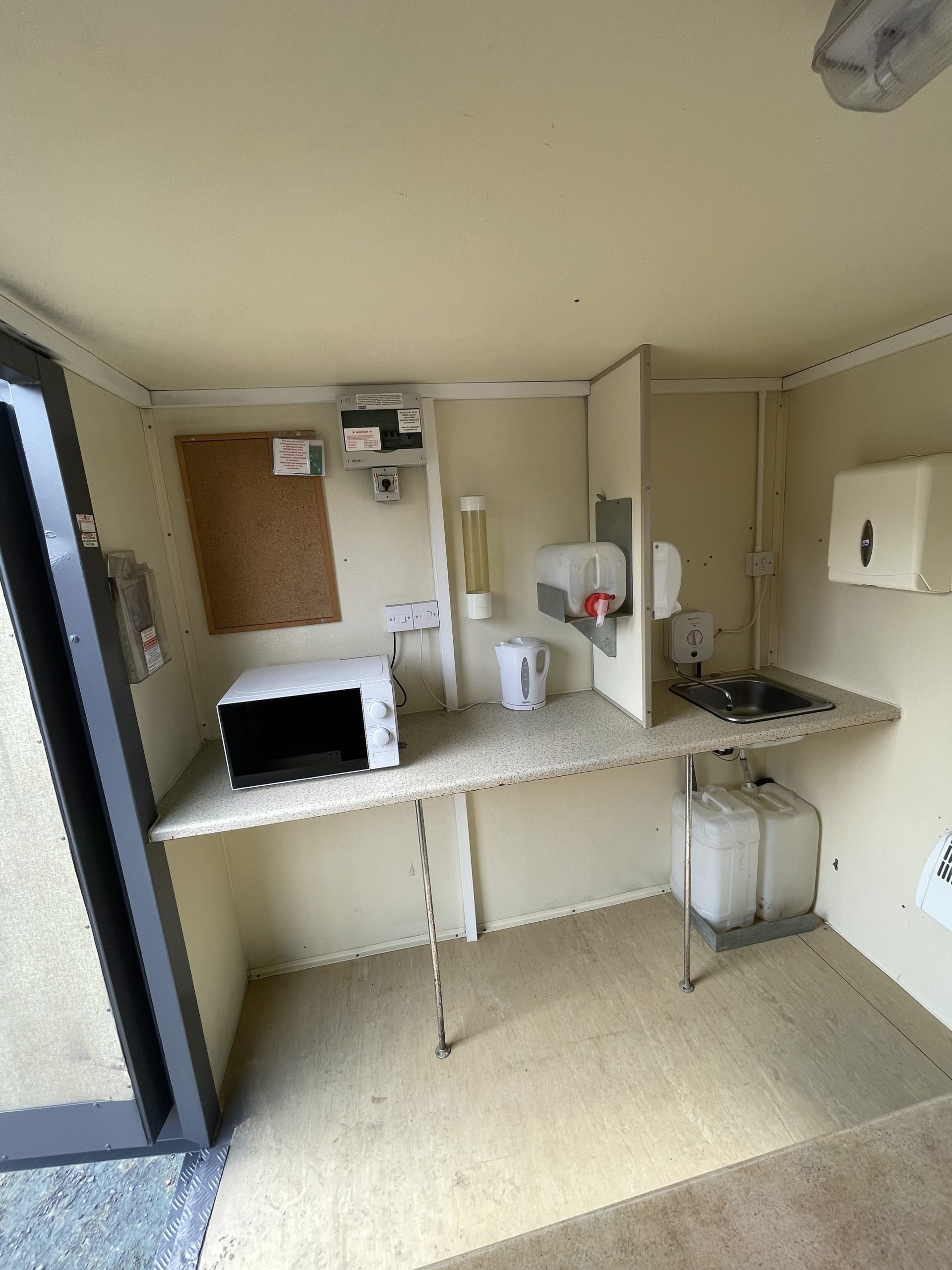
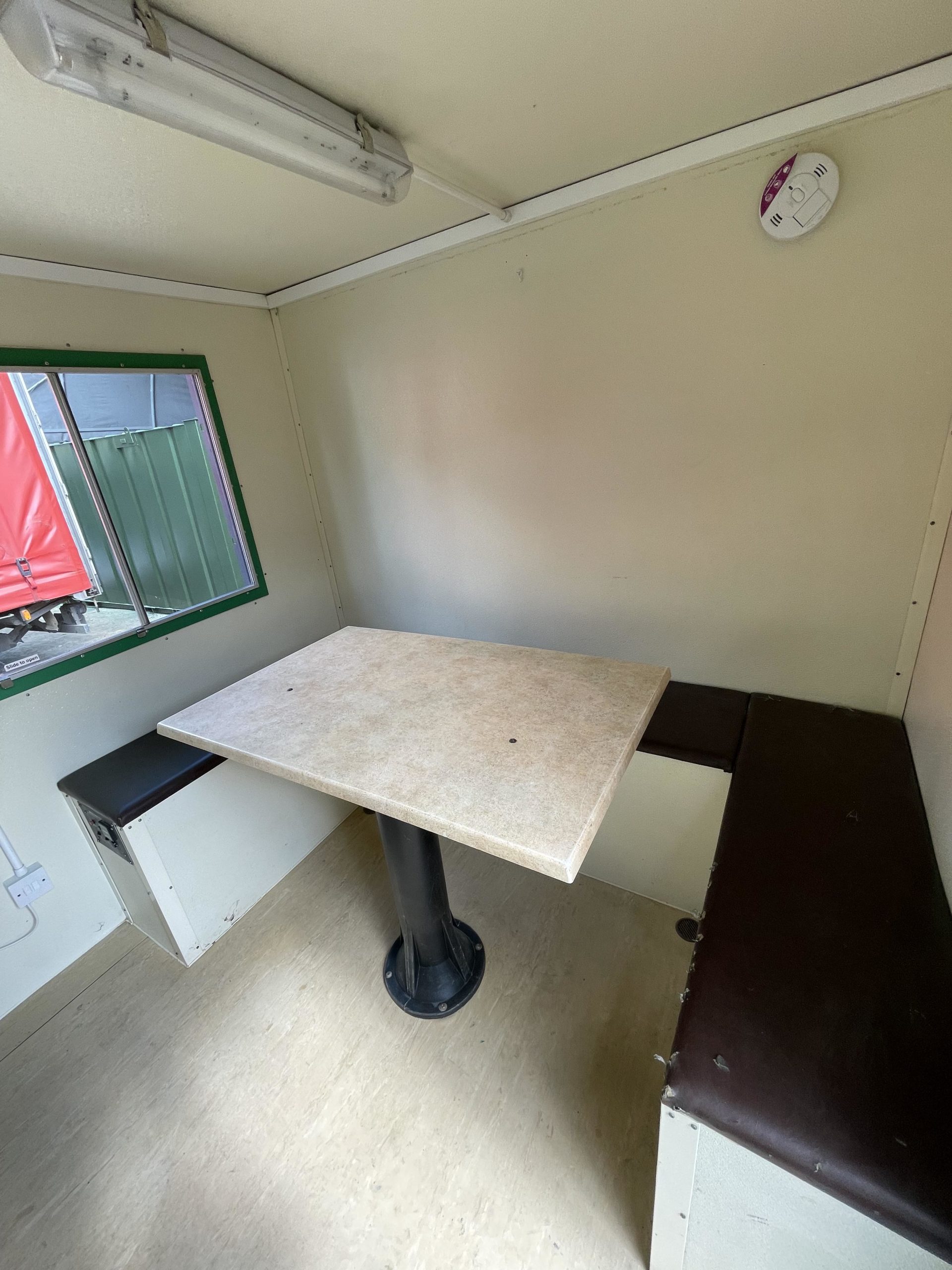
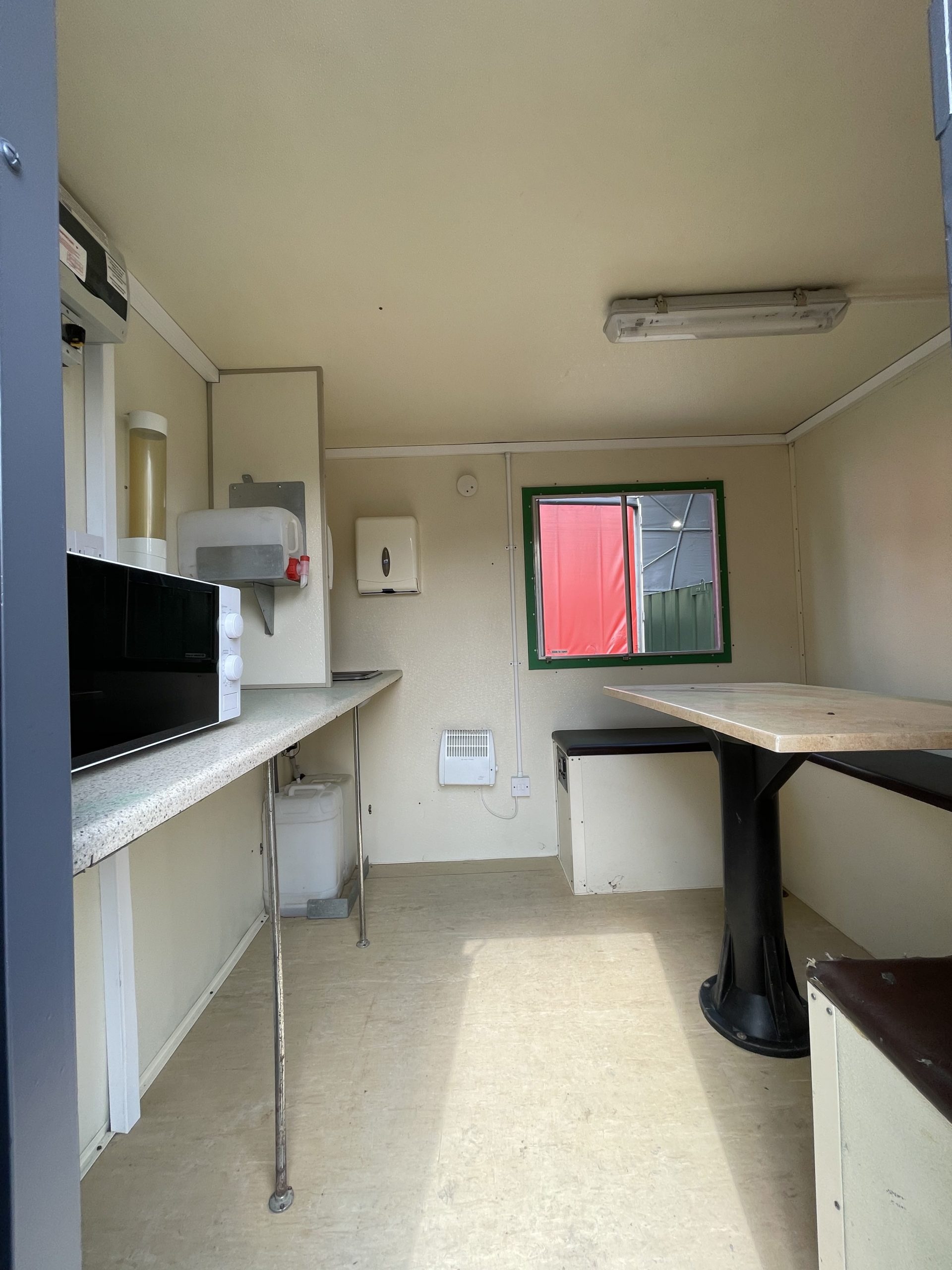
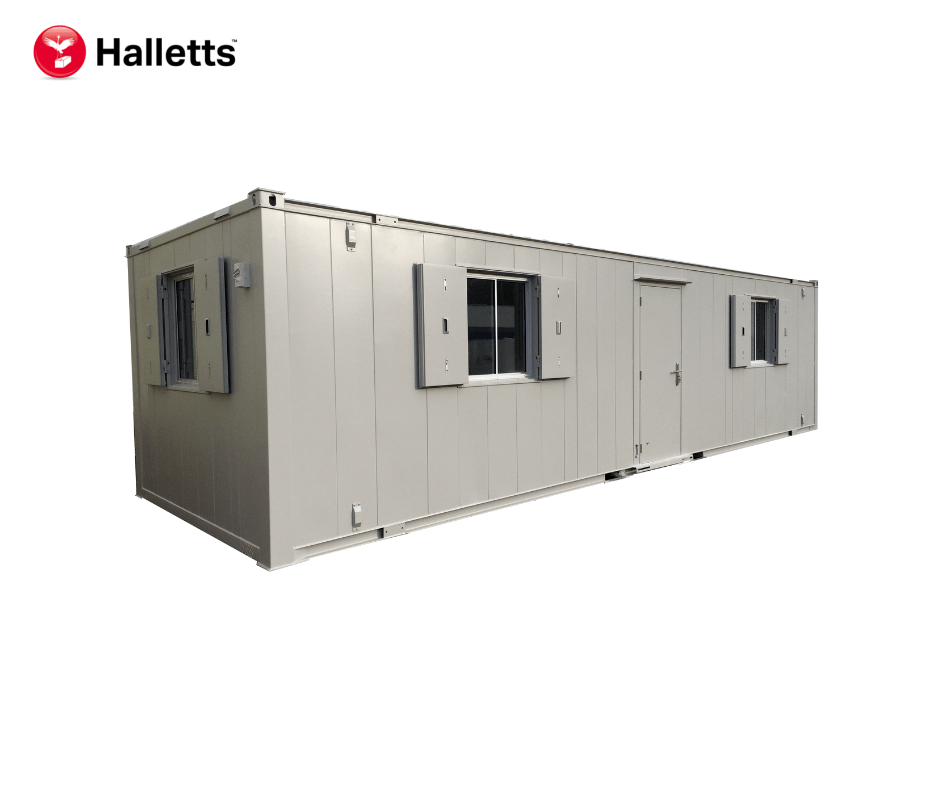
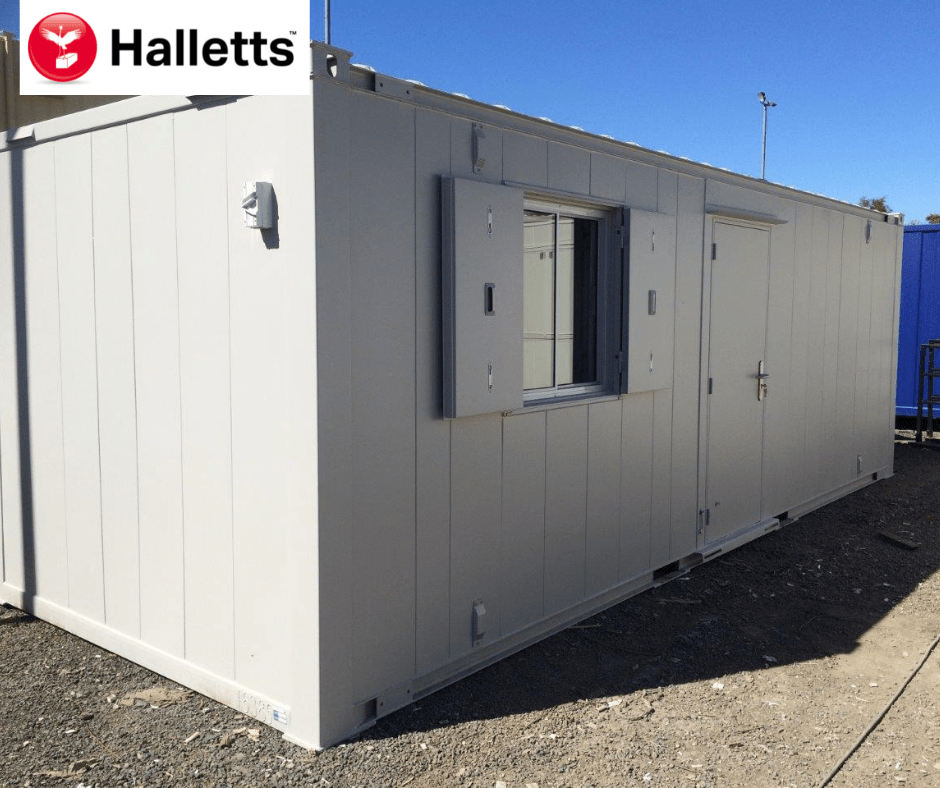
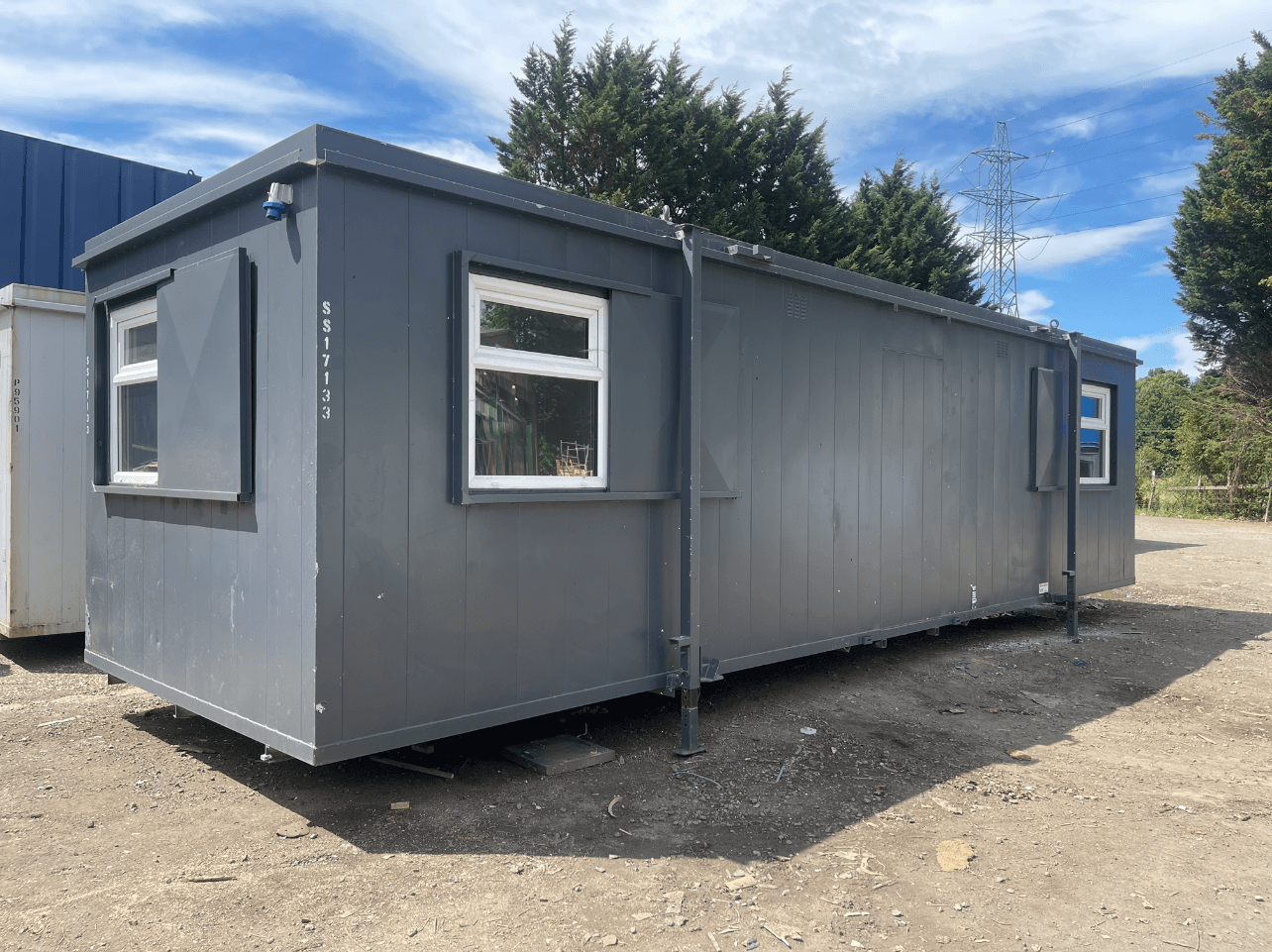
32ft x 10ft Anti Vandal Canteen/Office

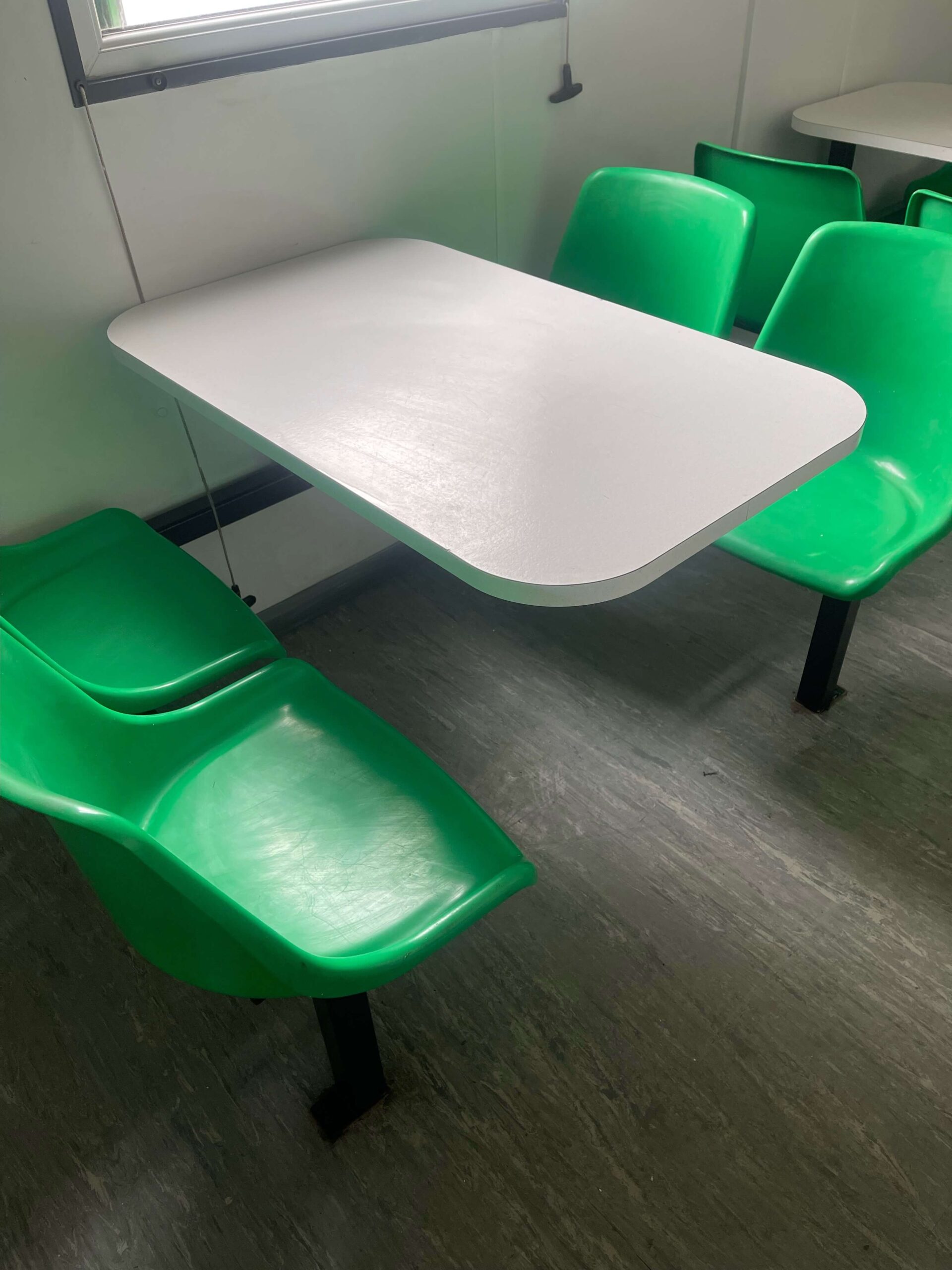
  • Complete with tables and chairs
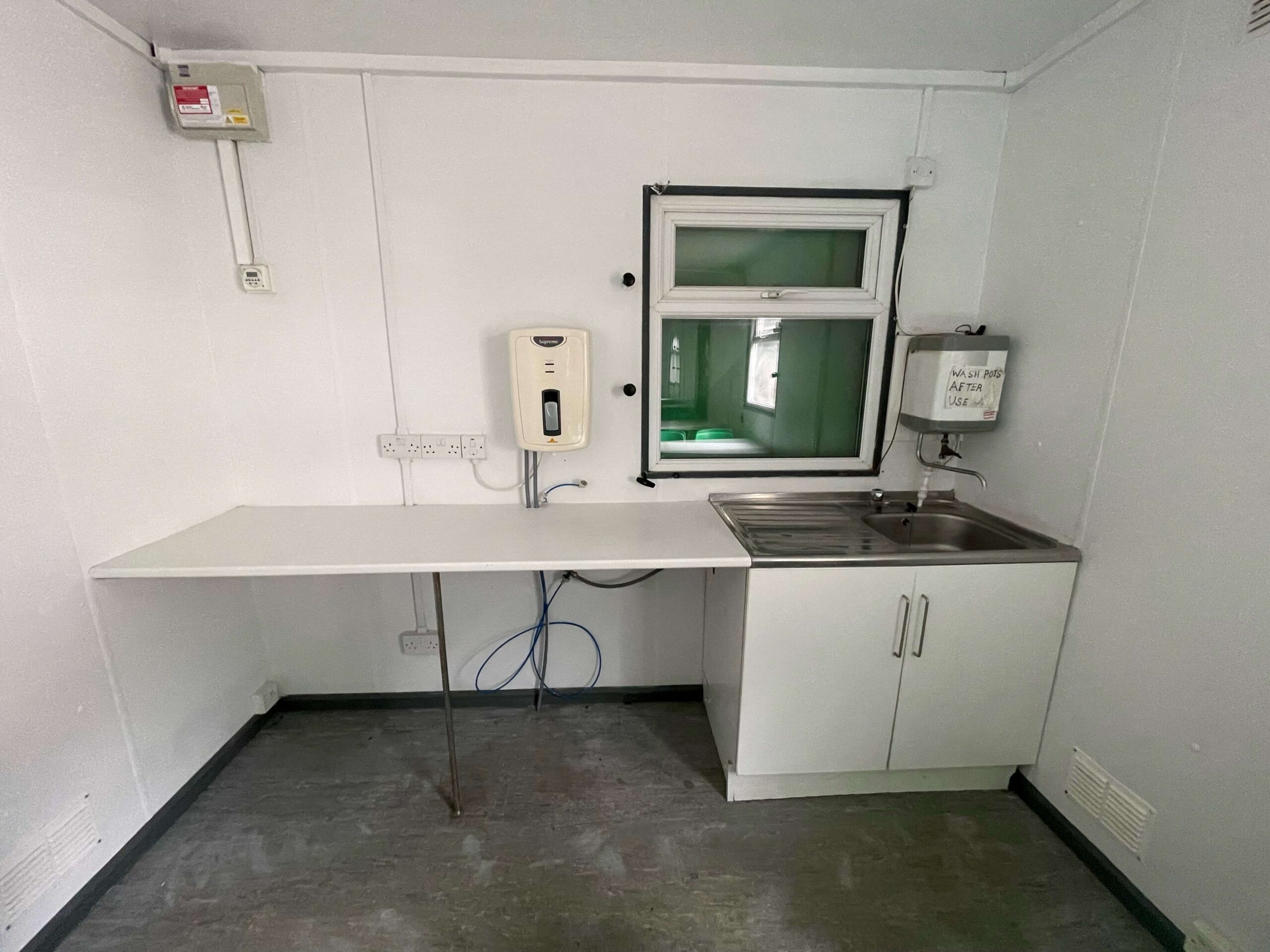
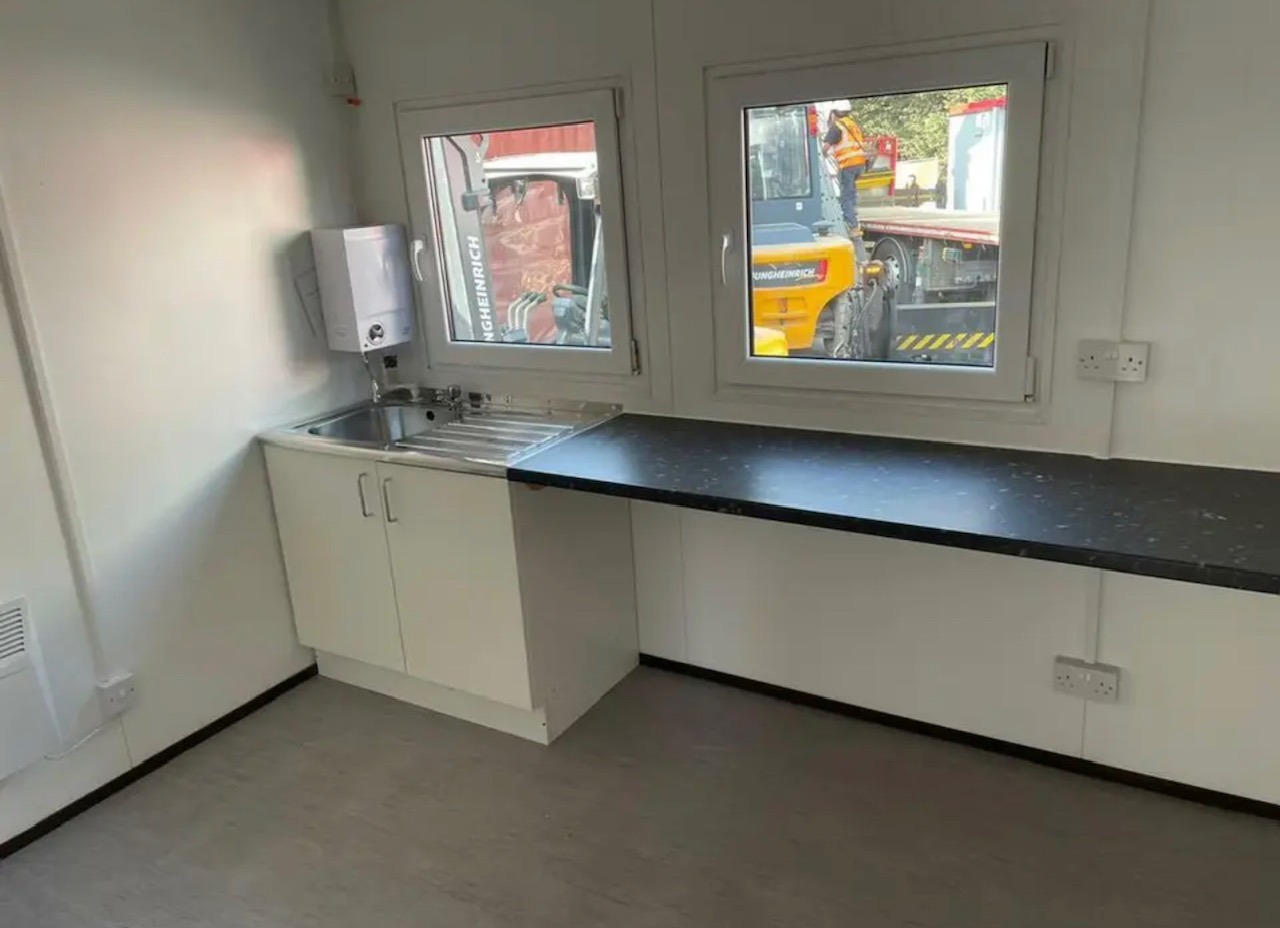
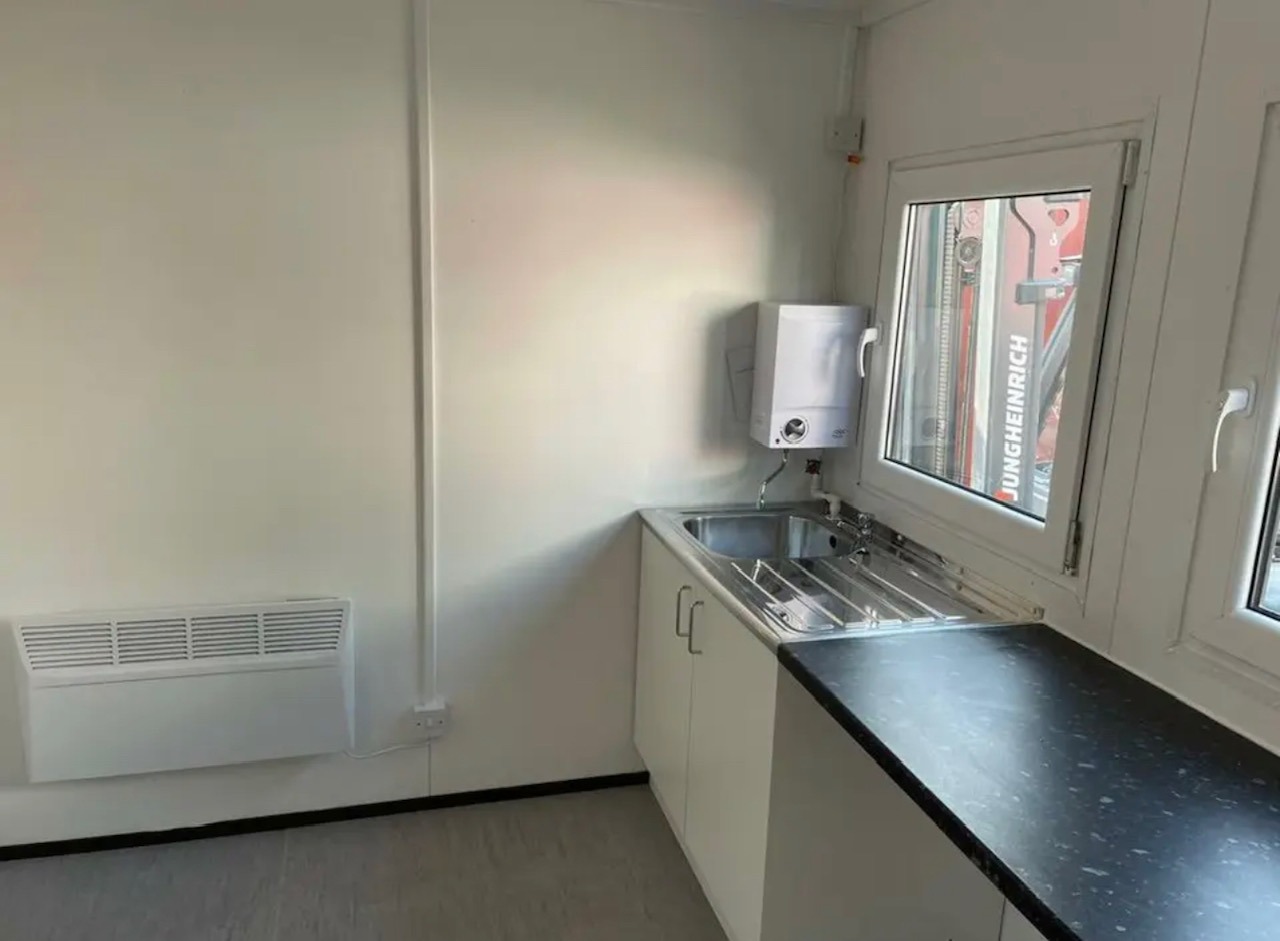
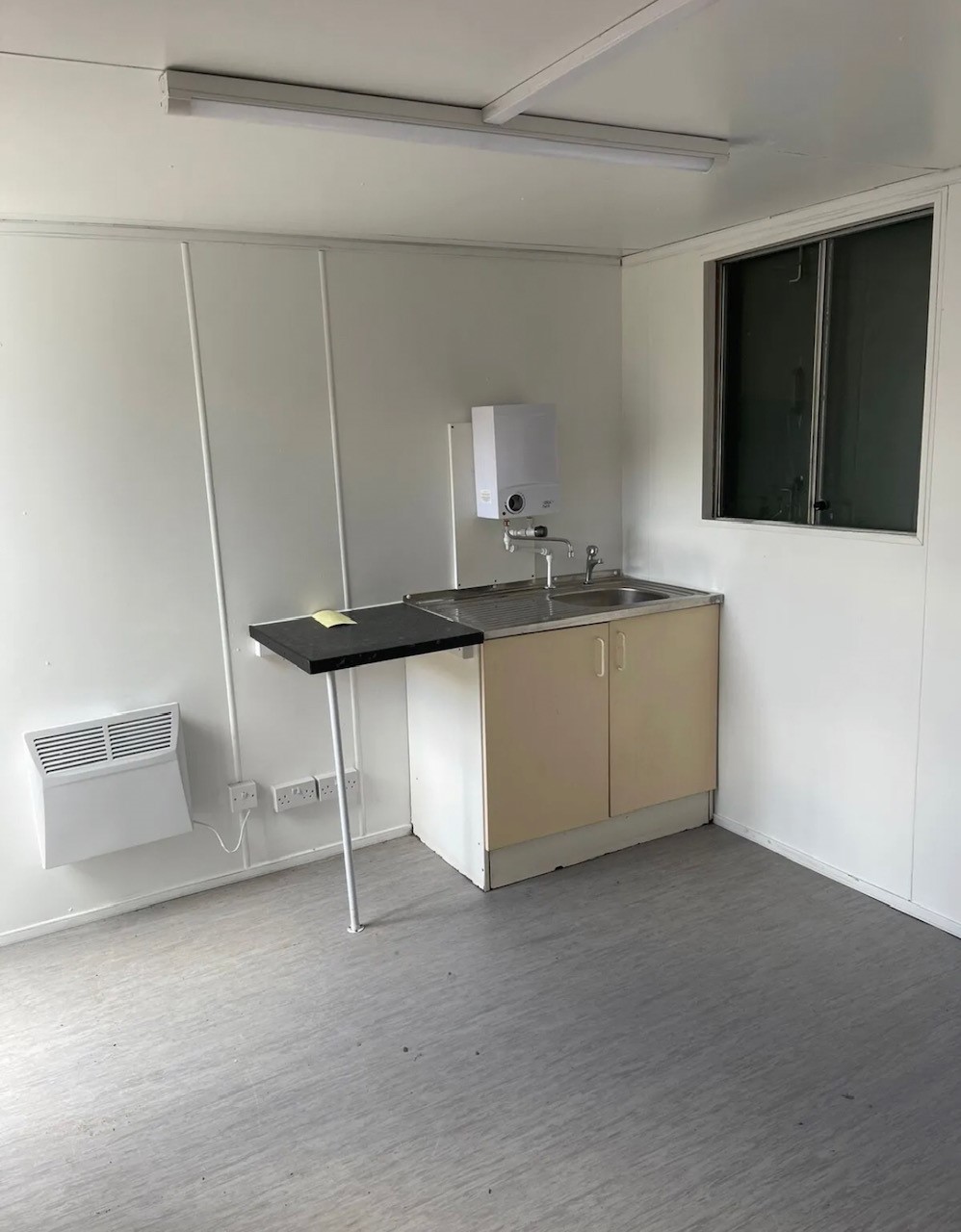
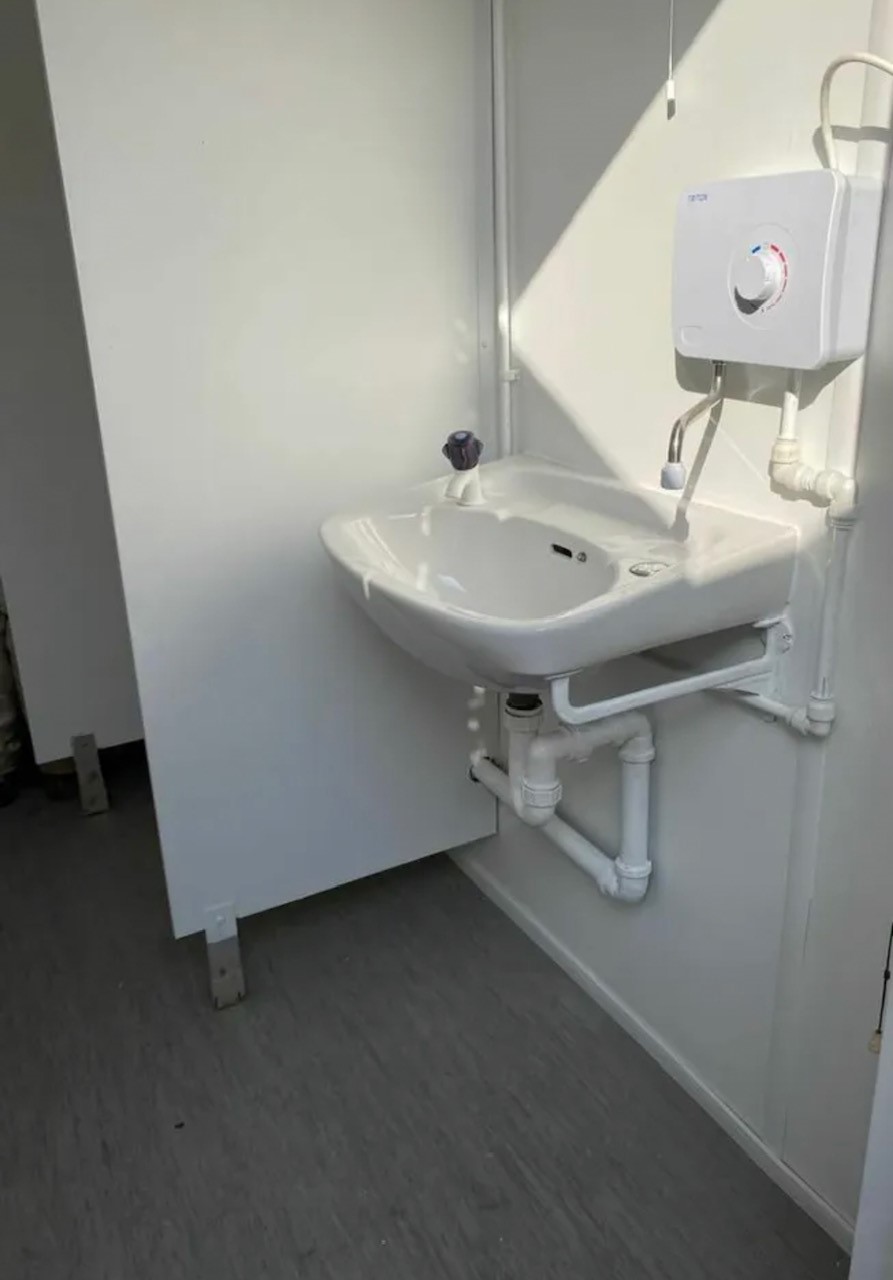
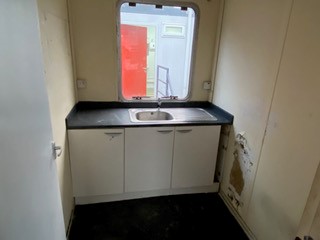
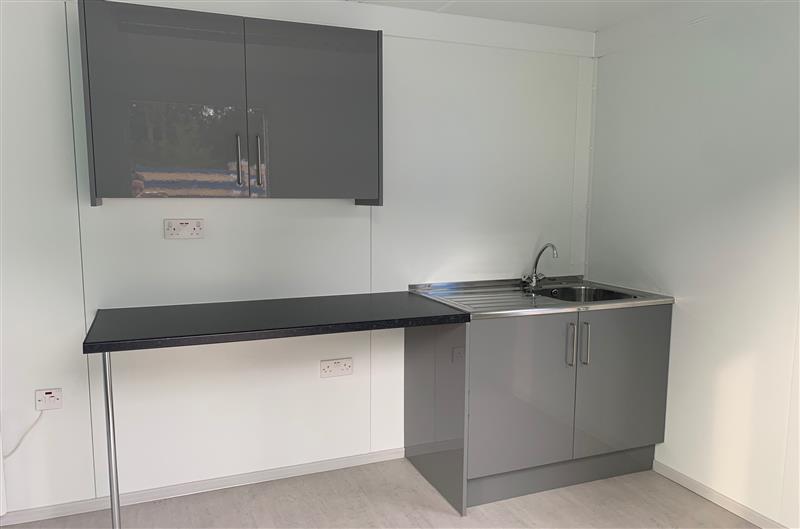
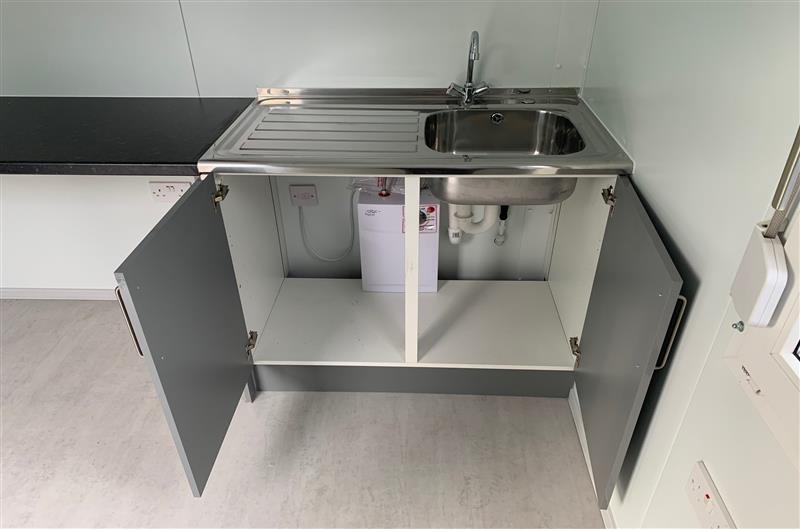
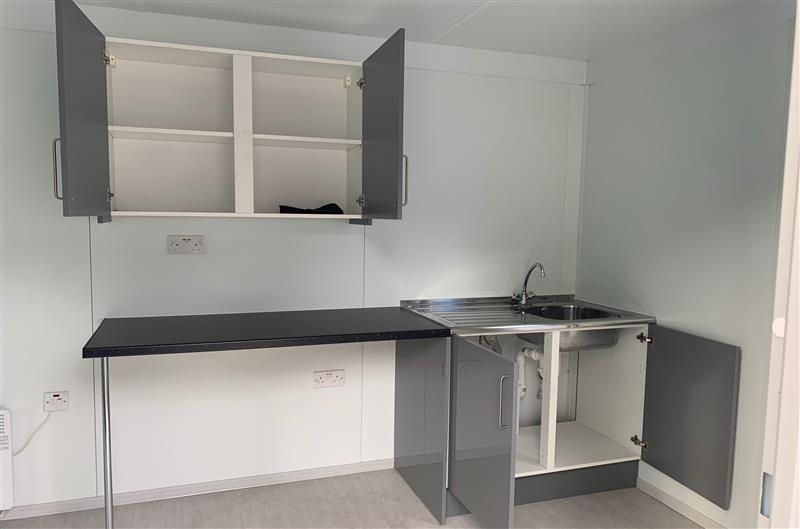
  • Kitchen with sink worktop, cupboard and water heater
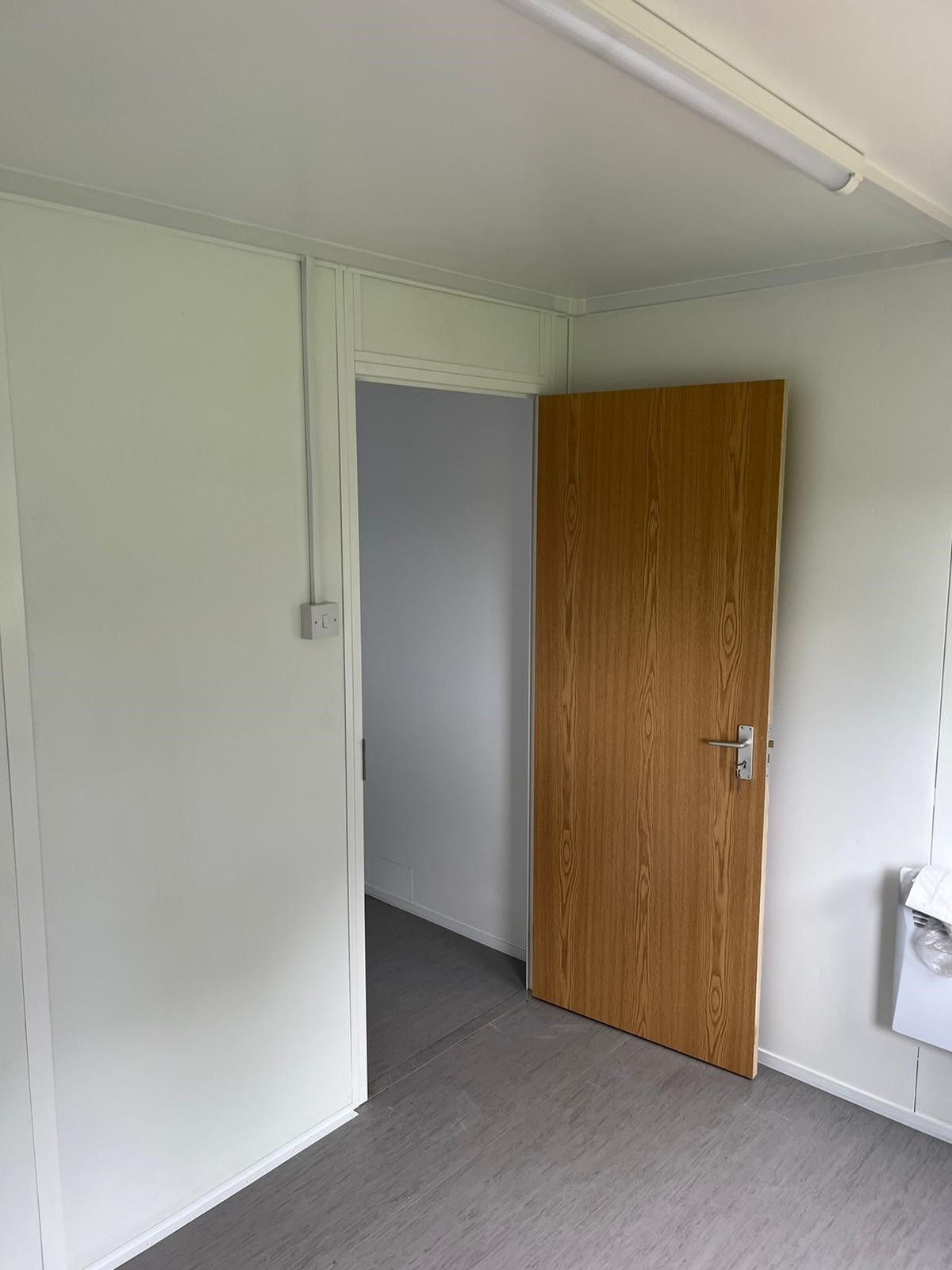
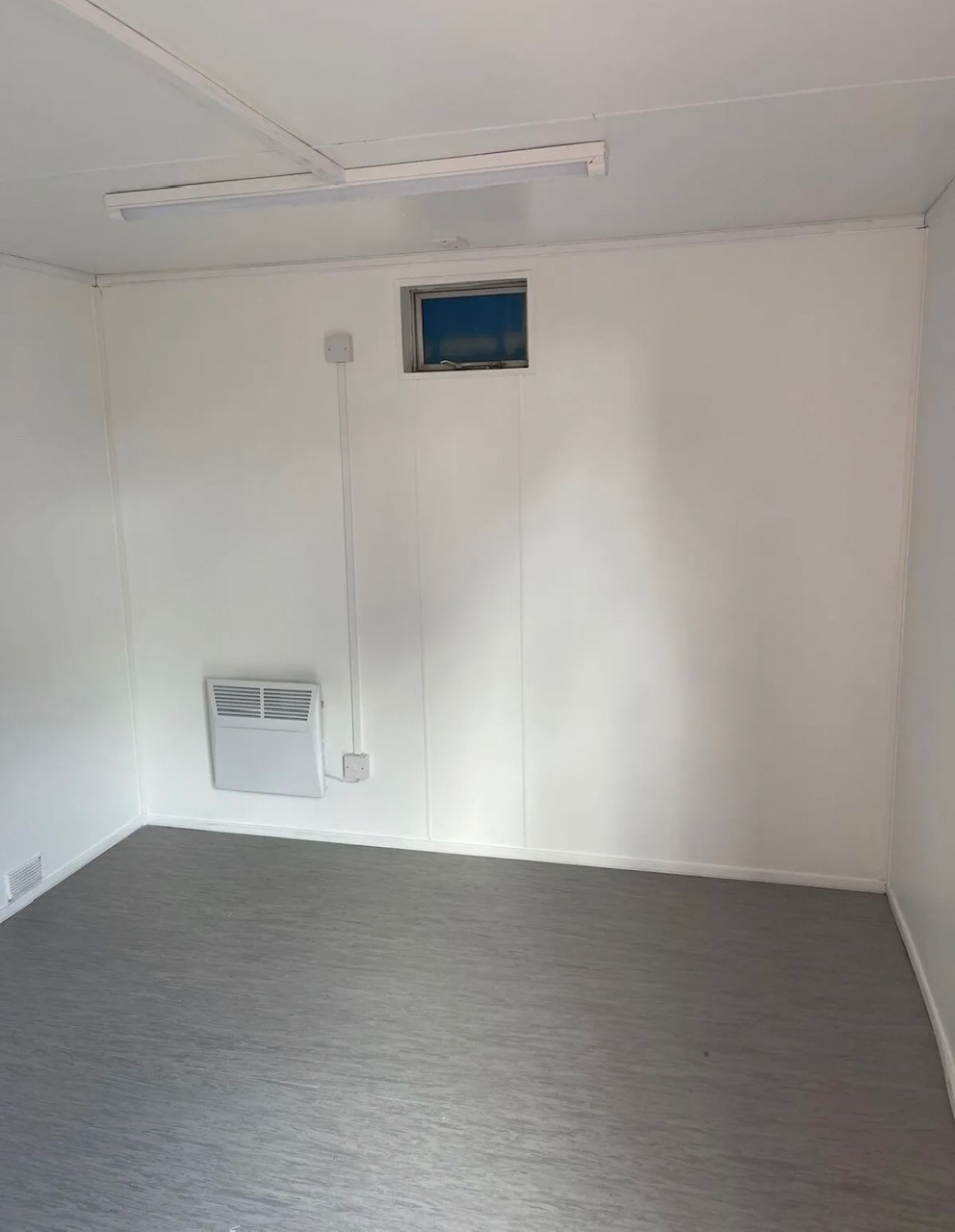
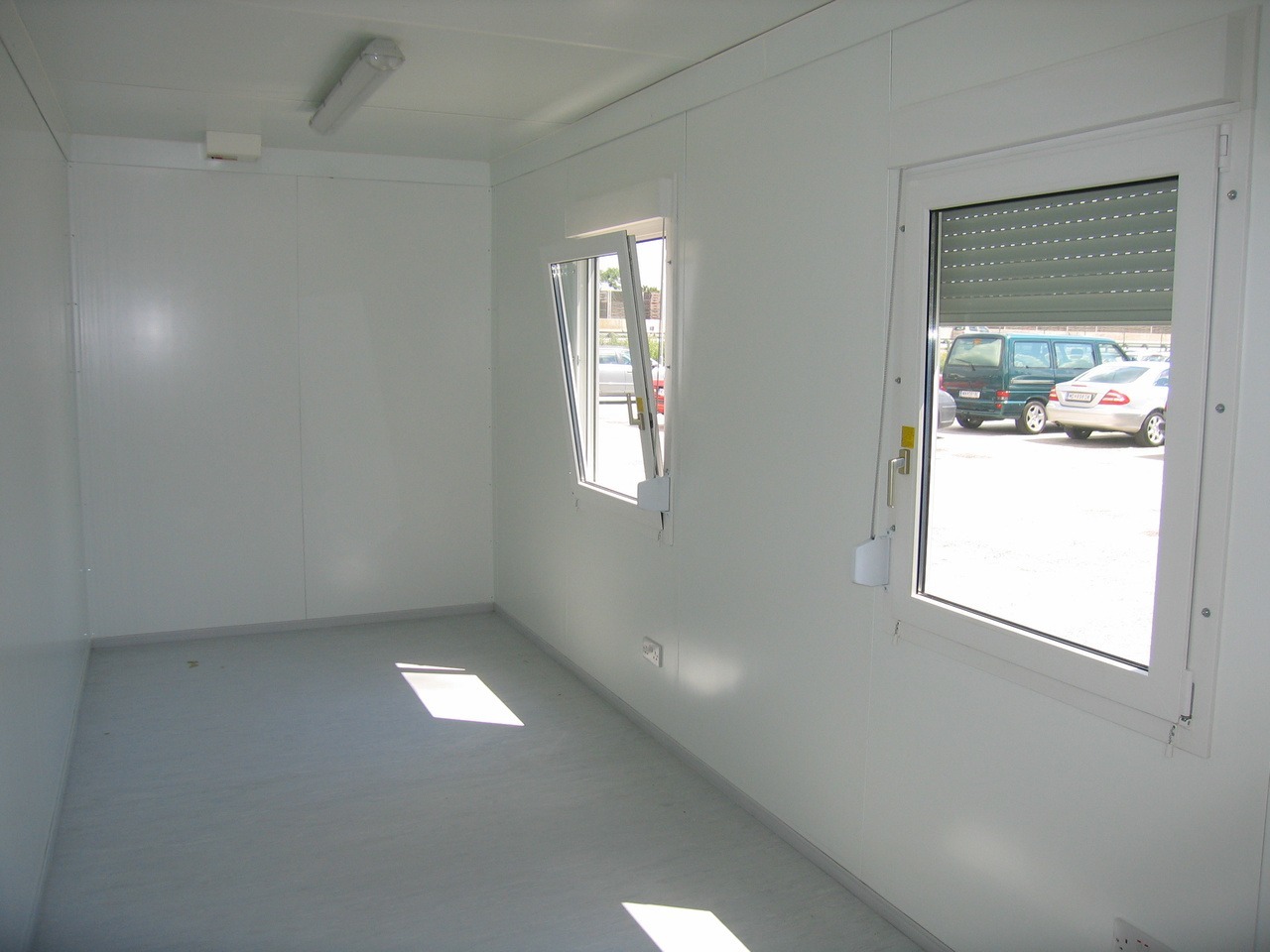
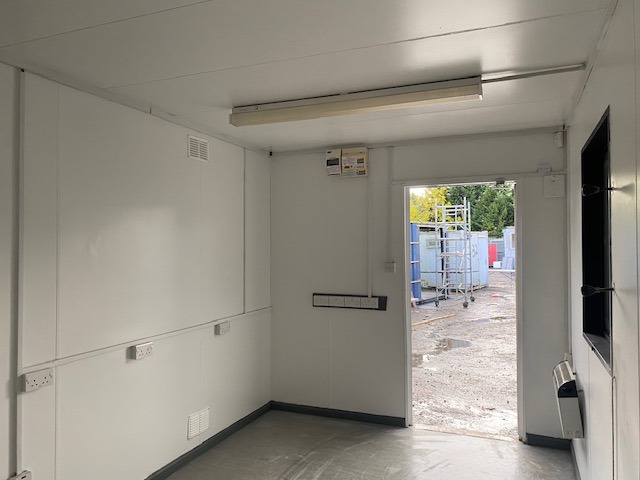
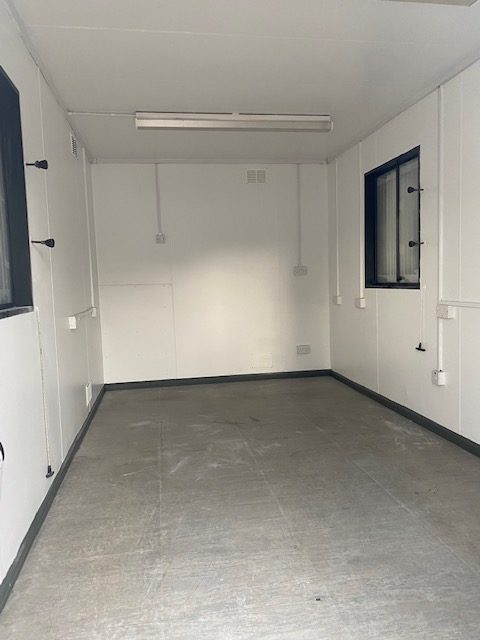
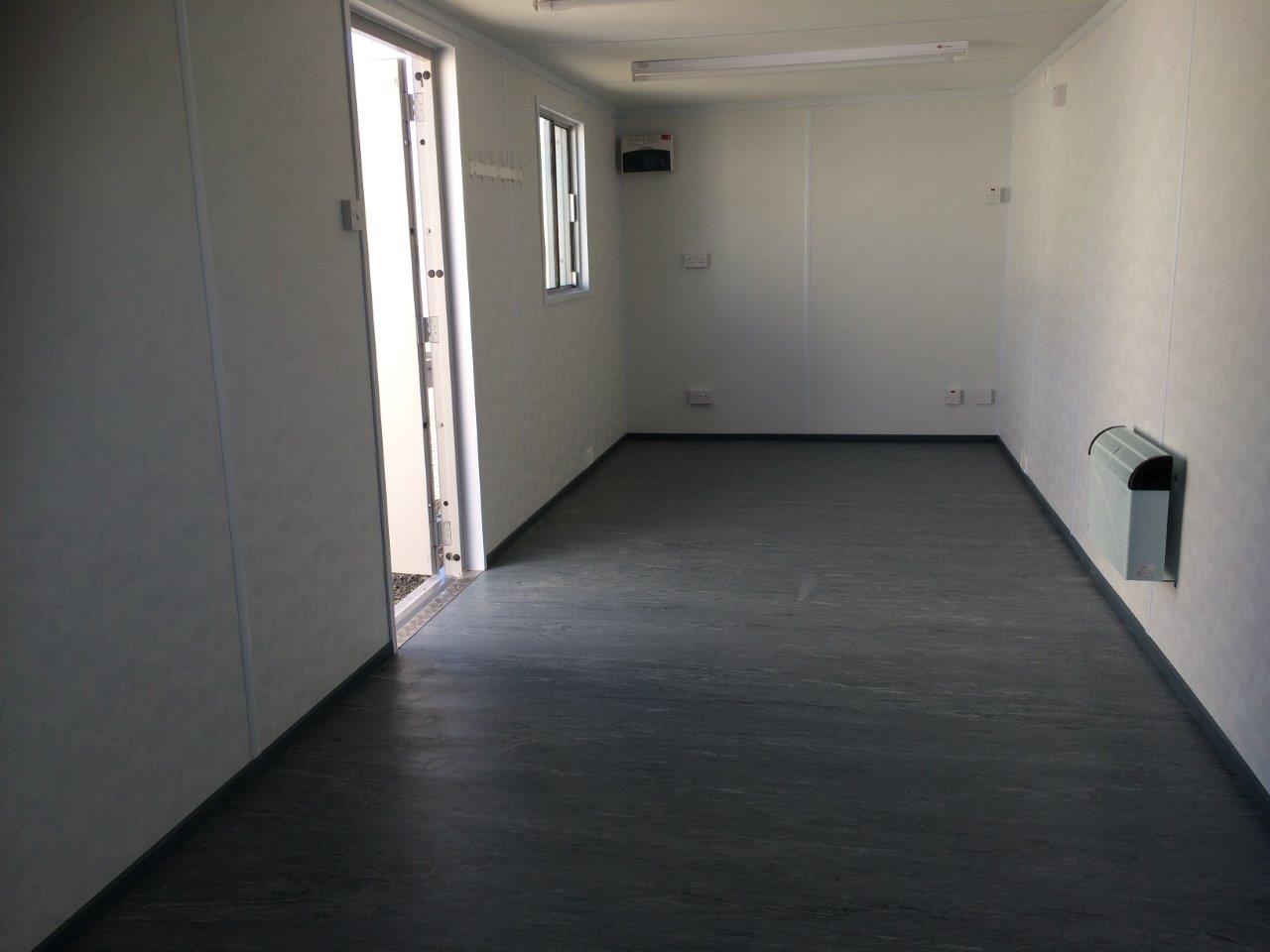
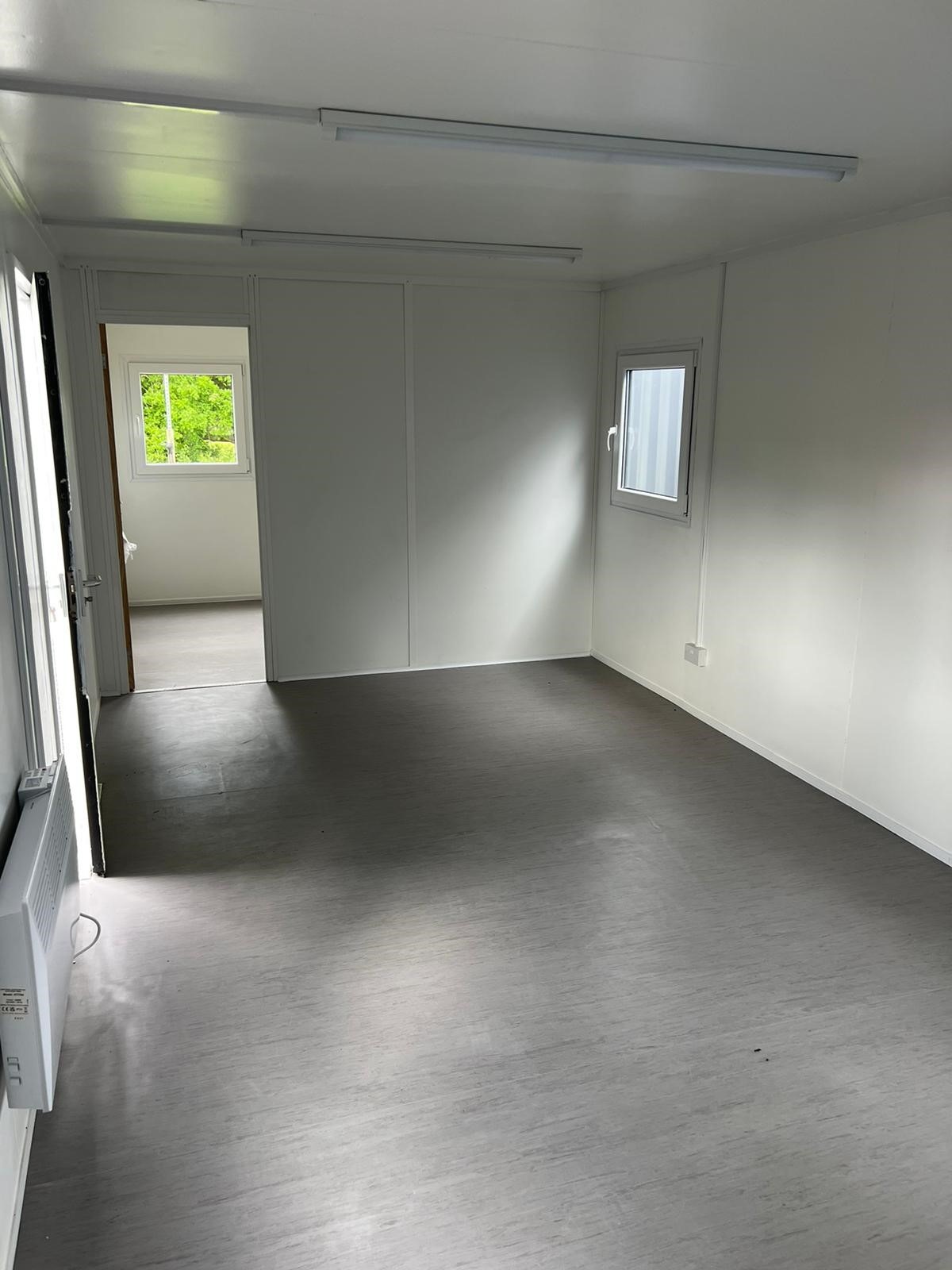
  • Insulated with electric sockets, lighting and heating
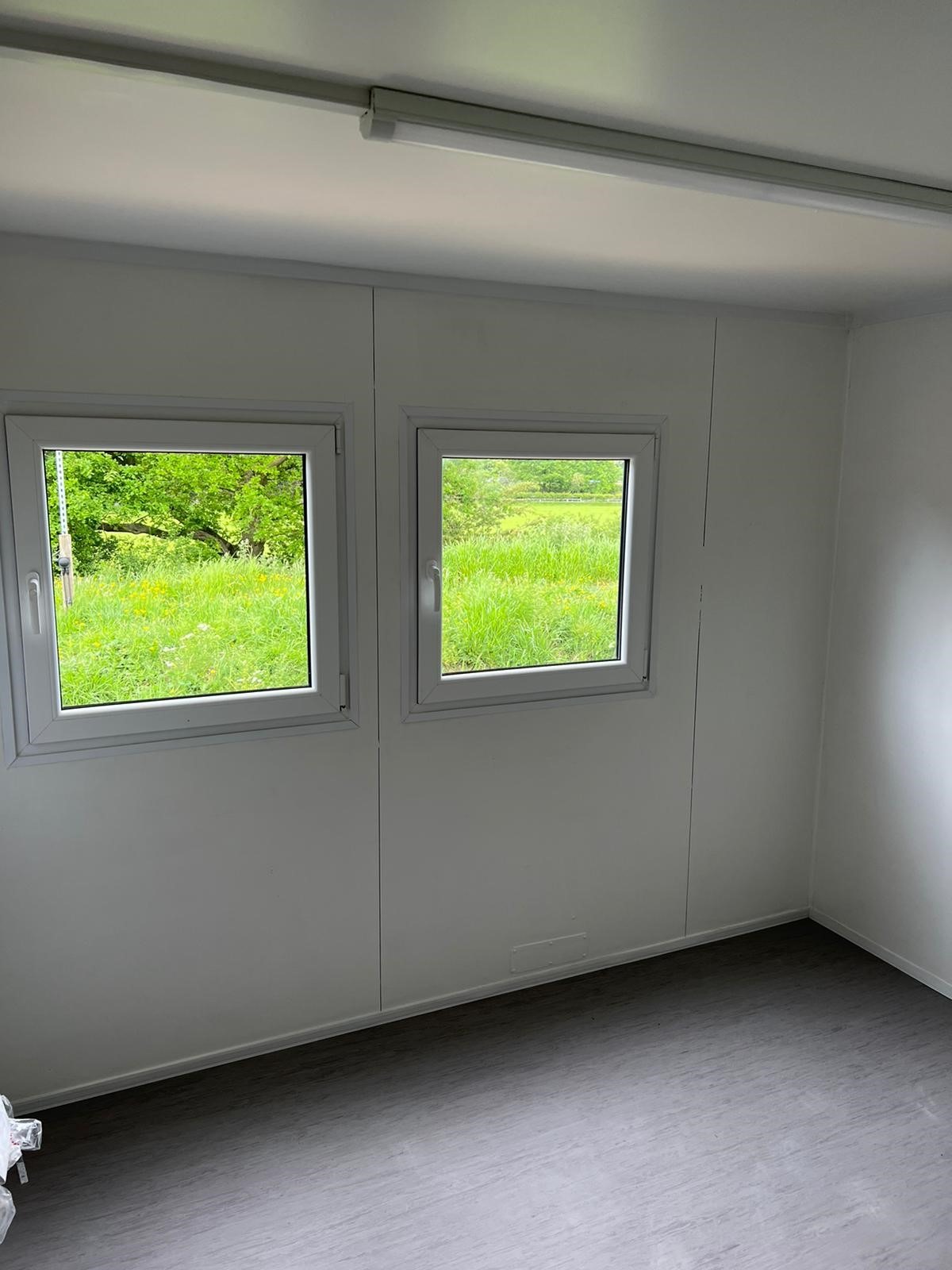
  • White upvc double glazing
  • External re spray in dark grey

Location: Nationwide

£6,500 + vat

Not Available for Hire

We can deliver for a cost please ask and send us post code.

Call for an instant quote!

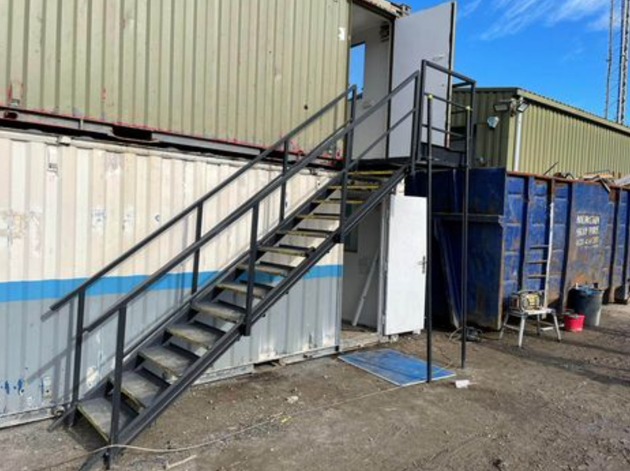
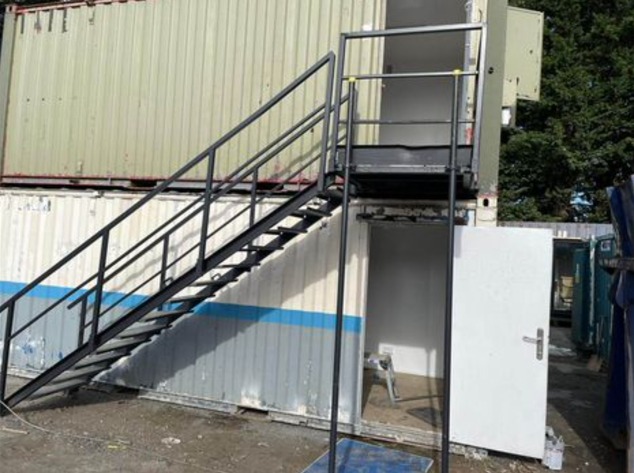
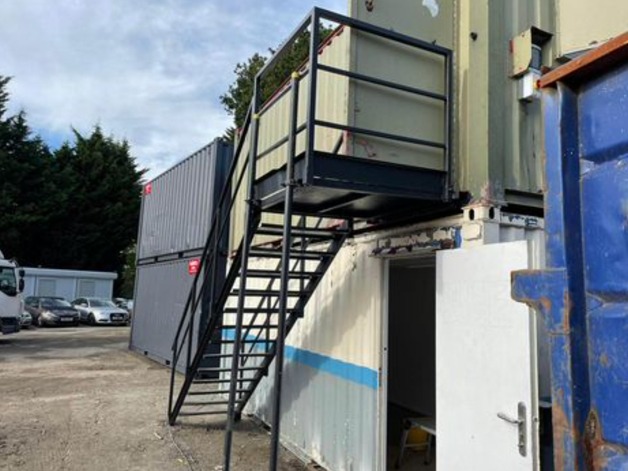
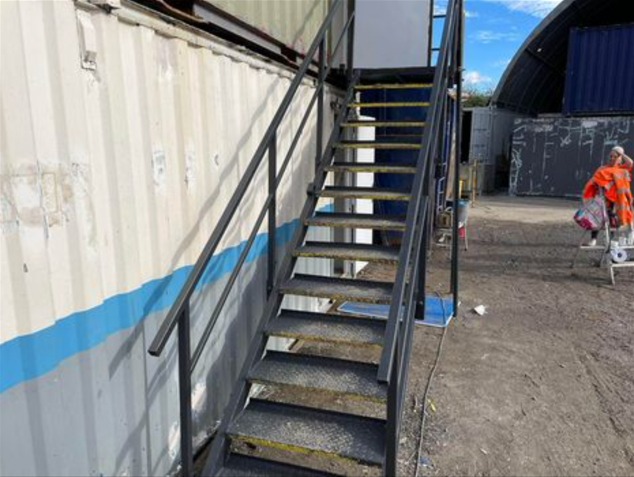
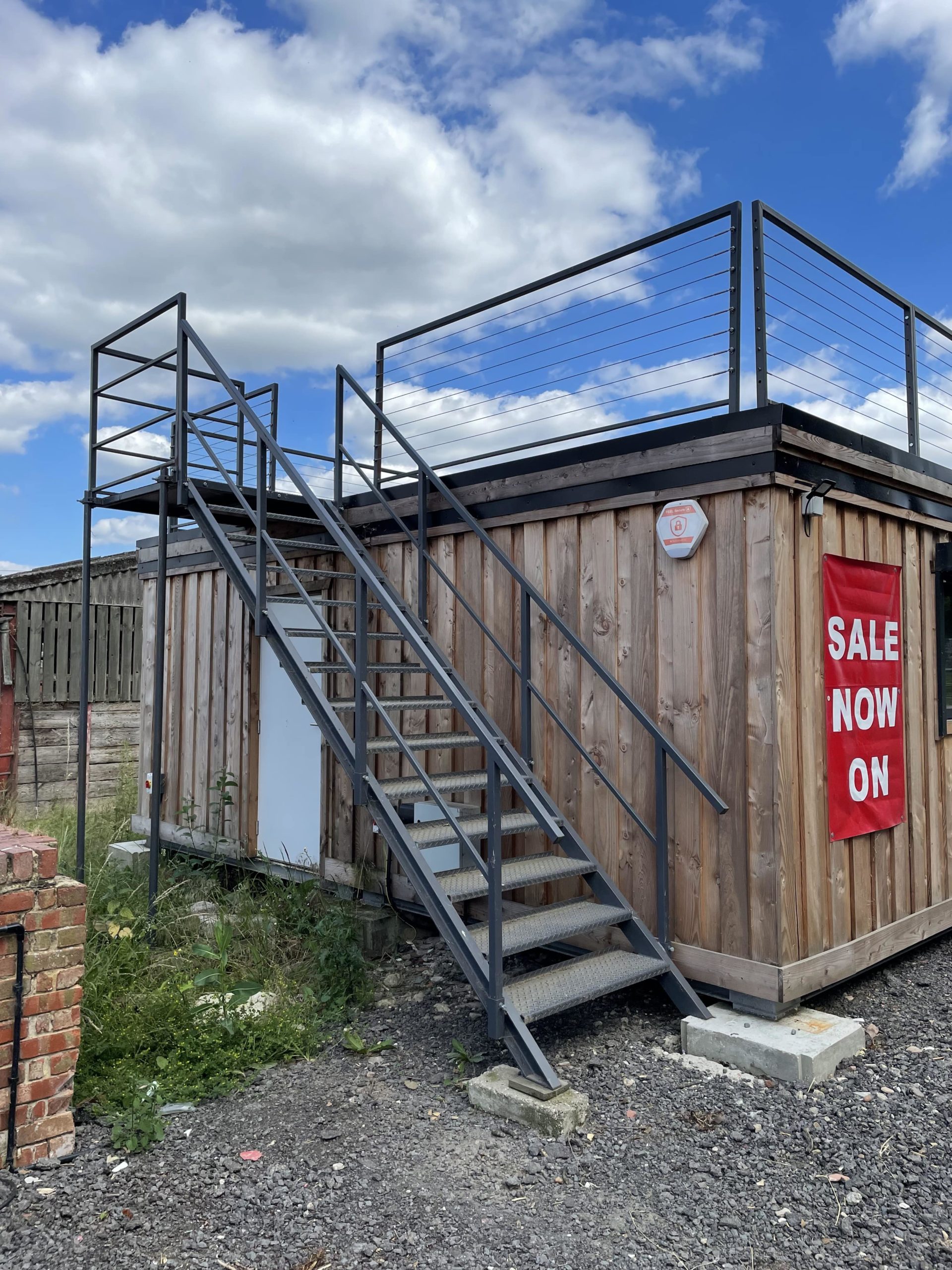
Steel Cabin Staircases, in various sizes

  • 13 tread

  • 14 tread

  • 15 tread

Location: Nationwide

£1,200.00 + vat

Not Available for Hire

Call for an instant quote!

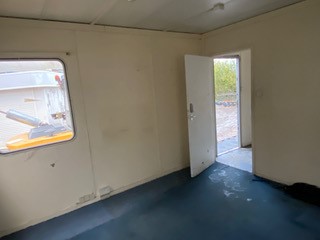
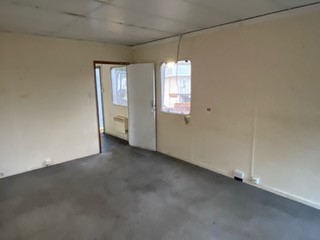
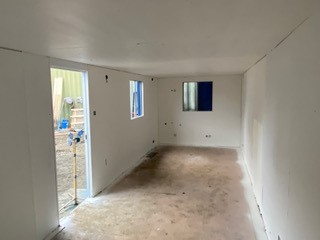
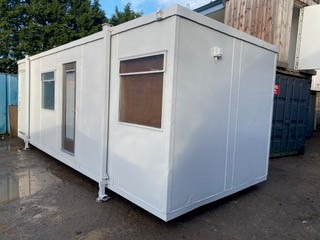
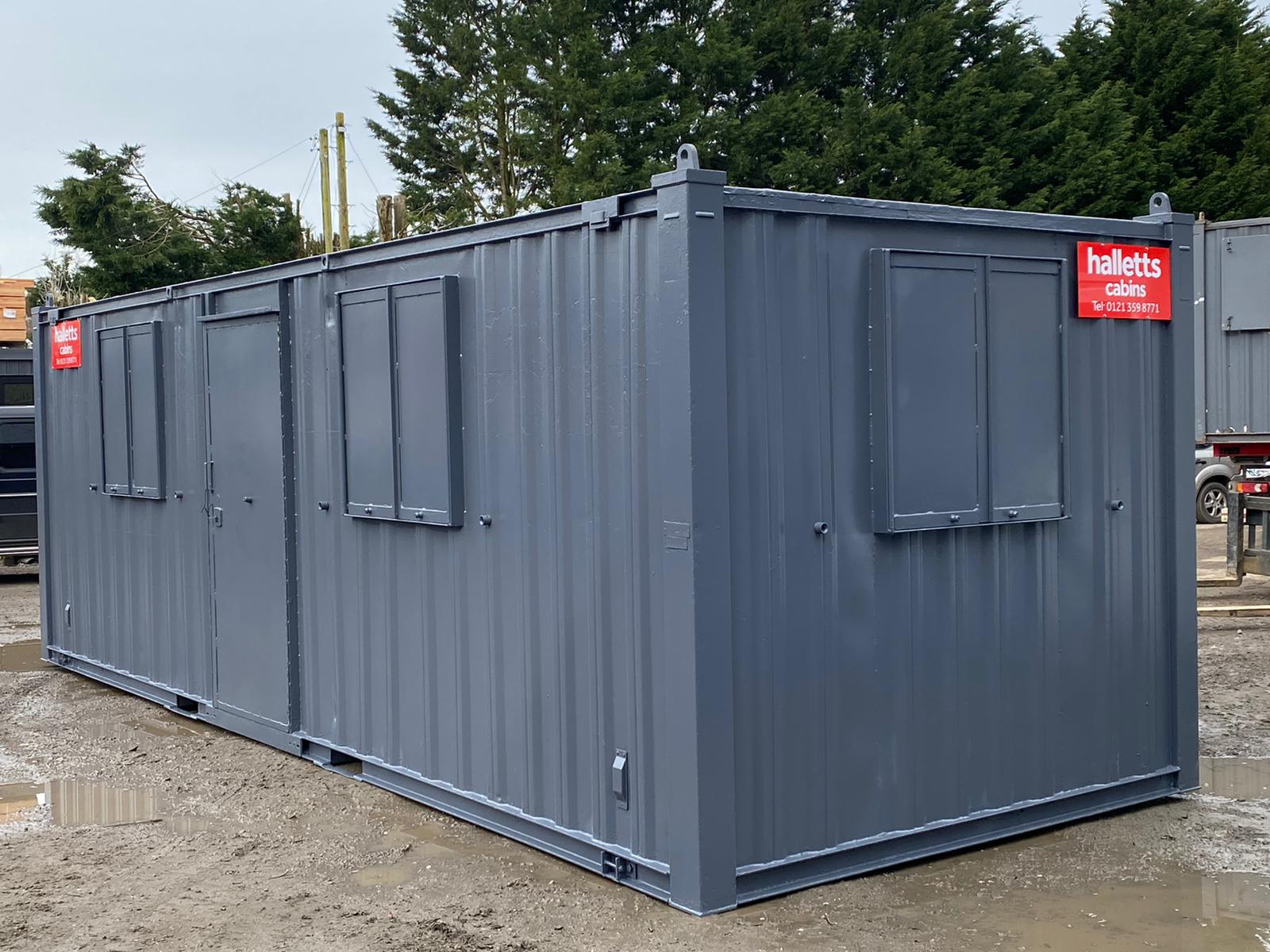
32ft x 10ft Anti Vandal Canteen/Office

    • Price: £5,995 + VAT
    • Description: 32ft x 10ft Anti Vandal Canteen/Office
  Part refurbished including:
  • Electric sockets, lighting and heating
  • White upvc double glazing
  • Canteen
  • Open plan
  • External light grey re spray

Location: Nationwide

£5,995 + vat

Not Available for Hire

We can deliver for a cost please ask and send us post code.

Call for an instant quote!

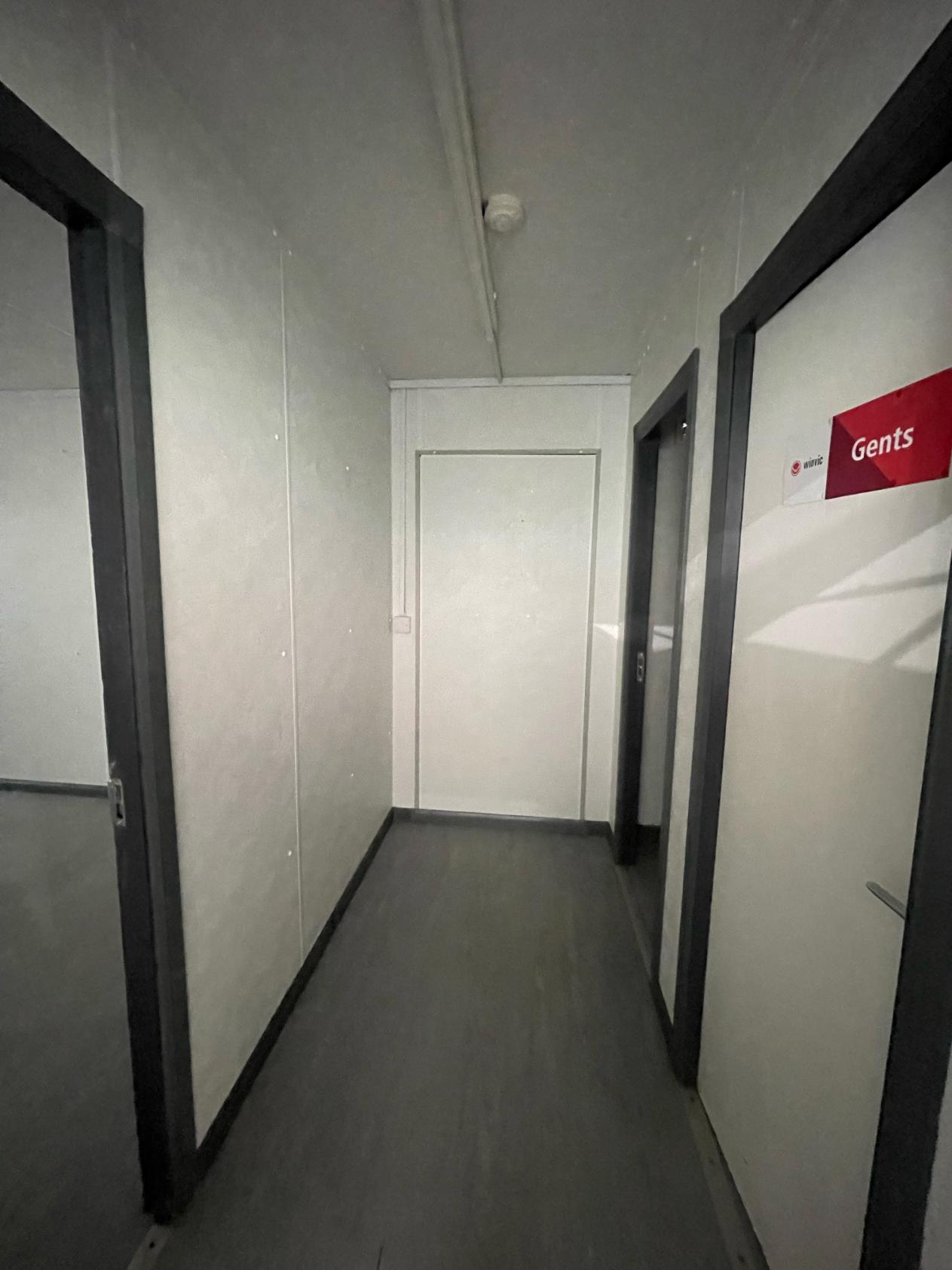
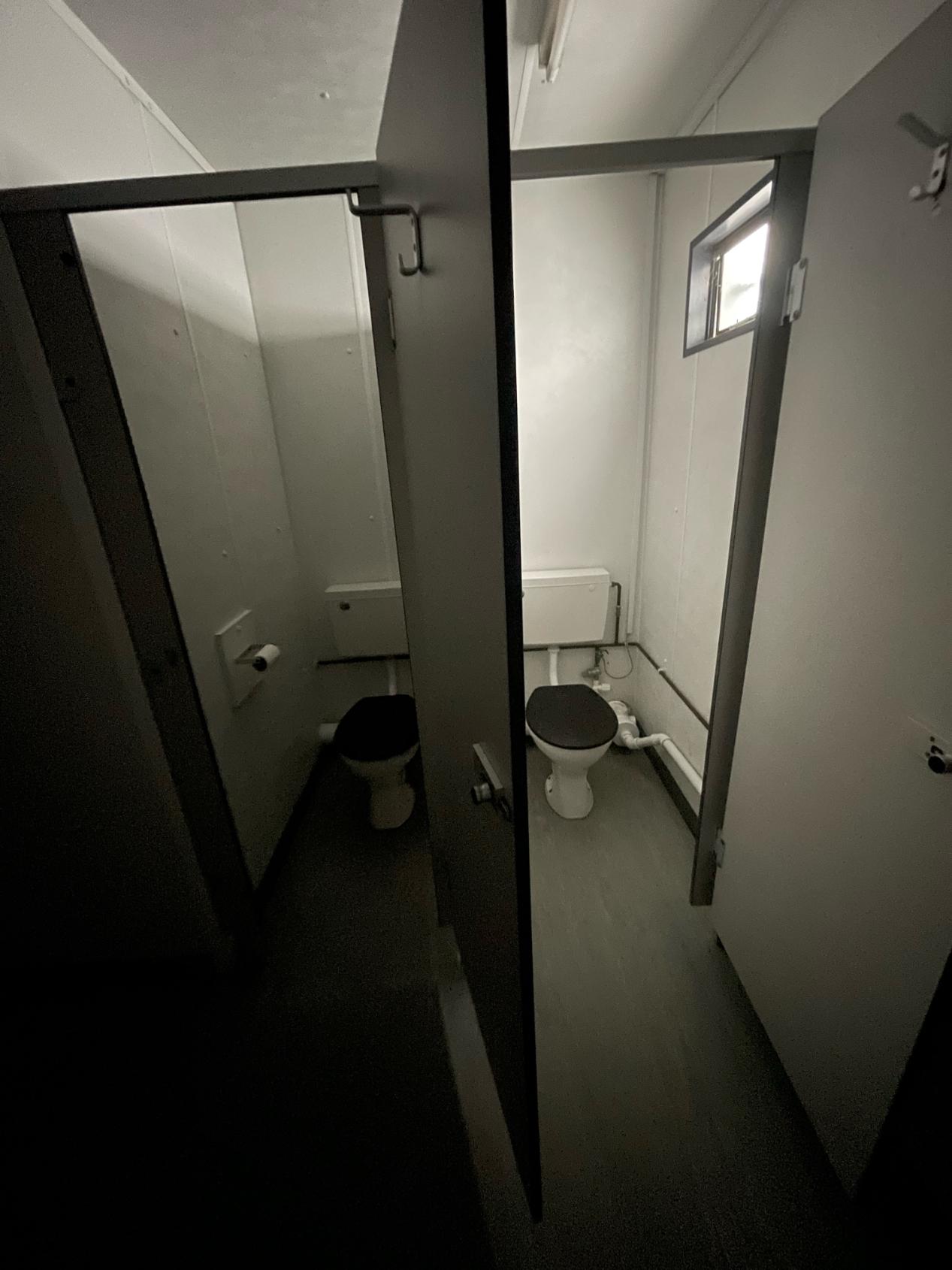
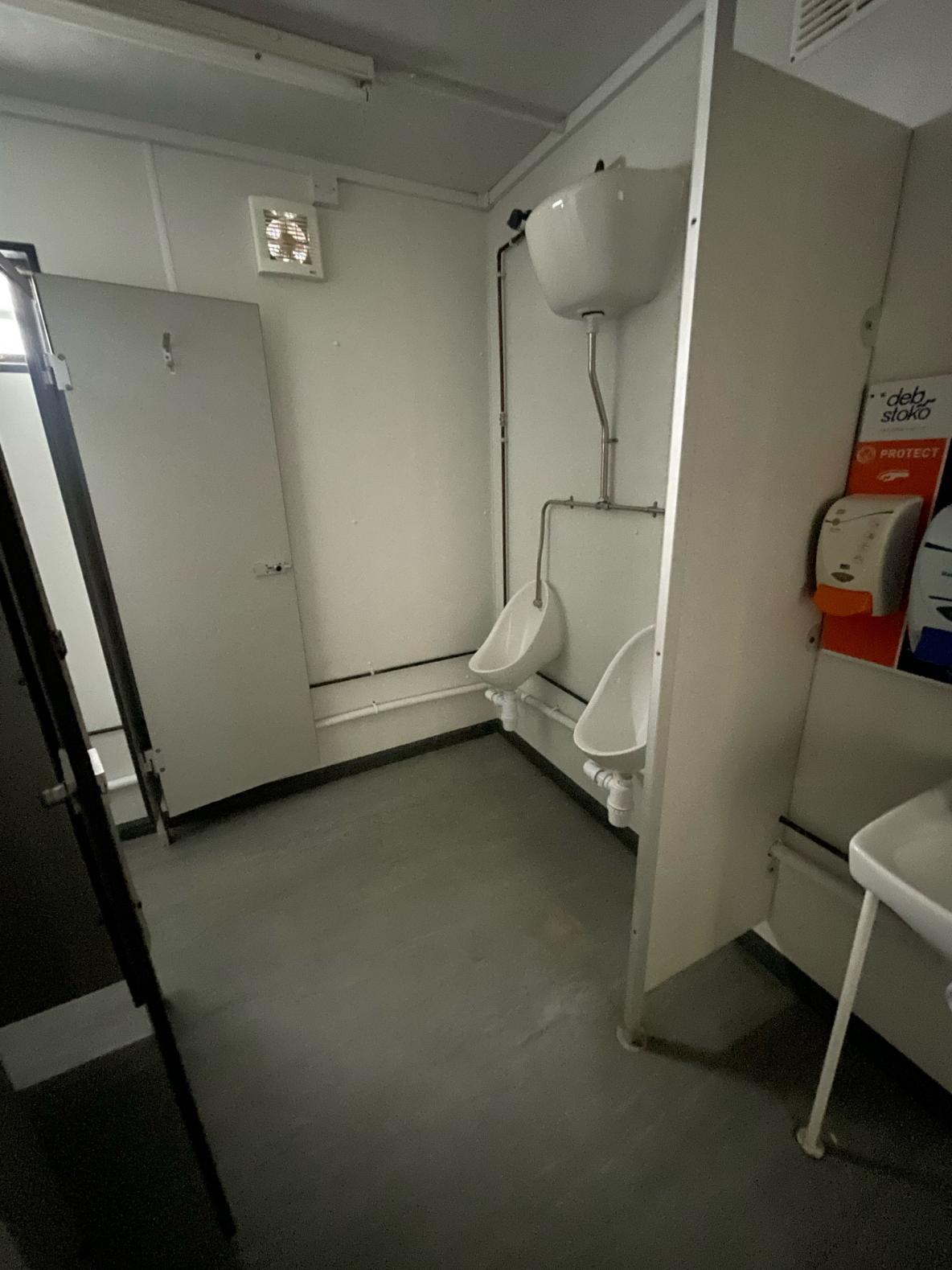
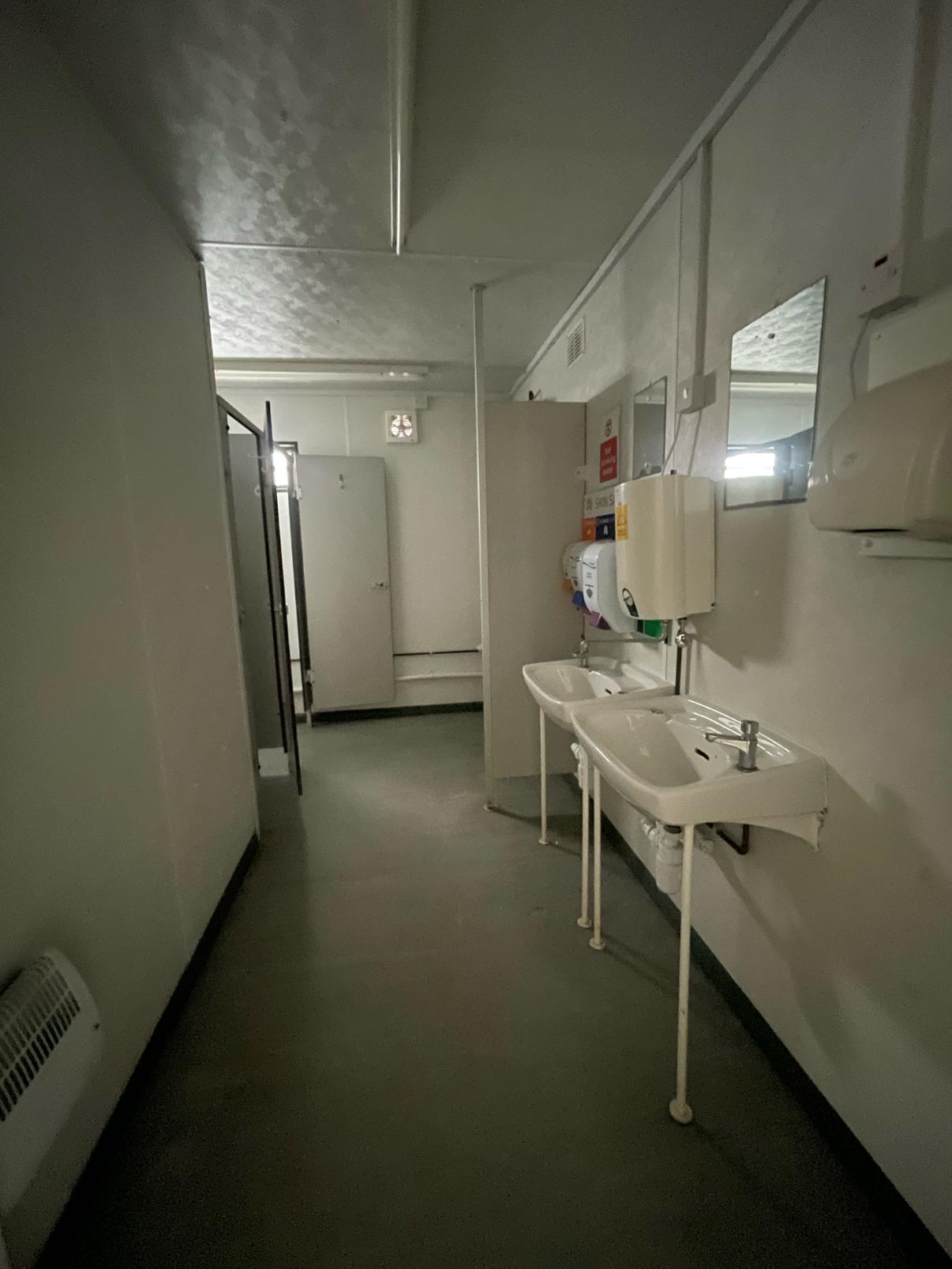
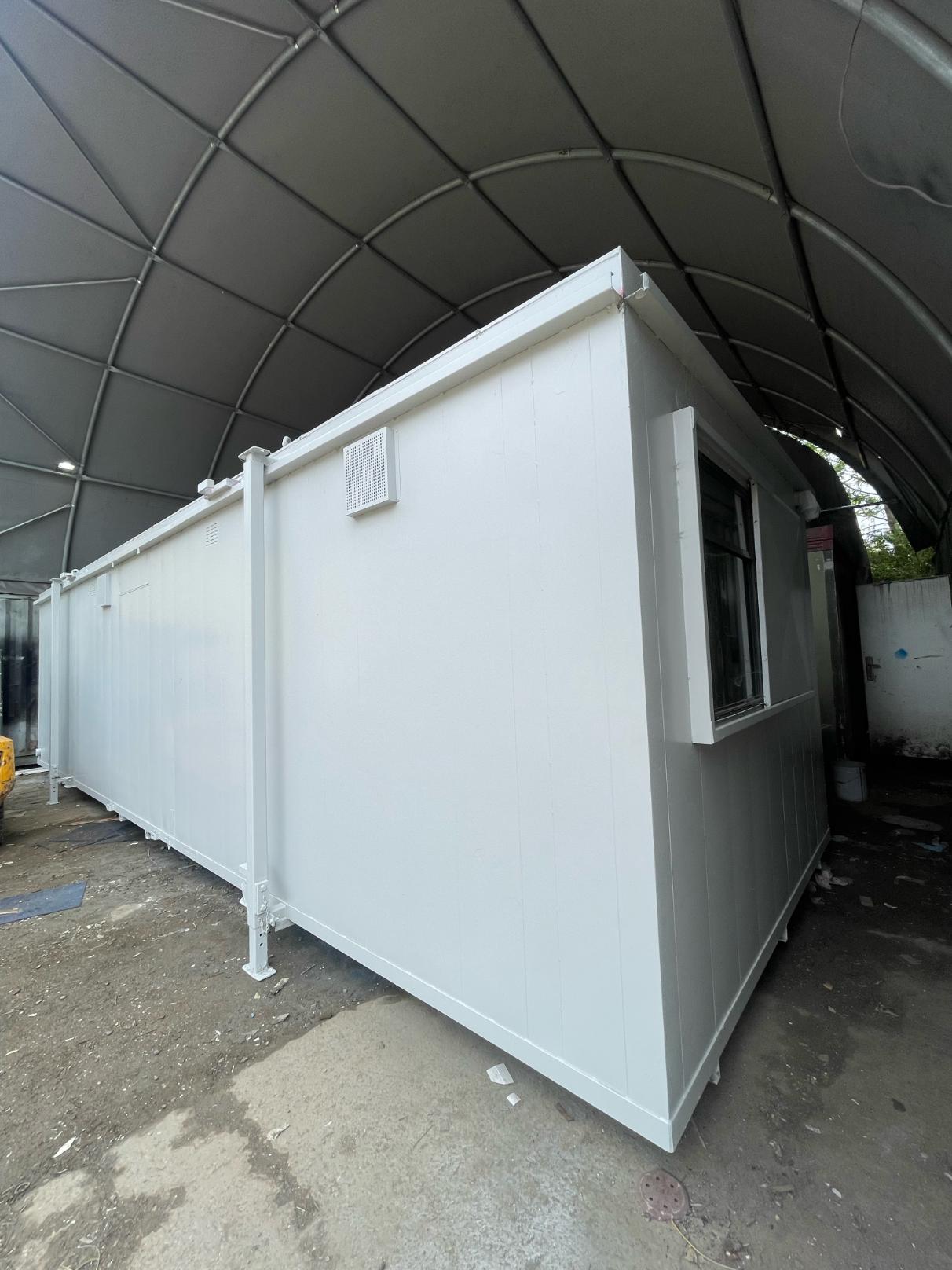
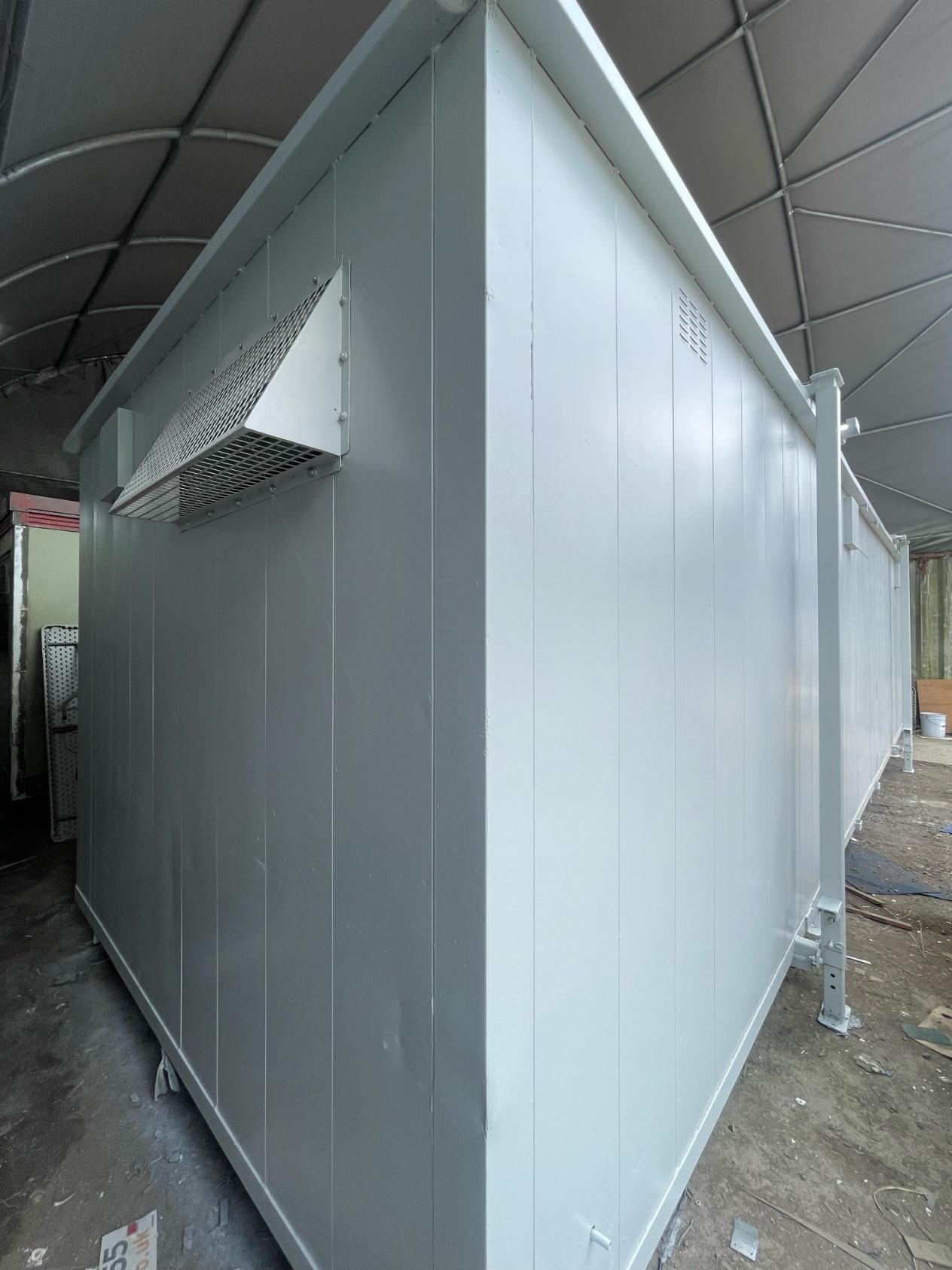
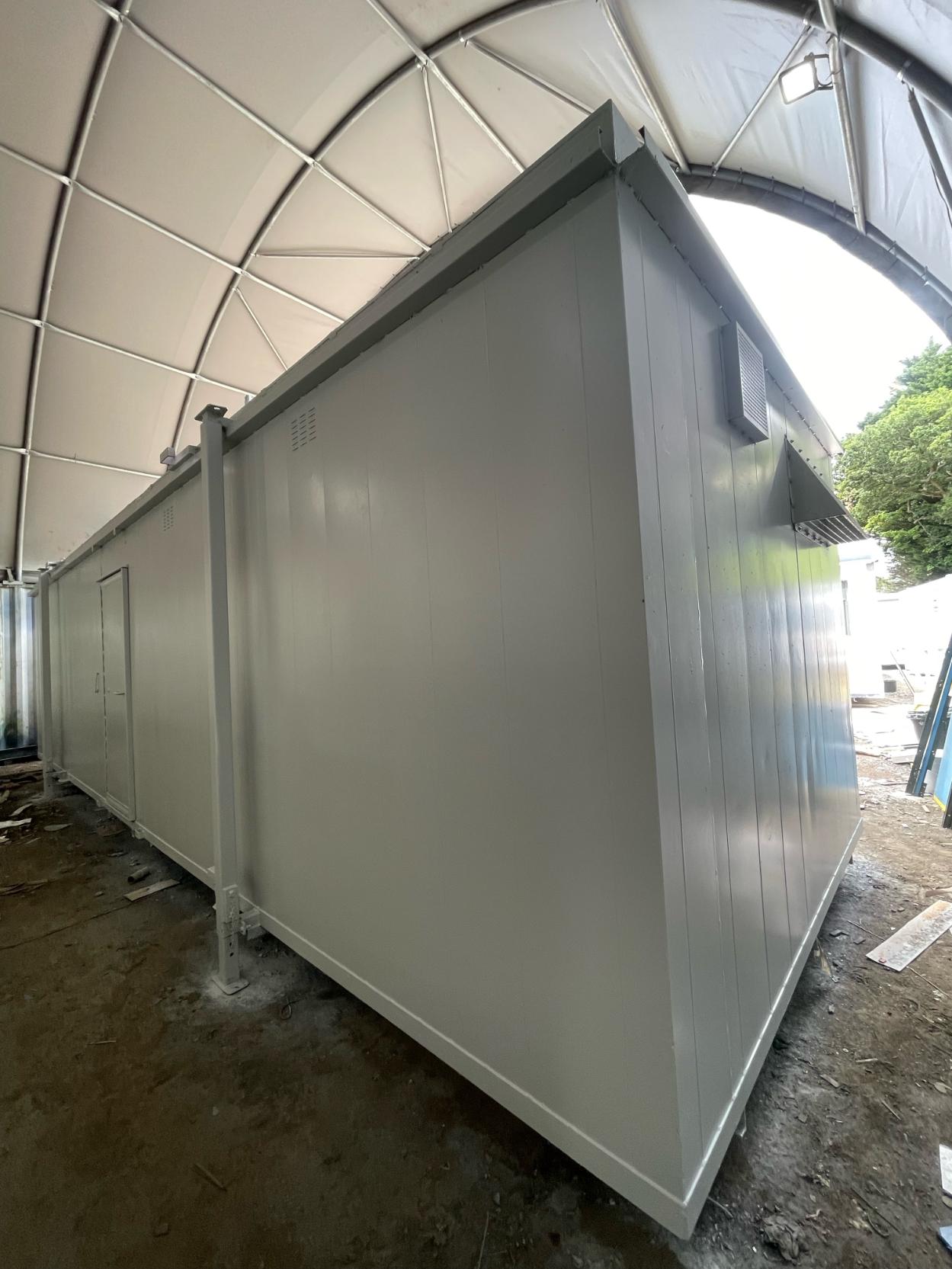
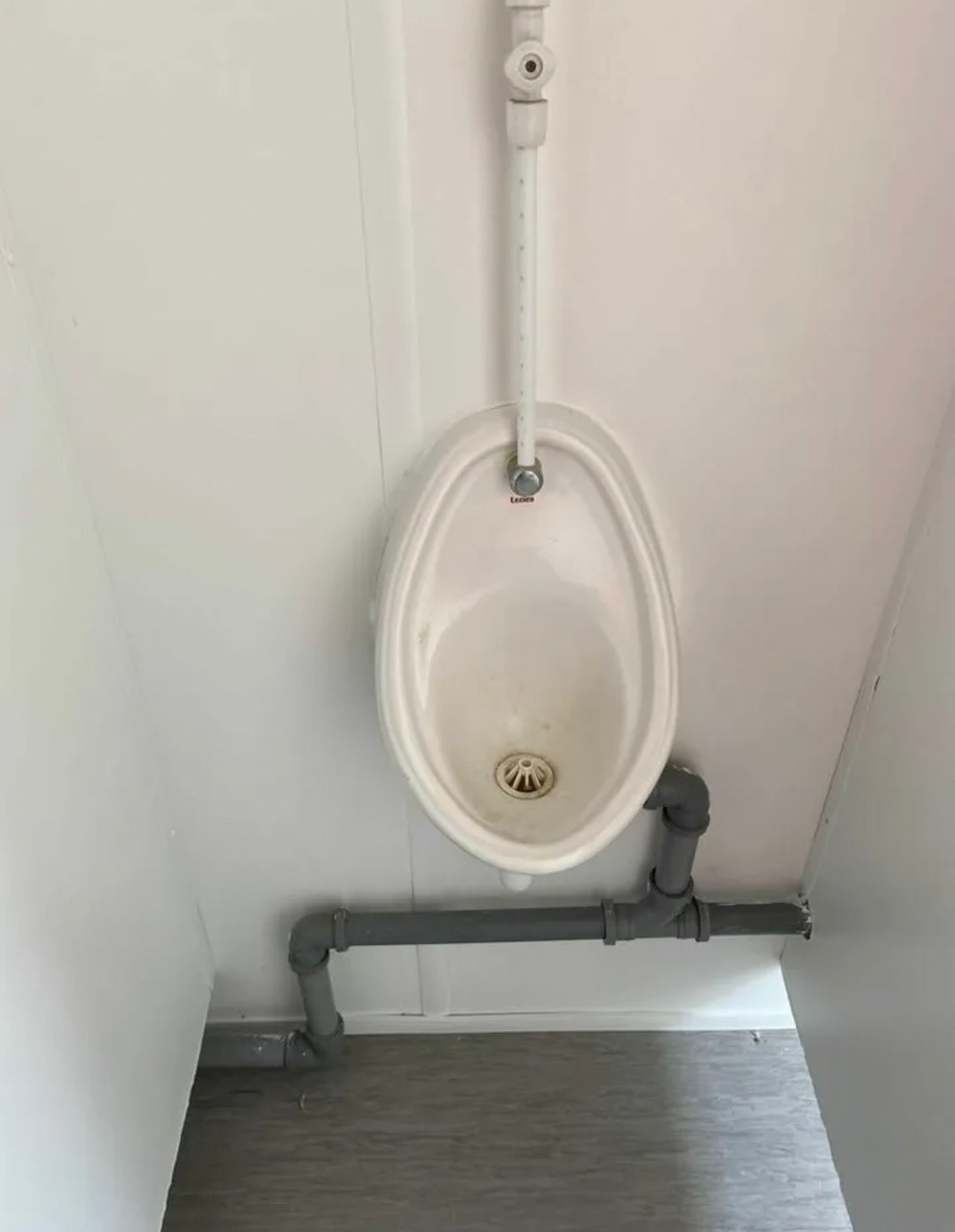
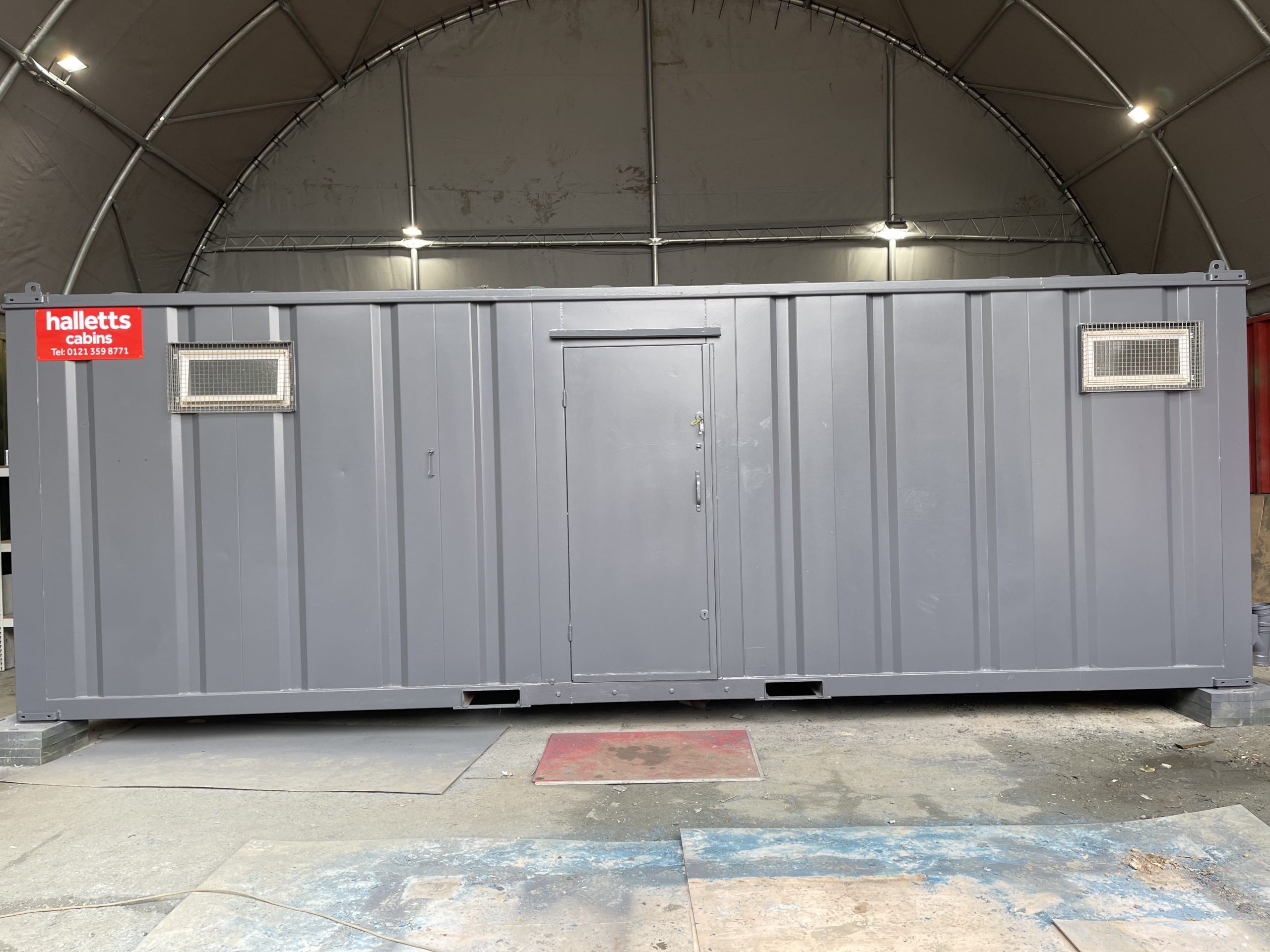
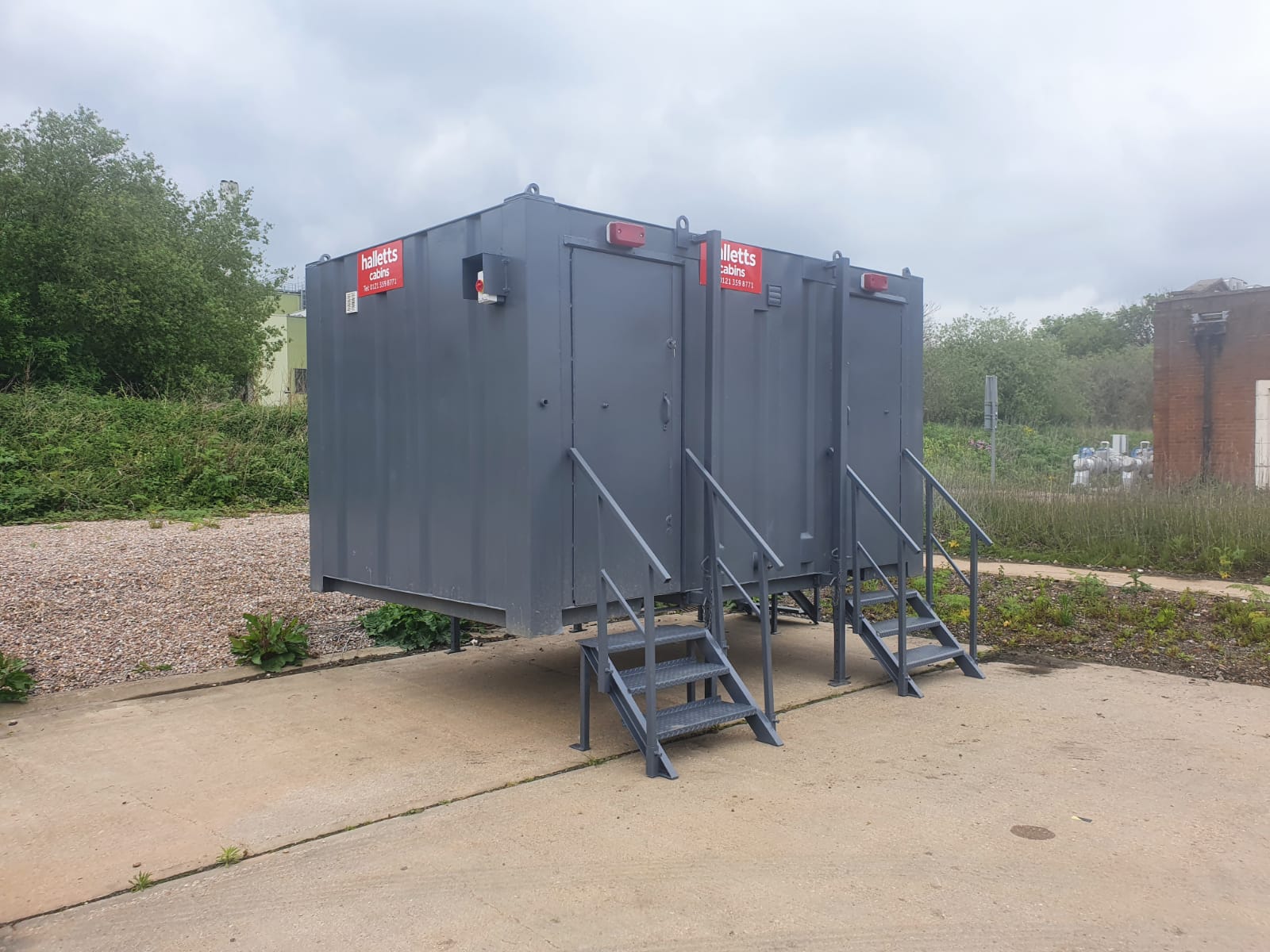
32ft x 10ft Drying Room, Toilet Block

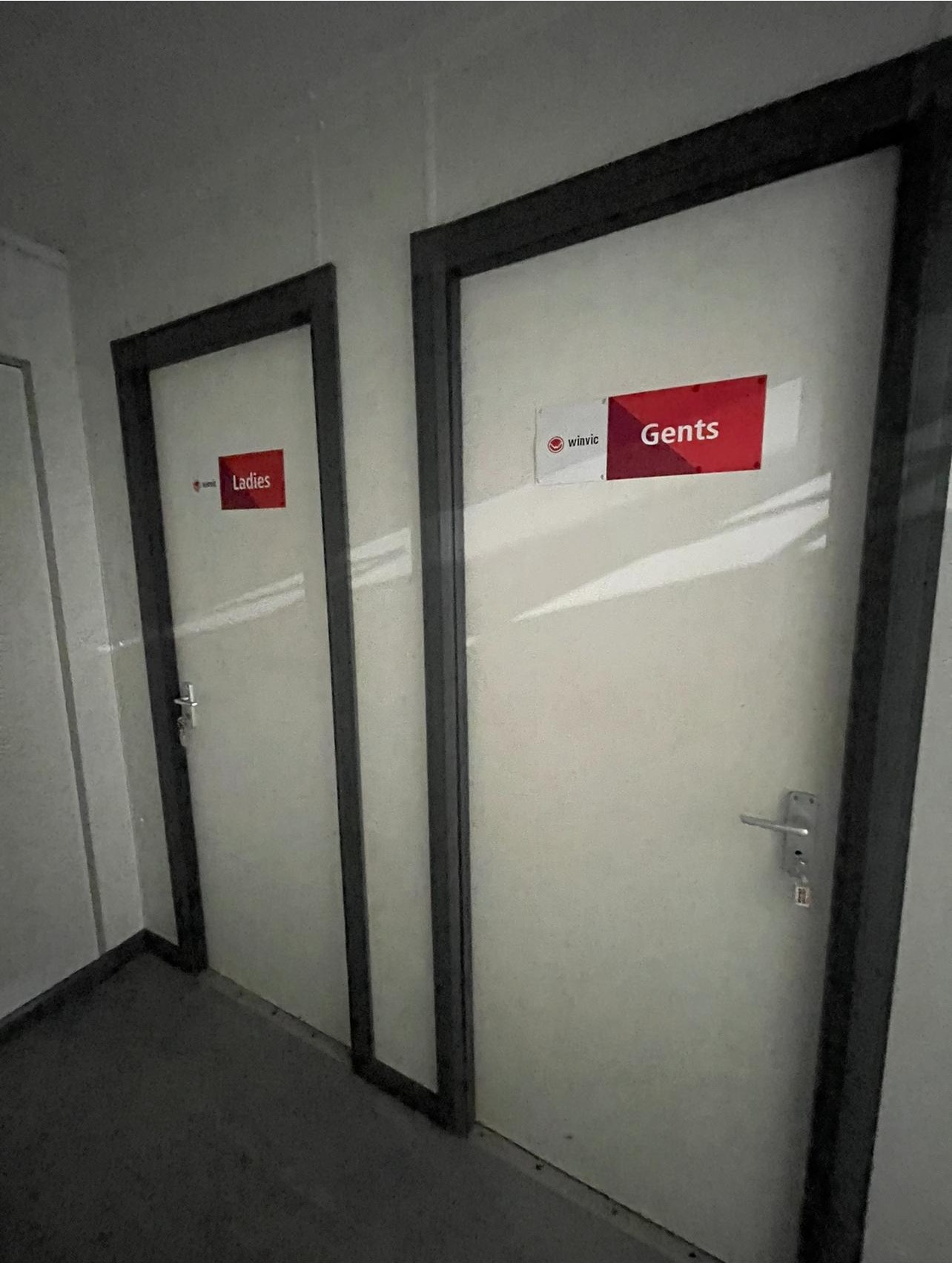
Hallway leading into:

  • Price: £6,500 + VAT
  • Half open plan drying room, or we could add in a canteen. (additional cost)
  • Female Single toilet
  • Male toilets including 2 x cubicles, 2 x urinals and 2 x sinks
  • External light grey spray
  • Deep cleaned
  • Ready to use
  • Excellent overall condition

Transport can be arranged please ask.

Location: Nationwide

£6,500.00 + vat

Not Available for Hire

Call for an instant quote!

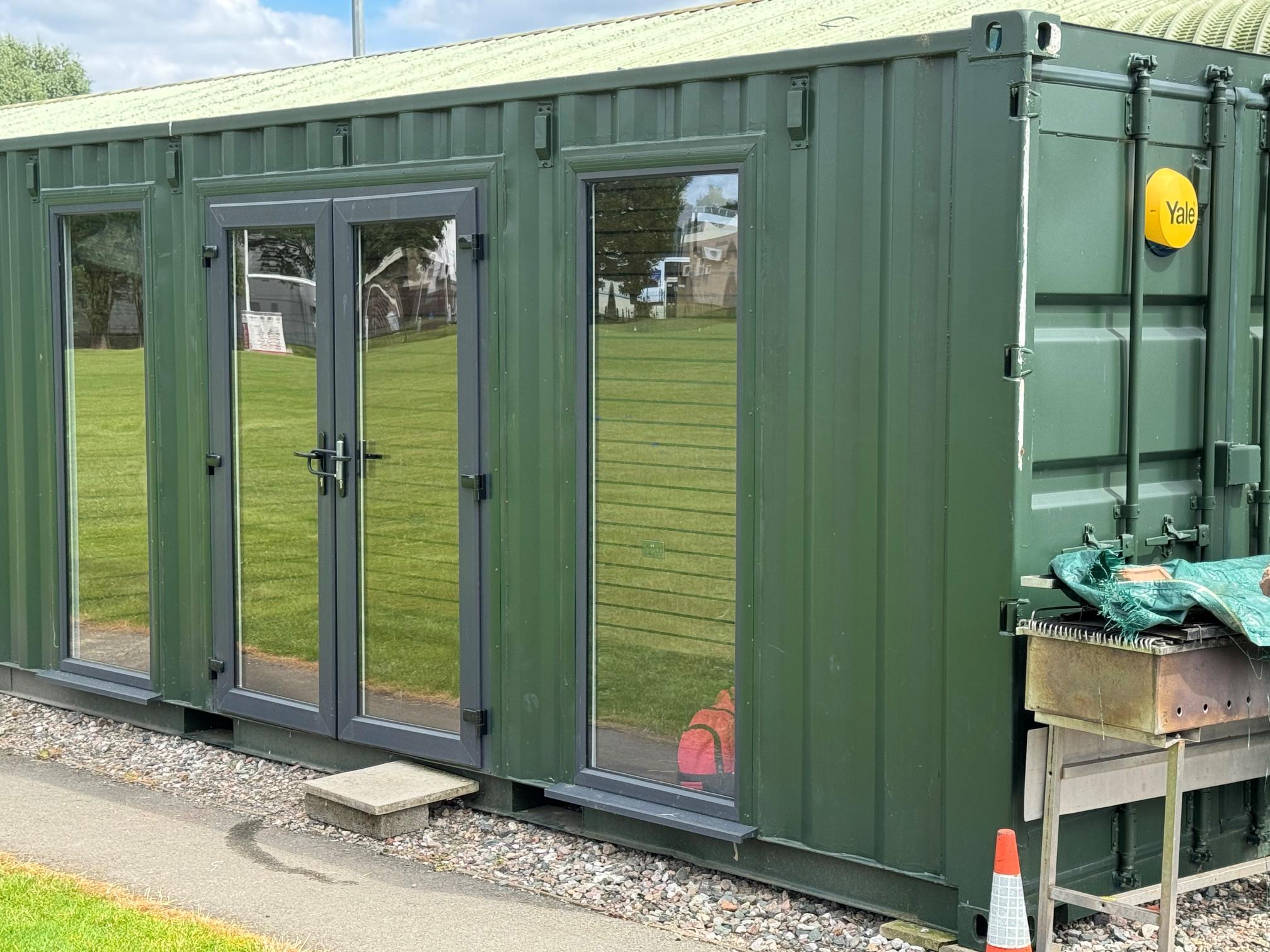
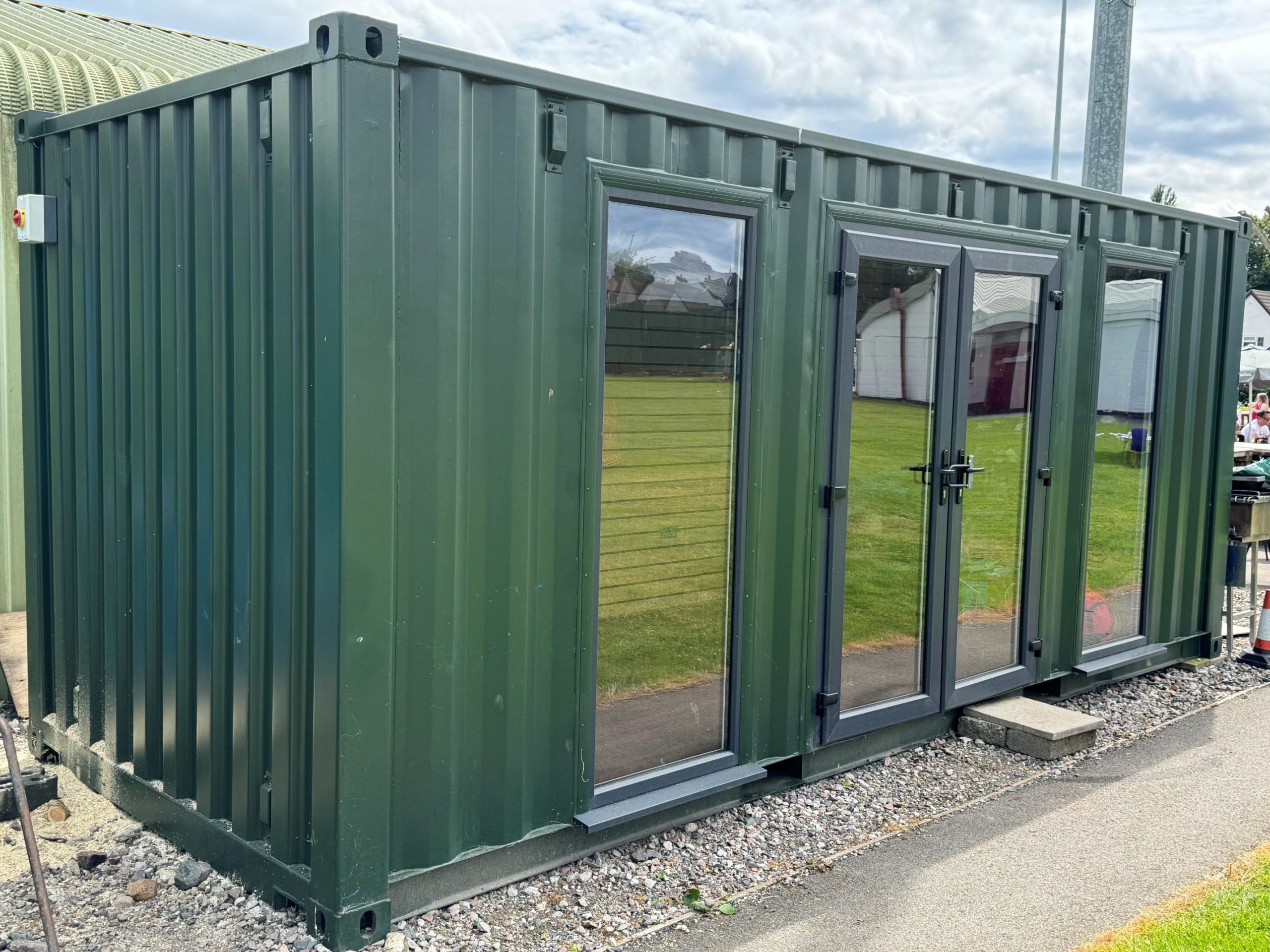
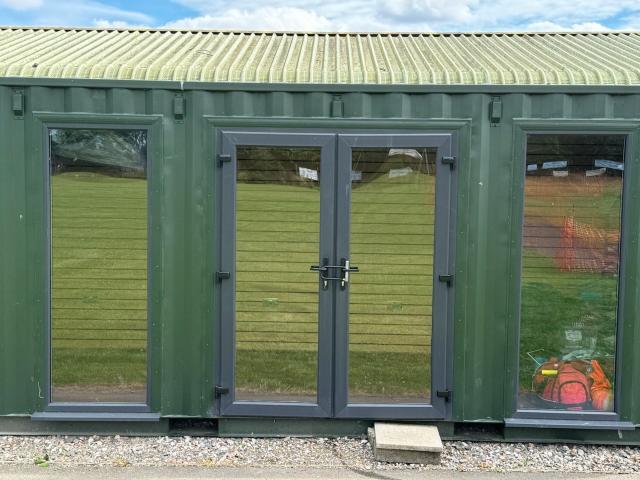
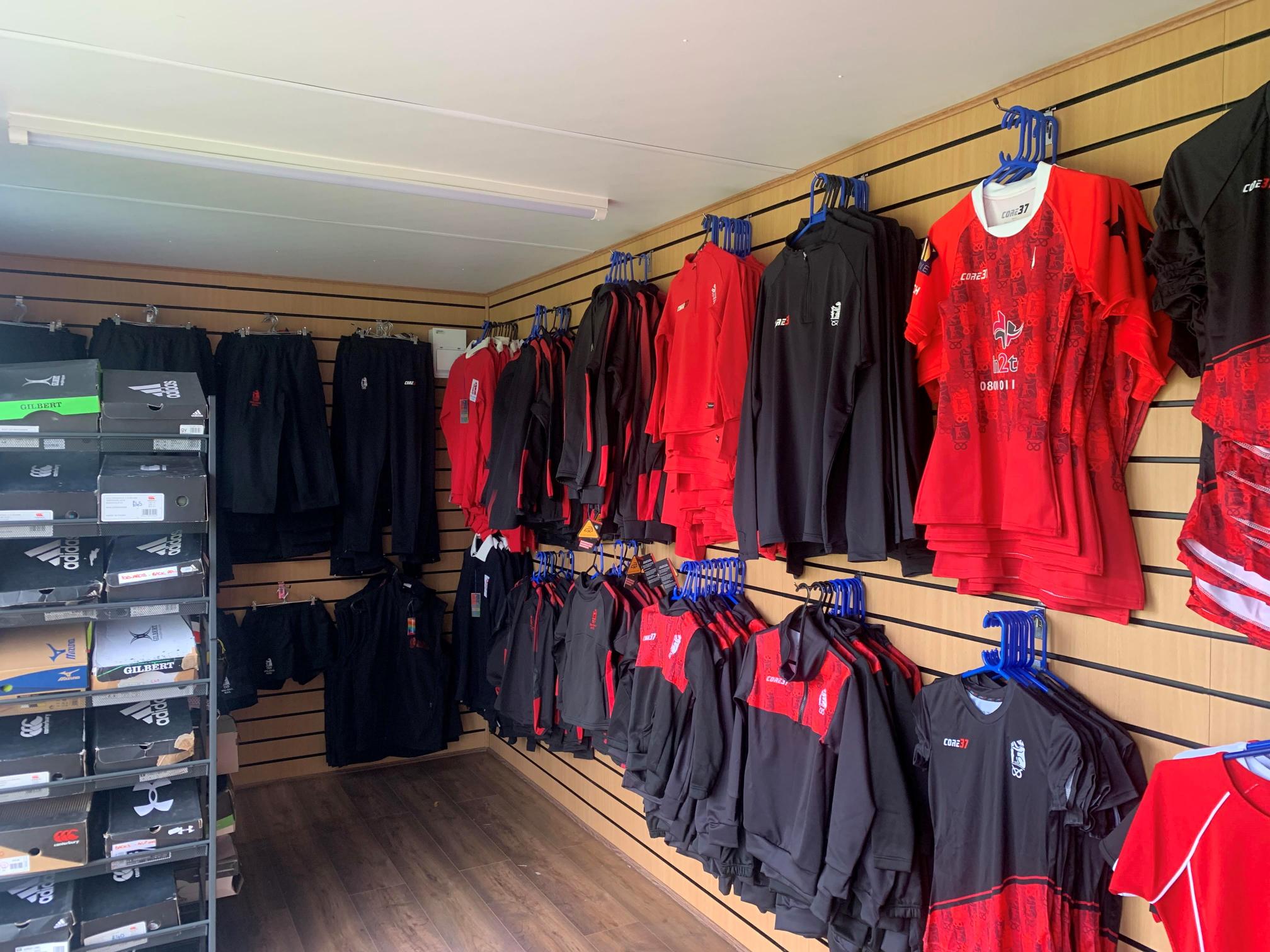
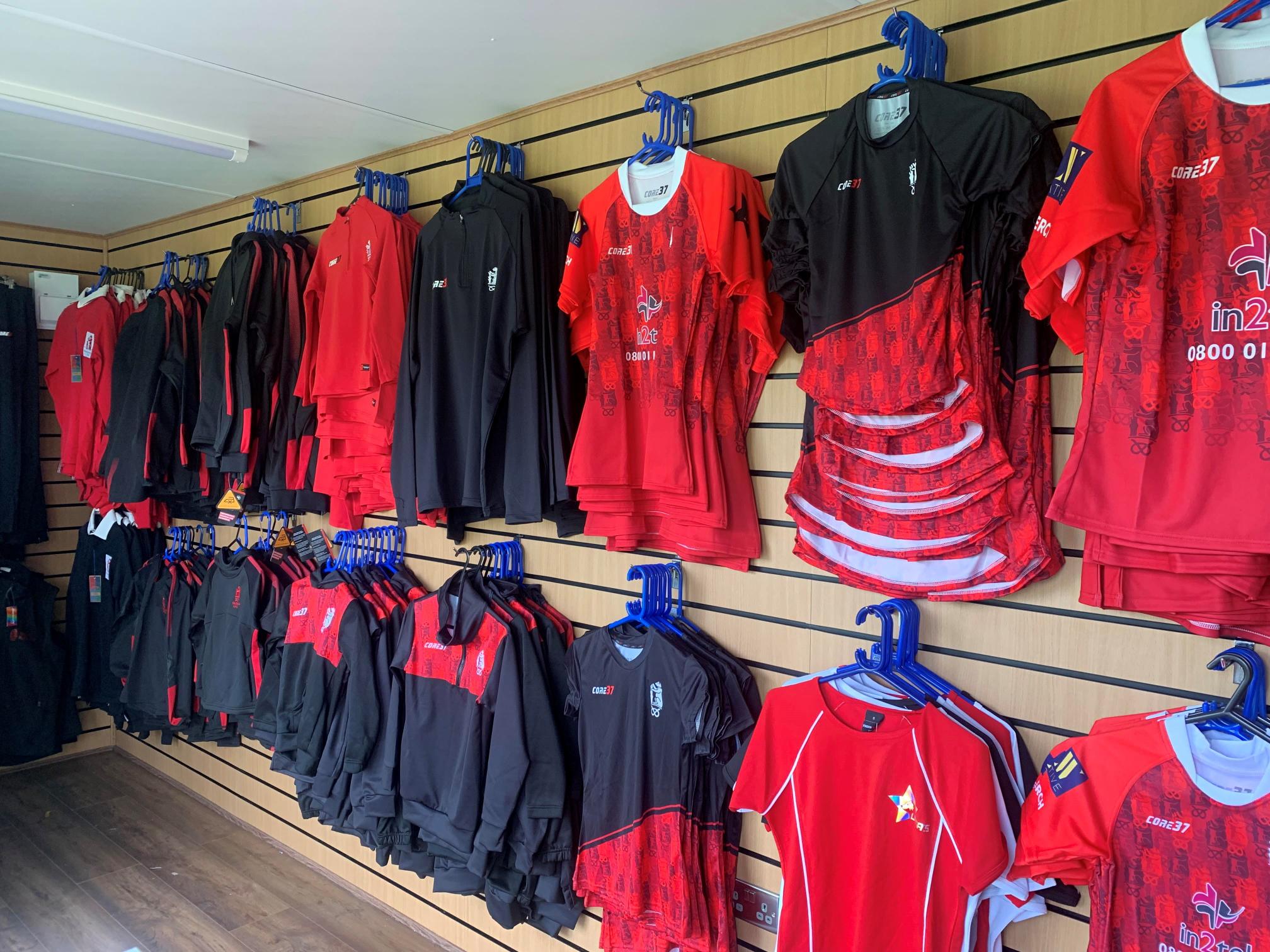
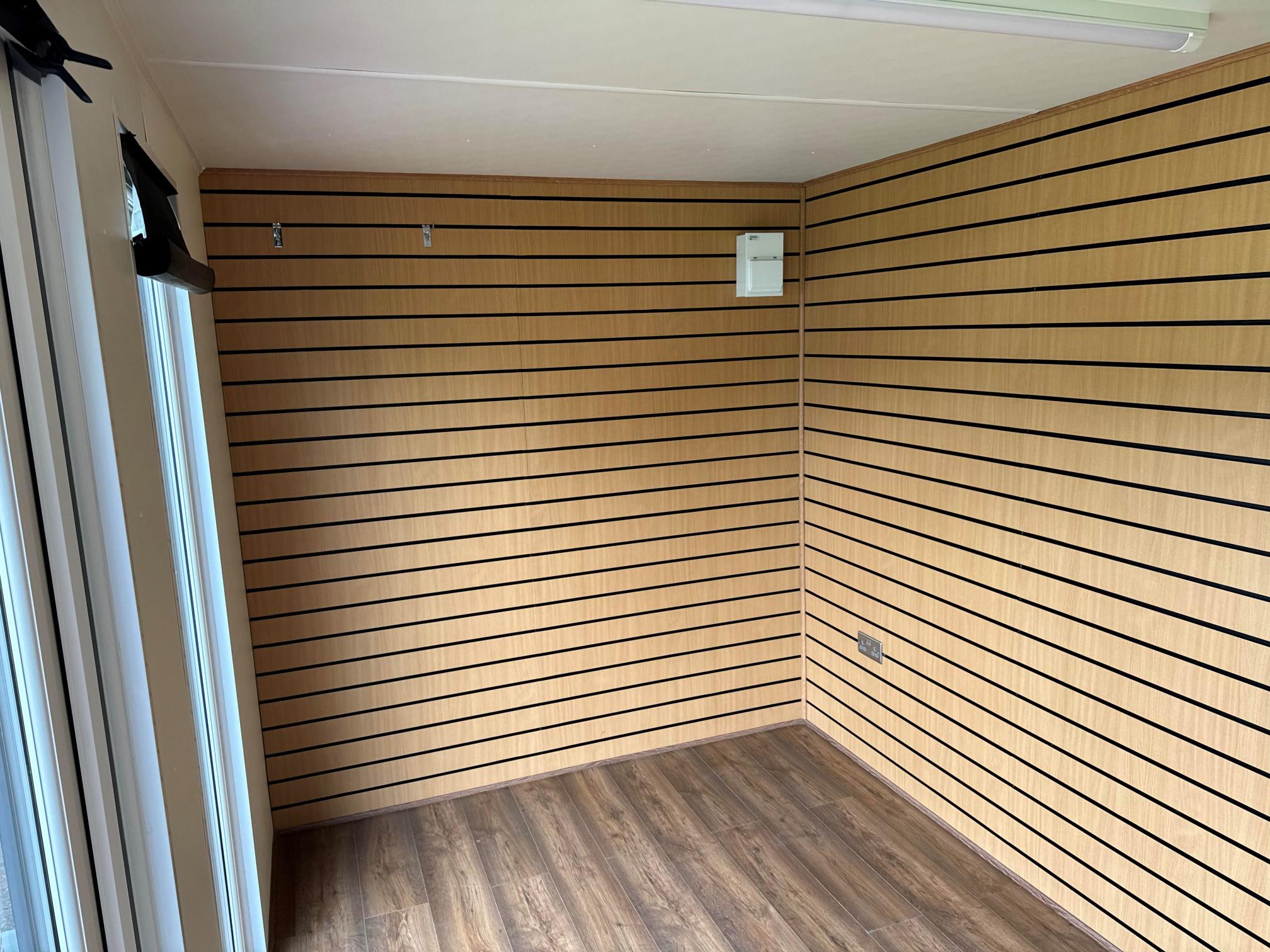
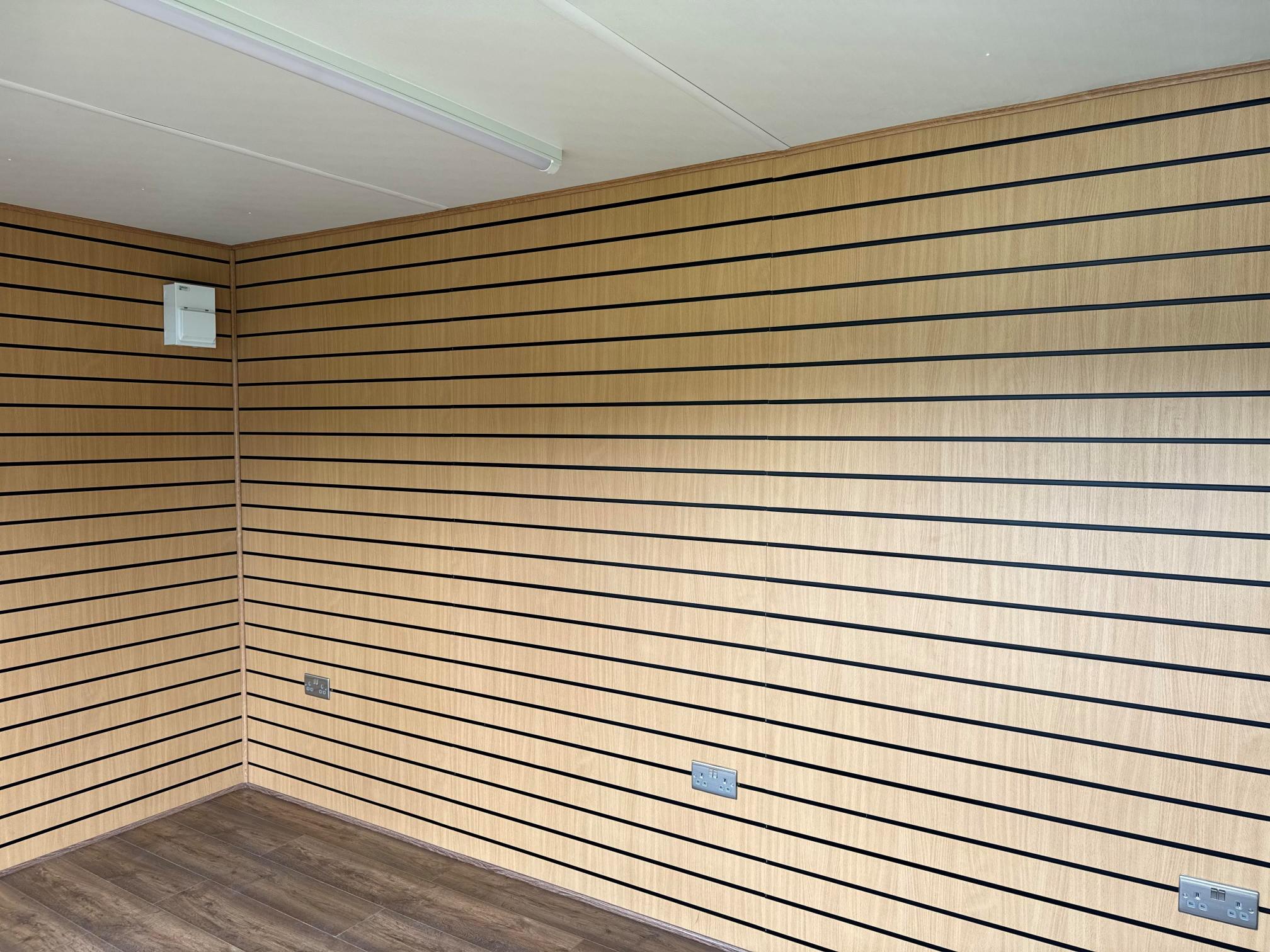
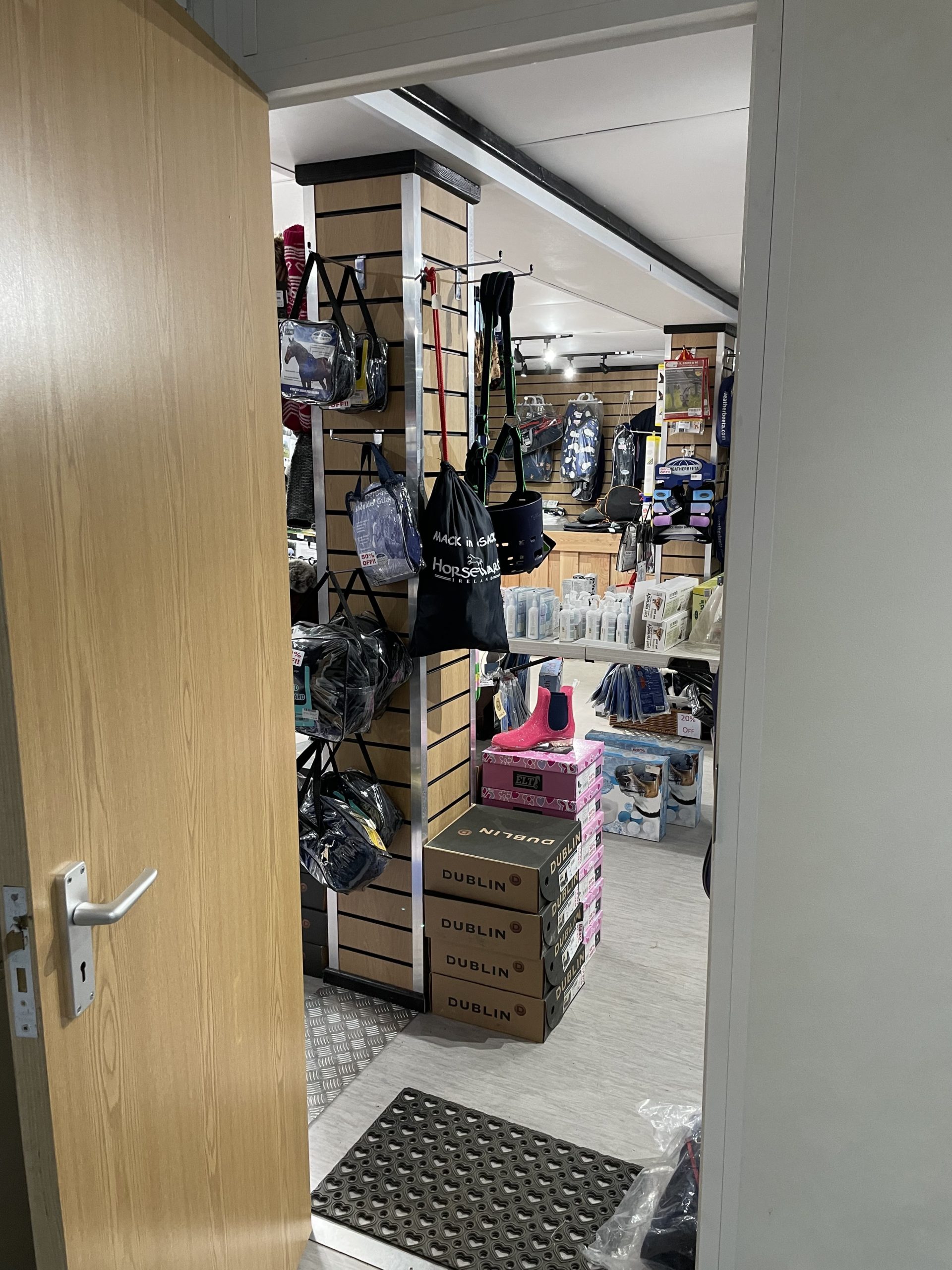
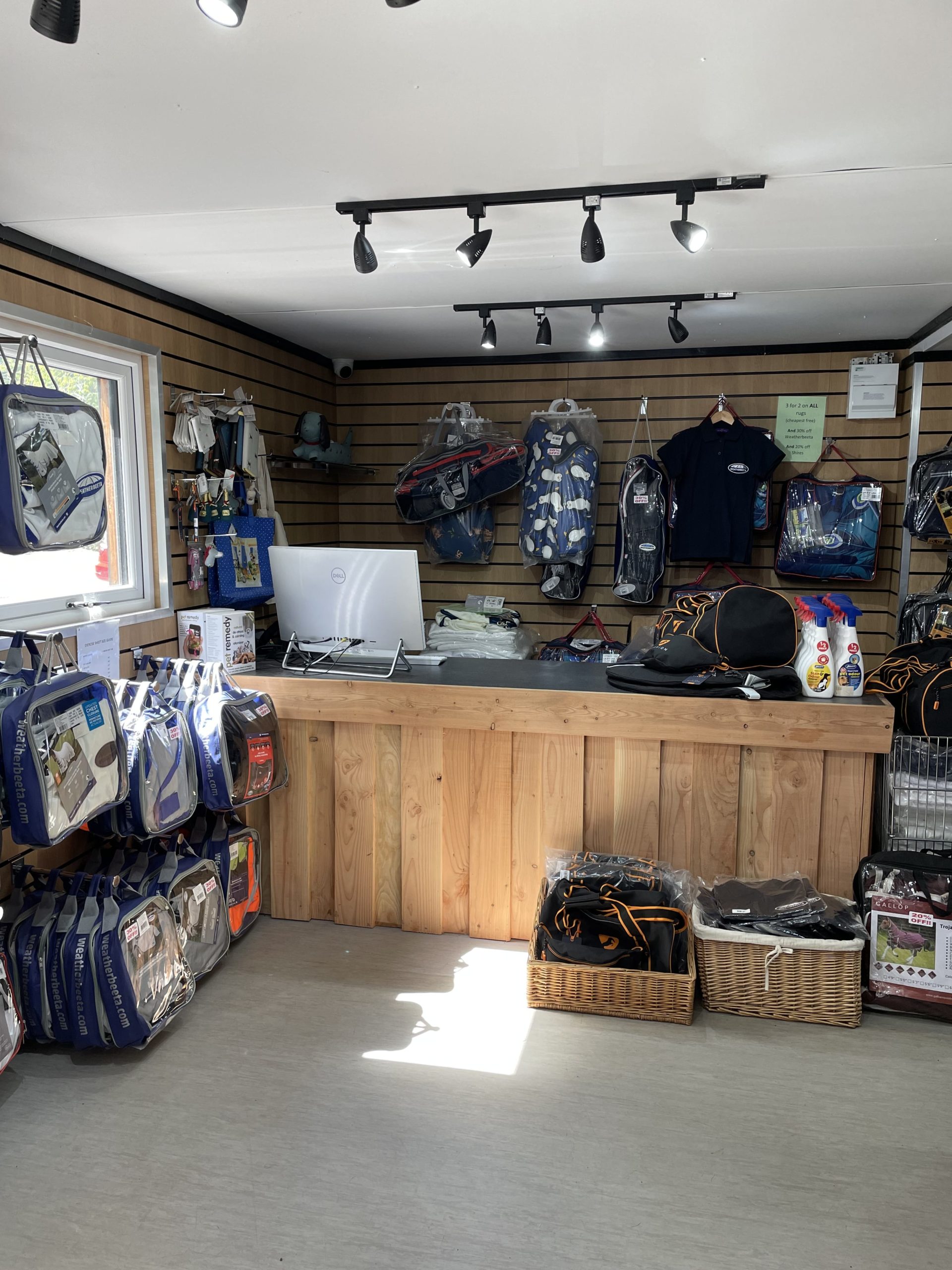
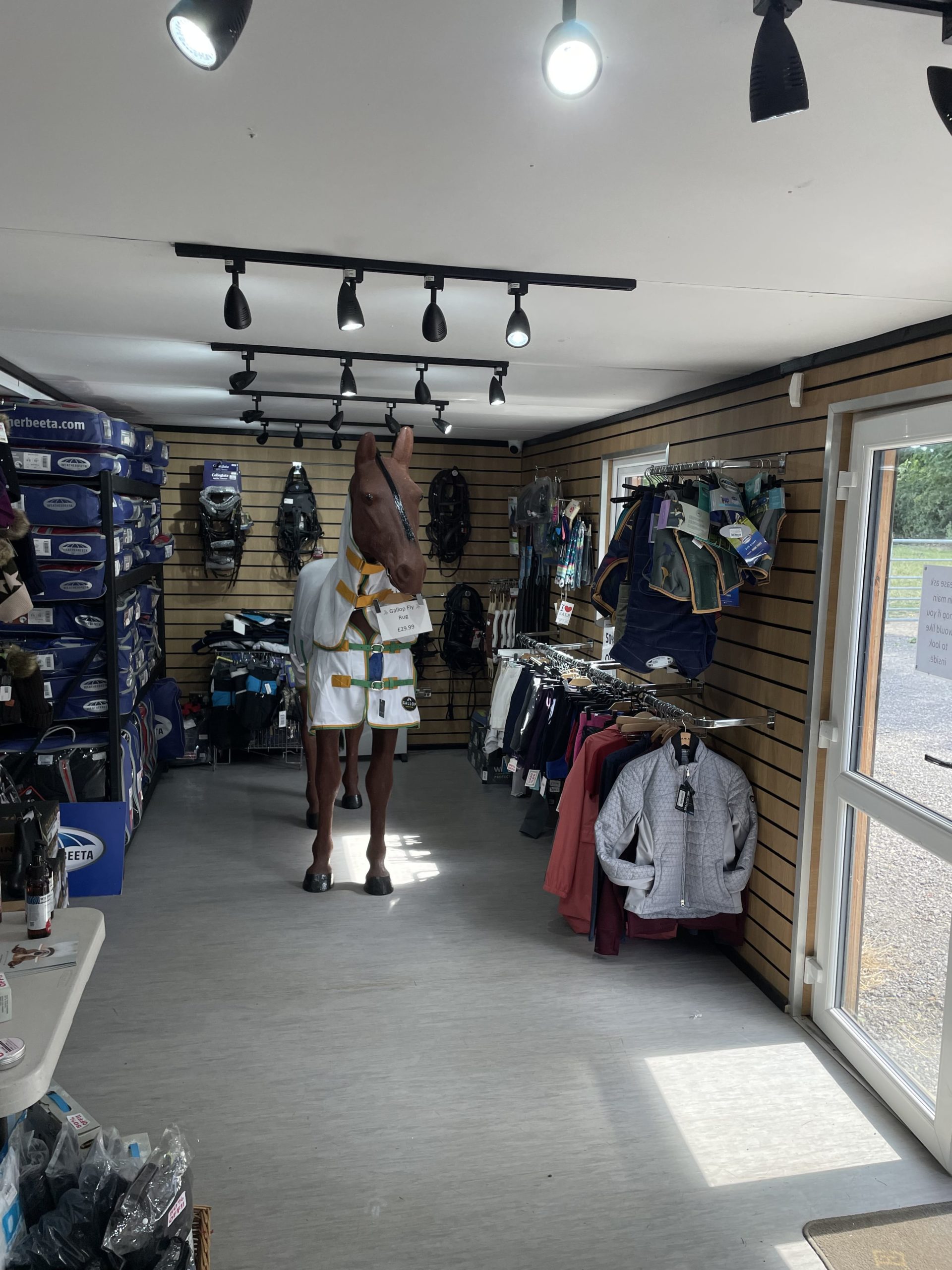
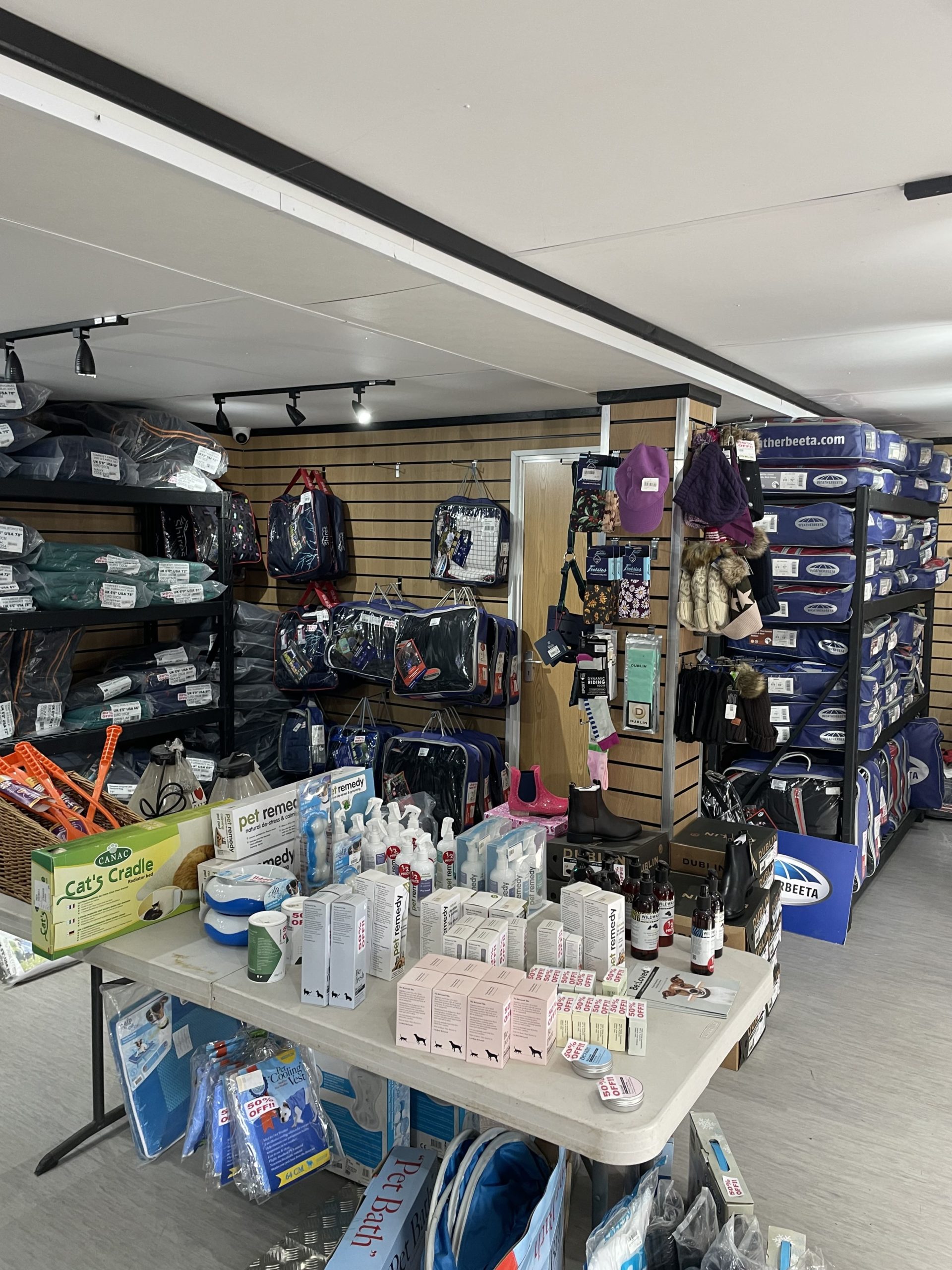
  • 20ft x 8ft Container Conversion Retail Shop

  • UPVC Double glazed Windows + French Doors

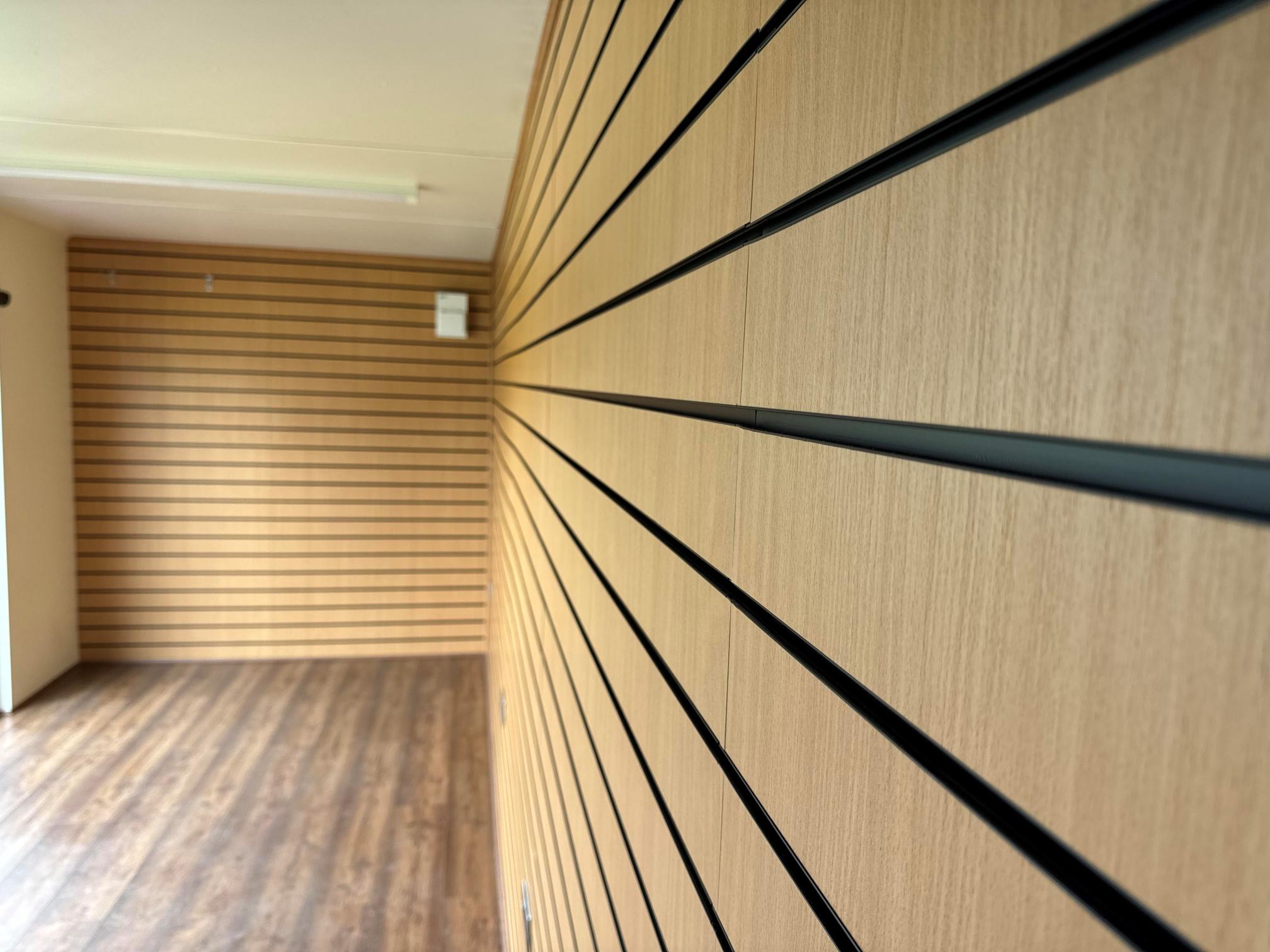
  • Slat Wall for retail fixings and Merchandise

  • Electric Chrome Sockets, led lighting and heating.

  • Laminate Flooring

  • 12 months Warranty

  • Maintenance call out package included

  • Less than 2 years old

  • Still in Brand New Condition

Location: Nationwide

POA

Not Available for Hire

Call for an instant quote!

32ft x 10ft Jack Leg Cabin

  • Fully refurbished

  • Colour light grey

  • Slate grey anthracite upvc double glazed windows

Location: Nationwide


£15,000

+ VAT

Not Available for Hire

Call for an instant quote!

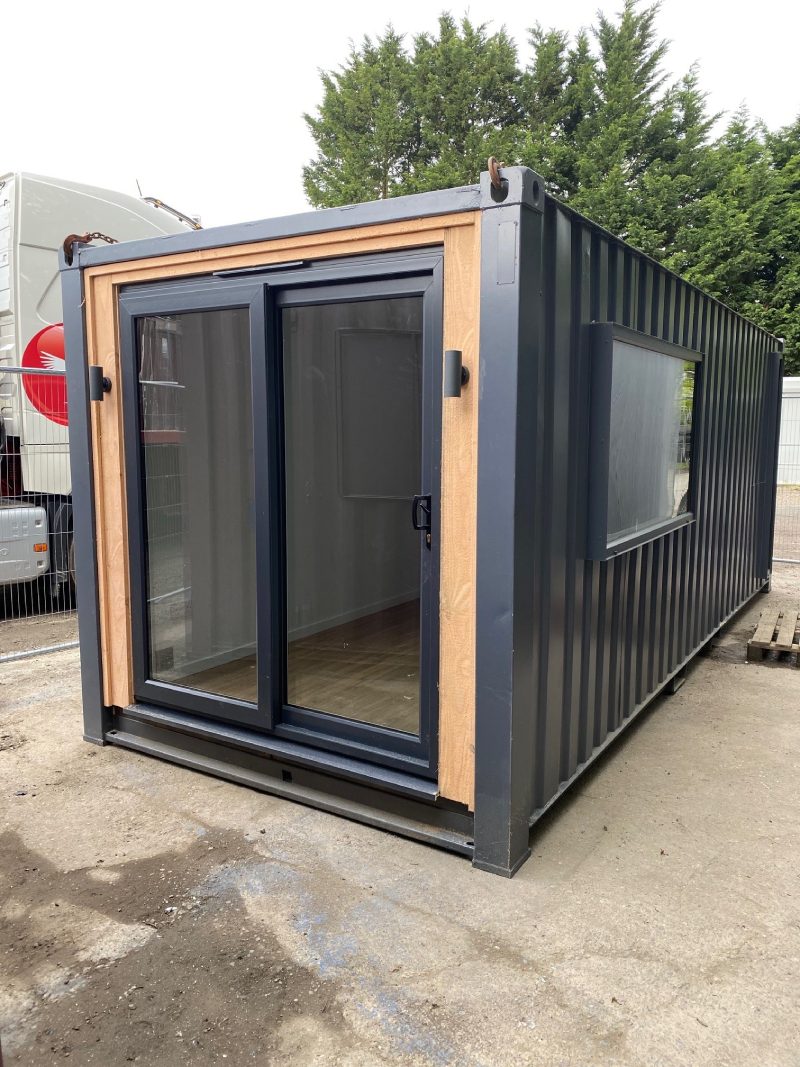
20ft x 8ft Container Office

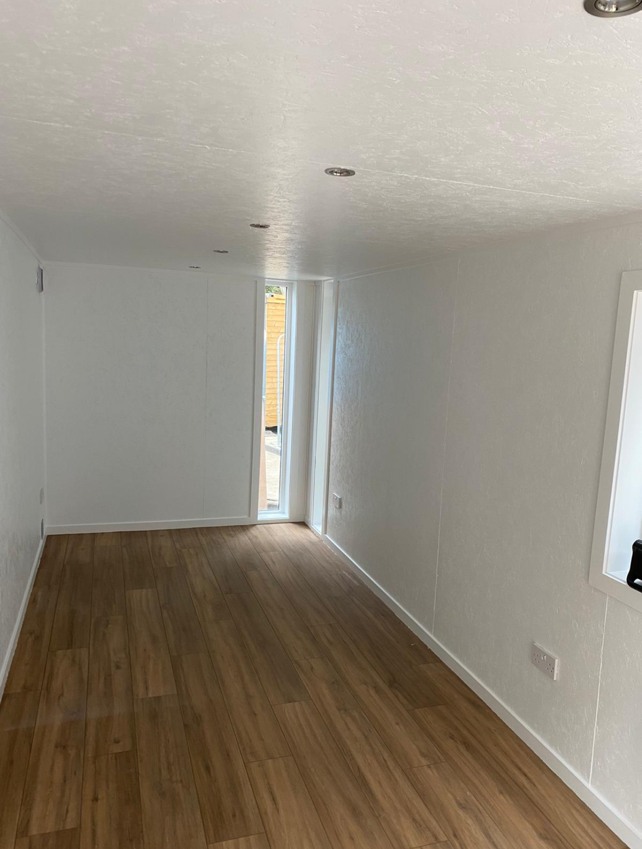
  • Fully Insulated with electric sockets, spot lighting, and heating

  • Wood Flooring

  • UPVC Sliding Door + Windows

  • Lead Time for build 6-8 weeks

Location: Nationwide


£12,995.00

+ VAT

Not Available for Hire

Call for an instant quote!

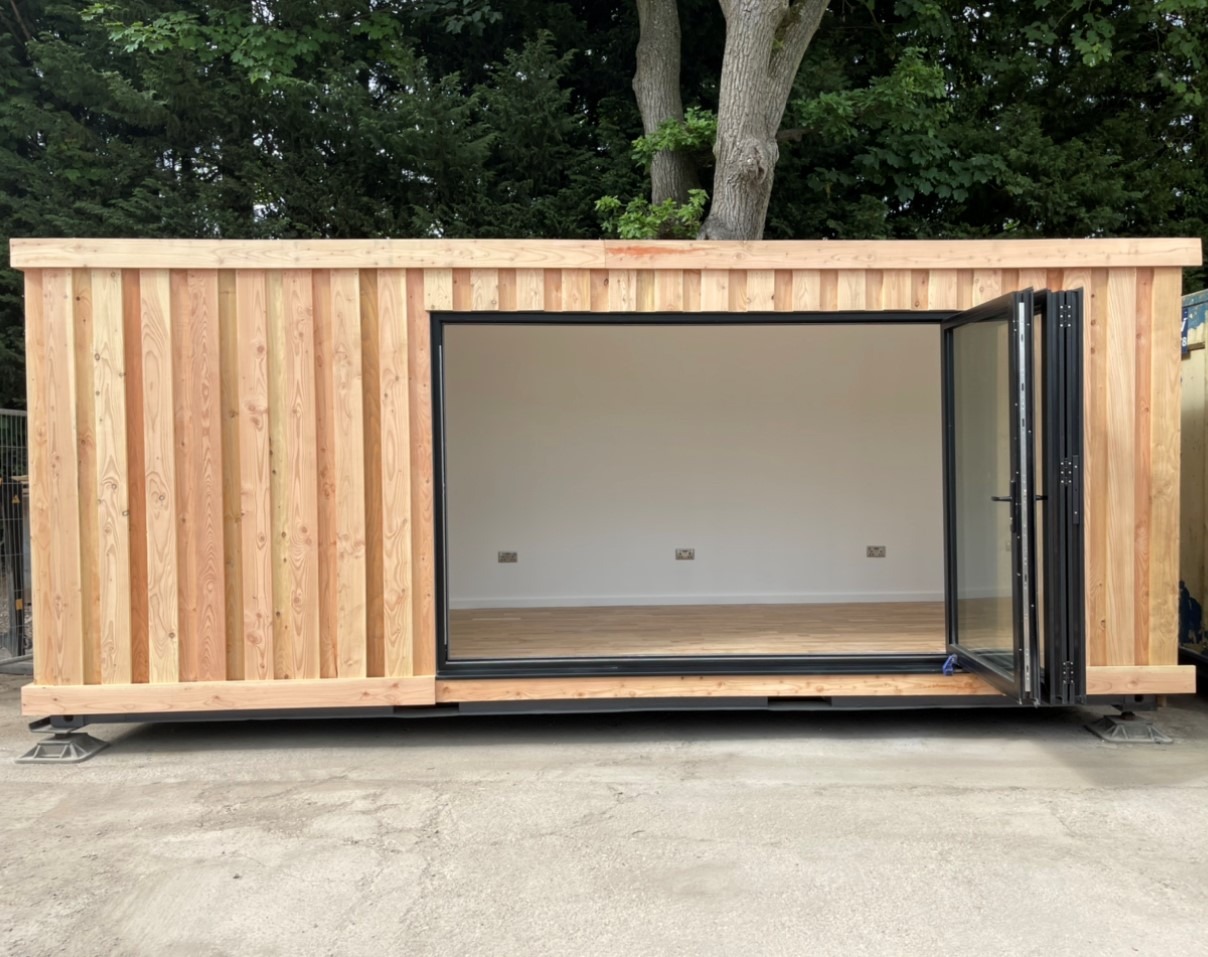
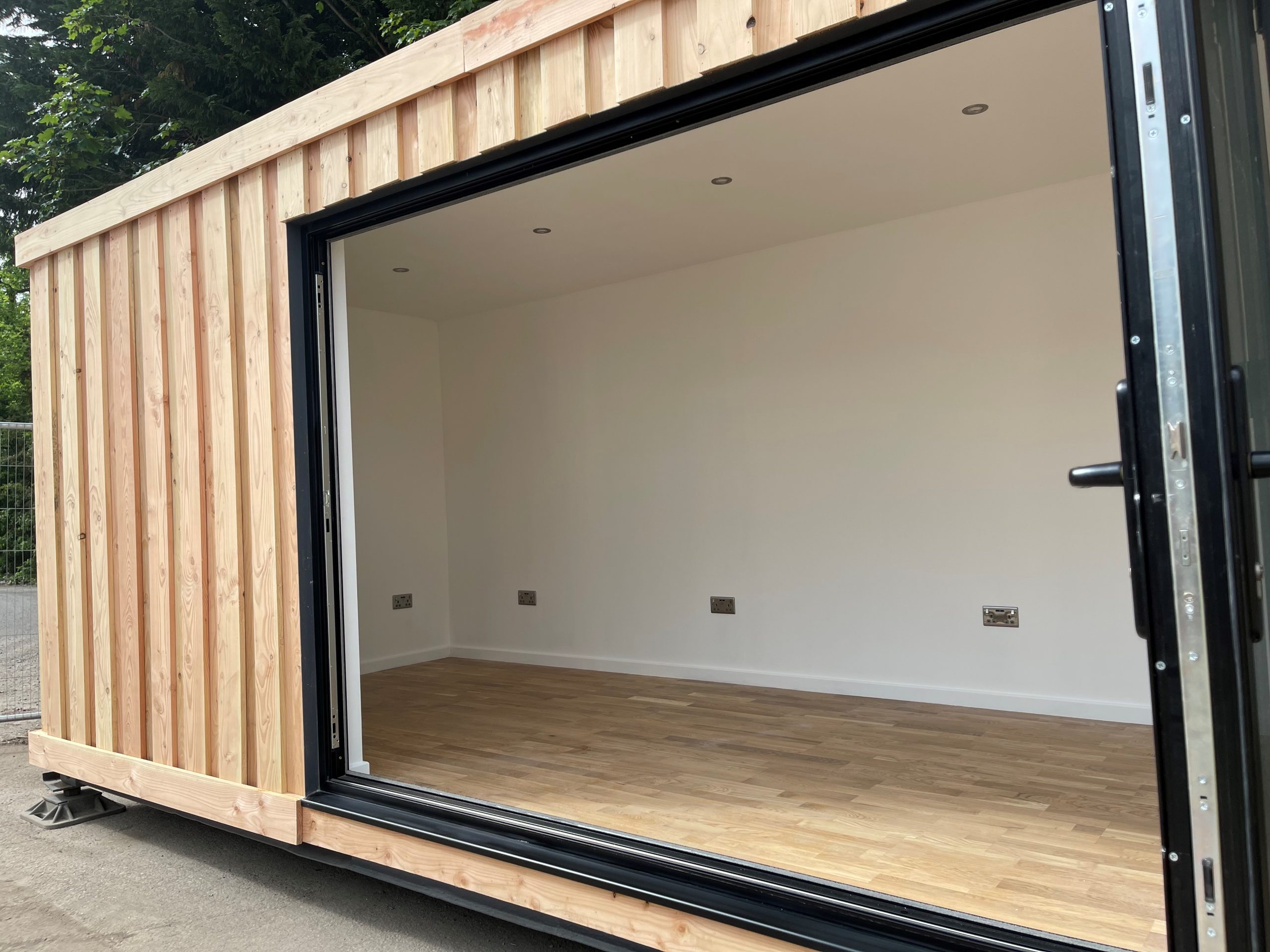
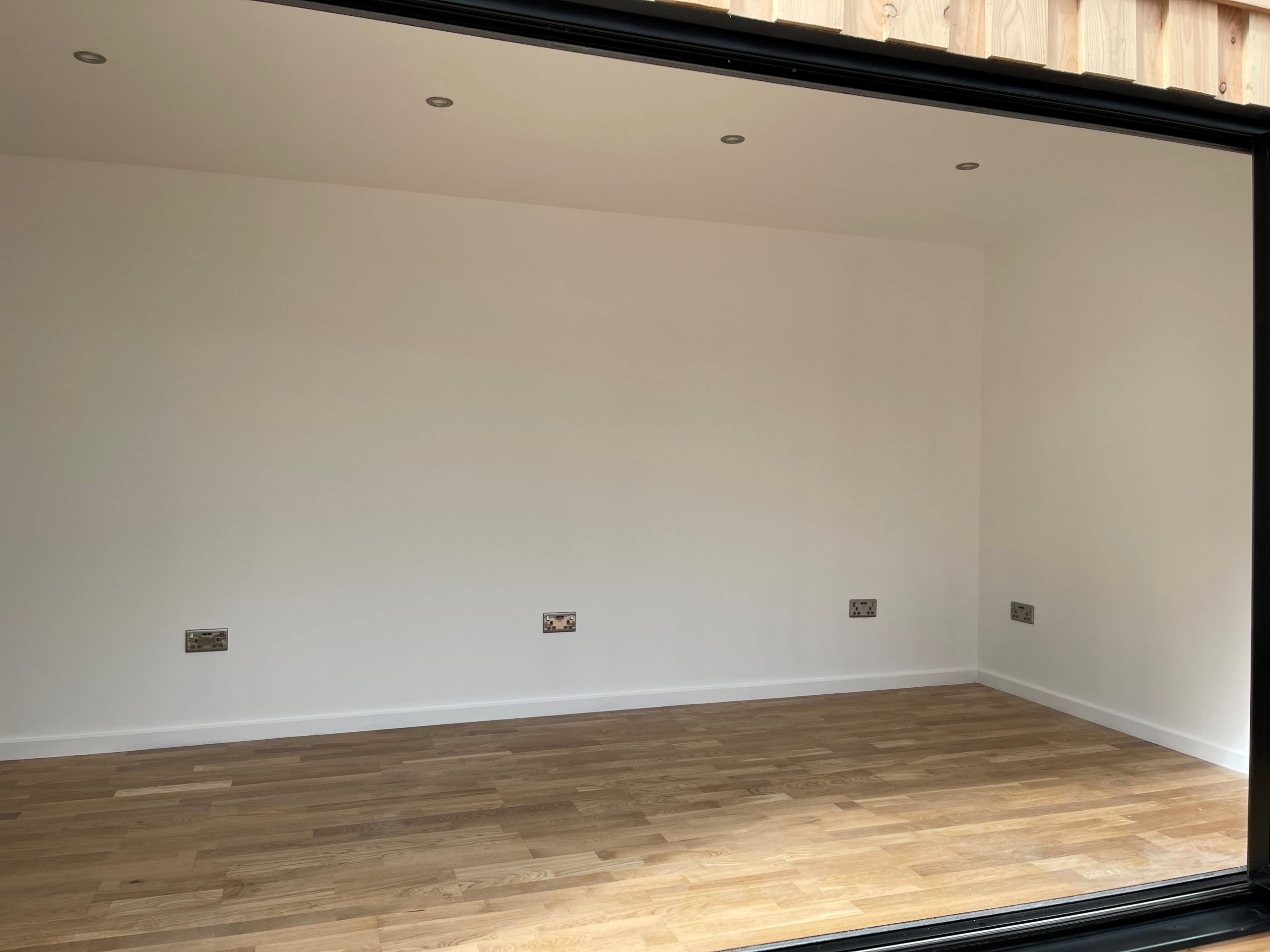
20ft x 8ft Container Office

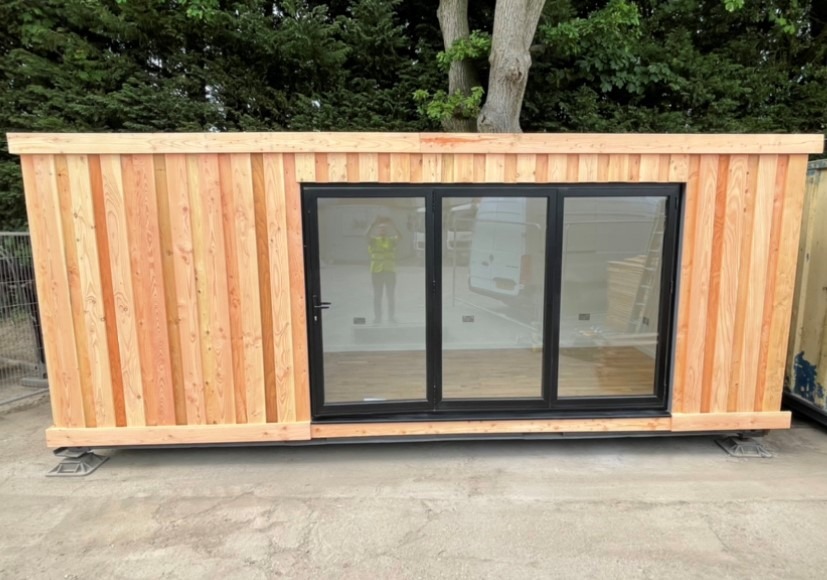
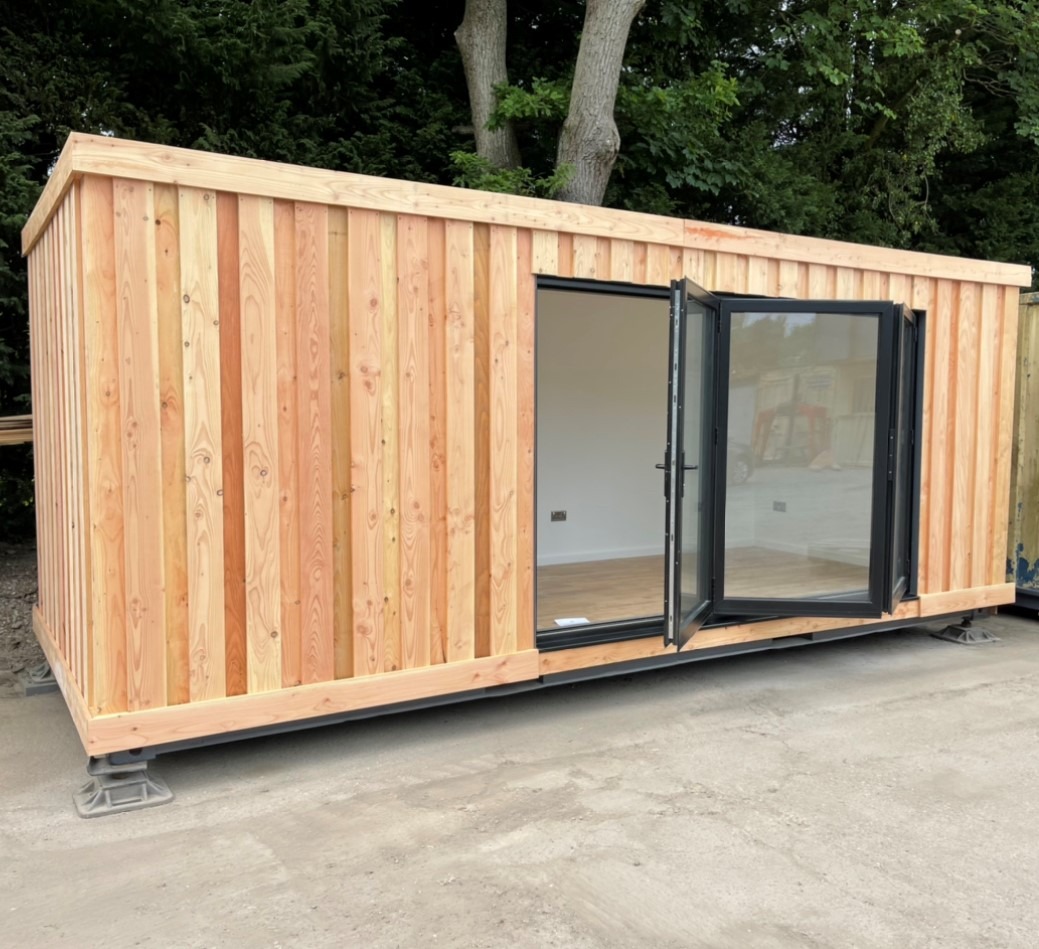
  • Fully Insulated with electric sockets, spot lighting, and heating

  • Wood Flooring

  • Aluminium Bi Fold Doors

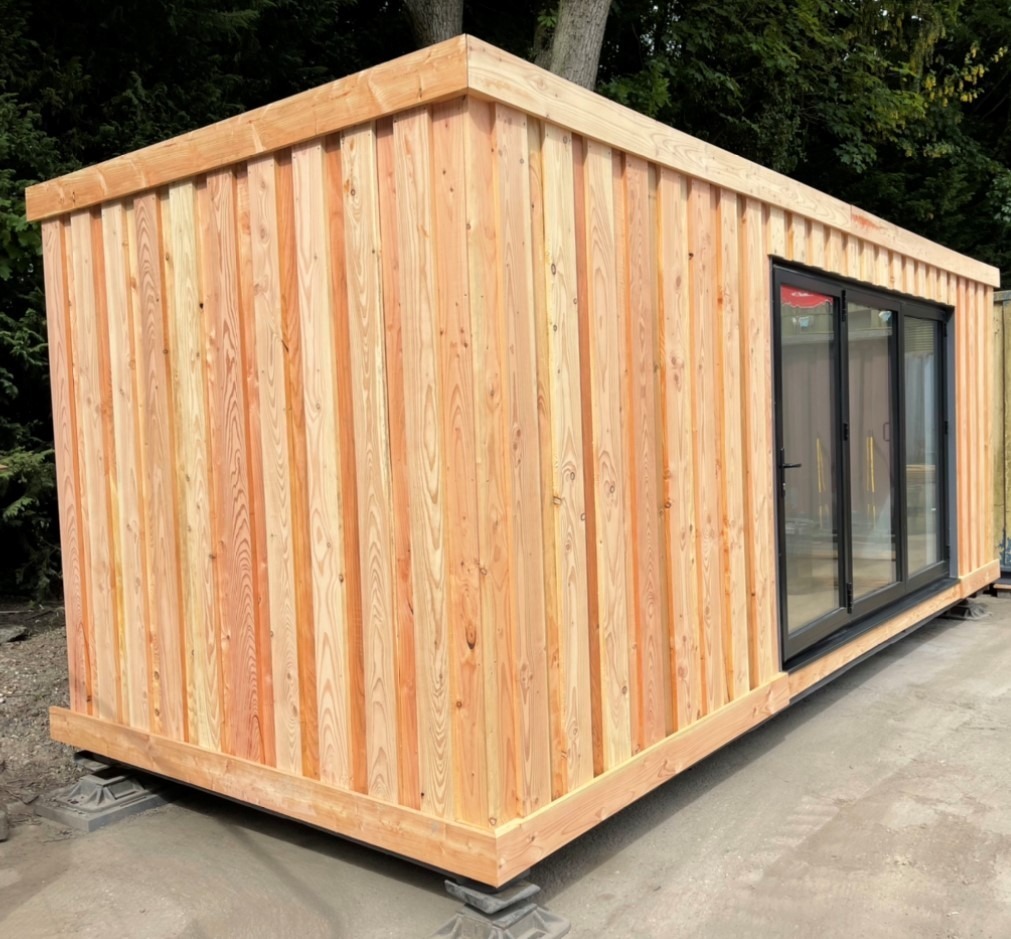
  • Fully wrapped in larch cladding

  • Lead Time for build 6-8 weeks

Location: Nationwide


£16,500.00

+ VAT

Not Available for Hire

Call for an instant quote!

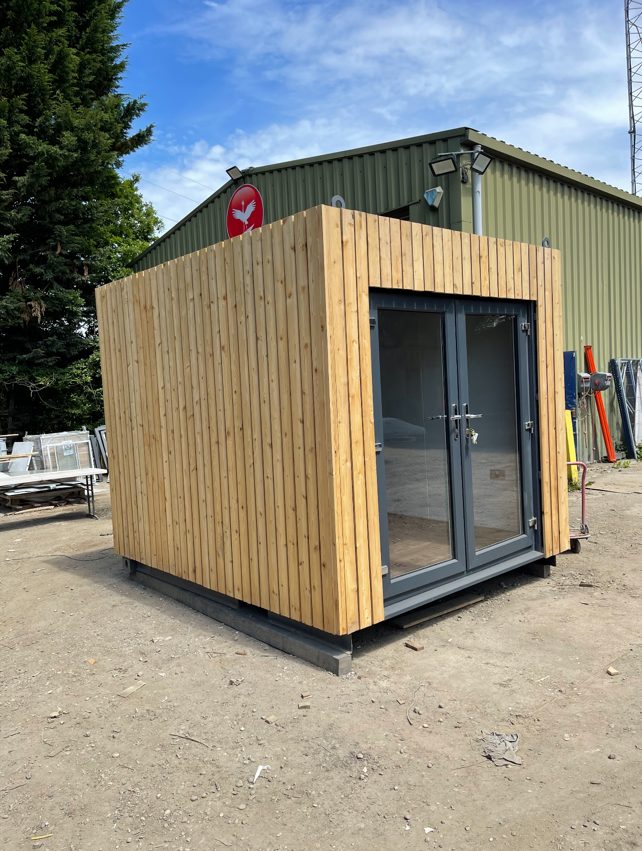
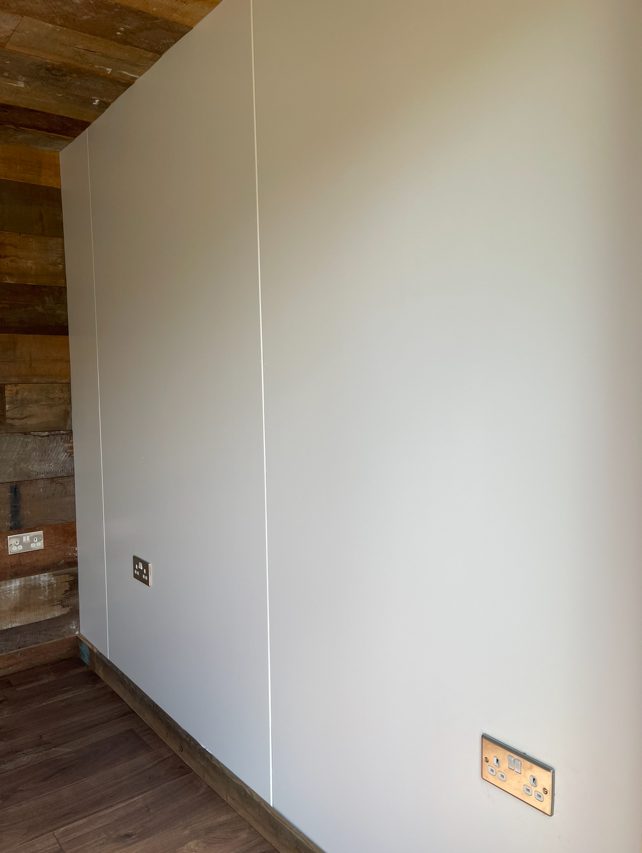
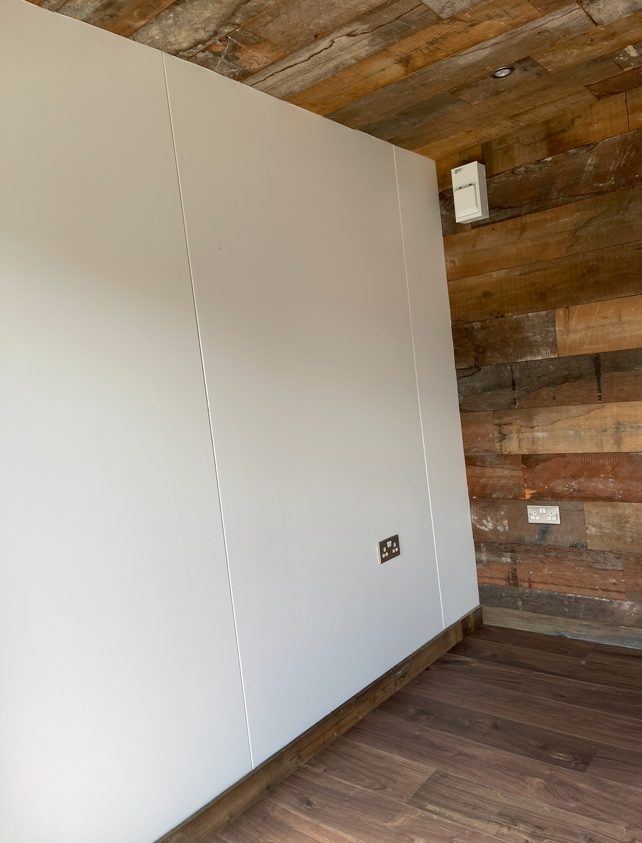
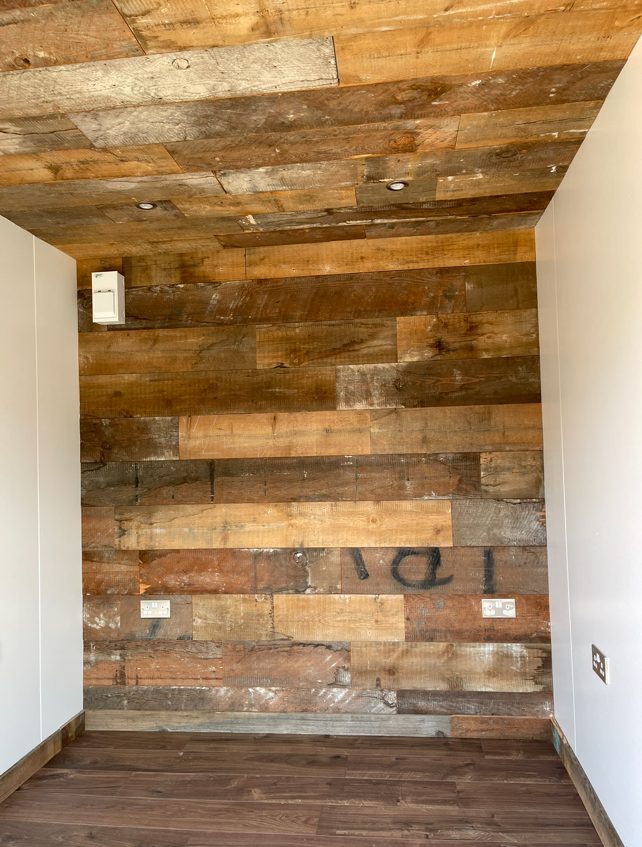
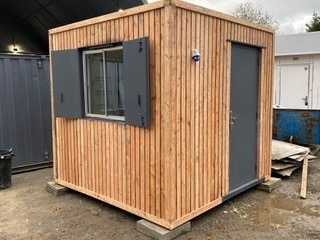
10ft x 8ft Container Conversion

  • Fully Insulated with electric sockets, spot lighting, and heating

  • Wood Flooring

  • Feature Clad Wall and Ceiling

  • UPVC Double glazed French Doors

  • Fully wrapped in larch cladding

  • Lead Time for build 6-8 weeks

Location: Nationwide


£12,500.00

EX VAT

Not Available for Hire

Call for an instant quote!

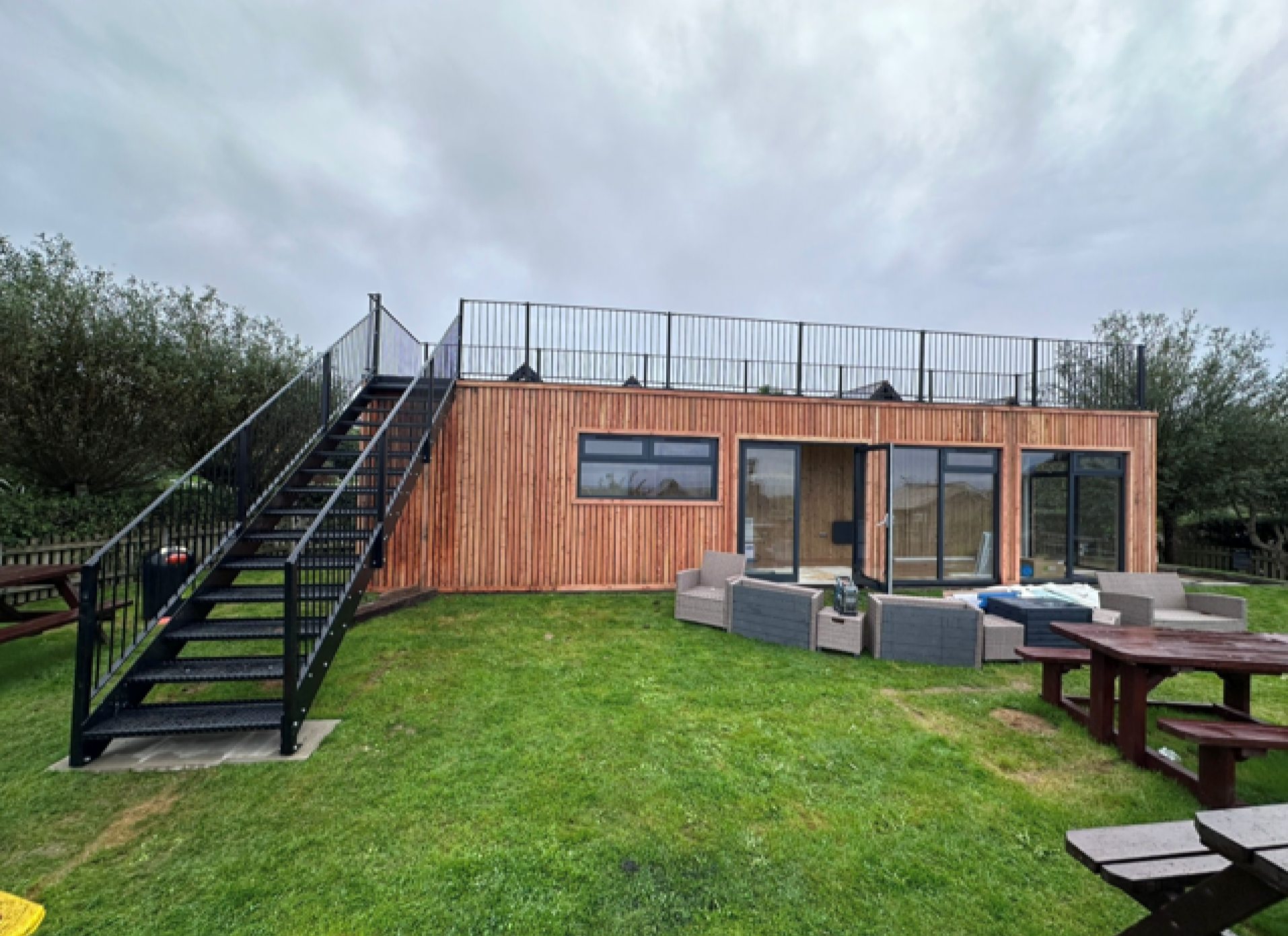
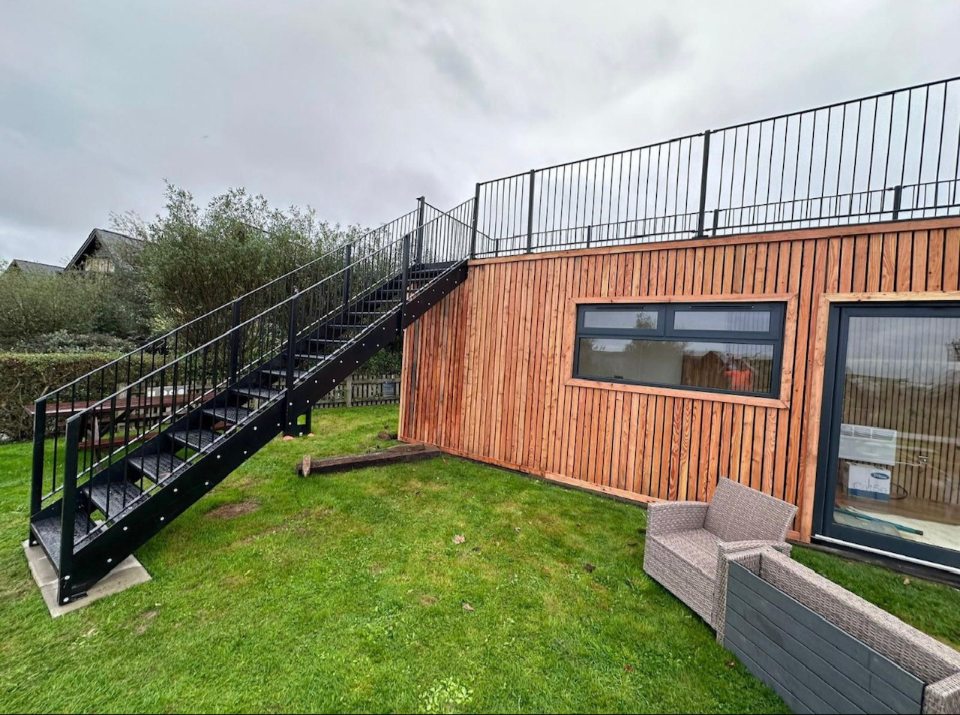
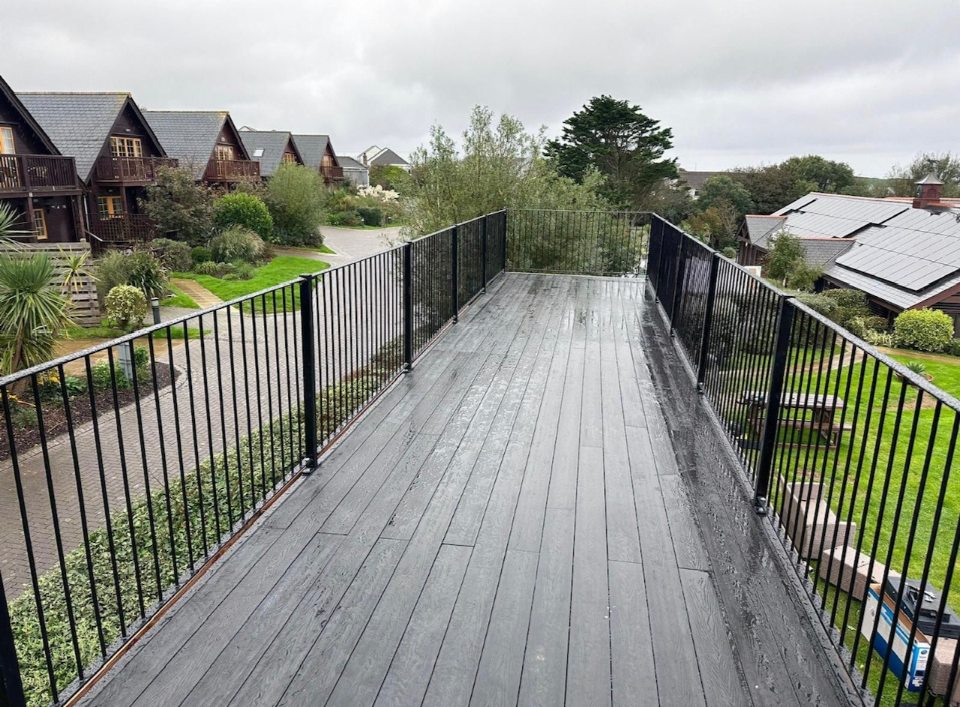
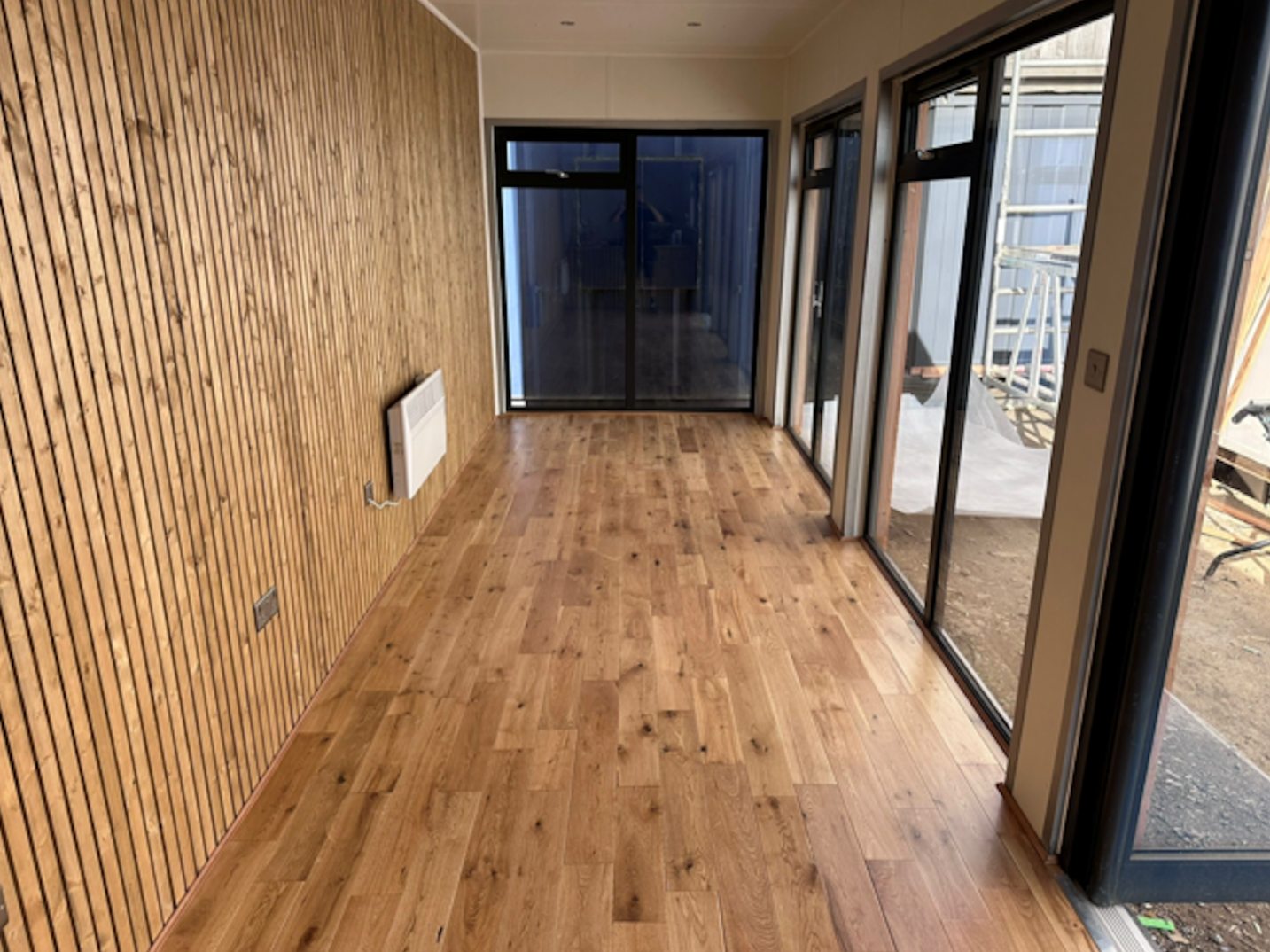
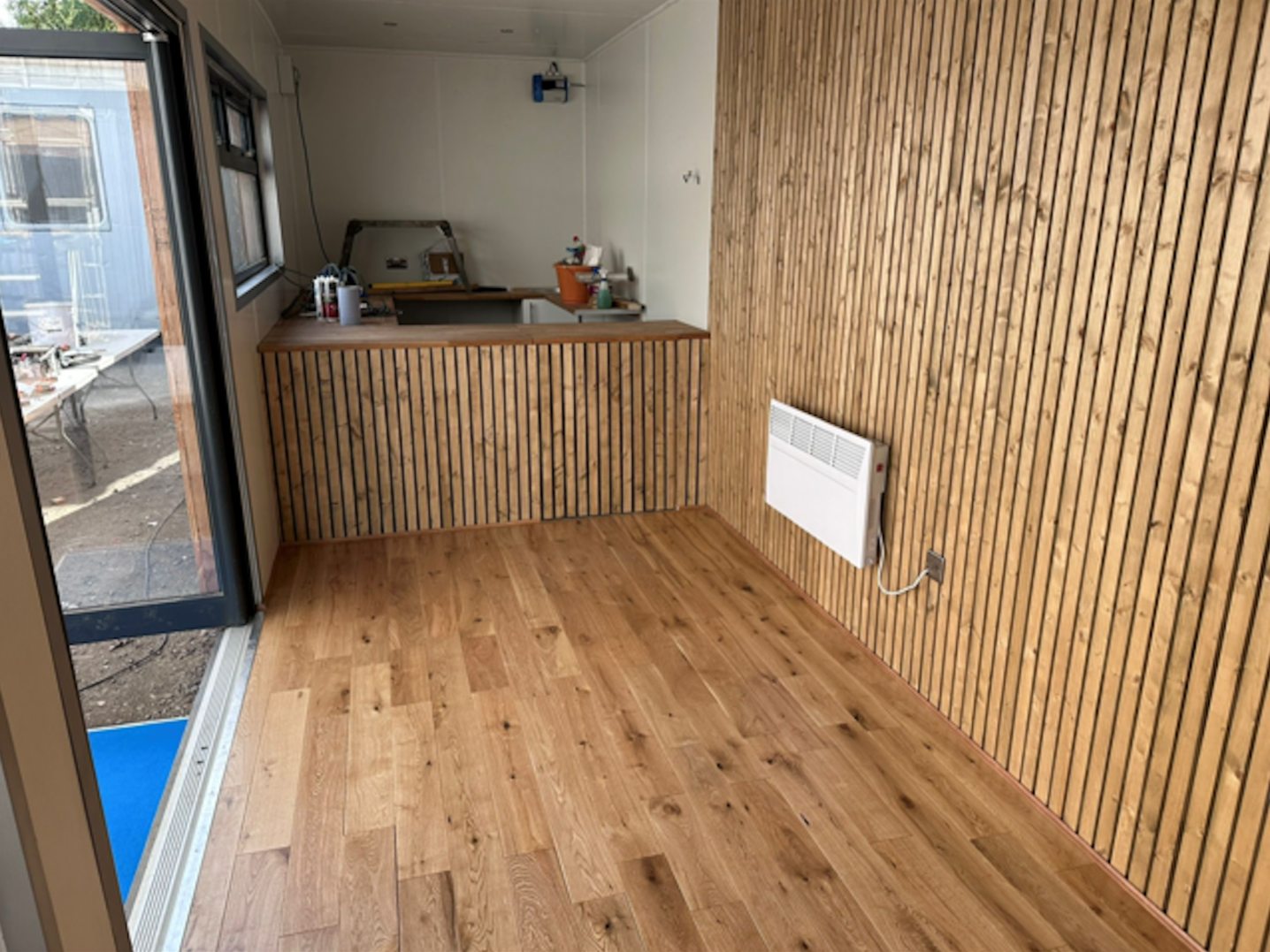
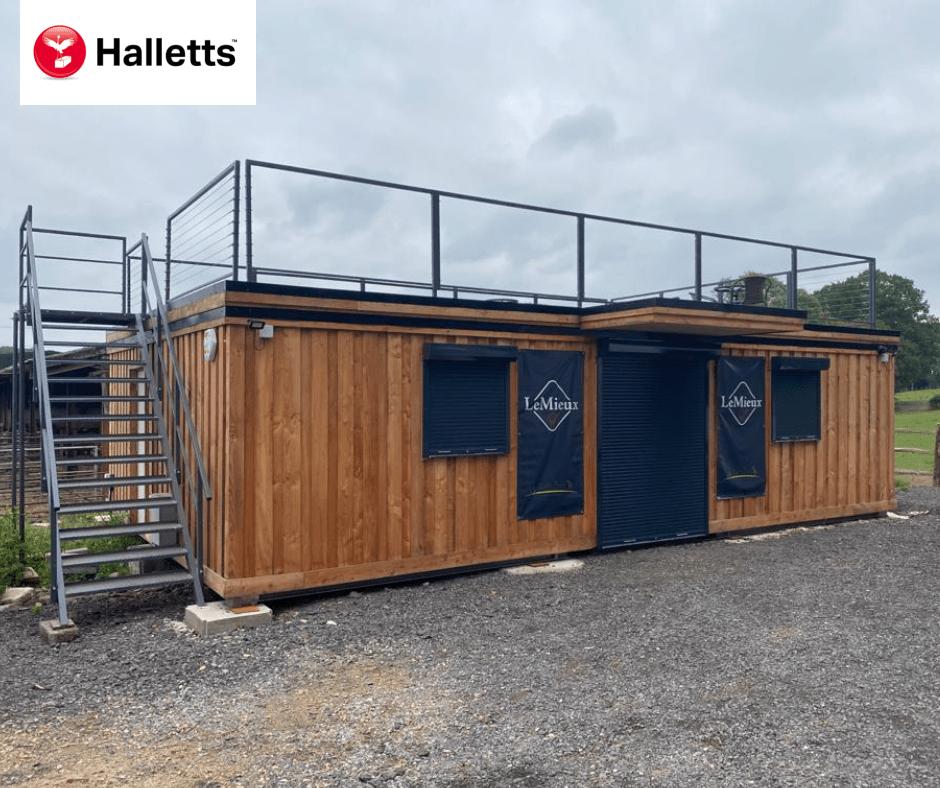
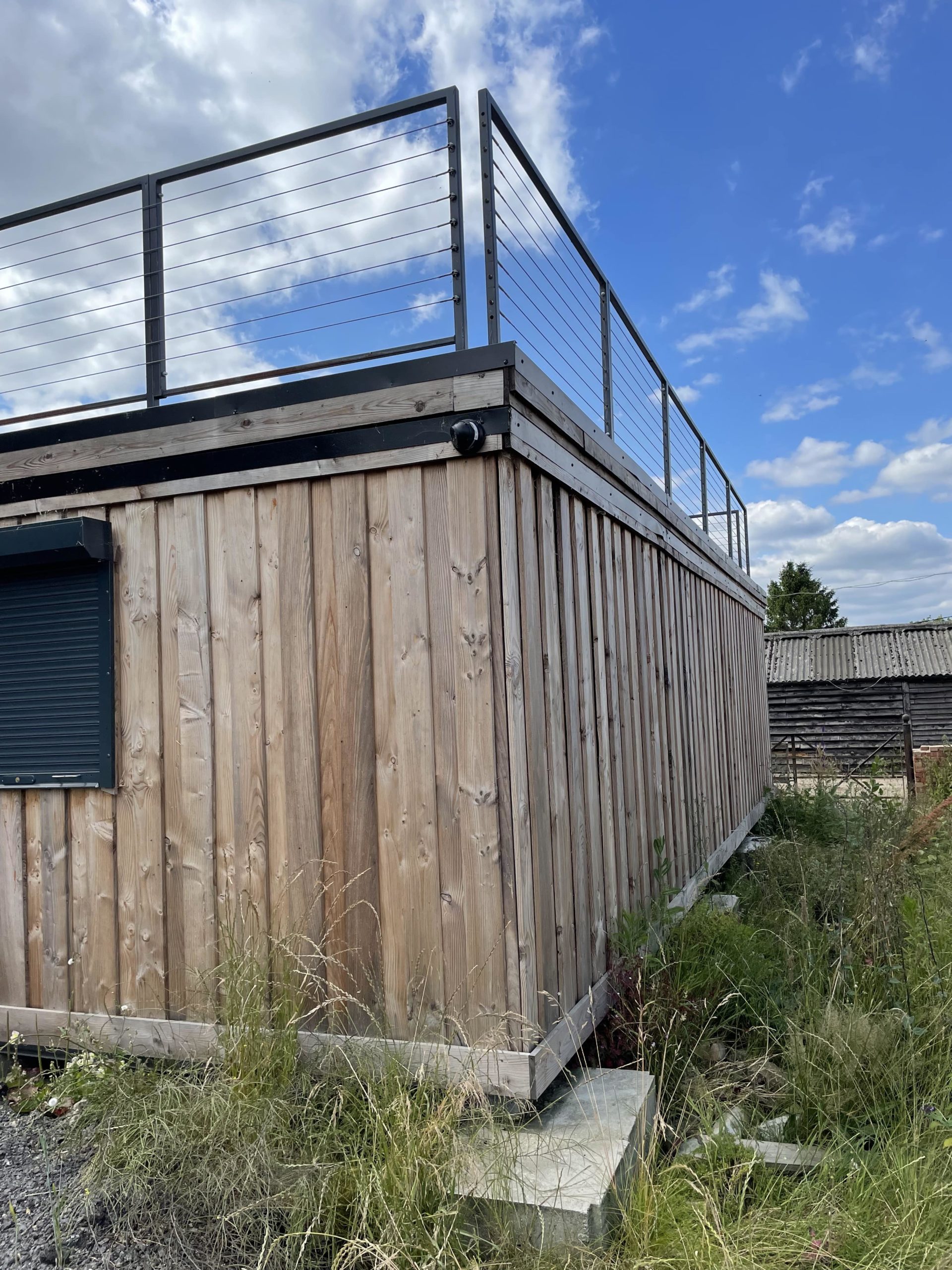
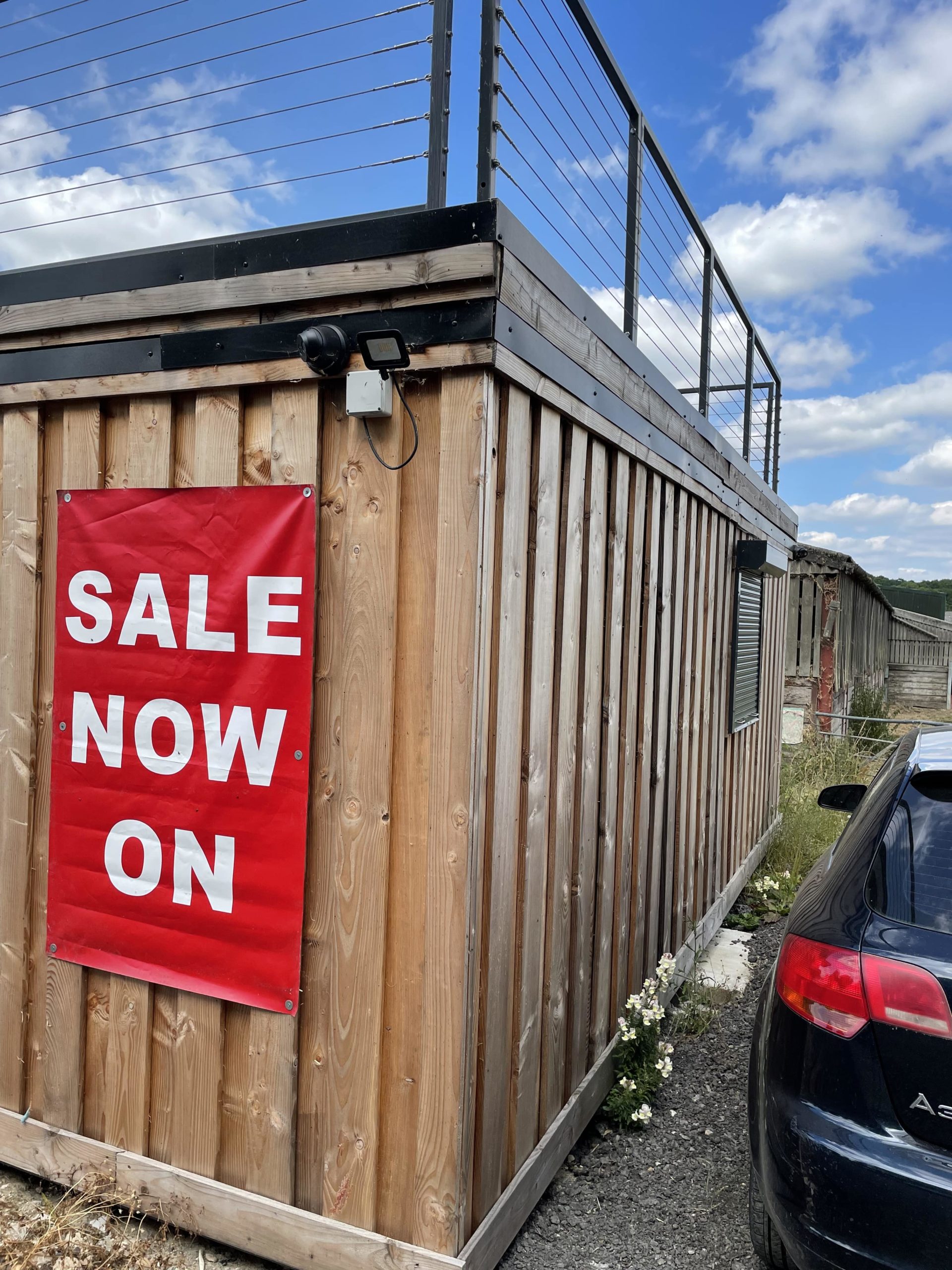
40ft x 8ft Rooftop Container Bar

  • 40ft x 8ft Rooftop Container Bar
  • Fully Insulated with electric sockets, spot lighting, and heating
  • Built in Bar
  • Wood Flooring
  • Feature Larch Clad Wall
  • Aluminium double glazed premium windows and double French doors
  • Fully wrapped in larch cladding
  • Steel staircase up to Rooftop terrace with full surrounding steel balustrade
  • Double container doors leading to cool room with Air Conditioning unit.
  • Lead Time for build 6-8 weeks

Location: Nationwide


£85,000.00

EX VAT

Not Available for Hire

Call for an instant quote!

  • Fully Refurbished
  • Zinc Roof
  • Colour Light Grey (Other Colour Options Available)
  • New Flooring
  • New Electric Sockets, Lighting and Heating
  • New UPVC Large and Small Windows
  • New Kitchenette with Partition
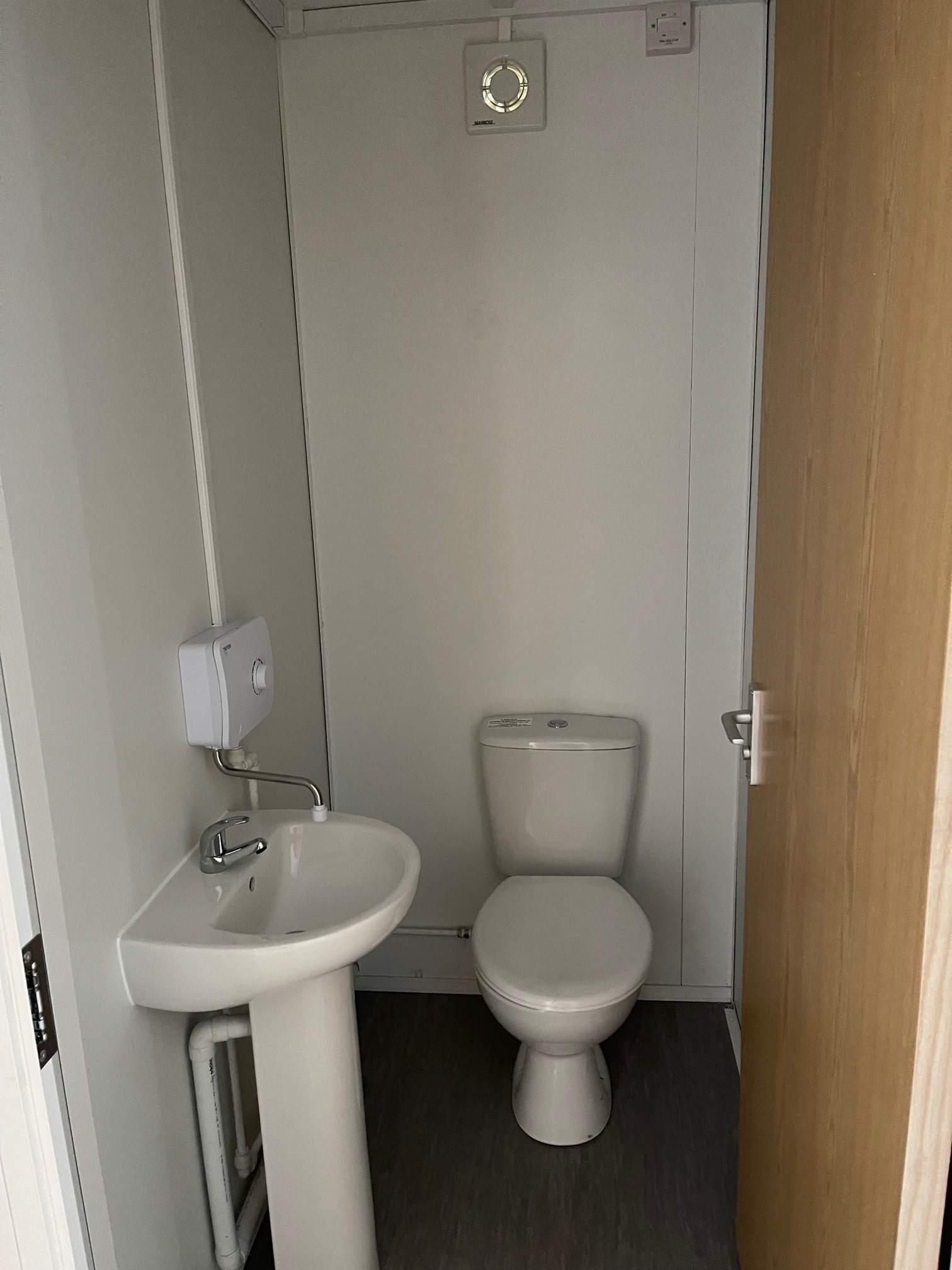
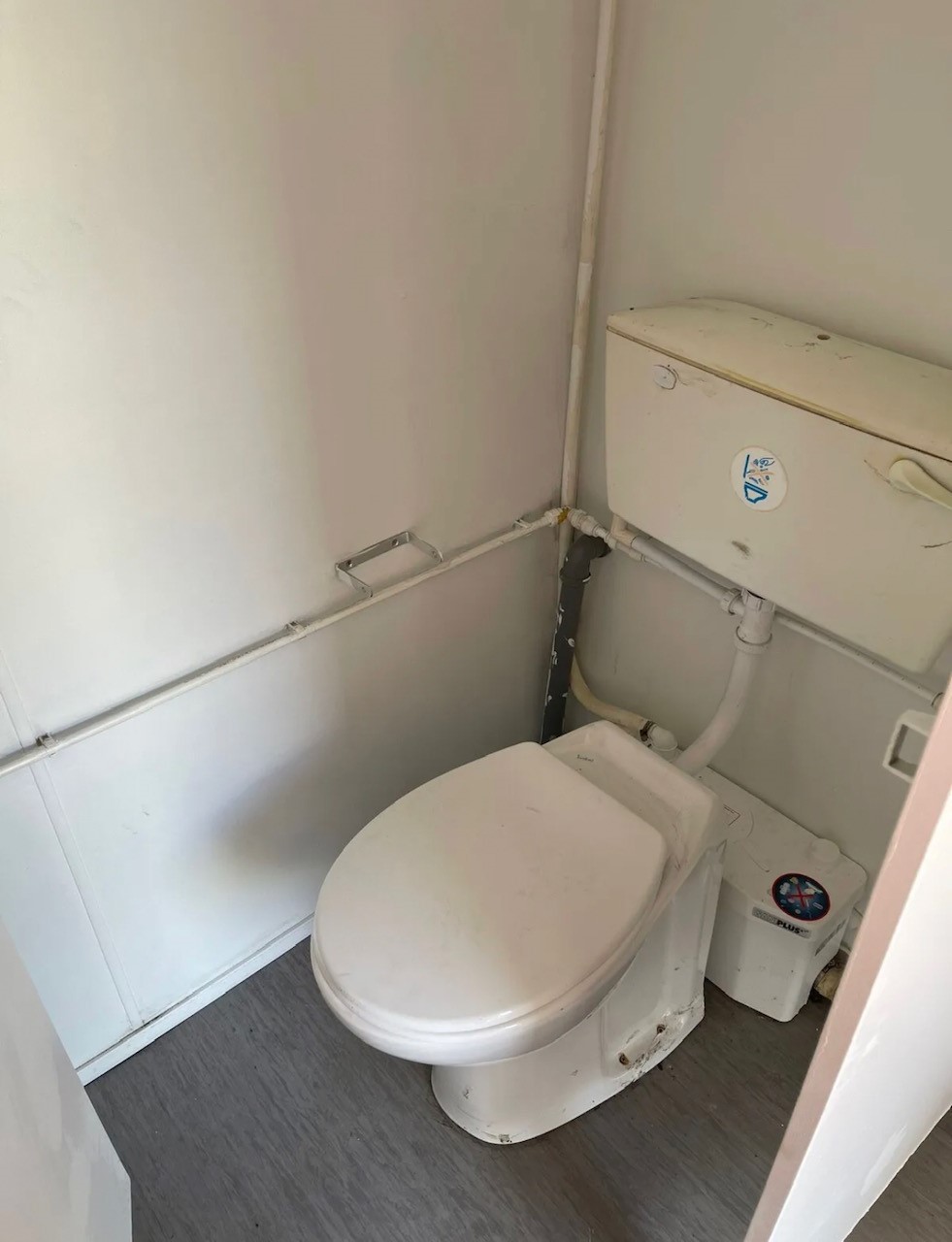
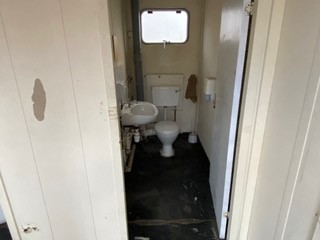
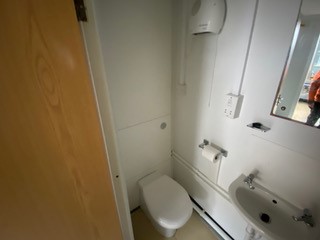
  • New Toilet Room with toilet, Sink, Water Heater and Fan

Location: Nationwide

£18,995

EX VAT

Not Available for Hire

Call for an instant quote!

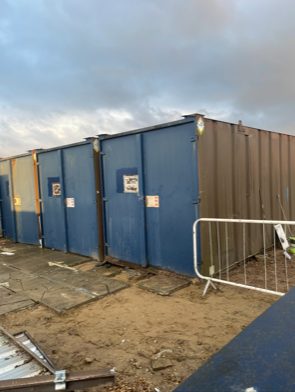
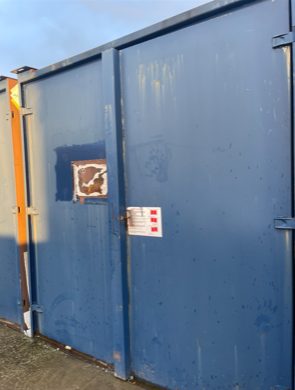
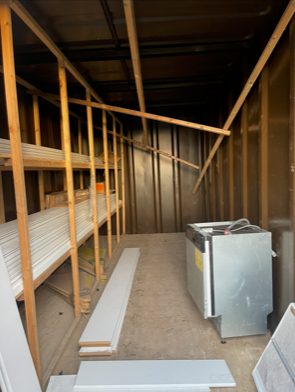
6 x 21ft x 8ft Container Stores

  • Wind and Water Tight
  • Very Good Condition
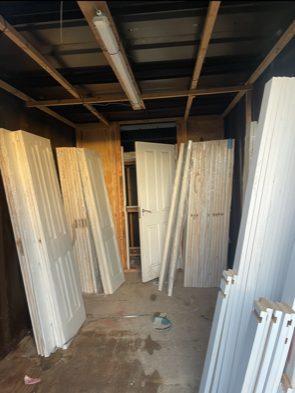
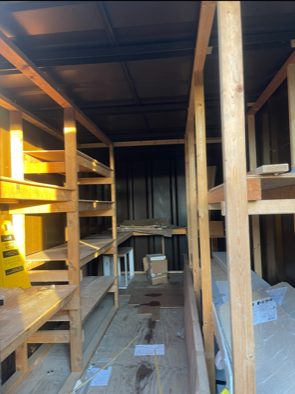
  • Some have racking inside
  • Floorings all good
  • Contents not included

Location: Nationwide


£1,500

EX VAT

Not Available for Hire

Call for an instant quote!

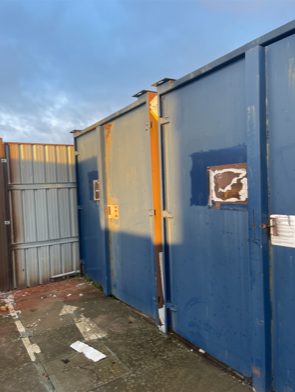
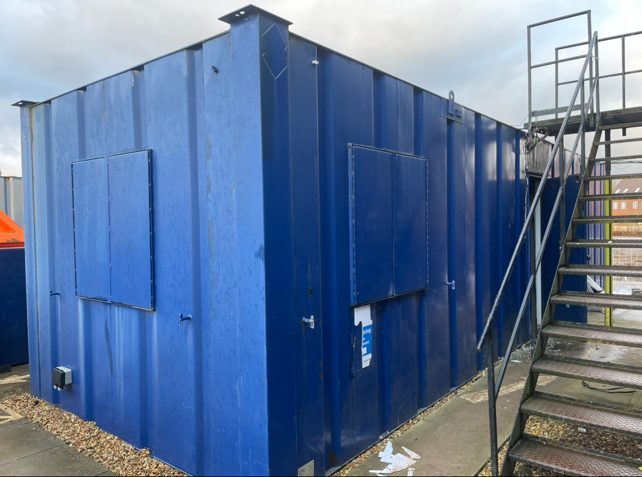
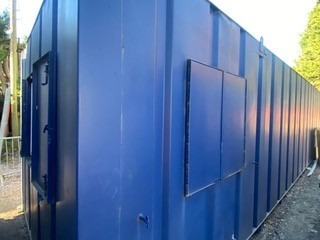
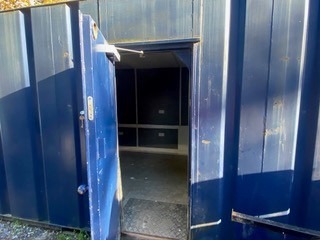
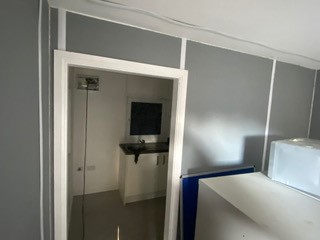
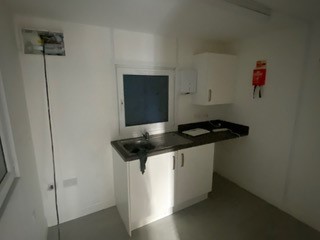
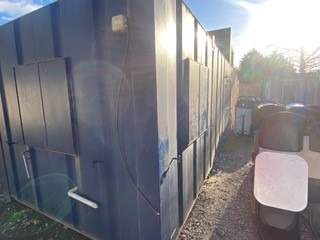
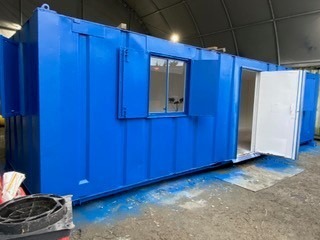
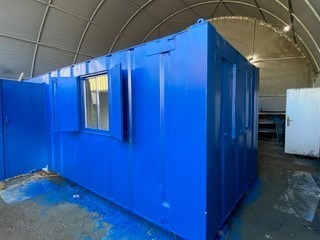
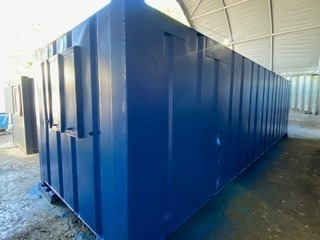
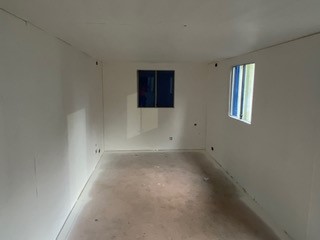
32ft x 10ft Anti Vandal Canteen in Blue

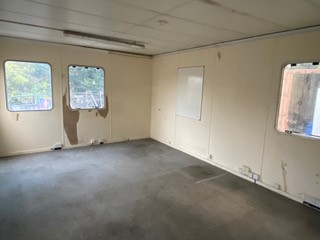
  • Used with electric sockets, lighting and heating
  • UPVC Double Glazed Windows
  • Furniture
  • Kitchenette 

Location: Nationwide


£4,995

EX VAT

Not Available for Hire

Call for an instant quote!

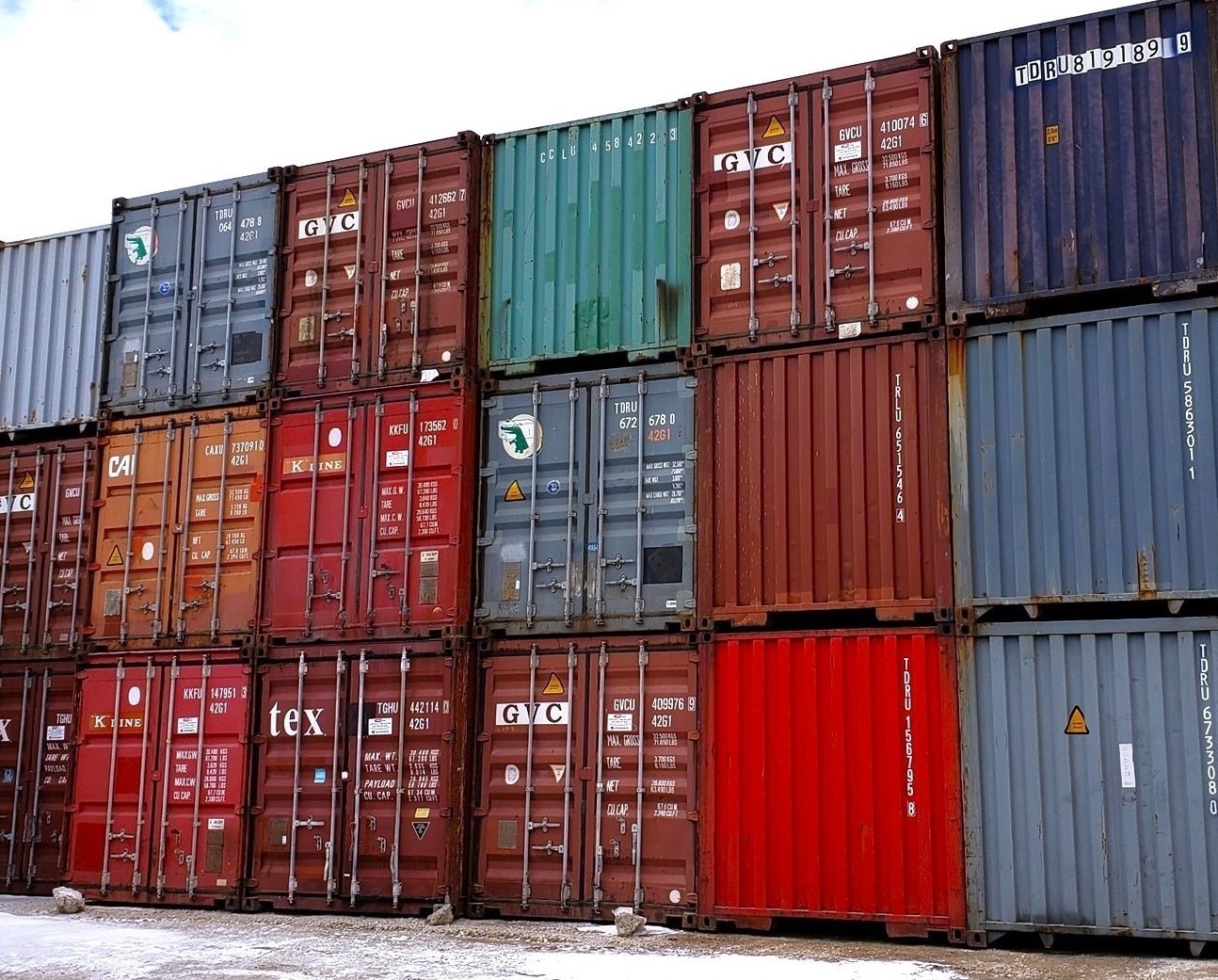
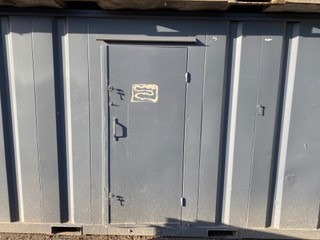
20ft Used Shipping Containers

  • Wind and Water Tight
  • Doors in good working Order
  • Random Selection
  • Lock Box and Lock additional cost.

Location: Nationwide


£1,500

EX VAT

Not Available for Hire

Call for an instant quote!

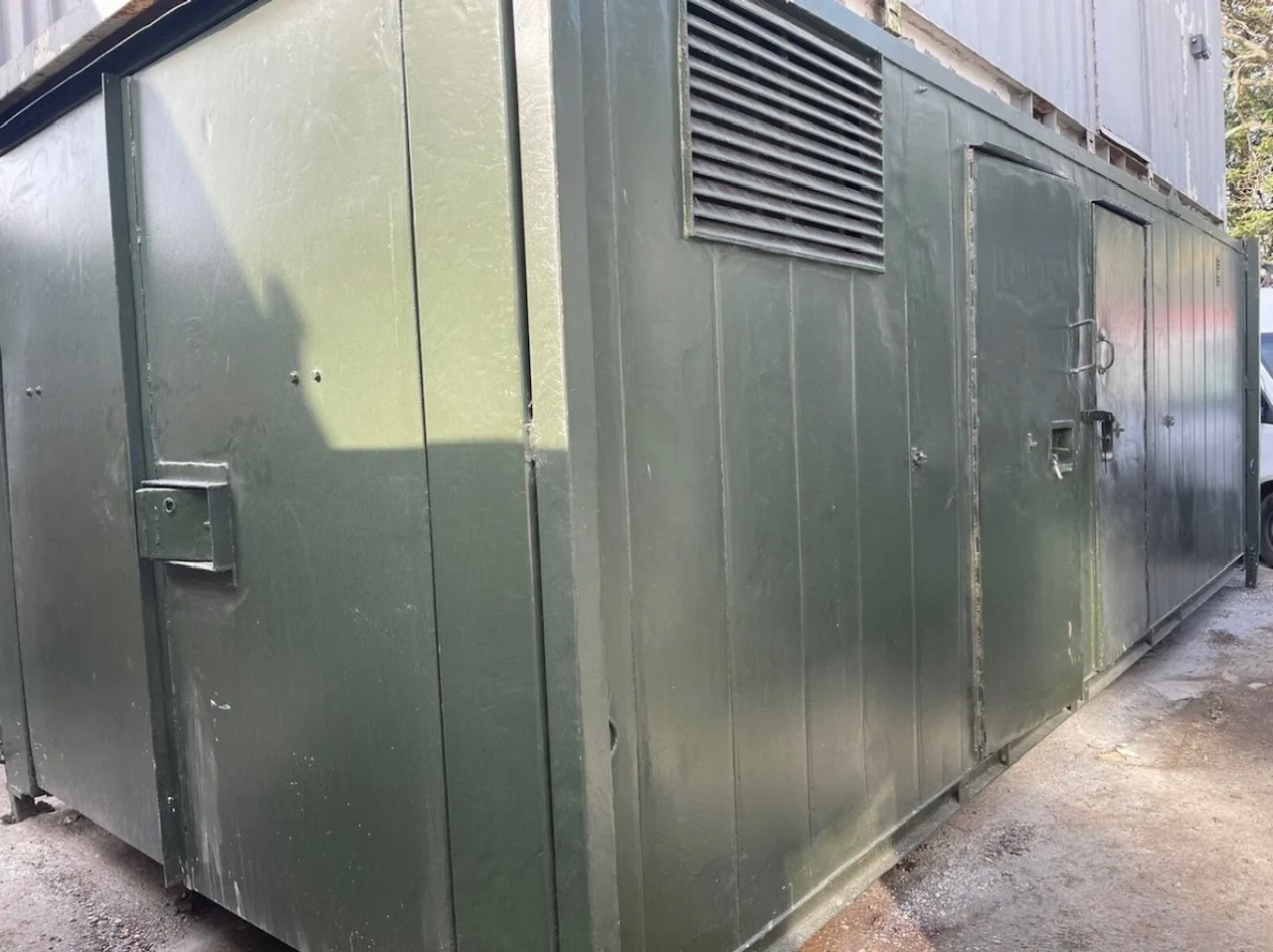
24ft x 10ft Jack Leg Anti Vandal Canteen/Toilet/Storage

  • Split entrance for Canteen room and WC which includes single cubical, urinal and sink.
  • Container door end with storage.
  • Electric Sockets, Lighting and Heating
  • Fitted Floor to Ceiling Cupboards
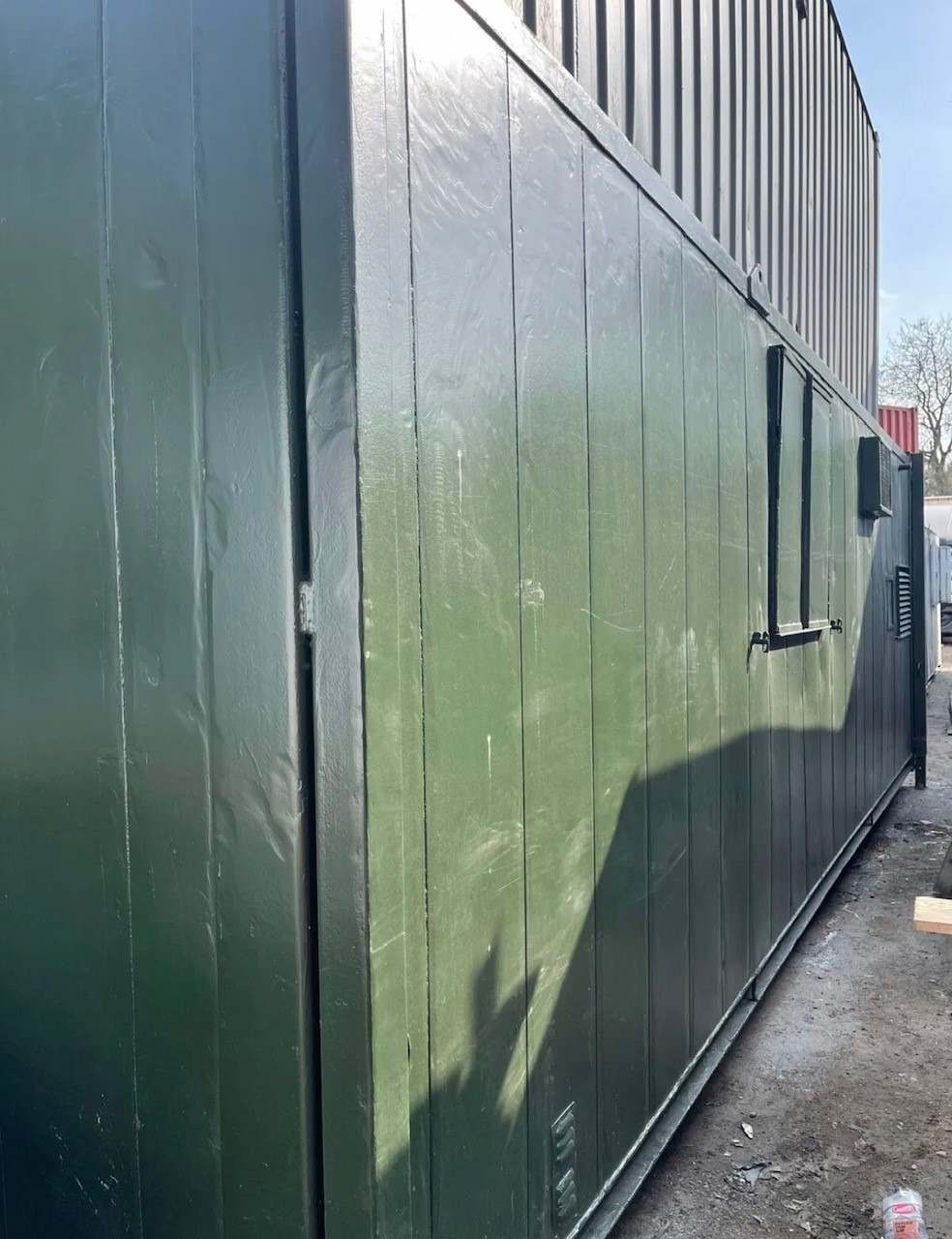
  • Colour: Dark Green

Location: Nationwide


£5,000

EX VAT

Not Available for Hire

Call for an instant quote!

40ft x 12ft Jack Leg Genuine Portakabin Pullman

  • 2 x Offices, Canteen and WC
  • Electric Sockets, Lighting and Heating
  • Colour: Light Grey
  • Full or Part Refurbishment option is available please ask.

Location: Nationwide


£9,500

EX VAT

Not Available for Hire

Call for an instant quote!

32ft x 10ft Anti Vandal Split Canteen/Office

  • Canteen approx 10ft – Office approx 22ft
  • Electric Sockets, Lighting and Heating
  • UPVC Double Glazing
  • Colour: Dark Blue

Location: Nationwide


£5,500

EX VAT

Not Available for Hire

Call for an instant quote!

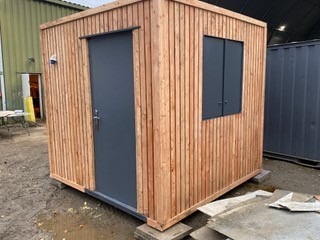
8ft x 8ft Anti Vandal Gate House/Office

  • Open Plan
  • Electric Sockets, Lighting and Heating
  • Colour: Clad in New Larch Timber

Location: Nationwide


£5,500

EX VAT

Not Available for Hire

Call for an instant quote!

20ft x 10ft Anti Vandal Sleeper Unit

  • Split sides with two entrances, each side has its own room and Shower Toilet Facility
  • Electric Sockets, Lighting and Heating
  • Colour: Dark Grey

Location: Nationwide


£6,500

EX VAT

Not Available for Hire

Call for an instant quote!

21ft x 8ft Anti Vandal Canteen

  • Open Plan
  • Electric Sockets, Lighting and Heating, Hot water Unit + kitchen with cupboards and work top.
  • Colour: Dark Grey 

Location: Nationwide


£4,200

EX VAT

Not Available for Hire

Call for an instant quote!

30ft x 9ft Anti Vandal Fire Rated Office

  • Open Plan Refurbished
  • Electric Sockets, Lighting and Heating
  • Colour: Dark Blue

Location: Nationwide


£6,500

EX VAT

Not Available for Hire

Call for an instant quote!

24ft x 9ft Anti Vandal Office

  • Open Plan
  • Electric Sockets, Lighting and Heating
  • Colour: Dark Grey

Location: Nationwide


£4,200

EX VAT

Not Available for Hire

Call for an instant quote!

22ft x 9ft Jack Leg Portable Cabin

  • 22ft x 9ft Jack Leg Portable Cabin
  • Open Plan
  • Electric Sockets, Lighting and Heating
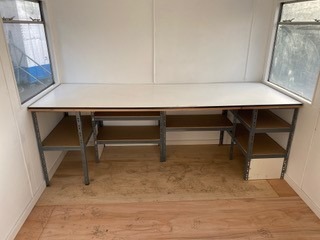
  • Fitted Desk and Floor to Ceiling Cupboards
  • Colour: Light Grey

Location: Nationwide


£4,995

EX VAT

Not Available for Hire

Call for an instant quote!

24ft x 9ft Jack Leg Portable Cabin

  • 24ft x 9ft Jack Leg Portable Cabin
  • Split Offices with two entrances
  • Electric Sockets, Lighting and Heating
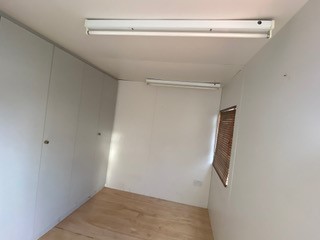
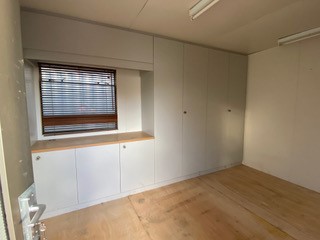
  • Fitted Floor to Ceiling Cupboards
  • Colour: Light Grey

Location: Nationwide


£5,500

EX VAT

Not Available for Hire

Call for an instant quote!

10ftx8ft – £5950 + Vat / 16ftx8ft – £7950 + Vat / 20ftx8ft – £9000 + Vat / 24ftx8ft – £12000 + Vat / 30ftx8ft – £13500 + Vat

  • Reinforced doors and windows with secure locking
  • Open plan with electric sockets and lighting
  • Any Extras available: Canteen, Partitions, Toilets.

Location: Nationwide


From £5,950

EX VAT

Not Available for Hire

Call for an instant quote!

  •  Electric Sockets, Lighting and Heating
  •  Wind & watertight
  •  Sprayed Dark Grey

Location: Nationwide


£4,995

EX VAT

Not Available for Hire

Call for an instant quote!

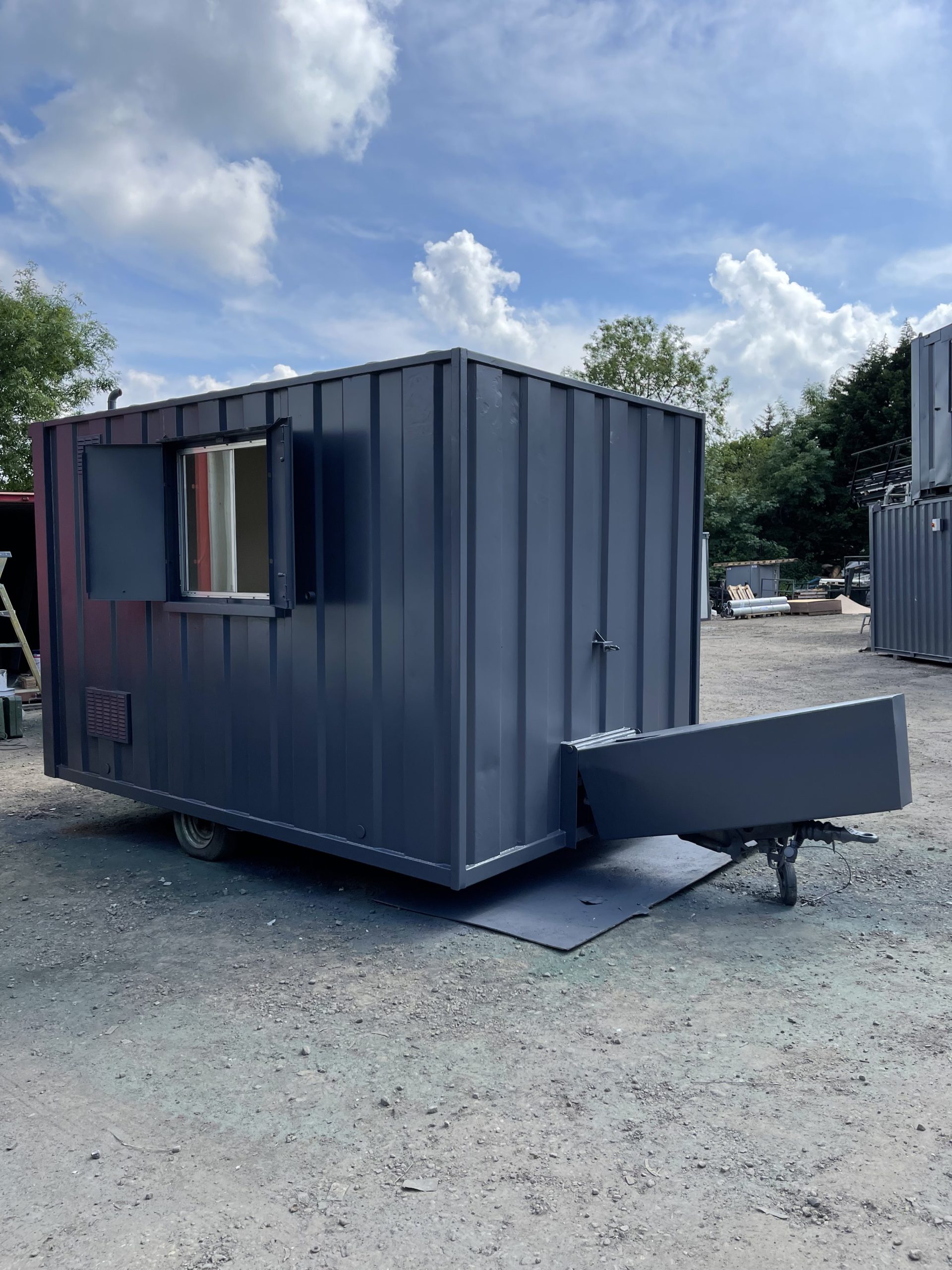
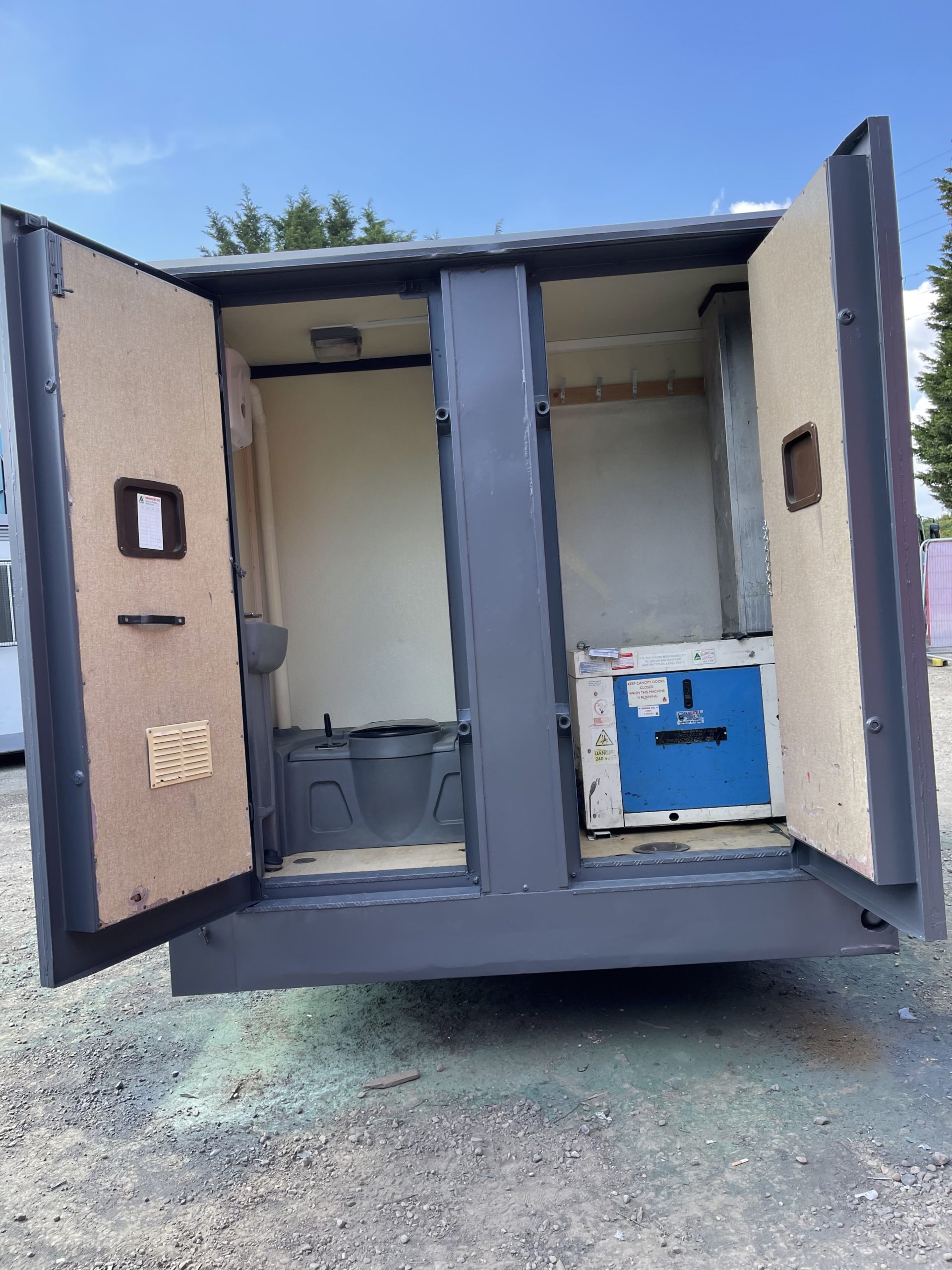
  • 12ft Towable Gound Hog
  • Includes: toilet, canteen and seating area
  • Full working generator, fully serviced and in great condition


Location: Nationwide


£6,500

EX VAT

Not Available for Hire

Call for an instant quote!

  • Reinforced doors with secure locking 
  • Electrics and lights included
  • Sink and water boiler included

Location: Nationwide

Quantity: ∞

£15,000

EX VAT

Not Available for Hire

Call for an instant quote!

• Reinforced doors and windows with secure locking
• Open plan with electric sockets and lighting
• Ral Code Colour of choice

• Any Extras available : Canteen, Partitions, Toilets.

Location: Nationwide


£11,995

EX VAT

Not Available for Hire

Call for an instant quote!

• Reinforced doors and windows with secure locking

• Open plan with electric sockets and lighting

• Ral Code Colour of choice

• Any Extras available : Canteen, Partitions, Toilets.

Location: Nationwide


POA

Not Available for Hire

Call for an instant quote!

test

• Reinforced doors with secure locking
• Sink and water boiler included

Location: Nationwide

Quantity: ∞

£12,495

EX VAT

Not Available for Hire

Call for an instant quote!

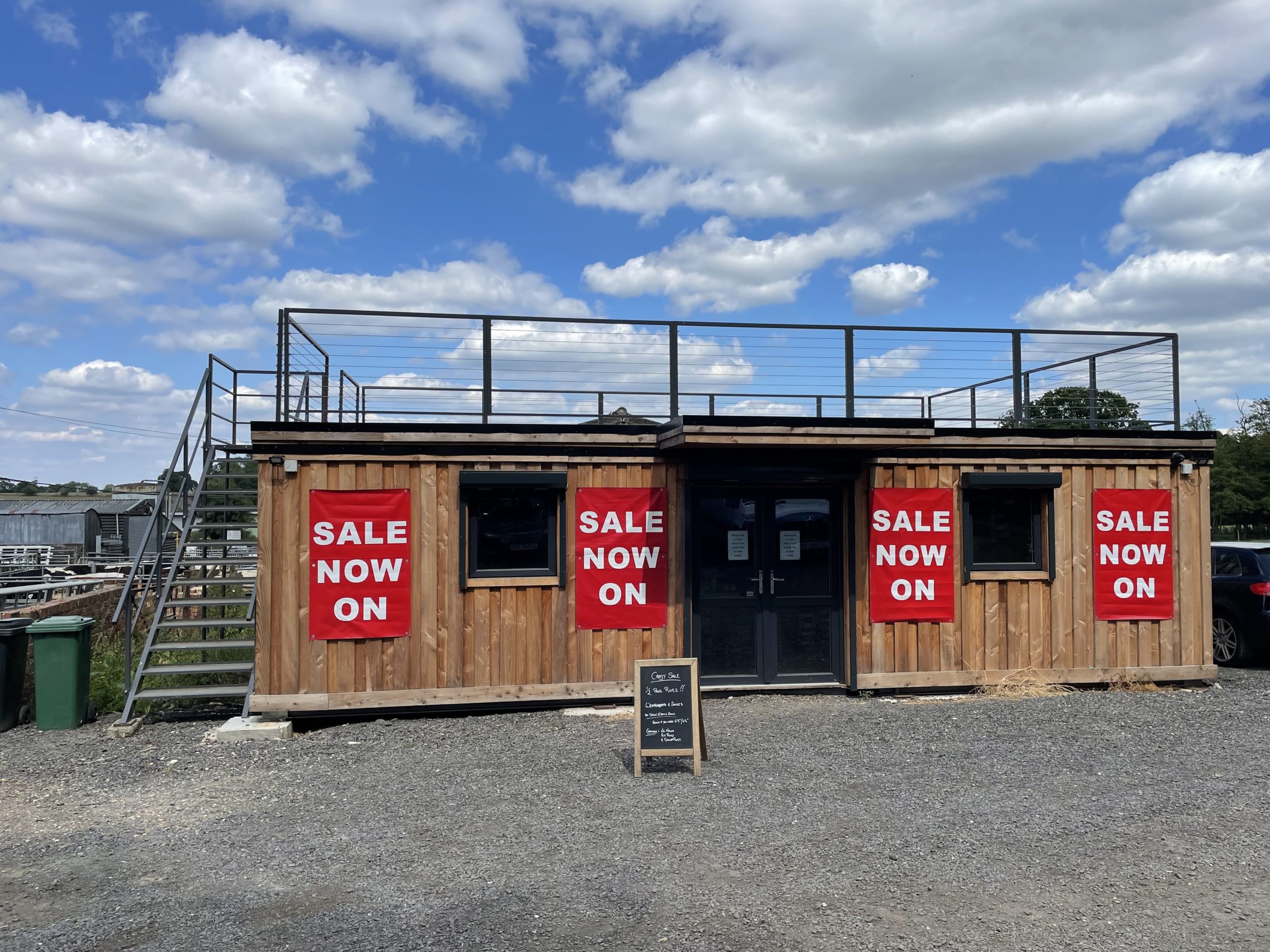
32ft x 20ft Cabin

  • Reinforced doors with secure locking 
  • Electrics and lights included
  • Sink and water boiler included
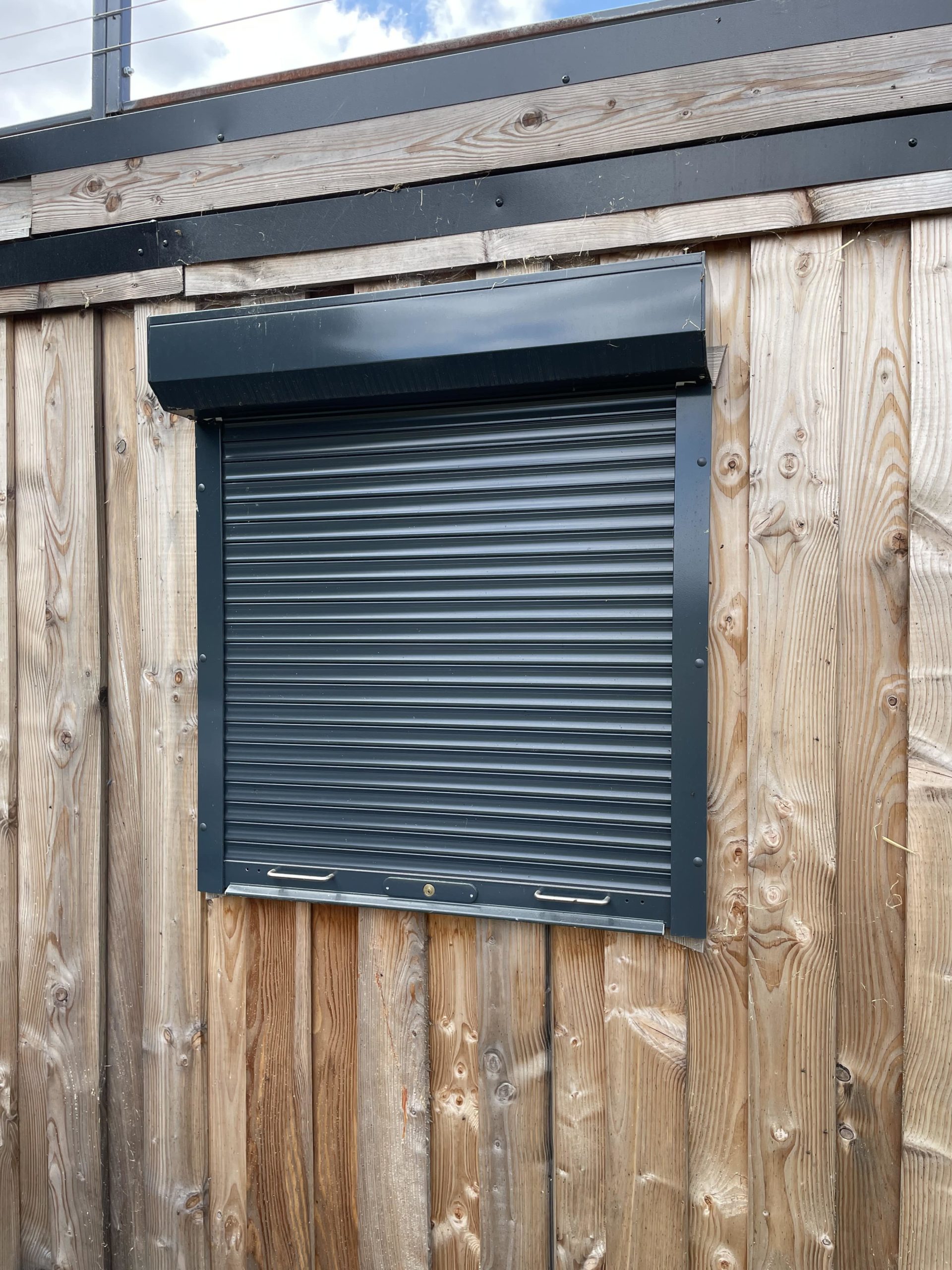
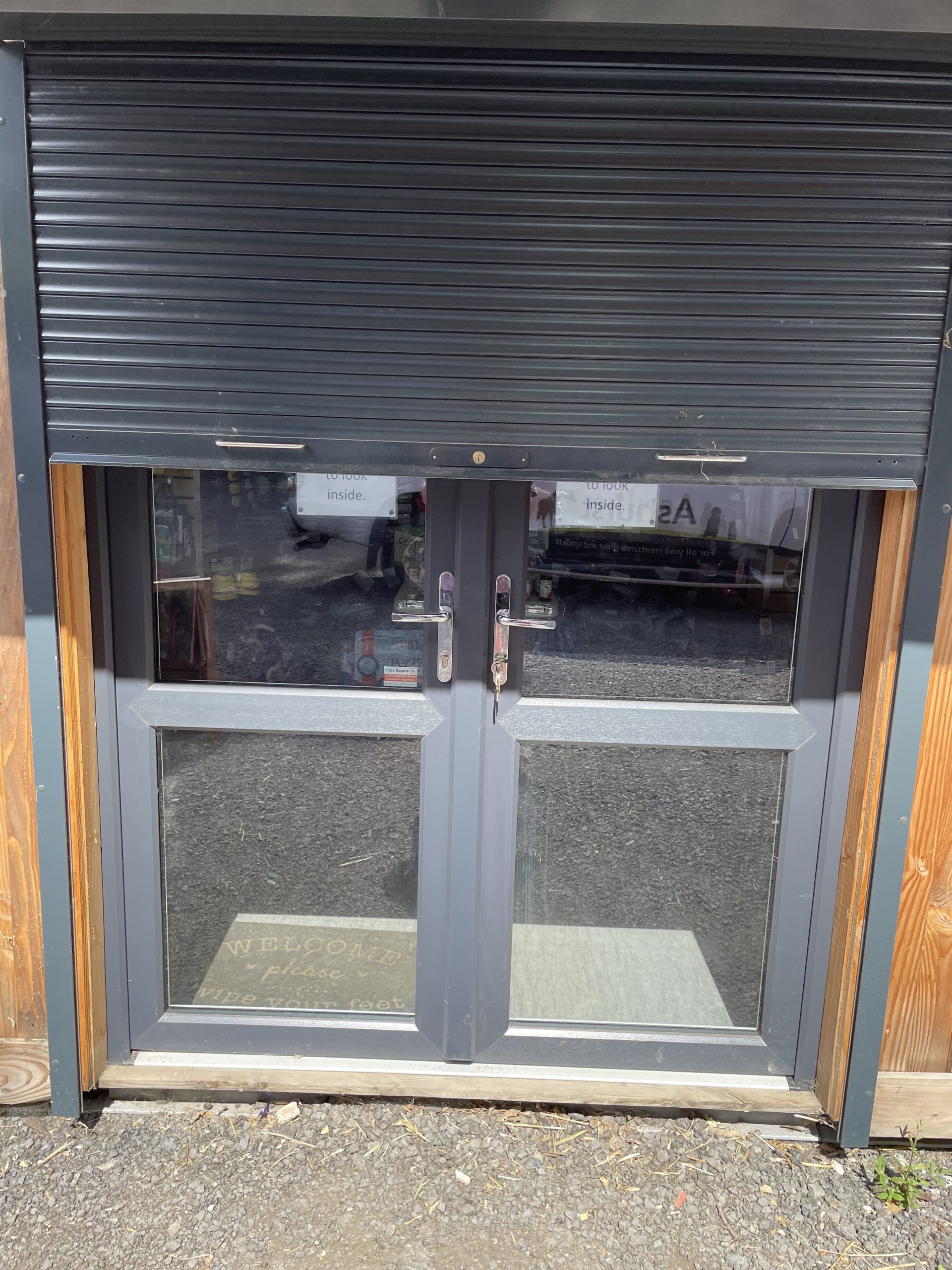
  • Electric Roller Shutters
  • Roof top terrace 
  • Store Room 
  • Slatwall installation 

Location: Nationwide


£39,000

EX VAT

Not Available for Hire

Call for an instant quote!

Looking to Buy or Hire?

Get a Quick Container Quote Now!

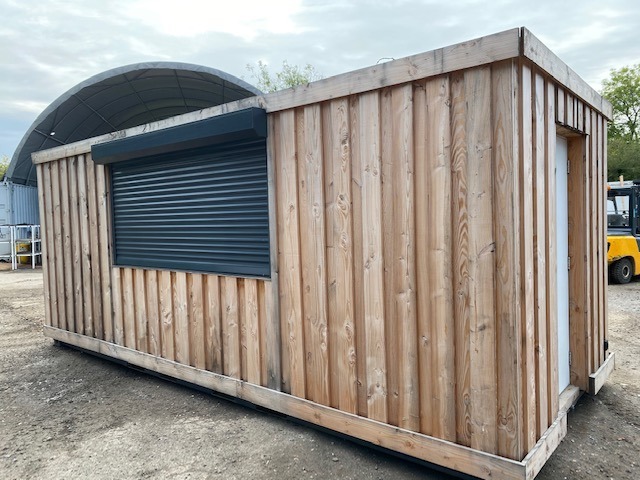
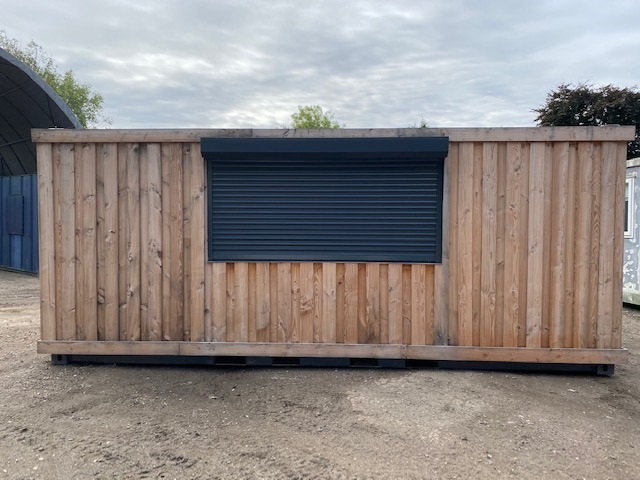
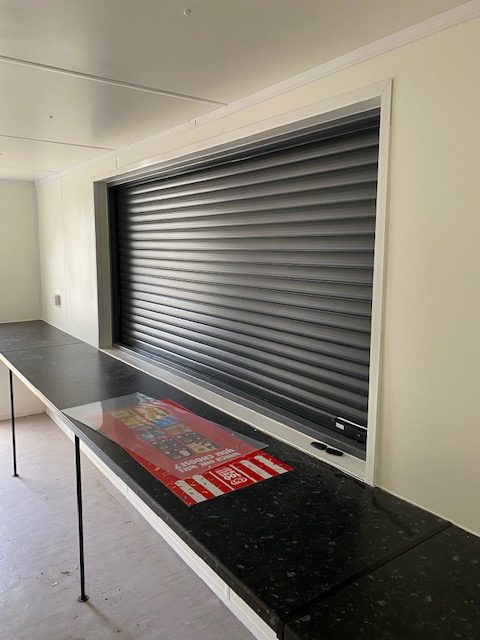
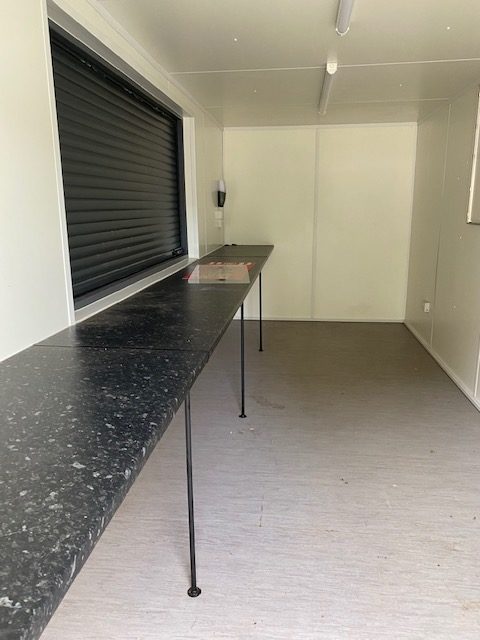
20ft x 8ft Container Kiosk

  • Open plan layout with worktop serving area
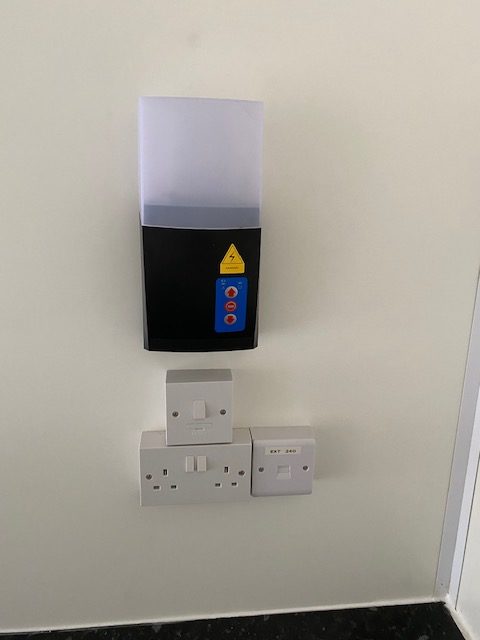
  • Electric roller shutter with remote control
  • Electrics and lights included

Location: Nationwide


£15,000

EX VAT

Not Available for Hire

Call for an instant quote!

Looking to Buy?

Get a Quick Container Quote Now!

Newsletter Signup Form

Be the first to discover our exclusive offers and latest company updates by signing up to our email newsletter. Every month we’ll keep you informed of our best prices, industry updates, customer’s container projects, national shows we’ll be exhibiting at, and much more.

Looking to Buy or Hire?

Get a Quick Container Quote Now!