Choosing a Noise Meter in 2026 requires more than comparing prices or display sizes. A reliable instrument should match your measurement purpose, environment, and expected sound levels. Workplace assessments, construction monitoring, classroom checks, and home troubleshooting all demand different features. A meter designed for occasional indoor checks may struggle beside heavy machinery.
Accuracy begins with the microphone and measurement standards. Look for documented accuracy, suitable frequency weighting, response settings, and a clear calibration process. A-class and C-class weighting can produce different readings, so users should understand the difference before recording results. Data logging, maximum-level capture, and a readable screen can also save valuable time outdoors. Small details matter.
Real experience often reveals weaknesses that product pages hide. Wind, reflections, handling noise, and low batteries can distort a reading within seconds. I have seen simple measurements become confusing because the operator stood too close to a wall. Better technique helps, but no Noise Meter removes every uncertainty. That limitation deserves attention. Buyers should verify technical specifications, calibration support, warranty terms, and independent test evidence before deciding. A professional model may be unnecessary for basic awareness, while a bargain device may create false confidence during important assessments. The best choice is not always the most expensive one. It is the meter that produces understandable, repeatable results for your specific task.
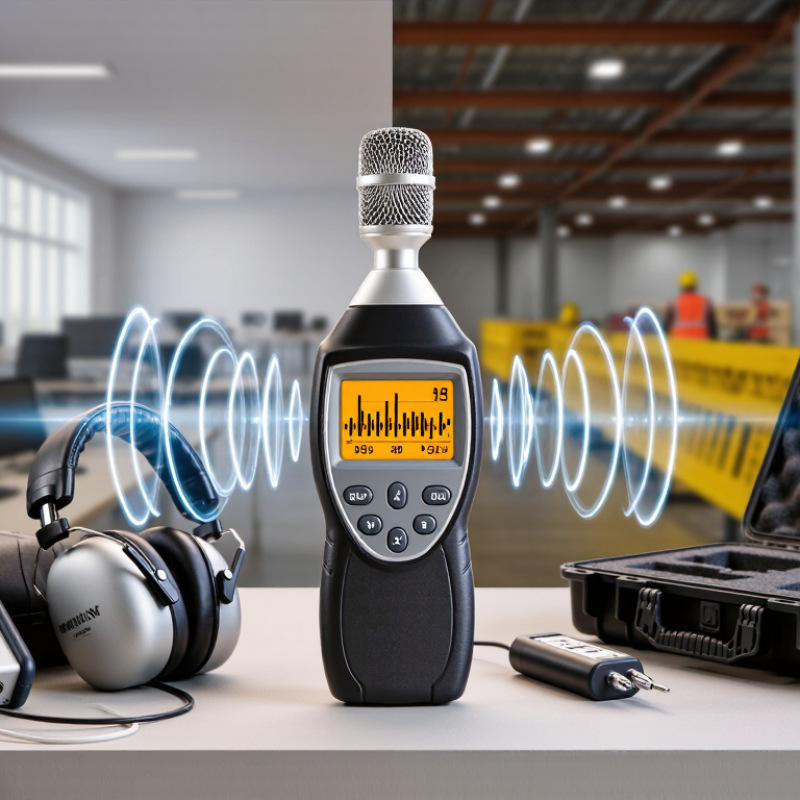
How to Choose a Noise Meter in 2026?
Define the Noise Measurement Task and Its Required Accuracy
Choosing a noise meter begins with defining the question it must answer. A workplace check may require personal exposure data over an entire shift. A machinery inspection may need short, repeatable readings near a rotating motor. Community monitoring often requires stored data, timestamps, and weather notes. The measurement context changes the instrument requirements. Do not begin with features alone.
Accuracy should match the decision, not exceed it blindly. For routine screening, a reliable general-purpose meter may be sufficient. Formal assessments usually demand tighter accuracy, documented calibration, and suitable frequency and time weightings. Check whether the instrument supports the applicable technical standard in your region. A higher specification cannot repair poor placement. Nor can it replace a trained operator.
In field work, I have seen readings change several decibels when a microphone moved behind a shoulder. Small details matter. Hold the sensor away from reflective surfaces, record the distance, and note unusual events, such as doors closing or vehicles passing. Calibrate before and after important measurements with a suitable acoustic calibrator. I once skipped the final check during a rushed inspection, and the result seemed acceptable but remained difficult to defend. That weakness stayed with me. Choose a meter that makes correct practice easy, while leaving enough records to question your own assumptions.
Choosing a noise meter in 2026 starts with the measurement task, not the screen size. A basic sound level meter suits quick checks in workshops, classrooms, or residential rooms. An integrating-averaging meter is better for changing noise, such as traffic passing a window. For workplace exposure, a personal noise dosimeter records sound near the worker’s ear during a shift. Octave-band meters add frequency detail, helping identify low engine rumble or sharp machinery tones.
Standards matter because readings need a trusted reference. Look for instruments tested against IEC 61672 or relevant ANSI requirements, depending on your region and project. A laboratory certificate is useful, but field calibration still matters. I check the meter before and after a site visit, using an acoustic calibrator. Small handling errors can change the result. They are easy to underestimate.
Measurement functions should match the question. A-weighting often represents human hearing, while C-weighting captures stronger low-frequency content. Z-weighting provides a flatter response. Fast response shows brief changes; slow response produces steadier readings. Leq describes average sound energy over time, while peak or maximum values reveal short, intense events. Data logging, overload warnings, and GPS can improve field records, but extra functions do not guarantee better decisions. I sometimes record too much data and create a messy report. A clear sampling plan remains essential. Stand away from reflective walls, keep the microphone clear, and note weather, distance, and operating conditions.
How to Choose a Noise Meter in 2026?
A reliable noise meter should match the sounds you need to measure. Frequency weighting is a practical starting point. A-weighting follows the human ear’s response to moderate environmental noise. C-weighting captures stronger low-frequency energy, such as machinery vibration or bass-heavy equipment. Z-weighting records a nearly flat response across the instrument’s range. I have found that choosing the wrong weighting can make a careful measurement misleading.
Response time affects how changing sounds appear on the display. Slow response creates a steadier reading in busy areas. Fast response reveals short increases, such as dropped tools or passing vehicles. Some meters include impulse settings for very brief events. Dynamic range matters just as much. A narrow range may overload near loud equipment or miss quiet background levels. Check both the lowest measurable sound and the maximum input before buying.
Tips: Compare the meter’s stated accuracy, calibration method, and display resolution. Test it in a quiet room, then near a controlled sound source. Keep the microphone away from walls and your clothing. Record weighting, response time, distance, and weather conditions. I once changed settings halfway through a survey, which weakened the comparison. That mistake still informs my checklist. Also, review current technical requirements for your workplace or region, because measurement expectations can differ.
How to Choose a Noise Meter in 2026?
Match Environmental Conditions to Meter Durability and Calibration Needs
A noise meter should fit the place where it will work, not just the sound level you expect. An indoor office needs different protection from a construction site beside a wet road. Dust, rain, heat, condensation, and vibration can damage microphones and affect readings. Choose a rugged housing when measurements involve machinery, outdoor traffic, or changing weather. A windscreen is essential outdoors, but it cannot replace proper equipment protection.
Calibration needs deserve equal attention. A reliable meter should support field calibration with an acoustic calibrator before and after important surveys. Its microphone should also receive scheduled laboratory calibration, following the manufacturer’s interval and recognized measurement standards. Keep a written record of dates, environmental conditions, calibration results, and unusual readings. This history strengthens technical decisions and exposes drift early.
Tips: Check the operating temperature and humidity range. Confirm the meter’s protection rating before outdoor use. Carry spare batteries and a clean windscreen. Let the instrument reach the site temperature before measuring.
Do not assume a higher price guarantees better accuracy. I have seen careful operators obtain more useful results from a modest meter than from advanced equipment used carelessly. Still, a durable meter may reduce errors in harsh environments. That trade-off needs honest review. Calibration can fail too, especially when the calibrator is dropped, stored poorly, or used with a damaged microphone. Inspect everything before trusting the numbers.
| Measurement Environment | Typical Objective | Recommended Technical Capability | Durability and Environmental Factors | Calibration and Verification Needs | Selection Guidance |
|---|---|---|---|---|---|
| Quiet offices, classrooms, and residential interiors | Assess background noise, comfort, or building performance. | Class 2 sound level meter; A-weighting; Fast and Slow time weightings; a sufficiently low measurement range for quiet spaces. | Indoor use normally presents limited exposure to rain, dust, and impact. A microphone windscreen still helps reduce airflow effects. | Perform an acoustic field check before and after important surveys. Keep a current periodic calibration record. | Choose a meter with stable low-level performance, data logging, and a clear display rather than unnecessary ruggedization. |
| Urban outdoor areas and traffic corridors | Environmental noise surveys and day-to-night comparisons. | Class 1 for higher-accuracy environmental work; A-weighting; Fast, Slow, and equivalent continuous level (Leq) logging; optional octave-band analysis. | Use a windscreen and, where appropriate, a weather-resistant microphone kit. Avoid measurements during rain unless the equipment is specifically protected. | Check the meter with an acoustic calibrator immediately before and after a measurement session. Document weather and microphone accessories. | Prioritize long-term logging, time-stamped data, battery endurance, and resistance to temperature and humidity changes. |
| Industrial production floors | Worker exposure screening, process monitoring, and hearing-conservation assessments. | Class 1 or Class 2 according to the required measurement uncertainty; A-weighting; C-weighting for peak or low-frequency checks; dose or personal-exposure functions when required. | Select a shock-resistant enclosure, protected controls, and a microphone cable suitable for movement around machinery. Consider oil, dust, and vibration exposure. | Conduct pre-use and post-use acoustic checks. Use a periodic laboratory calibration schedule appropriate to the risk, usage frequency, and applicable regulations. | A rugged meter with event markers and reliable data storage is usually more valuable than a basic instantaneous-reading meter. |
| Construction sites and mobile outdoor work | Short-term checks near equipment, boundaries, and changing work zones. | Class 2 may be adequate for general checks; Class 1 is preferable when results support formal environmental assessment. Include Leq and maximum-level functions. | Prioritize impact resistance, dust protection, glove-friendly controls, a windscreen, and a secure case. Do not rely on an IP rating unless the complete measurement setup is covered. | Perform field verification at the start and end of each work period or survey. Recheck after a drop, overload, or severe weather exposure. | Select portability and physical protection first, while retaining sufficient logging capacity for changing site conditions. |
| High-humidity, coastal, or condensation-prone locations | Outdoor monitoring where moisture can affect the microphone and electronics. | Class 1 or Class 2 as required by the project; stable time-history logging; compatible outdoor microphone protection. | Check the specified operating humidity and condensation limits. Use a suitable outdoor microphone housing or rain shield, and allow equipment to equilibrate before measuring. | Verify more frequently when moisture exposure is repeated. Inspect the microphone, cable, connectors, and windscreen for corrosion or contamination. | Choose moisture-resistant accessories and documented environmental specifications; do not treat water resistance as a substitute for calibration. |
| Dusty, dirty, or contaminated industrial areas | Noise mapping and routine checks in workshops, mines, processing areas, or material-handling zones. | Class 1 or Class 2 with overload indication, data logging, and a detachable microphone where remote positioning is useful. | Use a sealed or protected enclosure where specified. Keep dust away from the microphone opening and never clean the microphone with compressed air unless permitted by the manufacturer. | Inspect and clean according to the instrument instructions. Complete a field check after cleaning, filter replacement, or suspected contamination. | Choose replaceable windscreens and serviceable microphones if maintenance downtime would be costly. |
| Very hot, cold, or rapidly changing temperatures | Measurements in freezers, boiler rooms, foundries, deserts, or winter conditions. | Select a meter and microphone with an operating-temperature range covering the site. Use temperature compensation only when specified and validated for the measurement setup. | Allow the instrument to stabilize after moving between environments. Prevent condensation when moving from cold storage into warm, humid air. | Perform a field check after temperature stabilization. Arrange periodic calibration under controlled laboratory conditions and record the measurement temperature. | Compare the full rated range of the meter, microphone, calibrator, batteries, and cables—not just the main instrument. |
| Low-frequency machinery, music, or amplified sound | Investigate tonal noise, vibration-related sound, or sound levels that may not be represented by A-weighting alone. | Class 1 preferred for detailed work; A-, C-, and Z-weighting; octave or one-third-octave bands; suitable frequency response and overload range. | Use a microphone and preamplifier rated for the expected sound pressure level and frequency range. Watch for overload from nearby high-level sources. | Use a calibrator compatible with the microphone and measurement frequency. Confirm that the instrument has not overloaded during the event. | Do not choose a meter solely by its maximum dB value; frequency response, overload behavior, and spectral capability are equally important. |
| Legally defensible or acceptance testing | Regulatory reporting, contract acceptance, disputes, or engineering verification. | Use an instrument conforming to the applicable edition of IEC 61672-1, with the required class, traceable calibration documentation, and documented measurement procedures. | Environmental limits, microphone placement, wind conditions, reflections, and background noise must be controlled or recorded. | Use a compatible acoustic calibrator conforming to the applicable requirements of IEC 60942. Maintain pre- and post-measurement checks plus periodic laboratory calibration records. | Select the meter based on the governing regulation or test method first; durability and convenience should support, not replace, compliance. |
Note: Class 1 generally provides tighter performance tolerances than Class 2 under IEC 61672-1. The applicable regulation, test method, environmental limits, and instrument manual should always determine the final selection and calibration interval.
Choosing a noise meter starts with the measurement task, not the shopping list. For workplace surveys, select A and C frequency weighting, slow and fast response, and peak capture. Environmental projects may need time history, audio notes, and weather-resistant construction. A bright display matters in sunlight. Physical buttons help when wearing gloves. Small details prevent expensive mistakes.
Compliance options require careful checking. Look for documented accuracy, calibration records, and alignment with the standards used in your region. Some projects require octave-band analysis, data logging, or secure result exports. A certificate alone does not prove suitability. Confirm the required class, testing interval, and software traceability before purchase. Ask for sample reports. That step is often skipped.
Calculate total ownership cost over several years. Include calibration, batteries, protective cases, training, software access, repairs, and replacement microphones. A low purchase price can become costly after repeated laboratory service. In field surveys, I have seen a meter fail because its battery drained during a long measurement. I also underestimated training time once. That mistake changed the project schedule. Choose storage capacity based on real sampling plans, not impressive specifications. Keep a written maintenance schedule. Review it after the first month.

Registered in England & Wales No. 2786496
Registered office at: 337 Tanworth Lane,
Shirley, Solihull, B90 4DU
Registered for VAT, registration No.
GB 655 1347 38
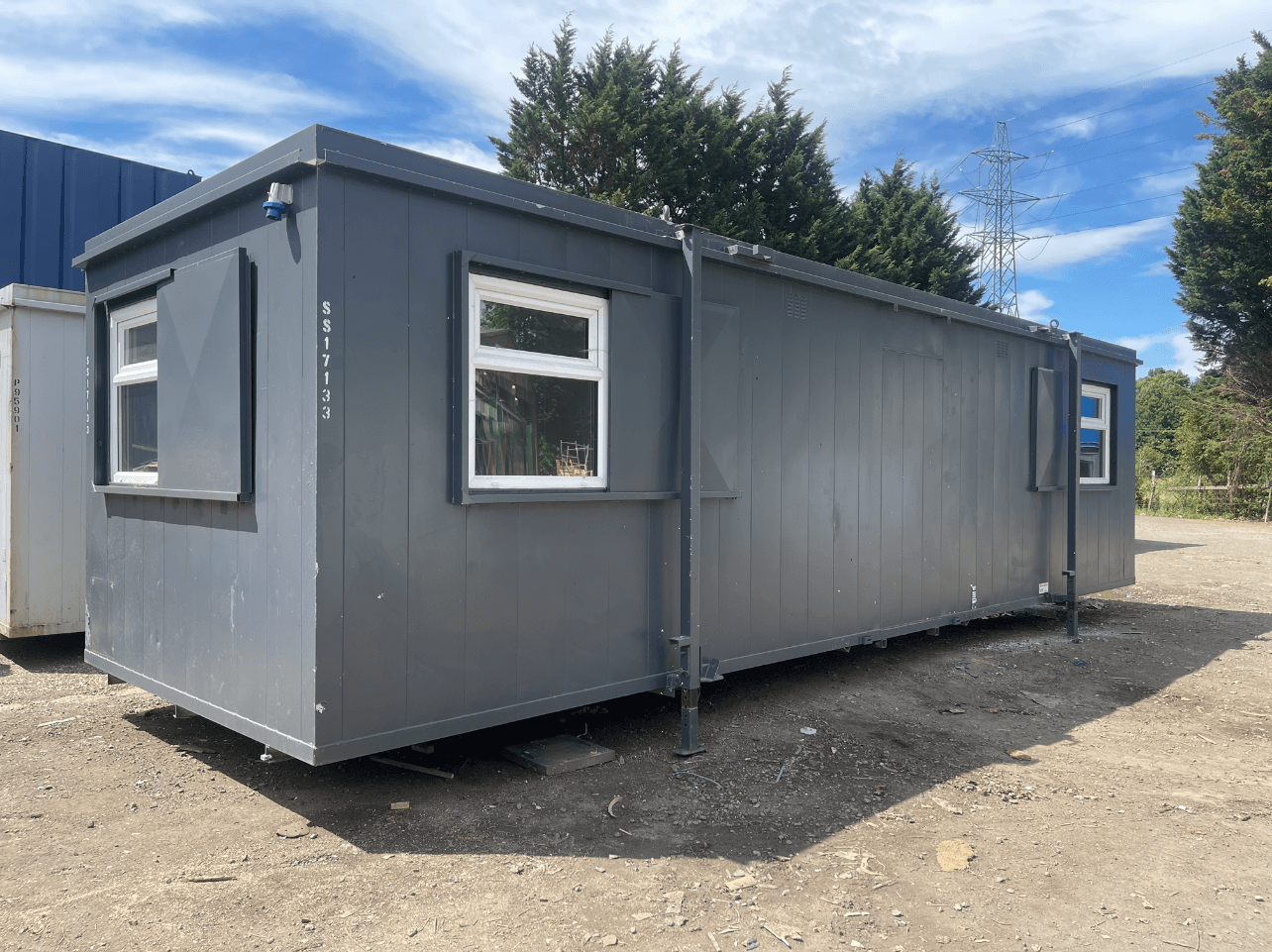
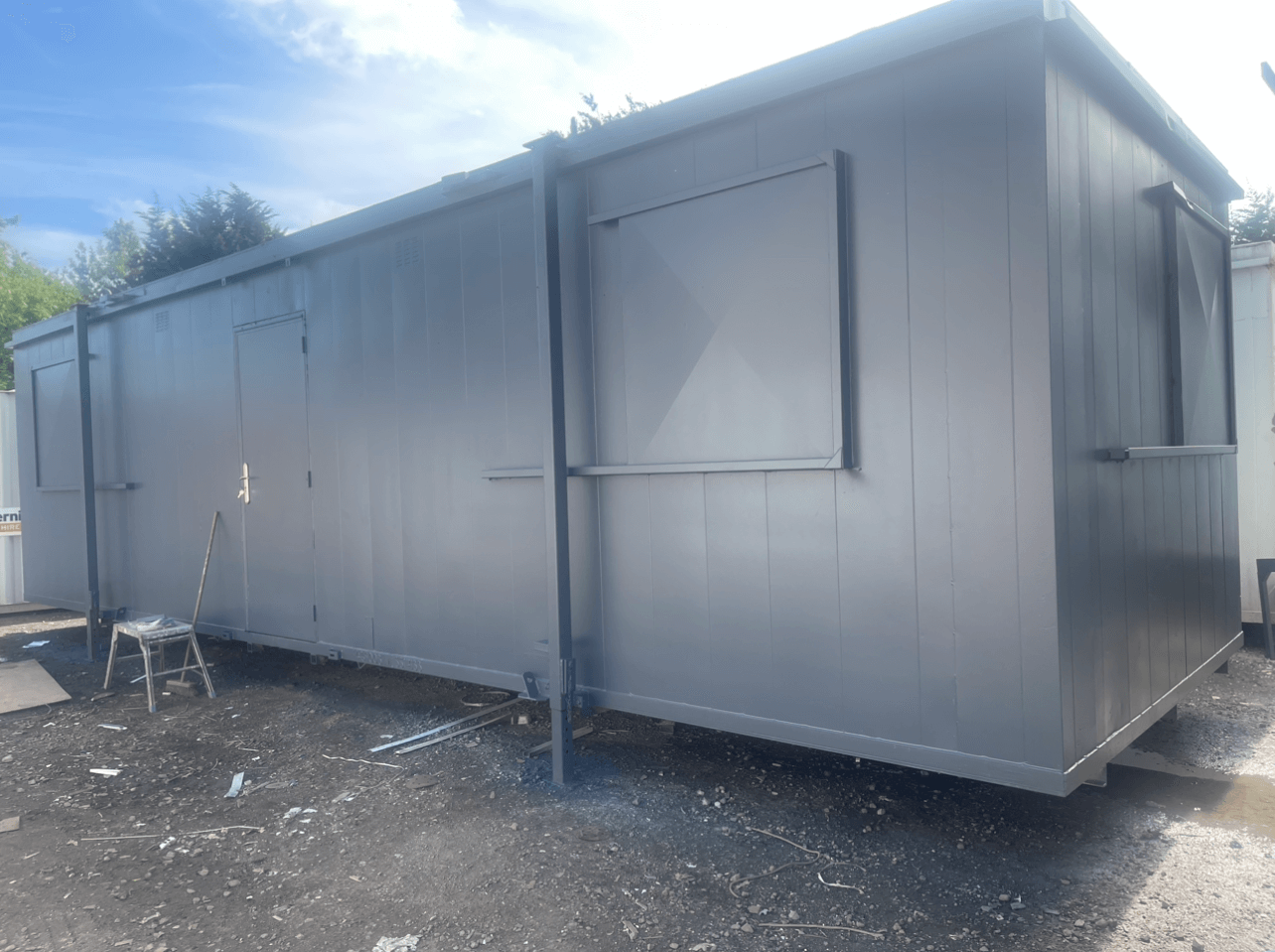
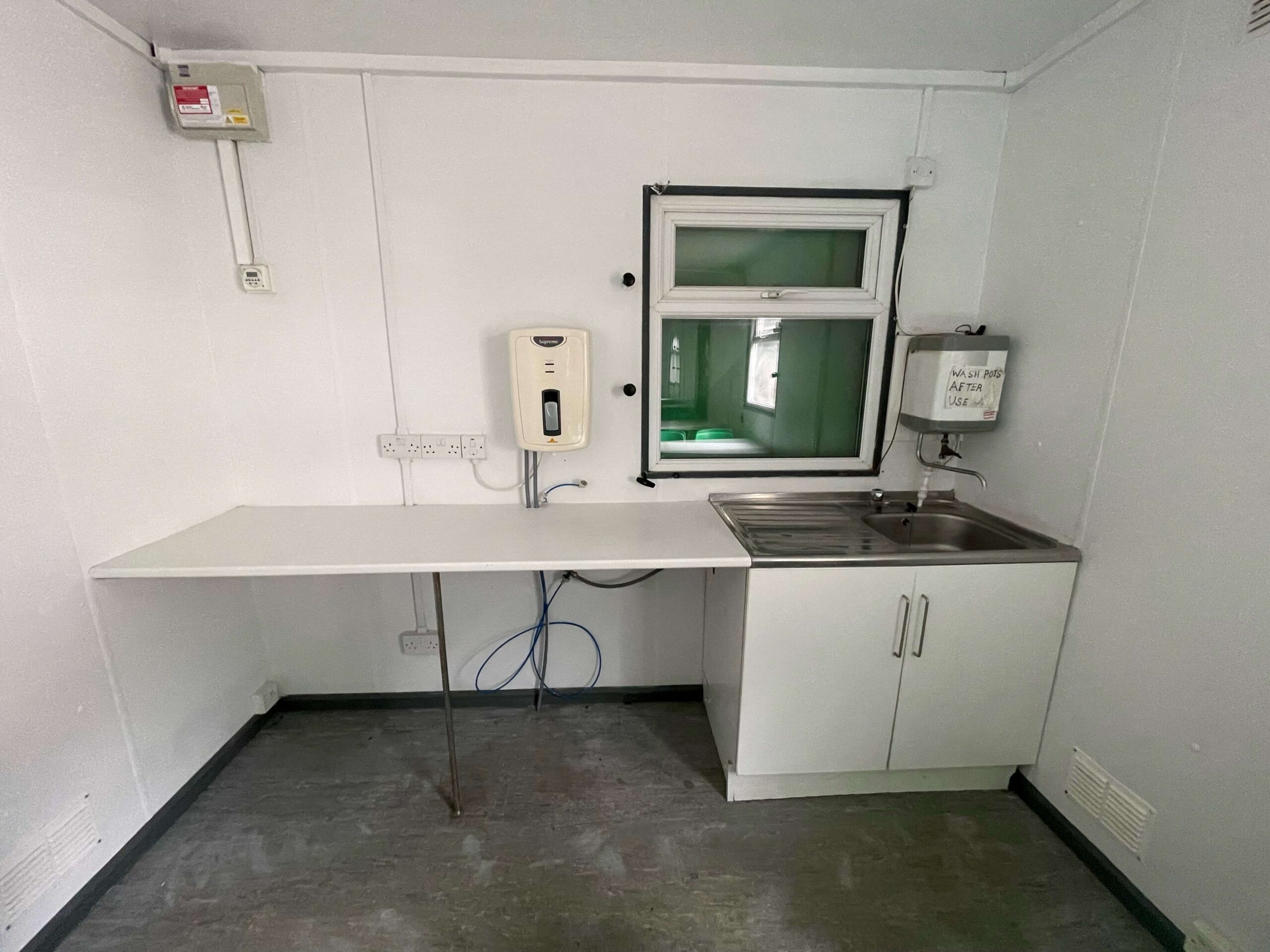
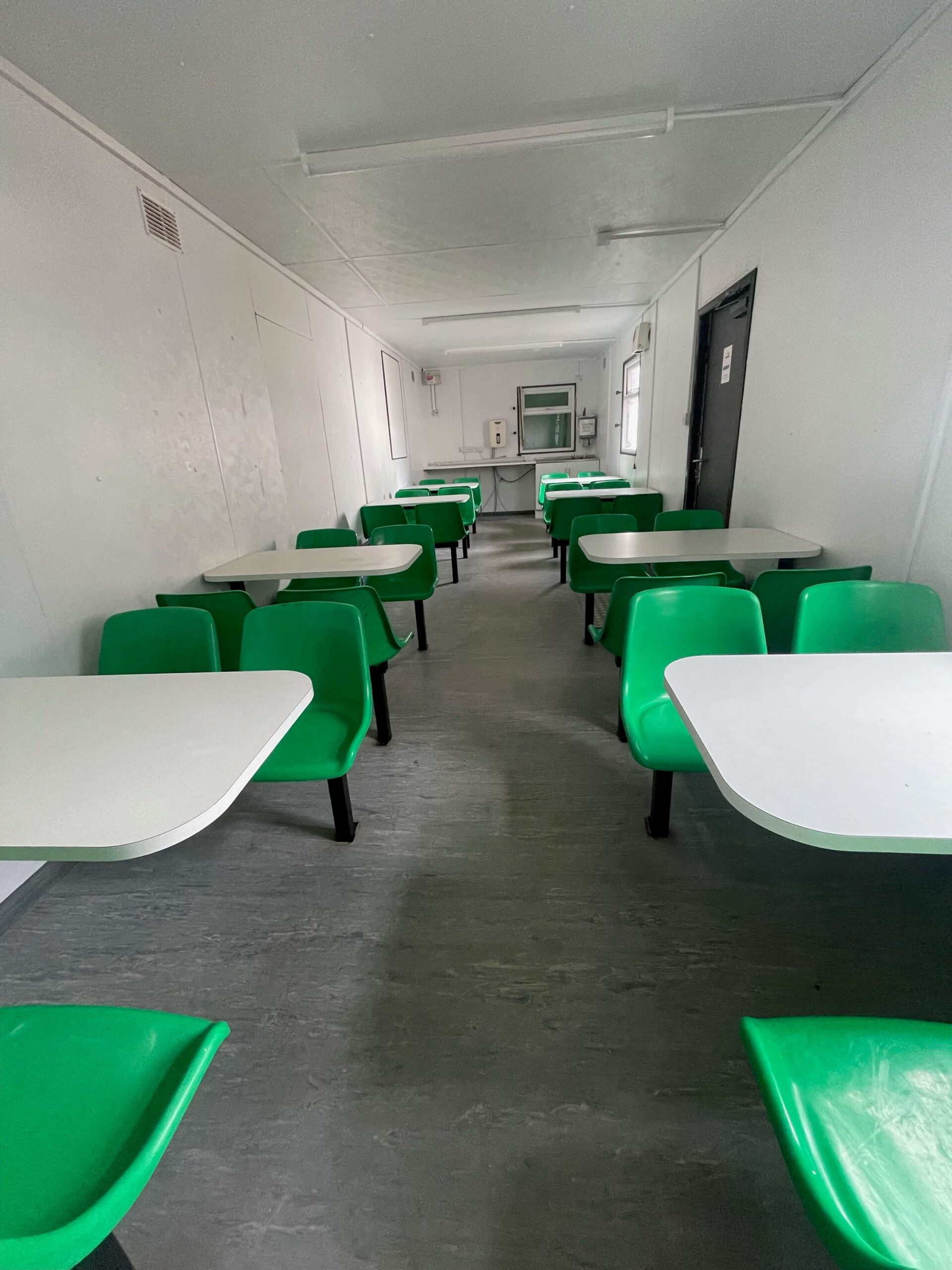
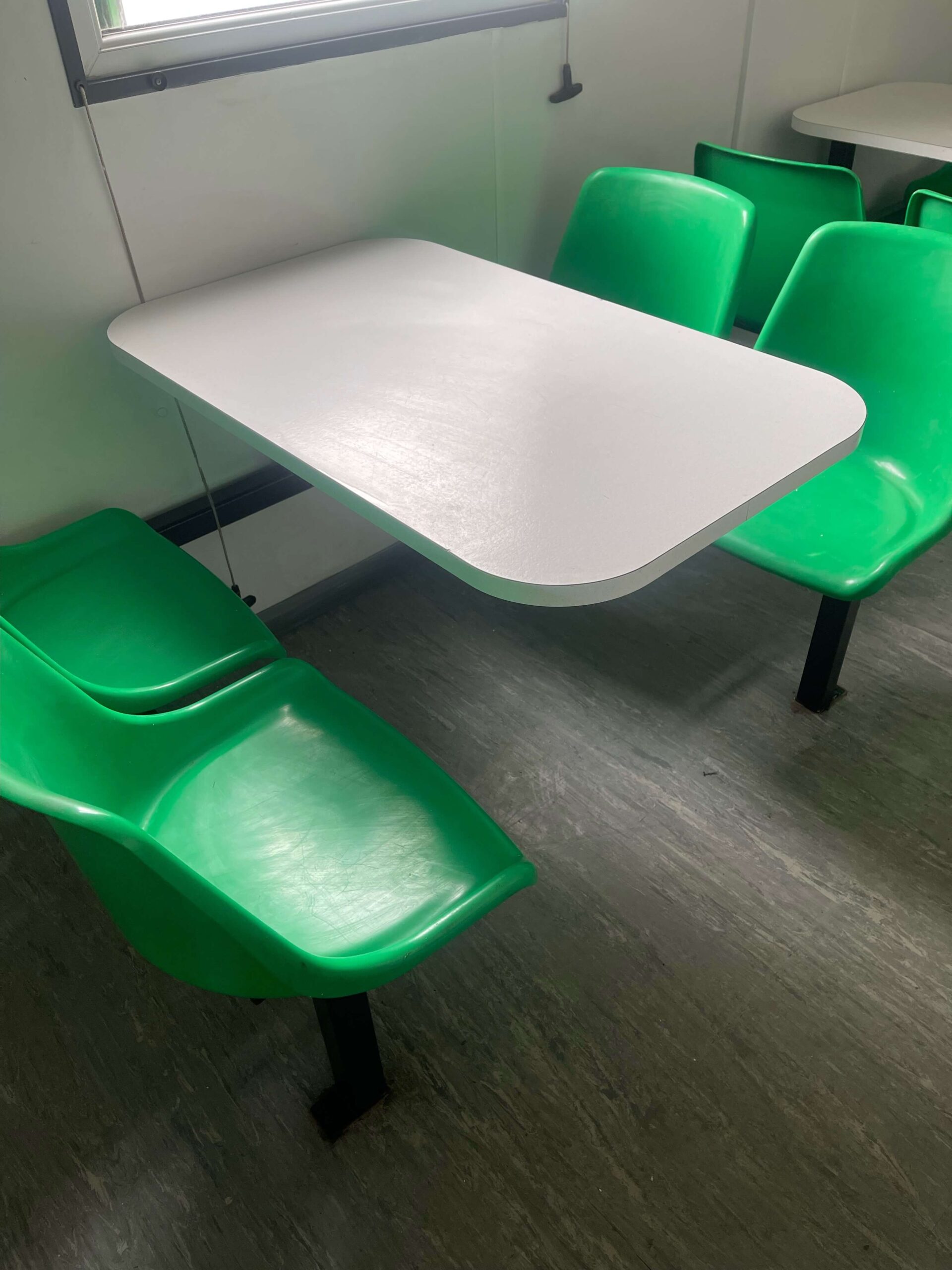
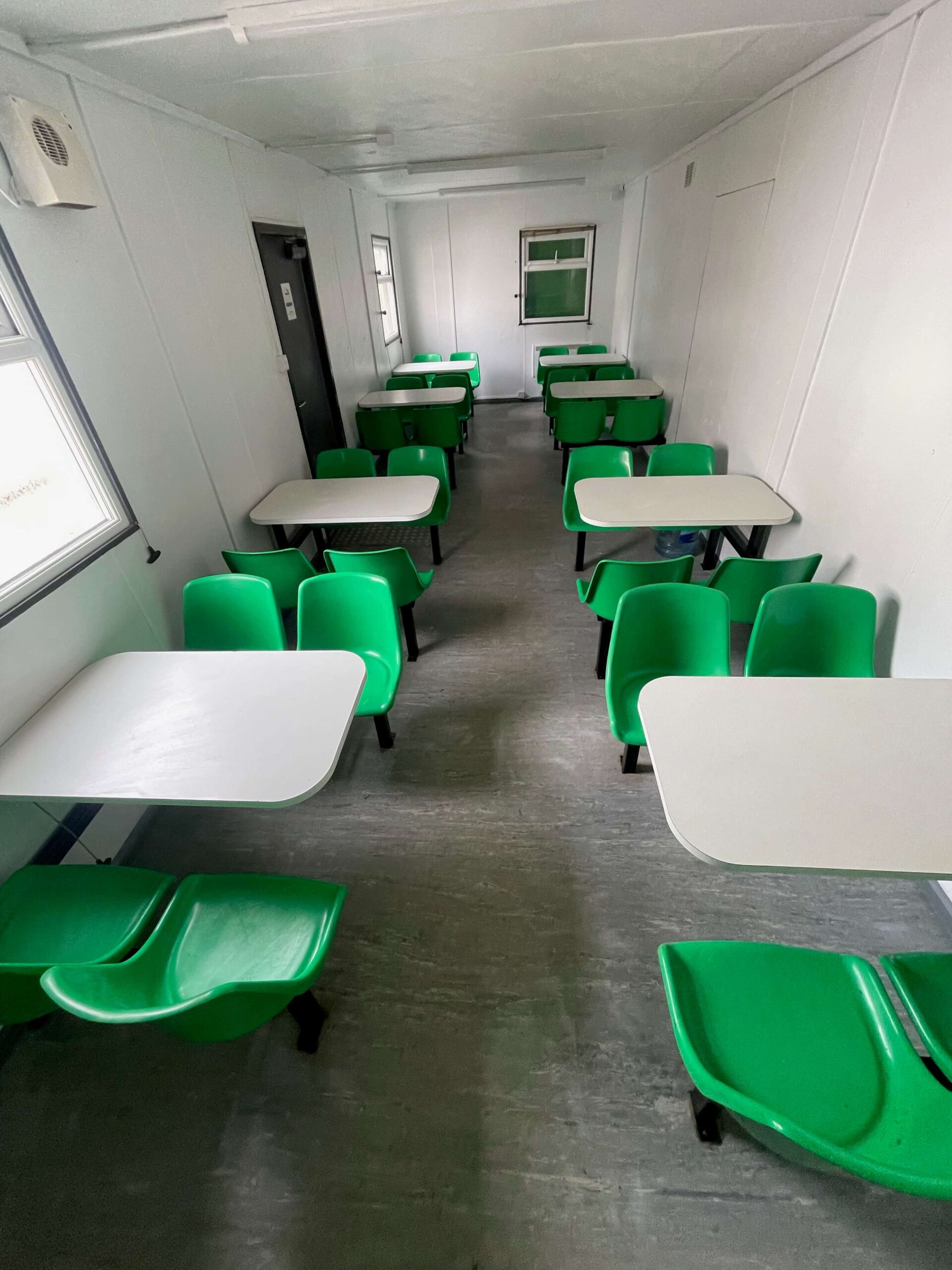
Location: Nationwide
Not Available for Hire
We can deliver for a cost please ask and send us post code.
13 tread
14 tread
15 tread
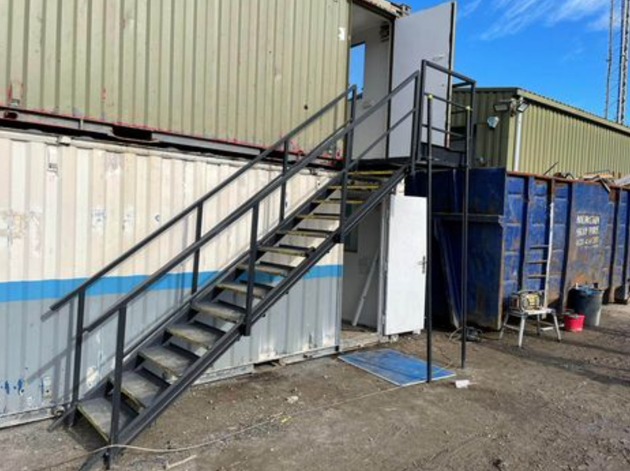
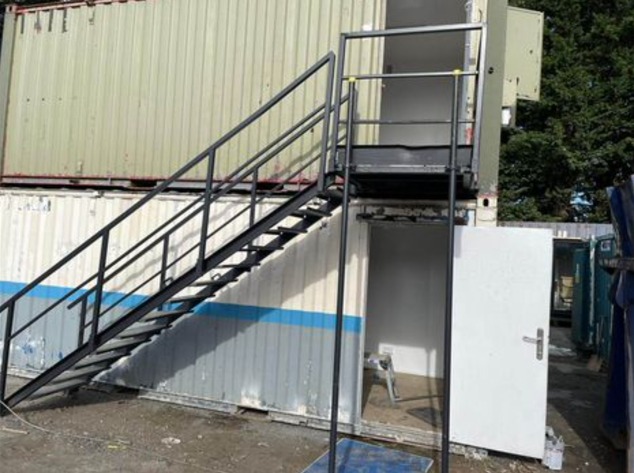
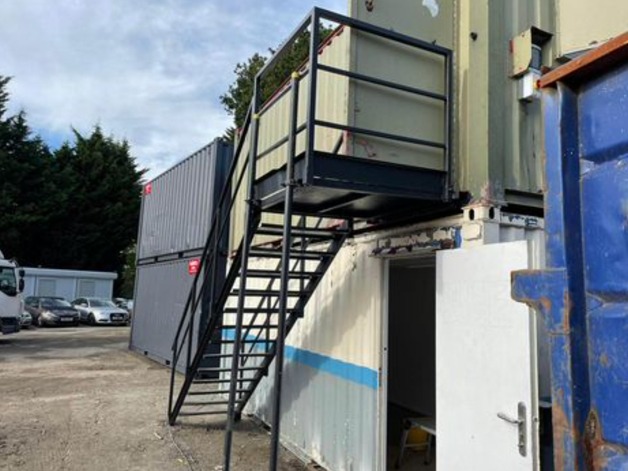
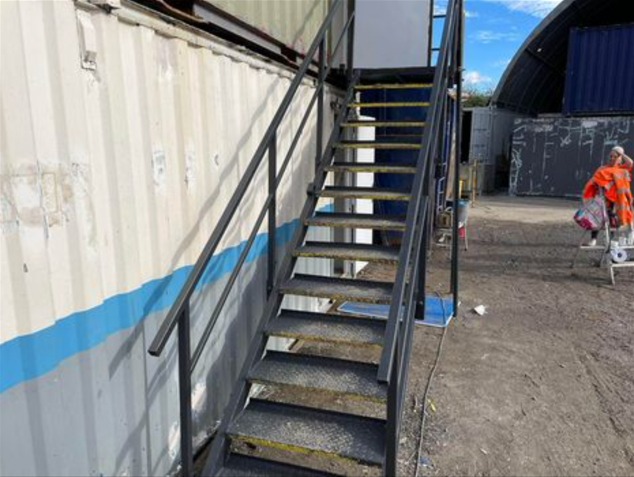
Location: Nationwide
Not Available for Hire
Call for an instant quote!
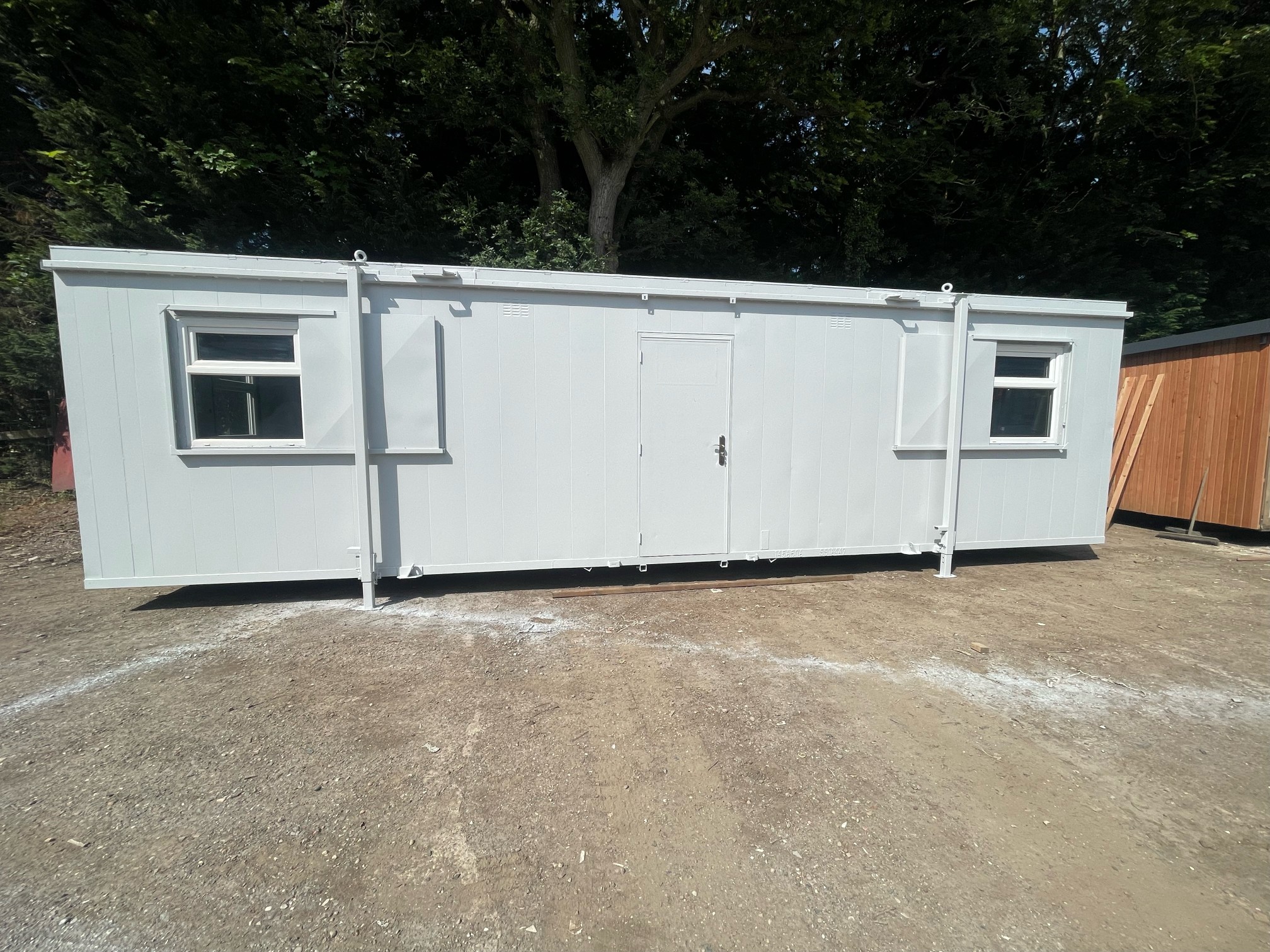
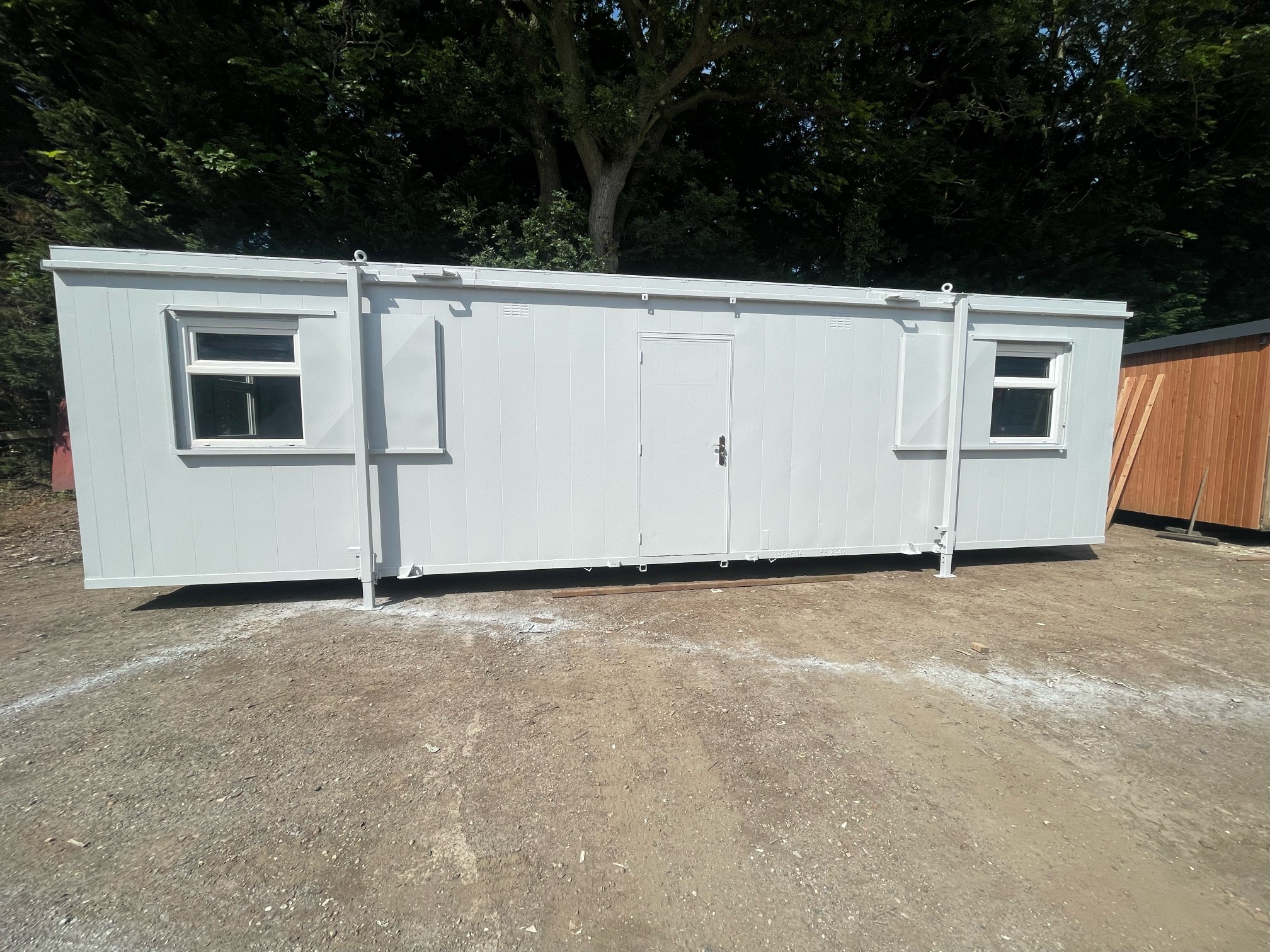
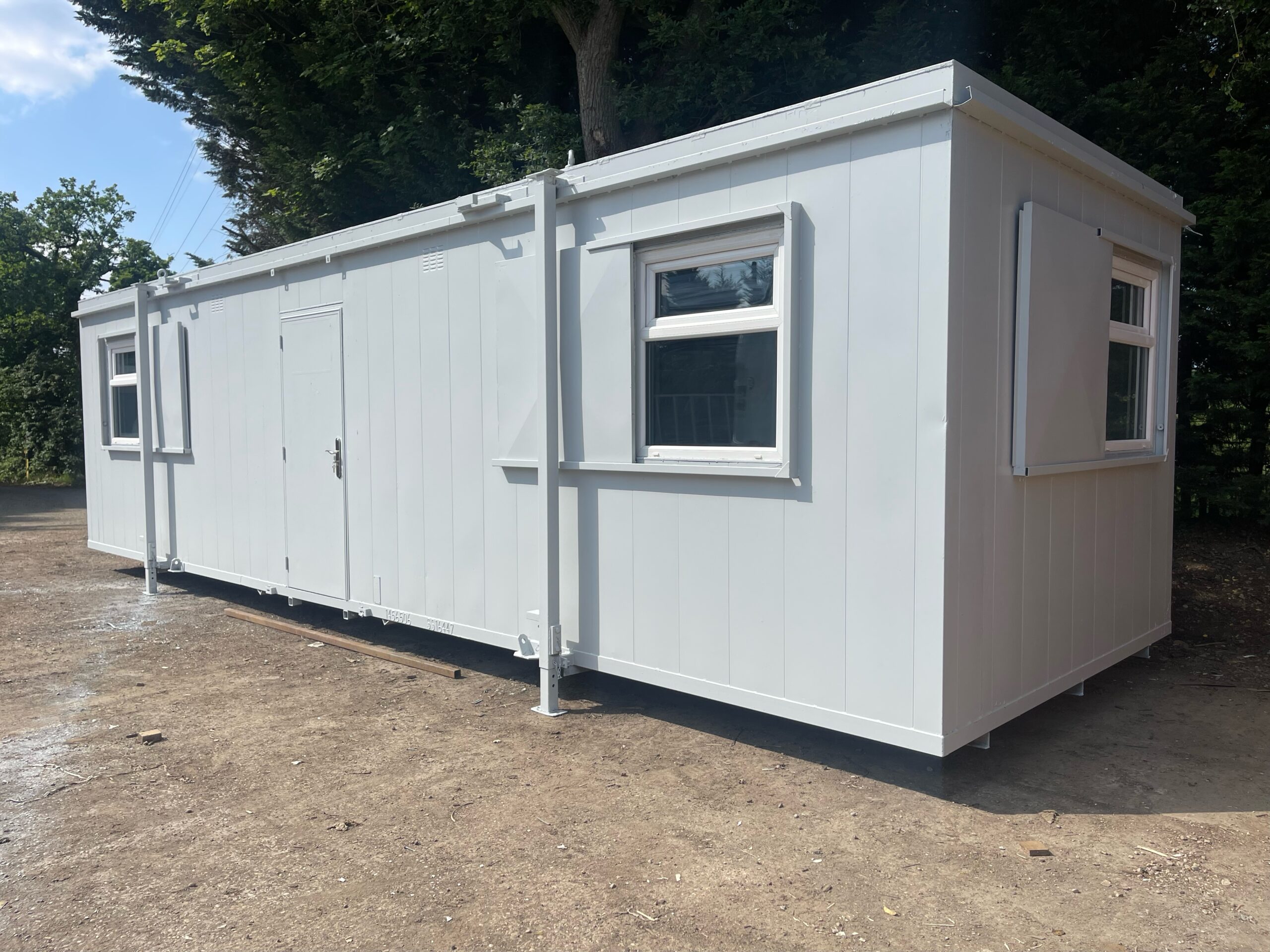
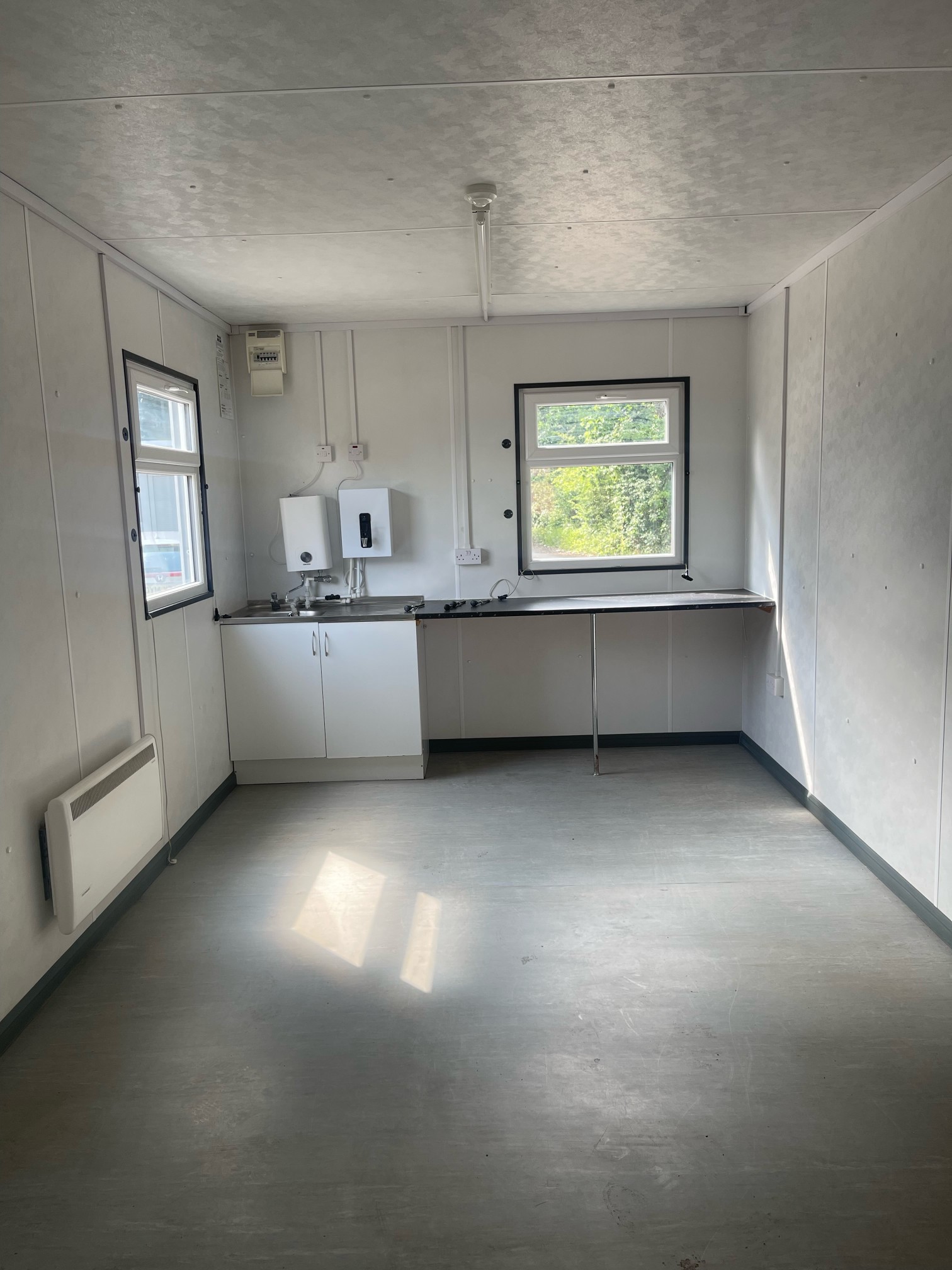
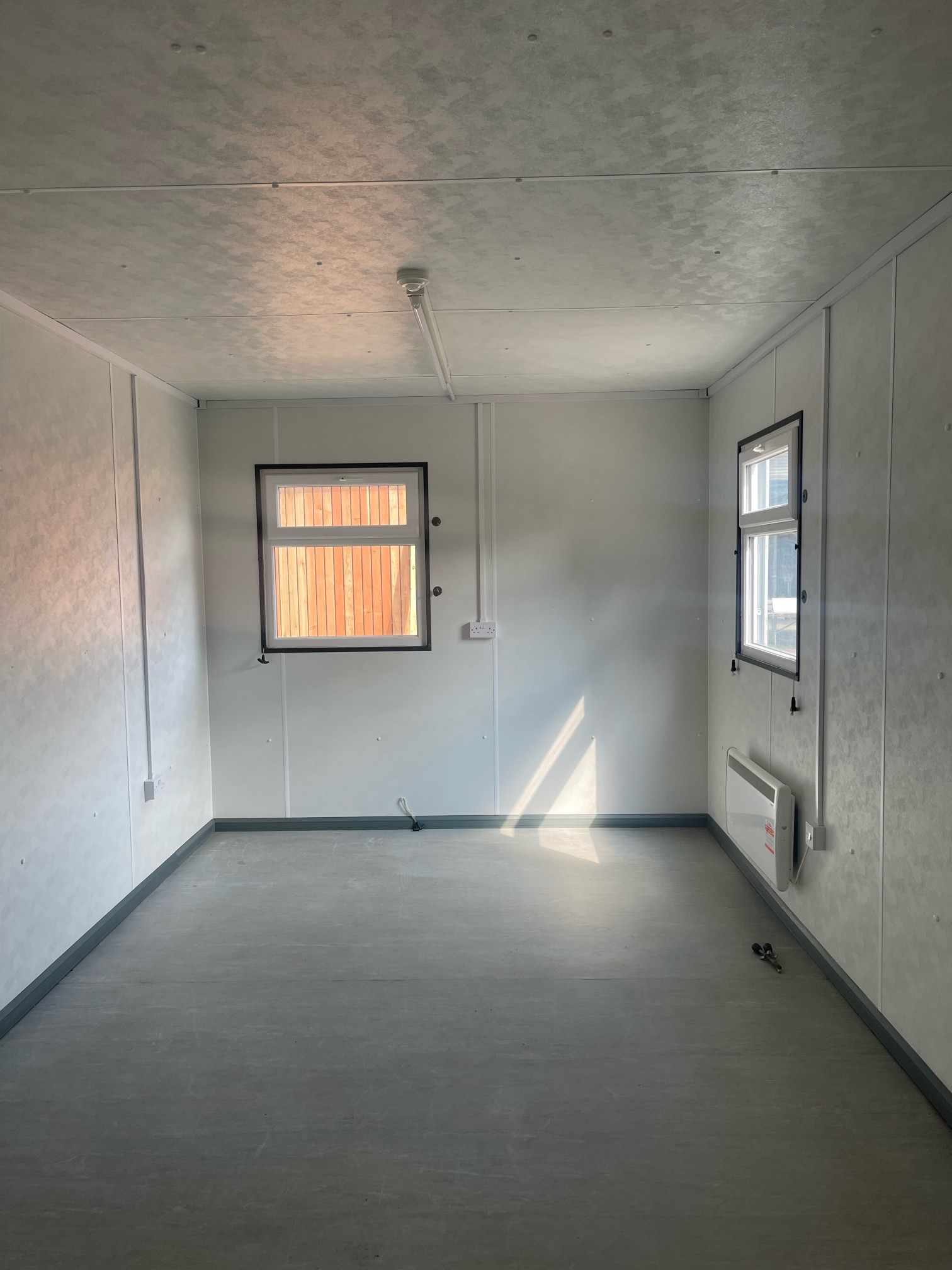
Location: Nationwide
Not Available for Hire
We can deliver for a cost please ask and send us post code.
Hallway leading into:
Transport can be arranged please ask.
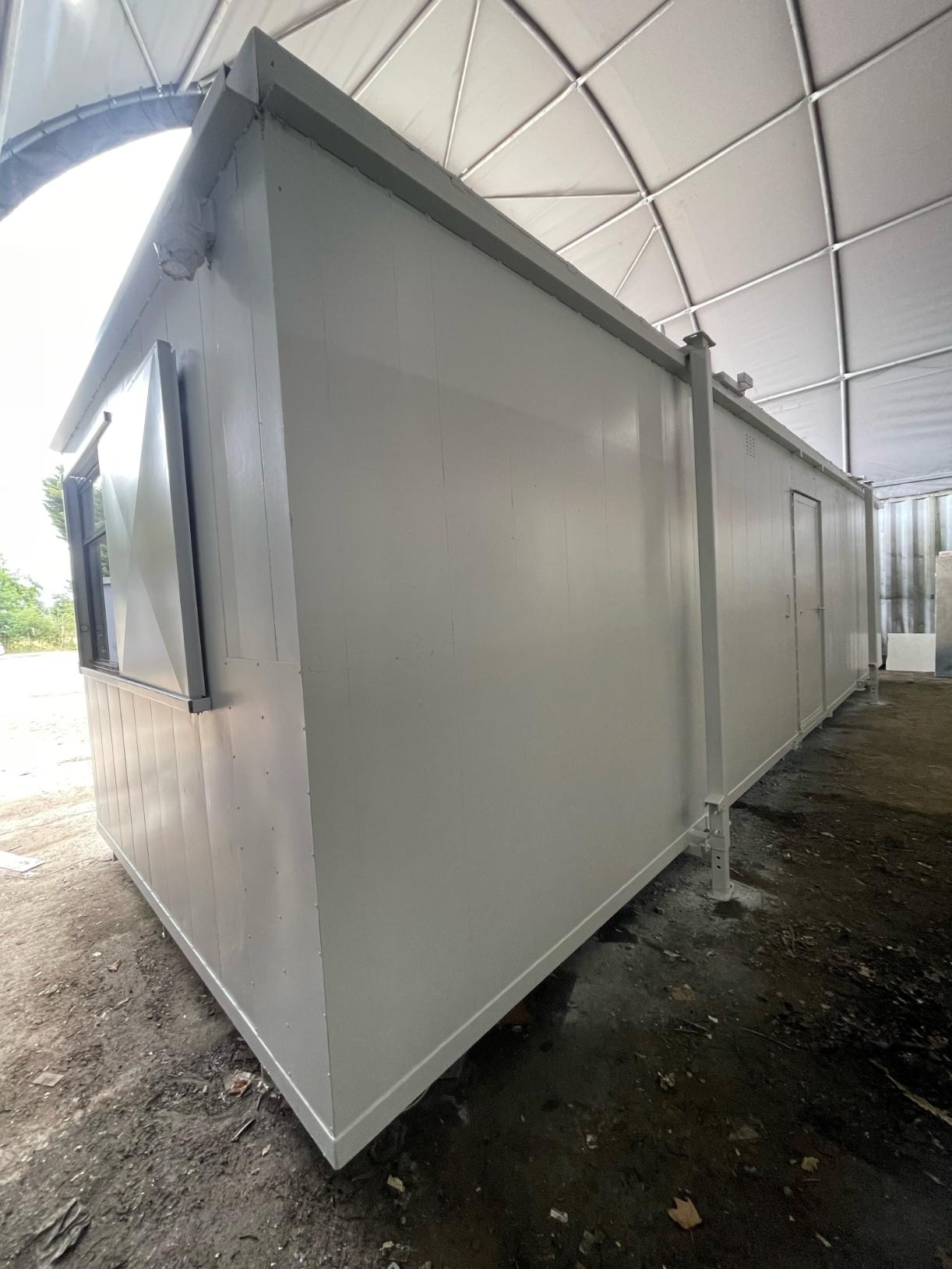
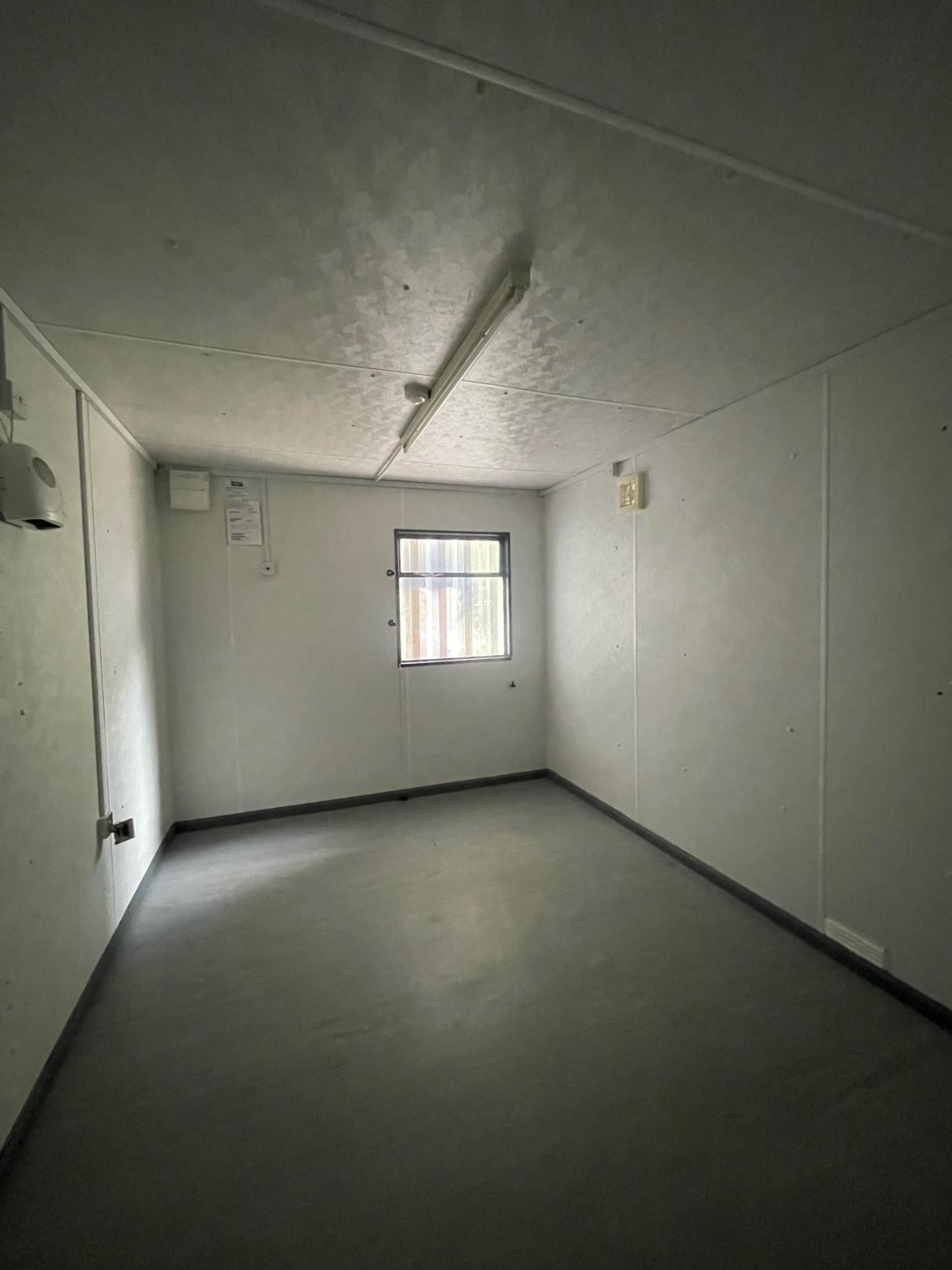
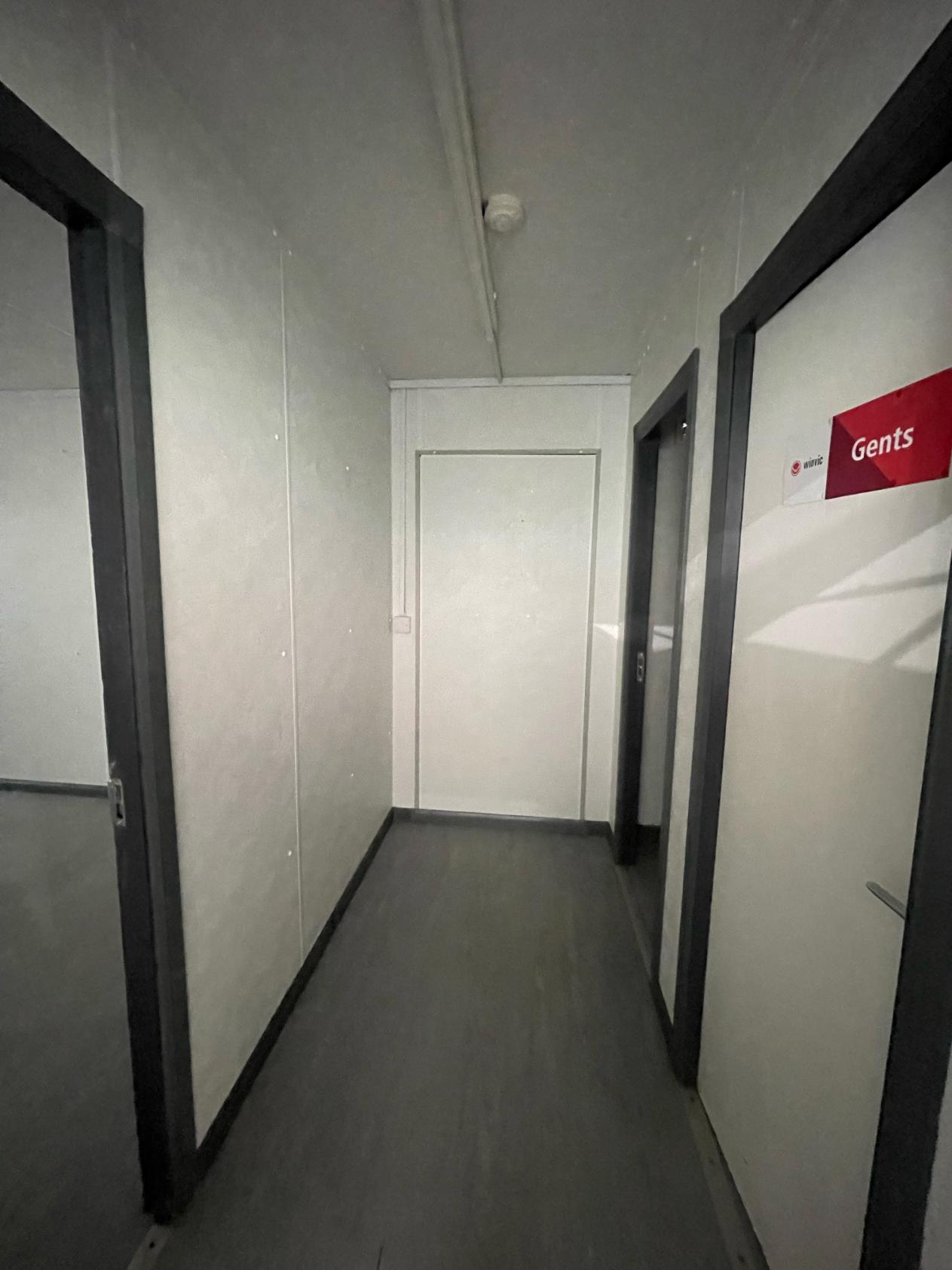
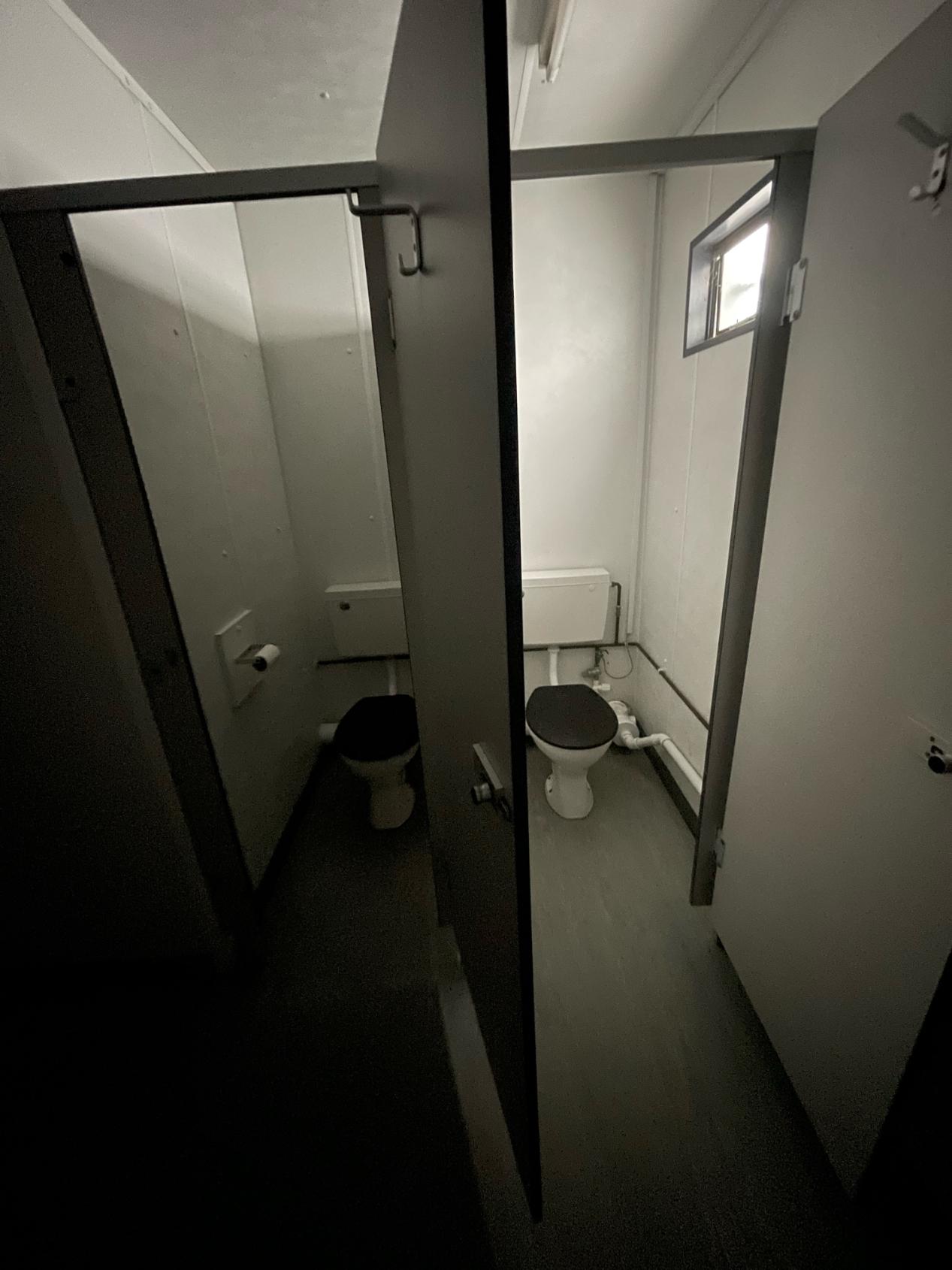
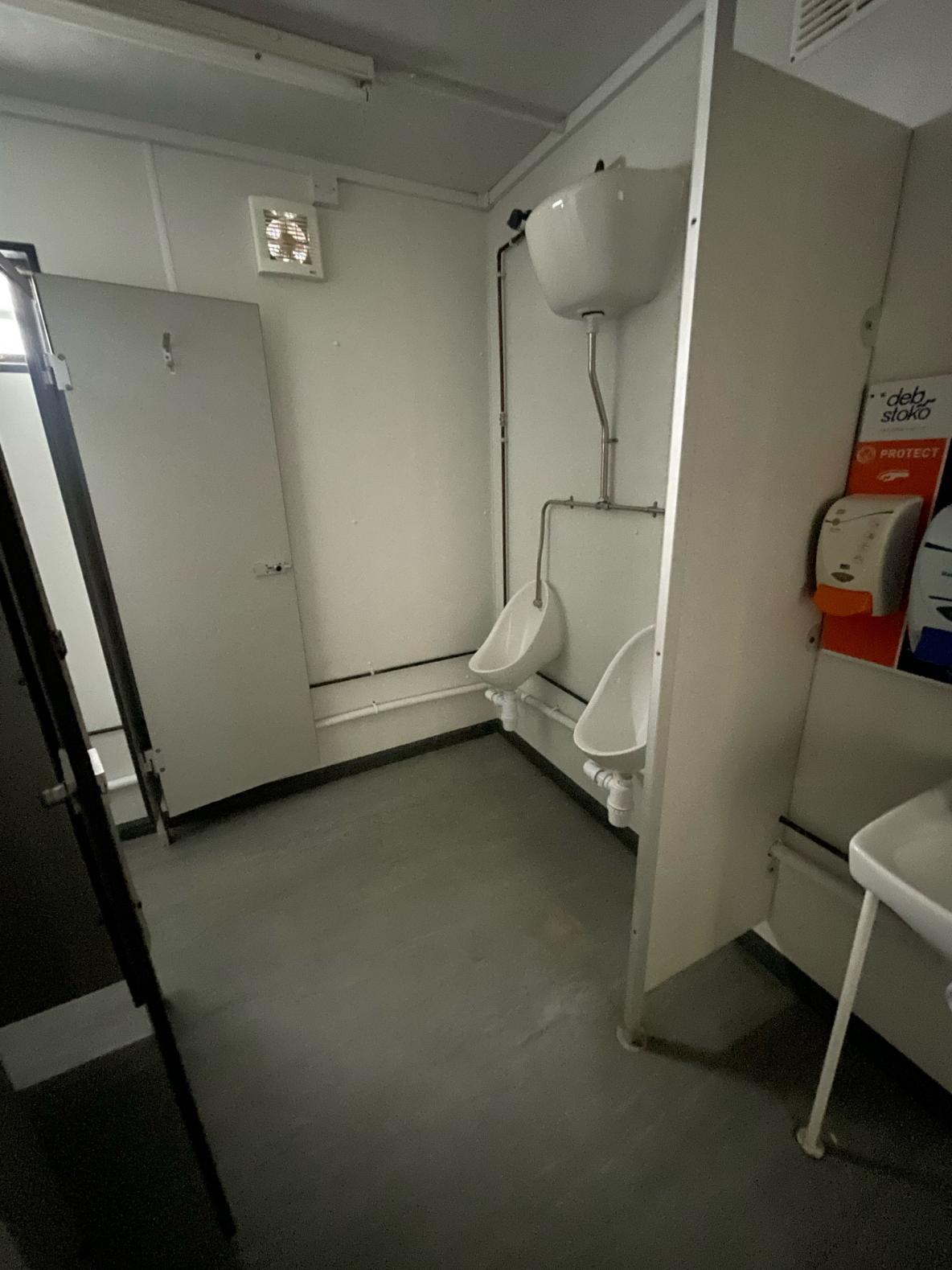
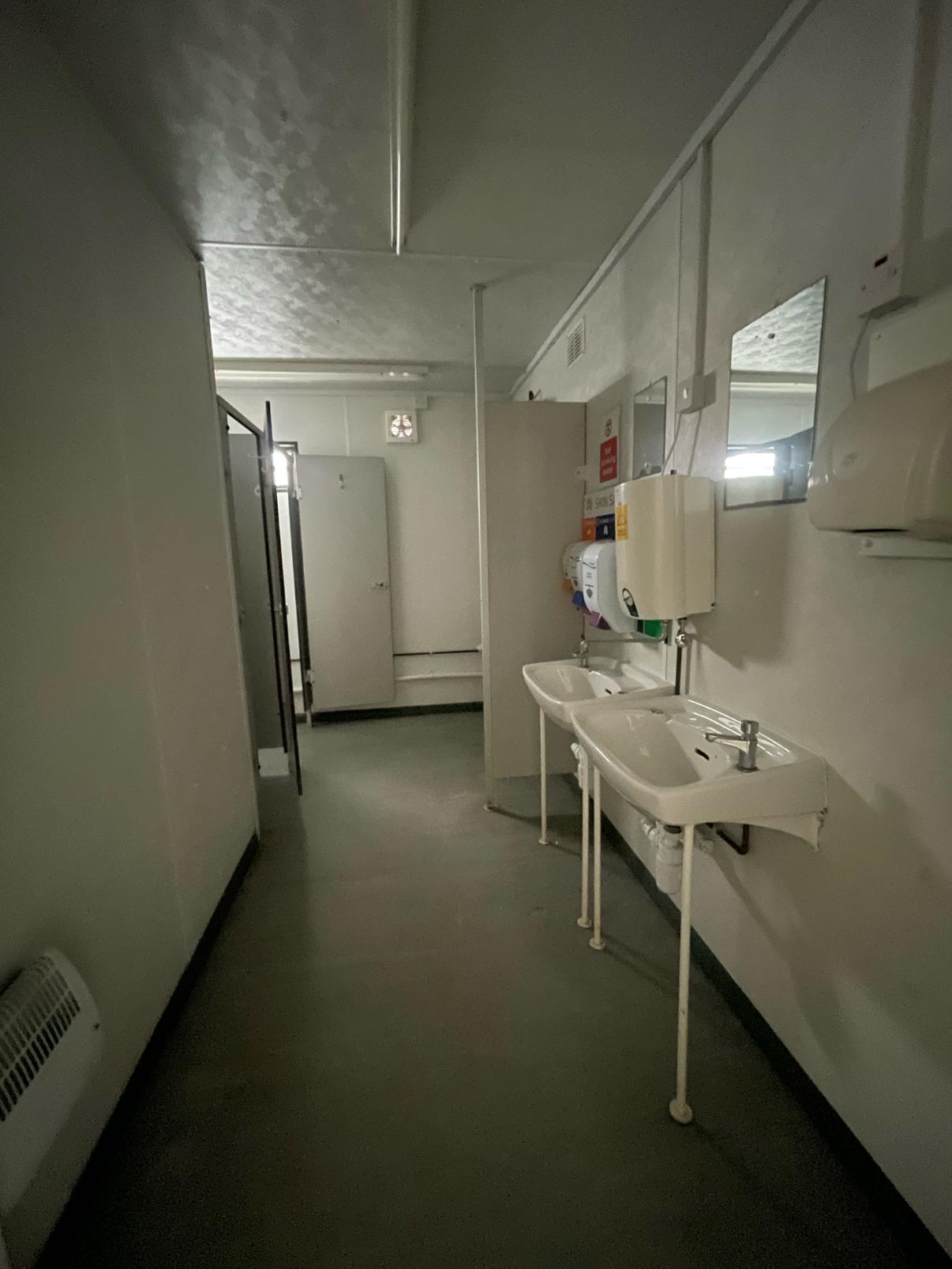
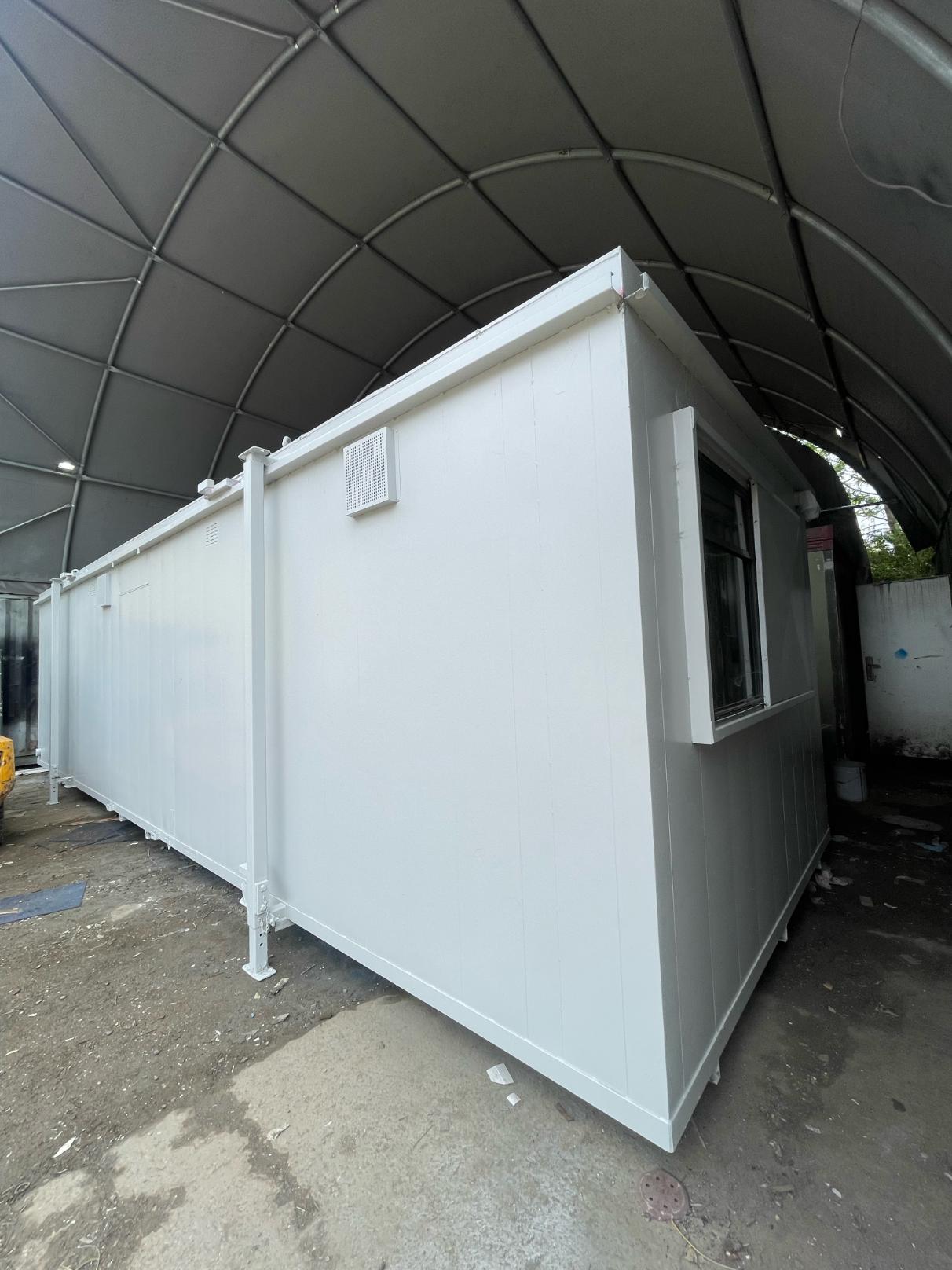
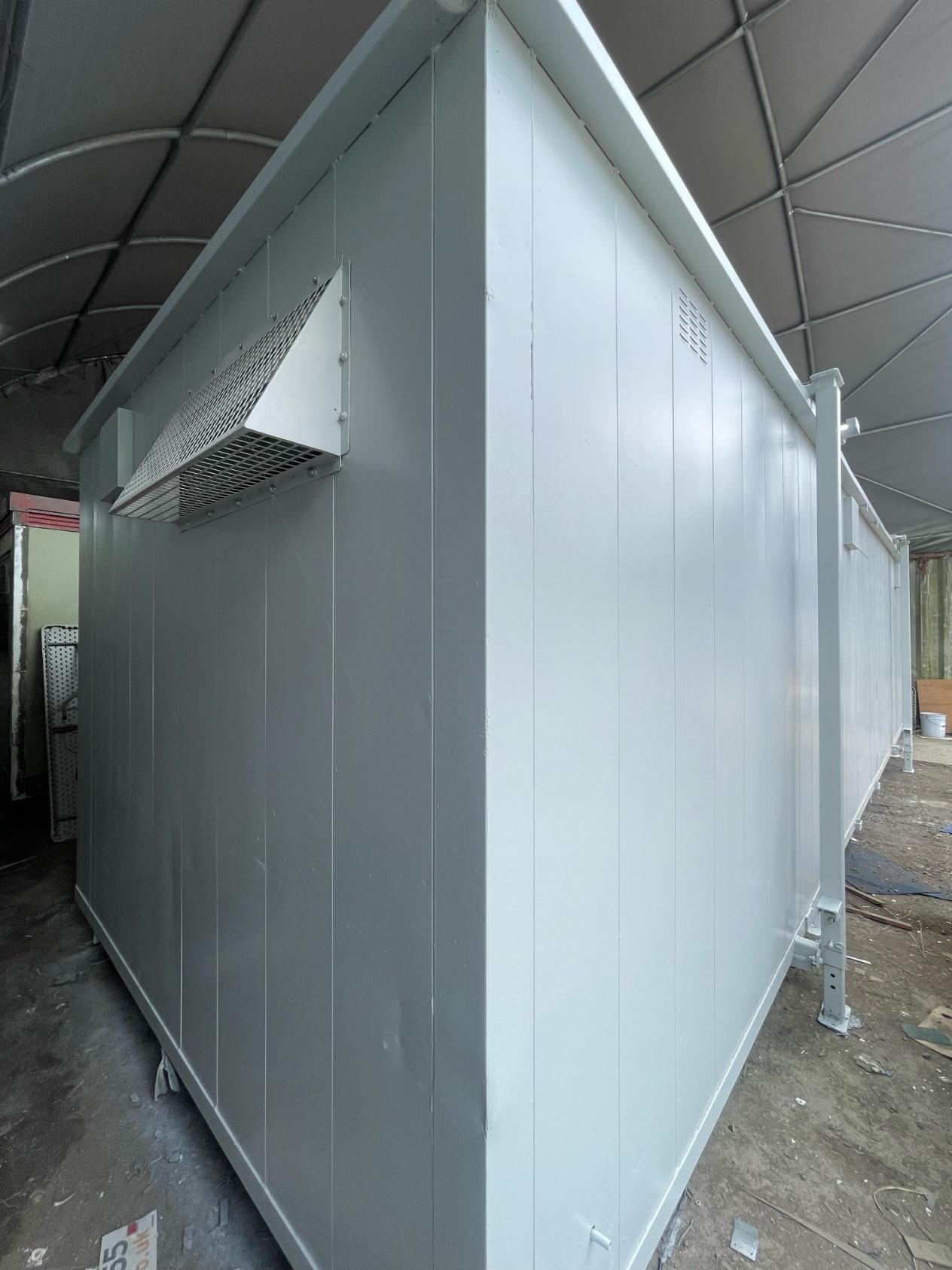
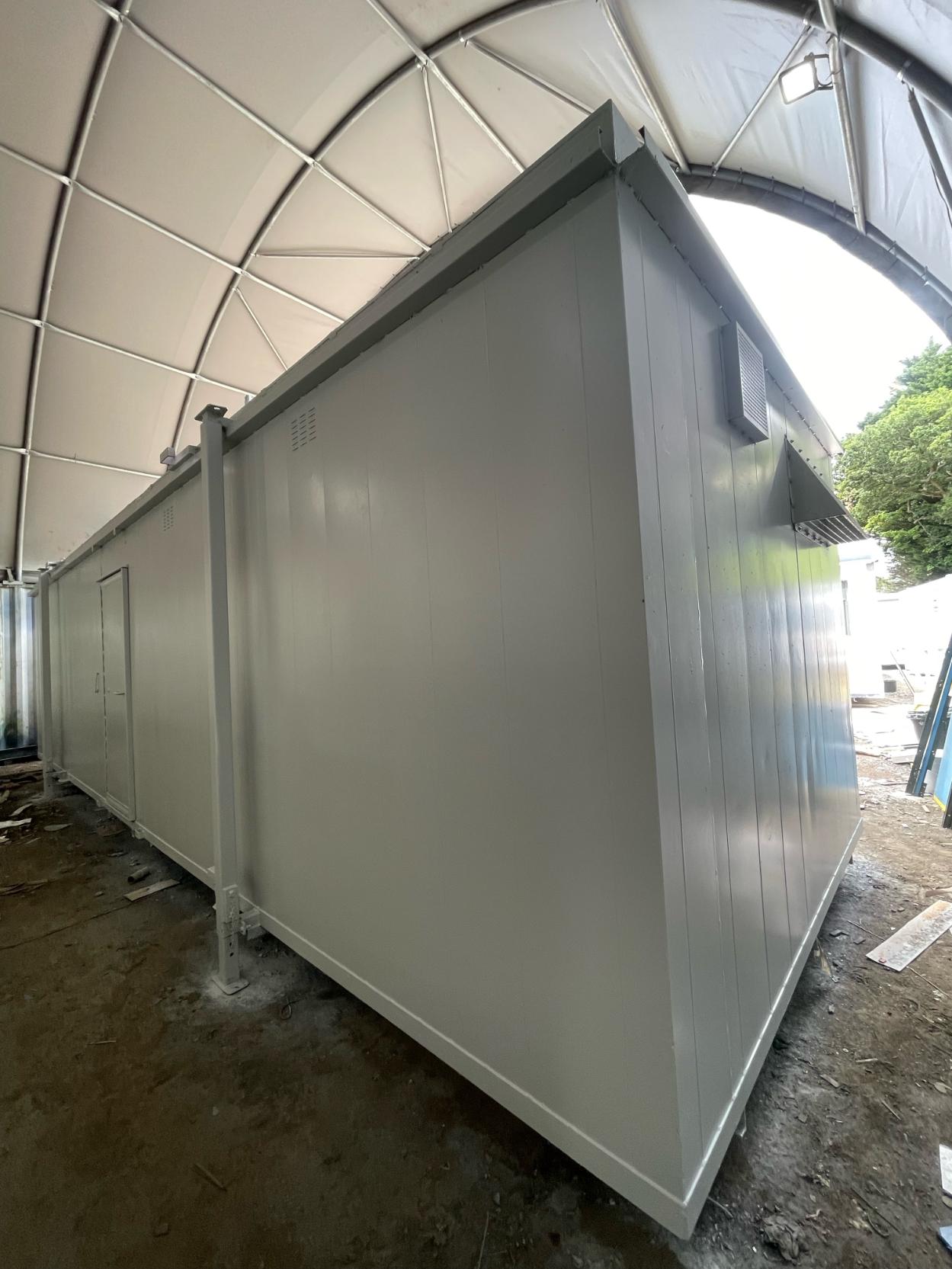
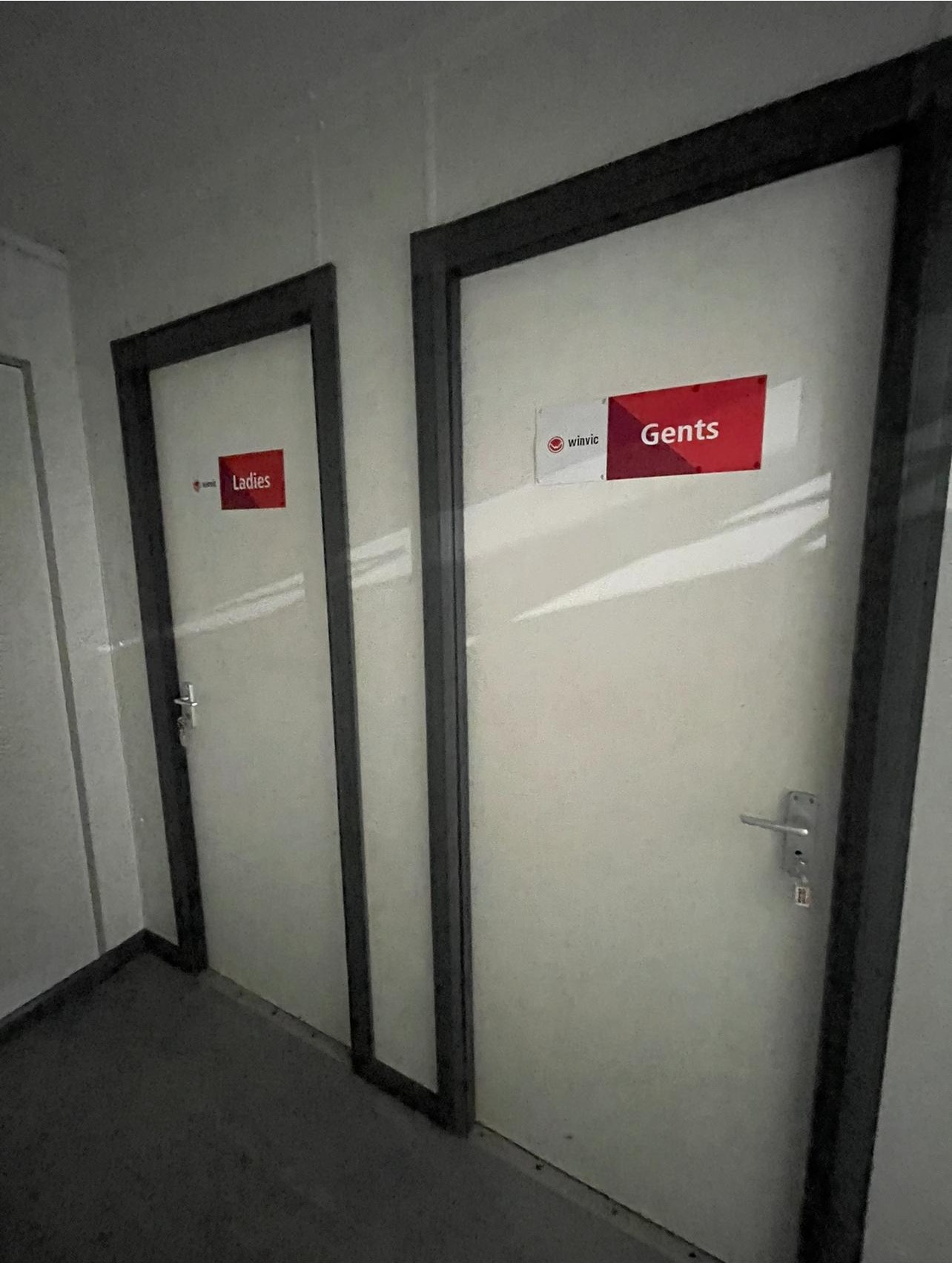
Location: Nationwide
Not Available for Hire
Call for an instant quote!
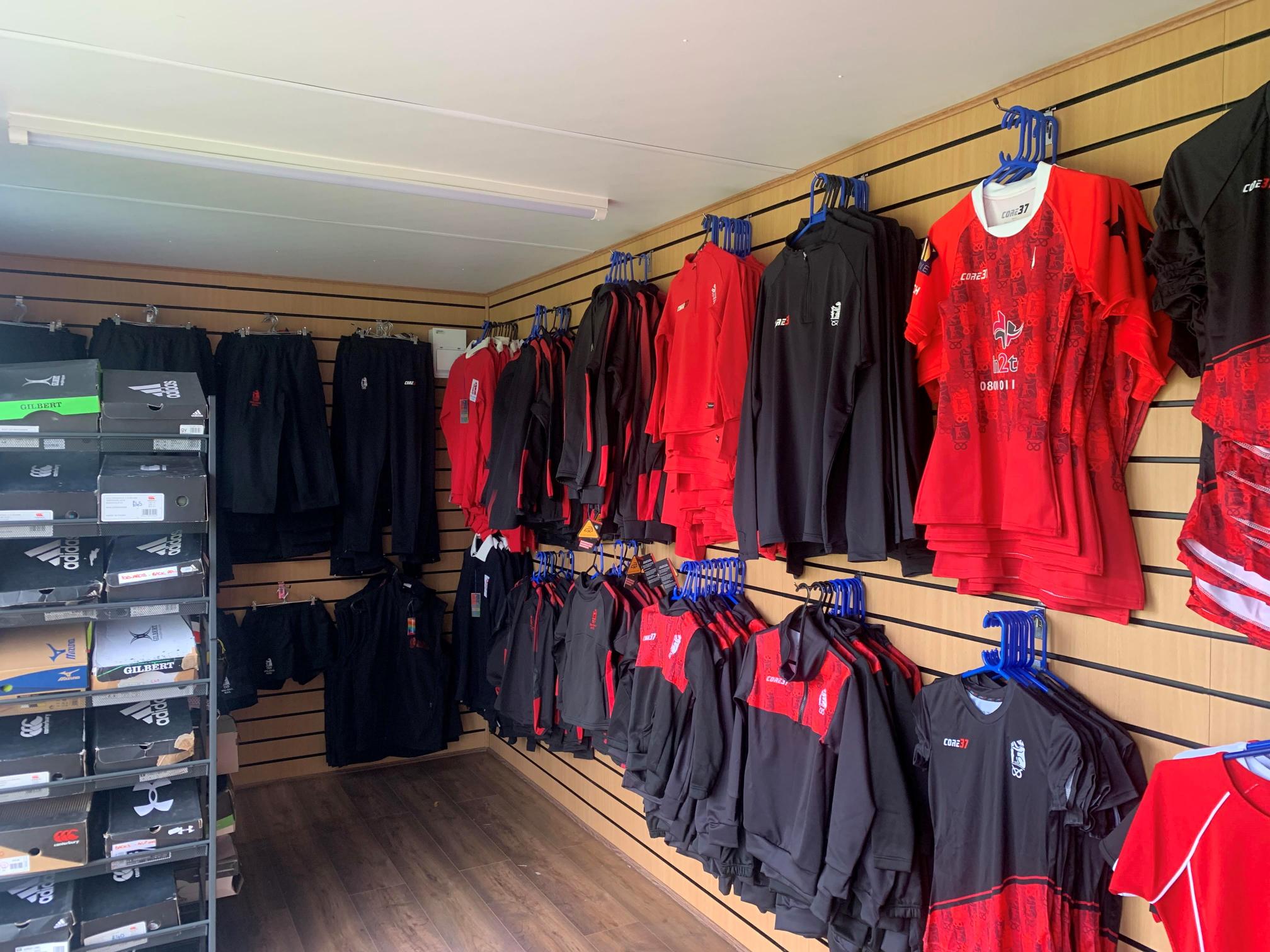
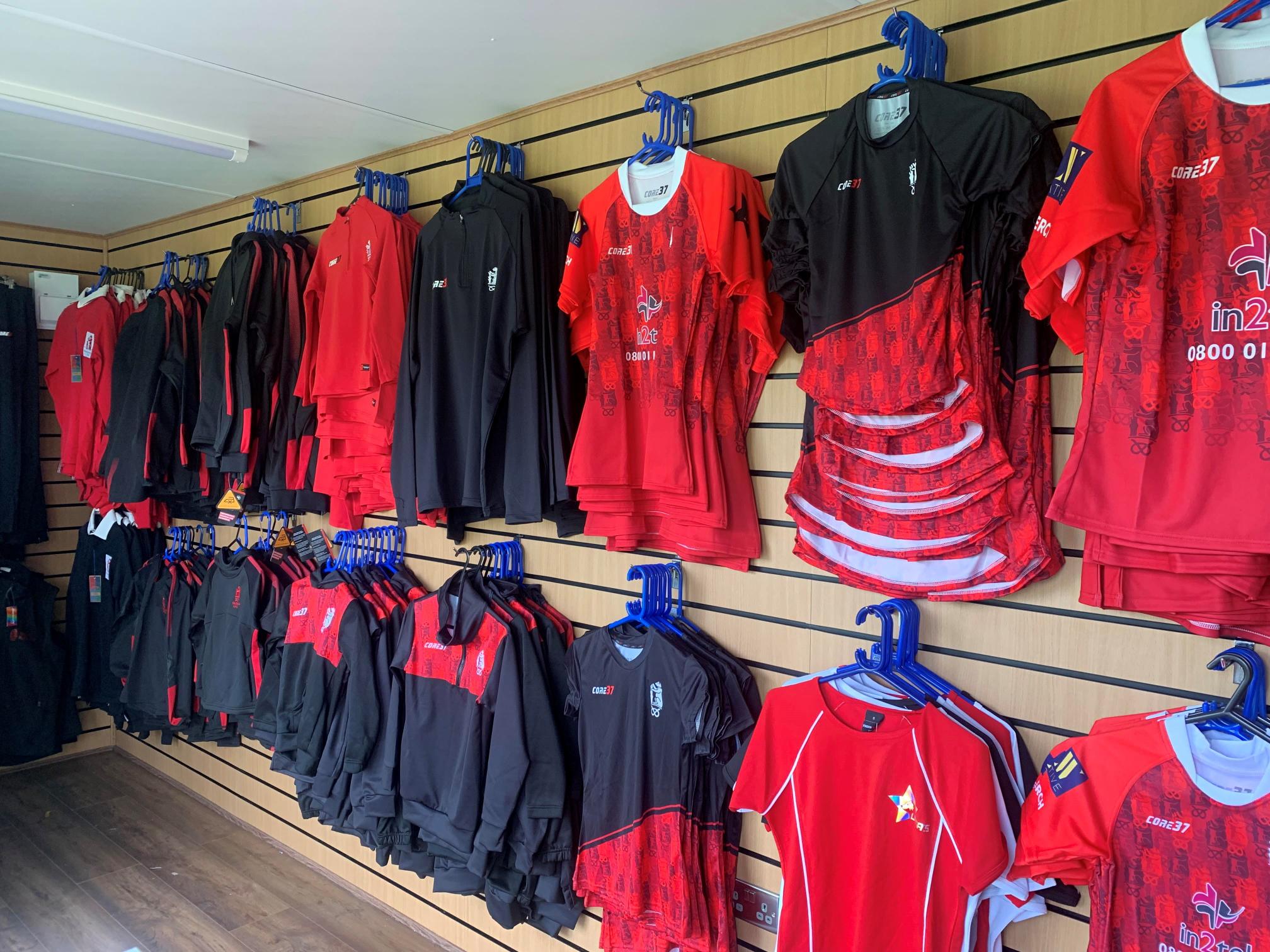
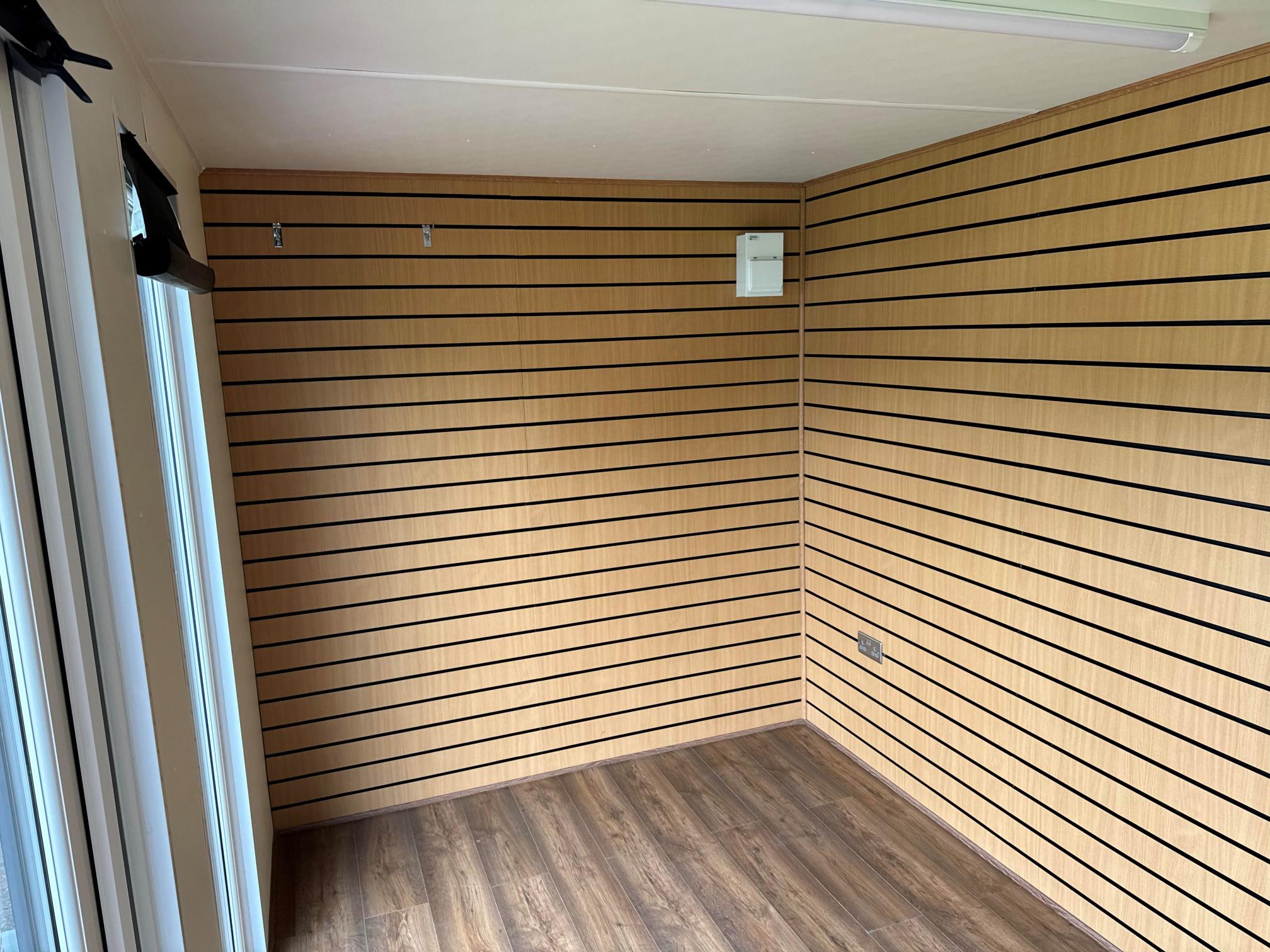
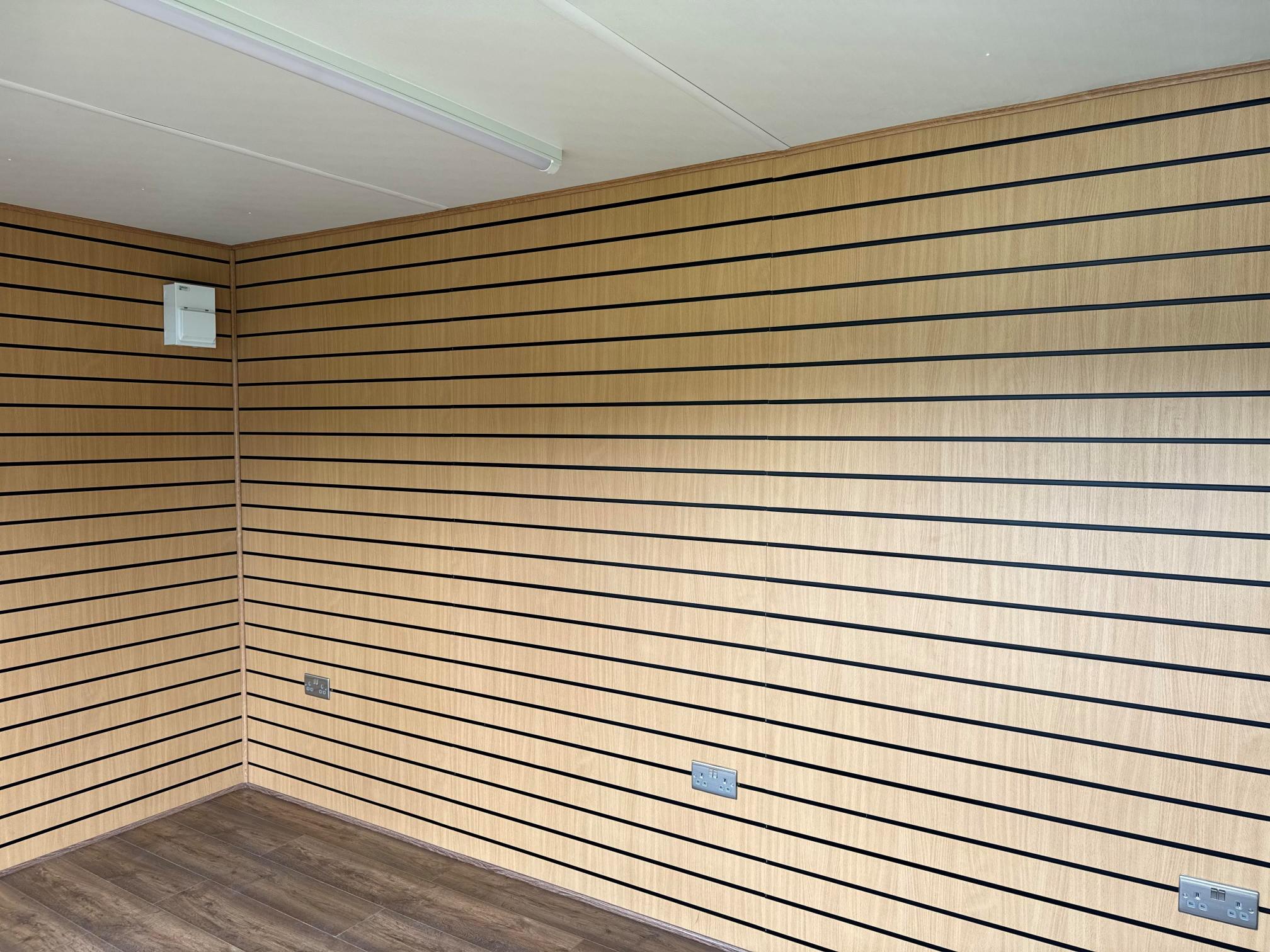
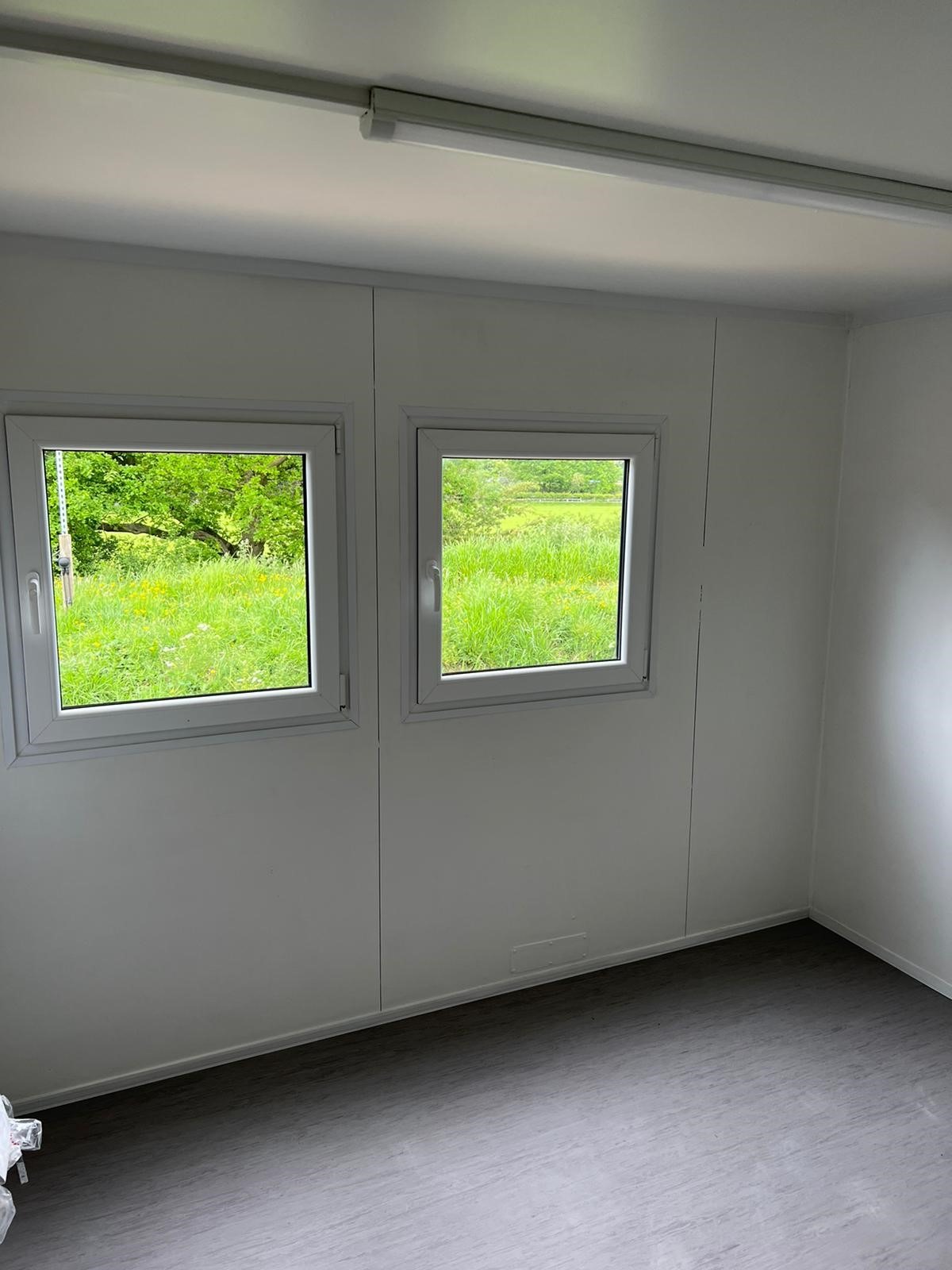
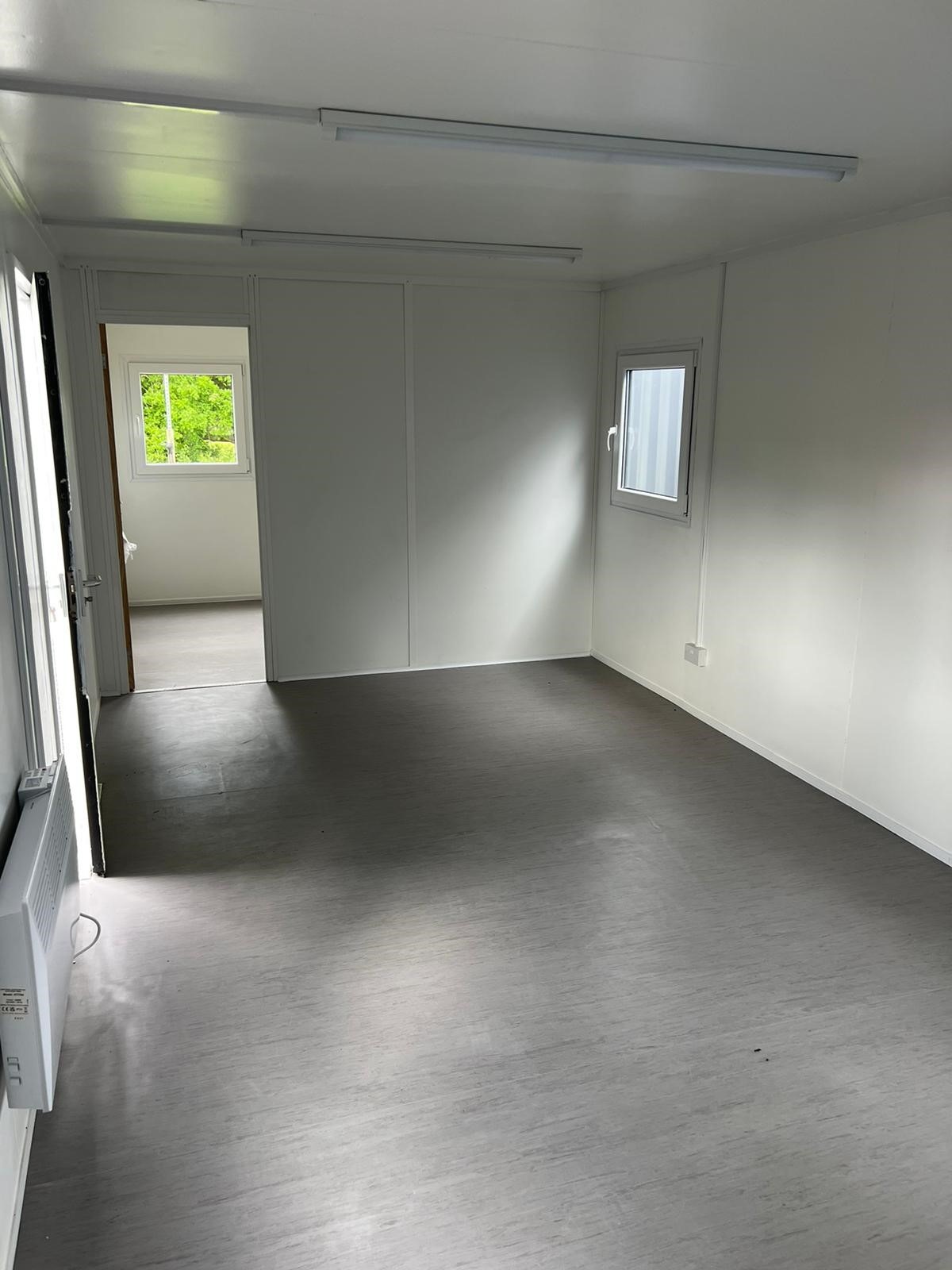
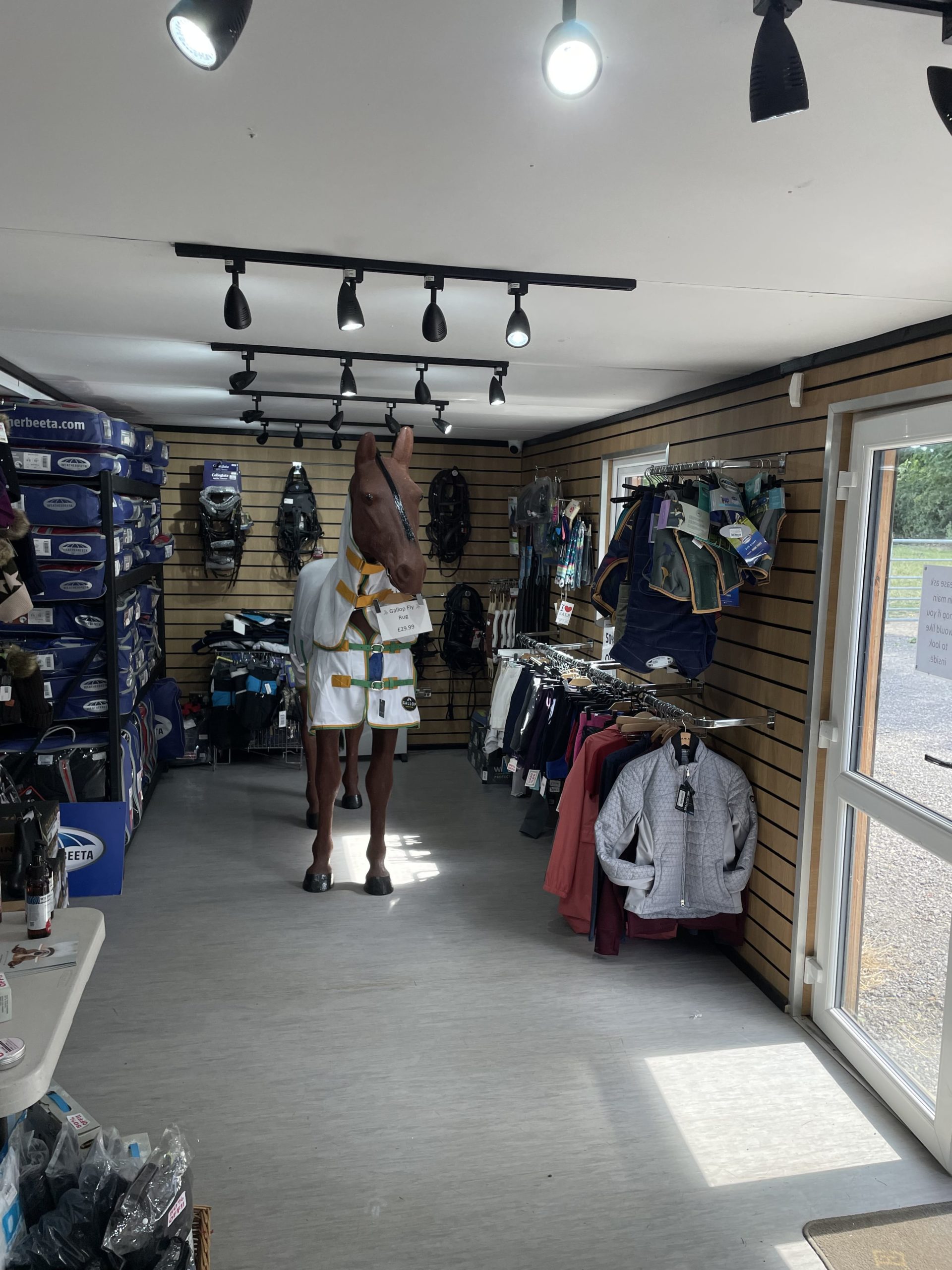
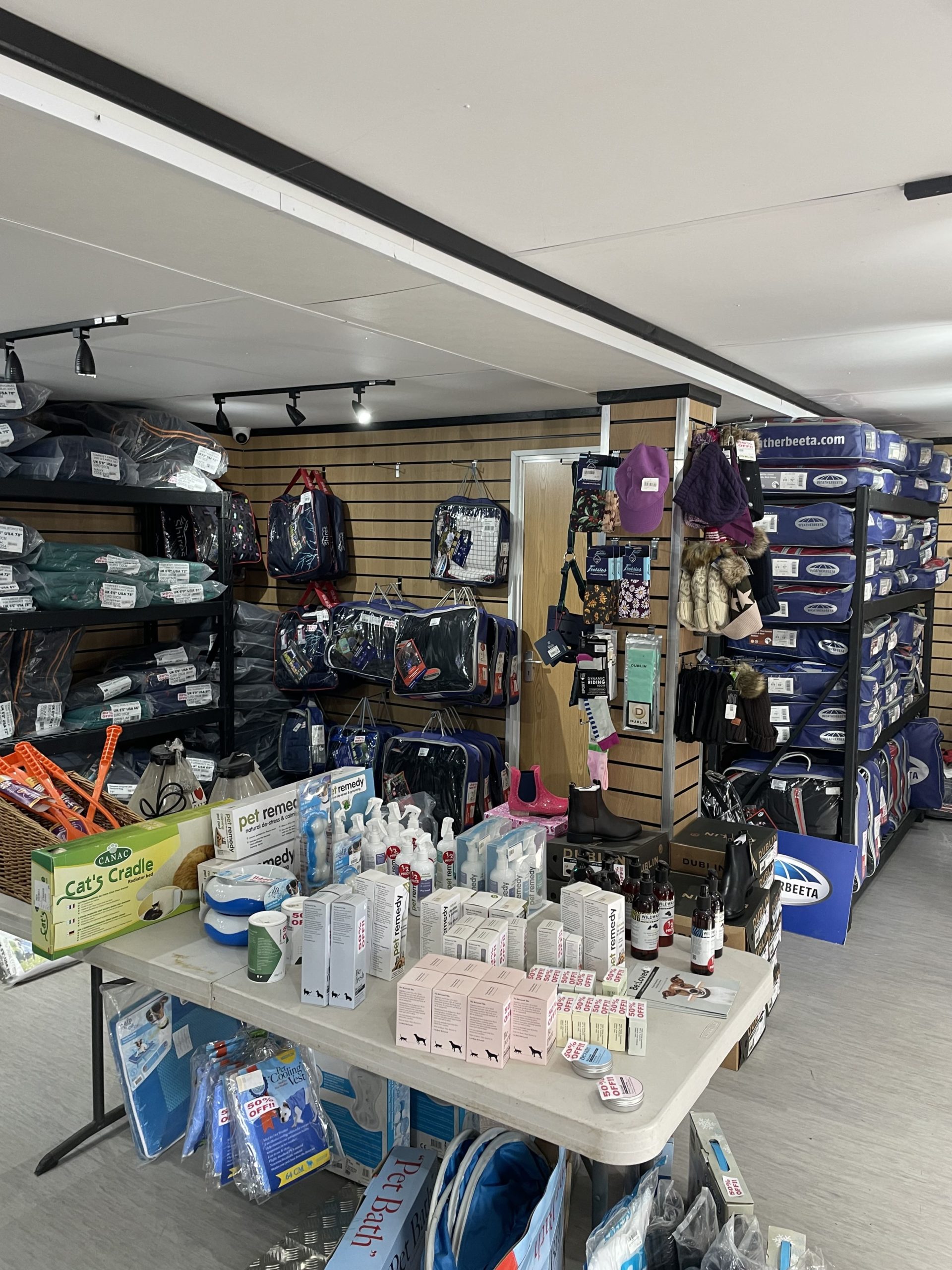
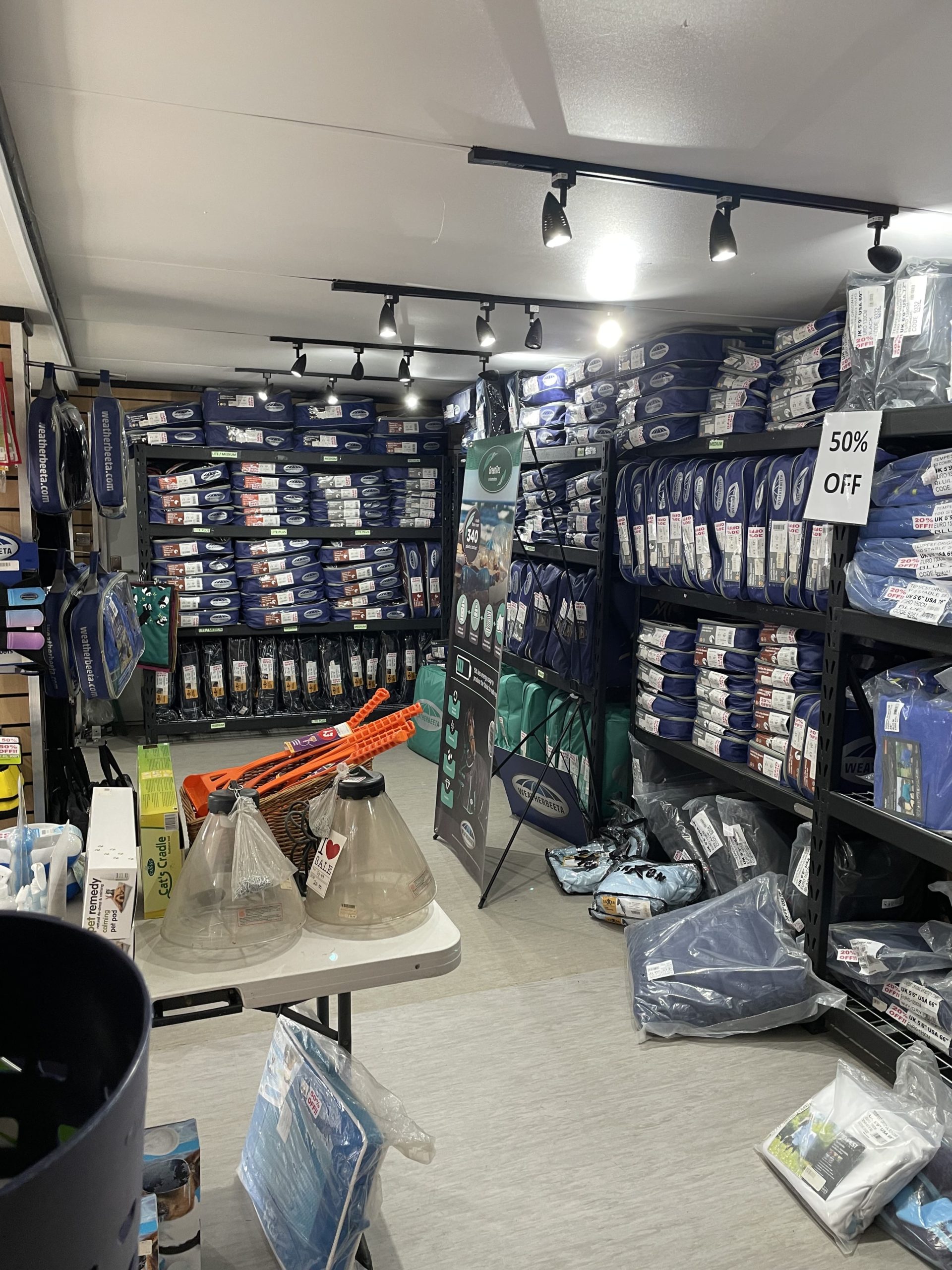
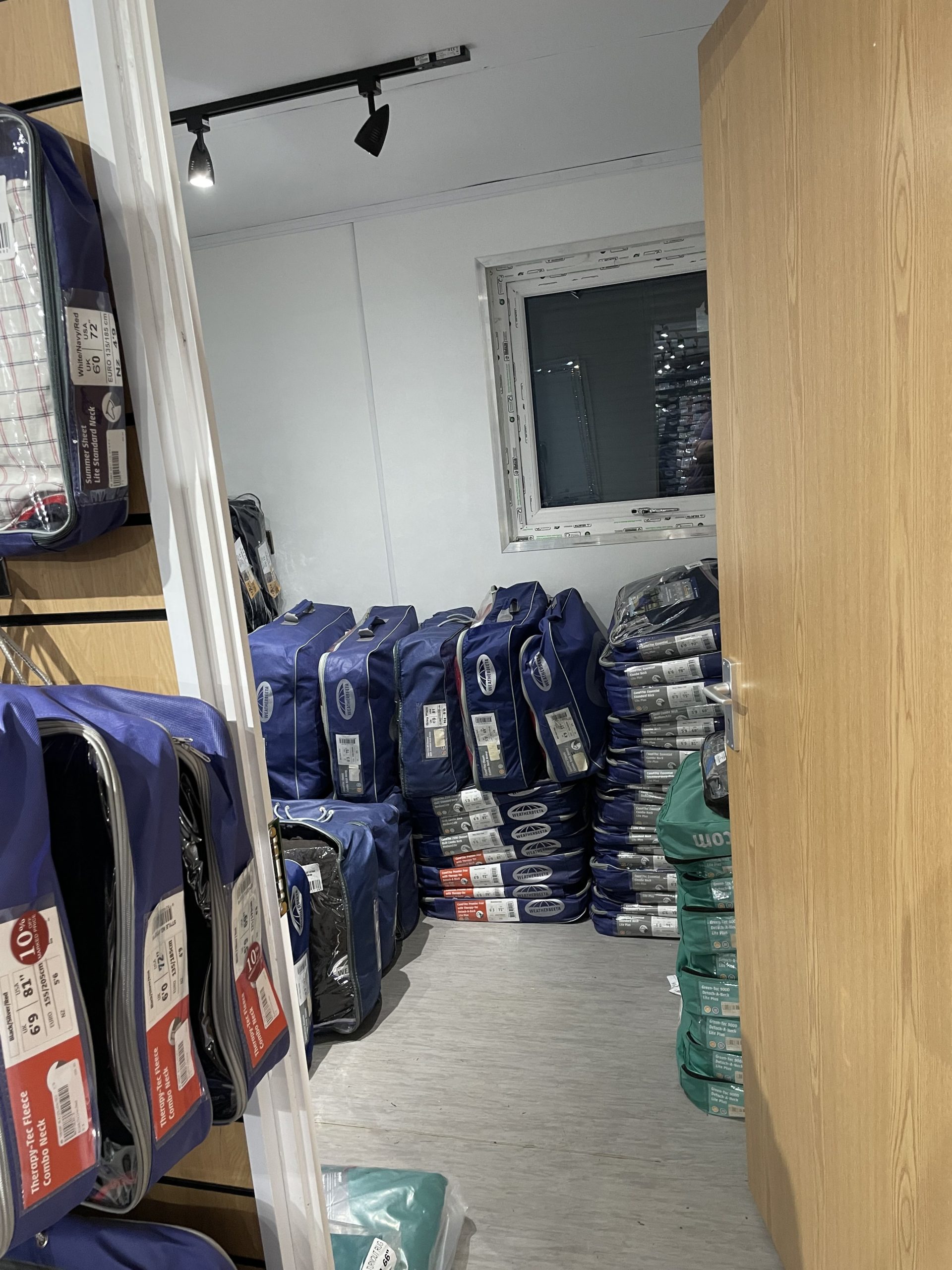
20ft x 8ft Container Conversion Retail Shop
UPVC Double glazed Windows + French Doors
Slat Wall for retail fixings and Merchandise
Electric Chrome Sockets, led lighting and heating.
Laminate Flooring
12 months Warranty
Maintenance call out package included
Less than 2 years old
Still in Brand New Condition
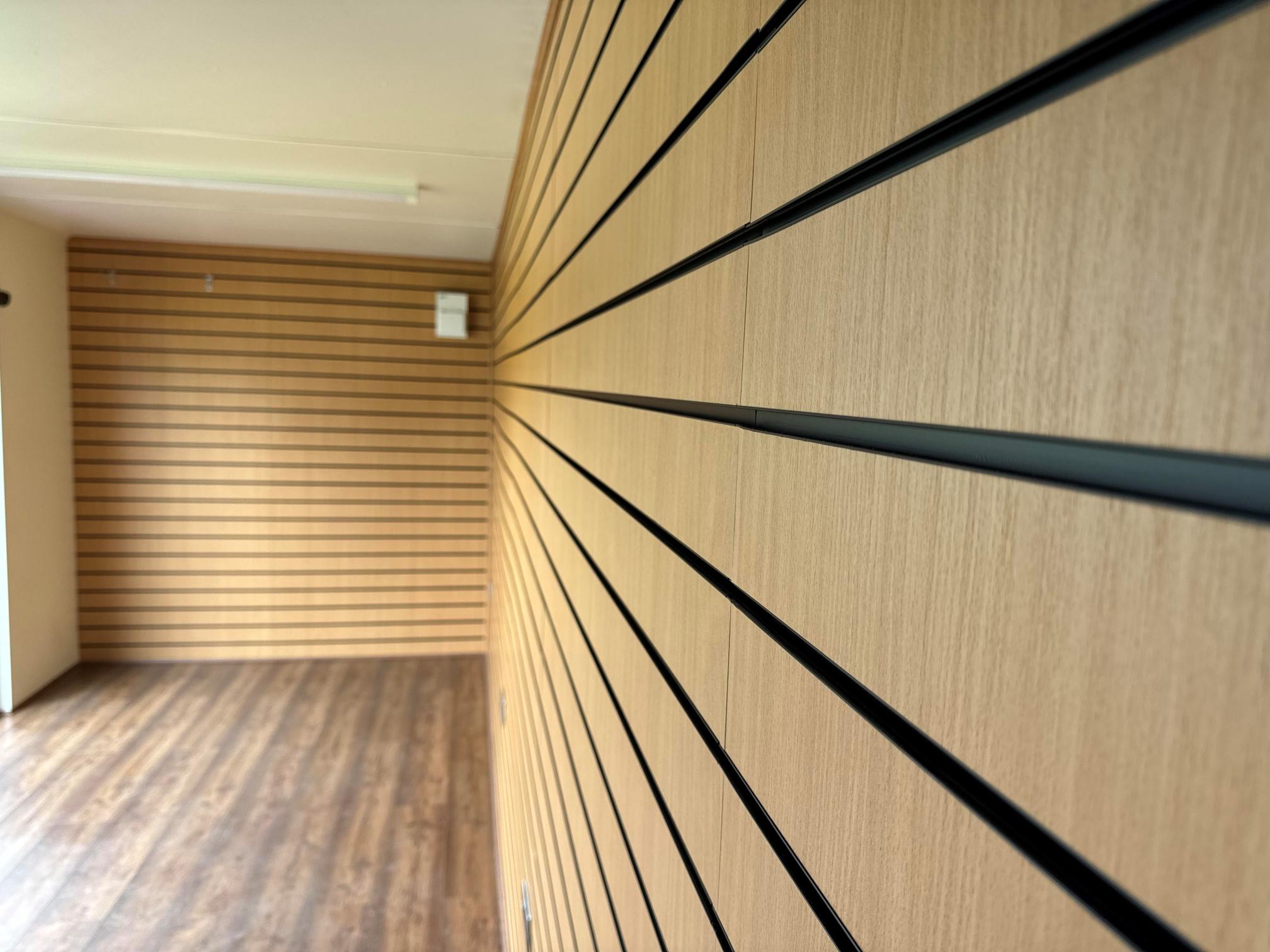
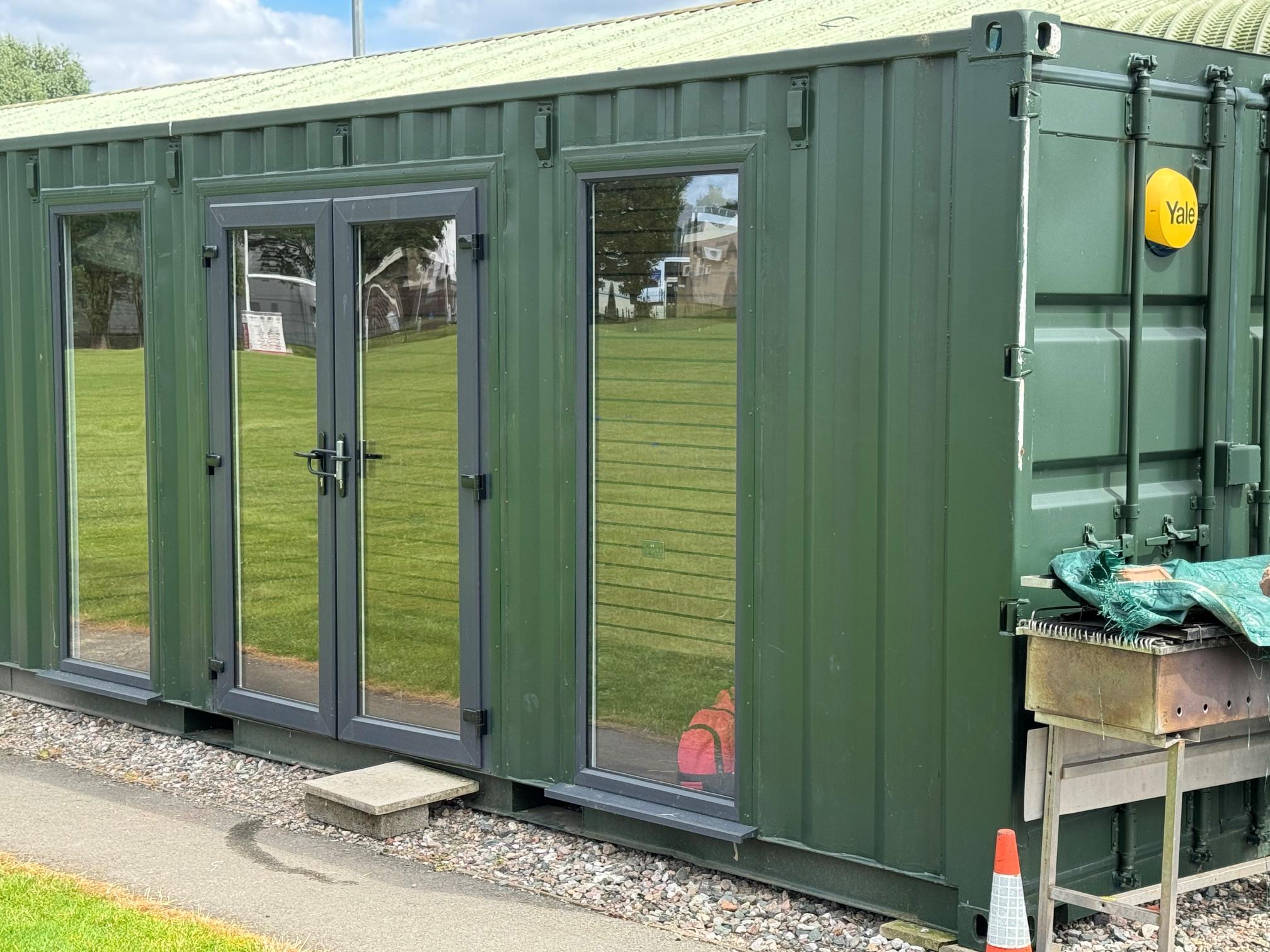
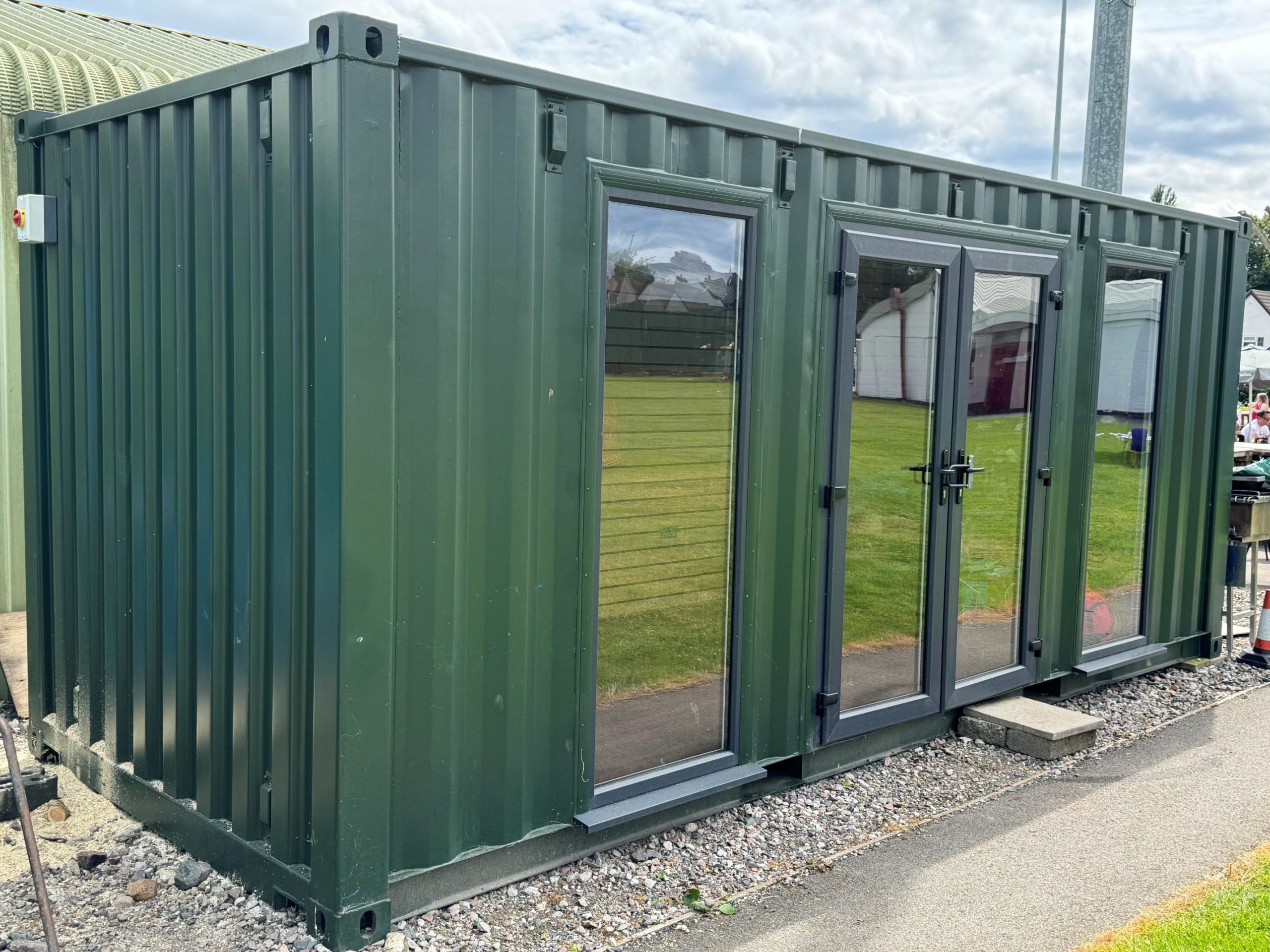
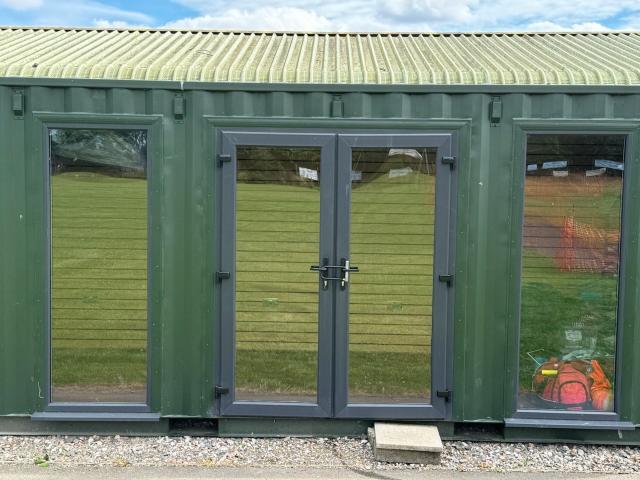
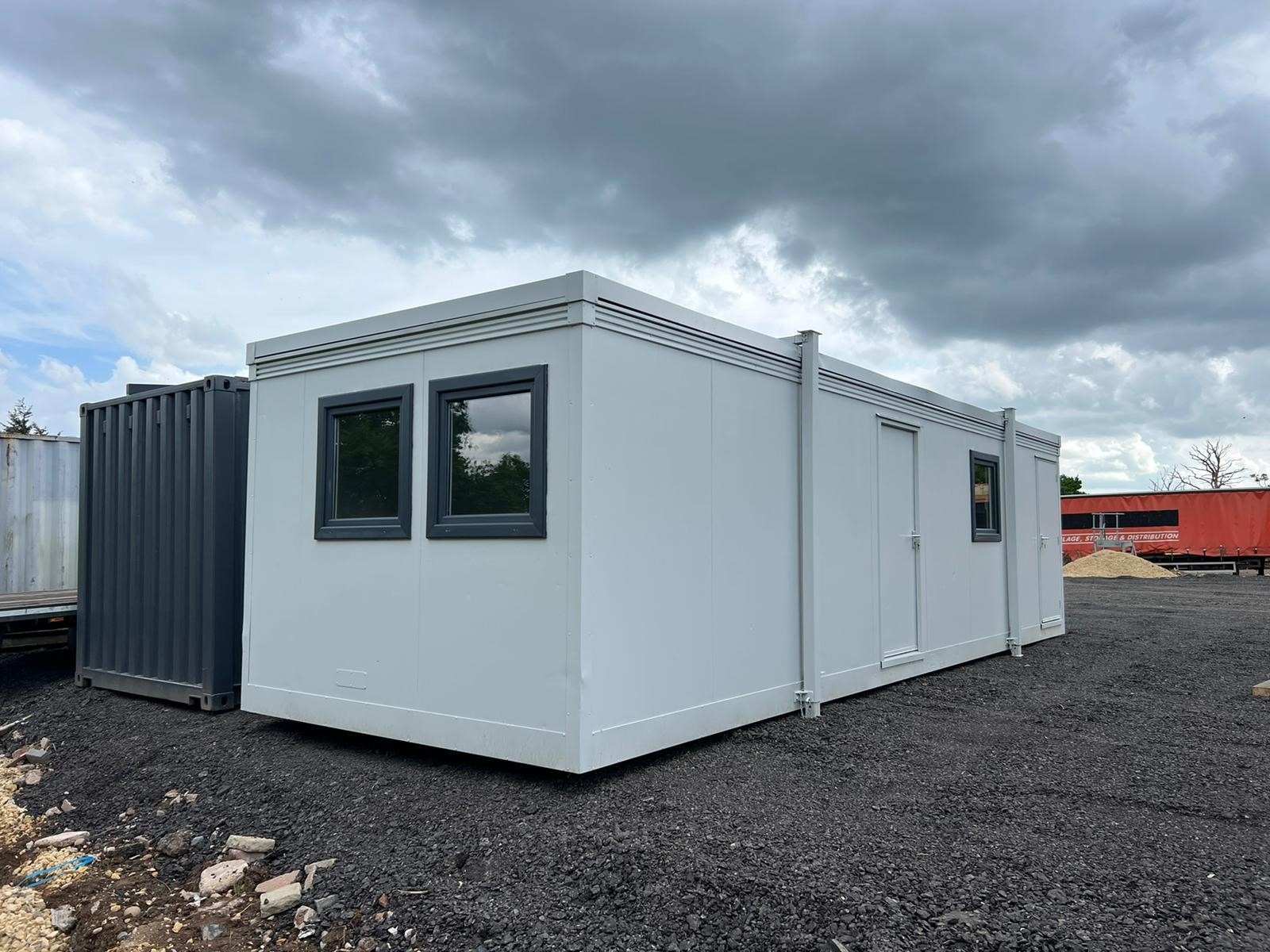
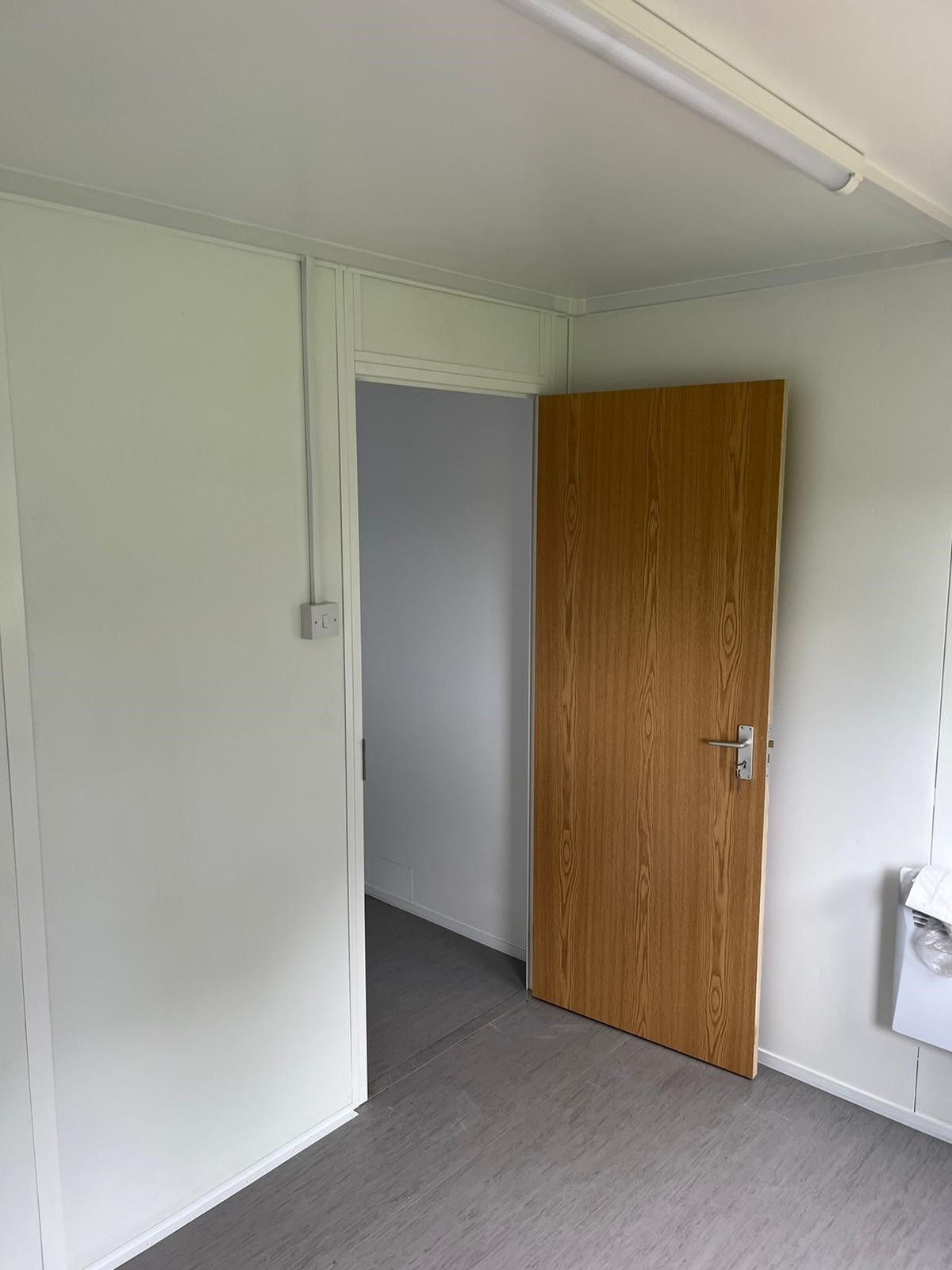
Fully refurbished
Colour light grey
Slate grey anthracite upvc double glazed windows
Location: Nationwide
+ VAT
Not Available for Hire
Call for an instant quote!
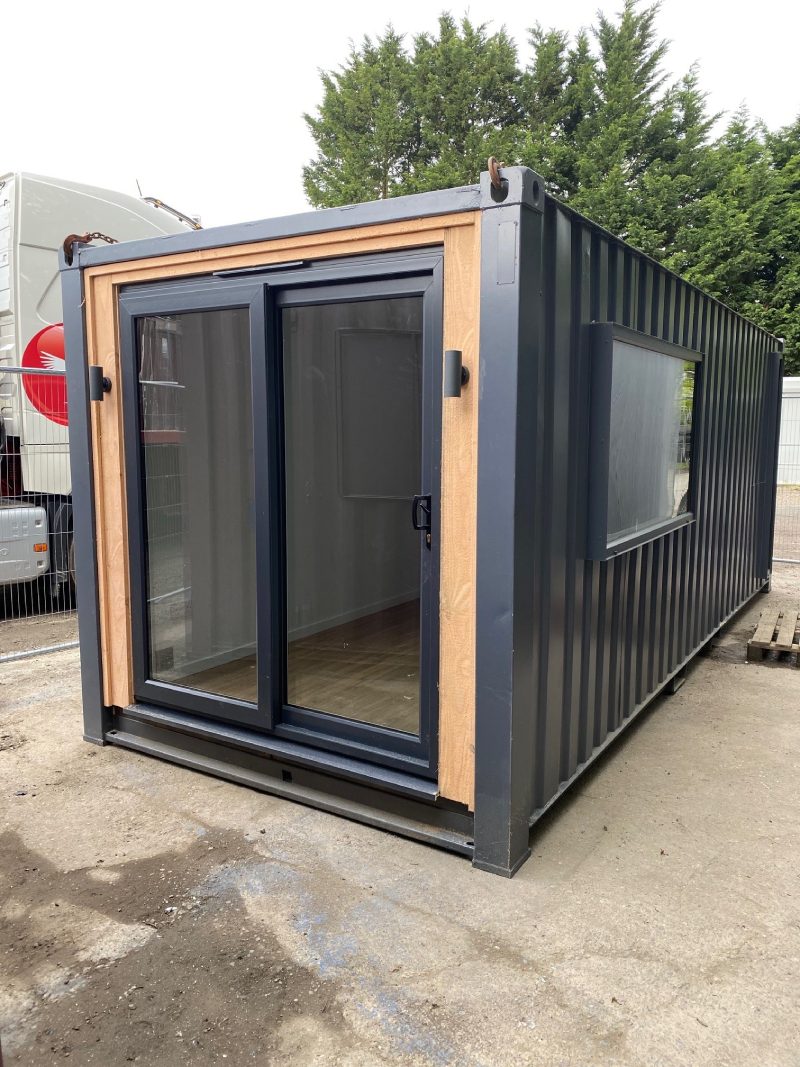
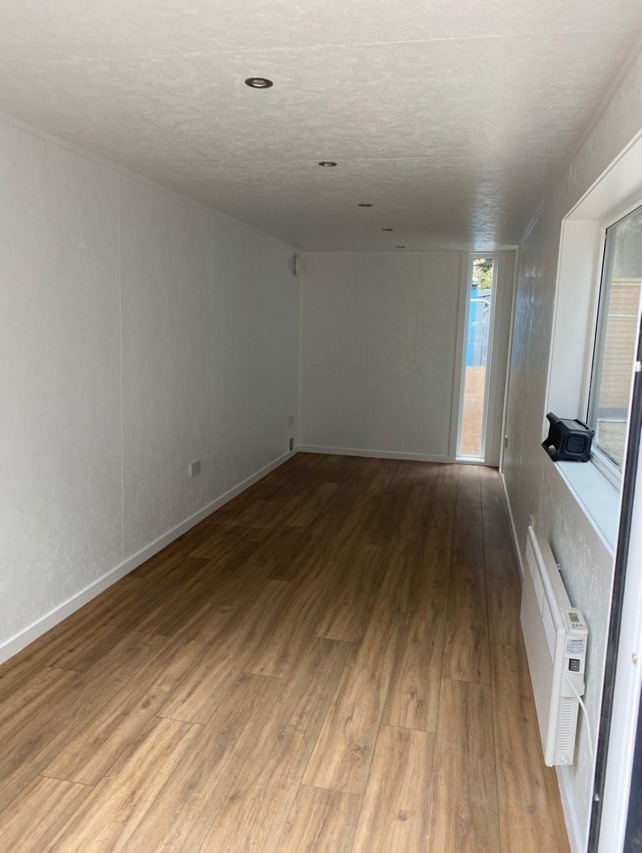
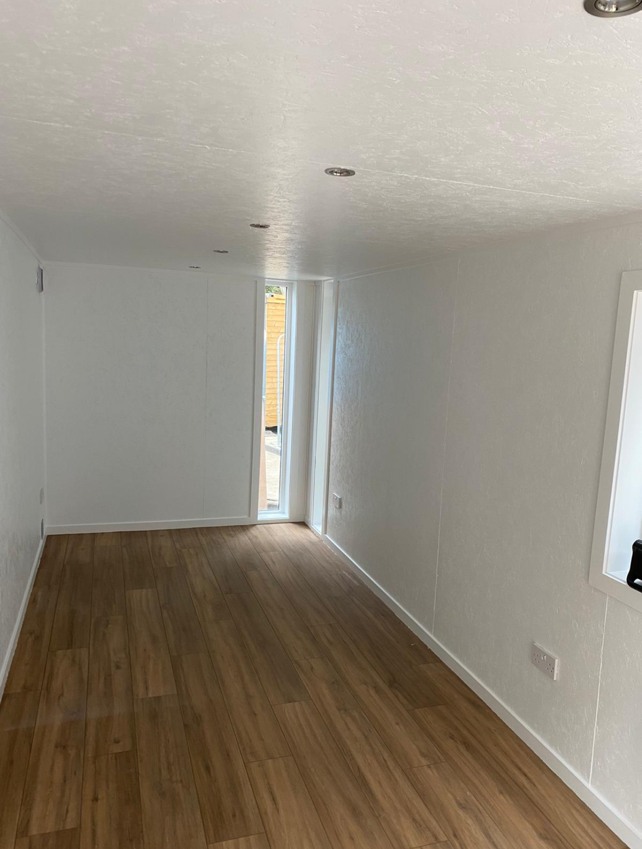
Fully Insulated with electric sockets, spot lighting, and heating
Wood Flooring
UPVC Sliding Door + Windows
Lead Time for build 6-8 weeks
Location: Nationwide
+ VAT
Not Available for Hire
Call for an instant quote!
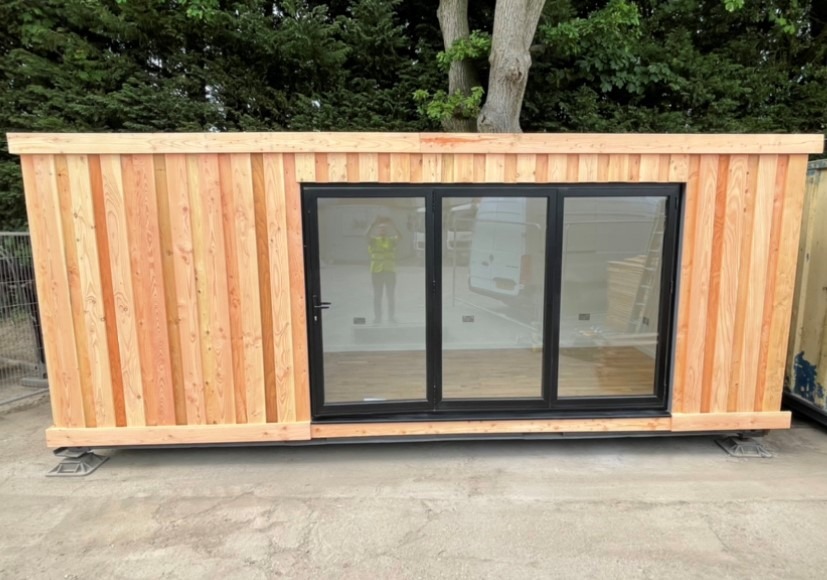
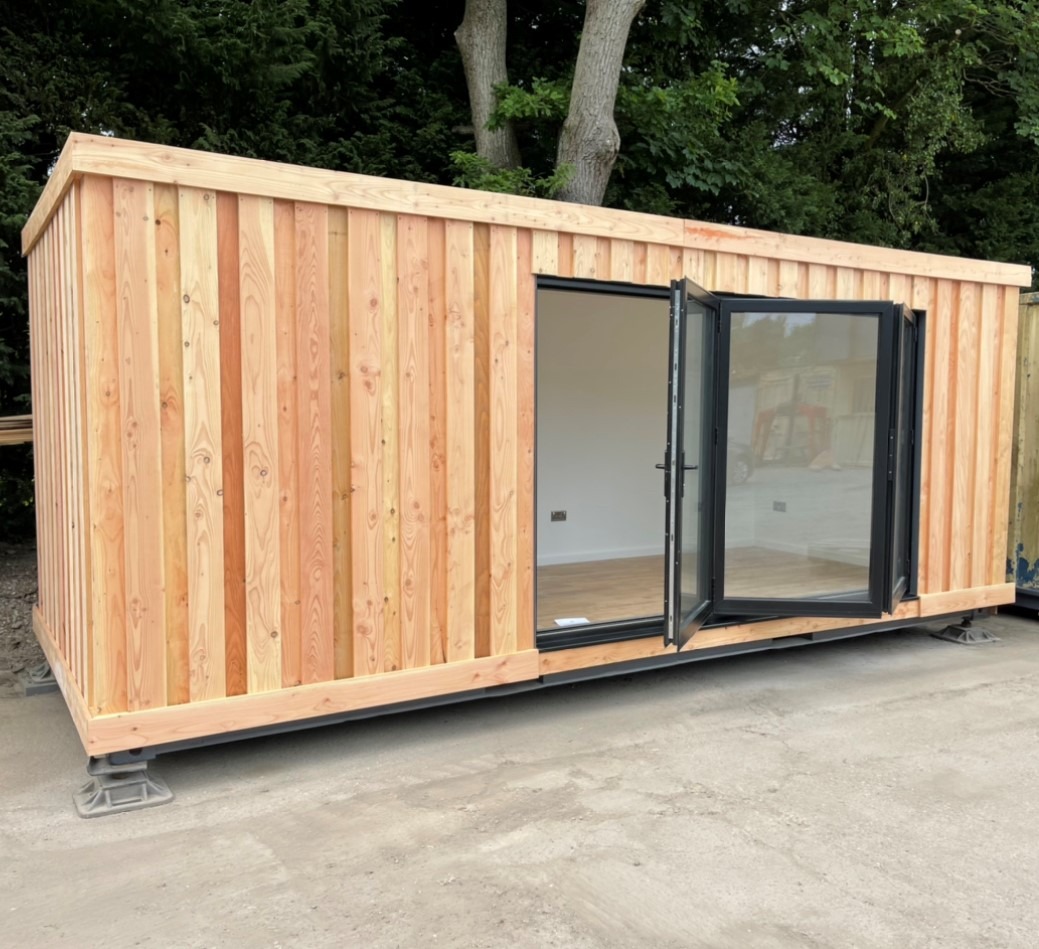
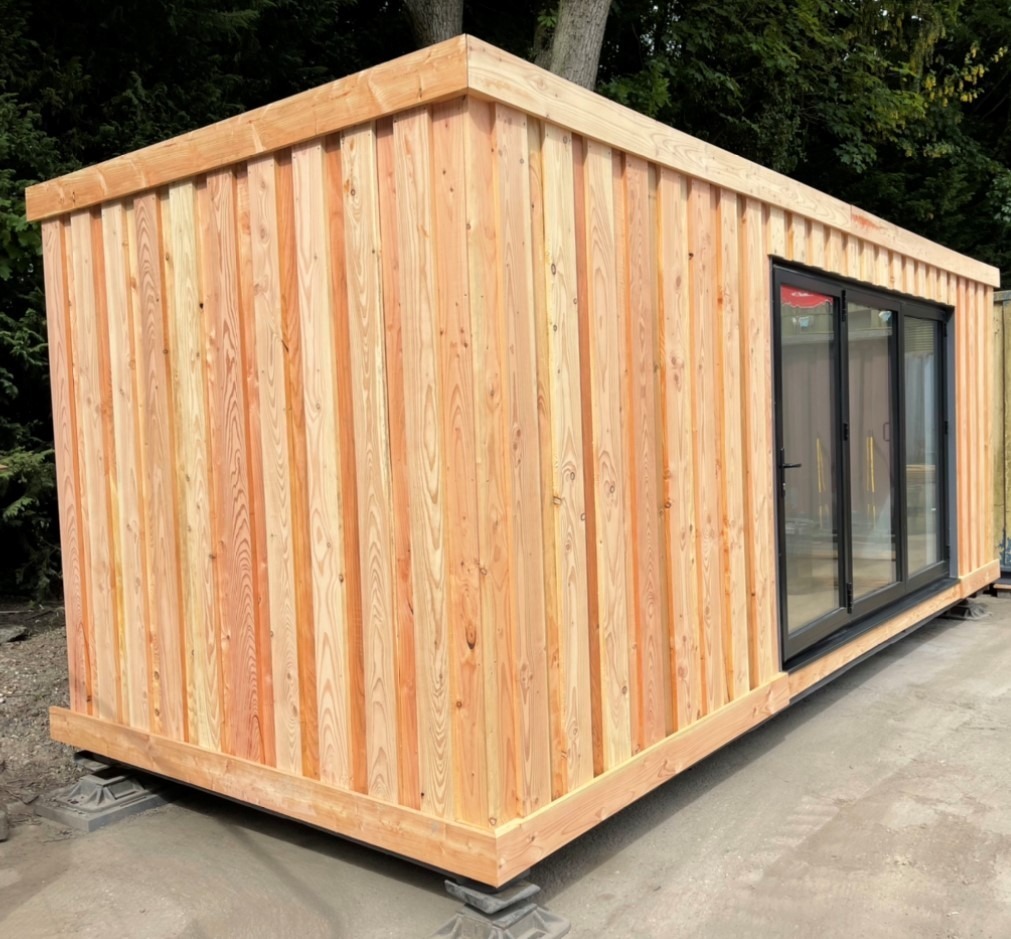
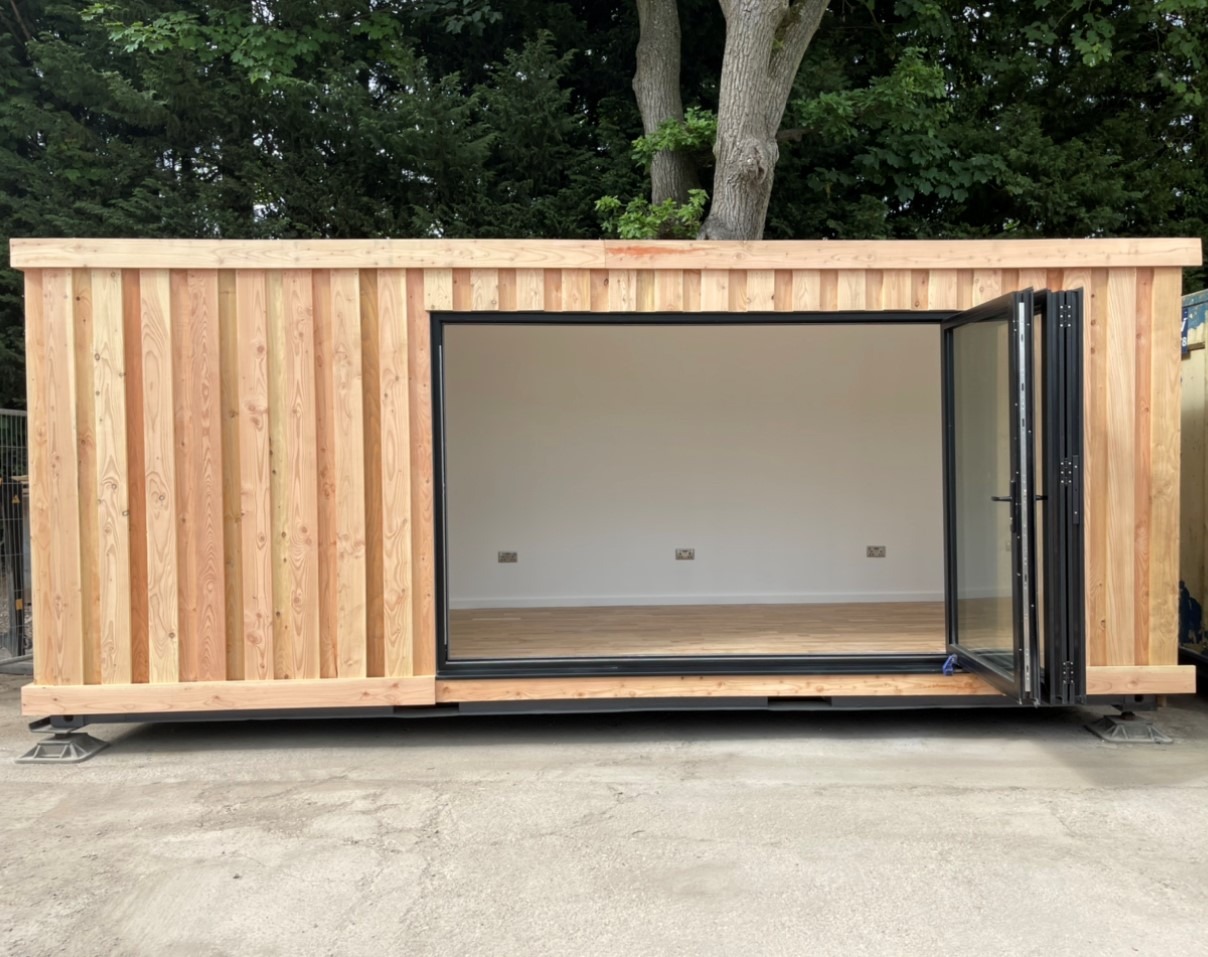
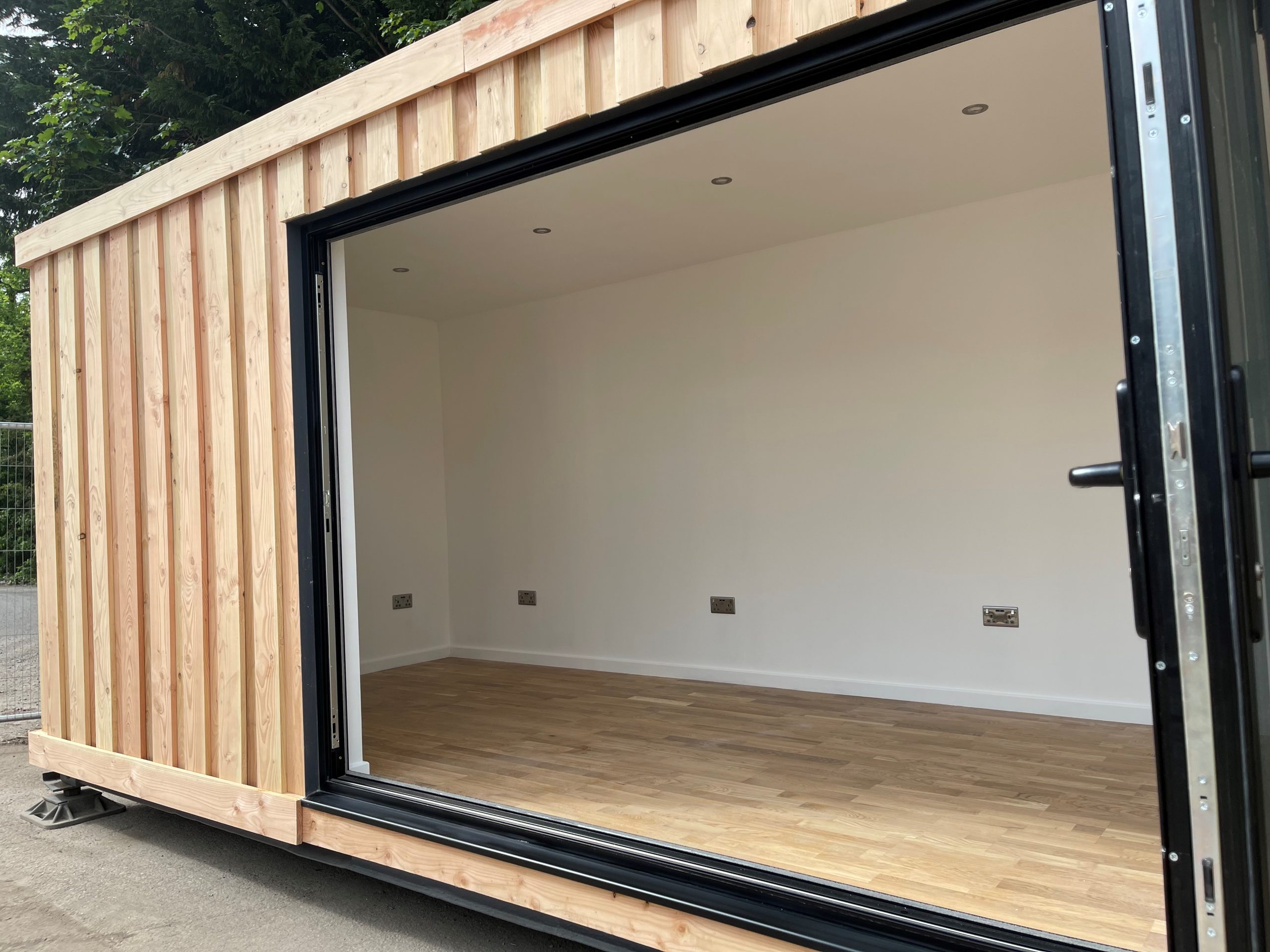
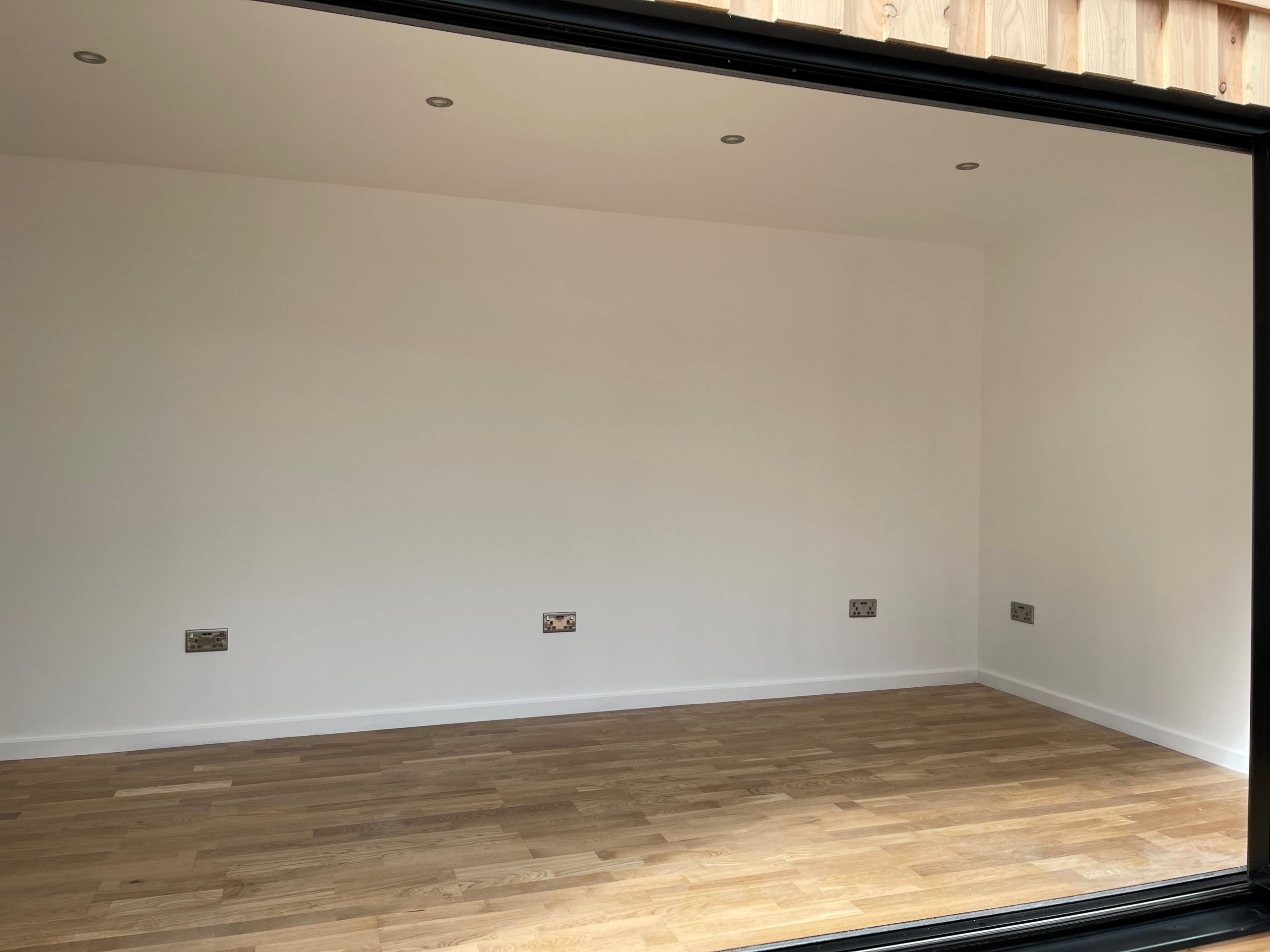
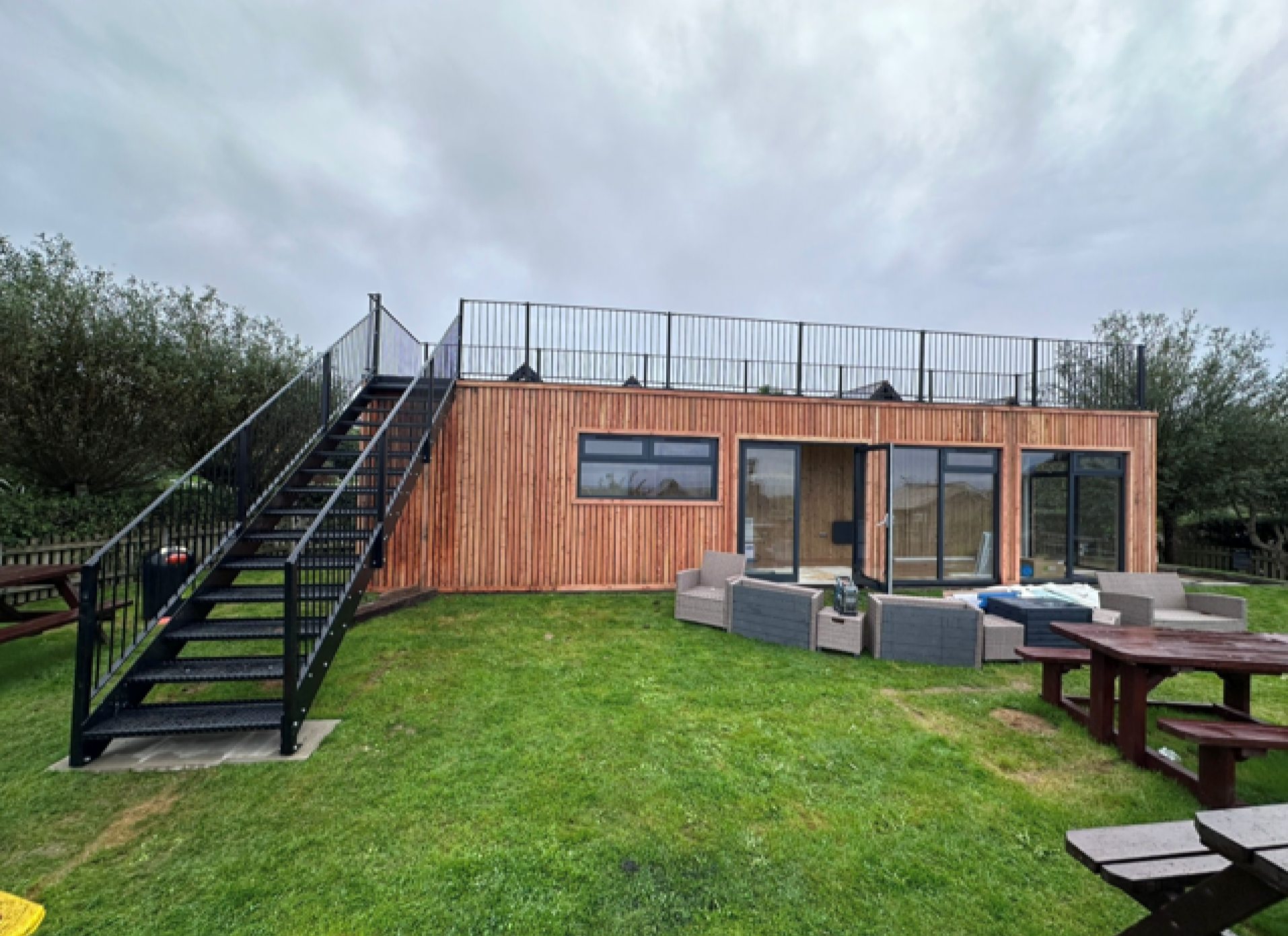
Fully Insulated with electric sockets, spot lighting, and heating
Wood Flooring
Aluminium Bi Fold Doors
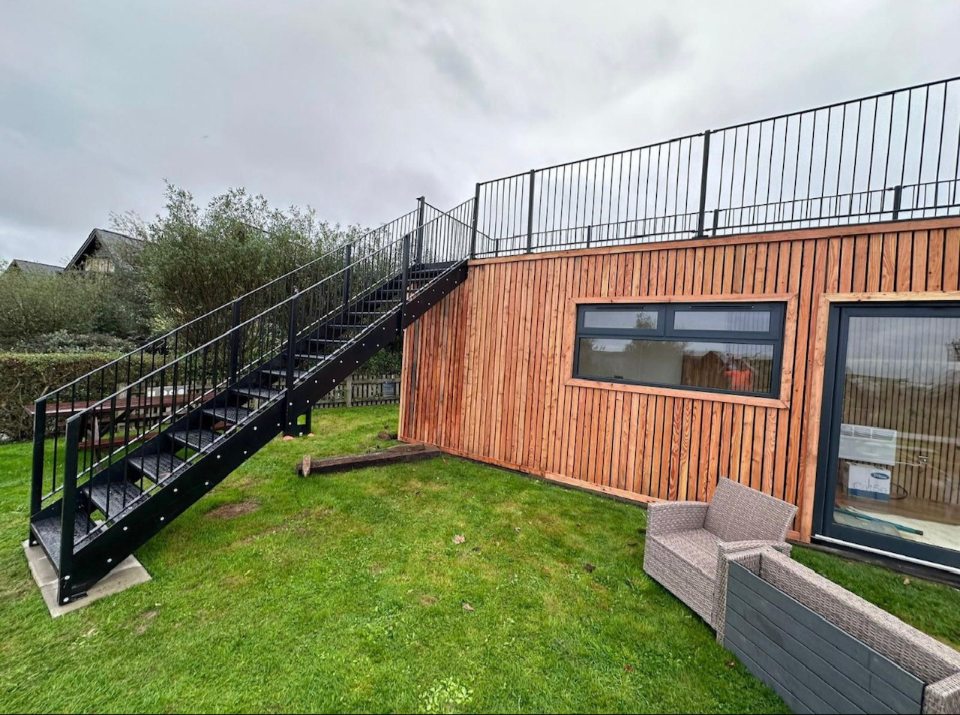
Fully wrapped in larch cladding
Lead Time for build 6-8 weeks
Location: Nationwide
+ VAT
Not Available for Hire
Call for an instant quote!
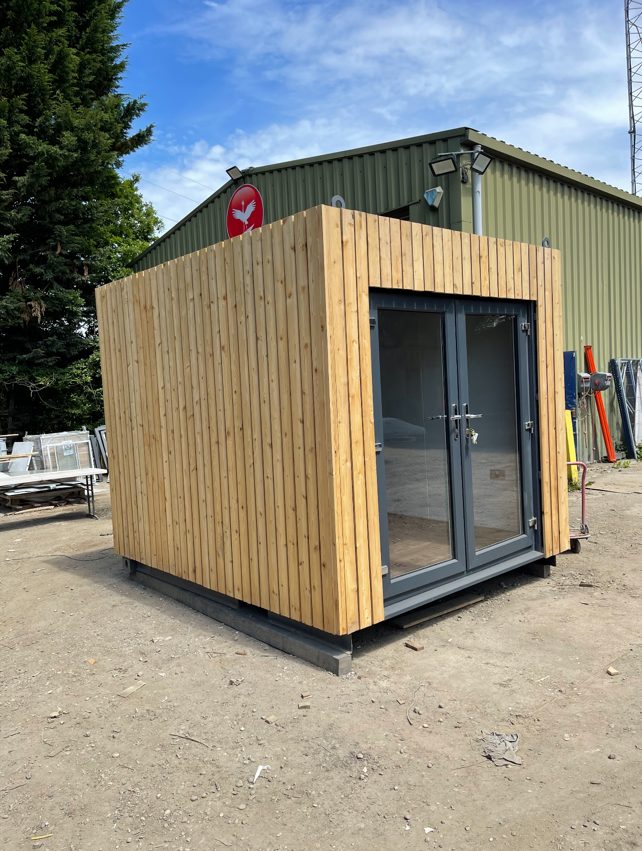
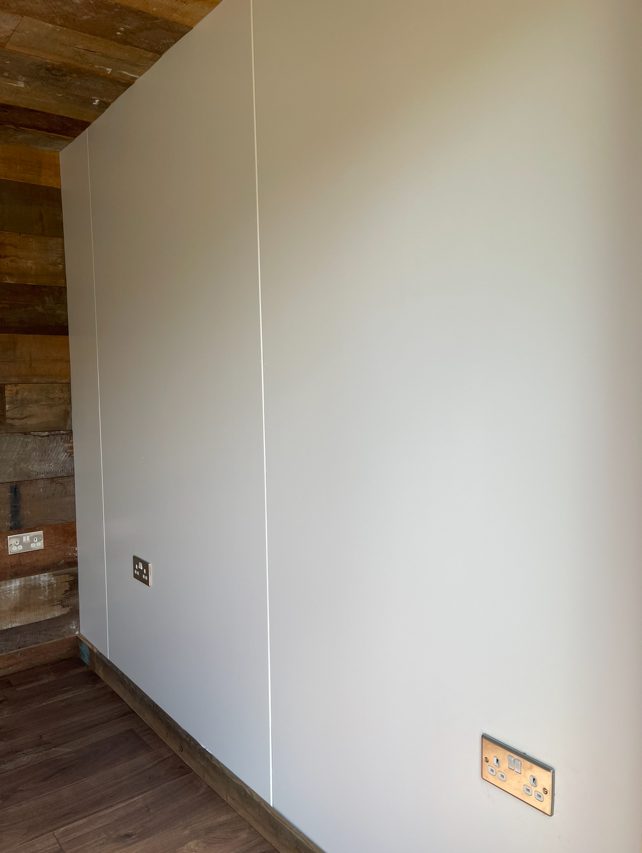
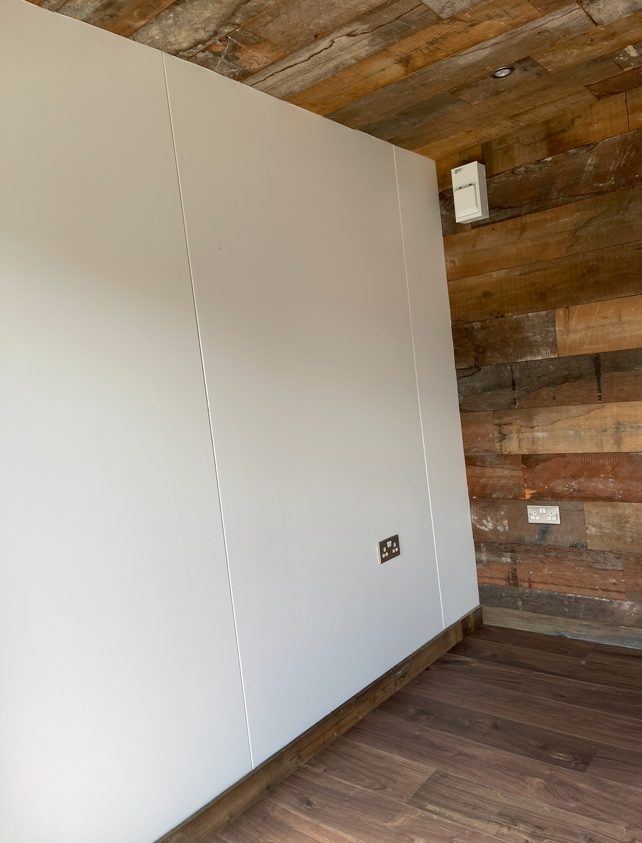
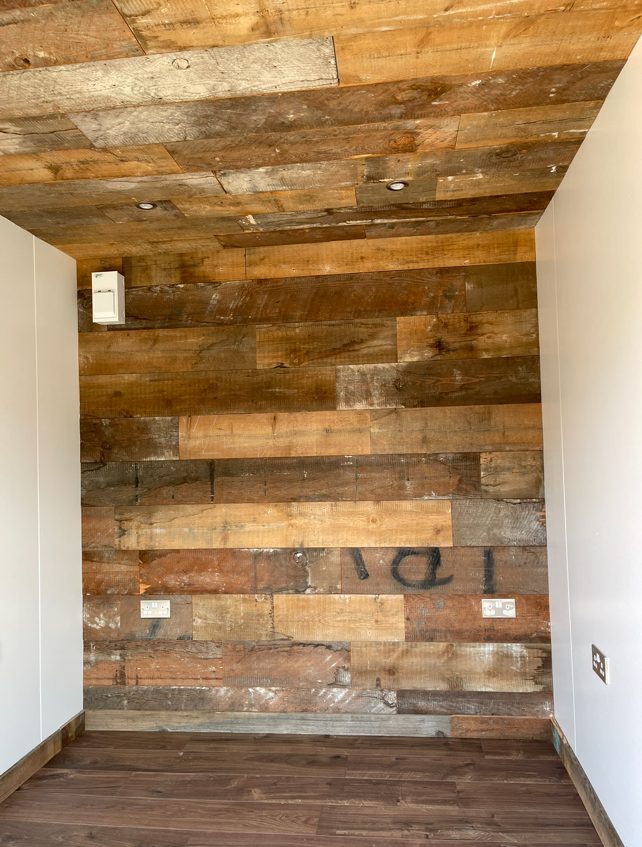
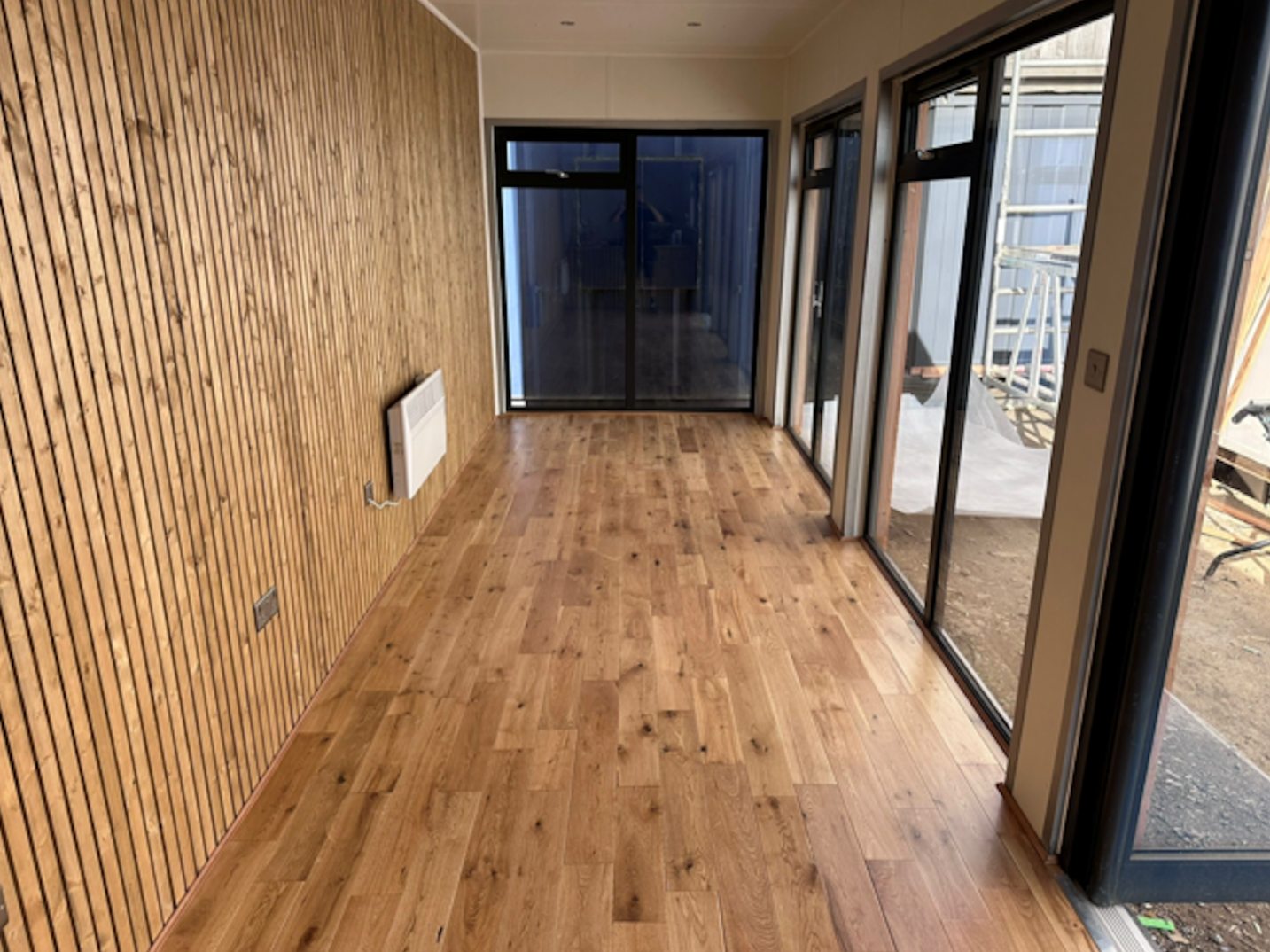
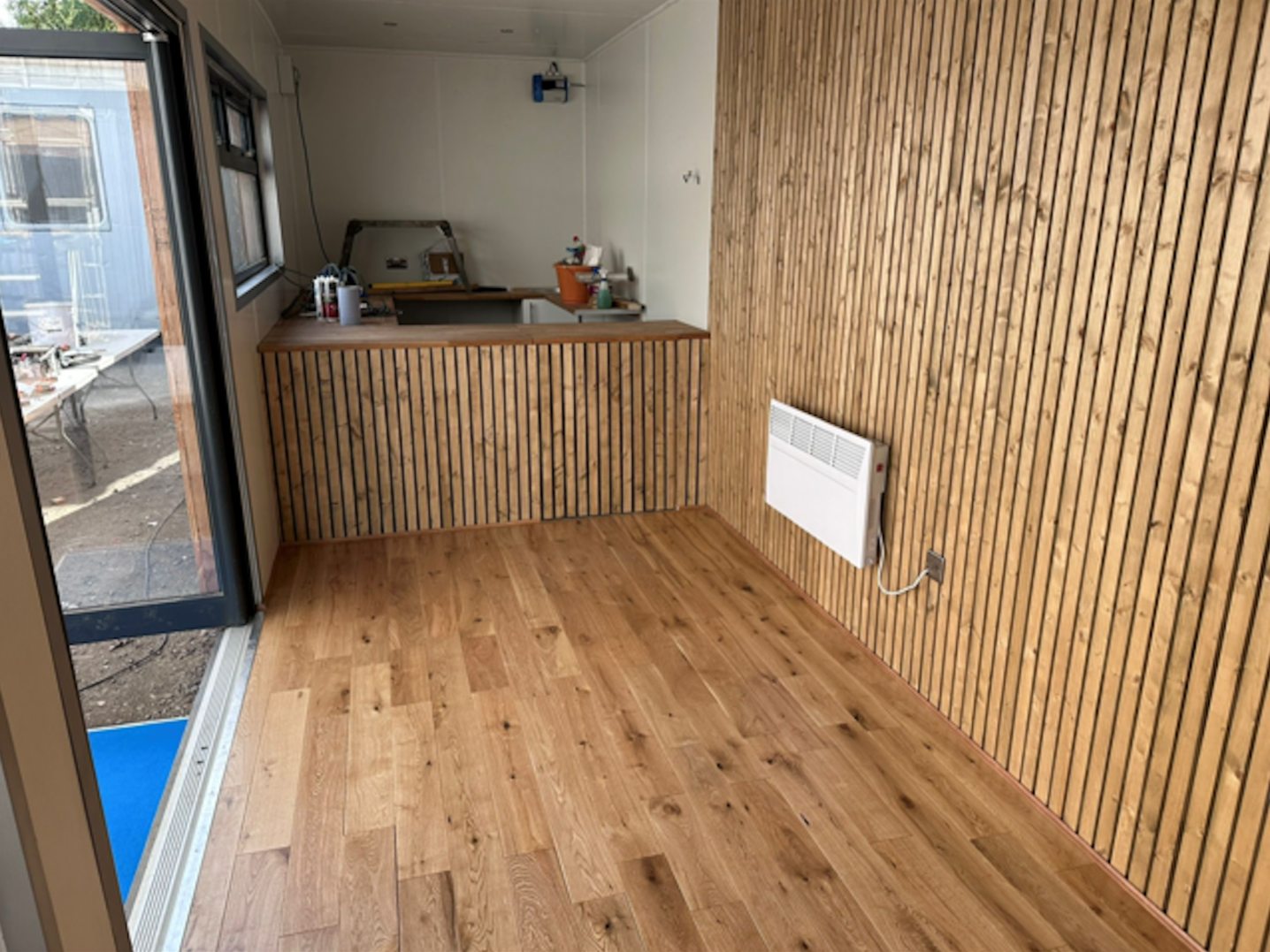
Fully Insulated with electric sockets, spot lighting, and heating
Wood Flooring
Feature Clad Wall and Ceiling
UPVC Double glazed French Doors
Fully wrapped in larch cladding
Lead Time for build 6-8 weeks
Location: Nationwide
EX VAT
Not Available for Hire
Call for an instant quote!
Location: Nationwide
EX VAT
Not Available for Hire
Call for an instant quote!
Location: Nationwide
EX VAT
Not Available for Hire
Call for an instant quote!
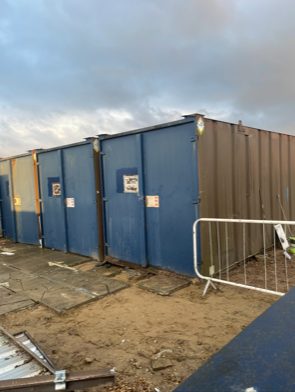
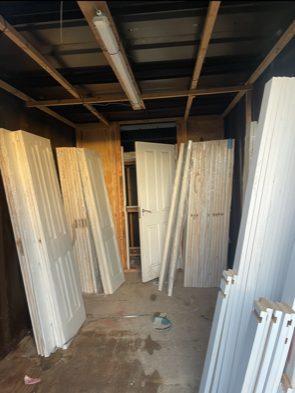
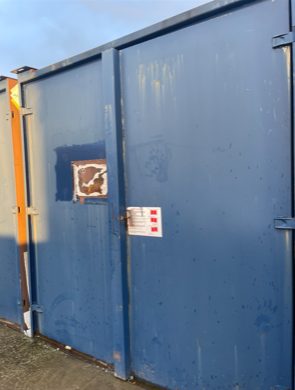
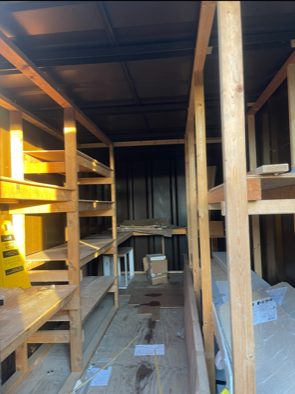
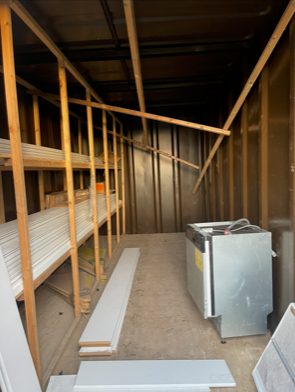
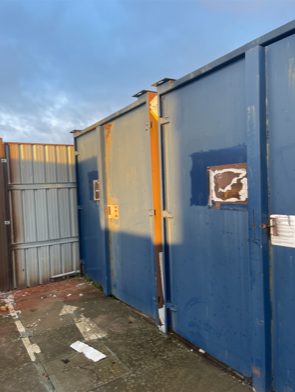
Location: Nationwide
EX VAT
Not Available for Hire
Call for an instant quote!
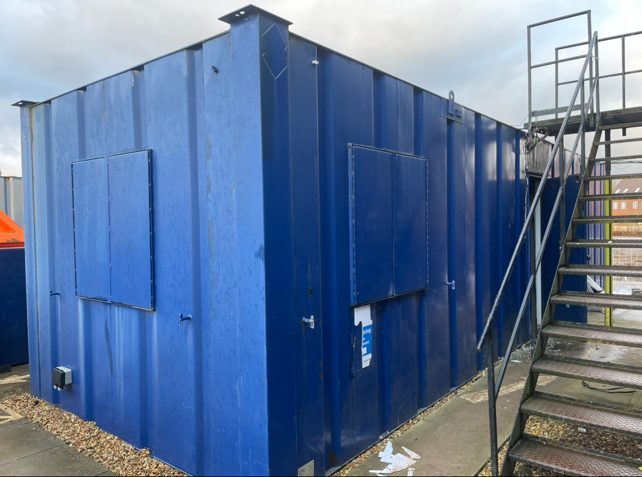
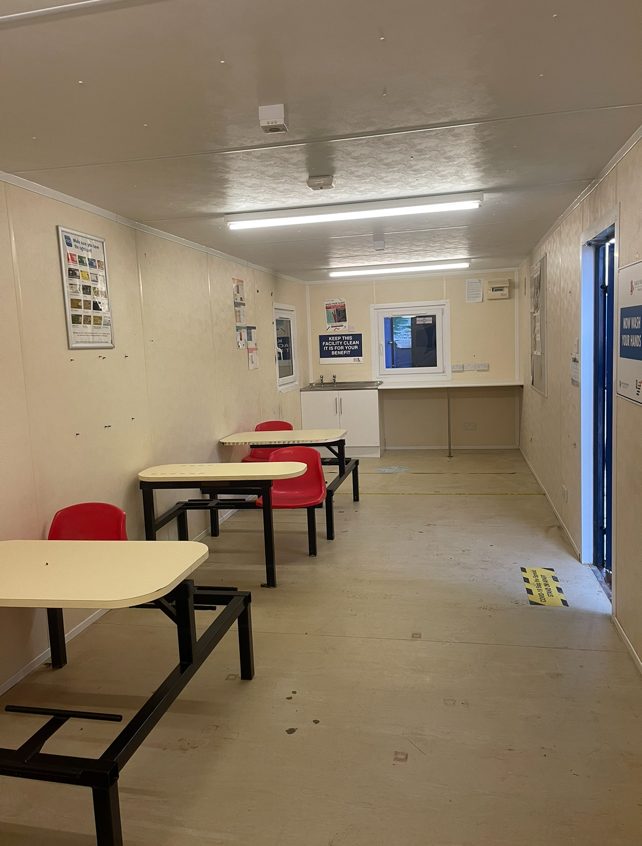
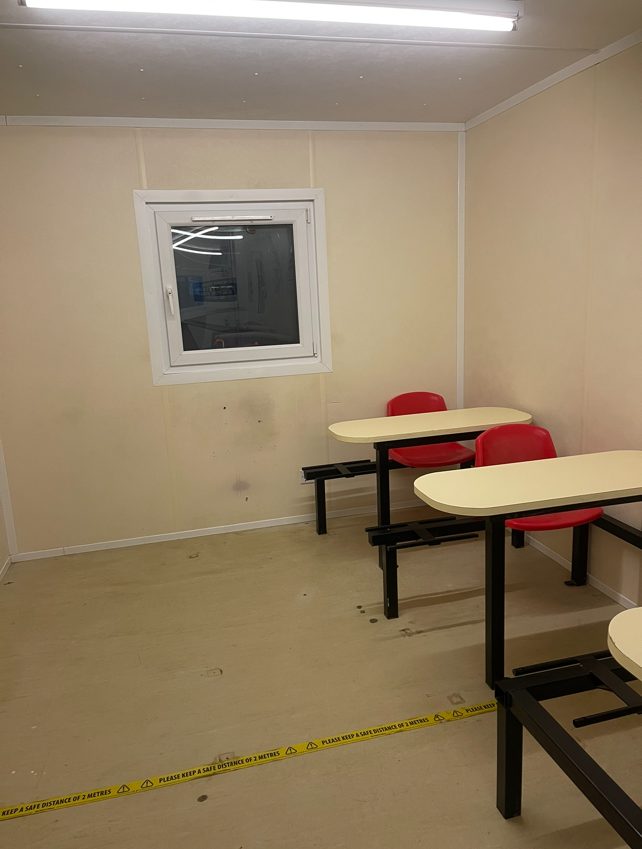
Location: Nationwide
EX VAT
Not Available for Hire
Call for an instant quote!
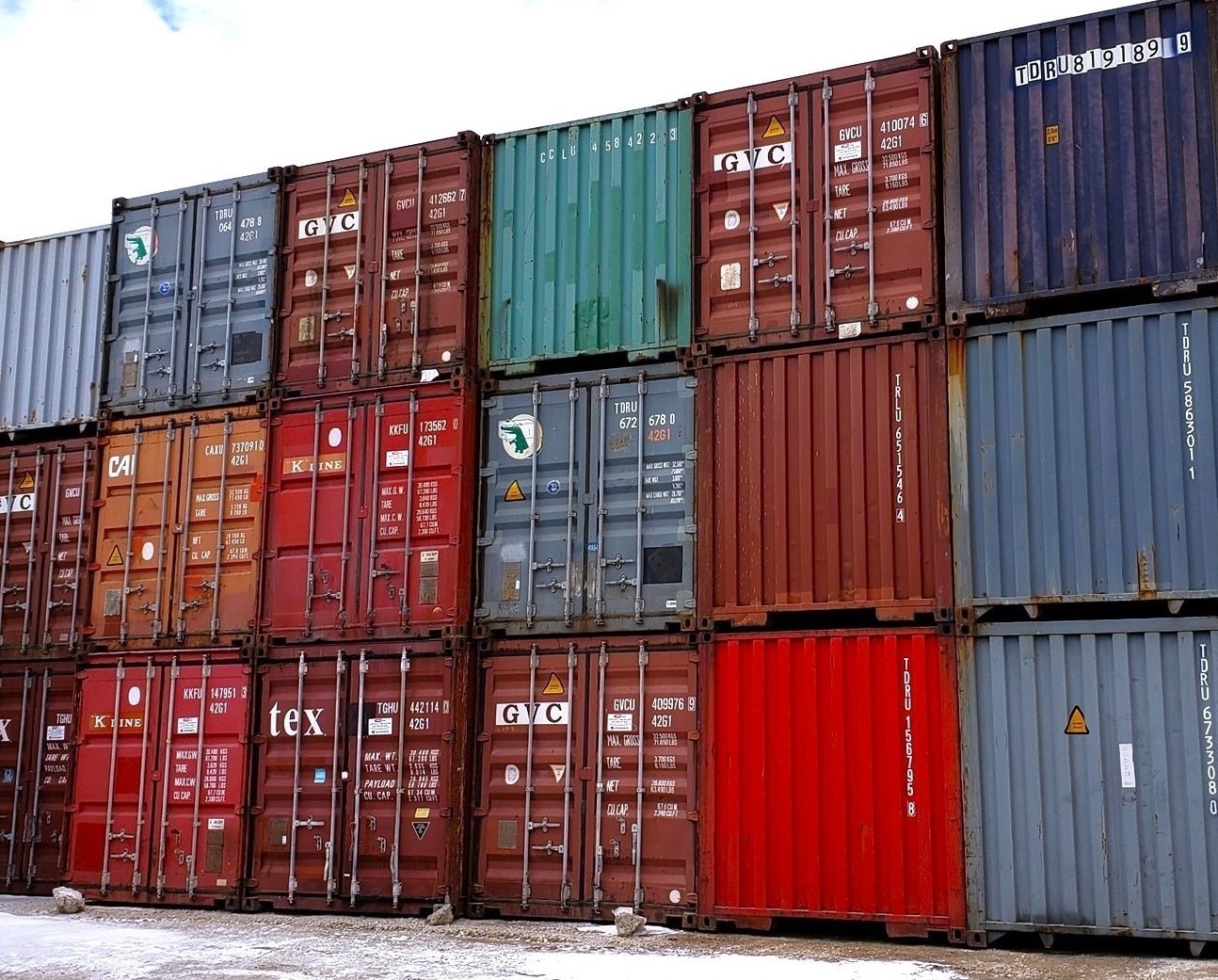
Location: Nationwide
EX VAT
Not Available for Hire
Call for an instant quote!
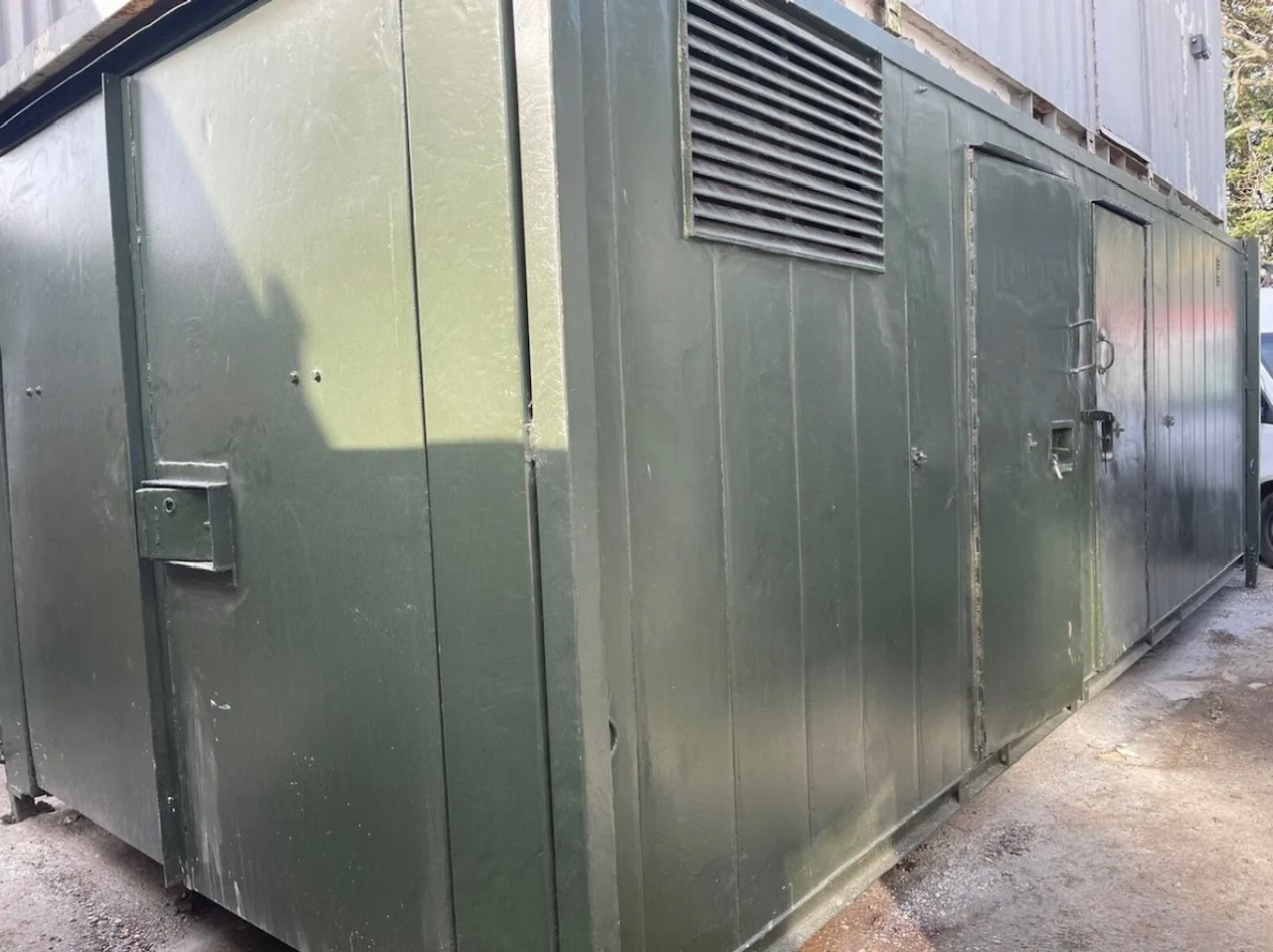
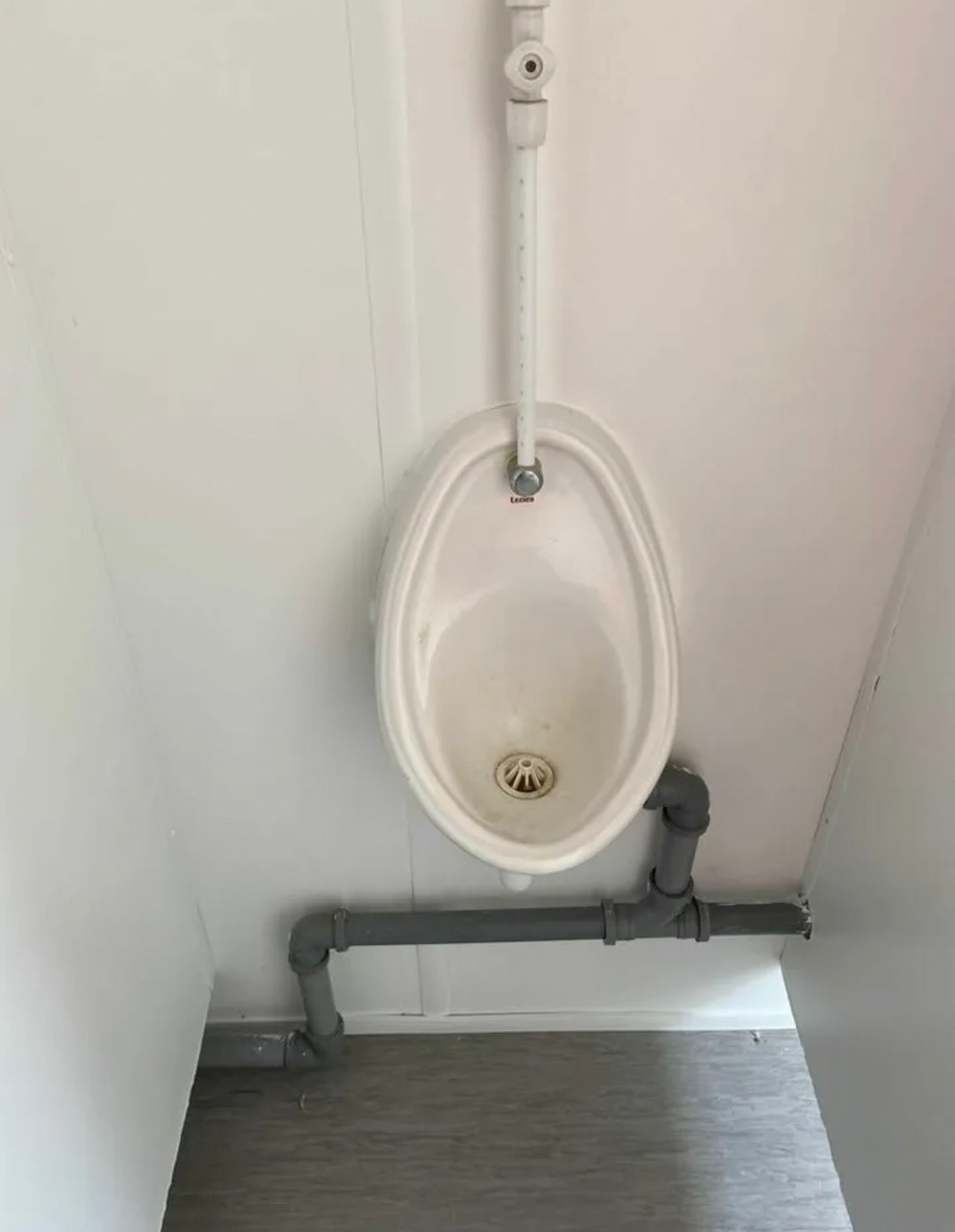
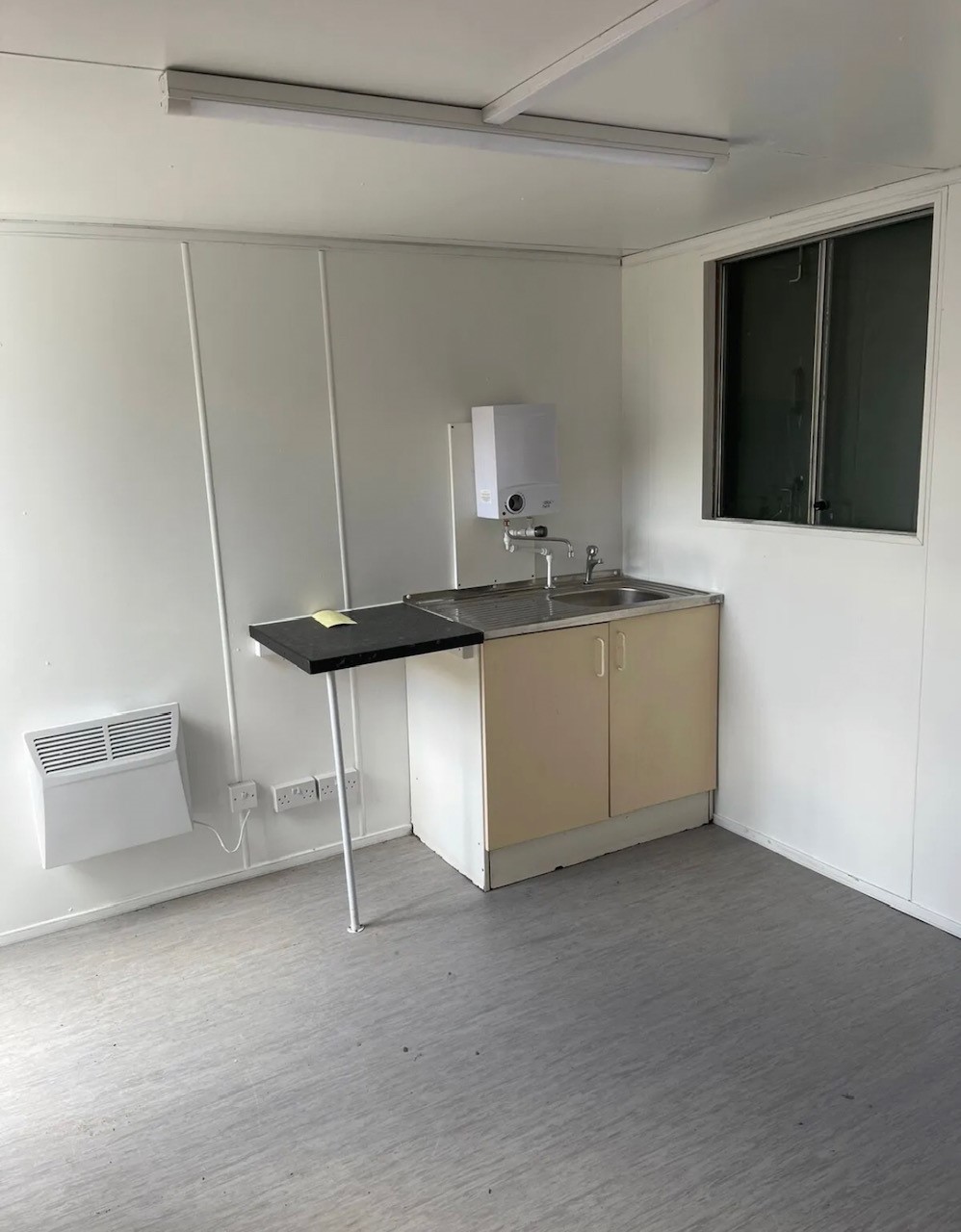
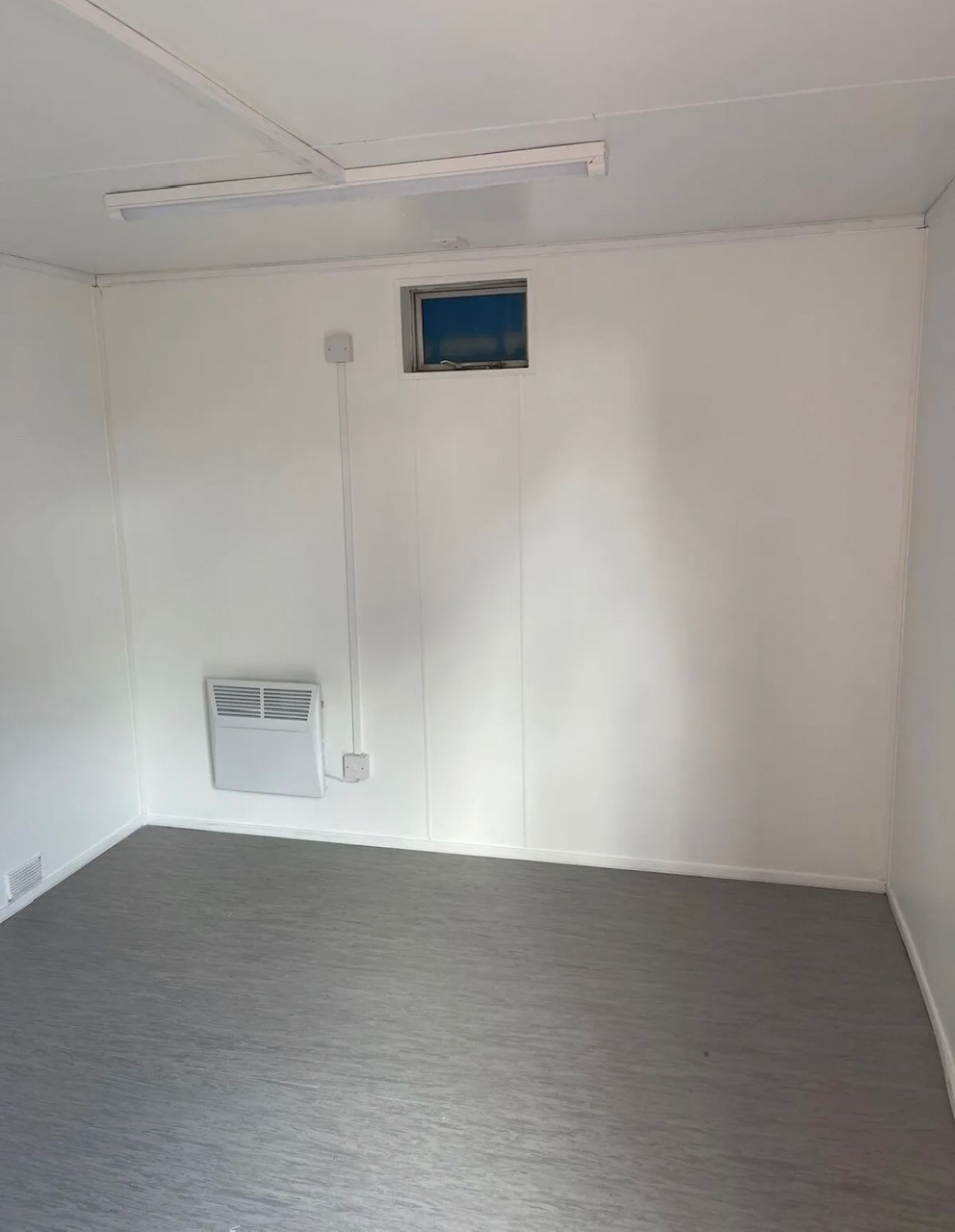
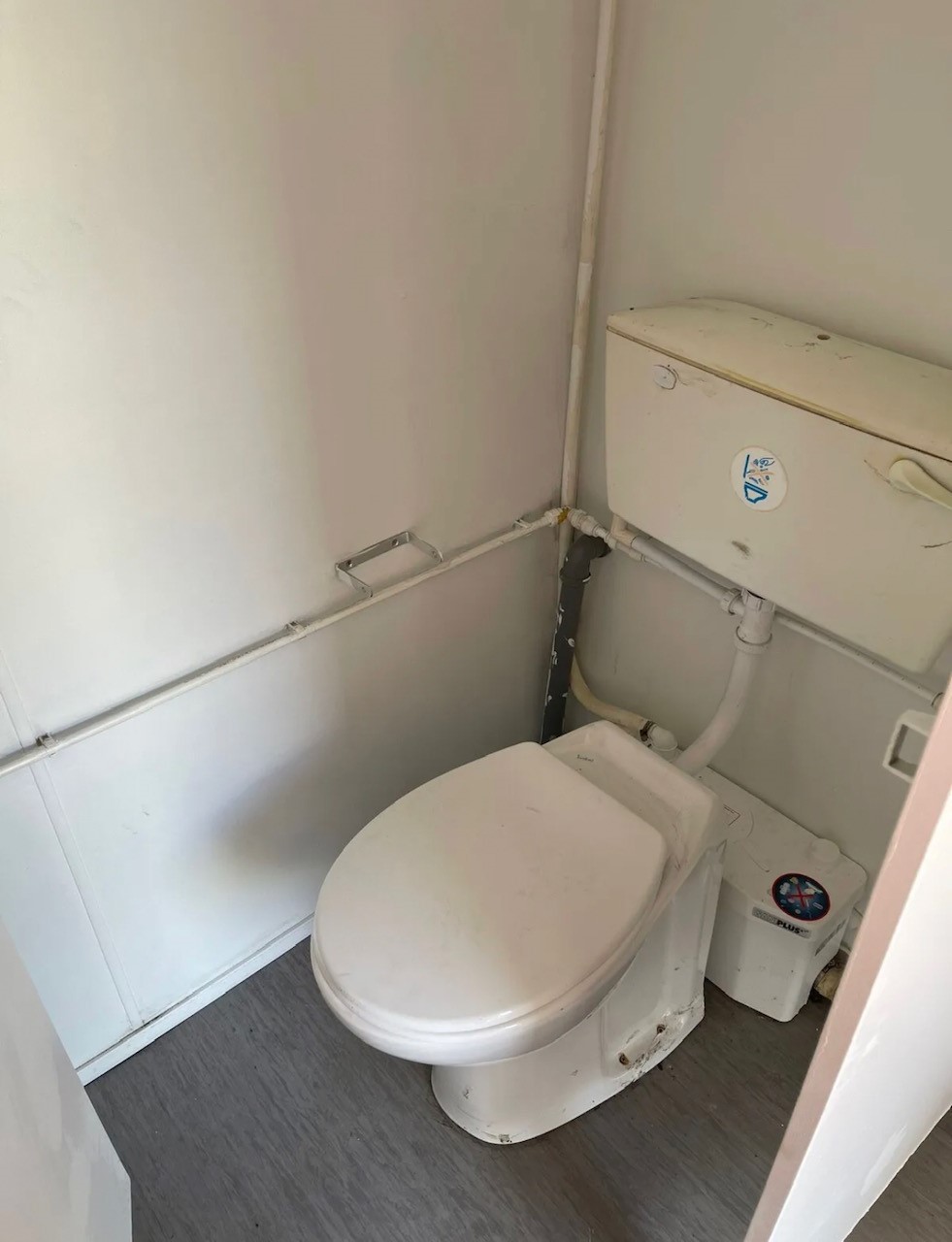
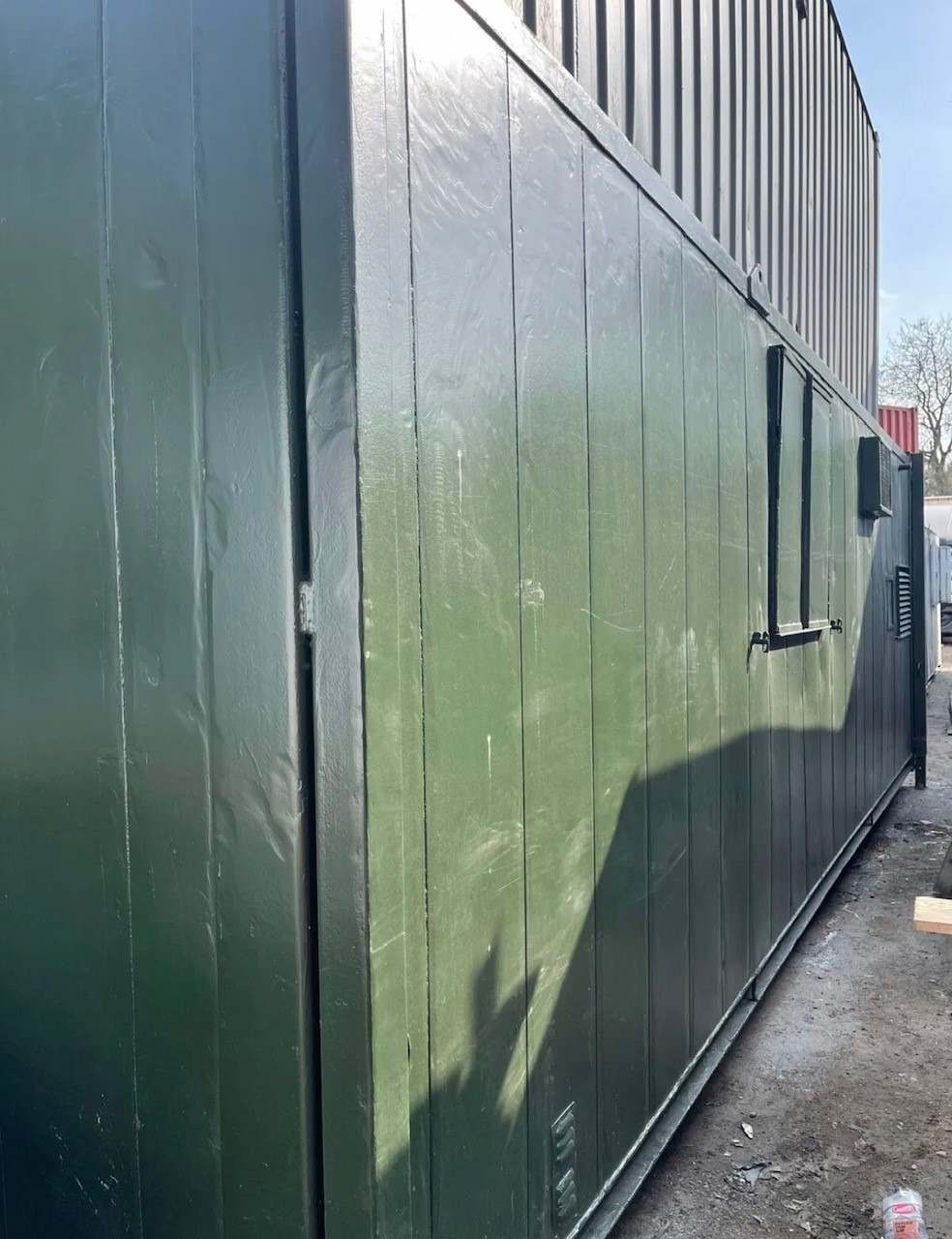
Location: Nationwide
EX VAT
Not Available for Hire
Call for an instant quote!
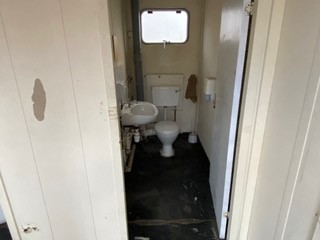
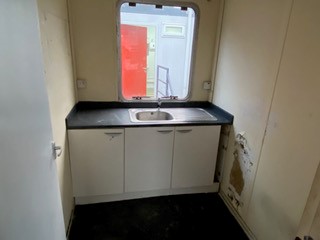
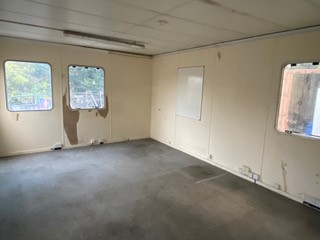
Location: Nationwide
EX VAT
Not Available for Hire
Call for an instant quote!
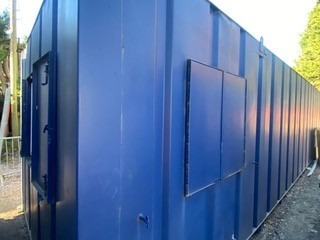
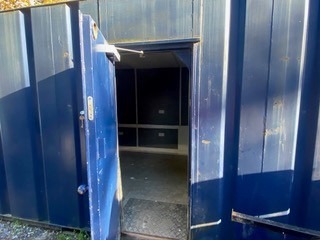
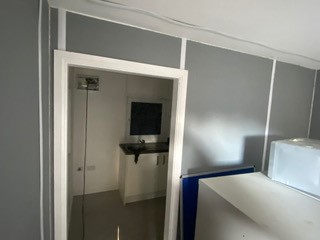
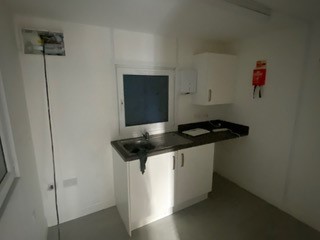
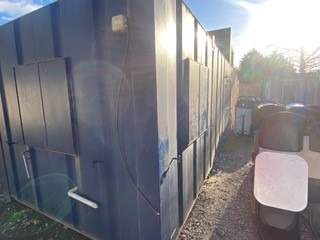
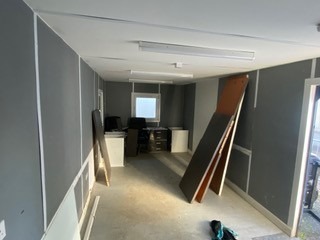
Location: Nationwide
EX VAT
Not Available for Hire
Call for an instant quote!
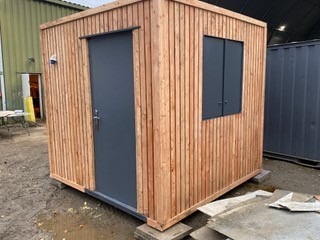
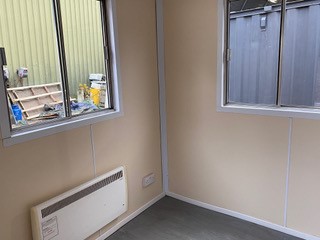
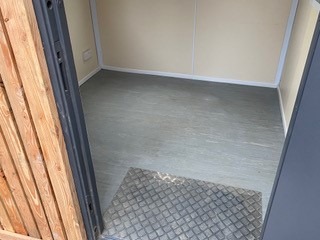
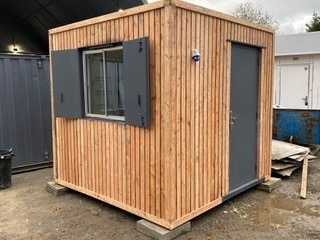
Location: Nationwide
EX VAT
Not Available for Hire
Call for an instant quote!
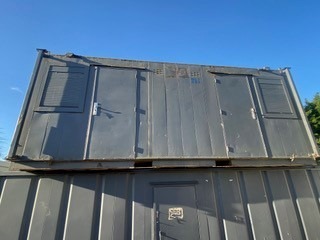
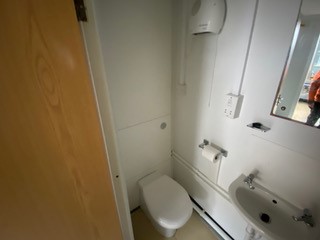
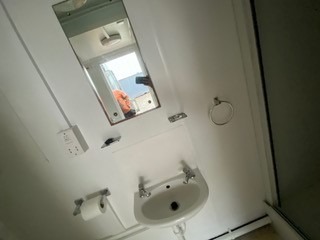
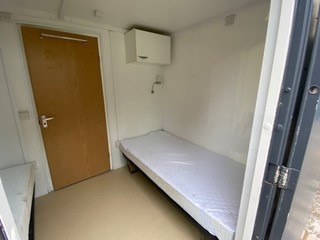
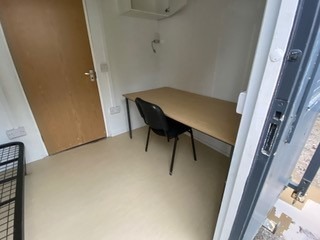
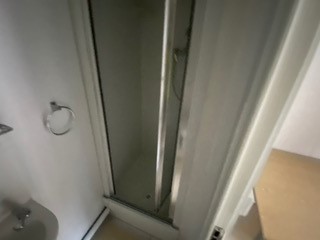
Location: Nationwide
EX VAT
Not Available for Hire
Call for an instant quote!
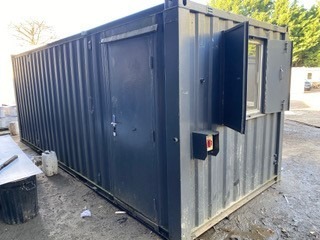
Location: Nationwide
EX VAT
Not Available for Hire
Call for an instant quote!
Location: Nationwide
EX VAT
Not Available for Hire
Call for an instant quote!
Location: Nationwide
EX VAT
Not Available for Hire
Call for an instant quote!
Location: Nationwide
EX VAT
Not Available for Hire
Call for an instant quote!
Location: Nationwide
EX VAT
Not Available for Hire
Call for an instant quote!
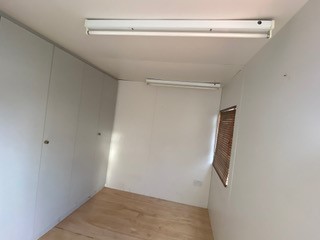
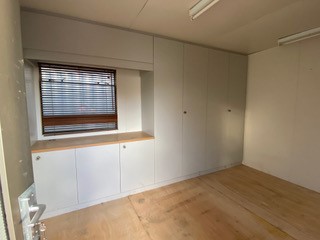
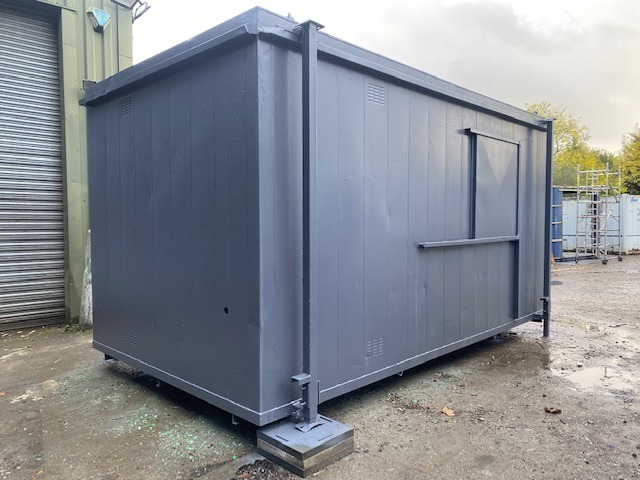
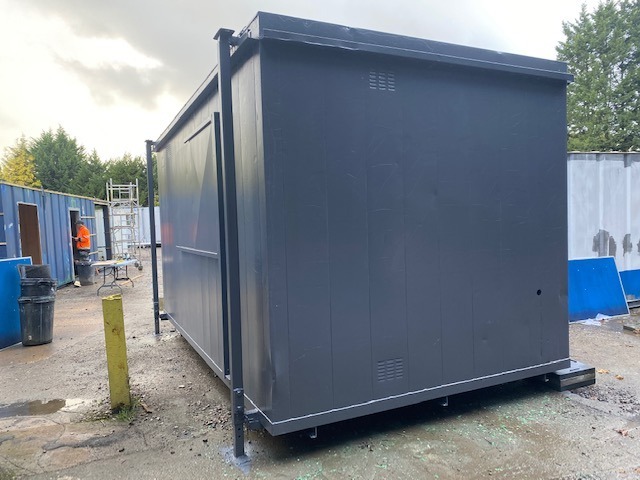
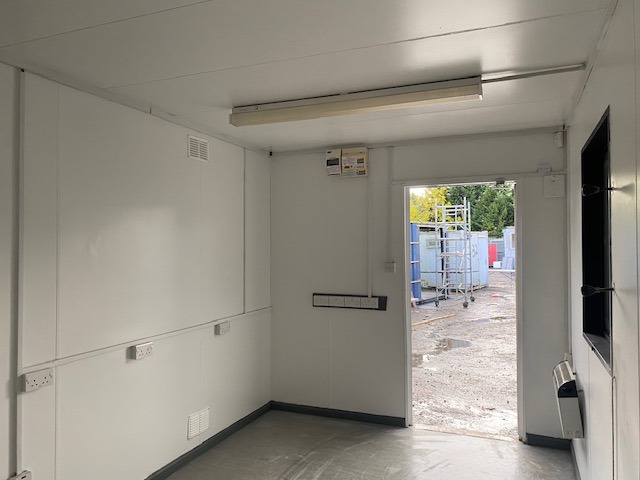
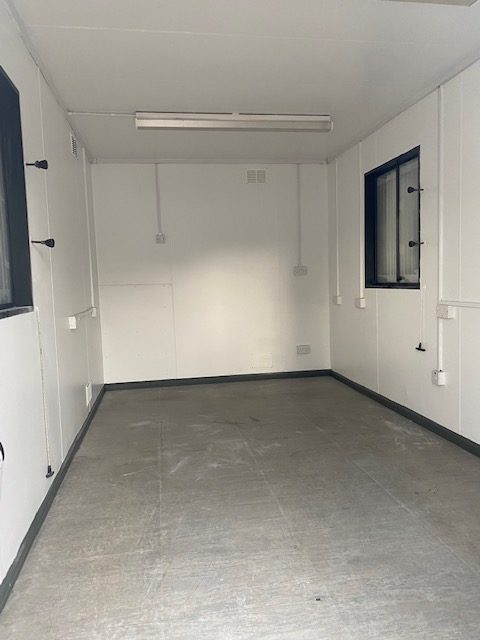
10ftx8ft – £5950 + Vat / 16ftx8ft – £7950 + Vat / 20ftx8ft – £9000 + Vat / 24ftx8ft – £12000 + Vat / 30ftx8ft – £13500 + Vat
Location: Nationwide
EX VAT
Not Available for Hire
Call for an instant quote!
Location: Nationwide
EX VAT
Not Available for Hire
Call for an instant quote!
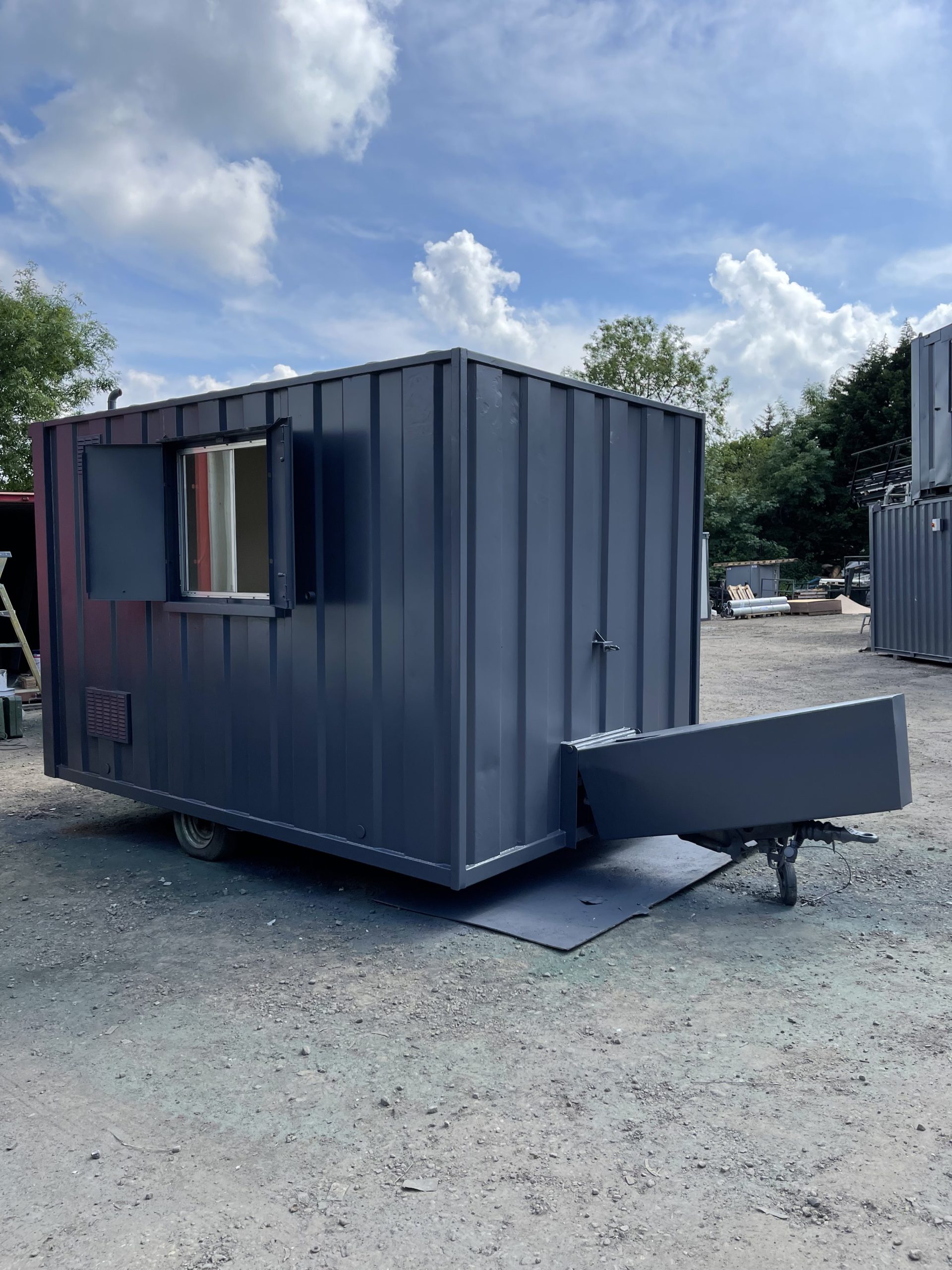
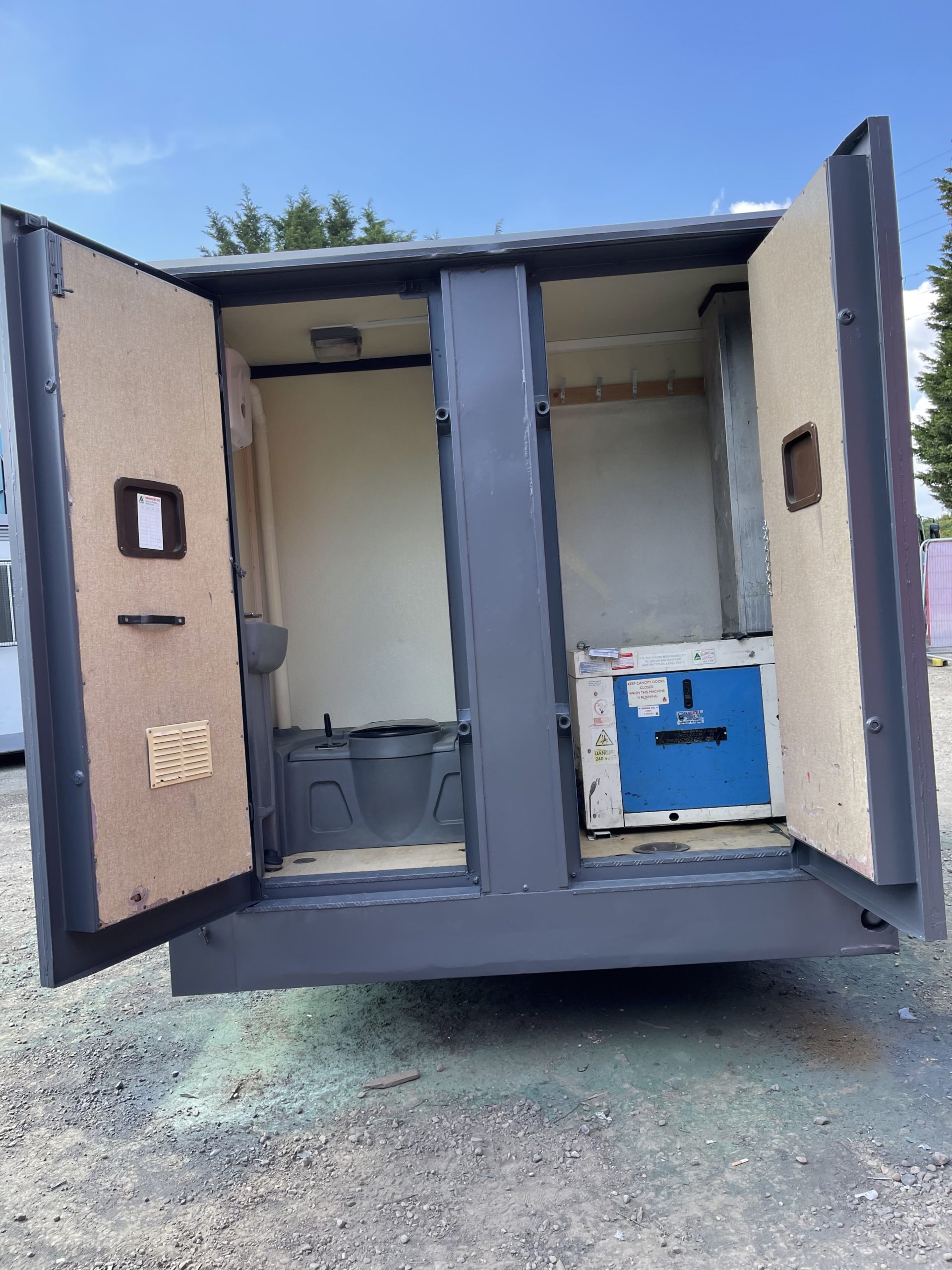
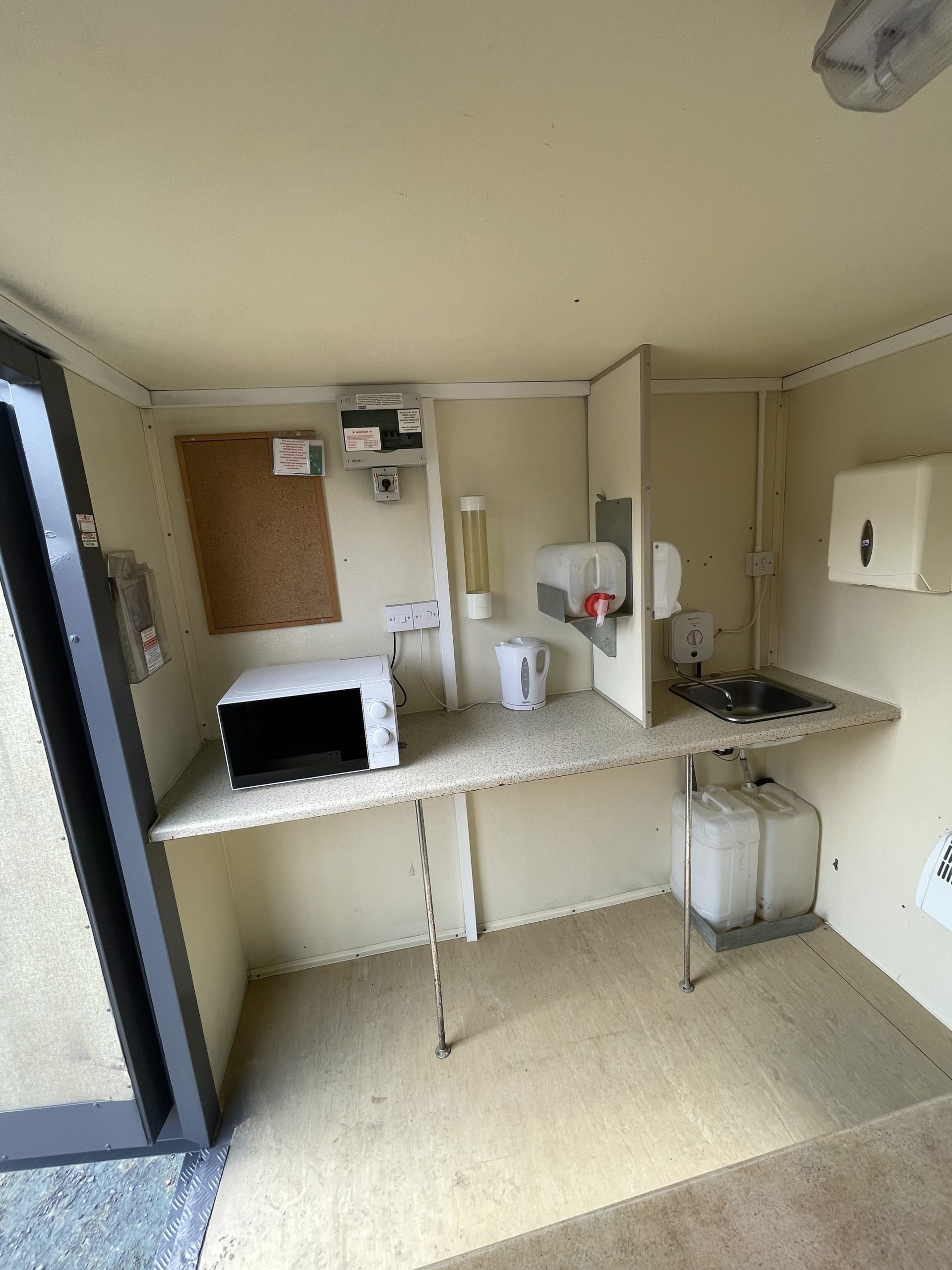
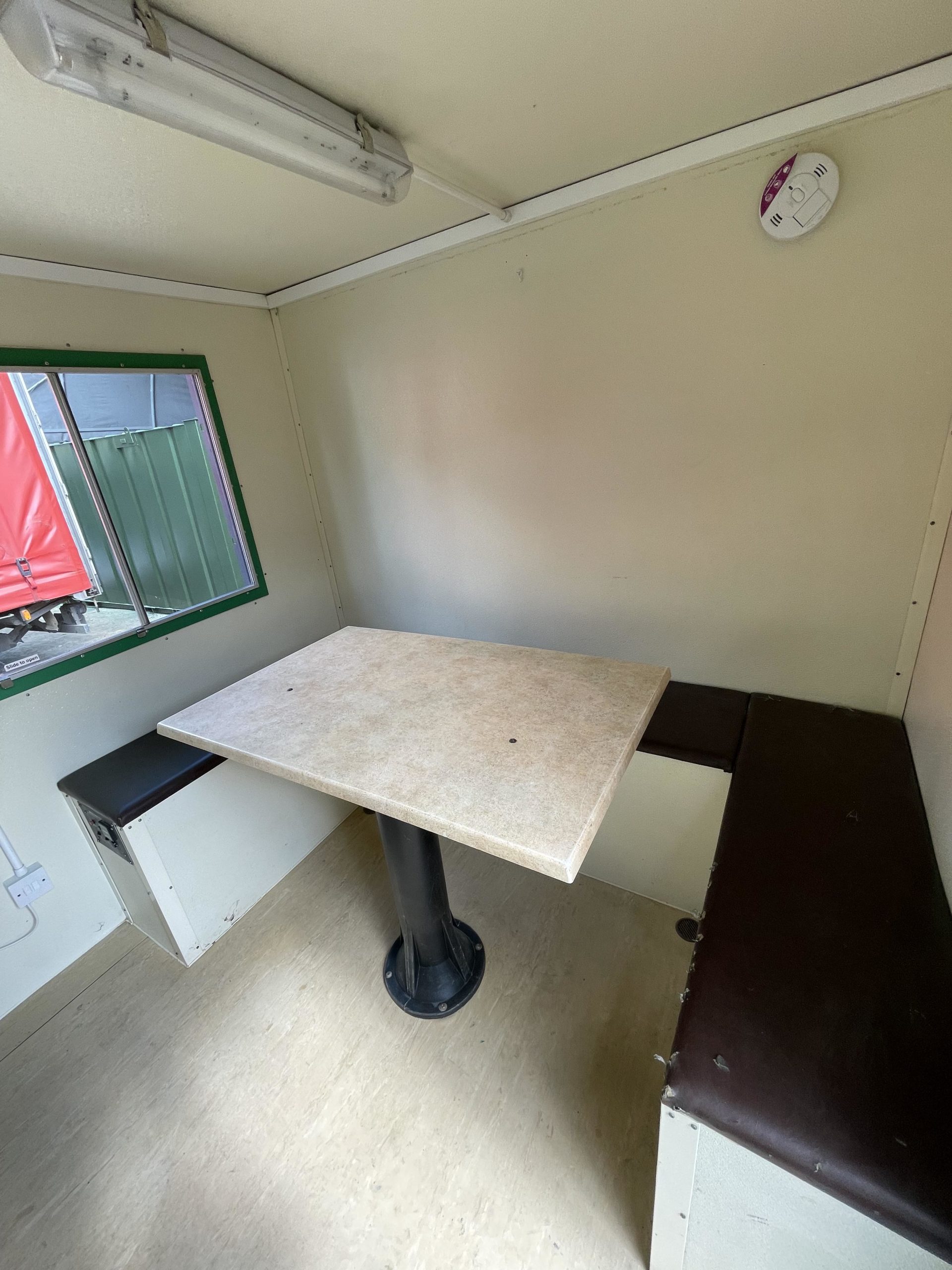
Location: Nationwide
EX VAT
Not Available for Hire
Call for an instant quote!
Location: Nationwide
Quantity: ∞
EX VAT
Not Available for Hire
Call for an instant quote!
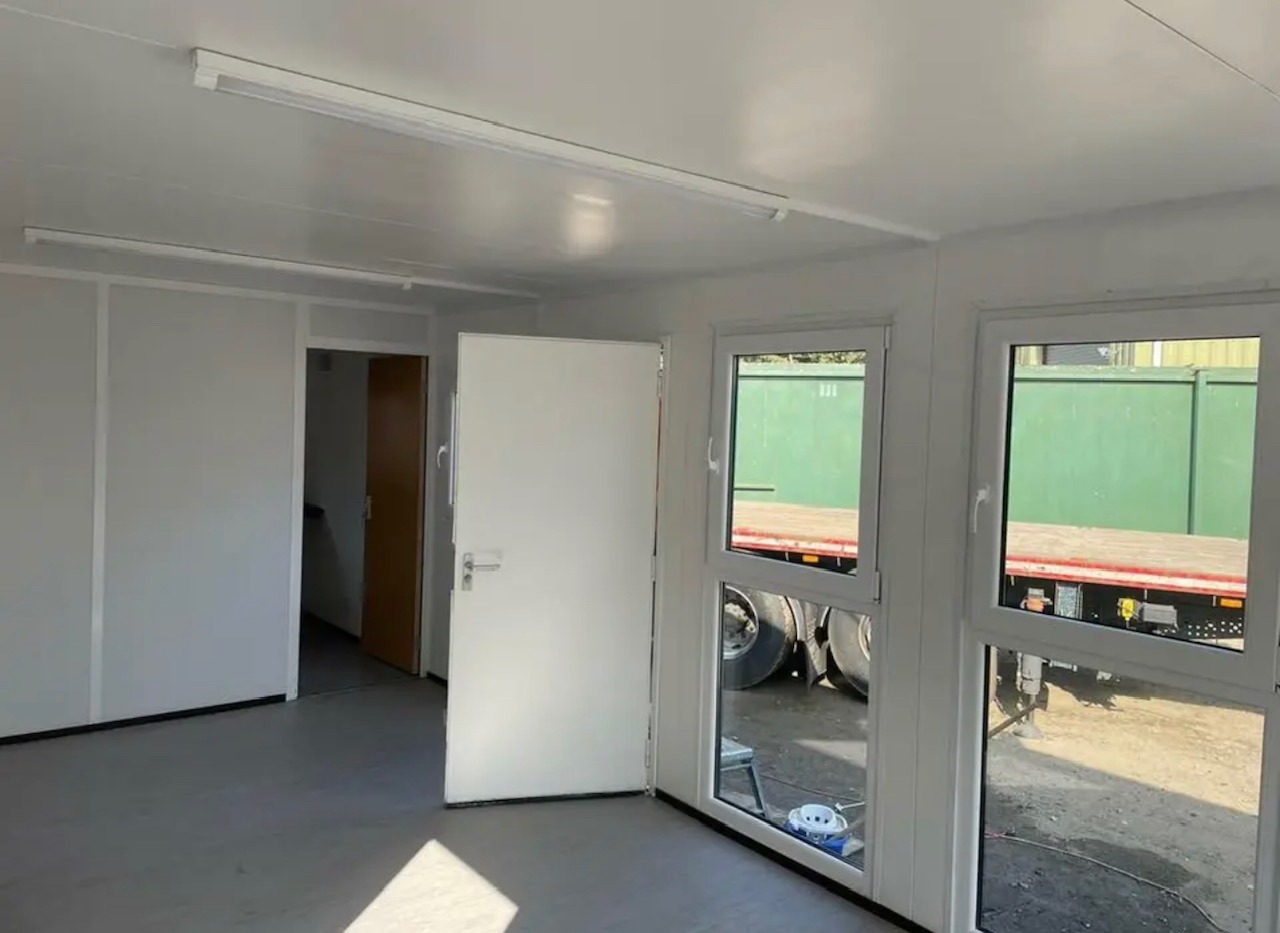
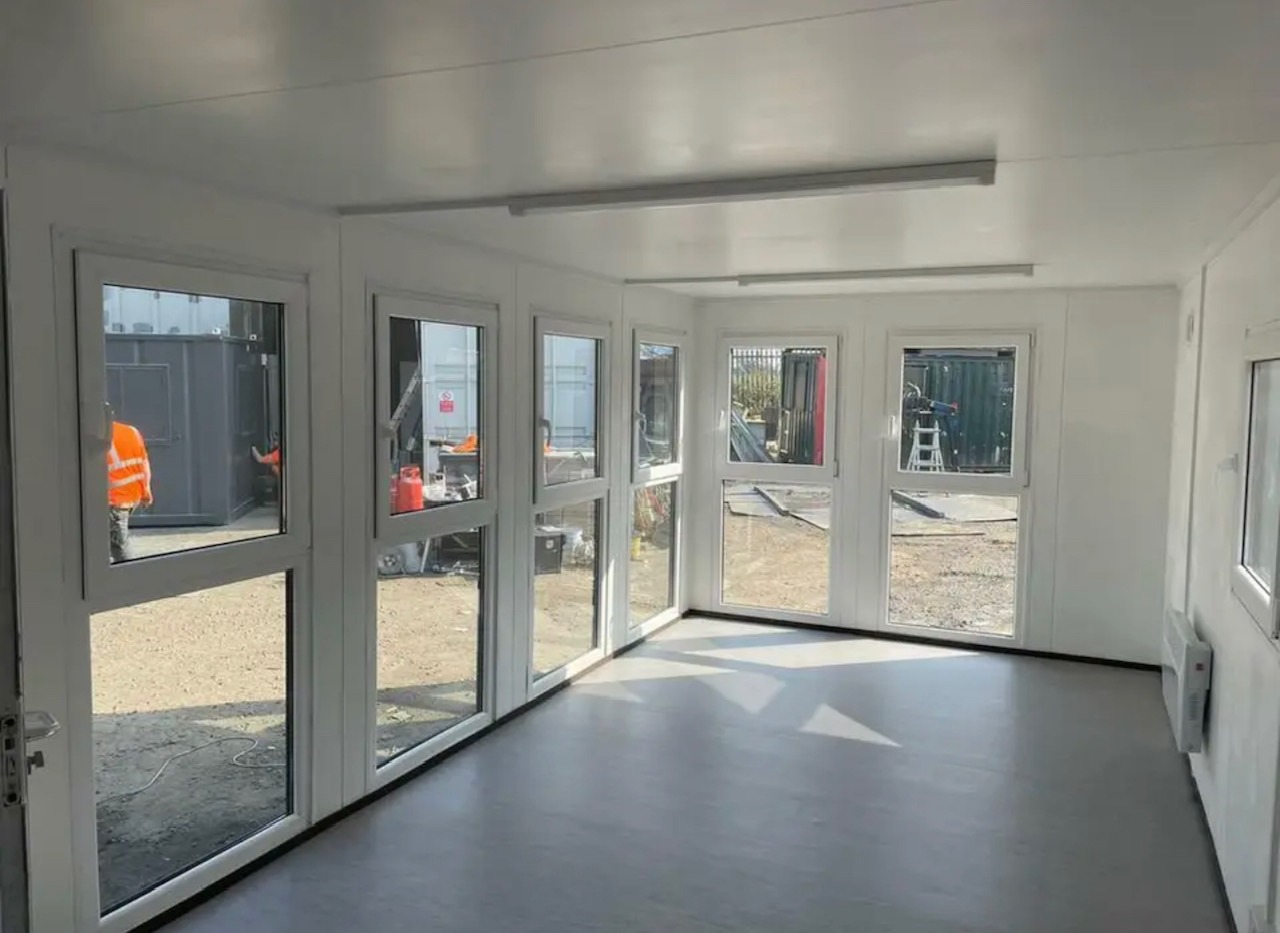
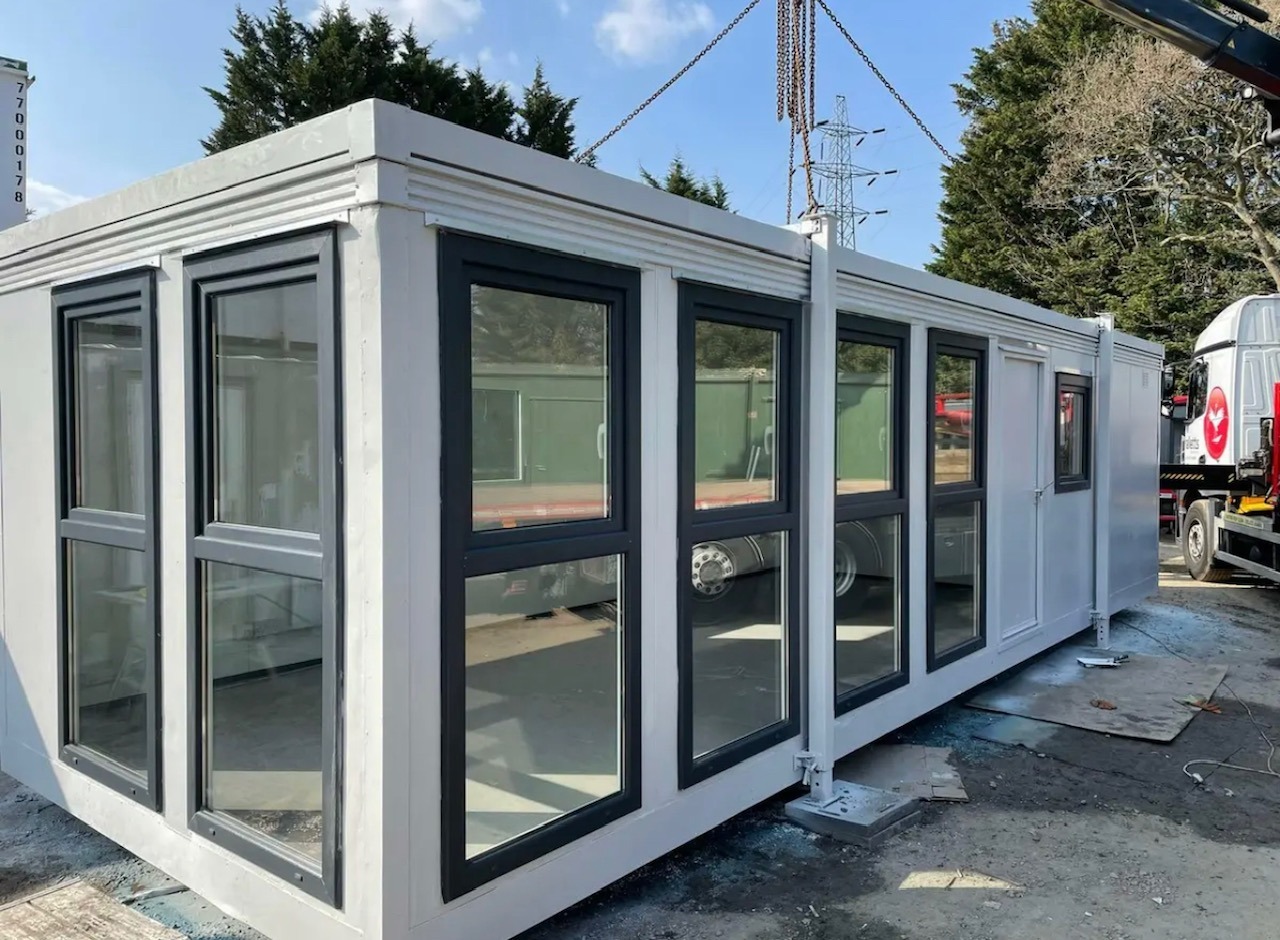
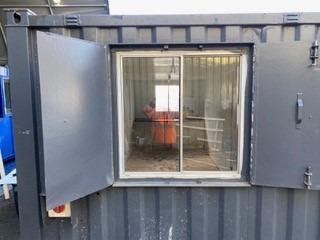
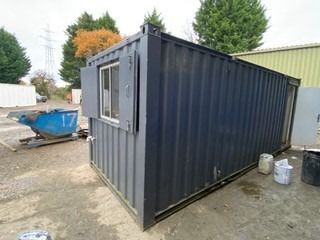
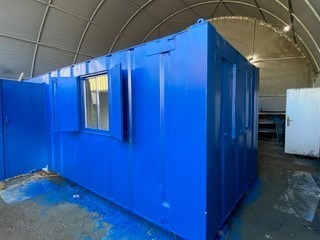
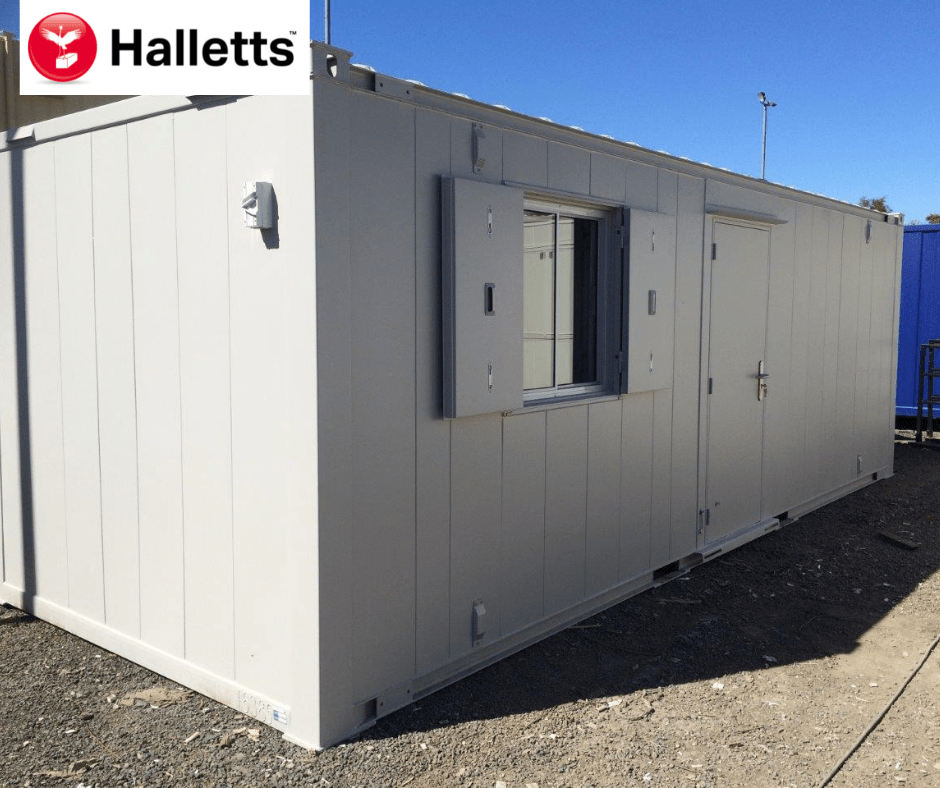
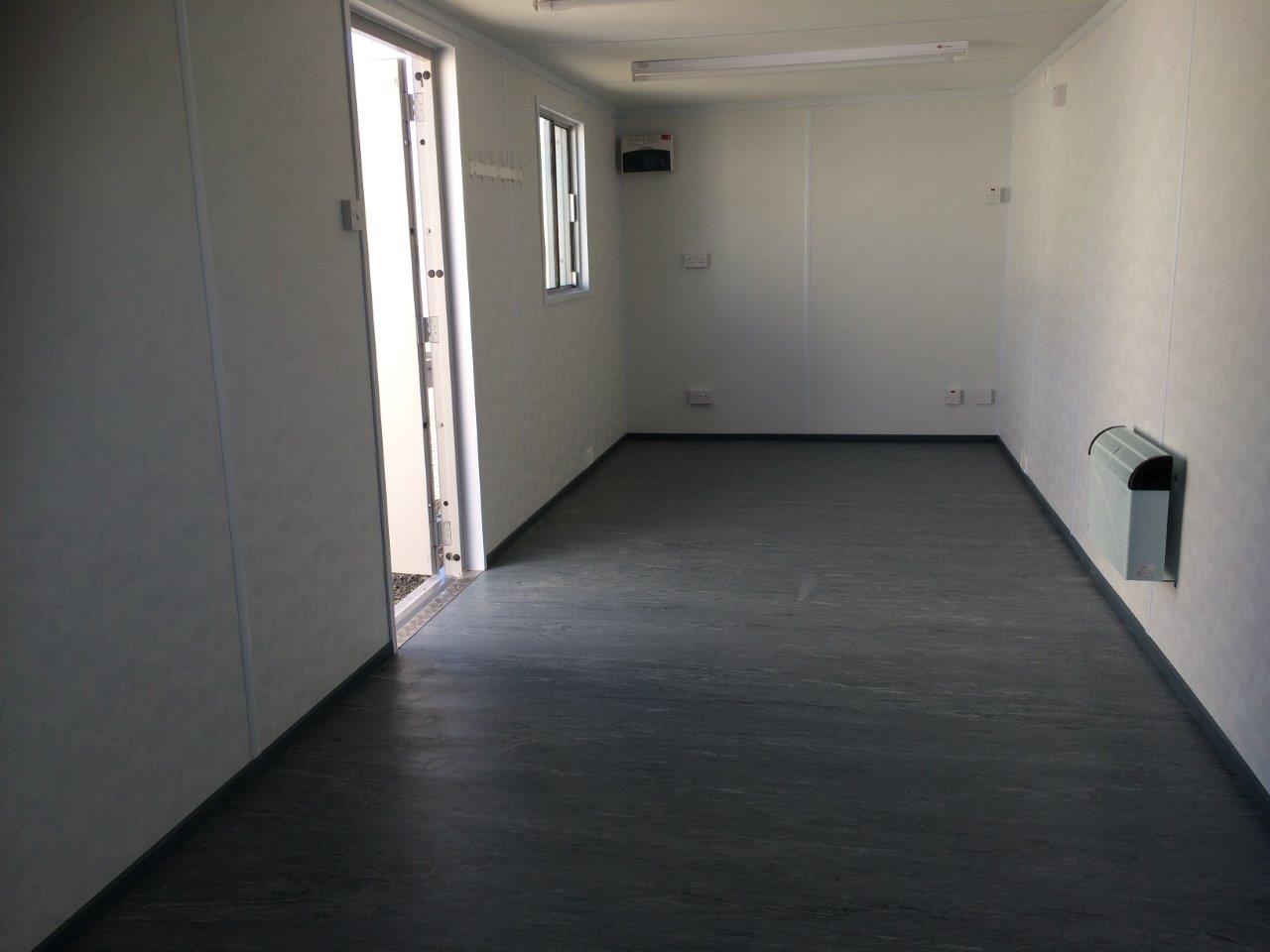
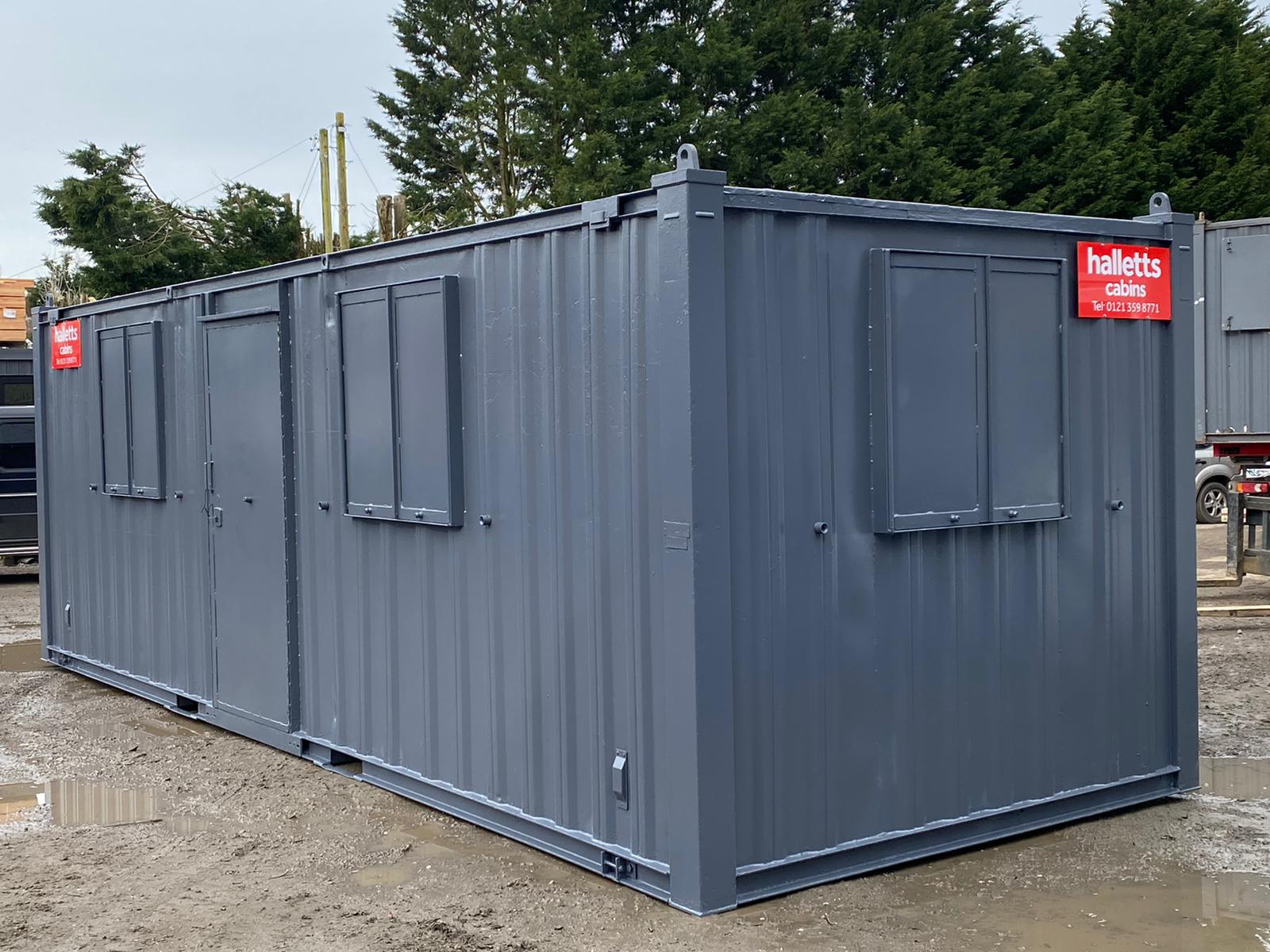
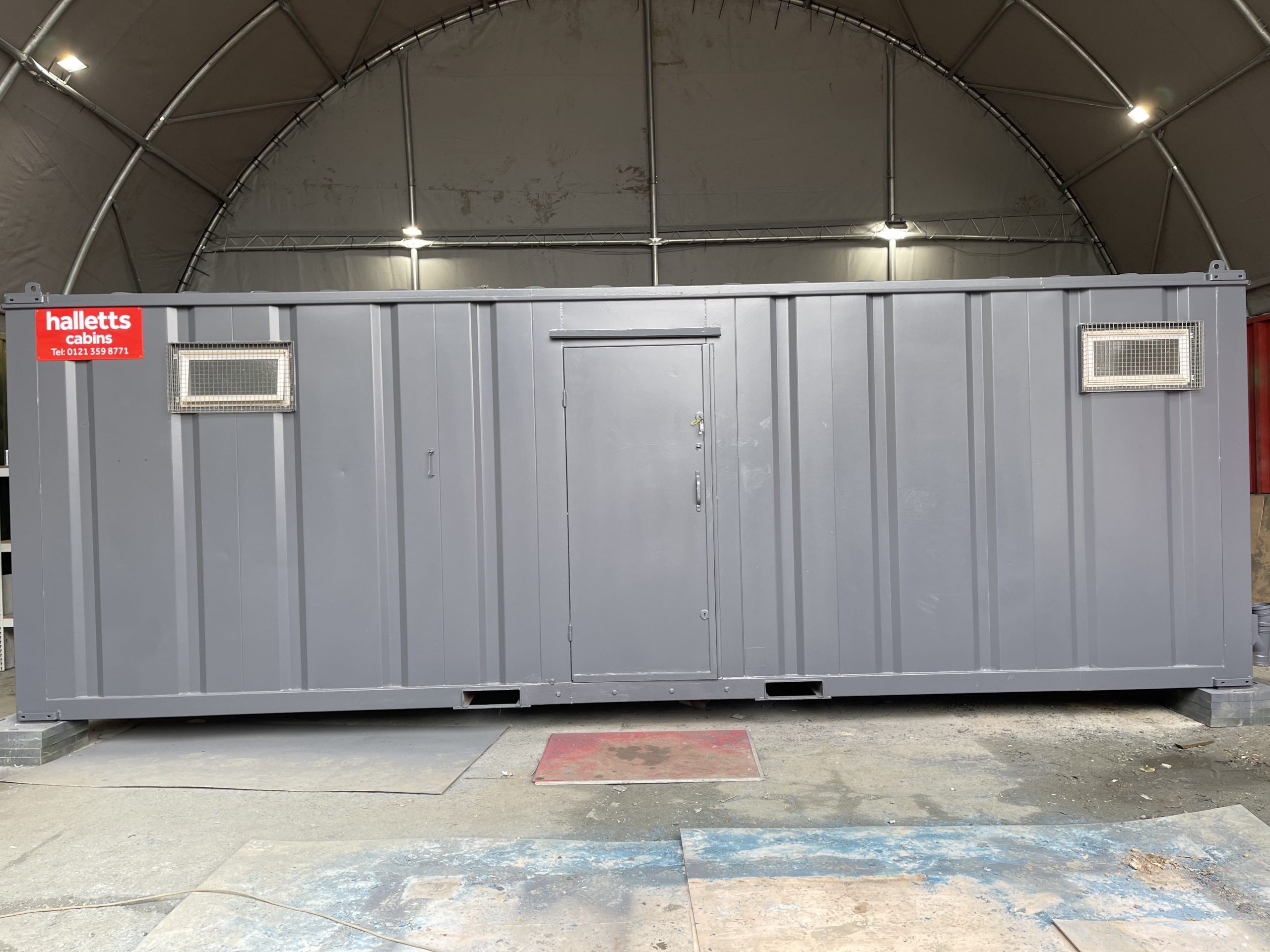
• Reinforced doors and windows with secure locking
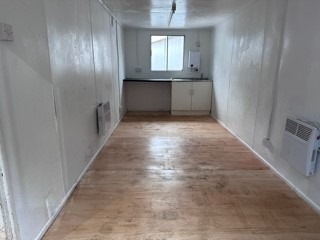
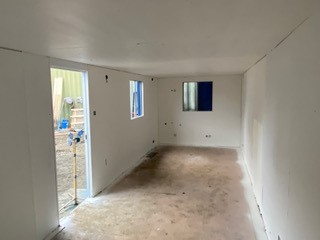
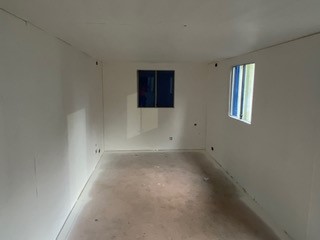
• Open plan with electric sockets and lighting
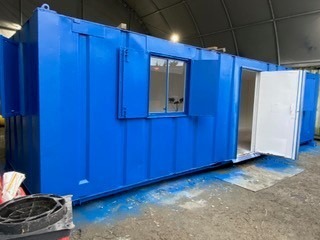
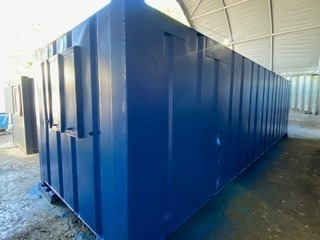
• Ral Code Colour of choice
• Any Extras available : Canteen, Partitions, Toilets.
Location: Nationwide
EX VAT
Not Available for Hire
Call for an instant quote!
• Reinforced doors and windows with secure locking
• Open plan with electric sockets and lighting
• Ral Code Colour of choice
• Any Extras available : Canteen, Partitions, Toilets.
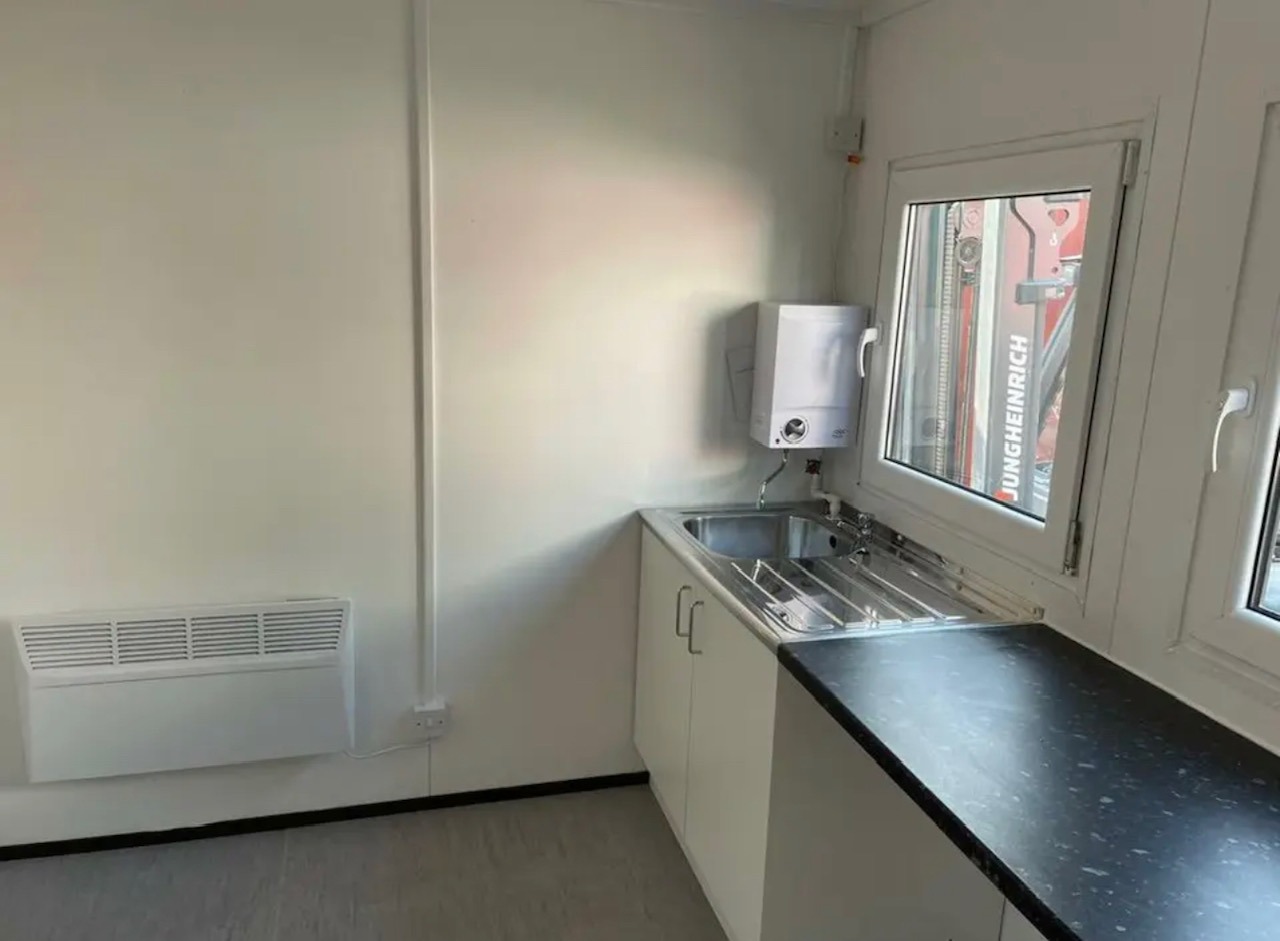
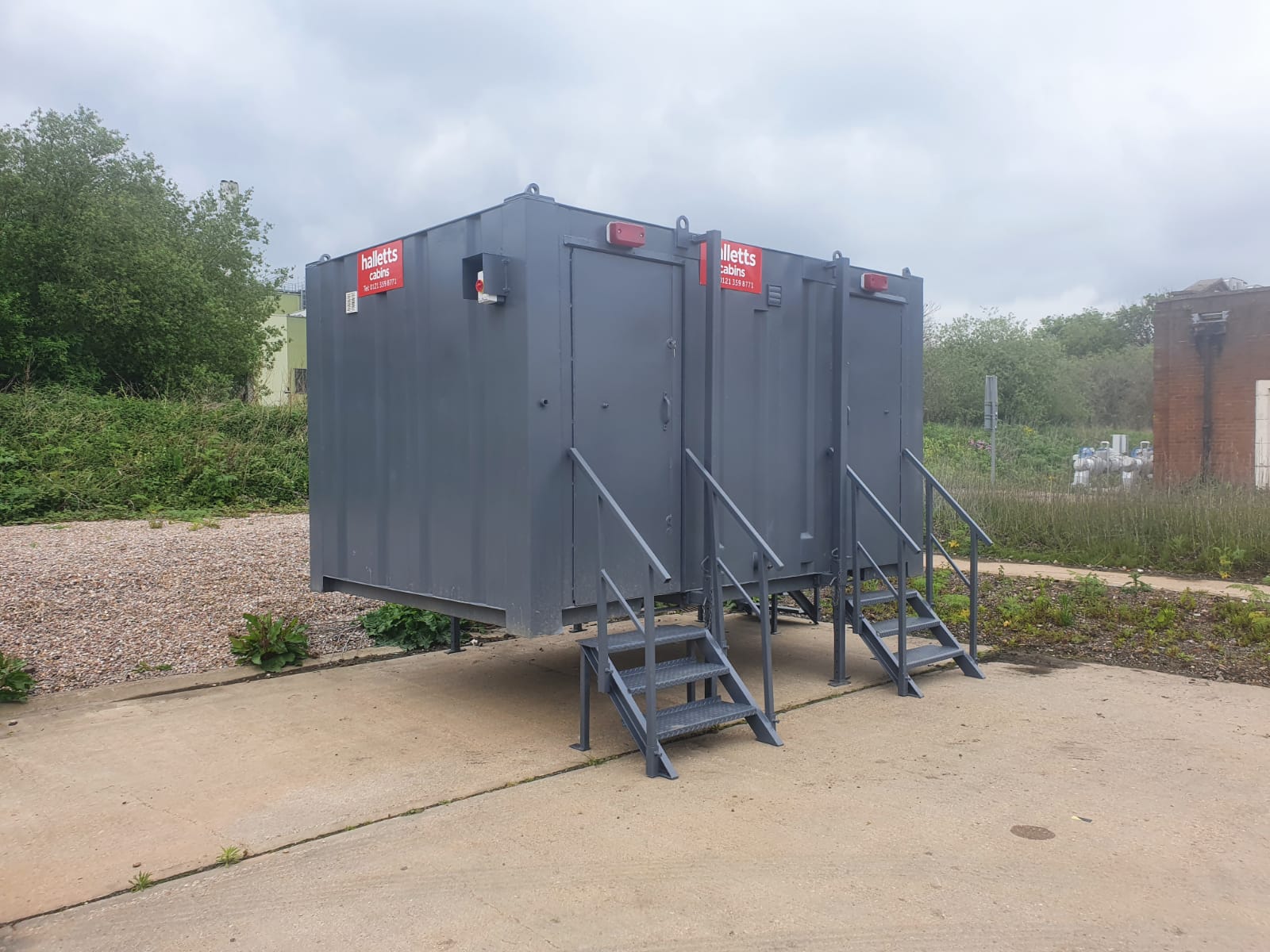
• Reinforced doors with secure locking
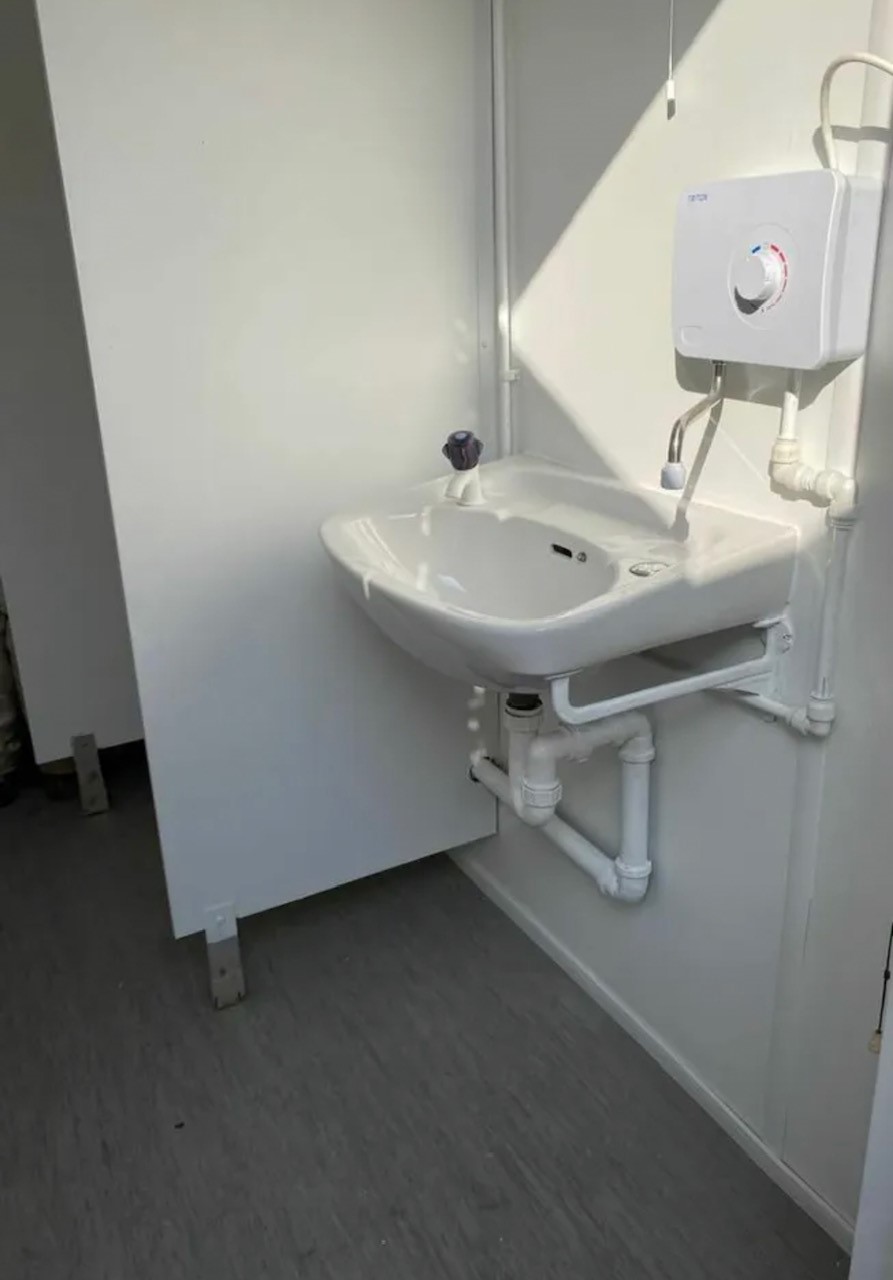
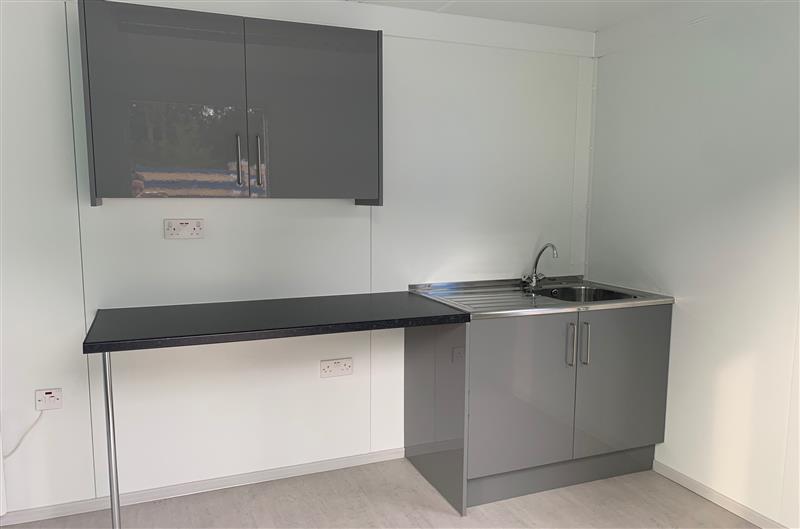
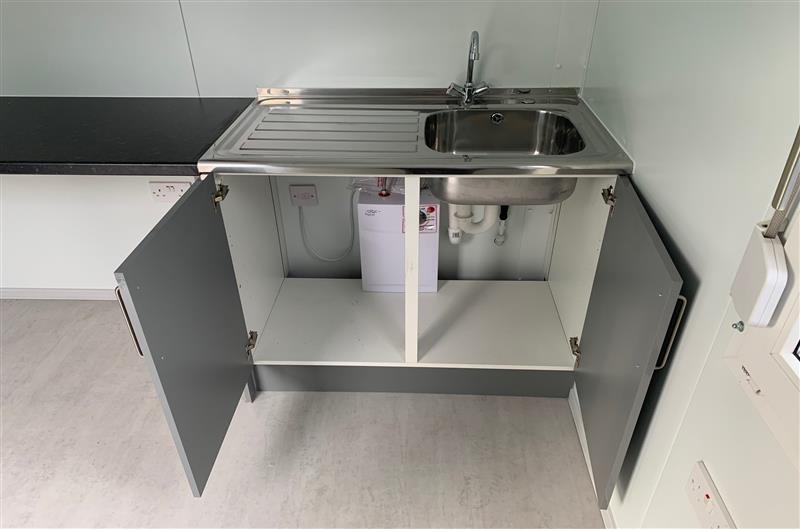
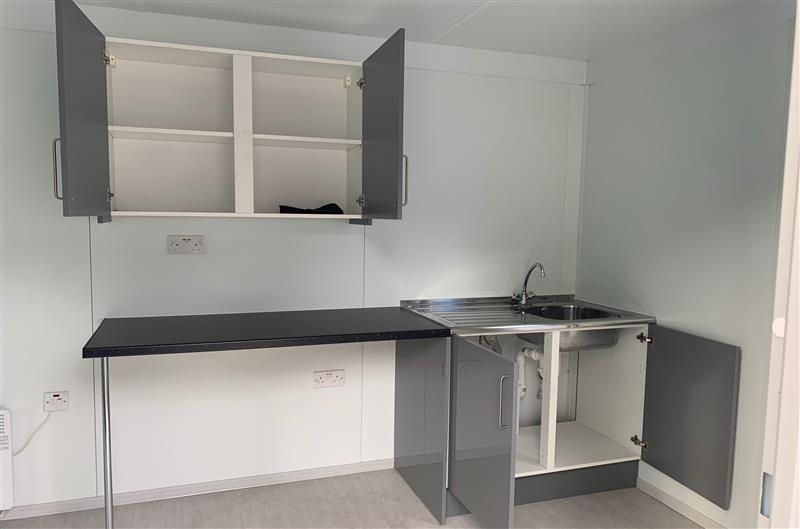
• Sink and water boiler included
Location: Nationwide
Quantity: ∞
EX VAT
Not Available for Hire
Call for an instant quote!
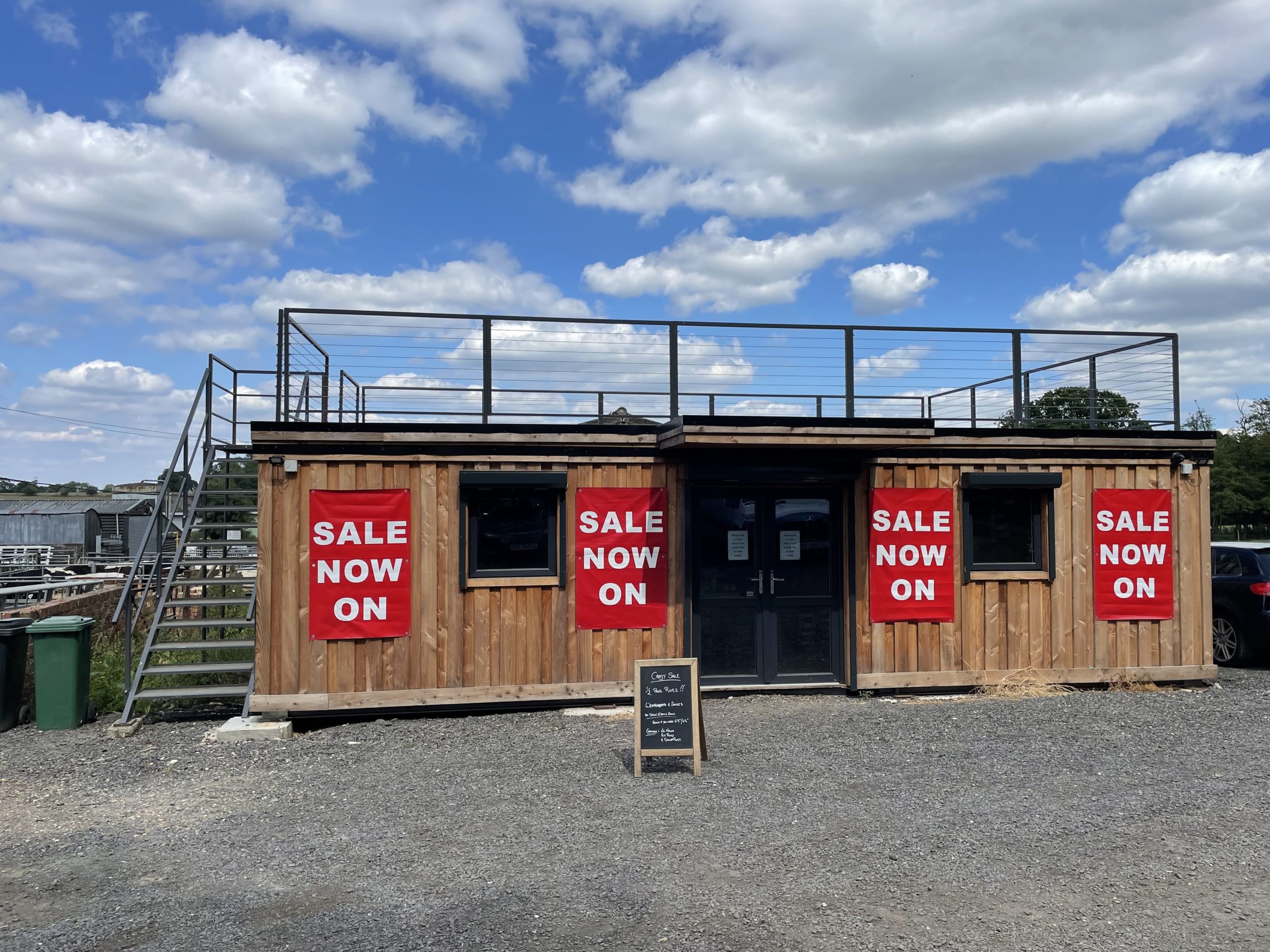
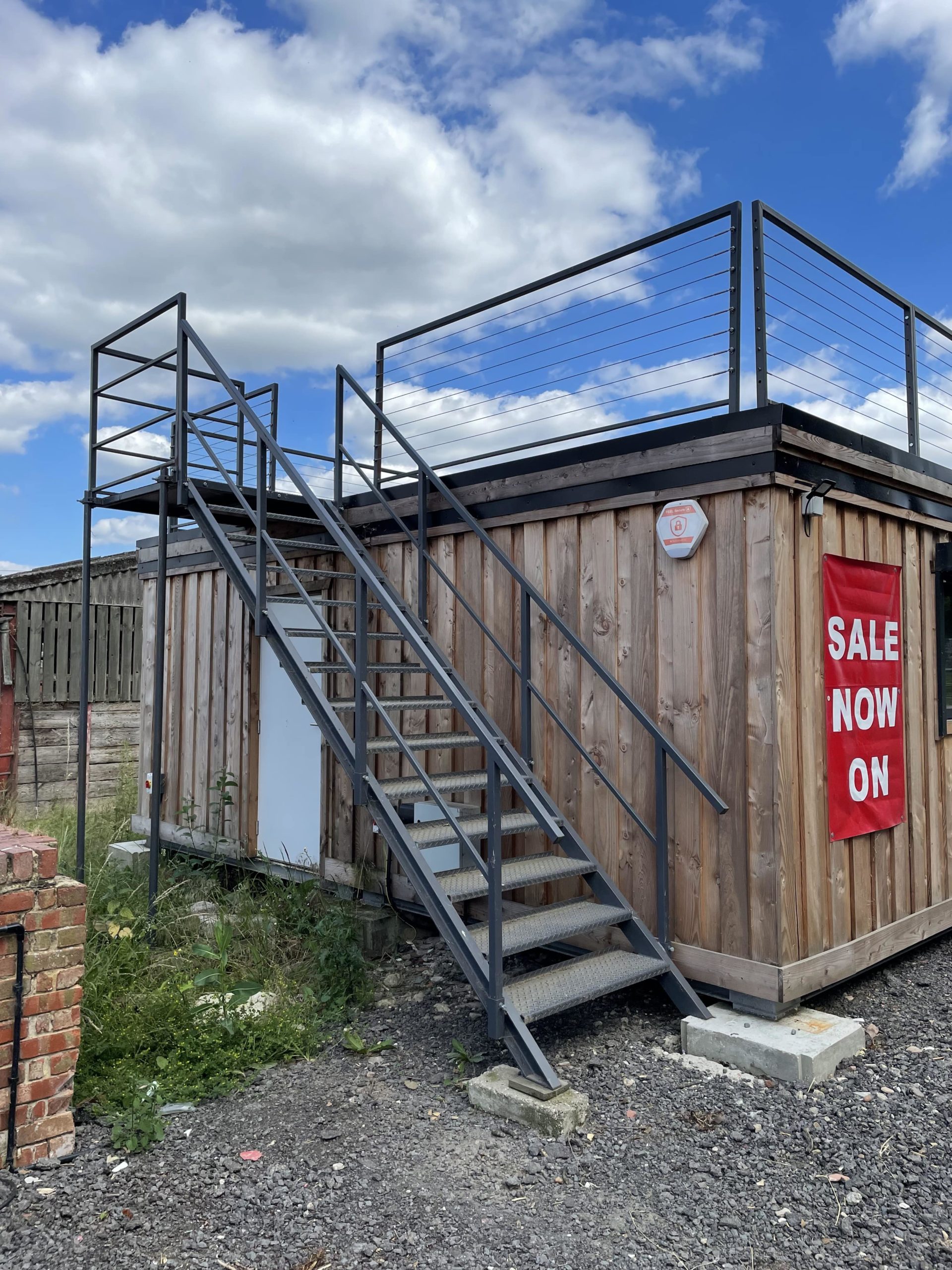
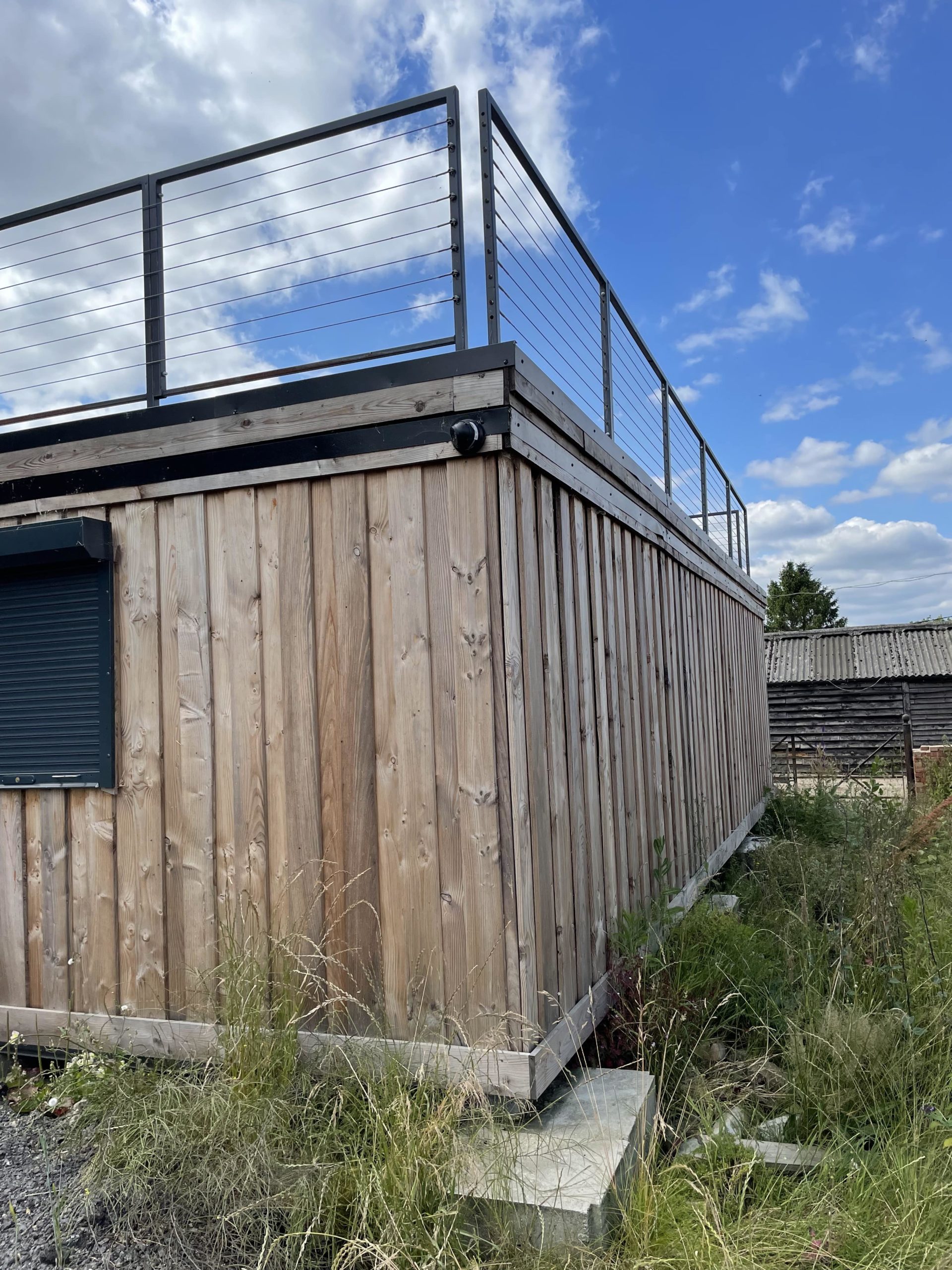
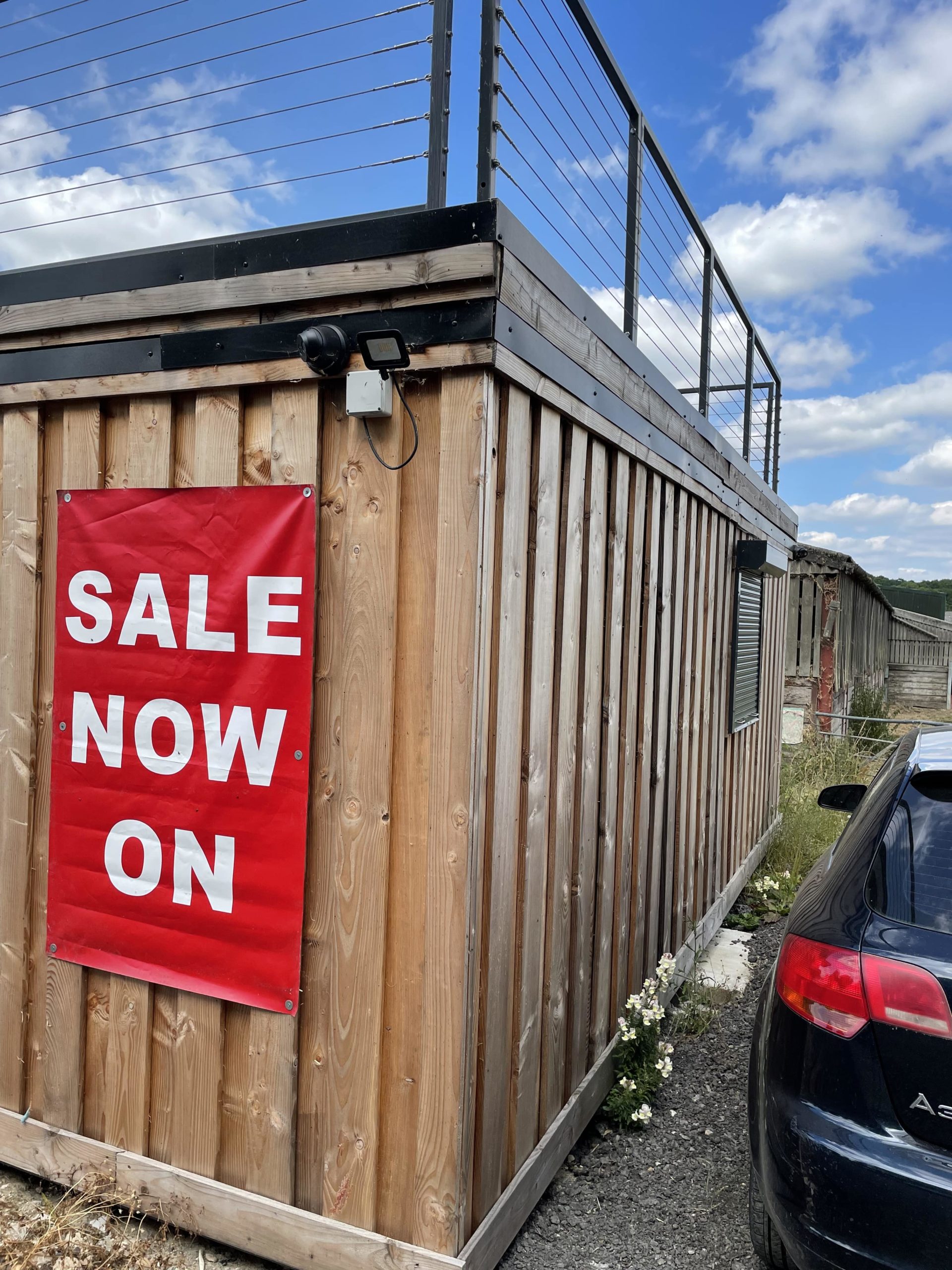
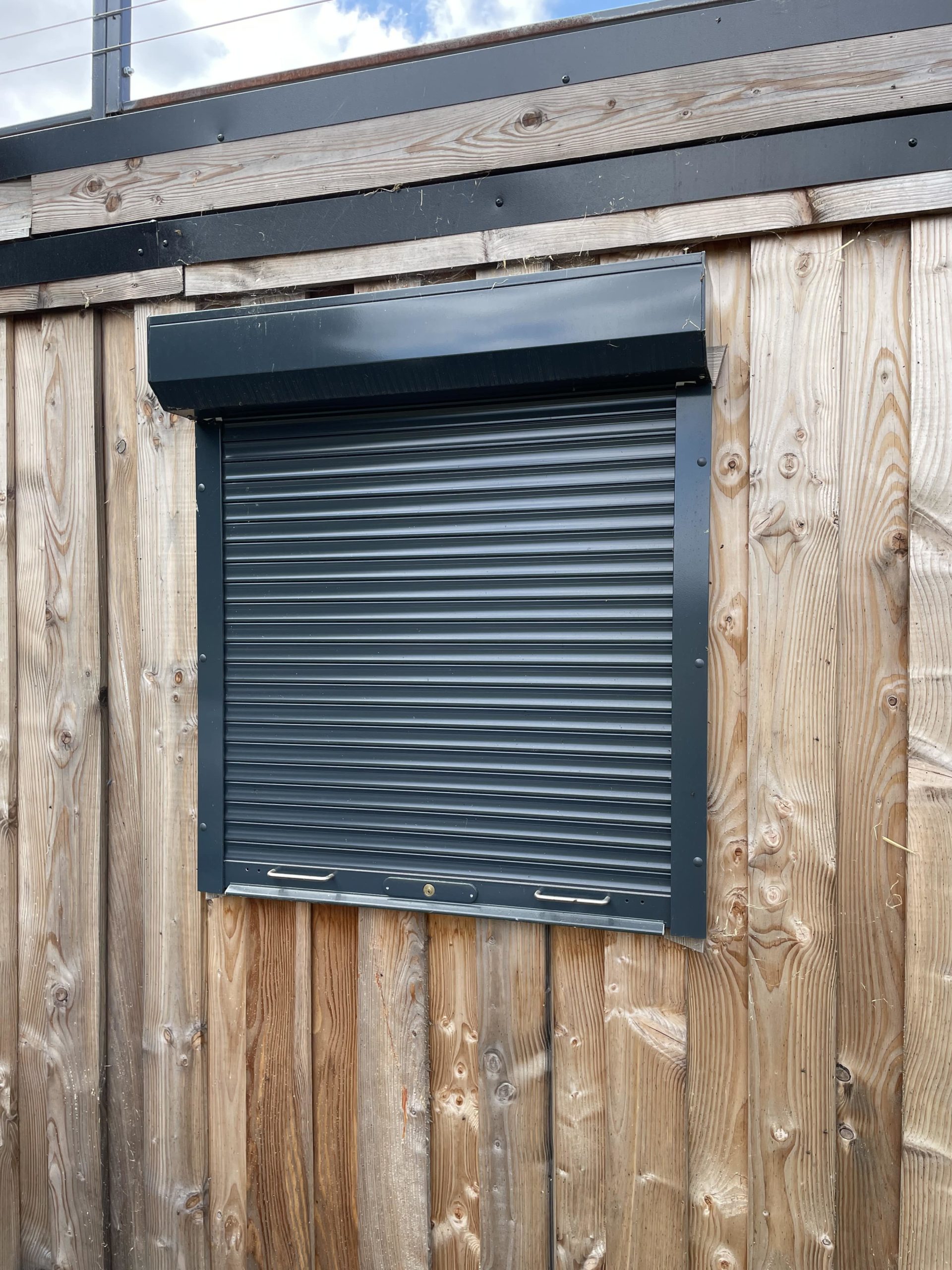
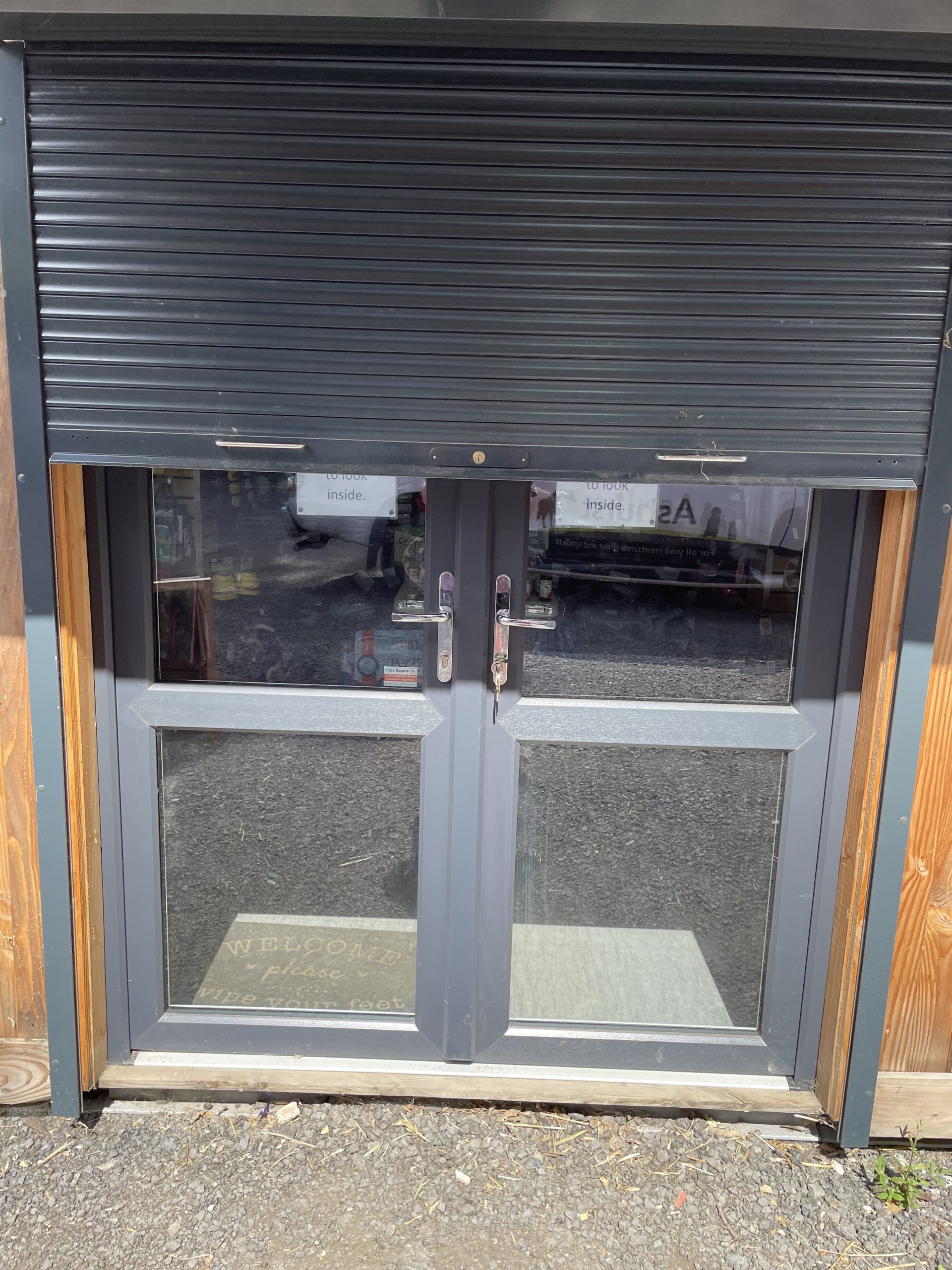
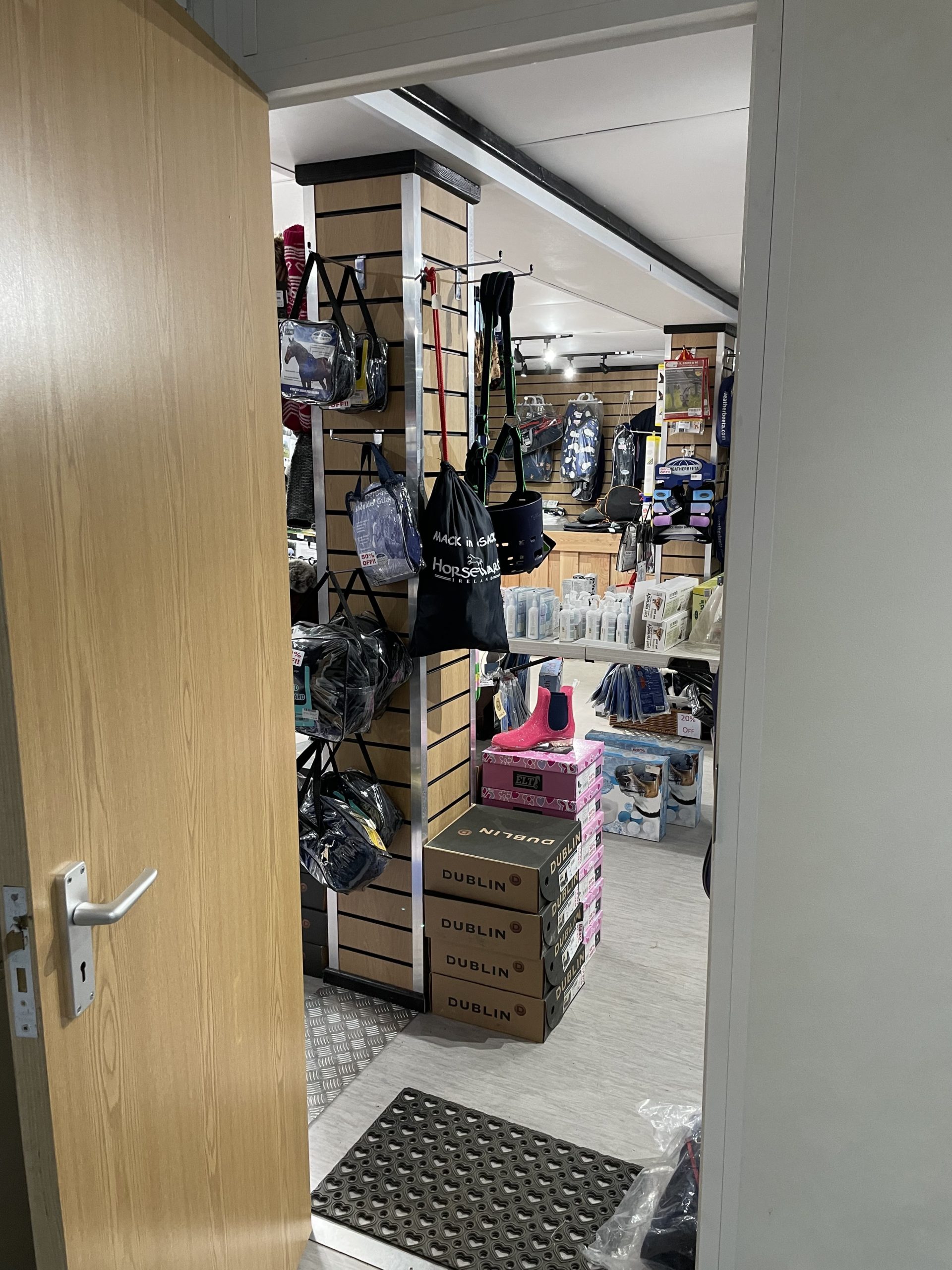
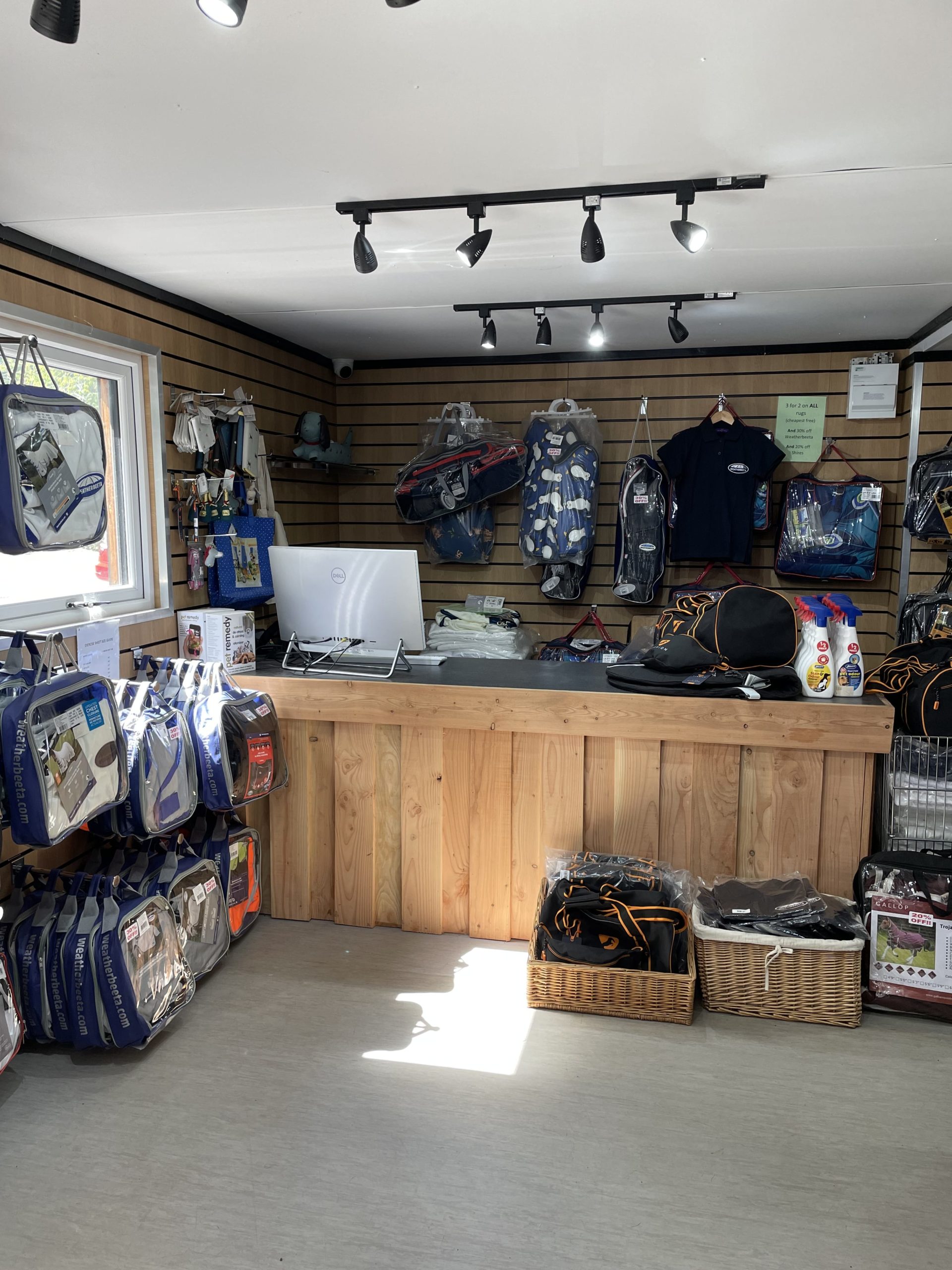
Location: Nationwide
EX VAT
Not Available for Hire
Call for an instant quote!
Get a Quick Container Quote Now!
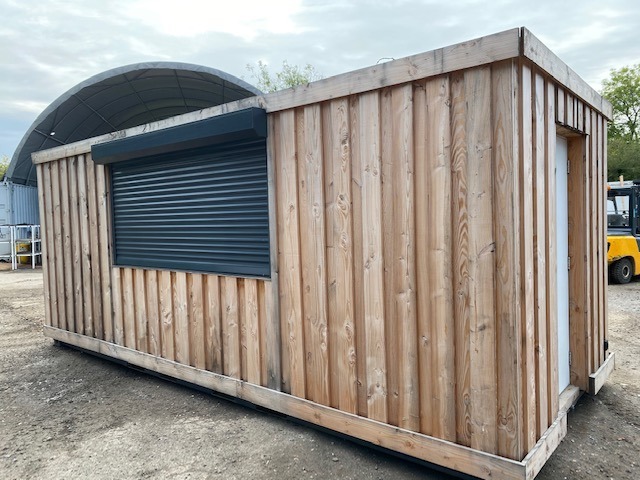
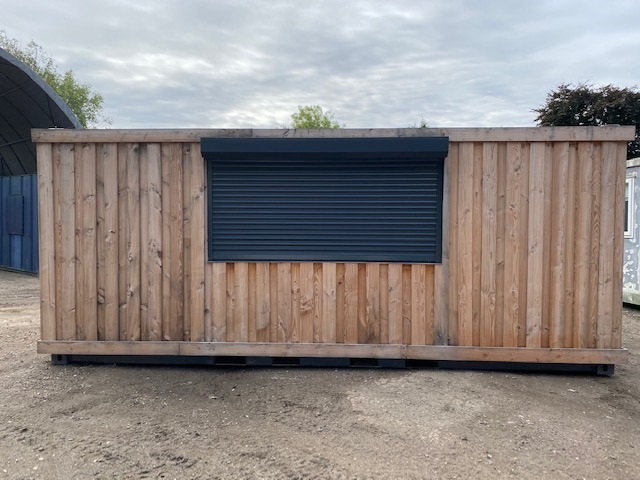
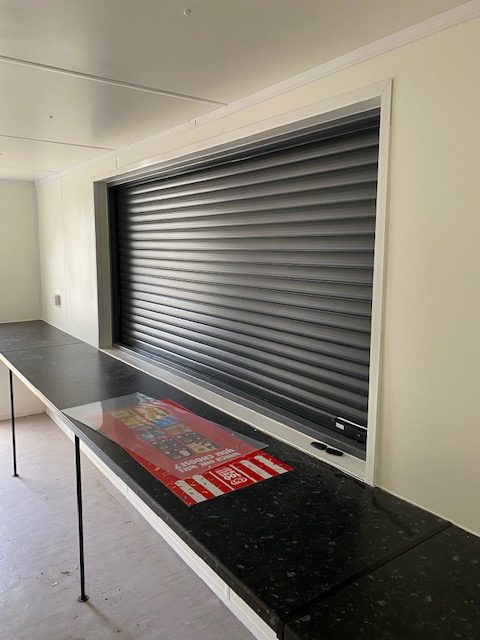
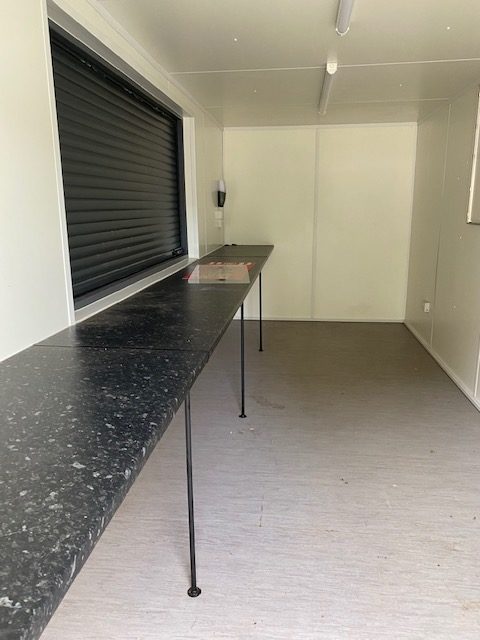
Location: Nationwide
EX VAT
Not Available for Hire
Call for an instant quote!
Get a Quick Container Quote Now!
Get a Quick Container Quote Now!
