Selecting the right Phase Regulator is not a matter of choosing the largest unit. It requires a clear understanding of the electrical system, operating conditions, and control objectives. A suitable device can stabilize voltage, manage phase displacement, and improve power-flow performance. A poor match may create overheating, unwanted harmonics, or unstable operation.
Dr. Ned Mohan, a respected power-electronics educator, describes power electronics as “the technology associated with the efficient conversion, control, and conditioning of electric power.” His statement explains the real challenge. A Phase Regulator must do more than adjust voltage. It must respond accurately under changing loads, maintain acceptable efficiency, and coordinate with transformers, protection systems, and monitoring equipment. Ratings matter. So do response time, cooling design, insulation level, fault tolerance, and installation space.
Start with the application, not the product brochure. Identify the nominal voltage, current range, frequency, phase-angle requirements, and expected load variation. Check whether the regulator will operate indoors, outdoors, or in a high-temperature enclosure. A detailed load profile often reveals problems that a simple nameplate review misses. It is easy to overvalue maximum capacity. That assumption can increase cost without improving reliability.
There is no universal choice. Even experienced engineers may underestimate startup conditions or future expansion. This guide compares the practical criteria behind a confident decision. It also recognizes an uncomfortable truth: field performance may differ from laboratory expectations. Careful testing, supplier verification, and professional system review remain essential before purchase.
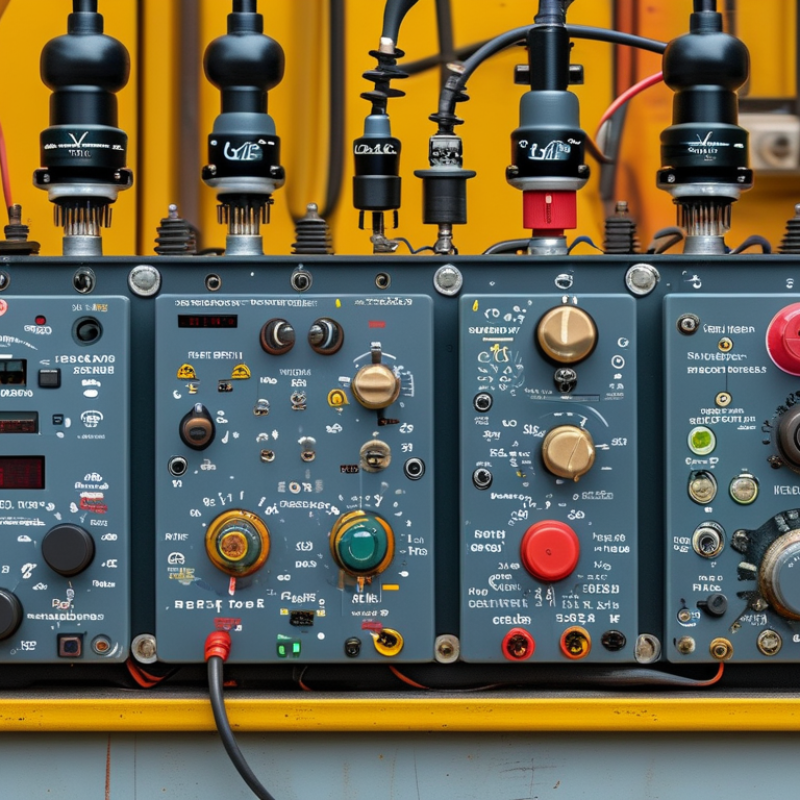
How to Choose the Right Phase Regulator?
A phase regulator controls electrical phase by shifting the voltage angle between connected AC circuits. It usually injects a controllable series voltage through transformer windings. This changes the power-flow direction and amount without rebuilding the entire line. The key relationship is P ≈ (V1V2/X)sinδ. A small angle change can redirect substantial power. That matters when renewable generation, long cables, or parallel feeders create uneven loading.
Start with measured conditions, not assumptions. Record voltage, current, load patterns, fault levels, and existing protection settings. Then check the regulator’s MVA rating, phase-angle range, short-circuit withstand, cooling method, and control response. Do not choose by angle range alone. A unit with a wide range may still perform poorly under harmonic distortion or frequent switching. In commissioning work, control coordination is often the difficult part. The regulator must communicate correctly with relays, SCADA systems, and neighboring voltage-control equipment.
Grid expansion makes this decision more important. The International Energy Agency’s Electricity Grids and Secure Energy Transitions report says annual grid investment must exceed 600 billion dollars by 2030. Berkeley Lab’s Queued Up 2024 report identified about 2,600 GW of generation and storage capacity in interconnection queues at the end of 2023. Those figures show growing pressure on existing networks. A phase regulator can release capacity, but it cannot repair weak conductors or poor protection logic. That limitation is easy to overlook. A design based only on today’s load may age badly.
Matching a phase regulator to an application starts with the signal itself. Define the operating frequency, phase range, and required adjustment accuracy. A regulator for a narrowband test setup may not suit a broadband communication system. Frequency changes can alter phase response, so test conditions matter.
Check insertion loss and power handling carefully. Excessive loss can weaken a sensitive signal, while insufficient power capacity may cause compression or permanent damage. Resolution also deserves attention. Fine control is valuable in antenna alignment, calibration, and measurement equipment. However, very high resolution may increase cost and control complexity. Keep the interface practical. Digital control, analog tuning, or manual adjustment each fits different workflows.
Environmental conditions can change performance. Temperature, vibration, moisture, and enclosure space should be reviewed before selection. Ask for measured data, not only typical values. A laboratory evaluation should include return loss, phase accuracy, repeatability, and behavior across the full frequency range. Small connectors matter too. Poor cable management can hide the regulator’s real performance. I have seen designs focus on phase range while overlooking stabilization time. That delay can disrupt automated testing. Recheck the application requirements after the first prototype. The original assumptions may be wrong.
Choosing a phase regulator starts with its operating method, not its name. Mechanical tap-changing units adjust voltage and phase through discrete steps. They suit steady transmission flows, but switching takes seconds and introduces wear. Phase-shifting transformers provide stronger power-flow control through series voltage injection. Their performance depends on impedance, thermal limits, and fault-duty requirements. IEEE C57.135-2017 and CIGRE Technical Brochure 671 recommend evaluating these factors together, rather than comparing phase-angle range alone.
Power-electronic regulators respond much faster. Their millisecond control can support renewable generation, weak grids, and rapidly changing industrial loads. However, converters add switching losses, cooling needs, harmonics, and control-system dependencies. The IEA Electricity 2024 report expects global electricity demand to increase by about 2,500 TWh between 2024 and 2026. That growth makes fast regulation attractive, but speed is not automatically value. A rural substation with slow load changes may gain little from expensive high-frequency control.
Check four operating details: response time, control resolution, overload duration, and maintenance access. Ask whether regulation is automatic, remote, or manually initiated. Review measured voltage profiles, not only design assumptions. A neat comparison table can mislead. Field data often exposes unexpected circulating currents or nuisance trips. I would also compare lifecycle cost over twenty years, including outages and spare parts. That step is easy to skip. It should not be.
The chart compares common phase-regulation approaches using representative midpoints from typical engineering operating ranges. Lower values indicate tighter voltage regulation and faster response. Tap-changing regulators are suited to slow, high-power correction, while solid-state methods provide faster control for sensitive or rapidly changing loads.
Values are representative engineering figures; actual performance depends on system voltage, load profile, control settings, and equipment design.
Choosing the right phase regulator starts with its electrical ratings, not its appearance. Check the system voltage, frequency, phase arrangement, and maximum continuous current. Leave headroom for startup surges and temporary overloads. A regulator rated exactly for the measured load may run hot.
Load type matters. Resistive heaters, motors, transformers, and electronic power supplies react differently to phase control. Confirm the regulator supports the load’s inrush current and control method. A mismatch can cause flickering, noise, unstable output, or premature component failure. Check the required control signal too, such as manual adjustment, analog input, or digital command.
Compatibility includes wiring, protective devices, grounding, and enclosure conditions. During installation, provide ventilation and keep heat-producing components away from sensitive equipment. Follow the specified terminal torque. Loose connections can create hot spots. Verify conductor size and insulation ratings against the actual current and temperature.
Installers should isolate power before wiring and test the output under a controlled load. Measure voltage at idle and during operation. I have seen a regulator pass a bench test but fail after installation because the cabinet had poor airflow. That mistake was avoidable. Do not rely only on the label; review the technical data and the complete system. A second check is worthwhile.
A phase regulator needs regular testing because unstable output can damage connected equipment. I usually begin with a visual inspection. Look for cracked insulation, darkened terminals, loose screws, or a burnt electrical smell. Turn power off before opening the enclosure. Then compare each phase voltage with the equipment specification. A calibrated multimeter helps, but readings should be taken by a qualified technician. Record the values, temperature, and load conditions. A regulator may appear normal during light use and fail under heavy demand.
Tips: Test at startup and after thirty minutes of operation. Check airflow and remove dust from vents. Tighten connections only when the circuit is isolated. Never ignore a small voltage difference. It can grow.
Maintenance should include cleaning, terminal inspection, and checking cooling components at scheduled intervals. Keep a simple service log with dates and measured results. This record makes gradual changes easier to identify. I once trusted a single normal reading and missed an intermittent fault. That was a useful reminder: one test is not proof. If output remains unstable, the regulator overheats, or protective devices trip repeatedly, replacement may be safer than continued adjustment. Choose a replacement with matching phase configuration, voltage range, current capacity, frequency, and environmental rating. Confirm compatibility with the control system before installation. After replacement, test the system under both normal and expected peak load. A careful retest can reveal wiring mistakes before they become expensive failures.
| Data Dimension | What to Evaluate | Typical Engineering Data or Acceptance Range | Recommended Test or Inspection | Maintenance or Replacement Guidance |
|---|---|---|---|---|
| System Voltage | Confirm the regulator voltage class matches the electrical system. | Common low-voltage systems include 208, 220, 230, 240, 380, 400, and 415 V. Medium-voltage equipment may use ratings from approximately 2.4 kV to 35 kV. | Measure line-to-line and line-to-neutral voltage with a calibrated true-RMS meter. | Do not install a regulator with a lower insulation or voltage rating than the system requires. |
| Rated Current and Capacity | Select a continuous current rating that covers the maximum balanced and unbalanced load. | Choose capacity above the measured maximum demand, with an engineering margin commonly between 10% and 25% where permitted by the design. | Record phase currents during normal operation and during the highest expected load. | Investigate repeated overload, overheating, nuisance trips, or current above the nameplate rating before resetting the device. |
| Regulation Accuracy | Determine how tightly the output voltage must be controlled. | General-purpose regulators often provide approximately ±3% to ±5% output regulation. Sensitive equipment may require approximately ±1% to ±2%, subject to the equipment specification. | Compare input and output voltage at no-load, half-load, and expected full-load conditions. | Replace or recalibrate the regulator if the measured regulation exceeds the specified tolerance after wiring and load conditions are verified. |
| Phase Balance | Check whether all phases receive comparable voltage and current. | A voltage-unbalance value below 1% is commonly targeted for three-phase motors; the applicable equipment and electrical standards take precedence. | Measure all line-to-line voltages and calculate voltage unbalance using the maximum deviation from the average. | Correct loose connections, unequal loading, damaged conductors, or incorrect tap settings before replacing the regulator. |
| Response Time | Evaluate how quickly the regulator responds to input-voltage changes or load variations. | Electronic control systems may respond within milliseconds, while motor-driven or tap-changing systems may require seconds. The required response depends on the load. | Apply a controlled load change and record the voltage dip, overshoot, and recovery time with a power-quality analyzer. | Replace a regulator when response becomes unstable, excessively slow, or inconsistent with its documented performance. |
| Insulation Resistance | Verify insulation condition between conductors and ground. | A commonly used field benchmark is at least 1 MΩ, but the acceptable value depends on voltage class, temperature, equipment design, and applicable standards. | With the regulator isolated and discharged, use a suitable insulation-resistance tester, commonly 500 VDC for low-voltage equipment. | Low or rapidly declining readings require drying, cleaning, further diagnosis, or replacement. Disconnect sensitive electronic components before testing. |
| Winding and Terminal Resistance | Identify open circuits, high-resistance joints, damaged windings, or unequal phase paths. | Phase resistance should be compared with the factory or commissioning baseline. Significant deviation between phases indicates a fault; temperature must be considered. | Use a low-resistance ohmmeter or four-wire measurement method after isolating the equipment. | Retighten approved connections where appropriate. Replace the regulator if a winding or internal conductive path is damaged. |
| Temperature Rise | Check whether heat generation is consistent with the load and enclosure design. | Temperature limits vary by insulation class and construction. Unusual hot spots, discoloration, odor, or repeated thermal trips are abnormal conditions. | Inspect ventilation and use an infrared camera or contact thermometer under a representative load. | Clean blocked vents, reduce overload, and verify torque. Replace the unit if overheating continues without an external cause. |
| Power Quality | Assess harmonics, voltage flicker, transients, and waveform distortion. | The acceptable total harmonic distortion and disturbance levels depend on the installation and applicable power-quality standard; excessive distortion can cause heating and malfunction. | Use a power-quality analyzer to capture RMS voltage, frequency, harmonics, sags, swells, and transients. | Consider filtering, grounding, load separation, or a regulator designed for nonlinear loads before selecting a replacement. |
| Noise and Vibration | Identify loose mounting, mechanical wear, magnetic noise, or abnormal switching. | A gradual increase from the normal operating sound or vibration baseline is more significant than a universal decibel value. | Inspect mounting hardware and use a vibration meter or acoustic measurement during operation. | Tighten permitted hardware and inspect moving parts. Replace the regulator if mechanical wear causes unstable output or unsafe operation. |
| Environmental Conditions | Match the enclosure and installation rating to temperature, humidity, dust, water, altitude, and corrosive conditions. | Many indoor electrical devices are designed around an ambient temperature near 40°C or below; actual limits depend on the equipment specification and derating requirements. | Inspect enclosure seals, condensation, corrosion, contamination, clearances, and ventilation. | Improve environmental protection or select a suitably rated replacement if contamination or moisture has compromised insulation. |
| Protection and Safety Functions | Verify overvoltage, undervoltage, overload, overtemperature, short-circuit coordination, and emergency isolation. | Protection settings must coordinate with the upstream and downstream protective devices and remain within the regulator and load ratings. | Perform a documented functional test using approved procedures and calibrated instruments. | Never bypass a protective function. Replace failed sensors, contactors, control boards, or the complete regulator as required. |
| Routine Maintenance Interval | Establish inspection frequency based on criticality, operating hours, and environmental severity. | Visual inspection is commonly performed monthly or quarterly; electrical testing is often performed annually or according to the site maintenance program. | Review temperature, alarms, voltage logs, terminal condition, ventilation, and accumulated operating hours. | Use trend data rather than age alone to determine whether repair, refurbishment, or replacement is justified. |
| Replacement Decision | Determine whether the fault is external, repairable, or evidence of internal failure. | Replacement is generally appropriate after repeated unexplained trips, failed insulation, burnt terminals, damaged windings, unstable regulation, severe corrosion, or unavailable critical spare parts. | Compare test results with commissioning records, nameplate ratings, protective-device settings, and load requirements. | Before replacement, document isolation, verify absence of voltage, confirm phase sequence, check grounding, and commission the new unit under controlled load. |
Note: Acceptance values are typical engineering reference ranges. Always follow the regulator nameplate, installation instructions, local electrical regulations, and the requirements of the connected equipment.

Registered in England & Wales No. 2786496
Registered office at: 337 Tanworth Lane,
Shirley, Solihull, B90 4DU
Registered for VAT, registration No.
GB 655 1347 38
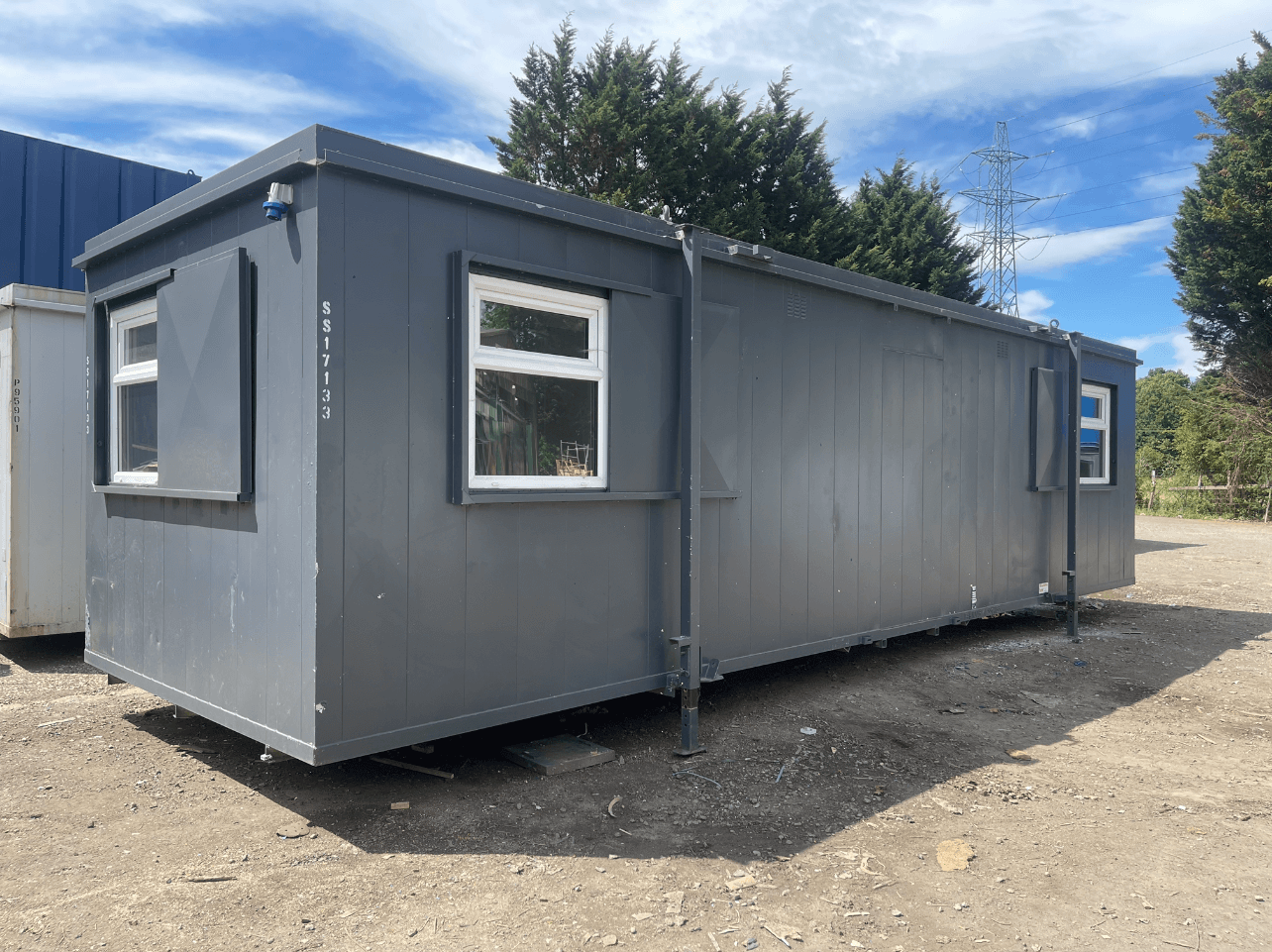
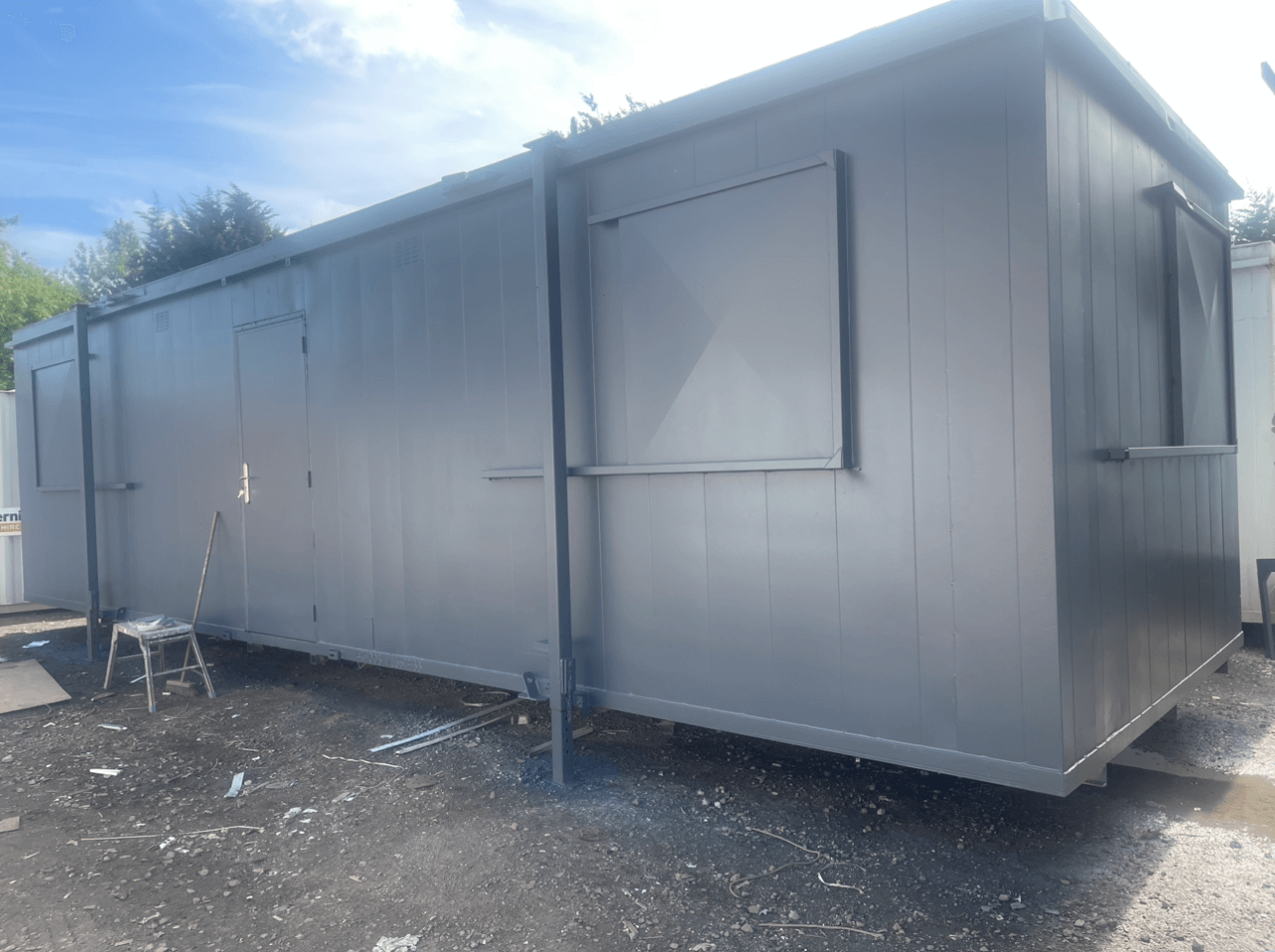



Location: Nationwide
Not Available for Hire
We can deliver for a cost please ask and send us post code.
13 tread
14 tread
15 tread
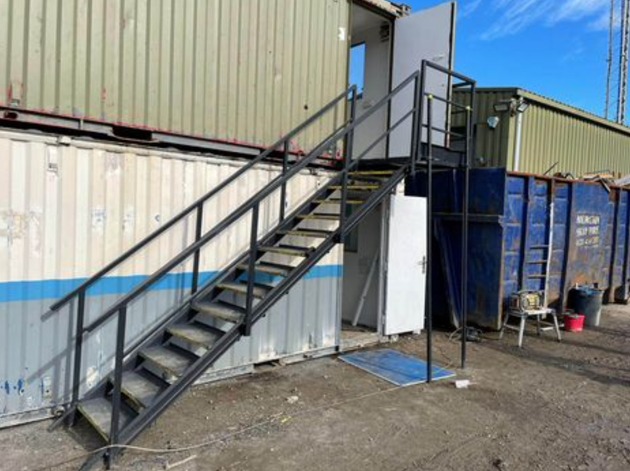
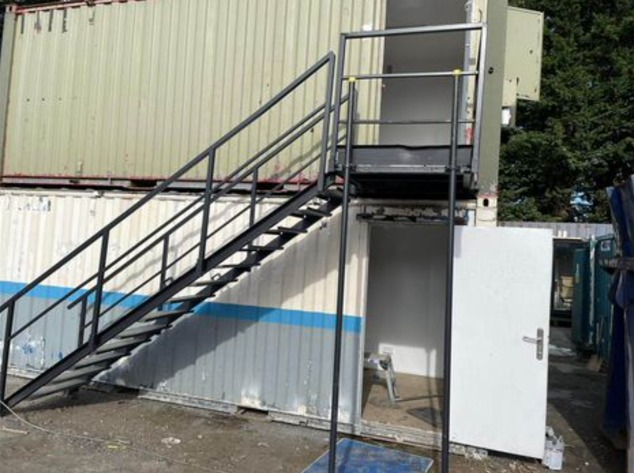
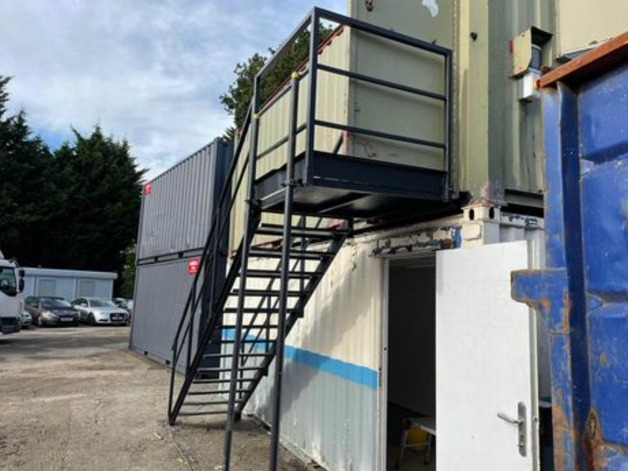
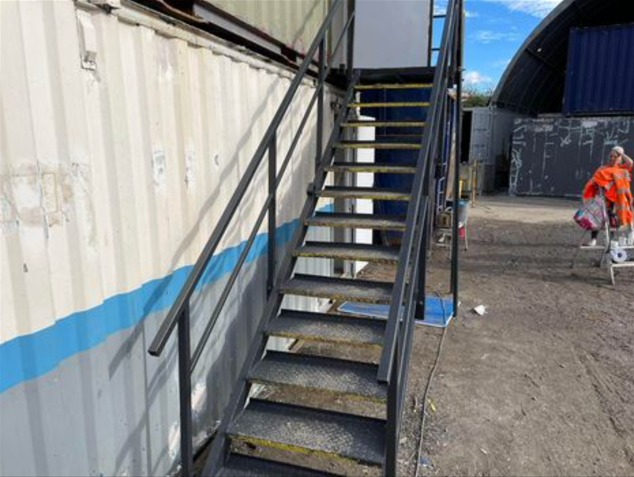
Location: Nationwide
Not Available for Hire
Call for an instant quote!
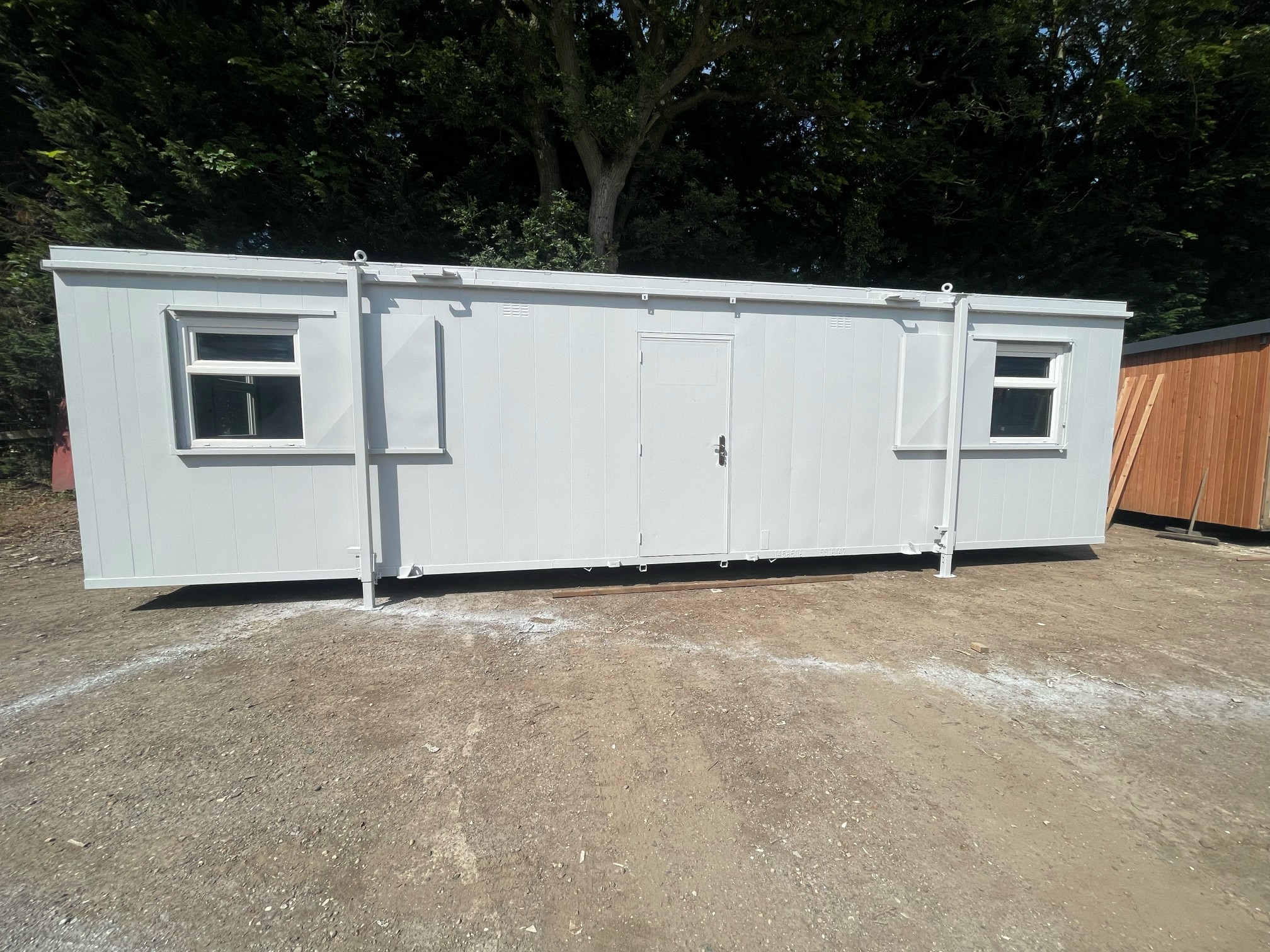
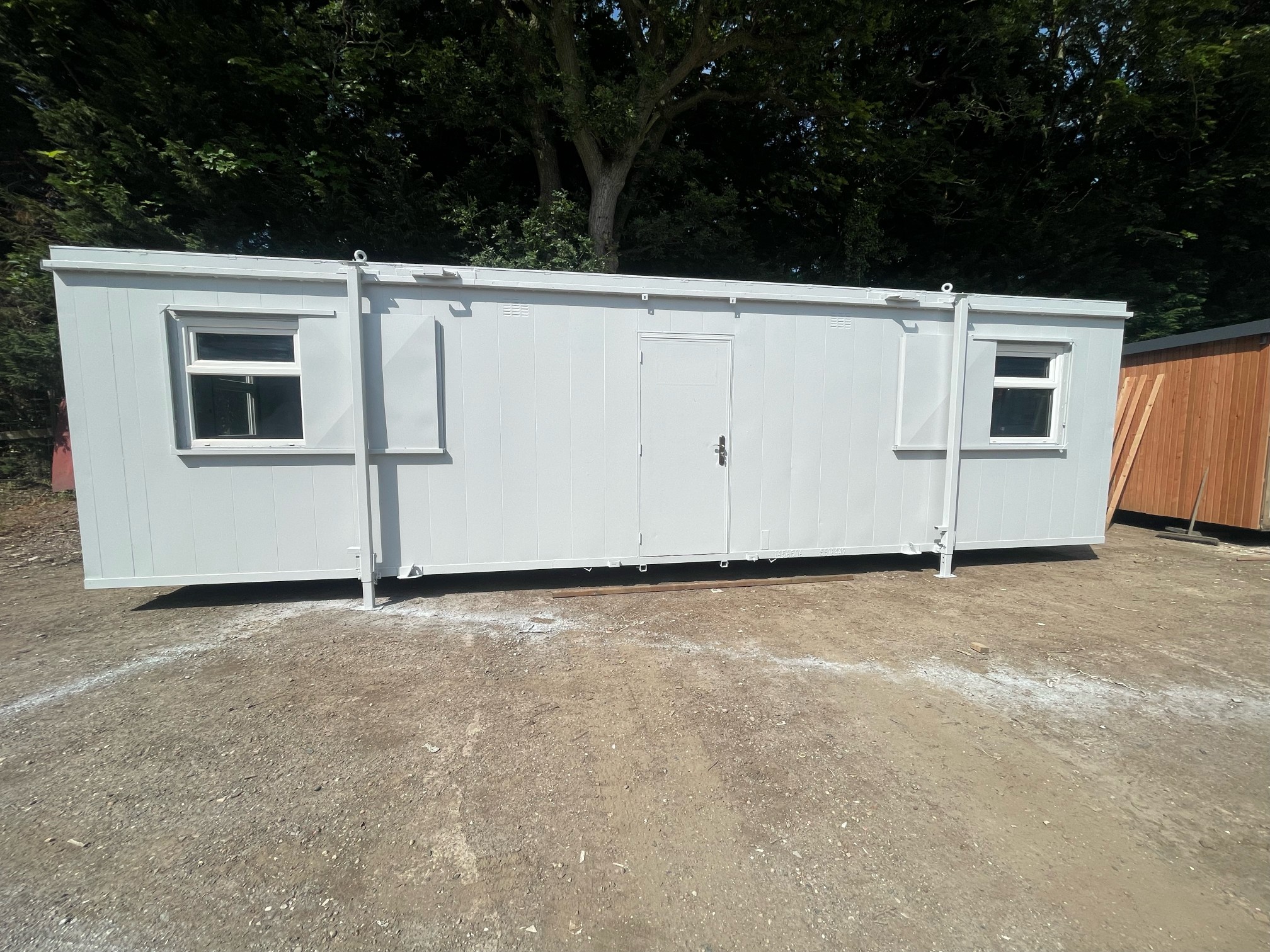
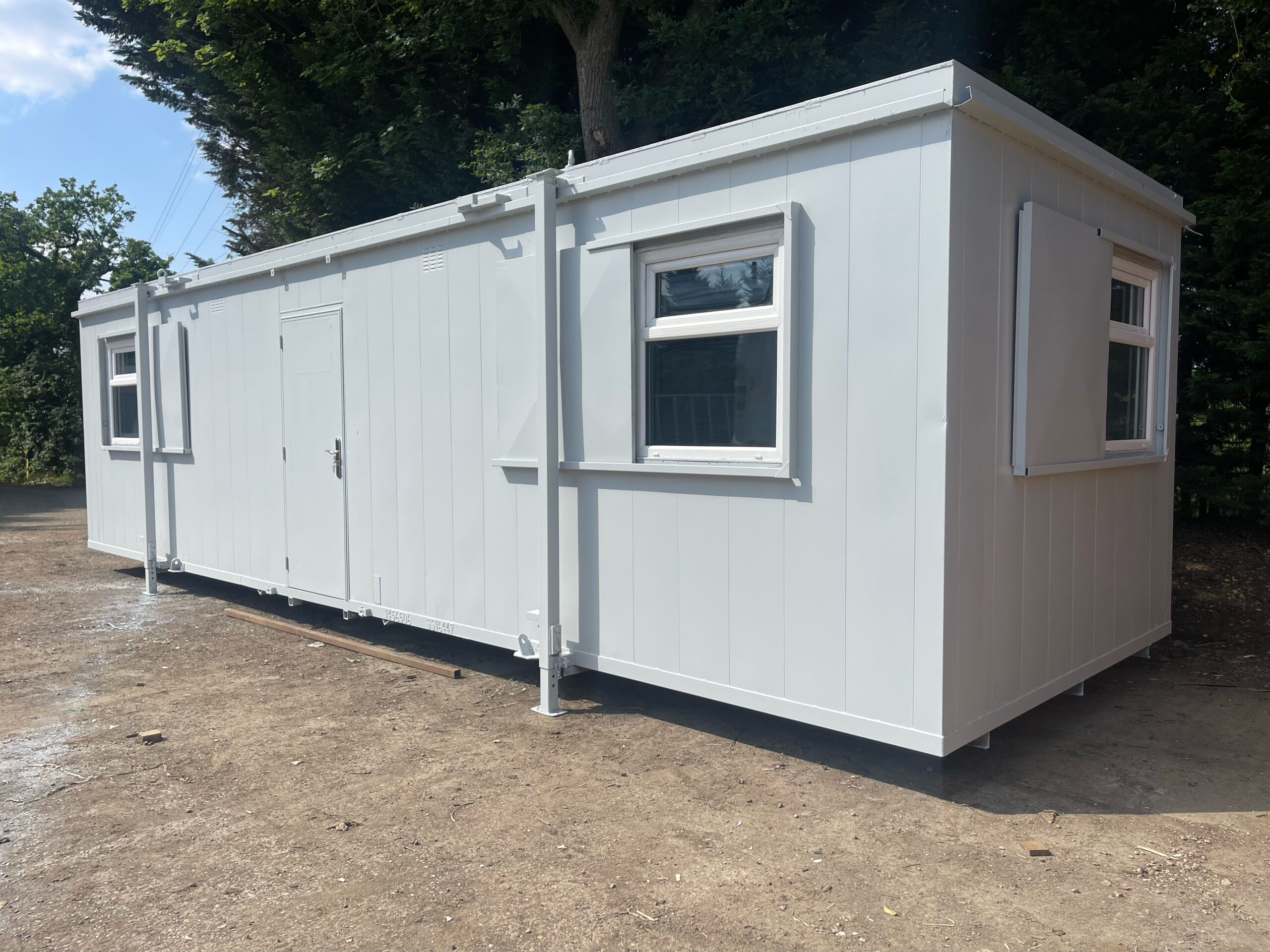
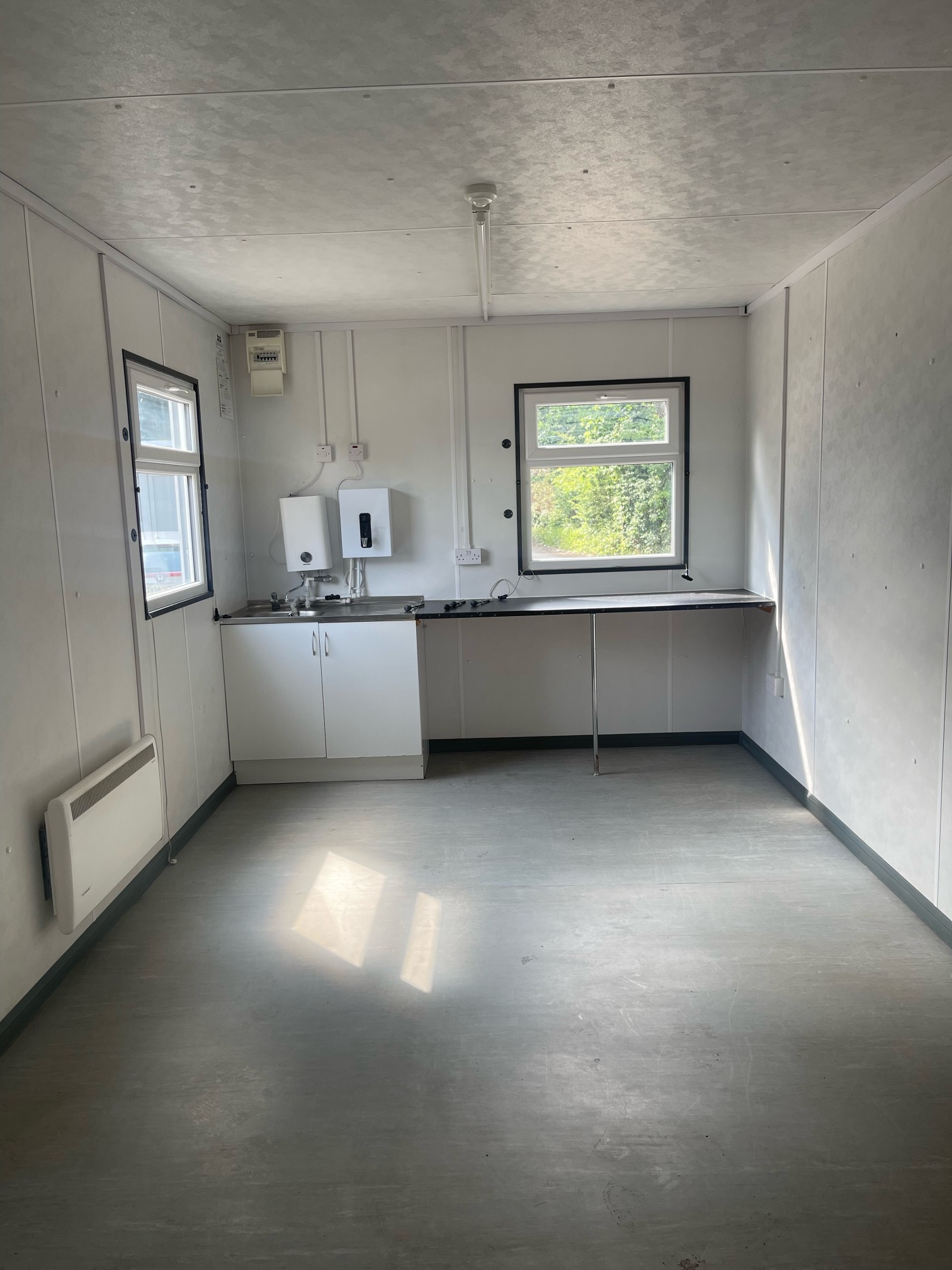
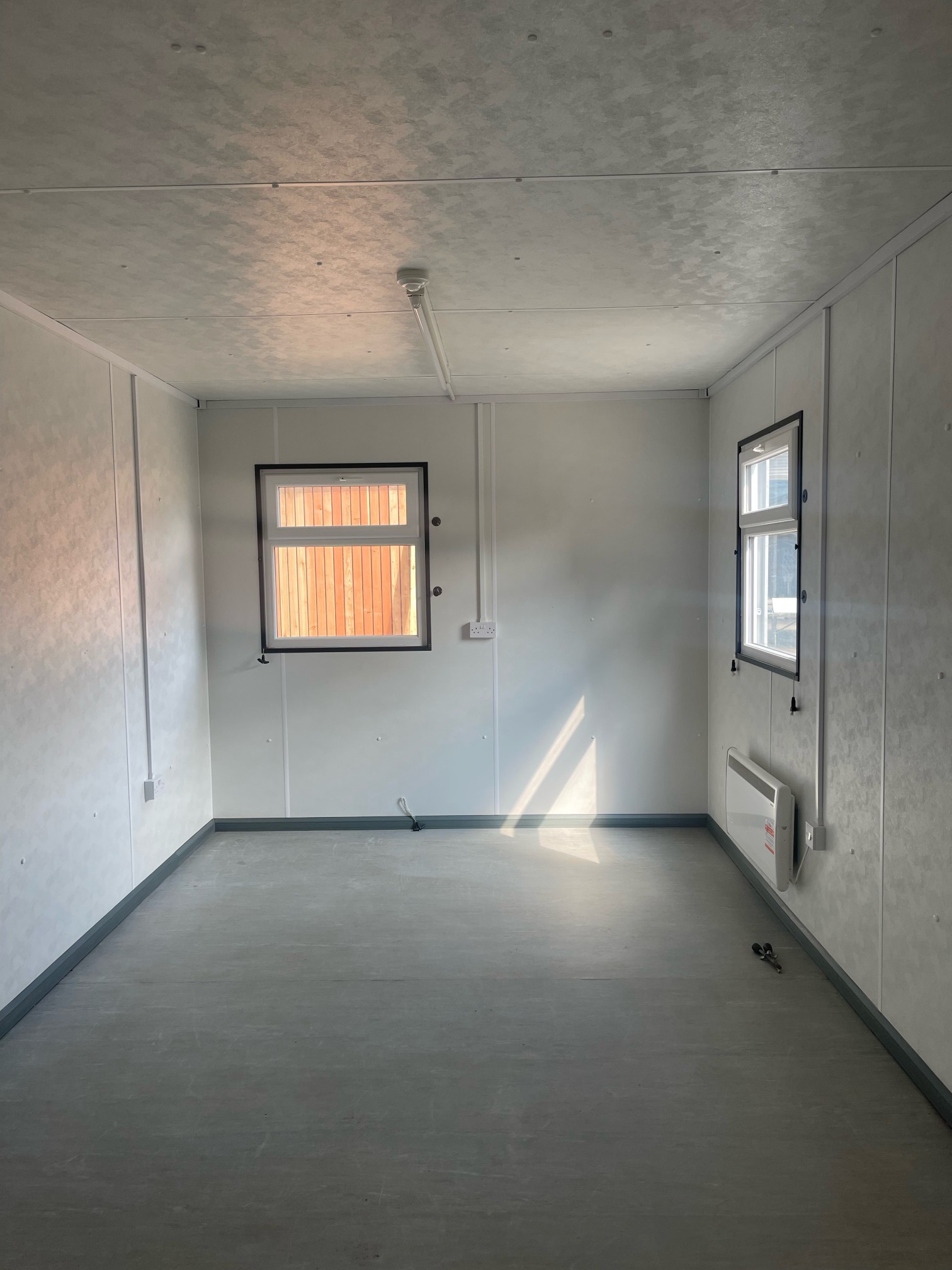
Location: Nationwide
Not Available for Hire
We can deliver for a cost please ask and send us post code.
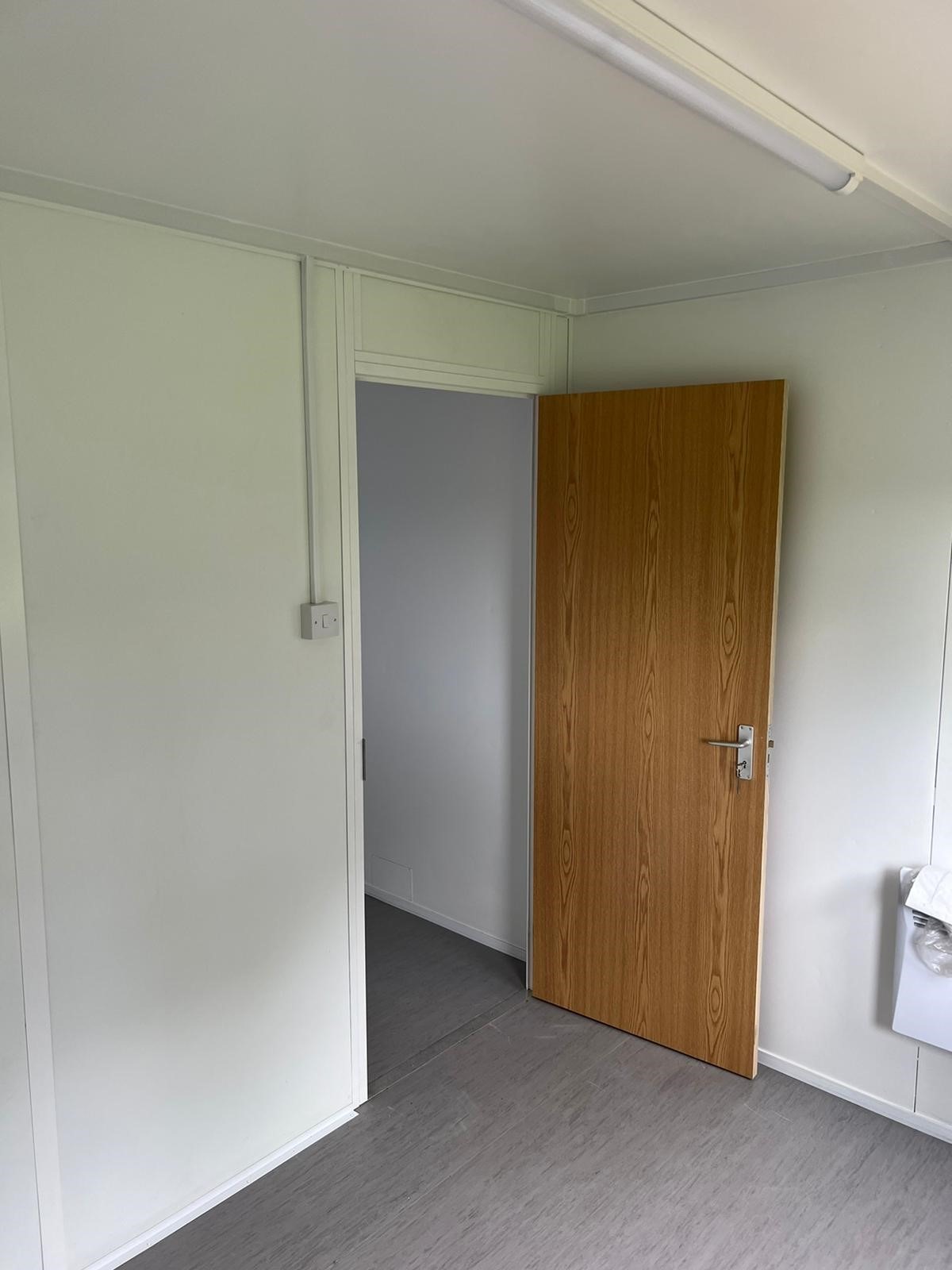
Hallway leading into:
Transport can be arranged please ask.
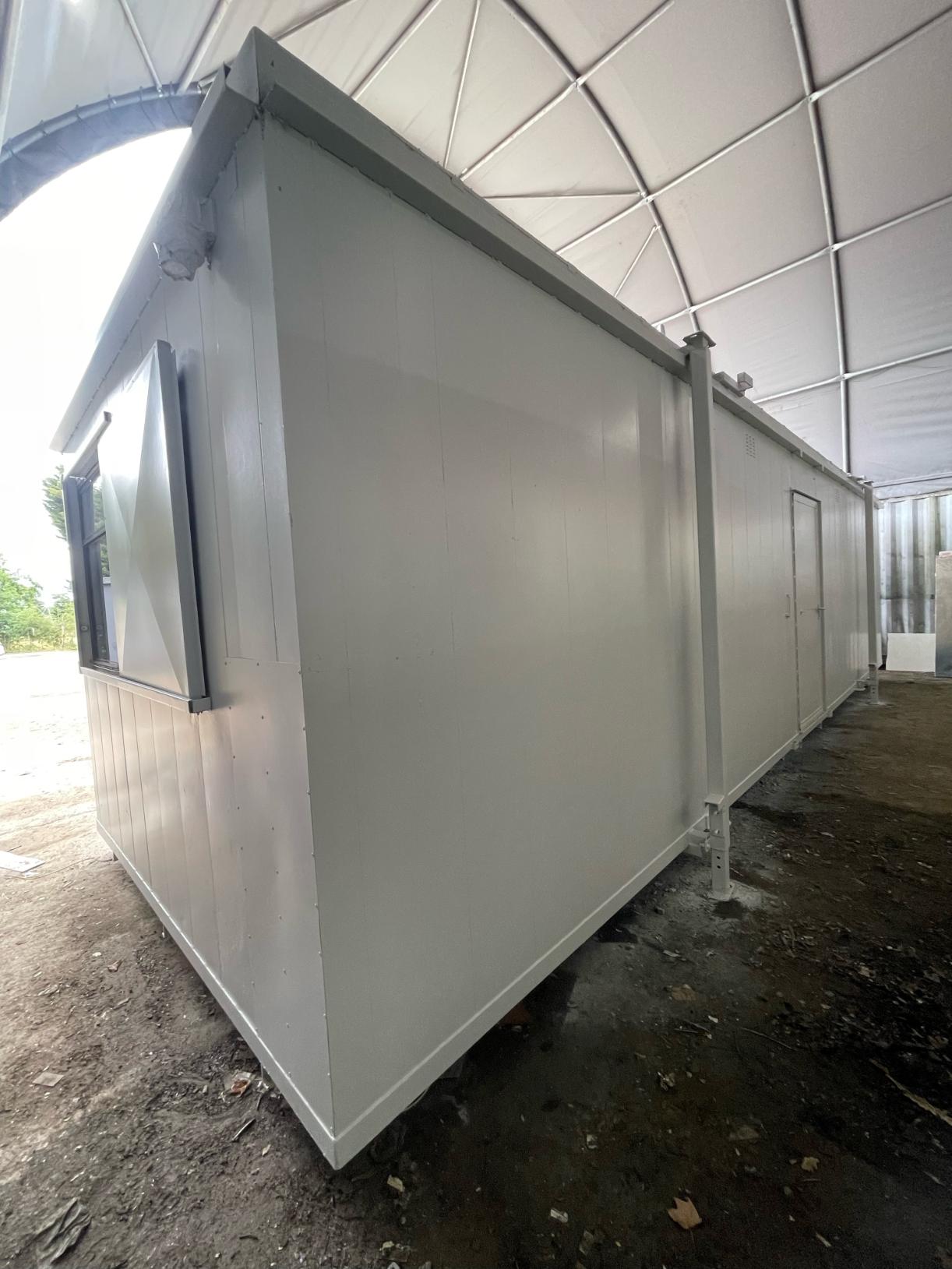
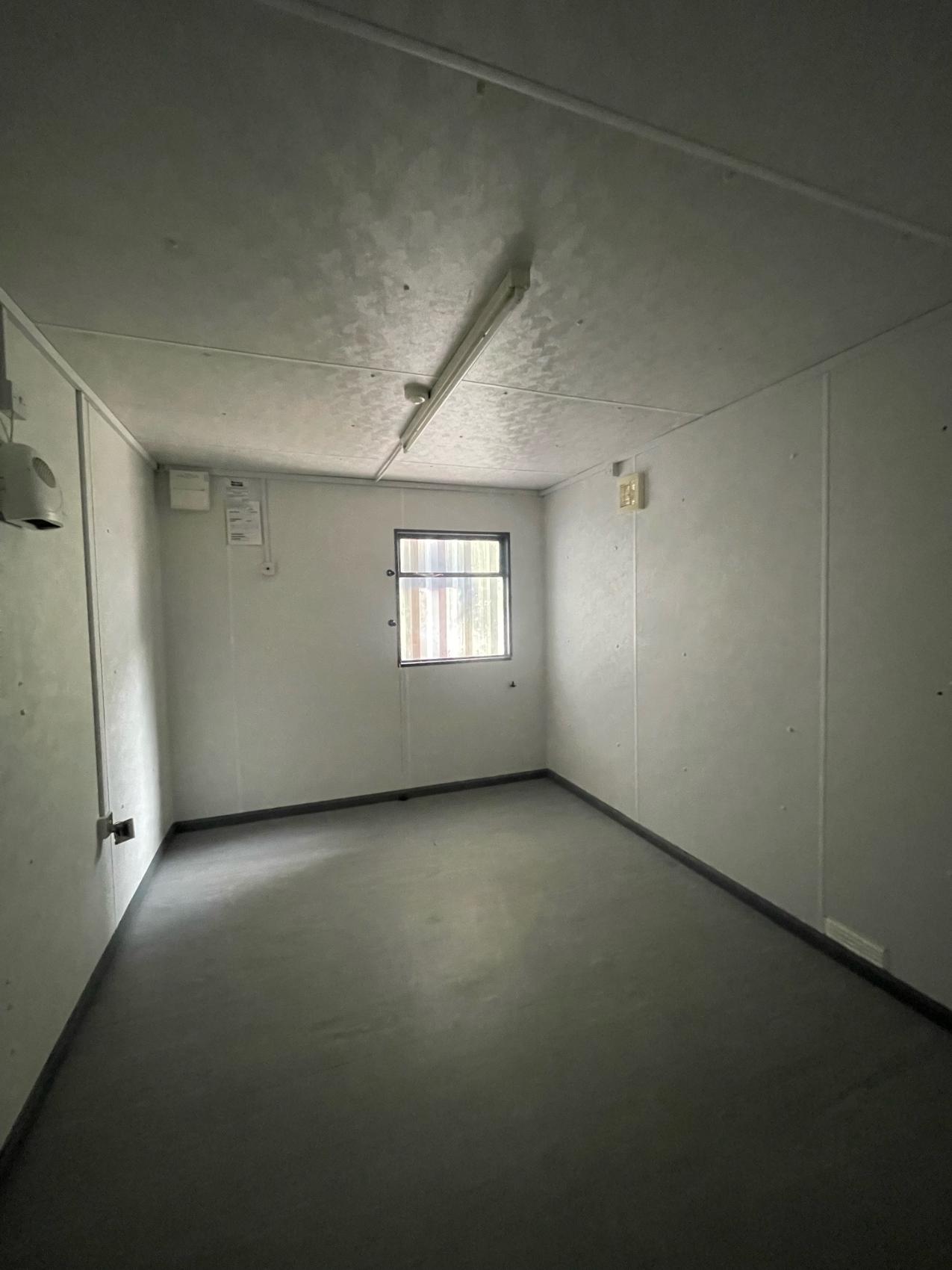
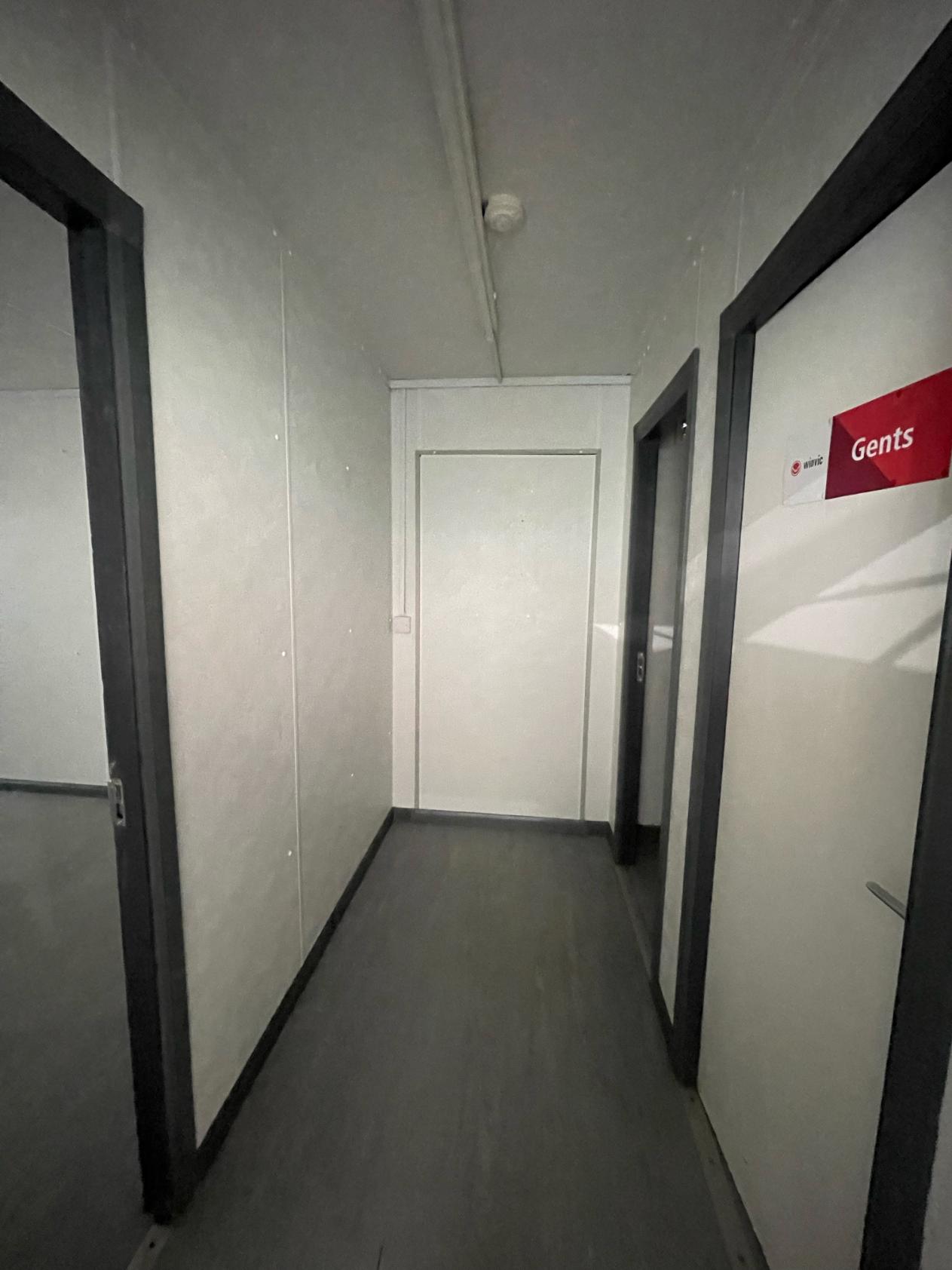
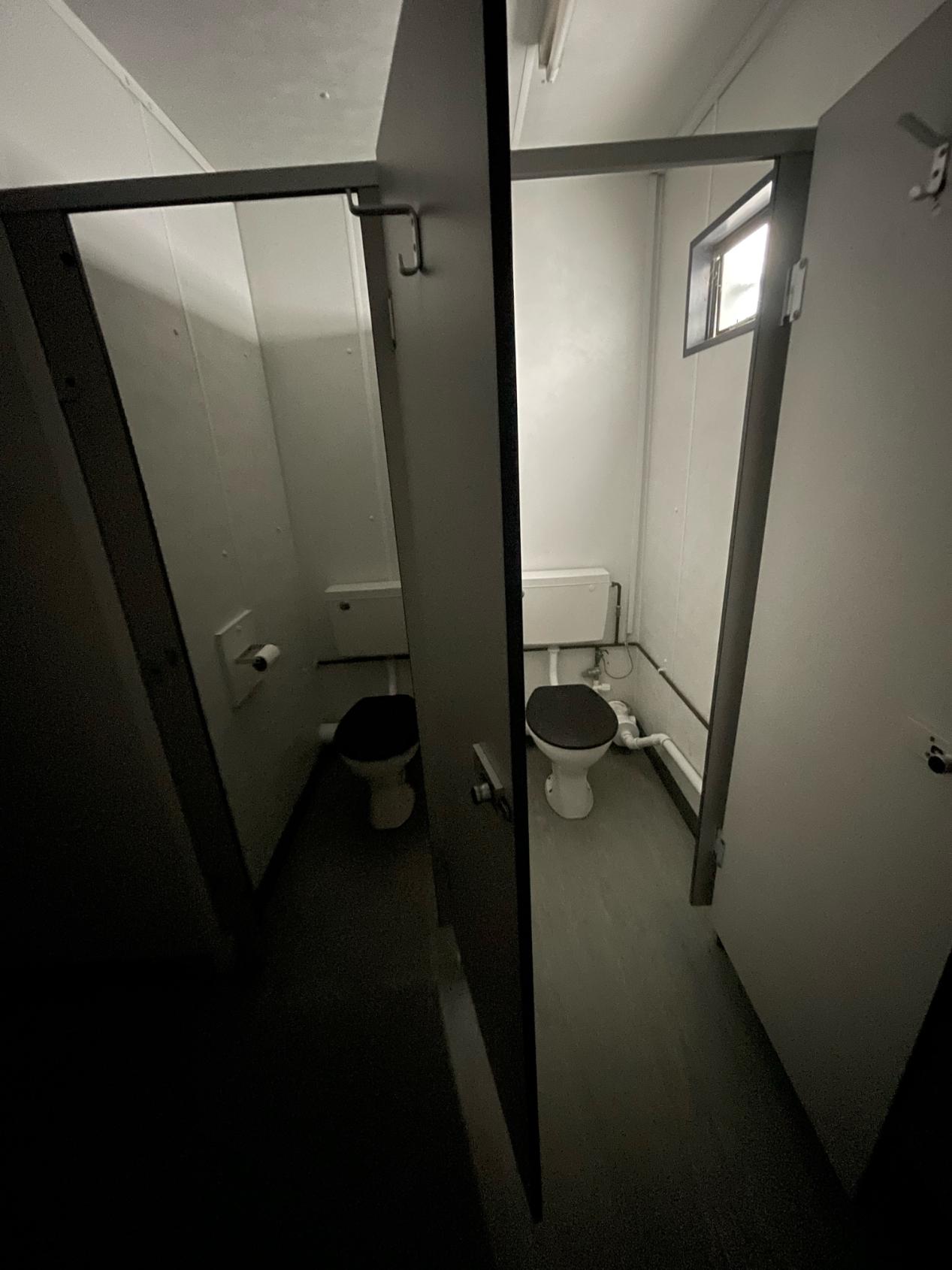
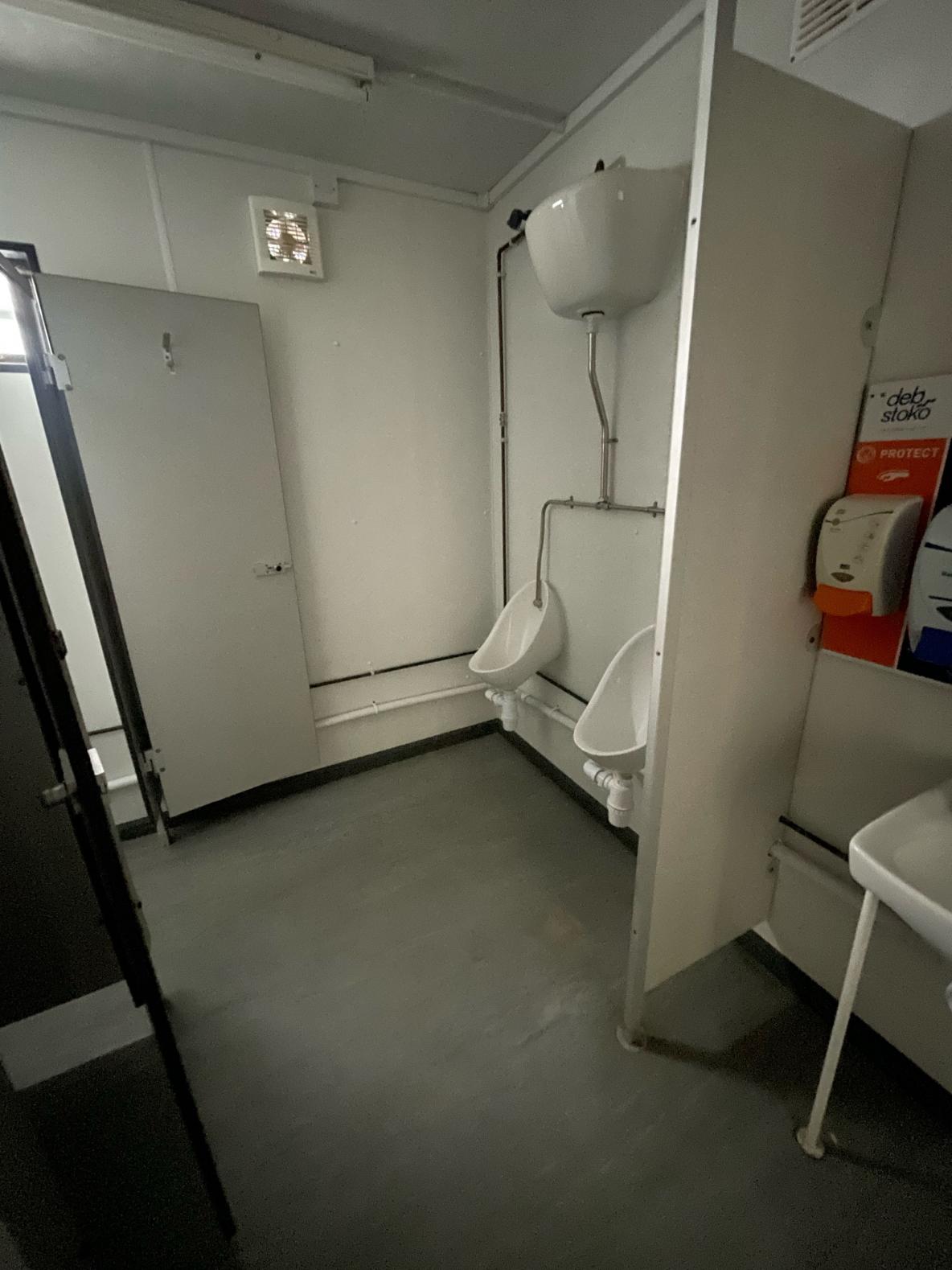
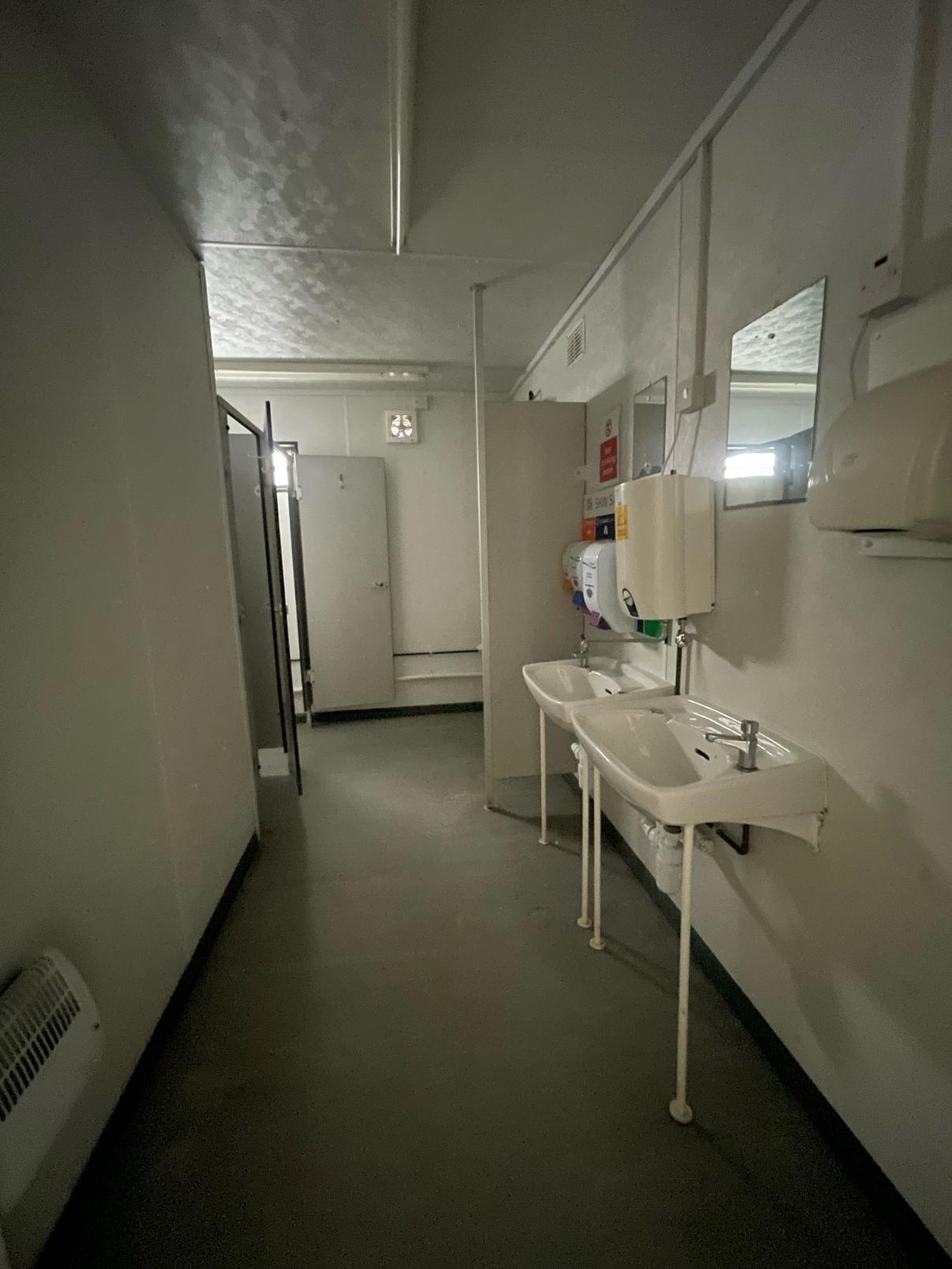
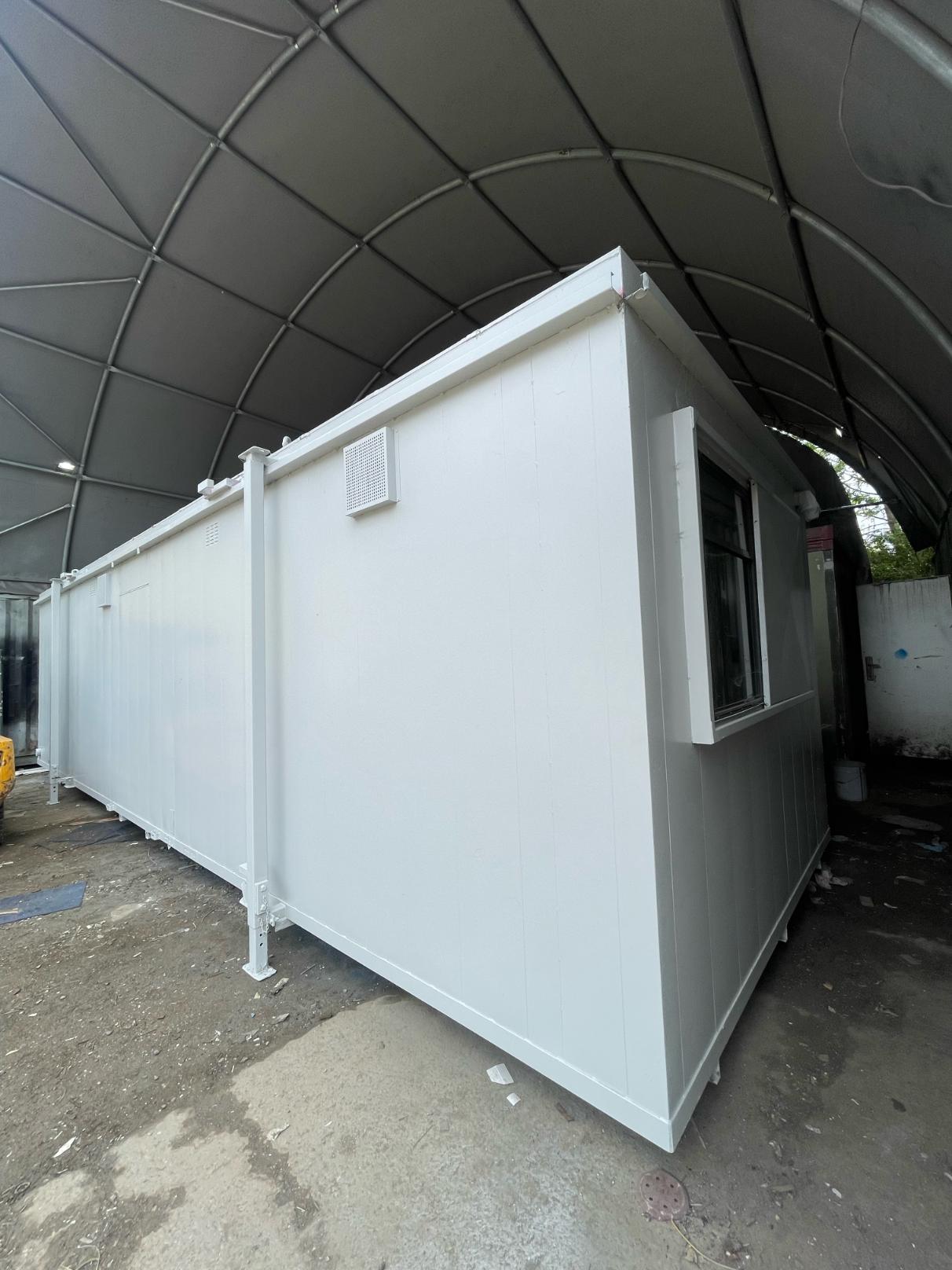
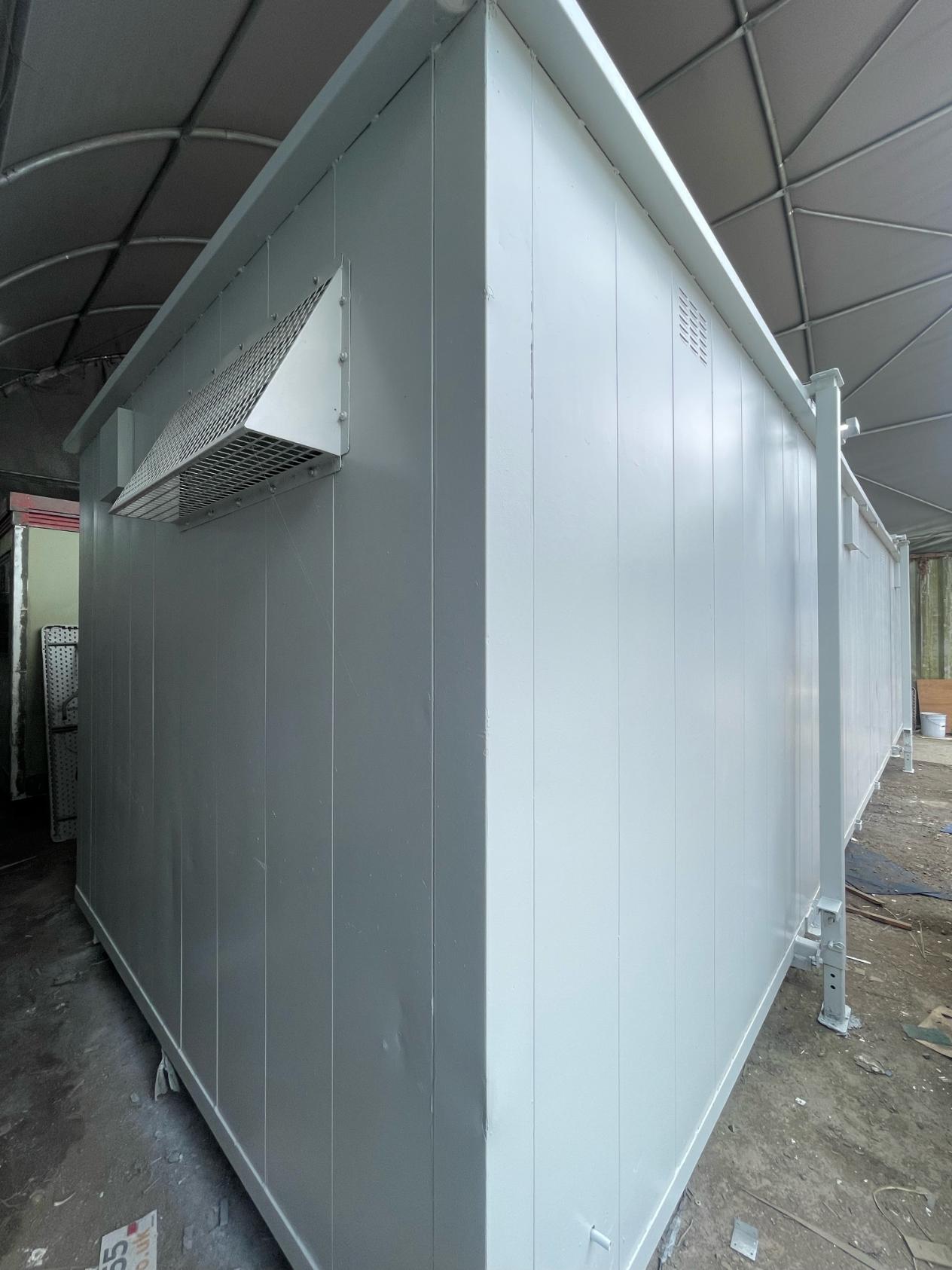
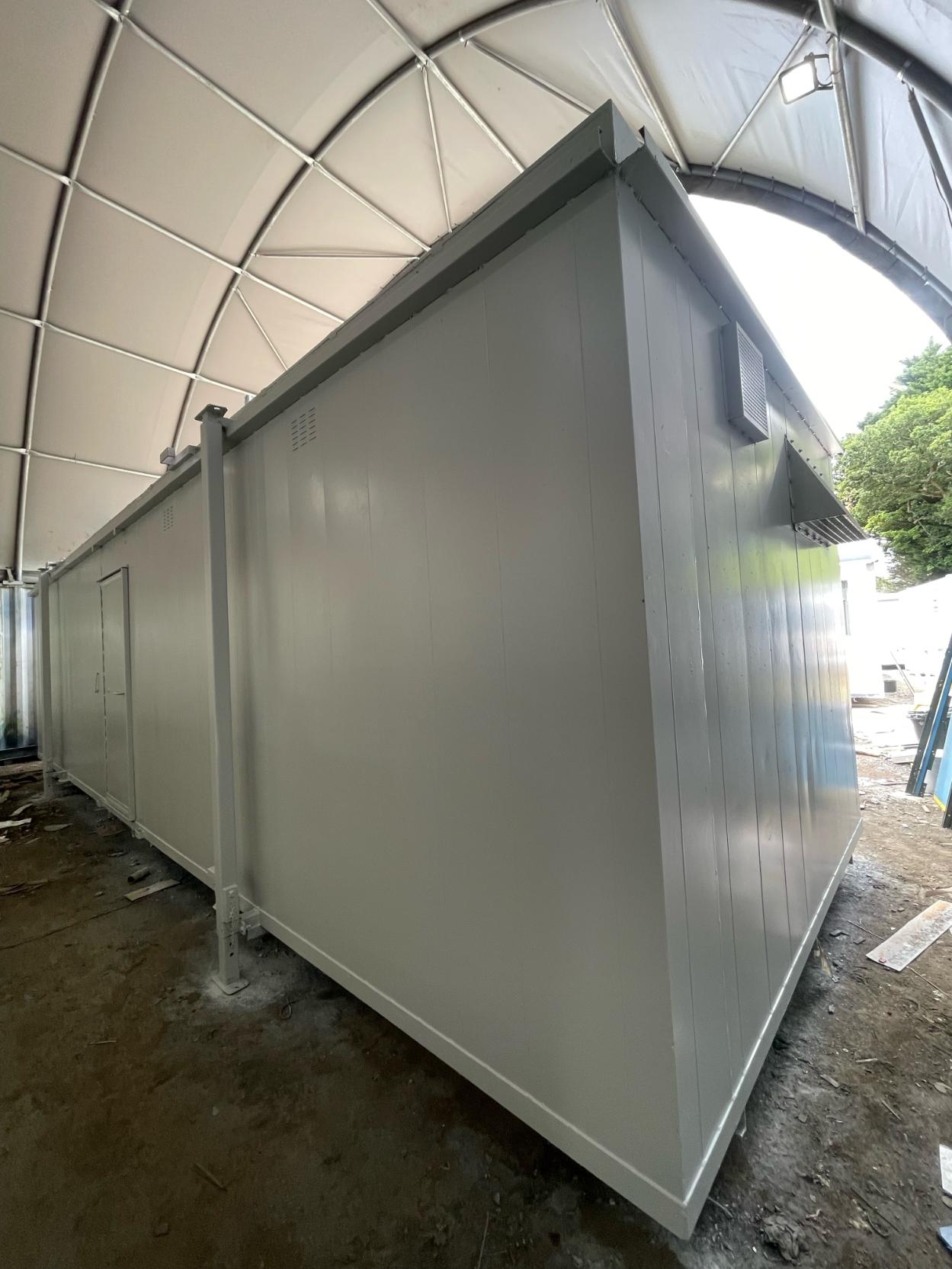
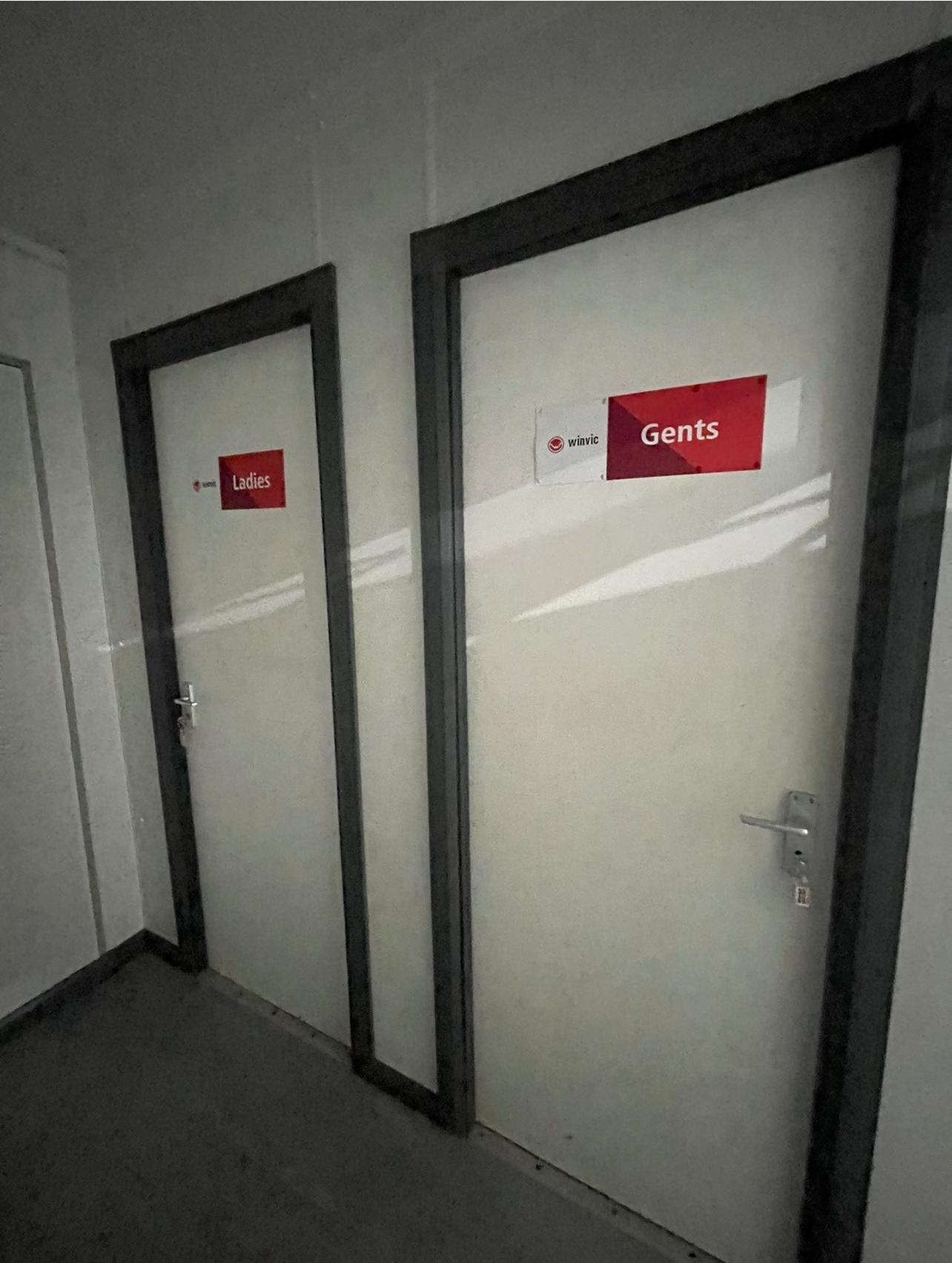
Location: Nationwide
Not Available for Hire
Call for an instant quote!
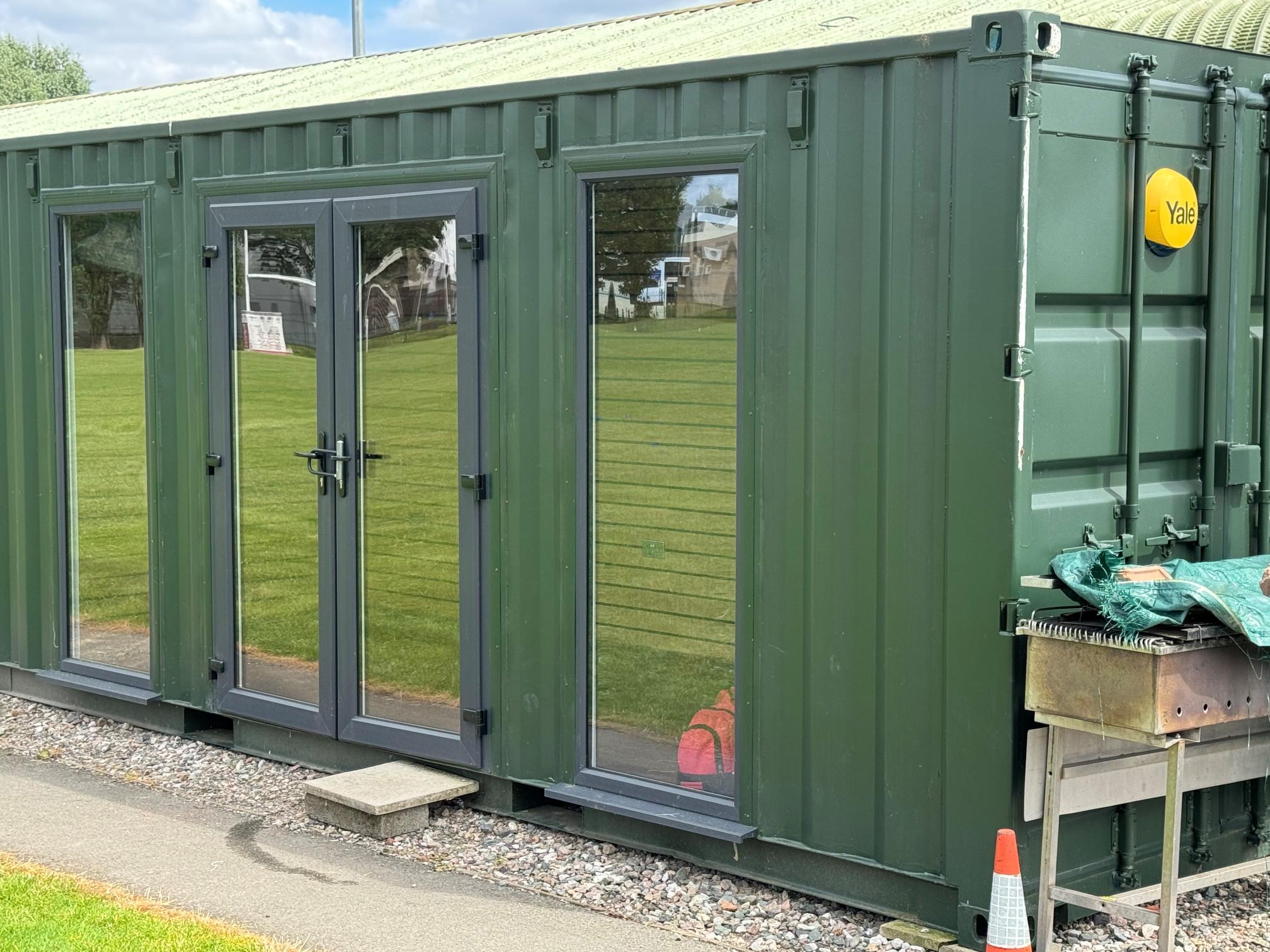
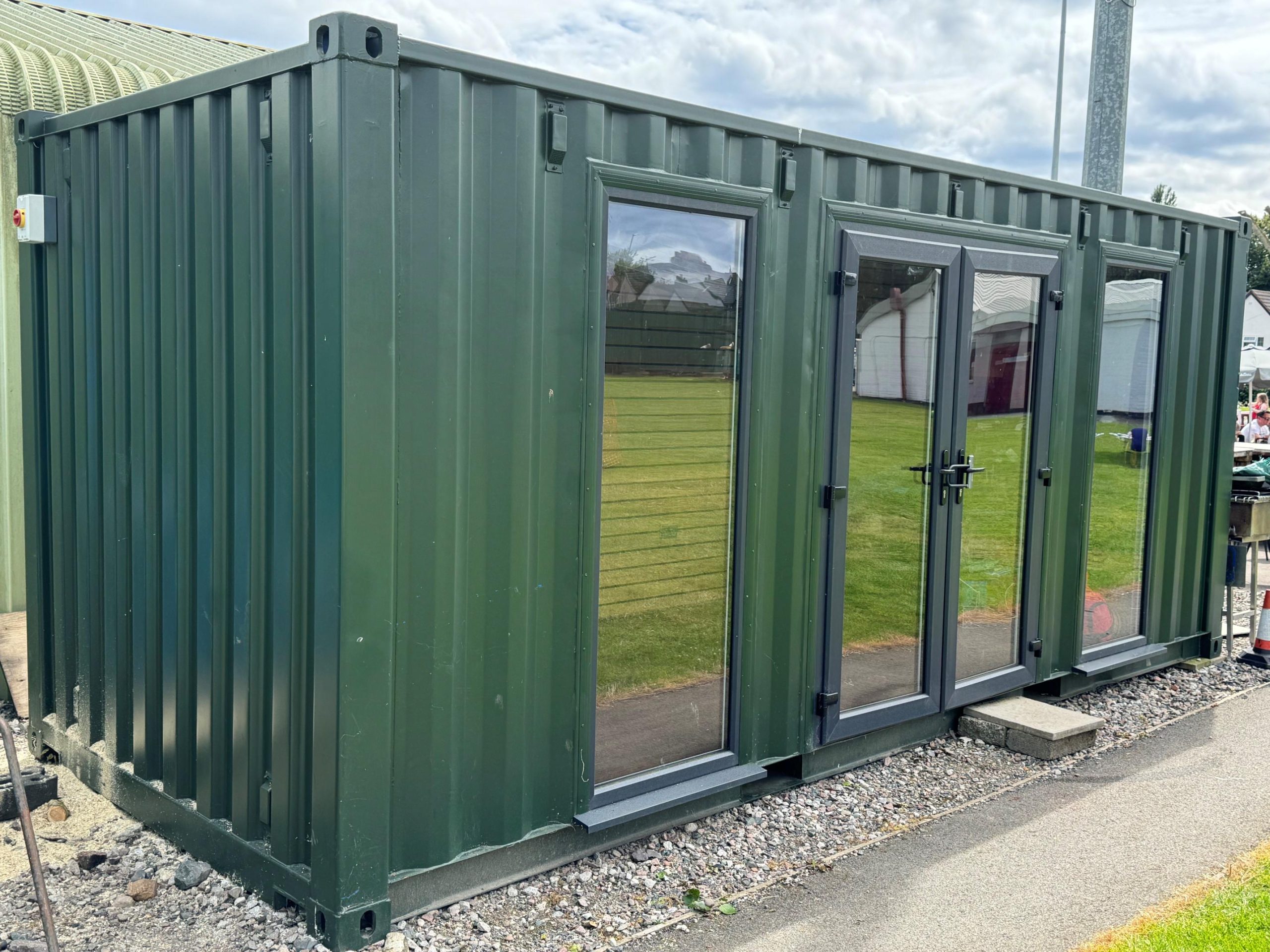
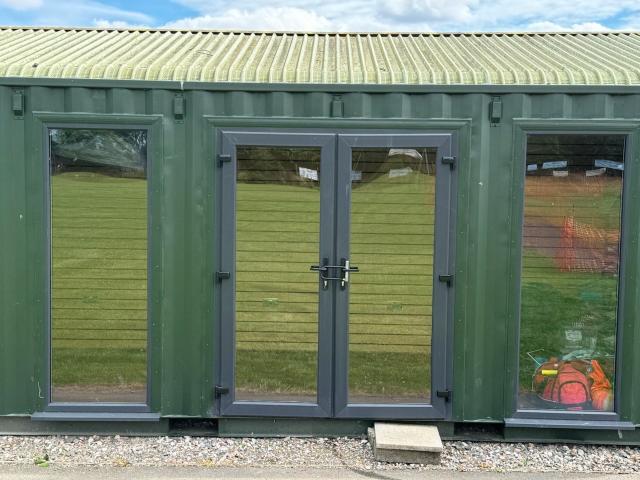
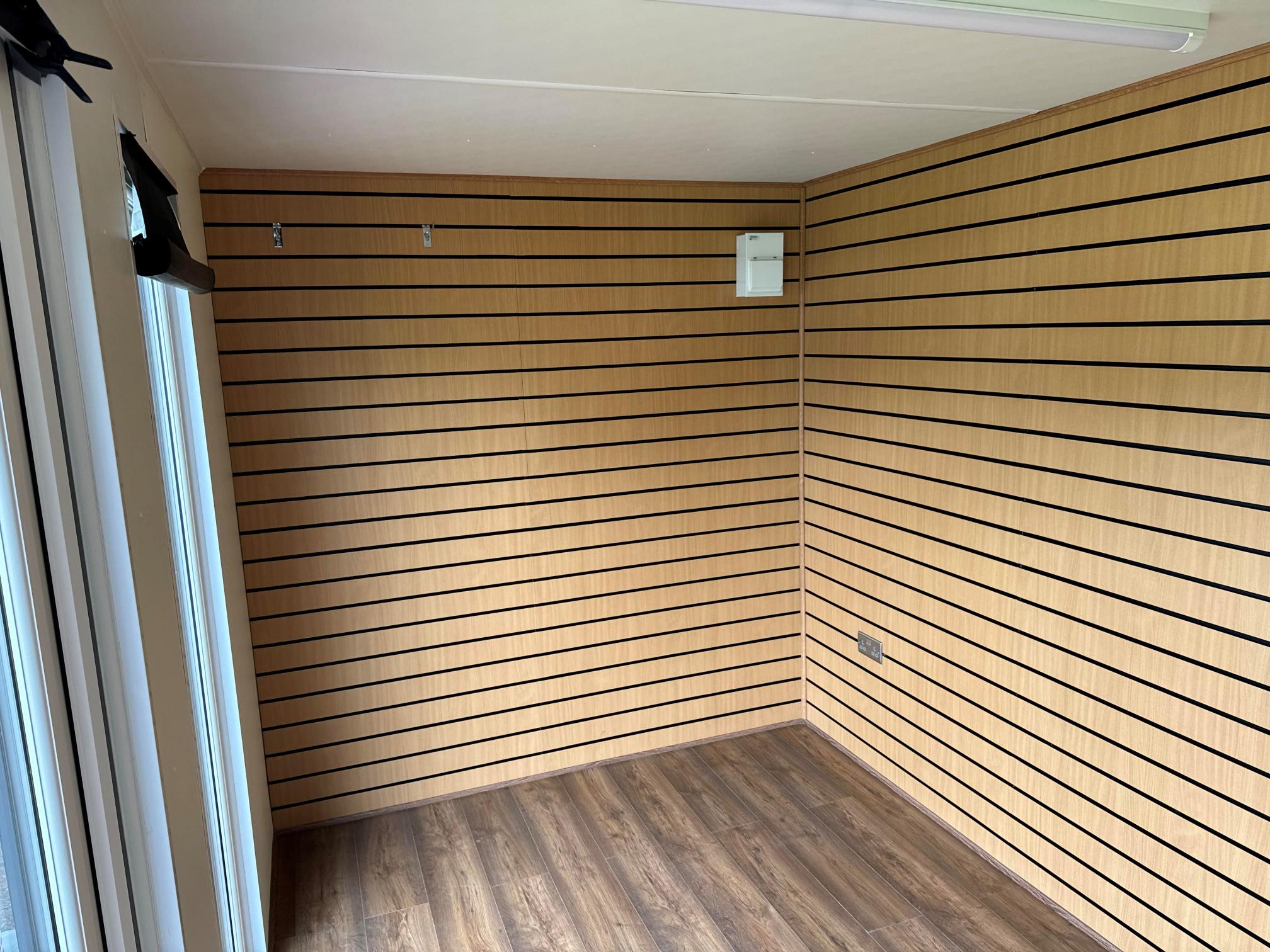
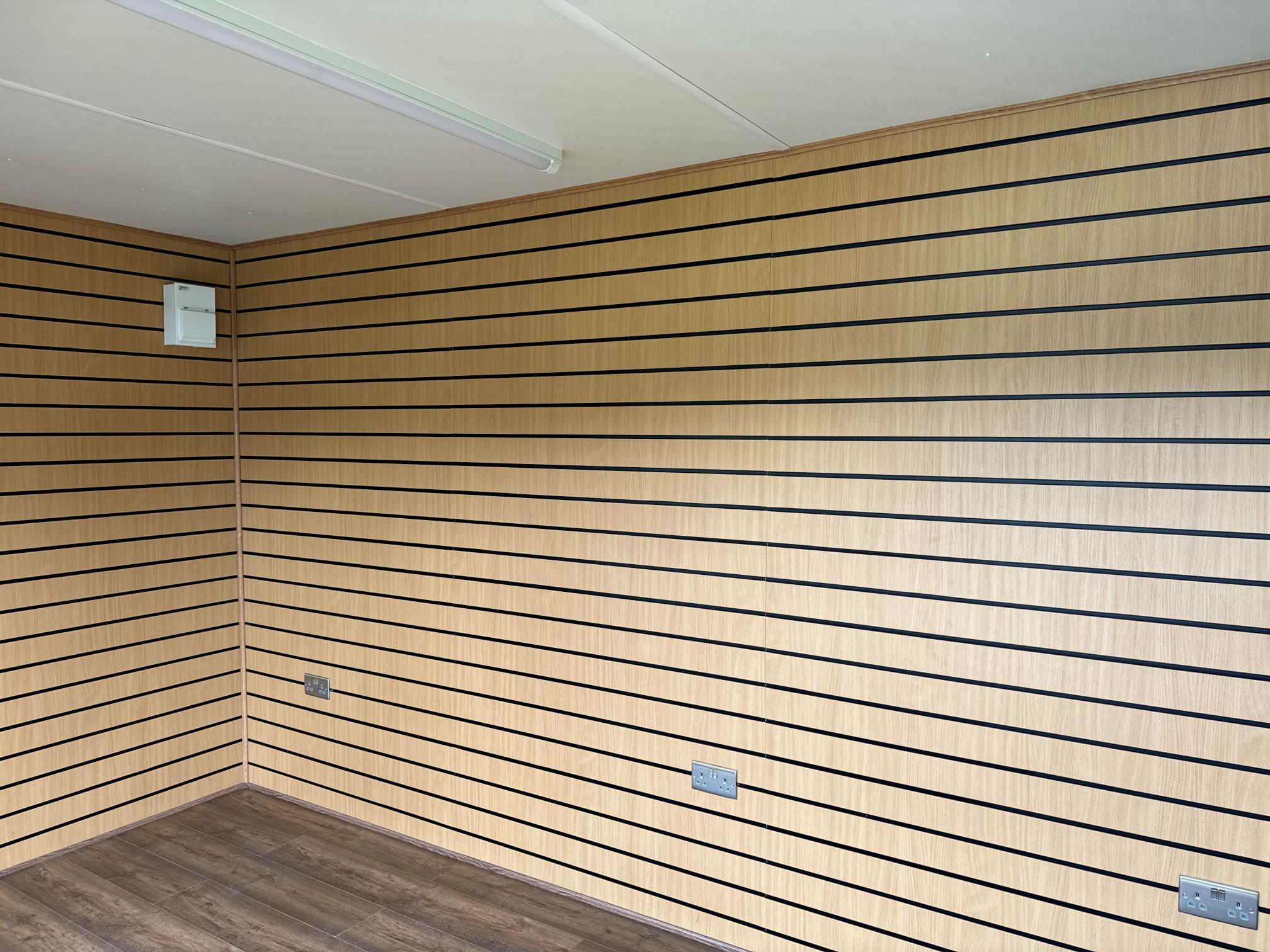
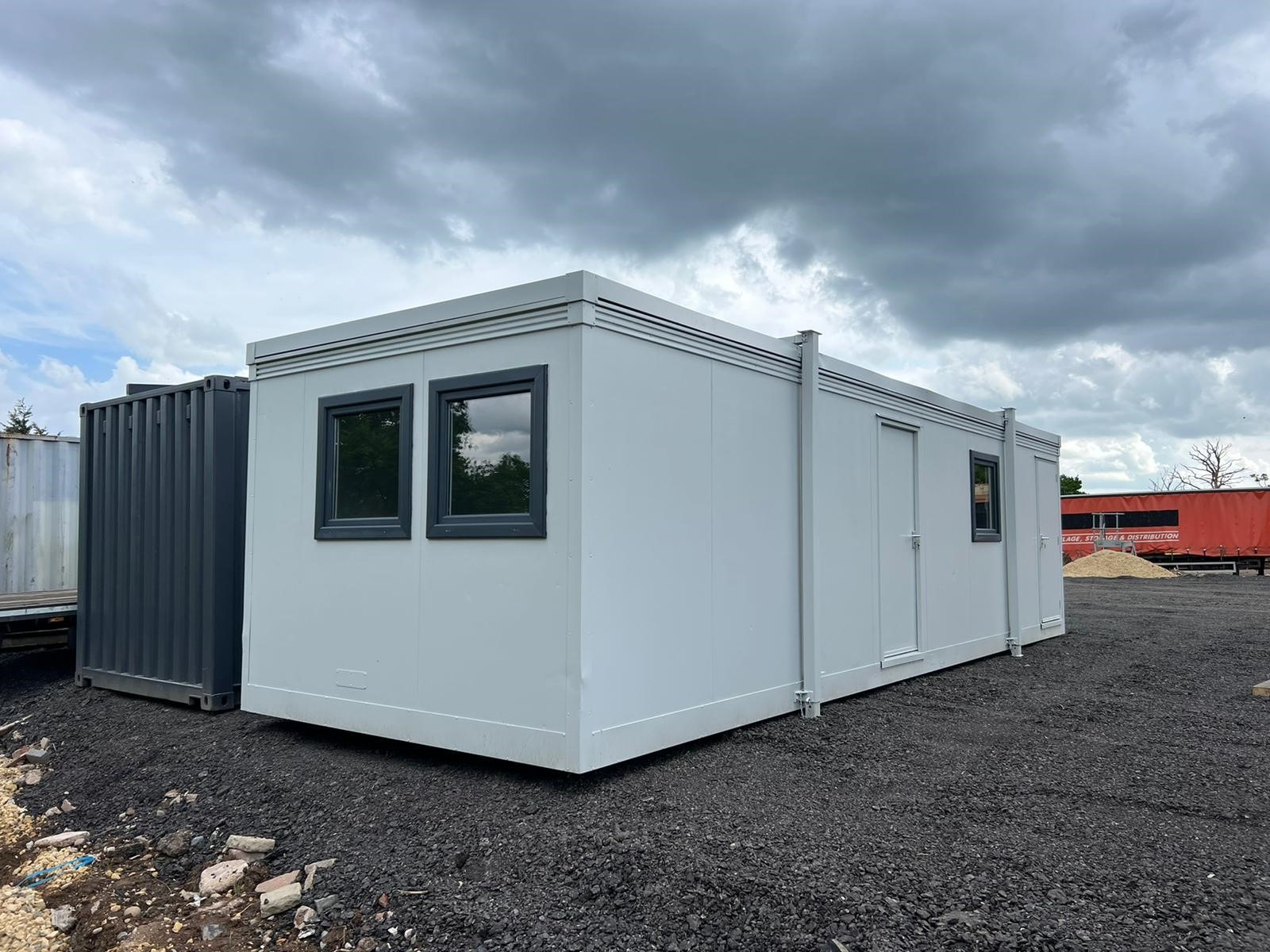
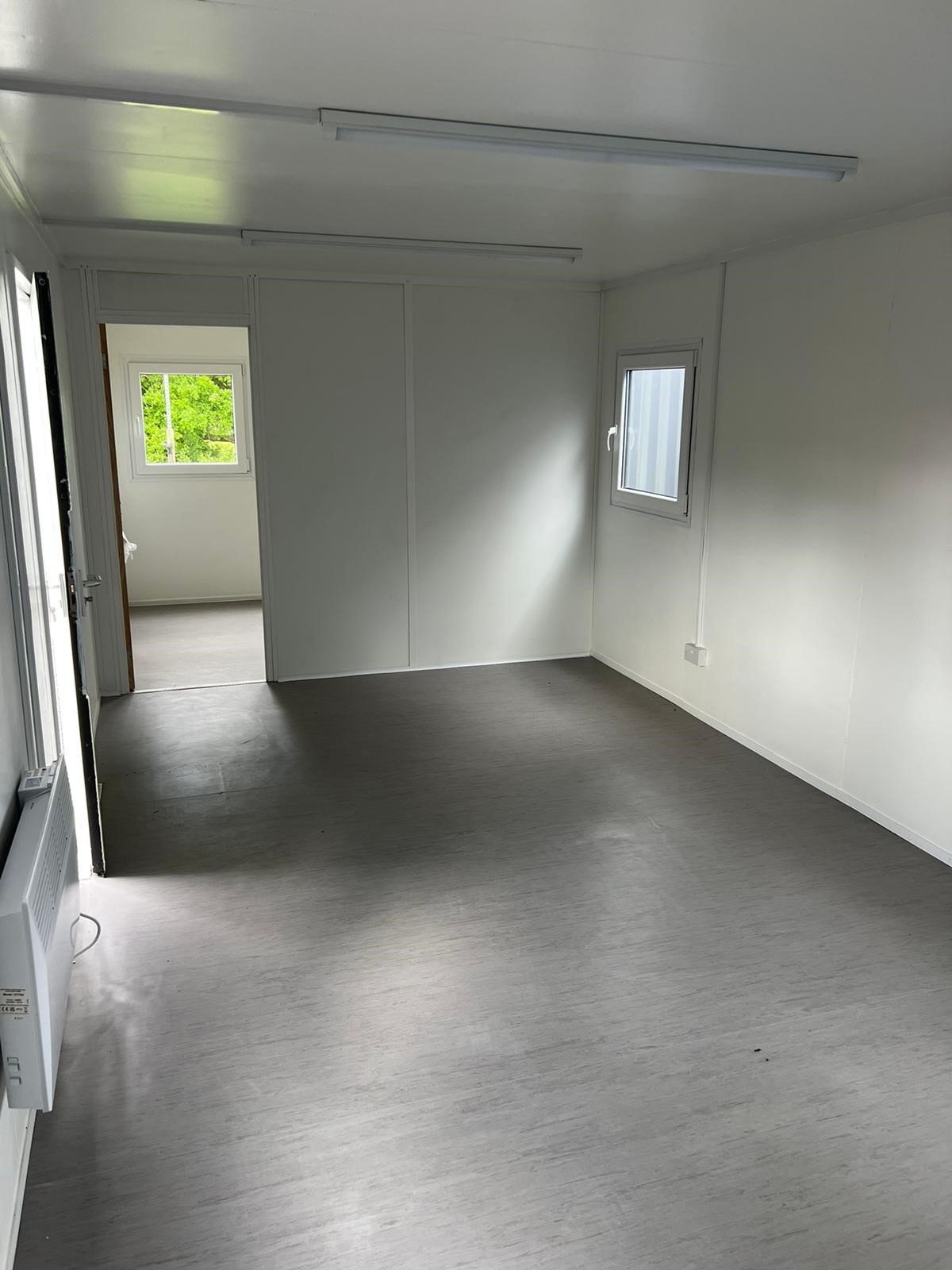
20ft x 8ft Container Conversion Retail Shop
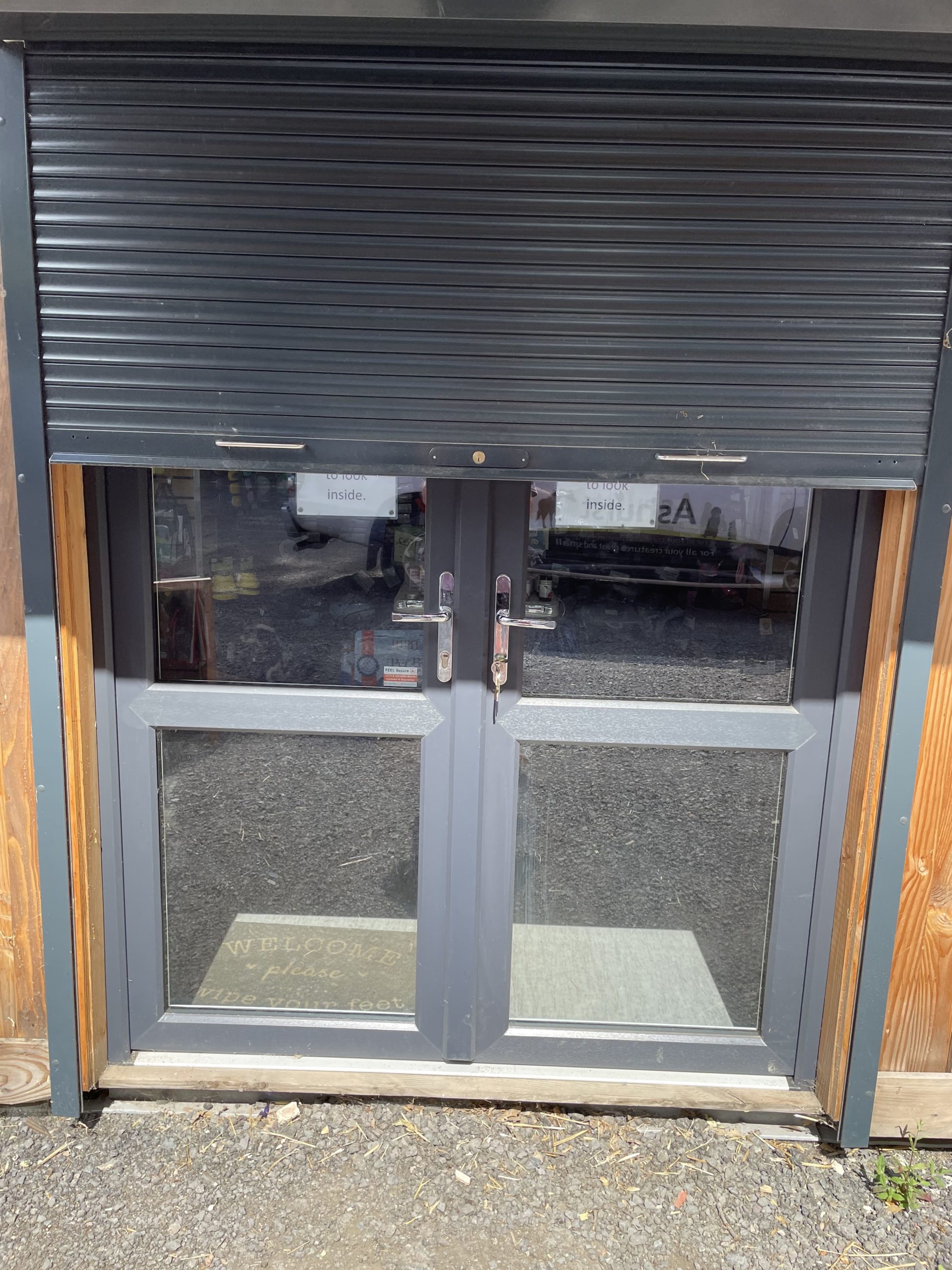
UPVC Double glazed Windows + French Doors
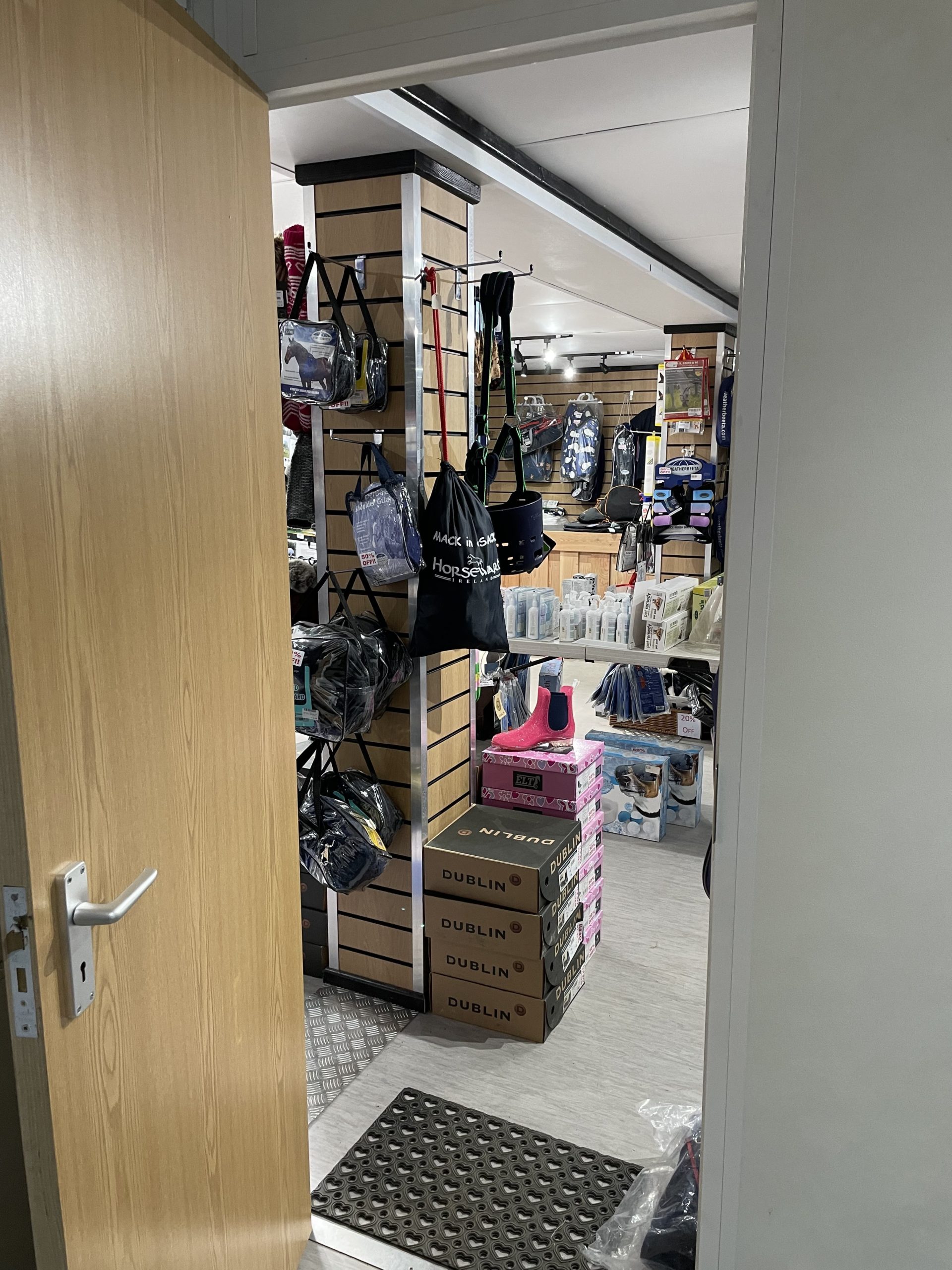
Slat Wall for retail fixings and Merchandise
Electric Chrome Sockets, led lighting and heating.
Laminate Flooring
12 months Warranty
Maintenance call out package included
Less than 2 years old
Still in Brand New Condition
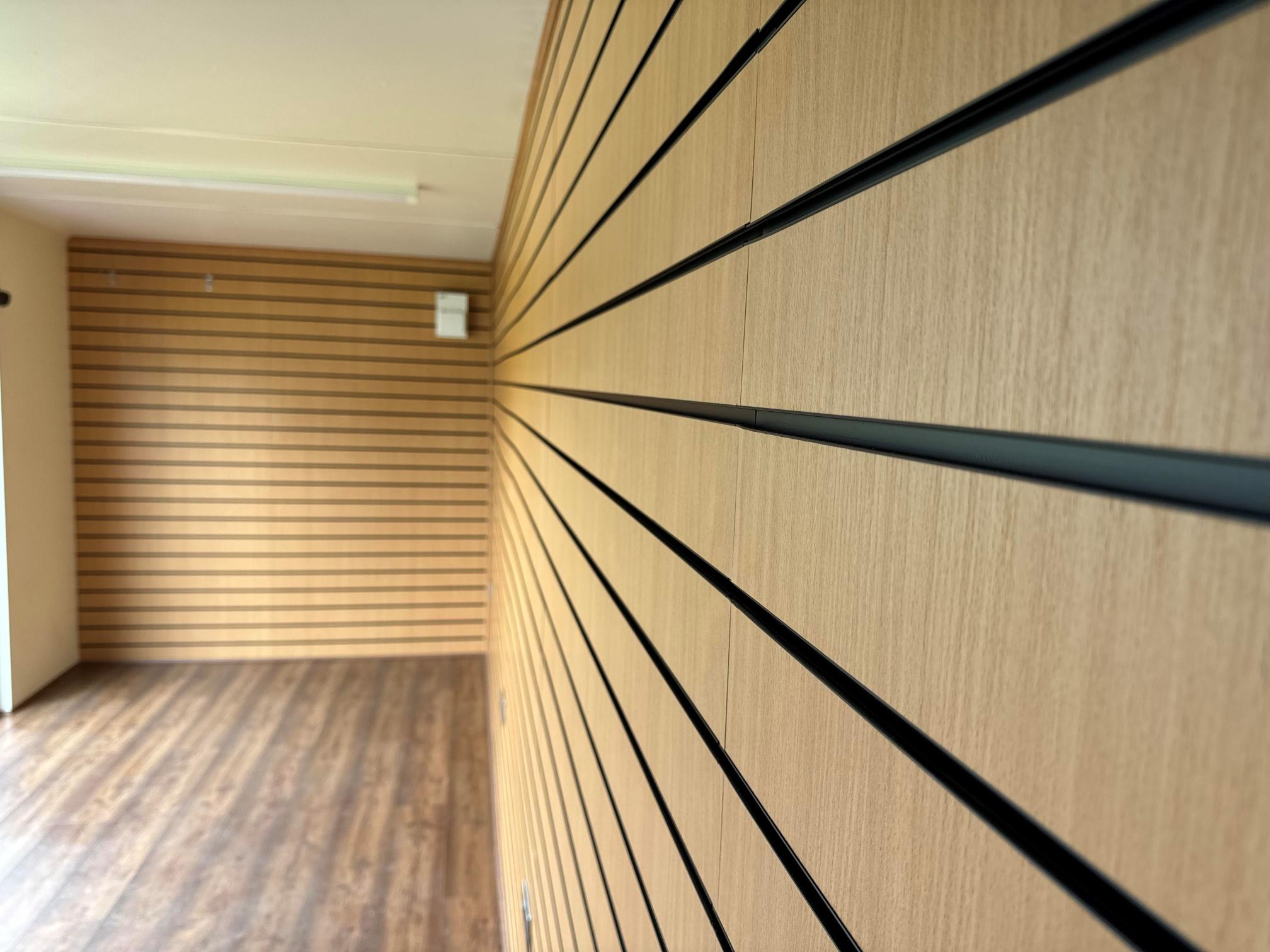


Fully refurbished
Colour light grey
Slate grey anthracite upvc double glazed windows

Location: Nationwide
+ VAT
Not Available for Hire
Call for an instant quote!
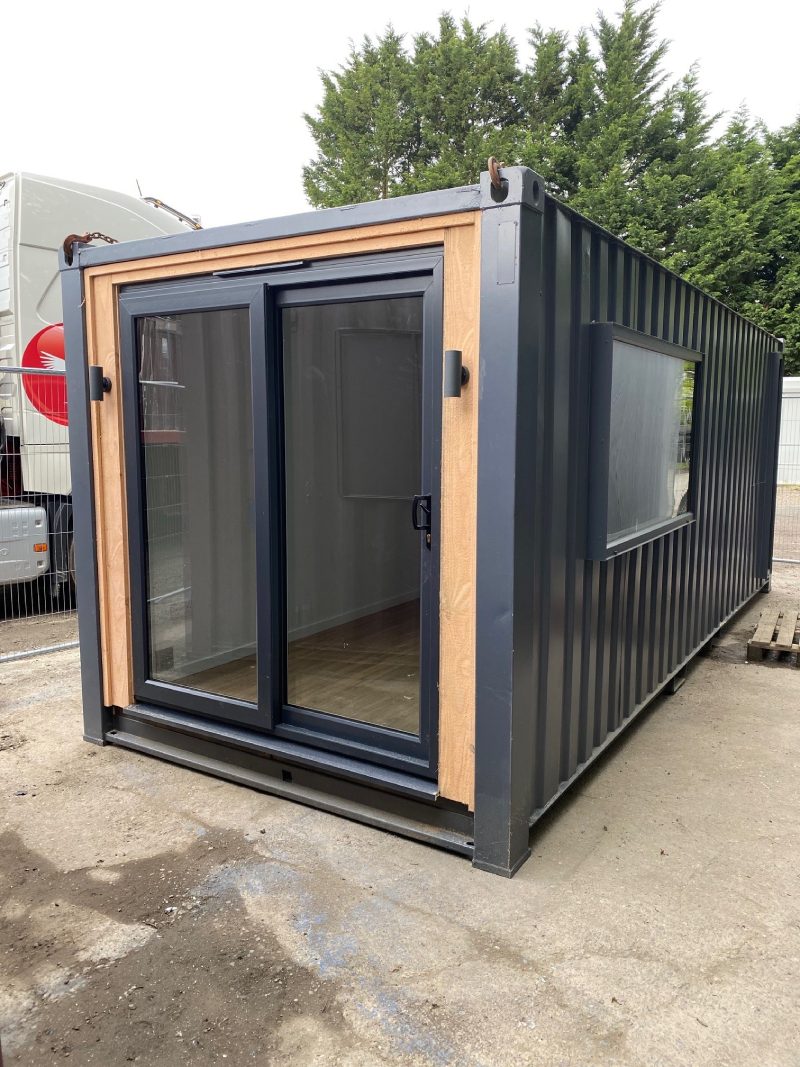
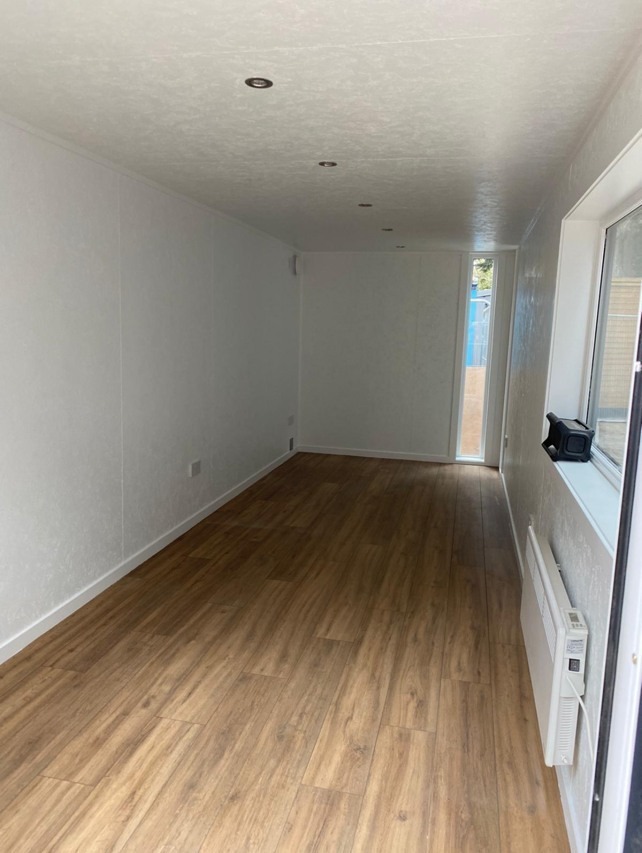
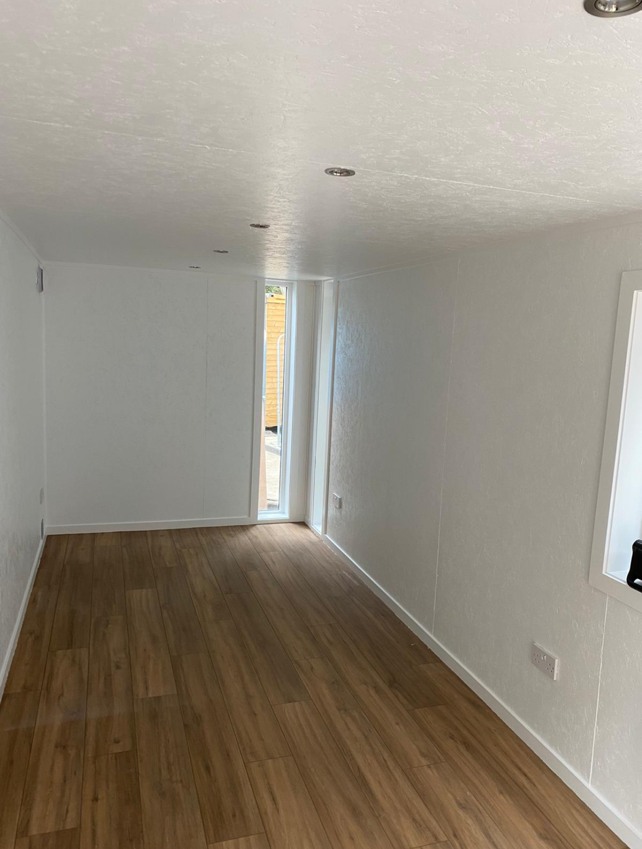
Fully Insulated with electric sockets, spot lighting, and heating
Wood Flooring
UPVC Sliding Door + Windows
Lead Time for build 6-8 weeks
Location: Nationwide
+ VAT
Not Available for Hire
Call for an instant quote!
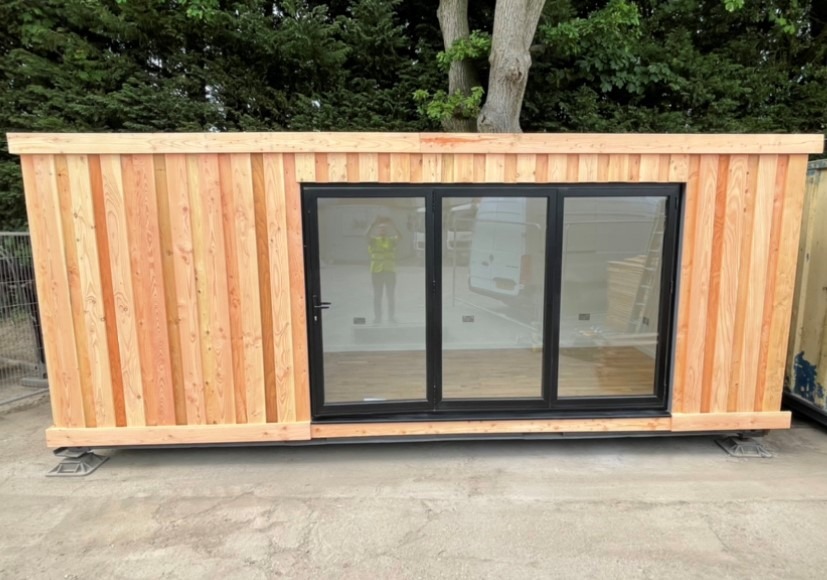
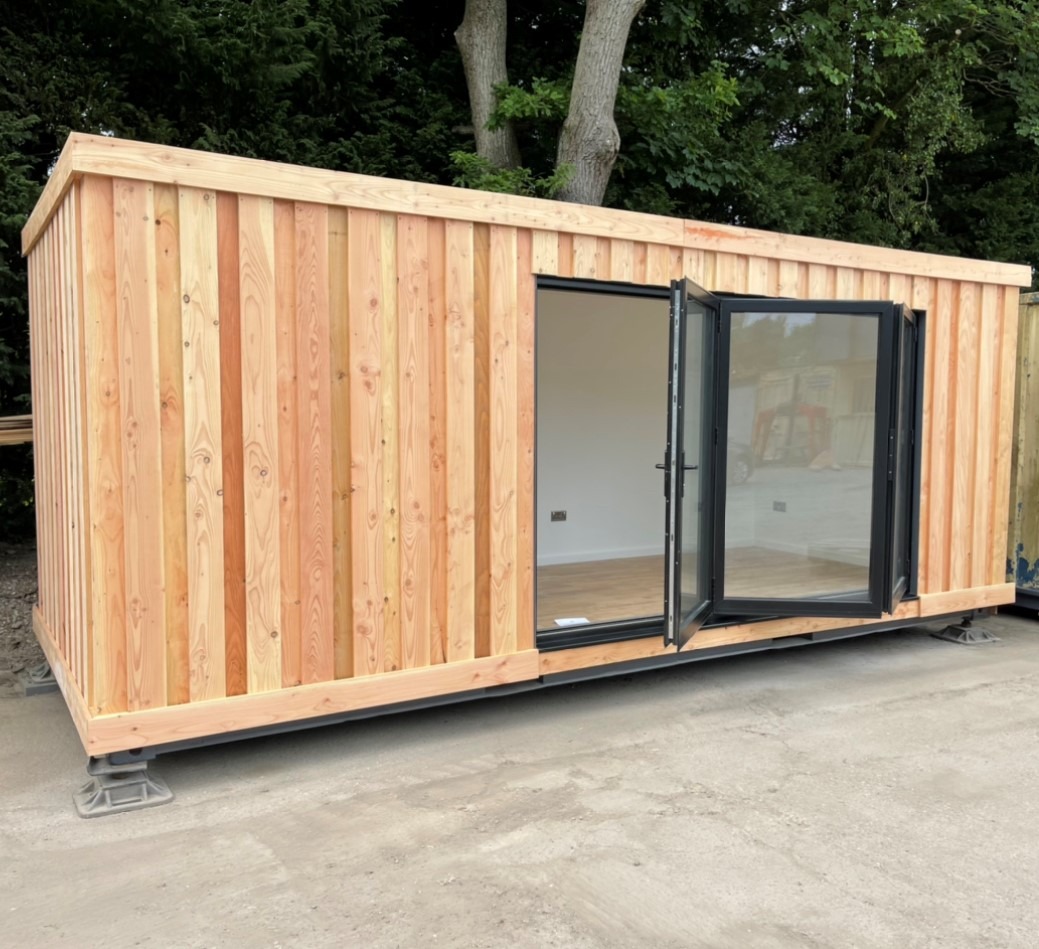
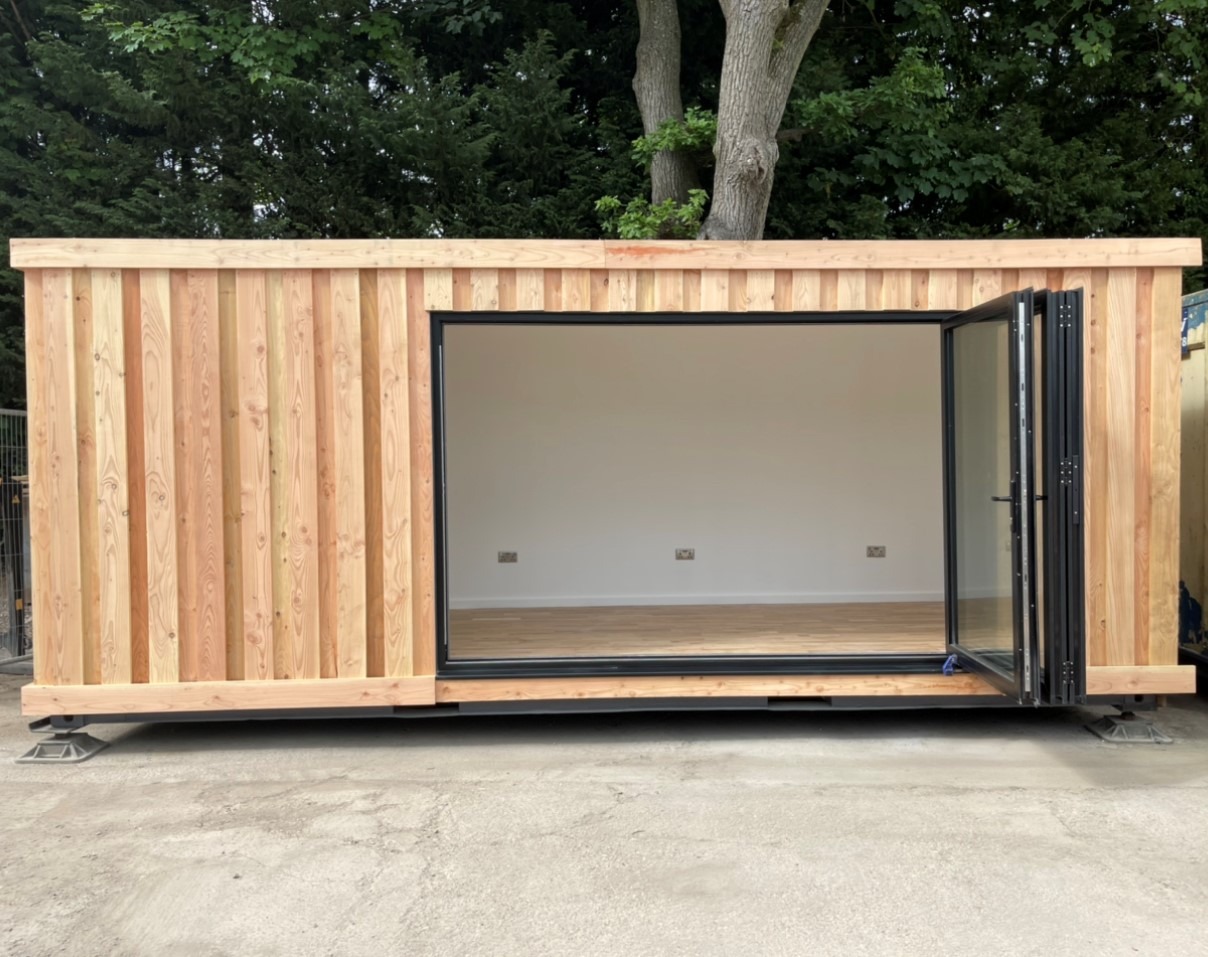
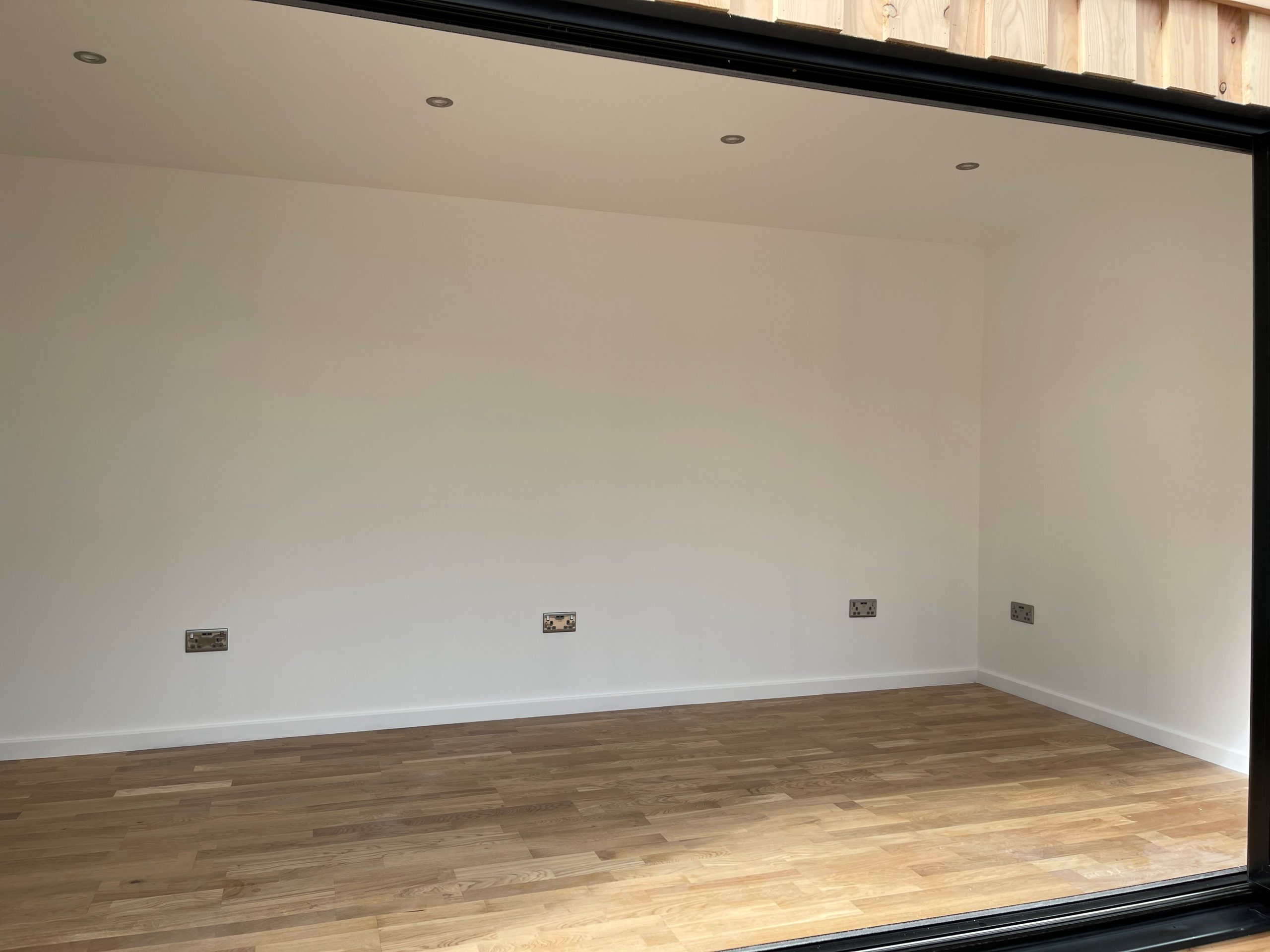
Fully Insulated with electric sockets, spot lighting, and heating
Wood Flooring
Aluminium Bi Fold Doors
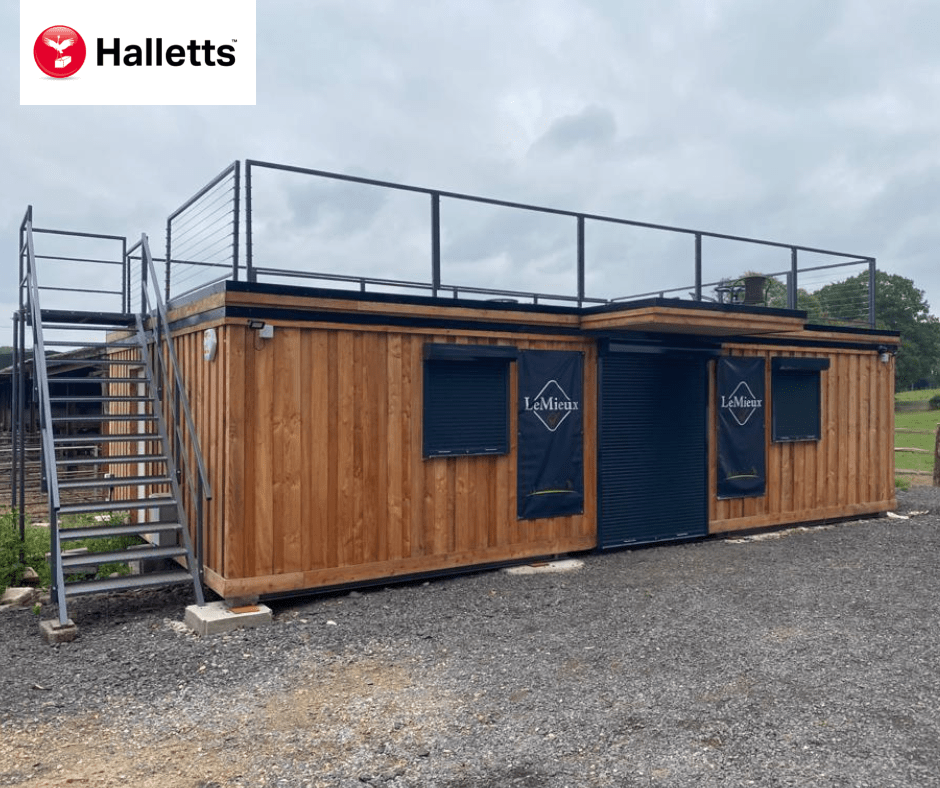
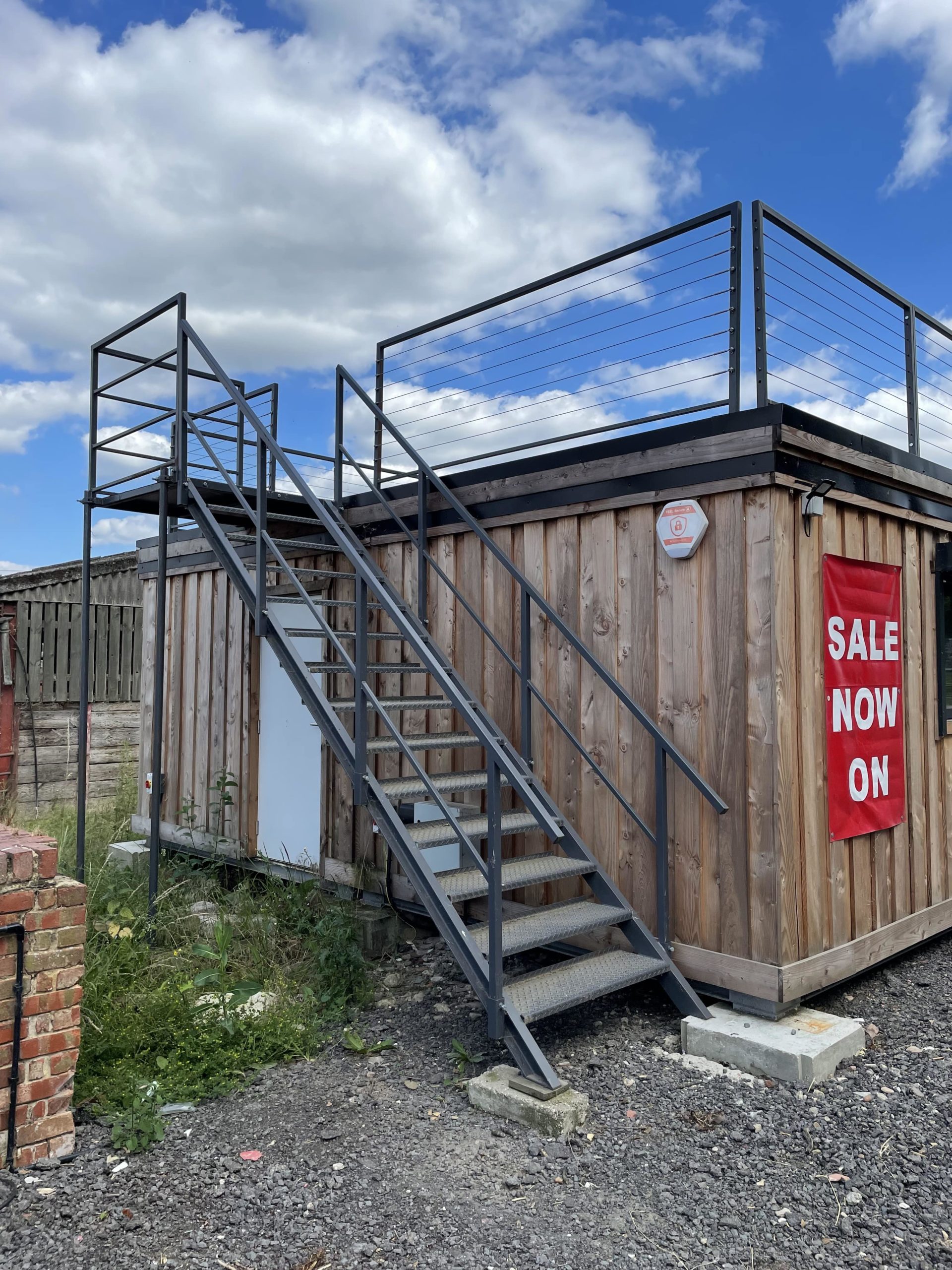
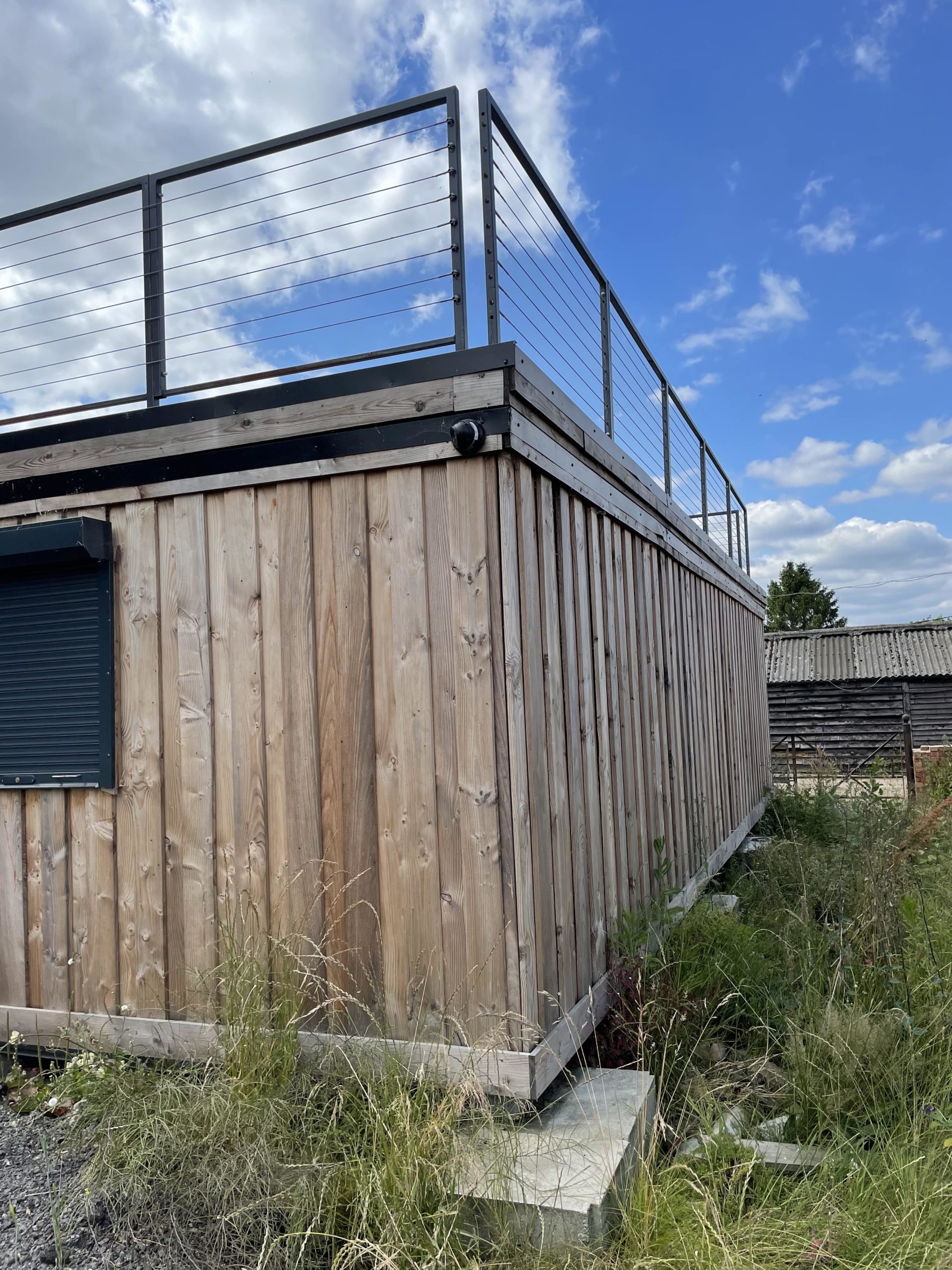
Fully wrapped in larch cladding
Lead Time for build 6-8 weeks


Location: Nationwide
+ VAT
Not Available for Hire
Call for an instant quote!
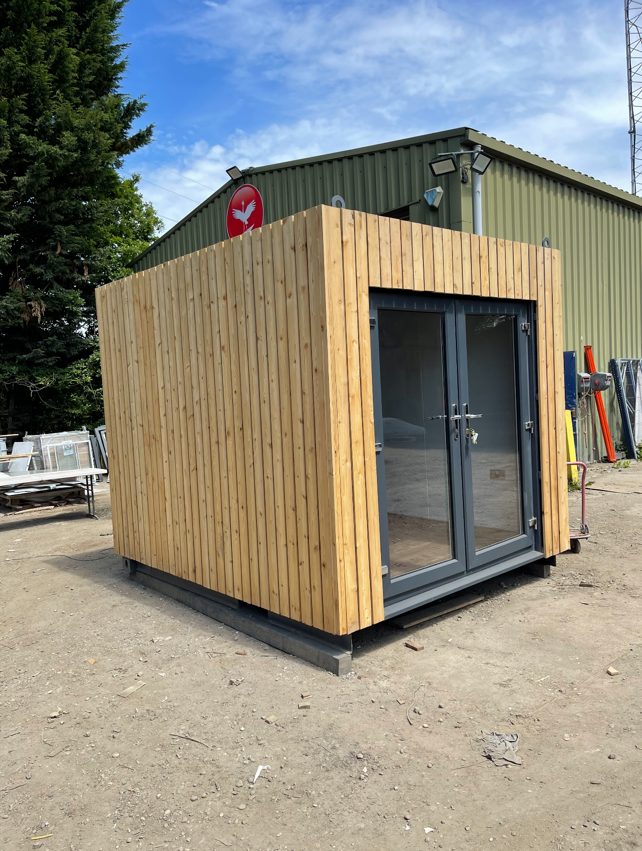
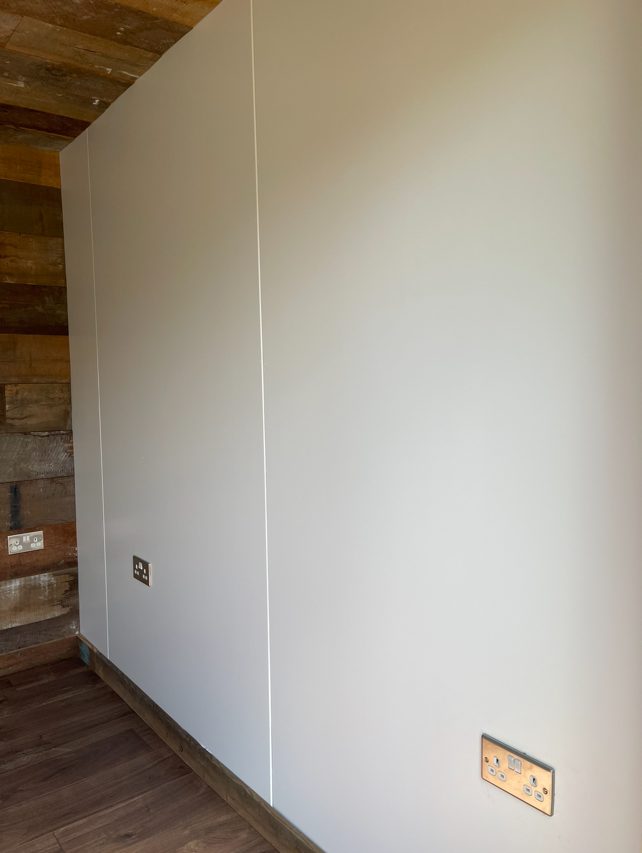
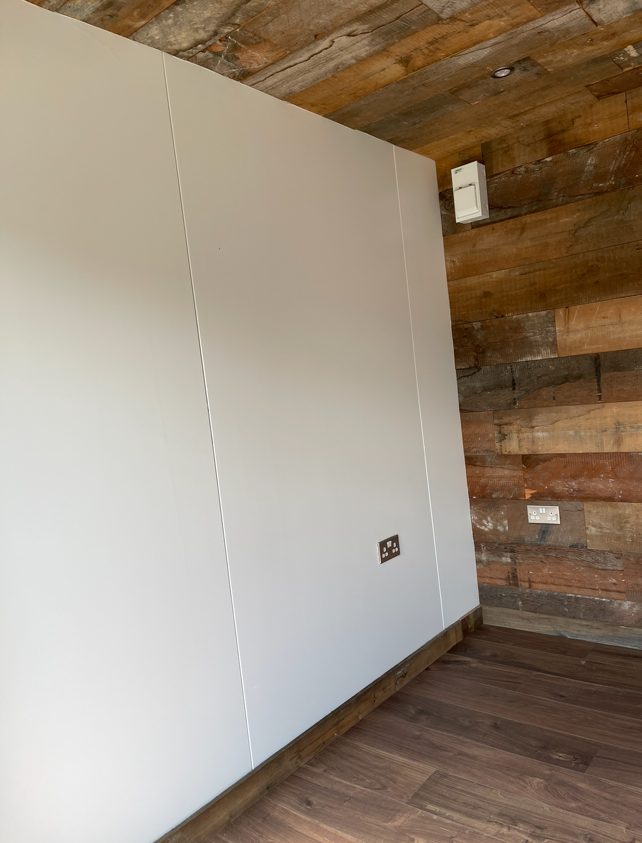
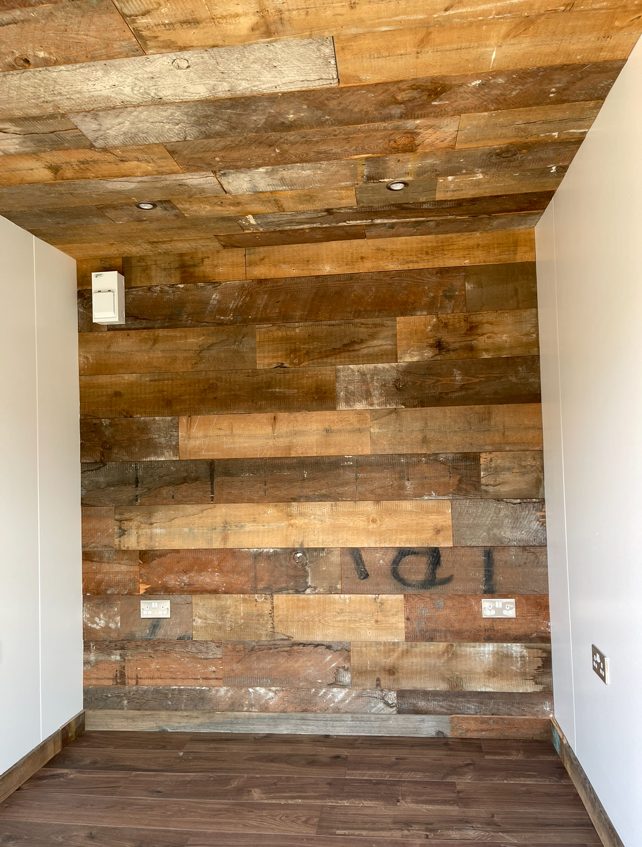
Fully Insulated with electric sockets, spot lighting, and heating
Wood Flooring
Feature Clad Wall and Ceiling
UPVC Double glazed French Doors
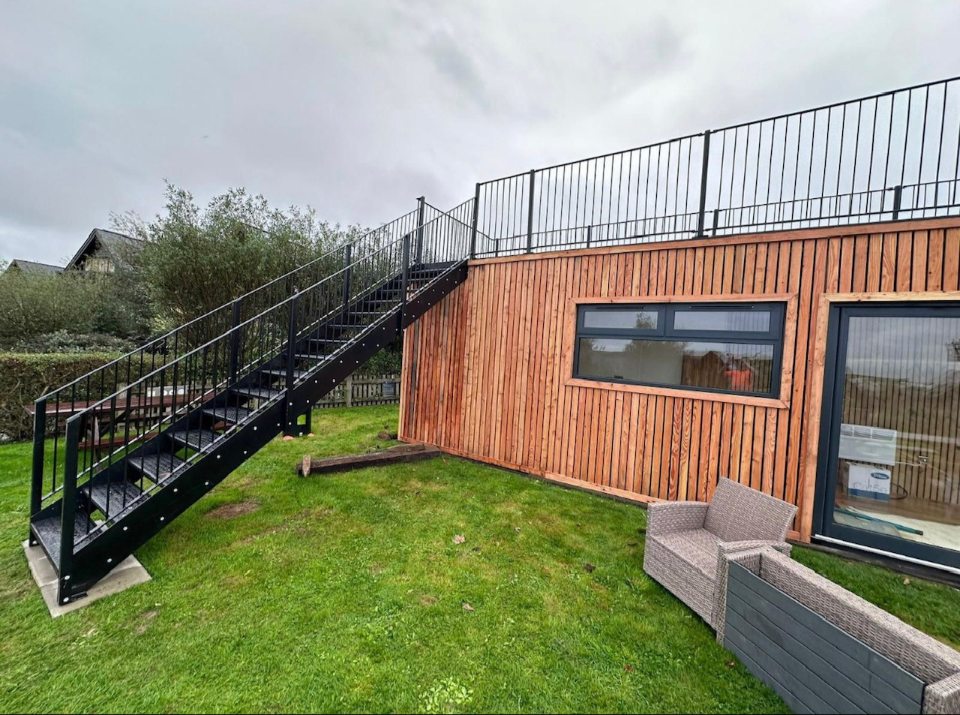
Fully wrapped in larch cladding
Lead Time for build 6-8 weeks
Location: Nationwide
EX VAT
Not Available for Hire
Call for an instant quote!

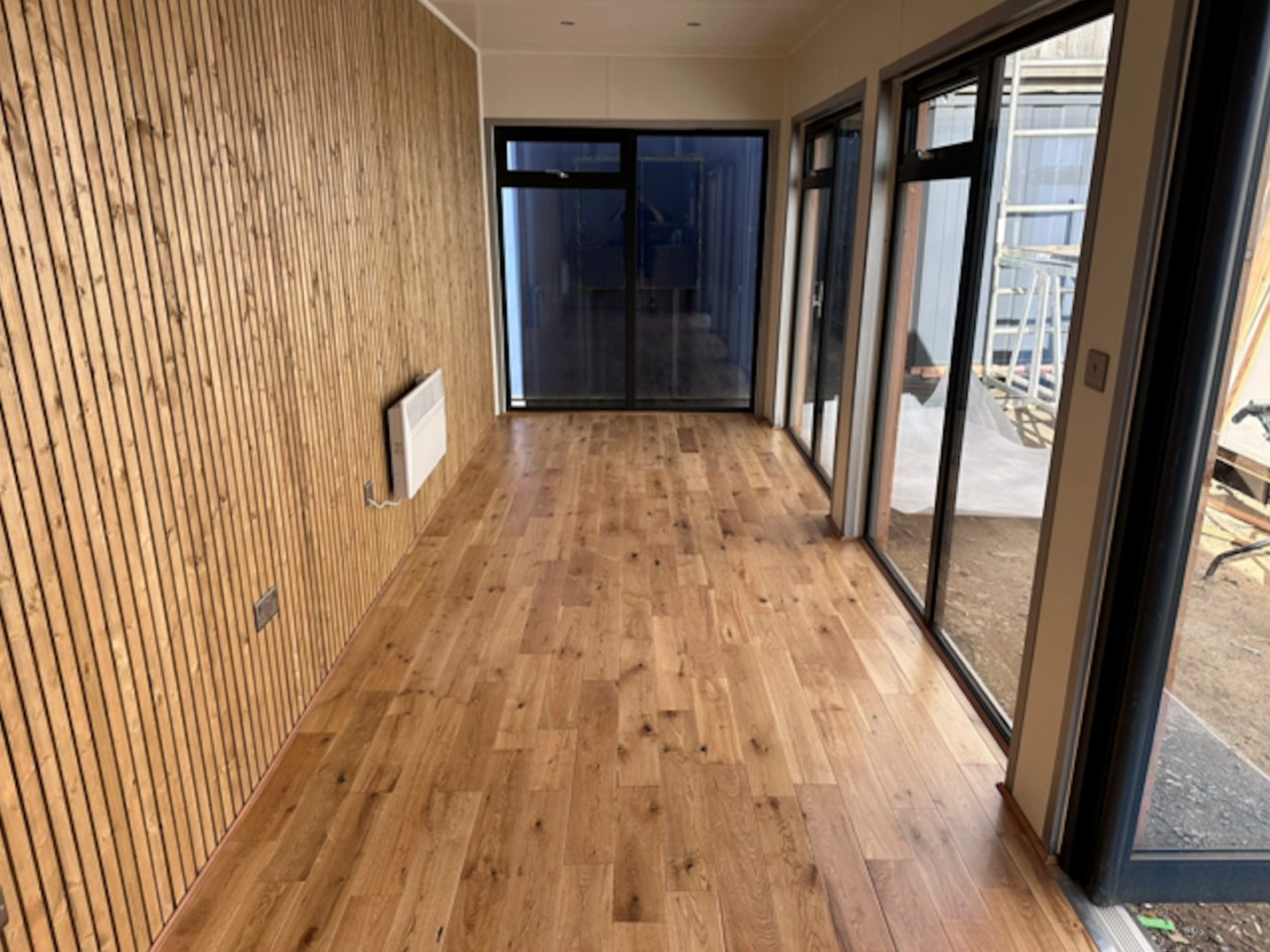
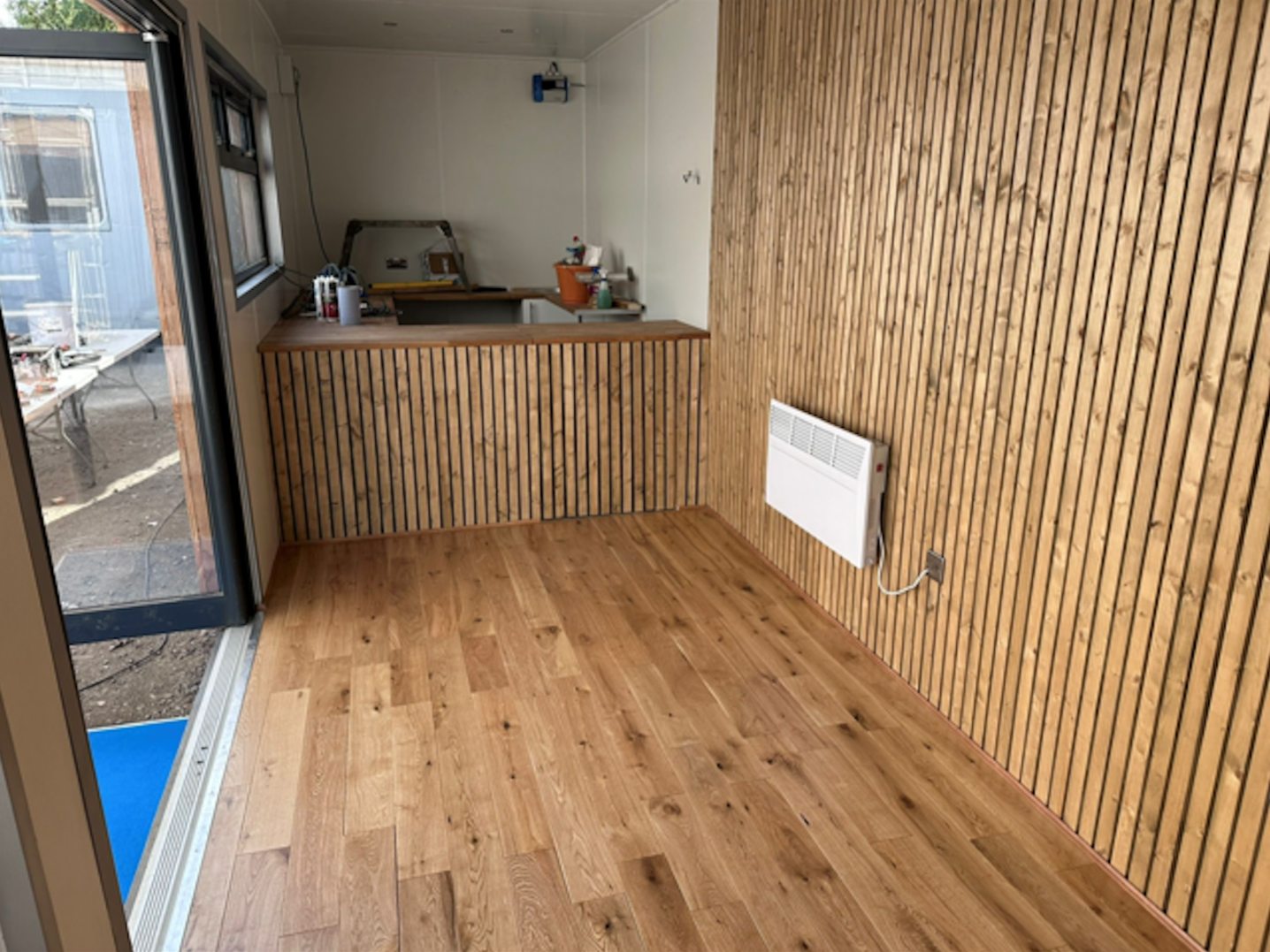
Location: Nationwide
EX VAT
Not Available for Hire
Call for an instant quote!
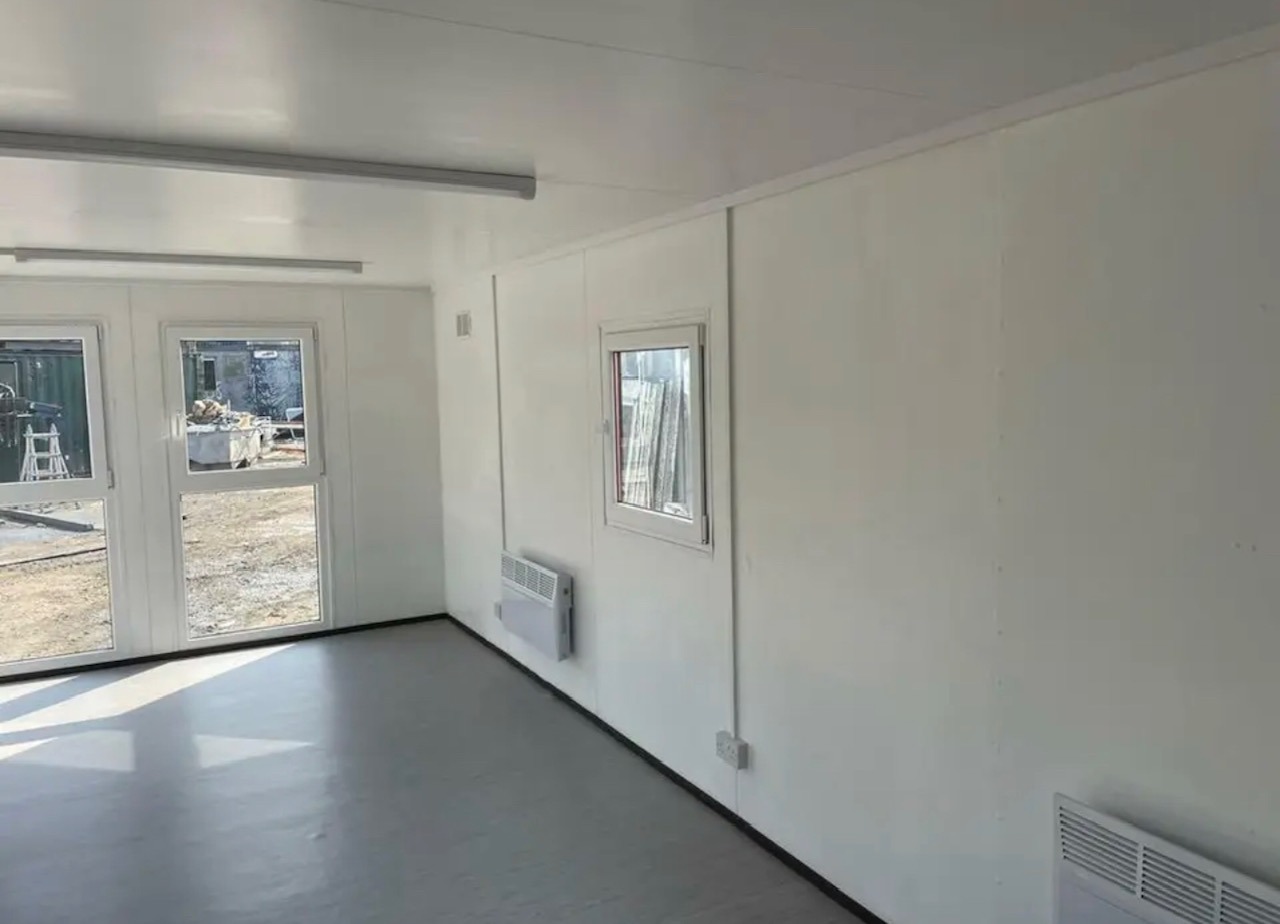

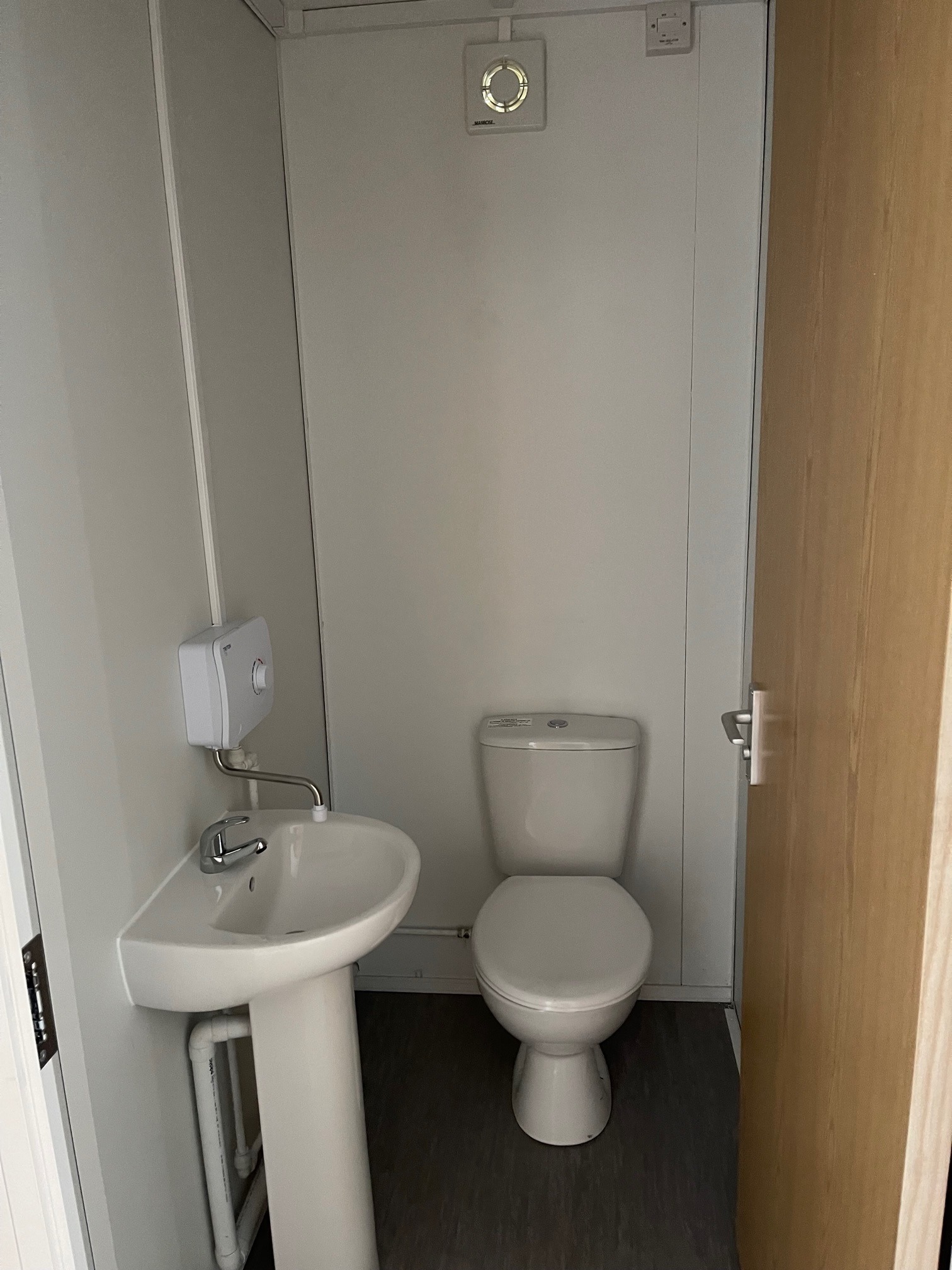
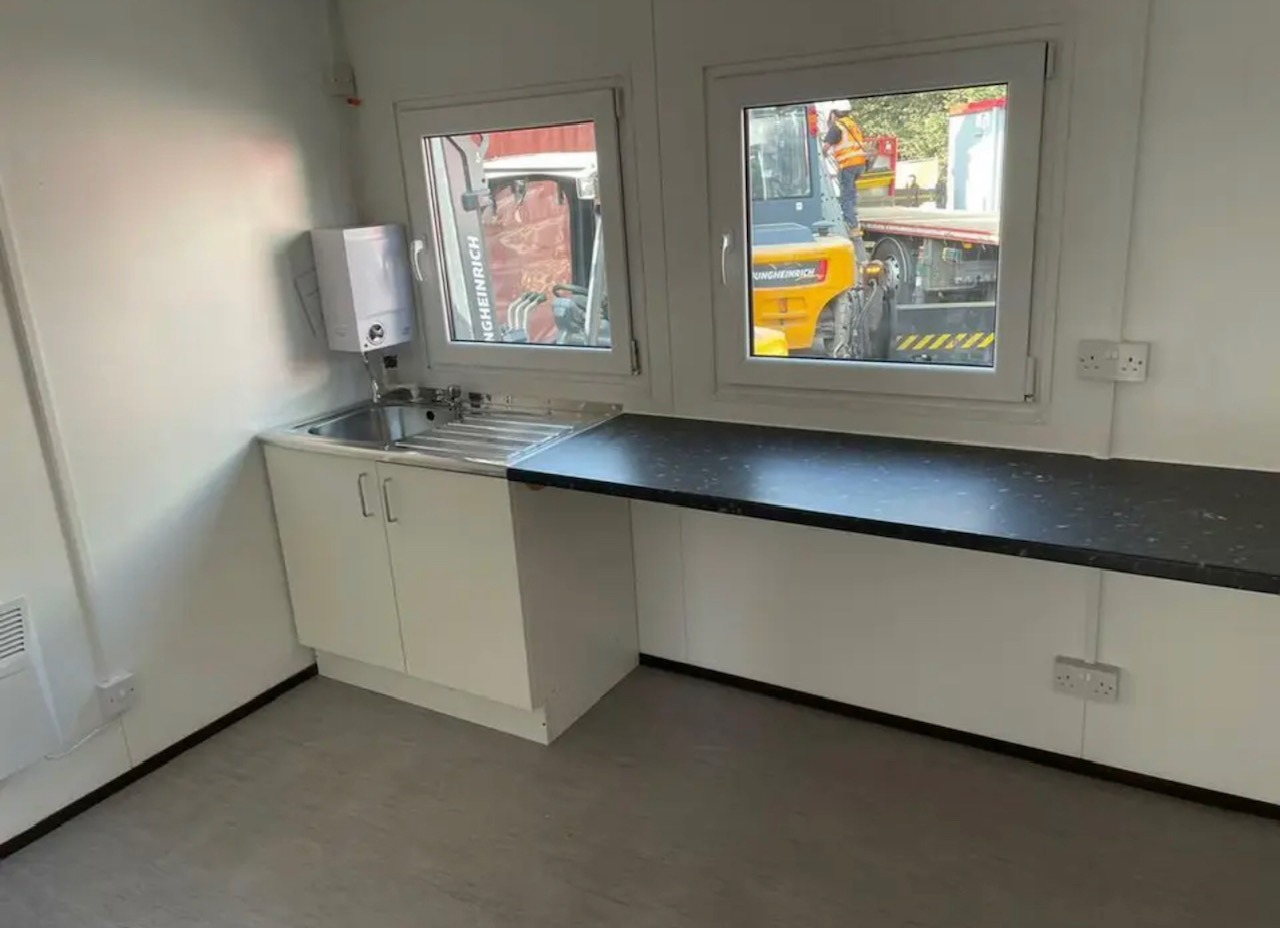

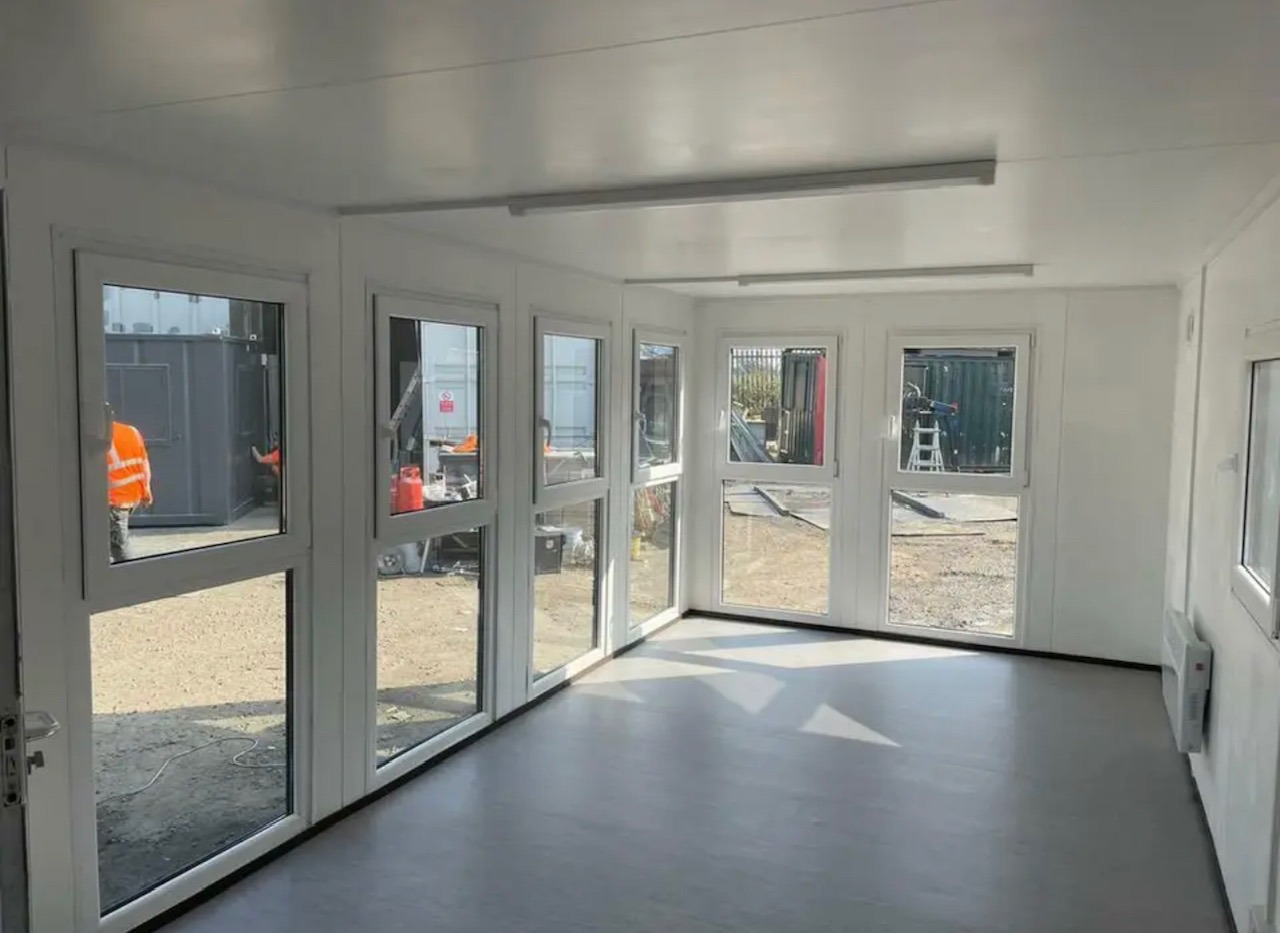
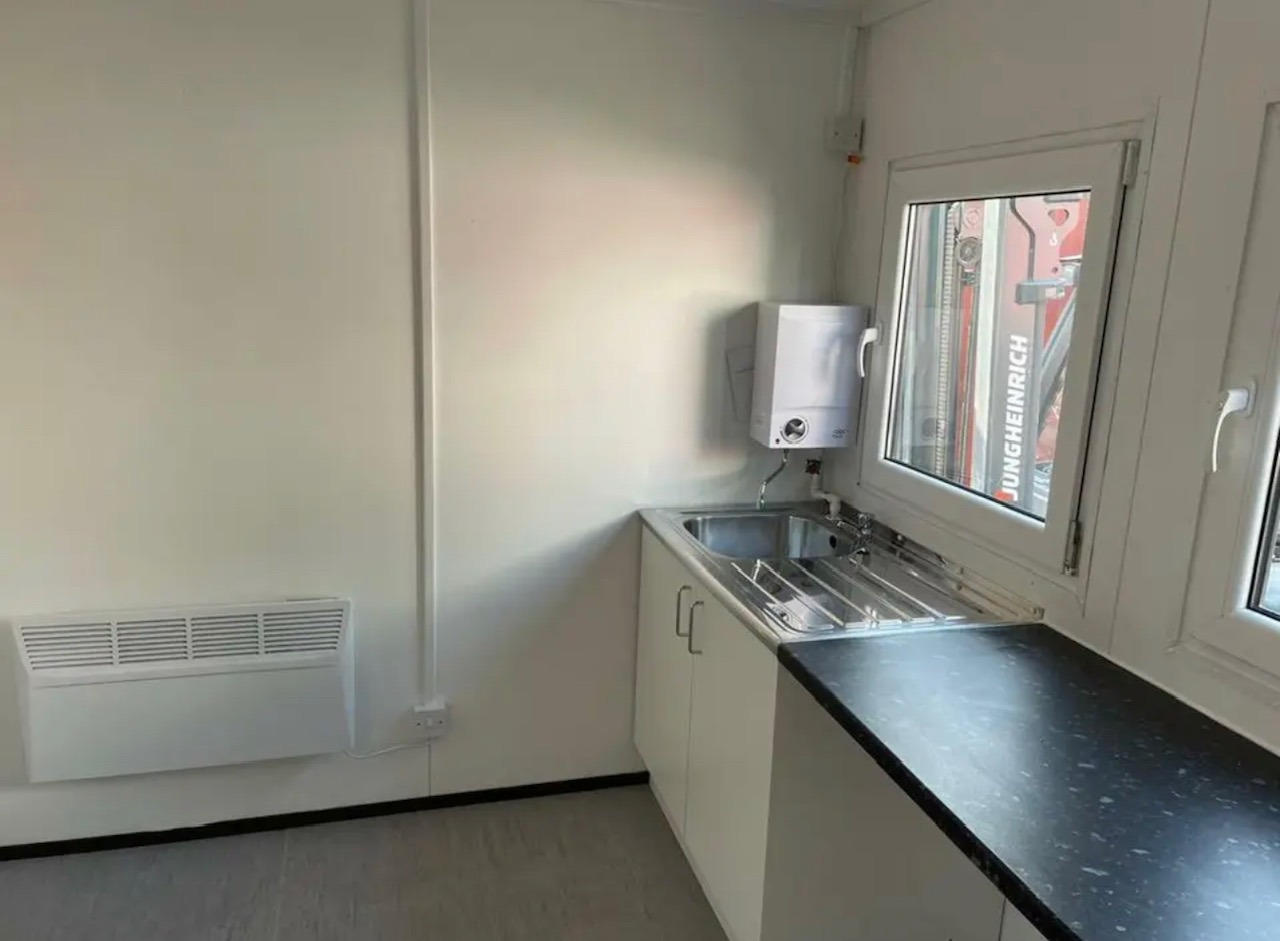
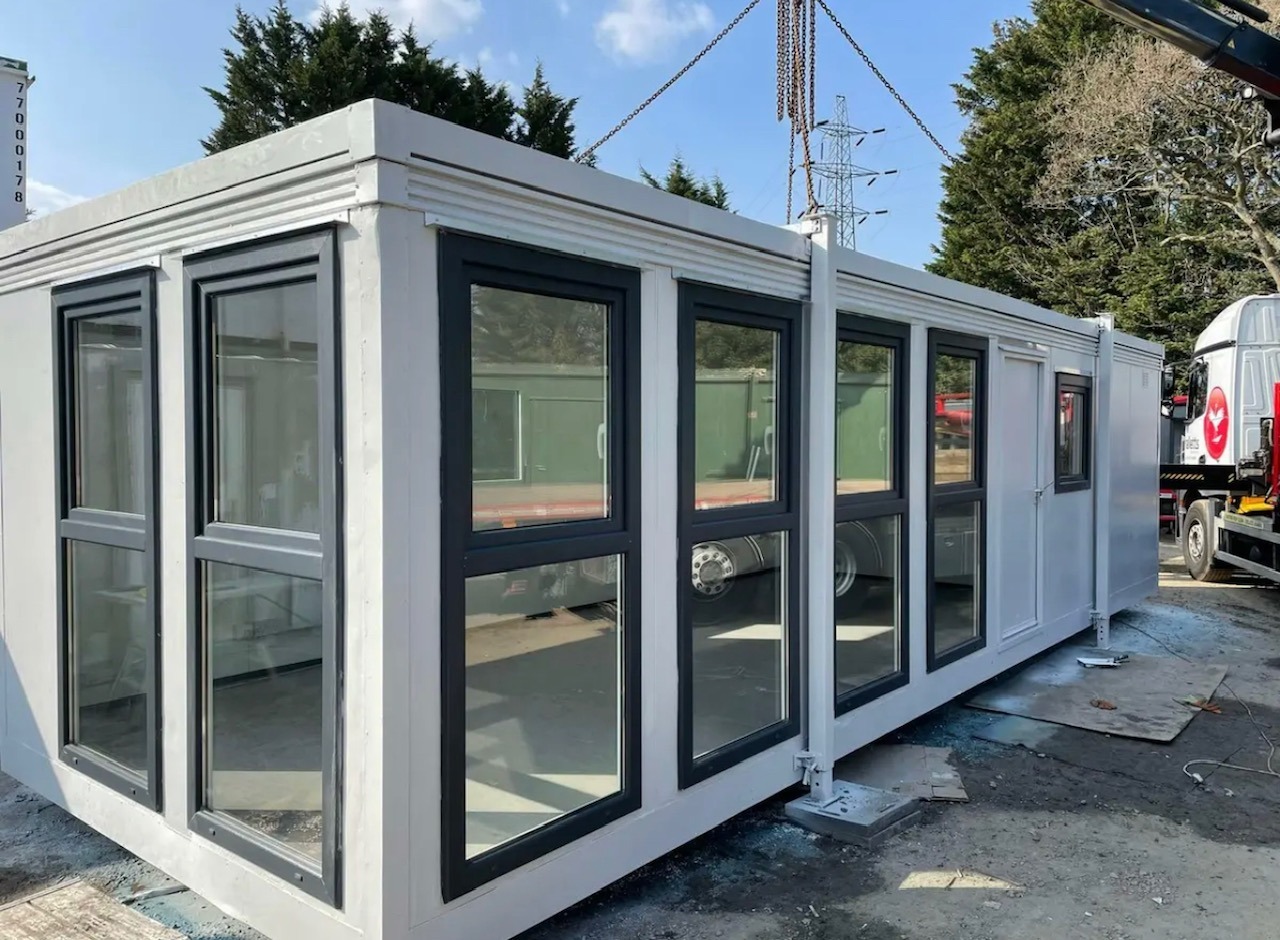
Location: Nationwide
EX VAT
Not Available for Hire
Call for an instant quote!
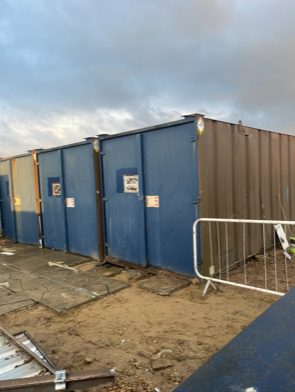


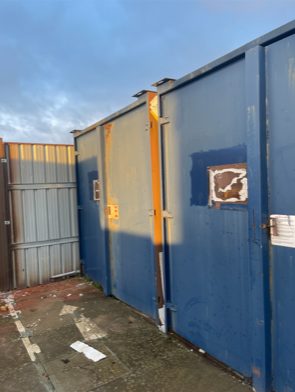
Location: Nationwide
EX VAT
Not Available for Hire
Call for an instant quote!
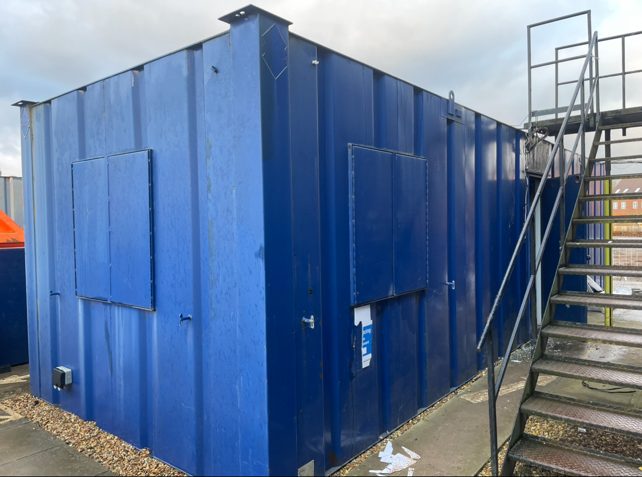
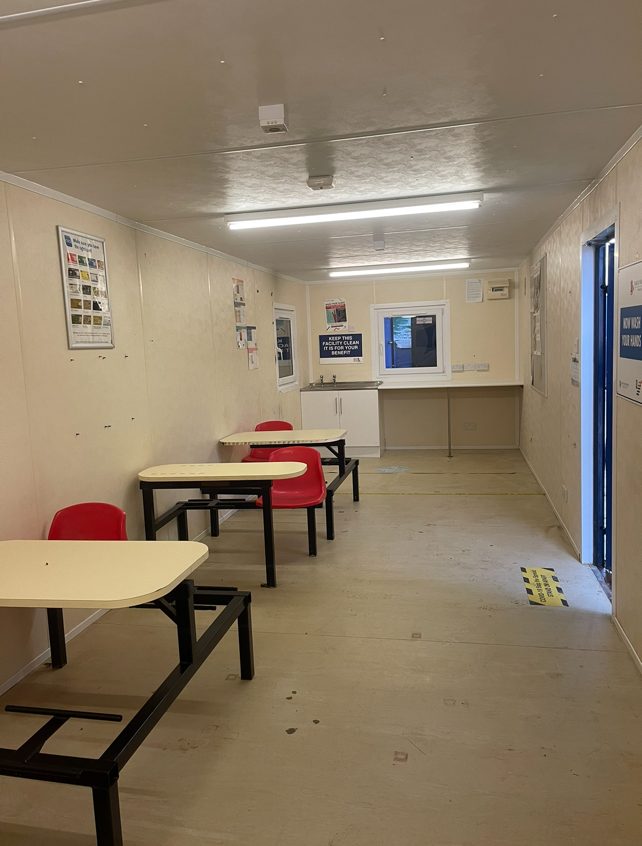

Location: Nationwide
EX VAT
Not Available for Hire
Call for an instant quote!

Location: Nationwide
EX VAT
Not Available for Hire
Call for an instant quote!
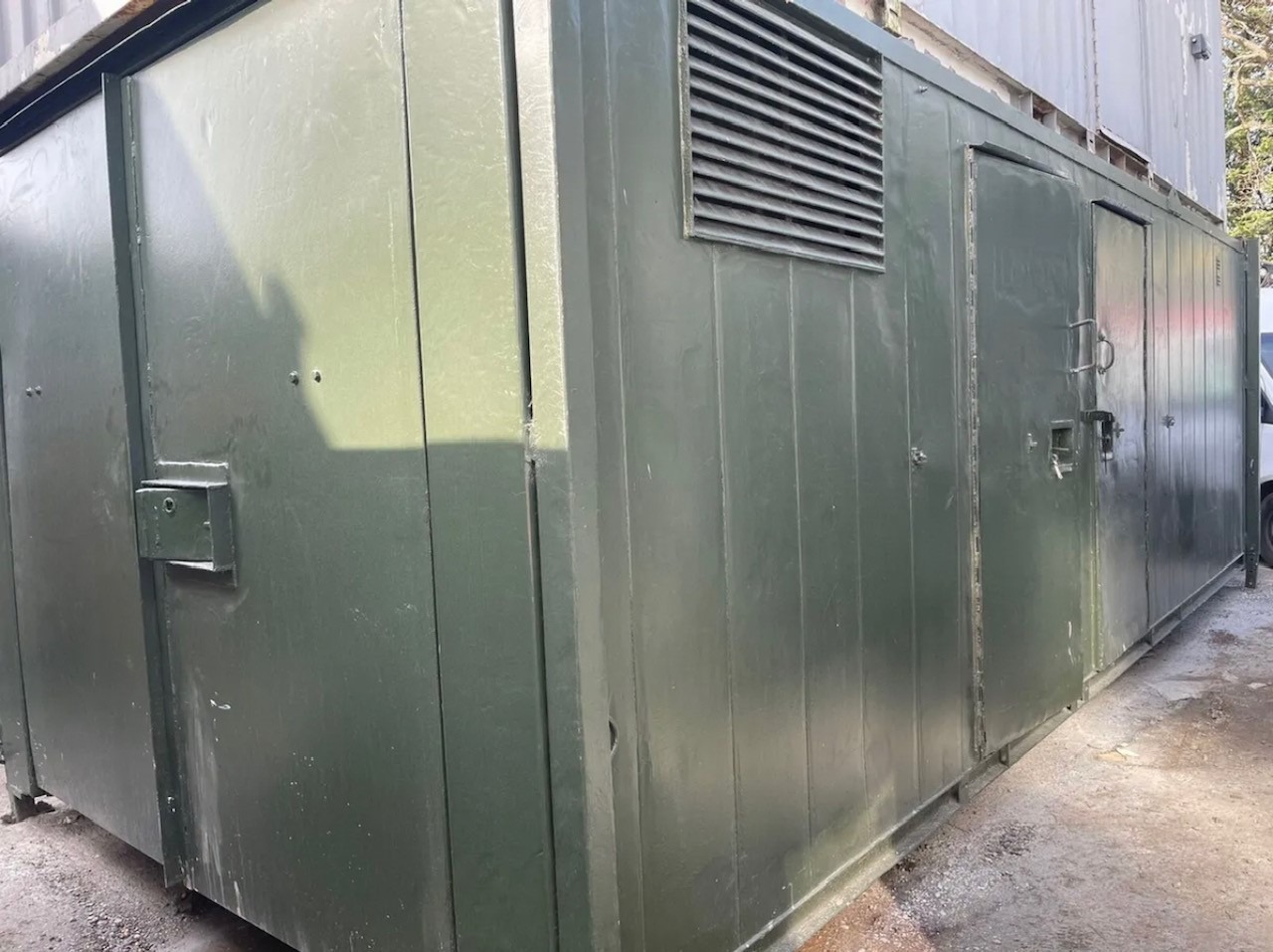
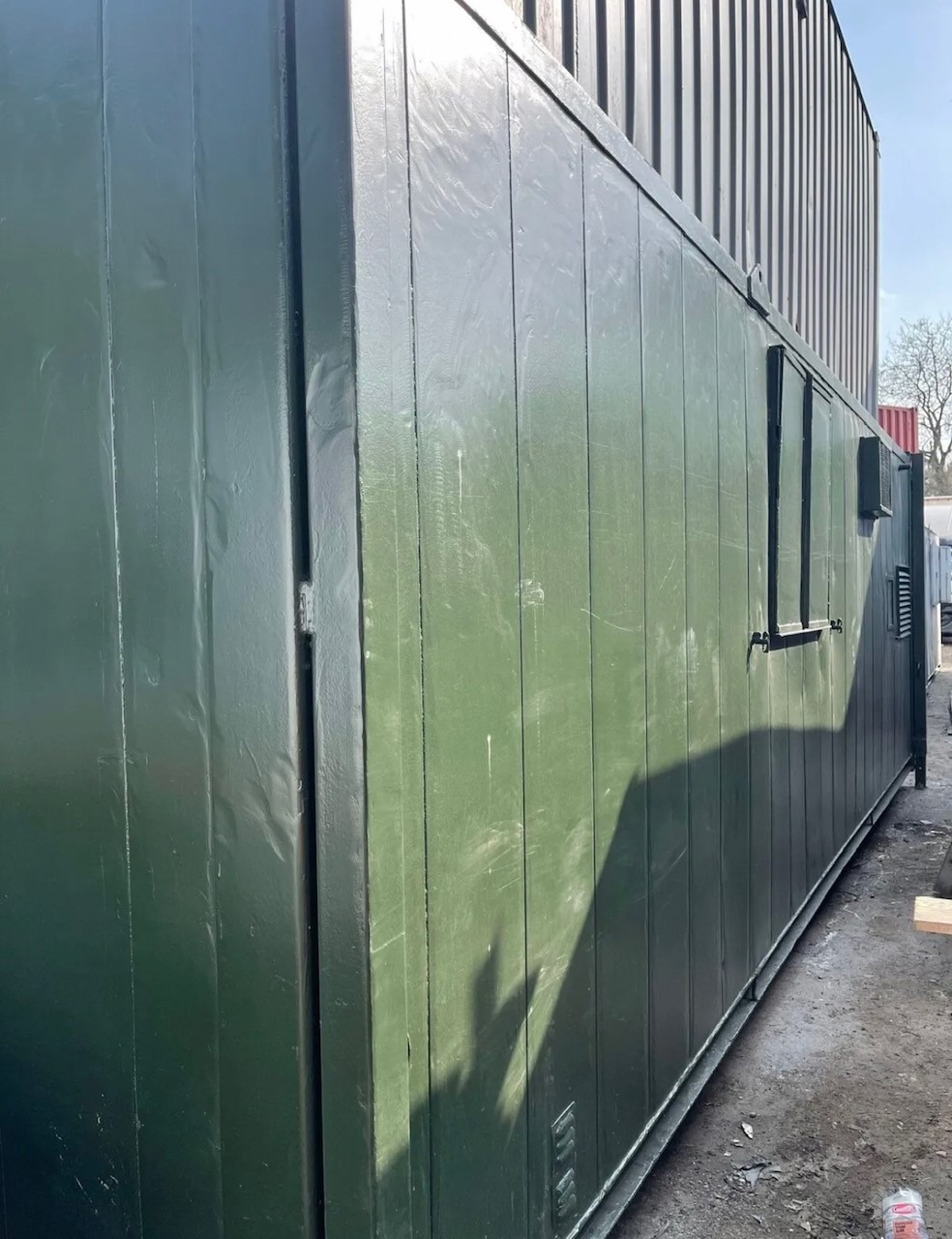
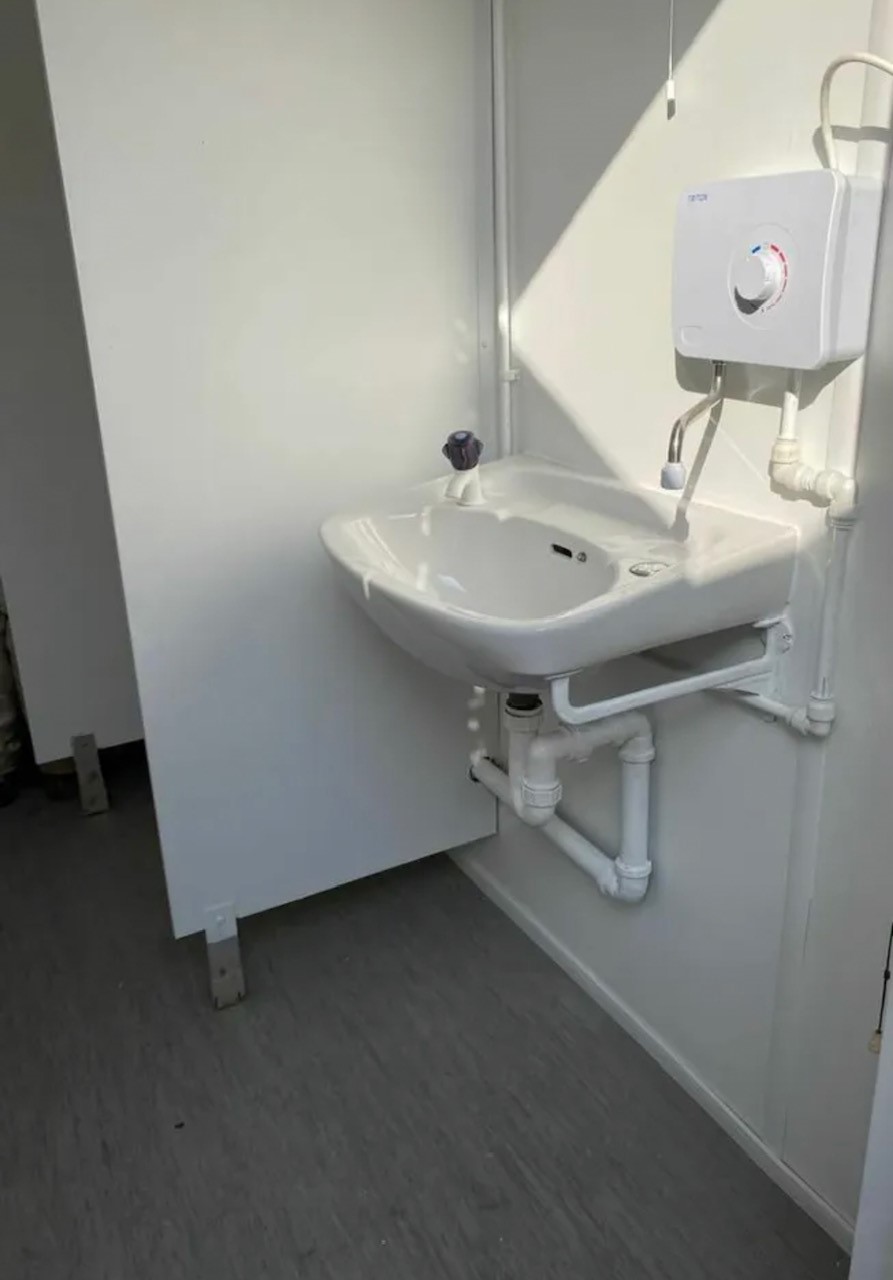
Location: Nationwide
EX VAT
Not Available for Hire
Call for an instant quote!




Location: Nationwide
EX VAT
Not Available for Hire
Call for an instant quote!
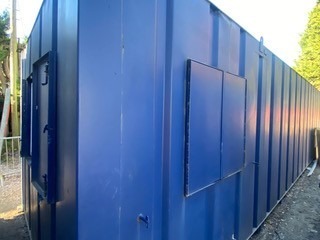



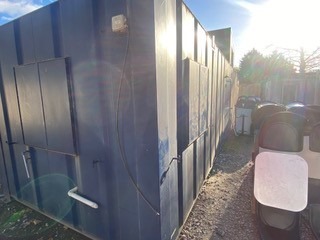

Location: Nationwide
EX VAT
Not Available for Hire
Call for an instant quote!

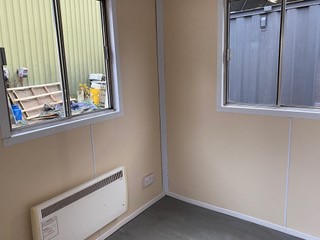
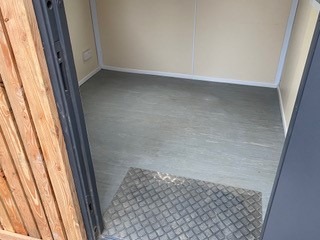
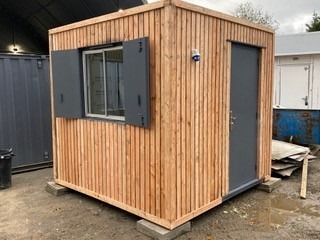
Location: Nationwide
EX VAT
Not Available for Hire
Call for an instant quote!
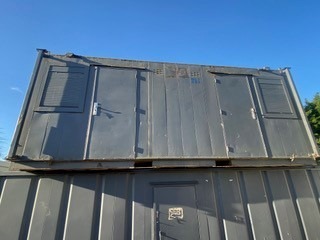





Location: Nationwide
EX VAT
Not Available for Hire
Call for an instant quote!
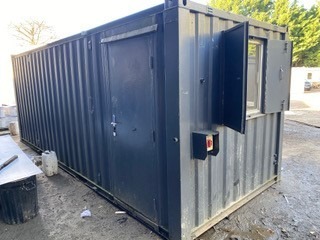

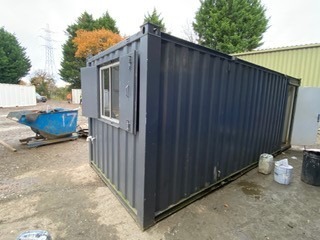
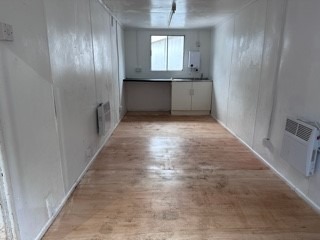
Location: Nationwide
EX VAT
Not Available for Hire
Call for an instant quote!
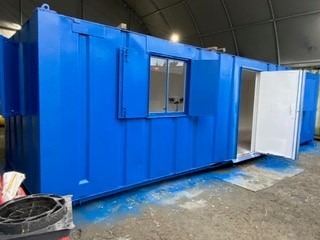
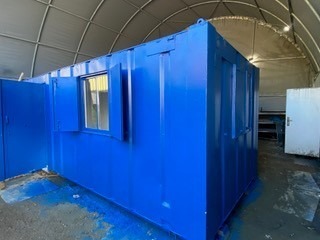

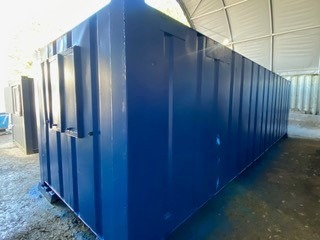
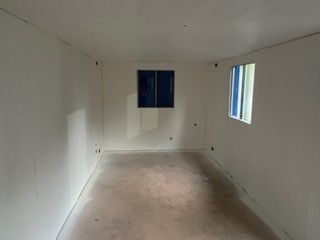
Location: Nationwide
EX VAT
Not Available for Hire
Call for an instant quote!

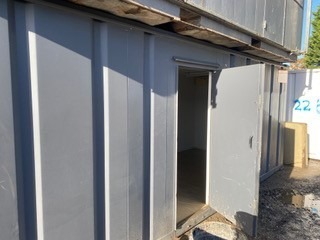
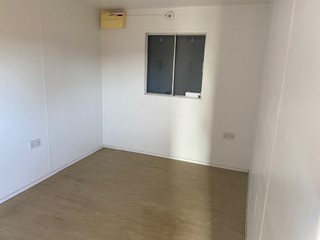
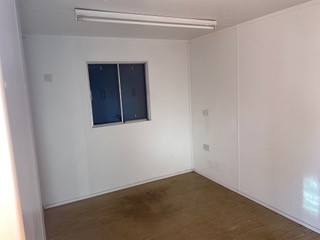
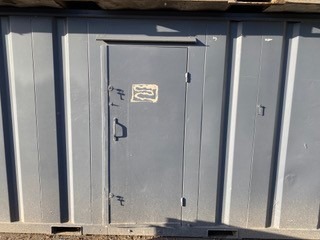
Location: Nationwide
EX VAT
Not Available for Hire
Call for an instant quote!
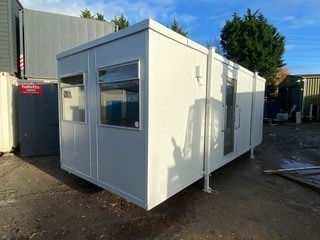

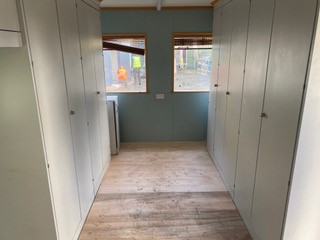

Location: Nationwide
EX VAT
Not Available for Hire
Call for an instant quote!
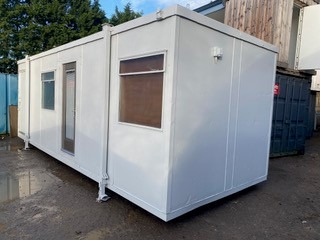
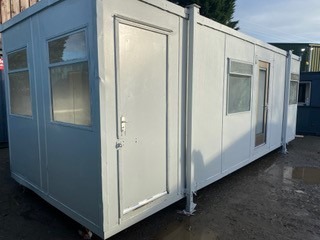

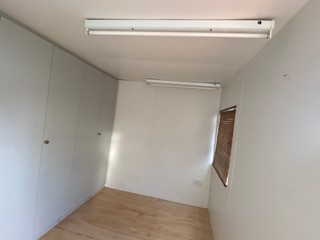
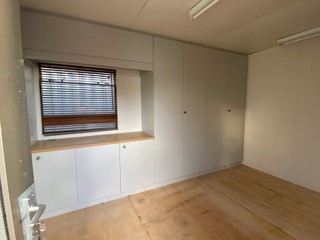
Location: Nationwide
EX VAT
Not Available for Hire
Call for an instant quote!
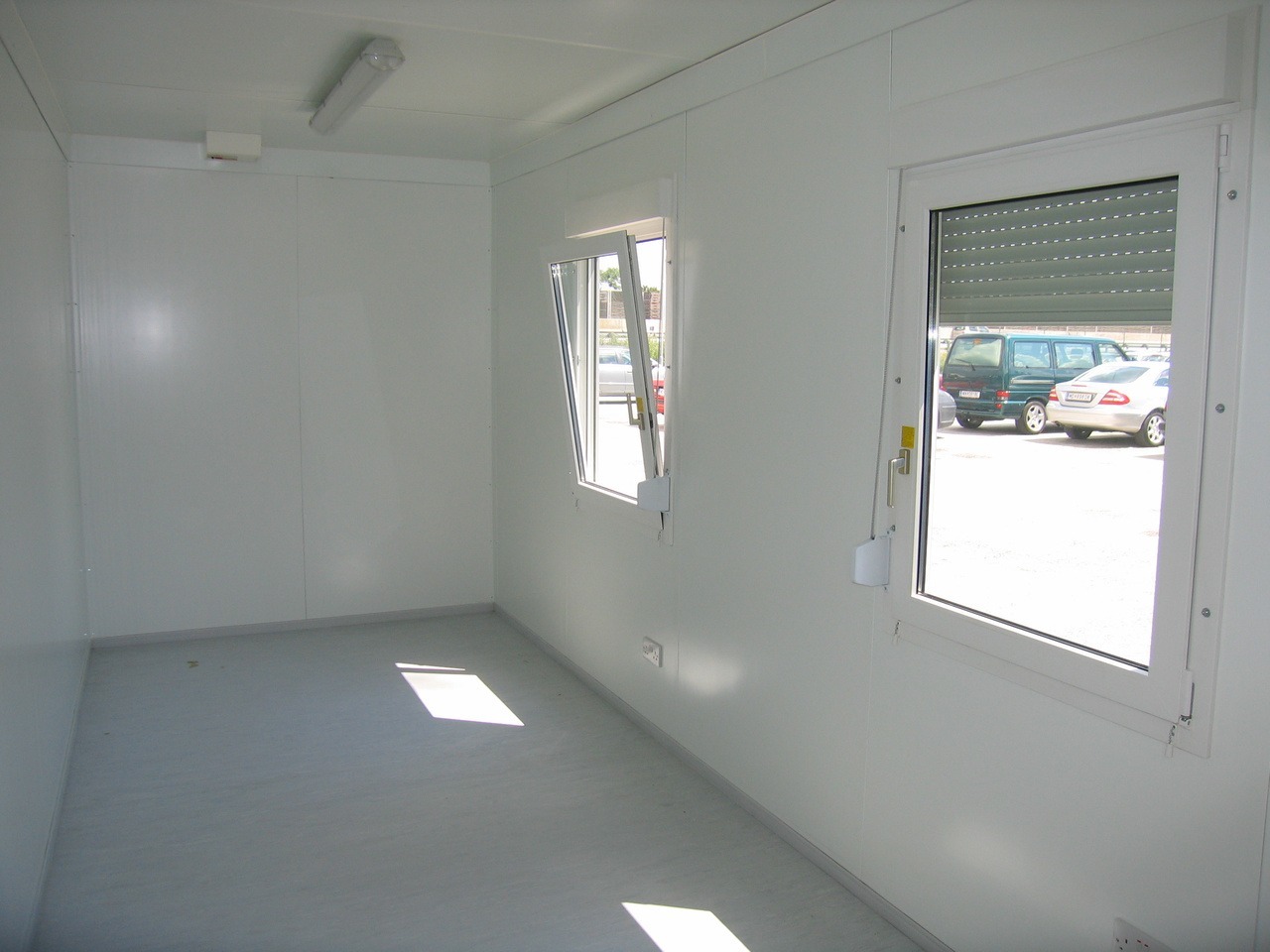
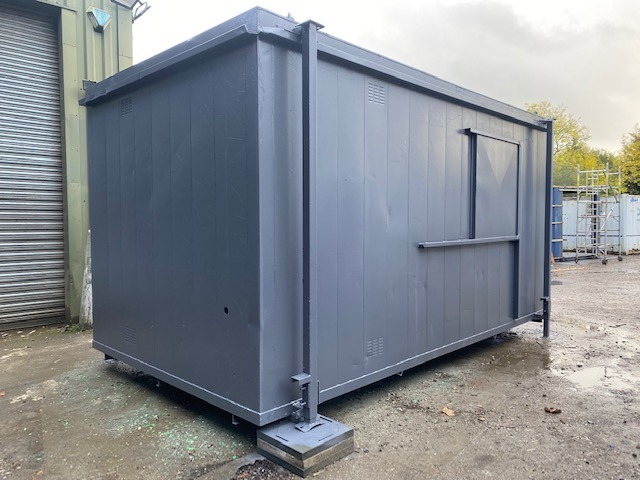
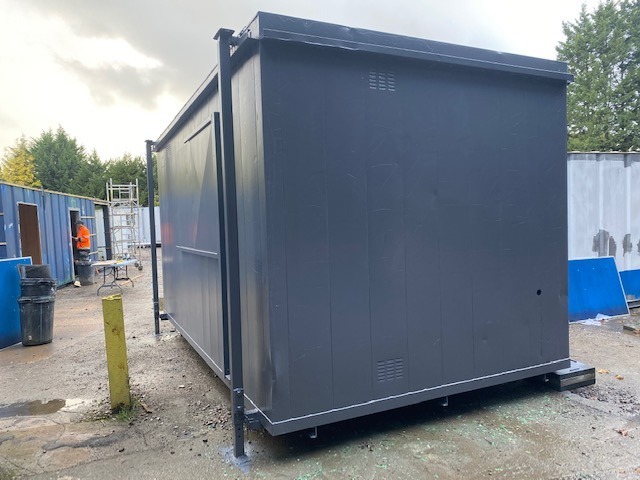
10ftx8ft – £5950 + Vat / 16ftx8ft – £7950 + Vat / 20ftx8ft – £9000 + Vat / 24ftx8ft – £12000 + Vat / 30ftx8ft – £13500 + Vat

Location: Nationwide
EX VAT
Not Available for Hire
Call for an instant quote!
Location: Nationwide
EX VAT
Not Available for Hire
Call for an instant quote!
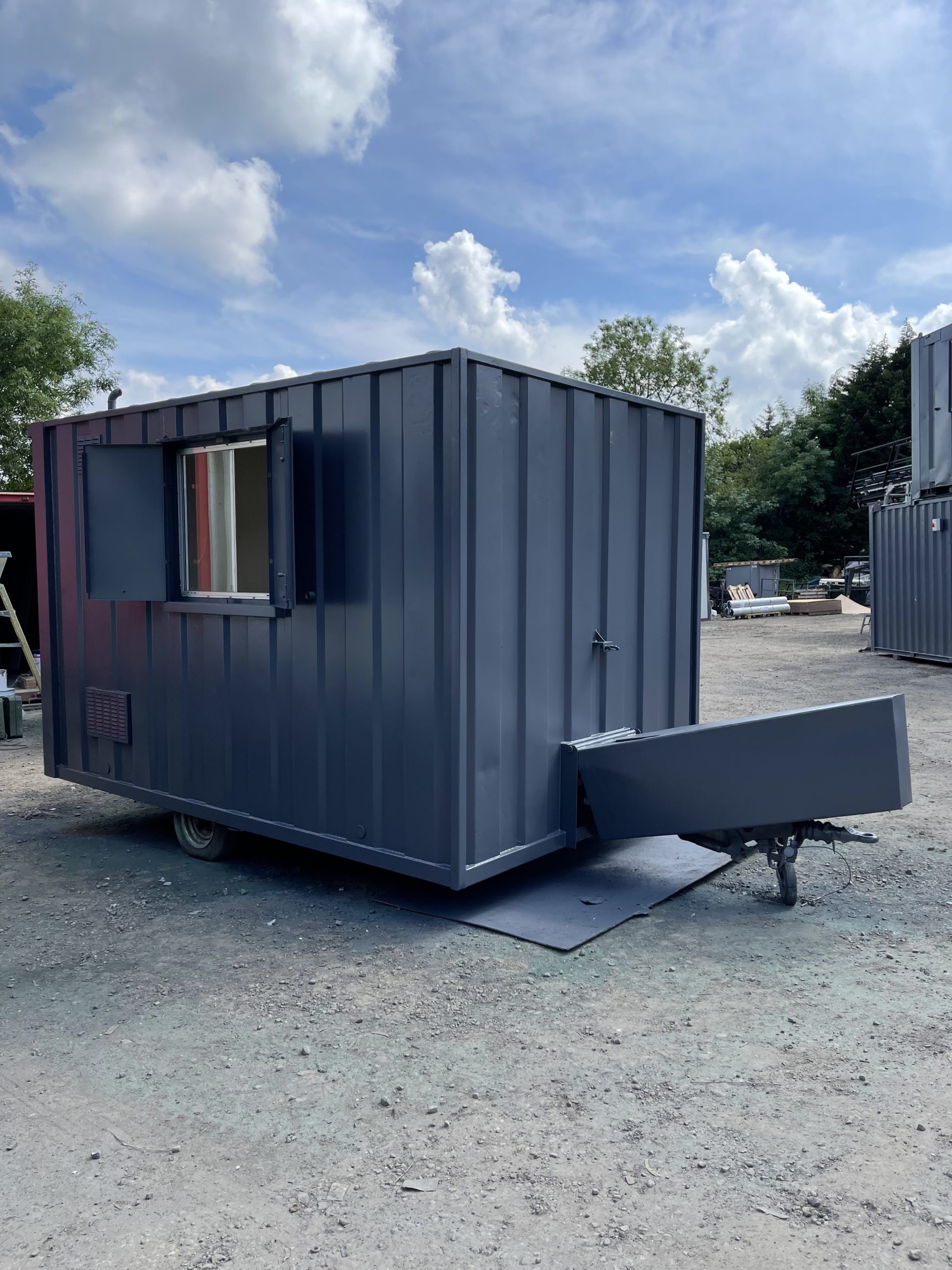
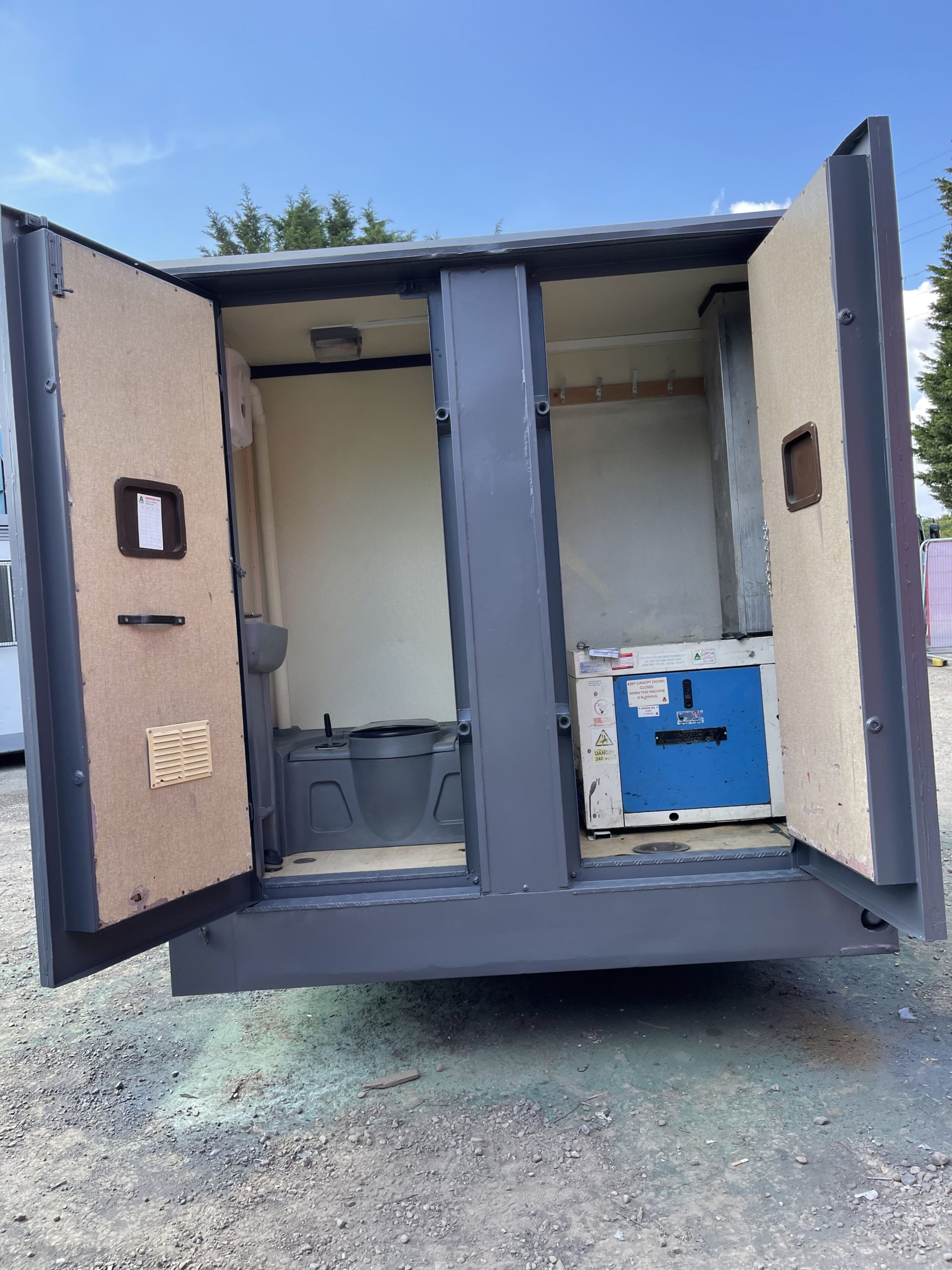

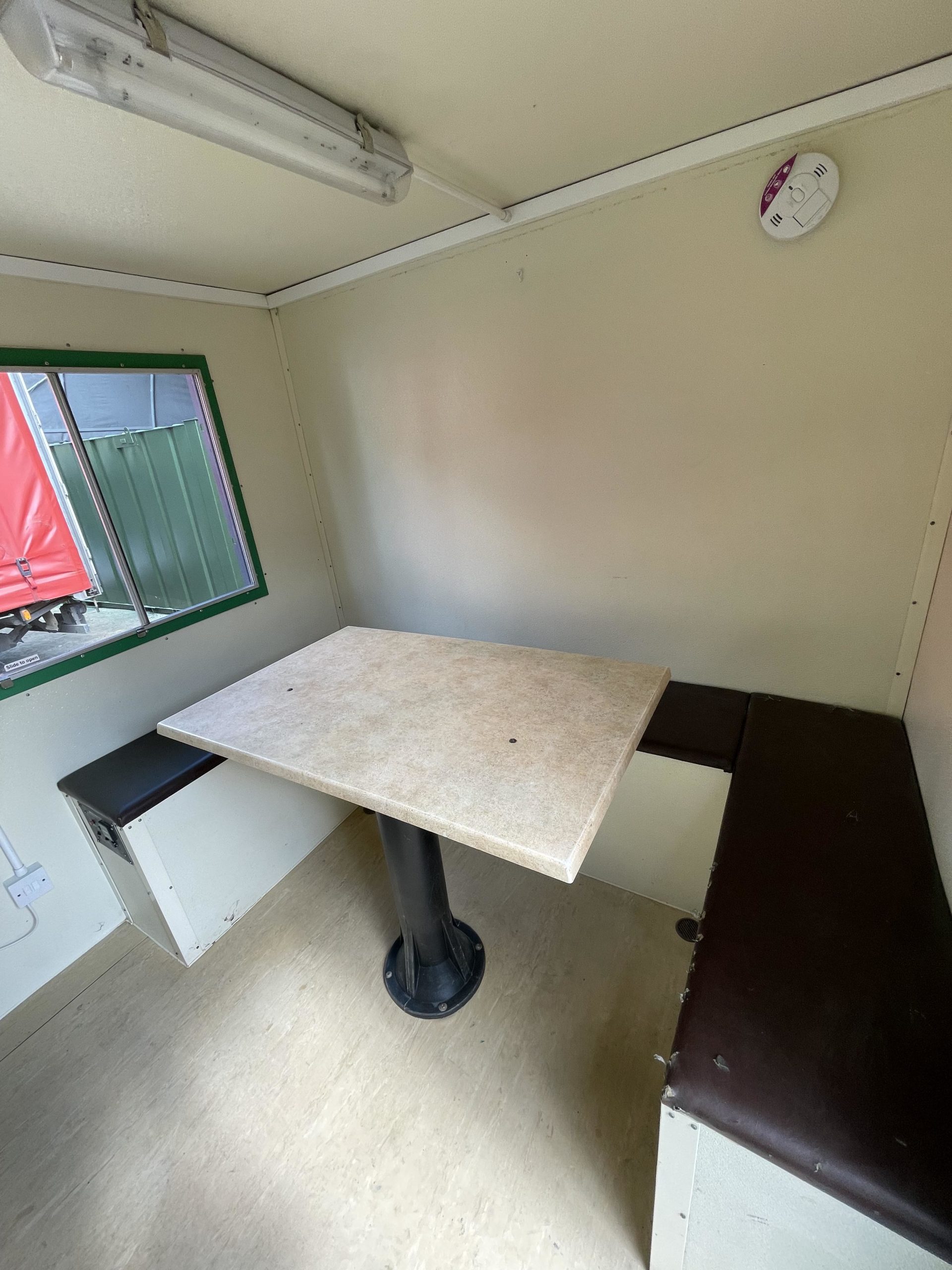
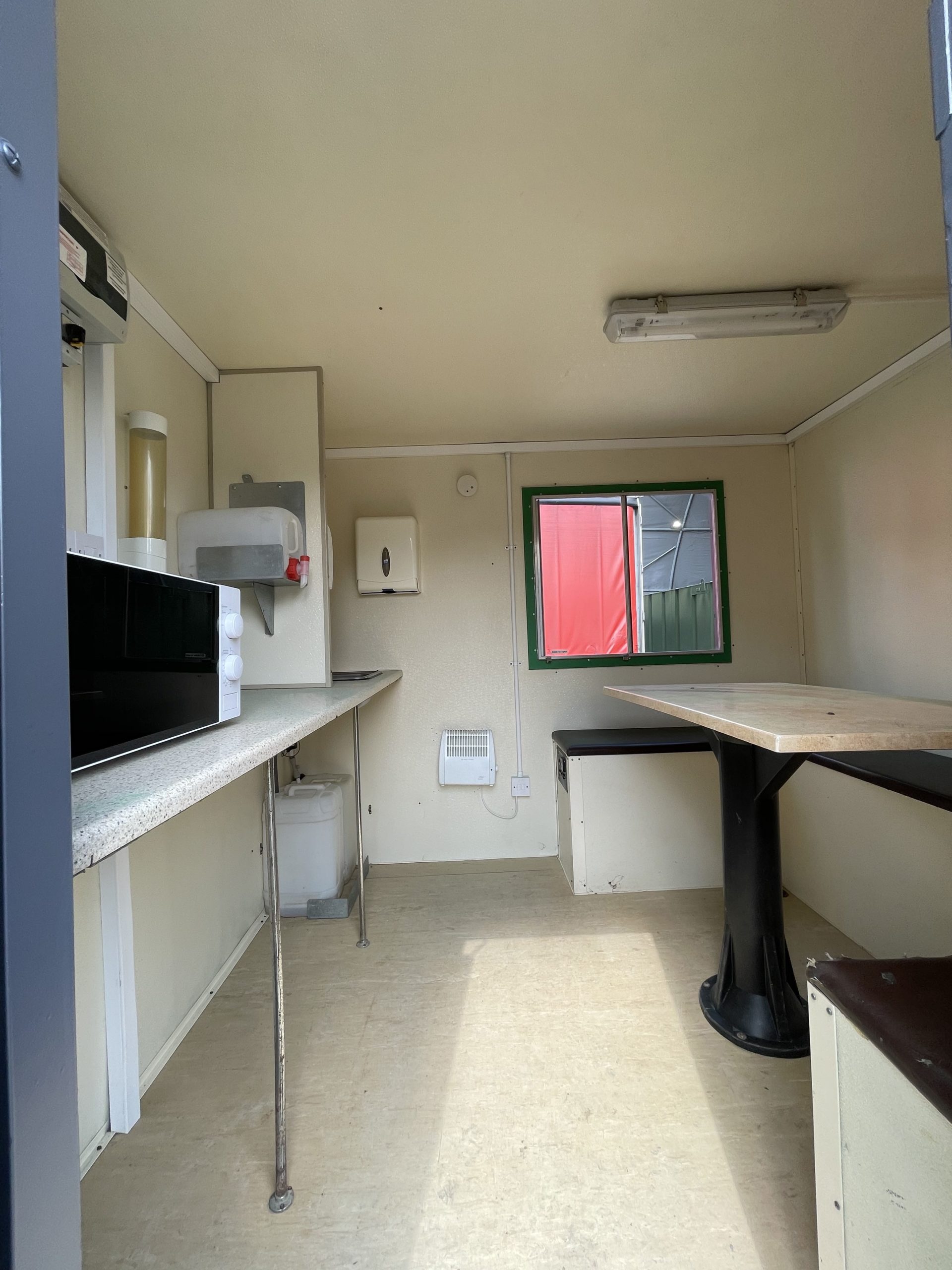
Location: Nationwide
EX VAT
Not Available for Hire
Call for an instant quote!
Location: Nationwide
Quantity: ∞
EX VAT
Not Available for Hire
Call for an instant quote!
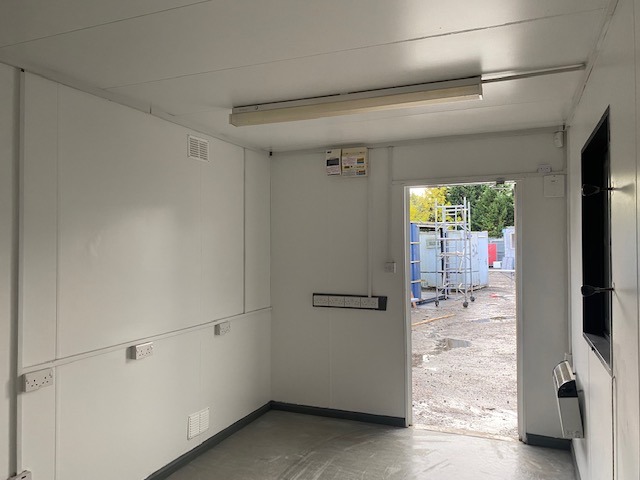
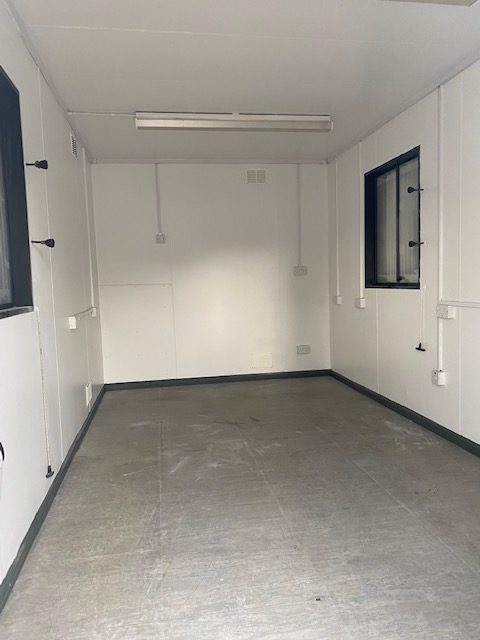
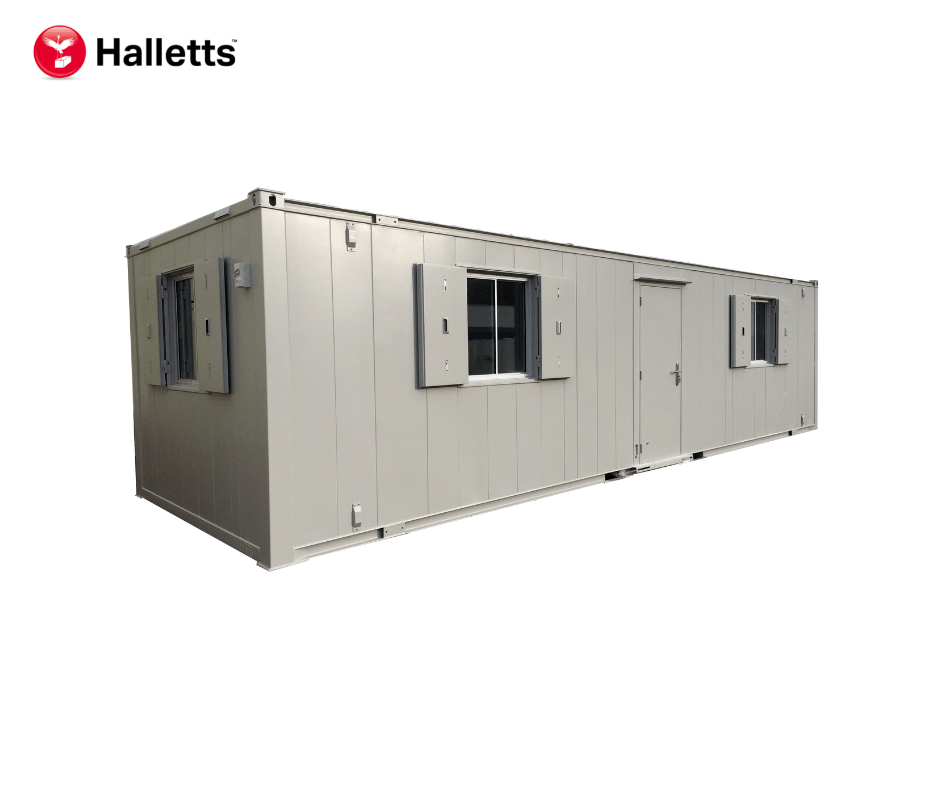
• Reinforced doors and windows with secure locking
• Open plan with electric sockets and lighting
• Ral Code Colour of choice
• Any Extras available : Canteen, Partitions, Toilets.
Location: Nationwide
EX VAT
Not Available for Hire
Call for an instant quote!
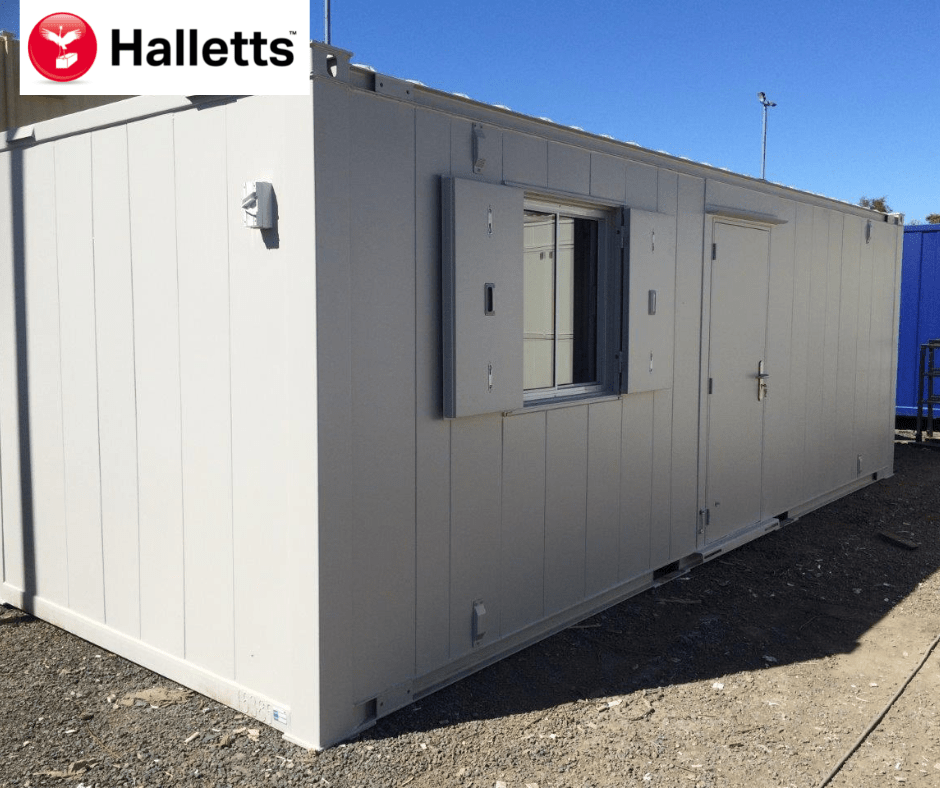
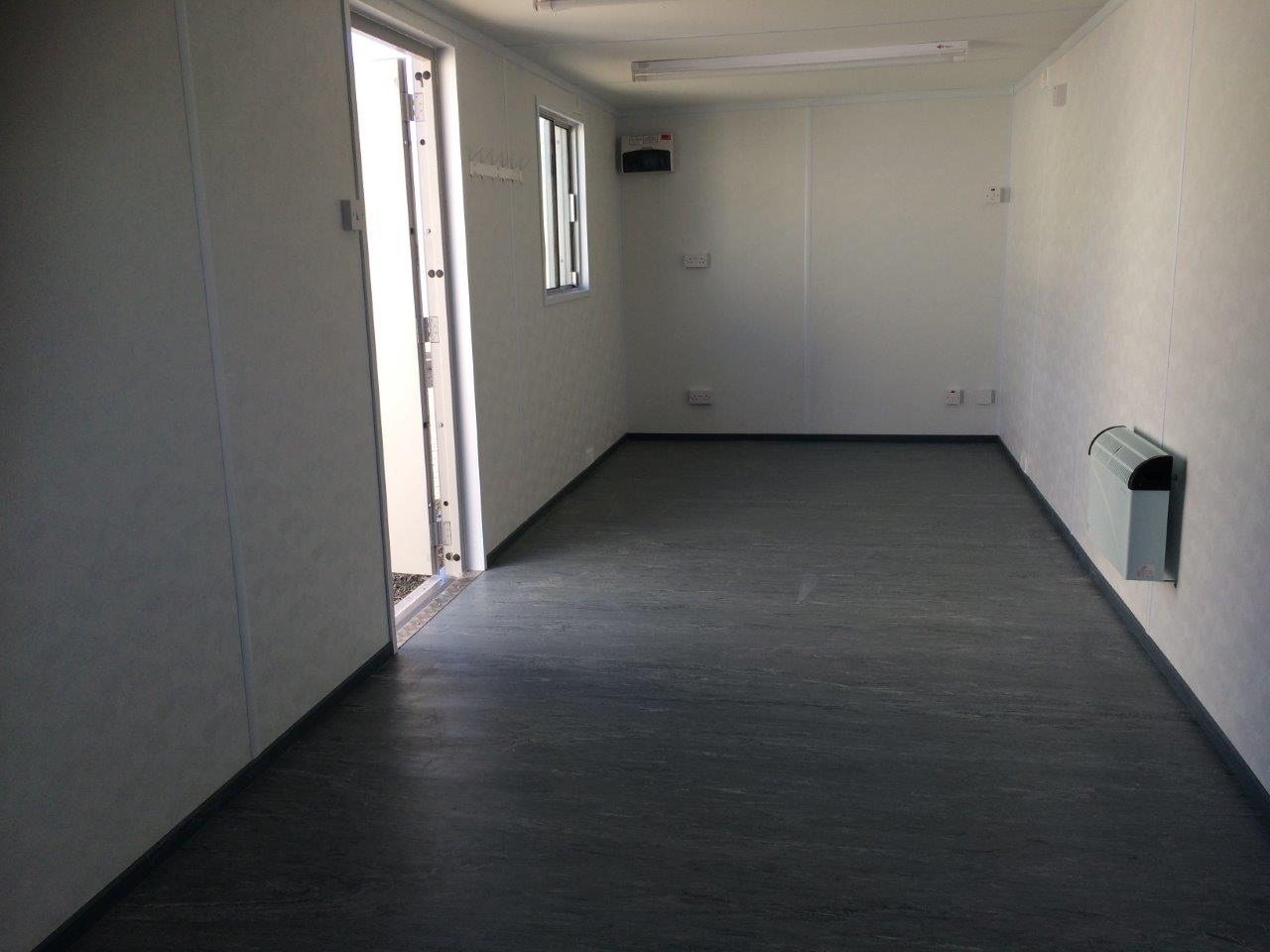
• Reinforced doors and windows with secure locking
• Open plan with electric sockets and lighting
• Ral Code Colour of choice
• Any Extras available : Canteen, Partitions, Toilets.
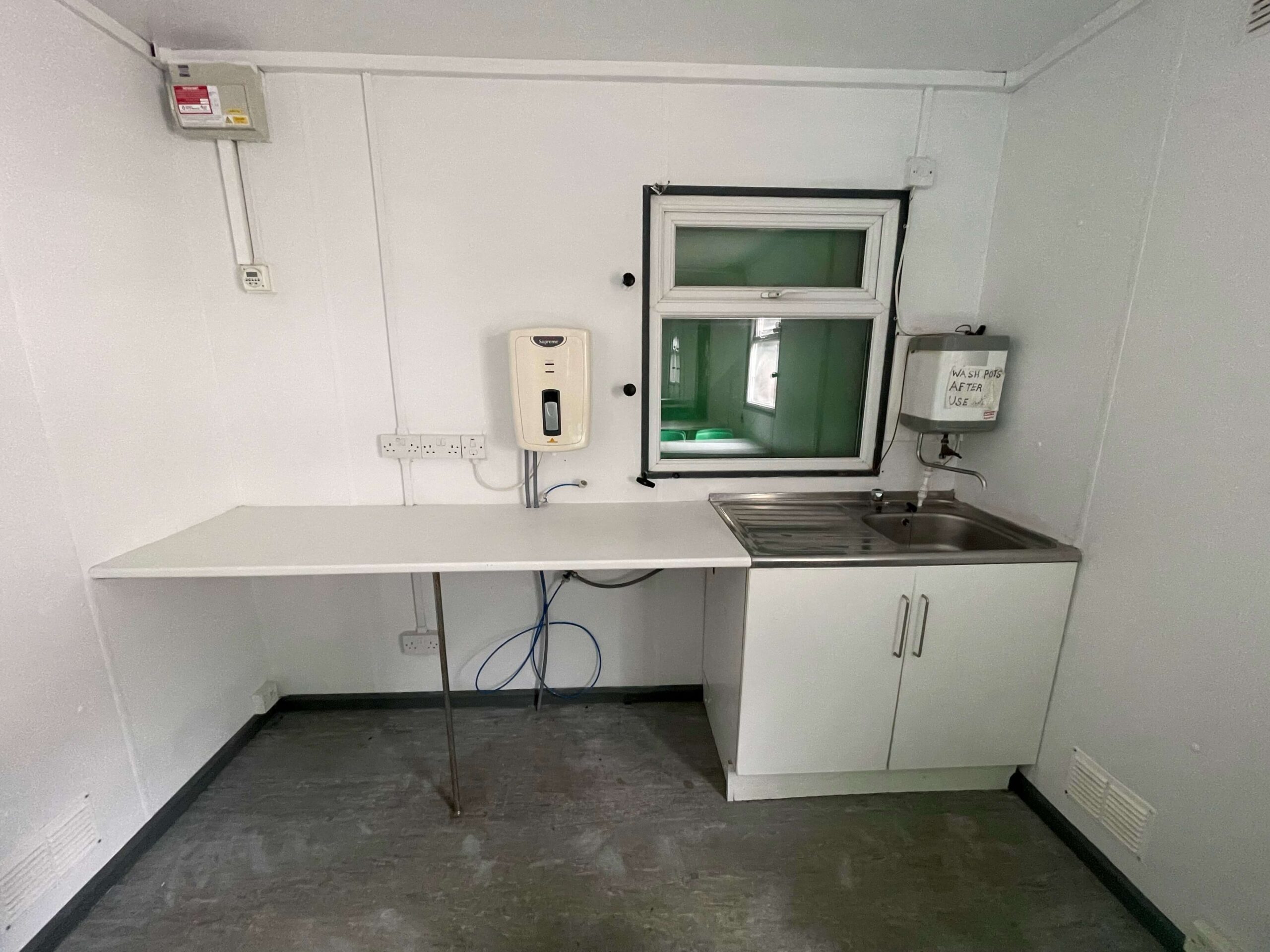
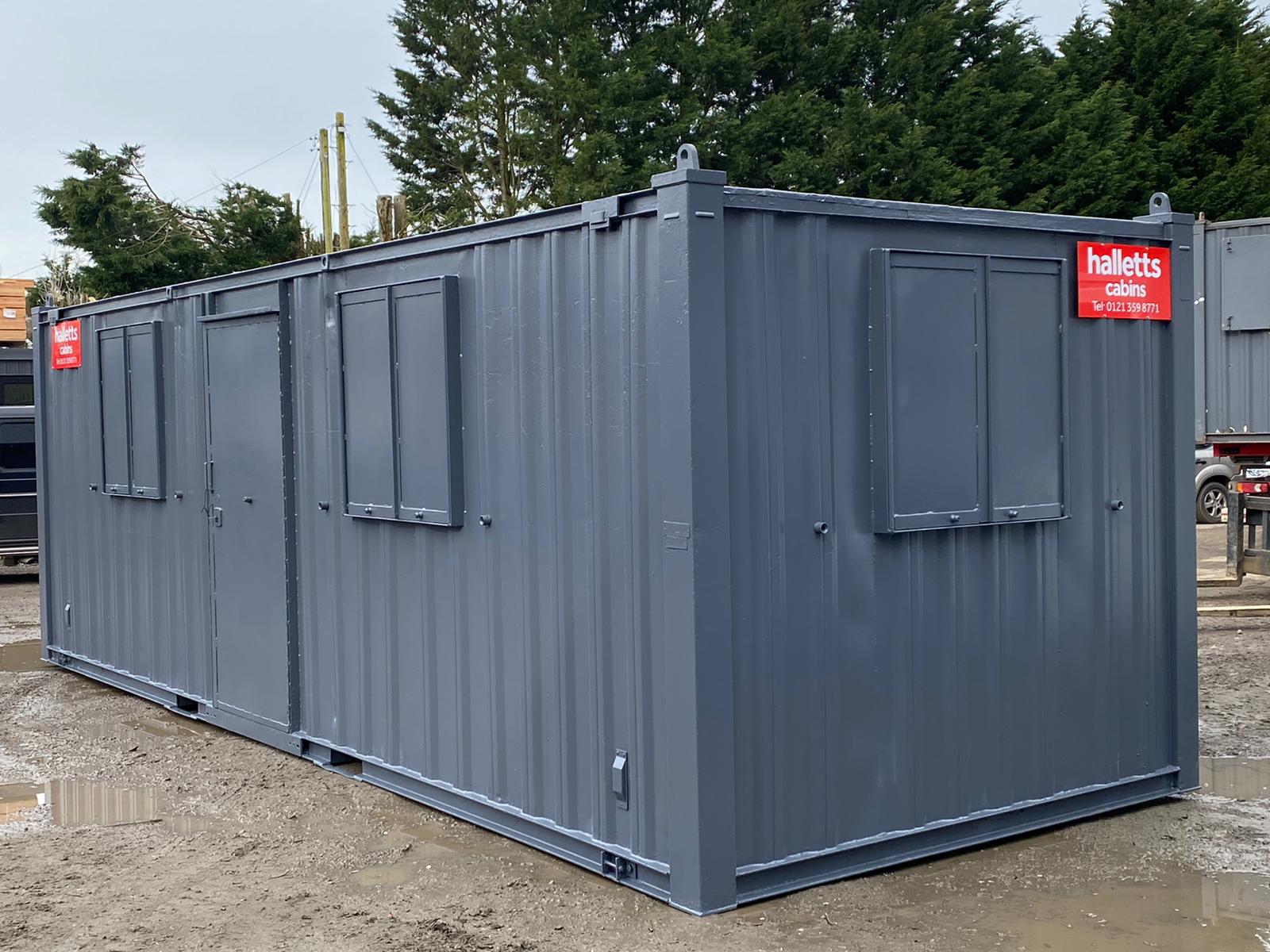
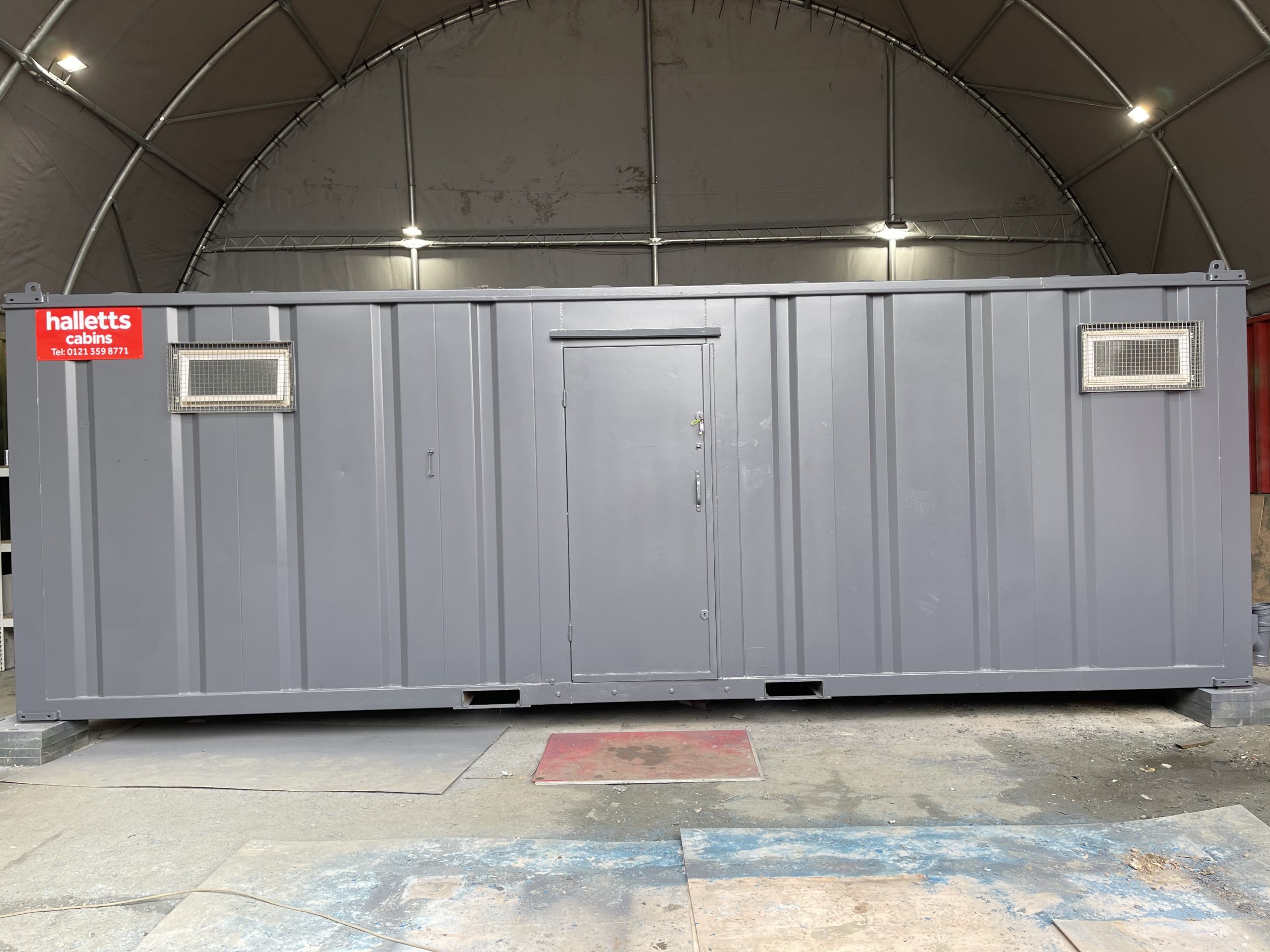
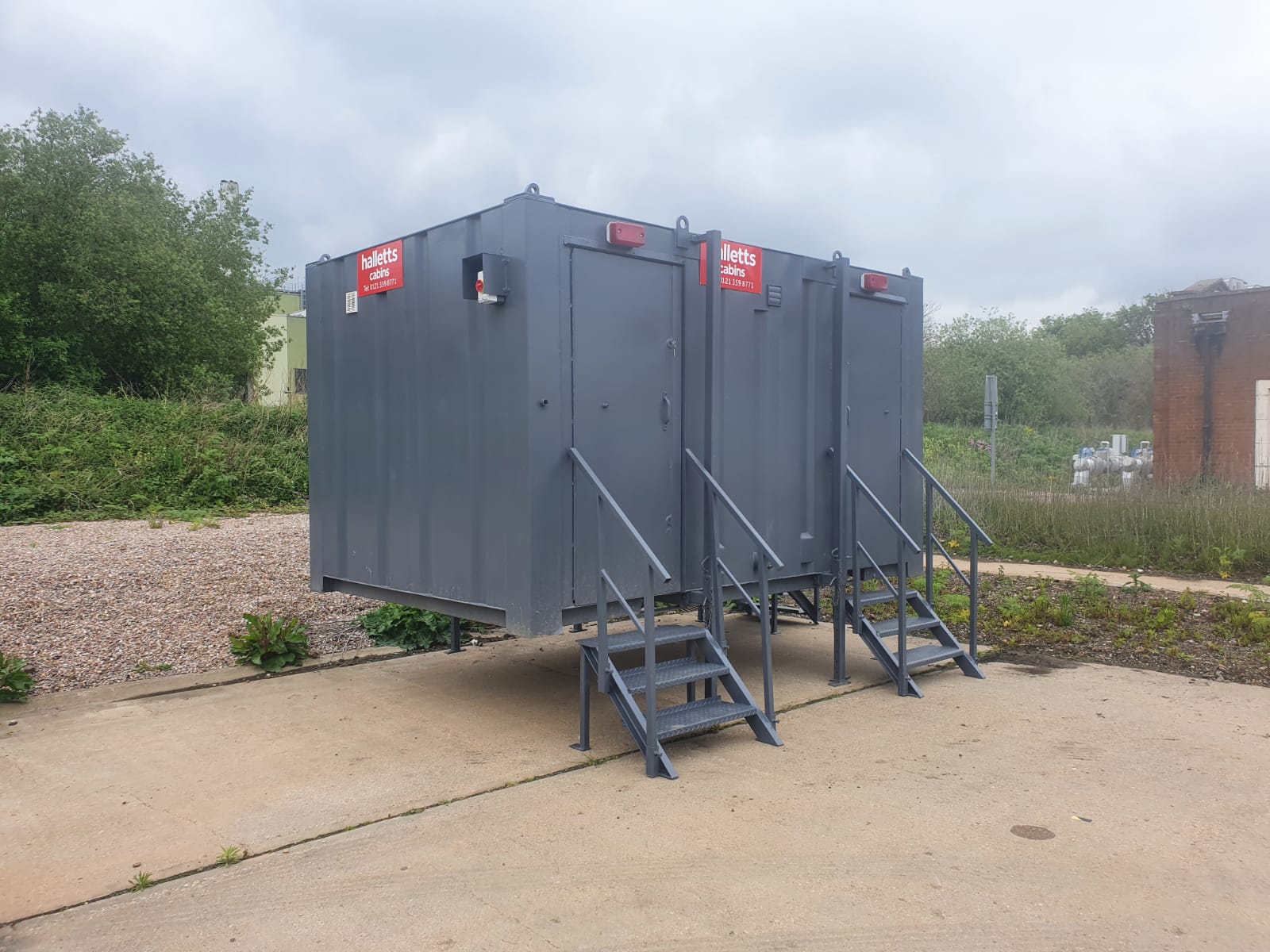
• Reinforced doors with secure locking
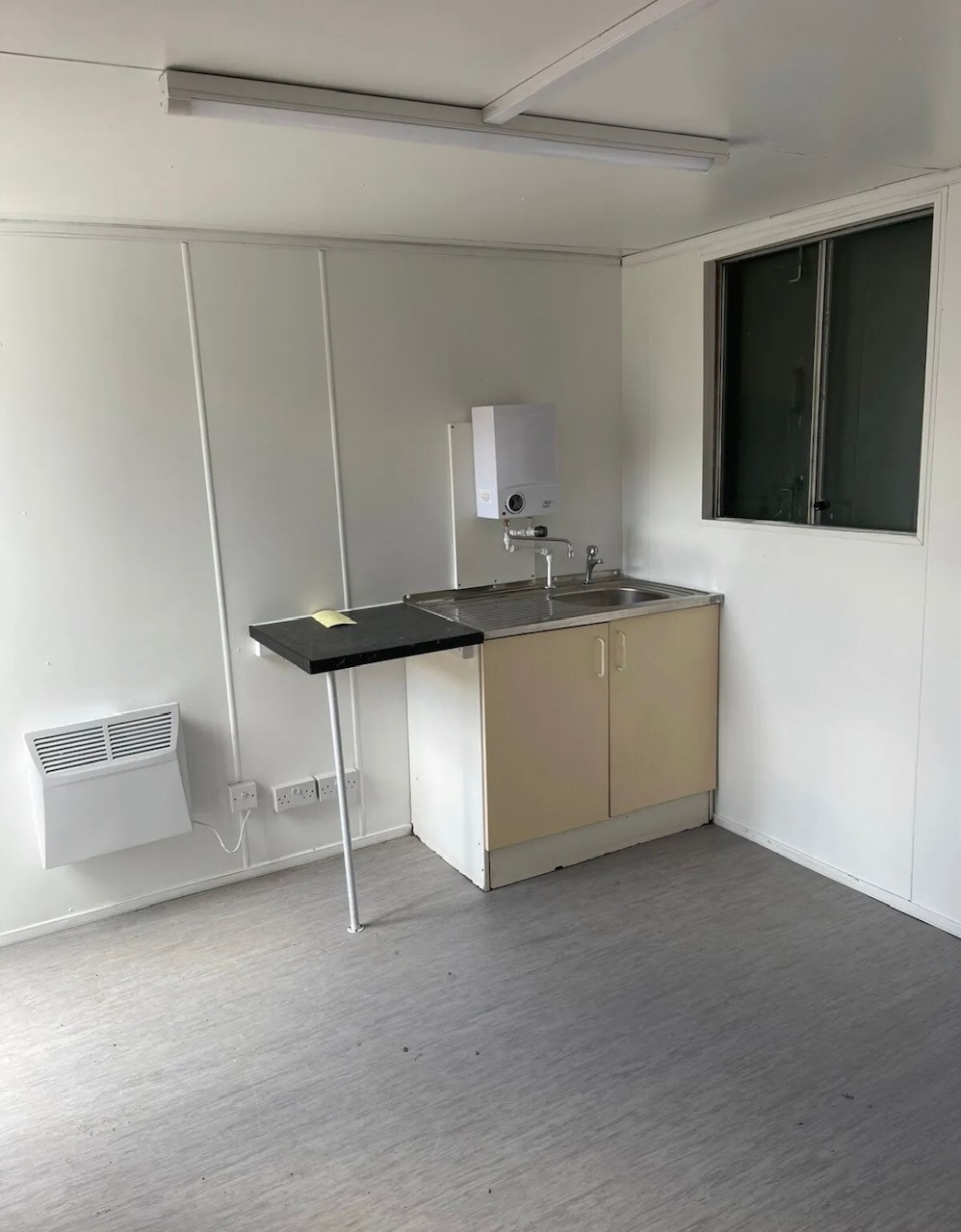
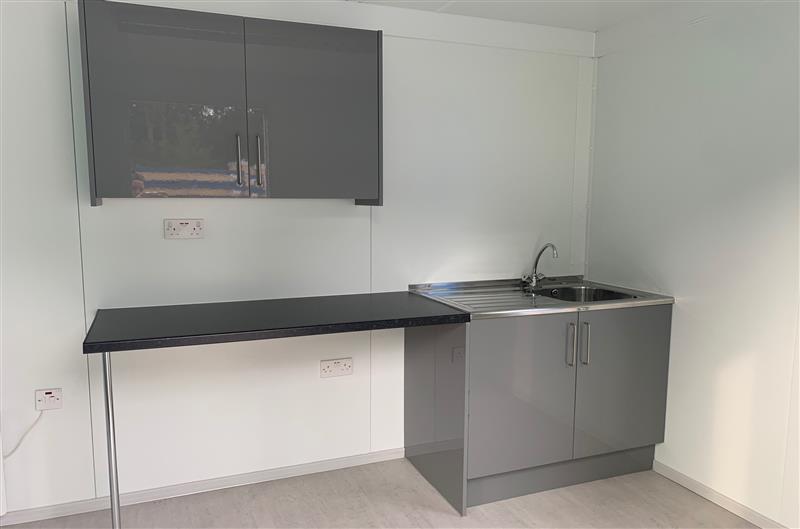
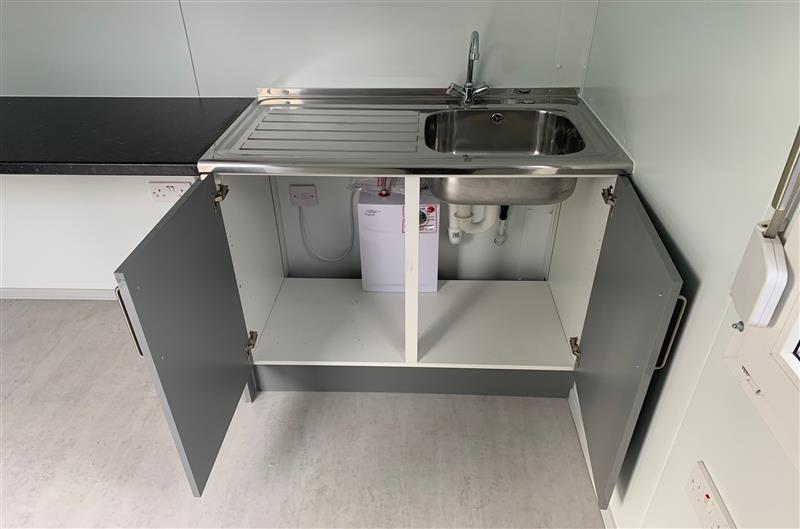
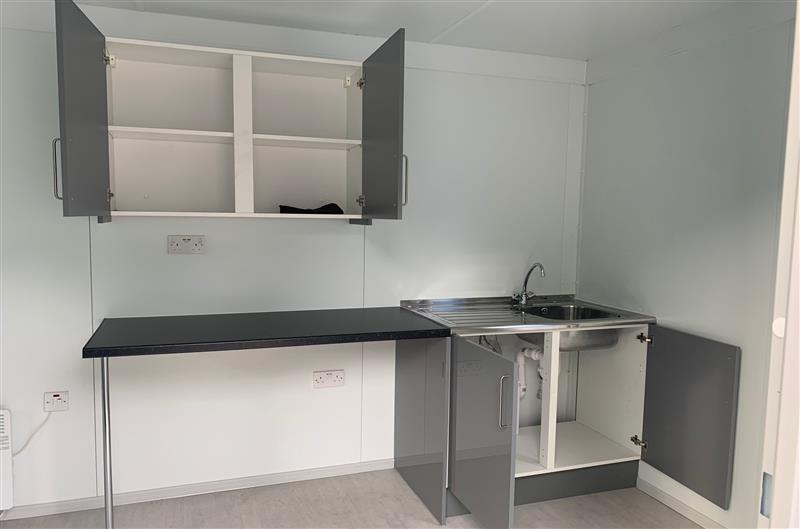
• Sink and water boiler included
Location: Nationwide
Quantity: ∞
EX VAT
Not Available for Hire
Call for an instant quote!







Location: Nationwide
EX VAT
Not Available for Hire
Call for an instant quote!
Get a Quick Container Quote Now!
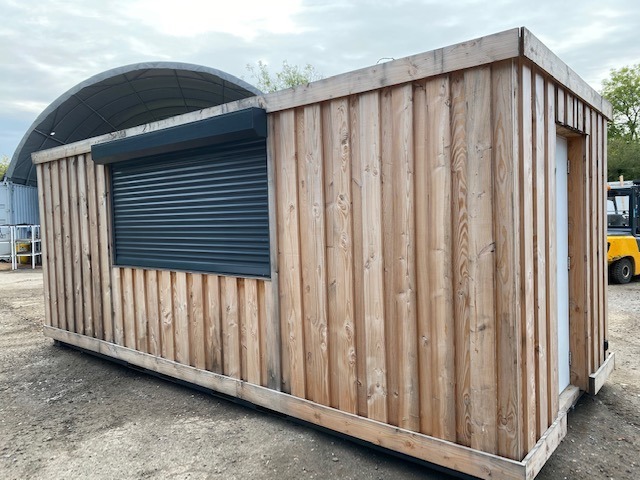
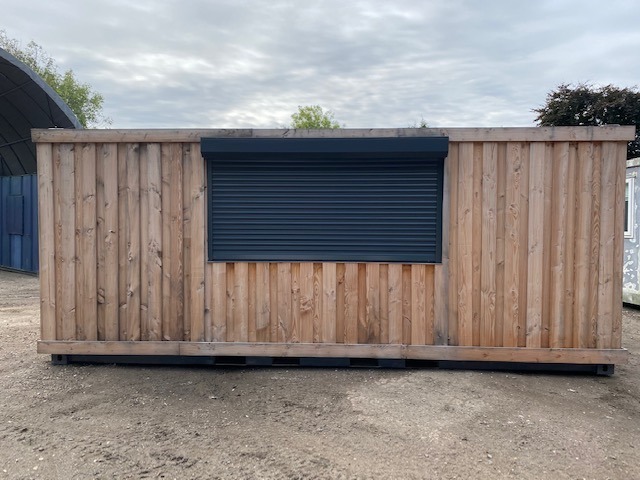
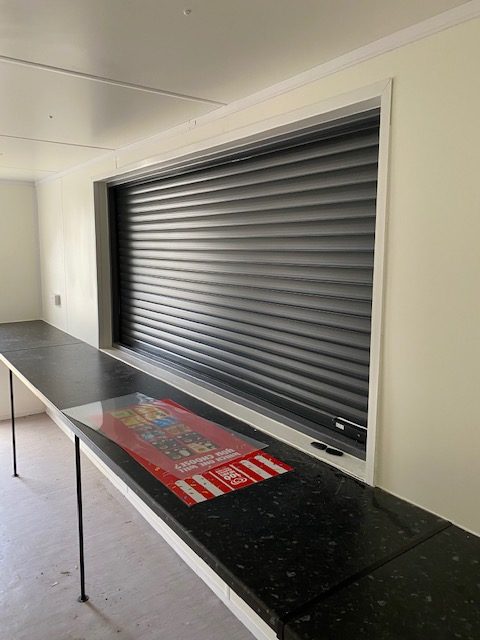
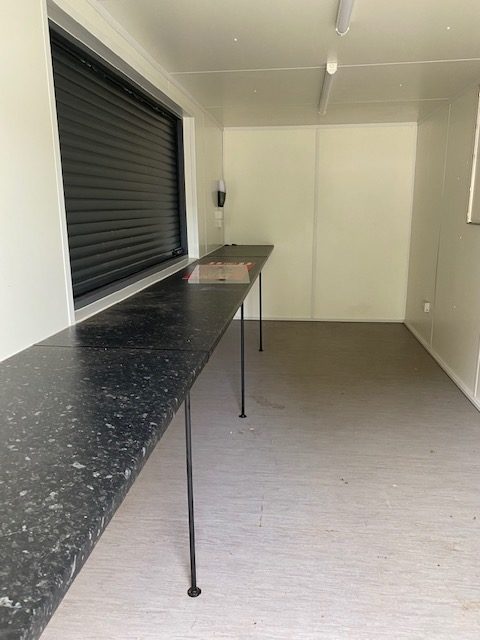
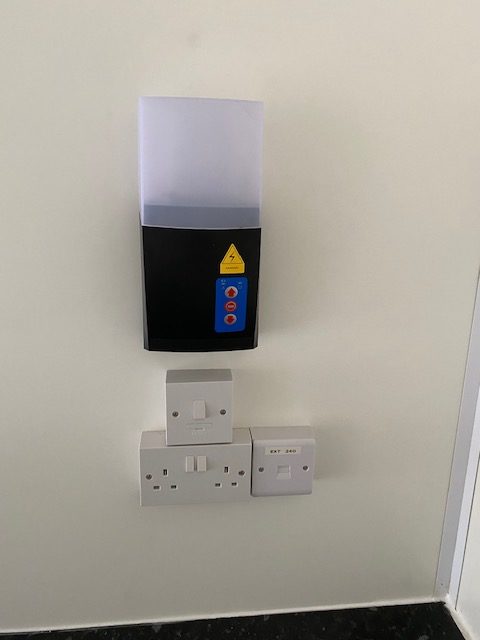
Location: Nationwide
EX VAT
Not Available for Hire
Call for an instant quote!
Get a Quick Container Quote Now!
Get a Quick Container Quote Now!
