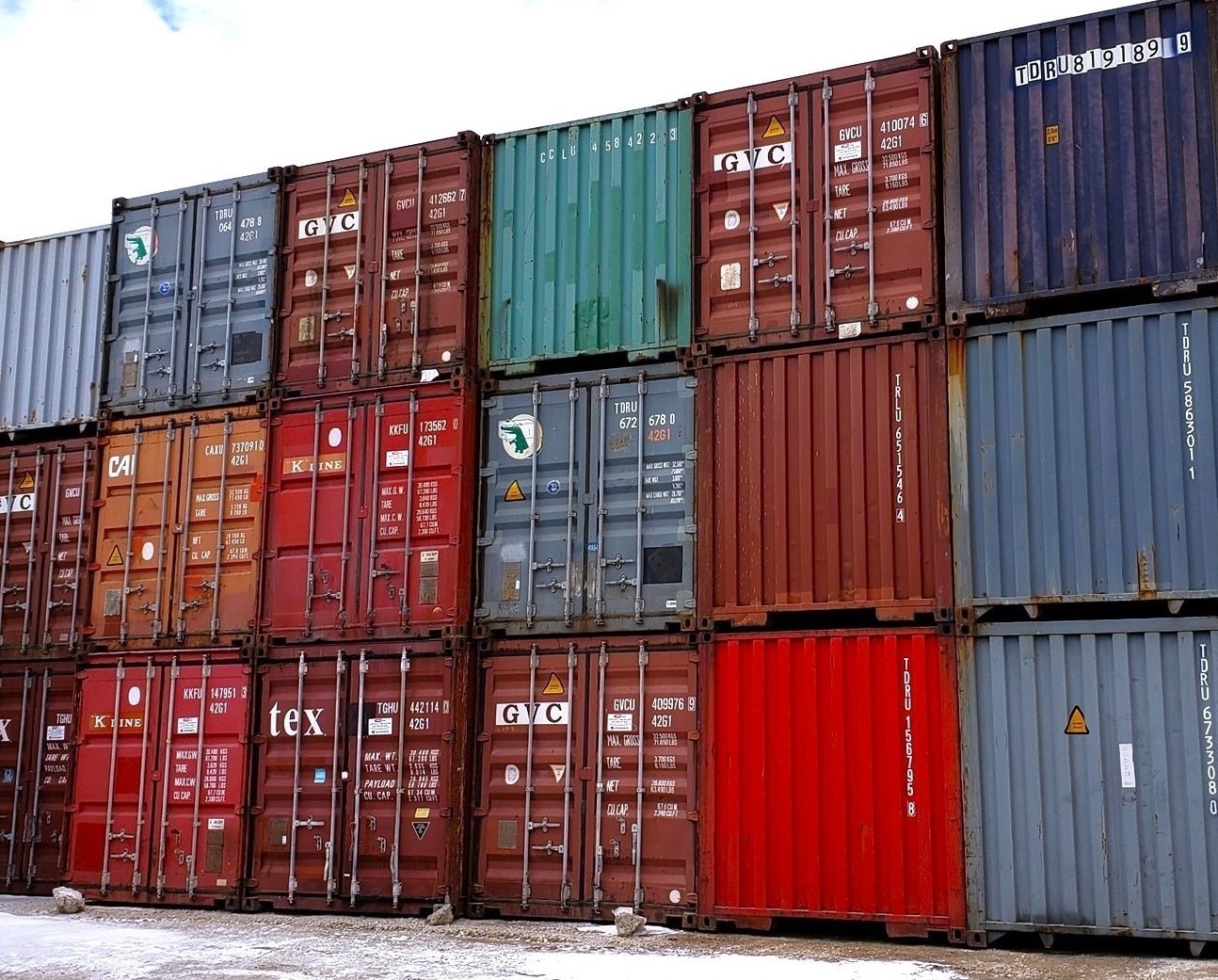
Buying an iso container is not simply a matter of comparing prices online. It is a practical decision involving cargo protection, certification, handling equipment, maintenance, and long-term operating costs. A container may look sound from ten metres away, yet reveal floor damage, twisted corner castings, or weak door seals during inspection.
Malcolm McLean, the pioneer of modern container shipping, once explained his idea clearly: “I thought it would be a good idea to put the whole truck body on a ship.” His insight still matters today. Standardized equipment only creates value when it moves safely between ships, railways, trucks, and storage yards.
This guide, “10 ISO Container Buying Tips for Global Buyers,” focuses on the details that experienced purchasers check before signing an order. It considers container type, dimensions, CSC plate status, structural condition, flooring, doors, ventilation, paint systems, supplier capability, and delivery arrangements. Each point affects reliability.
Small details matter.
A new container is not always the best choice. A used unit may offer strong value, but only after a careful inspection and clear documentation. Buyers should also confirm whether the container suits dry cargo, temperature-sensitive goods, liquids, or specialized equipment. Sometimes, the wrong specification is discovered too late.
That mistake can be expensive.
Reliable purchasing requires evidence, not confident promises. Ask for inspection photographs, serial numbers, production information, repair records, and applicable certification documents. Compare the total delivered cost, not only the factory quotation. The final decision should balance price, service life, safety, and operational fit. Even experienced buyers can miss something. That is why a written checklist remains essential.

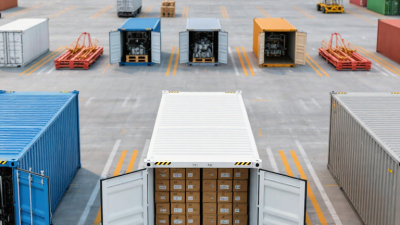
For global buyers, defining the container type comes before comparing prices. Standard dry containers suit general cargo, while refrigerated units protect temperature-sensitive goods. Open-top containers help with tall or awkward loads. Tank containers require stricter technical checks. Each type has different operating limits.
Tip 1: Confirm the size and internal dimensions. Common lengths include 20-foot and 40-foot units, but capacity varies by design. Check door openings, payload, tare weight, and cubic volume. A small measurement error can disrupt loading plans. Measure twice.
Tip 2: Ask for documented compliance with relevant ISO requirements. ISO 668 defines container dimensions and classifications, while ISO 1161 covers corner fittings. ISO 1496 addresses testing and performance requirements. Also inspect the safety approval plate and examine the container’s condition, welds, flooring, locking bars, and corner posts. In practical purchasing, paperwork often looks complete, yet physical damage tells another story. I would not accept unclear serial markings or missing inspection records. Standards improve interchangeability, but they do not replace a careful inspection. Some buyers focus too heavily on external appearance. That can be misleading. A clean wall may hide weak flooring or corrosion beneath paint. Confirm the intended route, handling equipment, and local acceptance requirements before committing.
10 ISO Container Buying Tips for Global Buyers
Match Container Specifications to Cargo, Route, and Handling Needs
An ISO container should fit the cargo, not merely the shipping quote. Measure the load’s length, width, height, and weight before comparing prices. A few extra centimeters can prevent loading delays. Check door openings, internal clearance, and floor capacity carefully.
Dry cargo usually needs a clean, weather-resistant unit with sound seals and a dry floor. Machinery may require reinforced flooring, wider doors, or special loading support. Temperature-sensitive cargo needs verified insulation and dependable cooling performance. Do not rely only on external appearance. Inspect hinges, locking bars, corner castings, and the container identification plate.
The route also changes the specification. Long sea journeys expose containers to salt air, humidity, vibration, and repeated lifting. Rail and road transfers add shocks, tight turns, and frequent handling. Confirm that the unit meets applicable international safety requirements and carries valid inspection documentation. Ask how it was maintained, not just when it was built.
Handling equipment deserves equal attention. Confirm forklift entry points, lifting compatibility, and clearance at the loading site. A container that fits the cargo may still fail at the warehouse door. That mistake is costly.
Photos can mislead.
Experienced buyers request inspection records and recent interior images. However, records are not a substitute for physical checks. I have seen apparently suitable units with hidden floor damage and weak door seals. Leave room for uncertainty, and budget for minor repairs before dispatch.
10 ISO Container Buying Tips for Global Buyers
Evaluate Container Condition, Certification, and Inspection Records
A container can look clean and still hide costly structural problems. Check the corner posts, rails, roof, doors, and floor carefully. Look for deep corrosion, twisted frames, cracked welds, and water stains. Open and close both doors on level ground. They should move smoothly and seal evenly. Bring a flashlight, tape measure, and moisture meter. Small tools often reveal more than photographs.
Verify the CSC safety approval plate before purchase. Confirm its number, manufacturing details, maximum gross mass, and next examination date. The plate should be legible and firmly attached. Compare its information with the seller’s documents. Certification alone does not prove good condition. A compliant container may still have damaged flooring or worn door gaskets.
Request inspection records with dates, location, inspector details, photographs, and repair notes. Pay special attention to repeated repairs around the same corner or door. Ask whether the inspection covered the underside, interior, roof, and locking bars. Independent inspection is valuable, especially for remote purchases. Still, no inspection is perfect. A dry depot visit may not reveal leaks during heavy rain. I would treat missing records as a risk, not an automatic rejection, but the price should reflect that uncertainty. Keep every document, photo, and agreed repair in writing before payment.
Buying an ISO container starts with more than the lowest quoted price. Compare at least three suppliers using the same specification, including dimensions, steel grade, door condition, floor material, and inspection records. Ask for recent photographs, not recycled images. A clean exterior can hide repairs. Check weld lines, corner castings, locking bars, and roof dents with an experienced inspector. Small defects become expensive when lifting or modifying the unit.
Calculate ownership costs before signing. Include purchase price, inland transport, port charges, customs fees, storage, insurance, maintenance, and eventual resale value. New units may cost more but often reduce early repair work. Used units can offer value, yet their histories need careful review. My spreadsheets have sometimes missed local handling fees. Leave room for uncertainty. Confirm currency, taxes, payment milestones, and warranty limits in writing. Delivery terms deserve equal attention. Identify the responsible party for loading, ocean freight, insurance, unloading, and final delivery. Confirm the destination port, estimated sailing window, free storage period, and documents required by local authorities. A “fast” delivery promise means little without a clear cutoff date. Weather, port congestion, and equipment shortages can still change schedules. Request tracking updates and a written process for delays or damaged cargo. Keep every detail visible.
Compare suppliers, prices, ownership costs, and delivery terms against the practical capacity of each ISO container type. The specifications below are commonly used nominal values; verify the CSC plate, exact manufacturer specification, quotation, and delivery conditions before purchase.
Buying insight: A larger container is not always the lowest-cost option. Compare usable volume, payload limits, inland transport charges, inspection and repair costs, insurance, lead time, Incoterms, port handling, and total delivered cost before selecting a supplier.
10 ISO Container Buying Tips for Global Buyers
Global purchasing starts with the cargo, not the container price. Confirm dimensions, payload, ventilation, flooring, and intended service before requesting quotations. Check the ISO identification and CSC safety plate carefully. These details should match the inspection records. Check the plate. Regulations differ between countries, ports, and cargo categories. Ask for the latest inspection certificate, ownership evidence, repair history, commercial invoice, packing list, and origin documents. Missing paperwork can delay customs clearance or create unexpected storage costs.
Shipping terms need equal attention. Confirm the delivery port, route, estimated transit time, insurance responsibility, and accepted container specifications in writing. Ask whether the container can enter your destination market without additional inspection. Verify tare weight and payload against the carrier’s requirements. Take dated photographs before loading, including doors, seals, corner castings, roof, and floor. Keep copies. A small mismatch in serial numbers can become a large administrative problem.
After-sales support should be measurable, not merely promised. Request written warranty coverage, response times, repair procedures, spare-part availability, and contacts for local service. Clarify who pays for damage discovered on arrival. Use staged payments linked to inspection and document approval when appropriate. In my experience, a low purchase price is not always economical after port fees and repairs. One of my earlier checklists also overlooked replacement door seals. That mistake was minor, but avoidable. Buyers should question unclear answers and record every commitment before shipment.
| Buying Tip | What to Verify | Relevant Regulation or Document | Recommended Buyer Action | Typical Evidence | Main Risk if Missed |
|---|---|---|---|---|---|
| 1 Confirm the container type and dimensions | Match the internal and external dimensions, door opening, payload, gross mass, and volume to the intended cargo. | ISO 668 Defines the classification and dimensions of freight containers. |
Specify the required size and type in writing, such as dry van, high-cube, open-top, flat rack, or refrigerated container. | Technical drawing, equipment specification sheet, tare-weight record, and dimensional inspection report. | Cargo may not fit, load correctly, or comply with transport limits. |
| 2 Check CSC safety approval | Ensure the container has a valid safety approval plate and that the plate details match the container identification number. | CSC 1972 The Convention for Safe Containers supports international interchange of approved containers. |
Request a clear photograph of the CSC plate and verify the next examination or inspection date before shipment. | CSC safety approval plate, inspection certificate, and container identification records. | The container may be rejected for international carriage or port handling. |
| 3 Inspect structural condition | Examine corner castings, bottom rails, side rails, roof, doors, locking bars, floor, welds, and visible corrosion. | IICL inspection practices Common industry guidance for evaluating container condition and repair quality. |
Use an independent pre-shipment inspection, especially for used equipment or large-volume purchases. | Timestamped photographs, inspection checklist, repair history, and non-conformity report. | Water ingress, unsafe lifting, cargo damage, or costly repairs. |
| 4 Verify cargo-worthiness and cleanliness | Confirm that the floor, interior lining, door seals, odor level, and cleanliness are suitable for the cargo. | Carrier acceptance rules and cargo-specific sanitary or food-contact requirements may apply. | Define acceptable condition criteria, including no holes, no active leaks, dry interior, functioning seals, and no hazardous residue. | Interior inspection photographs, cleanliness declaration, leak-test record, and floor condition report. | Contamination, rejected cargo, claims, or loss of product value. |
| 5 Review hazardous-goods compatibility | Determine whether the cargo is classified as dangerous goods and whether the container design and markings are appropriate. | IMDG Code Applies to the maritime transport of dangerous goods. |
Provide the correct UN number, proper shipping name, hazard class, packing group, and packaging details to the logistics provider. | Safety data sheet, dangerous-goods declaration, packing certificate, and required container placards. | Cargo refusal, fines, delay, or serious safety incidents. |
| 6 Plan verified gross mass reporting | Confirm who will weigh the packed container and submit the verified gross mass before vessel loading. | SOLAS VGM Shippers must provide verified gross mass for packed export containers. |
Agree on the weighing method, responsible party, deadline, and correction process for inaccurate weight data. | Signed VGM submission, certified scale record, weighing certificate, and cargo packing record. | The container may miss the sailing or be denied loading. |
| 7 Clarify export and import documentation | Check that the commercial invoice, packing list, bill of lading instructions, certificates, and customs data are consistent. | Documentation requirements vary by origin, destination, cargo type, and customs procedure. | Prepare a document checklist and confirm required data fields with a customs broker or freight forwarder before dispatch. | Commercial invoice, packing list, certificate of origin when applicable, export declaration, and transport document. | Customs holds, storage charges, incorrect duties, or clearance delays. |
| 8 Define shipping terms and total landed cost | Separate the equipment price from inland transport, port charges, ocean freight, insurance, duties, taxes, inspection, and destination fees. | Incoterms 2020 Clarifies delivery points, costs, and transfer of risk between buyer and seller. |
Request a written quotation with the named Incoterms rule, named place, validity period, currency, and excluded charges. | Pro forma invoice, freight quotation, duty estimate, insurance confirmation, and landed-cost worksheet. | Unexpected costs or disputes over responsibility and risk. |
| 9 Check delivery, lifting, and site requirements | Verify road access, crane or spreader availability, unloading space, axle-weight limits, and local delivery restrictions. | Road, port, lifting, and workplace-safety requirements depend on the destination jurisdiction. | Conduct a site assessment and confirm delivery appointment procedures before the container is released. | Delivery plan, lifting plan, route survey, equipment booking, and site risk assessment. | Failed delivery, handling damage, access penalties, or additional equipment costs. |
| 10 Secure warranty and after-sales support | Review warranty duration, covered components, corrosion exclusions, response times, spare parts, and repair responsibility. | Warranty terms are contractual and should be aligned with the destination country and intended use. | Include an acceptance procedure, defect-reporting period, remedy timeline, spare-parts process, and escalation contact in the purchase contract. | Signed warranty, service-level terms, parts list, repair procedure, and final acceptance report. | Long downtime, unclear liability, and expensive post-delivery repairs. |
Registered in England & Wales No. 2786496
Registered office at: 337 Tanworth Lane,
Shirley, Solihull, B90 4DU
Registered for VAT, registration No.
GB 655 1347 38


Location: Nationwide
Not Available for Hire
We can deliver for a cost please ask and send us post code.
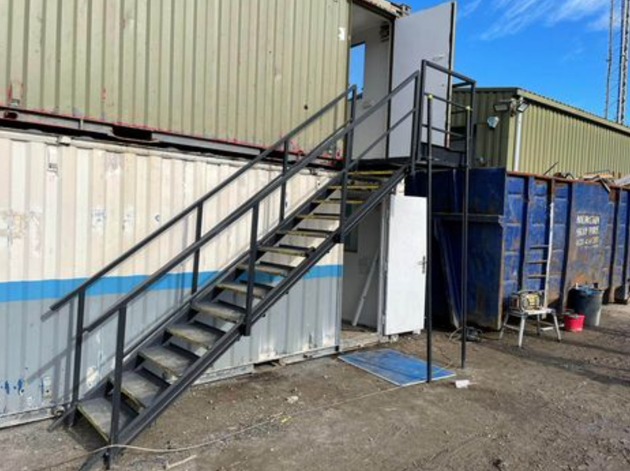
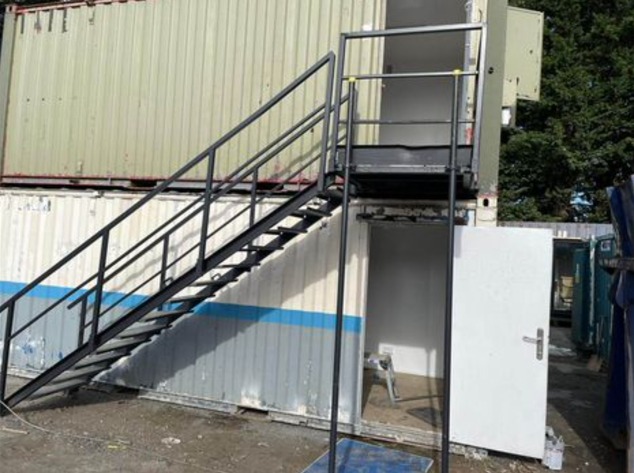
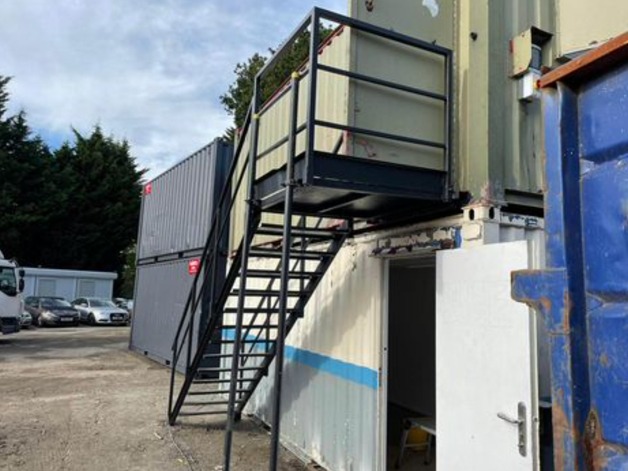
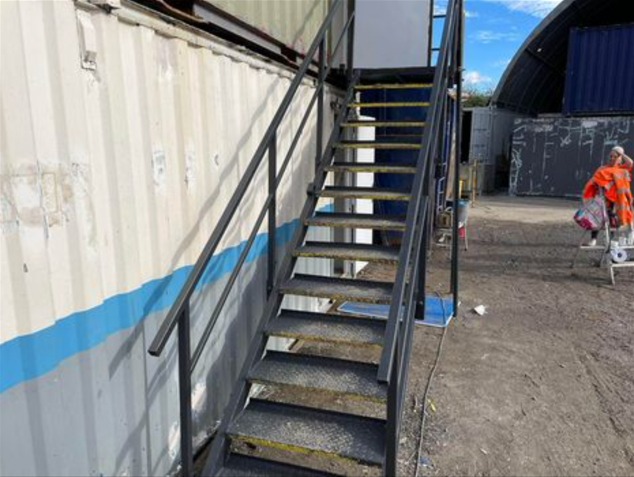
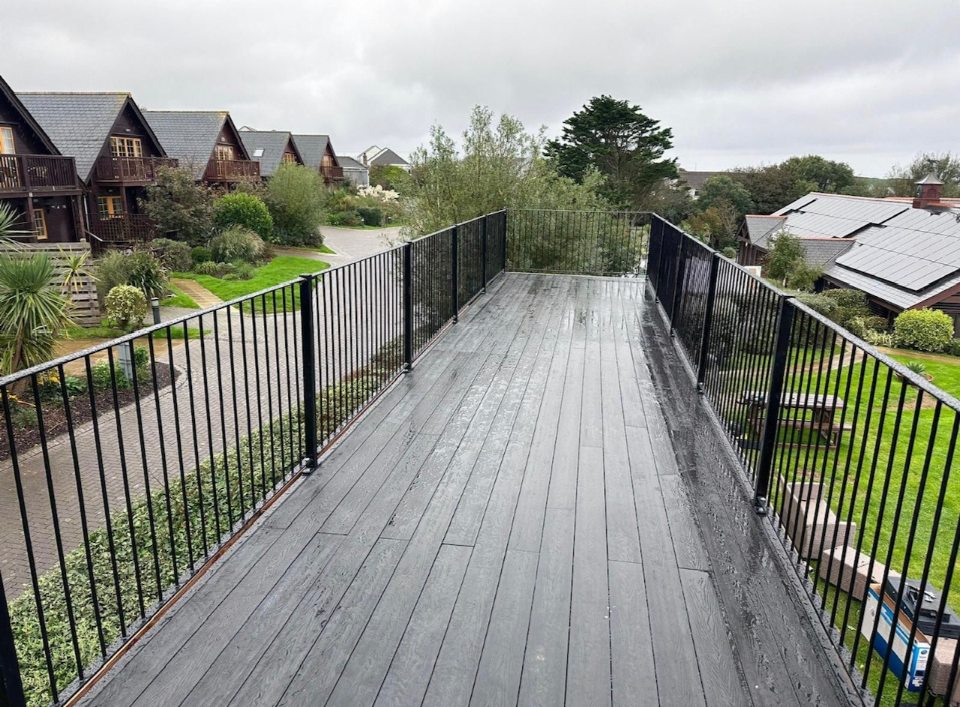
13 tread
14 tread
15 tread


Location: Nationwide
Not Available for Hire
Call for an instant quote!


Location: Nationwide
Not Available for Hire
We can deliver for a cost please ask and send us post code.
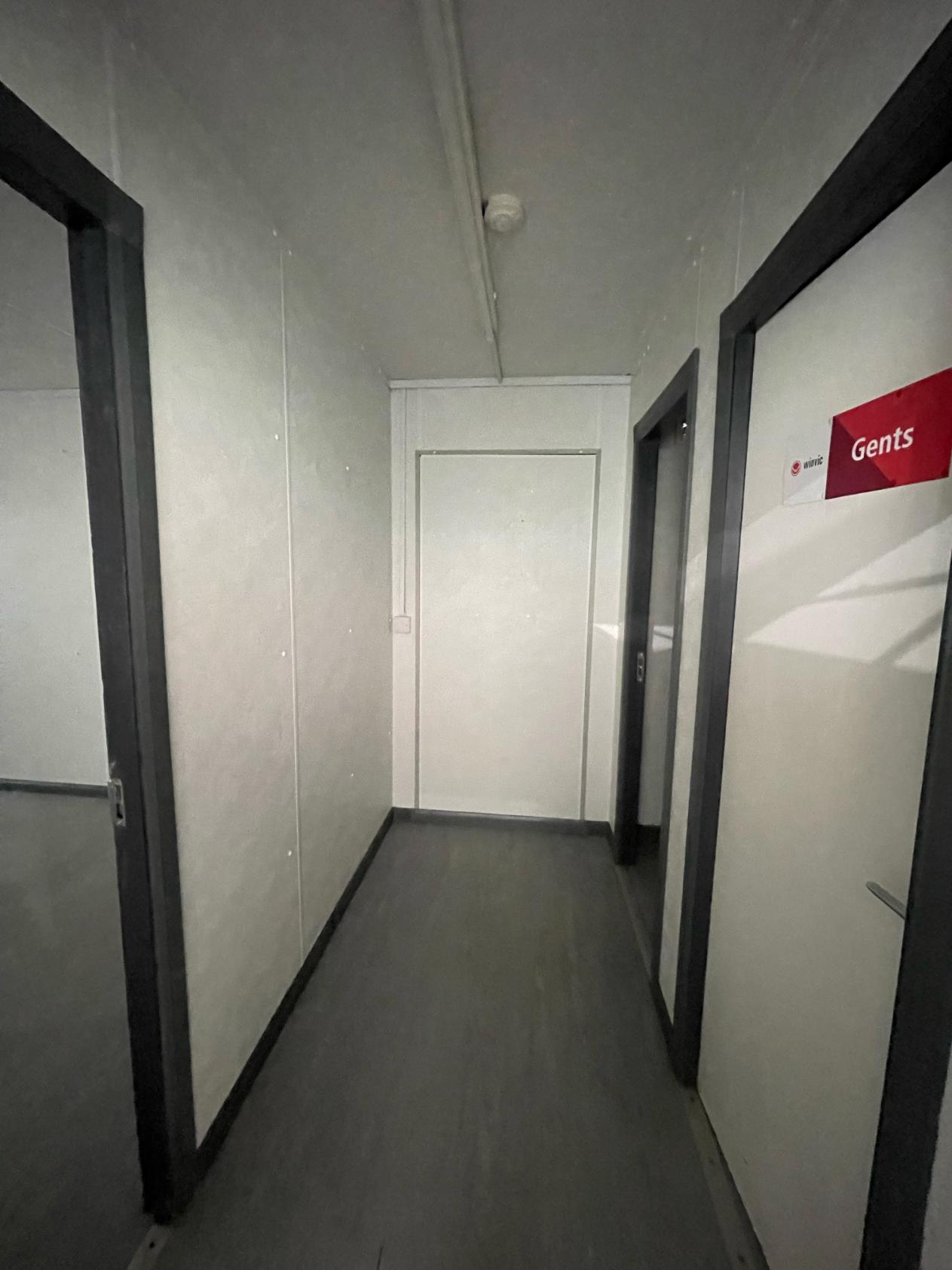
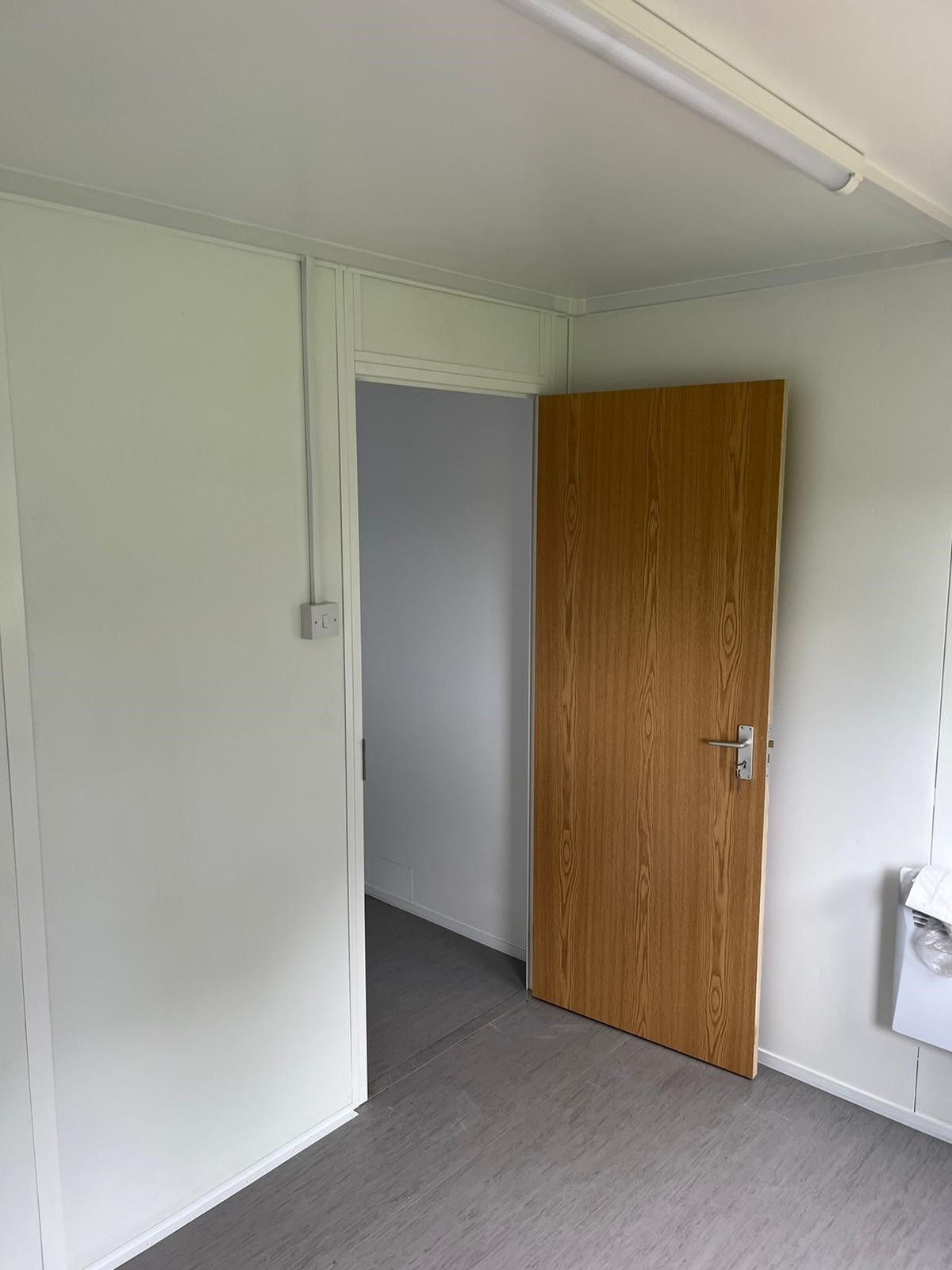
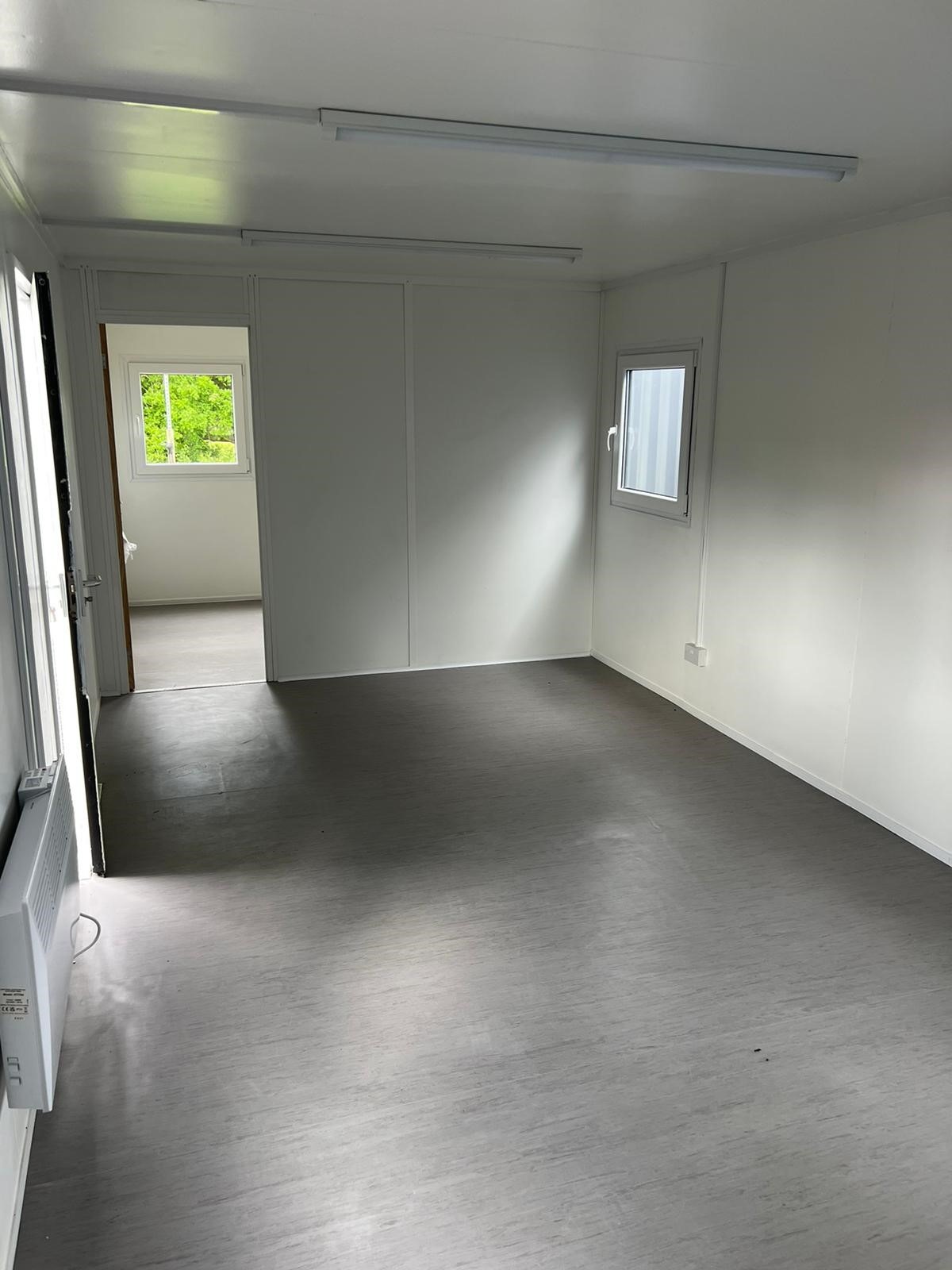
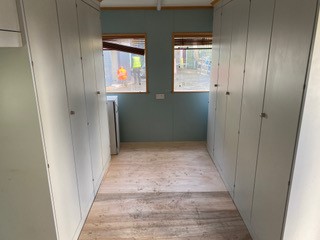
Hallway leading into:
Transport can be arranged please ask.


Location: Nationwide
Not Available for Hire
Call for an instant quote!
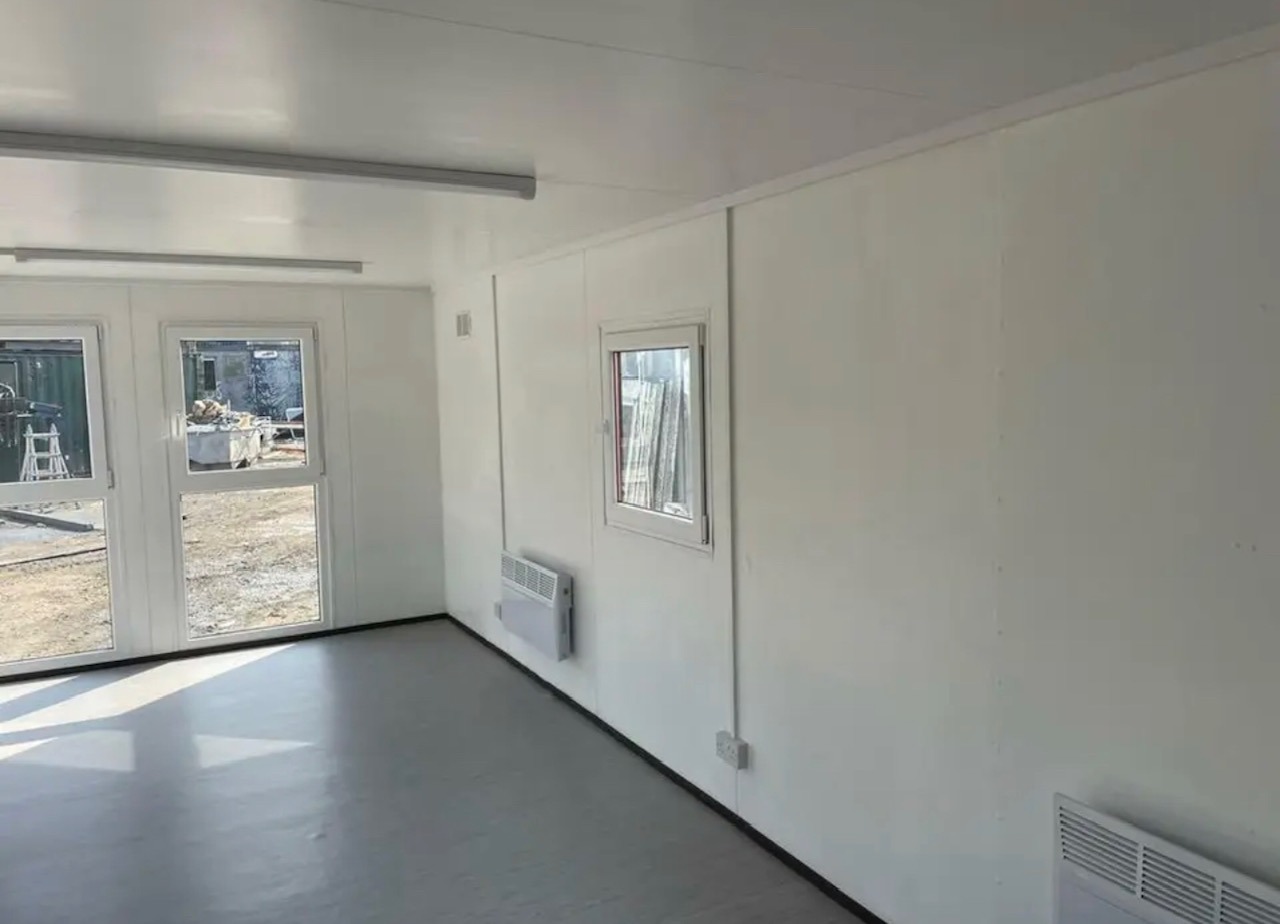
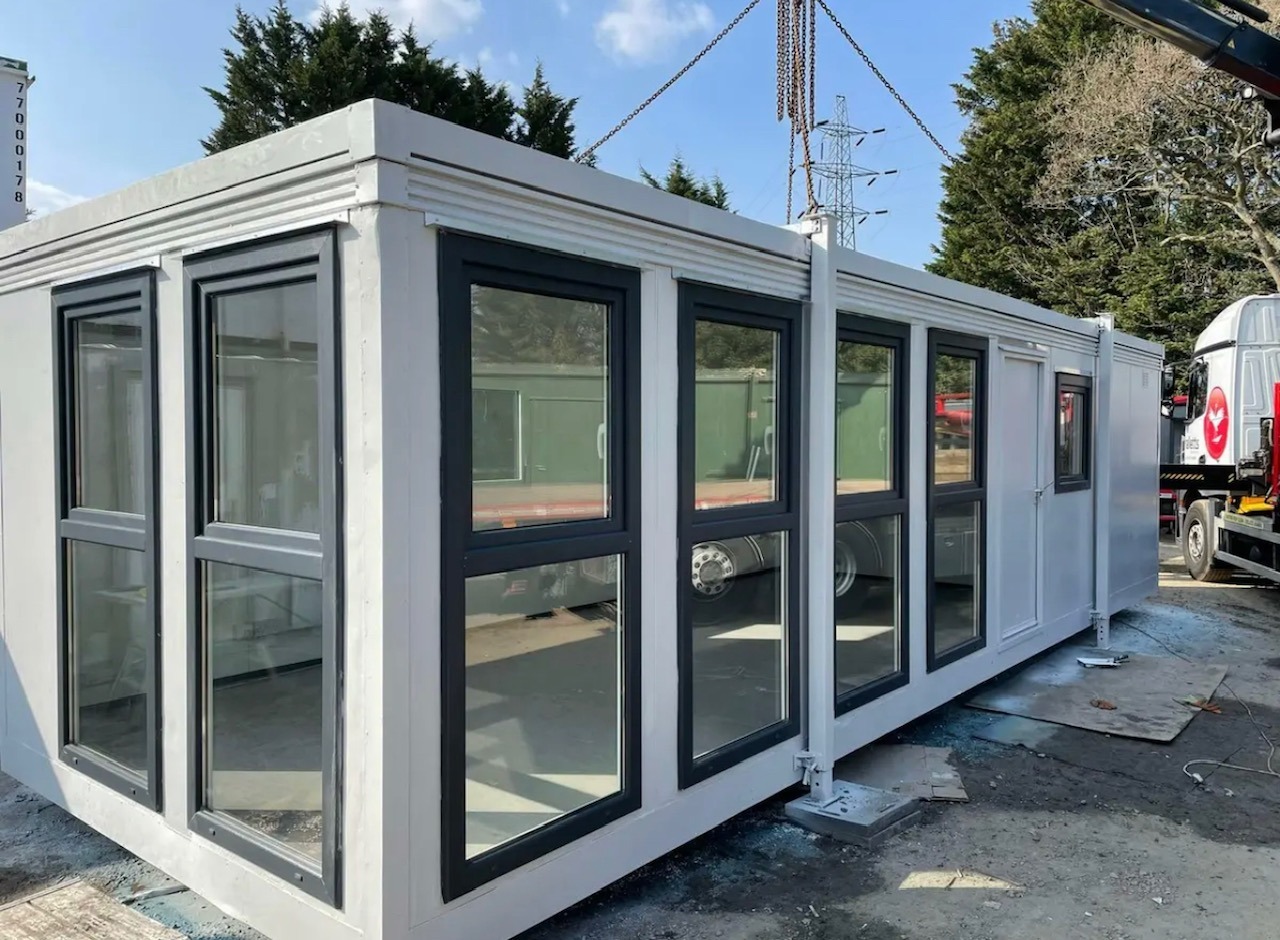
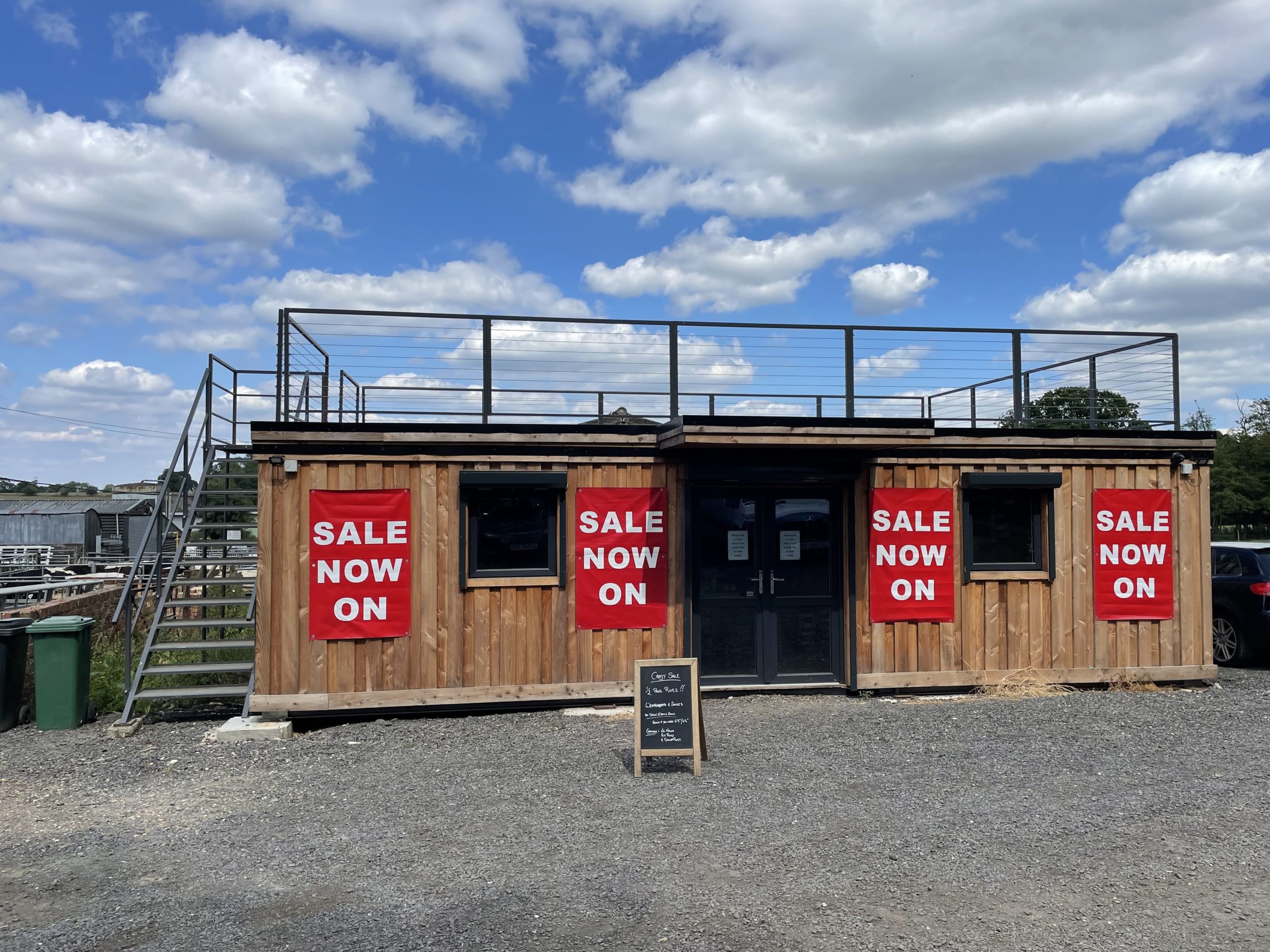
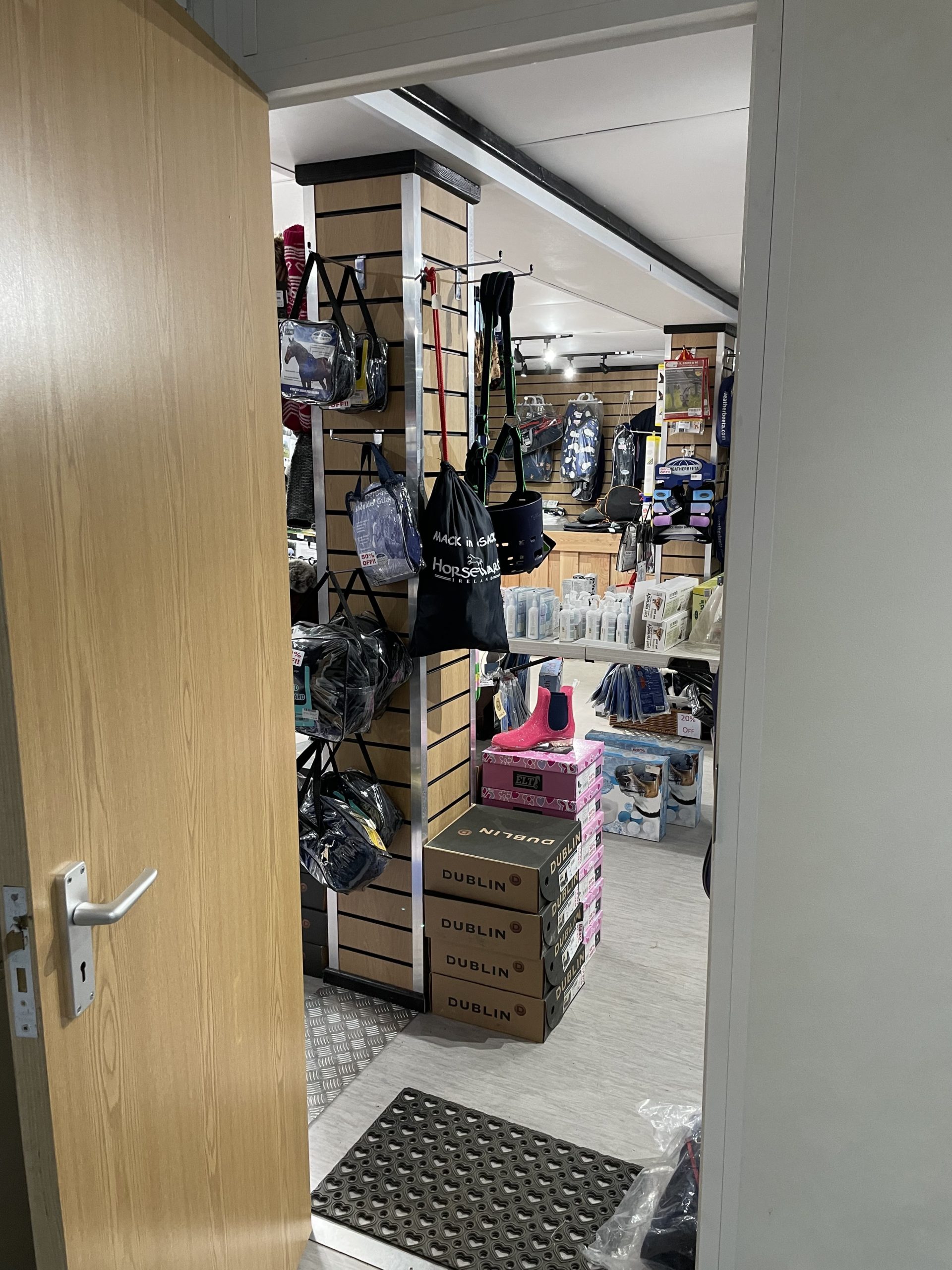
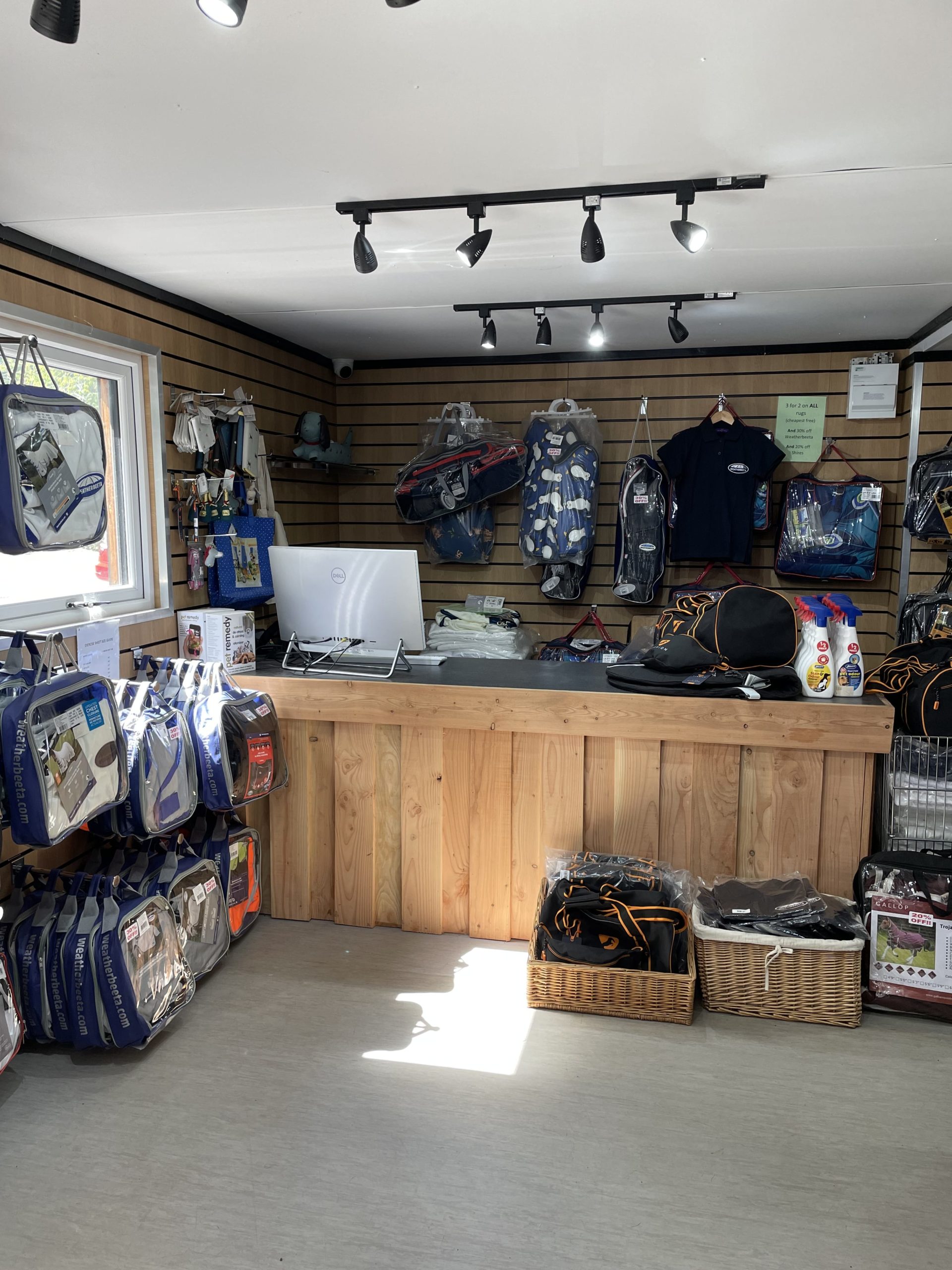
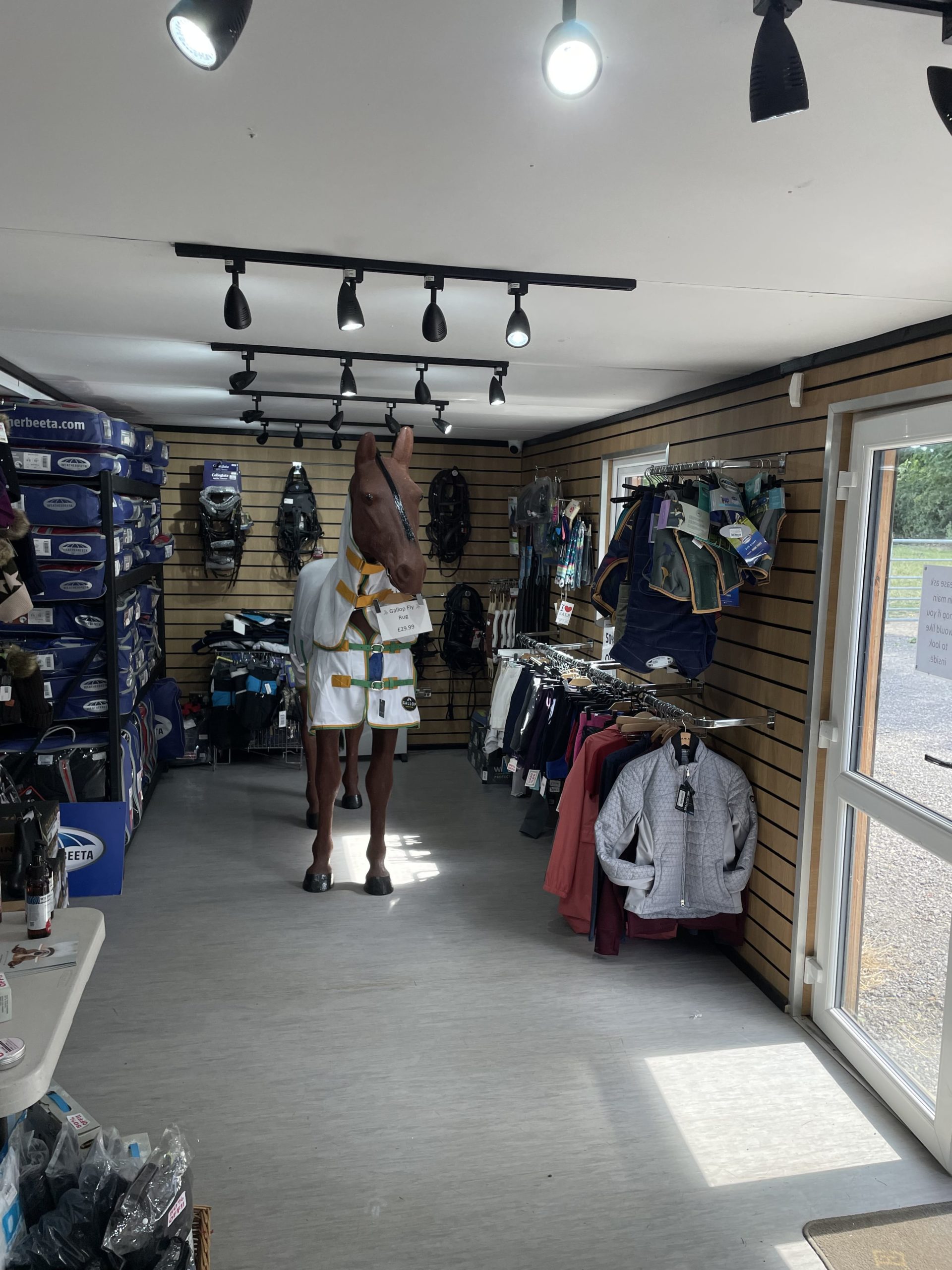
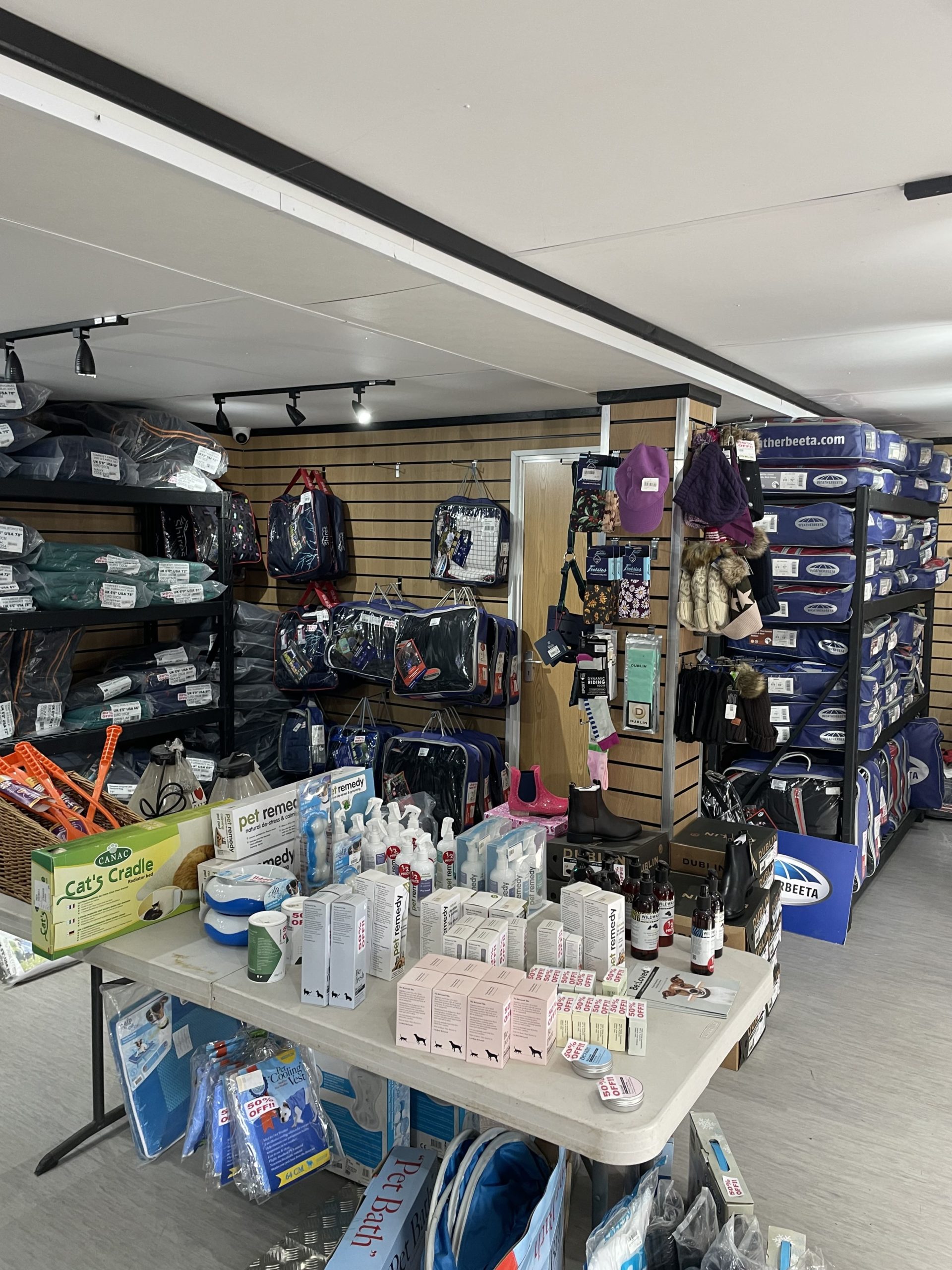
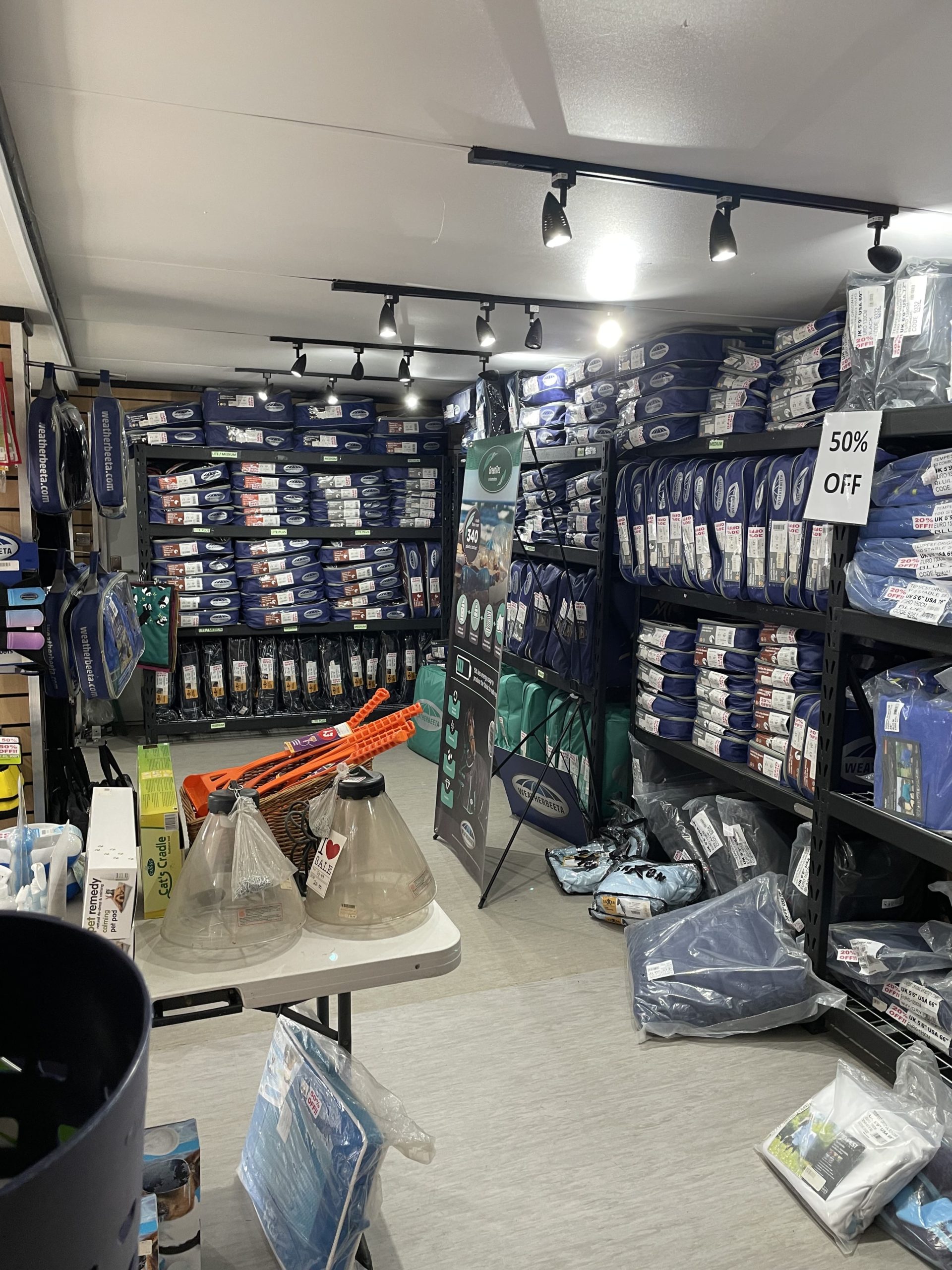
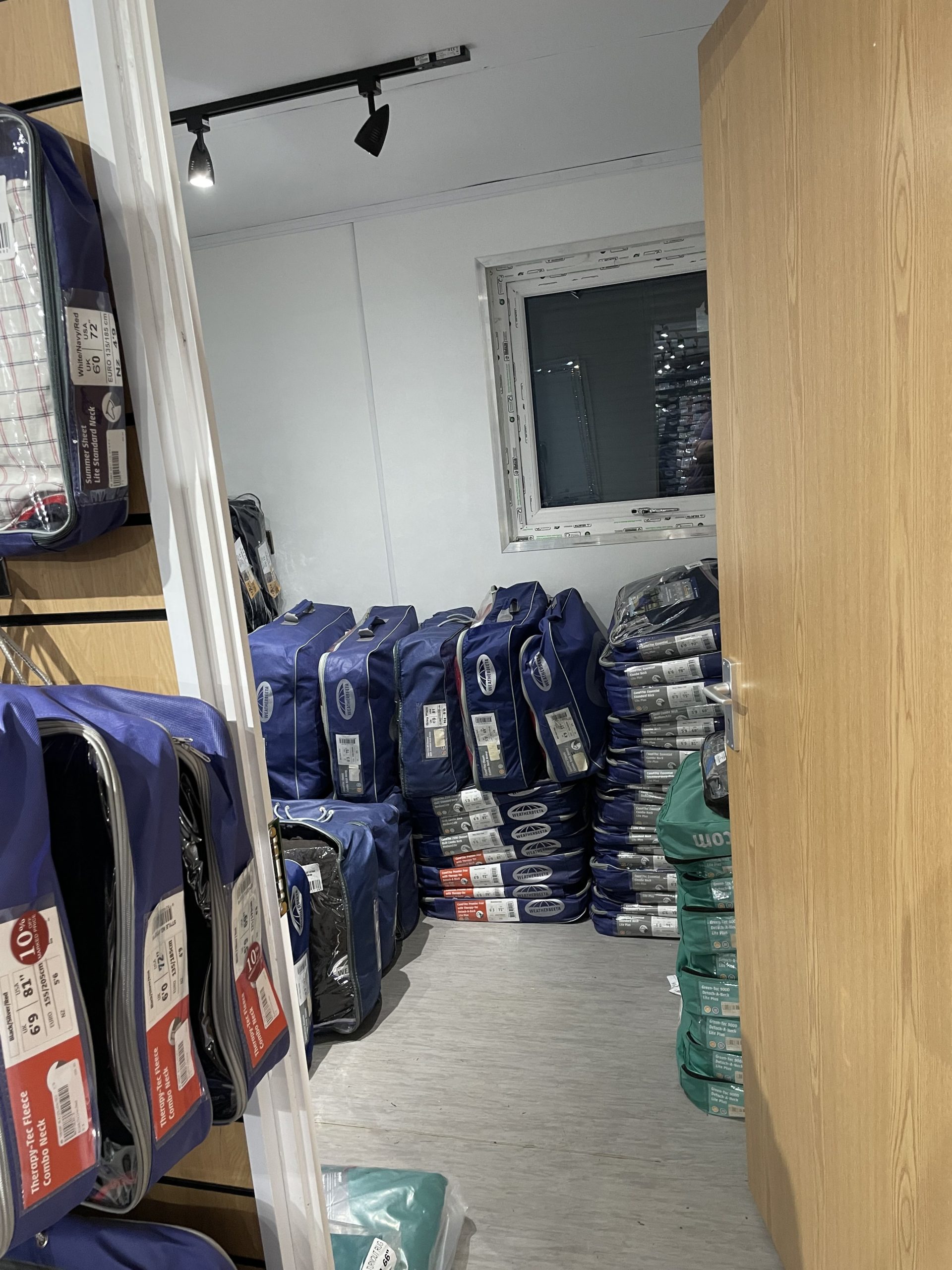
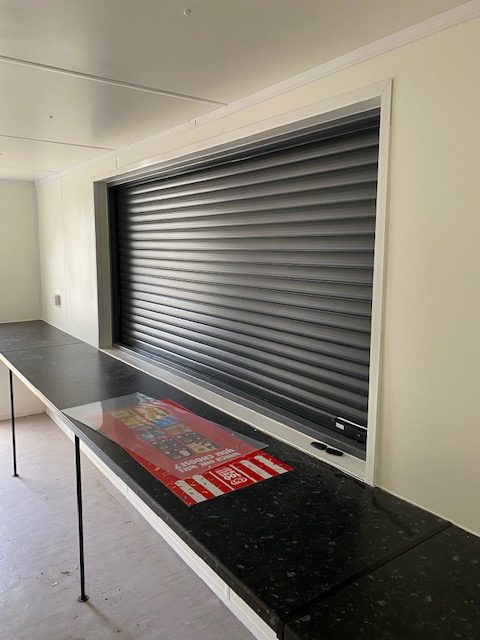
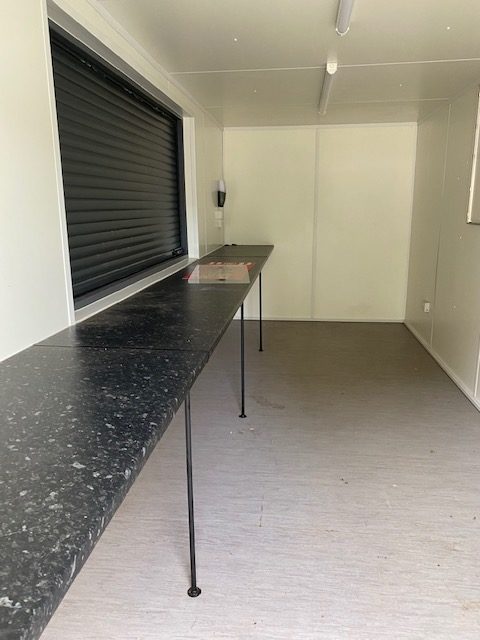
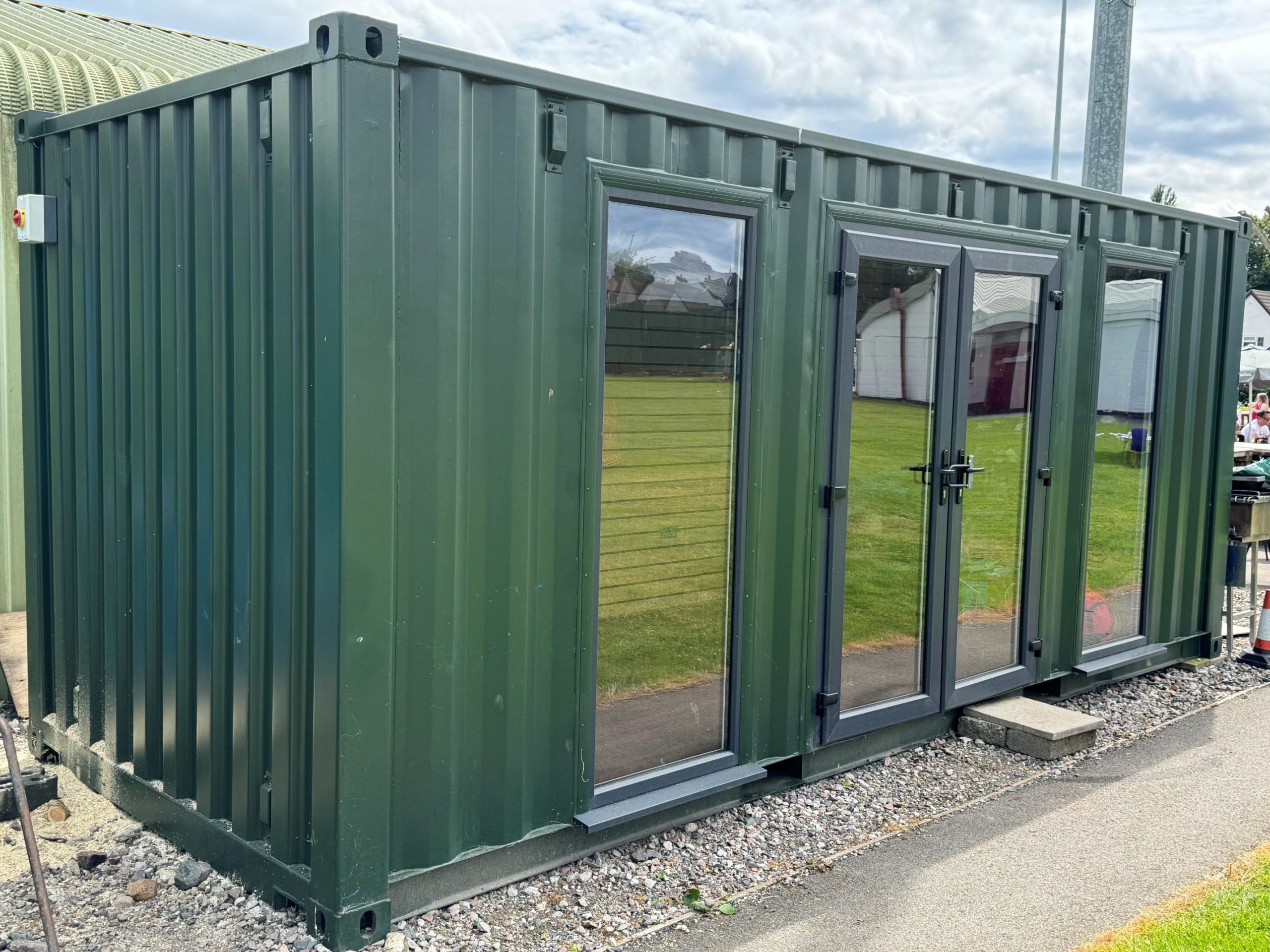
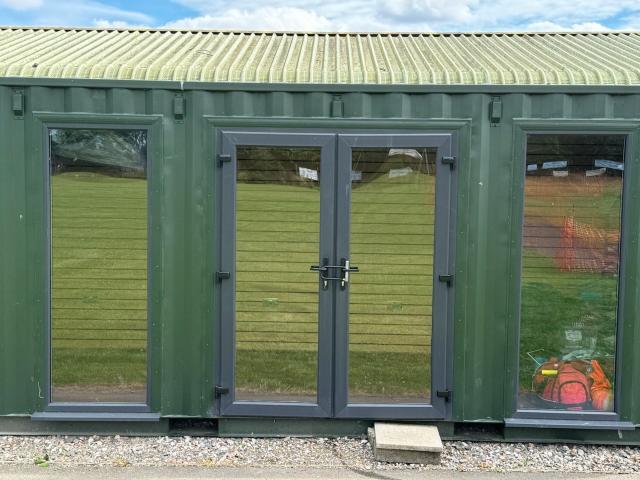
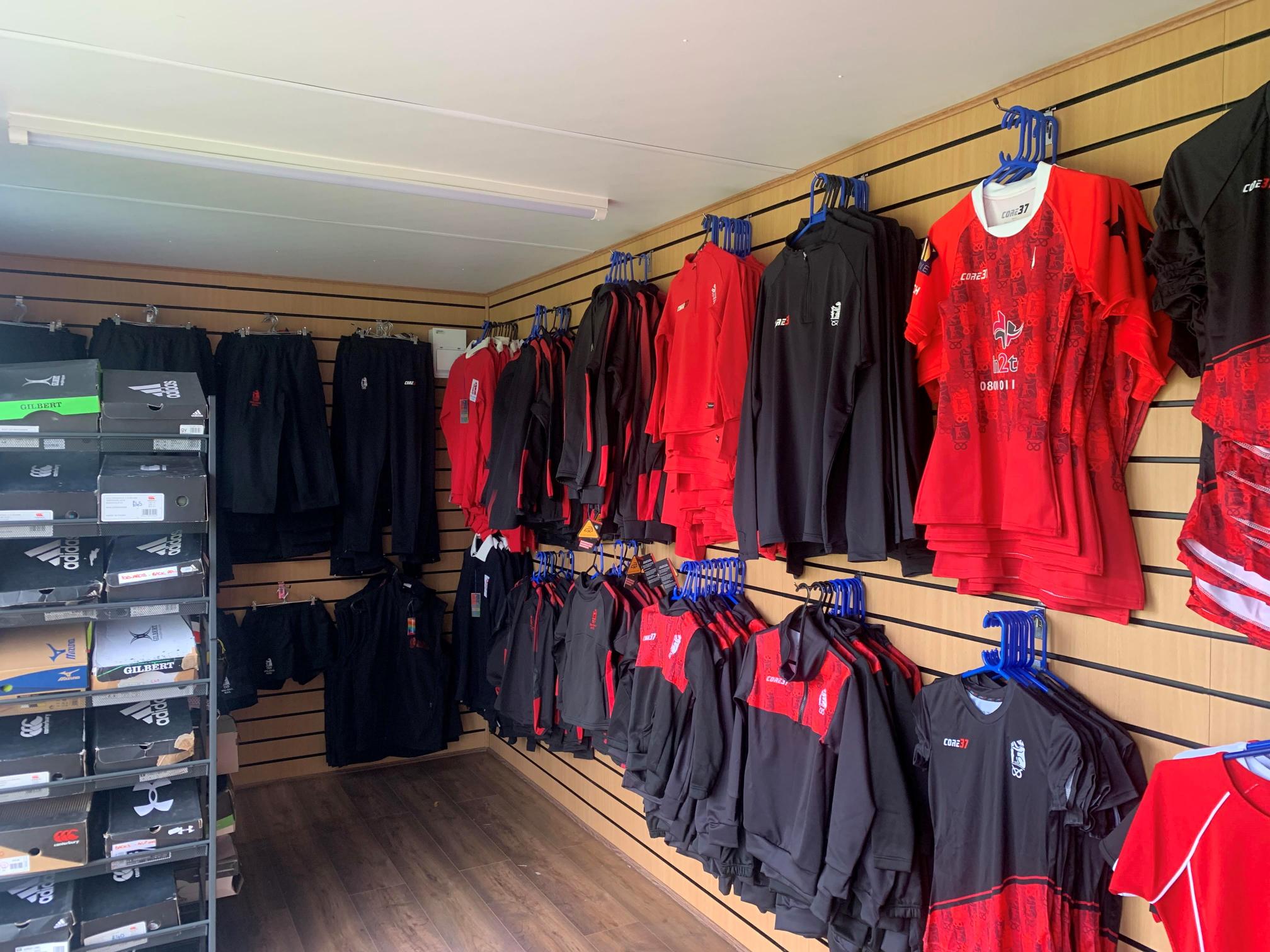
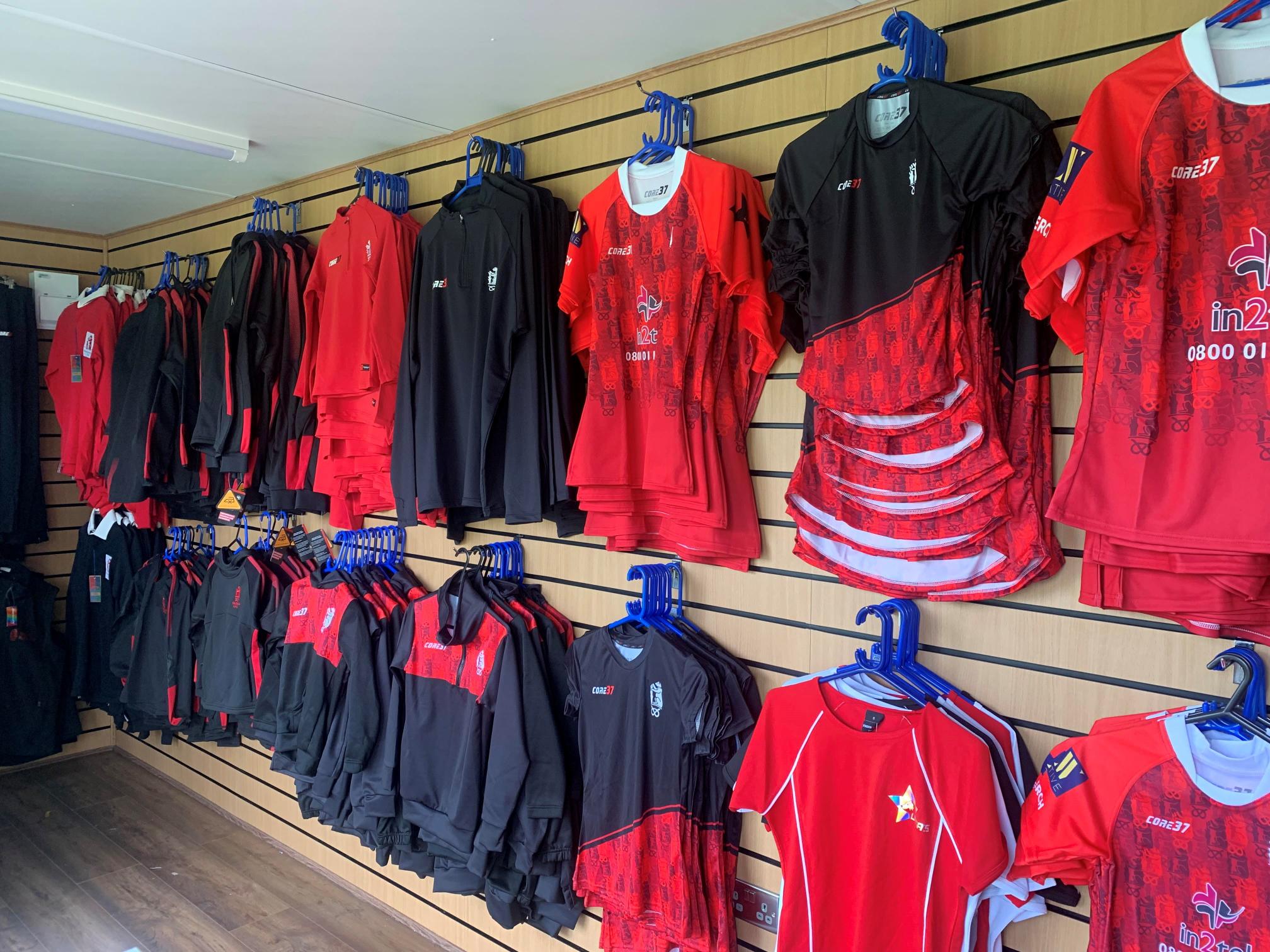
20ft x 8ft Container Conversion Retail Shop
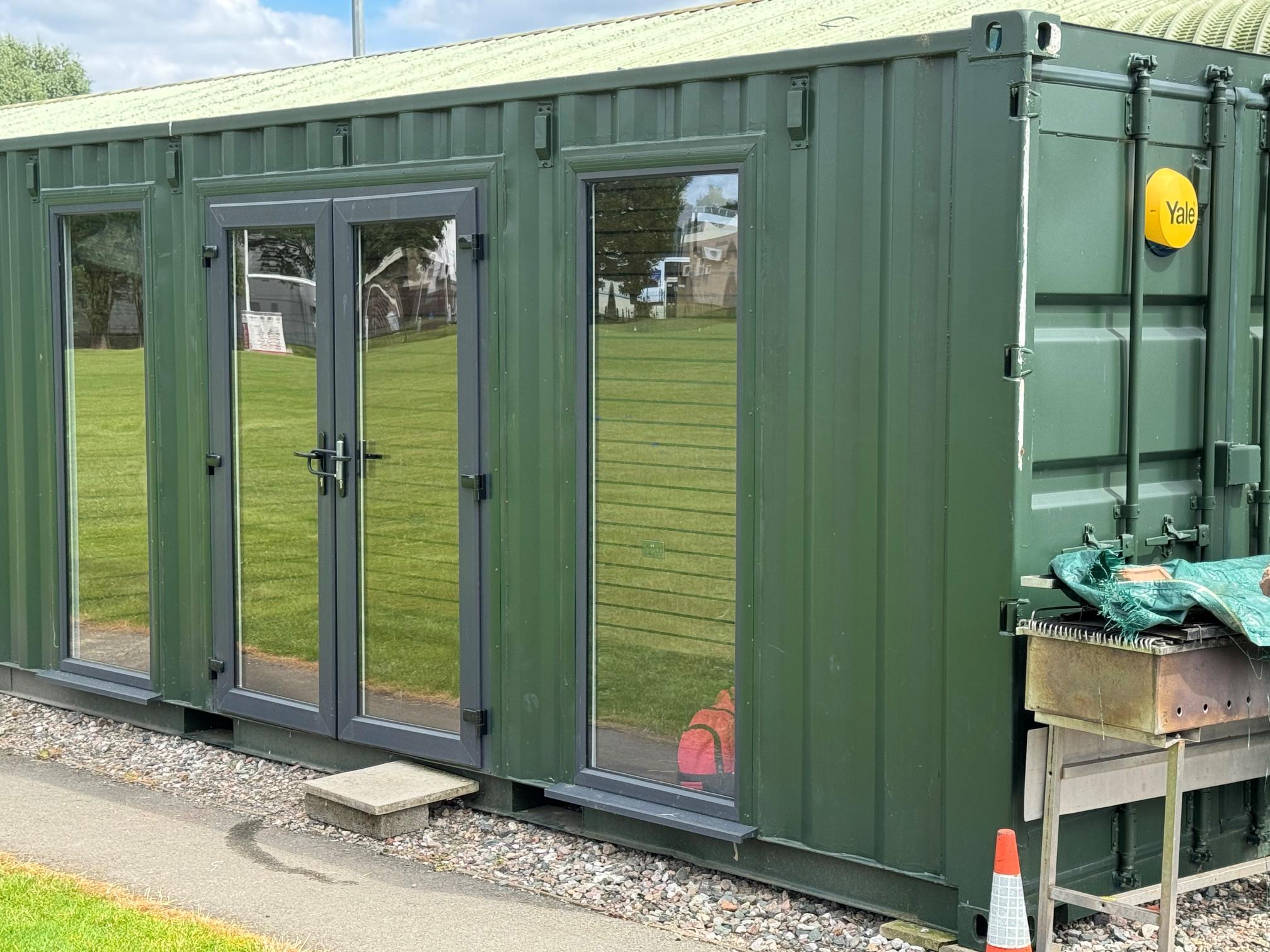
UPVC Double glazed Windows + French Doors
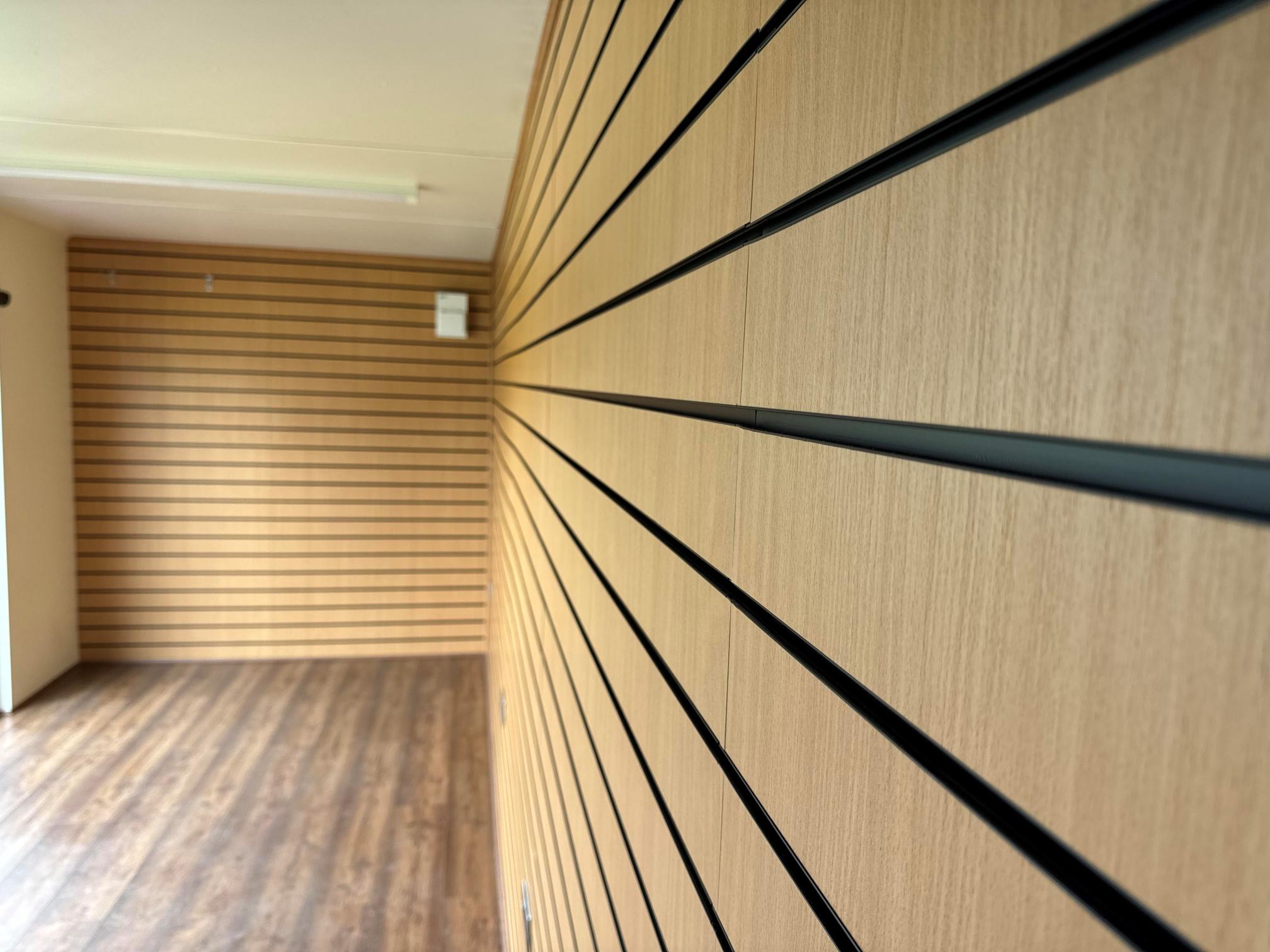
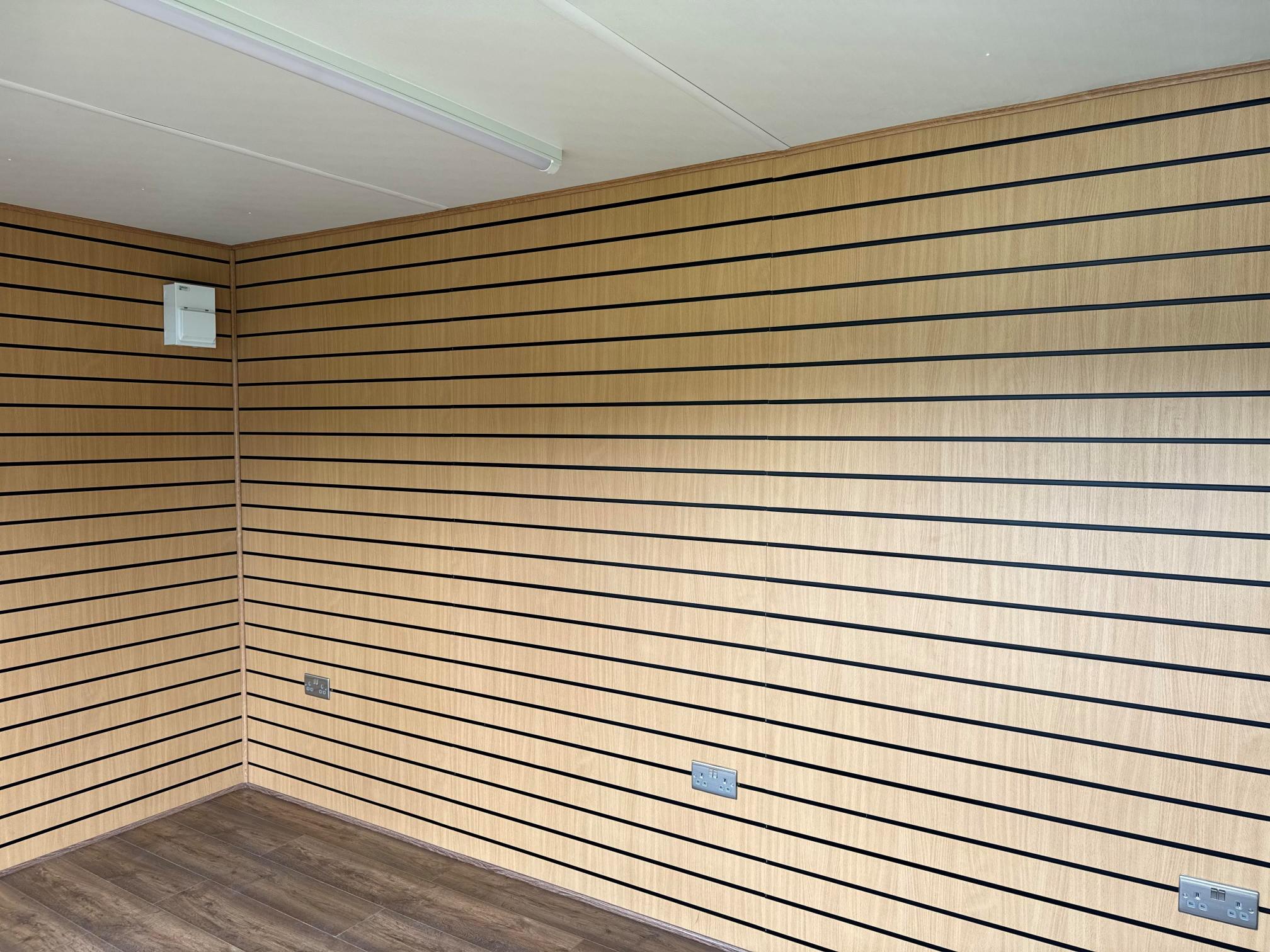
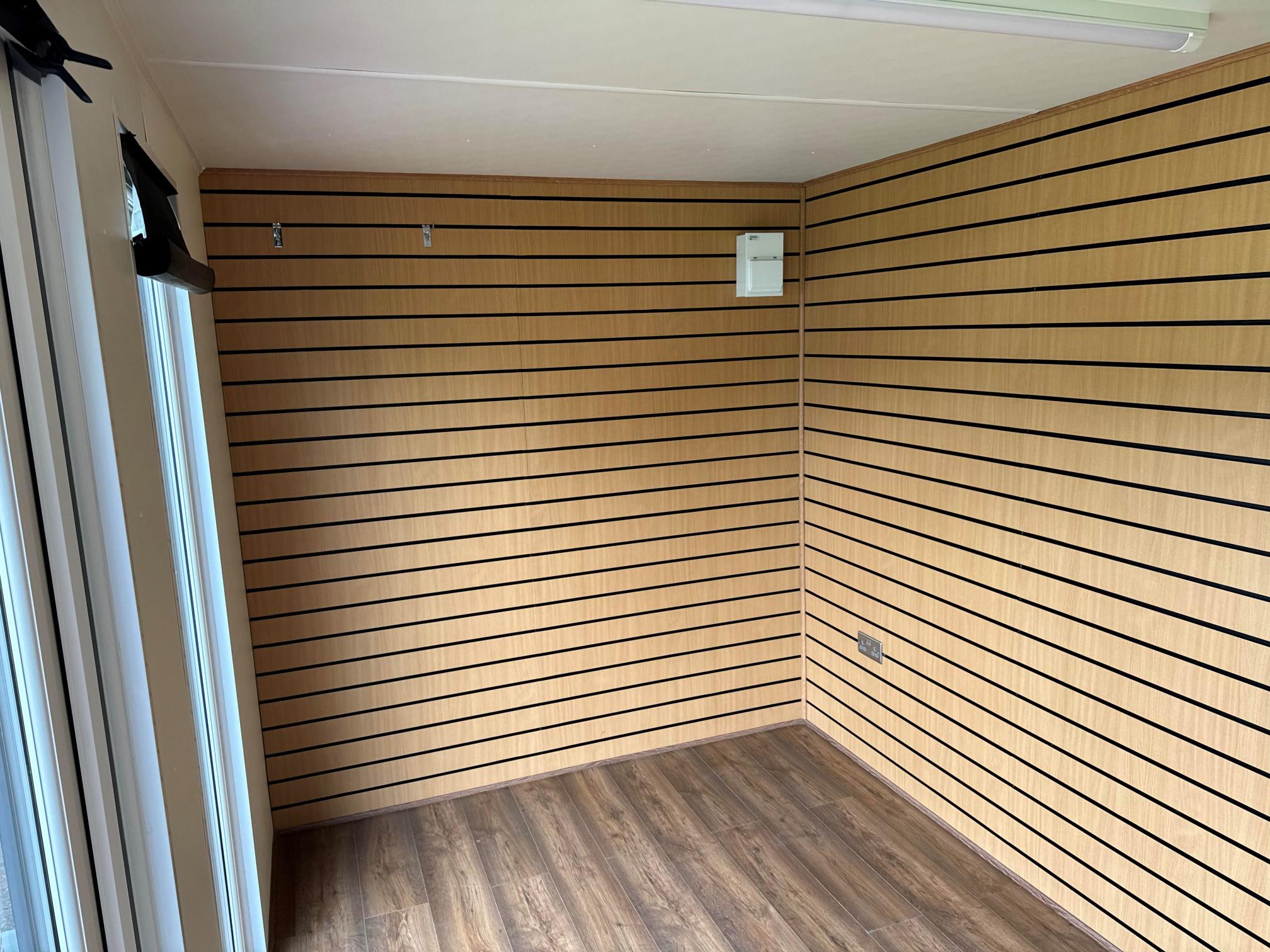
Slat Wall for retail fixings and Merchandise
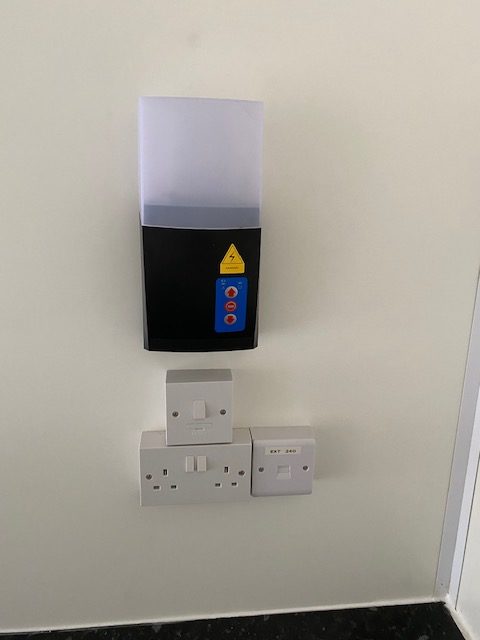
Electric Chrome Sockets, led lighting and heating.
Laminate Flooring
12 months Warranty
Maintenance call out package included
Less than 2 years old
Still in Brand New Condition


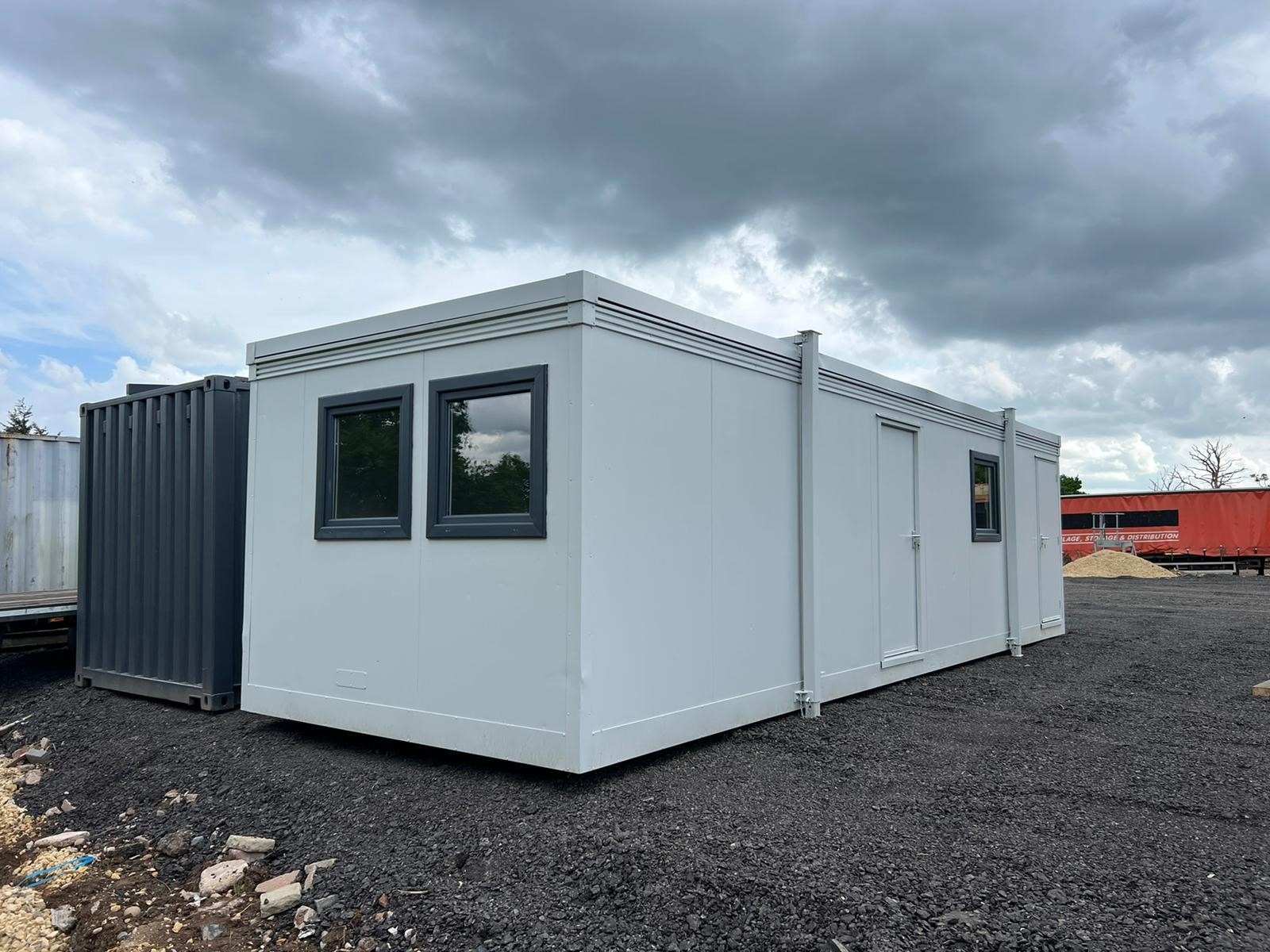
Fully refurbished
Colour light grey
Slate grey anthracite upvc double glazed windows


Location: Nationwide
+ VAT
Not Available for Hire
Call for an instant quote!
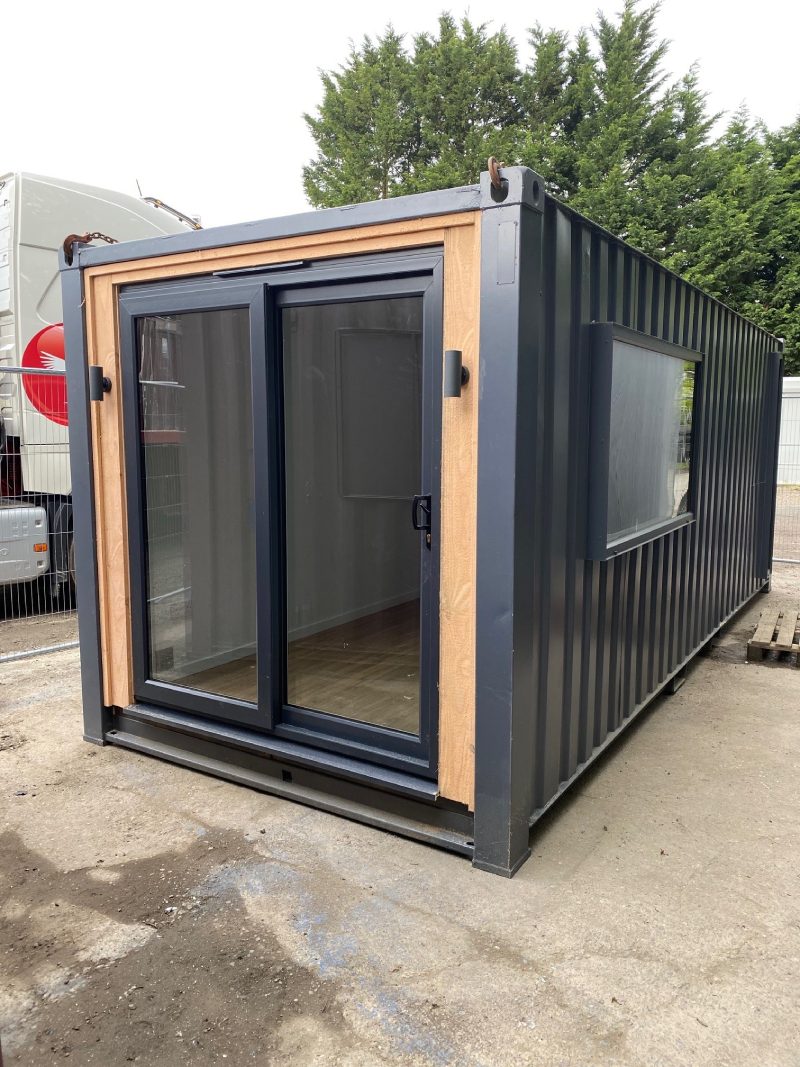
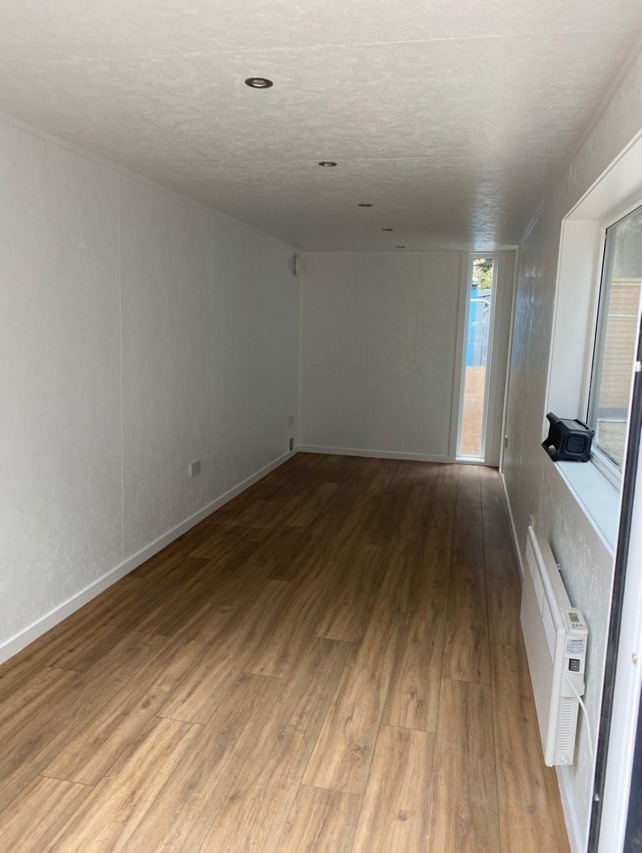
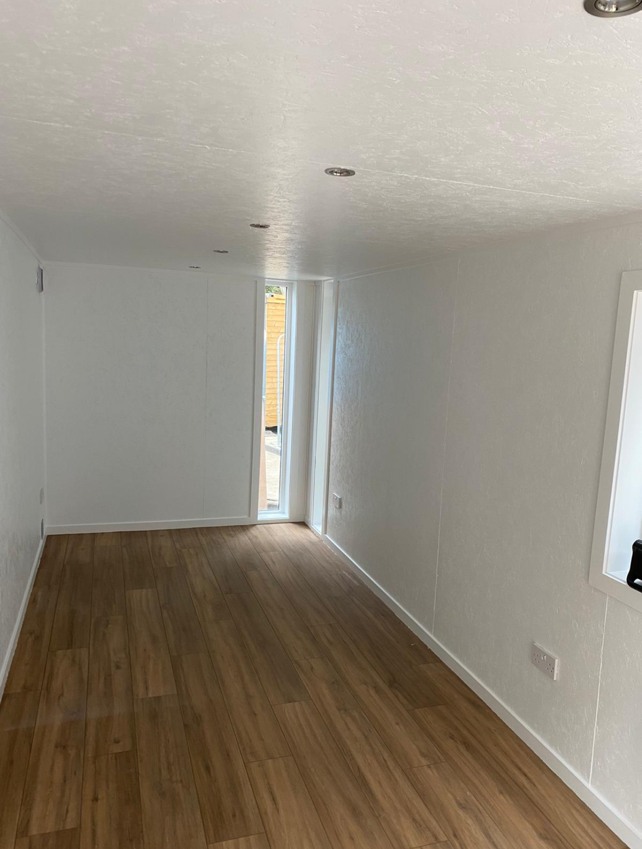
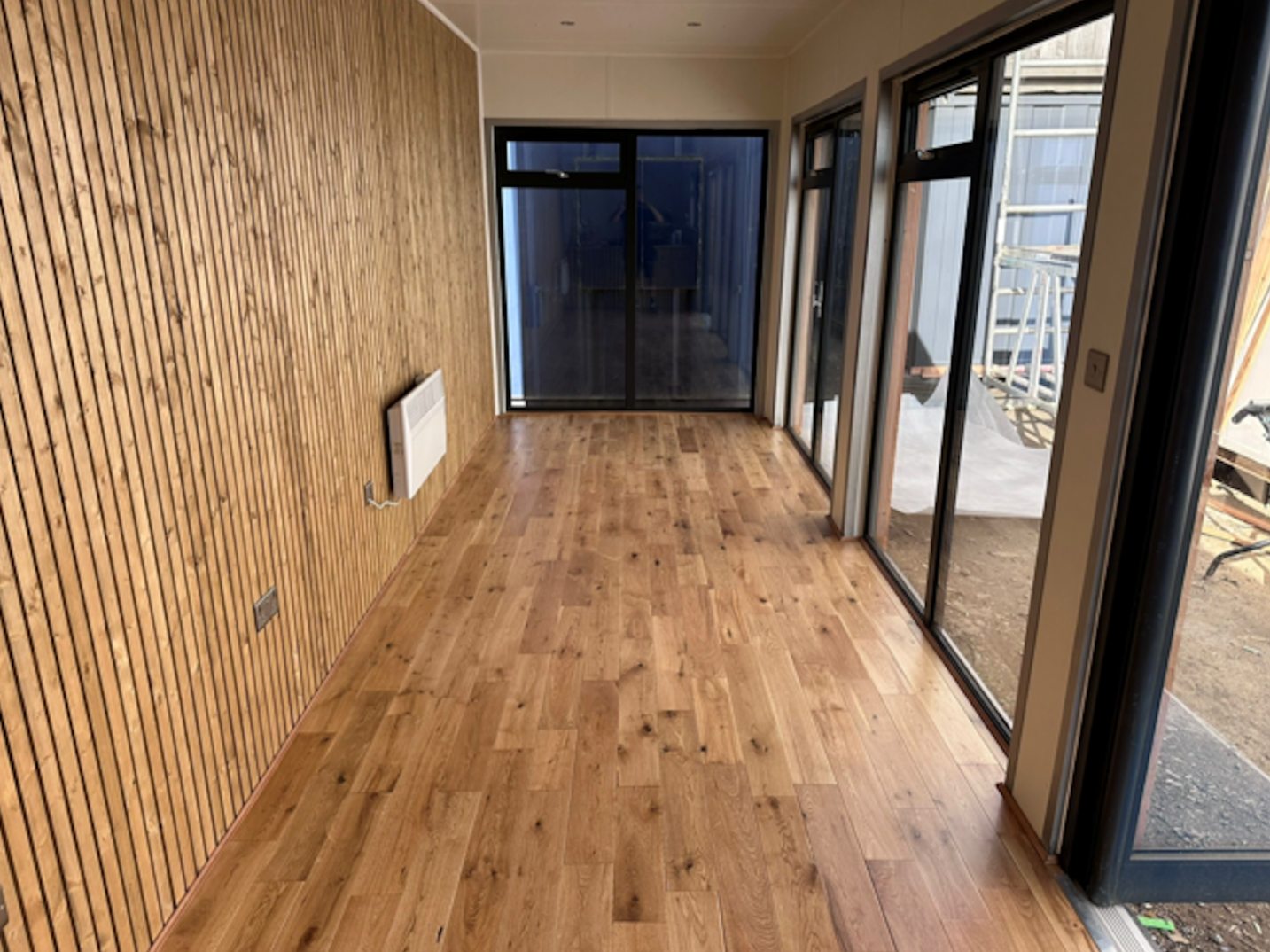
Fully Insulated with electric sockets, spot lighting, and heating
Wood Flooring
UPVC Sliding Door + Windows
Lead Time for build 6-8 weeks


Location: Nationwide
+ VAT
Not Available for Hire
Call for an instant quote!
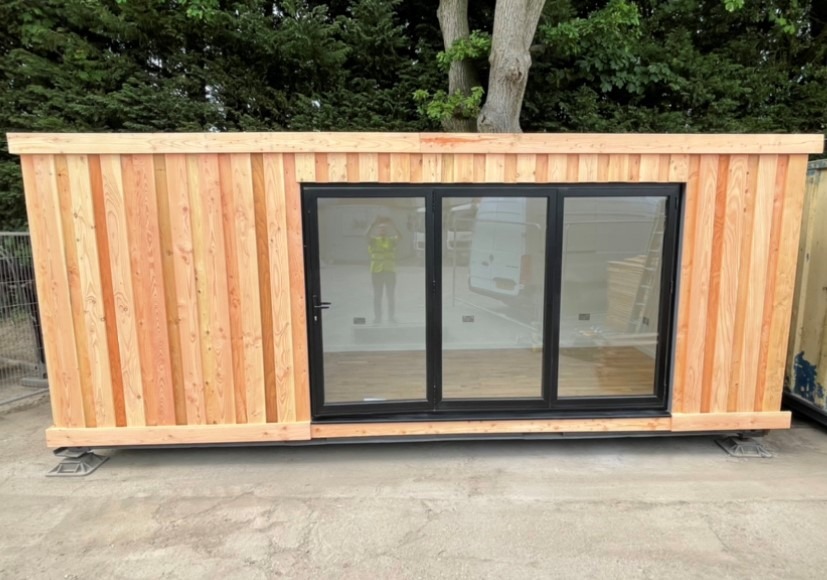
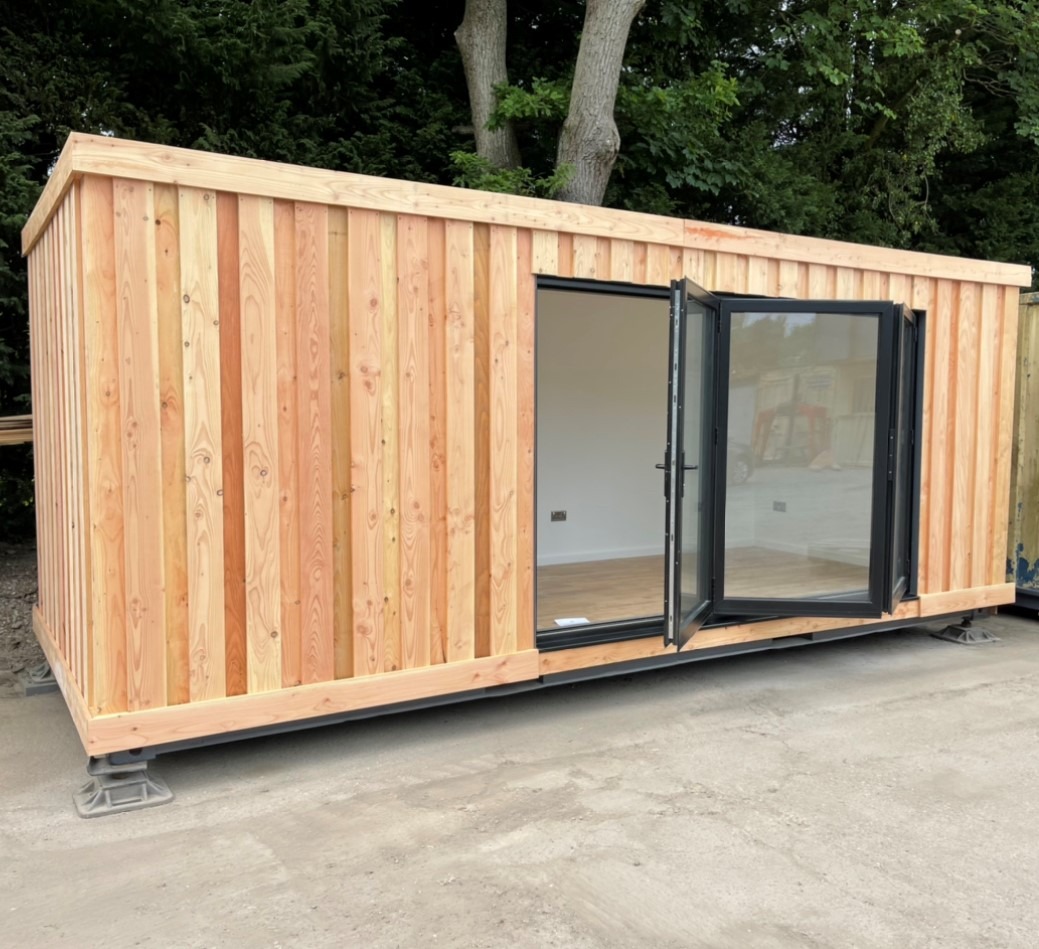
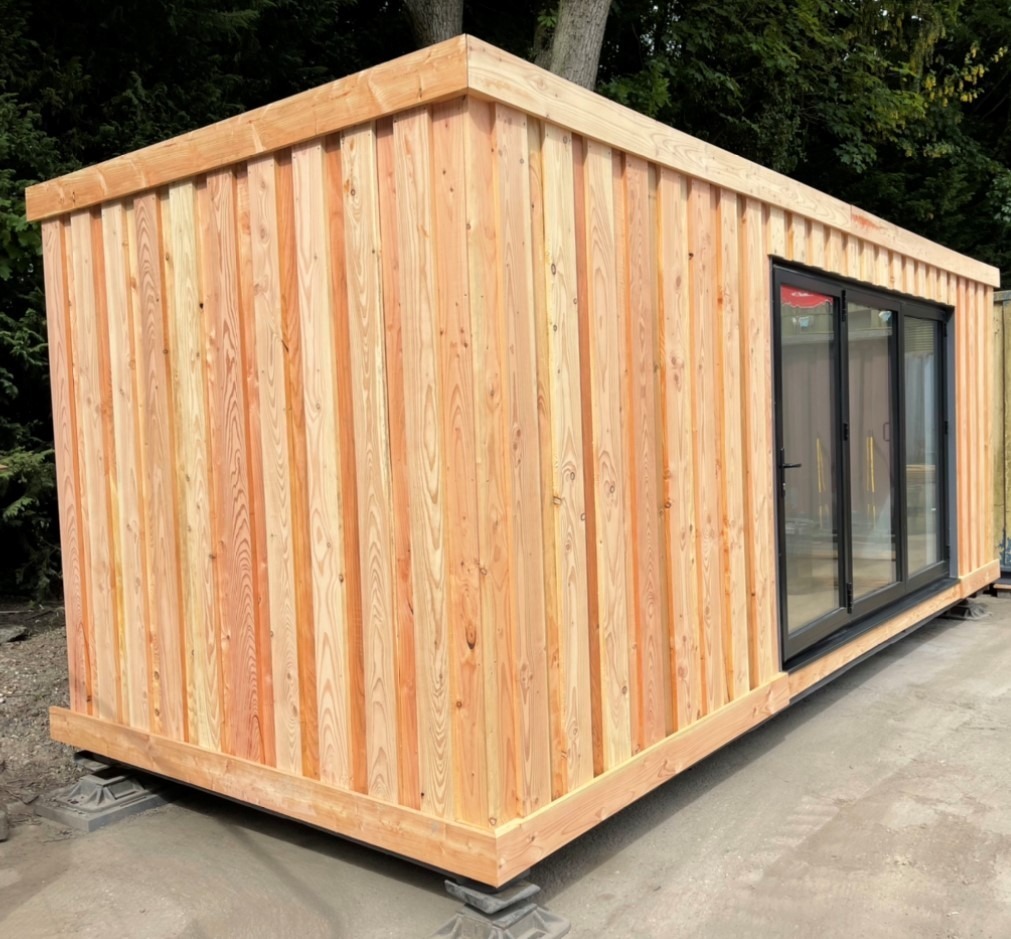
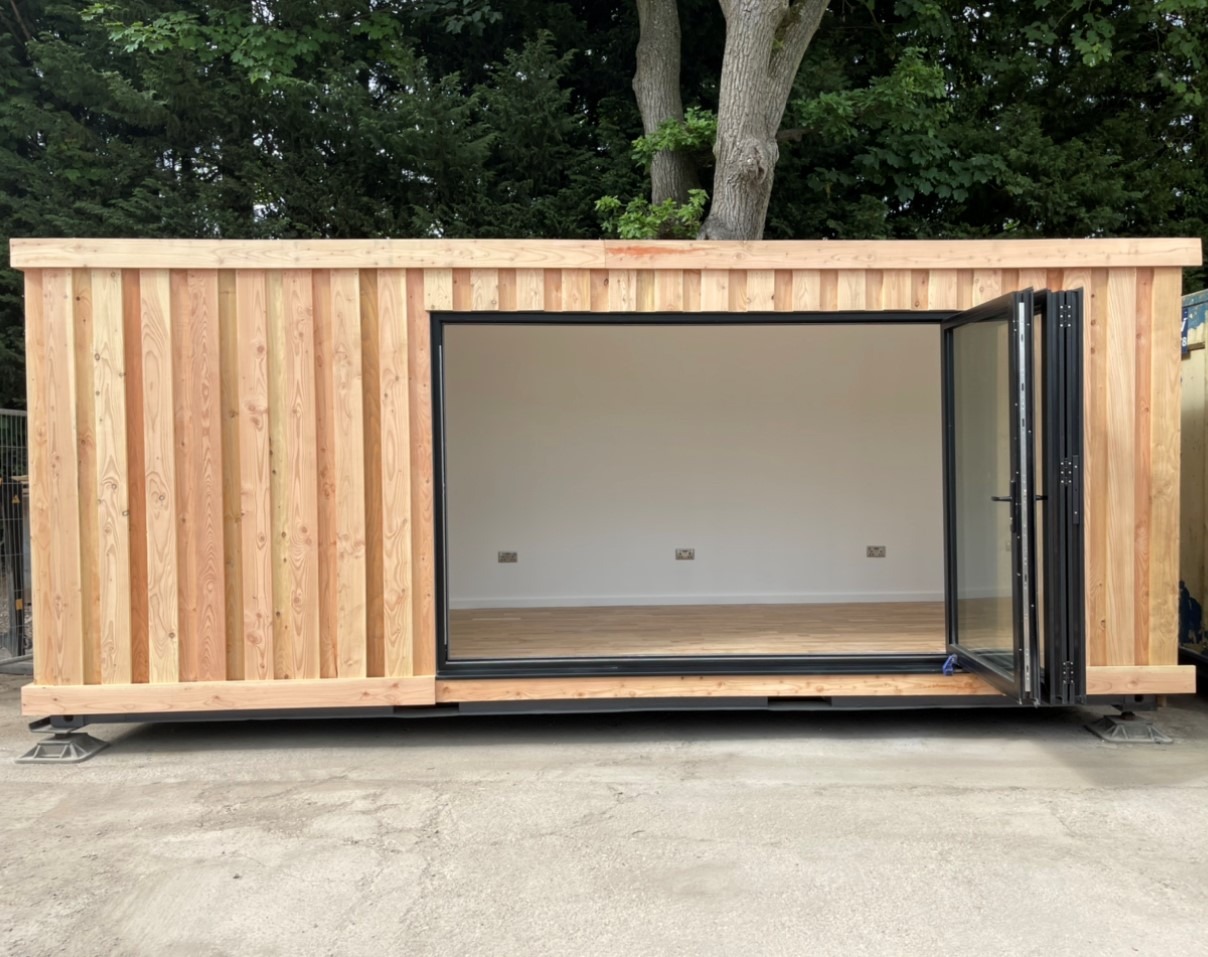
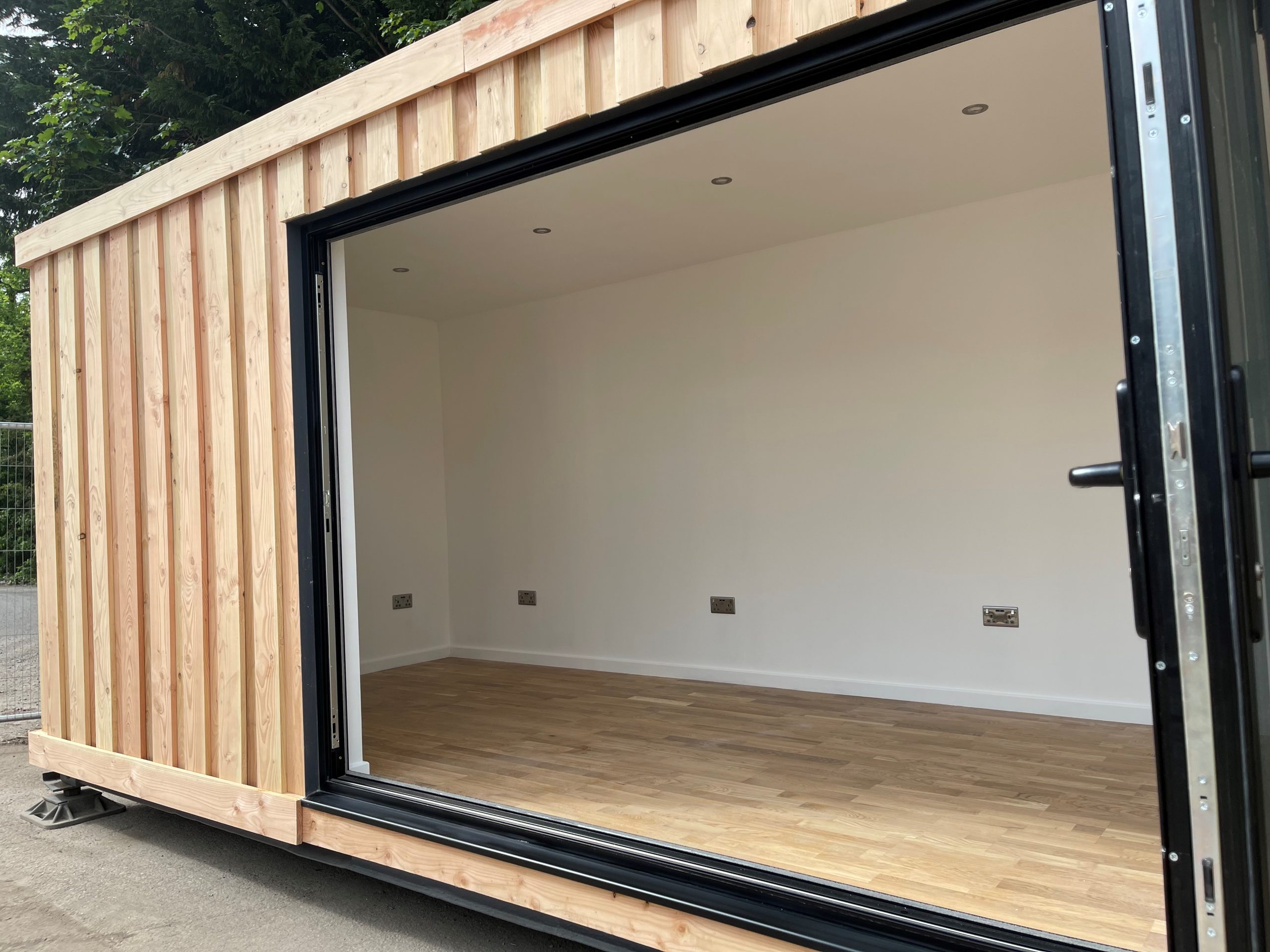
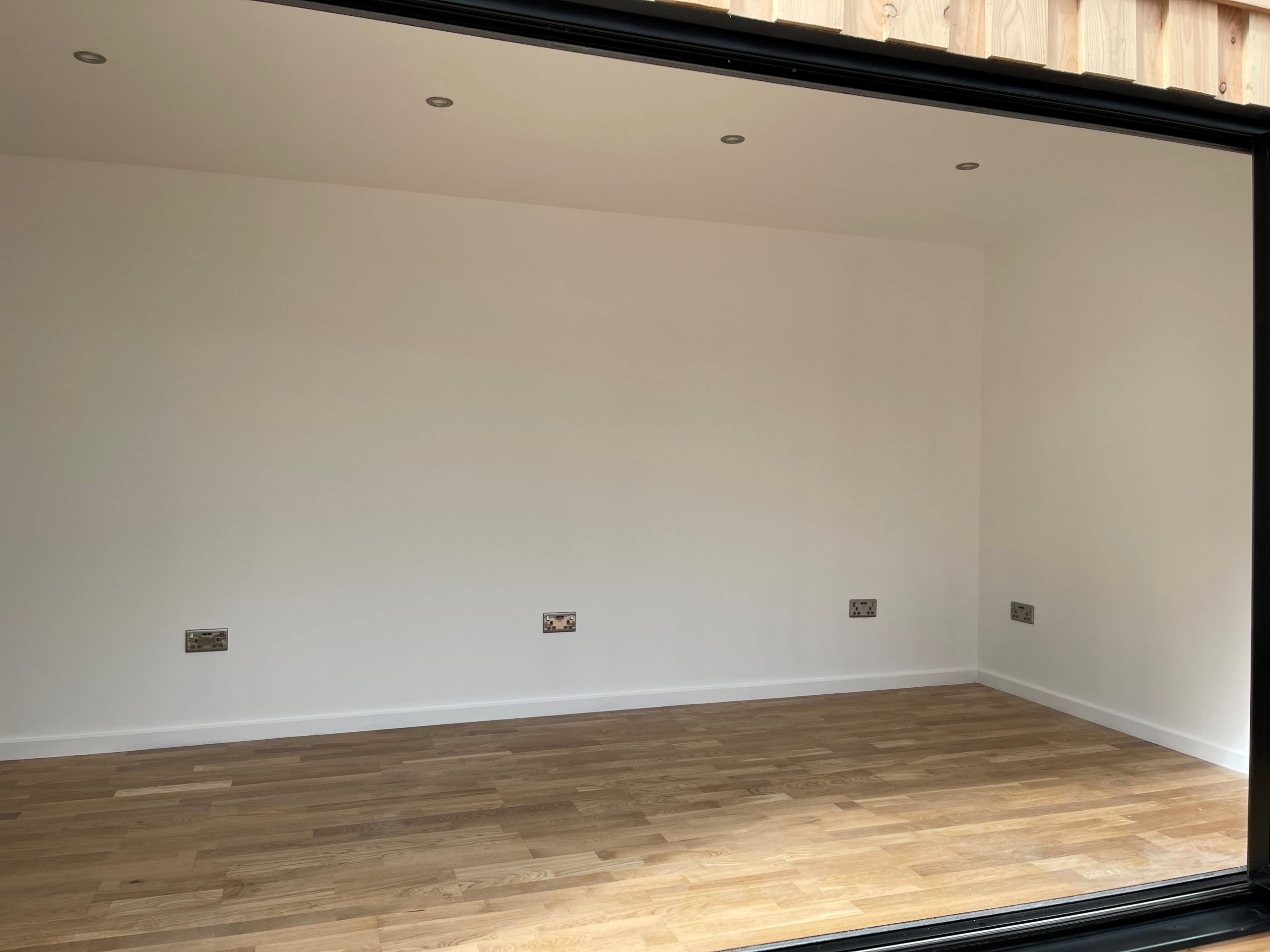
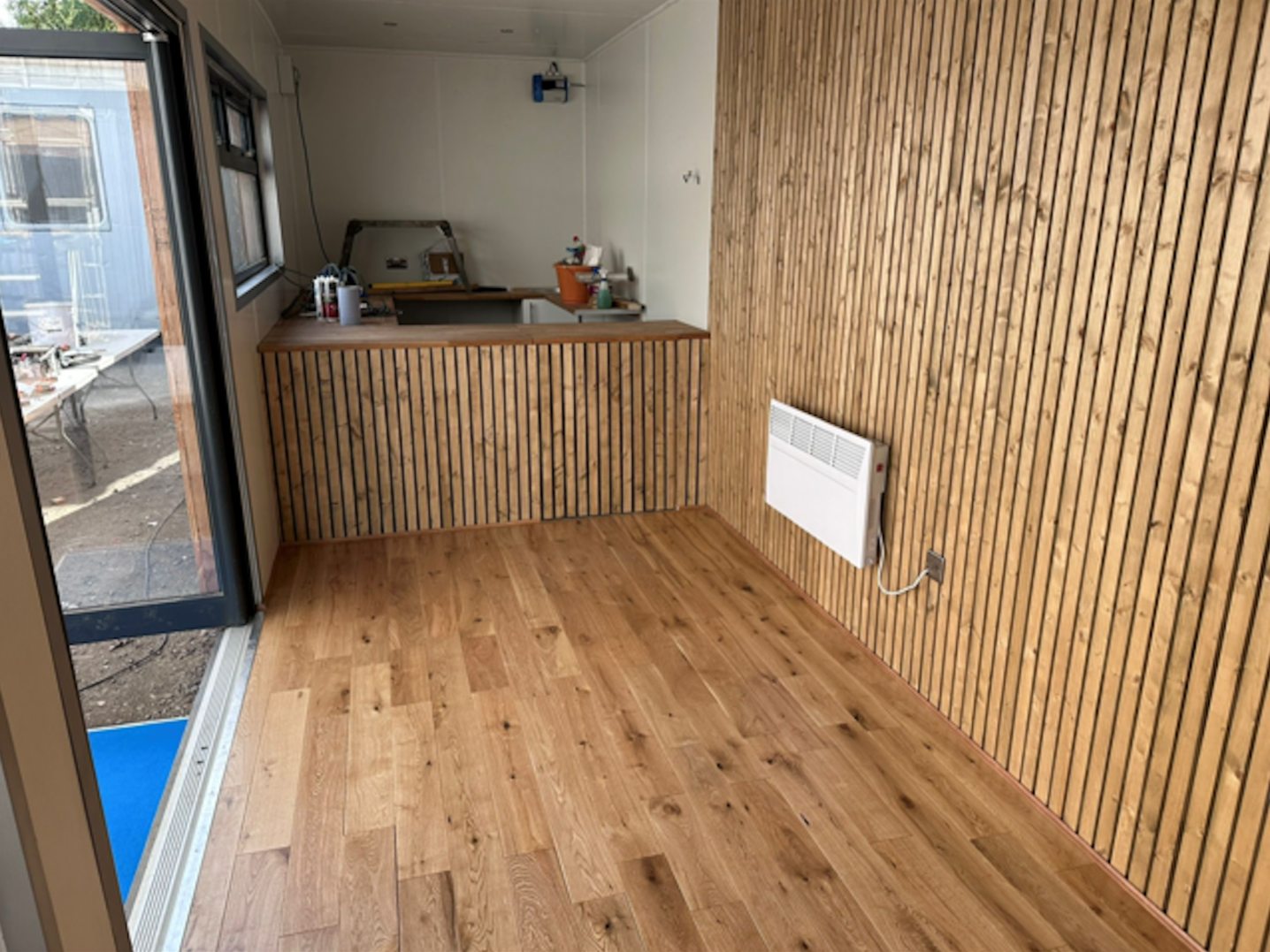
Fully Insulated with electric sockets, spot lighting, and heating
Wood Flooring
Aluminium Bi Fold Doors
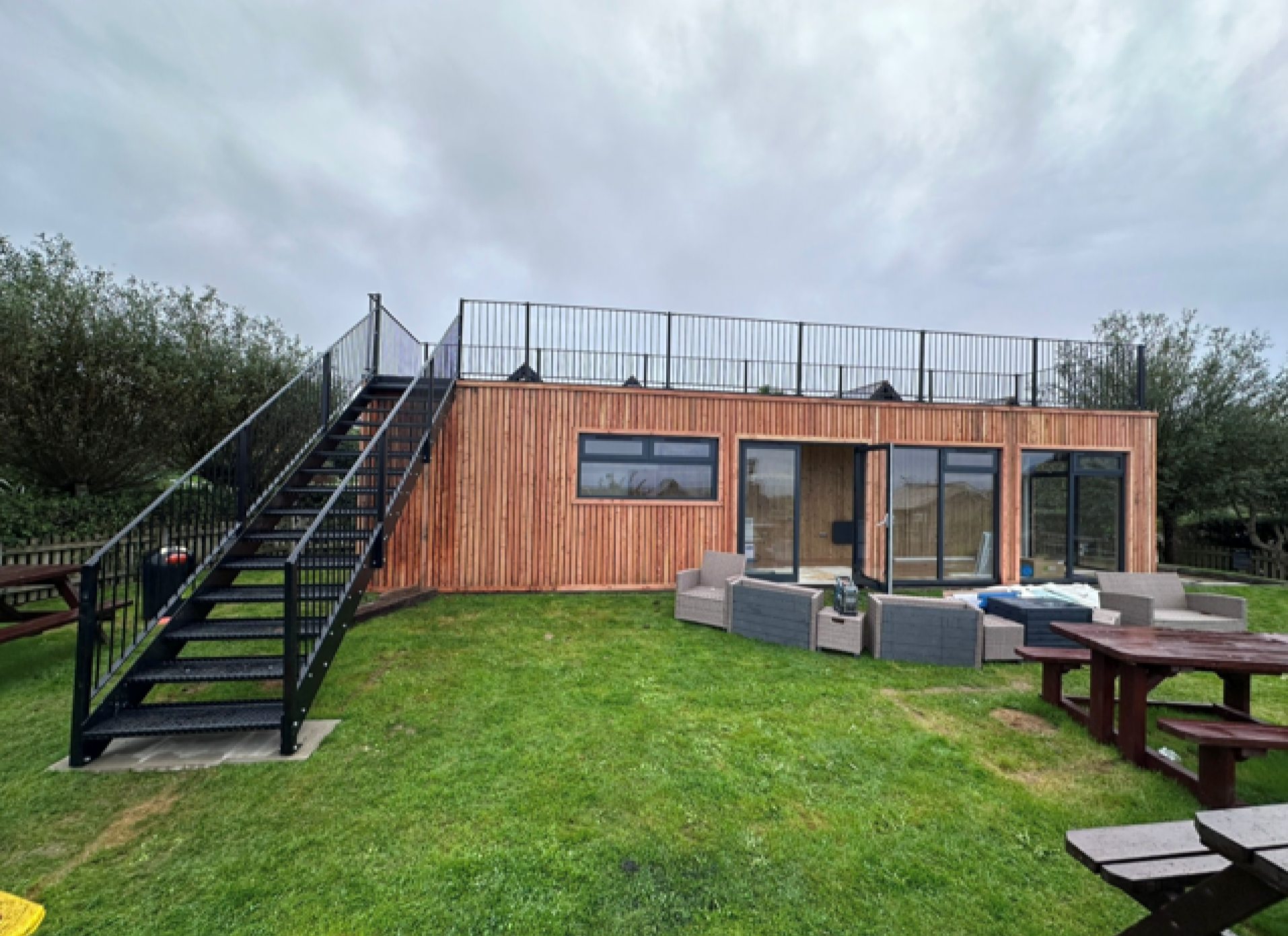
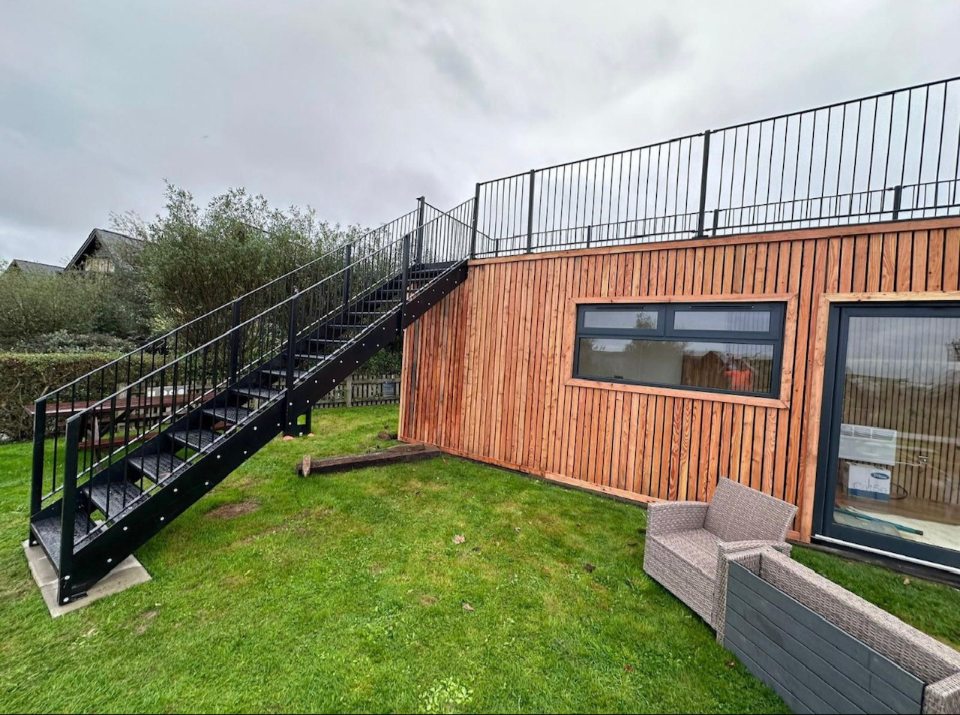
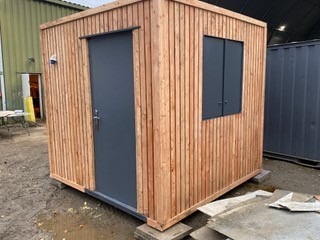
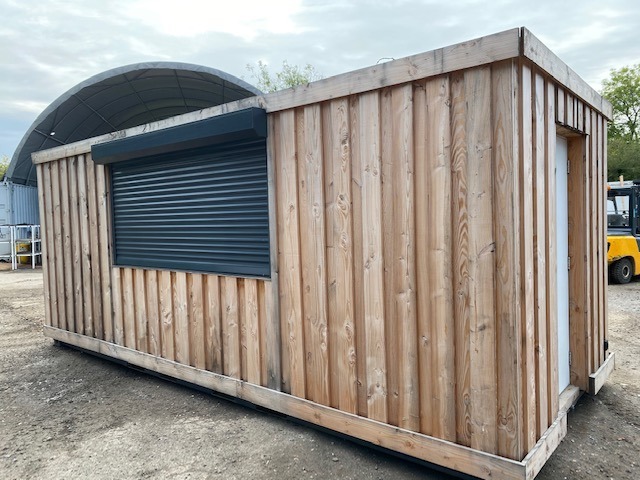
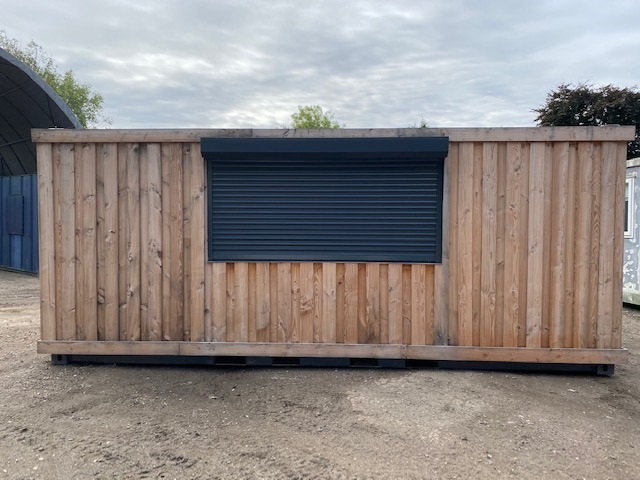
Fully wrapped in larch cladding
Lead Time for build 6-8 weeks


Location: Nationwide
+ VAT
Not Available for Hire
Call for an instant quote!
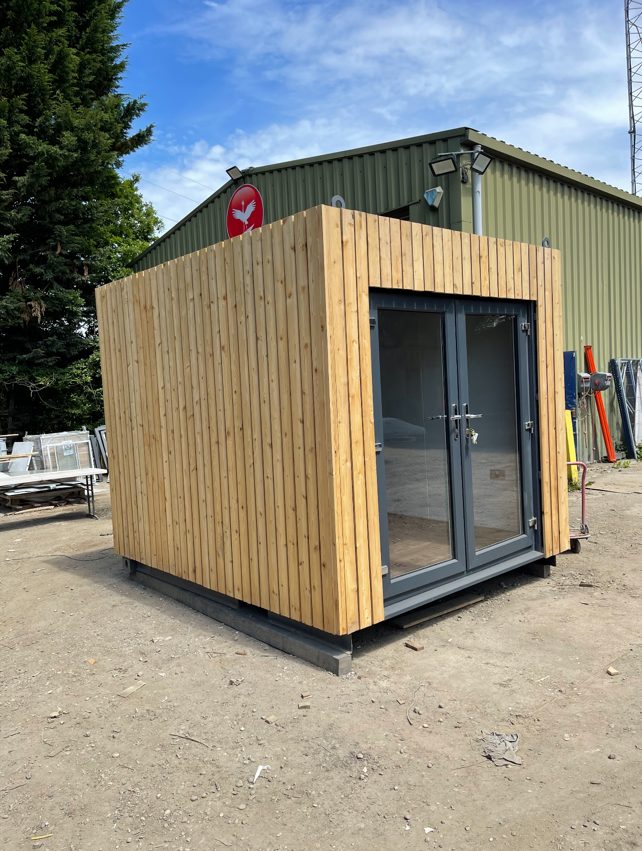
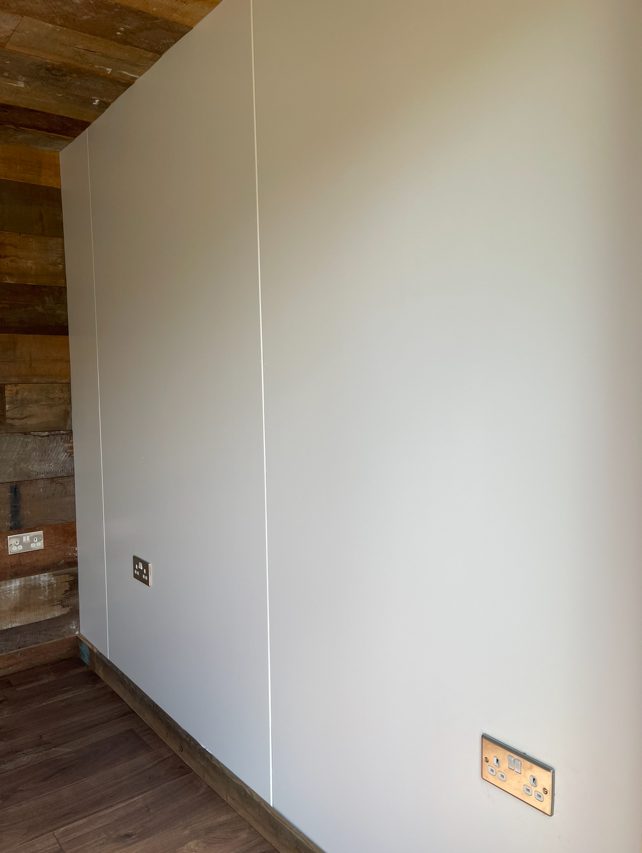
Fully Insulated with electric sockets, spot lighting, and heating
Wood Flooring
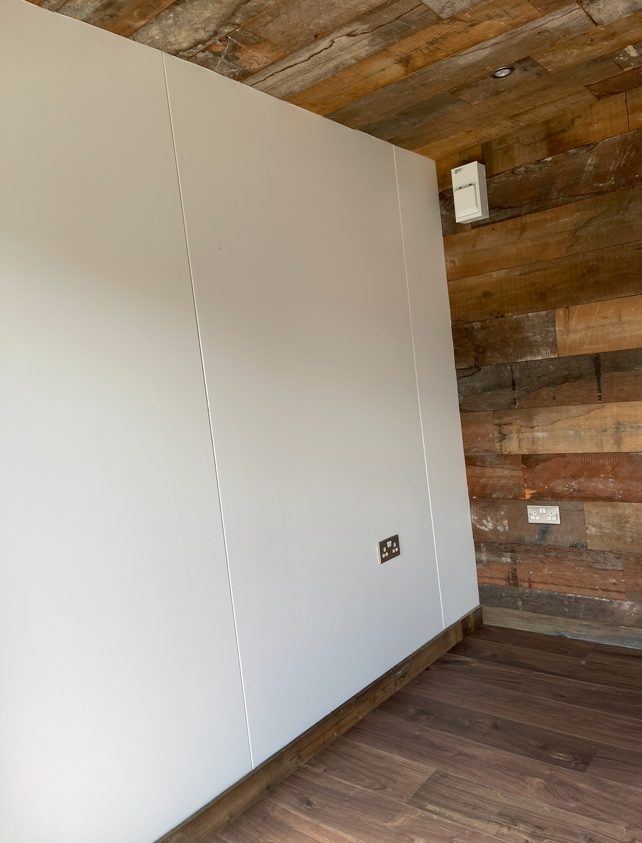
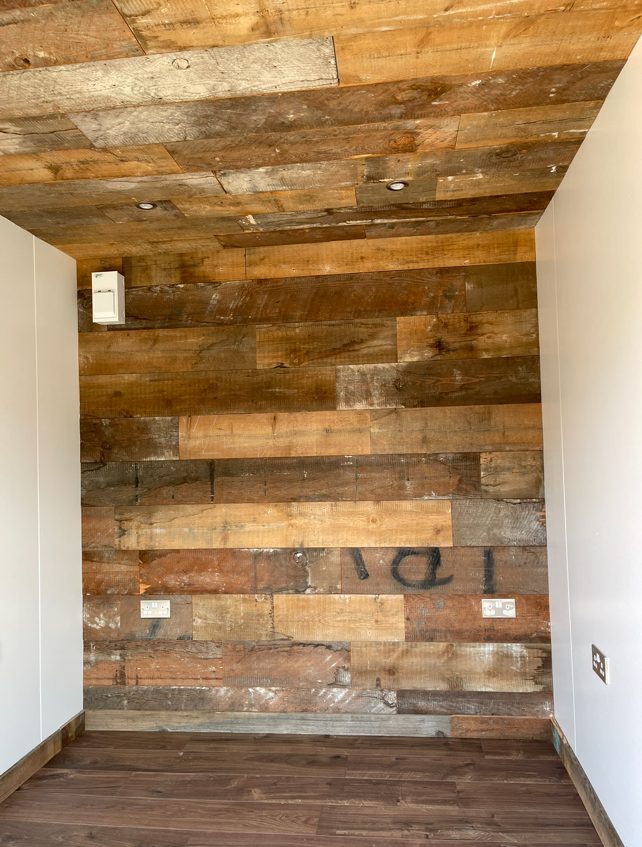
Feature Clad Wall and Ceiling
UPVC Double glazed French Doors
Fully wrapped in larch cladding
Lead Time for build 6-8 weeks


Location: Nationwide
EX VAT
Not Available for Hire
Call for an instant quote!


Location: Nationwide
EX VAT
Not Available for Hire
Call for an instant quote!


Location: Nationwide
EX VAT
Not Available for Hire
Call for an instant quote!


Location: Nationwide
EX VAT
Not Available for Hire
Call for an instant quote!


Location: Nationwide
EX VAT
Not Available for Hire
Call for an instant quote!

Location: Nationwide
EX VAT
Not Available for Hire
Call for an instant quote!


Location: Nationwide
EX VAT
Not Available for Hire
Call for an instant quote!


Location: Nationwide
EX VAT
Not Available for Hire
Call for an instant quote!


Location: Nationwide
EX VAT
Not Available for Hire
Call for an instant quote!


Location: Nationwide
EX VAT
Not Available for Hire
Call for an instant quote!


Location: Nationwide
EX VAT
Not Available for Hire
Call for an instant quote!


Location: Nationwide
EX VAT
Not Available for Hire
Call for an instant quote!


Location: Nationwide
EX VAT
Not Available for Hire
Call for an instant quote!


Location: Nationwide
EX VAT
Not Available for Hire
Call for an instant quote!


Location: Nationwide
EX VAT
Not Available for Hire
Call for an instant quote!


Location: Nationwide
EX VAT
Not Available for Hire
Call for an instant quote!
10ftx8ft – £5950 + Vat / 16ftx8ft – £7950 + Vat / 20ftx8ft – £9000 + Vat / 24ftx8ft – £12000 + Vat / 30ftx8ft – £13500 + Vat


Location: Nationwide
EX VAT
Not Available for Hire
Call for an instant quote!


Location: Nationwide
EX VAT
Not Available for Hire
Call for an instant quote!


Location: Nationwide
EX VAT
Not Available for Hire
Call for an instant quote!

Location: Nationwide
Quantity: ∞
EX VAT
Not Available for Hire
Call for an instant quote!
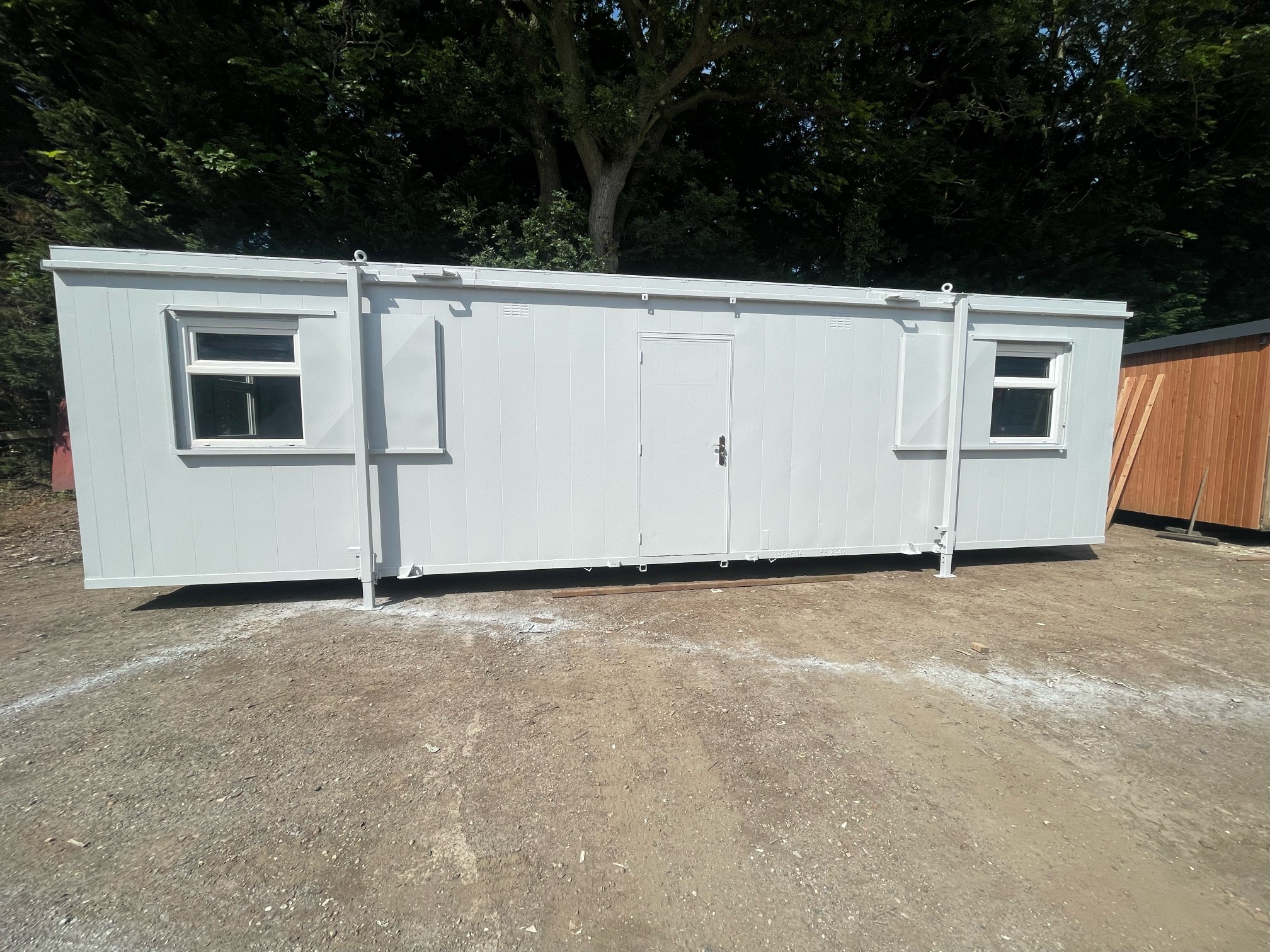
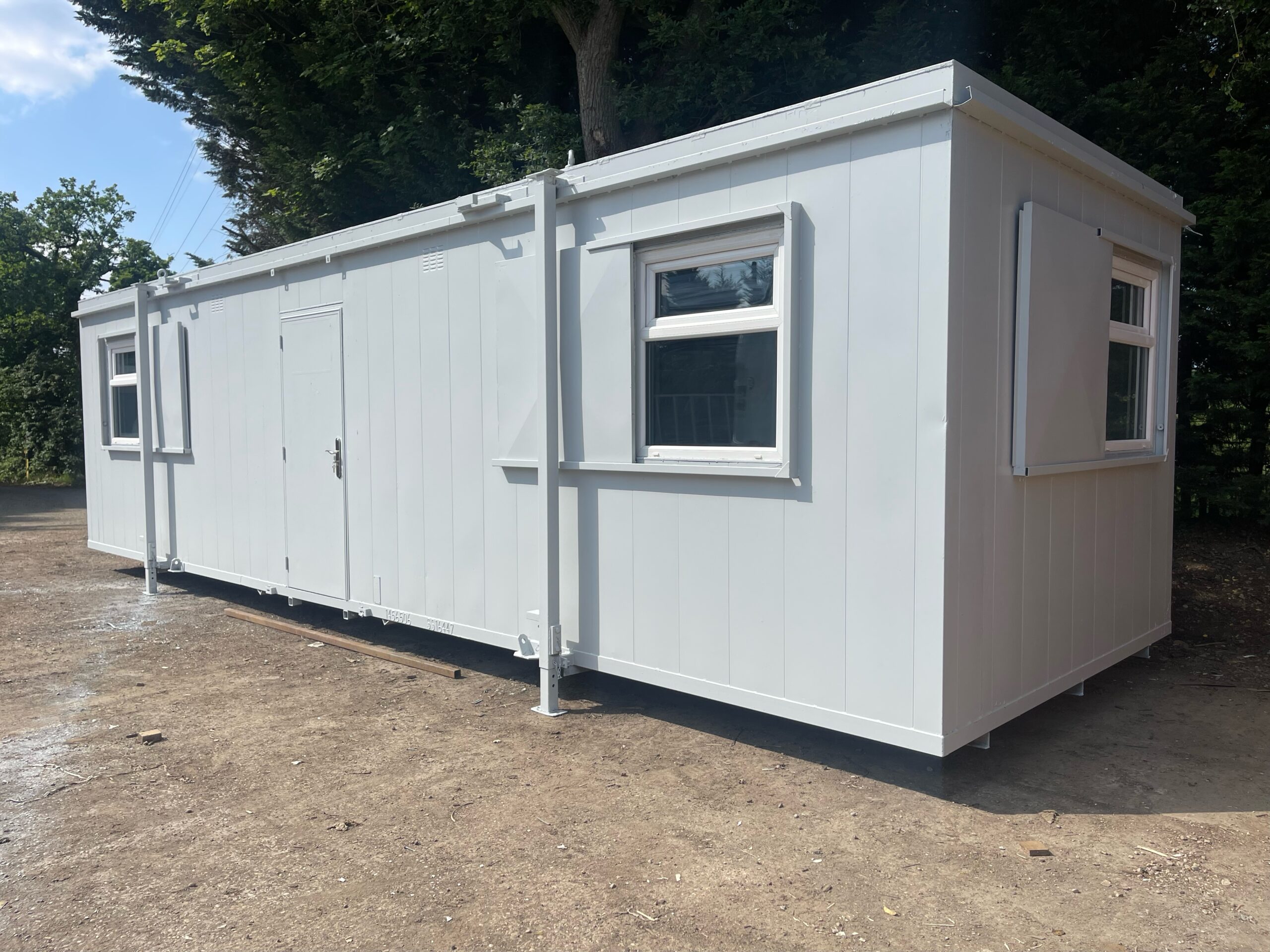
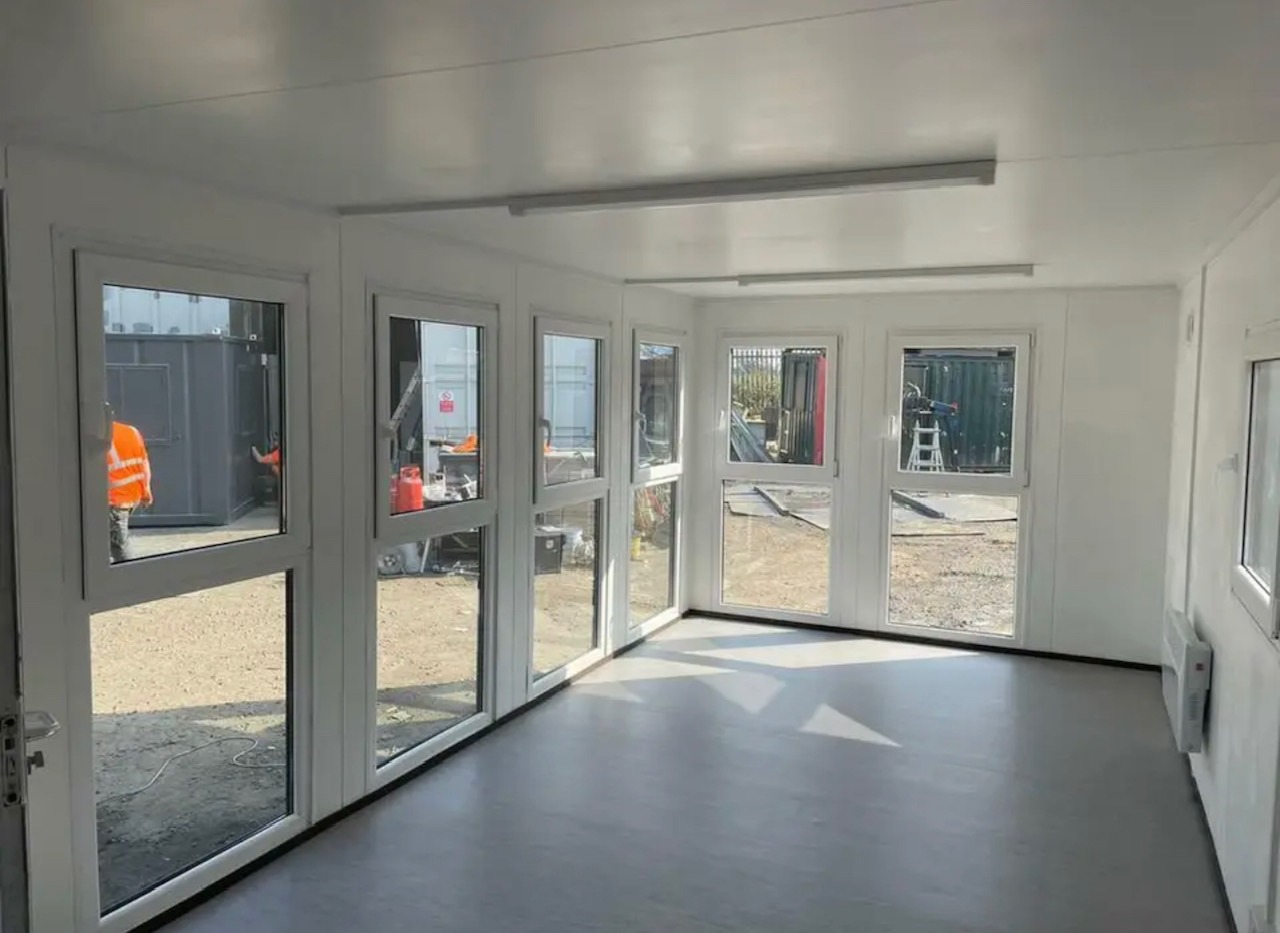
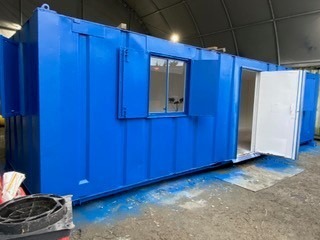
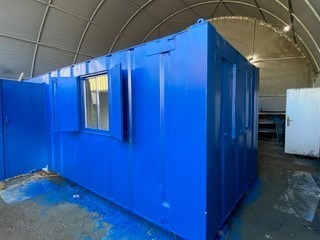
• Reinforced doors and windows with secure locking
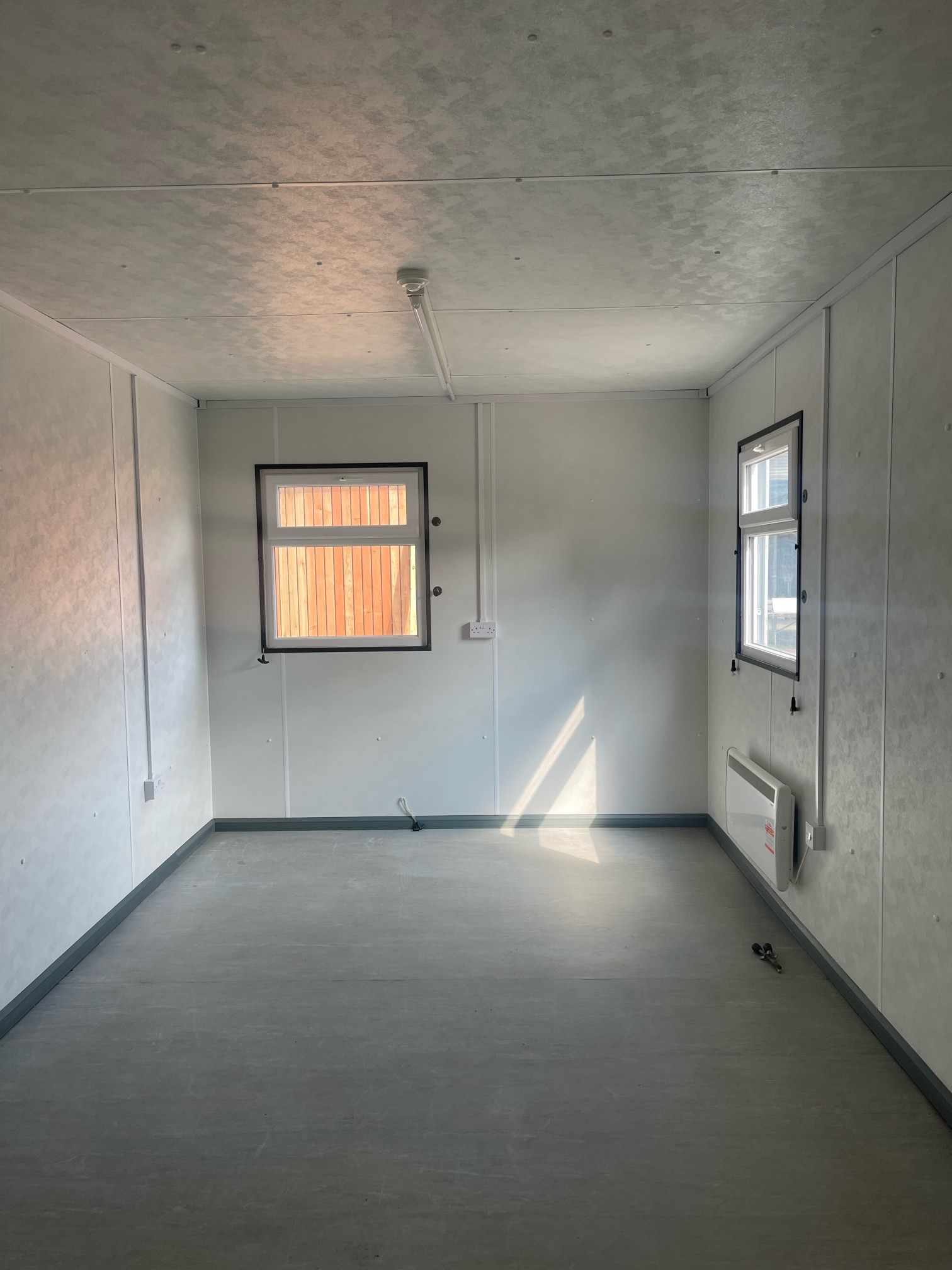
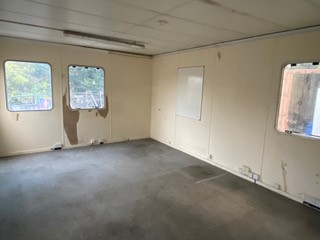
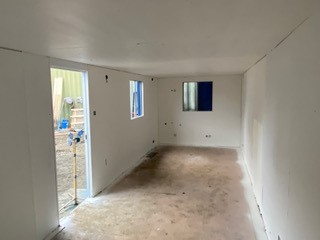
• Open plan with electric sockets and lighting
• Ral Code Colour of choice
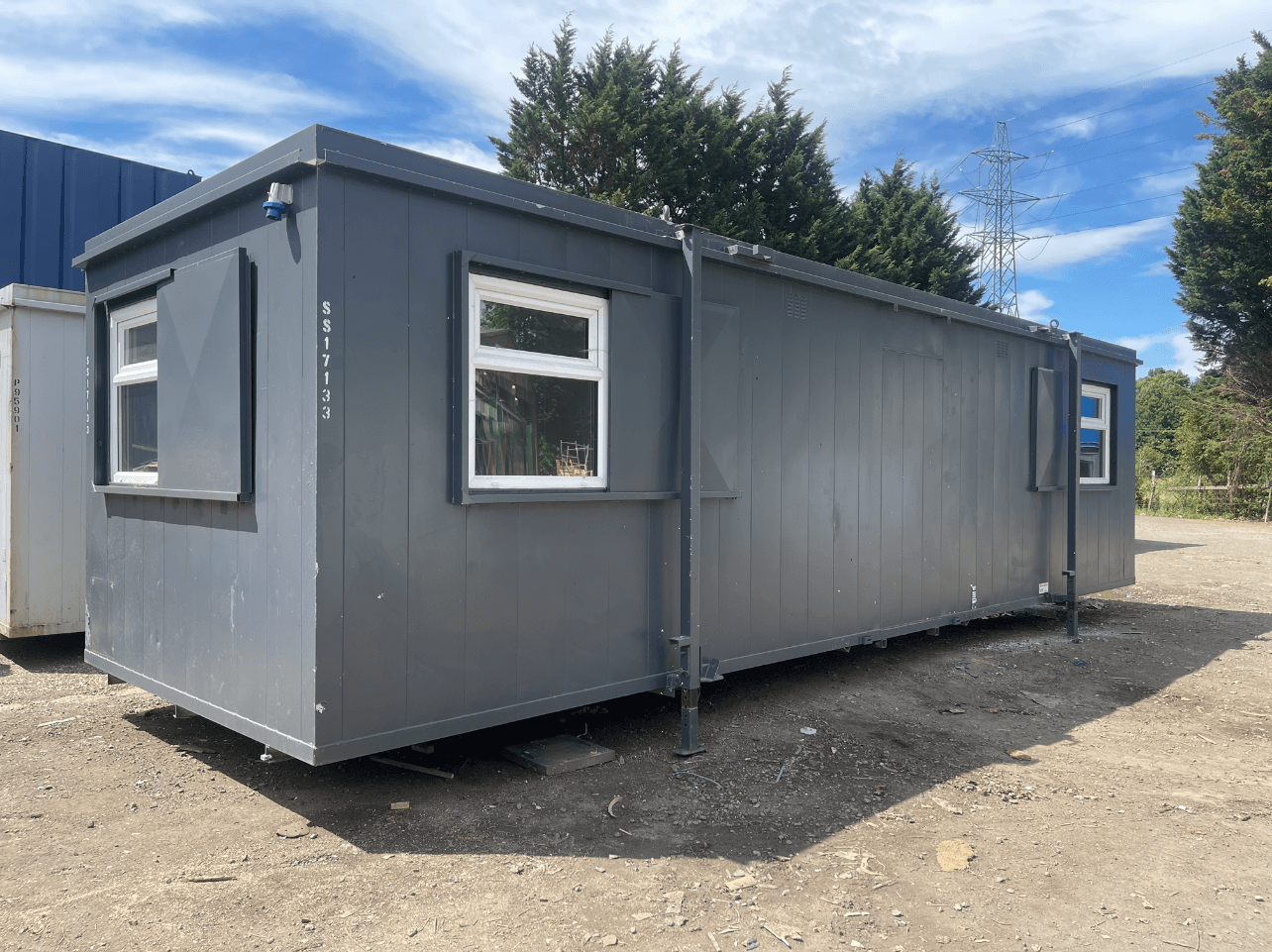
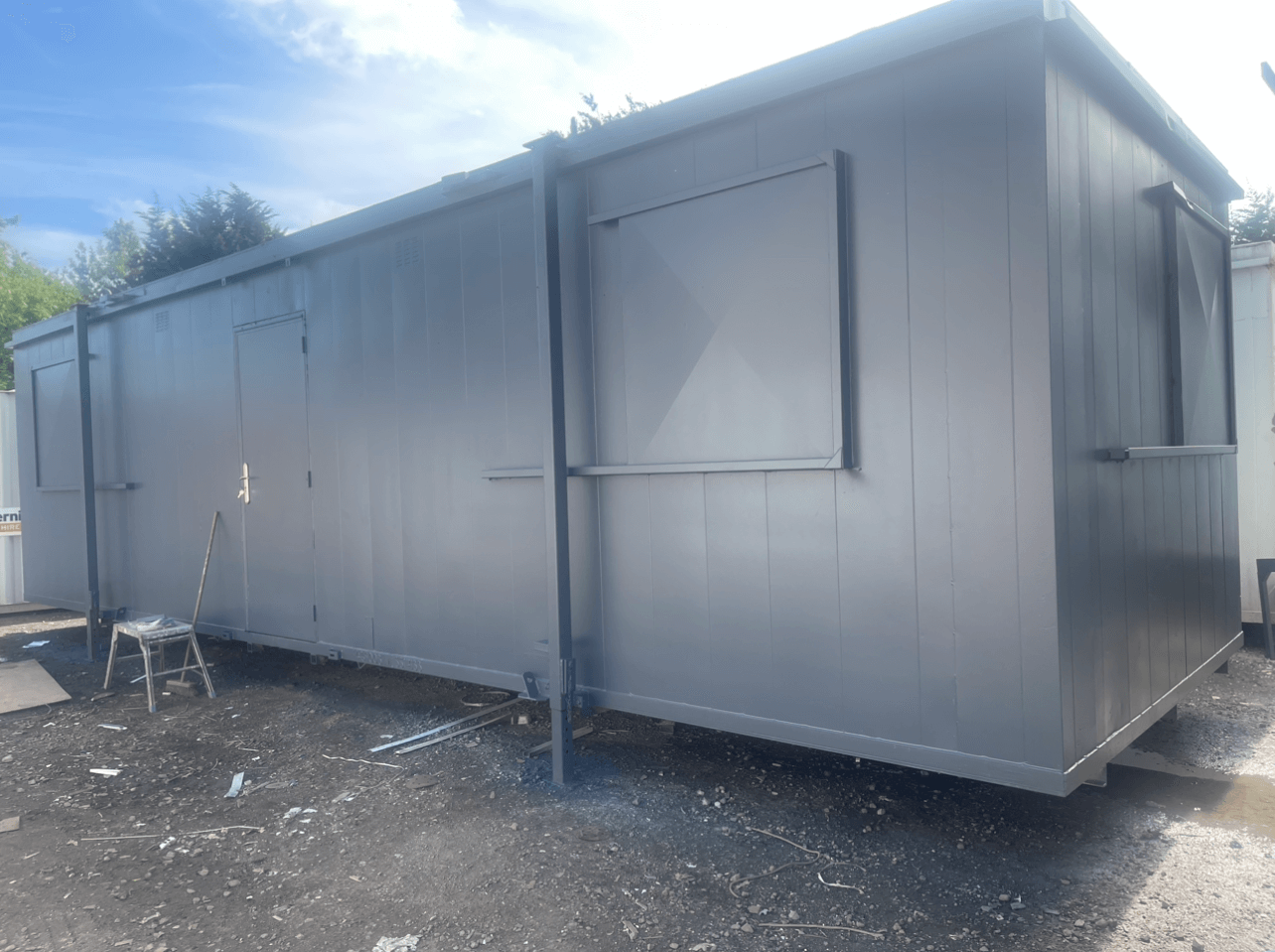
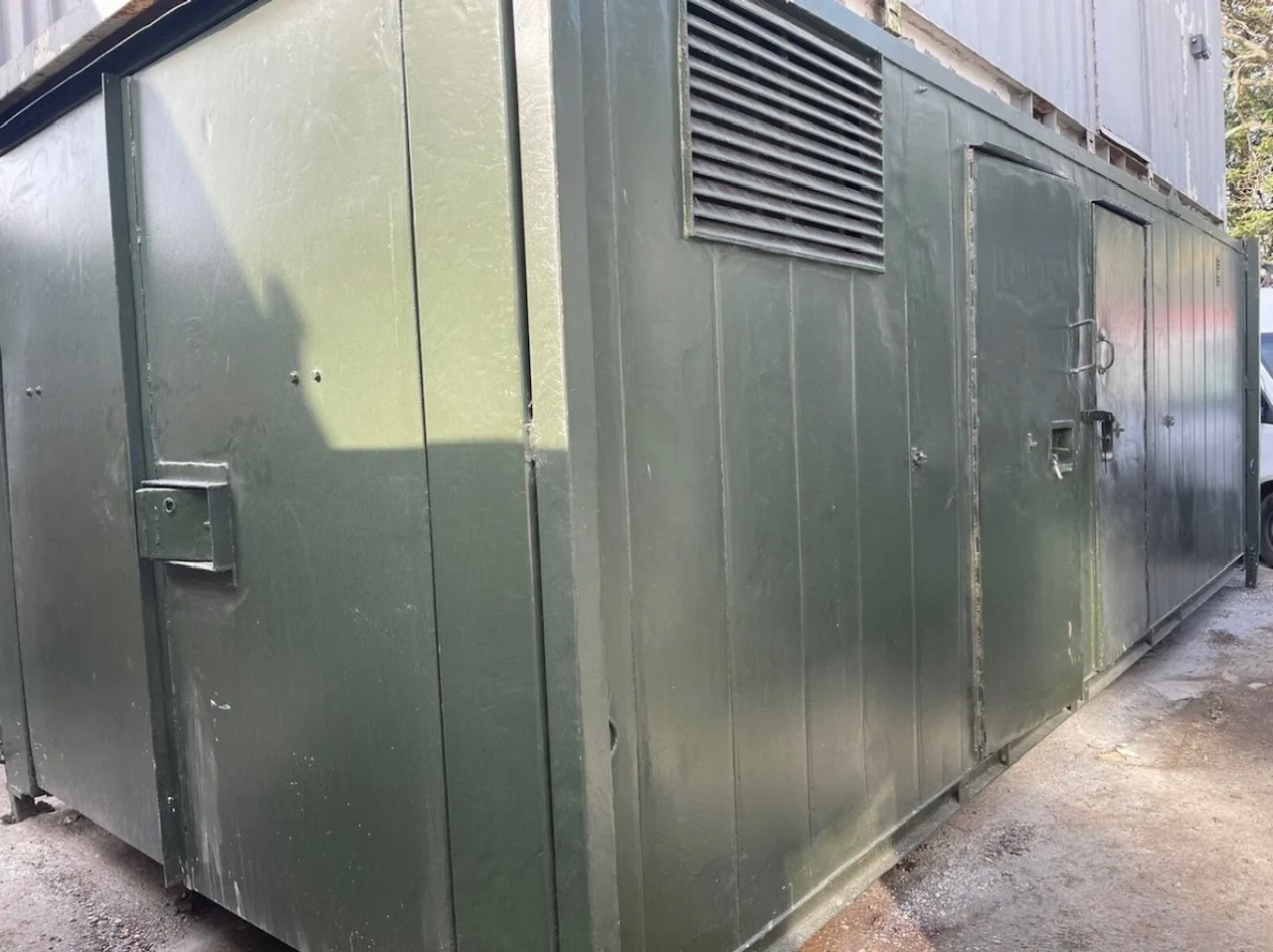
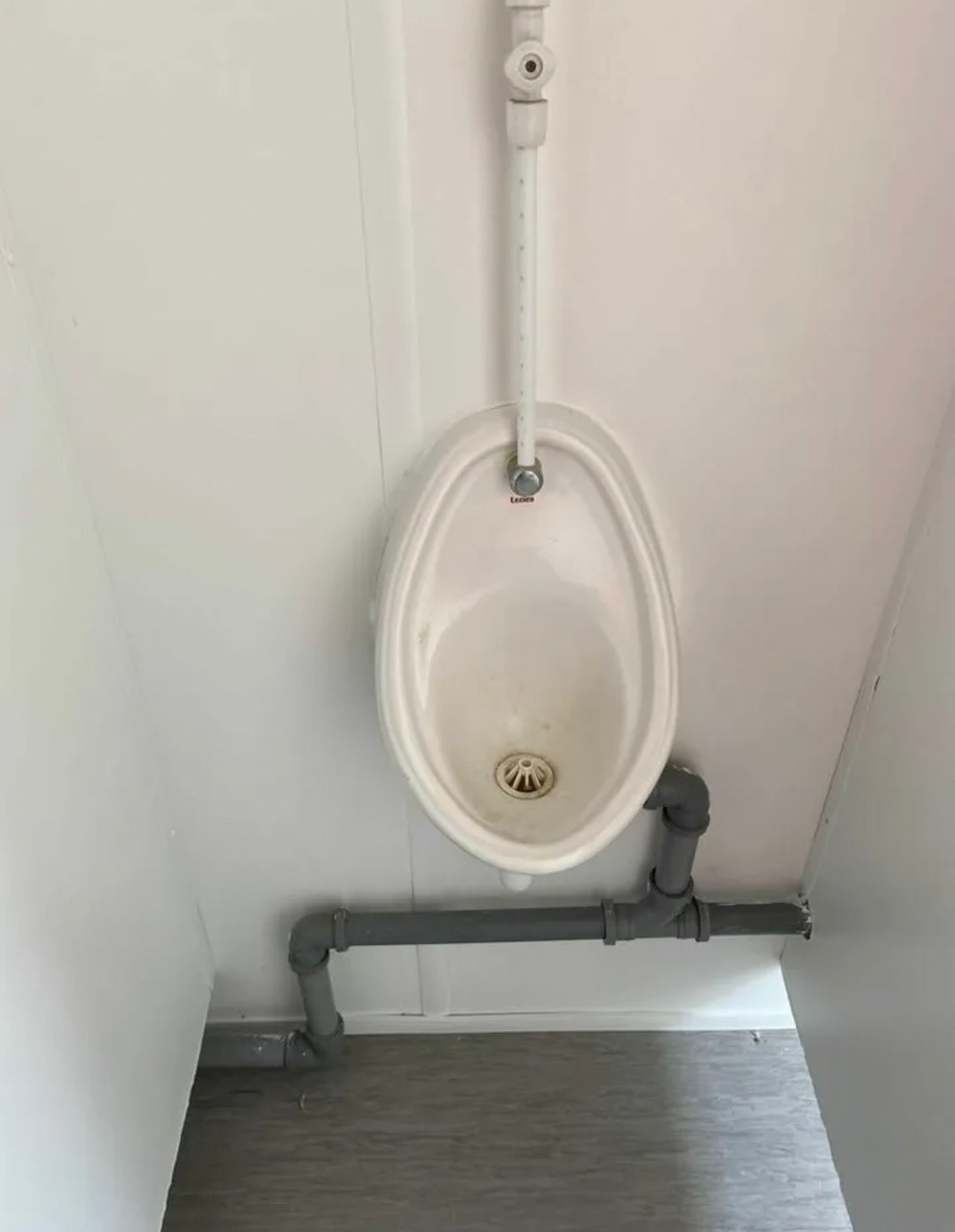
• Any Extras available : Canteen, Partitions, Toilets.


Location: Nationwide
EX VAT
Not Available for Hire
Call for an instant quote!
• Reinforced doors and windows with secure locking
• Open plan with electric sockets and lighting
• Ral Code Colour of choice
• Any Extras available : Canteen, Partitions, Toilets.

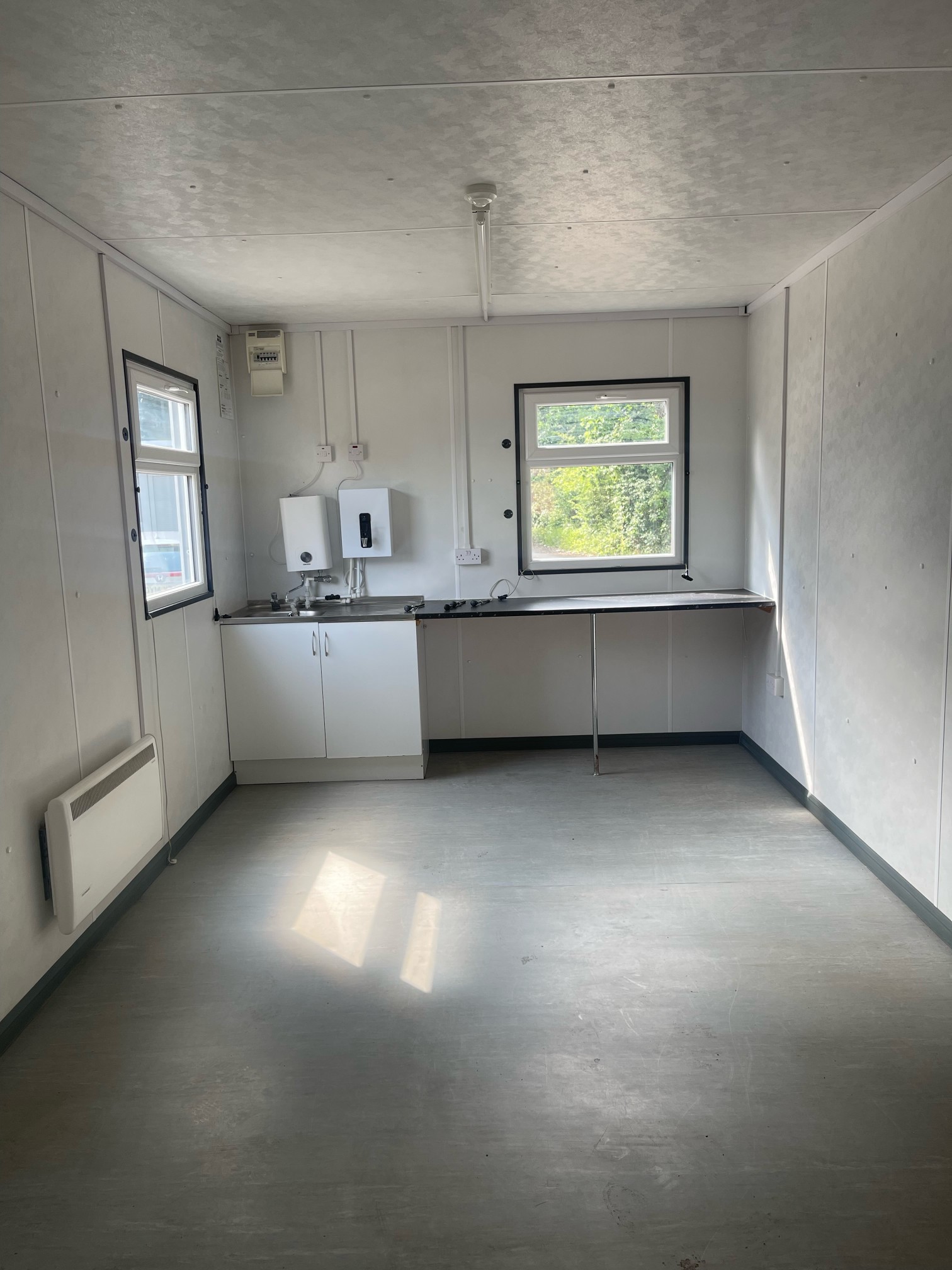
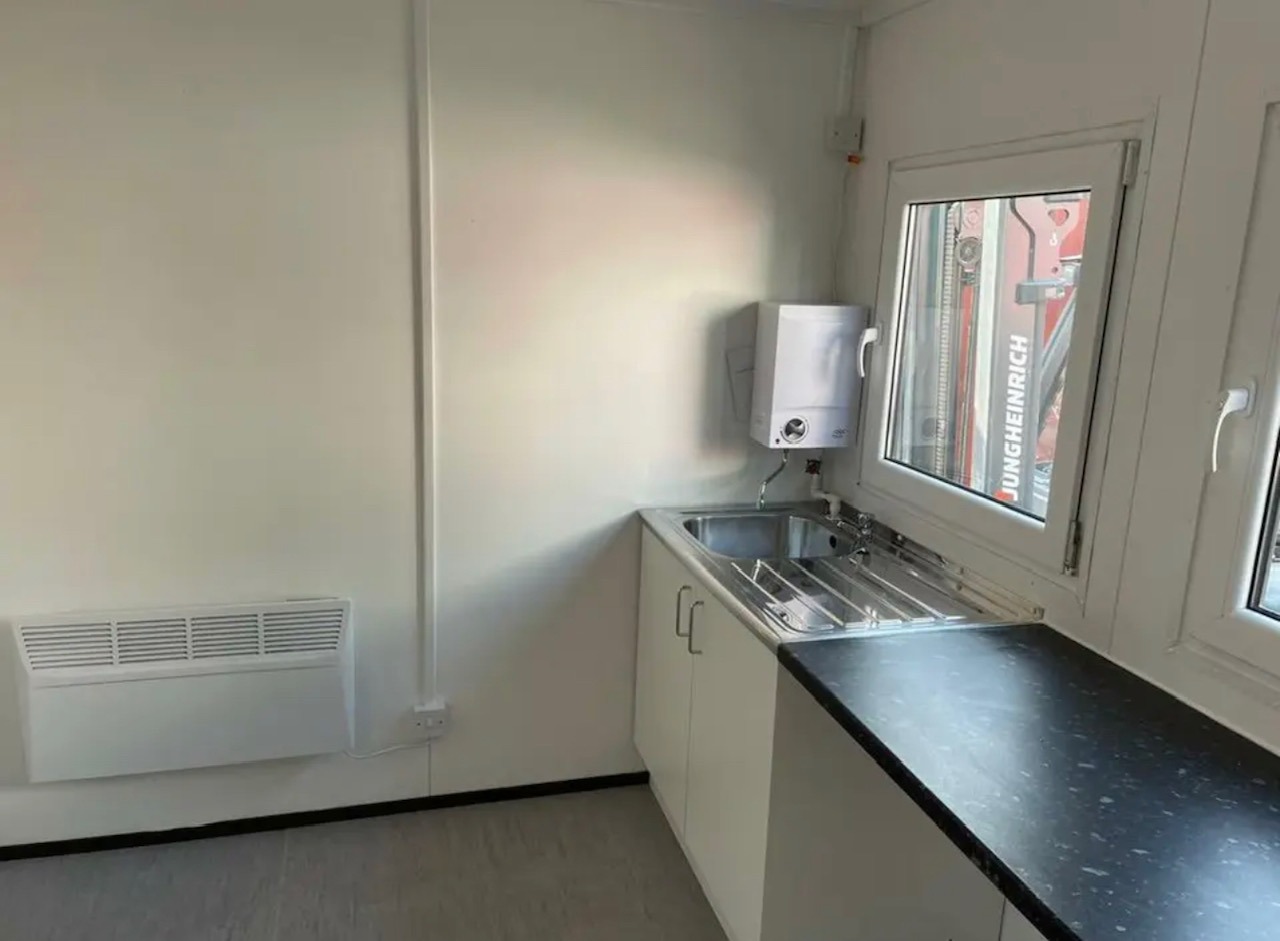
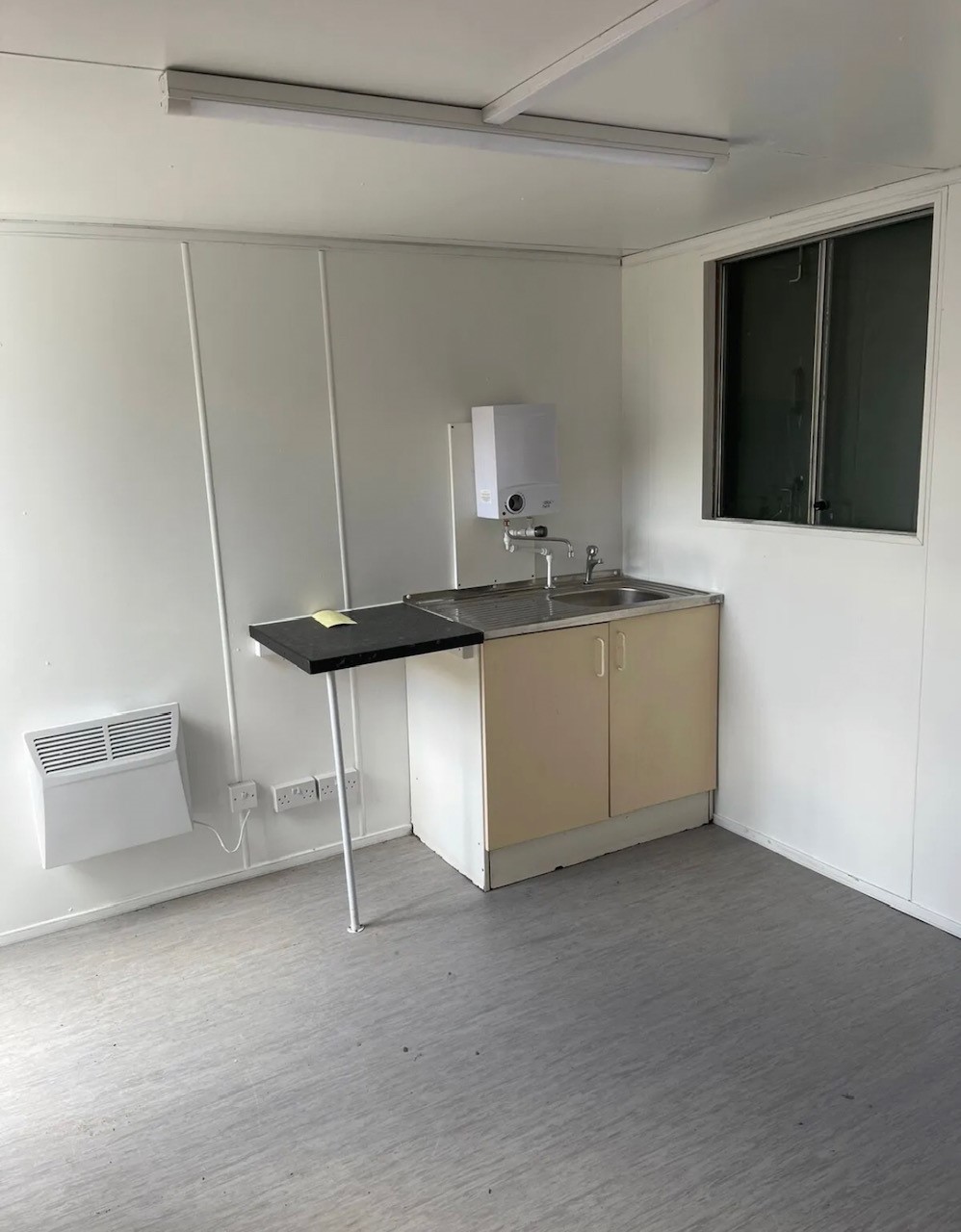
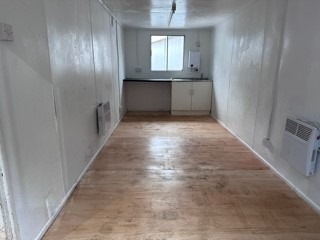
• Reinforced doors with secure locking
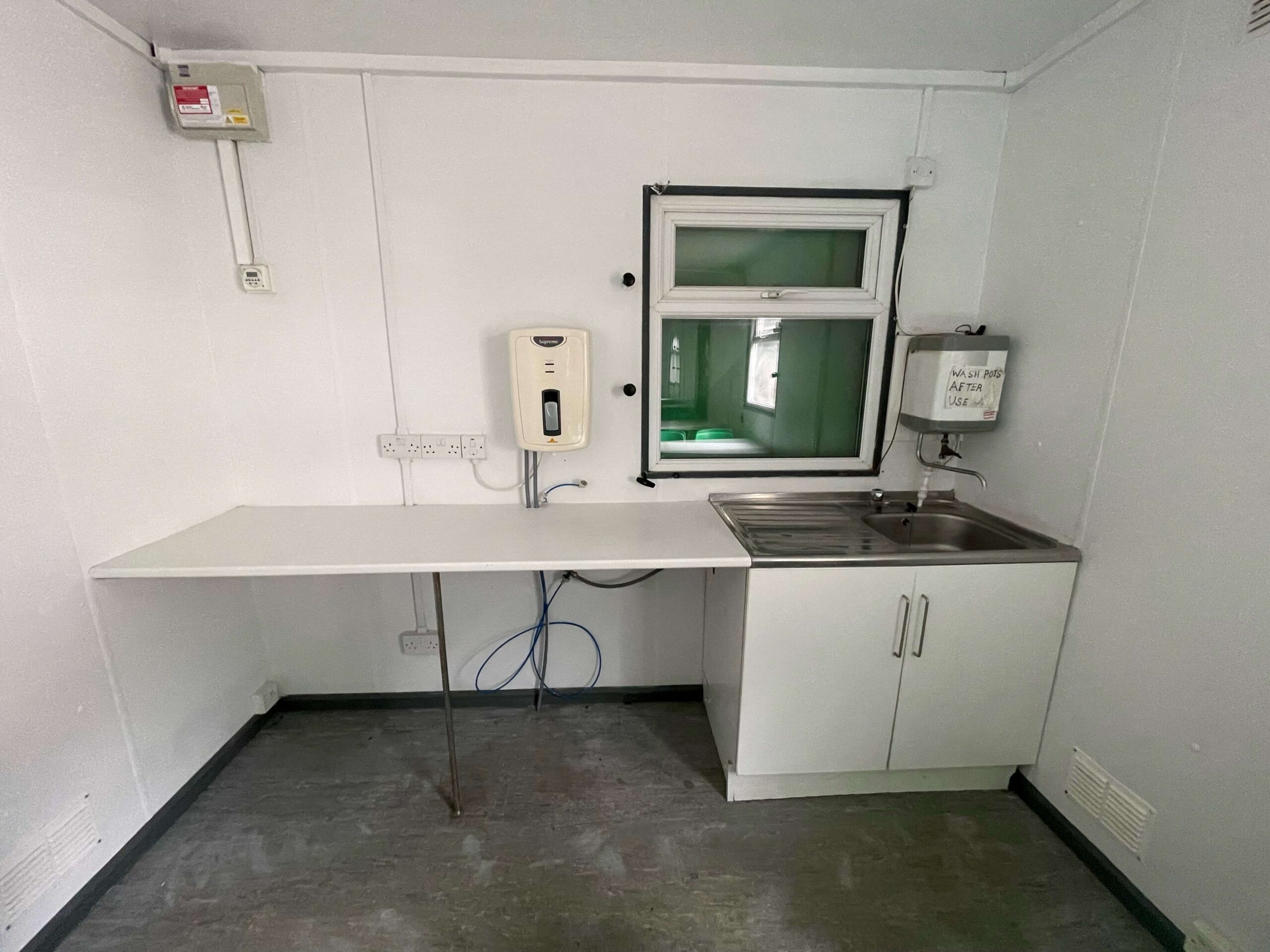
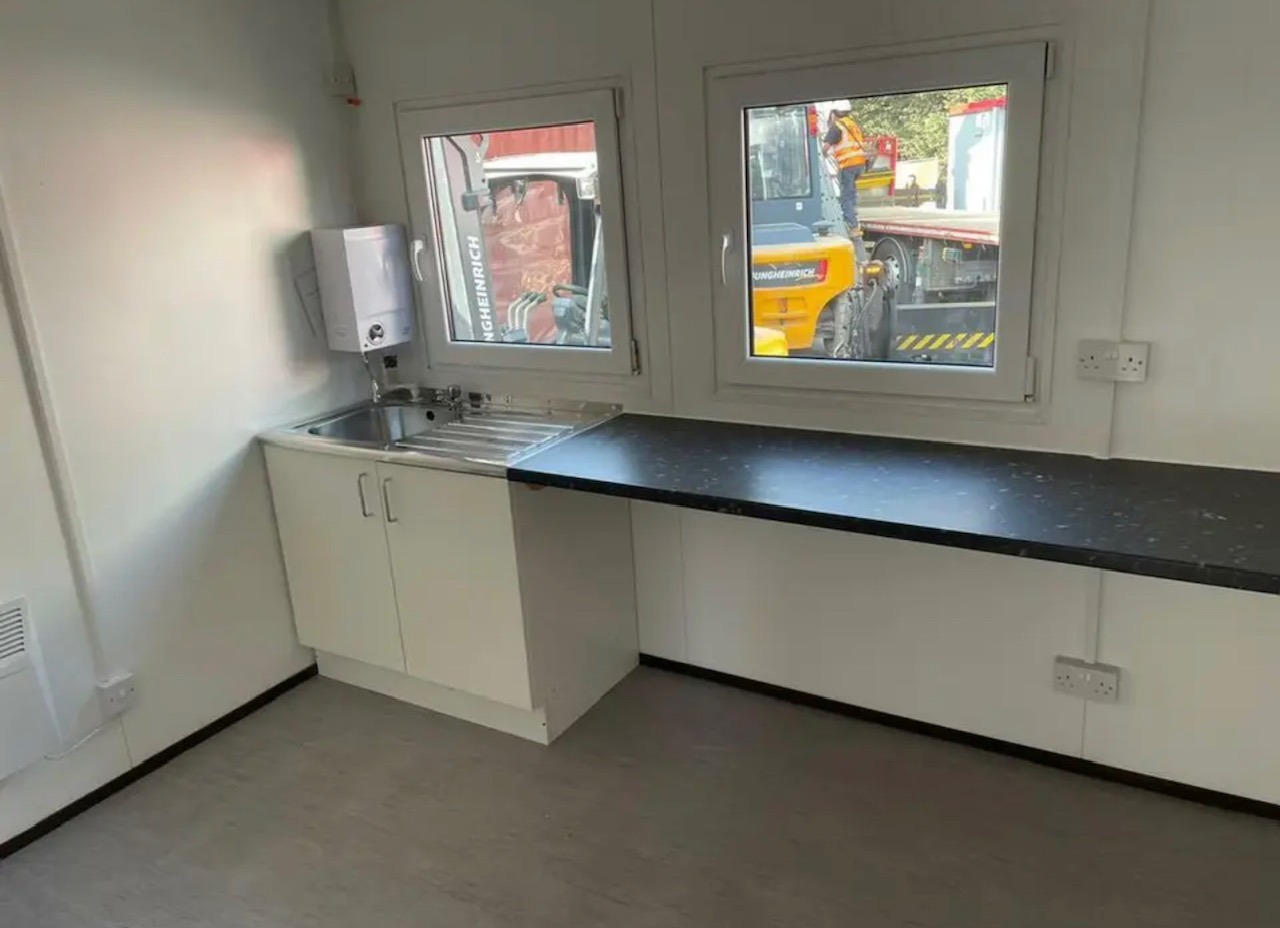
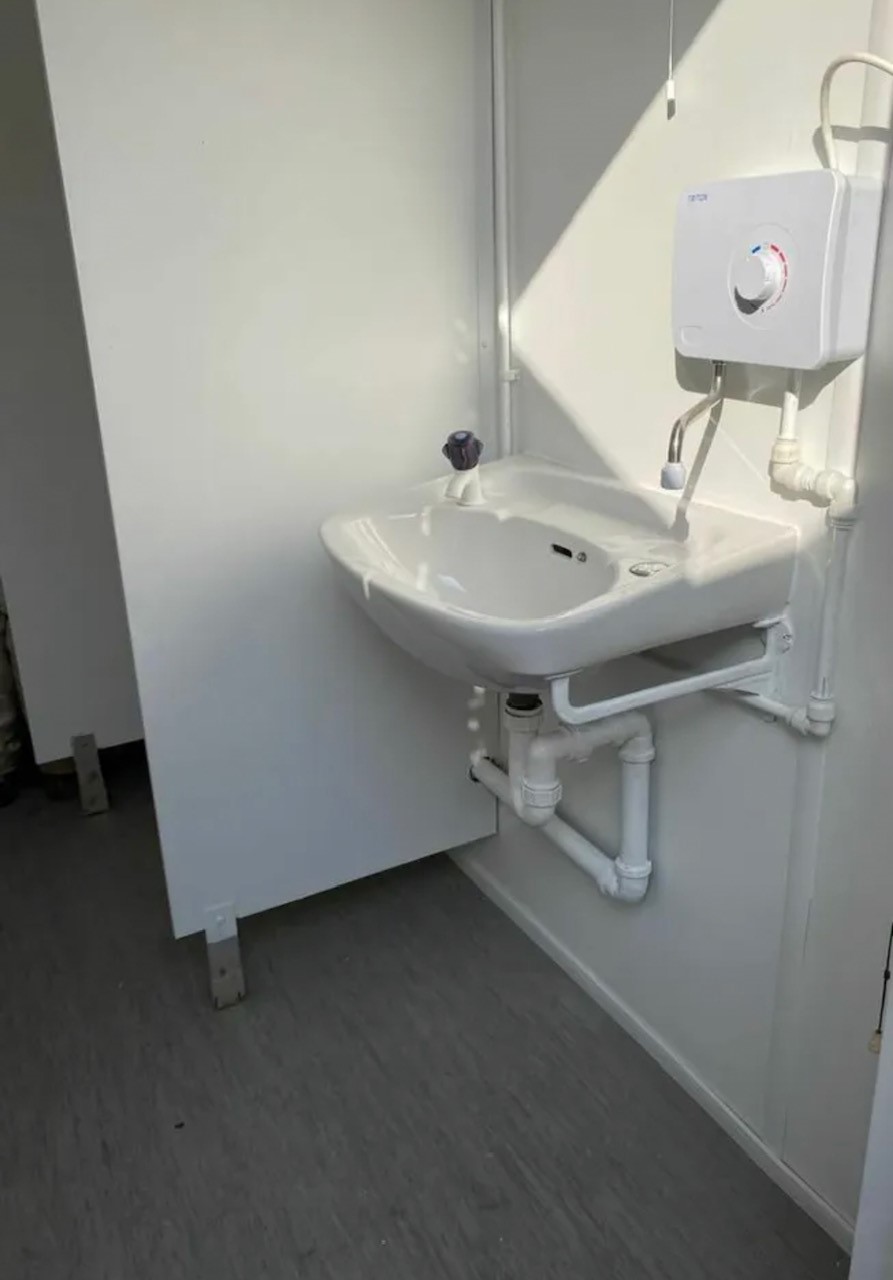
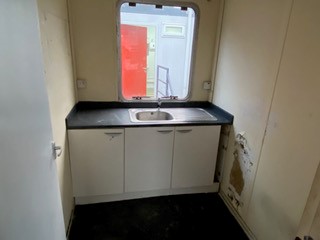
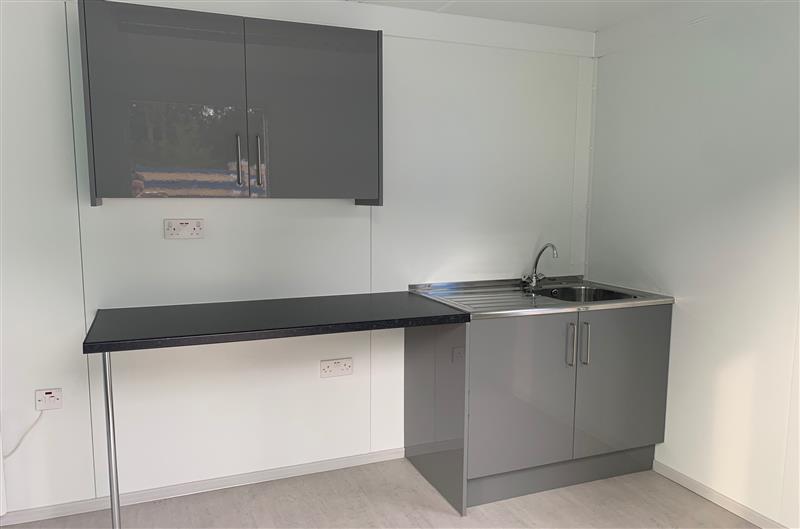
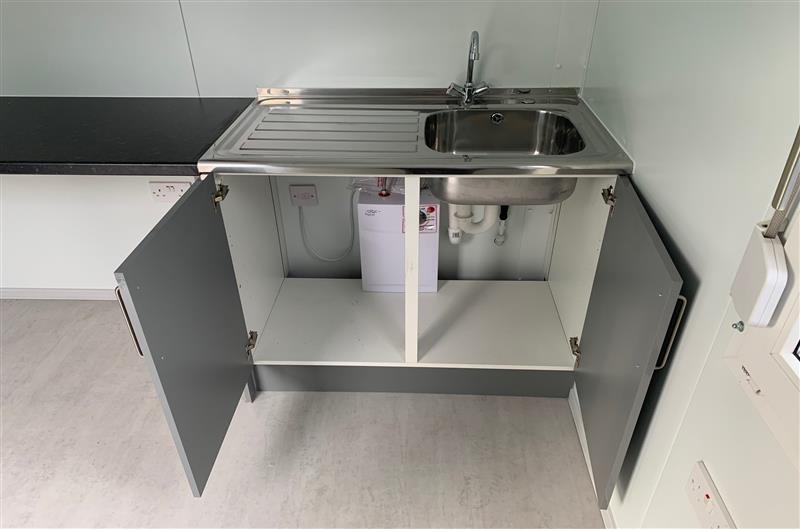
• Sink and water boiler included


Location: Nationwide
Quantity: ∞
EX VAT
Not Available for Hire
Call for an instant quote!


Location: Nationwide
EX VAT
Not Available for Hire
Call for an instant quote!
Get a Quick Container Quote Now!


Location: Nationwide
EX VAT
Not Available for Hire
Call for an instant quote!
Get a Quick Container Quote Now!