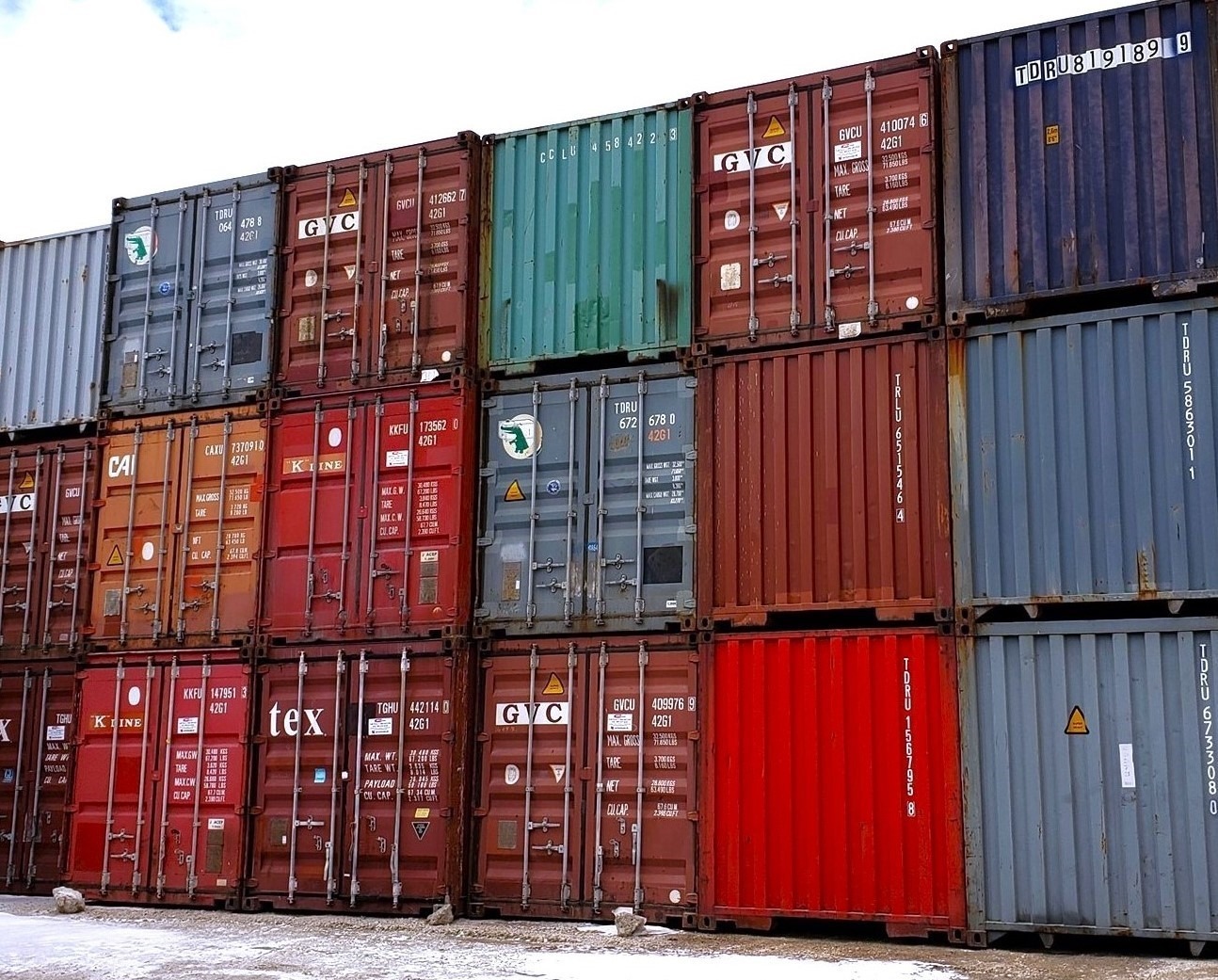
Choosing the largest shipping container is not simply a matter of selecting the biggest box available. Dimensions, payload limits, loading equipment, transport routes, and cargo characteristics all influence the correct decision. A container may offer impressive internal volume, yet fail at a narrow warehouse door or exceed a truck’s permitted weight.
Transport economist and container historian Marc Levinson has observed, “The container changed the world.” That change created a standardized system, but large containers still require careful judgment. Common options include 40-foot high-cube units, 45-foot containers, and specialized designs for oversized cargo. Each provides different internal lengths, door openings, roof heights, and usable cubic capacity.
This guide examines what makes the largest shipping container practical. It also presents seven useful tips for comparing dimensions, maximum payload, floor strength, accessibility, and route compatibility. Small details matter. A forklift turning radius can change the entire plan. So can a few centimeters of clearance.
The largest shipping container is not always the best container. That point deserves attention. A longer unit may reduce handling costs, but it can create storage problems or limited carrier availability. An oversized container might also need specialized loading facilities. These issues are easy to overlook.
The discussion focuses on legitimate commercial and industrial transport. It avoids unsafe cargo practices and encourages consultation with qualified logistics professionals. Measurements should be checked against current manufacturer specifications. My own practical view is cautious: container size looks simple on paper, but real sites rarely behave perfectly. That is where good planning proves its value.
What Is the Largest Shipping Container 7 Key Tips?
Understanding What “Largest Shipping Container” Means
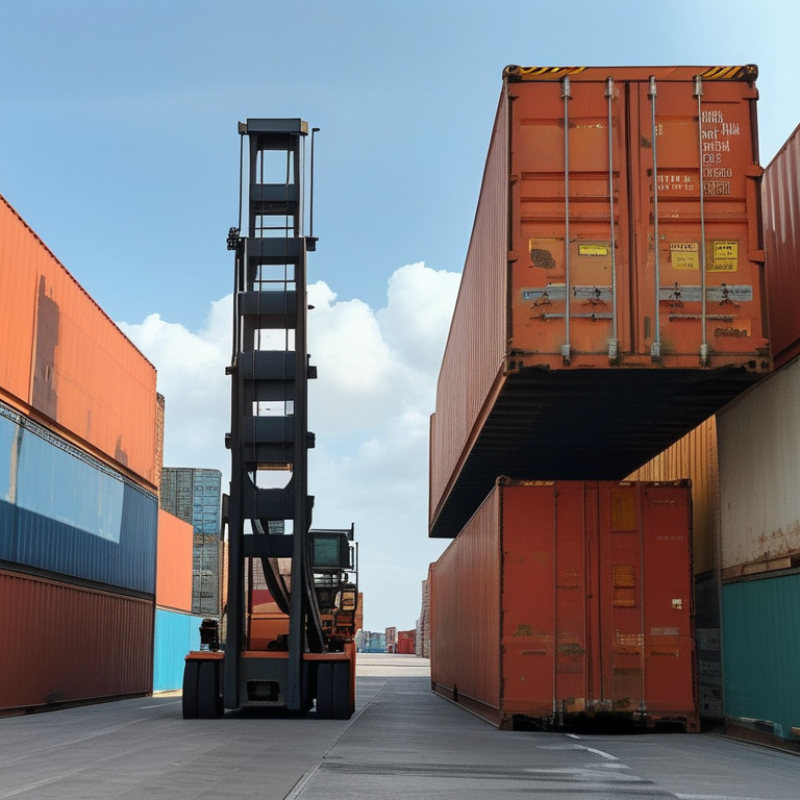
“Largest” does not describe one universal container. It may mean the longest unit, the highest internal volume, or the greatest payload. In practical planning, these measurements can produce different answers. A 53-foot container often offers more floor space, while a 45-foot high-cube unit may suit international routes better. Internal dimensions matter more than exterior length.
Tip 1: Define the route before choosing a size. Tip 2: Compare internal length, width, and height. Tip 3: Check door openings, not only floor dimensions. A tall crate may fit inside but fail at the doors. Tip 4: Separate payload from total container weight. The container itself consumes part of the permitted weight. This detail is easy to overlook.
Tip 5: Confirm handling limits at every port, rail terminal, and delivery site. Tip 6: Measure turning space, trailer clearance, and loading equipment access. A very large unit can become impractical on a narrow industrial road. Tip 7: Request current technical specifications from a qualified supplier or carrier. Published figures sometimes vary slightly, and I have seen planning errors caused by old data. That mistake is avoidable, though not always obvious. Check the maximum permitted dimensions for the entire transport journey, then compare usable cubic capacity with the cargo’s actual shape.
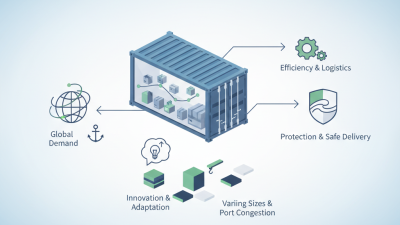
The largest widely accepted ocean container is usually the 45-foot high-cube unit. It measures about 13.72 metres long, 2.44 metres wide, and 2.90 metres high externally. Its internal volume is approximately 85–86 cubic metres. A 40-foot high cube is shorter, at 12.19 metres, but remains more widely accepted across ports and vessels.
ISO 668:2020 defines common container dimensions, including the 20-foot unit at 6.06 metres long and the standard 40-foot unit at 12.19 metres. Both are usually 2.59 metres high, while high-cube models add roughly 30 centimetres. Maximum gross mass often reaches 30,480 kilograms, but the container’s safety plate controls the actual limit. Payload is lower after subtracting tare weight. This detail is easy to overlook.
UNCTAD’s Review of Maritime Transport 2024 recorded global container-port throughput of about 858 million TEU in 2023. That scale explains why compatibility matters more than simple volume. A 53-foot container may offer greater capacity, but it is mainly designed for domestic networks and may face ocean-port restrictions. Check seven points before booking: external length, height, internal volume, door opening, tare weight, maximum gross mass, and route acceptance. Measurements can vary slightly. A few centimetres may decide whether cargo clears the doorway, fits beneath a bridge, or requires costly rehandling.

| Key Tip | Container Type | Nominal External Dimensions (L × W × H) |
Approximate Internal Dimensions (L × W × H) |
Approximate Internal Volume | Typical Maximum Gross Mass | Best Use and Important Dimension Check |
|---|---|---|---|---|---|---|
| 1 | Standard 20-foot Dry Container | 20 ft × 8 ft × 8 ft 6 in (6.06 m × 2.44 m × 2.59 m) |
19 ft 4 in × 7 ft 8 in × 7 ft 10 in (5.90 m × 2.35 m × 2.39 m) |
About 33 m³ | Up to about 30,480 kg (including cargo and container) |
Efficient for dense, heavy cargo. Always check the floor load, door opening and local road-weight limits. |
| 2 | Standard 40-foot Dry Container | 40 ft × 8 ft × 8 ft 6 in (12.19 m × 2.44 m × 2.59 m) |
39 ft 5 in × 7 ft 8 in × 7 ft 10 in (12.03 m × 2.35 m × 2.39 m) |
About 67 m³ | Up to about 30,480 kg (including cargo and container) |
Provides roughly twice the floor length of a 20-foot unit, but it is not normally rated for twice the cargo weight. |
| 3 | 40-foot High Cube Dry Container | 40 ft × 8 ft × 9 ft 6 in (12.19 m × 2.44 m × 2.90 m) |
39 ft 5 in × 7 ft 8 in × 8 ft 10 in (12.03 m × 2.35 m × 2.69 m) |
About 76 m³ | Up to about 30,480 kg (including cargo and container) |
Offers about 1 ft of additional external height and approximately 9 m³ more internal volume than a standard 40-foot unit. |
| 4 | 45-foot High Cube Dry Container | 45 ft × 8 ft × 9 ft 6 in (13.72 m × 2.44 m × 2.90 m) |
About 44 ft 5 in × 7 ft 8 in × 8 ft 10 in (13.56 m × 2.35 m × 2.69 m) |
About 86 m³ | Up to about 32,500 kg (including cargo and container) |
The largest commonly used ISO ocean dry-container size by internal capacity. Confirm vessel, terminal, chassis and route acceptance before booking. |
| 5 | 53-foot Domestic High Cube | 53 ft × 8 ft 6 in × 9 ft 6 in (16.15 m × 2.59 m × 2.90 m) |
About 52 ft 6 in × 8 ft 2 in × 8 ft 10 in (16.00 m × 2.49 m × 2.69 m) |
About 110 m³ | Varies by equipment and jurisdiction; commonly limited by domestic road regulations | Large domestic intermodal equipment, mainly for inland rail and road networks. It is generally not suitable for standard ocean container transport. |
| 6 | Door and Clearance Check | Typical 40-foot High Cube door opening: about 7 ft 8 in wide × 8 ft 5 in high (2.34 m × 2.58 m) |
Internal width is normally about 7 ft 8 in (2.35 m) |
Usable volume is lower than the published internal volume | Payload equals maximum gross mass minus tare mass | Measure the cargo, packaging, pallet overhang and lifting clearance. The door opening—not just the internal height—often determines whether cargo can enter. |
| 7 | Maximum Dimension and Weight Planning | External dimensions are nominal ISO dimensions; actual measurements vary slightly | Internal dimensions vary with wall lining, corner posts, flooring and container age | Volume does not indicate allowable cargo weight | Check the container safety plate, carrier limit, axle limits and road regulations | Choose the largest container that fits the cargo, route and handling system—not simply the unit with the greatest cubic capacity. |
What Is the Largest Shipping Container 7 Key Tips?
The largest shipping container depends on the measurement used.
A 53-foot container offers exceptional internal volume for domestic transport. However, it may not fit standard international vessels, terminals, or rail systems. A 45-foot high-cube container is often more practical for cross-border freight. It provides extra height and length without becoming extremely difficult to handle.
Seven checks help identify the right oversized container.
Measure internal length, width, and height, not only external dimensions. Confirm the maximum payload with the container’s verified specification plate. Check door openings before planning bulky cargo. A wide machine may fit inside but fail at the doors. Review road, rail, port, and vessel restrictions for the complete route. Select open-top equipment when cranes must load tall items. Choose a flat rack when cargo exceeds normal width or height. Secure every load with approved methods and clear weight records.
Capacity can be misleading. Space is deceptive.
Lightweight goods may need volume, while dense goods reach weight limits quickly. Experienced freight planners also inspect floor strength, lashing points, ventilation, and moisture protection. Oversized equipment may require special handling plans and advance approval. Requirements vary by location and transport mode. I would recheck every measurement after packing, because a small error can delay an otherwise careful shipment.
The biggest container is not automatically the best container.
The largest shipping container depends on the transport network. A 53-foot container offers more floor space than a common 40-foot unit. However, it may not fit ocean vessels, port cranes, or international handling systems. A 40-foot high-cube container is often more widely accepted. It provides extra internal height for tall, stackable cargo.
Check the container’s maximum gross weight before loading. This figure includes the container, pallets, packaging, and goods. Road axle limits may reduce the usable cargo weight. Rail and port limits can differ. A heavy load near the door may also create unsafe weight distribution. Place dense items low and near the center. Use certified straps, blocking, and bracing where required. Small errors matter.
Transport rules need practical checking. Measure the loaded height, width, and total length. Confirm route clearance under bridges, through gates, and around sharp turns. Some oversized units require special permits or scheduled movement windows. Compatibility is just as important. Check door width, internal height, chassis fittings, lifting points, and warehouse equipment. A container can be large enough, yet unusable at the destination. This is easy to overlook.
Record every measurement. Then verify it again. A tape measure can prevent an expensive delay. Specifications may vary between empty and repaired units, so inspect the actual container. Do not rely only on a listing or old drawing. A careful plan is safer, but even experienced teams should leave room for mistakes.
What Is the Largest Shipping Container 7 Key Tips?
Choosing the largest container depends on cargo shape, weight, route, and handling equipment. A 40-foot high-cube container usually offers about 76 cubic meters of internal space. A 45-foot high-cube can provide more volume, but it is not accepted at every terminal. A 53-foot container is larger still, yet it is mainly used in domestic transport networks, not standard ocean shipping.
Seven practical checks can prevent expensive mistakes. Measure cartons after palletizing, not before. Check door height, because usable space is smaller than the internal volume. Compare cargo weight with the container’s payload rating. Leave room for bracing and safe weight distribution. Confirm crane, chassis, rail, and warehouse compatibility. Ask whether the destination accepts 45-foot equipment. Review seasonal equipment availability before booking.
UNCTAD’s Review of Maritime Transport 2024 reported approximately 858 million TEUs in global container-port throughput during 2023. That scale shows why terminal compatibility matters. The World Bank’s Logistics Performance Index 2023 also evaluates shipment timeliness and tracking across international supply chains. A larger box may reduce handling, but a restricted box can create delays and extra transfers.
In my experience, volume calculations often look perfect on a spreadsheet. Real cargo behaves differently. Fragile packaging, uneven pallets, and awkward machinery can waste several cubic meters. Sometimes, two 40-foot high-cube containers offer better control than one oversized unit. The “largest” choice should therefore be tested against the complete route, not selected by capacity alone.
Registered in England & Wales No. 2786496
Registered office at: 337 Tanworth Lane,
Shirley, Solihull, B90 4DU
Registered for VAT, registration No.
GB 655 1347 38


Location: Nationwide
Not Available for Hire
We can deliver for a cost please ask and send us post code.
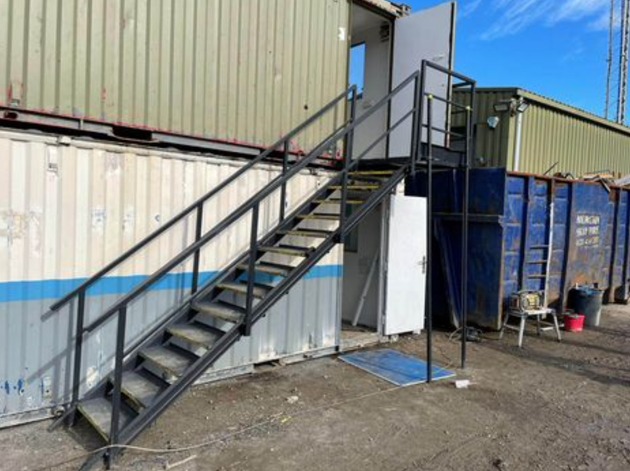
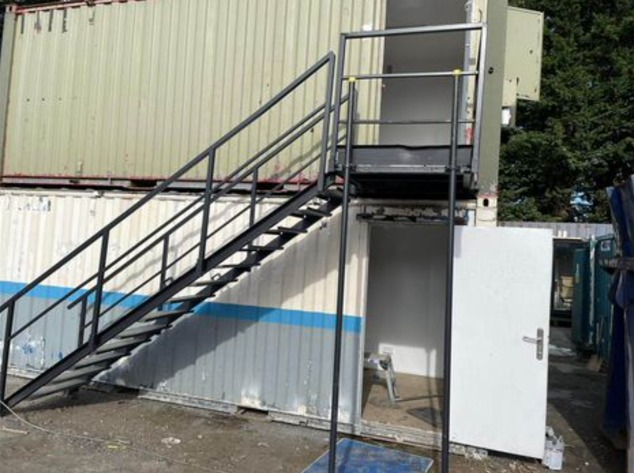
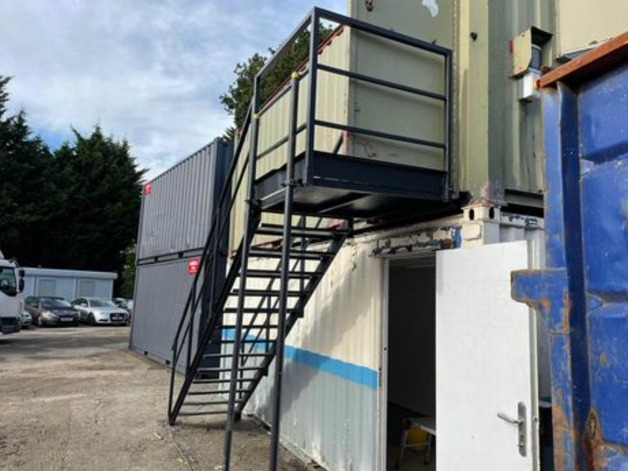
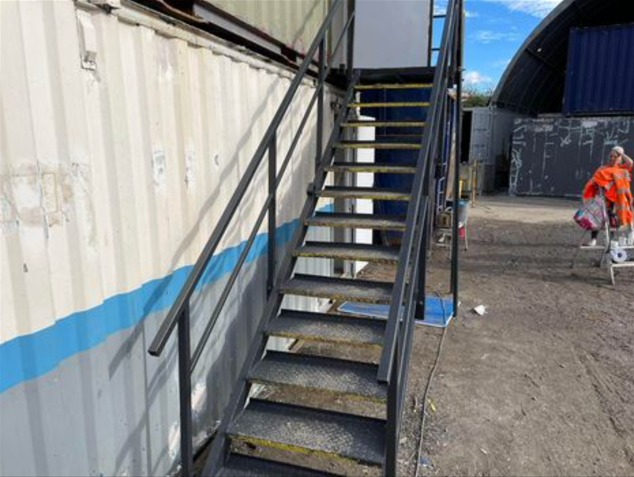
13 tread
14 tread
15 tread


Location: Nationwide
Not Available for Hire
Call for an instant quote!


Location: Nationwide
Not Available for Hire
We can deliver for a cost please ask and send us post code.
Hallway leading into:
Transport can be arranged please ask.


Location: Nationwide
Not Available for Hire
Call for an instant quote!
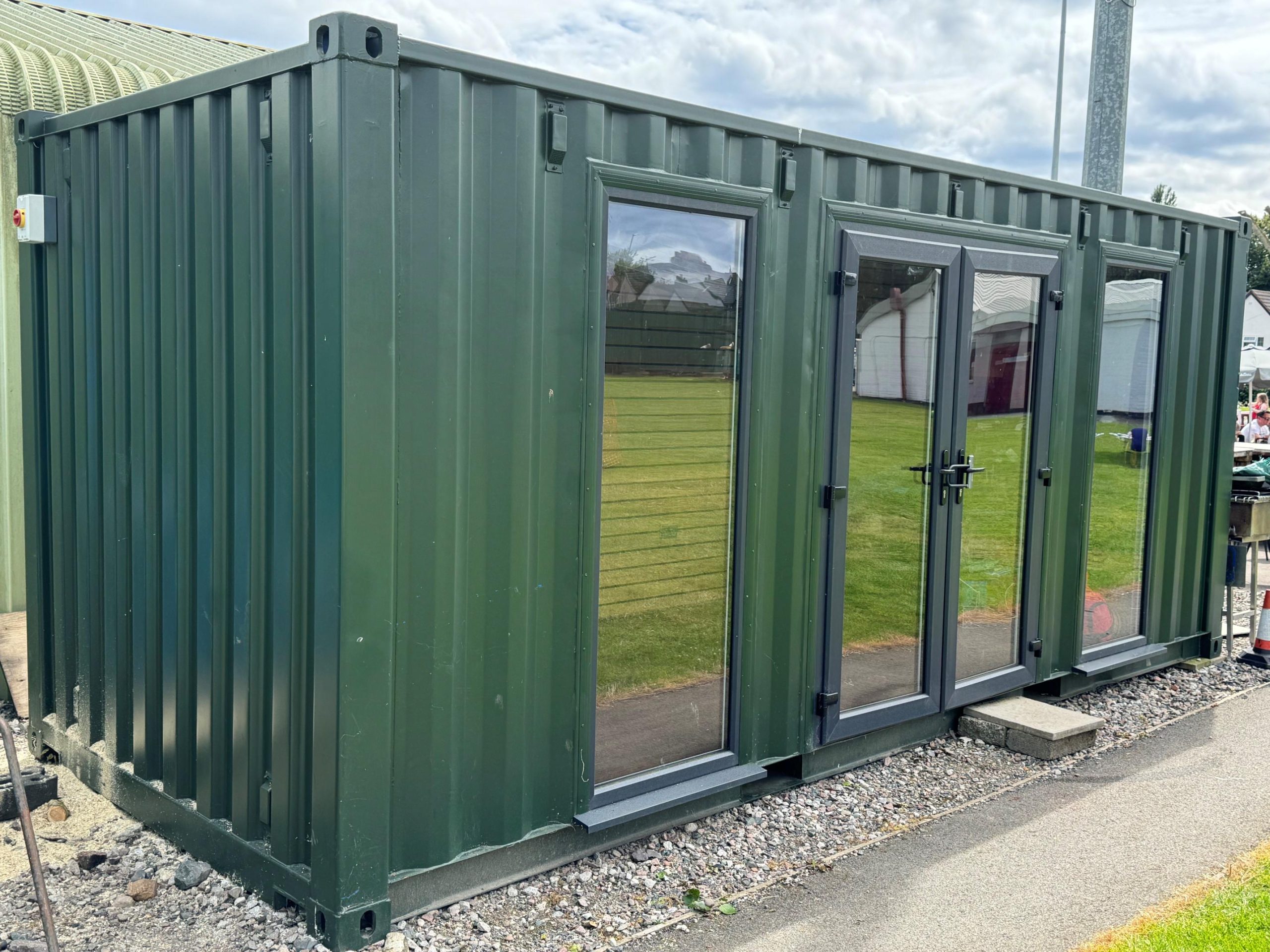
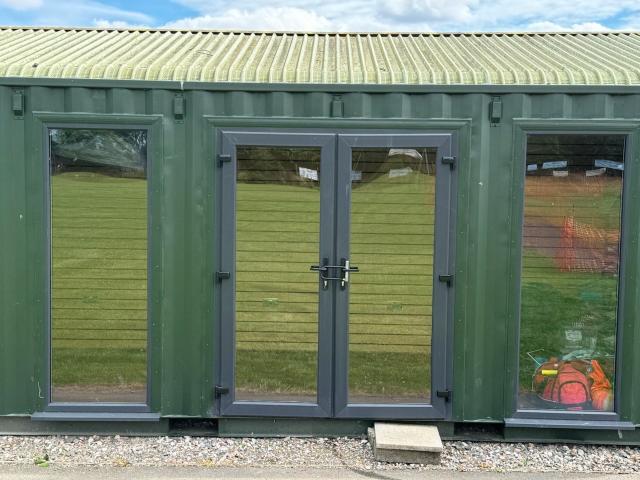
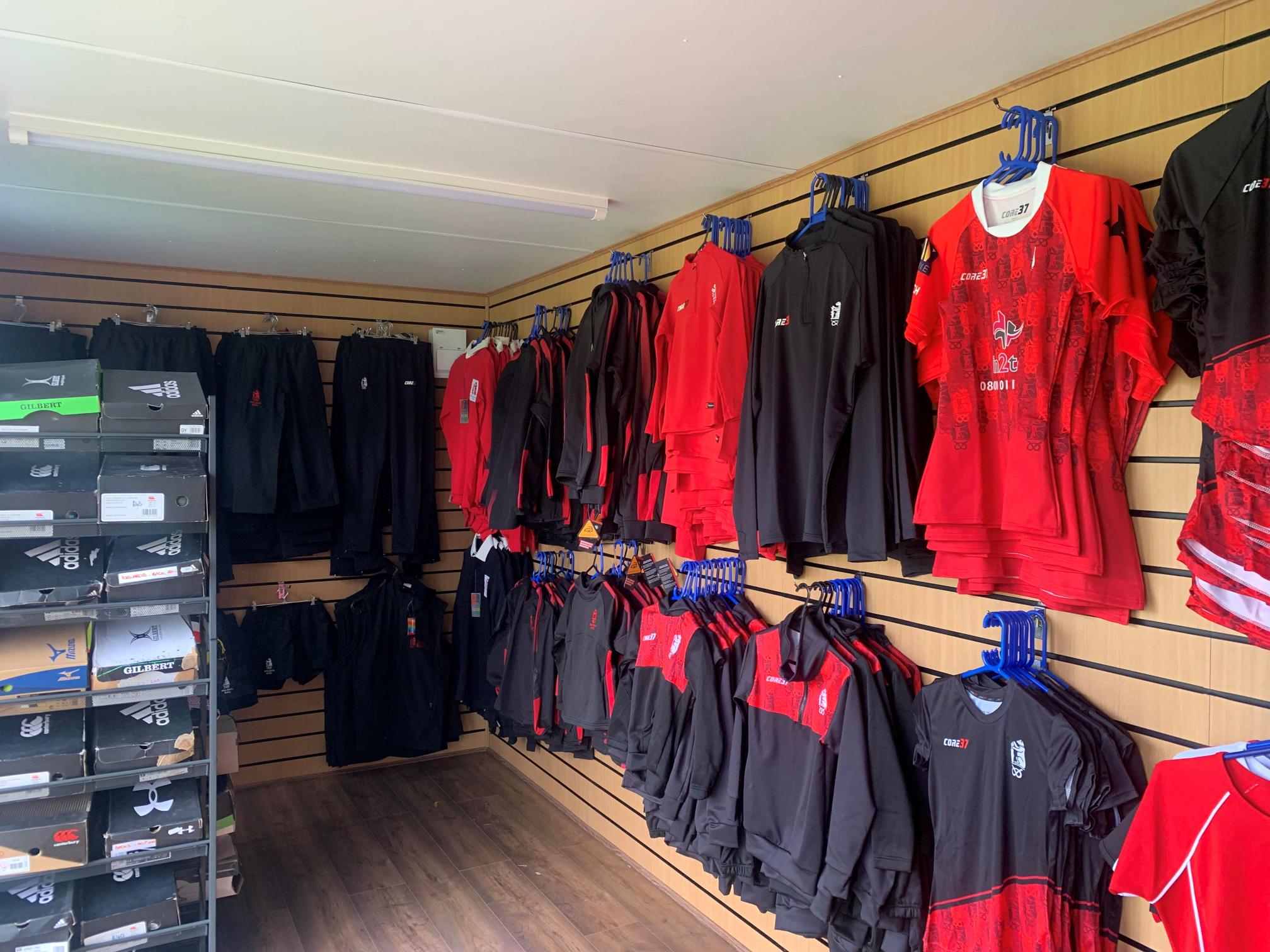
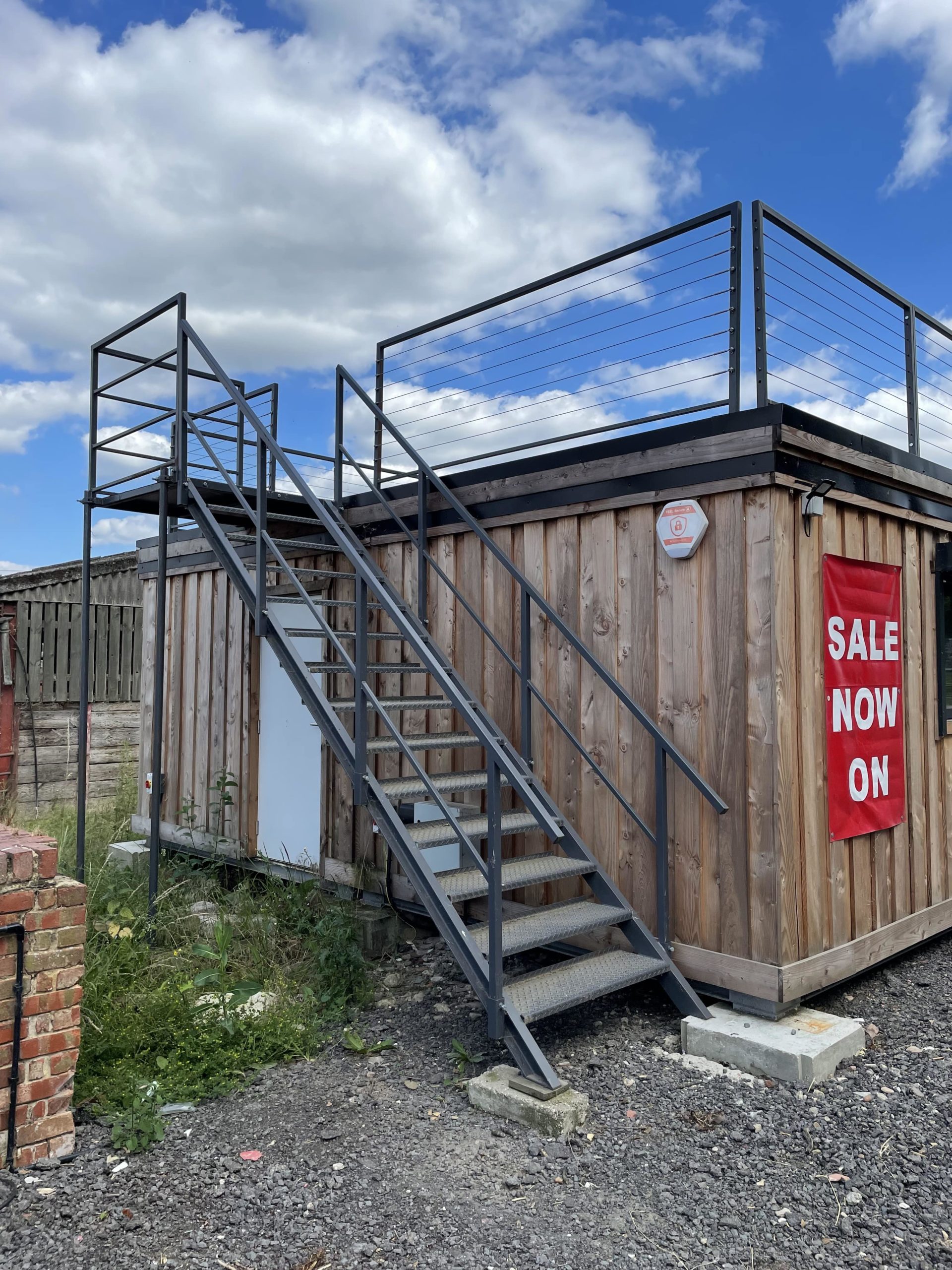
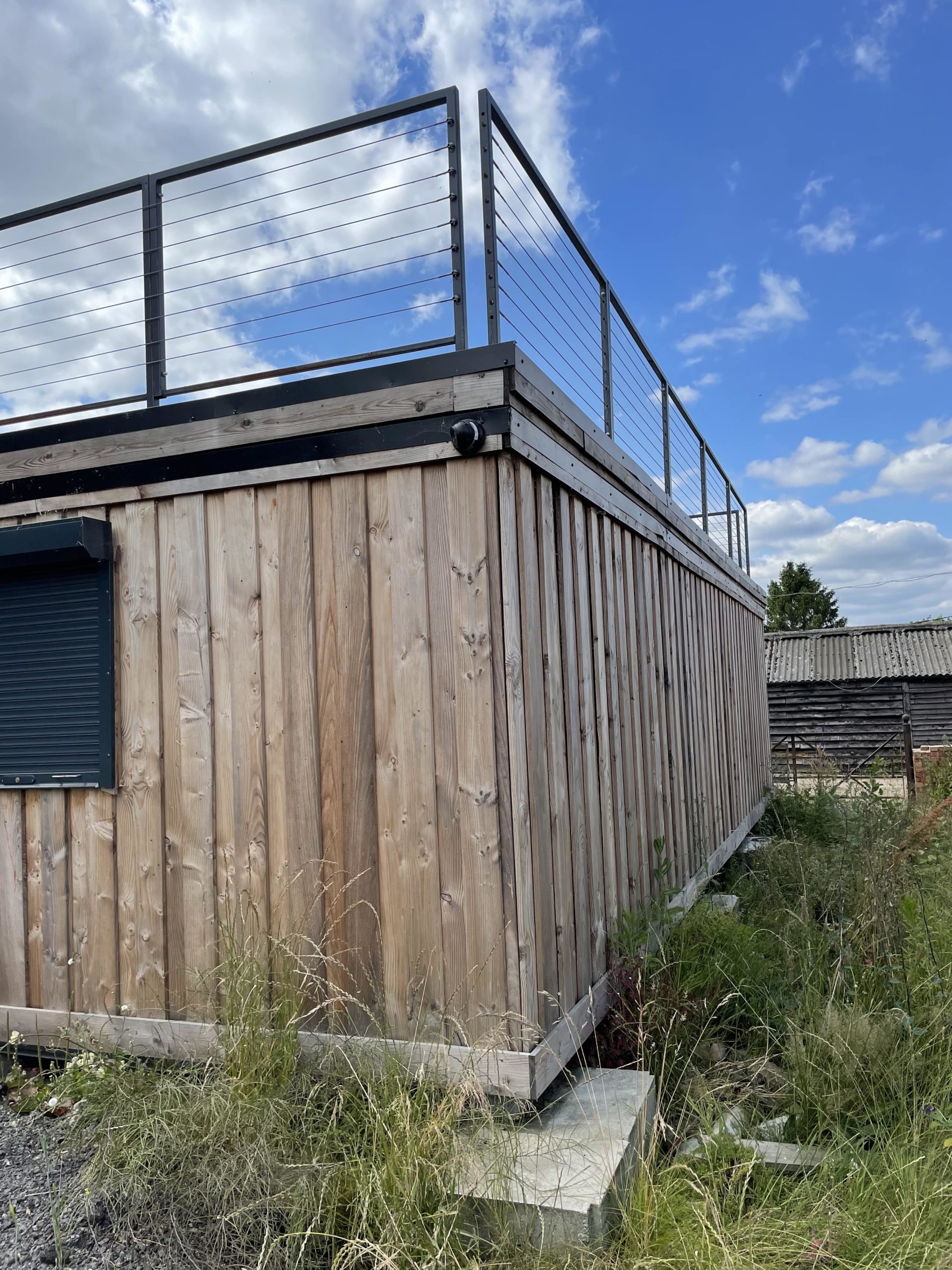
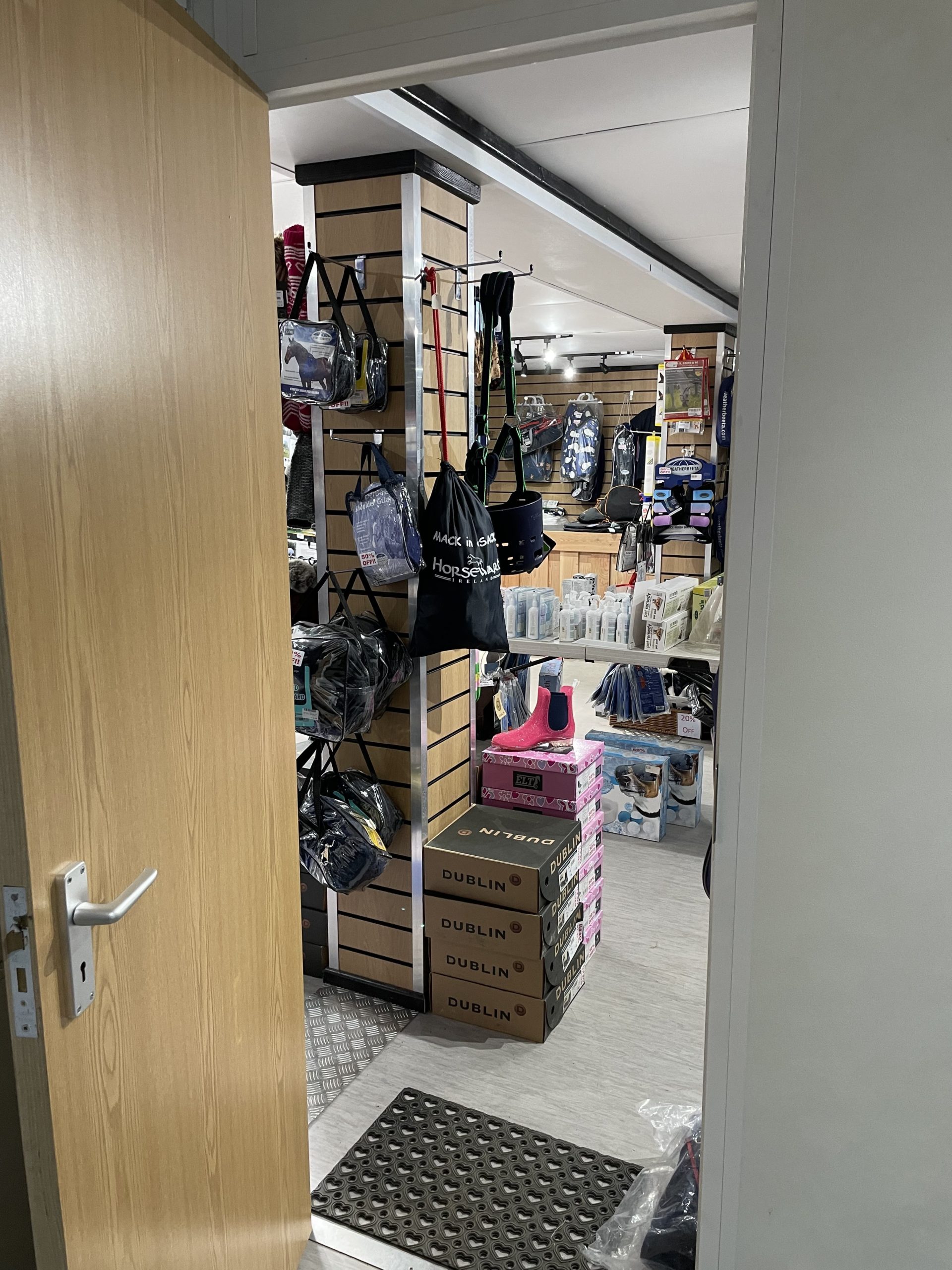
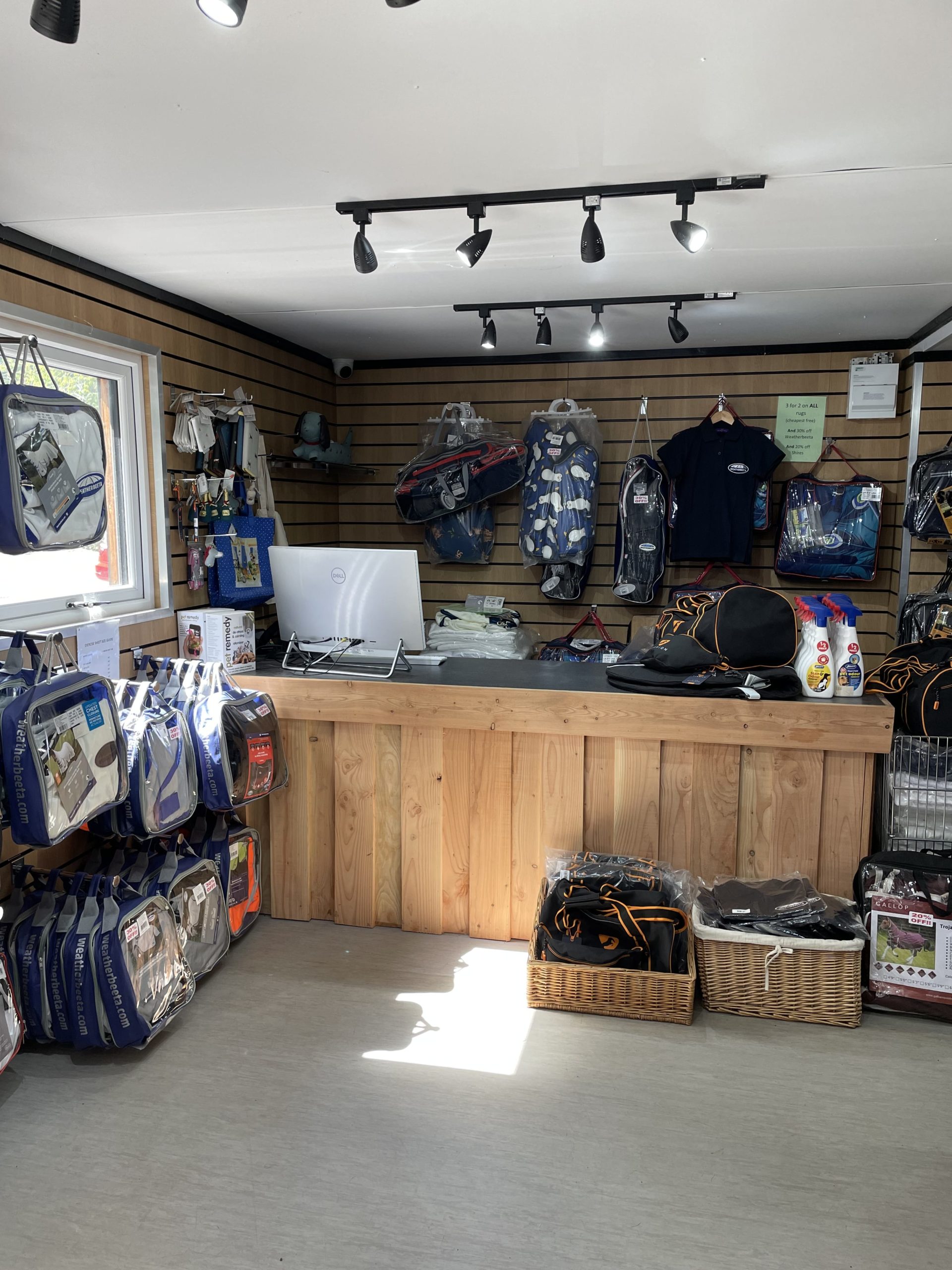
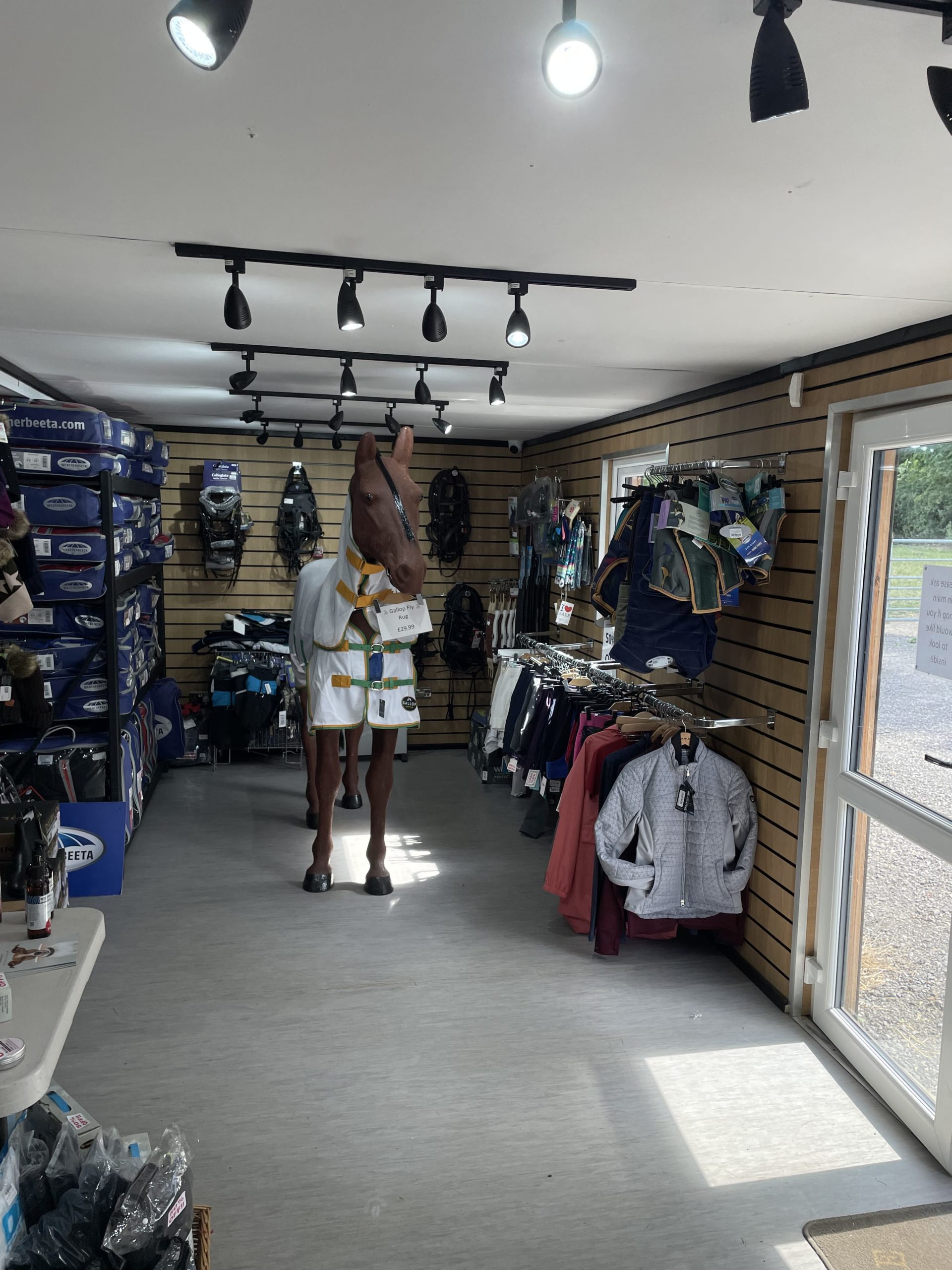
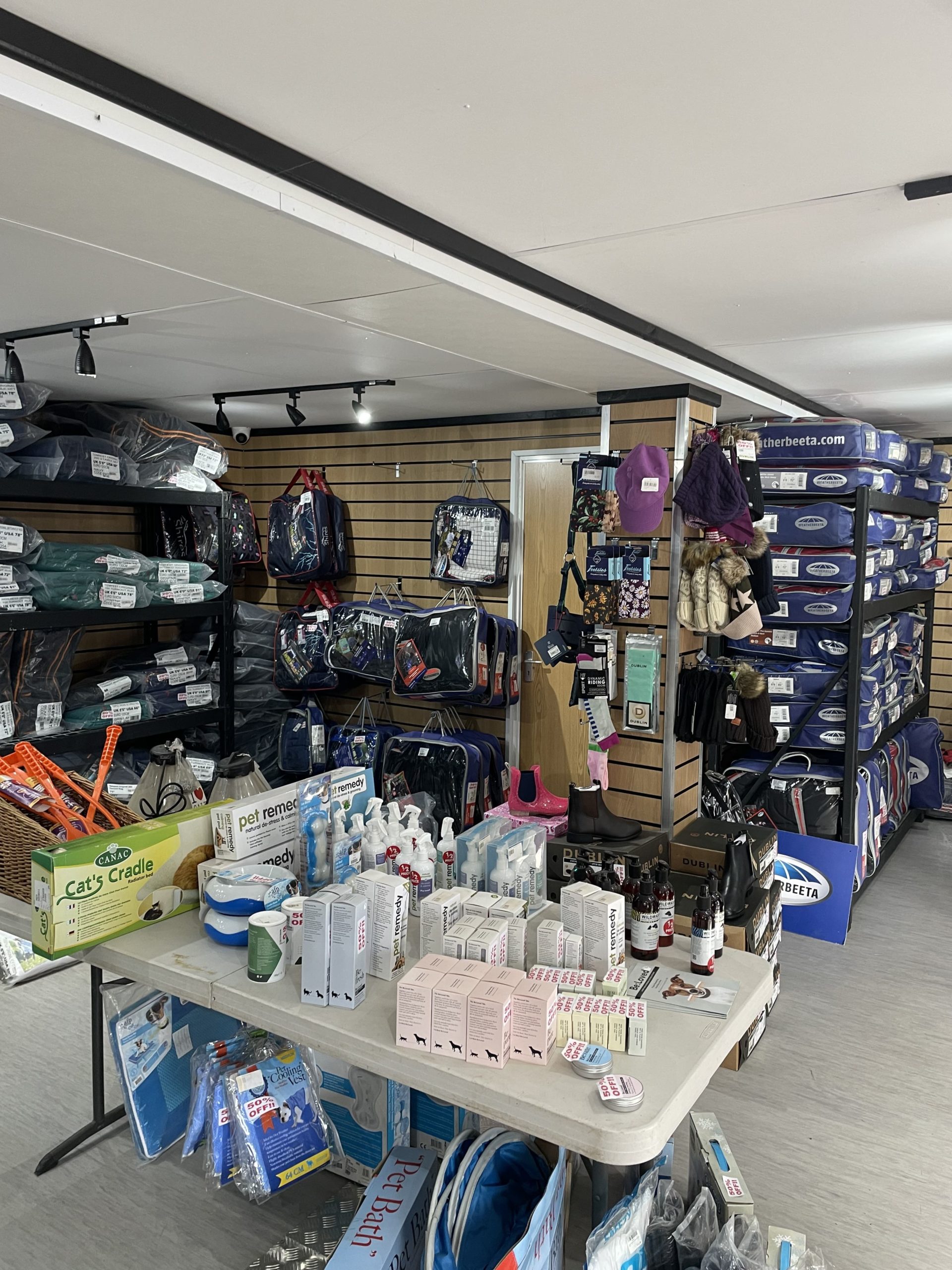
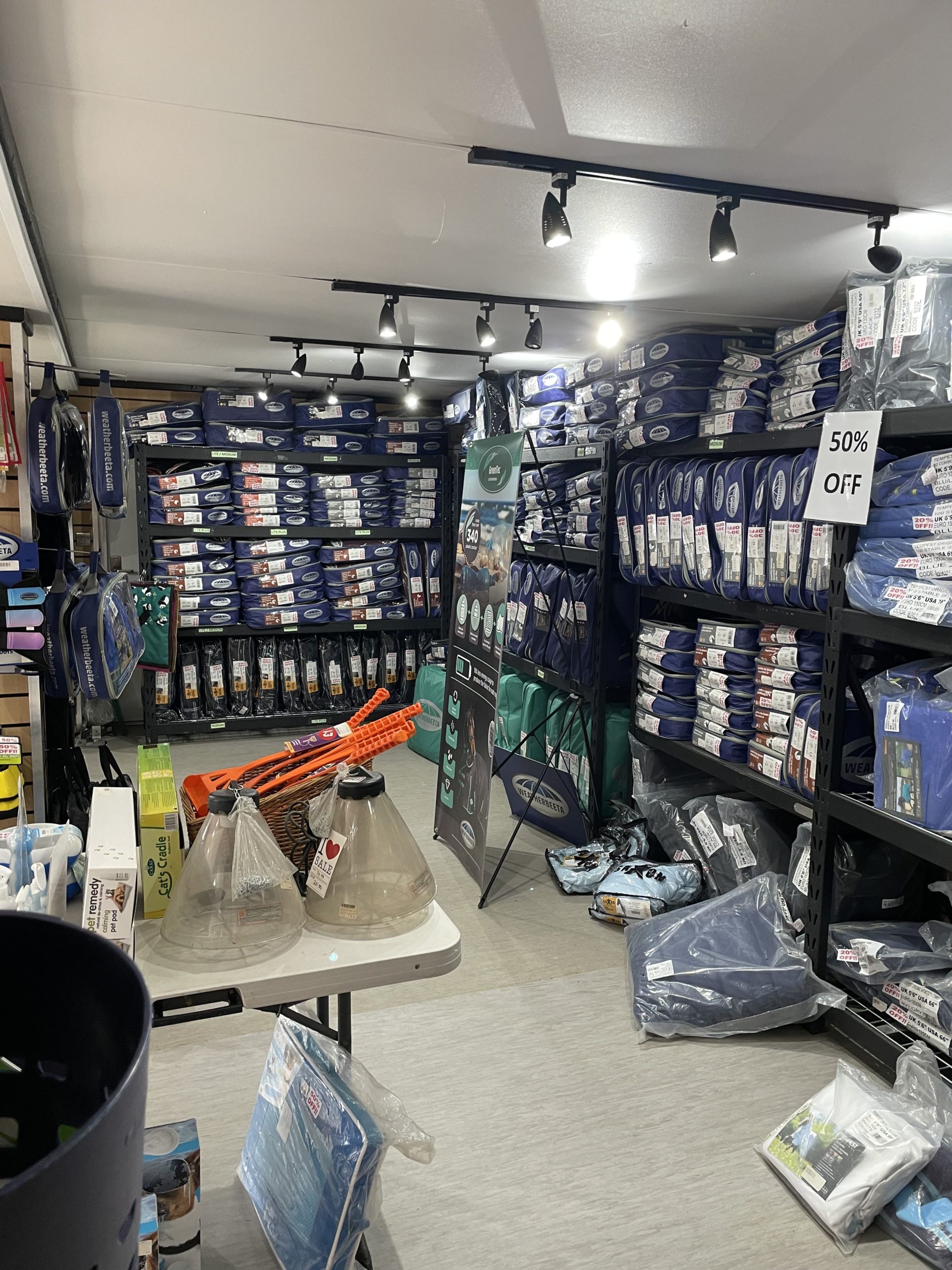
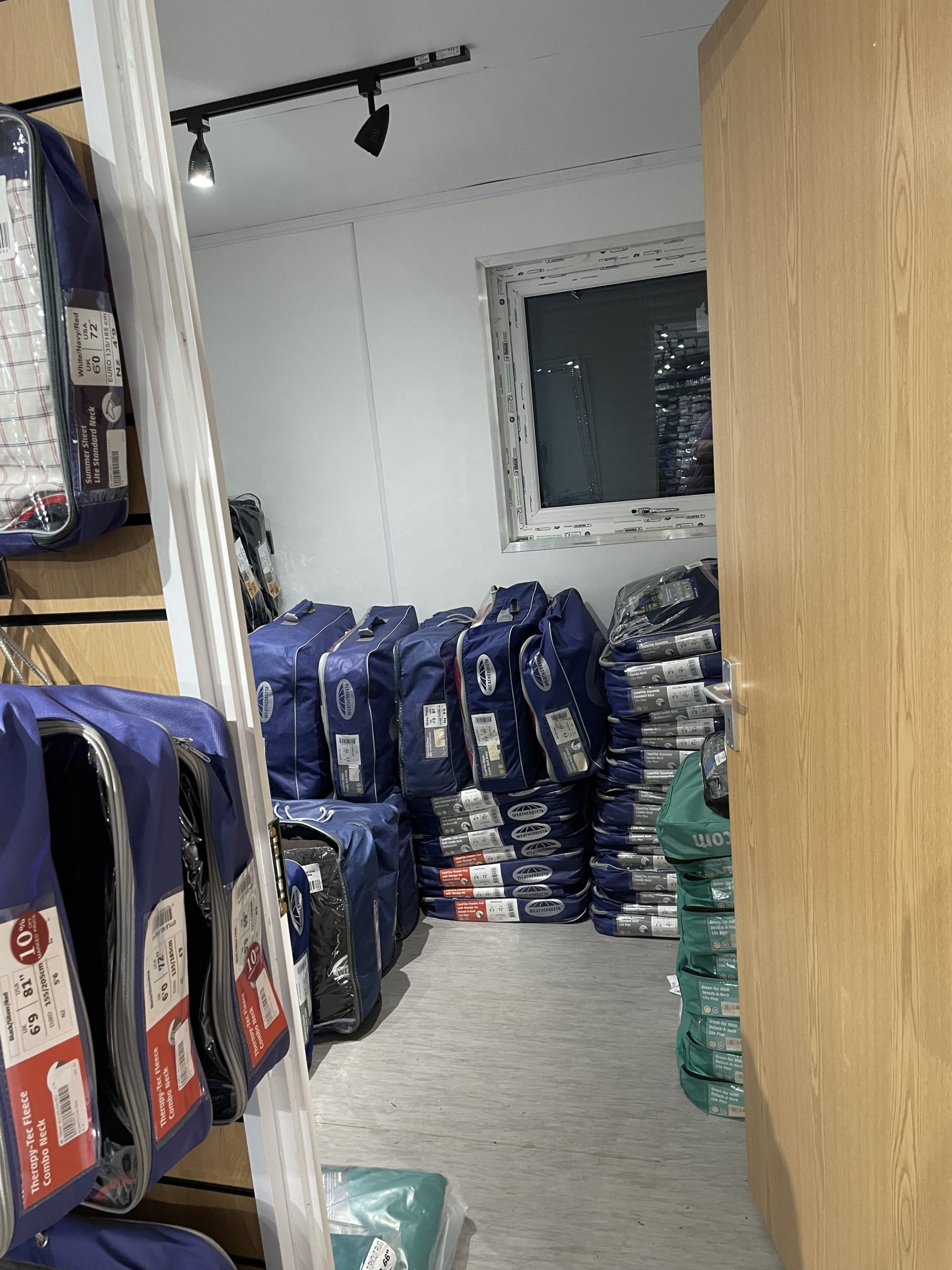
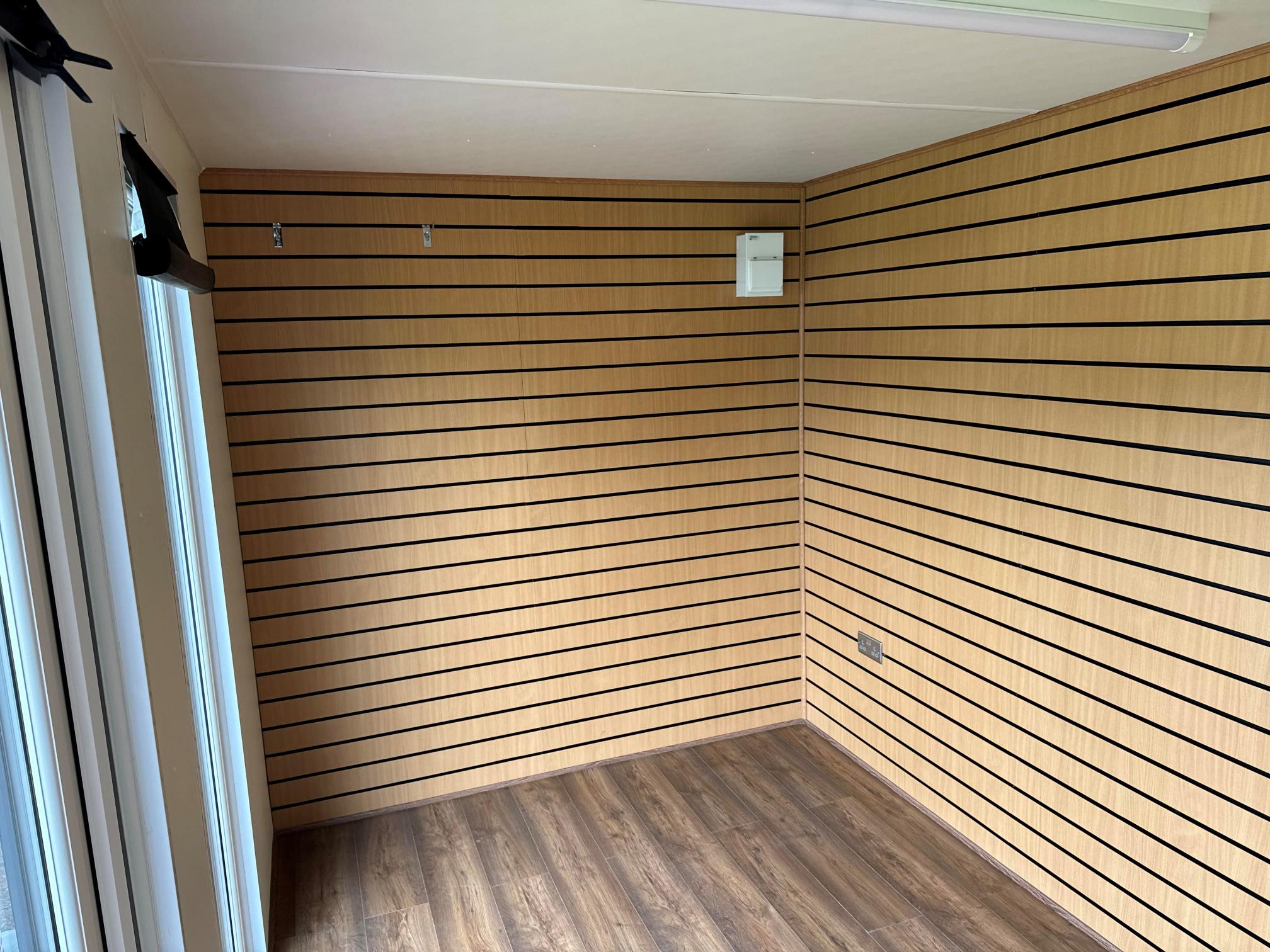
20ft x 8ft Container Conversion Retail Shop
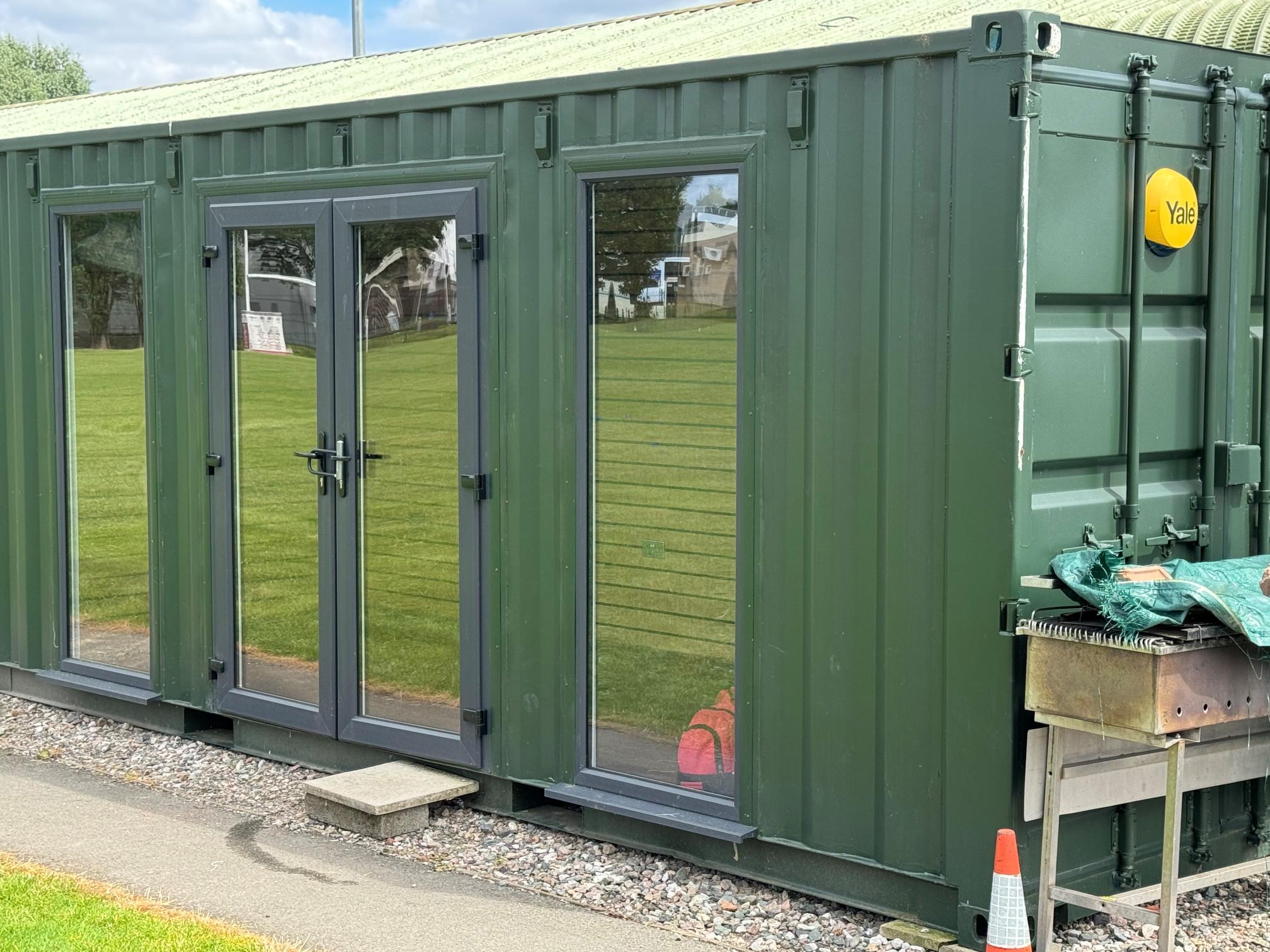
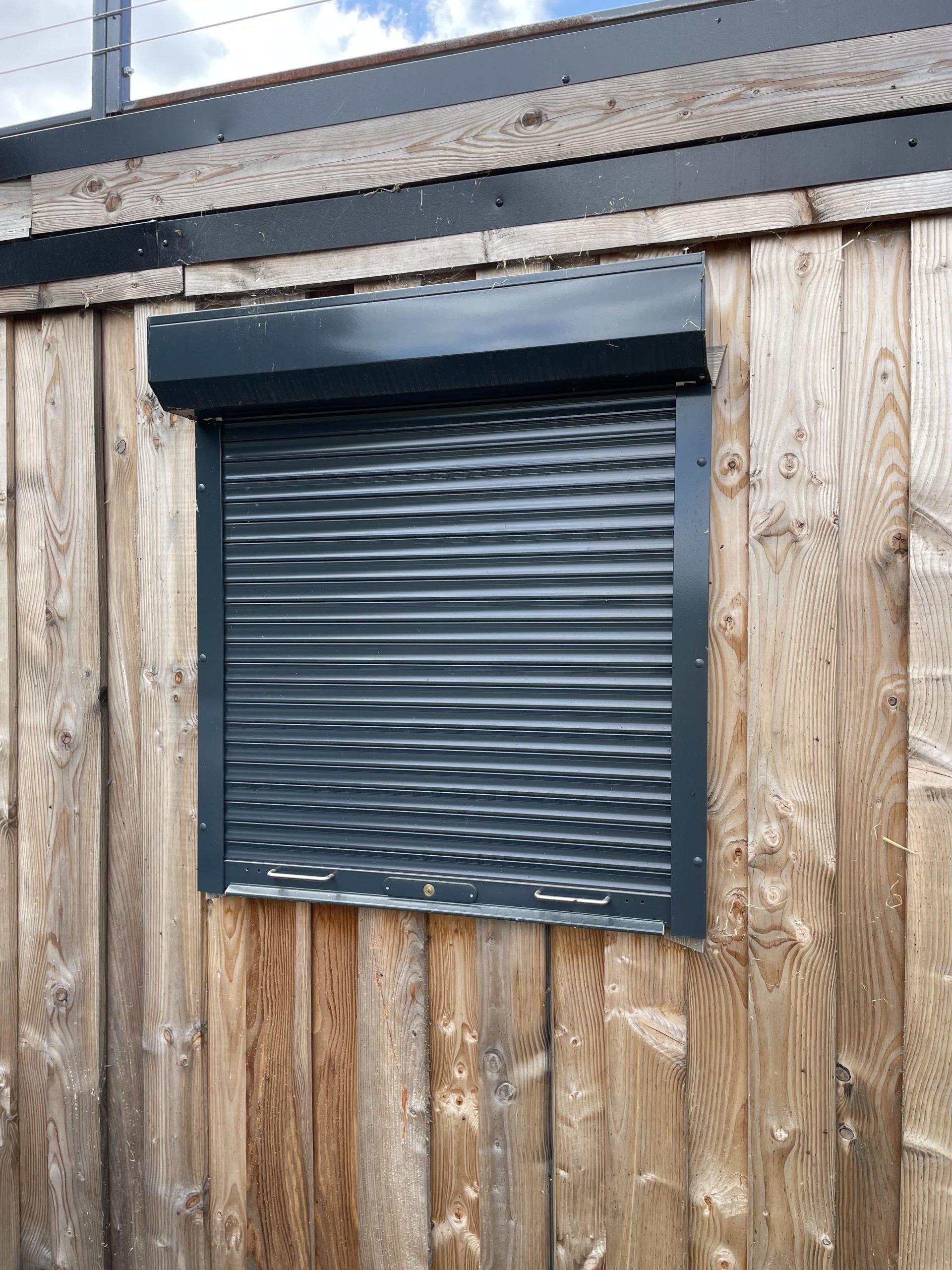
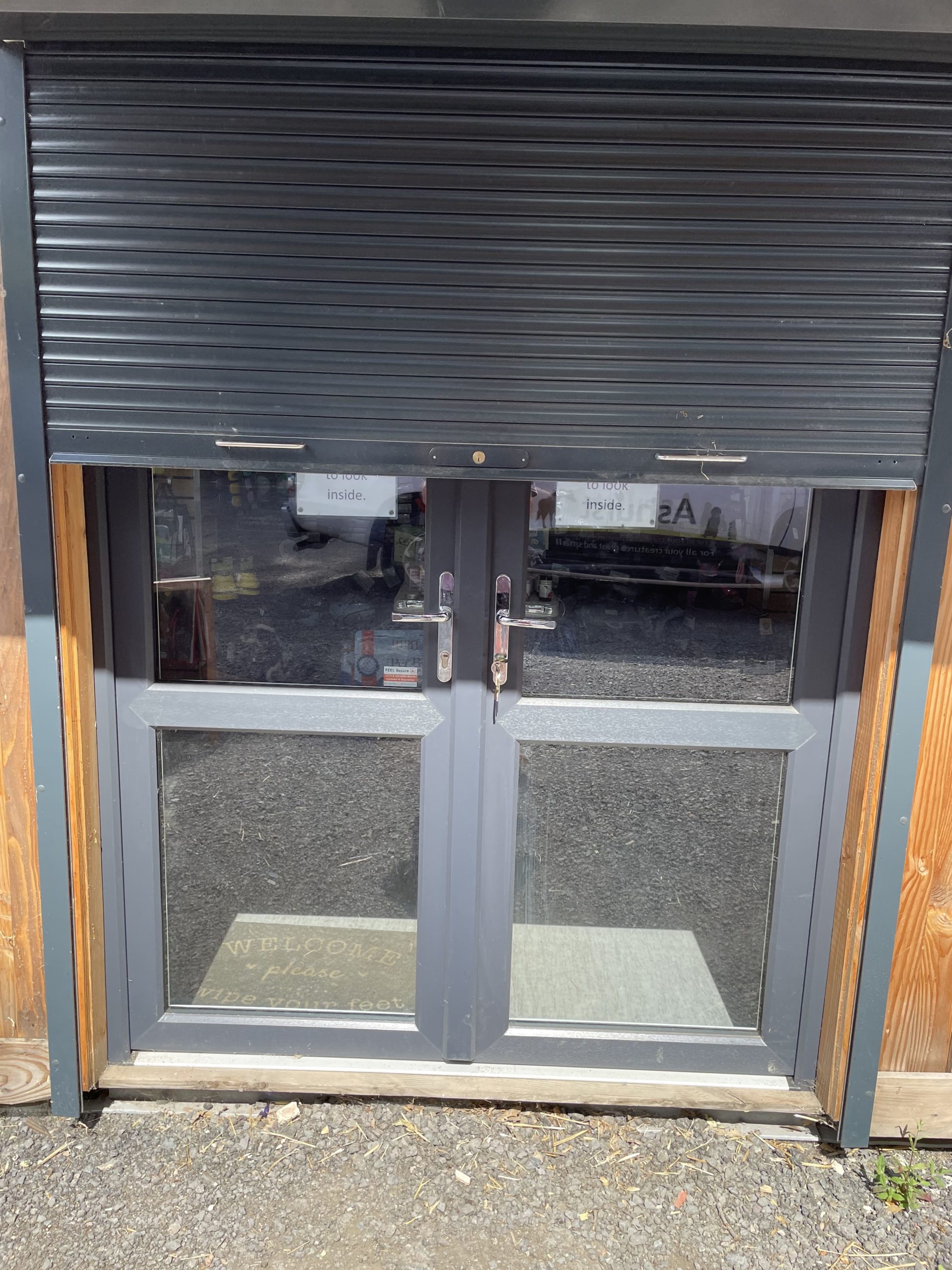
UPVC Double glazed Windows + French Doors
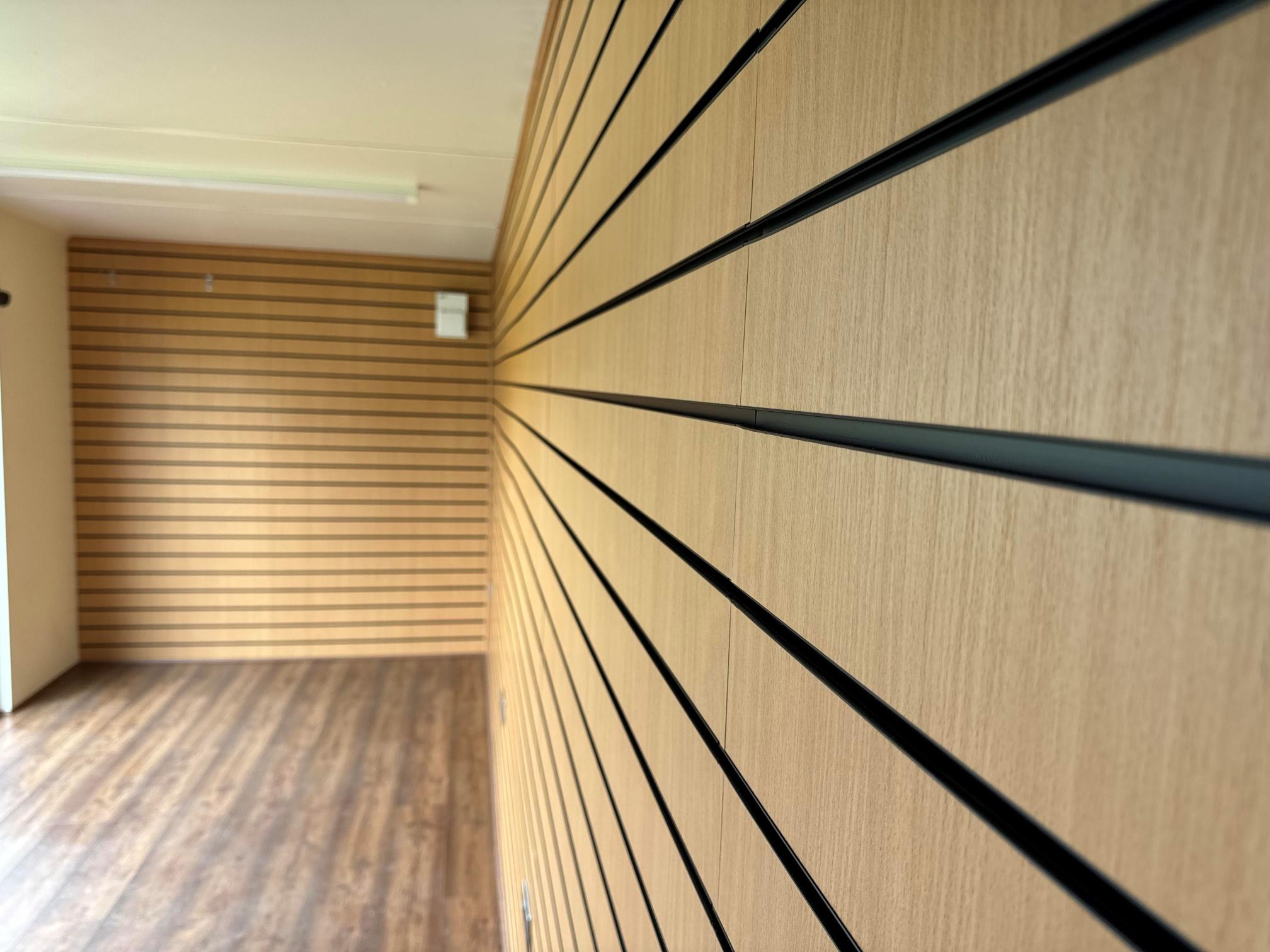
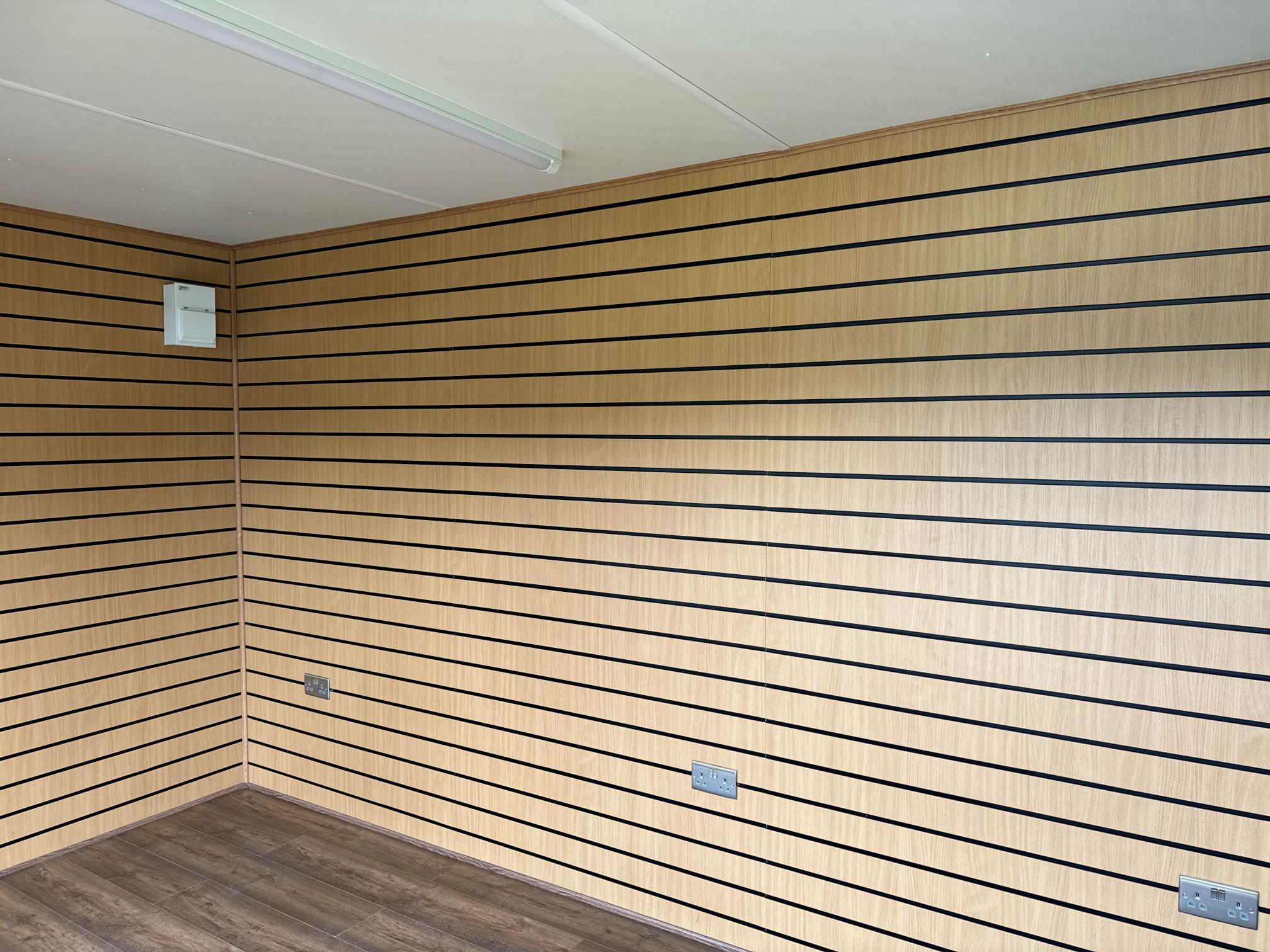
Slat Wall for retail fixings and Merchandise
Electric Chrome Sockets, led lighting and heating.
Laminate Flooring
12 months Warranty
Maintenance call out package included
Less than 2 years old
Still in Brand New Condition


Fully refurbished
Colour light grey
Slate grey anthracite upvc double glazed windows


Location: Nationwide
+ VAT
Not Available for Hire
Call for an instant quote!
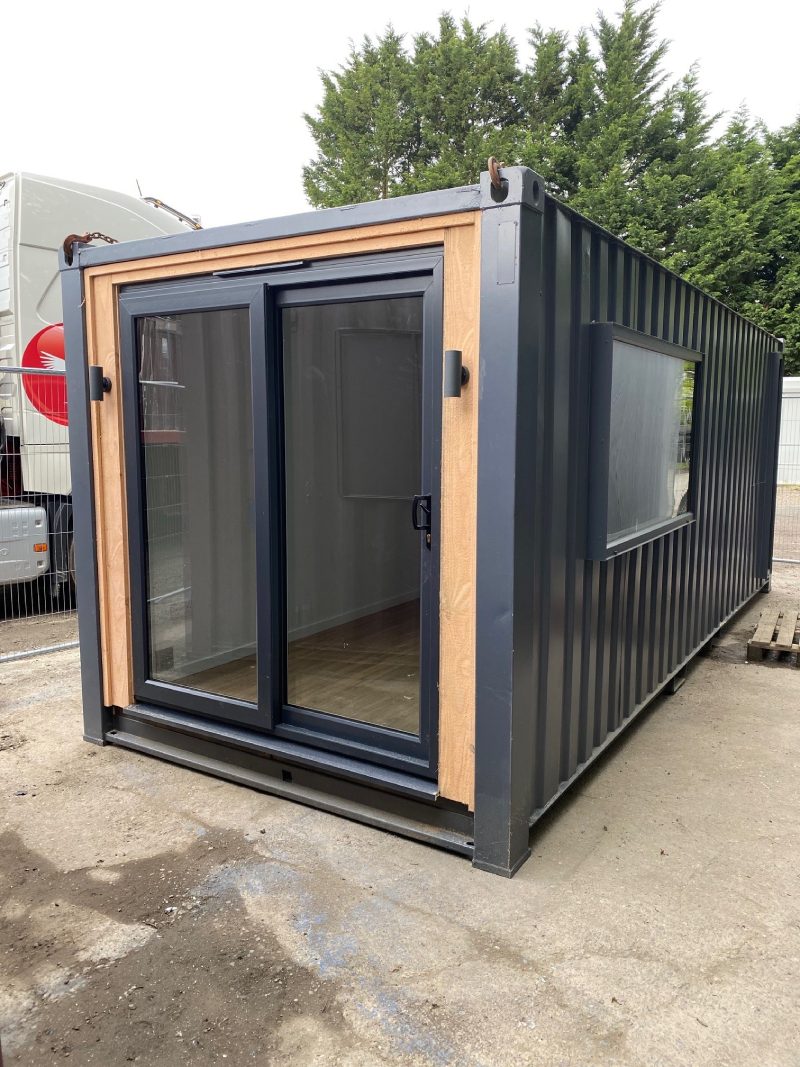
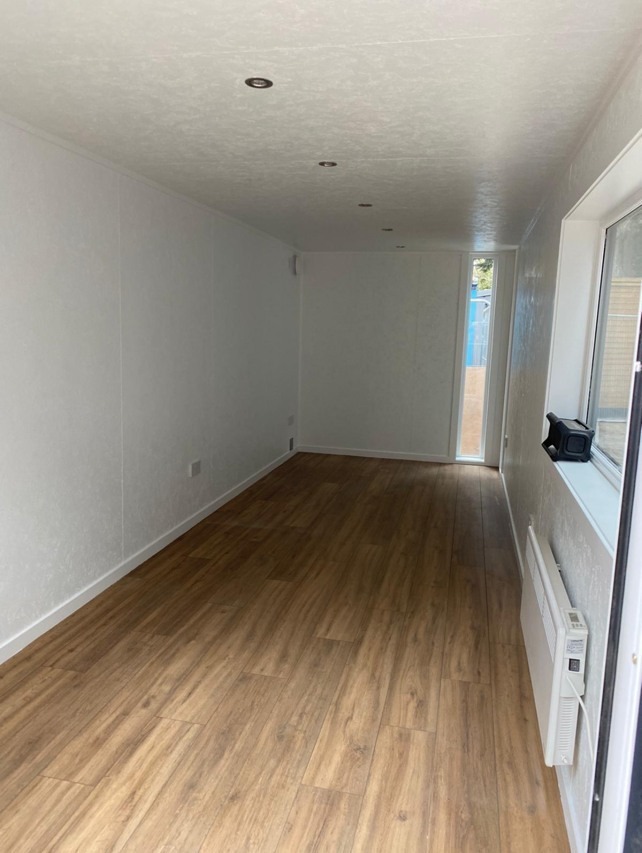
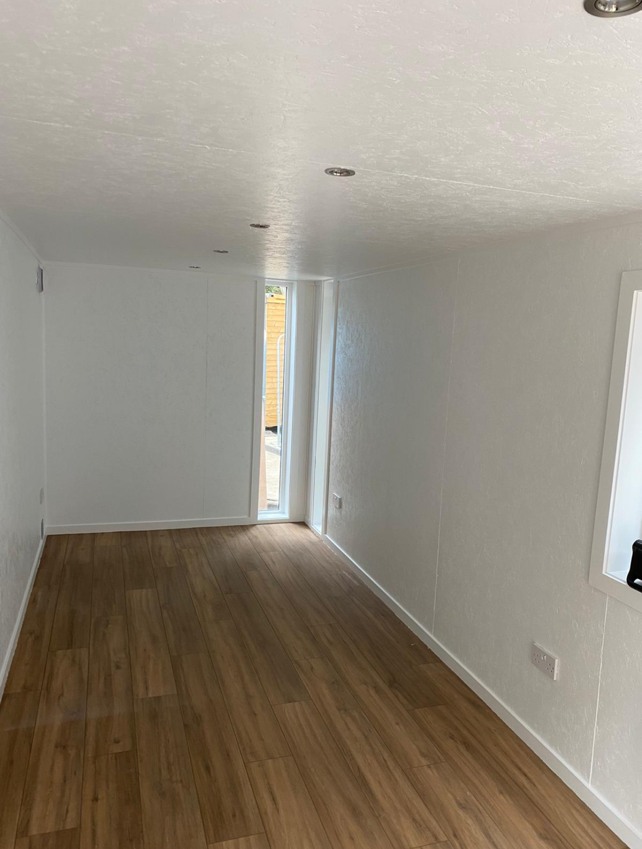
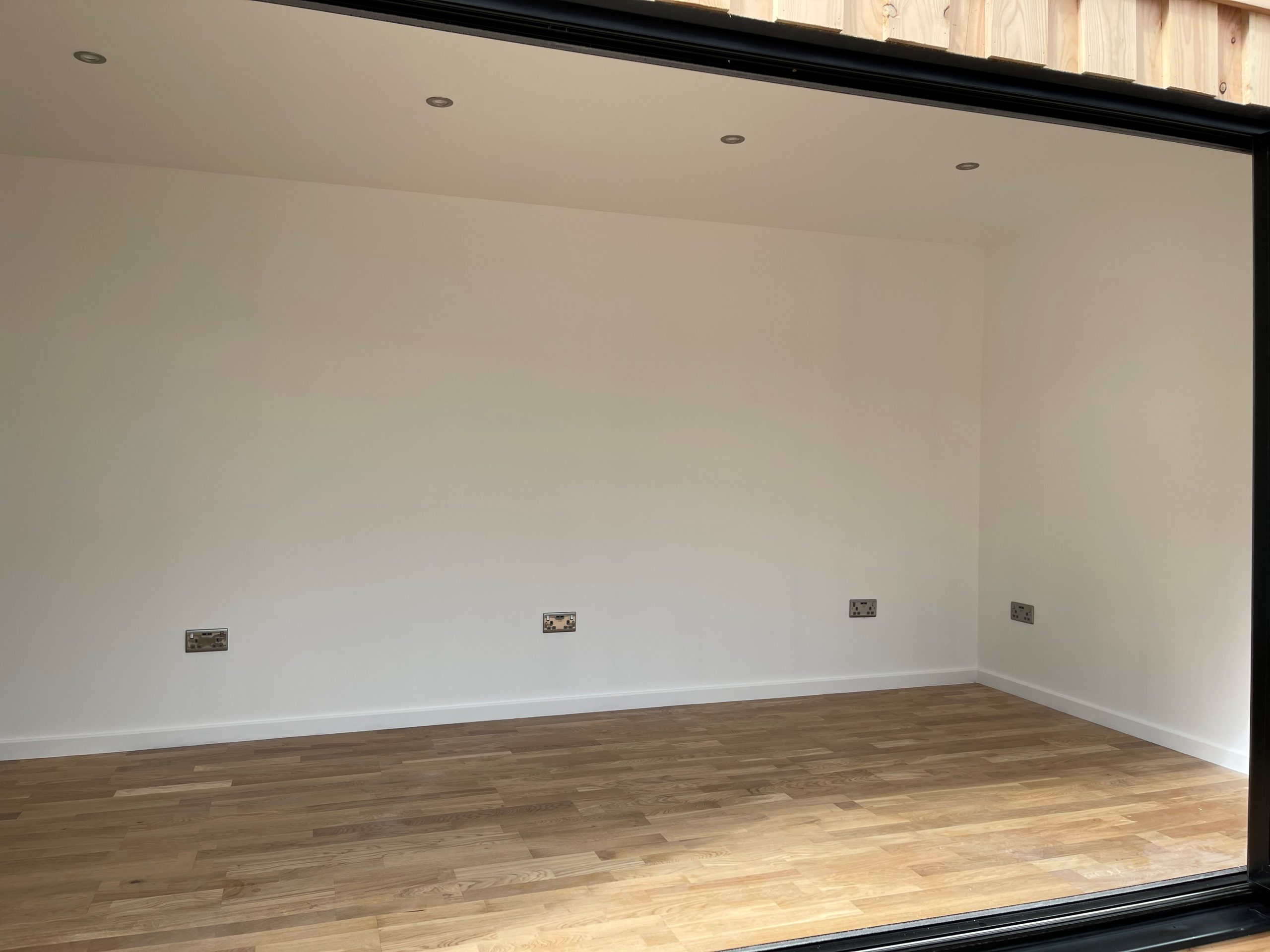
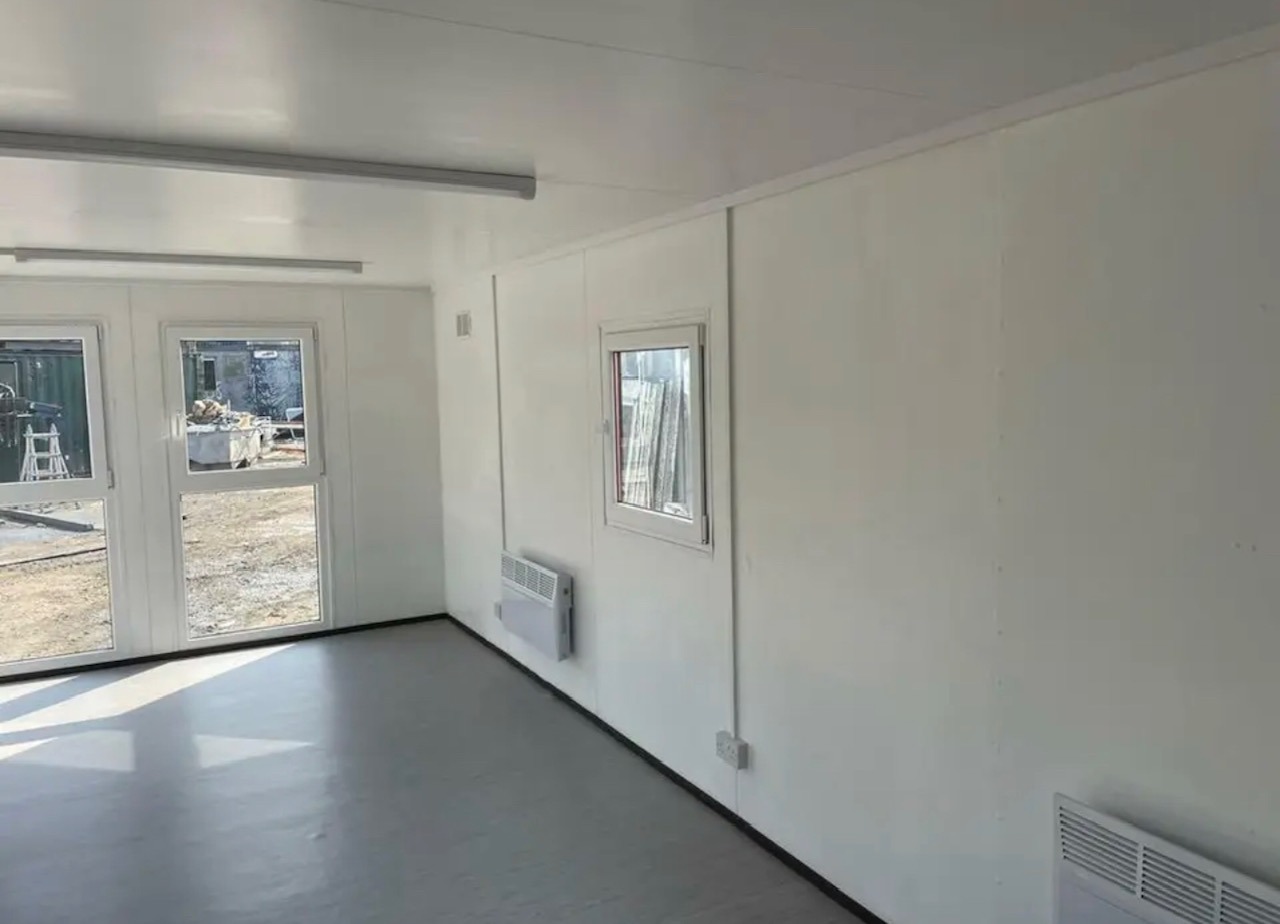
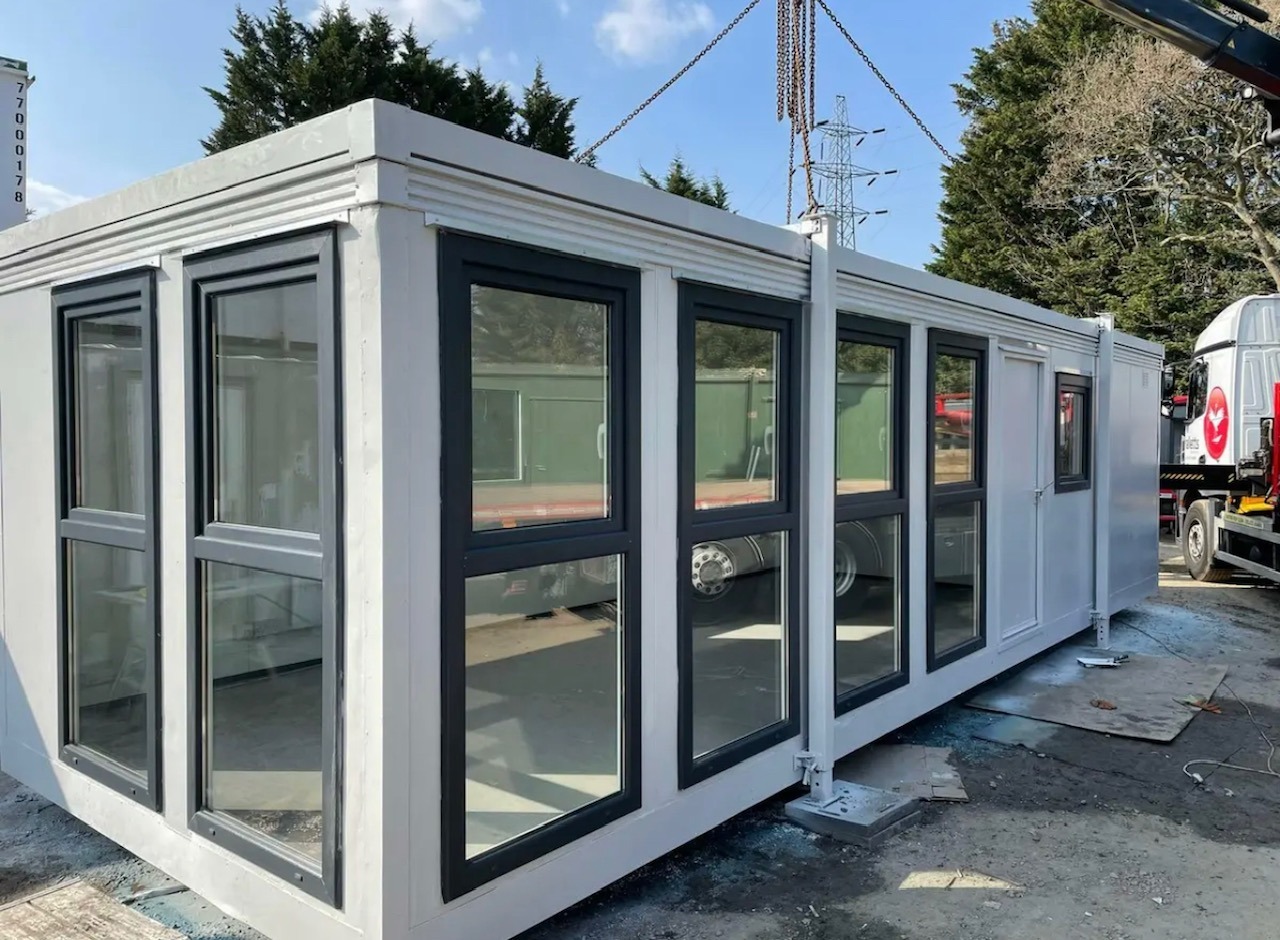
Fully Insulated with electric sockets, spot lighting, and heating
Wood Flooring
UPVC Sliding Door + Windows
Lead Time for build 6-8 weeks


Location: Nationwide
+ VAT
Not Available for Hire
Call for an instant quote!
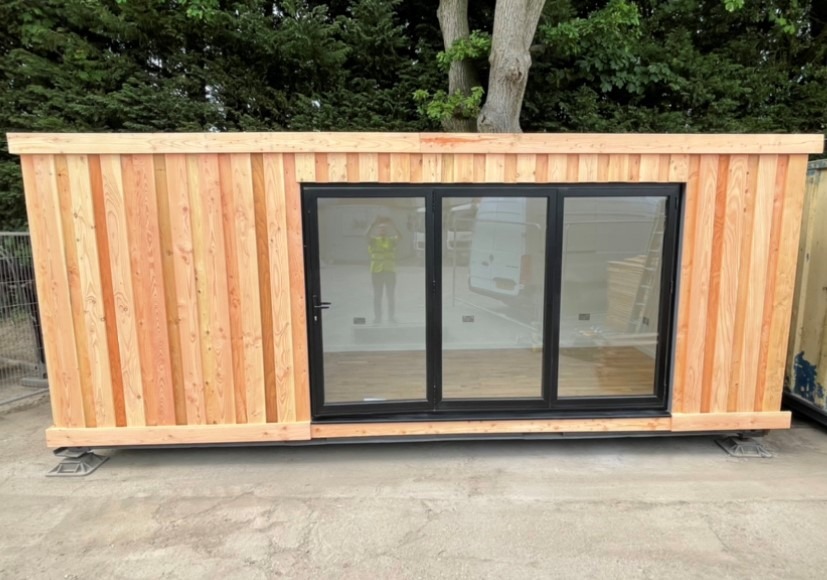
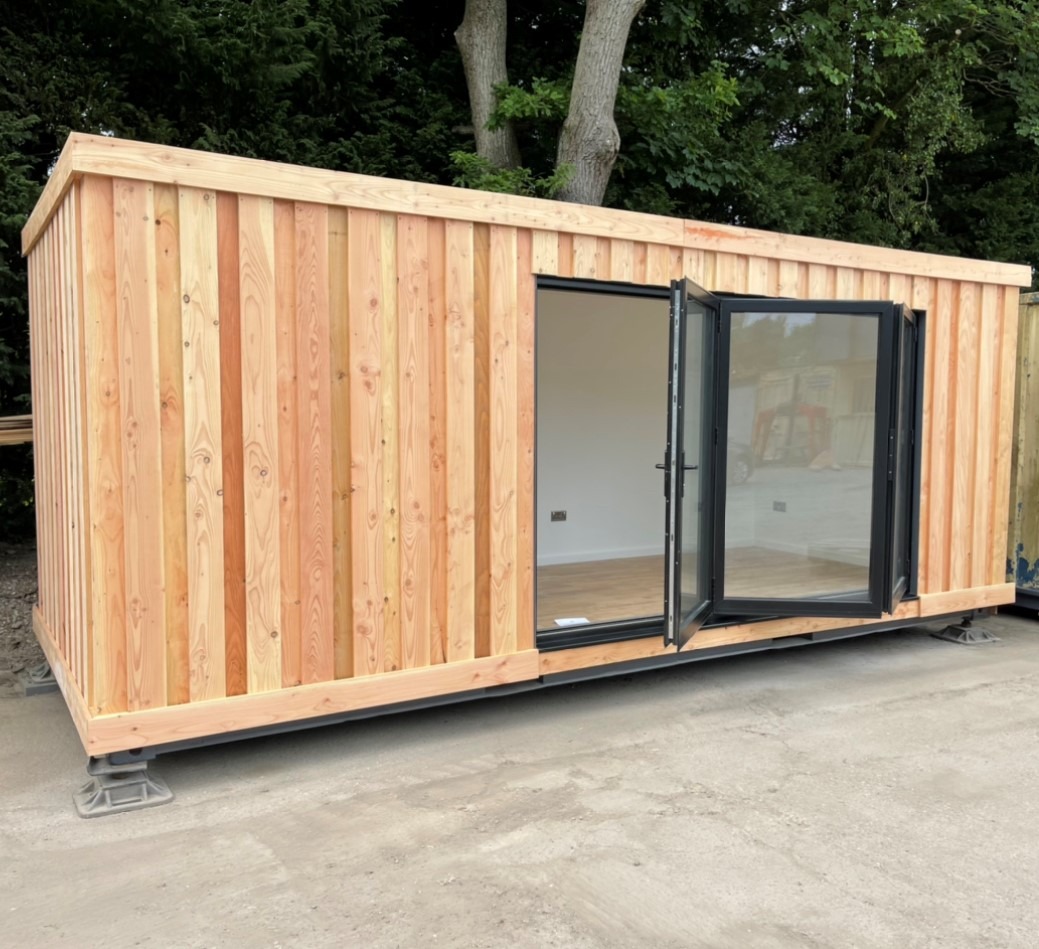
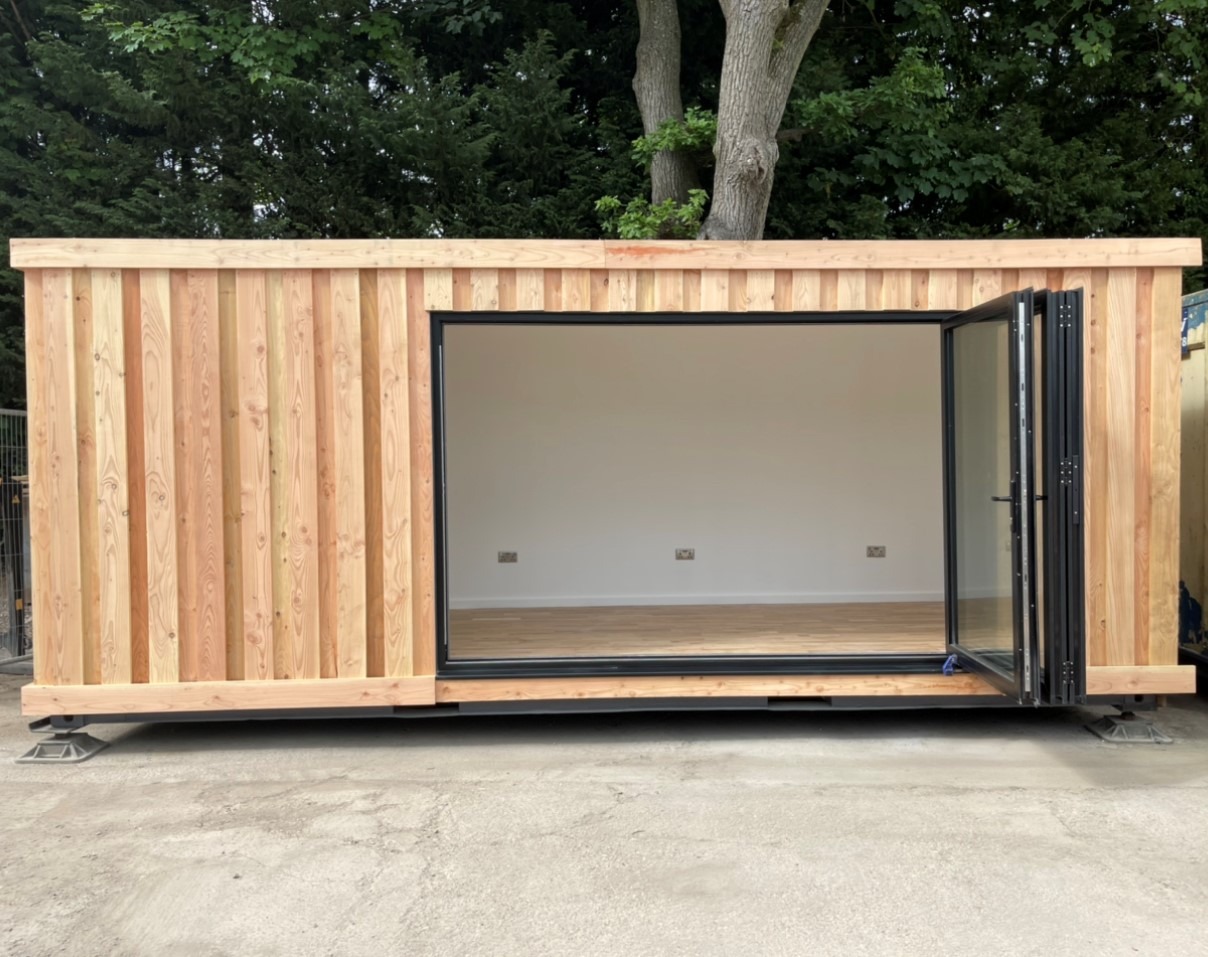
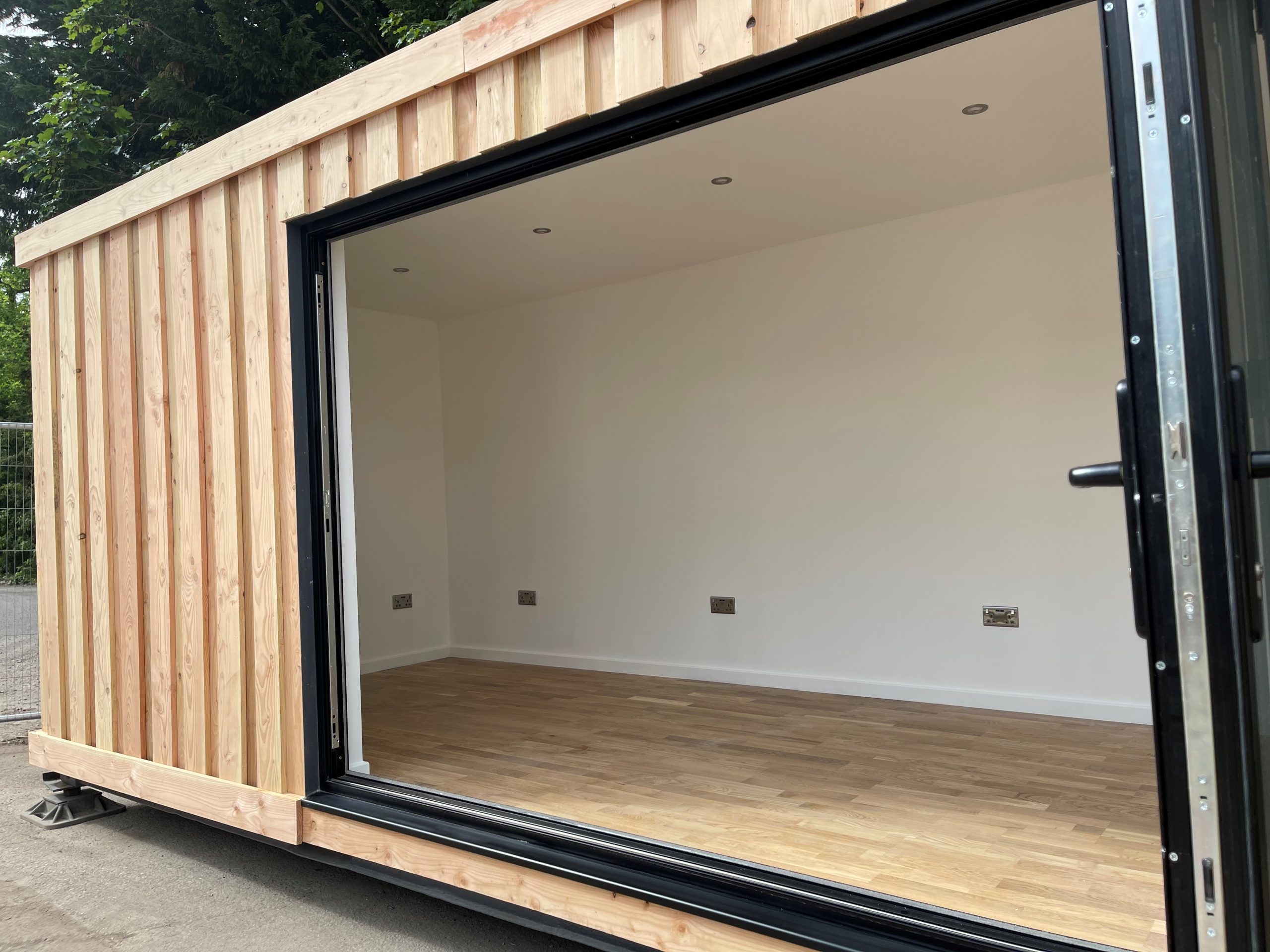
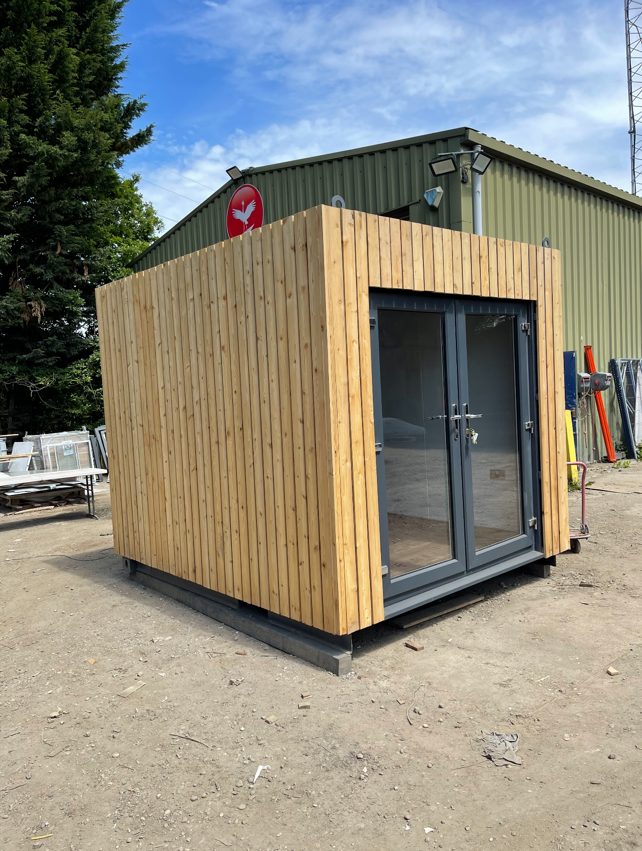
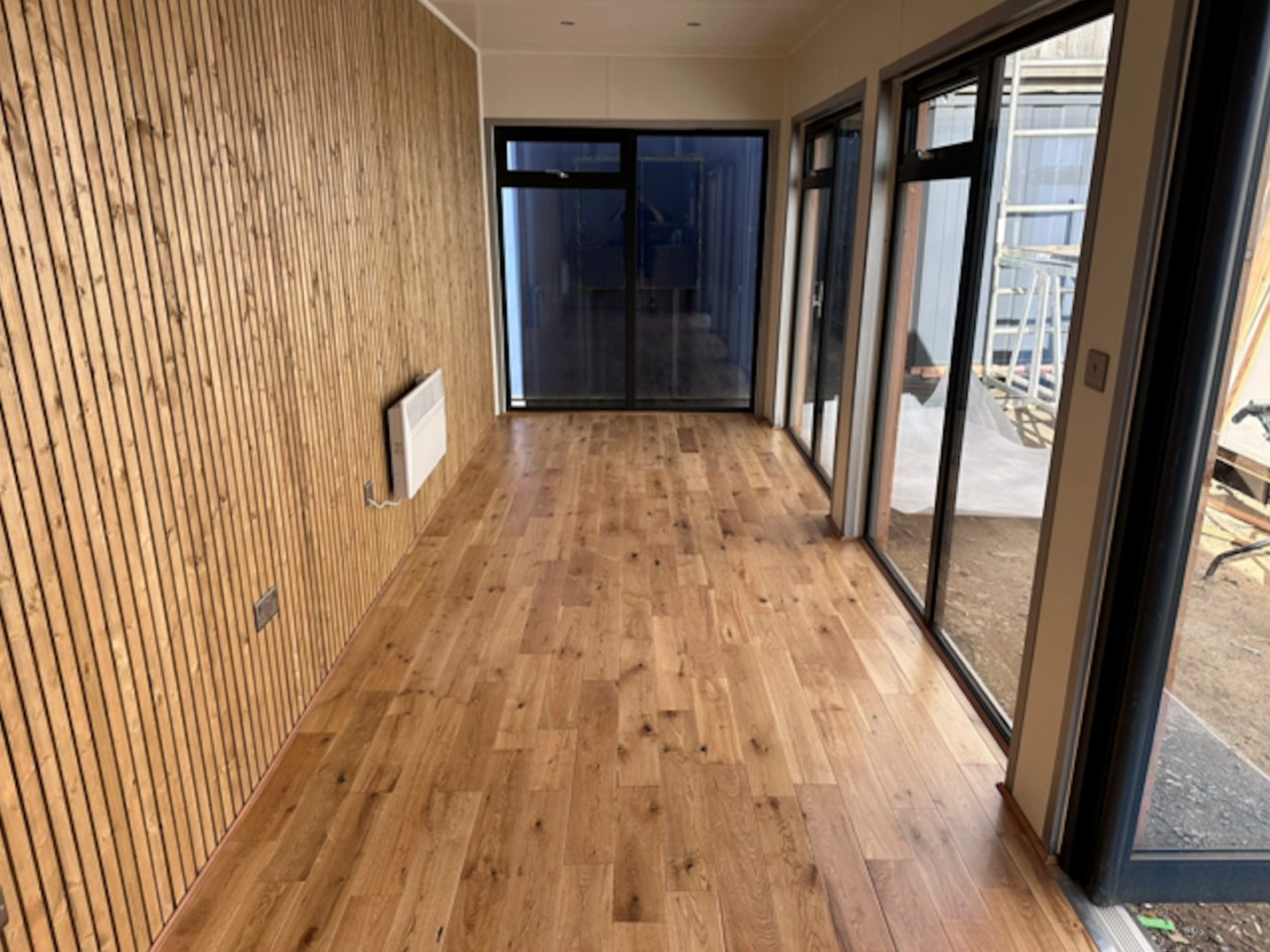
Fully Insulated with electric sockets, spot lighting, and heating
Wood Flooring
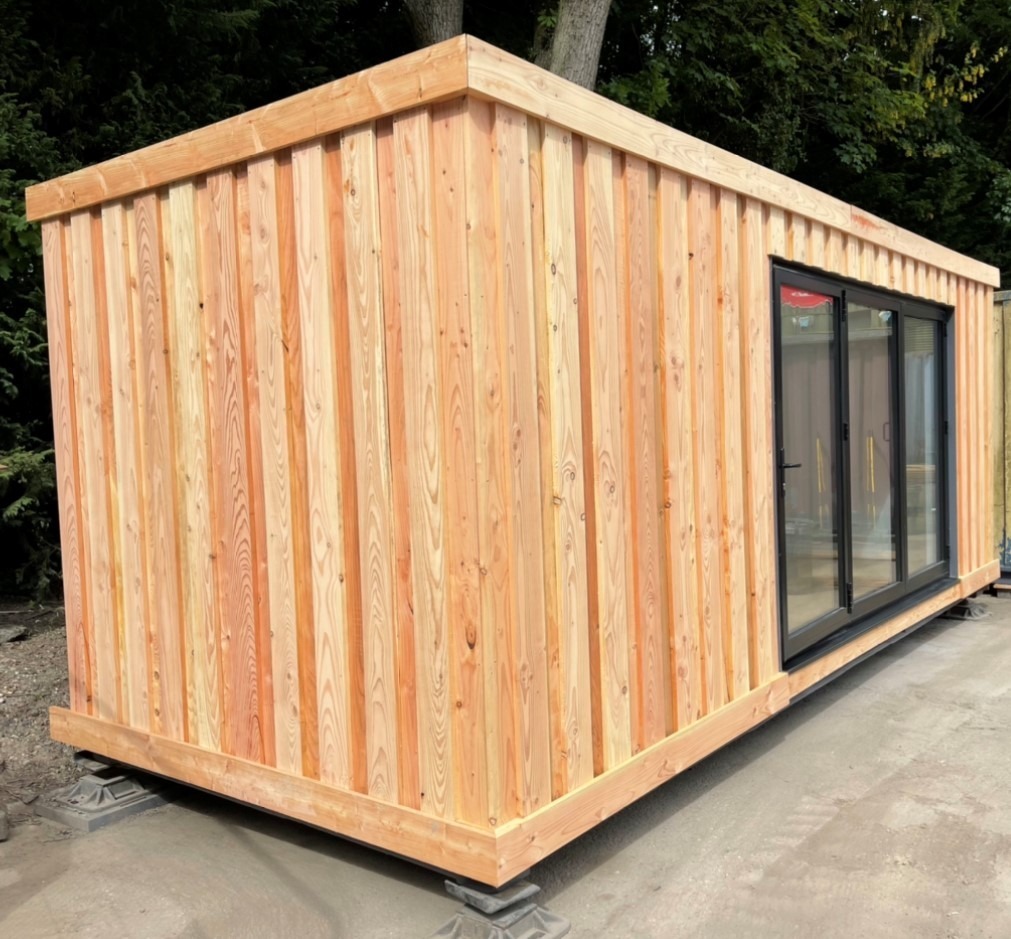
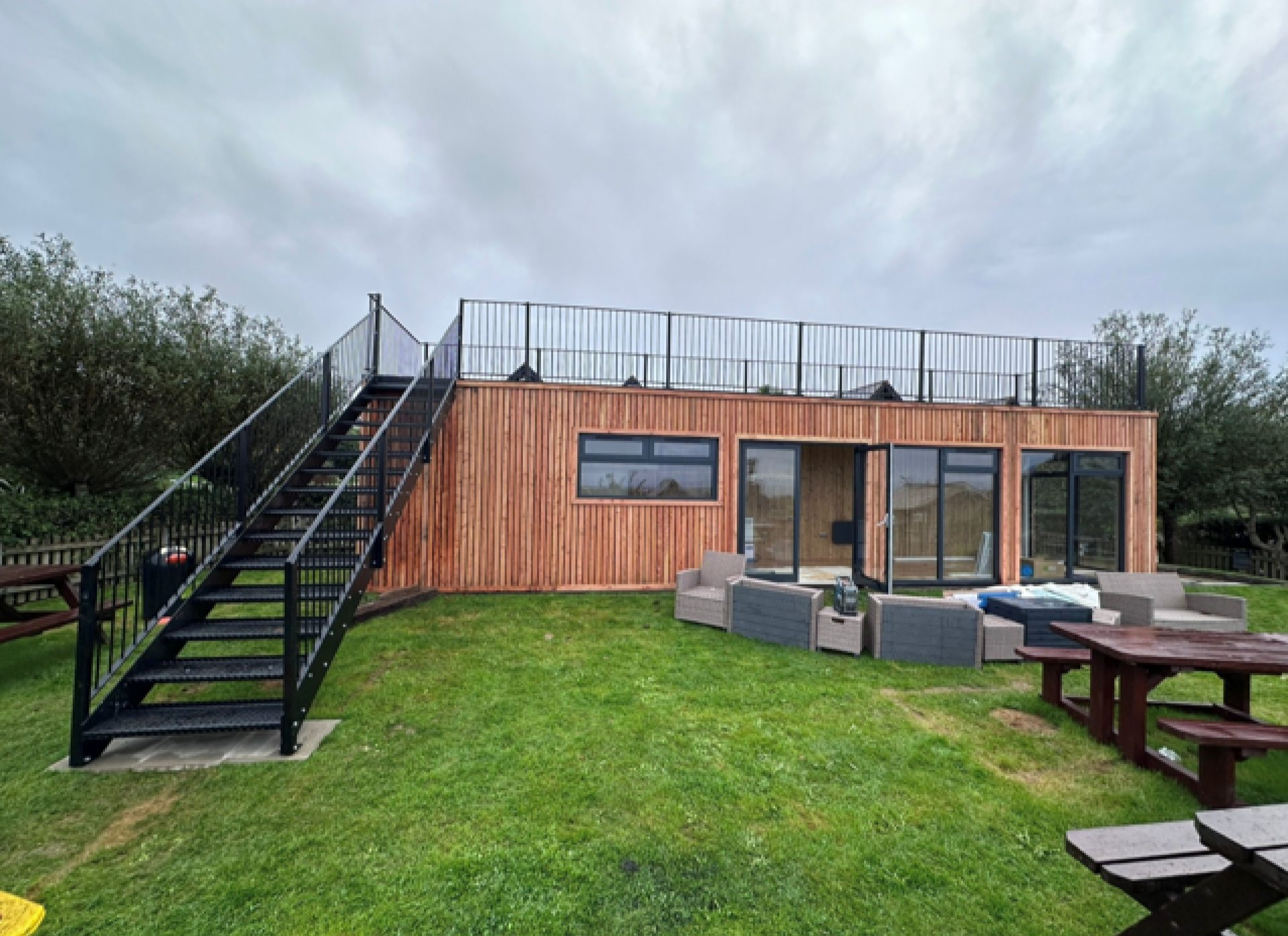
Aluminium Bi Fold Doors
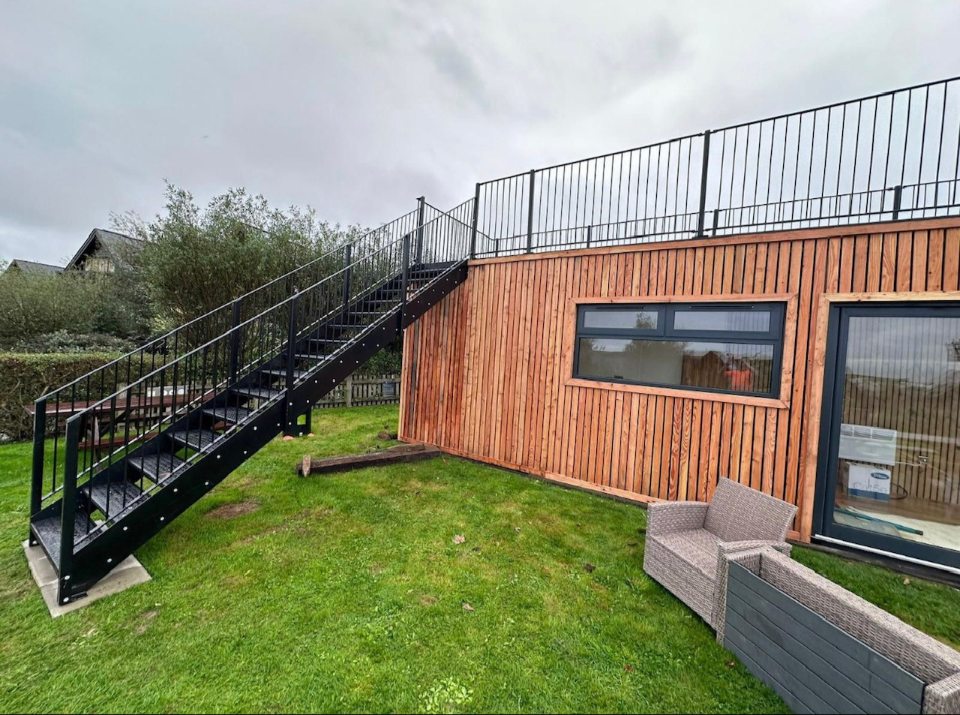
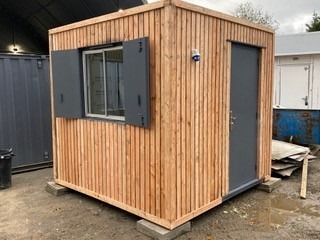
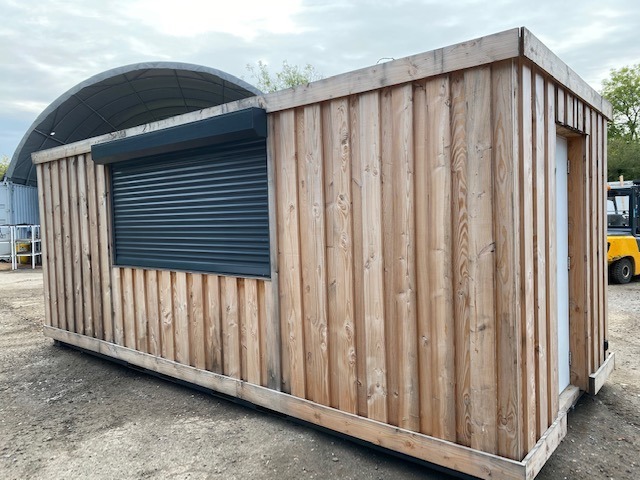
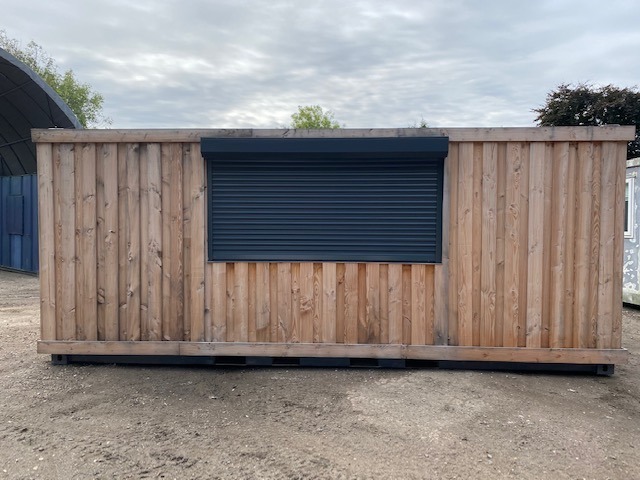
Fully wrapped in larch cladding
Lead Time for build 6-8 weeks


Location: Nationwide
+ VAT
Not Available for Hire
Call for an instant quote!
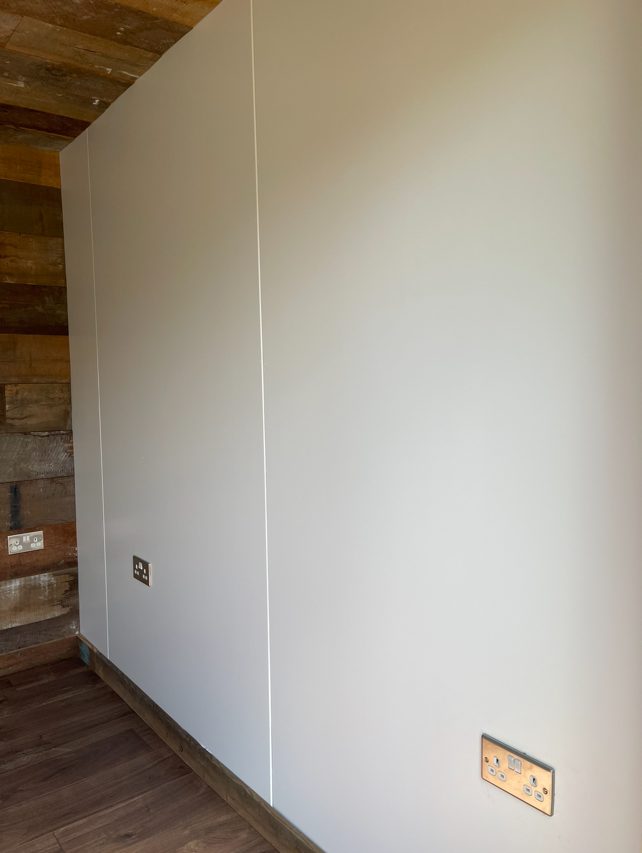
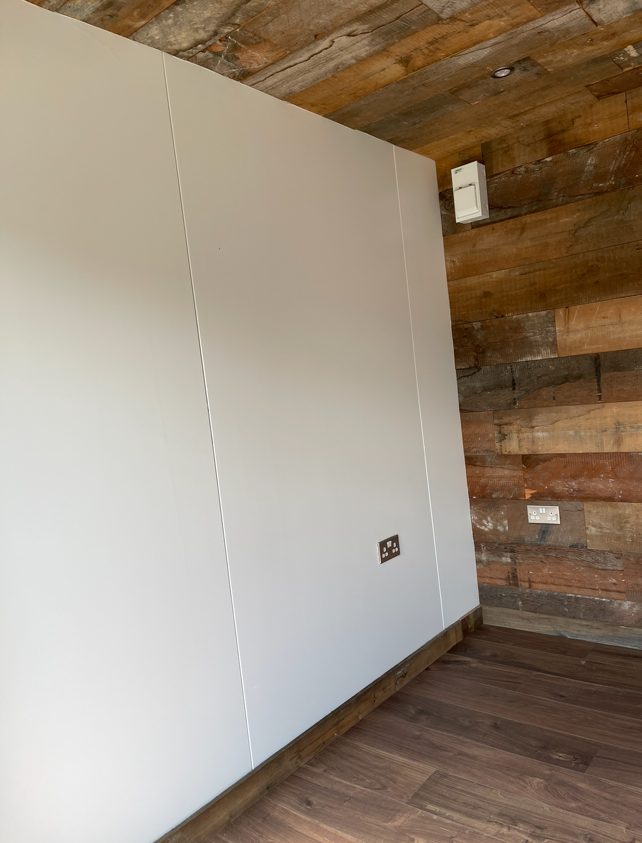
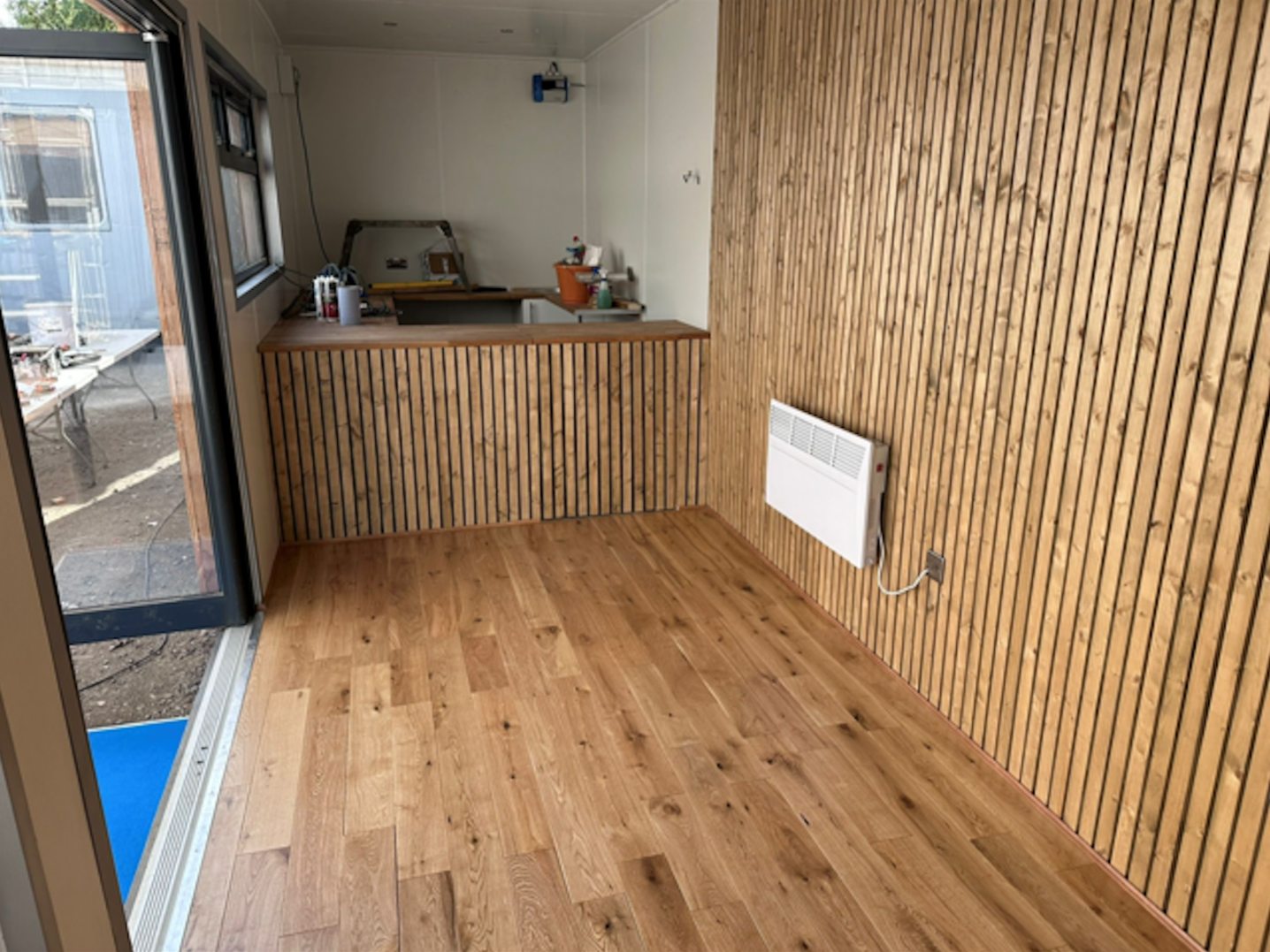
Fully Insulated with electric sockets, spot lighting, and heating
Wood Flooring
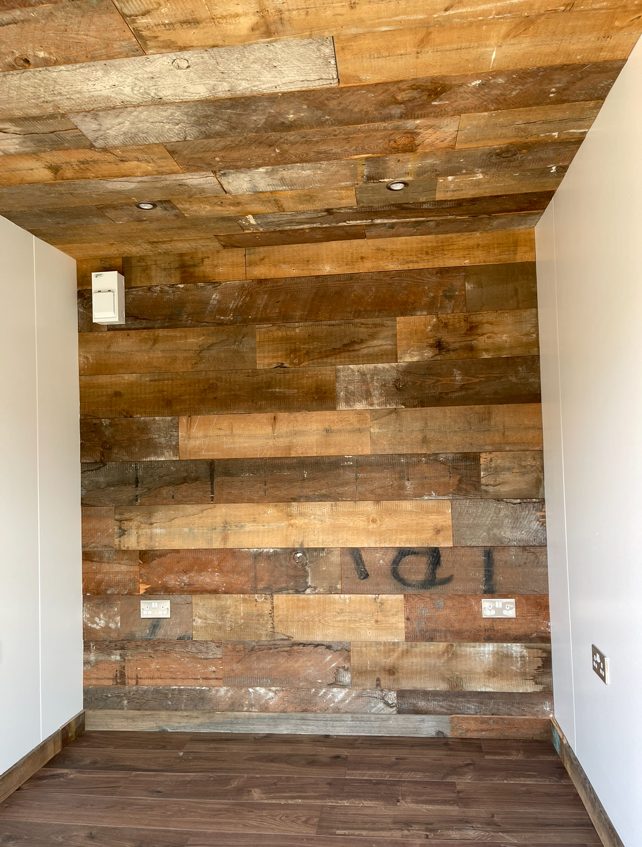
Feature Clad Wall and Ceiling
UPVC Double glazed French Doors
Fully wrapped in larch cladding
Lead Time for build 6-8 weeks


Location: Nationwide
EX VAT
Not Available for Hire
Call for an instant quote!


Location: Nationwide
EX VAT
Not Available for Hire
Call for an instant quote!


Location: Nationwide
EX VAT
Not Available for Hire
Call for an instant quote!


Location: Nationwide
EX VAT
Not Available for Hire
Call for an instant quote!


Location: Nationwide
EX VAT
Not Available for Hire
Call for an instant quote!

Location: Nationwide
EX VAT
Not Available for Hire
Call for an instant quote!


Location: Nationwide
EX VAT
Not Available for Hire
Call for an instant quote!


Location: Nationwide
EX VAT
Not Available for Hire
Call for an instant quote!


Location: Nationwide
EX VAT
Not Available for Hire
Call for an instant quote!


Location: Nationwide
EX VAT
Not Available for Hire
Call for an instant quote!


Location: Nationwide
EX VAT
Not Available for Hire
Call for an instant quote!


Location: Nationwide
EX VAT
Not Available for Hire
Call for an instant quote!


Location: Nationwide
EX VAT
Not Available for Hire
Call for an instant quote!


Location: Nationwide
EX VAT
Not Available for Hire
Call for an instant quote!


Location: Nationwide
EX VAT
Not Available for Hire
Call for an instant quote!


Location: Nationwide
EX VAT
Not Available for Hire
Call for an instant quote!
10ftx8ft – £5950 + Vat / 16ftx8ft – £7950 + Vat / 20ftx8ft – £9000 + Vat / 24ftx8ft – £12000 + Vat / 30ftx8ft – £13500 + Vat


Location: Nationwide
EX VAT
Not Available for Hire
Call for an instant quote!


Location: Nationwide
EX VAT
Not Available for Hire
Call for an instant quote!


Location: Nationwide
EX VAT
Not Available for Hire
Call for an instant quote!

Location: Nationwide
Quantity: ∞
EX VAT
Not Available for Hire
Call for an instant quote!
• Reinforced doors and windows with secure locking
• Open plan with electric sockets and lighting
• Ral Code Colour of choice
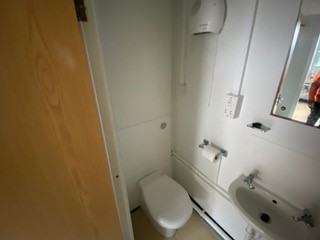
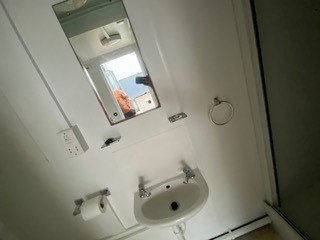
• Any Extras available : Canteen, Partitions, Toilets.


Location: Nationwide
EX VAT
Not Available for Hire
Call for an instant quote!
• Reinforced doors and windows with secure locking
• Open plan with electric sockets and lighting
• Ral Code Colour of choice
• Any Extras available : Canteen, Partitions, Toilets.

• Reinforced doors with secure locking
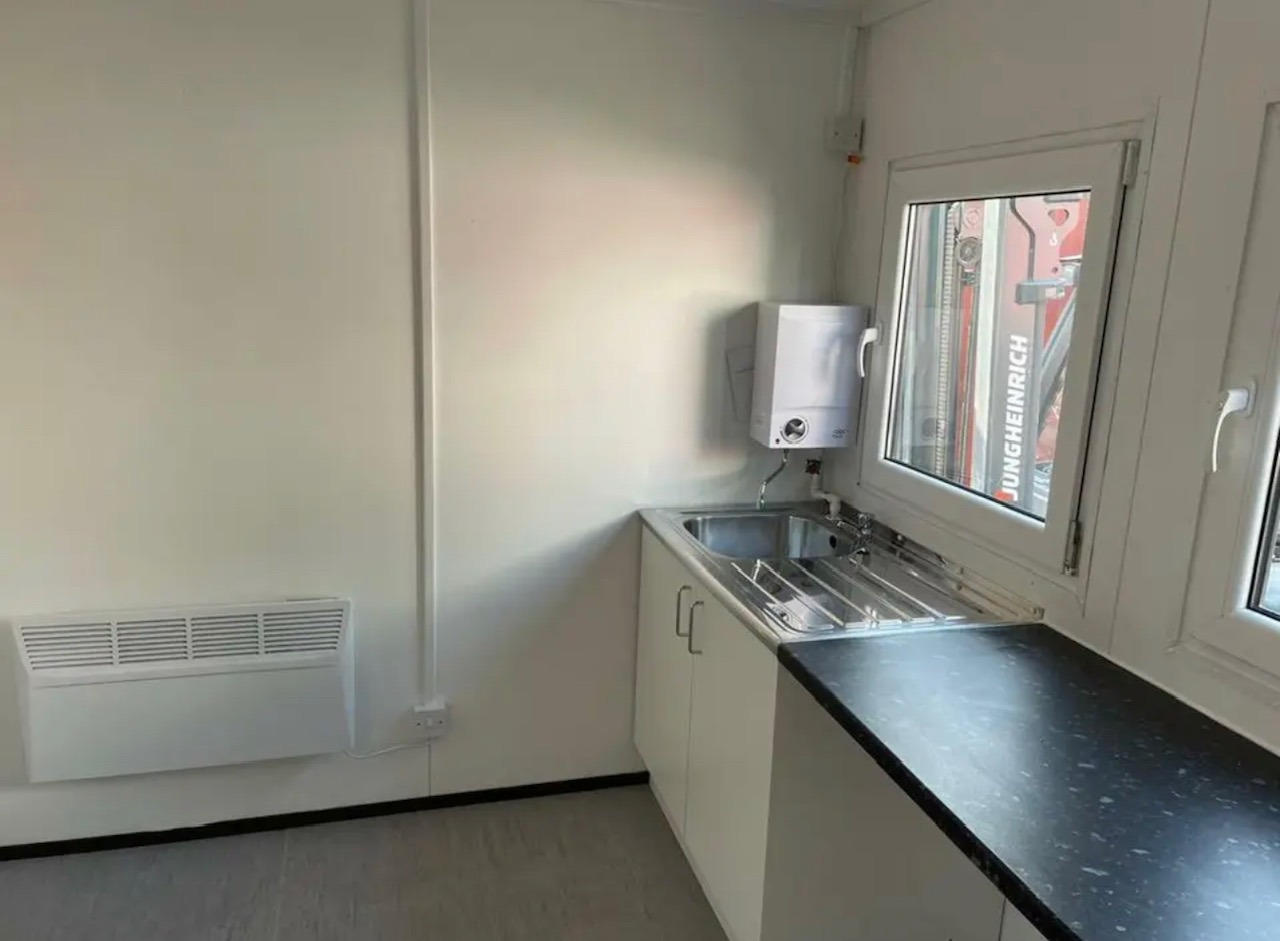
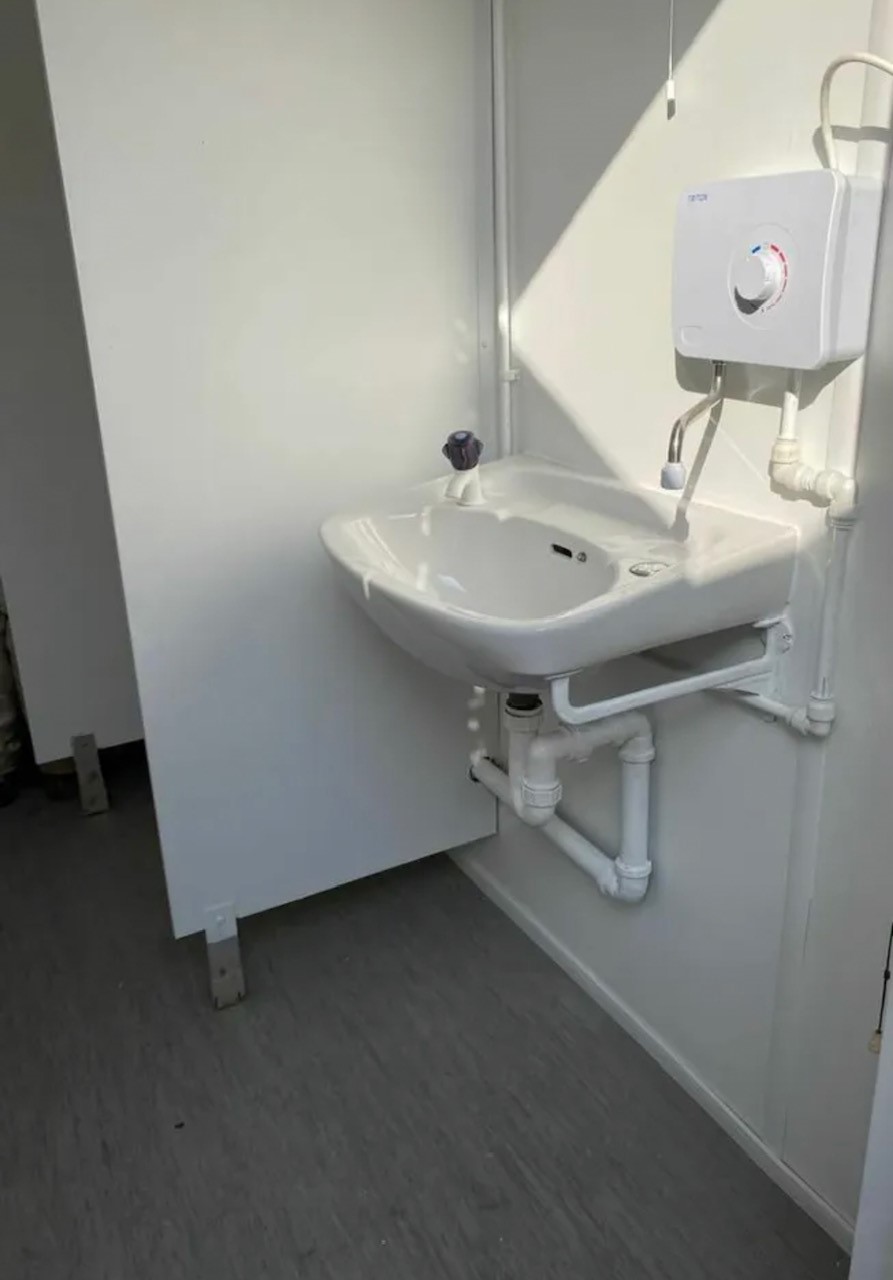
• Sink and water boiler included


Location: Nationwide
Quantity: ∞
EX VAT
Not Available for Hire
Call for an instant quote!


Location: Nationwide
EX VAT
Not Available for Hire
Call for an instant quote!
Get a Quick Container Quote Now!


Location: Nationwide
EX VAT
Not Available for Hire
Call for an instant quote!
Get a Quick Container Quote Now!