A Mcb Insulation Tester is a practical instrument for checking whether insulation can safely contain electrical voltage. It applies a controlled DC test voltage across an isolated circuit. The tester then measures leakage current and converts it into insulation resistance, usually shown in megohms. High resistance generally indicates healthier insulation. Low resistance demands investigation.
This matters because small defects can hide behind a clean-looking MCB. Heat, moisture, dust, loose terminals, and aged cable jackets may create invisible leakage paths. IEC 60364-6:2016 includes insulation resistance verification within electrical installation testing. NFPA 70B:2023 also emphasizes documented maintenance, qualified personnel, and condition-based evaluation. These standards do not make testing automatic. The test method still matters.
Electrical-safety author John Cadick offers a useful reminder: “A test result is only as good as the method behind it.” His point is especially relevant here. An MCB Insulation Tester must be used on a properly isolated, de-energized circuit. Sensitive electronics may require disconnection before testing. Afterward, stored charge must be discharged safely. Never treat one reading as the complete diagnosis.
This guide explains the instrument’s internal process, test voltages, resistance readings, and safe operating sequence. It also examines common mistakes, including testing connected equipment and ignoring temperature effects. The explanation is intentionally practical. Real panels are not laboratory-perfect. Readings can drift. Human judgment remains essential. That is the part many short guides miss.
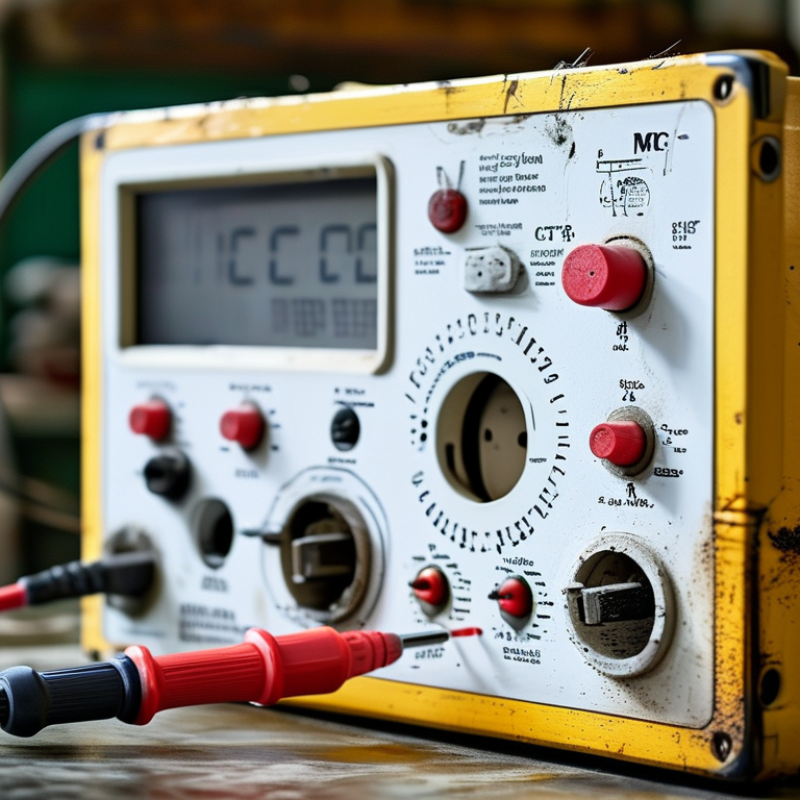
An MCB insulation tester is a portable electrical instrument used to check insulation resistance in circuits protected by miniature circuit breakers. Its purpose is not to test the MCB’s switching function. Instead, it helps identify damaged insulation, unwanted leakage, and possible contact between conductors or earth.
The tester applies a controlled direct-current voltage to an isolated circuit. It then measures the tiny leakage current flowing through the insulation. Using these values, it displays resistance, usually in megohms. A higher reading generally indicates better insulation. A low or unstable reading may suggest moisture, crushed cable, loose connections, or ageing insulation. The instrument should be used only after power is disconnected and sensitive equipment is separated from the test circuit.
In field work, electricians often test circuits before energising a new installation or after maintenance. They compare readings across conductors and record the test voltage, time, and conditions. Damp environments can reduce resistance, so one result should not be judged too quickly. A clean reading is not absolute proof of safety. Test leads, circuit length, temperature, and connected devices can affect accuracy. I have found that rushed testing creates false confidence. The tester is useful, but careful isolation and professional interpretation matter just as much.
An MCB insulation tester checks whether a low-voltage circuit has unwanted leakage through damaged insulation. The MCB protects against overcurrent, but it does not prove insulation integrity. Its main components include a DC high-voltage generator, current-limiting resistor, sensing circuit, display, test leads, and discharge circuit. The generator applies a controlled test voltage, commonly 250, 500, or 1,000 volts. The correct value depends on the circuit and applicable safety requirements. A stable output matters. Small voltage changes can affect readings.
The measurement principle follows Ohm’s law: insulation resistance equals test voltage divided by leakage current. The tester applies DC voltage between conductors and earth, or between separated conductors. It then measures the very small current crossing the insulation. Lower current indicates higher resistance. Higher resistance usually suggests better insulation. The display may show megohms, voltage, and test duration. Before testing, isolate the supply, verify the circuit is dead, and disconnect sensitive electronic equipment. The tester may automatically discharge stored energy after testing, but do not rely on that alone. Wait and confirm zero voltage. A practical check can expose moisture inside a junction box or a pinched cable under a cover. I have found this step easy to rush. That is where mistakes begin. Always compare the result with local standards, equipment instructions, and the circuit’s design.
What Is an MCB Insulation Tester and How Does It Work?
An MCB insulation tester is an instrument used to assess insulation resistance in circuits protected by miniature circuit breakers. It applies a controlled DC test voltage and measures leakage through insulation. A high resistance reading usually indicates sound insulation. A low reading suggests moisture, damage, contamination, or an incorrect connection. The tester does not replace the MCB. It checks the circuit that the MCB protects.
How an MCB Insulation Test Is Performed
A qualified electrician first isolates the circuit and prevents accidental reconnection. The circuit is then verified as dead with an approved voltage tester. Sensitive electronic equipment, dimmers, and surge protection devices should be disconnected before testing. They may be damaged by the test voltage. This step is often overlooked.
The electrician selects the test voltage required by local regulations and equipment instructions. For many low-voltage installations, 500 V DC is commonly used. The test leads are connected between live conductors and earth. Tests may also be made between line and neutral, or between separate live conductors. The tester applies voltage briefly and displays resistance, usually in megohms. Higher values are generally preferable.
After testing, the conductors can retain a charge. The tester or electrician must allow them to discharge safely. Readings should be recorded with the circuit identification and test conditions. A single low result should not be ignored, but it should be investigated carefully. Loose leads, damp surfaces, or connected equipment can distort results. The first reading is not always trustworthy. Repeating the test after correcting those conditions can prevent a wrong diagnosis.
| Test Dimension | Description | Typical Test Value or Connection | Interpretation or Safety Note |
|---|---|---|---|
| Purpose of the test | Checks whether the insulation around conductors, terminals, and connected circuit parts prevents unwanted leakage current. | A high-voltage direct-current test is applied for a controlled period and the resulting resistance is measured in megohms (MΩ). | The test evaluates insulation condition; it does not replace an MCB trip-current or trip-time test. |
| Test instrument | An insulation resistance tester, commonly called an insulation tester or megohmmeter, generates a regulated DC test voltage and displays insulation resistance. | Common selectable outputs include 250 V DC, 500 V DC, and 1,000 V DC. | The selected voltage must match the circuit rating, applicable rules, and the requirements of connected equipment. |
| MCB status before testing | The MCB and the circuit under test must be isolated from the supply before any insulation measurement is made. | Supply disconnected; MCB switched off or isolated as required by the test arrangement. | Never perform an insulation resistance test on an energized circuit. |
| Initial safety checks | Verify isolation, prevent reconnection, confirm the absence of voltage, and inspect the MCB, wiring, terminals, and enclosure for visible damage. | Use an approved voltage detector and follow the applicable lockout and verification procedure. | Only a suitably trained and authorized person should carry out the test. |
| Sensitive equipment | Disconnect or protect electronic controls, surge-protection devices, dimmers, power supplies, and other equipment that may be affected by the DC test voltage. | Use the equipment manufacturer’s instructions; 250 V DC may be appropriate for some sensitive circuits when permitted. | Applying an insulation test to connected electronics can cause damage or produce misleading results. |
| Typical test voltage | The test voltage is selected according to the nominal circuit voltage and the governing installation standard. | For many low-voltage circuits up to 500 V, 500 V DC is commonly used. Lower-voltage circuits may require 250 V DC. | Do not select a higher voltage simply to obtain a more impressive reading. |
| Line-to-neutral test | Checks insulation between the line conductor and the neutral conductor. | Connect one tester lead to line and the other to neutral, with the circuit isolated and suitable equipment disconnected. | A low value may indicate damaged insulation, moisture, contamination, or an item still connected to the circuit. |
| Line-to-earth test | Checks insulation between the line conductor and the protective earth or exposed-conductive-parts bonding system. | Connect one tester lead to line and the other to protective earth. | This test helps identify leakage paths from energized conductors to accessible metalwork. |
| Neutral-to-earth test | Checks insulation between neutral and protective earth downstream of the intended supply arrangement. | Connect one tester lead to neutral and the other to protective earth. | Unexpectedly low resistance can indicate a neutral-to-earth connection, wiring fault, or connected equipment leakage. |
| Test duration | The tester applies DC voltage while the reading stabilizes or for the duration required by the applicable procedure. | A 60-second measurement is commonly used for formal insulation resistance testing. | Follow the relevant electrical code, inspection procedure, or maintenance specification. |
| Common acceptance reference | Many low-voltage installation requirements use a minimum insulation resistance value for ordinary circuits. | 1 MΩ is a commonly used minimum reference for circuits up to 500 V, subject to local requirements and circuit type. | The applicable standard and equipment instructions take priority over this general reference. |
| Example result: line-neutral | Illustrative result from a dry, disconnected low-voltage circuit. | 500 V DC applied; measured resistance: 86 MΩ. | Above the 1 MΩ reference; record as a satisfactory example result when permitted by the applicable standard. |
| Example result: line-earth | Illustrative result from the same type of isolated circuit. | 500 V DC applied; measured resistance: 74 MΩ. | Above the 1 MΩ reference; compare with previous maintenance results for deterioration trends. |
| Example result: neutral-earth | Illustrative result from a circuit with no unintended downstream neutral-earth connection. | 500 V DC applied; measured resistance: 92 MΩ. | High resistance is generally expected after suitable equipment has been disconnected. |
| Low or unstable reading | A low, falling, or unstable value may result from moisture, contamination, damaged cable insulation, incorrect connections, or connected loads. | For example, a reading below 1 MΩ requires investigation where the 1 MΩ reference applies. | Separate the circuit into sections and retest to locate the affected part. Do not energize until the cause is assessed. |
| Discharge after testing | Tested conductors can retain a charge because of cable capacitance or connected components. | Allow the tester to discharge the circuit, or discharge it using the approved procedure before touching conductors. | Confirm the circuit is safe before removing leads or restoring connections. |
| Final documentation | Record the circuit identification, test voltage, test connections, measured resistance, date, and tester details. | Example record: “Circuit A; 500 V DC; L-N 86 MΩ; L-E 74 MΩ; N-E 92 MΩ; 60 s.” | Restore disconnected equipment, close the enclosure, remove safety controls only when authorized, and verify normal operation. |
What Is an MCB Insulation Tester and How Does It Work?
An MCB insulation tester checks insulation resistance, not the breaker’s trip curve. With the circuit isolated, it applies controlled DC voltage between conductors and earth. The instrument then measures leakage through the insulation in megohms. Never test an energized circuit. Disconnect sensitive electronics first, because the test voltage can damage them. IEC 60364-6:2016 specifies 500 V DC for circuits up to 500 V, with a minimum resistance of 1 MΩ. For SELV and PELV circuits, it specifies 250 V DC and at least 0.5 MΩ.
Read the value, then observe its behavior. A stable 200 MΩ reading is reassuring. A reading of 0.8 MΩ does not meet the 1 MΩ limit. A declining value may indicate moisture, crushed cable insulation, contamination, or connected equipment affecting the result. IET Guidance Note 3 recommends testing relevant conductor combinations, including live conductors to protective earth. In practice, a high number is not proof of a healthy installation. I would not call 1.1 MΩ “good” without checking the circuit’s age, environment, and test conditions. The tester may also leave cables electrically charged, so discharge them safely after testing. IEC 61557-2 further addresses insulation-resistance test equipment performance and measurement accuracy. Local rules may set stricter limits.
An MCB insulation tester checks whether insulation around a miniature circuit breaker and its connected conductors still limits leakage current. It applies controlled DC voltage between line, neutral, and earth terminals. The instrument then measures resistance in megohms. Higher resistance usually indicates better insulation. Always isolate the circuit first. Remove sensitive electronic equipment before testing.
Common applications include commissioning new distribution boards, troubleshooting nuisance tripping, and inspecting older residential or industrial circuits. IEC 60364-6 specifies a 500 V DC test and a minimum 1 MΩ resistance for many circuits up to 500 V. Lower-voltage circuits require different settings. The U.S. Bureau of Labor Statistics’ 2022 Census of Fatal Occupational Injuries recorded 126 fatal occupational injuries involving electricity. That figure supports regular verification, not careless testing. A tester cannot replace safe isolation, lockout procedures, or a competent technician.
The benefits are practical. Testing can reveal dampness, crushed cable insulation, carbonized terminals, and gradual insulation ageing before a fault becomes disruptive. Record the circuit identification, test voltage, measured value, temperature, and date. Maintenance teams should compare results over time, rather than trusting one impressive reading. Clean the test leads, inspect their insulation, and verify the tester against a known check source before use. Replace damaged leads immediately. A rushed test can mislead. Moisture also matters. Retest after drying, repair, or major rewiring, and investigate any sharp resistance decline, even when the reading remains above the minimum.
An MCB insulation tester applies a controlled DC test voltage between conductors and earth or between isolated conductors. The instrument measures leakage current and calculates insulation resistance using Ohm’s law. The values below reflect commonly used IEC 60364-6 verification levels for low-voltage installations.
For circuits up to 500 V, a 500 V DC test and a minimum insulation resistance of 1 MΩ are commonly specified. SELV and PELV circuits use a lower test voltage, while circuits above 500 V generally require a 1,000 V DC test. Disconnect sensitive electronic equipment before testing and follow the applicable installation standard and safety procedure.

Registered in England & Wales No. 2786496
Registered office at: 337 Tanworth Lane,
Shirley, Solihull, B90 4DU
Registered for VAT, registration No.
GB 655 1347 38
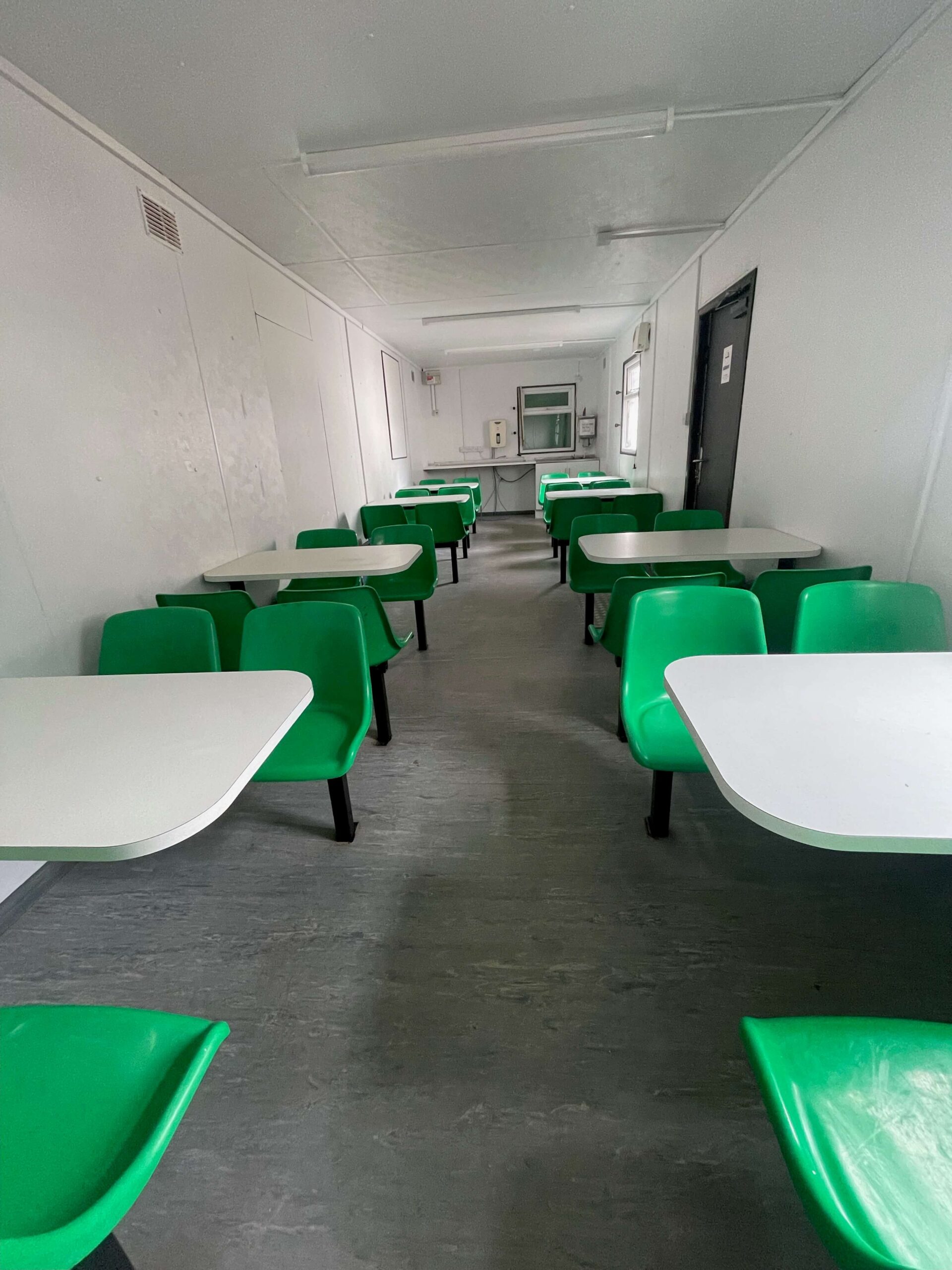
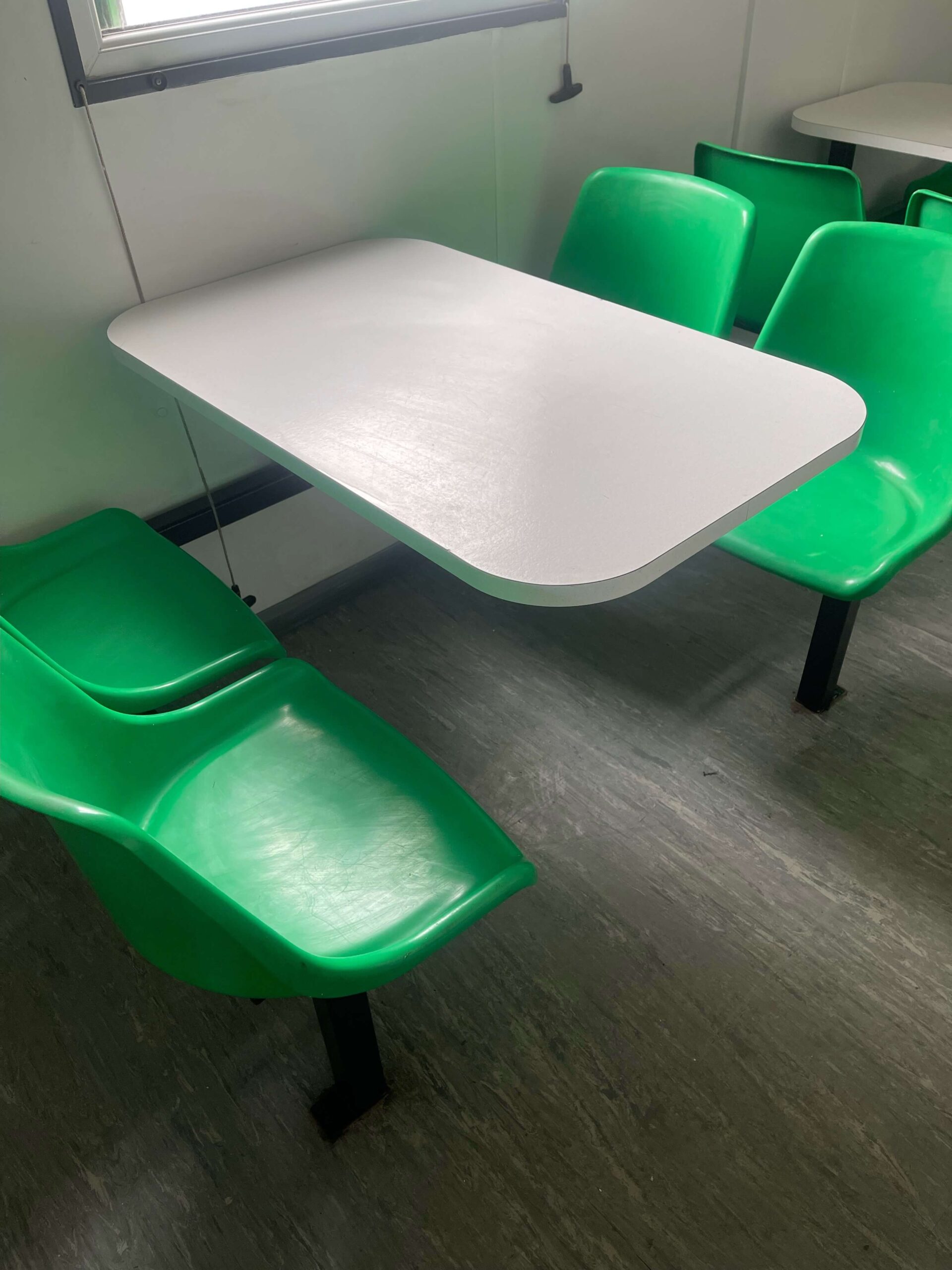
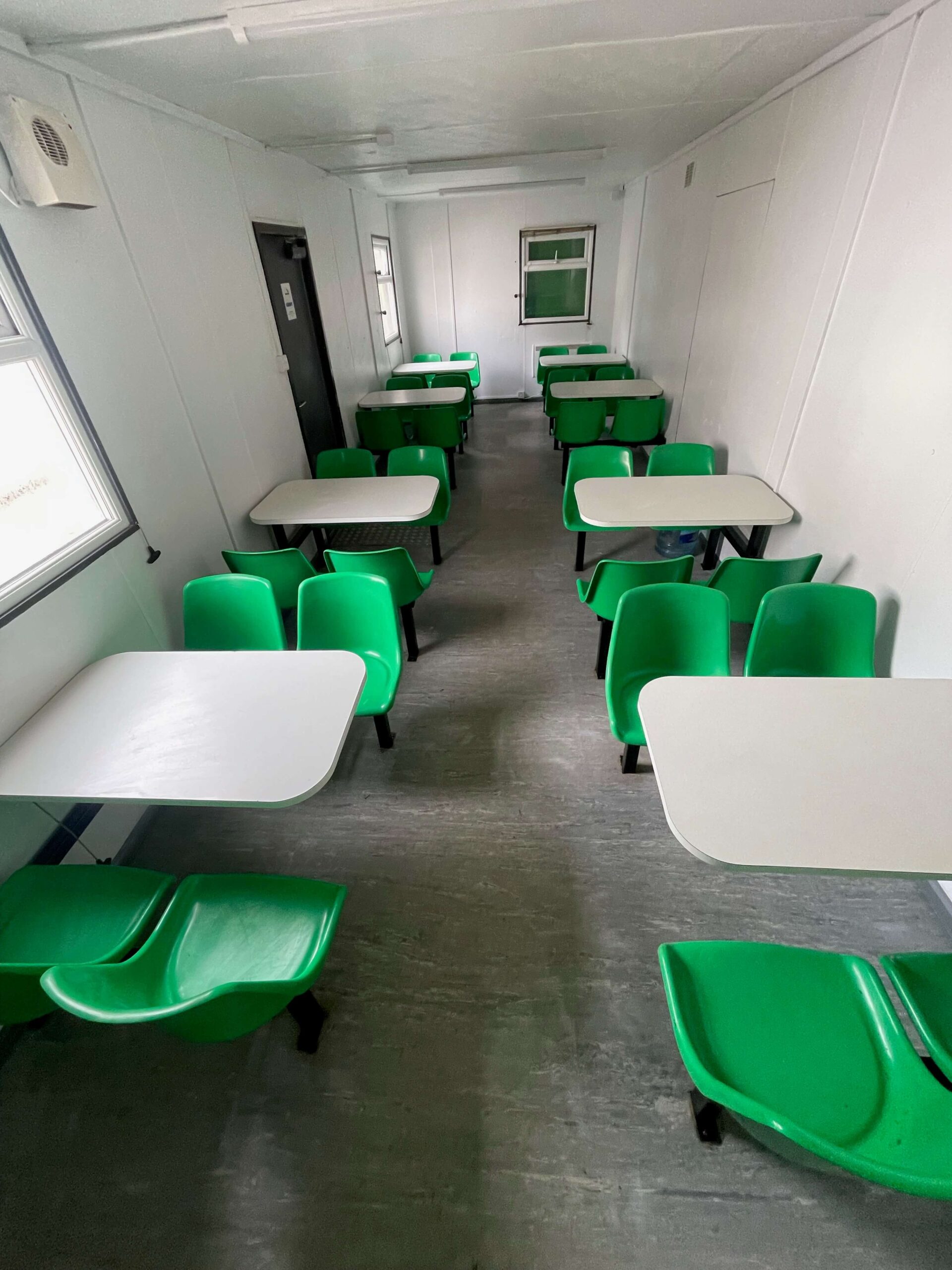
Location: Nationwide
Not Available for Hire
We can deliver for a cost please ask and send us post code.
13 tread
14 tread
15 tread
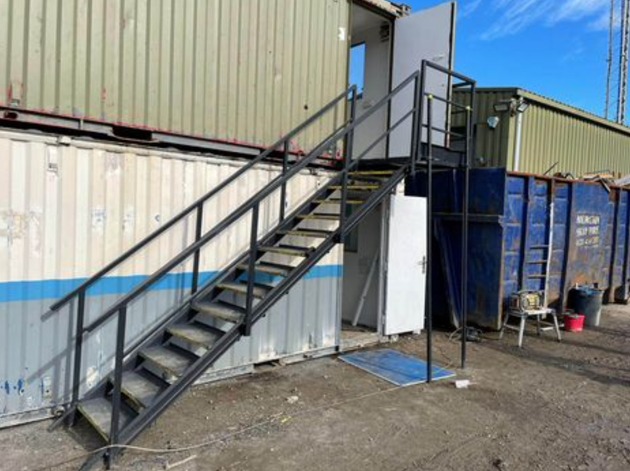
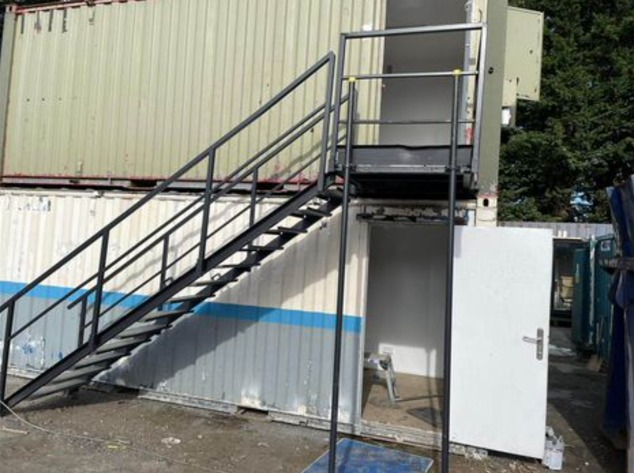
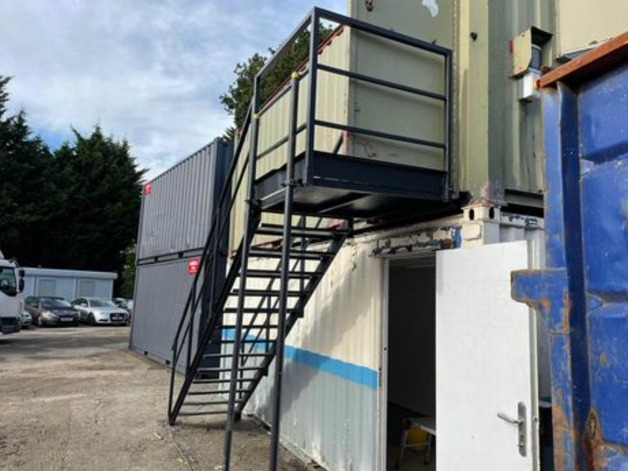
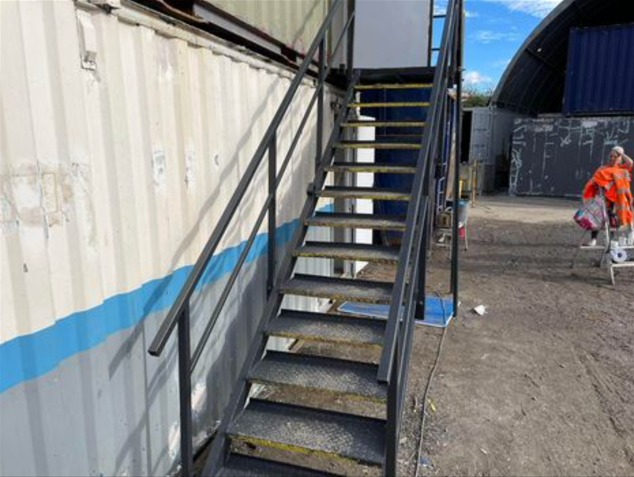
Location: Nationwide
Not Available for Hire
Call for an instant quote!
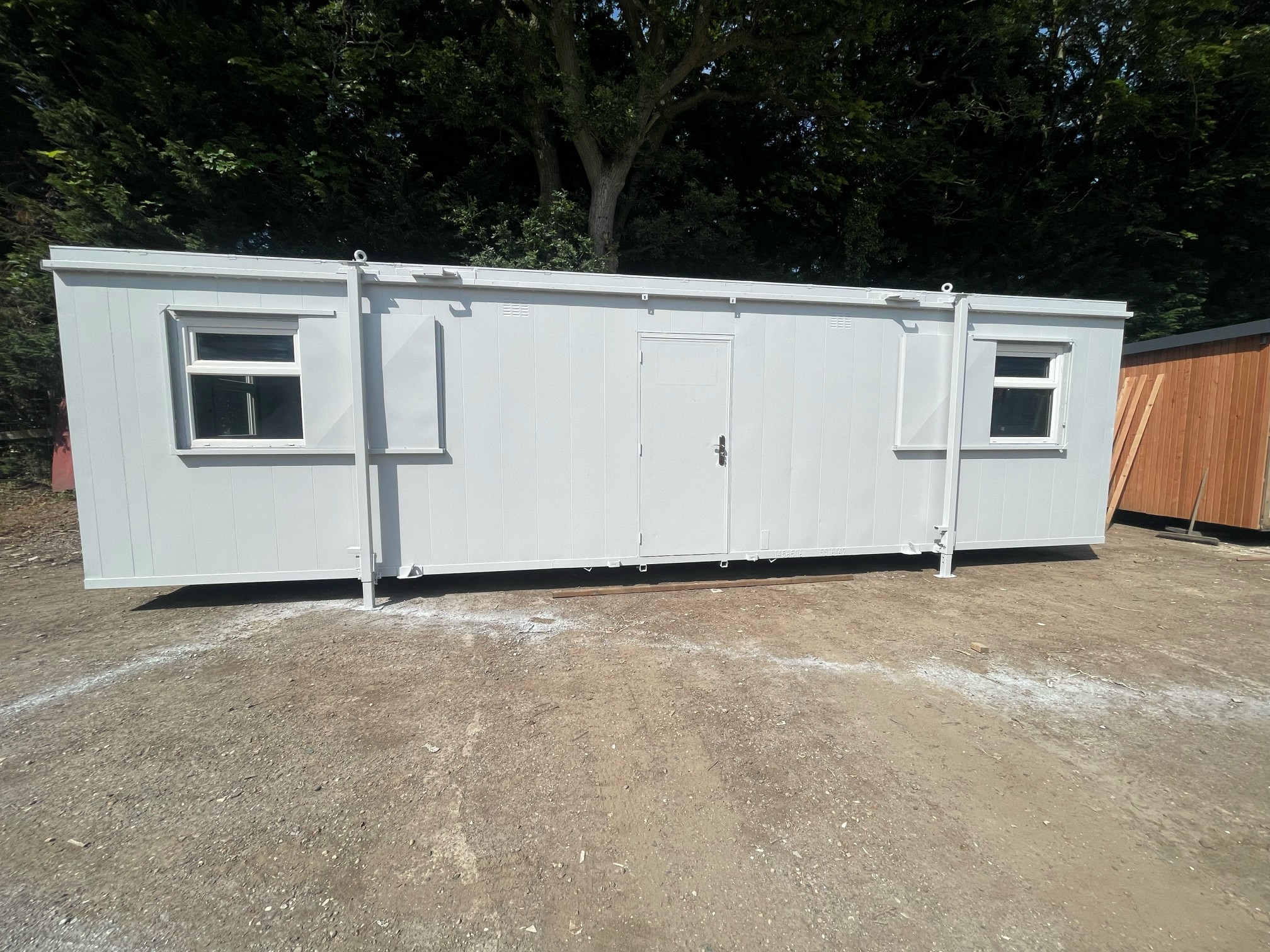
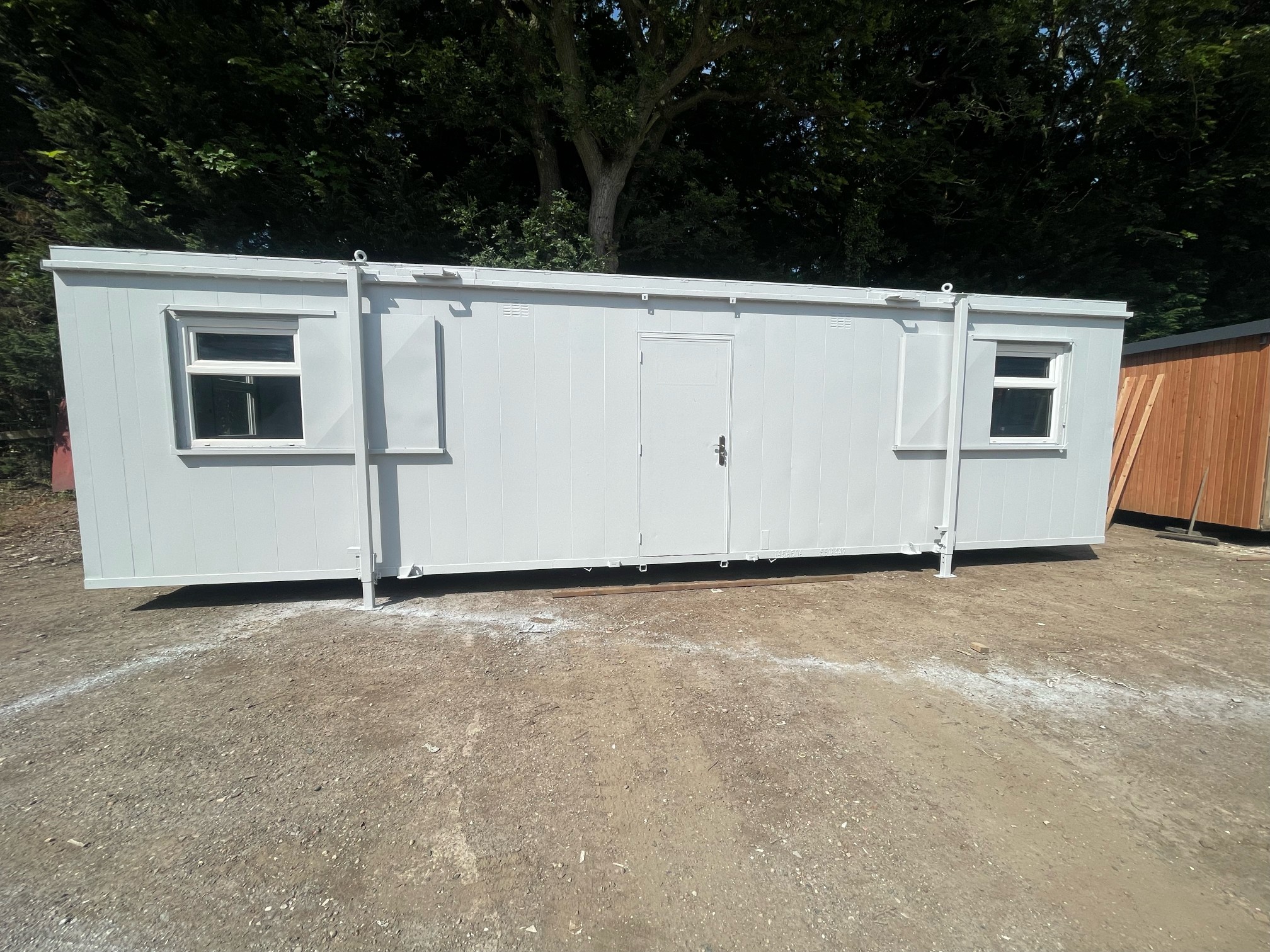
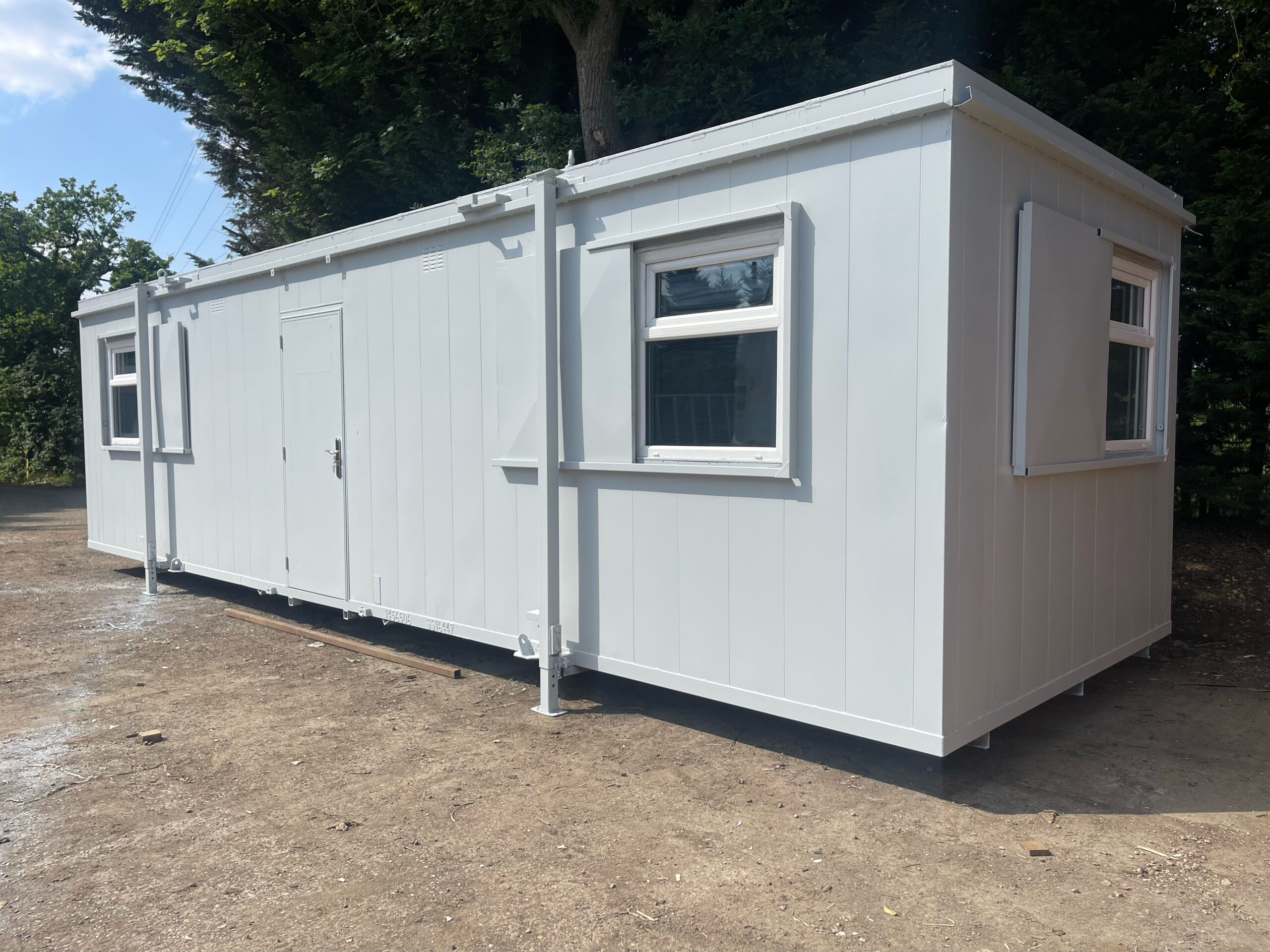
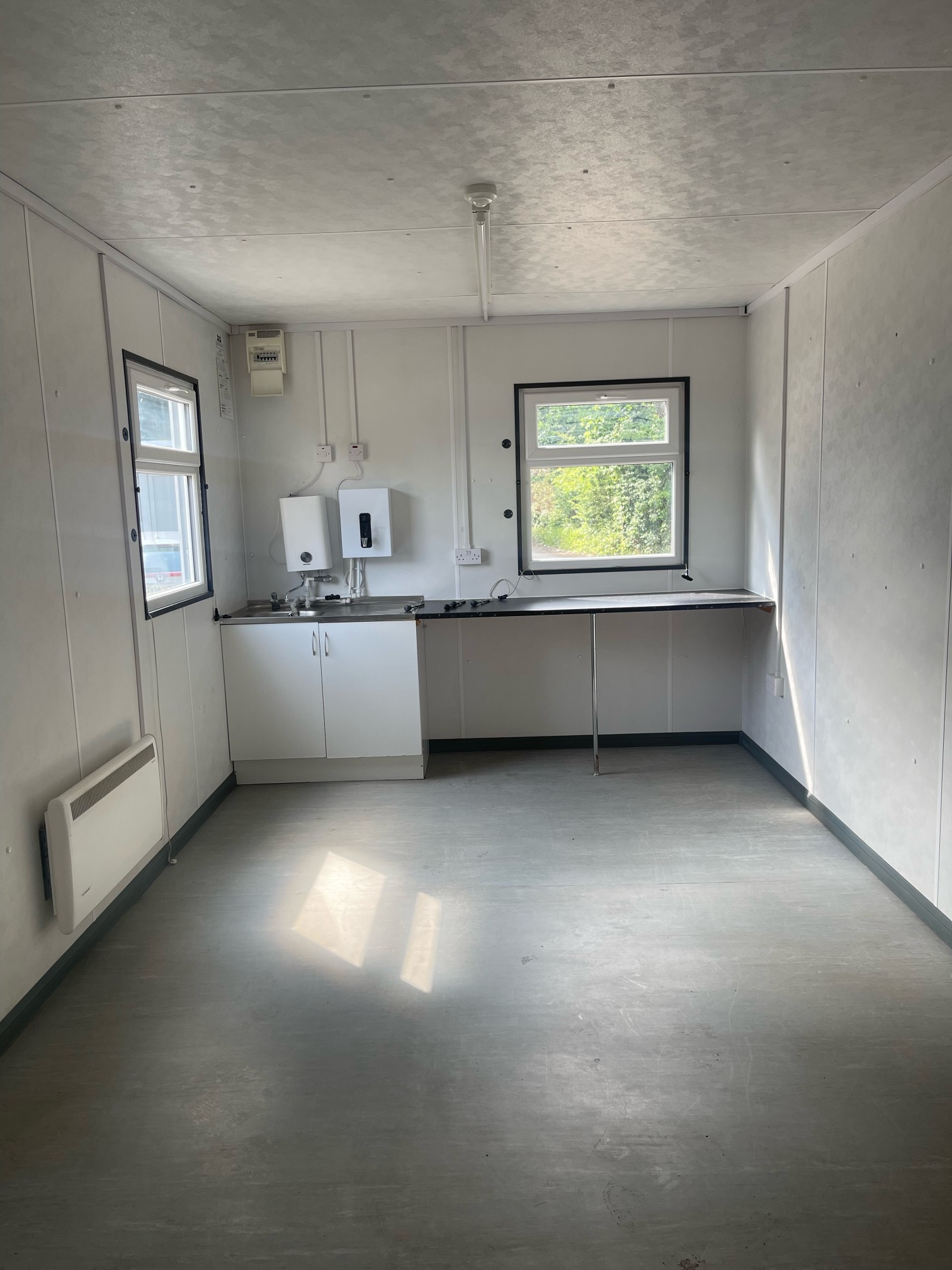
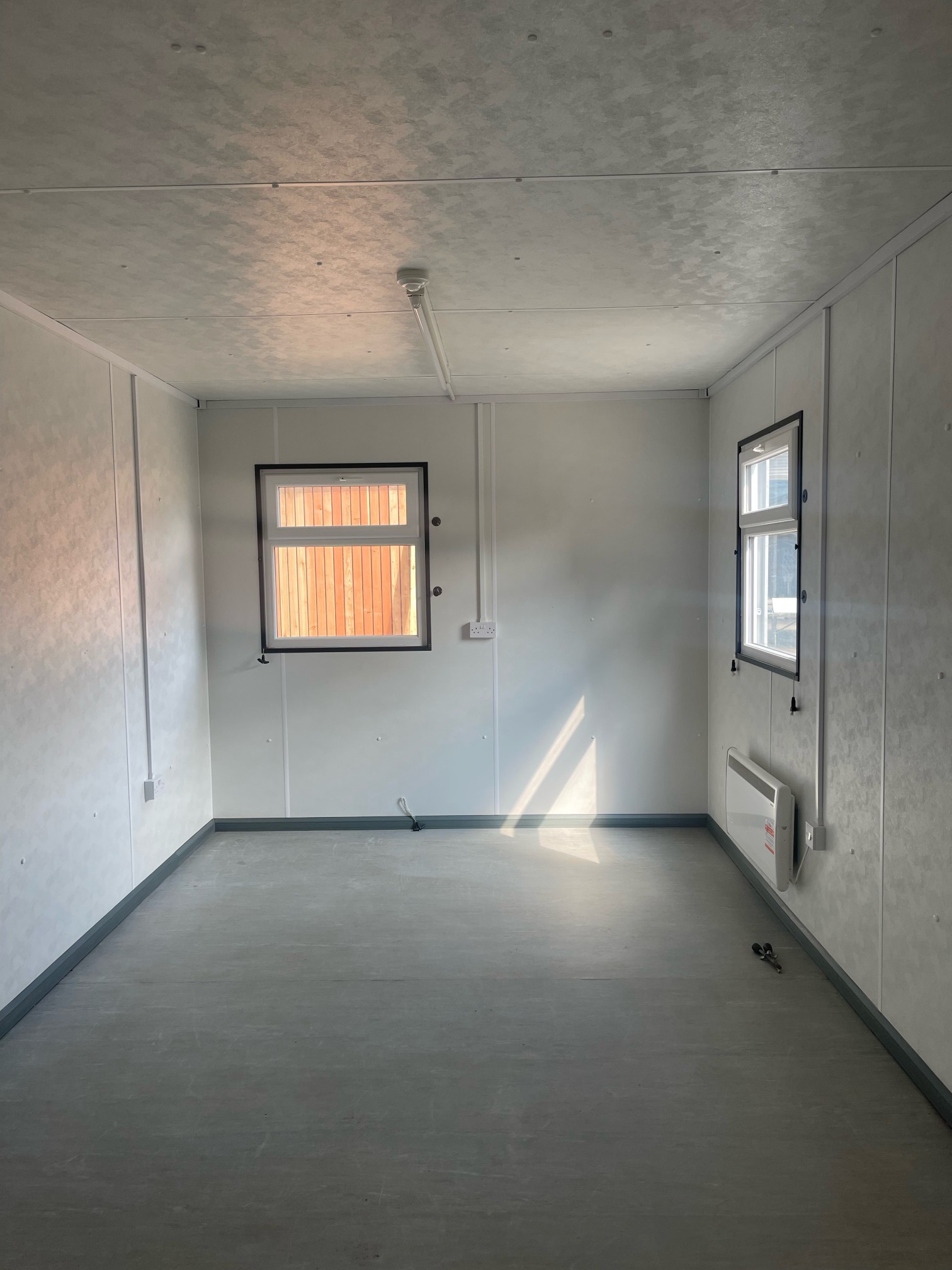
Location: Nationwide
Not Available for Hire
We can deliver for a cost please ask and send us post code.
Hallway leading into:
Transport can be arranged please ask.
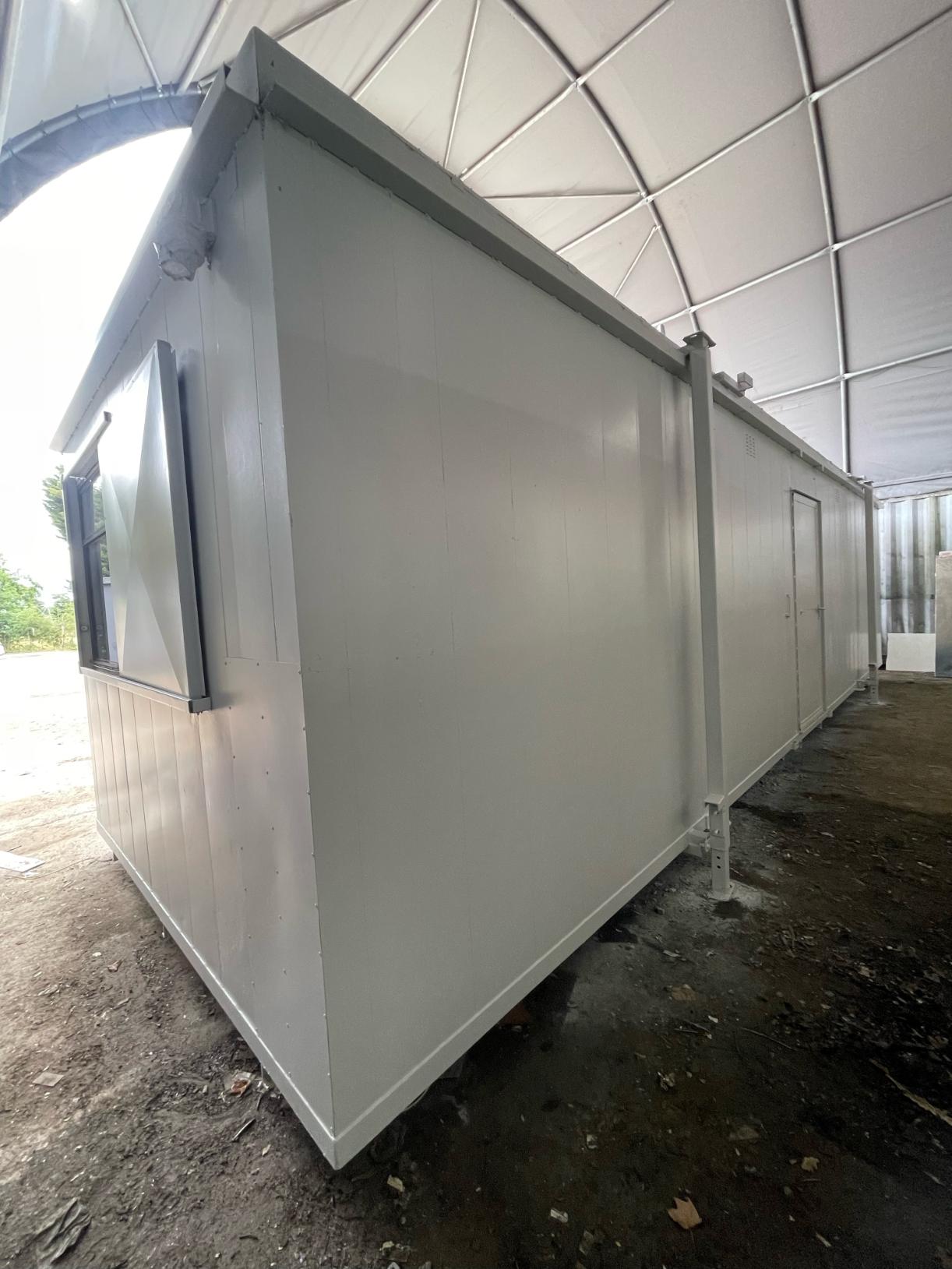
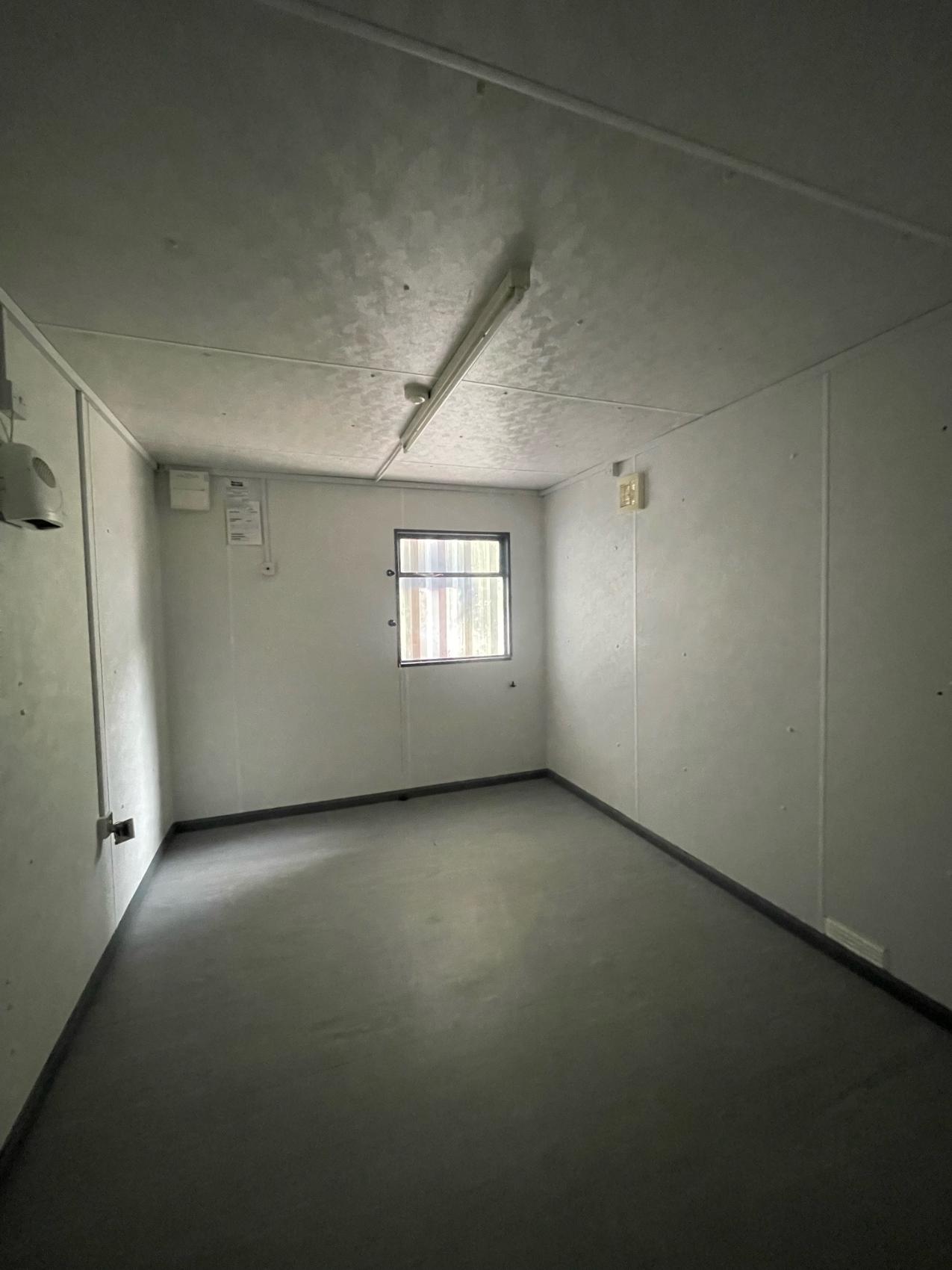
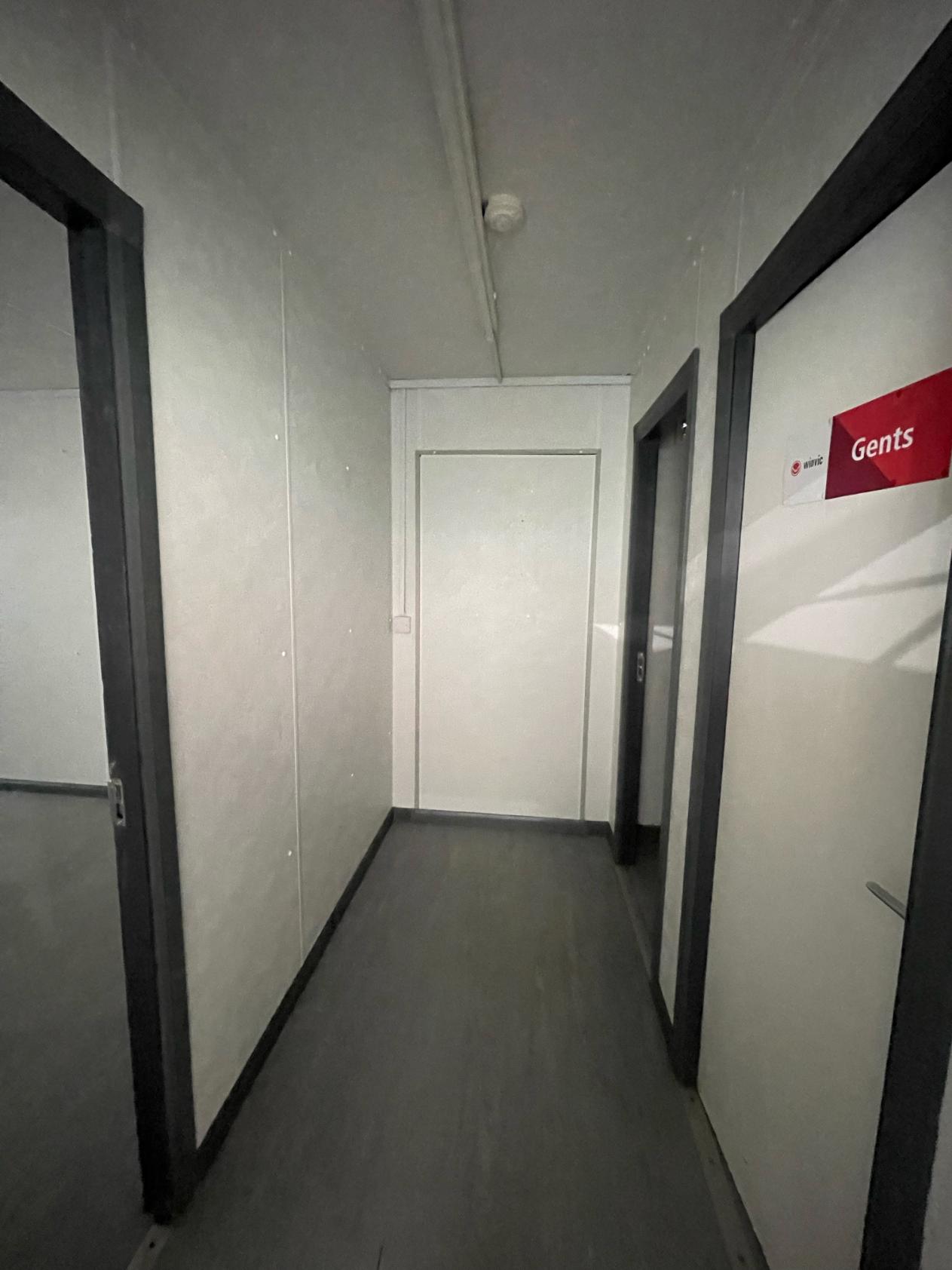
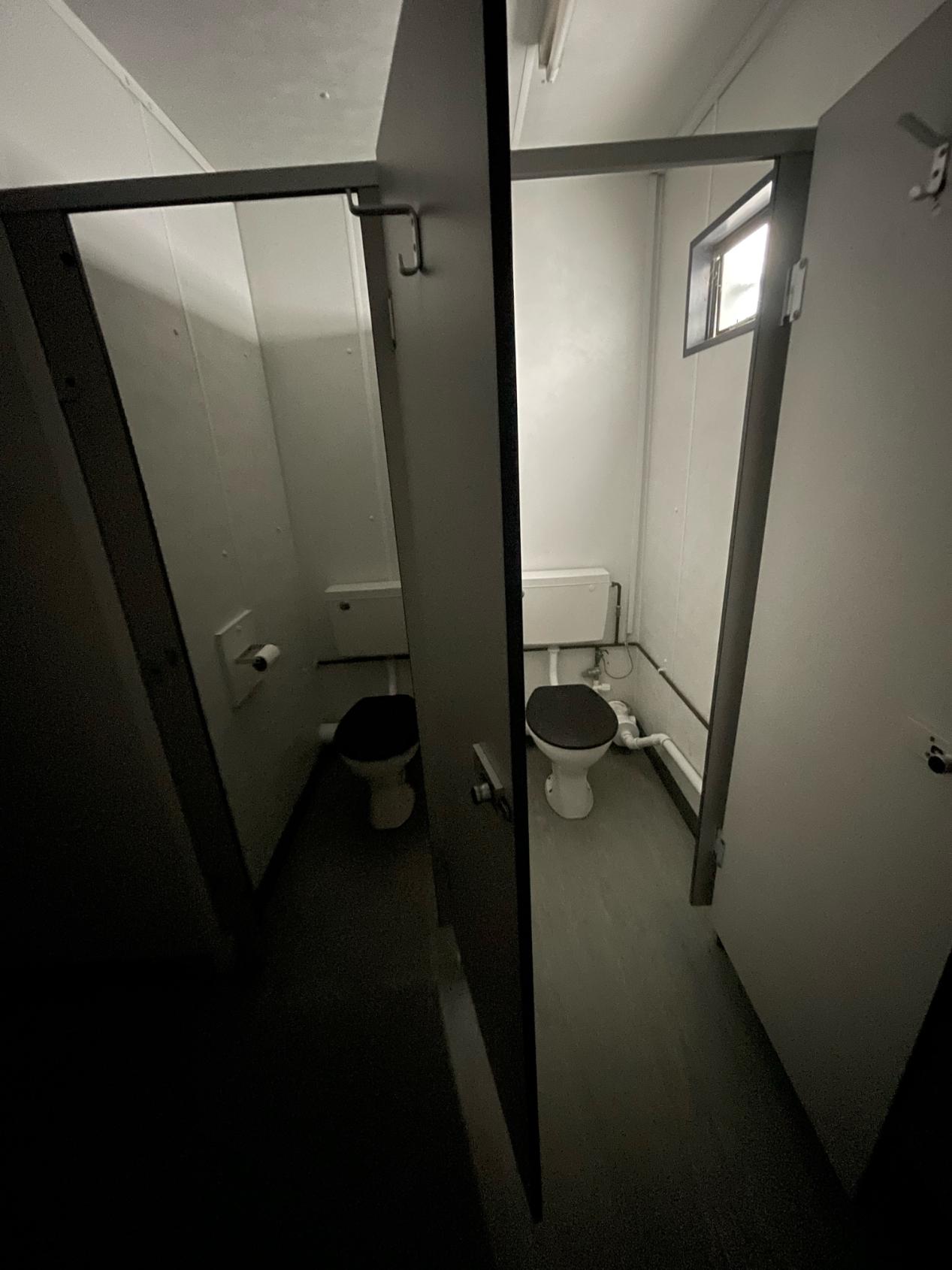
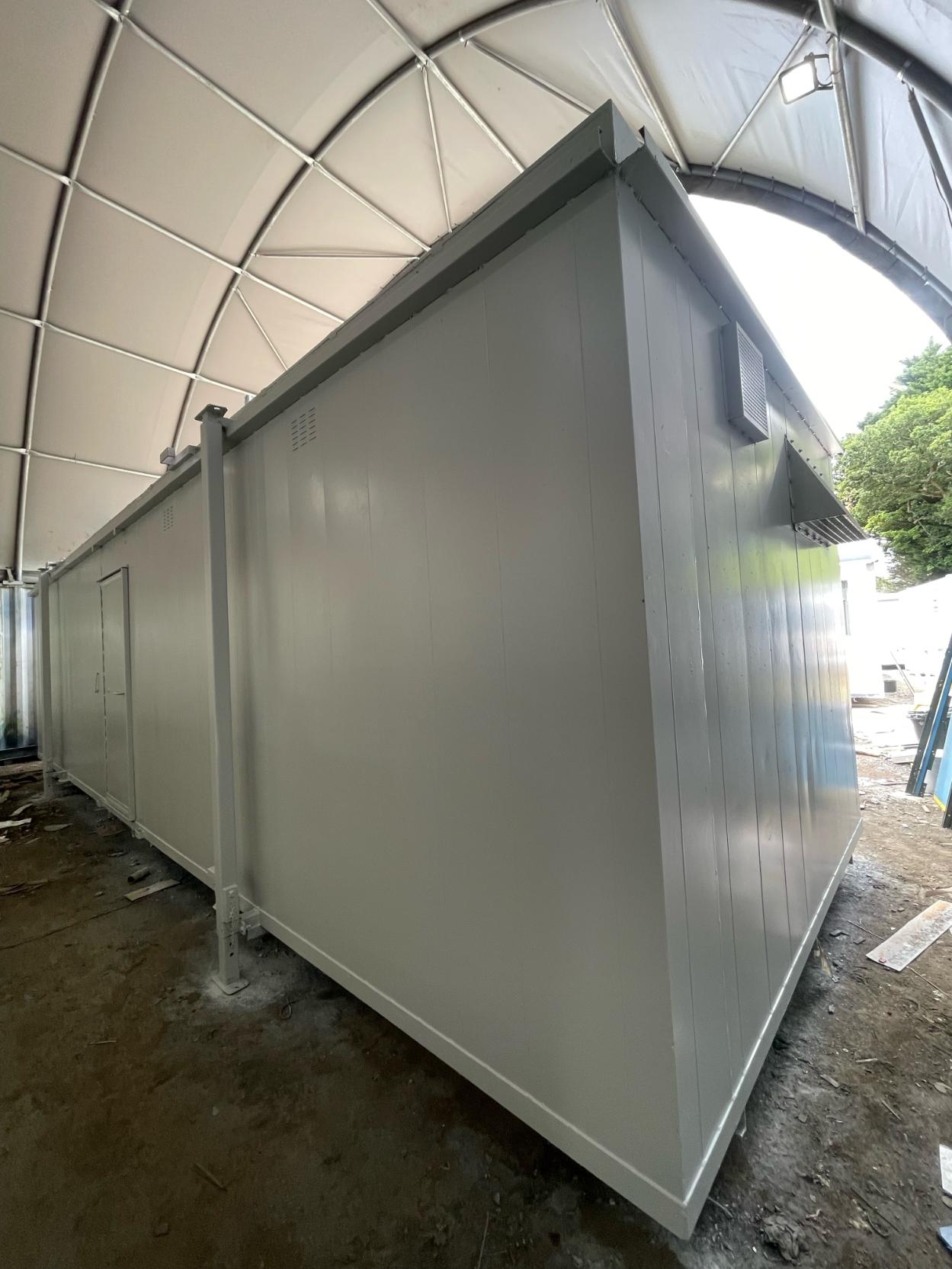
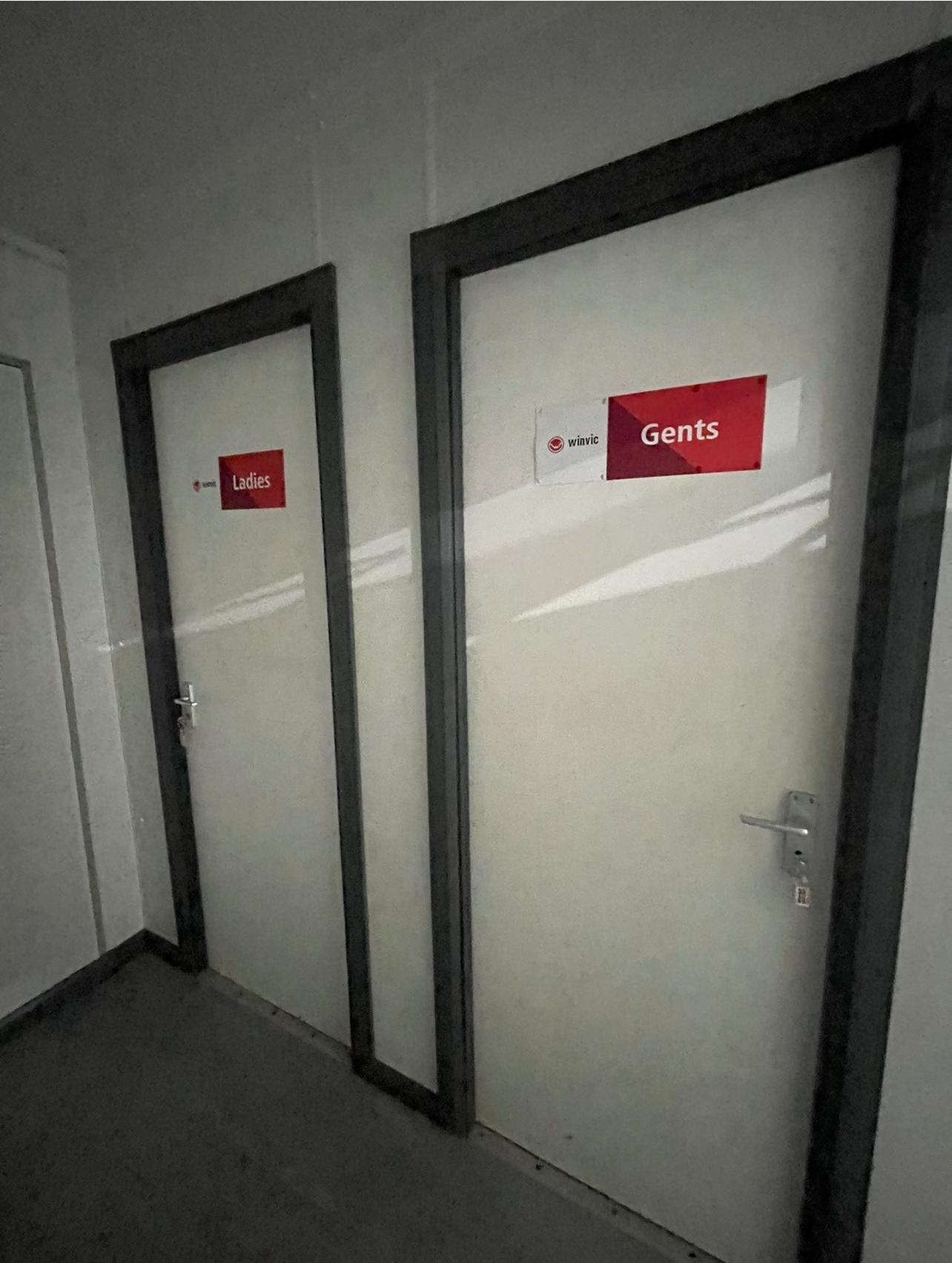
Location: Nationwide
Not Available for Hire
Call for an instant quote!
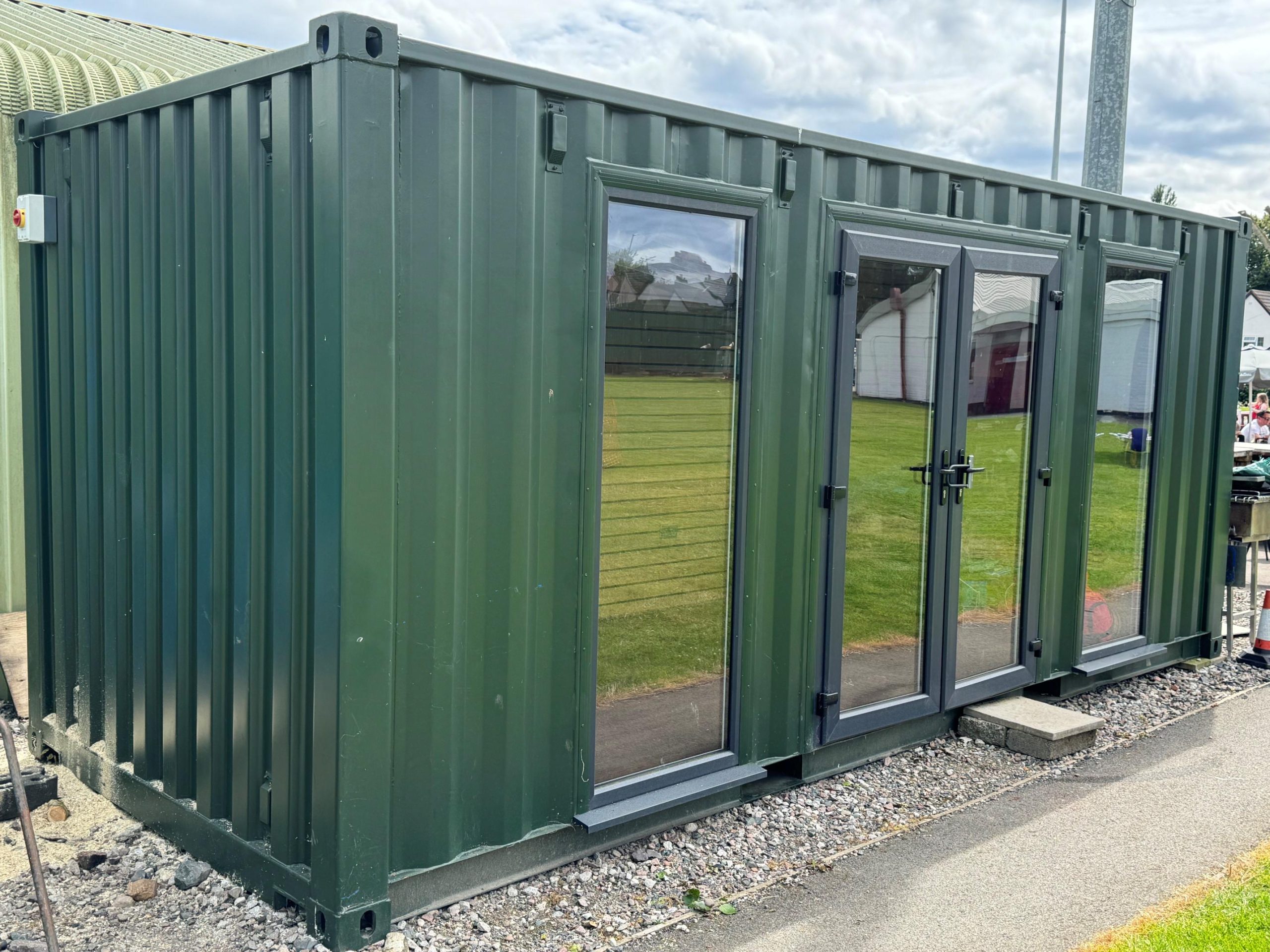
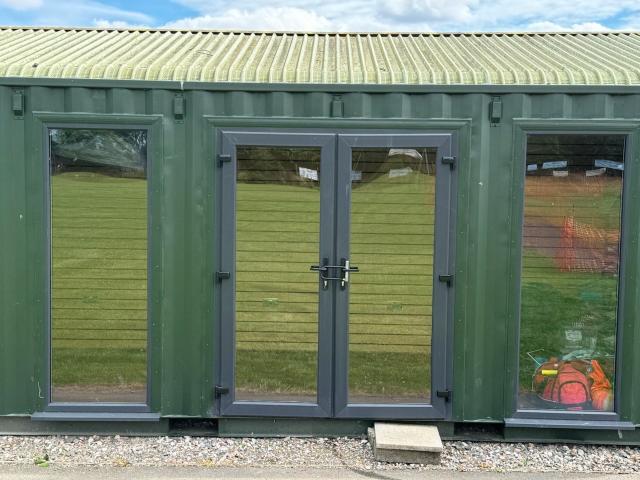
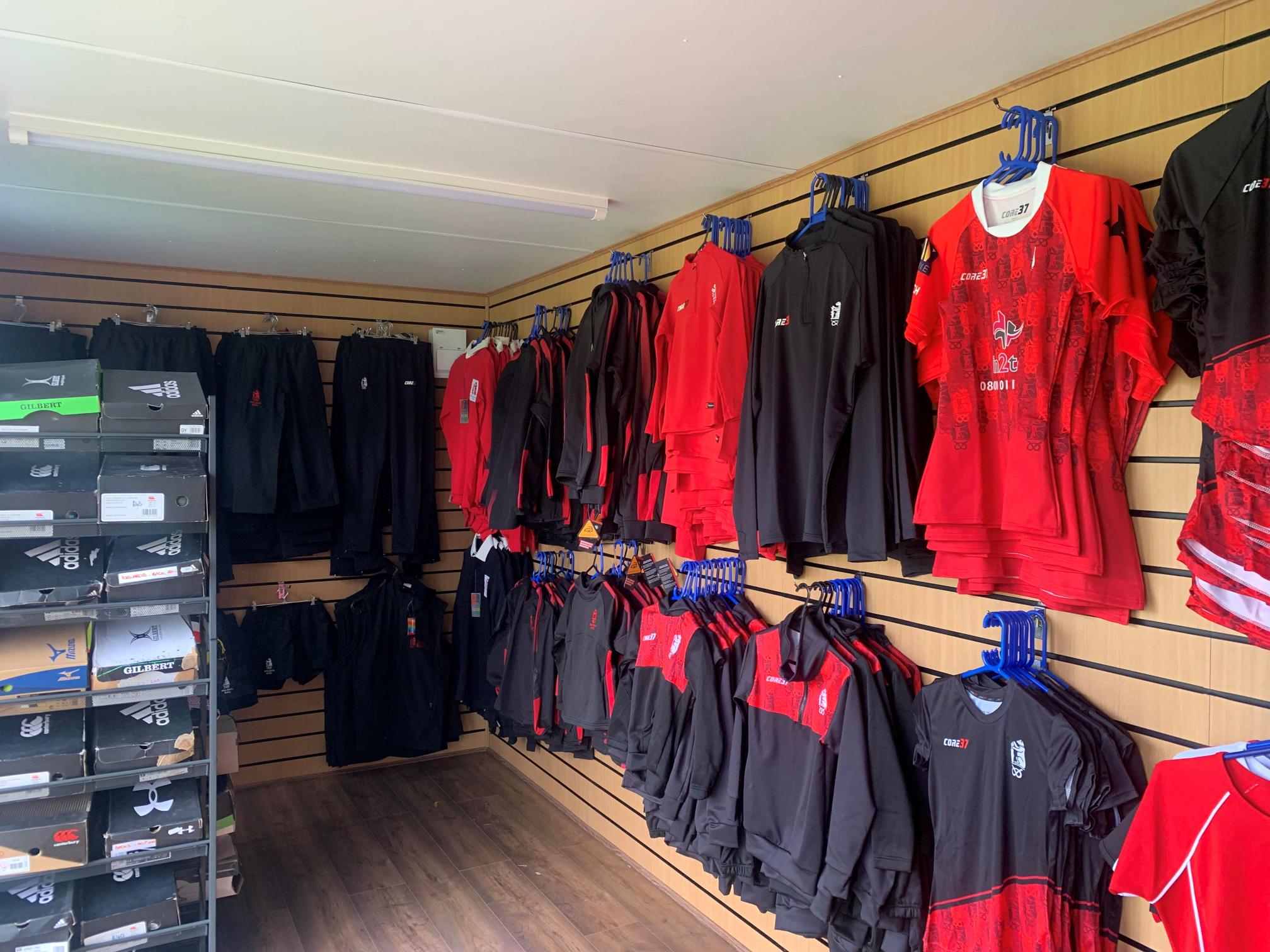
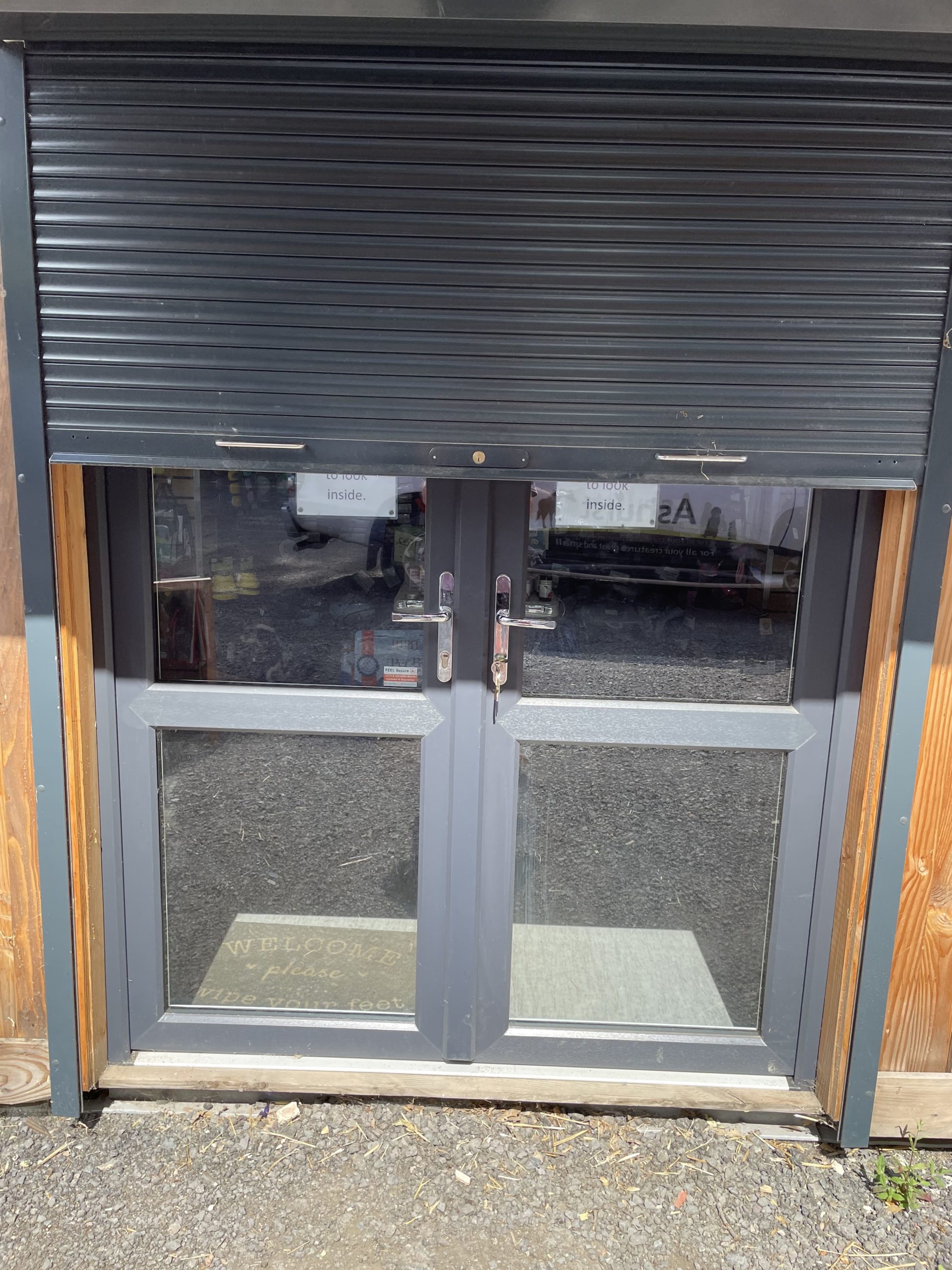
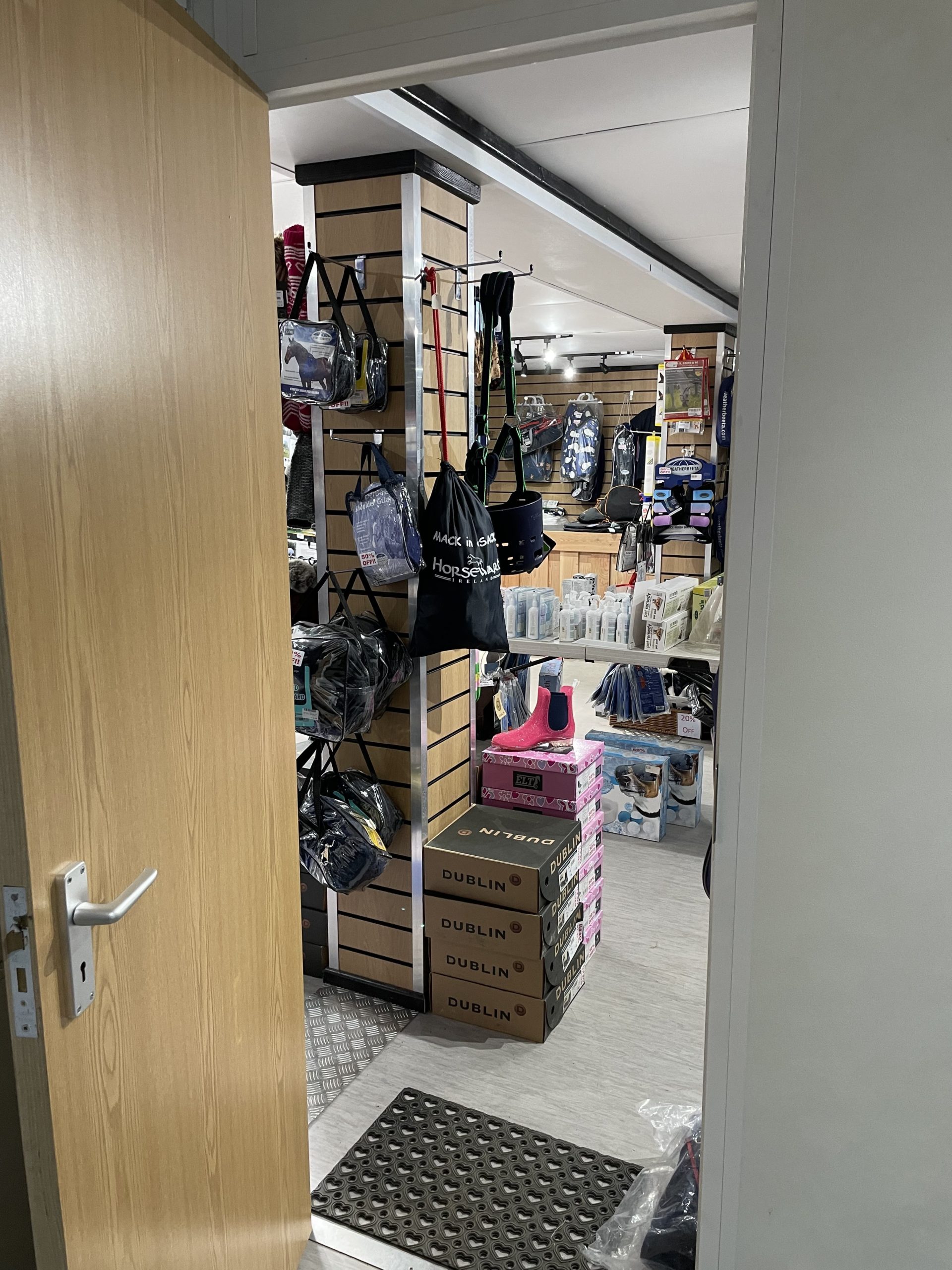
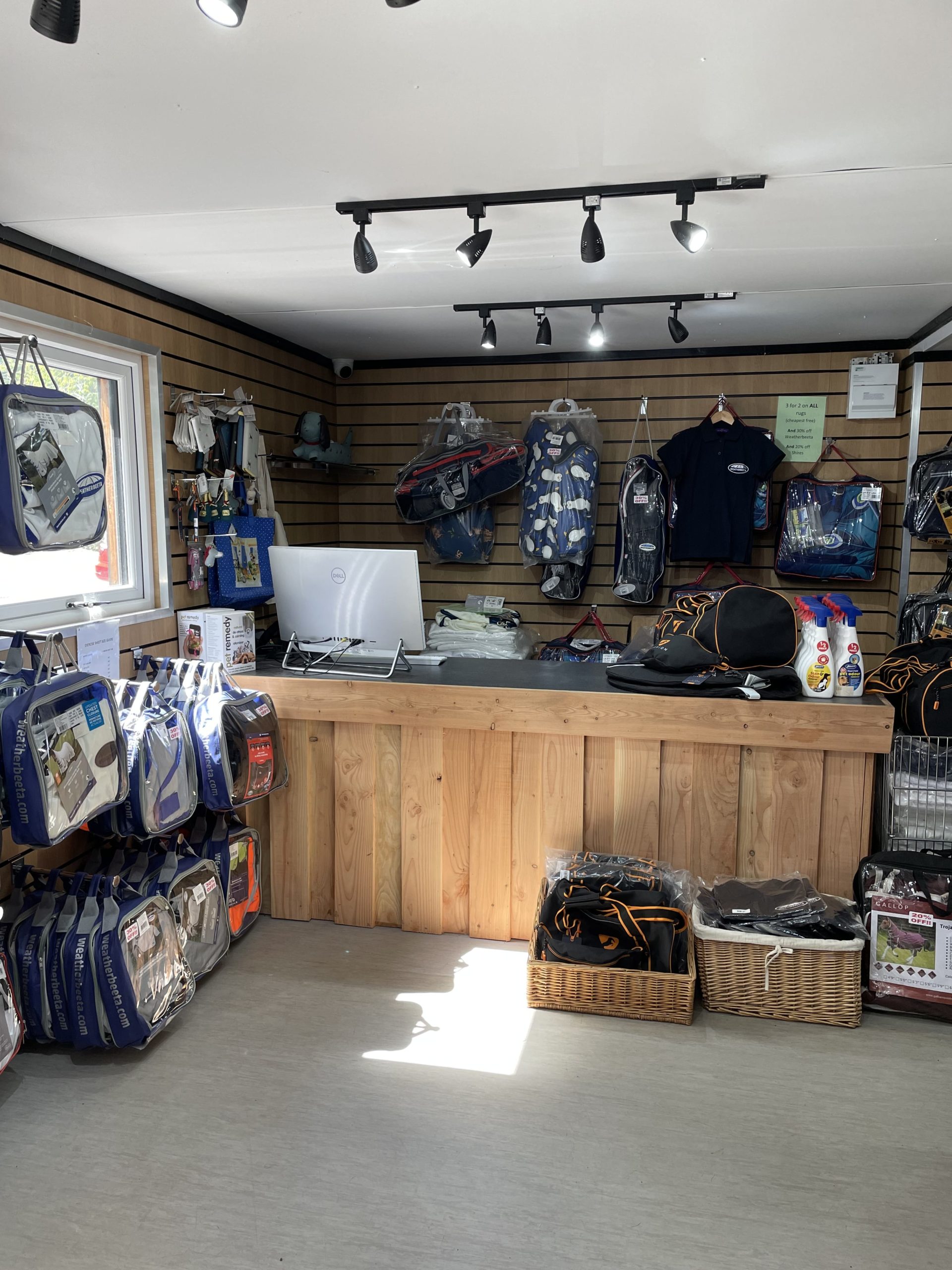
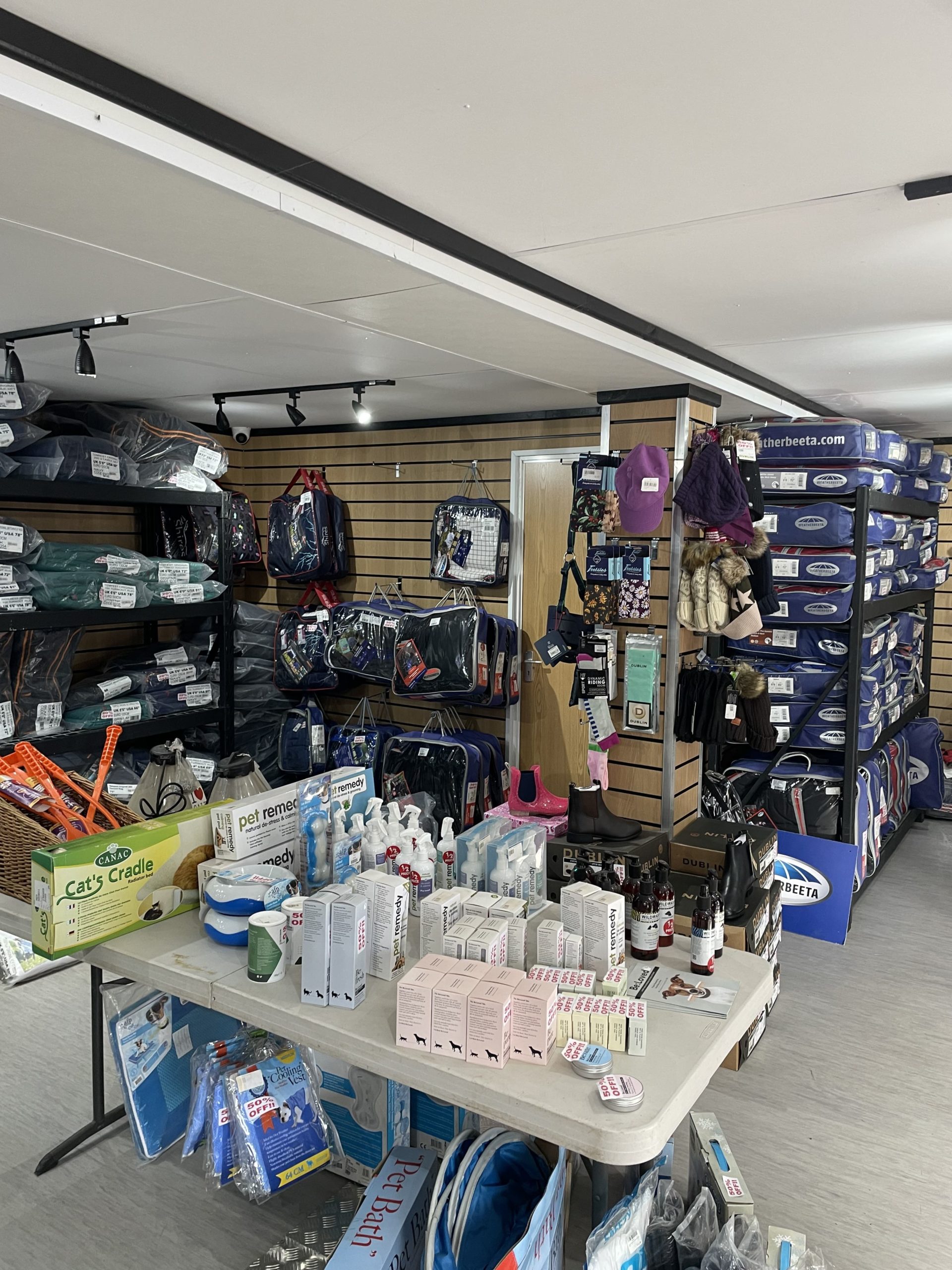
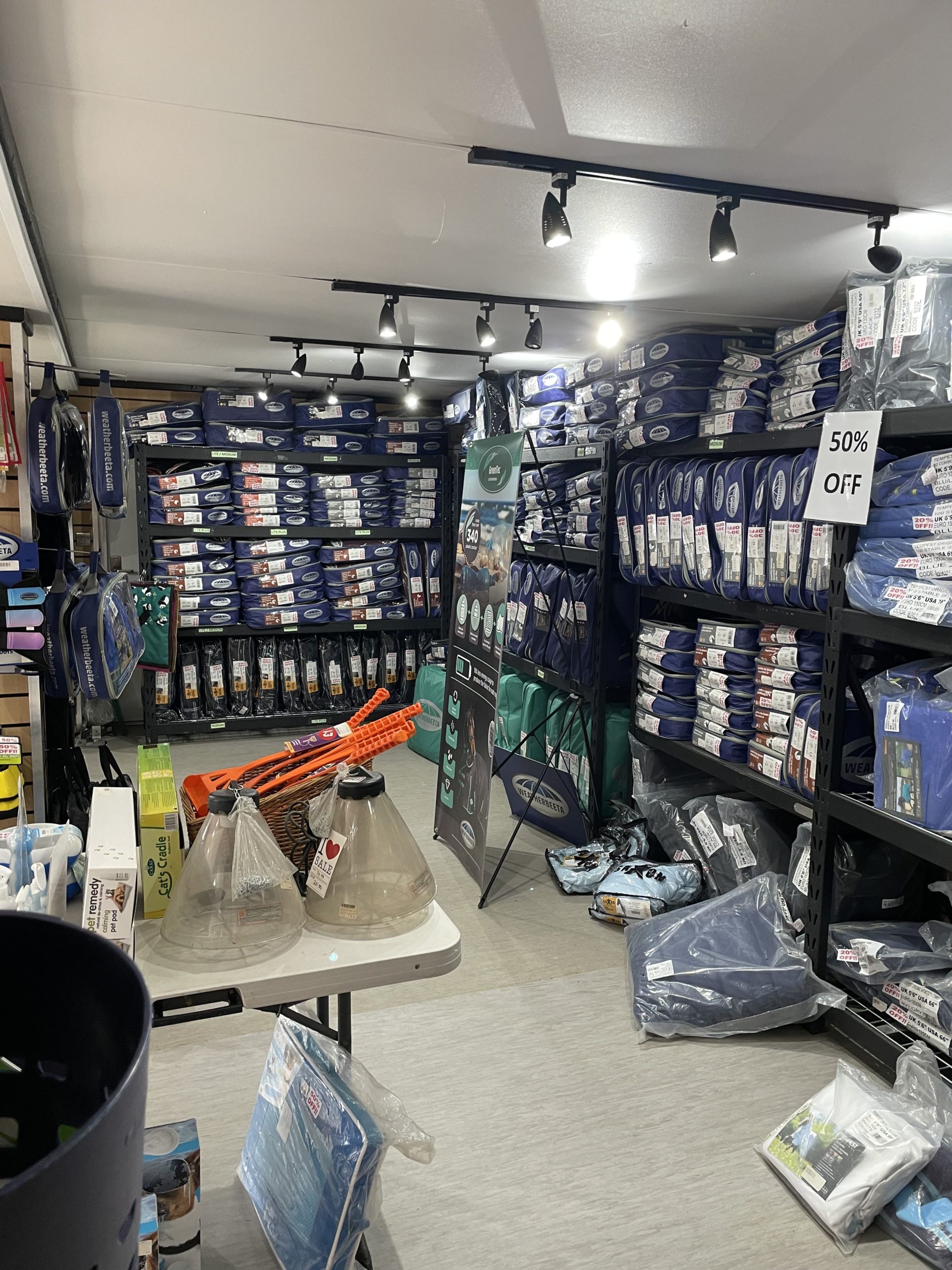
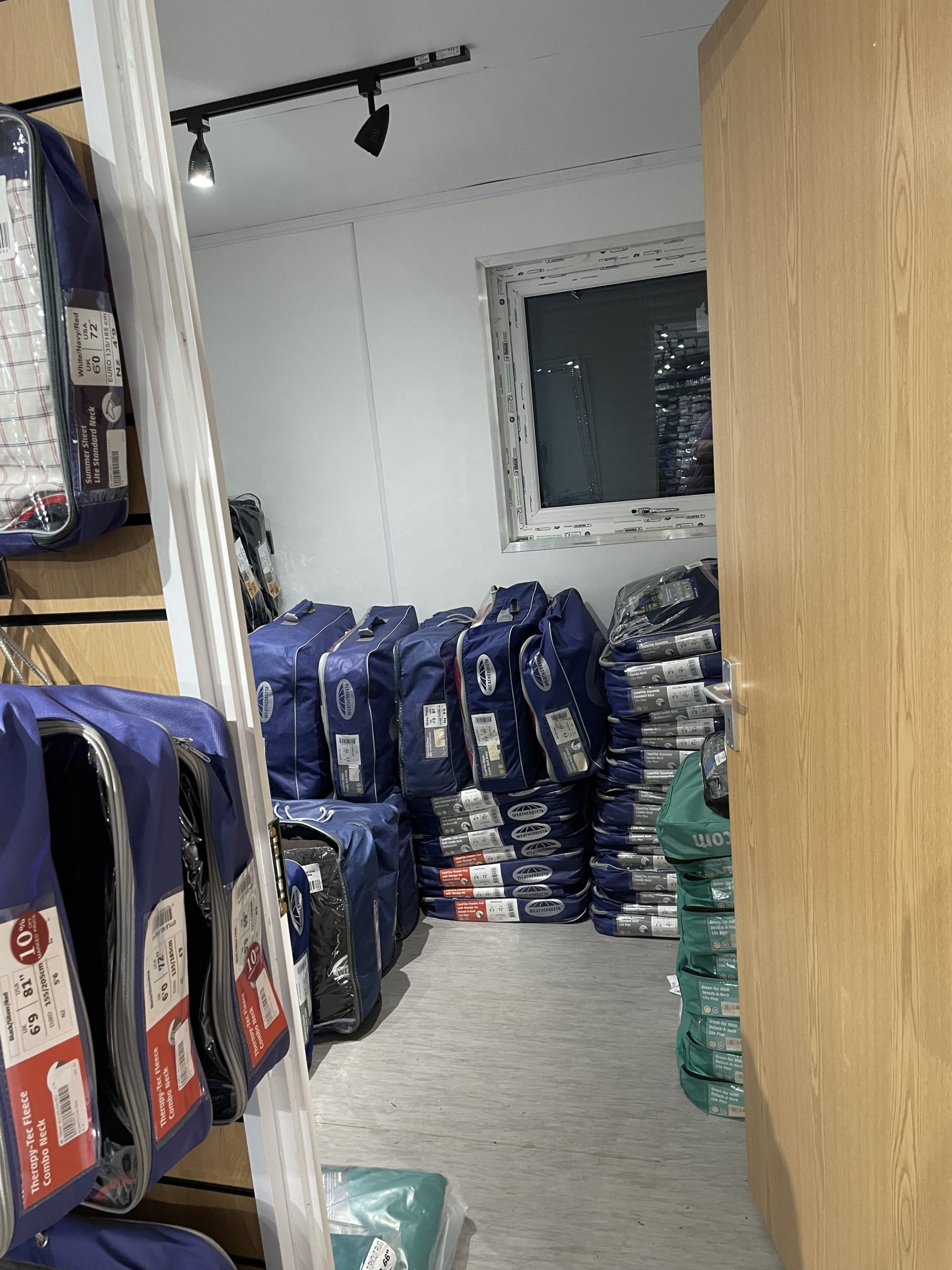
20ft x 8ft Container Conversion Retail Shop
UPVC Double glazed Windows + French Doors
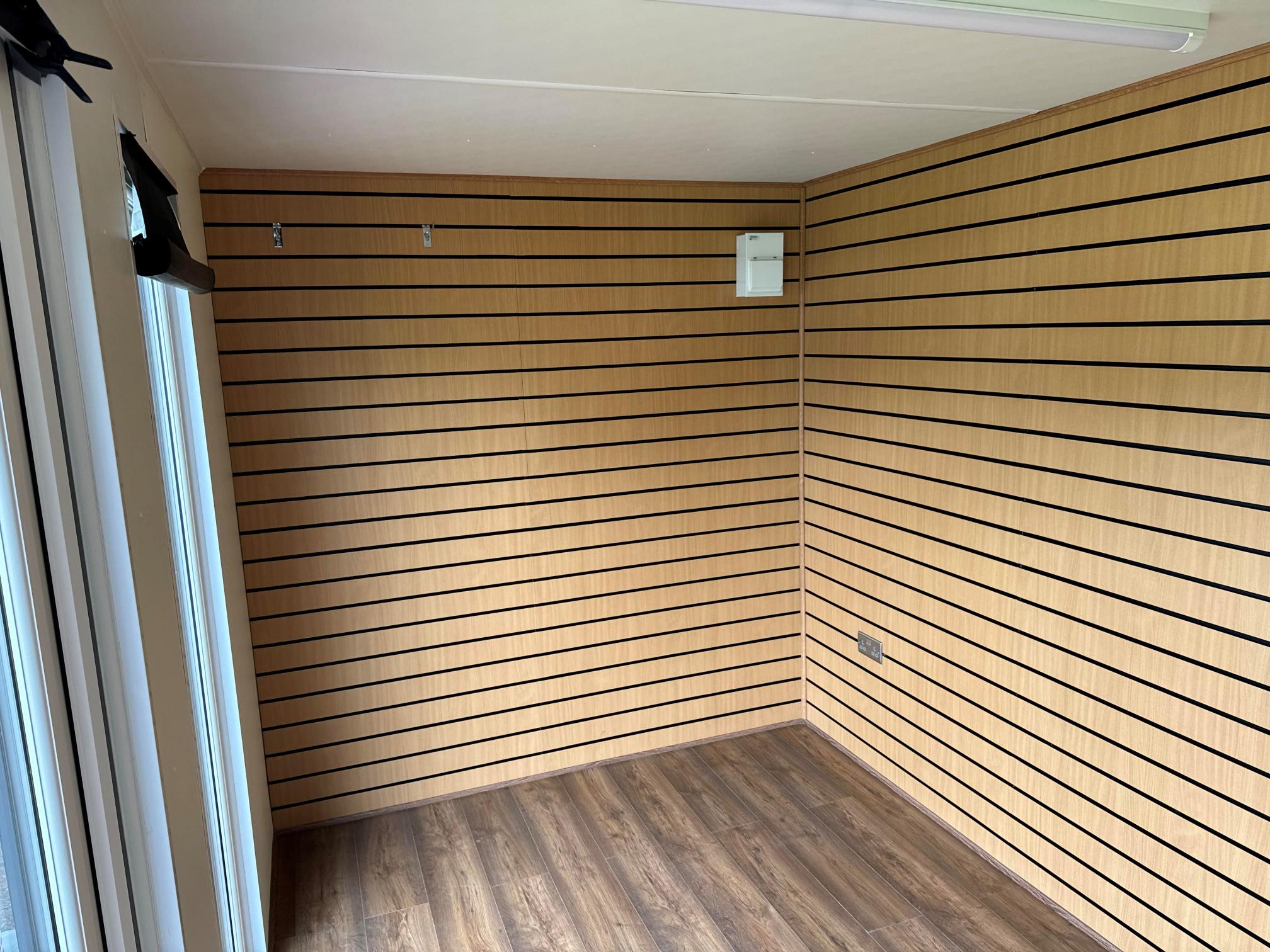
Slat Wall for retail fixings and Merchandise
Electric Chrome Sockets, led lighting and heating.
Laminate Flooring
12 months Warranty
Maintenance call out package included
Less than 2 years old
Still in Brand New Condition
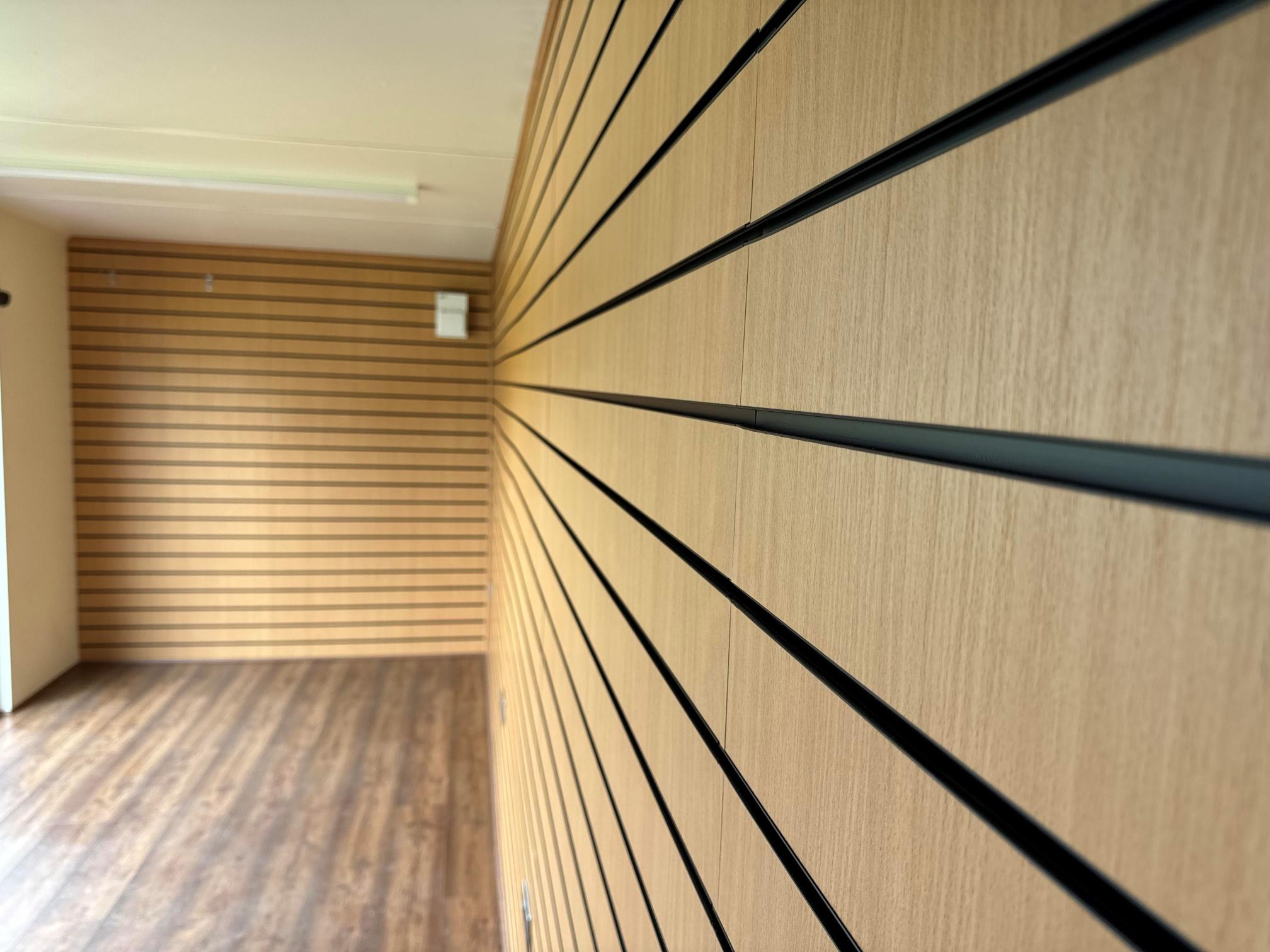
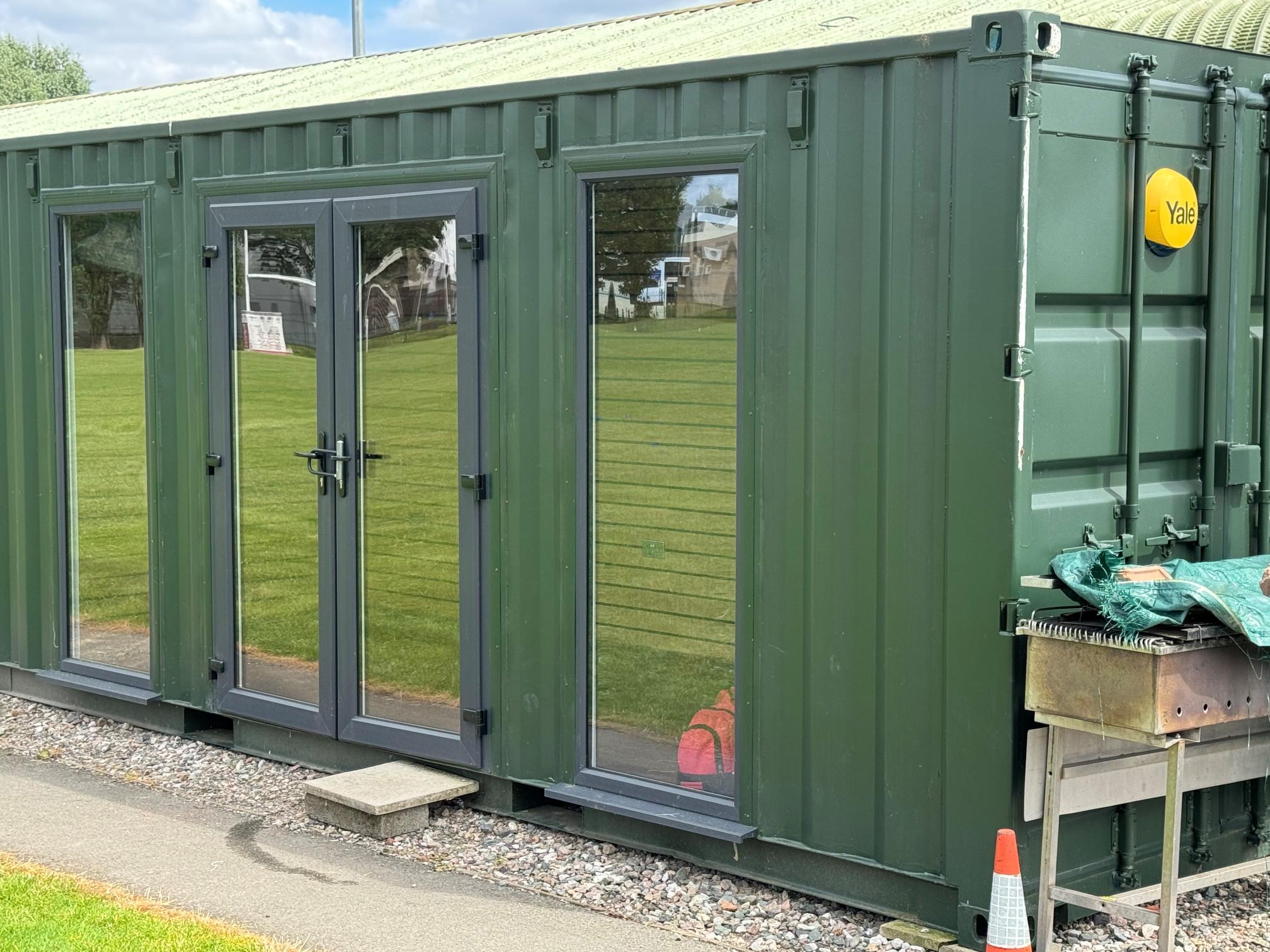

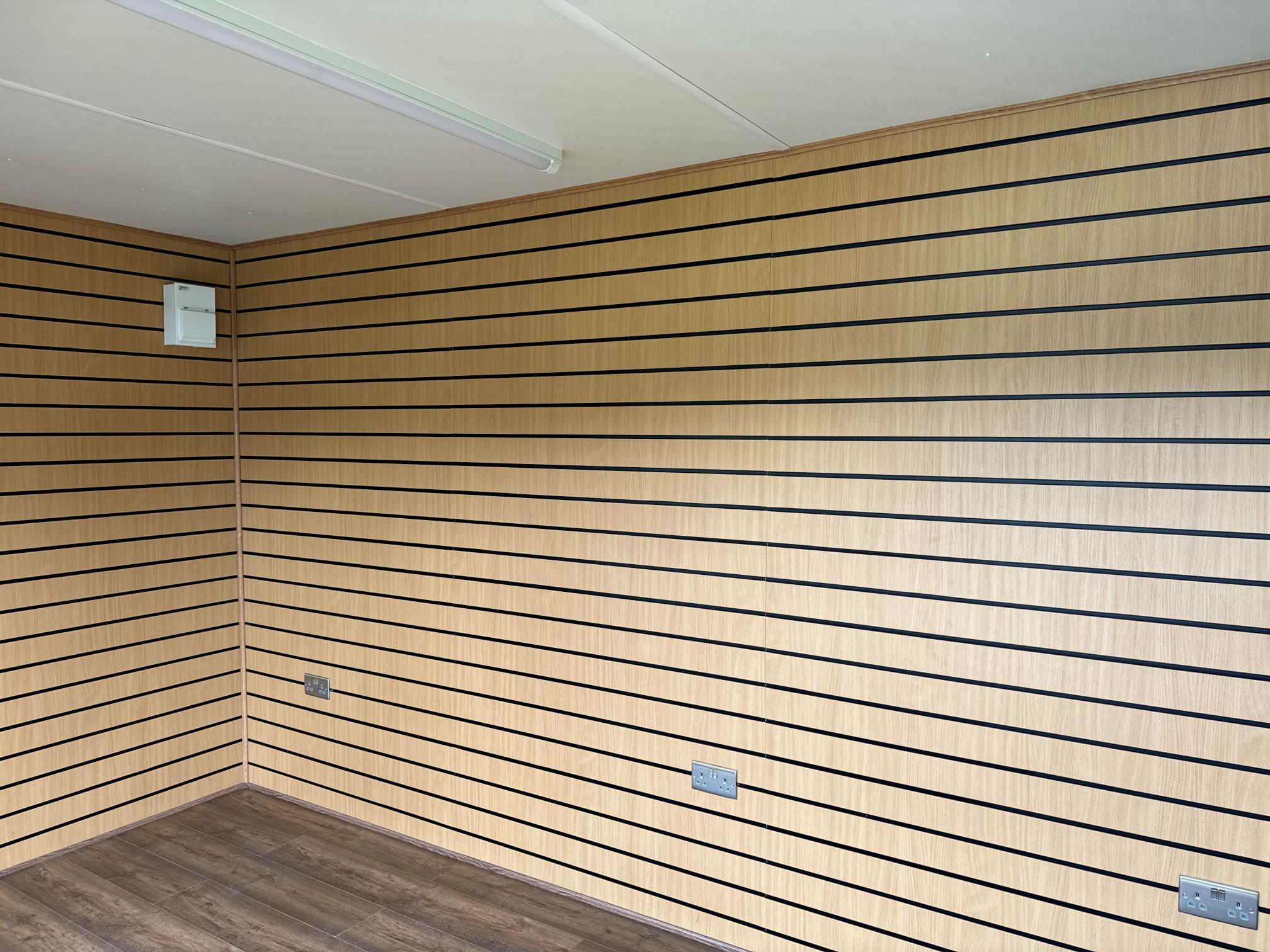
Fully refurbished
Colour light grey
Slate grey anthracite upvc double glazed windows
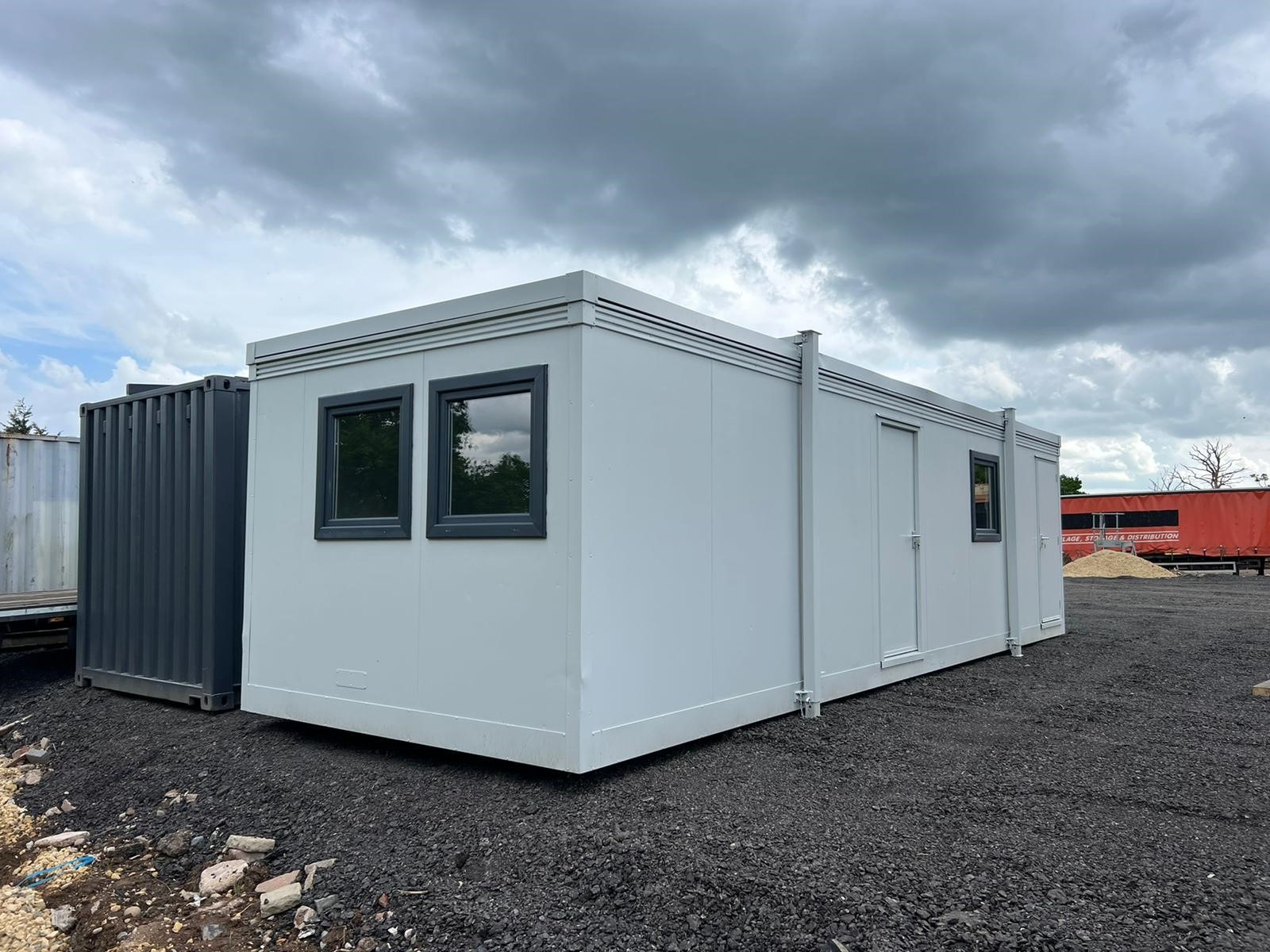
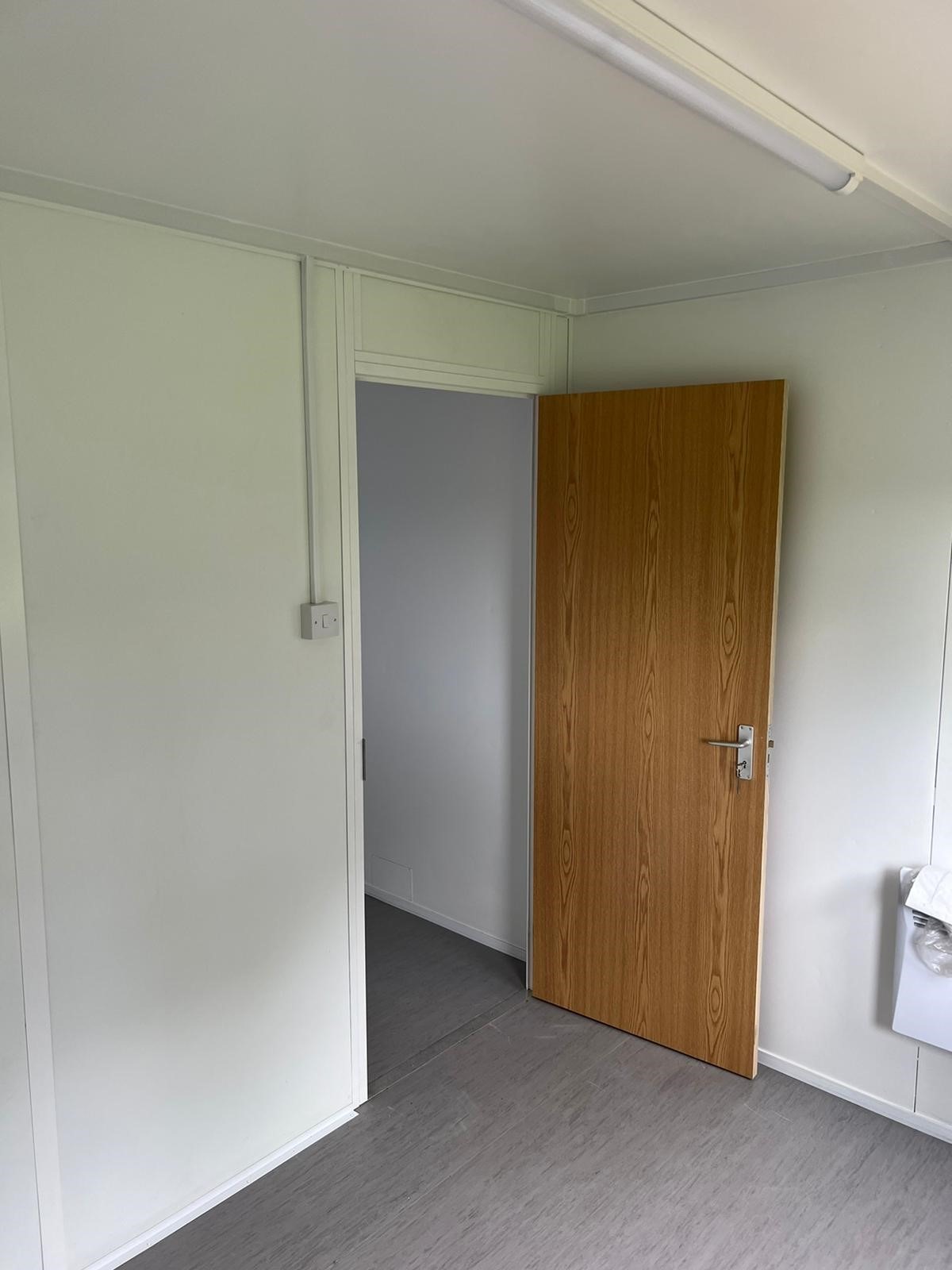

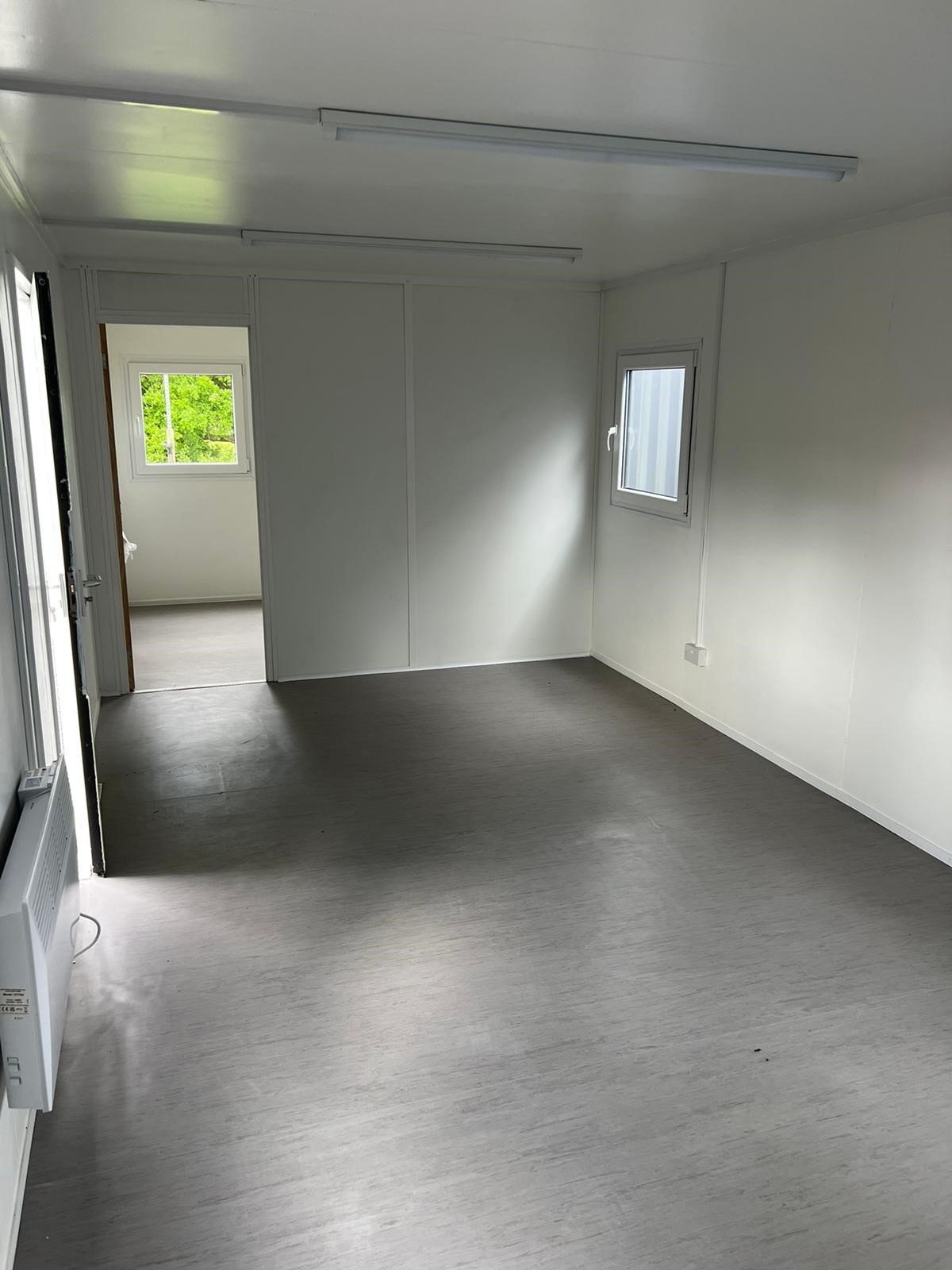
Location: Nationwide
+ VAT
Not Available for Hire
Call for an instant quote!
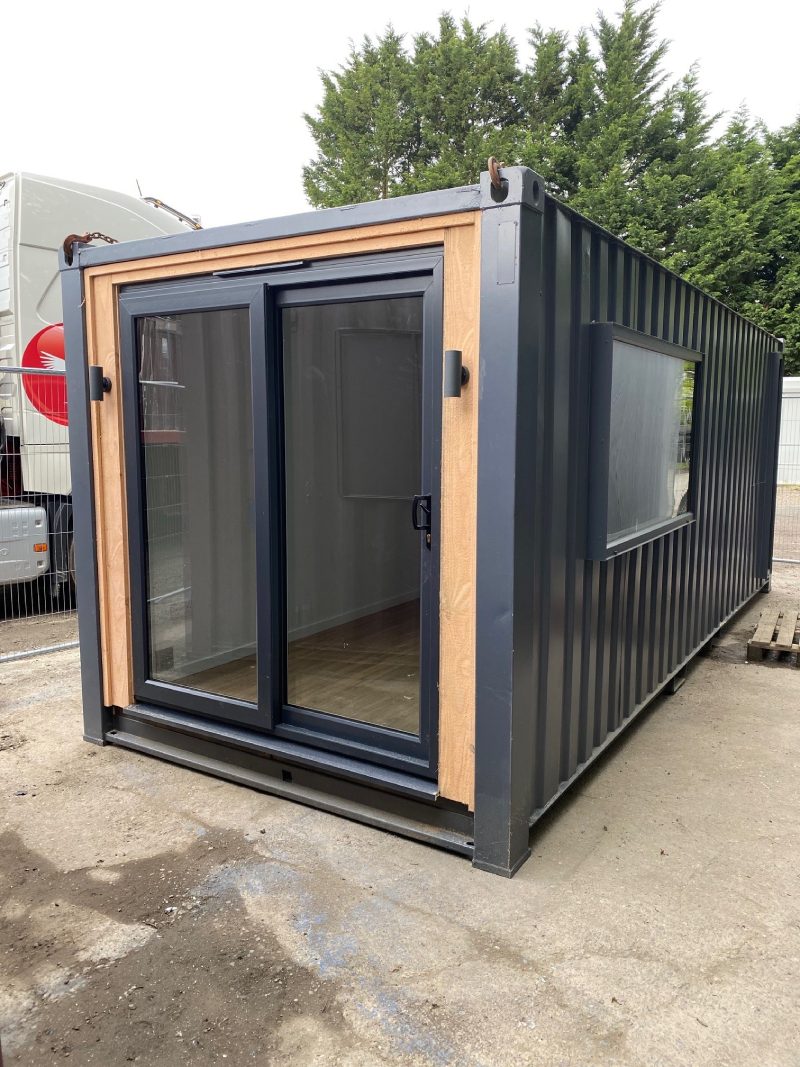
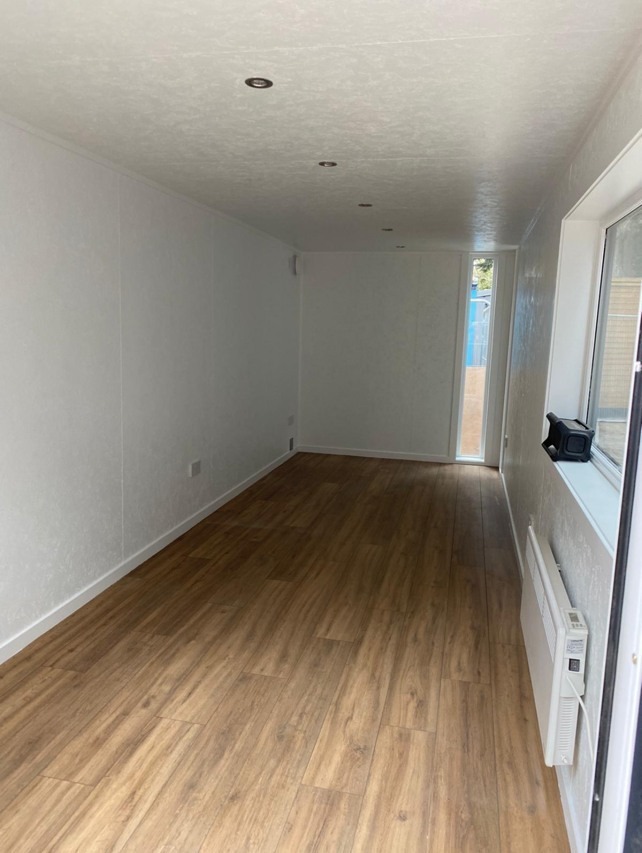
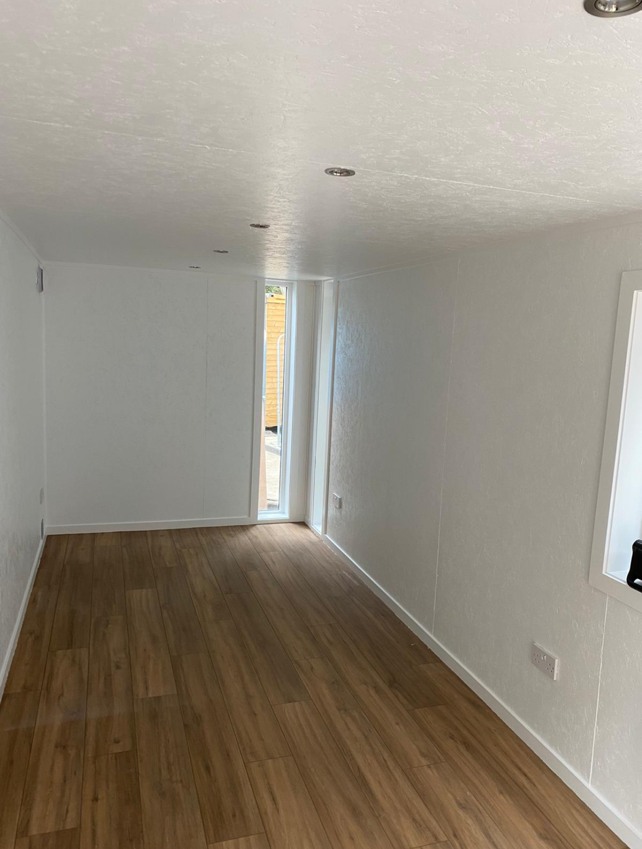
Fully Insulated with electric sockets, spot lighting, and heating
Wood Flooring
UPVC Sliding Door + Windows
Lead Time for build 6-8 weeks
Location: Nationwide
+ VAT
Not Available for Hire
Call for an instant quote!
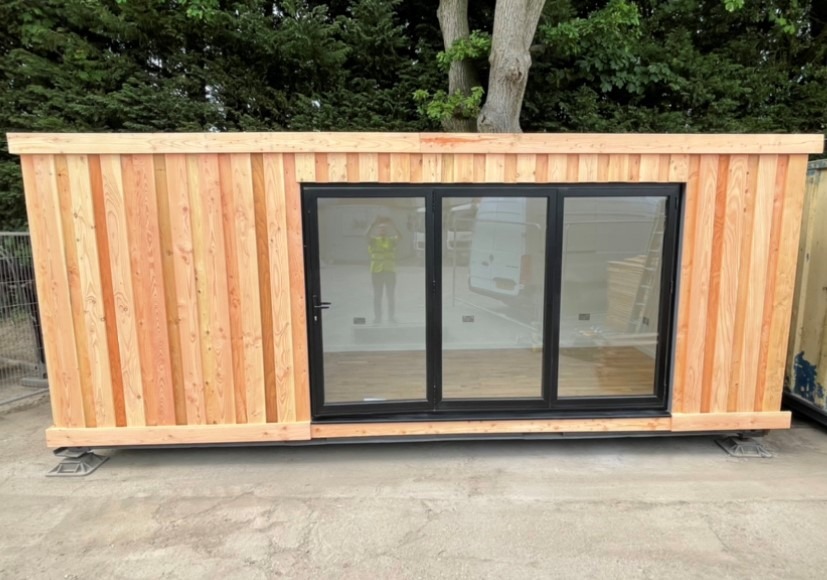
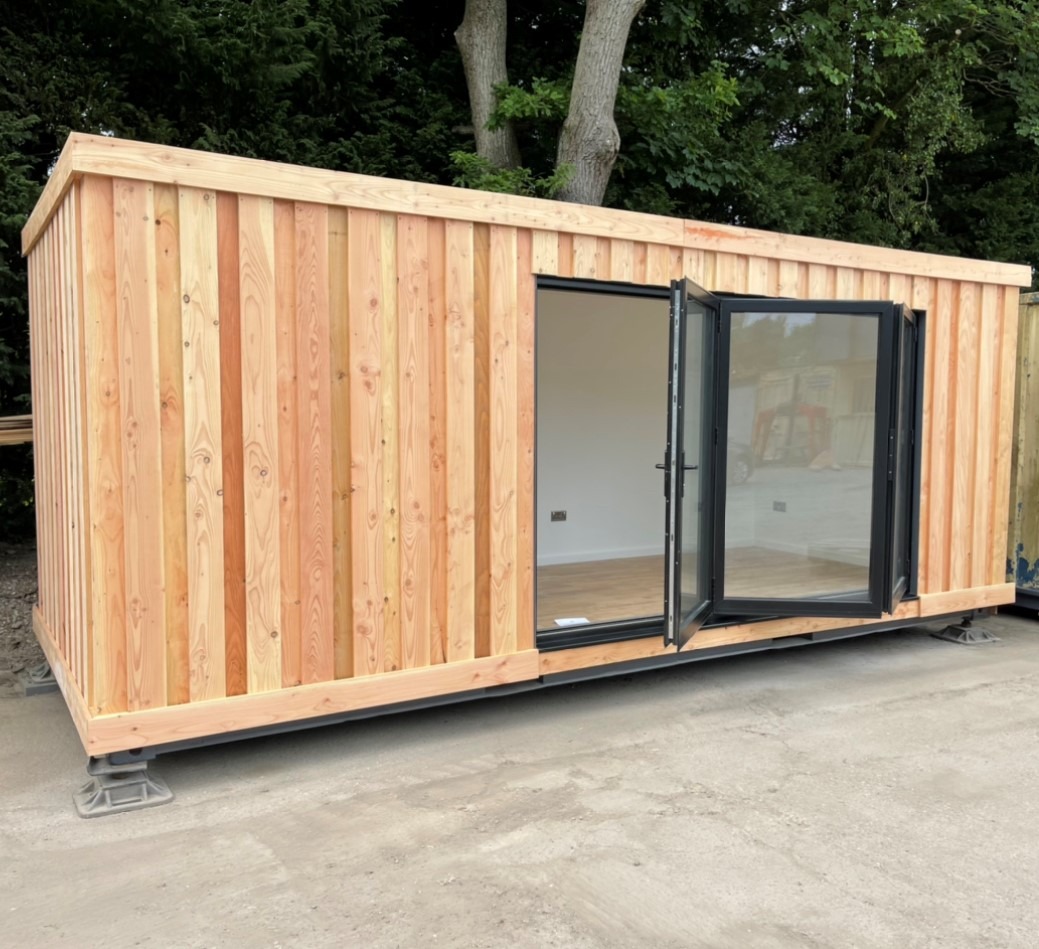
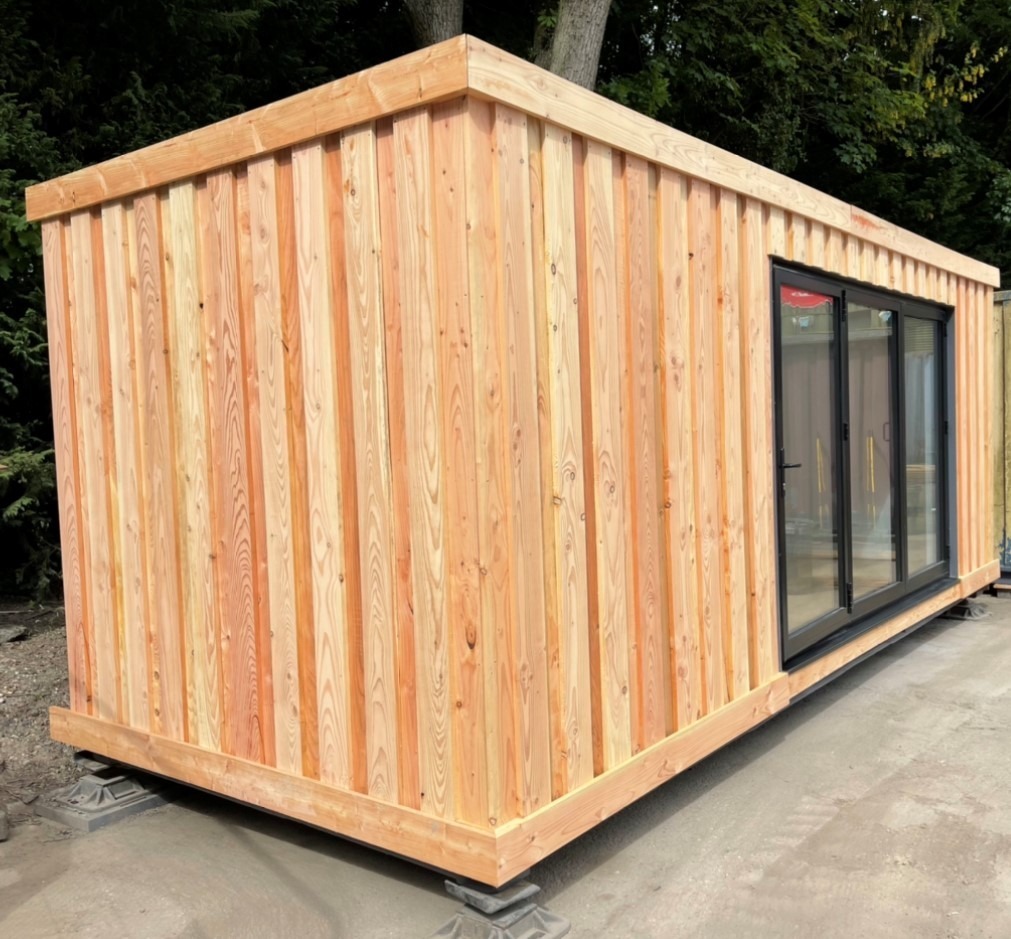
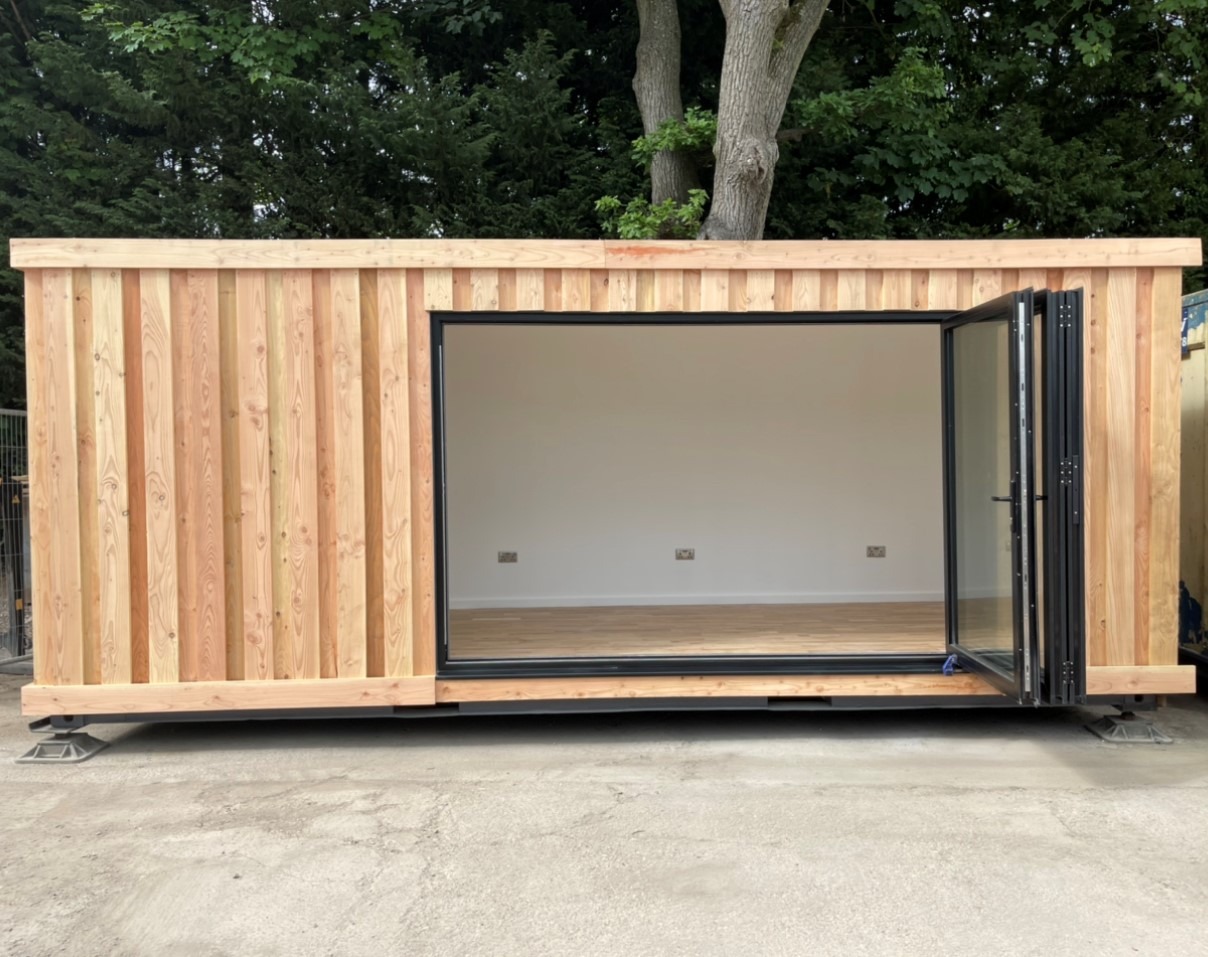
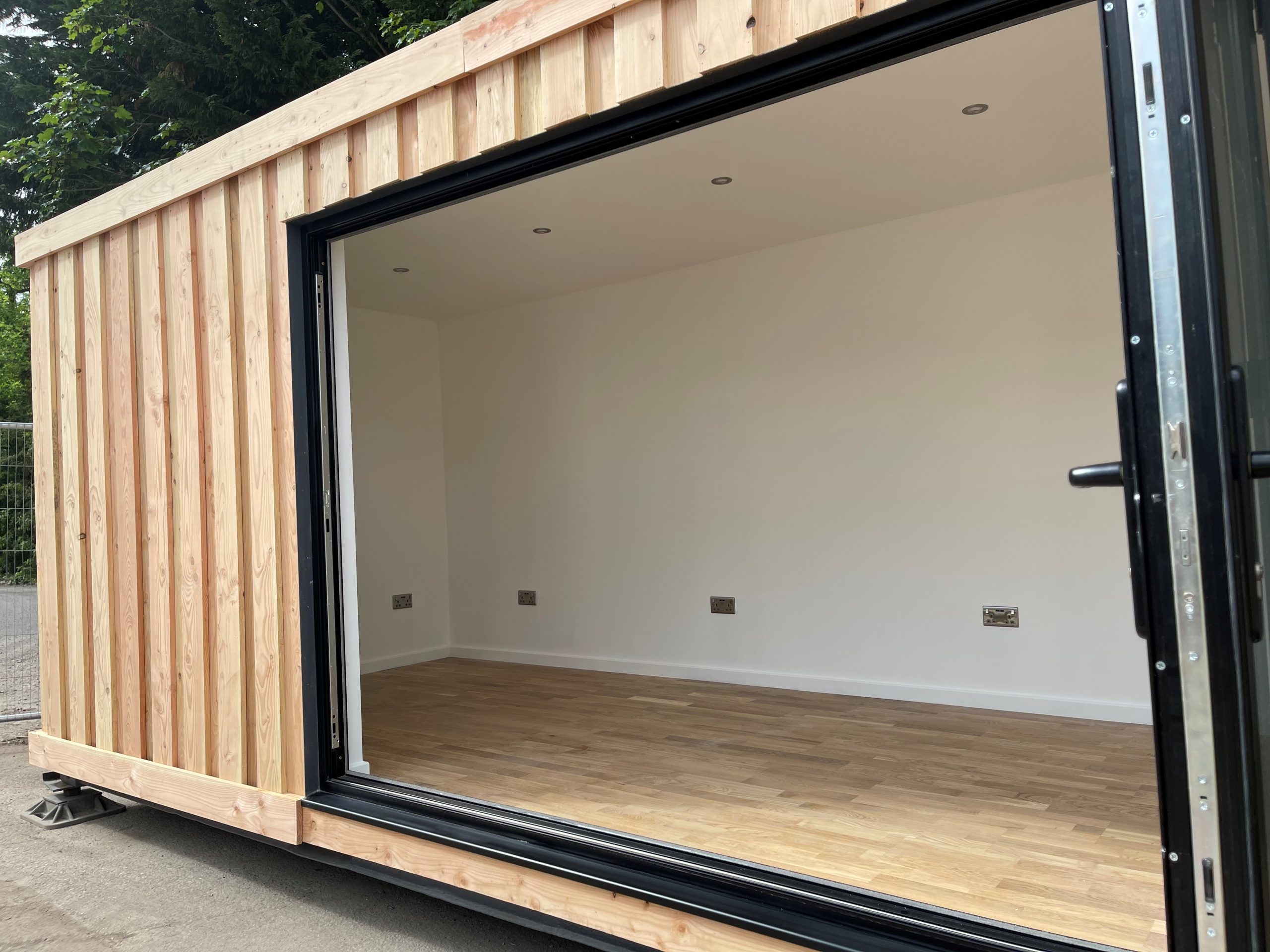
Fully Insulated with electric sockets, spot lighting, and heating
Wood Flooring
Aluminium Bi Fold Doors
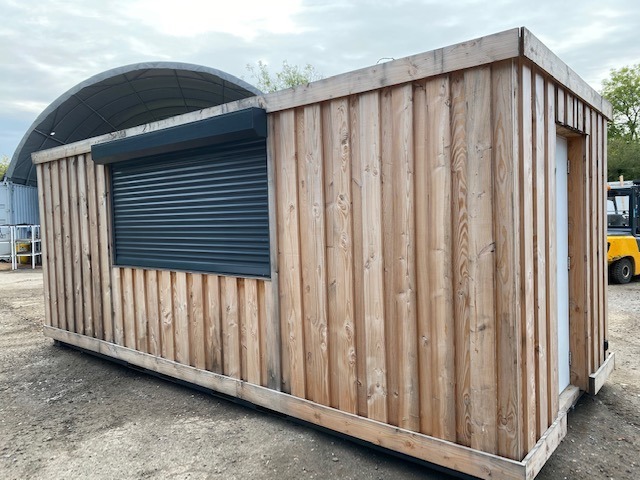
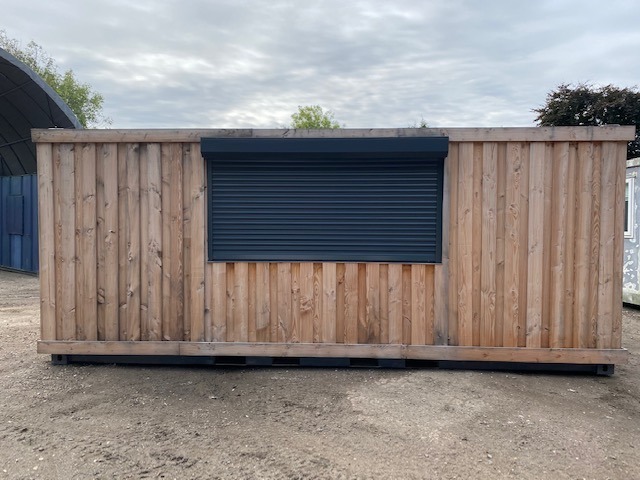
Fully wrapped in larch cladding
Lead Time for build 6-8 weeks
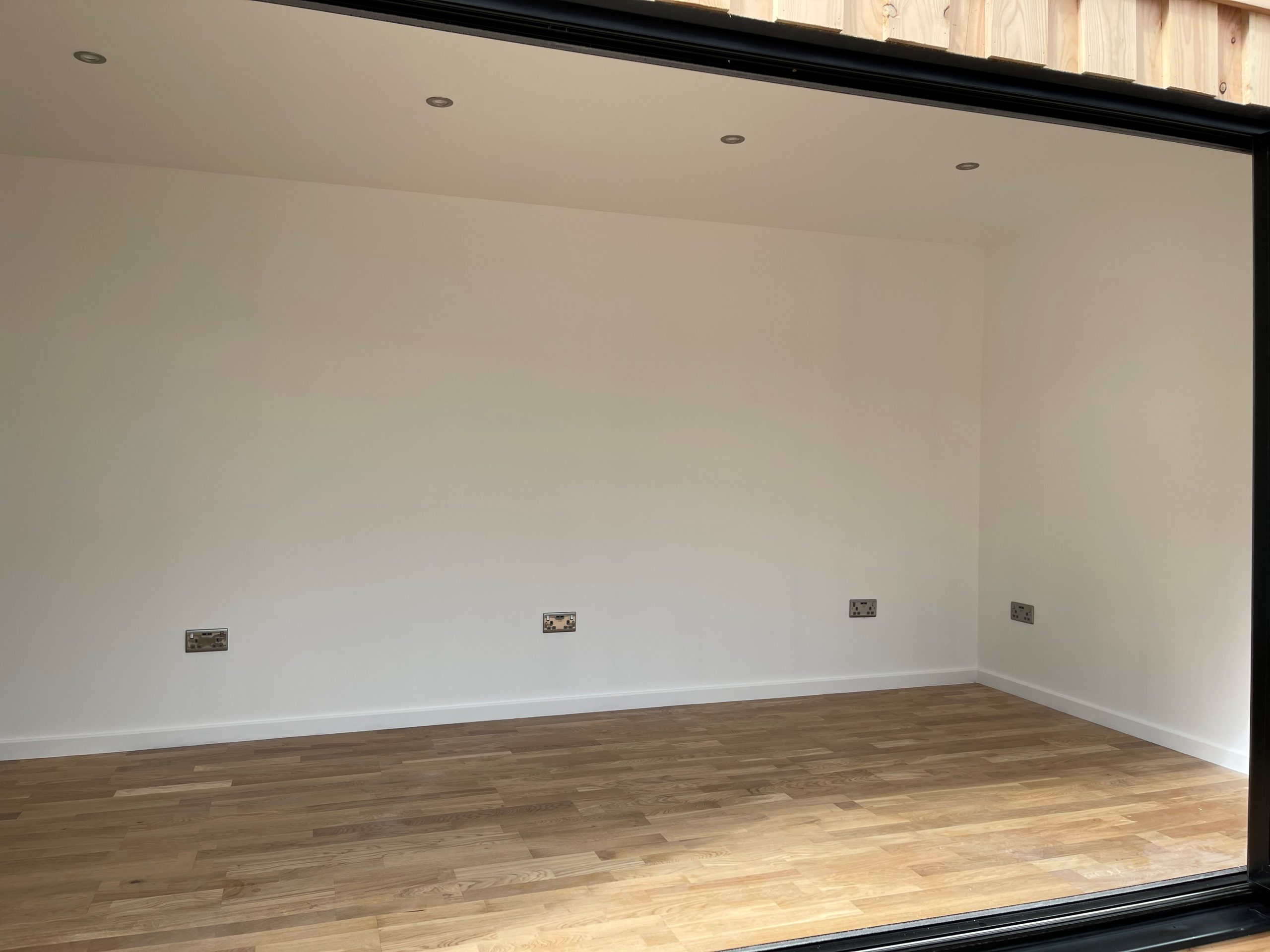
Location: Nationwide
+ VAT
Not Available for Hire
Call for an instant quote!
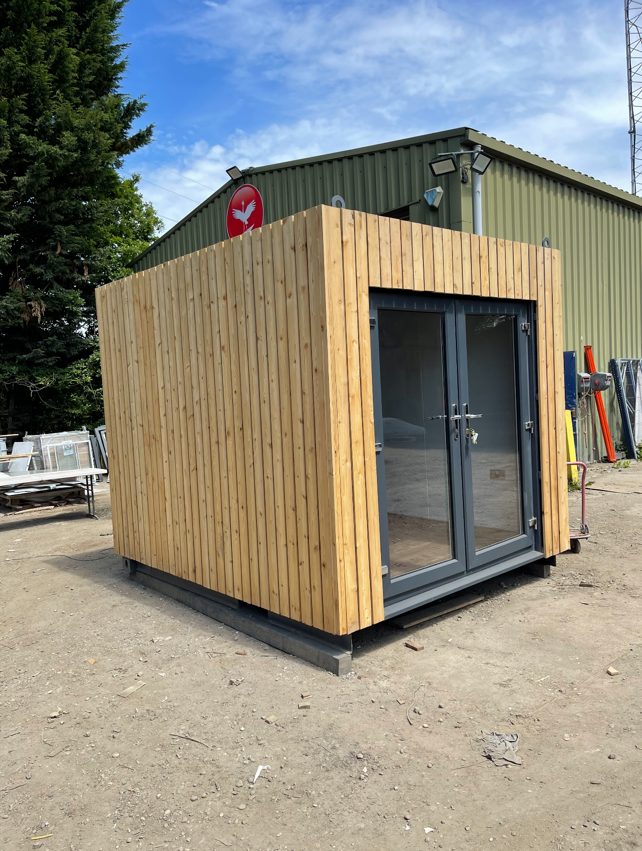
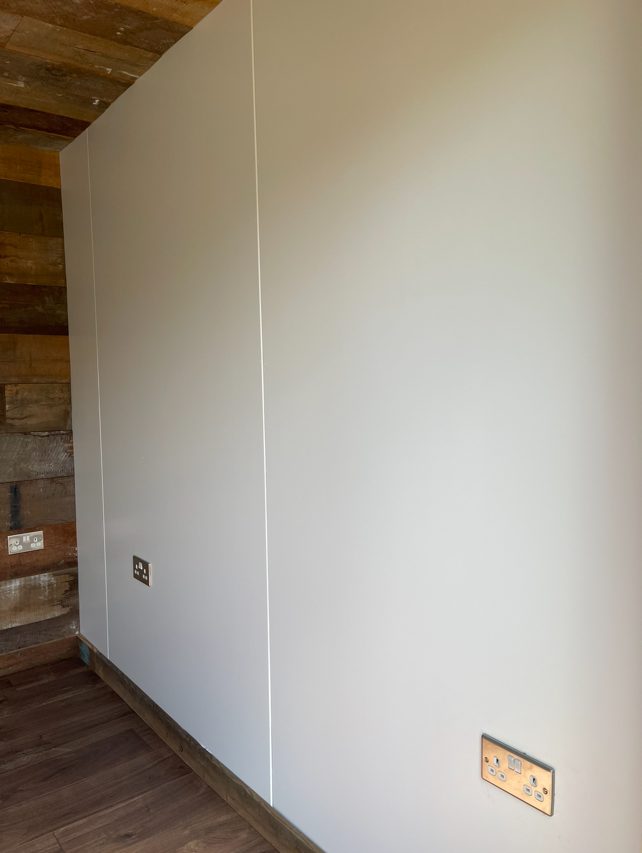
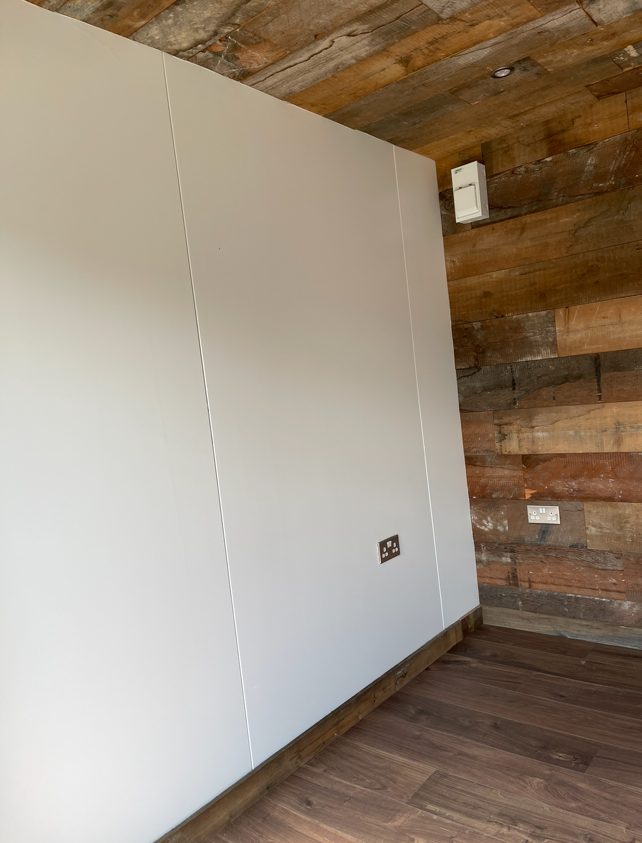
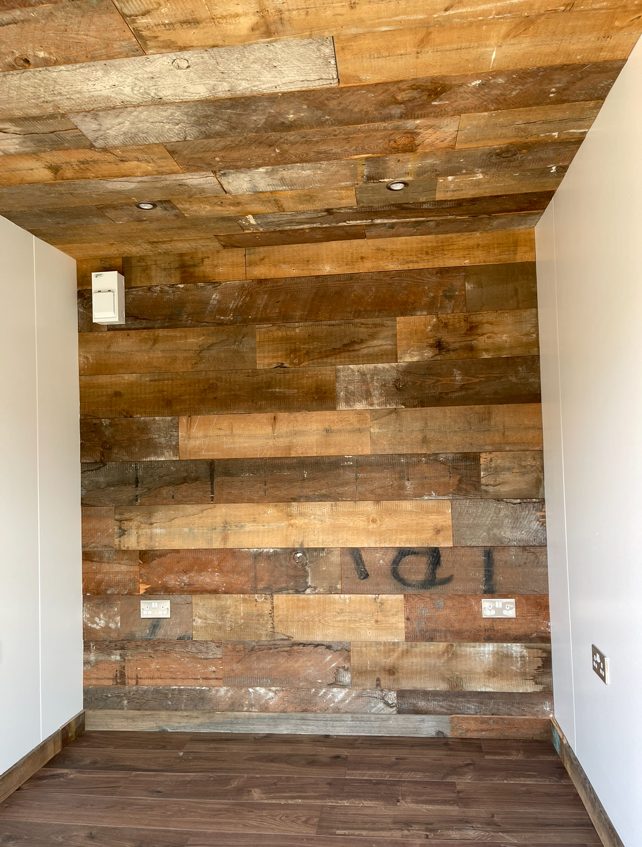
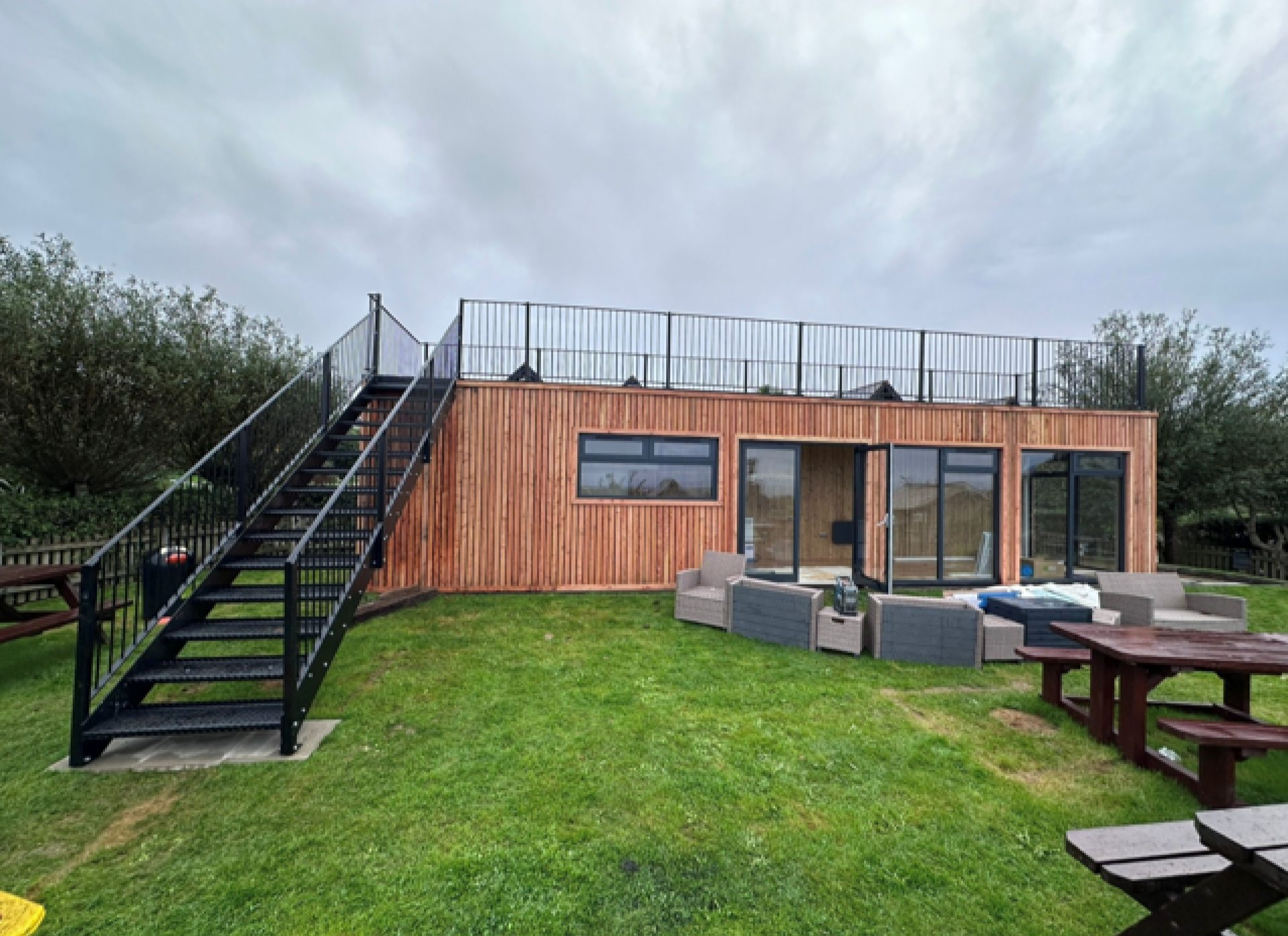
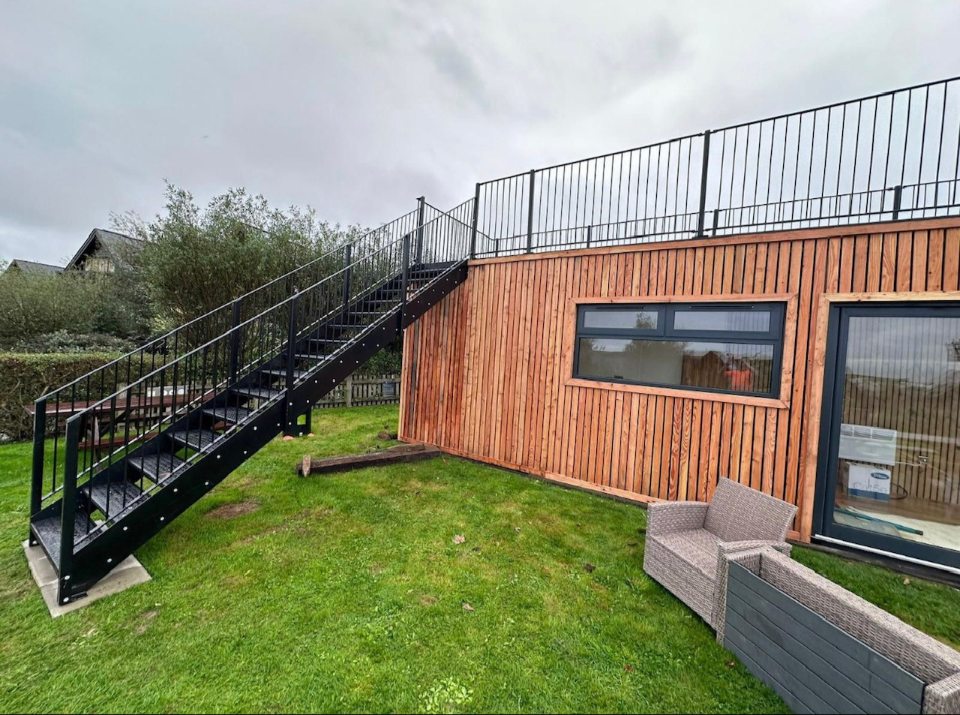
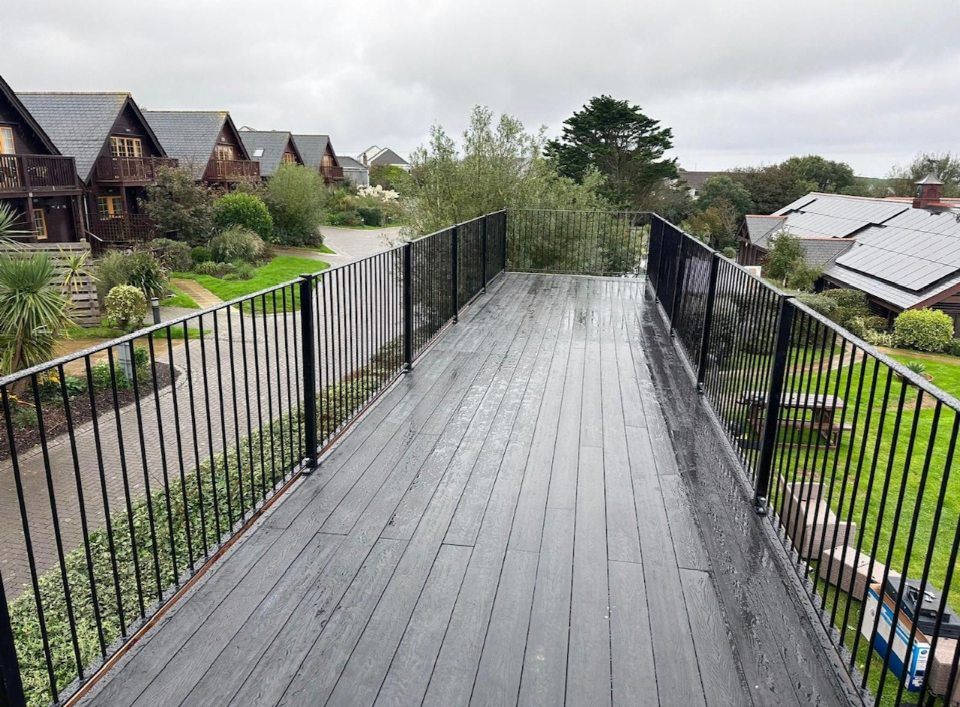
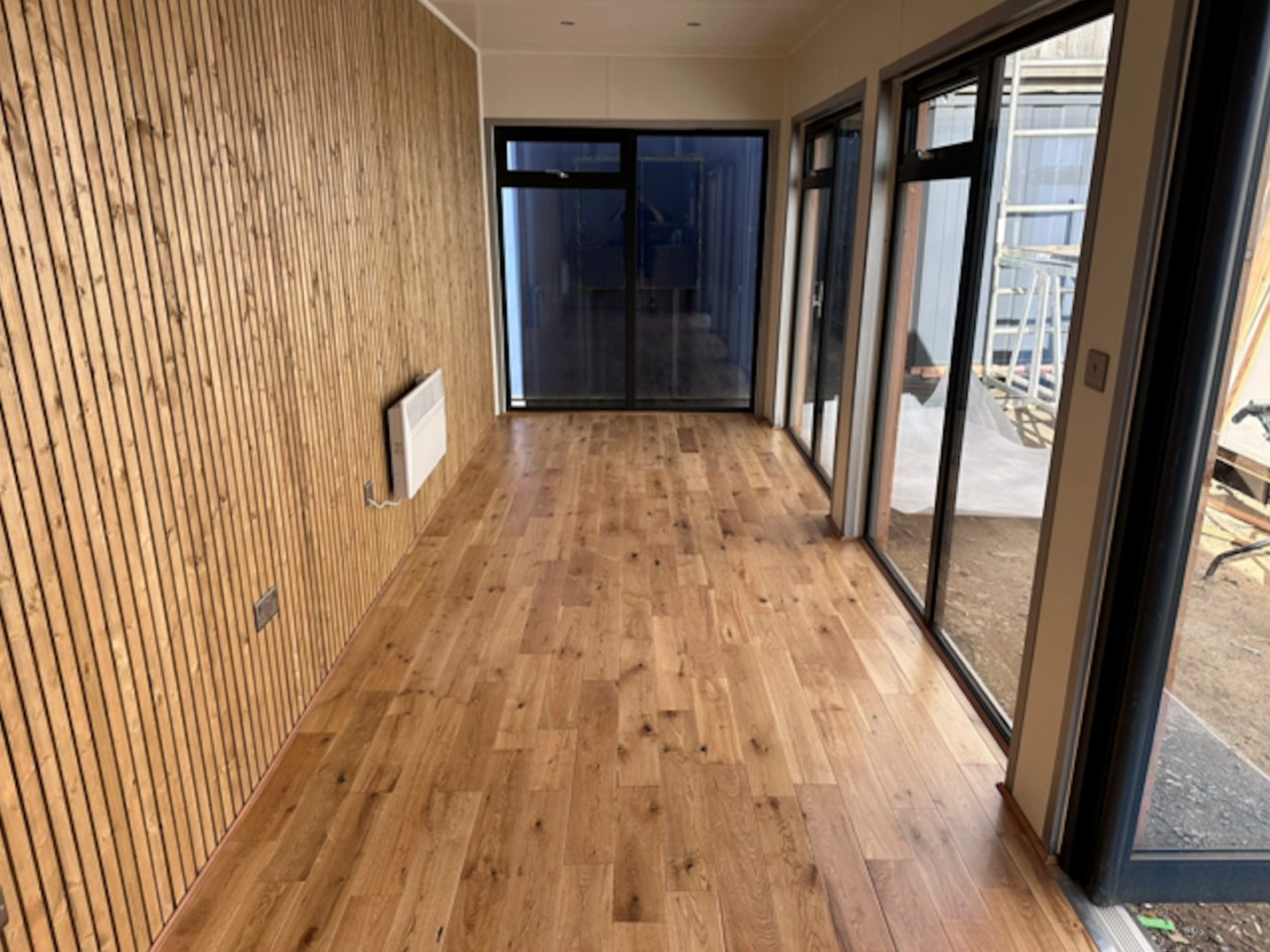
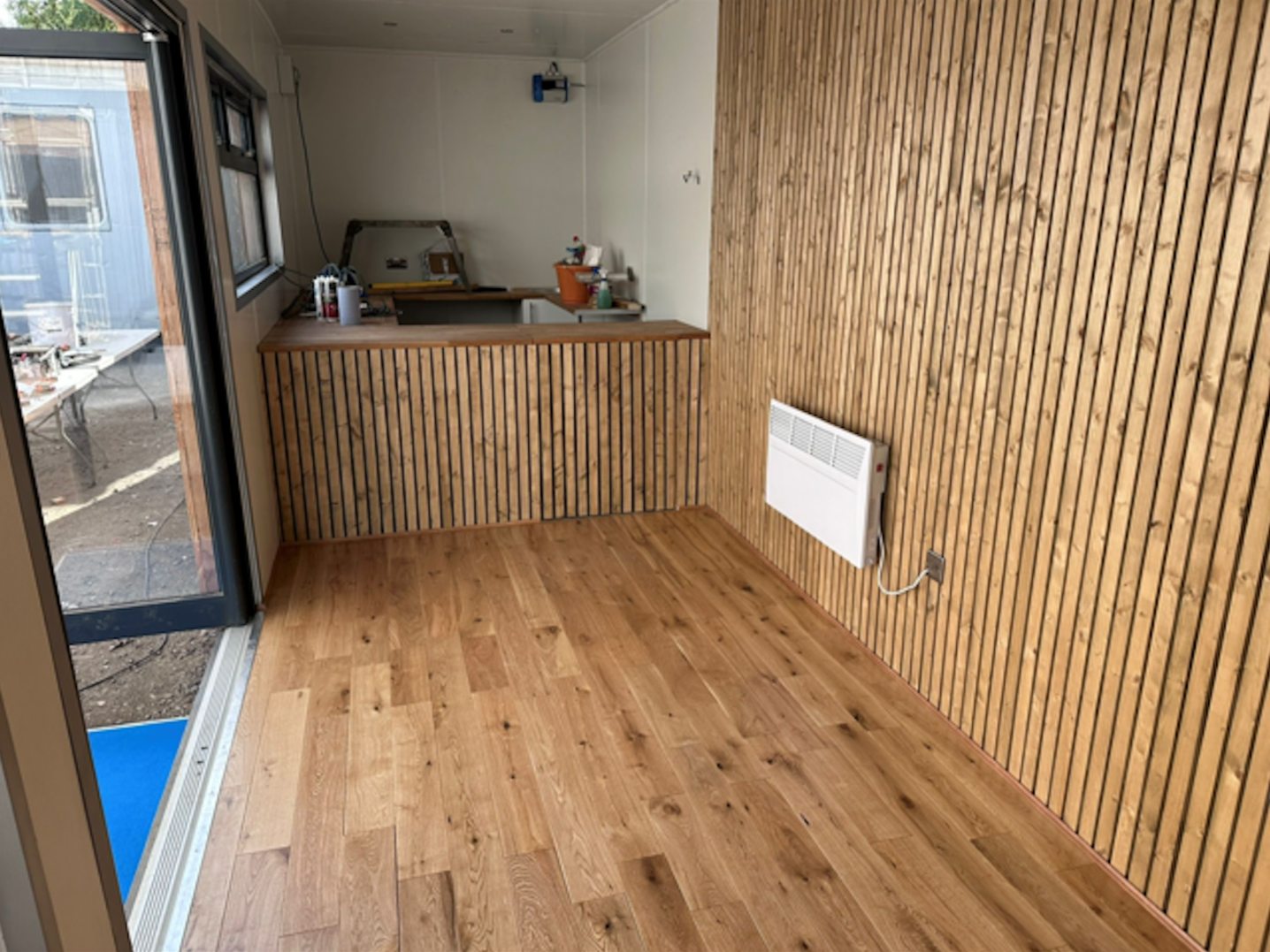
Fully Insulated with electric sockets, spot lighting, and heating
Wood Flooring
Feature Clad Wall and Ceiling
UPVC Double glazed French Doors
Fully wrapped in larch cladding
Lead Time for build 6-8 weeks
Location: Nationwide
EX VAT
Not Available for Hire
Call for an instant quote!
Location: Nationwide
EX VAT
Not Available for Hire
Call for an instant quote!
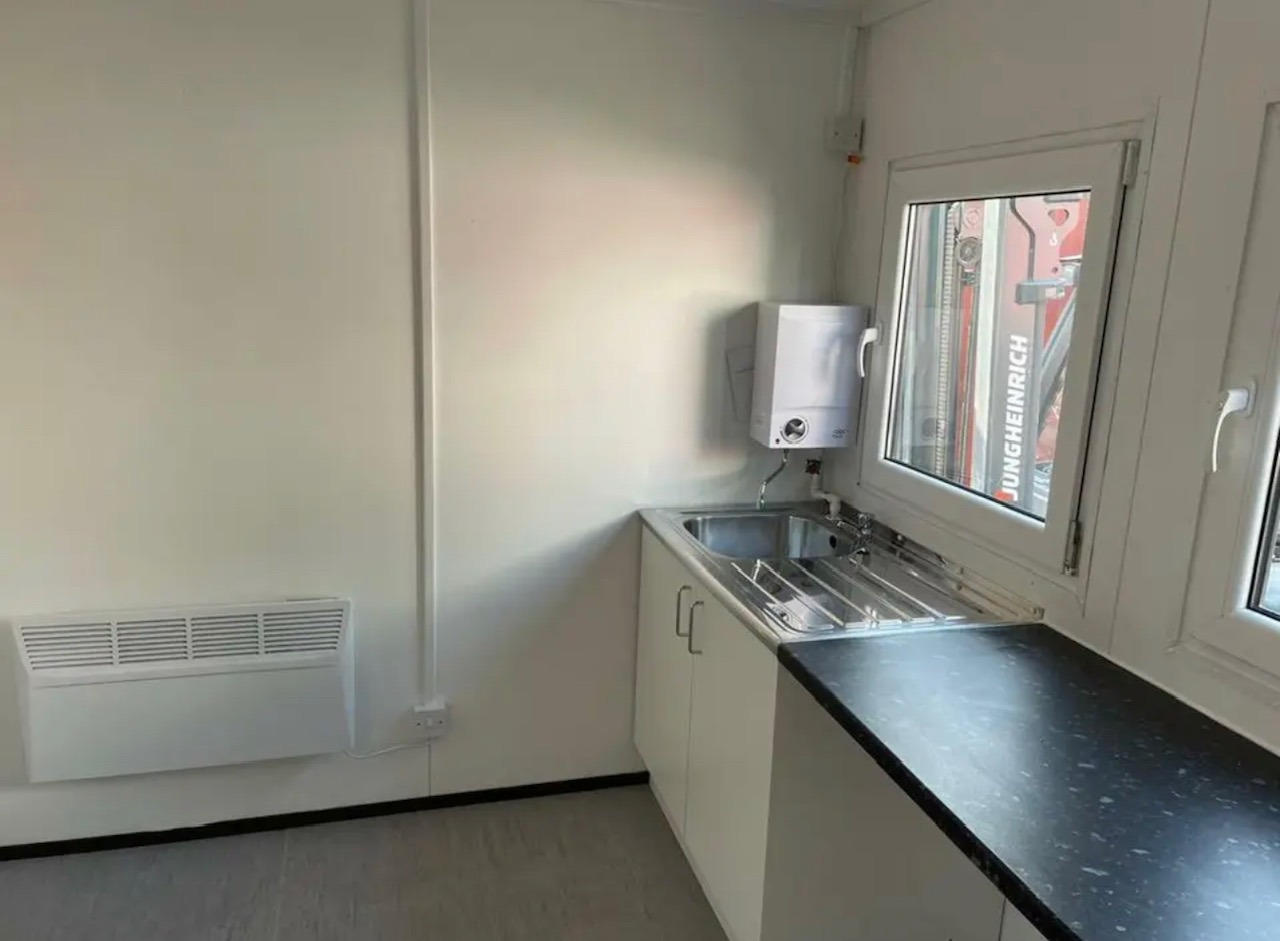
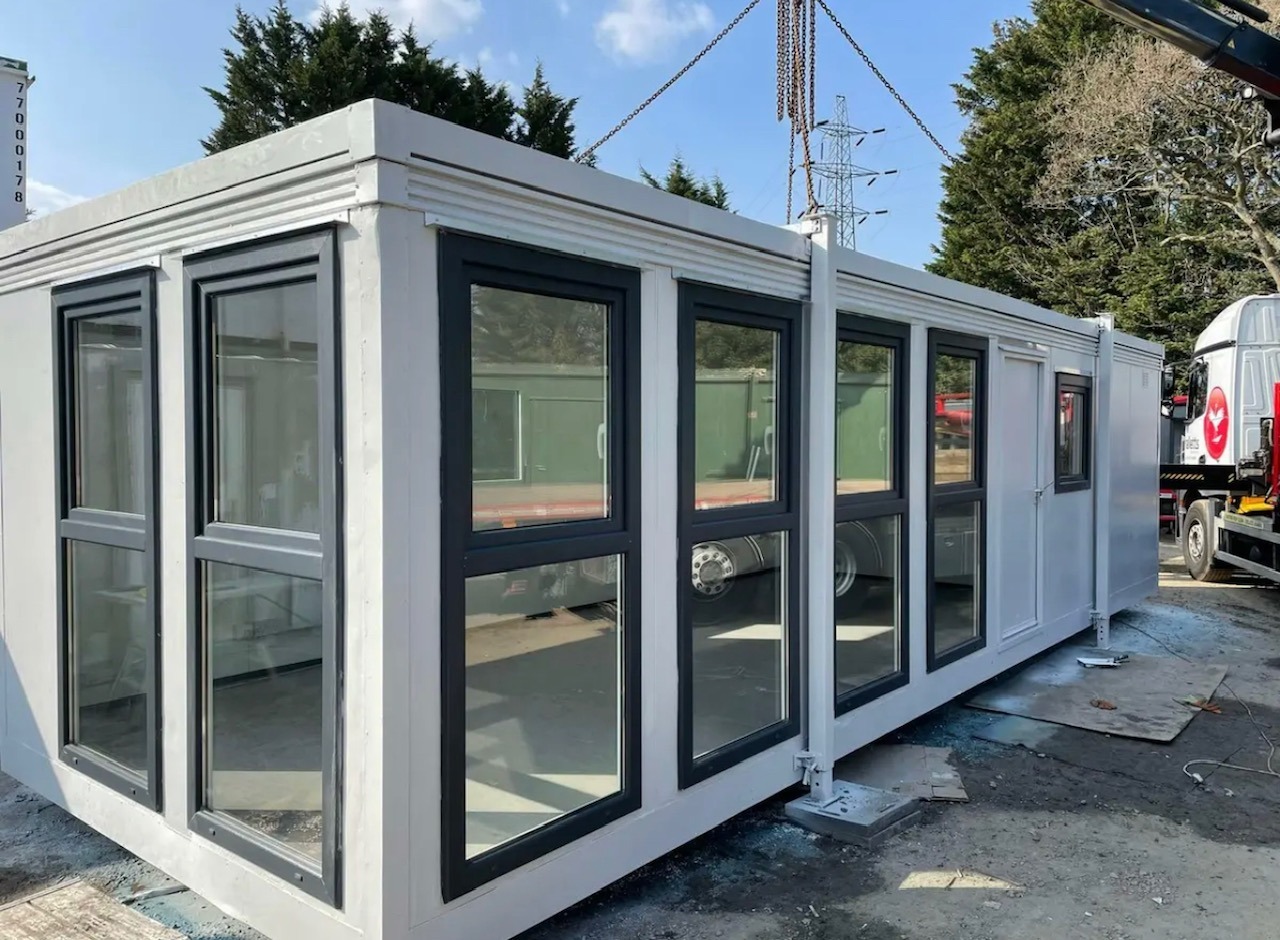
Location: Nationwide
EX VAT
Not Available for Hire
Call for an instant quote!
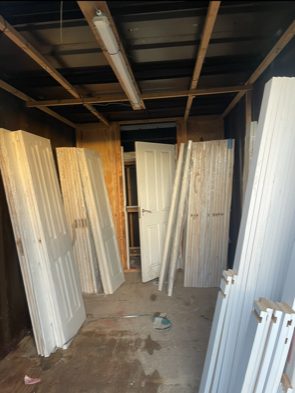
Location: Nationwide
EX VAT
Not Available for Hire
Call for an instant quote!
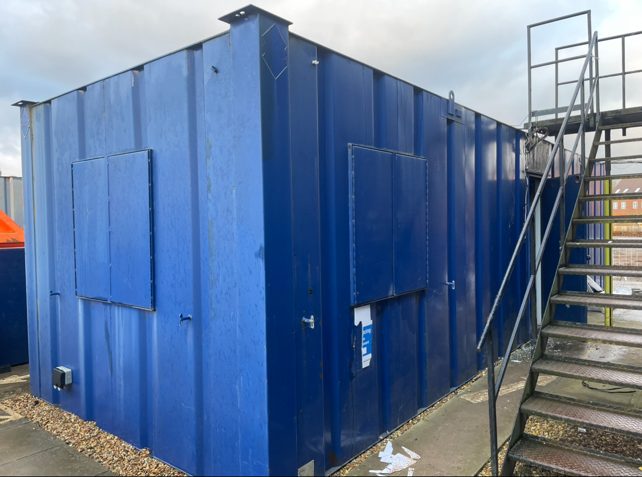
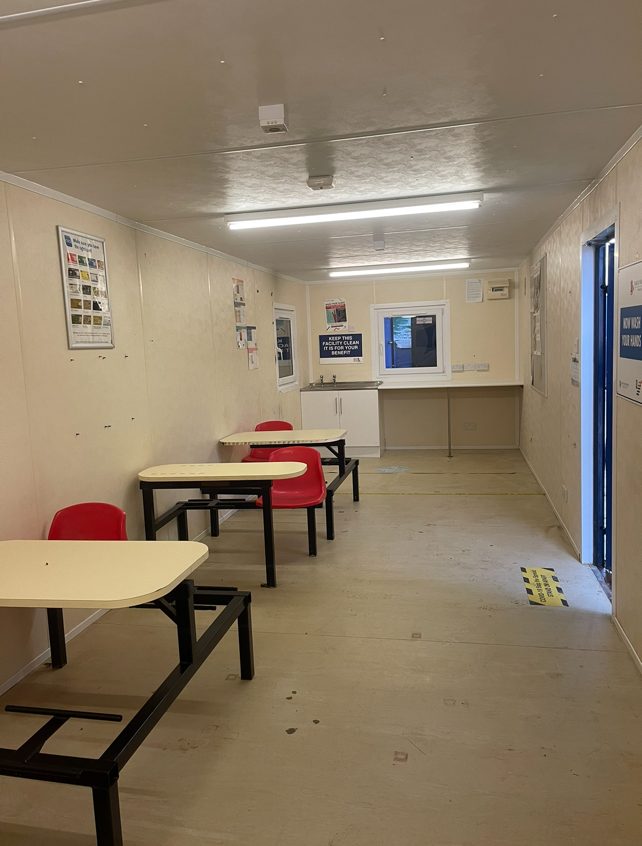
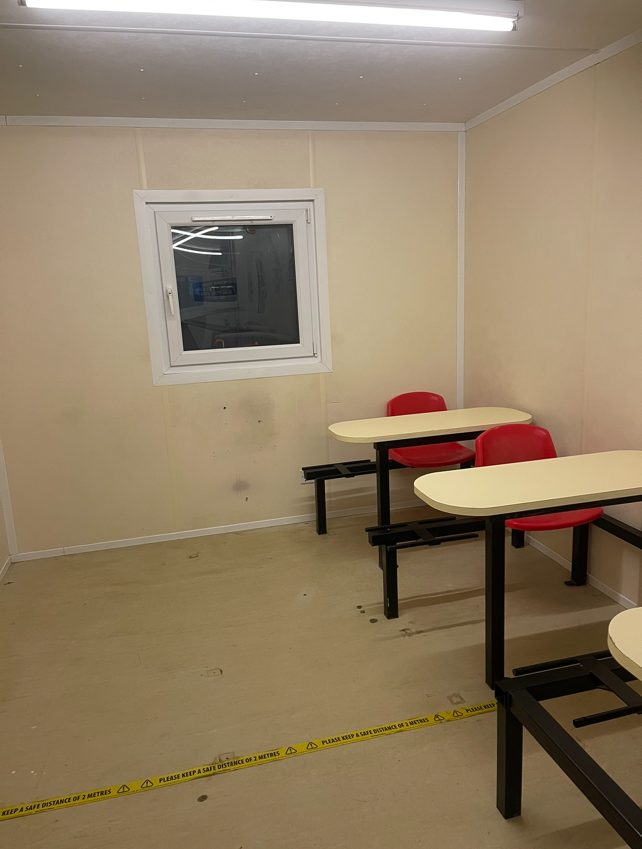
Location: Nationwide
EX VAT
Not Available for Hire
Call for an instant quote!

Location: Nationwide
EX VAT
Not Available for Hire
Call for an instant quote!
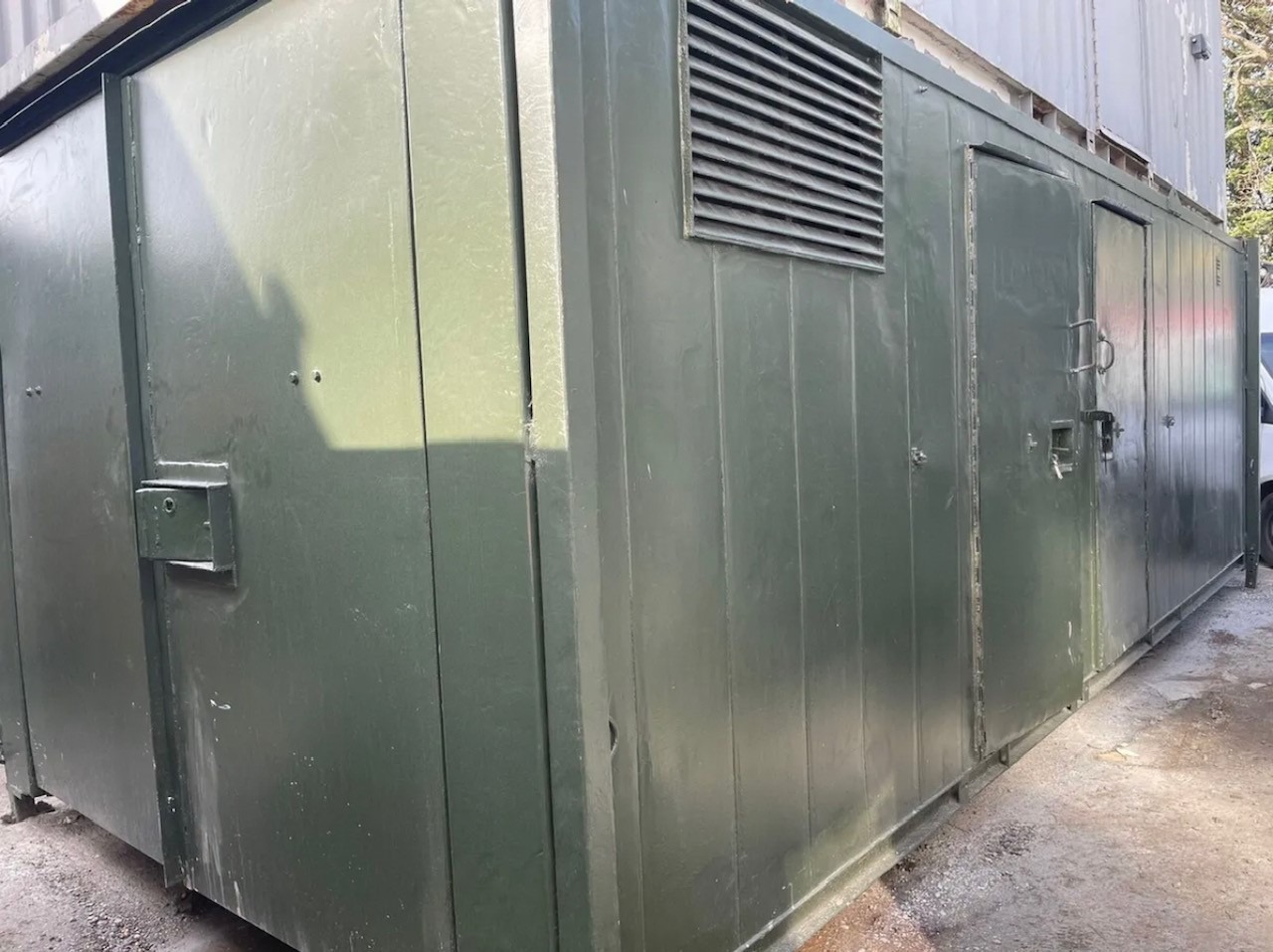
Location: Nationwide
EX VAT
Not Available for Hire
Call for an instant quote!

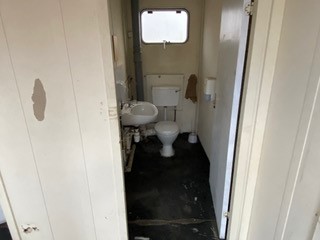
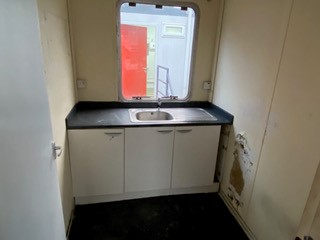
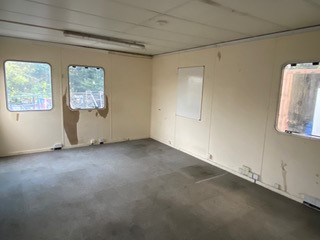
Location: Nationwide
EX VAT
Not Available for Hire
Call for an instant quote!
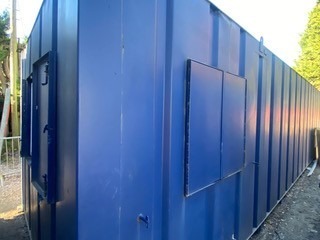
Location: Nationwide
EX VAT
Not Available for Hire
Call for an instant quote!
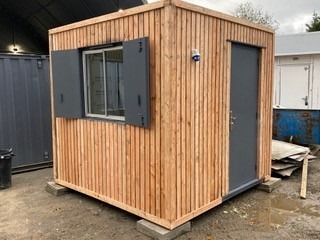
Location: Nationwide
EX VAT
Not Available for Hire
Call for an instant quote!
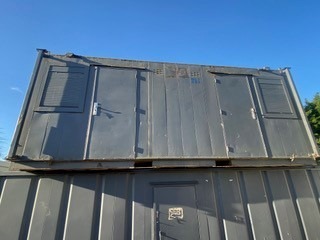
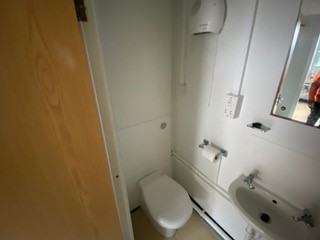
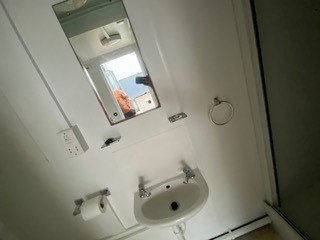
Location: Nationwide
EX VAT
Not Available for Hire
Call for an instant quote!
Location: Nationwide
EX VAT
Not Available for Hire
Call for an instant quote!
Location: Nationwide
EX VAT
Not Available for Hire
Call for an instant quote!
Location: Nationwide
EX VAT
Not Available for Hire
Call for an instant quote!
Location: Nationwide
EX VAT
Not Available for Hire
Call for an instant quote!
Location: Nationwide
EX VAT
Not Available for Hire
Call for an instant quote!
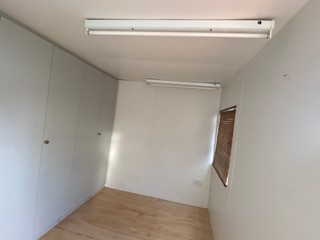
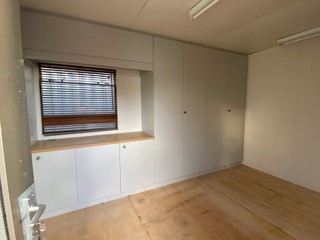
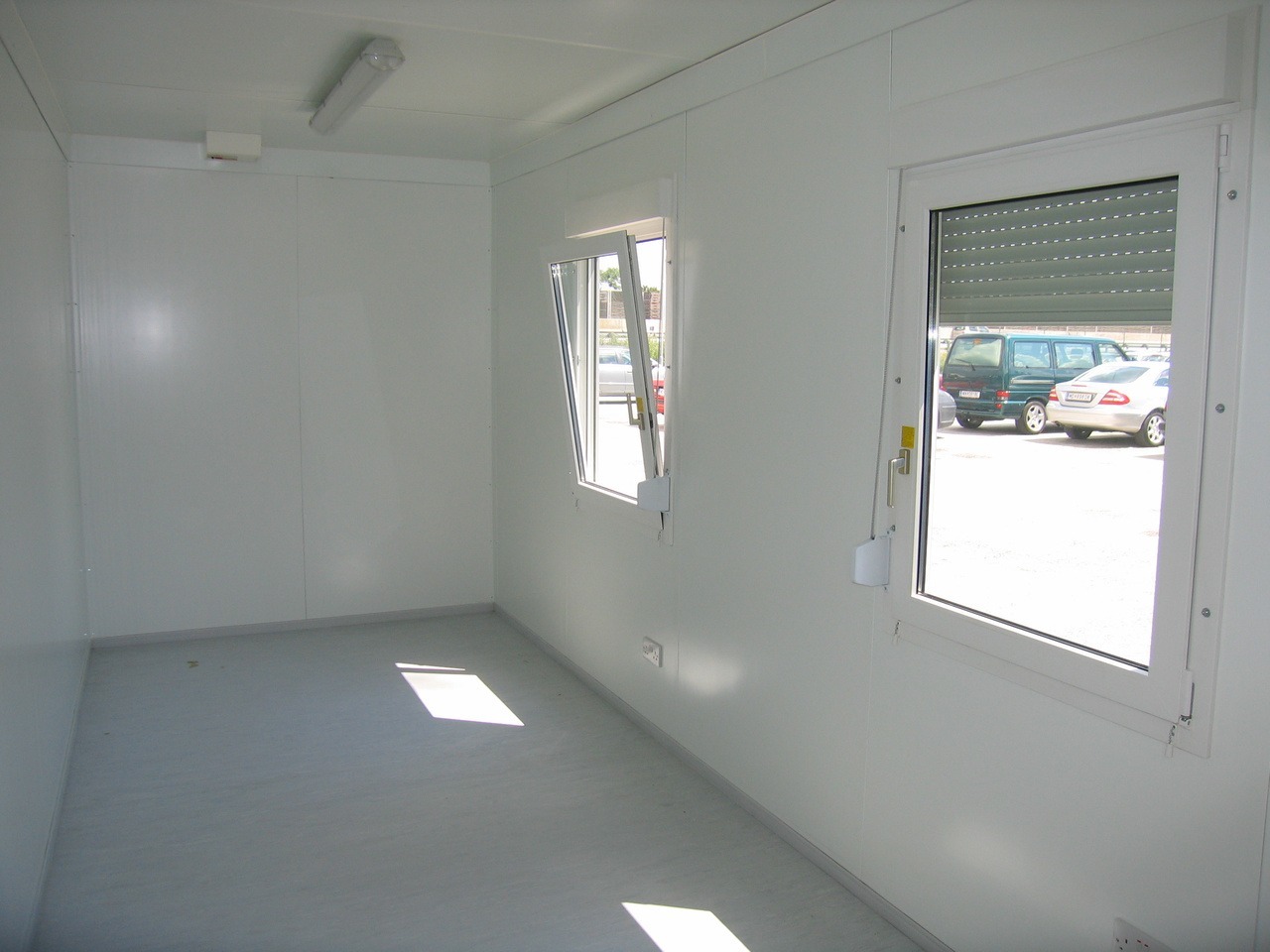
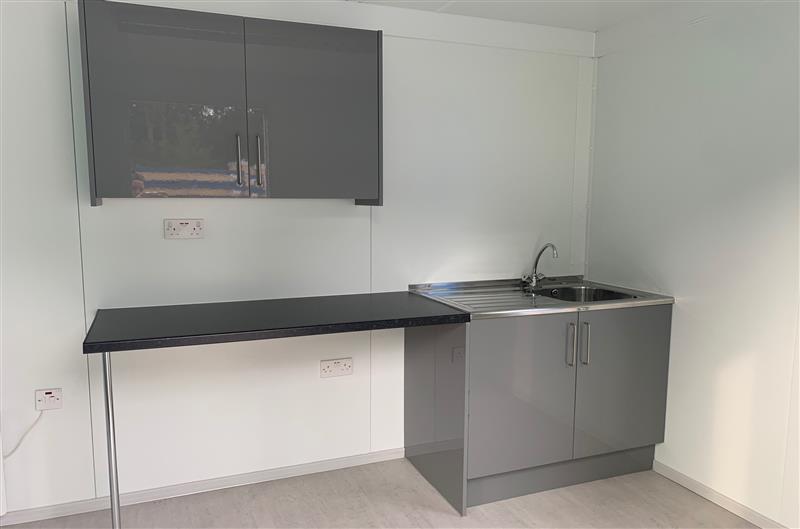
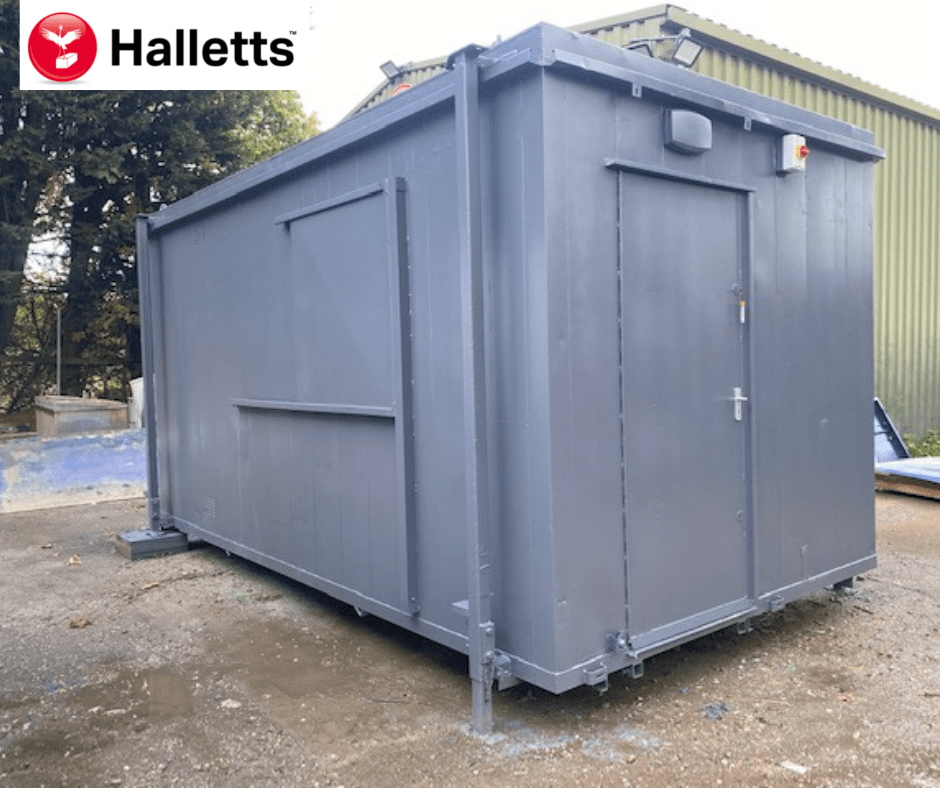
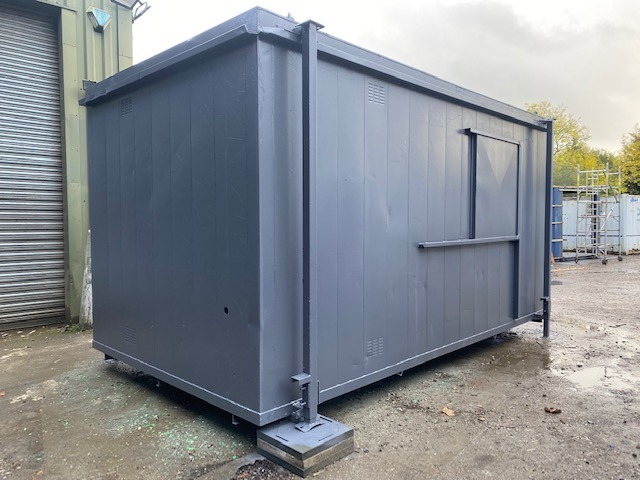
10ftx8ft – £5950 + Vat / 16ftx8ft – £7950 + Vat / 20ftx8ft – £9000 + Vat / 24ftx8ft – £12000 + Vat / 30ftx8ft – £13500 + Vat

Location: Nationwide
EX VAT
Not Available for Hire
Call for an instant quote!
Location: Nationwide
EX VAT
Not Available for Hire
Call for an instant quote!
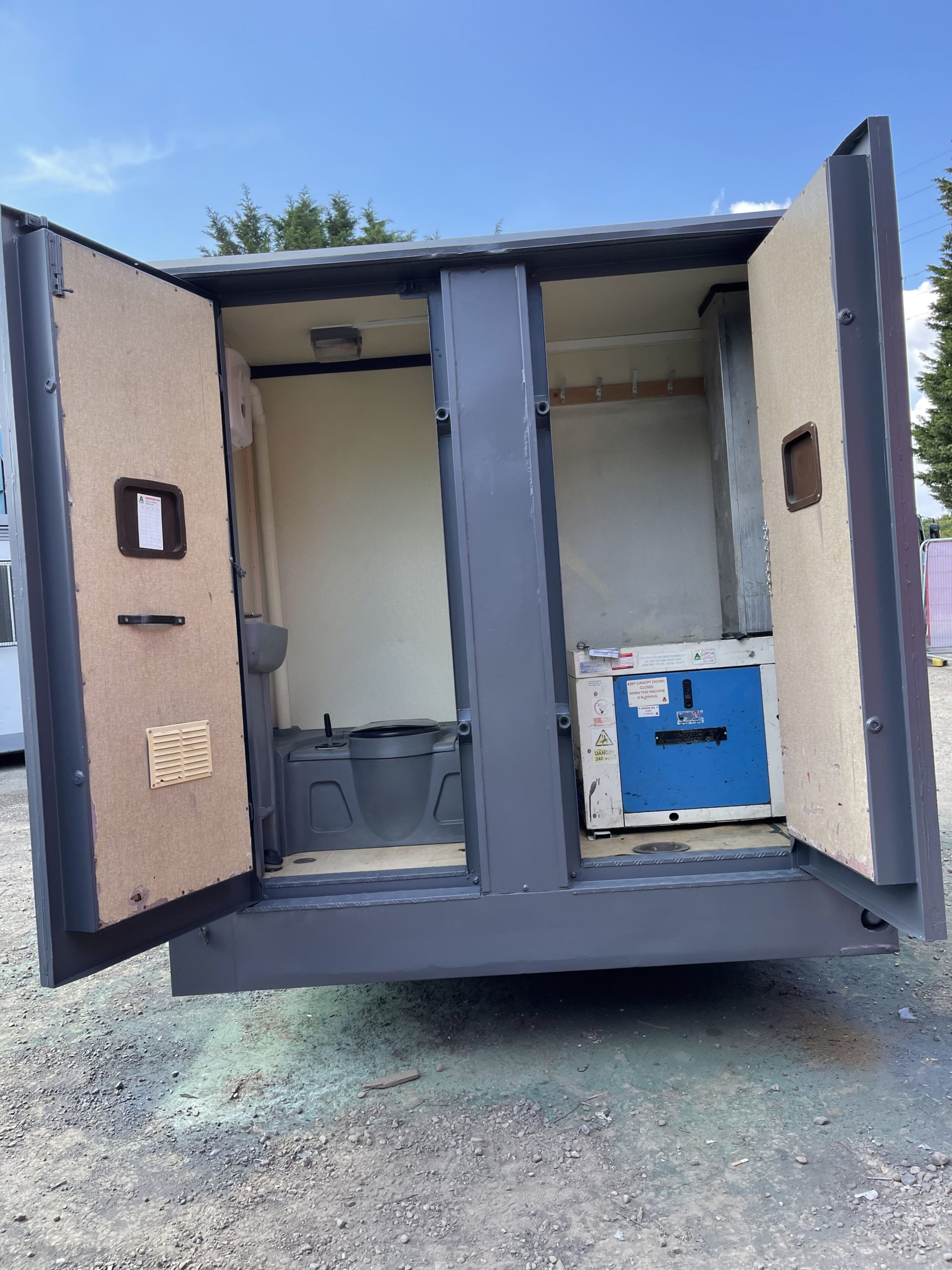
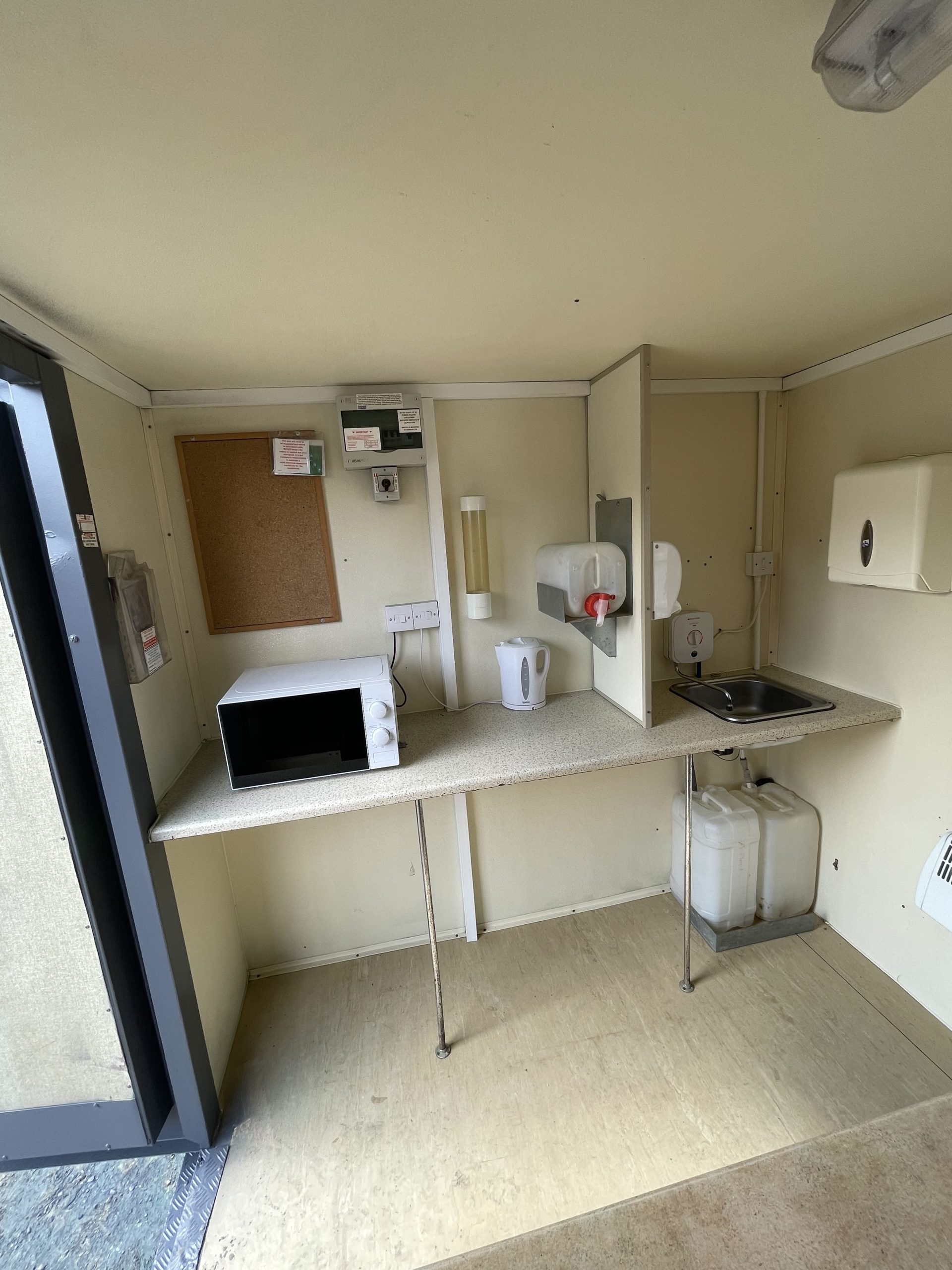
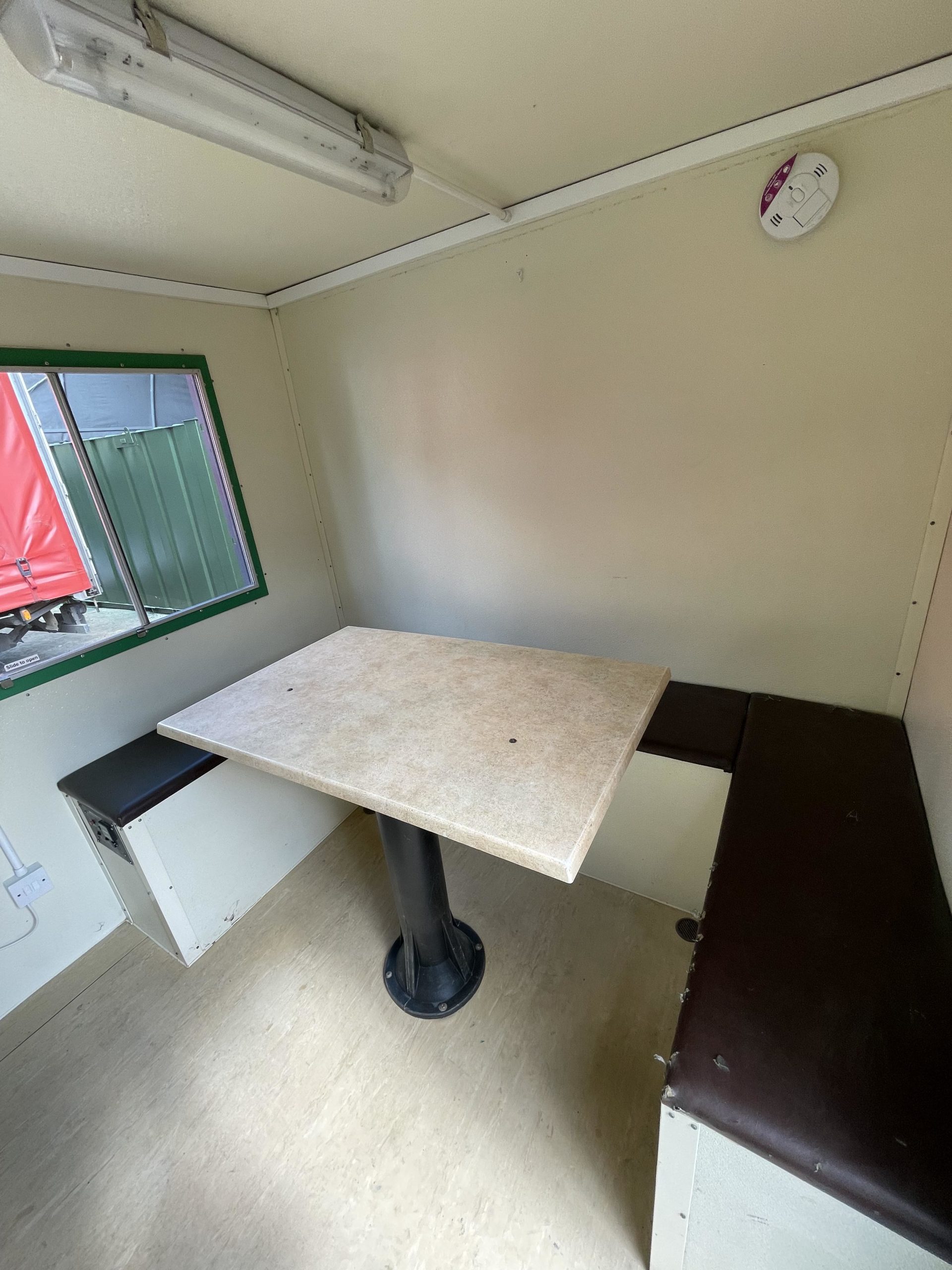
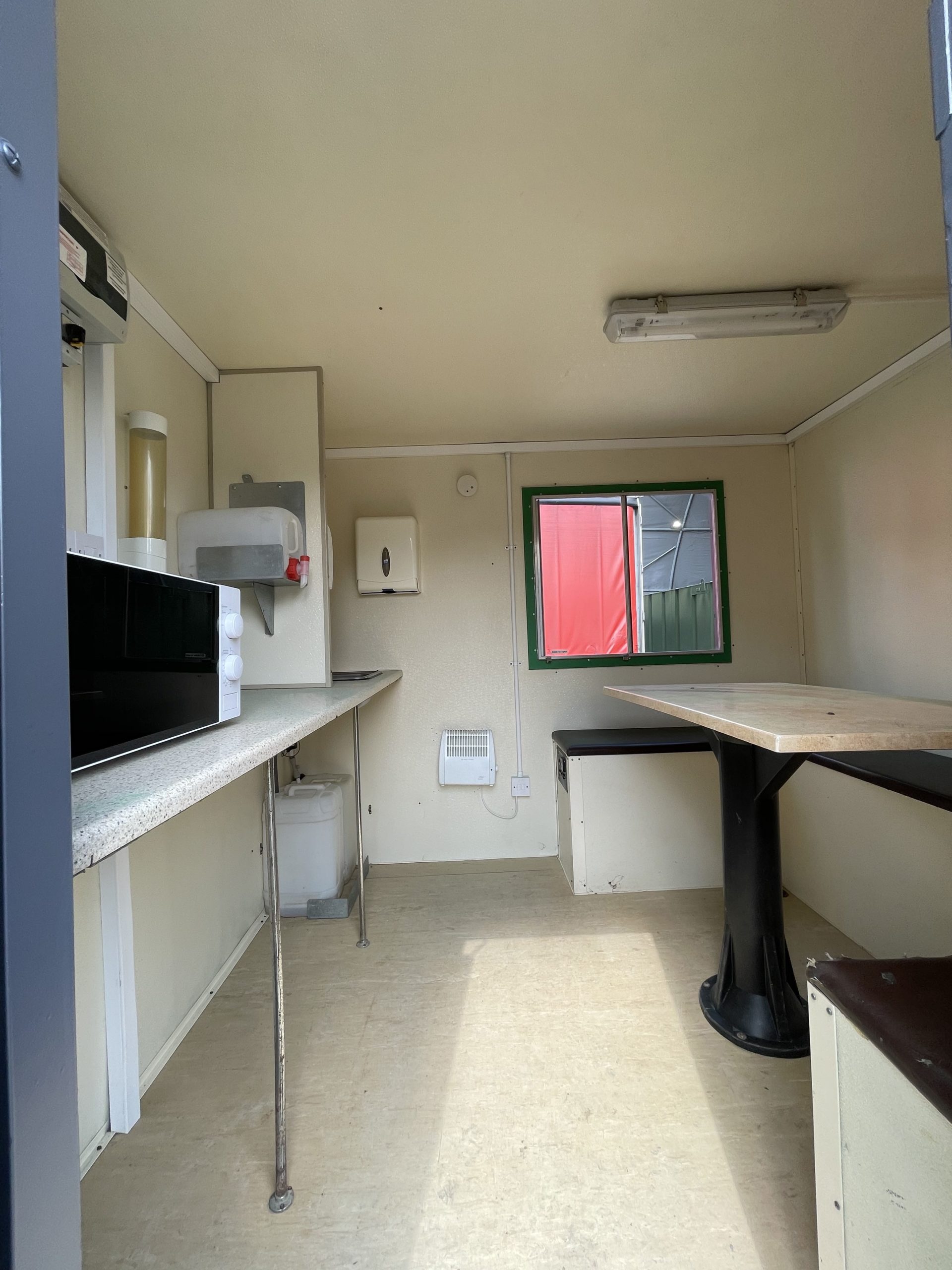
Location: Nationwide
EX VAT
Not Available for Hire
Call for an instant quote!
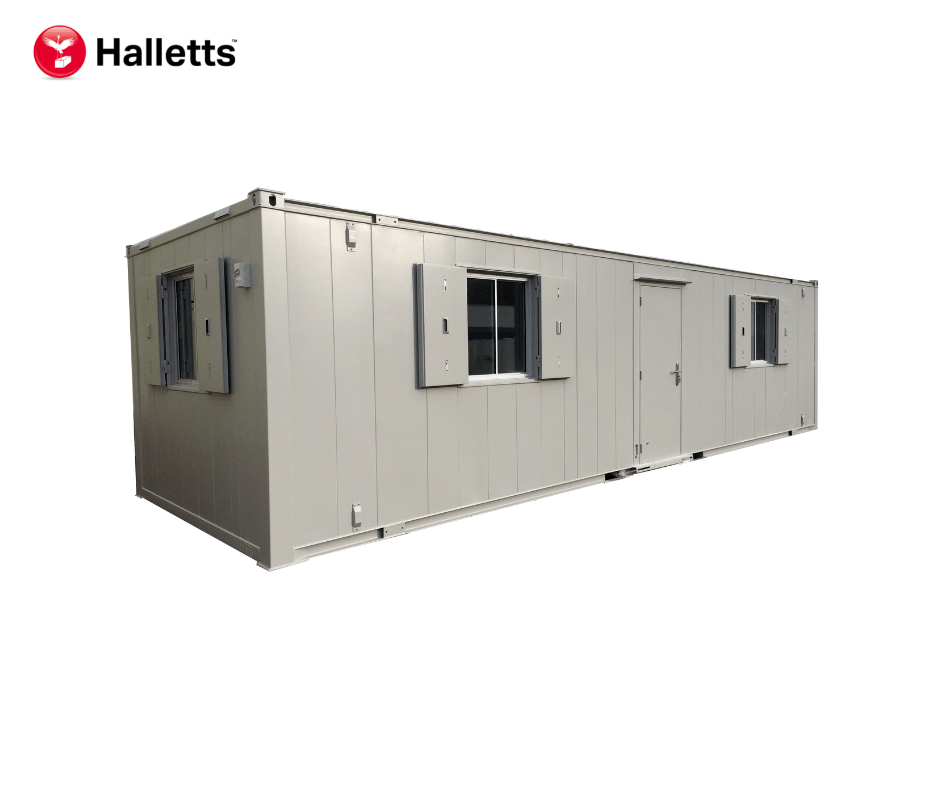
Location: Nationwide
Quantity: ∞
EX VAT
Not Available for Hire
Call for an instant quote!
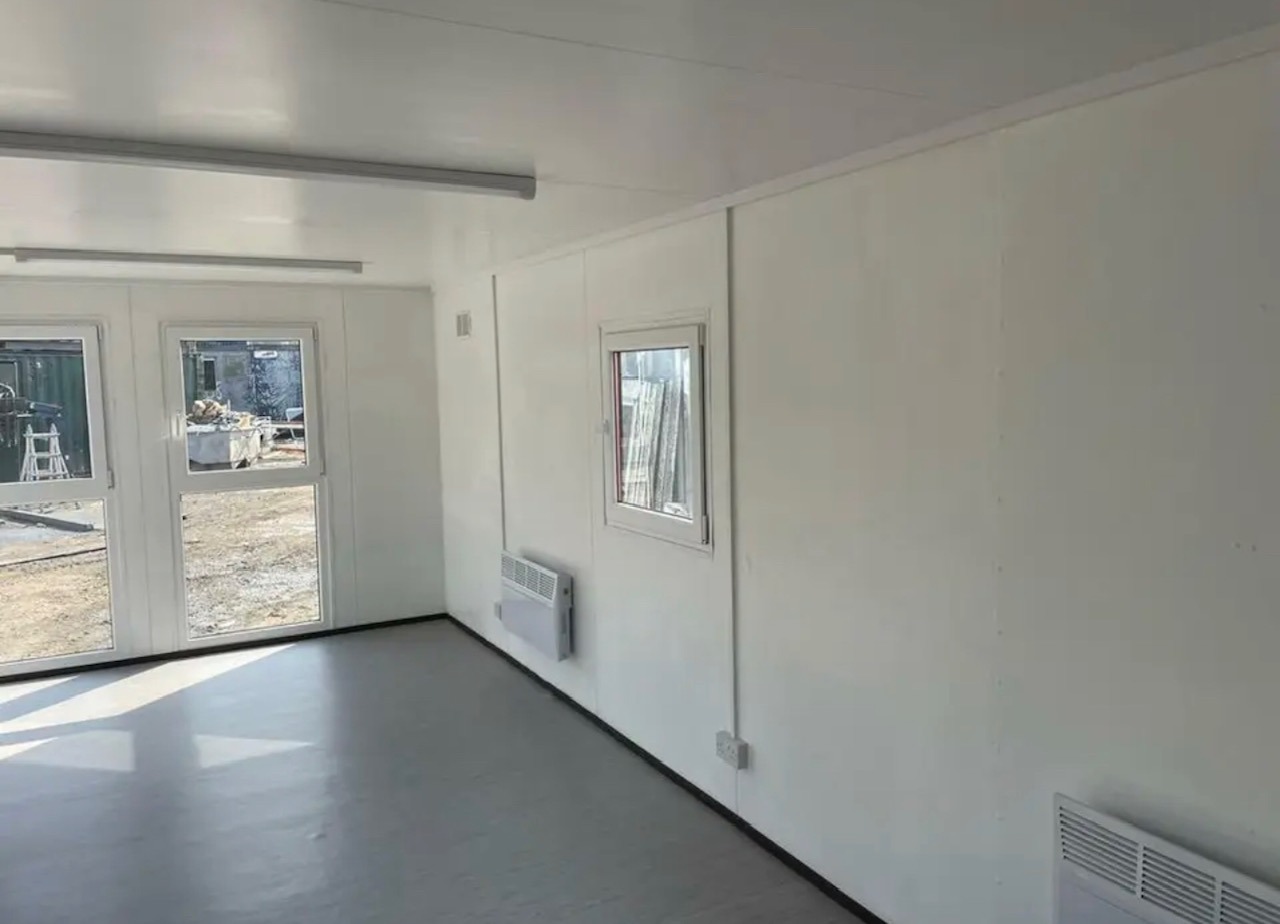
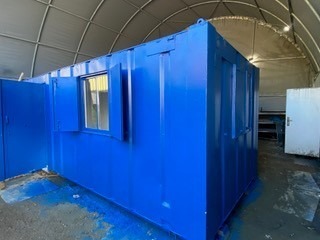
• Reinforced doors and windows with secure locking
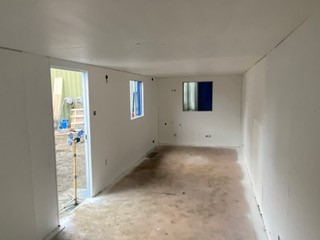
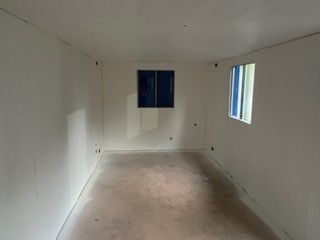
• Open plan with electric sockets and lighting
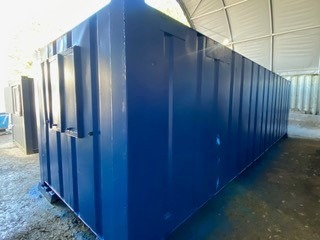
• Ral Code Colour of choice
• Any Extras available : Canteen, Partitions, Toilets.
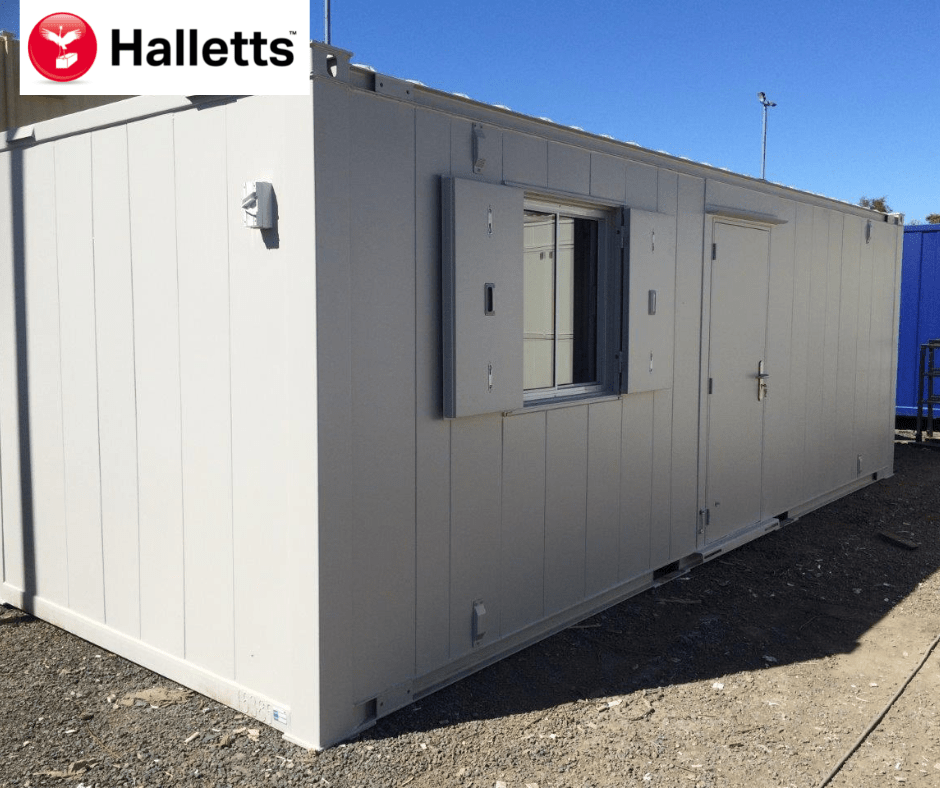
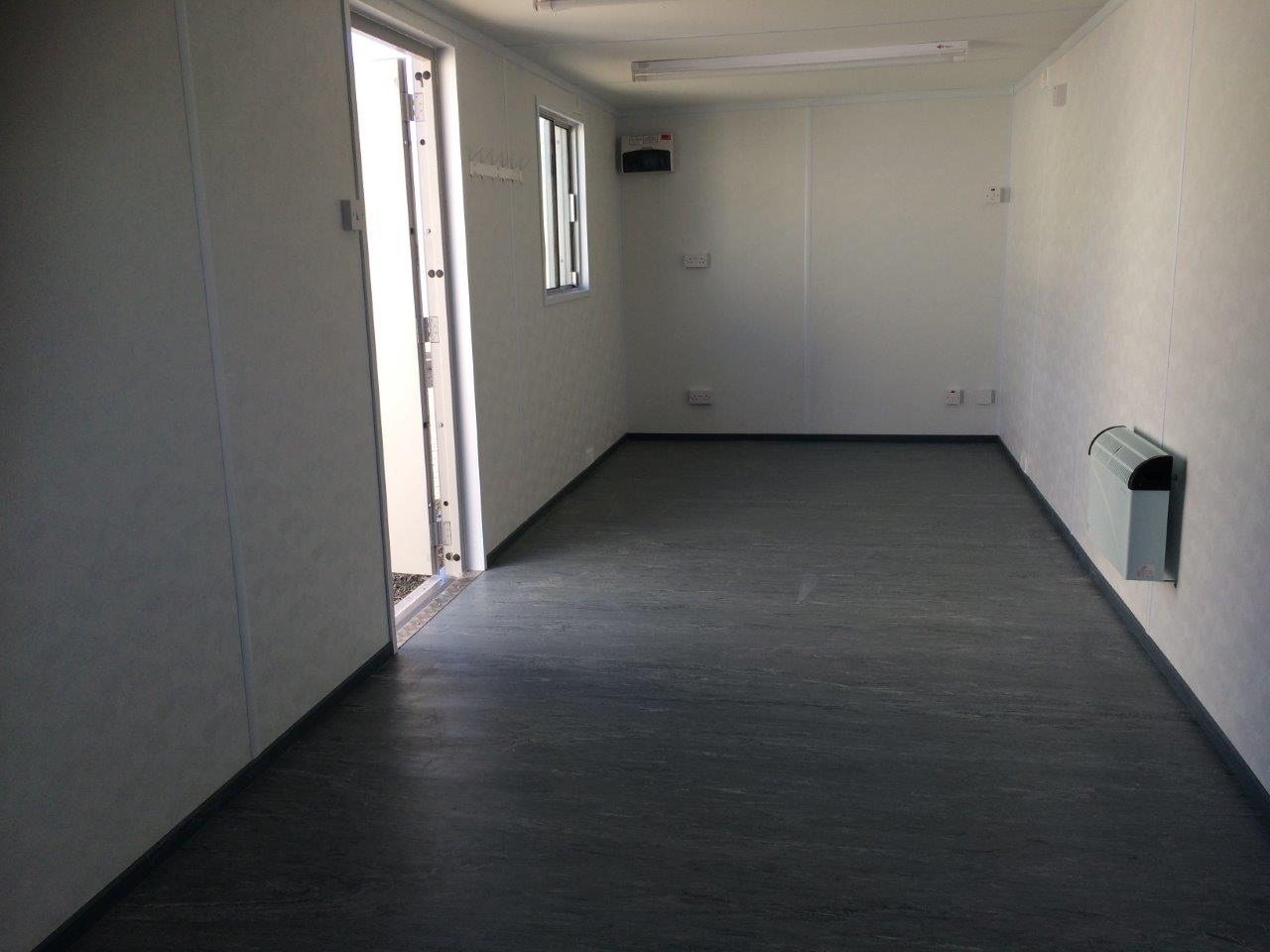
Location: Nationwide
EX VAT
Not Available for Hire
Call for an instant quote!
• Reinforced doors and windows with secure locking
• Open plan with electric sockets and lighting
• Ral Code Colour of choice
• Any Extras available : Canteen, Partitions, Toilets.
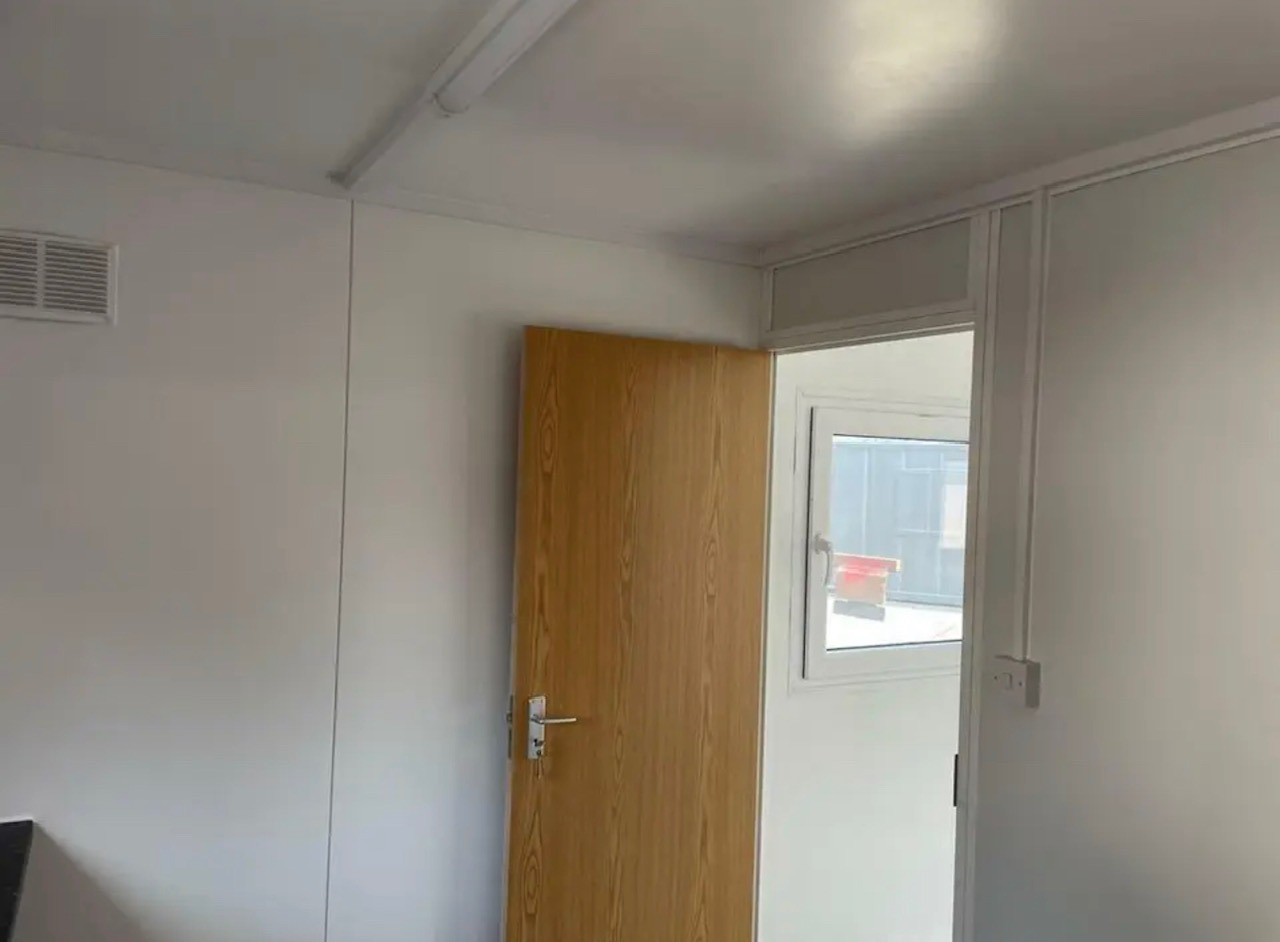
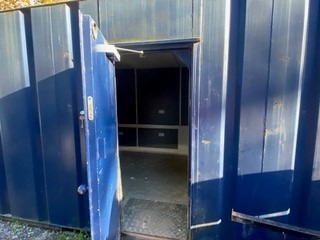
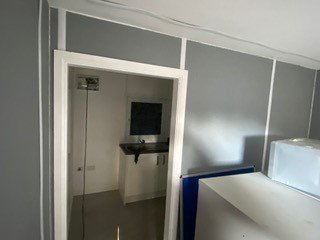
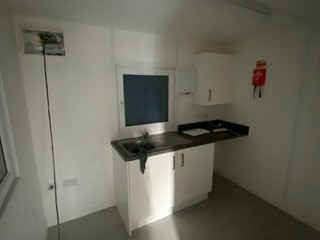
• Reinforced doors with secure locking
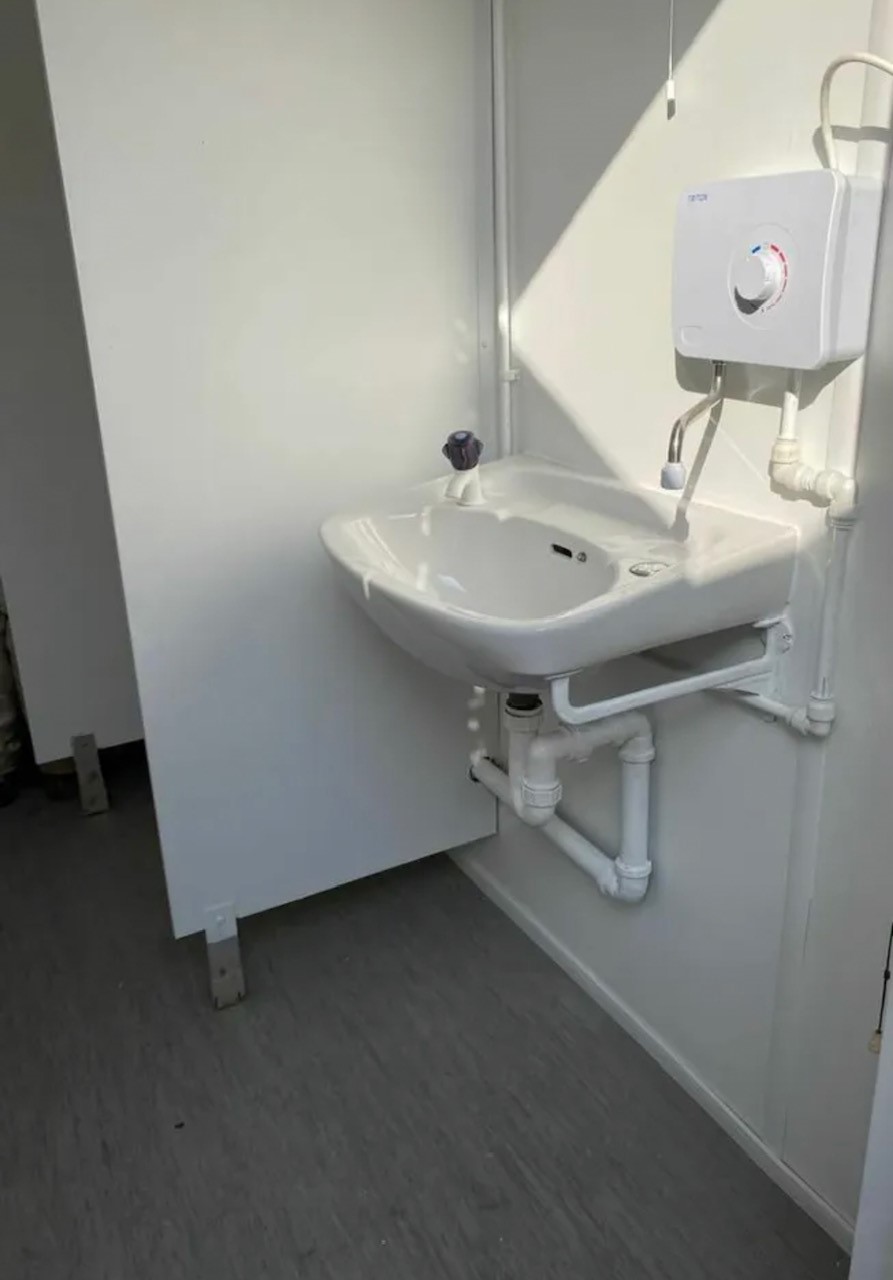
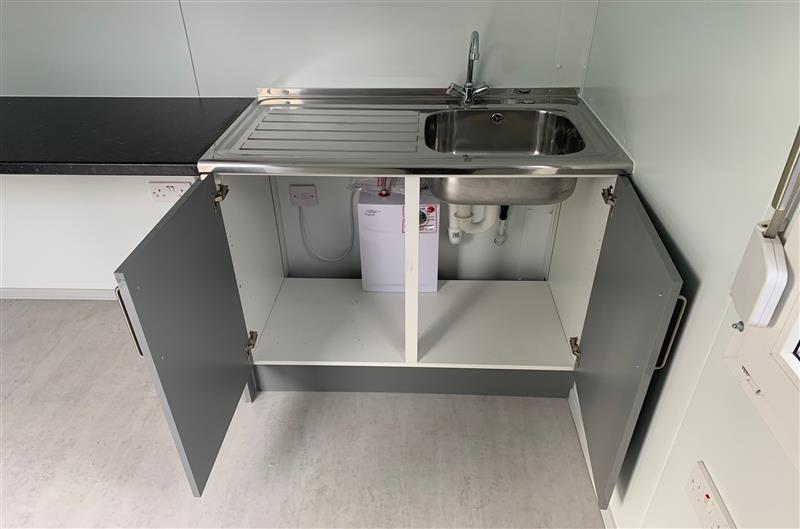
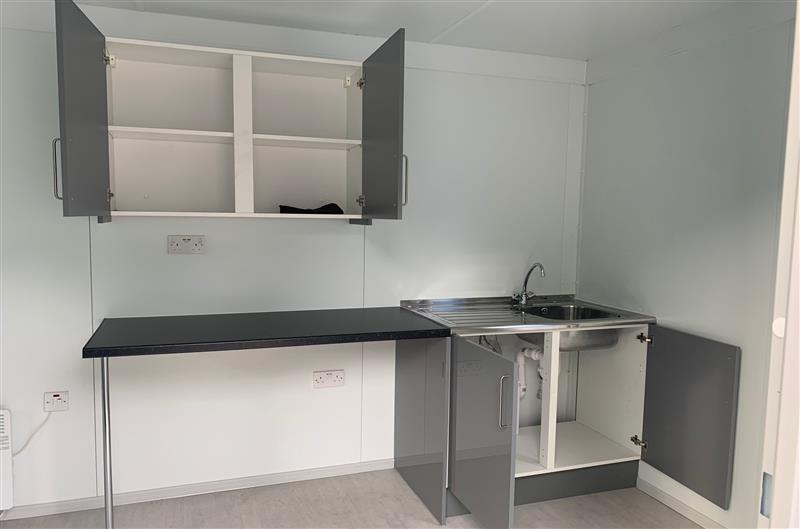
• Sink and water boiler included
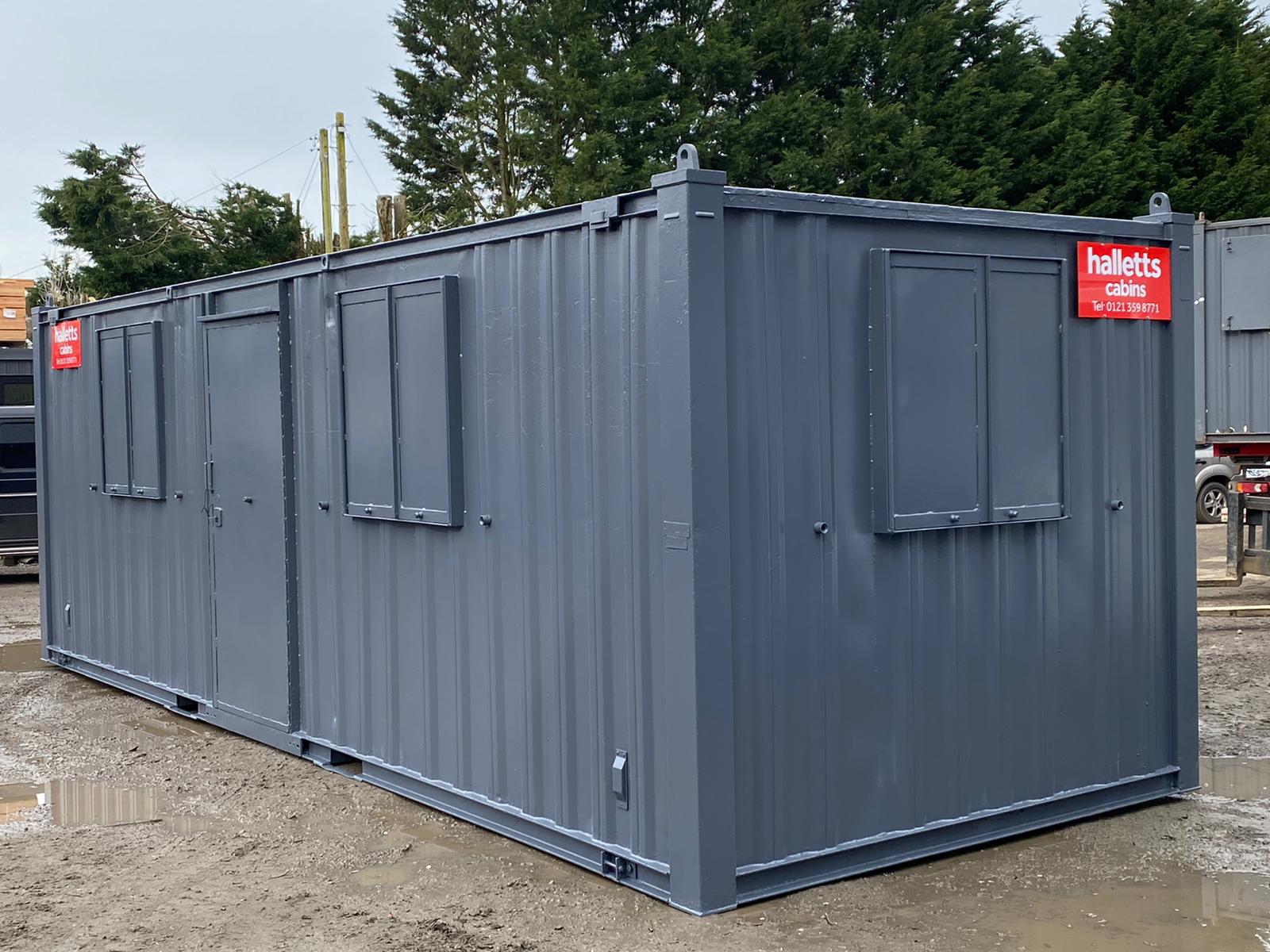
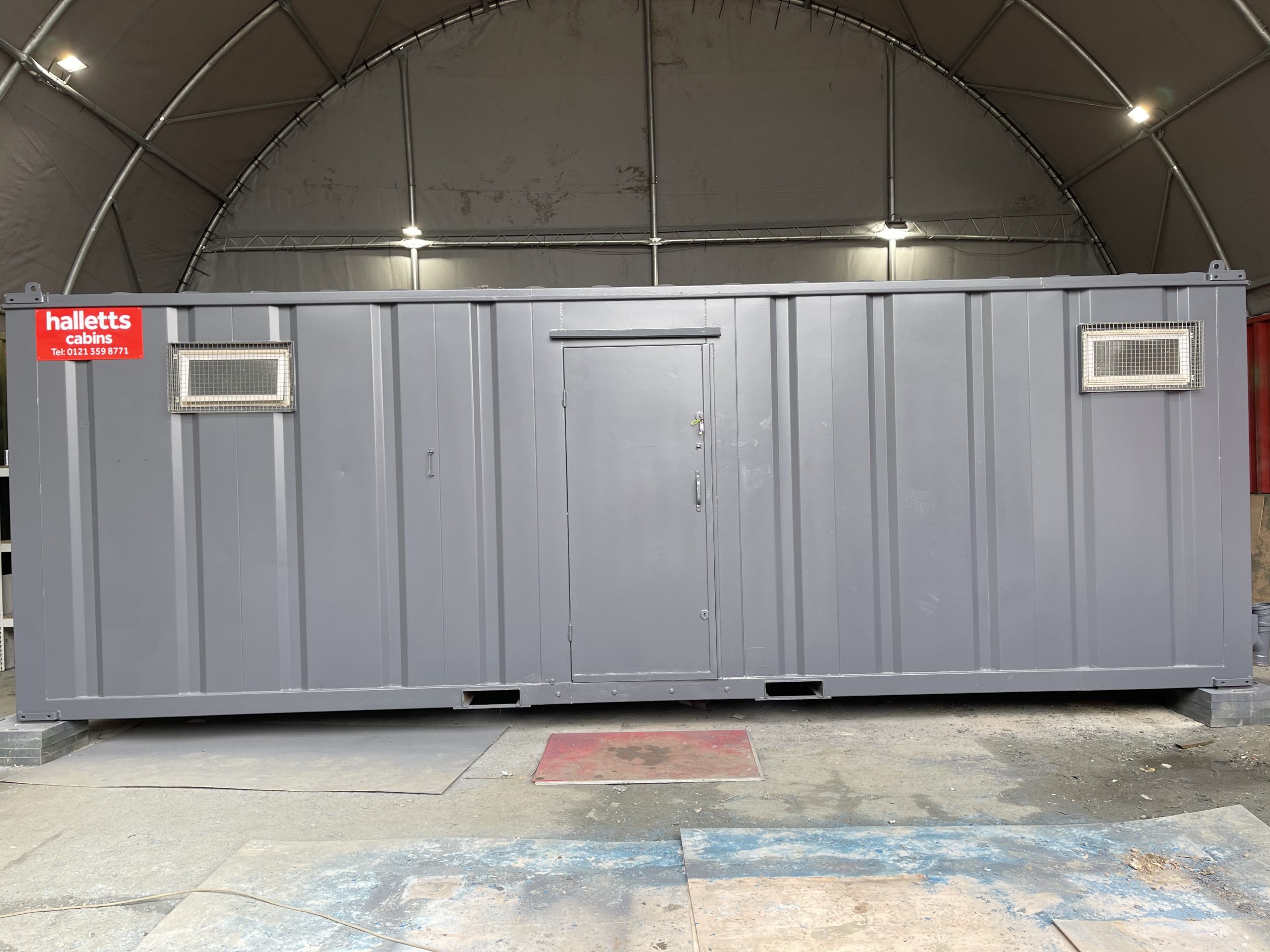
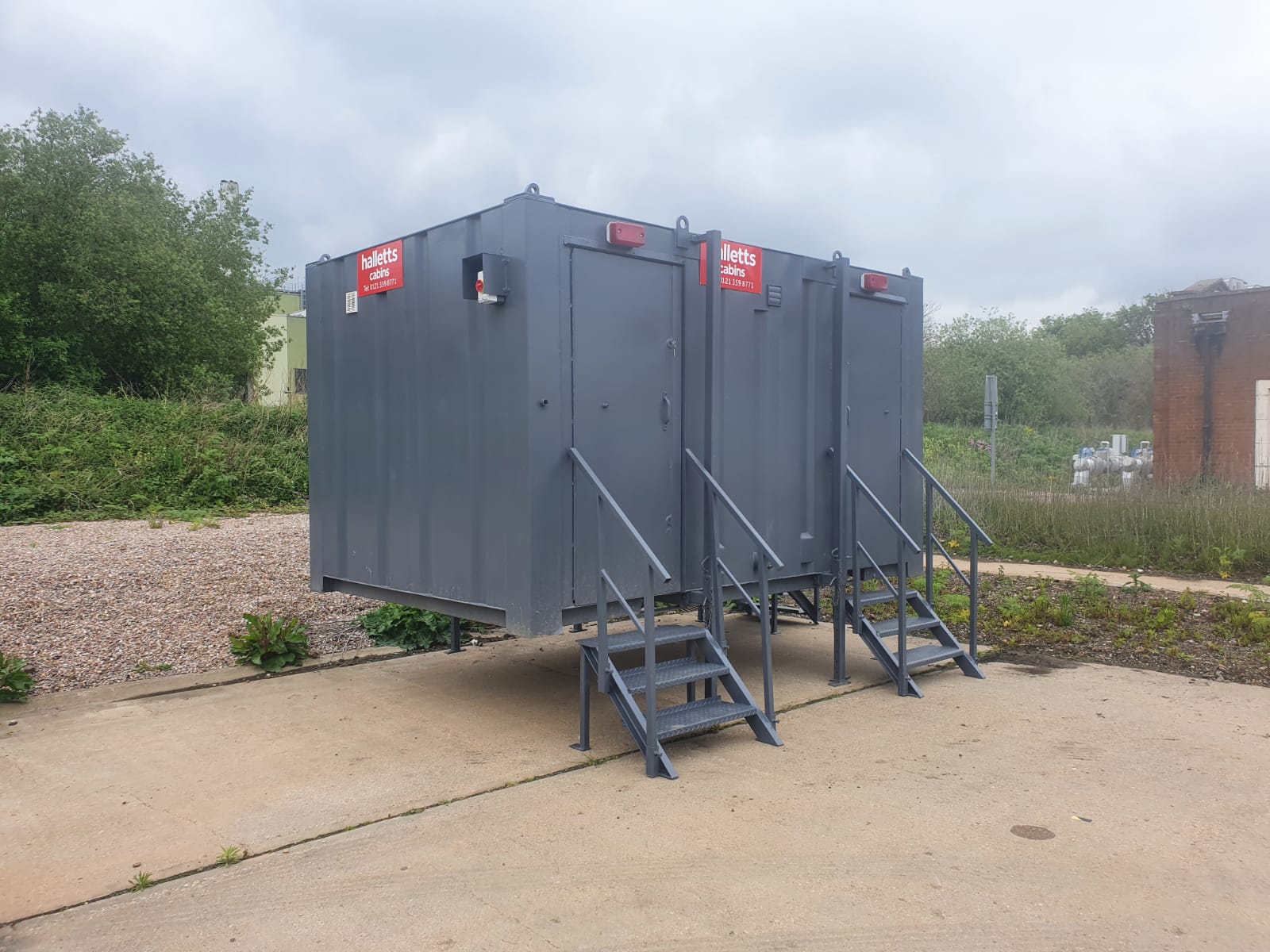
Location: Nationwide
Quantity: ∞
EX VAT
Not Available for Hire
Call for an instant quote!
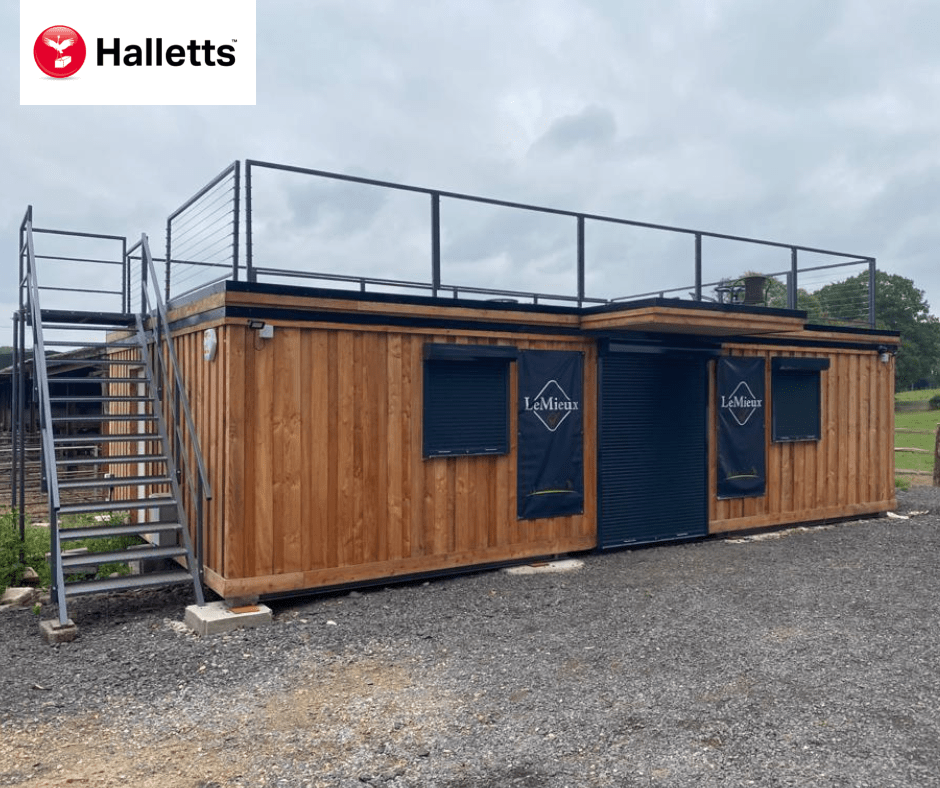
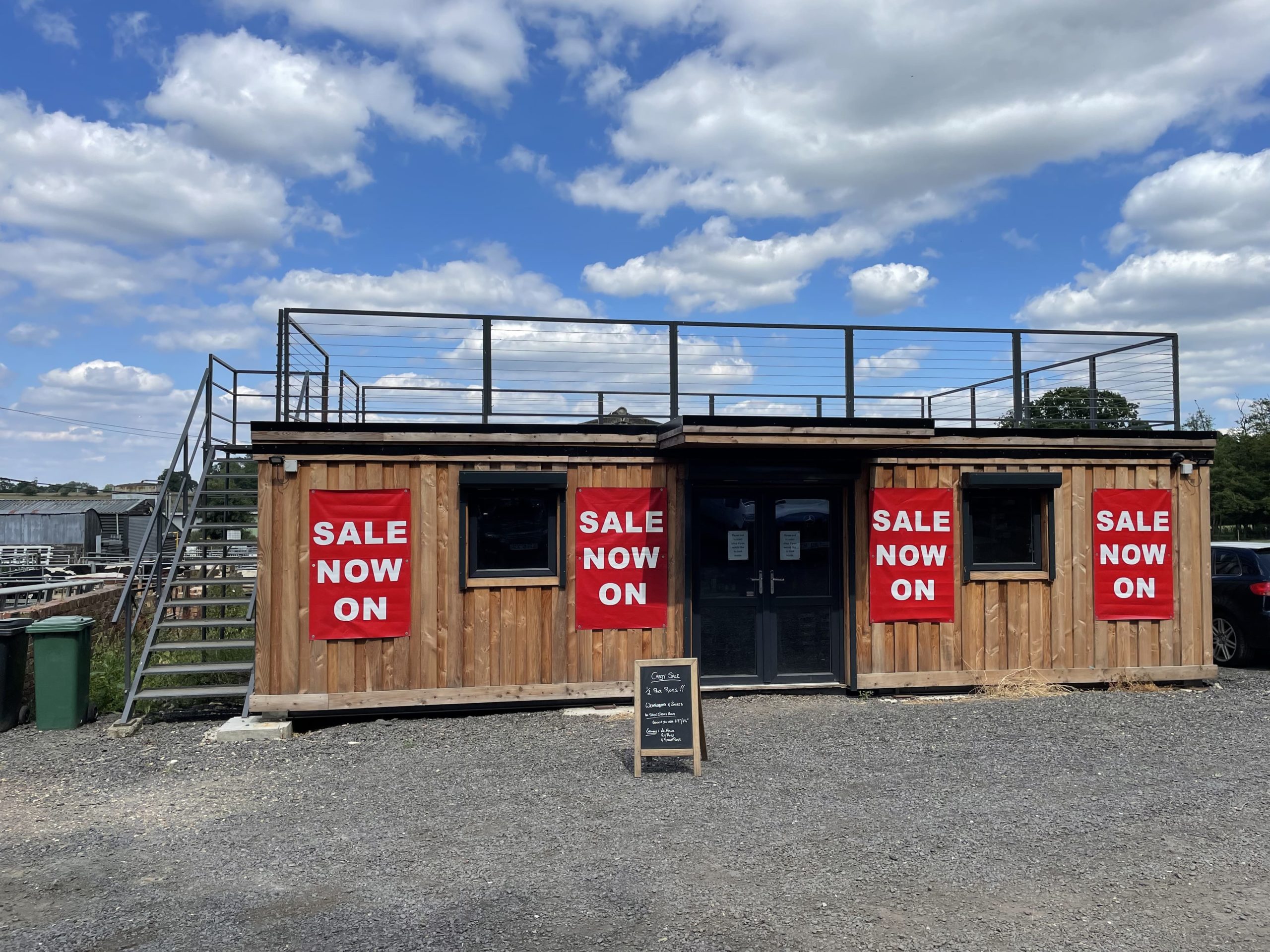

Location: Nationwide
EX VAT
Not Available for Hire
Call for an instant quote!
Get a Quick Container Quote Now!
Location: Nationwide
EX VAT
Not Available for Hire
Call for an instant quote!
Get a Quick Container Quote Now!
Get a Quick Container Quote Now!
