What Is a Rake System and How Does It Work?
A Rake System is a mechanical screening arrangement designed to remove unwanted materials from flowing water, wastewater, or industrial channels. It commonly uses metal bars, teeth, or a traveling rake to capture leaves, plastics, grit, and larger debris before they damage pumps or obstruct later treatment stages.
Wastewater treatment authority Dr. George Tchobanoglous has emphasized the protective purpose of screening: “The first barrier should protect every process that follows.” This principle explains why rake design matters. The system must collect debris effectively, lift it without excessive strain, and discharge it safely into a container or conveyor.
The operating cycle is simple, but not always predictable. A rake moves along a bar screen, gathers trapped solids, rises above the waterline, and releases the material. Sensors or timers then repeat the cycle when the screen becomes blocked. In heavy rain, however, debris can arrive faster than the rake can remove it. That detail is easy to underestimate.
Clearances, rake speed, water flow, and motor strength all influence performance. A narrow opening captures more material, yet it may increase clogging and energy use. A wider opening reduces resistance, but smaller debris can pass through. There is no universal setting.
This guide explains how a Rake System works, where it is used, and which design choices affect reliability. It also considers maintenance realities, including worn teeth, corrosion, misalignment, and difficult access. Some systems appear automatic. They still need inspection, cleaning, and thoughtful adjustment.
Definition and Purpose of a Rake System
A rake system is the assembly protecting the sloped edge of a gable roof. It usually includes the roof deck edge, fascia or rake board, underlayment, metal flashing, and finished trim. Its purpose is practical: it channels runoff away from exposed wood and closes openings where wind-driven rain can enter. It also gives the roofline a clean, straight profile. The definition sounds simple. The boundary is not always obvious. Some designs combine the rake with soffit, fascia, or bargeboard details, so inspection must follow the actual water path.
Its performance matters most during severe weather. NOAA’s 2023 Billion-Dollar Disasters report recorded 28 U.S. billion-dollar events, highlighting repeated severe-weather exposure. FEMA’s Coastal Construction Manual identifies roof edges and overhangs as vulnerable to wind uplift when connections or flashing are weak. A sound rake system uses continuous, properly fastened flashing and compatible sealants. Installers should check nail spacing, corner joints, and drainage clearance, not only visible trim. Small defects matter. Field inspections often find loose edge metal before obvious interior leakage. Yet a perfect-looking rake can still fail if the roof deck or framing lacks adequate attachment. That limitation deserves more attention.
Main Components and Their Functions
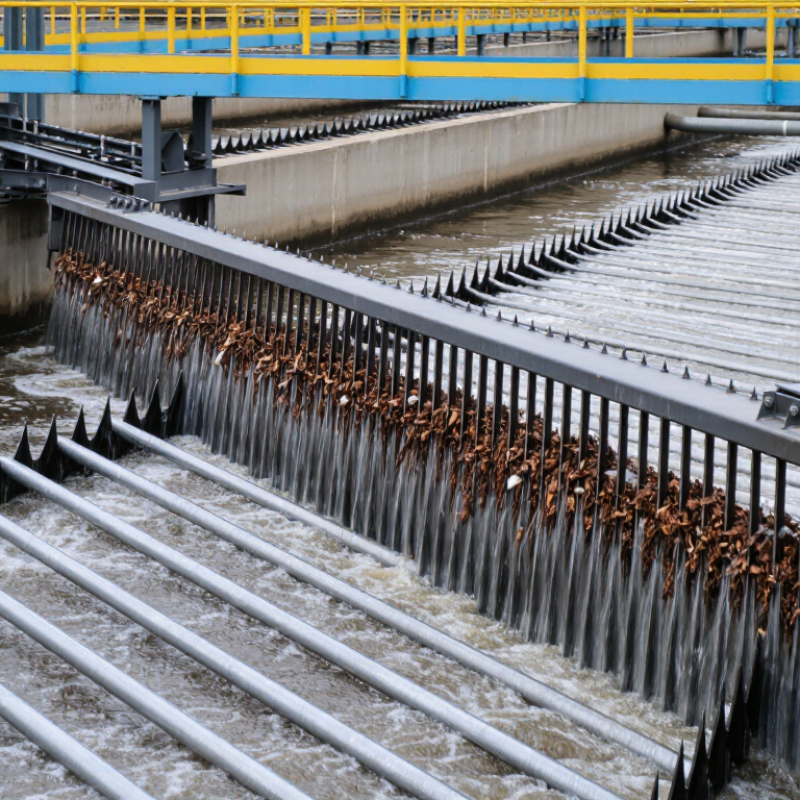
A rake system is a mechanical setup that removes leaves, plastics, sticks, and other debris from flowing water. It is often installed at channels, intake points, or treatment facilities.
The main structure is the rake frame, which supports the system and keeps it aligned with the water flow. Rake bars create a screening surface. Their spacing determines what can pass through and what must be collected.
The rake teeth or screen panels catch incoming debris. A drive motor, chain, hydraulic unit, or lifting mechanism moves the rake through the screen. As the rake rises, a scraper or cleaning comb removes the trapped material.
The debris then falls into a hopper, conveyor, or collection area. Sensors may monitor water levels, motor load, or blockage risks. These controls help the system respond before flow becomes restricted. However, sensors can become dirty, so manual inspection still matters.
Tips:
Check the teeth, frame, and moving joints regularly. Remove tangled material before it hardens. Keep drainage areas clear around the discharge point. Choose screen spacing based on debris size and expected flow, not guesswork. In field use, small alignment problems often become expensive faults. The design may look simple, but water pressure changes constantly. Even experienced operators can miss wear hidden behind the screen. Record unusual noise, slower movement, or rising water levels. These details often reveal a problem earlier than an alarm.
How a Rake System Operates Step by Step
What Is a Rake System and How Does It Work?
In regulated poker, a rake system is a small operating fee taken from eligible cash-game pots. It supports table administration, payment processing, and security controls. The amount usually depends on the pot size and the number of players. Each venue publishes its own rate, limits, and eligibility rules.
How a Rake System Operates Step by Step
A hand begins when players place chips into the pot. The system tracks every contribution in real time. If the hand reaches the required stage, the software checks the pot value. Some systems charge only after shared cards appear. No flop, no fee, in many formats.
The calculation happens next. The system applies a stated percentage, then compares it with the table’s maximum charge. For example, a small pot may produce a modest fee, while a larger pot may hit the cap. The rake is removed before the remaining chips reach the winner. Clear records should show the pot amount, fee, and final payout.
Tournament systems work differently. They often collect a disclosed fee from the entry payment instead of each hand. Players should check the fee structure before joining. Rules can differ by location and game type. That part is easy to miss.
A reliable system also records timing, player seats, and transaction history. Independent audits can help verify accurate calculations. Still, automated displays may confuse users during fast hands. A second review is sensible. The process is precise, but not always transparent.
What Is a Rake System and How Does It Work?
A rake system removes leaves, branches, and other debris from a water-intake trash rack. The chart shows the seven common operating stages in their actual sequence.
How it operates: Sensors detect rising water-level differences across the rack. The rake then moves into position, engages the debris, lifts it clear of the rack, discharges it into a collection area, and returns to its standby position.
Common Types and Practical Applications
What Is a Rake System and How Does It Work?
A rake system uses teeth, tines, or rotating bars to collect, level, or separate loose materials. The frame holds these working parts at a controlled angle. As the rake moves, its teeth pull leaves, soil, straw, or gravel into rows. Some systems are pushed by hand, while larger models attach to tractors or other utility machines. Adjustment matters. A shallow angle gathers light debris, while a deeper angle disturbs the soil.
Common types serve different practical needs. Garden rakes usually have flexible metal or plastic tines for leaves and small garden beds. Landscape rakes use stronger teeth to level soil, spread gravel, and remove stones. Agricultural hay rakes gather cut grass into even windrows for drying and collection. Rotary rakes use spinning assemblies, making them useful across wide fields. Tow-behind leveling rakes can prepare driveways, sports surfaces, and construction areas.
Each design has trade-offs. Flexible tines are gentle, but they may bend under heavy material. Rigid teeth handle rough ground, yet they can damage roots or scrape too deeply. A practical field check should include tine spacing, frame strength, working width, and adjustment range. Operators should also inspect the ground before use. Hidden rocks can stop a rake suddenly. The simplest system is not always the safest or most efficient choice. In real work, uneven soil often exposes weaknesses that a product description may overlook.
Maintenance, Safety, and Performance Considerations
A rake system is a mechanical screening device used to remove solids from incoming wastewater. Fixed bars form a screen across the channel. Raking teeth travel along these bars, lift trapped debris, and discharge it into a collection area. Some systems add washing, compacting, or conveyor equipment. The process protects pumps and downstream treatment units from blockages and sudden damage.
Maintenance directly affects performance. Operators should inspect teeth, chains, guides, bearings, and limit switches during scheduled rounds. Grease must not replace inspection. Excess vibration, rising motor current, or slower rake cycles can indicate misalignment or hidden buildup. The U.S. Environmental Protection Agency’s 2022 Clean Watersheds Needs Survey identified approximately 630.1 billion dollars in wastewater infrastructure needs. Reliable screening is a small but important part of that investment. In practice, neglected screens can increase headloss and cause upstream flooding.
Safety requires guarding, lockout/tagout, and controlled access around moving parts. Wet platforms also need clear drainage and slip-resistant surfaces. The U.S. Bureau of Labor Statistics reported 5,283 fatal workplace injuries in 2023, with a rate of 3.5 per 100,000 full-time workers. That figure is not specific to rake systems, but it reinforces a basic lesson: routine work still needs disciplined controls. Confined-space entry demands separate authorization, atmospheric testing, and rescue planning. Performance should be reviewed honestly. A rake may be operating, yet poorly removing fine debris. That gap deserves investigation.