Buying a sock machine is rarely a simple equipment purchase. It is a production decision.
This guide examines Machine Price Socks across entry-level, mid-range, and automated systems. Prices can vary sharply by needle count, cylinder diameter, computer controls, servo motors, and finishing options. A compact machine may look affordable on a quotation. However, installation, spare cylinders, software, customs handling, training, and electricity can change the final investment.
The International Textile Machinery Federation’s 2024 International Textile Machinery Shipment Statistics show continued movement toward automated and digitally controlled textile equipment. Its data also highlights a cautious global investment climate. Buyers should read those signals carefully. Demand does not guarantee fast payback.
Grand View Research continues to forecast long-term growth in the global hosiery market. Yet market growth alone cannot justify an expensive machine. Local yarn prices, labor availability, product mix, and factory utilization matter more than a headline forecast.
W. Edwards Deming, a respected manufacturing quality expert, said, “Without data, you’re just another person with an opinion.” That principle fits sock machinery purchasing. Compare verified output, defect rates, energy consumption, and service response times. Ask for production samples, not only brochures.
A useful quotation should show the machine’s full working cost. It should also identify what is excluded. This is where buyers often make mistakes. I have seen apparently low offers become expensive after missing accessories and delayed technical support.
This price guide gives global buyers a practical comparison framework. It considers machine capability, supplier reliability, ownership cost, and production risk. No table is perfect. Real factory conditions can expose assumptions quickly. Therefore, treat every price as a starting point, not a promise.
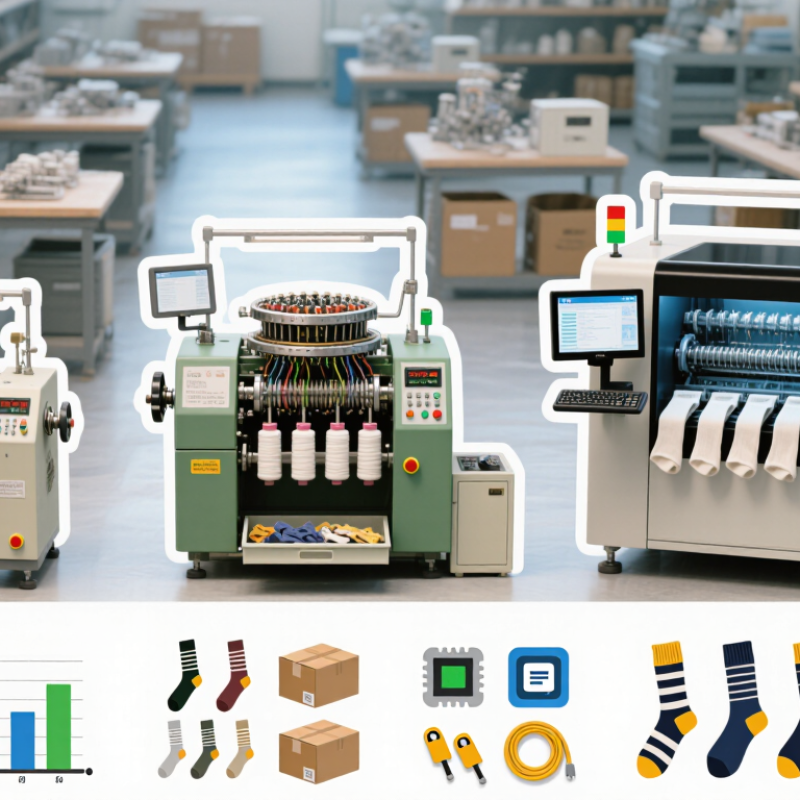
Socks making machines differ by fabric, structure, and production purpose. Single-cylinder machines produce common athletic, casual, and dress socks efficiently. They handle standard rib cuffs, plain bodies, heels, and toes. Double-cylinder machines create richer rib structures and stronger shape control. They suit compression, formal, and technical socks. Terry machines add looped cushioning inside the sole. This feature improves comfort but usually increases yarn use and maintenance needs.
Computerized machines control patterns, colors, and stitch density through programmed settings. They can reduce manual adjustments during repeated orders. However, programming quality matters as much as machine capability. A skilled operator still checks needle wear, yarn tension, and fabric consistency. Toe-closing equipment joins the sock opening after knitting. Some factories use automatic systems, while others depend on separate manual stations. Boarding machines then shape, smooth, and dry finished socks using heat and pressure.
Price should be compared by complete function, not only by the machine body. A basic single-cylinder unit may cost less, but extra equipment can narrow that gap. Buyers should examine gauge, needle quantity, daily output, power requirements, spare-part access, and training support. I would also request sample socks made with the intended yarn. A catalog specification can look impressive. Real fabric may reveal uneven tension or slow pattern changes. One overlooked concern is downtime. A cheaper machine is not economical when adjustments repeatedly interrupt production. The right choice depends on product range, labor skill, and realistic order volume.

Top Socks Making Machine Price Guide for Global Buyers
Key Factors That Influence Socks Making Machine Prices
A socks making machine’s price starts with its knitting gauge, needle count, and production capacity. Finer gauges usually require more precise components and raise the purchase cost. Higher output can also increase the price, but speed alone does not guarantee better value. A machine producing 300 pairs daily may suit a small workshop better than a faster model.
Automation is another major factor. Automatic toe closing, pattern control, and yarn feeding reduce manual work. However, advanced software can require trained operators and regular updates. In practical factory evaluations, installation, calibration, and staff training often affect the real budget. These costs are easy to overlook. They should not be treated as minor details.
Material quality also matters. Durable cylinders, stable sensors, and reliable electrical parts may increase the initial quotation. They can reduce unexpected stoppages later. Energy consumption deserves attention, especially where electricity costs are high. Buyers should compare output, power use, maintenance intervals, spare-part availability, and warranty coverage. Freight, import duties, and local technical support can change the final landed price considerably. A low offer may become expensive after delivery. I have seen buyers focus too heavily on the invoice and underestimate downtime. That judgment can be understandable, but it still needs review.
Machine type sets the starting price. A basic flat-bed sock machine often costs about US$8,000–18,000. Circular models usually range from US$15,000–45,000, depending on needle count, diameter, and pattern capability. Specialized terry or compression machines can exceed US$60,000. These are indicative 2024–2025 trading ranges, not fixed prices.
The ITMF International Textile Machinery Shipment Statistics 2024 reports continued investment in automated knitting equipment, supporting stronger demand for higher-specification machines.
Capacity changes the calculation. A small workshop producing 150–300 pairs daily may select a lower-cost, semi-automatic unit. Industrial machines producing 500–900 pairs daily often cost US$25,000–55,000. Output depends on sock design, yarn changes, operator skill, and maintenance intervals.
Grand View Research’s 2024 hosiery market analysis identifies automation and productivity as major market growth factors. Still, a higher output claim needs verification.
Automation adds cost, but not always value.
Semi-automatic machines may require manual linking, inspection, or feeding, while fully automatic systems can include computerized pattern control and automatic toe closing. A complete automated line may reach US$80,000–150,000.
Installation, spare needles, software, freight, and training can add 10%–25%. That part is often underestimated.
Buyers should request test production using their actual yarn and design.
One uncomfortable truth remains: the cheapest quotation may become the most expensive choice after downtime, rejected socks, and delayed parts. Industry reports offer direction, but factory-level evidence matters more.
A socks machine price is only the starting figure. Global buyers must budget for freight, insurance, customs clearance, installation, and operator training. UNCTAD’s Review of Maritime Transport 2024 states that ships carry over 80% of global merchandise trade by volume. Yet freight prices can change sharply with fuel costs, port congestion, and route disruptions. A machine arriving at a distant port may also require inland trucking, unloading equipment, and temporary storage.
Import duties differ by machine classification and destination. The World Bank’s Logistics Performance Index 2023 identifies customs efficiency and shipment reliability as major differences between markets. Delays can increase storage charges and postpone production. Electrical preparation matters too. Buyers may need voltage converters, industrial wiring, air compressors, ventilation, and floor reinforcement. These are easy to overlook.
Maintenance deserves a realistic reserve. Needles, cylinders, sensors, and belts require scheduled replacement, while unstable power can damage control systems. Energy costs also affect every pair produced. The International Energy Agency reports wide differences in industrial electricity prices across economies, making local utility research essential. Training may require travel, translation, or remote technical support. Sometimes the cheapest quotation becomes expensive after commissioning. A clean spreadsheet can still mislead. Recheck yarn waste, rejected socks, software updates, and currency movement before approving the purchase.
This chart presents indicative international purchasing budgets for three common automatic sock-making machine configurations. In addition to the machine price, global buyers should plan for freight, cargo insurance, import duties, and installation or operator training. Actual costs vary by machine specifications, shipping route, destination-country regulations, and negotiated trade terms.
Buying a sock-making machine starts with supplier comparison, not the lowest quoted price. A new computerized machine may cost roughly USD 15,000 to USD 80,000, depending on cylinder size, needle count, automation, and output speed. Import duties, installation, software, spare needles, and operator training can add 15–30% to the initial budget. These costs are often missed.
ITMF’s International Textile Machinery Shipment Statistics 2023 recorded approximately 35,000 new large circular knitting machines shipped globally in 2022. The figure shows active investment, but it does not prove that every supplier offers equal value. Ask for tested production samples, actual daily output, power consumption, and rejection rates. Request references from factories making similar sock types. A supplier should explain maintenance intervals clearly. Vague answers are expensive.
Compare warranty length, remote support hours, spare-part availability, and technician response time. ISO 50001 energy-management data indicates that monitoring industrial energy use can support measurable efficiency improvements, so request electricity readings under normal production conditions. Do not rely only on brochure speed. A machine running quickly may create uneven cuffs or frequent stops. I have seen buyers focus on purchase price and underestimate downtime. That judgment is understandable, but incomplete. One practical test is simple: calculate cost per sellable pair over three years, including labor, electricity, maintenance, rejected socks, and financing. The cheapest quotation may not remain cheap.
| Machine Category | Typical New-Equipment Price (USD) | Recommended Sock Type | Common Gauge Range | Typical Output | Installed Power | Typical Lead Time | Best Use Case | Key Buying Checks |
|---|---|---|---|---|---|---|---|---|
| Computerized Single-Cylinder Sock Knitting Machine | US$6,000–15,000 | Sports socks, casual socks, crew socks, ankle socks | 84–240 needles; approximately 3.5–6 gauge | Approximately 250–400 pairs per 24 hours, depending on design and size | About 1.5–3.0 kW | 30–60 days | Flexible production for standard cotton, polyester, nylon and blended socks | Needle quality, electronic control system, yarn-feeding accuracy, pattern software, spare-part availability and after-sales training |
| Computerized Double-Cylinder Sock Knitting Machine | US$9,000–25,000 | Ribbed socks, structured dress socks, thicker work socks and products requiring complex heel or toe structures | 84–200 needles; approximately 3.5–6 gauge | Approximately 180–330 pairs per 24 hours | About 2.0–4.0 kW | 45–75 days | Manufacturers needing greater control of rib construction and three-dimensional sock structures | Cylinder alignment, transfer mechanism, needle selection system, vibration level, programming capability and maintenance access |
| Terry Sock Knitting Machine | US$12,000–35,000 | Cushion socks, athletic socks, hiking socks and winter socks | 84–220 needles; approximately 3.5–6 gauge | Approximately 160–300 pairs per 24 hours | About 2.5–5.0 kW | 45–90 days | High-comfort socks with terry loops or reinforced cushioning in selected areas | Terry-loop consistency, yarn compatibility, sinker durability, fabric density control and cleaning requirements |
| Jacquard or Pattern Sock Knitting Machine | US$10,000–30,000 | Logo socks, patterned socks, fashion socks and multi-color designs | 96–240 needles; approximately 3.5–6 gauge | Approximately 180–350 pairs per 24 hours | About 2.0–4.0 kW | 45–90 days | Small-batch or mass production of detailed patterns and color effects | Maximum colors per design, pattern-file compatibility, yarn tension control, software licensing and sample approval process |
| Toe Closing Machine | US$3,000–12,000 | Most knitted socks requiring automatic or semi-automatic toe closure | Compatible with the selected sock size and knitted construction | Approximately 400–1,000 pairs per 8 hours, depending on model and operator setup | About 0.5–1.5 kW | 20–45 days | Reducing manual toe-linking labor and improving seam consistency | Closure method, seam flatness, size range, thread consumption, operator training and compatibility with sock knitting output |
| Sock Boarding and Setting Machine | US$4,000–18,000 | Finished cotton, wool, synthetic and blended socks requiring shape setting | Usually adjustable across several adult and children's sizes | Approximately 300–1,200 pairs per 8 hours | About 6–18 kW, depending on heating method and capacity | 30–60 days | Improving sock shape, appearance, dimensional consistency and retail presentation | Heating uniformity, mold changeover time, steam or electric requirements, temperature controls and energy consumption |
| Automatic Sock Pairing and Folding Machine | US$5,000–20,000 | Standard, sports, school and promotional socks prepared for packaging | Usually adjustable for multiple sock lengths and sizes | Approximately 500–2,000 pairs per 8 hours | About 1.0–3.0 kW | 30–60 days | Labor reduction in high-volume finishing and packaging lines | Pair-detection accuracy, folding format, label or clip integration, sensor reliability and changeover time |
| Complete Small-Factory Production Line | US$35,000–120,000+ | Standard and specialty socks from knitting through finishing | Varies by the selected knitting machines and product range | Approximately 1,000–5,000 pairs per day, depending on line configuration | About 15–60 kW, excluding building HVAC and utilities | 60–120 days | New factories requiring coordinated knitting, toe closing, boarding and packing operations | Line balancing, installation scope, operator training, utility requirements, spare-parts package, acceptance testing and total landed cost |
| Price and comparison notes: The figures are indicative budget ranges for new equipment and may vary according to gauge, needle count, automation level, production capacity, accessories, customization, shipping, import duties, installation and local taxes. Output figures are approximate and assume suitable yarn, trained operators, normal working conditions and product designs that do not require unusually slow knitting speeds. When comparing suppliers, request the same technical specification, sample-production test, warranty terms, spare-parts list, delivery conditions and total landed-cost quotation. | ||||||||
Registered in England & Wales No. 2786496
Registered office at: 337 Tanworth Lane,
Shirley, Solihull, B90 4DU
Registered for VAT, registration No.
GB 655 1347 38


Location: Nationwide
Not Available for Hire
We can deliver for a cost please ask and send us post code.
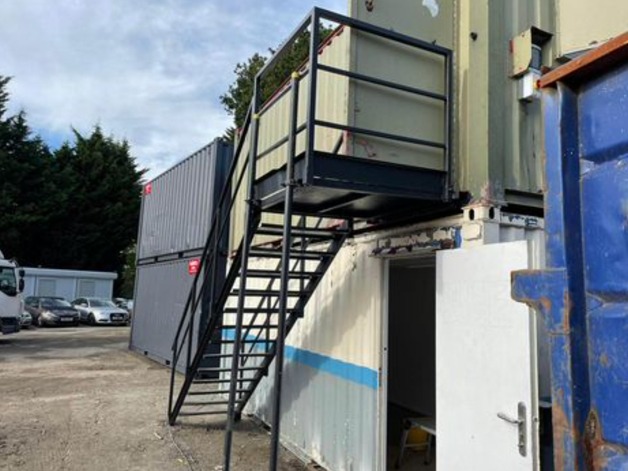
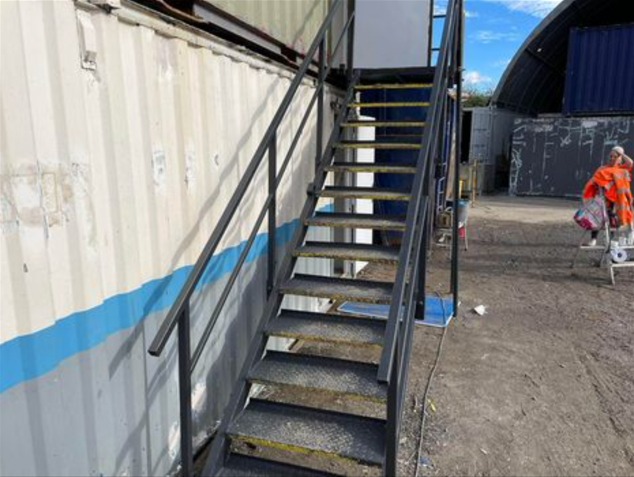
13 tread
14 tread
15 tread


Location: Nationwide
Not Available for Hire
Call for an instant quote!


Location: Nationwide
Not Available for Hire
We can deliver for a cost please ask and send us post code.
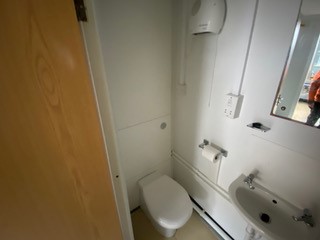
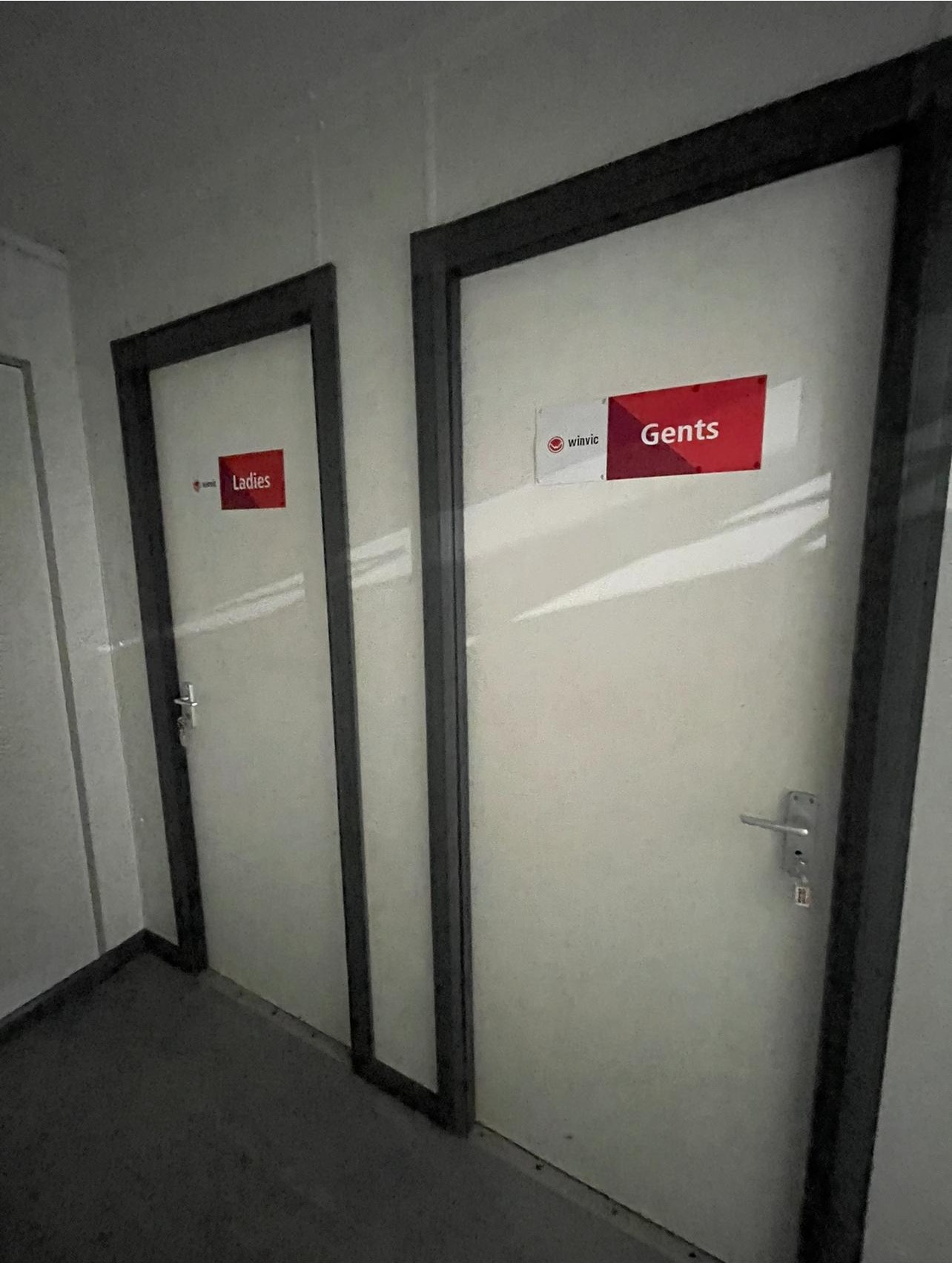
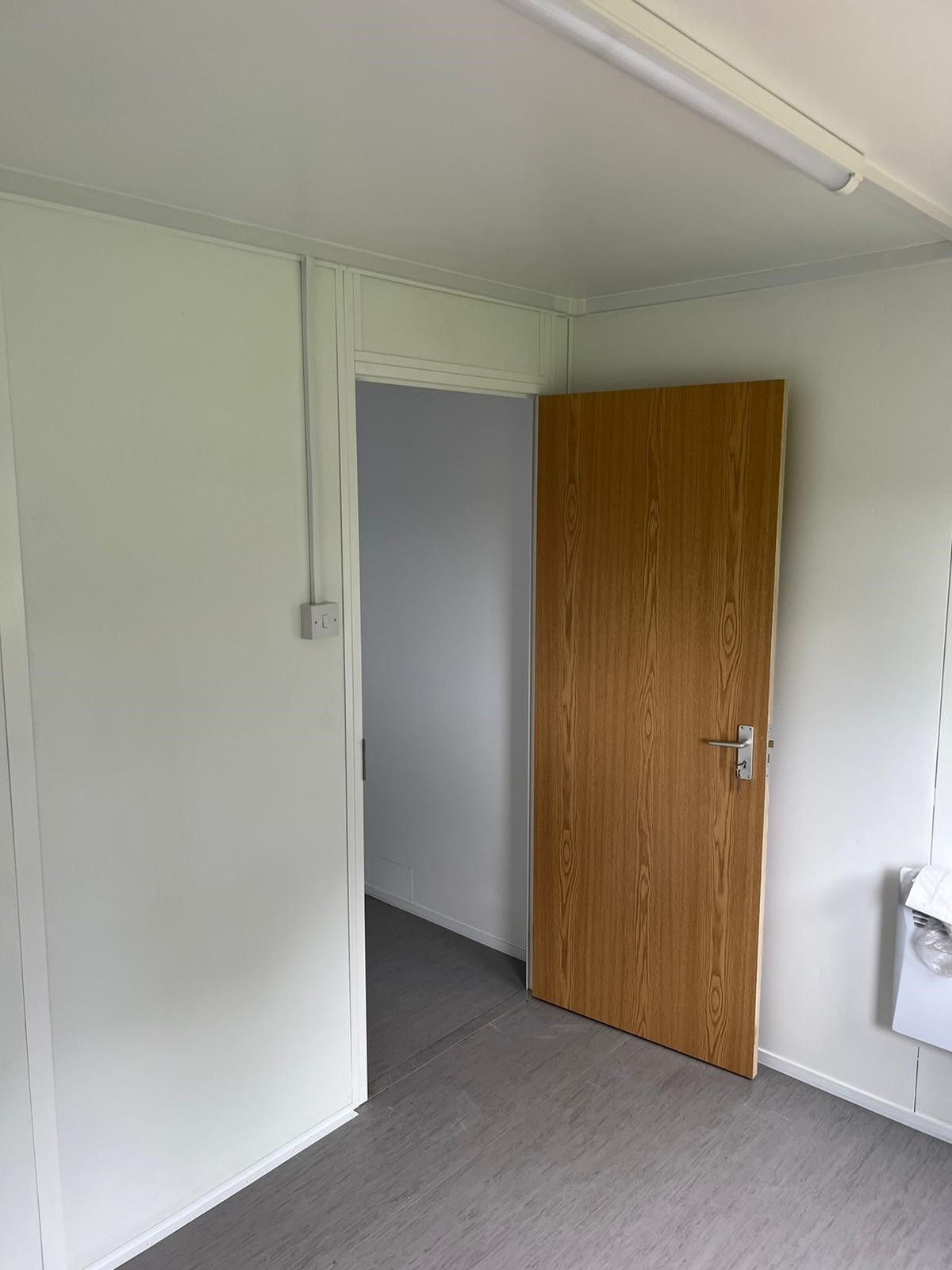
Hallway leading into:
Transport can be arranged please ask.


Location: Nationwide
Not Available for Hire
Call for an instant quote!
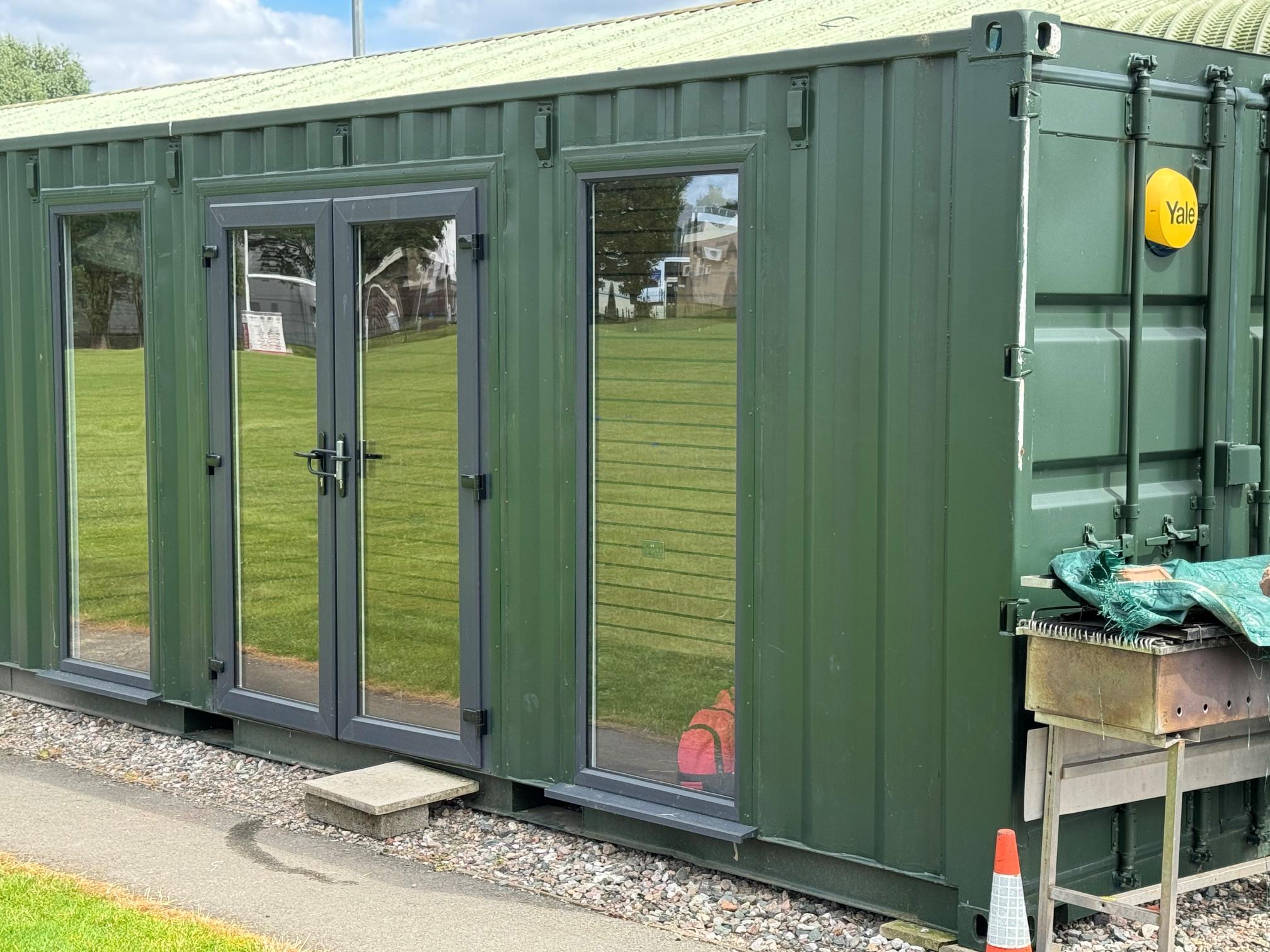
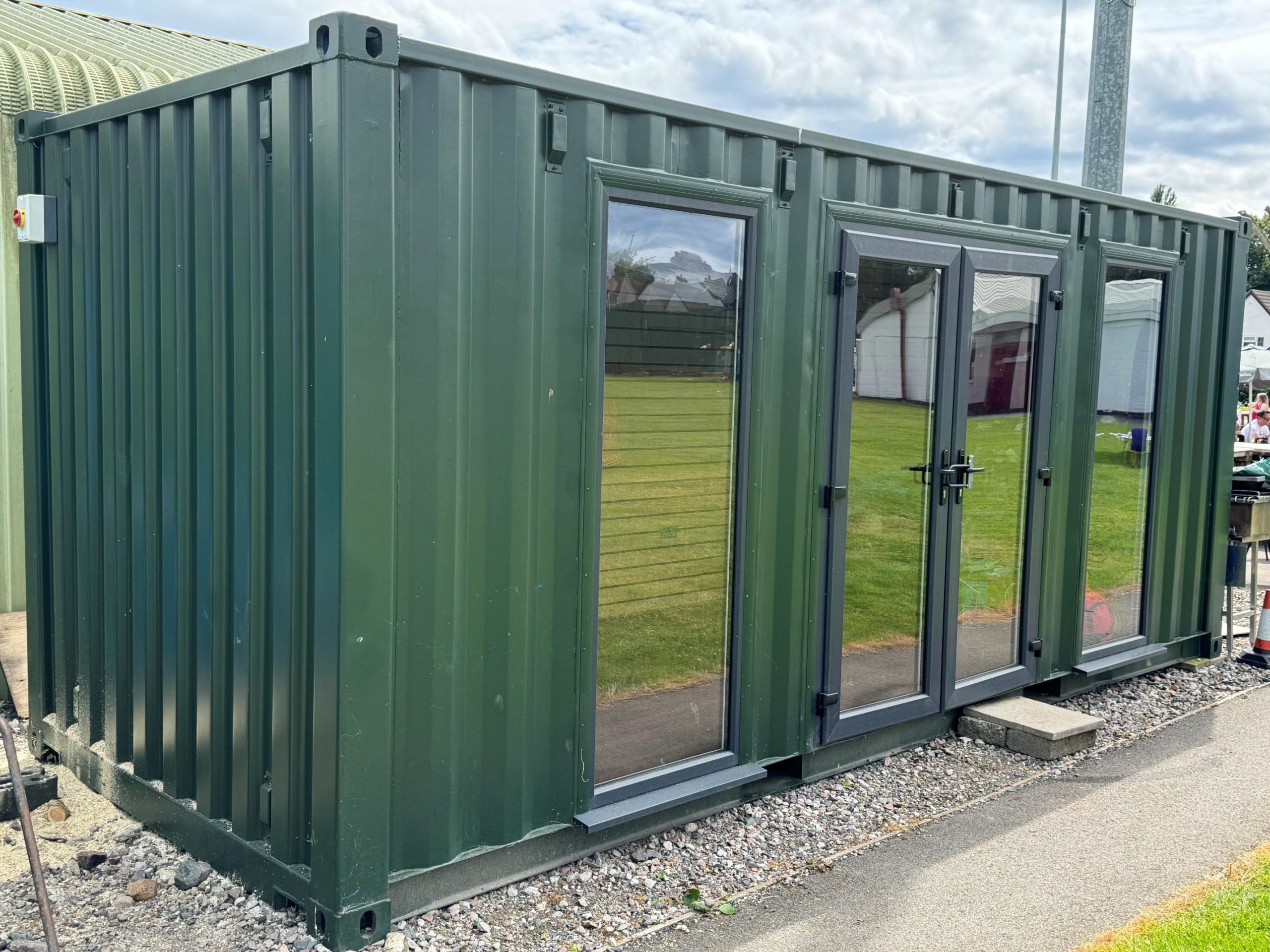
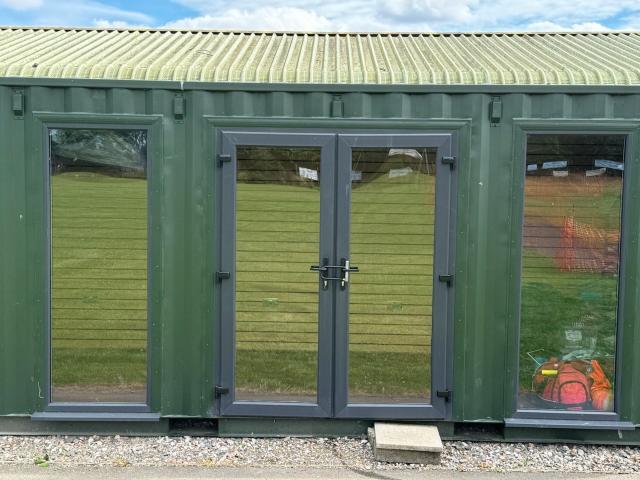
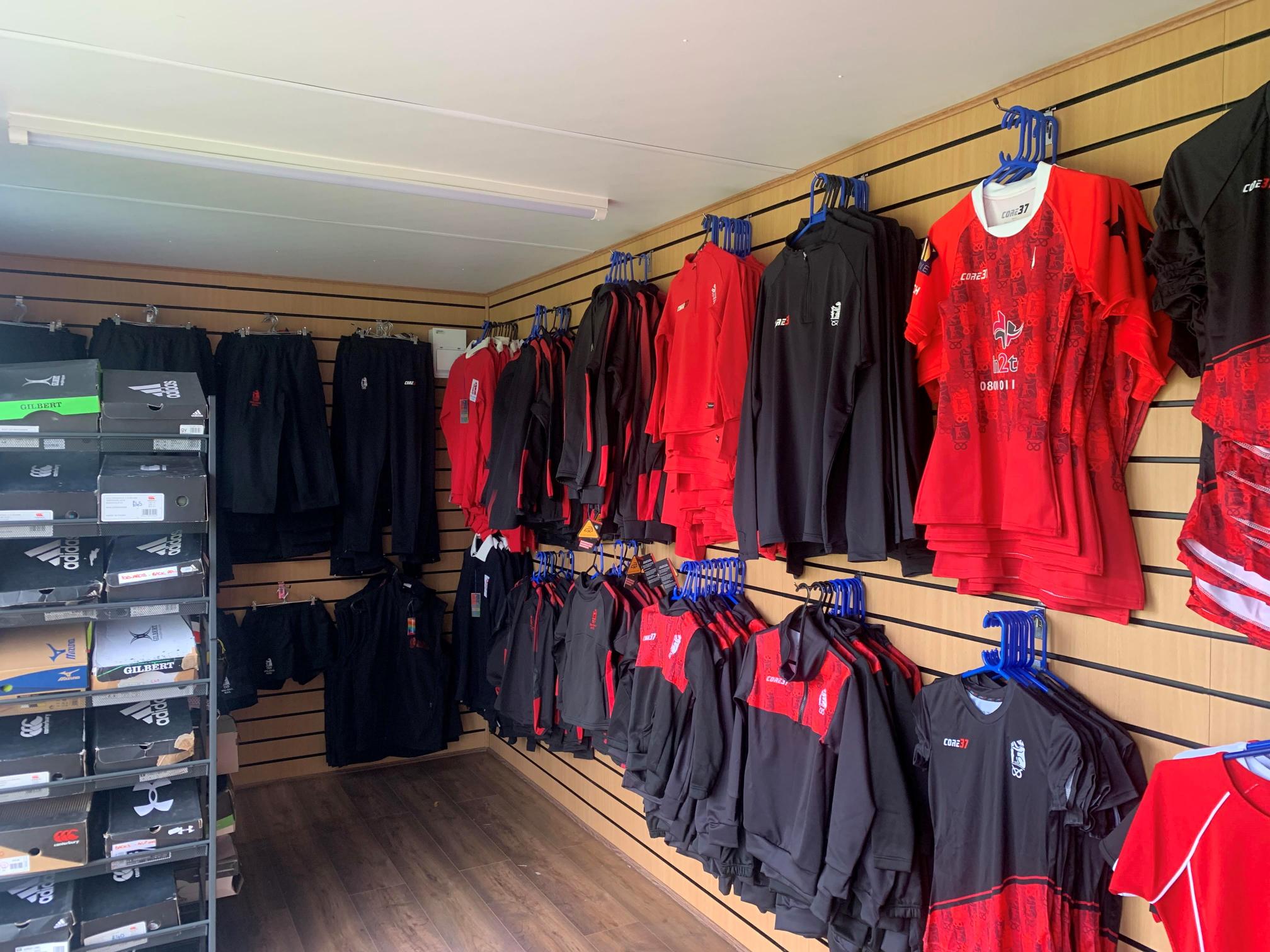
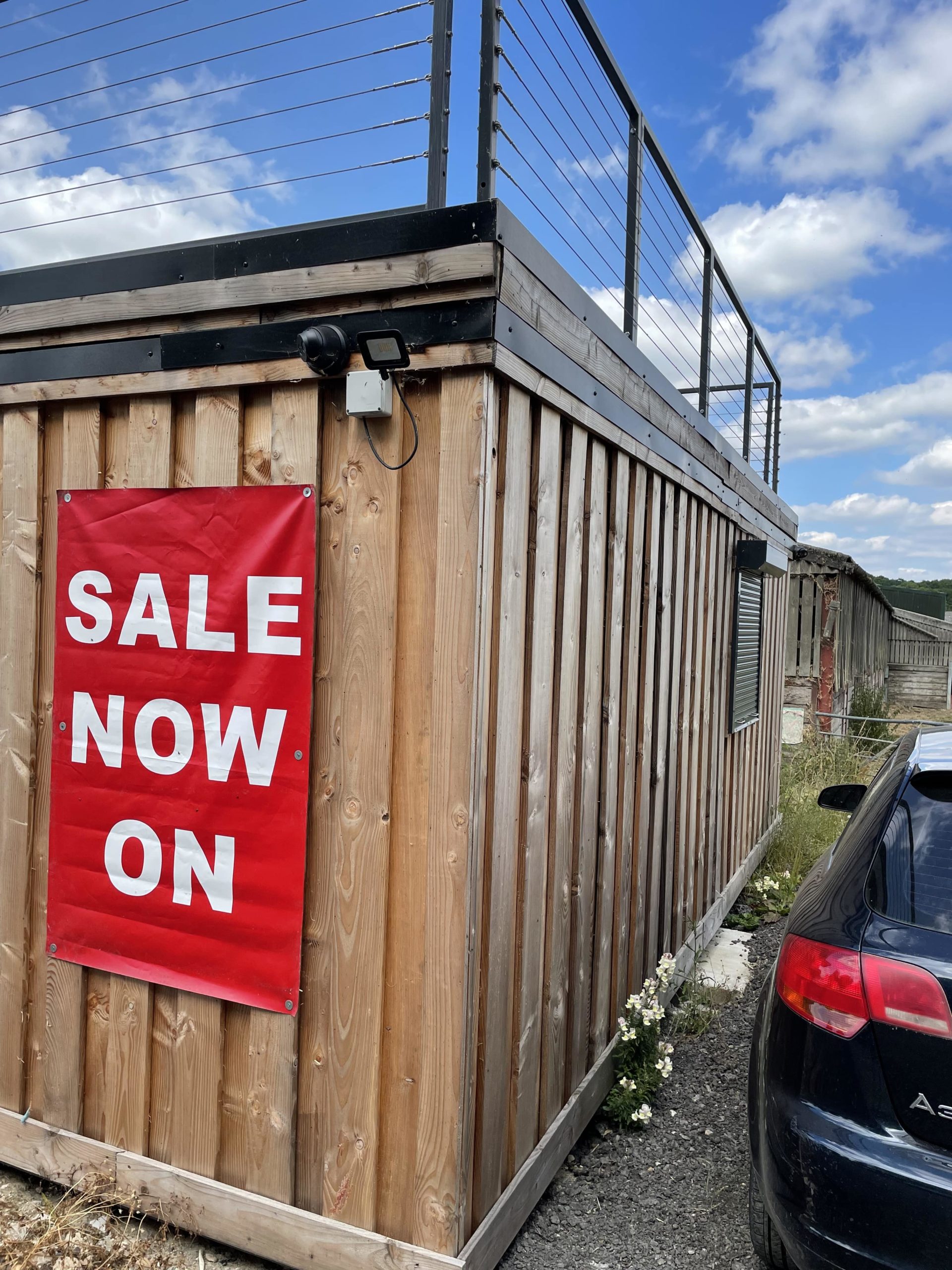
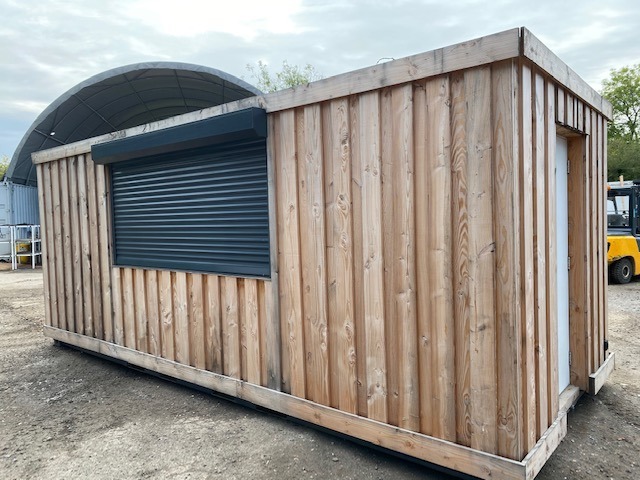
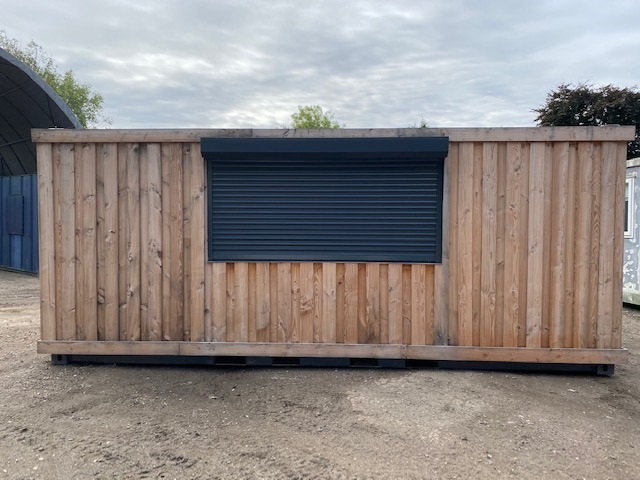
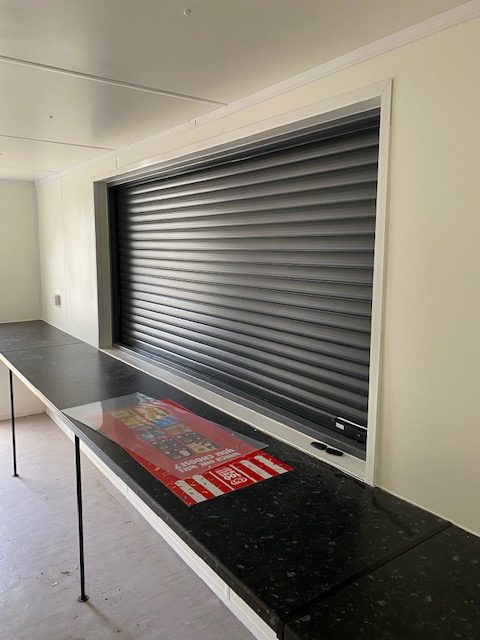
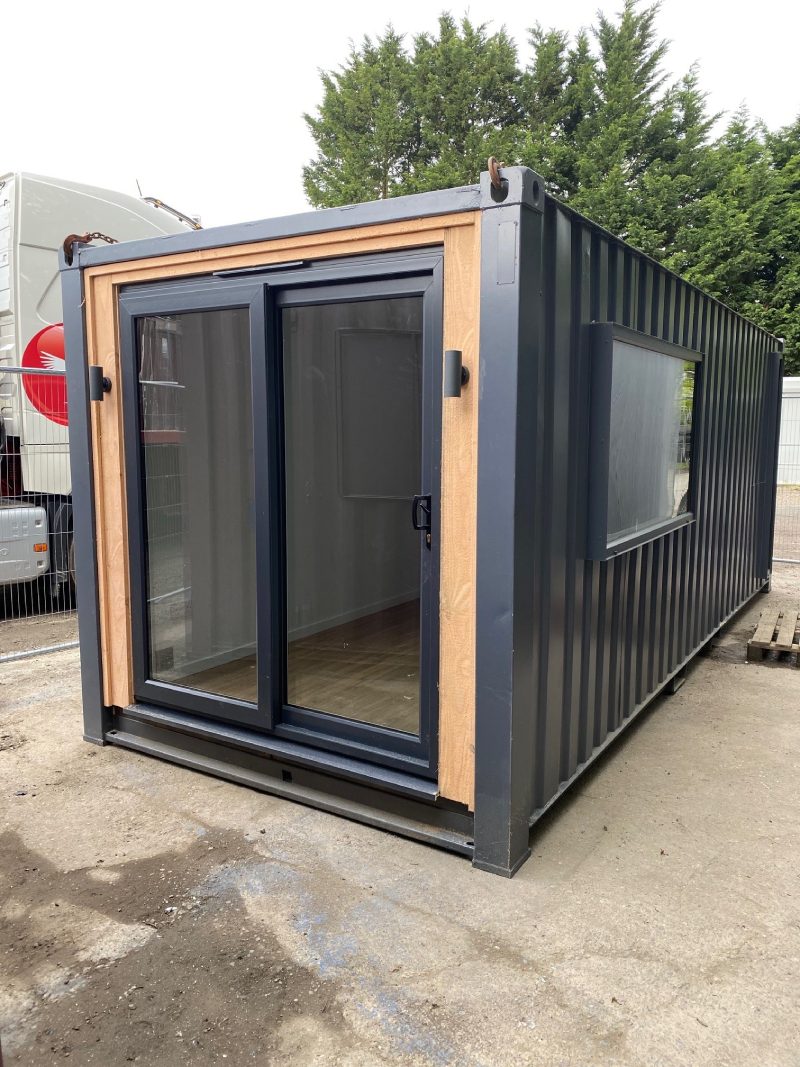
20ft x 8ft Container Conversion Retail Shop
UPVC Double glazed Windows + French Doors
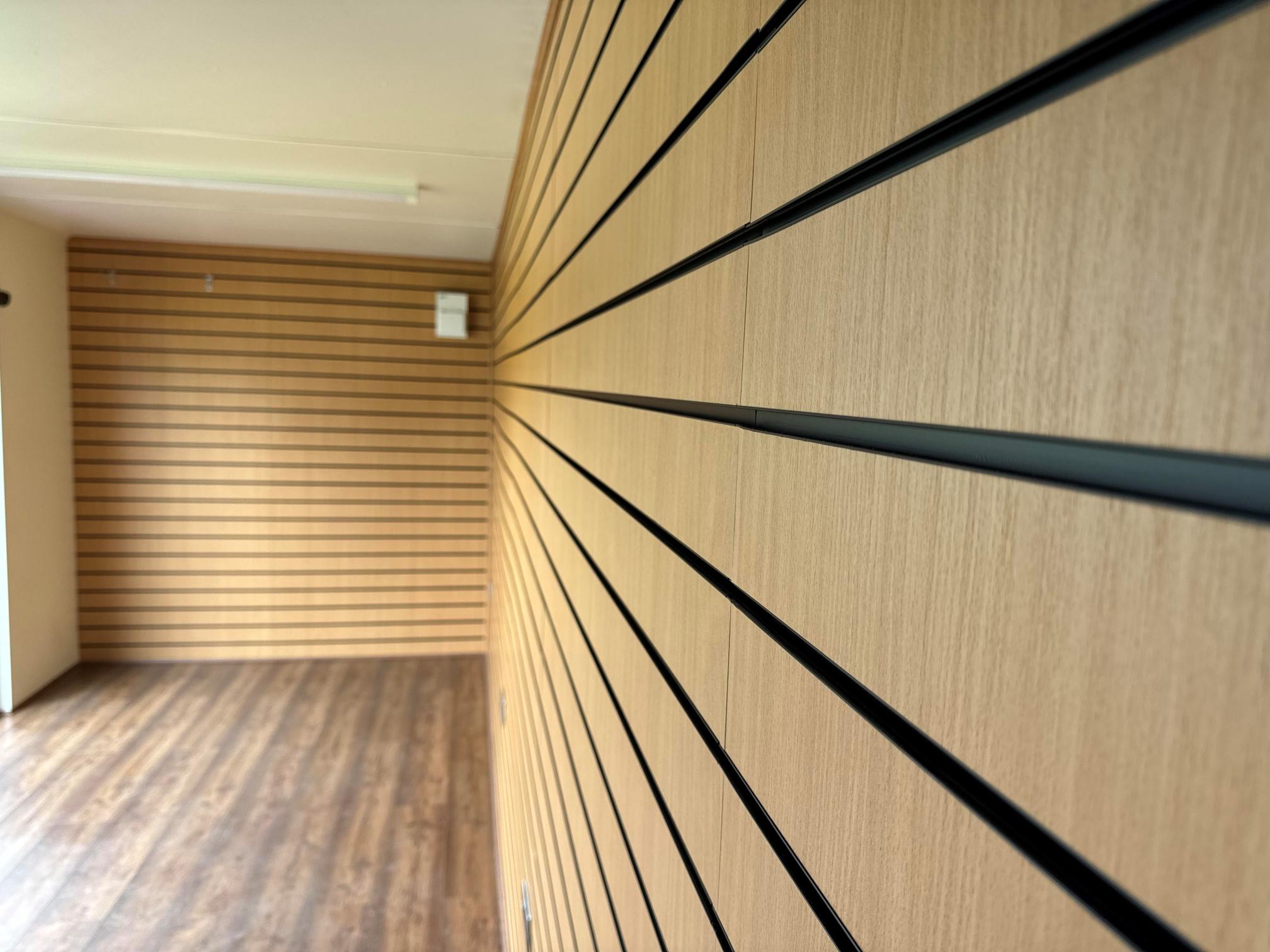
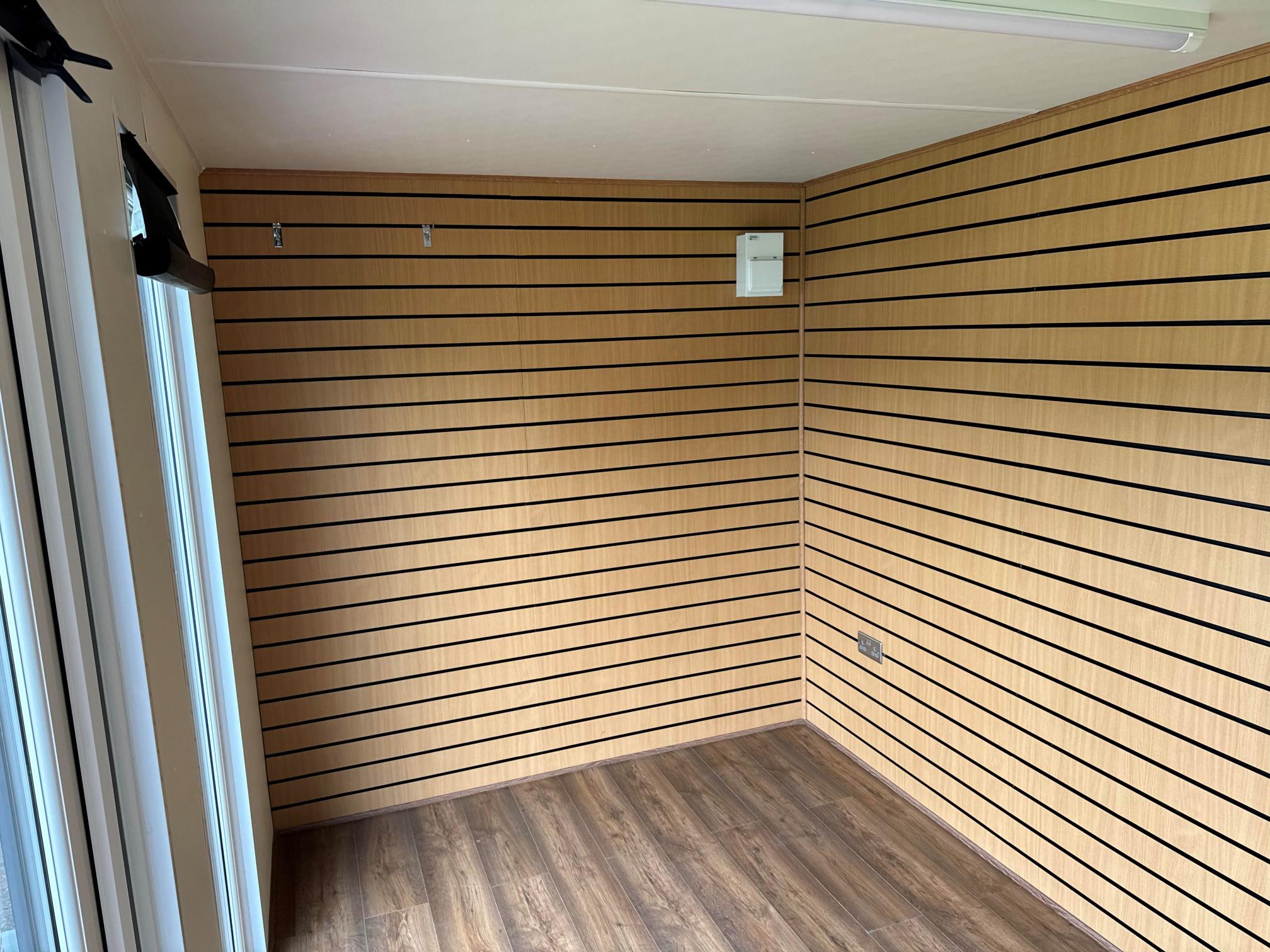
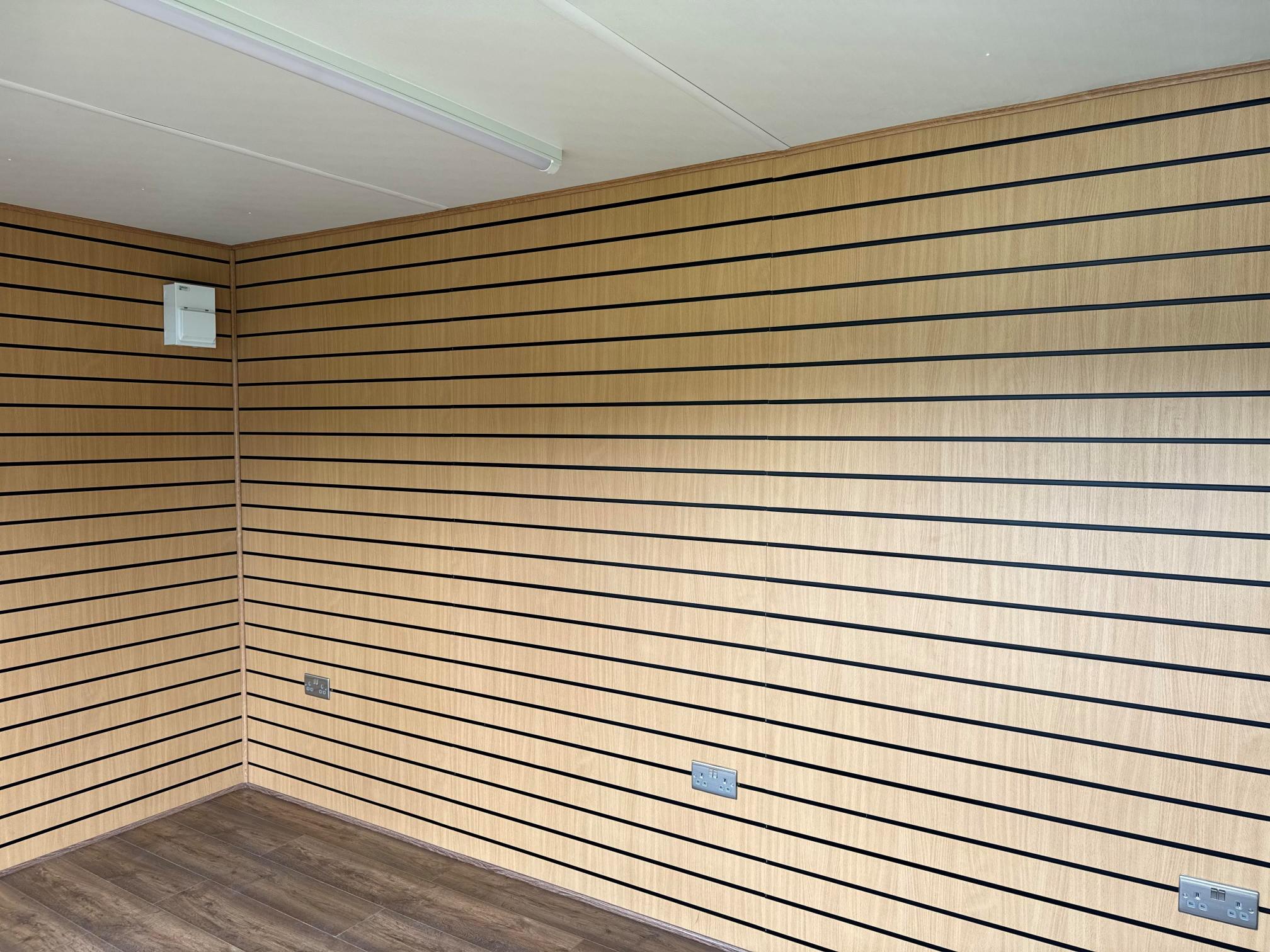
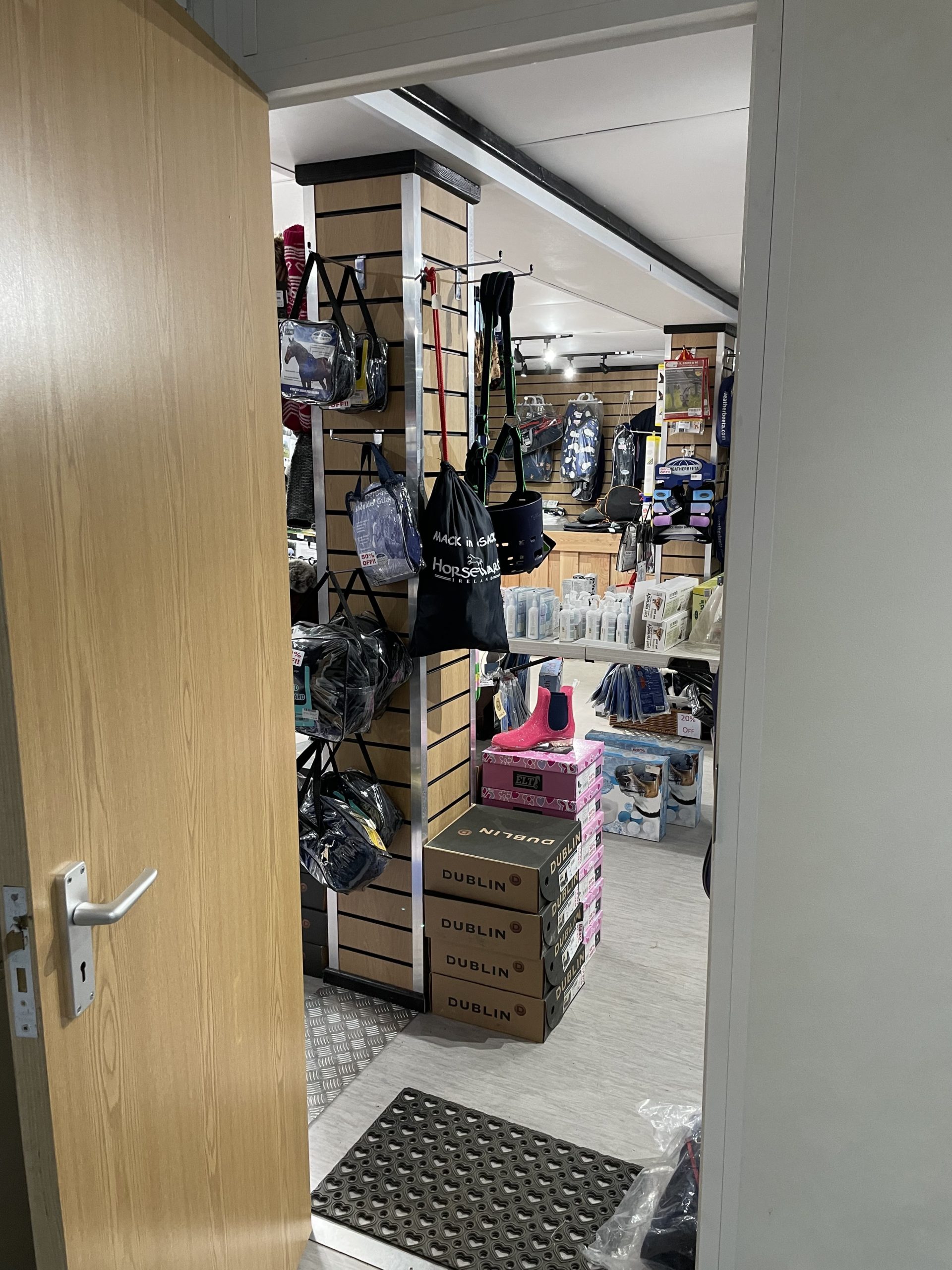
Slat Wall for retail fixings and Merchandise
Electric Chrome Sockets, led lighting and heating.
Laminate Flooring
12 months Warranty
Maintenance call out package included
Less than 2 years old
Still in Brand New Condition


Fully refurbished
Colour light grey
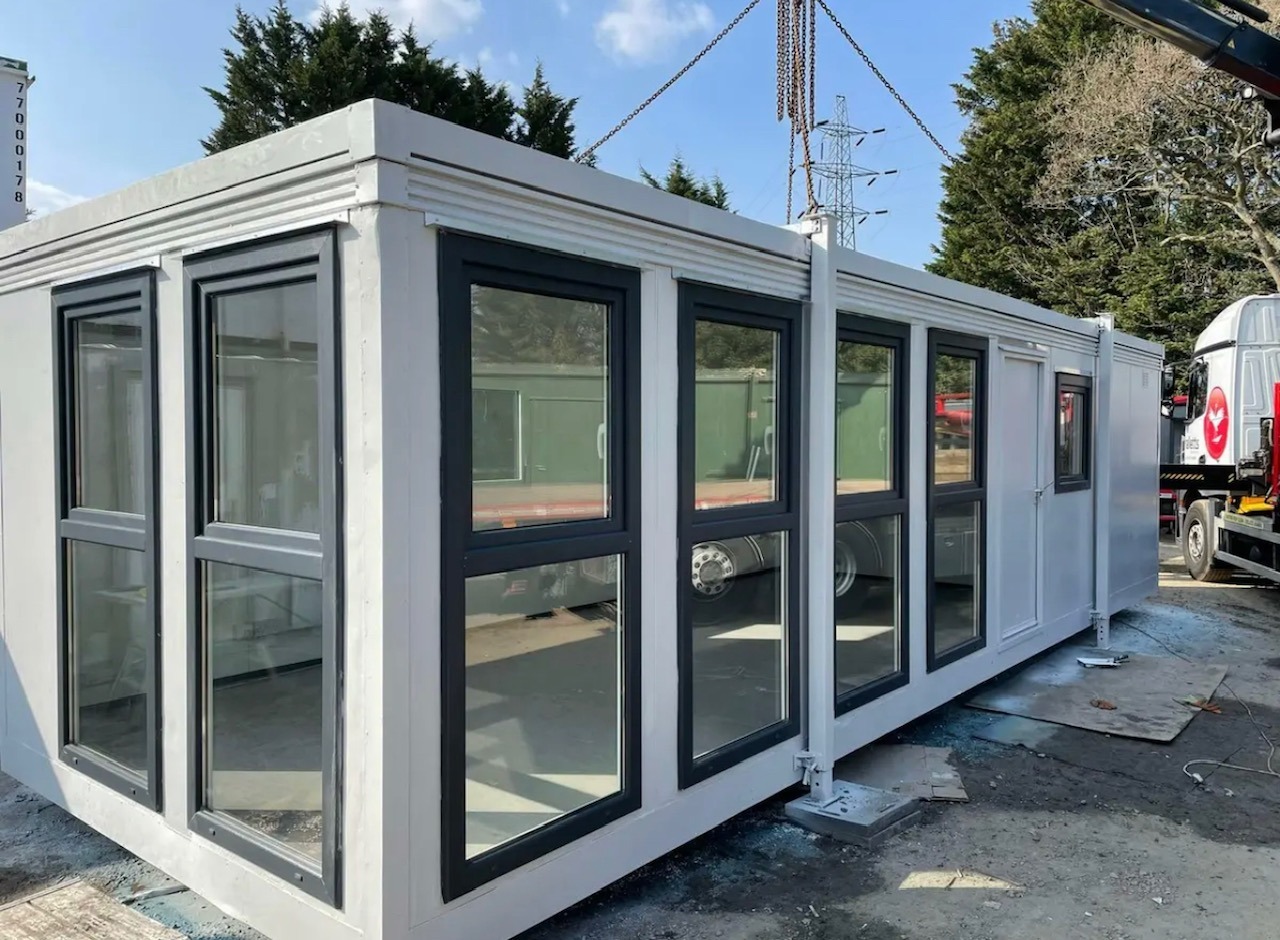
Slate grey anthracite upvc double glazed windows


Location: Nationwide
+ VAT
Not Available for Hire
Call for an instant quote!
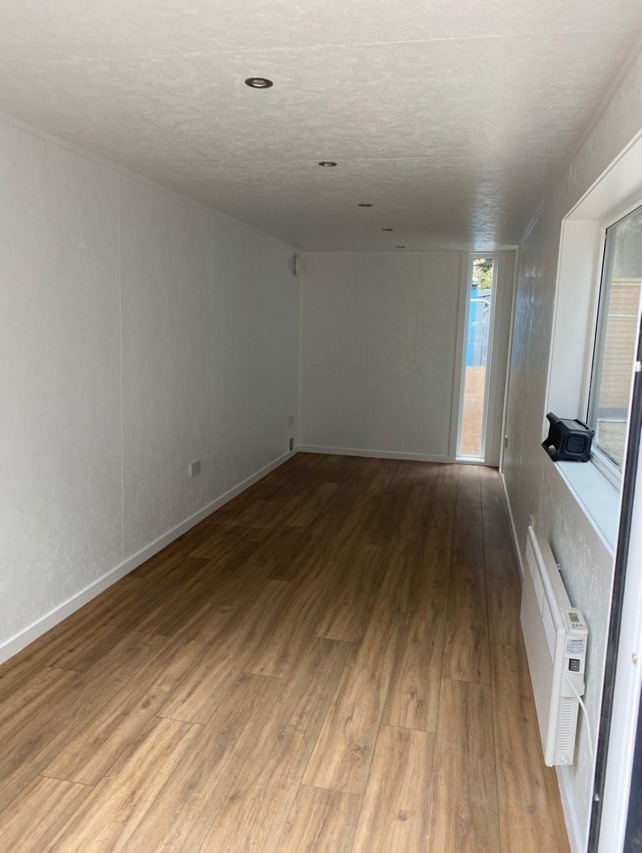
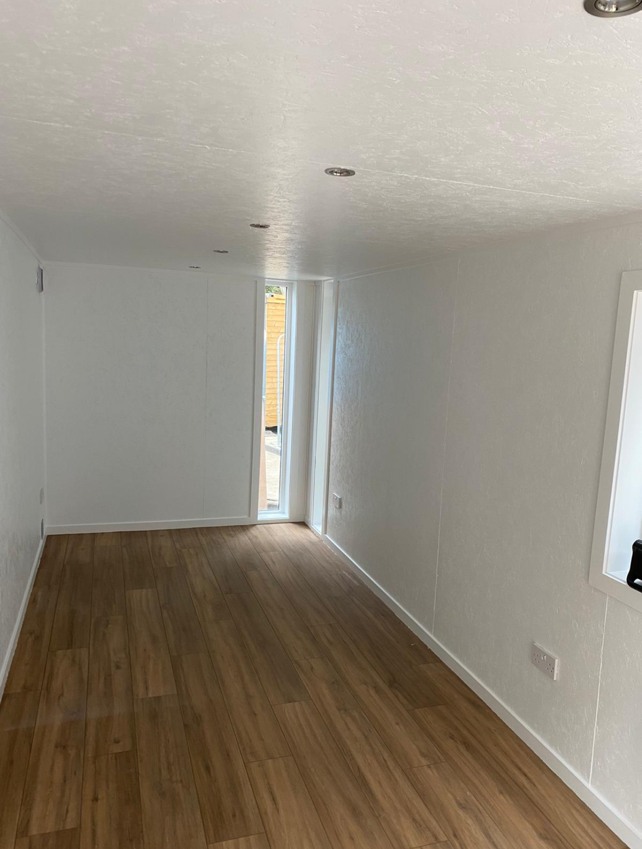
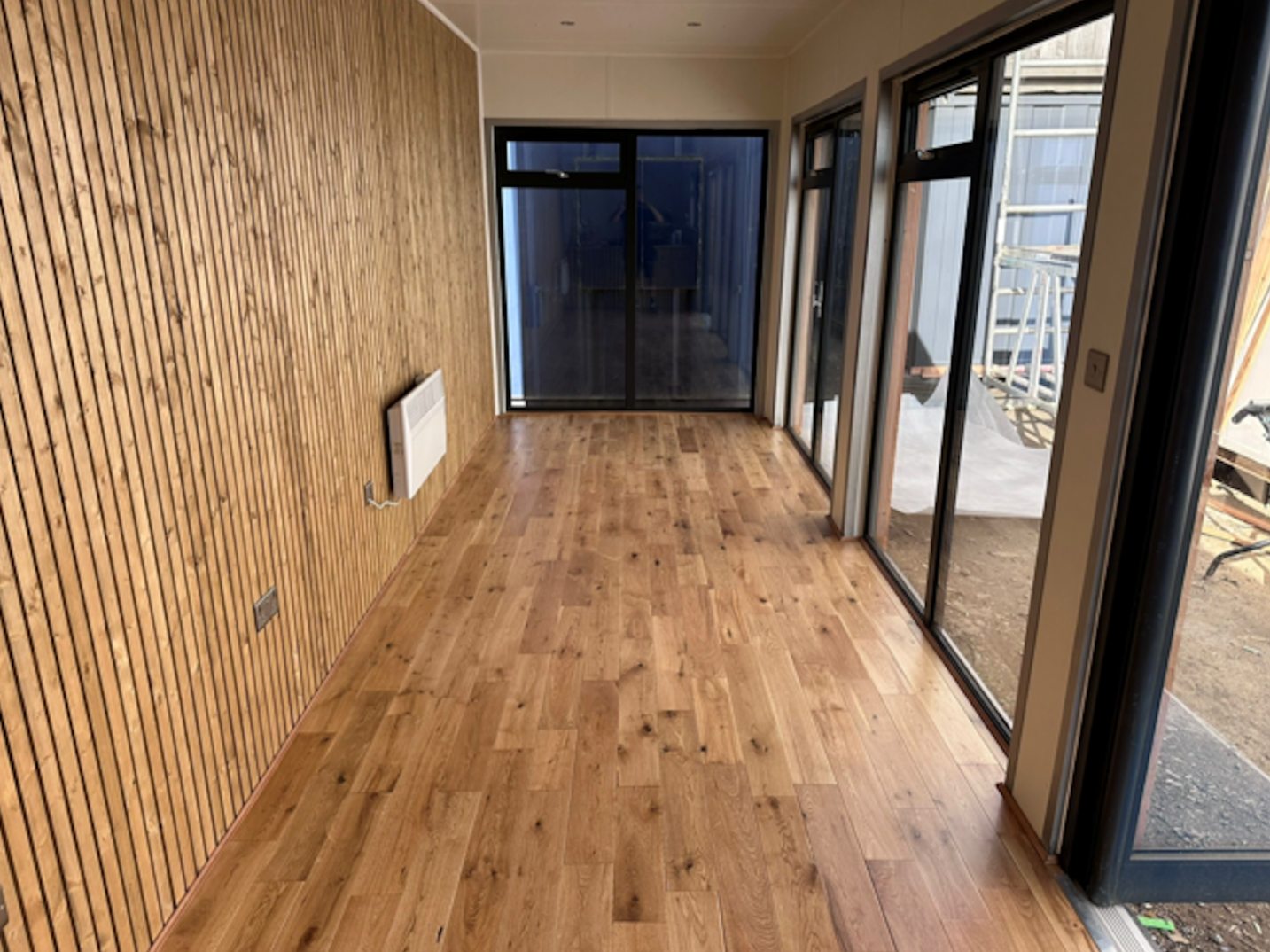
Fully Insulated with electric sockets, spot lighting, and heating
Wood Flooring
UPVC Sliding Door + Windows
Lead Time for build 6-8 weeks


Location: Nationwide
+ VAT
Not Available for Hire
Call for an instant quote!
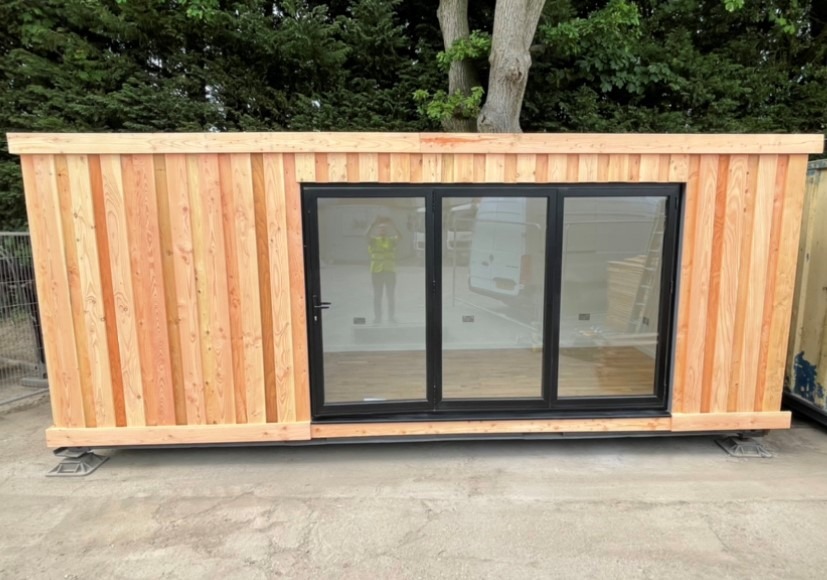
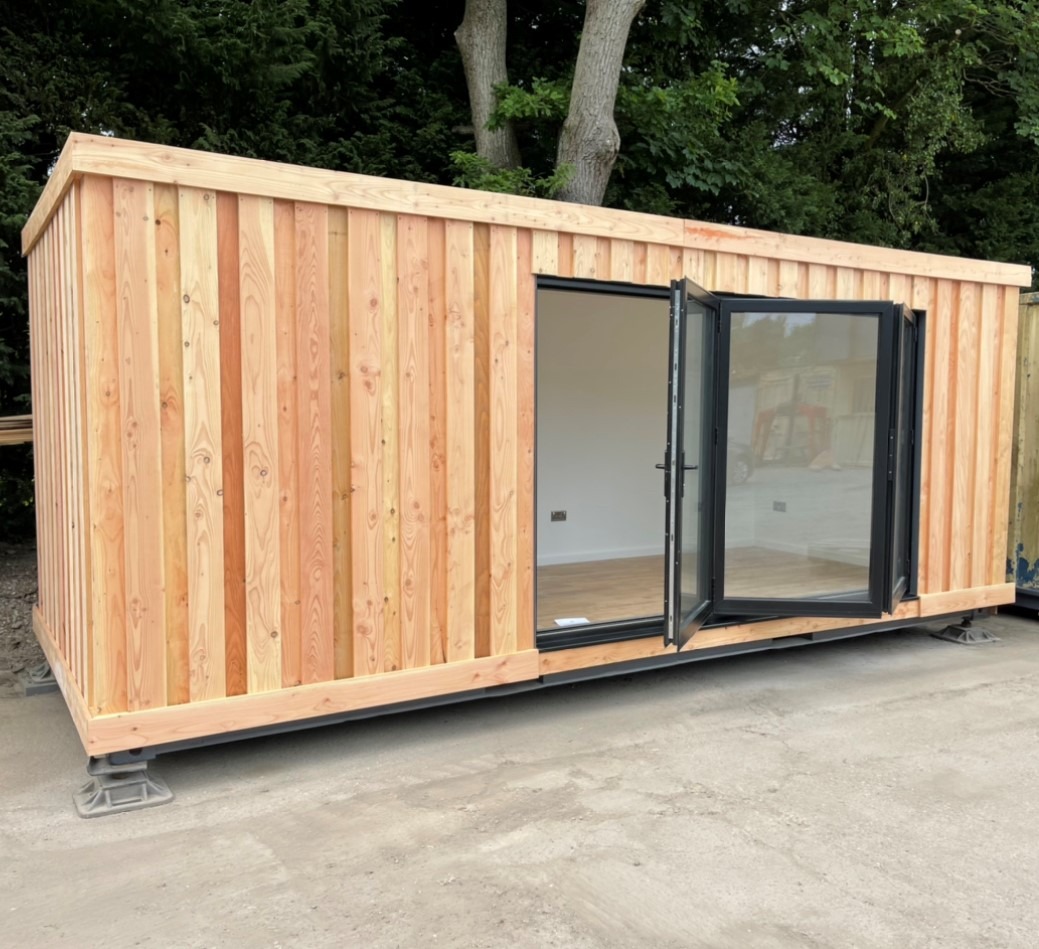
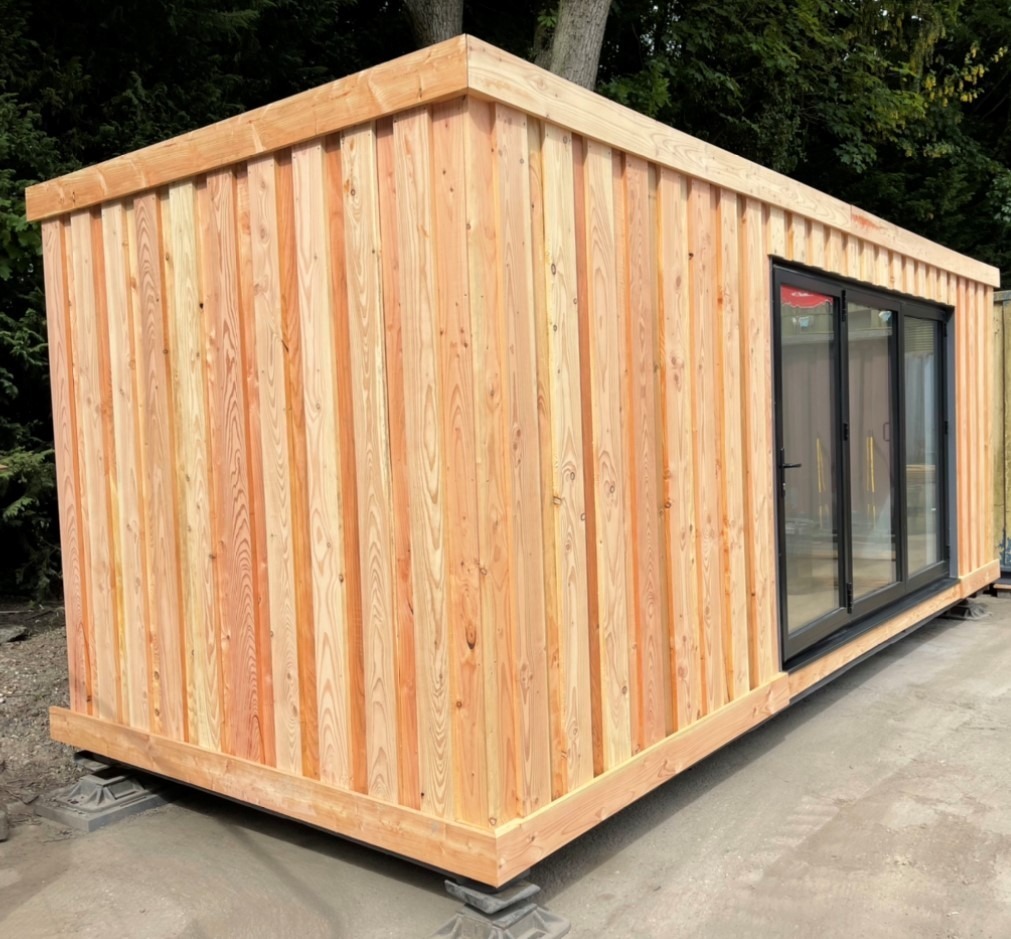
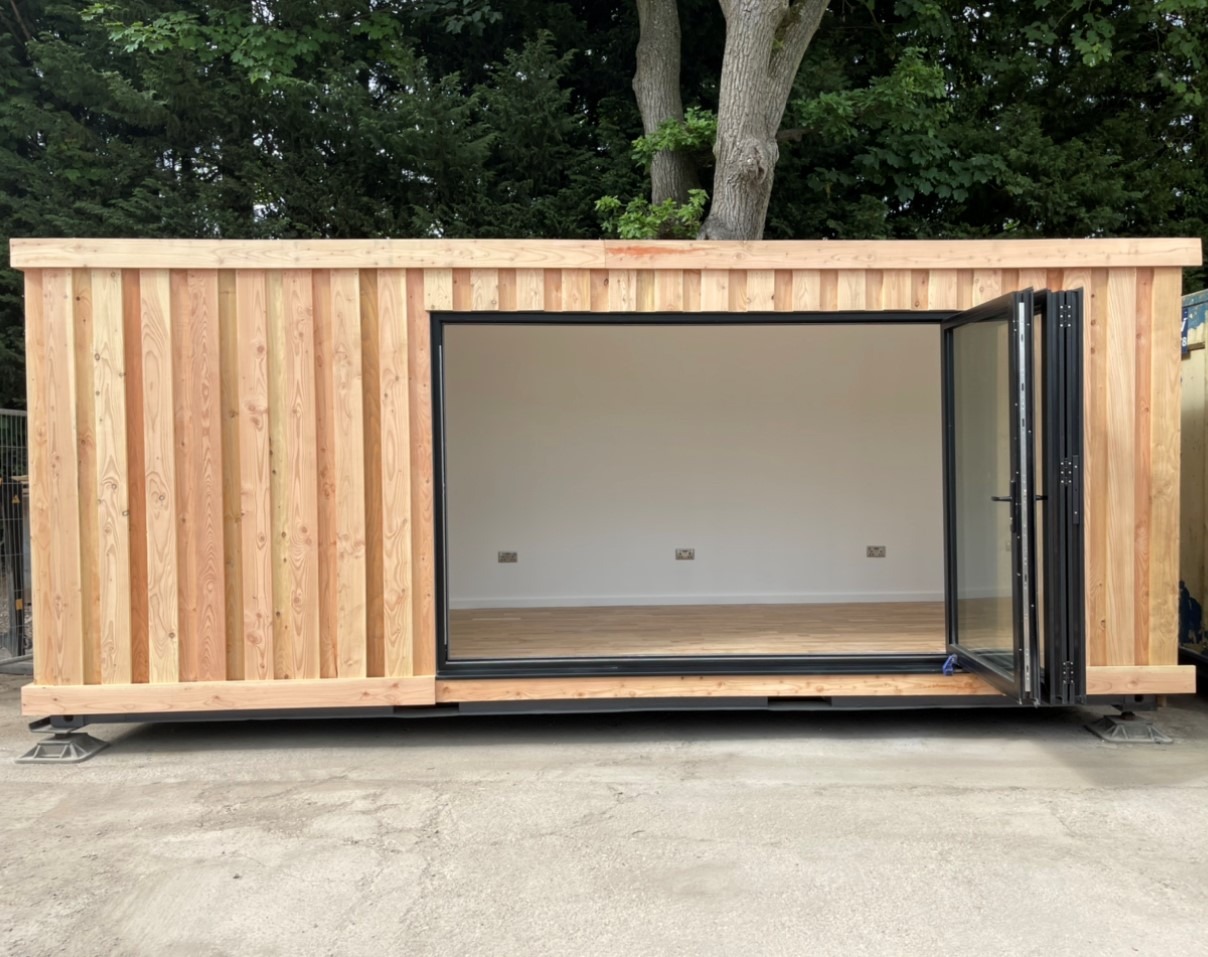
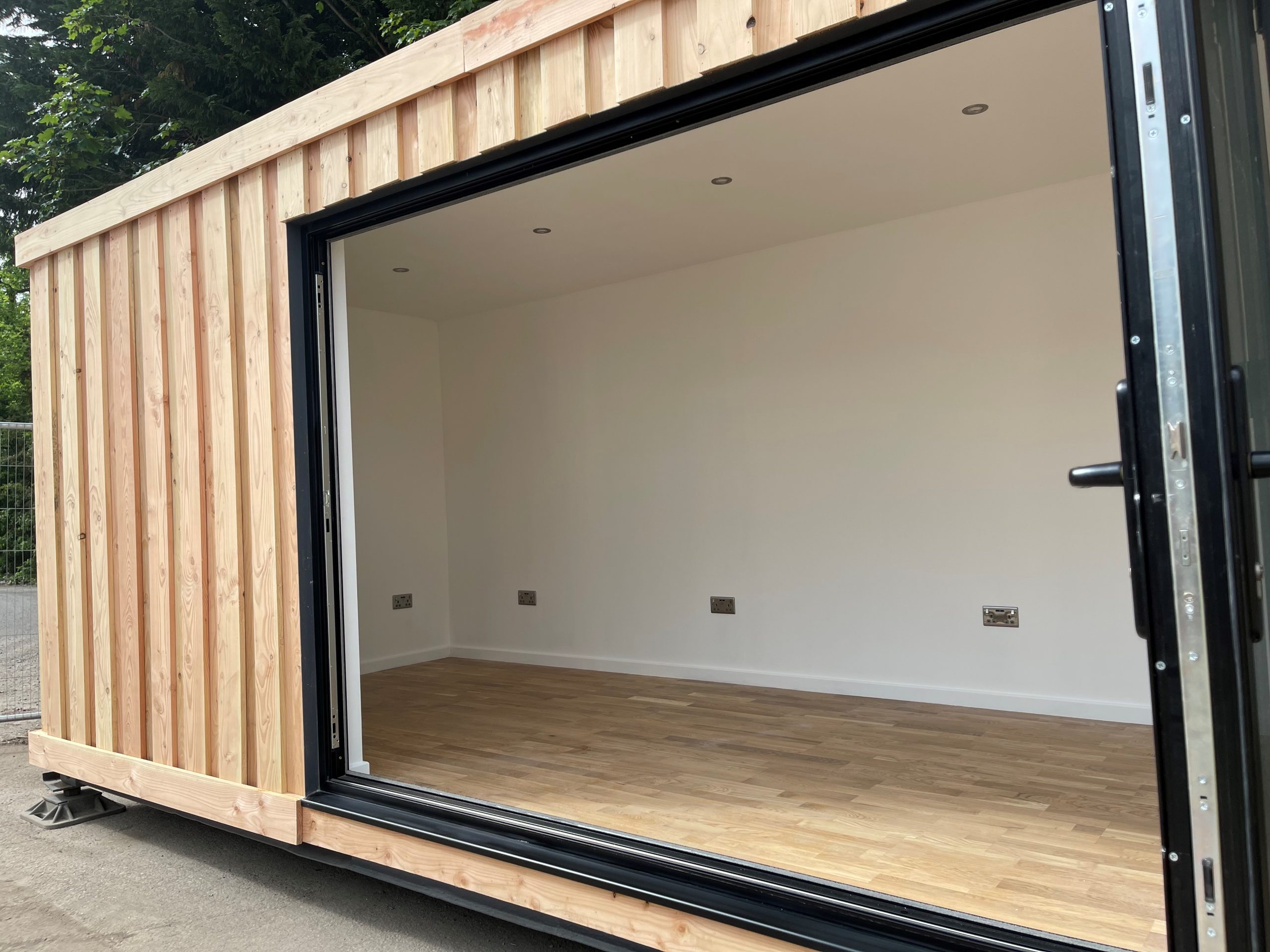
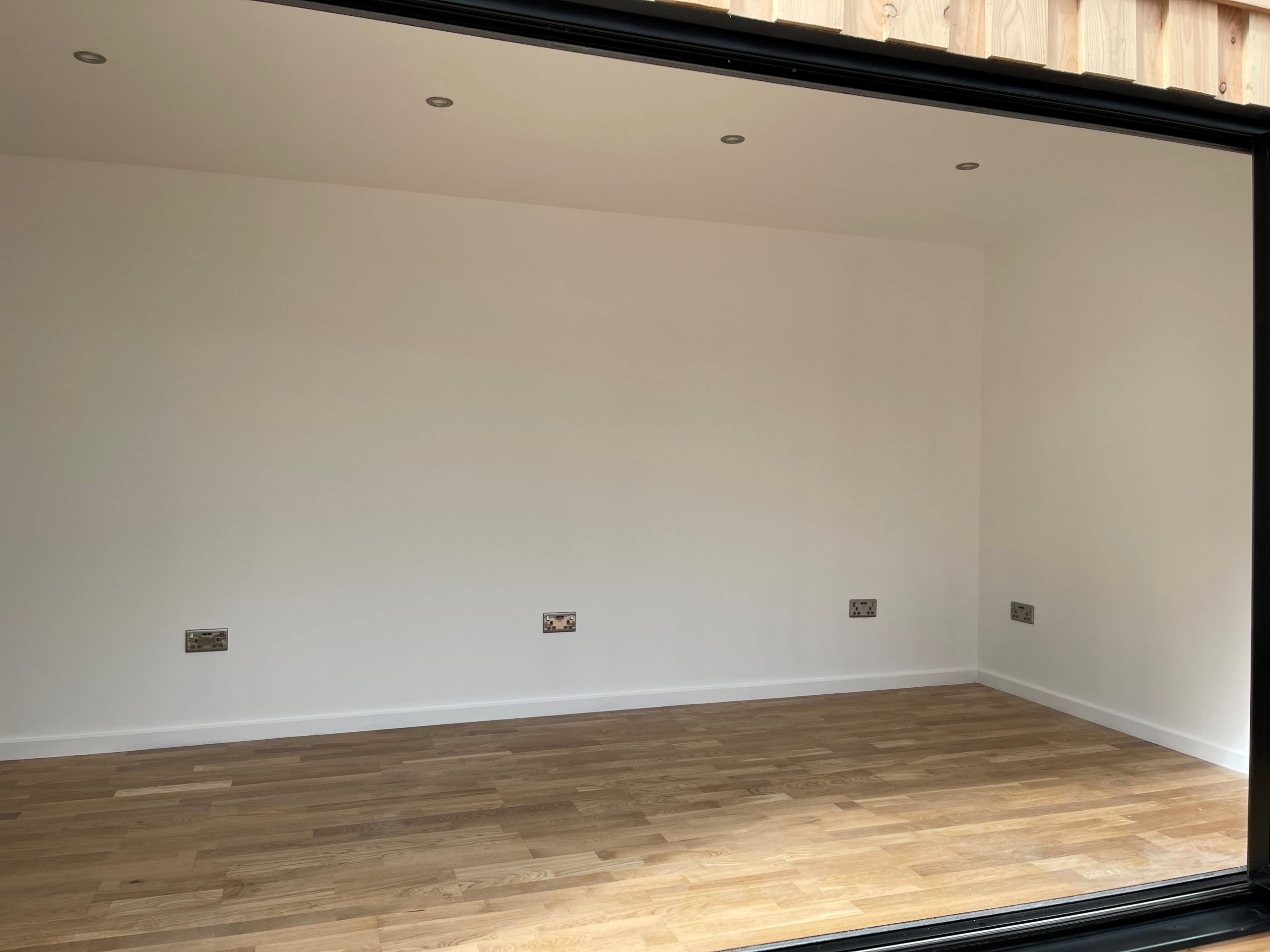
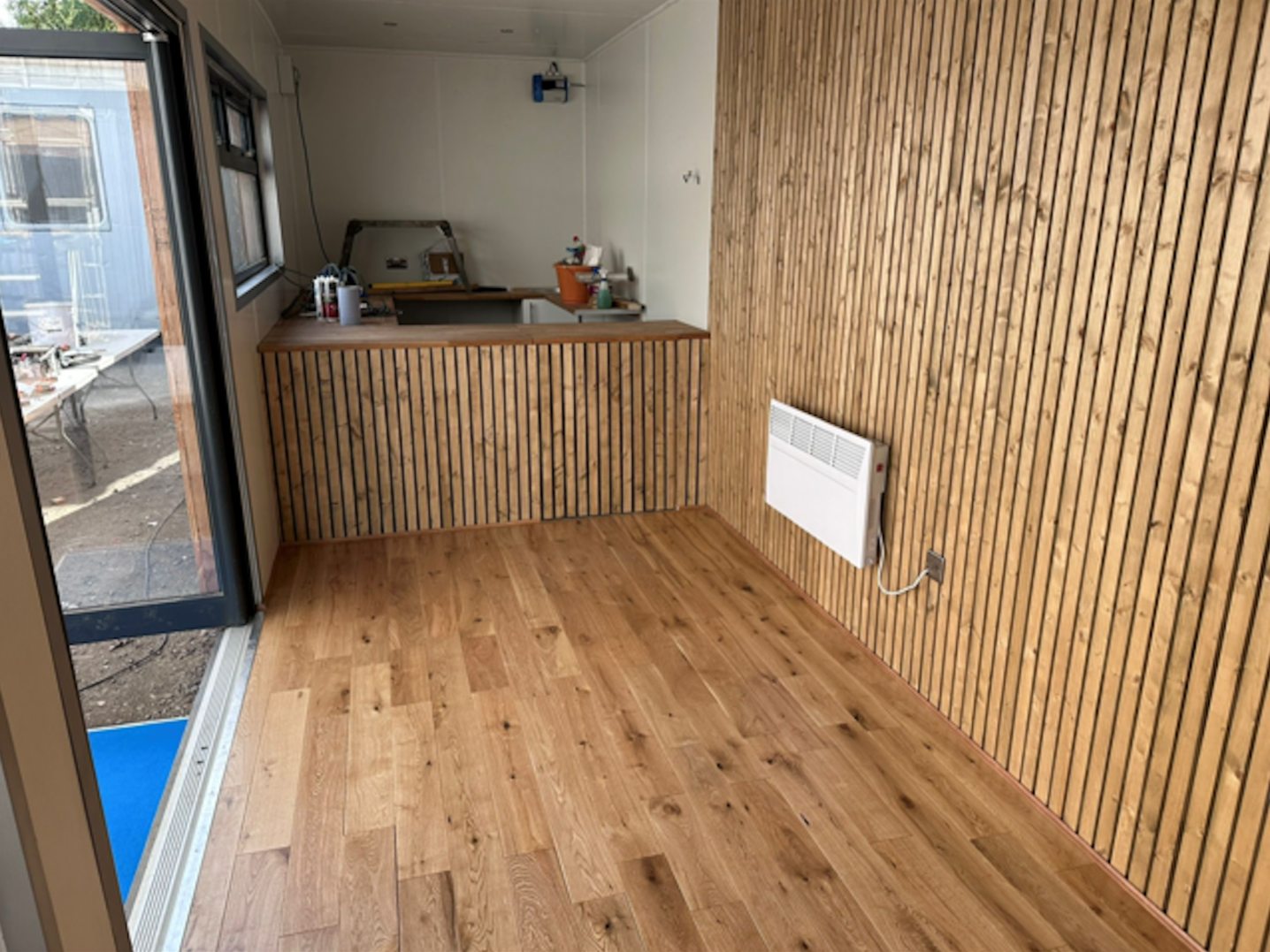
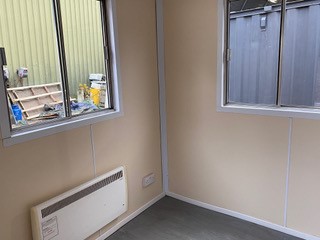
Fully Insulated with electric sockets, spot lighting, and heating
Wood Flooring
Aluminium Bi Fold Doors
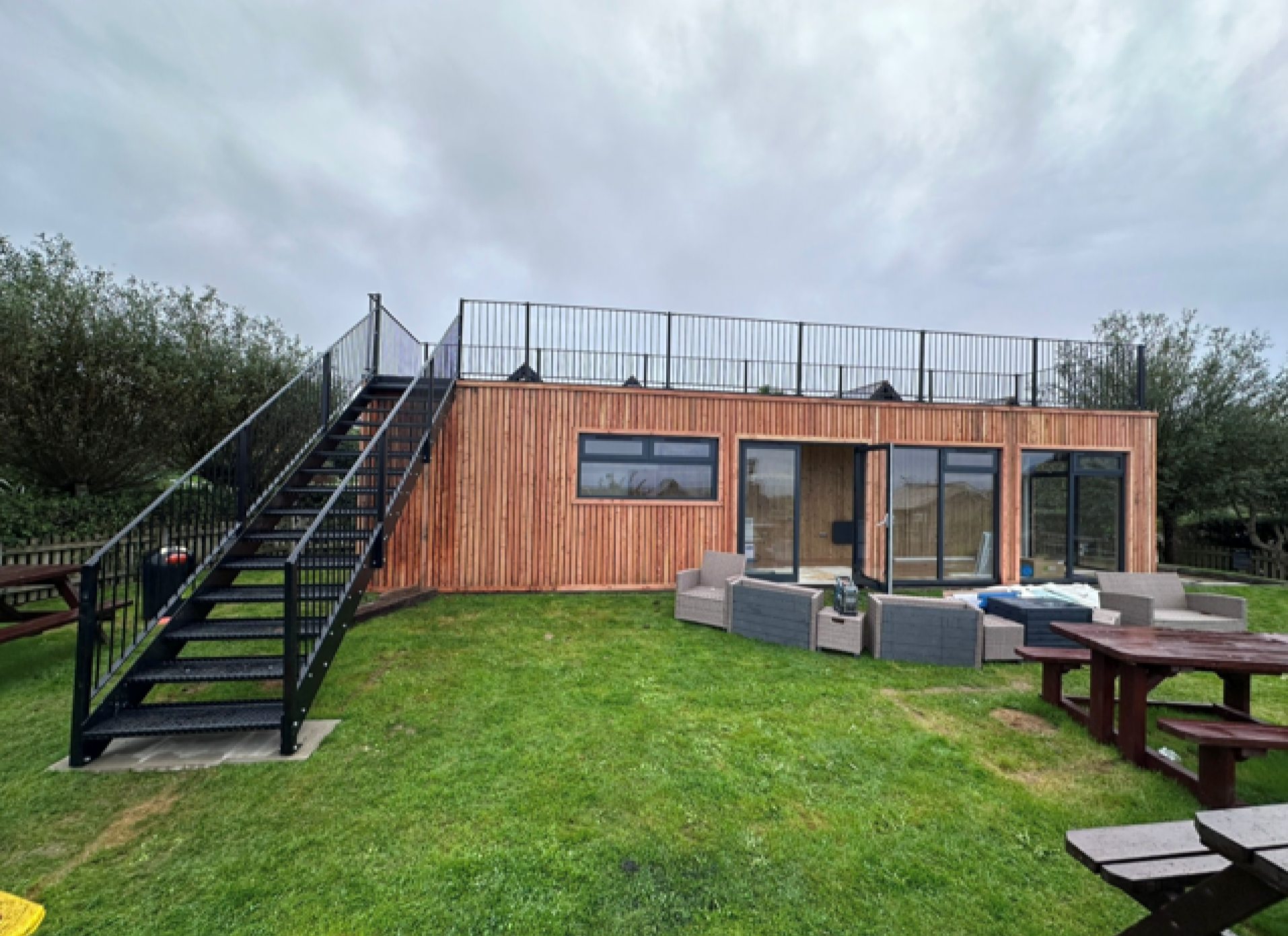
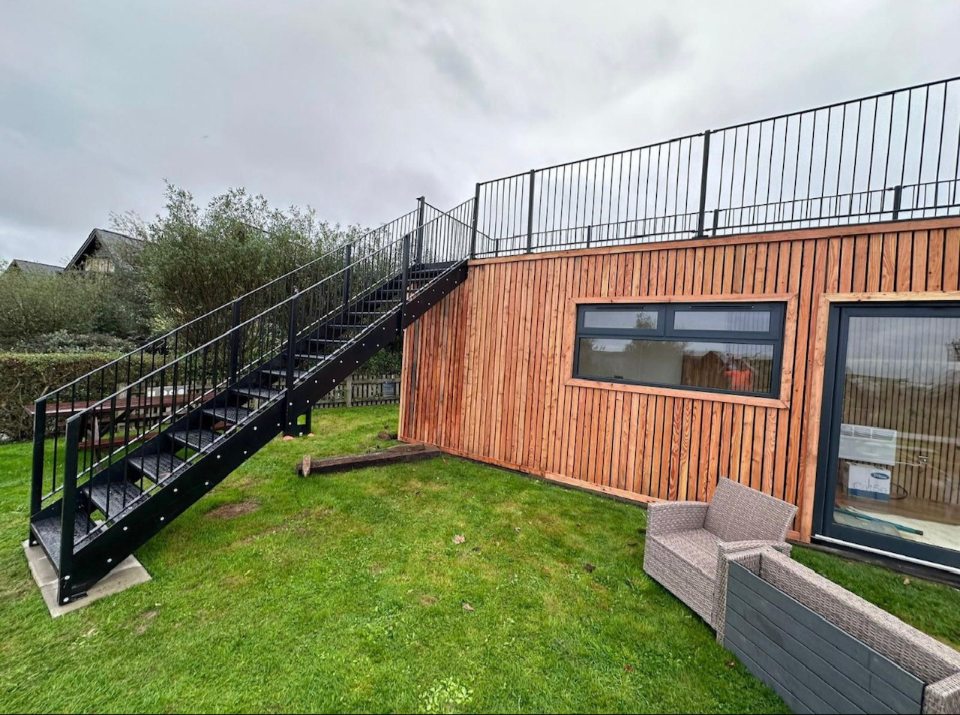
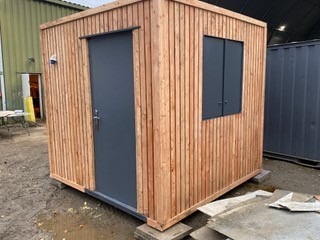
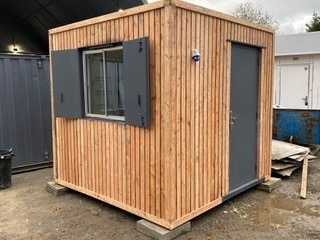
Fully wrapped in larch cladding
Lead Time for build 6-8 weeks


Location: Nationwide
+ VAT
Not Available for Hire
Call for an instant quote!
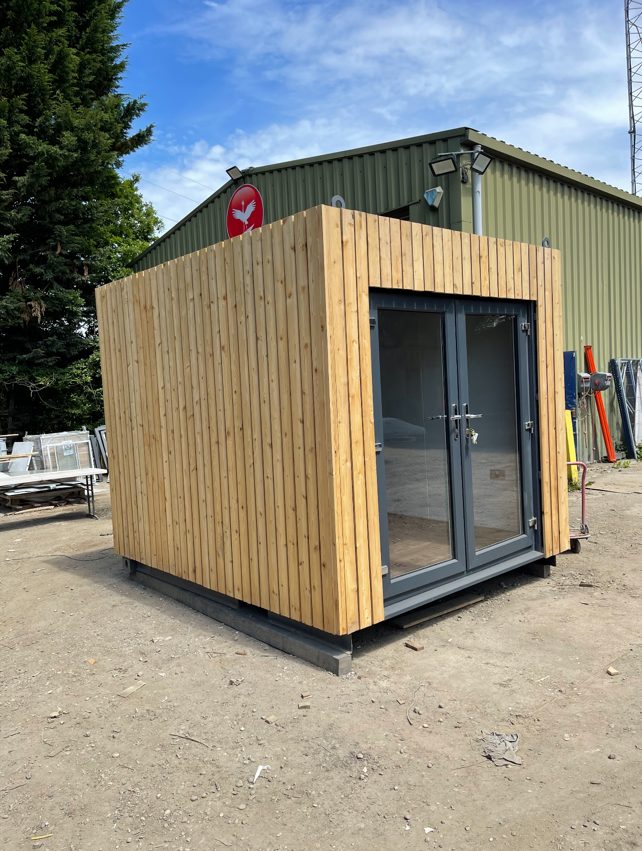
Fully Insulated with electric sockets, spot lighting, and heating
Wood Flooring
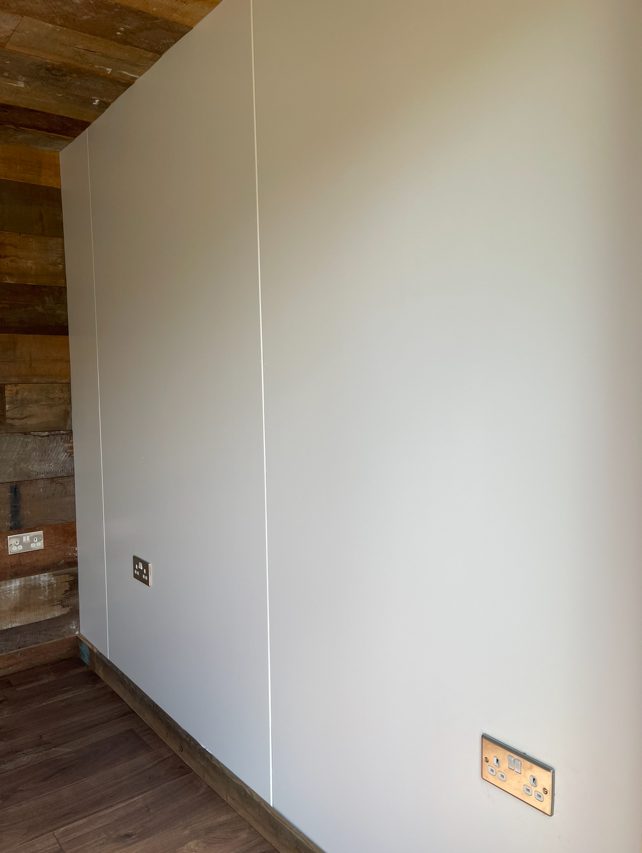
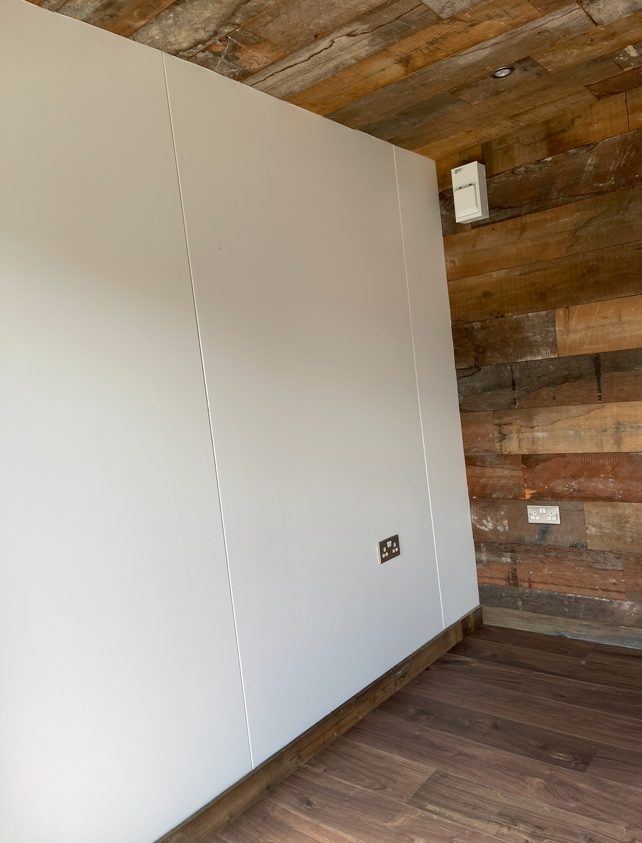
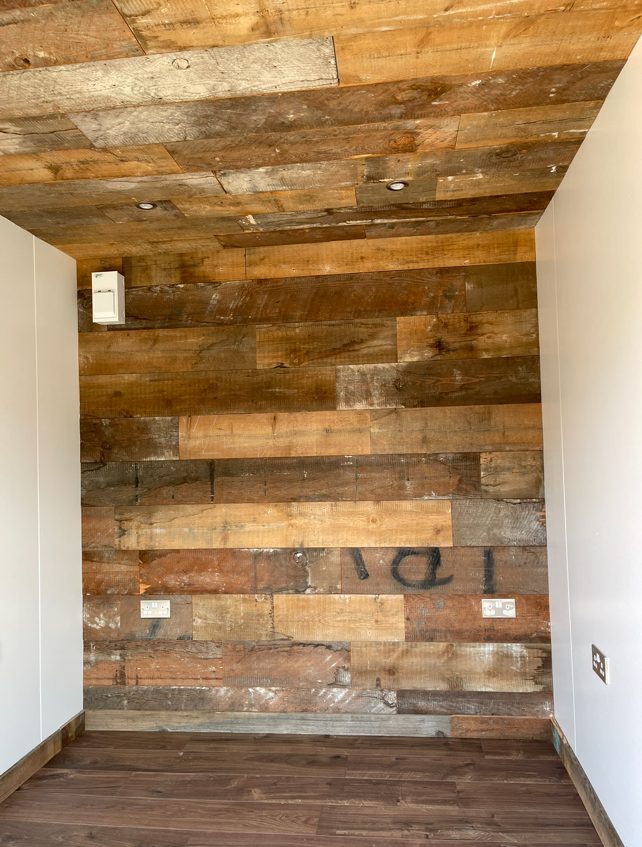
Feature Clad Wall and Ceiling
UPVC Double glazed French Doors
Fully wrapped in larch cladding
Lead Time for build 6-8 weeks


Location: Nationwide
EX VAT
Not Available for Hire
Call for an instant quote!


Location: Nationwide
EX VAT
Not Available for Hire
Call for an instant quote!


Location: Nationwide
EX VAT
Not Available for Hire
Call for an instant quote!


Location: Nationwide
EX VAT
Not Available for Hire
Call for an instant quote!


Location: Nationwide
EX VAT
Not Available for Hire
Call for an instant quote!

Location: Nationwide
EX VAT
Not Available for Hire
Call for an instant quote!


Location: Nationwide
EX VAT
Not Available for Hire
Call for an instant quote!


Location: Nationwide
EX VAT
Not Available for Hire
Call for an instant quote!


Location: Nationwide
EX VAT
Not Available for Hire
Call for an instant quote!


Location: Nationwide
EX VAT
Not Available for Hire
Call for an instant quote!


Location: Nationwide
EX VAT
Not Available for Hire
Call for an instant quote!


Location: Nationwide
EX VAT
Not Available for Hire
Call for an instant quote!


Location: Nationwide
EX VAT
Not Available for Hire
Call for an instant quote!


Location: Nationwide
EX VAT
Not Available for Hire
Call for an instant quote!


Location: Nationwide
EX VAT
Not Available for Hire
Call for an instant quote!


Location: Nationwide
EX VAT
Not Available for Hire
Call for an instant quote!
10ftx8ft – £5950 + Vat / 16ftx8ft – £7950 + Vat / 20ftx8ft – £9000 + Vat / 24ftx8ft – £12000 + Vat / 30ftx8ft – £13500 + Vat


Location: Nationwide
EX VAT
Not Available for Hire
Call for an instant quote!


Location: Nationwide
EX VAT
Not Available for Hire
Call for an instant quote!


Location: Nationwide
EX VAT
Not Available for Hire
Call for an instant quote!

Location: Nationwide
Quantity: ∞
EX VAT
Not Available for Hire
Call for an instant quote!
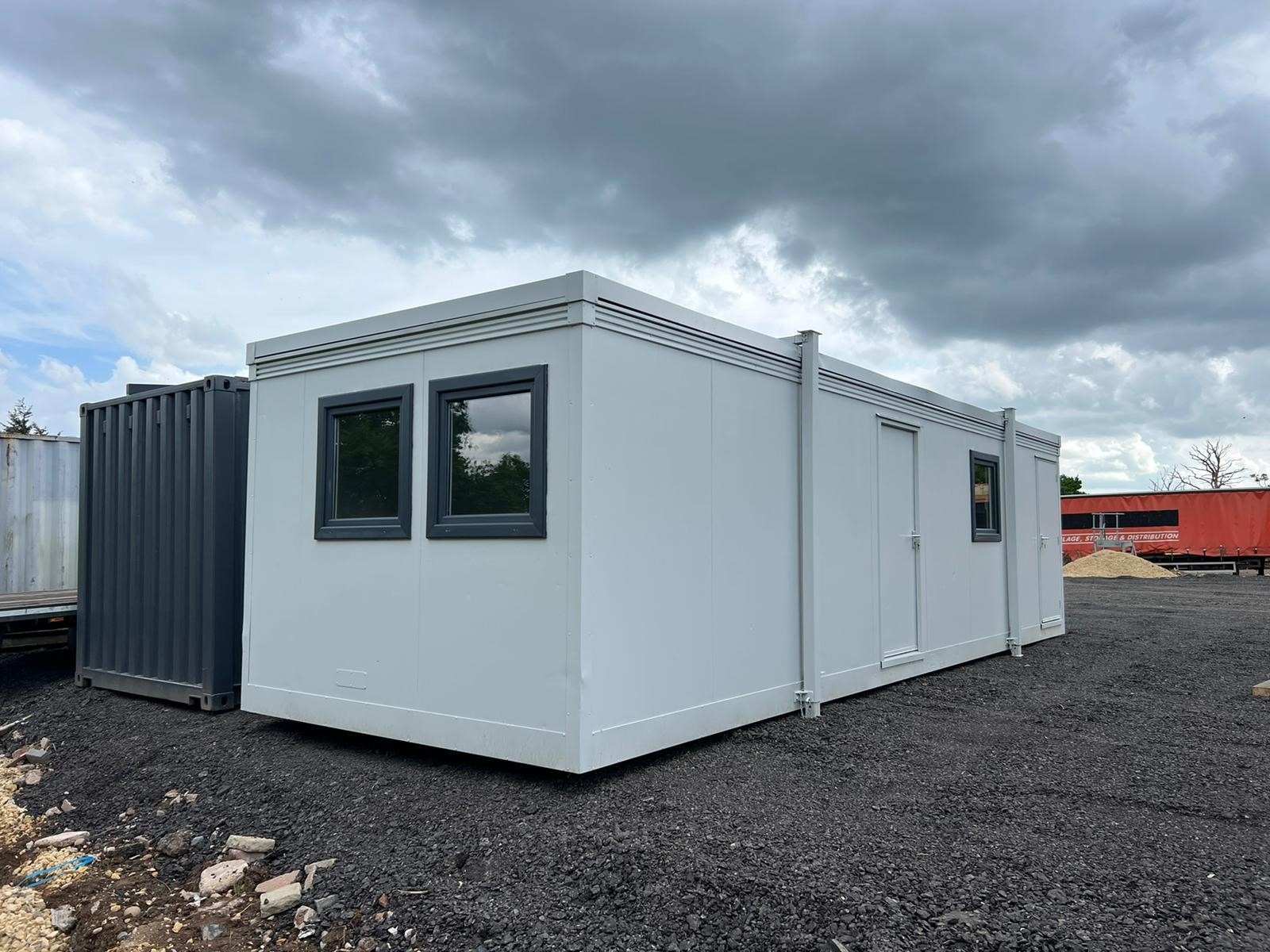
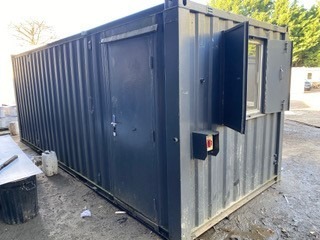
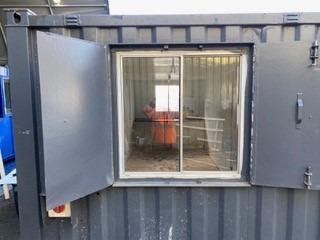
• Reinforced doors and windows with secure locking
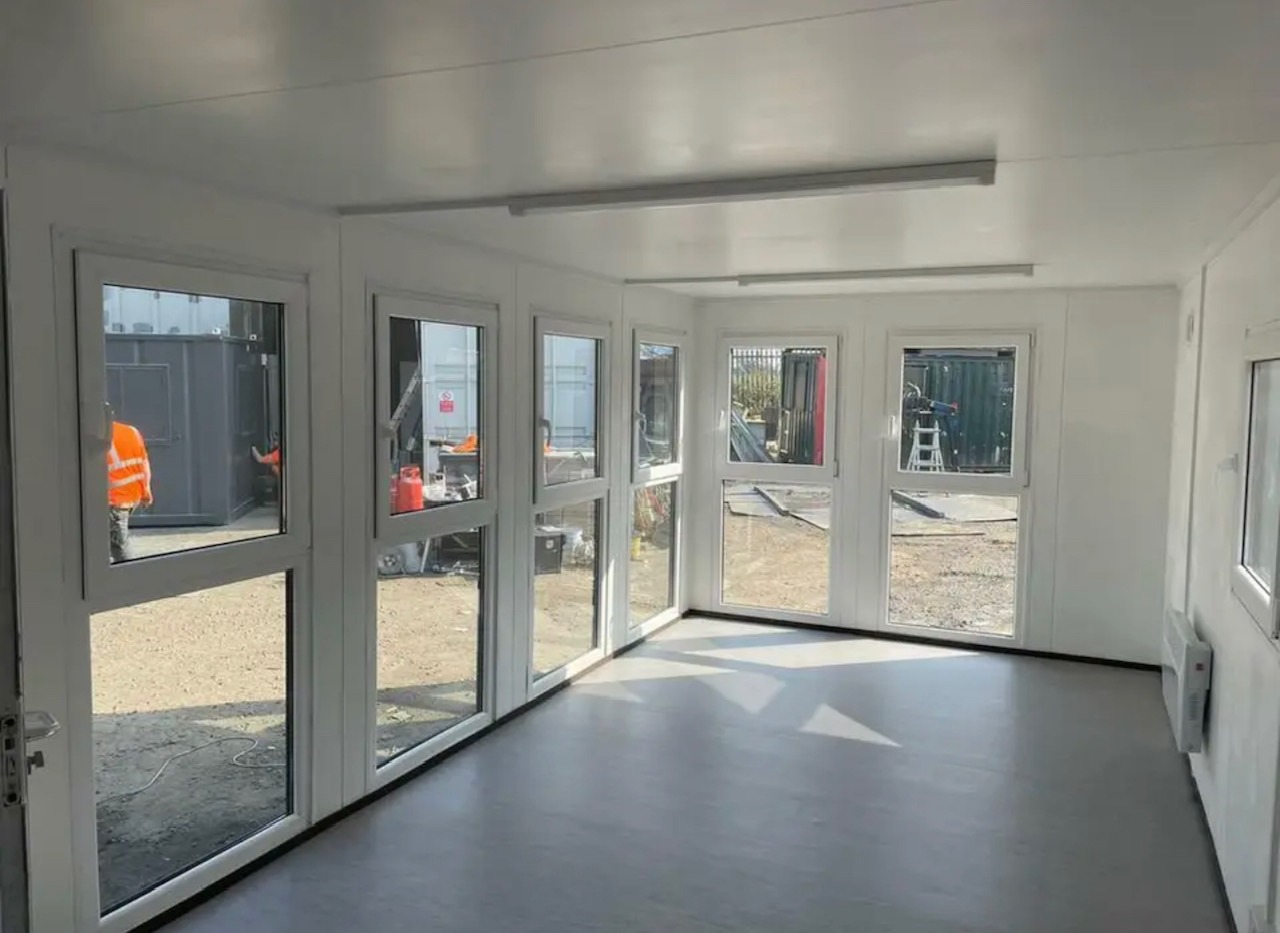
• Open plan with electric sockets and lighting
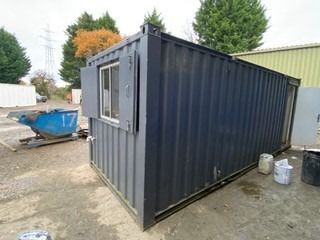
• Ral Code Colour of choice
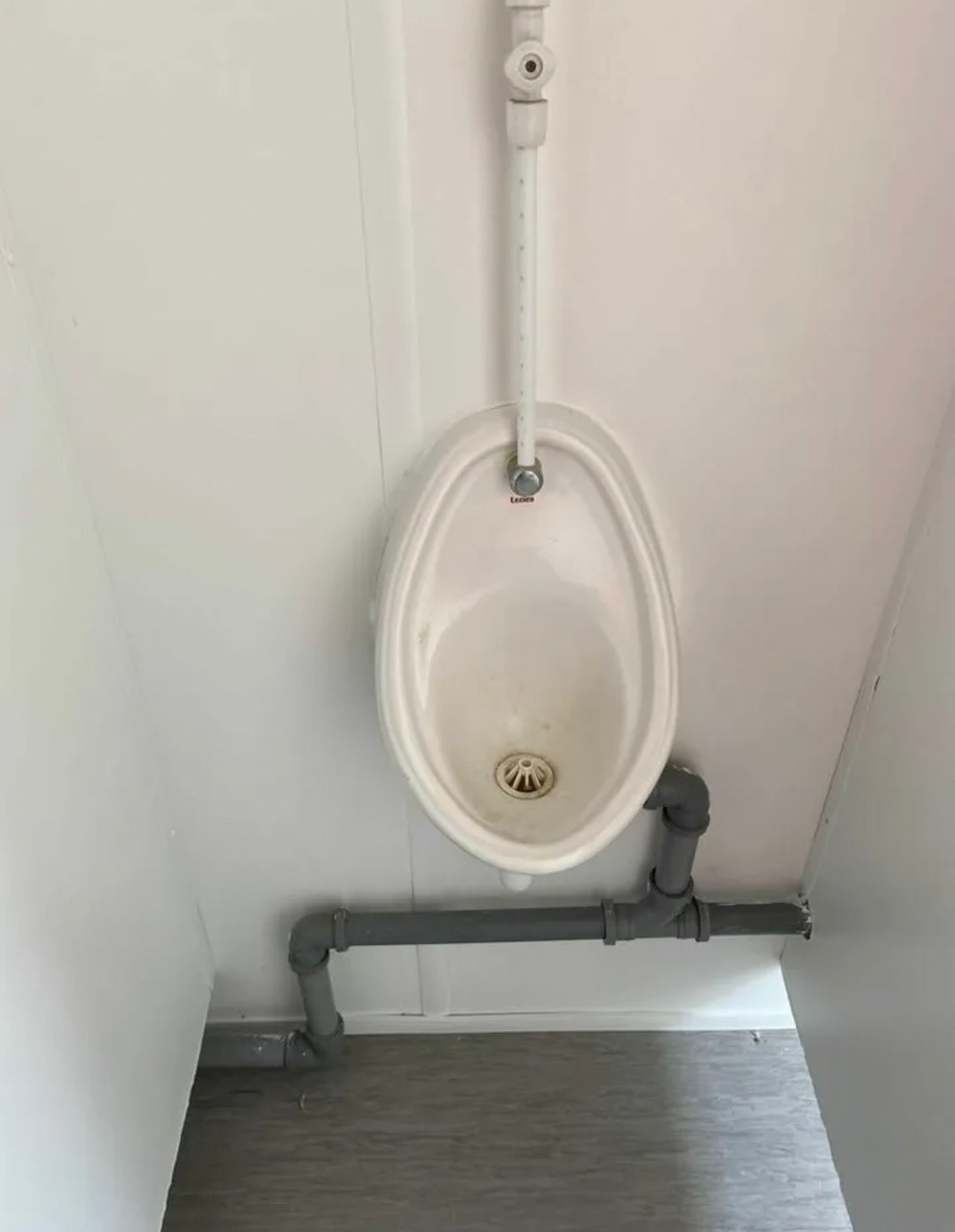
• Any Extras available : Canteen, Partitions, Toilets.


Location: Nationwide
EX VAT
Not Available for Hire
Call for an instant quote!
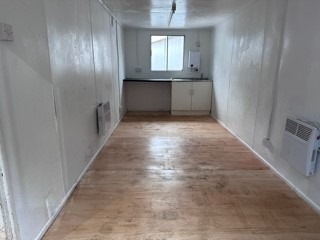
• Reinforced doors and windows with secure locking
• Open plan with electric sockets and lighting
• Ral Code Colour of choice
• Any Extras available : Canteen, Partitions, Toilets.

• Reinforced doors with secure locking
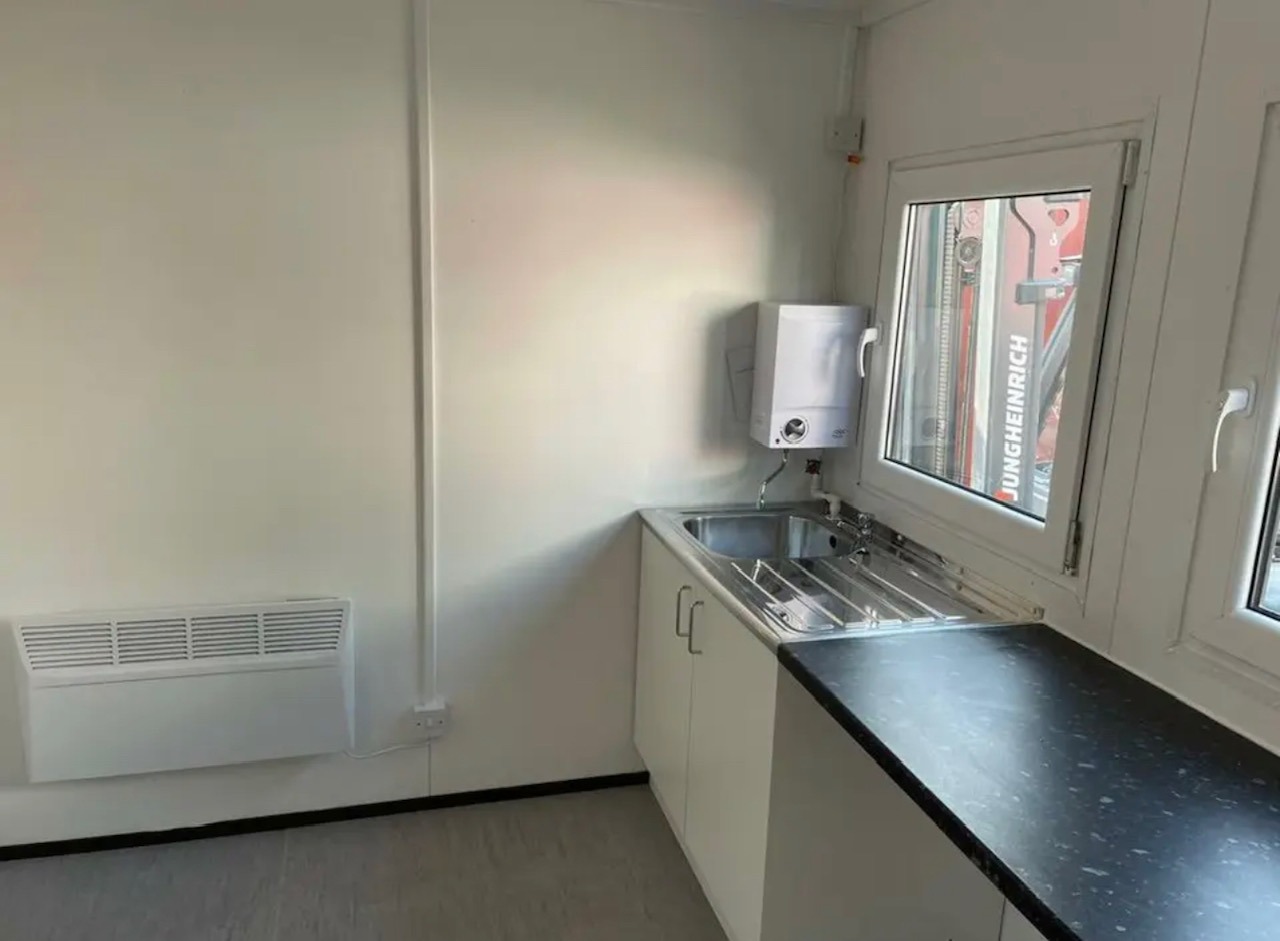
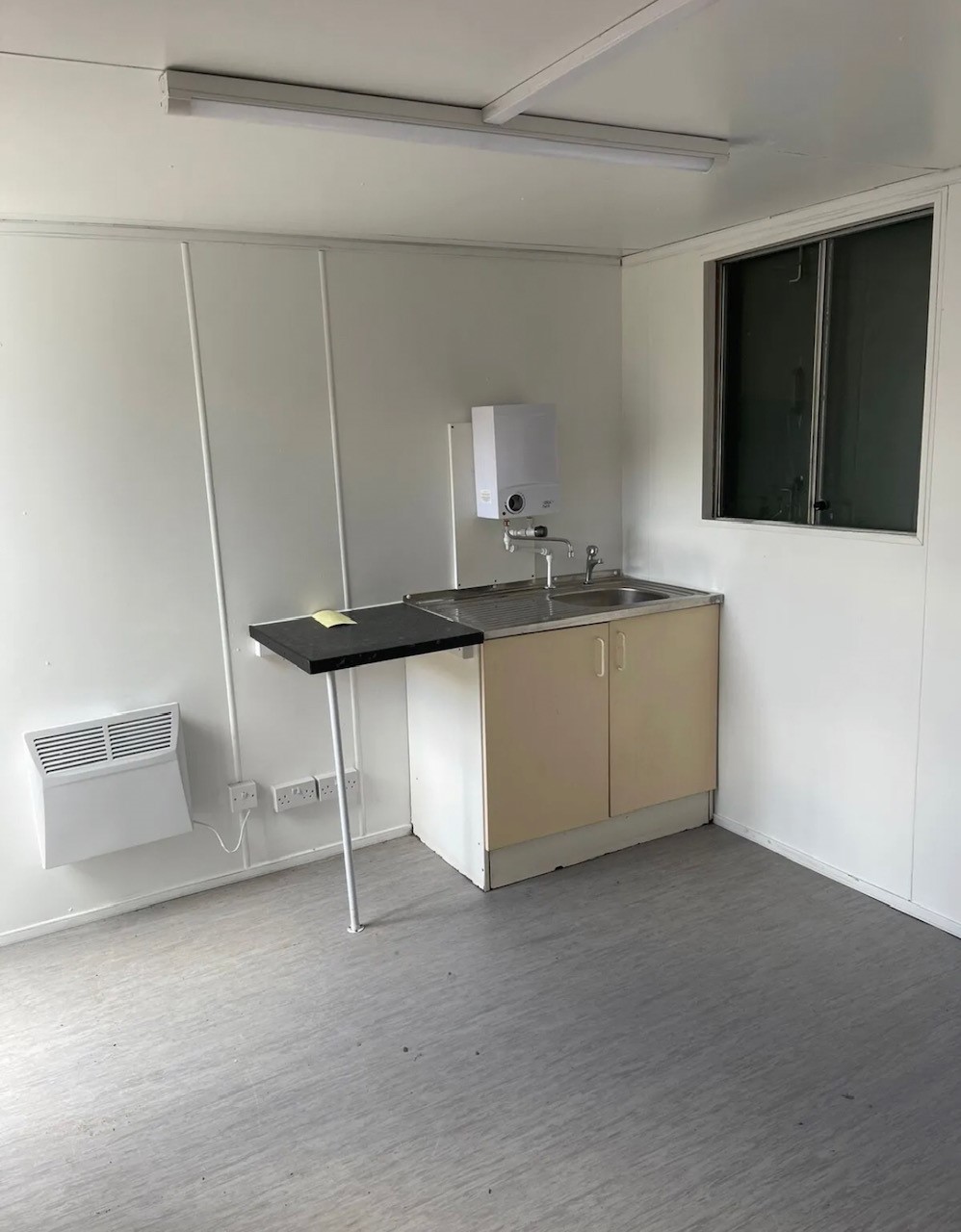
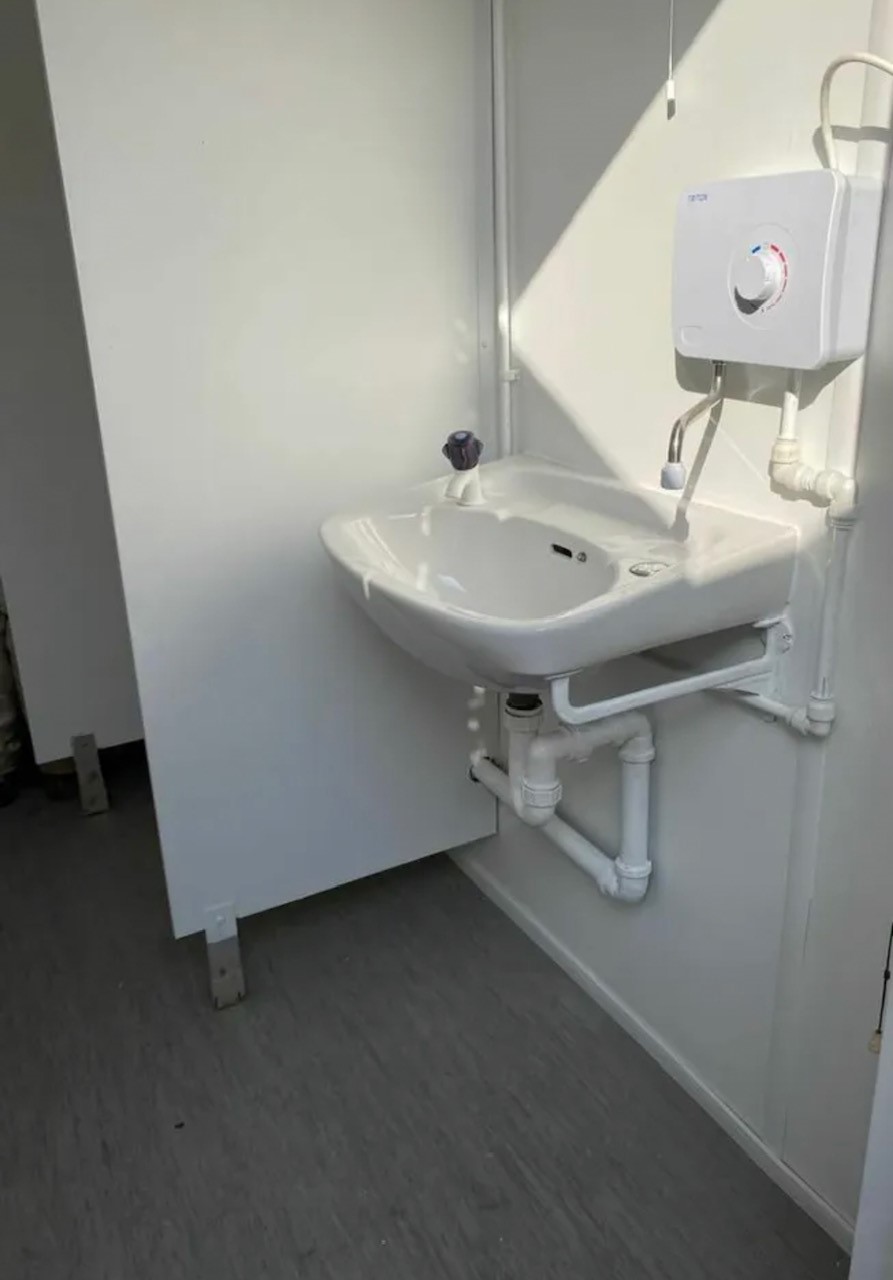
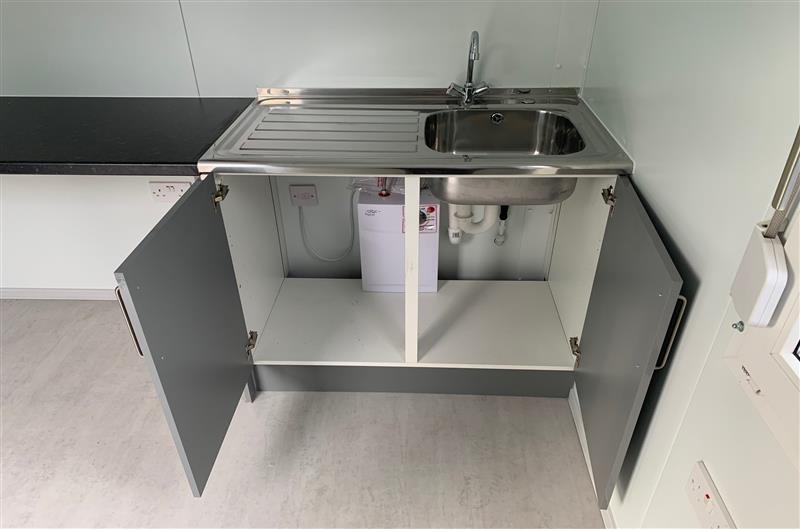
• Sink and water boiler included


Location: Nationwide
Quantity: ∞
EX VAT
Not Available for Hire
Call for an instant quote!


Location: Nationwide
EX VAT
Not Available for Hire
Call for an instant quote!
Get a Quick Container Quote Now!


Location: Nationwide
EX VAT
Not Available for Hire
Call for an instant quote!
Get a Quick Container Quote Now!