Buying Non Woven Fabric Rolls is not simply a matter of choosing a width and comparing prices. The right roll must suit the product, converting equipment, and conditions it will face. A lightweight spunbond roll may work well for a shopping bag, while filtration or medical applications can require different fiber blends, bonding methods, and performance checks. Small differences matter.
Nonwovens researcher Dr. Subhas K. Batra has written extensively about nonwoven materials and their structure. A practical paraphrase of the lesson for buyers is: “Match the fabric structure to the product’s real use.” This is a paraphrase, not a verbatim quotation. Keep that principle in view when comparing basis weight, thickness, tensile strength, absorbency, color consistency, and roll dimensions. Ask for a specification sheet and a sample. Then test the material on the equipment that will process it. A sample can feel excellent by hand and still feed poorly through a production line.
These ten tips focus on checks buyers can make before placing an order: clarify the application, verify specifications, inspect samples, assess supplier consistency, and confirm packaging and delivery details. Look closely at the roll edges, too. Uneven winding can cause trouble later. Price deserves attention, but it should not hide waste, defects, or an unsuitable grade. And one honest caveat: no checklist can replace a production trial. That step takes time, yet skipping it can cost more.
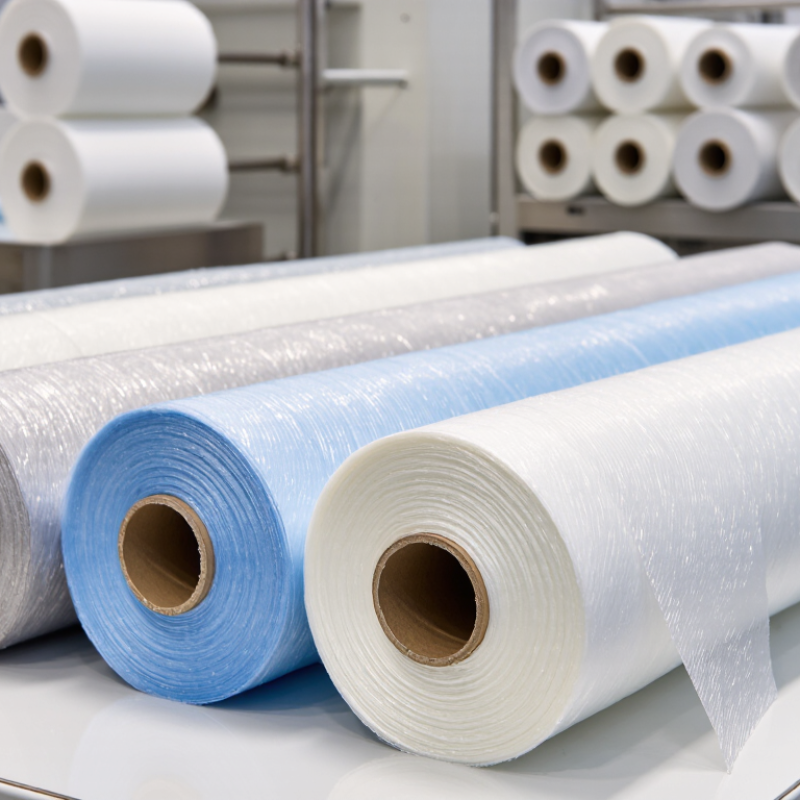
Nonwoven fabric is made by bonding fibers through heat, pressure, chemicals, or mechanical action, rather than weaving yarns. The process shapes its performance. Spunbond rolls are often selected for strength and breathability in bags, covers, and hygiene products. Meltblown webs have finer fibers and suit filtration layers. Spunlace feels soft and drapes well, making it useful for wipes and personal-care products. Needlepunch material offers a thicker, more textured structure for carpet backing and geotextile applications. These are starting points, not guarantees; fiber blend and bonding method also matter.
Grand View Research’s Nonwoven Fabrics Market report valued the global market at about US$53.9 billion in 2022 and projected 7.4% annual growth from 2023 to 2030. That broad market estimate signals demand across many applications, but it does not identify the right roll for your production line. Match the fabric to its job: check basis weight, width, tensile strength, absorbency, linting, and compatibility with cutting or sealing equipment. A soft sample can still tear under tension. Test under actual operating conditions.
Tips: Ask for a technical data sheet and a production sample. Confirm roll diameter, core size, and winding direction before ordering. Test several meters, not just a small swatch; a sample can conceal uneven texture across the roll. Record acceptance limits in writing, especially for weight and width.

Basis weight is measured in grams per square meter (gsm). These values are representative examples—not fixed specifications: the right weight depends on the product’s performance requirements, construction, and supplier specification.
Before requesting quotes, write down the roll dimensions your equipment can handle. Specify fabric width, roll length, and the permitted variation for each. A few millimeters can affect alignment on a converting line. Measure twice. Also confirm the core’s inner diameter and the maximum outer roll diameter, especially if rolls are loaded by hand or stored on racks.
Choose basis weight in grams per square meter according to the fabric’s job. A lightweight sheet may suit dust covers, while a heavier one may be needed for greater coverage or strength. State the fiber composition, bonding method, color, and any finish your process requires. “Nonwoven fabric” alone is too broad. If the material must absorb liquid, resist linting, or pass through heat sealing, describe the actual requirement rather than relying on a general label.
Ask the supplier to confirm tolerances and provide a sample roll or swatch for a production trial. Check how the fabric feeds, cuts, and behaves after handling; a specification that looks right on paper can still cause wrinkles or uneven edges. Include winding direction and packaging details if they affect loading or storage. It is easy to over-specify, too. Record which properties are essential and which can vary, then review them with the people who operate the equipment.
| Tip | Specification | What to Define | Practical Example |
|---|---|---|---|
| 1 | Intended application | Describe the end use and operating conditions first. The application helps determine the required material, weight, strength, and surface properties. | A disposable cover, filtration layer, agricultural crop cover, and reusable shopping bag may each require different fabric characteristics. |
| 2 | Fiber and polymer | Specify the fiber or polymer type and any requirements for recycled content, chemical compatibility, or heat resistance. Common options include polypropylene (PP), polyester (PET), and viscose. | PP spunbond is commonly used in lightweight packaging and hygiene applications; PET may be selected where higher temperature resistance is needed. Confirm suitability for the actual use. |
| 3 | Fabric construction | Name the required web-forming and bonding process, such as spunbond, meltblown, needle-punched, or hydroentangled. Construction affects texture, strength, filtration, and absorbency. | A layered spunbond-meltblown-spunbond construction may be specified for certain barrier applications; a needle-punched web may be appropriate for some geotextile uses. |
| 4 | Basis weight | Set the target basis weight in grams per square metre (gsm), together with an acceptable tolerance. A higher gsm generally means more material per area, but does not by itself guarantee strength or performance. | A project might request 40 gsm with a stated tolerance, while a heavier-duty use could require a higher weight confirmed through application testing. |
| 5 | Roll width | Specify the usable fabric width and width tolerance. Match the roll width to the converting equipment or finished-product layout to reduce trimming and waste. | Request a nominal width such as 1,600 mm only if it matches the equipment; confirm whether the quoted width is usable width or includes edge trim. |
| 6 | Roll length and outside diameter | Define the required length per roll, maximum outside diameter, and any roll-weight limit. These details affect machine changeovers, handling, and transport. | Provide a target length per roll and a maximum diameter that the unwinding station can accommodate; ask the supplier to state the expected roll weight. |
| 7 | Core size and winding | Confirm the core's inside diameter, core material, winding direction, and whether the roll must unwind from a particular side. Check compatibility with the machine shaft. | A 76 mm (3 in) core is used in many converting setups, but the required core size should be verified against the buyer's equipment. |
| 8 | Strength and elongation | Set minimum tensile strength and acceptable elongation in both machine direction (MD) and cross direction (CD), using an agreed test method and specimen conditions. | Ask for MD and CD results on a sample or technical data sheet rather than relying on a single general strength value. |
| 9 | Surface and functional treatments | State requirements such as hydrophilic or water-repellent finish, antistatic treatment, color, printing, or UV stabilization. Specify the test method and performance target where applicable. | For an outdoor crop-cover project, define the required UV-stabilization performance and intended exposure period; do not assume untreated fabric will meet it. |
| 10 | Quality, packing, and documentation | Agree on inspection criteria, roll identification, packaging, storage conditions, and required test reports or compliance documents. Approve a representative sample before production. | Record lot number, width, gsm, roll length, and inspection results on each roll label; specify moisture protection and pallet requirements for shipment. |
Compare material quality before comparing prices. Nonwoven rolls may look similar, yet fiber bonding and consistency affect how they perform. Gently pull a sample and check for loose fibers, weak spots, or uneven texture. Notice any strong odor, too. Weight, usually listed in grams per square meter, influences thickness, drape, and strength. A heavier fabric is not automatically better; it may be too stiff for your application.
Tip: Request a cut sample. Weigh a measured piece and test it on your equipment. Feel the surface, too.
Check roll width against the usable width your project needs, not just the listed measurement. Measure several points, since uneven edges can create waste. Then compare the finish: a smooth, textured, coated, or soft-touch surface can change grip, absorbency, and printing results. A glossy finish may look appealing but reduce grip. I would test it before committing to a large order. Keep notes on sample weight, width, and finish; small differences can become noticeable across a full roll.
Buying rolls starts with supplier checks. Ask for a current specification sheet, a sample roll, and recent production references. Confirm that fabric weight, width, fiber blend, color tolerance, and roll length match your needs. A responsive contact helps, but written answers matter more. Check whether batch labels and inspection records are available. Keep records.
Tip: Compare suppliers using the same written specification. Request a small sample before committing to full production. Inspect the edges, thickness, and how the fabric behaves when cut or folded. One sample can mislead if production varies, so ask how defects are handled. I would not treat a neat sample as proof of every roll; that assumption is easy to make.
Tip: Compare total delivered cost, not just the quoted price per kilogram. Include freight, packing, core size, payment terms, and setup charges. Clarify the minimum order quantity, whether colors or widths change it, and whether mixed lots are allowed. These terms affect storage and cash flow. A low quote may still be awkward. Ask for a written quote with its validity date and estimated lead time.
Before approving a nonwoven roll, request a sample from the actual production lot, not just a showroom swatch. Compare basis weight, usable width, color, hand feel, and relevant strength or absorbency results against written tolerances. Keep a signed reference swatch. Photograph both sides. Textile Exchange’s Materials Market Report 2024 estimates global fiber production reached 124 million tonnes in 2023. That scale says little about one roll’s consistency. Ask for the test method and sampling frequency. One easy-to-miss detail: edge curl can disrupt feeding even when the center looks perfect.
Keep rolls in their original wrap, on clean pallets, away from damp floors, direct sunlight, and heaters. Confirm whether rolls should be stored horizontally and ask for stacking limits; assumptions can deform edges or cores. Record warehouse conditions and follow the supplier’s storage limits, since a generic humidity target may mislead. Before dispatch, agree on roll count, width tolerance, core diameter, labels, pallet dimensions, and delivery window. Confirm tracking, unloading needs, and how shortages or transit damage will be documented. Request photos of wrapped pallets before shipment. Delivery dates matter.
Registered in England & Wales No. 2786496
Registered office at: 337 Tanworth Lane,
Shirley, Solihull, B90 4DU
Registered for VAT, registration No.
GB 655 1347 38


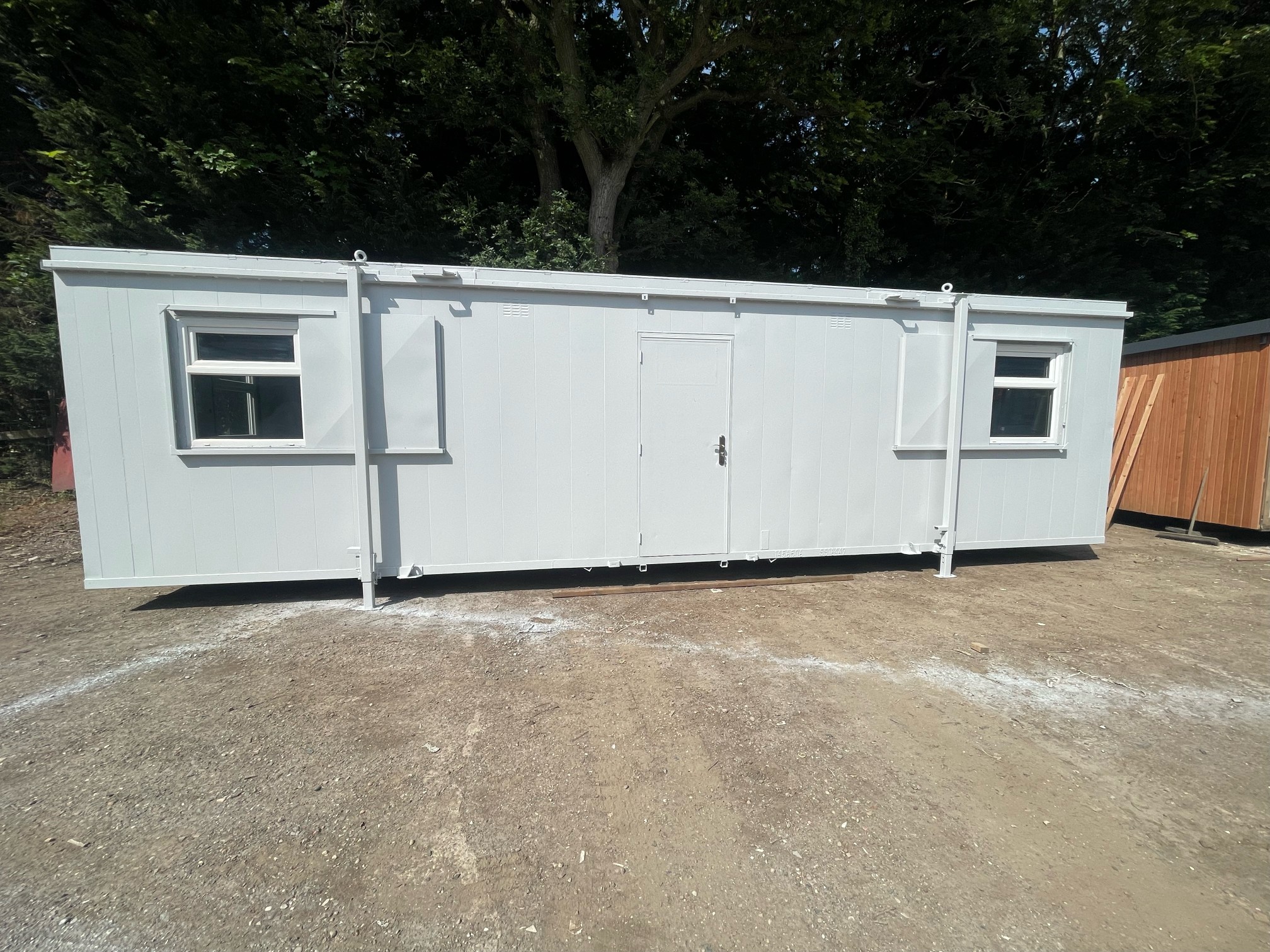
Location: Nationwide
Not Available for Hire
We can deliver for a cost please ask and send us post code.
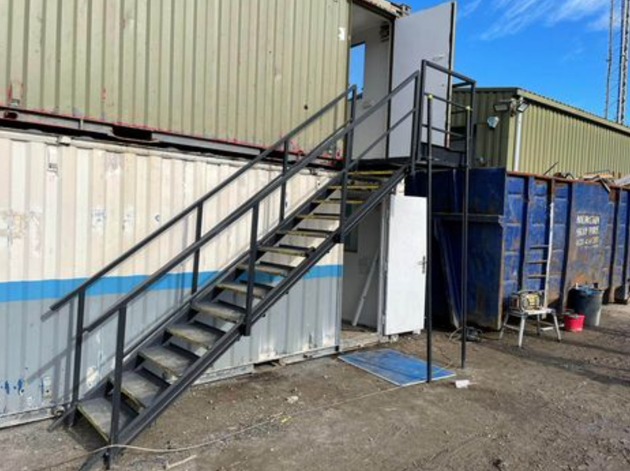
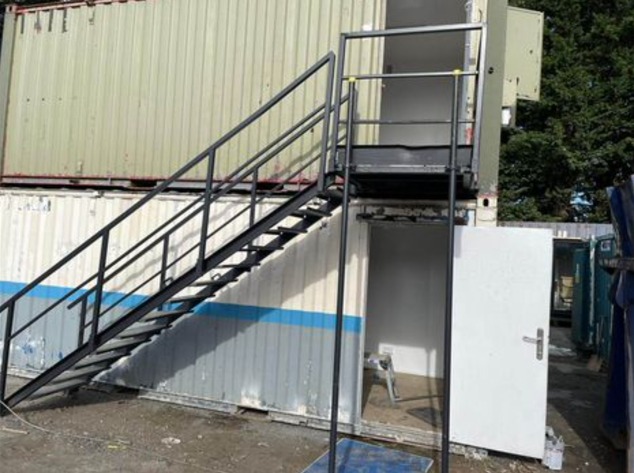
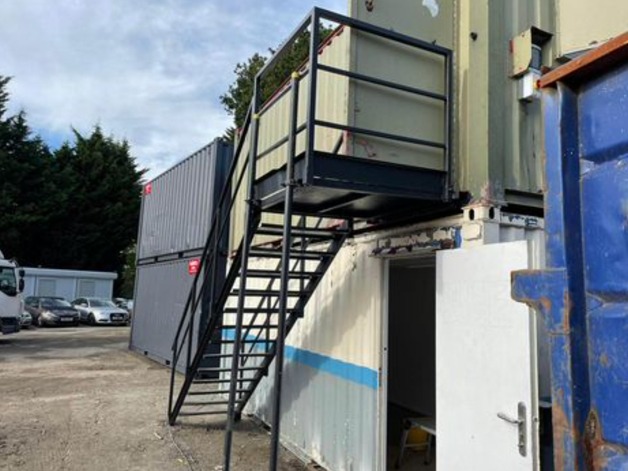
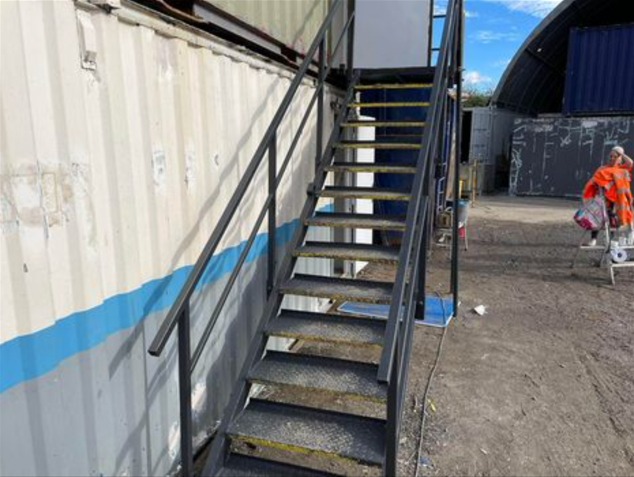
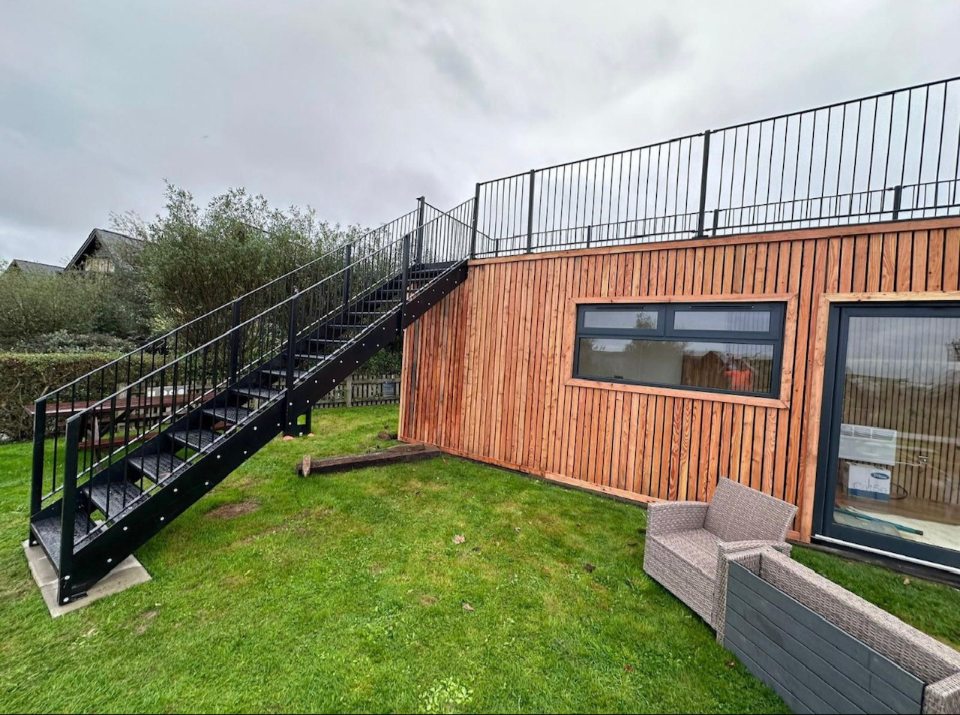
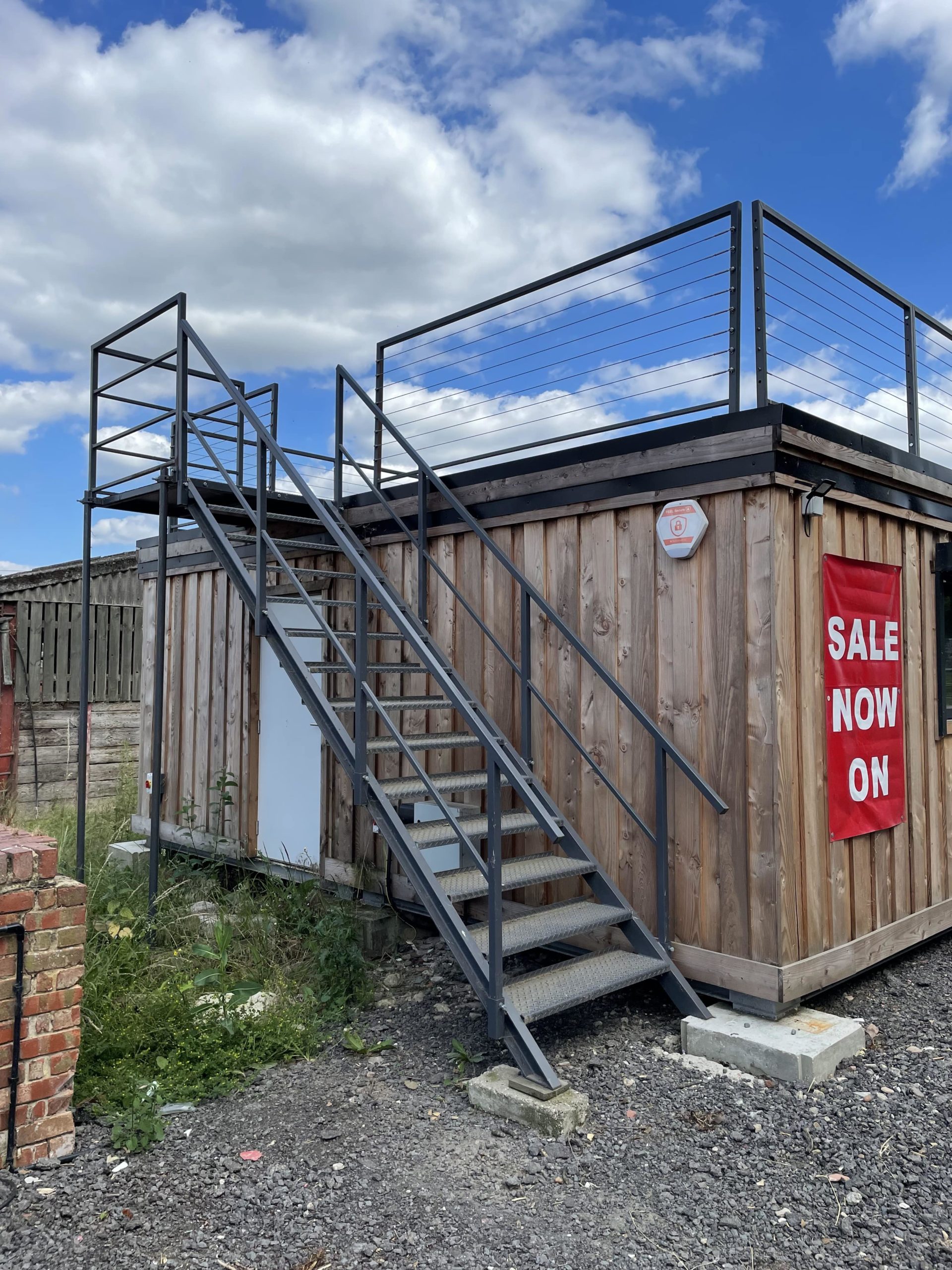
13 tread
14 tread
15 tread


Location: Nationwide
Not Available for Hire
Call for an instant quote!


Location: Nationwide
Not Available for Hire
We can deliver for a cost please ask and send us post code.
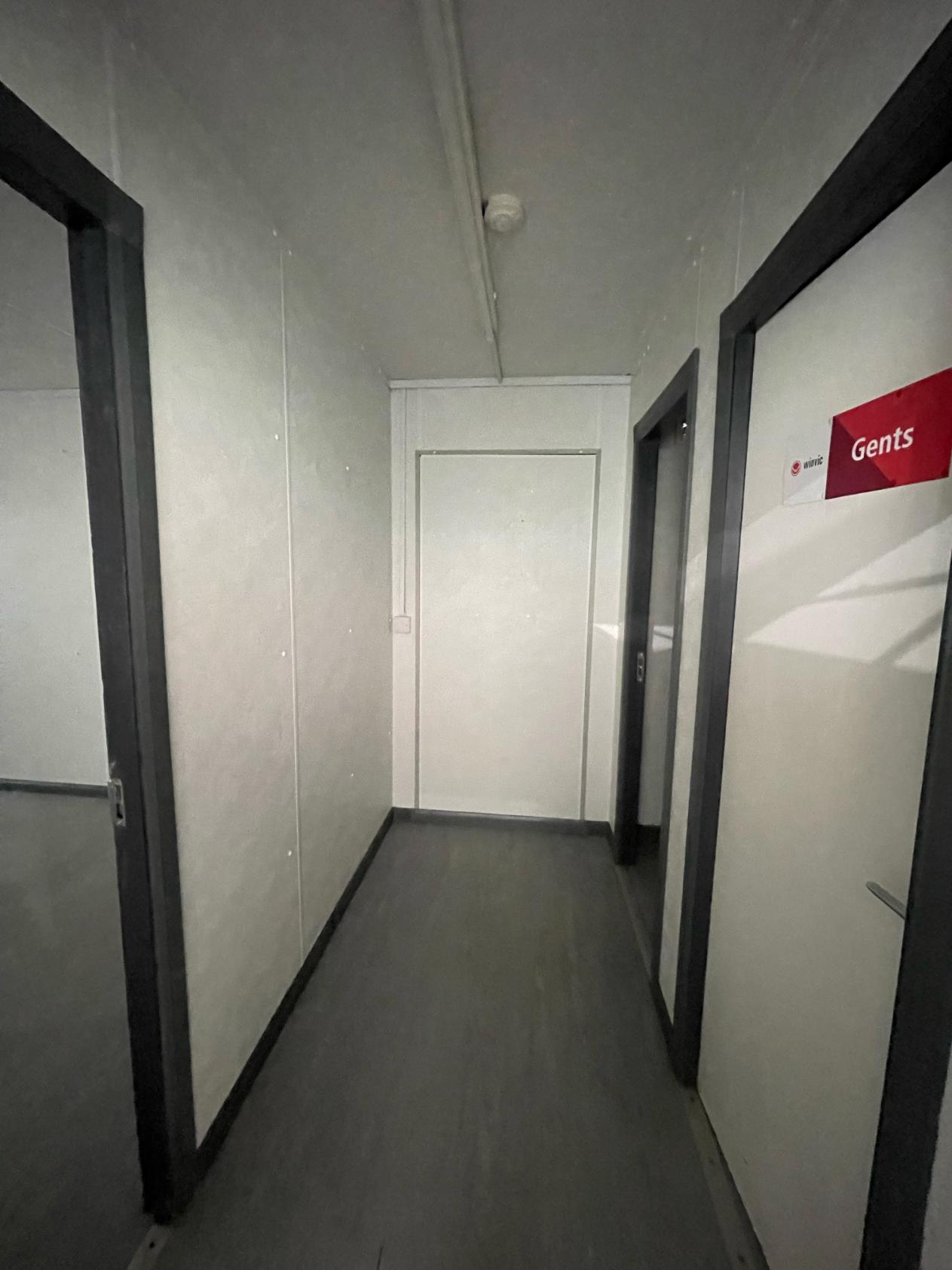
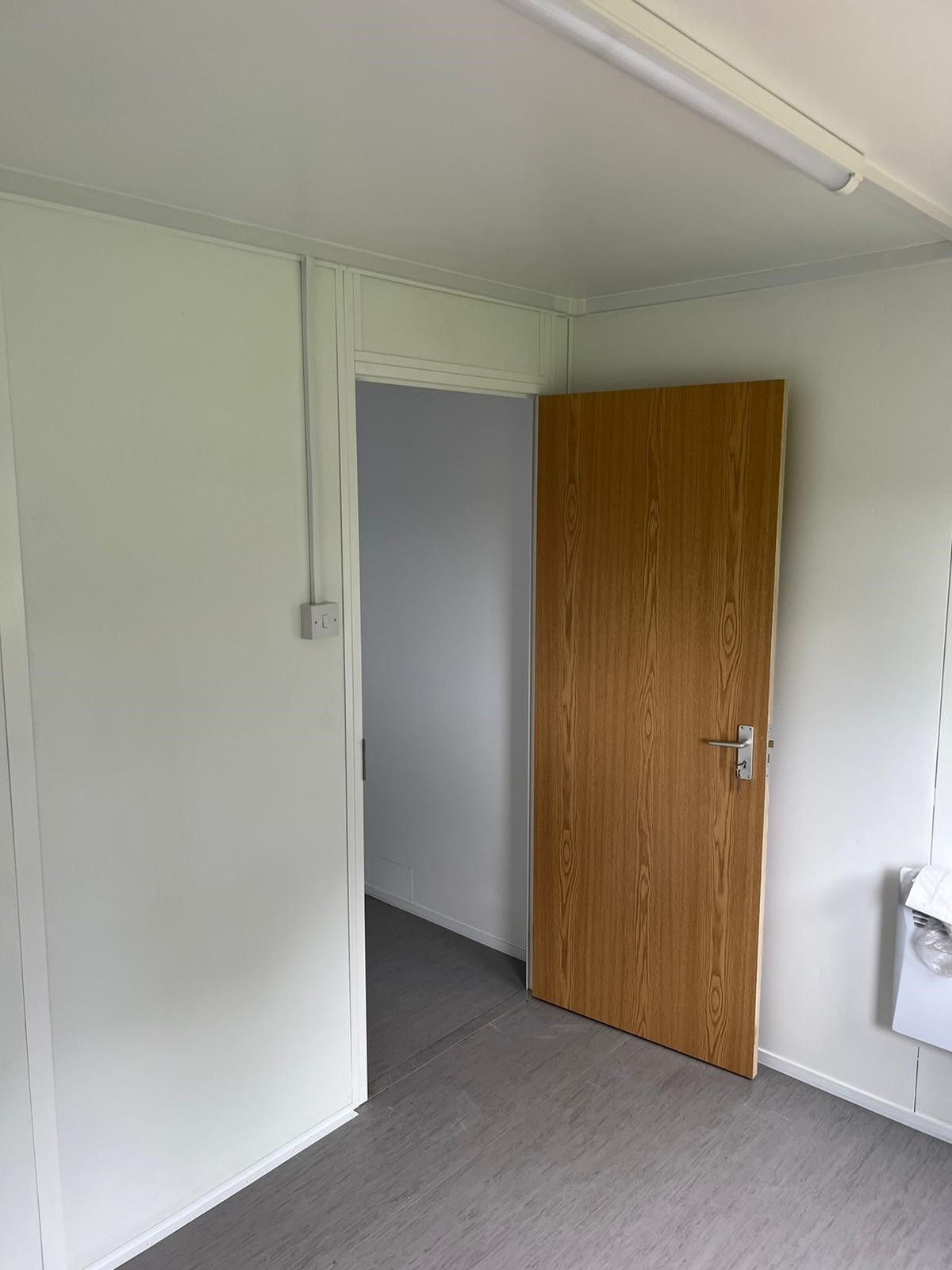
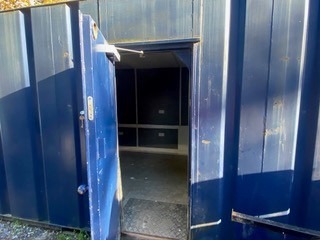
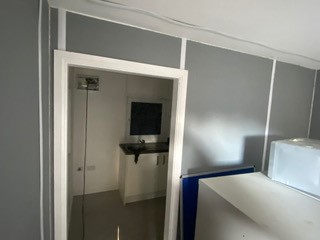
Hallway leading into:
Transport can be arranged please ask.


Location: Nationwide
Not Available for Hire
Call for an instant quote!
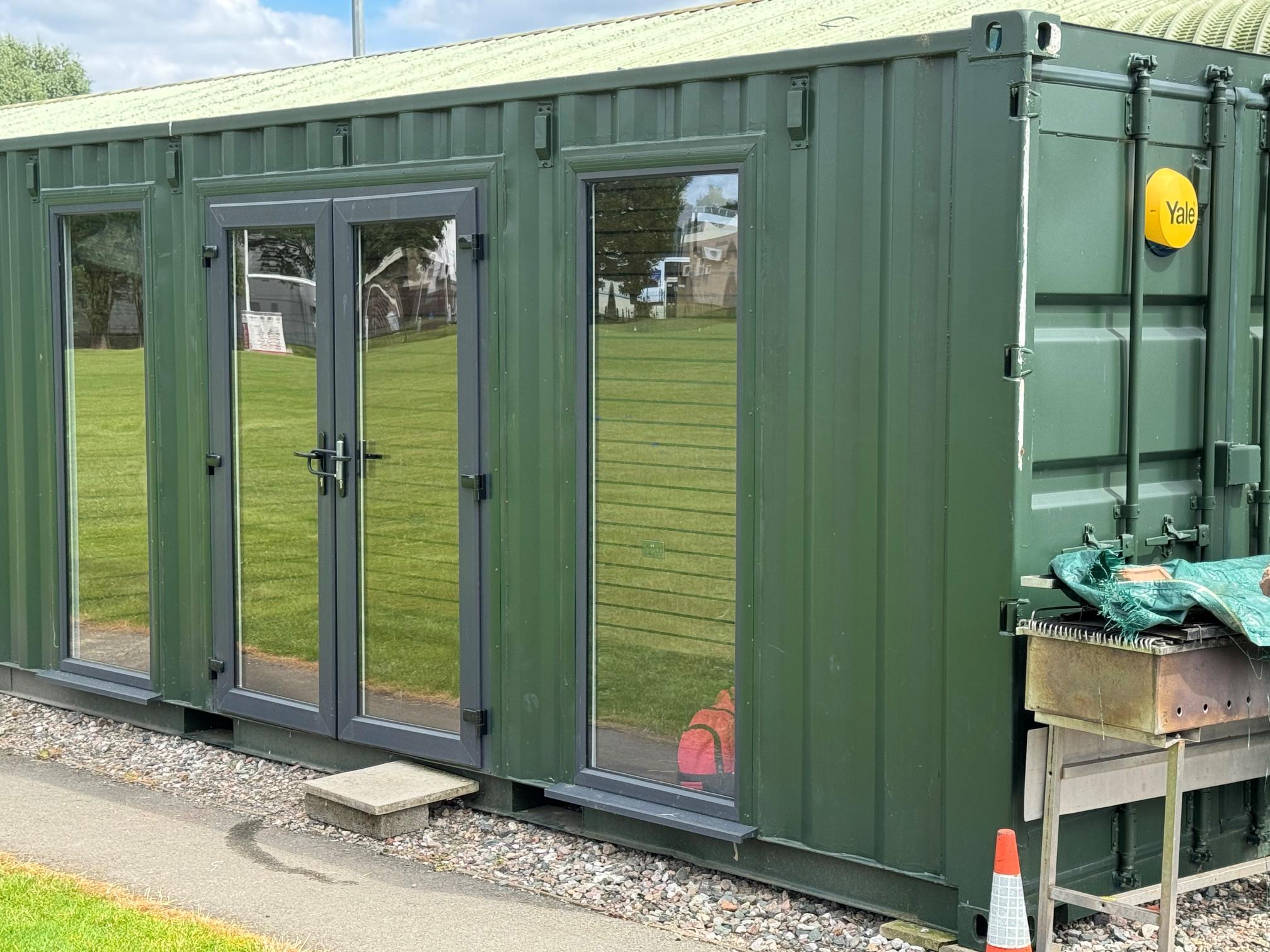
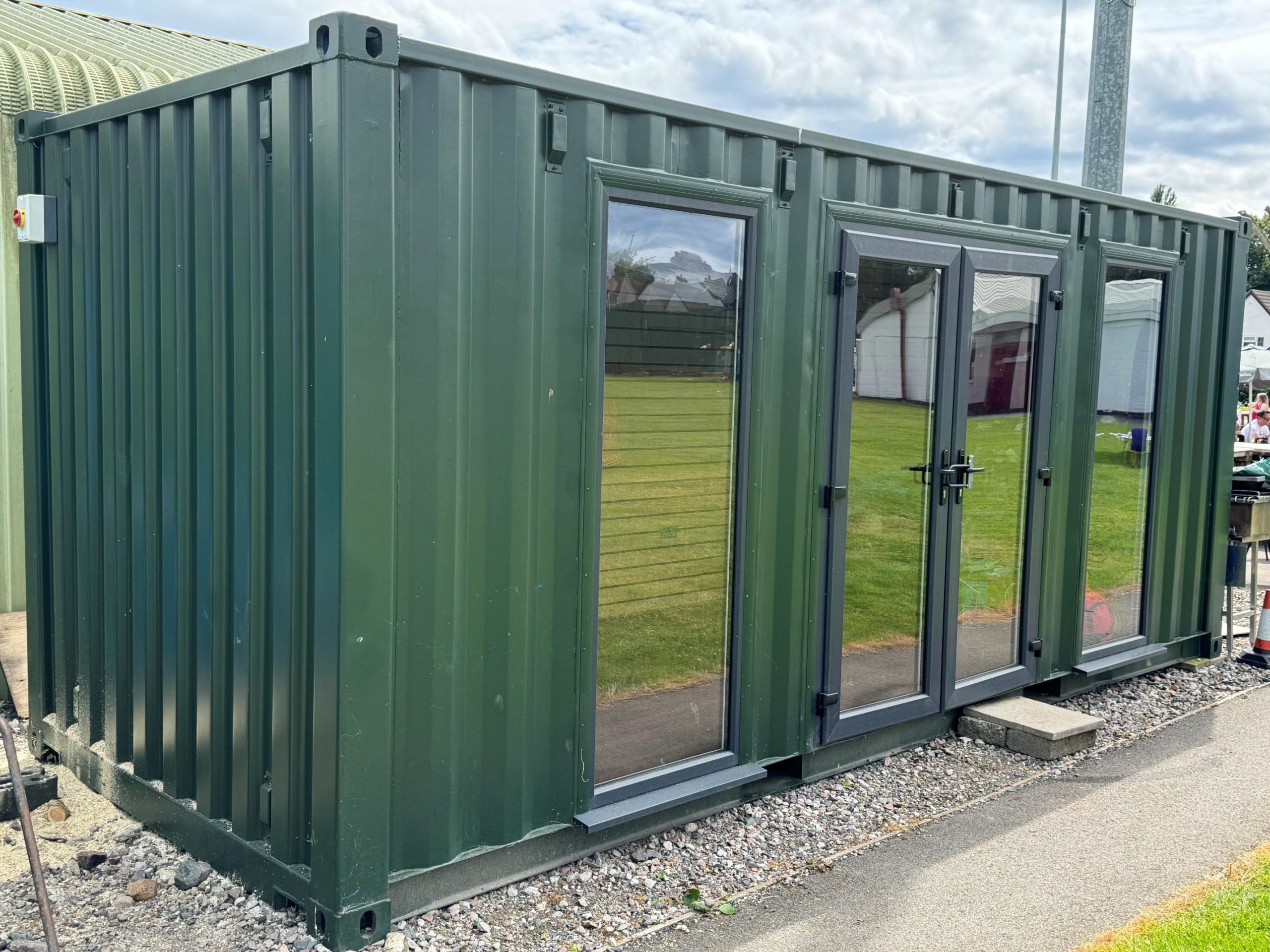
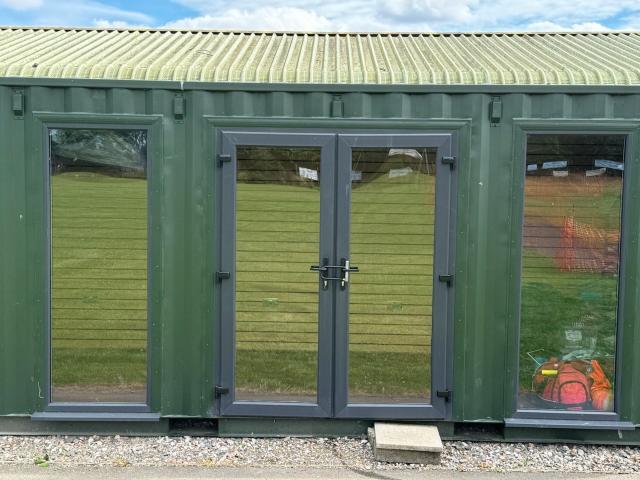
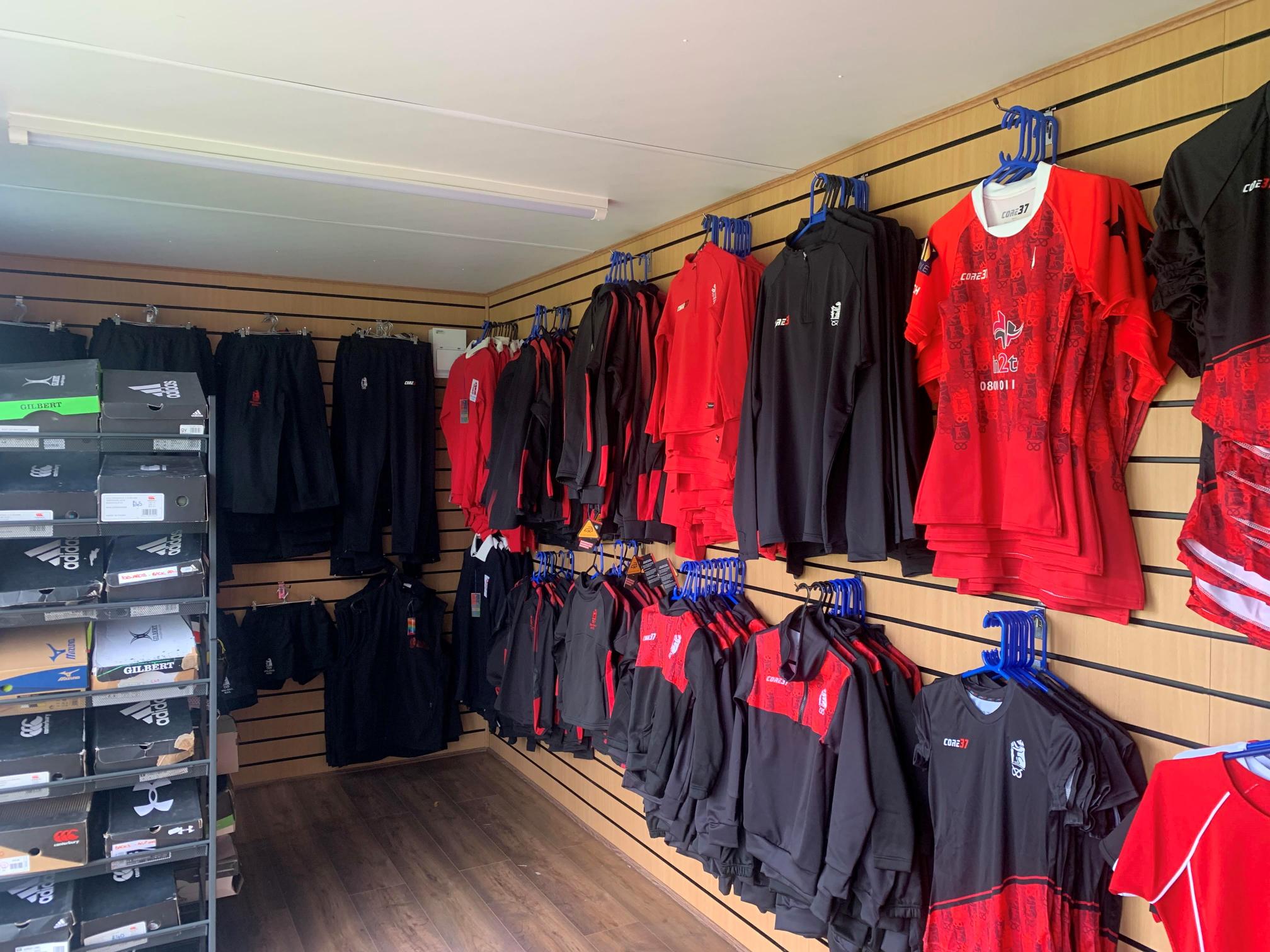
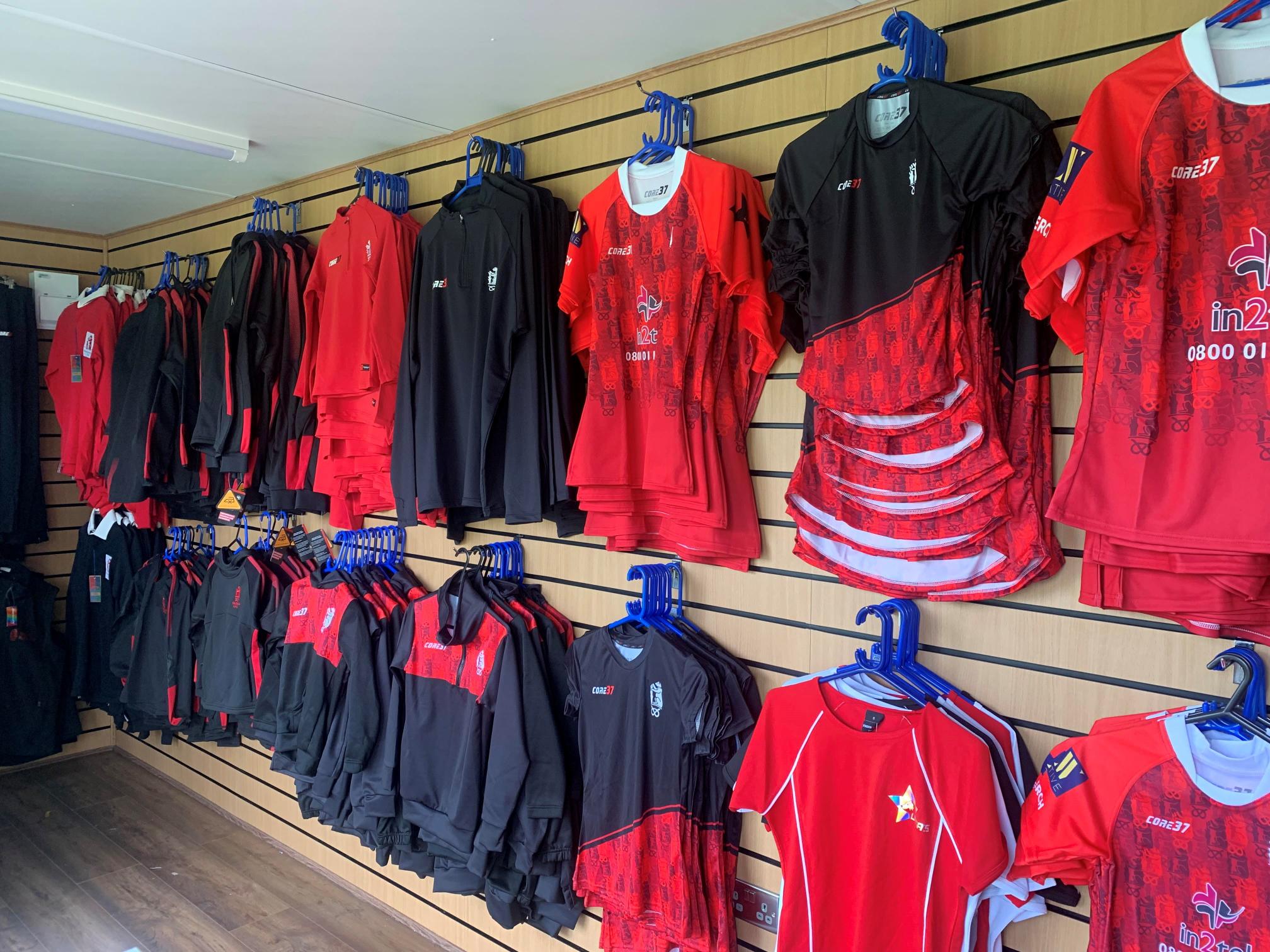
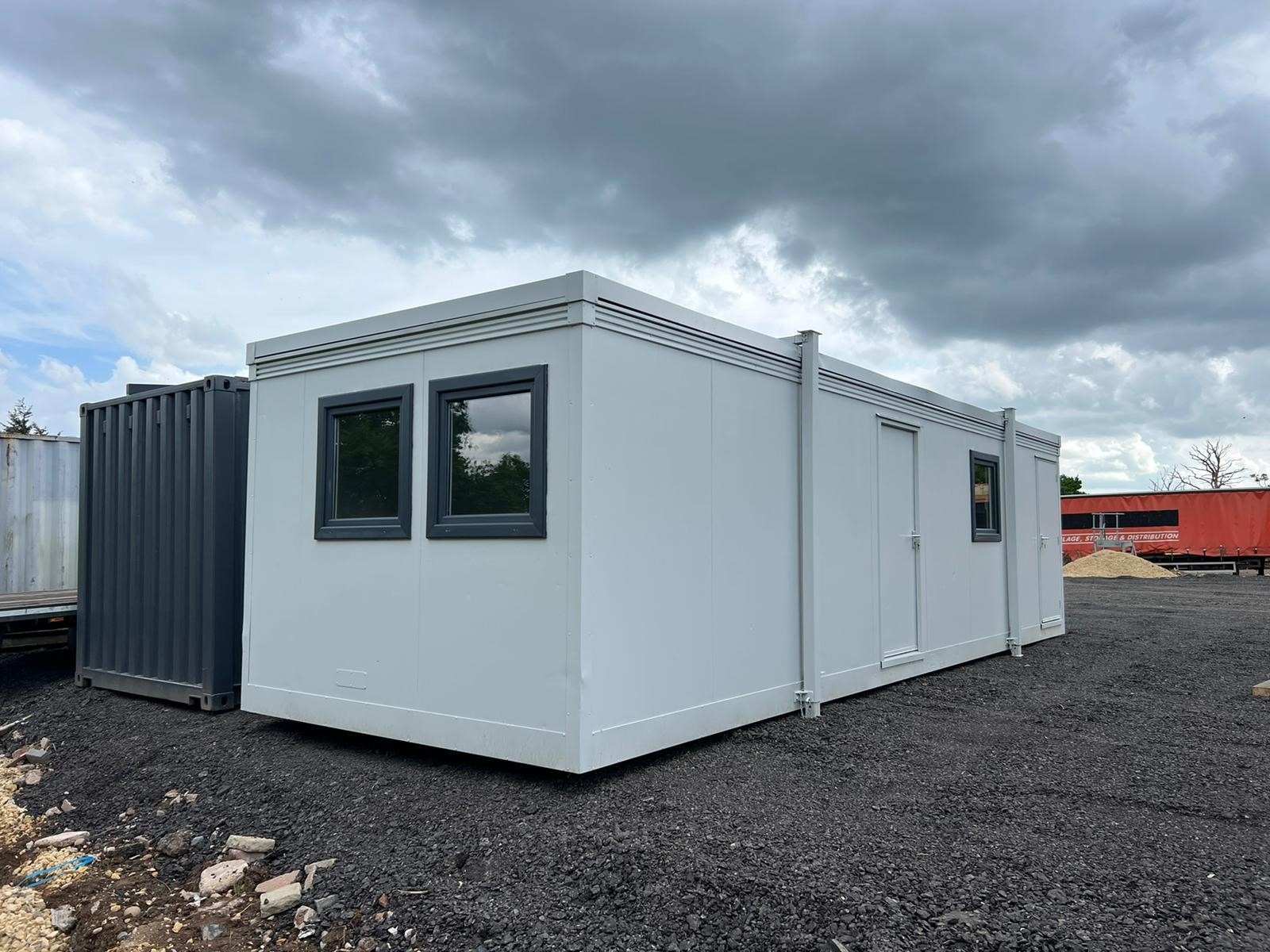
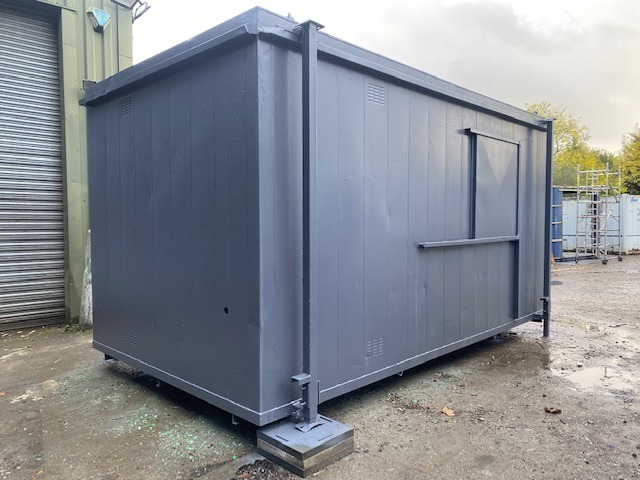
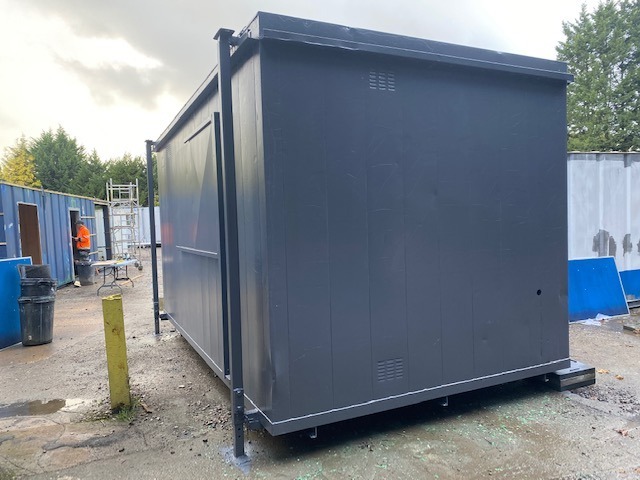
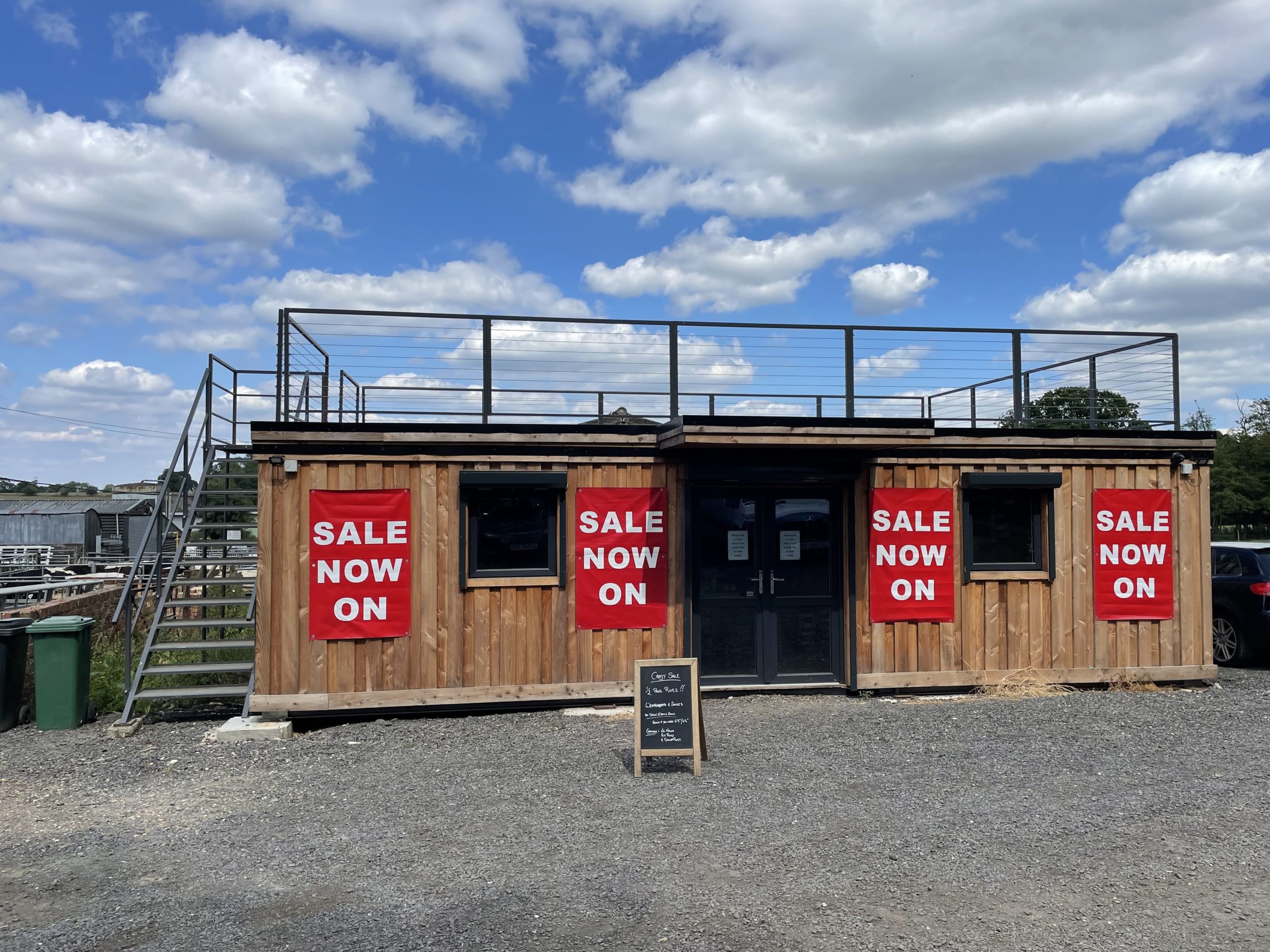
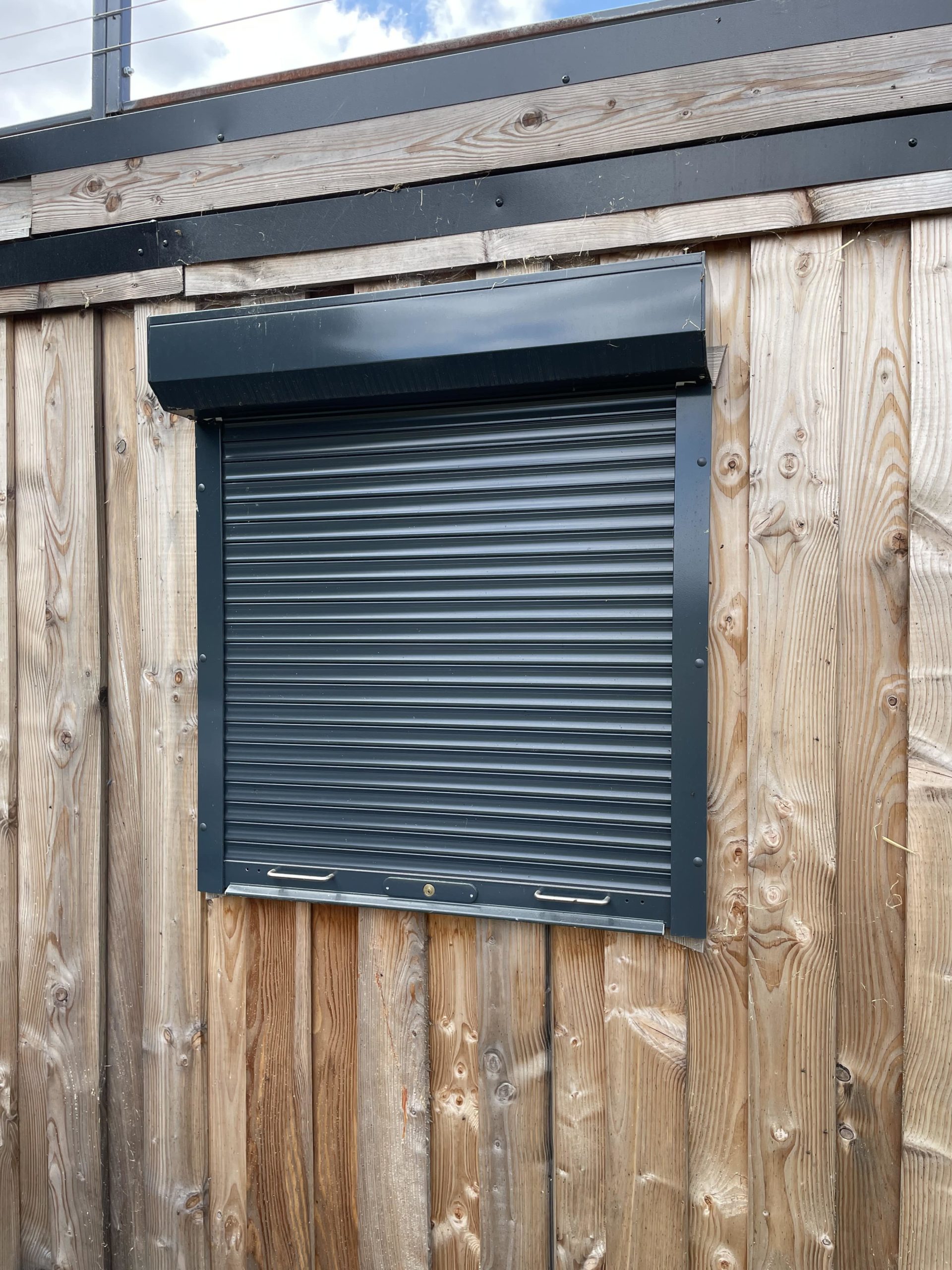
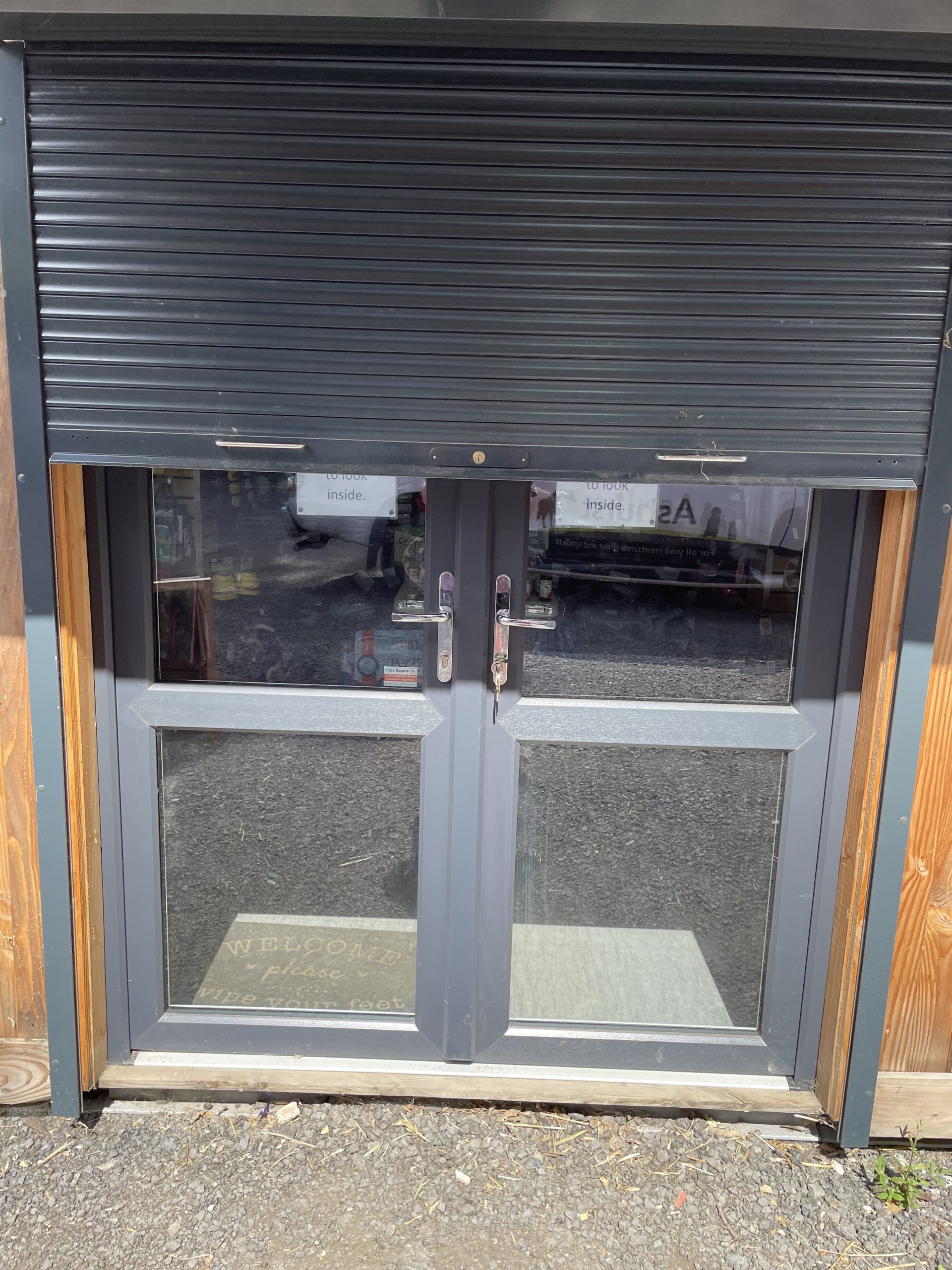
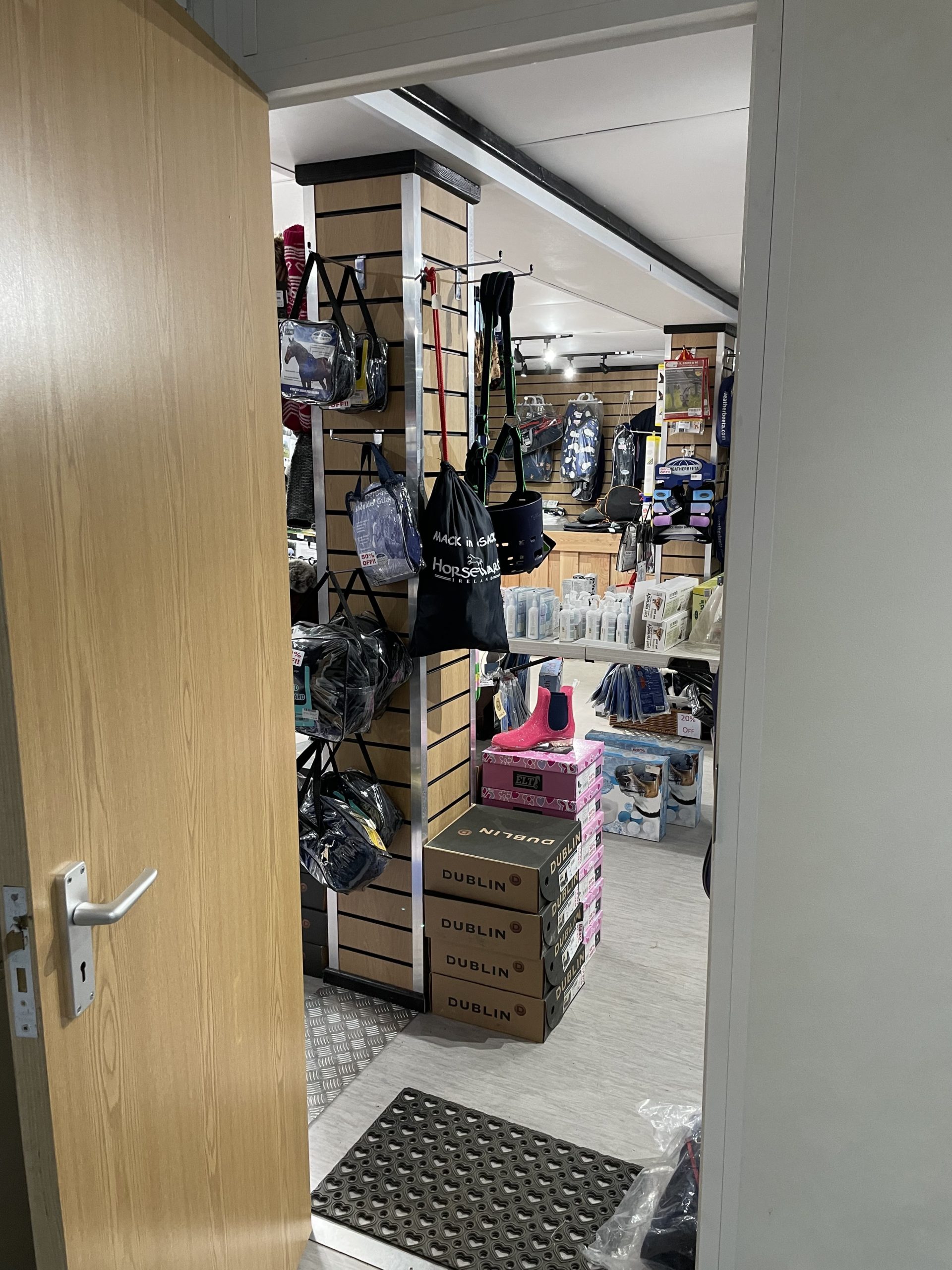
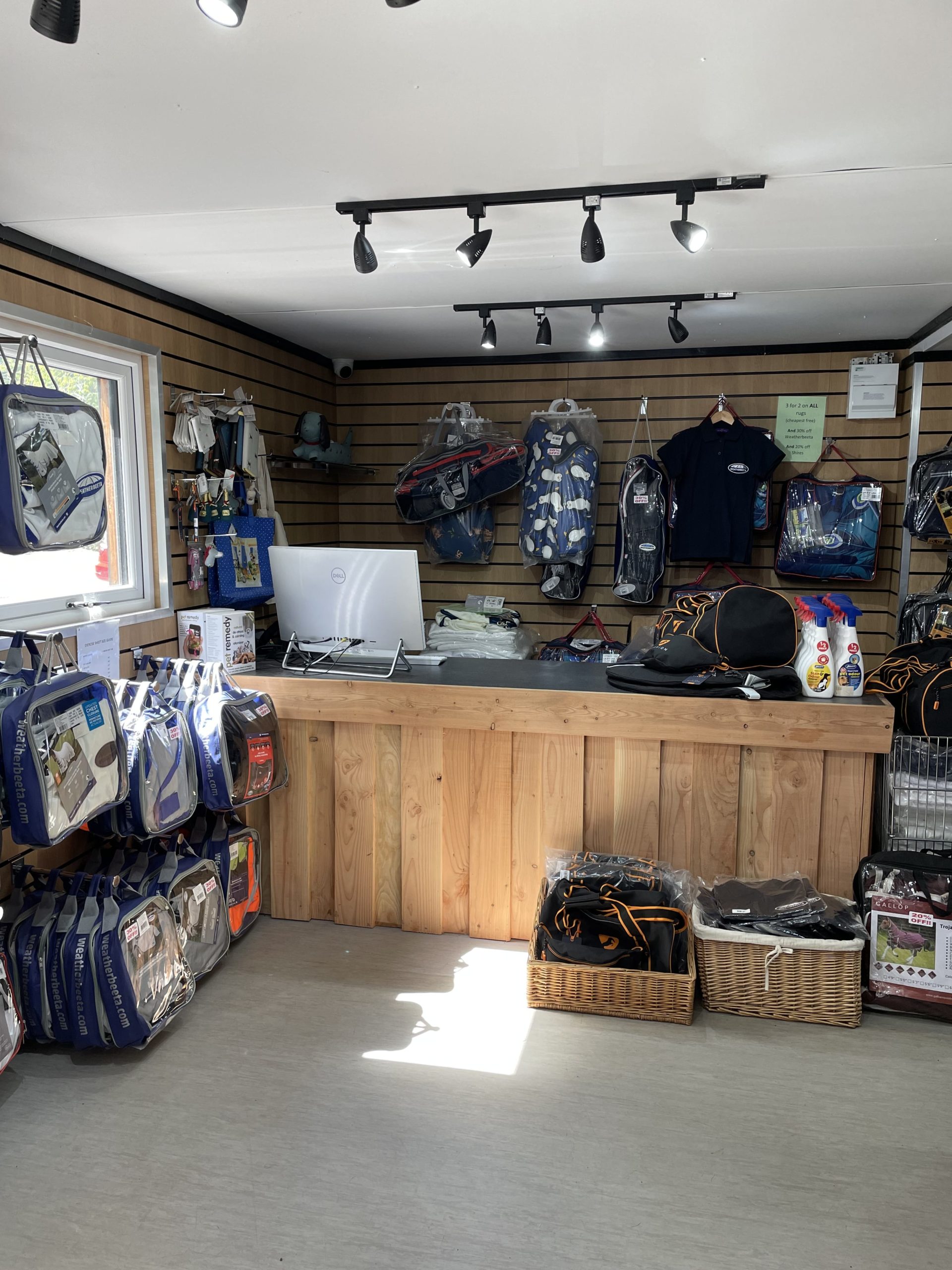
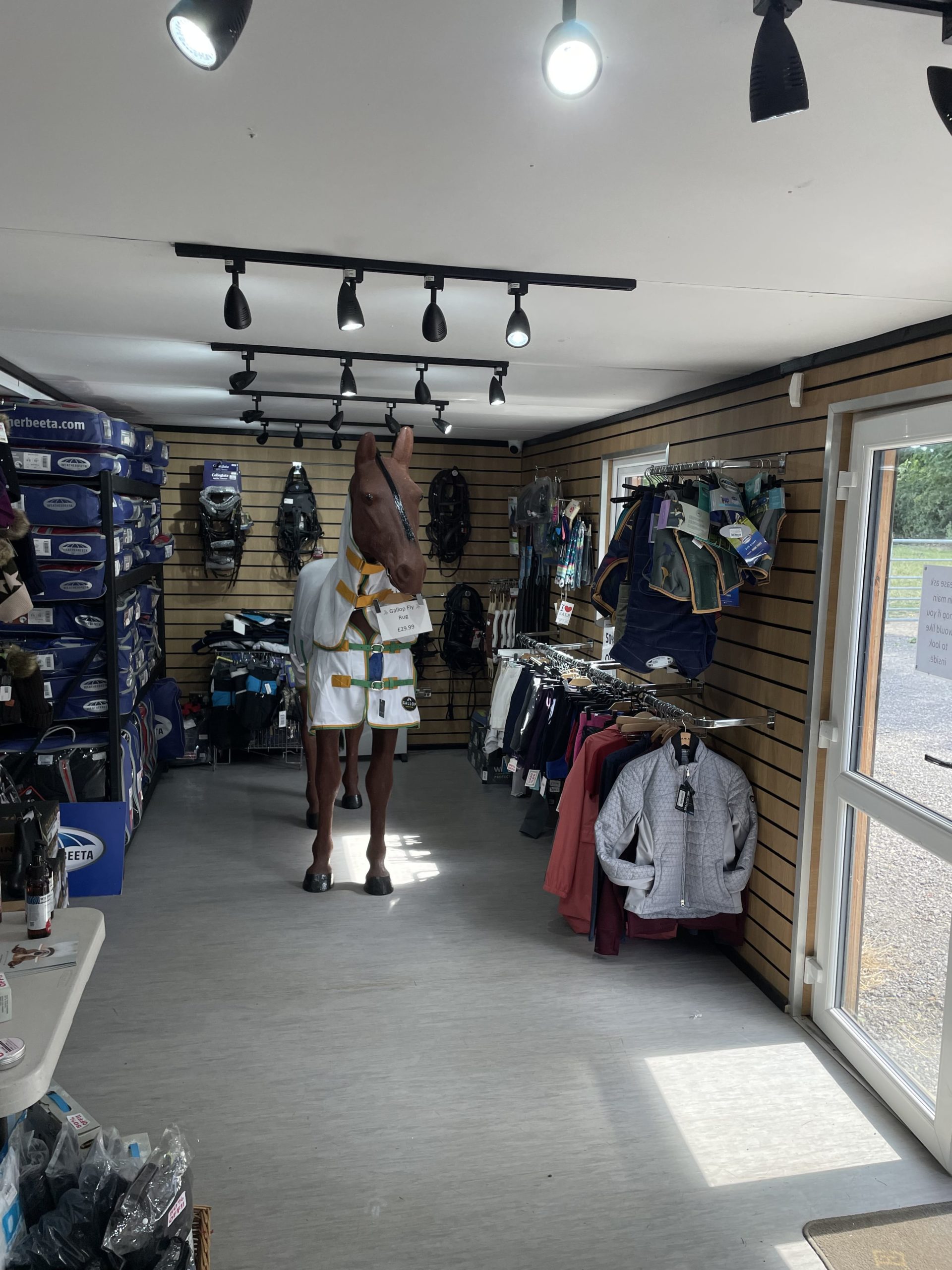
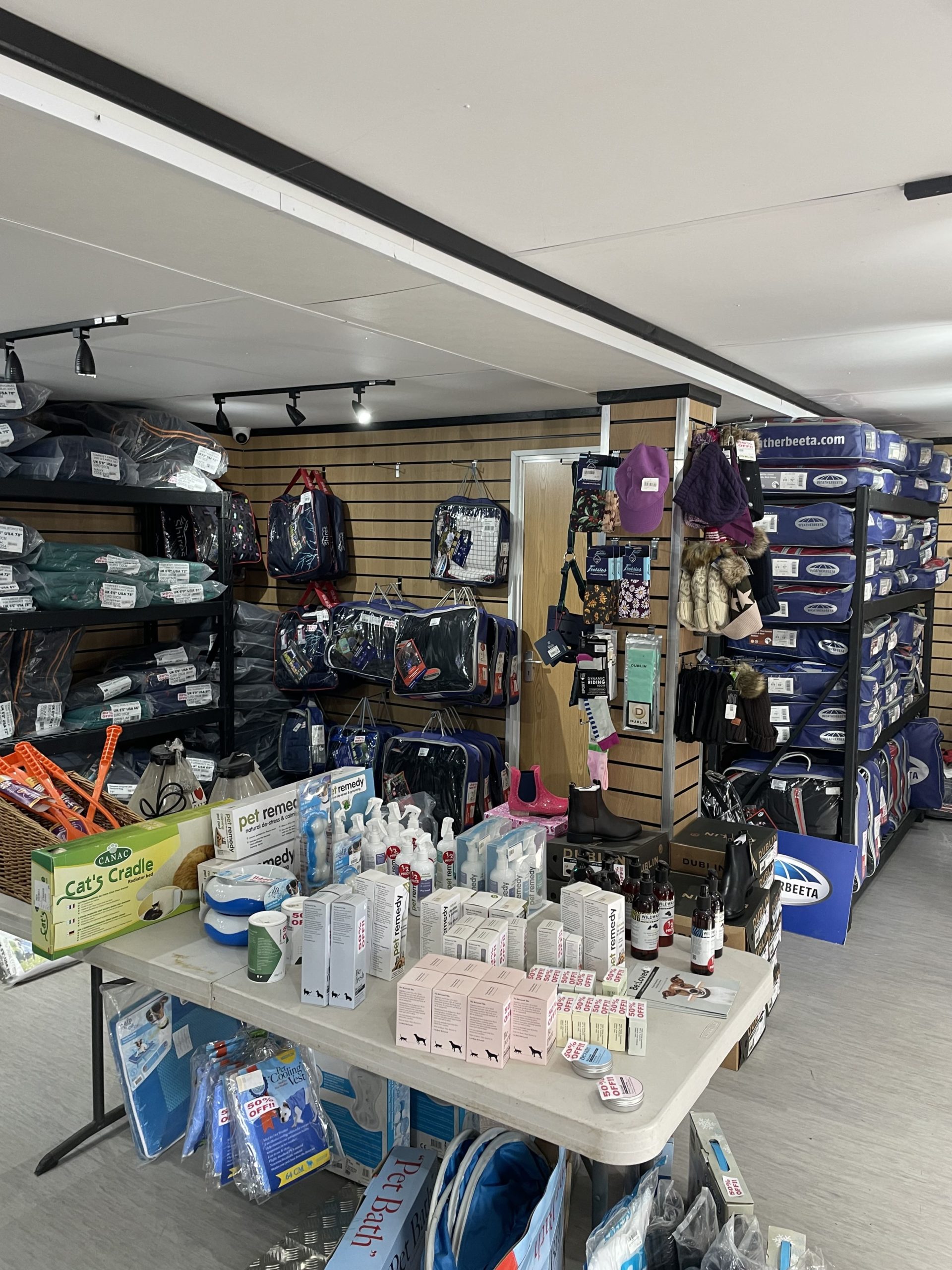
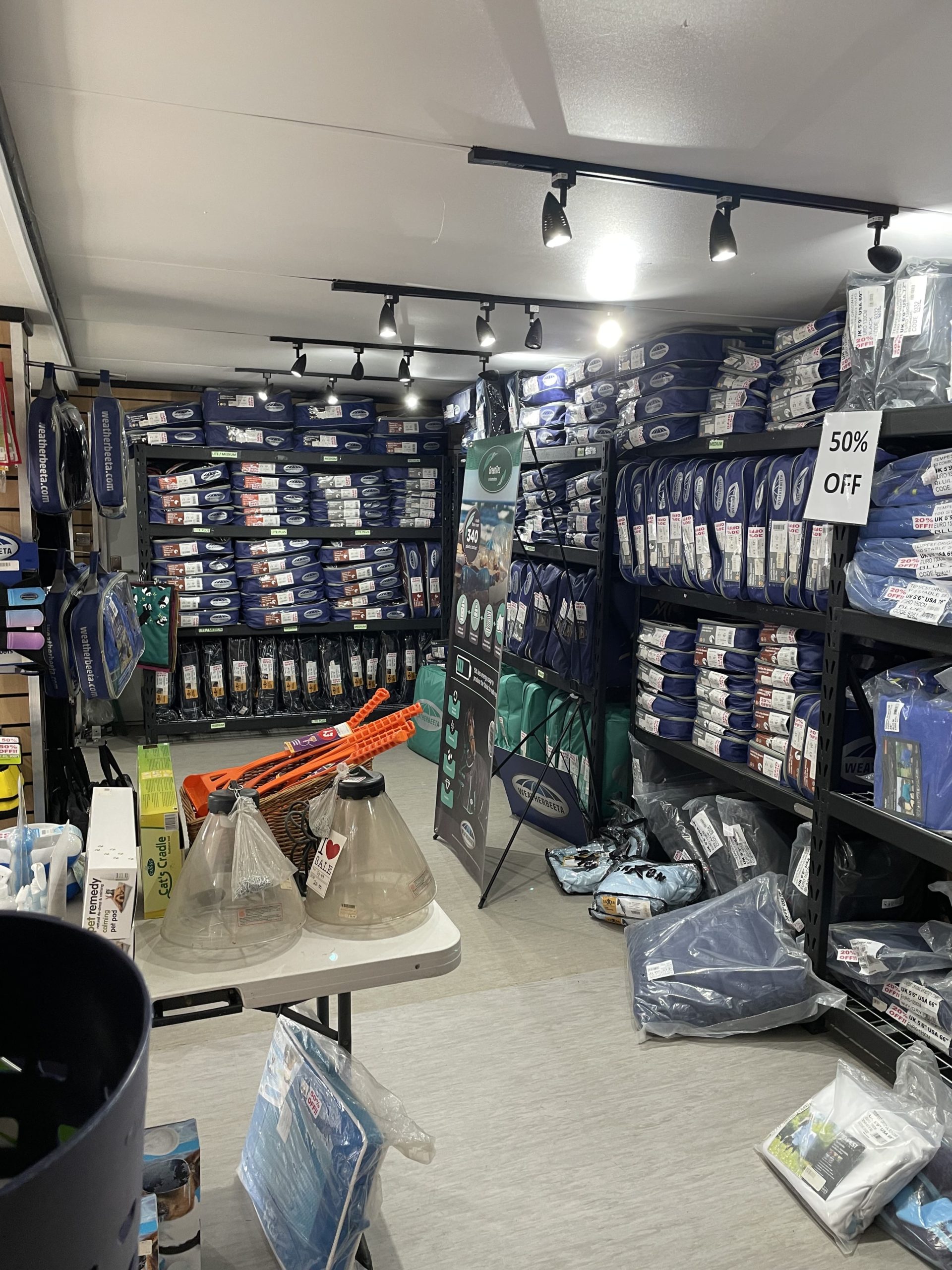
20ft x 8ft Container Conversion Retail Shop
UPVC Double glazed Windows + French Doors
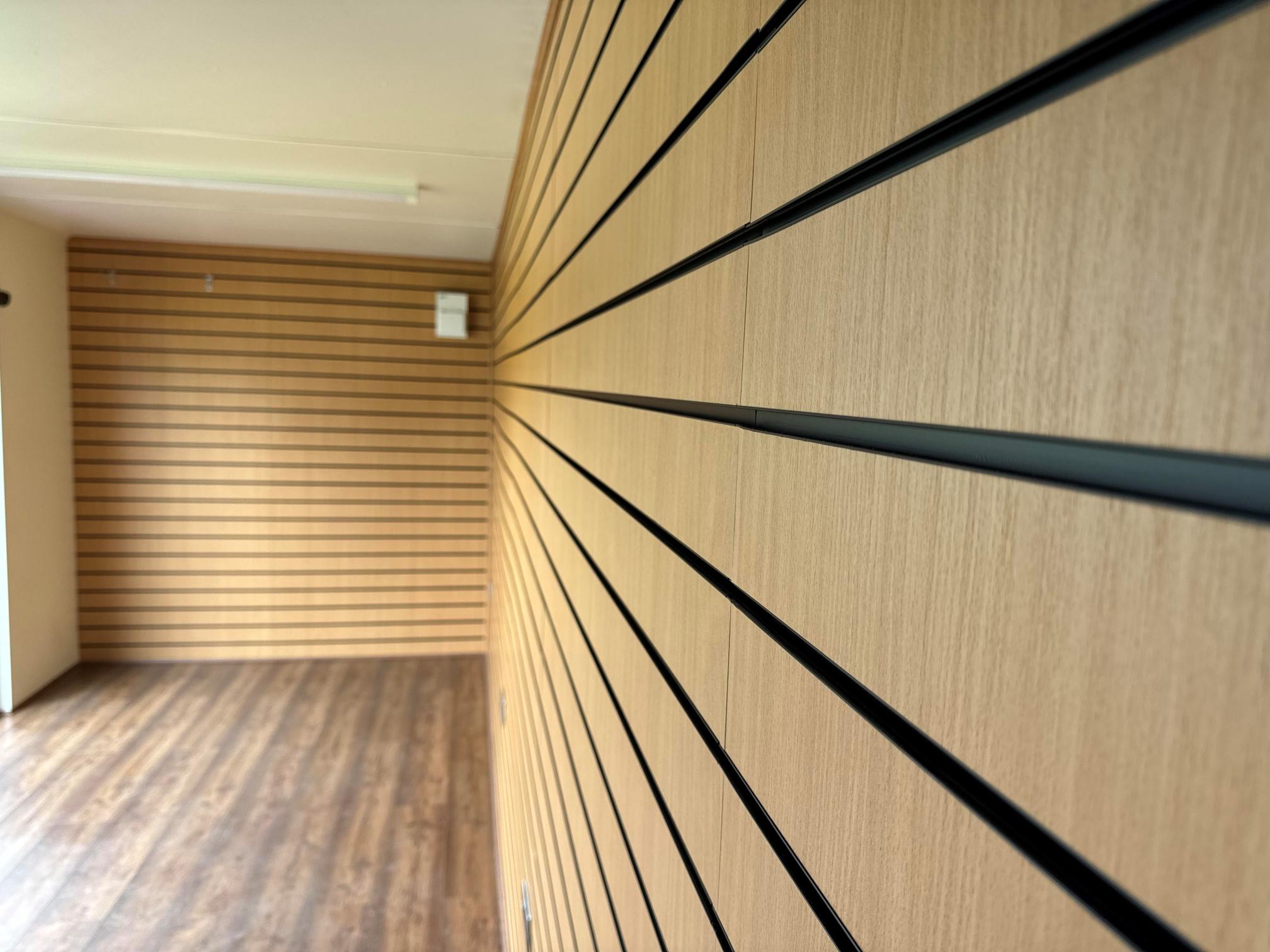
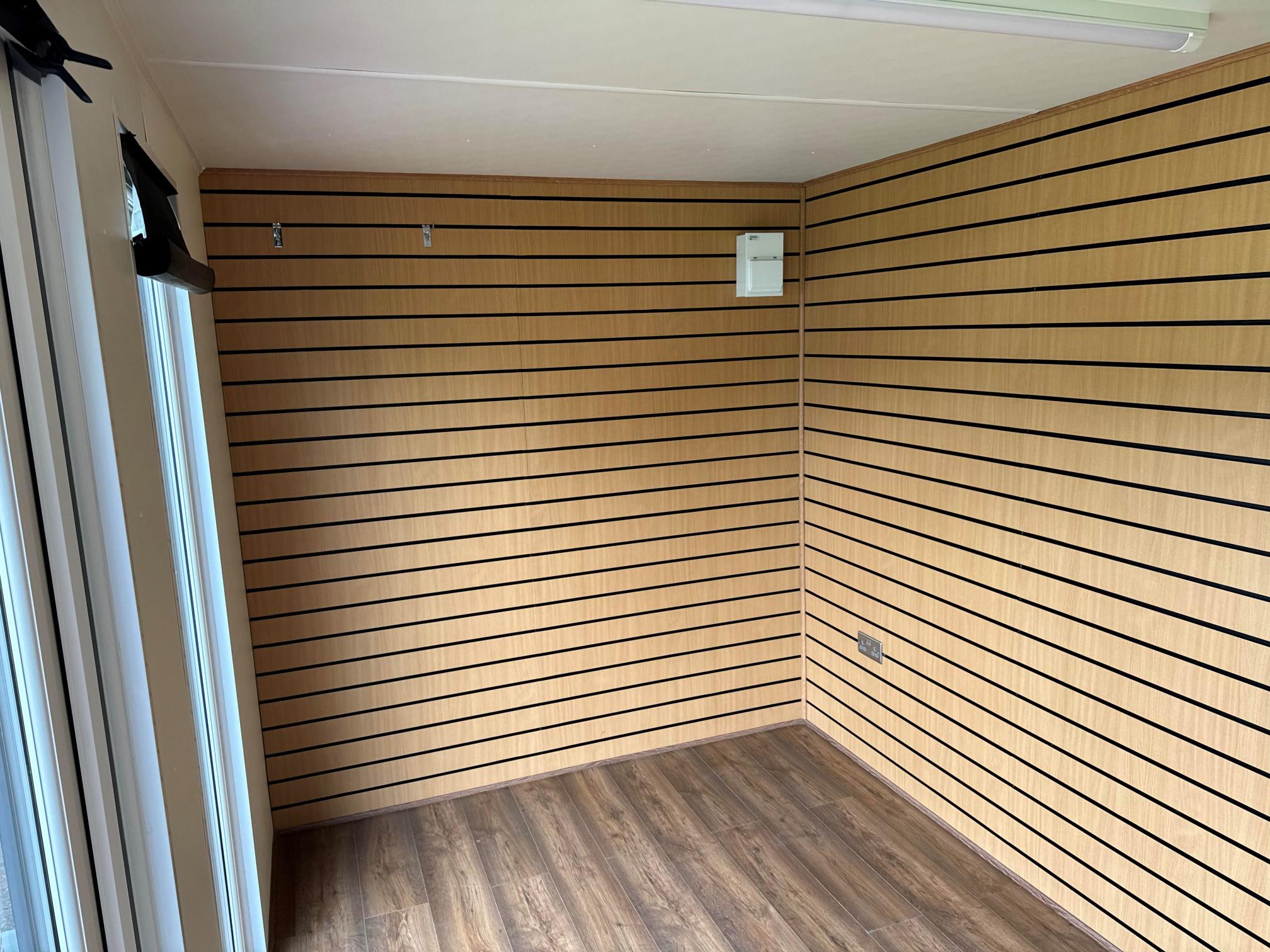
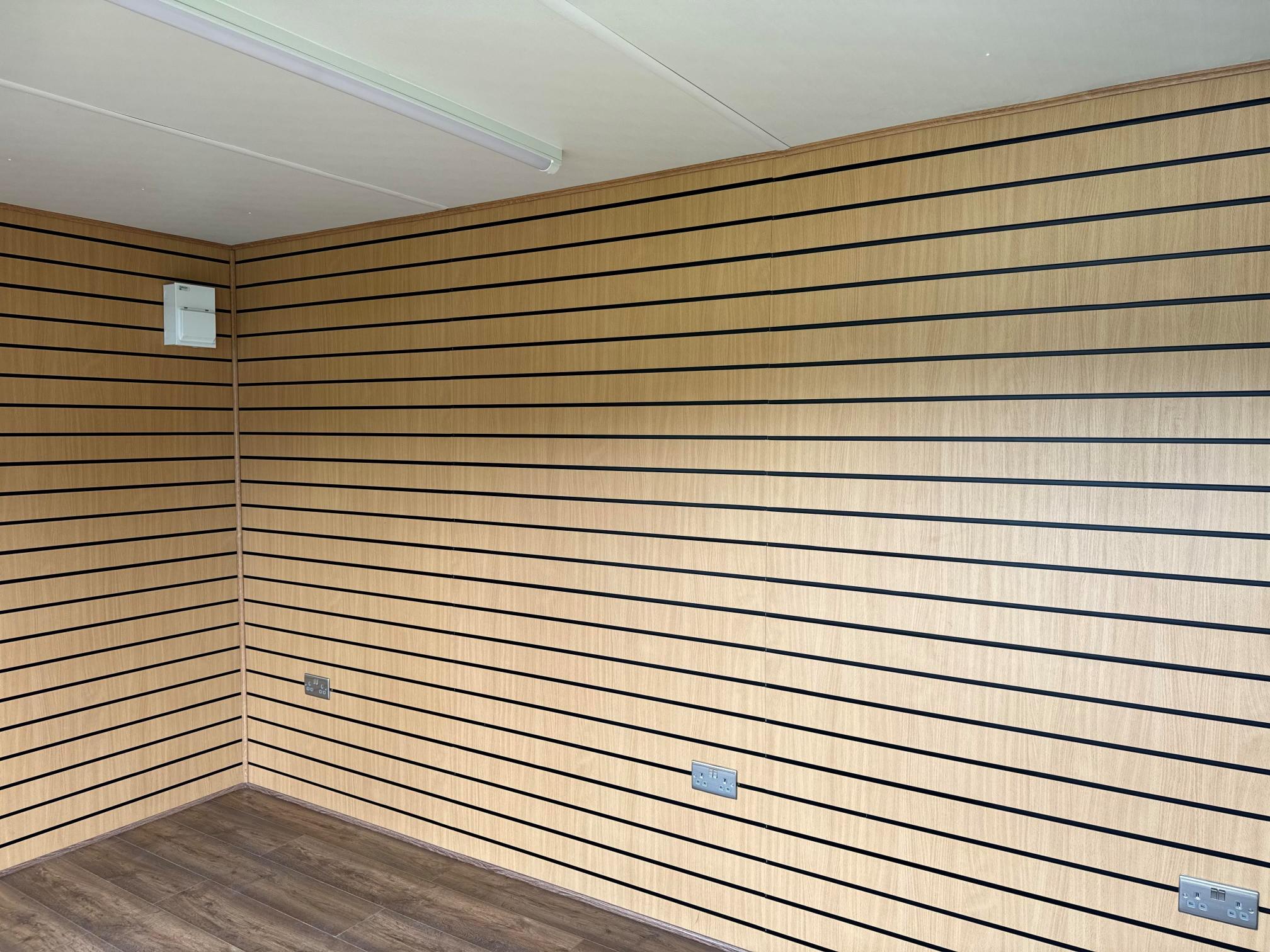
Slat Wall for retail fixings and Merchandise
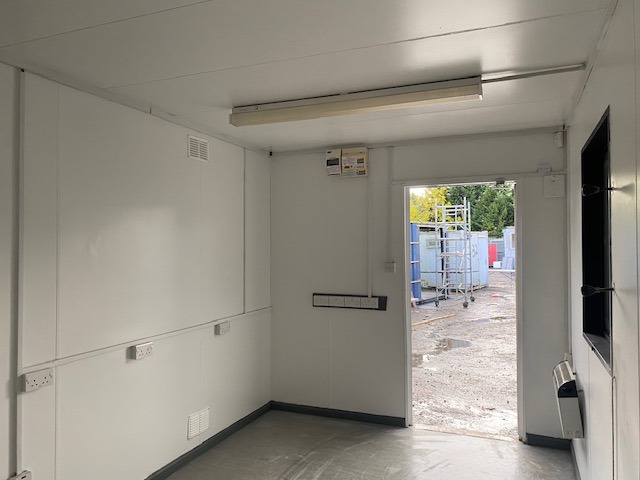
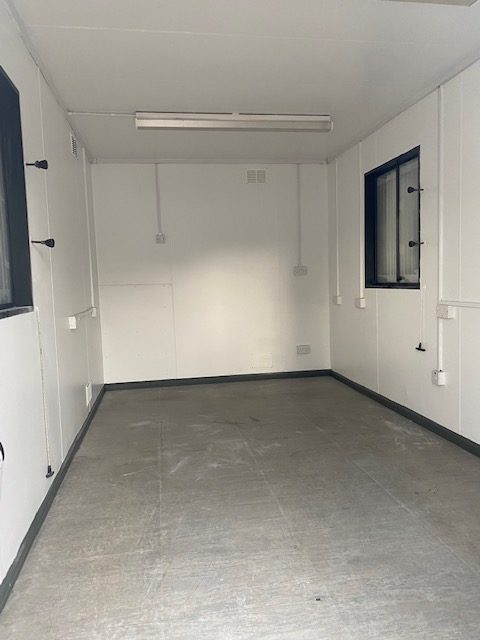
Electric Chrome Sockets, led lighting and heating.
Laminate Flooring
12 months Warranty
Maintenance call out package included
Less than 2 years old
Still in Brand New Condition


Fully refurbished
Colour light grey
Slate grey anthracite upvc double glazed windows


Location: Nationwide
+ VAT
Not Available for Hire
Call for an instant quote!
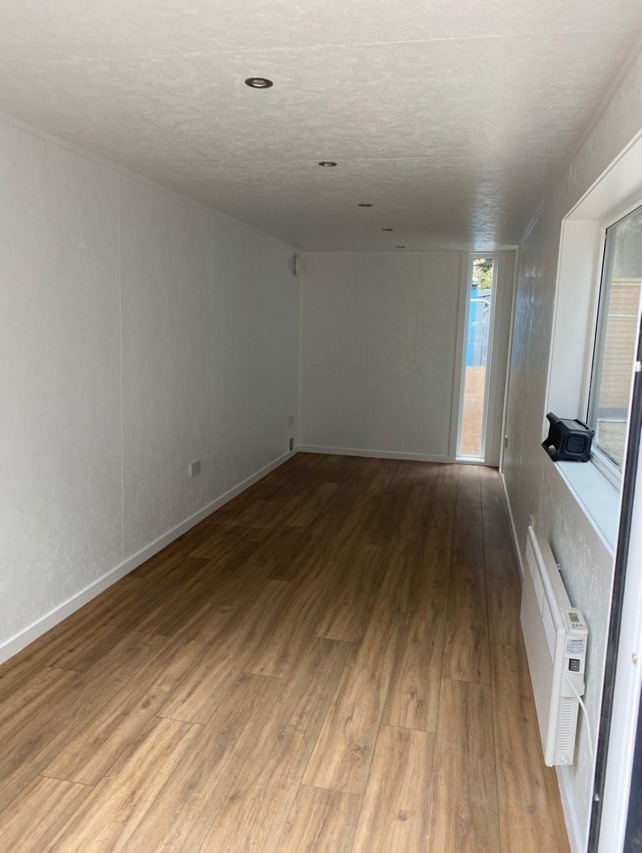
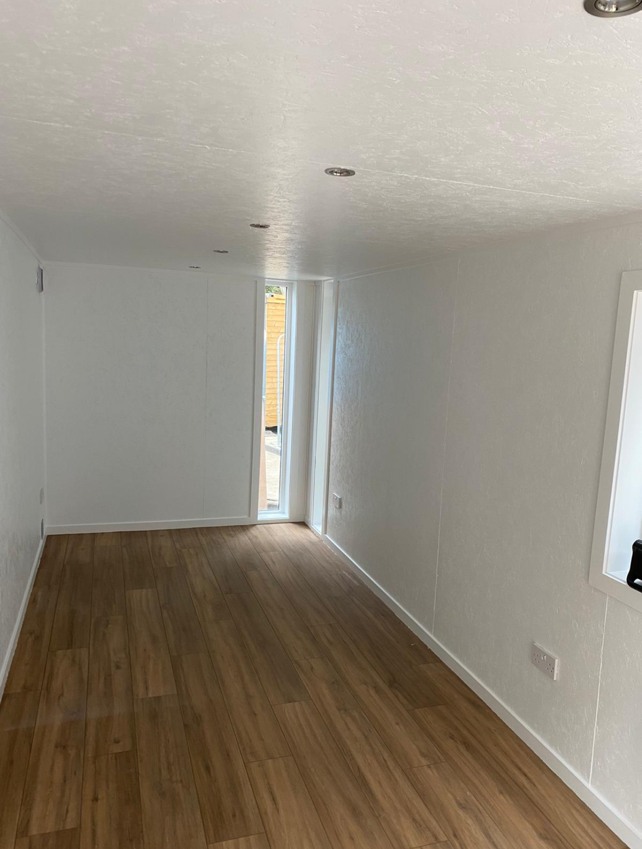
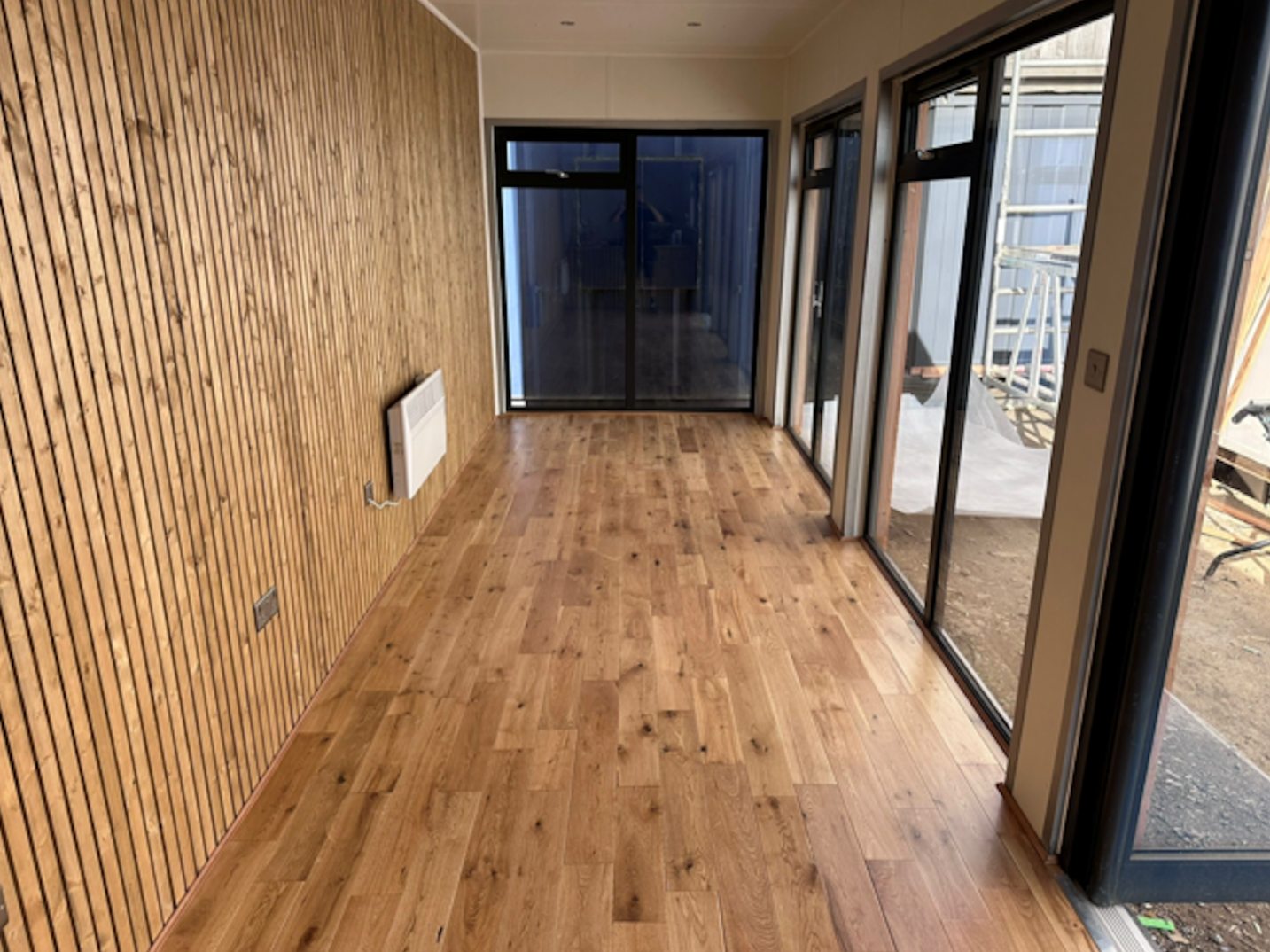
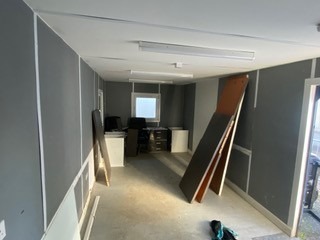
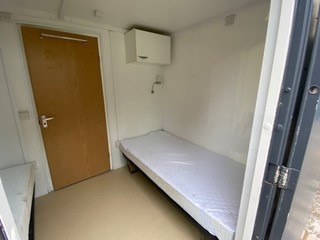
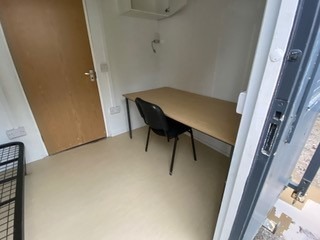
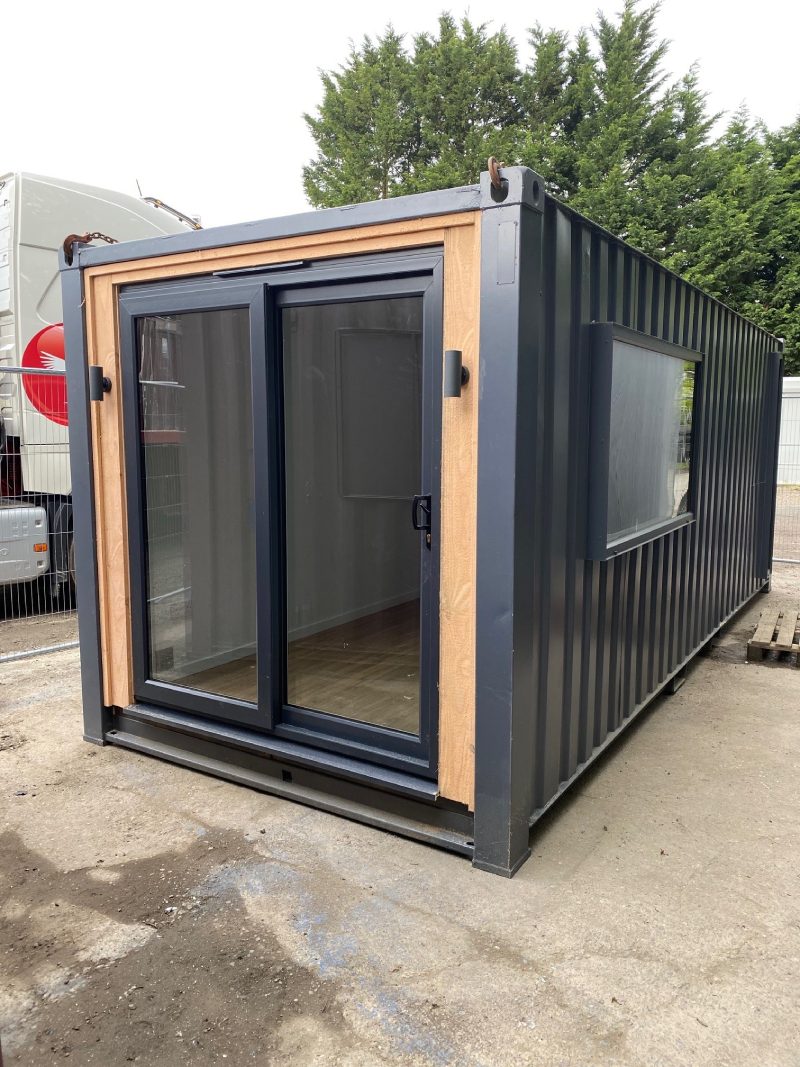
Fully Insulated with electric sockets, spot lighting, and heating
Wood Flooring
UPVC Sliding Door + Windows
Lead Time for build 6-8 weeks


Location: Nationwide
+ VAT
Not Available for Hire
Call for an instant quote!
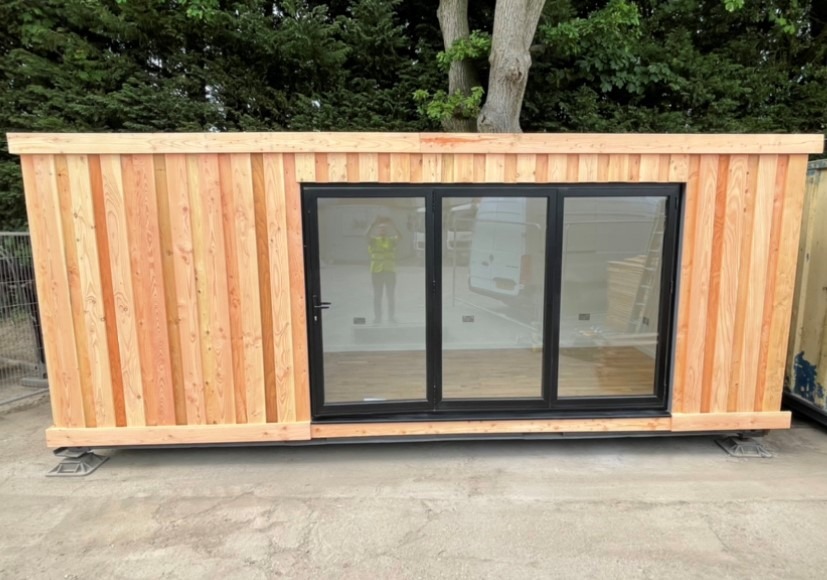
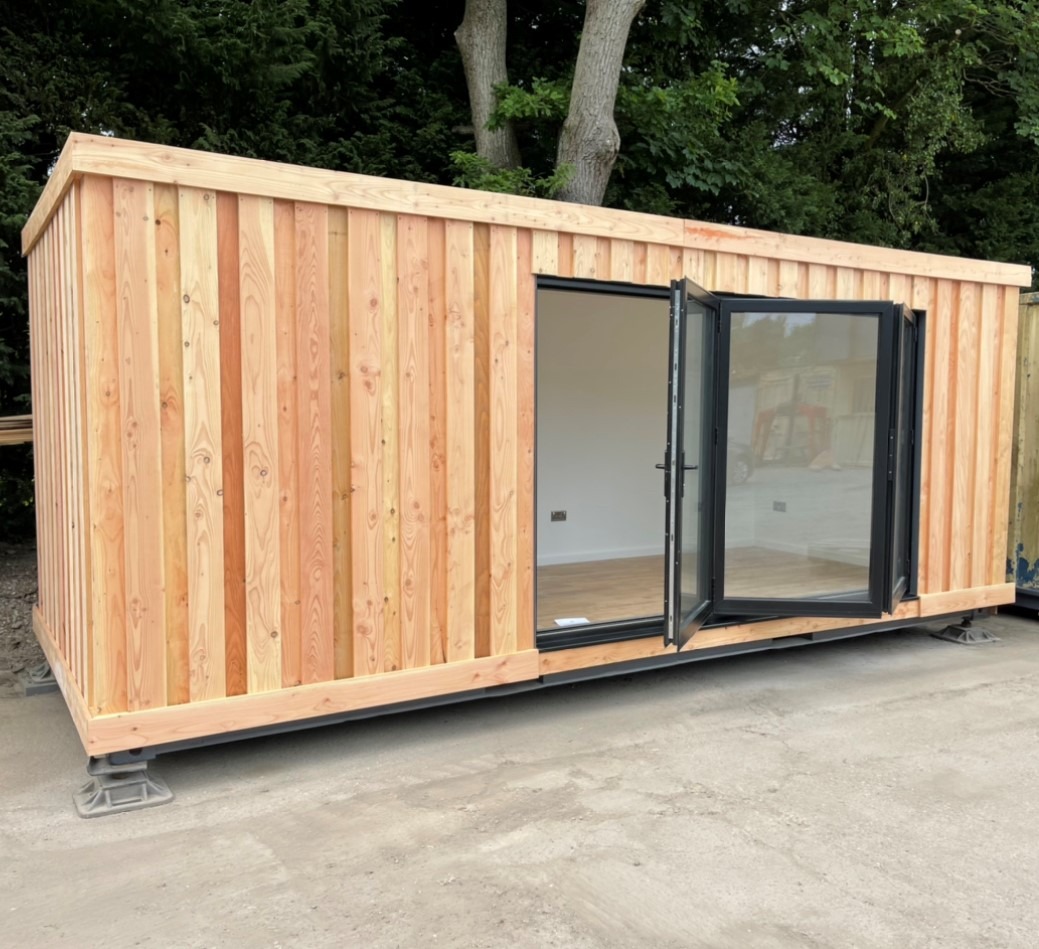
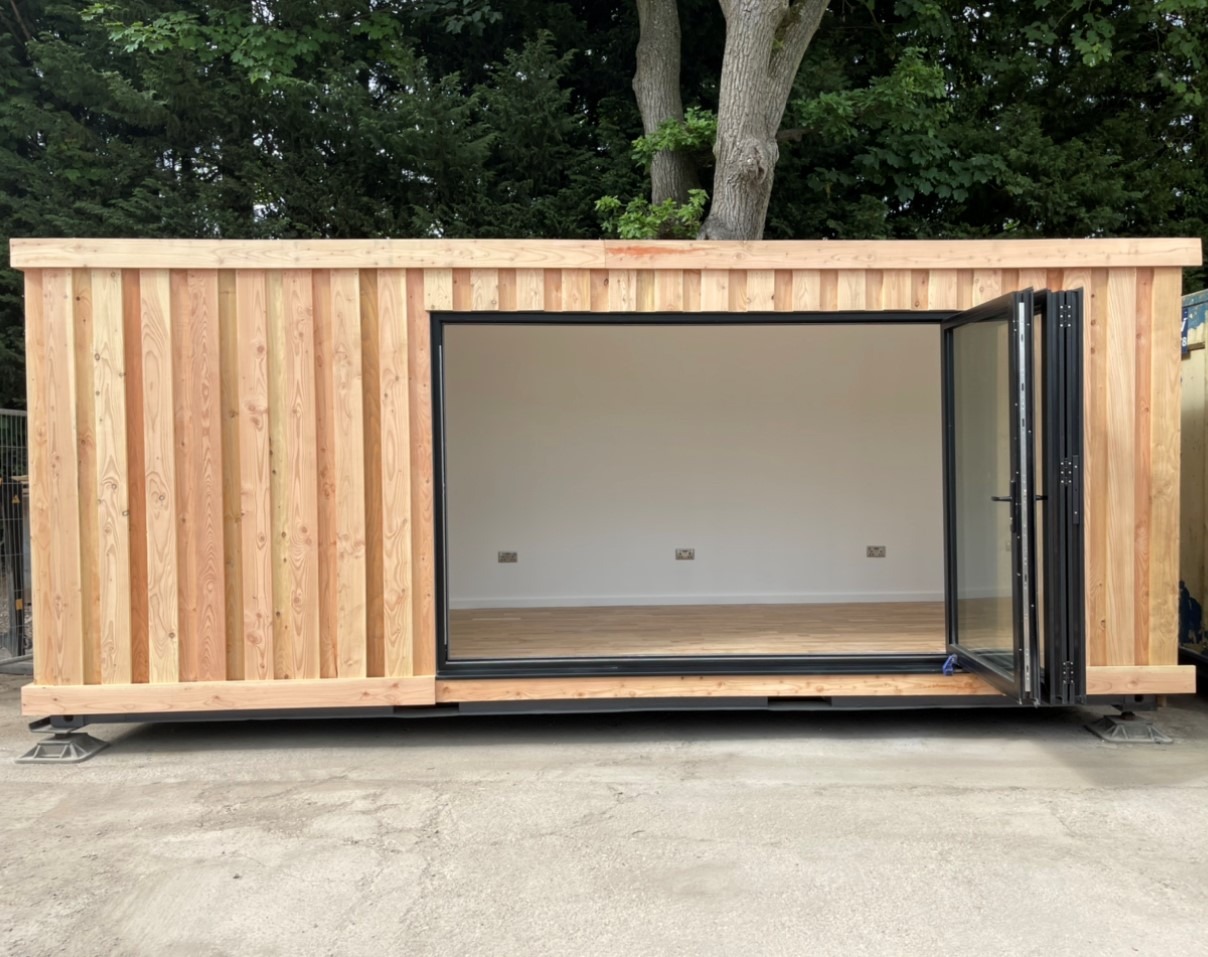
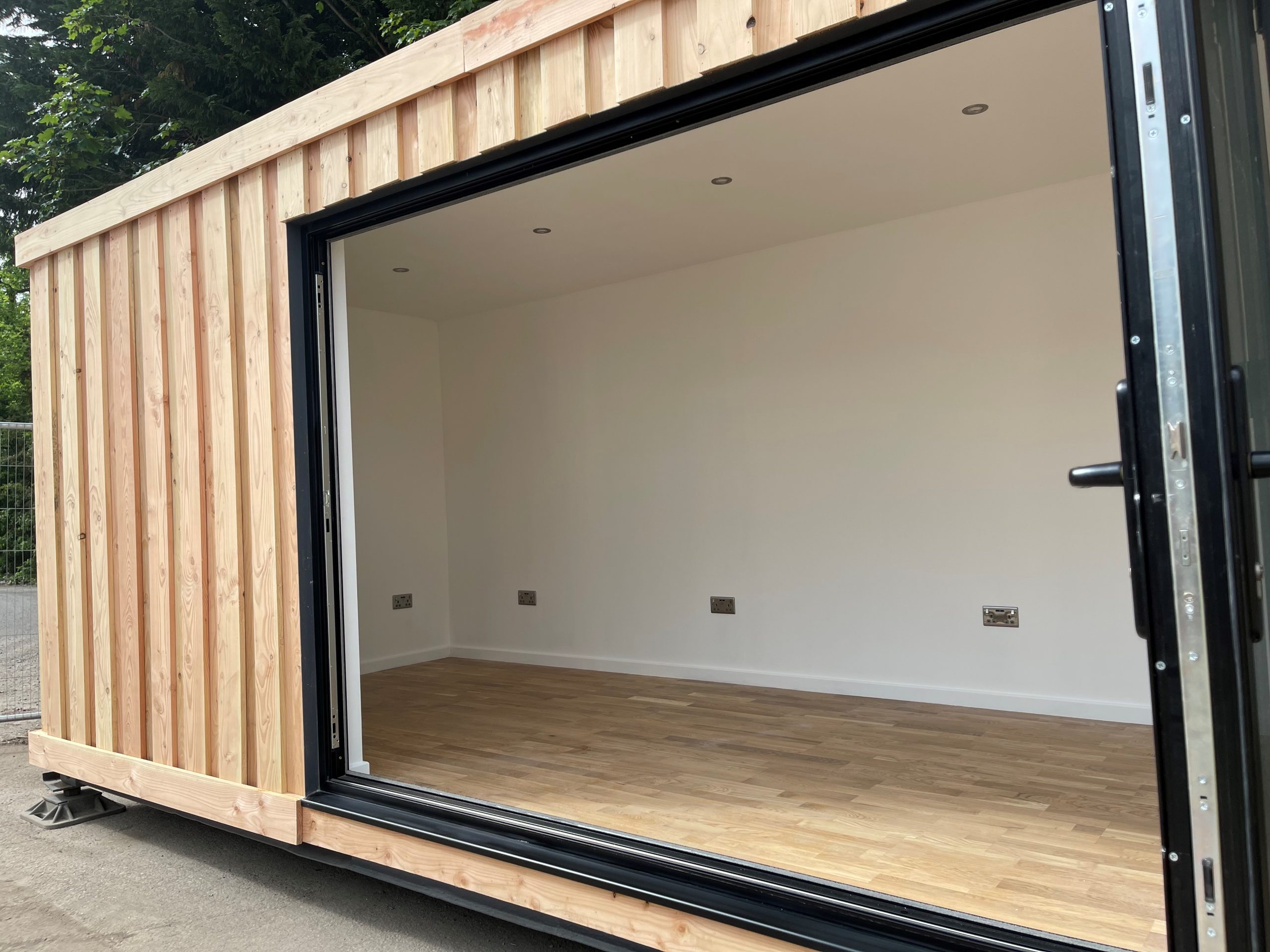
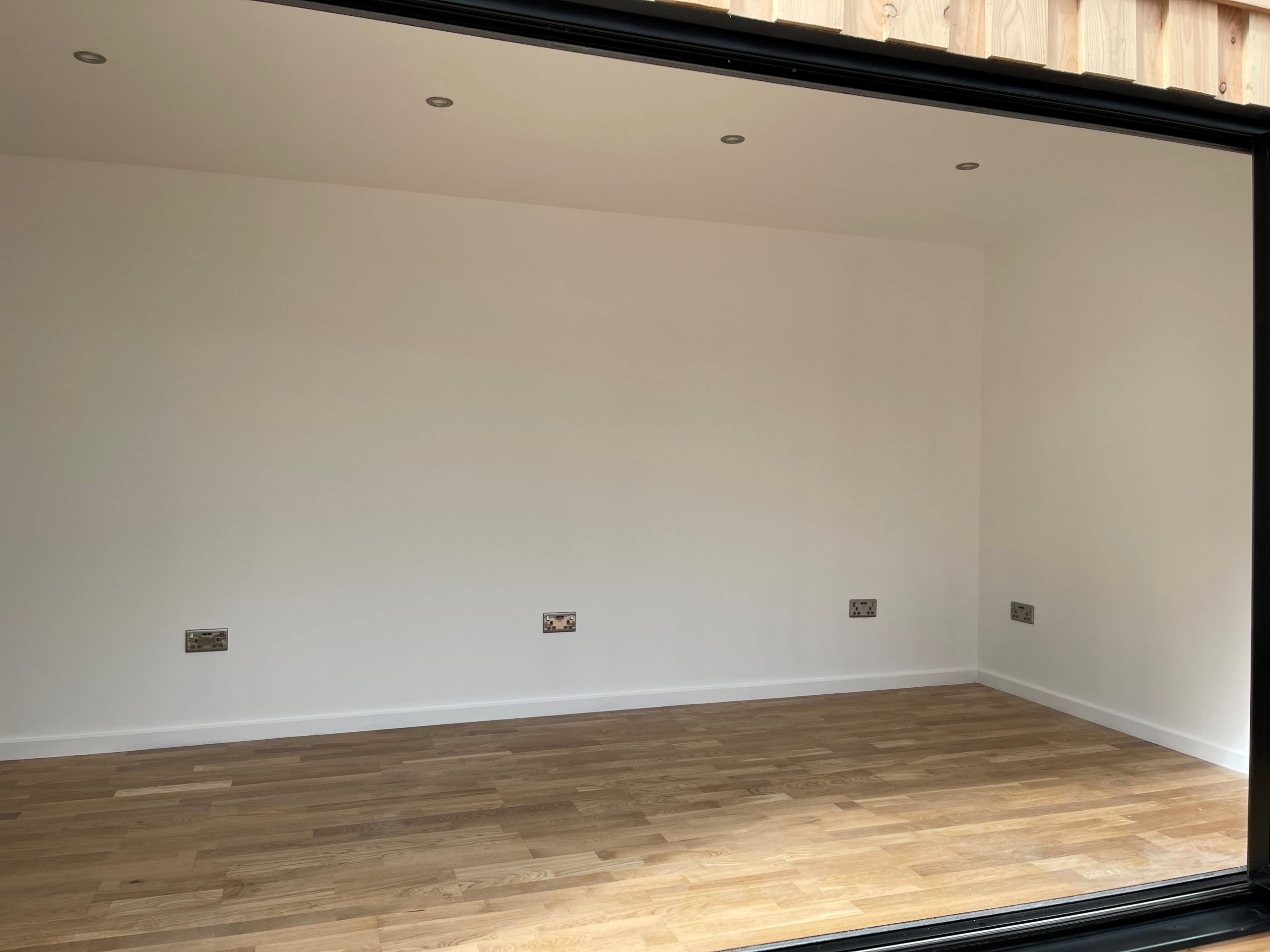
Fully Insulated with electric sockets, spot lighting, and heating
Wood Flooring
Aluminium Bi Fold Doors
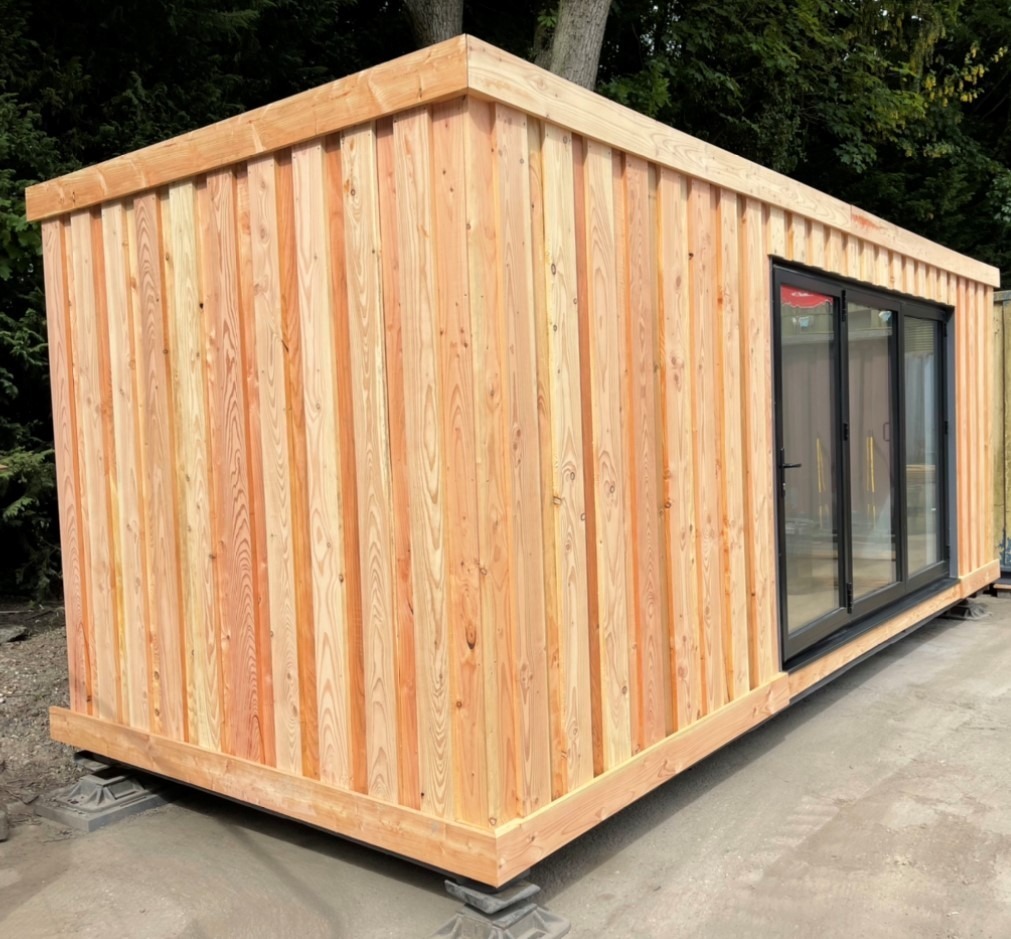
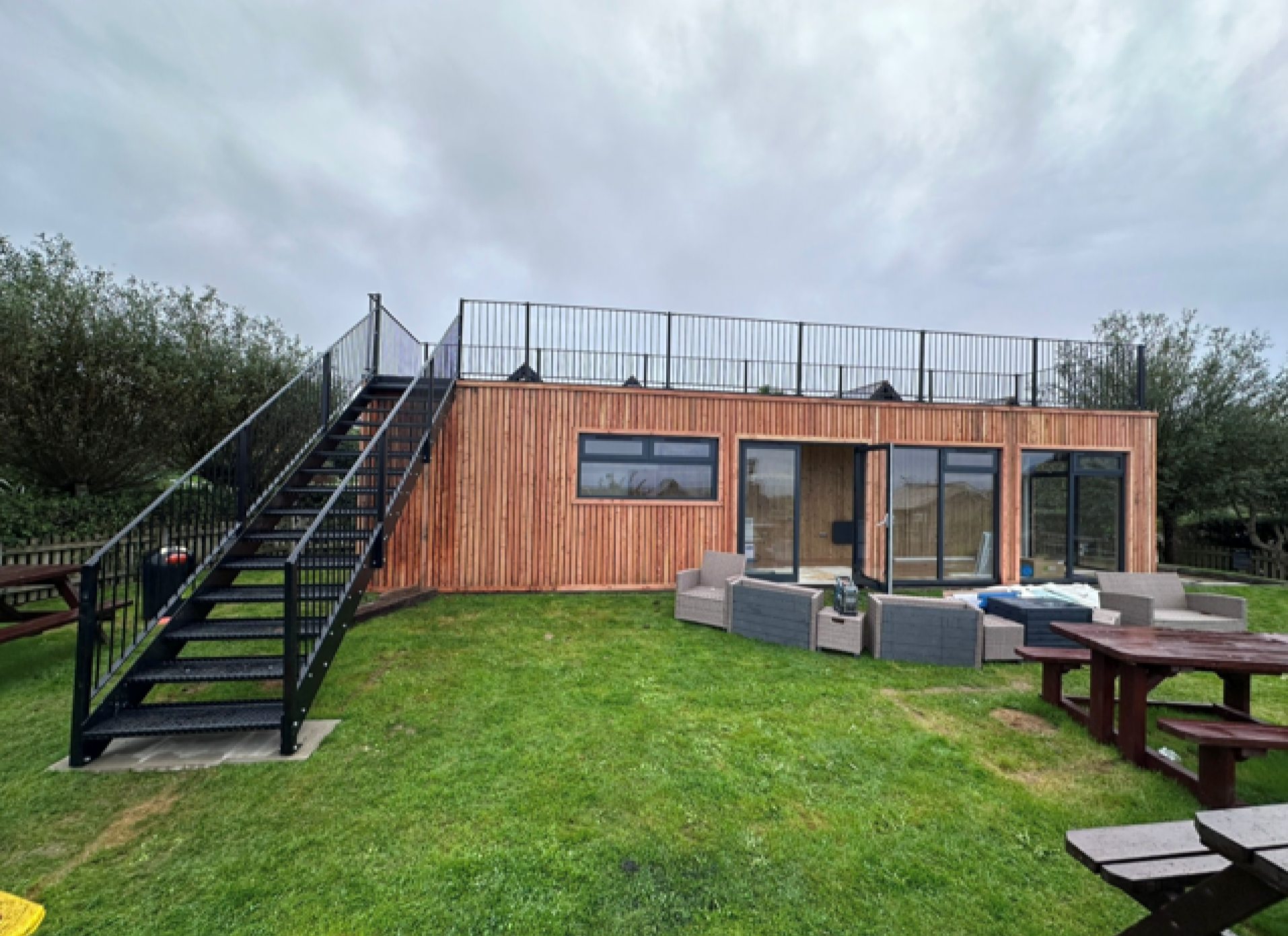
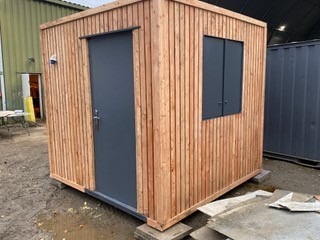
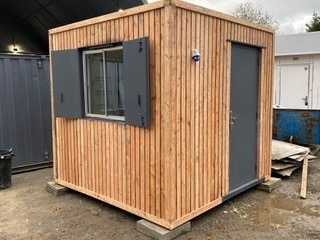
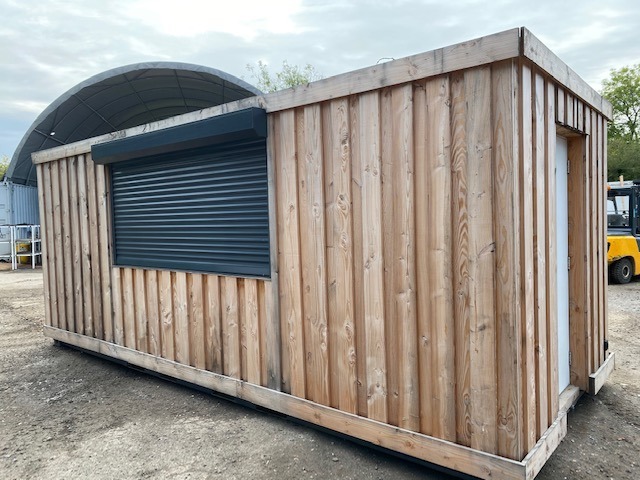
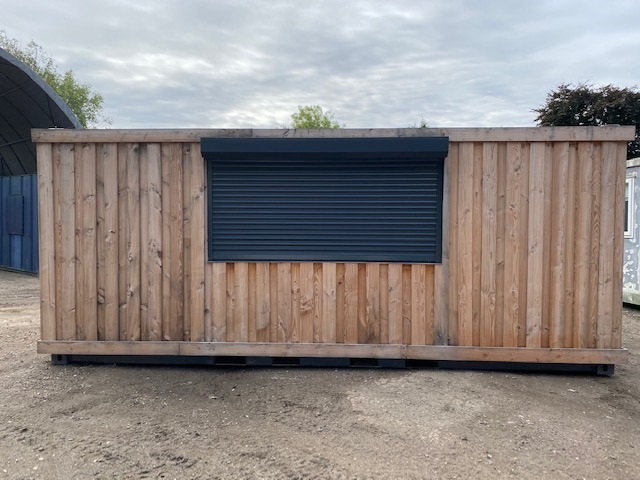
Fully wrapped in larch cladding
Lead Time for build 6-8 weeks


Location: Nationwide
+ VAT
Not Available for Hire
Call for an instant quote!
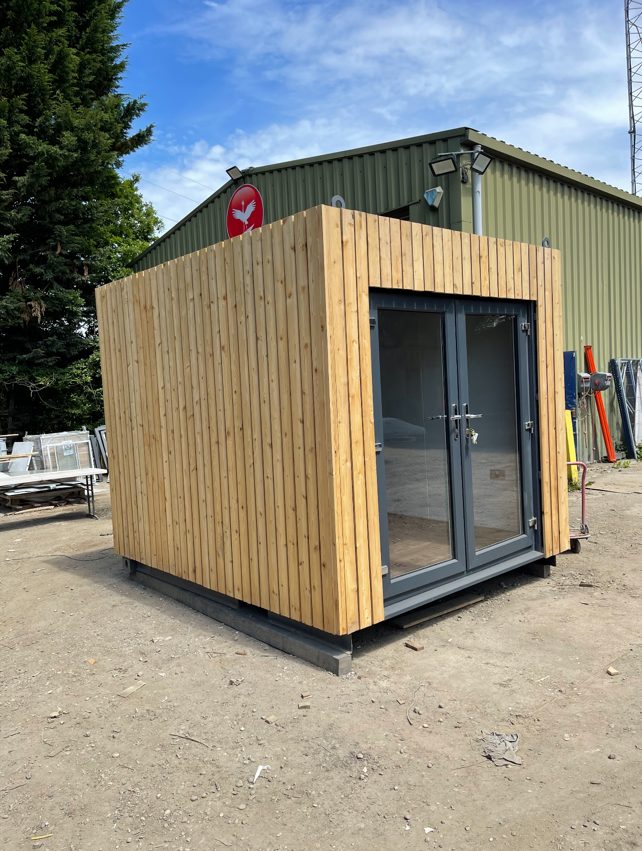
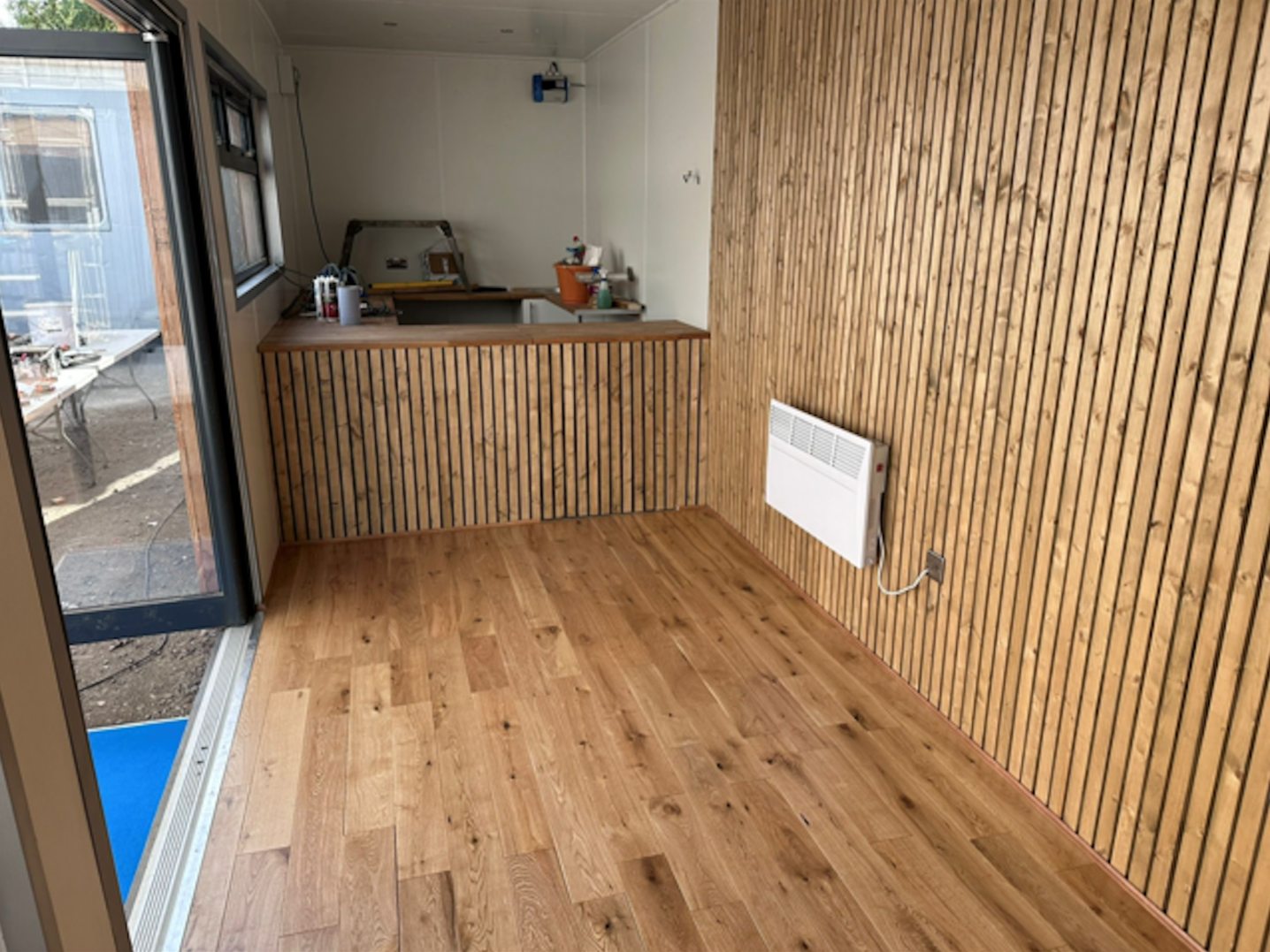
Fully Insulated with electric sockets, spot lighting, and heating
Wood Flooring
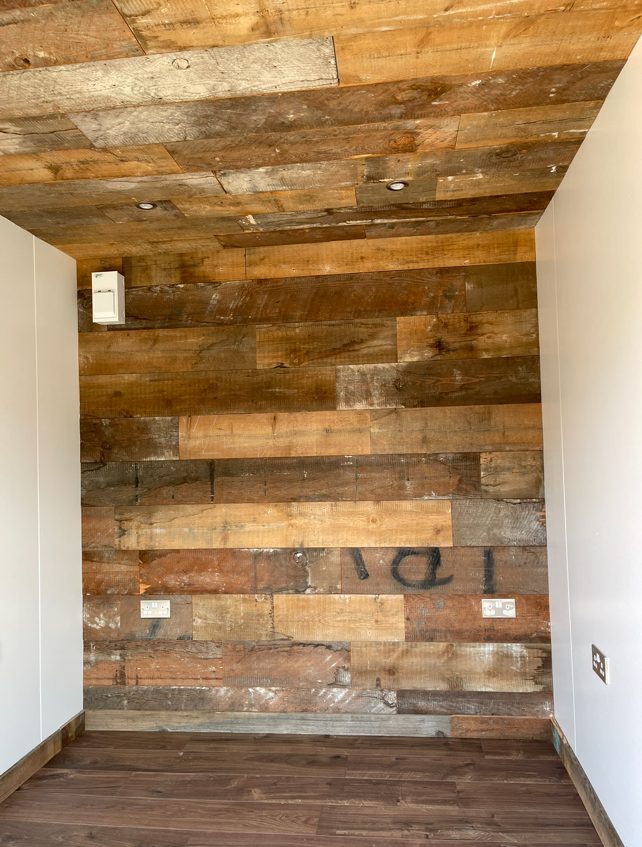
Feature Clad Wall and Ceiling
UPVC Double glazed French Doors
Fully wrapped in larch cladding
Lead Time for build 6-8 weeks


Location: Nationwide
EX VAT
Not Available for Hire
Call for an instant quote!


Location: Nationwide
EX VAT
Not Available for Hire
Call for an instant quote!


Location: Nationwide
EX VAT
Not Available for Hire
Call for an instant quote!


Location: Nationwide
EX VAT
Not Available for Hire
Call for an instant quote!


Location: Nationwide
EX VAT
Not Available for Hire
Call for an instant quote!

Location: Nationwide
EX VAT
Not Available for Hire
Call for an instant quote!


Location: Nationwide
EX VAT
Not Available for Hire
Call for an instant quote!


Location: Nationwide
EX VAT
Not Available for Hire
Call for an instant quote!


Location: Nationwide
EX VAT
Not Available for Hire
Call for an instant quote!


Location: Nationwide
EX VAT
Not Available for Hire
Call for an instant quote!


Location: Nationwide
EX VAT
Not Available for Hire
Call for an instant quote!


Location: Nationwide
EX VAT
Not Available for Hire
Call for an instant quote!


Location: Nationwide
EX VAT
Not Available for Hire
Call for an instant quote!


Location: Nationwide
EX VAT
Not Available for Hire
Call for an instant quote!


Location: Nationwide
EX VAT
Not Available for Hire
Call for an instant quote!


Location: Nationwide
EX VAT
Not Available for Hire
Call for an instant quote!
10ftx8ft – £5950 + Vat / 16ftx8ft – £7950 + Vat / 20ftx8ft – £9000 + Vat / 24ftx8ft – £12000 + Vat / 30ftx8ft – £13500 + Vat


Location: Nationwide
EX VAT
Not Available for Hire
Call for an instant quote!


Location: Nationwide
EX VAT
Not Available for Hire
Call for an instant quote!


Location: Nationwide
EX VAT
Not Available for Hire
Call for an instant quote!

Location: Nationwide
Quantity: ∞
EX VAT
Not Available for Hire
Call for an instant quote!
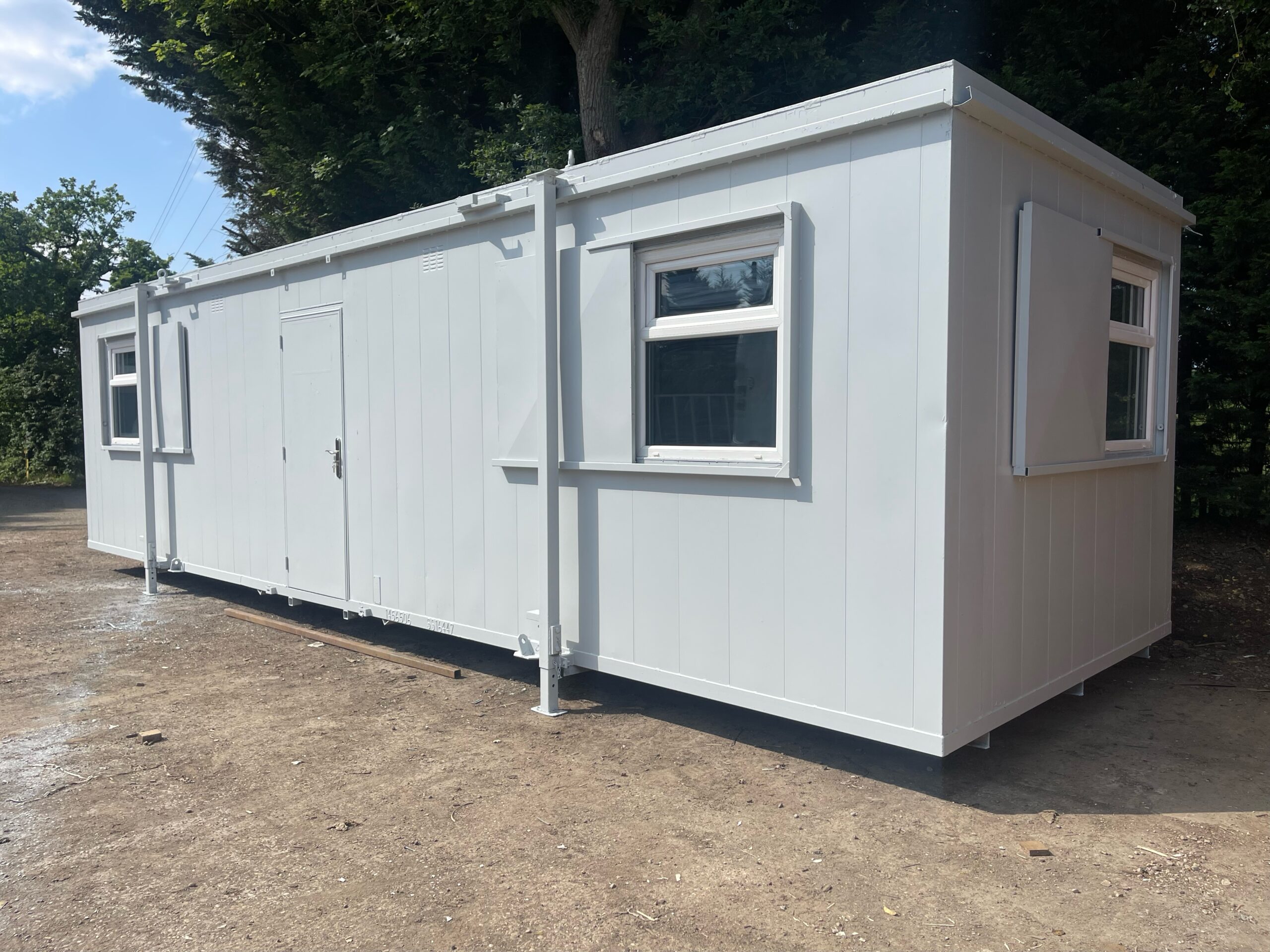
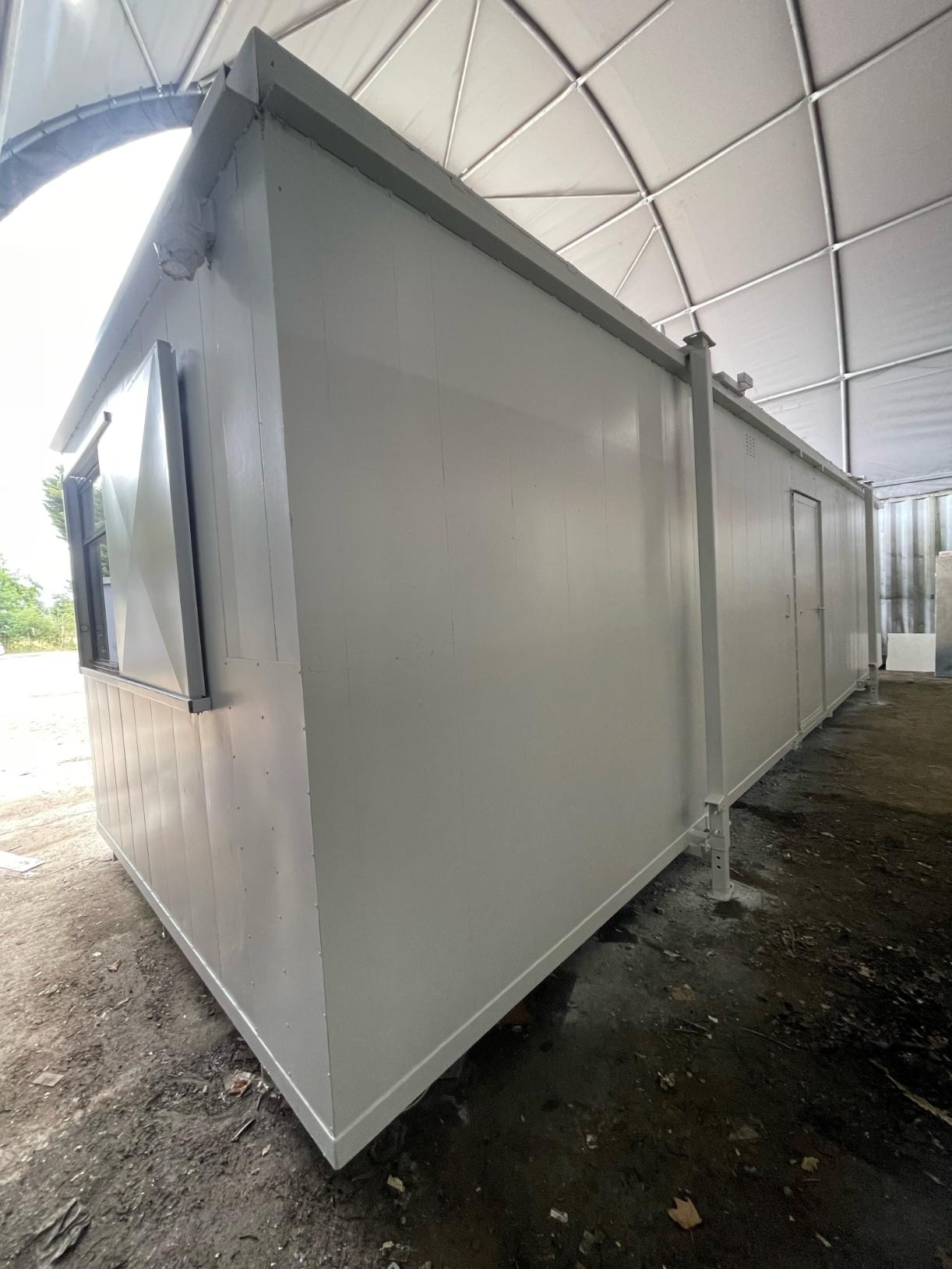
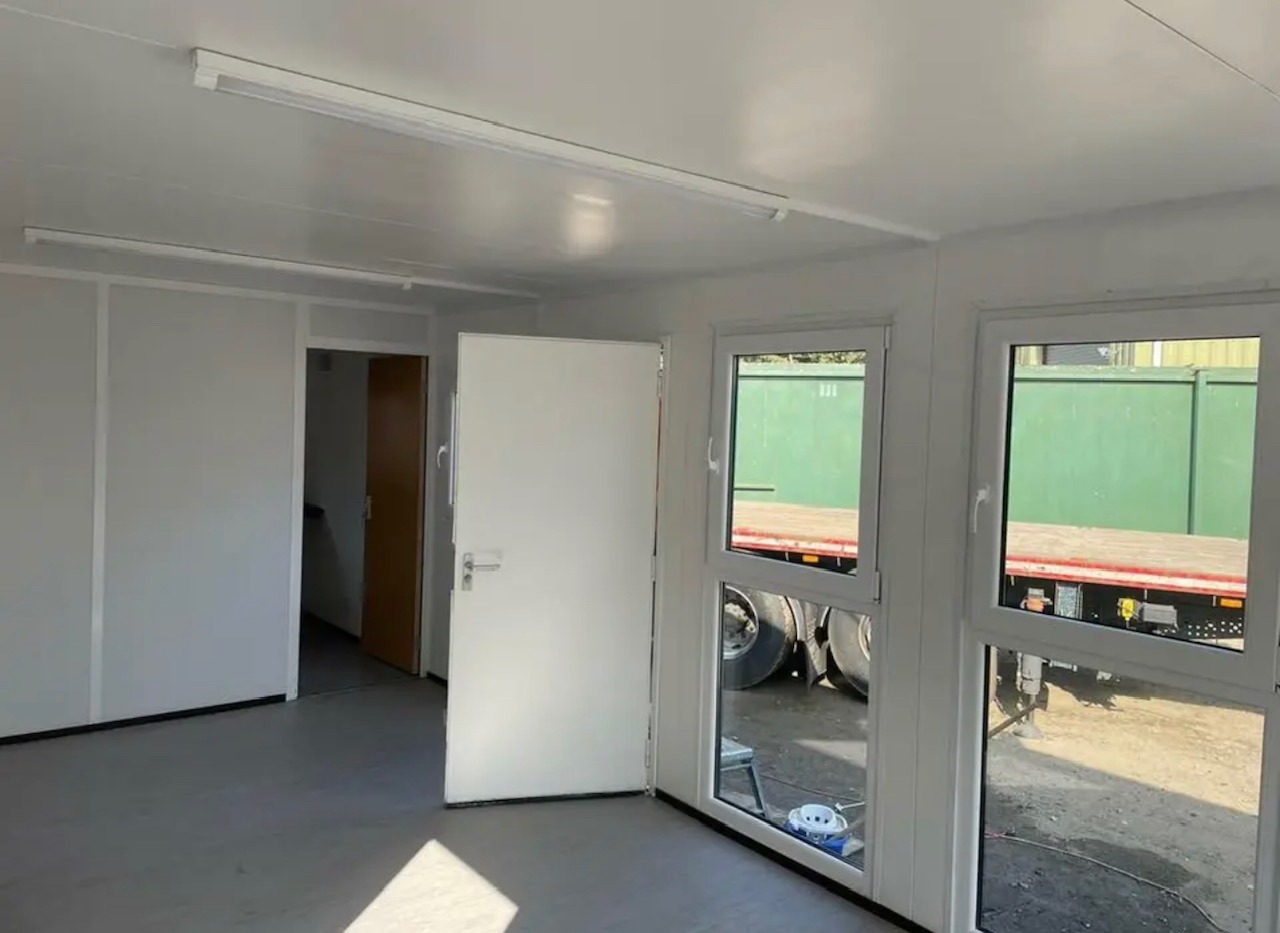
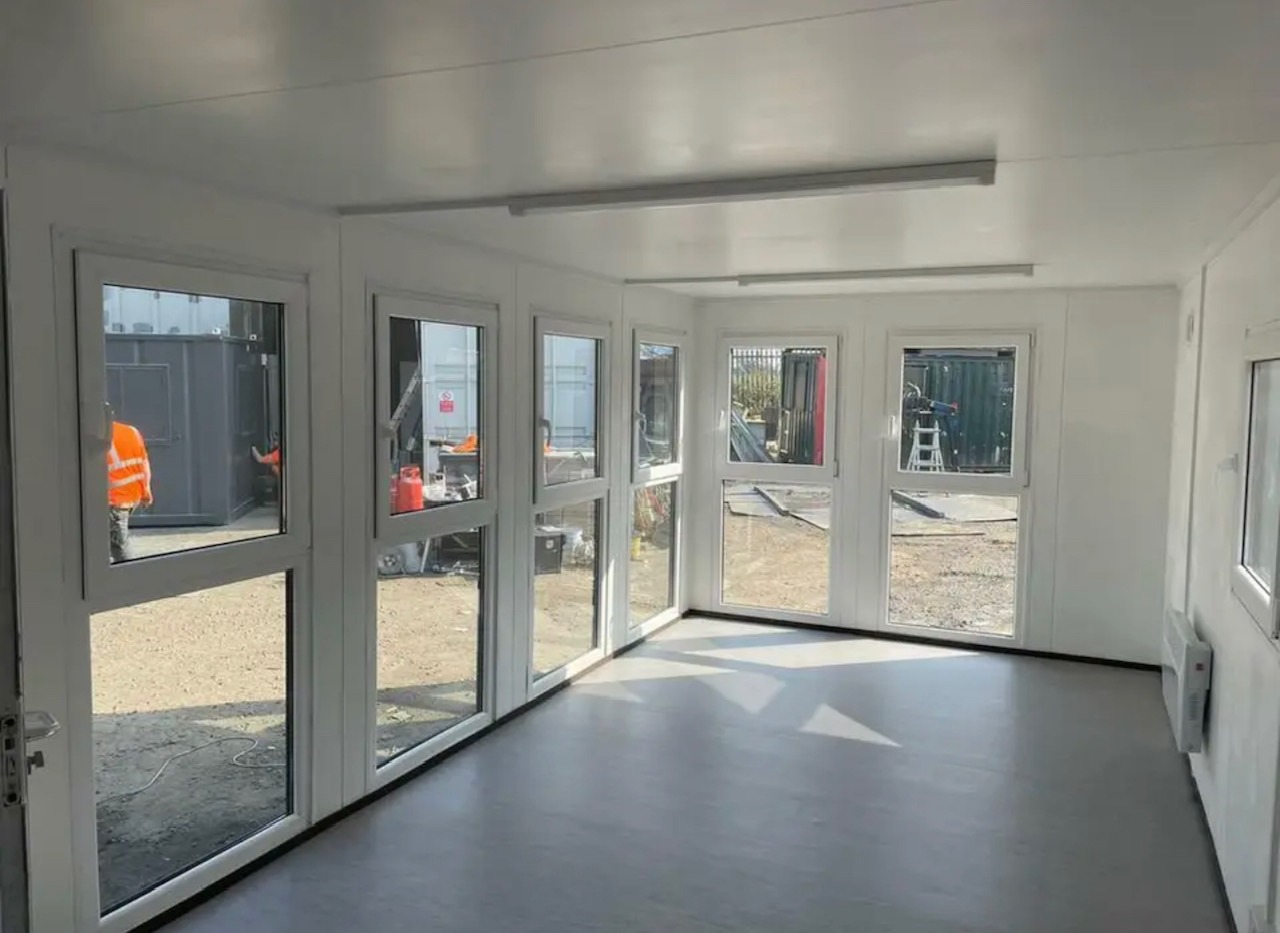
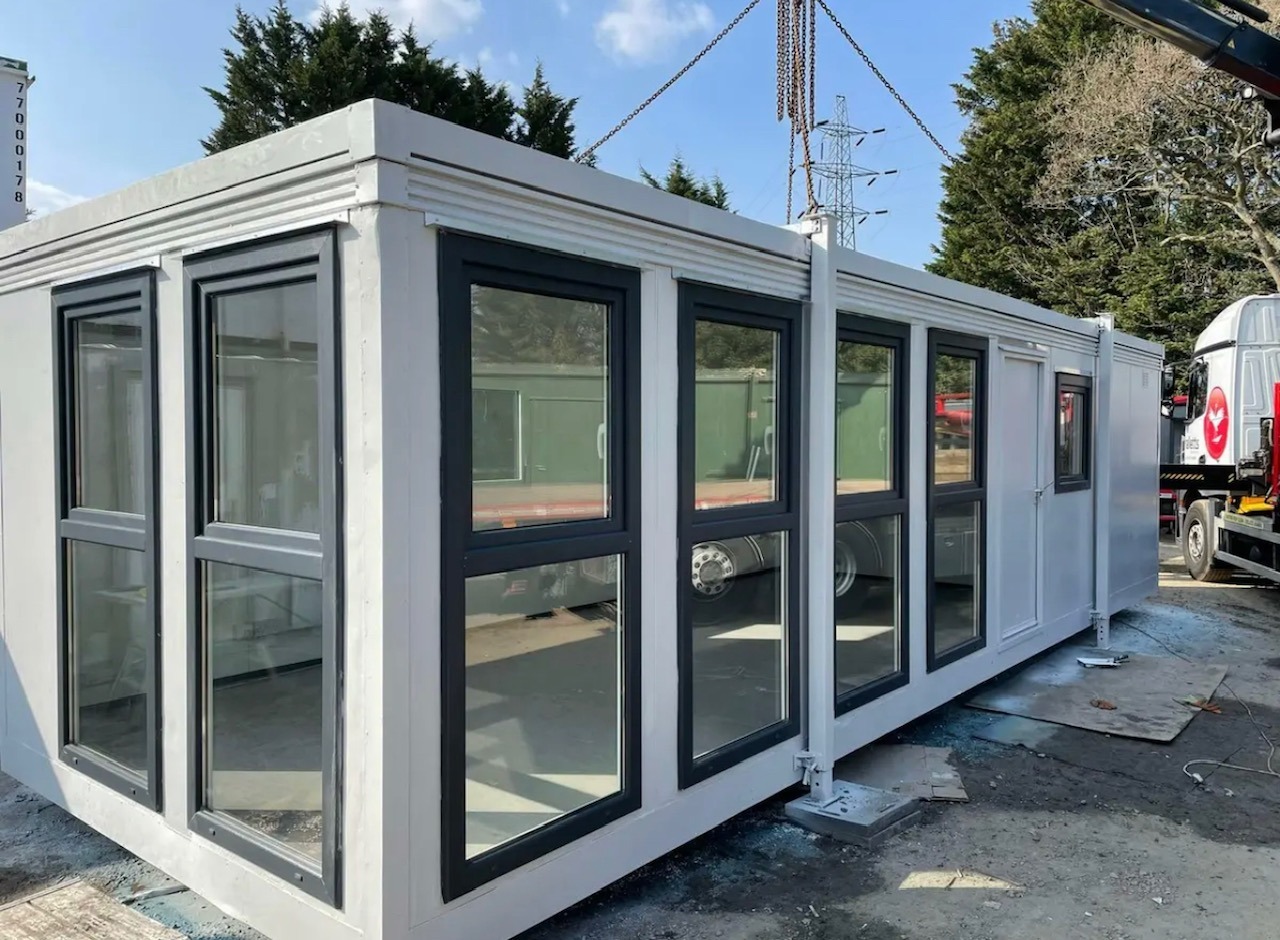
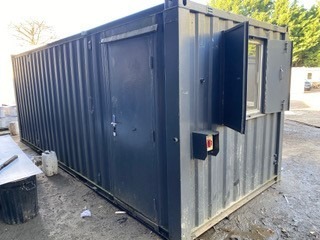
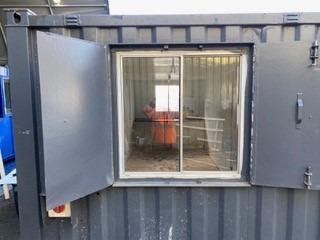
• Reinforced doors and windows with secure locking
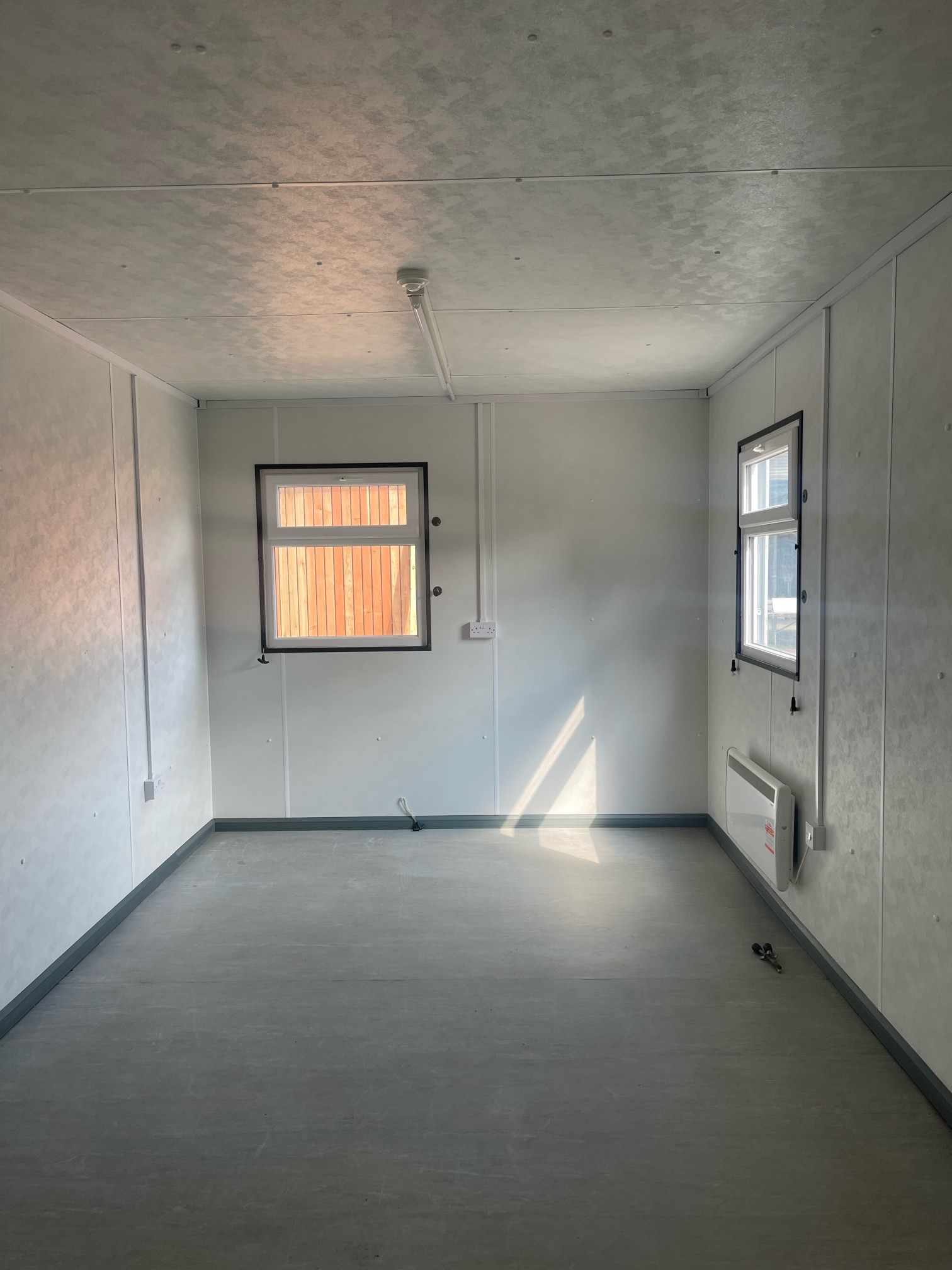
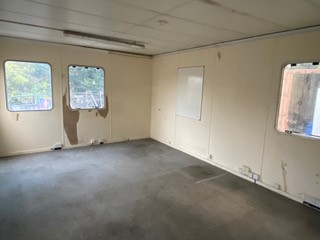
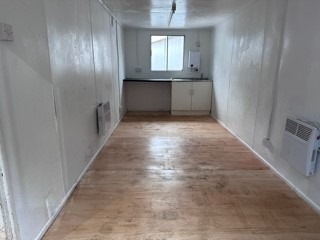
• Open plan with electric sockets and lighting
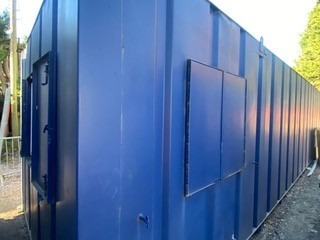
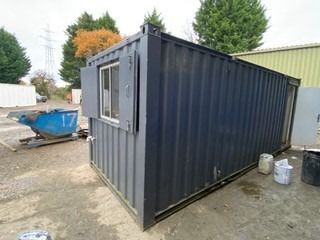
• Ral Code Colour of choice
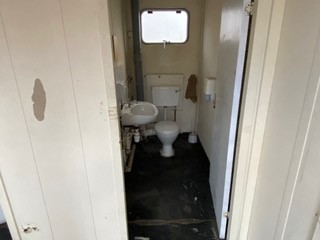
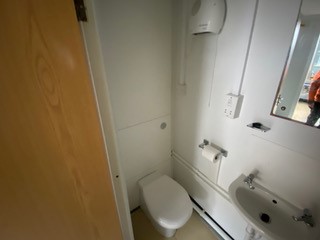
• Any Extras available : Canteen, Partitions, Toilets.


Location: Nationwide
EX VAT
Not Available for Hire
Call for an instant quote!
• Reinforced doors and windows with secure locking
• Open plan with electric sockets and lighting
• Ral Code Colour of choice
• Any Extras available : Canteen, Partitions, Toilets.

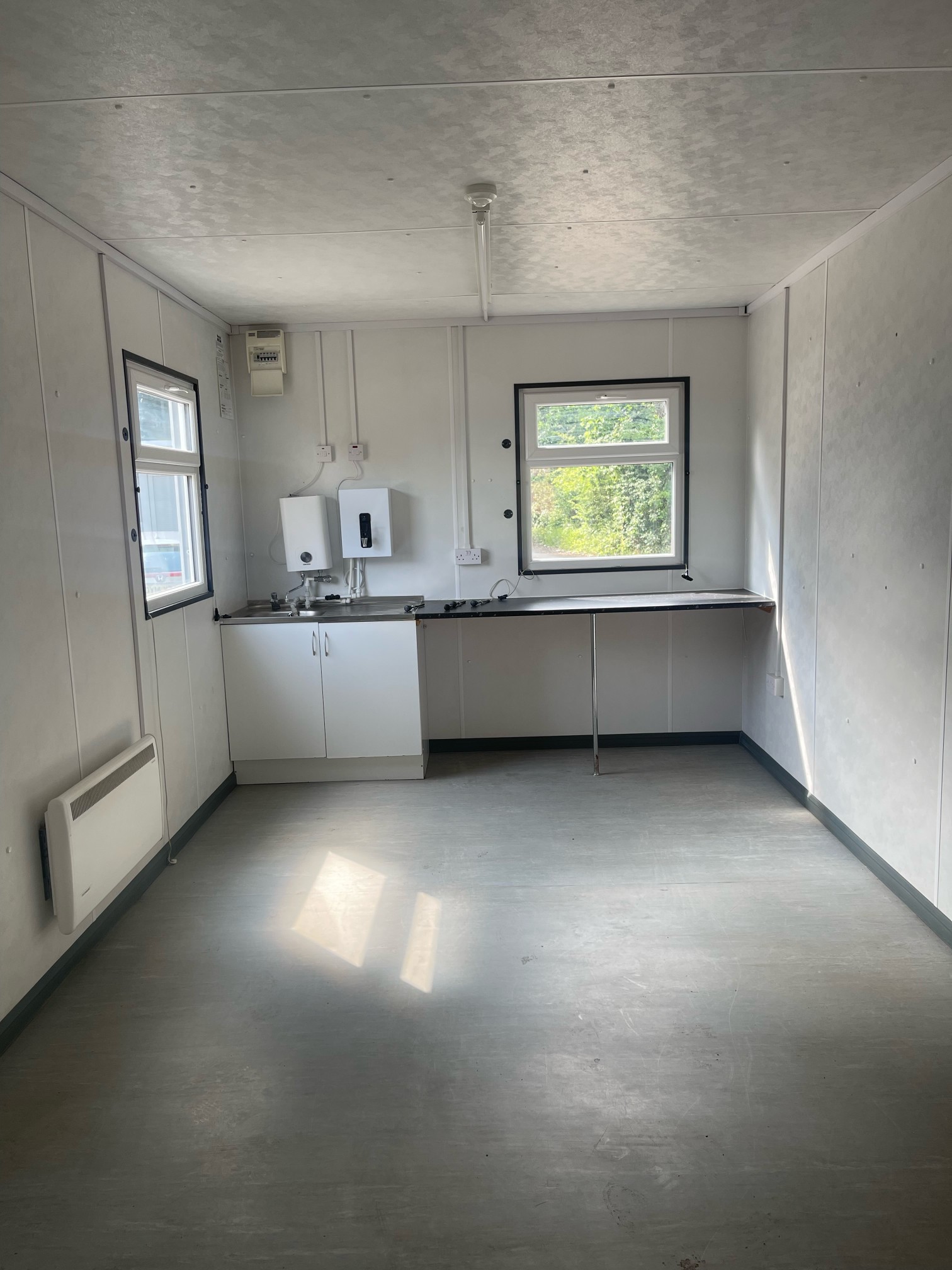
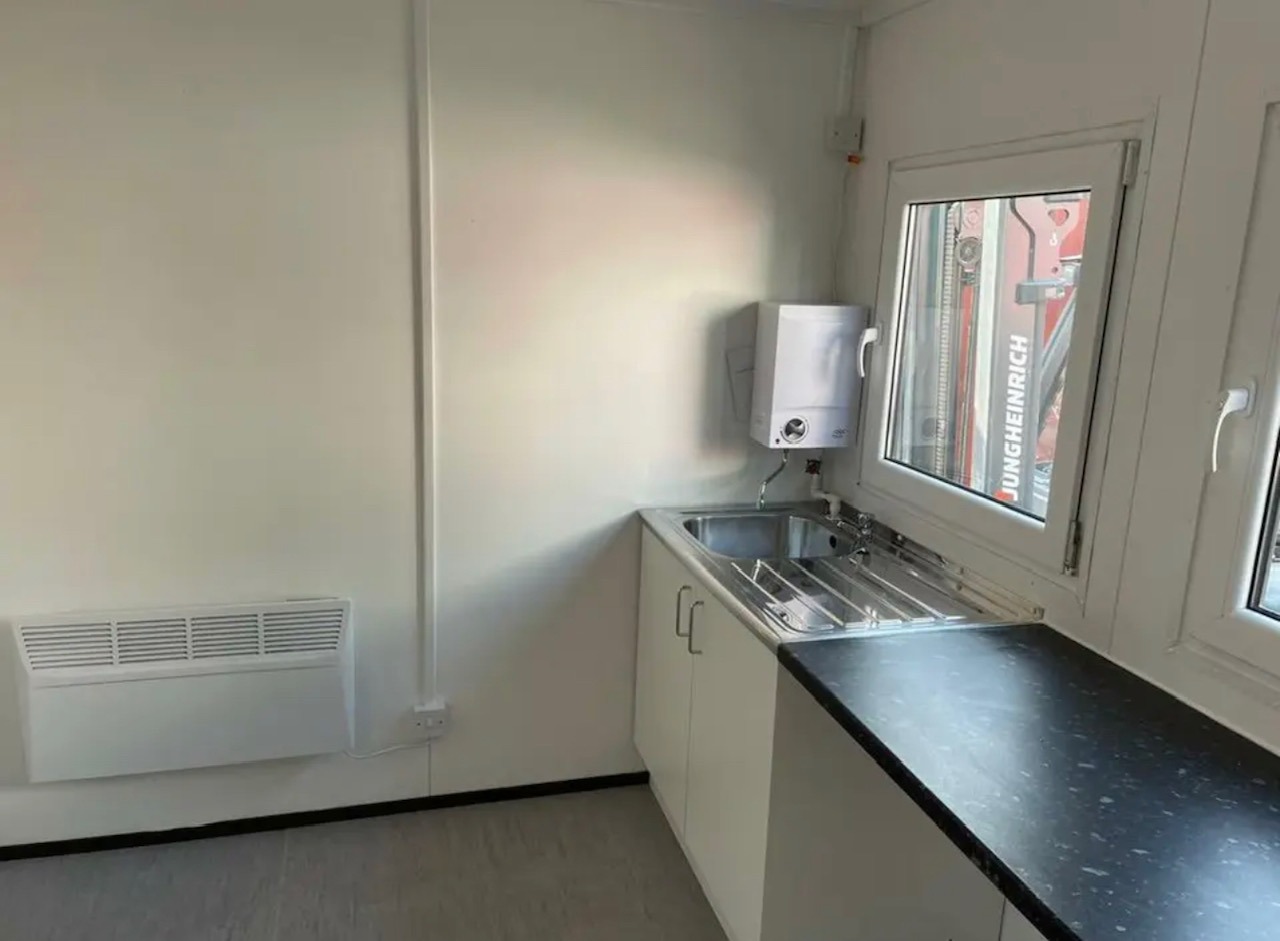
• Reinforced doors with secure locking
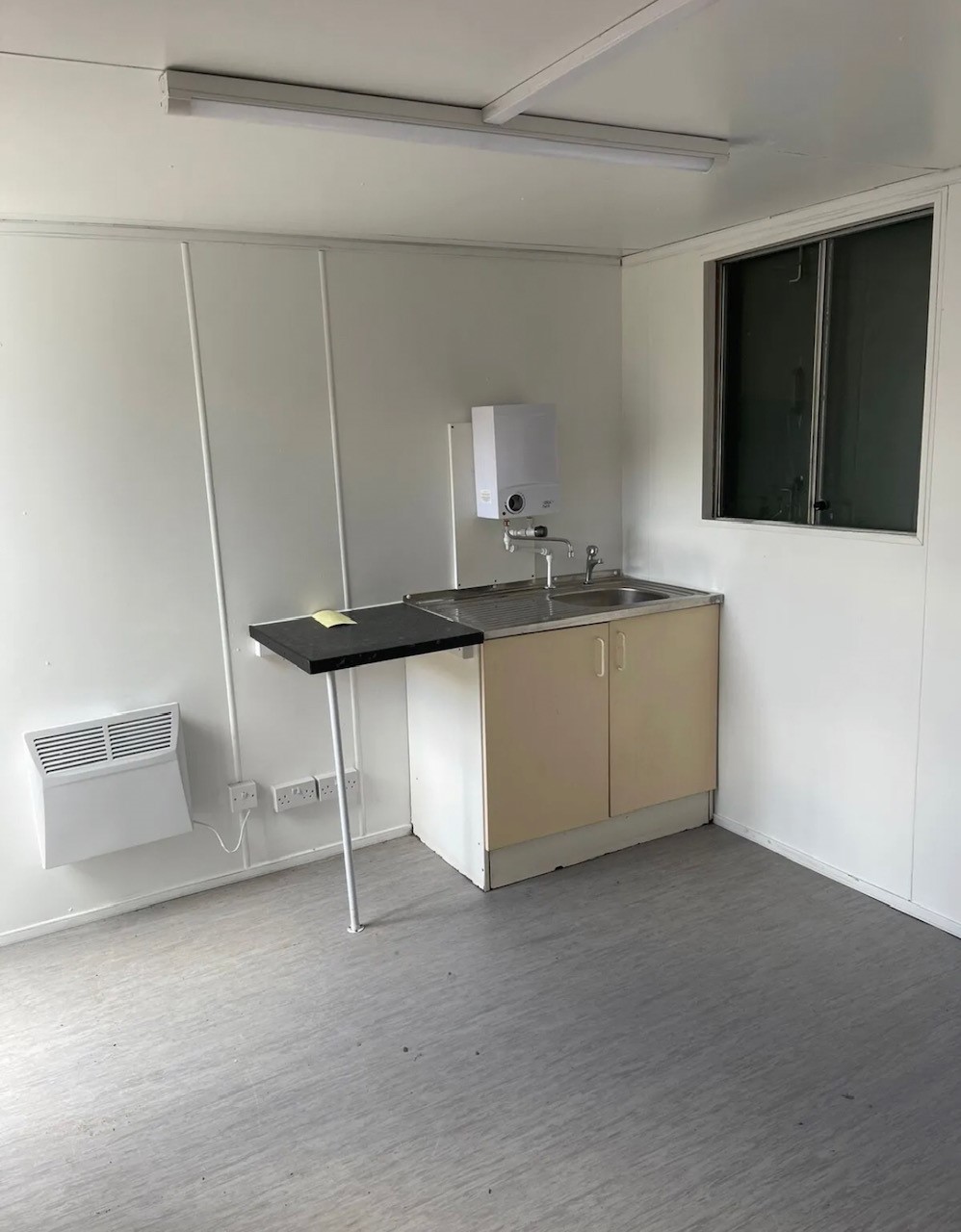
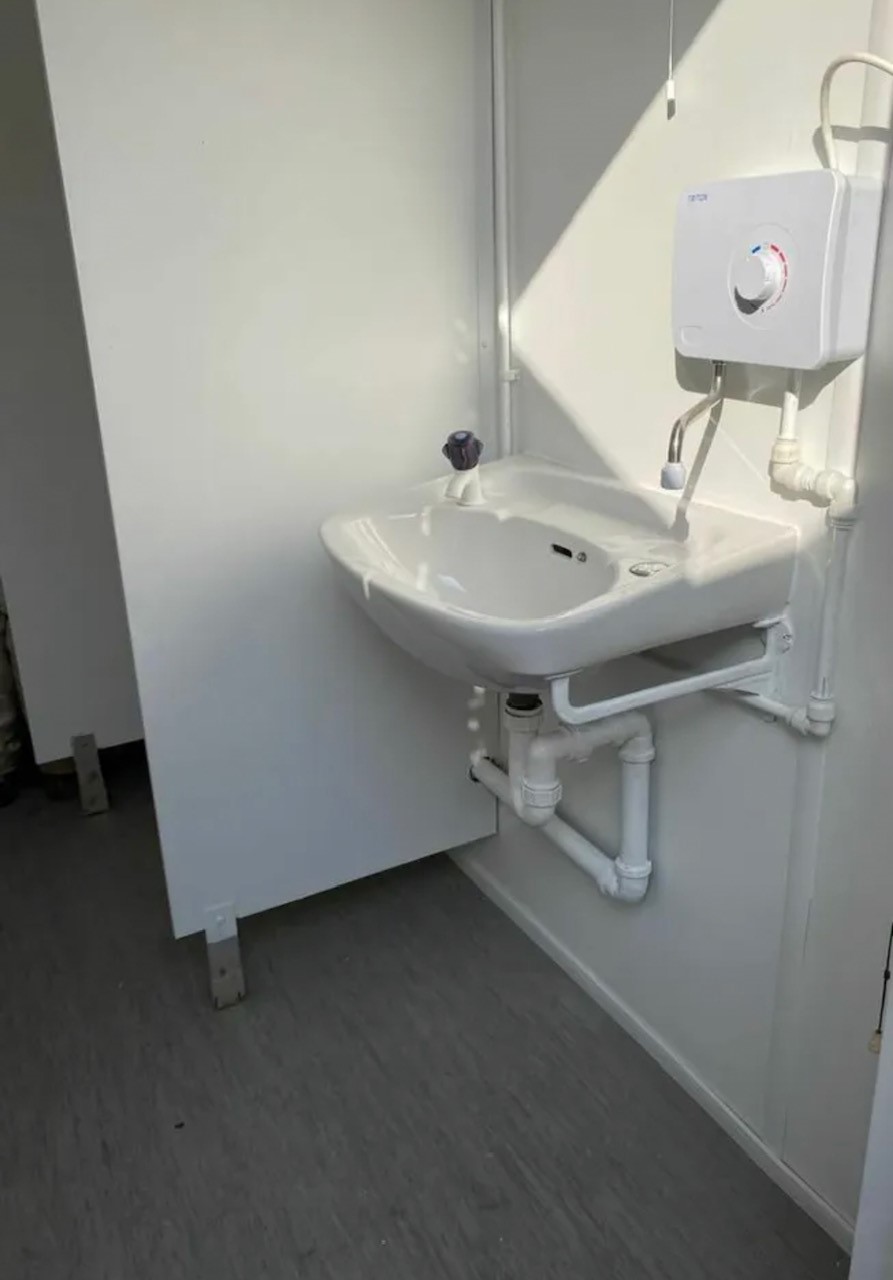
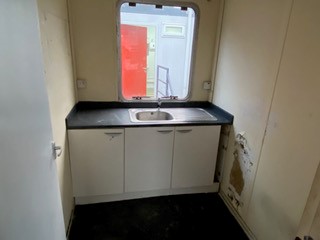
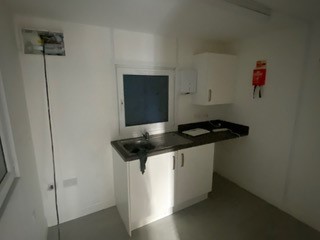
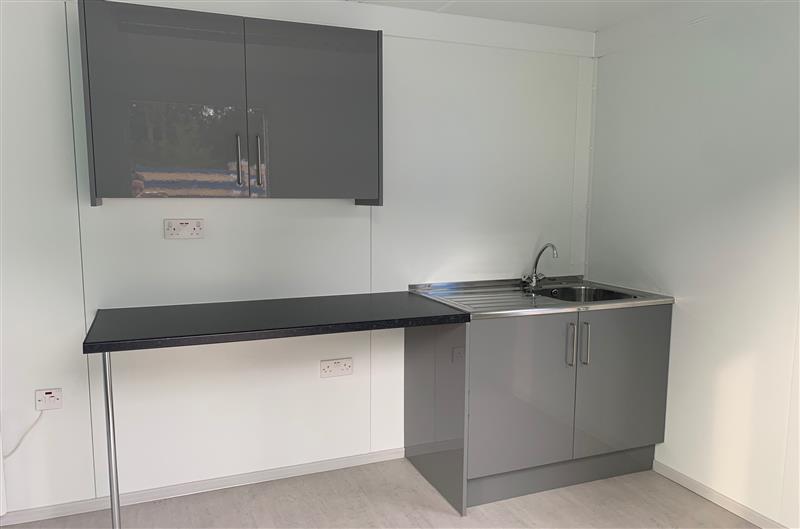
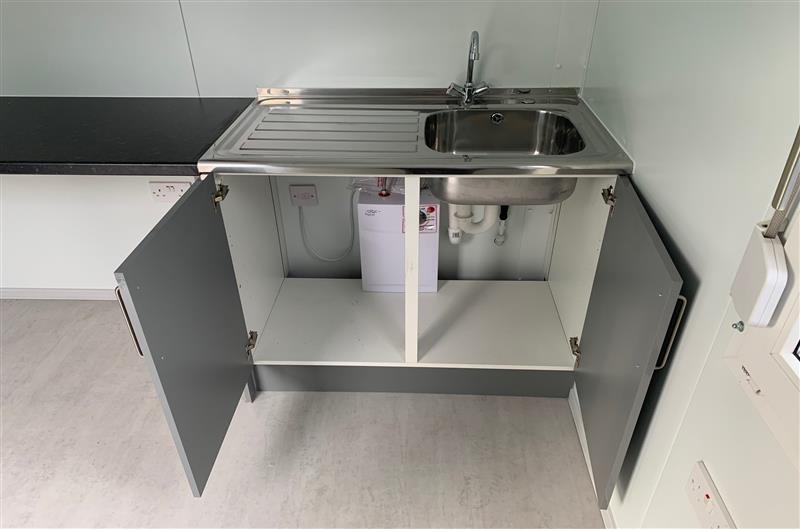
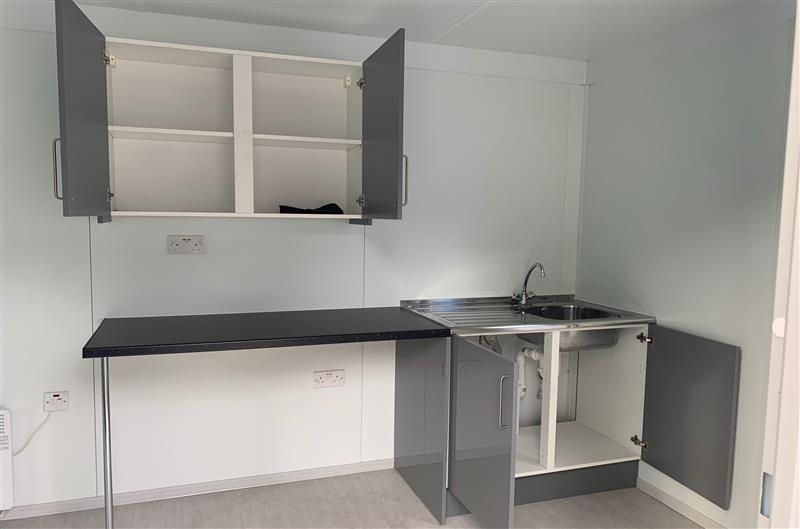
• Sink and water boiler included


Location: Nationwide
Quantity: ∞
EX VAT
Not Available for Hire
Call for an instant quote!


Location: Nationwide
EX VAT
Not Available for Hire
Call for an instant quote!
Get a Quick Container Quote Now!


Location: Nationwide
EX VAT
Not Available for Hire
Call for an instant quote!
Get a Quick Container Quote Now!