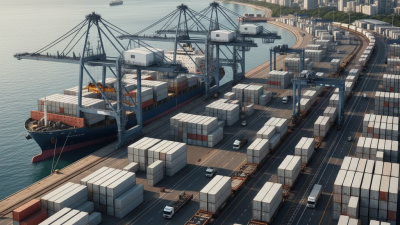
Essential Tips for Choosing a Seaworthy Container for Safe Shipping
In the realm of international shipping, ensuring the integrity and safety of transported goods is paramount. A crucial factor in this process is the selection of a seaworthy container, which serves as the first line of defense against the unpredictable nature of maritime transport. According to a report from the International Maritime Organization (IMO), over 90% of global trade by volume is carried out by sea, highlighting the importance of using robust containers that can withstand harsh marine conditions.
The significance of choosing a high-quality seaworthy container cannot be overstated, as inadequate packaging not only jeopardizes the safety of the cargo but can also lead to substantial financial losses. The World Shipping Council emphasizes that improper handling and containerization can result in damages costing the shipping industry billions annually. Therefore, understanding the key features and standards of a seaworthy container is essential for shippers aiming to minimize risks and protect their investments. By adhering to best practices in selection and maintaining compliance with international shipping regulations, businesses can enhance the reliability of their supply chains and ensure the safe transit of goods across the seas.
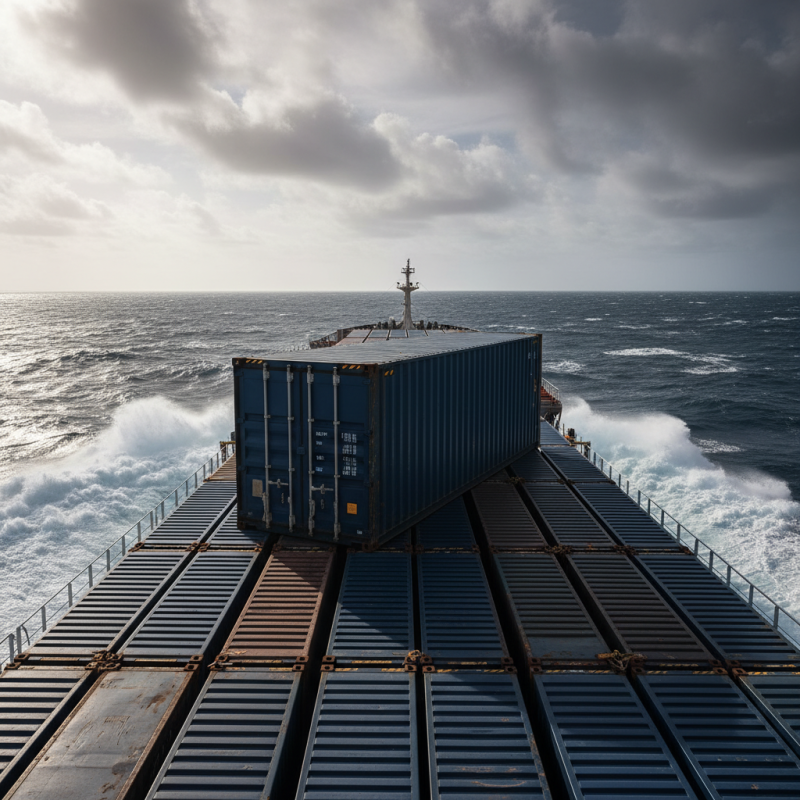
Understanding Seaworthiness and Its Importance in Shipping
Understanding seaworthiness is crucial in the shipping industry as it directly impacts the safety and integrity of cargo during transit. A seaworthy container is one that is structurally sound, capable of withstanding the rigors of ocean transportation. This includes resistance to harsh weather, maintaining cargo security, and preventing water ingress. Shippers must ensure that containers meet these standards to avoid potential financial losses due to cargo damage or loss at sea.
When choosing a container, consider the following tips to ensure seaworthiness. First, always inspect the container for signs of wear, rust, or damage. A thorough inspection can reveal underlying issues that could compromise the container's integrity. Second, confirm that the container is certified for international shipping, as this assures compliance with industry standards. Finally, opt for containers that have appropriate ventilation for the type of cargo being shipped, as this can help prevent moisture buildup and spoilage.
By prioritizing seaworthiness, shippers can enhance the reliability of their shipping processes, minimize risks, and ultimately contribute to a smoother logistics operation. Proper attention to container selection is an investment in the safety and success of the shipment.
Essential Tips for Choosing a Seaworthy Container for Safe Shipping
| Dimension |
Description |
Importance |
| Container Type |
Choose between Dry Van, Reefer, or Open Top containers based on cargo. |
Ensures appropriate protection against environmental factors. |
| Container Condition |
Inspect for rust, dents, and leaks before shipping. |
Prevents damage to goods and ensures cargo safety. |
| Size and Volume |
Select appropriate size (20ft, 40ft) based on the shipment. |
Maximizes space efficiency and cost-effectiveness. |
| Sealing Mechanism |
Ensure containers have effective locking and sealing features. |
Enhances security against theft and tampering. |
| Compliance Standards |
Check if the container meets international shipping standards. |
Ensures legal compliance and smooth customs processes. |
| Cargo Compatibility |
Match container features with the nature of the cargo. |
Protects the integrity of goods during transit. |
Key Features to Look for in a Seaworthy Container
When selecting a seaworthy container for safe shipping, several key features should guide your decision. Firstly, the structural integrity of the container is paramount. Look for containers made from high-quality materials that can withstand harsh marine environments, including corrosive saltwater and intense weather conditions. Reinforcements such as corner casting and bulkheads enhance the container's durability, ensuring it can endure the rigors of transportation without compromising its contents.
Additionally, proper sealing and insulation are essential in a seaworthy container. A good container should have a reliable sealing mechanism to prevent water ingress, which can lead to significant damage to the cargo. Insulation properties are also vital, especially for temperature-sensitive shipments. Choose containers that provide thermal protection and consider insulation materials that can maintain stable internal temperatures, safeguarding goods from extreme external conditions.
With these features in mind, you can ensure that your shipping process is both safe and efficient.
Material Considerations for Durability and Safety
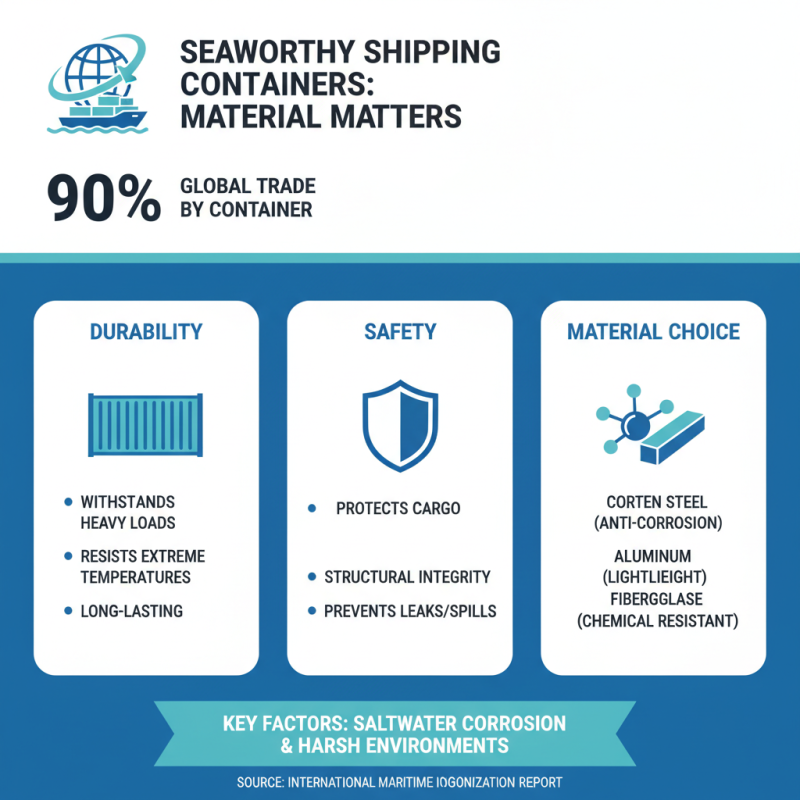
When selecting a seaworthy container for safe shipping, material considerations play a crucial role in ensuring both durability and safety. According to a report by the International Maritime Organization, nearly 90% of global trade is conducted via container shipping, emphasizing the importance of reliable containers. The choice of materials used in container construction directly impacts their ability to withstand harsh marine environments, where factors like saltwater corrosion, extreme temperatures, and heavy loads come into play.
Steel is the most commonly used material for shipping containers due to its strength and resilience. High tensile-strength steel can enhance the container's durability, offering a life span of 10 to 20 years, contingent on maintenance and environmental exposure. Additionally, stainless steel options are available for more corrosive environments, providing superior resistance to rust and degradation. In contrast, composite materials, while often lighter and resistant to corrosion, may not have the same load-bearing capacity as traditional steel. A report by the Freight Transportation Research Association states that over 60% of cargo losses can be attributed to container structural failures, underscoring the importance of choosing the right material to mitigate risks.
Further, the impact of container design on safety cannot be overlooked. Properly treated materials with anti-slip surfaces can reduce the risk of cargo movement during transit. In a study conducted by the World Shipping Council, effective material choices and proper container design could reduce cargo damage by up to 30%. Ensuring the right material combination not only prolongs the lifespan of the container but also secures the integrity of the cargo it carries, making material considerations indispensable in the shipping industry.
Regulatory Compliance and Industry Standards
When selecting a seaworthy container for shipping, compliance with regulatory standards and industry norms is paramount to ensure cargo safety and legality. Shipping containers must meet various international regulations, such as those set by the International Maritime Organization (IMO) and the International Organization for Standardization (ISO). According to the World Shipping Council, nearly 90% of global trade is carried out through containers, emphasizing the critical need to adhere to these guidelines to avoid legal repercussions and ensure smooth transportation.
Tip 1: Always verify that the container meets ISO certifications. This certification guarantees that the container is constructed to withstand harsh maritime conditions, including corrosion and structural failure.
Additionally, shipping companies must pay close attention to regulations regarding the securement of cargo and proper labeling. Incorrectly labeled or inadequately secured cargo can lead to severe penalties, as highlighted in the Bureau of Shipping's annual report, which noted that regulatory violations accounted for significant losses in the shipping industry.
Tip 2: Ensure that all cargo is appropriately secured using certified equipment and methods, following the guidelines from the Cargo Securing Manual (CSM) provided by the IMO.
By prioritizing regulatory compliance and industry standards, companies can not only enhance the safety of their shipments but also contribute to a more efficient global shipping environment. Understanding these requirements is essential for anyone involved in the shipping industry, as it protects both the cargo and the integrity of the shipping process.
Best Practices for Container Maintenance and Inspection
When it comes to ensuring the
safety and security
of goods during shipping, the maintenance and inspection of shipping containers cannot be overlooked. According to the
International Organization for Standardization (ISO),
approximately 90% of the world’s cargo
is transported by sea, underlining the importance of reliable container integrity.
Regular inspections are critical;
research from the World Shipping Council indicates that improperly maintained containers can lead to
significant losses, not only in terms of financial resources but also in potential damage to the cargo itself.
Best practices for container maintenance involve a comprehensive checklist that includes visual inspections for rust, damages, and structural integrity. The Container Owners Association (COA) recommends conducting thorough inspections at least
twice a year
and after every voyage to identify any wear and tear early on. A well-kept container should be
watertight,
airtight, and free from pest infestations, ensuring that the cargo is protected throughout its journey. The COA also emphasizes the importance of cleanliness, as debris inside containers can lead to contamination of goods, especially food products. By adhering to these maintenance standards, cargo owners can avoid
costly disruptions
and ensure that their products reach their destinations safely.