10 Tips for Choosing the Right FPGA Chip?

Choosing the right Fpga Chip can shape a product’s speed, power use, and long-term reliability. A device that looks affordable on a comparison table may demand costly thermal design later. Engineers often begin with logic cells, yet that is only one part of the decision. Memory blocks, DSP slices, transceivers, I/O standards, and package options can change the entire design. The board tells the truth. A crowded prototype board, a warm voltage regulator, or a delayed signal can expose assumptions early.

This guide presents ten practical tips for evaluating an Fpga Chip across real project conditions. It considers workload size, clock targets, development tools, supply stability, security features, and expected production volume. It also examines documentation quality and vendor support, because a strong specification cannot repair unclear timing guidance. In lab work, teams sometimes select generous logic capacity but overlook available memory bandwidth. That was expensive. A careful comparison should include power estimates at idle, typical operation, and peak utilization. Thermal limits should be checked with the intended enclosure, not an open bench.

No selection method is perfect. Early requirements change, prices move, and promising tools may feel difficult after several weeks. Therefore, each tip connects datasheet evidence with measurable tests, such as compiling a representative design and monitoring resource margins. Independent benchmarks can help, but they require careful interpretation. Readers should question vendor claims, record assumptions, and keep a second device under review when supply risk matters. The strongest choice is rarely the largest Fpga Chip. It is the device that fits performance, power, skills, budget, and future constraints without hiding uncomfortable trade-offs.

10 Tips for Choosing the Right FPGA Chip?

Define the FPGA Application, Performance Goals, and System Requirements

10 Tips for Choosing the Right FPGA Chip?

Define the FPGA Application, Performance Goals, and System Requirements

Choosing the right FPGA chip starts before comparing logic cells or package sizes. Define the application in operational terms: sensor fusion, motor control, video processing, or a custom data path. Then describe the system’s real workload. What enters the device? How quickly must it respond? Does it run continuously or in bursts? A clear use case prevents attractive but unsuitable specifications from driving the decision. It also exposes constraints such as board area, heat dissipation, power rails, and field-update needs. Small details matter.

Tip 1: Set measurable performance goals. Translate “fast” into clock rates, latency, throughput, and timing margins. For example, a design may need 2 GB/s sustained throughput with less than 10 microseconds of latency. Include worst-case traffic, not only laboratory averages. Leave room for future design changes. I have seen projects fail because resource estimates ignored debugging logic and interface overhead. That mistake is common. Recheck it.

Tip 2: Match resources to the architecture. Estimate lookup tables, registers, memory blocks, arithmetic units, transceivers, and I/O standards. Compare these needs with thermal limits and available power. A chip with abundant logic may still be wrong if its memory ports or package pins do not fit the board. Tip 3: Validate the system early. Build a small prototype with representative data, then review timing, utilization, power, and tool reports. Ask an independent engineer to challenge the assumptions. Requirements often change after testing. Plan for that reality.

10 Tips for Choosing the Right FPGA Chip: Define the FPGA Application, Performance Goals, and System Requirements
Tip Selection Dimension Application Definition Performance Goals System Requirements to Verify Practical Selection Guidance
1 Define the primary workload Classify the design as signal processing, industrial control, networking, image processing, data acquisition, or hardware acceleration. Identify the dominant operation, such as filtering, packet handling, motor control, video pipelines, or custom parallel computation.
  • Input and output data types
  • Required interfaces
  • Real-time or batch-processing behavior
Choose an FPGA architecture whose embedded resources match the workload instead of selecting mainly by logic-cell count.
2 Estimate logic and register capacity Determine the size of the intended RTL design, including control logic, datapaths, state machines, and interface logic. Plan for implementation utilization below 100%; a practical design target commonly leaves approximately 10–20% capacity for timing fixes and future changes.
  • Look-up tables and configurable logic blocks
  • Flip-flops or registers
  • Expected synthesis overhead
Use post-synthesis and post-place-and-route estimates where possible, because RTL size alone does not predict final resource usage accurately.
3 Match DSP and arithmetic resources Identify multiply-accumulate operations, finite impulse response filters, transforms, matrix calculations, and fixed-point datapaths. Calculate operations per sample, samples per second, operand width, and required parallelism.
  • Number and width of hardware multipliers
  • Accumulator width and saturation needs
  • Floating-point or fixed-point arithmetic
Select sufficient dedicated DSP blocks to avoid implementing large multipliers only with general-purpose logic.
4 Size on-chip memory correctly Account for buffering, line stores, coefficient tables, packet queues, frame storage, and processor firmware. Determine total bytes, number of simultaneous buffers, read/write ports, access latency, and required memory bandwidth.
  • Block RAM and distributed RAM capacity
  • Memory block aspect ratios
  • External DDR or other memory requirements
Check both memory capacity and port configuration; adequate total memory may still fail if the required parallel access pattern is unavailable.
5 Set clock frequency and latency targets Define whether the system requires deterministic low latency, high throughput, or both. Specify clock frequency, cycles per transaction, end-to-end latency, initiation interval, and data throughput.
  • Clock domains and clock ratios
  • Timing constraints and clock jitter
  • Pipeline depth and reset behavior
Evaluate timing using realistic constraints and placement conditions; a higher nominal speed grade does not guarantee timing closure for every design.
6 Verify I/O and protocol compatibility List all connections to sensors, converters, processors, storage devices, displays, and communication equipment. Define interface data rates, lane counts, transaction sizes, and allowable latency or backpressure.
  • I/O voltage standards and electrical signaling
  • Differential or single-ended connections
  • Required serial, memory, or board-level protocols
Confirm that the package provides enough correctly positioned pins and that the I/O banks support the required voltage and signaling standards.
7 Check processing-system requirements Decide whether the design needs only programmable logic or also requires embedded processors for configuration, control, networking, or software tasks. Estimate processor workload, interrupt rate, firmware memory, operating-system needs, and hardware–software communication bandwidth.
  • Embedded processor availability
  • Processor memory and peripheral interfaces
  • Shared-memory or bus architecture
Use a device with an integrated processing subsystem when it reduces board components and meets the software workload without excessive external hardware.
8 Evaluate power and thermal limits Define the operating environment, duty cycle, enclosure size, cooling method, and maximum allowable temperature. Estimate static and dynamic power at the intended voltage, clock frequency, toggle rate, memory activity, and transceiver usage.
  • Power-supply rail count and current capacity
  • Junction-temperature limit
  • Heat spreading, airflow, and thermal resistance
Perform power estimation early and include startup, worst-case workload, configuration, and transceiver power in the thermal analysis.
9 Plan configuration and security Determine how the FPGA will load its design in production, during field updates, and after power interruptions. Specify configuration time, update frequency, recovery behavior, and protection requirements for the bitstream and stored data.
  • Nonvolatile configuration memory
  • Supported configuration interfaces
  • Authentication, encryption, and tamper-response needs
Choose configuration features that support reliable boot, secure updates, rollback or recovery, and protection of application intellectual property.
10 Confirm package, lifecycle, and development support Assess PCB constraints, production quantity, qualification requirements, maintenance period, and development-team experience. Compare achievable performance after place-and-route with the available tools, reference designs, verification flow, and schedule.
  • Package size, pin count, and PCB escape routing
  • Operating-temperature and reliability requirements
  • Tool support, IP availability, documentation, and device lifecycle
Make the final choice only after confirming that the device can be sourced, designed in, tested, supported, and maintained for the full product life.

Compare Logic Capacity, Processing Resources, and Memory Architecture

Choosing the Right FPGA Chip: Logic Capacity, Processing Resources, and Memory Architecture

Logic capacity should match your design, not merely its headline number. Count lookup tables, flip-flops, configurable blocks, and routing resources separately. A design using 65% of available logic may still fail if routing becomes congested. Leave practical headroom for revisions, debugging signals, and timing fixes. Start with proof. Build a small prototype using your real control logic, interfaces, and clock targets. Synthesis reports often reveal uncomfortable gaps between estimates and hardware results.

Processing resources deserve equal attention. Digital signal processing blocks can accelerate filtering, motor control, imaging, or communication tasks. Check multiplier width, accumulator size, operating frequency, and the number of available blocks. A processor core may handle supervision efficiently, while dedicated logic manages predictable, high-speed workloads. Measure twice. Performance claims can hide memory delays and inefficient data movement.

Memory architecture often decides whether the system feels responsive or painfully slow. Compare embedded memory capacity, block sizes, port configurations, and access latency. Small distributed memory suits short tables, while larger blocks support buffers and packet queues. External memory increases capacity, but adds controller complexity, pins, power, and timing risks. Consider bandwidth per operation, not capacity alone. During one prototype review, a generous memory estimate failed because two modules competed for the same read port. That mistake was avoidable. Check arbitration, burst behavior, and worst-case traffic before committing to the device.

Evaluate Speed, Power Consumption, Package Options, and Thermal Needs

Choosing the right FPGA chip starts with measured workload data, not attractive headline specifications. Record clock targets, interface rates, logic use, and response time under real conditions. An evaluation board can reveal timing failures that simulations quietly miss. Speed is only one trade-off.

Tip 1: Benchmark real workloads. Tip 2: Keep timing margin. Select a device with 15 to 25 percent more performance than your tested requirement. Routing changes can consume that margin. Tip 3: Check voltage options. Tip 4: Separate static and dynamic power. Test switching-heavy logic at the intended voltage. A chip may draw little power during standby but heat quickly during continuous processing. Tip 5: Verify regulator capacity.

Tip 6: Inspect package dimensions. Pin count, ball pitch, I/O banks, and escape routing can decide whether the board remains practical. Tip 7: Confirm thermal resistance. Use a thermal sensor near the package during long workloads. Tip 8: Test poor airflow. Tip 9: Compare temperature corners. Review timing and power at minimum and maximum operating temperatures. I once underestimated routing space; the device fit, but the board did not. That mistake was expensive. Tip 10: Demand documented test conditions, then repeat critical measurements on your own hardware. Your first estimate may be wrong. That is useful, if you revise it early.

Assess Development Tools, IP Support, Availability, and Total Cost

Choosing an FPGA requires more than comparing logic cells. Development tools can decide whether a prototype takes weeks or months. Test synthesis, timing closure, debugging, and version control with your real design. The Electronic System Design Alliance reported global EDA revenue above 4.7 billion dollars in 2024, showing how central tool ecosystems have become. Check license limits, renewal fees, operating-system support, and training access before committing.

IP support deserves equal attention. Request verification reports, interface documentation, update policies, and technical response times. A low-cost IP core can become expensive when engineers must repair unclear constraints. Availability also needs evidence. WSTS forecast worldwide semiconductor sales of 611 billion dollars in 2024 and 687 billion dollars in 2025, but strong demand does not guarantee stable FPGA supply. Review authorized distributor stock, package options, lifecycle notices, and realistic lead times. Keep a second compatible device if redesign risk matters.

Total cost includes engineering hours, evaluation boards, licenses, IP royalties, power, cooling, and migration work. I once underestimated board-level debugging; the silicon price was not the problem. Build a three-year spreadsheet using conservative volume assumptions. Compare performance per watt, not only unit price. Also question vendor roadmaps and published benchmarks. They may use ideal designs. Independent timing tests are safer. My own process still has blind spots, especially when future software maintenance is difficult to quantify.

10 Tips for Choosing the Right FPGA Chip

Recommended evaluation weights for comparing FPGA options across development tools, IP support, availability, performance, power, and total cost.

The percentages represent a practical engineering planning model. Development tools, IP availability, supply continuity, and total cost receive the highest weighting because they strongly influence project risk, schedule, and long-term product viability.

Validate Candidate Chips Through Prototyping, Testing, and Future Planning

Choosing the right FPGA chip requires more than comparing logic cells, memory, and interface counts.

A prototype exposes the risks that a datasheet cannot. Build a small evaluation board with the intended clock source, power rails, memory, and critical I/O. Then run the real firmware, not only a simplified demonstration.

Watch signal timing, configuration time, thermal behavior, and power draw during peak workloads.

In one project, a design passed bench tests but failed after several hours in a warm enclosure. The problem was inadequate thermal margin, not insufficient processing capacity.

We also discovered that one high-speed interface needed tighter layout control than expected. That mistake cost a board revision. It was avoidable.

Measure temperatures at multiple locations, repeat tests across voltage limits, and record results under realistic workloads. Short tests can hide long-term instability.

Future planning deserves equal attention.

Ask whether the device family offers compatible capacity increases, stable development tools, and available package options.

Review estimated demand for at least three to five years, including possible memory, interface, and security changes. Maintain a second qualified candidate when supply risk or lifecycle uncertainty is serious.

It may increase early engineering effort. Still, it can protect the product later. Prototype both candidates when migration would require major board changes.

Document every assumption, including the uncomfortable ones. A chip that fits today may restrict tomorrow’s design.

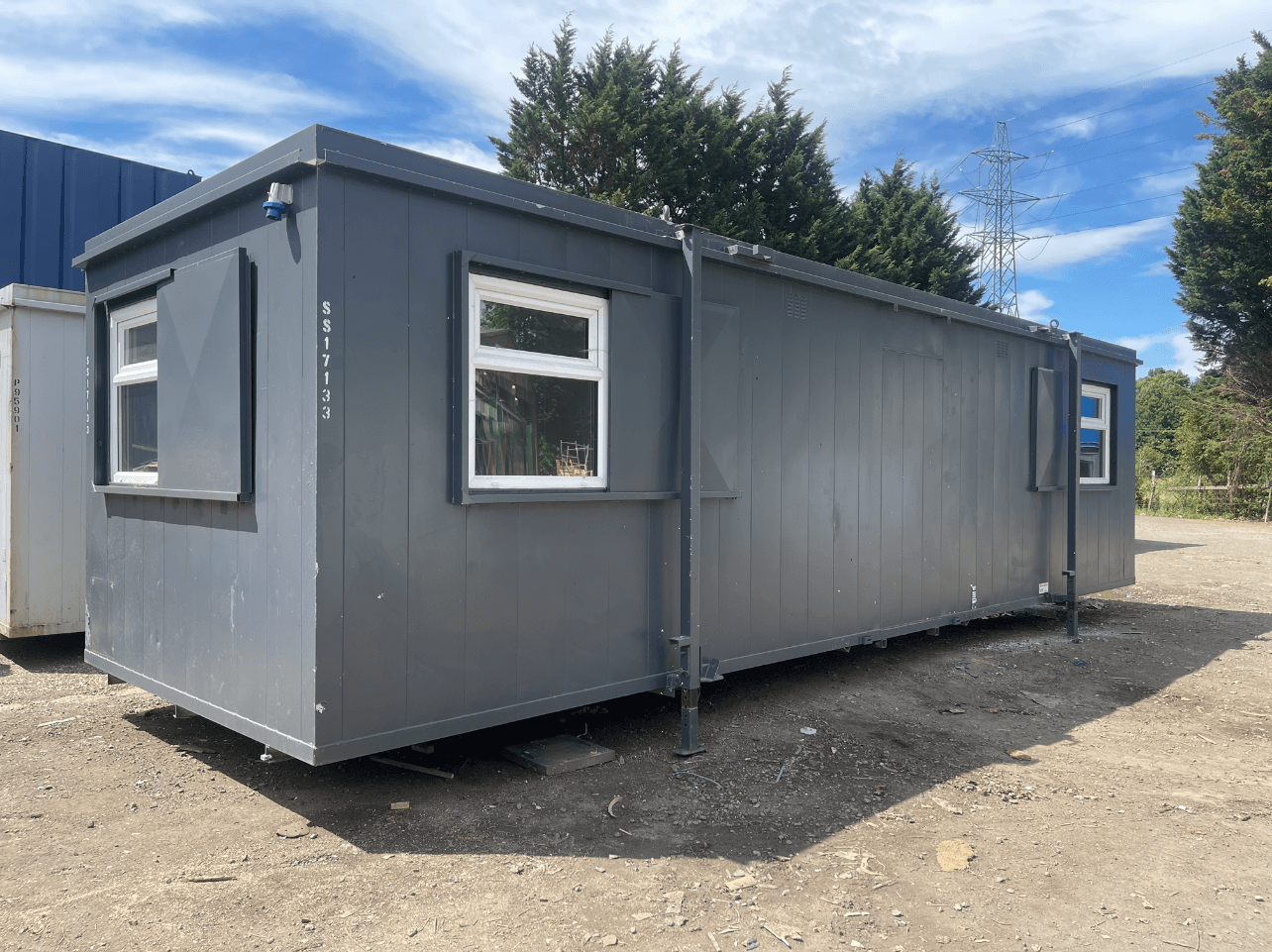
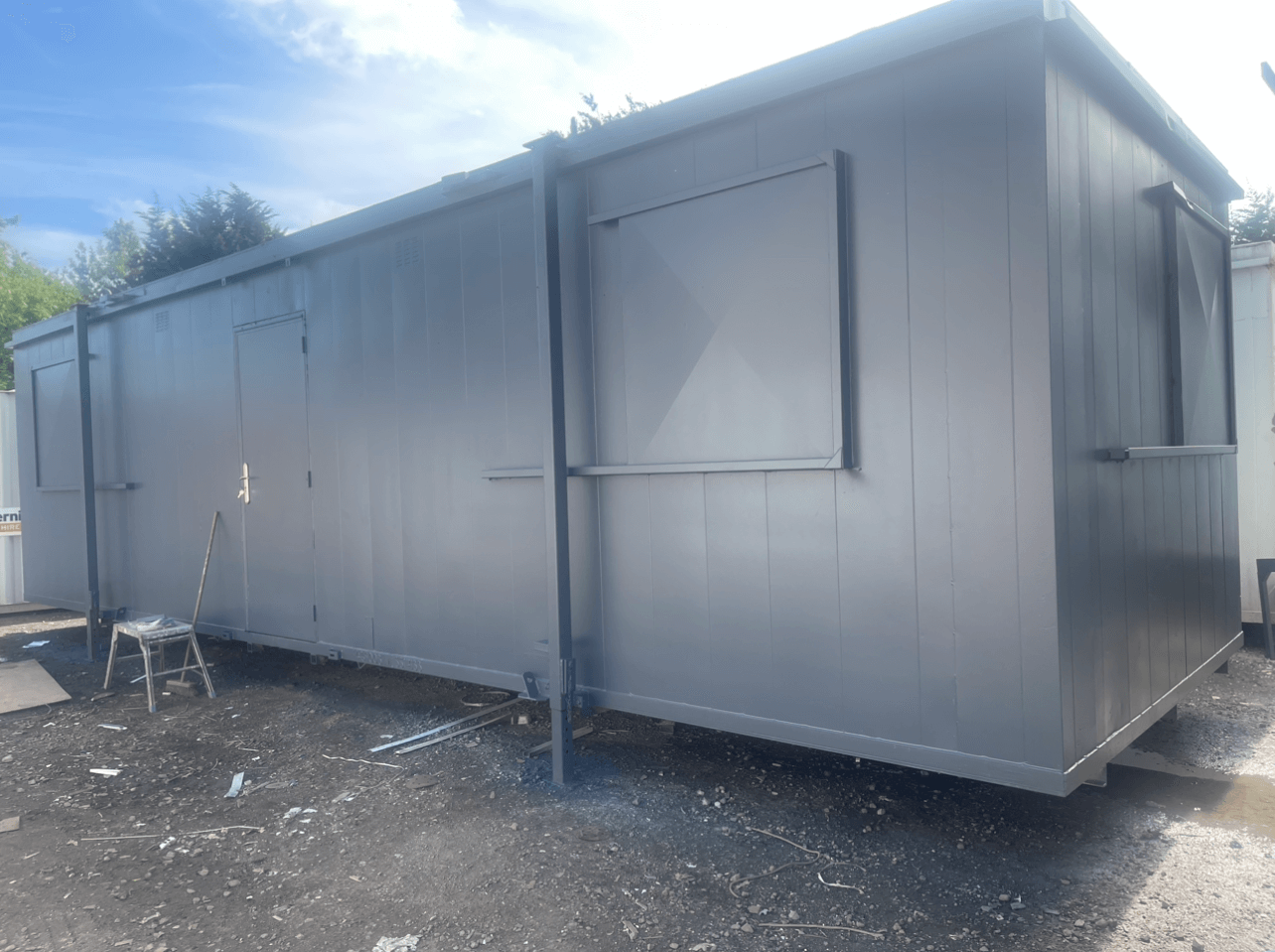
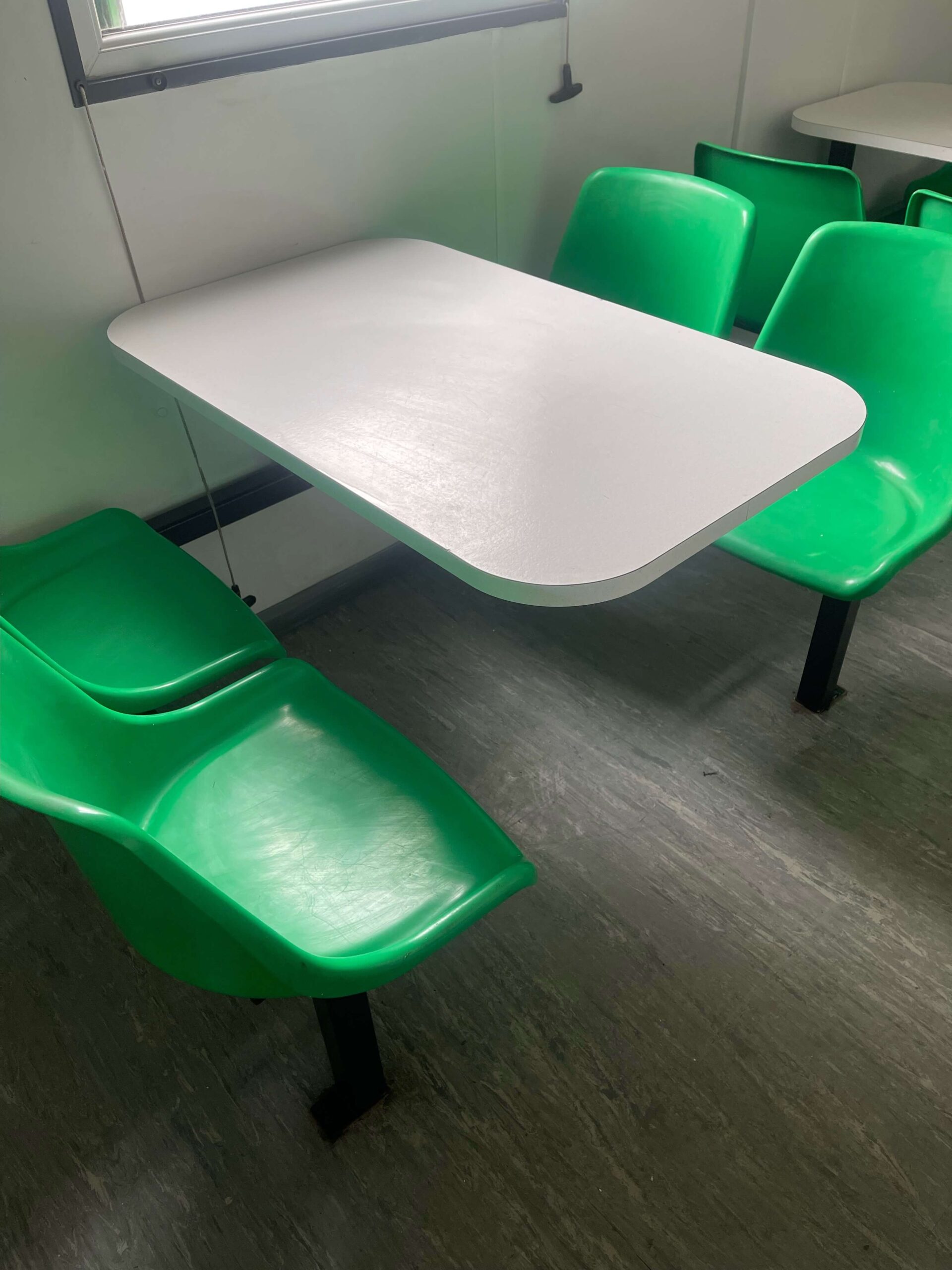
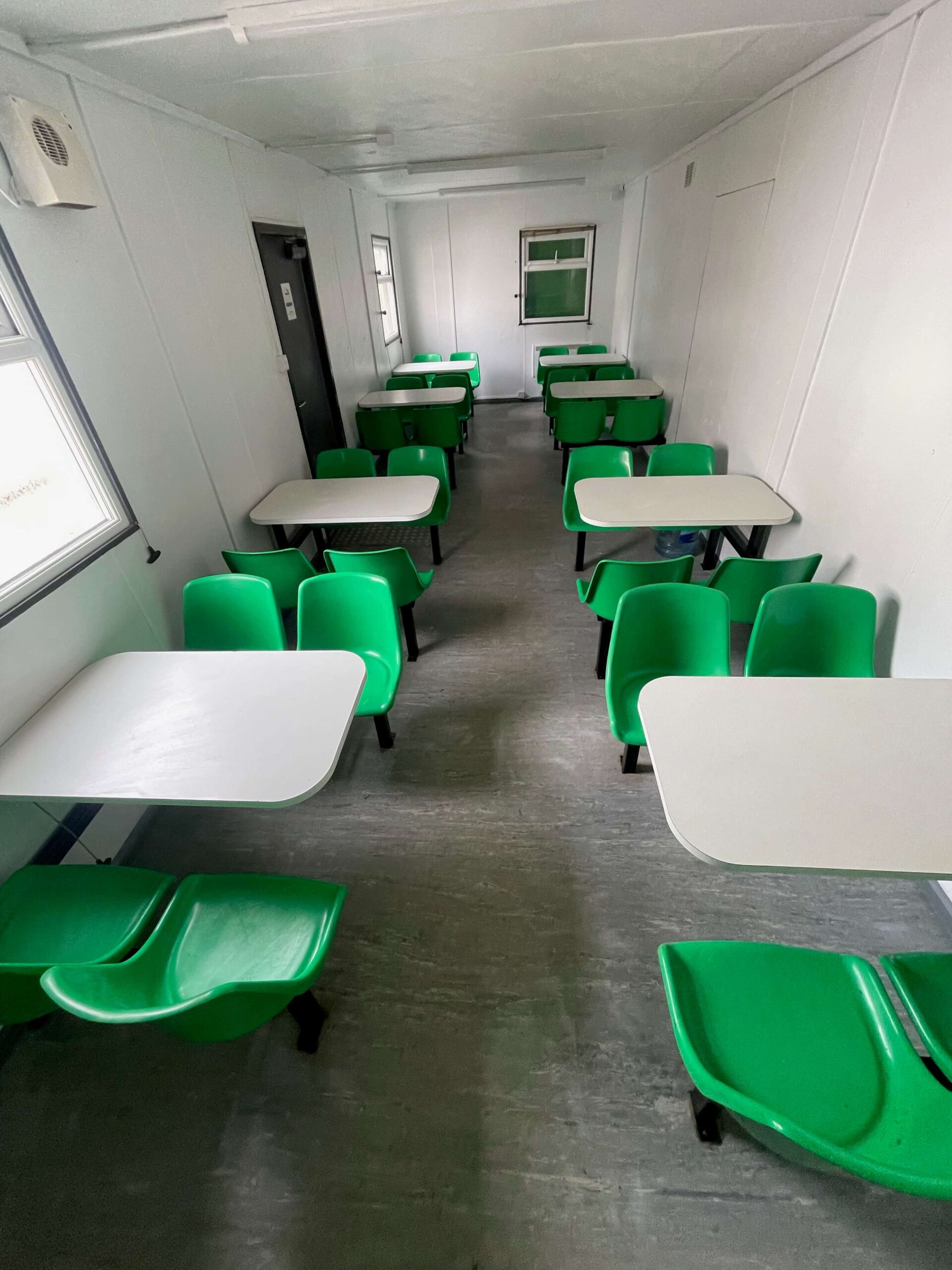
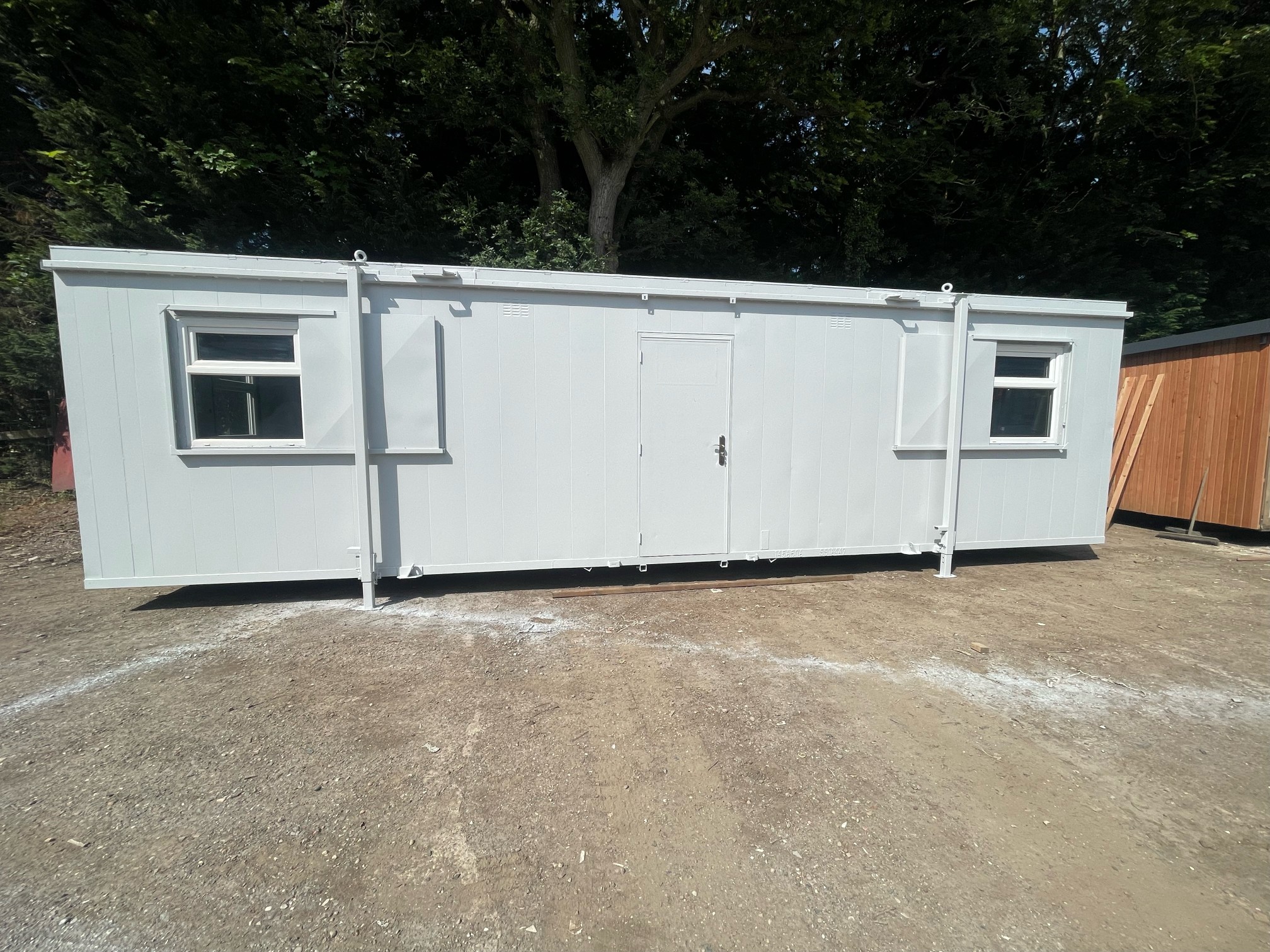
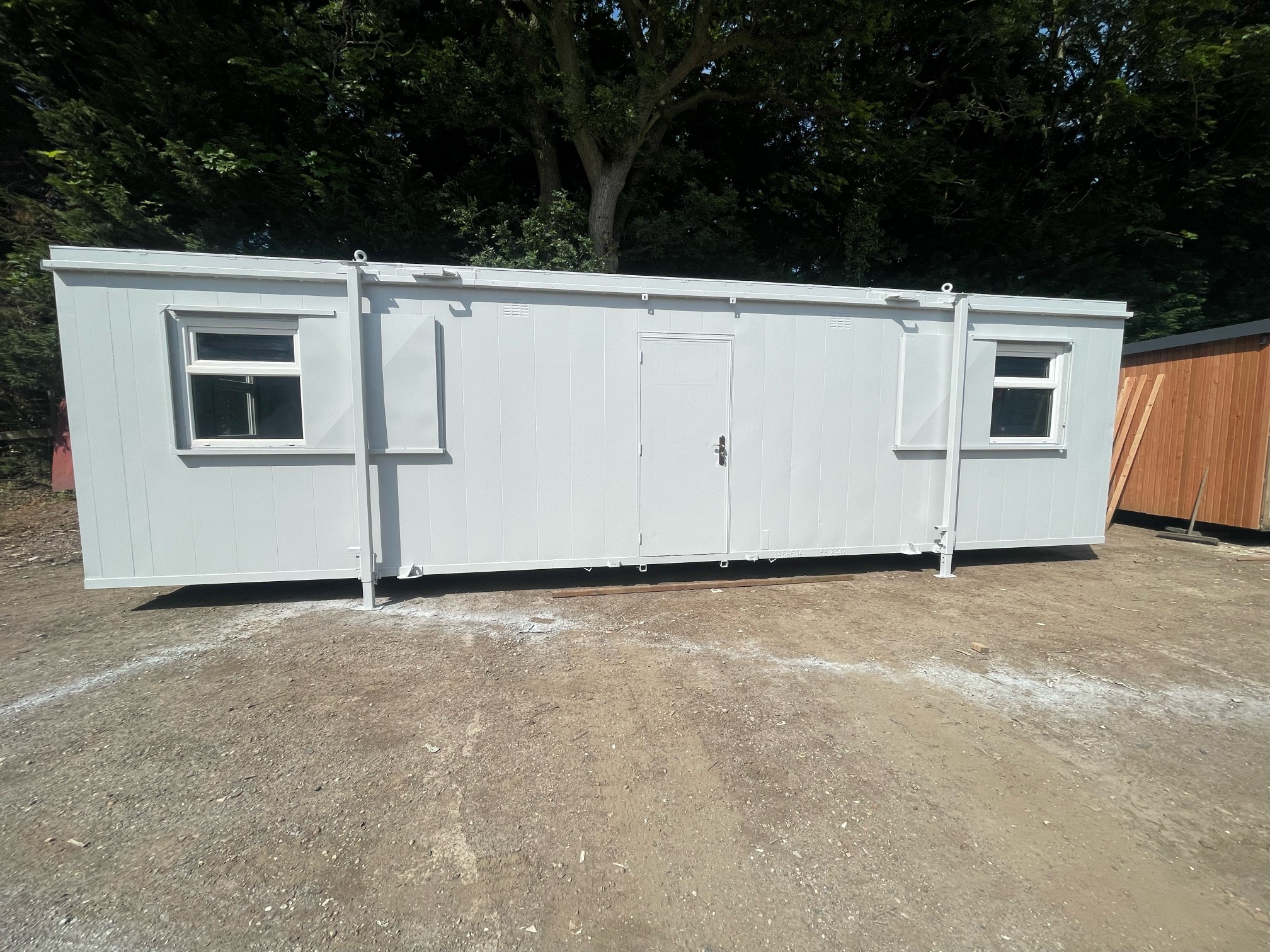
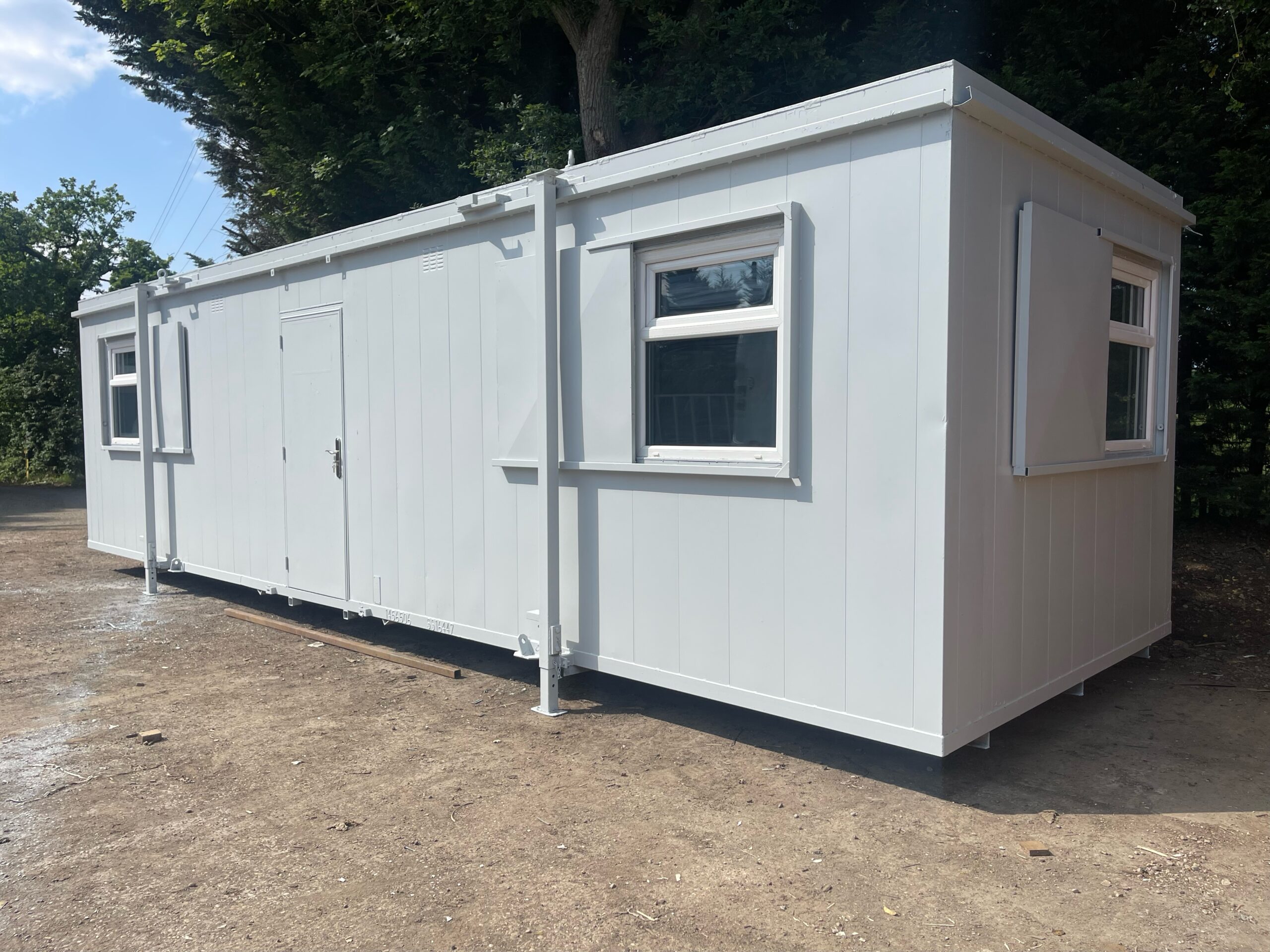
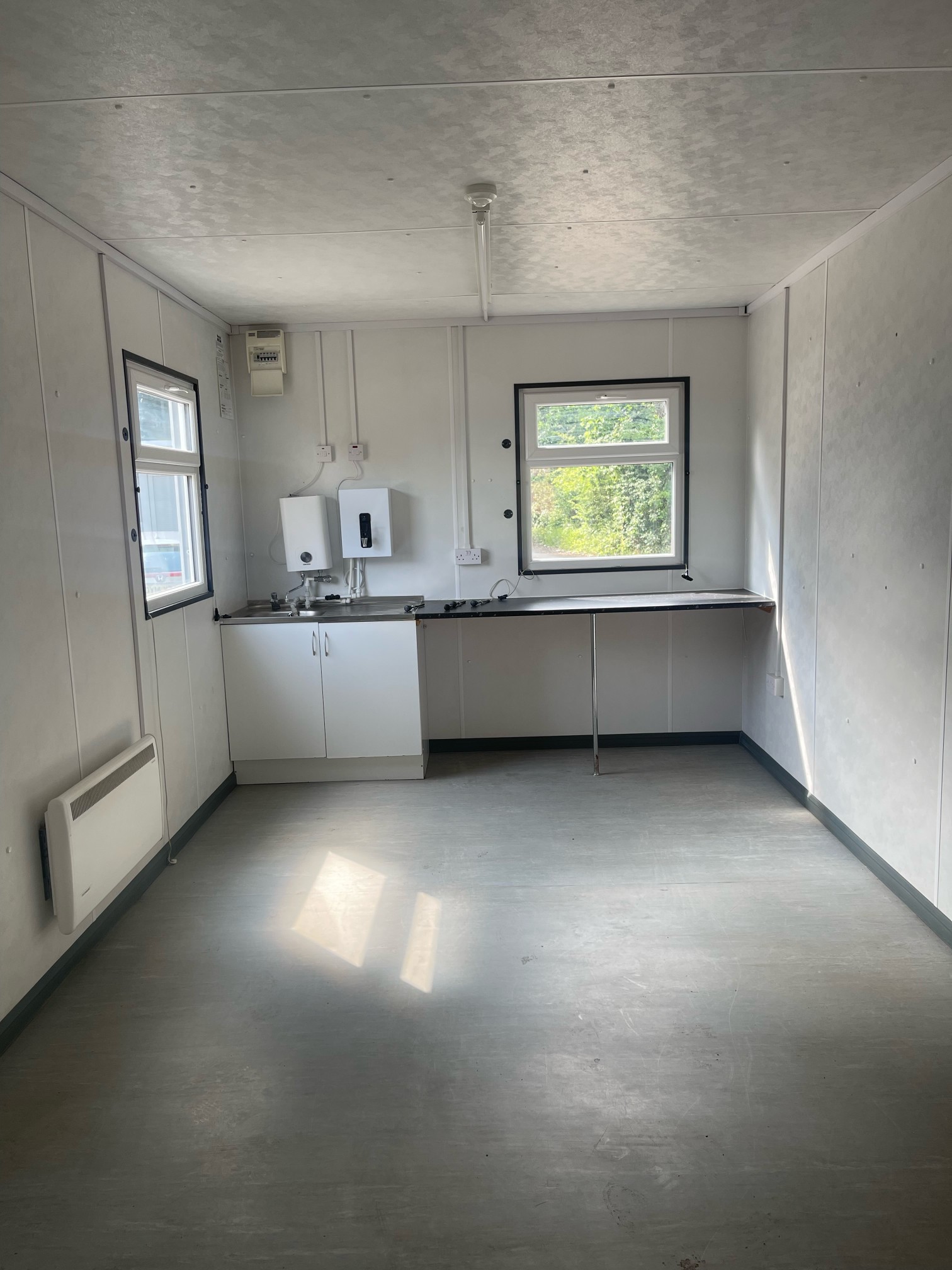
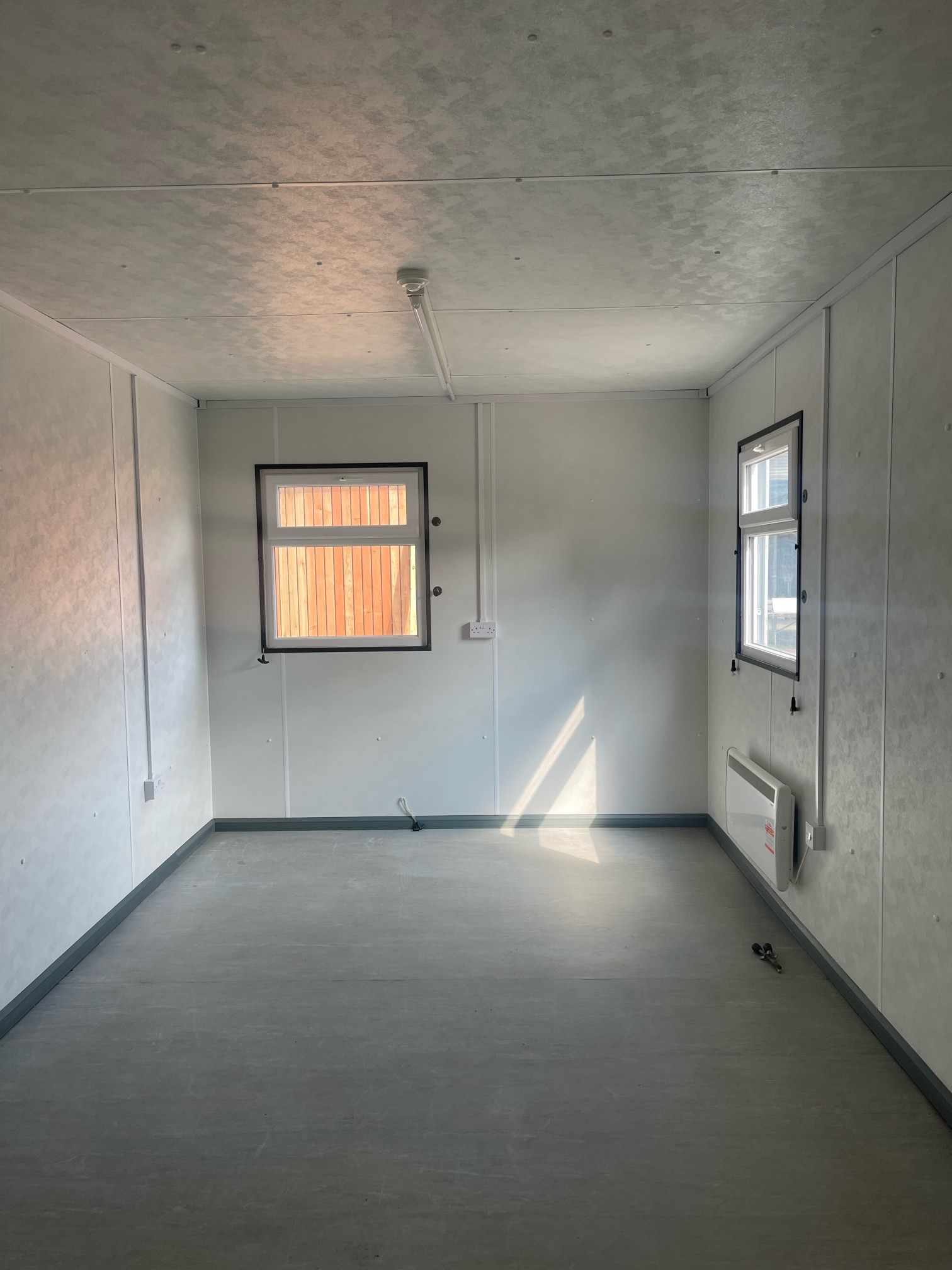
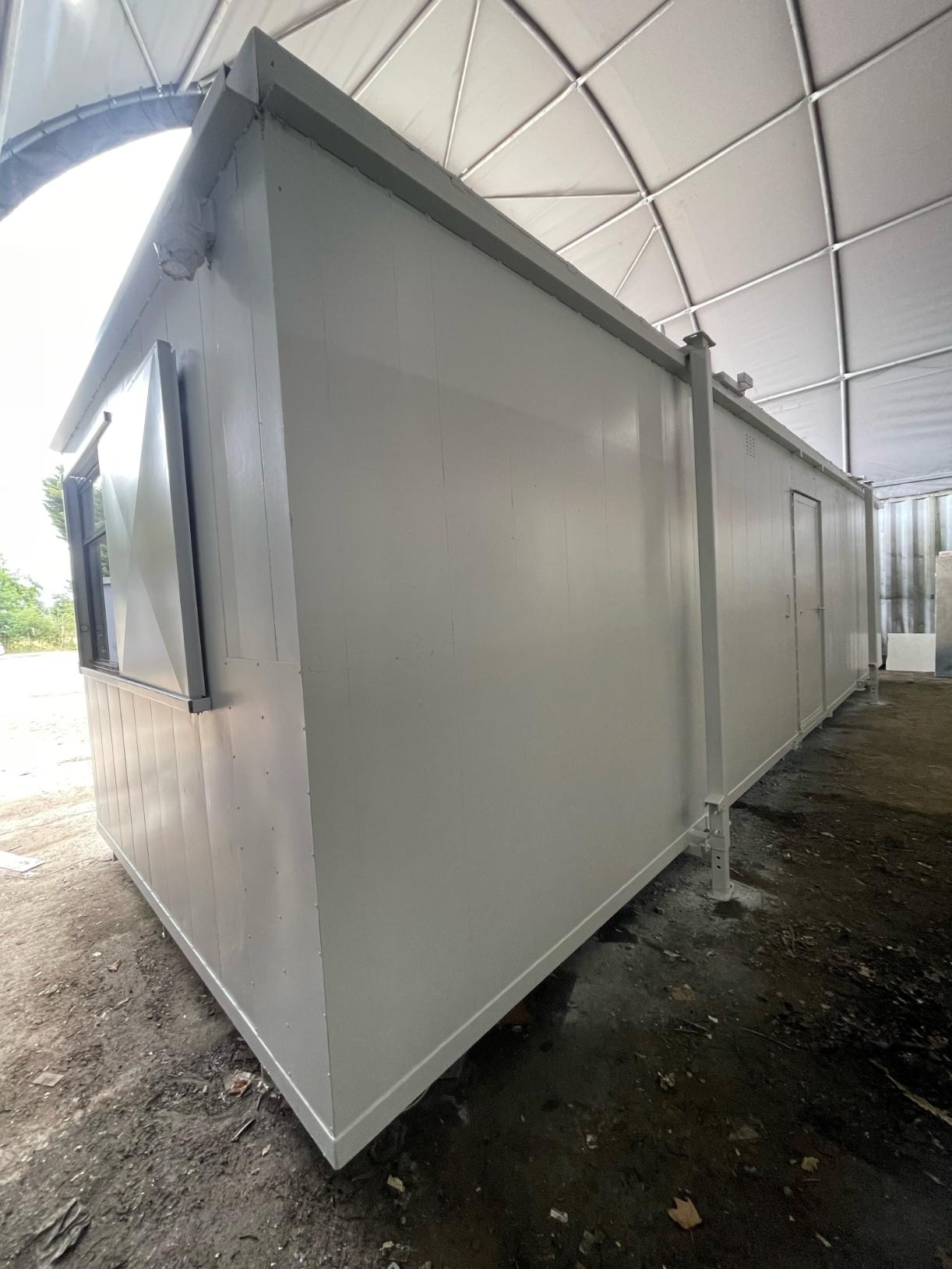
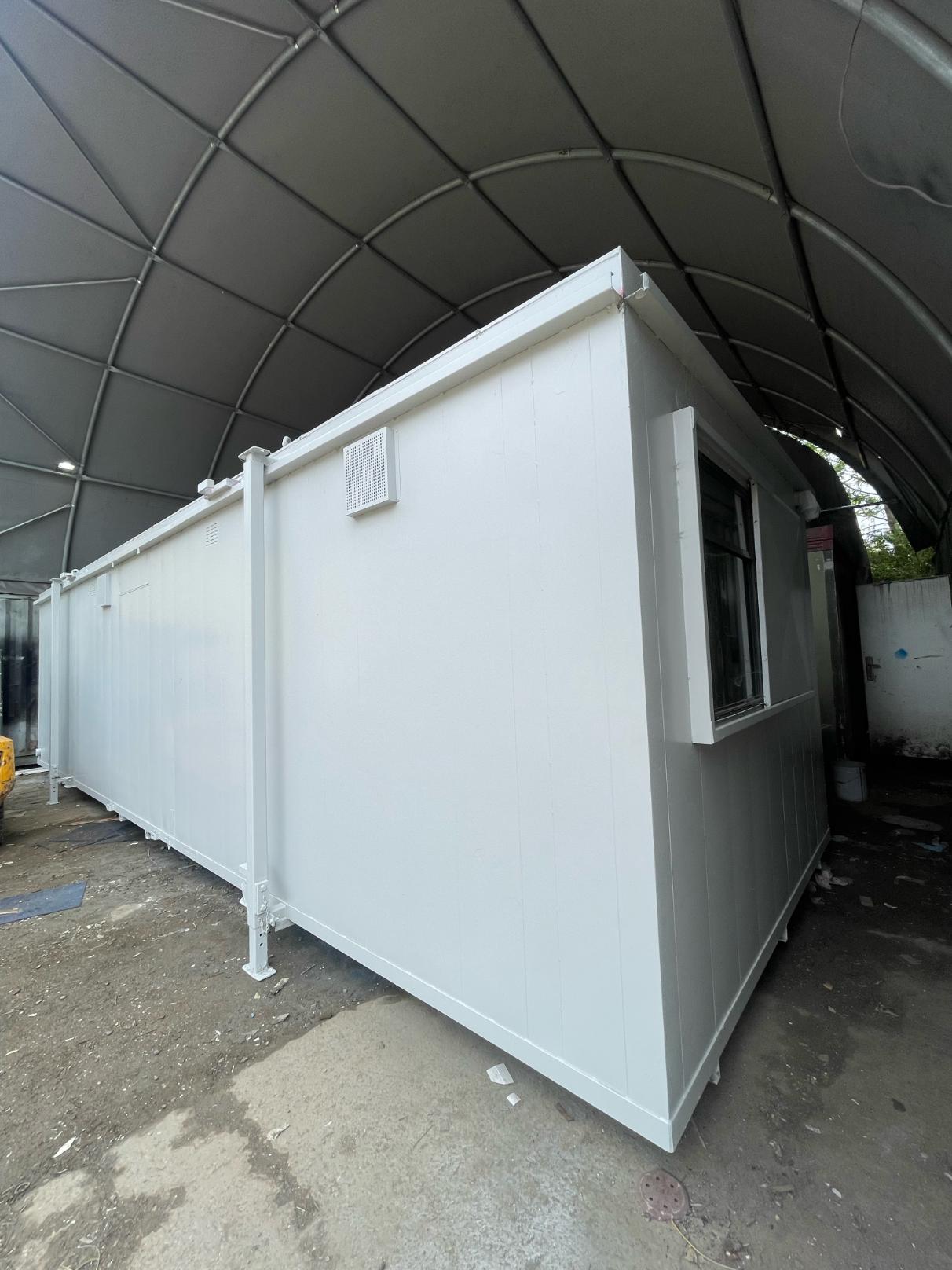
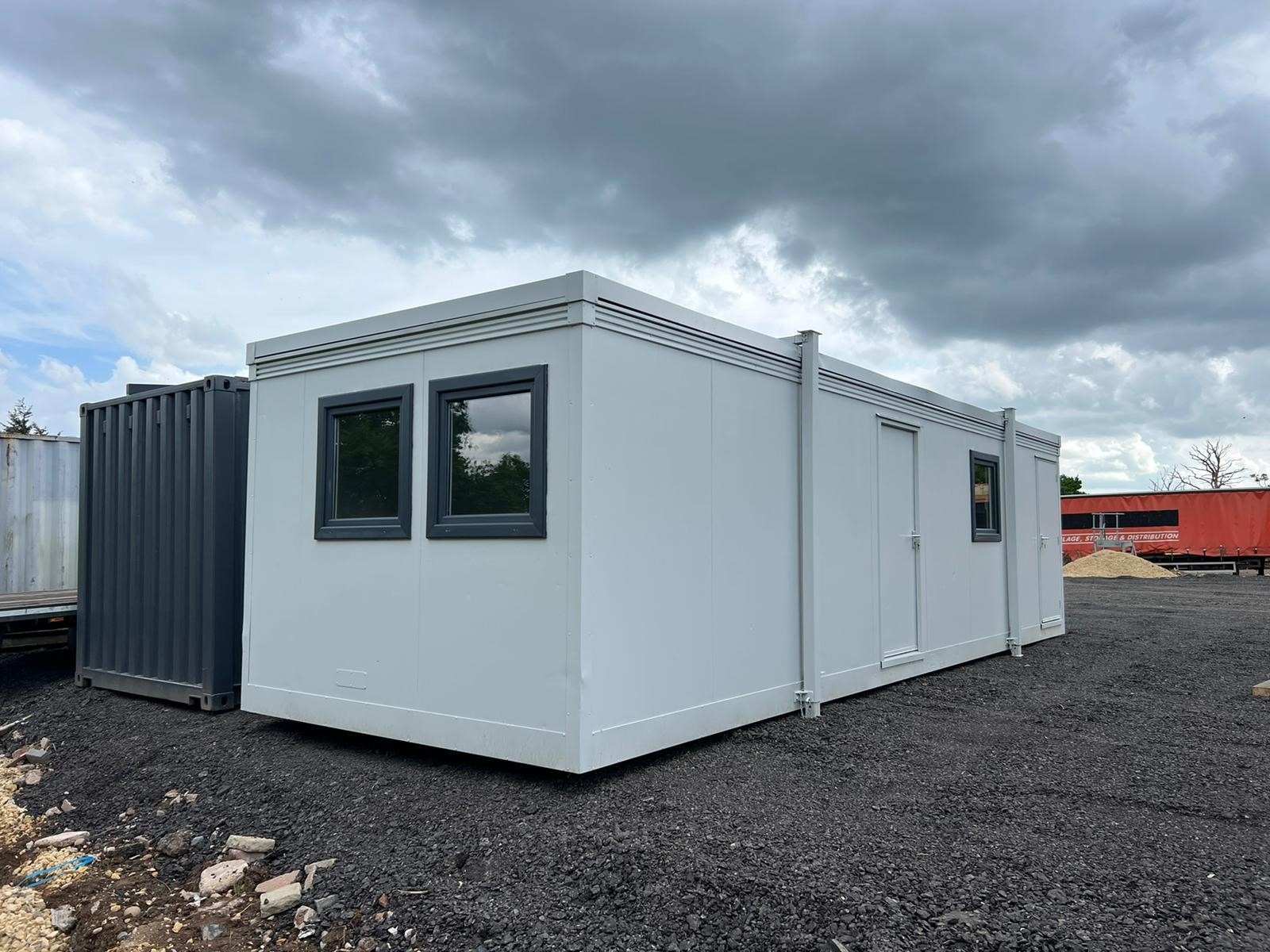
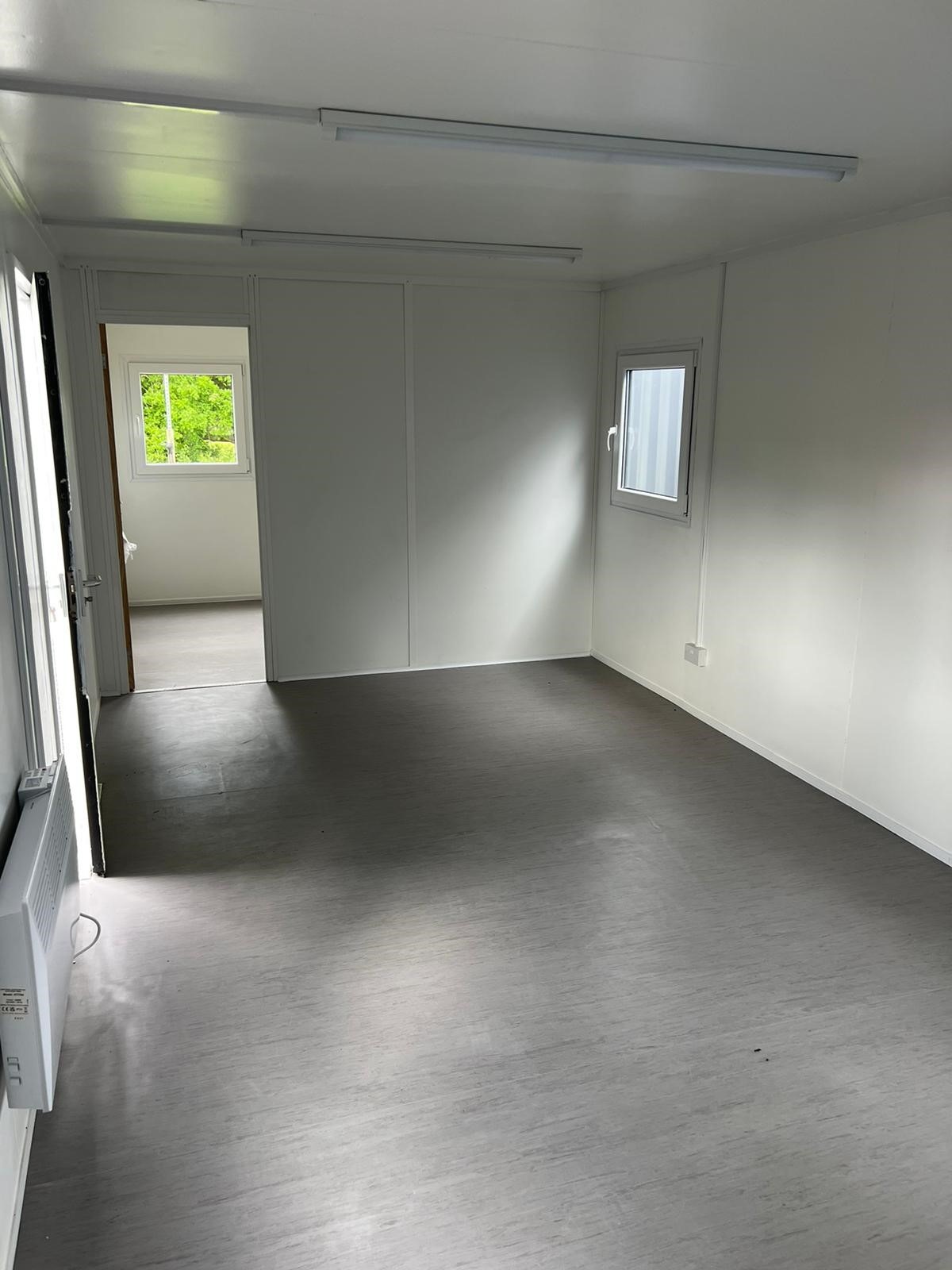
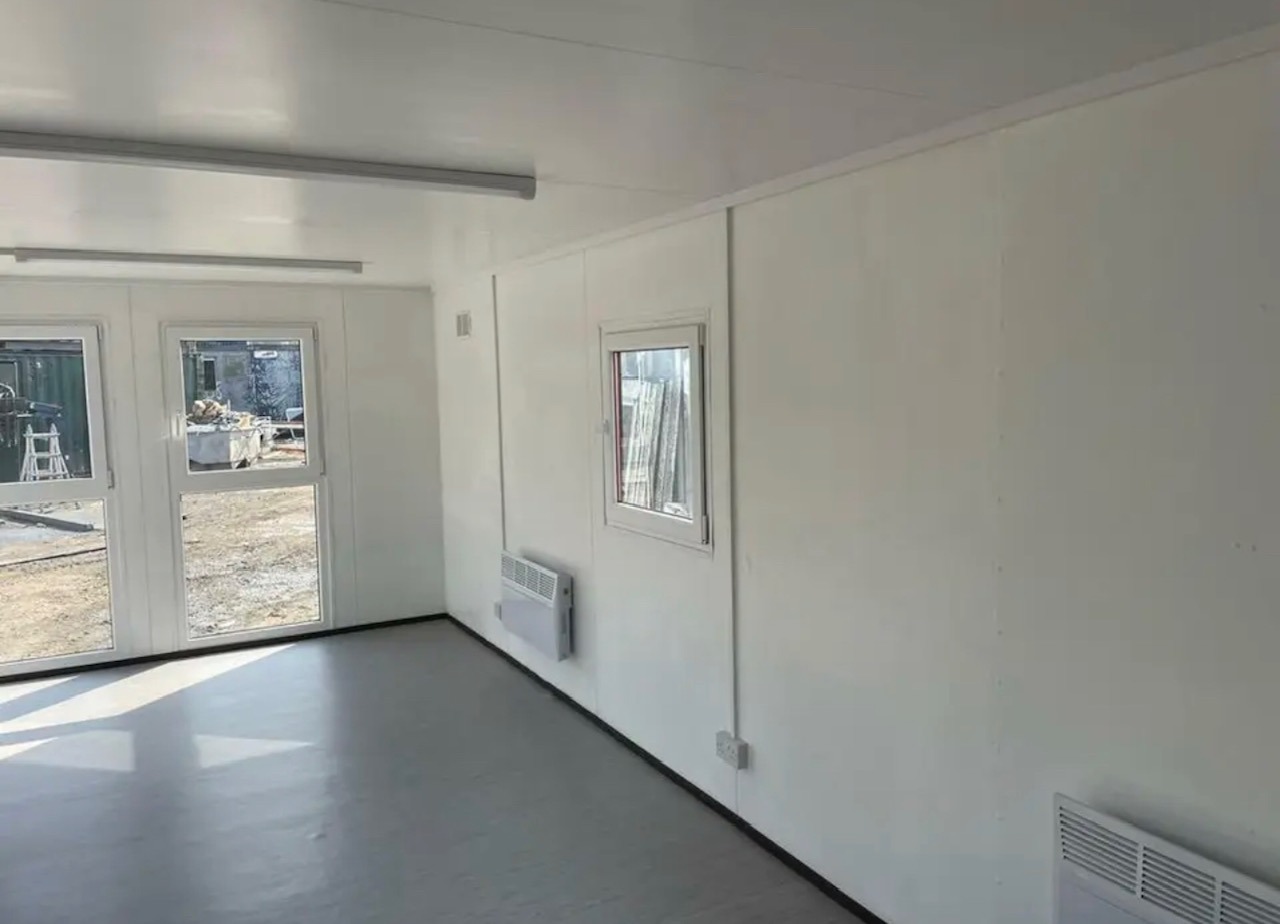
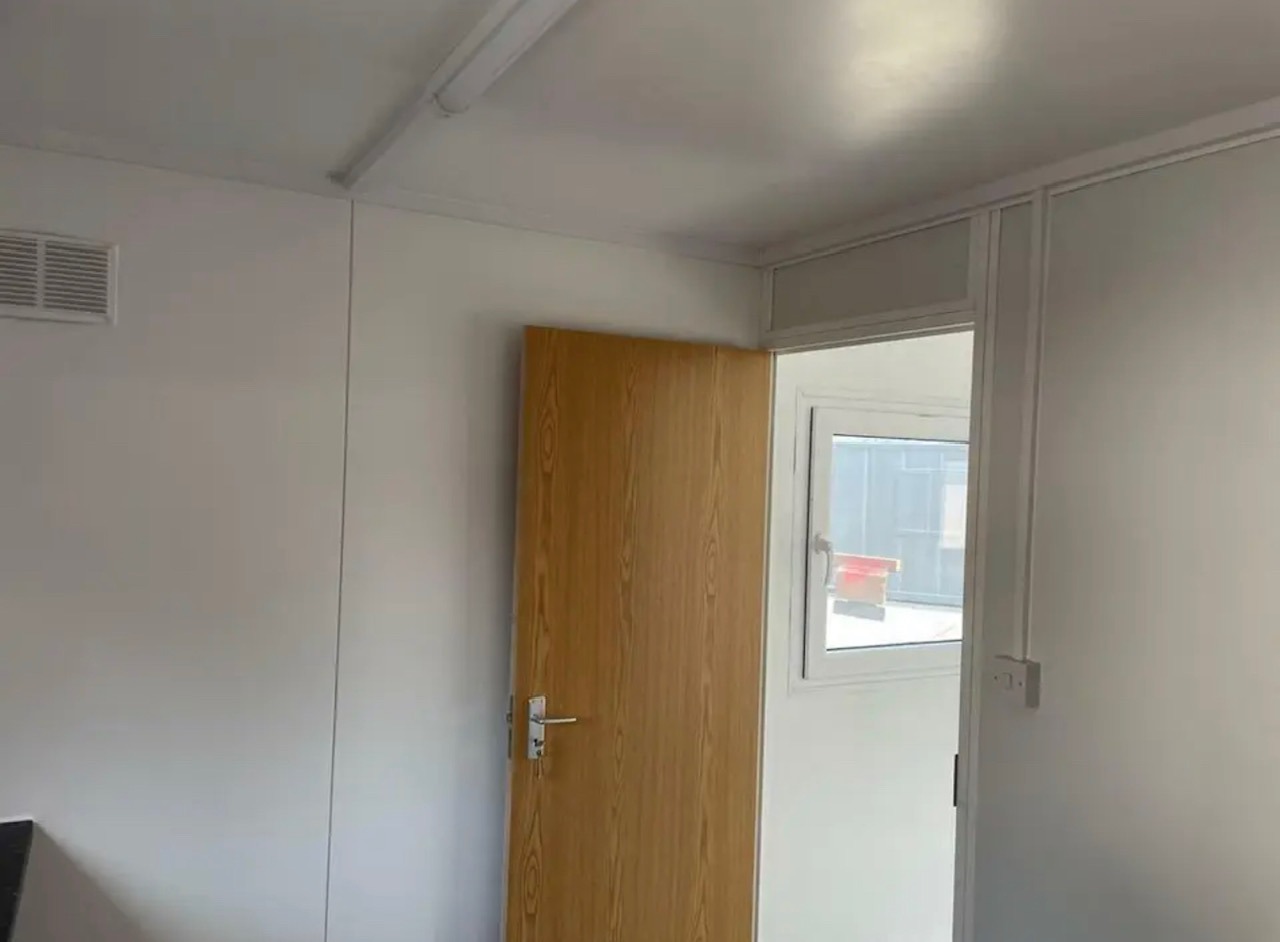
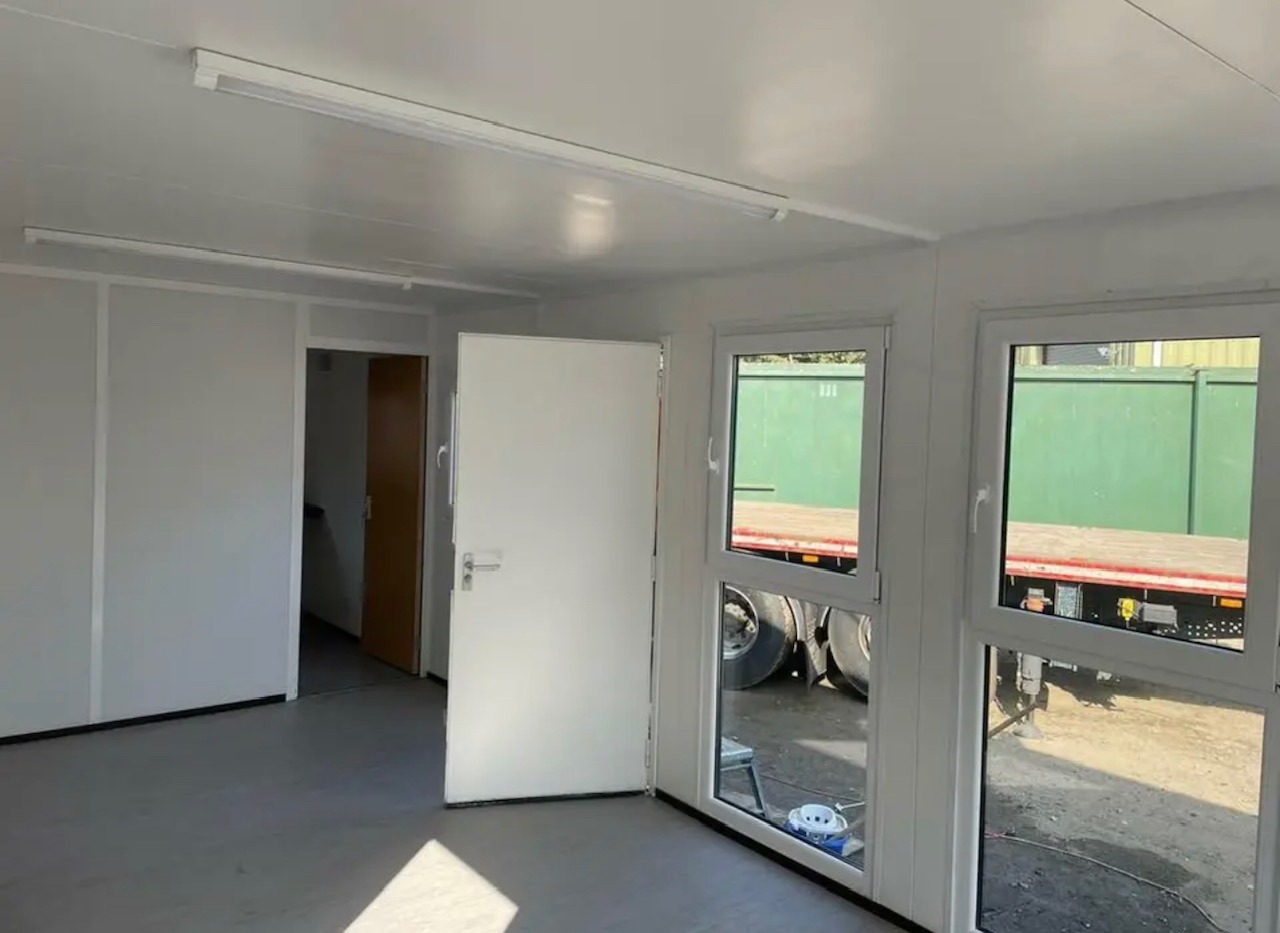
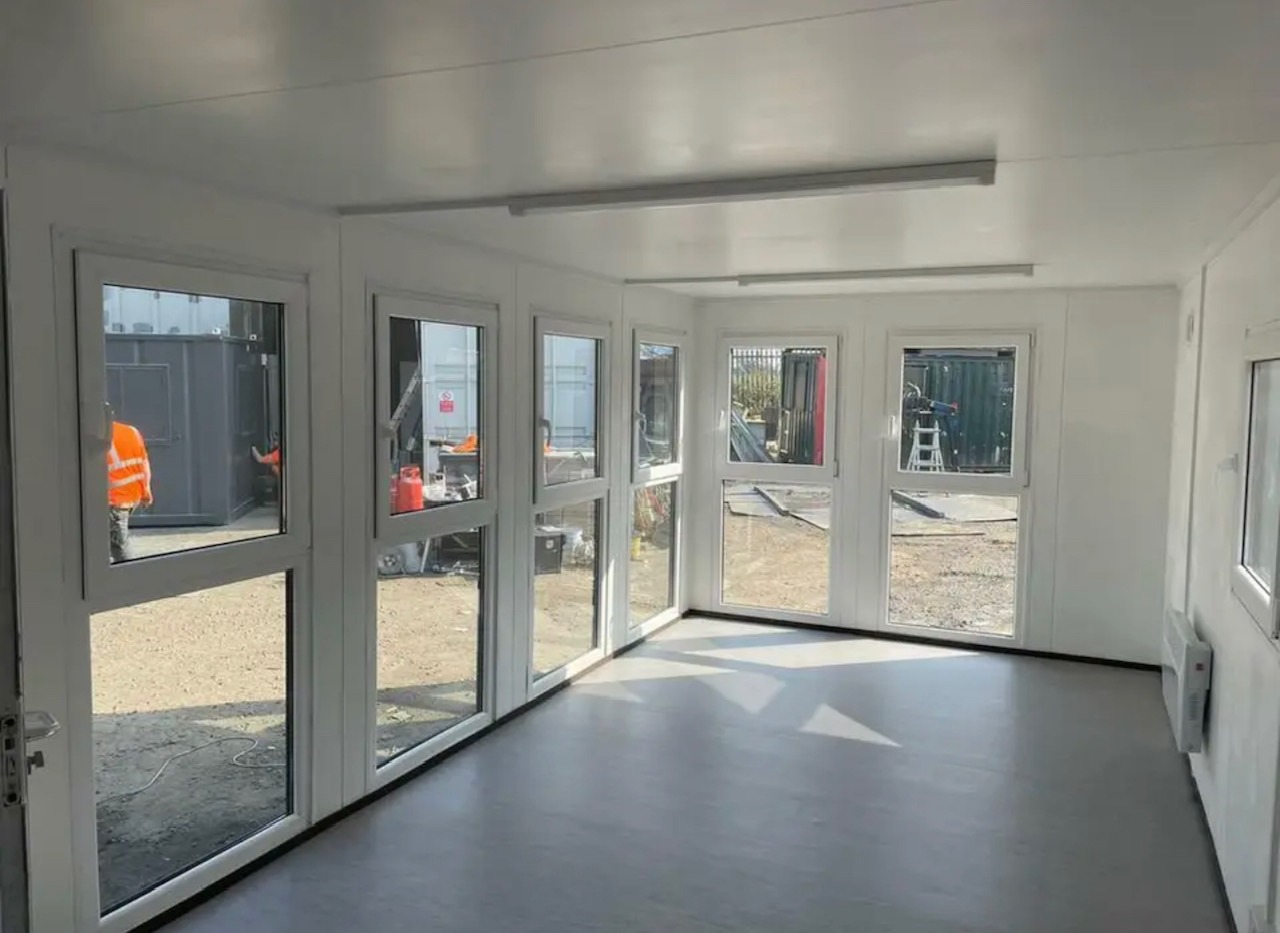
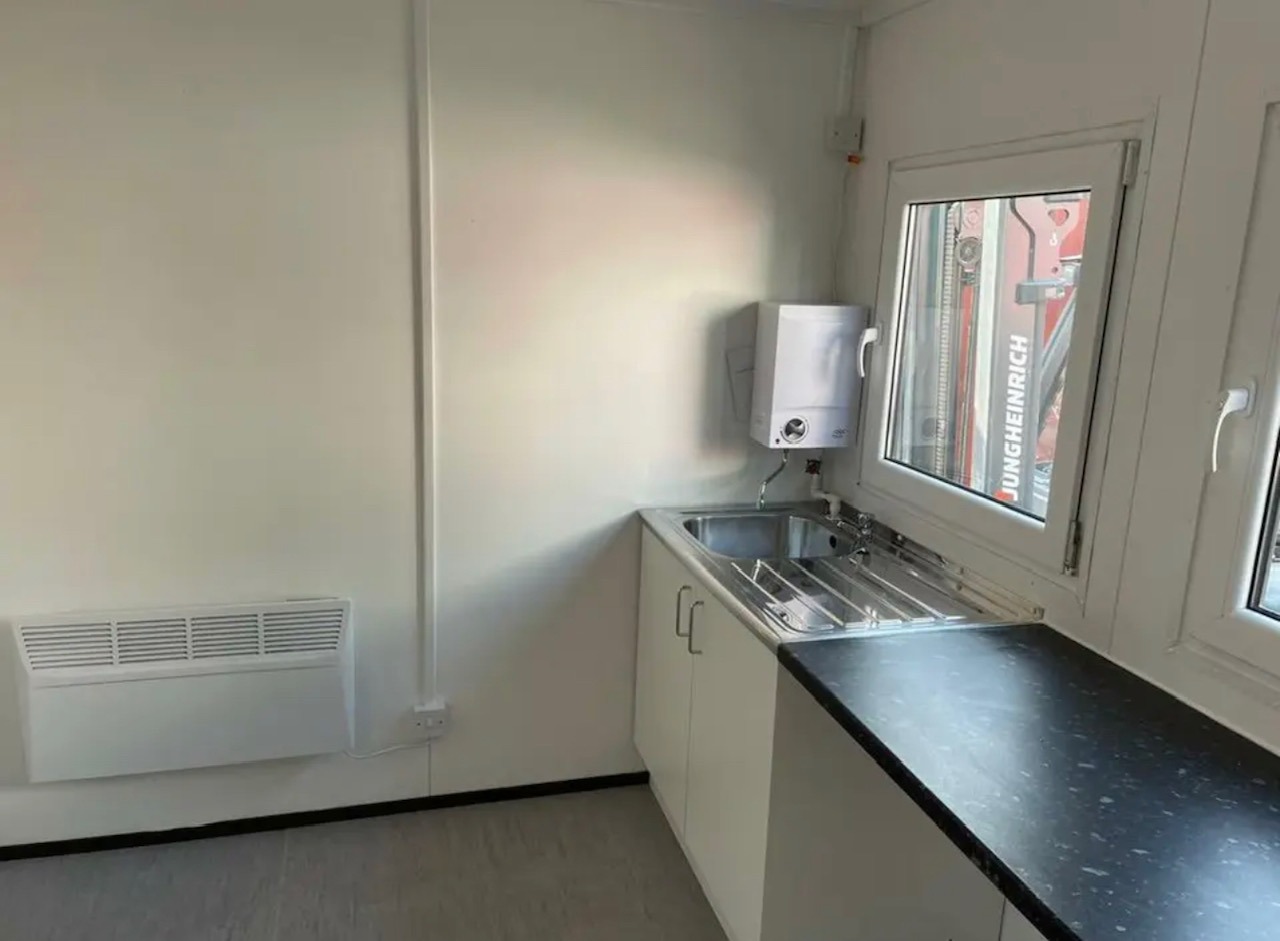
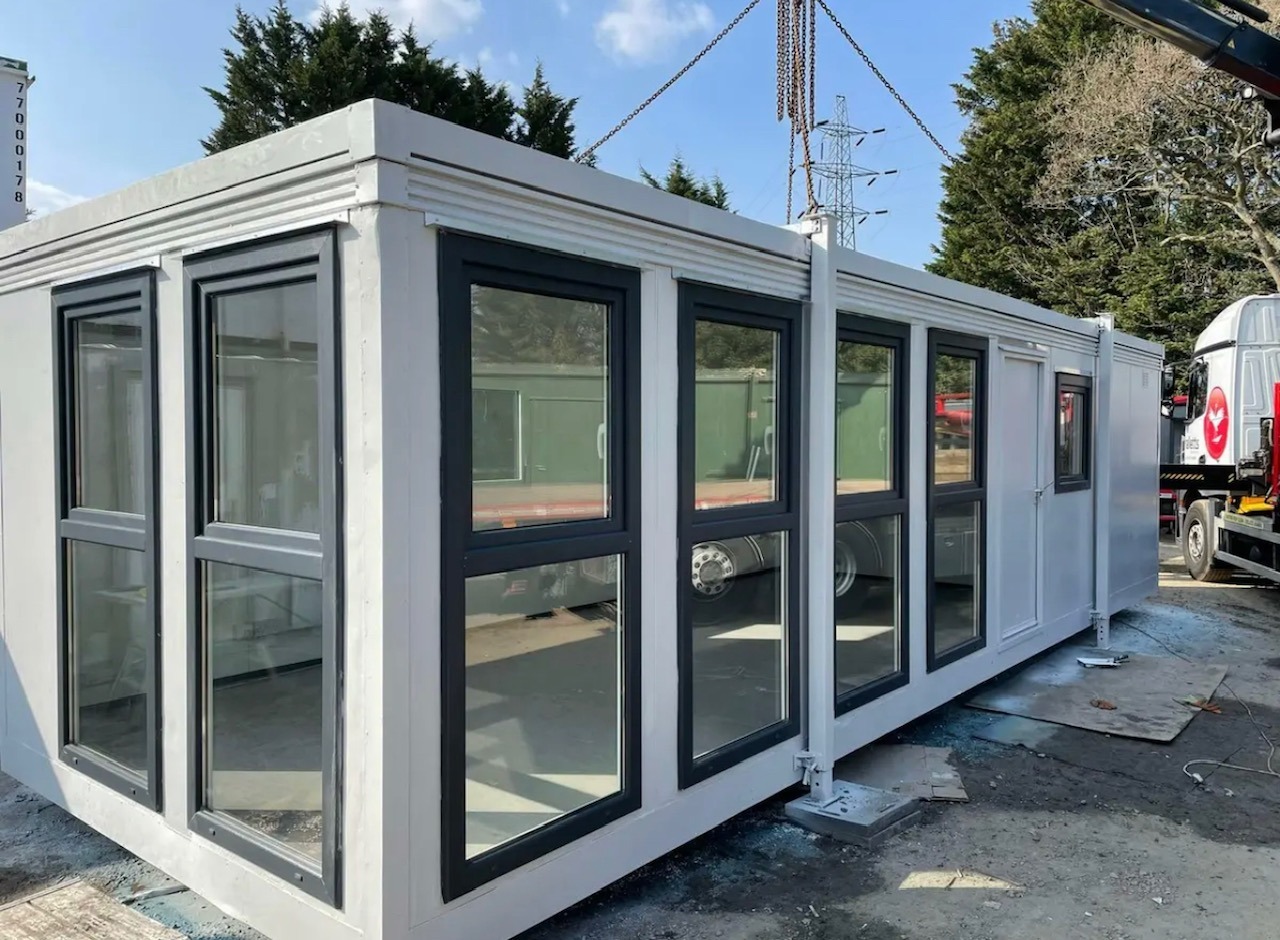
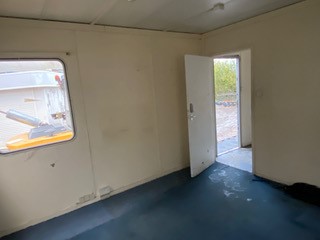
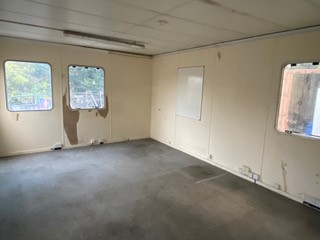
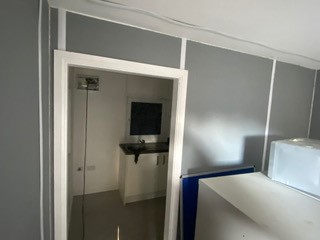
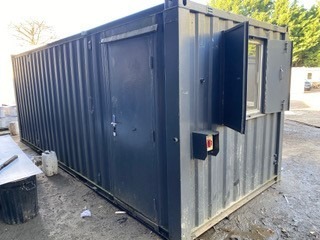
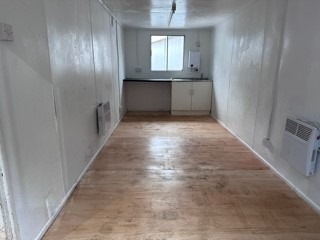
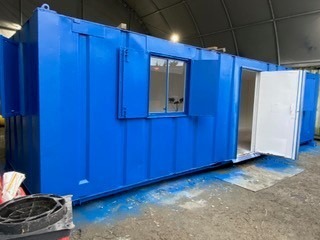
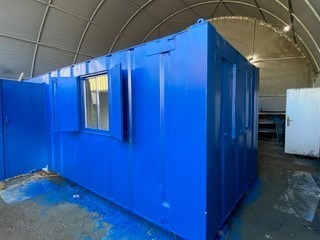
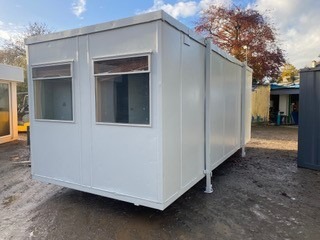
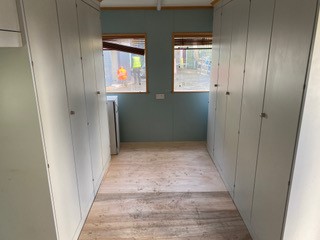
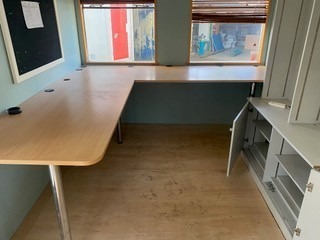
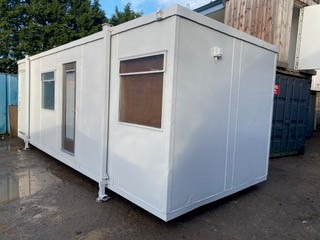
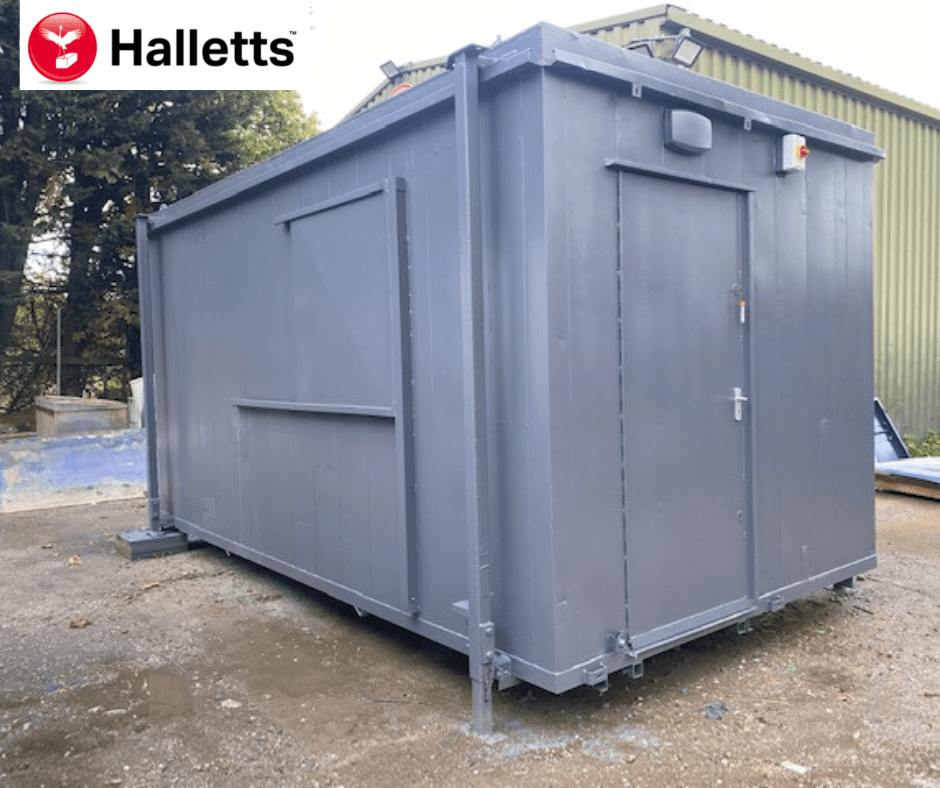
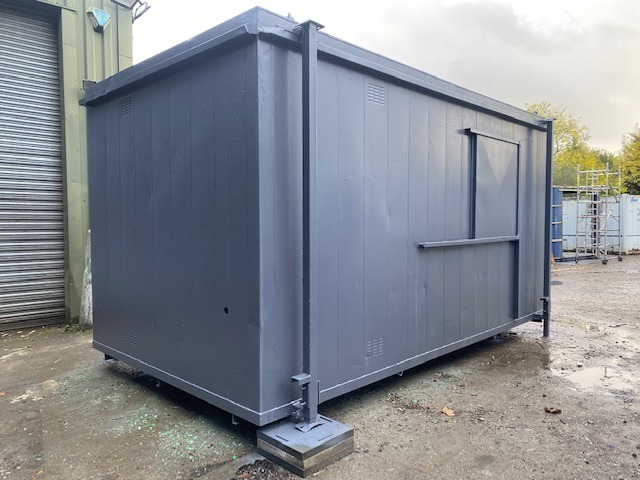
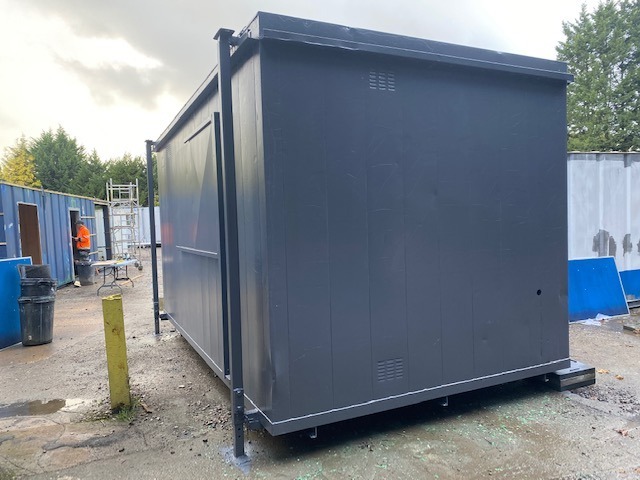
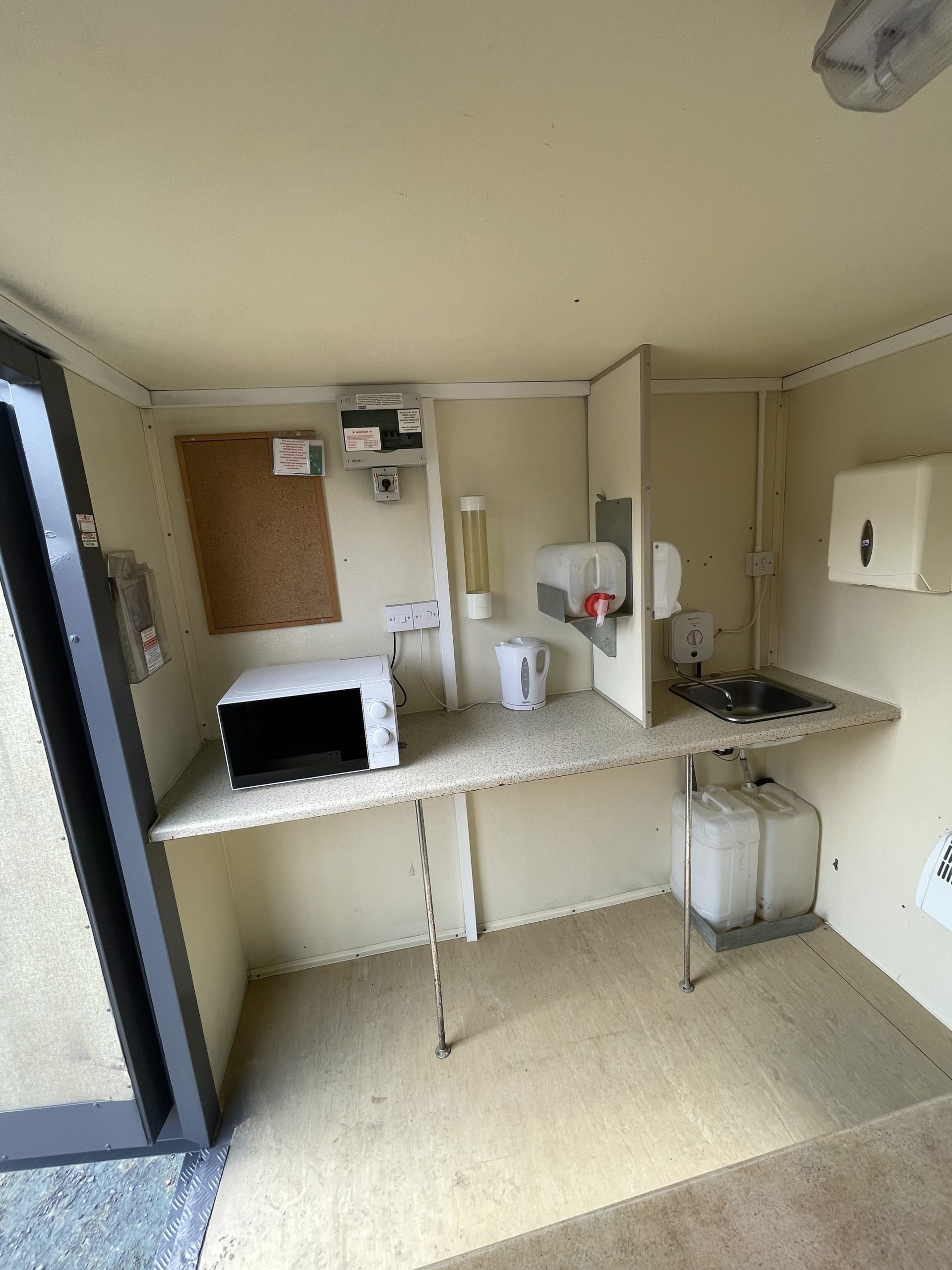
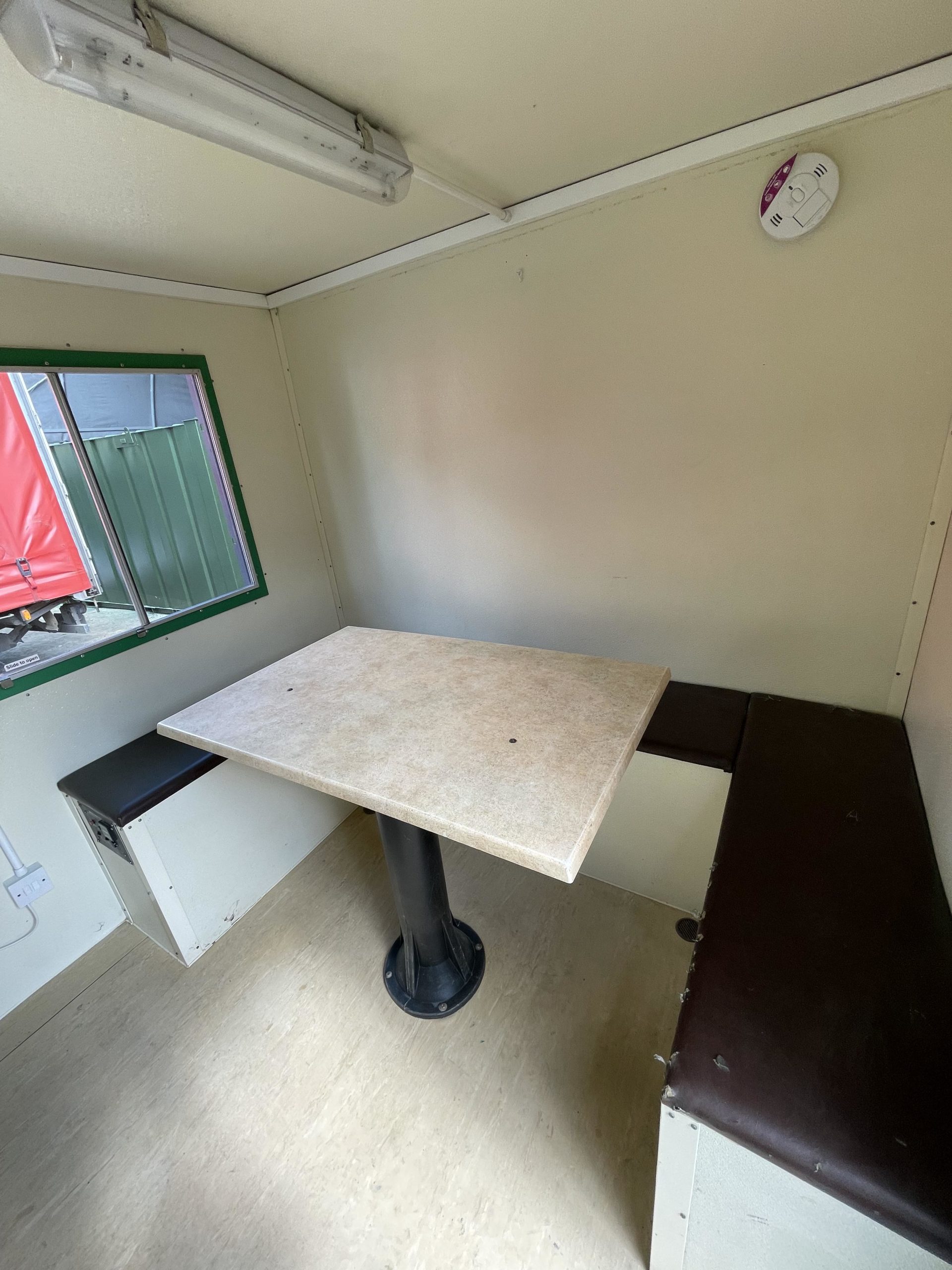
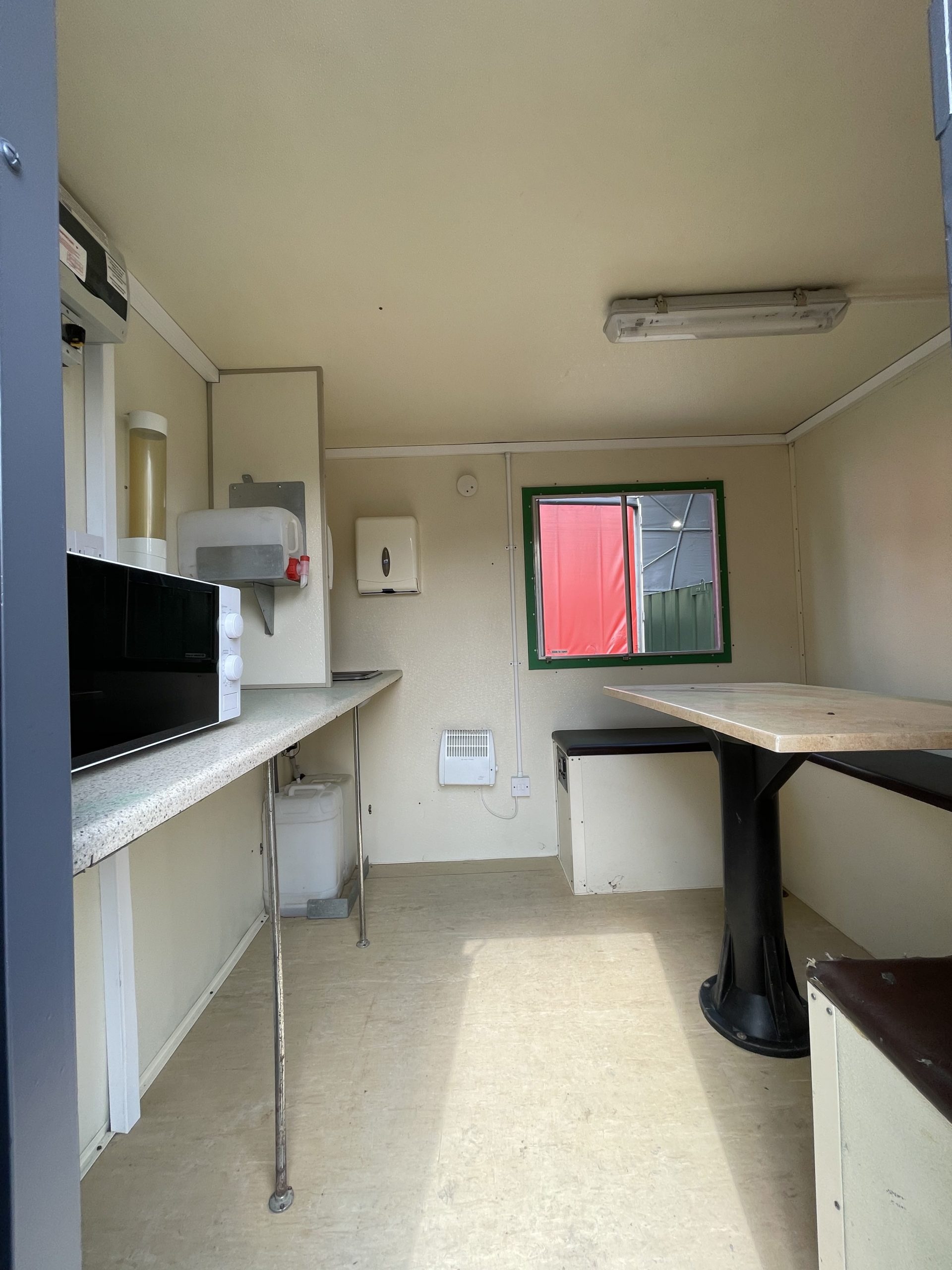
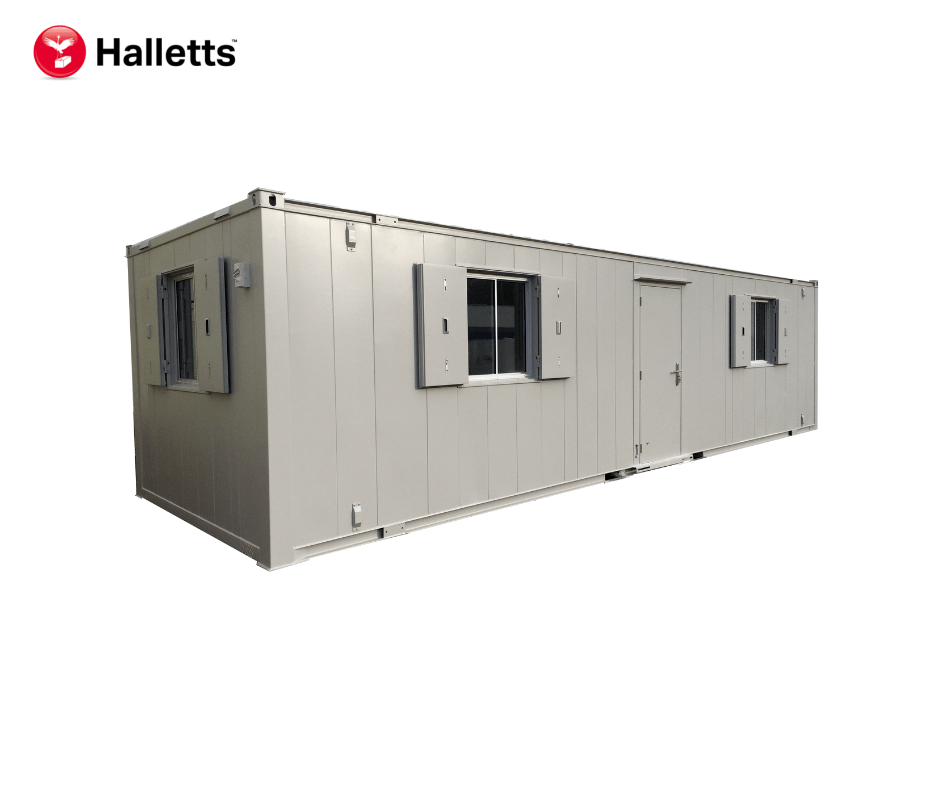
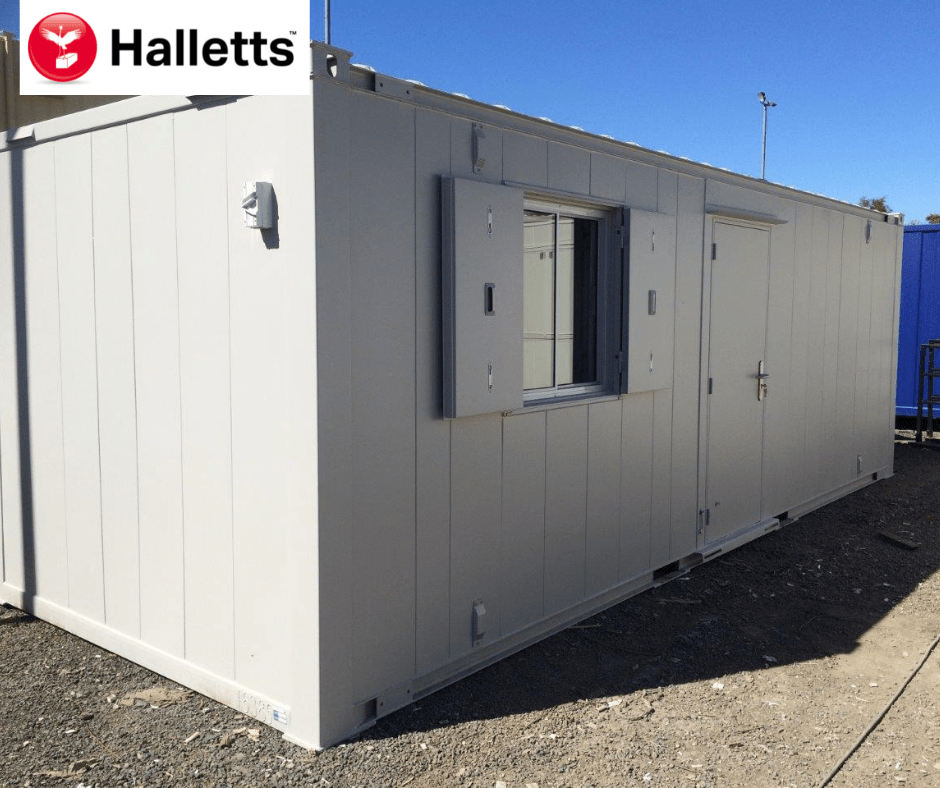
32ft x 10ft Anti Vandal Canteen/Office

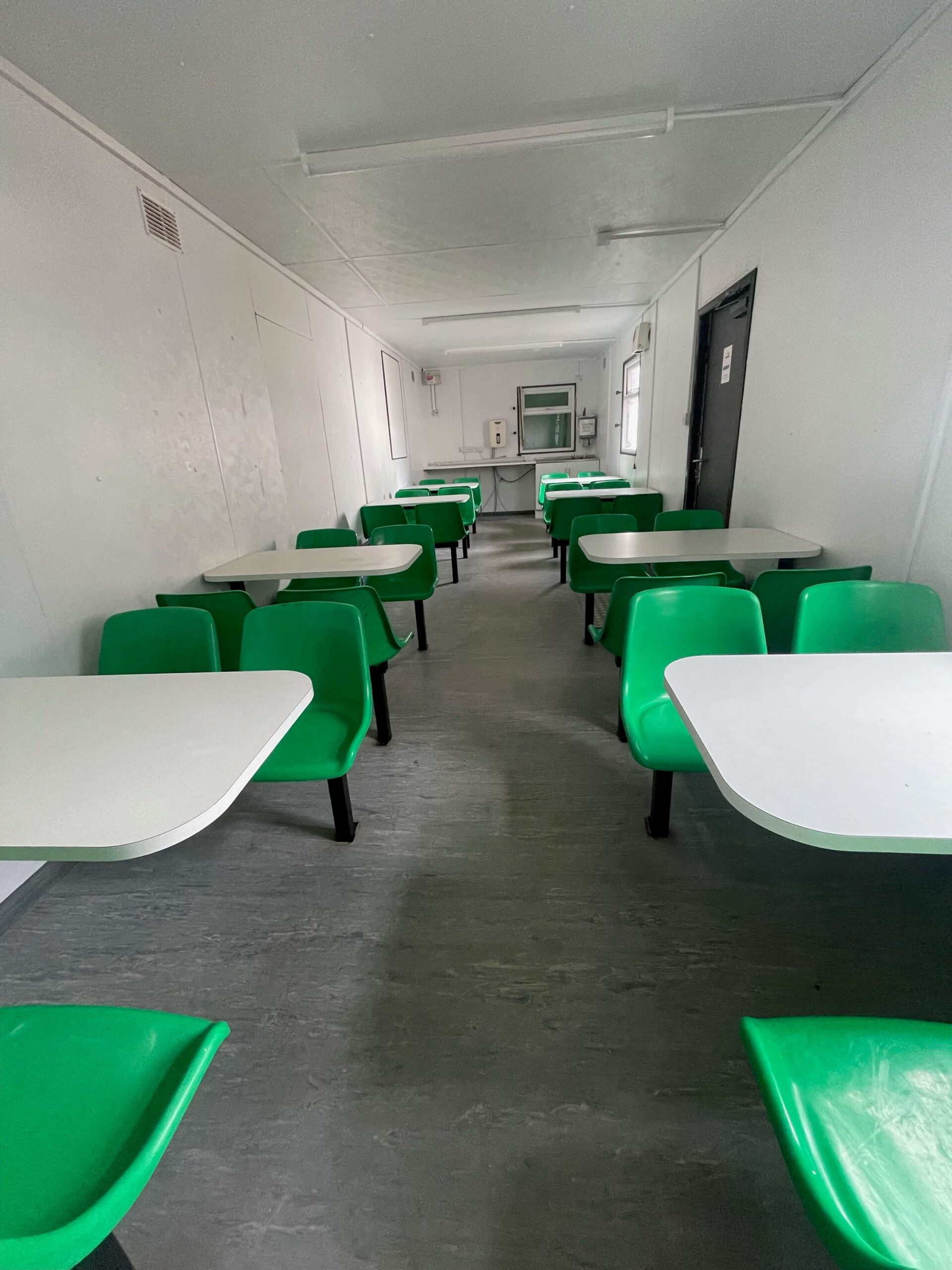
  • Complete with tables and chairs
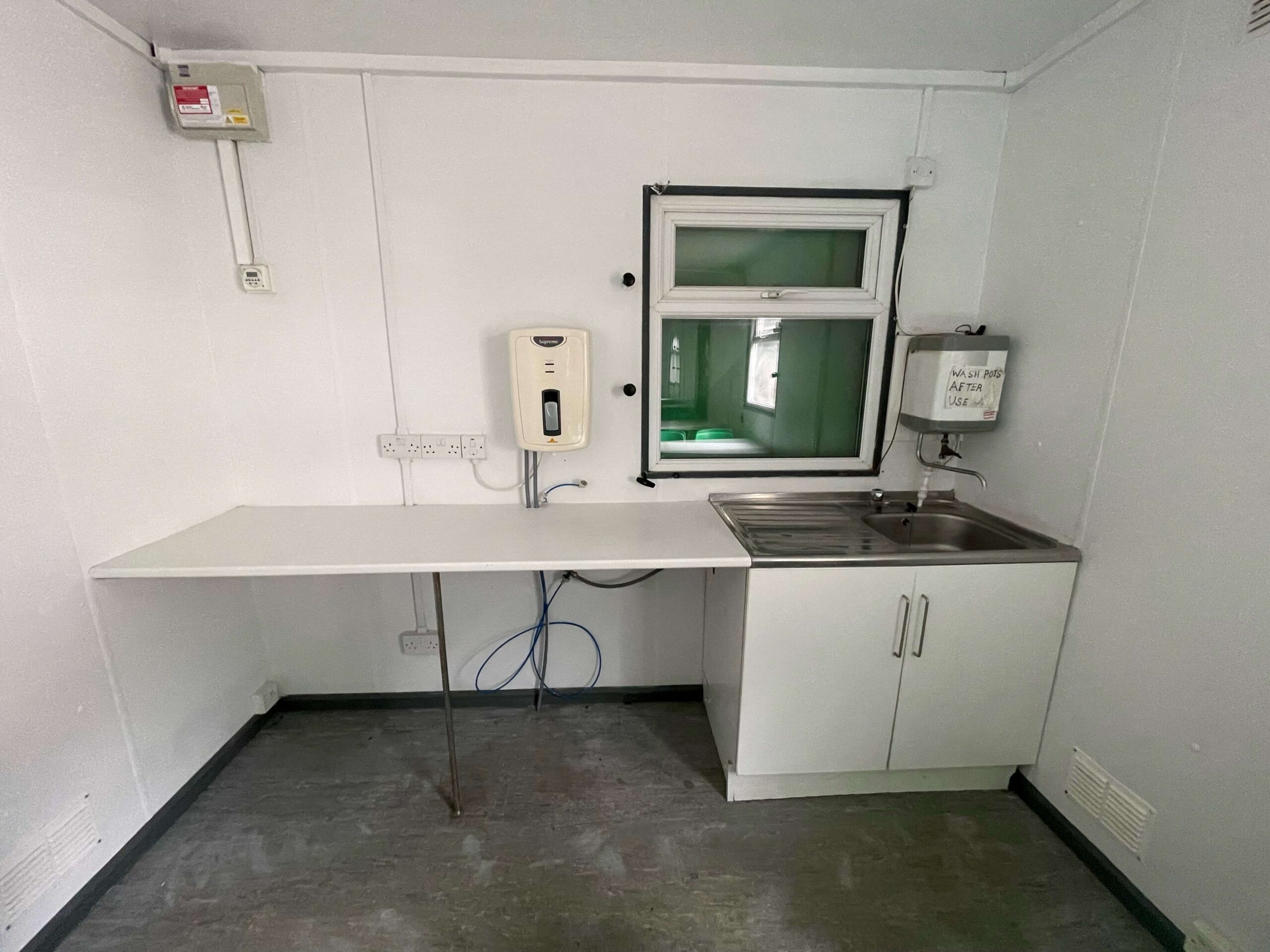
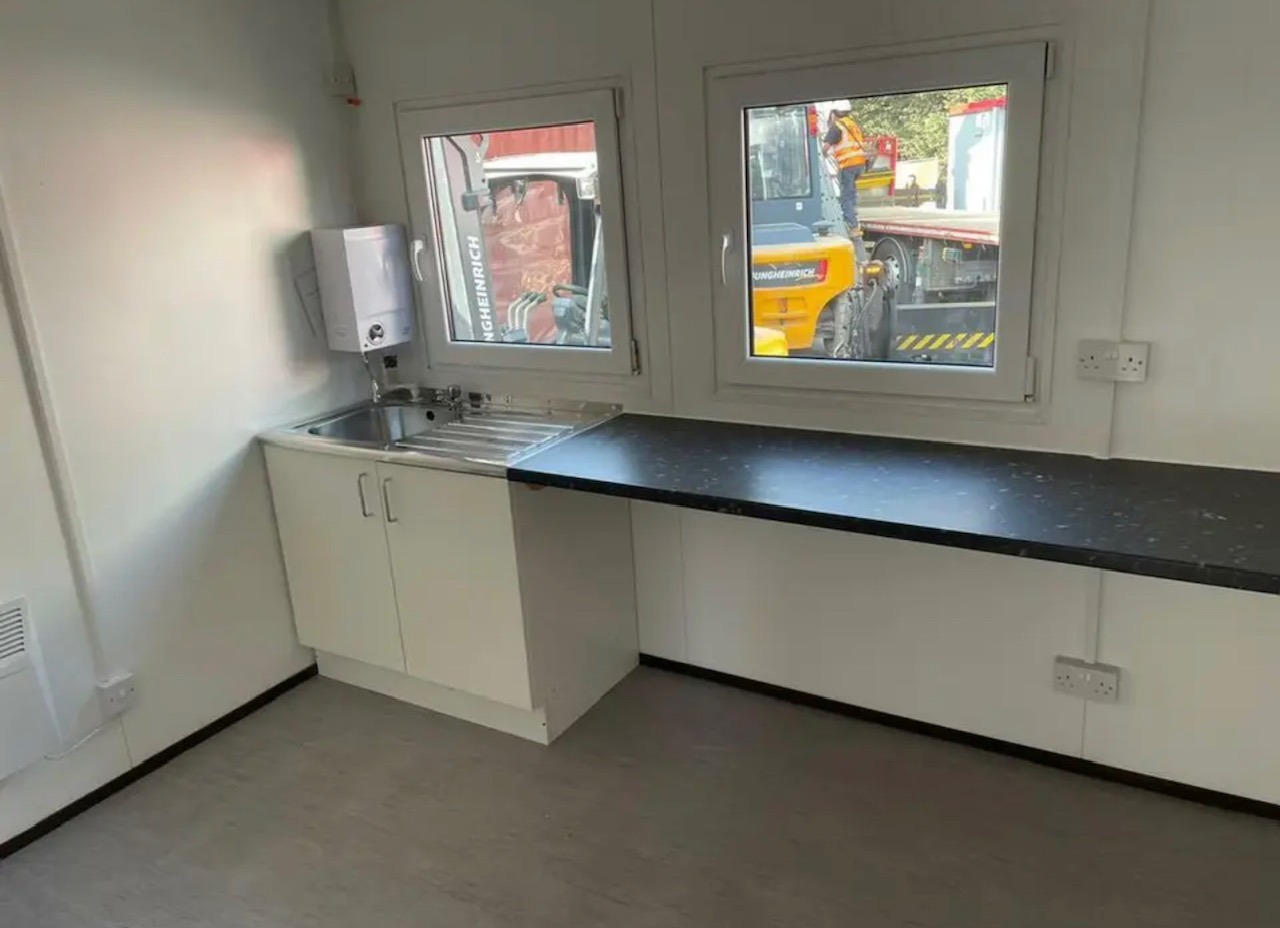
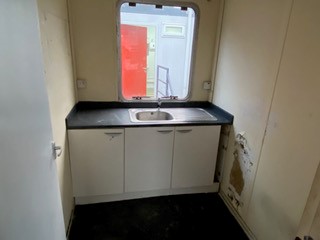
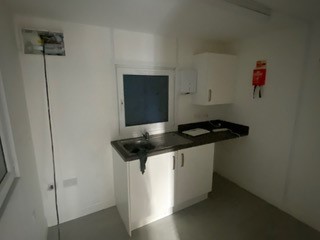
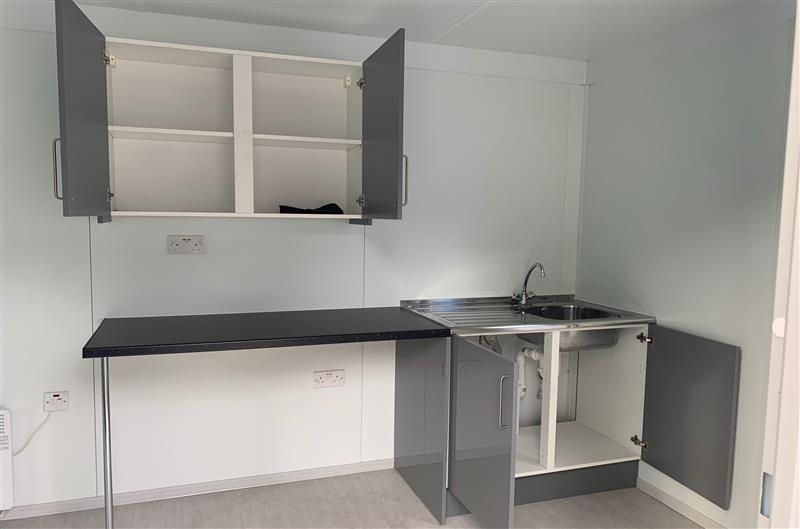
  • Kitchen with sink worktop, cupboard and water heater
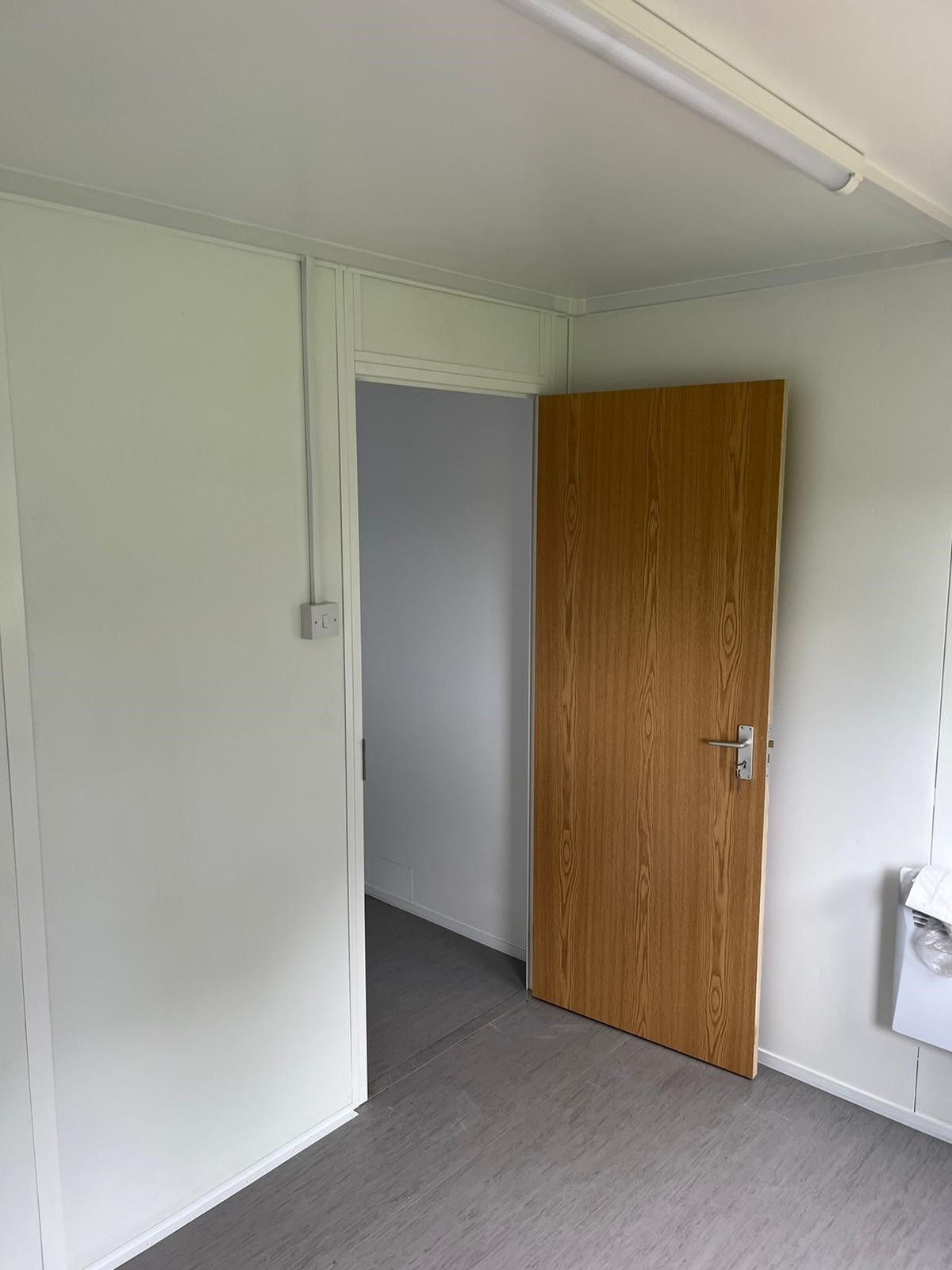
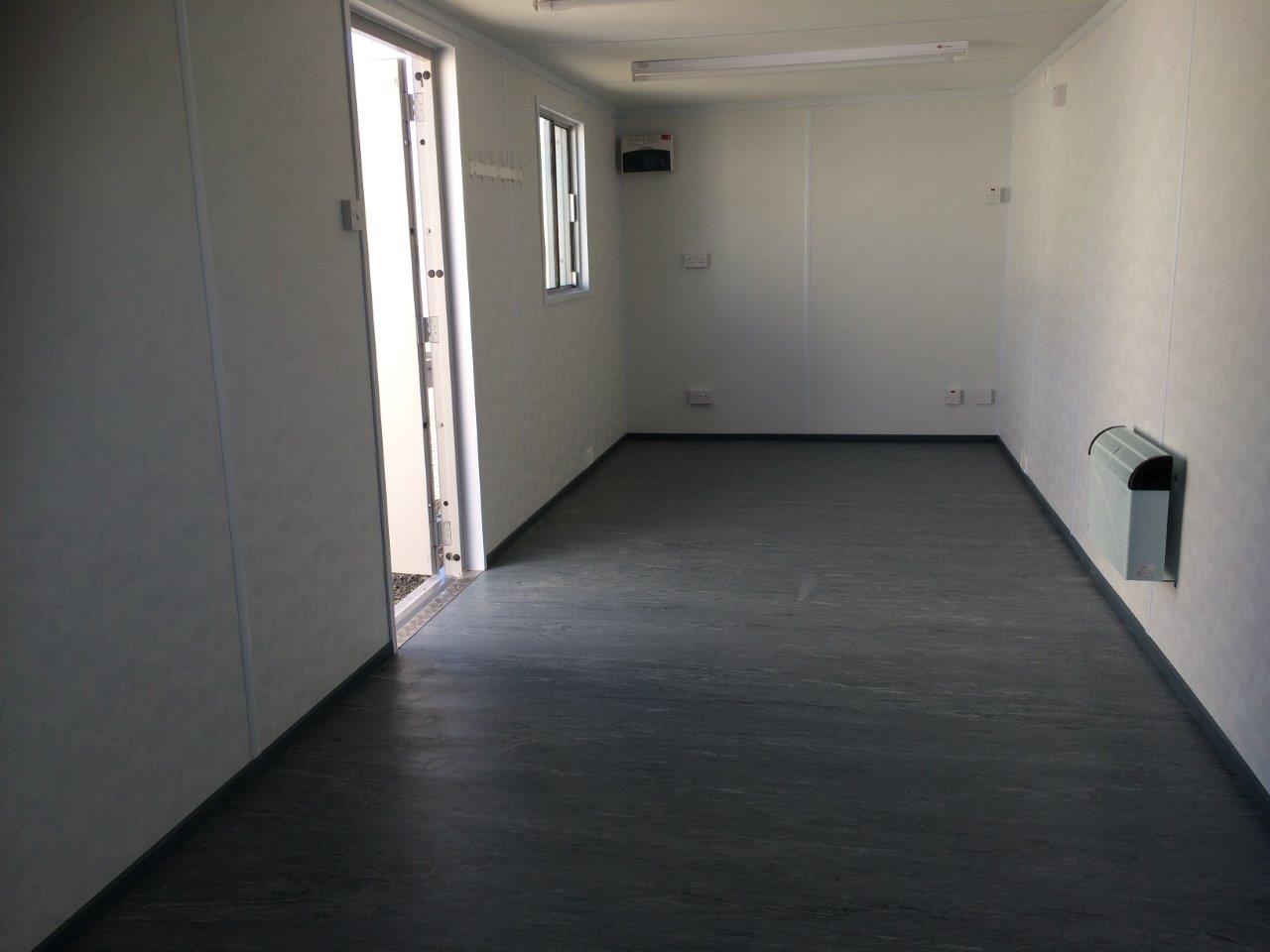
  • Insulated with electric sockets, lighting and heating
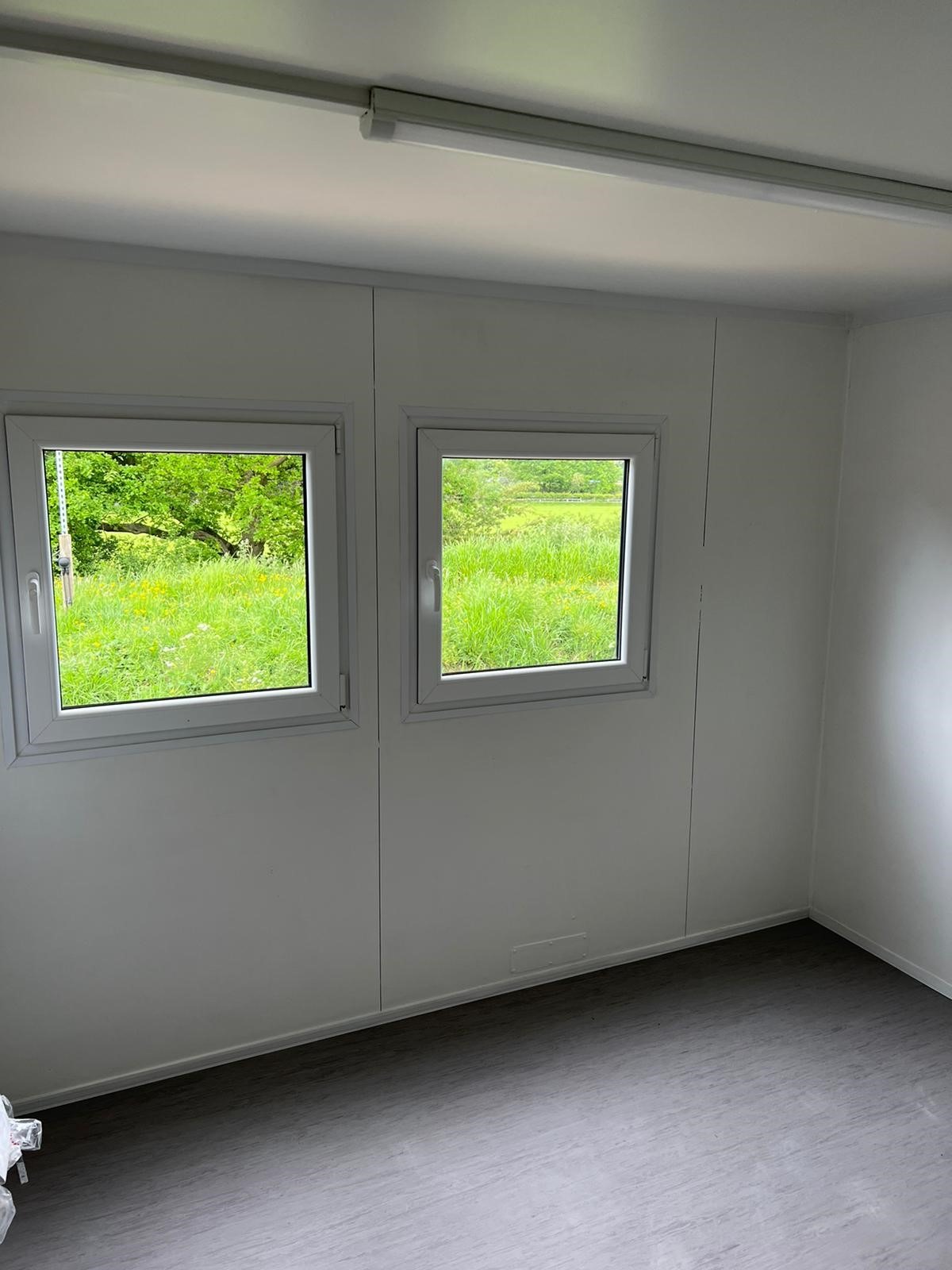
  • White upvc double glazing
  • External re spray in dark grey

Location: Nationwide

£6,500 + vat

Not Available for Hire

We can deliver for a cost please ask and send us post code.

Call for an instant quote!

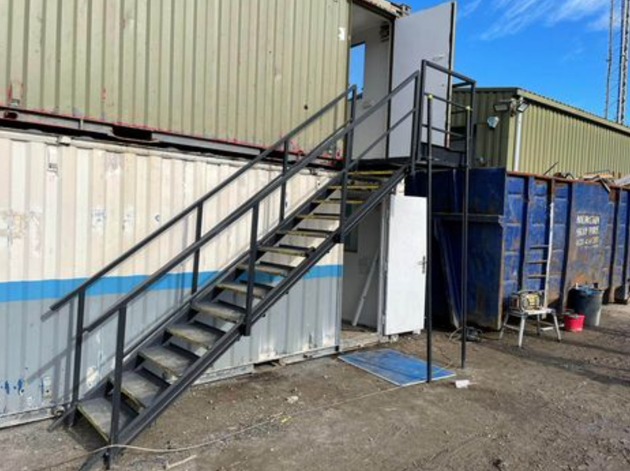
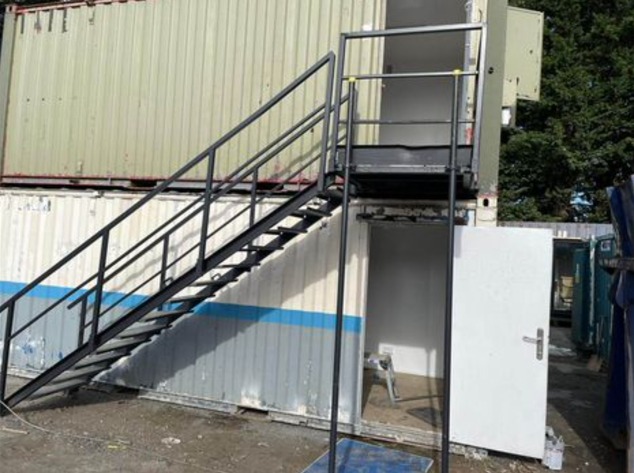
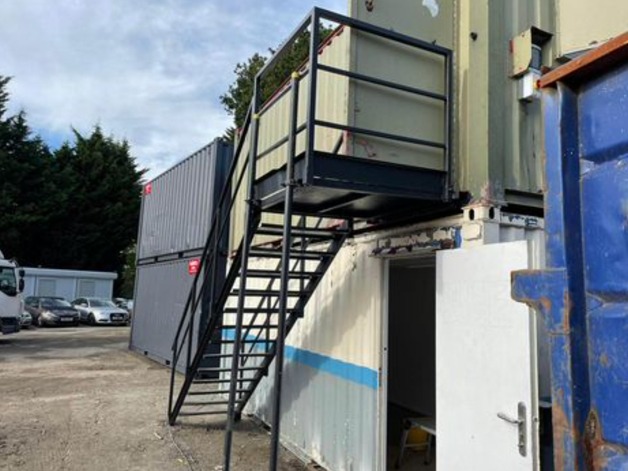
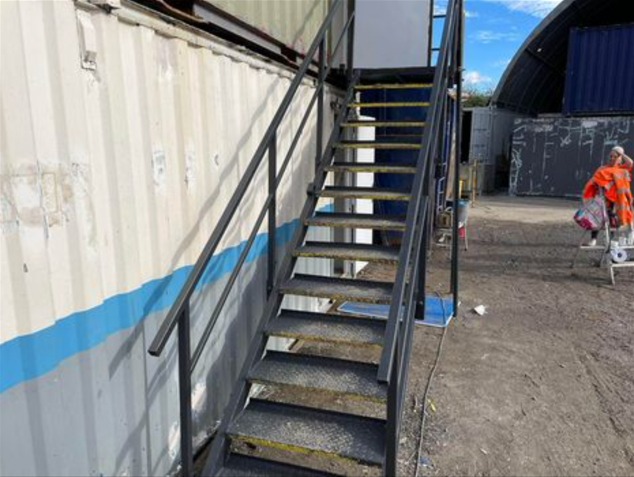
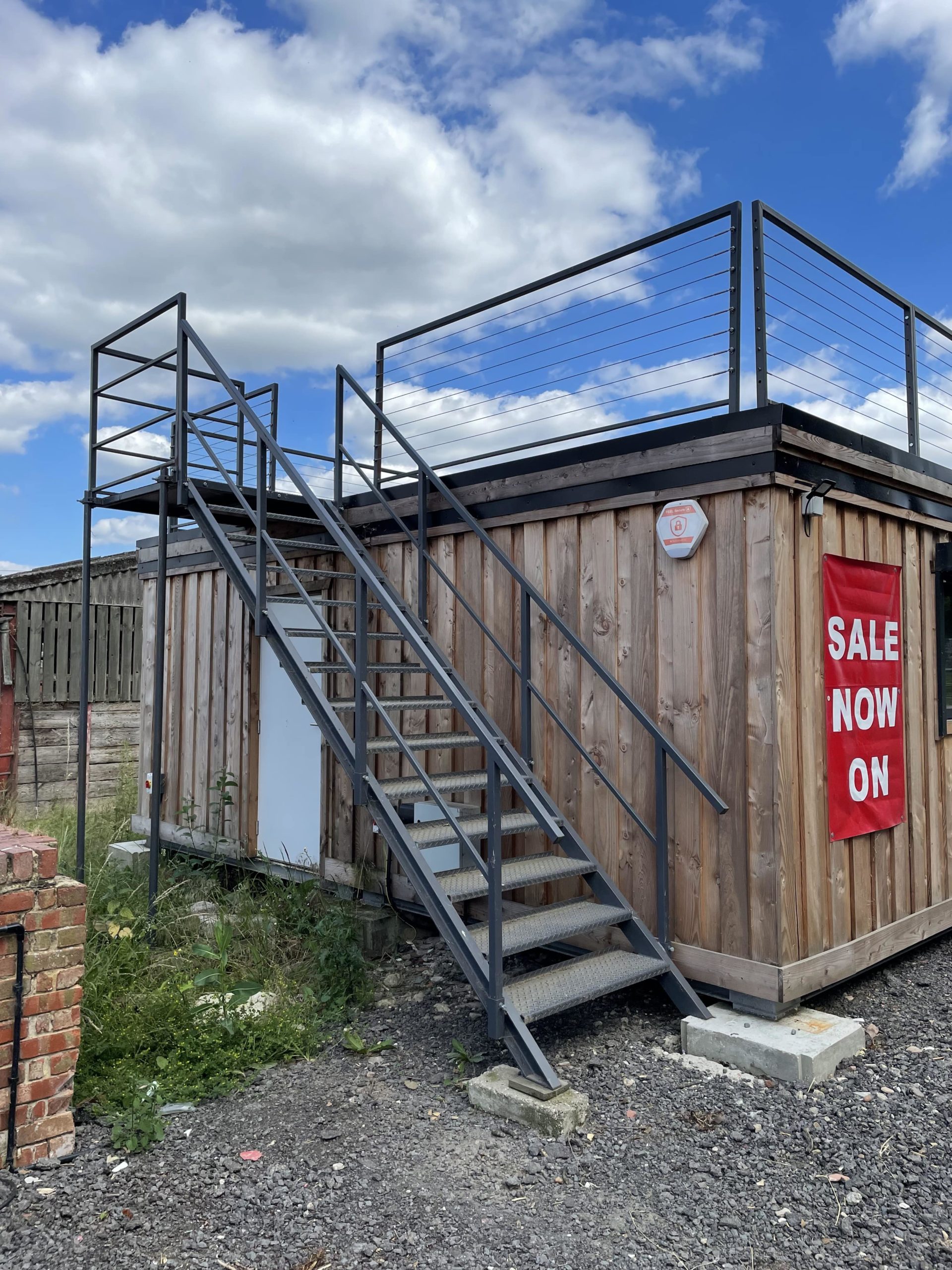
Steel Cabin Staircases, in various sizes

  • 13 tread

  • 14 tread

  • 15 tread

Location: Nationwide

£1,200.00 + vat

Not Available for Hire

Call for an instant quote!

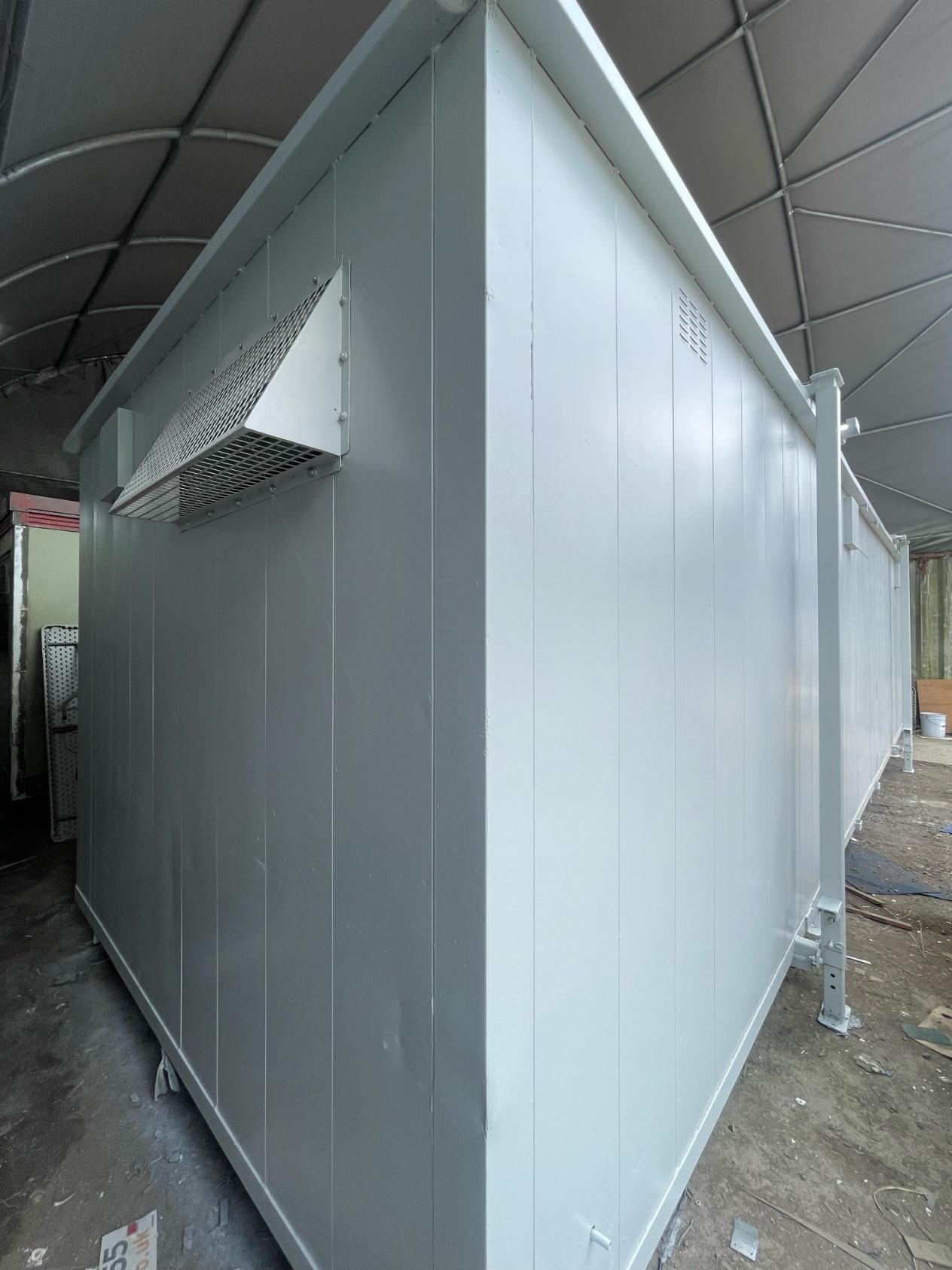
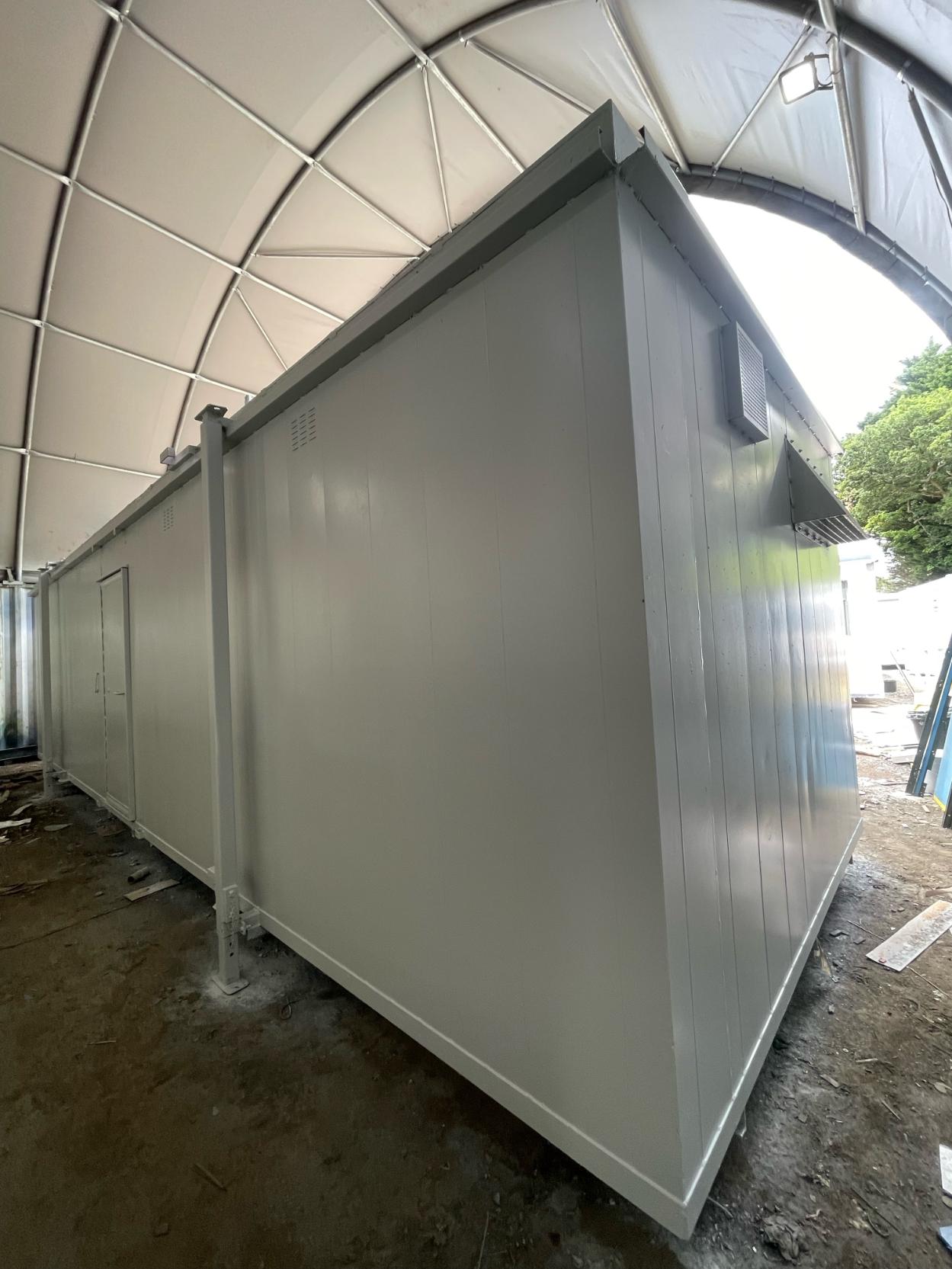
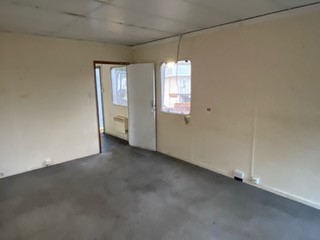
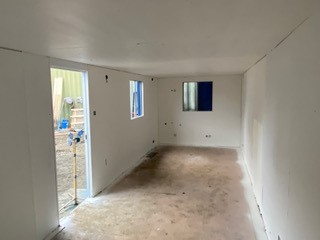
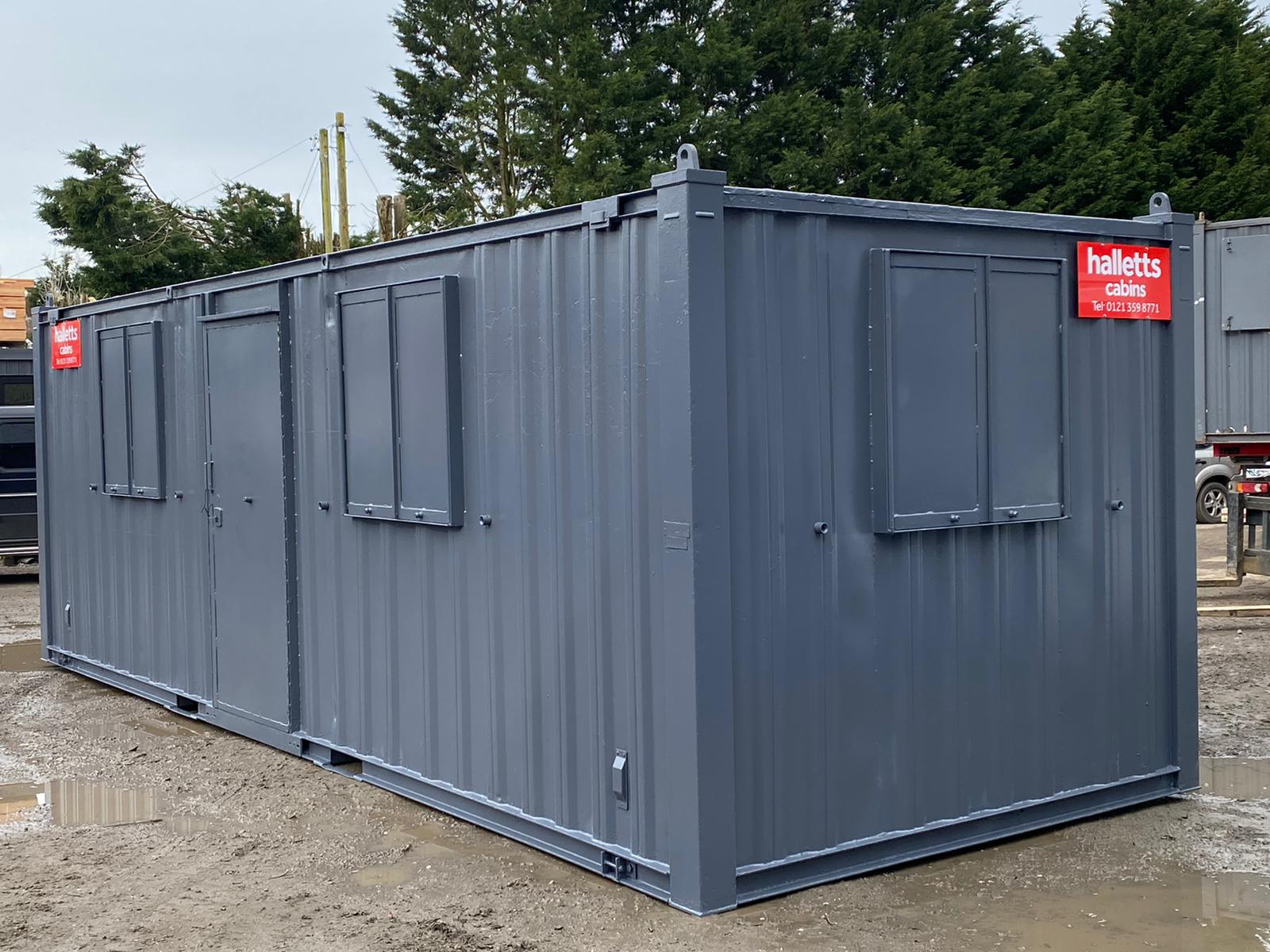
32ft x 10ft Anti Vandal Canteen/Office

    • Price: £5,995 + VAT
    • Description: 32ft x 10ft Anti Vandal Canteen/Office
  Part refurbished including:
  • Electric sockets, lighting and heating
  • White upvc double glazing
  • Canteen
  • Open plan
  • External light grey re spray

Location: Nationwide

£5,995 + vat

Not Available for Hire

We can deliver for a cost please ask and send us post code.

Call for an instant quote!

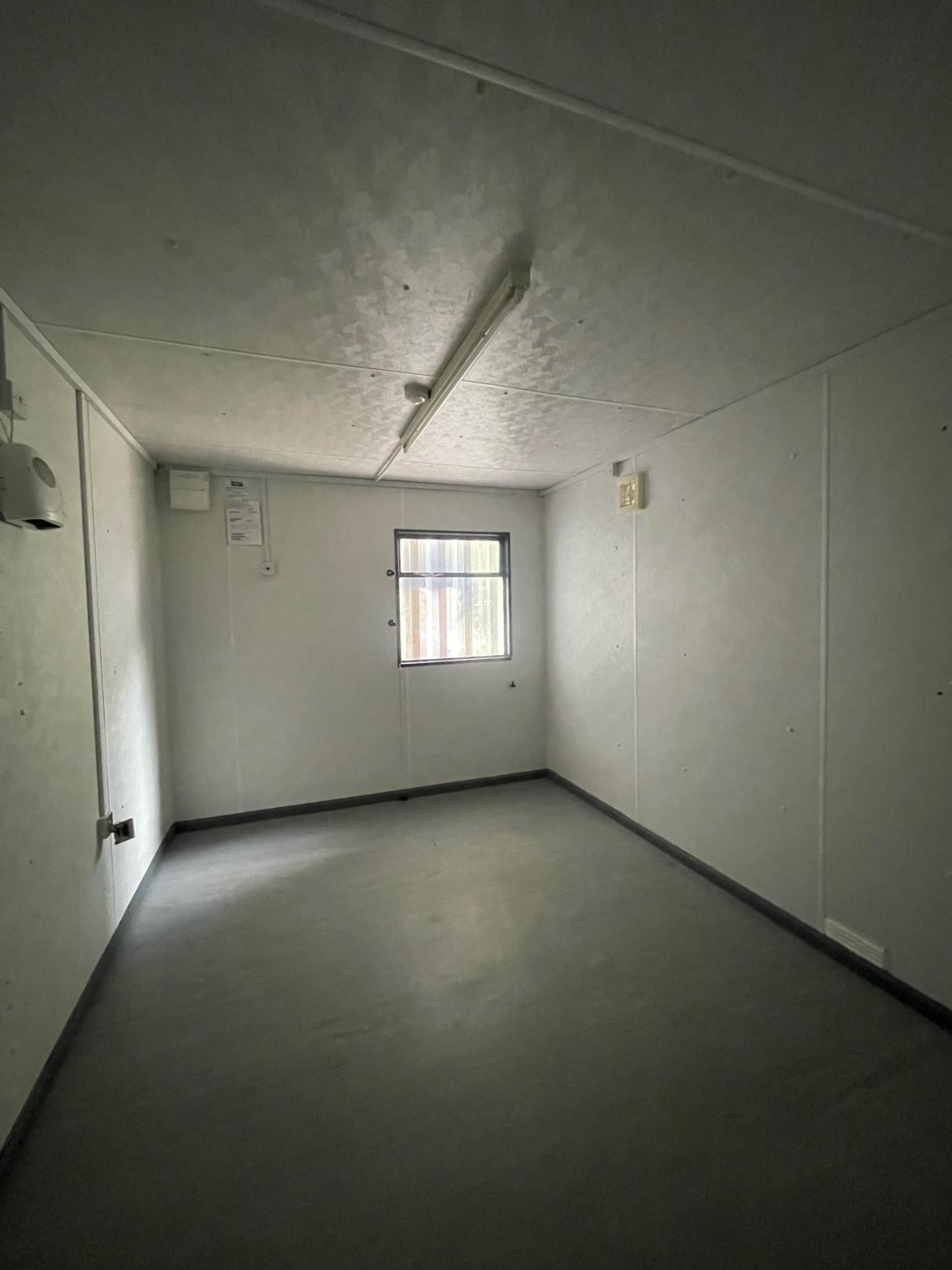
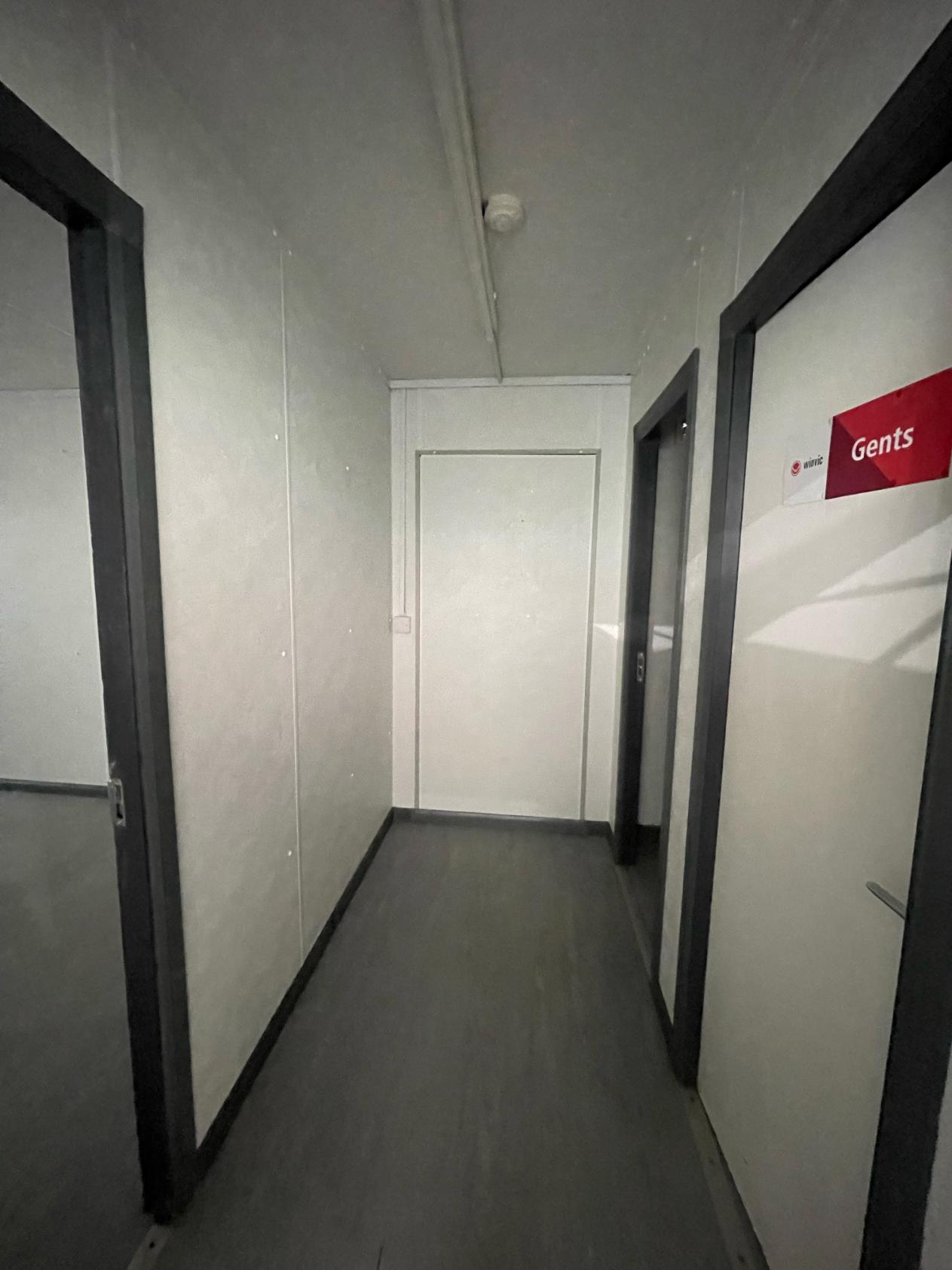
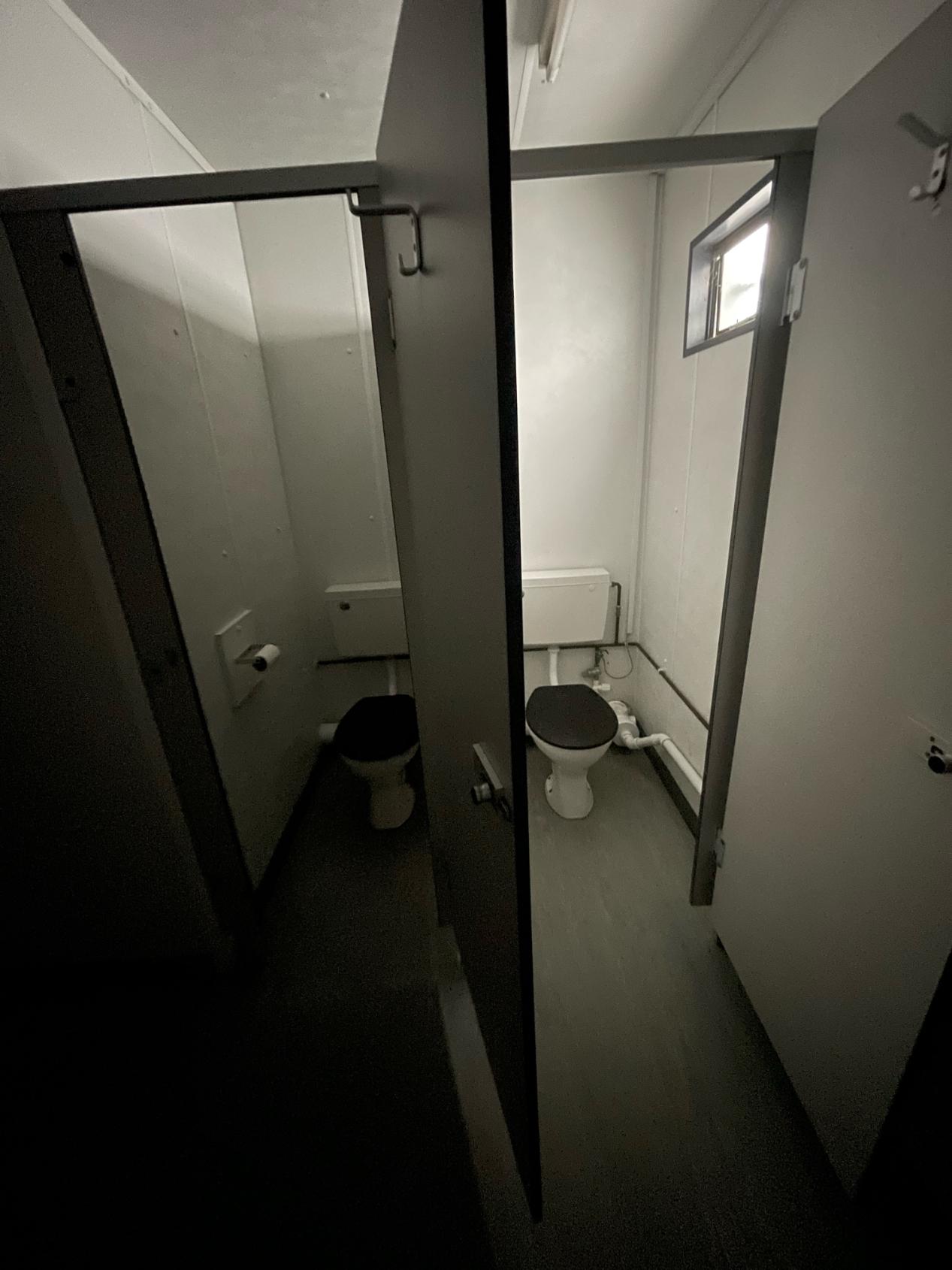
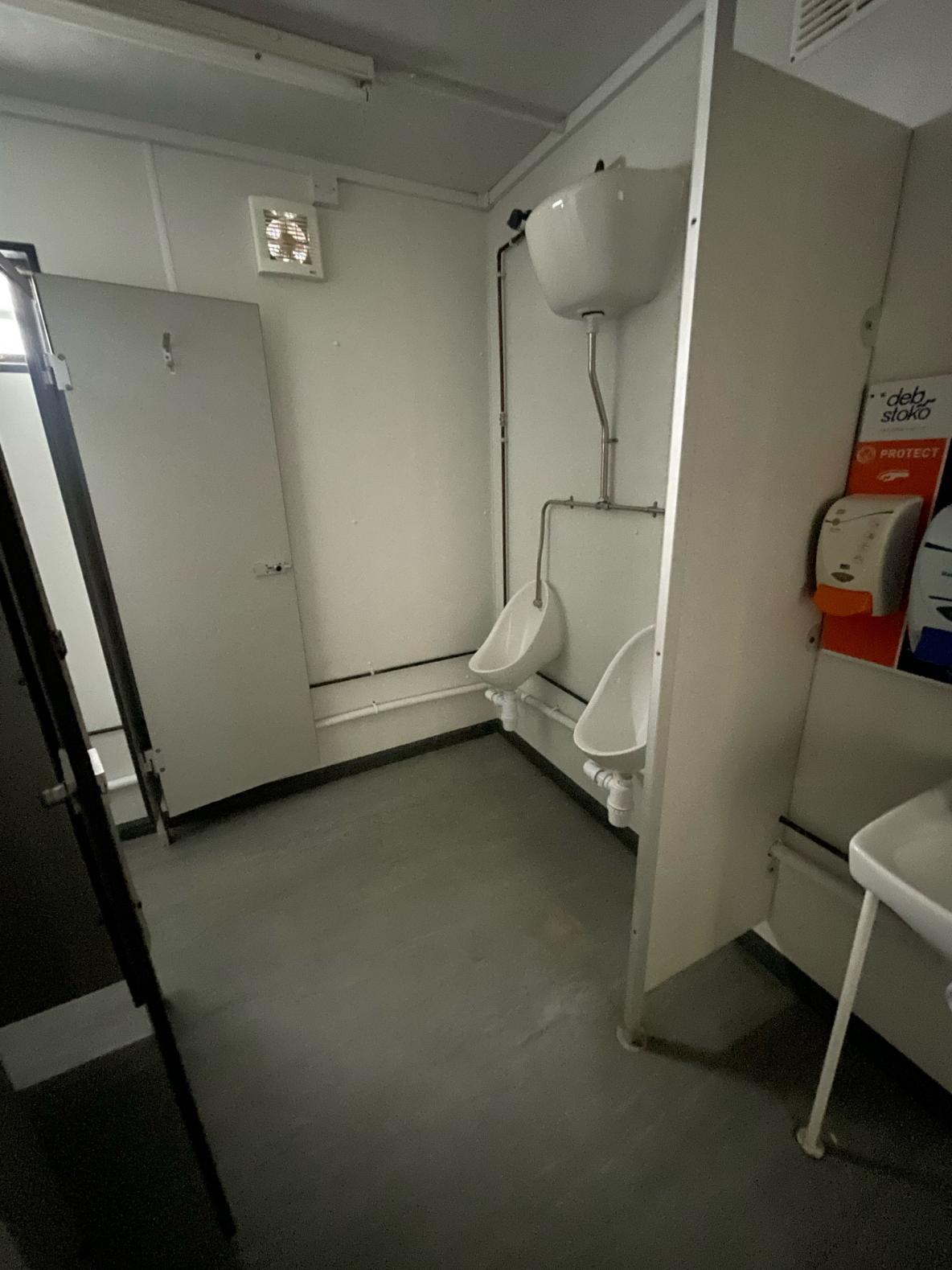
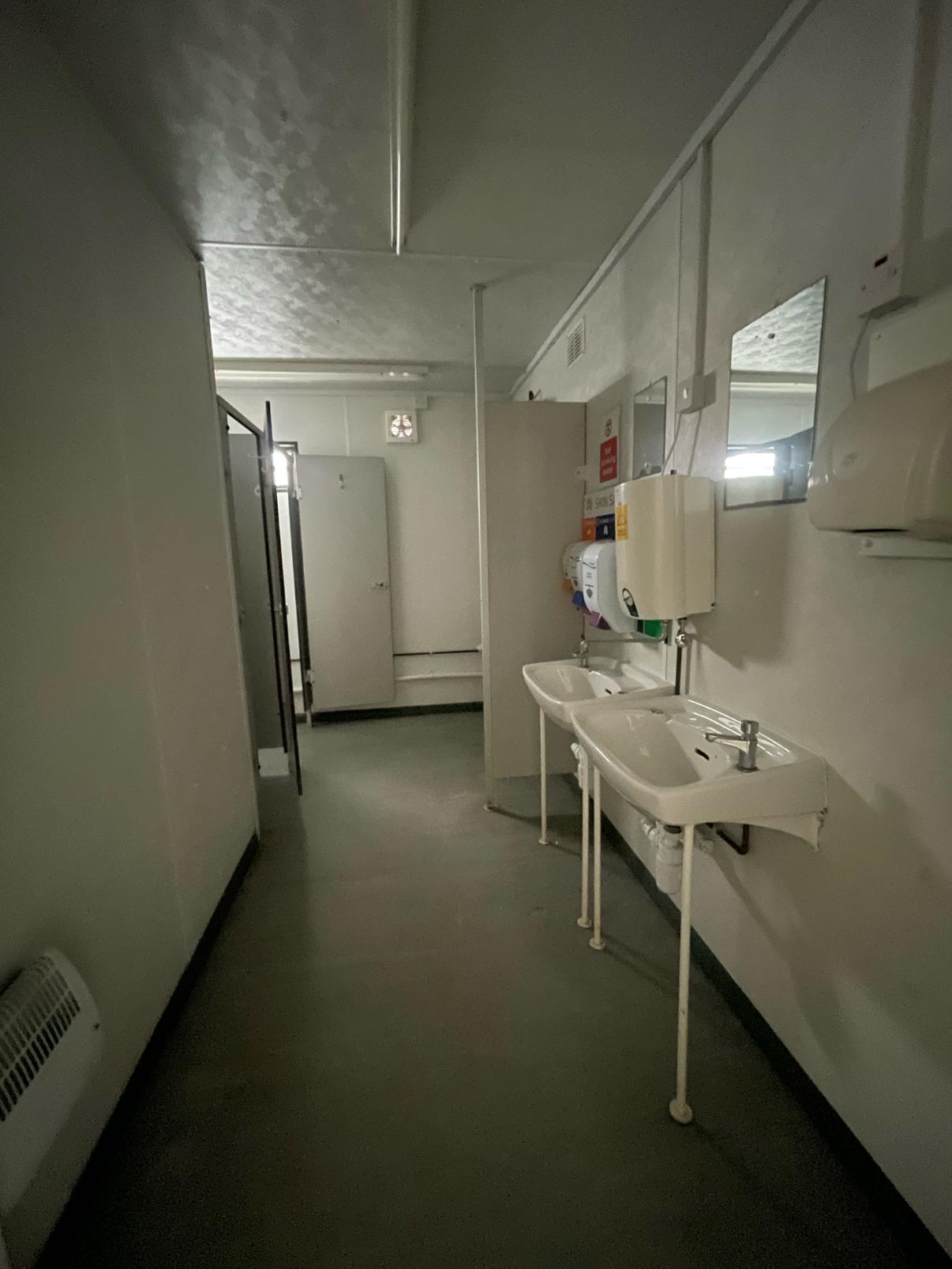
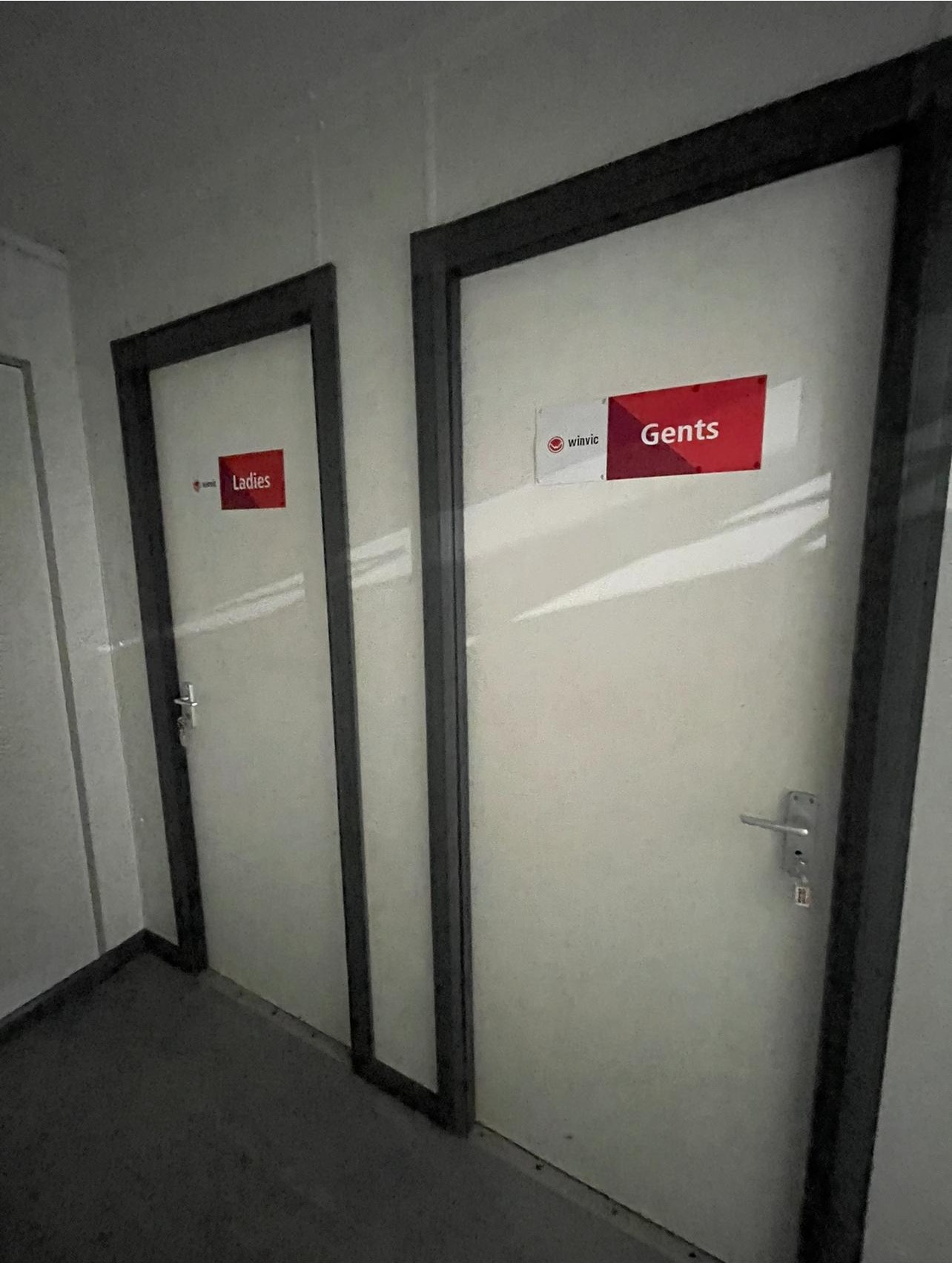
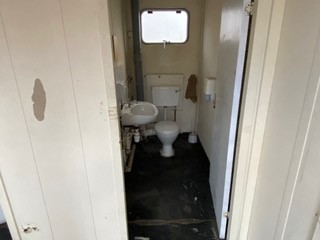
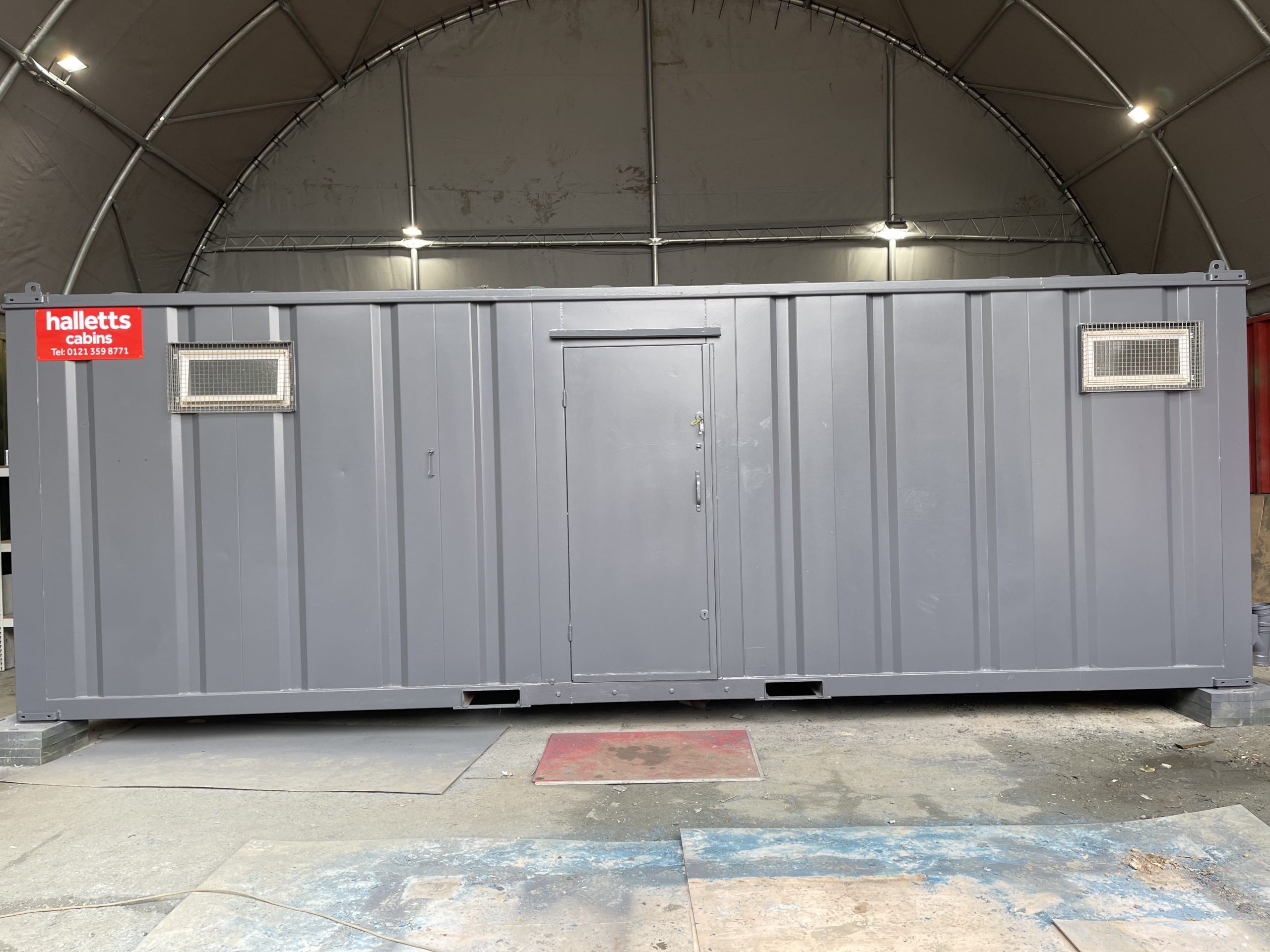
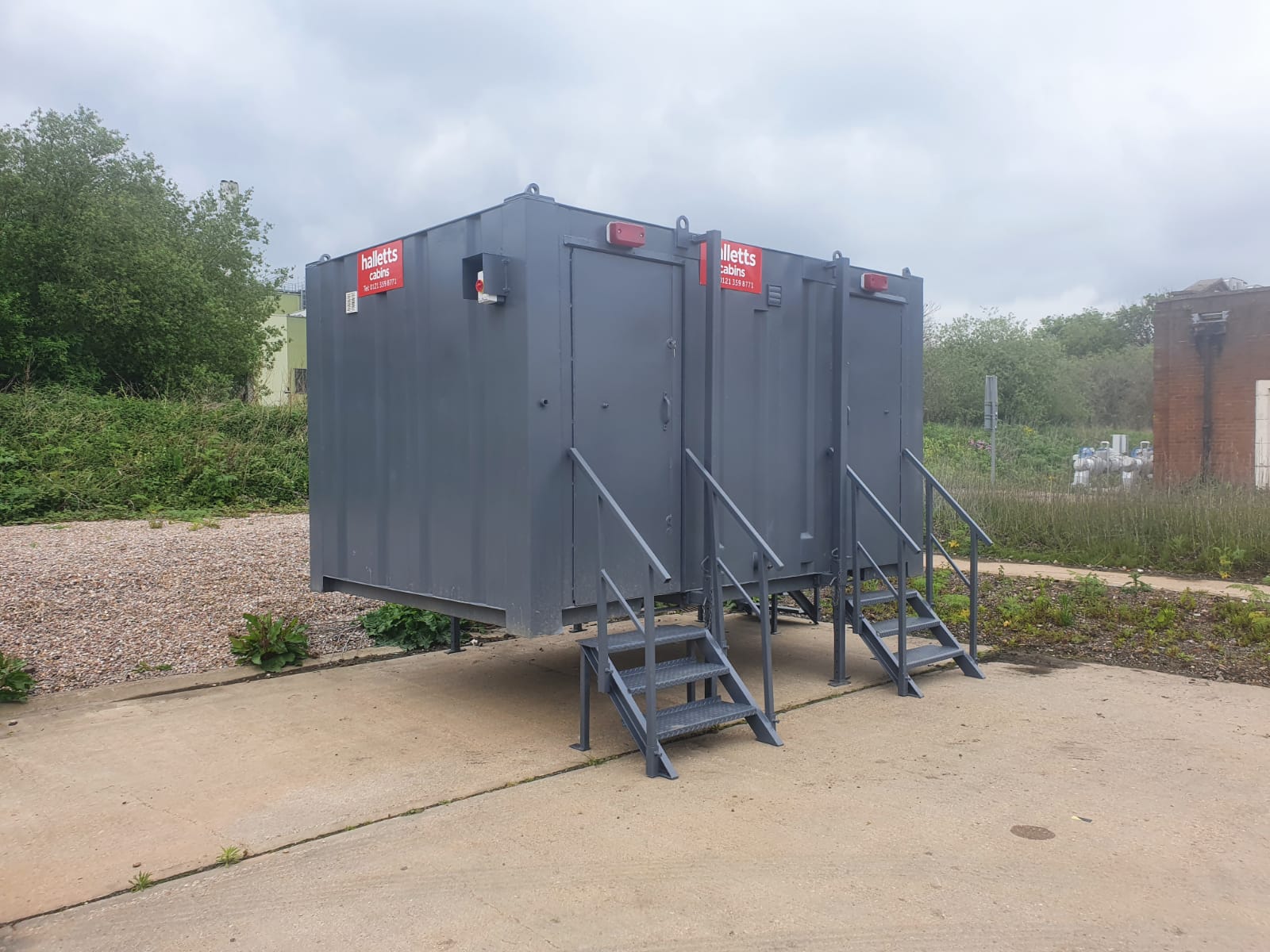
32ft x 10ft Drying Room, Toilet Block

Hallway leading into:

  • Price: £6,500 + VAT
  • Half open plan drying room, or we could add in a canteen. (additional cost)
  • Female Single toilet
  • Male toilets including 2 x cubicles, 2 x urinals and 2 x sinks
  • External light grey spray
  • Deep cleaned
  • Ready to use
  • Excellent overall condition

Transport can be arranged please ask.

Location: Nationwide

£6,500.00 + vat

Not Available for Hire

Call for an instant quote!

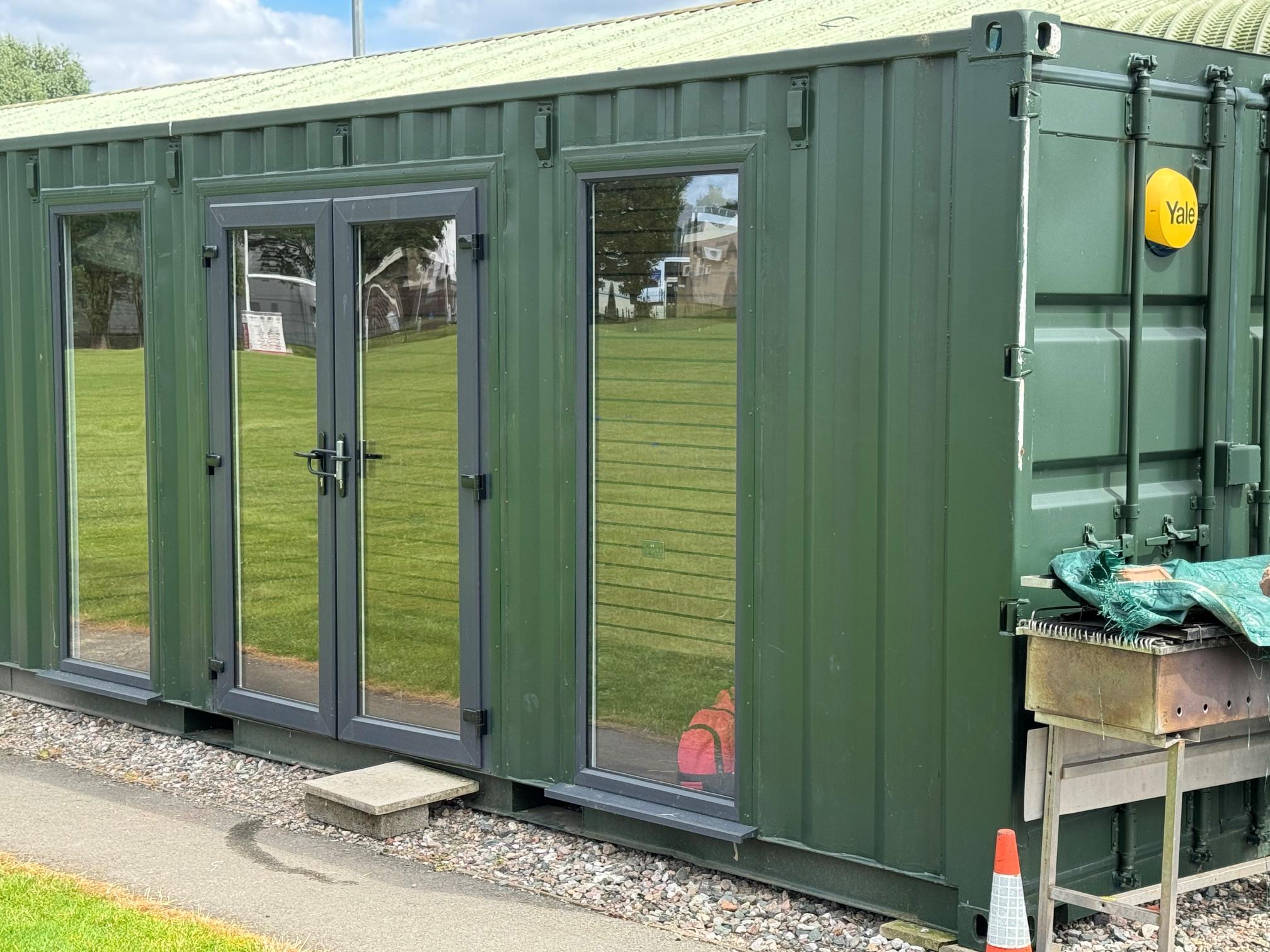
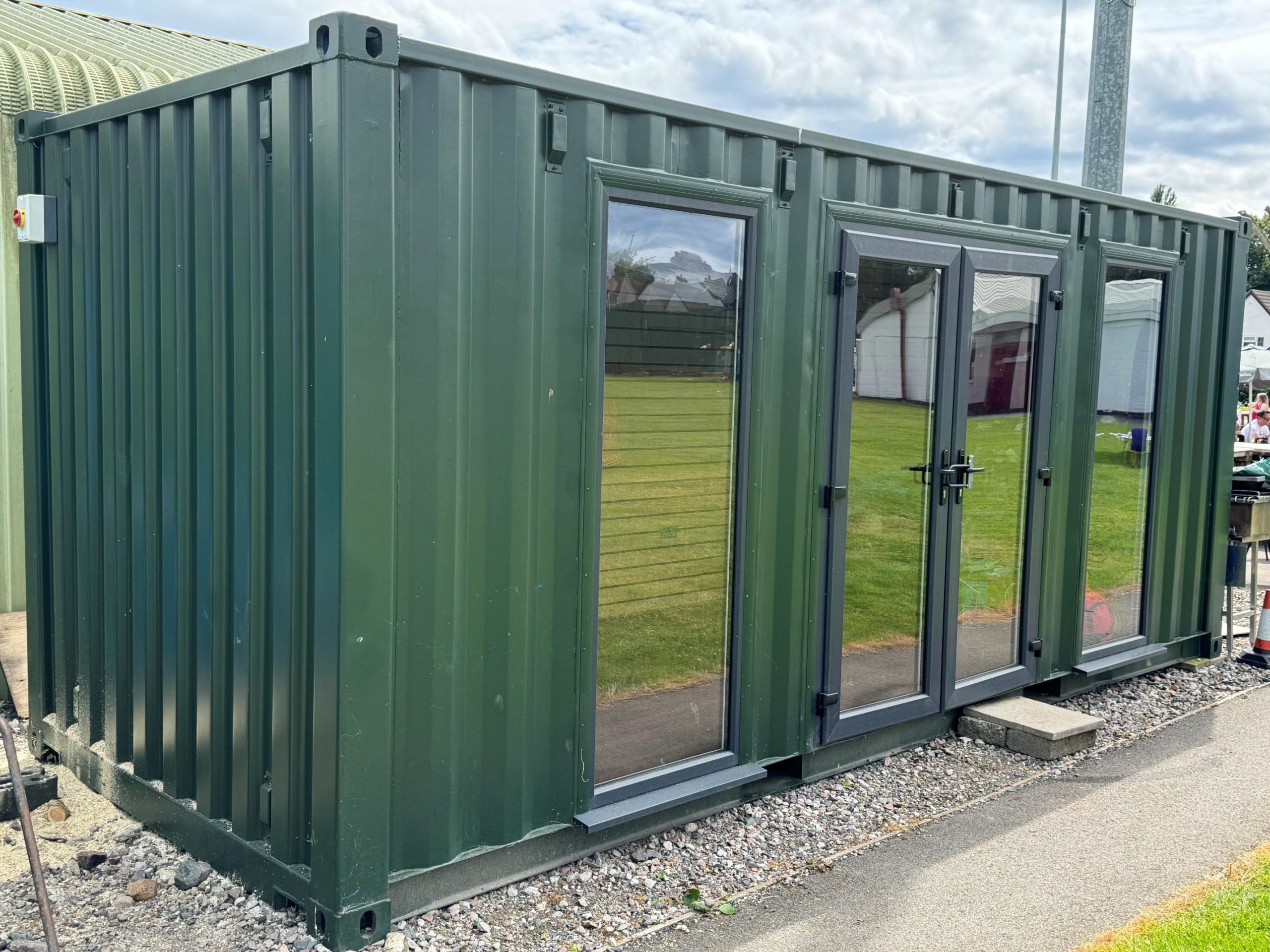
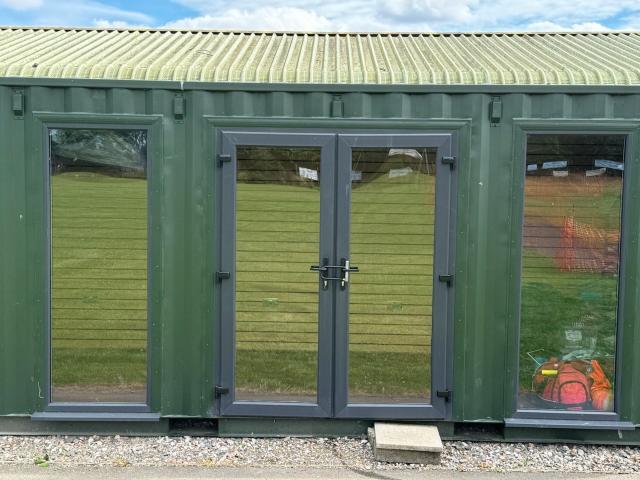
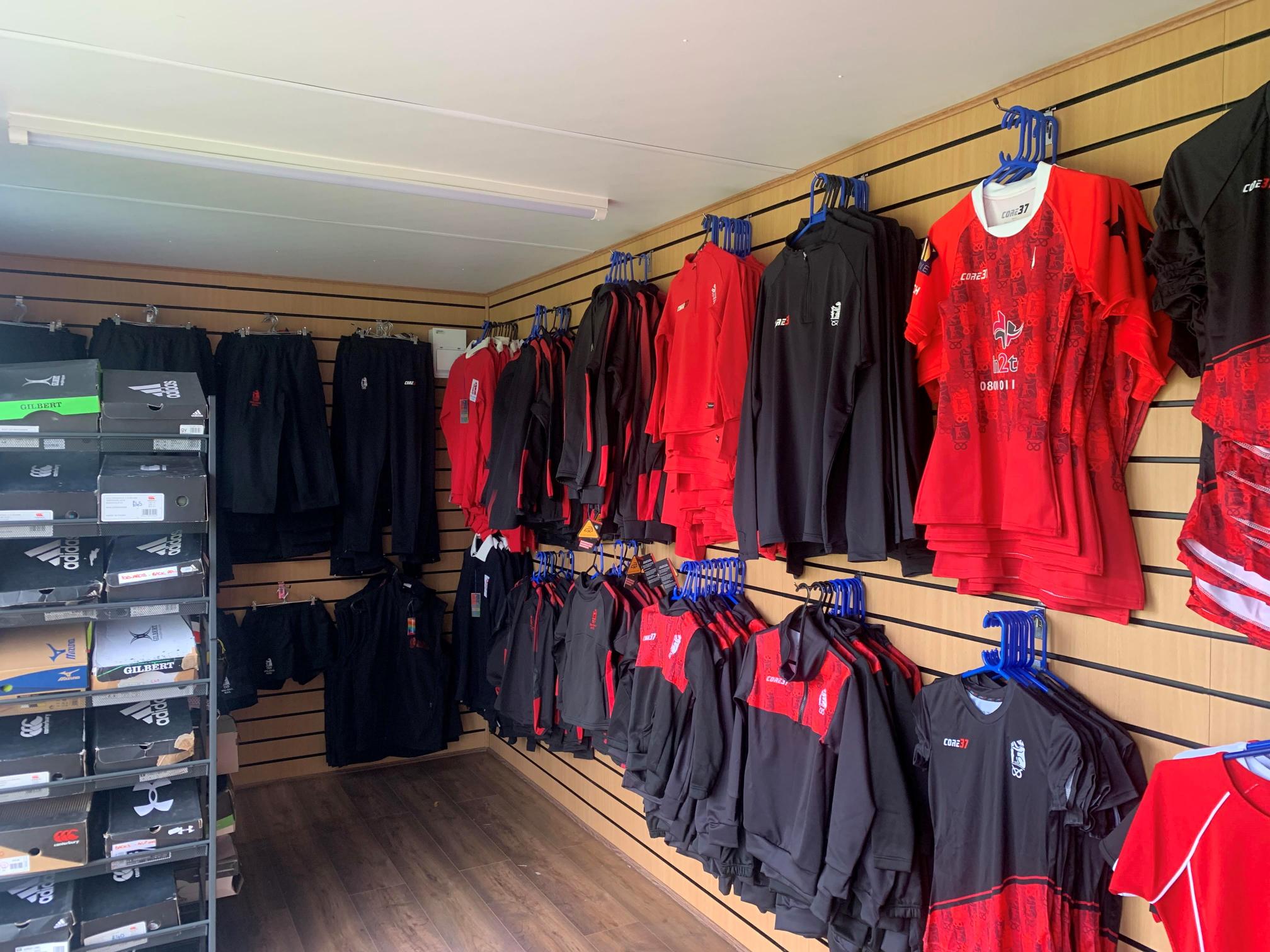
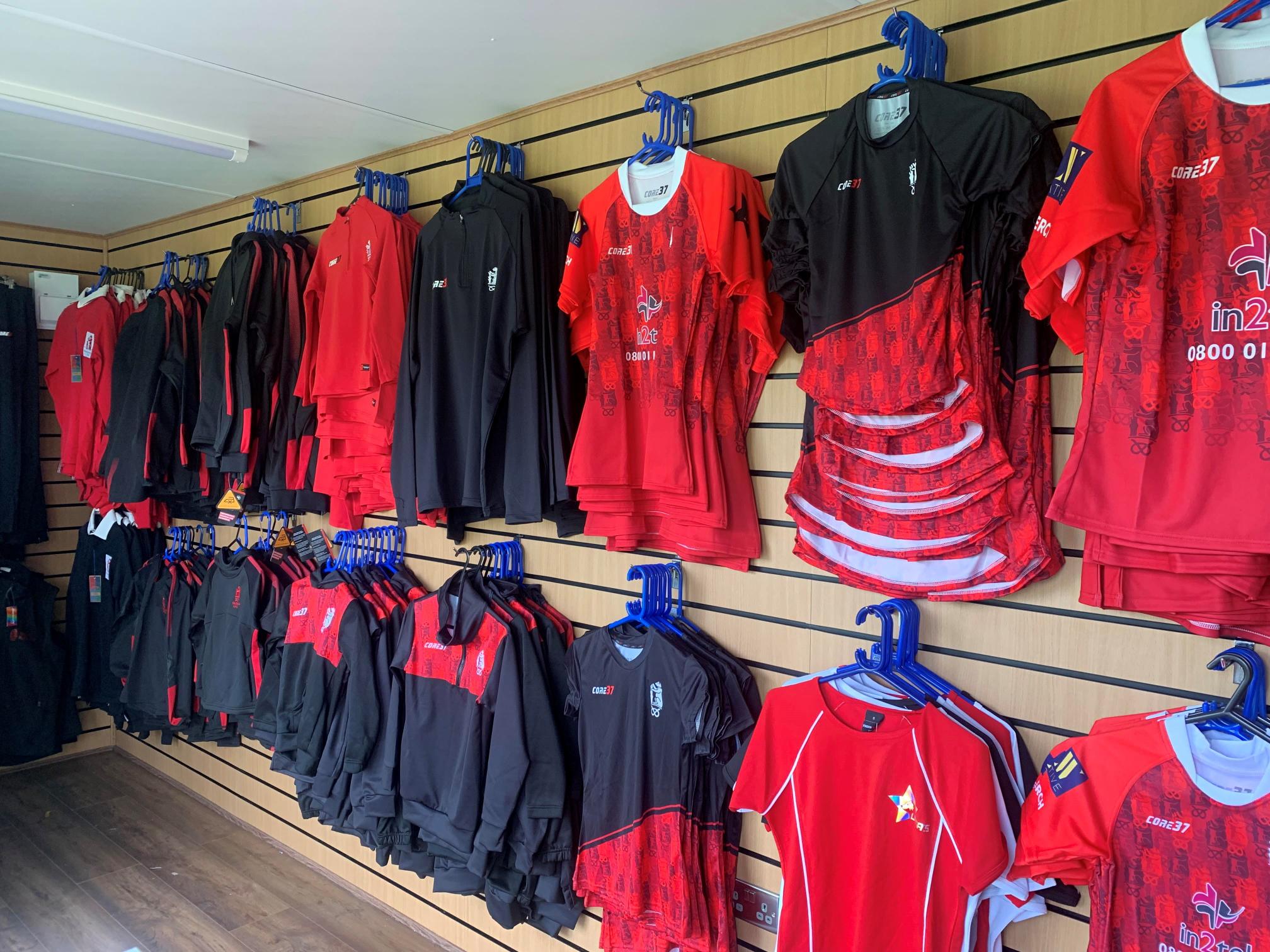
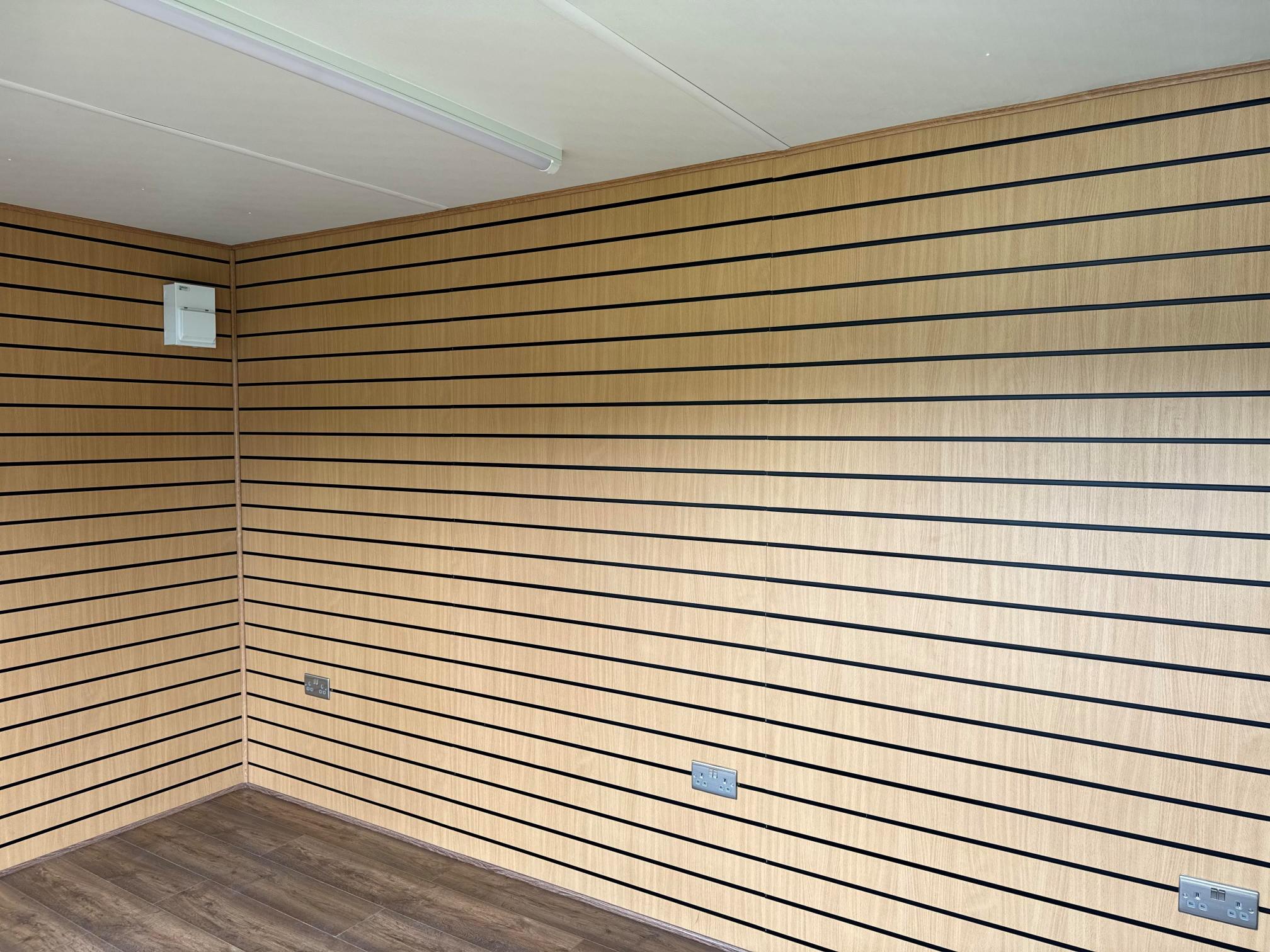
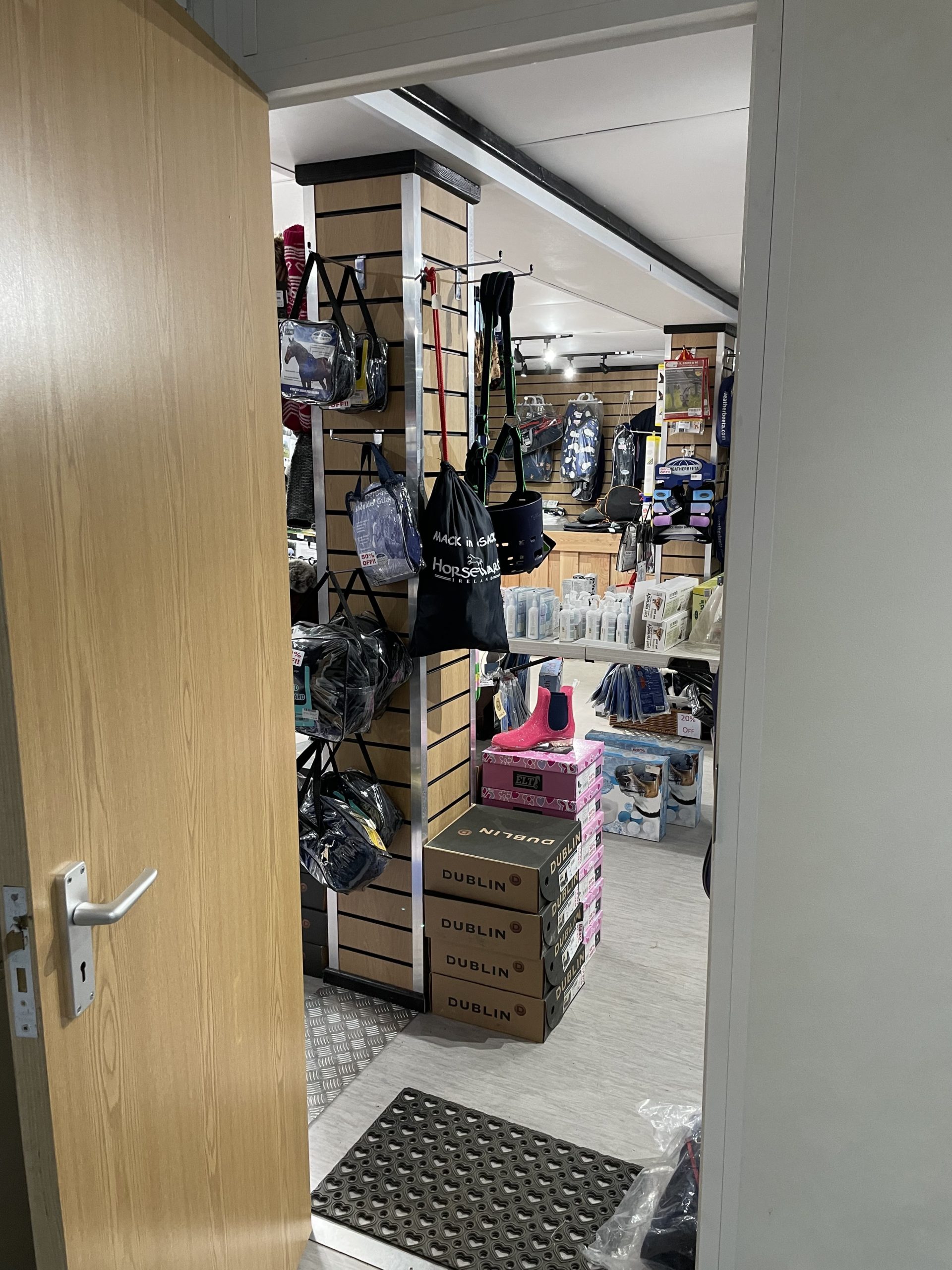
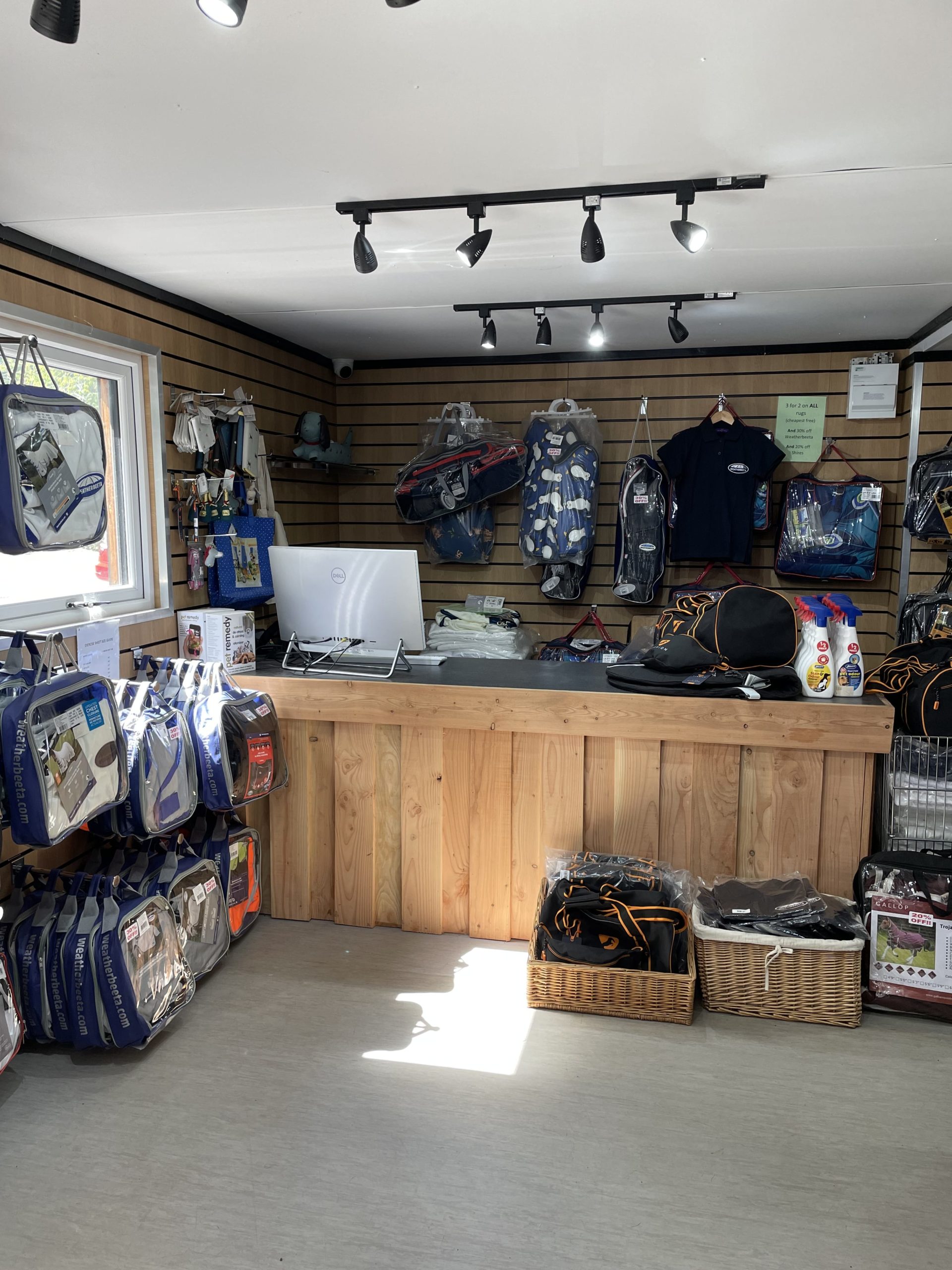
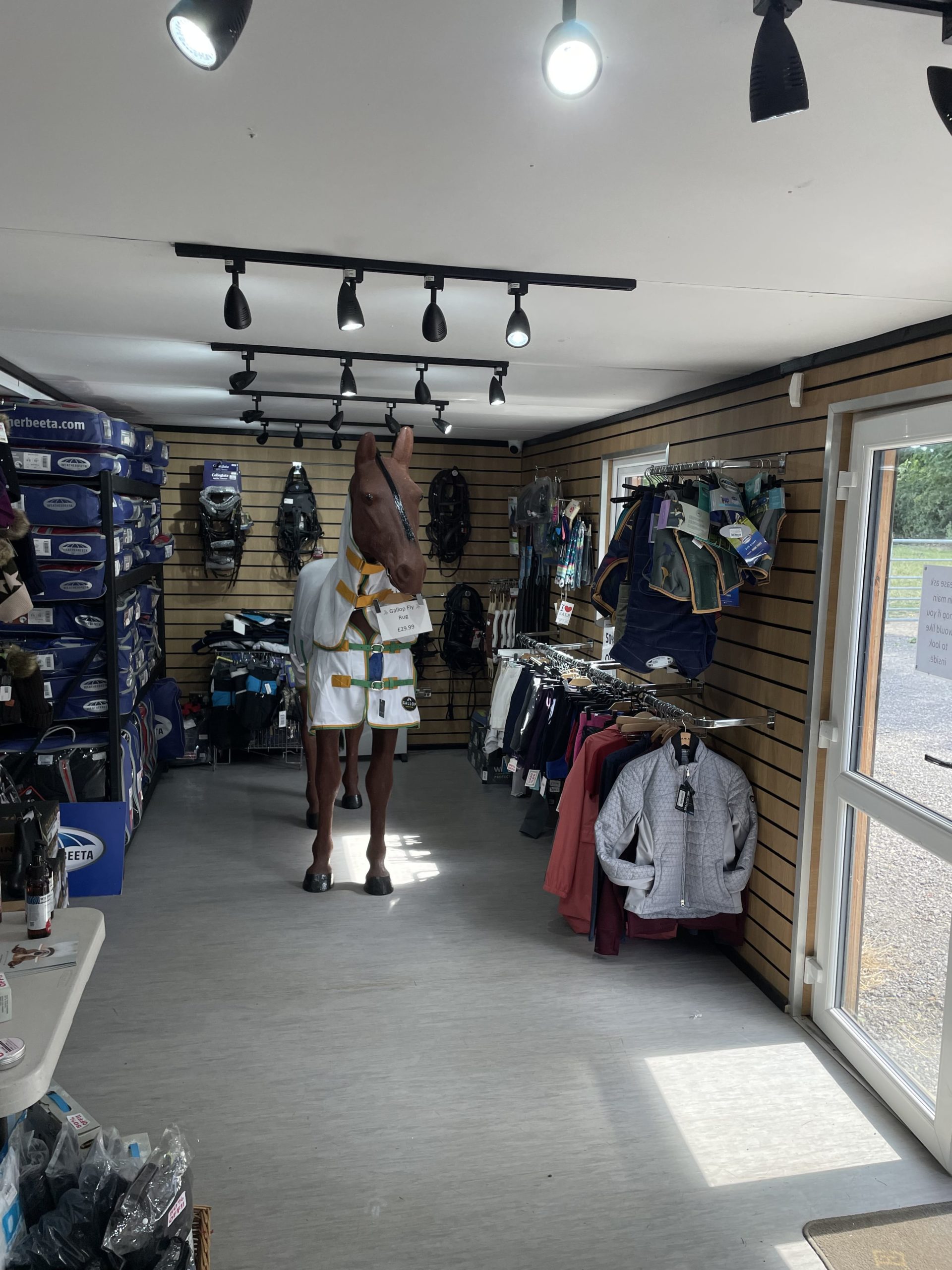
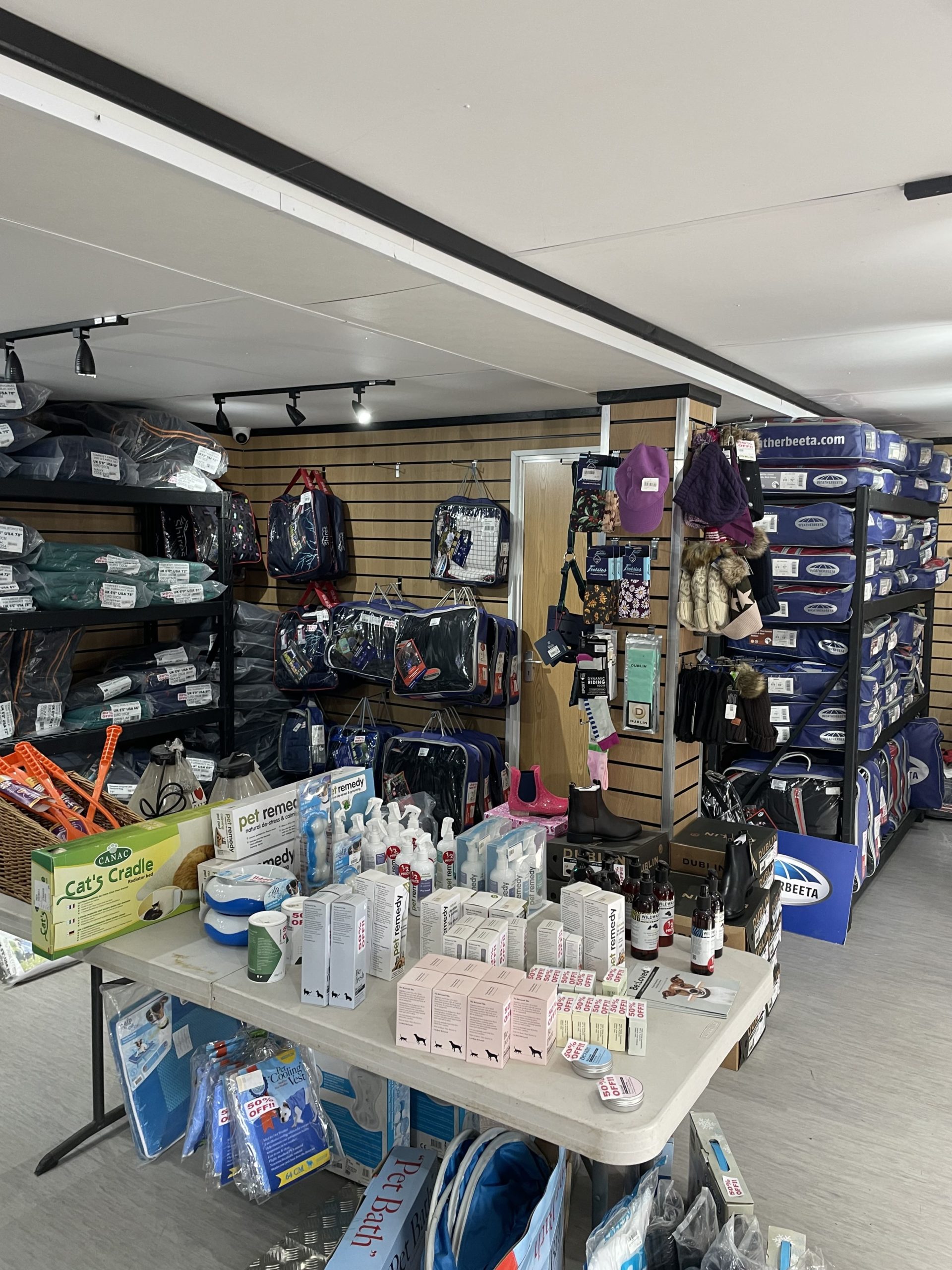
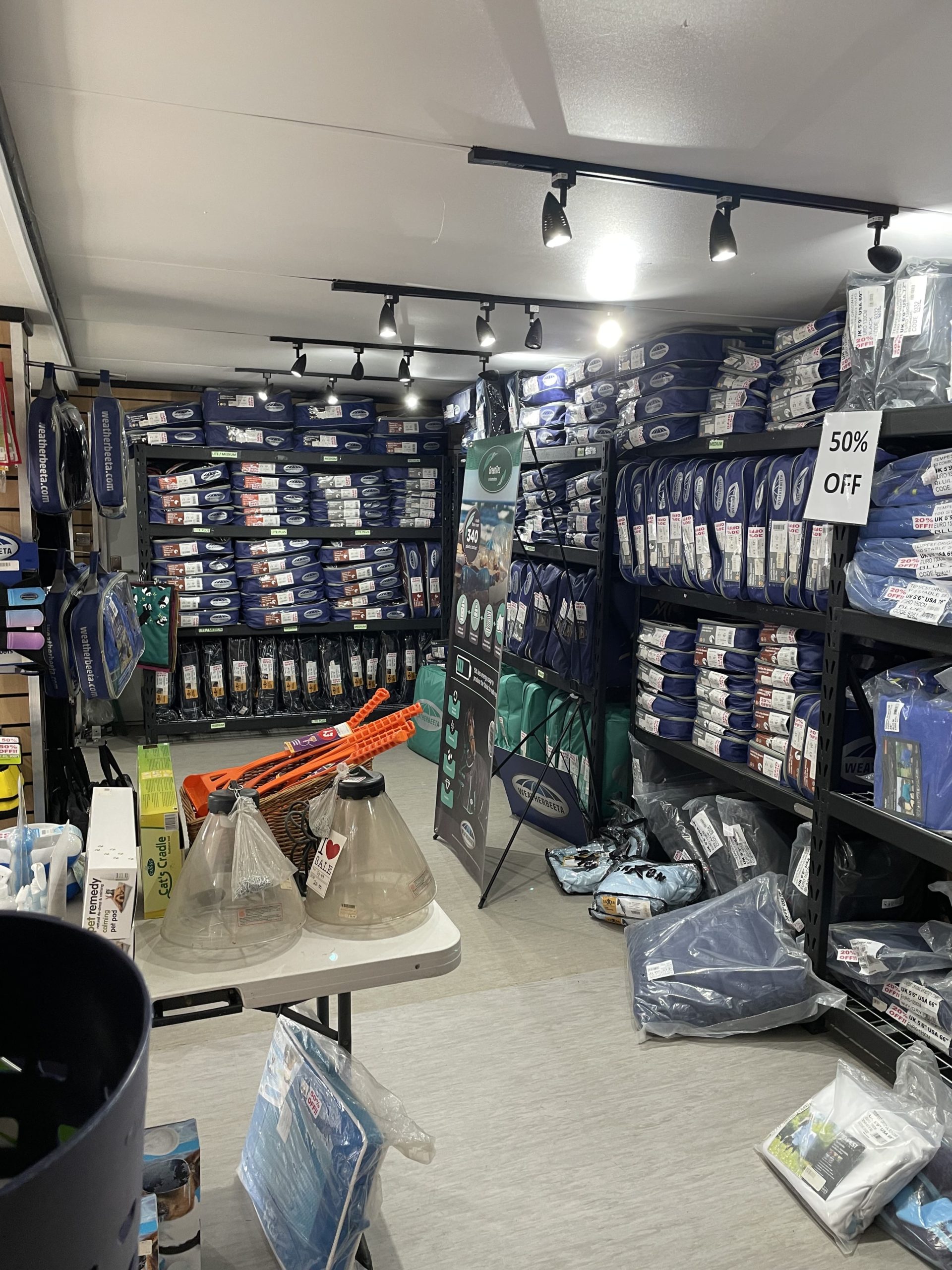
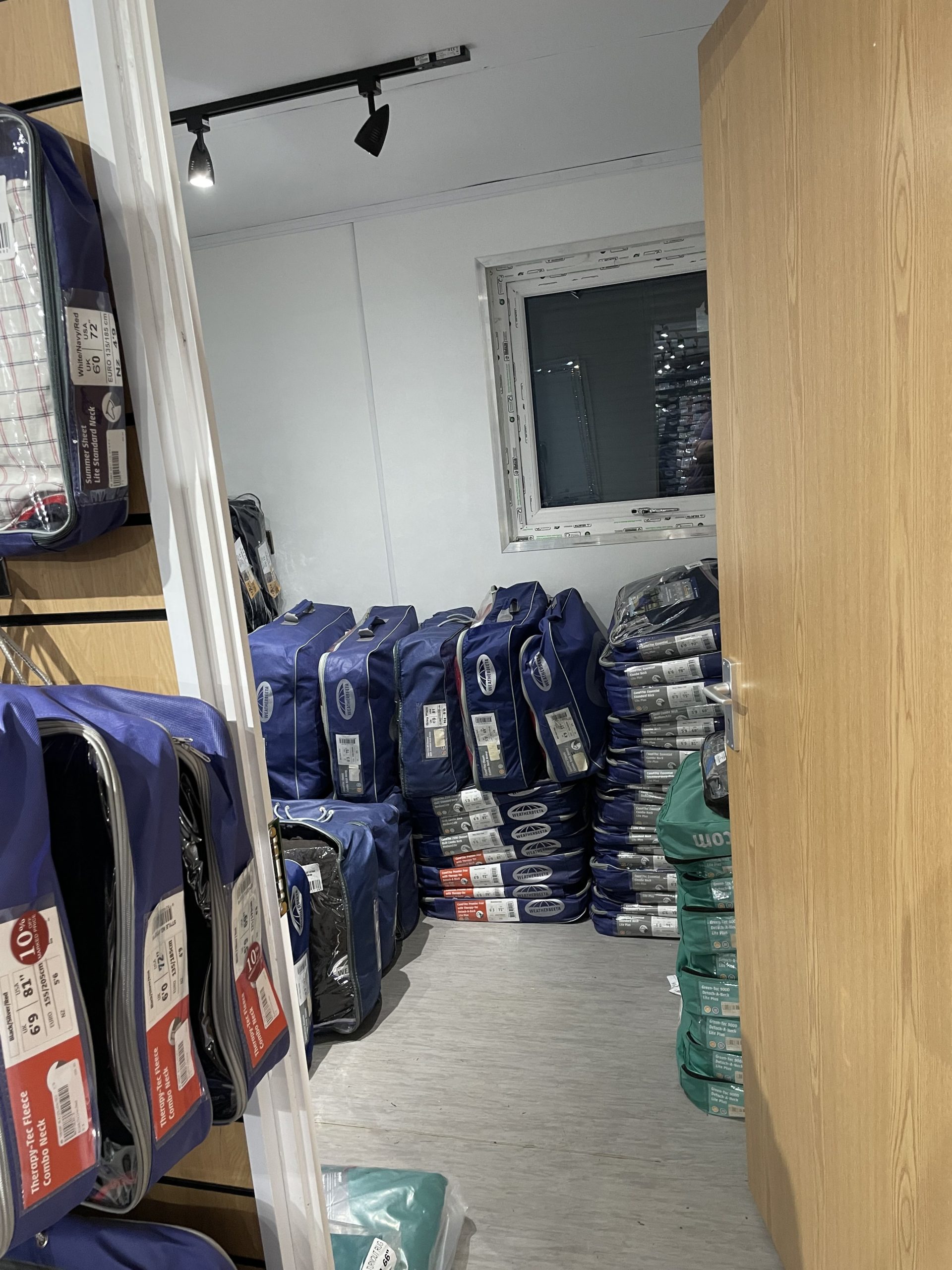
  • 20ft x 8ft Container Conversion Retail Shop

  • UPVC Double glazed Windows + French Doors

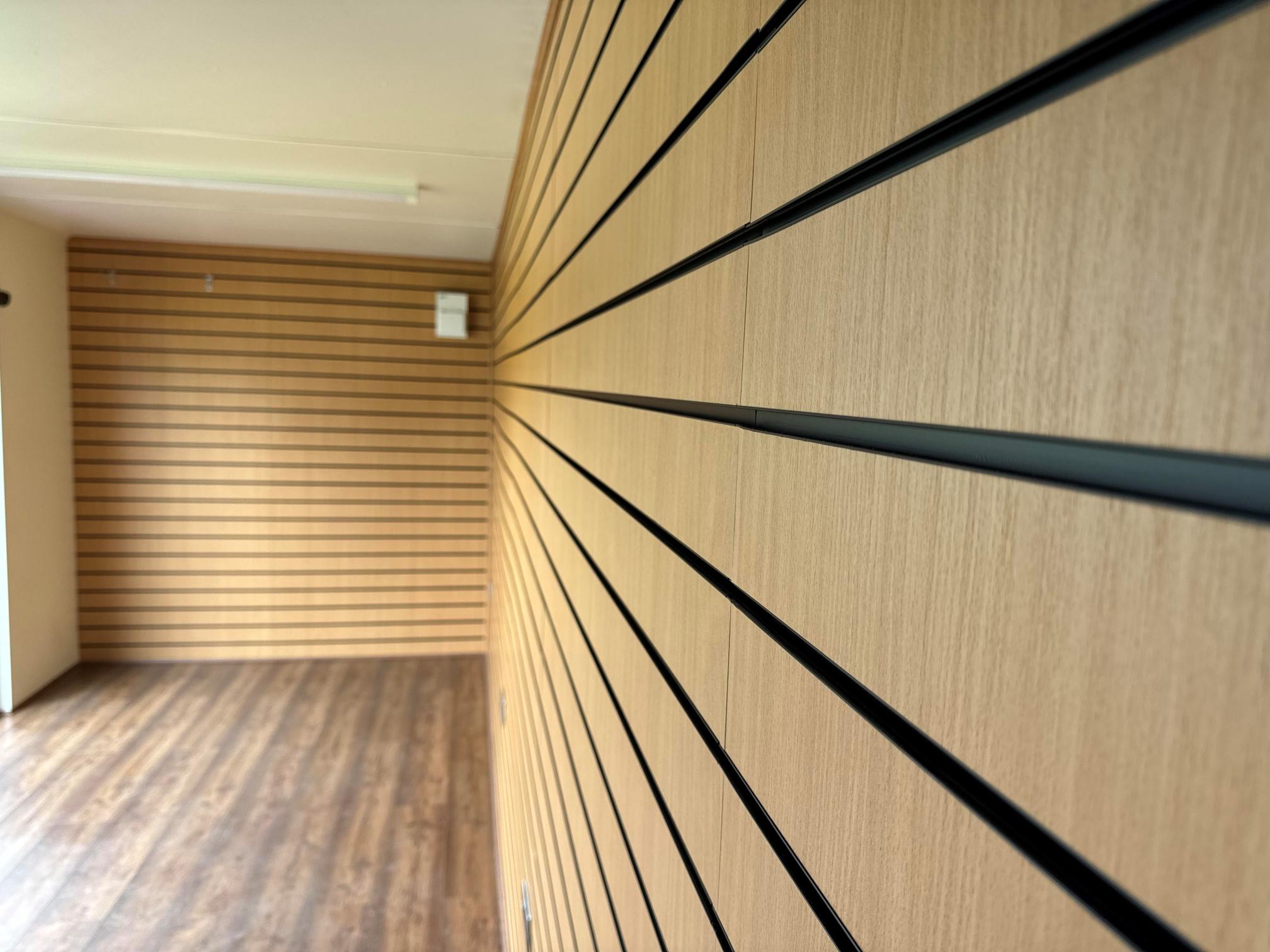
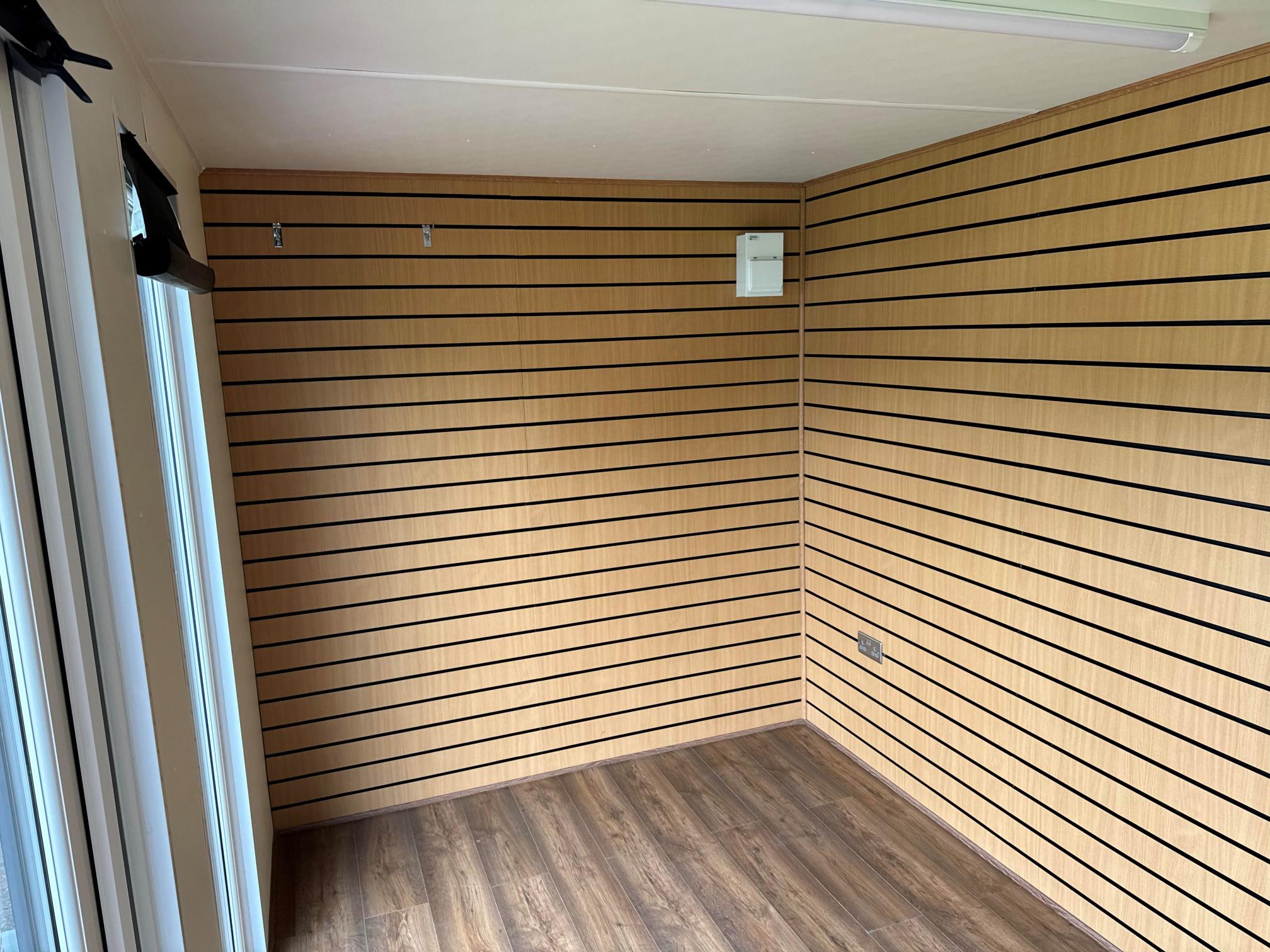
  • Slat Wall for retail fixings and Merchandise

  • Electric Chrome Sockets, led lighting and heating.

  • Laminate Flooring

  • 12 months Warranty

  • Maintenance call out package included

  • Less than 2 years old

  • Still in Brand New Condition

Location: Nationwide

POA

Not Available for Hire

Call for an instant quote!

32ft x 10ft Jack Leg Cabin

  • Fully refurbished

  • Colour light grey

  • Slate grey anthracite upvc double glazed windows

Location: Nationwide


£15,000

+ VAT

Not Available for Hire

Call for an instant quote!

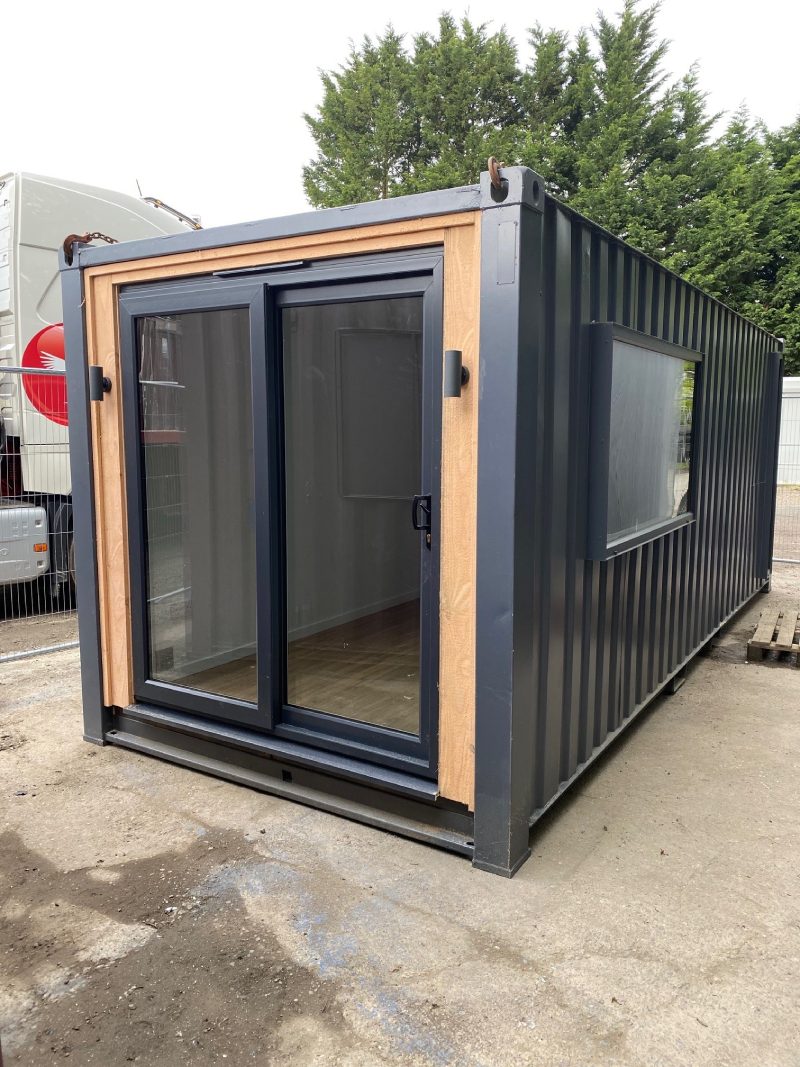
20ft x 8ft Container Office

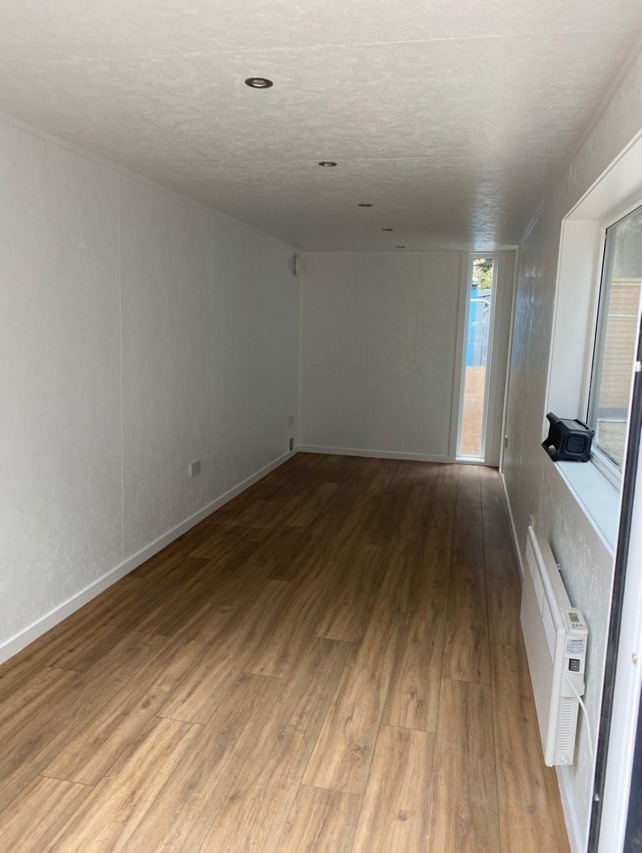
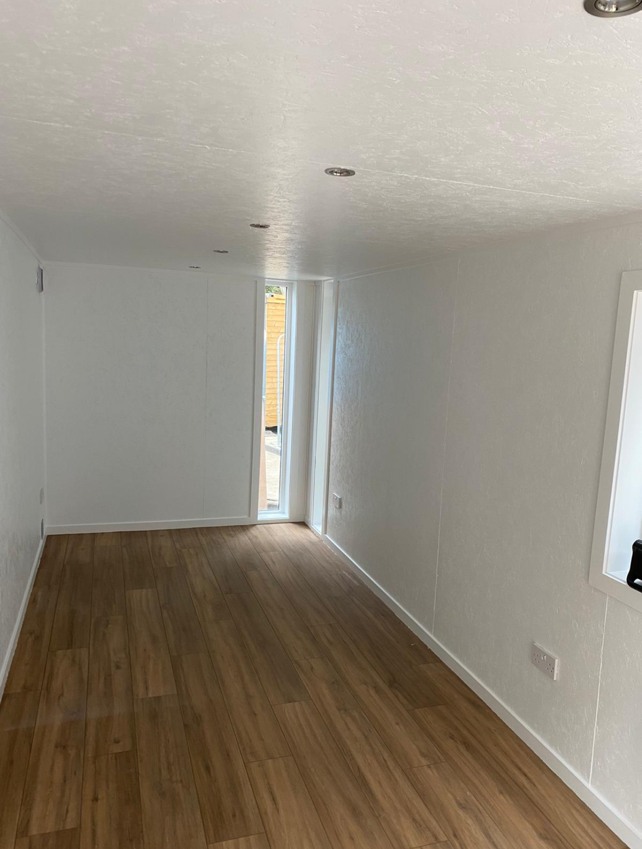
  • Fully Insulated with electric sockets, spot lighting, and heating

  • Wood Flooring

  • UPVC Sliding Door + Windows

  • Lead Time for build 6-8 weeks

Location: Nationwide


£12,995.00

+ VAT

Not Available for Hire

Call for an instant quote!

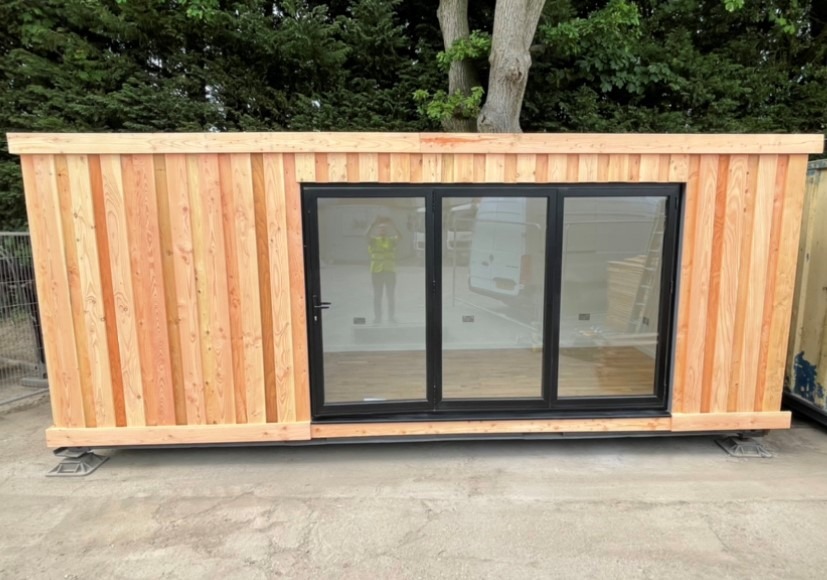
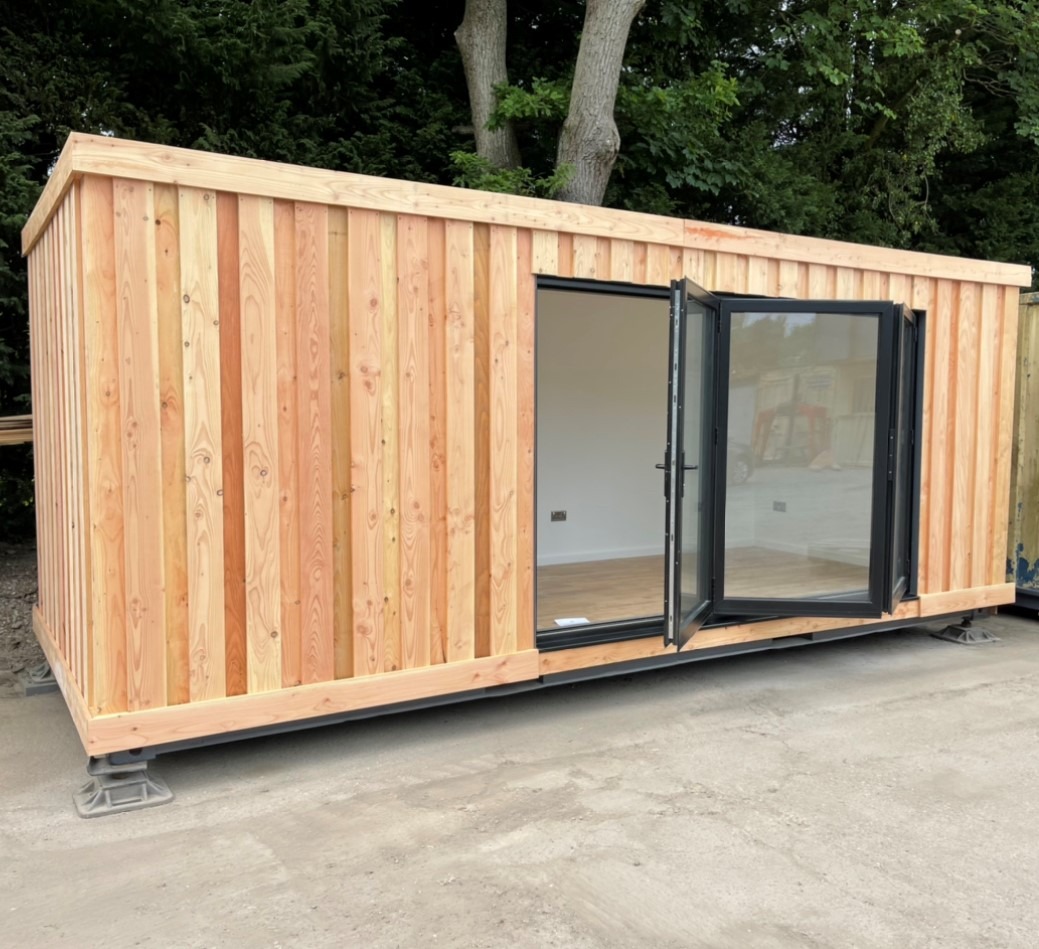
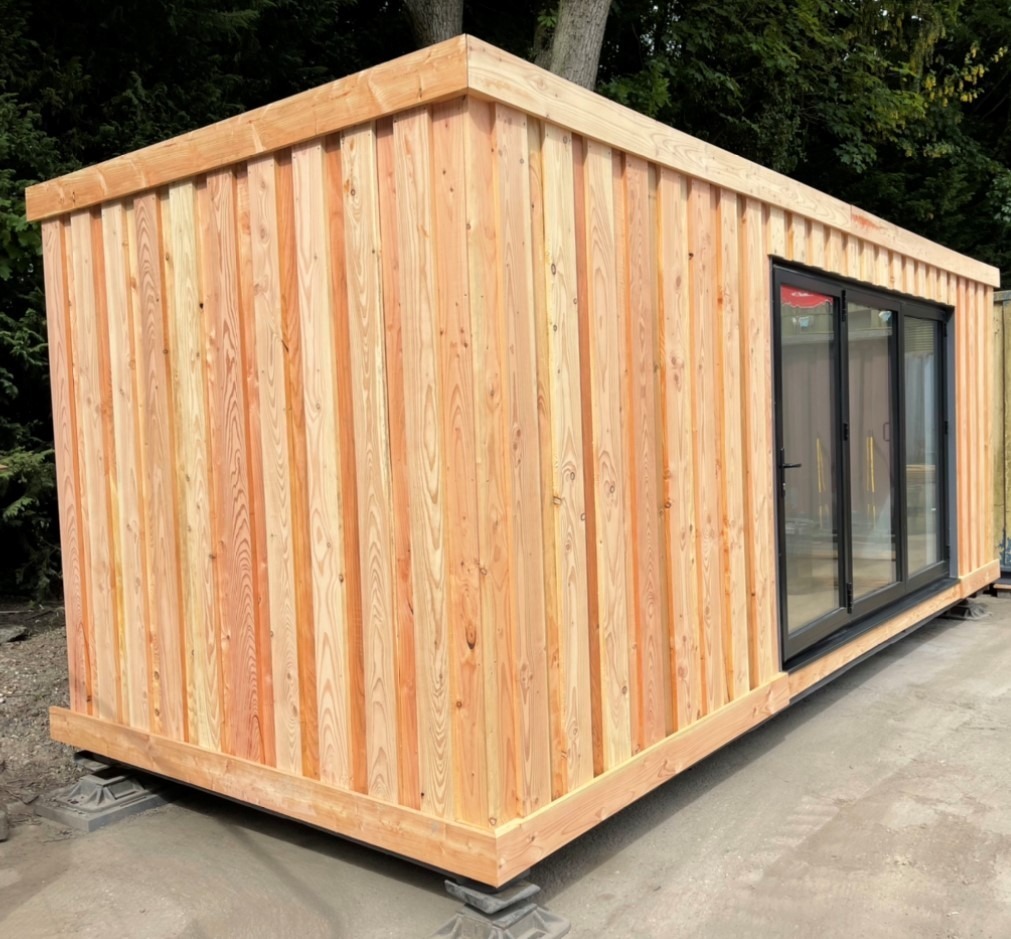
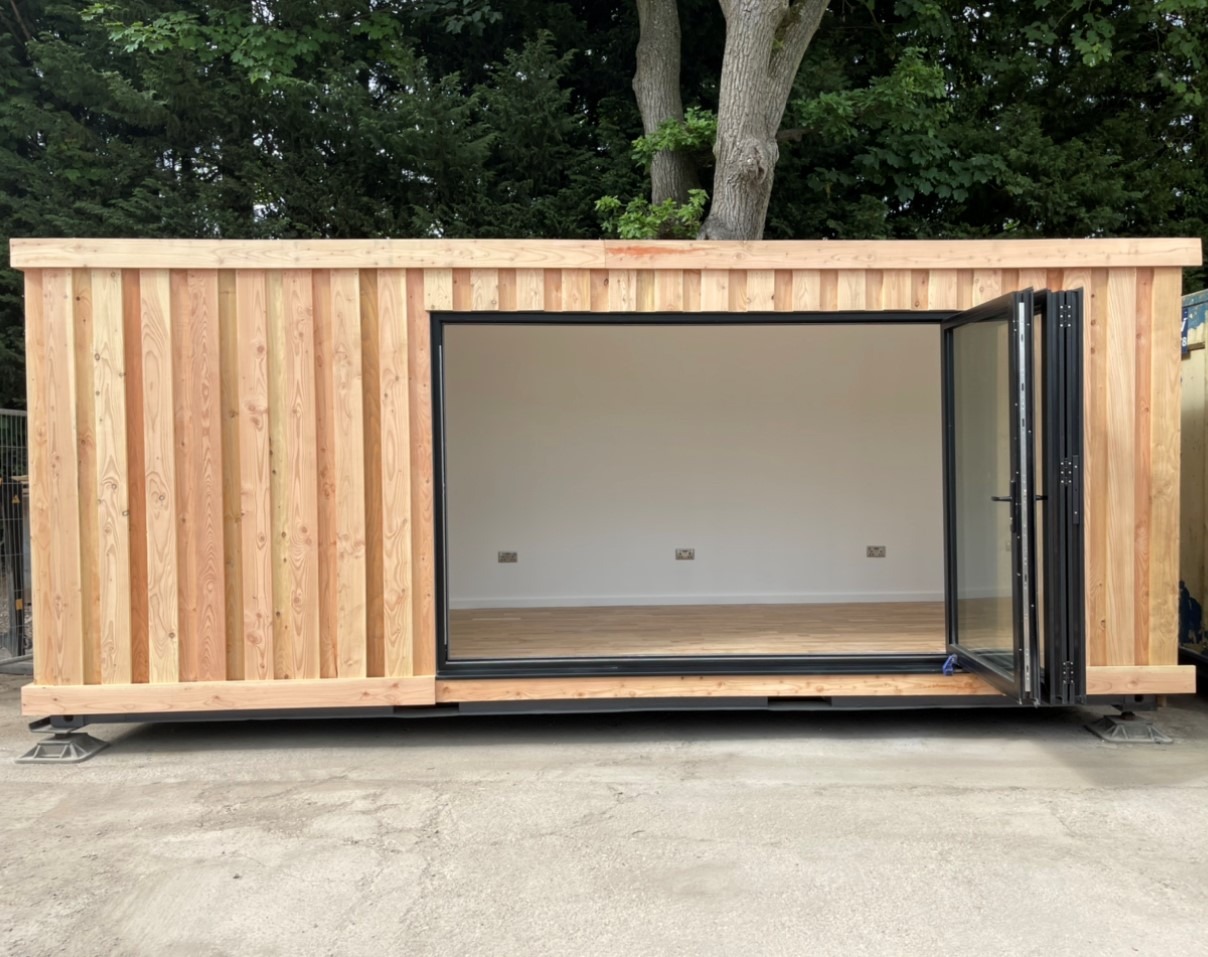
20ft x 8ft Container Office

  • Fully Insulated with electric sockets, spot lighting, and heating

  • Wood Flooring

  • Aluminium Bi Fold Doors

  • Fully wrapped in larch cladding

  • Lead Time for build 6-8 weeks

Location: Nationwide


£16,500.00

+ VAT

Not Available for Hire

Call for an instant quote!

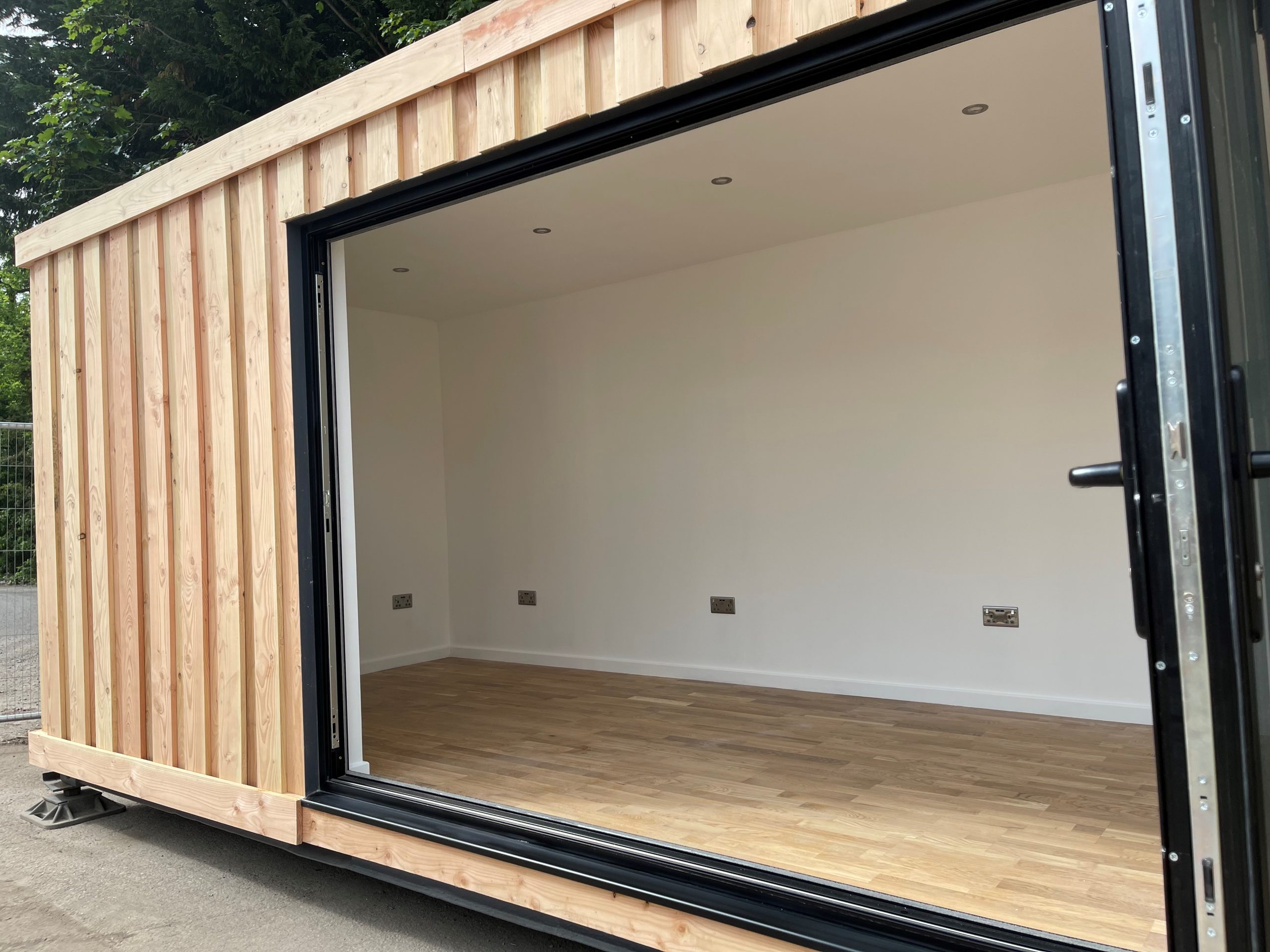
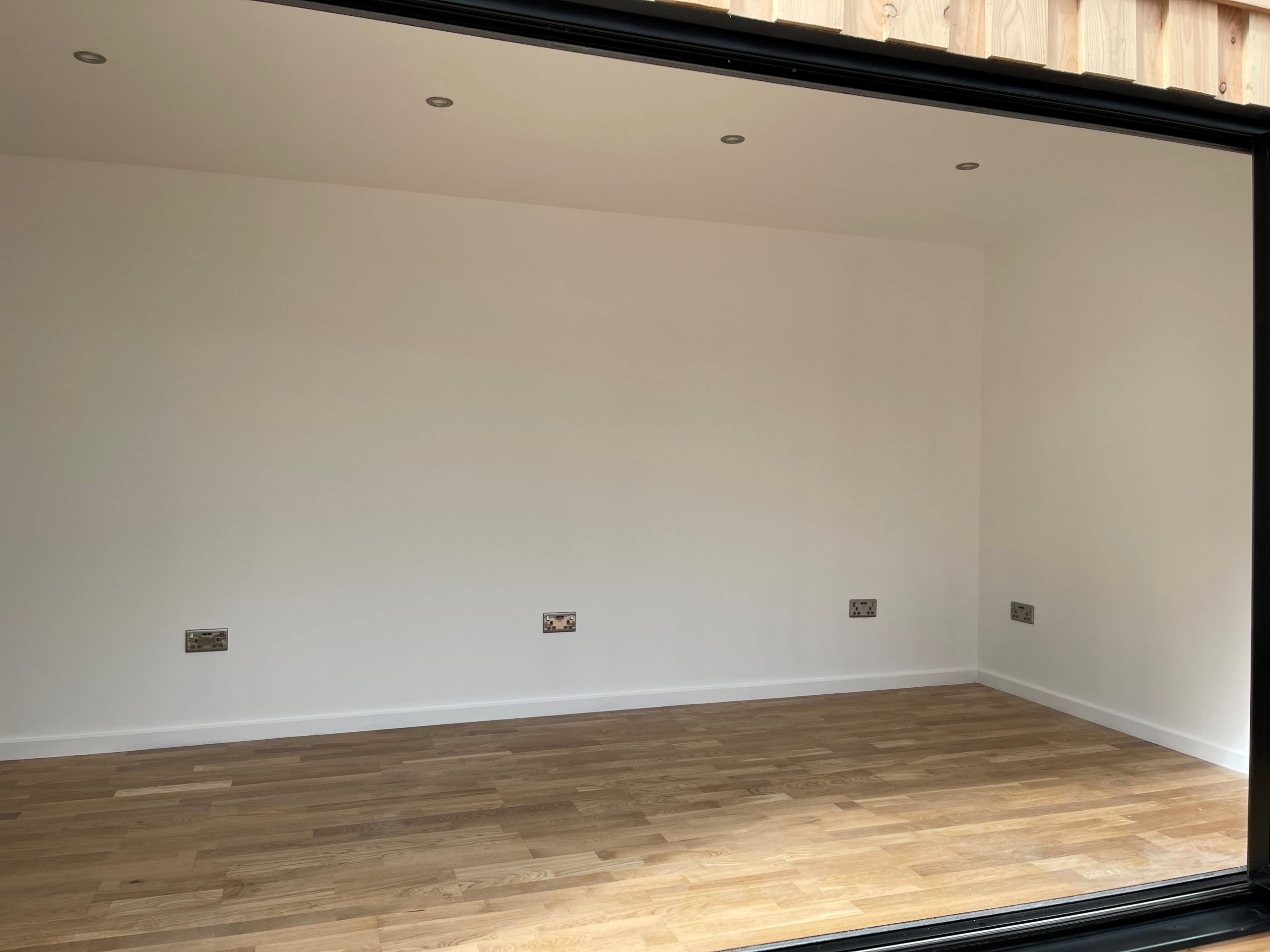
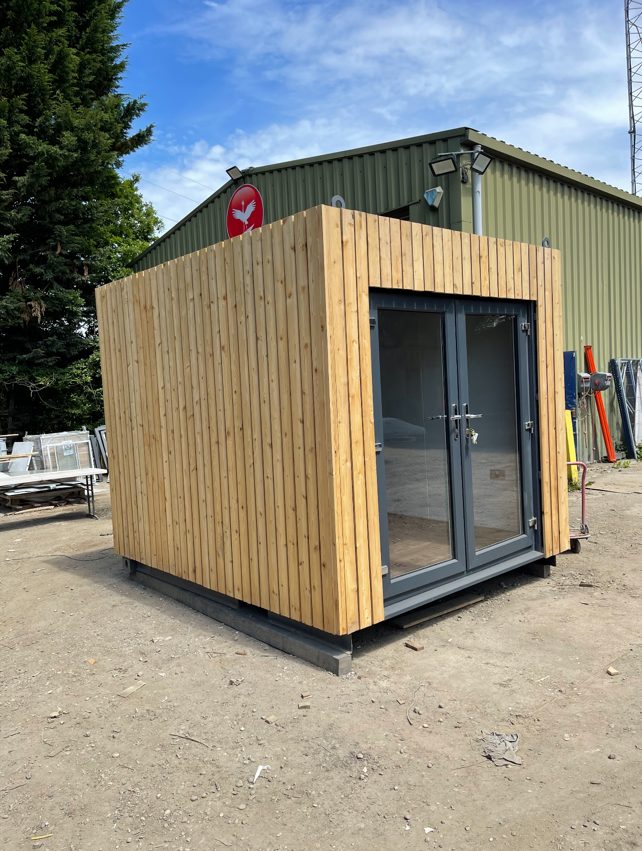
10ft x 8ft Container Conversion

  • Fully Insulated with electric sockets, spot lighting, and heating

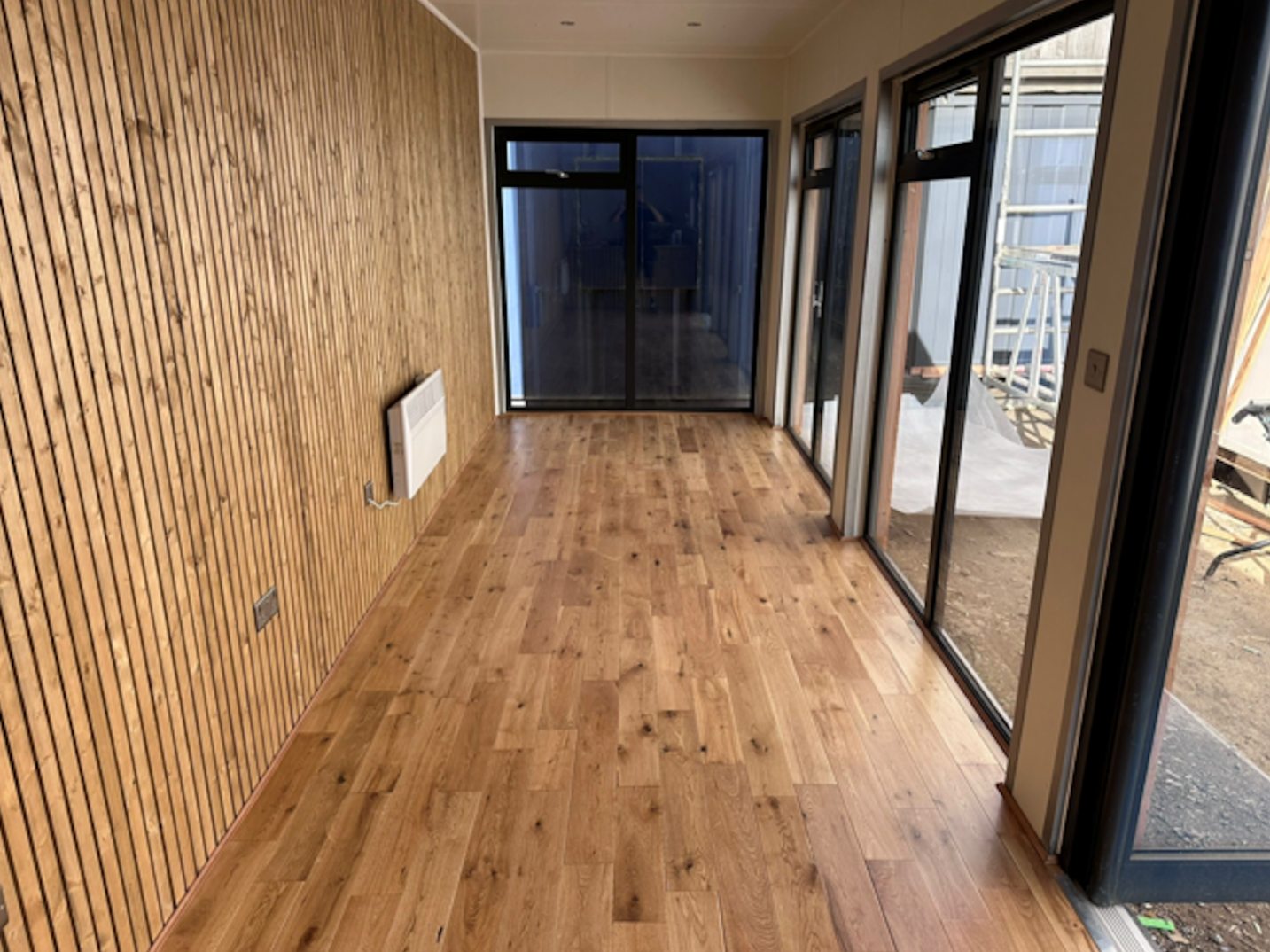
  • Wood Flooring

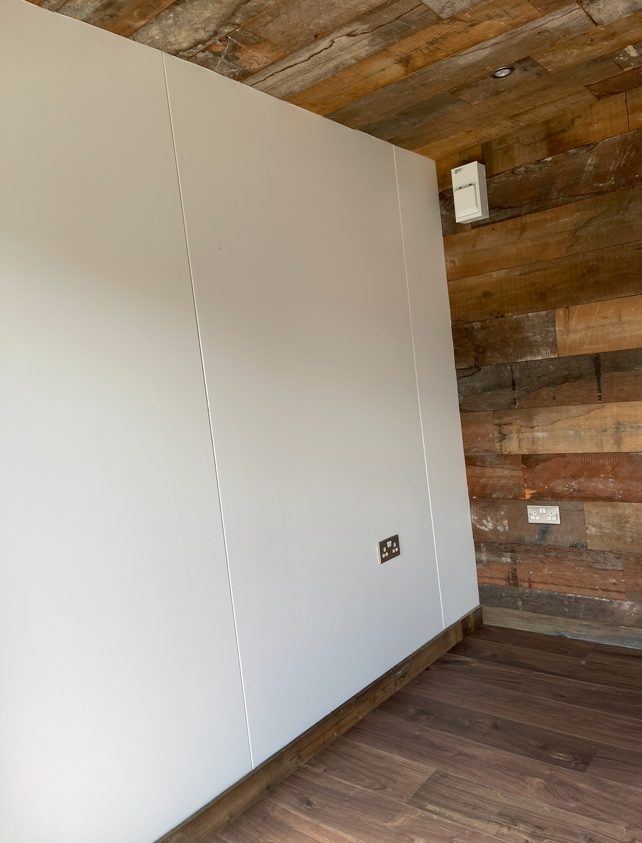
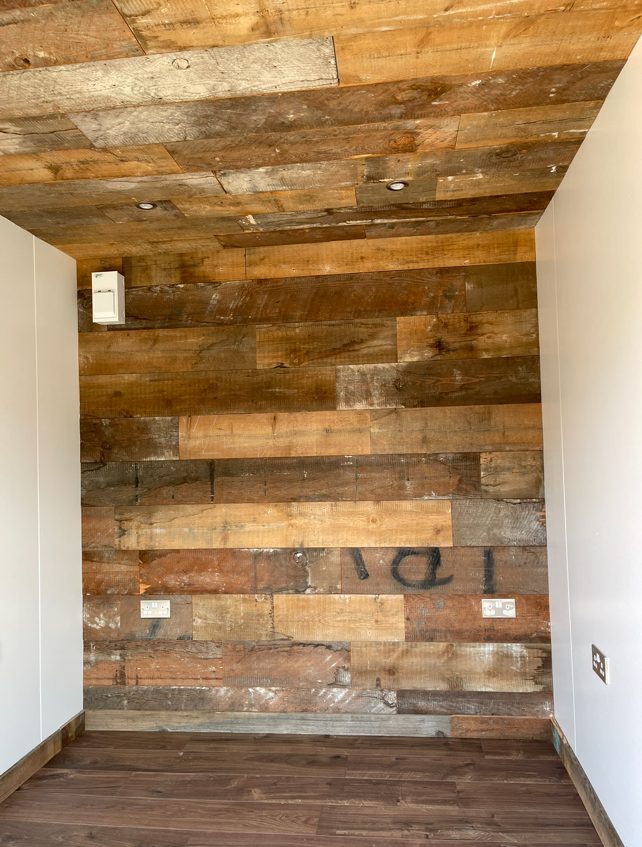
  • Feature Clad Wall and Ceiling

  • UPVC Double glazed French Doors

  • Fully wrapped in larch cladding

  • Lead Time for build 6-8 weeks

Location: Nationwide


£12,500.00

EX VAT

Not Available for Hire

Call for an instant quote!

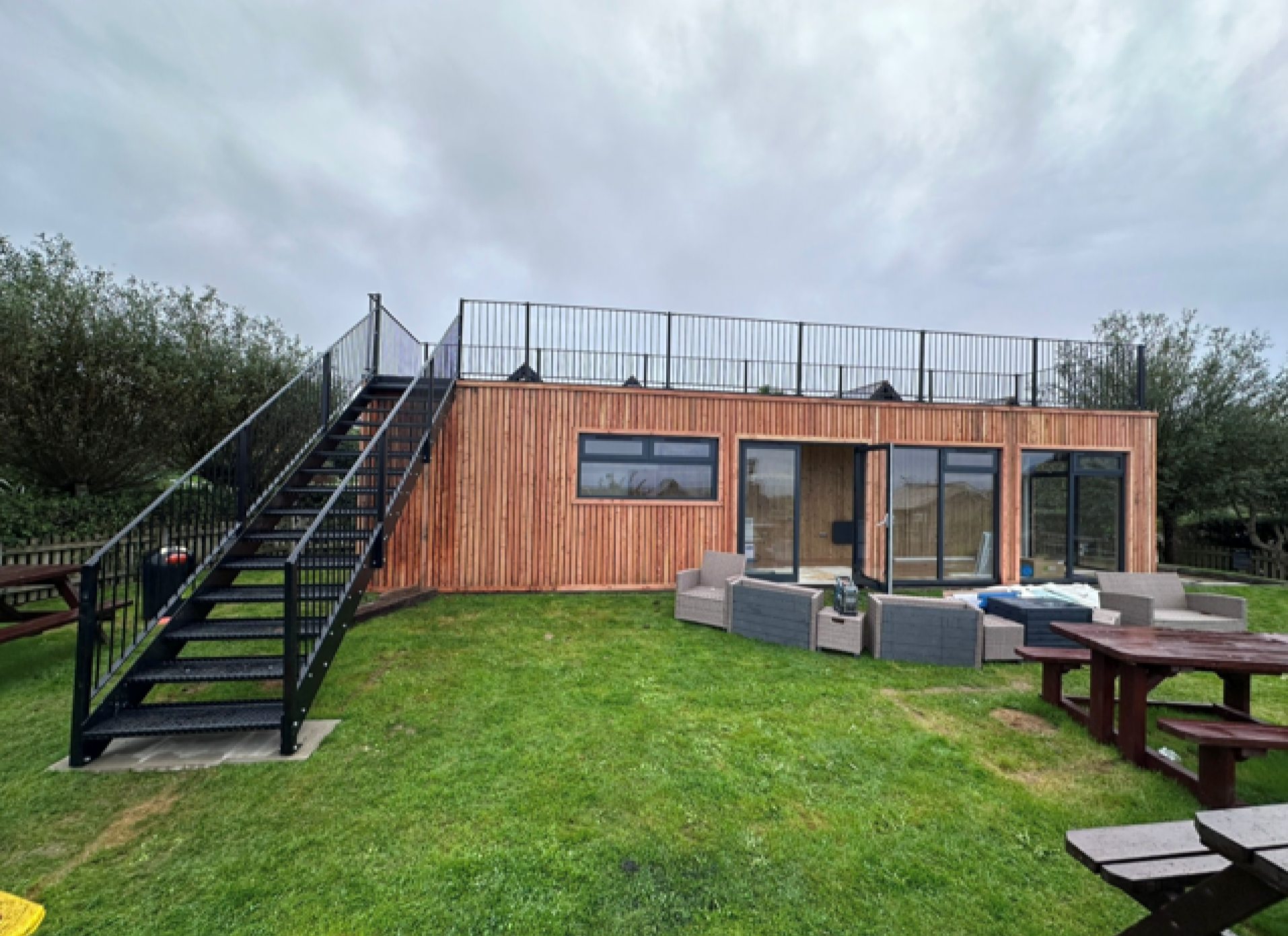
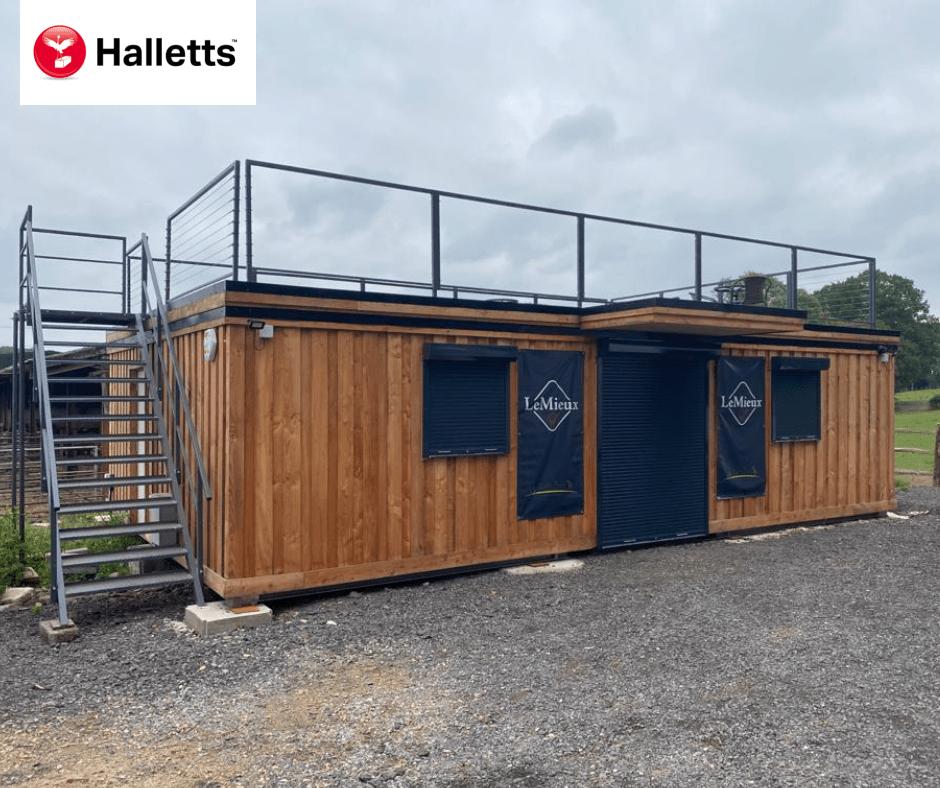
40ft x 8ft Rooftop Container Bar

  • 40ft x 8ft Rooftop Container Bar
  • Fully Insulated with electric sockets, spot lighting, and heating
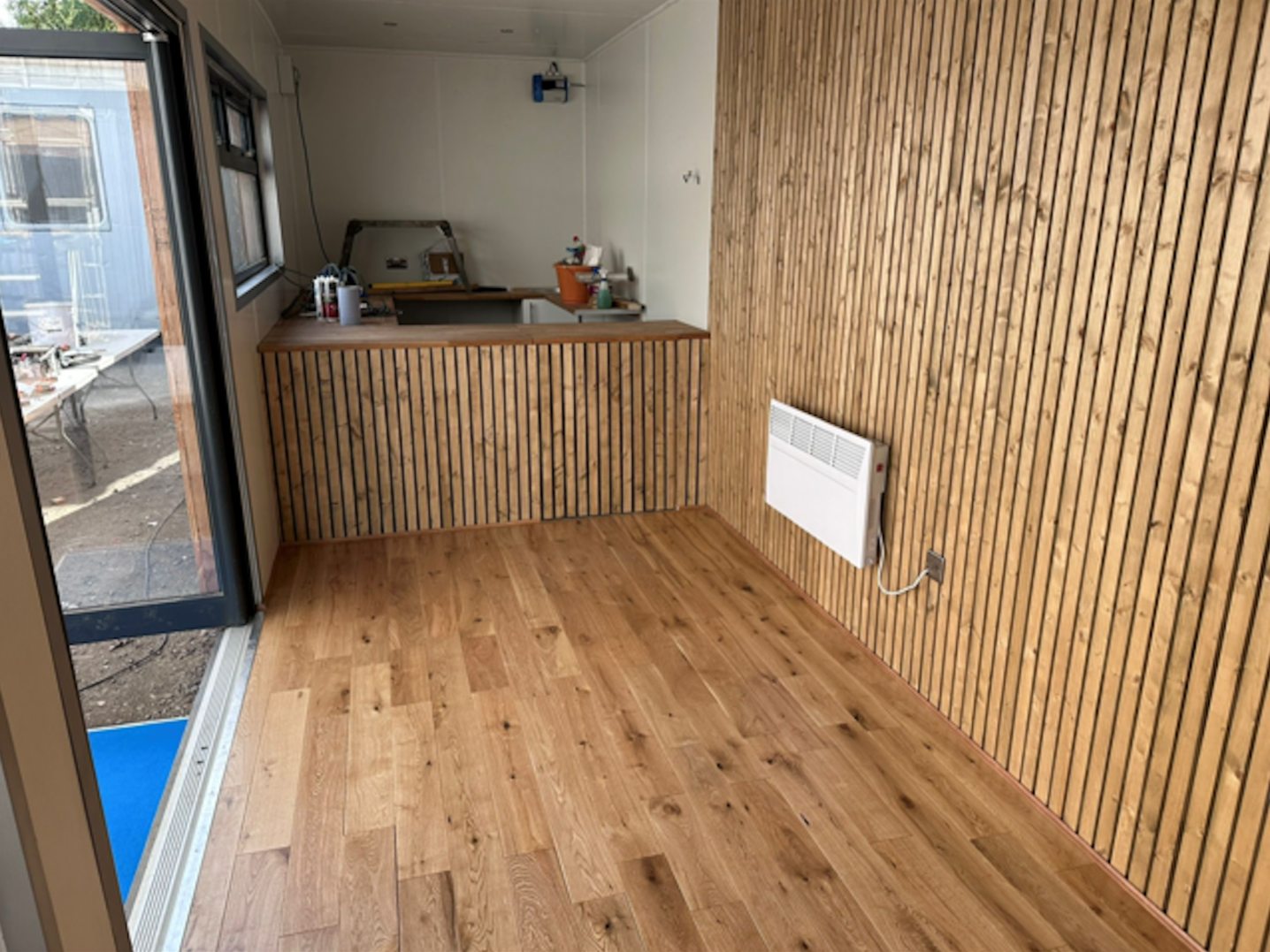
  • Built in Bar
  • Wood Flooring
  • Feature Larch Clad Wall
  • Aluminium double glazed premium windows and double French doors
  • Fully wrapped in larch cladding
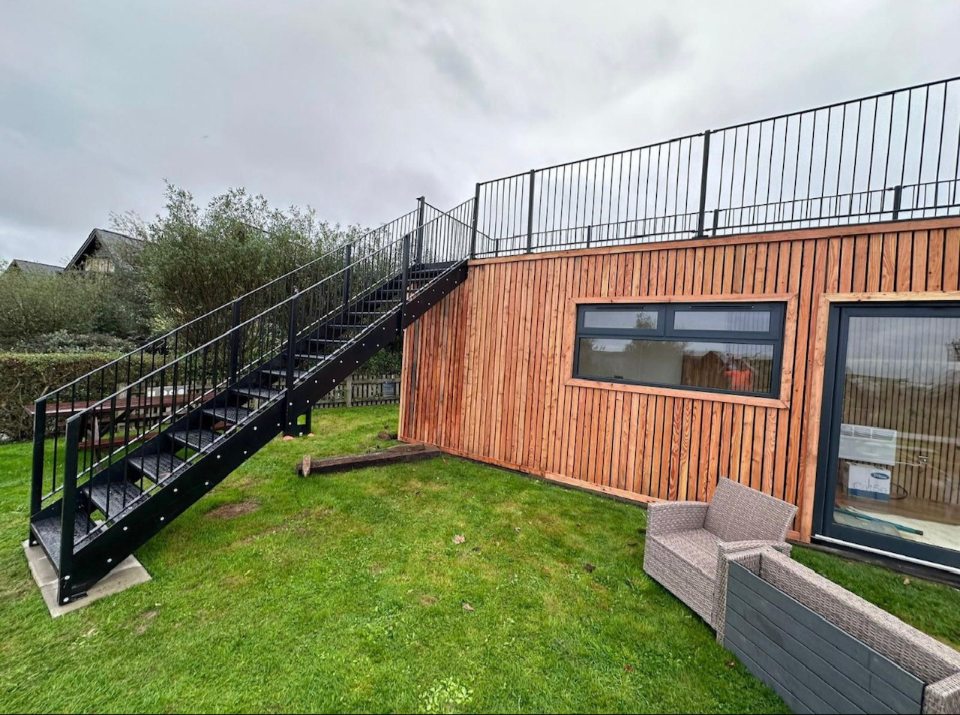
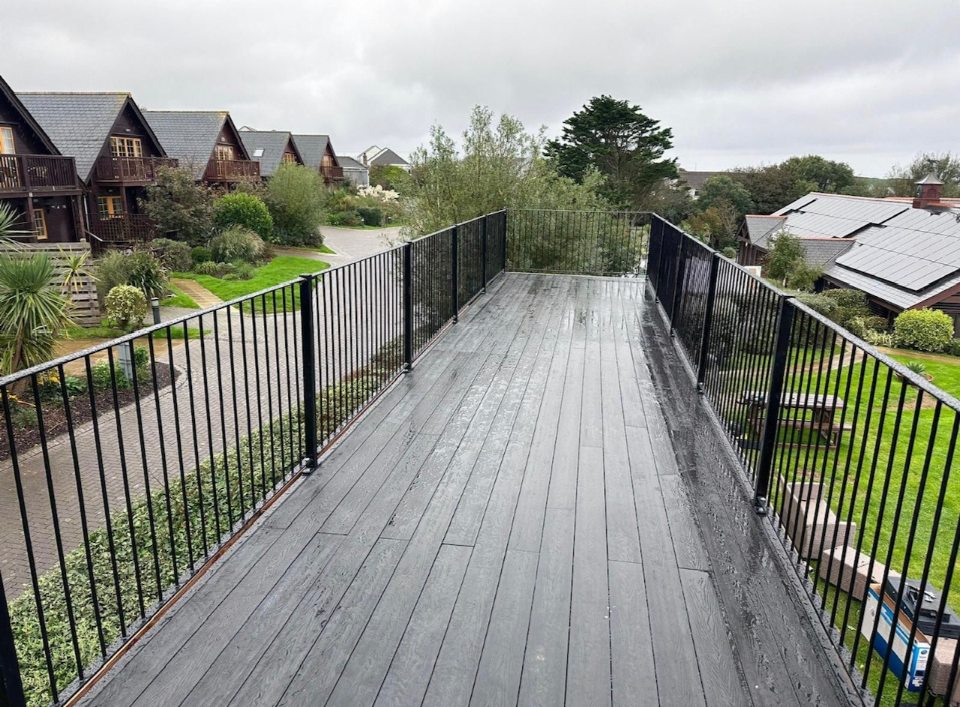
  • Steel staircase up to Rooftop terrace with full surrounding steel balustrade
  • Double container doors leading to cool room with Air Conditioning unit.
  • Lead Time for build 6-8 weeks

Location: Nationwide


£85,000.00

EX VAT

Not Available for Hire

Call for an instant quote!

  • Fully Refurbished
  • Zinc Roof
  • Colour Light Grey (Other Colour Options Available)
  • New Flooring
  • New Electric Sockets, Lighting and Heating
  • New UPVC Large and Small Windows
  • New Kitchenette with Partition
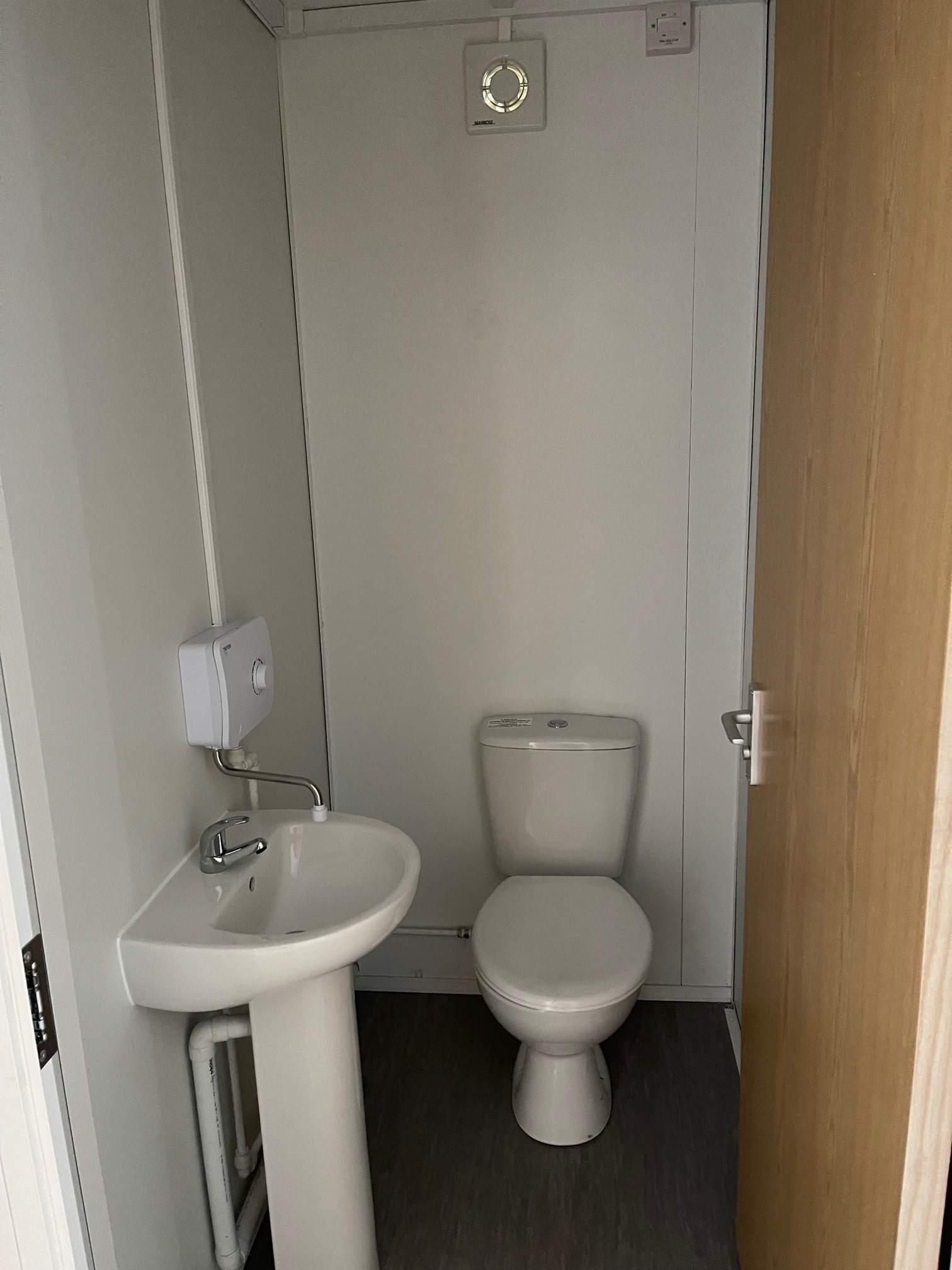
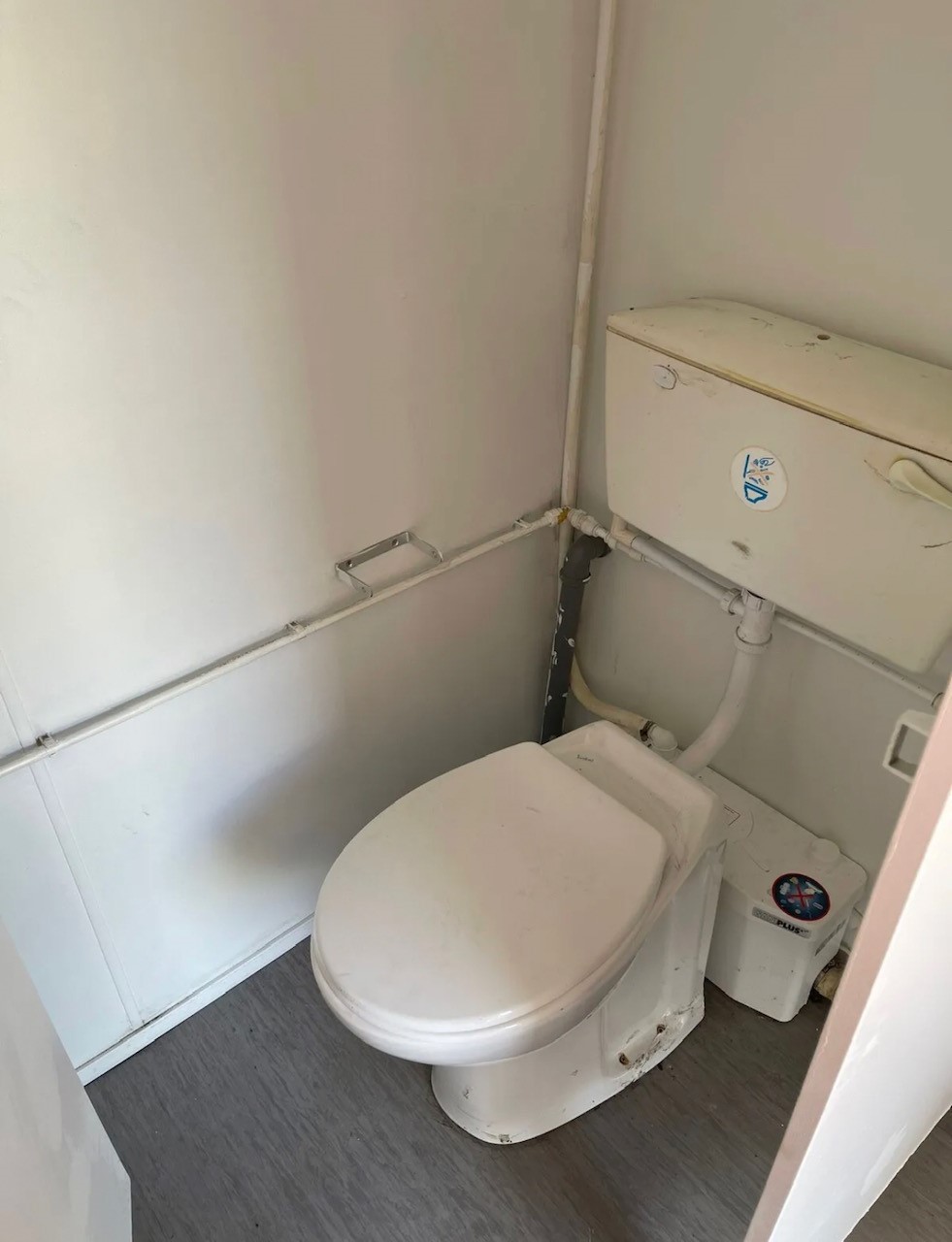
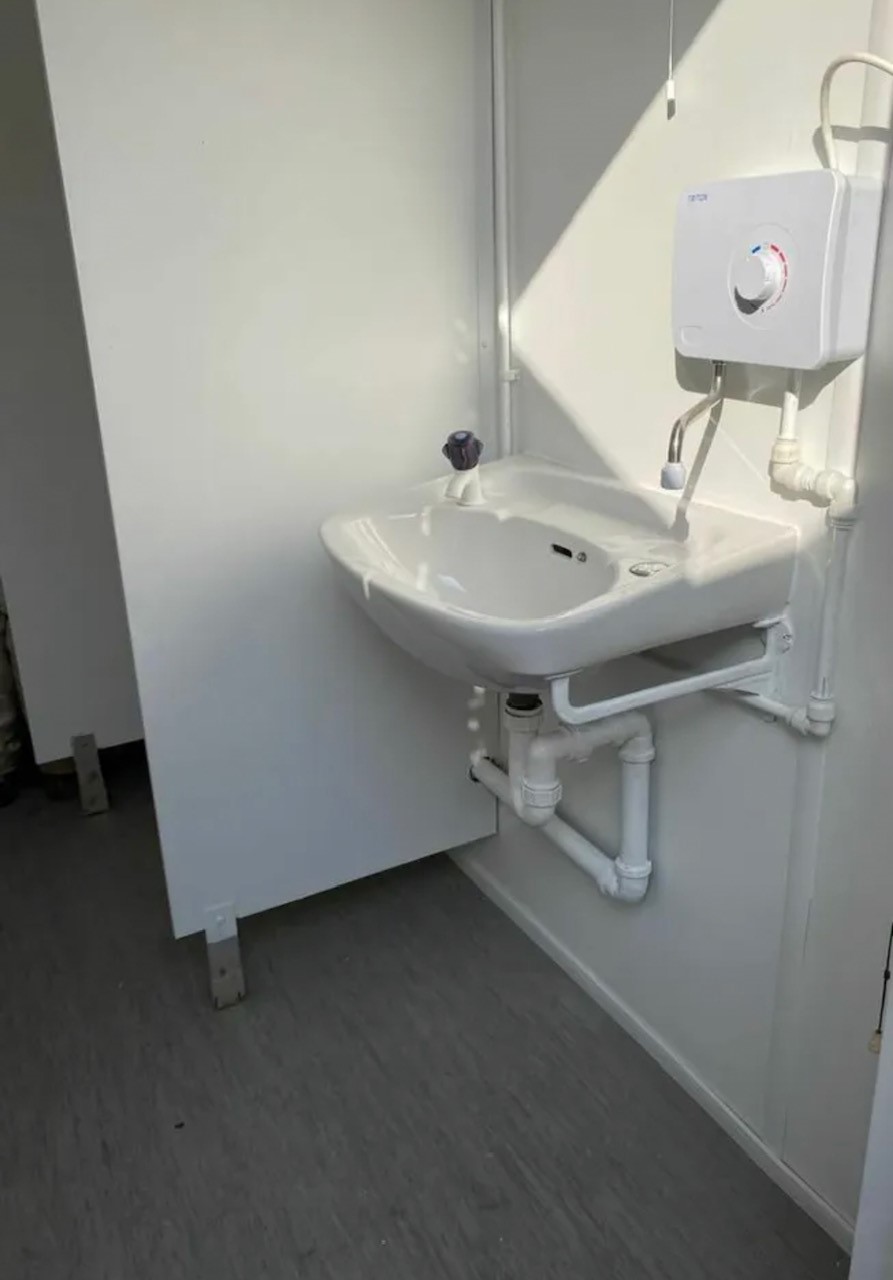
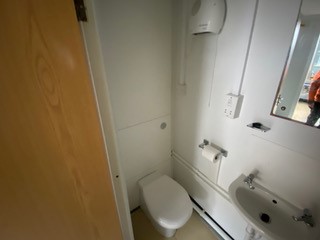
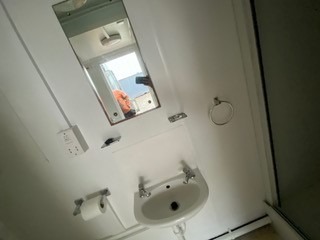
  • New Toilet Room with toilet, Sink, Water Heater and Fan

Location: Nationwide

£18,995

EX VAT

Not Available for Hire

Call for an instant quote!

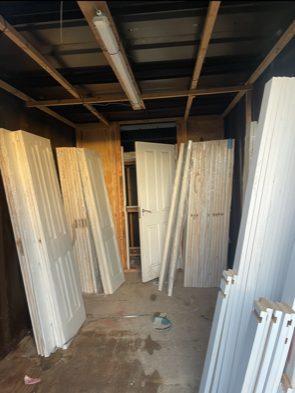
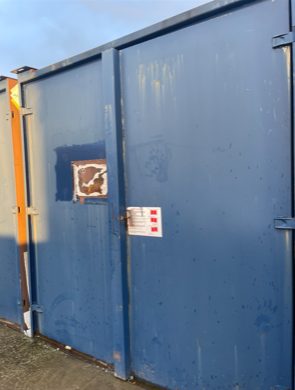
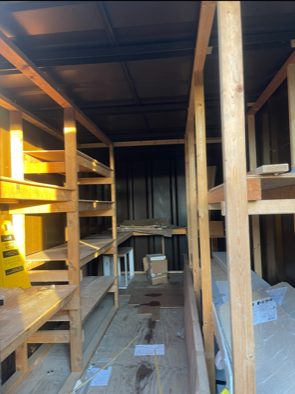
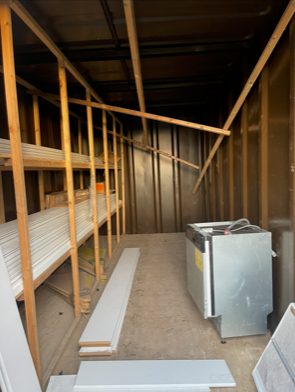
6 x 21ft x 8ft Container Stores

  • Wind and Water Tight
  • Very Good Condition
  • Some have racking inside
  • Floorings all good
  • Contents not included

Location: Nationwide


£1,500

EX VAT

Not Available for Hire

Call for an instant quote!

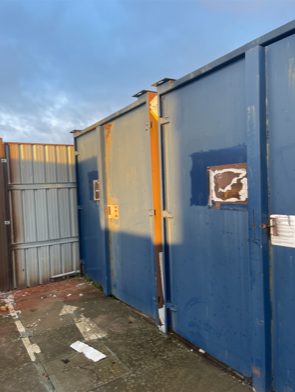
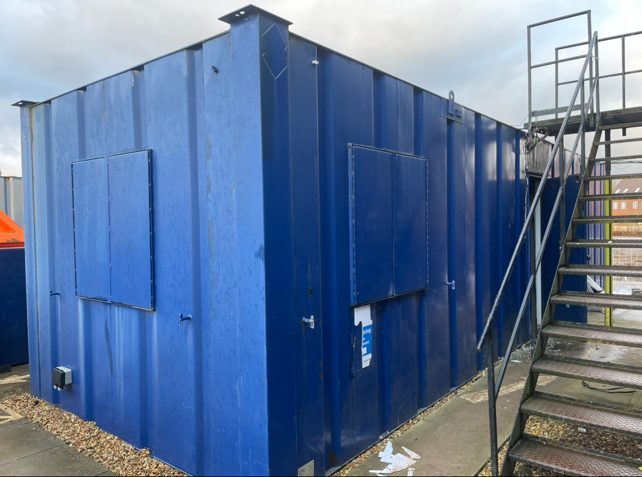
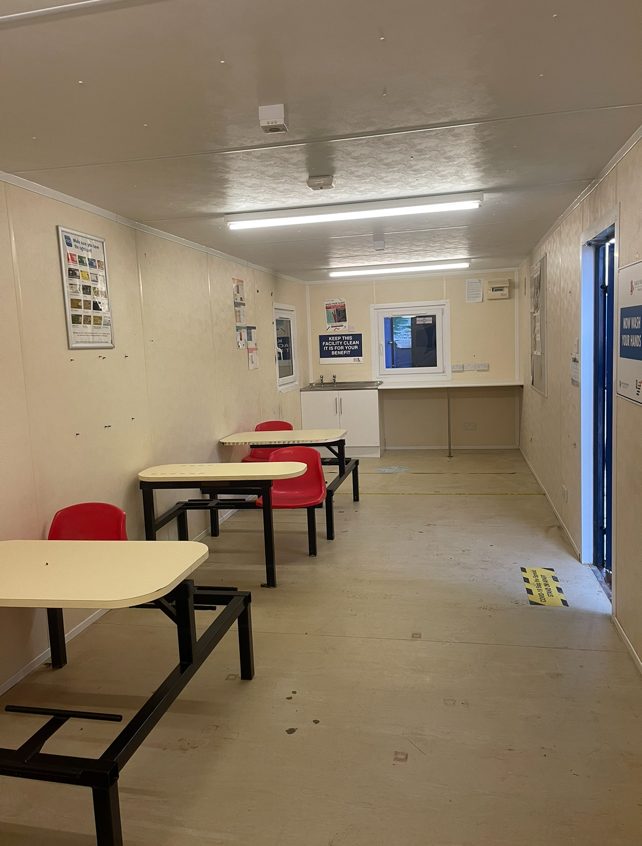
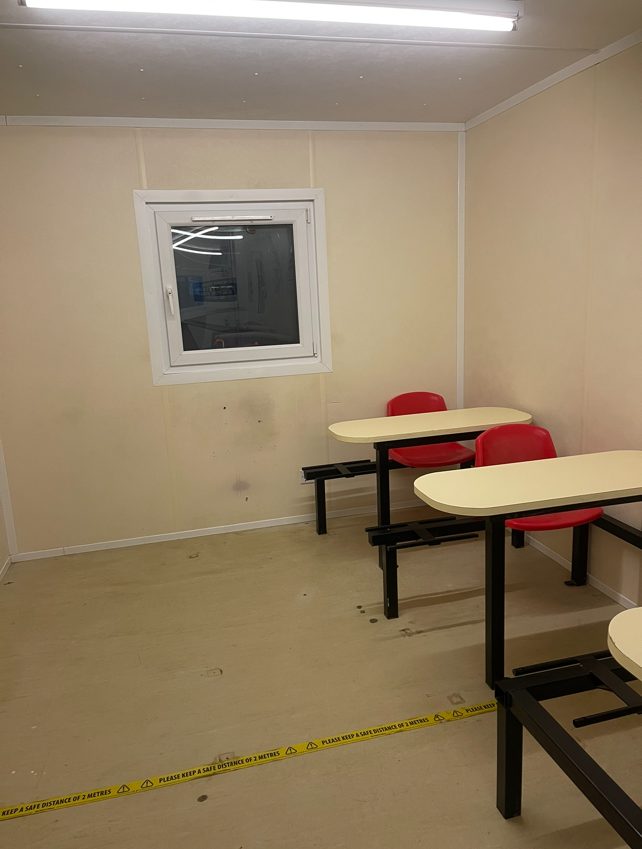
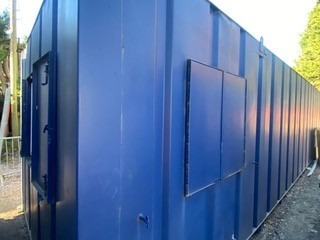
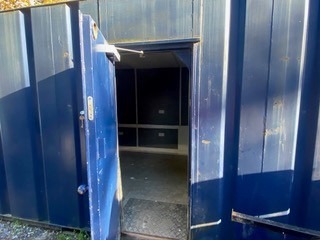
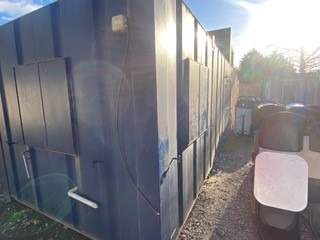
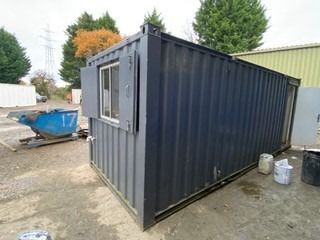
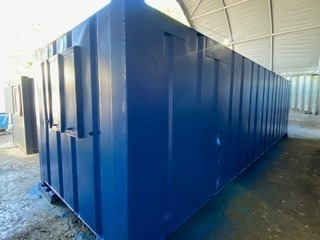
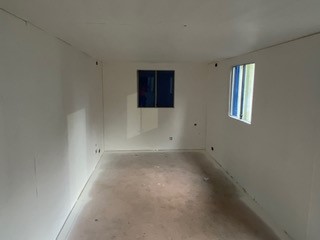
32ft x 10ft Anti Vandal Canteen in Blue

  • Used with electric sockets, lighting and heating
  • UPVC Double Glazed Windows
  • Furniture
  • Kitchenette 

Location: Nationwide


£4,995

EX VAT

Not Available for Hire

Call for an instant quote!

20ft Used Shipping Containers

  • Wind and Water Tight
  • Doors in good working Order
  • Random Selection
  • Lock Box and Lock additional cost.

Location: Nationwide


£1,500

EX VAT

Not Available for Hire

Call for an instant quote!

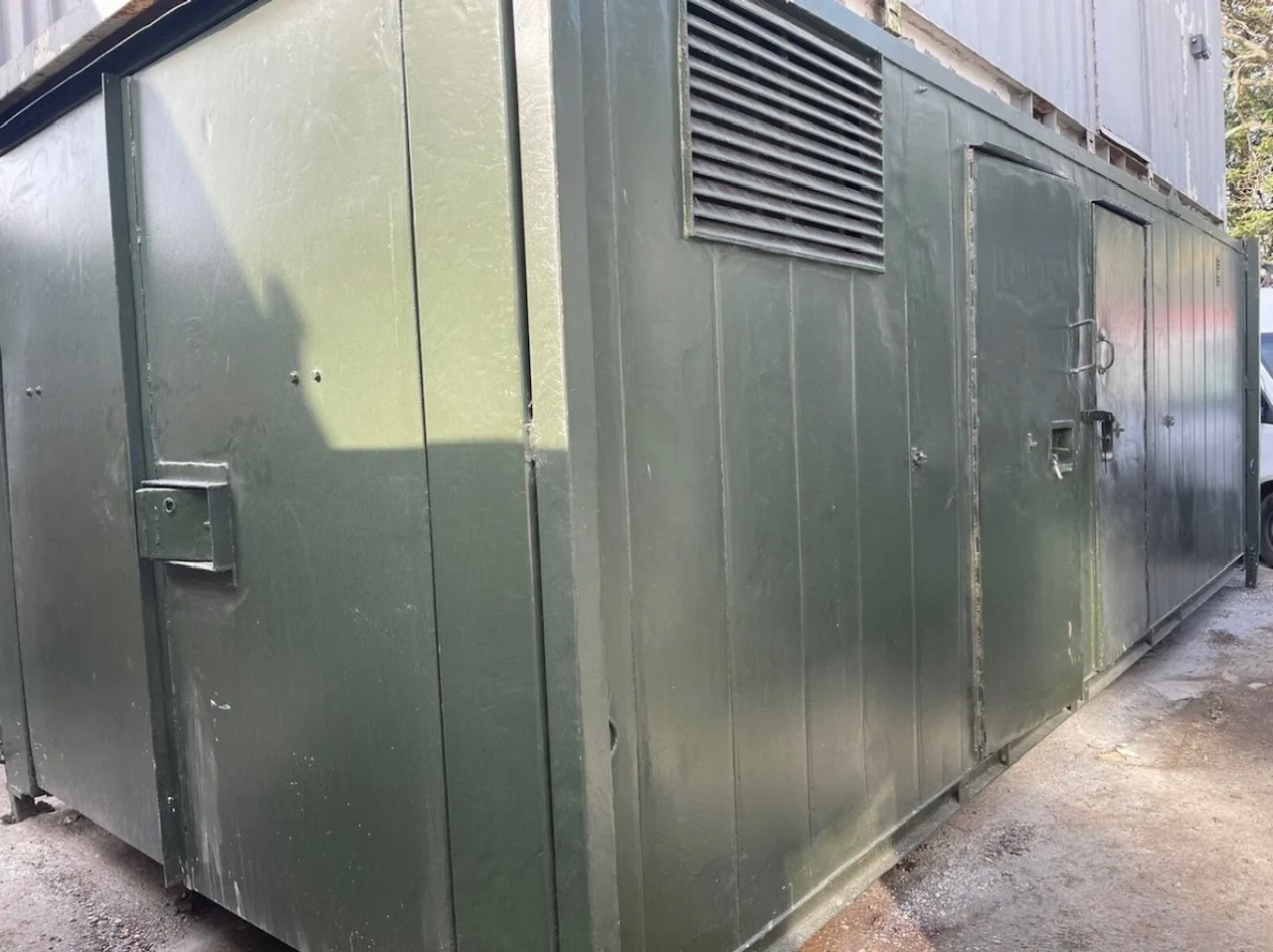
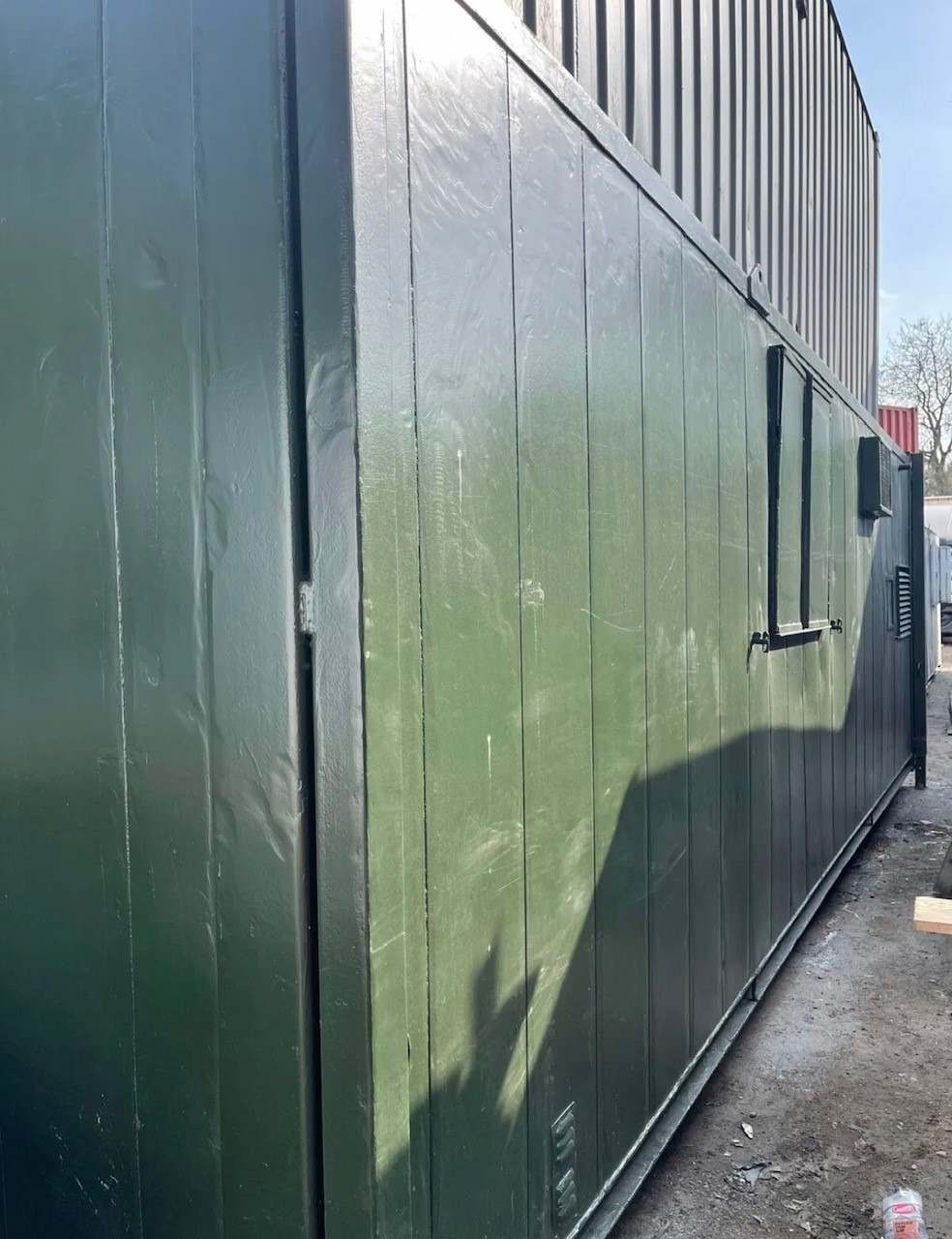
24ft x 10ft Jack Leg Anti Vandal Canteen/Toilet/Storage

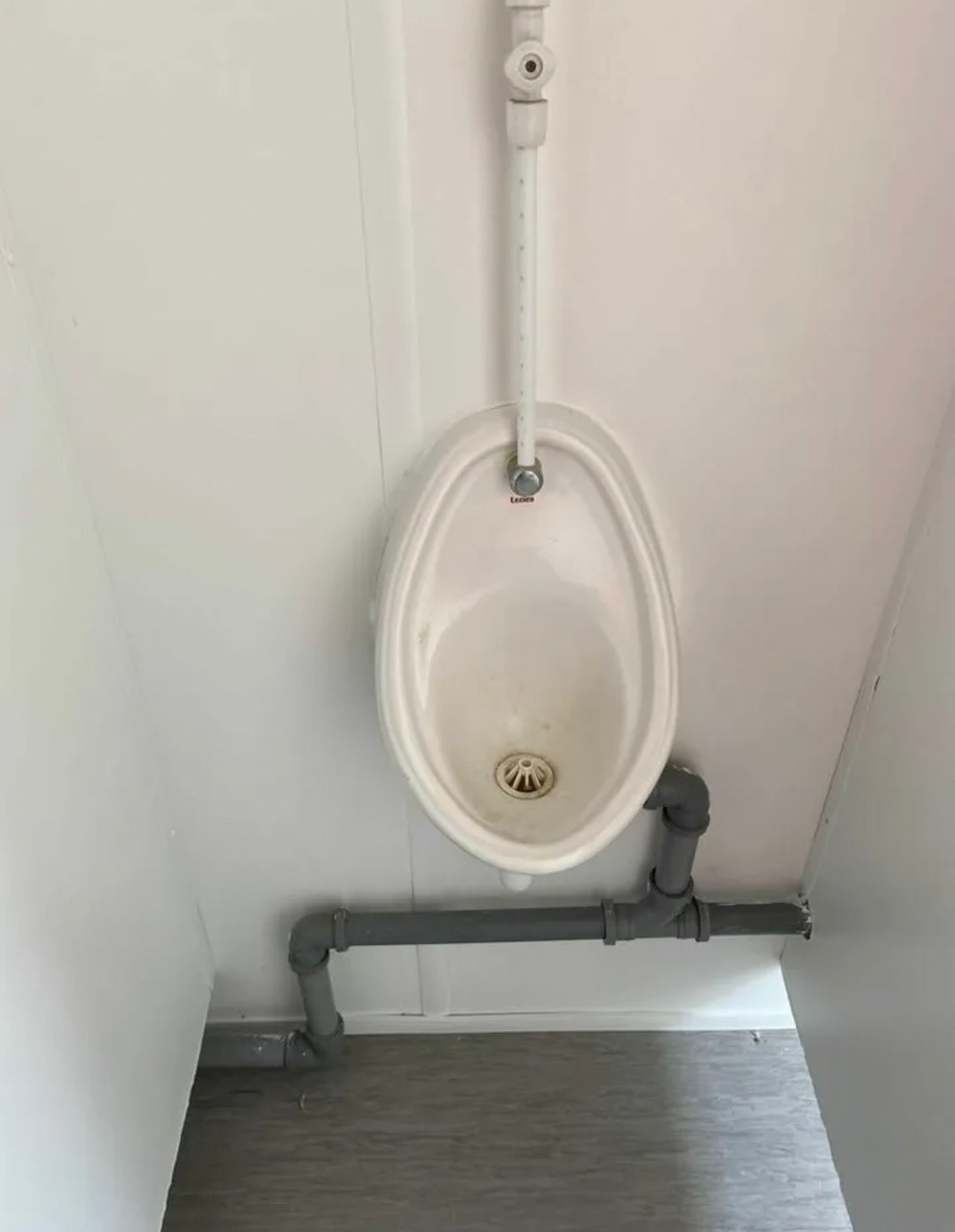
  • Split entrance for Canteen room and WC which includes single cubical, urinal and sink.
  • Container door end with storage.
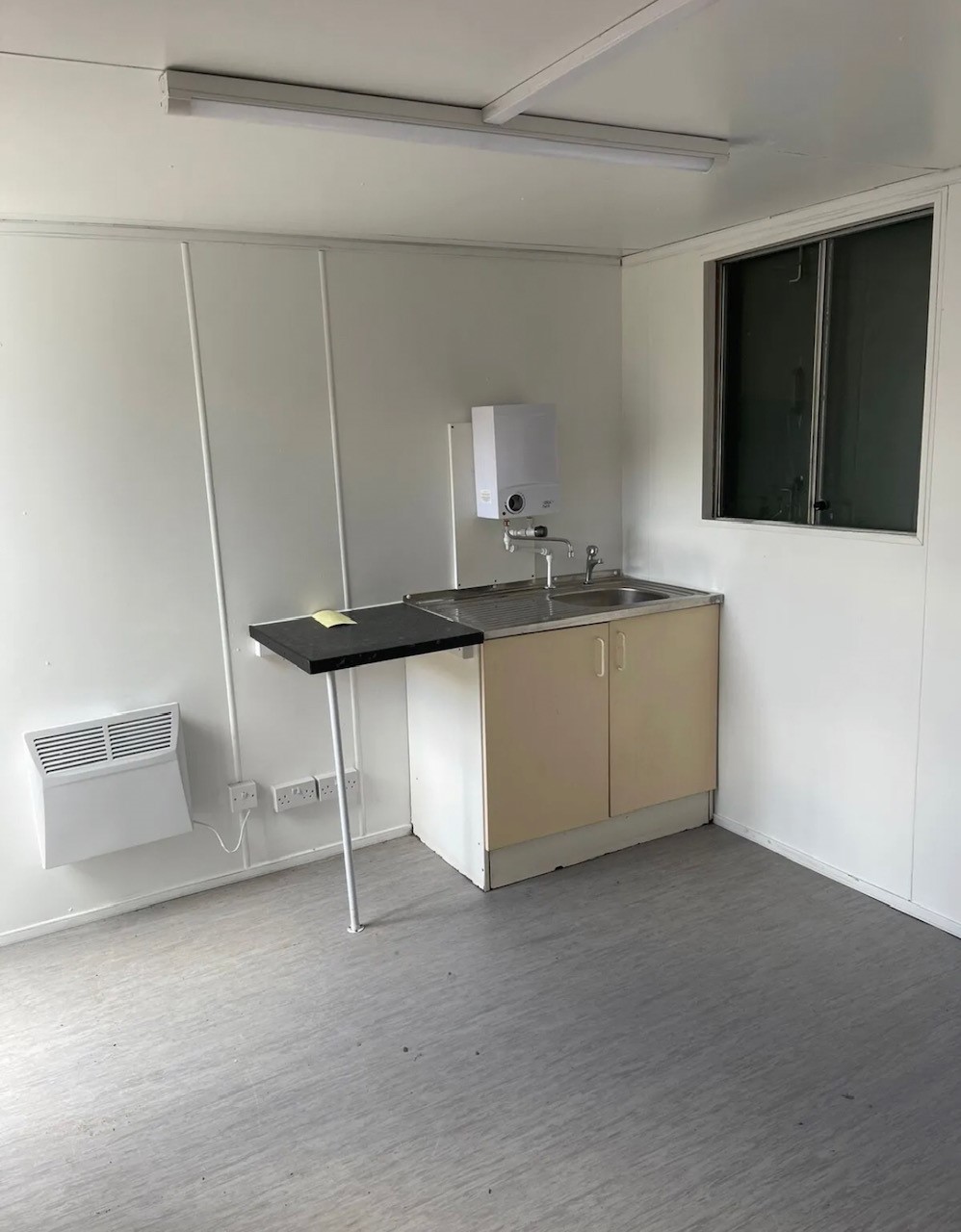
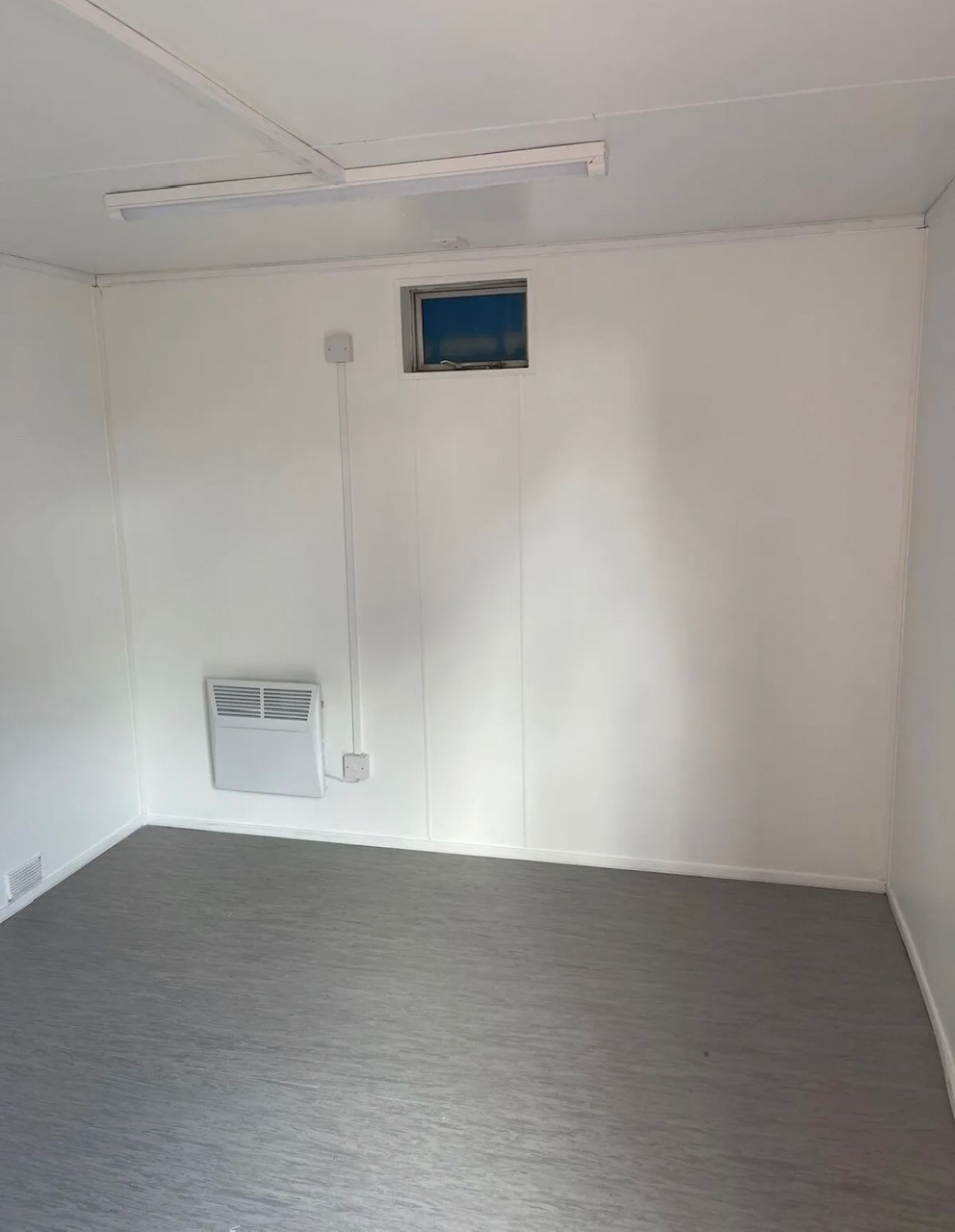
  • Electric Sockets, Lighting and Heating
  • Fitted Floor to Ceiling Cupboards
  • Colour: Dark Green

Location: Nationwide


£5,000

EX VAT

Not Available for Hire

Call for an instant quote!

40ft x 12ft Jack Leg Genuine Portakabin Pullman

  • 2 x Offices, Canteen and WC
  • Electric Sockets, Lighting and Heating
  • Colour: Light Grey
  • Full or Part Refurbishment option is available please ask.

Location: Nationwide


£9,500

EX VAT

Not Available for Hire

Call for an instant quote!

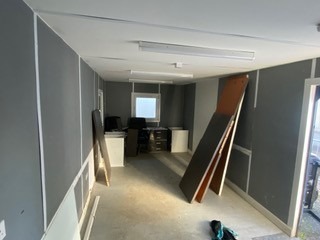
32ft x 10ft Anti Vandal Split Canteen/Office

  • Canteen approx 10ft – Office approx 22ft
  • Electric Sockets, Lighting and Heating
  • UPVC Double Glazing
  • Colour: Dark Blue

Location: Nationwide


£5,500

EX VAT

Not Available for Hire

Call for an instant quote!

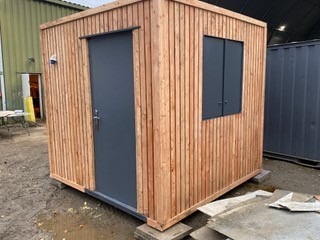
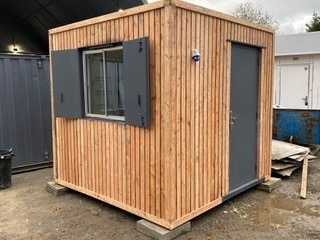
8ft x 8ft Anti Vandal Gate House/Office

  • Open Plan
  • Electric Sockets, Lighting and Heating
  • Colour: Clad in New Larch Timber

Location: Nationwide


£5,500

EX VAT

Not Available for Hire

Call for an instant quote!

20ft x 10ft Anti Vandal Sleeper Unit

  • Split sides with two entrances, each side has its own room and Shower Toilet Facility
  • Electric Sockets, Lighting and Heating
  • Colour: Dark Grey

Location: Nationwide


£6,500

EX VAT

Not Available for Hire

Call for an instant quote!

21ft x 8ft Anti Vandal Canteen

  • Open Plan
  • Electric Sockets, Lighting and Heating, Hot water Unit + kitchen with cupboards and work top.
  • Colour: Dark Grey 

Location: Nationwide


£4,200

EX VAT

Not Available for Hire

Call for an instant quote!

30ft x 9ft Anti Vandal Fire Rated Office

  • Open Plan Refurbished
  • Electric Sockets, Lighting and Heating
  • Colour: Dark Blue

Location: Nationwide


£6,500

EX VAT

Not Available for Hire

Call for an instant quote!

24ft x 9ft Anti Vandal Office

  • Open Plan
  • Electric Sockets, Lighting and Heating
  • Colour: Dark Grey

Location: Nationwide


£4,200

EX VAT

Not Available for Hire

Call for an instant quote!

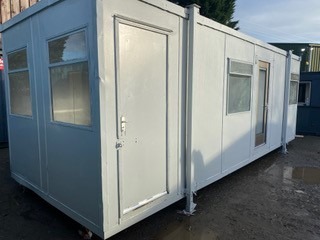
22ft x 9ft Jack Leg Portable Cabin

  • 22ft x 9ft Jack Leg Portable Cabin
  • Open Plan
  • Electric Sockets, Lighting and Heating
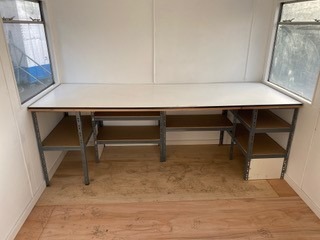
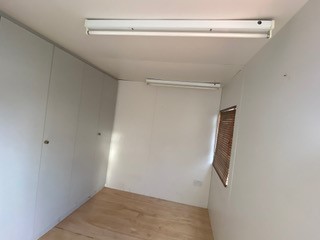
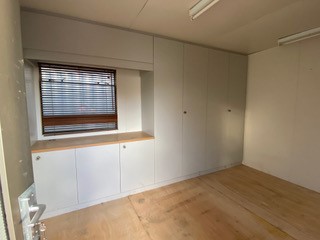
  • Fitted Desk and Floor to Ceiling Cupboards
  • Colour: Light Grey

Location: Nationwide


£4,995

EX VAT

Not Available for Hire

Call for an instant quote!

24ft x 9ft Jack Leg Portable Cabin

  • 24ft x 9ft Jack Leg Portable Cabin
  • Split Offices with two entrances
  • Electric Sockets, Lighting and Heating
  • Fitted Floor to Ceiling Cupboards
  • Colour: Light Grey

Location: Nationwide


£5,500

EX VAT

Not Available for Hire

Call for an instant quote!

10ftx8ft – £5950 + Vat / 16ftx8ft – £7950 + Vat / 20ftx8ft – £9000 + Vat / 24ftx8ft – £12000 + Vat / 30ftx8ft – £13500 + Vat

  • Reinforced doors and windows with secure locking
  • Open plan with electric sockets and lighting
  • Any Extras available: Canteen, Partitions, Toilets.

Location: Nationwide


From £5,950

EX VAT

Not Available for Hire

Call for an instant quote!

  •  Electric Sockets, Lighting and Heating
  •  Wind & watertight
  •  Sprayed Dark Grey

Location: Nationwide


£4,995

EX VAT

Not Available for Hire

Call for an instant quote!

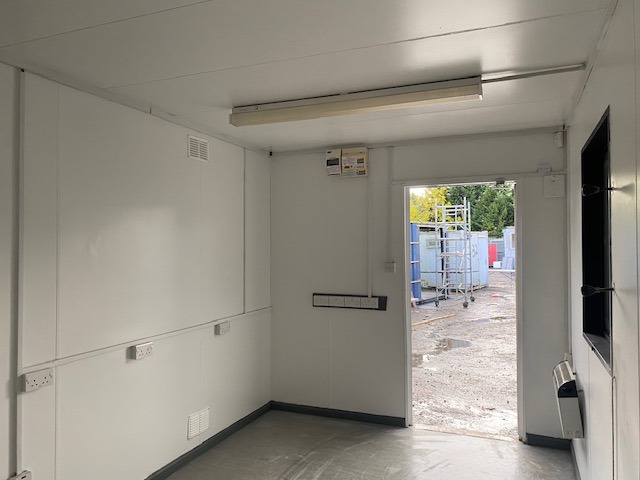
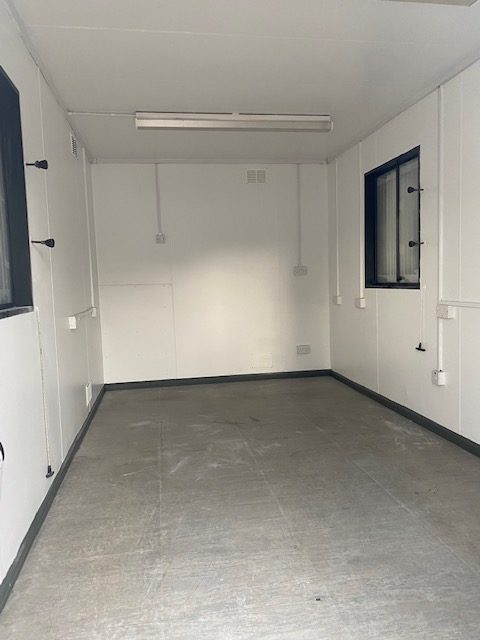
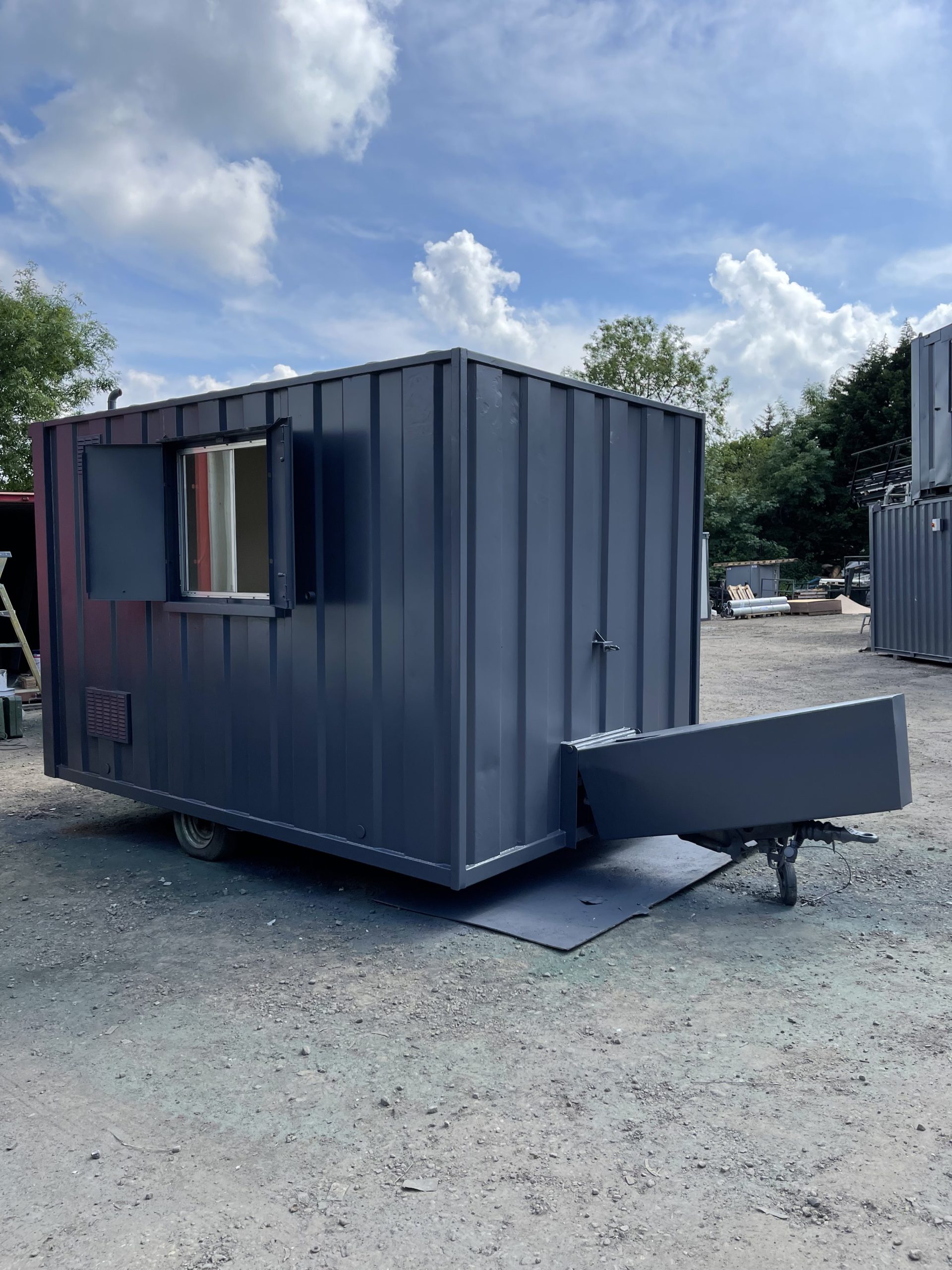
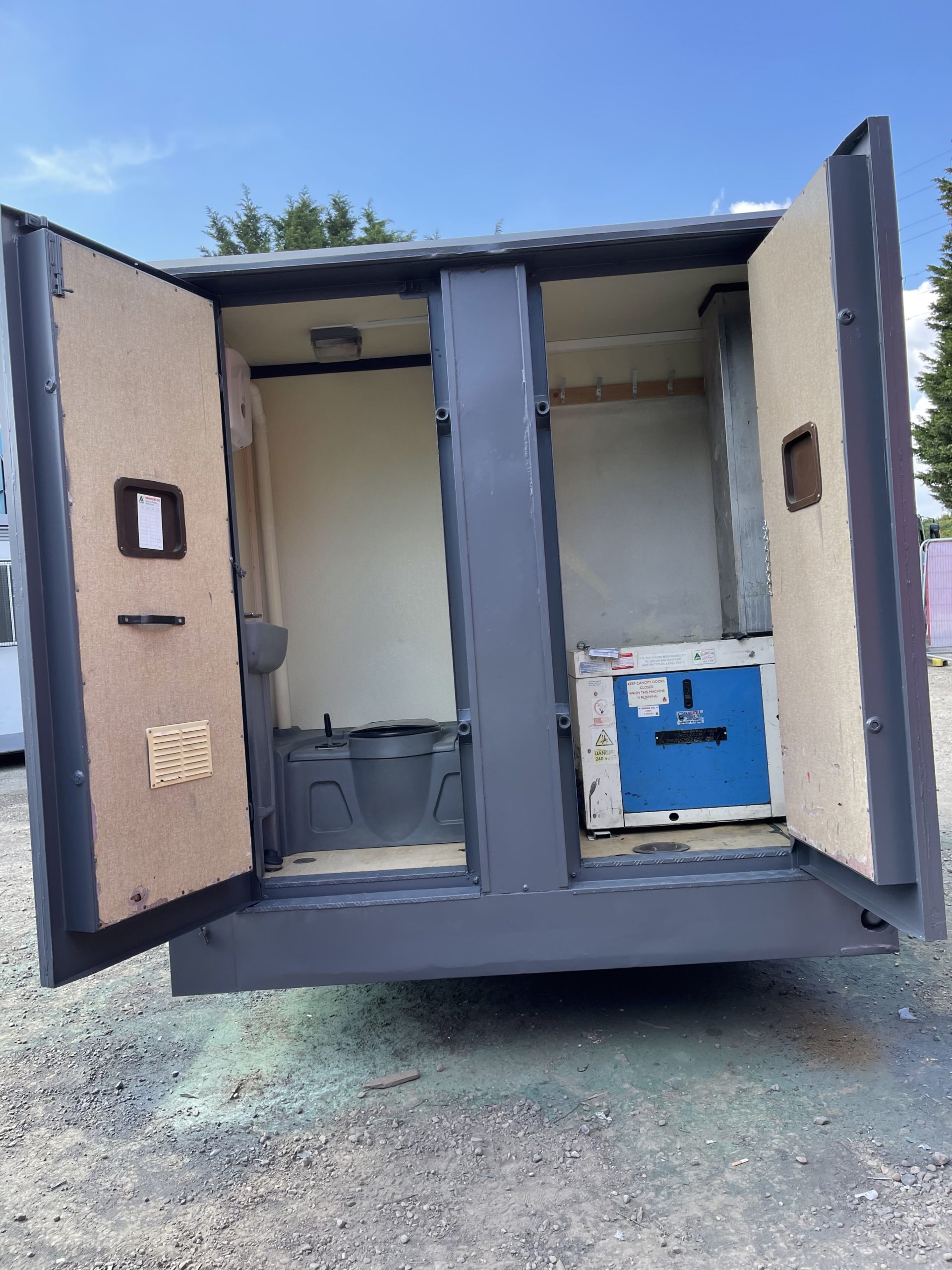
  • 12ft Towable Gound Hog
  • Includes: toilet, canteen and seating area
  • Full working generator, fully serviced and in great condition


Location: Nationwide


£6,500

EX VAT

Not Available for Hire

Call for an instant quote!

  • Reinforced doors with secure locking 
  • Electrics and lights included
  • Sink and water boiler included

Location: Nationwide

Quantity: ∞

£15,000

EX VAT

Not Available for Hire

Call for an instant quote!

• Reinforced doors and windows with secure locking
• Open plan with electric sockets and lighting
• Ral Code Colour of choice

• Any Extras available : Canteen, Partitions, Toilets.

Location: Nationwide


£11,995

EX VAT

Not Available for Hire

Call for an instant quote!

• Reinforced doors and windows with secure locking

• Open plan with electric sockets and lighting

• Ral Code Colour of choice

• Any Extras available : Canteen, Partitions, Toilets.

Location: Nationwide


POA

Not Available for Hire

Call for an instant quote!

test

• Reinforced doors with secure locking
• Sink and water boiler included

Location: Nationwide

Quantity: ∞

£12,495

EX VAT

Not Available for Hire

Call for an instant quote!

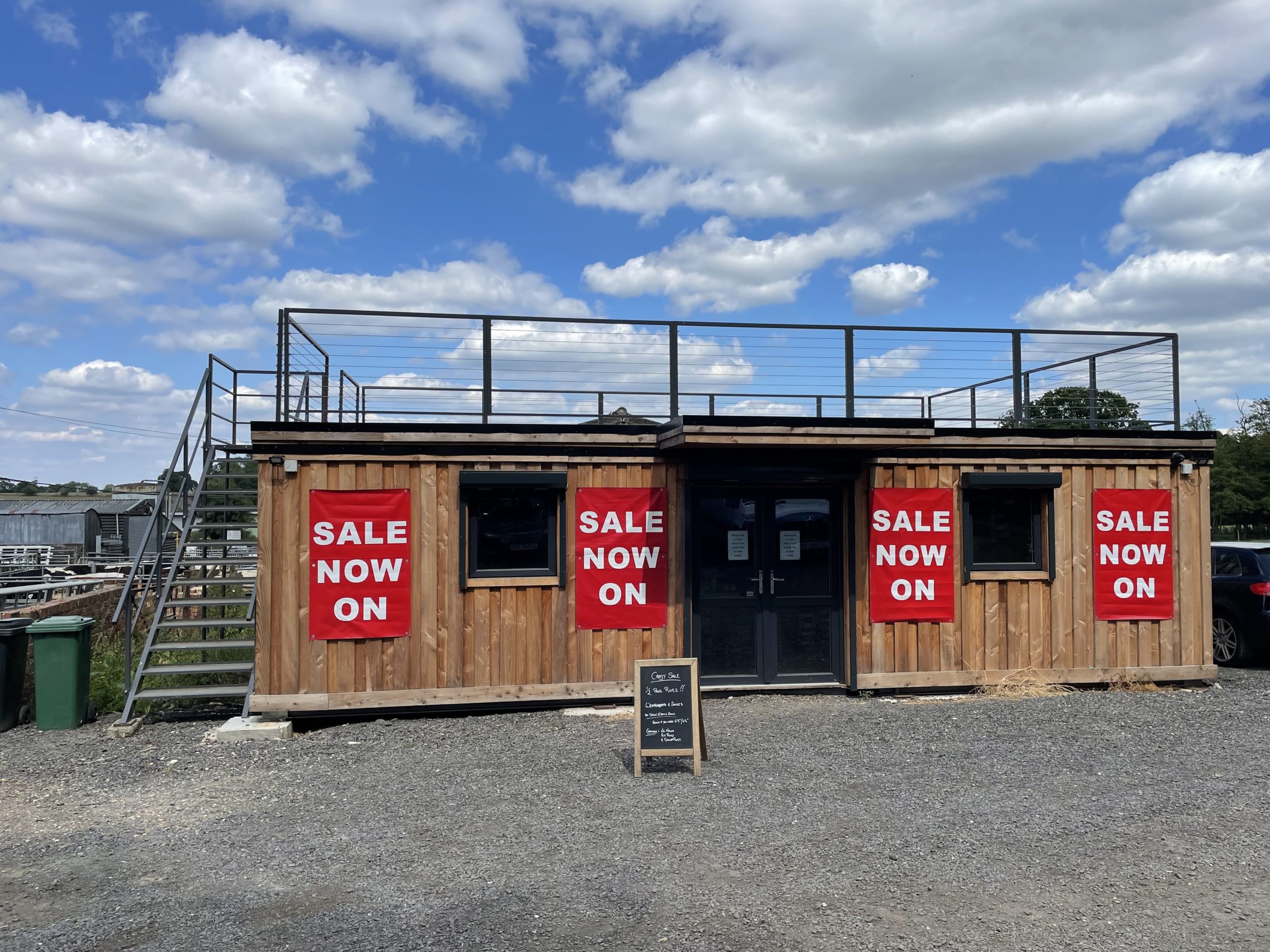
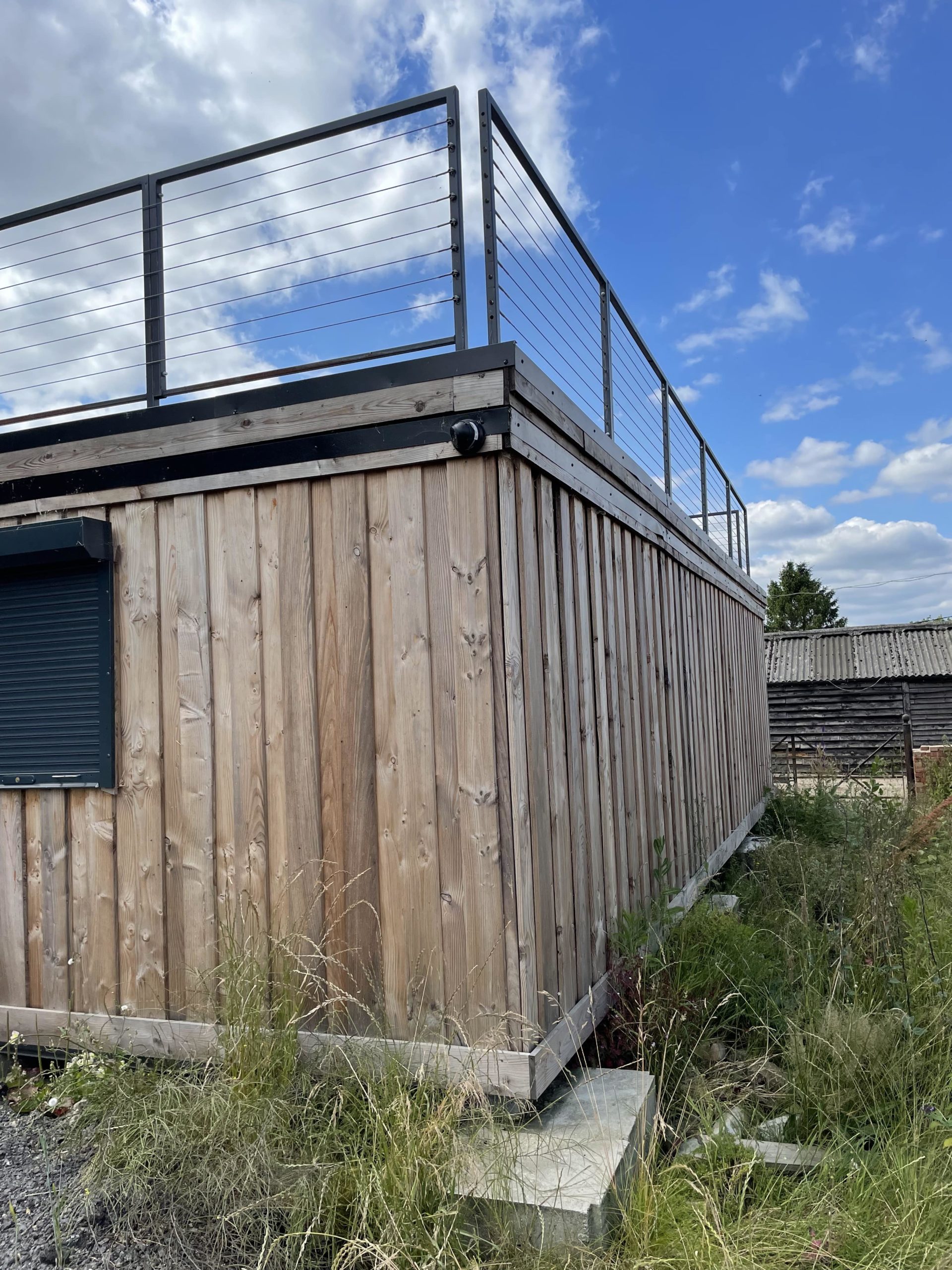
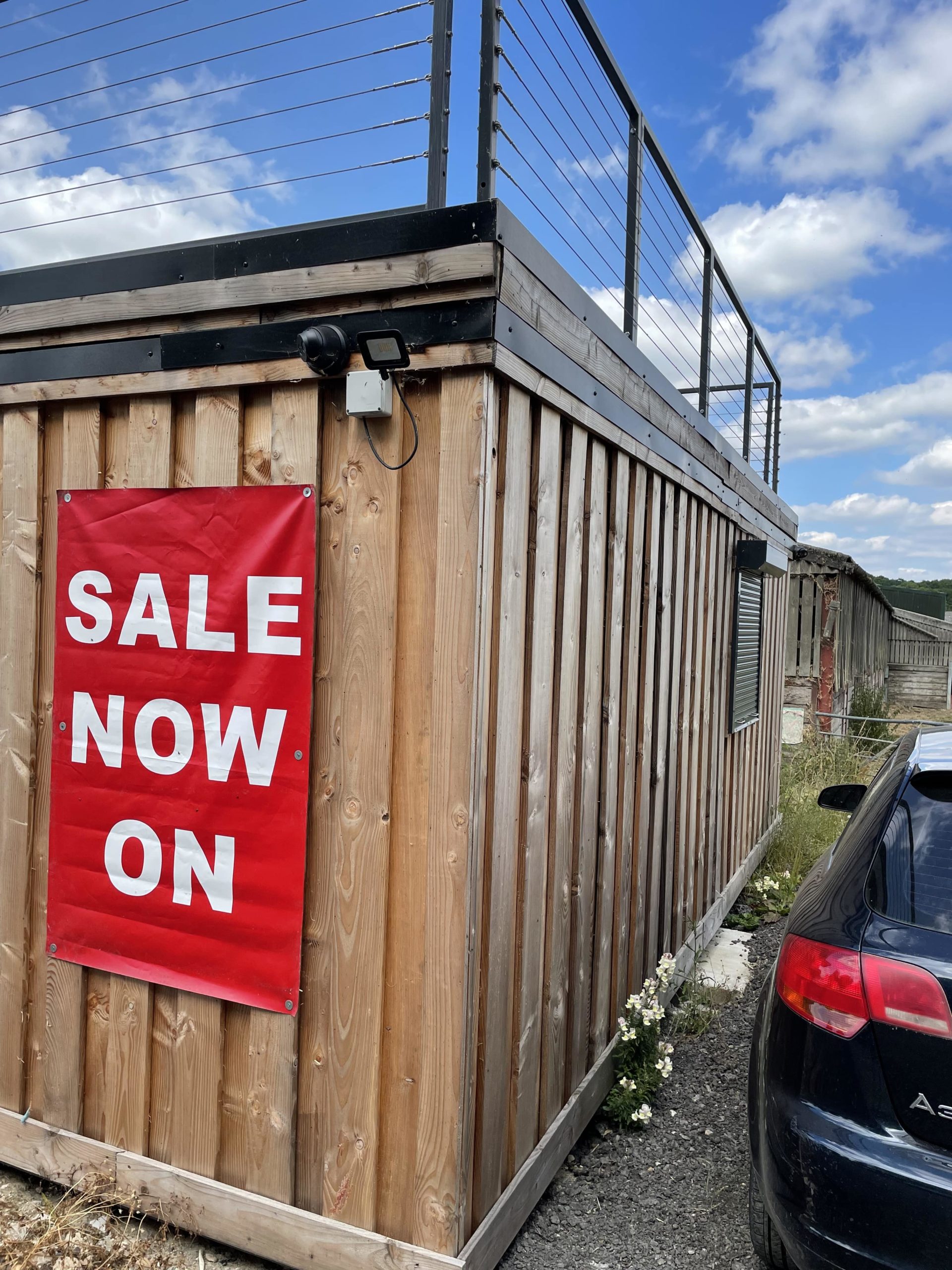
32ft x 20ft Cabin

  • Reinforced doors with secure locking 
  • Electrics and lights included
  • Sink and water boiler included
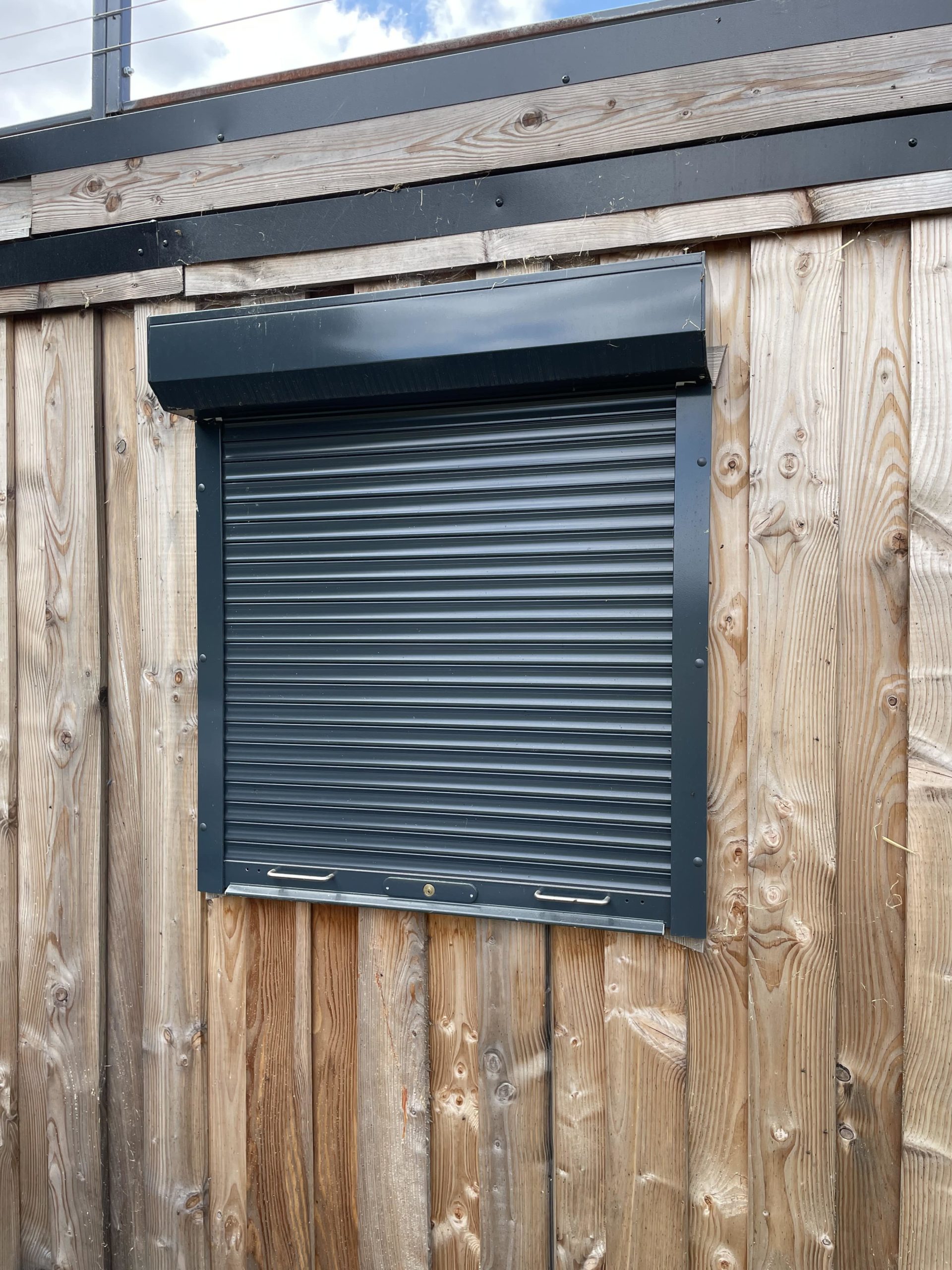
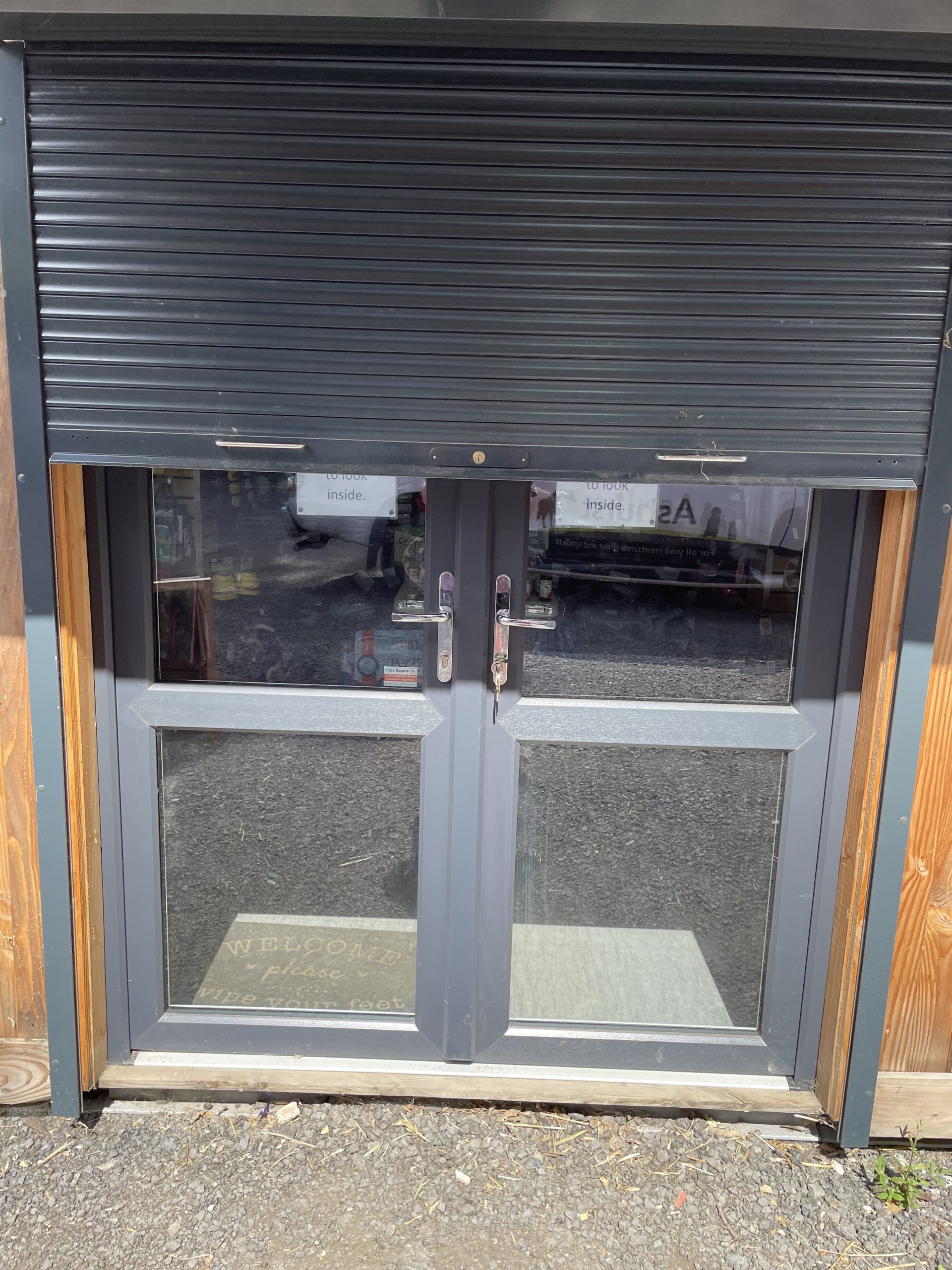
  • Electric Roller Shutters
  • Roof top terrace 
  • Store Room 
  • Slatwall installation 

Location: Nationwide


£39,000

EX VAT

Not Available for Hire

Call for an instant quote!

Looking to Buy or Hire?

Get a Quick Container Quote Now!

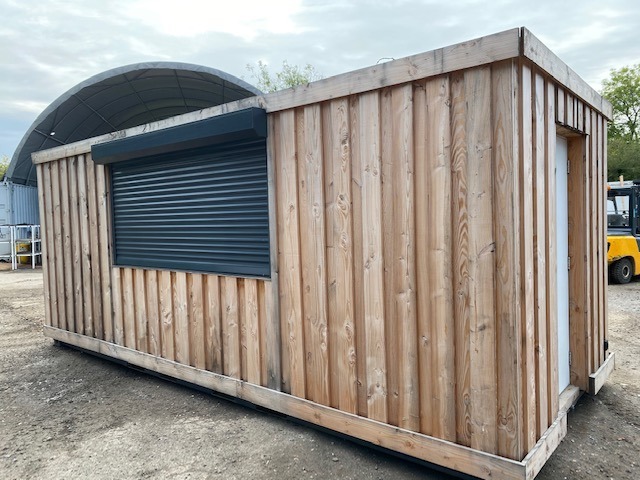
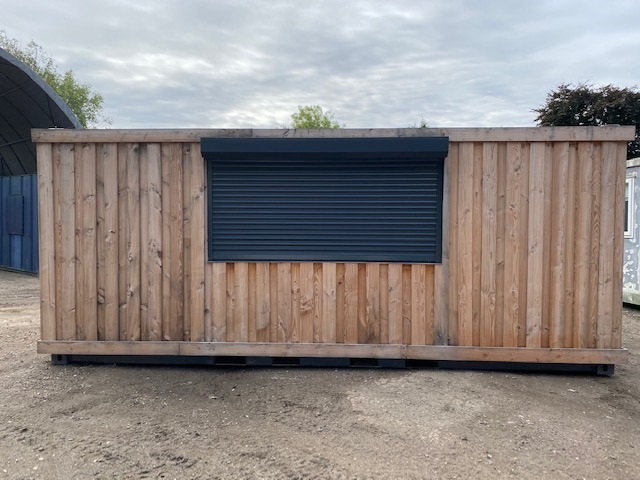
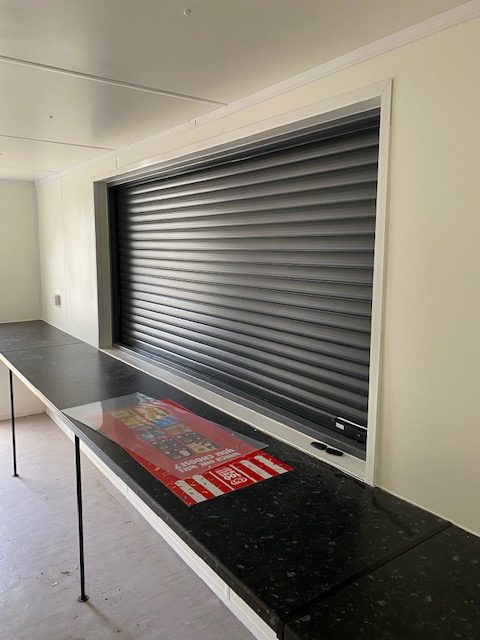
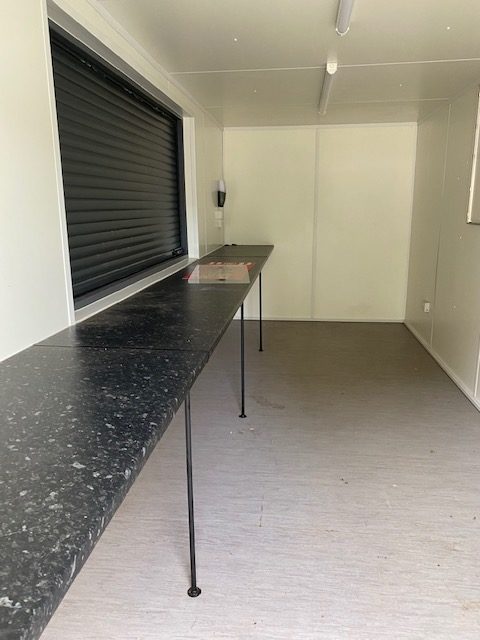
20ft x 8ft Container Kiosk

  • Open plan layout with worktop serving area
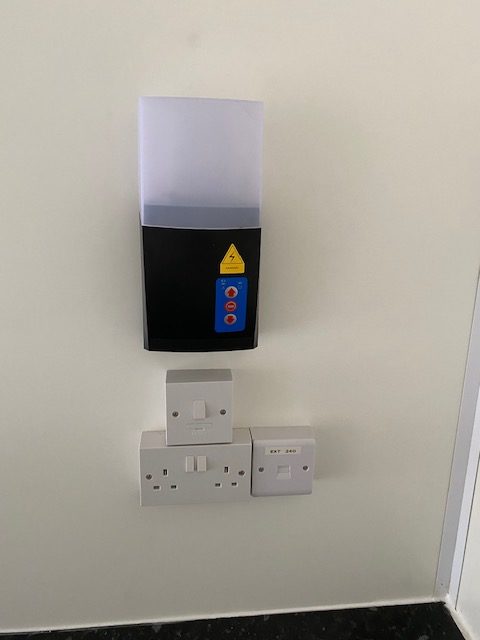
  • Electric roller shutter with remote control
  • Electrics and lights included

Location: Nationwide


£15,000

EX VAT

Not Available for Hire

Call for an instant quote!

Looking to Buy?

Get a Quick Container Quote Now!

Newsletter Signup Form

Be the first to discover our exclusive offers and latest company updates by signing up to our email newsletter. Every month we’ll keep you informed of our best prices, industry updates, customer’s container projects, national shows we’ll be exhibiting at, and much more.

Looking to Buy or Hire?

Get a Quick Container Quote Now!