Top 10 Tips for Using Acid Dyes Effectively in Textiles
Acid Dyes are a versatile choice for coloring textiles. Their unique properties allow them to bond effectively with protein fibers, such as wool and silk. This makes them popular among textile artists and manufacturers alike. However, using Acid Dyes can be challenging. Without proper technique, results may vary significantly.
Many factors influence the dyeing process. pH levels, temperature, and dye concentration play vital roles. Sometimes, even small mistakes can lead to unsatisfactory results. It’s essential to understand these elements to achieve vibrant, lasting colors. Experimentation is key. Learning from failures can enhance one’s dyeing skills significantly.
Professional dyers recommend testing dyes on sample fabrics first. This practice helps in assessing how colors will appear on larger pieces. By following best practices, users can obtain stunning, consistent results. Embracing the learning curve can be both rewarding and frustrating. Ultimately, the journey with Acid Dyes is as important as the end result.
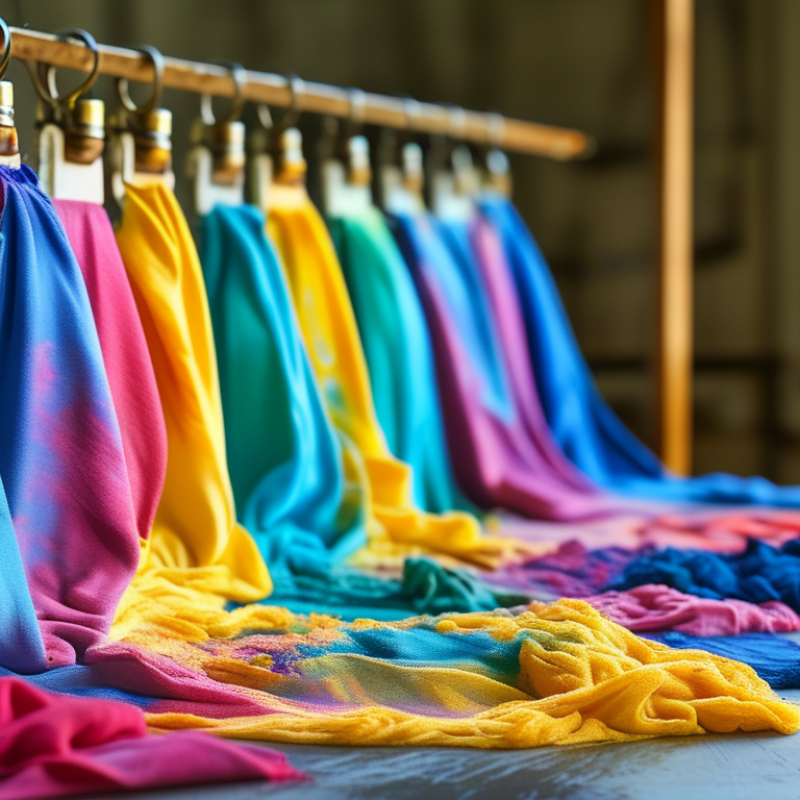
Understanding Acid Dyes: Definition and Properties
Acid dyes are a group of synthetic dyes used primarily for fibers such as wool, silk, and nylon. These dyes are characterized by their water solubility and ability to bond with amino groups in fibers. A report from the Textile Coloration and Finishing Association indicates that acid dyes account for nearly 30% of the global dye market. This significant percentage underscores the importance of understanding their properties for effective textile application.
In terms of application, acid dyes exhibit a wide range of shades, providing vibrant colors. However, achieving consistent results can be challenging. Factors such as pH levels, temperature, and dye concentration play crucial roles in the dyeing process. For instance, a study published in the Journal of Textile Science reveals that maintaining a pH between 5 and 6 can enhance colorfastness. This can lead to more sustainable practices, reducing chemical usage and waste.
Moreover, managing the dyeing process can often feel overwhelming. Inconsistent results may arise from improperly prepared fabrics or inaccurate dye measurements. Many textile manufacturers report learning curves in mastering these dyes, as the ideal conditions may vary widely with different textile types. Emphasizing proper preparation and testing can help mitigate these challenges, leading to improved outcomes.
Choosing the Right Acid Dyes for Different Fiber Types
Choosing the right acid dyes for different fiber types is crucial for achieving vibrant and lasting colors in textiles. Acid dyes are typically used on protein fibers like wool and silk, as well as on nylon. A study indicates that these dyes exhibit strong affinity for these fibers, allowing for rich hues and excellent wash-fastness. The dyeing process can vary significantly based on the fiber type, impacting color saturation.
For wool, a dye bath temperature between 70°C to 90°C is often ideal. This helps in achieving deep colors. However, if the temperature is too high, the wool fibers may felt. This concern requires careful monitoring. On the other hand, silk demands a milder approach, usually below 70°C, to prevent damage. The chemical structure of each fiber reacts differently to acid dyes.
There’s also an important consideration regarding colorfastness. According to industry reports, the combination of dye type and fiber can affect how resistant a color is to fading. For instance, nylon may require pre-treatment for better dye uptake. Not all acid dyes perform equally on all fiber blends, thus thorough testing is key. These factors highlight the complexities of dye selection, underscoring the need for experience and experimentation in the dyeing process.
Top 10 Tips for Using Acid Dyes Effectively in Textiles
Preparation Steps for Achieving Optimal Dye Results
Preparation is key when using acid dyes in textiles. Always start with clean materials. Residues from previous dyes can affect the final color. Ensure your fabrics are washed thoroughly. This step might seem tedious, but it greatly improves absorption.
Next, adjust the pH of your dye bath. Acid dyes work best in an acidic environment. Use vinegar or citric acid to achieve the right balance. A simple pH strip can help you test the solution. Experimenting with pH can lead to unexpected, yet fascinating results. Some colors might surprise you.
Temperature is another critical factor. Acid dyes generally thrive at higher temperatures. Keep your dye bath warm but not boiling. Note down the temperature for future reference. It might take a few attempts to achieve the perfect shade. Reflect on your process after each dyeing session. Each attempt teaches something new.
Application Techniques for Effective Acid Dyeing
When using acid dyes in textiles, application techniques play a crucial role in achieving vibrant and even colors. One effective method is the use of immersion dyeing. Soaking the fabric in a dye bath allows for consistent color penetration. Ensure the temperature is monitored closely. Too hot can lead to uneven results. Cool water can lead to less saturation.
Spray dyeing is another technique to explore. It allows for precise control over color application. Achieving a gradient effect can be quite rewarding. Ensure the dye solution is well-mixed to avoid color blobs. While precision is key, this method can be tricky. Overspray can ruin your intended design.
Lastly, using resist methods adds depth to the project. Techniques like tying or blocking areas from dye can create stunning patterns. However, achieving the desired result may require practice. Miscounts of knots can lead to unexpected outcomes. Experimenting will enhance skill, but not all tries will be perfect. Each misstep offers an opportunity to learn and refine the technique.
Post-Dyeing Care: Setting and Maintaining Color Vibrancy
Post-dyeing care is crucial for maintaining color vibrancy in textiles dyed with acid dyes. After dyeing, rinse the fabric thoroughly in cold water. This helps remove excess dye and prevents color bleeding. Using a dye fixative can be beneficial; it locks in the colors, ensuring they stay intact. Always follow the instructions on the fixative for best results.
Consider the washing method for dyed fabrics. Gentle hand washing is preferred. Use cool water and a mild detergent. This minimizes color loss and keeps the fabric looking fresh. Air drying in the shade is also essential. Direct sunlight can fade colors over time. Avoid wringing out the fabric to prevent distortion.
It’s important to test colorfastness before the first wash. Cut a small piece of the dyed fabric and rinse it. If the color bleeds, you may need additional care. Keep dyed textiles away from harsh chemicals, as they can degrade the color and weaken the fibers. Regular checks for fading or damage can help maintain the vibrancy over time.