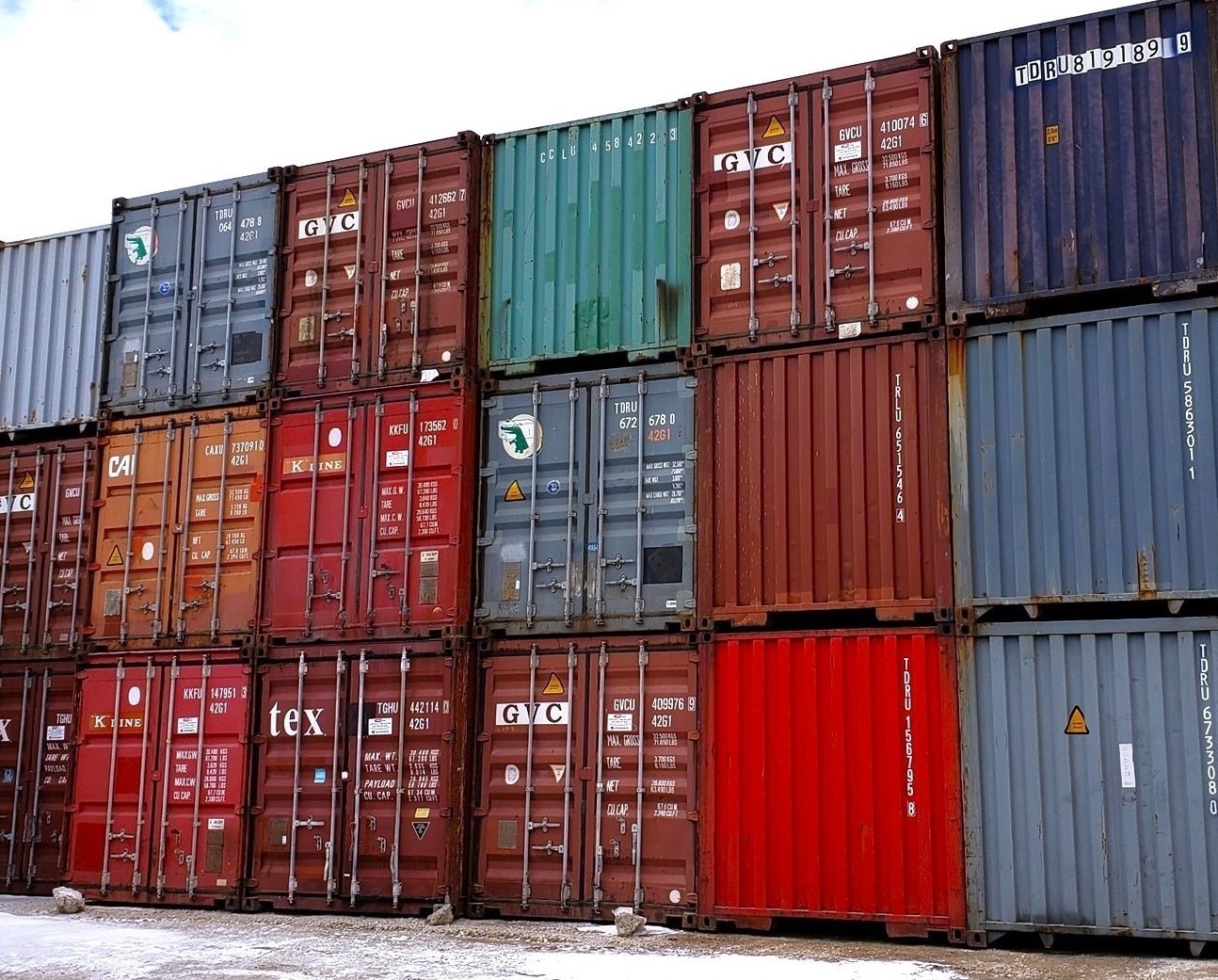
Top 10 ISO Container Manufacturers in the World
An iso container is more than a steel box; it is a durable unit designed for repeated handling, stacking, and transport. Its quality affects cargo protection, loading efficiency, and long-term operating costs. Buyers comparing manufacturers should look beyond polished product photos. Steel grade, welding consistency, door seals, floor construction, and corrosion protection all deserve attention. Small details matter. A poorly fitted door can complicate everyday work.
This guide presents ten established ISO container manufacturers and explains what buyers may want to assess when comparing them. The companies differ in production scale, regional reach, container types, customization, and after-sales support. Their positions should not be treated as a universal ranking: availability and suitability depend on the buyer’s route, cargo, budget, and service needs. We focus on practical indicators, such as product specifications, manufacturing capabilities, quality-control processes, and publicly available company information. Where details vary by model or market, buyers should confirm them directly with the manufacturer. That extra step can feel tedious. It is still worthwhile. A clear quotation, documented specifications, and a realistic delivery schedule often reveal more than a broad claim of quality. Use this overview as a starting point, then compare the exact container you need, including dimensions, payload, fittings, and intended operating conditions.
ISO 668 and ISO 6346: The Standards Behind Global Container Manufacturing
For the world’s leading ISO container manufacturers, consistent dimensions are more than a production detail. ISO 668 defines container classifications, external dimensions, and key ratings. This shared framework helps a standard 20-foot unit fit the same handling systems across ports, rail yards, and ships. A few millimeters can matter. Doors must close, corner fittings must align, and lifting equipment must engage safely. Yet compliance is not just about matching a drawing; materials, weld quality, and inspection practices also shape real-world performance.
ISO 6346 addresses identification. It sets out the container number structure, owner code, equipment category, and check digit, along with rules for marking. Look at a container’s end wall and you may see a code beside its size and type markings. Those details help people identify and track units through complex transport networks. The check digit can reveal a typing error, though it cannot guarantee that every record is correct. Standards create a common language, not perfect data. Manufacturers still need careful quality control, clear records, and practical testing. Even a well-built container can disappoint if its markings are hard to read or its specifications are misunderstood.
20-ft and 40-ft Containers: Standard Lengths of 6.058 m and 12.192 m
For the top 10 ISO container manufacturers, dimensional accuracy begins with the 20-foot and 40-foot formats. Under ISO 668:2020, their external lengths are 6.058 metres and 12.192 metres. These dimensions support global interchange between ships, rail wagons, trucks, and port cranes. A 20-foot unit equals one TEU, while a 40-foot unit equals two TEU. Both usually measure 2.438 metres wide. Standard height is commonly 2.591 metres, although high-cube models are taller. UNCTAD’s Review of Maritime Transport 2024 states that around 80% of global merchandise trade by volume moves by sea. Small dimensional errors can therefore create delays across several transport systems.
Experienced buyers should inspect more than external length. Corner castings, floor strength, door alignment, weld quality, and corrosion protection influence service life. ISO 1161 covers corner fittings, while the CSC framework supports safety inspections for international transport. A 12.192-metre container may offer efficient cubic capacity, but uneven loading can shift weight toward the doors. That is risky in practice. The 6.058-metre format often suits heavier cargo because its shorter floor reduces load distribution challenges. Still, cargo density, axle limits, and handling equipment must be checked before selection. Manufacturers may meet the same nominal dimensions, yet their steel thickness, coating systems, and quality controls can differ. This is where published test records and independent inspection matter. A perfect specification sheet does not guarantee perfect field performance.
Top 10 ISO Container Manufacturers in the World - 20-ft and 40-ft Containers: Standard Lengths of 6.058 m and 12.192 m
This benchmark compares standard ISO dry freight container dimensions without displaying manufacturer or brand-level data. The 20-ft and 40-ft containers share the same nominal external width of 2.438 m and height of 2.591 m, while their lengths and internal capacities differ.
External lengths follow ISO standard nominal dimensions. Internal lengths and volumes represent commonly specified standard dry-container values: approximately 5.898 m and 33.1 m³ for a 20-ft container, and 12.032 m and 67.7 m³ for a 40-ft container. Actual specifications may vary slightly by equipment design and manufacturer.
Ranking the Top 10 by Production Scale, TEU Output, Quality, and Reach
Ranking the top 10 ISO container manufacturers requires more than comparing factory size. Drewry’s Container Census tracks container supply, production and fleet trends, offering a useful benchmark for evaluating output over time. Production scale should be measured in annual TEU, not just the number of units: a factory making many small boxes may deliver less capacity than one producing larger units. Quality also matters. Check published inspection results, material specifications, weld consistency and after-sales repair support.
Reach separates a large producer from a dependable supplier. Compare delivery times, export markets, spare-parts access and the ability to meet seasonal demand. UNCTAD’s Review of Maritime Transport 2024 reported a global container fleet of about 30.3 million TEU at the start of 2024. That figure describes fleet capacity, not factory output, but it shows the scale of the market manufacturers serve. A credible ranking should therefore keep fleet data separate from production estimates and state its measurement period.
Tips: Ask for independently verified annual TEU figures, recent quality records and delivery performance by region. Confirm whether capacity means actual production or maximum rated output. Small differences in reporting can distort the order. And rankings are imperfect: public data may lag, while a strong factory’s output can vary sharply between years.
Profiles of the World's 10 Leading ISO Container Manufacturers
A close look at the world’s leading ISO container manufacturers reveals a field shaped by production scale, engineering discipline, and practical service. Some companies concentrate on high-volume dry freight units, while others offer refrigerated containers, tank units, or specialized designs. Their profiles differ, but reliable weld quality, consistent dimensions, and traceable material checks are common indicators of serious manufacturing practice. Small details matter. A door seal that sits evenly can help protect cargo during a long, rough journey.
Manufacturing strength is not measured by factory size alone. Buyers also assess testing procedures, repair support, delivery capacity, and the availability of replacement parts. A maker with extensive output may suit a large fleet program, while a smaller specialist could provide closer attention to a less common specification. The best fit depends on route, cargo, climate, and expected service life. There is no universal winner. Rankings can change with the criteria used, and public information may not reveal every quality-control detail. That uncertainty deserves a closer look. Profiles are most useful when they compare documented capabilities rather than rely on broad claims. A site visit, sample inspection, and review of technical records can reveal gaps that a polished brochure may miss.
Comparing Factory Capacity, Container Types, and Material Choices
Comparing ISO container manufacturers starts with factory capacity, but headline output figures need context. Ask whether annual capacity counts completed units, repair work, or peak-season estimates. A line producing thousands of standard dry containers may not have equal capacity for refrigerated or specialized units. Look for evidence such as production schedules, welding stations, paint facilities, and inspection records. These details show whether output claims match the factory floor.
Container types also shape the comparison. Standard dry units suit general cargo, while refrigerated containers require insulated panels, door seals, and temperature-control equipment. Tank and open-top designs involve different fabrication skills and inspection steps. Check which types a factory makes routinely, not merely those listed in a catalogue. One overlooked detail: spare parts and service support can matter as much as delivery speed.
Material choices affect weight, durability, and maintenance. Weathering steel is common for structural panels, while marine-grade plywood may be used for flooring. Coatings and corrosion protection deserve close attention, especially around welds, door frames, and lower rails. Ask for material specifications and traceable quality records. A lower purchase price can hide thinner coatings or limited customization. Yet specifications alone are not the whole story; real performance depends on workmanship, handling, and upkeep. Comparison tables can simplify choices, sometimes too much.