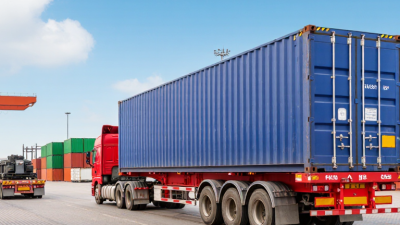
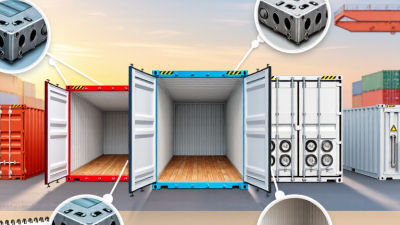
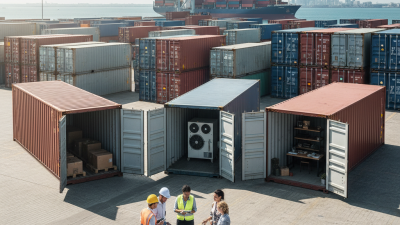
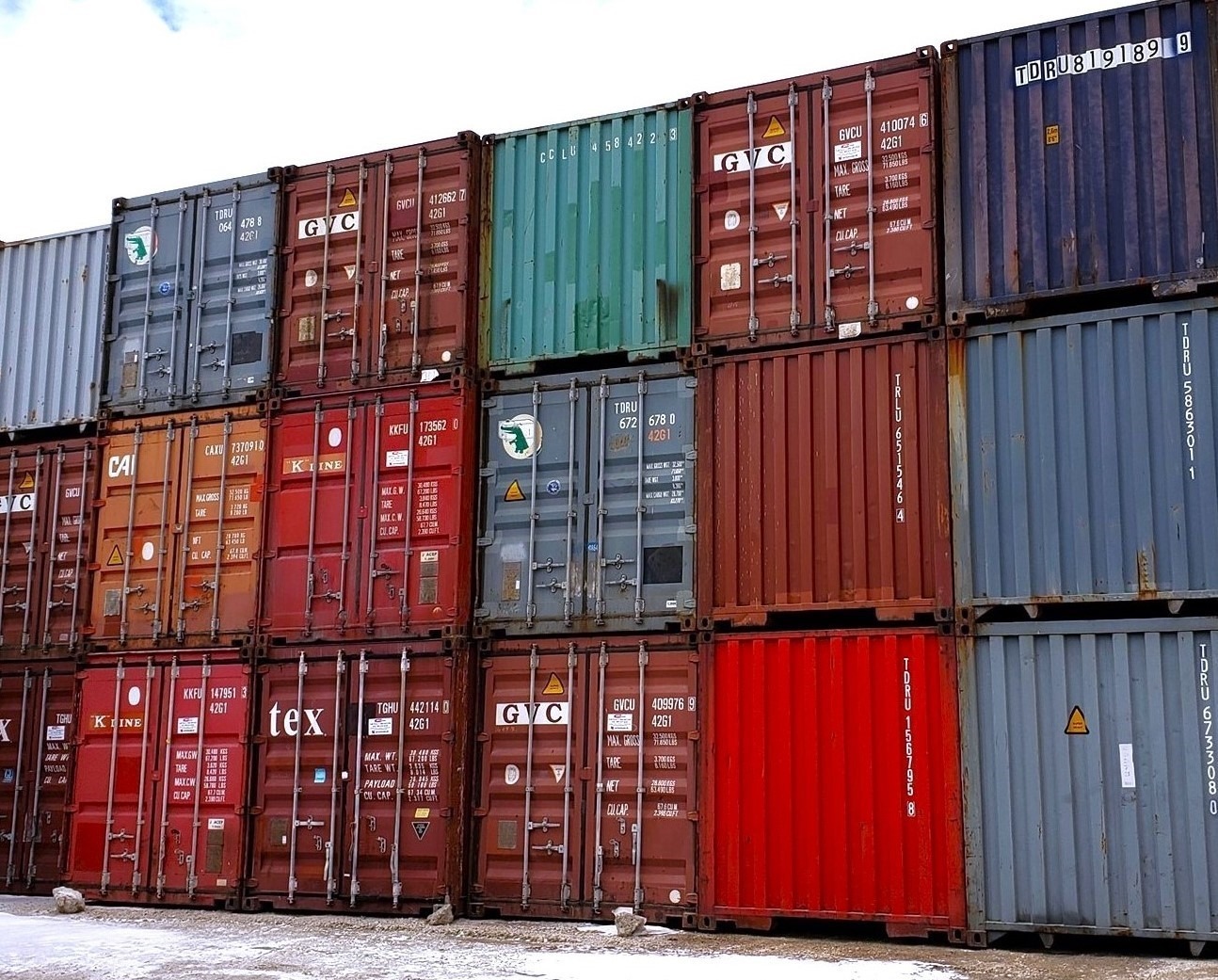
Choosing the right delivery container can shape a shipment’s cost, safety, and arrival condition. Global buyers often compare size, structure, loading access, ventilation, and temperature control before placing an order. A container may look suitable at a depot, yet perform poorly on a humid route or crowded terminal.
This guide explores ten common delivery container types used in international logistics. It covers standard dry containers, high-cube units, refrigerated containers, open-top models, flat racks, and other specialized options. Each type serves a different cargo profile. Steel machinery needs different support from fresh produce or oversized equipment. Small choices matter.
The discussion focuses on practical purchasing questions. Buyers should check internal dimensions, payload limits, door openings, floor strength, CSC safety plates, and inspection records. Carrier availability also matters. A technically suitable container may create delays if local equipment is scarce. That detail is easy to miss.
Experienced freight teams know that product specifications do not tell the whole story. Route weather, port handling, customs requirements, and unloading equipment can change the best choice. No container fits every shipment. Real logistics are messier.
Some recommendations may require careful review. Supplier data can contain rounded measurements, outdated availability, or unclear condition grades. Buyers should confirm current specifications with carriers, freight forwarders, and qualified inspectors. Reliable decisions come from comparing evidence, not trusting attractive descriptions. With that approach, this overview helps global buyers select a safer, more efficient delivery container for each shipment.
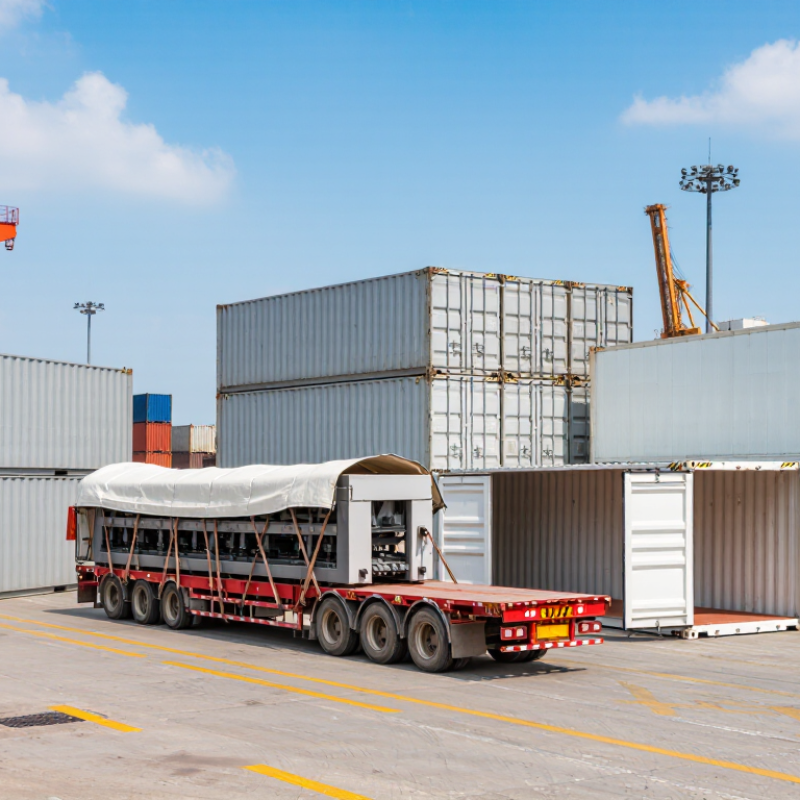
ISO 668:2020 provides a dependable reference for comparing international container sizes. A standard 20-ft container measures 6.058 m externally, while a 40-ft container measures 12.192 m. Both generally use a 2.438 m external width. Standard height is about 2.591 m, although high-cube units are taller. These measurements help buyers check vessel slots, truck beds, warehouse doors, and storage yards before ordering.
The ten common choices include general-purpose, high-cube, refrigerated, insulated, open-top, hard-top, flat-rack, platform, tank, and side-opening containers. A general-purpose 20-ft unit suits dense cargo and shorter delivery routes. A 40-ft unit offers more floor length, but its payload may not increase because road limits and cargo weight still apply. Refrigerated and tank designs also require careful technical verification. Internal dimensions are smaller than external figures because of walls, doors, fittings, and equipment.
In practice, I check the container’s data plate, corner-casting condition, door opening, and floor strength. A quoted 6.058 m length does not guarantee usable internal space. That assumption can cause expensive loading errors. Buyers should request certified dimensional drawings and confirm tolerance requirements with the carrier, haulier, and receiving facility. ISO data is authoritative, but individual construction, repairs, insulation, and refrigeration machinery can change the practical fit. Our measurements are not always perfect, so recording both nominal and actual dimensions remains a sensible control.
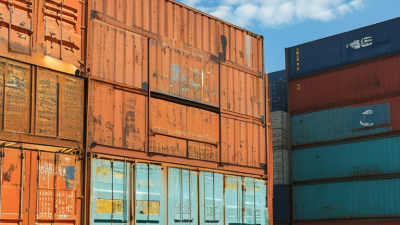
General-purpose and high-cube containers are common choices for international cargo. Their height difference directly affects loading plans, storage space, and transport costs.
A general-purpose container typically stands 2.591 metres high externally. A high-cube model reaches about 2.896 metres. That extra 305 millimetres creates useful overhead space for tall cartons, furniture, machinery, and lightweight palletised goods. Interior height is lower because of the floor and roof structure. Buyers should check the manufacturer’s dimensional drawing, not rely only on catalogue figures.
The difference becomes practical during loading. A high-cube container can hold taller packaging without forcing workers to tilt or dismantle items. It may also improve cubic utilisation when cargo is bulky but not heavy. However, greater volume does not mean greater payload. Floor strength, axle limits, bridge clearances, and local road rules still matter. Some loading bays cannot accept the taller unit comfortably. That detail is easy to miss.
Measure the tallest packed item, including skids and protective materials. Leave clearance for forklift movement and securement equipment. Door opening height also matters; internal roof height alone is misleading. In procurement checks, compare the safety plate, gross mass rating, tare weight, and verified external dimensions. A small measurement error can disrupt an otherwise careful shipment plan. Even experienced teams sometimes discover that the final pallet pattern needs revision.
Top 10 Delivery Container Types for Global Buyers
Reefer and insulated containers serve different temperature-control needs. Reefer units actively cool or heat cargo from approximately −30°C to +30°C. Insulated containers mainly slow temperature change. They do not replace mechanical refrigeration.
ISO 1496-2 defines thermal container specifications and testing requirements. However, compliance does not guarantee a stable cargo temperature during every voyage. The actual result depends on loading pattern, ventilation, ambient heat, and power continuity. UNCTAD’s Review of Maritime Transport 2024 reported that global maritime trade grew by 2.4% in 2023. More cargo movement increases the need for reliable cold-chain planning. Food, pharmaceuticals, and certain chemicals require documented temperature control. A single warm air pocket can damage sensitive cartons.
Tips: Select a reefer after checking the product’s validated temperature range. Pre-cool the container and cargo separately. Keep pallets away from the walls and ceiling. Leave clear airflow beneath the load. Install an independent data logger near the warmest risk area. Review alarms, humidity, and power interruptions after delivery.
One practical warning remains. A lower setpoint is not always safer. Freezing-sensitive goods may suffer at −30°C. Insulated units can also disappoint during long delays. I have seen careful packing fail because the container stood in direct sunlight for hours. Temperature records should be reviewed, not merely filed. Test the chosen container with a realistic load before committing to global shipments.
Reefer and insulated containers: −30°C to +30°C and ISO 1496-2
The chart shows indicative temperature bands for the ten most commonly specified container types. Refrigerated containers use active cooling and can typically be set from −30°C to +30°C, depending on the equipment and cargo program. Insulated containers reduce heat transfer but do not actively control temperature; their displayed 0°C to +30°C band is a practical protected-cargo reference, not a universal operating specification. Dry vans, open-top, flat-rack, platform, tank, and ventilated containers have no standardized active temperature range. ISO 1496-2 covers thermal containers and their thermal performance requirements and test methods.
Open-Top, Flat-Rack, and Platform Units: Payload and Lashing Data
Global buyers often compare container types by volume alone. That approach misses the real risk: concentrated weight, uneven loading, and weak securing points. UNCTAD’s Review of Maritime Transport 2024 recorded about 858 million TEU in global container port throughput during 2023. At this scale, small loading errors can create serious delays.
Open-top containers suit tall or crane-loaded cargo, but the removable roof does not increase the certified payload. A standard 20-foot unit may carry roughly 28 tonnes, depending on tare weight, gross mass, and the CSC safety plate. Flat-rack units handle oversized machinery and dense steel products. Their payload commonly ranges from 30 to 40 tonnes, but deck strength and lashing locations vary. Check the unit document.
Platform containers provide a strong base for exceptional dimensions, yet they offer less natural protection. The cargo must remain stable through lifting, road movement, and vessel handling. The IMO CSS Code requires proper securing methods, while ISO 1496 specifications support dimensional and structural checks. Use chains, wire rope, timber blocking, and edge protection according to the cargo’s center of gravity. Tension matters.
A practical mistake is trusting a catalogue figure without inspecting the actual unit. Surface corrosion, damaged lashing rings, or a worn deck can reduce usable capacity. I would record cargo weight, contact points, and restraint angles before booking. The data may look complete. It often is not.
Global buyers often compare ten container types, but tank, ventilated, and bulk units need closer technical review. Tank containers support controlled liquid transport, with a stainless shell, valves, insulation, or heating options. Ventilated containers use fixed vents to improve airflow around suitable cargo. Bulk containers carry dry, free-flowing materials in a sealed interior. The wrong choice can cause moisture, pressure, or unloading problems.
UN T codes identify portable tank requirements, including design features, pressure limits, and testing conditions. They are not simple product labels. Buyers should match the code with the cargo classification and the latest transport rules. ISO 1496-3 provides key requirements for tank-container dimensions, fittings, structural strength, and testing. A certificate, inspection date, and valve protection details deserve careful checking.
Tips: Ask for the tank data plate, test certificate, internal volume, tare weight, and operating pressure. Confirm whether heating or insulation is genuinely needed. Inspect the manlid seal and discharge valve before loading. Ventilated units also need clean, undamaged vents. In practice, specifications can look complete while one small fitting remains unclear. That detail may delay a shipment. A qualified inspector should verify it before purchase.
| No. | Container Type | Typical ISO / Industry Designation | UN T-Code Reference | Typical Nominal Capacity | Typical Tare Weight | Common Cargo Applications | Main Technical Characteristics | Relevant Standards and Buyer Checks |
|---|---|---|---|---|---|---|---|---|
| 1 | Standard Liquid Tank Container | 20 ft tank container; ISO tank | T11 T14 when the substance requires a higher design pressure |
14,000–26,000 L | 3,500–4,500 kg | Food-grade liquids, non-food liquids, chemicals, oils, additives and non-refrigerated liquid products | Stainless-steel pressure vessel mounted in an ISO frame; bottom discharge and top filling are common; insulation may be added. | ISO 1496-3; applicable dangerous-goods regulations; verify tank material, design pressure, test date, discharge arrangement and maximum filling ratio. |
| 2 | Higher-Pressure Liquid Tank Container | 20 ft pressure tank container | T14 T20 or T22 for specific service conditions |
17,000–26,000 L | 4,000–5,000 kg | Liquids with higher vapor pressure, selected corrosive substances and other regulated liquid cargoes | Designed for higher operating or test-pressure requirements than a basic liquid tank; fittings and materials depend on the cargo. | ISO 1496-3 and the applicable UN portable-tank instruction; the T-code must be confirmed against the exact UN number and packing group. |
| 3 | Insulated or Heated Liquid Tank | Insulated tank; steam-heated or electrically heated tank | T11 or T14, depending on the cargo and tank specification | 17,000–26,000 L | 4,000–5,500 kg | Viscous liquids, fats, oils, resins, molasses, bitumen-related products and temperature-sensitive liquids | Thermal insulation with heating coils, electric heating or hot-water circulation; some designs include temperature monitoring. | ISO 1496-3; confirm heating medium, connection type, allowable temperature, insulation performance, cleaning method and food-contact requirements where applicable. |
| 4 | Gas Tank Container | 20 ft or 40 ft portable gas tank | T50 | 20–46 m³ water capacity, depending on design | 7,000–14,000 kg | Liquefied gases such as propane, butane, ammonia and other gases assigned to portable-tank transport | Pressure vessel for liquefied gas; equipped with gas-service valves, pressure-relief devices and protection against accidental operation. | ISO 1496-3 plus the applicable UN Model Regulations and modal rules; verify pressure rating, relief-device setting, valve protection and periodic inspection status. |
| 5 | Refrigerated Liquefied Gas Tank | Cryogenic tank container; refrigerated portable tank | T75 | 20,000–45,000 L water capacity | 8,000–15,000 kg | Refrigerated liquefied gases, including selected industrial and medical gases | Double-wall vacuum-insulated vessel; designed to limit heat transfer and manage pressure rise during transport. | ISO 1496-3 and applicable pressure-equipment and dangerous-goods rules; check holding time, vacuum condition, relief system, filling ratio and maintenance records. |
| 6 | Lined or Special-Material Tank Container | 20 ft lined tank; alloy or corrosion-resistant tank | T11, T14 or another applicable instruction | 14,000–26,000 L | 4,000–5,500 kg | Corrosive liquids, high-purity liquids, aggressive chemicals and cargoes requiring a specialized wetted surface | Uses a lining or special alloy to improve chemical compatibility; the lining may be rubber, polymeric or another approved material. | ISO 1496-3; verify chemical compatibility, lining thickness, inspection method, repair history, allowable temperature and cleaning limitations. |
| 7 | Ventilated General-Purpose Container | 20 ft or 40 ft ventilated container; ISO 6346 V-type group where applicable | No UN T-code | 28–67 m³, depending on length and internal configuration | 2,300–4,500 kg | Coffee, cocoa, onions, potatoes, timber and other cargoes that require passive air exchange but do not require temperature-controlled refrigeration | Permanent or adjustable ventilation openings reduce condensation and improve airflow; it is not a refrigerated container. | ISO 1496-1 and ISO 6346 identification requirements; check ventilation area, rain protection, odor control, floor condition and cargo-specific airflow needs. |
| 8 | Open-Top Container for Oversized or Loose Cargo | 20 ft or 40 ft open-top container | No UN T-code | 30–65 m³, depending on size and roof arrangement | 2,200–4,300 kg | Scrap metal, machinery, timber, stone, steel products and cargo loaded by crane or requiring top access | Removable roof bows and tarpaulin or a removable hard roof allow overhead loading; cargo must be secured against movement and weather exposure. | ISO 1496-1; check roof opening, door configuration, lashing points, payload distribution, center of gravity and cargo-securing plan. |
| 9 | Open Bulk Container | BK1 open bulk container | No UN T-code | 30–65 m³, depending on container length | 2,500–5,000 kg | Non-dangerous dry bulk such as agricultural materials, minerals, wood chips and selected recyclable materials | Designed for loading loose solid cargo from the top; may use a cover, liner or discharge arrangement according to the cargo. | ISO 1496-4; check bulkhead strength, top-loading access, moisture protection, discharge method, dust control and payload limitations. |
| 10 | Closed Bulk Container | BK2 closed bulk container | No UN T-code | 30–65 m³, depending on length and internal fittings | 2,800–5,500 kg | Dry powders, granules, agricultural products, minerals and other solid bulk cargoes requiring protection from weather | Enclosed body with controlled loading and discharge openings; may include liners, filters, aeration or gravity-discharge equipment. | ISO 1496-4; verify sealing, pressure equalization, discharge compatibility, cleaning procedure, dust protection and whether the cargo is classified as dangerous goods. |
|
Technical note: UN T-codes are portable-tank instructions, not universal container type names. The correct code is selected according to the substance, UN number, physical state, packing group, design pressure, filling ratio and applicable transport mode. T-codes generally do not apply to ventilated, open-top or bulk containers.
Standards note: ISO 1496-3 covers tank containers and certain liquid, gas and pressure-vessel requirements. ISO 1496-1 is generally relevant to standard, ventilated and open-top freight containers, while ISO 1496-4 applies to bulk containers. Actual capacity, tare weight and payload vary by design, certification, length, fittings and local regulations.
|
||||||||
Registered in England & Wales No. 2786496
Registered office at: 337 Tanworth Lane,
Shirley, Solihull, B90 4DU
Registered for VAT, registration No.
GB 655 1347 38


Location: Nationwide
Not Available for Hire
We can deliver for a cost please ask and send us post code.
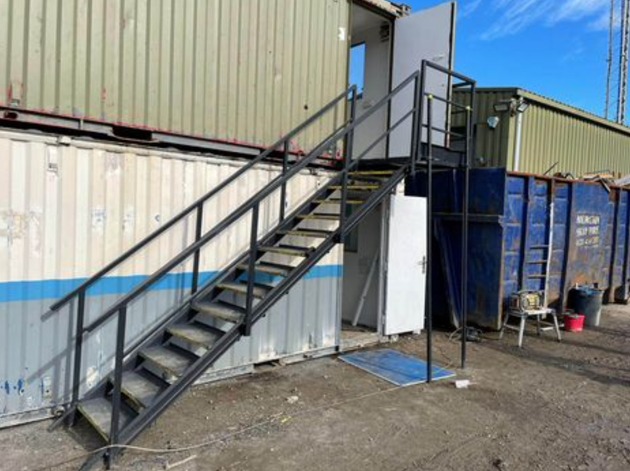
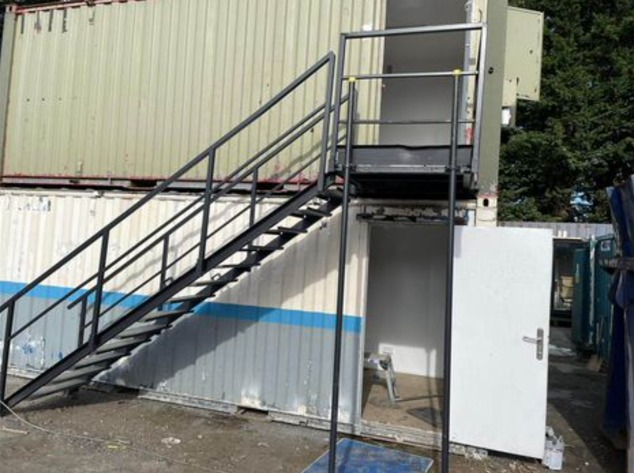
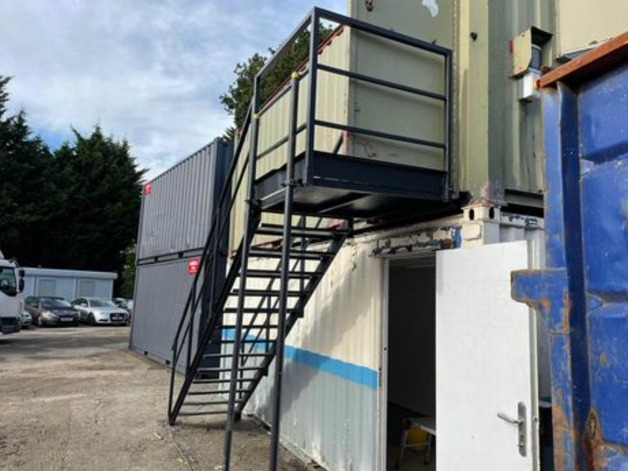
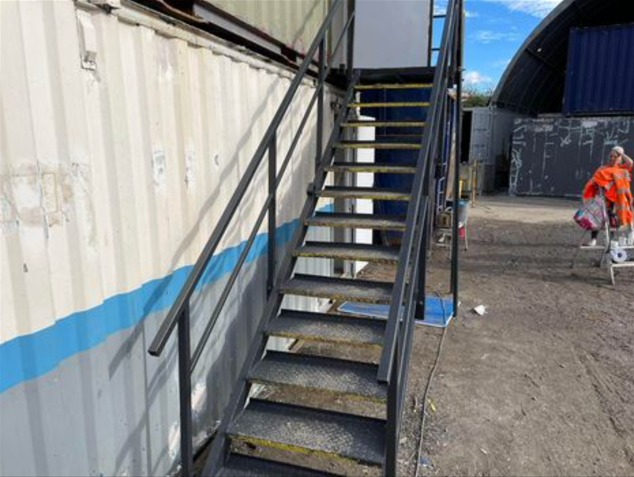
13 tread
14 tread
15 tread


Location: Nationwide
Not Available for Hire
Call for an instant quote!


Location: Nationwide
Not Available for Hire
We can deliver for a cost please ask and send us post code.
Hallway leading into:
Transport can be arranged please ask.


Location: Nationwide
Not Available for Hire
Call for an instant quote!
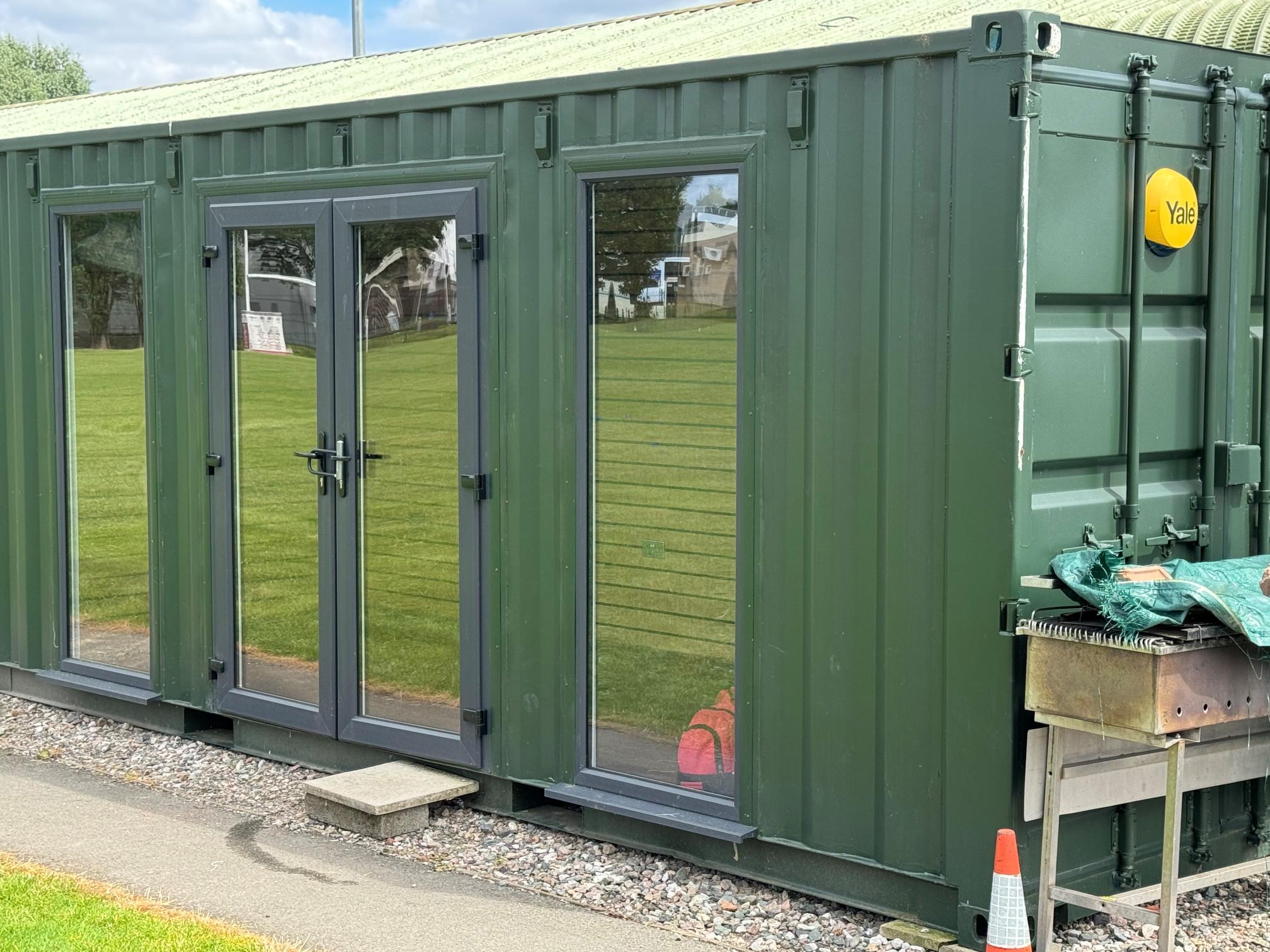
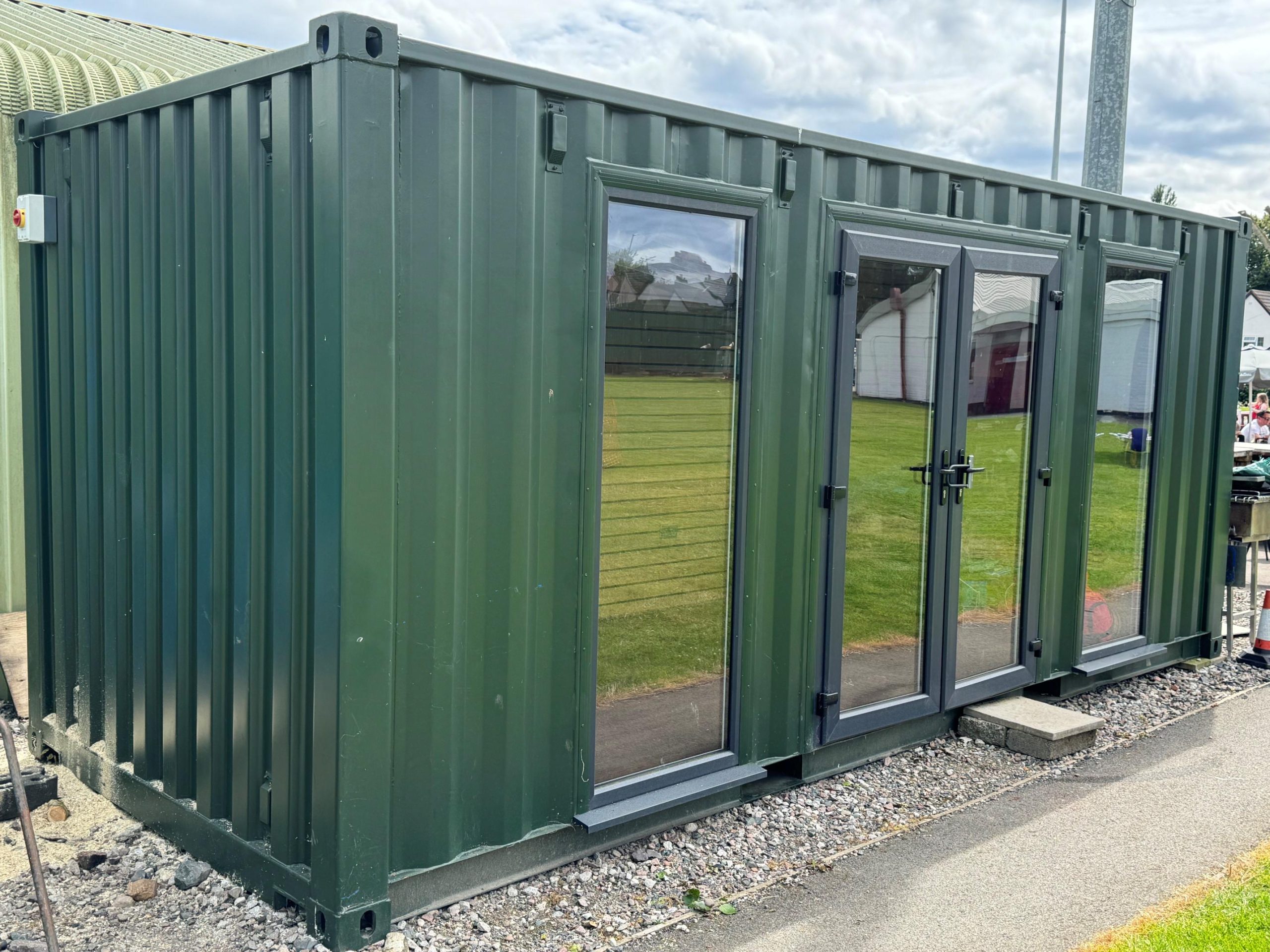
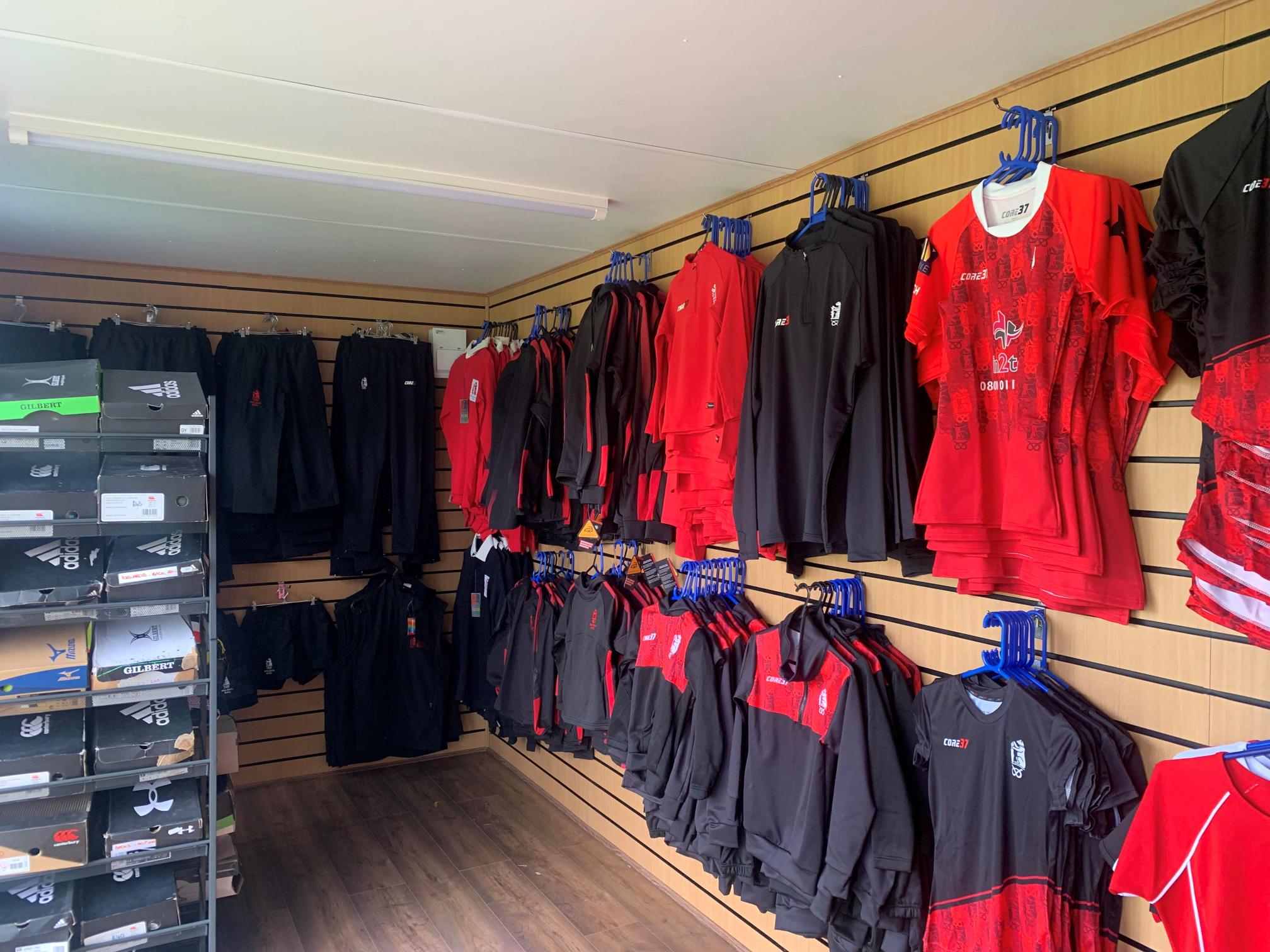
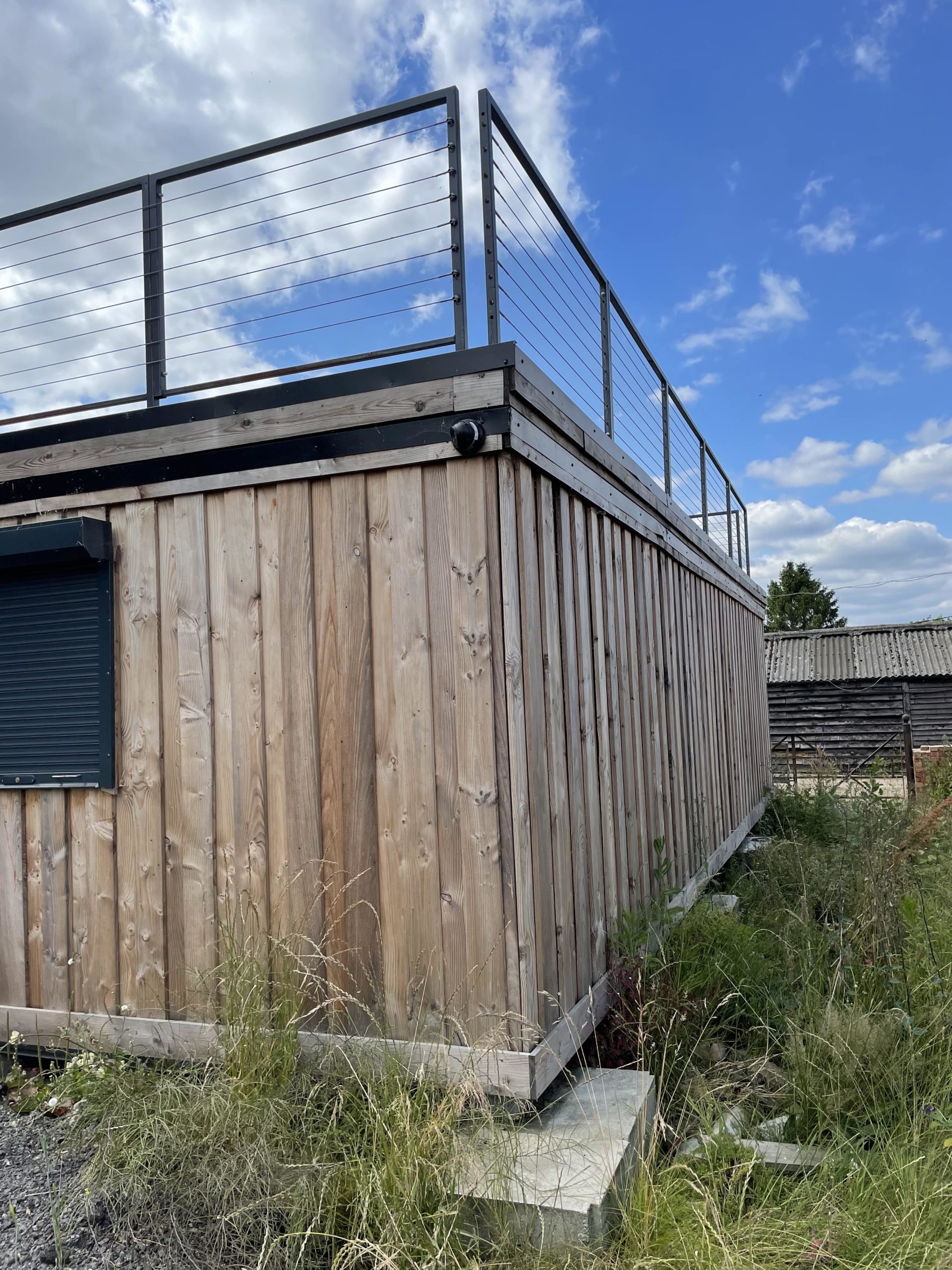
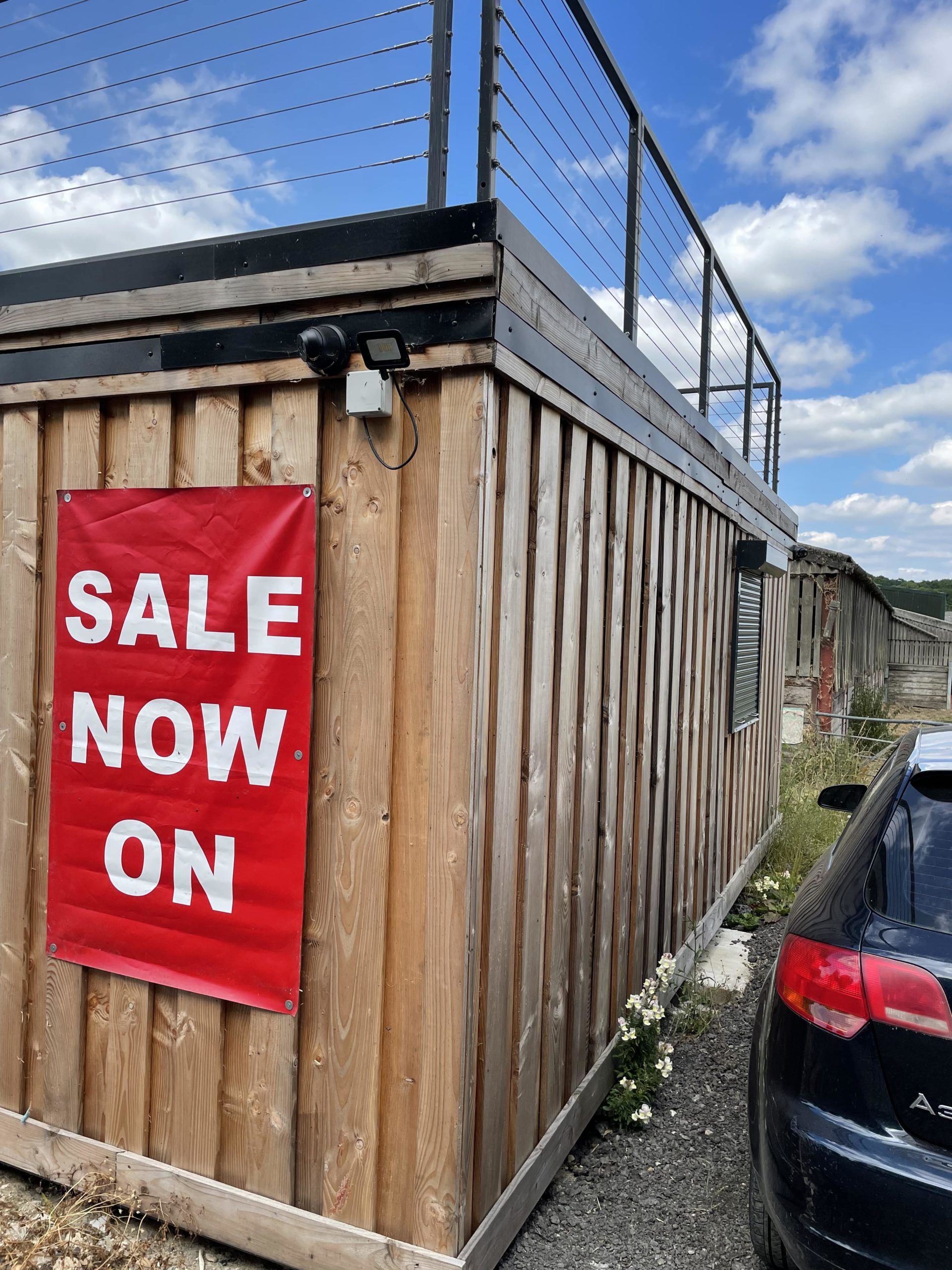
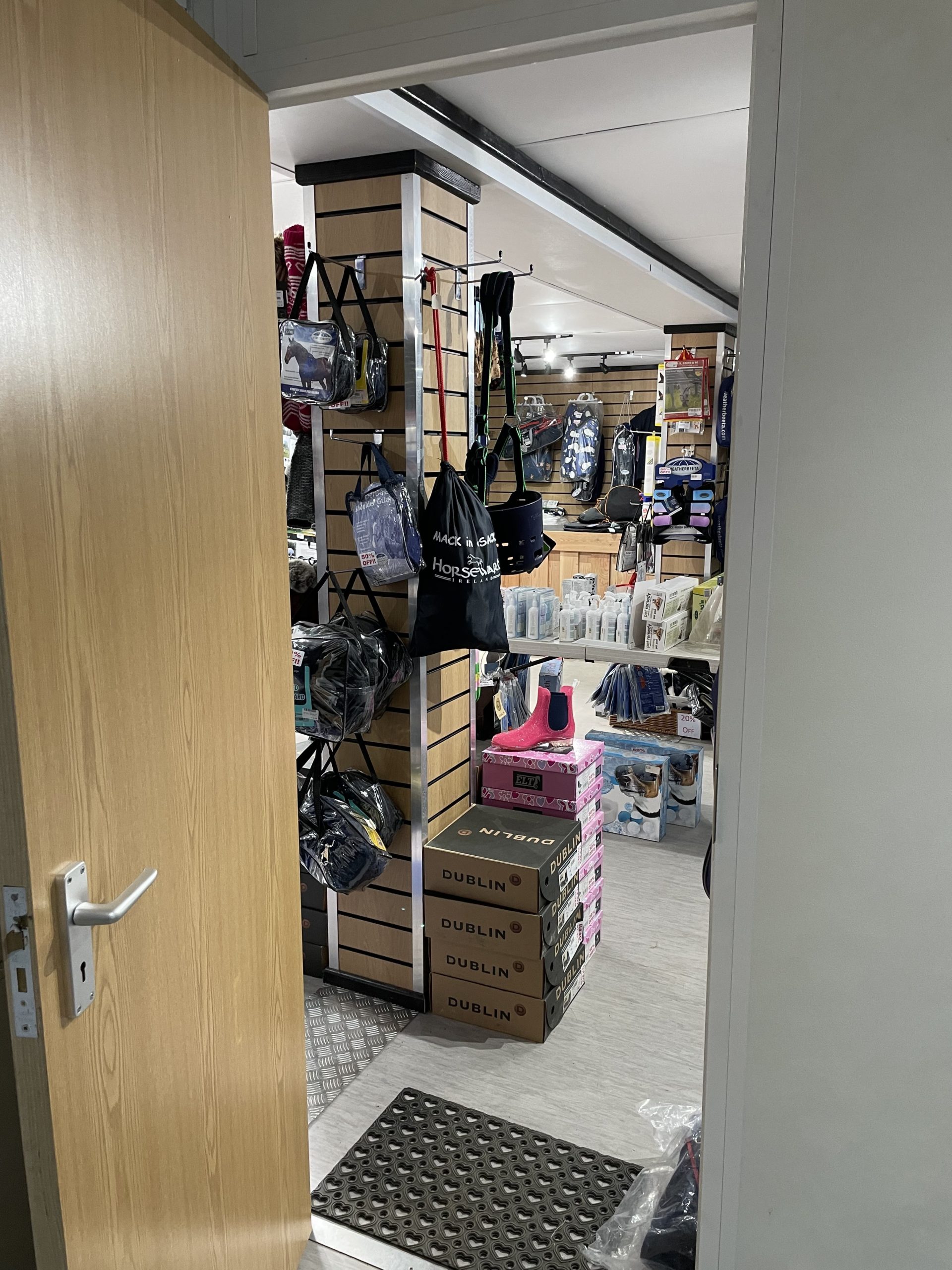
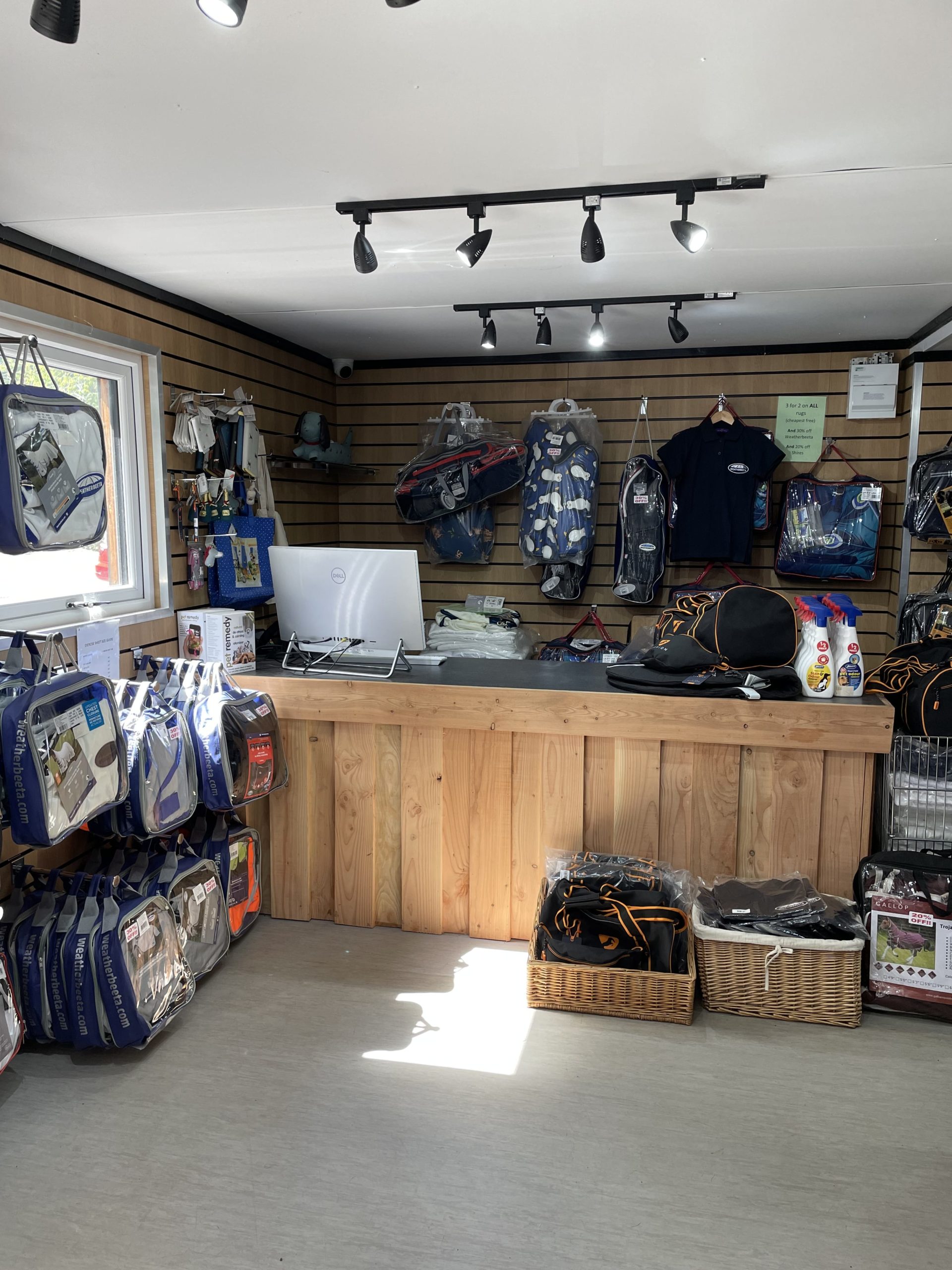
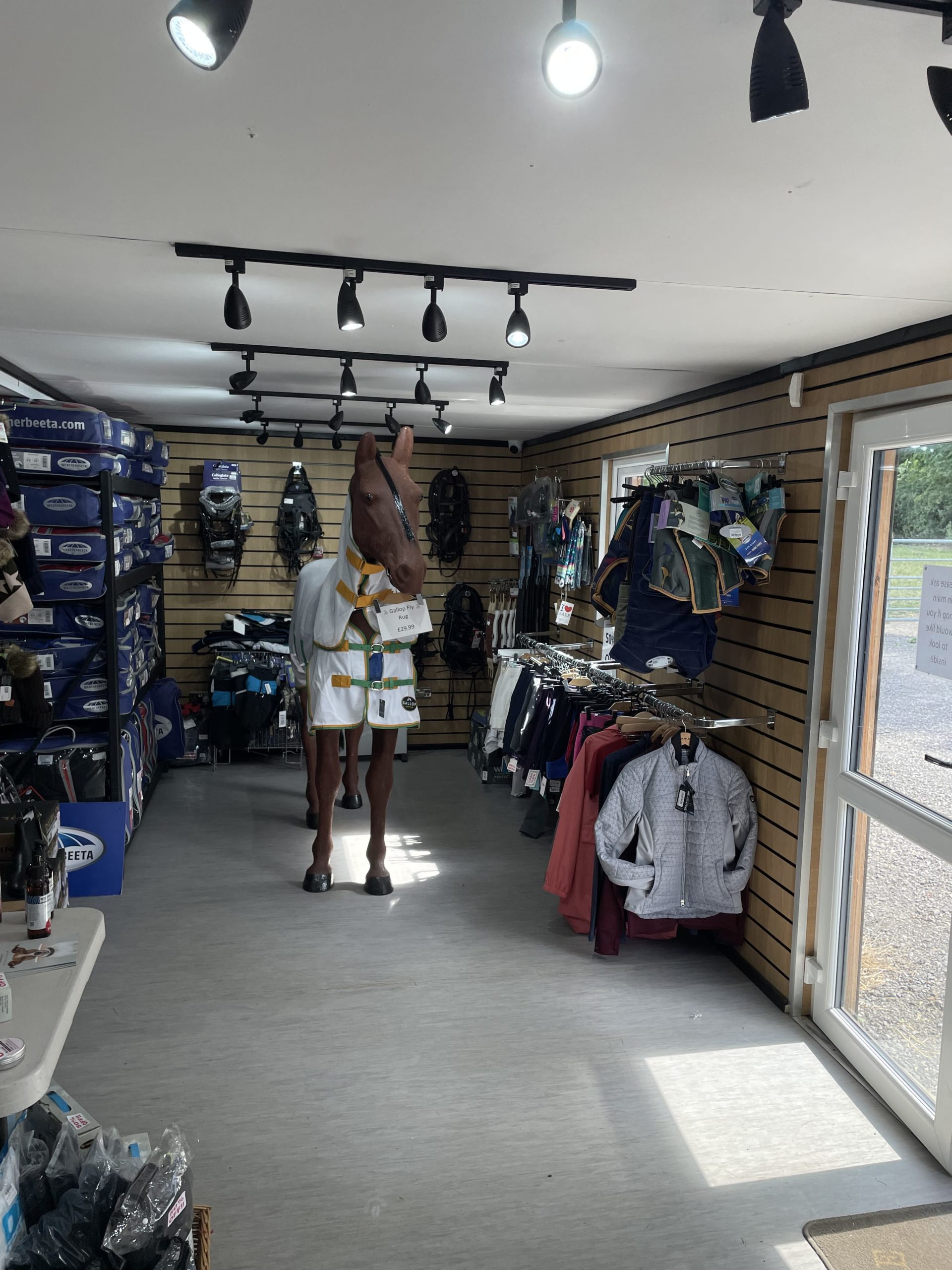
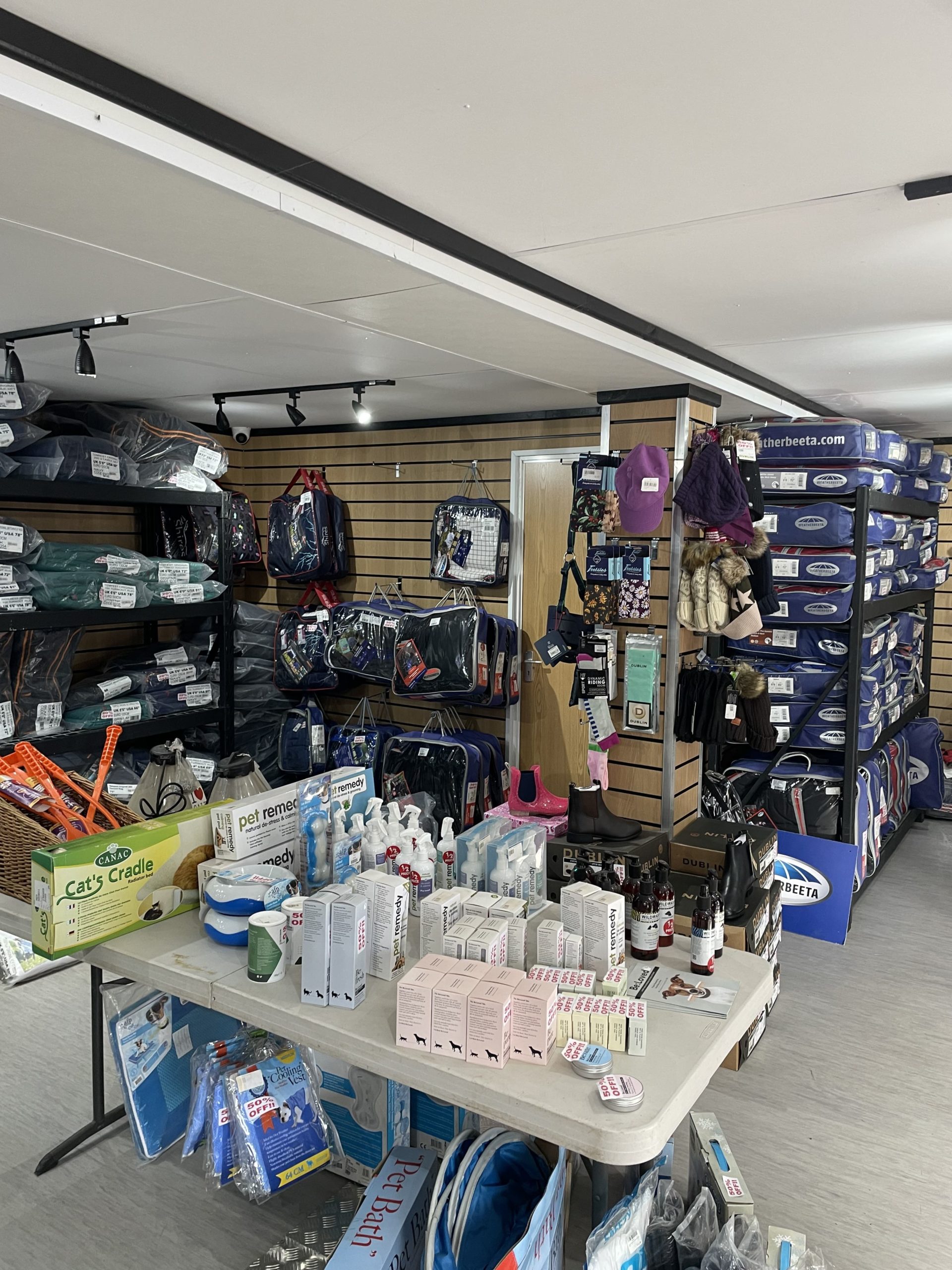
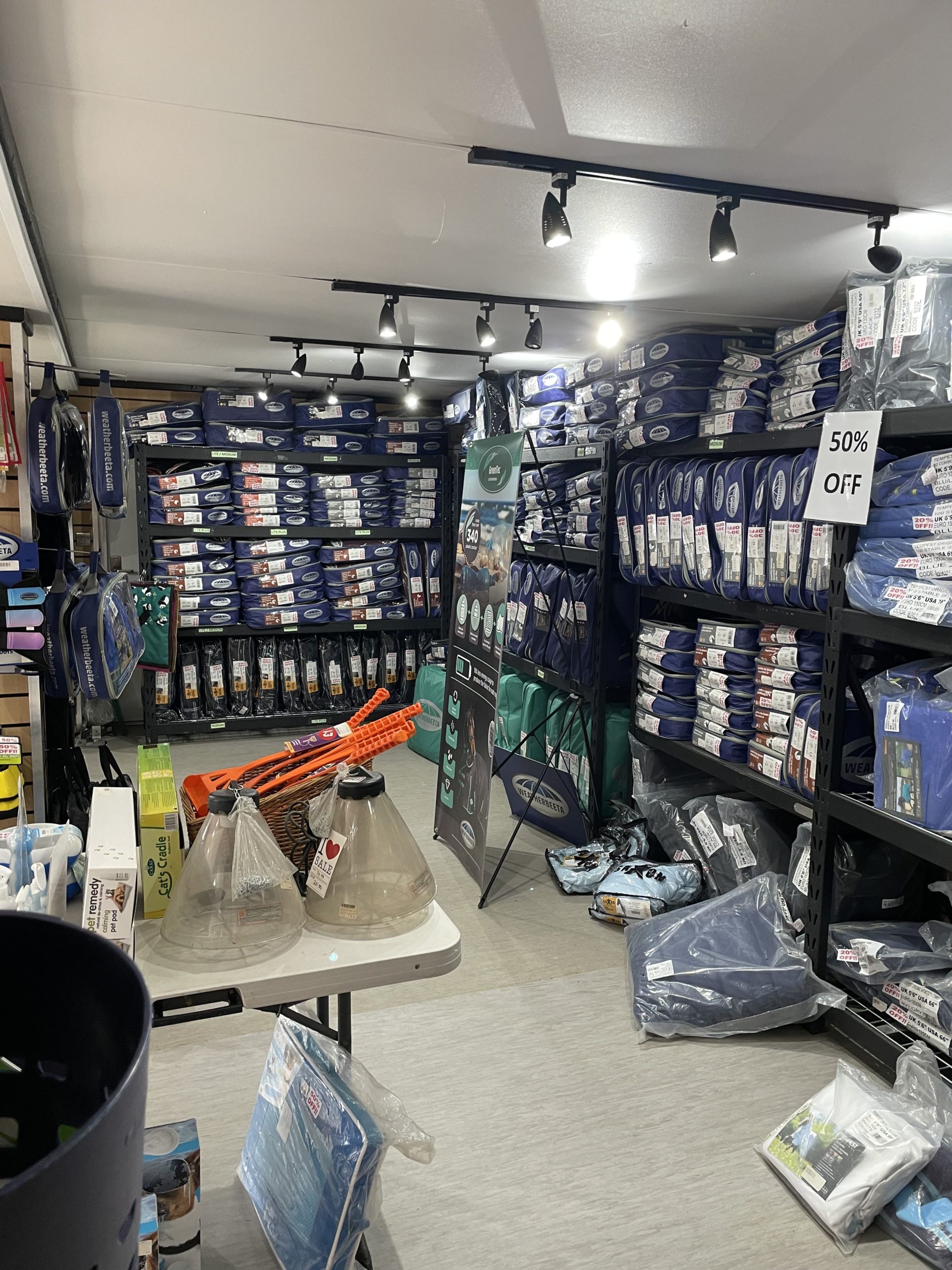
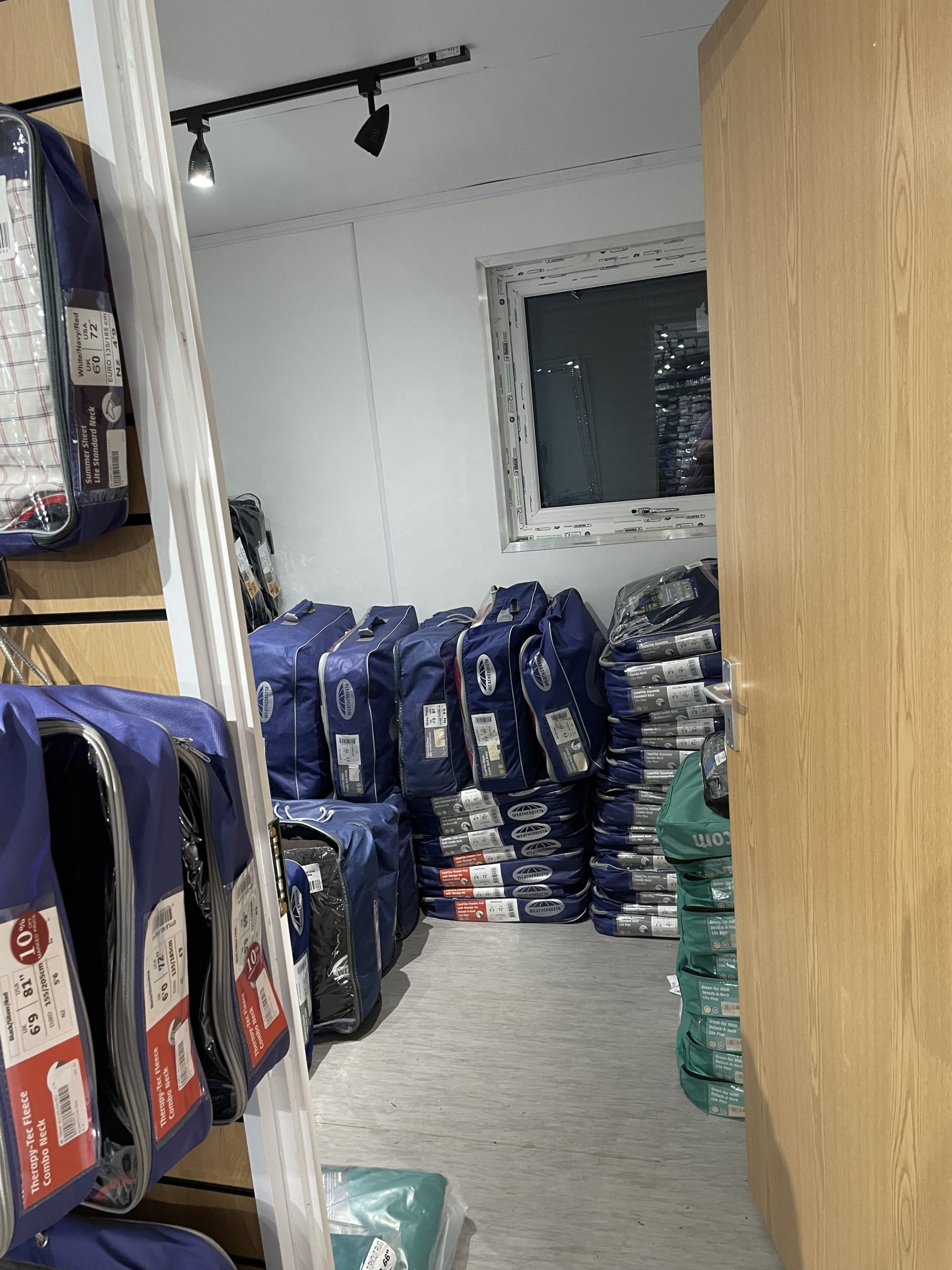
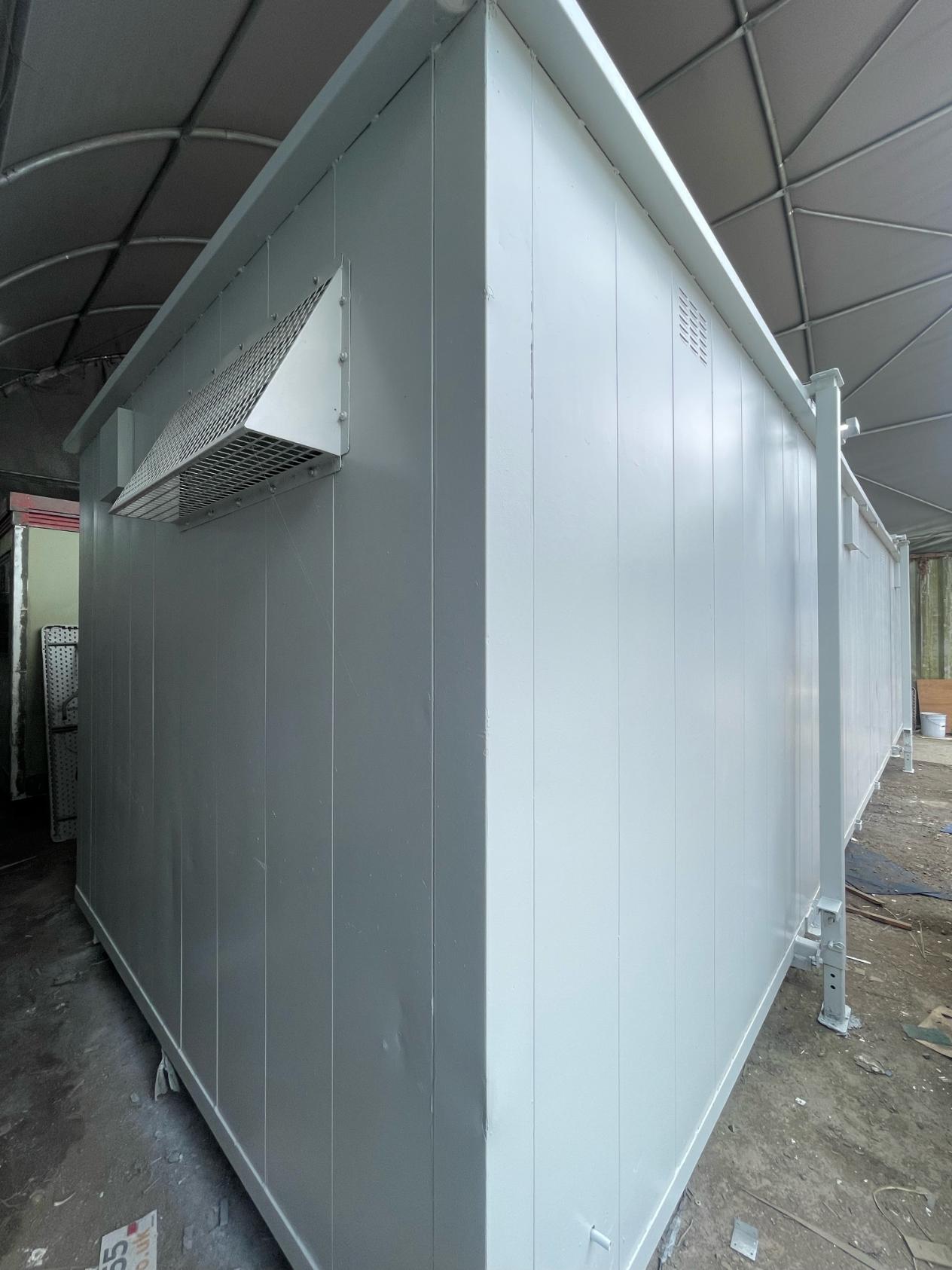
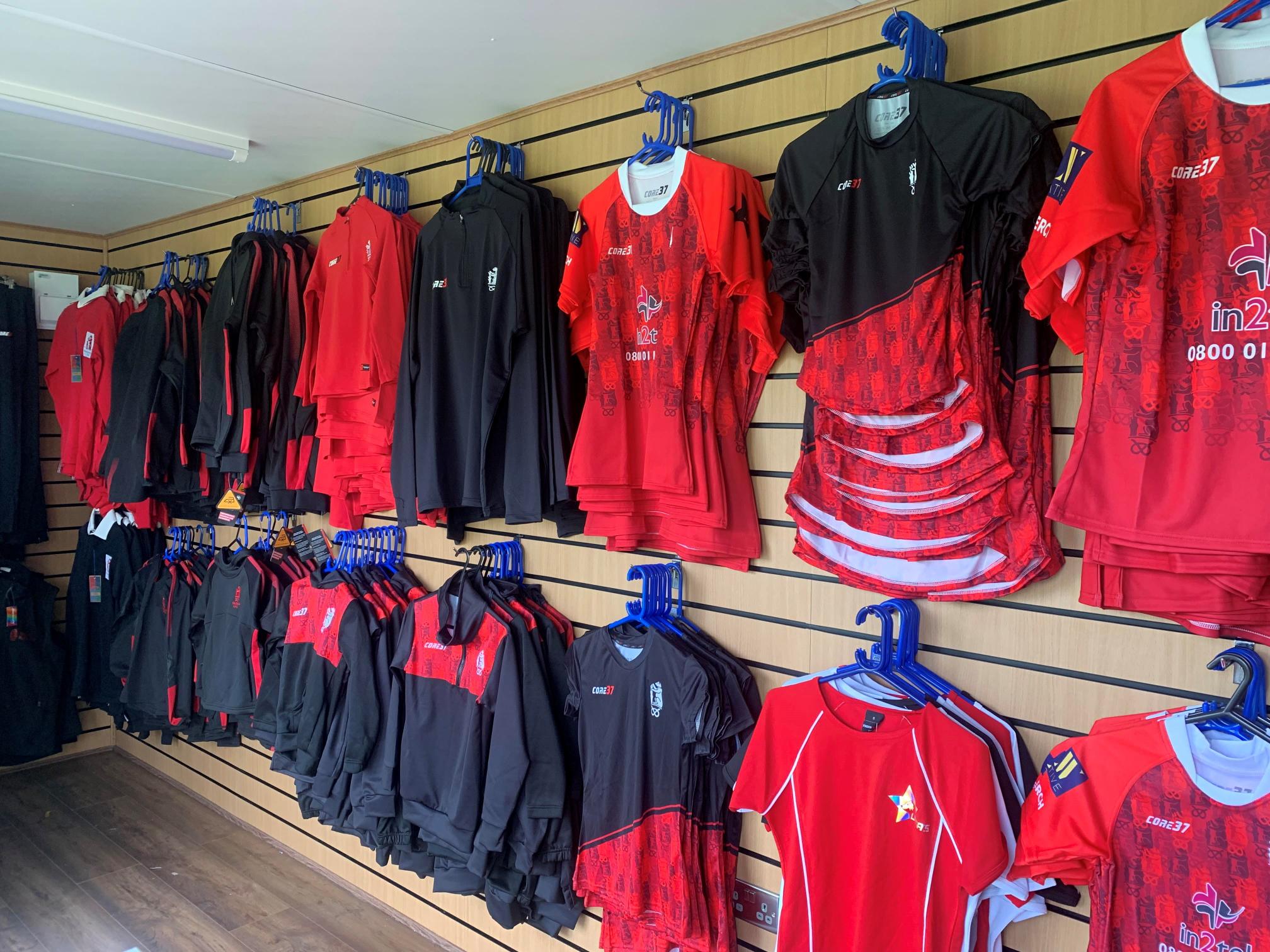
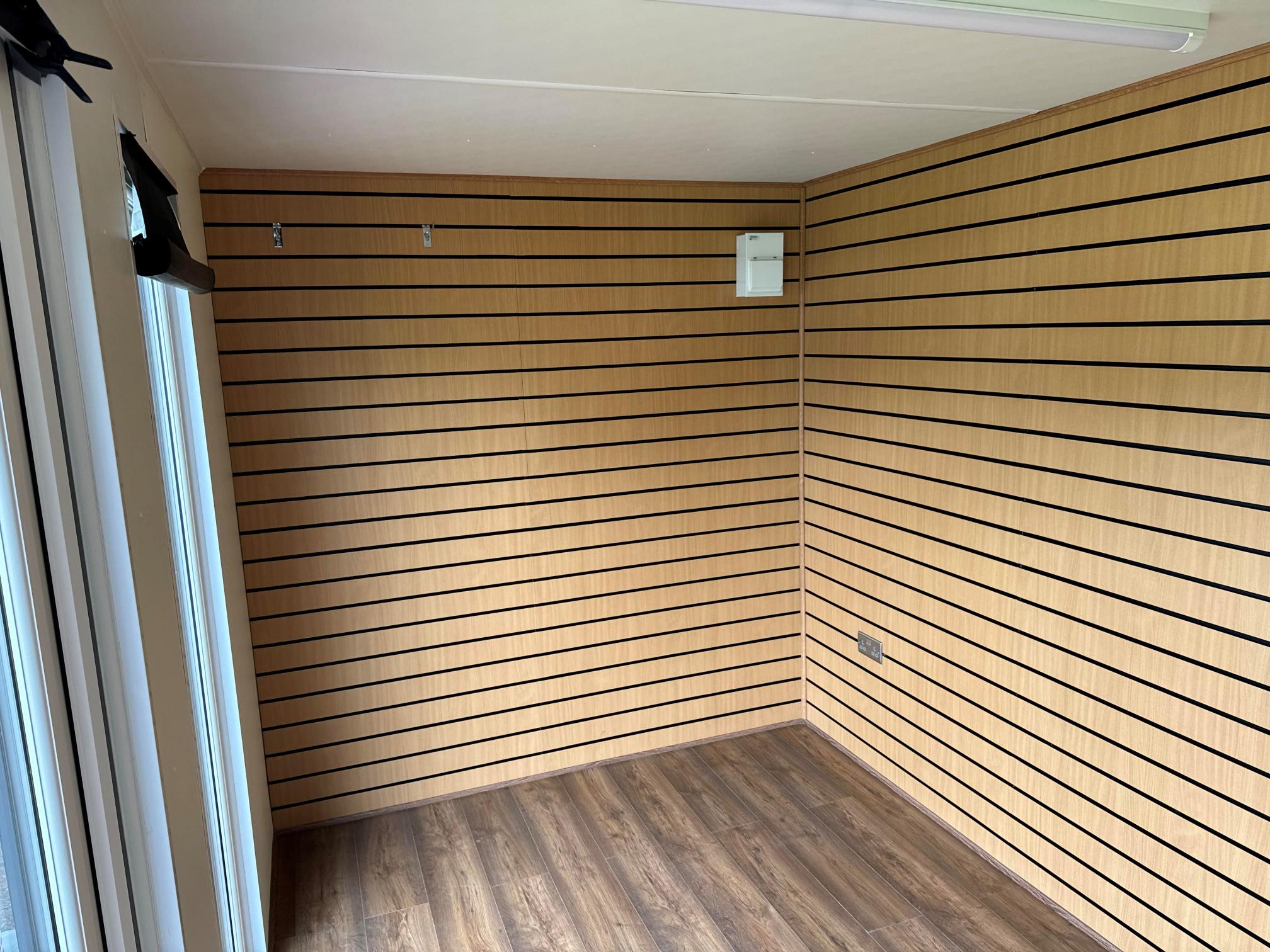
20ft x 8ft Container Conversion Retail Shop
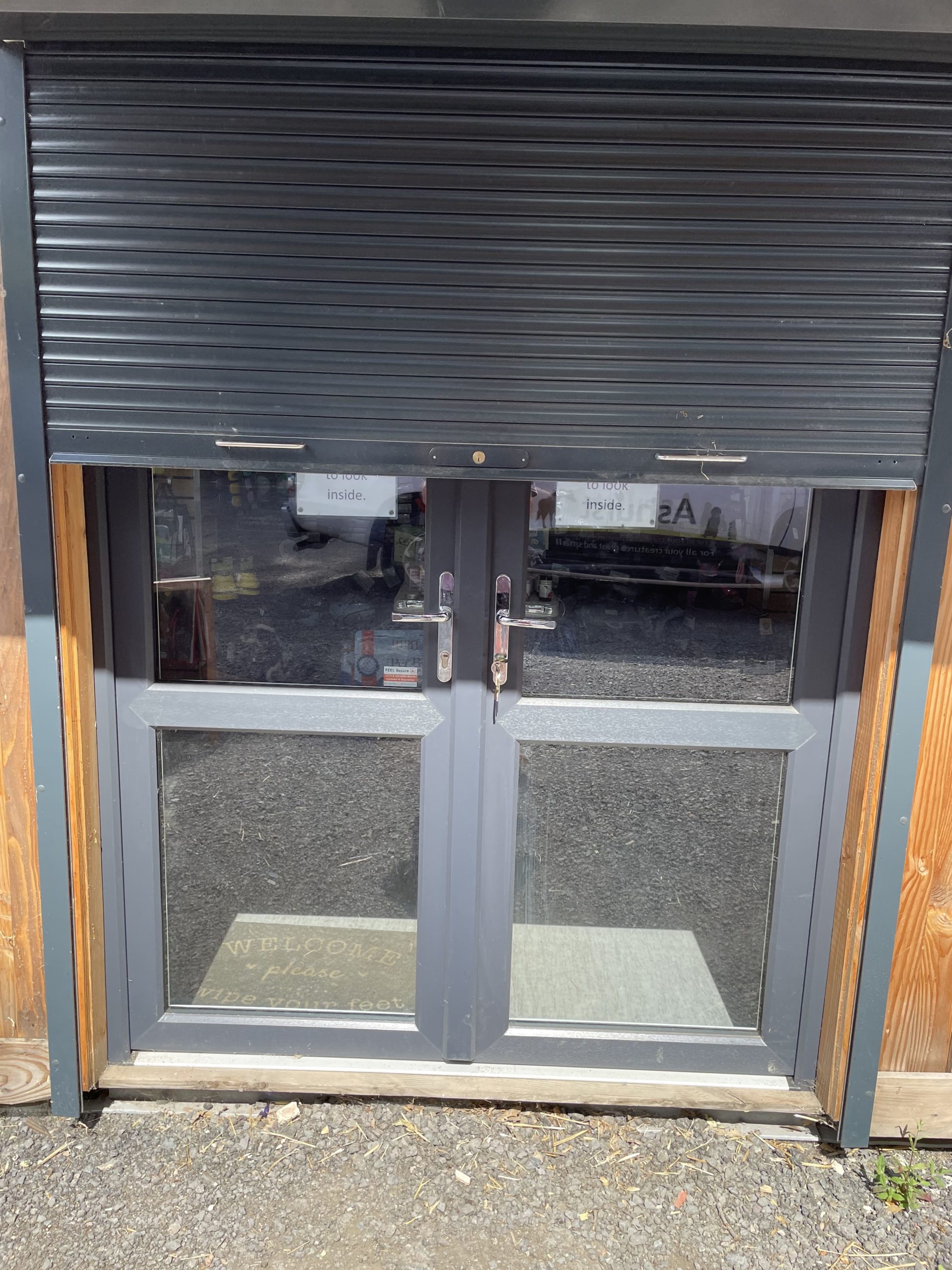
UPVC Double glazed Windows + French Doors
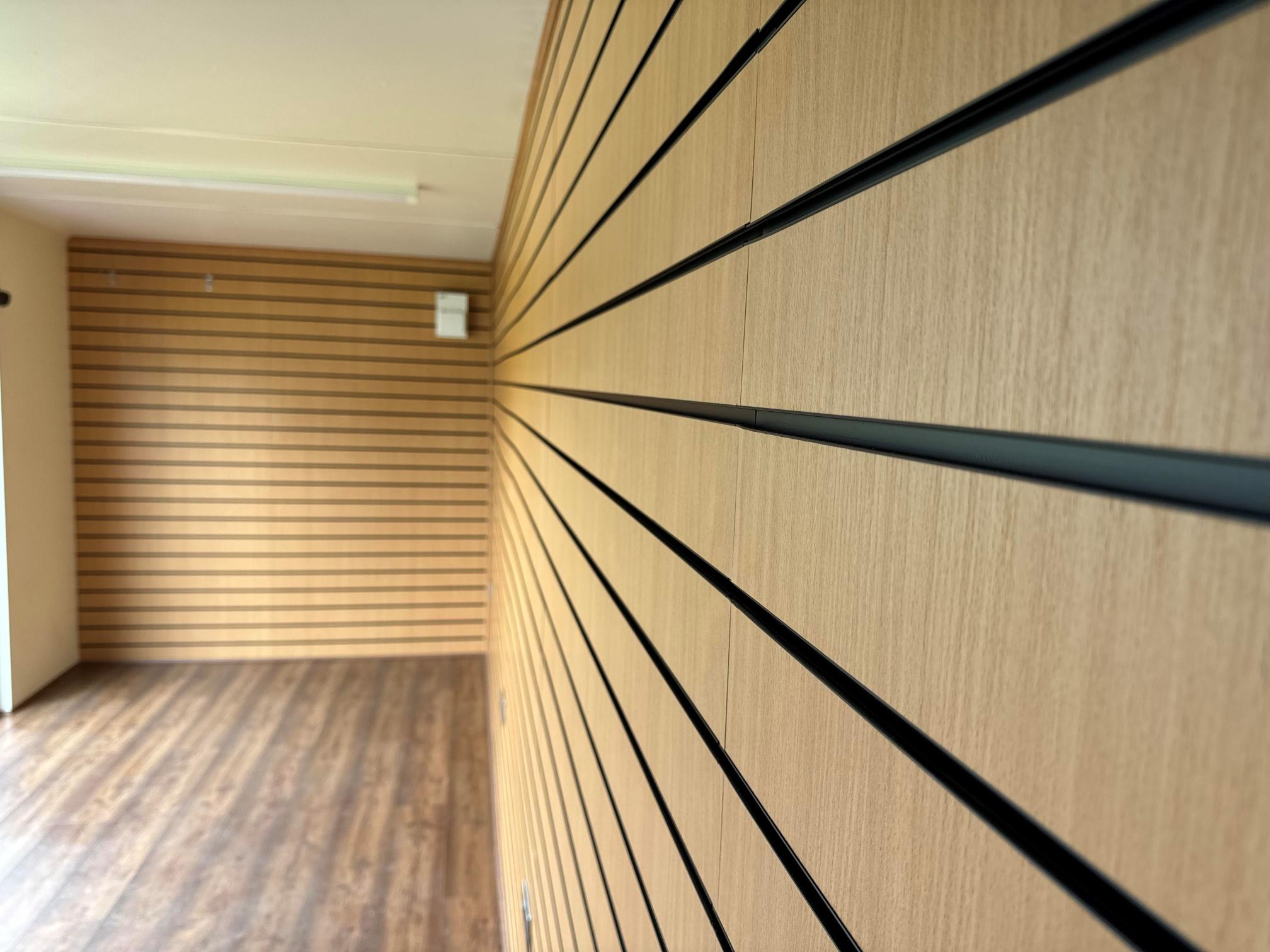
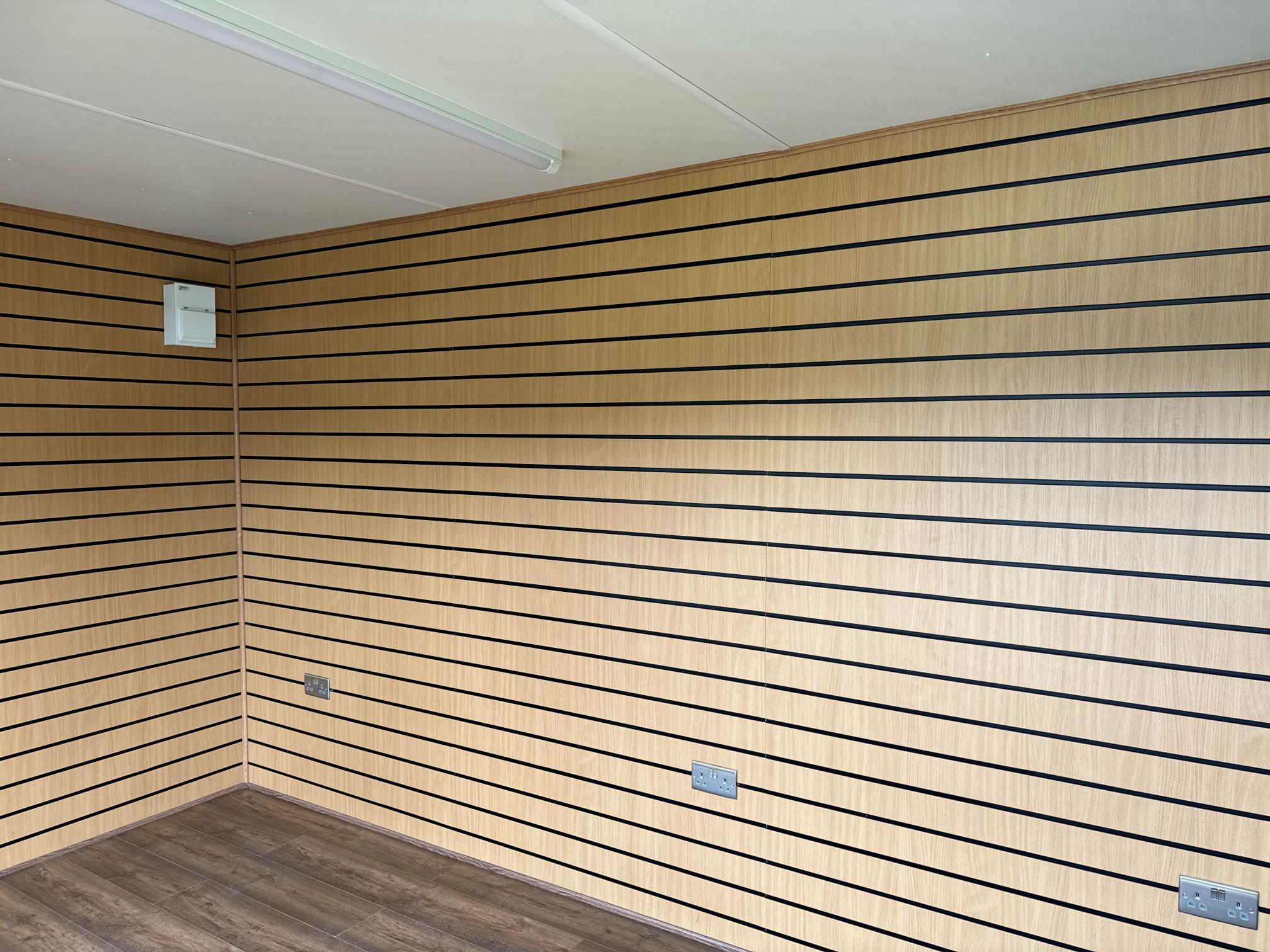
Slat Wall for retail fixings and Merchandise
Electric Chrome Sockets, led lighting and heating.
Laminate Flooring
12 months Warranty
Maintenance call out package included
Less than 2 years old
Still in Brand New Condition


Fully refurbished
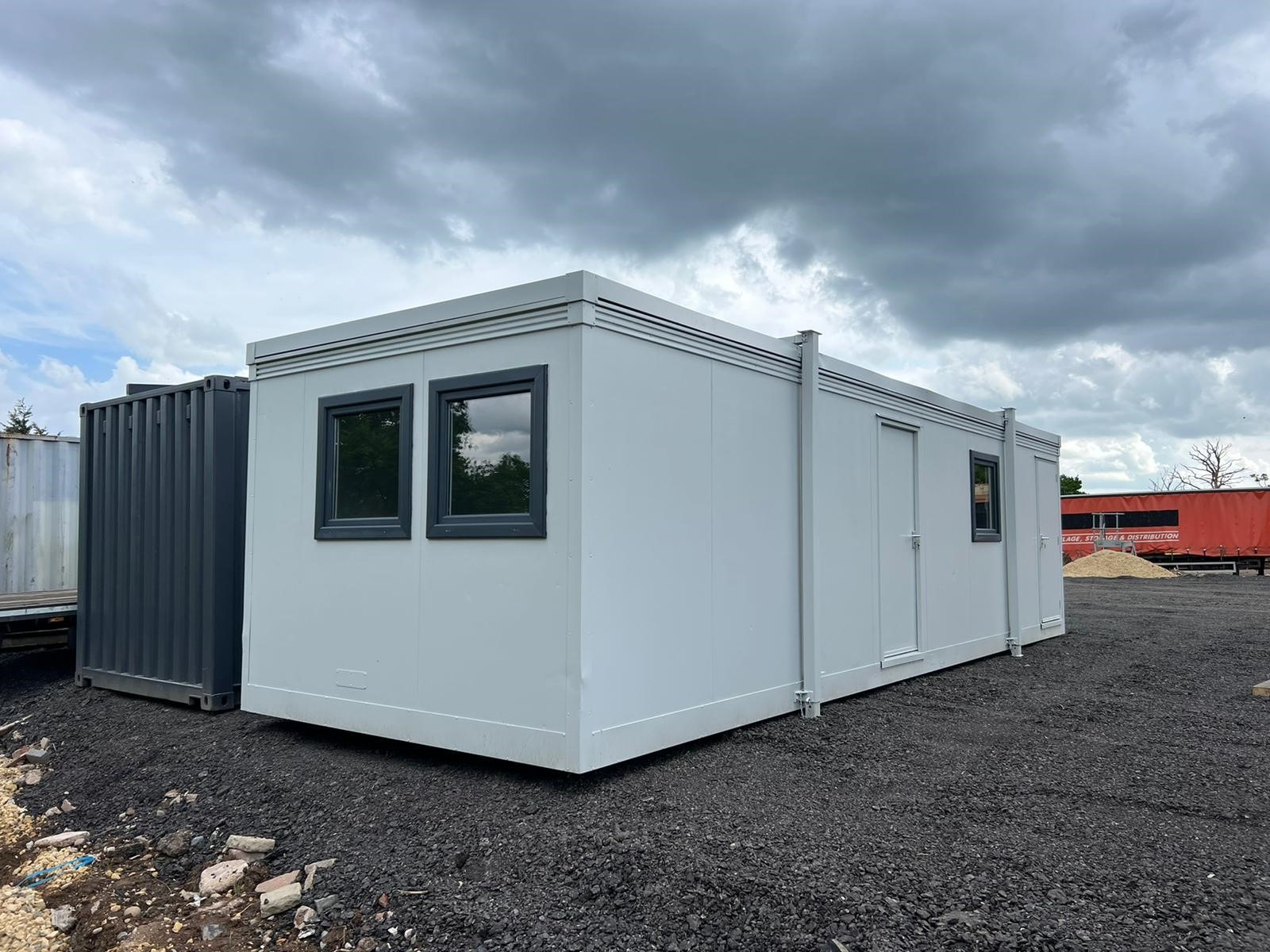
Colour light grey
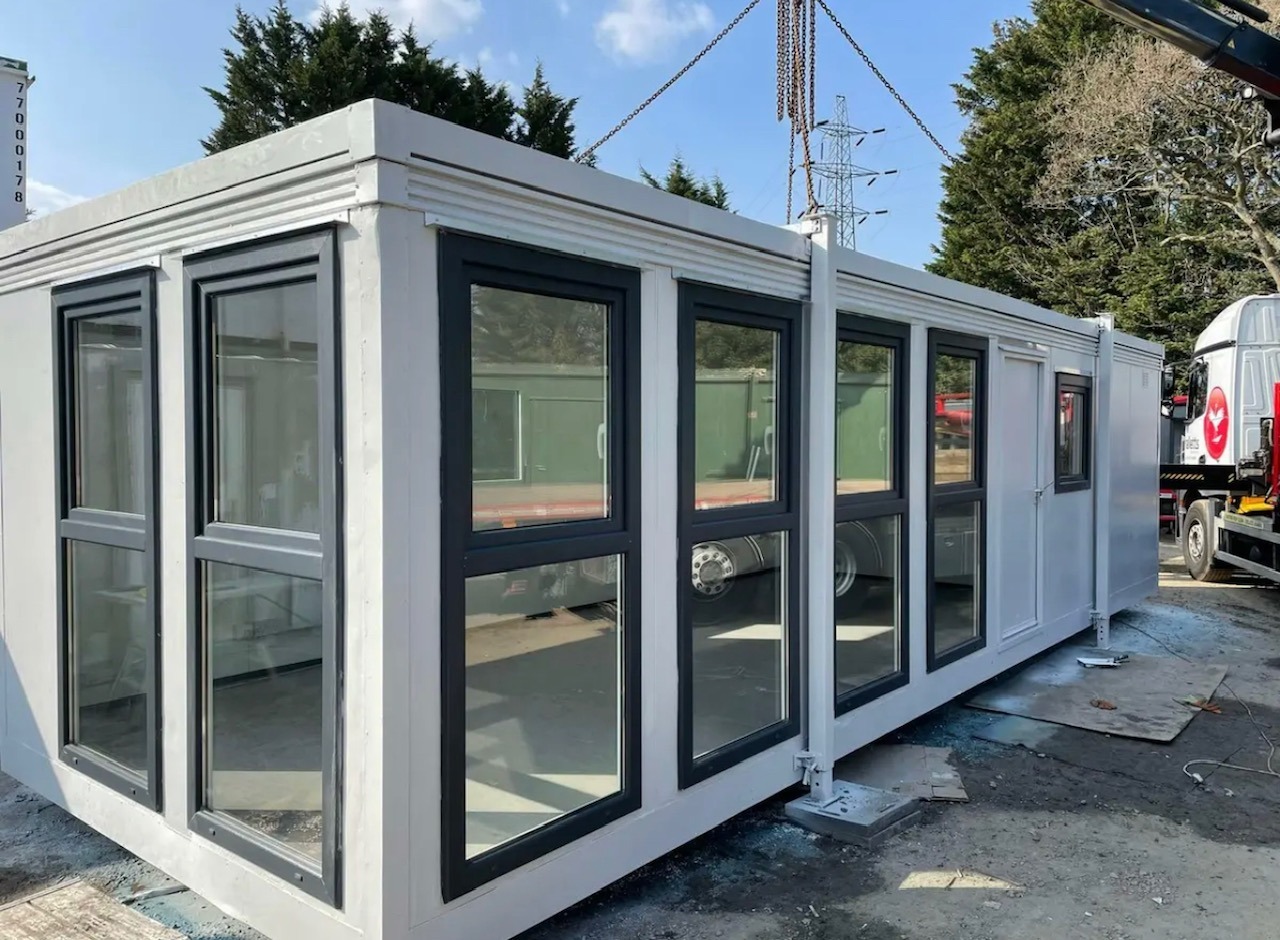
Slate grey anthracite upvc double glazed windows


Location: Nationwide
+ VAT
Not Available for Hire
Call for an instant quote!
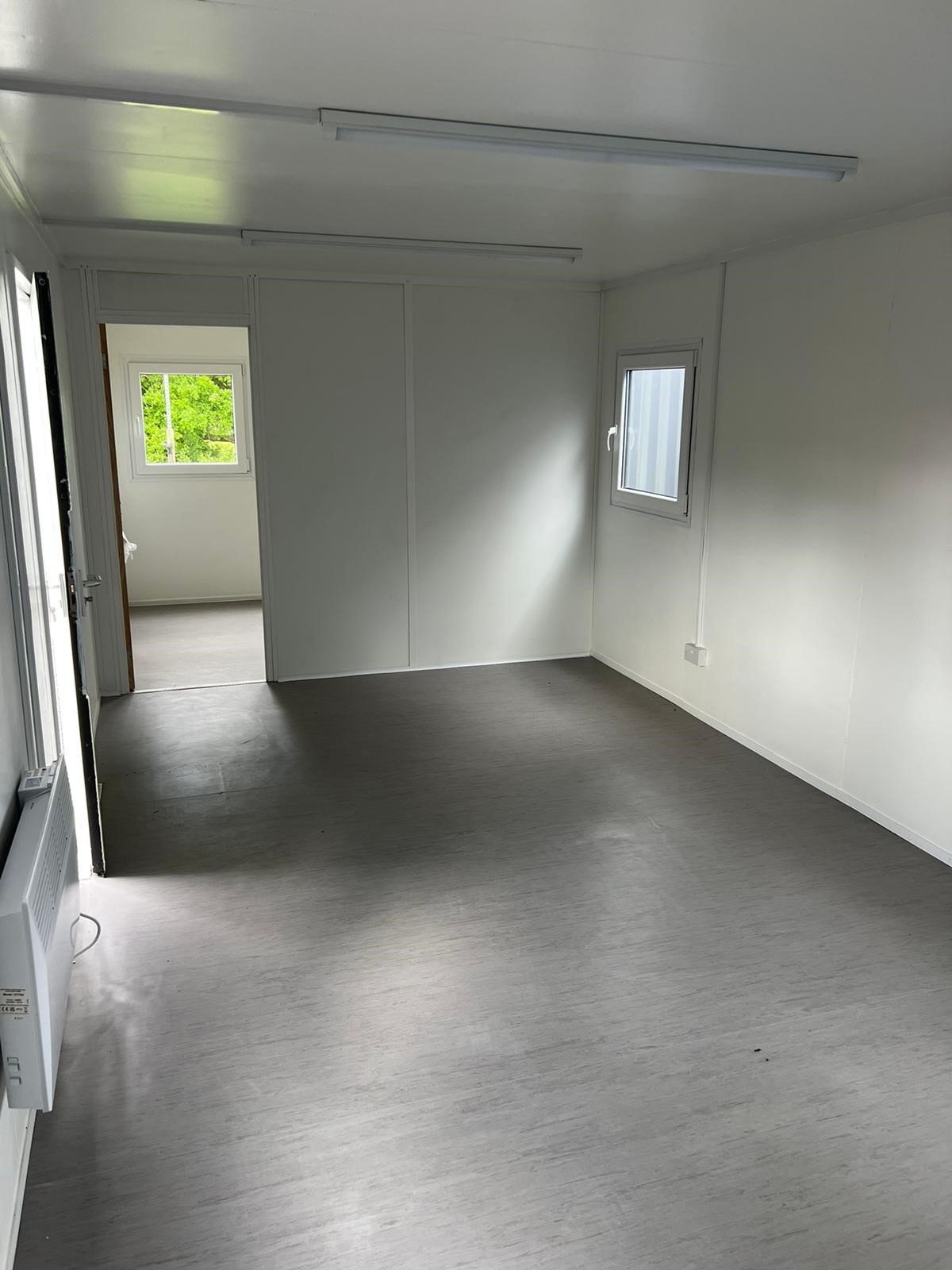
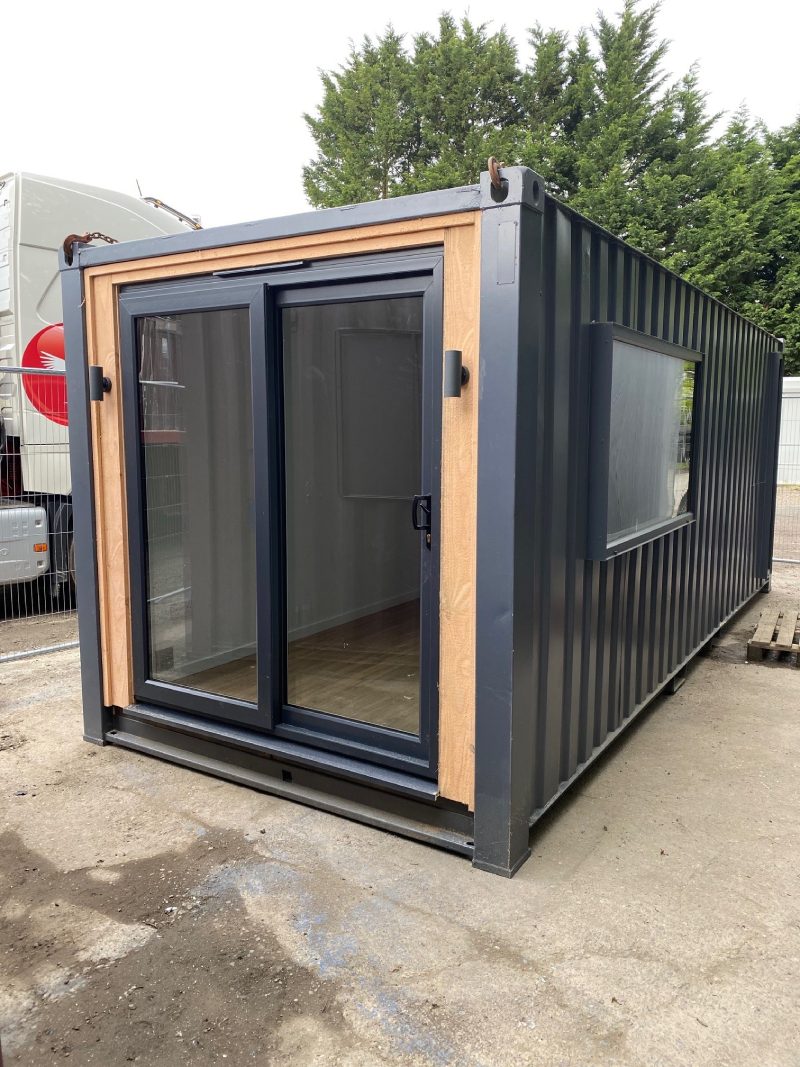
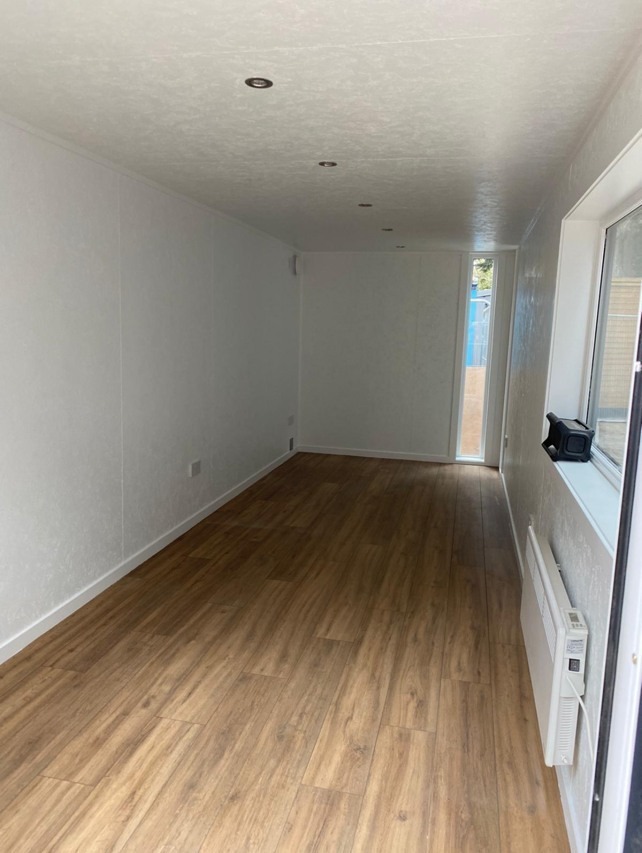
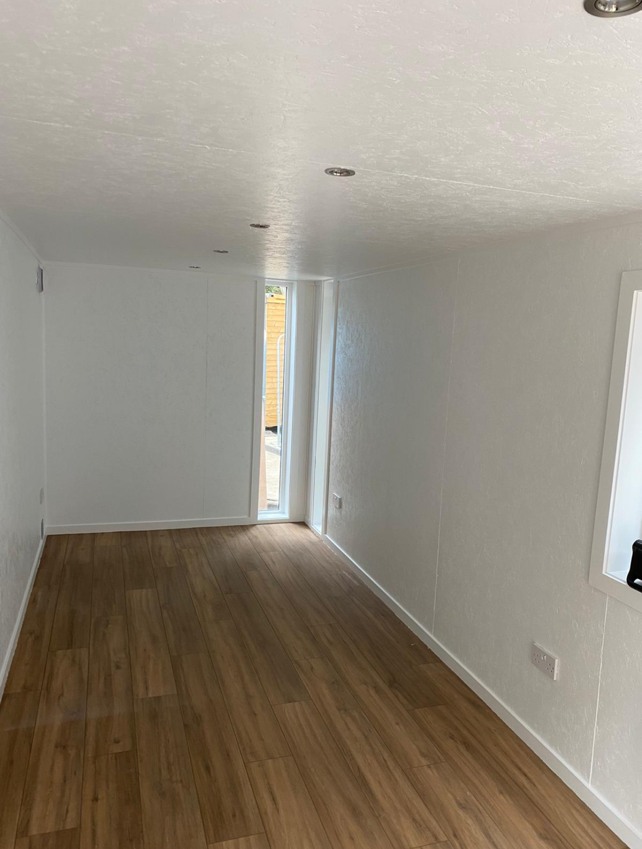
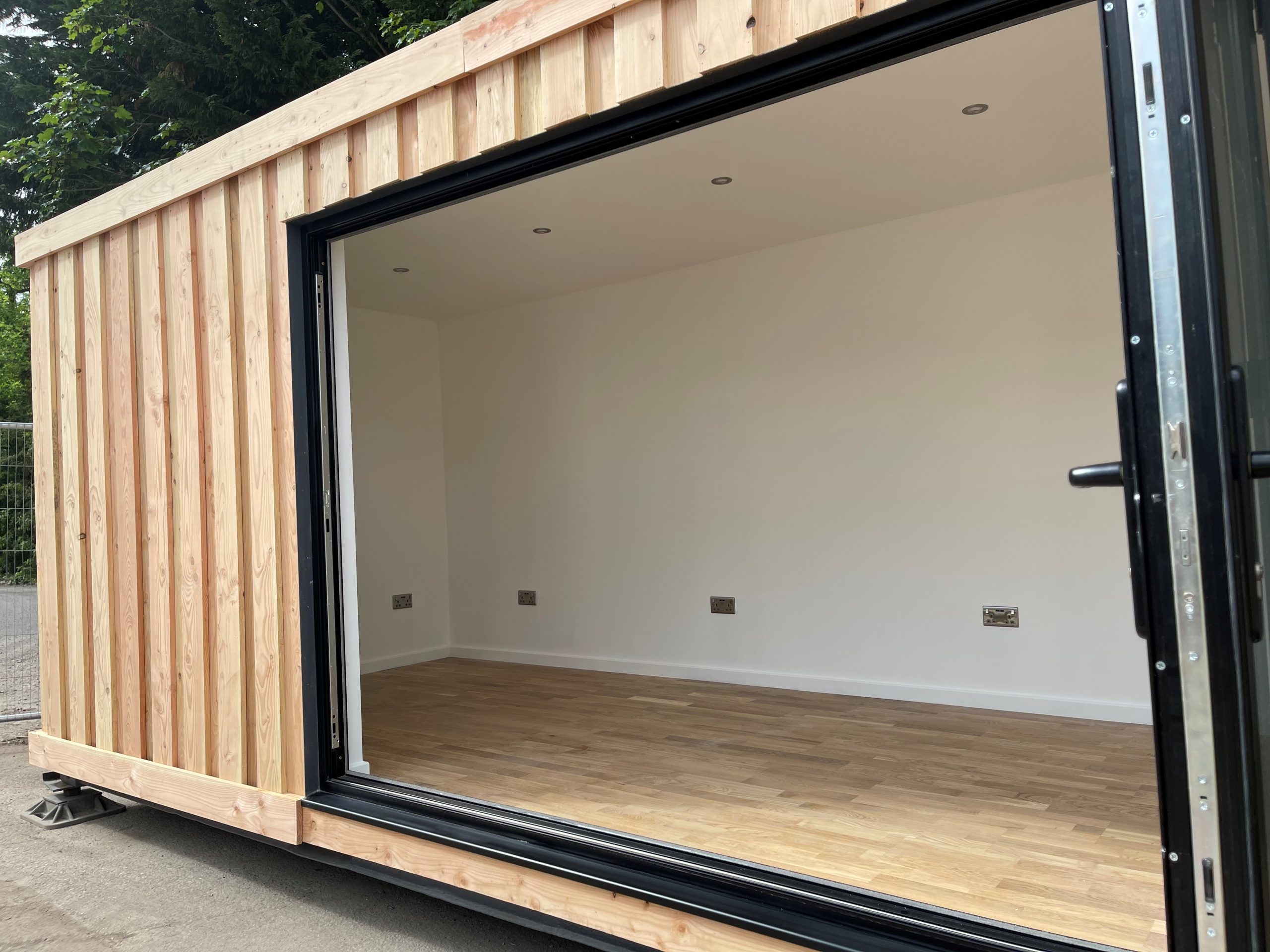
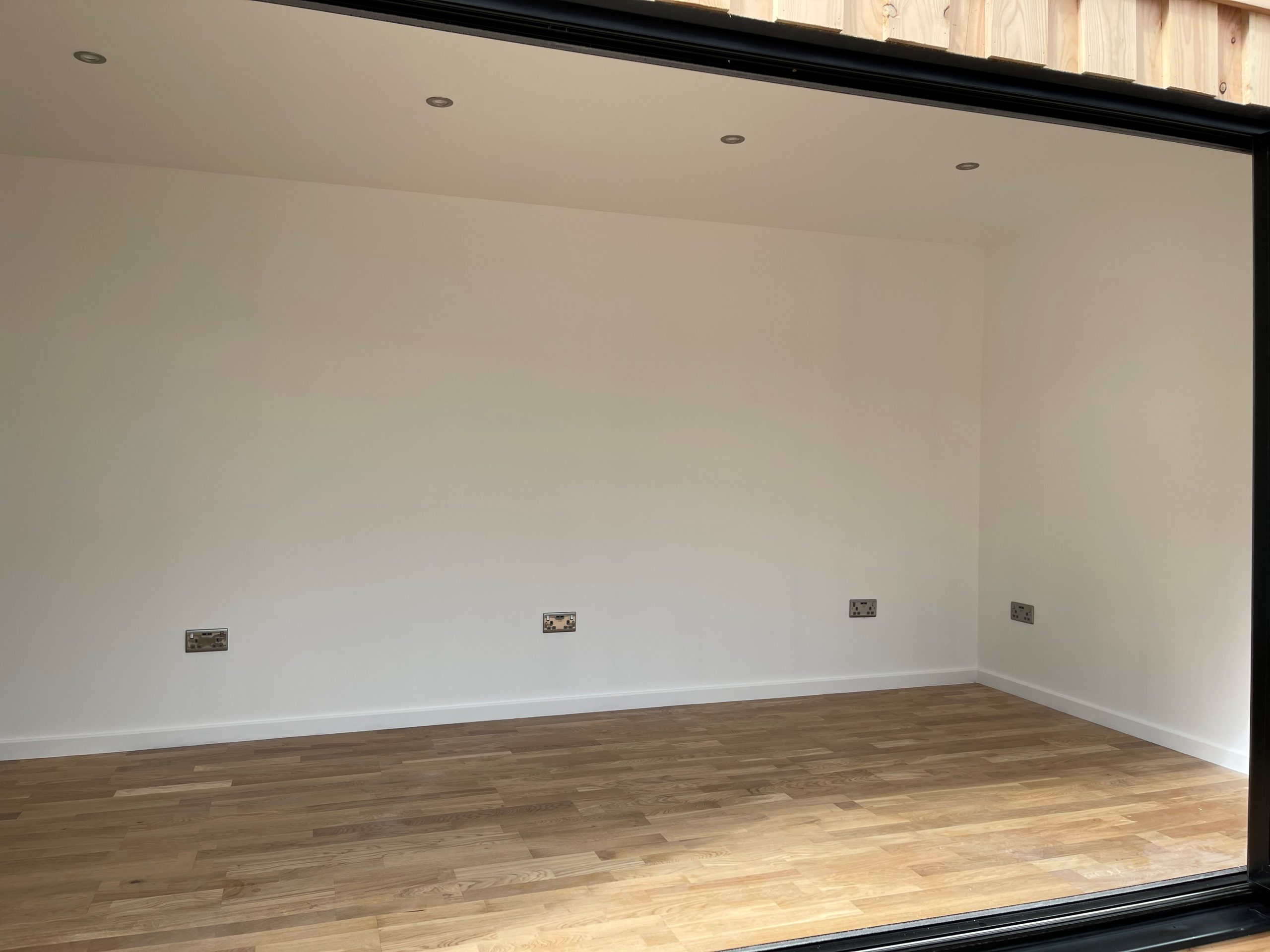
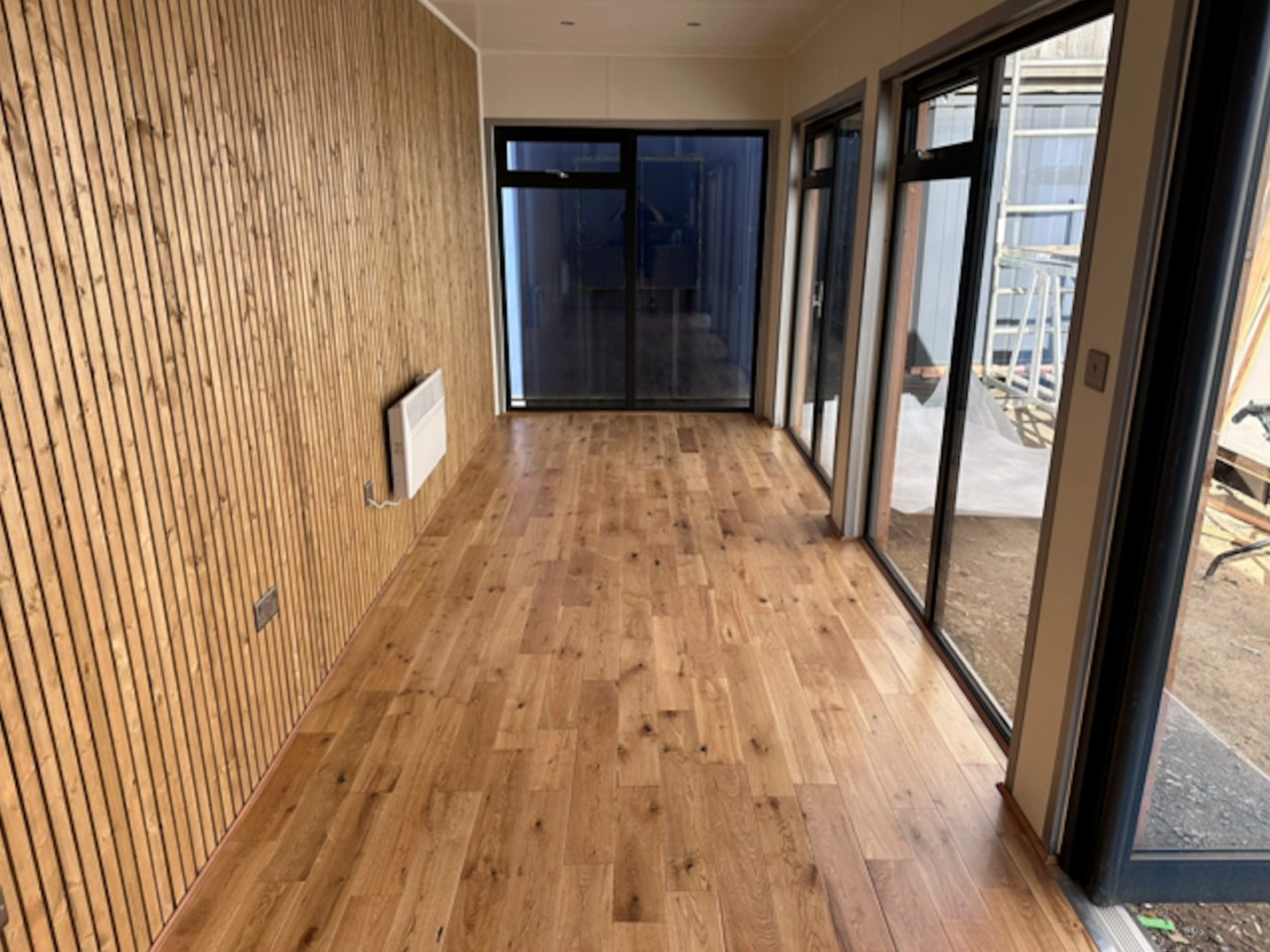
Fully Insulated with electric sockets, spot lighting, and heating
Wood Flooring
UPVC Sliding Door + Windows
Lead Time for build 6-8 weeks


Location: Nationwide
+ VAT
Not Available for Hire
Call for an instant quote!
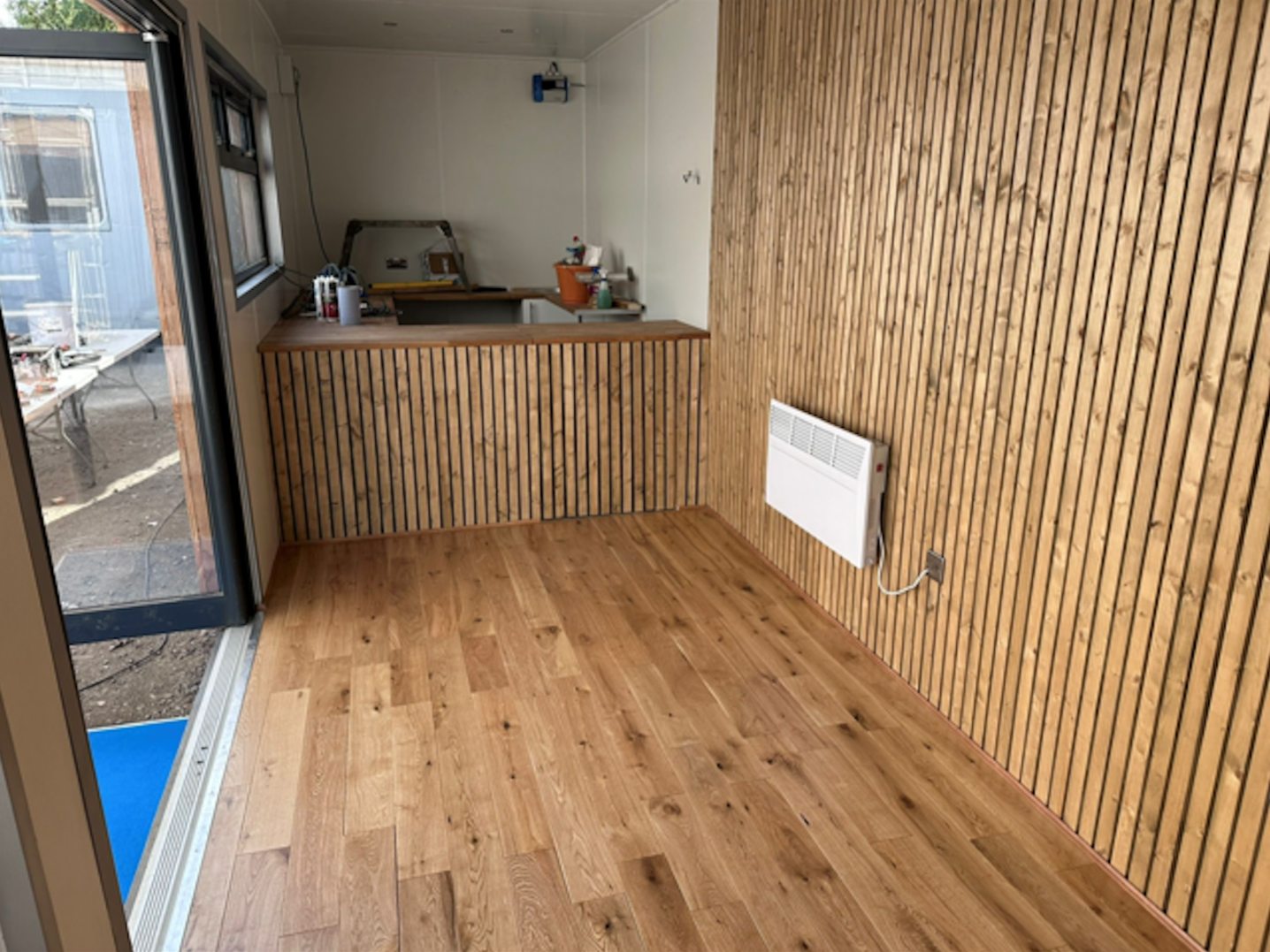
Fully Insulated with electric sockets, spot lighting, and heating
Wood Flooring
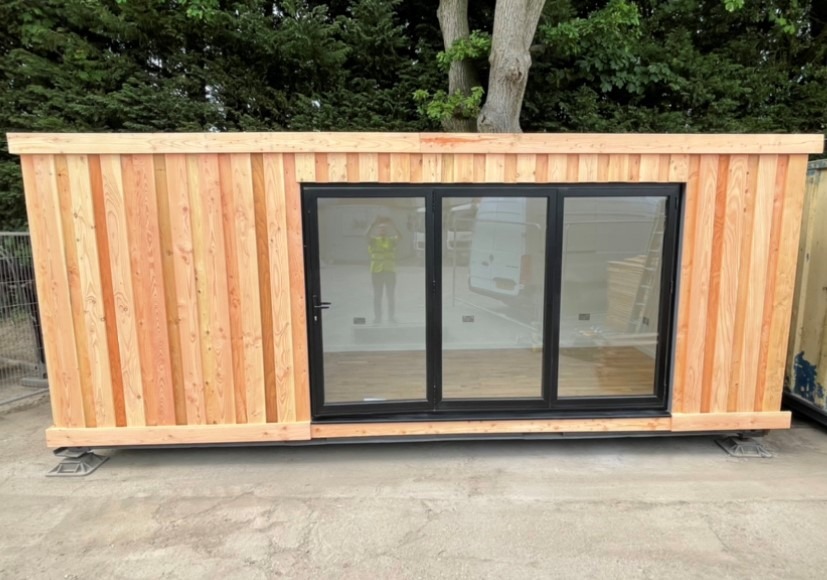
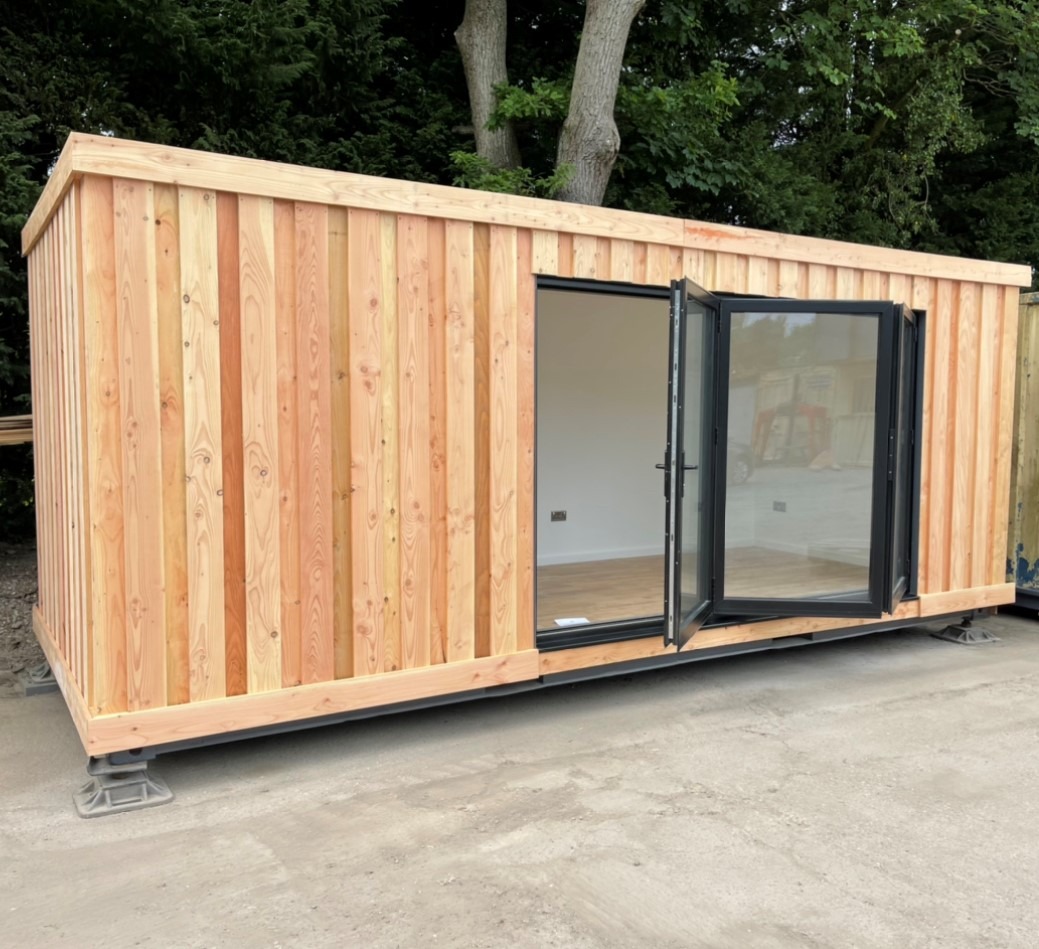
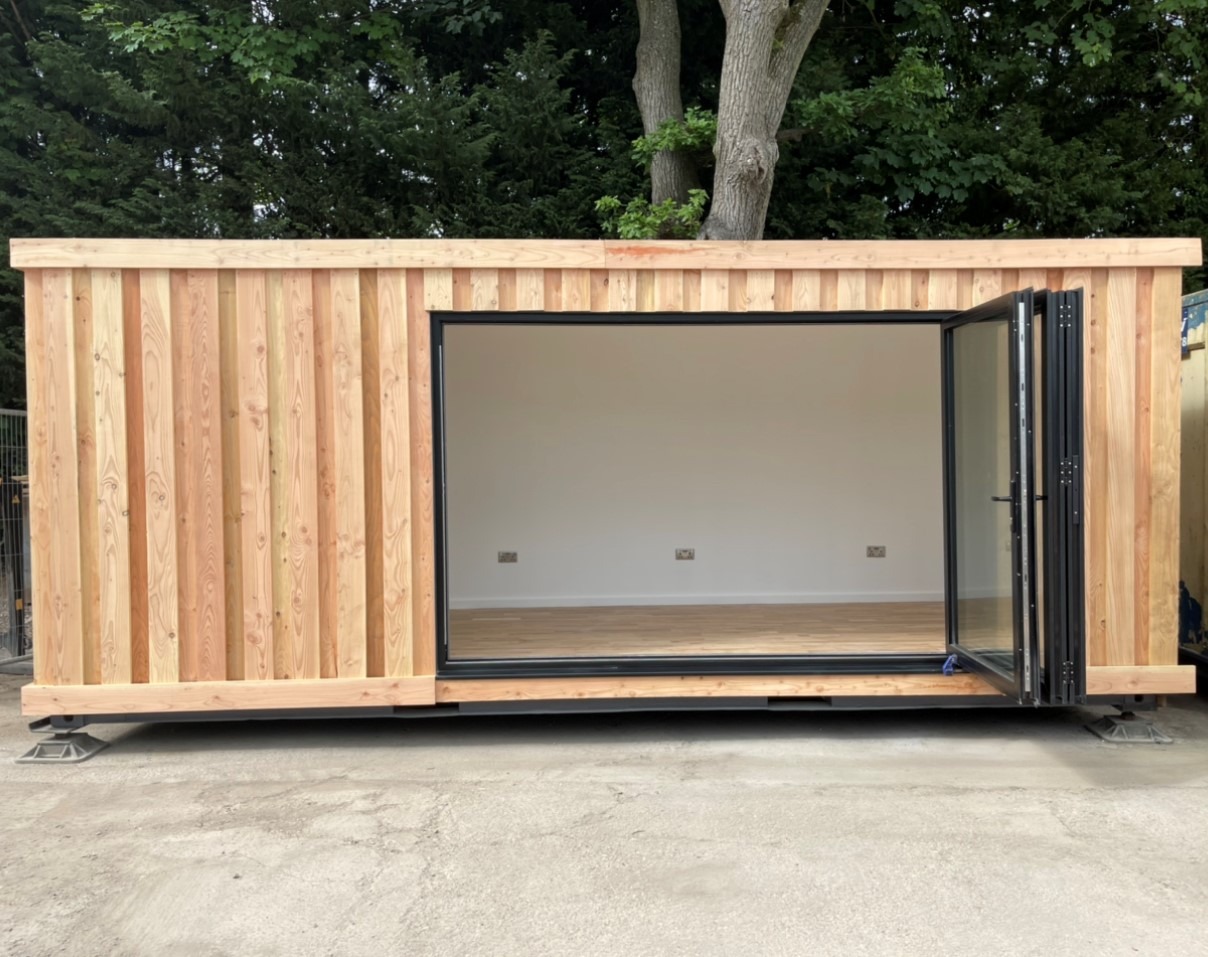
Aluminium Bi Fold Doors
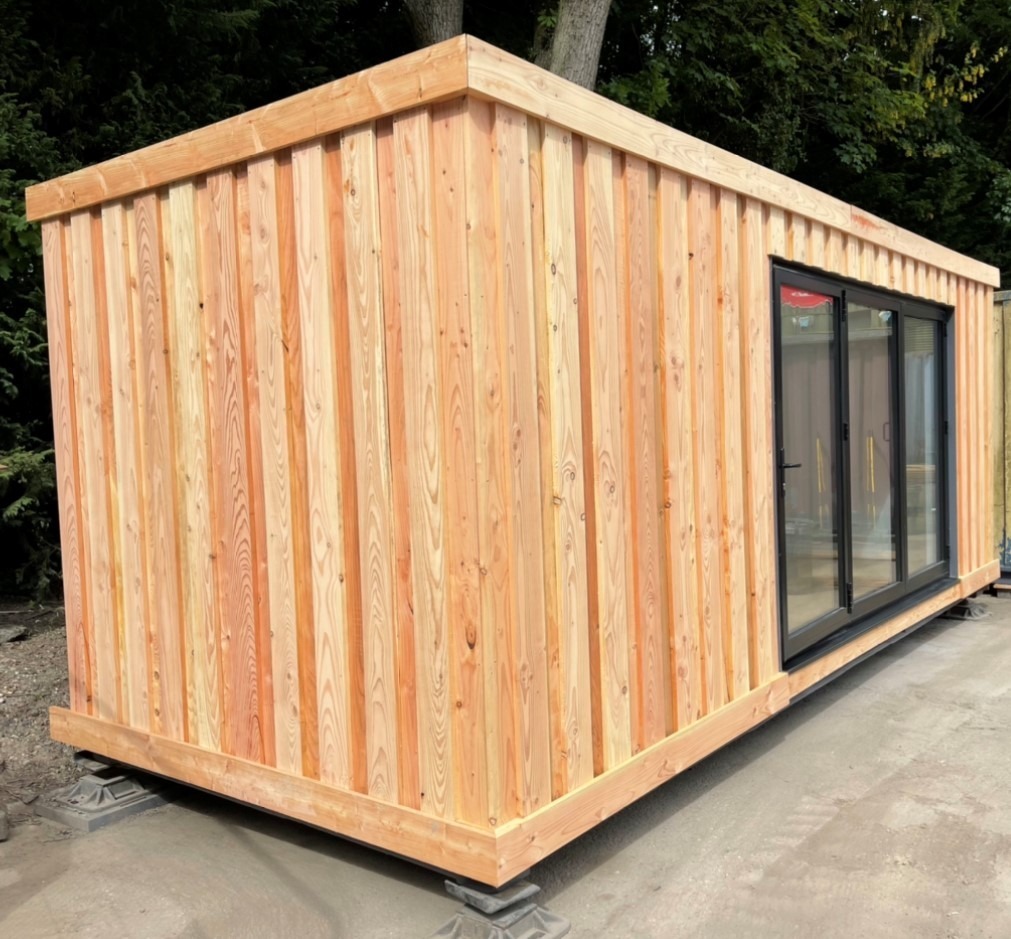
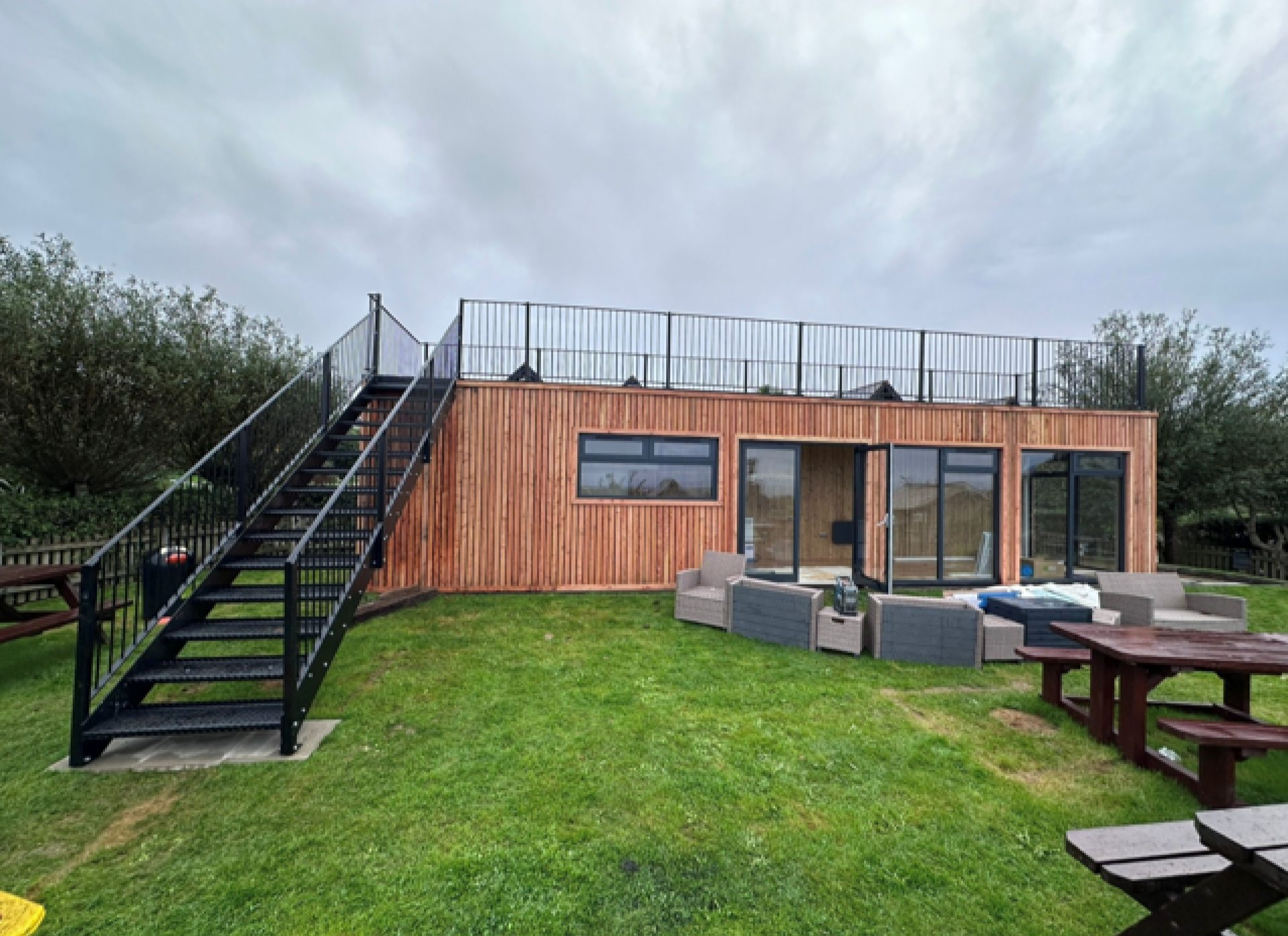
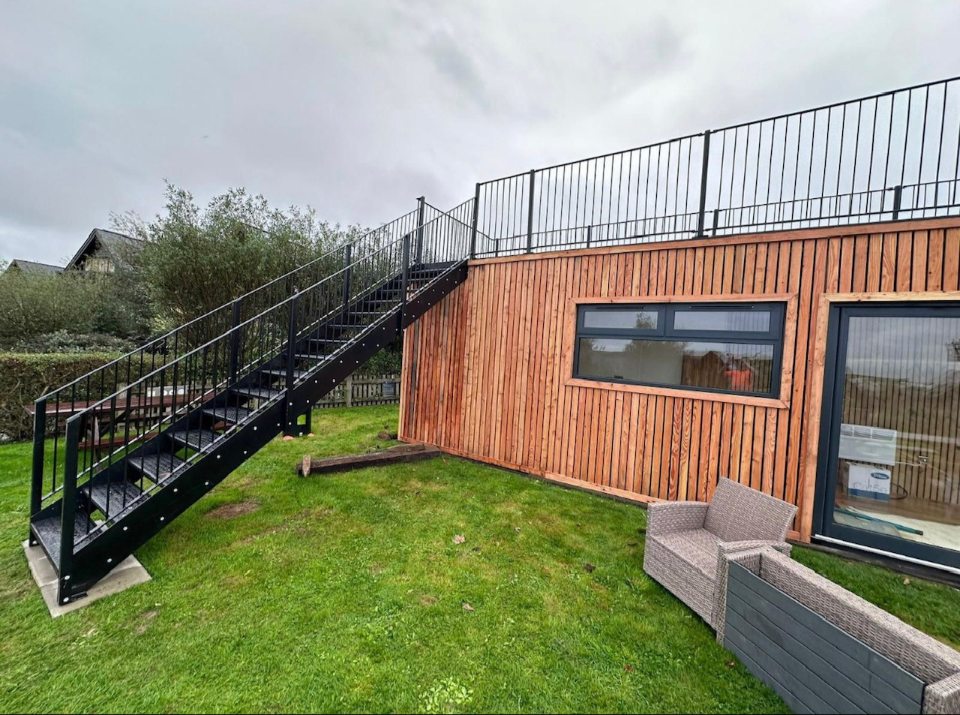
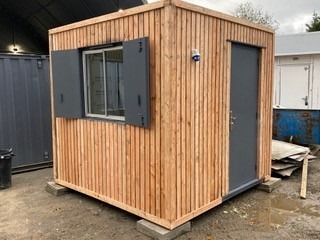
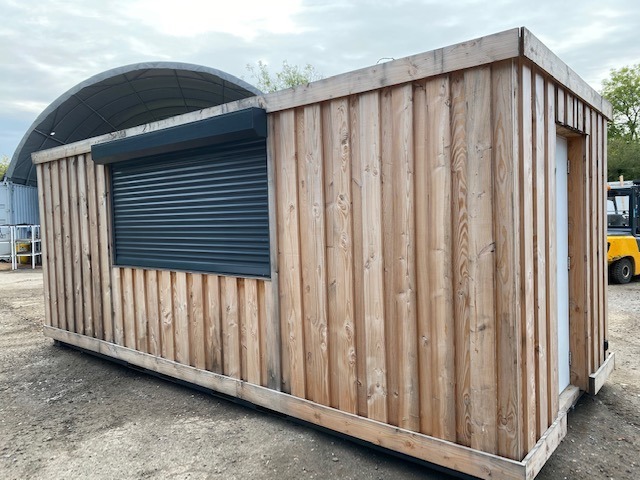
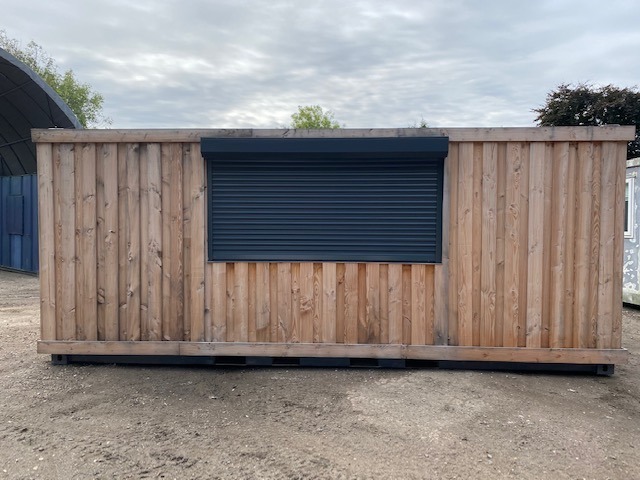
Fully wrapped in larch cladding
Lead Time for build 6-8 weeks


Location: Nationwide
+ VAT
Not Available for Hire
Call for an instant quote!
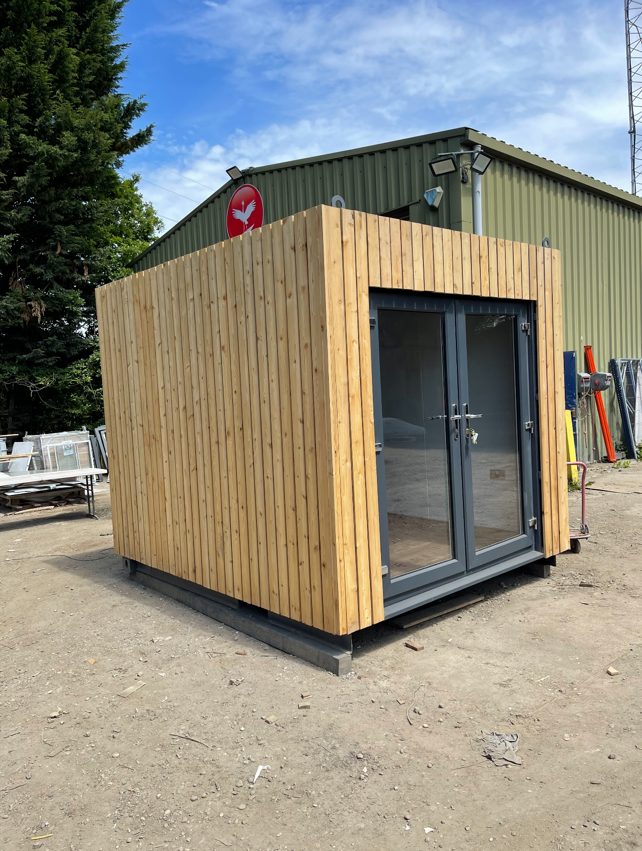
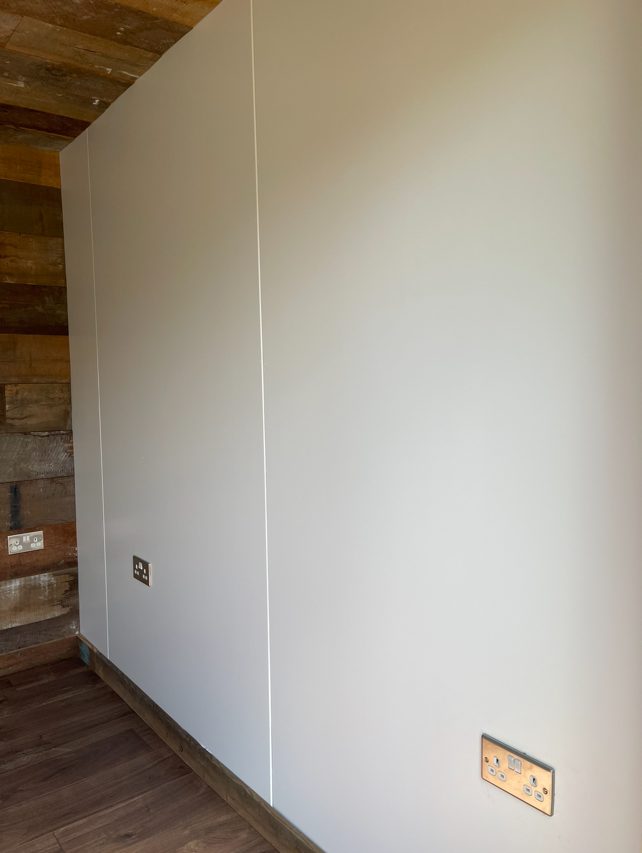
Fully Insulated with electric sockets, spot lighting, and heating
Wood Flooring
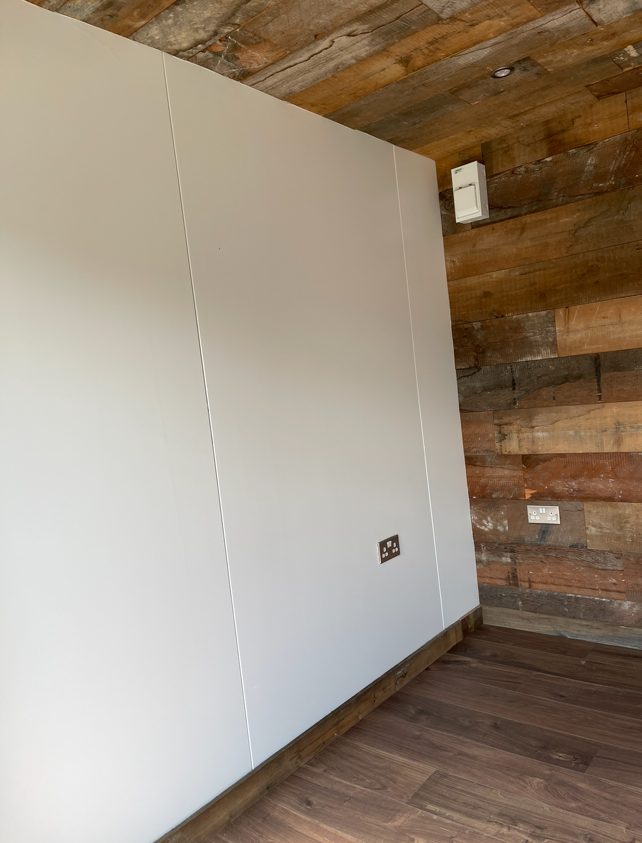
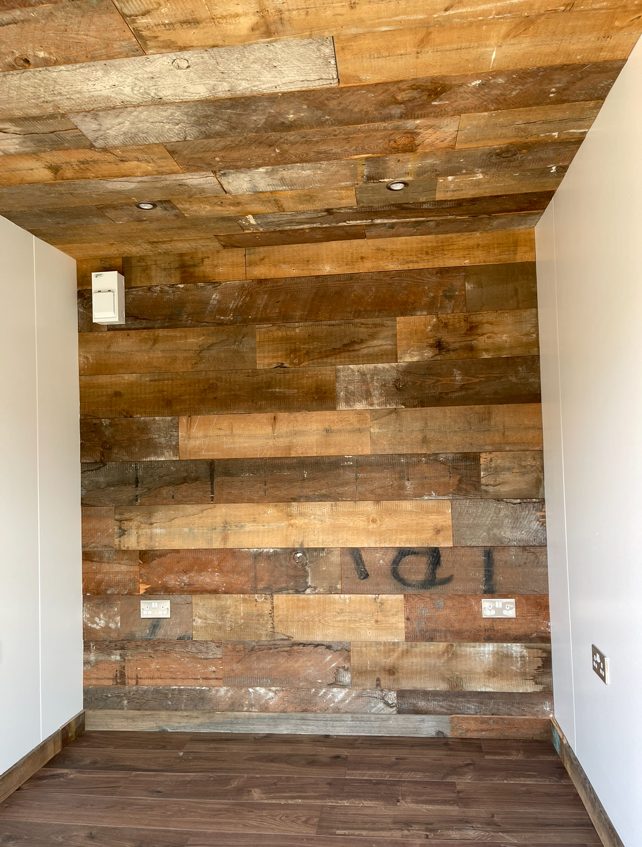
Feature Clad Wall and Ceiling
UPVC Double glazed French Doors
Fully wrapped in larch cladding
Lead Time for build 6-8 weeks


Location: Nationwide
EX VAT
Not Available for Hire
Call for an instant quote!


Location: Nationwide
EX VAT
Not Available for Hire
Call for an instant quote!


Location: Nationwide
EX VAT
Not Available for Hire
Call for an instant quote!


Location: Nationwide
EX VAT
Not Available for Hire
Call for an instant quote!


Location: Nationwide
EX VAT
Not Available for Hire
Call for an instant quote!

Location: Nationwide
EX VAT
Not Available for Hire
Call for an instant quote!


Location: Nationwide
EX VAT
Not Available for Hire
Call for an instant quote!


Location: Nationwide
EX VAT
Not Available for Hire
Call for an instant quote!


Location: Nationwide
EX VAT
Not Available for Hire
Call for an instant quote!


Location: Nationwide
EX VAT
Not Available for Hire
Call for an instant quote!


Location: Nationwide
EX VAT
Not Available for Hire
Call for an instant quote!


Location: Nationwide
EX VAT
Not Available for Hire
Call for an instant quote!


Location: Nationwide
EX VAT
Not Available for Hire
Call for an instant quote!


Location: Nationwide
EX VAT
Not Available for Hire
Call for an instant quote!


Location: Nationwide
EX VAT
Not Available for Hire
Call for an instant quote!


Location: Nationwide
EX VAT
Not Available for Hire
Call for an instant quote!
10ftx8ft – £5950 + Vat / 16ftx8ft – £7950 + Vat / 20ftx8ft – £9000 + Vat / 24ftx8ft – £12000 + Vat / 30ftx8ft – £13500 + Vat


Location: Nationwide
EX VAT
Not Available for Hire
Call for an instant quote!


Location: Nationwide
EX VAT
Not Available for Hire
Call for an instant quote!


Location: Nationwide
EX VAT
Not Available for Hire
Call for an instant quote!

Location: Nationwide
Quantity: ∞
EX VAT
Not Available for Hire
Call for an instant quote!
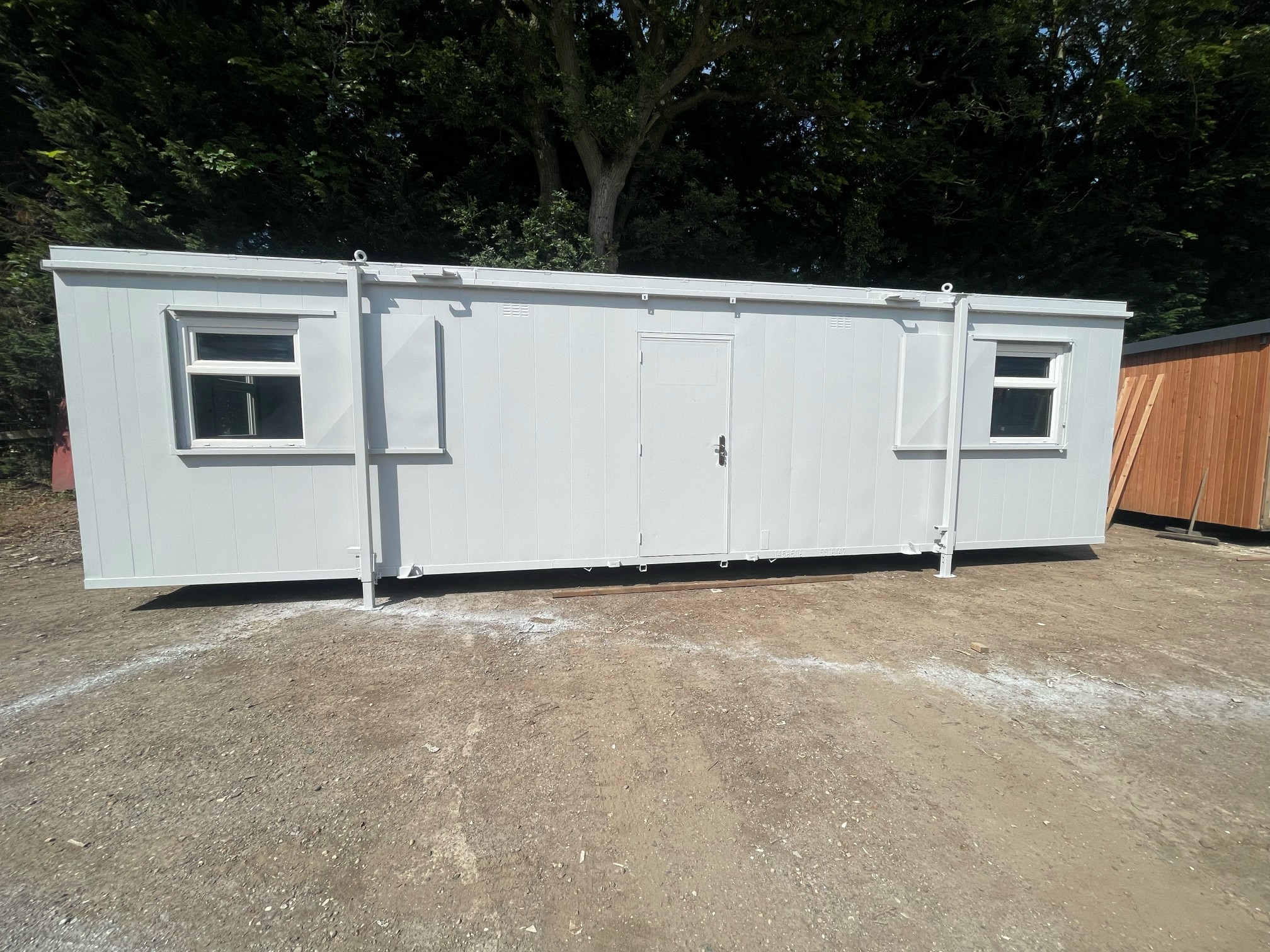
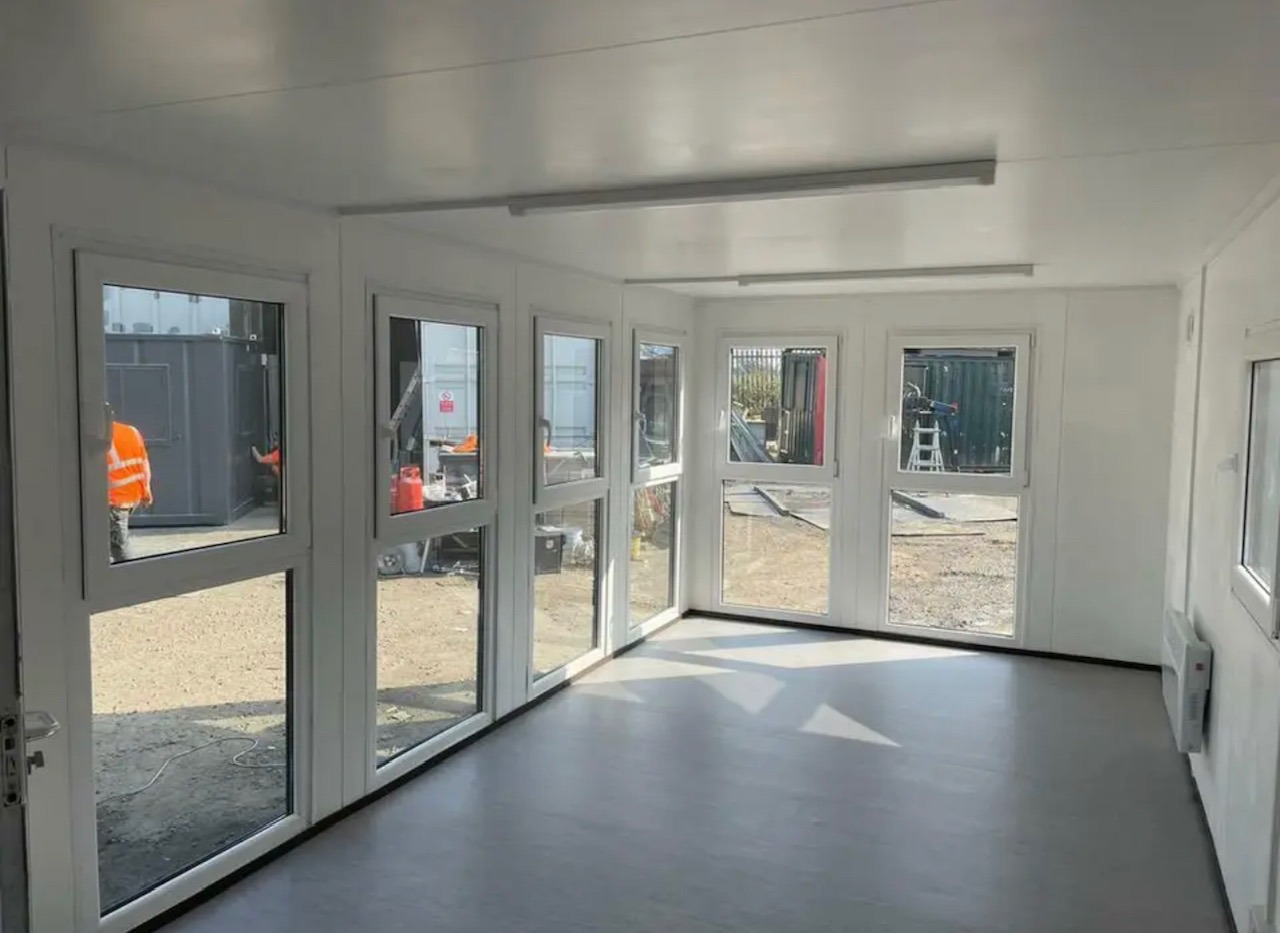
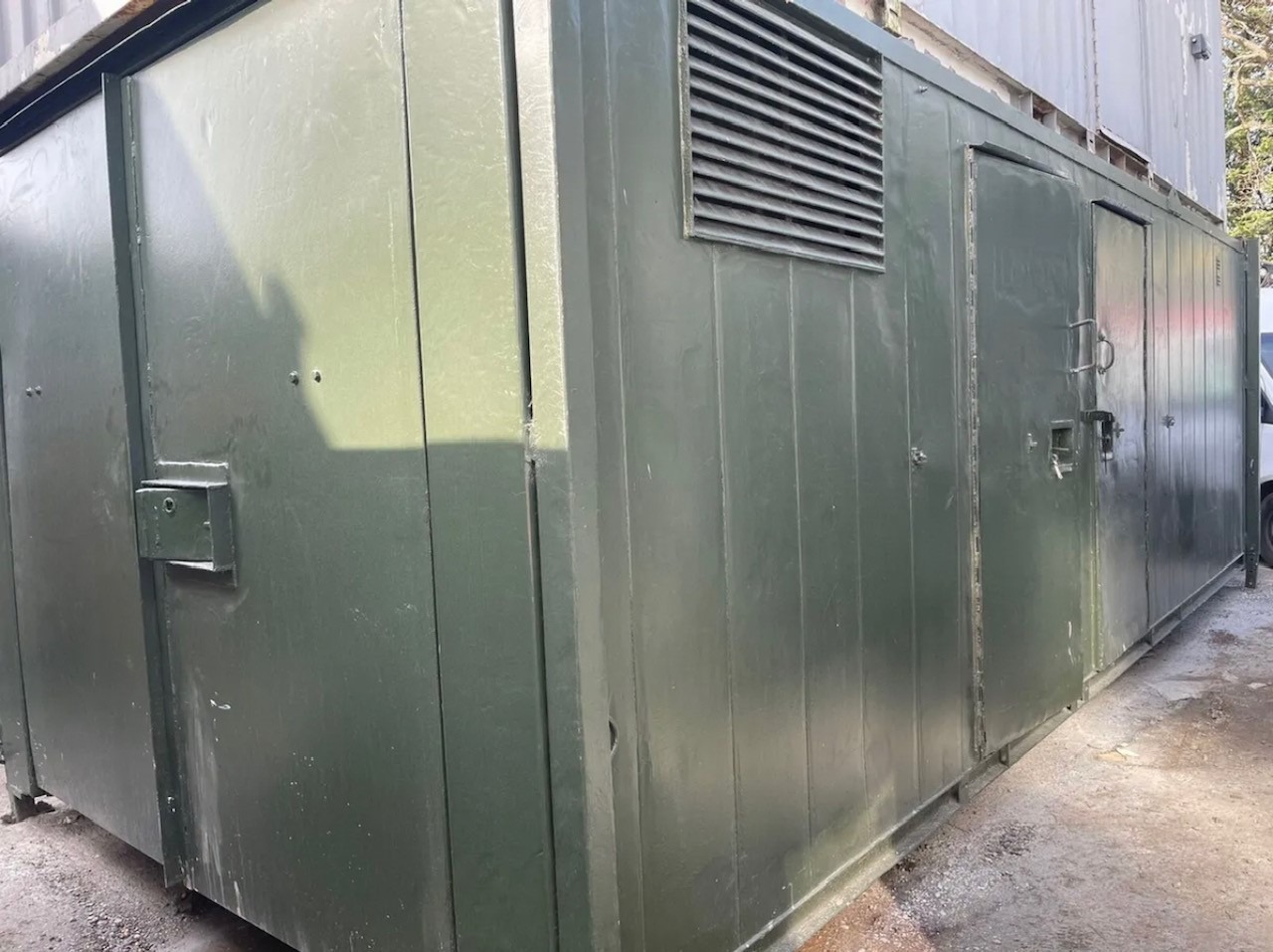
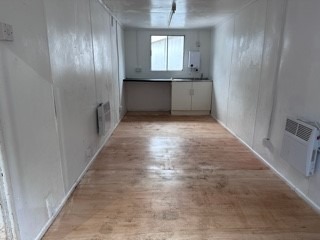
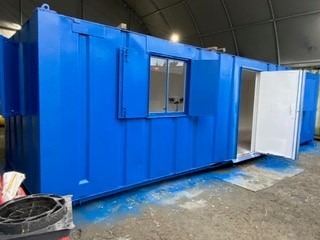
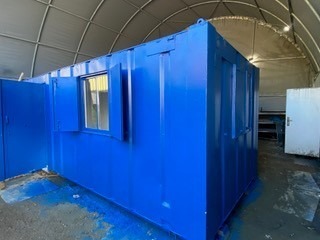
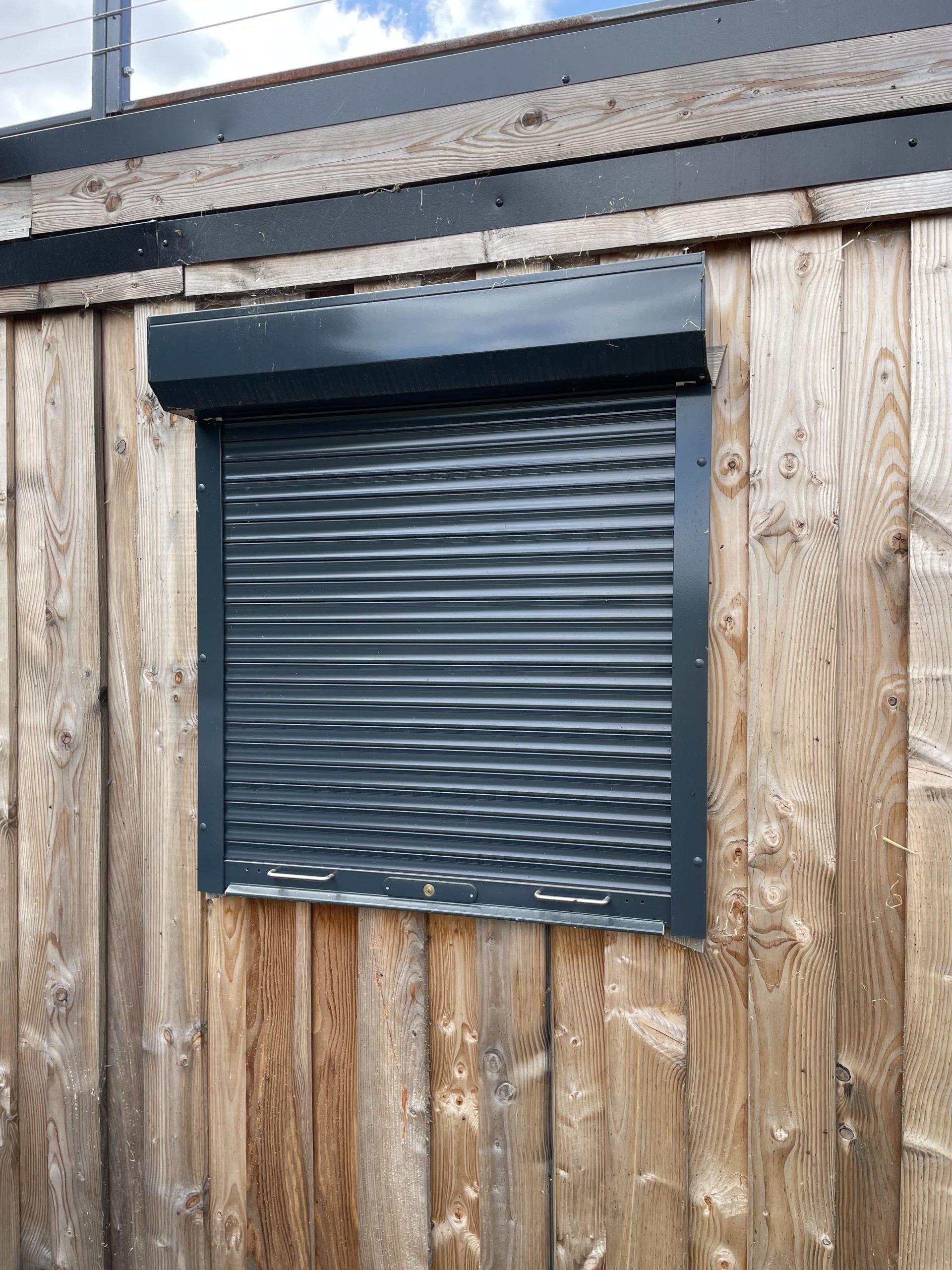
• Reinforced doors and windows with secure locking
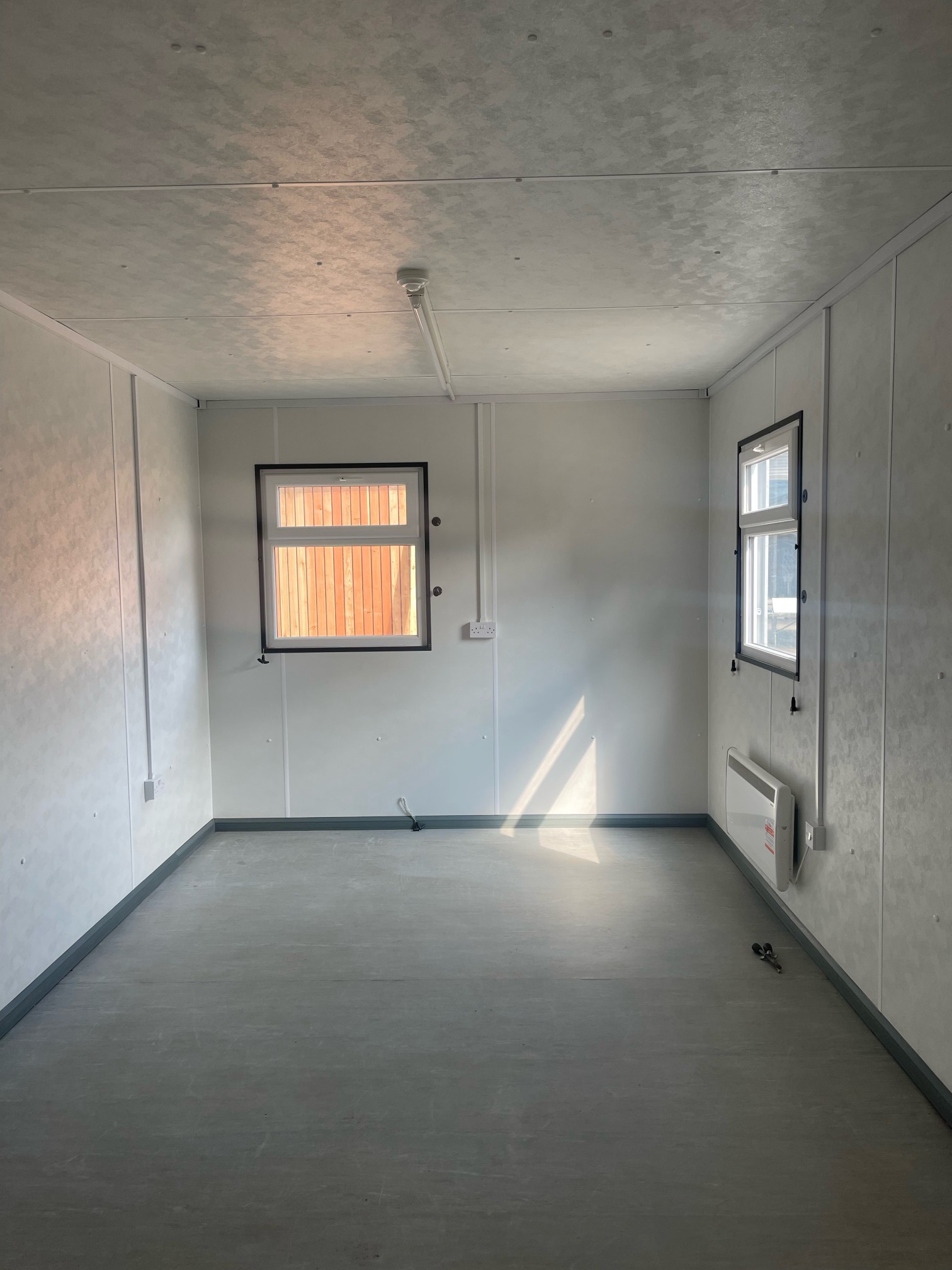
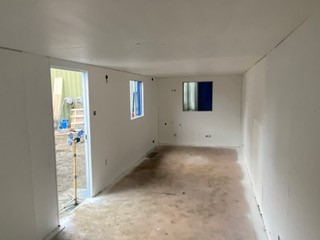
• Open plan with electric sockets and lighting
• Ral Code Colour of choice
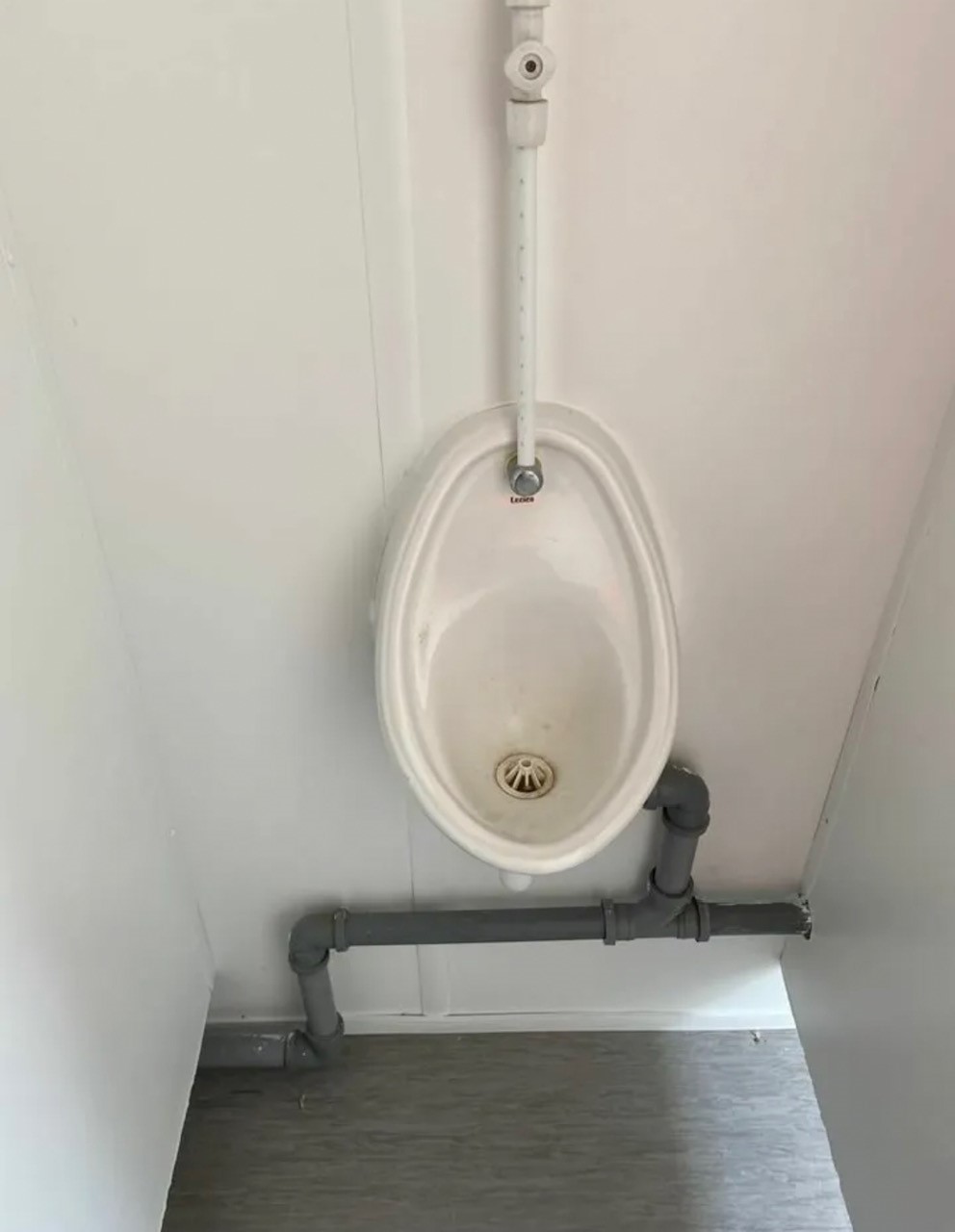
• Any Extras available : Canteen, Partitions, Toilets.


Location: Nationwide
EX VAT
Not Available for Hire
Call for an instant quote!
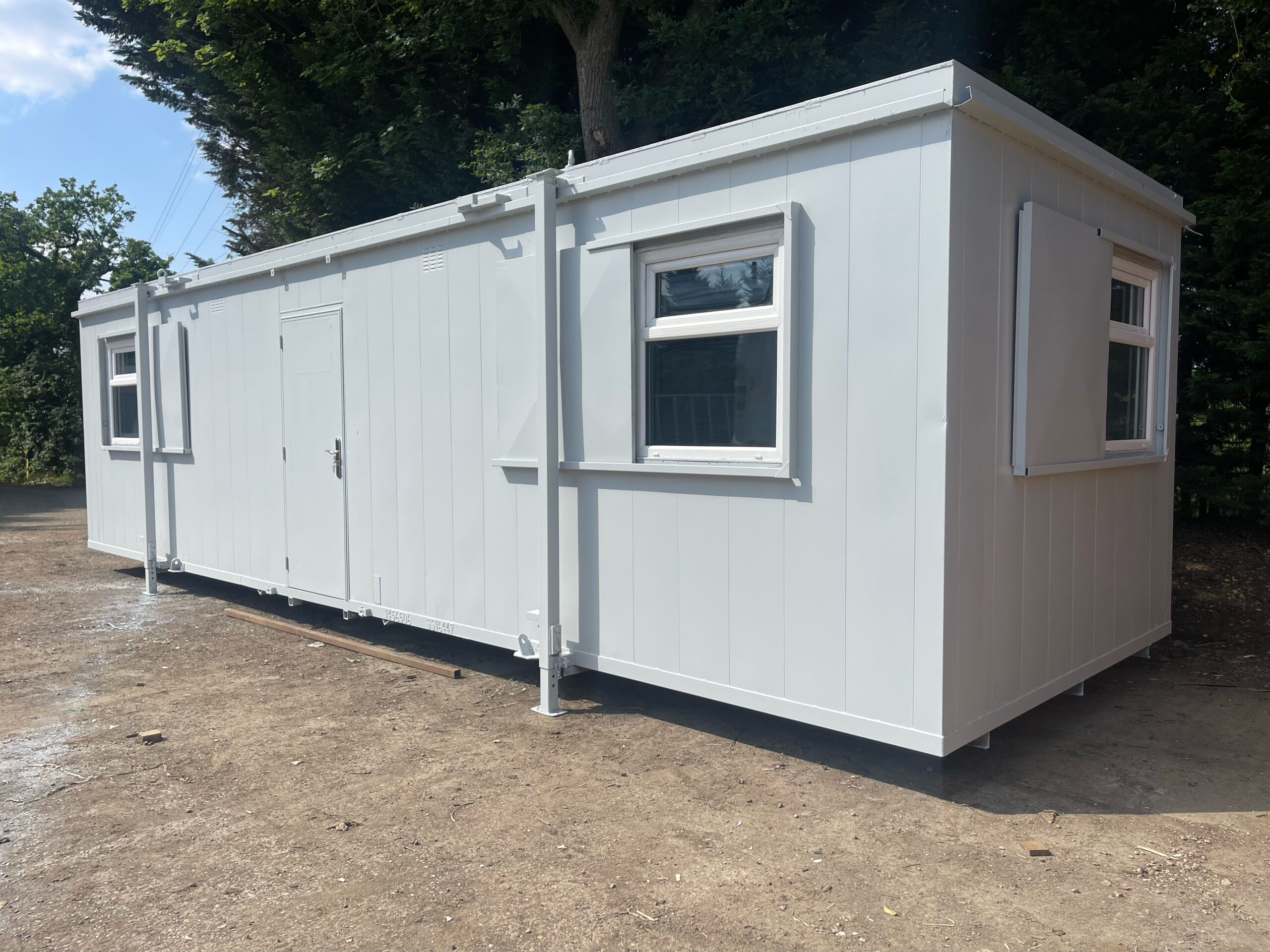
• Reinforced doors and windows with secure locking
• Open plan with electric sockets and lighting
• Ral Code Colour of choice
• Any Extras available : Canteen, Partitions, Toilets.

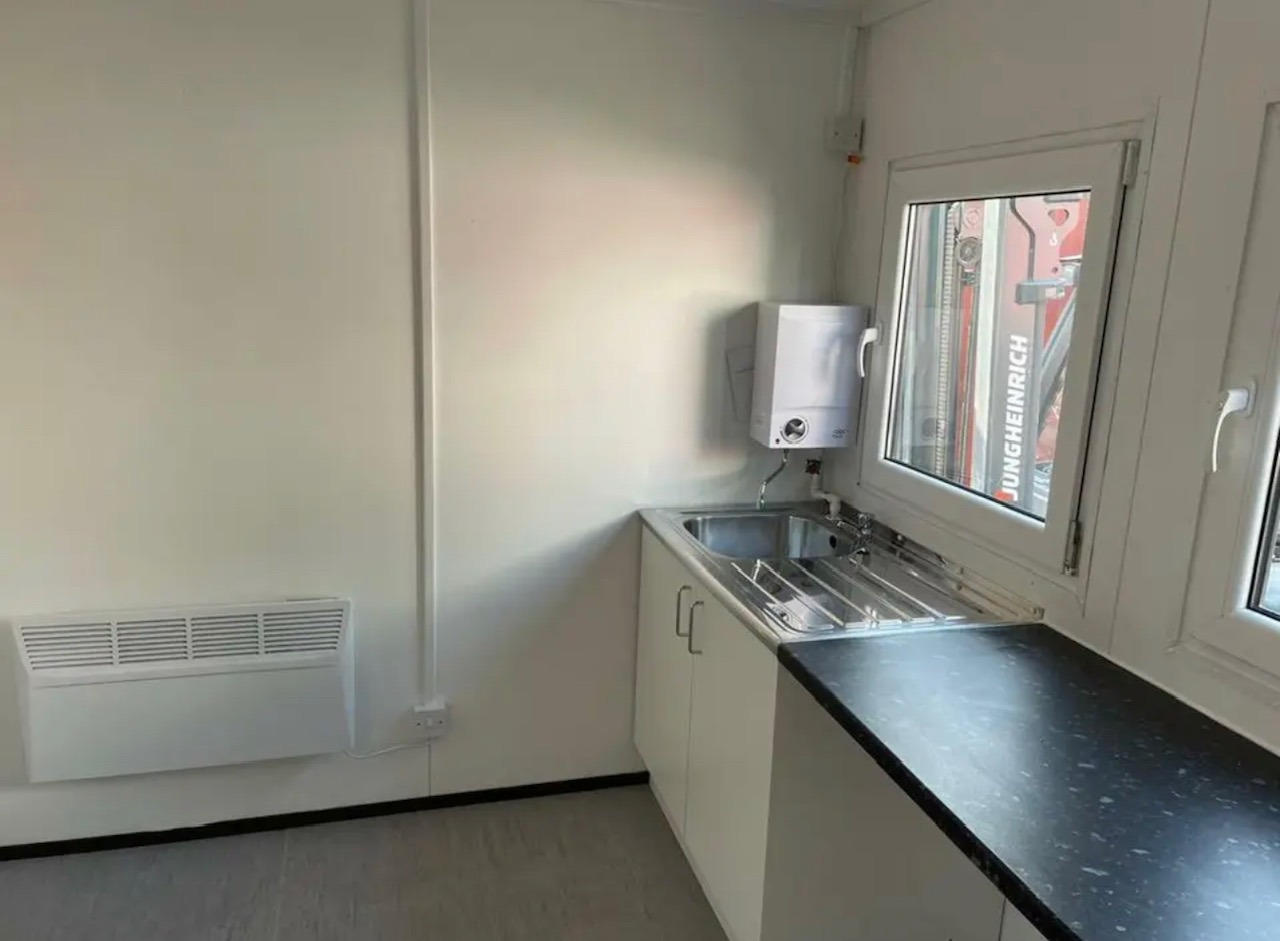
• Reinforced doors with secure locking
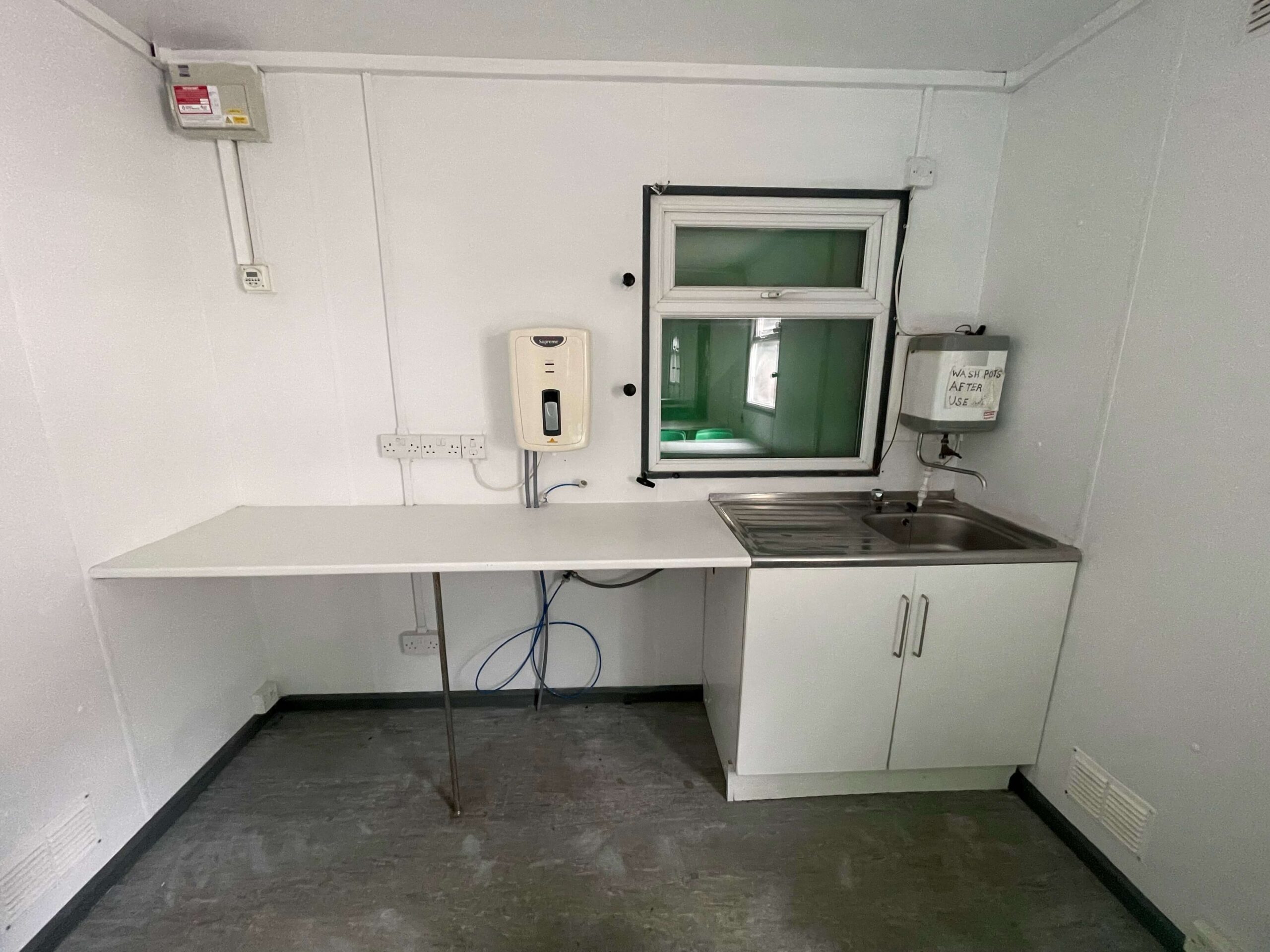
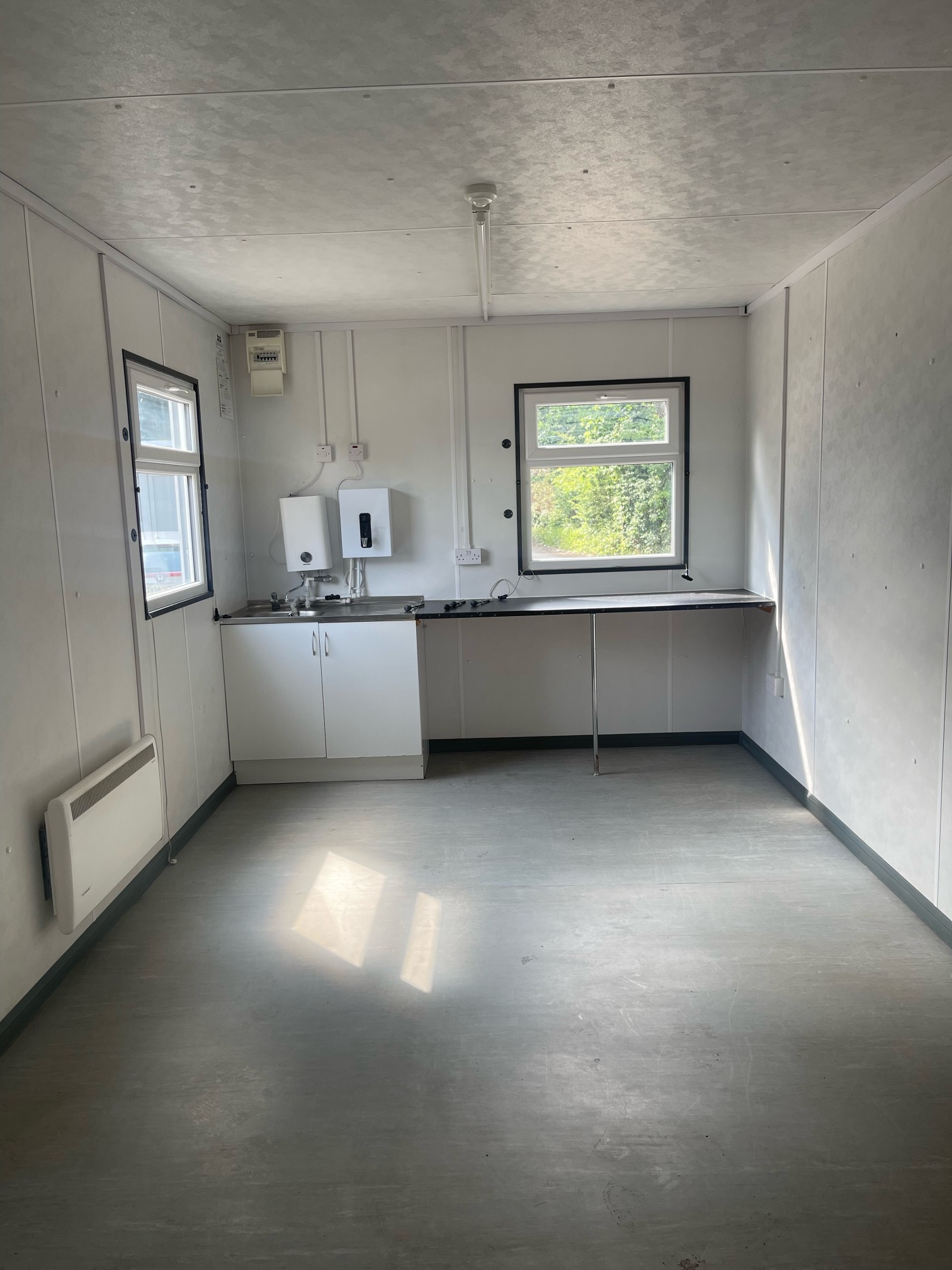
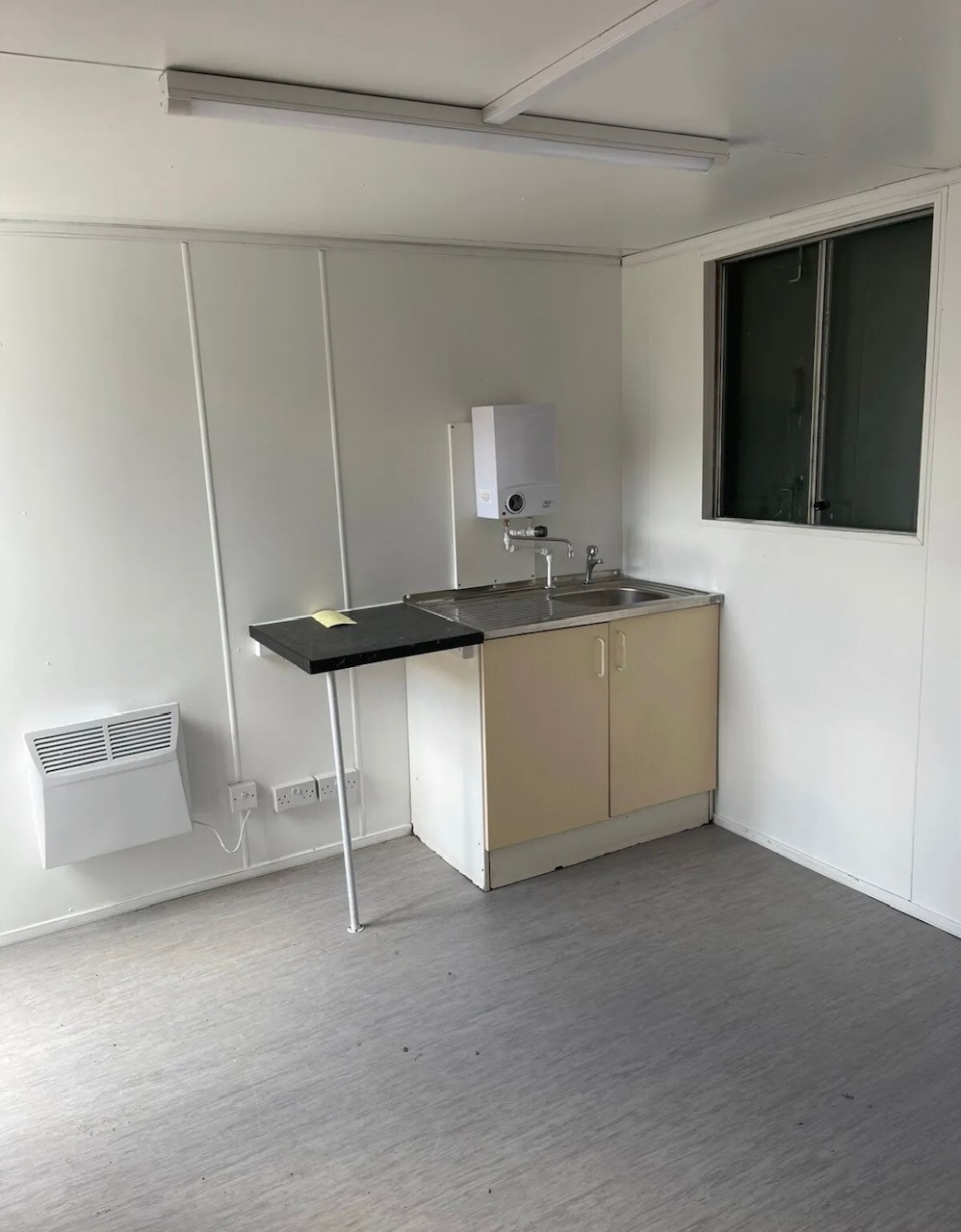
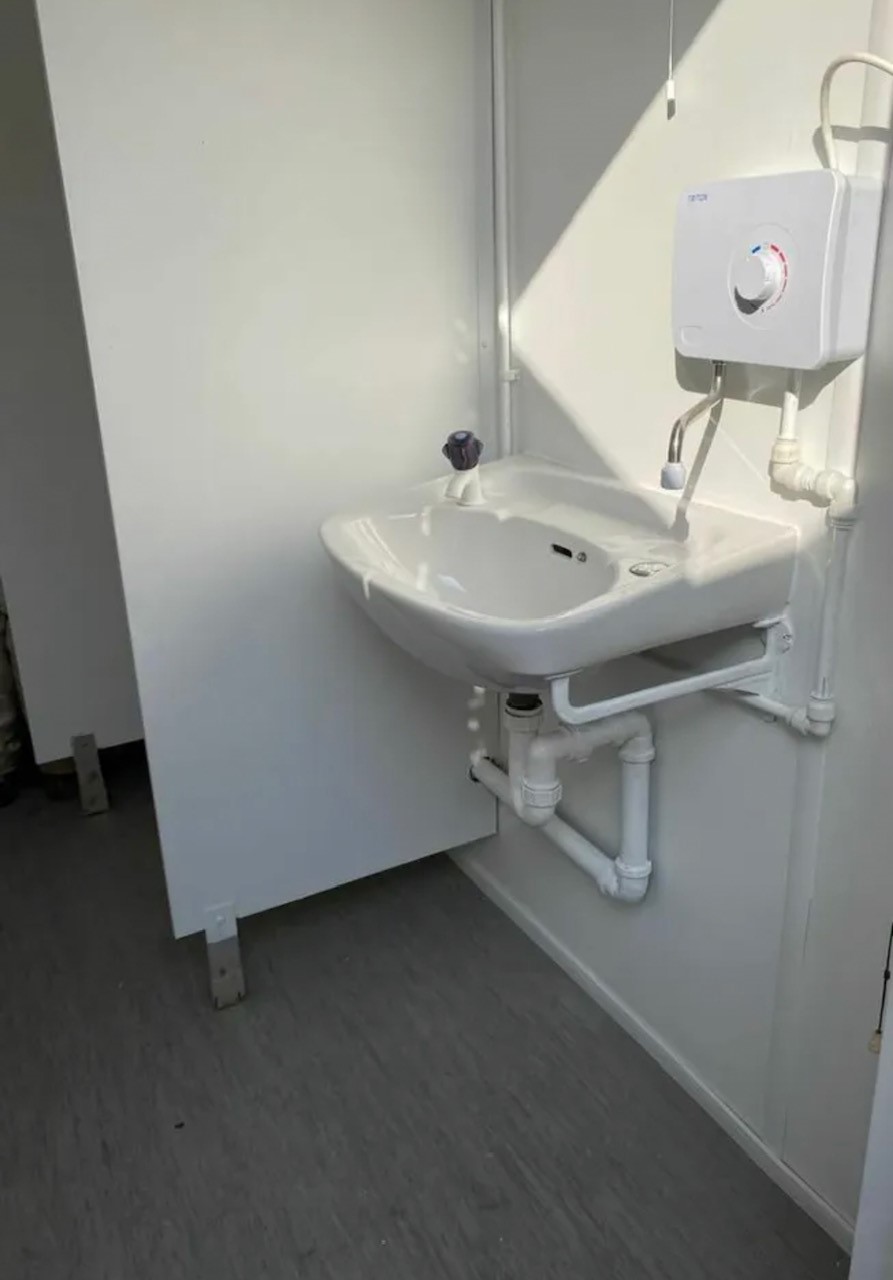
• Sink and water boiler included


Location: Nationwide
Quantity: ∞
EX VAT
Not Available for Hire
Call for an instant quote!


Location: Nationwide
EX VAT
Not Available for Hire
Call for an instant quote!
Get a Quick Container Quote Now!


Location: Nationwide
EX VAT
Not Available for Hire
Call for an instant quote!
Get a Quick Container Quote Now!