Choosing the right exhaust fan is rarely as simple as comparing airflow numbers. Global buyers must consider room size, duct length, noise, humidity, temperature, and local electrical requirements. A fan moving 1,000 cubic feet per minute may perform poorly through a narrow, twisting duct. Poor selection wastes energy and leaves moisture, smoke, or odors behind.
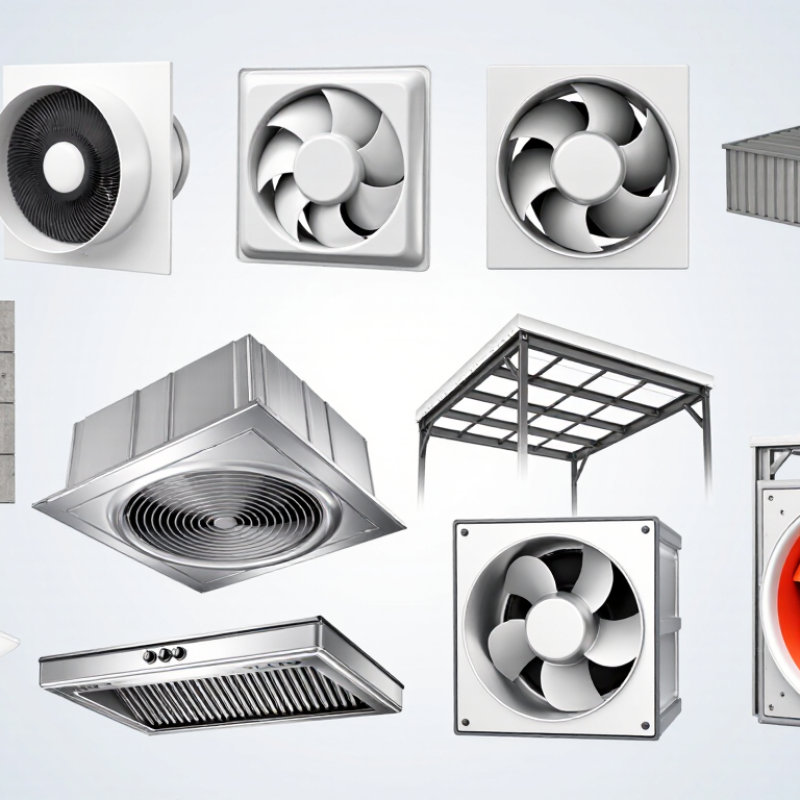
Searches for “Exhaust Fan Exhaust Fan” often reflect a broader need for reliable ventilation guidance. The market includes axial fans, centrifugal fans, mixed-flow models, inline duct fans, roof exhausters, wall-mounted units, bathroom fans, kitchen fans, industrial systems, and heat-resistant designs. Each type solves a different problem. Centrifugal fans suit high resistance. Axial fans usually support open, short airflow paths. Inline models can hide above ceilings, where access becomes important.
“Buildings are a public health intervention,” says Joseph G. Allen, a Harvard healthy-buildings expert. His statement reinforces one practical truth: ventilation affects comfort, indoor air quality, and daily well-being. Still, fan choice is not perfect. Product labels can simplify real conditions. Actual performance depends on installation, filters, dampers, controls, and maintenance.
This guide examines ten exhaust fan types for international buyers. It compares airflow, static pressure, sound levels, motor design, controls, durability, and installation demands. Buyers should verify test methods, certification marks, voltage, frequency, and warranty terms before ordering. Local engineers may also need to confirm building and electrical compliance. Small details matter. A quiet fan that cannot overcome duct resistance is not a successful purchase.
An exhaust fan removes unwanted air from a room and replaces it with cleaner air through planned openings. It controls humidity, heat, odors, smoke, and airborne particles. Air is the product.
In practical site assessments, airflow is measured in cubic meters per hour or cubic feet per minute. Static pressure matters too. Long ducts, narrow grilles, bends, and dirty filters can reduce real performance. A fan may show strong laboratory airflow but perform poorly after installation. That difference deserves attention.
Axial fans move air along the shaft and suit short, low-resistance paths. Centrifugal fans use a rotating wheel and handle longer ducts or higher resistance more effectively. Mixed-flow designs sit between these approaches. Wall, window, roof, inline, cabinet, and portable units differ mainly in mounting, weather protection, noise control, and service access. Kitchen applications often need grease-resistant construction and easy cleaning. Bathrooms need reliable moisture removal, while workshops may require stronger pressure performance.
Do not choose by airflow alone. Check duct size, operating hours, sound levels, motor efficiency, electrical requirements, and local installation rules. I have seen oversized fans create drafts, noise, and unnecessary energy use. Smaller fans can also disappoint when the duct route is restrictive. The correct choice depends on the complete air path, not only the fan label. Some design decisions remain imperfect because building conditions change after installation. That is why measured airflow and regular maintenance matter.

Exhaust Fan Basics: Purpose, Airflow, and Core Design Differences
The chart compares typical airflow ranges for widely used exhaust fan designs. Actual performance depends on fan size, motor power, static pressure, duct resistance, and operating conditions. Values are representative industry ranges and are shown in cubic metres per hour (m³/h).
Exhaust fans differ by structure, airflow direction, and installation setting.
Application matters as much as structure. A dusty workshop may need a robust centrifugal fan with accessible filters. A humid bathroom usually needs a compact, corrosion-resistant model. Agricultural buildings often require high-volume airflow and washable components. For long duct runs, pressure performance matters more than the fan’s free-air rating. Noise levels also affect offices, hotels, and residential projects. I have seen buyers select powerful units that later created uncomfortable drafts. More airflow is not always better.
Tips: Check airflow, static pressure, voltage, noise, materials, and mounting space together. Confirm local electrical and ventilation requirements before ordering. Ask for performance data at the intended pressure, not only the headline air volume. Leave access for cleaning and belt inspection. Even experienced teams can overlook maintenance clearance. That small mistake becomes expensive.
Airflow is the first performance check. A fan must remove moisture, odors, or heat without creating excessive pressure loss.
The U.S. Department of Energy recommends sizing residential ventilation for the room and duct layout, not only the fan’s free-air rating. AMCA Standard 210 provides a recognized method for measuring airflow and pressure performance.
A practical comparison should record cubic feet per minute, static pressure, and duct length under the same conditions.
Noise affects comfort, especially in bathrooms, bedrooms, and workshops.
AMCA Standard 300 defines laboratory procedures for fan sound testing, commonly reported in sones or decibels. ENERGY STAR guidance identifies lower sound levels as a key quality factor for residential ventilating fans.
Still, a quiet fan can disappoint if its airflow collapses through a long, narrow duct. Measure both.
Energy use deserves equal attention.
ENERGY STAR’s residential ventilating fan criteria indicate certified models can use about 50% less energy than conventional products. Buyers should compare watts per delivered airflow, not watts alone.
Durability depends on sealed bearings, corrosion-resistant housings, thermal protection, and accessible cleaning points. IEC 60335-2-80 offers safety requirements for household and similar electric fans.
Field experience suggests installation quality often decides service life. That part is easy to underestimate. Even excellent equipment performs poorly with loose joints, blocked grilles, or undersized ducts.
Top 10 Exhaust Fan Types for Global Buyers
How to Match Exhaust Fan Types With Building and Climate Requirements
Exhaust fan selection should begin with the building, not the catalog. The IEA reports that building operations consume about 30% of global final energy. An oversized fan can waste power continuously. For bathrooms and small offices, wall-mounted, shutter, and axial fans often provide simple, direct extraction. Inline duct fans suit long duct runs, while centrifugal models handle higher resistance more reliably. Roof exhausters work well for warehouses and factories with rising hot air.
Climate changes the decision. In humid coastal regions, corrosion-resistant housings and sealed motors deserve priority. Hot climates need strong airflow, shaded installations, and motors rated for high ambient temperatures. Cold climates require backdraft dampers and careful placement, or heated air may escape overnight. Jet fans can support large car parks, but they need airflow modelling rather than guesswork. Heat-recovery ventilation may reduce energy loss where fresh air must enter continuously.
UNEP’s 2024 Global Status Report states that buildings used 32% of global energy and produced 34% of global carbon dioxide emissions in 2022. Efficiency matters, but low energy use cannot replace safe ventilation. ASHRAE 62.1 and 62.2 provide recognised ventilation guidance, yet local codes still control final design. Field commissioning often reveals an uncomfortable truth: the “right” fan performs poorly when filters clog, ducts bend sharply, or controls are ignored. I would check airflow at the grille, not trust the nameplate alone. Small details matter.
| No. | Exhaust Fan Type | Typical Airflow Range | Pressure Capability | Best Building Applications | Climate and Environmental Fit | Key Advantages | Main Selection Considerations |
|---|---|---|---|---|---|---|---|
| 1 | Axial Wall-Mounted Fan | 1,000–45,000 m³/h | Low pressure; generally below 250 Pa | Warehouses, workshops, agricultural buildings, factories, and general-purpose rooms | Warm climatesDry climatesNaturally ventilated buildings | High airflow, simple installation, low initial cost, and efficient direct air discharge | Requires a suitable intake path; performance decreases when connected to long or restrictive ductwork |
| 2 | Axial Roof Exhaust Fan | 2,000–60,000 m³/h | Low pressure; generally below 300 Pa | Industrial halls, distribution centers, livestock buildings, and large commercial spaces | Hot climatesRoof-level heat removalLow-to-moderate rainfall | Removes hot air that accumulates near the roof and saves valuable wall space | Roof waterproofing, wind exposure, rain protection, and structural support must be assessed |
| 3 | Centrifugal Cabinet Fan | 500–30,000 m³/h | Medium to high pressure; approximately 300–1,500 Pa | Offices, hospitals, hotels, kitchens, laboratories, and ducted commercial ventilation systems | Humid climatesUrban buildingsDucted systems | Handles duct resistance well and can provide controlled, reliable exhaust airflow | Needs adequate service access; fan selection should be based on system resistance, not airflow alone |
| 4 | Mixed-Flow Inline Fan | 300–10,000 m³/h | Medium pressure; approximately 150–800 Pa | Bathrooms, apartments, retail units, restaurants, and spaces with limited installation room | Humid climatesCompact layoutsModerate duct runs | Compact cylindrical design, quieter operation than many basic axial fans, and flexible duct installation | Check access for cleaning and ensure the fan diameter matches the duct system |
| 5 | Propeller Fan | 1,000–100,000 m³/h | Very low pressure; generally below 150 Pa | Large factories, barns, parking structures, and open-sided agricultural buildings | Hot climatesOpen buildingsHigh-volume ventilation | Moves very large air volumes with a simple and economical construction | Not suitable for long ducts, filters, silencers, or systems requiring significant static pressure |
| 6 | Bathroom and Toilet Exhaust Fan | 50–500 m³/h | Low to medium pressure; approximately 50–250 Pa | Residential bathrooms, guest rooms, small offices, and sanitation areas | Humid climatesCondensation-prone roomsSmall spaces | Compact, easy to control, and effective for reducing moisture, odors, and indoor pollutants | Use suitable moisture protection and provide make-up air to prevent poor airflow performance |
| 7 | Kitchen and Grease Exhaust Fan | 1,000–25,000 m³/h | Medium to high pressure; approximately 400–1,500 Pa | Commercial kitchens, food-processing areas, canteens, and cooking exhaust systems | Hot and humid conditionsGrease-laden airHigh-temperature exhaust | Designed for heavy-duty exhaust duty and compatibility with grease-control components | Requires fire-safety compliance, regular grease cleaning, appropriate duct construction, and temperature-rated components |
| 8 | Smoke and Heat Exhaust Fan | 2,000–60,000 m³/h | Medium to high pressure; commonly 500–2,000 Pa | Car parks, industrial facilities, atriums, tunnels, and smoke-control systems | Fire and smoke-control dutyLarge enclosed spacesVariable climates | Supports emergency smoke extraction and high-temperature ventilation when correctly certified | Must be selected and installed according to local fire codes, duty rating, controls, and emergency power requirements |
| 9 | Corrosion-Resistant Exhaust Fan | 500–20,000 m³/h | Low to medium pressure; approximately 100–800 Pa | Chemical rooms, battery rooms, wastewater facilities, coastal buildings, and industrial process areas | Coastal climatesSalt-laden airChemical exposure | Improves service life in aggressive atmospheres when housing, impeller, fasteners, and motor protection are properly specified | Identify the exact contaminants, concentration, temperature, and humidity before selecting materials and seals |
| 10 | Energy-Recovery Ventilator Exhaust Section | 200–20,000 m³/h | Medium pressure; approximately 200–900 Pa | Energy-efficient offices, schools, apartments, hotels, and tightly sealed commercial buildings | Cold climatesHot climatesConditioned buildings | Exhausts stale air while transferring part of its heat or cooling energy to incoming outdoor air | Requires balanced supply and exhaust airflow, filter maintenance, frost protection in cold climates, and condensate management |
Global buyers should compare exhaust fans by application, not appearance. Common choices include axial, centrifugal, mixed-flow, inline duct, wall-mounted, roof-mounted, window, ceiling, jet, and heat-resistant fans. Axial models suit short, open-air paths. Centrifugal units handle longer ducts and higher resistance. Mixed-flow designs balance pressure and airflow. The right choice depends on room volume, duct length, humidity, temperature, and operating hours.
Standards must be checked before ordering. Confirm local electrical voltage, frequency, wiring rules, safety markings, noise limits, and required ingress protection. A fan for a damp washroom needs stronger moisture protection than one used in a dry storage room. Installation also matters. Leave service clearance, seal duct joints, support heavy units, and prevent backflow with a suitable damper. Poor alignment can create vibration, noise, and early bearing wear. Measurements should be verified on site, because drawings are sometimes incomplete.
Tips: Request airflow and static-pressure data at the same test conditions. Compare energy use, spare parts, cleaning access, warranty terms, and delivery costs. Inspect blades and grilles regularly, especially where dust or grease is present. Clean filters and check electrical connections safely. A low purchase price can look attractive, but I have seen maintenance costs exceed the original saving. Lifecycle cost is often more useful than the invoice total. Still, every calculation has assumptions, so buyers should review real operating conditions before committing.
Registered in England & Wales No. 2786496
Registered office at: 337 Tanworth Lane,
Shirley, Solihull, B90 4DU
Registered for VAT, registration No.
GB 655 1347 38


Location: Nationwide
Not Available for Hire
We can deliver for a cost please ask and send us post code.
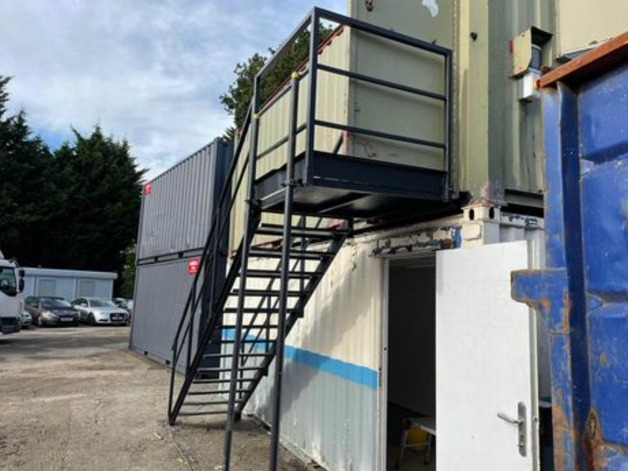
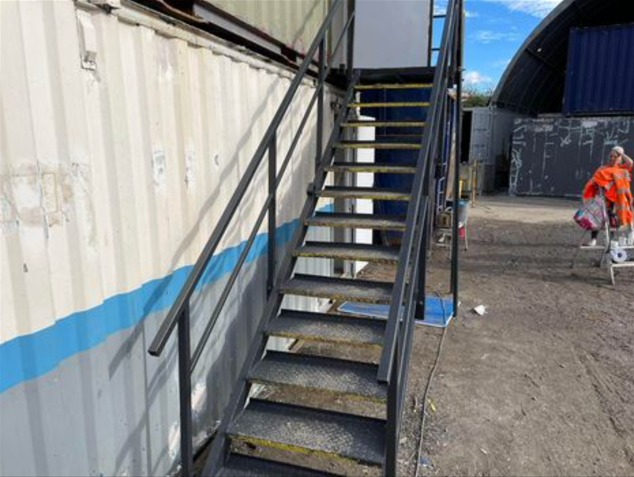
13 tread
14 tread
15 tread


Location: Nationwide
Not Available for Hire
Call for an instant quote!


Location: Nationwide
Not Available for Hire
We can deliver for a cost please ask and send us post code.
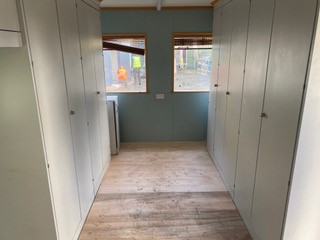
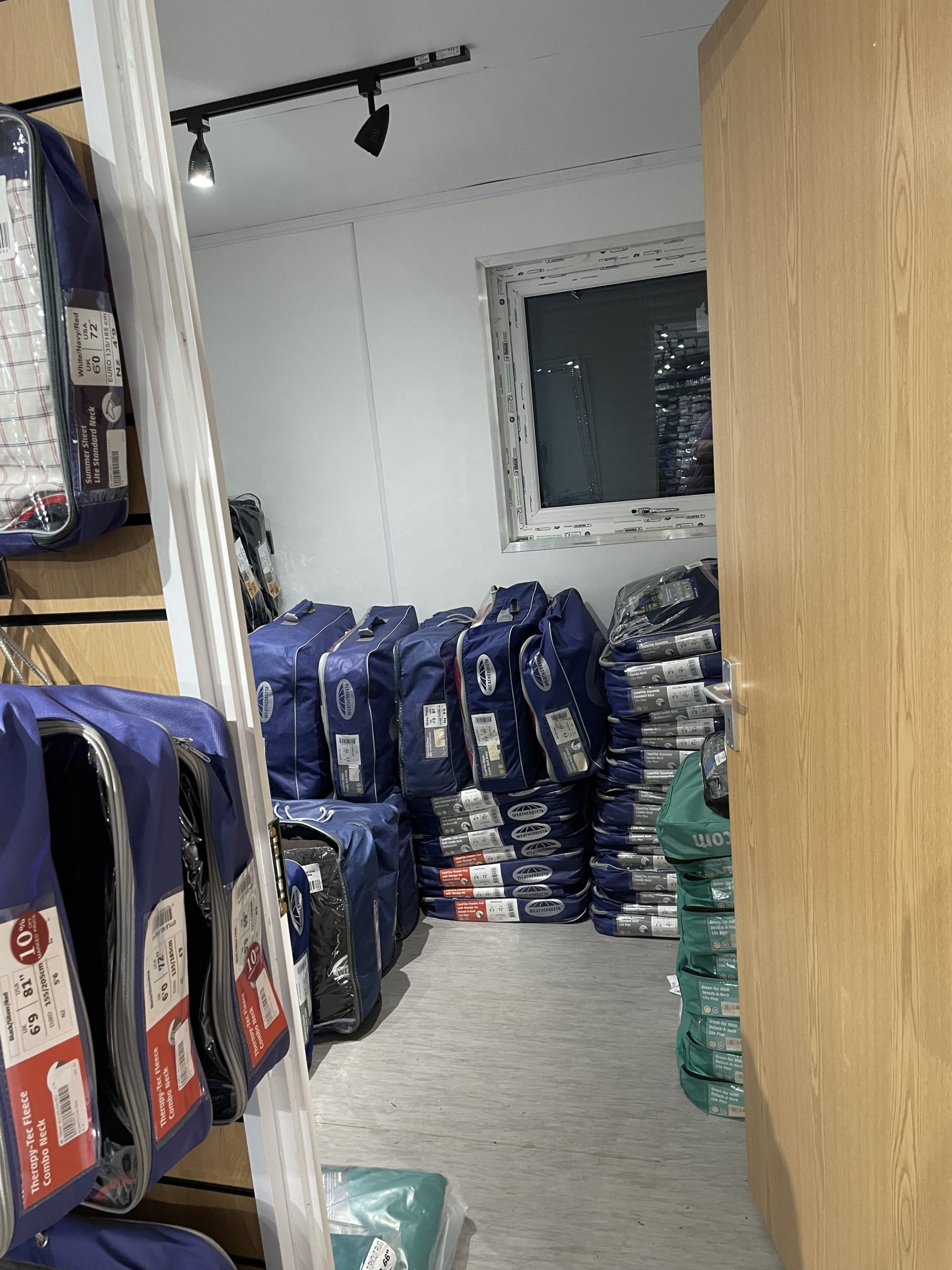
Hallway leading into:
Transport can be arranged please ask.


Location: Nationwide
Not Available for Hire
Call for an instant quote!
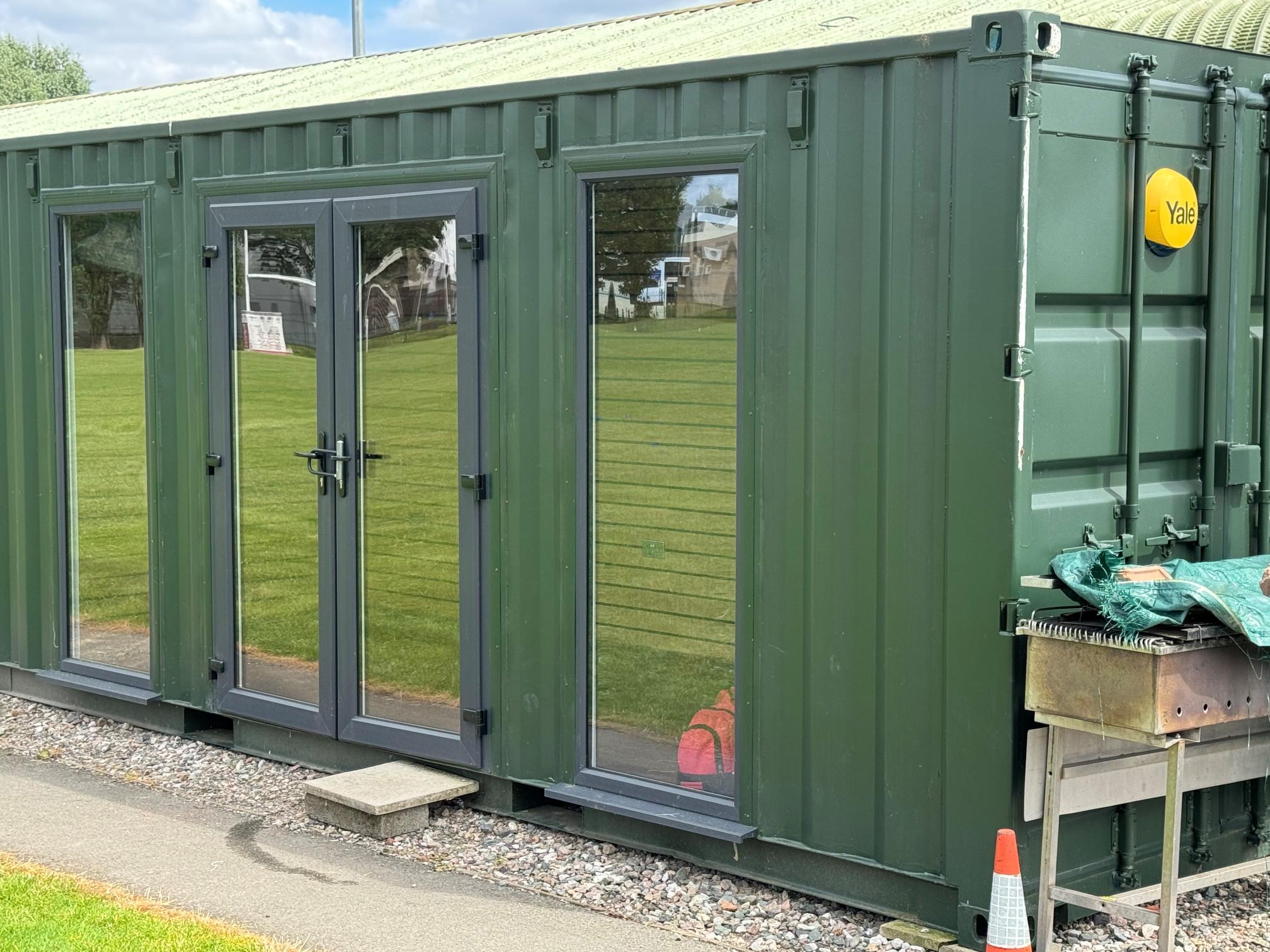
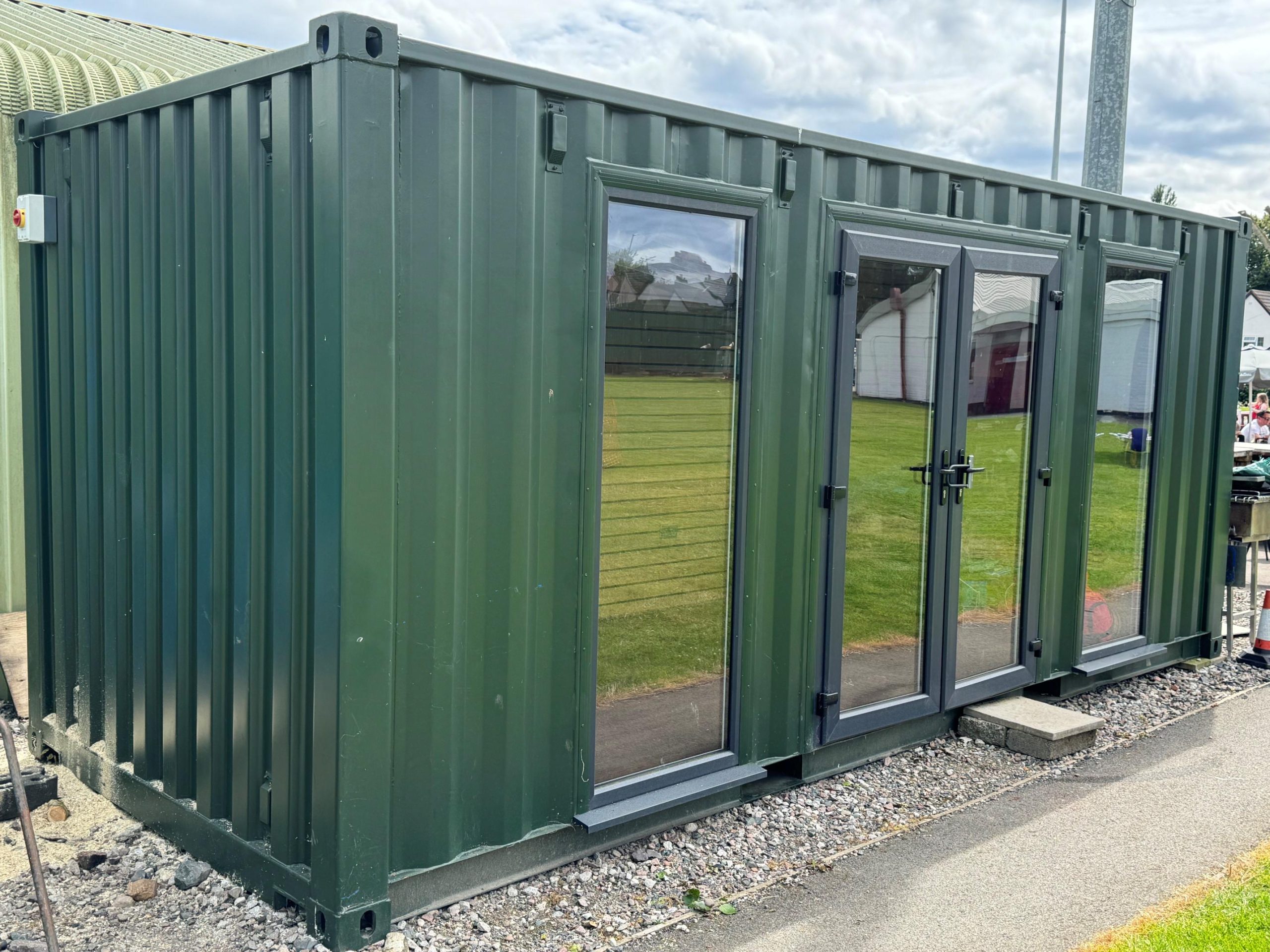
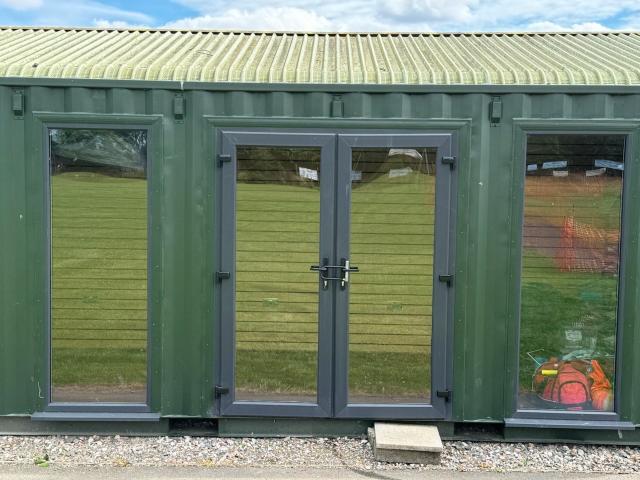
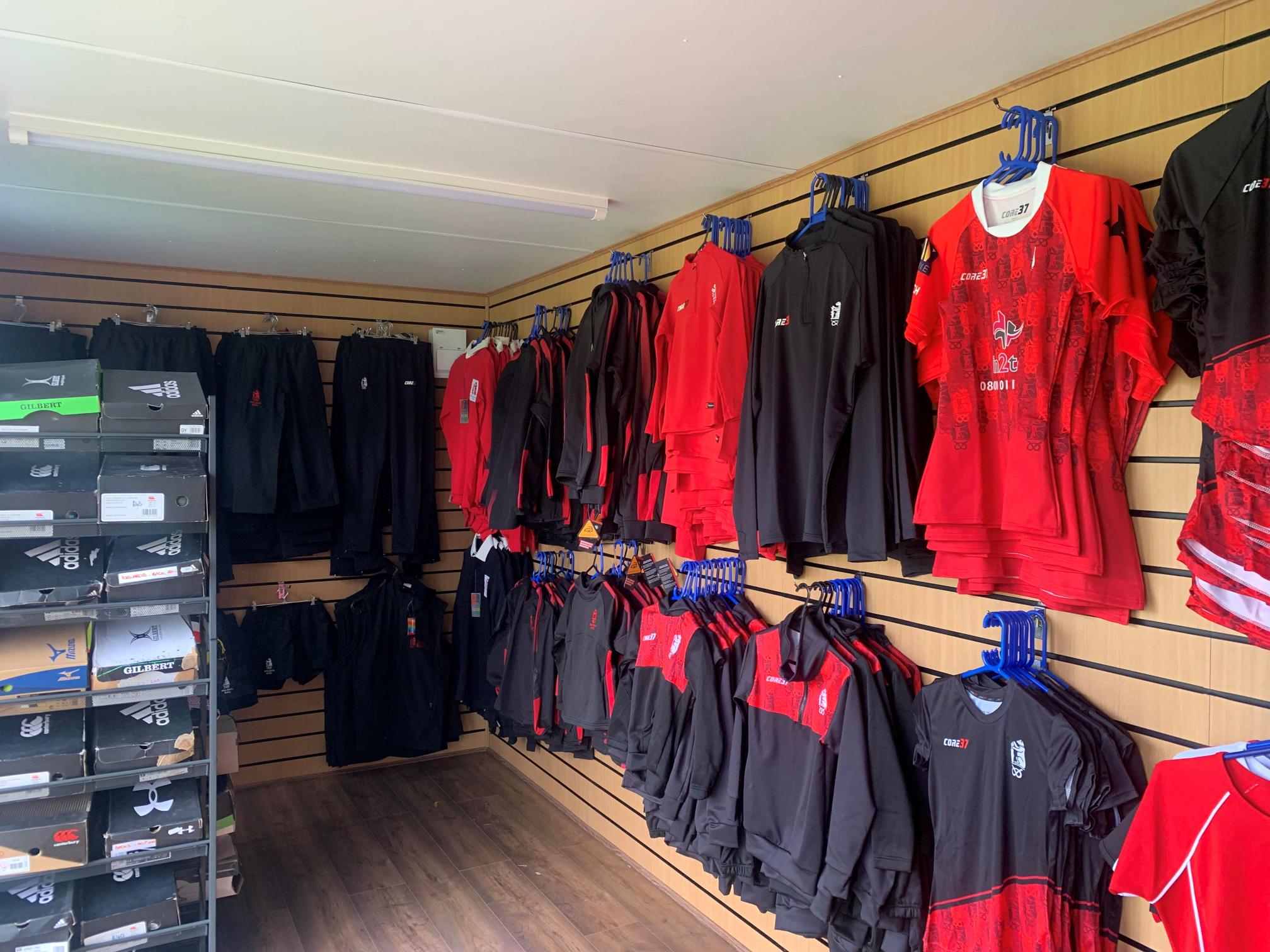
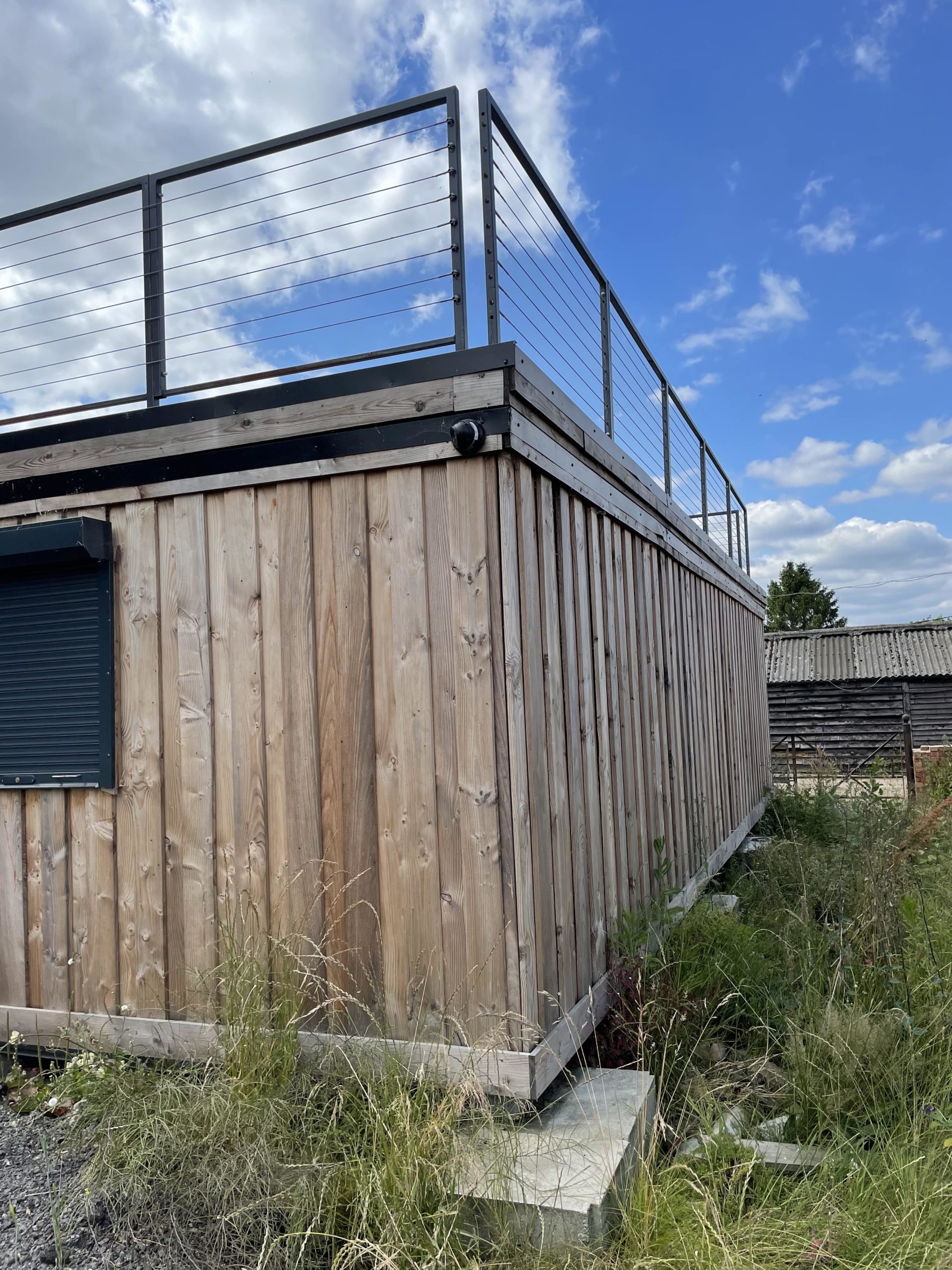
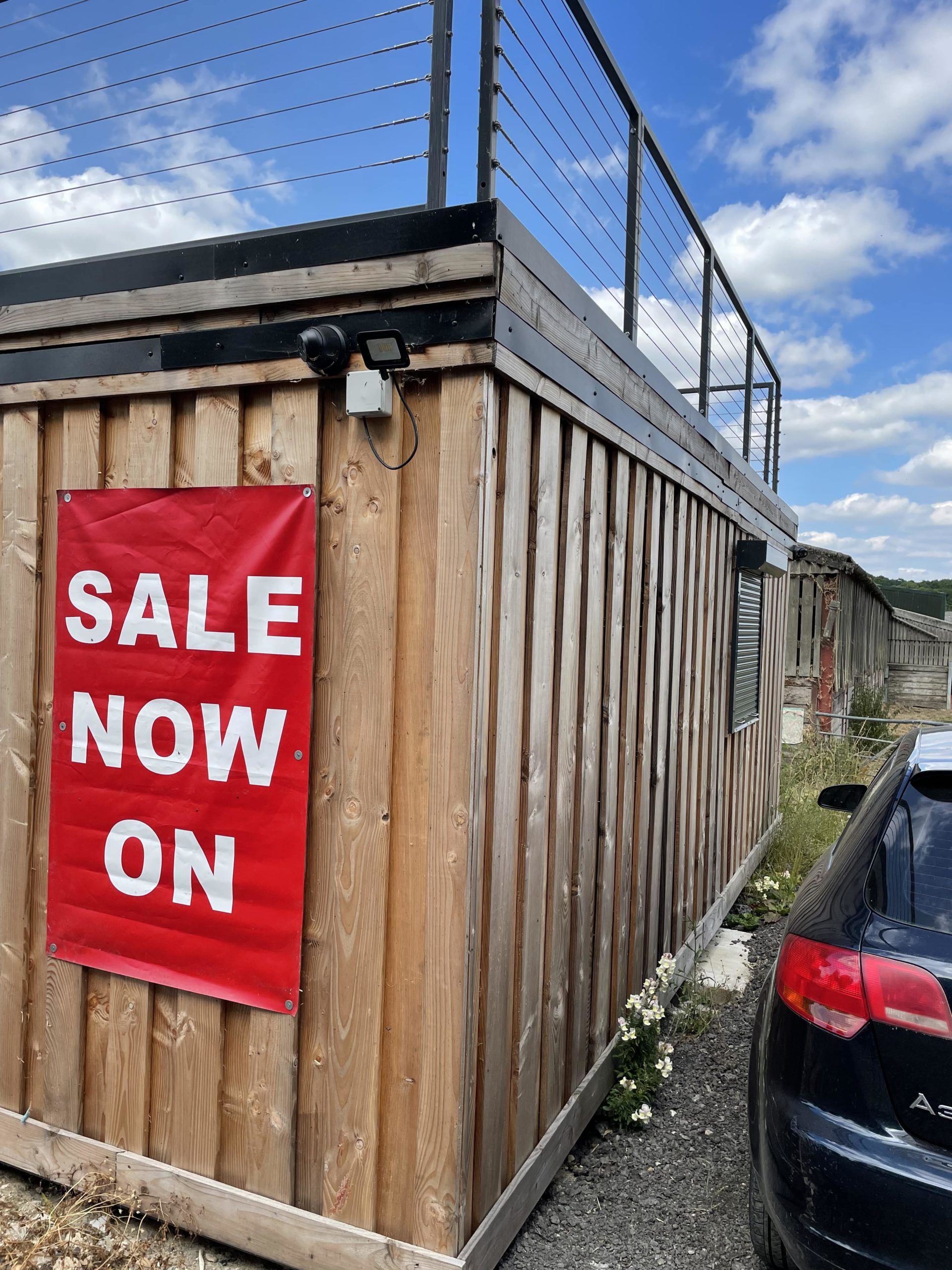
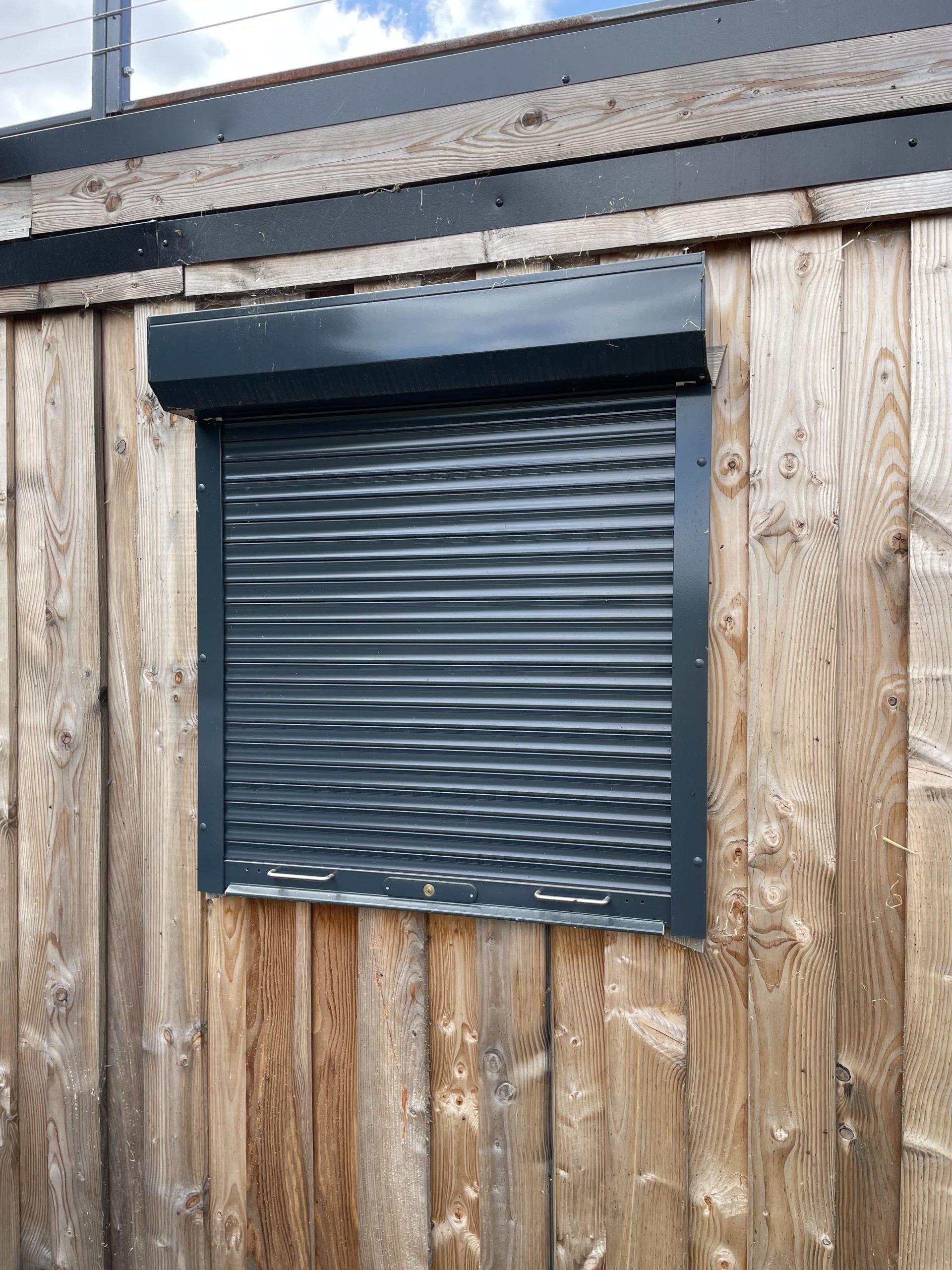
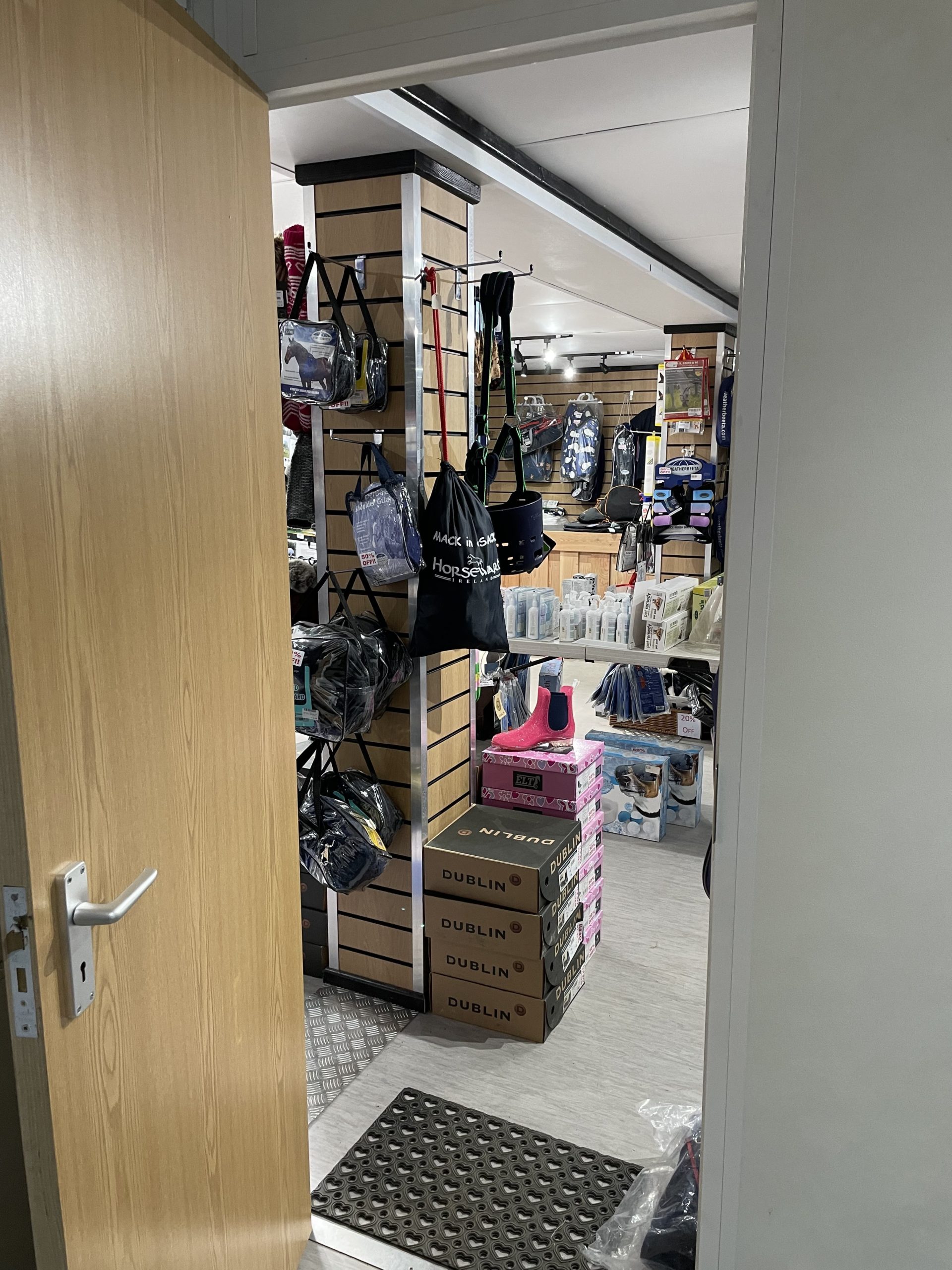
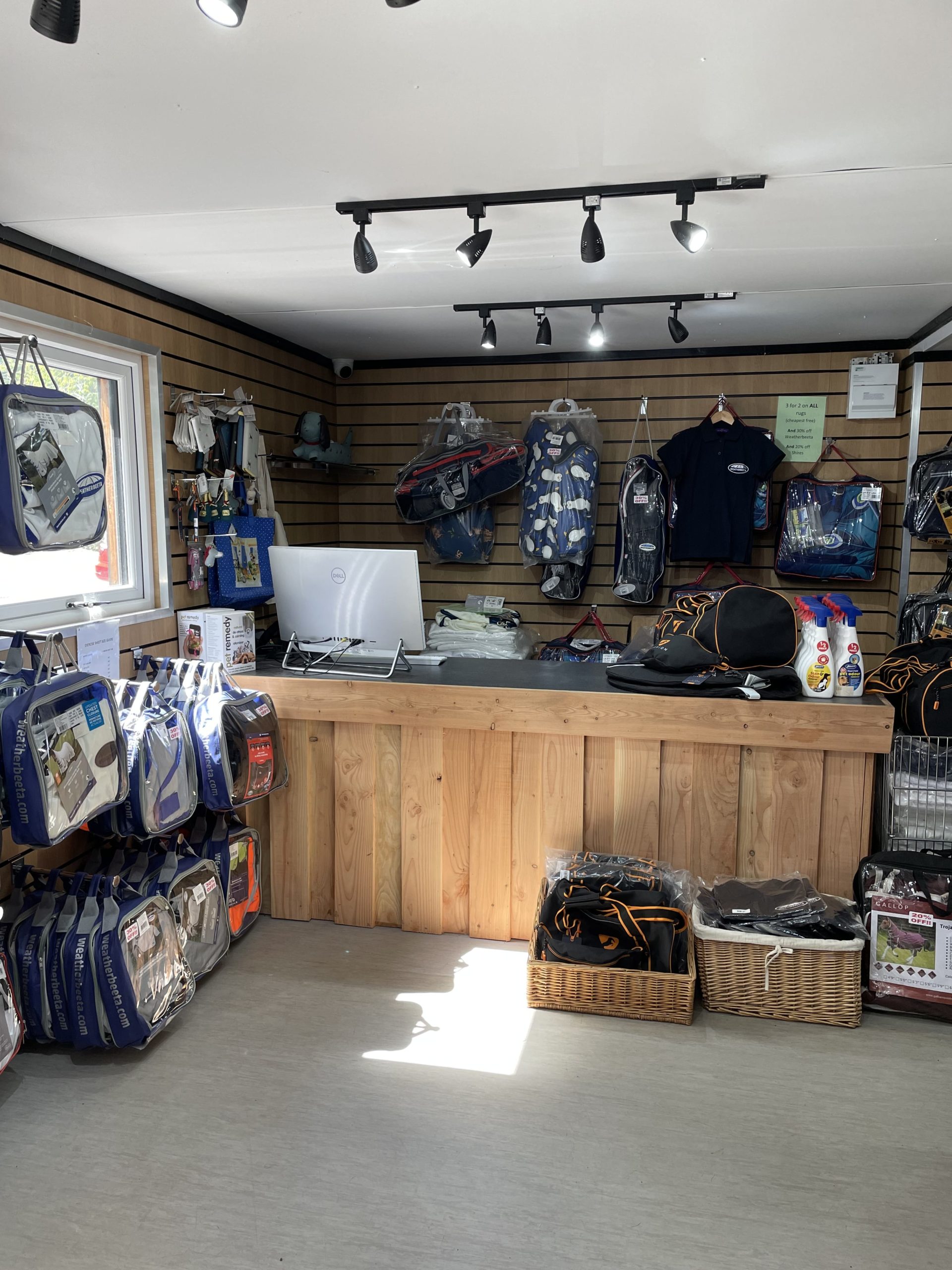
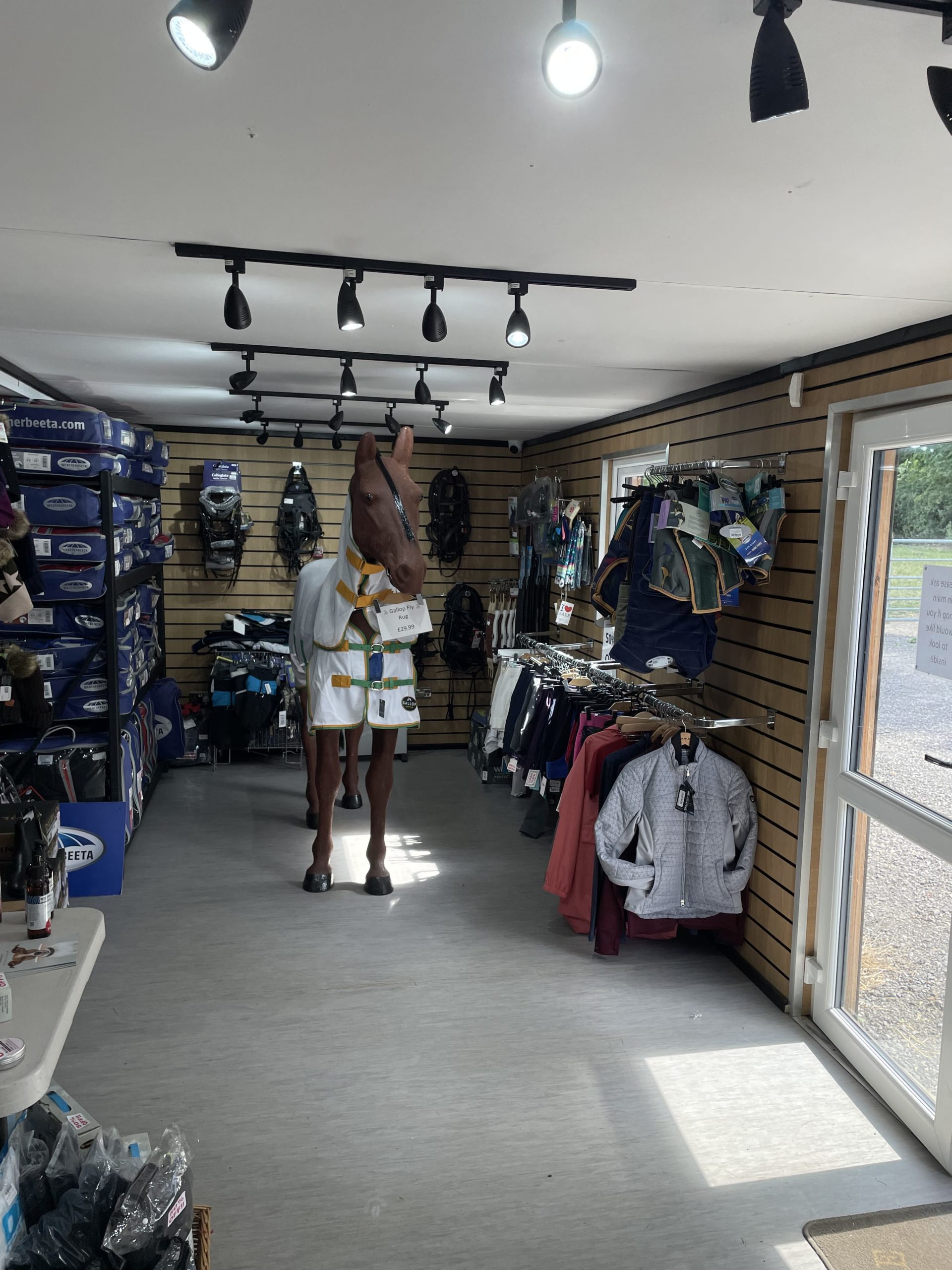
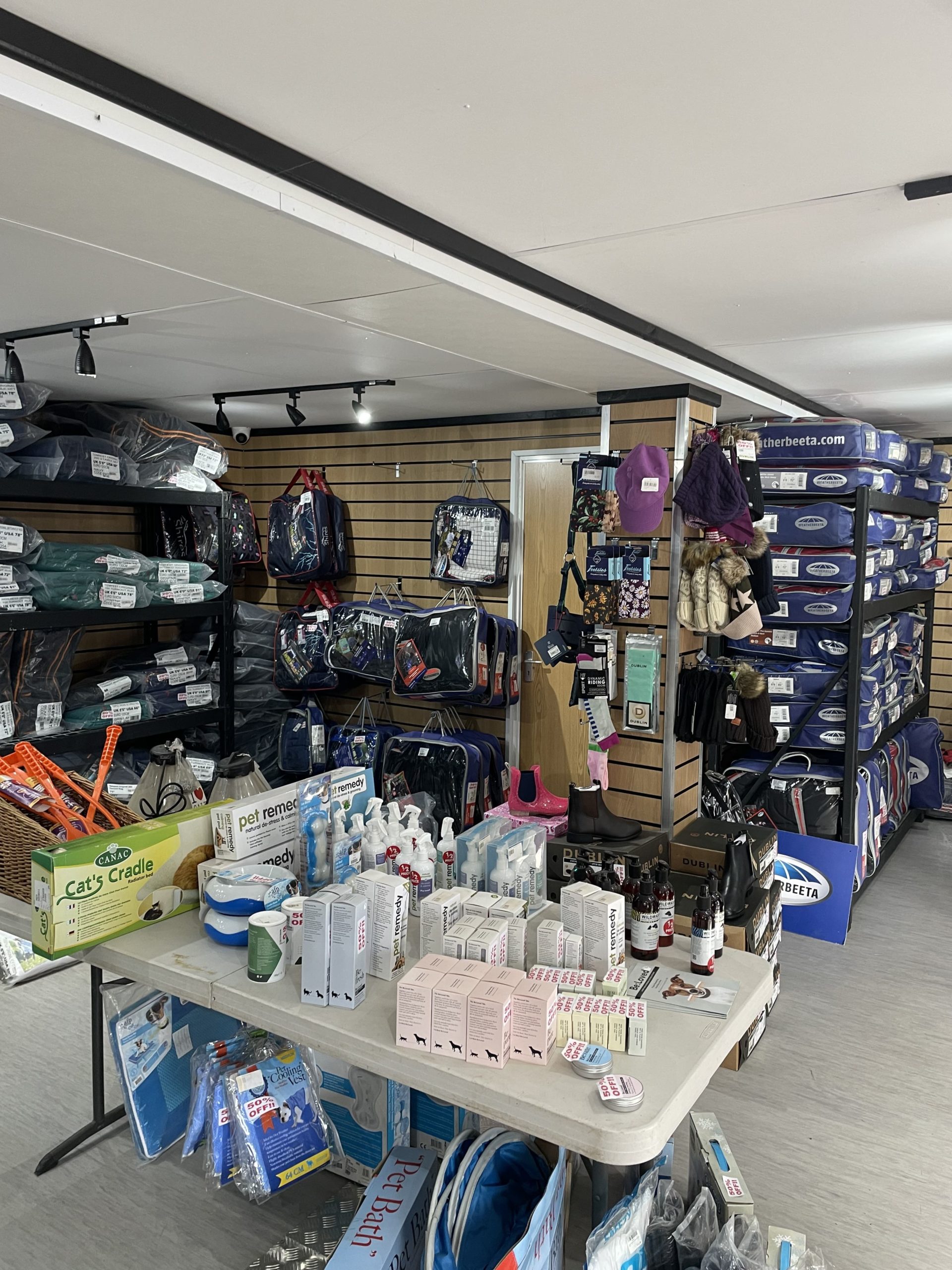
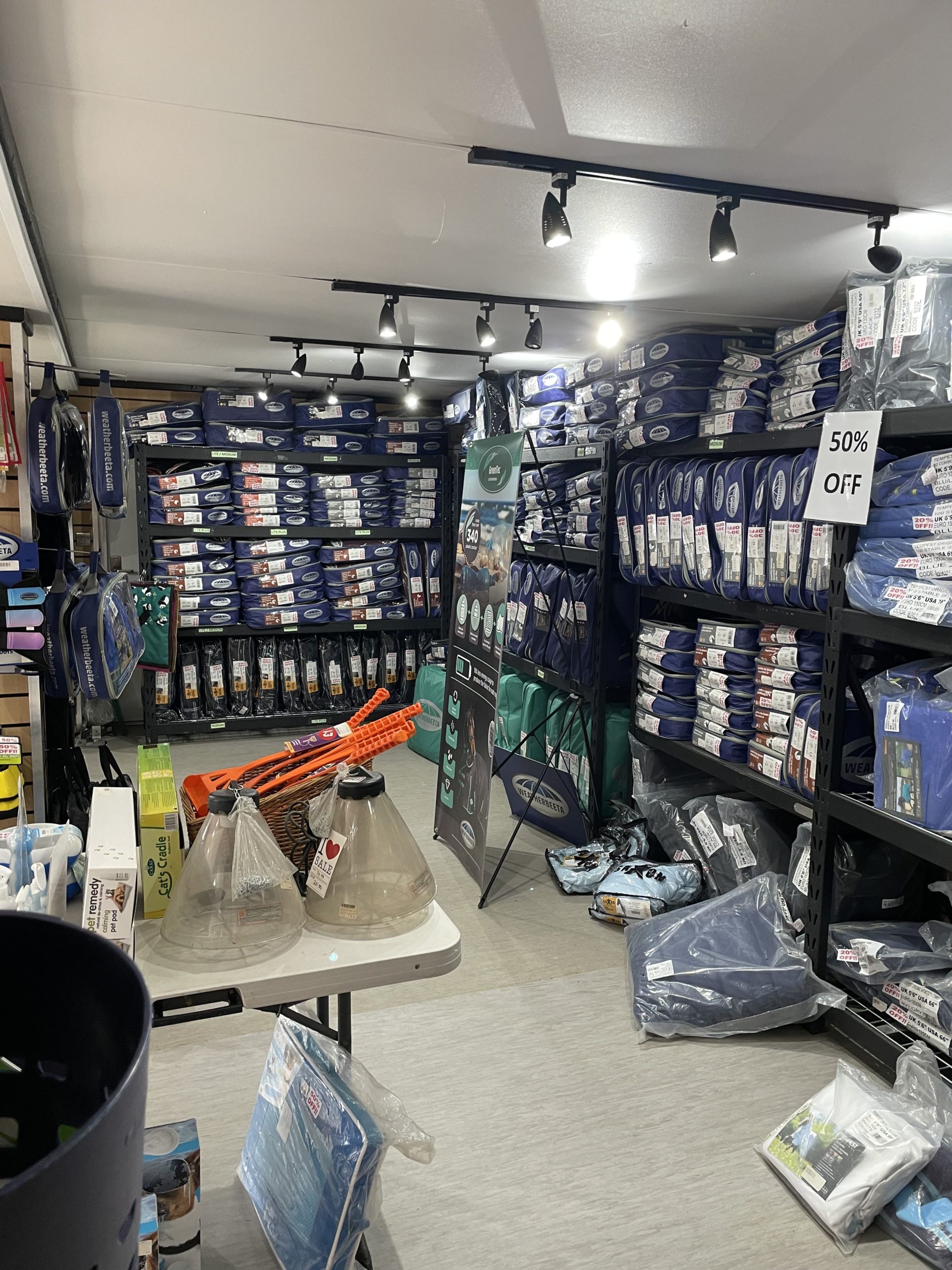
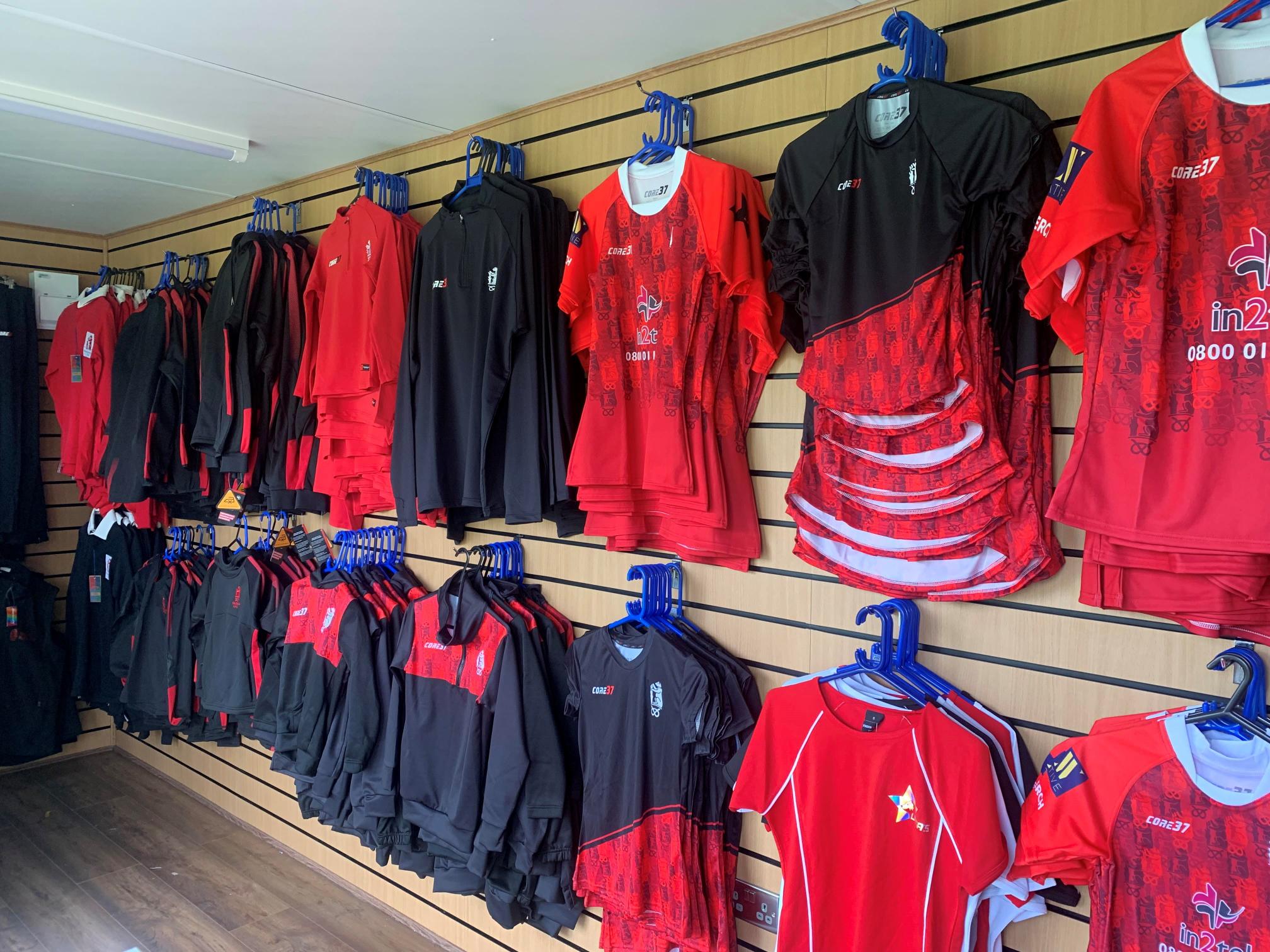
20ft x 8ft Container Conversion Retail Shop
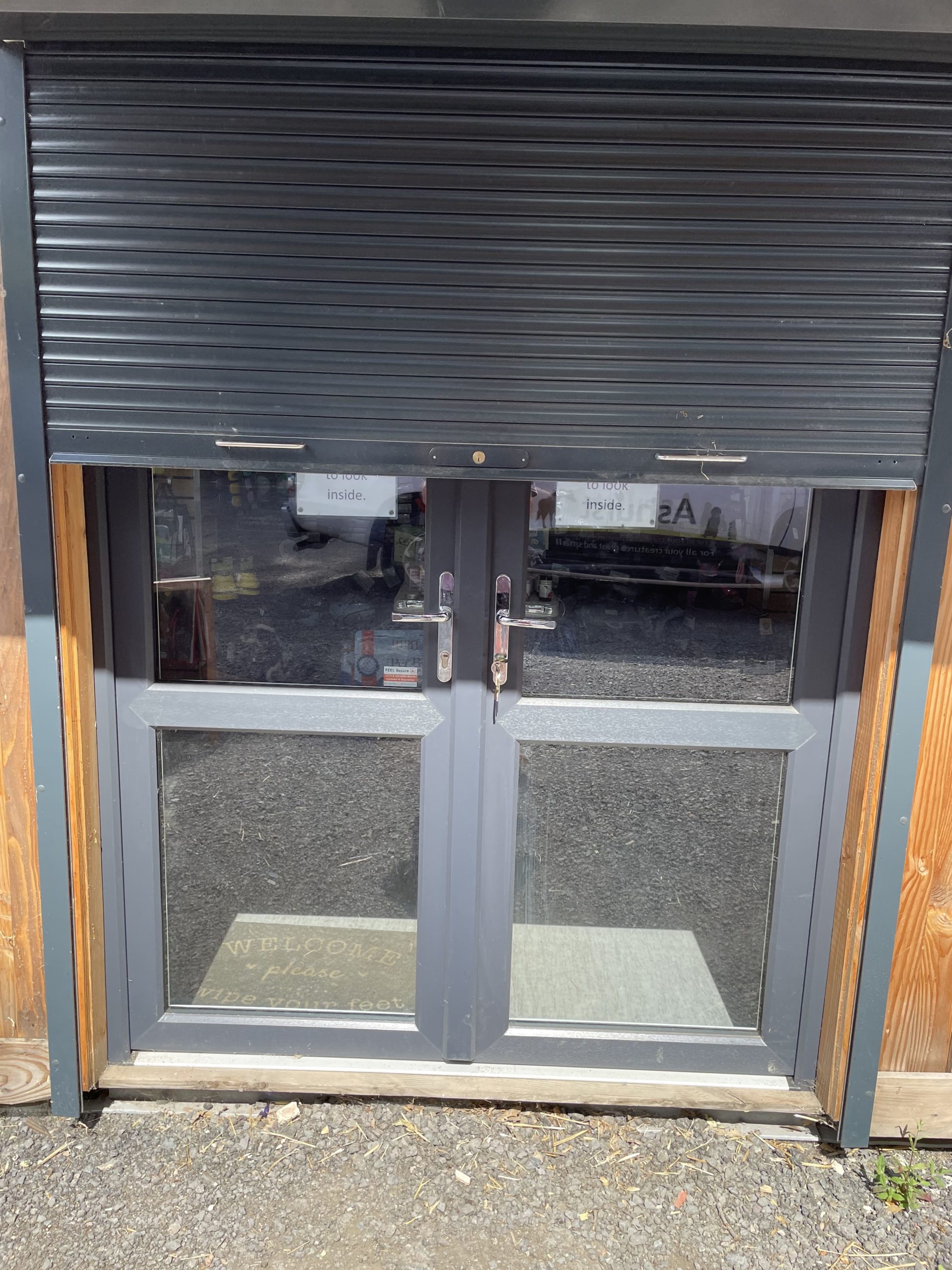
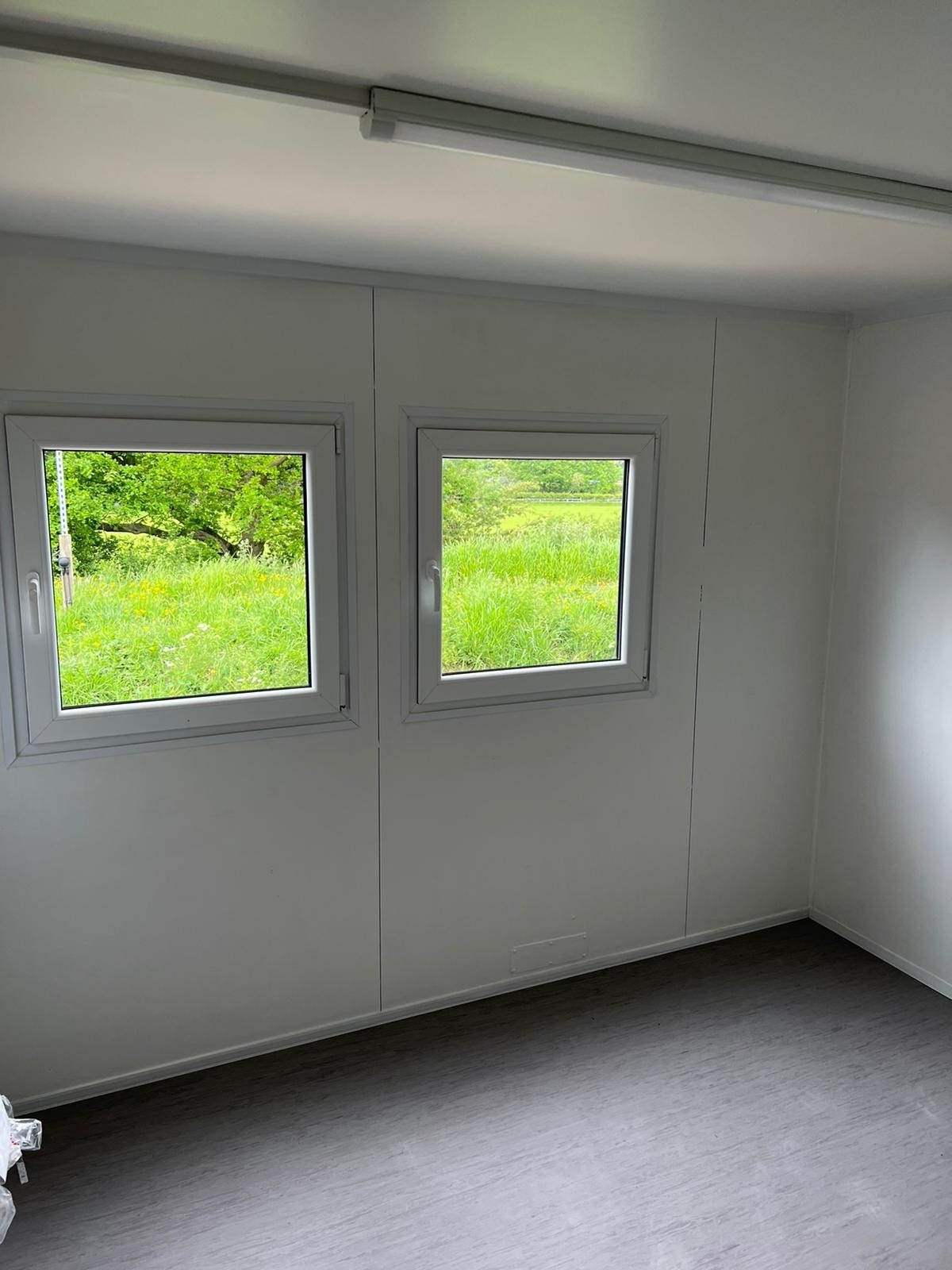
UPVC Double glazed Windows + French Doors
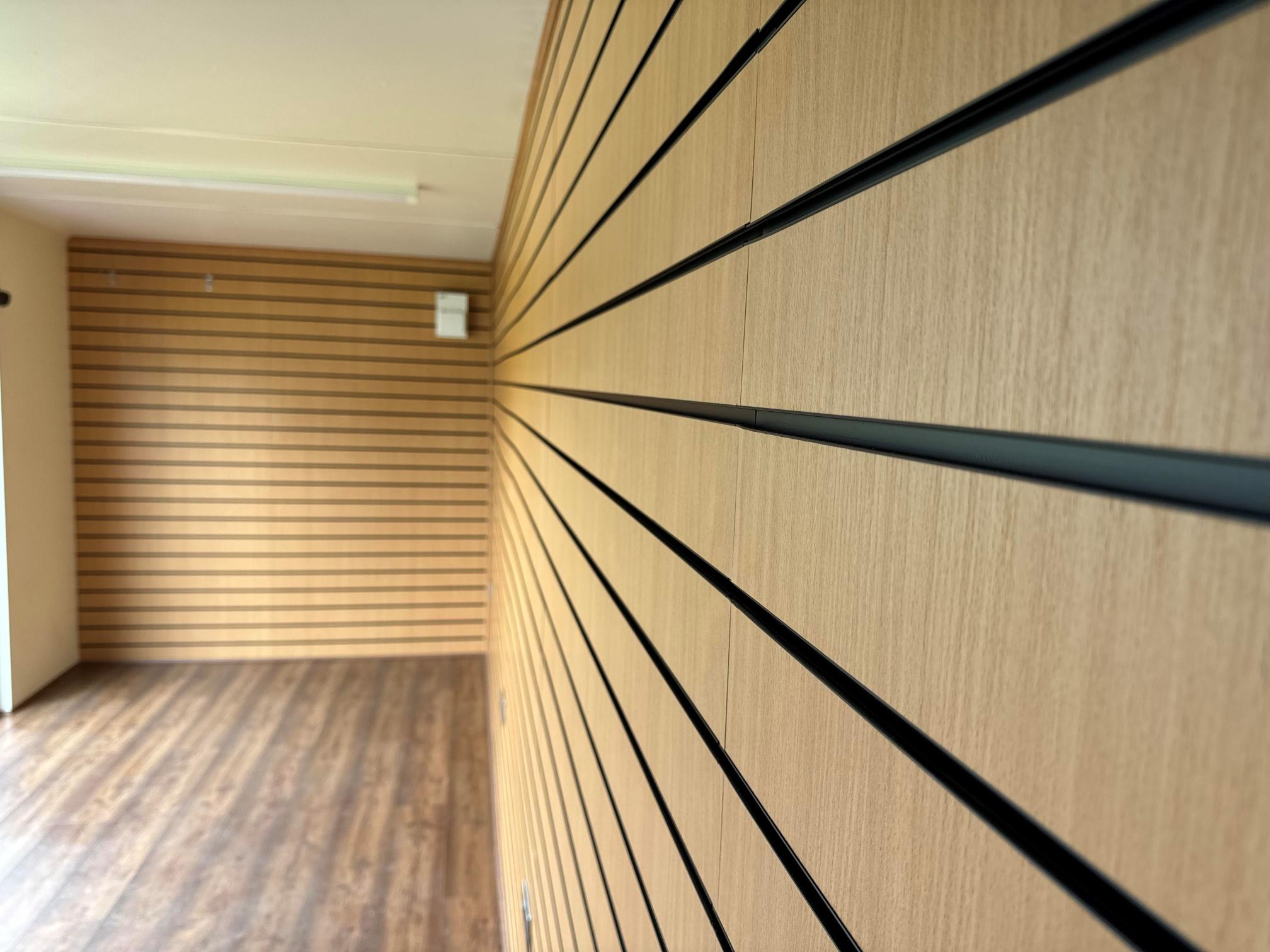
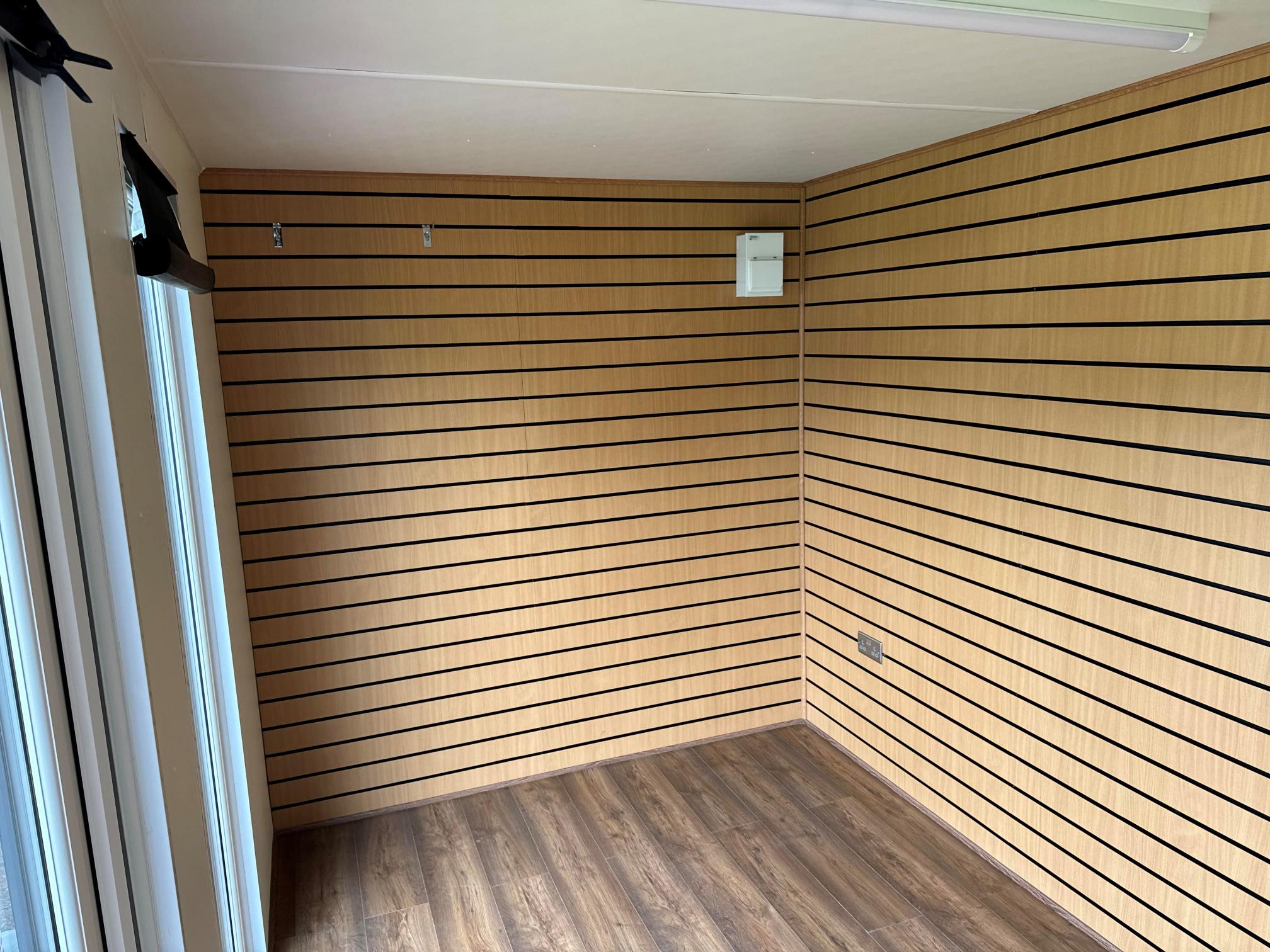
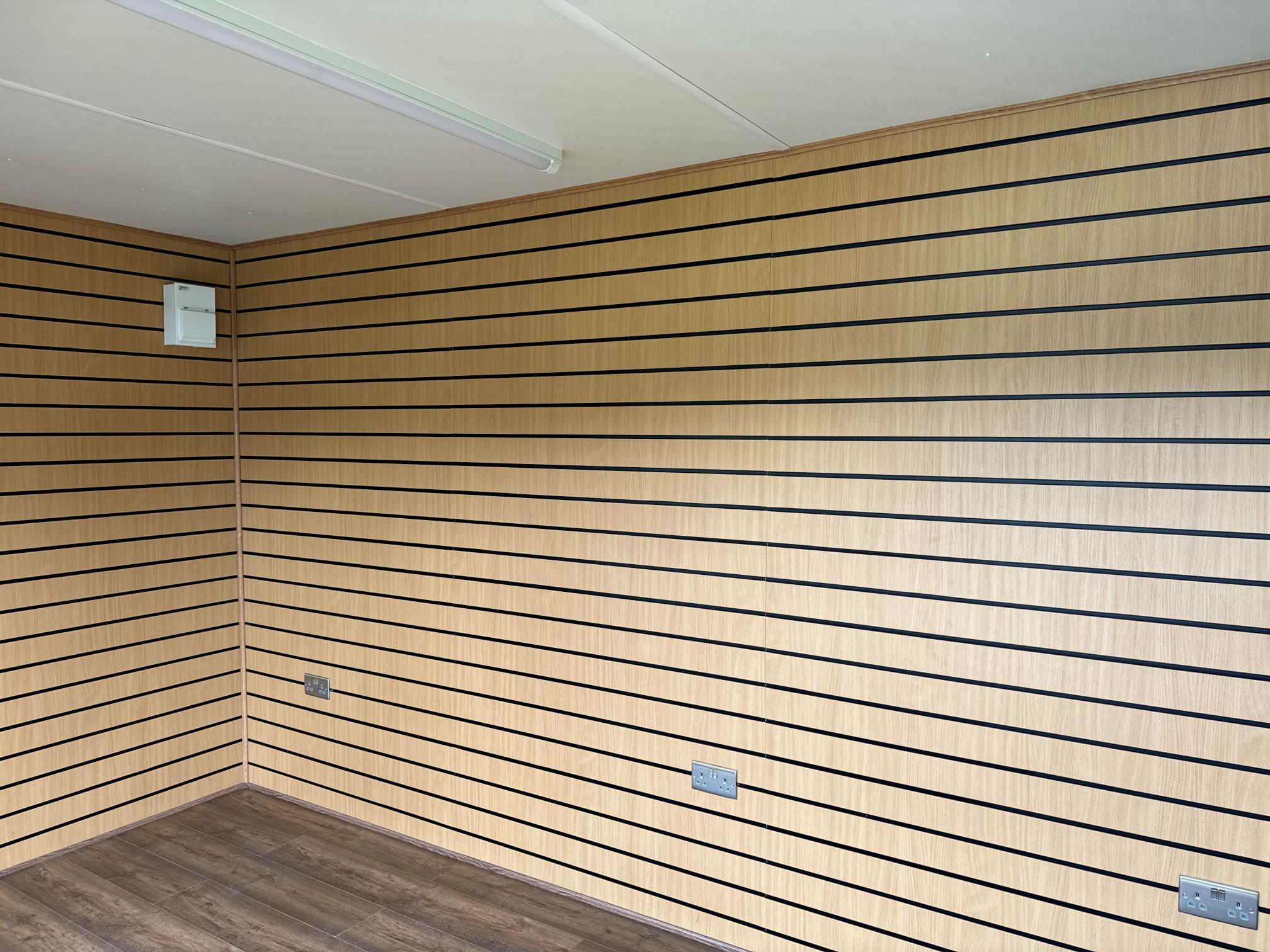
Slat Wall for retail fixings and Merchandise
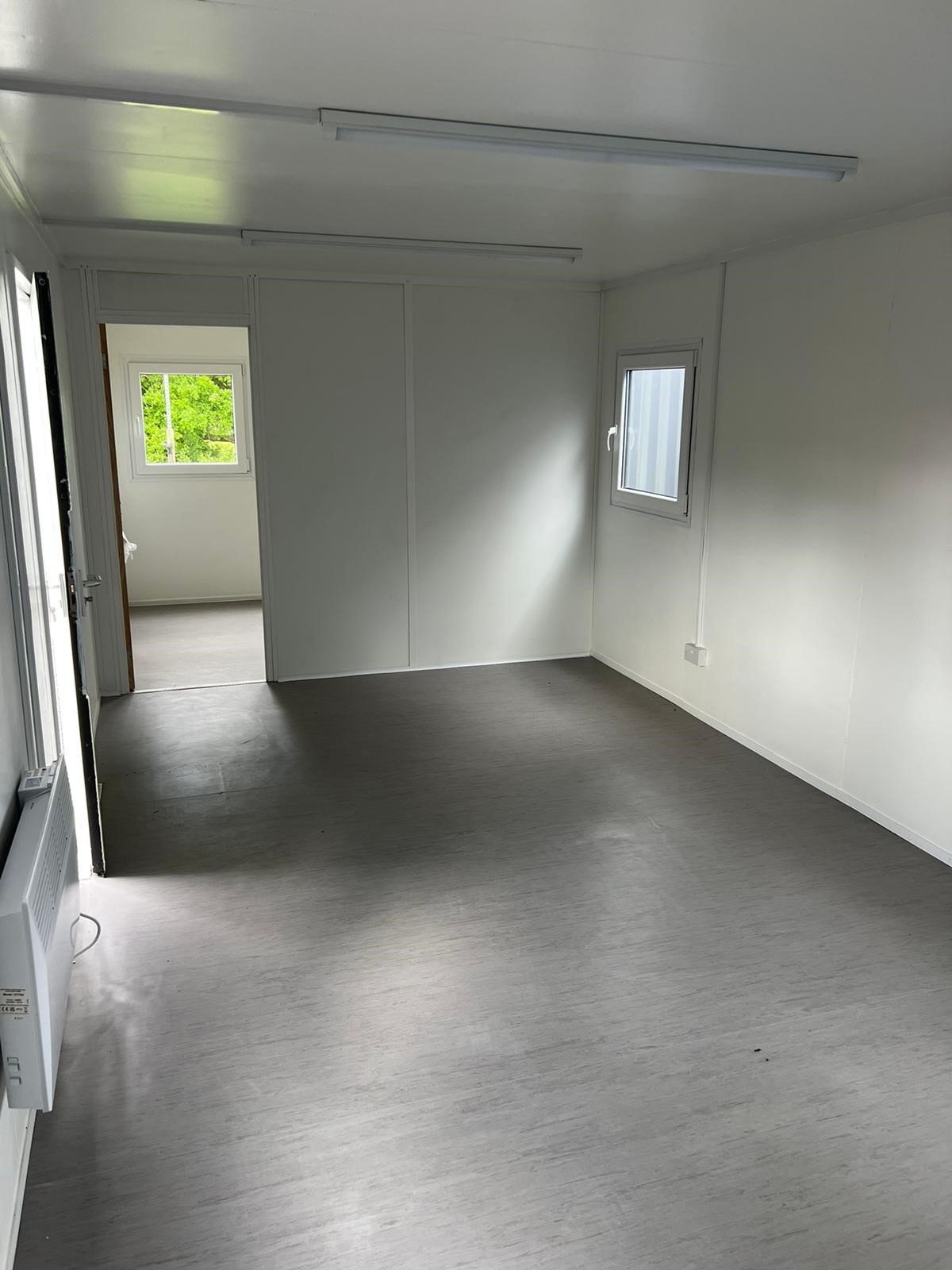
Electric Chrome Sockets, led lighting and heating.
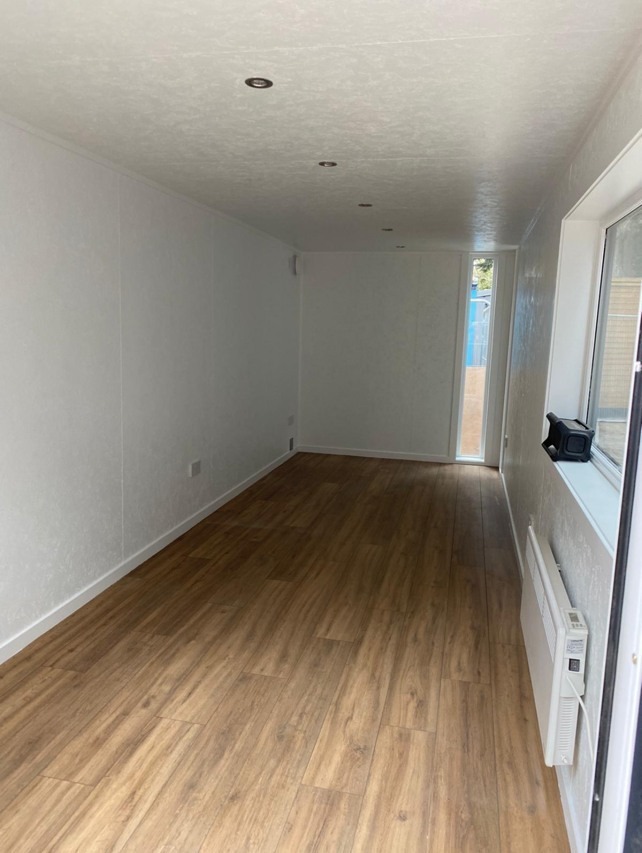
Laminate Flooring
12 months Warranty
Maintenance call out package included
Less than 2 years old
Still in Brand New Condition


Fully refurbished
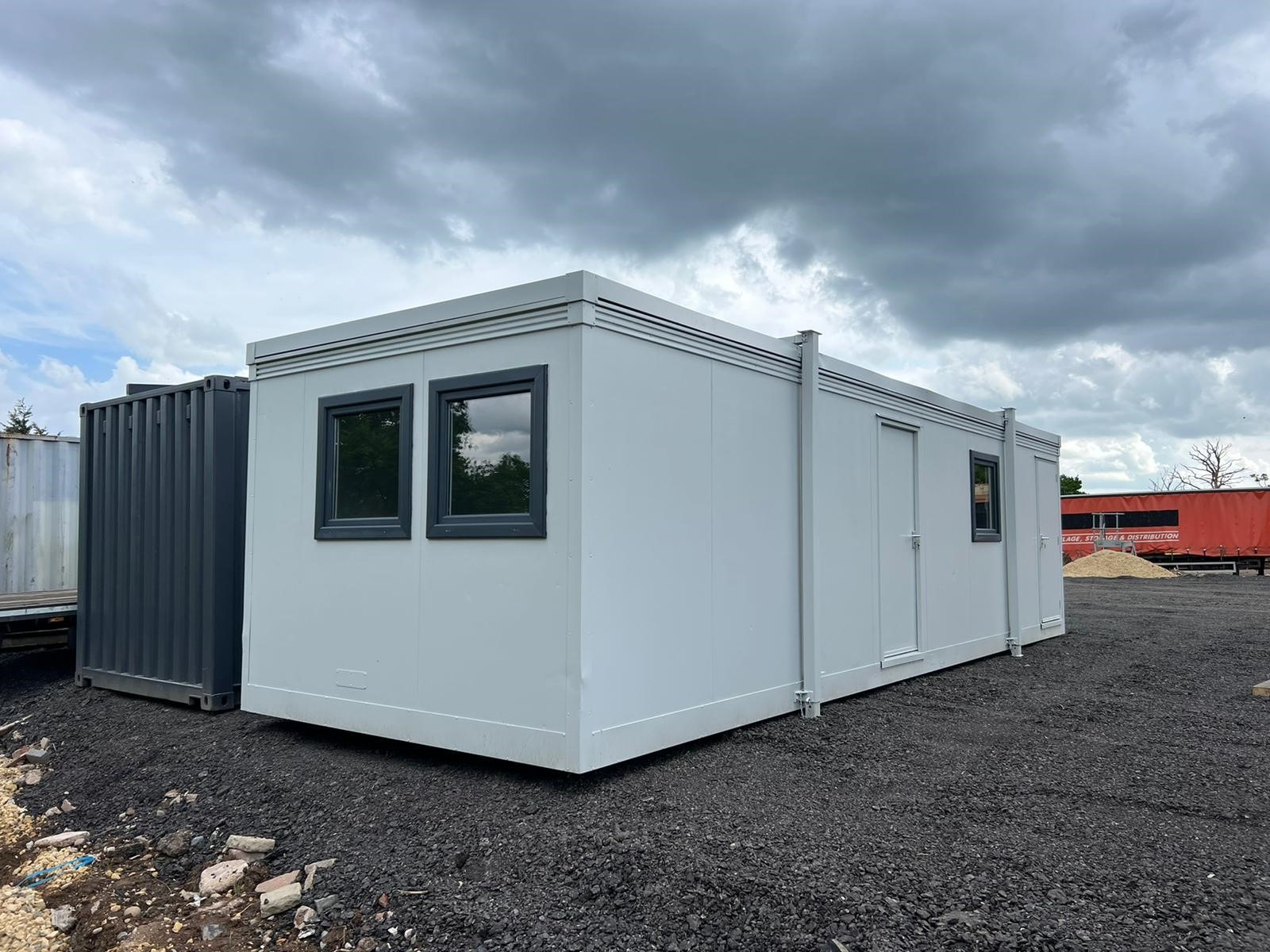
Colour light grey
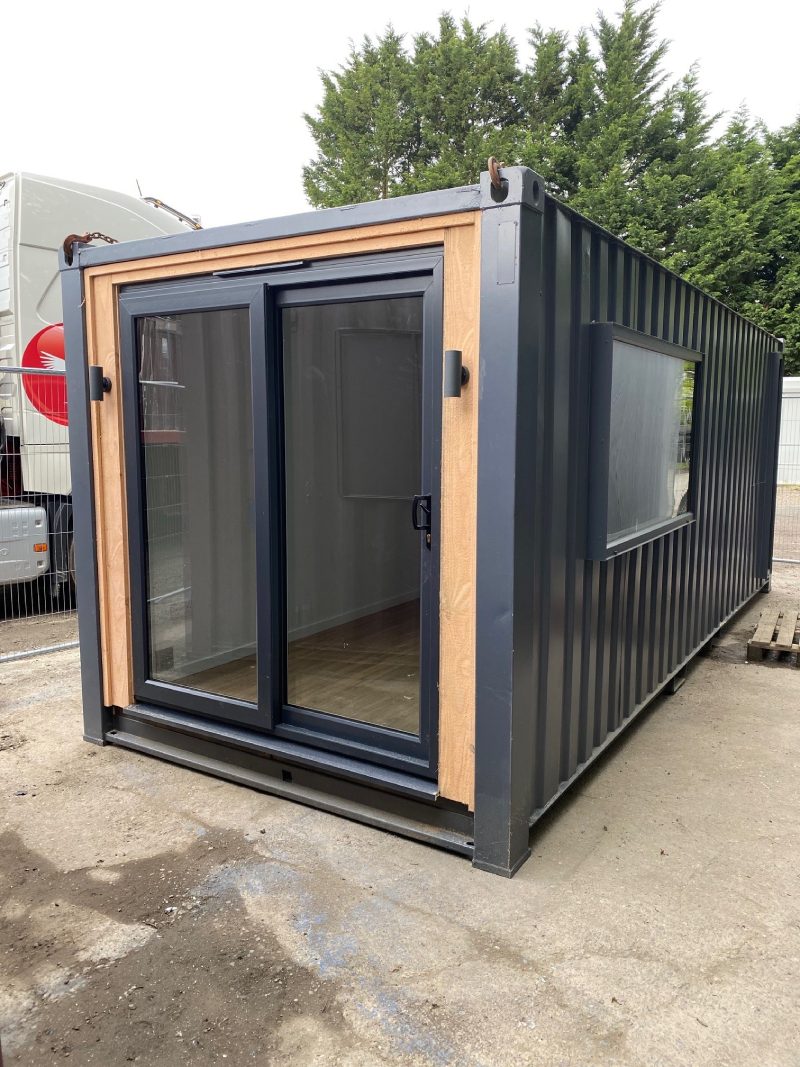
Slate grey anthracite upvc double glazed windows


Location: Nationwide
+ VAT
Not Available for Hire
Call for an instant quote!
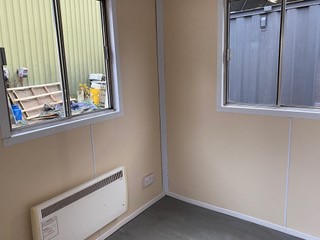
Fully Insulated with electric sockets, spot lighting, and heating
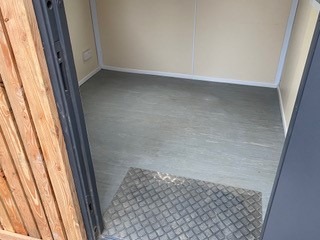
Wood Flooring
UPVC Sliding Door + Windows
Lead Time for build 6-8 weeks


Location: Nationwide
+ VAT
Not Available for Hire
Call for an instant quote!
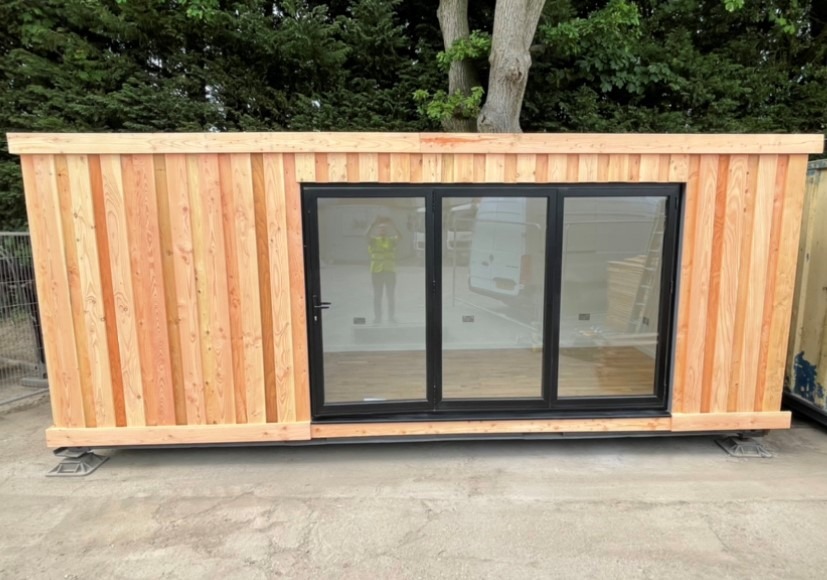
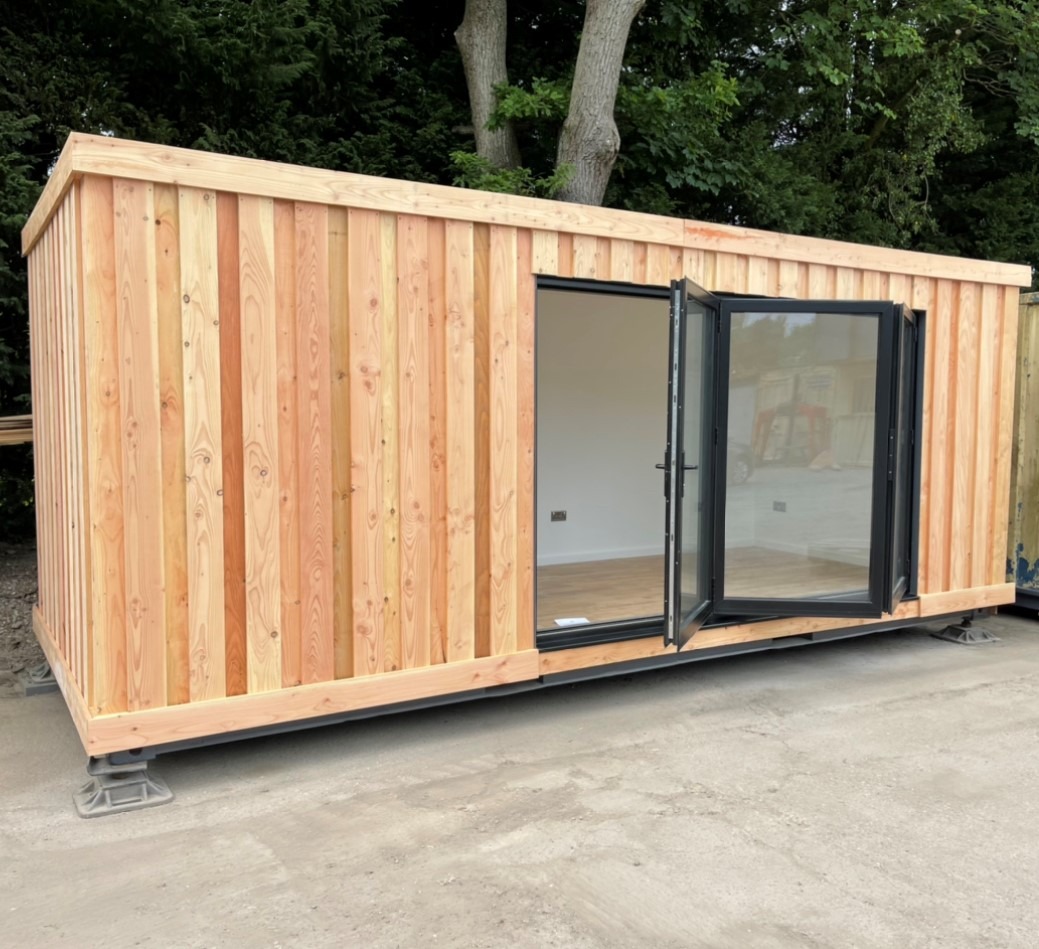
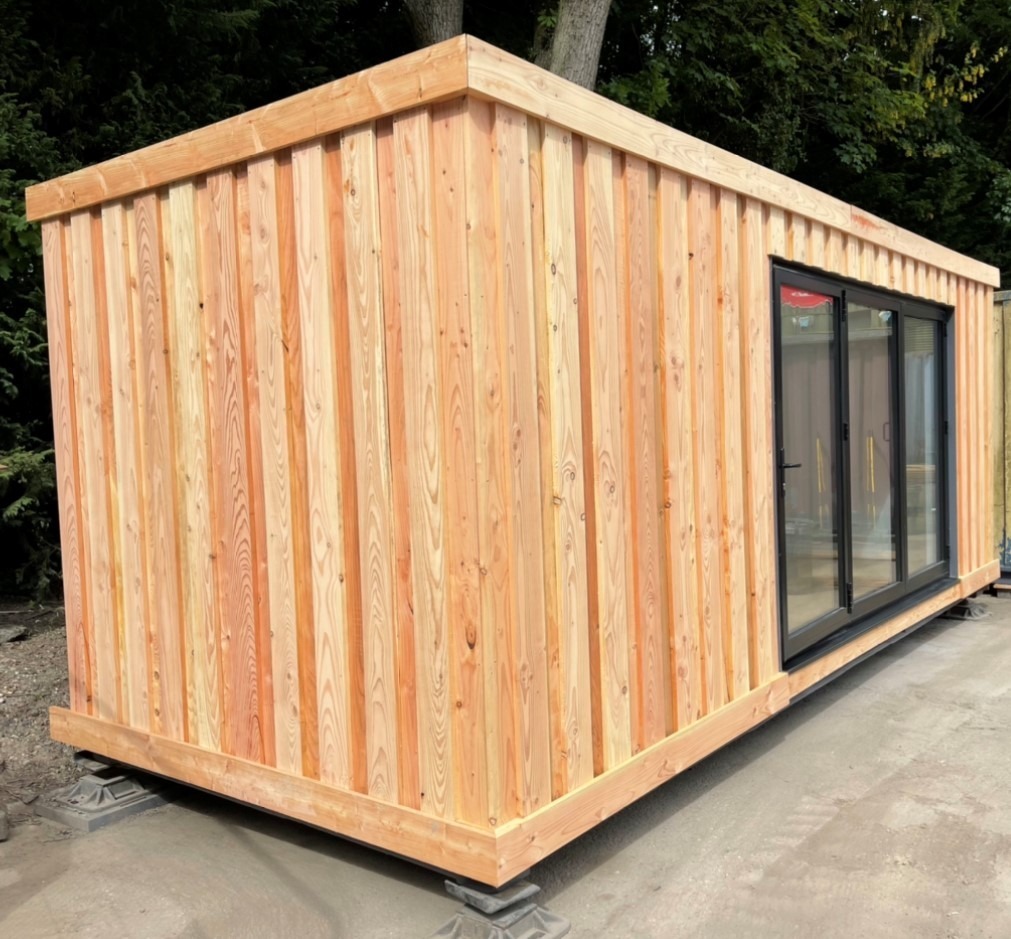
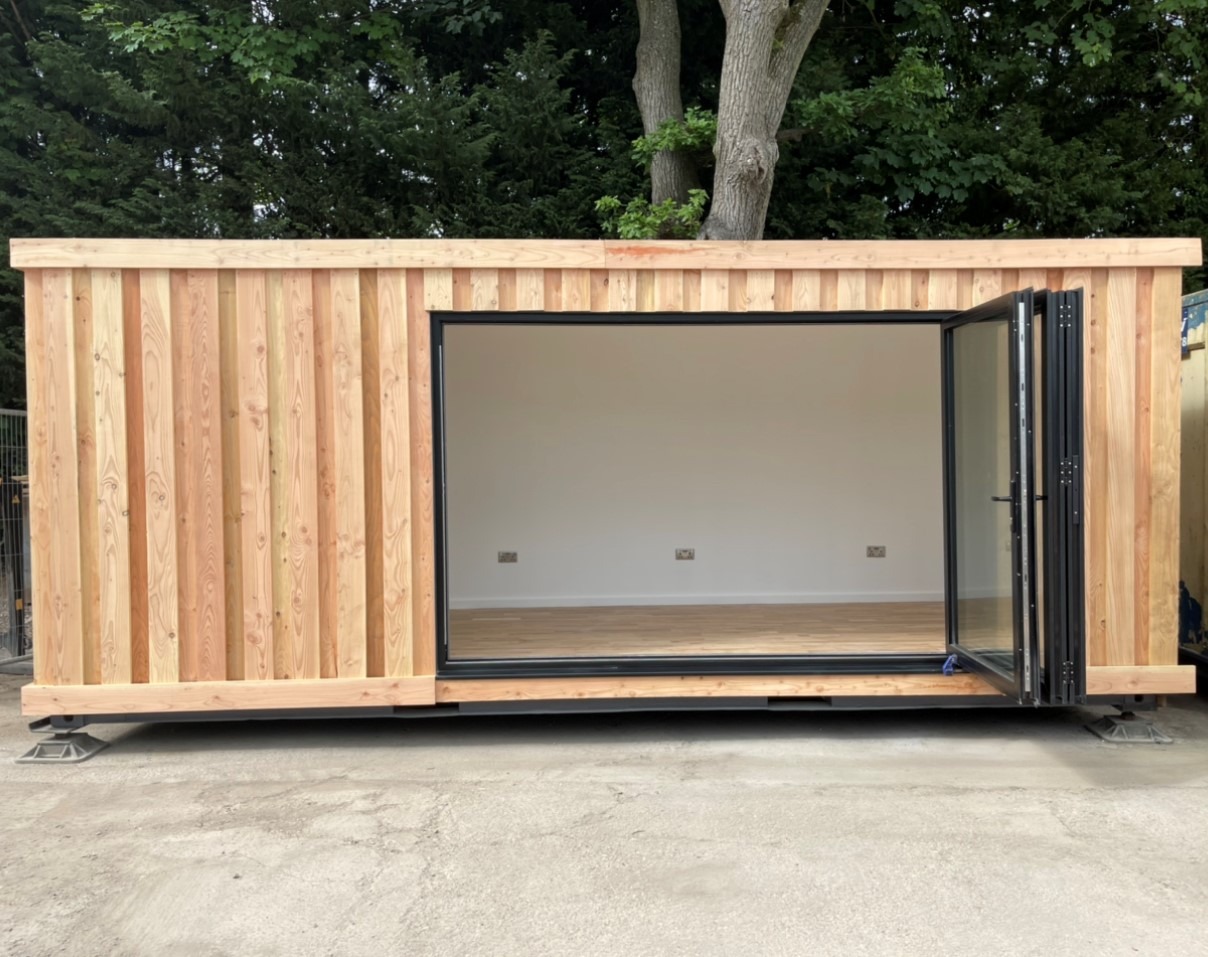
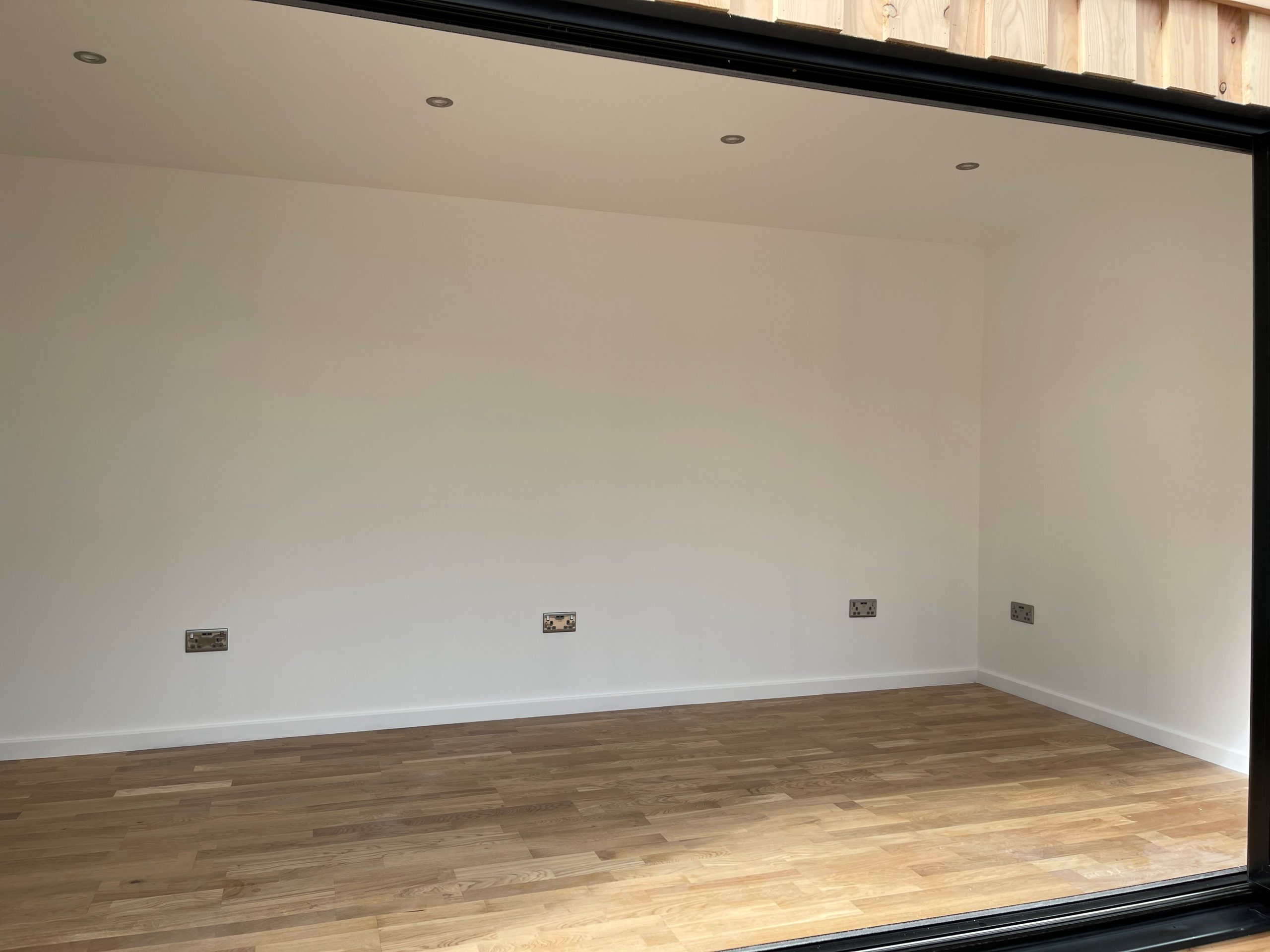
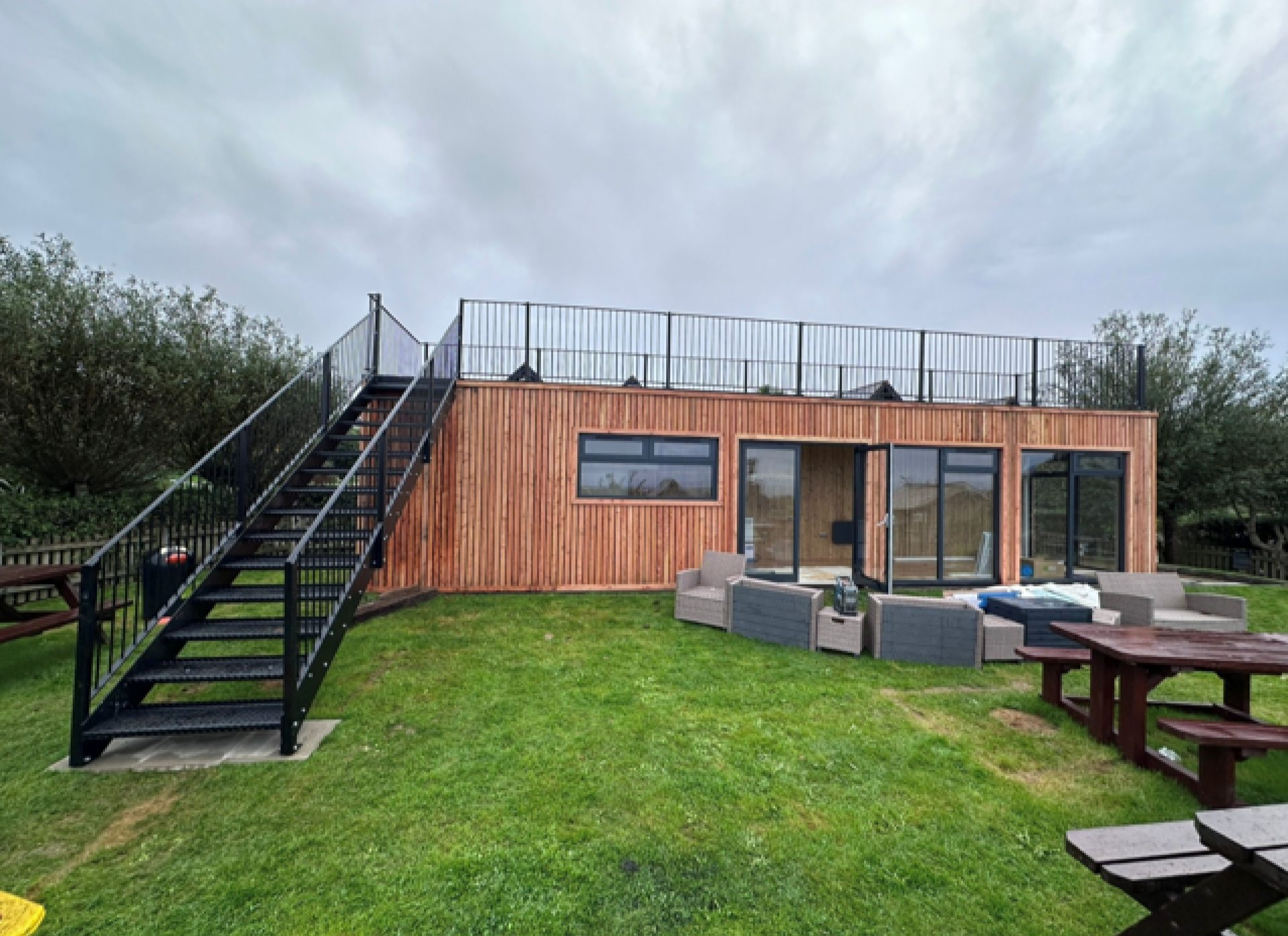
Fully Insulated with electric sockets, spot lighting, and heating
Wood Flooring
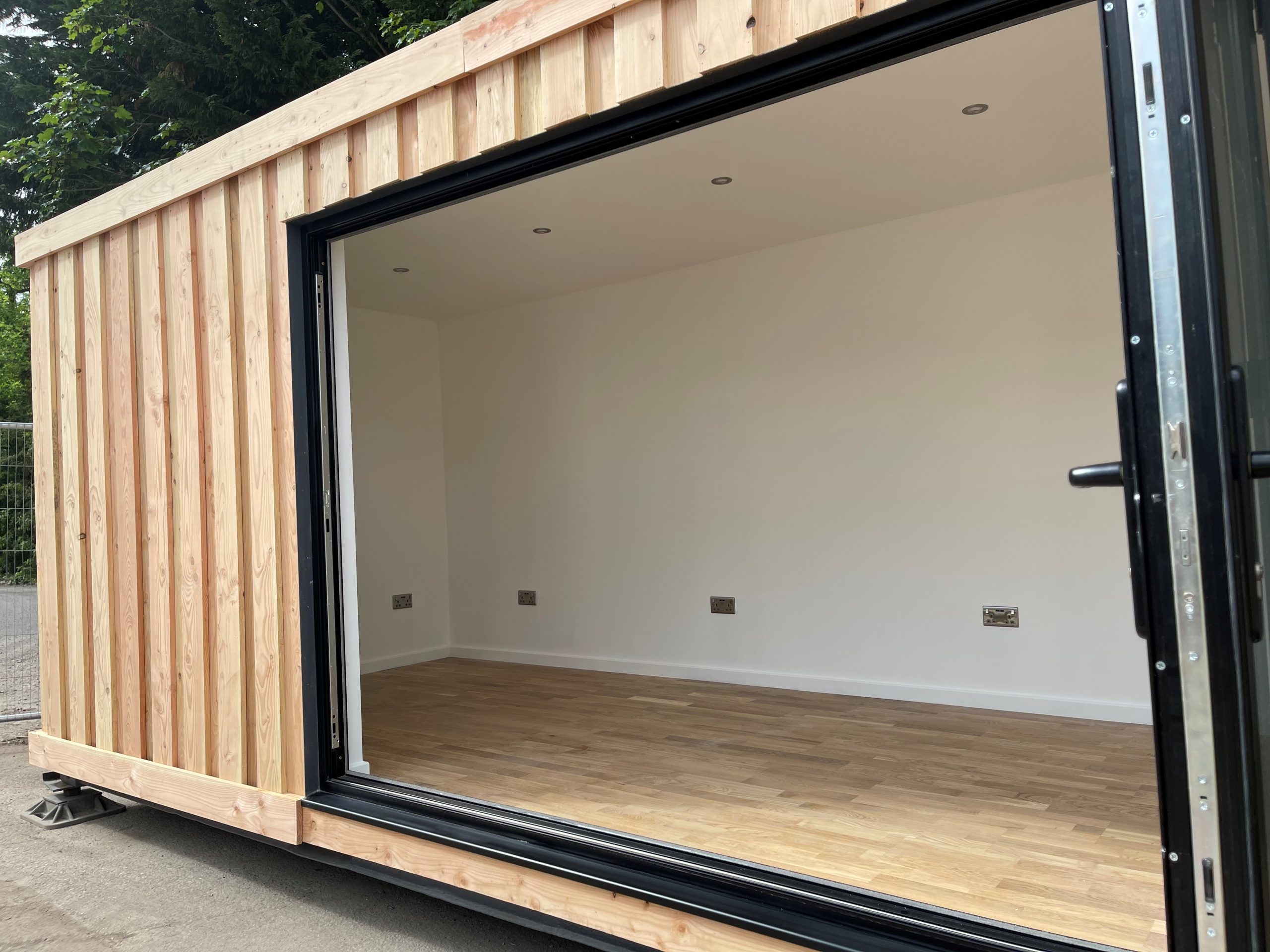
Aluminium Bi Fold Doors
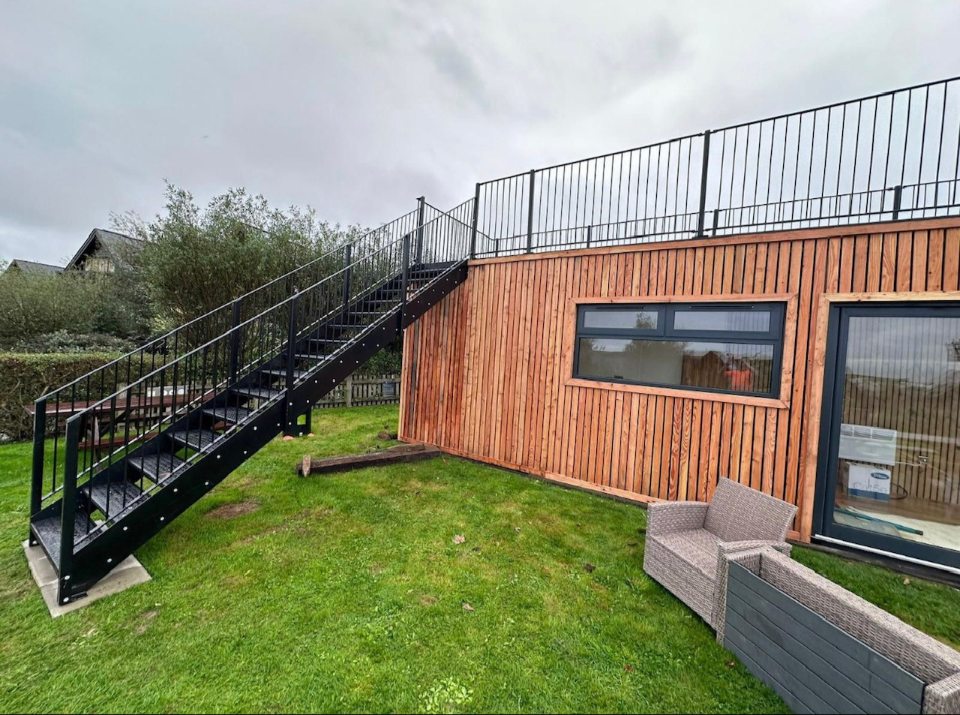
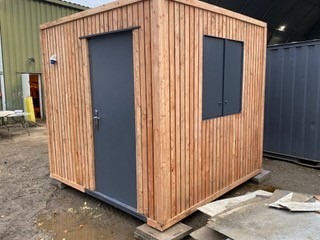
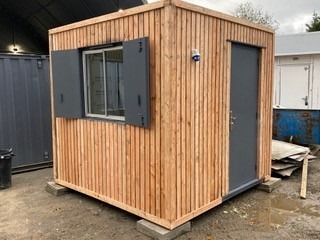
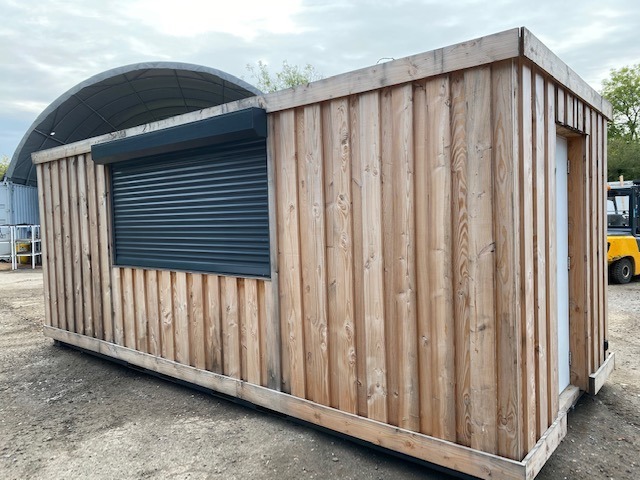
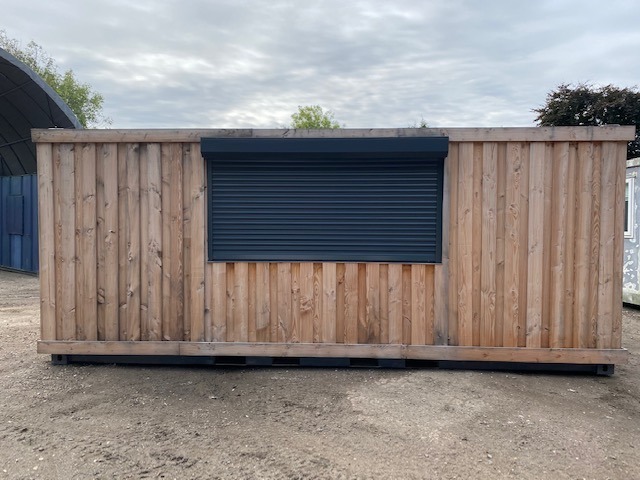
Fully wrapped in larch cladding
Lead Time for build 6-8 weeks


Location: Nationwide
+ VAT
Not Available for Hire
Call for an instant quote!
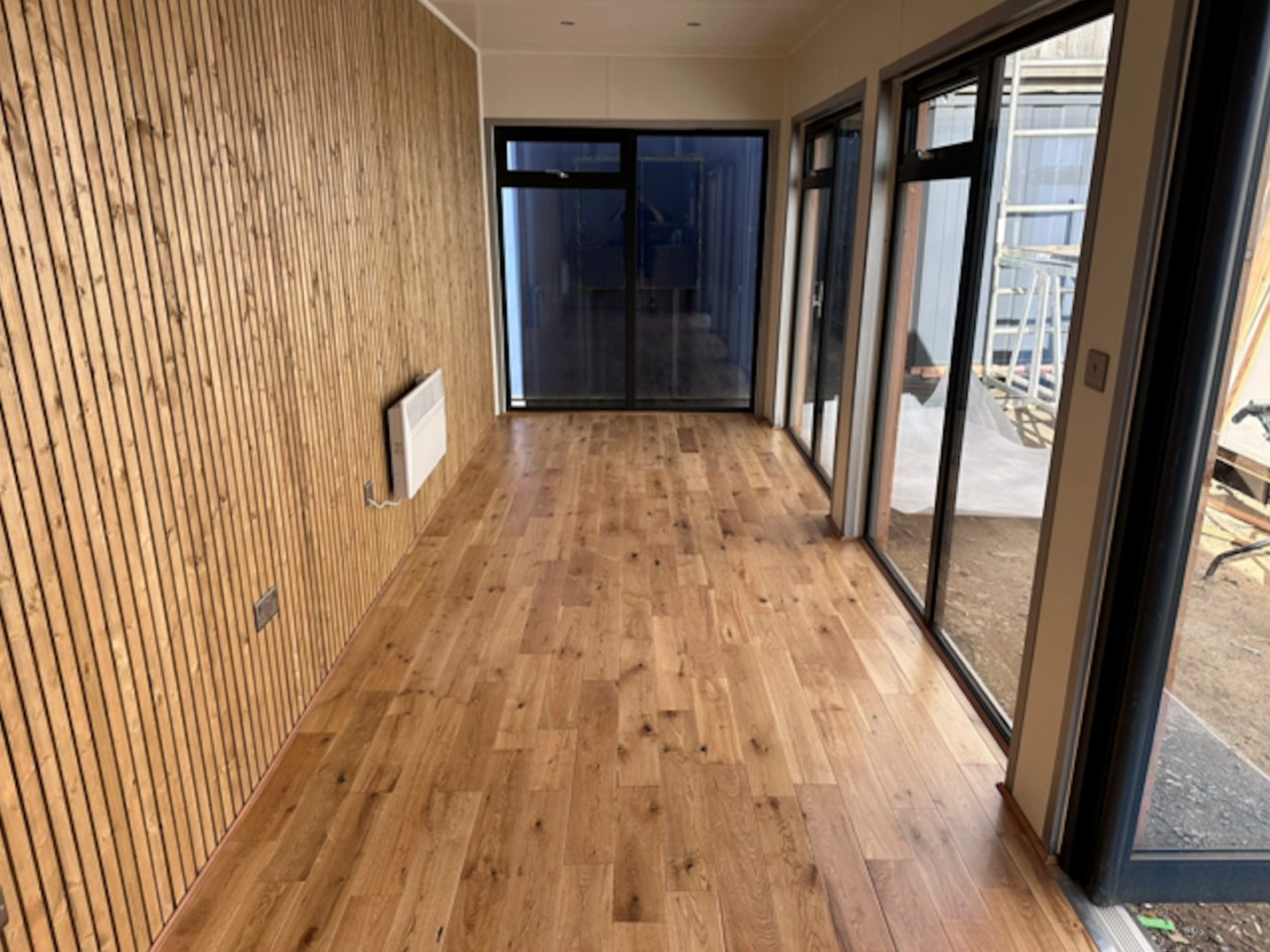
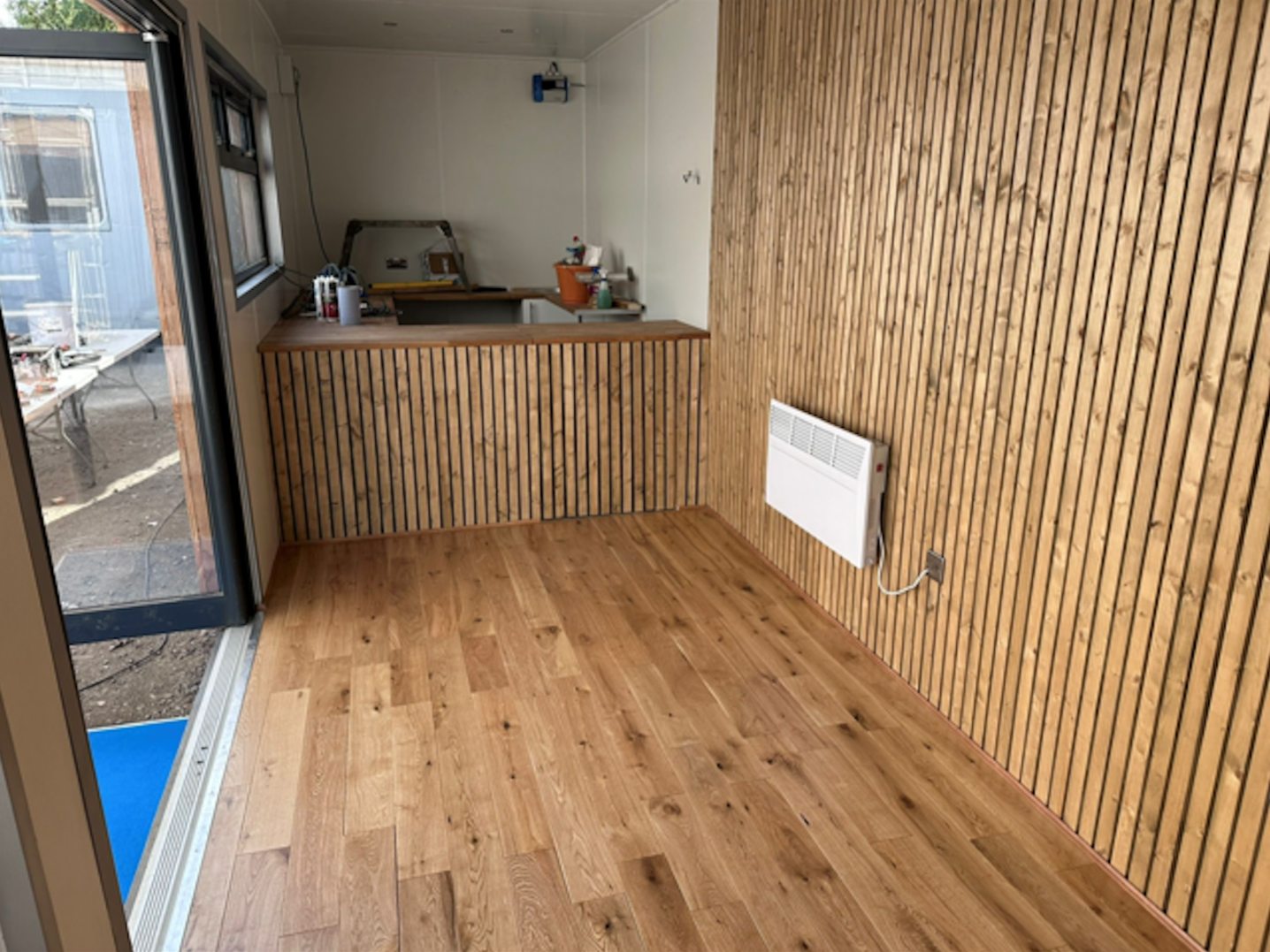
Fully Insulated with electric sockets, spot lighting, and heating
Wood Flooring
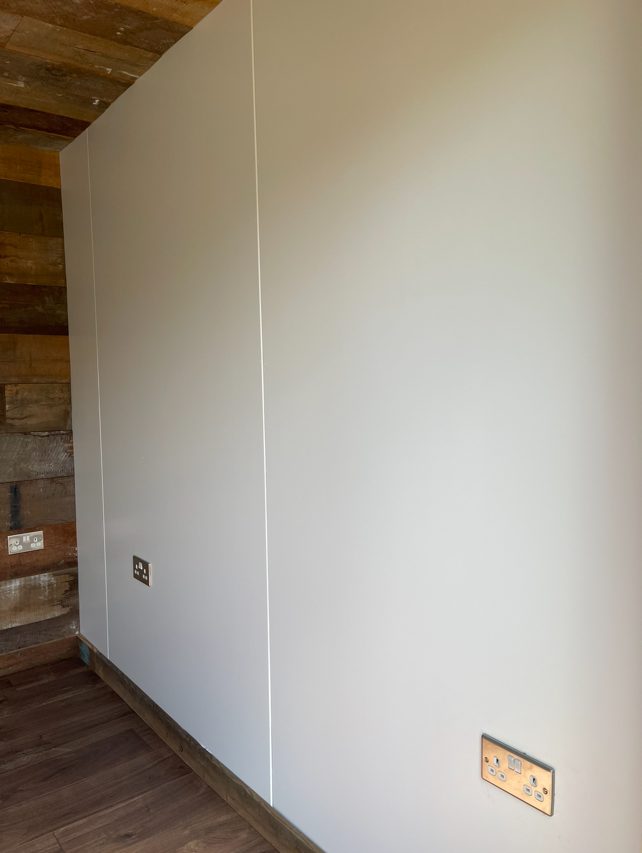
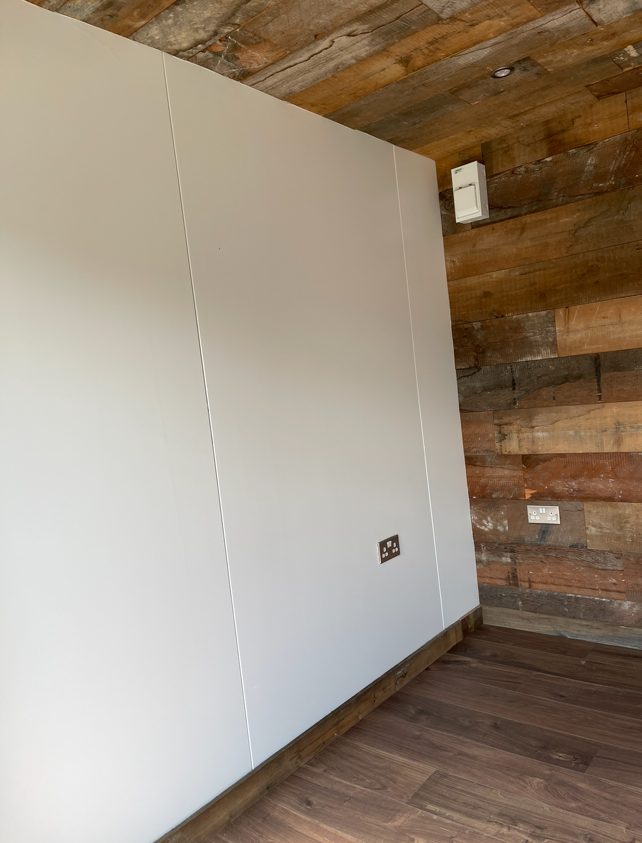
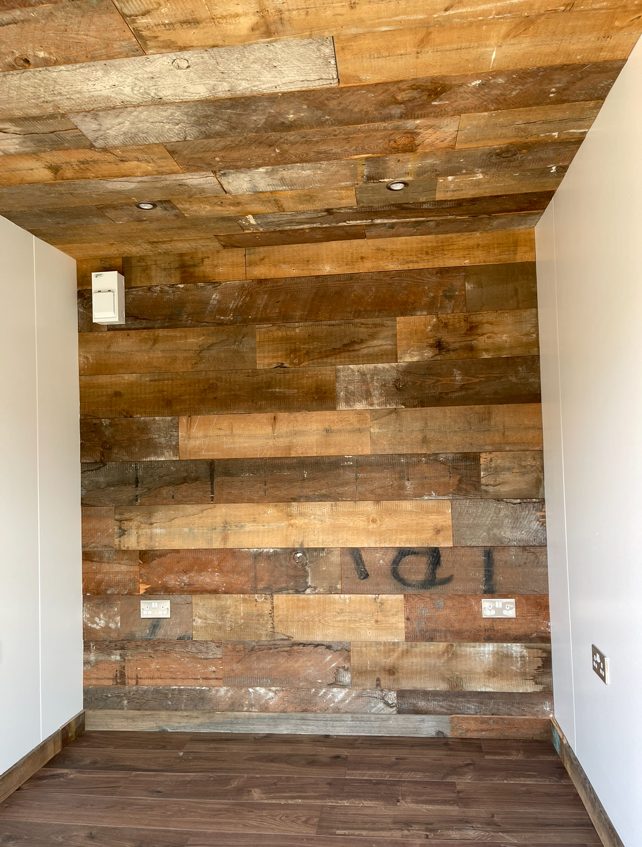
Feature Clad Wall and Ceiling
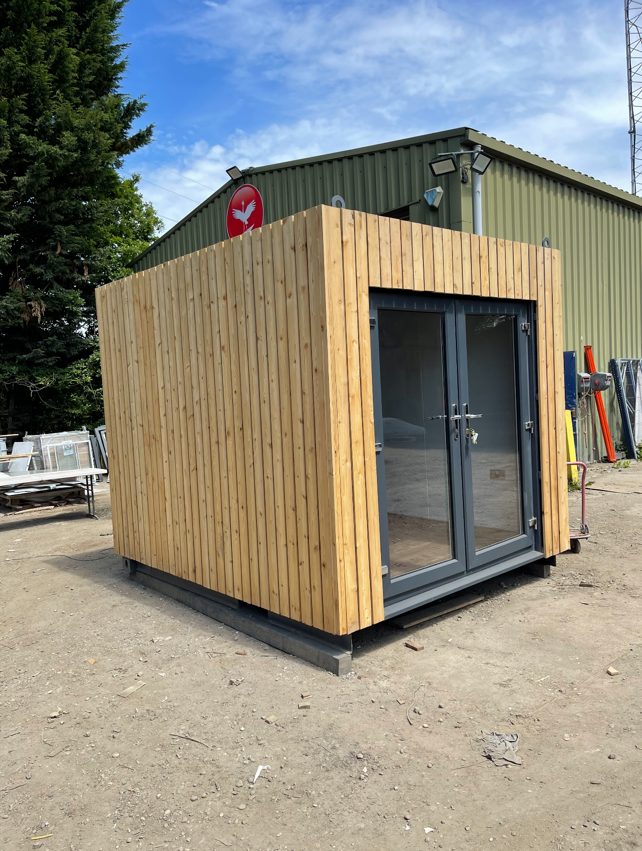
UPVC Double glazed French Doors
Fully wrapped in larch cladding
Lead Time for build 6-8 weeks


Location: Nationwide
EX VAT
Not Available for Hire
Call for an instant quote!


Location: Nationwide
EX VAT
Not Available for Hire
Call for an instant quote!


Location: Nationwide
EX VAT
Not Available for Hire
Call for an instant quote!


Location: Nationwide
EX VAT
Not Available for Hire
Call for an instant quote!


Location: Nationwide
EX VAT
Not Available for Hire
Call for an instant quote!

Location: Nationwide
EX VAT
Not Available for Hire
Call for an instant quote!


Location: Nationwide
EX VAT
Not Available for Hire
Call for an instant quote!


Location: Nationwide
EX VAT
Not Available for Hire
Call for an instant quote!


Location: Nationwide
EX VAT
Not Available for Hire
Call for an instant quote!


Location: Nationwide
EX VAT
Not Available for Hire
Call for an instant quote!


Location: Nationwide
EX VAT
Not Available for Hire
Call for an instant quote!


Location: Nationwide
EX VAT
Not Available for Hire
Call for an instant quote!


Location: Nationwide
EX VAT
Not Available for Hire
Call for an instant quote!


Location: Nationwide
EX VAT
Not Available for Hire
Call for an instant quote!


Location: Nationwide
EX VAT
Not Available for Hire
Call for an instant quote!


Location: Nationwide
EX VAT
Not Available for Hire
Call for an instant quote!
10ftx8ft – £5950 + Vat / 16ftx8ft – £7950 + Vat / 20ftx8ft – £9000 + Vat / 24ftx8ft – £12000 + Vat / 30ftx8ft – £13500 + Vat


Location: Nationwide
EX VAT
Not Available for Hire
Call for an instant quote!


Location: Nationwide
EX VAT
Not Available for Hire
Call for an instant quote!


Location: Nationwide
EX VAT
Not Available for Hire
Call for an instant quote!

Location: Nationwide
Quantity: ∞
EX VAT
Not Available for Hire
Call for an instant quote!
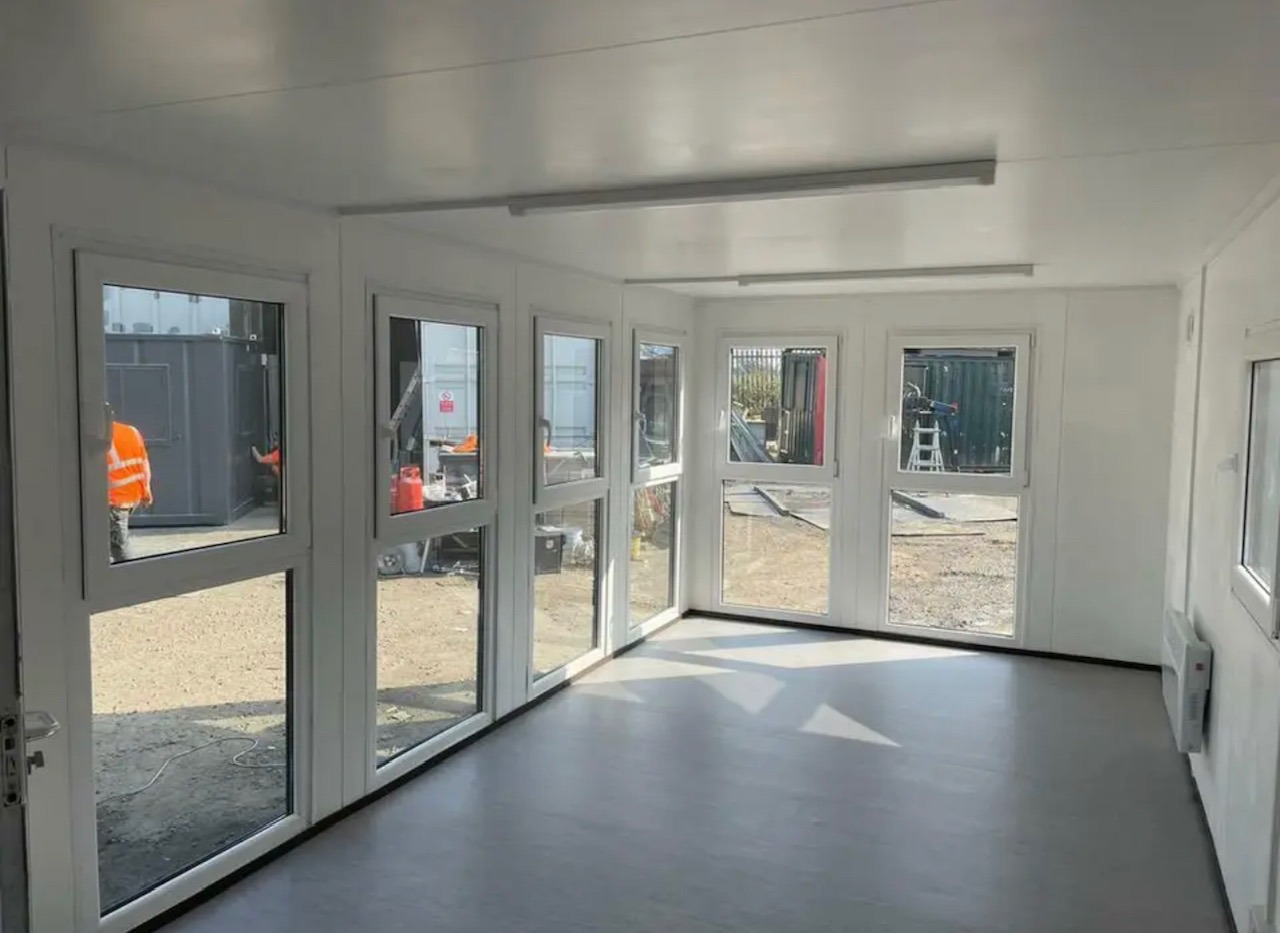
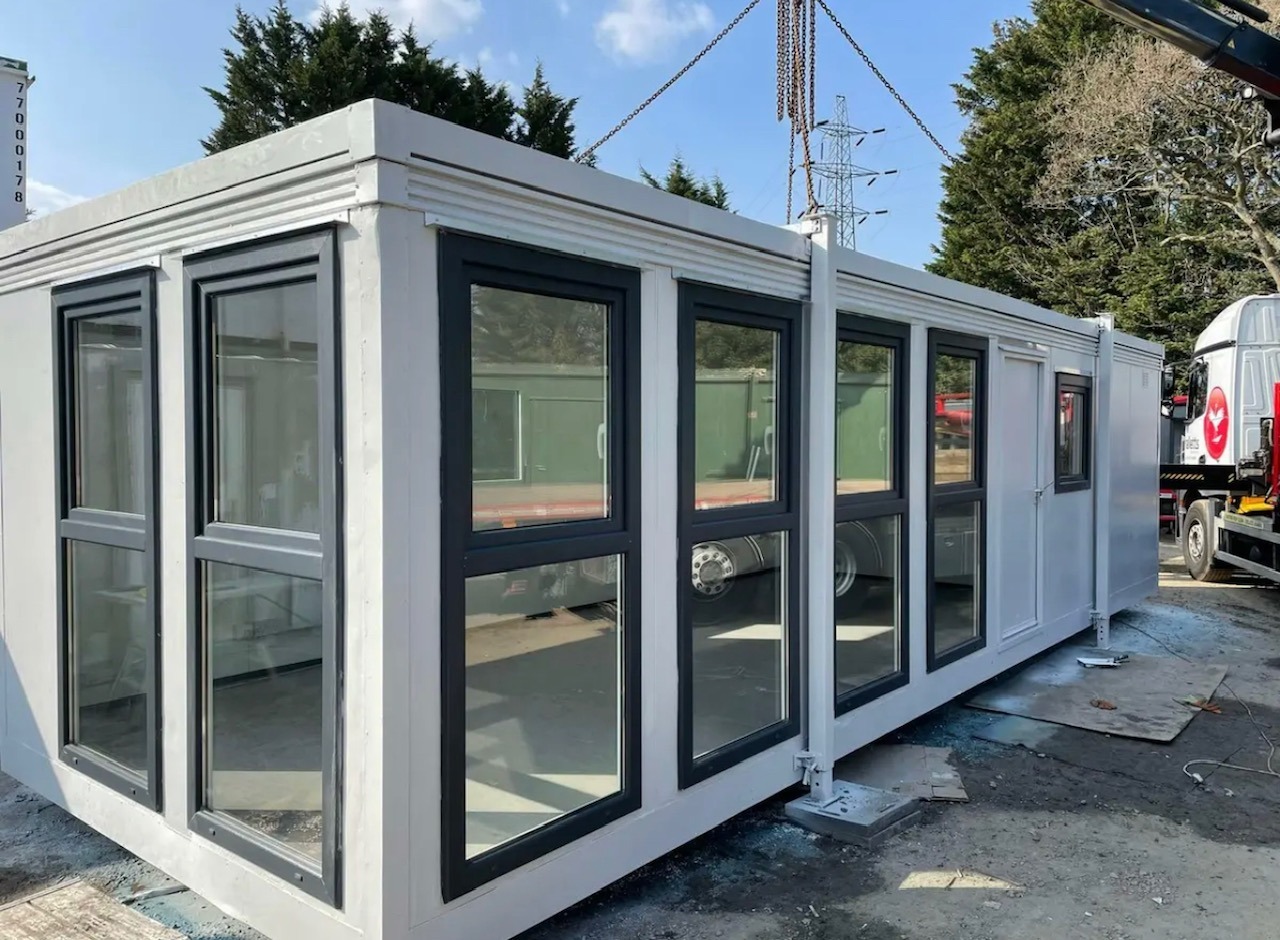
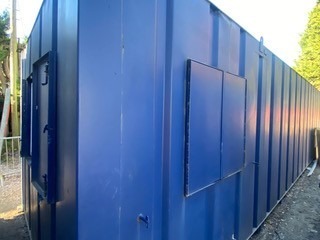
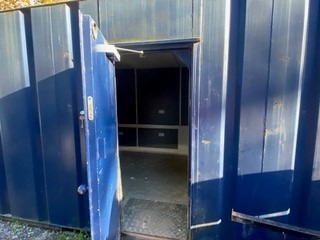
• Reinforced doors and windows with secure locking
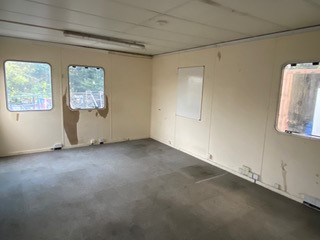
• Open plan with electric sockets and lighting
• Ral Code Colour of choice
• Any Extras available : Canteen, Partitions, Toilets.


Location: Nationwide
EX VAT
Not Available for Hire
Call for an instant quote!
• Reinforced doors and windows with secure locking
• Open plan with electric sockets and lighting
• Ral Code Colour of choice
• Any Extras available : Canteen, Partitions, Toilets.

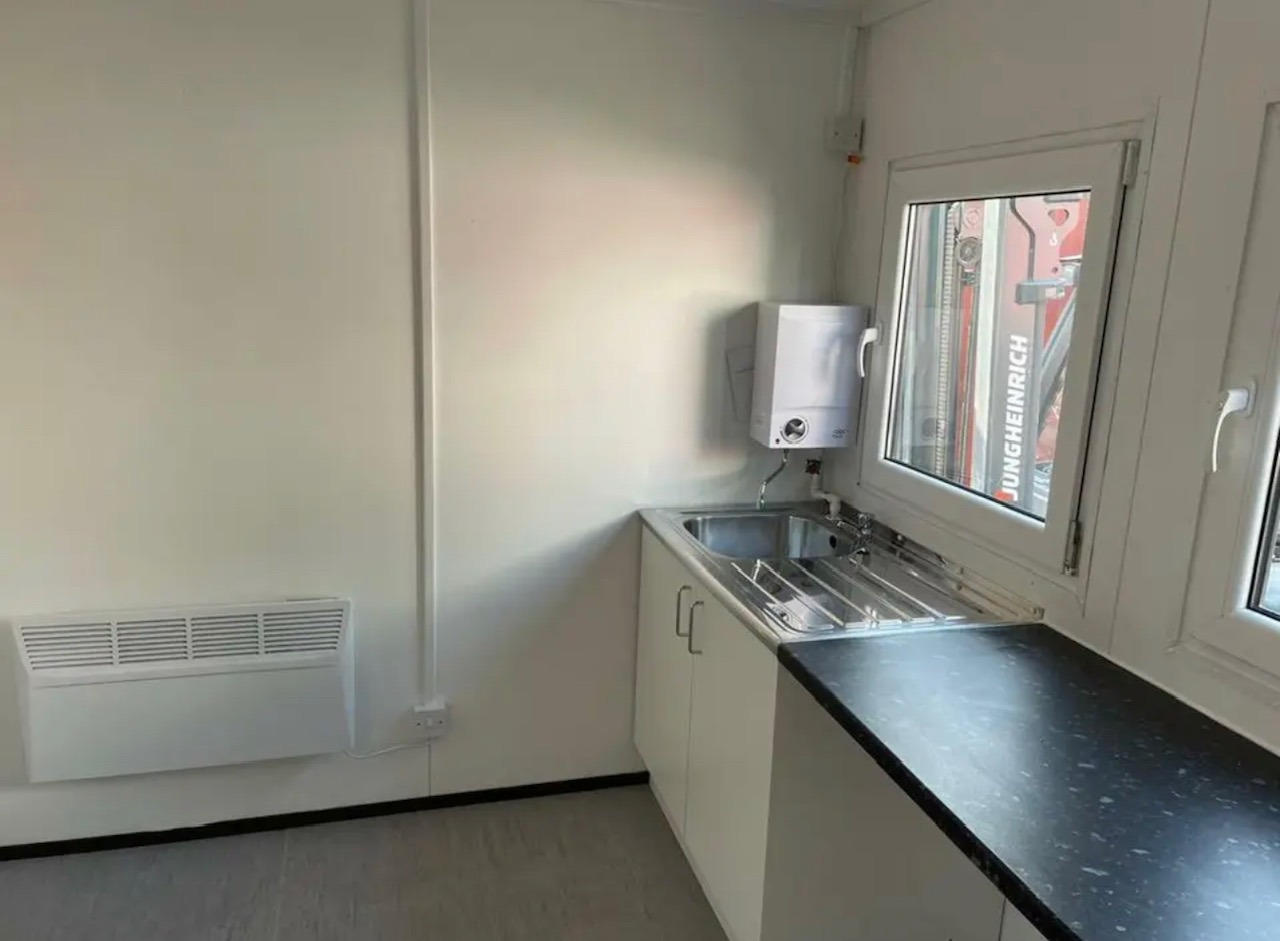
• Reinforced doors with secure locking
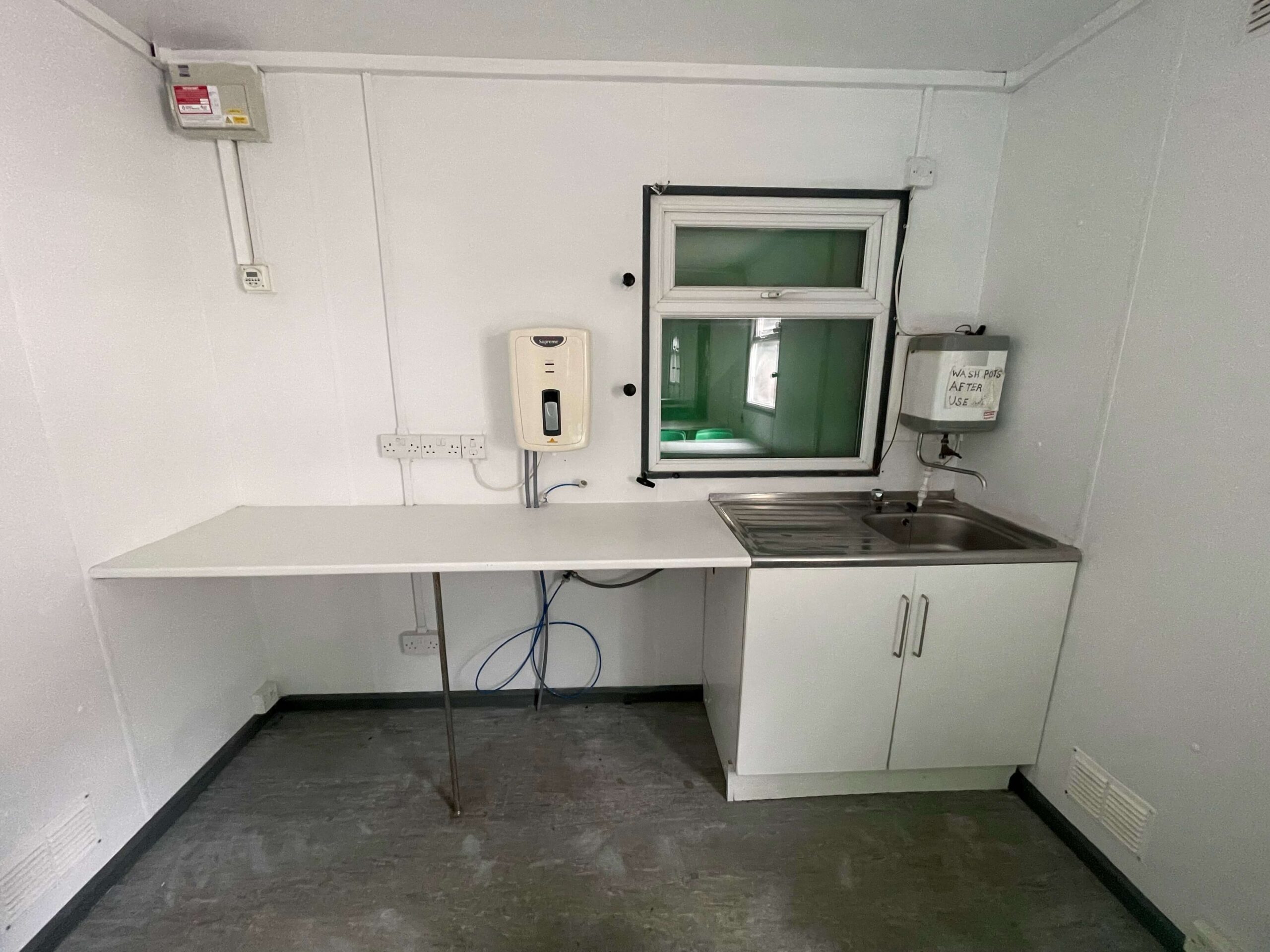
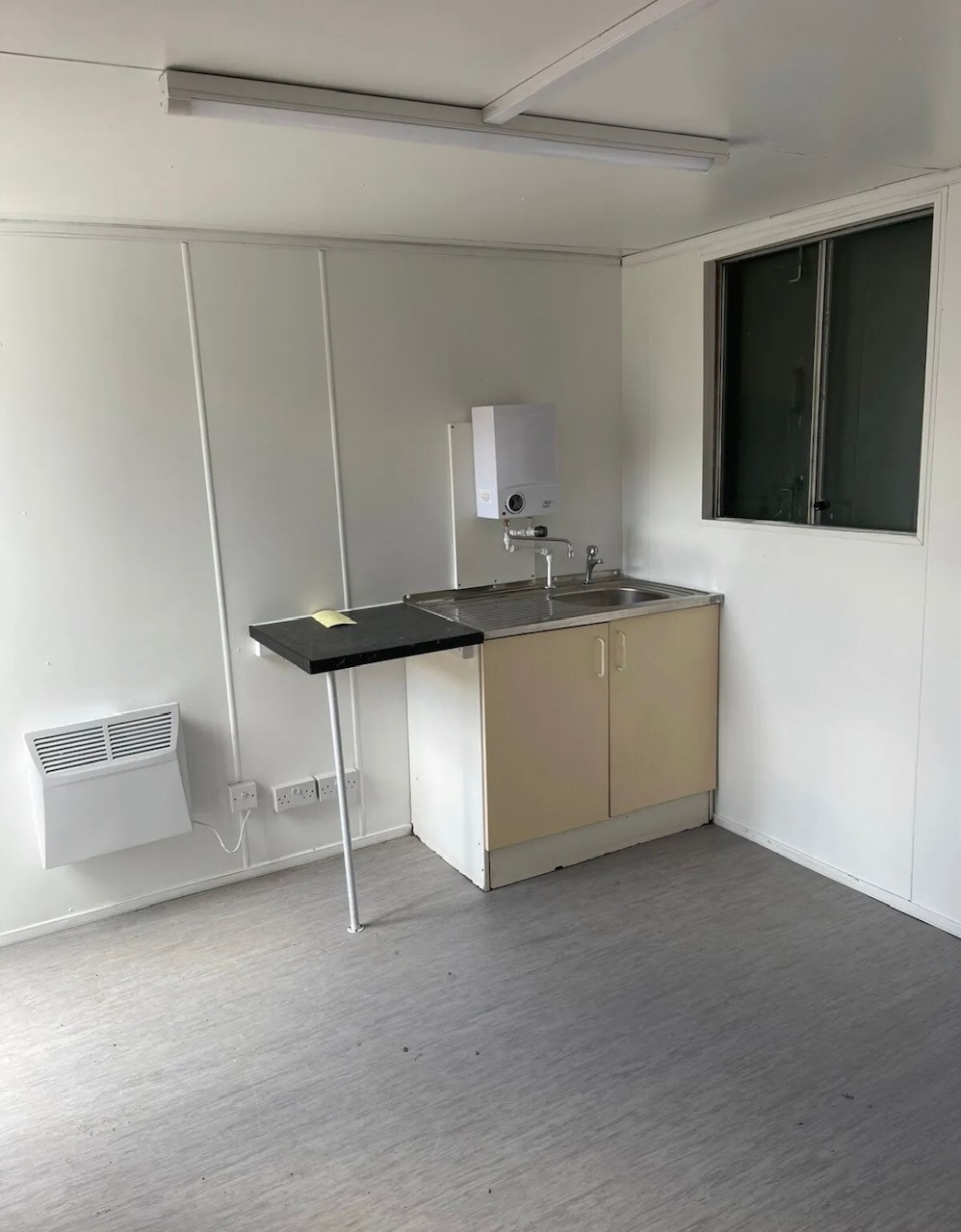
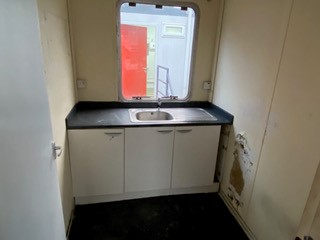
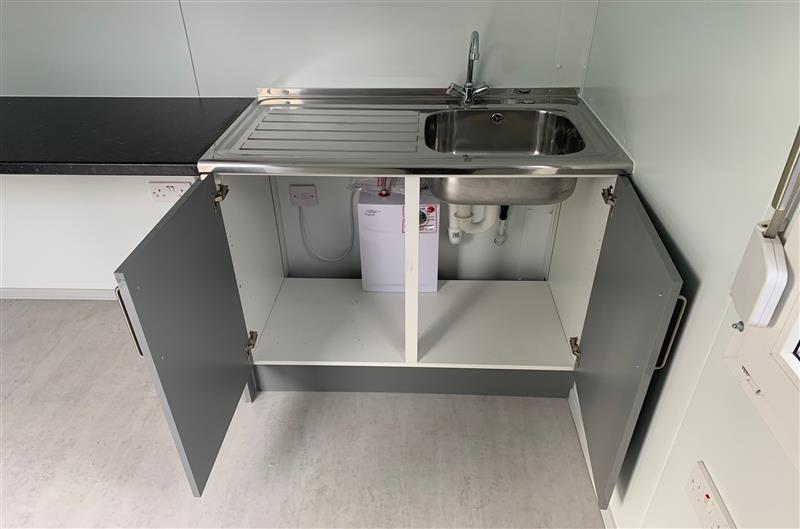
• Sink and water boiler included


Location: Nationwide
Quantity: ∞
EX VAT
Not Available for Hire
Call for an instant quote!


Location: Nationwide
EX VAT
Not Available for Hire
Call for an instant quote!
Get a Quick Container Quote Now!


Location: Nationwide
EX VAT
Not Available for Hire
Call for an instant quote!
Get a Quick Container Quote Now!