Global buyers choosing a lead rubber sheet need more than a thickness figure. Product construction affects flexibility, handling, and shielding performance. Common options include plain sheets, fabric-reinforced sheets, metal-mesh-reinforced sheets, and adhesive-backed formats. Their uses and limits differ. Details matter.
The USGS Mineral Commodity Summaries 2025 estimates global lead mine production at about 4.6 million metric tons in 2024. That figure provides supply context, but it does not confirm a sheet’s composition or quality. Buyers should request current technical data, composition details, batch traceability, and test results from suppliers. WHO’s lead-poisoning fact sheet reports that lead exposure accounted for an estimated 1.5 million deaths worldwide in 2021, primarily from cardiovascular effects. This is a serious reminder: procurement and handling deserve careful review, not assumptions.
This guide compares sheet types by reinforcement, flexibility, installation needs, and documented performance. It also considers the practical details often missed in a catalogue, such as edge finishing and the weight of a full-size panel. For radiation-shielding applications, verify performance against the intended use and consult qualified specialists. Follow applicable workplace safety requirements and review the product’s safety documentation. A specification can look convincing on paper. It may still leave questions. That is worth admitting.
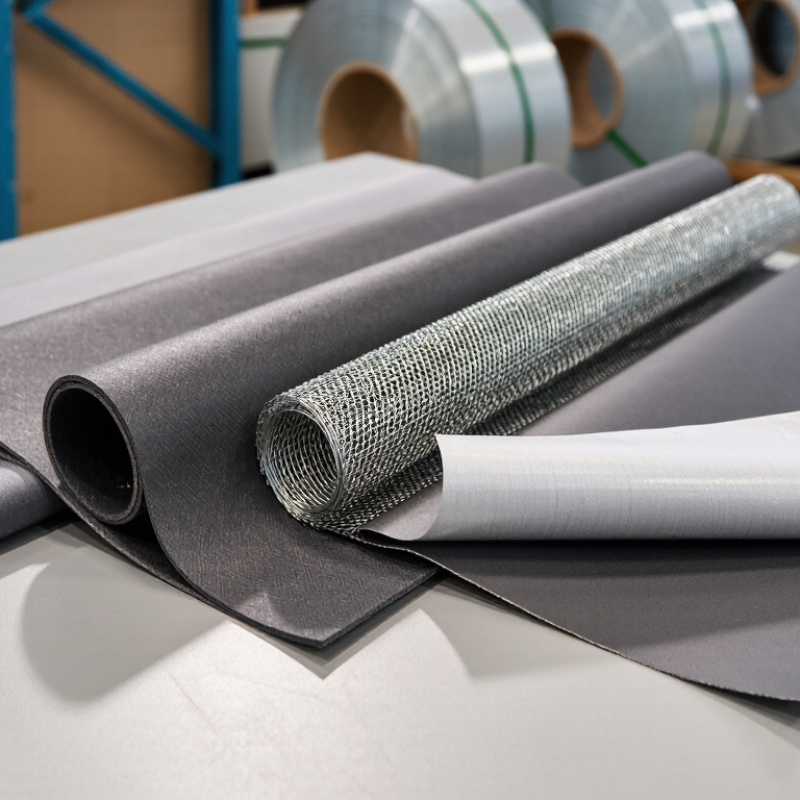
Lead rubber sheet is a flexible shielding material made by dispersing lead particles through an elastomer, often rubber. The lead helps reduce the intensity of X-rays and other ionizing radiation as it passes through the sheet. Its shielding performance depends on lead content, thickness, radiation energy, and the conditions of use. It is not universal. A sheet selected for one setting may not provide suitable protection in another.
The structure combines a dense lead-bearing layer with a flexible rubber matrix, making the material easier to cut and fit than a rigid plate. In practical installations, seams, corners, fasteners, and service openings need careful attention. A narrow gap can undermine an otherwise well-chosen barrier. That detail is easy to underestimate. Reliable selection should follow a qualified shielding assessment, with product documentation checked for thickness and composition. Handling also matters: damaged surfaces or exposed lead-containing material need appropriate controls. Specifications can look tidy on paper, while real walls and equipment rarely are. Regular inspection helps reveal wear, loose edges, or gaps that drawings may miss.
Lead rubber sheets are commonly classified by the material blend and the way their layers are built. The lead phase may be a continuous sheet or fine particles dispersed through an elastomer. A continuous core offers a clear, measurable layer; a filled compound can be easier to form around edges. The rubber matrix affects flexibility, surface durability, and resistance to oils or weathering. Details matter.
Construction creates another useful distinction. Some sheets use a lead core bonded between rubber skins, while others combine lead-loaded rubber throughout the sheet. A layered design can protect the lead surface from handling damage. A uniform compound may suit applications that need a flexible, cuttable sheet. Neither format is automatically better. Bond quality, thickness consistency, and the intended installation all matter.
For comparison, buyers should check stated lead thickness or lead equivalent, total sheet thickness, dimensions, and material composition. Ask how values are measured, and request current test documentation where performance is critical. A product label can sound precise while leaving out important details. Even two sheets with similar dimensions may differ in flexibility and attenuation. It is worth checking sample edges and bend behavior, though a quick visual inspection cannot replace documented testing.
| Type | Lead Material or Form | Rubber Material | Typical Construction | Common Uses | Selection Considerations |
|---|---|---|---|---|---|
| Lead-core, rubber-encapsulated sheet | Continuous lead sheet or lead plate | Natural rubber or synthetic elastomer, depending on the product | A lead core is covered or bonded with rubber layers to protect its surfaces and provide a flexible outer face. | Radiation-protection barriers, protective curtains, and linings where a flexible, enclosed lead layer is needed. | Check the specified lead thickness or tested lead equivalence, overall dimensions, edge coverage, and whether the product is suitable for the intended installation. |
| Lead-loaded rubber composite sheet | Lead powder or other lead-containing filler dispersed through the compound | Rubber or elastomer matrix | Lead-containing filler is incorporated throughout the rubber compound and formed into a sheet; it does not use a separate continuous lead core. | Flexible shielding panels, curtains, and shaped components where a composite construction is preferred. | Shielding performance depends on composition and thickness. Request product-specific test data rather than inferring performance from appearance or density alone. |
| Lead-sheet and rubber laminate | One or more discrete lead layers | Rubber layers used as facing, backing, or interlayer material | Lead and rubber layers are bonded together as a laminate. The layer sequence and number of lead layers vary by design. | Shielding panels and linings that need a defined lead layer with a rubber-facing surface. | Confirm the layer arrangement, bond quality, seam details, and whether the lead layer remains fully covered during use. |
| Lead foil or thin-sheet laminated rubber | Thin lead foil or sheet bonded to a rubber substrate | Flexible rubber backing or facing | A thin lead layer is bonded to one or both sides of a rubber sheet to create a flexible laminate. | Flexible protective coverings and applications requiring a thin, conformable layered material. | Assess the intended bend radius and handling conditions. Repeated sharp folding can damage a laminate; follow the supplier’s handling guidance. |
| Lead-alloy-core rubber sheet | Lead alloy, such as a lead-antimony alloy, where specified | Rubber or elastomer covering or backing | An alloy lead layer is combined with rubber in an encapsulated or laminated construction. | Specialized shielding or industrial applications where the specified alloy and construction meet the design requirements. | Do not assume an alloy is interchangeable with pure lead. Verify alloy composition, applicable product specifications, and tested shielding performance. |
| Rubber-coated lead sheet | Continuous lead sheet | Rubber coating or bonded rubber facing | A lead sheet receives a rubber coating or facing on one or both surfaces; edges may require separate protection. | Protective linings and installations where a rubber-covered surface is required. | Check coating adhesion, edge treatment, chemical compatibility, and whether cut edges need additional sealing. |
| Classification and performance vary by product. For radiation-shielding use, specify the radiation type and application, and verify shielding performance using product-specific test documentation and the applicable project requirements. Lead is toxic: prevent exposure to lead dust or residues, avoid uncontrolled cutting or abrasion, and follow applicable handling, installation, and disposal regulations. | |||||
For global buyers, lead rubber sheets are commonly distinguished by construction and shielding performance. Plain flexible sheets suit applications where material must bend around equipment or fit a curved surface. Fabric-reinforced versions add support and may resist tearing during repeated handling. Some suppliers also offer adhesive-backed sheets for easier installation on clean, prepared surfaces. Options vary.
Thickness is only one part of the specification. Buyers should compare stated lead equivalence, sheet dimensions, reinforcement, and flexibility under the intended conditions. A thicker sheet does not automatically provide the best fit for every job. Ask for test documentation and confirm how performance was measured; product descriptions can leave important details unclear.
Selection also depends on the installation. A smooth sheet may be easier to wipe clean, while reinforced material can be more practical where edges are handled often. Check seams, overlaps, and cut edges, since gaps can weaken shielding coverage. This detail is easy to underestimate. Request samples when possible, and inspect them for cracking, uneven coating, or stiffness before ordering in bulk. Supplier terminology is not always consistent, so written specifications help prevent costly mismatches.
2026 Top Lead Rubber Sheet Types for Global Buyers
Where Different Lead Rubber Sheet Types Are Used Across Industries
Flexible lead-rubber sheets suit movable screens, door curtains, and awkward openings in diagnostic rooms or inspection bays. Flat, cut-to-size sheets are easier to install inside cabinet walls and equipment enclosures, where seams need careful overlap. In industrial radiography, they may provide localized shielding, but they do not replace an engineered, surveyed enclosure. Small gaps matter.
UNSCEAR’s 2020/2021 Report, Volume I, Annex A, estimated about 4.2 billion diagnostic radiological procedures worldwide each year, based on 2010–2014 data. This is a baseline, not a 2026 forecast. Hospitals, dental clinics, veterinary rooms, and testing facilities may need different sheet formats. Yet the choice depends on beam energy, required lead equivalence, mounting method, and access frequency—not the industry label alone. Product descriptions can hide important differences.
Tip: Request documented lead equivalence at the intended kVp, along with thickness and test details. Check joints, fasteners, and wear points after installation; a tidy seam can still leave a weak path. Lead is toxic, so use suitable handling controls and follow local disposal requirements. Measure twice. Recheck later.
Lead rubber sheets vary in lead content, thickness, backing, and flexibility. Some use a lead core bonded to rubber; others combine sheet lead with a protective elastomer layer. These constructions behave differently during cutting, installation, and repeated movement. Compare thickness tolerance, sheet dimensions, mass per area, and declared composition. Ask how shielding performance was tested and under which conditions. A rating without test conditions is incomplete.
Tips: Request a current test report, dimensional inspection records, and a sample from the production lot. Check the edges. Look for cracks, uneven bonding, or exposed lead.
Compare supplier documents with the standards and technical requirements for your destination market and application. Confirm that certificates identify the actual material grade and product dimensions, not just a general product family. Ask suppliers about batch traceability, packaging, and safe handling guidance. For international shipments, clarify who provides the required material and transport documentation. A low price may hide inconsistent tolerances; a polished datasheet may still leave questions. I would verify critical details in writing before approving a purchase.

Registered in England & Wales No. 2786496
Registered office at: 337 Tanworth Lane,
Shirley, Solihull, B90 4DU
Registered for VAT, registration No.
GB 655 1347 38
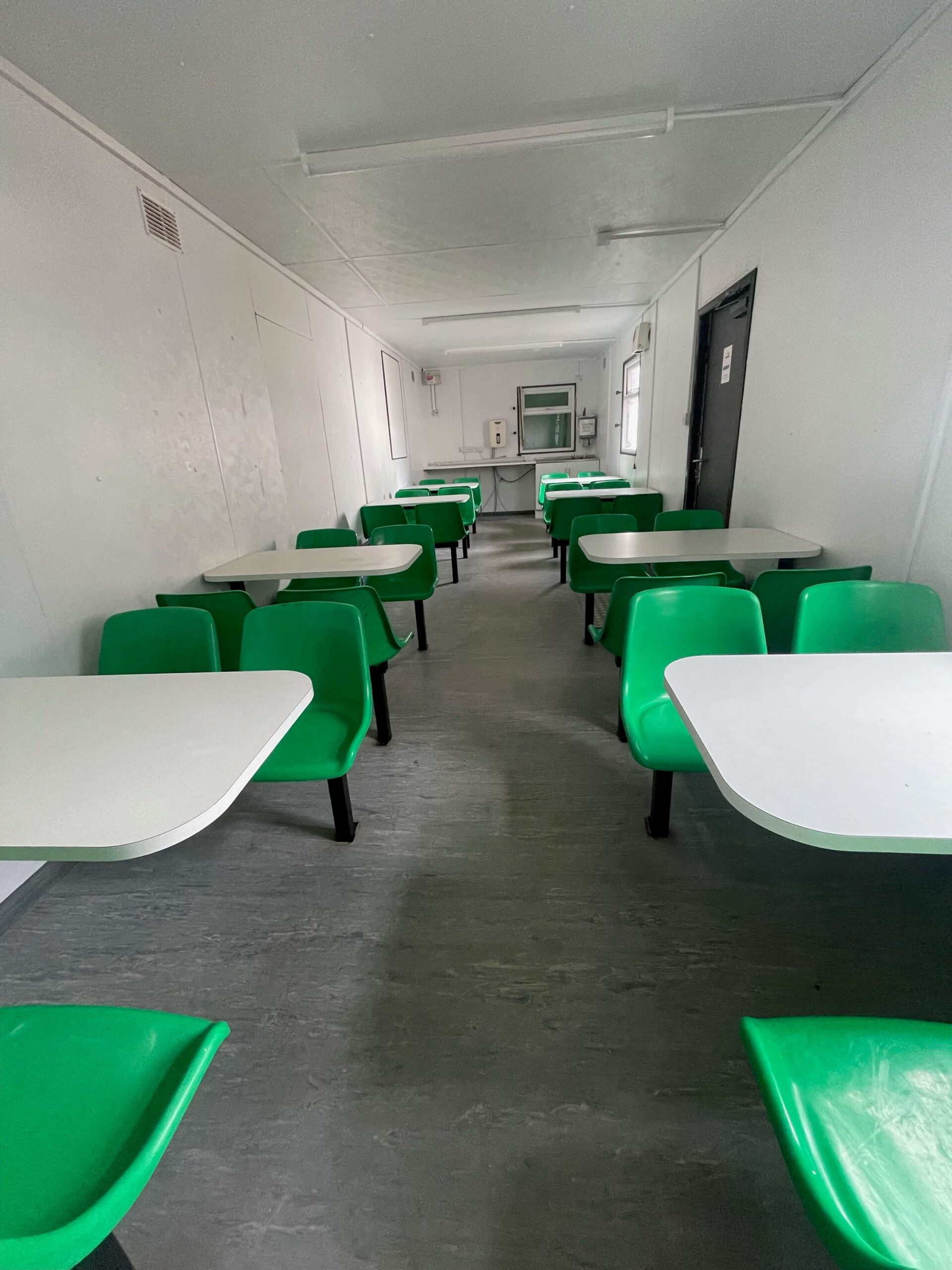
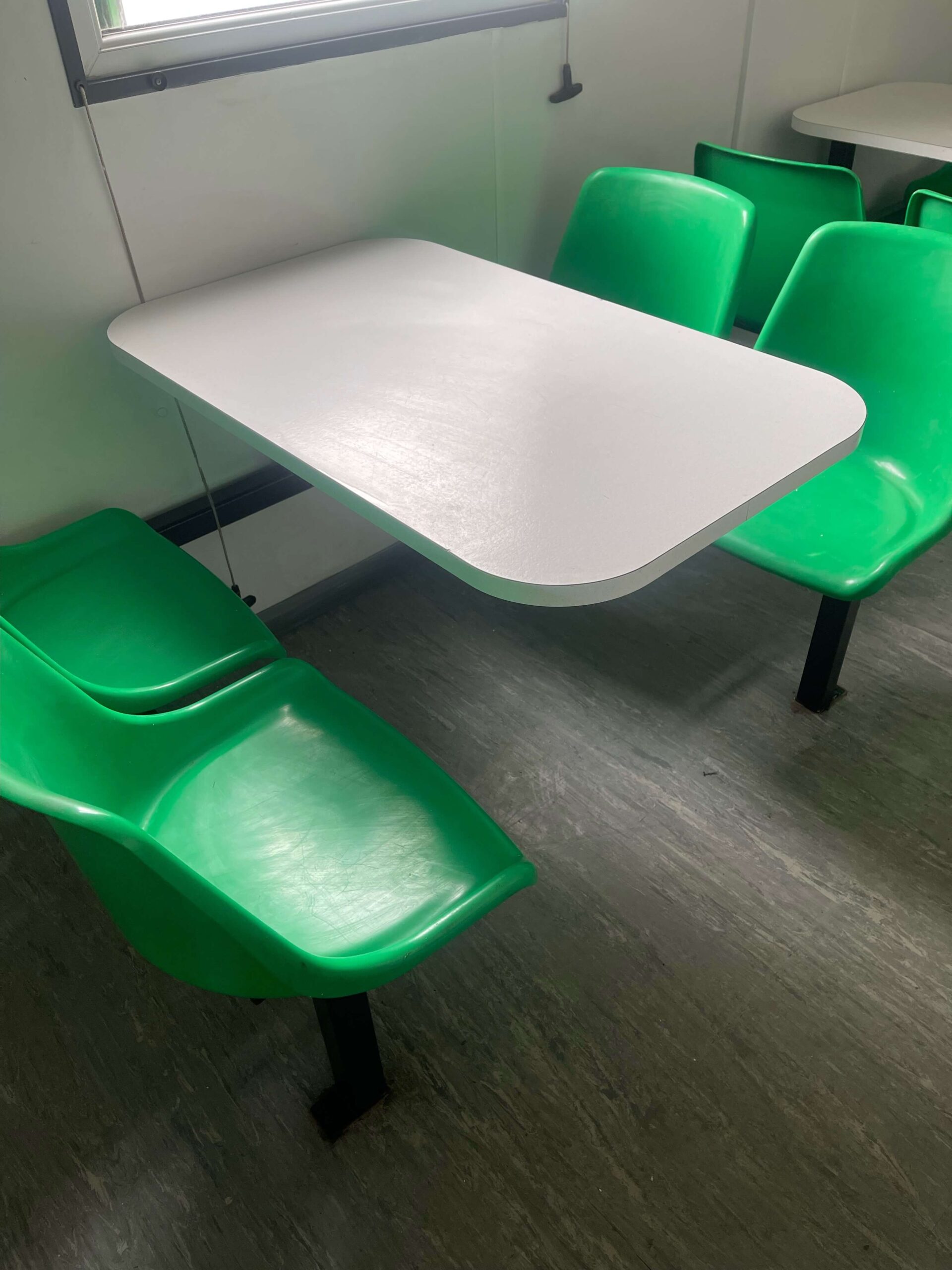

Location: Nationwide
Not Available for Hire
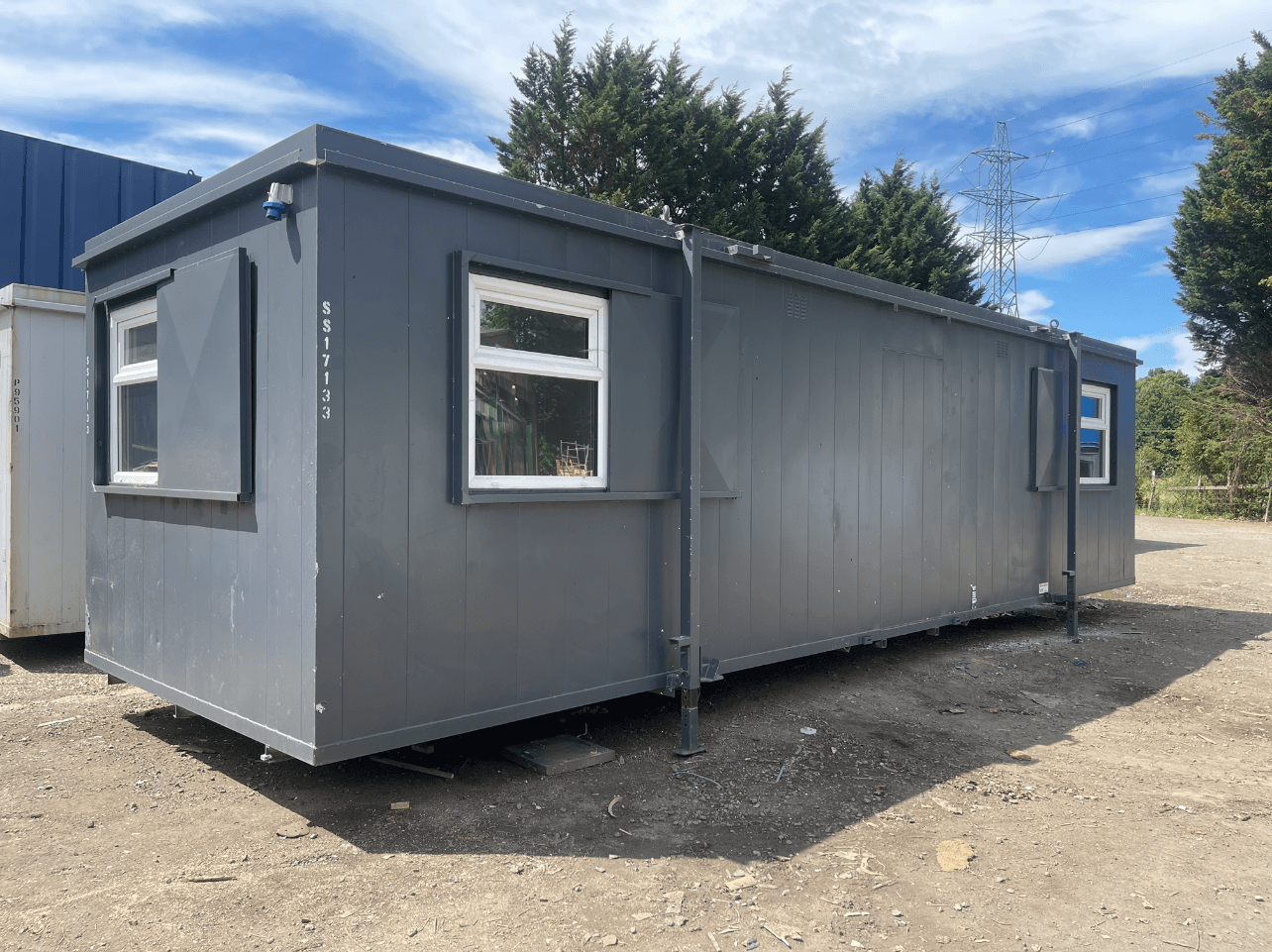
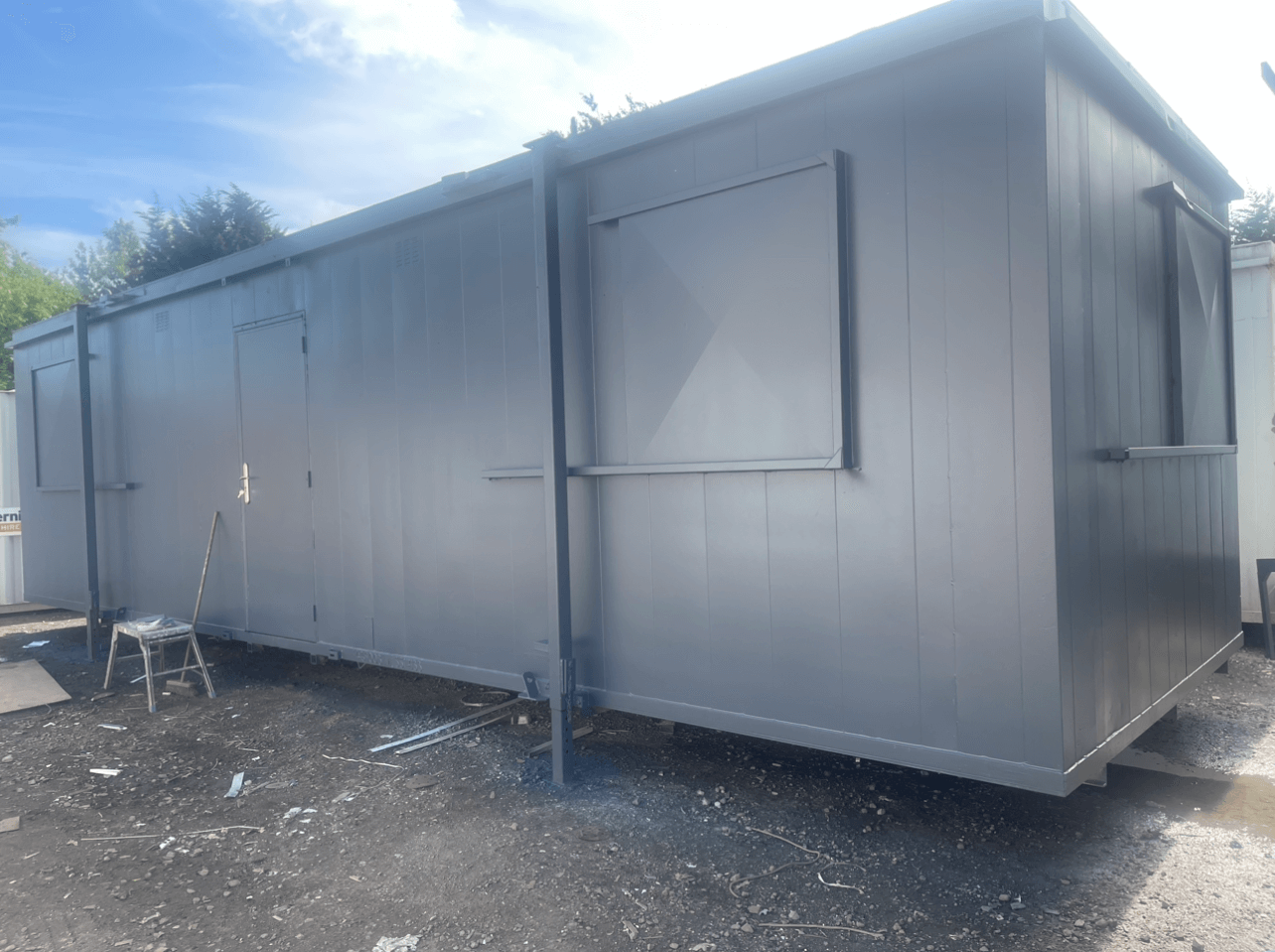
We can deliver for a cost please ask and send us post code.
13 tread
14 tread
15 tread
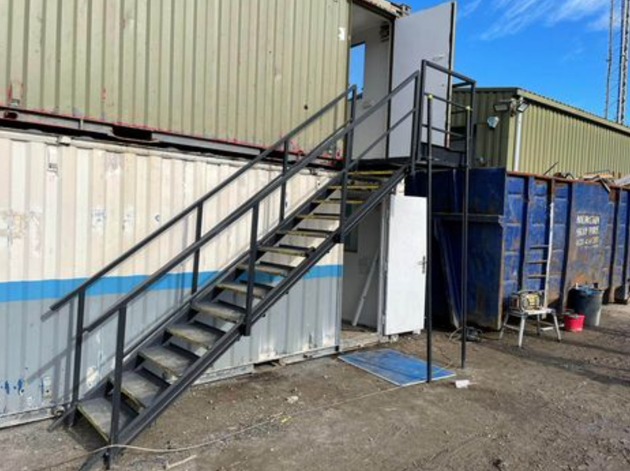
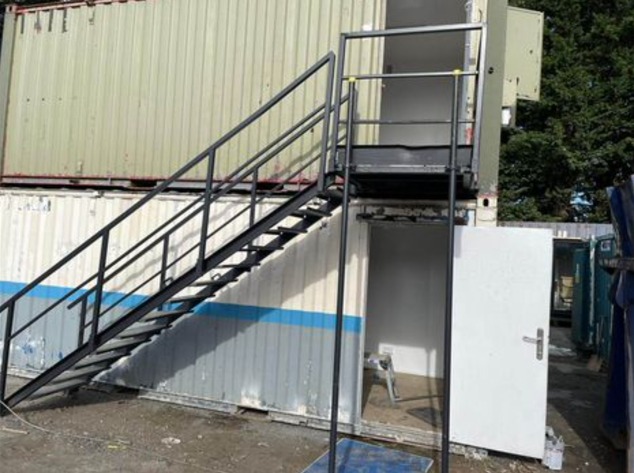
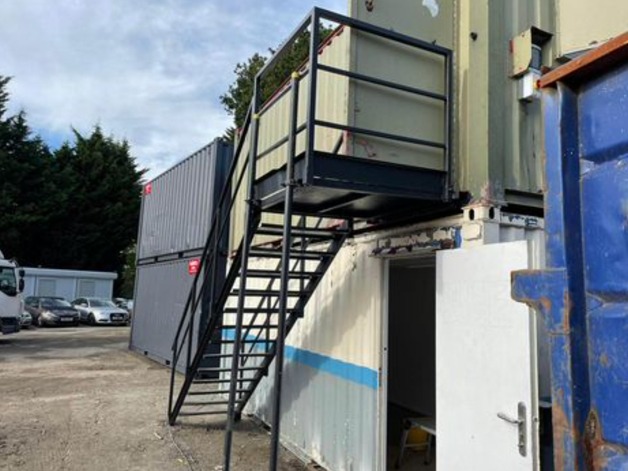
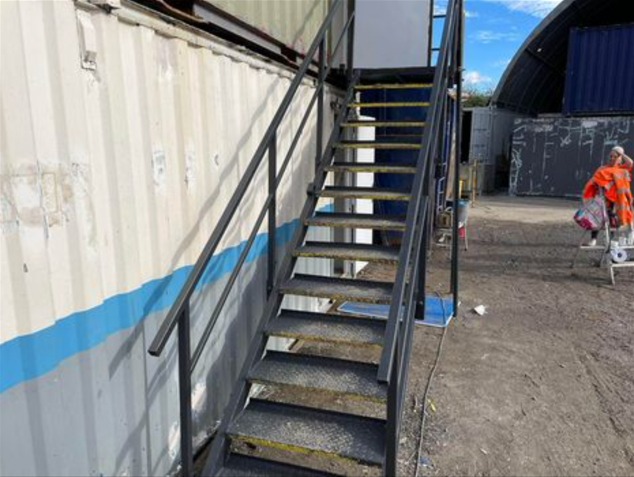
Location: Nationwide
Not Available for Hire
Call for an instant quote!
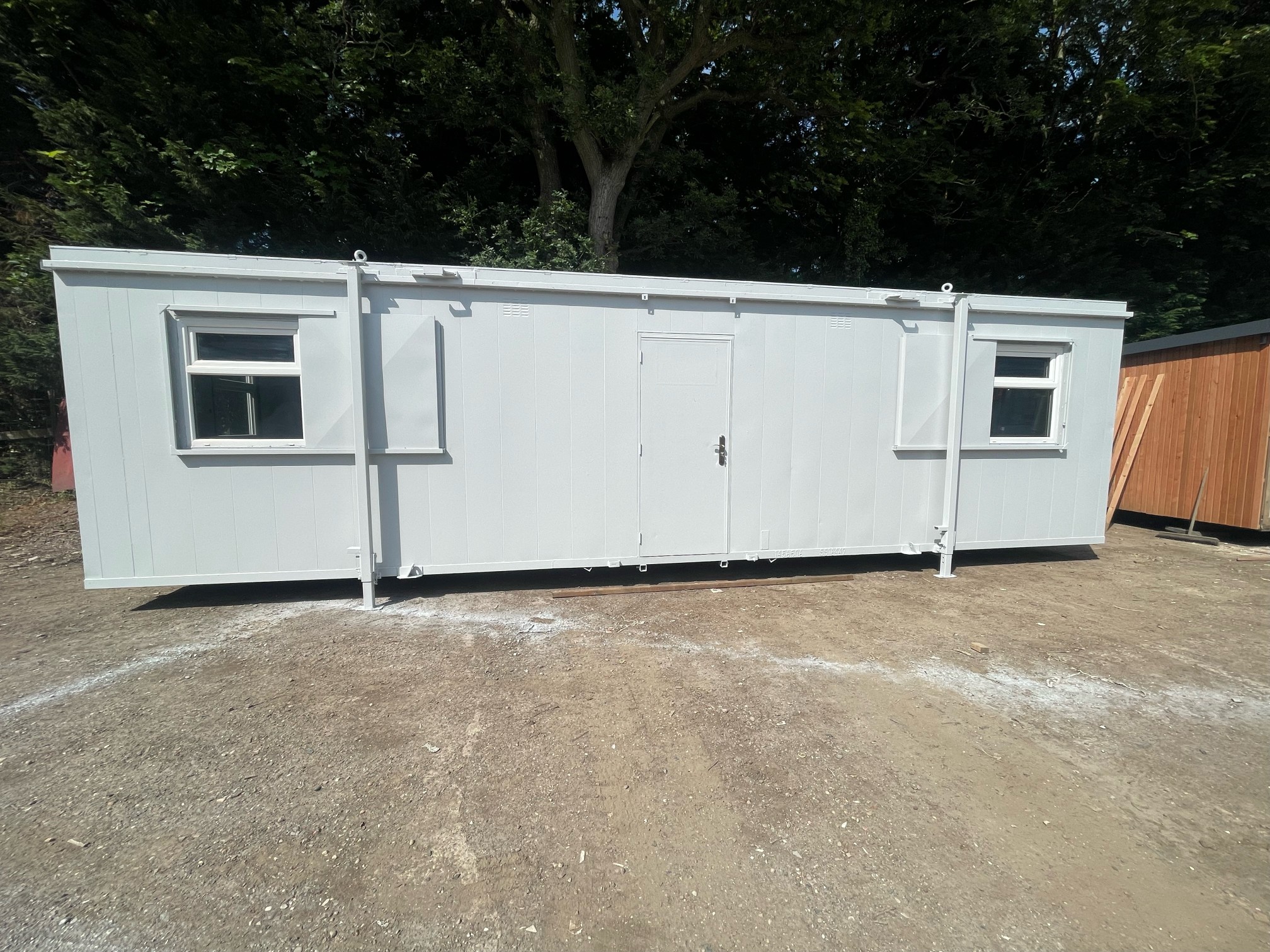
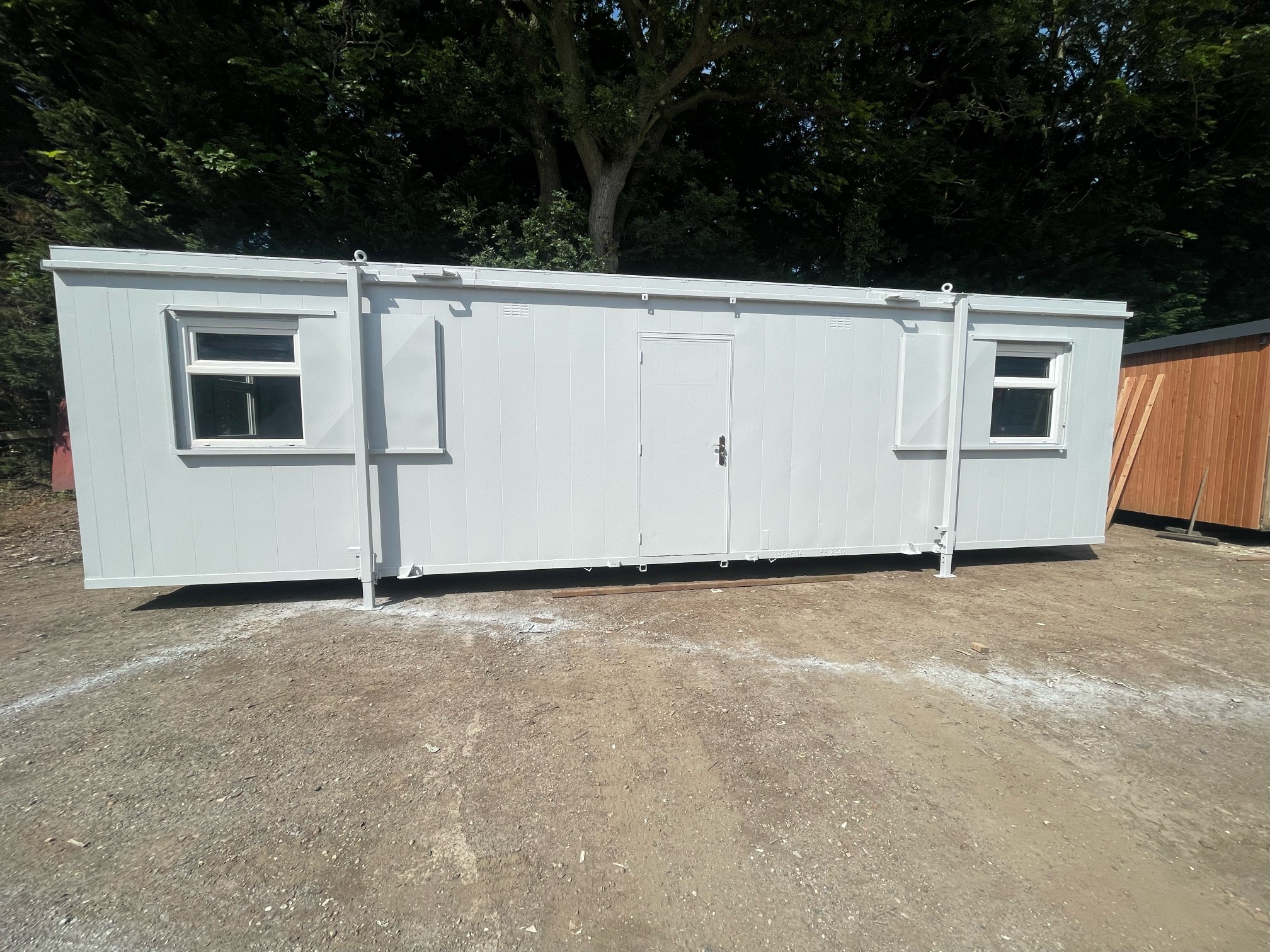
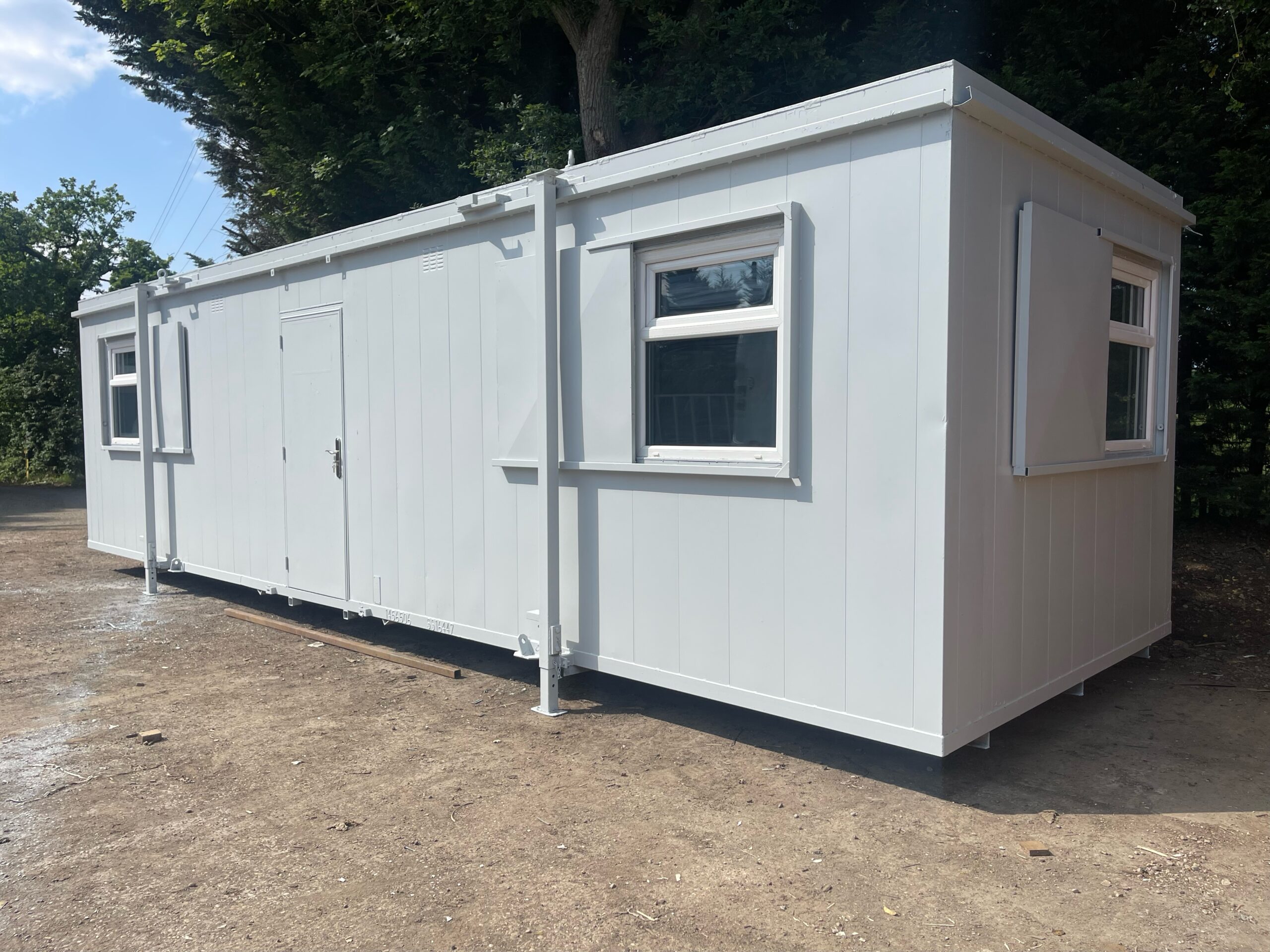
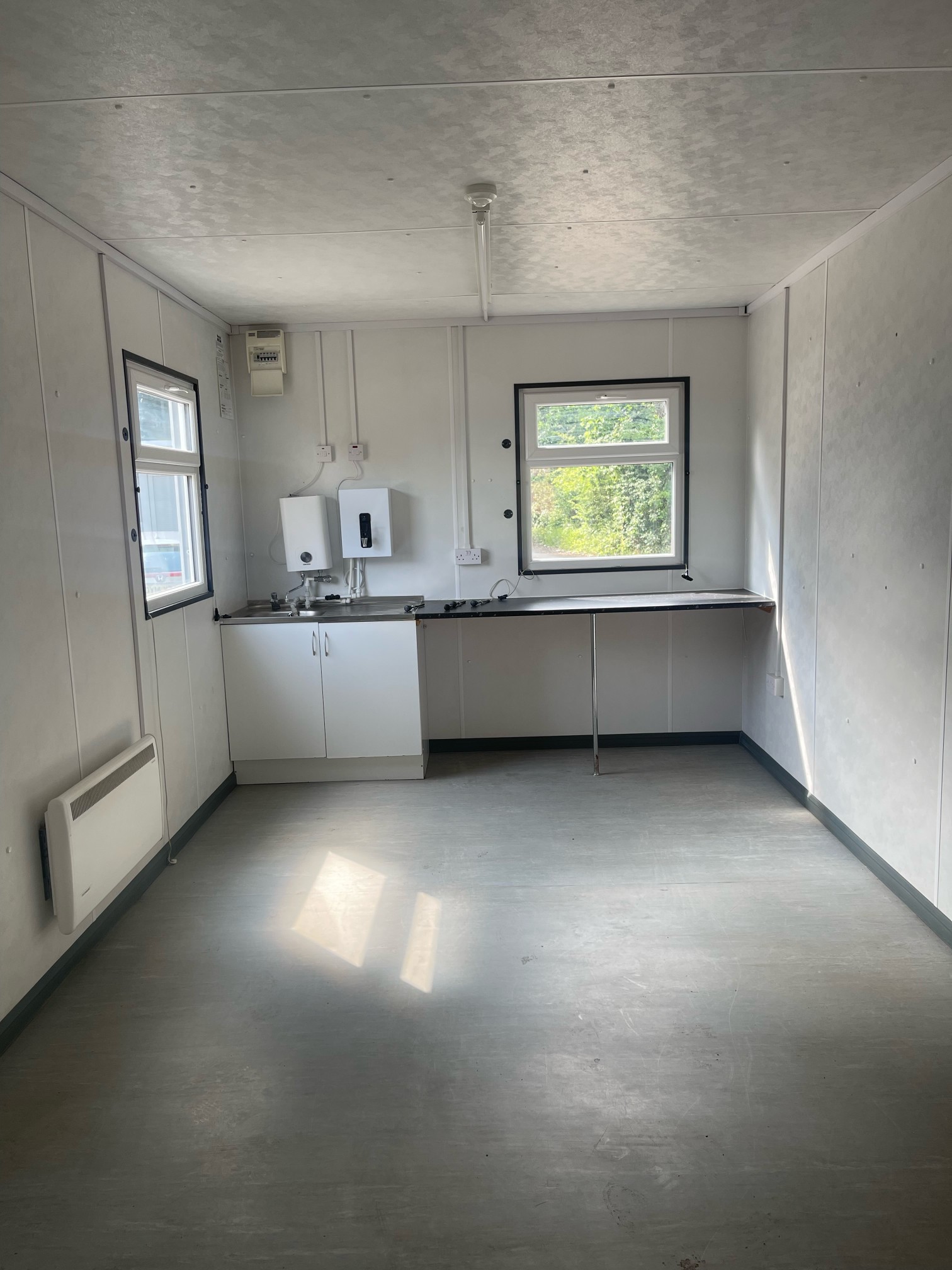
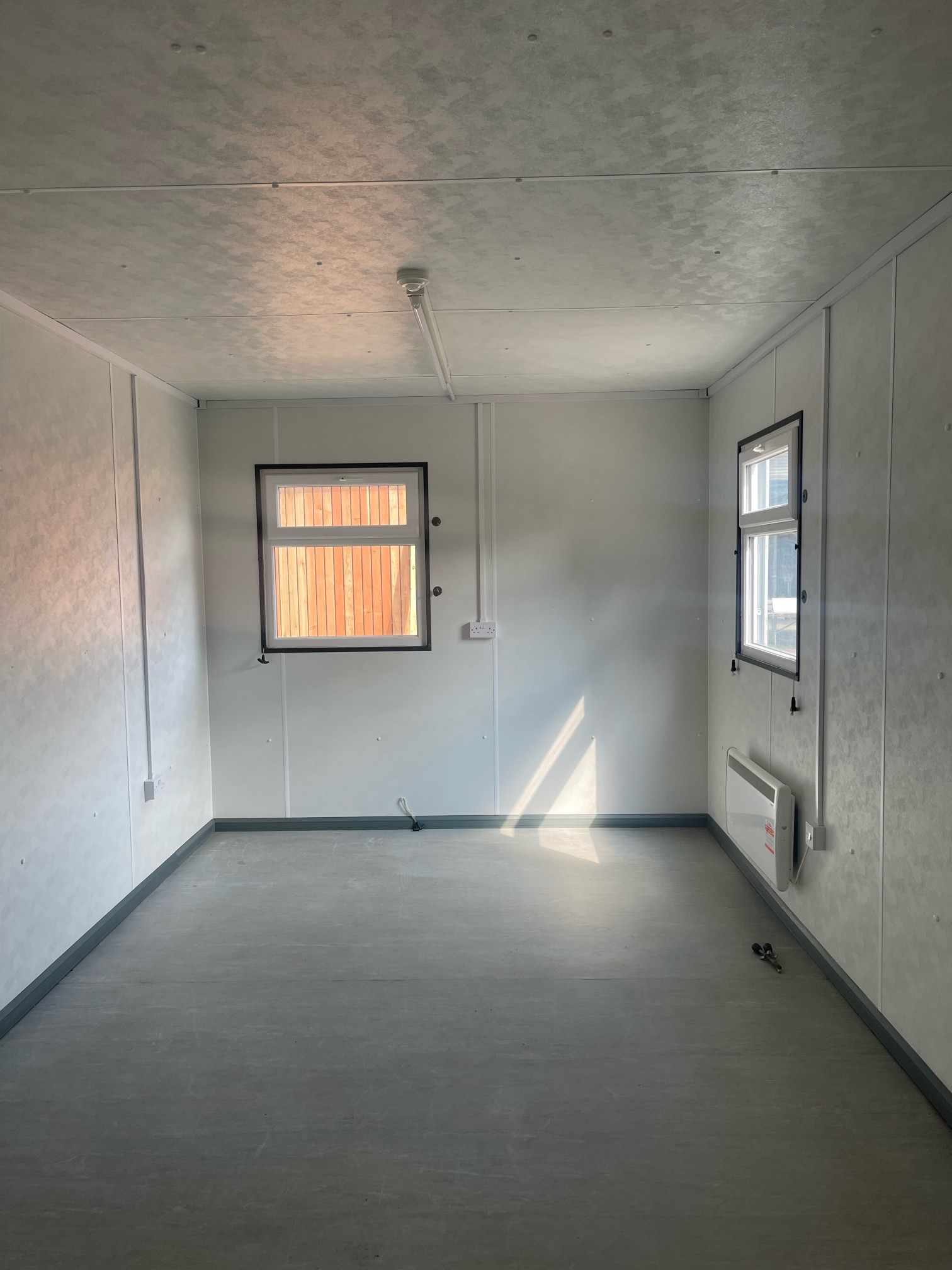
Location: Nationwide
Not Available for Hire
We can deliver for a cost please ask and send us post code.
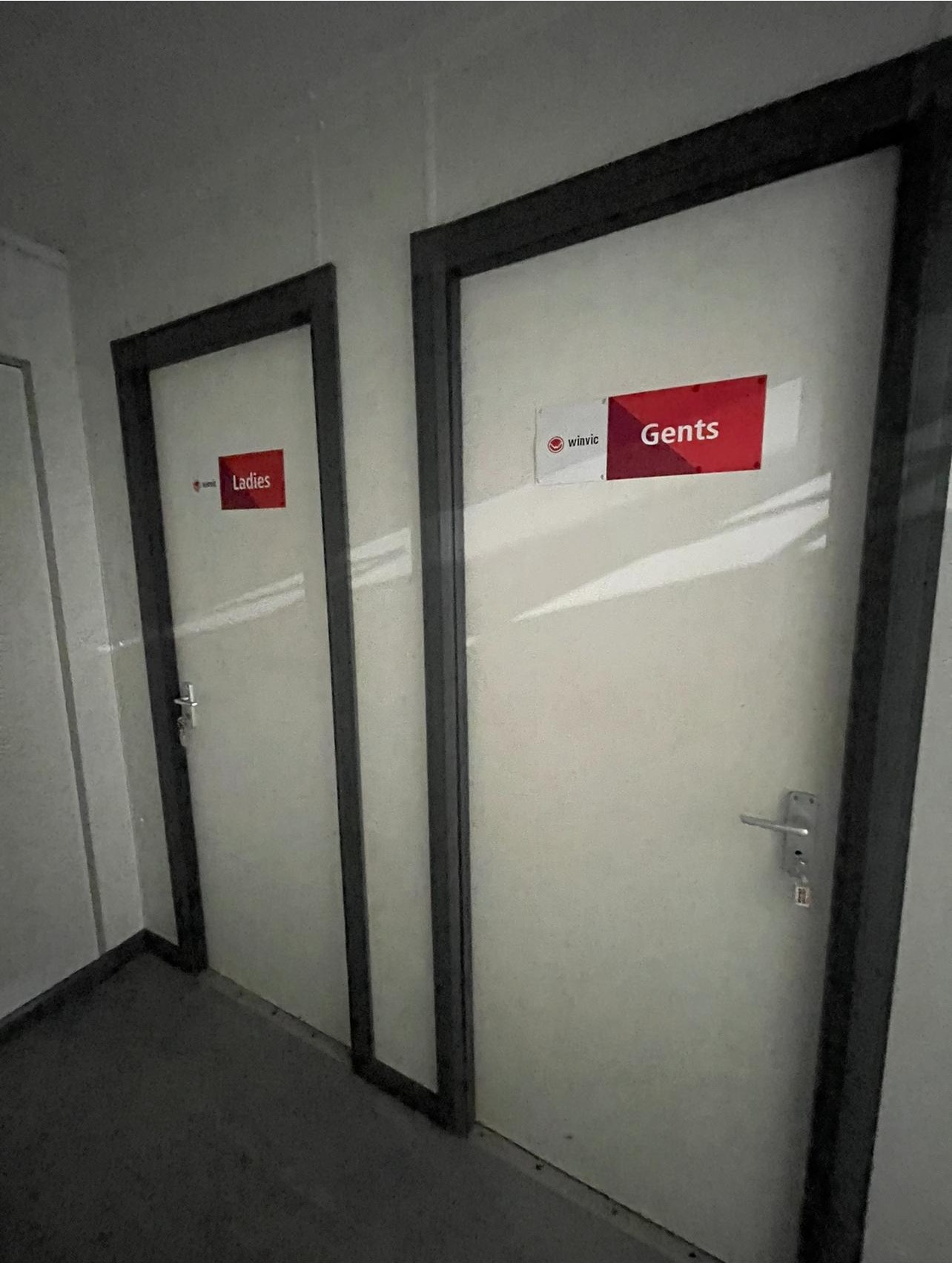
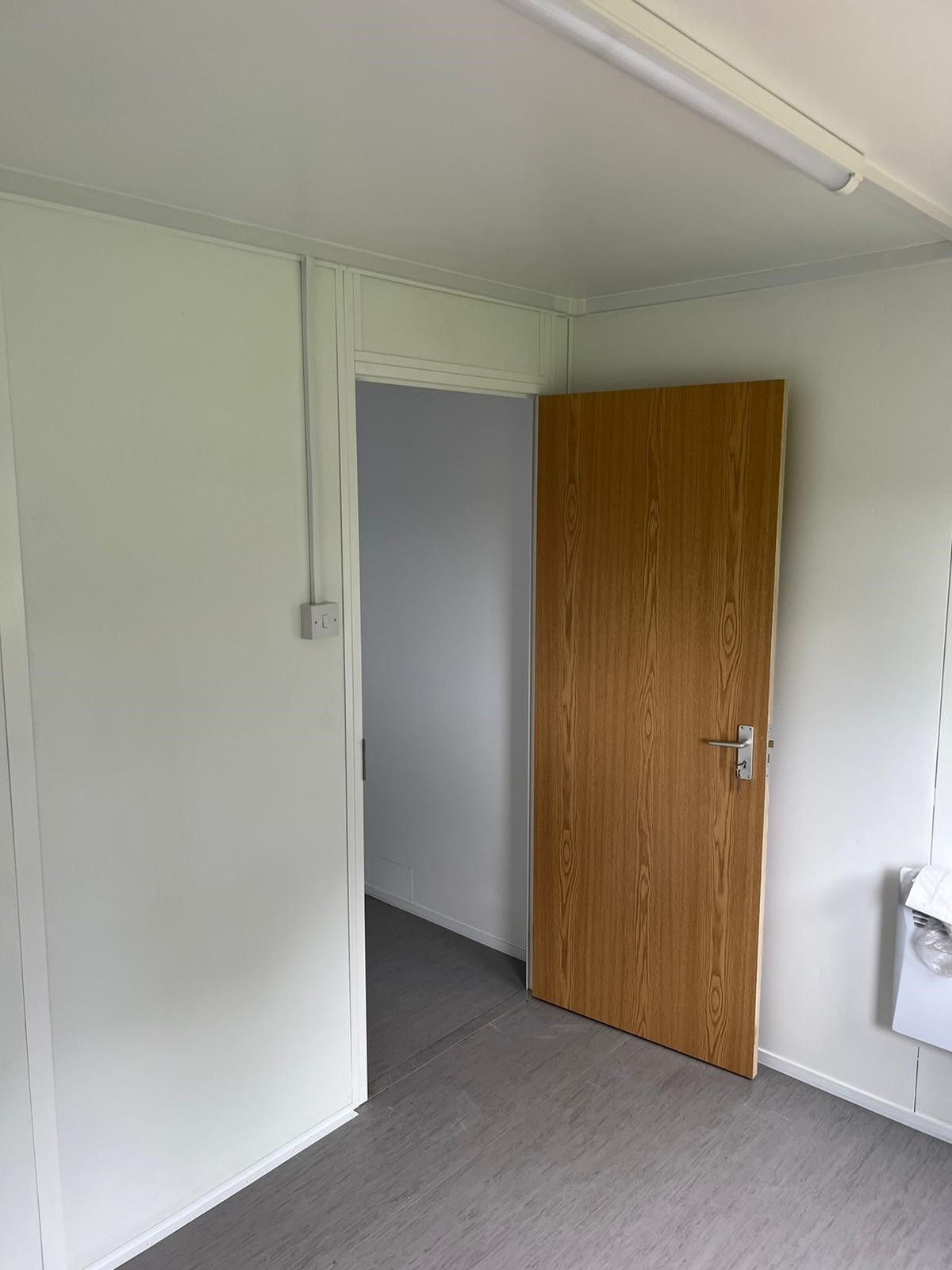
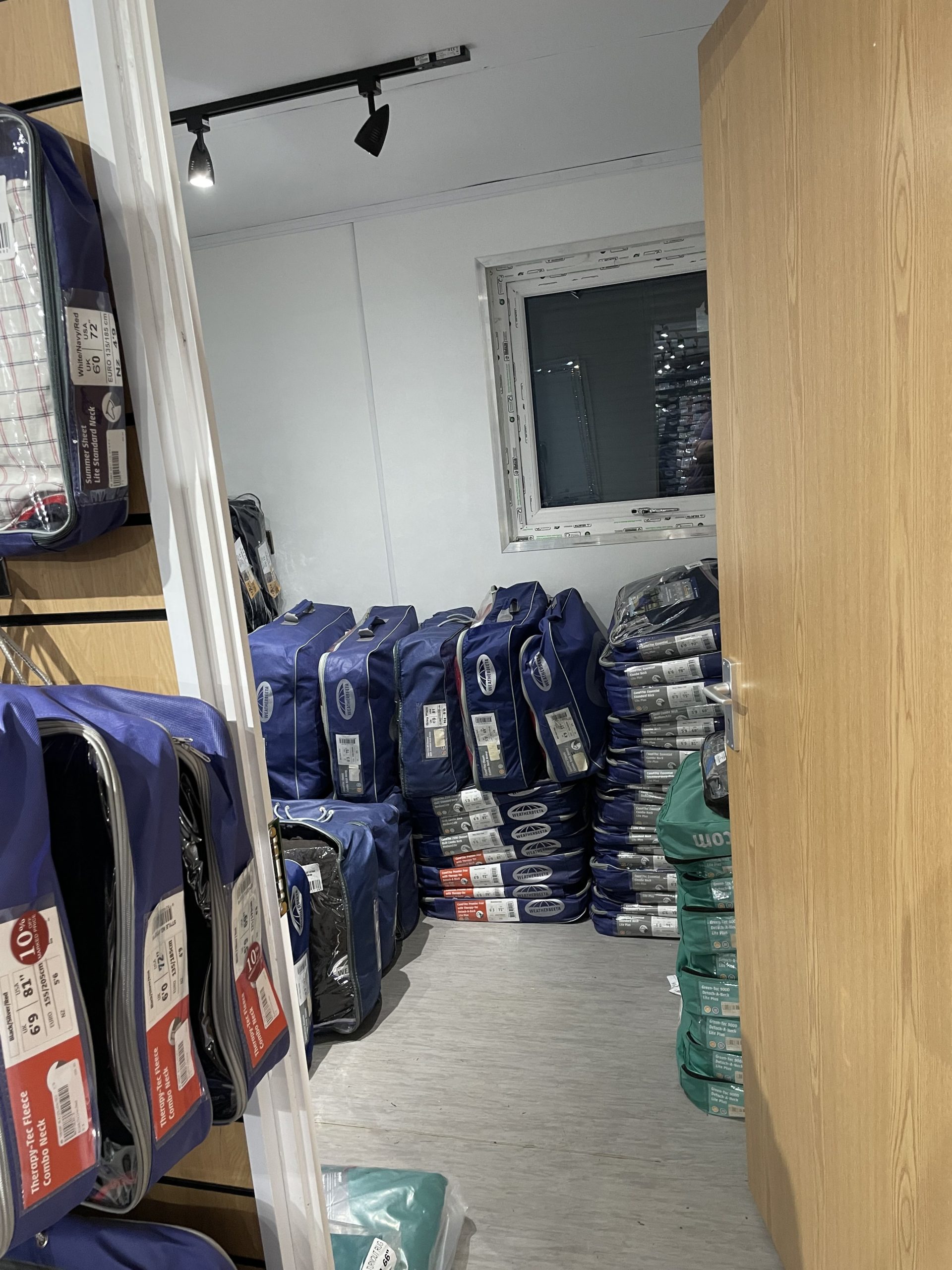
Hallway leading into:
Transport can be arranged please ask.
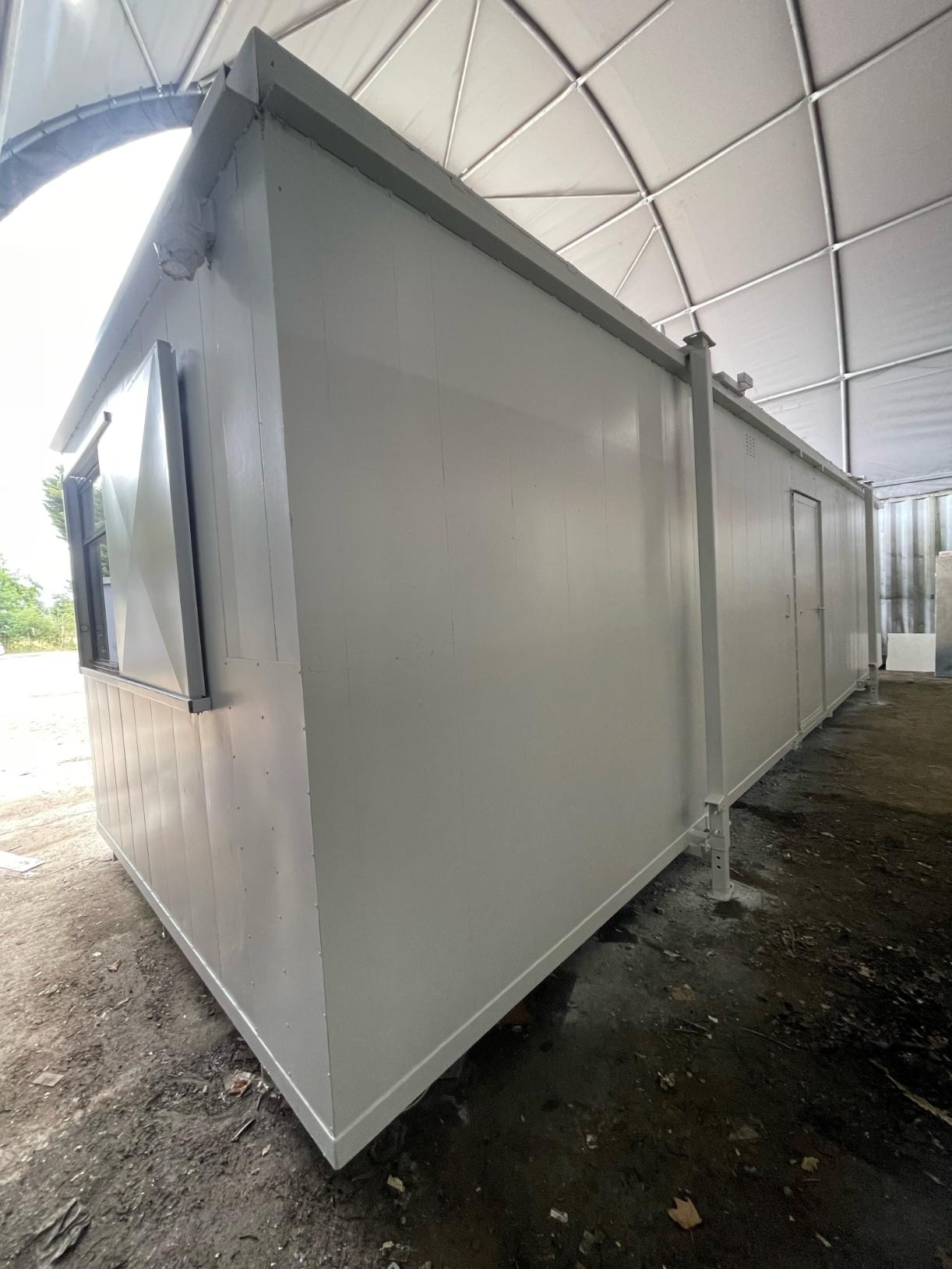
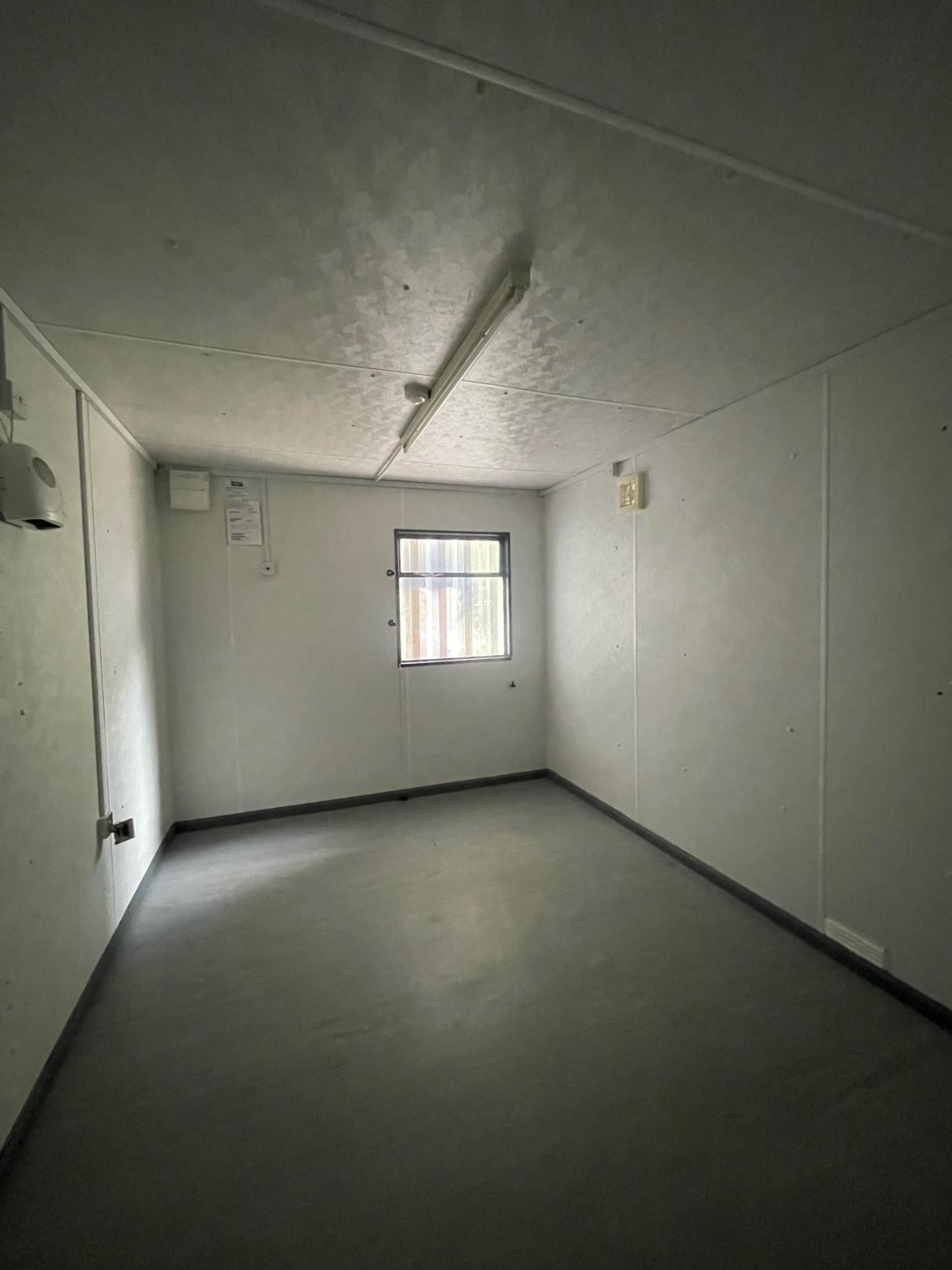
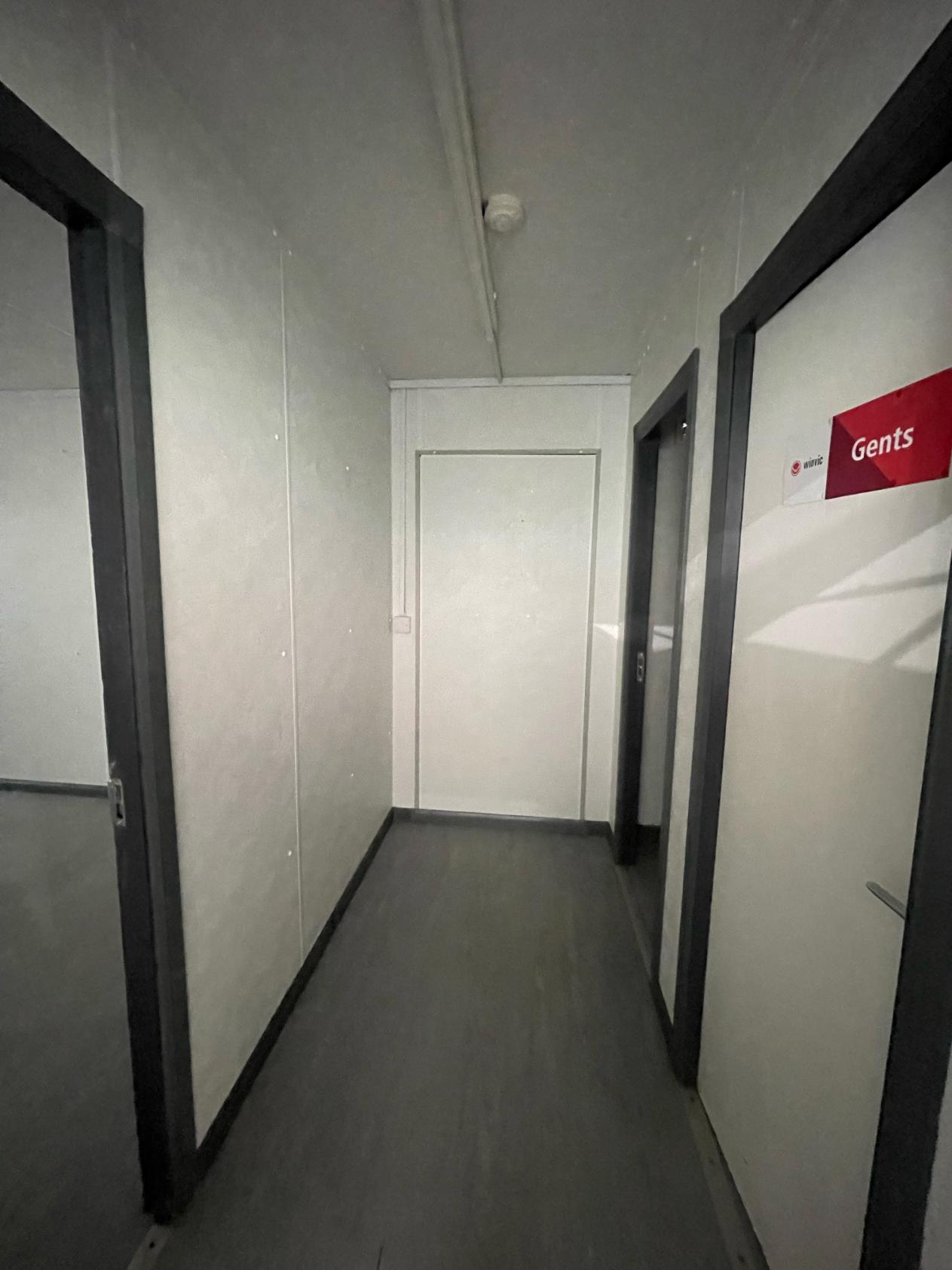
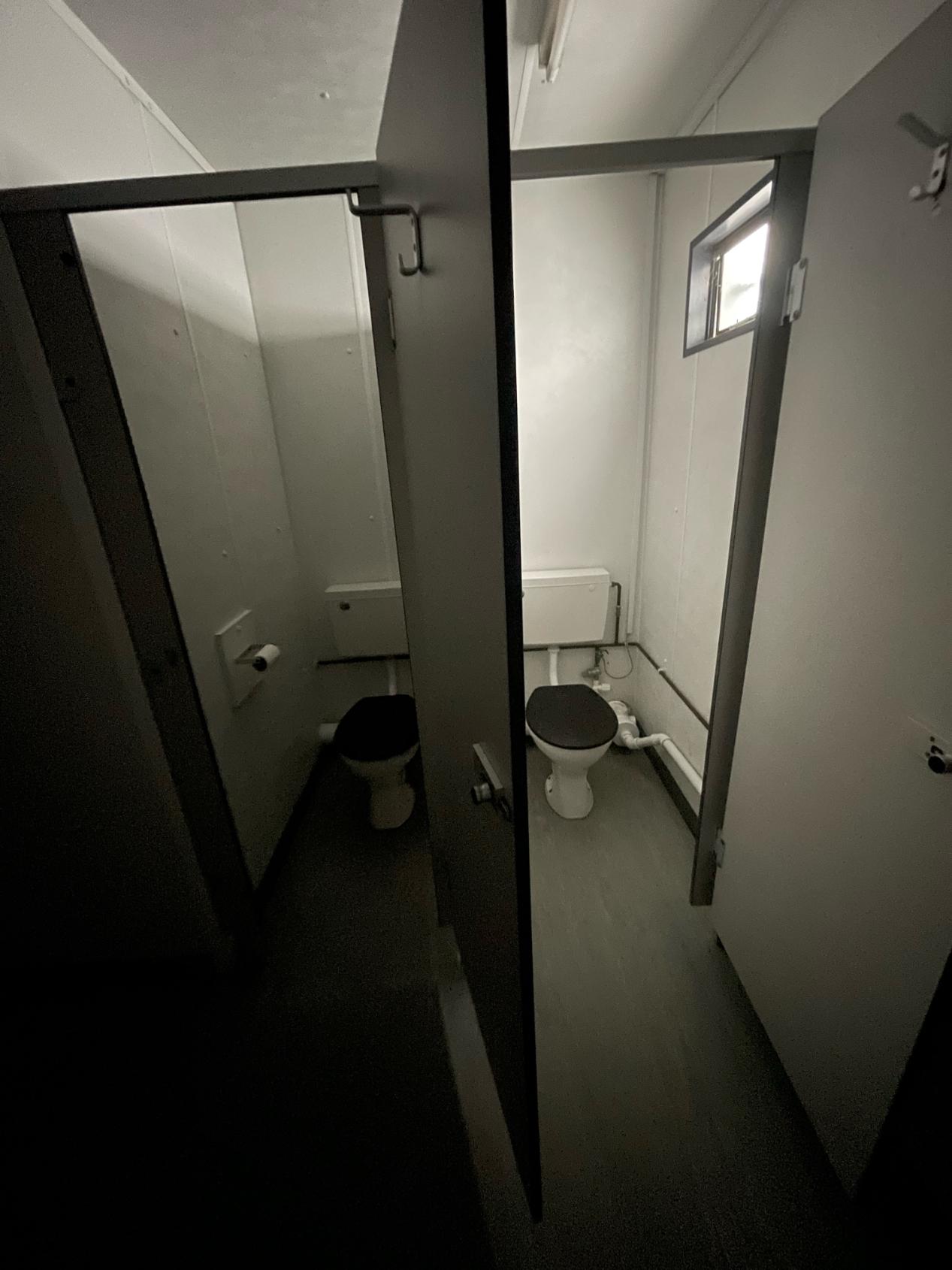
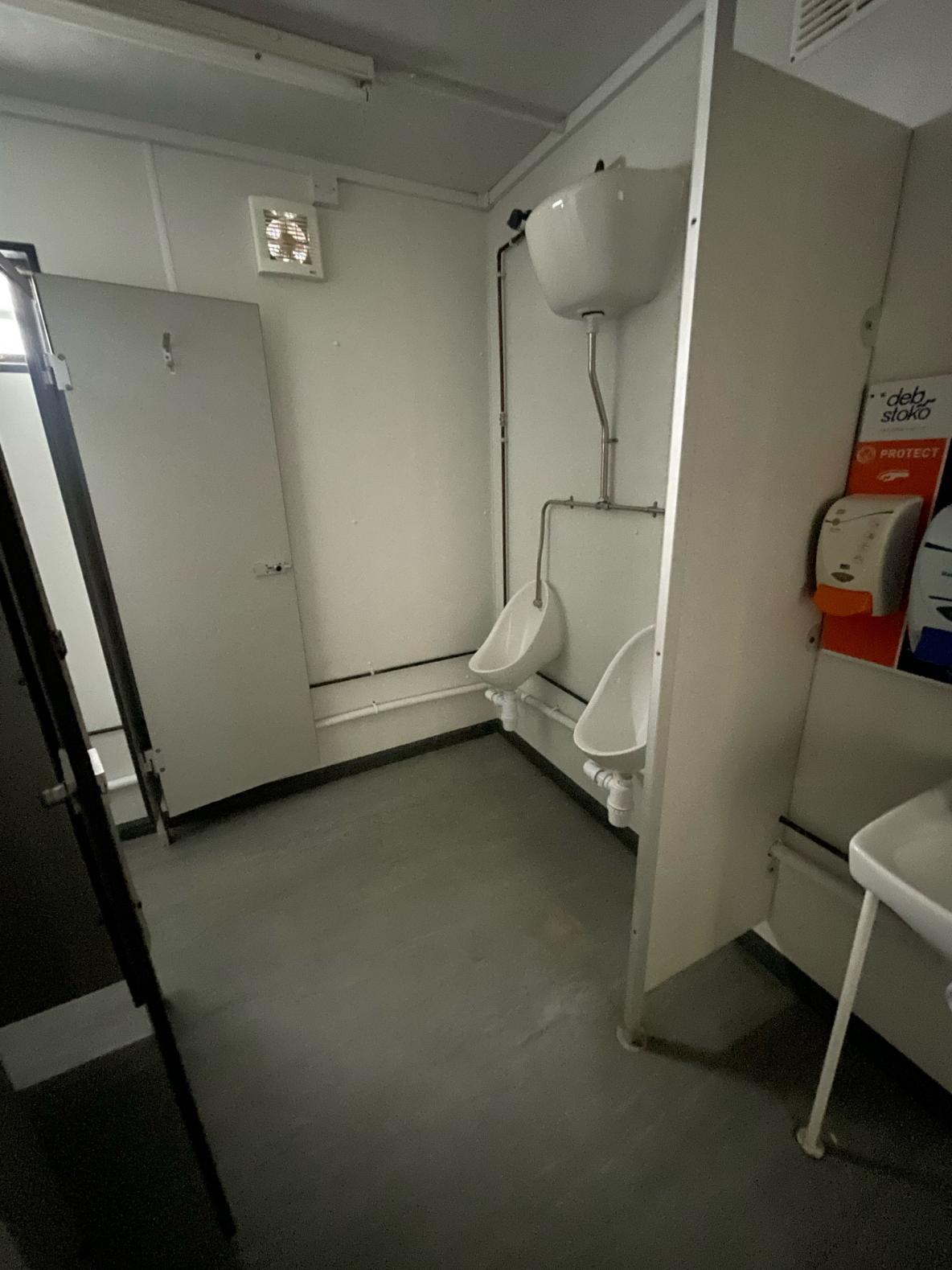
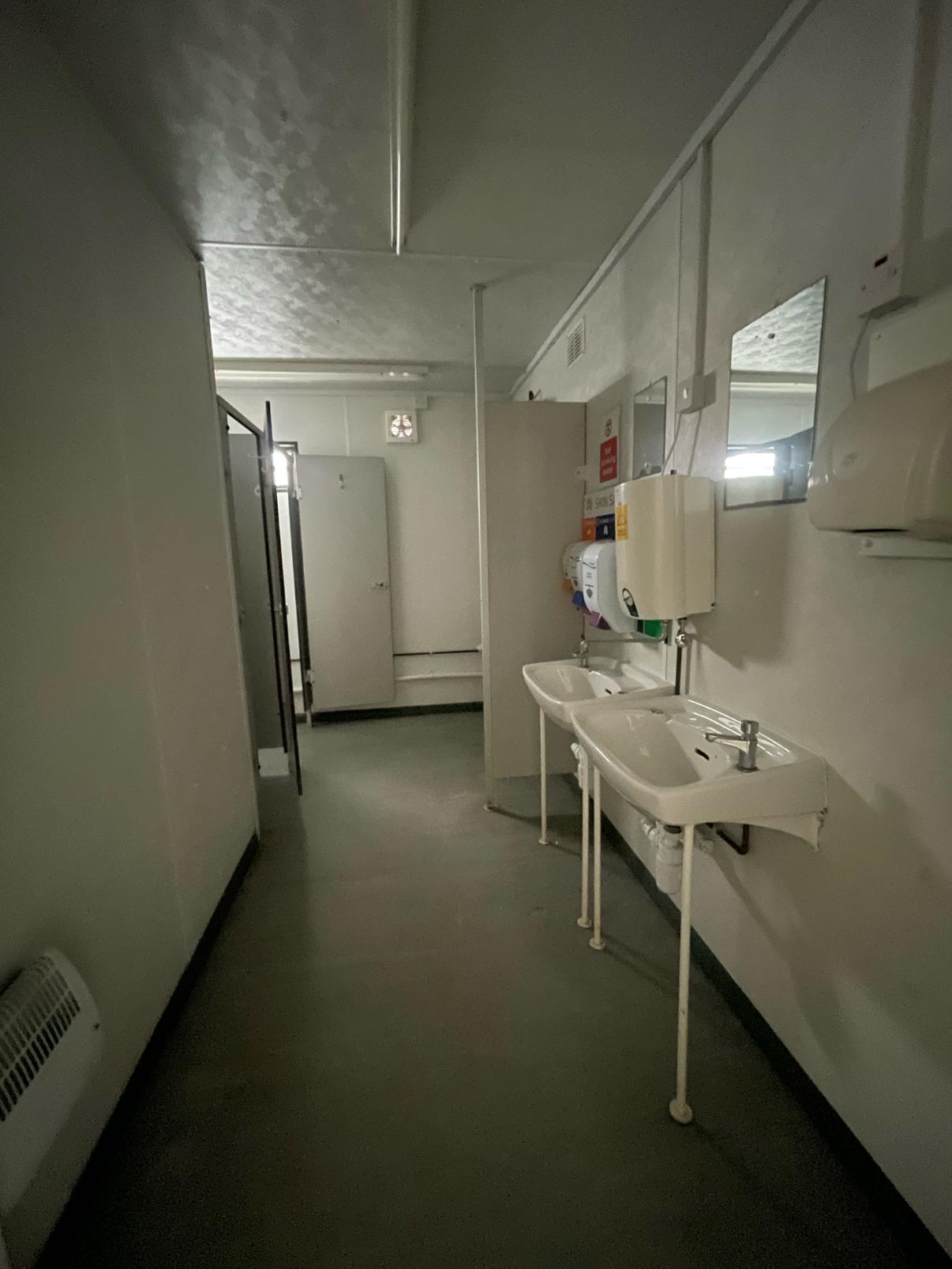
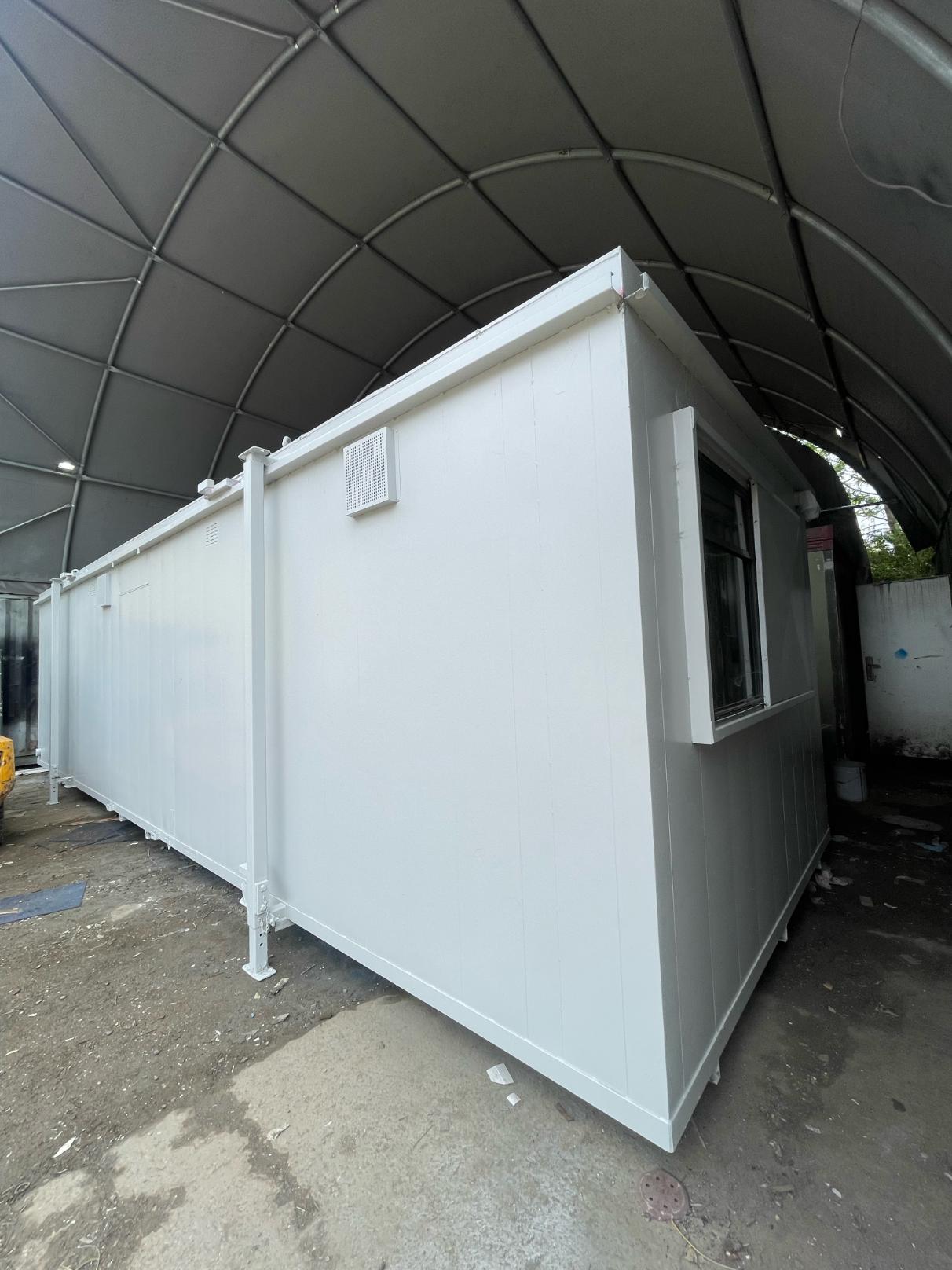
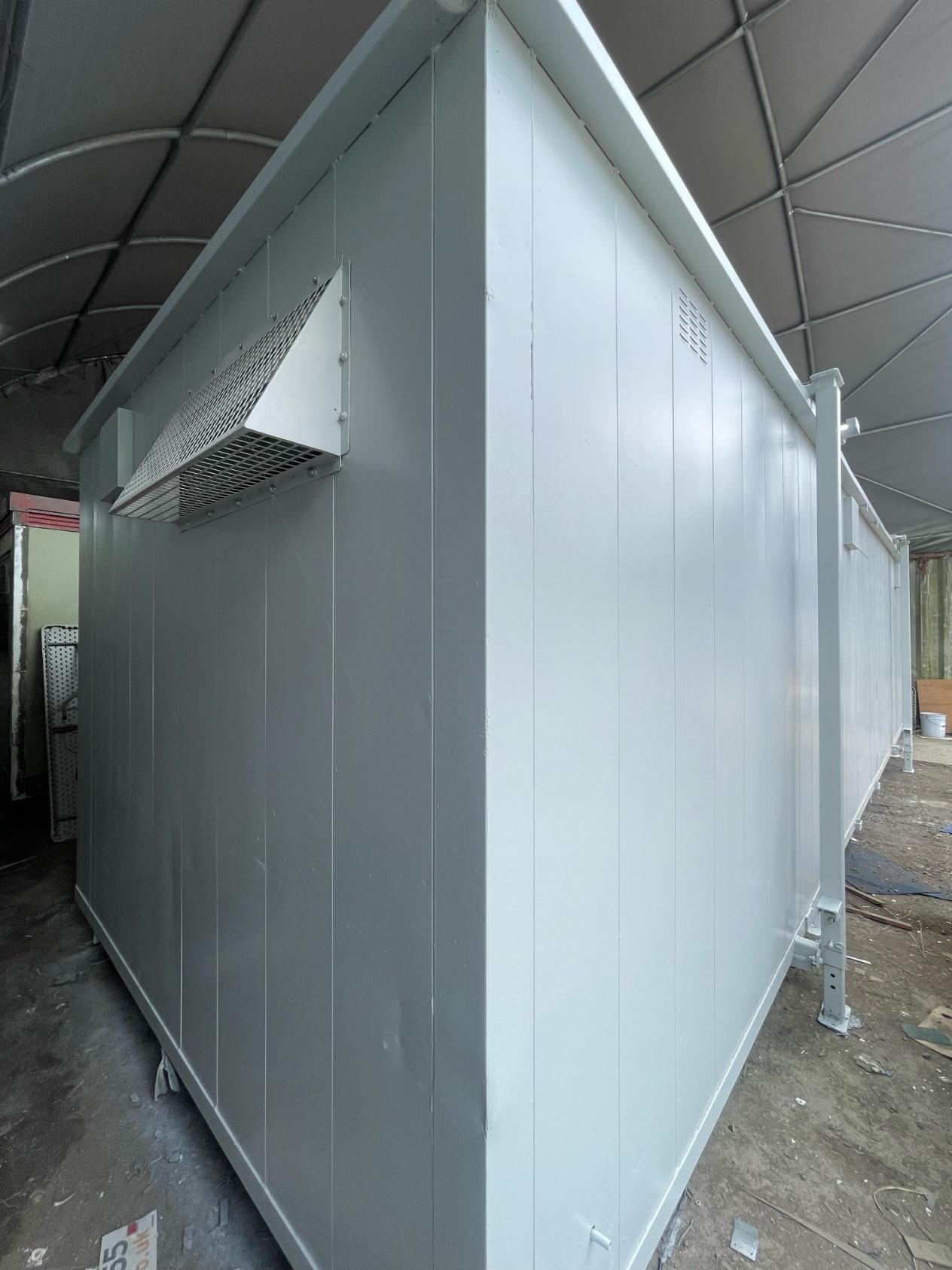
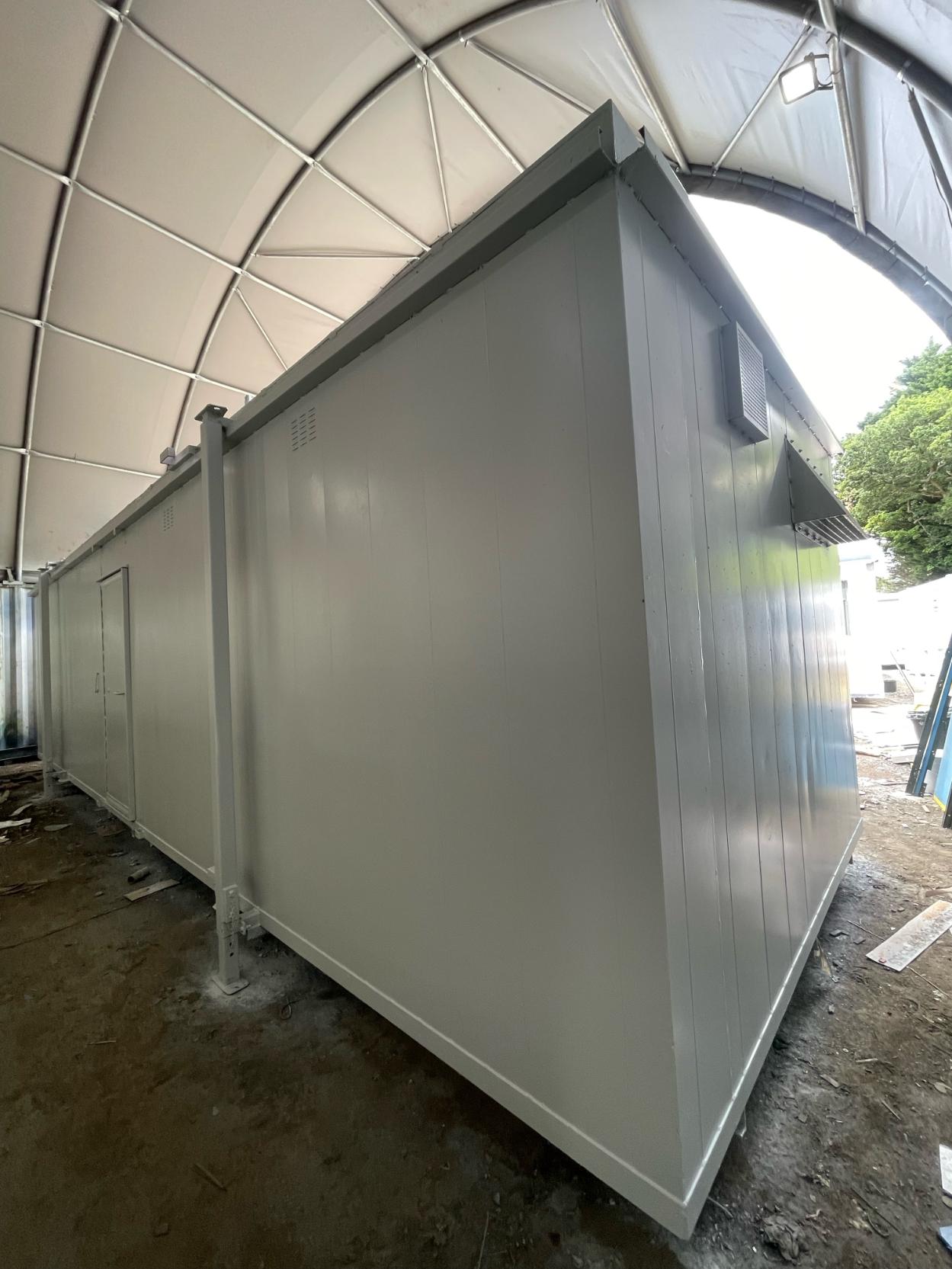
Location: Nationwide
Not Available for Hire
Call for an instant quote!
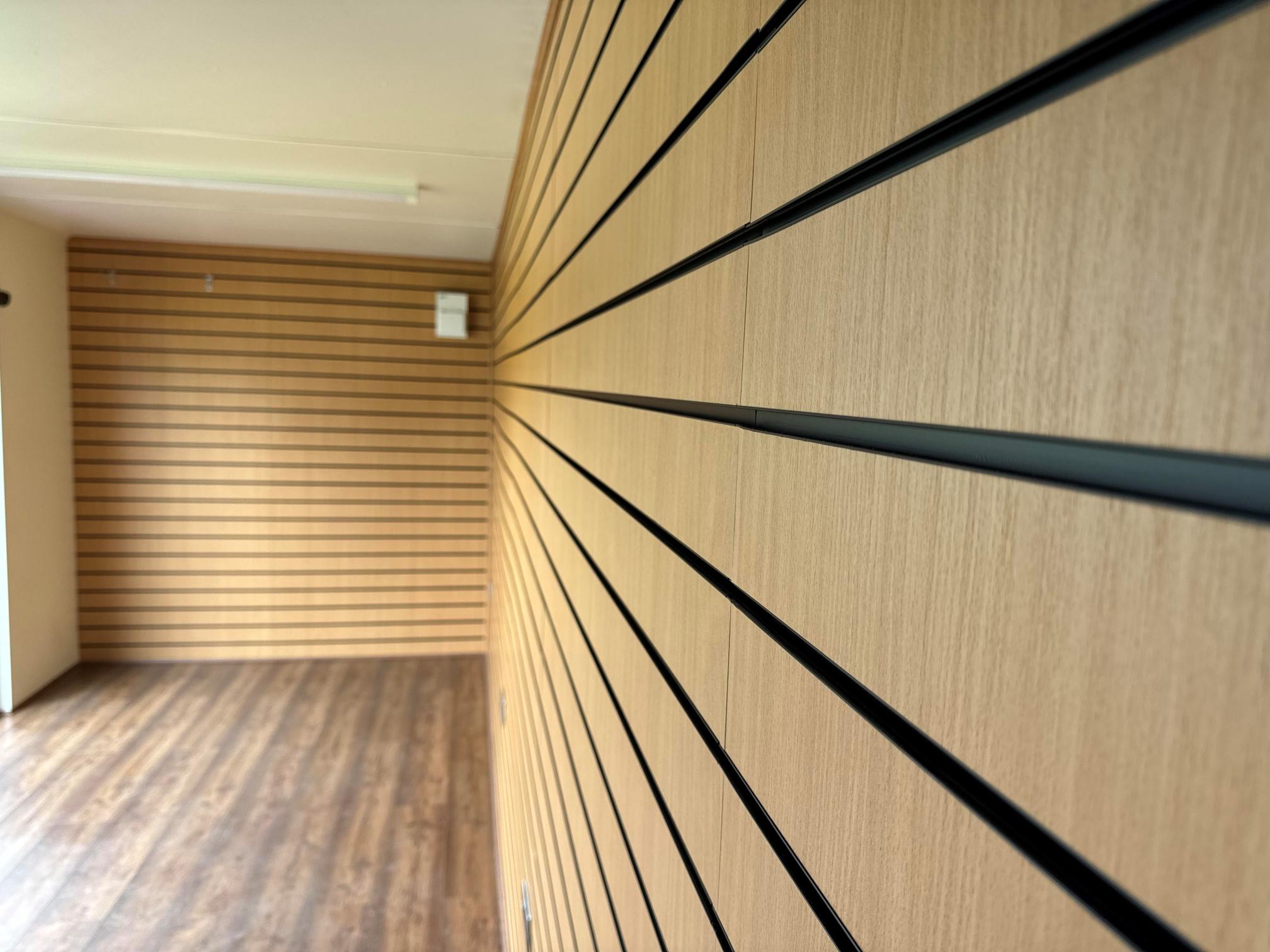
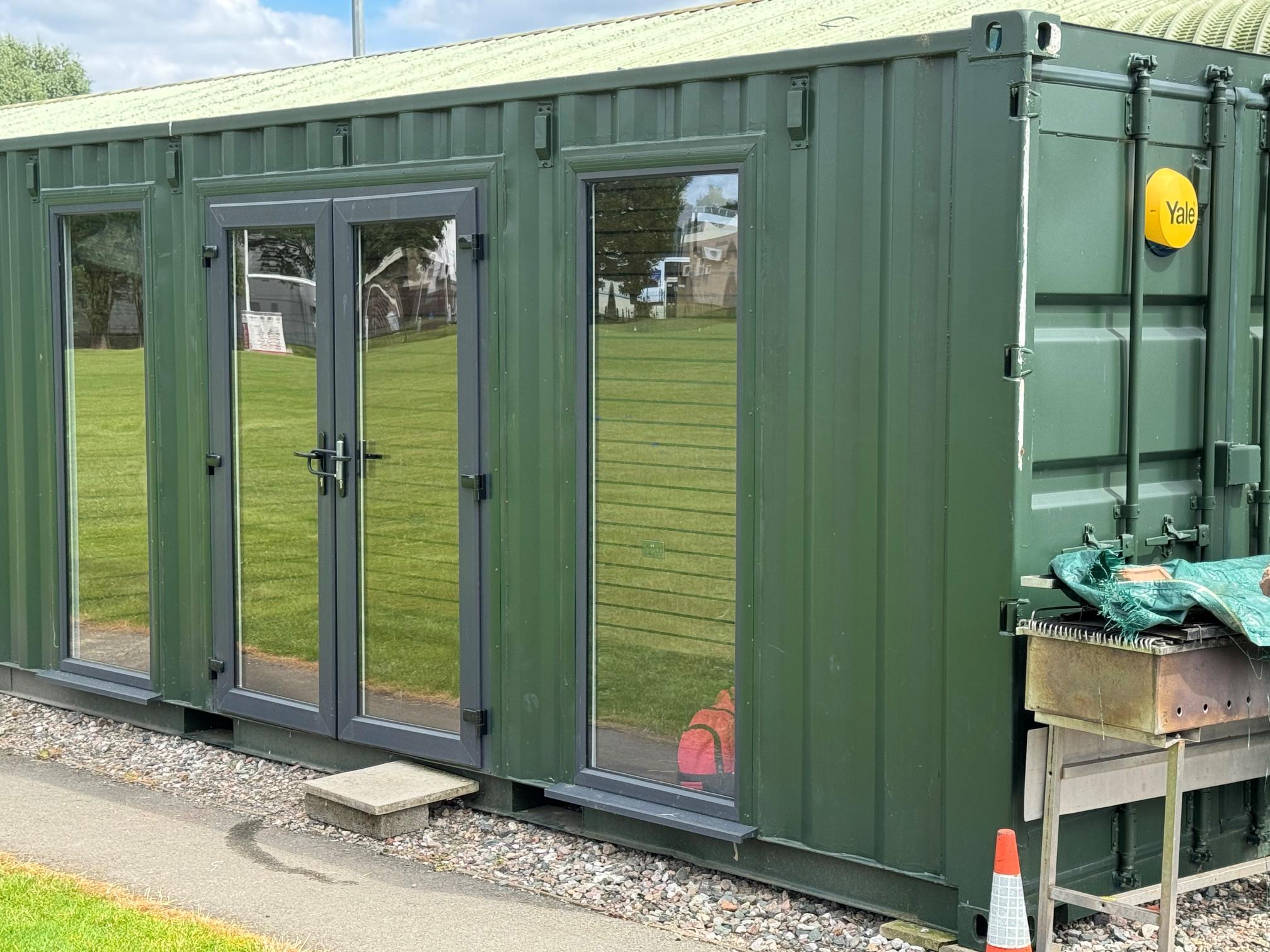
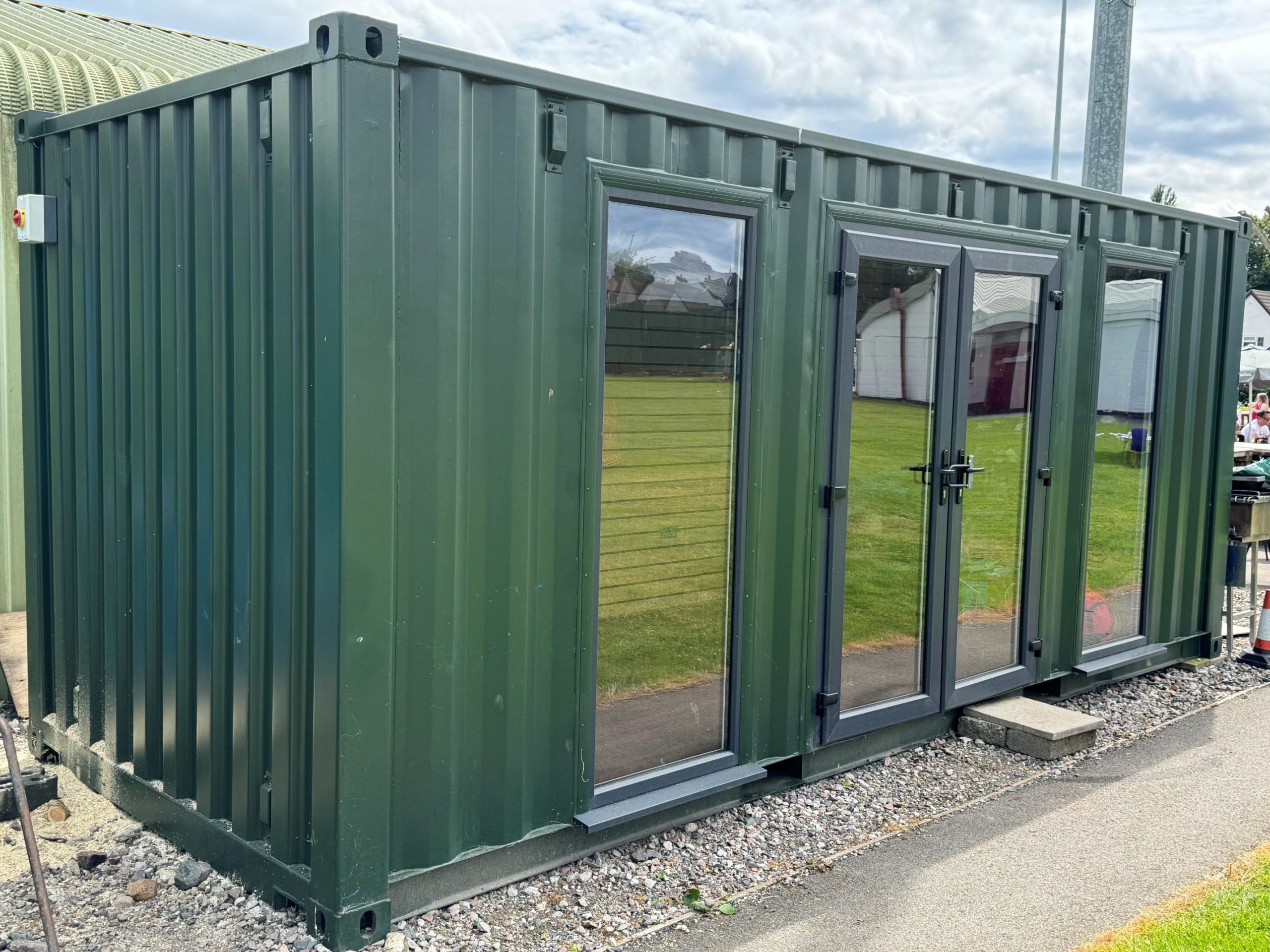
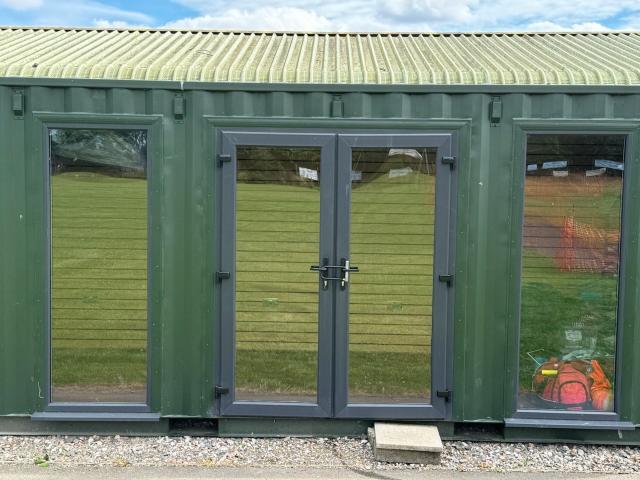
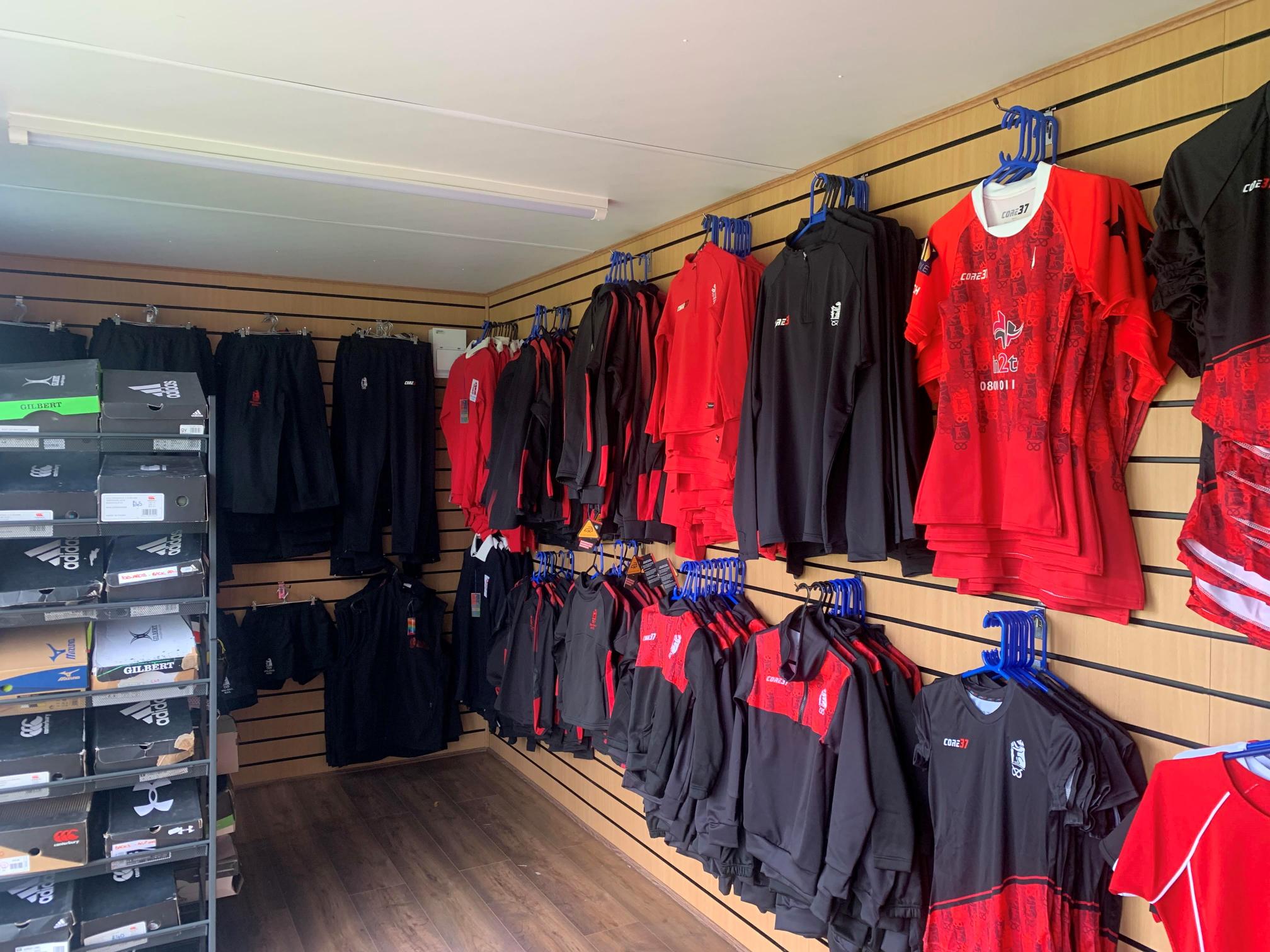
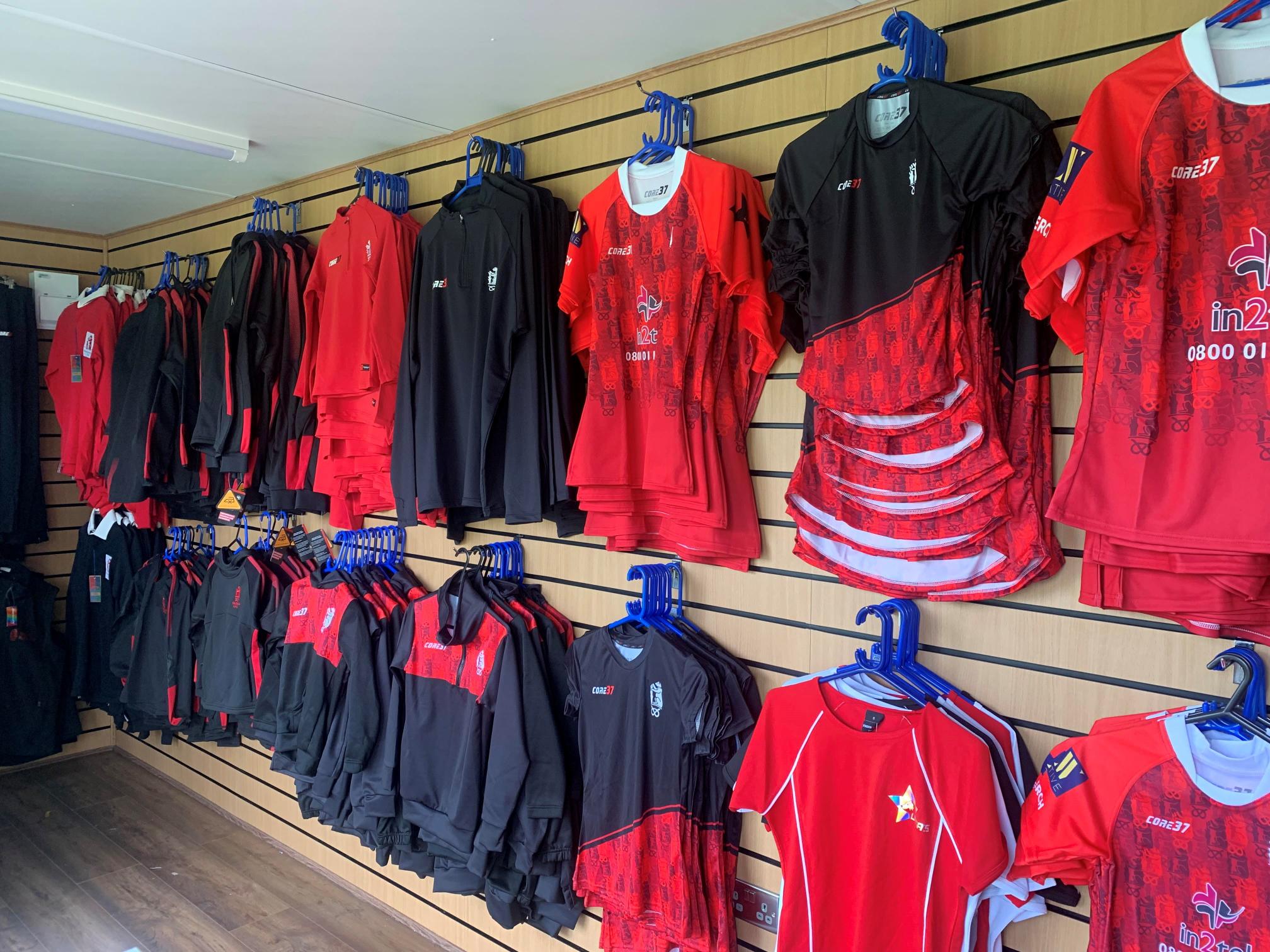
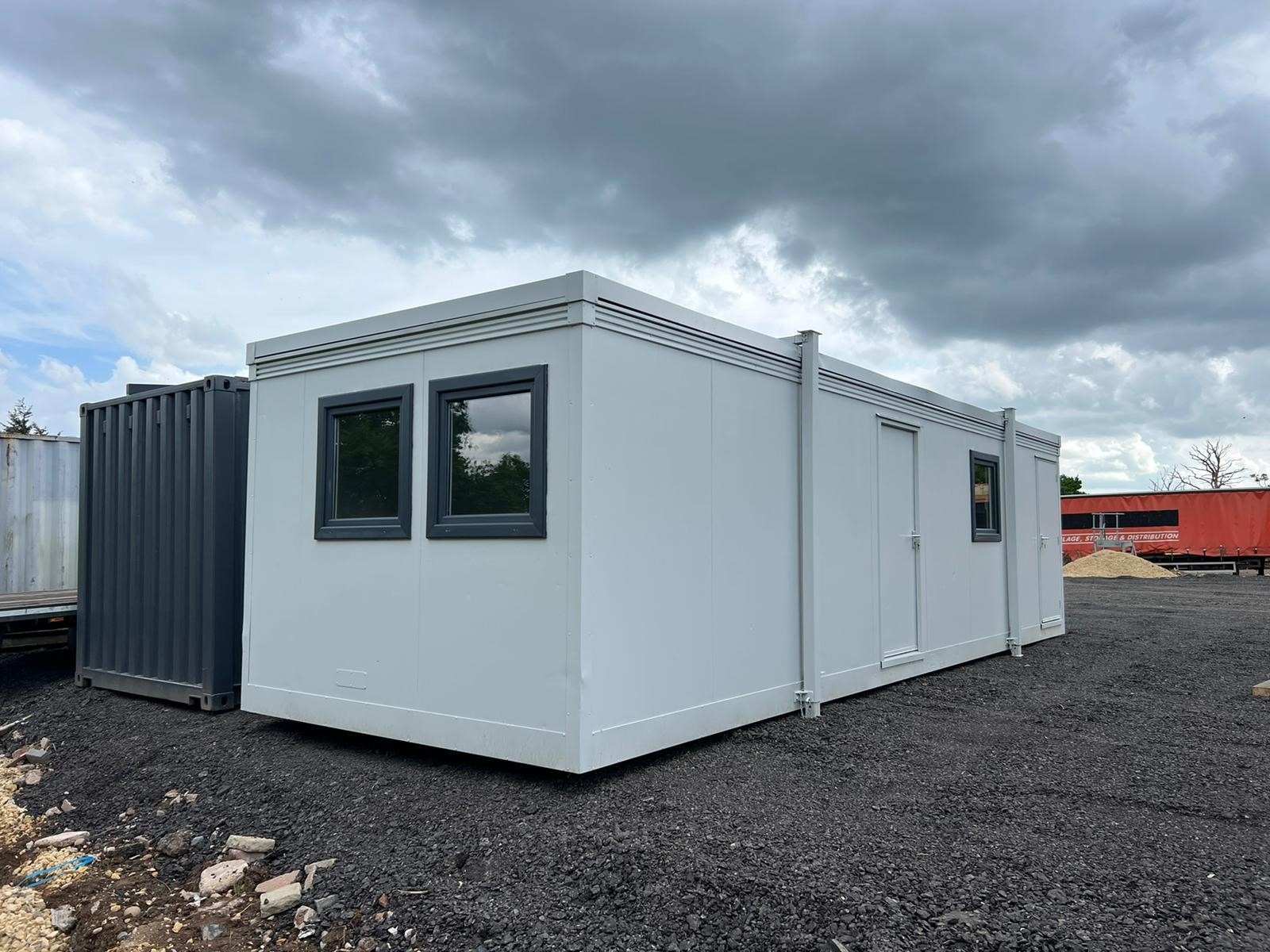
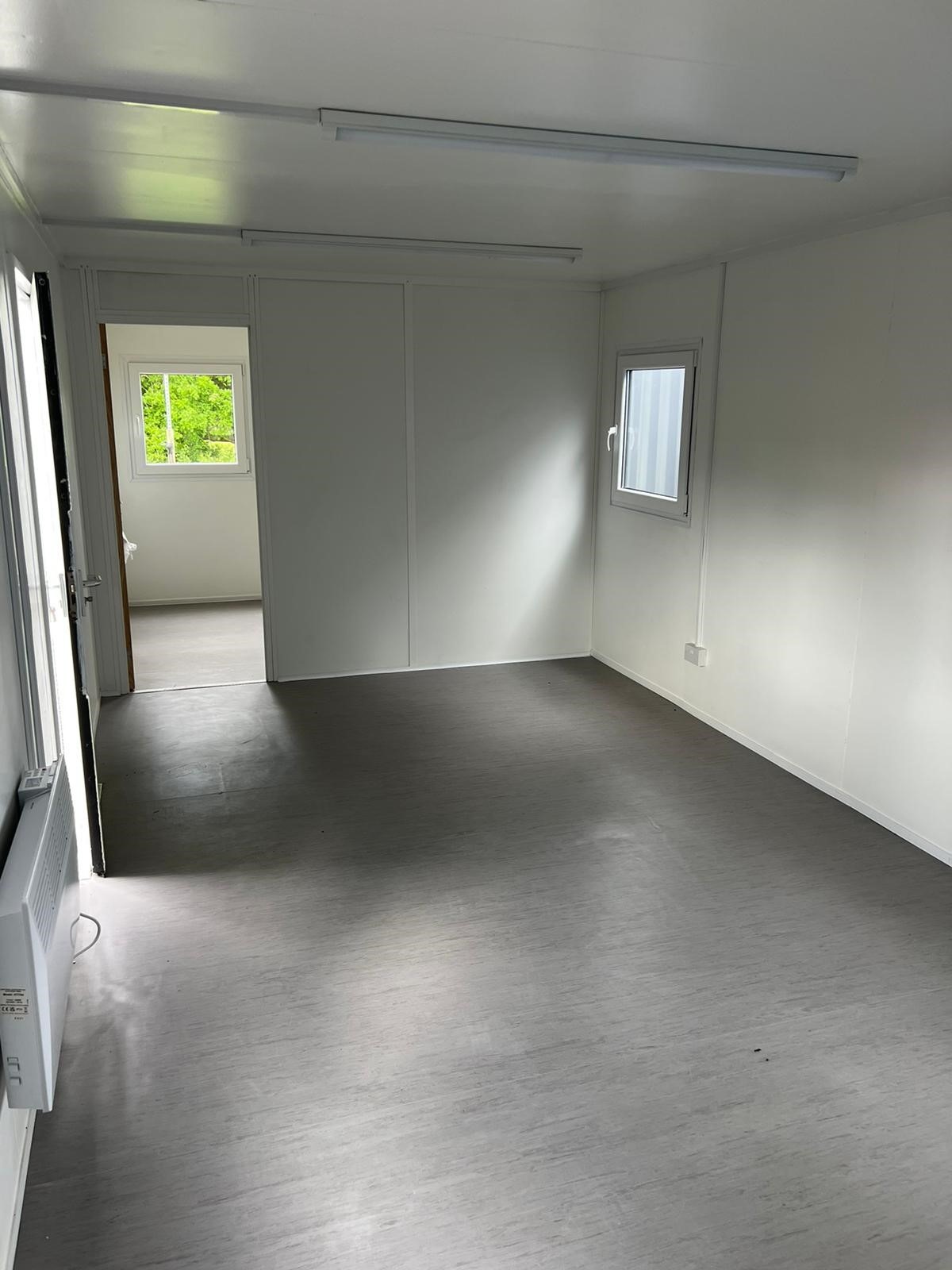
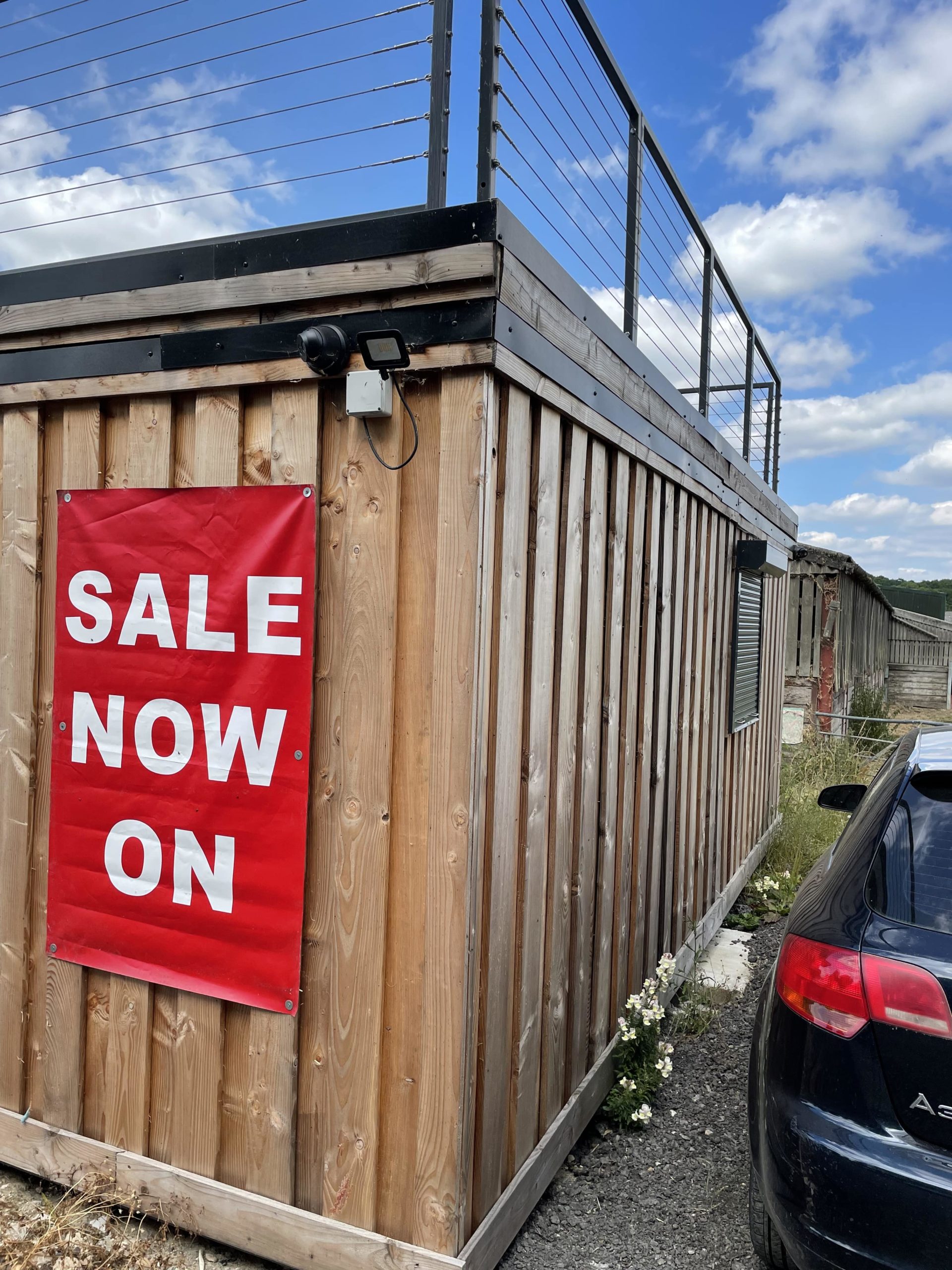
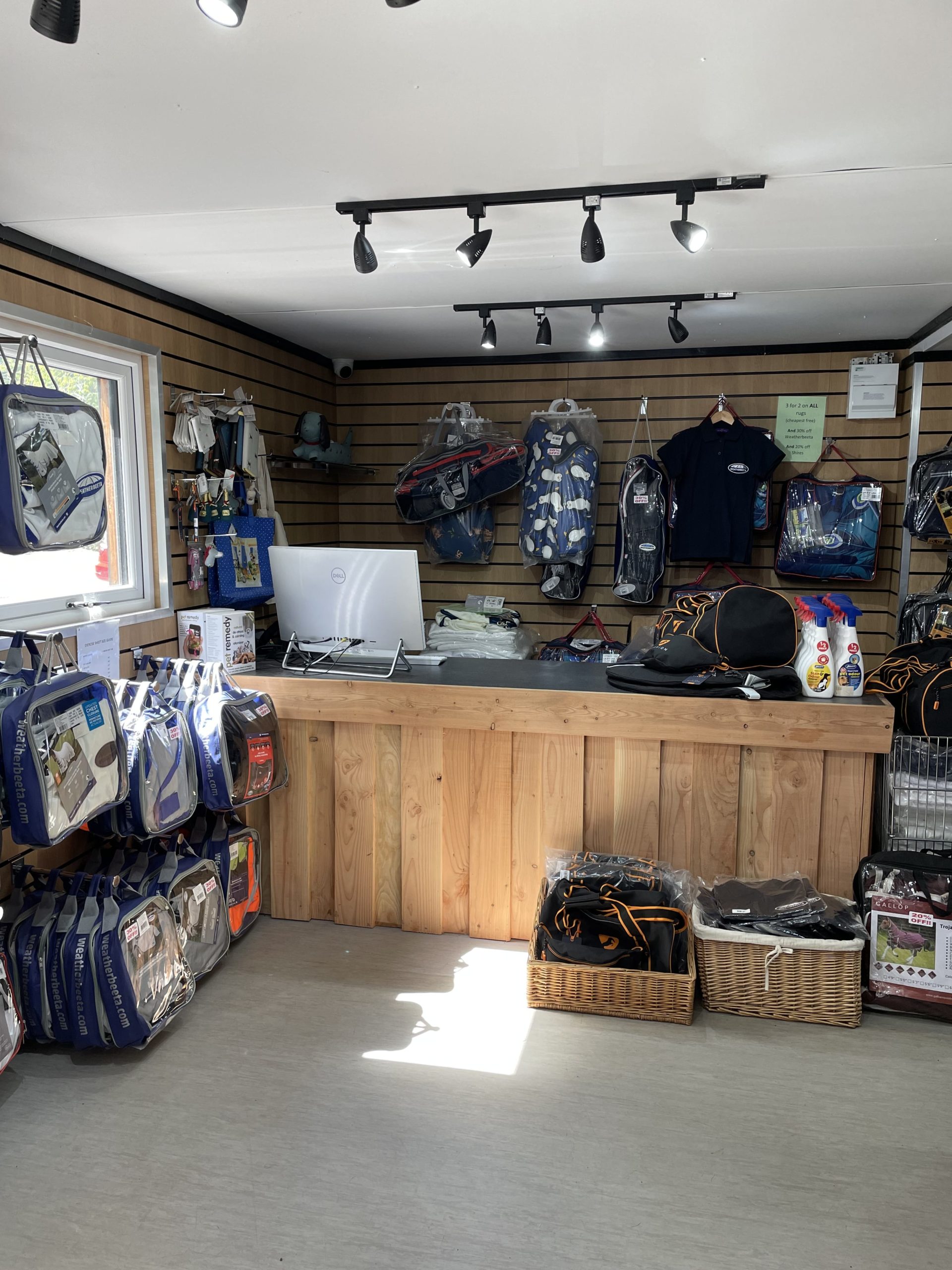
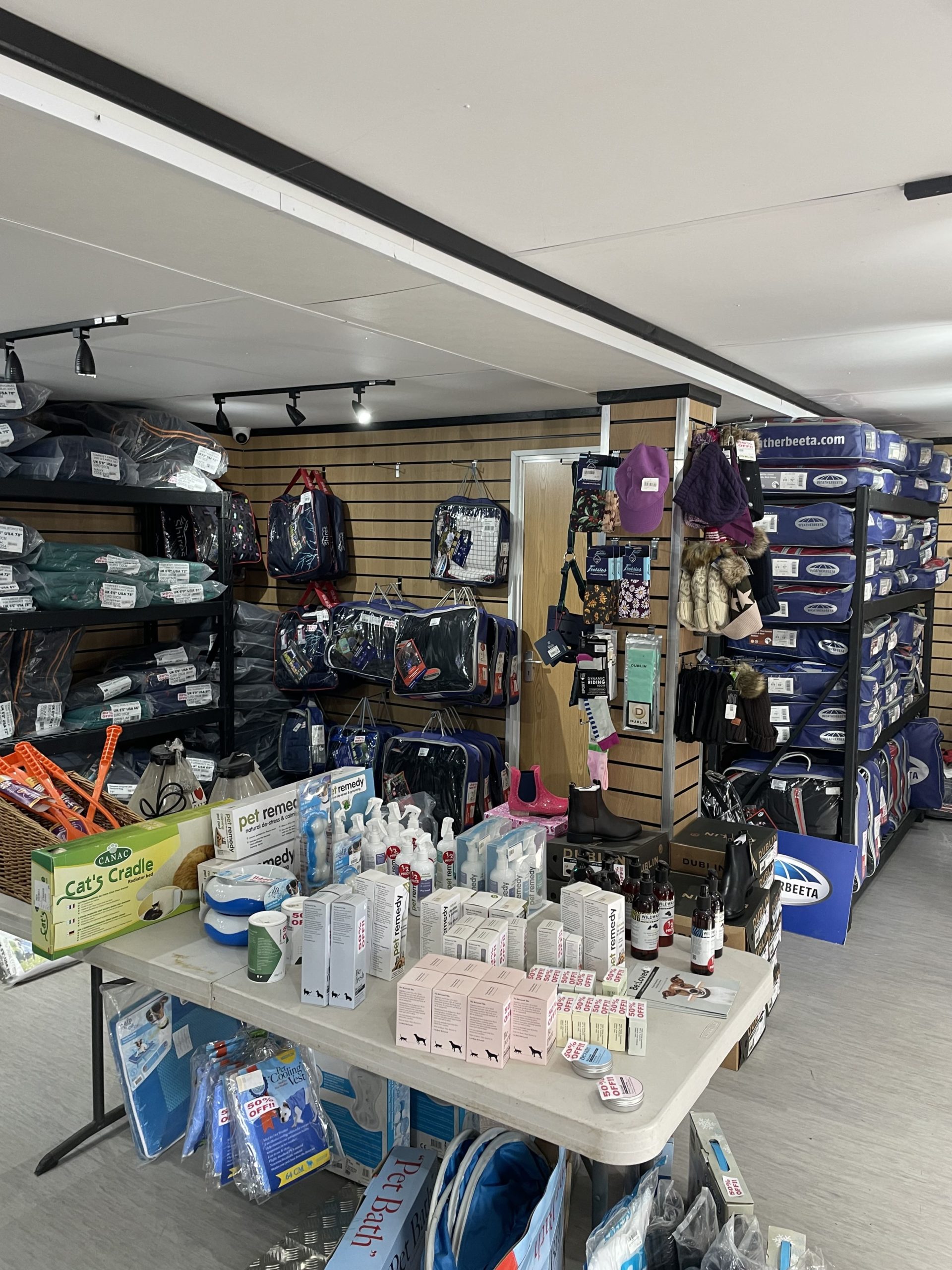
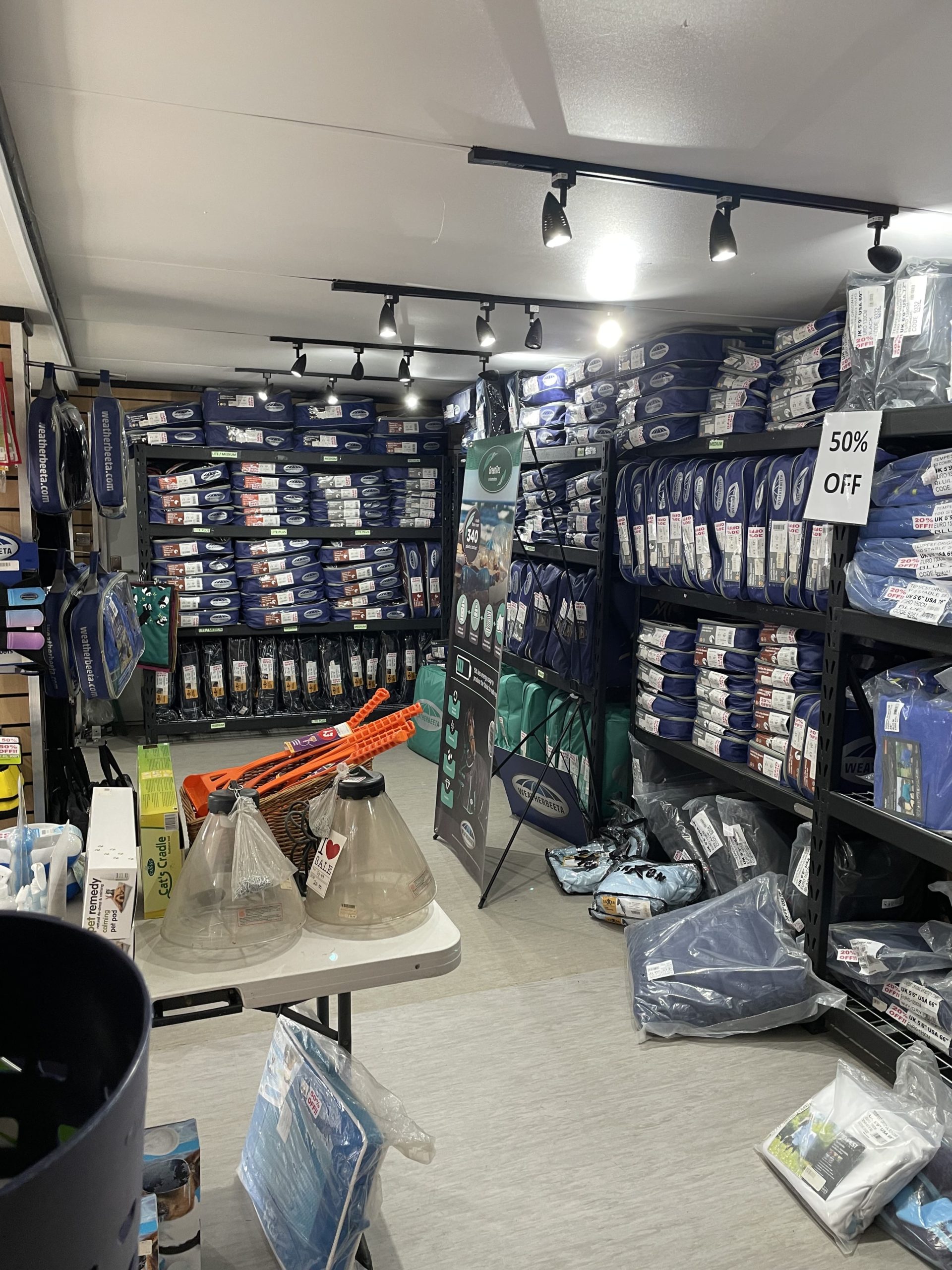
20ft x 8ft Container Conversion Retail Shop
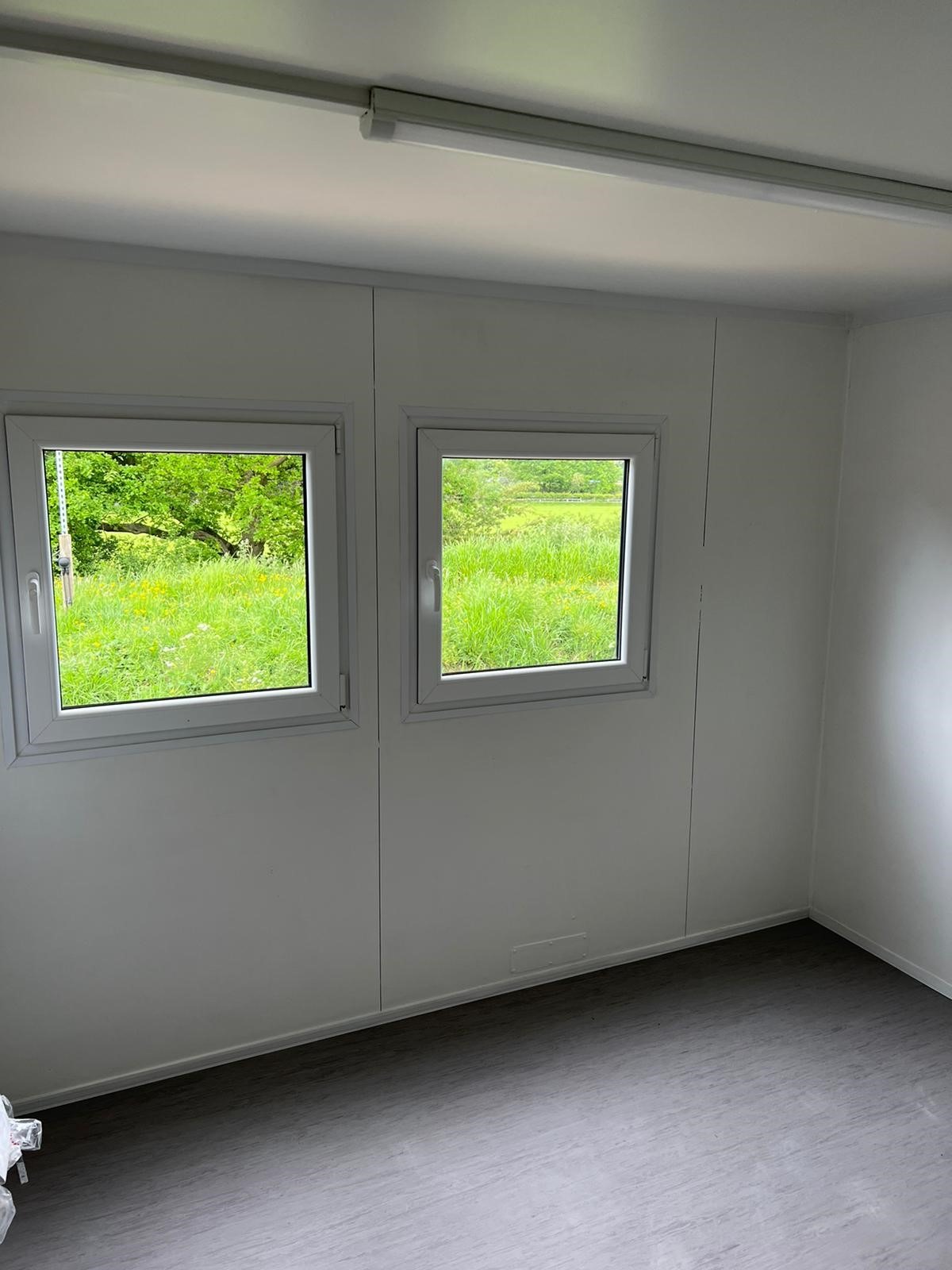
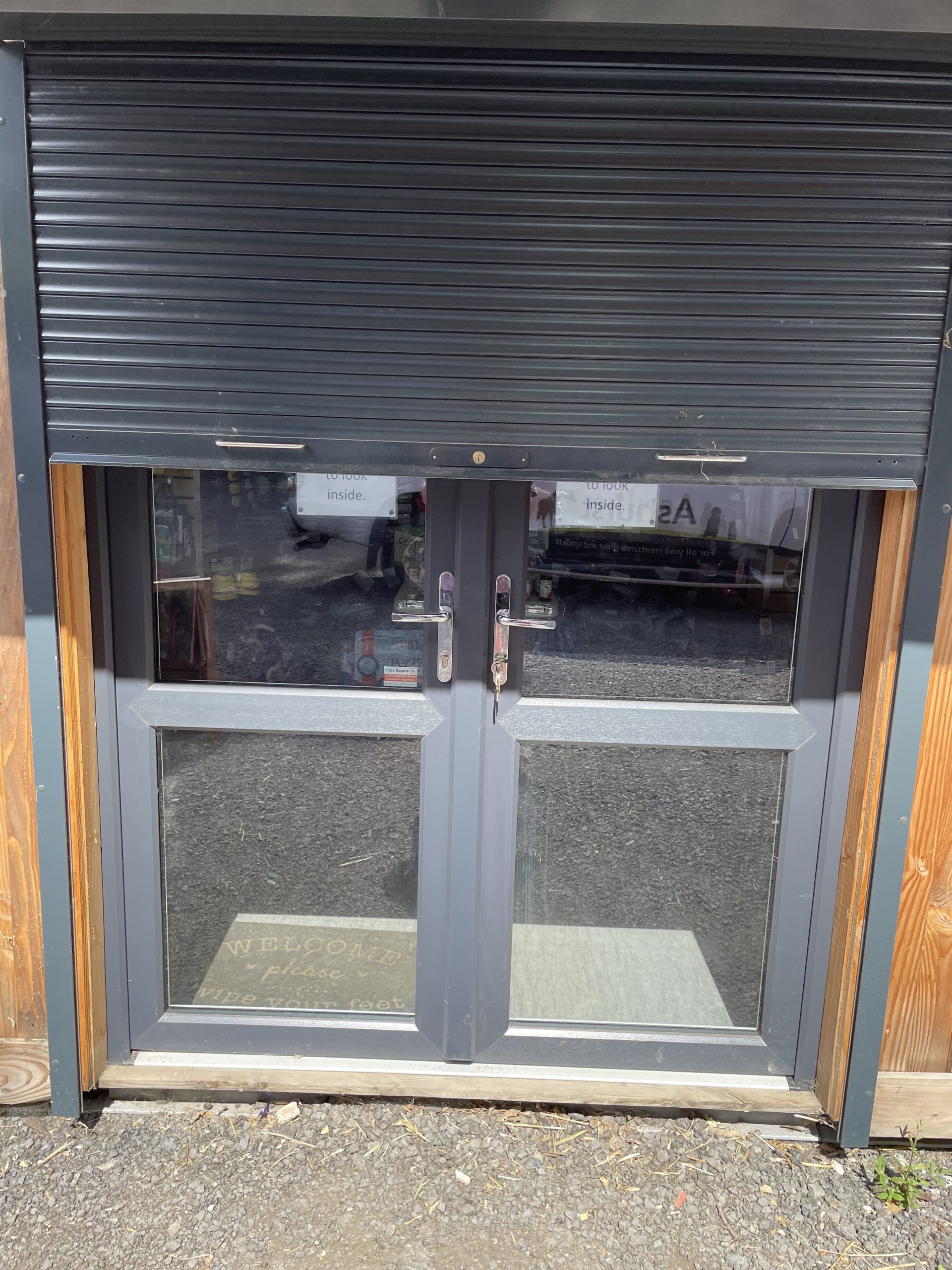
UPVC Double glazed Windows + French Doors
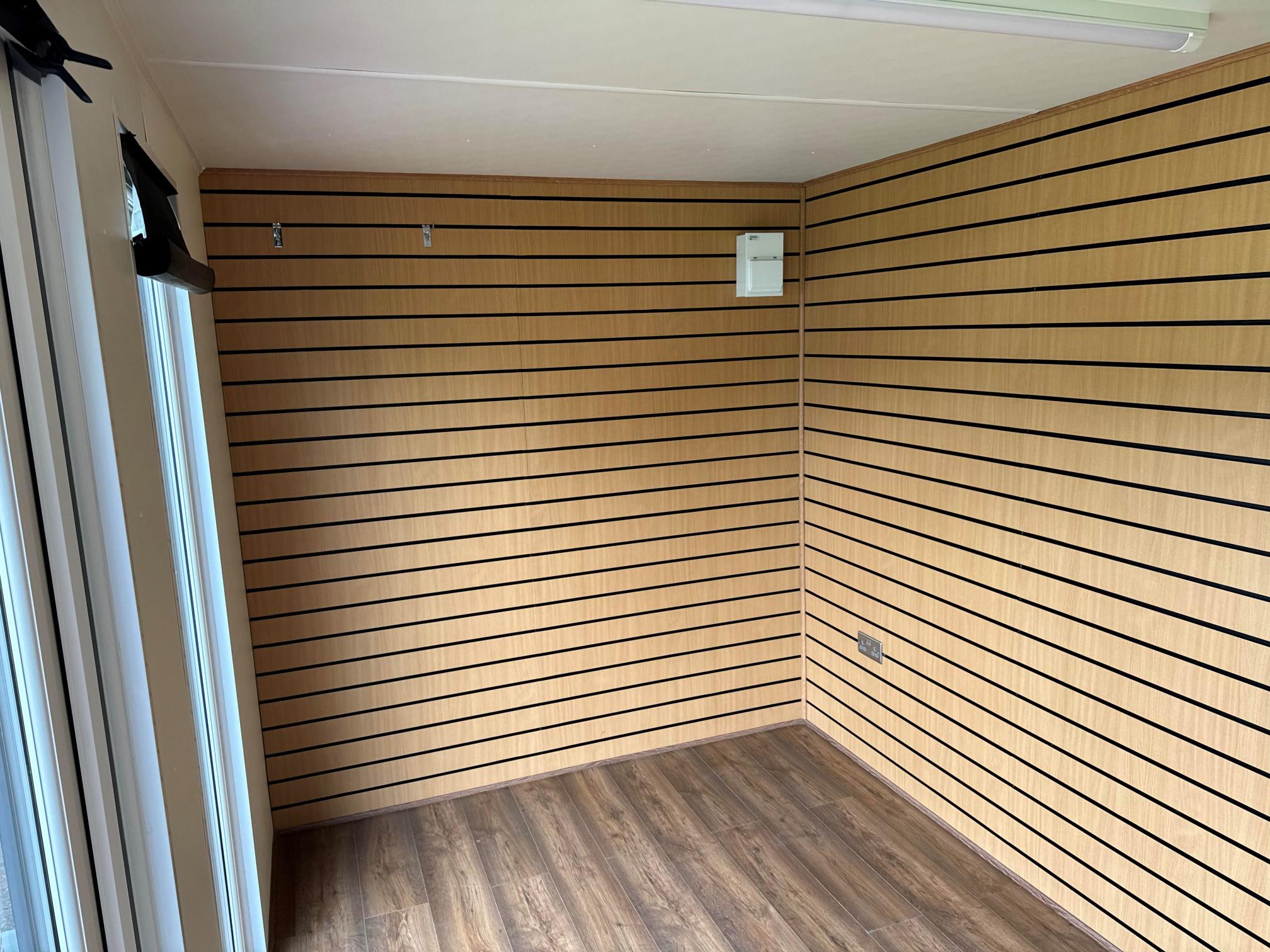
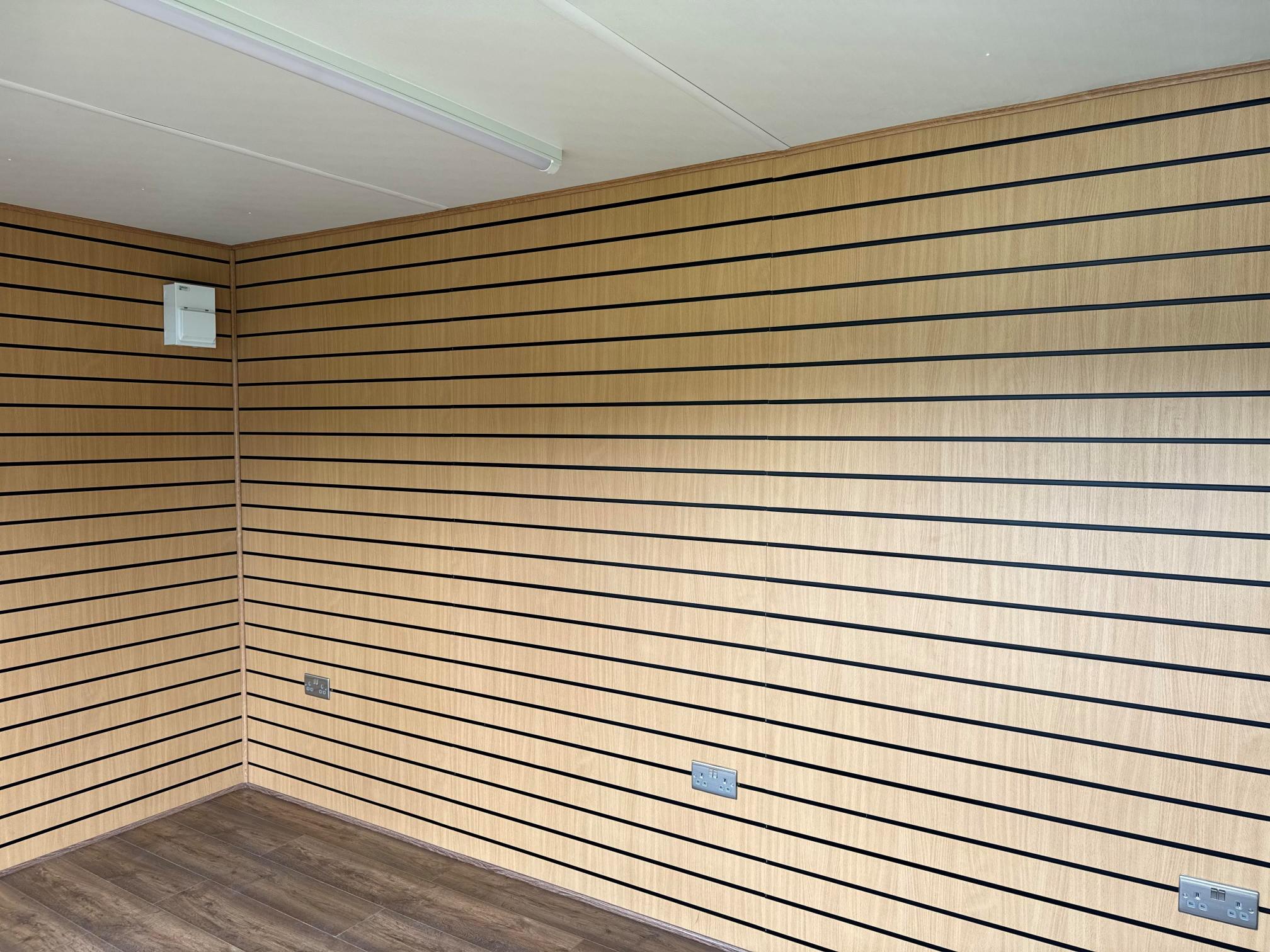
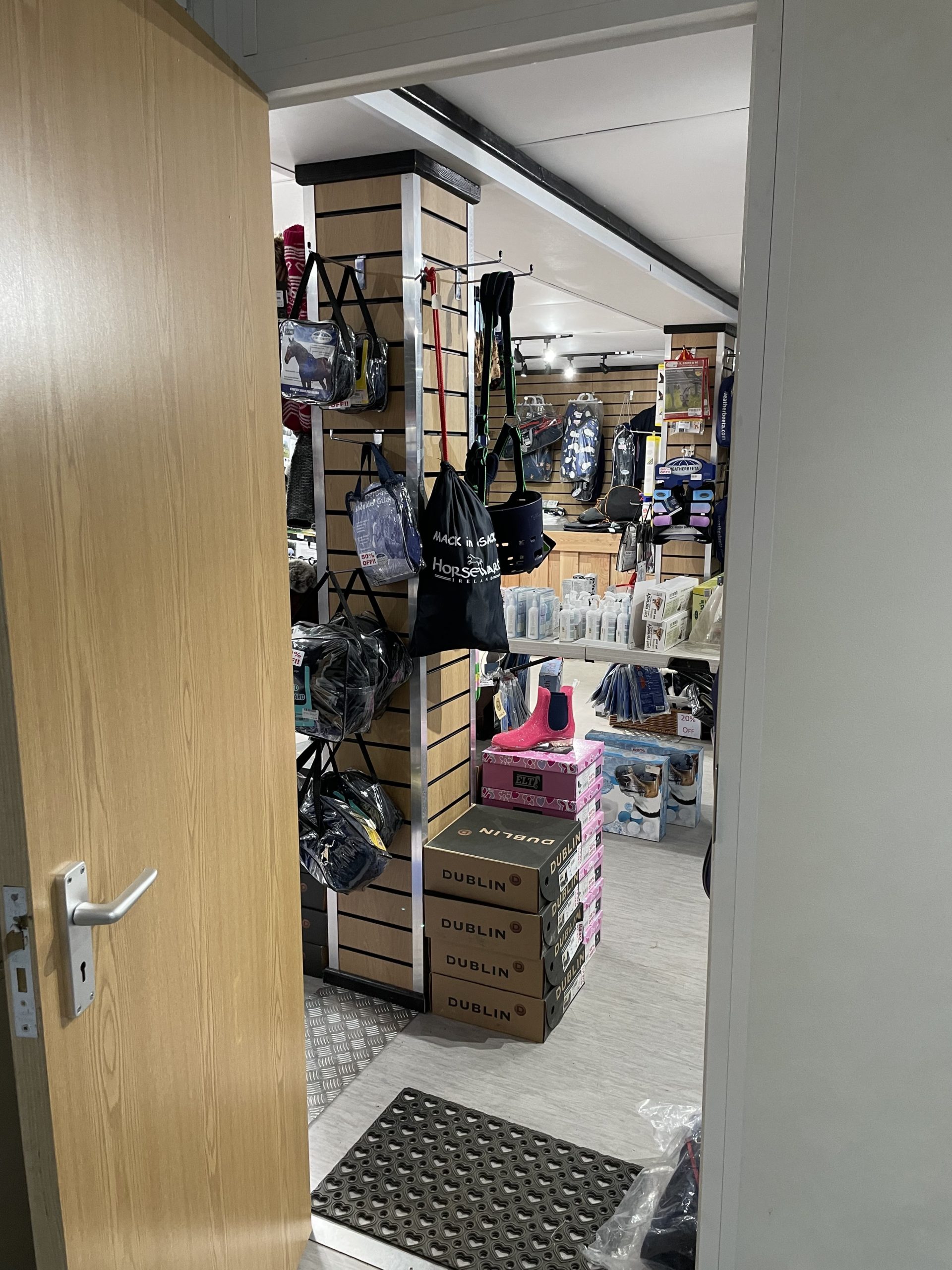
Slat Wall for retail fixings and Merchandise
Electric Chrome Sockets, led lighting and heating.
Laminate Flooring
12 months Warranty
Maintenance call out package included
Less than 2 years old
Still in Brand New Condition
Fully refurbished
Colour light grey
Slate grey anthracite upvc double glazed windows
Location: Nationwide
+ VAT
Not Available for Hire
Call for an instant quote!
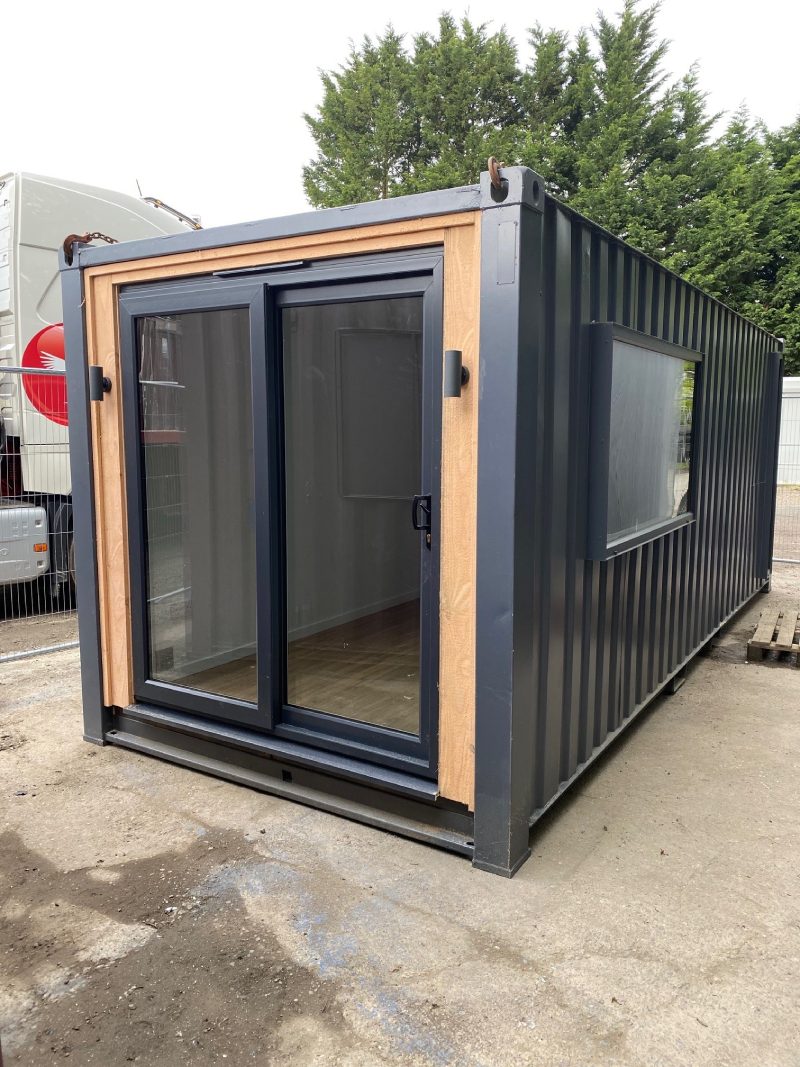
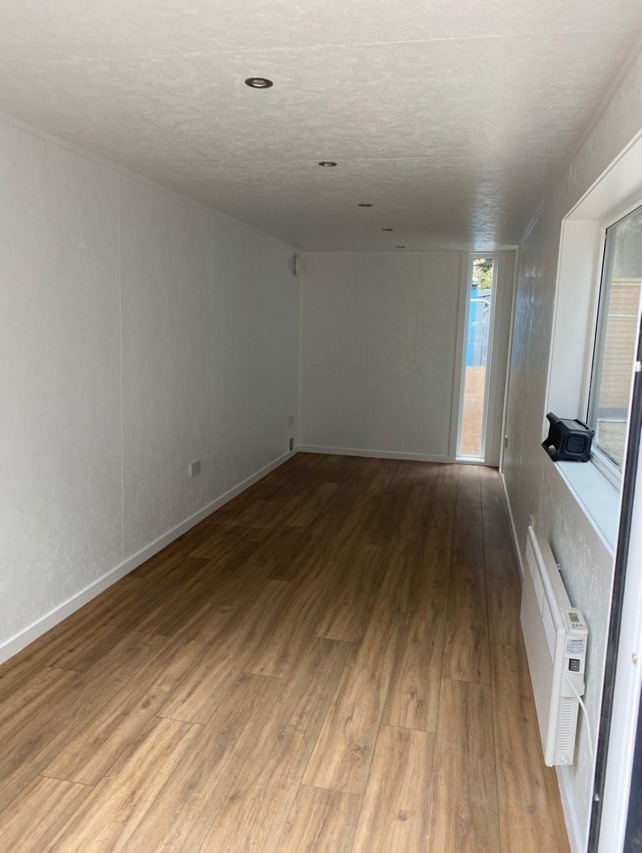
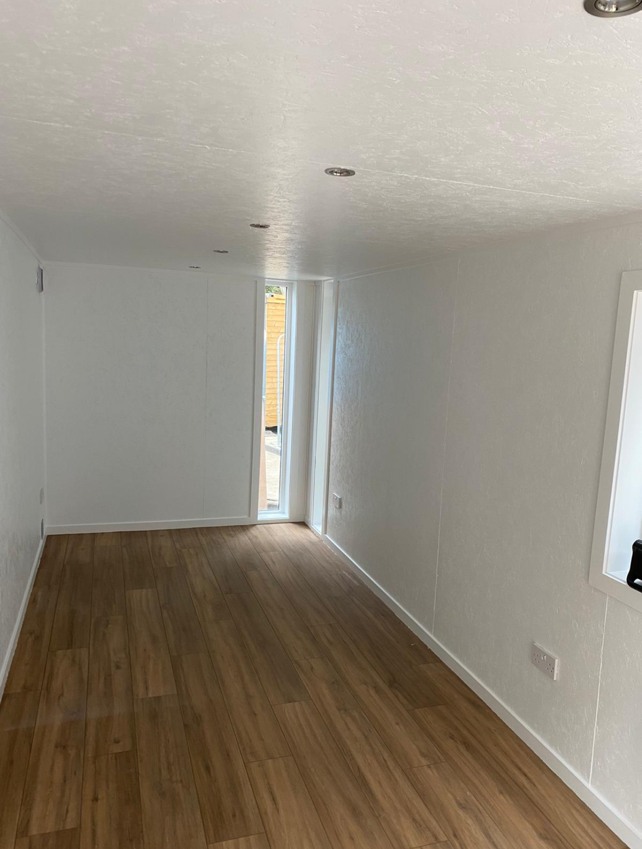
Fully Insulated with electric sockets, spot lighting, and heating
Wood Flooring
UPVC Sliding Door + Windows
Lead Time for build 6-8 weeks
Location: Nationwide
+ VAT
Not Available for Hire
Call for an instant quote!
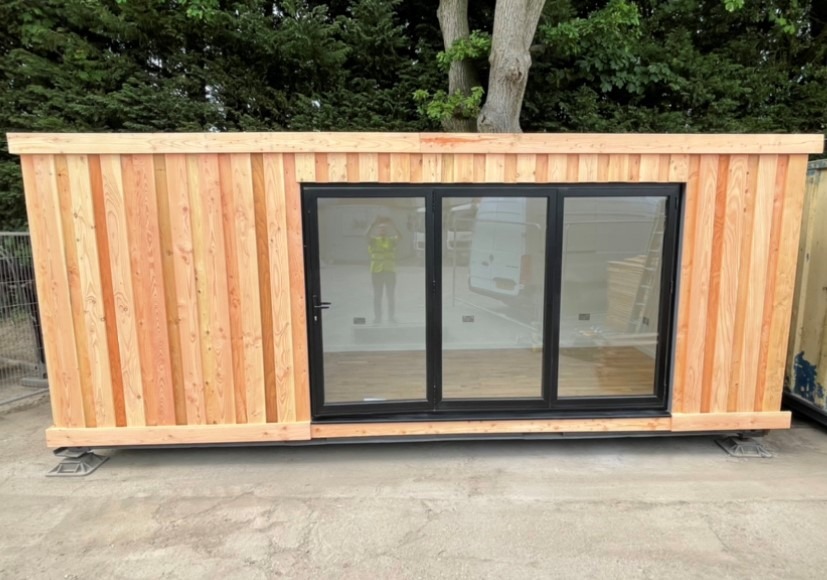
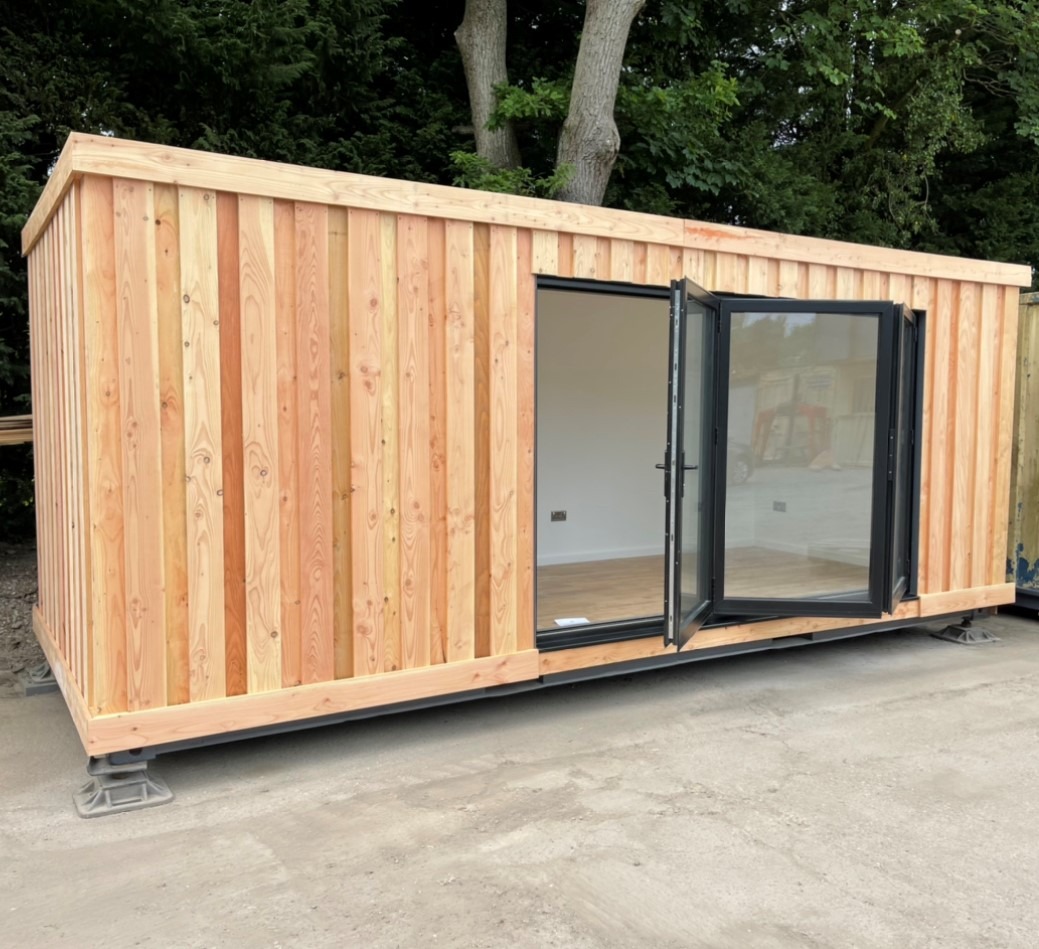
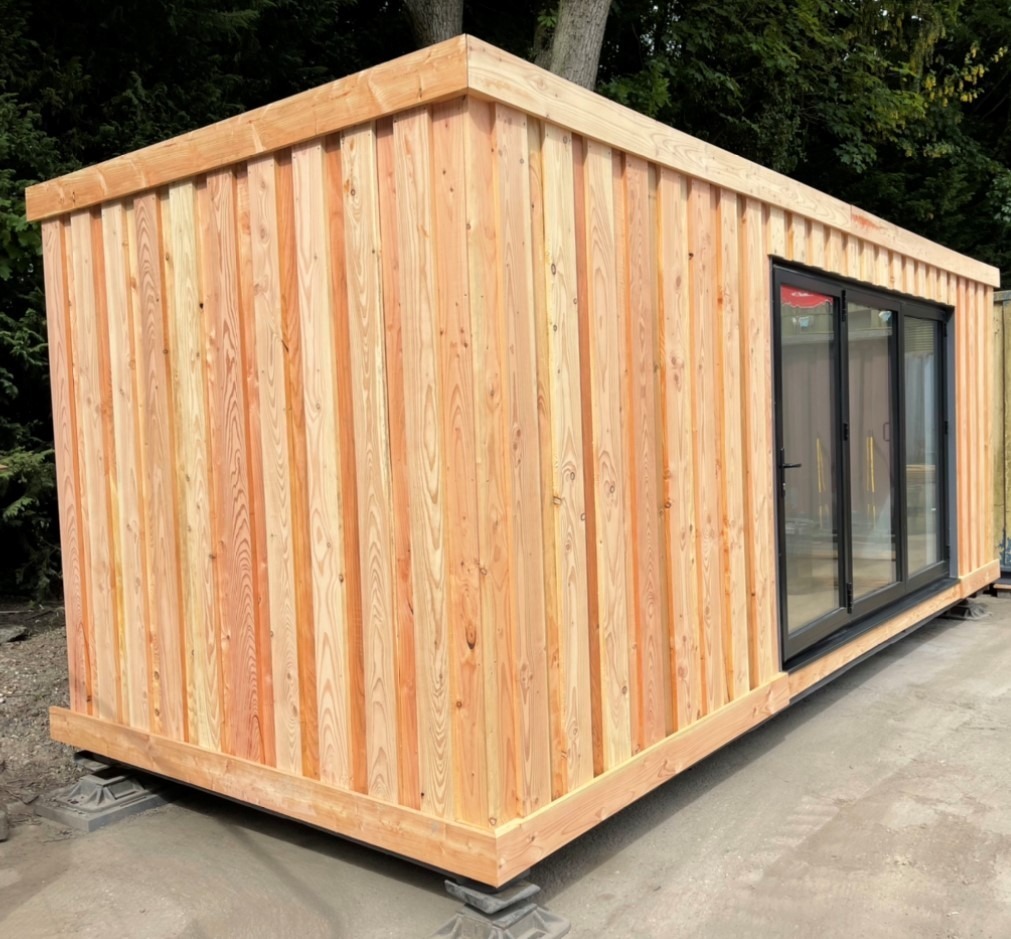
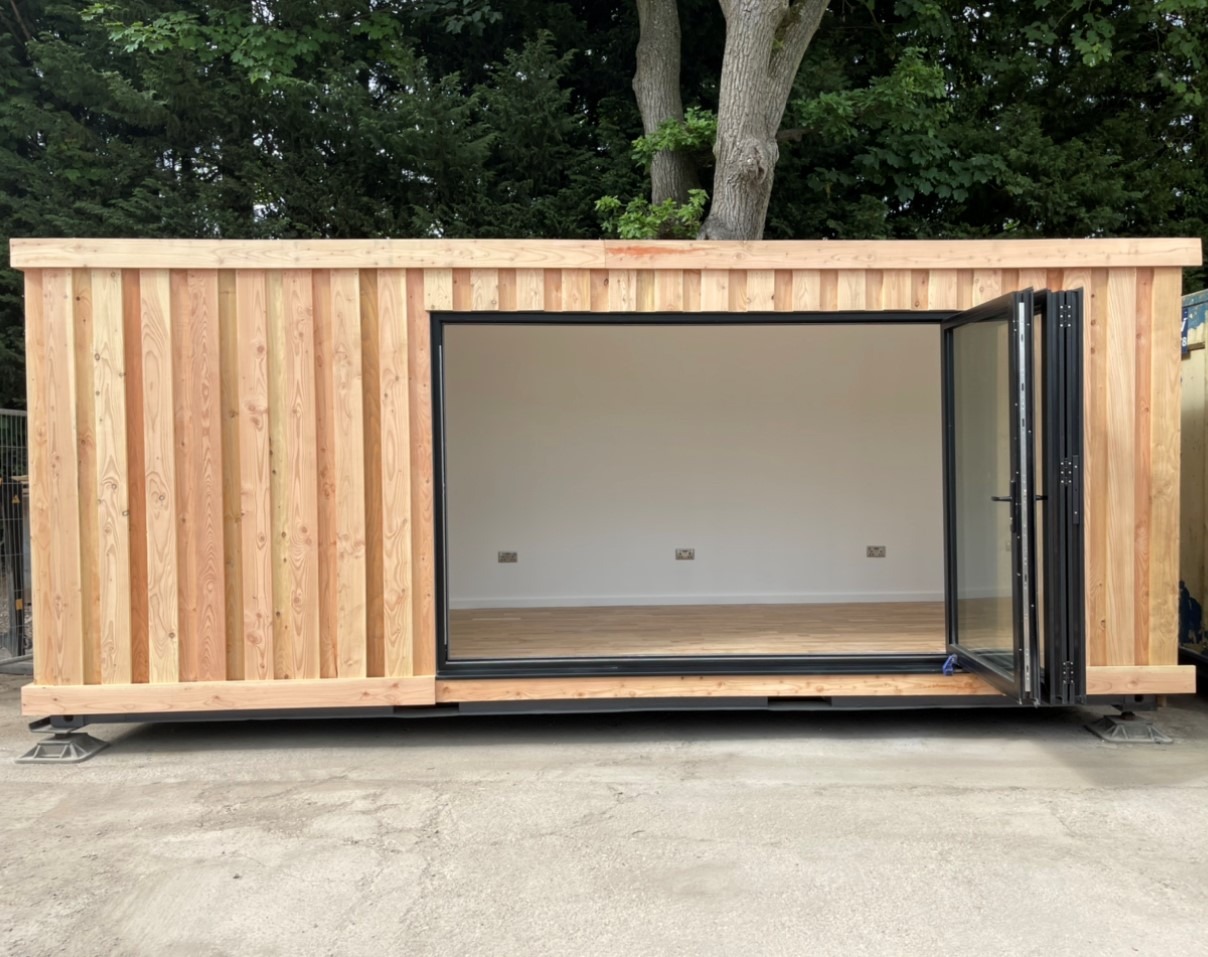
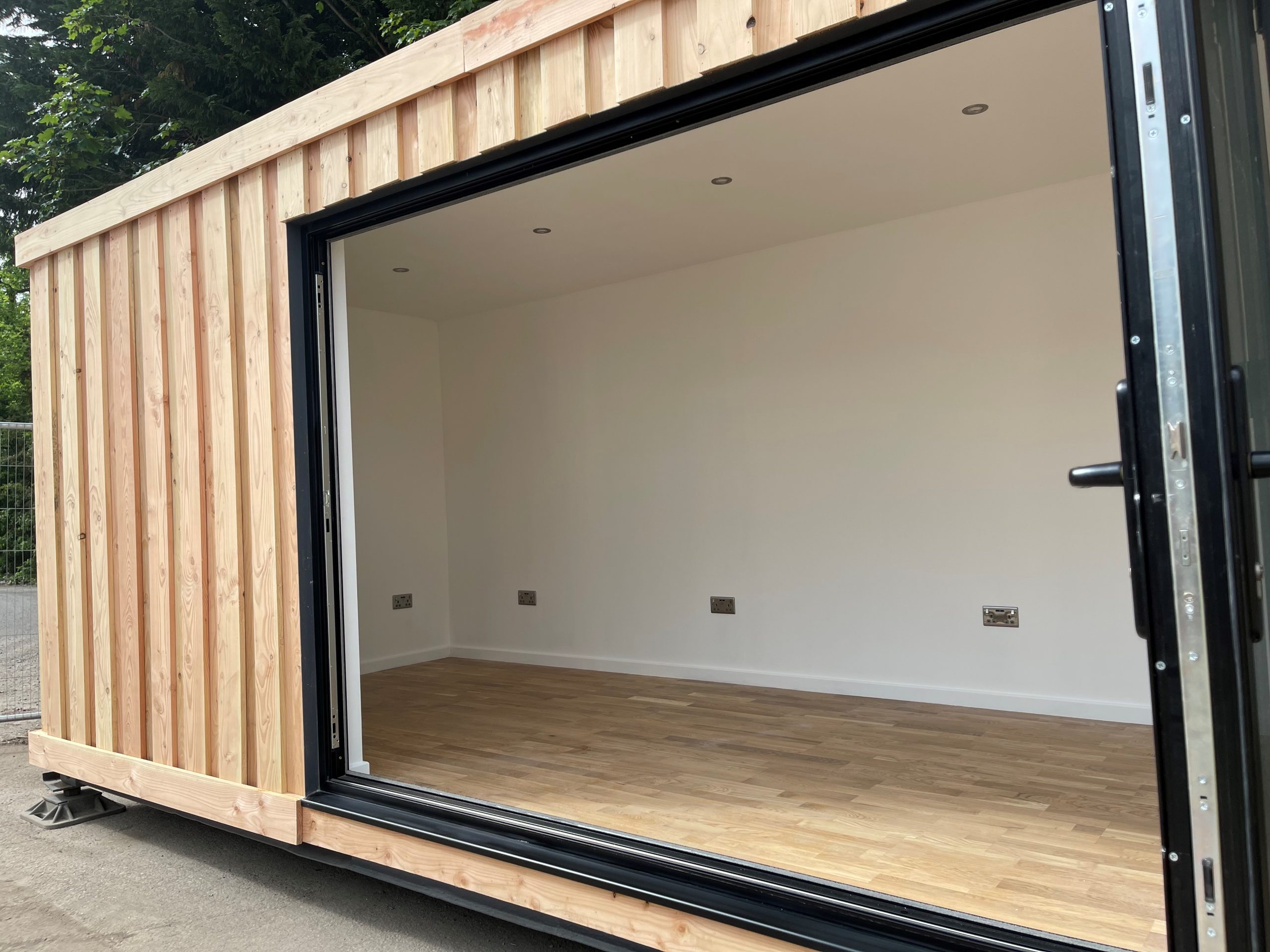
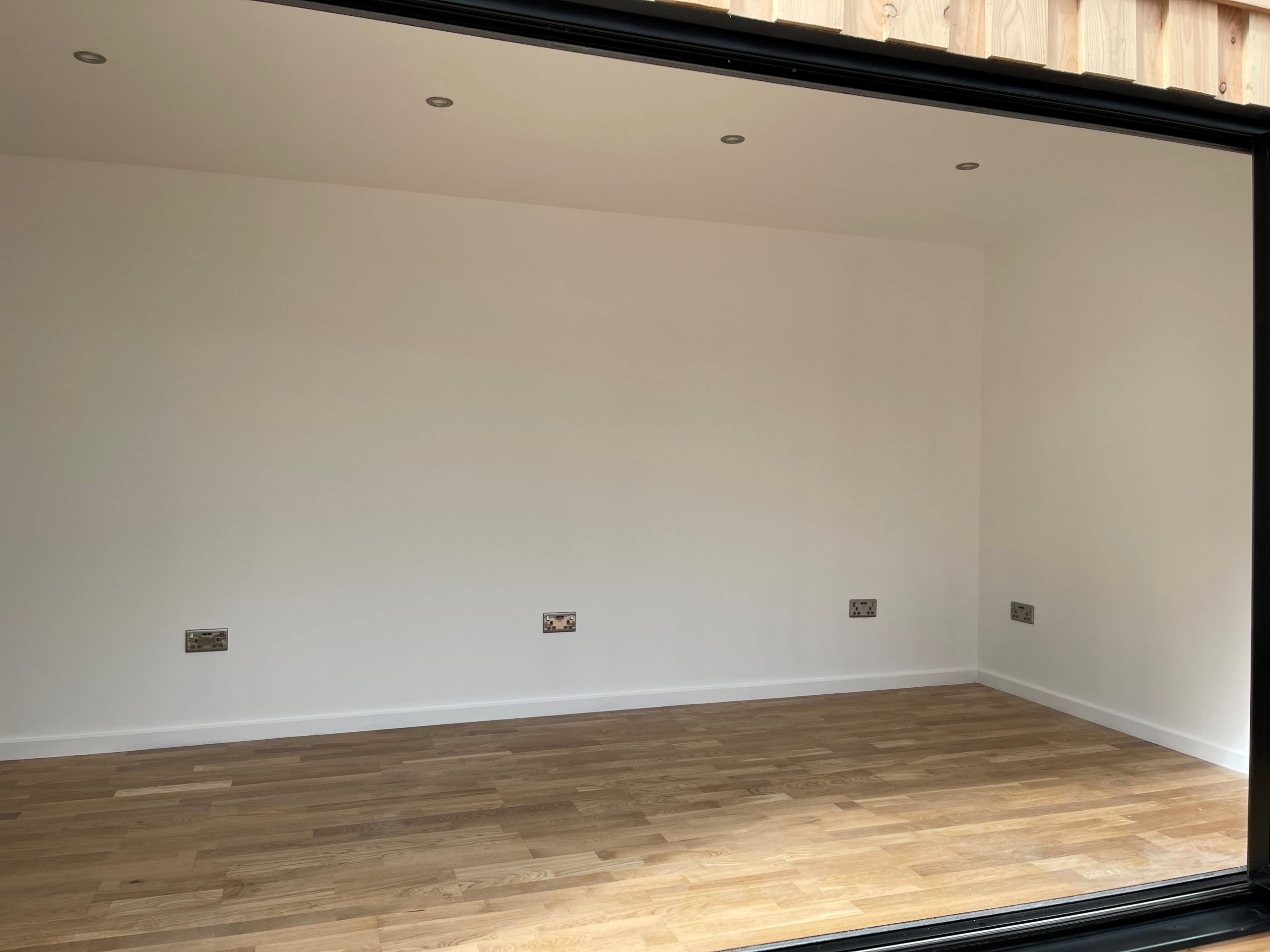
Fully Insulated with electric sockets, spot lighting, and heating
Wood Flooring
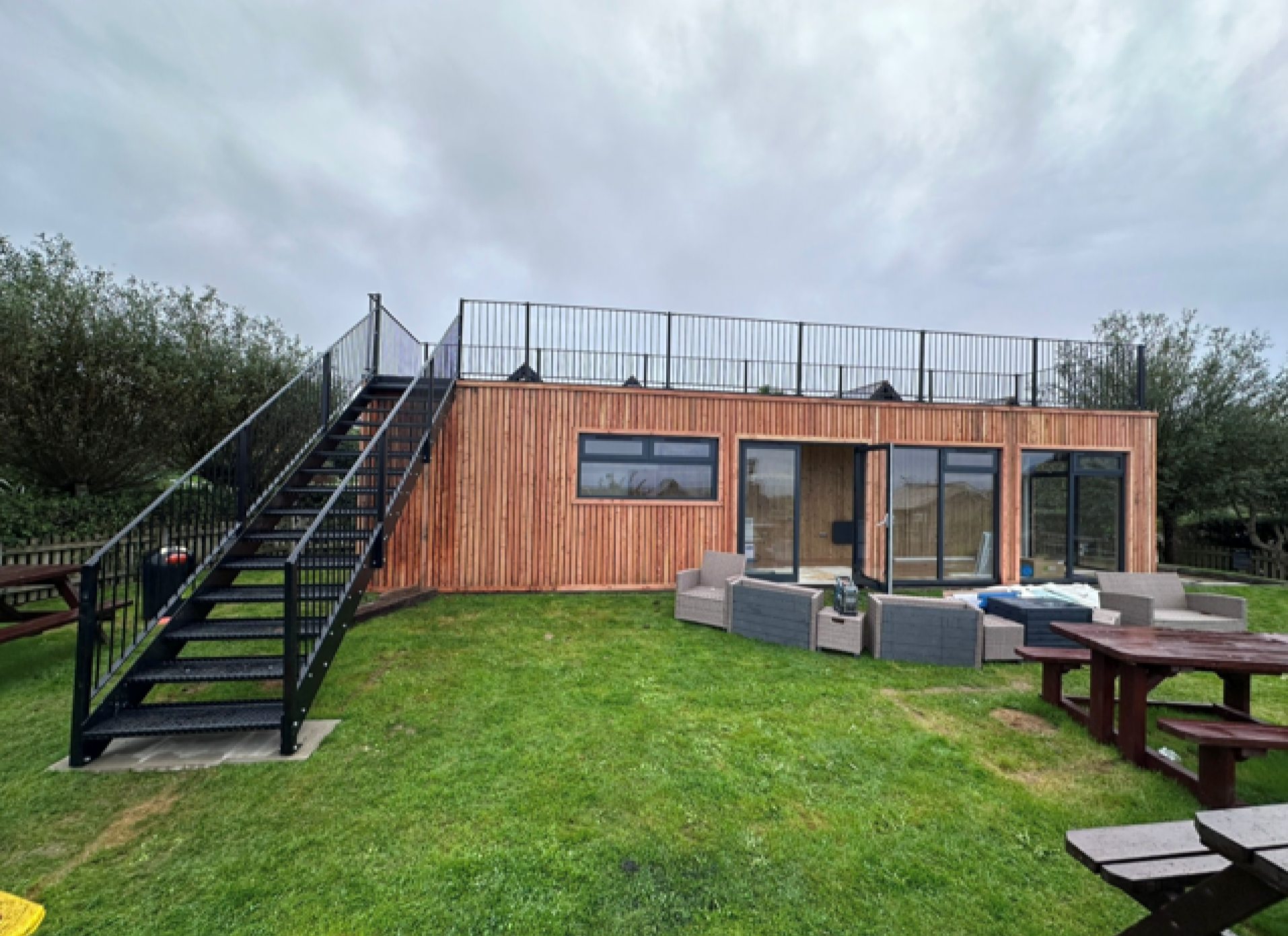
Aluminium Bi Fold Doors
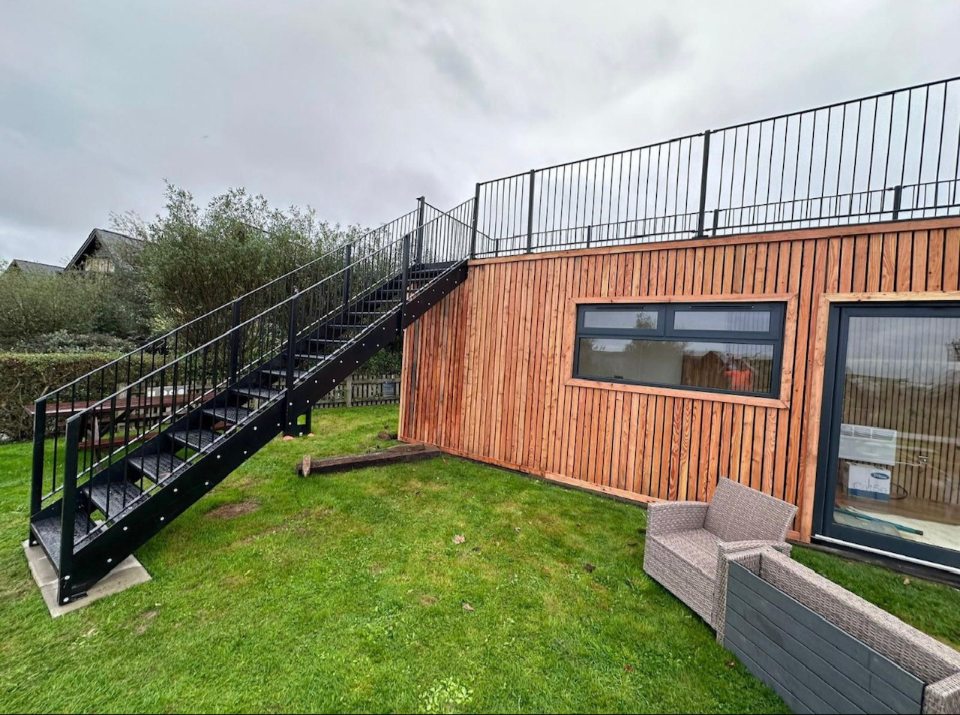
Fully wrapped in larch cladding
Lead Time for build 6-8 weeks
Location: Nationwide
+ VAT
Not Available for Hire
Call for an instant quote!
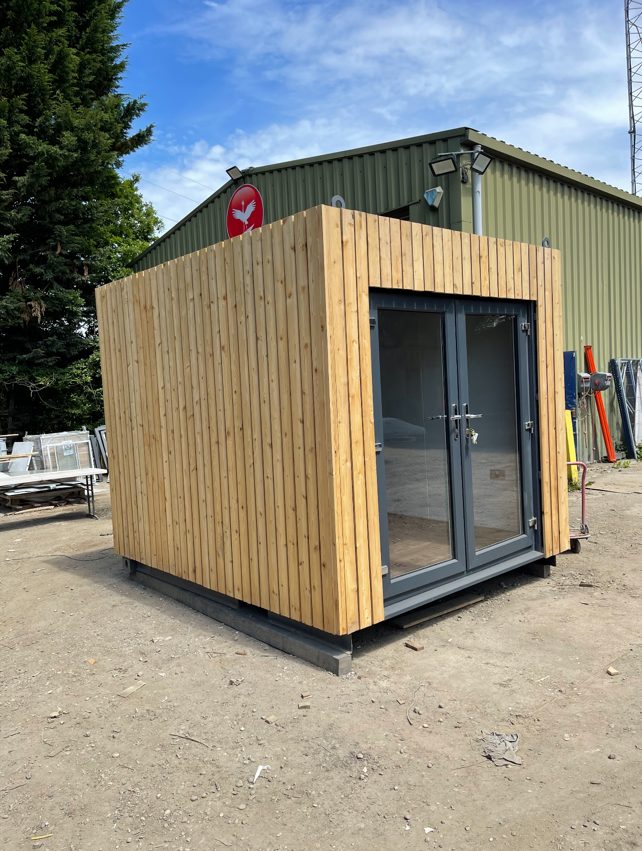
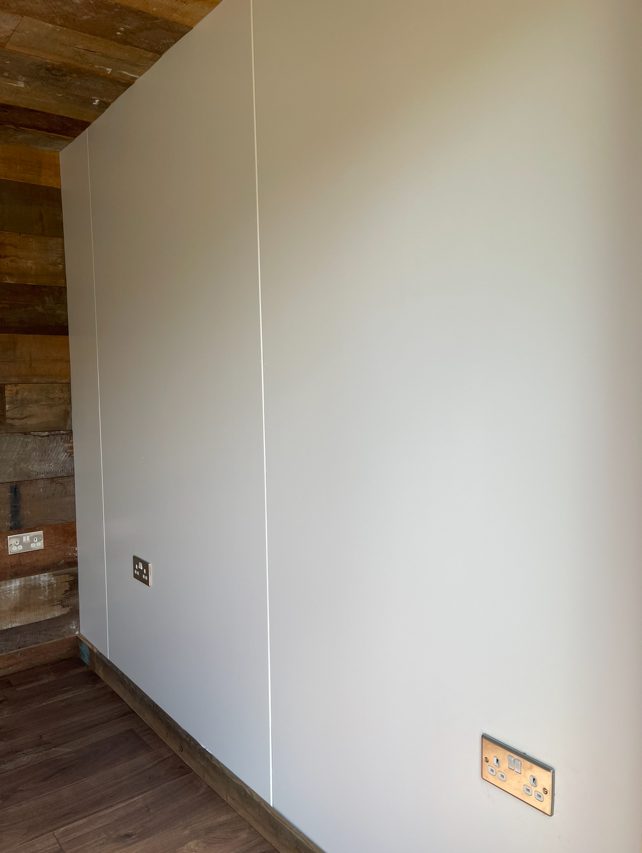
Fully Insulated with electric sockets, spot lighting, and heating
Wood Flooring
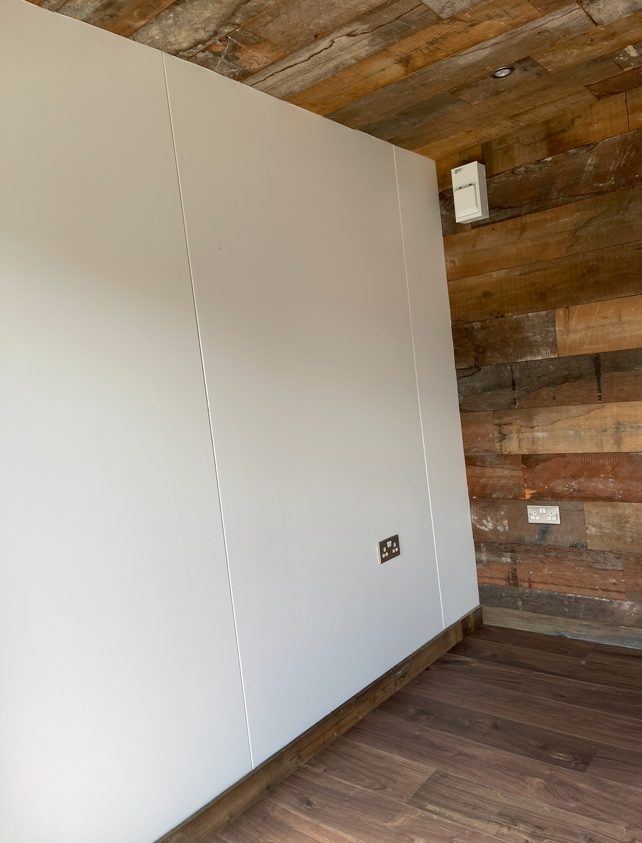
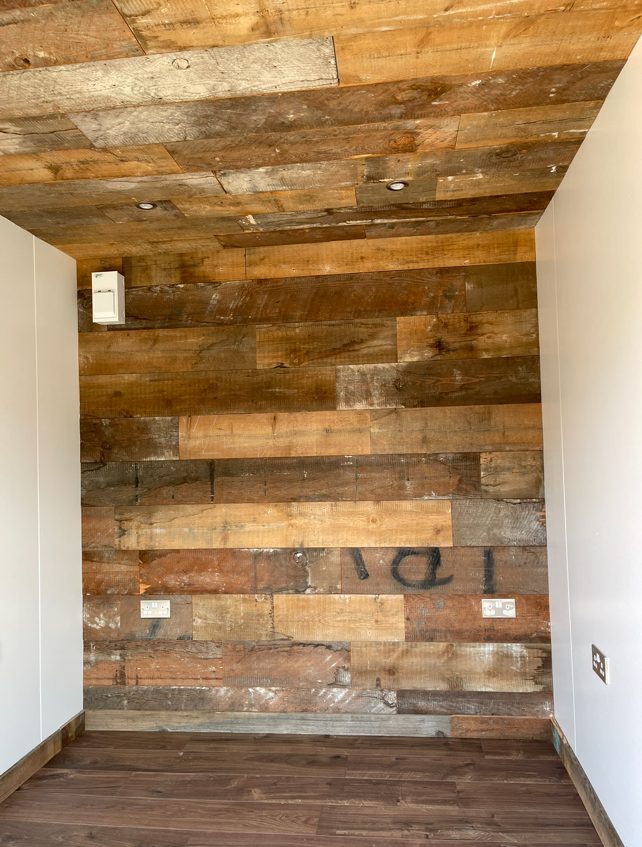
Feature Clad Wall and Ceiling
UPVC Double glazed French Doors
Fully wrapped in larch cladding
Lead Time for build 6-8 weeks
Location: Nationwide
EX VAT
Not Available for Hire
Call for an instant quote!
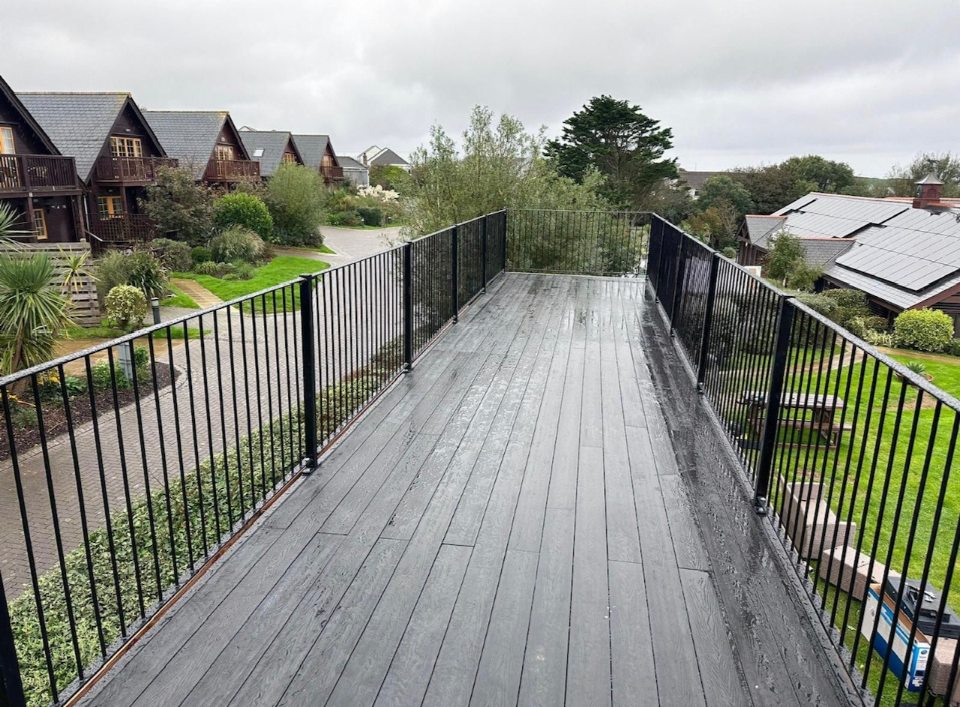
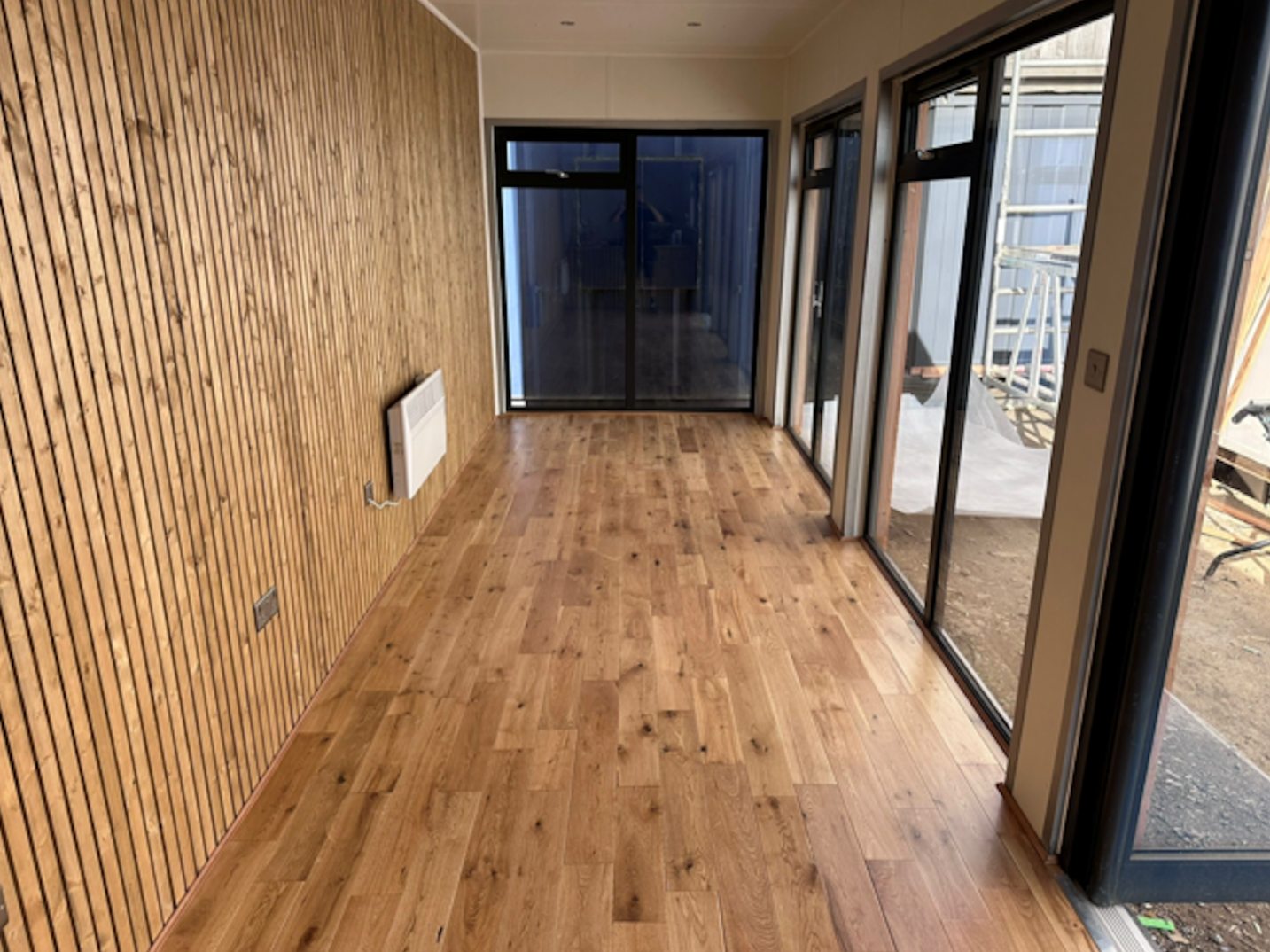
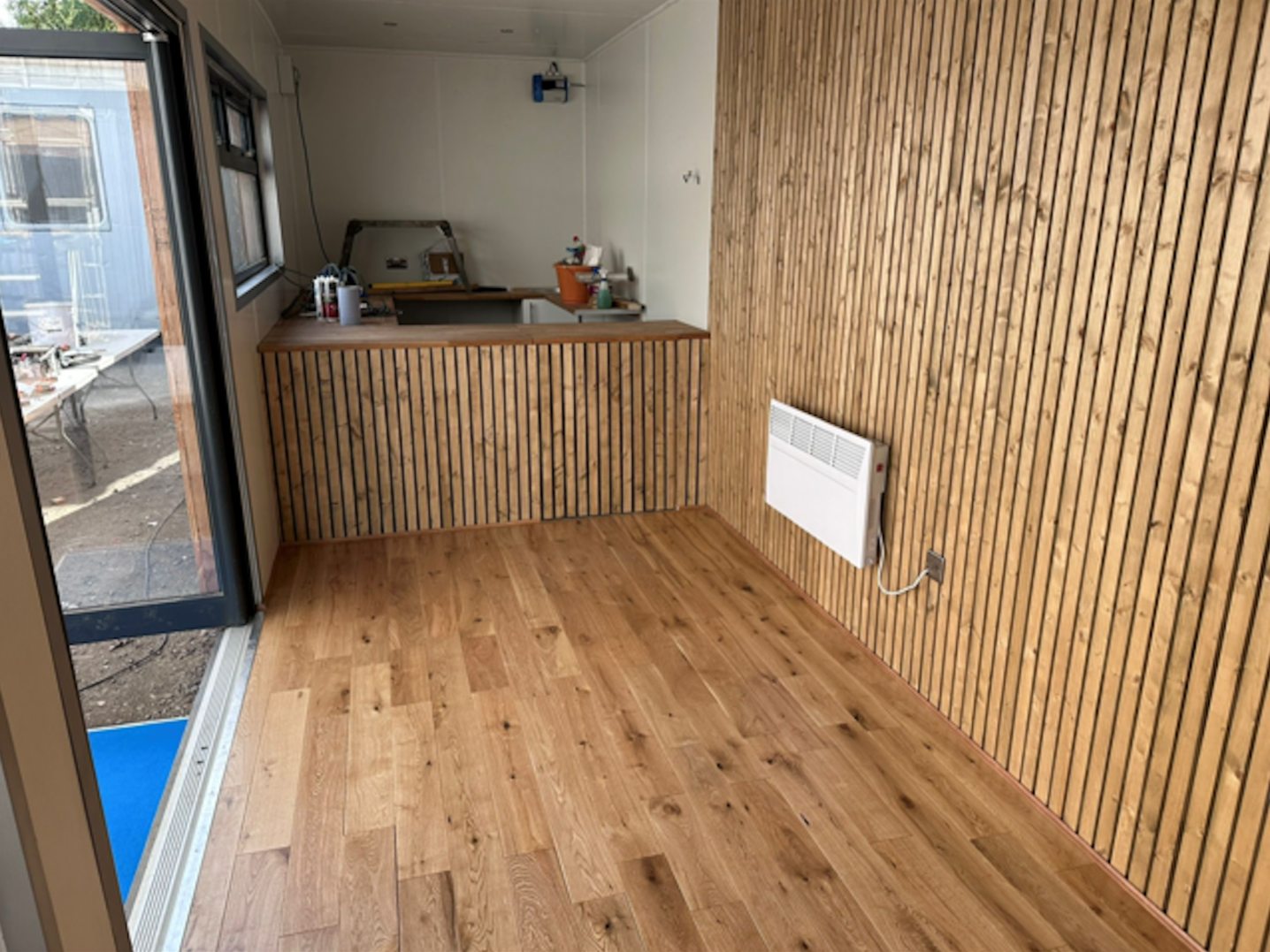
Location: Nationwide
EX VAT
Not Available for Hire
Call for an instant quote!
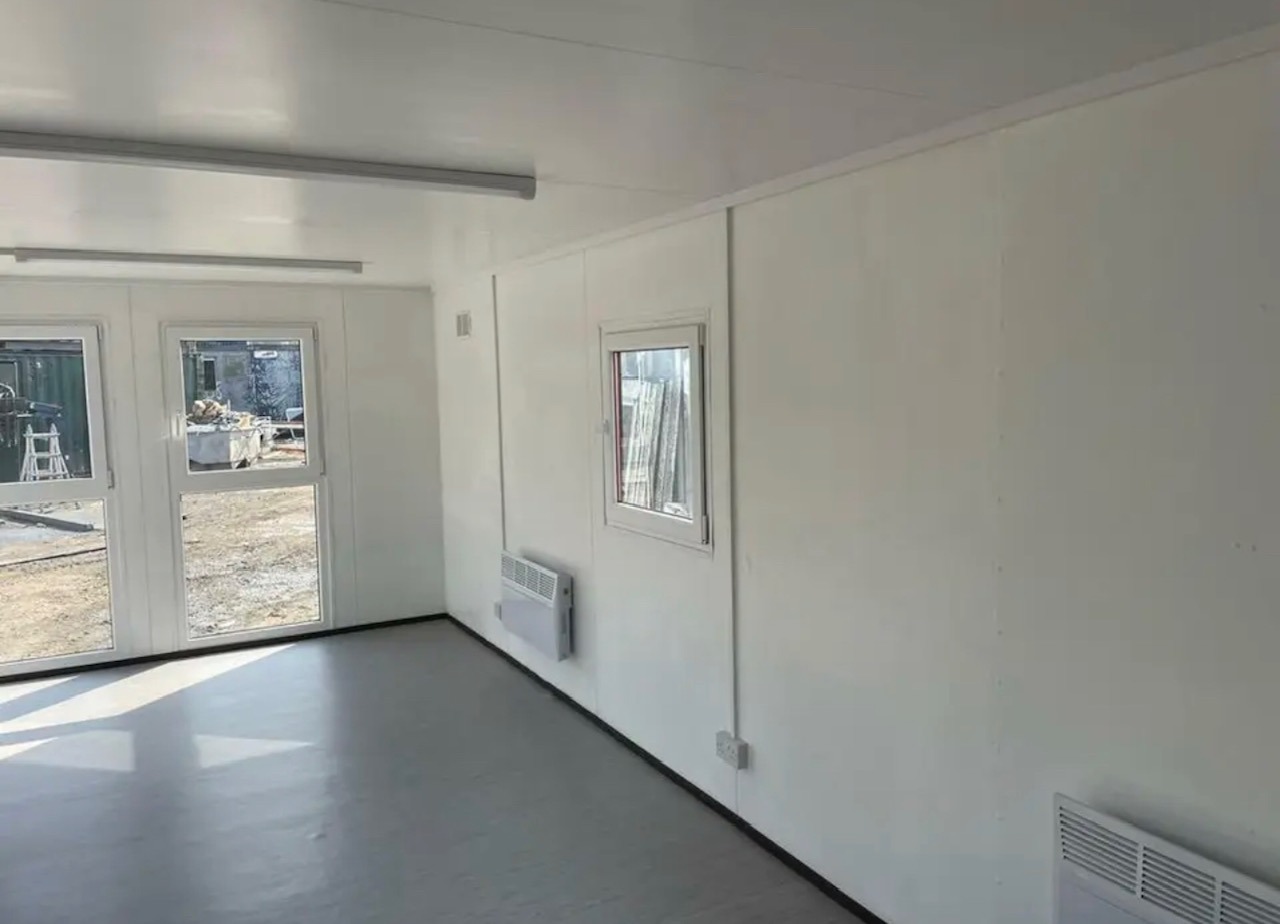
Location: Nationwide
EX VAT
Not Available for Hire
Call for an instant quote!
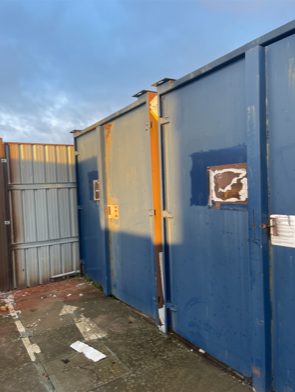
Location: Nationwide
EX VAT
Not Available for Hire
Call for an instant quote!
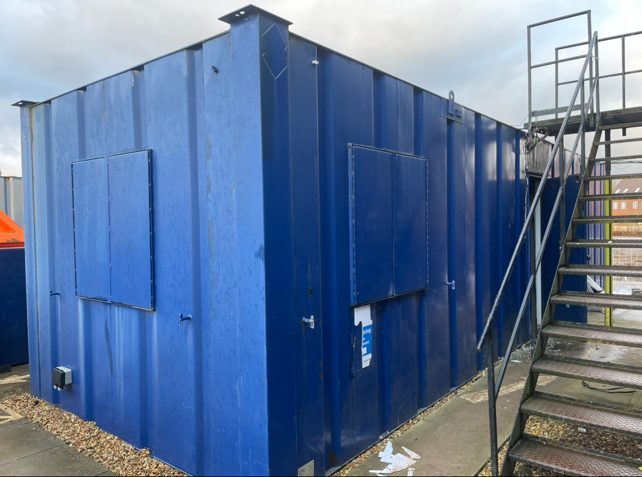
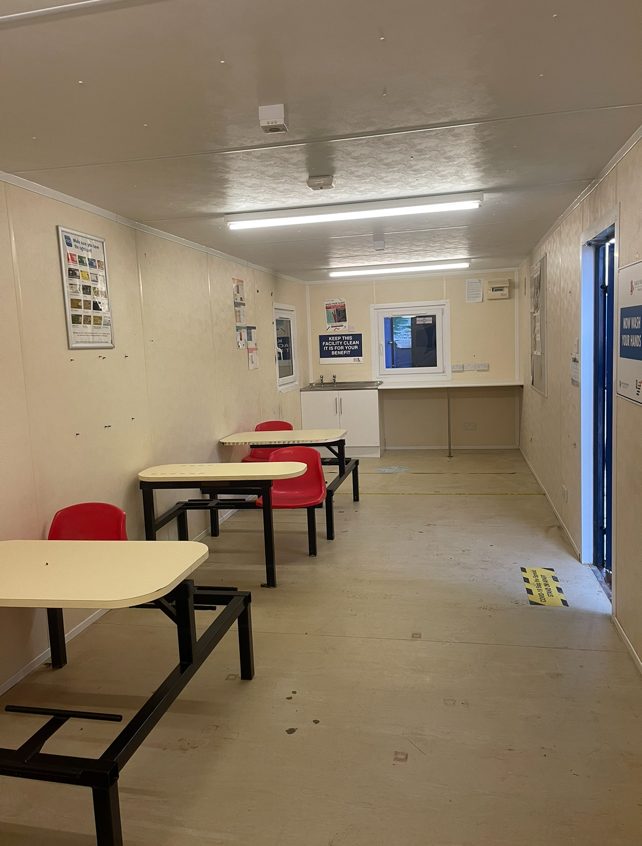
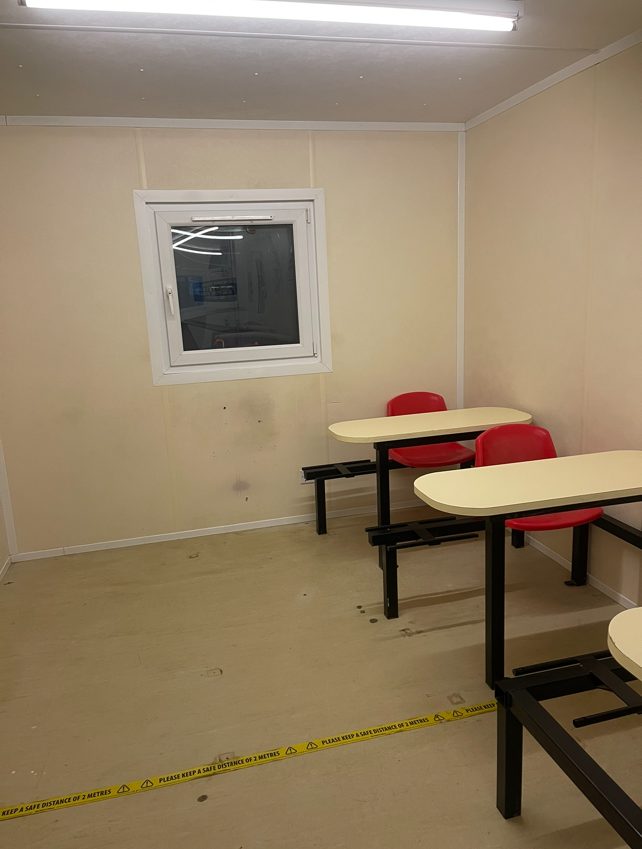
Location: Nationwide
EX VAT
Not Available for Hire
Call for an instant quote!

Location: Nationwide
EX VAT
Not Available for Hire
Call for an instant quote!
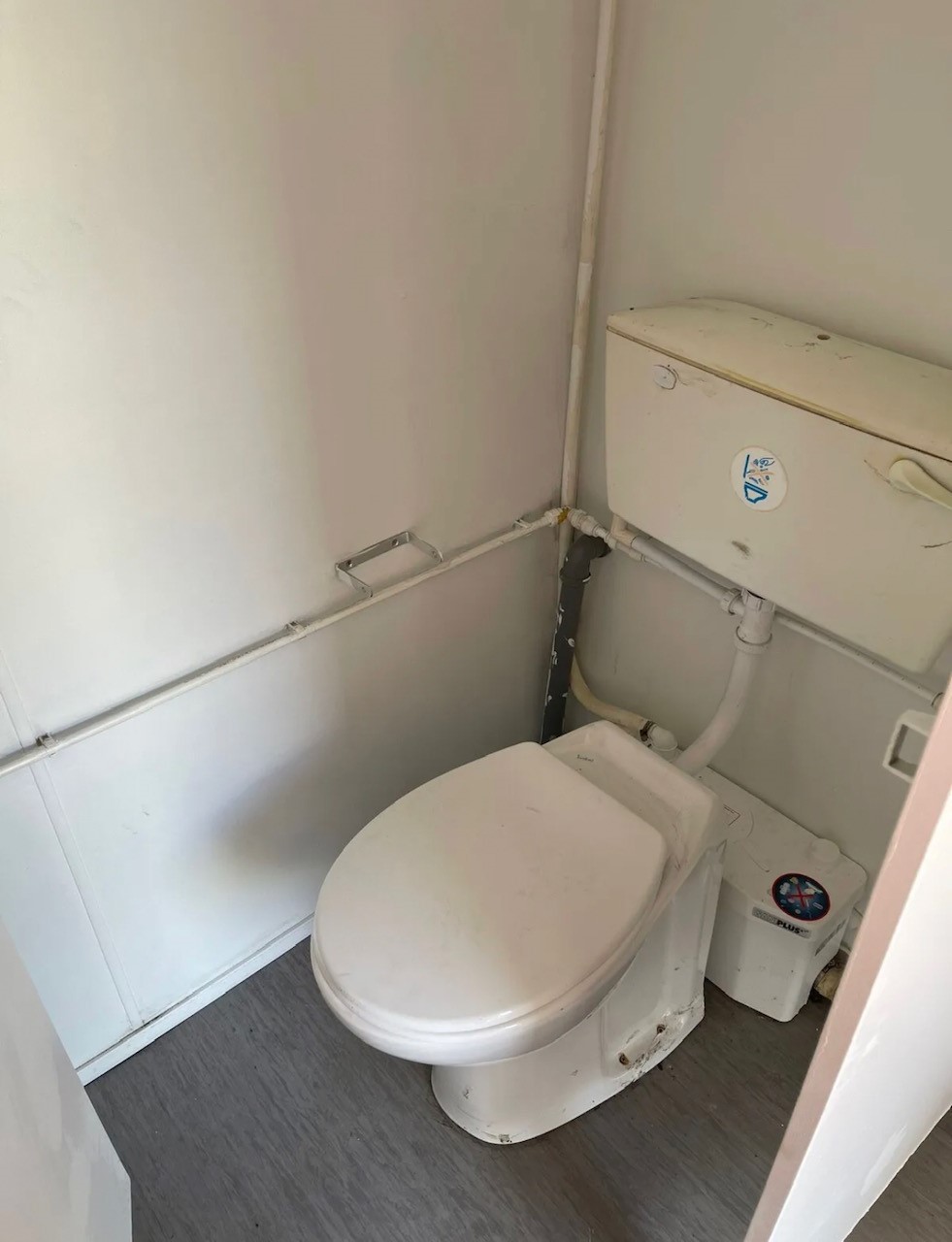
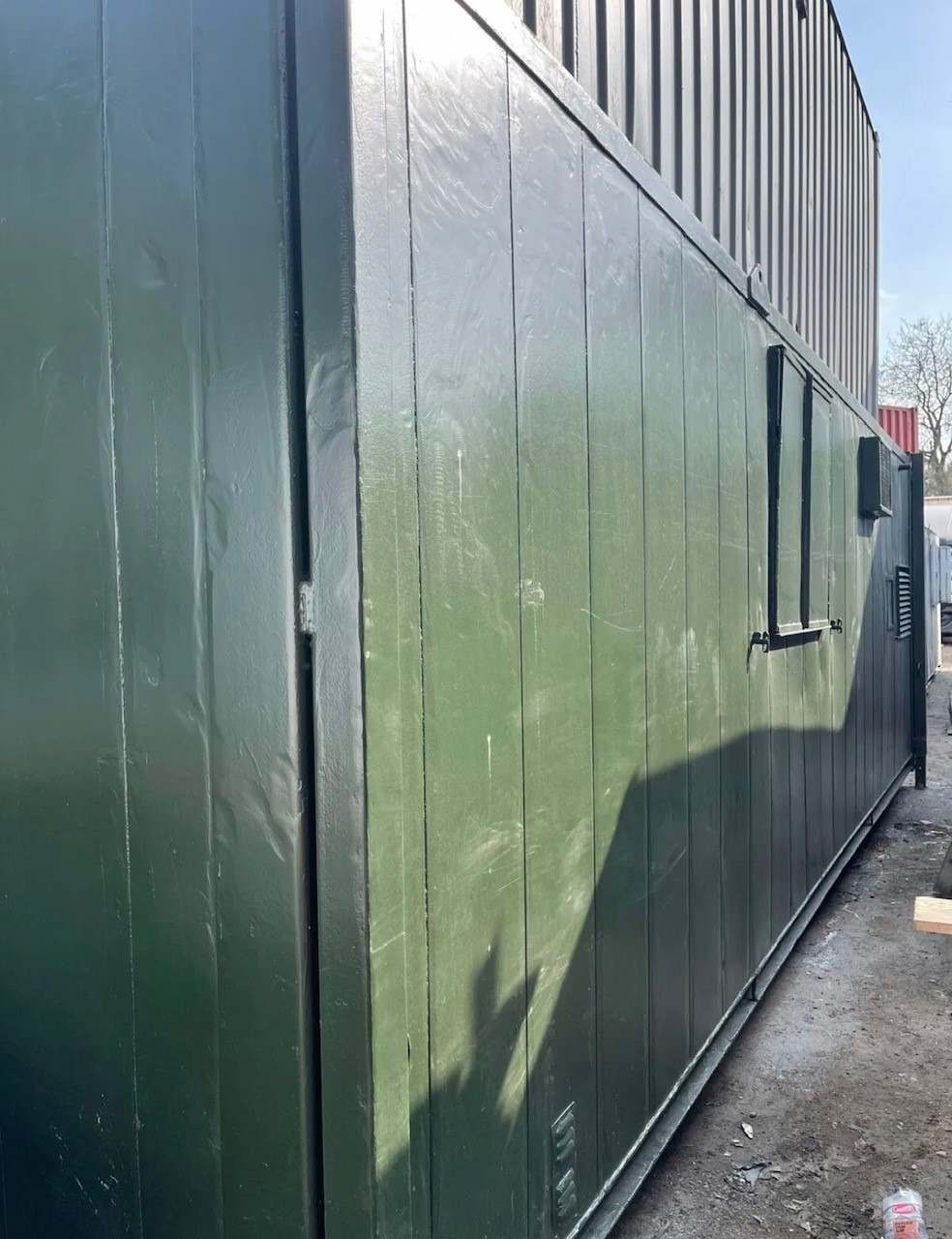
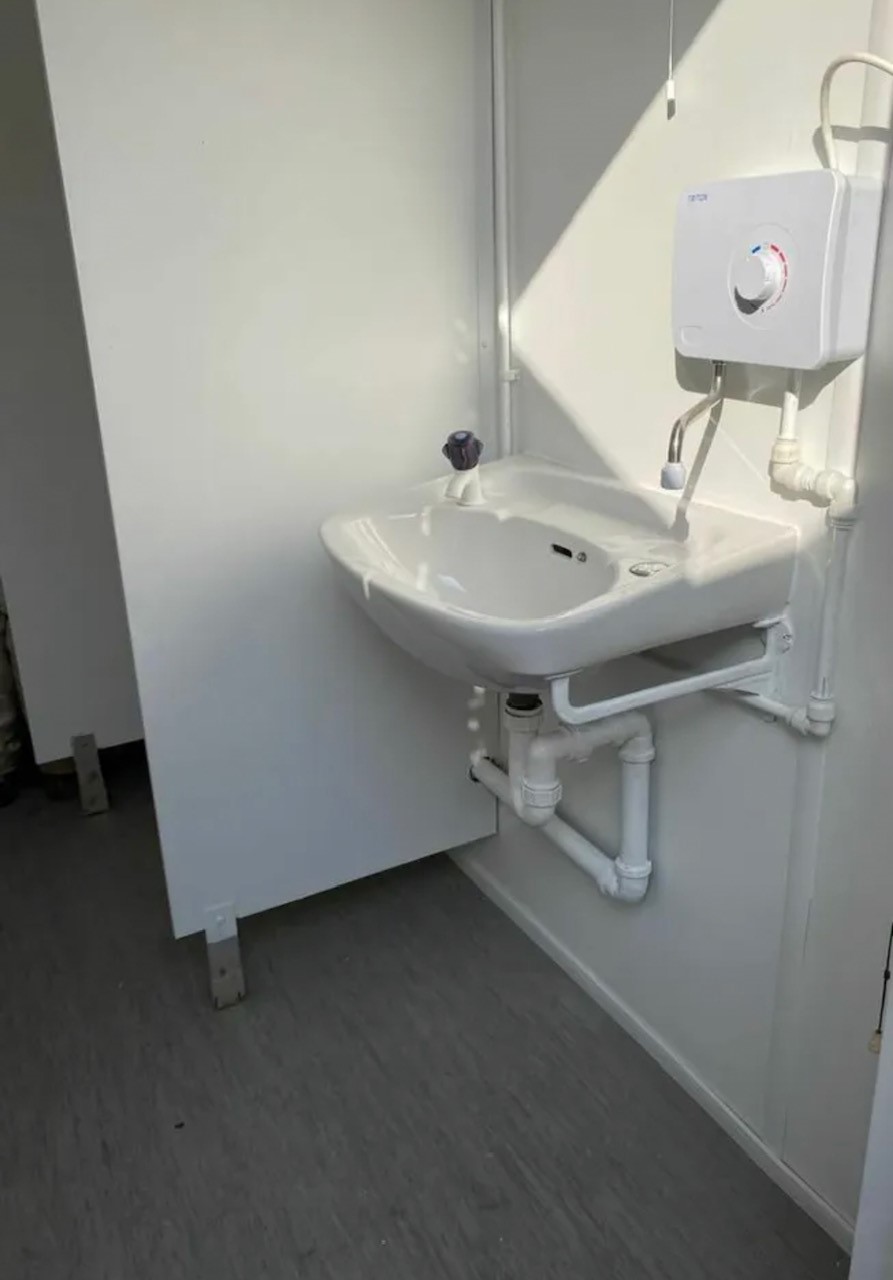
Location: Nationwide
EX VAT
Not Available for Hire
Call for an instant quote!
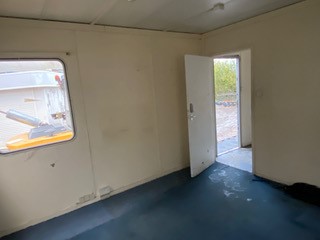
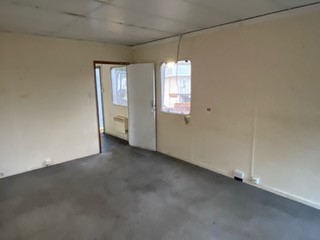


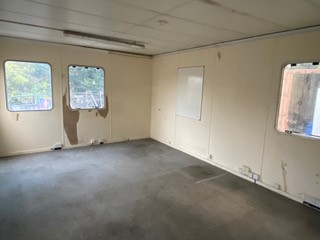
Location: Nationwide
EX VAT
Not Available for Hire
Call for an instant quote!
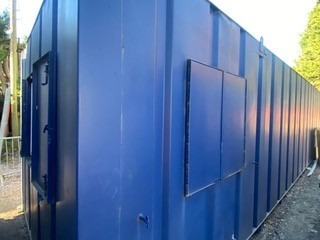
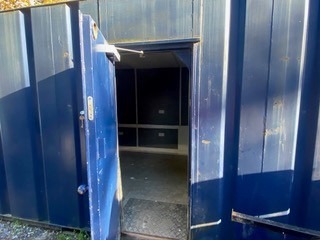
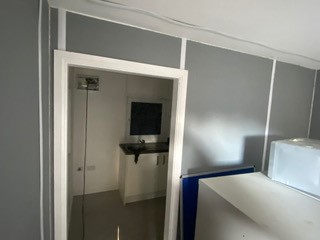

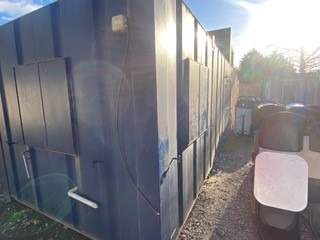
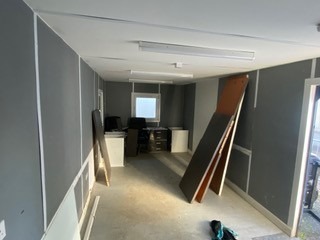
Location: Nationwide
EX VAT
Not Available for Hire
Call for an instant quote!
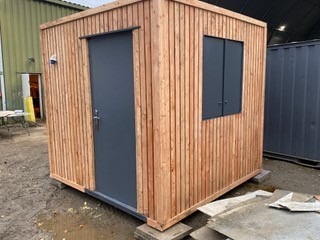
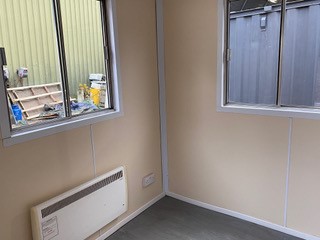
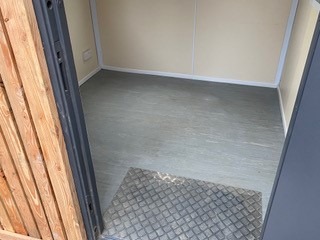
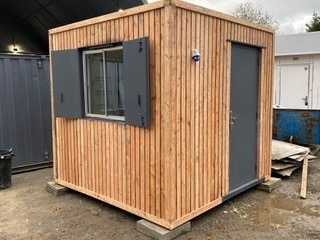
Location: Nationwide
EX VAT
Not Available for Hire
Call for an instant quote!
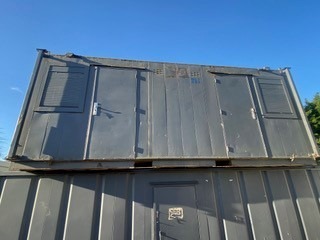
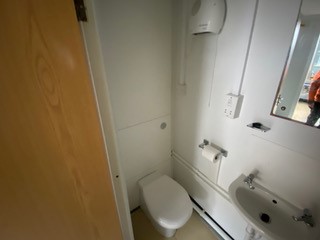
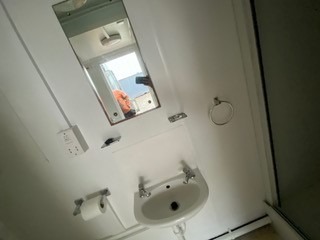
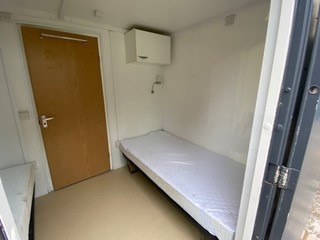
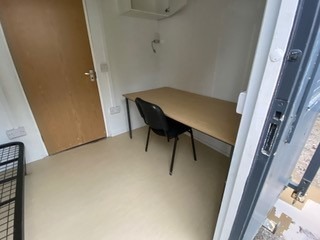
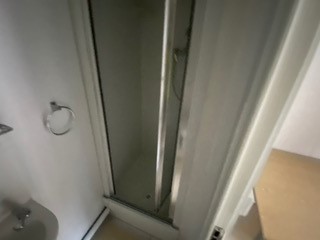
Location: Nationwide
EX VAT
Not Available for Hire
Call for an instant quote!
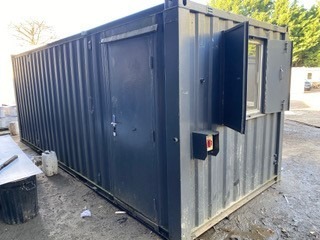
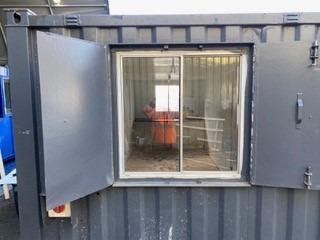
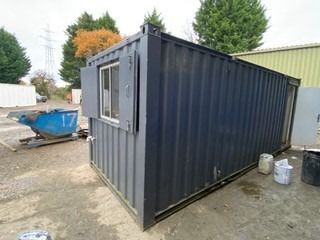
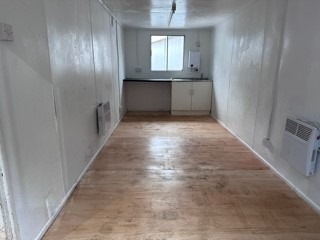
Location: Nationwide
EX VAT
Not Available for Hire
Call for an instant quote!
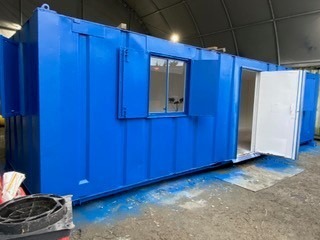
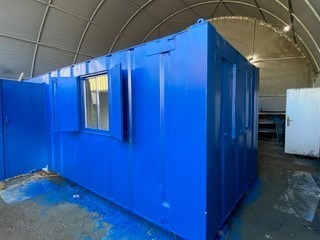
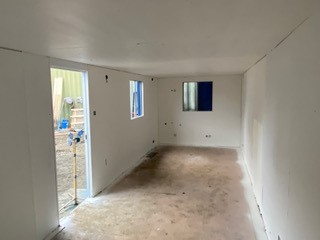
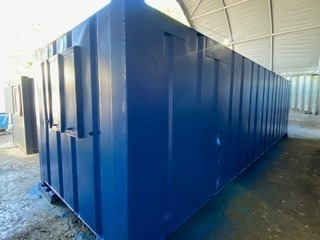
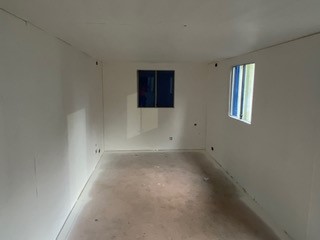
Location: Nationwide
EX VAT
Not Available for Hire
Call for an instant quote!
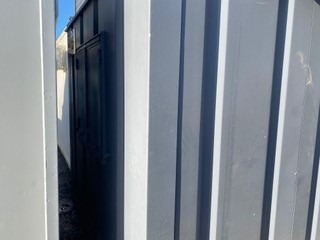
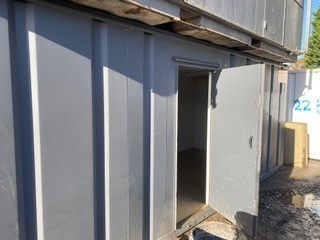
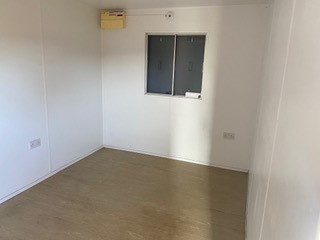
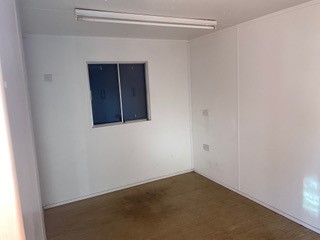
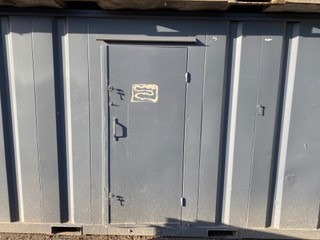
Location: Nationwide
EX VAT
Not Available for Hire
Call for an instant quote!
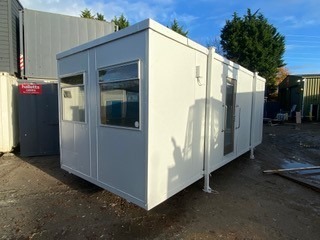
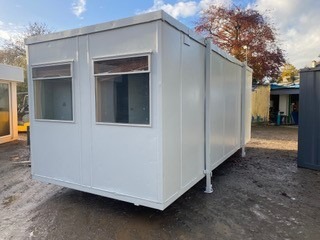
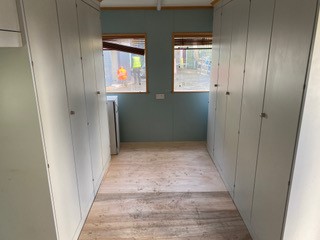
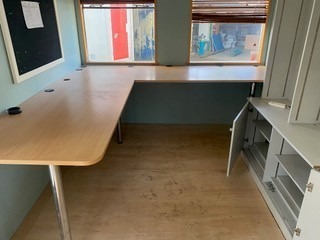
Location: Nationwide
EX VAT
Not Available for Hire
Call for an instant quote!
Location: Nationwide
EX VAT
Not Available for Hire
Call for an instant quote!
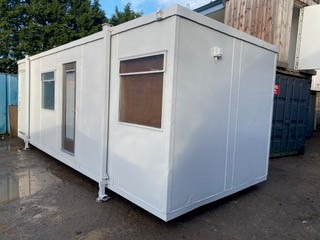
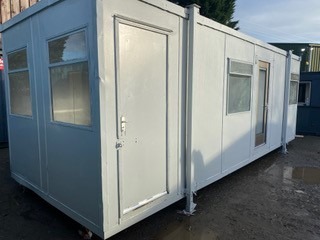
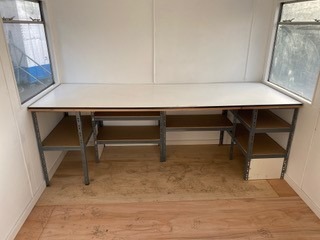
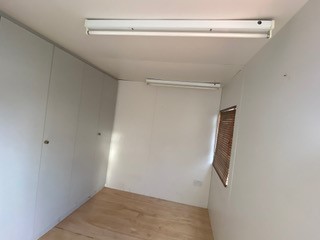
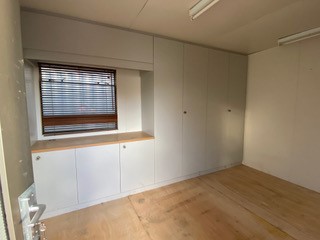
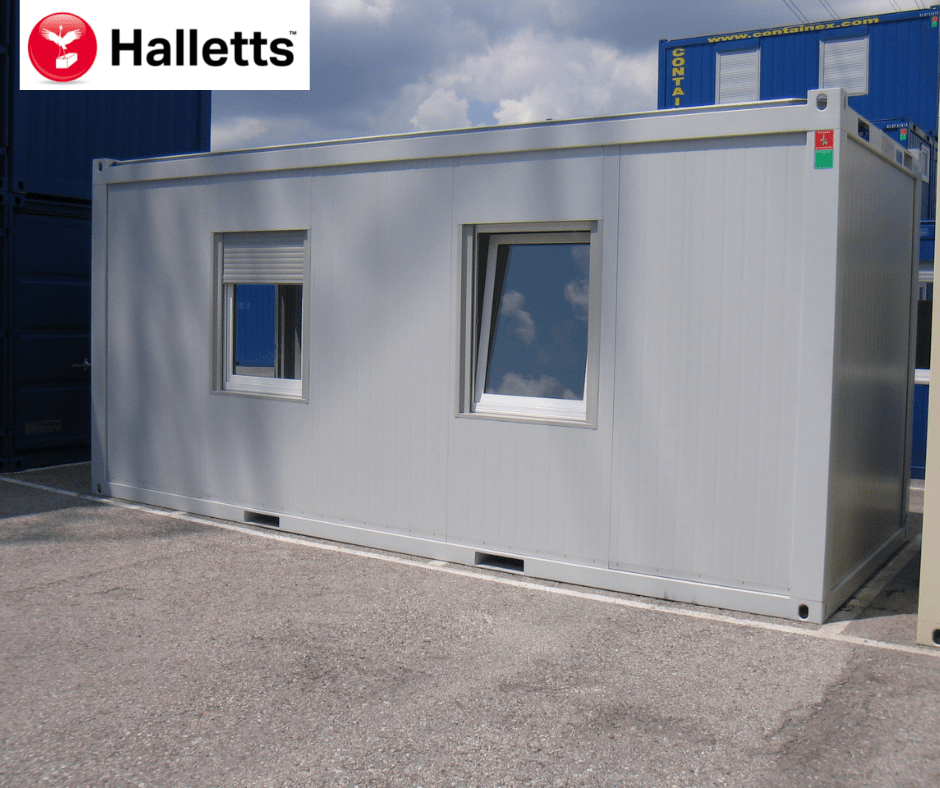
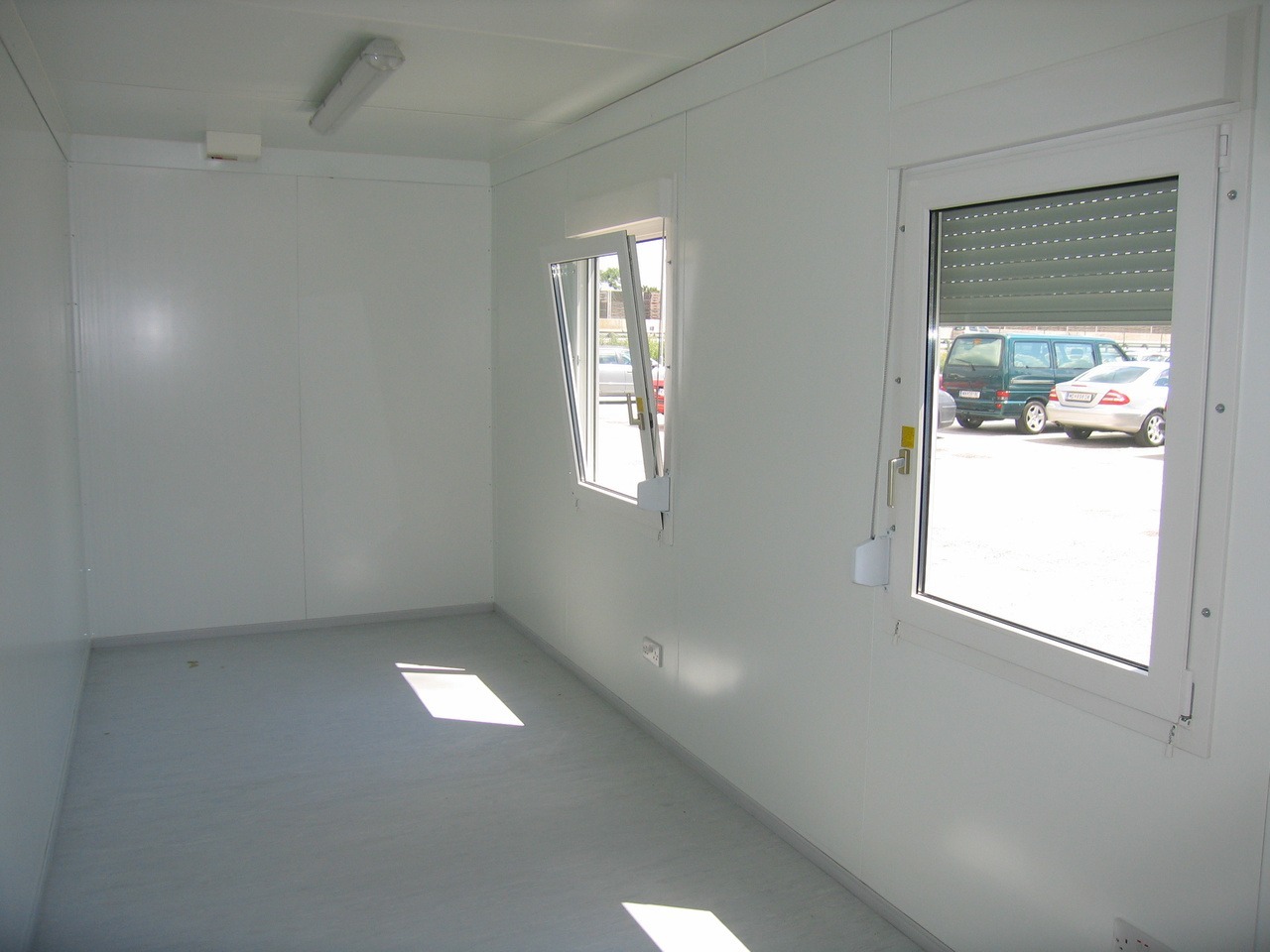
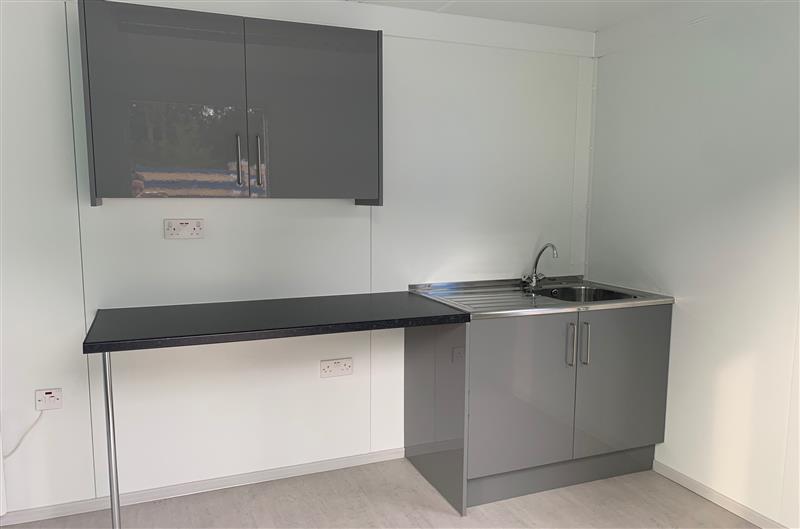
10ftx8ft – £5950 + Vat / 16ftx8ft – £7950 + Vat / 20ftx8ft – £9000 + Vat / 24ftx8ft – £12000 + Vat / 30ftx8ft – £13500 + Vat
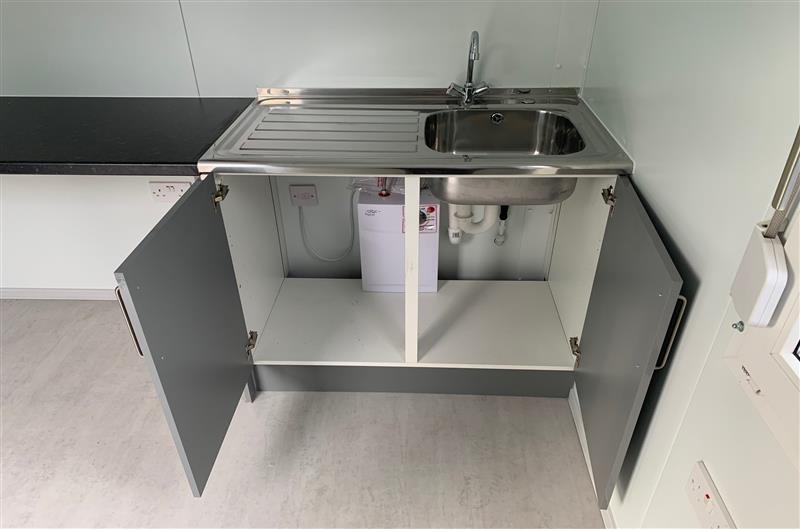
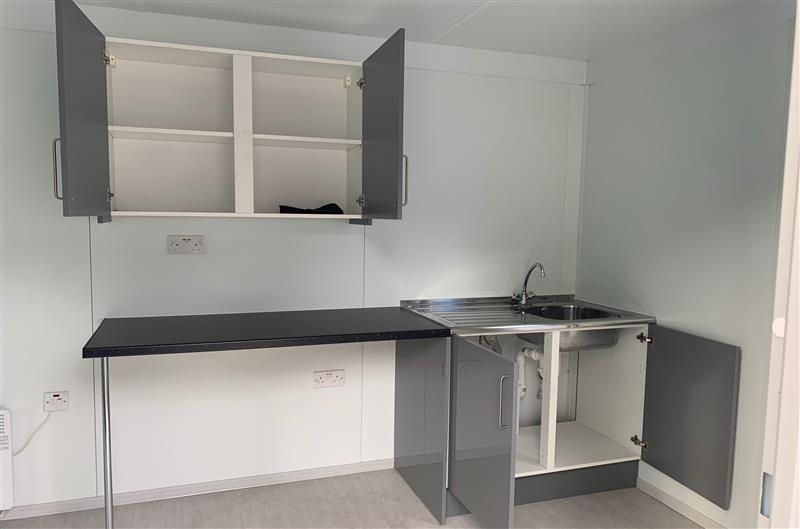
Location: Nationwide
EX VAT
Not Available for Hire
Call for an instant quote!
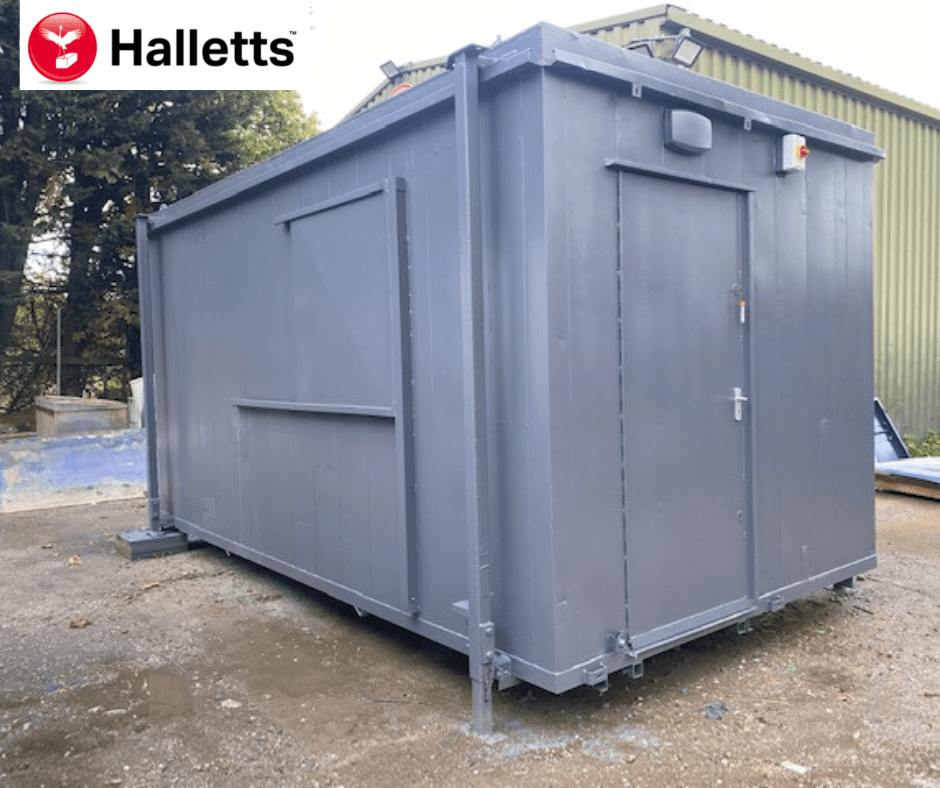
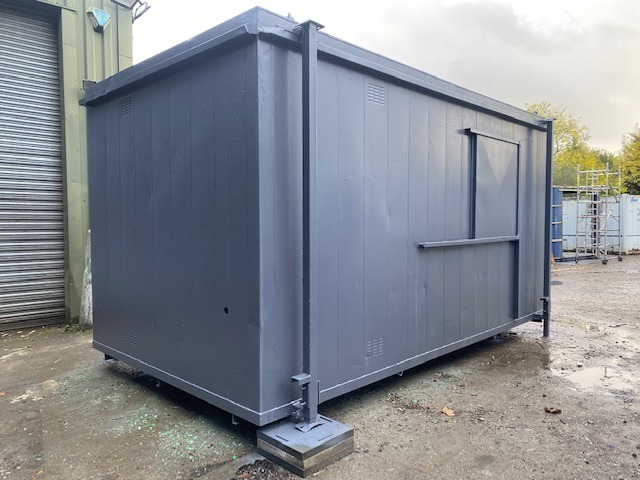
Location: Nationwide
EX VAT
Not Available for Hire
Call for an instant quote!

Location: Nationwide
EX VAT
Not Available for Hire
Call for an instant quote!
Location: Nationwide
Quantity: ∞
EX VAT
Not Available for Hire
Call for an instant quote!
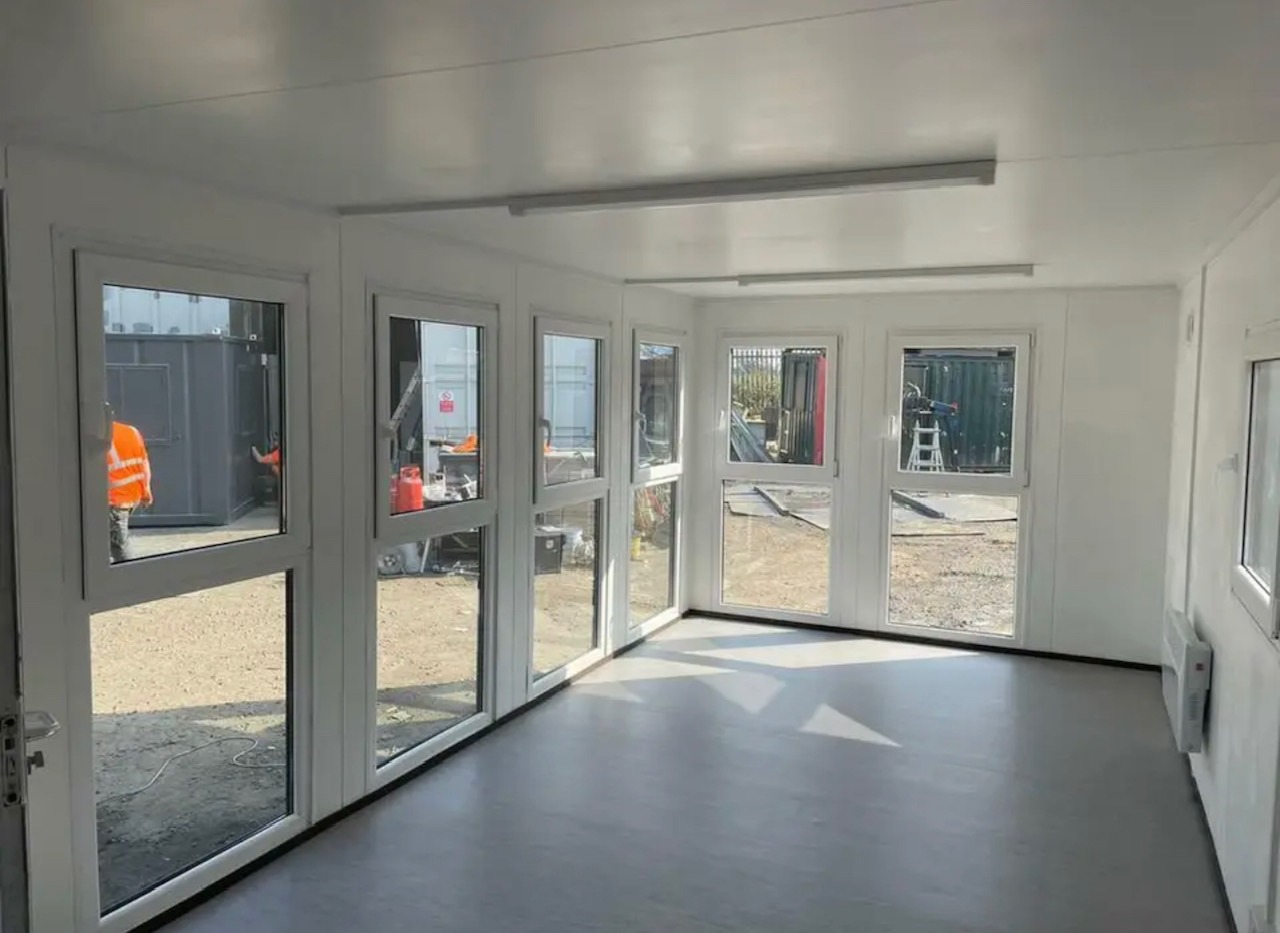
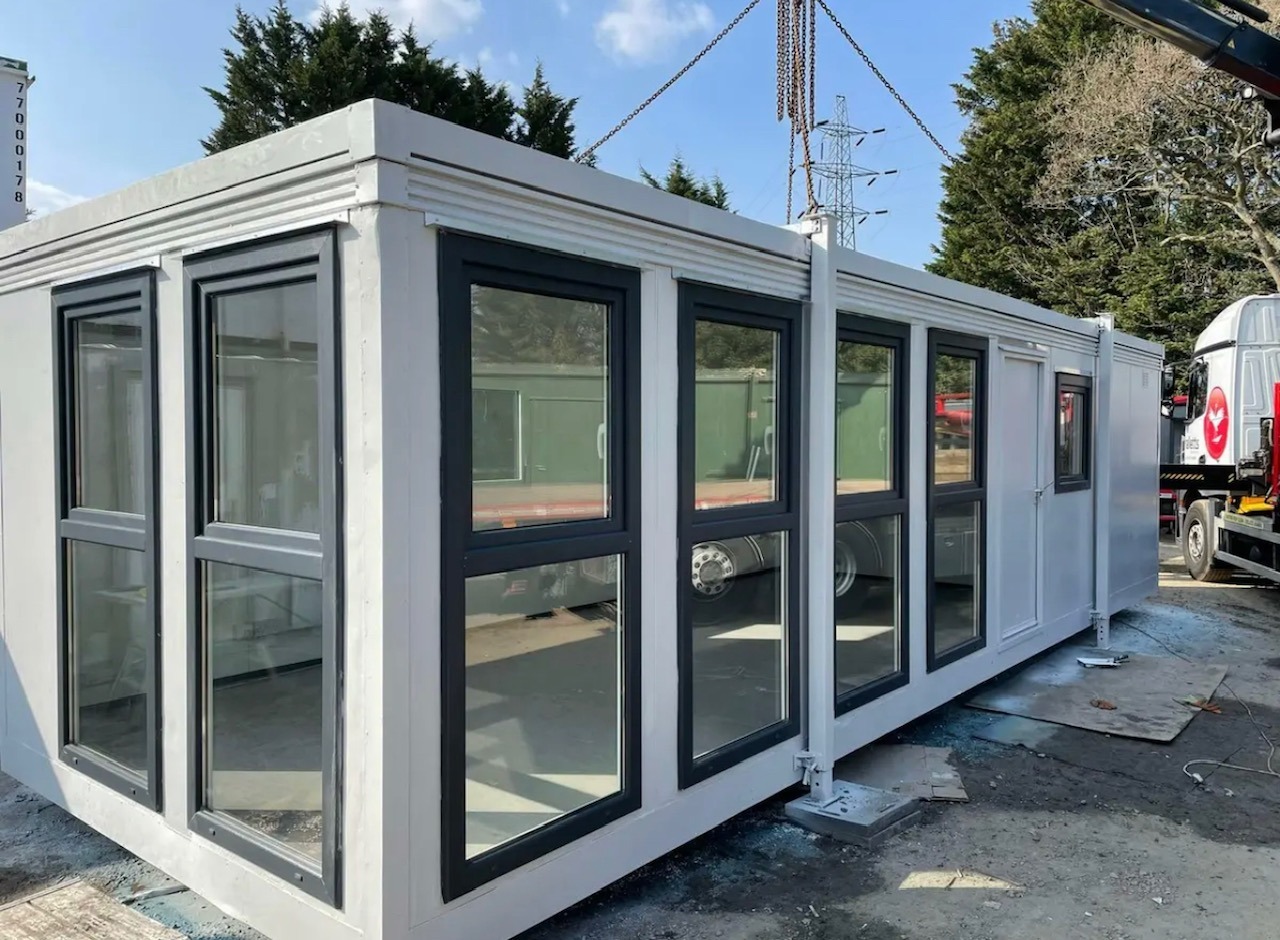
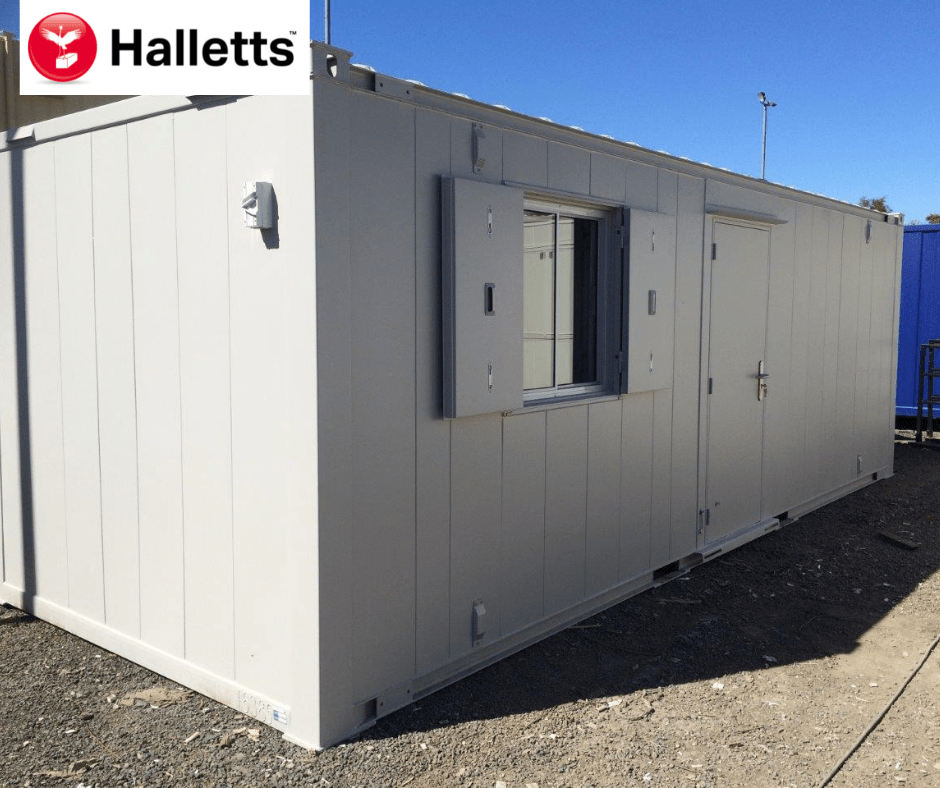
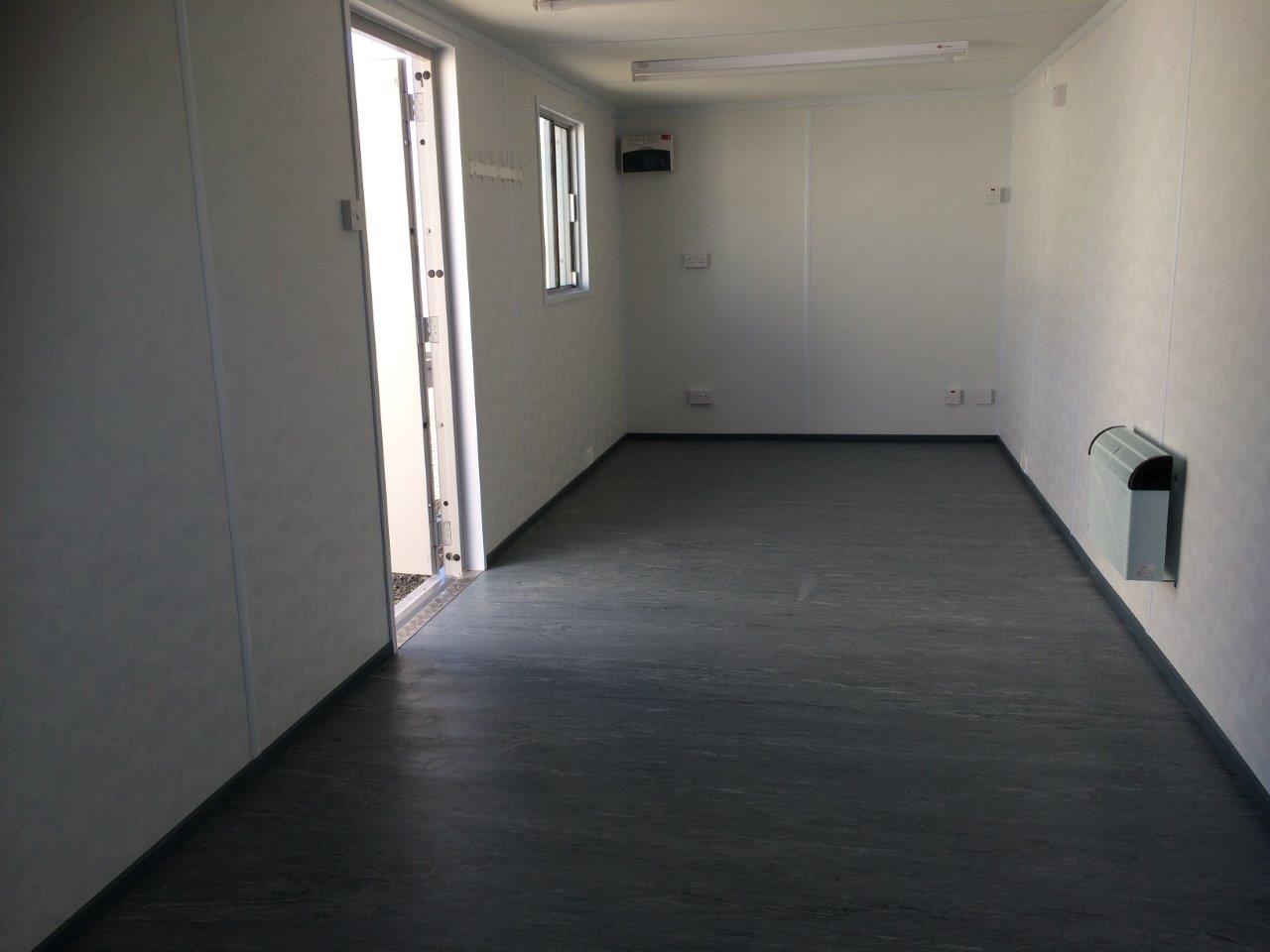
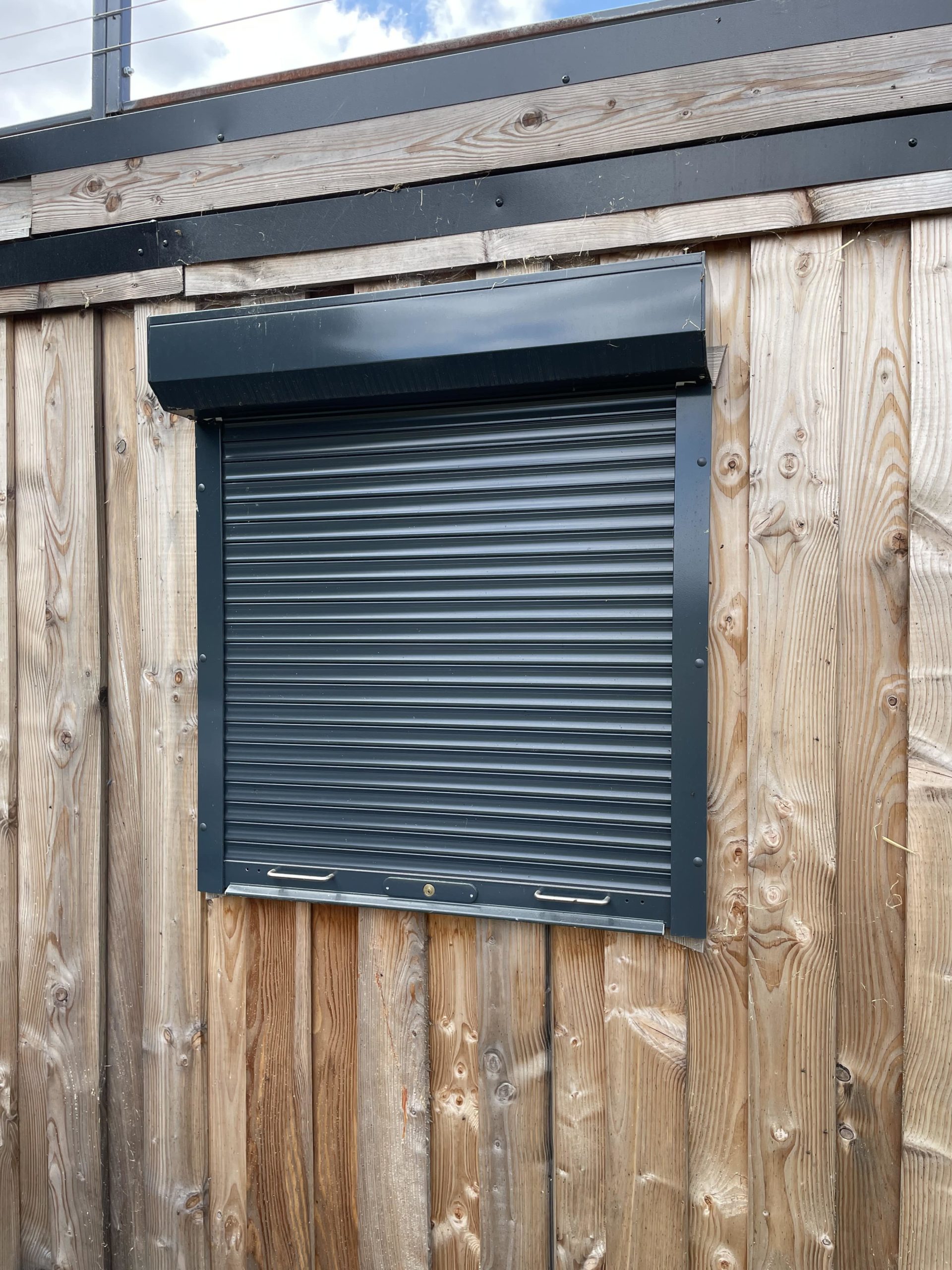
• Reinforced doors and windows with secure locking
• Open plan with electric sockets and lighting
• Ral Code Colour of choice
• Any Extras available : Canteen, Partitions, Toilets.
Location: Nationwide
EX VAT
Not Available for Hire
Call for an instant quote!
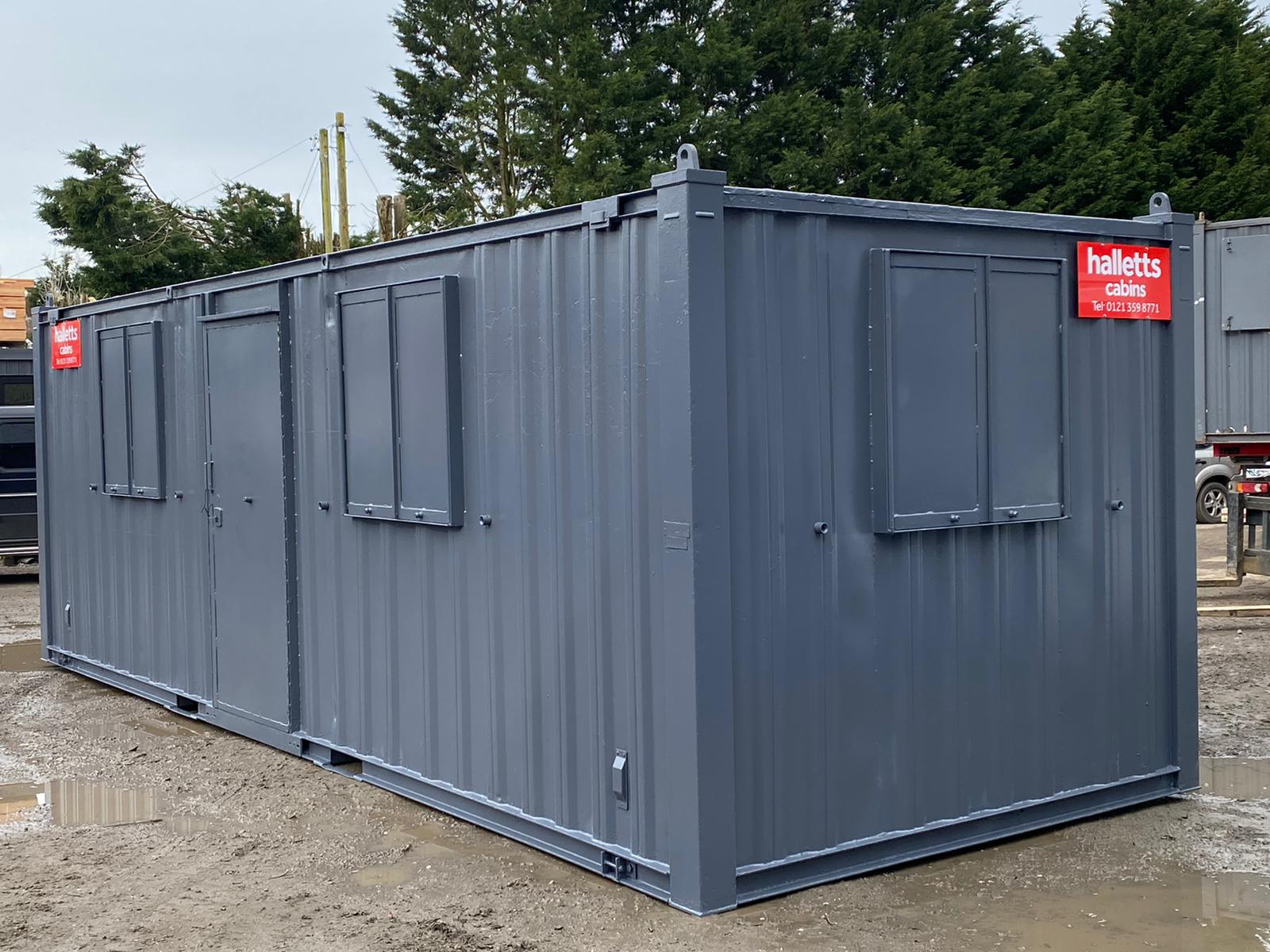
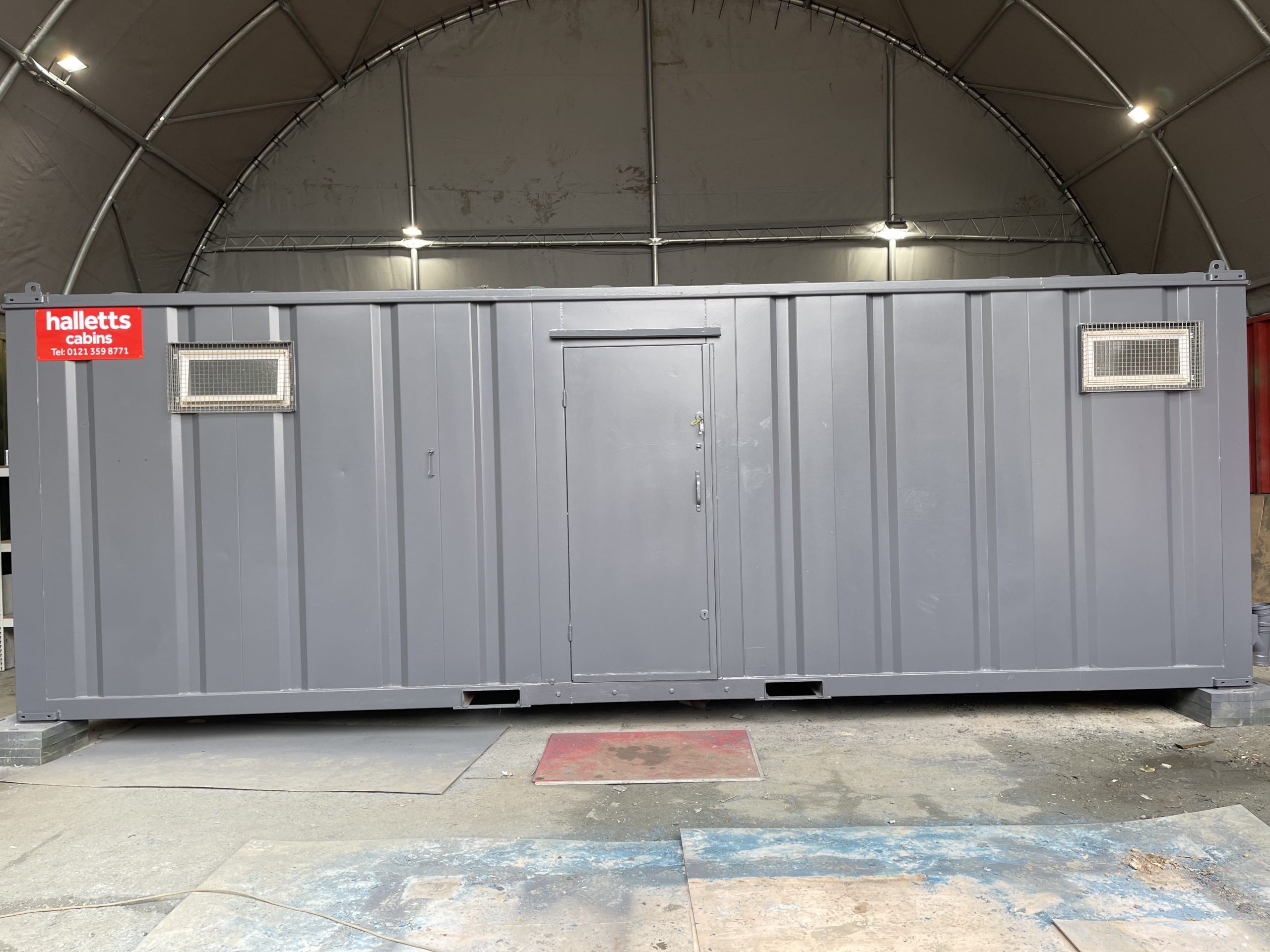
• Reinforced doors and windows with secure locking
• Open plan with electric sockets and lighting
• Ral Code Colour of choice
• Any Extras available : Canteen, Partitions, Toilets.
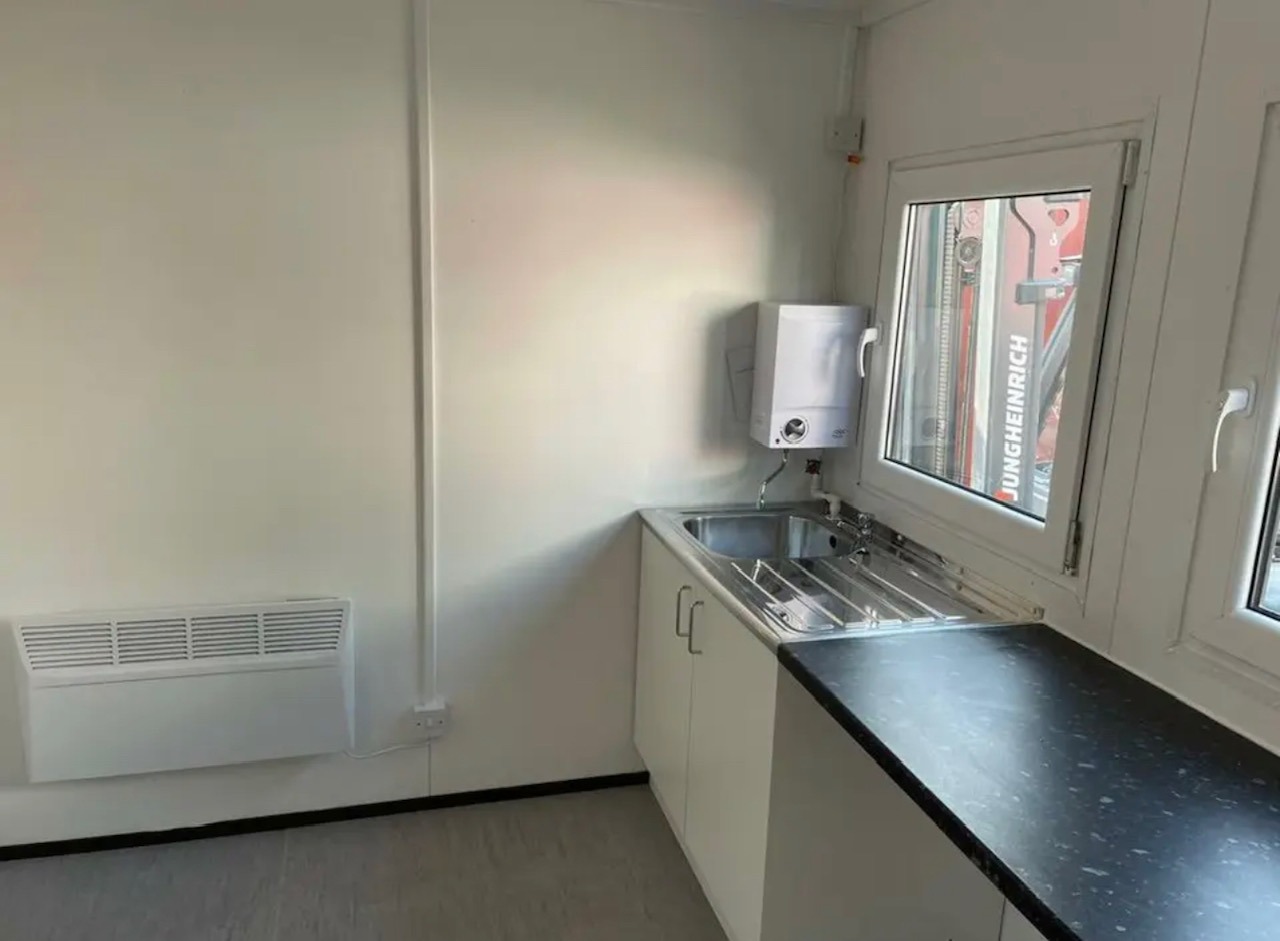
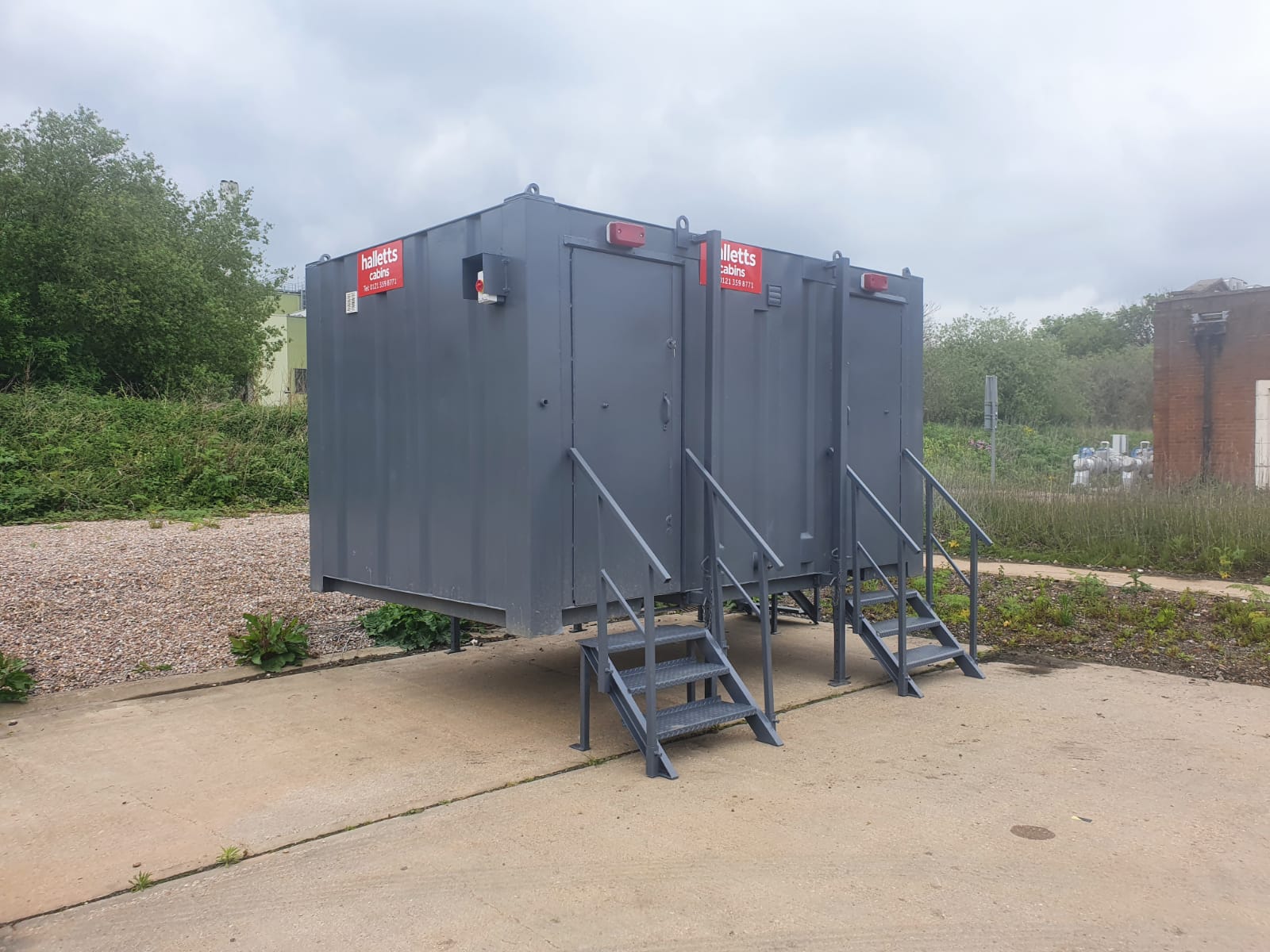
• Reinforced doors with secure locking
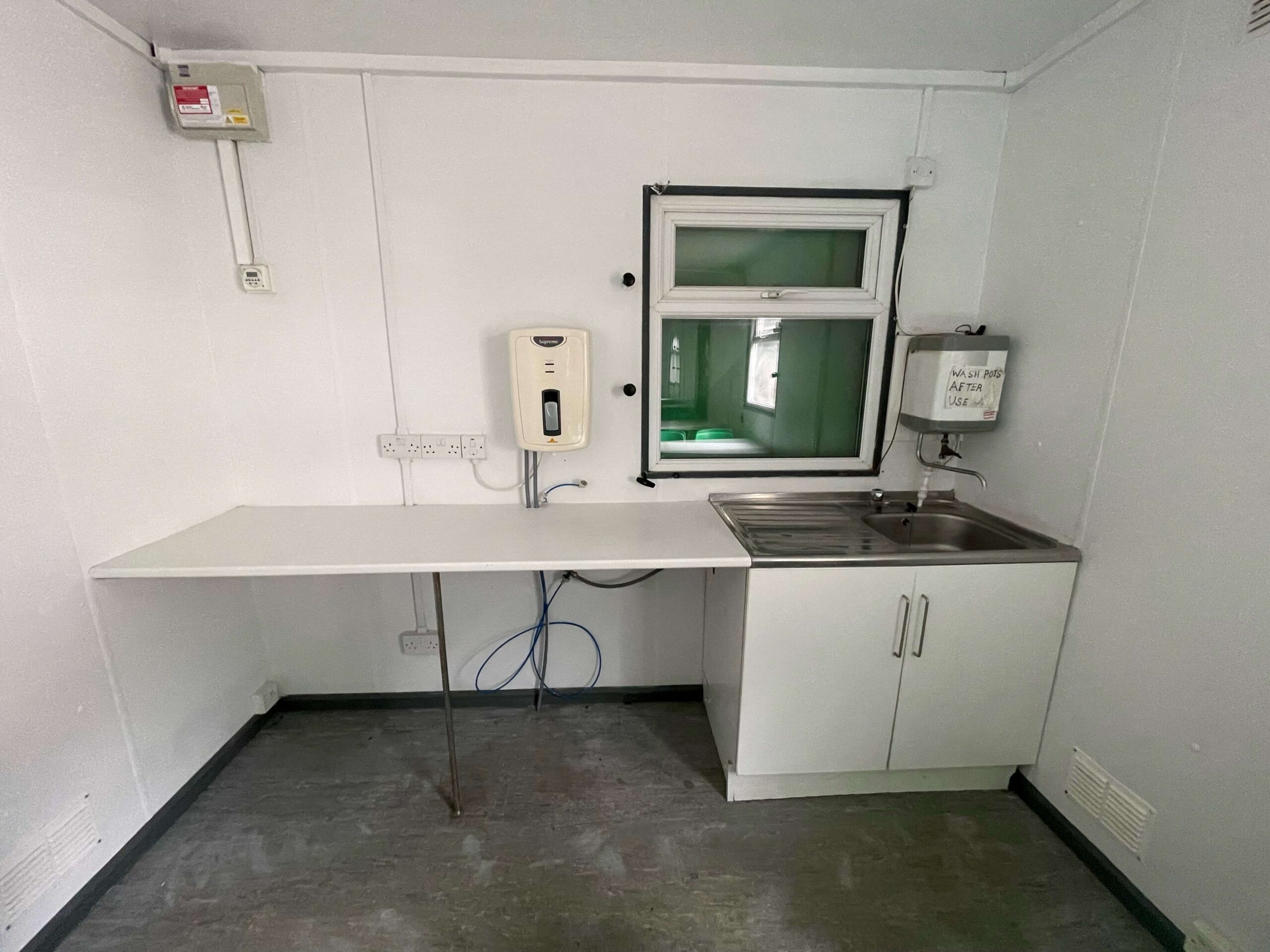
• Sink and water boiler included
Location: Nationwide
Quantity: ∞
EX VAT
Not Available for Hire
Call for an instant quote!


Location: Nationwide
EX VAT
Not Available for Hire
Call for an instant quote!
Get a Quick Container Quote Now!
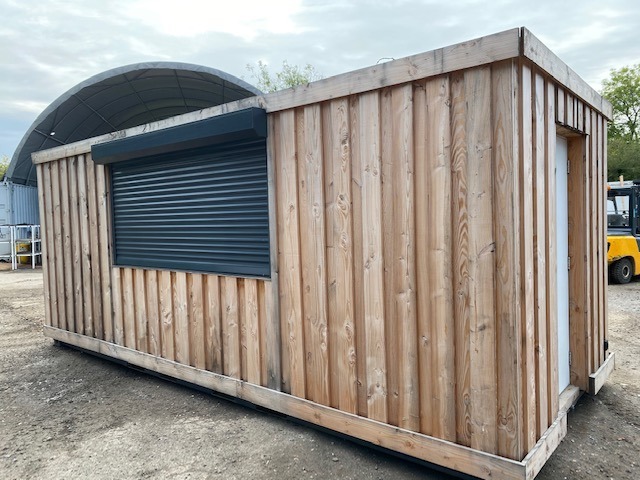
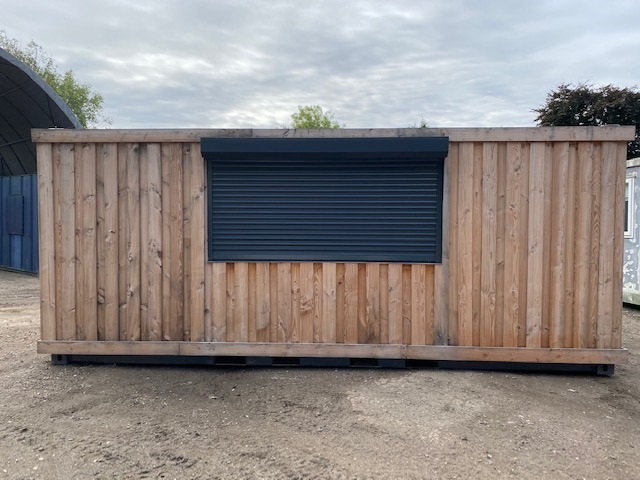
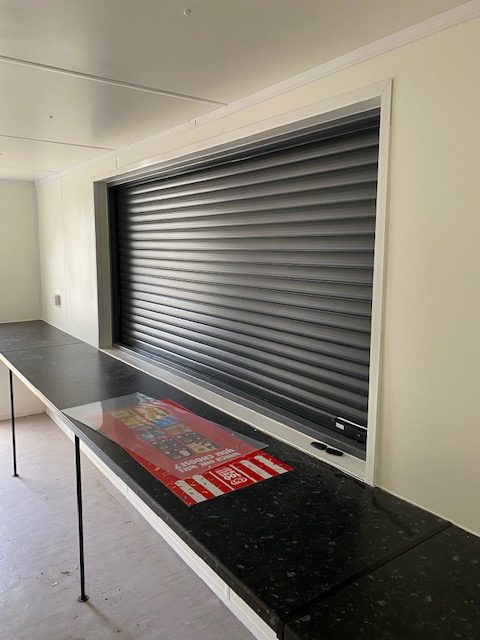
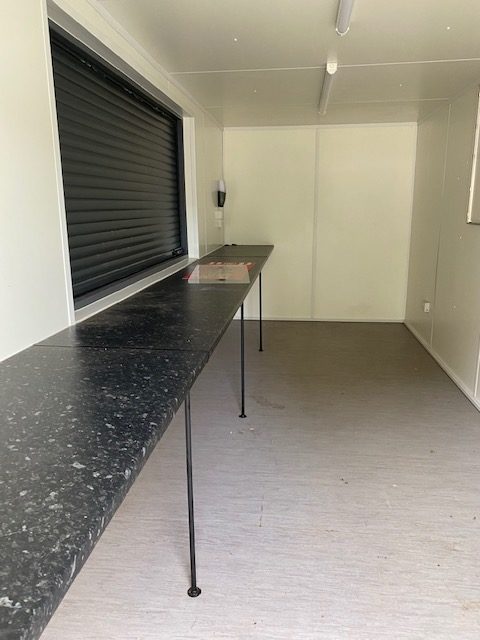
Location: Nationwide
EX VAT
Not Available for Hire
Call for an instant quote!
Get a Quick Container Quote Now!
Get a Quick Container Quote Now!
