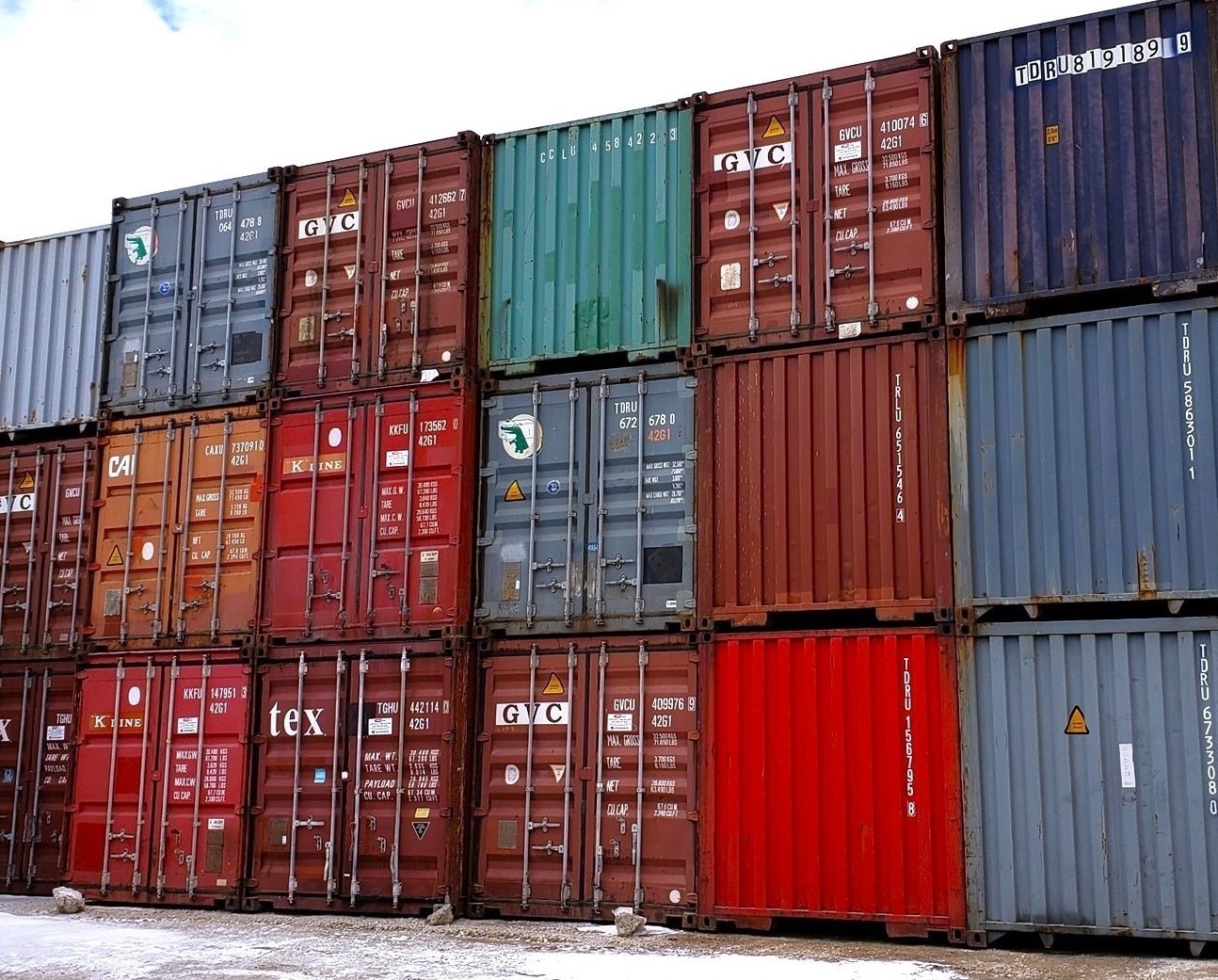
A 40ft container is a standard cargo unit measuring about 40 feet long, with dimensions that support efficient transfers between ships, trucks, and rail. Yet “40ft” does not tell the whole story. A standard dry container suits boxed goods, while a high-cube model adds interior height for bulky, lightweight cargo. Refrigerated units maintain controlled temperatures; open-top and flat-rack designs handle loads that need unusual access or space. Each type solves a different practical problem.
Malcolm McLean, the American transport entrepreneur widely recognized as a pioneer of containerized shipping, helped establish the value of standardized cargo handling. A concise takeaway from his work—not a verbatim historical quotation—is: “Standard dimensions make each transfer more predictable.” That principle still matters. Door openings, internal dimensions, payload limits, and cargo securing can vary by model and manufacturer. A pallet that fits on paper may still be awkward to load beside the doors. Small details count.
This guide explains what a 40ft container is and how its main types differ. It also considers common uses, dimensions, and selection factors. The right choice depends on the cargo, handling equipment, and route—not length alone. There is no perfect container. A dry unit may be economical, but unsuitable for temperature-sensitive goods. Checking specifications before booking is simple, though easy to overlook.
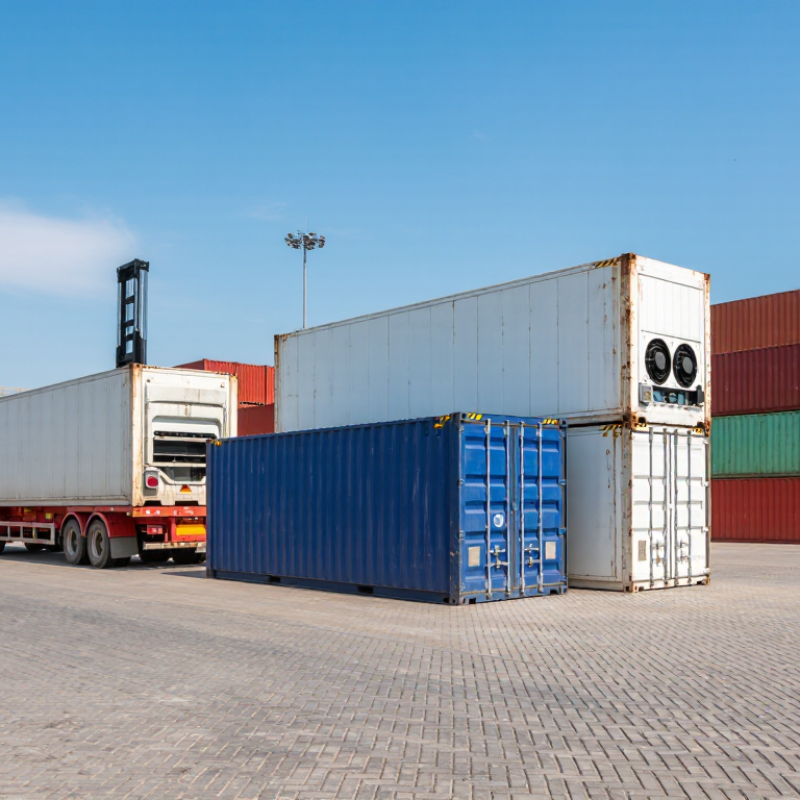
A 40ft shipping container is a reusable freight unit with a nominal external length of 40 feet, or 12.192 metres. Under ISO 668:2020, its standard external width is 2.438 metres, while standard height is usually 2.591 metres. High-cube versions are taller. Small differences matter.
A typical standard dry container offers about 67.7 cubic metres of internal space. Its interior is roughly 12.03 metres long, 2.35 metres wide, and 2.39 metres high. Exact measurements vary with construction and fittings. Payload is not a universal figure; check the container’s data plate and the carrier’s specifications. Still, check the plate.
The dimensions are designed to support consistent handling between ships, railcars, and trucks. UNCTAD’s Review of Maritime Transport 2024 reports that seaborne trade reached about 12.3 billion tonnes in 2023. Standardized units help move that enormous volume through connected transport networks. A 40ft container may look like a simple steel box, but its usable capacity depends on wall thickness, door clearance, and cargo shape. The nominal size is only a starting point. Freight calculations based on outside dimensions alone can be misleading.

Standard dry containers are suited to general cargo, while high-cube containers provide extra height. Reefer containers are insulated and refrigerated; their internal volume is reduced by the cooling equipment and insulation. Open-top containers allow loading from above. Figures are approximate: dimensions and usable capacity vary by container design and manufacturer.
A 40-foot container is a standardized cargo unit, but its usable space depends on its design and condition. ISO 668:2020 specifies the principal external dimensions: about 12.19 metres long, 2.44 metres wide, and 2.59 metres high for a standard unit. Inside, a typical general-purpose container measures roughly 12.03 by 2.35 by 2.39 metres. The GDV Container Handbook lists usable volume at approximately 67.7 cubic metres. Not quite a perfect box: wall corrugations, door framing, and floor fittings reduce practical loading space.
Capacity figures need context. A typical unit may carry around 26,000 kilograms of cargo, but payload varies with tare weight and the container’s rated gross mass. Check the door plate and equipment documents before planning a heavy load. Standard construction commonly includes corrugated steel walls, corner fittings, and a marine-plywood floor. These details help the container resist handling forces and weather, while allowing it to be lifted at designated points. Leave clearance around cargo, too; a mathematically correct volume can still be unusable when boxes cannot pass through the doors. Dimensions and payload are useful starting points, not guarantees.
A 40ft container usually means a standard dry box, used for cartons, furniture, and palletized goods. ISO 668 specifies an external length of 12.192 metres; usable interior space is smaller and varies by design. High-cube containers keep the same footprint but add about one foot of height. That extra clearance helps with bulky, lightweight cargo. It is not always useful. Check cargo dimensions and loading equipment before choosing one.
Refrigerated 40ft containers, or reefers, use insulated walls and powered cooling to maintain set temperatures. They suit temperature-sensitive goods, but need a reliable power supply and careful monitoring. Open-top containers have a removable roof, making crane loading practical for tall cargo. Flat racks have end walls but no full side walls, so they can carry wide or awkwardly shaped equipment. Each type solves a different loading problem; none is automatically the best option.
UNCTAD’s Review of Maritime Transport 2024 reports that over 80% of global trade by volume is carried by sea, underscoring the role of containers in freight movement. Still, a container’s listed capacity can mislead: cargo weight limits, internal dimensions, and handling needs matter as much as its nominal length. For a real shipment, verify the unit’s condition and specifications. Small details can change the fit.
A 40-foot container is a long, standardized steel unit used for sea, rail, and road transport. Standard dry models are about 40 feet long, 8 feet wide, and 8 feet 6 inches high externally. A high-cube version adds roughly one foot of height, which helps with tall cartons or bulky, lightweight cargo. The interior dimensions vary slightly, so measure the actual unit before planning a load. Small details matter. Door clearance and floor space can limit what fits, even when the stated capacity looks generous.
Refrigerated containers, or reefers, use insulated walls and a cooling system to maintain a controlled temperature. They need a power connection, and airflow around the cargo must remain clear. Open-top containers have a removable roof cover, making them useful for tall cargo loaded from above. Flat racks have end walls and an open or collapsible frame, allowing awkward loads to extend beyond the sides or ends. Side-door models provide wider access than standard end doors, which can make loading long items easier. Not every load fits. Container names can suggest a simple choice, but handling needs, ventilation, and loading equipment deserve careful review. I have seen capacity figures treated as guarantees; they are only a starting point.
A 40ft container is a standardized cargo unit approximately 12.19 m (40 ft) long externally. Dimensions and capacities below are typical examples; specifications vary by design and manufacturer. Always check the container’s data plate and confirm cargo limits before loading.
| Container Type | Typical External Dimensions (L × W × H) | Key Features | Typical Capacity or Usable Space | Common Cargo and Uses |
|---|---|---|---|---|
| Standard Dry | 12.19 × 2.44 × 2.59 m (40 ft × 8 ft × 8 ft 6 in) |
Enclosed, weather-resistant steel or aluminum unit with solid walls and end doors. The most common general-purpose 40ft container type. | Approximately 67–68 m³ internal volume. Typical internal dimensions are about 12.03 × 2.35 × 2.39 m. | Cartons, furniture, machinery, packaged goods, and other dry cargo that does not require temperature control. |
| High Cube Dry | 12.19 × 2.44 × 2.90 m (40 ft × 8 ft × 9 ft 6 in) |
Similar to a standard dry container, but approximately 30 cm (1 ft) taller, providing extra vertical clearance. | Approximately 76 m³ internal volume. Typical internal dimensions are about 12.03 × 2.35 × 2.69 m. | Bulky or lightweight cargo, tall equipment, furniture, and shipments that benefit from additional cubic space. |
| Refrigerated (Reefer) | Commonly about 12.19 × 2.44 × 2.90 m; height and configuration vary. | Insulated walls and an integrated refrigeration unit maintain a controlled temperature. Requires a compatible power supply during operation. | Usable internal space is less than in a dry container because of insulation and refrigeration equipment; capacity varies by model. | Temperature-sensitive food, produce, pharmaceuticals, and other cargo requiring chilled or frozen transport. |
| Open Top | Typically based on standard or high-cube 40ft dimensions. | Open roof covered by a removable tarpaulin or fitted with a removable roof arrangement. Often includes end doors and provisions for overhead loading. | Internal floor space is broadly similar to the corresponding dry-container version; overhead clearance depends on the roof arrangement and cargo. | Heavy or oversized cargo loaded by crane, such as machinery, timber, or tall industrial components. |
| Flat Rack | Typically about 12.19 × 2.44 m for the base; end-wall height and design vary. | Has a strong floor and end structures, with no full-length side walls or roof. Some models have fixed ends; others have collapsible ends. | No enclosed cubic capacity. Cargo space is determined by the usable deck dimensions and the unit’s payload and loading limits. | Out-of-gauge or heavy cargo, including vehicles, construction equipment, pipes, and large machinery. |
| Tank Container | Uses a frame designed to fit the standard 40ft container footprint; frame and tank dimensions vary. | A cylindrical tank secured within a protective frame, with fittings designed for filling, discharge, and transport of bulk liquids or gases. | Tank capacity varies by design; many 40ft tank units hold roughly 24,000–26,000 litres. Confirm the certified capacity for each unit. | Bulk liquids, food-grade liquids, chemicals, and certain gases, subject to tank specification and regulatory requirements. |
A 40ft container is a standard intermodal unit, about 12.19 metres long externally. A dry container typically offers around 67 cubic metres of interior space, though dimensions vary by manufacturer and age. High-cube models add roughly 30 centimetres of height for bulky, lightweight cargo. Other types include reefers for temperature-sensitive goods, open-tops for top-loaded freight, and flat racks for oversized machinery. They suit furniture, packaged goods, and equipment moving between ships, trains, and trucks.
Choose by cargo dimensions, weight, loading method, route, and available handling equipment—not volume alone. A dense load may reach its weight limit before filling the floor. UNCTAD’s Review of Maritime Transport 2024 reports global container-port throughput of 858.9 million TEUs in 2023, up 2.4% from 2022. That scale highlights the value of efficient handling, but a busy network does not guarantee every 40ft unit fits your delivery site. Check door clearance, internal measurements, floor condition, and whether refrigeration or side access is needed. Measurements can differ slightly; that detail is easy to overlook.
Tips: Sketch the load and measure its widest point. Confirm gross and payload limits from the specific unit’s plate. If uncertain, get the shipper to verify fit before booking.
Registered in England & Wales No. 2786496
Registered office at: 337 Tanworth Lane,
Shirley, Solihull, B90 4DU
Registered for VAT, registration No.
GB 655 1347 38


Location: Nationwide
Not Available for Hire
We can deliver for a cost please ask and send us post code.
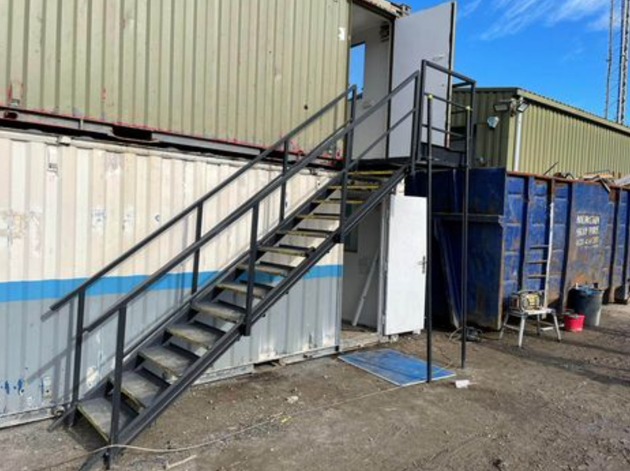
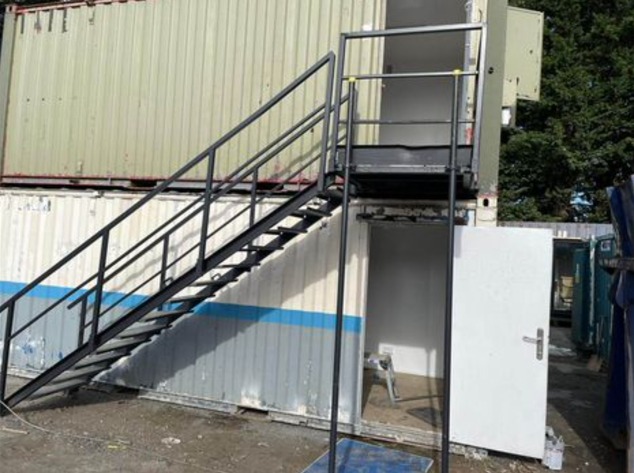
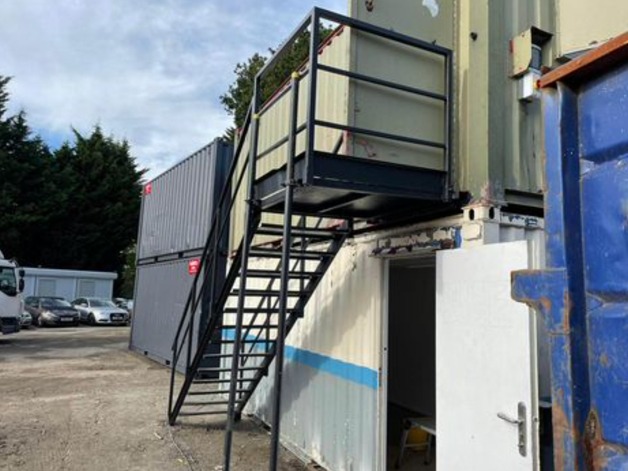
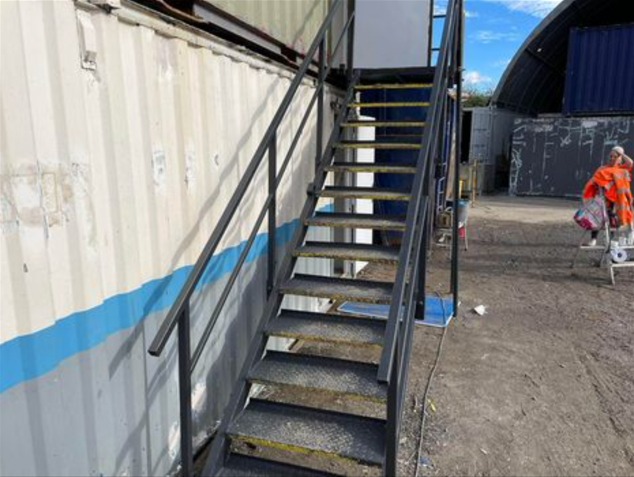
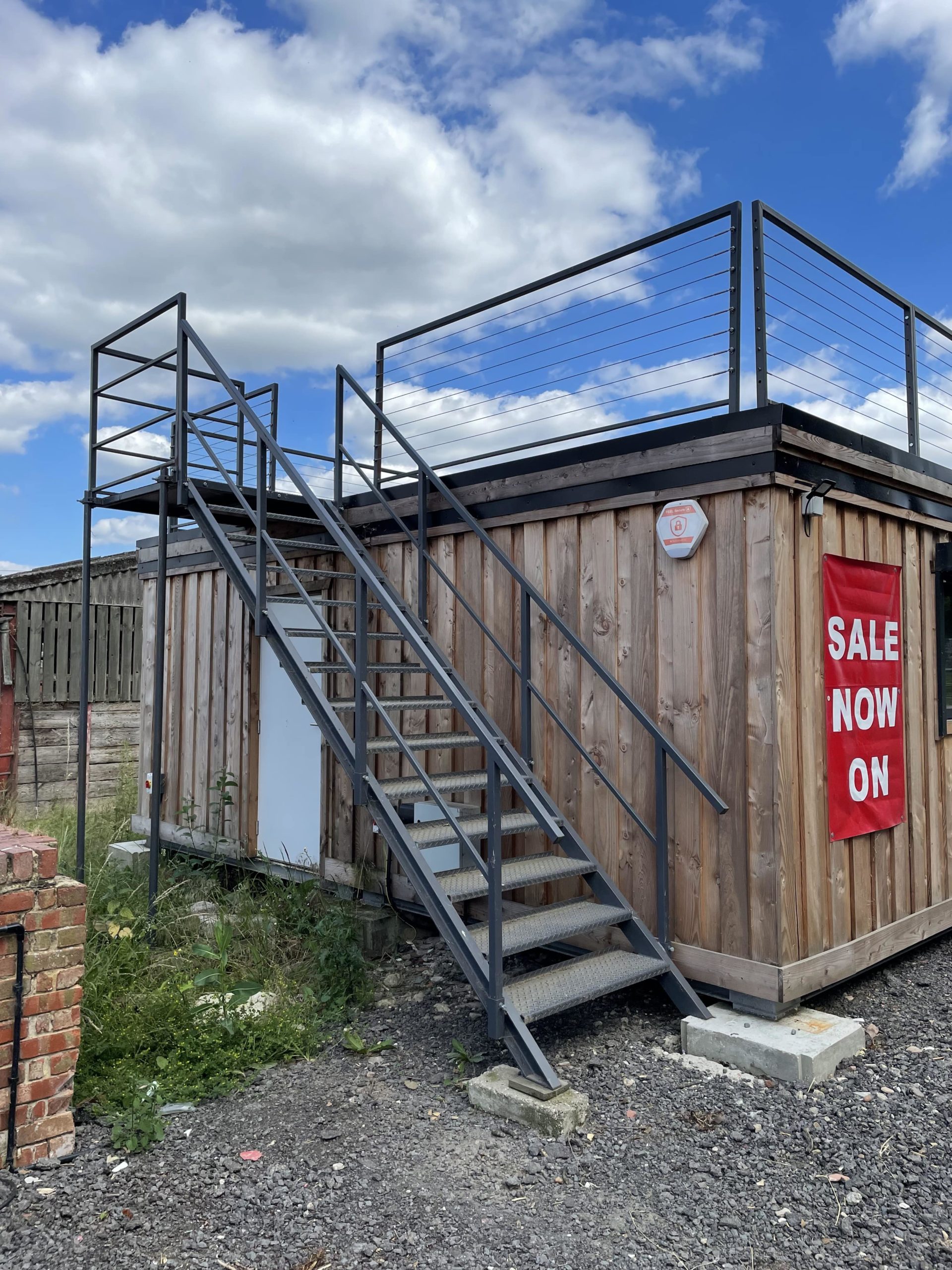
13 tread
14 tread
15 tread


Location: Nationwide
Not Available for Hire
Call for an instant quote!


Location: Nationwide
Not Available for Hire
We can deliver for a cost please ask and send us post code.
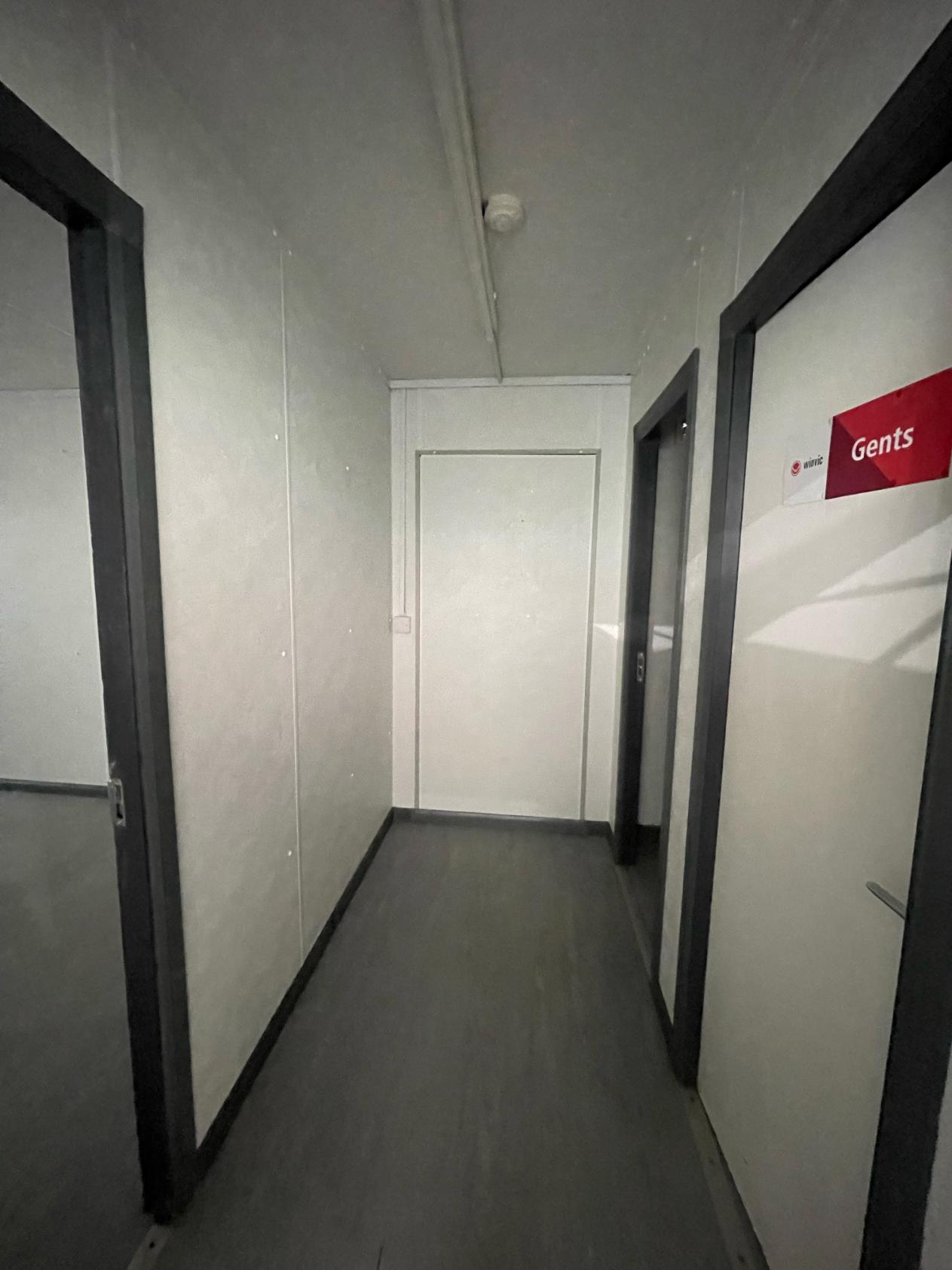
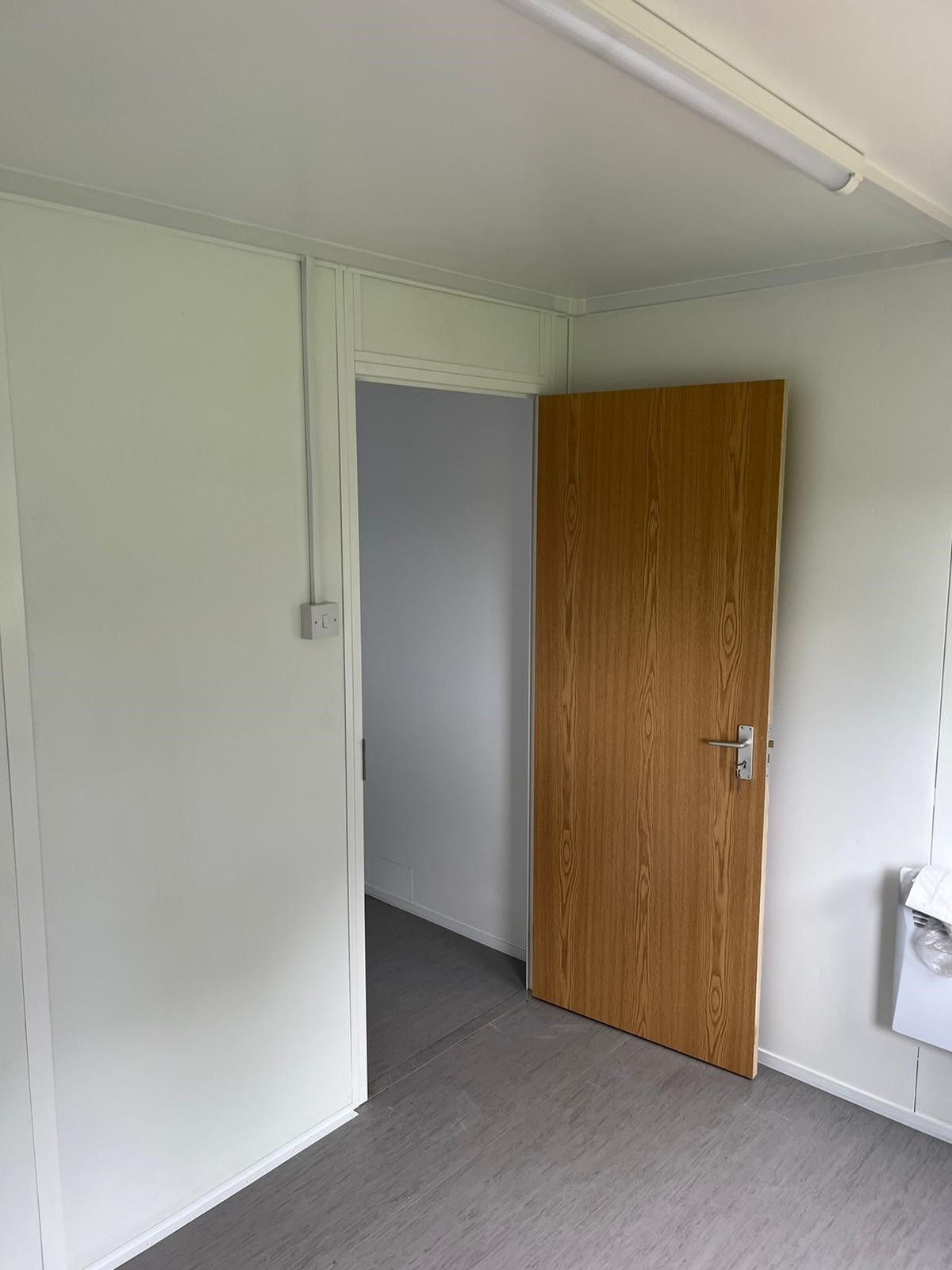
Hallway leading into:
Transport can be arranged please ask.


Location: Nationwide
Not Available for Hire
Call for an instant quote!
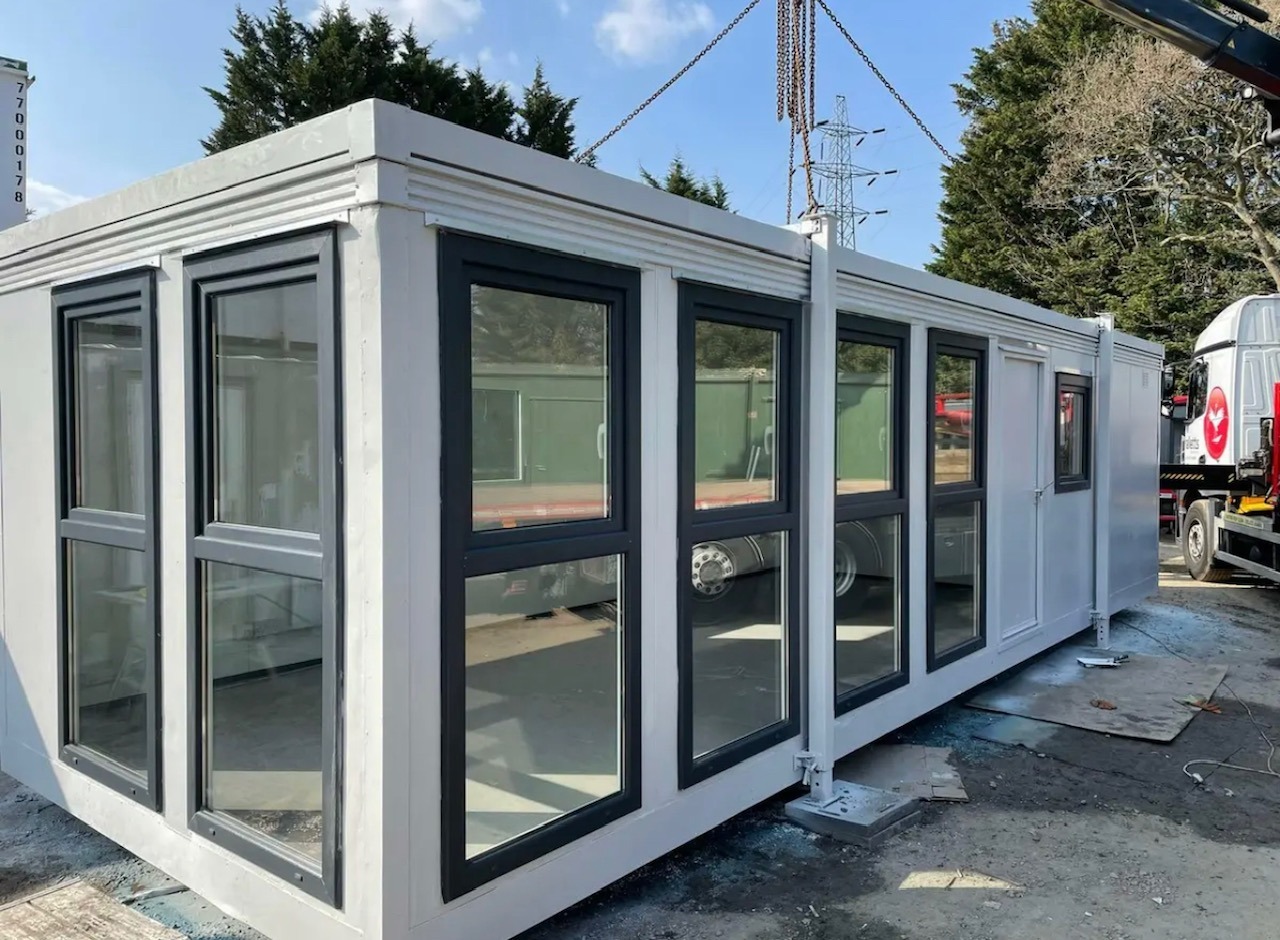
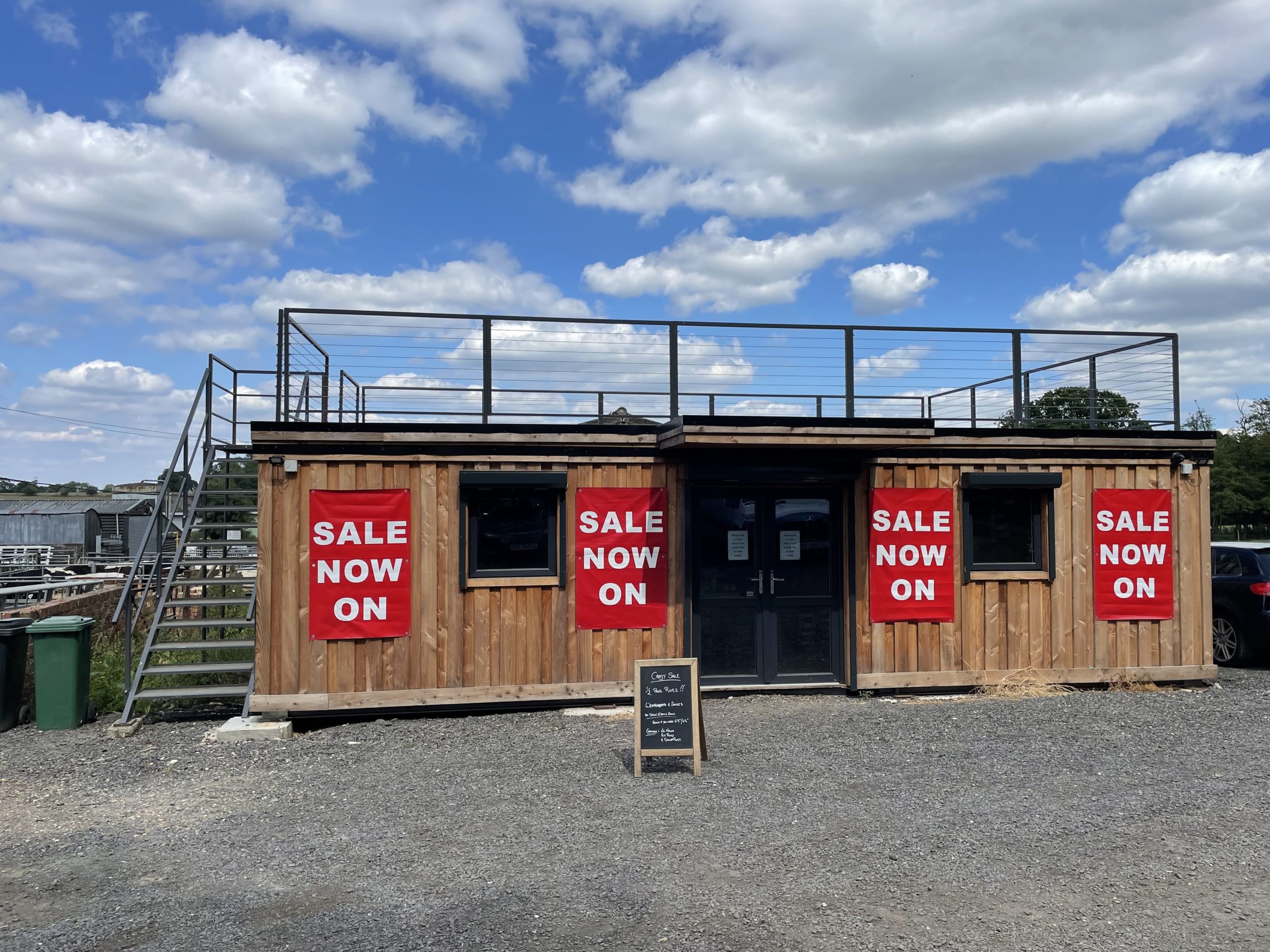
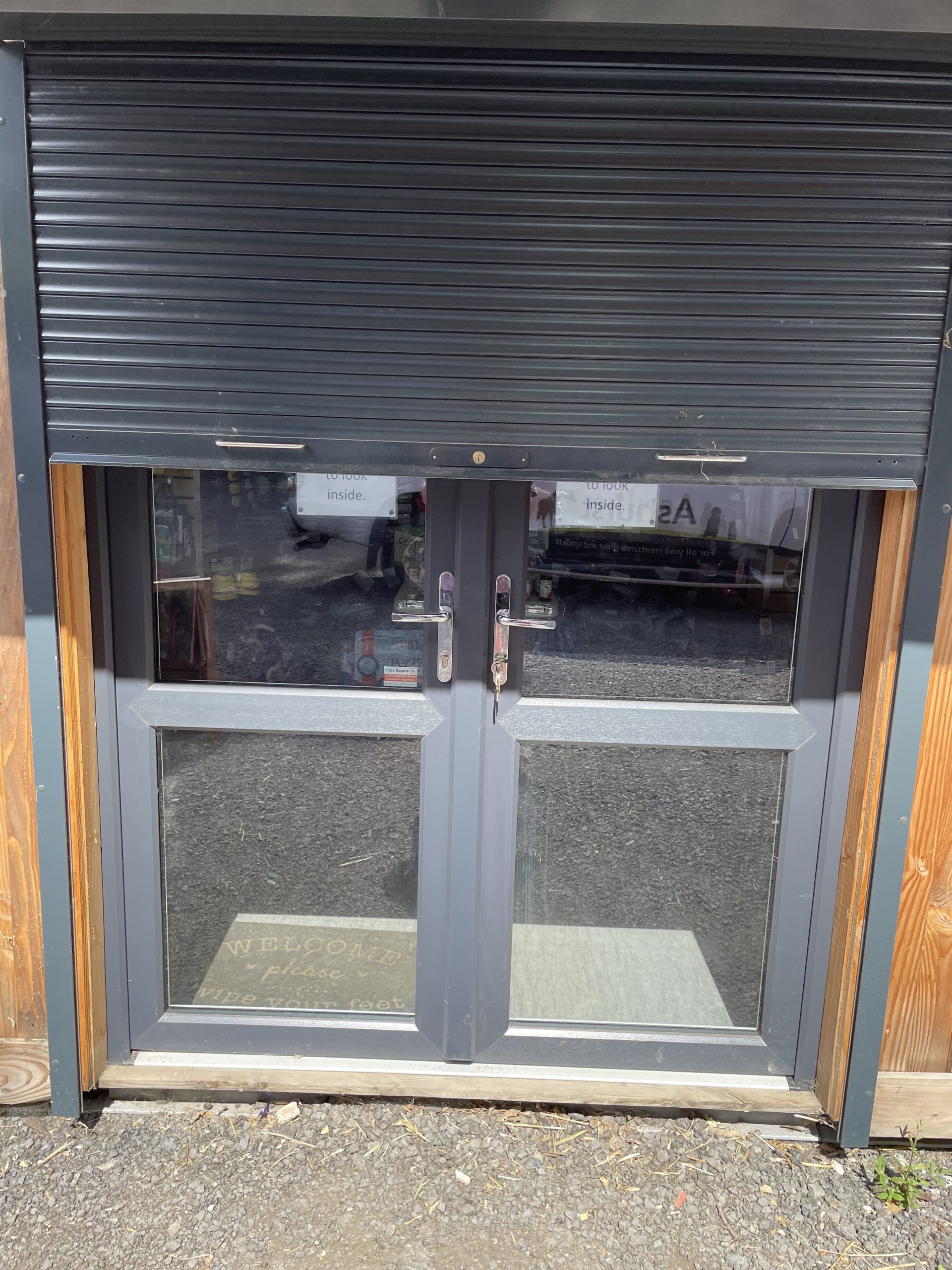
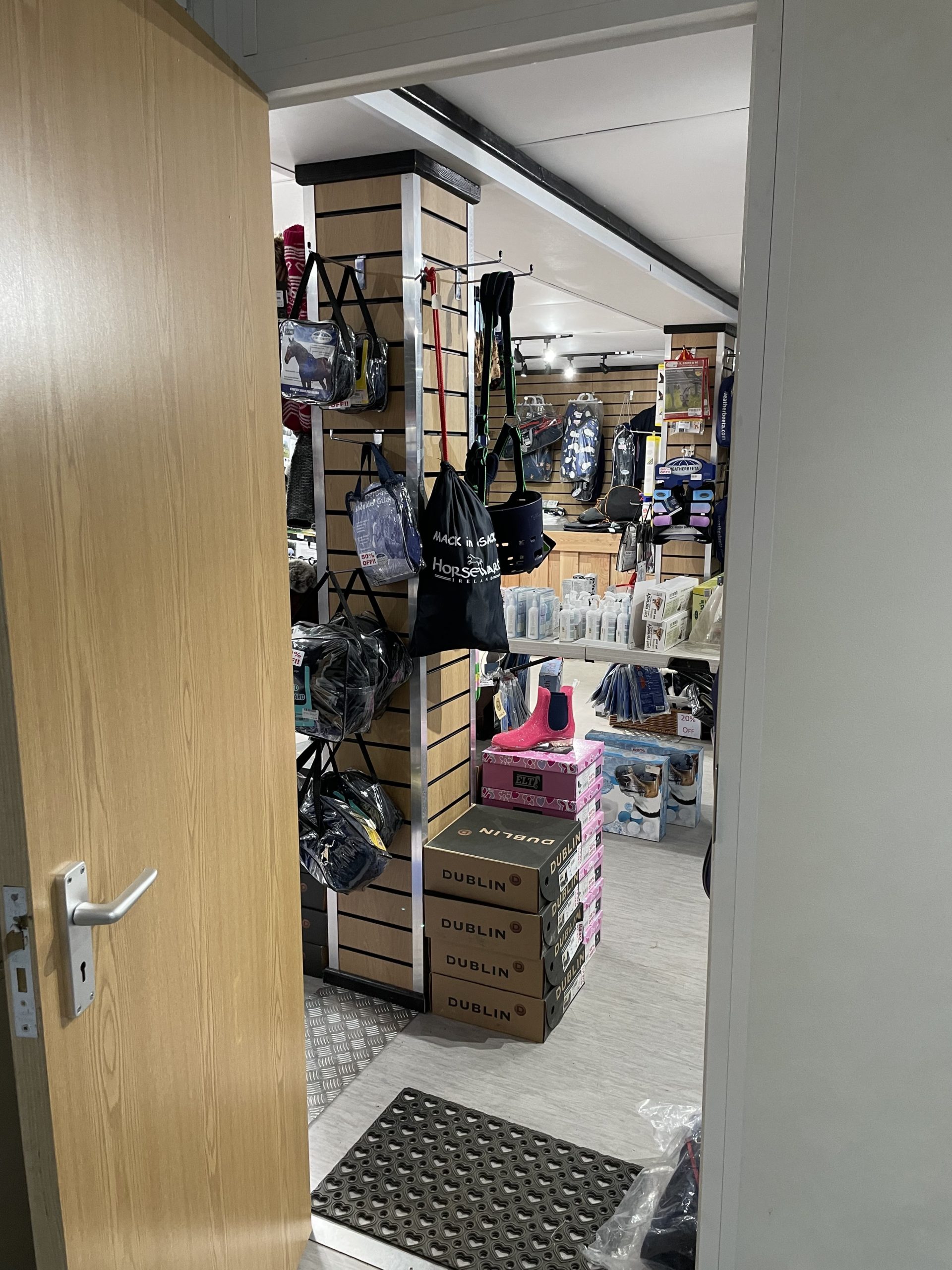
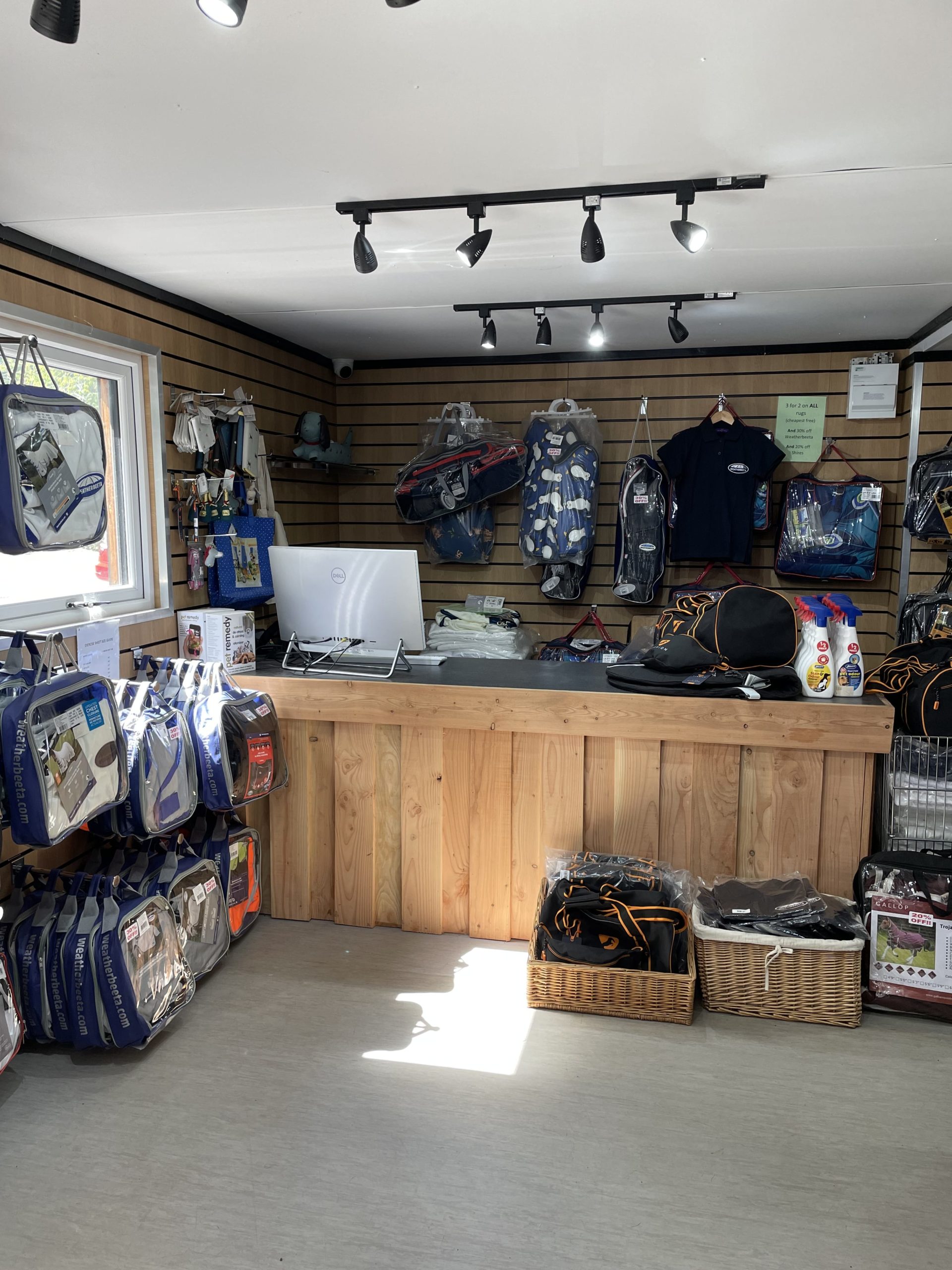
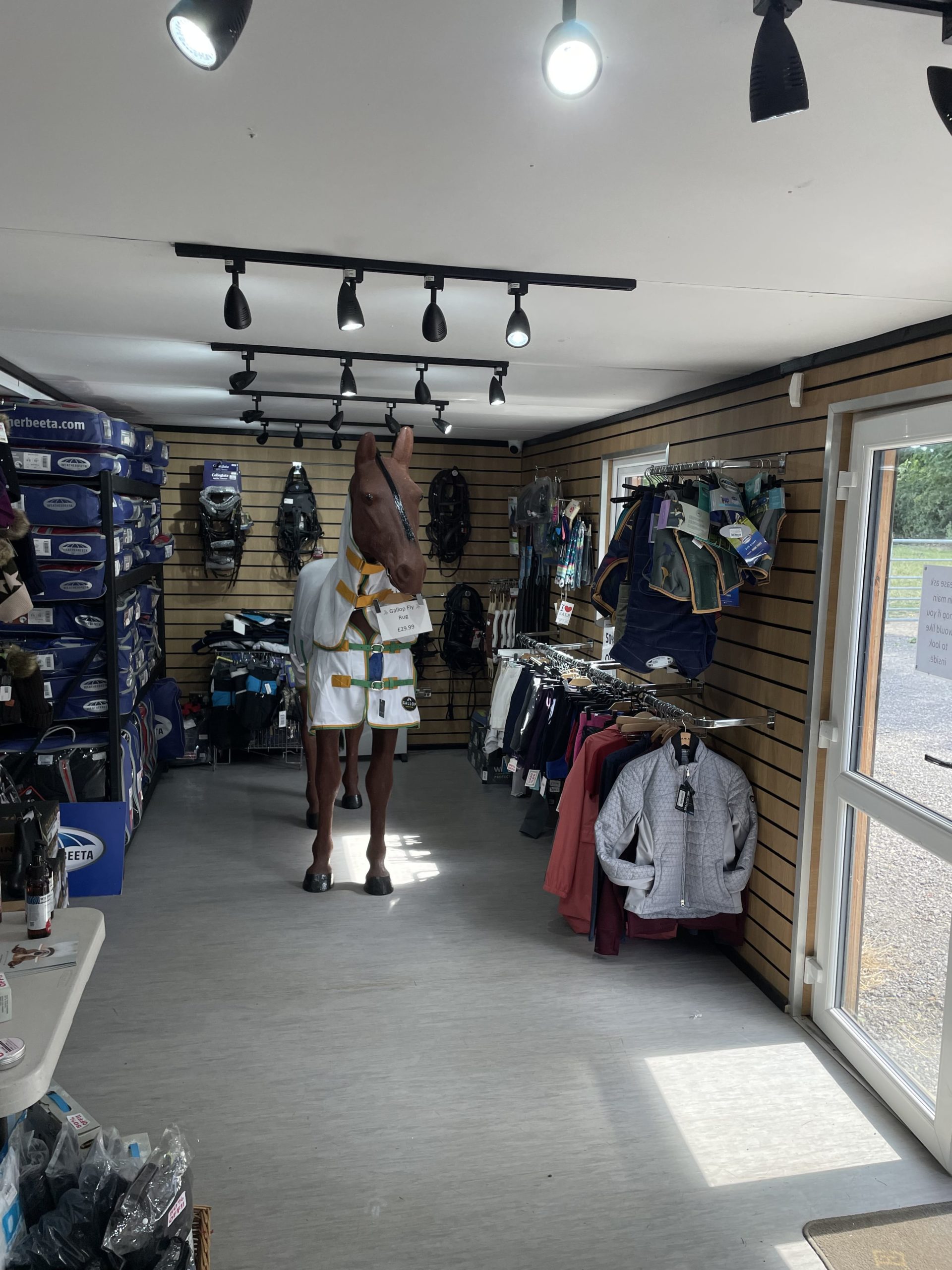
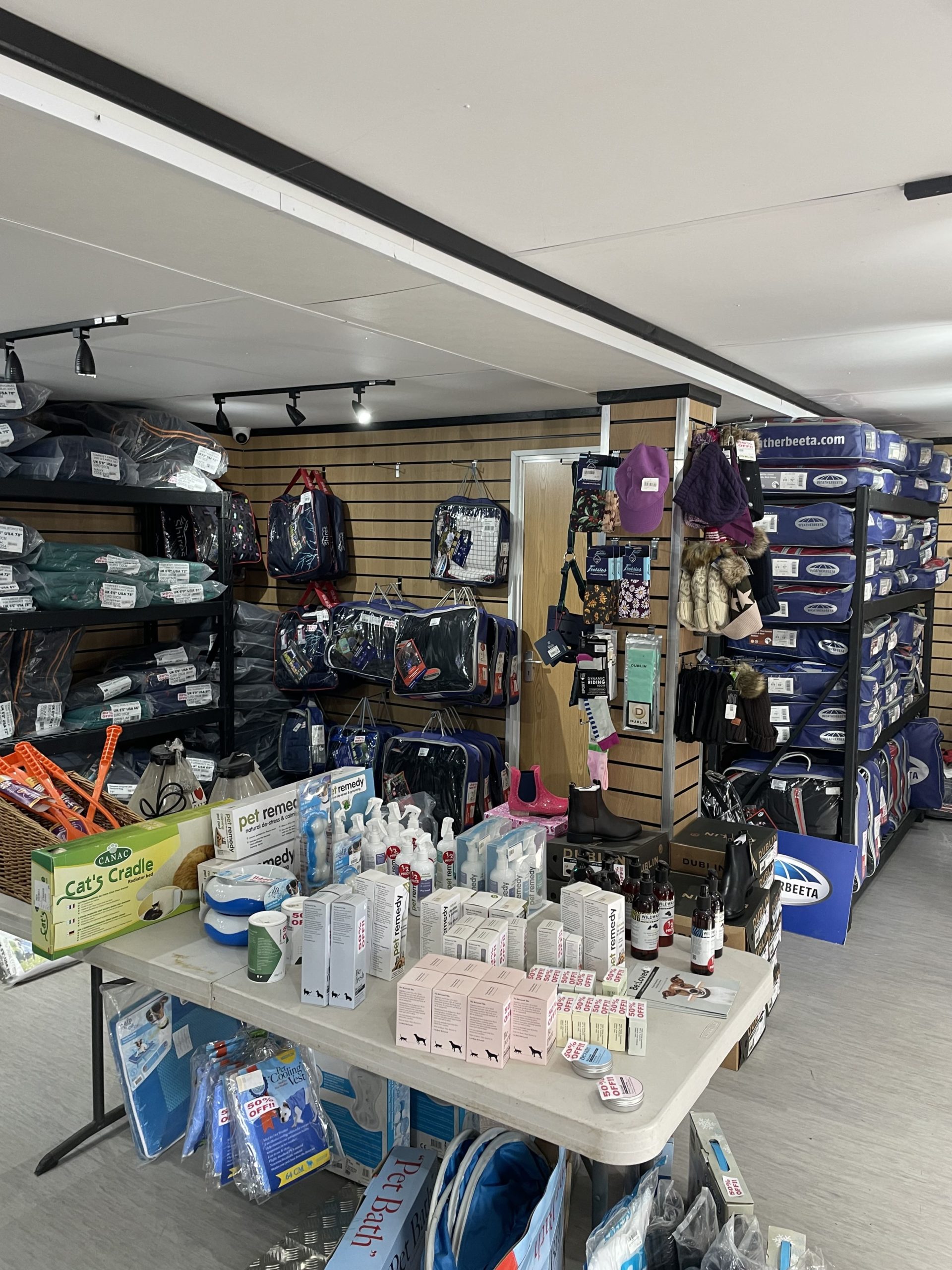
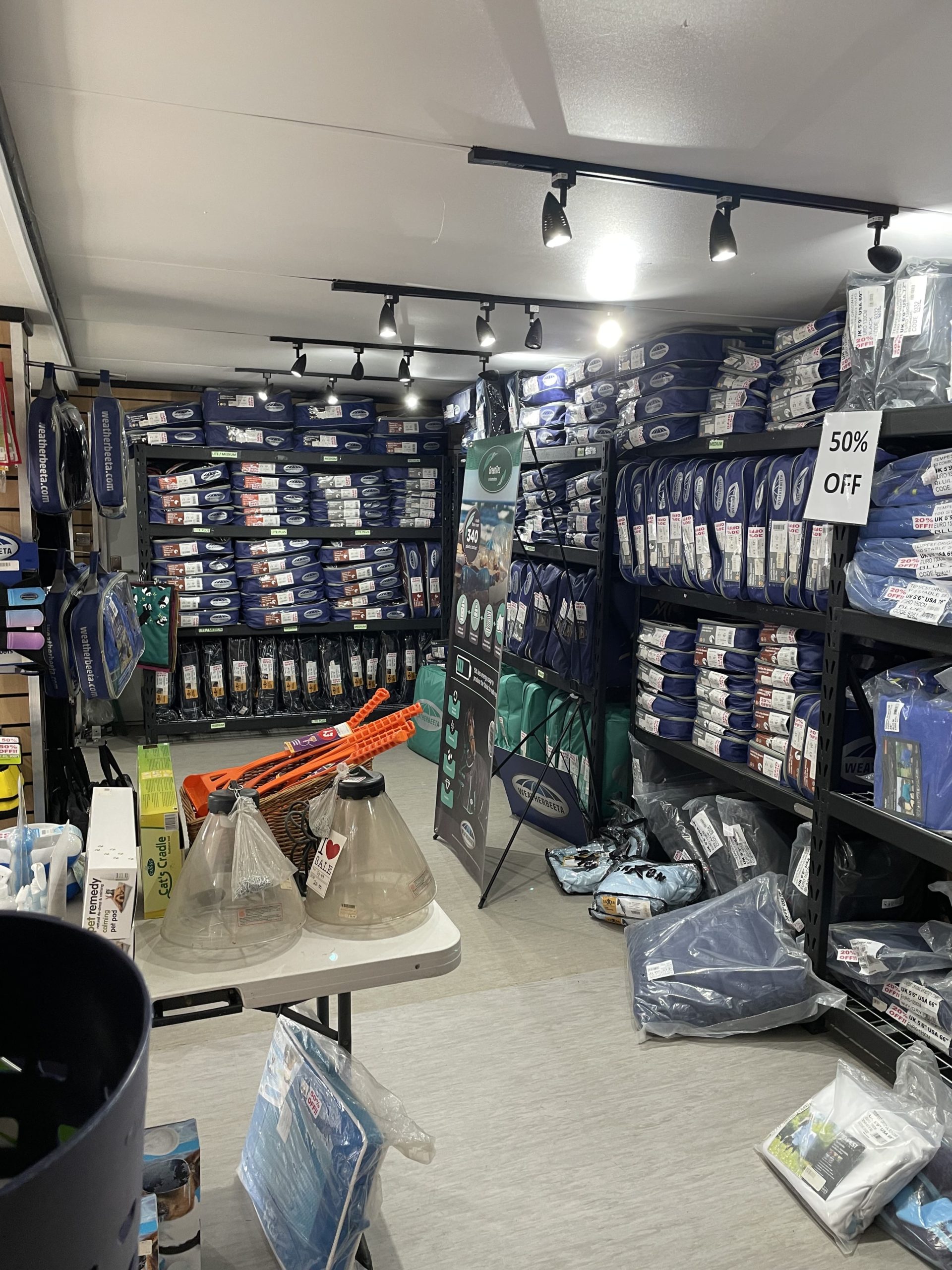
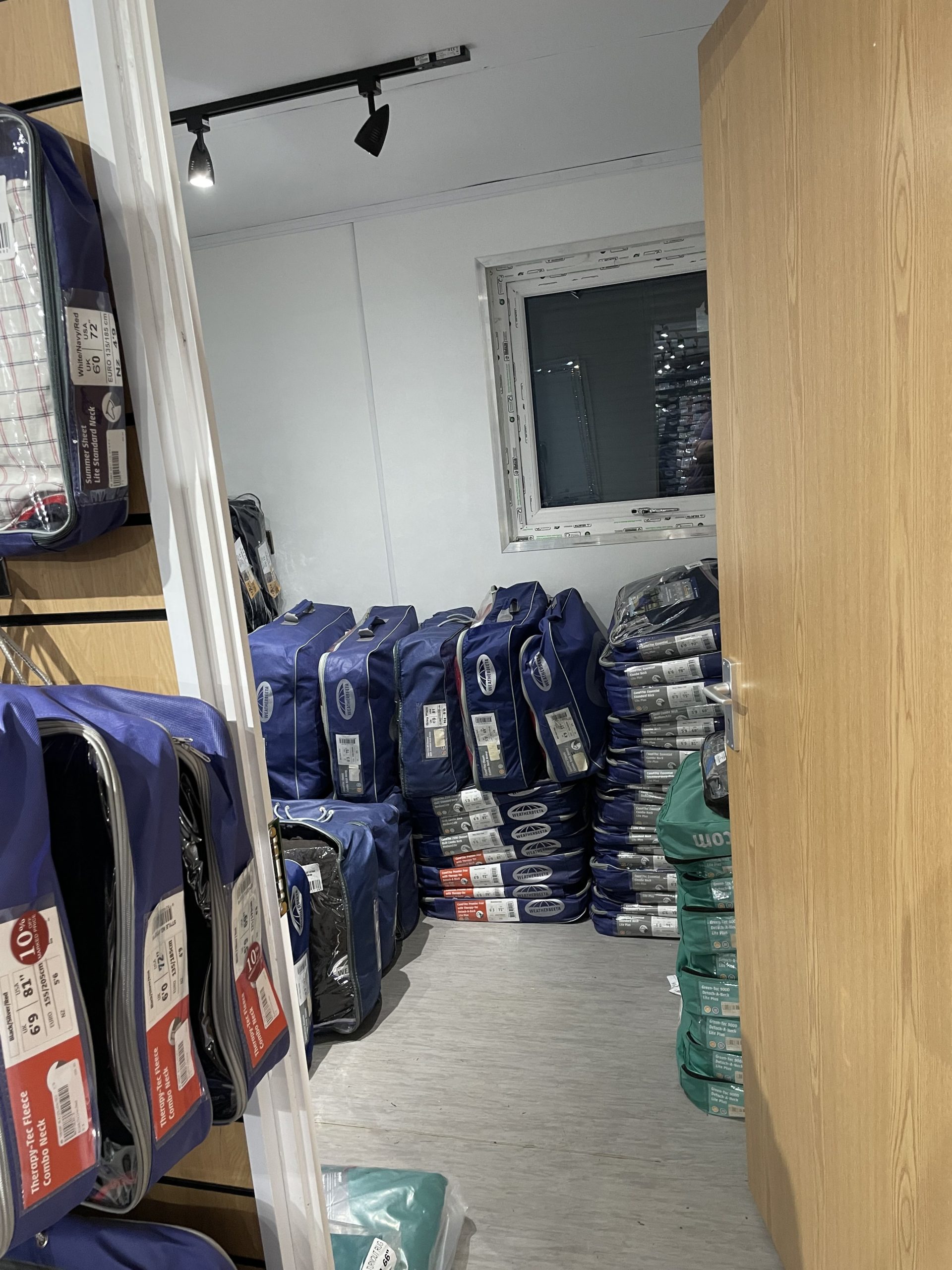
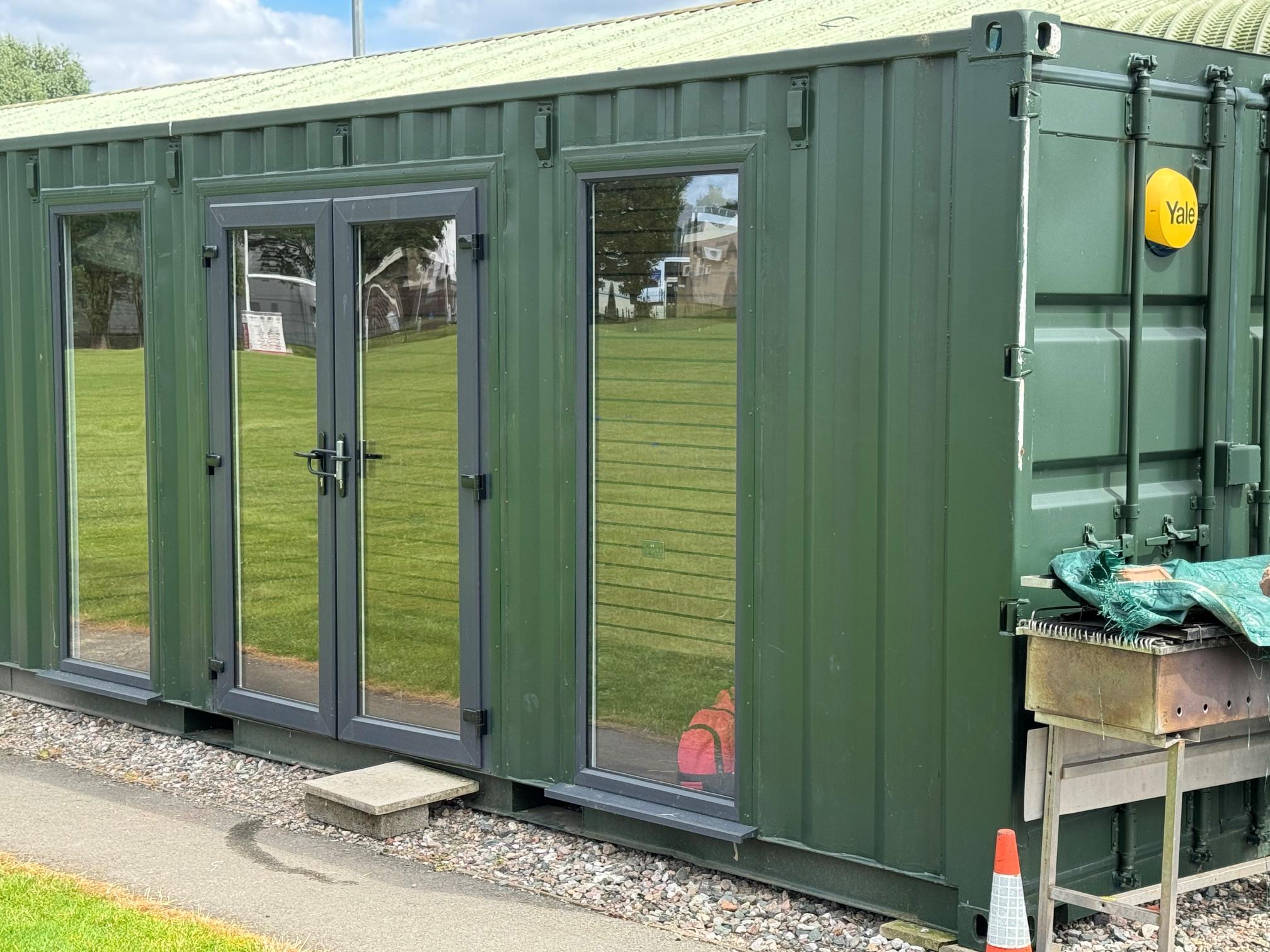
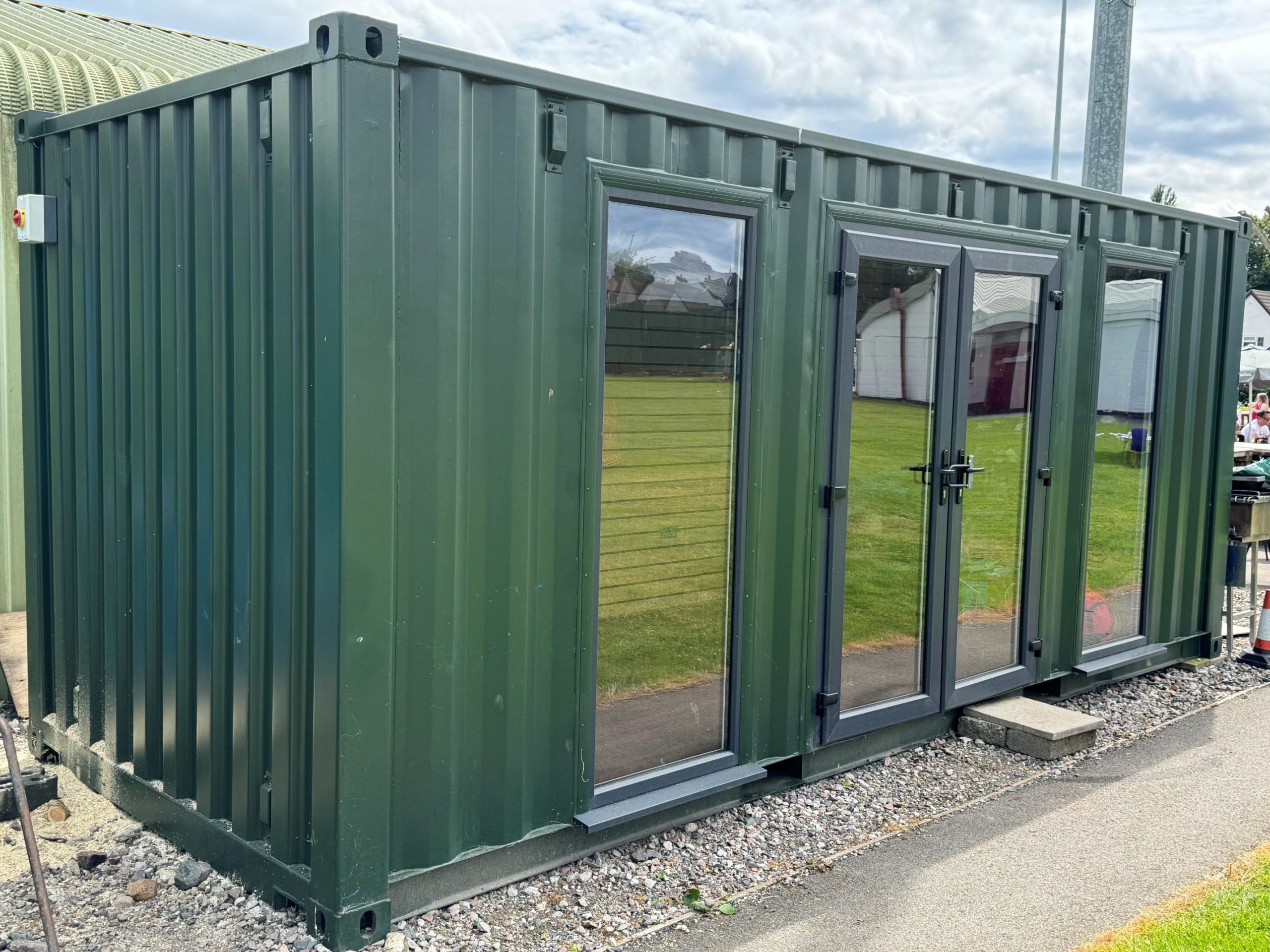
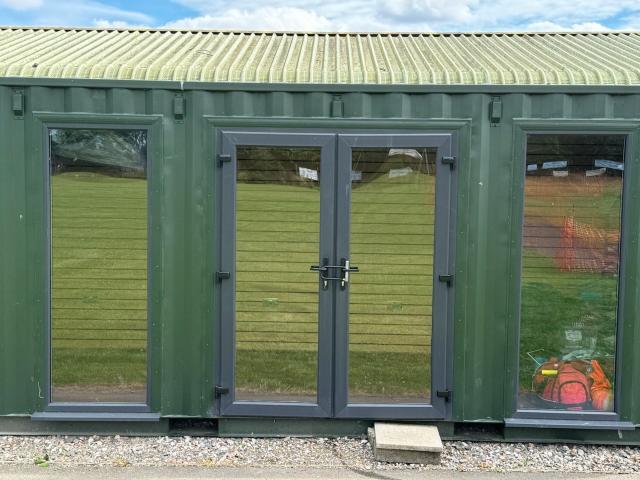
20ft x 8ft Container Conversion Retail Shop
UPVC Double glazed Windows + French Doors
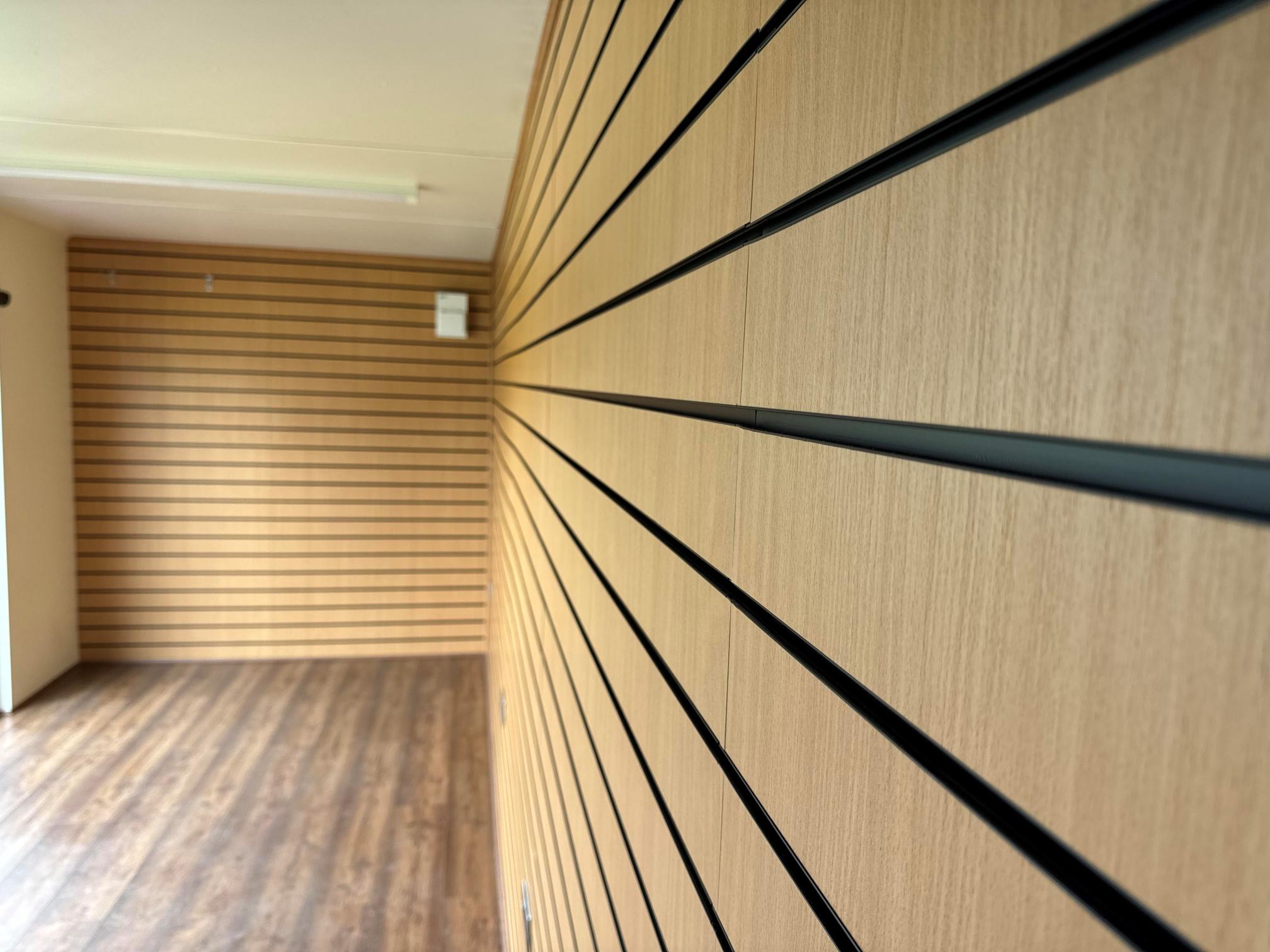
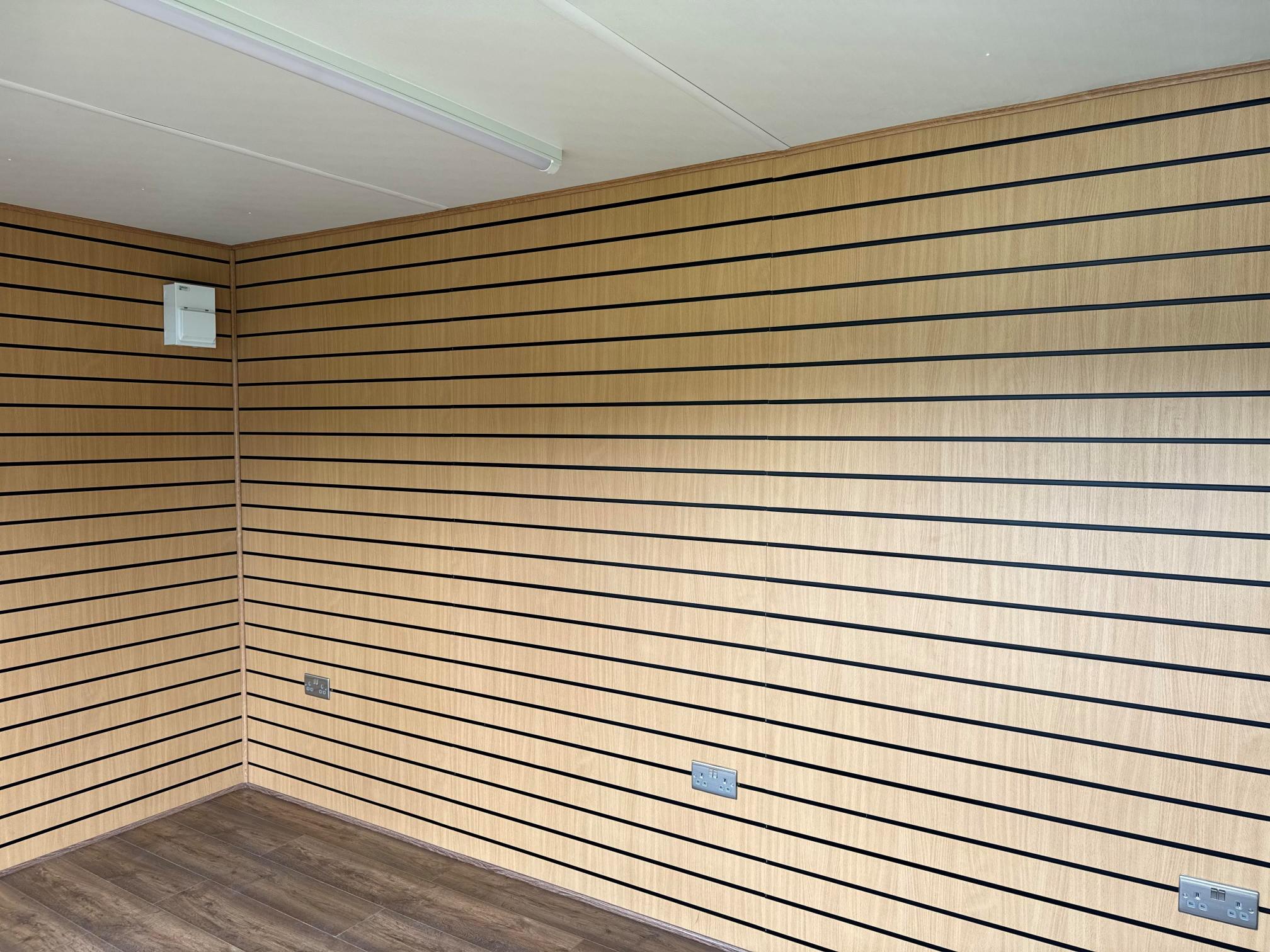
Slat Wall for retail fixings and Merchandise
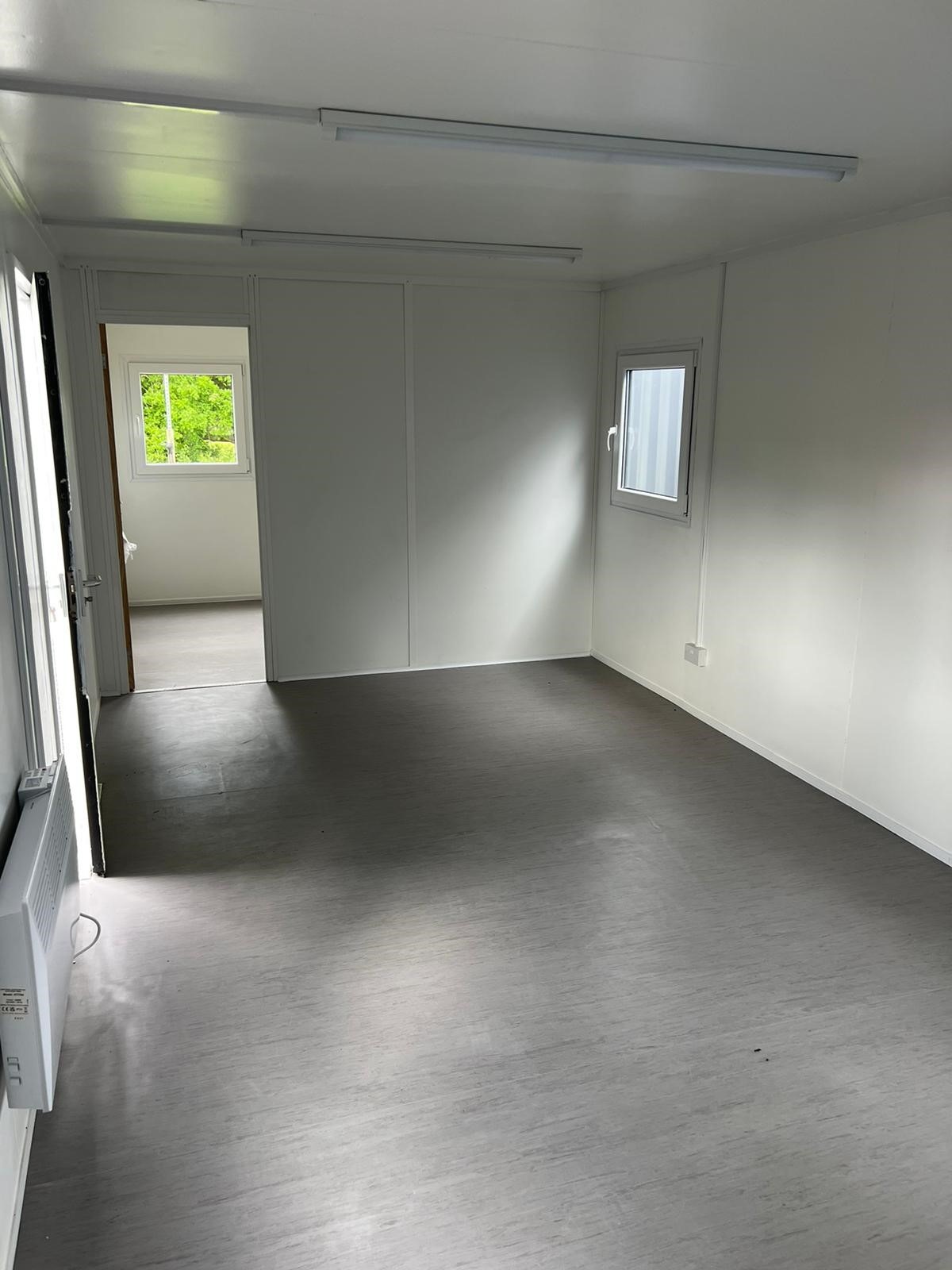
Electric Chrome Sockets, led lighting and heating.
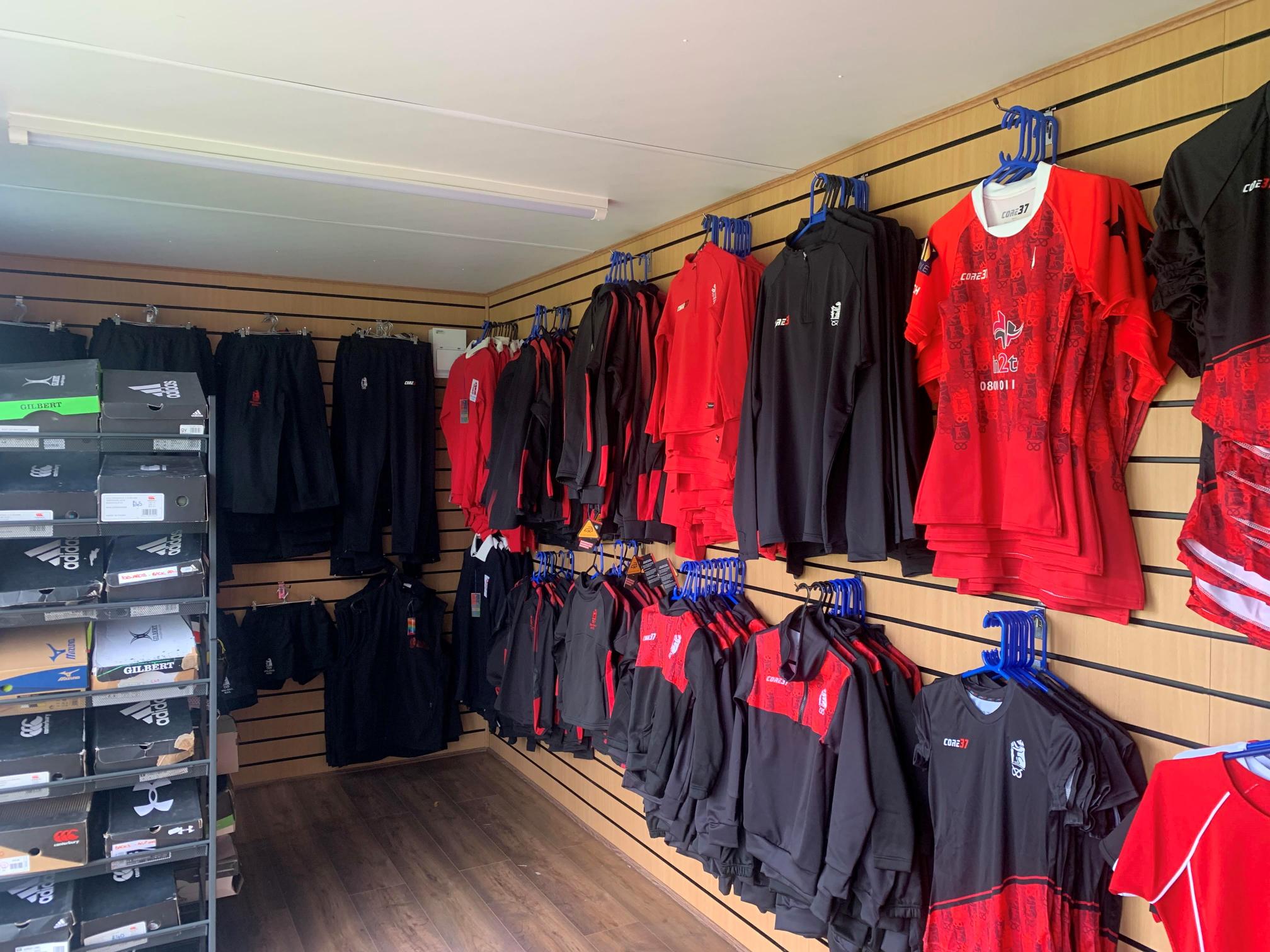
Laminate Flooring
12 months Warranty
Maintenance call out package included
Less than 2 years old
Still in Brand New Condition


Fully refurbished
Colour light grey
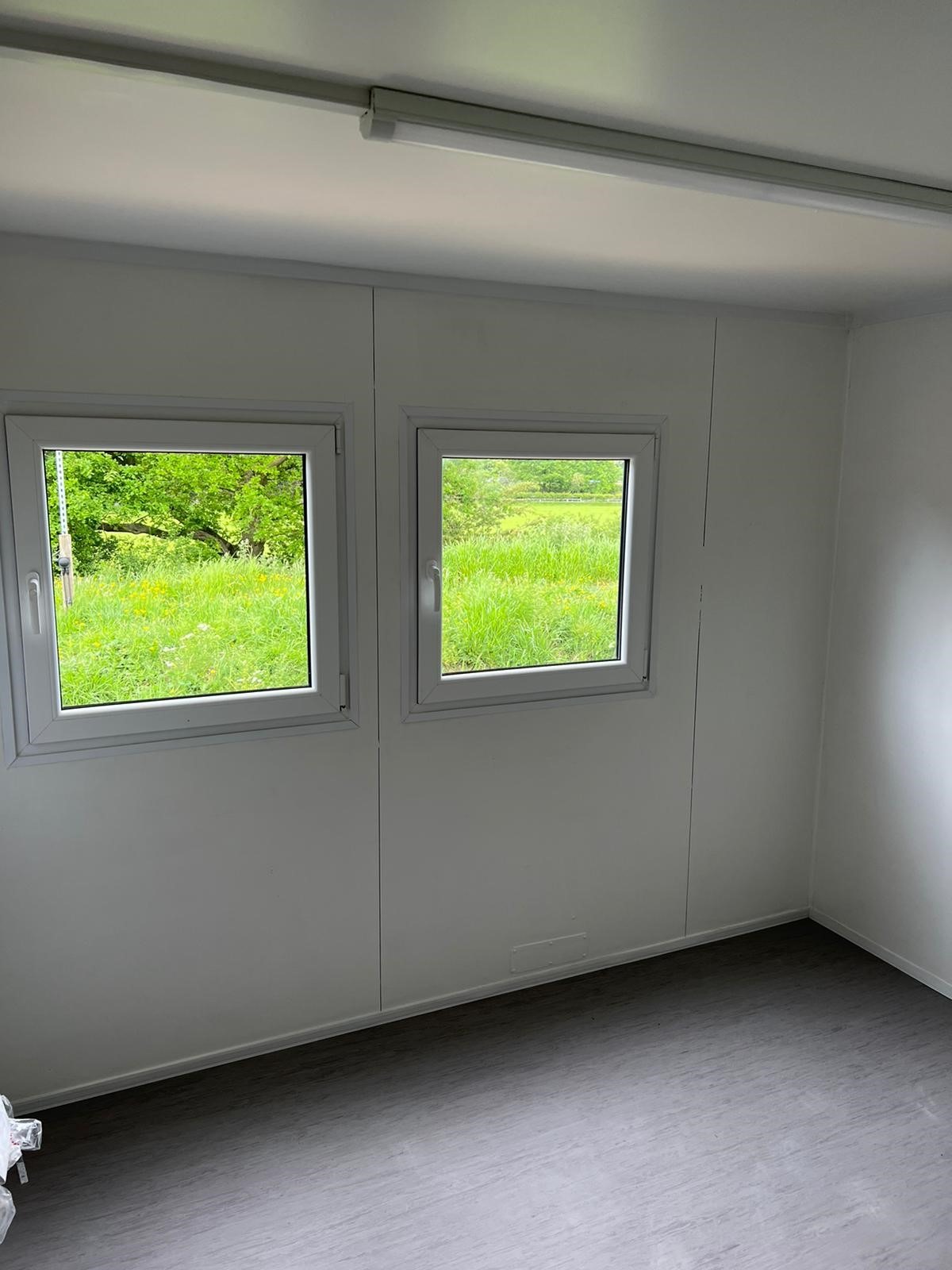
Slate grey anthracite upvc double glazed windows


Location: Nationwide
+ VAT
Not Available for Hire
Call for an instant quote!
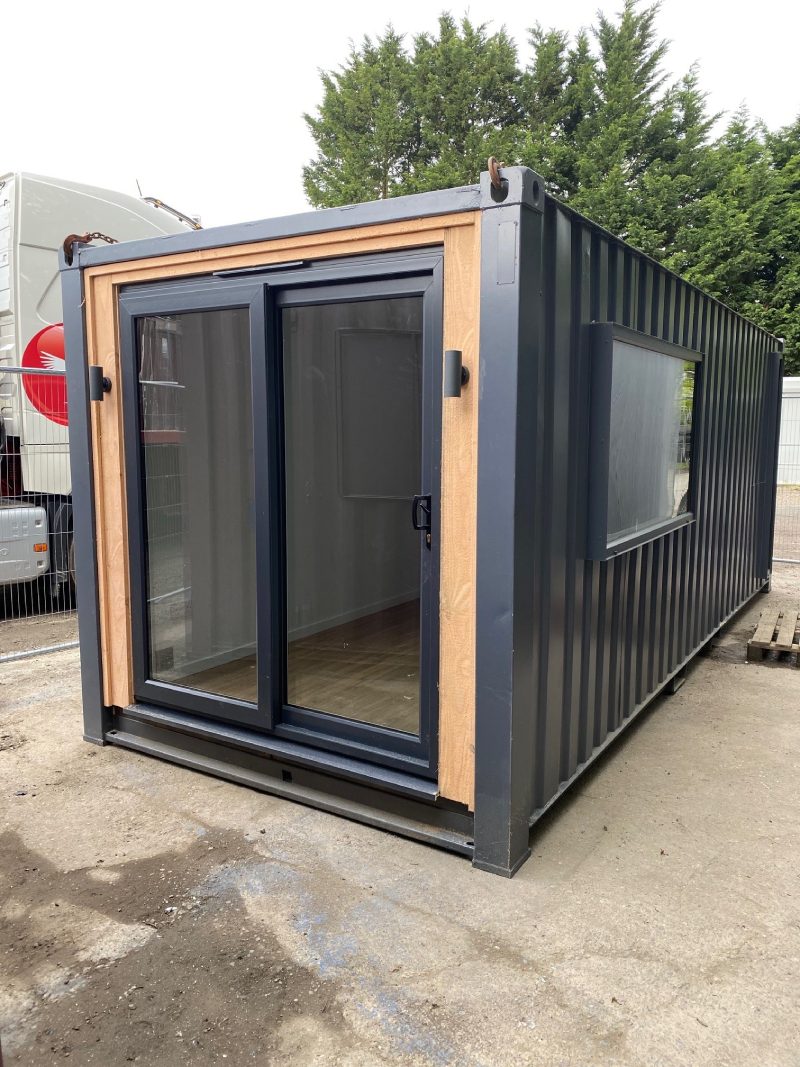
Fully Insulated with electric sockets, spot lighting, and heating
Wood Flooring
UPVC Sliding Door + Windows
Lead Time for build 6-8 weeks


Location: Nationwide
+ VAT
Not Available for Hire
Call for an instant quote!
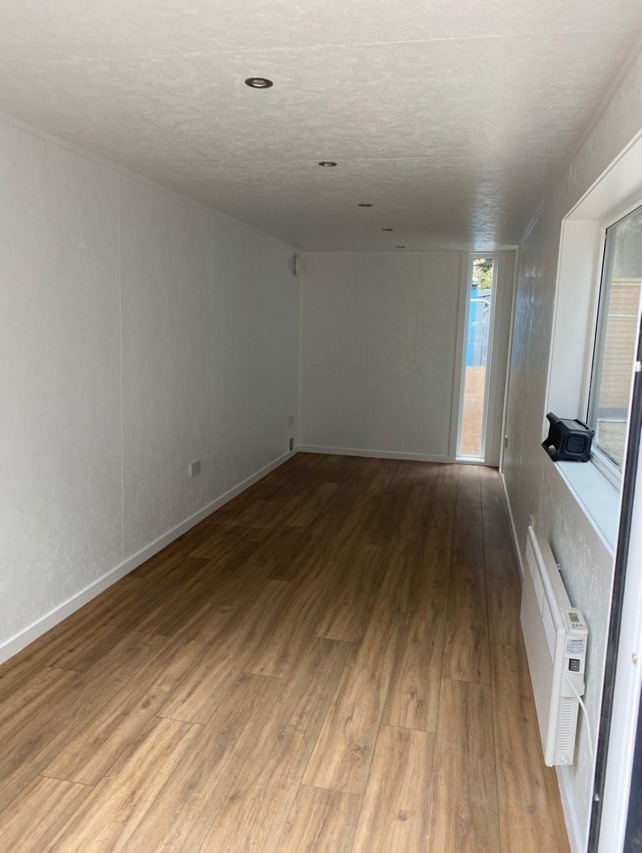
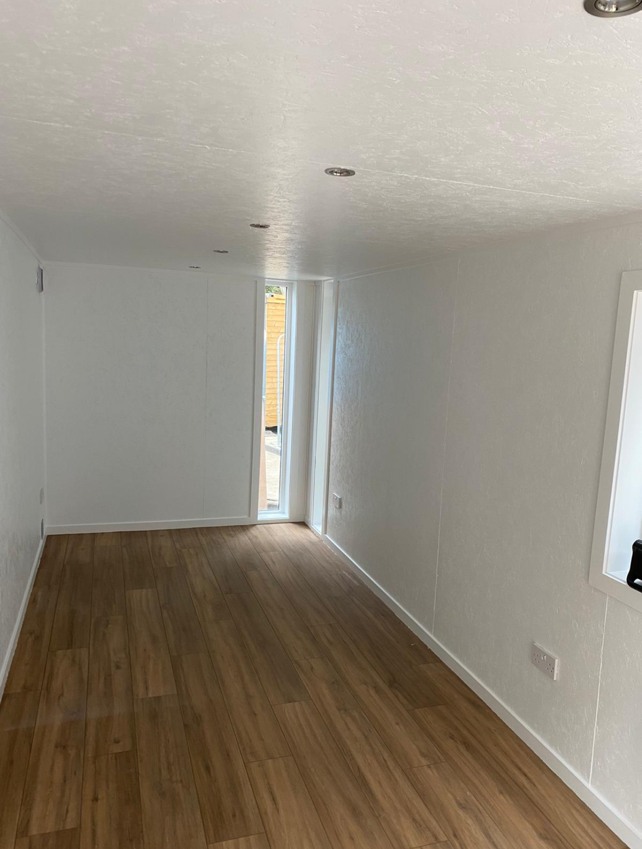
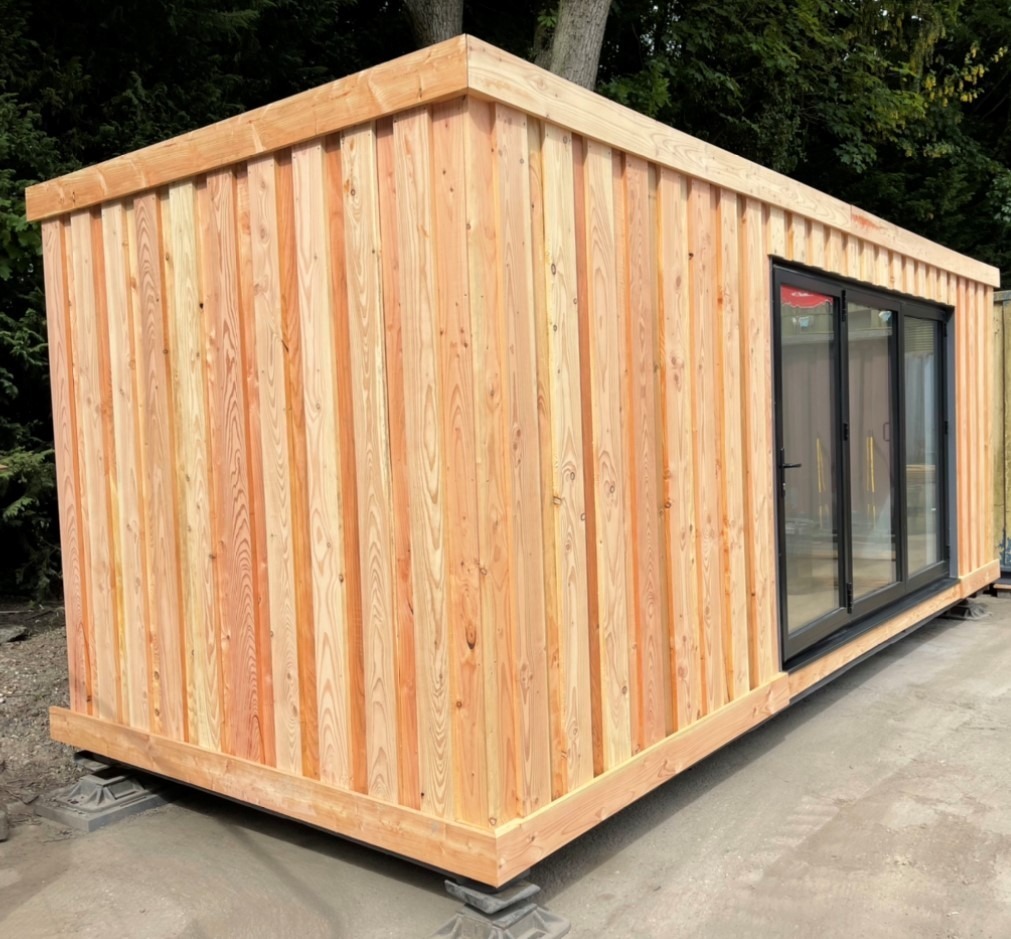
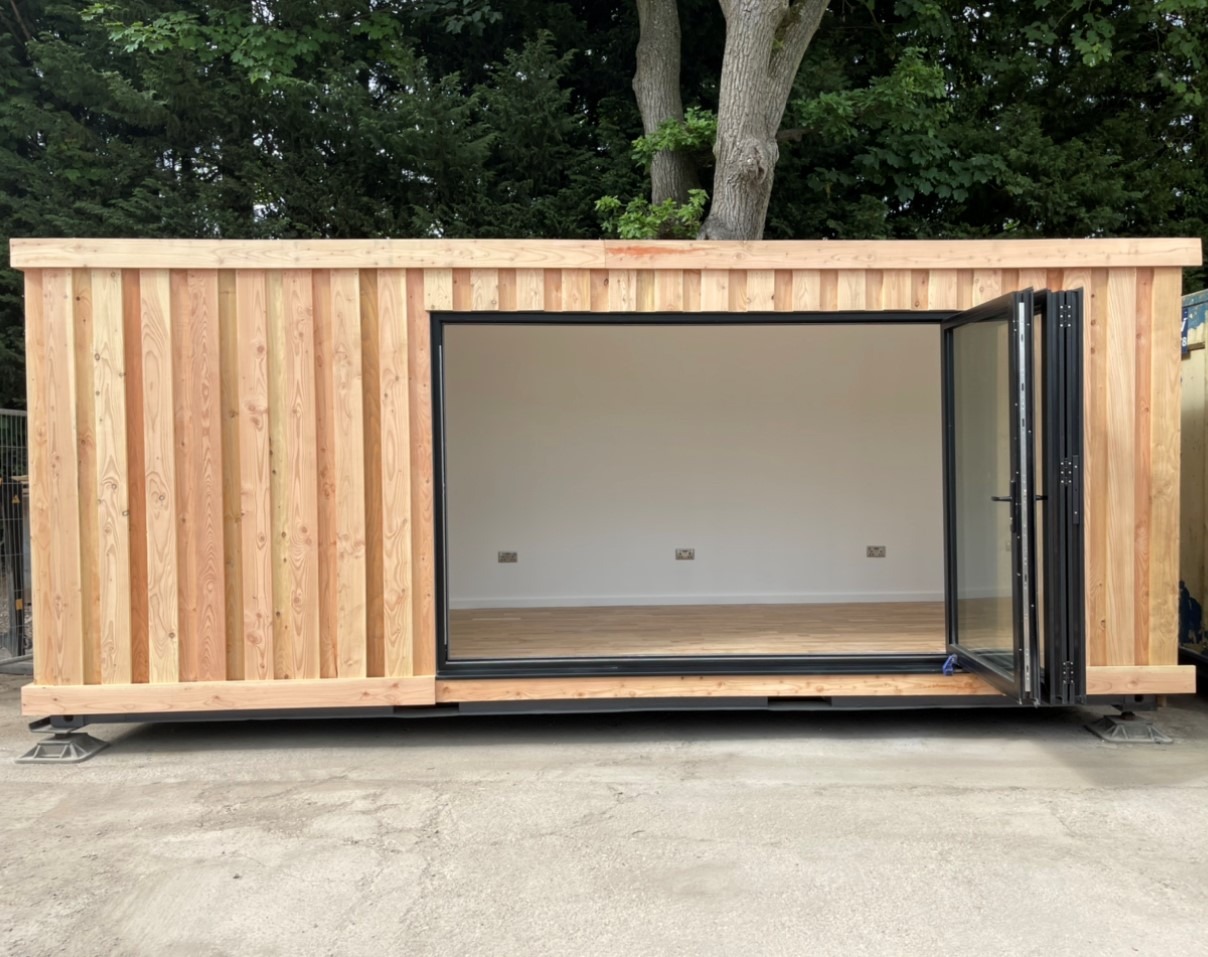
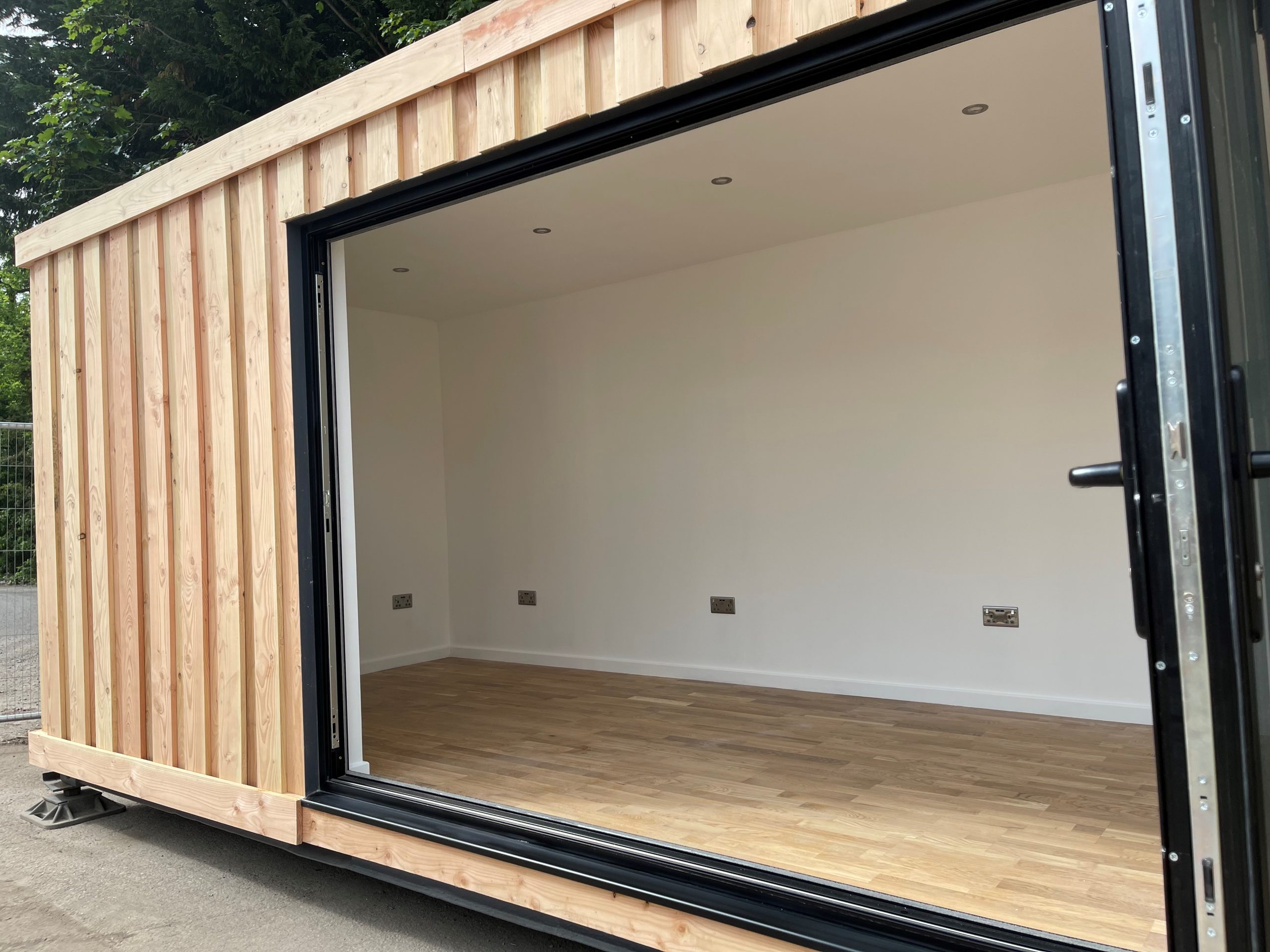
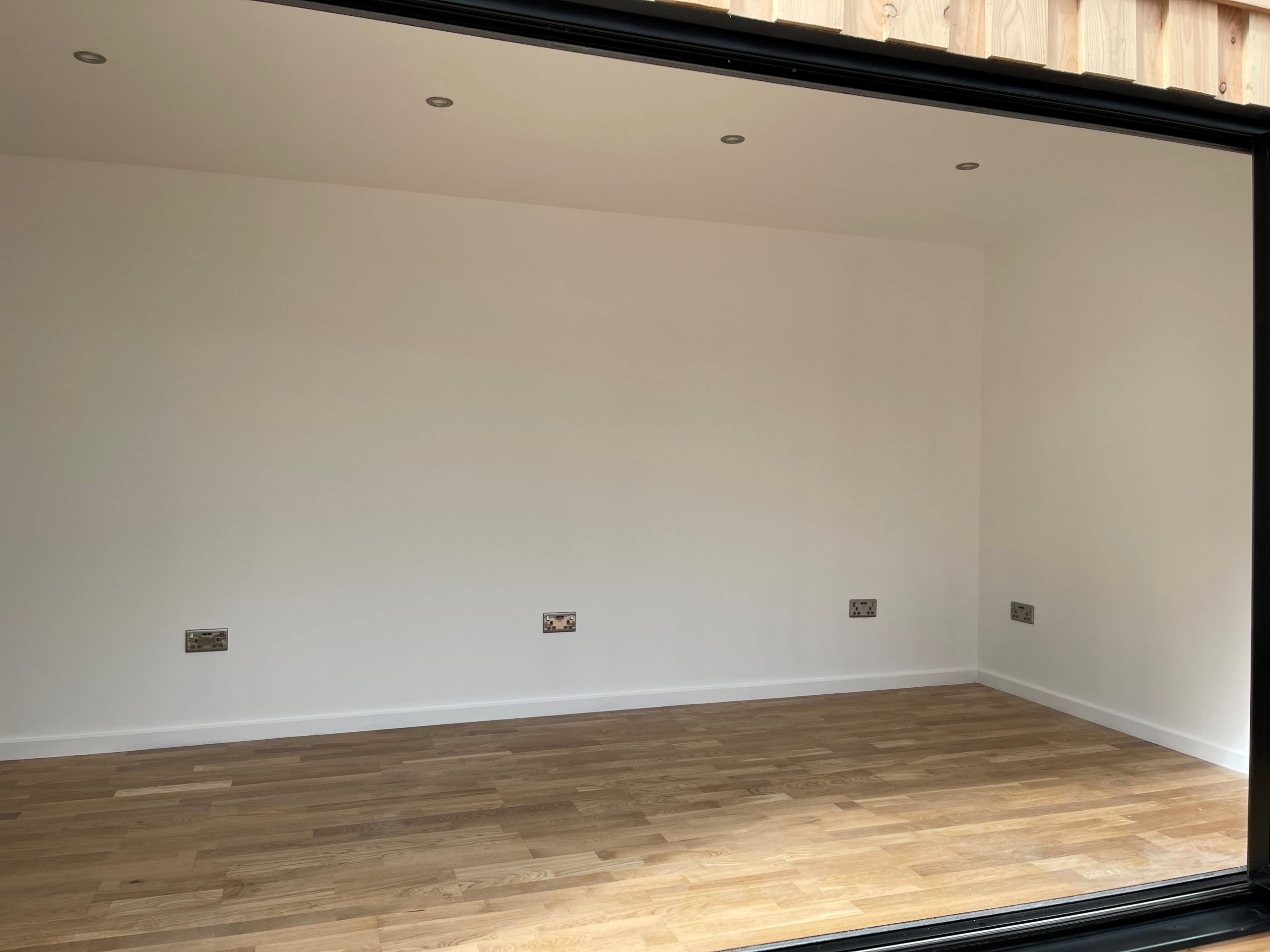
Fully Insulated with electric sockets, spot lighting, and heating
Wood Flooring
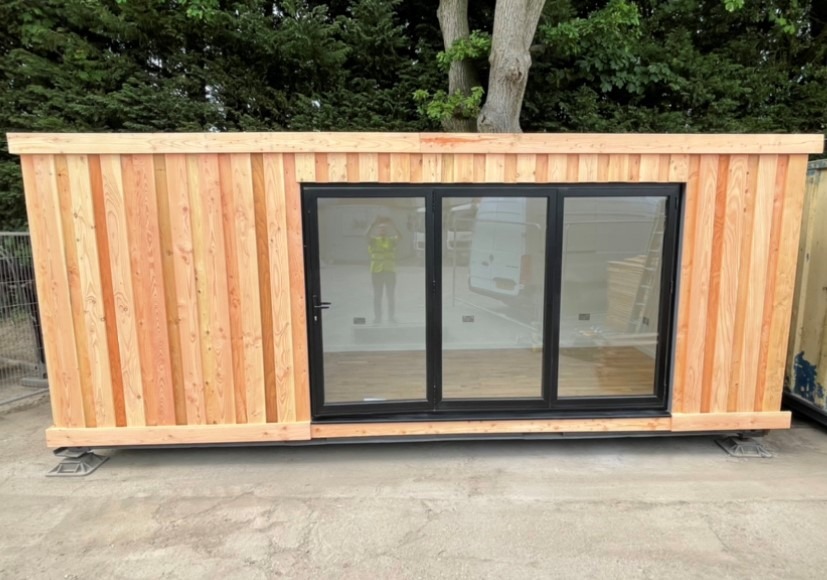
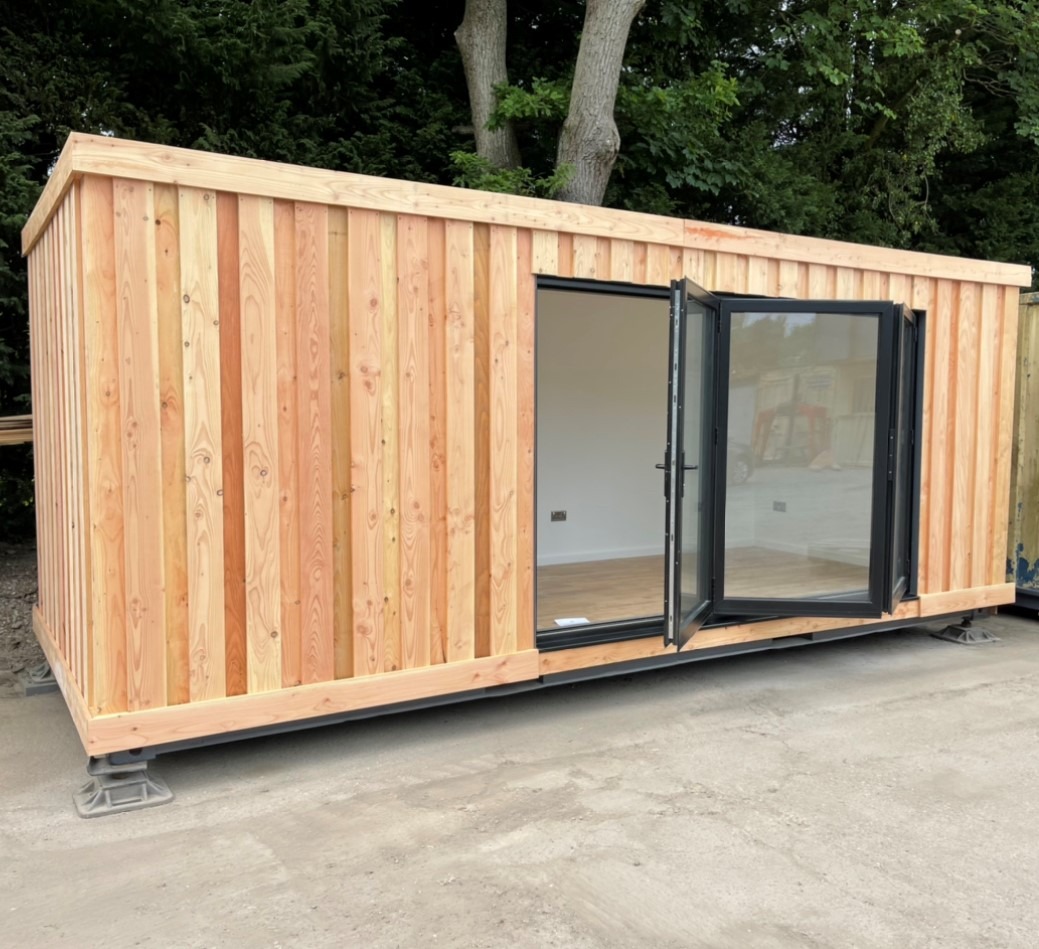
Aluminium Bi Fold Doors
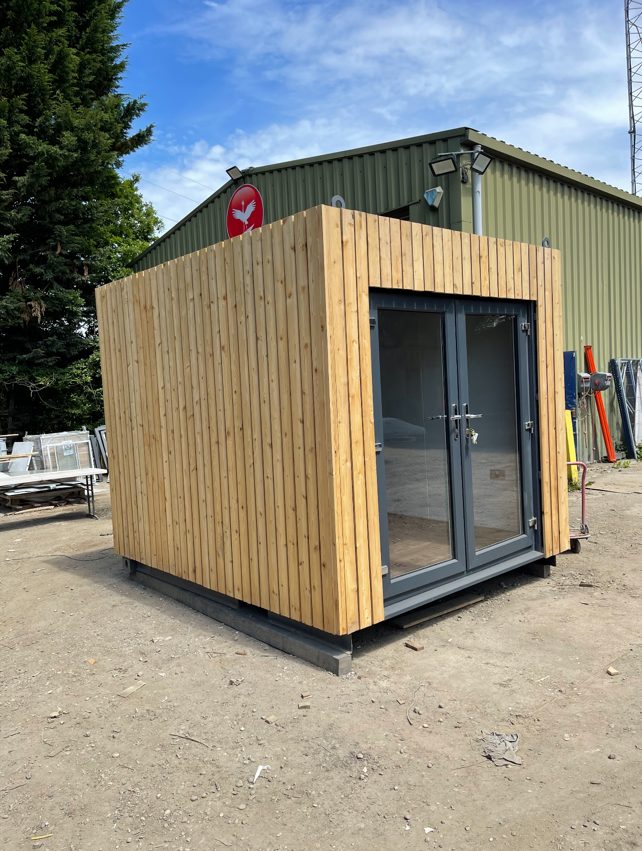
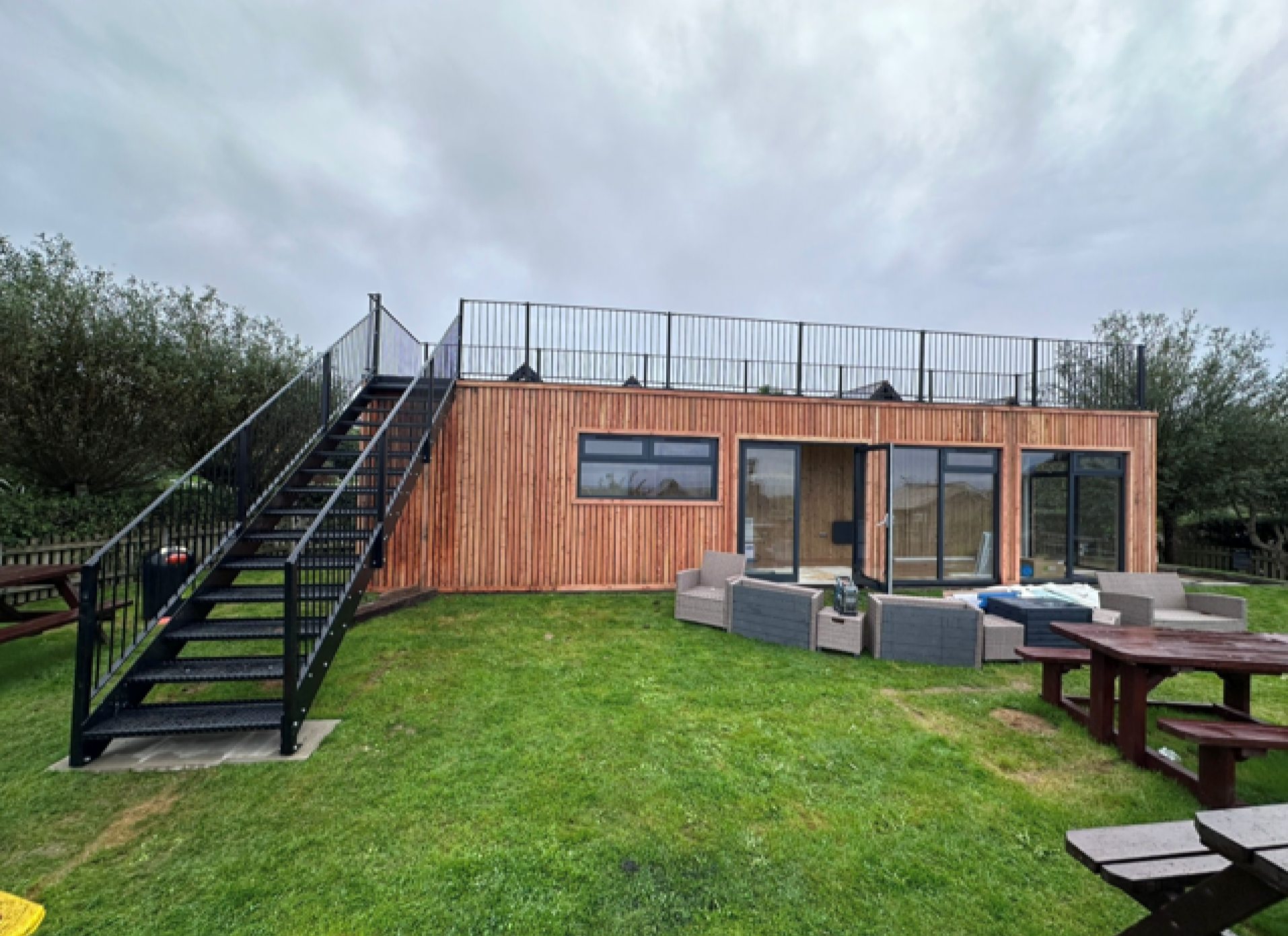
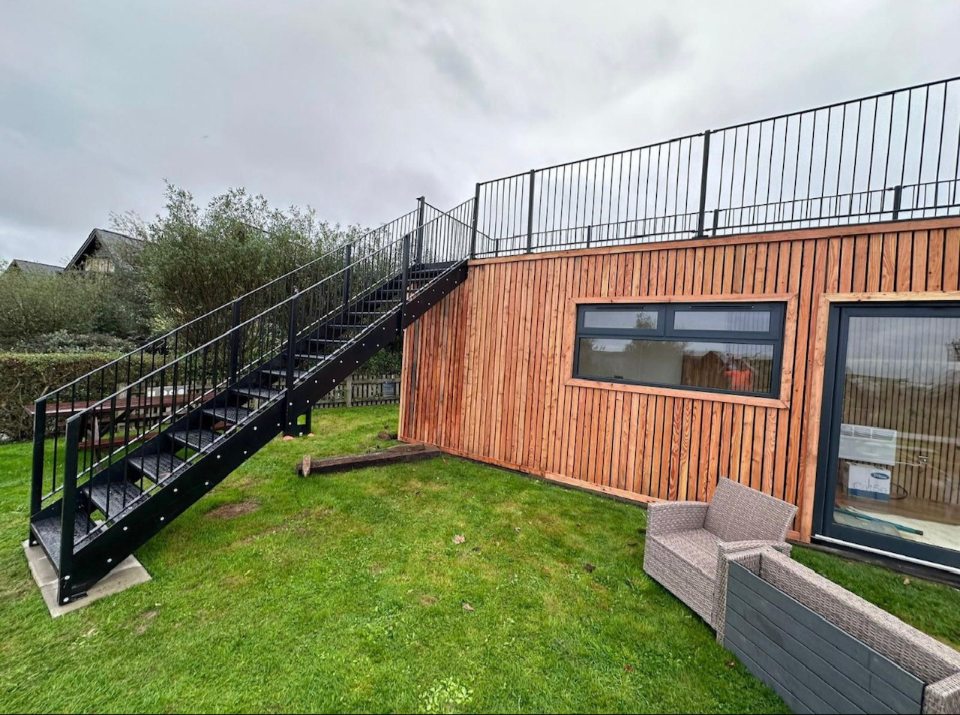
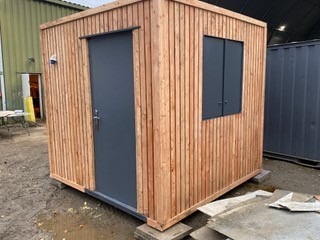
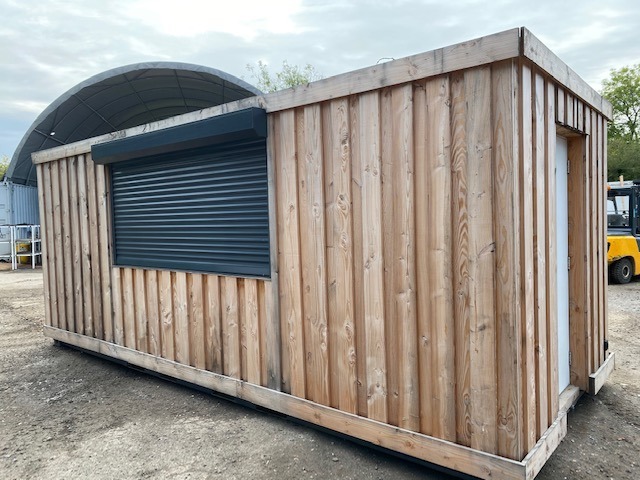
Fully wrapped in larch cladding
Lead Time for build 6-8 weeks


Location: Nationwide
+ VAT
Not Available for Hire
Call for an instant quote!
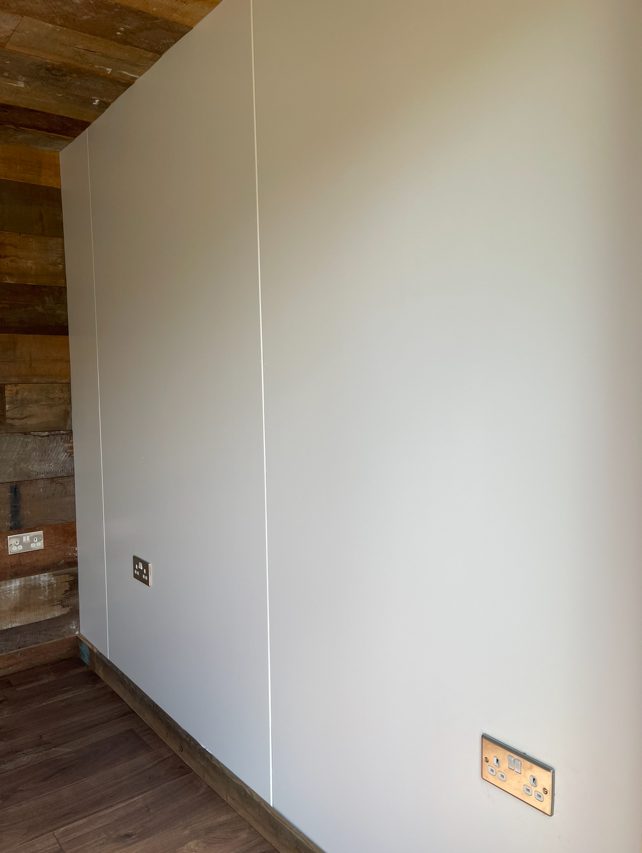
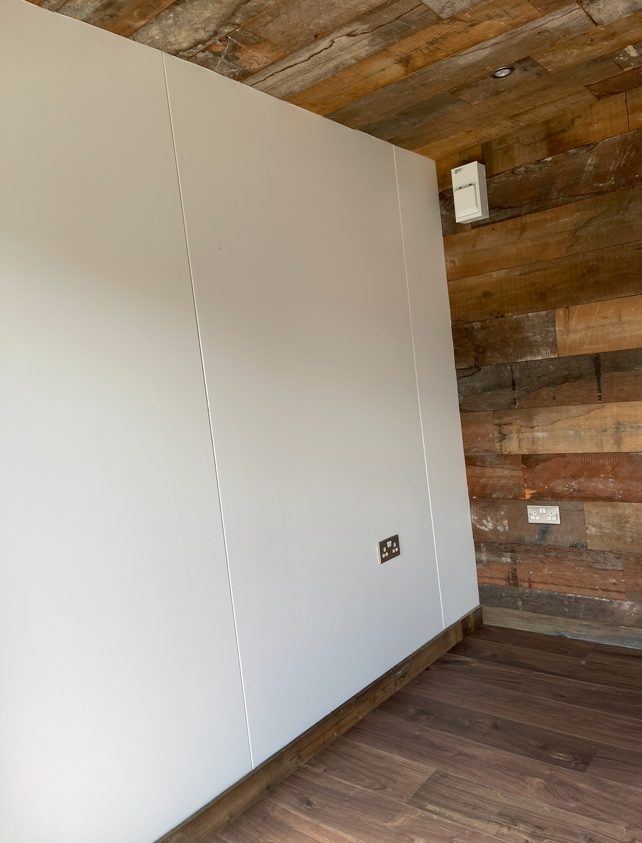
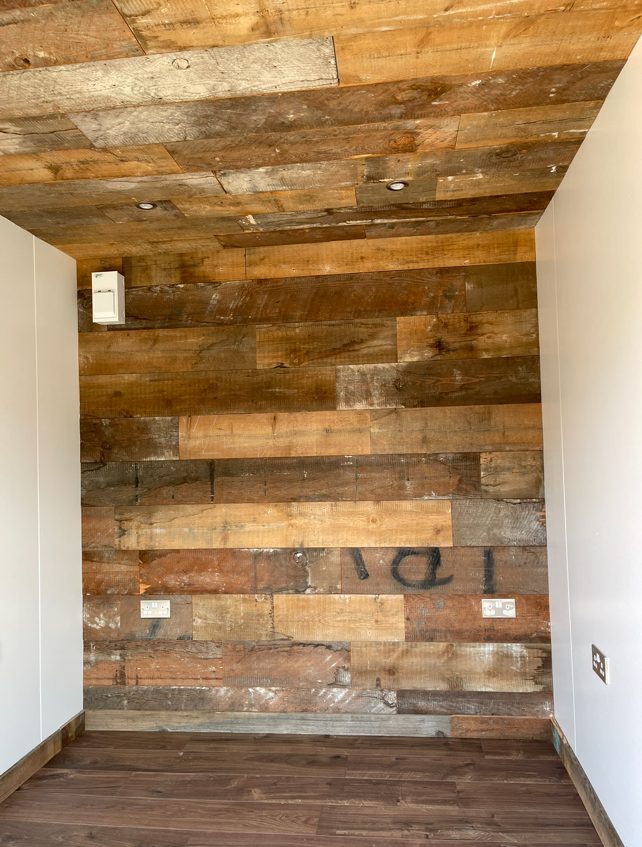
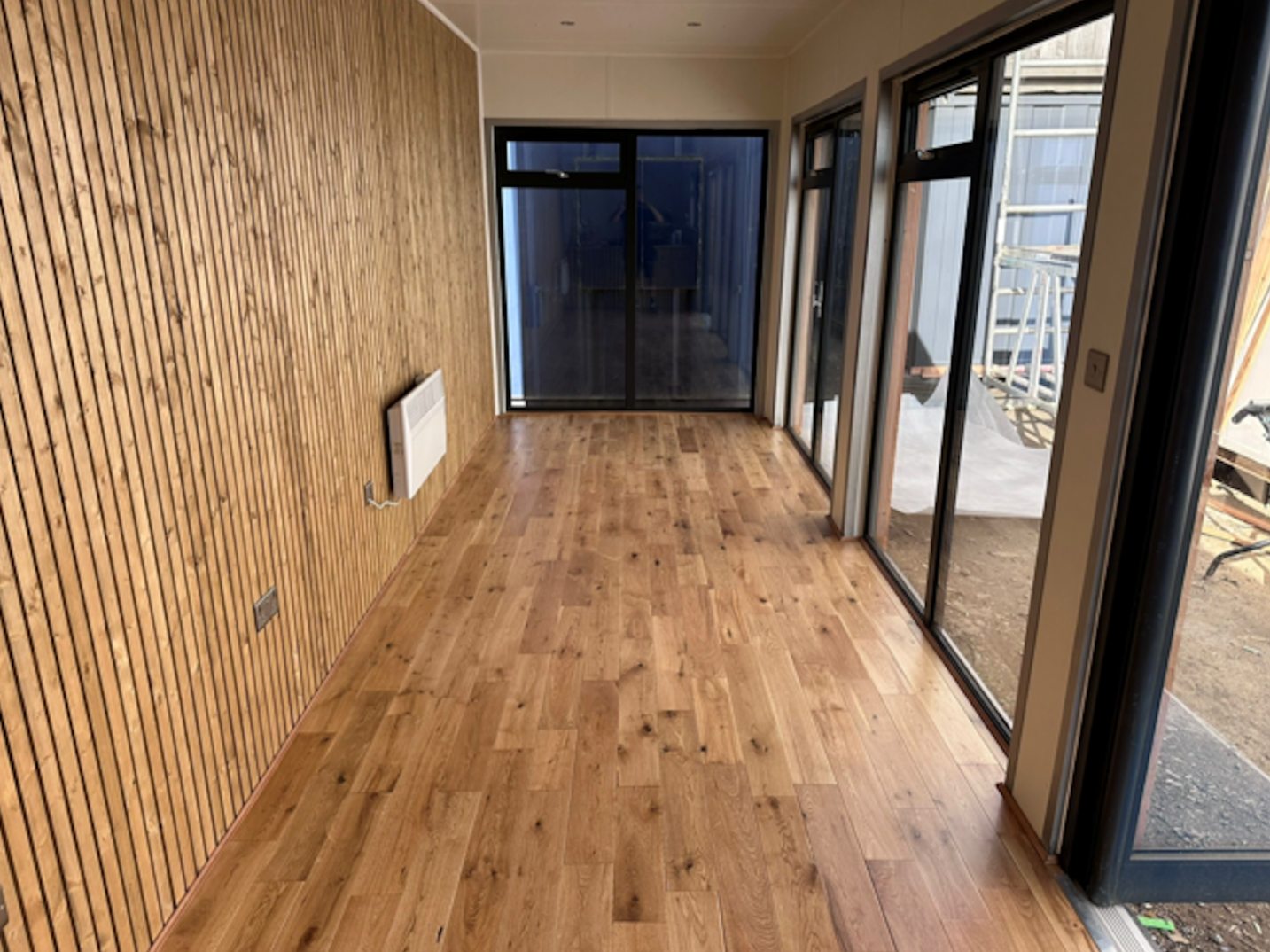
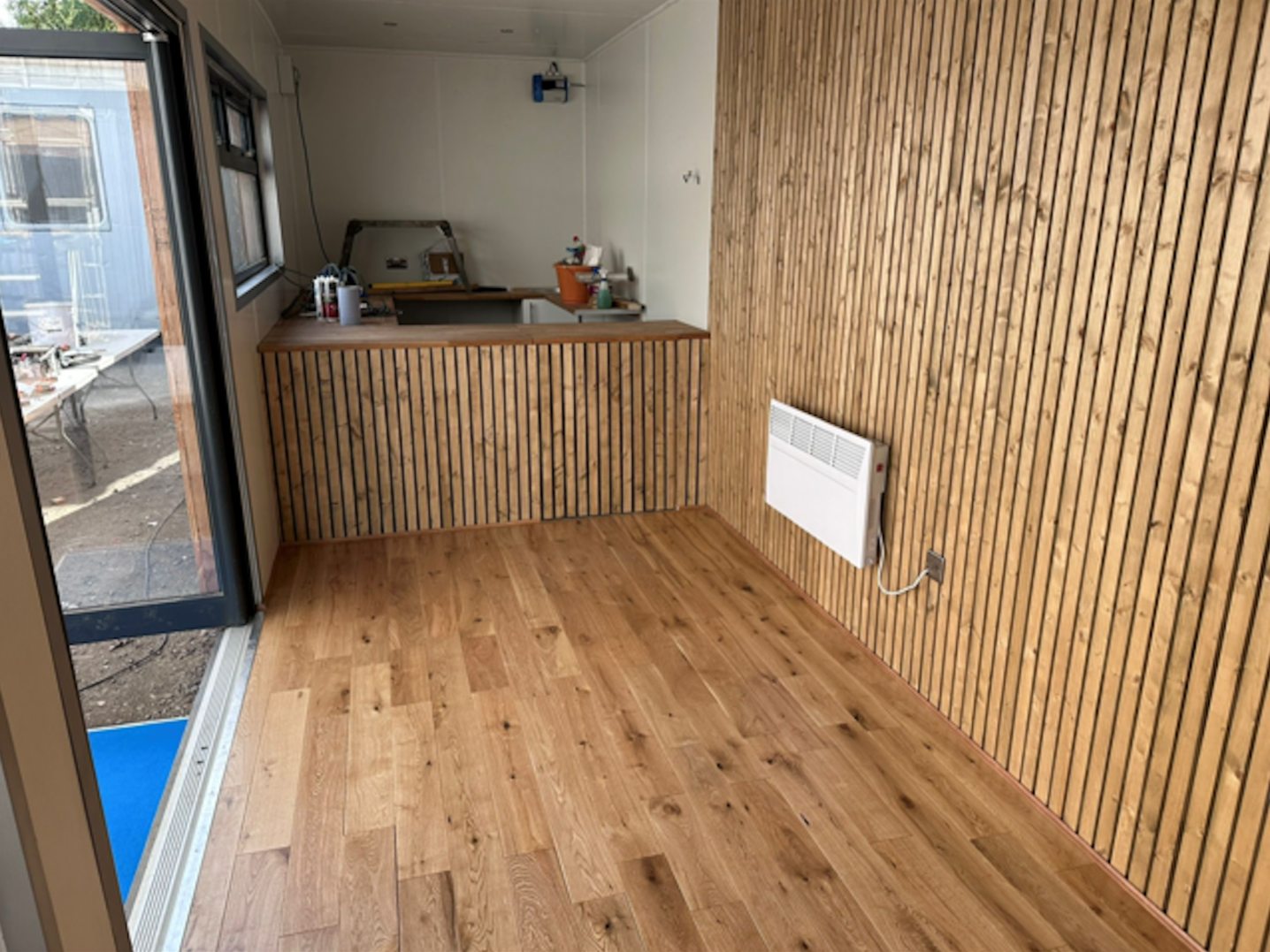
Fully Insulated with electric sockets, spot lighting, and heating
Wood Flooring
Feature Clad Wall and Ceiling
UPVC Double glazed French Doors
Fully wrapped in larch cladding
Lead Time for build 6-8 weeks


Location: Nationwide
EX VAT
Not Available for Hire
Call for an instant quote!


Location: Nationwide
EX VAT
Not Available for Hire
Call for an instant quote!


Location: Nationwide
EX VAT
Not Available for Hire
Call for an instant quote!


Location: Nationwide
EX VAT
Not Available for Hire
Call for an instant quote!


Location: Nationwide
EX VAT
Not Available for Hire
Call for an instant quote!

Location: Nationwide
EX VAT
Not Available for Hire
Call for an instant quote!


Location: Nationwide
EX VAT
Not Available for Hire
Call for an instant quote!


Location: Nationwide
EX VAT
Not Available for Hire
Call for an instant quote!


Location: Nationwide
EX VAT
Not Available for Hire
Call for an instant quote!


Location: Nationwide
EX VAT
Not Available for Hire
Call for an instant quote!


Location: Nationwide
EX VAT
Not Available for Hire
Call for an instant quote!


Location: Nationwide
EX VAT
Not Available for Hire
Call for an instant quote!


Location: Nationwide
EX VAT
Not Available for Hire
Call for an instant quote!


Location: Nationwide
EX VAT
Not Available for Hire
Call for an instant quote!


Location: Nationwide
EX VAT
Not Available for Hire
Call for an instant quote!


Location: Nationwide
EX VAT
Not Available for Hire
Call for an instant quote!
10ftx8ft – £5950 + Vat / 16ftx8ft – £7950 + Vat / 20ftx8ft – £9000 + Vat / 24ftx8ft – £12000 + Vat / 30ftx8ft – £13500 + Vat


Location: Nationwide
EX VAT
Not Available for Hire
Call for an instant quote!


Location: Nationwide
EX VAT
Not Available for Hire
Call for an instant quote!


Location: Nationwide
EX VAT
Not Available for Hire
Call for an instant quote!

Location: Nationwide
Quantity: ∞
EX VAT
Not Available for Hire
Call for an instant quote!
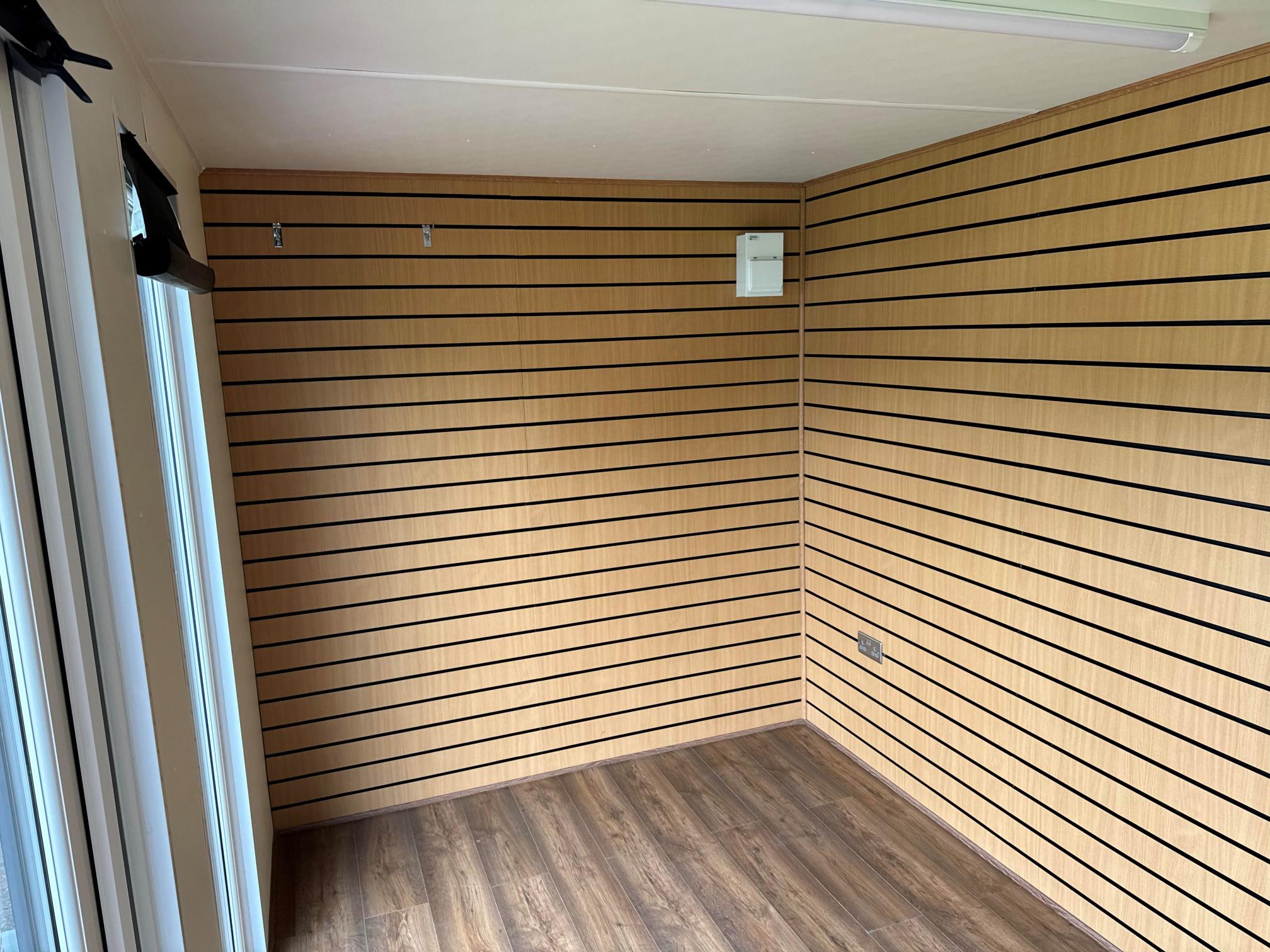
• Reinforced doors and windows with secure locking
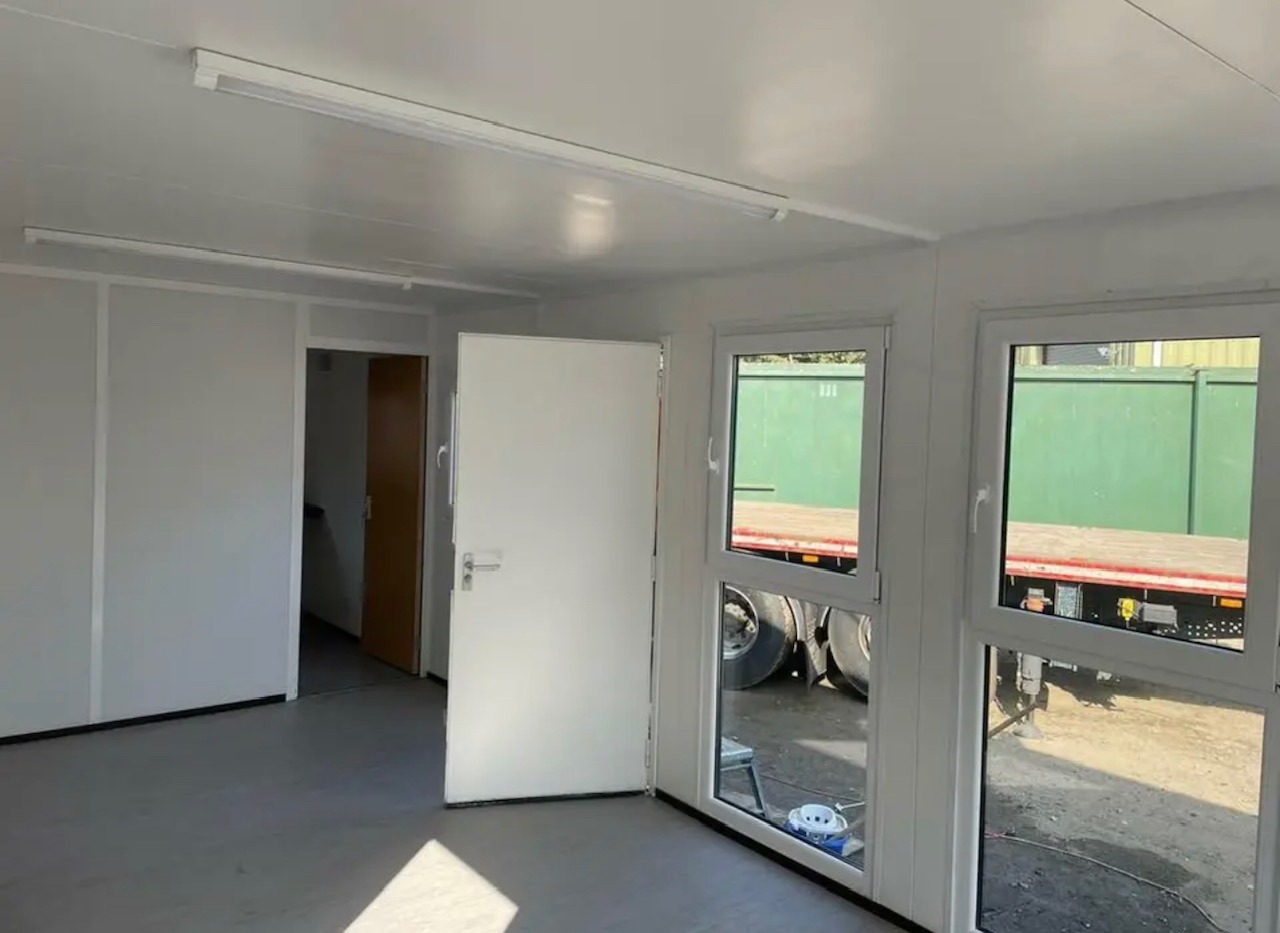
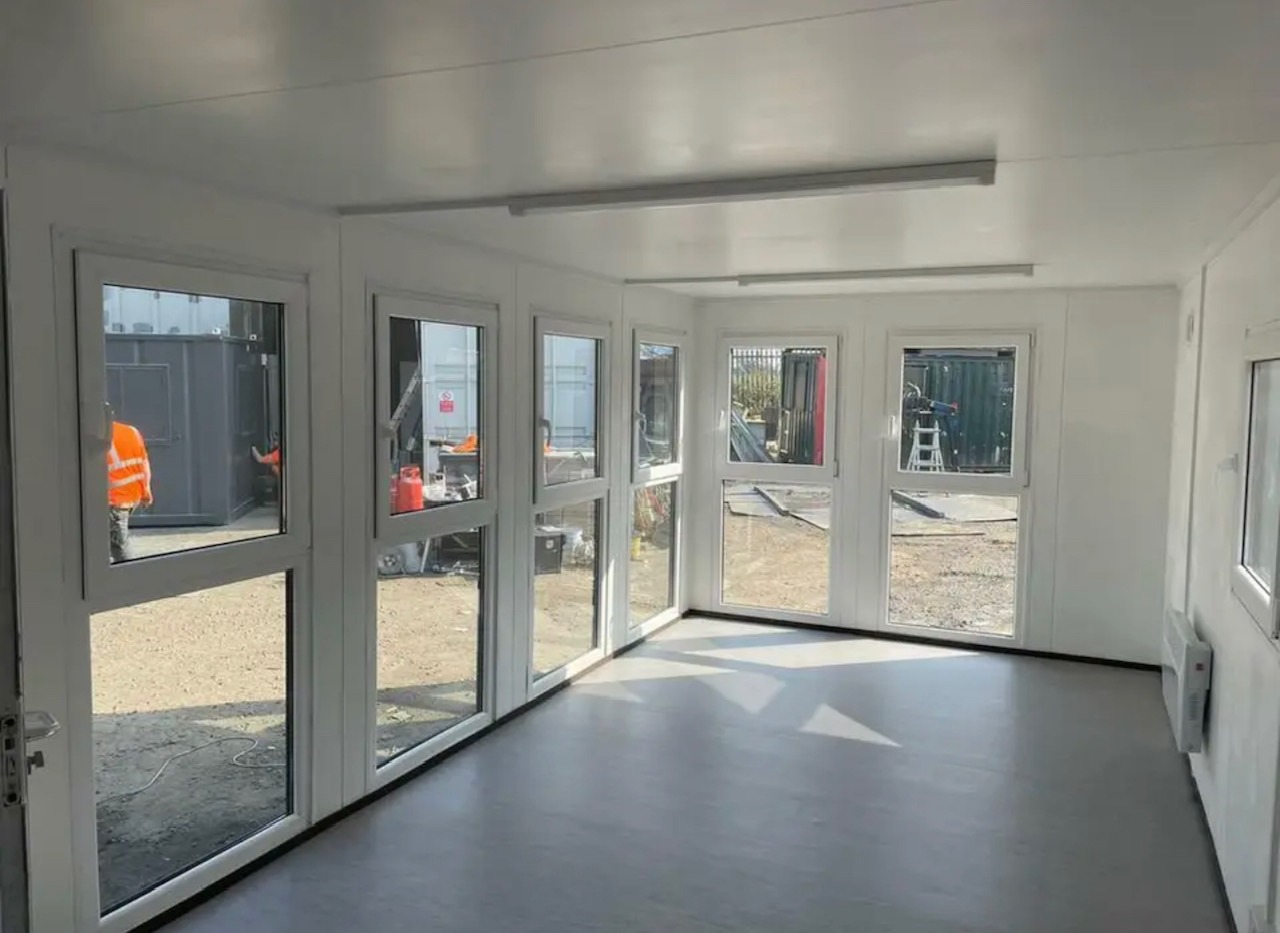
• Open plan with electric sockets and lighting
• Ral Code Colour of choice
• Any Extras available : Canteen, Partitions, Toilets.

Location: Nationwide
EX VAT
Not Available for Hire
Call for an instant quote!
• Reinforced doors and windows with secure locking
• Open plan with electric sockets and lighting
• Ral Code Colour of choice
• Any Extras available : Canteen, Partitions, Toilets.
• Reinforced doors with secure locking
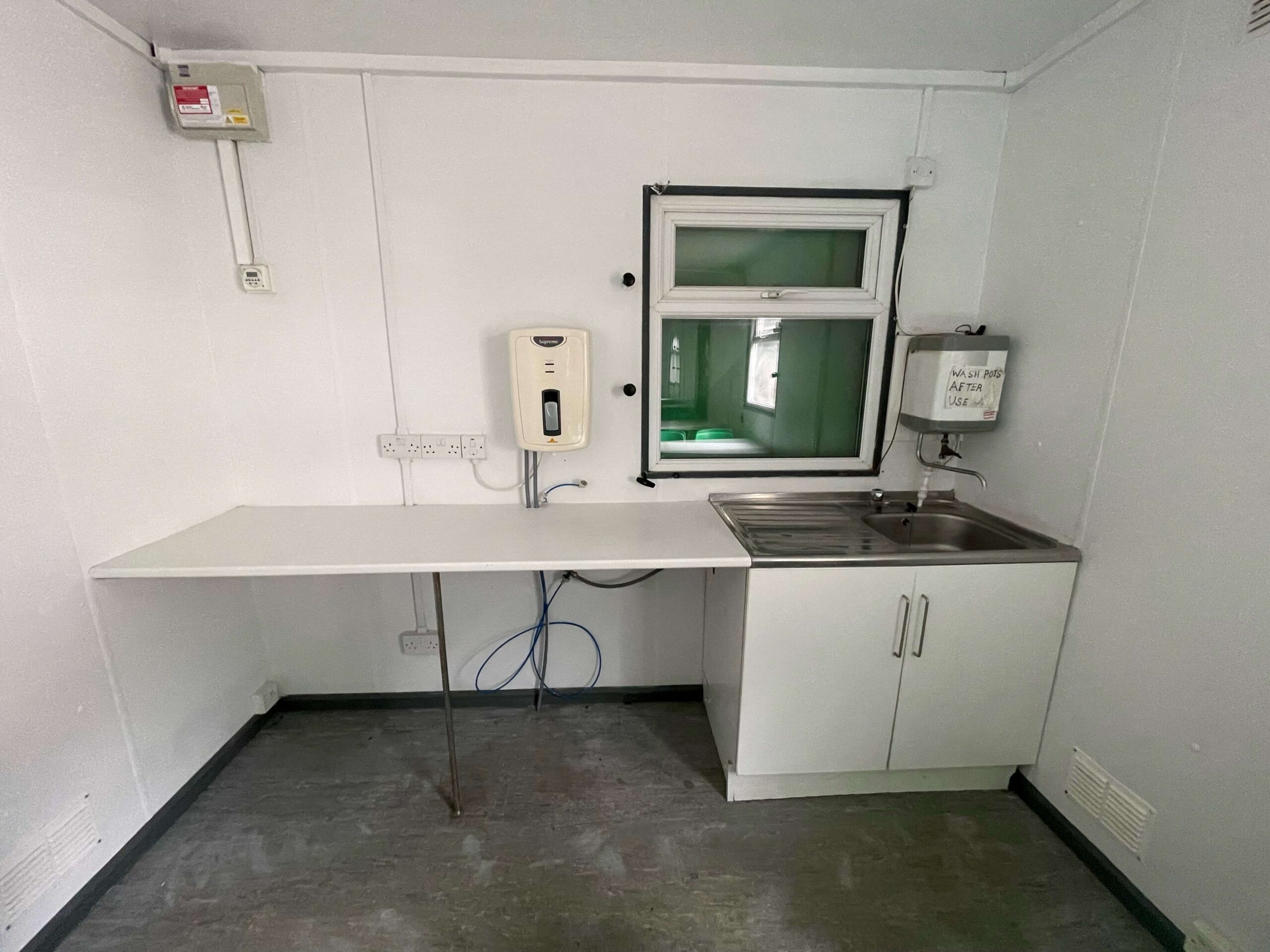
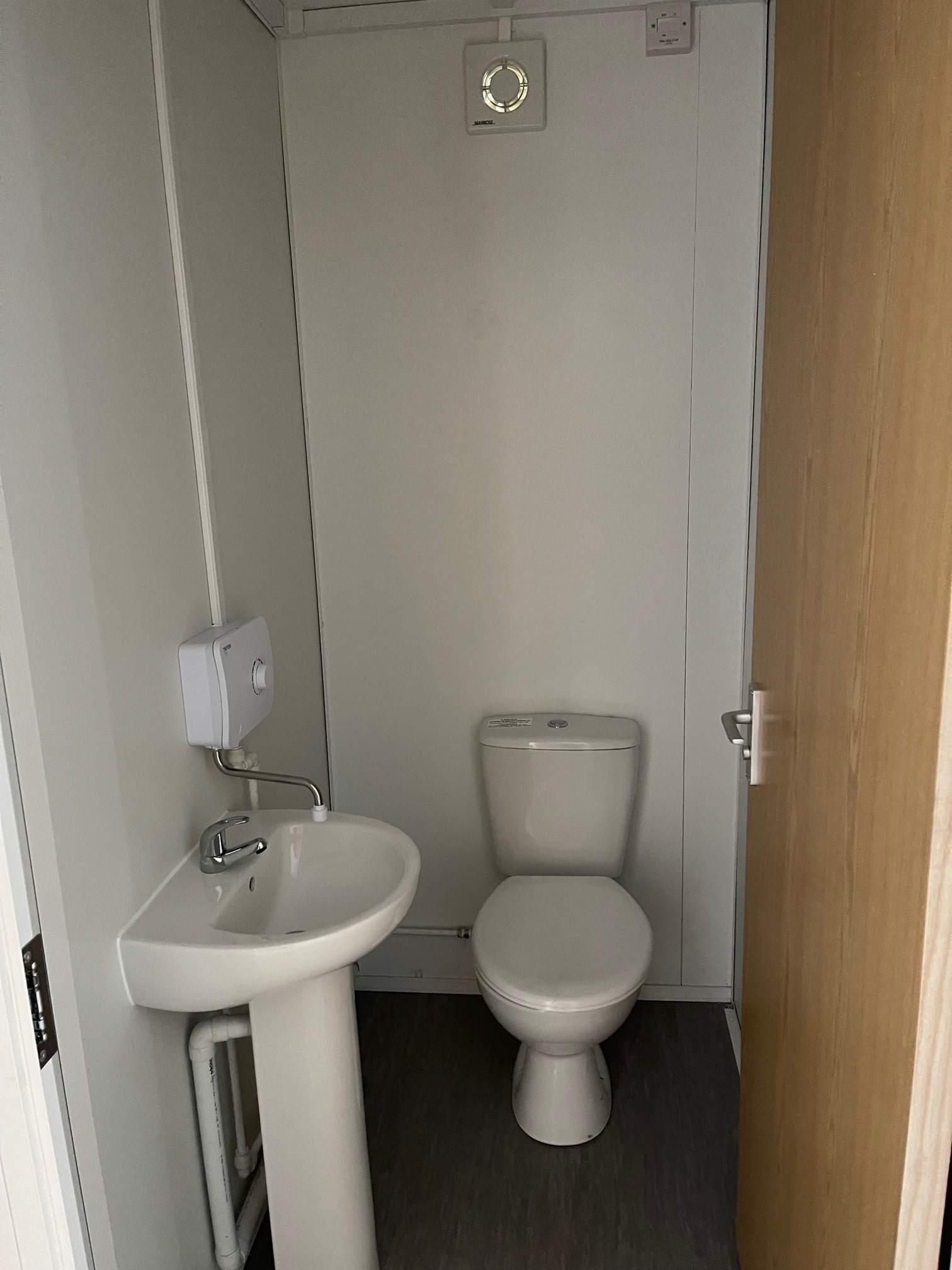
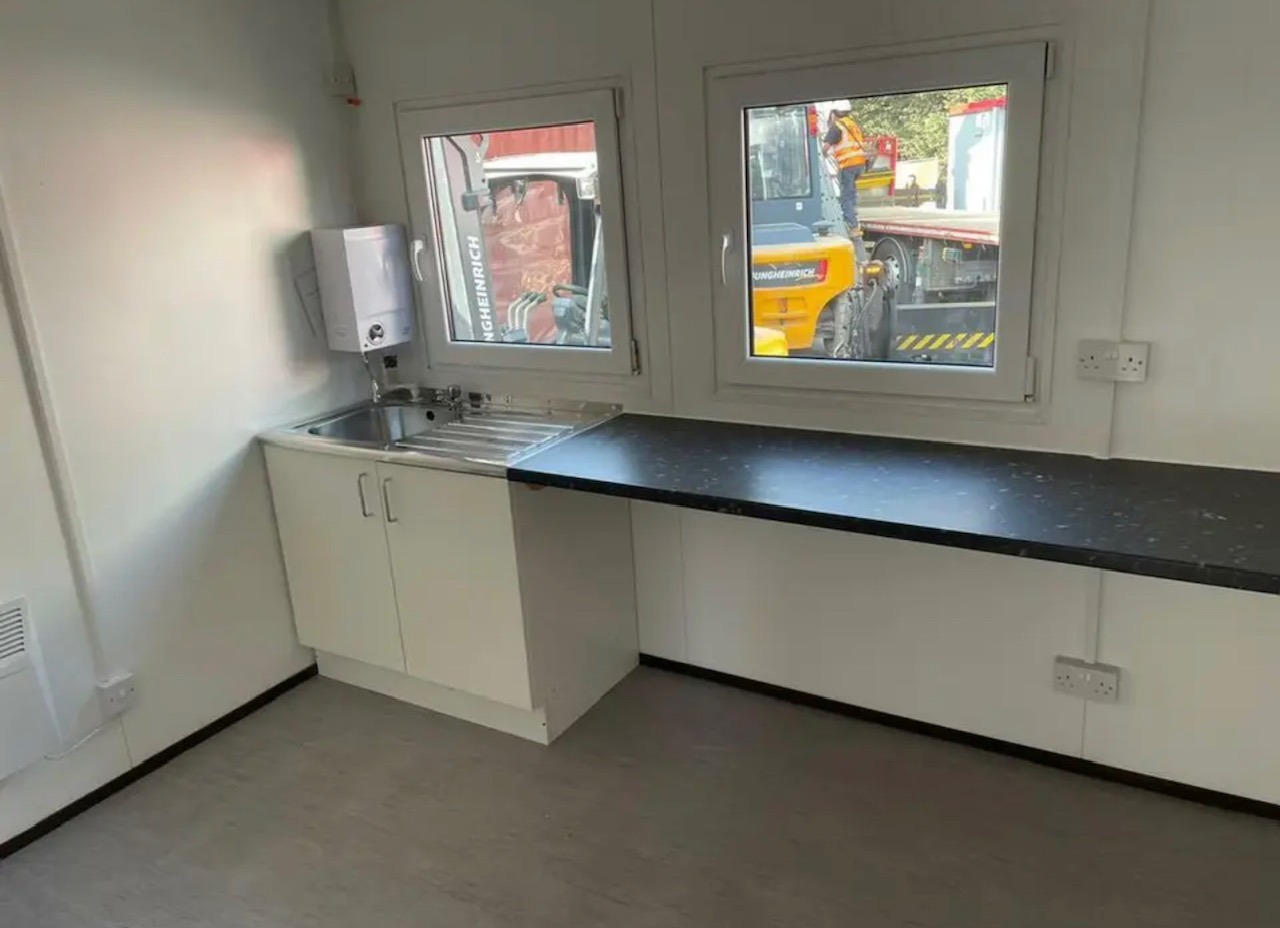
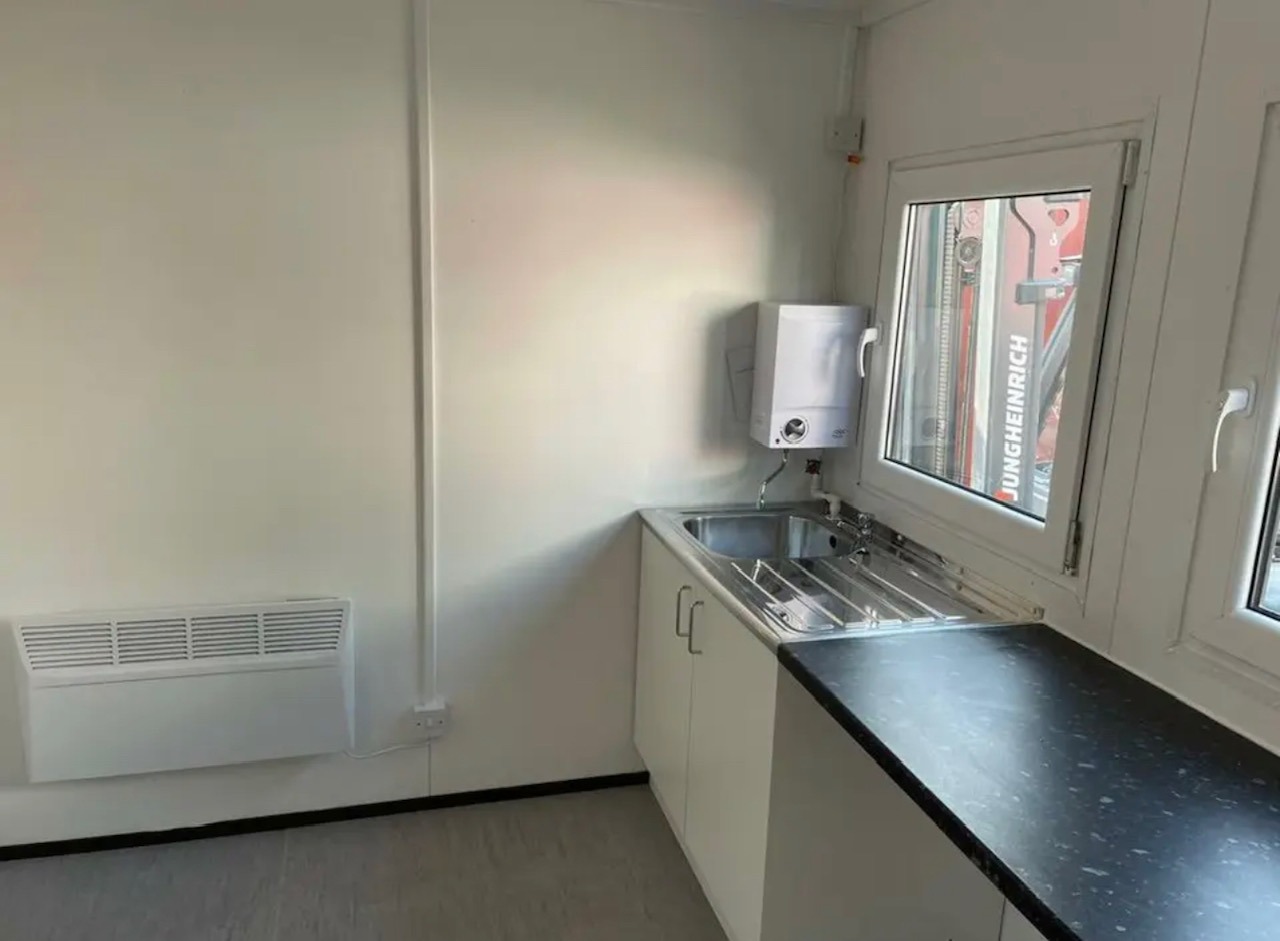
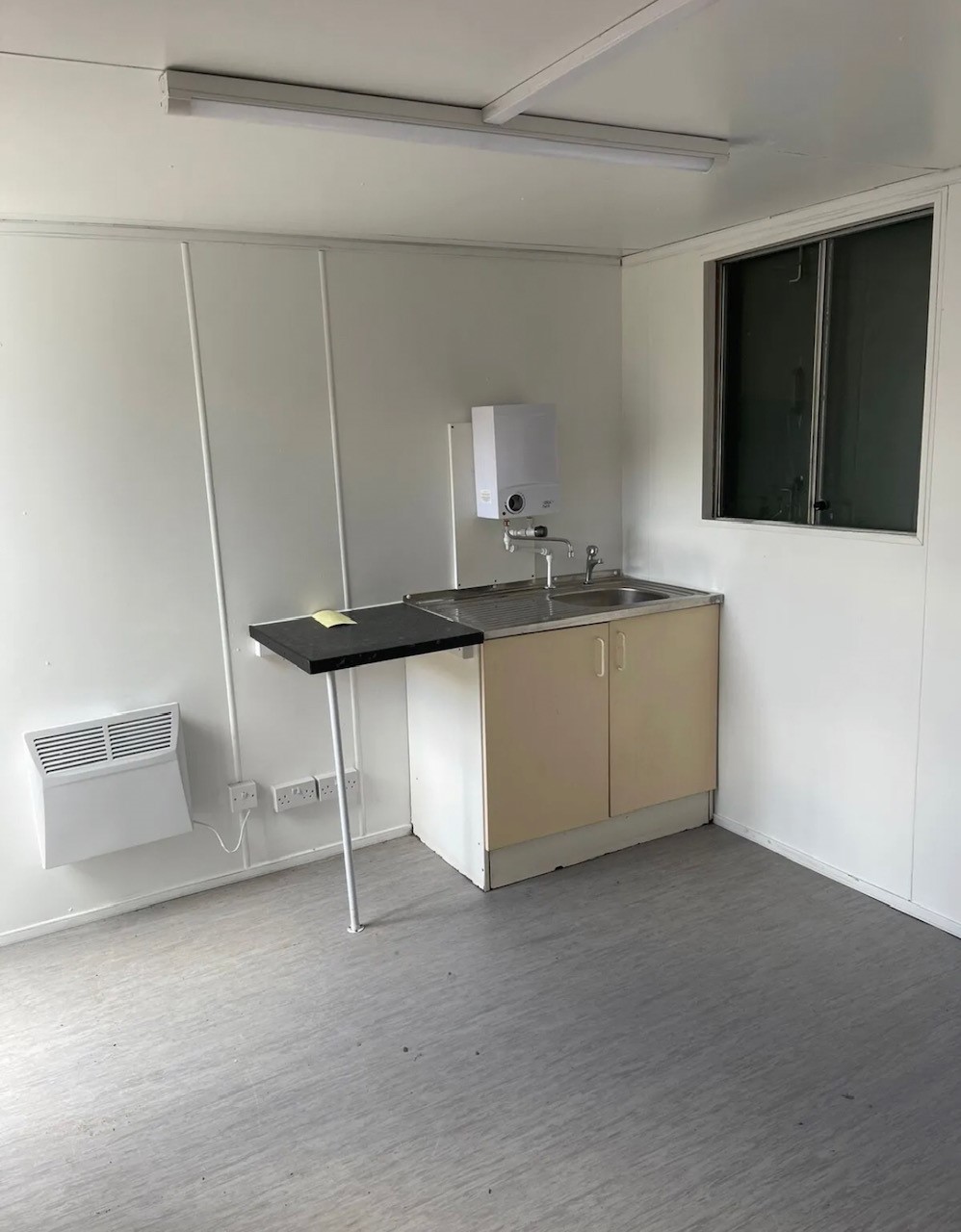
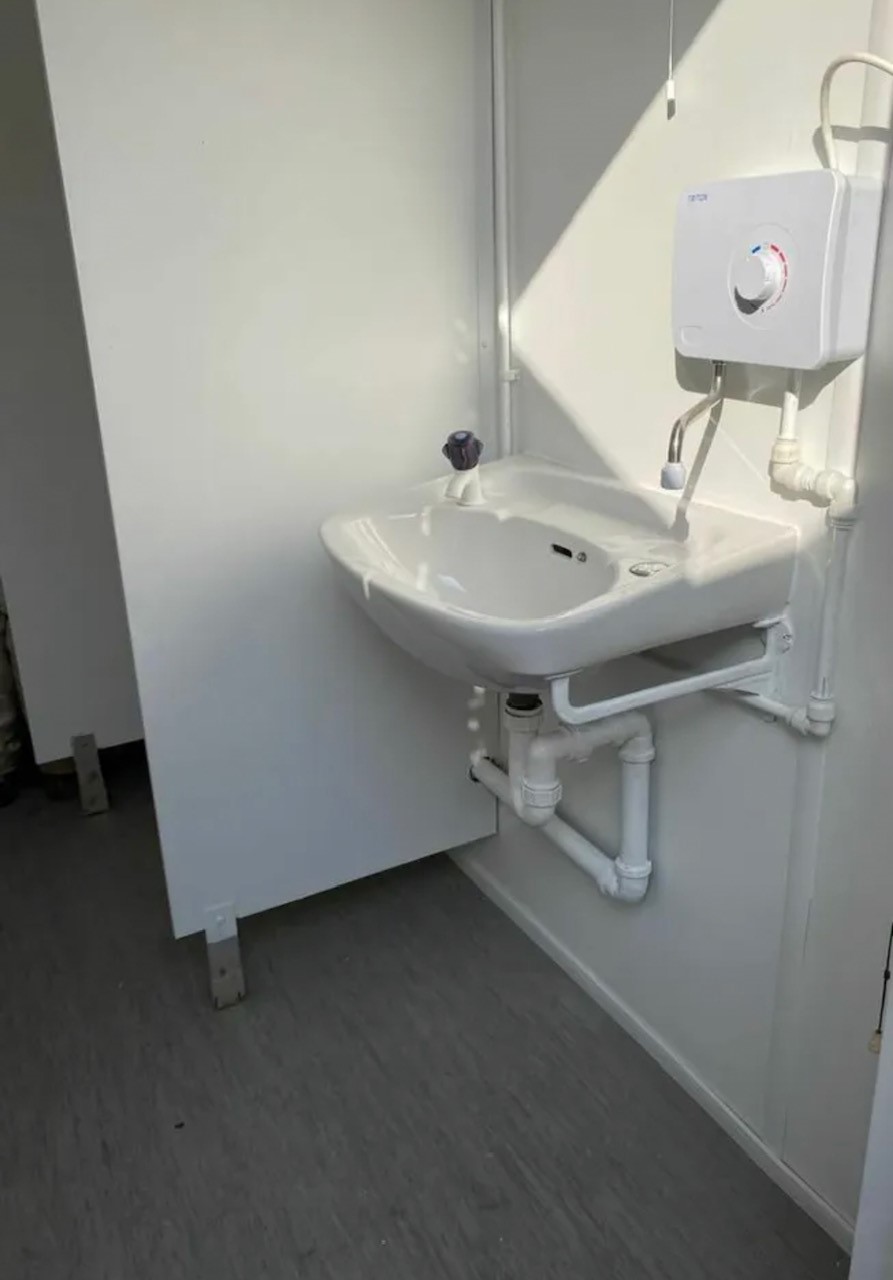
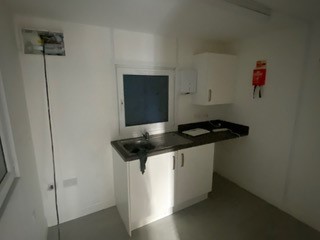
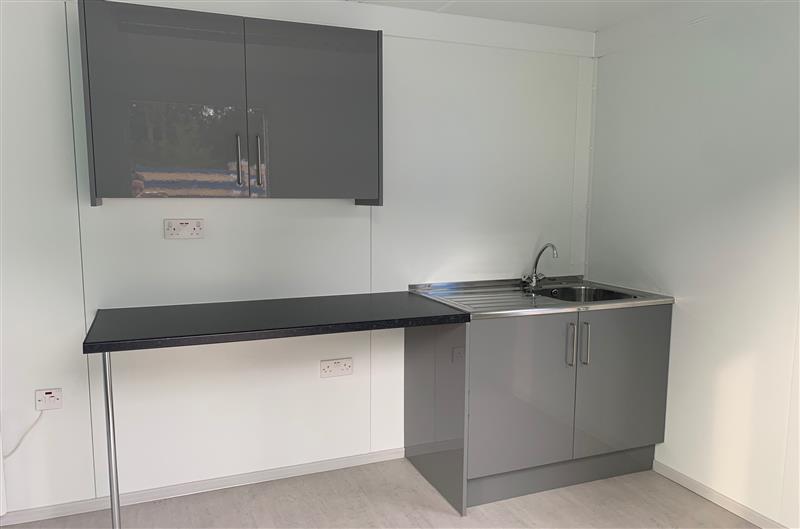
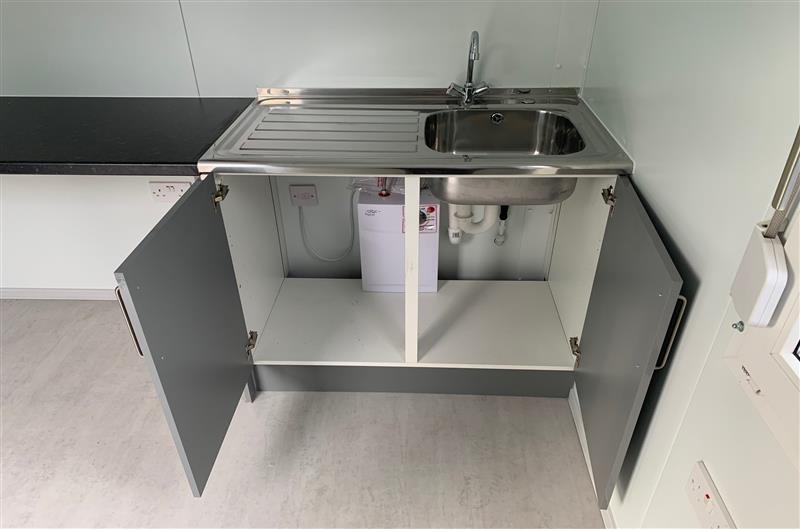
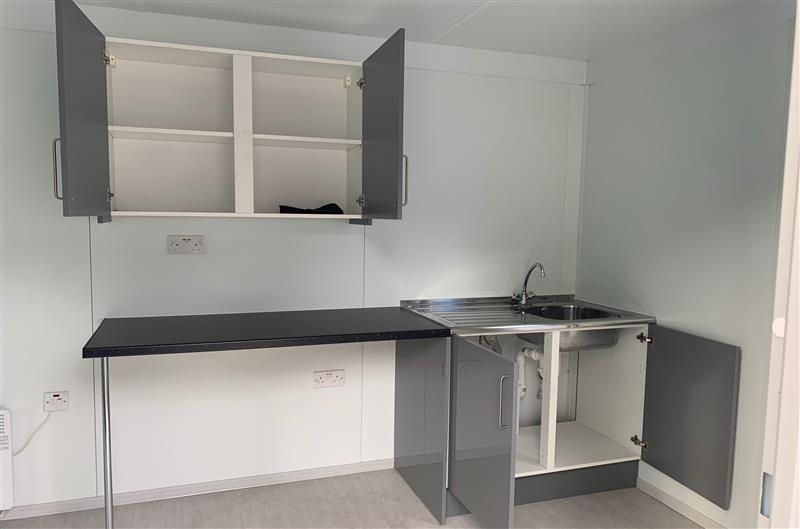
• Sink and water boiler included


Location: Nationwide
Quantity: ∞
EX VAT
Not Available for Hire
Call for an instant quote!


Location: Nationwide
EX VAT
Not Available for Hire
Call for an instant quote!
Get a Quick Container Quote Now!


Location: Nationwide
EX VAT
Not Available for Hire
Call for an instant quote!
Get a Quick Container Quote Now!