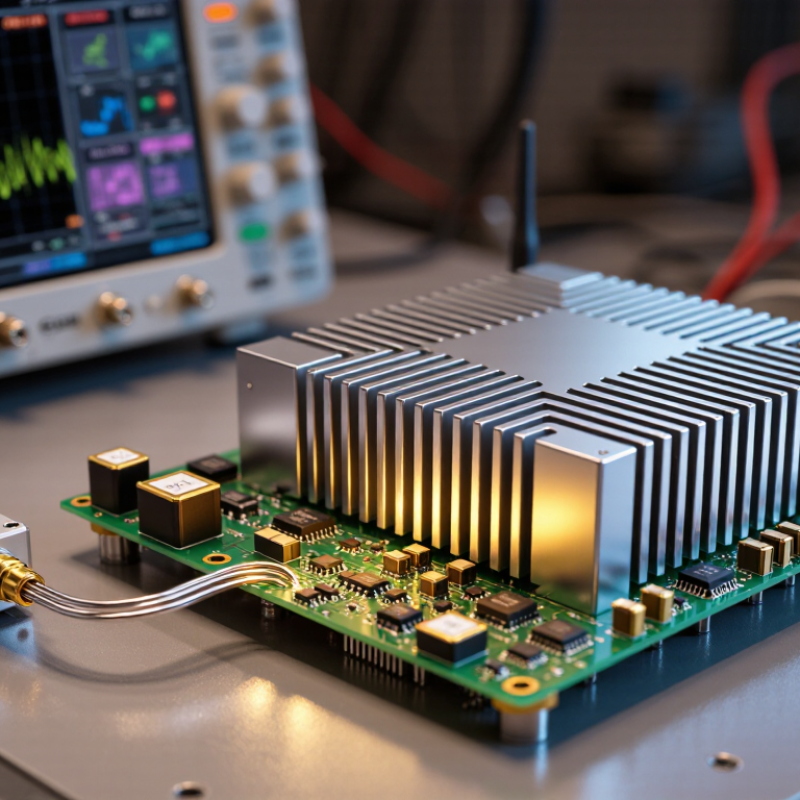
What Is a Millimeter Wave Amplifier? The question sounds simple, but the answer reaches into the small, warm hardware inside a radio. A Millimeter Wave Amplifier increases the power of signals at very high frequencies, commonly used in 5G links, radar, and satellite systems. It may sit near an antenna, where a short trace or waveguide carries a fragile signal. Small details matter. A connector can add loss. A warm circuit can shift performance.
Wireless researcher Theodore S. Rappaport has studied millimeter-wave communication extensively. A fair paraphrase of a lesson from his work is: “Wide bandwidth is possible, but propagation still sets the rules.” This is not a verbatim quotation. At these frequencies, walls, rain, antenna alignment, and nearby objects can affect a link. The amplifier must provide useful gain without adding too much noise or distortion. Engineers check those trade-offs with measurements such as gain, noise figure, output power, and linearity. A spectrum analyzer may show a clean signal at one setting, then reveal unwanted distortion when the amplifier is pushed harder. That is easy to overlook.
The design is not just about making a signal louder. It is about preserving its shape, controlling heat, and fitting the amplifier into a real system. One result may look excellent on a bench and disappoint inside a compact device. That gap deserves attention. This guide explains how millimeter-wave amplifiers work, where they are used, and which specifications help readers judge them.
What Is a Millimeter Wave Amplifier?
Millimeter-Wave Amplifiers: The 30–300 GHz Frequency Range
Millimeter-wave amplifiers operate across roughly 30 to 300 GHz, where wavelengths shrink from about 10 millimeters to 1 millimeter. They increase weak radio-frequency signals so receivers can detect them or transmitters can deliver more output power. The range is broad. A circuit designed near 30 GHz may behave very differently from one near 300 GHz.
At these frequencies, small physical details matter. A connector, circuit trace, or poorly aligned waveguide can introduce noticeable signal loss. Engineers therefore check gain, noise, output power, and stability across the intended bandwidth, not just at one convenient test frequency. Calibration matters, too. A lab cable that looks ordinary can affect a measurement.
These amplifiers support applications such as high-capacity wireless links, radar, and scientific instruments. Each use places different demands on bandwidth, linearity, efficiency, and signal cleanliness. More gain is not automatically better; excess amplification can add noise or distort a strong signal. That sounds tidy on paper. Real benches are less tidy, and results can shift with temperature, packaging, or test setup. The 30–300 GHz label describes a frequency region, not a promise that one amplifier covers it all. Check the specified operating band and measurement conditions before comparing devices.
A millimeter-wave amplifier increases the power of signals at very high microwave frequencies. The term millimeter wave commonly refers to frequencies from about 30 to 300 GHz, where free-space wavelengths are approximately 10 to 1 millimeter.
| Frequency range | Approximate wavelength | Common band names or examples | Typical uses | Amplifier design considerations |
|---|---|---|---|---|
| 30–50 GHz | 10–6 mm | Lower millimeter-wave frequencies; portions of the Ka band | Satellite communications, high-capacity point-to-point links, and scientific instrumentation | Gain, output power, and noise performance must be balanced against transmission-line and component losses. |
| 50–75 GHz | 6–4 mm | V band; 57–71 GHz is used for unlicensed-device applications in some regions | Short-range multi-gigabit wireless links, data-center links, and radar research | Atmospheric absorption is relatively strong near 60 GHz, so link distance and local regulations matter. |
| 75–110 GHz | 4–2.73 mm | W band; E-band links include 71–76 GHz and 81–86 GHz | Fixed wireless backhaul, automotive radar around 76–81 GHz, and imaging systems | Low-loss packaging, antenna integration, and thermal management become increasingly important. |
| 110–170 GHz | 2.73–1.76 mm | D band includes 110–170 GHz in common band nomenclature | Experimental high-capacity communications, spectroscopy, and passive or active imaging | Small circuit dimensions and connector or waveguide transitions require precise fabrication and calibration. |
| 170–220 GHz | 1.76–1.36 mm | Submillimeter-wave region | Laboratory spectroscopy, atmospheric research, and specialized imaging | Available output power is often limited; measurement fixtures and interconnect losses can strongly affect results. |
| 220–300 GHz | 1.36–1 mm | Upper millimeter-wave and submillimeter-wave region | Research communications, material analysis, and high-resolution sensing | Very high-frequency operation places demanding requirements on device technology, packaging, and measurement equipment. |
| Amplifier gain | Reported in decibels (dB) | Small-signal gain describes amplification under specified test conditions | Used to determine how much a receiver or transmitter signal level is increased | Gain varies with frequency, bias, temperature, and input power; a single value does not describe the full band. |
| Noise figure | Reported in decibels (dB) | Describes degradation of signal-to-noise ratio by an amplifier | Especially important for low-noise amplifiers at the front end of receivers | Lower noise figure is generally desirable in a receiver, while output power and linearity may be priorities in a transmitter. |
| Output power and linearity | Power commonly reported in dBm or watts | Output compression and intermodulation are standard performance considerations | Determine usable transmit power and the ability to amplify modulated signals cleanly | Higher output power can increase heat and distortion; the suitable operating point depends on the signal and system. |
| Common semiconductor technologies | Technology choice depends on frequency and application | Examples include GaAs pHEMT, InP HEMT, GaN HEMT, and SiGe BiCMOS | Used in different combinations for low-noise, high-frequency, high-power, or integrated circuits | No single technology is best for every design; frequency, power, noise, efficiency, cost, and integration needs guide selection. |
Wavelength values are approximate free-space values, calculated using λ (mm) ≈ 300 ÷ frequency (GHz). Band names, frequency allocations, and permitted uses can vary by standards body and country.

A millimeter wave amplifier raises the power of very high-frequency signals, often across compact radio links or sensing systems. Its gain describes how much stronger the output signal becomes than the input. But a large gain figure alone says little about usable performance. If gain varies across the operating band, some frequencies may arrive much stronger than others. That unevenness can distort a carefully balanced signal chain. Small differences matter.
Noise figure shows how much extra noise the amplifier adds. This matters especially near a receiver’s front end, where a weak signal may be only slightly stronger than background noise. For example, a noisy amplifier can make faint echoes harder to distinguish, even when its gain appears generous. Engineers compare noise figures under stated test conditions, since frequency, temperature, and measurement setup can affect the result. The details are easy to underestimate.
Bandwidth defines the frequency range over which the amplifier meets its intended performance targets. A wider band can support more channels or broader signals, but maintaining stable gain and low noise across it can be difficult. Designers also watch output compression, heat, and impedance matching; a warm device or poor connection can change measured results. There is no single best balance. The right choice depends on the signal, the surrounding components, and the conditions in which the amplifier will operate.
What Is a Millimeter Wave Amplifier?
A millimeter-wave amplifier strengthens high-frequency signals used in radar, sensing, and wireless links. At these frequencies, small layout details matter. A short trace, connector, or imperfect solder joint can affect gain and stability. Many amplifiers use MMICs, compact circuits built on semiconductor materials.
GaAs, GaN, and SiGe each suit different design priorities. GaAs often offers useful gain and low noise, making it a common choice for sensitive receiver stages. GaN can handle higher power and voltage, though its heat must be managed carefully. SiGe supports dense integration, which can help reduce circuit size and combine functions on one chip. There is no universal winner. Choosing between them can be less tidy than a data sheet suggests; performance depends on frequency, bandwidth, output power, and thermal design.
Tips: Check measured data at your actual operating frequency, not just a broad headline figure. Inspect the evaluation setup, including cables and bias conditions. A warm circuit may behave differently. Leave room for testing, because real layouts rarely match ideal simulations perfectly.
A millimeter-wave amplifier raises weak signals into usable power, but its headline gain can hide important limits. In the E-band, 71–86 GHz, performance depends on frequency, temperature, and the measurement setup. The FCC’s 2016 Spectrum Frontiers Order identifies paired 71–76 GHz and 81–86 GHz allocations: 10 GHz of spectrum in total. Wide bandwidth is valuable, but it also makes flat gain and stable output harder to maintain.
P1dB marks the output level where amplifier gain has compressed by 1 dB from its small-signal behavior. It helps estimate practical transmit power before distortion becomes significant. Power-added efficiency, or PAE, compares added RF output power with DC power consumed. A device with higher P1dB may still waste more energy as heat. Check both figures at the intended frequency and operating point. Small differences in test fixtures can matter.
Tips: Ask for P1dB and PAE across the full 71–86 GHz range, not at one convenient frequency. Confirm test temperature, bias, and load conditions. Then compare results with your link budget. One uncomfortable detail: published plots rarely capture every board or connector loss. Measure your own assembly. It may disagree.
What Is a Millimeter Wave Amplifier?
A millimeter-wave amplifier strengthens radio signals across high-frequency links, where small losses can matter. In 5G FR2, frequencies range from 24.25 to 71 GHz, though individual systems use narrower bands. At these frequencies, a short cable, connector, or circuit transition can noticeably affect signal strength. The amplifier helps compensate for losses and deliver useful power to an antenna array. Heat matters.
In 5G base stations, amplifiers support beamforming: many antenna elements steer energy toward a user rather than broadcasting equally in every direction. The amplifier must provide sufficient gain while preserving signal quality. Excessive distortion can reduce data performance, while excess heat complicates equipment design. These trade-offs are easy to underestimate on a clean lab bench.
Radar uses millimeter-wave amplifiers to strengthen transmitted pulses or received echoes, supporting tasks such as measuring distance and detecting nearby objects. Satellite links also use them in ground terminals and onboard communication equipment, where limited power and long signal paths make efficiency important. Rain can weaken some high-frequency links, so amplification alone cannot solve every coverage problem. System design still depends on antenna alignment, weather, bandwidth, and available power. Real-world margins can be less tidy than simulations suggest.
Millimeter-wave amplifiers boost RF signals in high-frequency systems, supporting transmission and reception across 5G, radar, and satellite links.
Frequency ranges shown are representative: satellite allocations can vary by region and service, and the chart does not imply that every system uses the full range.
Registered in England & Wales No. 2786496
Registered office at: 337 Tanworth Lane,
Shirley, Solihull, B90 4DU
Registered for VAT, registration No.
GB 655 1347 38


Location: Nationwide
Not Available for Hire
We can deliver for a cost please ask and send us post code.
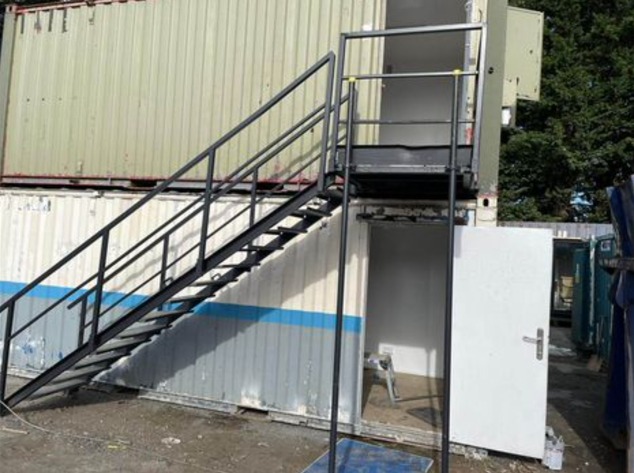
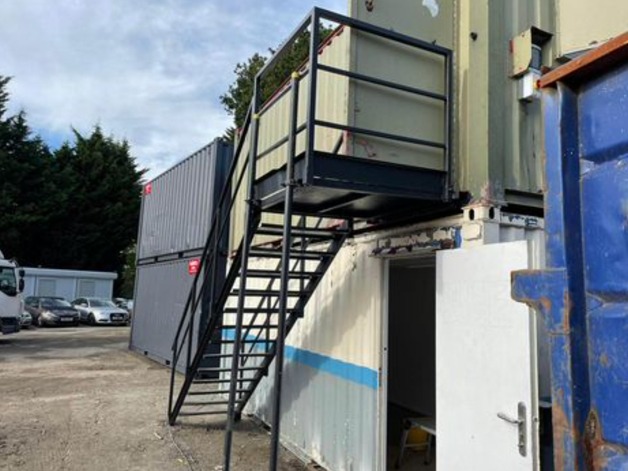
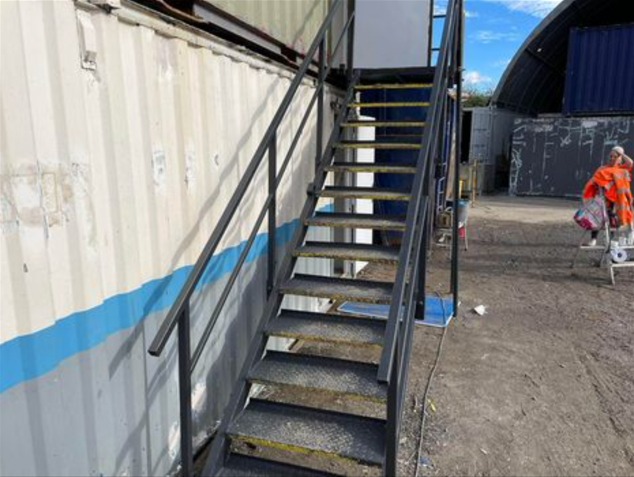
13 tread
14 tread
15 tread


Location: Nationwide
Not Available for Hire
Call for an instant quote!


Location: Nationwide
Not Available for Hire
We can deliver for a cost please ask and send us post code.
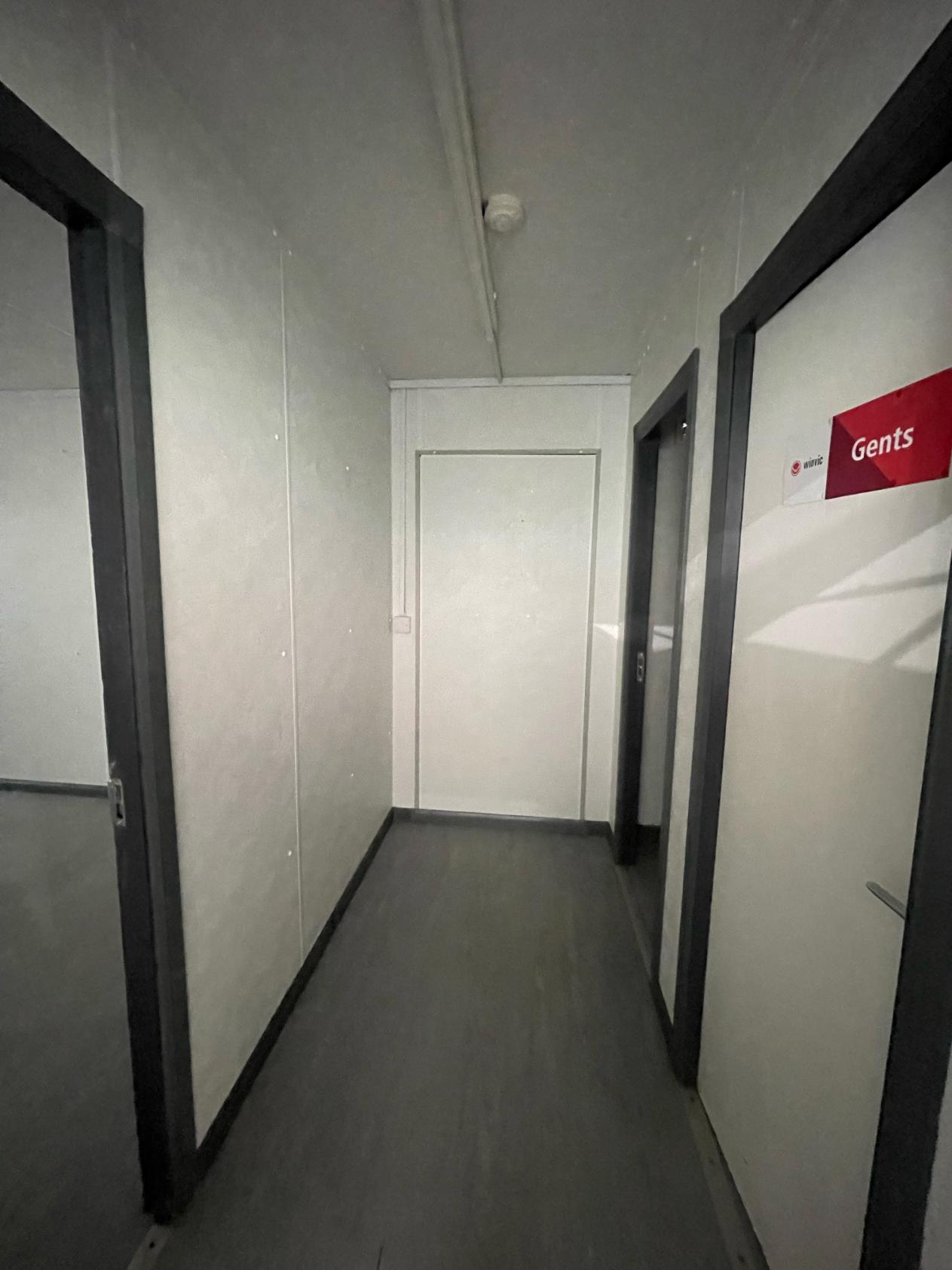
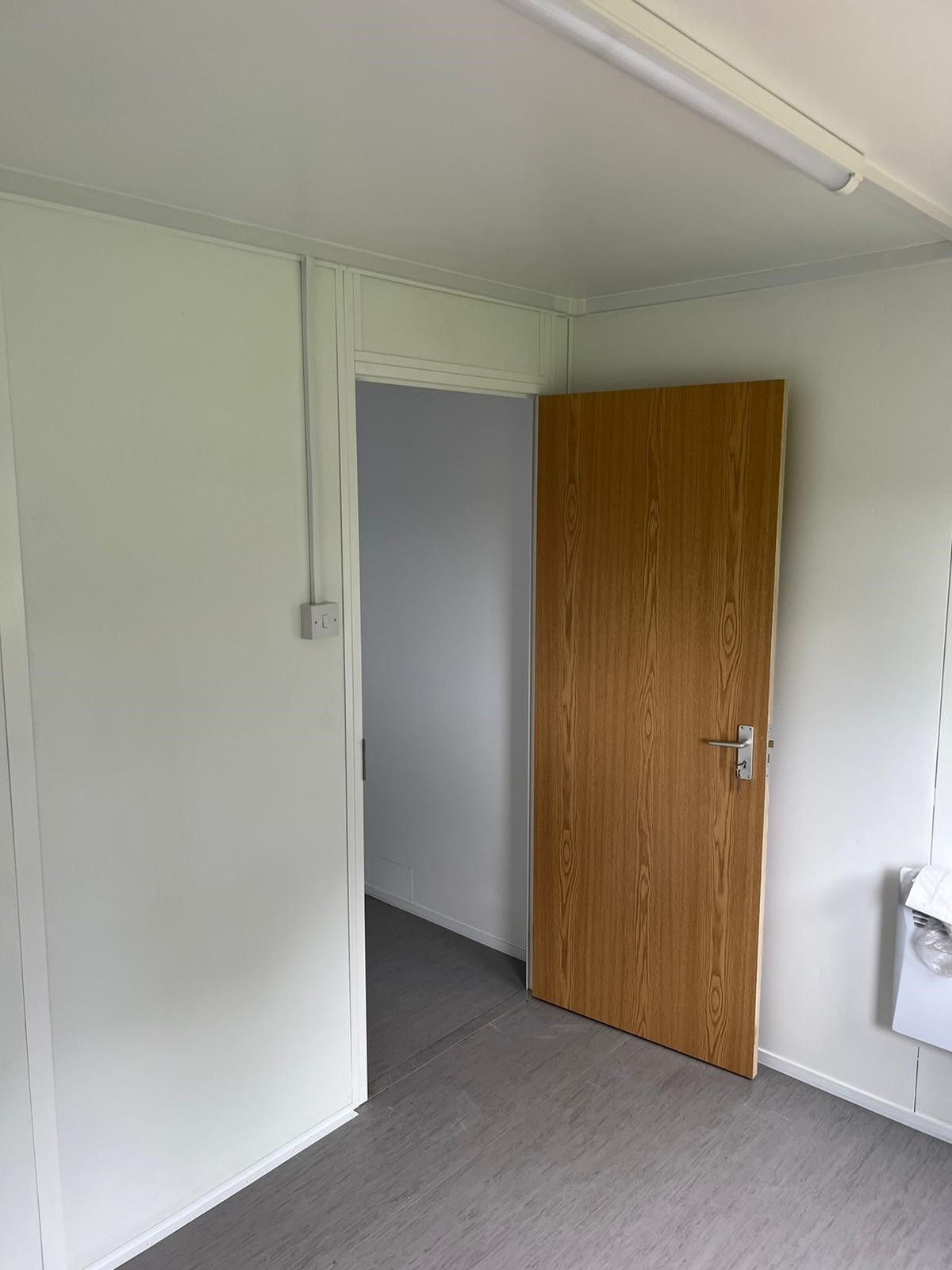
Hallway leading into:
Transport can be arranged please ask.


Location: Nationwide
Not Available for Hire
Call for an instant quote!
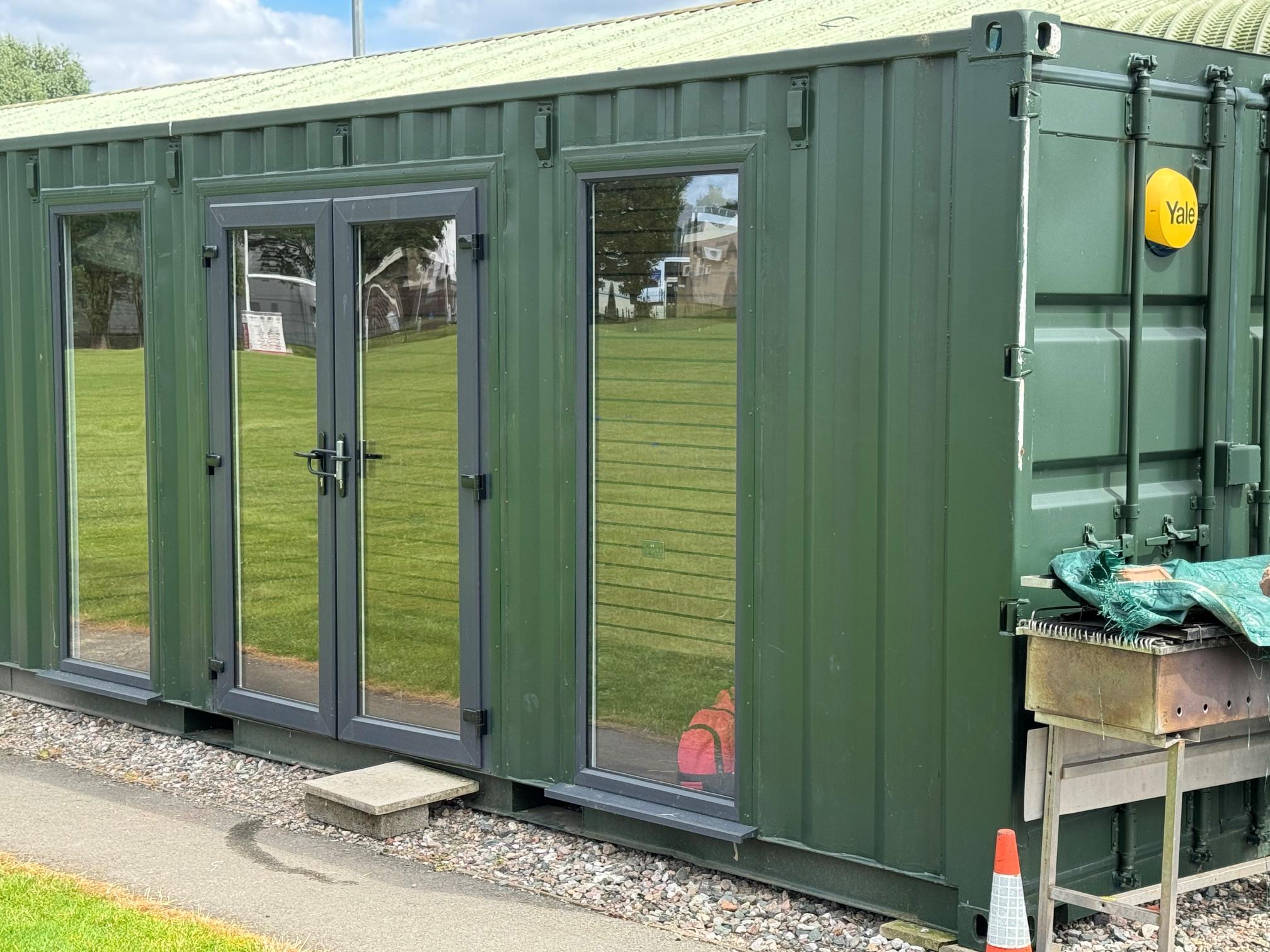
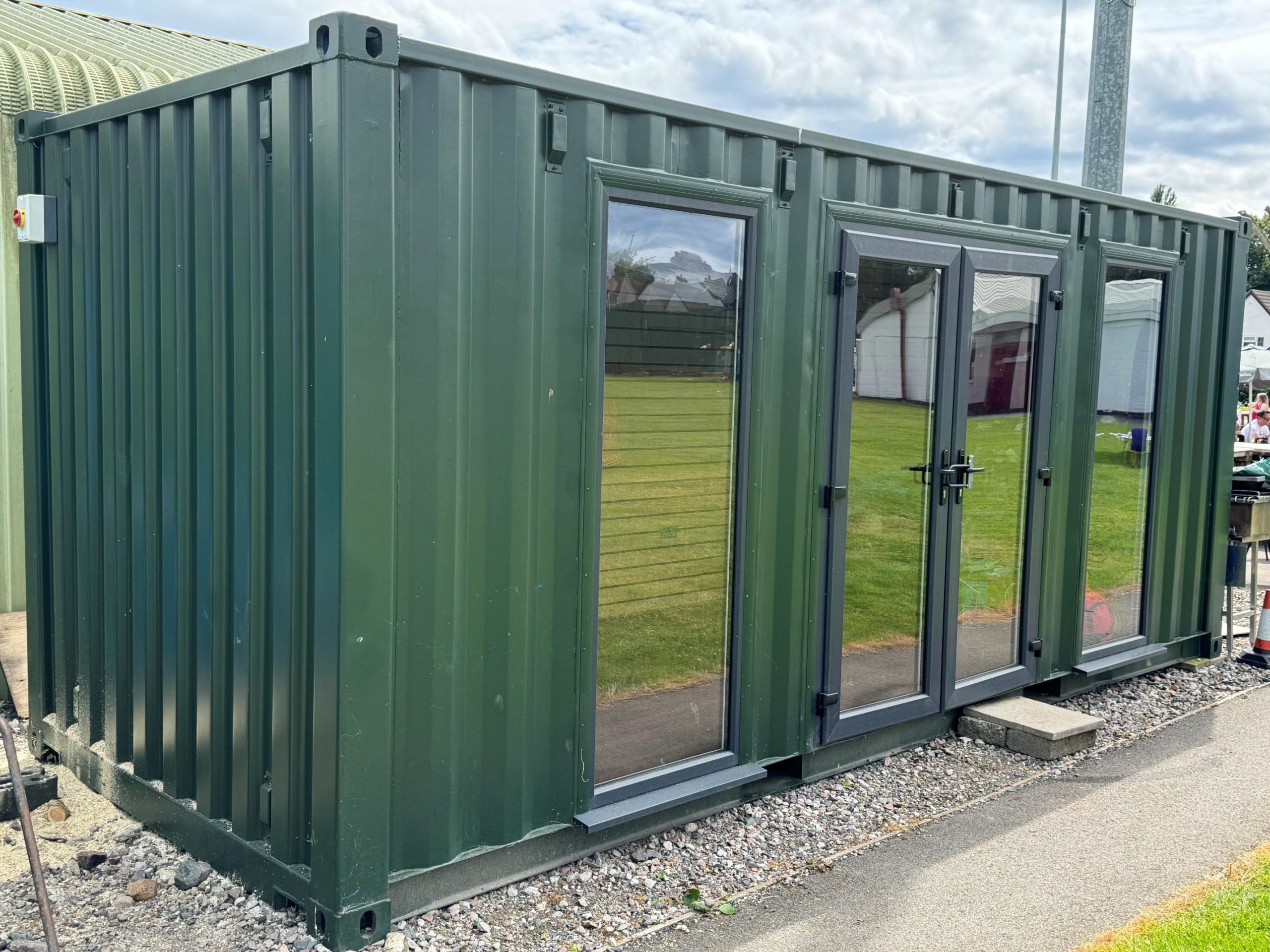
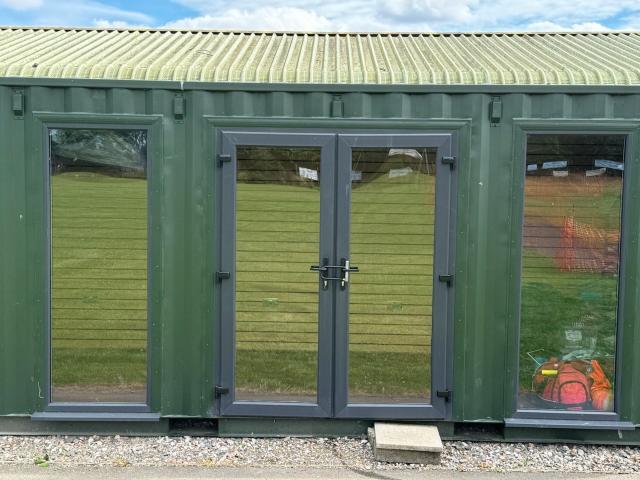
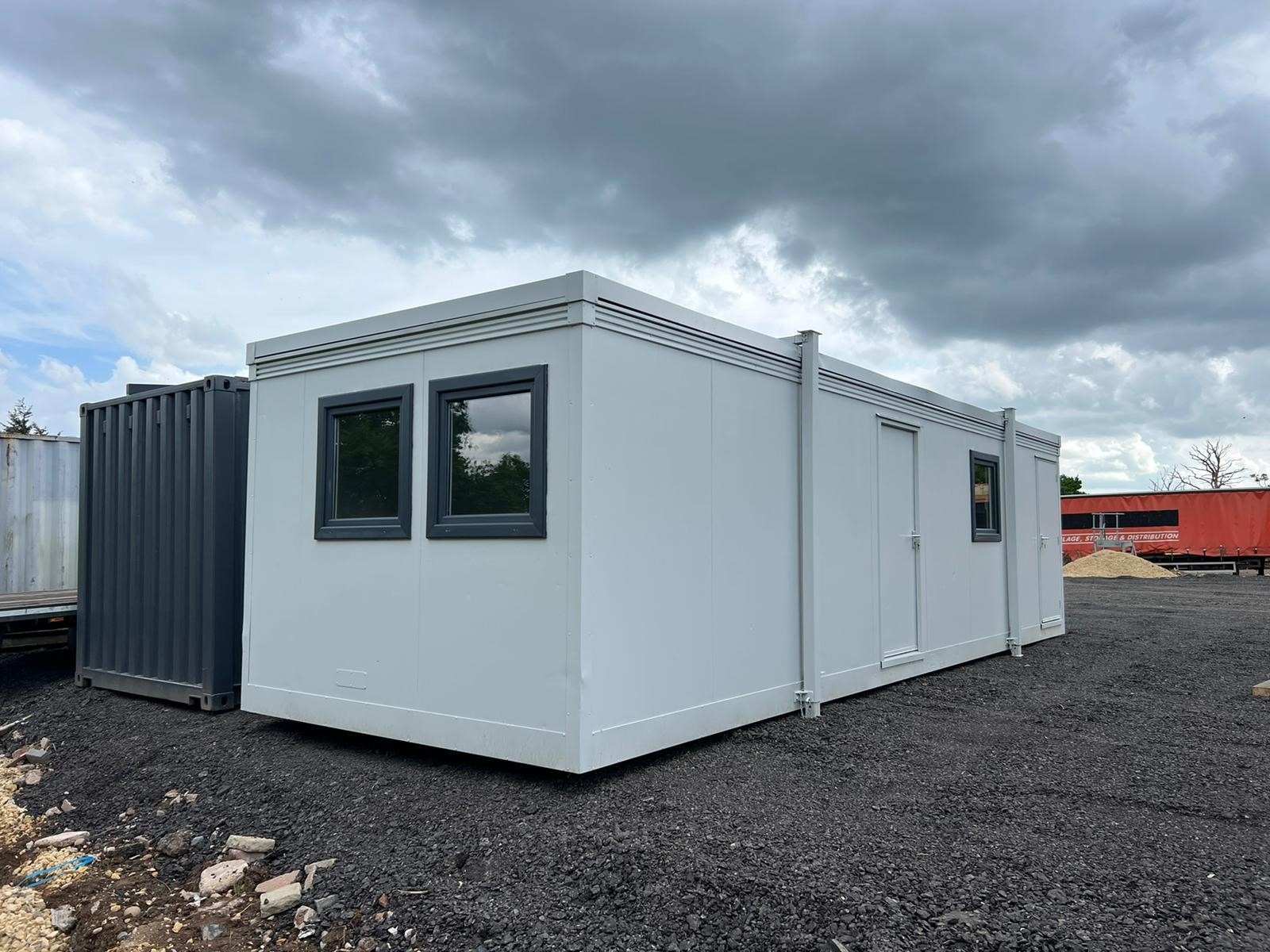
20ft x 8ft Container Conversion Retail Shop
UPVC Double glazed Windows + French Doors
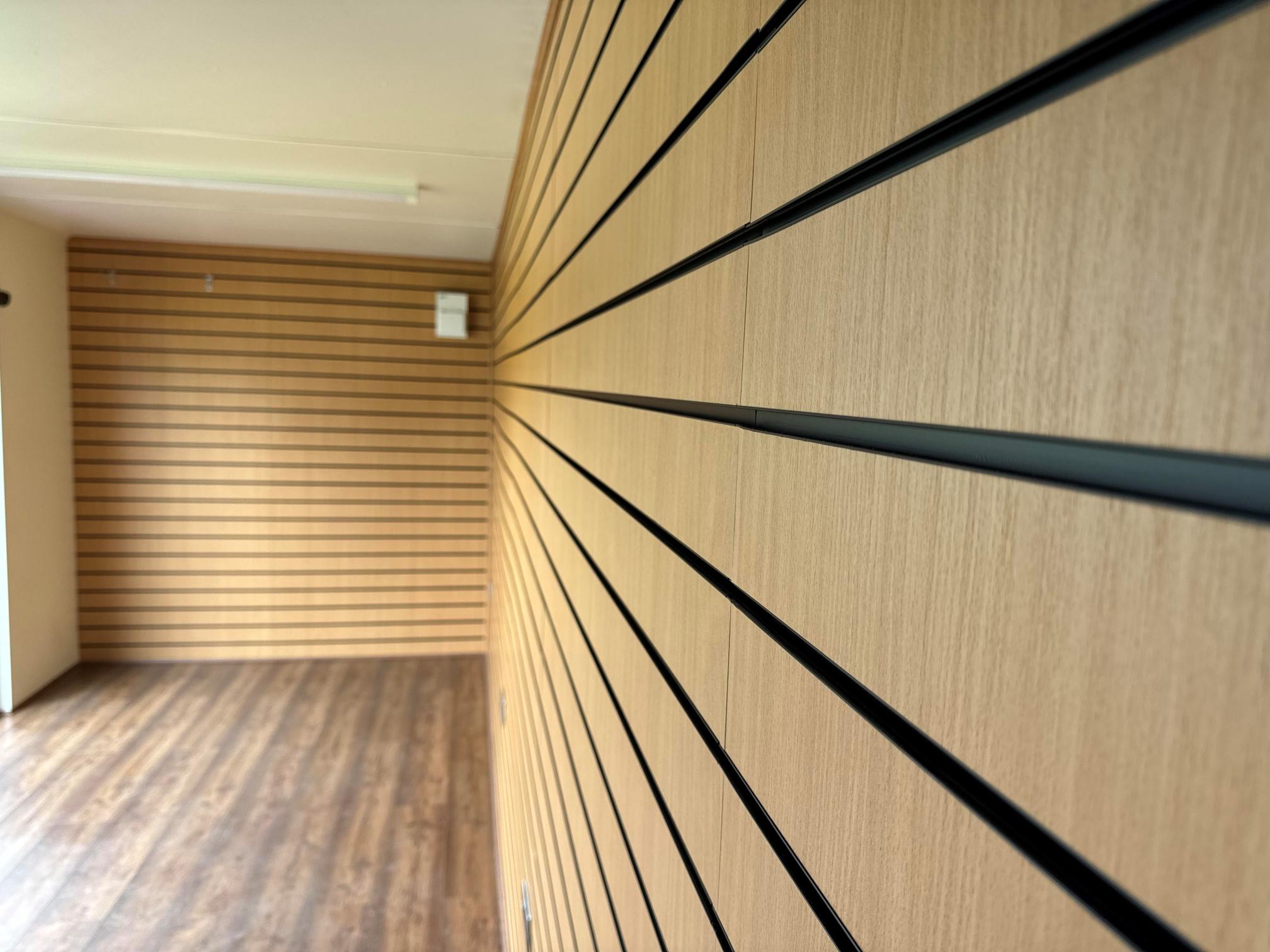
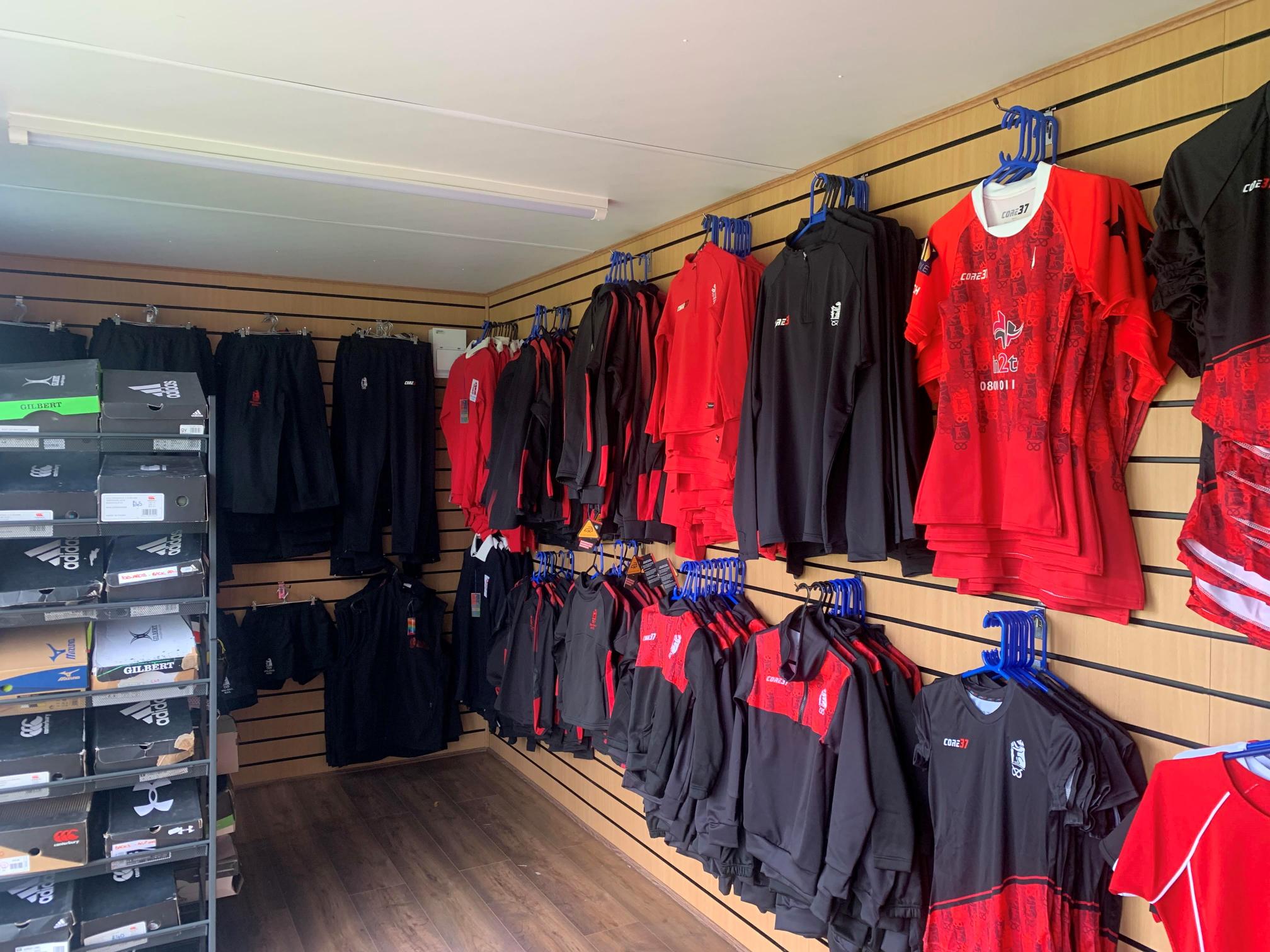
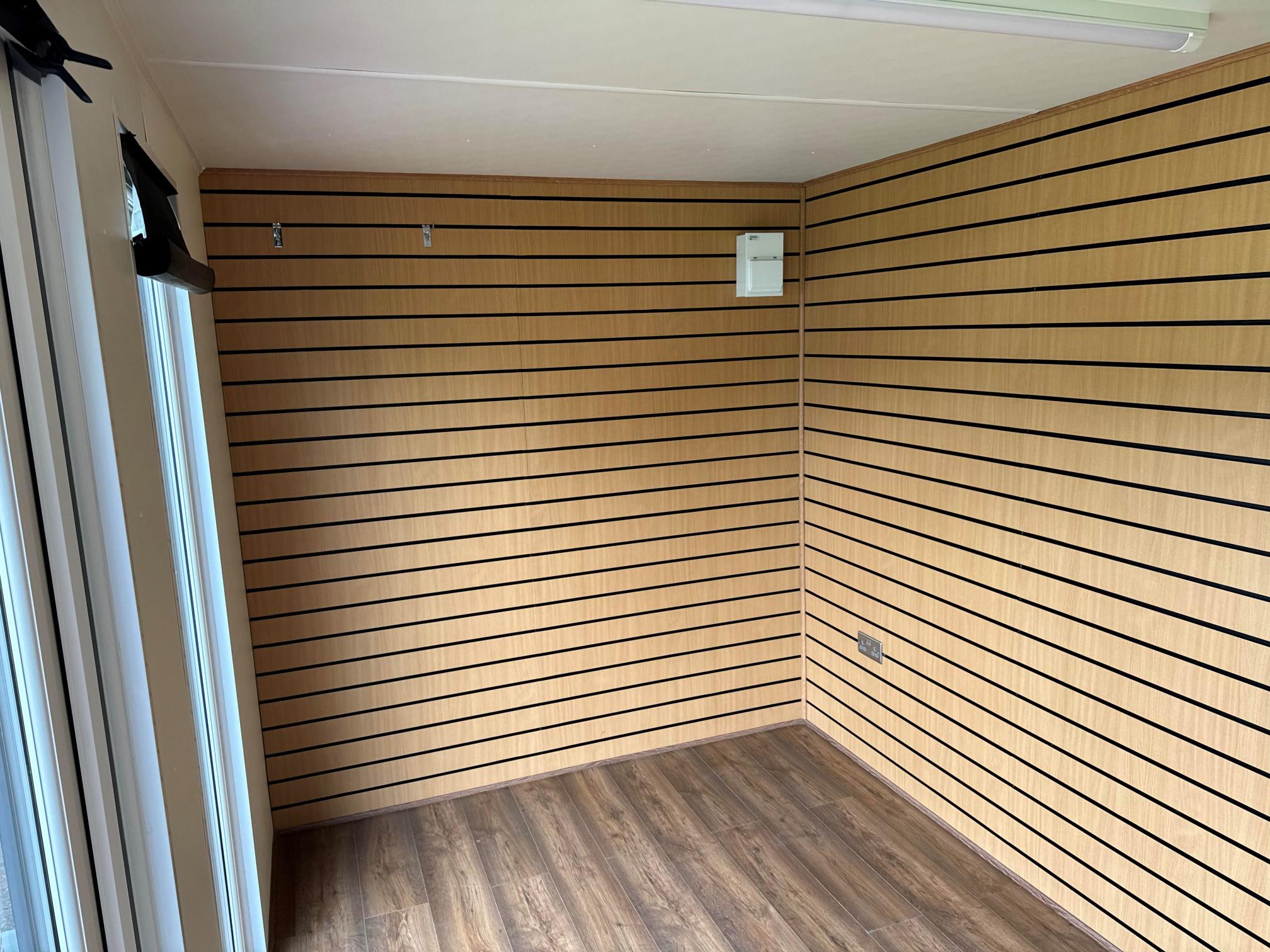
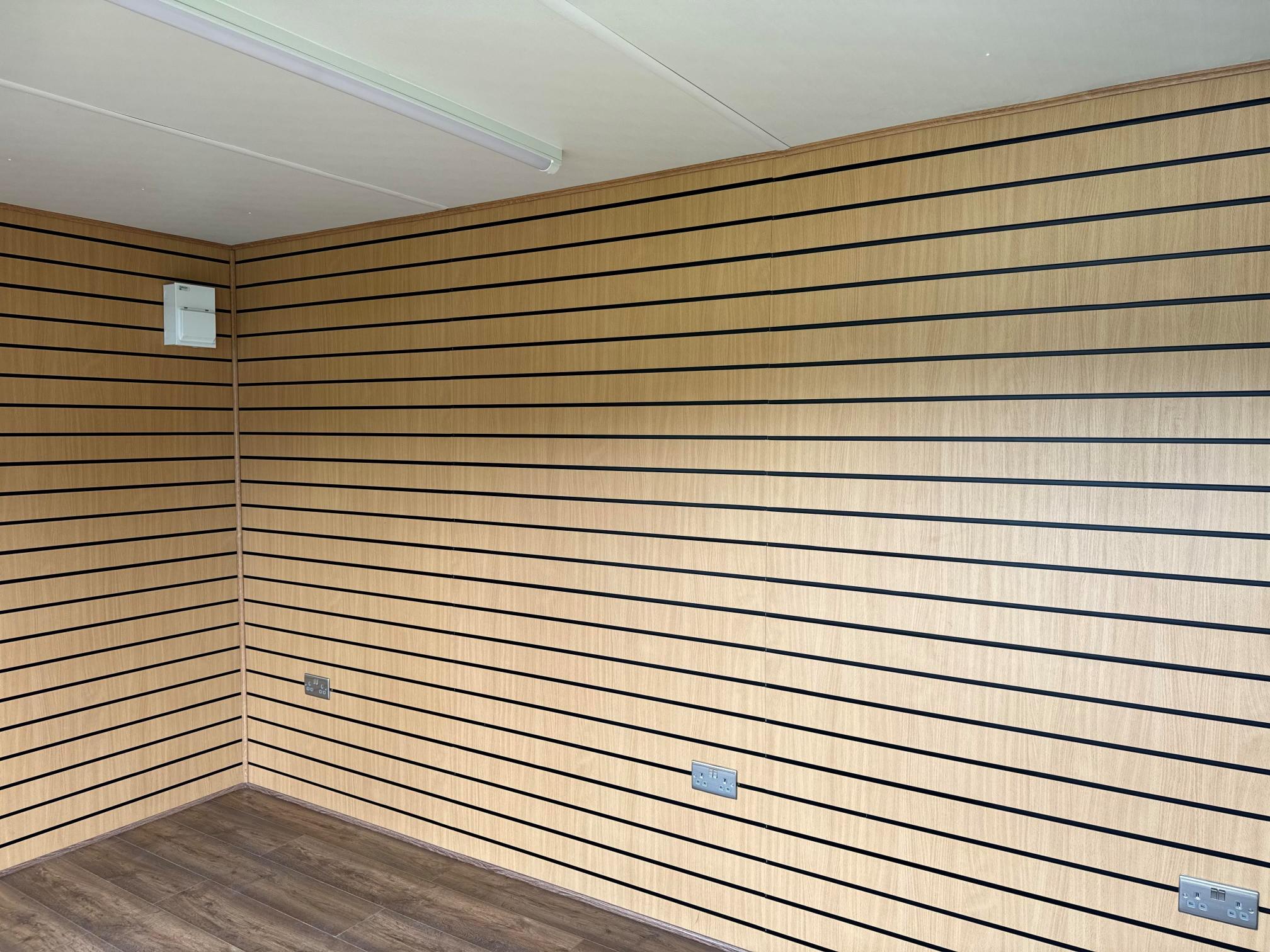
Slat Wall for retail fixings and Merchandise
Electric Chrome Sockets, led lighting and heating.
Laminate Flooring
12 months Warranty
Maintenance call out package included
Less than 2 years old
Still in Brand New Condition


Fully refurbished
Colour light grey
Slate grey anthracite upvc double glazed windows


Location: Nationwide
+ VAT
Not Available for Hire
Call for an instant quote!
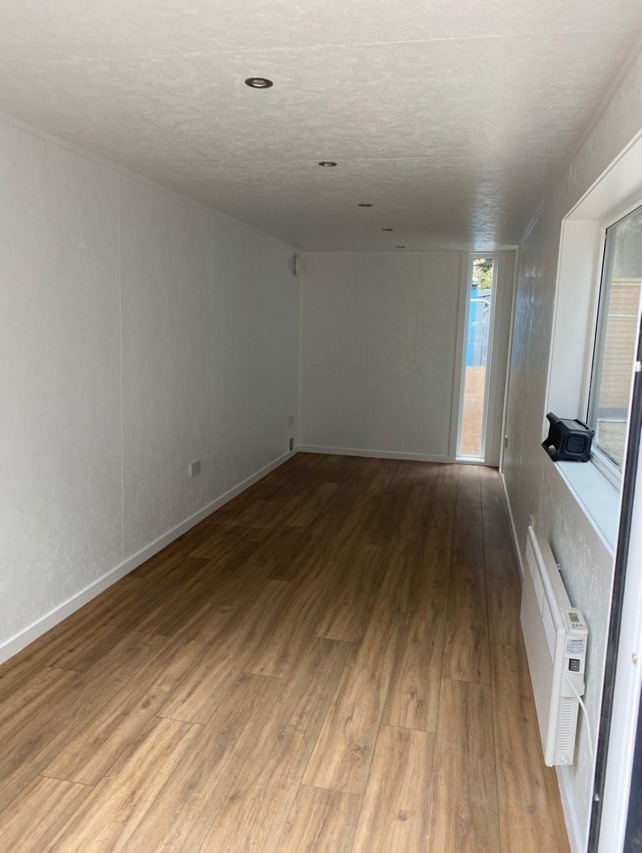
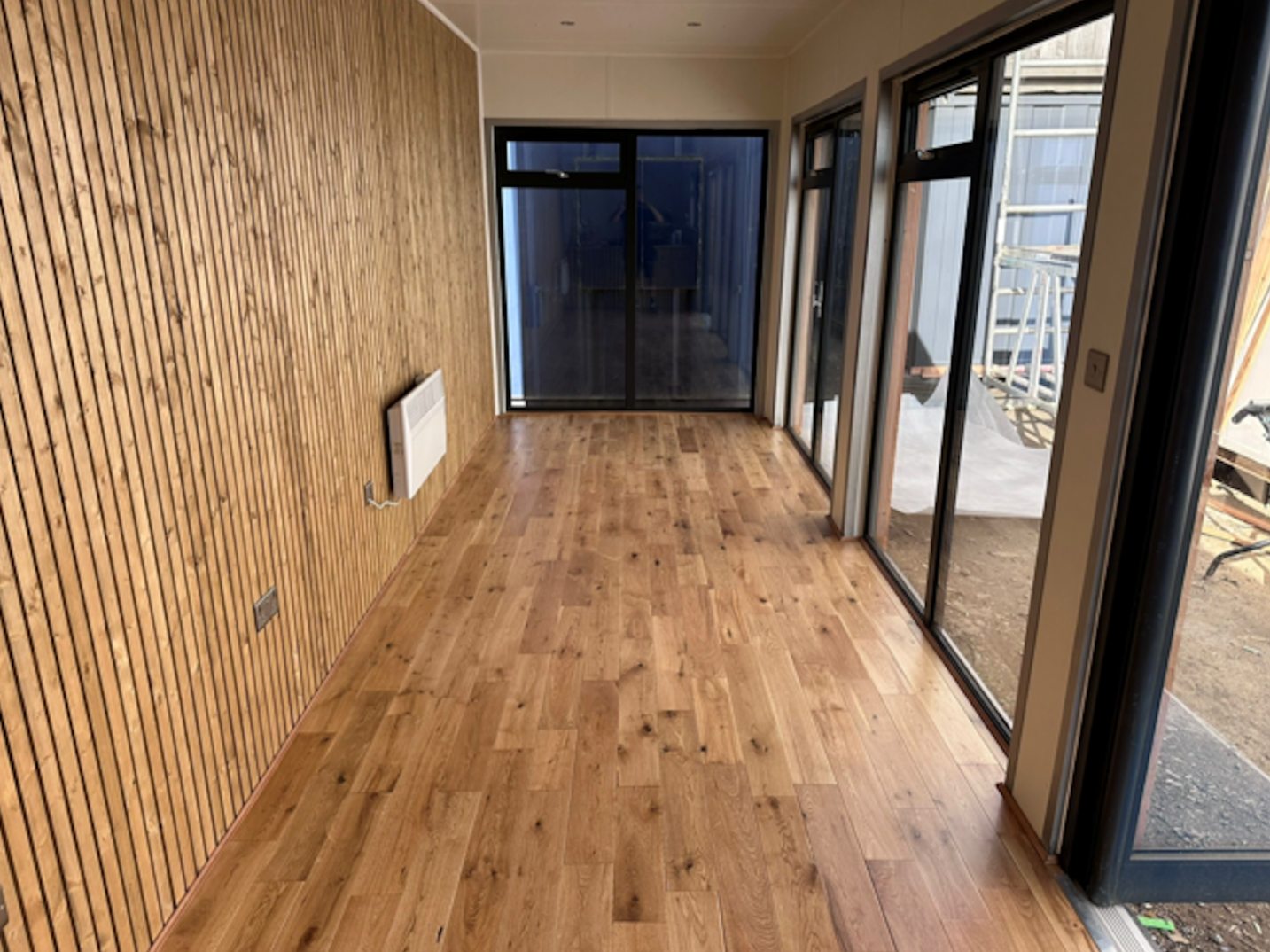
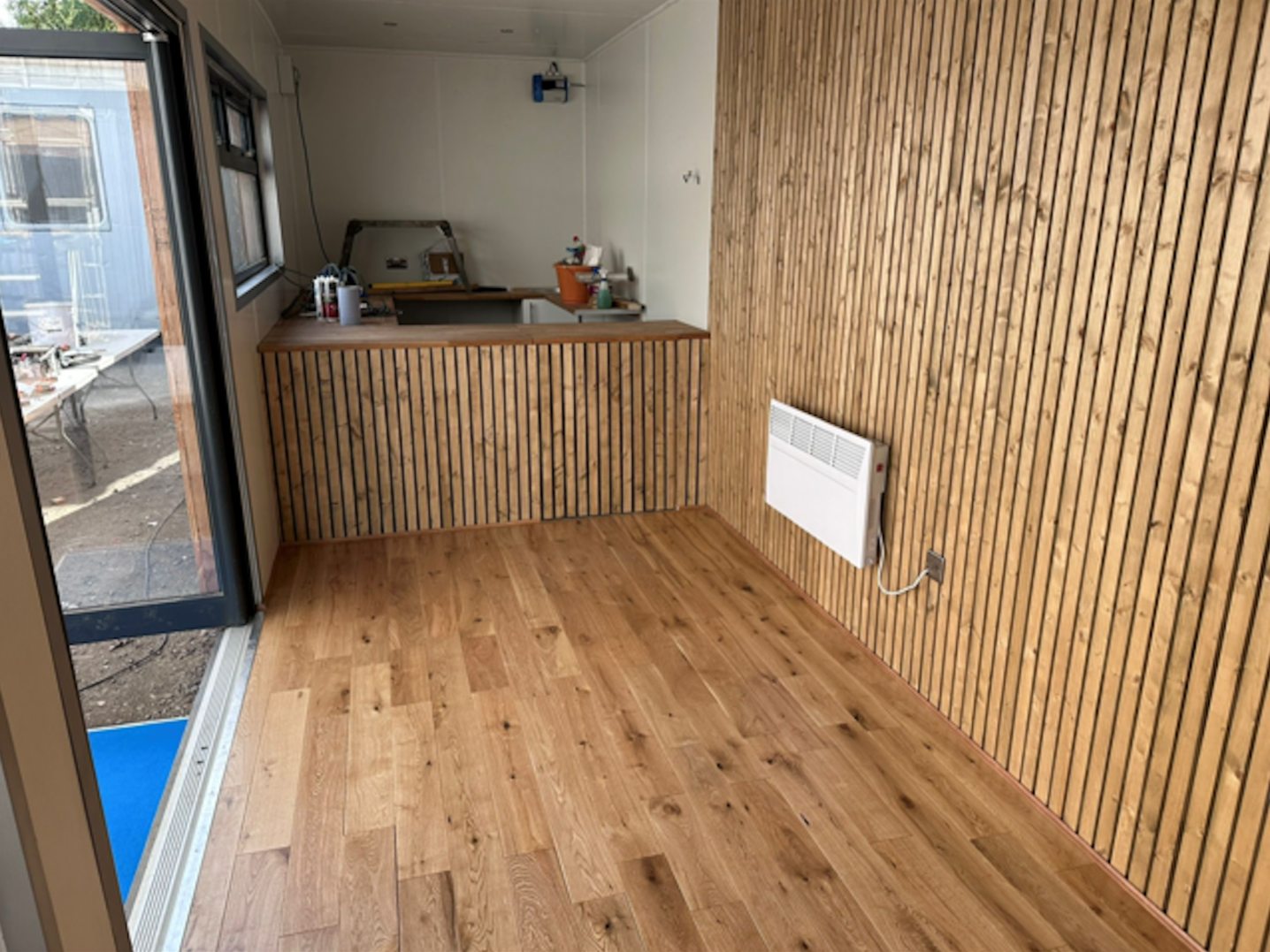
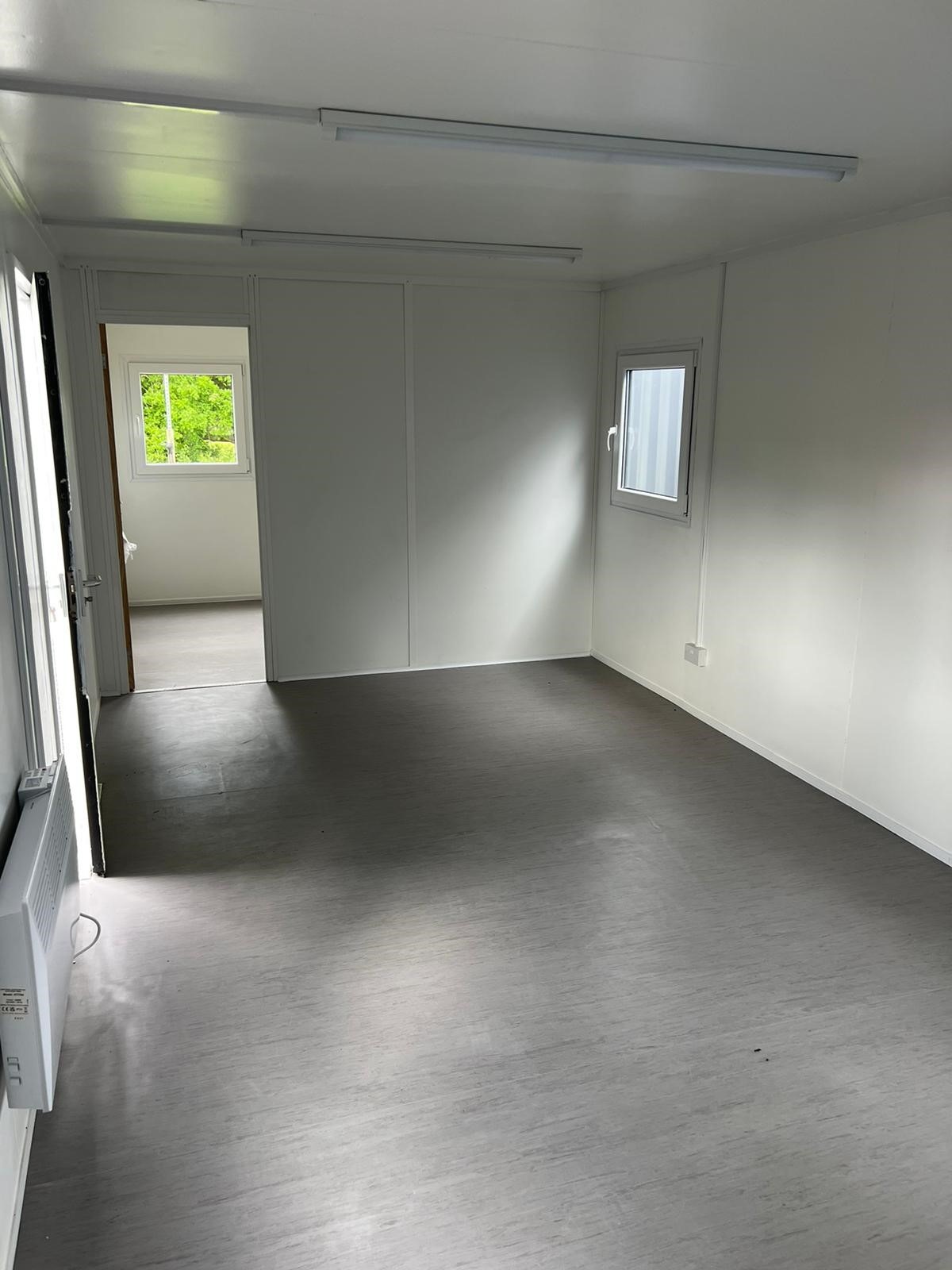
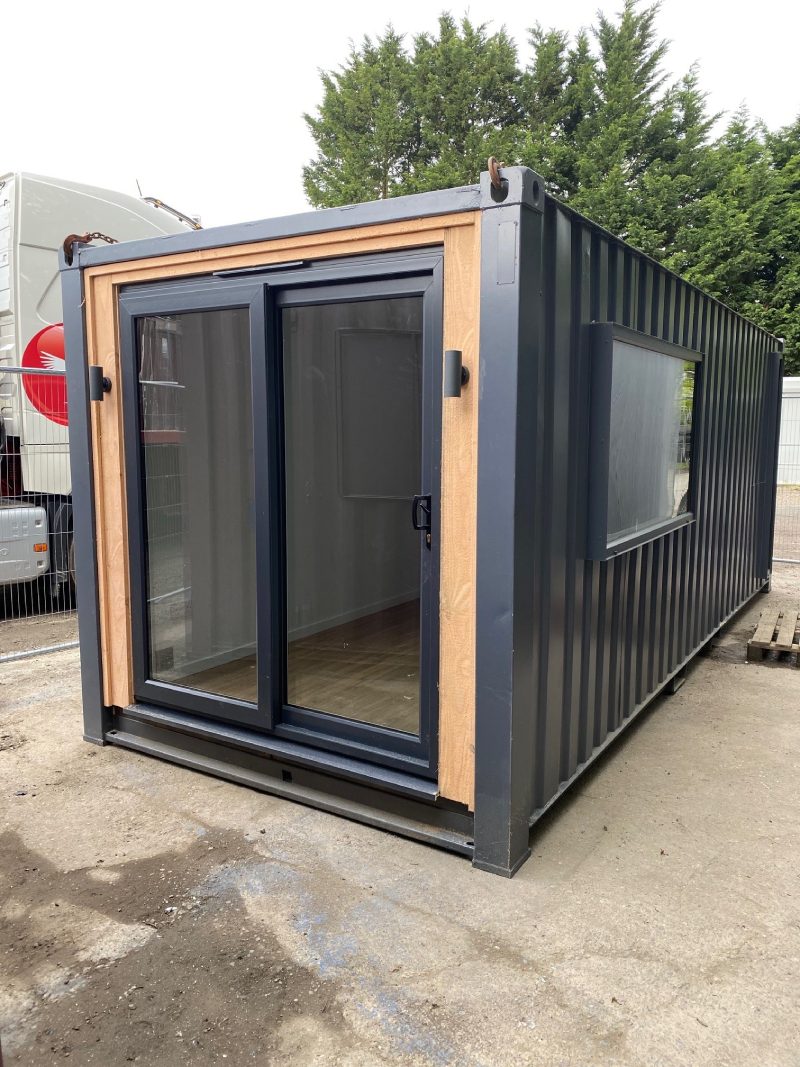
Fully Insulated with electric sockets, spot lighting, and heating
Wood Flooring
UPVC Sliding Door + Windows
Lead Time for build 6-8 weeks


Location: Nationwide
+ VAT
Not Available for Hire
Call for an instant quote!
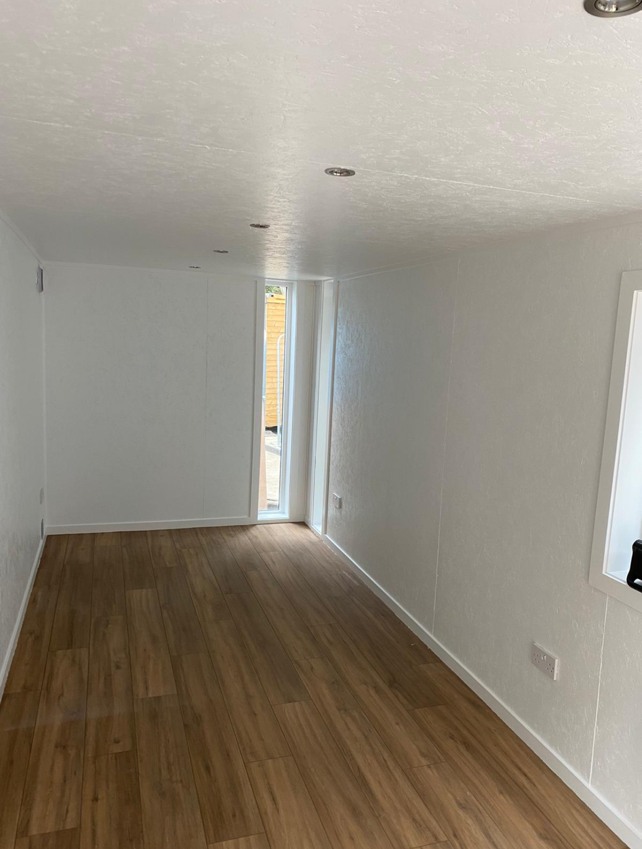
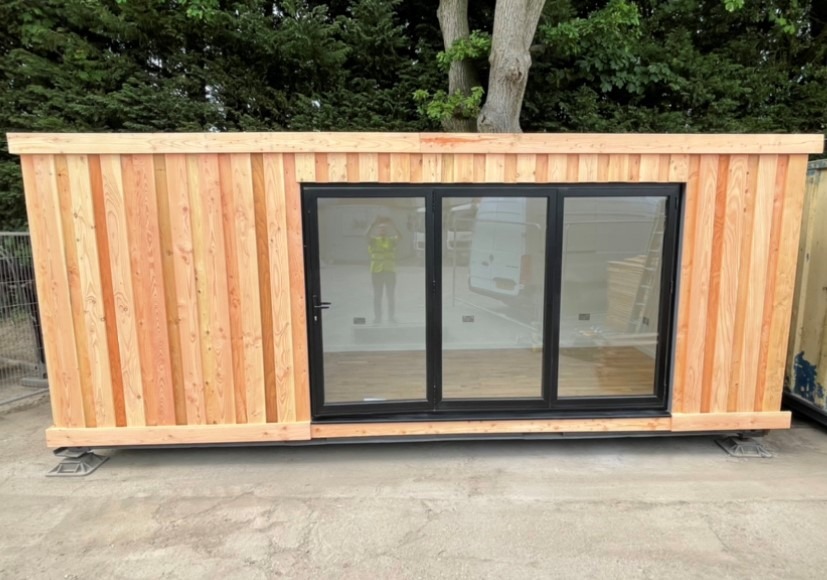
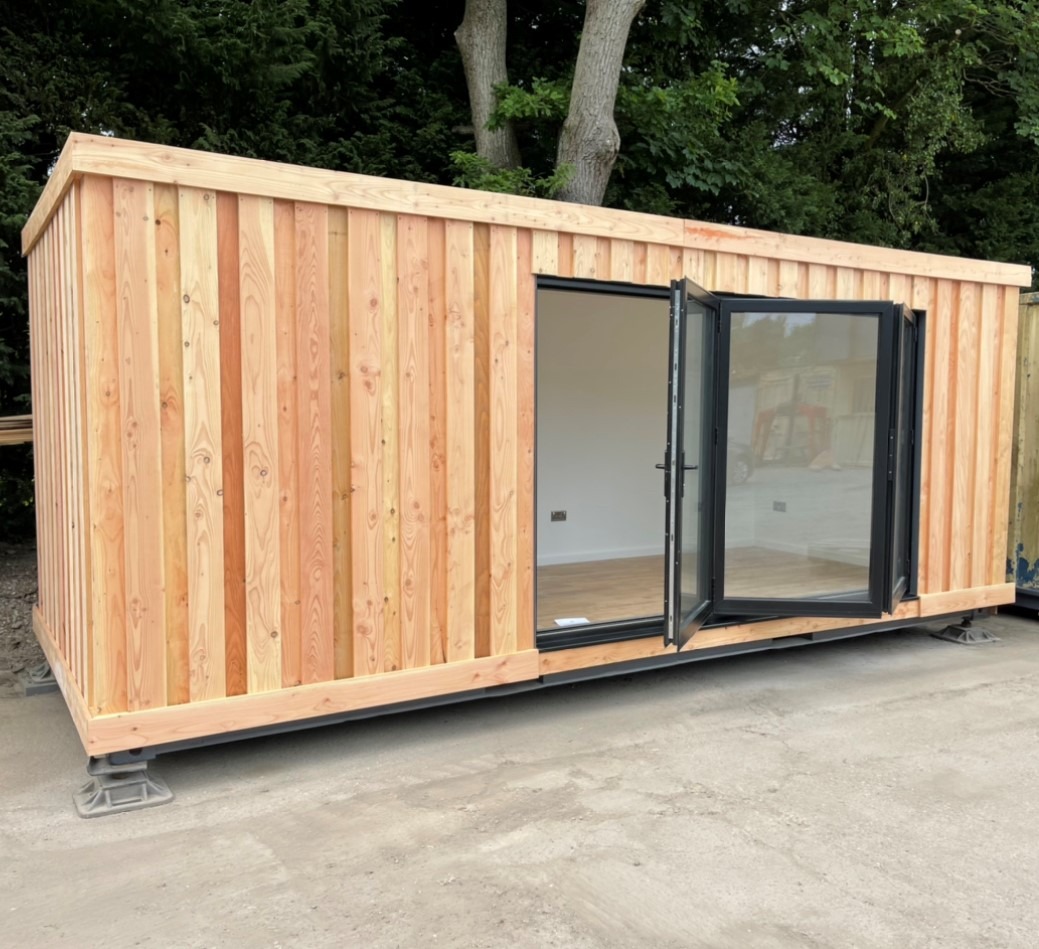
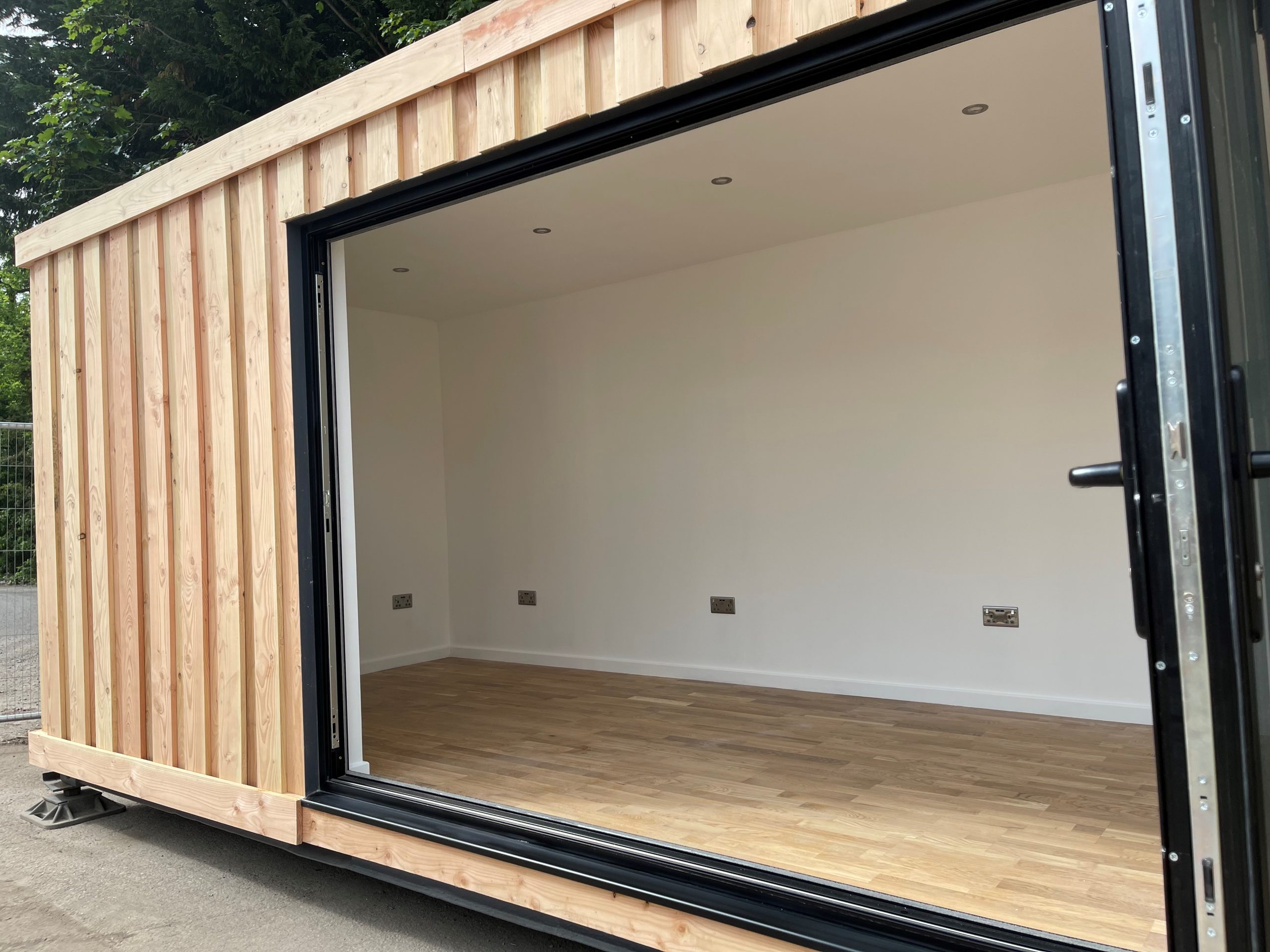
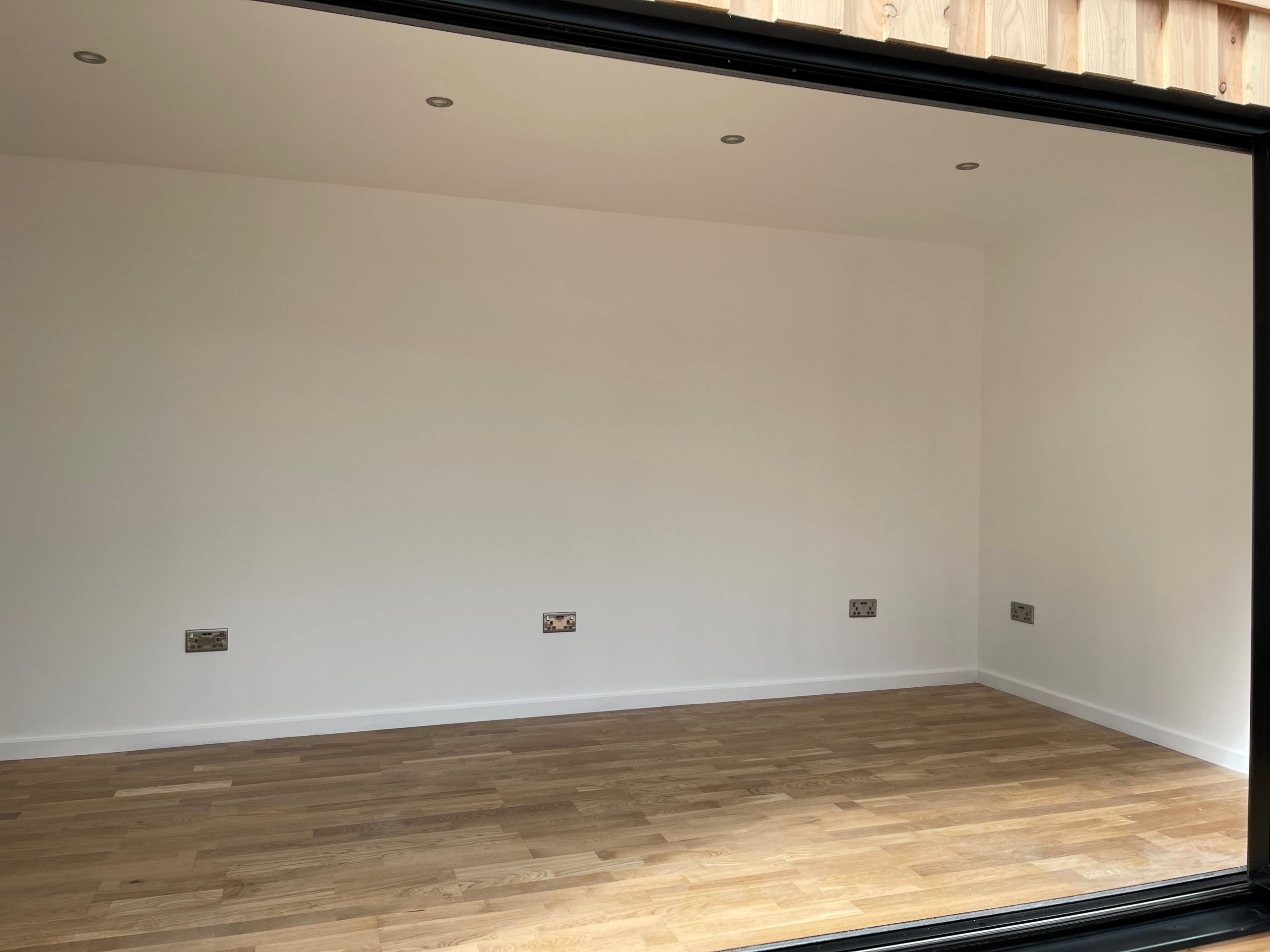
Fully Insulated with electric sockets, spot lighting, and heating
Wood Flooring
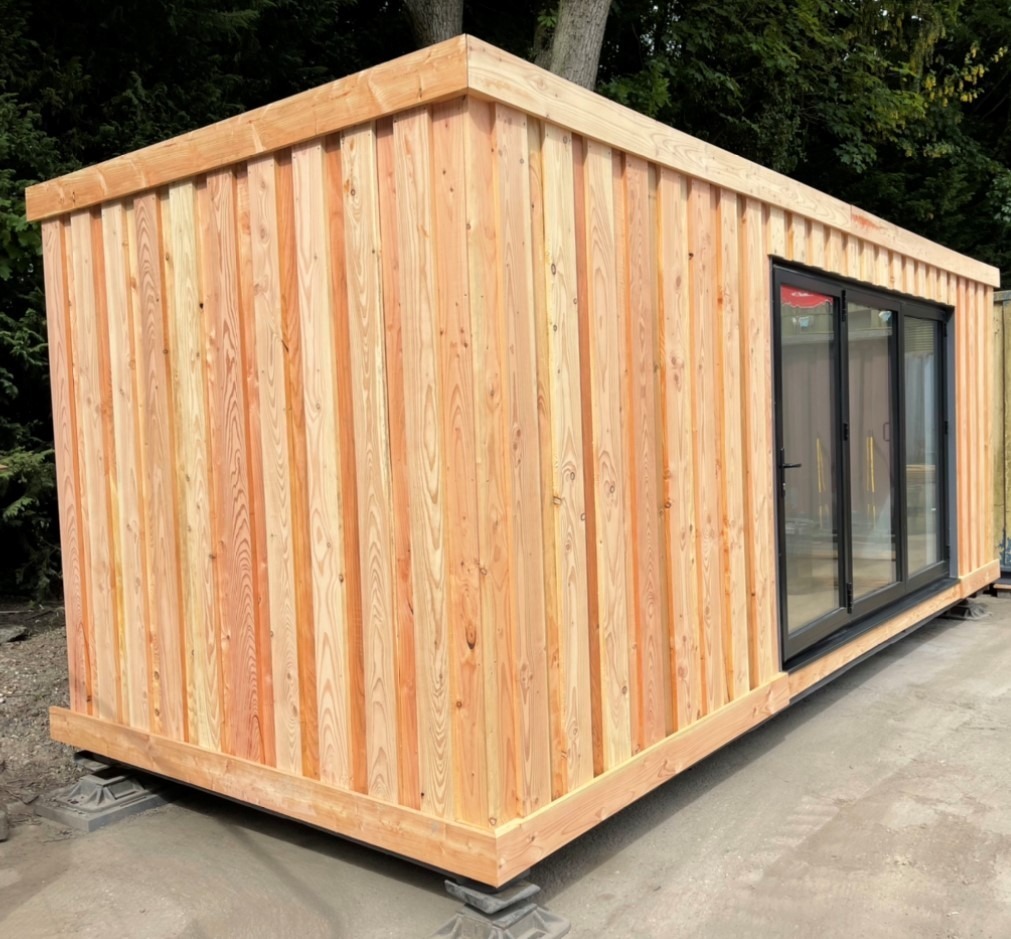
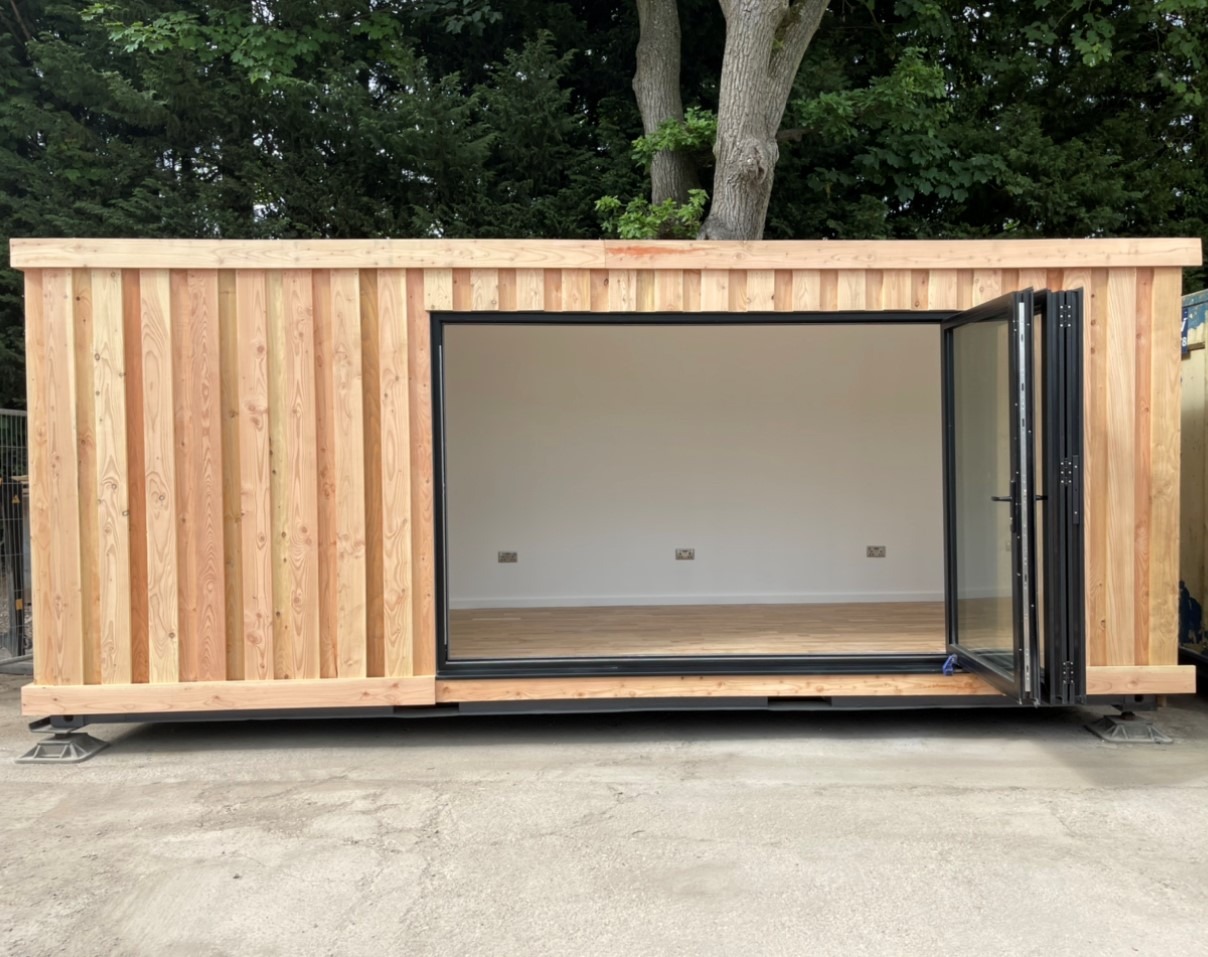
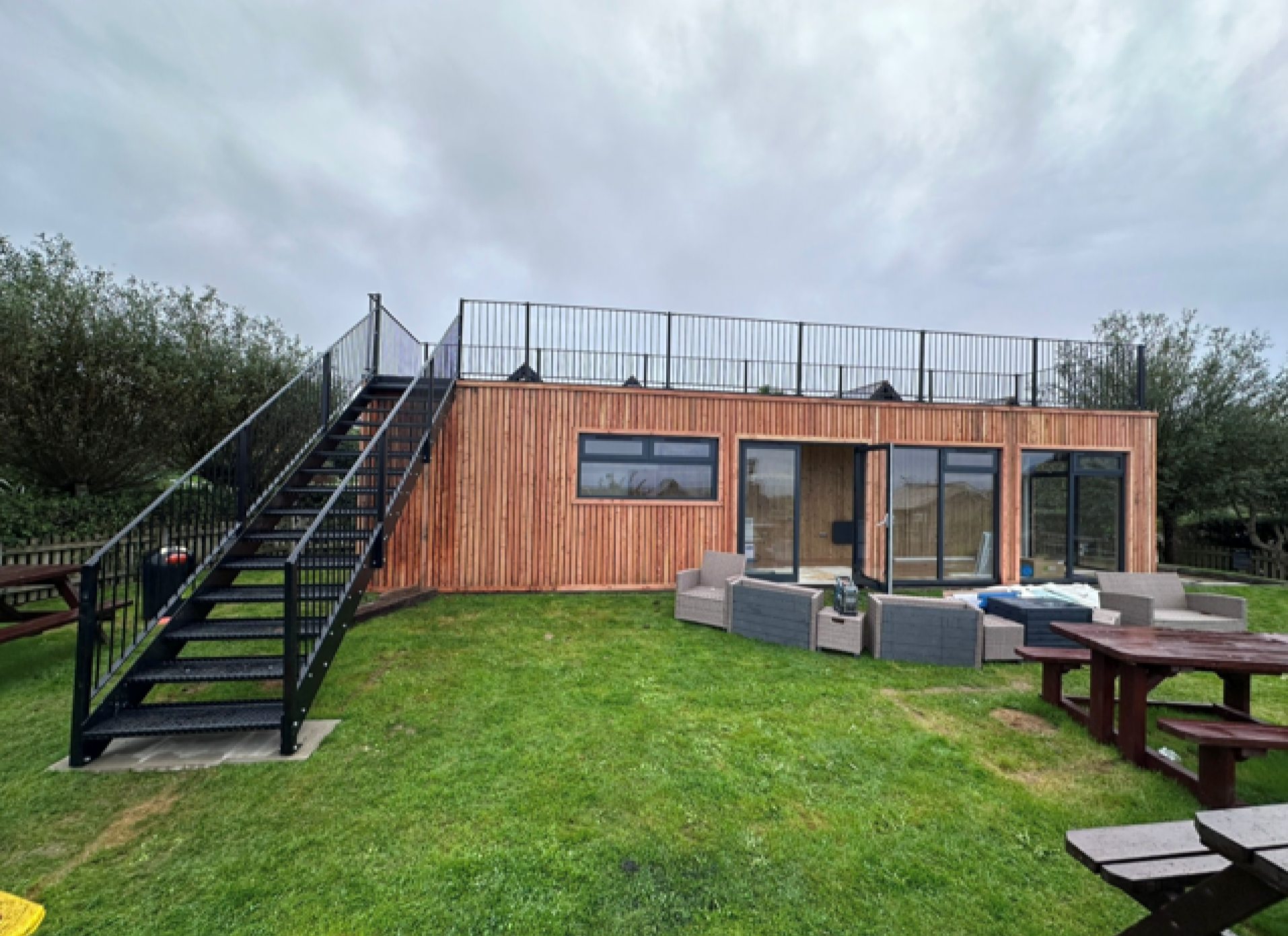
Aluminium Bi Fold Doors
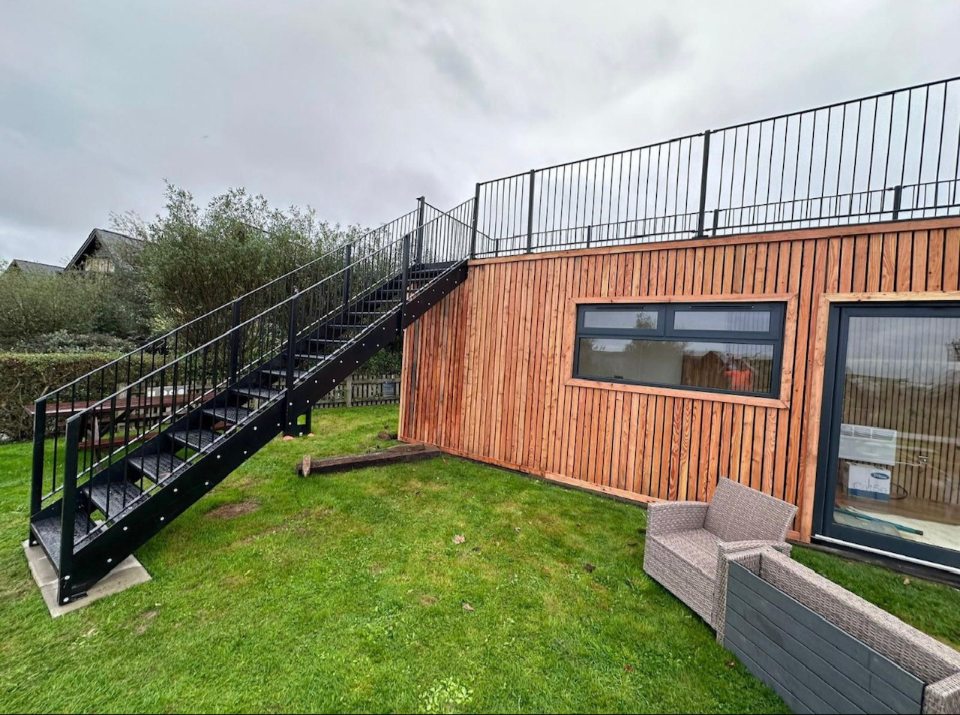
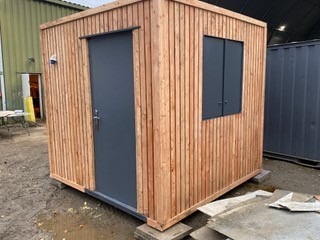
Fully wrapped in larch cladding
Lead Time for build 6-8 weeks


Location: Nationwide
+ VAT
Not Available for Hire
Call for an instant quote!
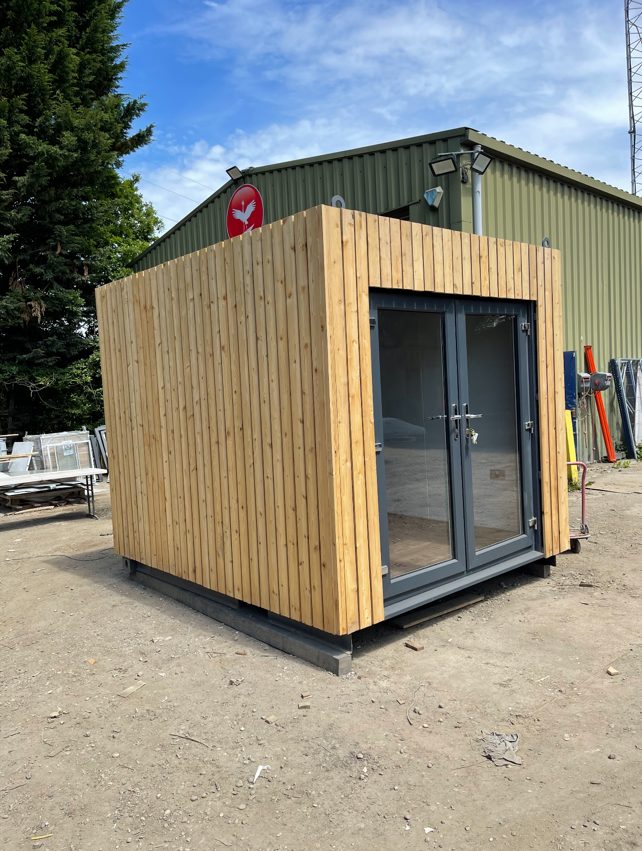
Fully Insulated with electric sockets, spot lighting, and heating
Wood Flooring
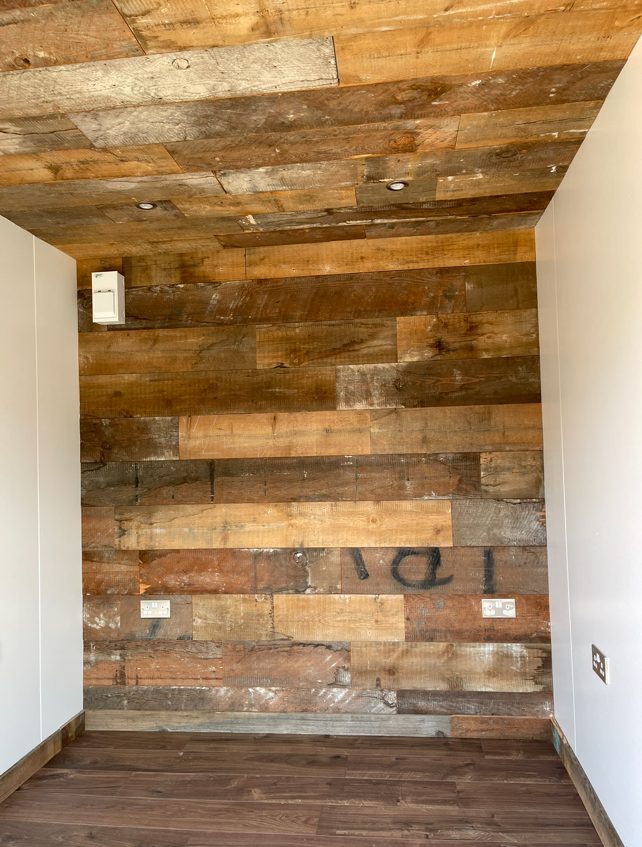
Feature Clad Wall and Ceiling
UPVC Double glazed French Doors
Fully wrapped in larch cladding
Lead Time for build 6-8 weeks


Location: Nationwide
EX VAT
Not Available for Hire
Call for an instant quote!


Location: Nationwide
EX VAT
Not Available for Hire
Call for an instant quote!


Location: Nationwide
EX VAT
Not Available for Hire
Call for an instant quote!


Location: Nationwide
EX VAT
Not Available for Hire
Call for an instant quote!


Location: Nationwide
EX VAT
Not Available for Hire
Call for an instant quote!

Location: Nationwide
EX VAT
Not Available for Hire
Call for an instant quote!


Location: Nationwide
EX VAT
Not Available for Hire
Call for an instant quote!


Location: Nationwide
EX VAT
Not Available for Hire
Call for an instant quote!


Location: Nationwide
EX VAT
Not Available for Hire
Call for an instant quote!


Location: Nationwide
EX VAT
Not Available for Hire
Call for an instant quote!


Location: Nationwide
EX VAT
Not Available for Hire
Call for an instant quote!


Location: Nationwide
EX VAT
Not Available for Hire
Call for an instant quote!


Location: Nationwide
EX VAT
Not Available for Hire
Call for an instant quote!


Location: Nationwide
EX VAT
Not Available for Hire
Call for an instant quote!


Location: Nationwide
EX VAT
Not Available for Hire
Call for an instant quote!


Location: Nationwide
EX VAT
Not Available for Hire
Call for an instant quote!
10ftx8ft – £5950 + Vat / 16ftx8ft – £7950 + Vat / 20ftx8ft – £9000 + Vat / 24ftx8ft – £12000 + Vat / 30ftx8ft – £13500 + Vat


Location: Nationwide
EX VAT
Not Available for Hire
Call for an instant quote!


Location: Nationwide
EX VAT
Not Available for Hire
Call for an instant quote!


Location: Nationwide
EX VAT
Not Available for Hire
Call for an instant quote!

Location: Nationwide
Quantity: ∞
EX VAT
Not Available for Hire
Call for an instant quote!
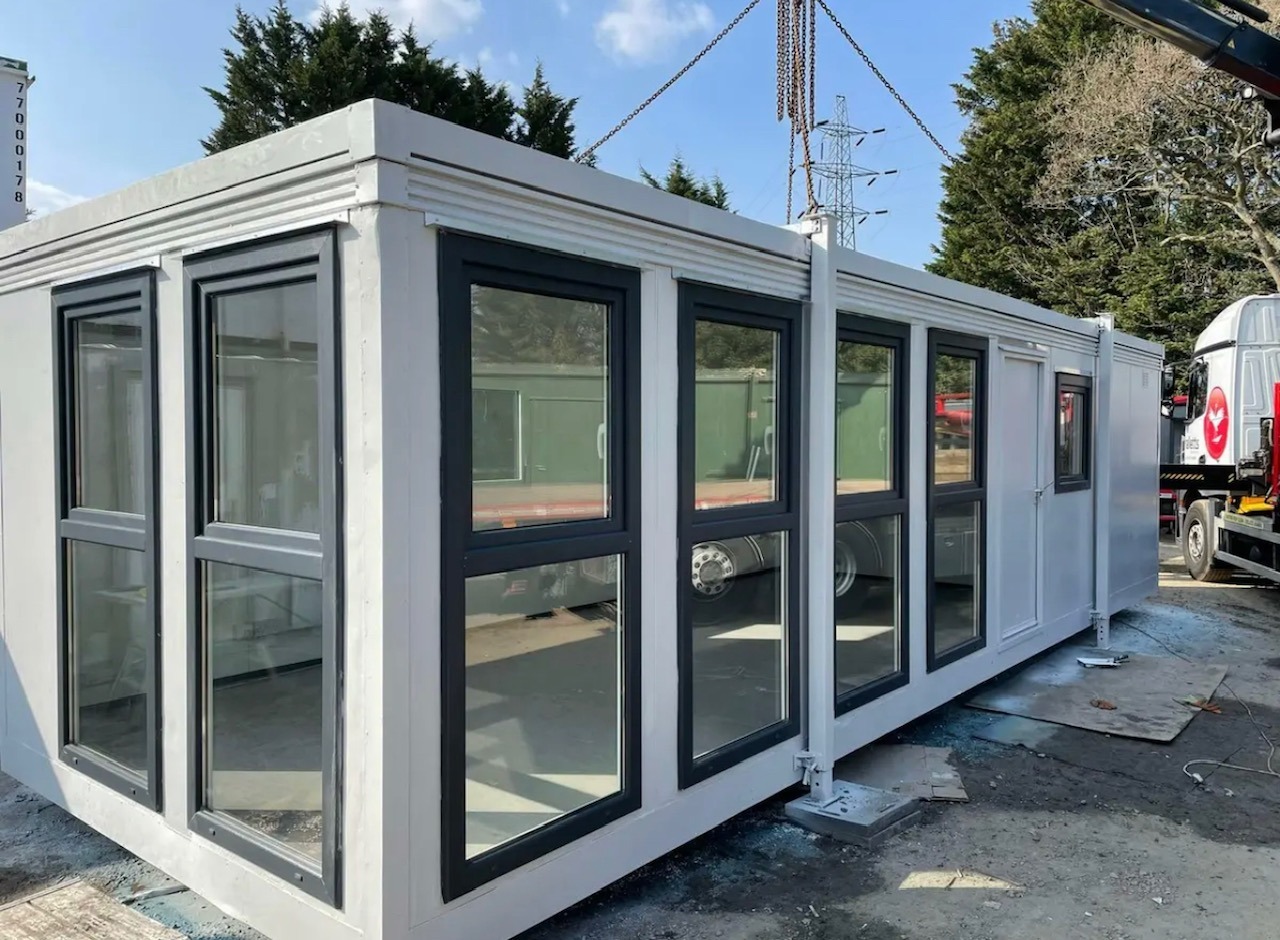
• Reinforced doors and windows with secure locking
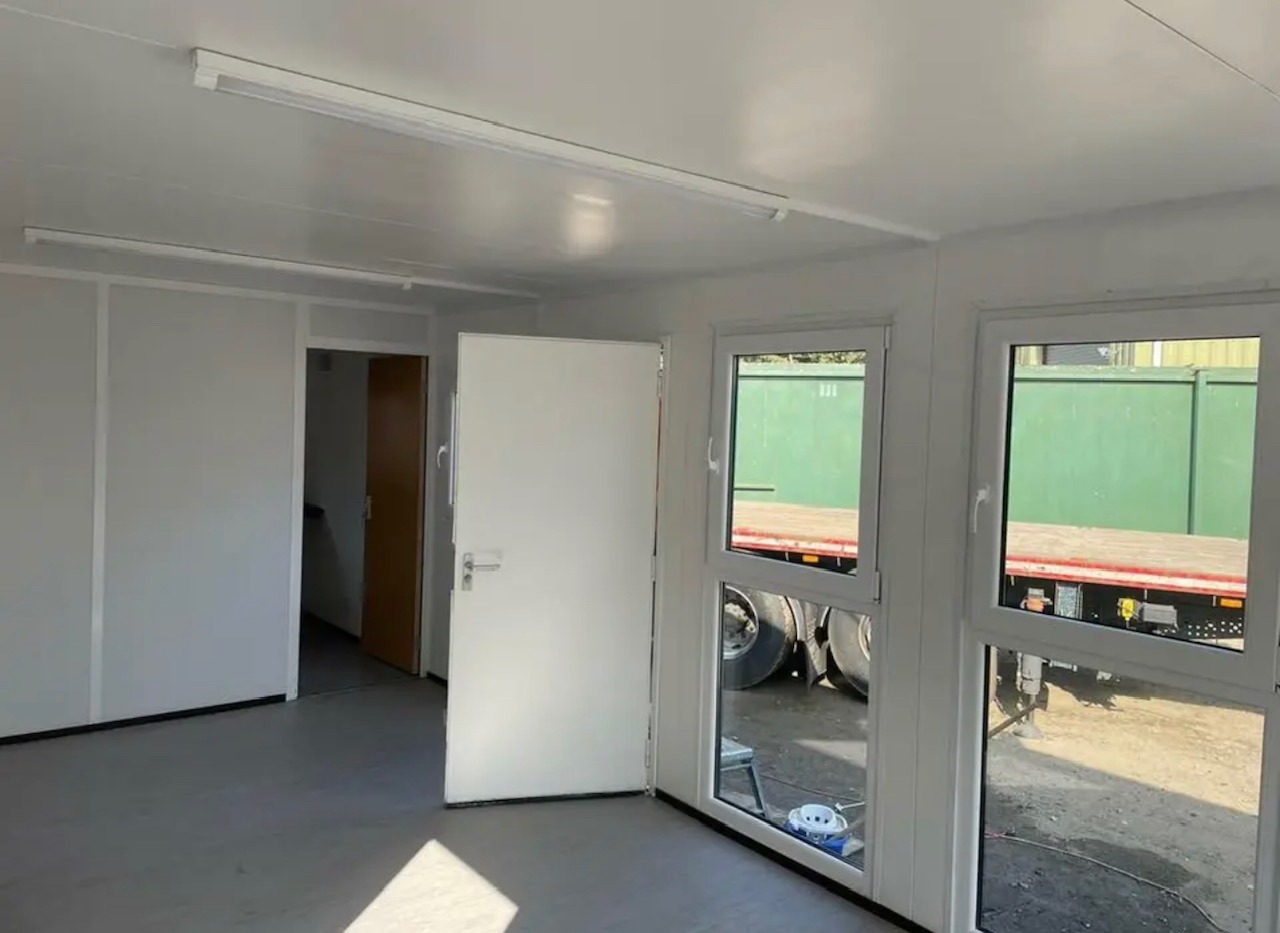
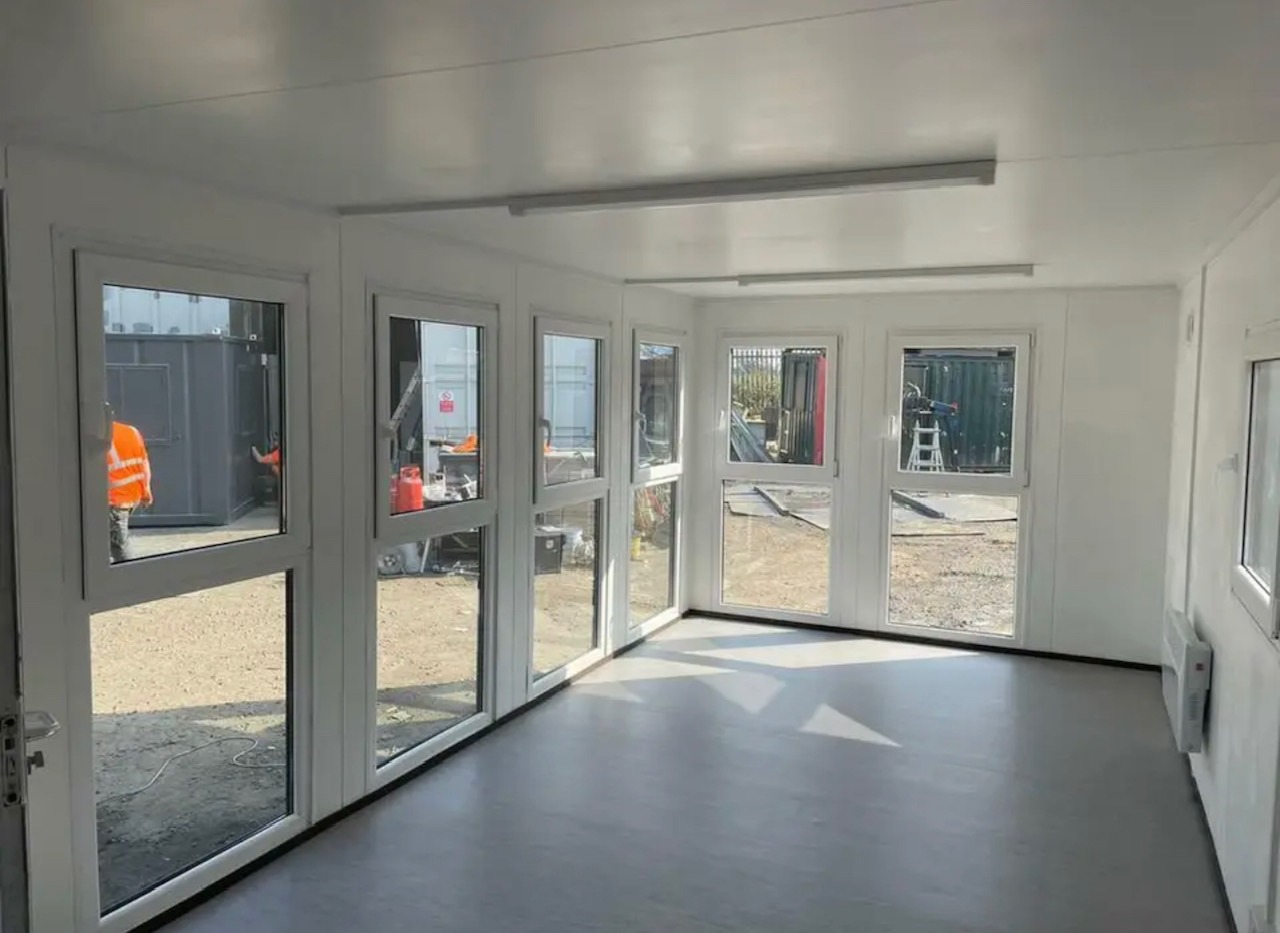
• Open plan with electric sockets and lighting
• Ral Code Colour of choice
• Any Extras available : Canteen, Partitions, Toilets.


Location: Nationwide
EX VAT
Not Available for Hire
Call for an instant quote!
• Reinforced doors and windows with secure locking
• Open plan with electric sockets and lighting
• Ral Code Colour of choice
• Any Extras available : Canteen, Partitions, Toilets.

• Reinforced doors with secure locking
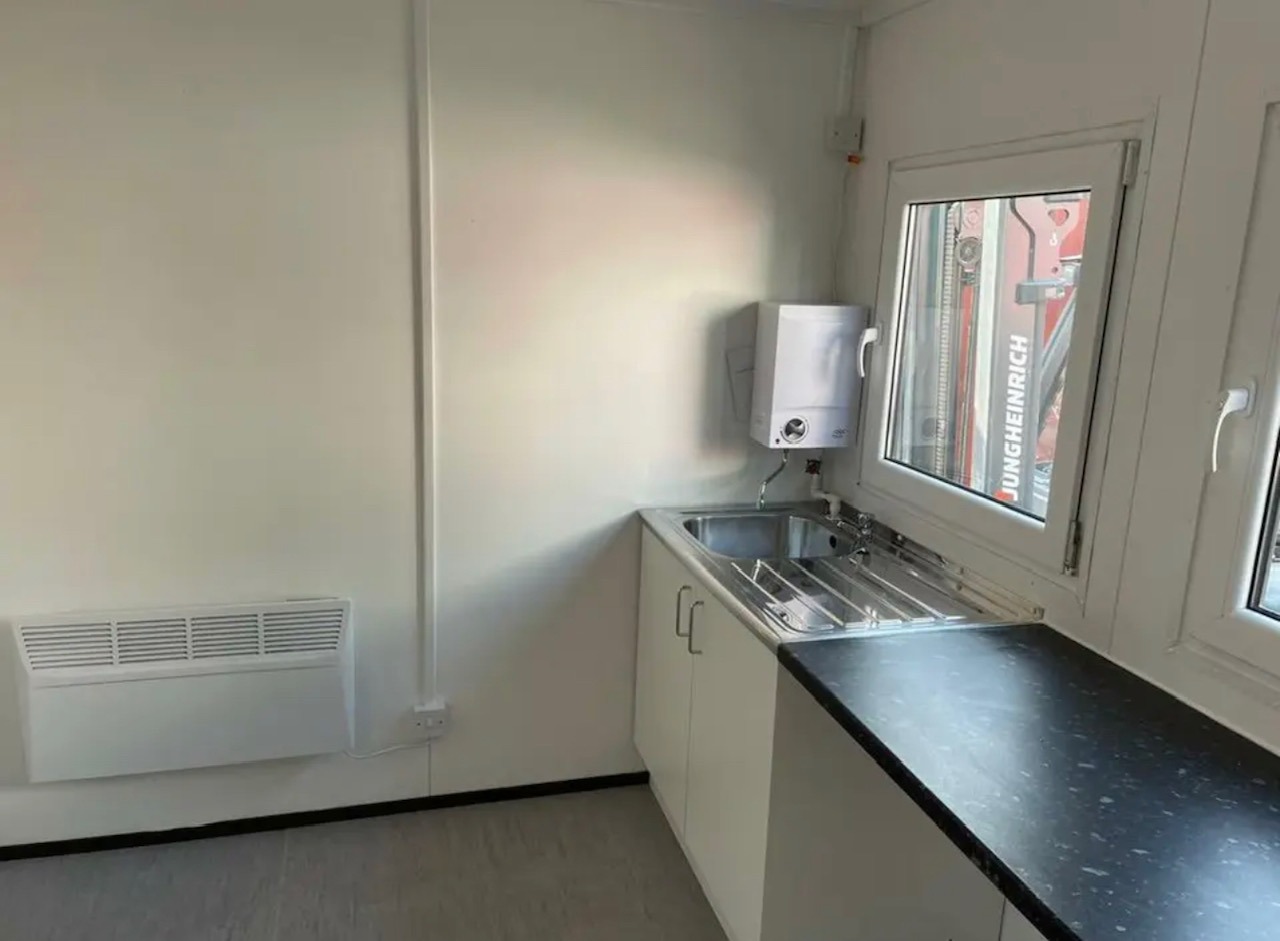
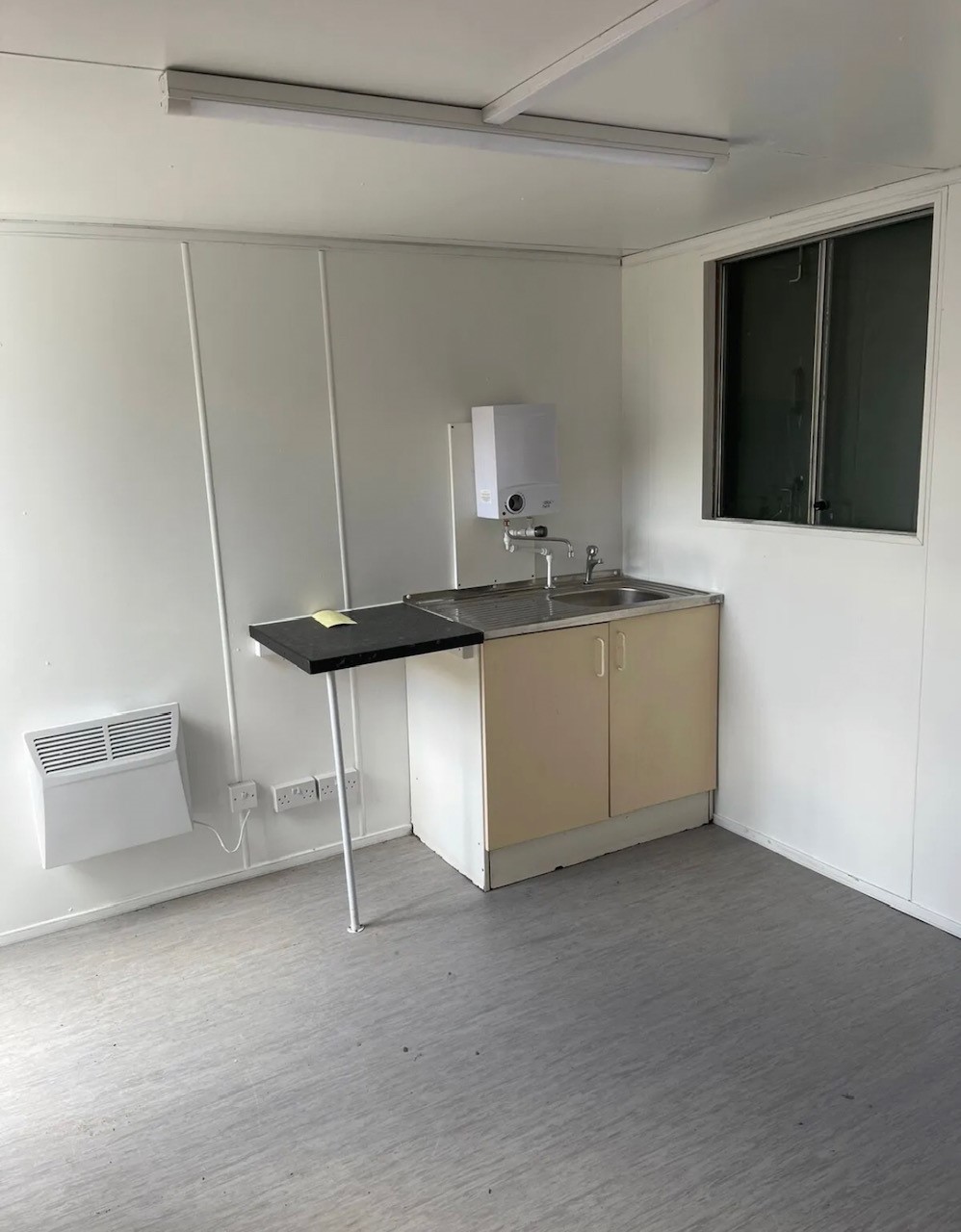
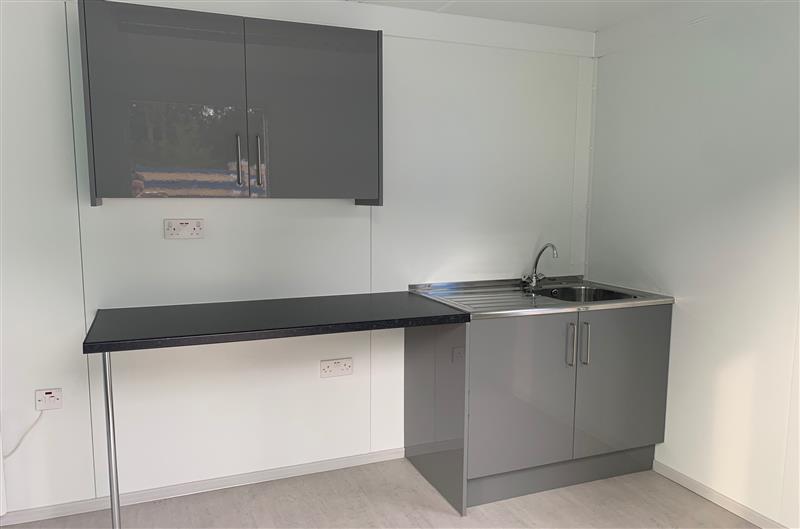
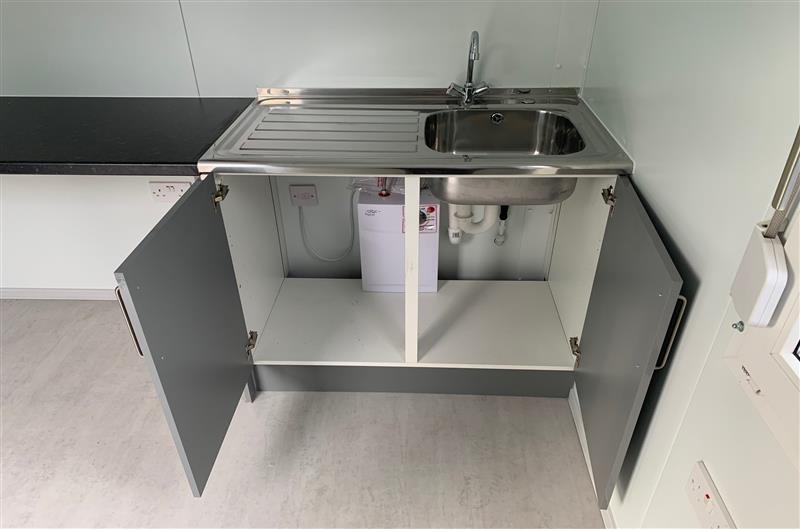
• Sink and water boiler included


Location: Nationwide
Quantity: ∞
EX VAT
Not Available for Hire
Call for an instant quote!


Location: Nationwide
EX VAT
Not Available for Hire
Call for an instant quote!
Get a Quick Container Quote Now!


Location: Nationwide
EX VAT
Not Available for Hire
Call for an instant quote!
Get a Quick Container Quote Now!