Global shipping places unusual demands on chemical packaging. A container may face ocean spray, temperature changes, rough handling, and long storage periods. A Chemical IBC Tank offers a practical response because it combines strong construction with efficient cargo use. Its standard footprint can improve warehouse planning and container loading. Its reusable design may also reduce packaging waste and repeated handling.
“Good chemical packaging begins with compatibility, not convenience,” says Dr. Elena Marovic, a chemical-packaging engineer and transport safety consultant. Her point deserves attention. The tank must match the chemical’s properties, concentration, temperature, and filling conditions. High-density polyethylene, protective cages, valves, and closures all need careful evaluation. A strong-looking tank is not automatically a suitable tank.
Small details matter.
In real shipping operations, operators inspect valve protection, gasket condition, labels, and pallet stability before dispatch. They also review cleaning records and previous contents. These steps can prevent leaks, contamination, and costly delays. Still, an IBC is not a universal solution. Some aggressive chemicals require specialized materials or dedicated equipment. That limitation should be admitted, not hidden.
Choosing a Chemical IBC Tank for global shipping is therefore a technical decision. It involves product compatibility, handling efficiency, durability, traceability, and responsible transport planning. When these factors align, the tank can support safer movement across ports and warehouses. The best choice is rarely the cheapest unit. It is the one that performs reliably from filling station to final delivery.
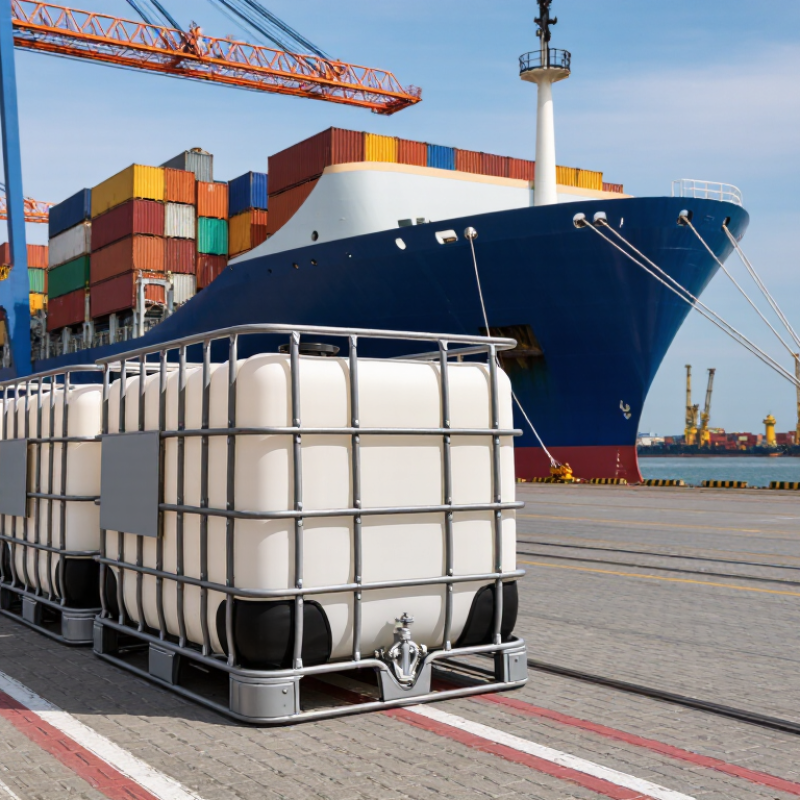
A chemical IBC tank is a rigid, reusable container designed for transporting liquids, powders, and some hazardous chemical products. Most composite IBCs use a plastic inner bottle, a metal cage, and a pallet base. Common capacities range from 1,000 to 1,250 litres. The inner bottle holds the chemical, while the cage protects it from impact during loading and transit.
It works through controlled filling, secure closure, and careful discharge. A top opening allows filling, while a bottom valve supports safer unloading with less manual handling. The tank must match the chemical’s density, temperature, concentration, and compatibility requirements.
The UN Recommendations on the Transport of Dangerous Goods classify approved IBC designs by construction and performance tests. UNCTAD’s Review of Maritime Transport 2024 reports that ships carry over 80% of global merchandise trade by volume. That makes stable, stackable packaging valuable.
Yet, an IBC is not automatically safe. A damaged valve, wrong gasket, or poor cleaning record can create serious leakage risks.
Tips:
Check the UN marking, valve condition, and inspection date before loading. Confirm chemical compatibility with the supplier’s technical data sheet. Keep the tank upright and secure it against movement. Also, record batch details and cleaning history. Small errors matter. Reuse can reduce handling waste, but only when inspection standards remain consistent. The 2023 Cefic Facts and Figures report highlights the chemical sector’s continued reliance on complex international supply chains, where traceability and packaging control remain practical concerns.
Chemical properties should guide IBC tank selection, not cargo volume alone. Compatibility is the first question. A liquid may soften plastic, weaken seals, or cause stress cracking during transit. High-density polyethylene suits many acids, alkalis, and water-based solutions, but not every formulation. Always check tested compatibility data for the exact concentration and temperature.
Temperature changes matter during global shipping. A liquid loaded at 20°C may expand inside a hot container. High vapor pressure can increase internal pressure, while low-temperature exposure may make some materials brittle. Density also affects handling and stacking limits. Viscous liquids may need wider valves and careful discharge planning. Small details matter.
Oxidizing, flammable, or moisture-sensitive chemicals require additional controls. The tank may need antistatic features, specialized closures, or a different construction material. A stainless-steel IBC can be more suitable for aggressive chemicals, repeated use, or demanding cleaning cycles. However, it can increase weight and cost. That trade-off deserves honest review.
In practical operations, I have seen teams focus on chemical names instead of full specifications. That is risky. Concentration, impurities, pH, flash point, and storage duration can change the result. A compatibility chart helps, but it cannot replace technical verification. The correct IBC should protect the chemical, the handlers, and the shipping process. Mistakes often begin with incomplete data.
Safe international transport begins with controlling movement, pressure, and human error. UNCTAD’s Review of Maritime Transport 2024 reports that over 80% of global merchandise trade by volume moves by sea. Chemical cargo may face long port stays, vibration, temperature changes, and repeated handling.
An IBC tank provides a compact, stackable format with fewer transfer points than multiple small containers. Its rigid frame protects the inner vessel during lifting and loading. Secure valves, sealed openings, and clear hazard labels help reduce leakage and identification mistakes. They matter at 3 a.m. in a wet terminal.
The UN Recommendations on the Transport of Dangerous Goods, Model Regulations, require compliant IBC designs to pass performance tests. Applicable transport rules also require periodic inspections, depending on the tank type and shipping mode. Operators should verify chemical compatibility, pressure limits, grounding procedures, and closure torque before dispatch. A tank can be certified, yet poorly prepared.
Real-world reliability depends on the full chain. Inspectors should check dents, valve damage, residue, and frame distortion before loading. The International Maritime Organization’s 2024 safety guidance continues to emphasize accurate cargo information and proper securing at sea. Documentation should match the actual contents, quantity, and emergency response details.
IBC tanks are not automatically safer. Selection errors, rushed cleaning, or weak pallet support can defeat good engineering. That uncomfortable point deserves attention. Crew training, inspection records, and route-specific packaging decisions remain essential for dependable global transport.
Why Choose a Chemical IBC Tank for Global Shipping?
Global shipping rules depend on the chemical’s classification, route, and container design. The UN Recommendations on the Transport of Dangerous Goods provide the main international framework. Sea shipments generally follow the IMDG Code. Road transport in Europe may require ADR compliance, while air freight follows stricter IATA rules.
A chemical IBC tank must match its approved packing instruction. Its UN marking identifies the tested design type. Labels must show hazard classes, handling risks, and orientation arrows when required. Shipping documents should include the proper shipping name, UN number, packing group, and emergency information. Keep them accurate.
The tank also needs inspection records and traceable manufacturing details. Before loading, check the cage, inner container, valve cap, gasket, and pallet base. A small leak around a valve can create a serious delay at the port. Temperature, pressure, and compatibility requirements matter too. Not every plastic liner suits every chemical.
Rules are not perfectly uniform. Import controls, local environmental laws, and port procedures can add requirements. A tank accepted for sea transport may still need different handling on the road. This is where practical experience helps, but assumptions can fail. Shippers should verify the latest rules with a qualified dangerous-goods professional and the carrier before dispatch.
Chemical IBC tanks support global shipping because they combine high capacity with manageable handling. UNCTAD’s Review of Maritime Transport 2024 reports that ships carry over 80% of global merchandise trade by volume. That scale makes reliable intermediate packaging essential. Yet safe performance begins before loading. Operators should confirm chemical compatibility, inspect the inner bottle, check valve seals, and review the Safety Data Sheet. A clean-looking cage proves little.
Storage needs discipline. Keep filled IBC tanks on level, load-rated surfaces with secondary containment. Protect them from sunlight, freezing conditions, heat sources, and vehicle impact. Avoid unstable stacking. Keep closures tight, but never trap pressure in a tank not designed for it. The UN Model Regulations, 23rd revised edition, require periodic IBC inspections at intervals not exceeding 2.5 years, with tests generally required every five years. Records should include inspection dates, previous contents, cleaning methods, and repairs.
Reuse can reduce packaging waste, but it is not automatically sustainable. Residues may react with the next chemical, even after washing. Cleaning should match the previous and intended contents, with documented verification. Damaged bottles, distorted cages, unreadable labels, or leaking valves should remove the tank from service. Reconditioning standards such as ISO 16103 provide useful technical guidance. Still, operators sometimes rely too heavily on paperwork. Practical checks matter. One missed seal can contaminate a shipment, delay unloading, and expose workers to avoidable risk.
| Data Dimension | Typical Information or Requirement | Why It Matters for Global Shipping | Handling, Storage, or Reuse Guidance |
|---|---|---|---|
| Common nominal capacity | Approximately 500–1,000 litres for standard industrial IBC configurations; the exact working capacity depends on the approved design. | A standardized footprint and high volume per unit can improve container utilization and reduce the number of individual packages. | Do not fill beyond the tank’s marked maximum fill level. Allow the expansion space specified for the chemical and the applicable transport rules. |
| Typical construction | A rigid inner container, commonly made from high-density polyethylene, enclosed by a protective steel grid or frame and mounted on a pallet base. | The composite structure combines chemical compatibility with protection during lifting, handling, and multimodal transport. | Check the inner bottle, frame, pallet, valves, caps, gaskets, and labels before every use. Remove damaged units from service. |
| Chemical compatibility | Compatibility depends on the chemical, concentration, temperature, exposure time, stress conditions, and the materials of the tank and fittings. | A tank suitable for one product may be unsuitable for another, even when both products are classified as liquids. | Obtain a compatibility confirmation from the tank supplier and chemical safety documentation before filling. Never mix residues from incompatible chemicals. |
| Dangerous-goods approval | Dangerous chemicals may require a certified UN-marked IBC that meets the applicable transport regulations and packing-group requirements. | Road, rail, sea, and air transport can apply different rules. The approval marking must match the intended substance and transport mode. | Verify the UN marking, inspection status, product classification, shipping documents, labels, and emergency information before dispatch. |
| Handling equipment | Forklift pockets and a pallet base are common features; lifting points and equipment limits vary by design. | Standard handling features support transfer between trucks, warehouses, ports, and production areas. | Use a trained operator and equipment with sufficient rated capacity. Keep forks fully inserted and centered; do not drag, roll, drop, or lift from unauthorized points. |
| Load securing | IBC tanks should remain upright on a level pallet and be secured against movement during transport. | Proper restraint reduces the risk of tipping, valve impact, leakage, and damage caused by vibration or sudden braking. | Follow the carrier’s cargo-securing procedure and the applicable modal rules. Protect valves and fittings from impact and do not stack unless the tank is specifically approved for stacking. |
| Storage location | A clean, dry, well-ventilated area away from ignition sources, incompatible chemicals, drains, and direct physical hazards is generally preferred. | Controlled storage helps protect the container and reduces the consequences of a leak or chemical reaction. | Use suitable secondary containment where required. Protect plastic components from prolonged heat, ultraviolet exposure, and temperatures outside the tank’s specified range. |
| Pre-use inspection | Inspect for cracks, deformation, discoloration, brittleness, bulging, corrosion, missing parts, leaks, illegible markings, and damaged closures. | Early detection prevents unsafe loading, contamination, and shipment interruption. | Record inspection results. Do not use a tank with visible damage or an uncertain service history until it has been assessed by a competent person. |
| Filling and discharge | Filling and emptying should use compatible hoses, pumps, valves, seals, grounding or bonding controls where required, and procedures suited to the chemical. | Controlled transfer reduces spills, static-related hazards, overpressure, and exposure to personnel. | Follow the safety data sheet and site procedure. Close and cap all openings after transfer, and relieve pressure only according to the approved process. |
| Cleaning between uses | Cleaning method depends on the previous chemical, residue properties, tank material, wastewater controls, and the next intended product. | Inadequate cleaning can cause cross-contamination, dangerous reactions, odor transfer, or product-quality failures. | Use a documented cleaning and verification procedure. Collect, treat, and dispose of rinsate as required by local environmental regulations. |
| Reuse conditions | Reuse is appropriate only when the tank remains structurally sound, chemically compatible, clean, traceable, and within its regulatory inspection period. | Safe reuse can reduce packaging waste, replacement costs, and the environmental impact associated with single-use containers. | Assign a reuse status after inspection and cleaning. Keep records of contents, cleaning, repairs, inspections, and the number of service cycles where required. |
| Periodic inspection | Regulated IBCs are subject to periodic inspection and testing intervals specified by the applicable dangerous-goods regulations and approval. | Current inspection status is essential for legal acceptance and safe international movement. | Check the date and marking on the tank before shipment. Use an authorized inspection facility when testing or repair is required. |
| Emergency response | The response plan should identify the chemical hazards, personal protective equipment, spill controls, fire response, first aid, and reporting contacts. | A consistent emergency plan supports rapid action across suppliers, carriers, warehouses, and receiving sites in different countries. | Keep the current safety data sheet and transport information accessible. Isolate the area and involve trained responders; do not handle an unknown leak without proper protection. |
| End-of-life management | A tank that cannot be safely cleaned, inspected, repaired, or matched to a compatible chemical should be withdrawn from service. | Responsible disposal reduces the risk of residual chemical exposure, unauthorized reuse, and environmental release. | Decontaminate through an approved process, render the container unusable when required, and send materials to authorized waste or recycling channels. |
Note: Requirements vary by chemical classification, country, transport mode, container design, and applicable regulations. Always confirm the current requirements with the competent authority, carrier, and tank manufacturer before shipment or reuse.

Registered in England & Wales No. 2786496
Registered office at: 337 Tanworth Lane,
Shirley, Solihull, B90 4DU
Registered for VAT, registration No.
GB 655 1347 38
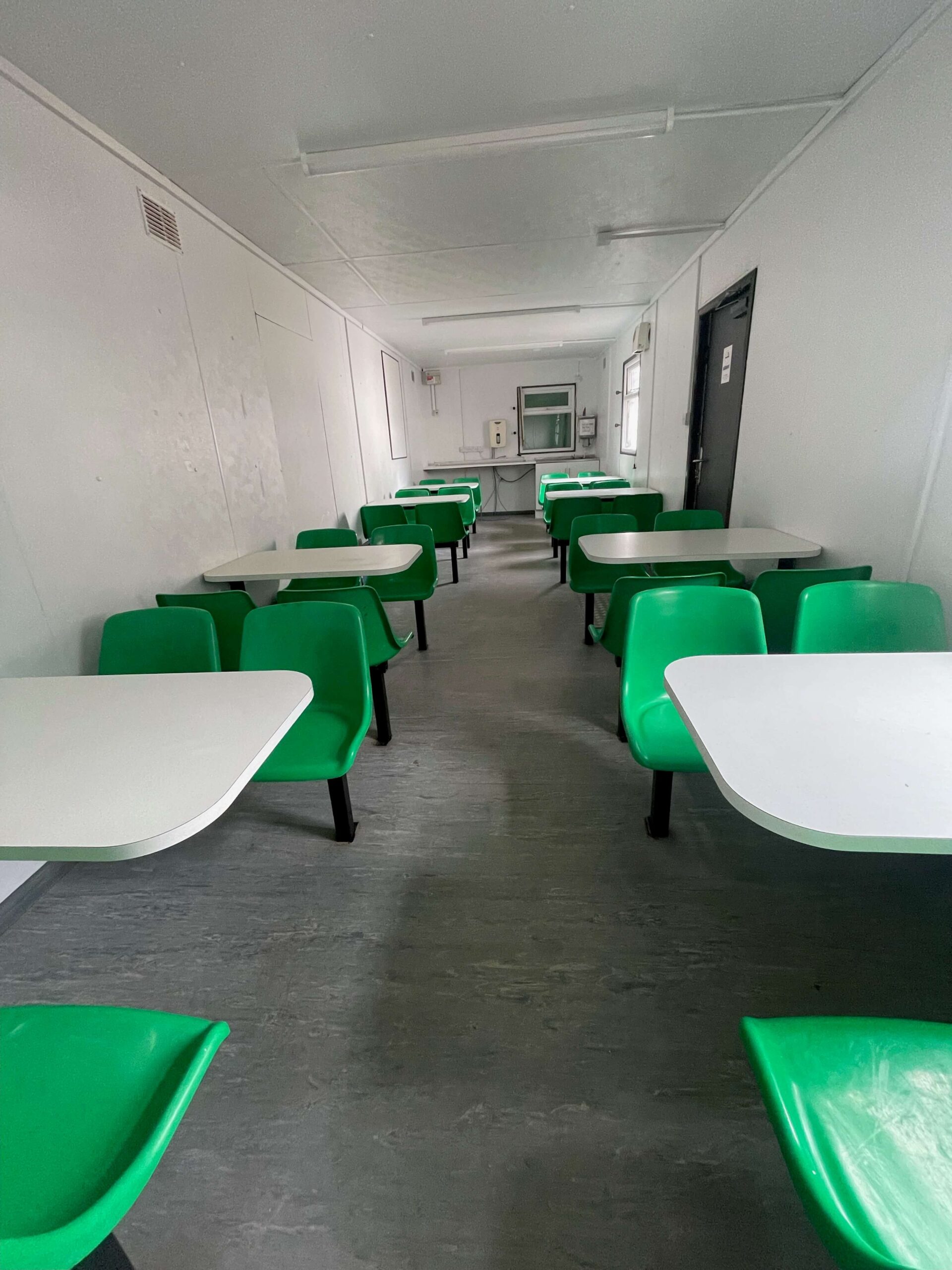
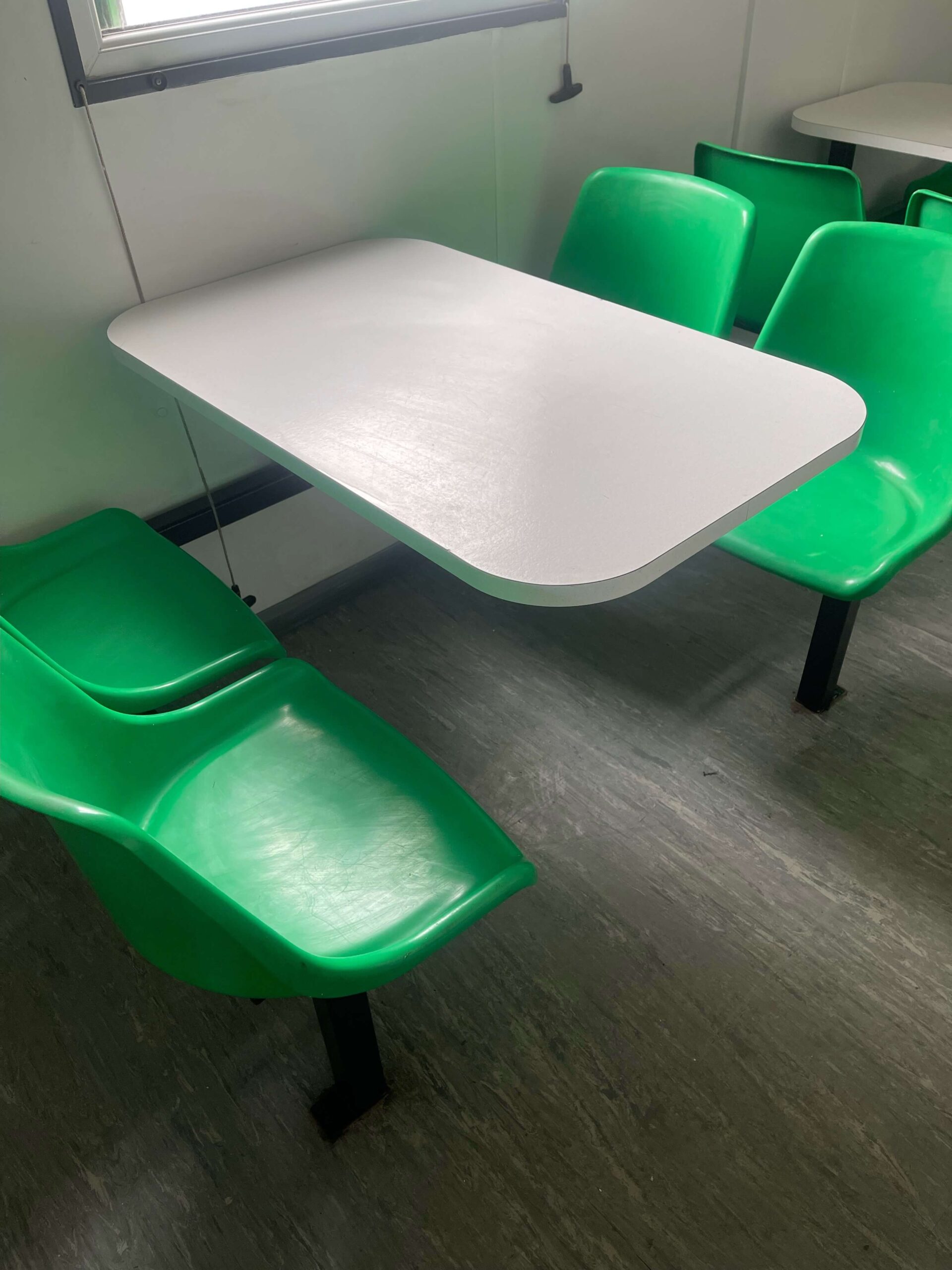
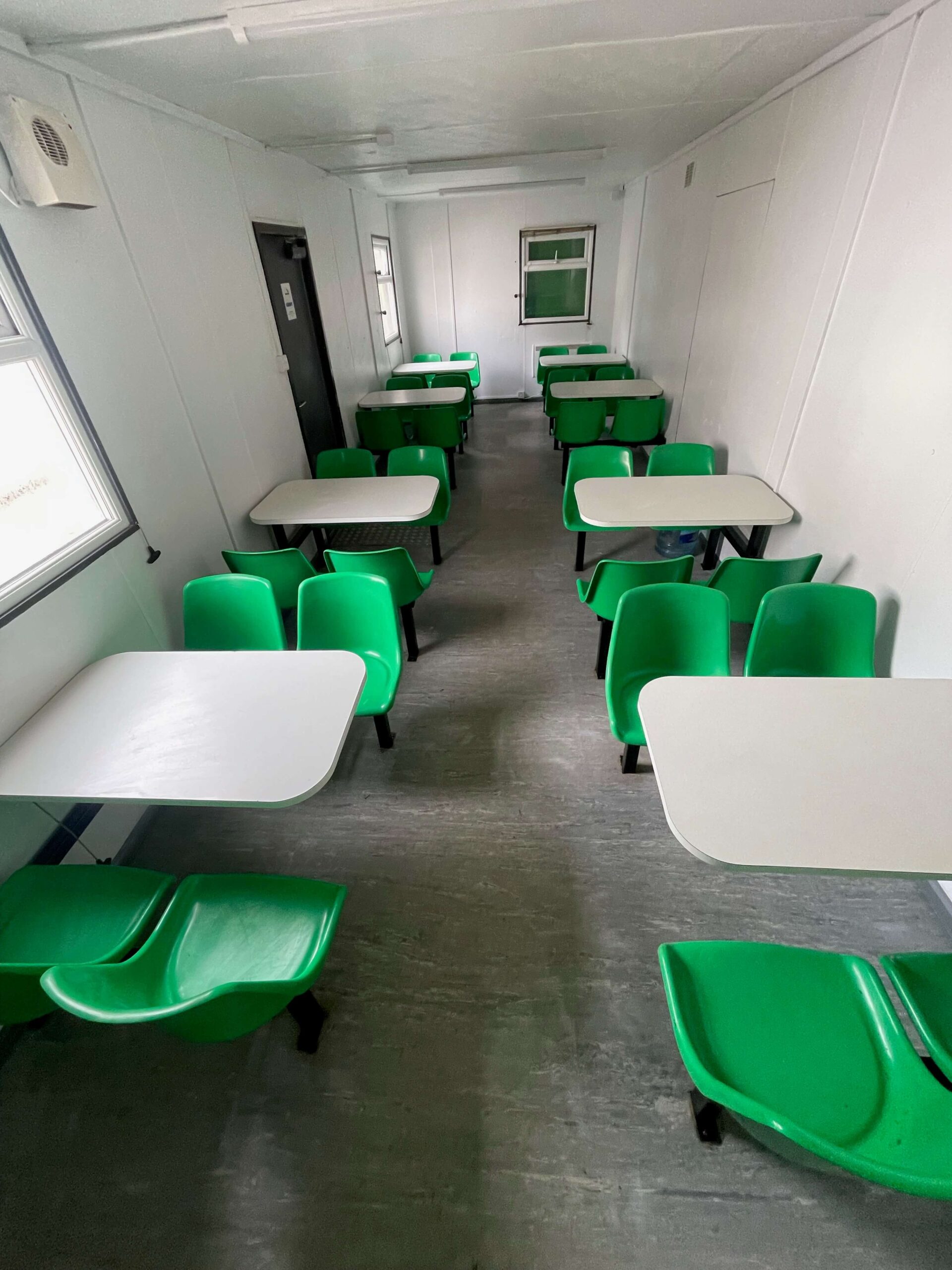
Location: Nationwide
Not Available for Hire
We can deliver for a cost please ask and send us post code.
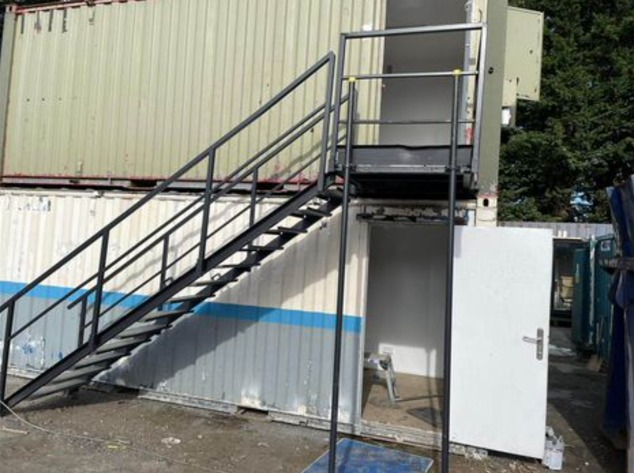
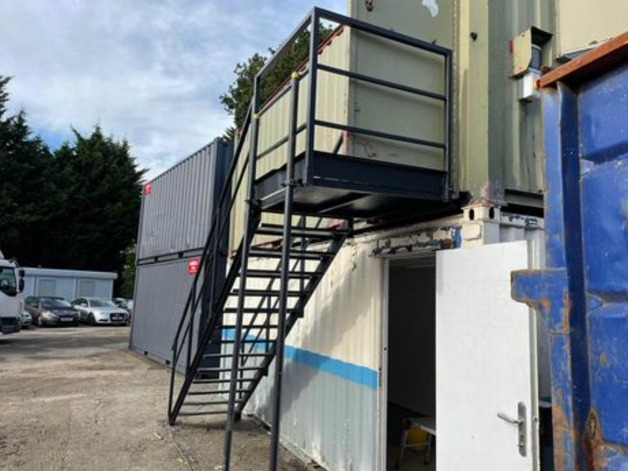
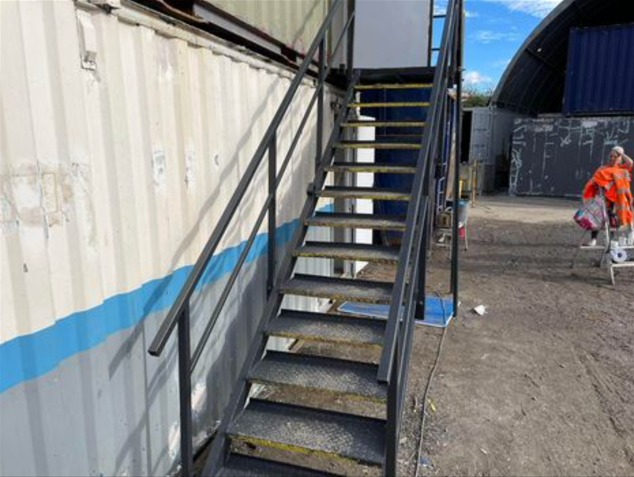
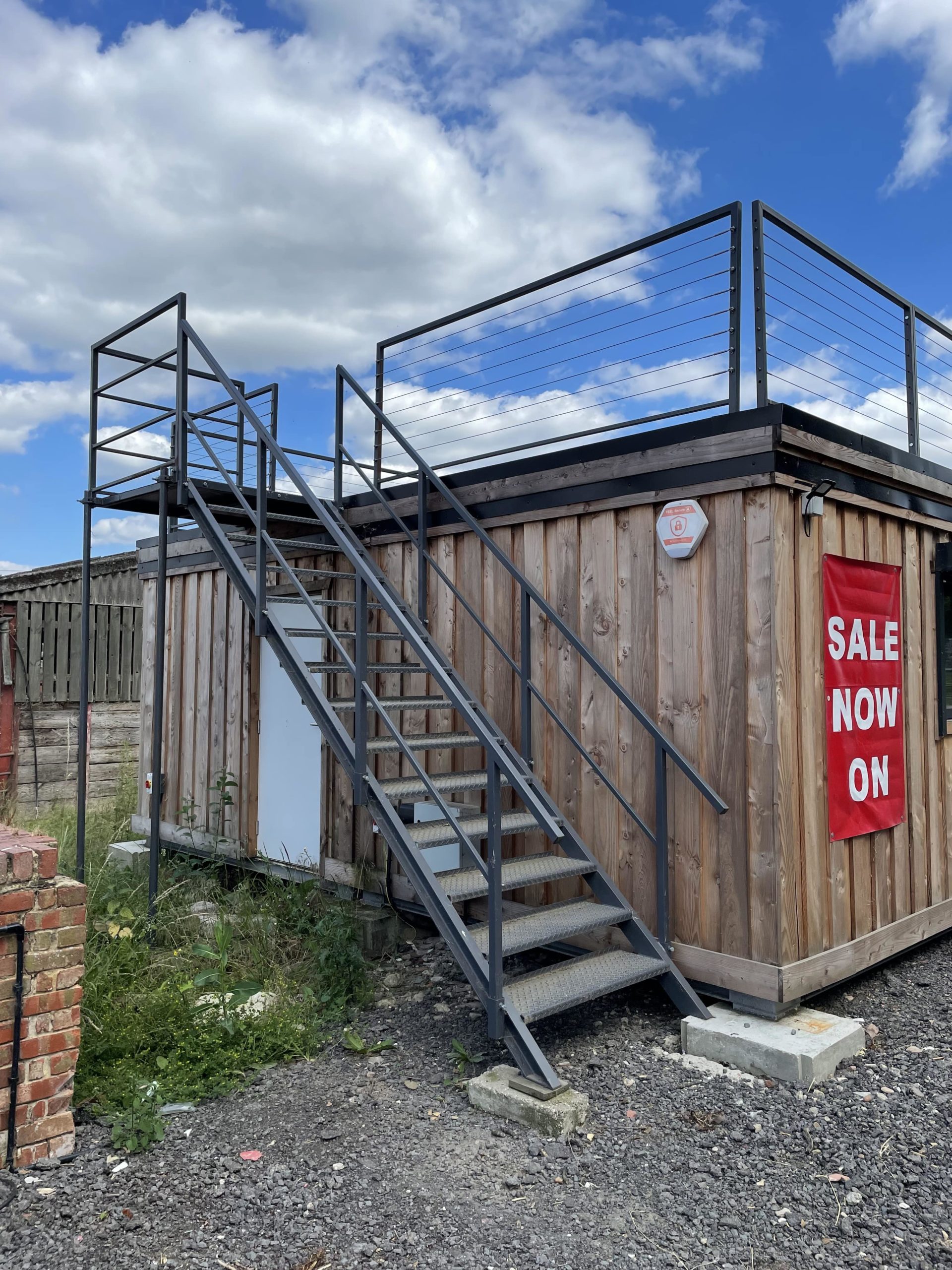
13 tread
14 tread
15 tread
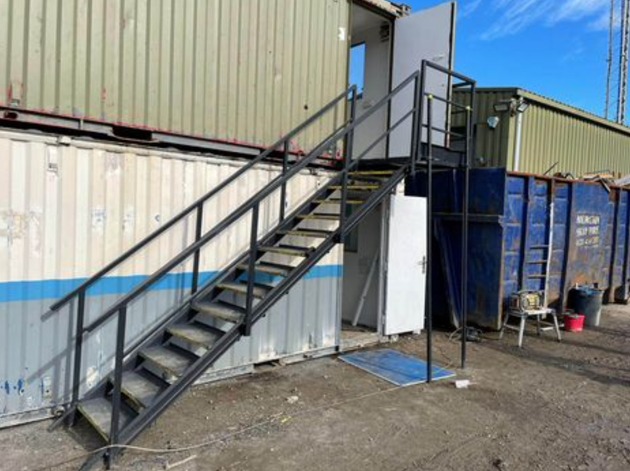
Location: Nationwide
Not Available for Hire
Call for an instant quote!
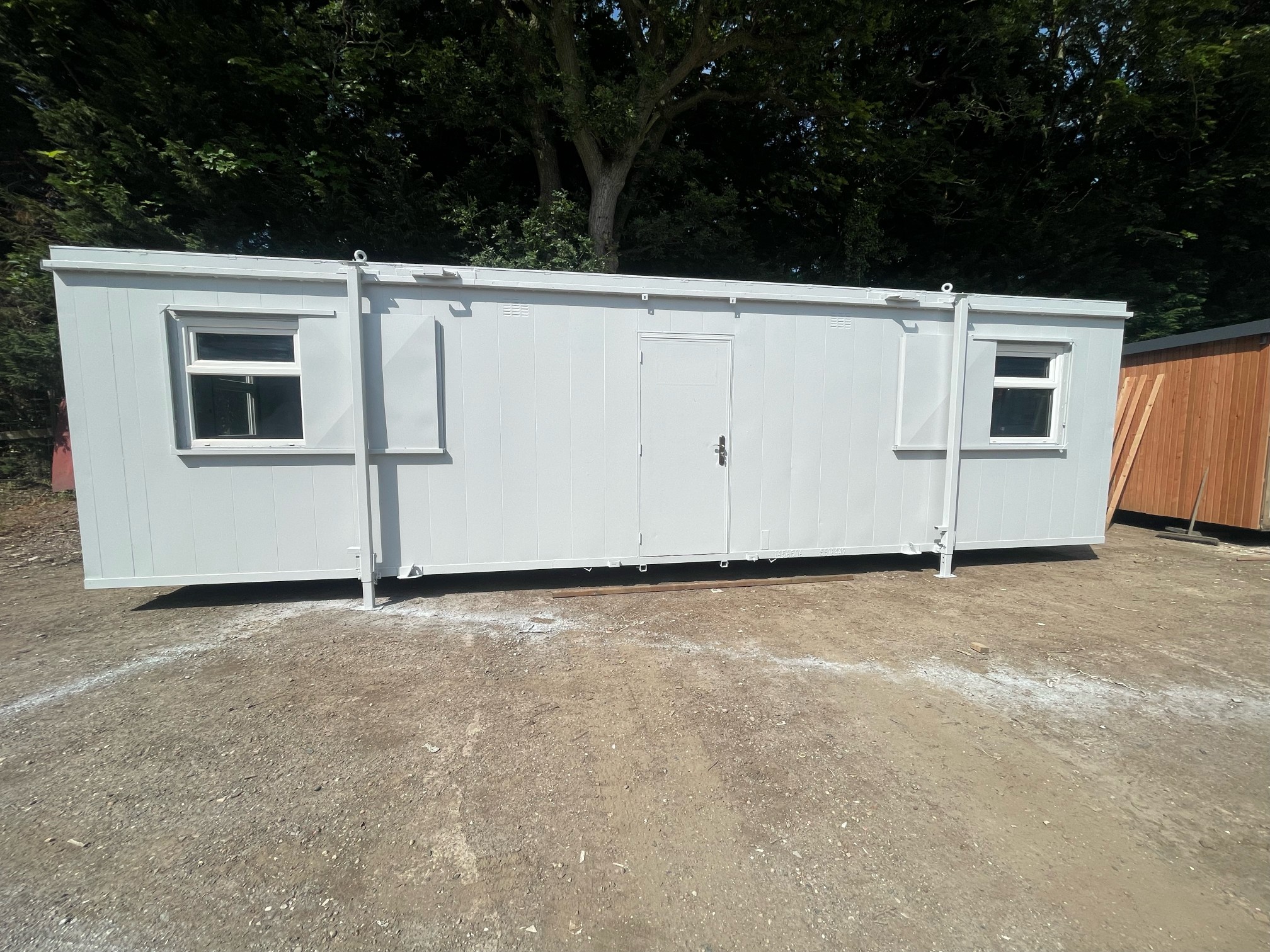
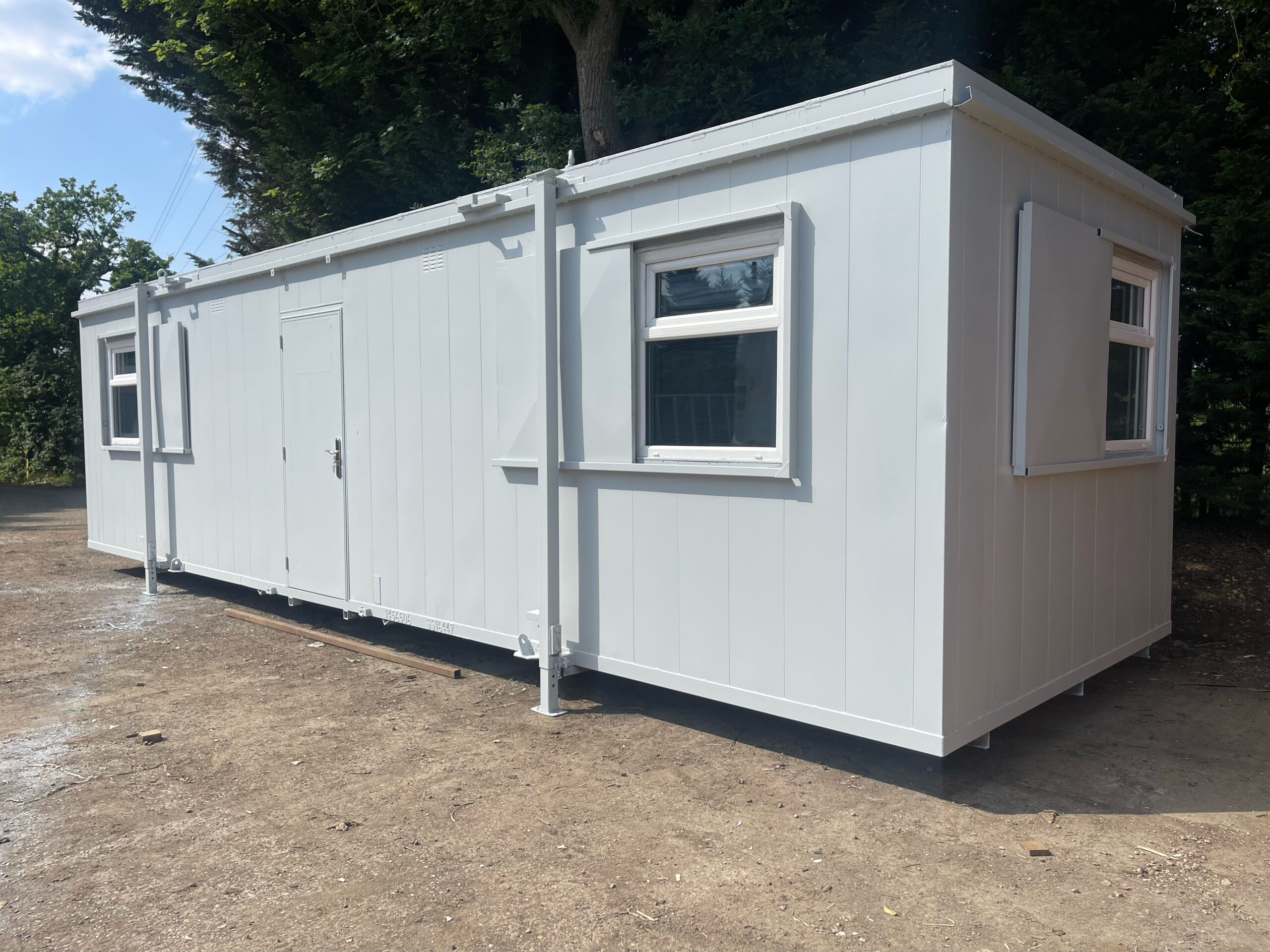
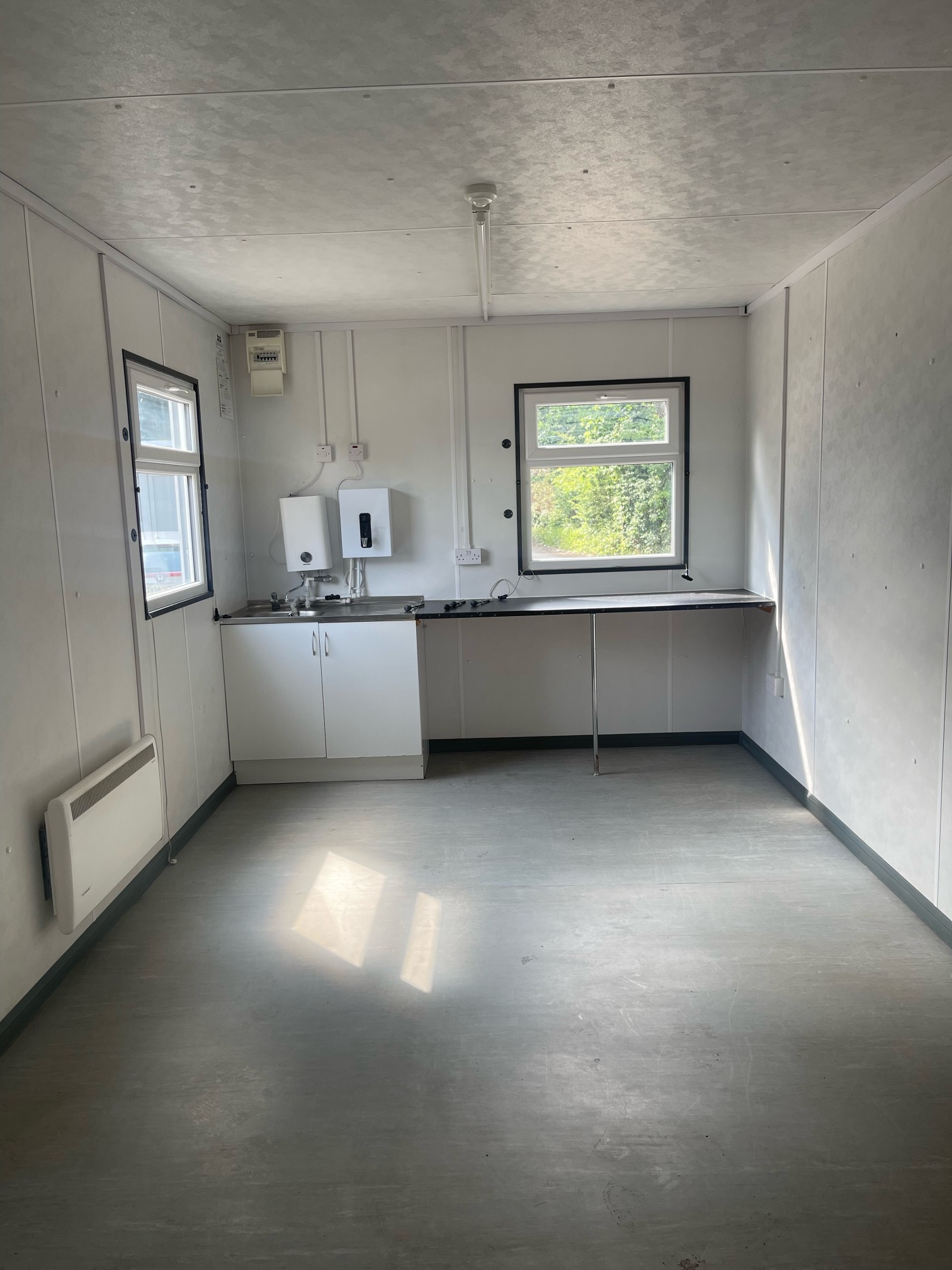
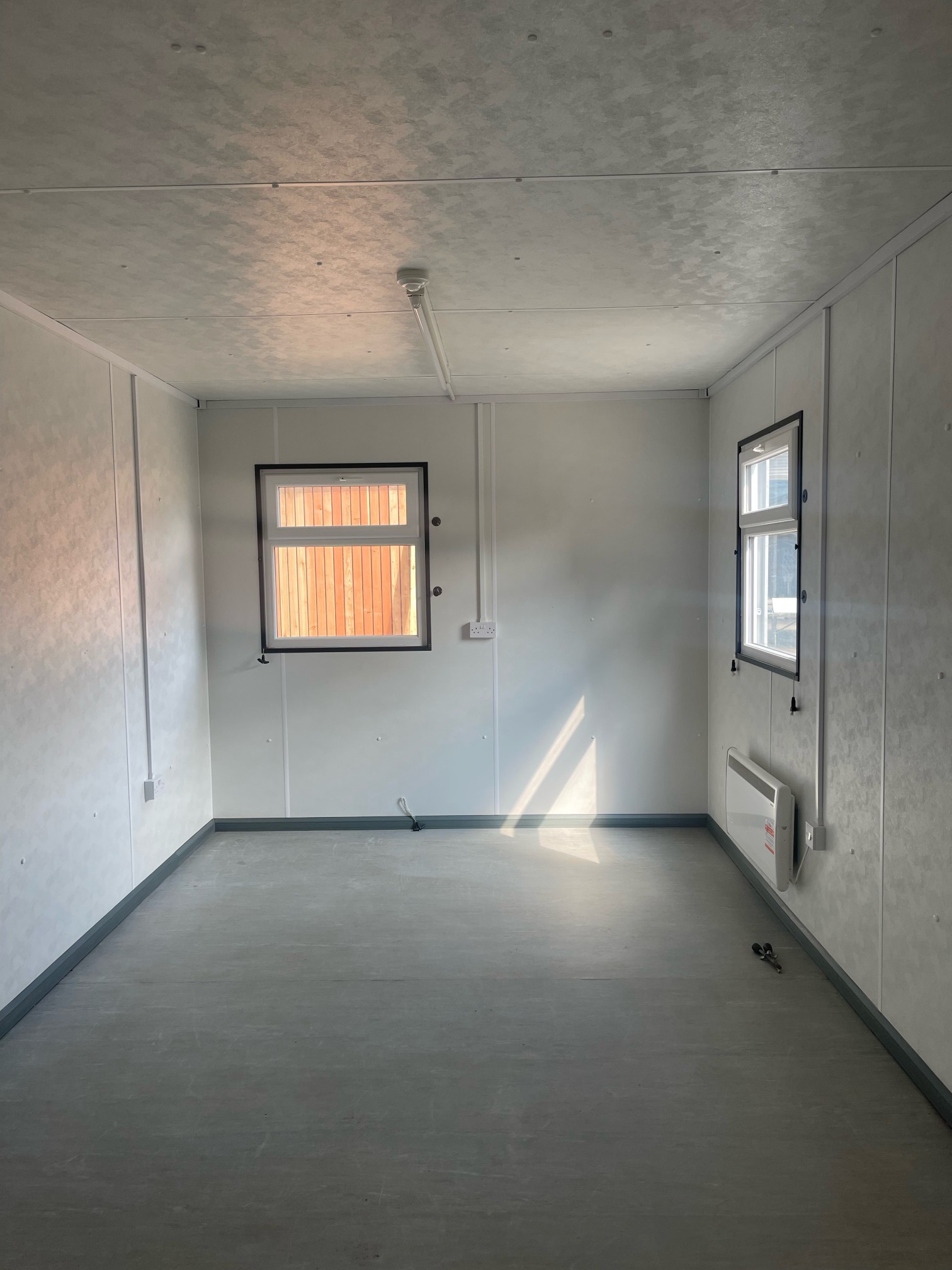
Location: Nationwide
Not Available for Hire
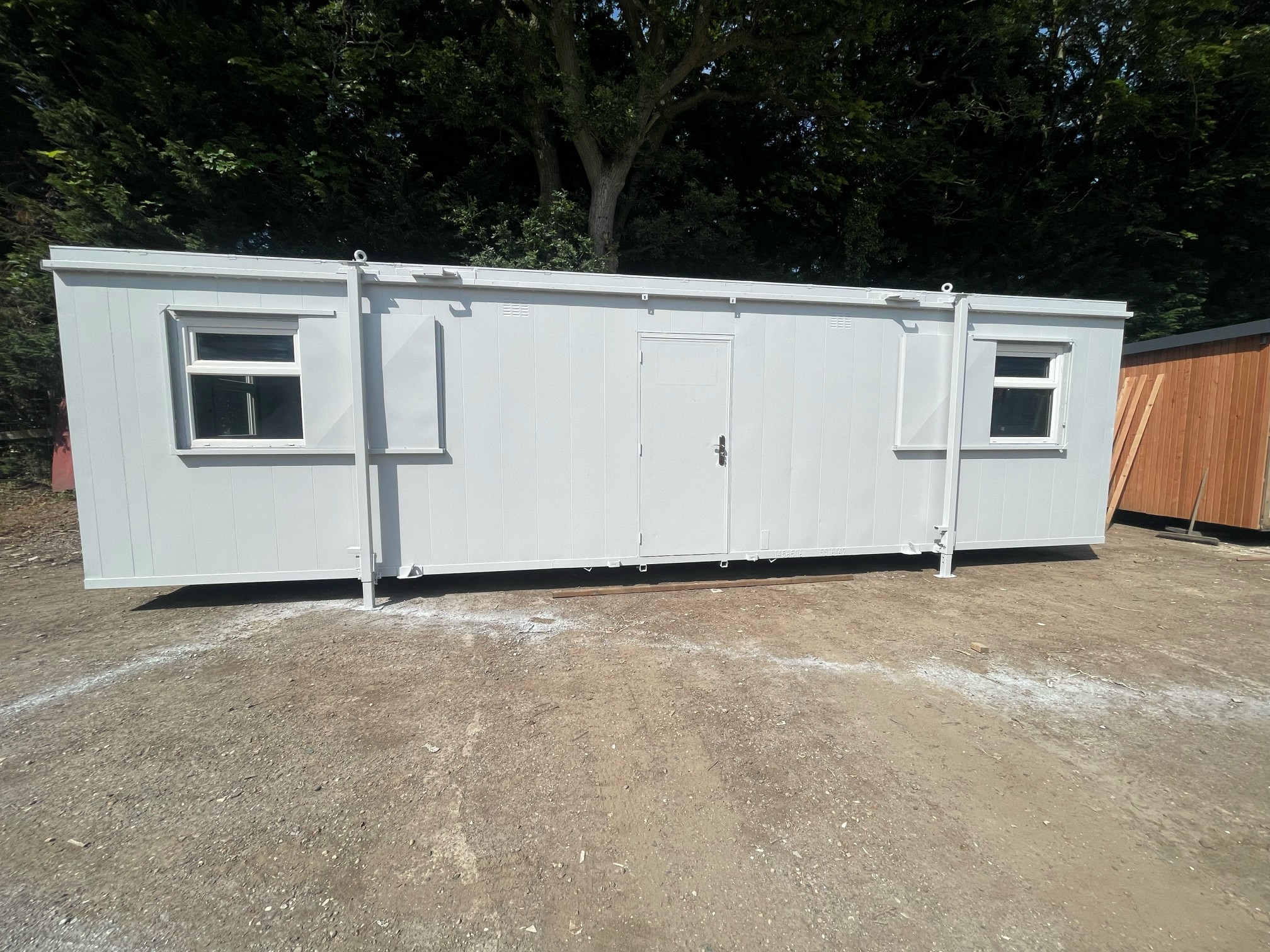
We can deliver for a cost please ask and send us post code.
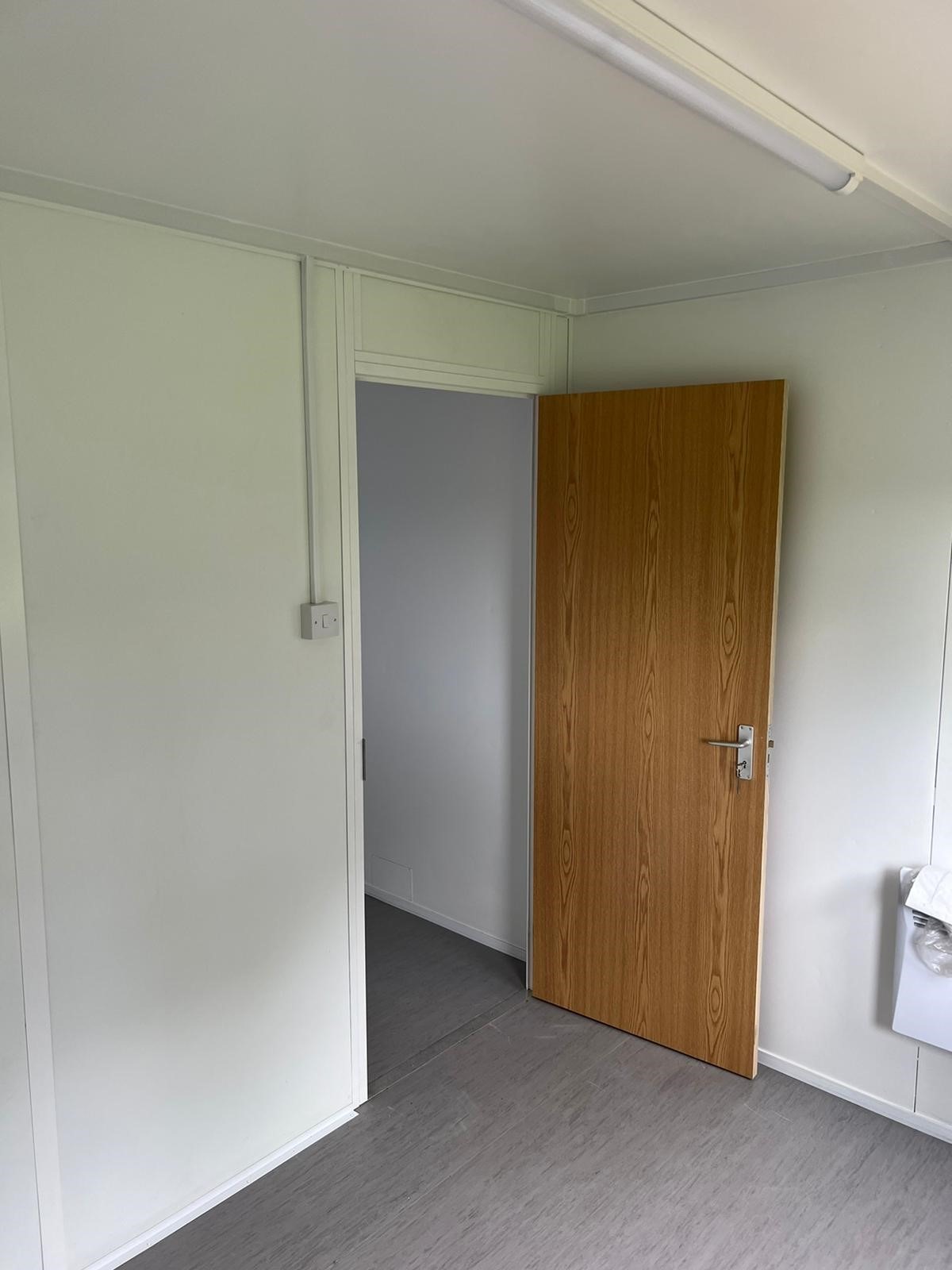
Hallway leading into:
Transport can be arranged please ask.
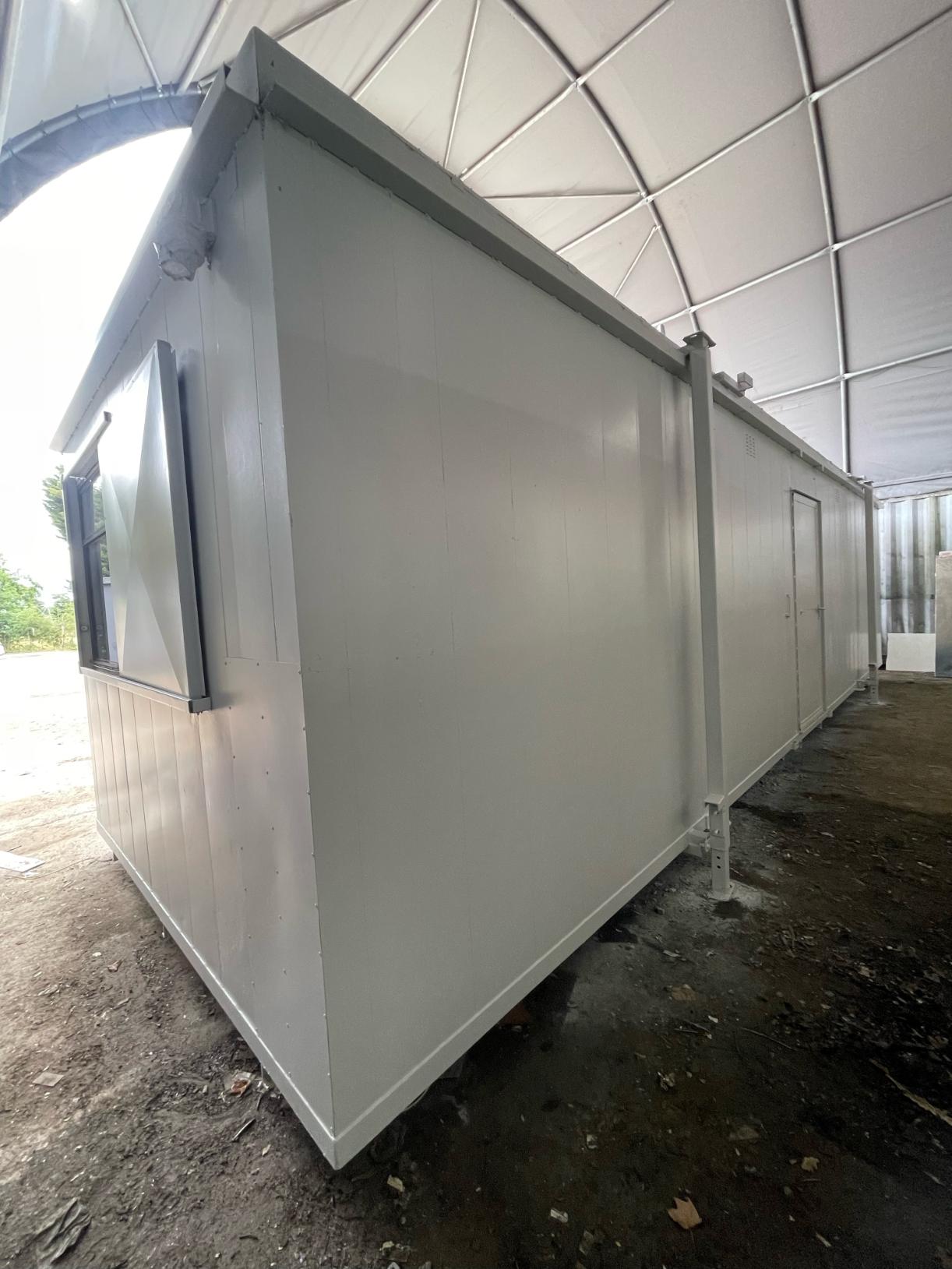
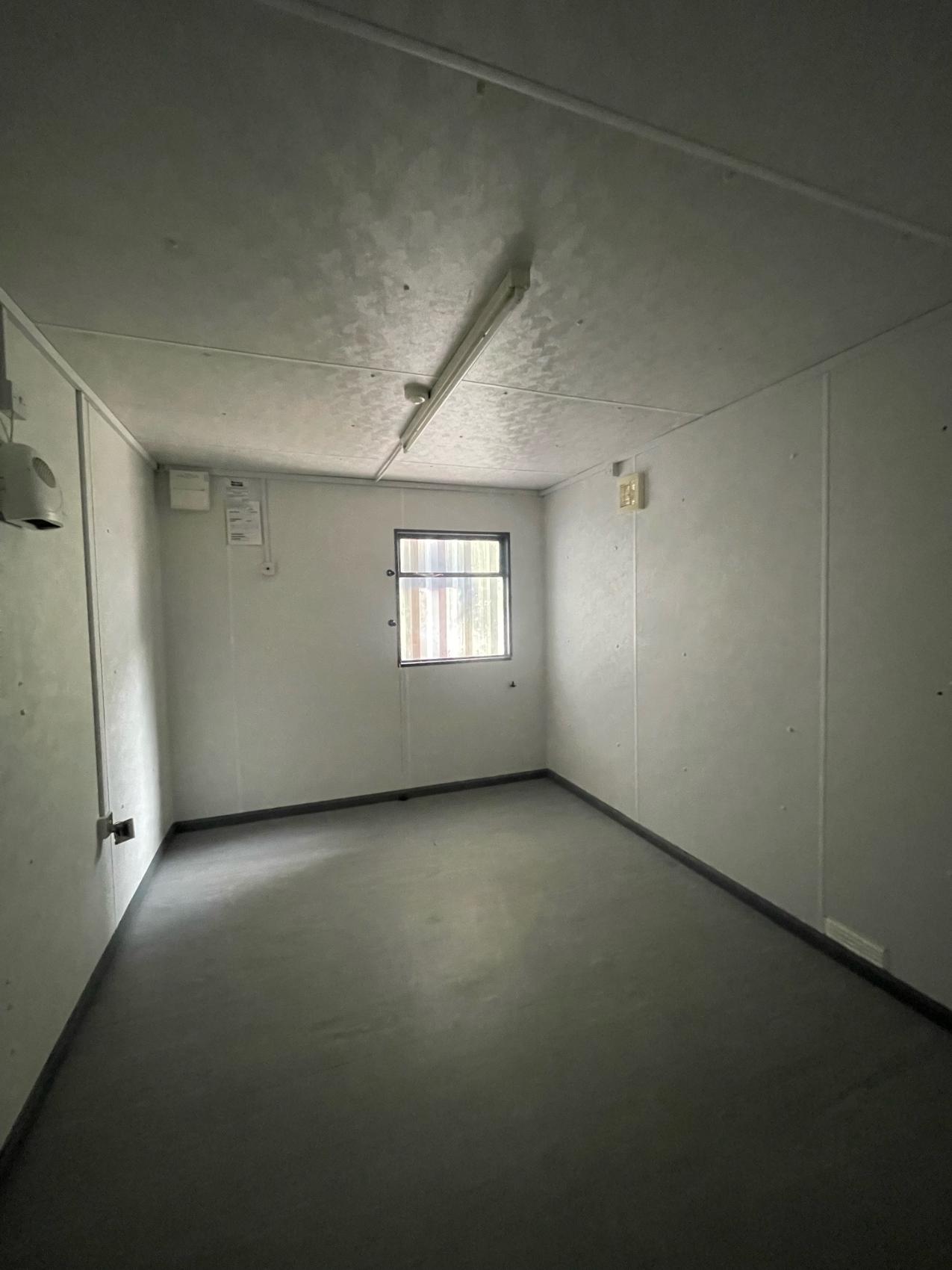
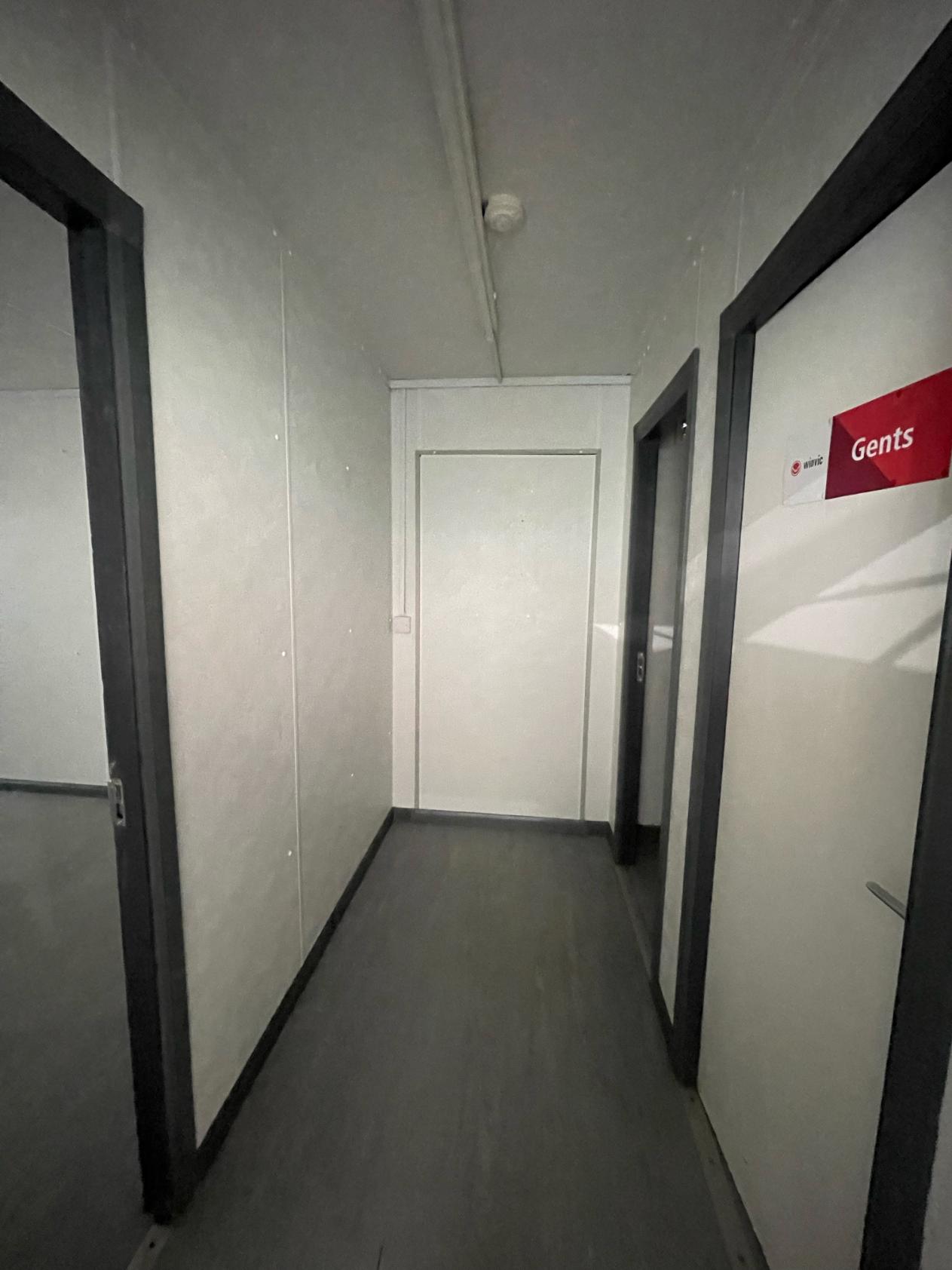
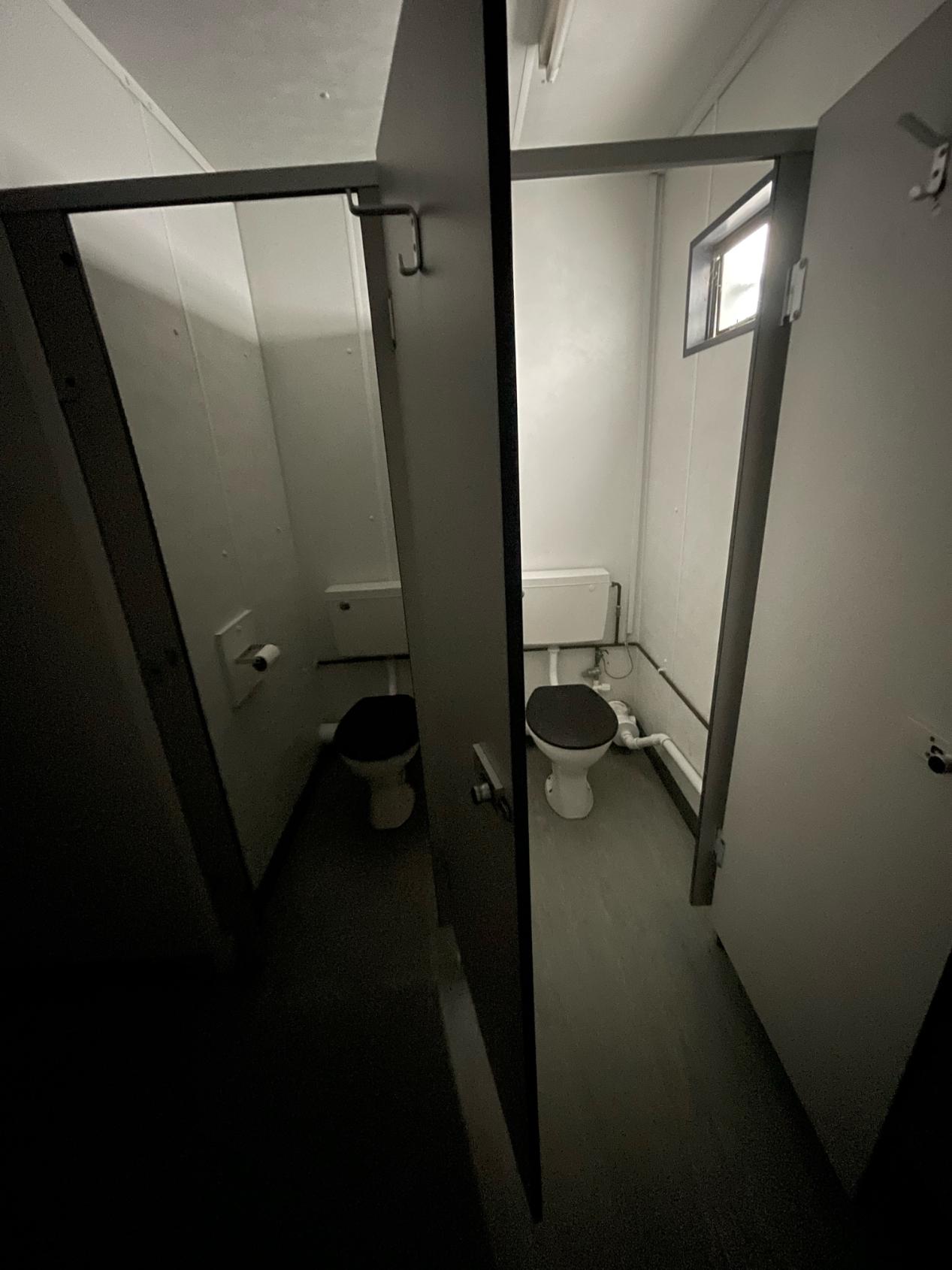
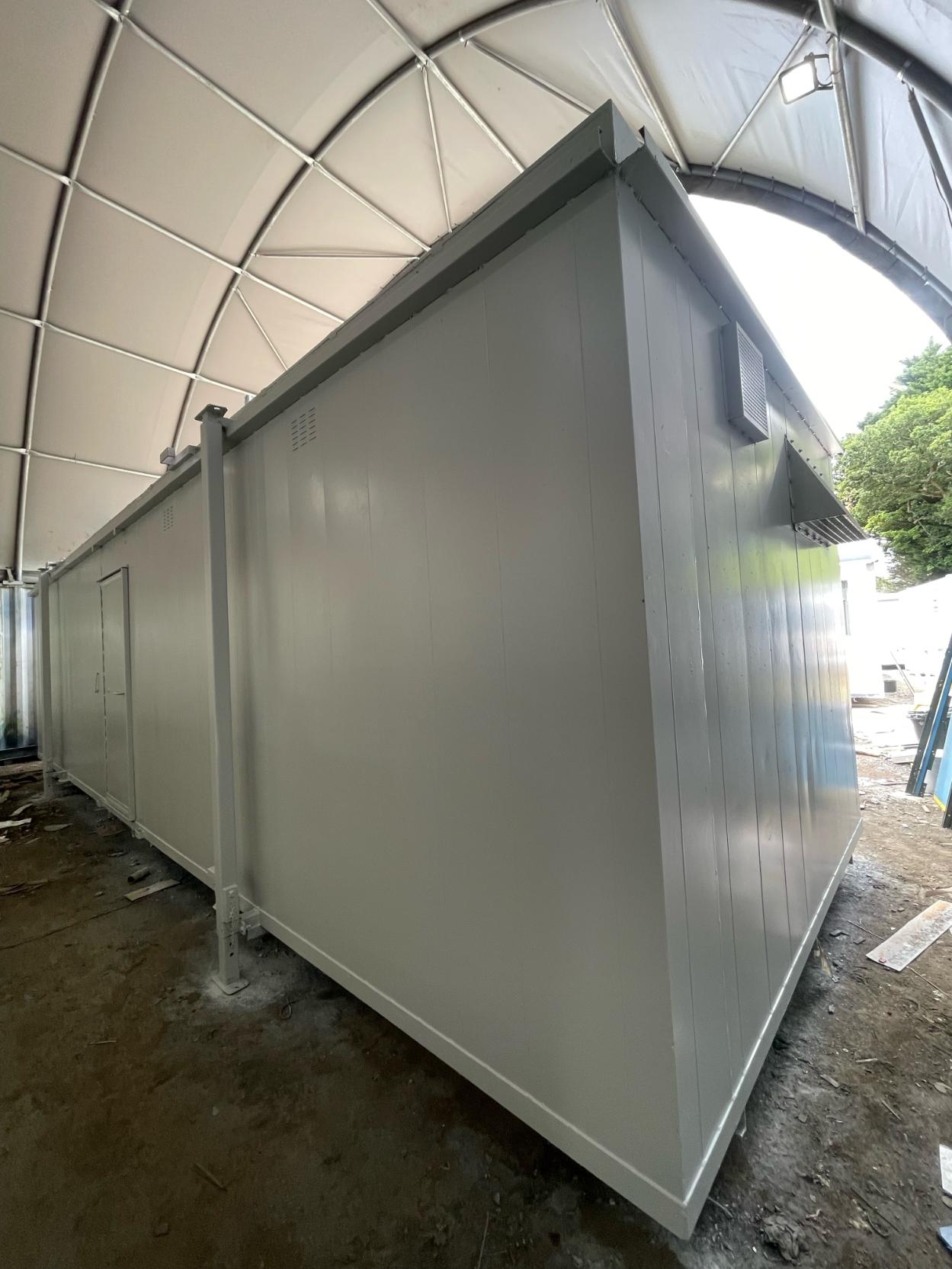
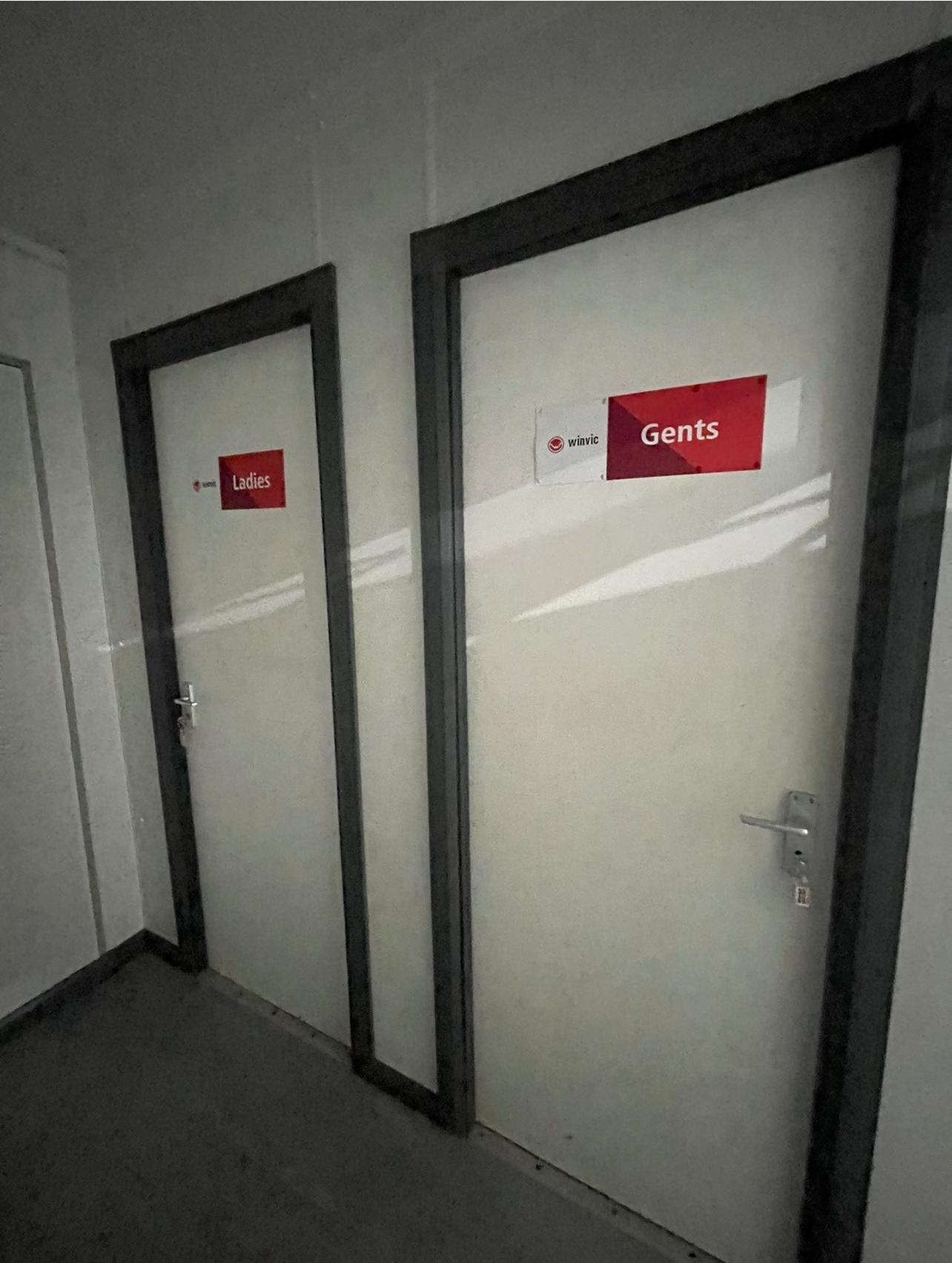
Location: Nationwide
Not Available for Hire
Call for an instant quote!
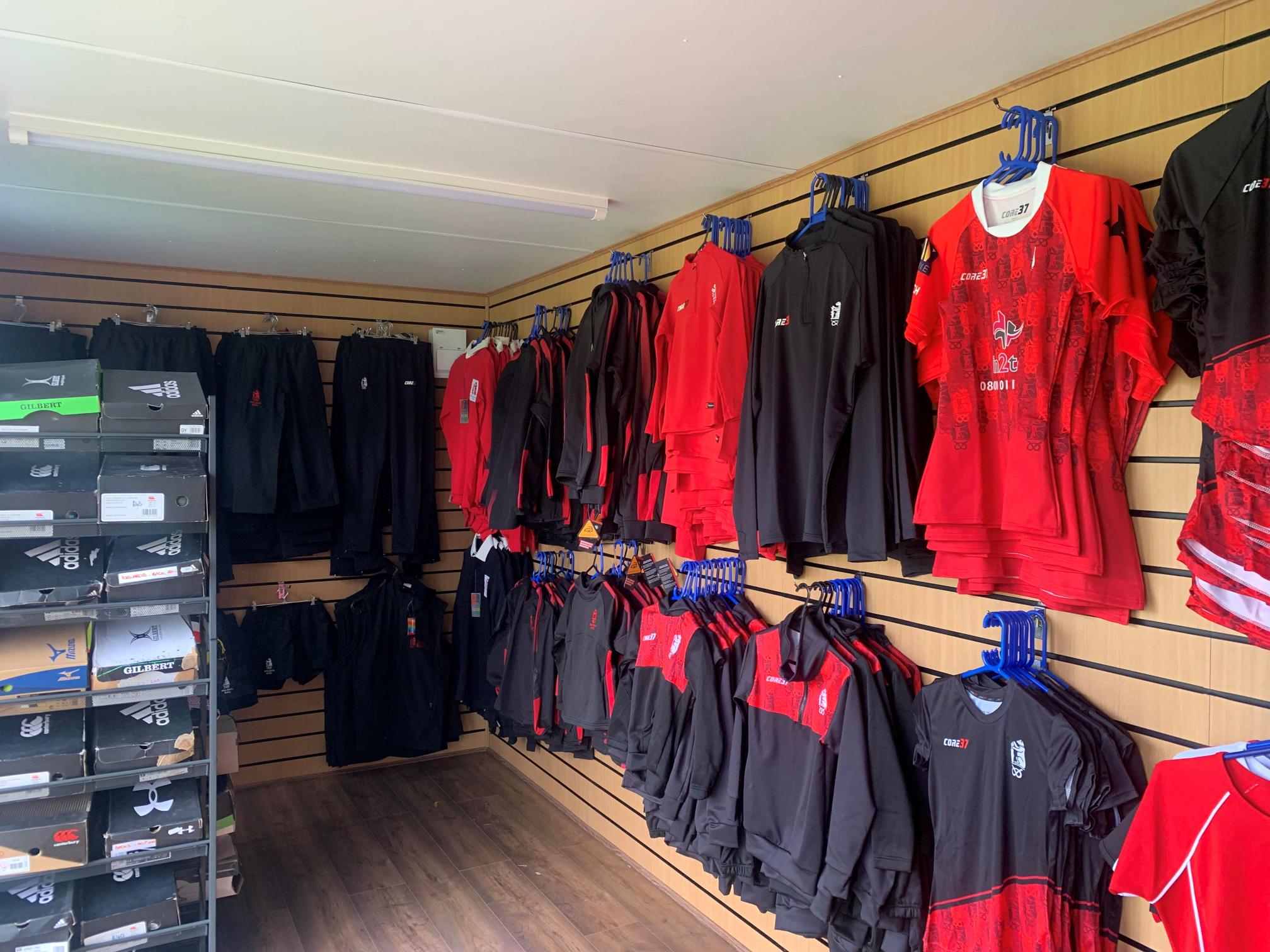
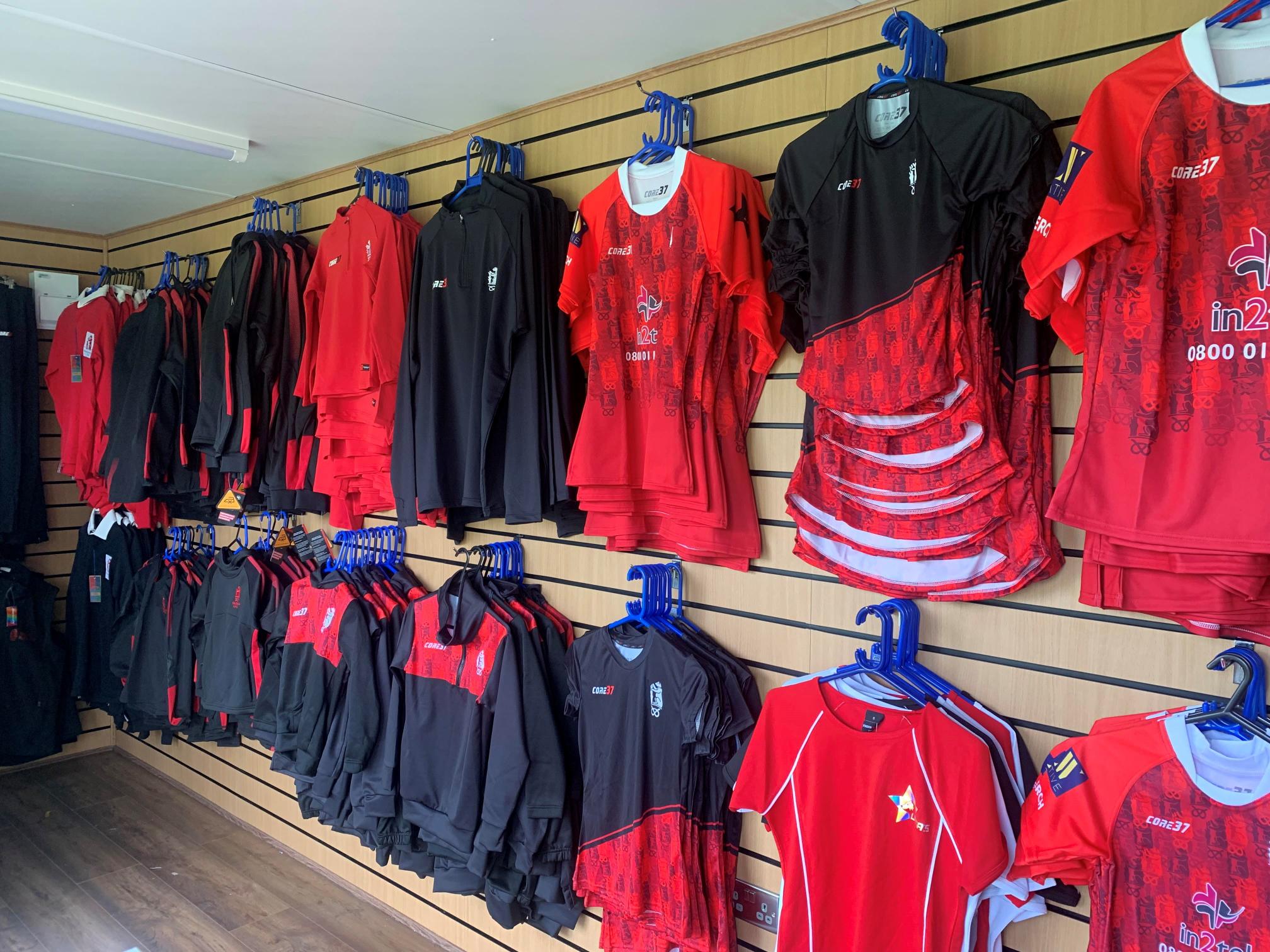
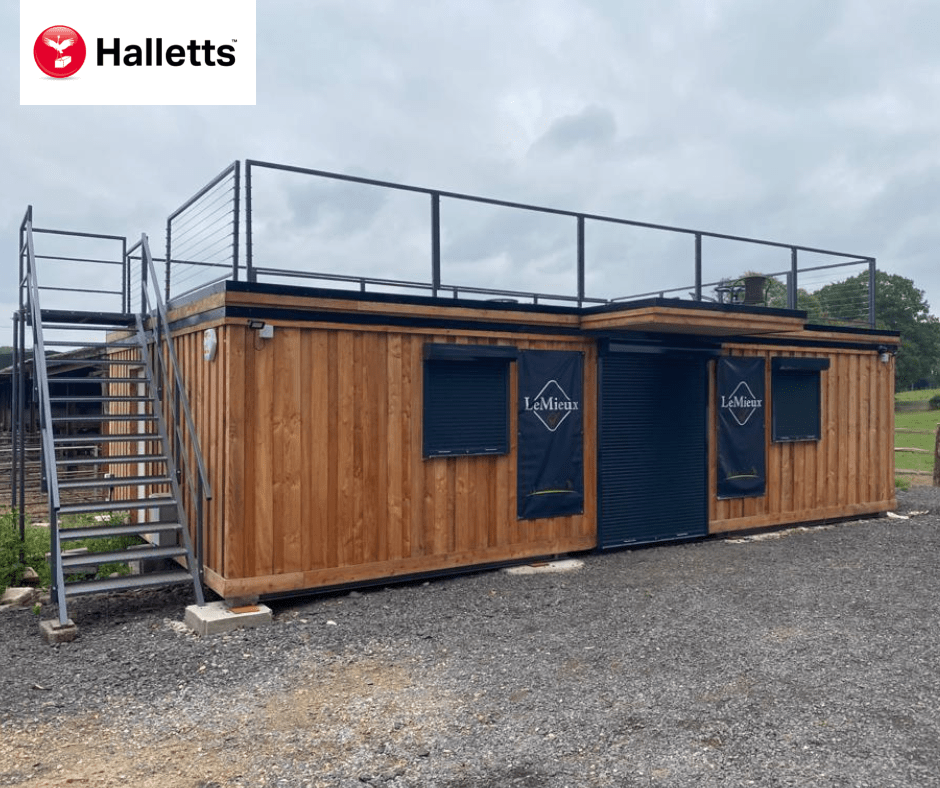
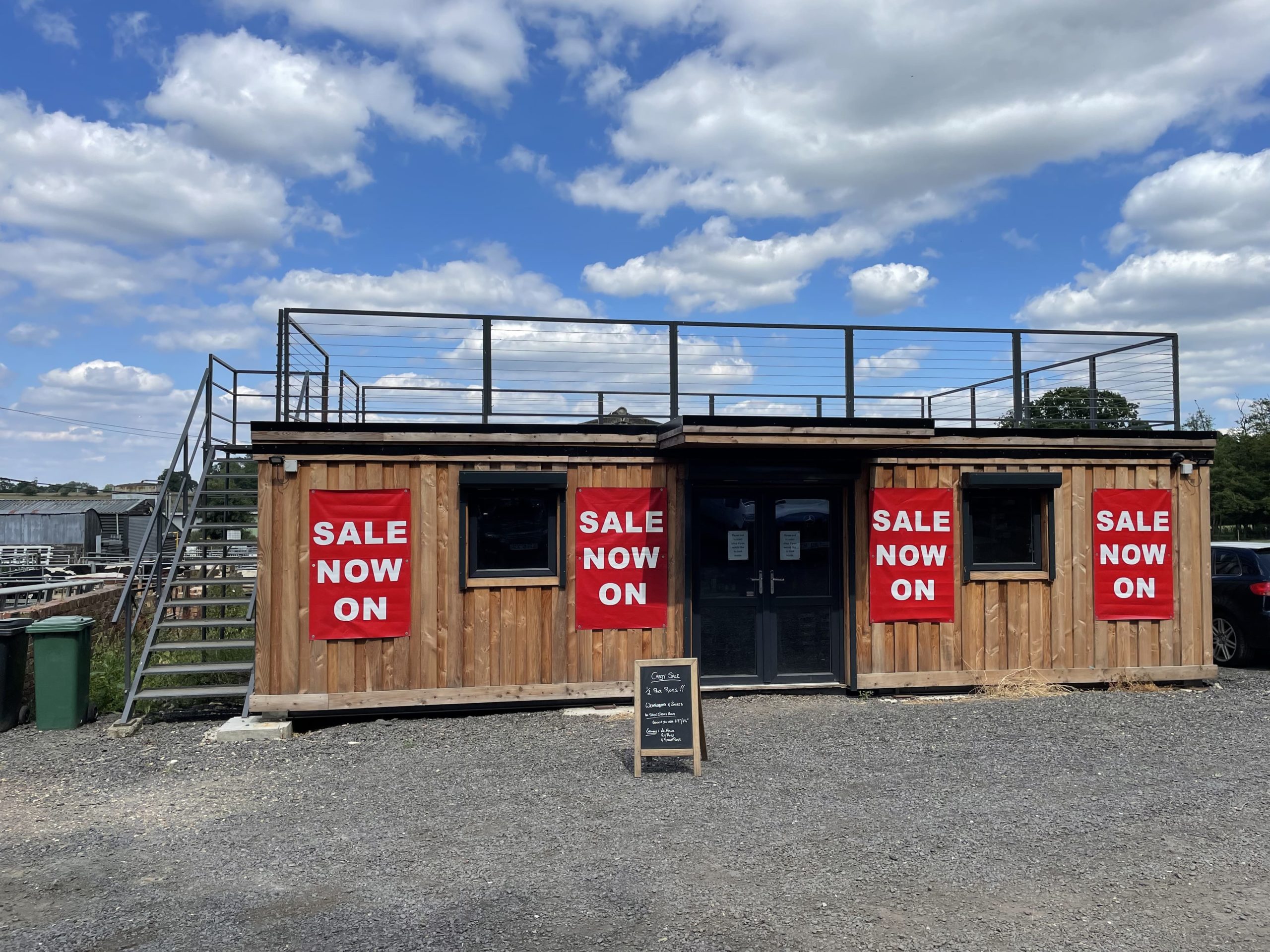
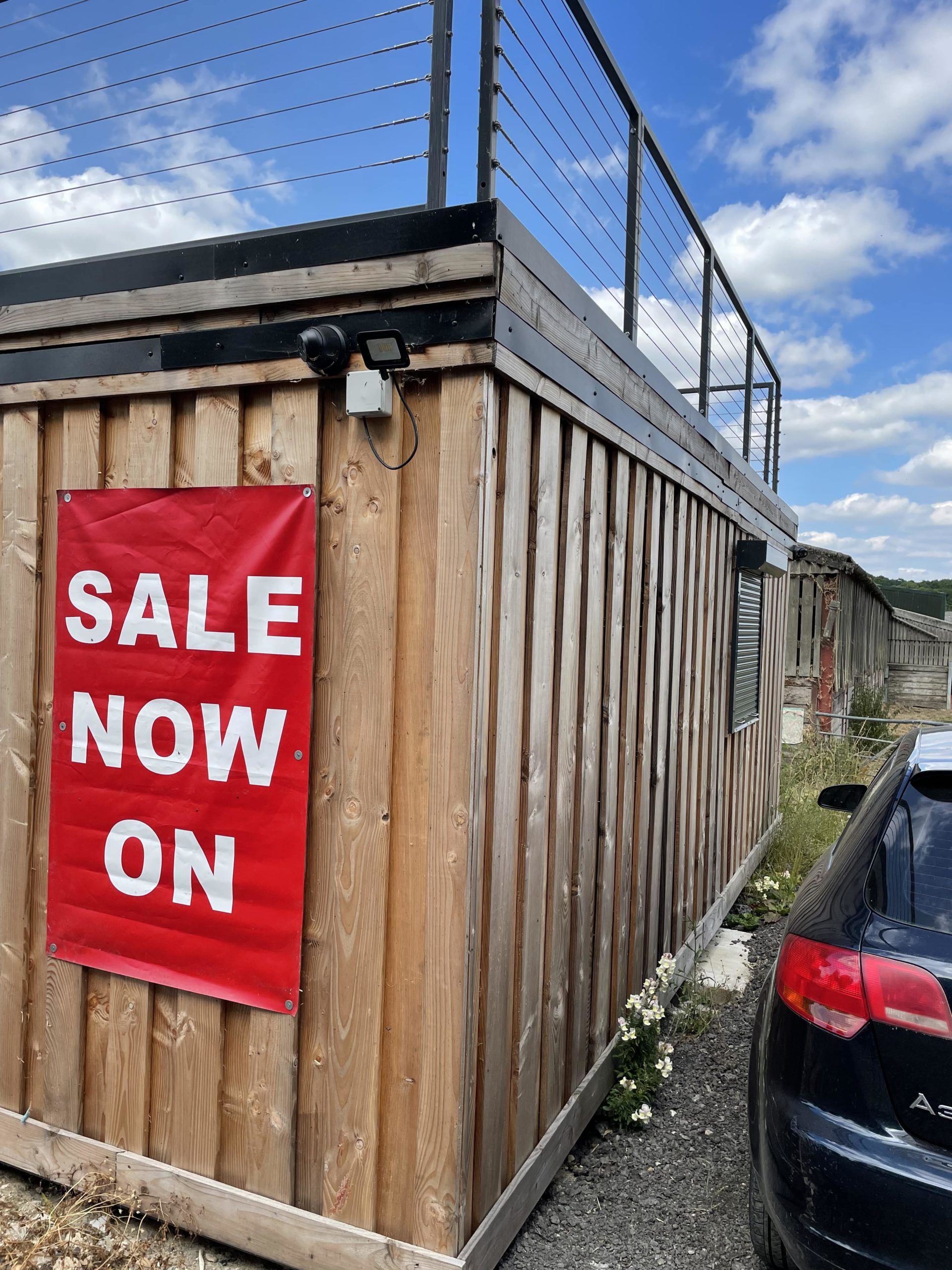
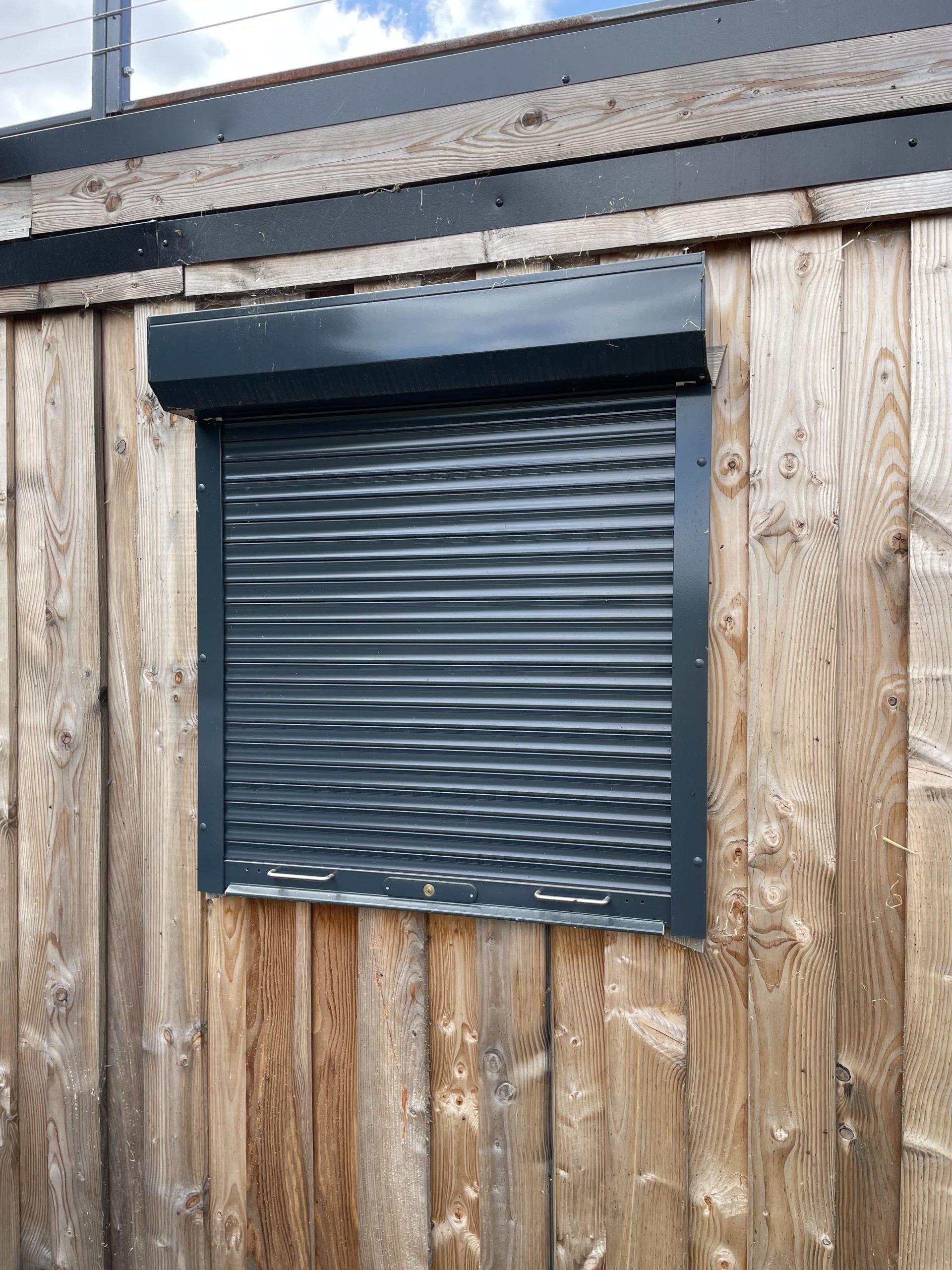
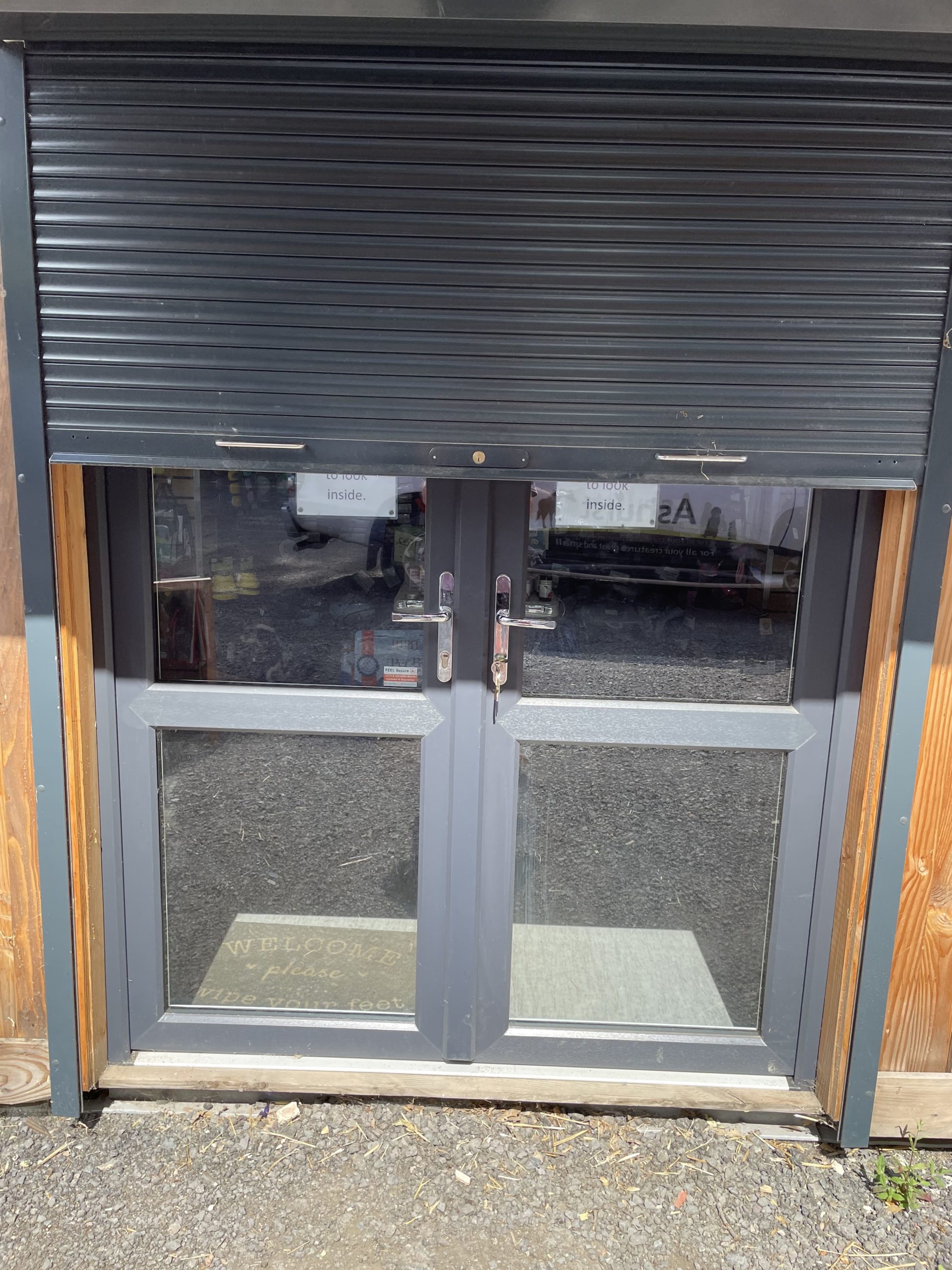
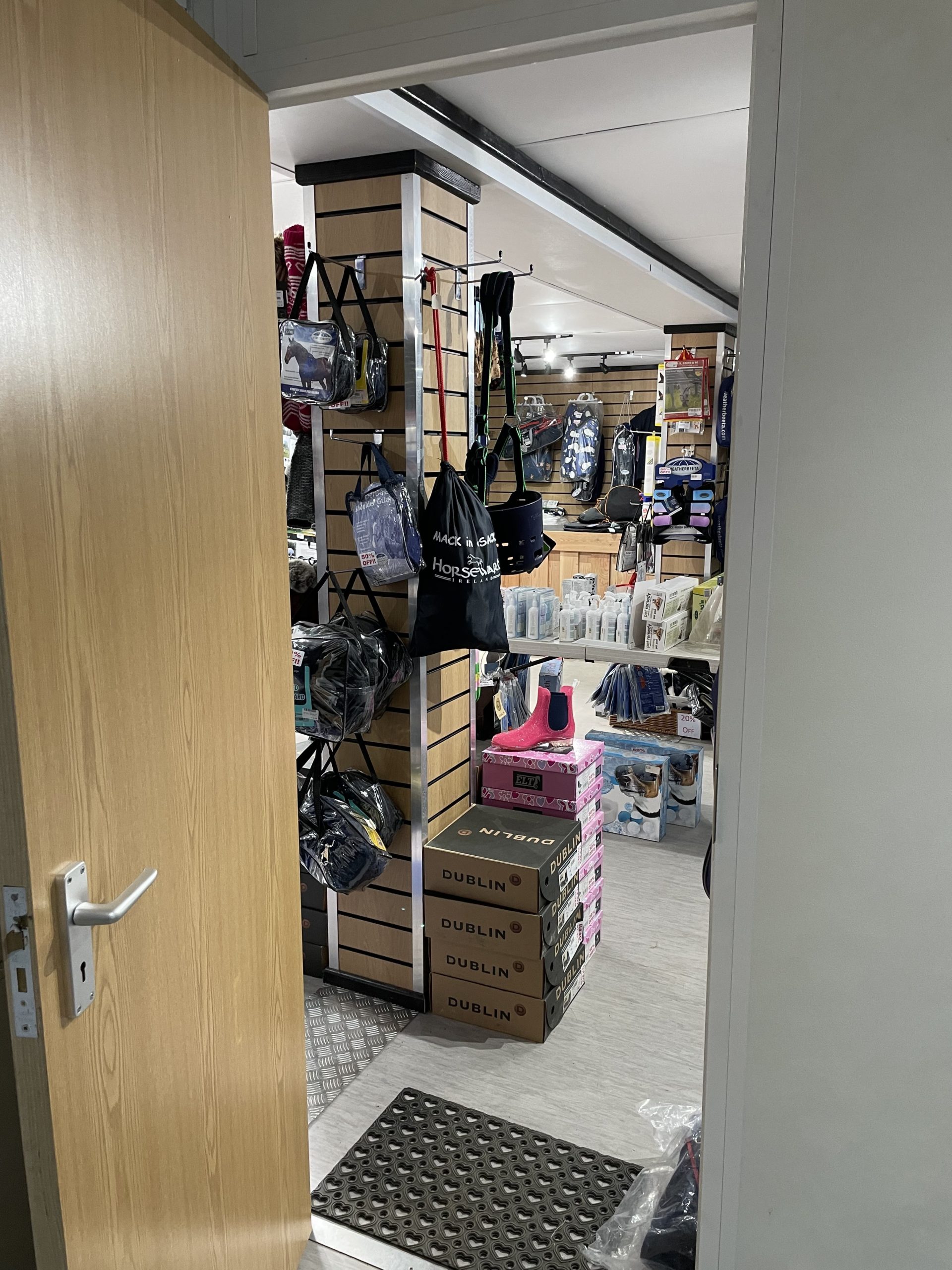
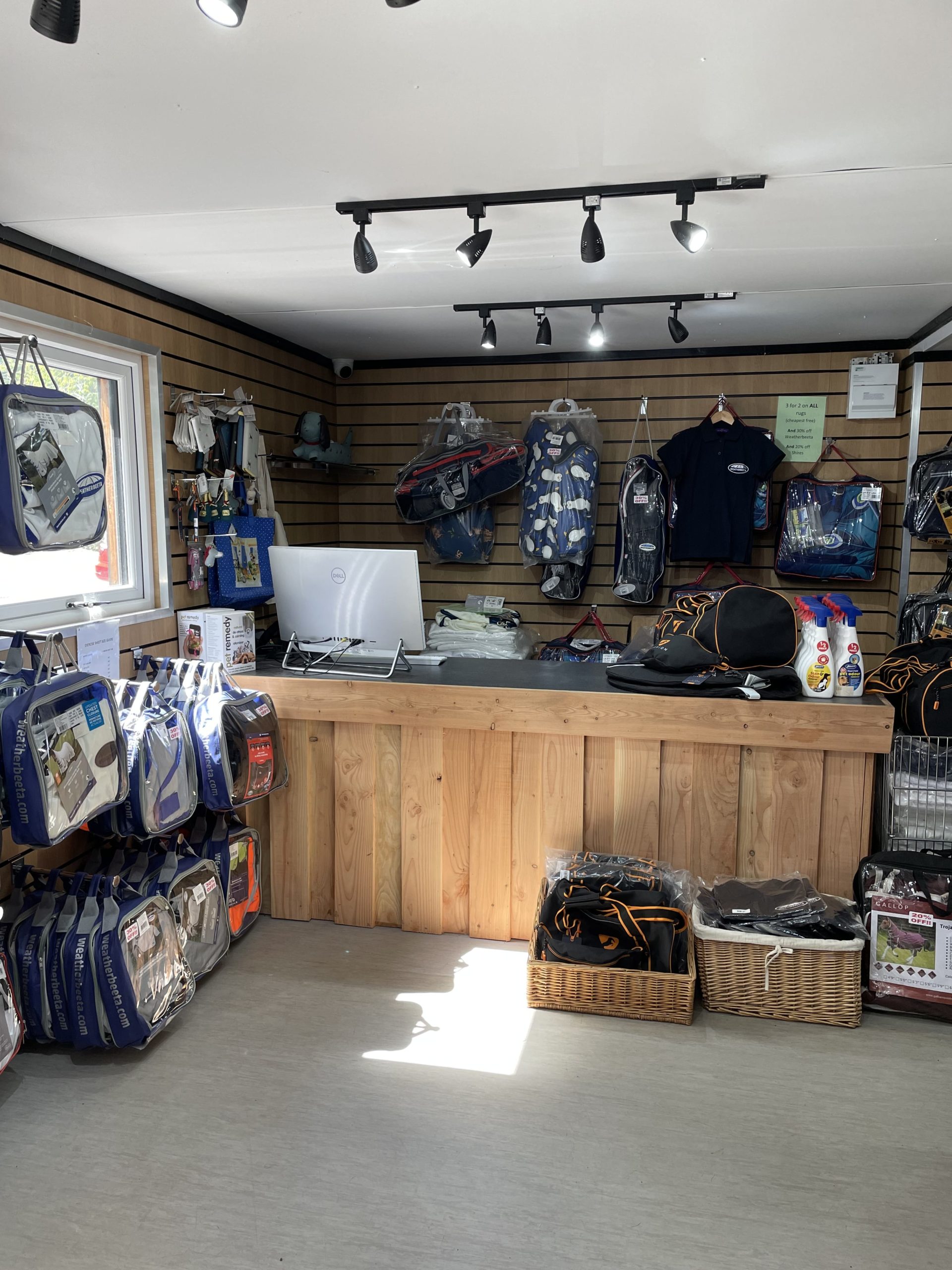
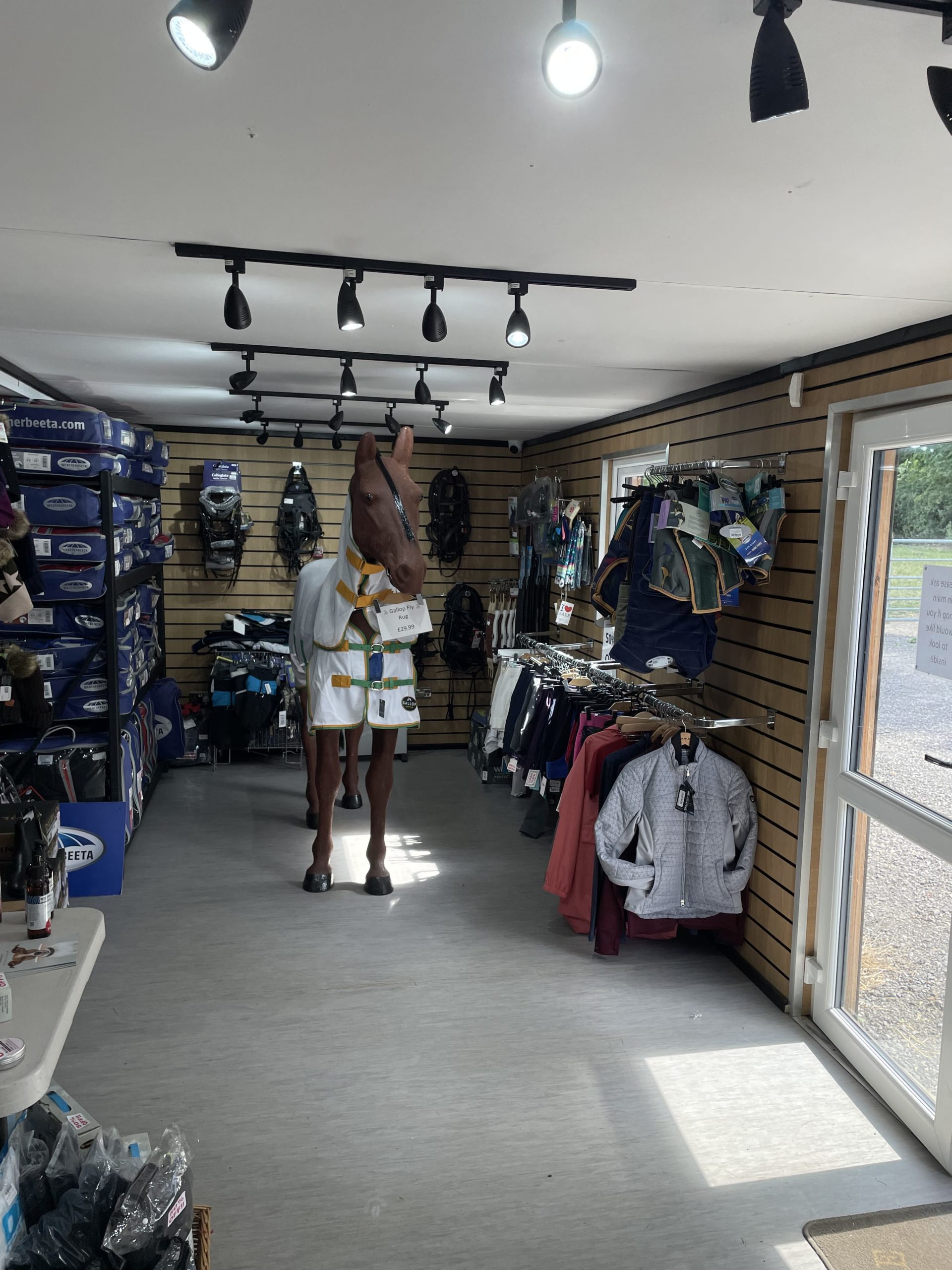
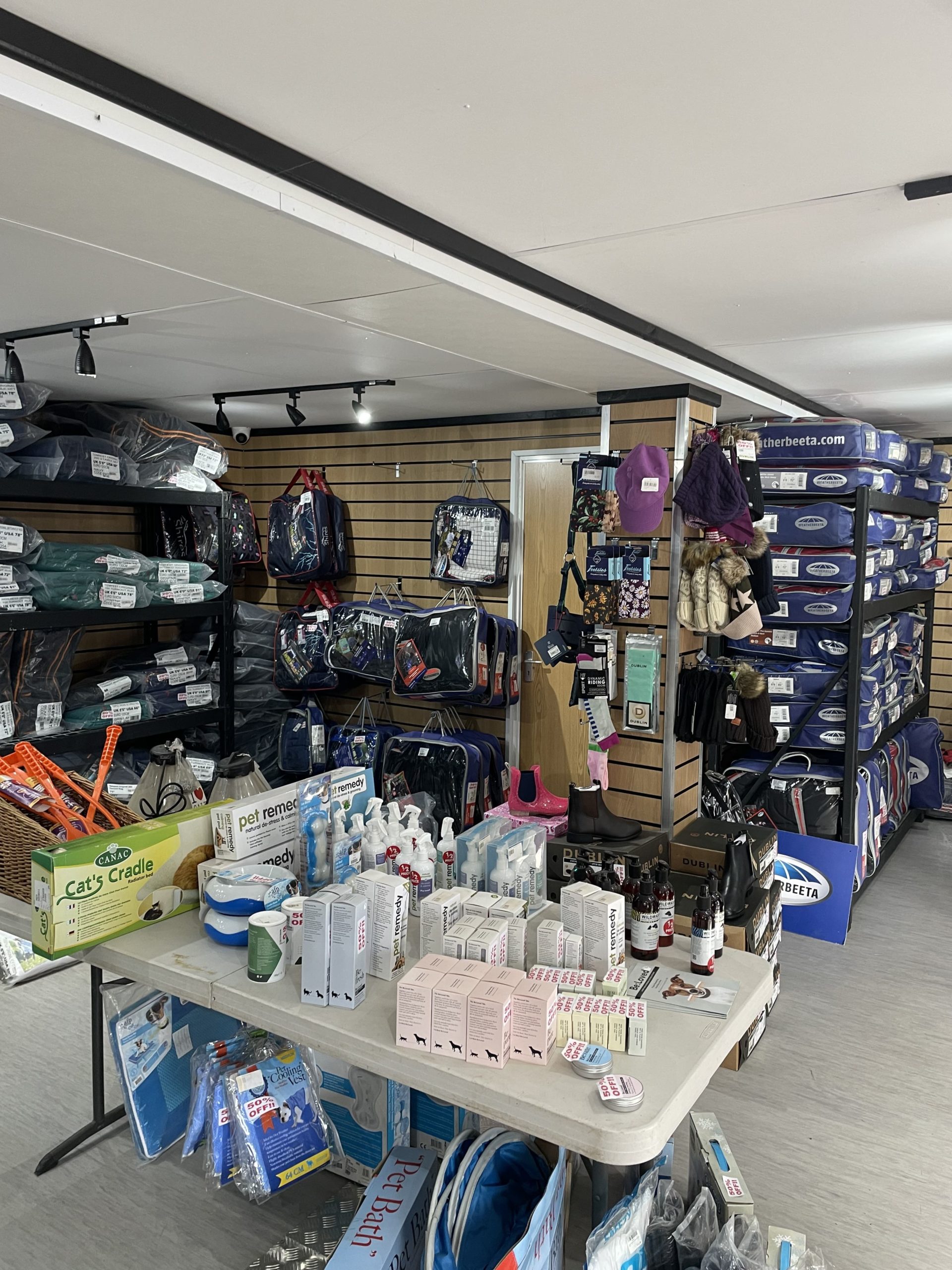
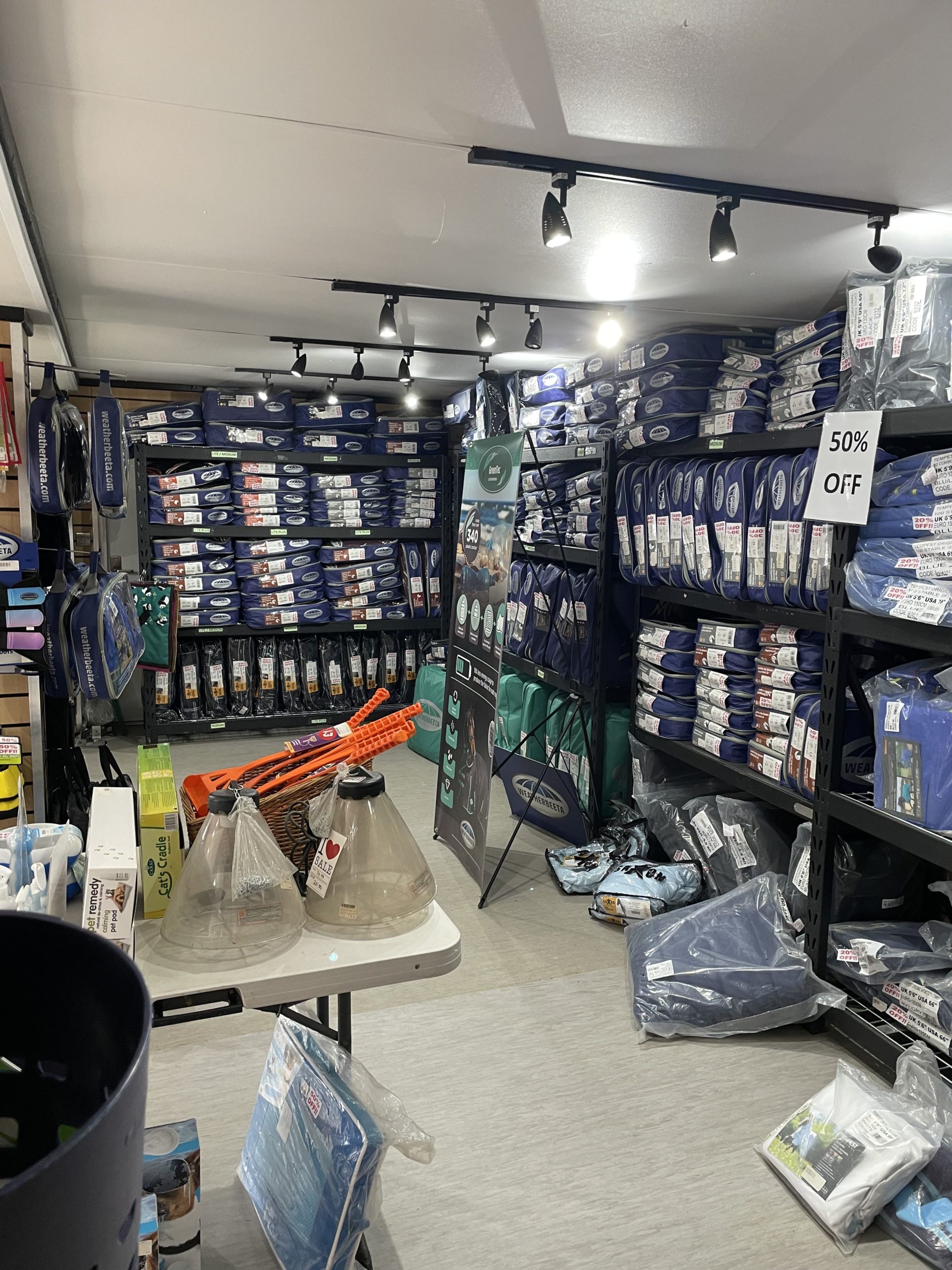
20ft x 8ft Container Conversion Retail Shop
UPVC Double glazed Windows + French Doors
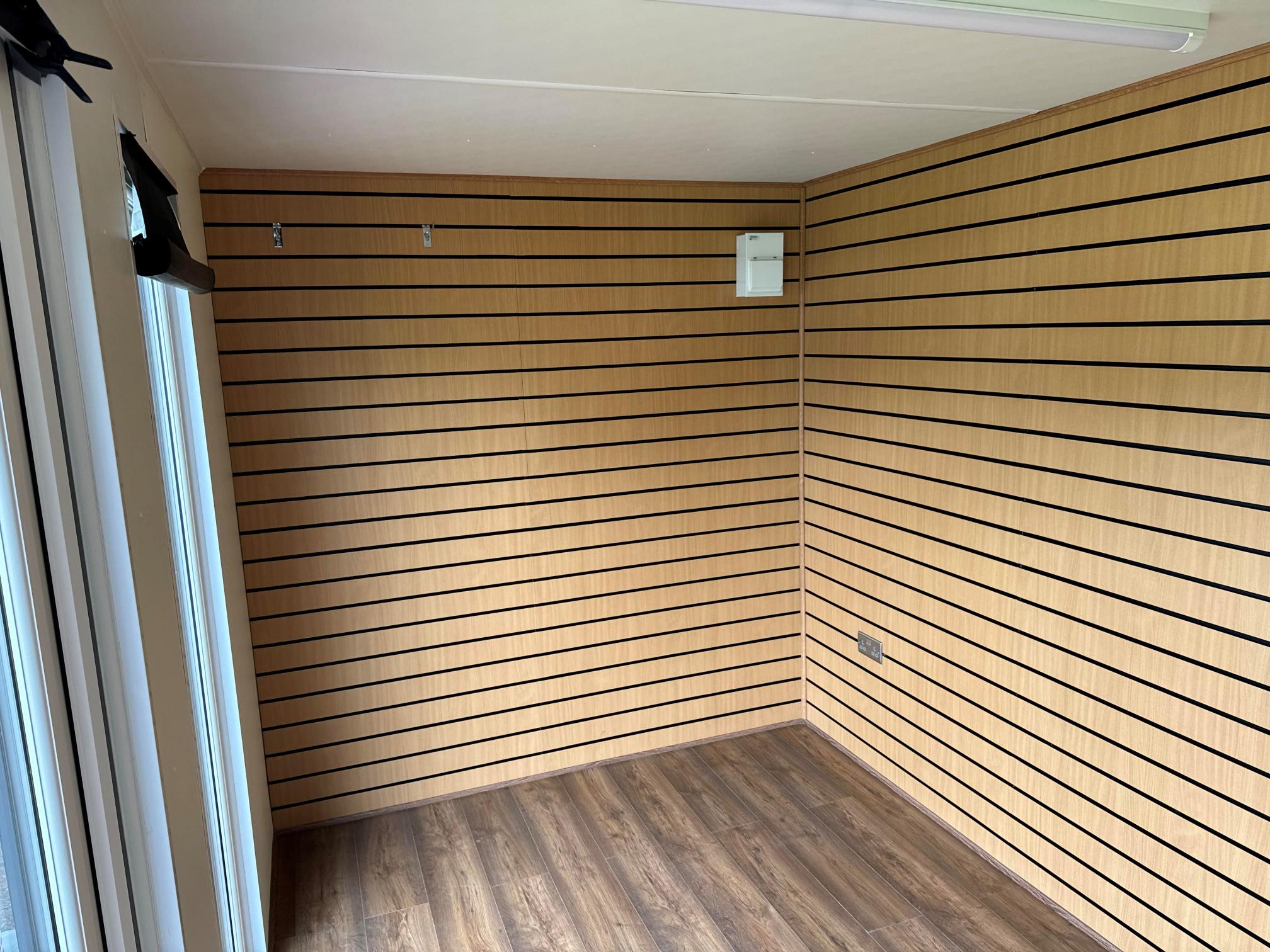
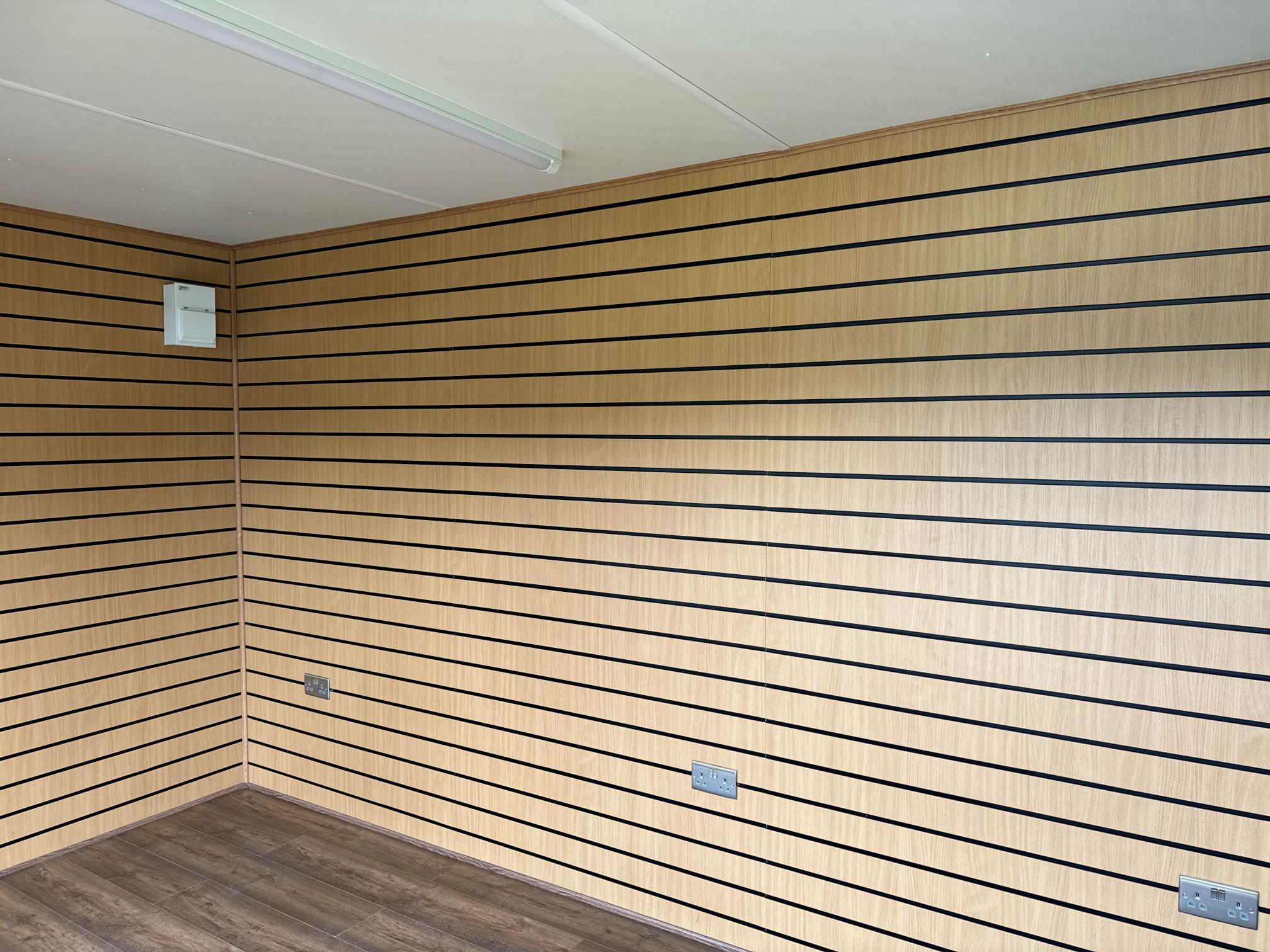
Slat Wall for retail fixings and Merchandise
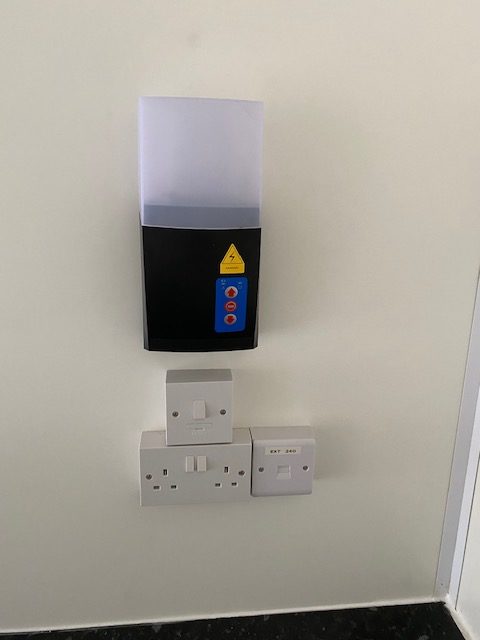
Electric Chrome Sockets, led lighting and heating.
Laminate Flooring
12 months Warranty
Maintenance call out package included
Less than 2 years old
Still in Brand New Condition
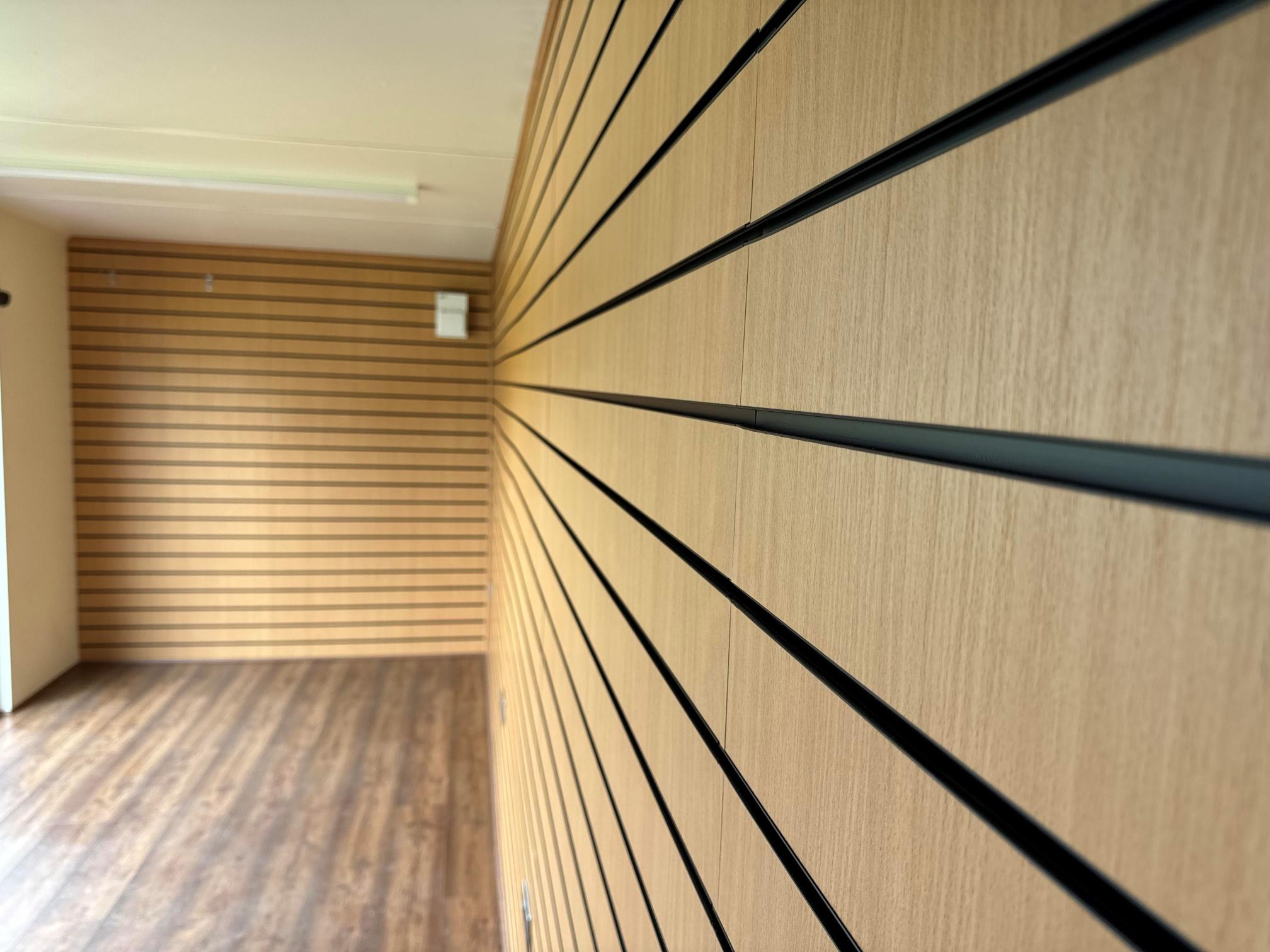
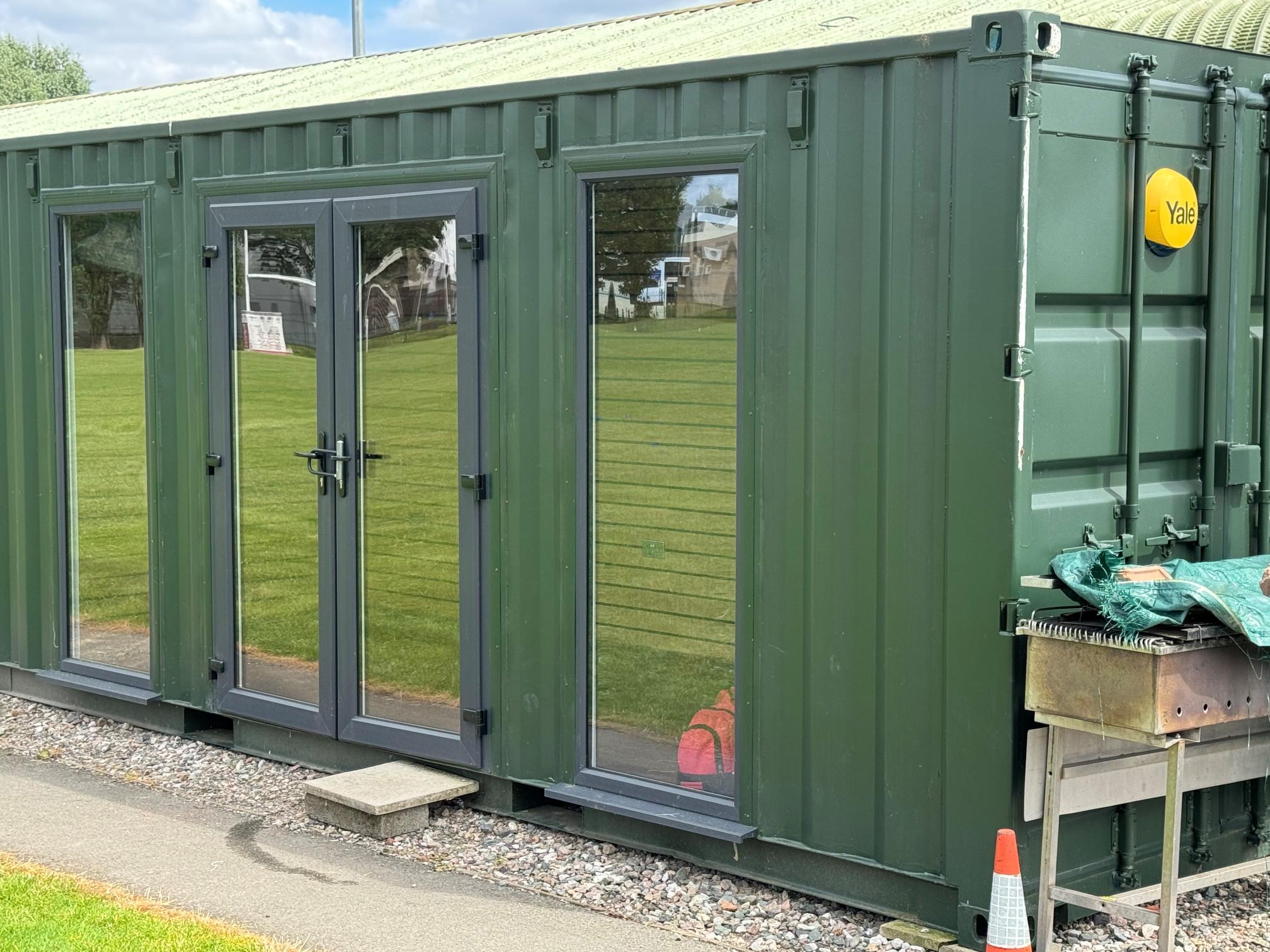
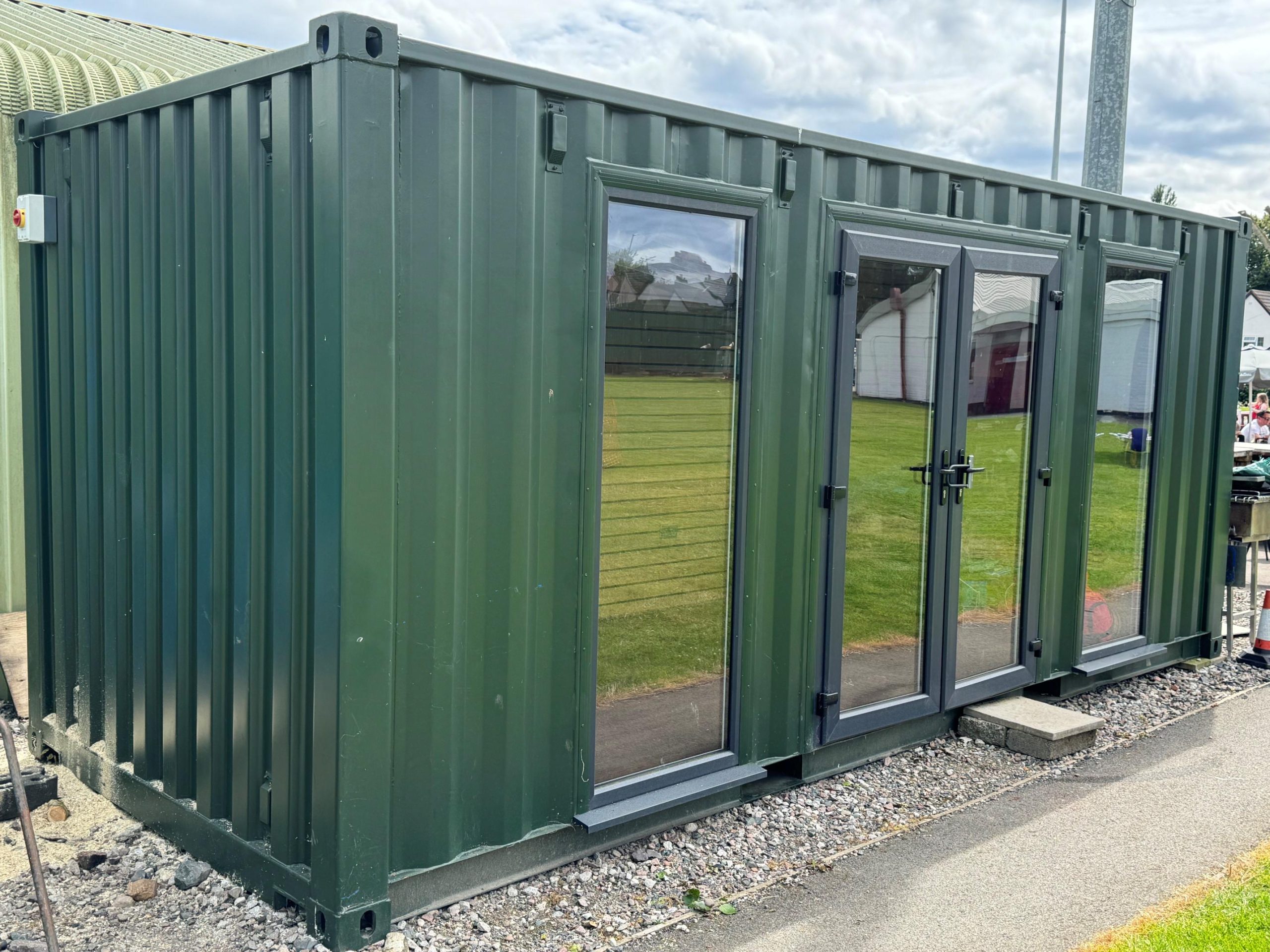
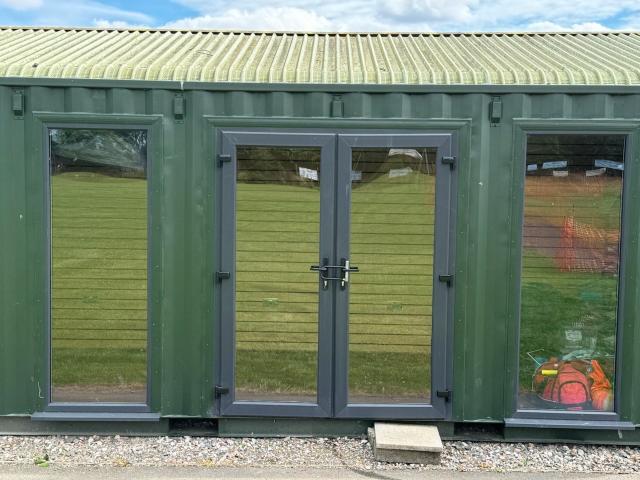
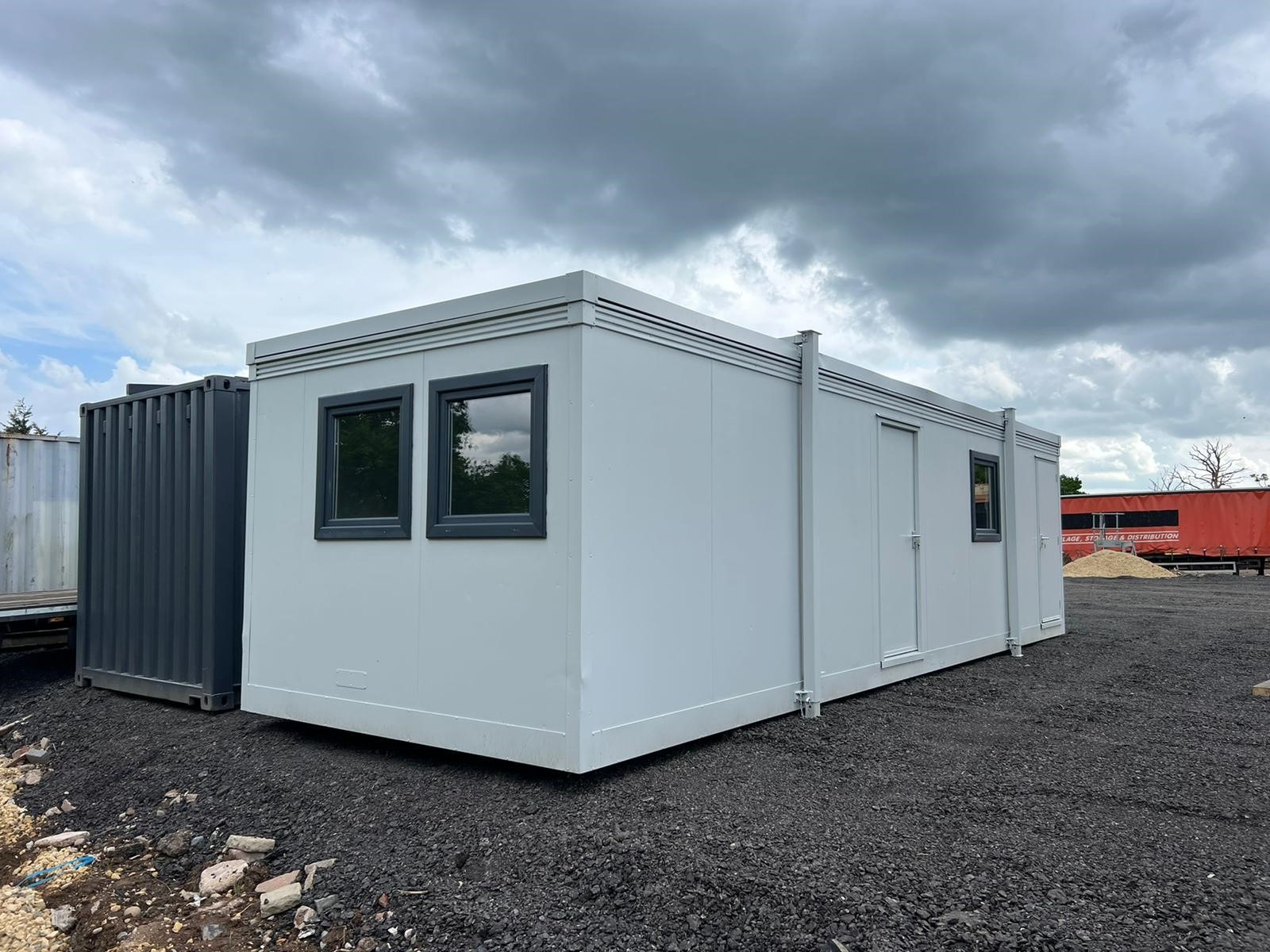
Fully refurbished
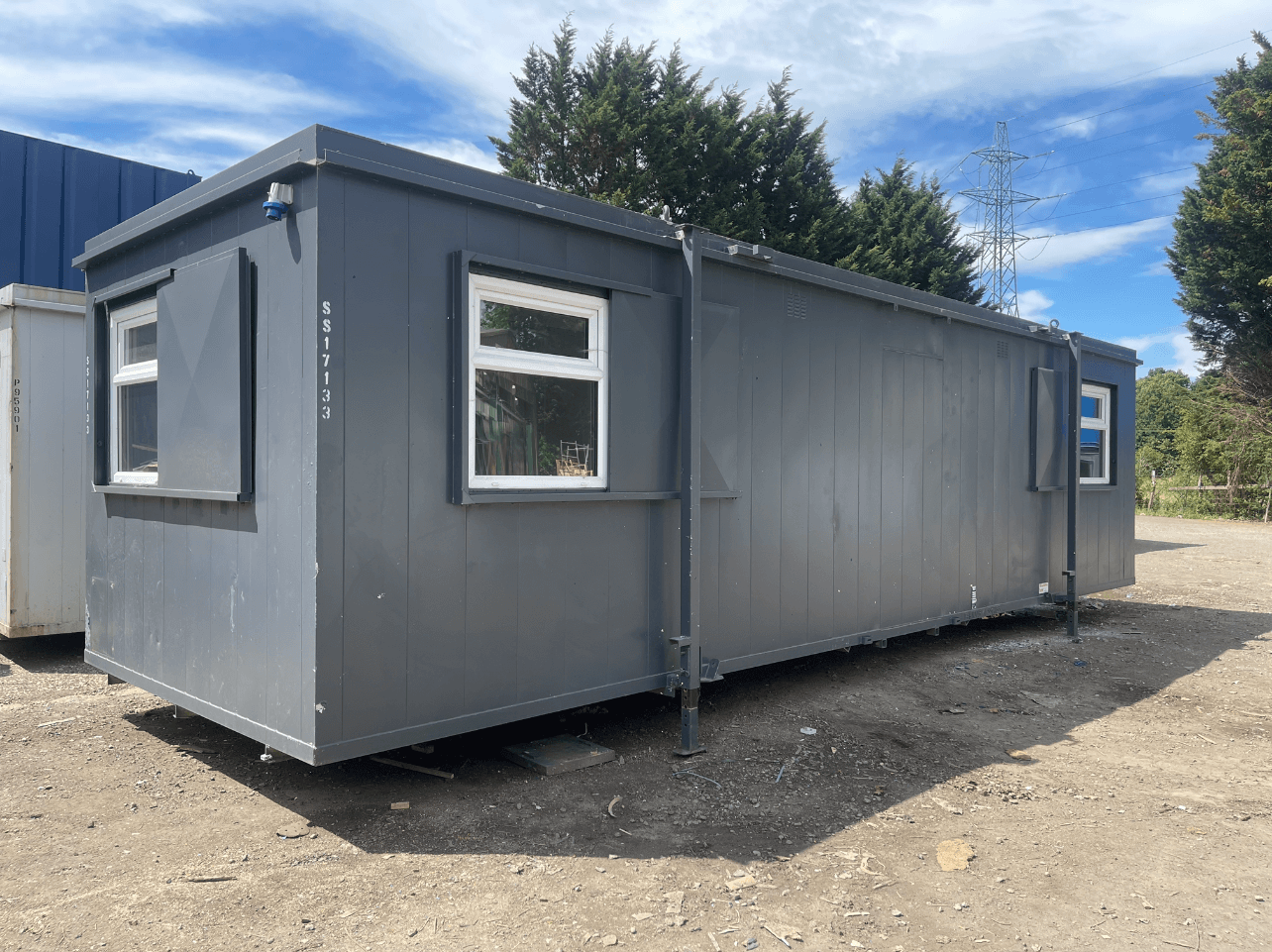
Colour light grey
Slate grey anthracite upvc double glazed windows

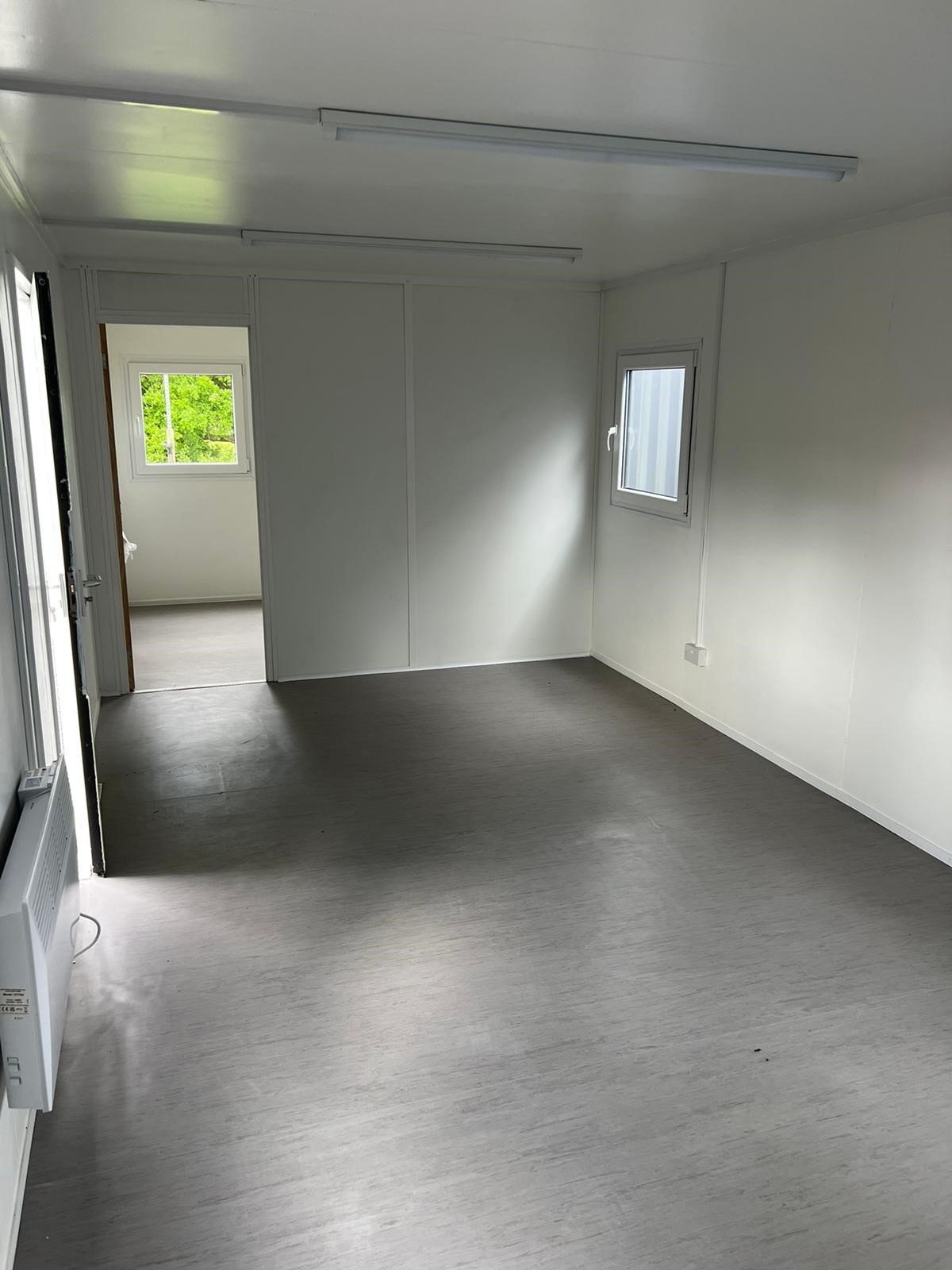
Location: Nationwide
+ VAT
Not Available for Hire
Call for an instant quote!
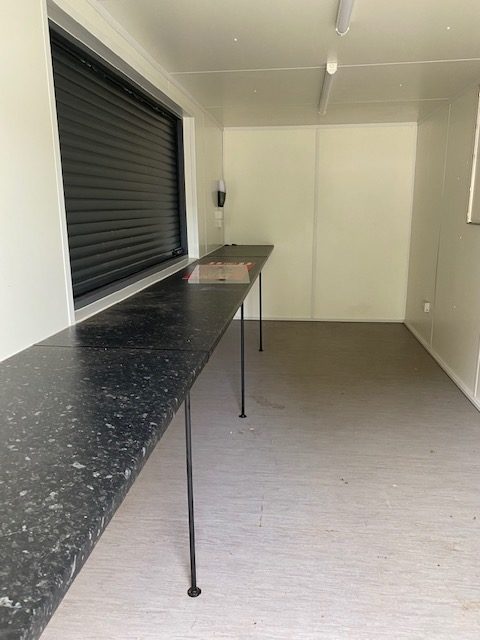
Fully Insulated with electric sockets, spot lighting, and heating
Wood Flooring
UPVC Sliding Door + Windows
Lead Time for build 6-8 weeks
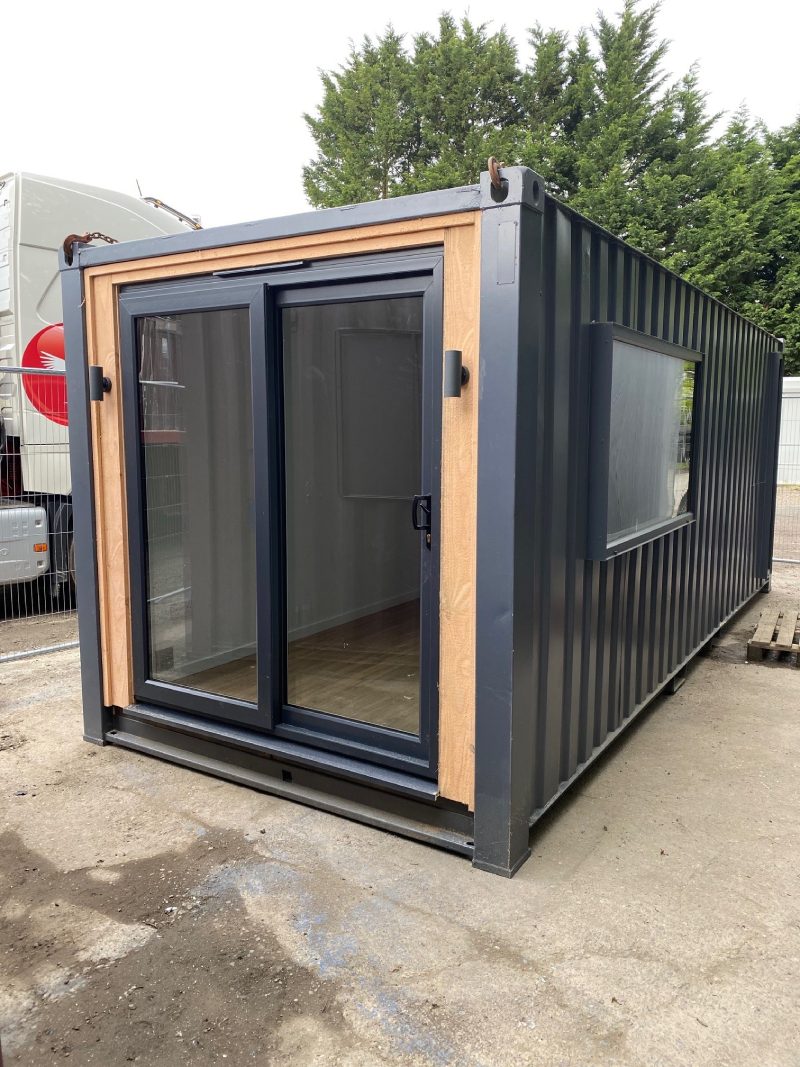
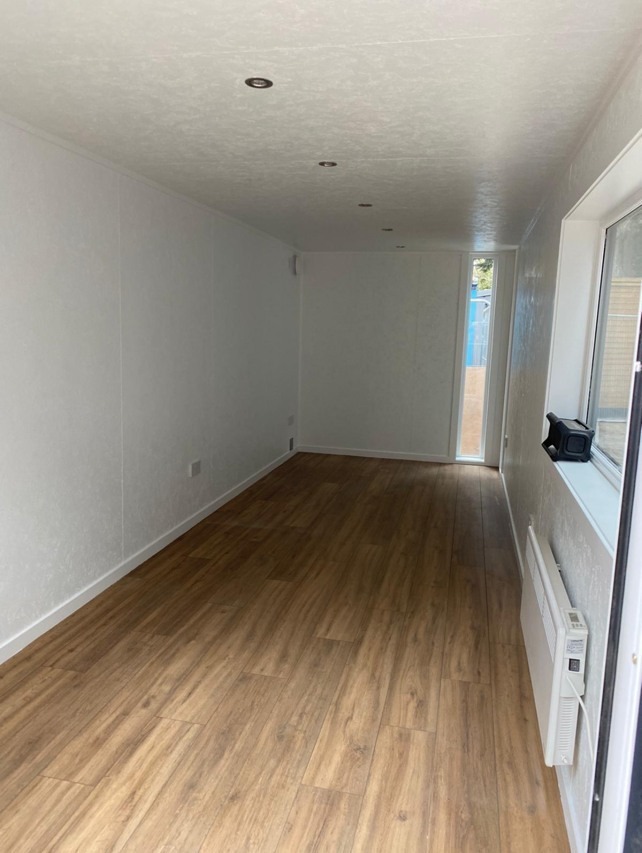
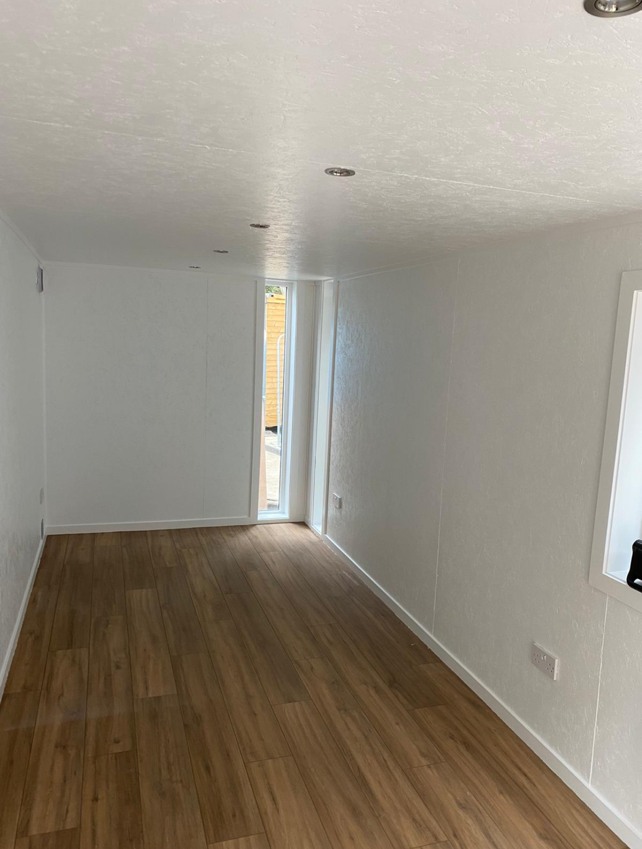
Location: Nationwide
+ VAT
Not Available for Hire
Call for an instant quote!
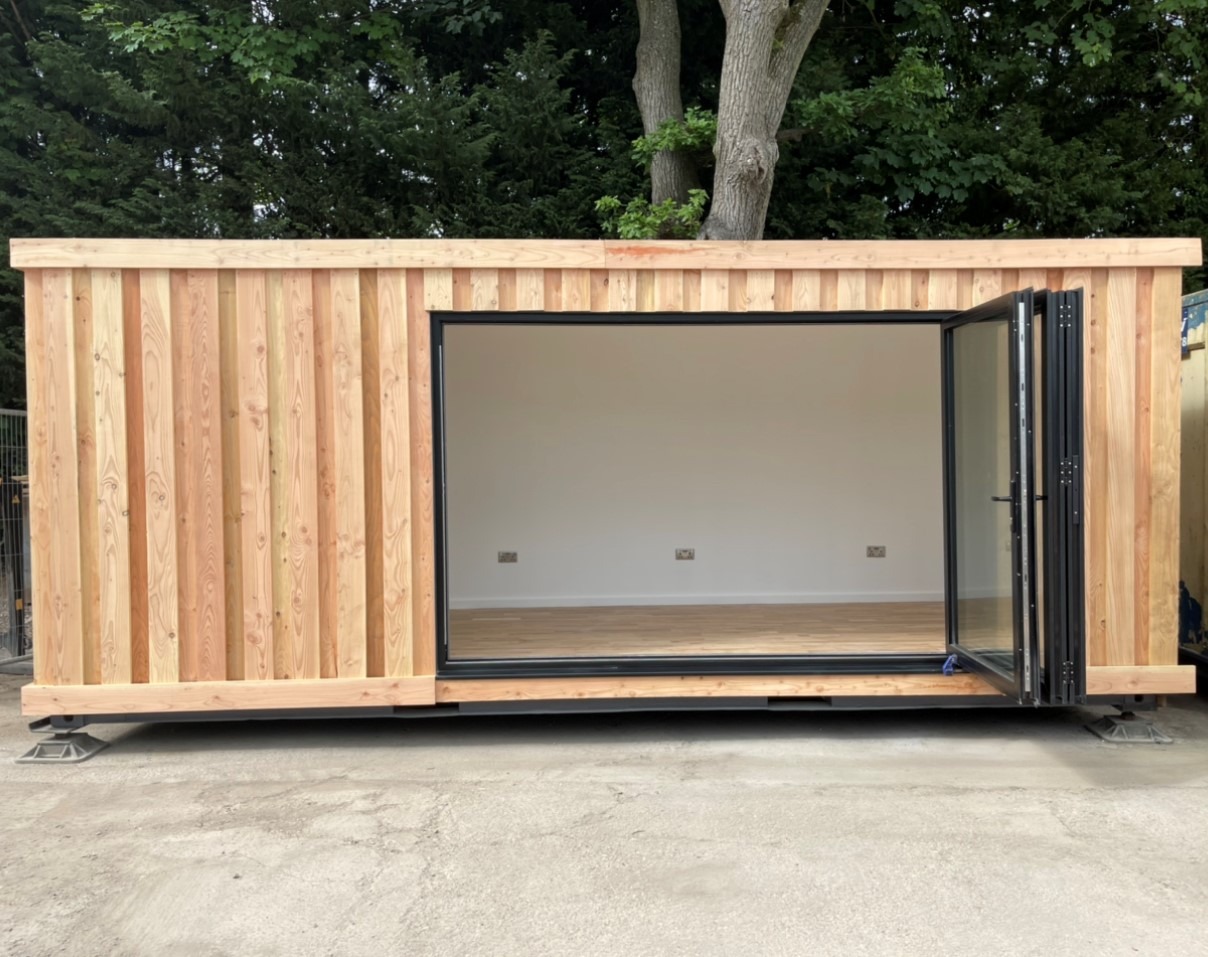
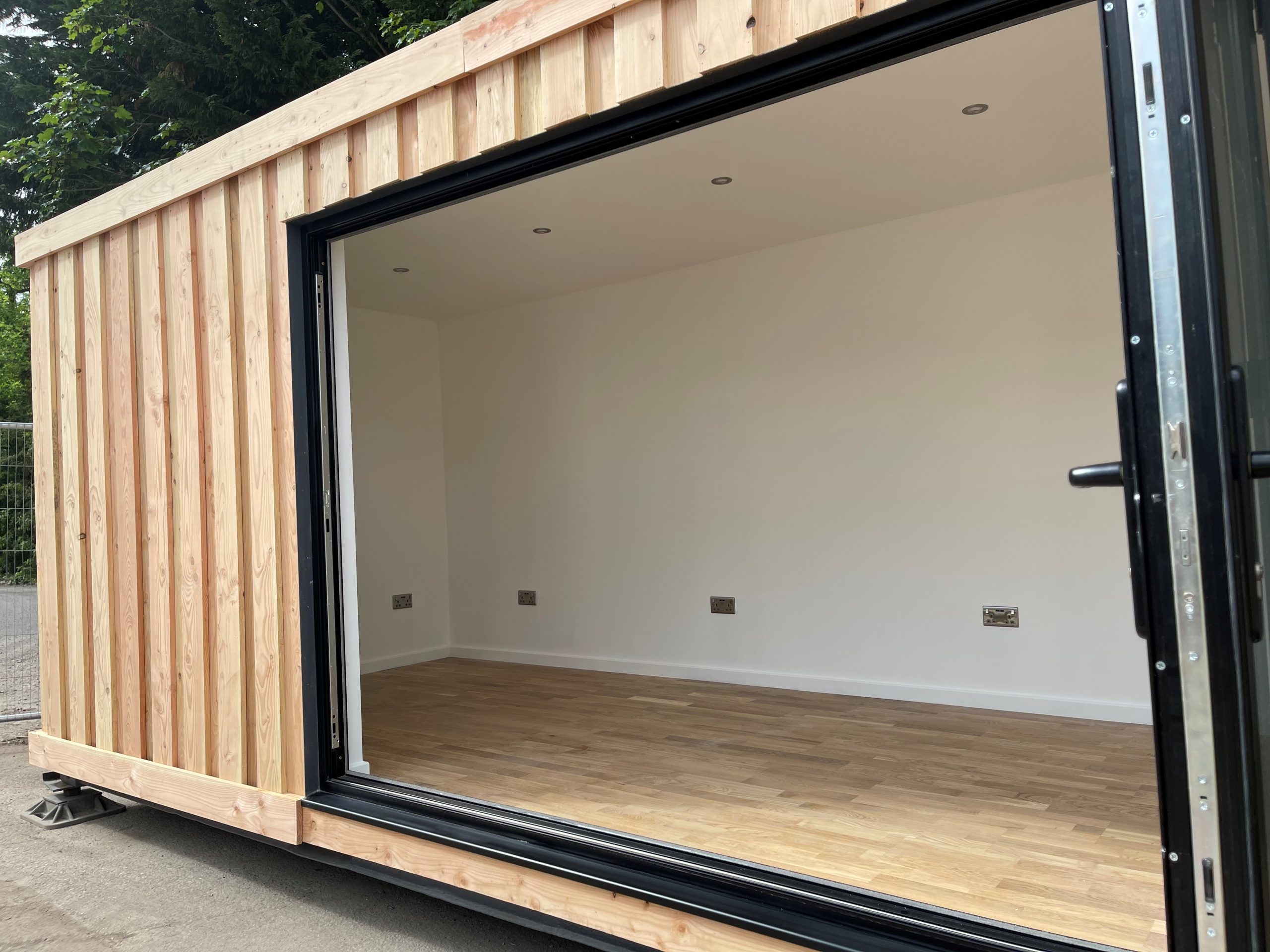
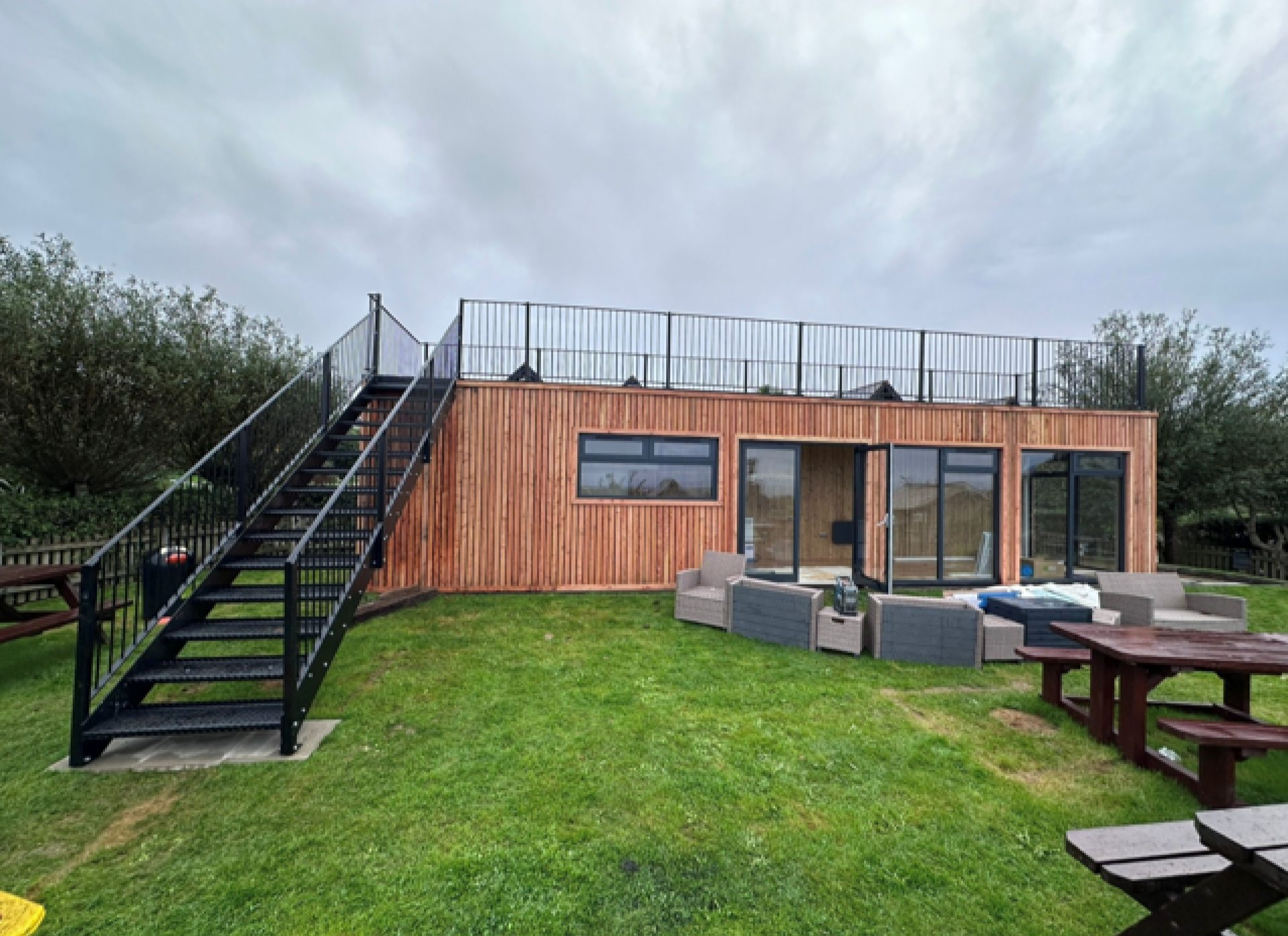
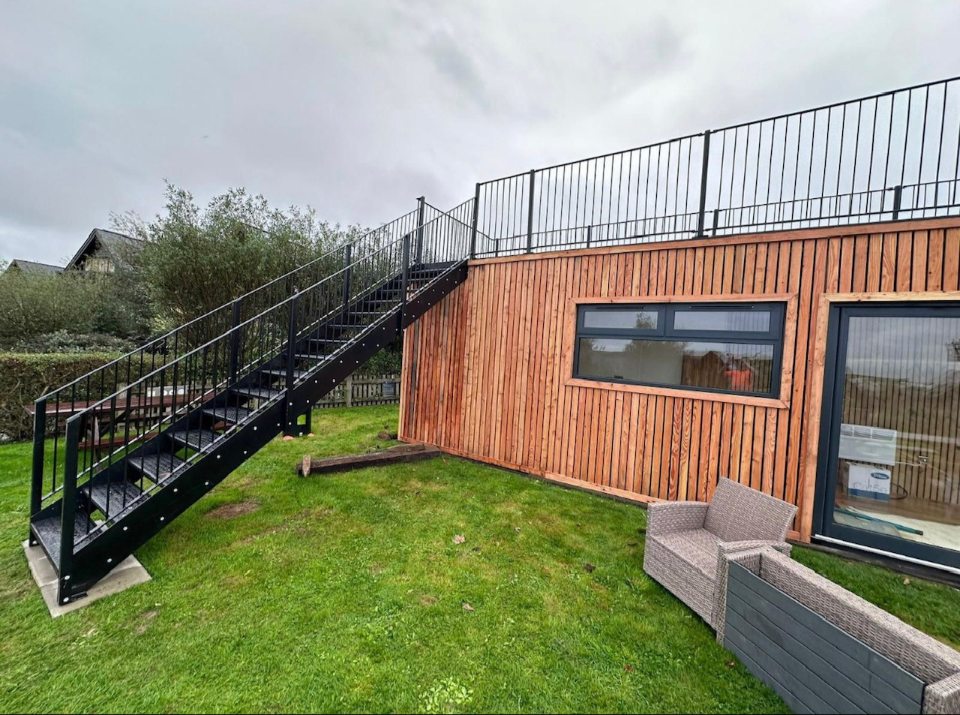
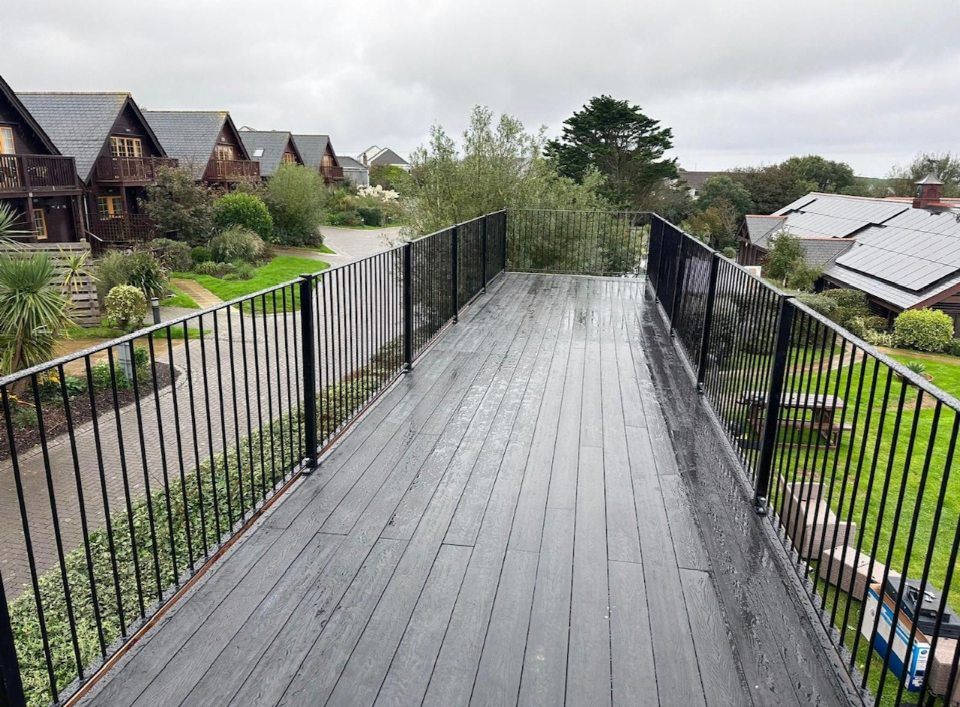
Fully Insulated with electric sockets, spot lighting, and heating
Wood Flooring
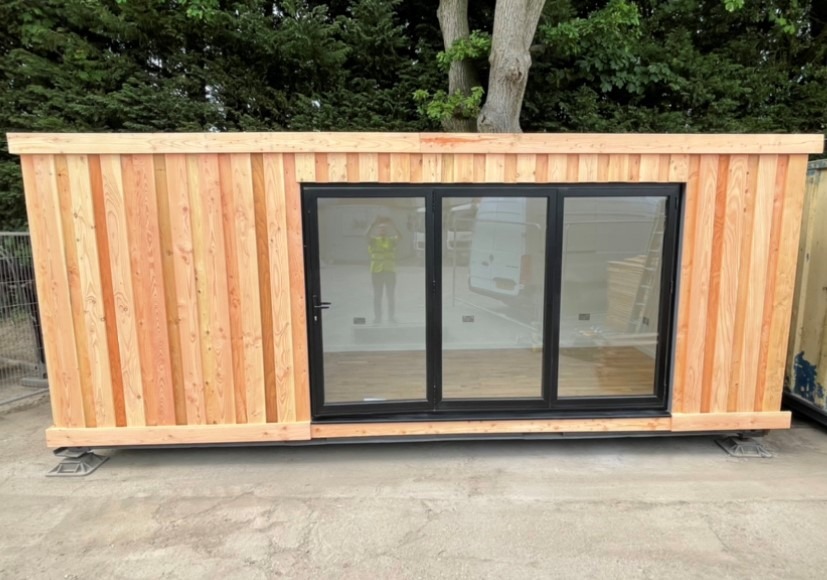
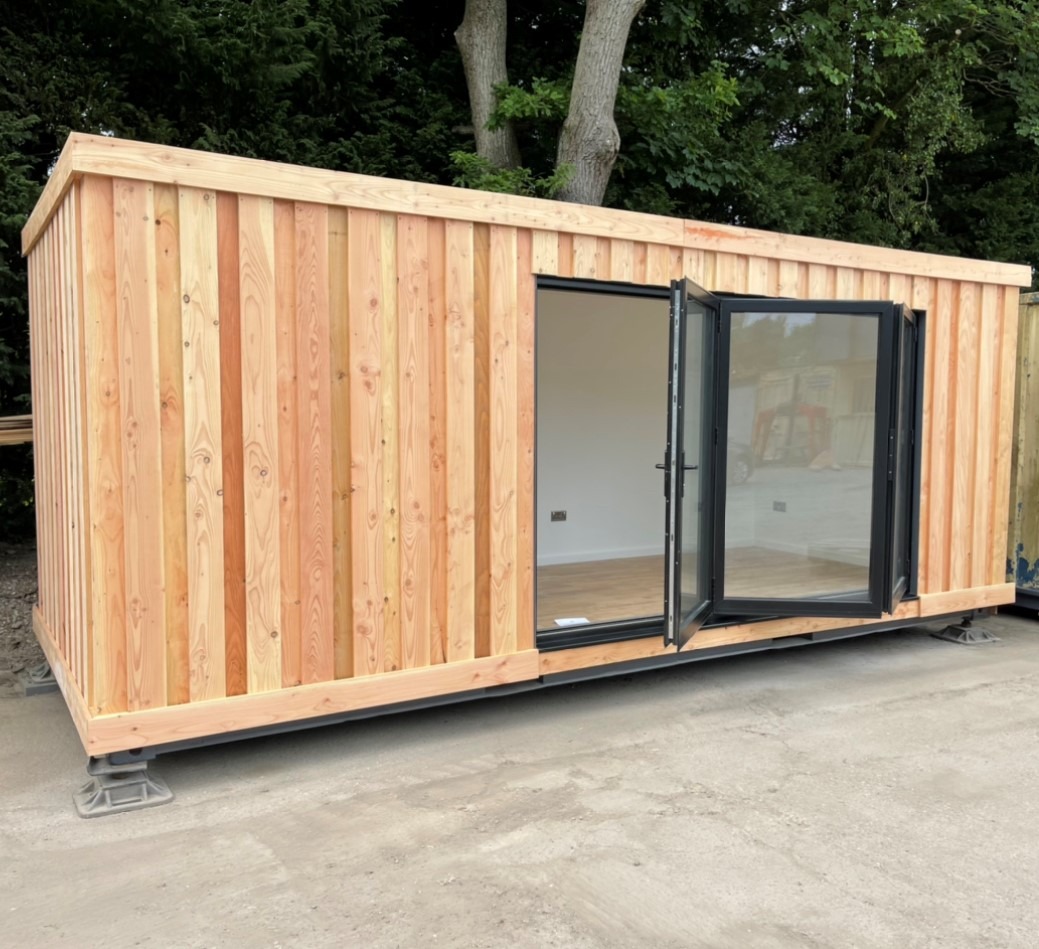
Aluminium Bi Fold Doors
Fully wrapped in larch cladding
Lead Time for build 6-8 weeks

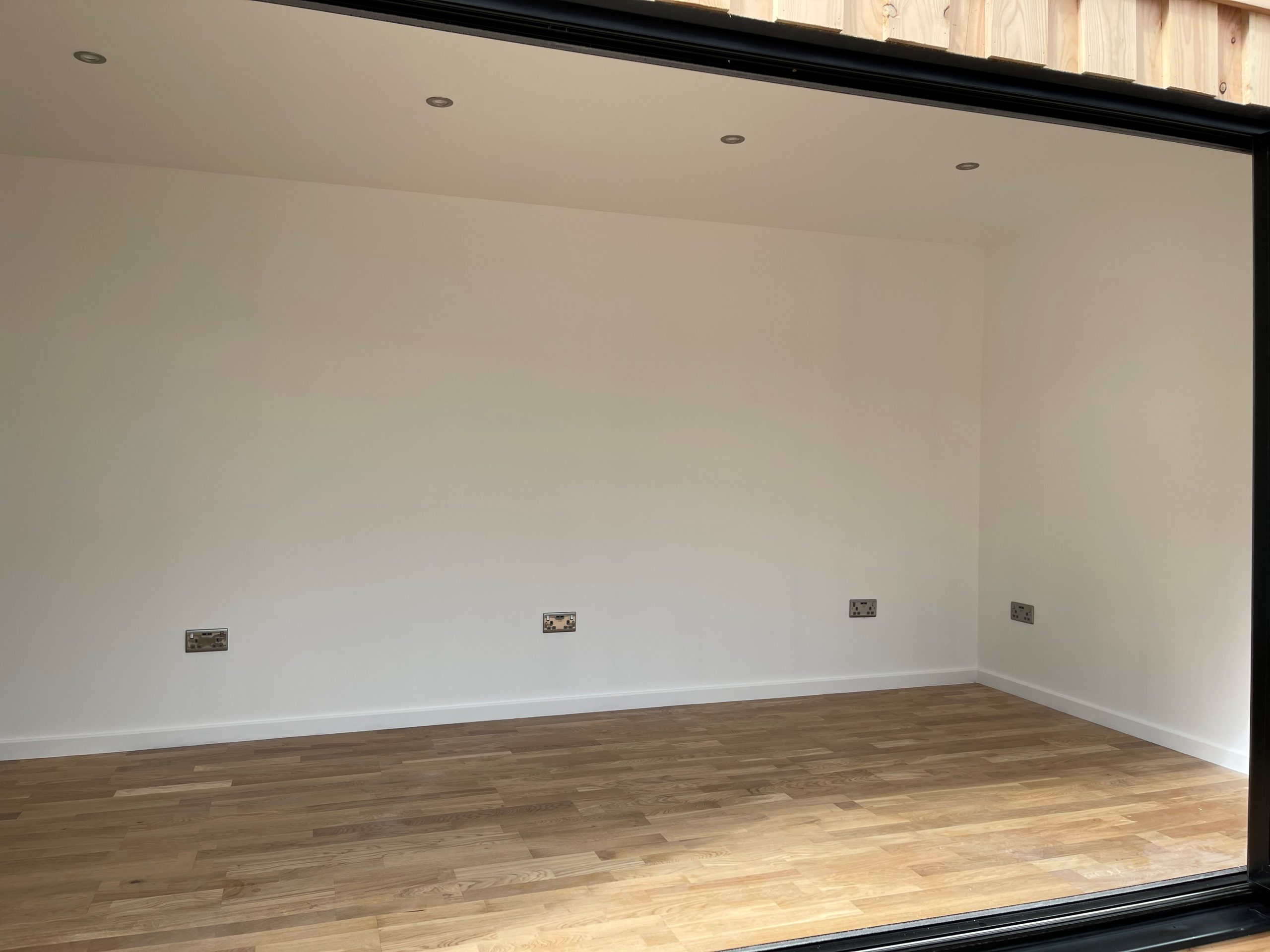
Location: Nationwide
+ VAT
Not Available for Hire
Call for an instant quote!
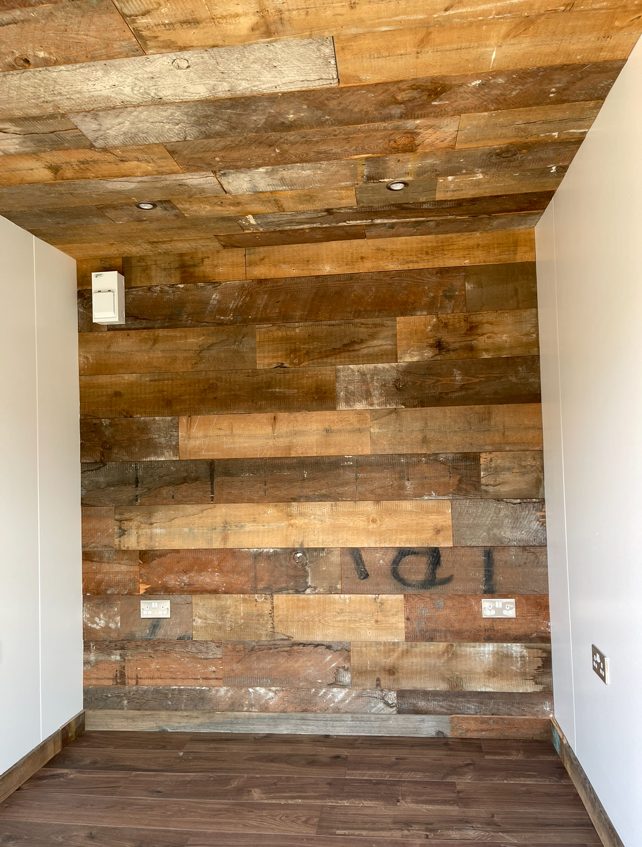
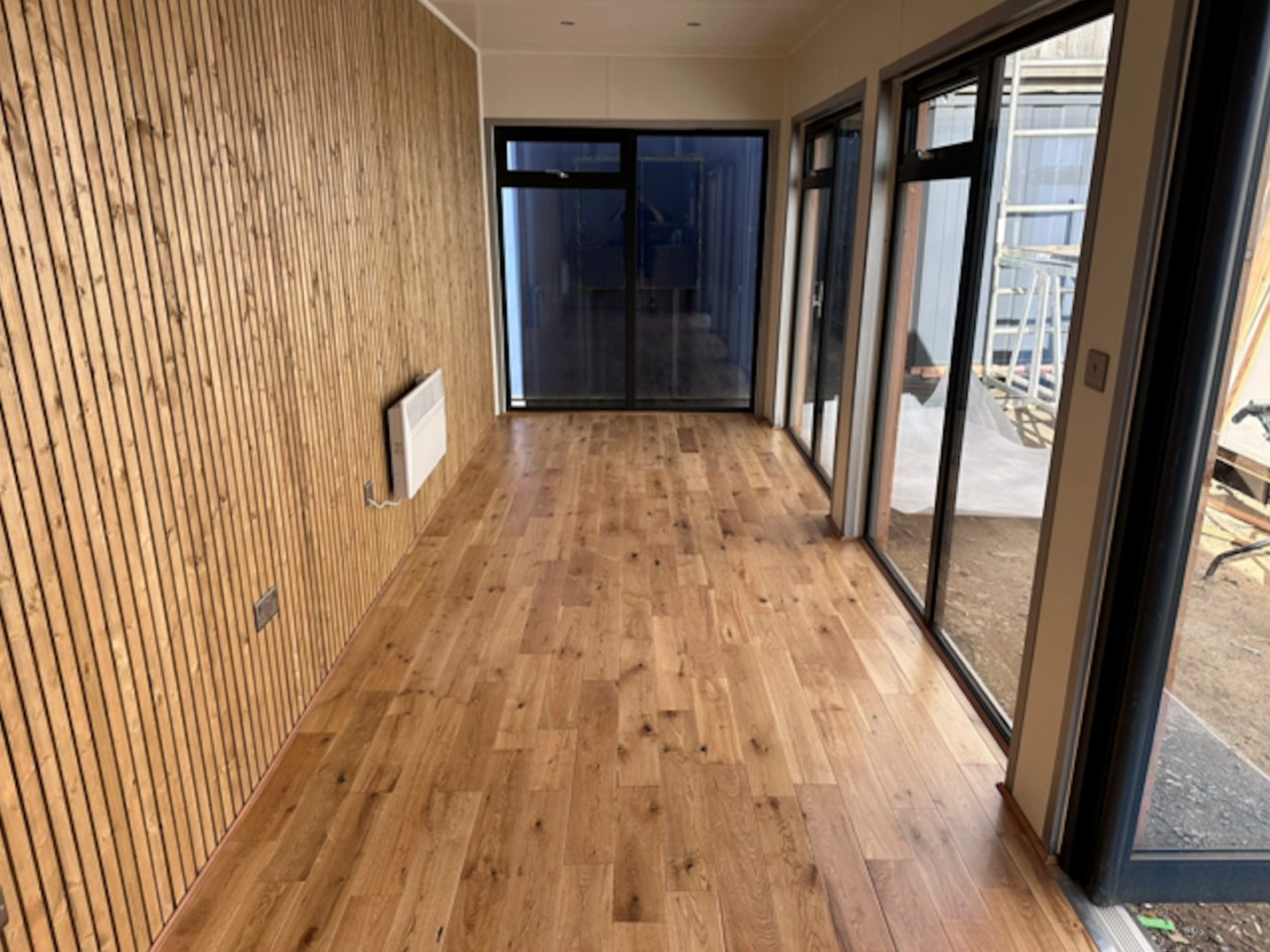
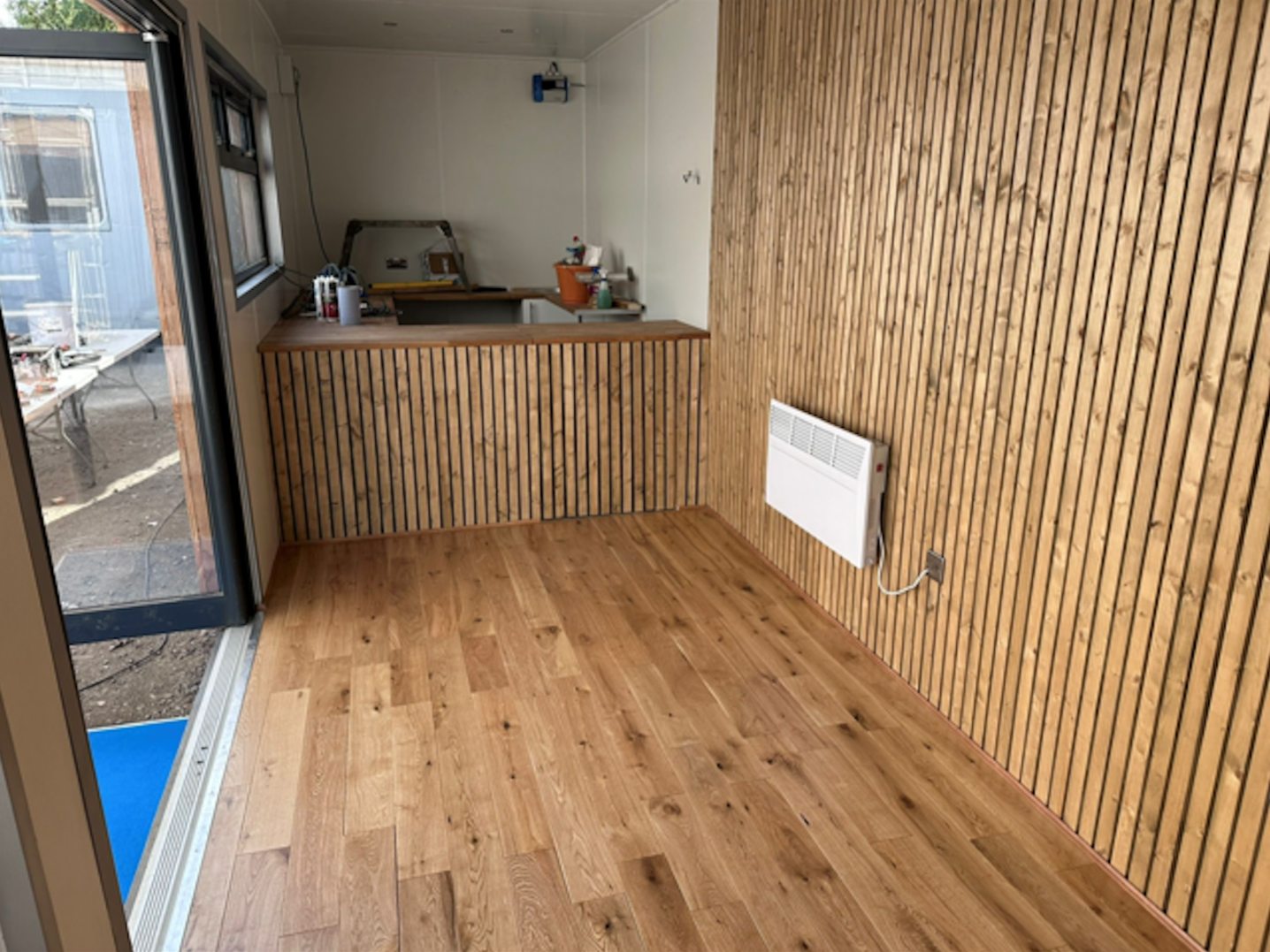
Fully Insulated with electric sockets, spot lighting, and heating
Wood Flooring
Feature Clad Wall and Ceiling
UPVC Double glazed French Doors
Fully wrapped in larch cladding
Lead Time for build 6-8 weeks
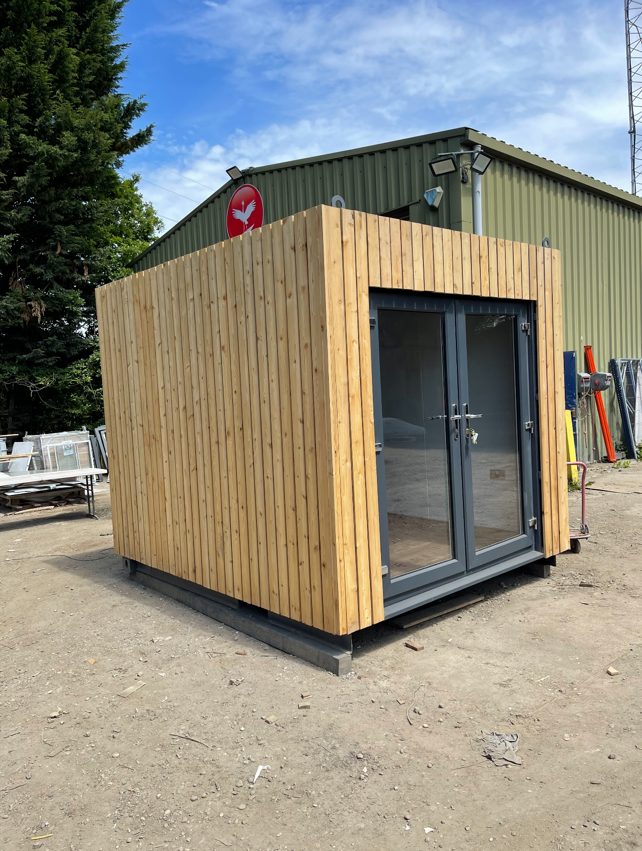
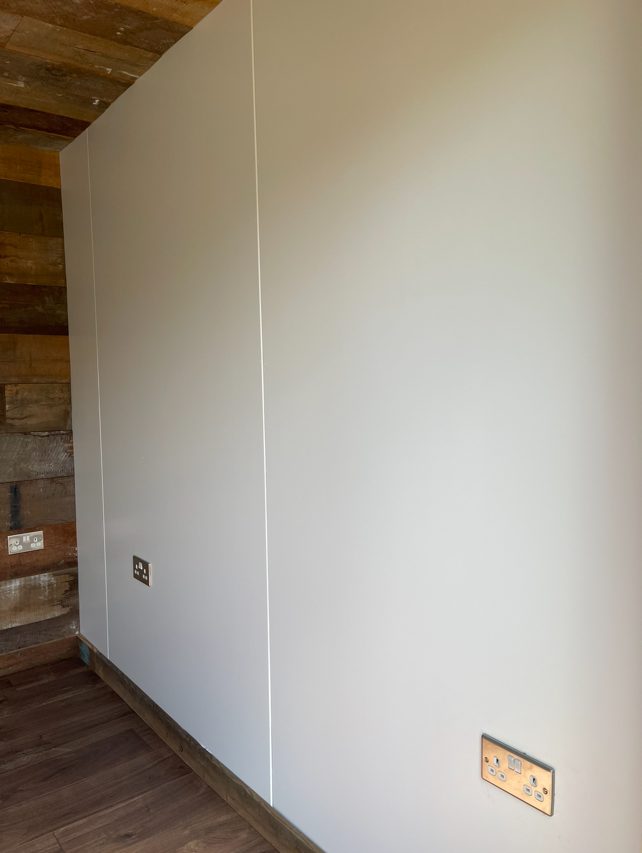
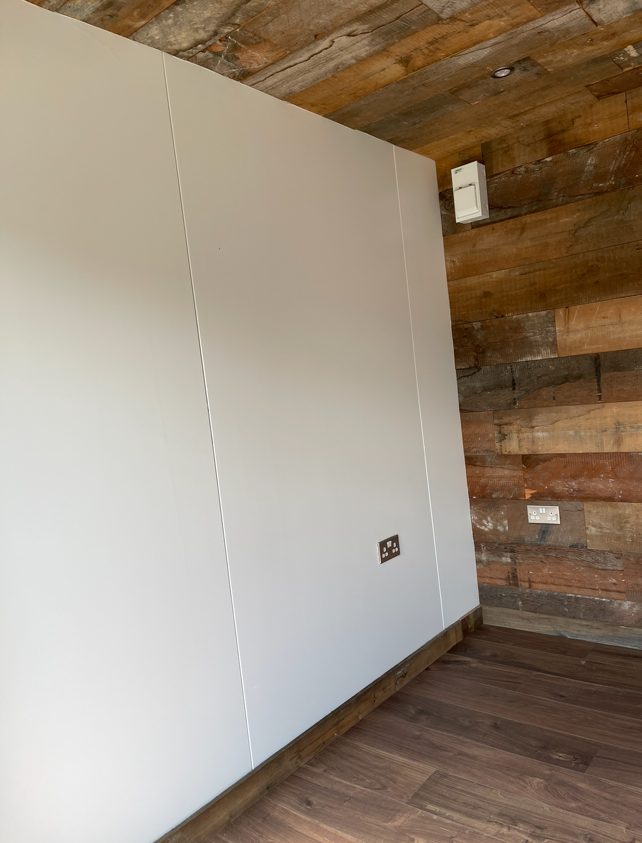
Location: Nationwide
EX VAT
Not Available for Hire
Call for an instant quote!
Location: Nationwide
EX VAT
Not Available for Hire
Call for an instant quote!
Location: Nationwide
EX VAT
Not Available for Hire
Call for an instant quote!
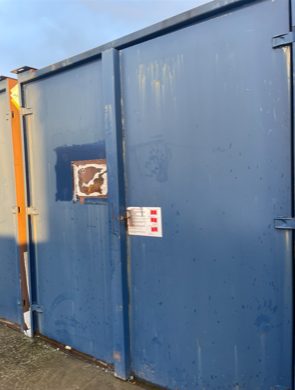
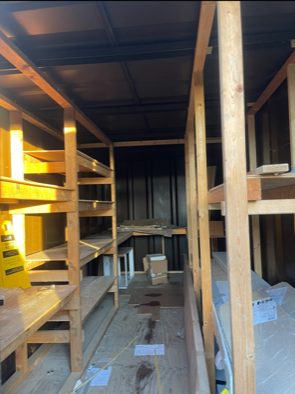
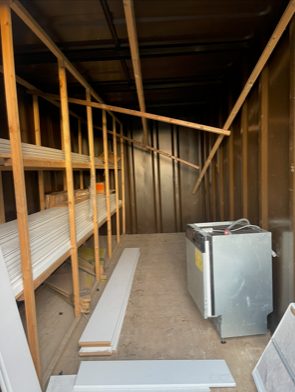
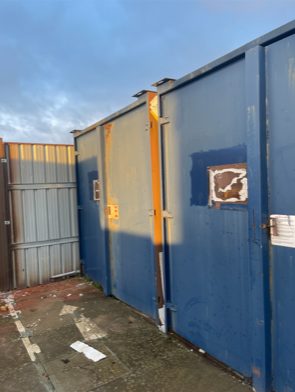
Location: Nationwide
EX VAT
Not Available for Hire
Call for an instant quote!
Location: Nationwide
EX VAT
Not Available for Hire
Call for an instant quote!
Location: Nationwide
EX VAT
Not Available for Hire
Call for an instant quote!
Location: Nationwide
EX VAT
Not Available for Hire
Call for an instant quote!
Location: Nationwide
EX VAT
Not Available for Hire
Call for an instant quote!
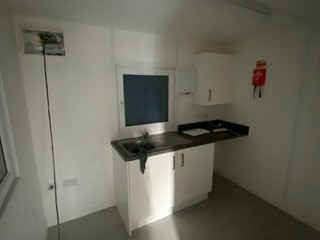
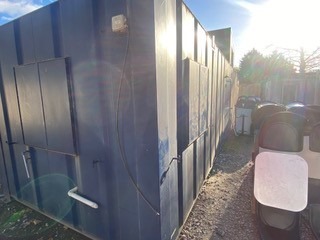
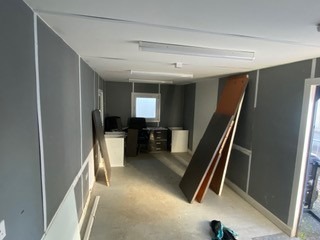
Location: Nationwide
EX VAT
Not Available for Hire
Call for an instant quote!
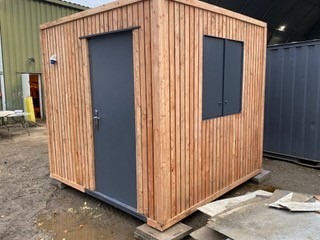
Location: Nationwide
EX VAT
Not Available for Hire
Call for an instant quote!



Location: Nationwide
EX VAT
Not Available for Hire
Call for an instant quote!
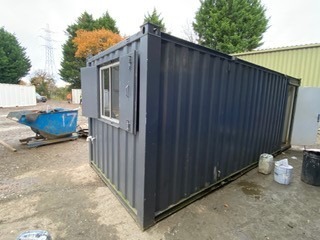
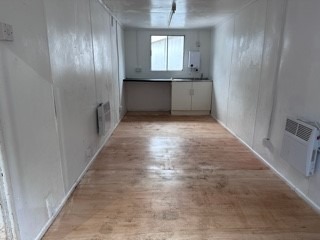
Location: Nationwide
EX VAT
Not Available for Hire
Call for an instant quote!
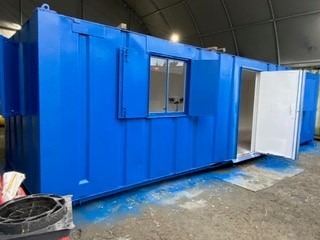
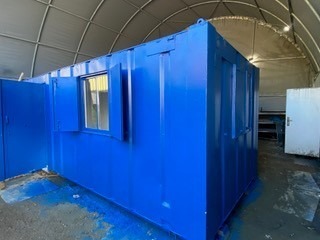

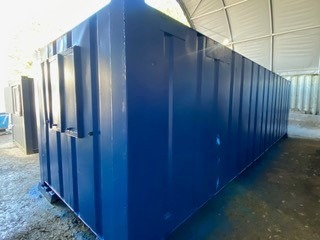

Location: Nationwide
EX VAT
Not Available for Hire
Call for an instant quote!
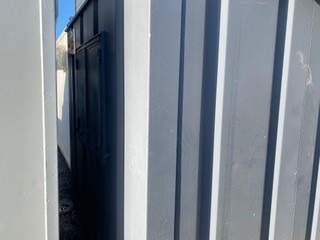
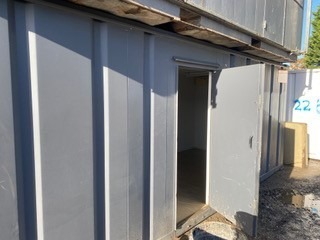
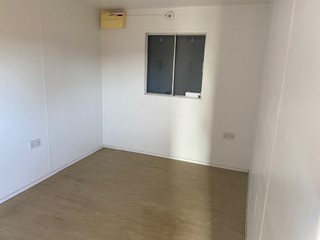
Location: Nationwide
EX VAT
Not Available for Hire
Call for an instant quote!
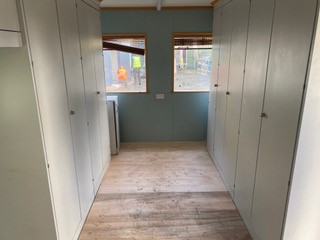
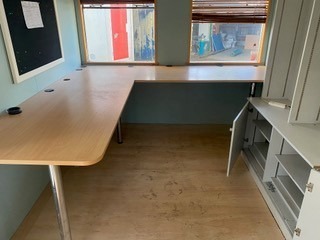
Location: Nationwide
EX VAT
Not Available for Hire
Call for an instant quote!
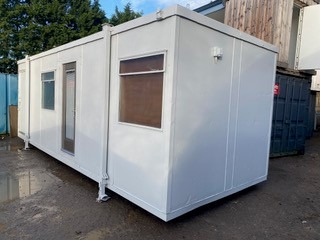
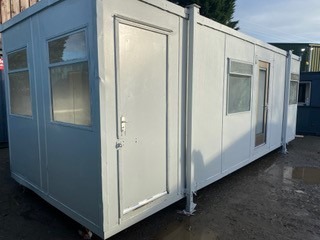
Location: Nationwide
EX VAT
Not Available for Hire
Call for an instant quote!
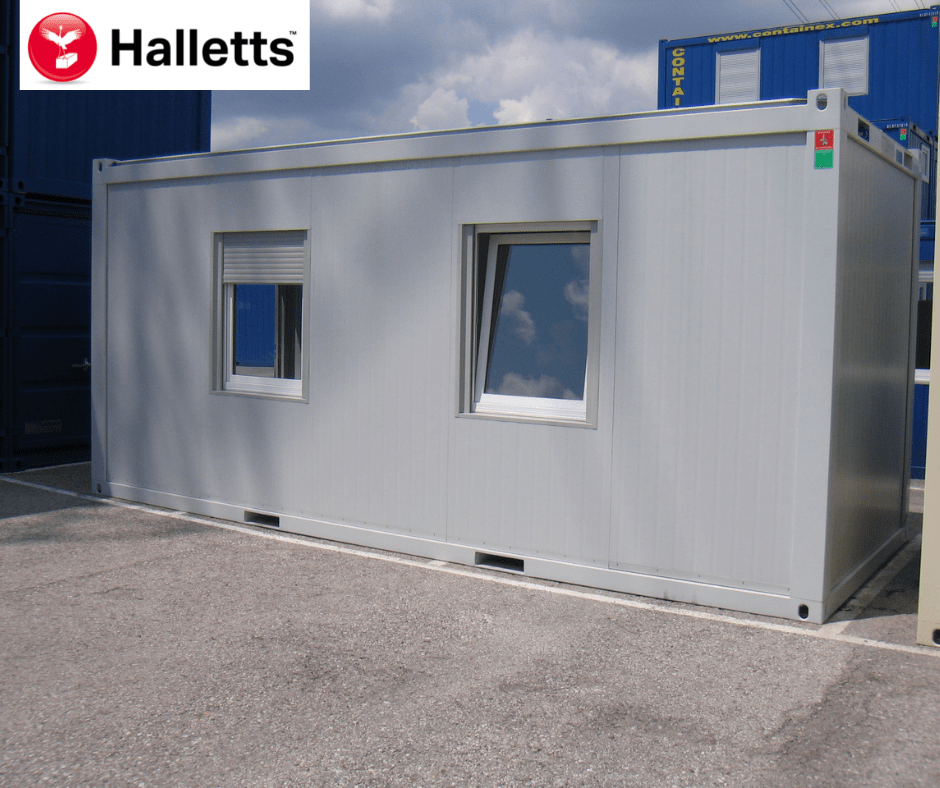
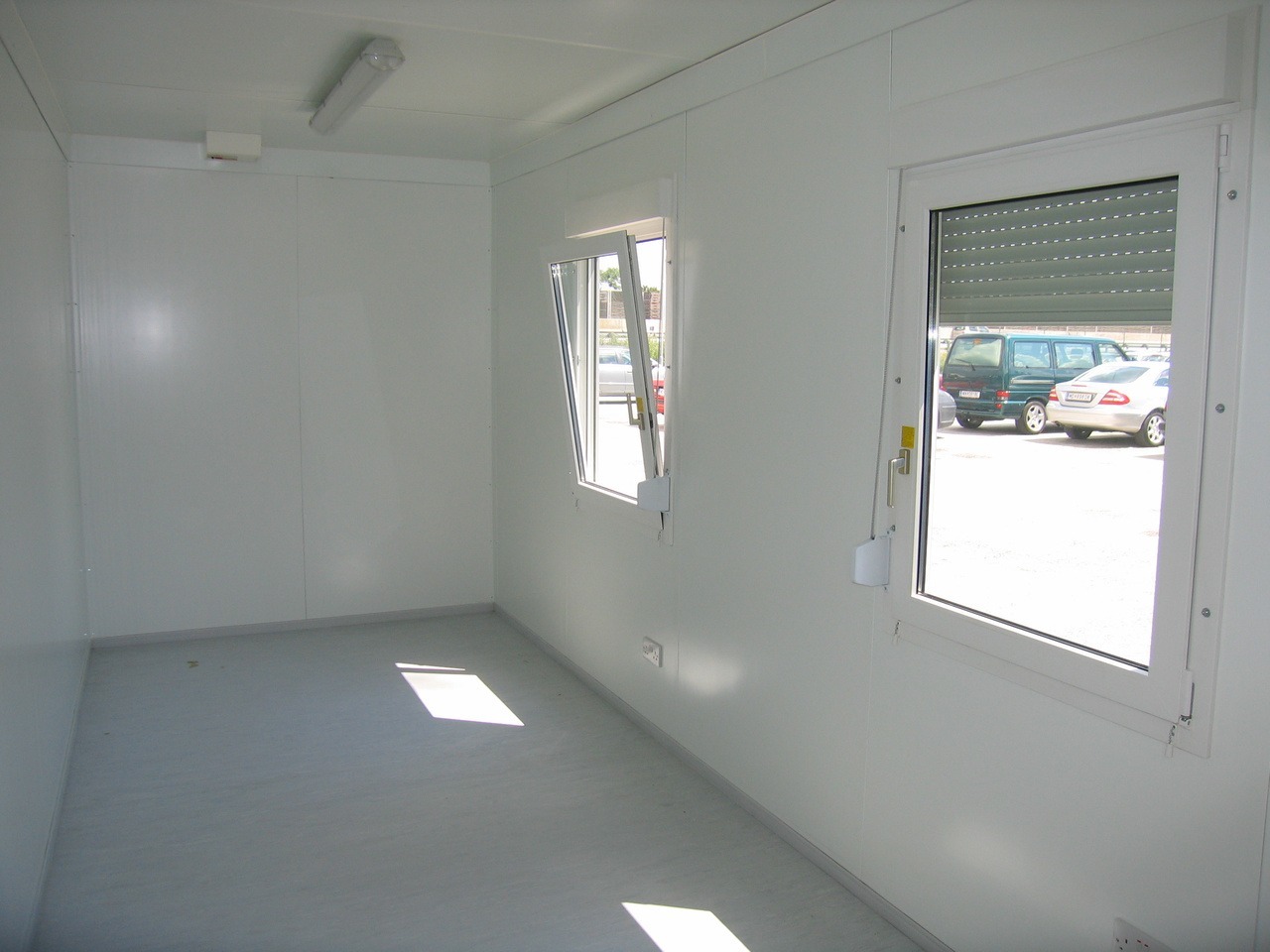
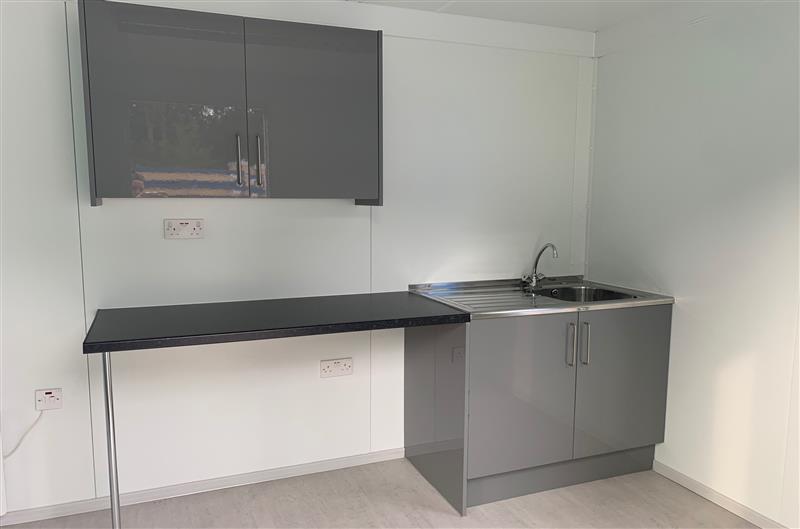
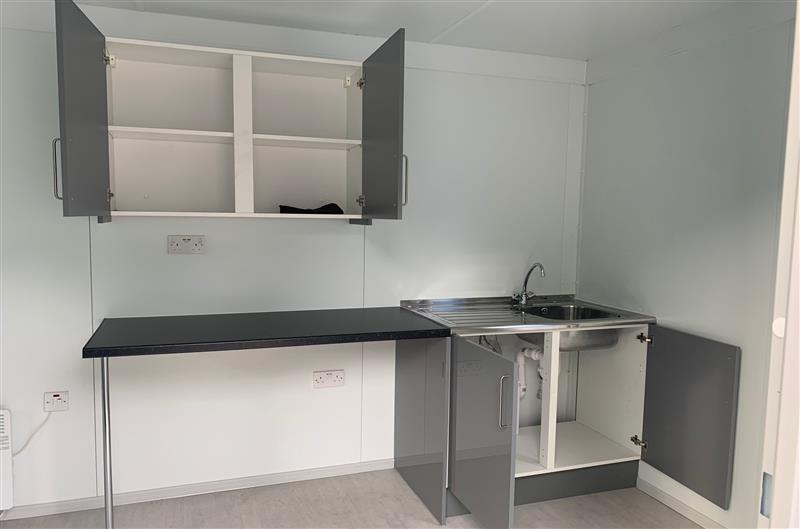
10ftx8ft – £5950 + Vat / 16ftx8ft – £7950 + Vat / 20ftx8ft – £9000 + Vat / 24ftx8ft – £12000 + Vat / 30ftx8ft – £13500 + Vat
Location: Nationwide
EX VAT
Not Available for Hire
Call for an instant quote!
Location: Nationwide
EX VAT
Not Available for Hire
Call for an instant quote!
Location: Nationwide
EX VAT
Not Available for Hire
Call for an instant quote!
Location: Nationwide
Quantity: ∞
EX VAT
Not Available for Hire
Call for an instant quote!
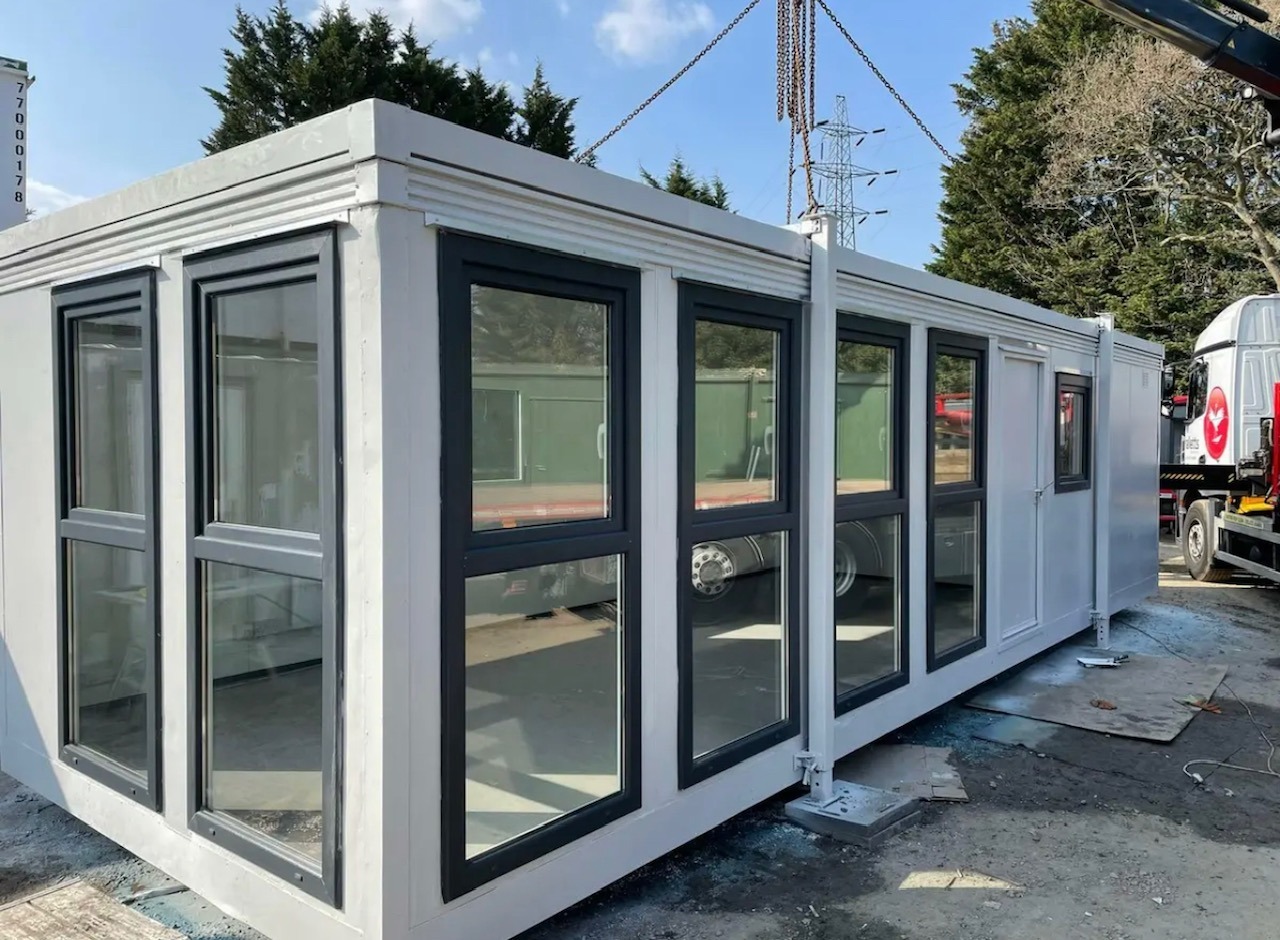
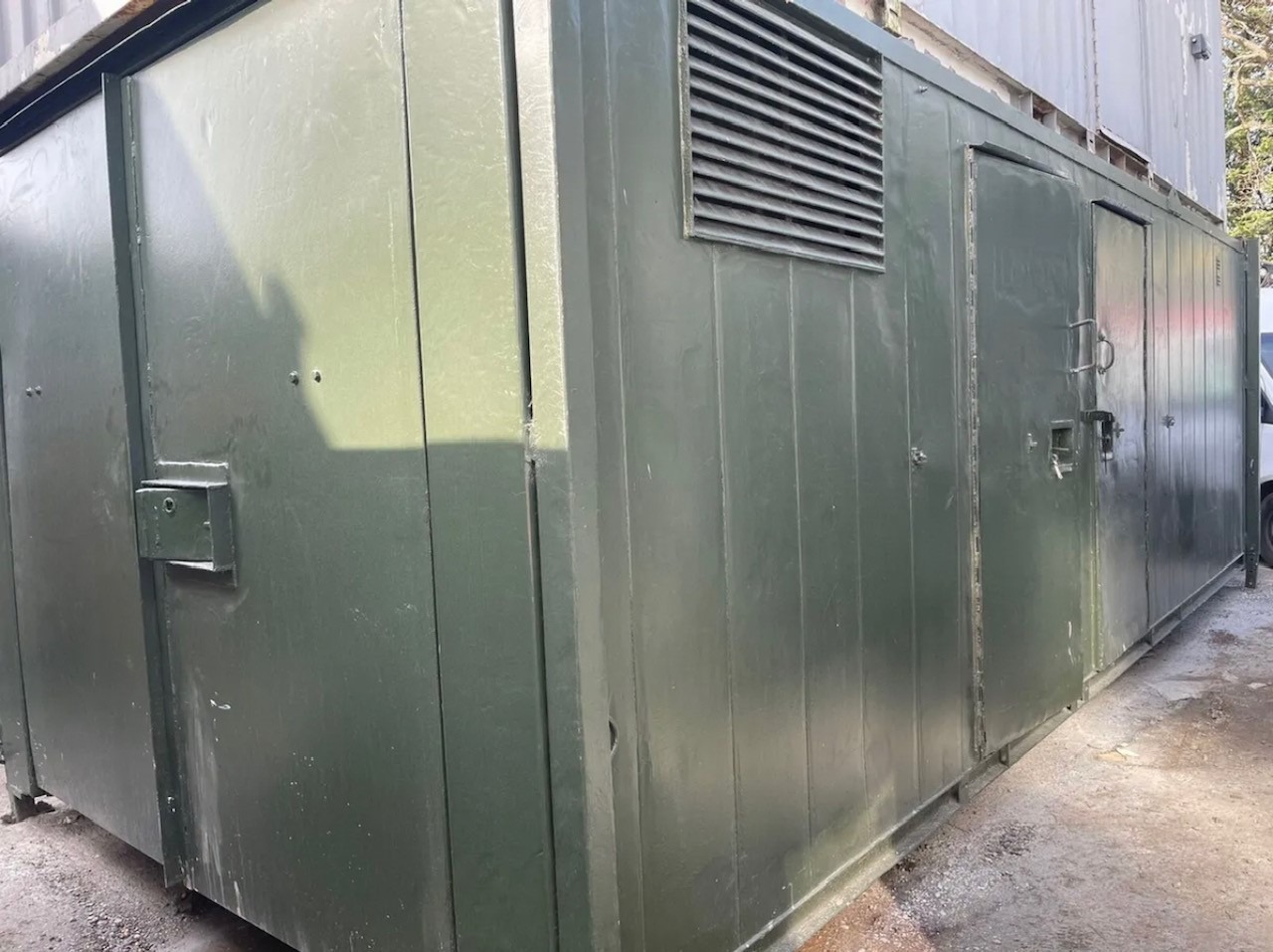
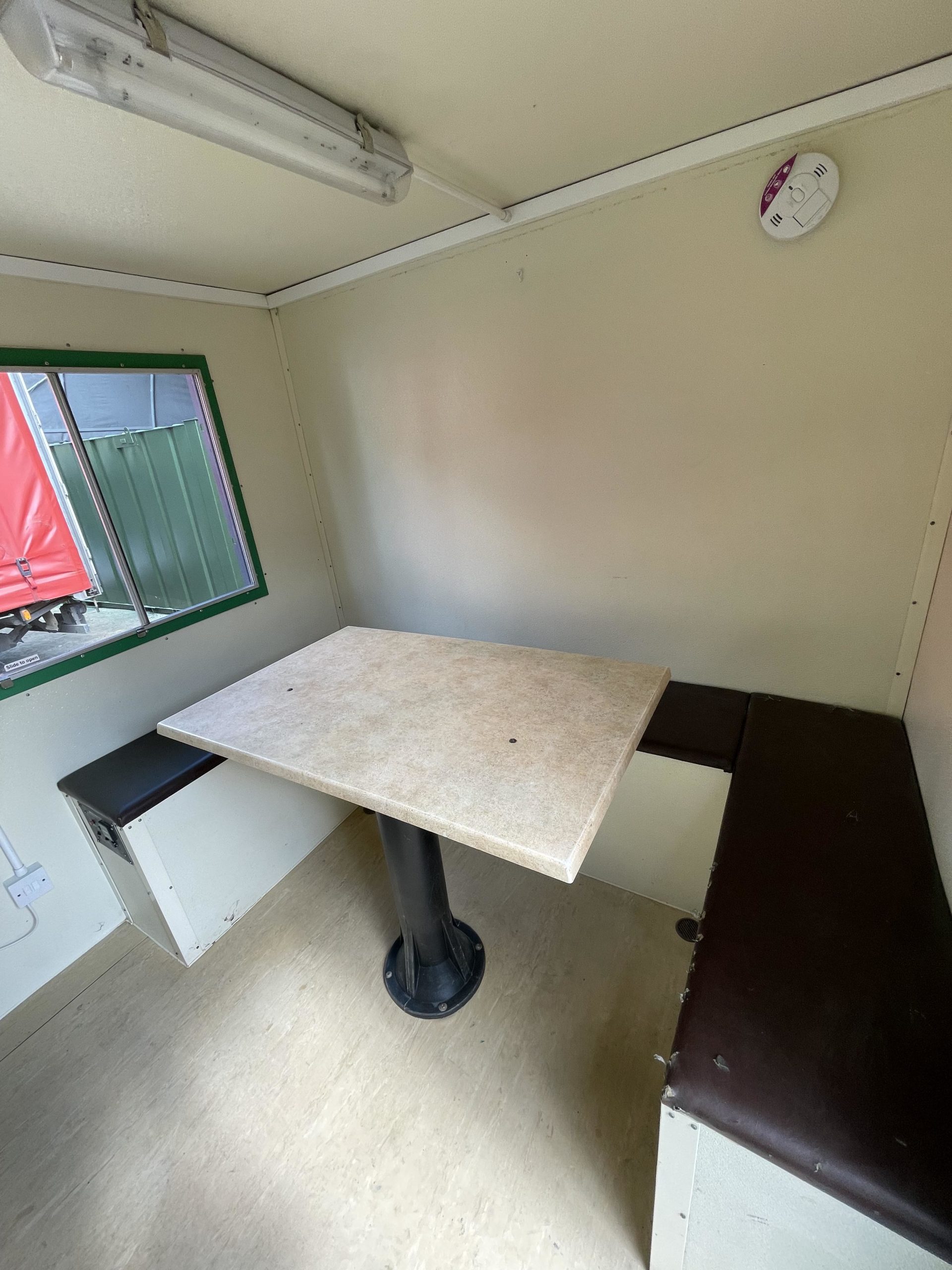
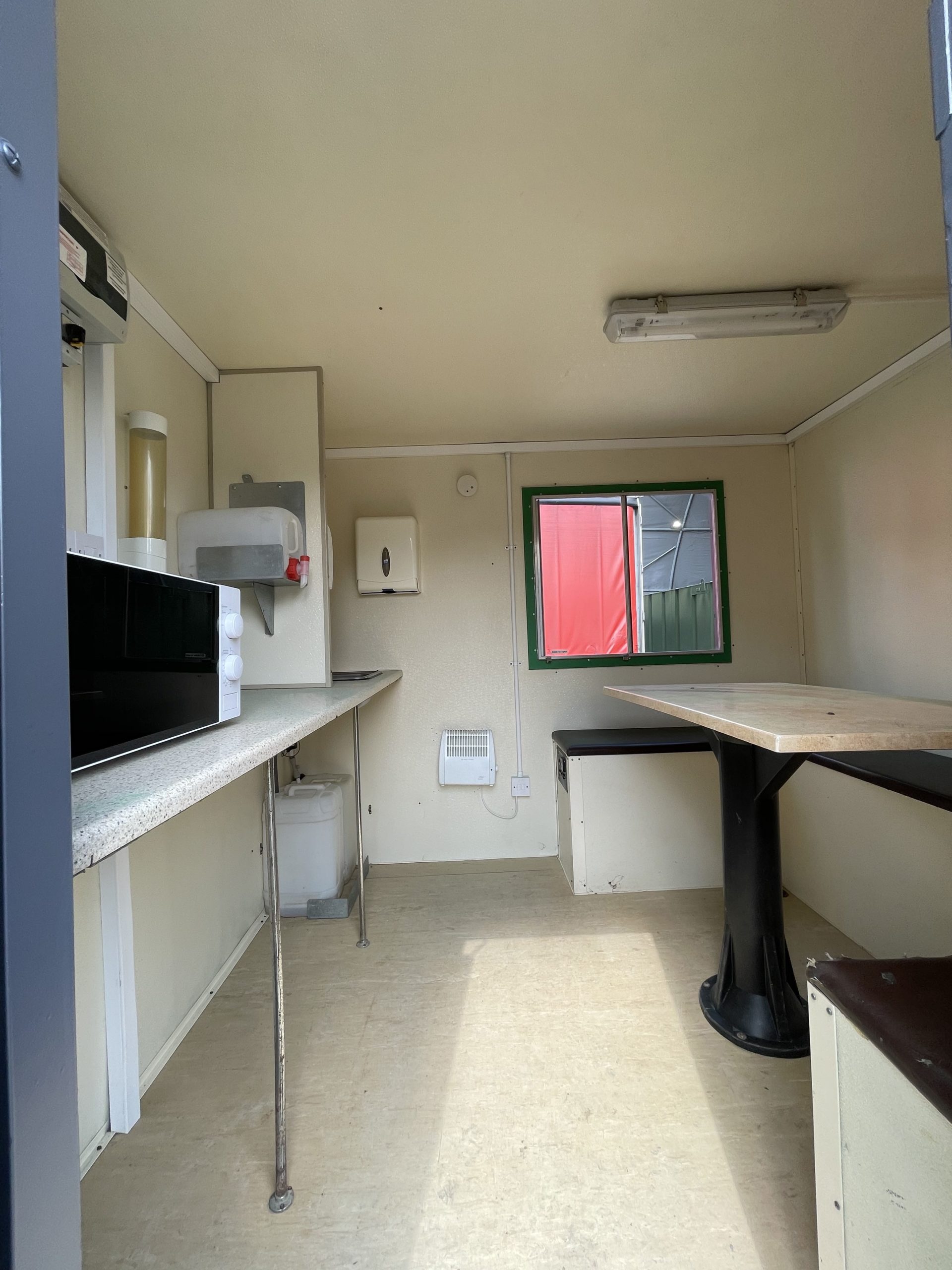
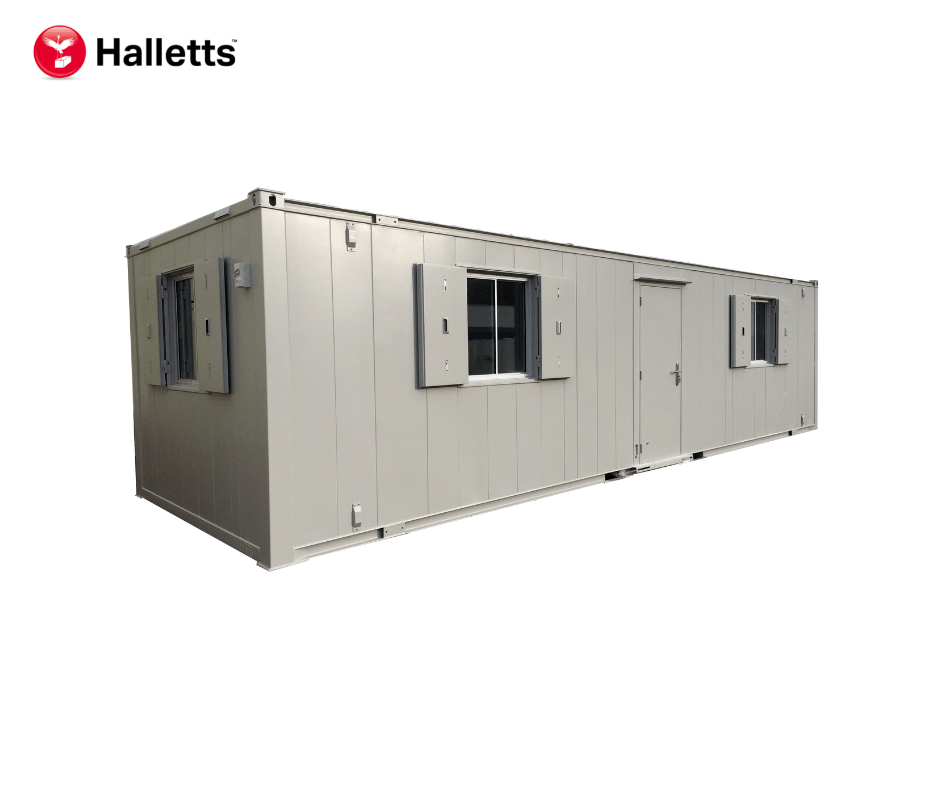
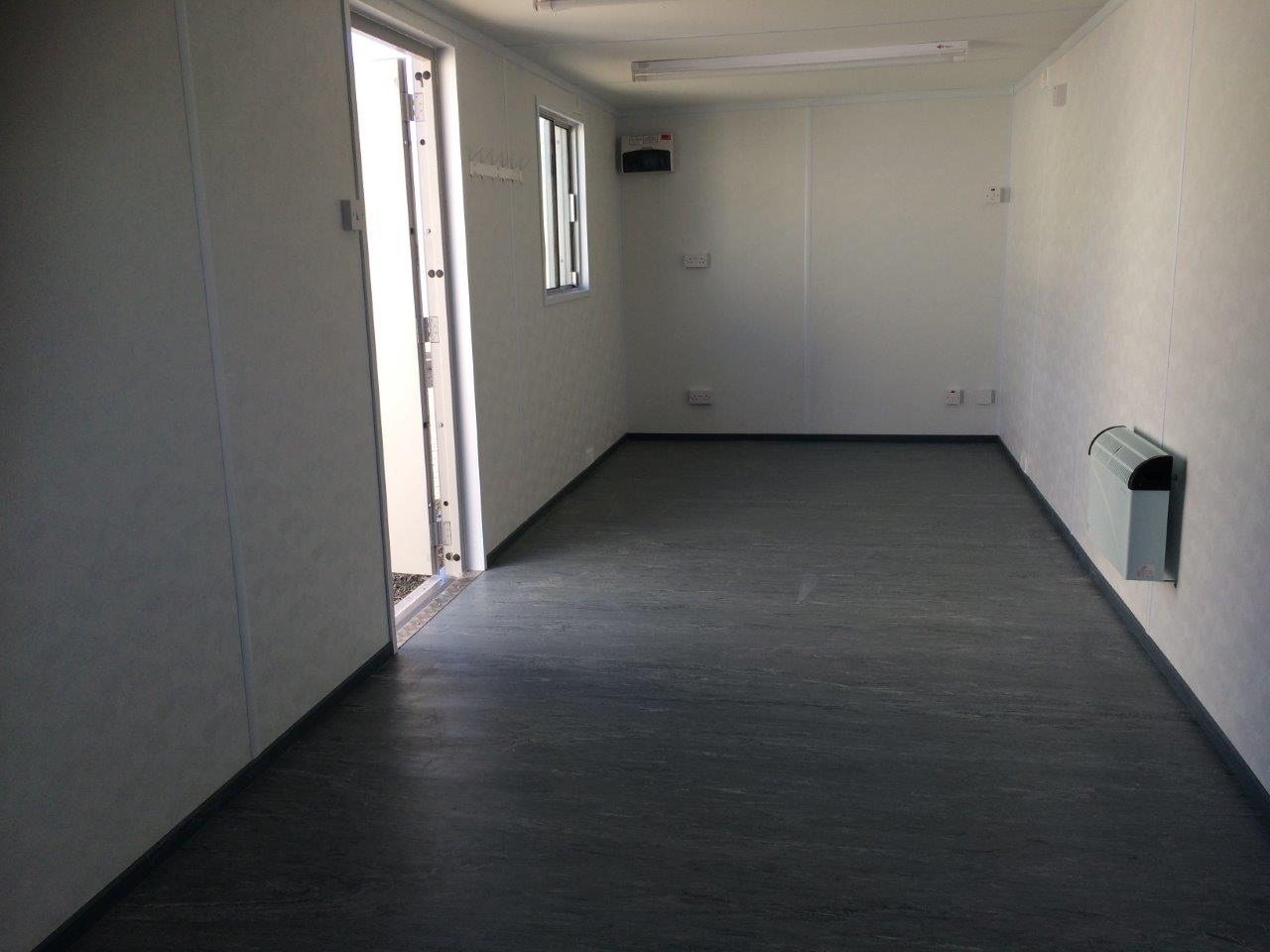
• Reinforced doors and windows with secure locking
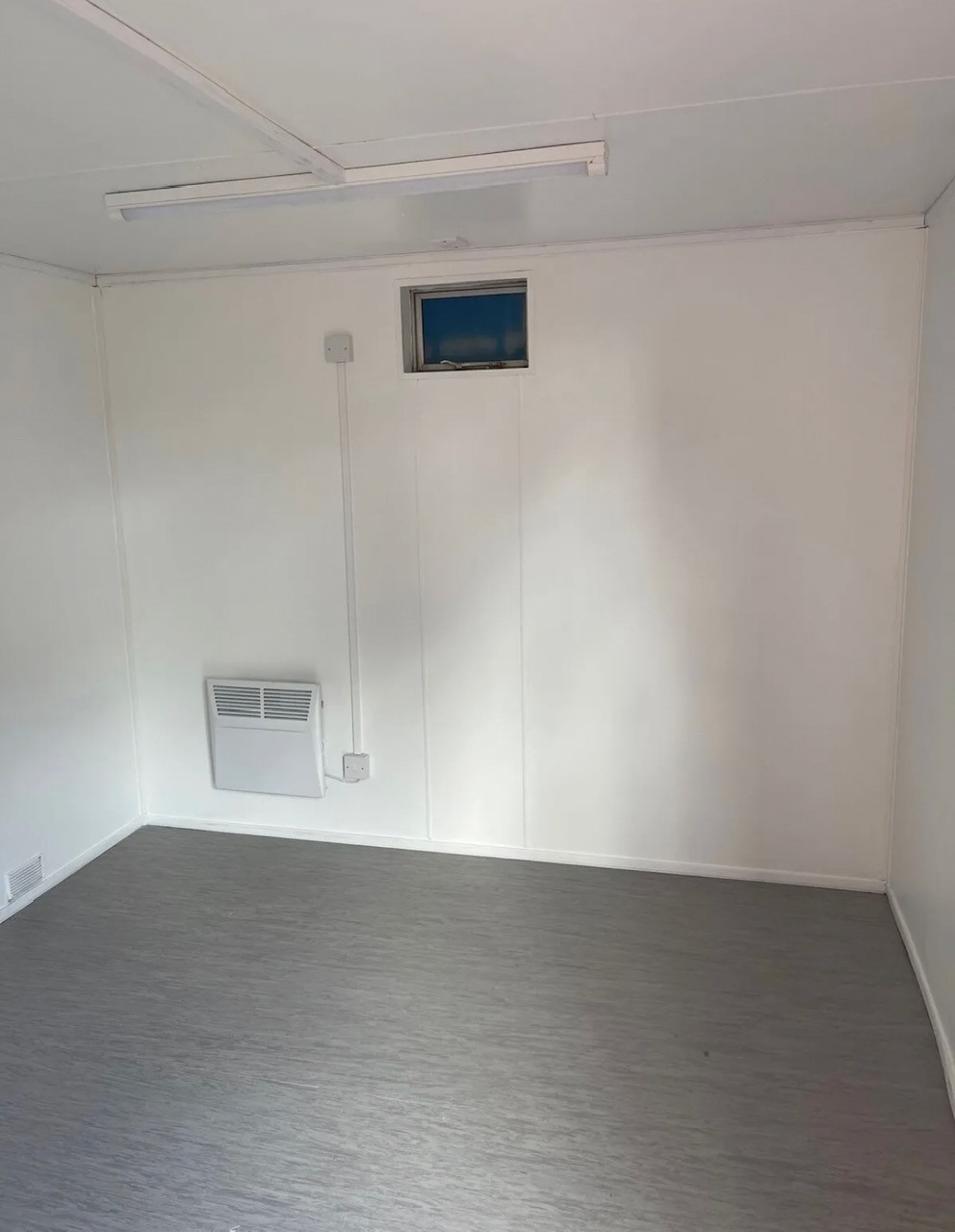
• Open plan with electric sockets and lighting
• Ral Code Colour of choice
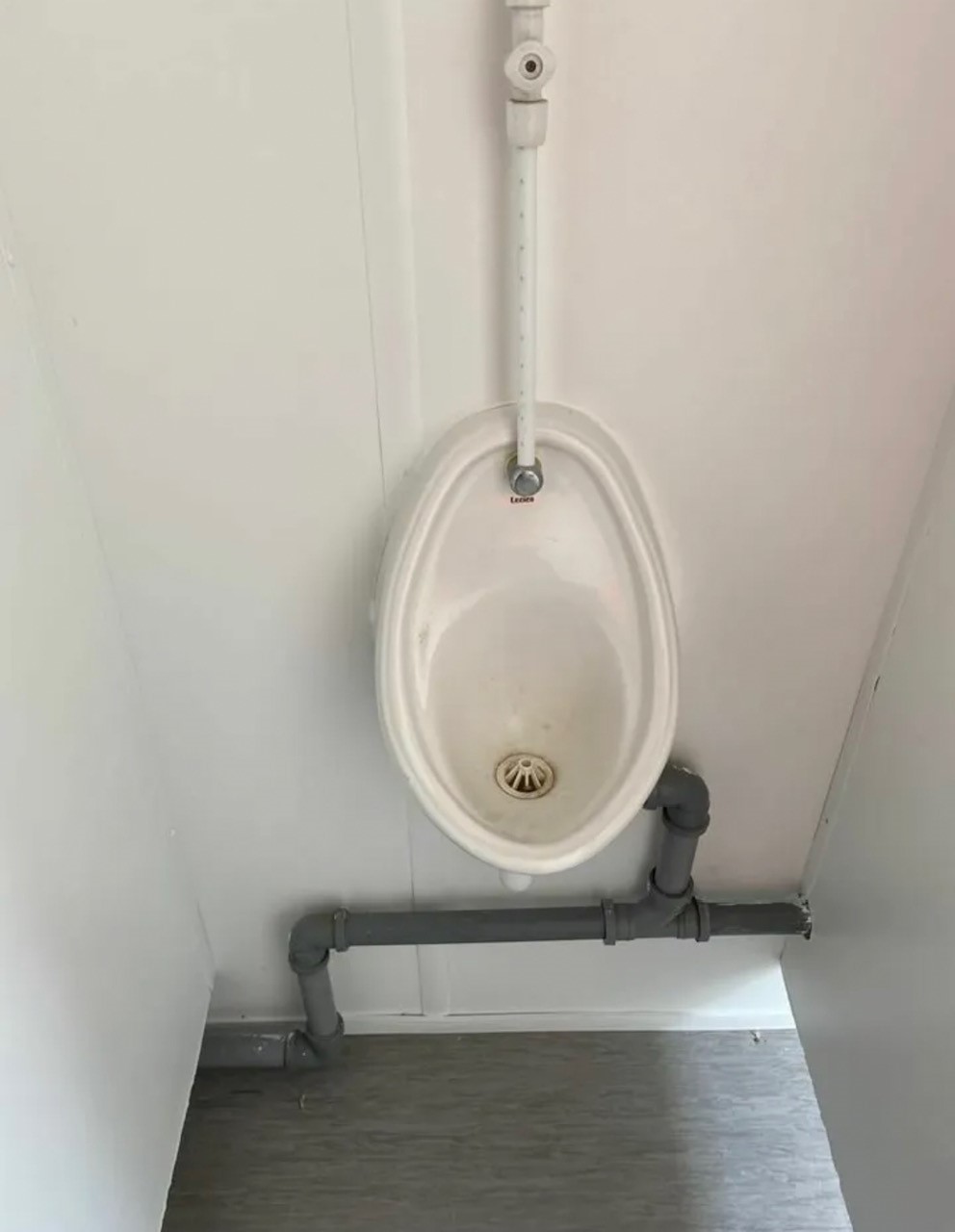
• Any Extras available : Canteen, Partitions, Toilets.
Location: Nationwide
EX VAT
Not Available for Hire
Call for an instant quote!
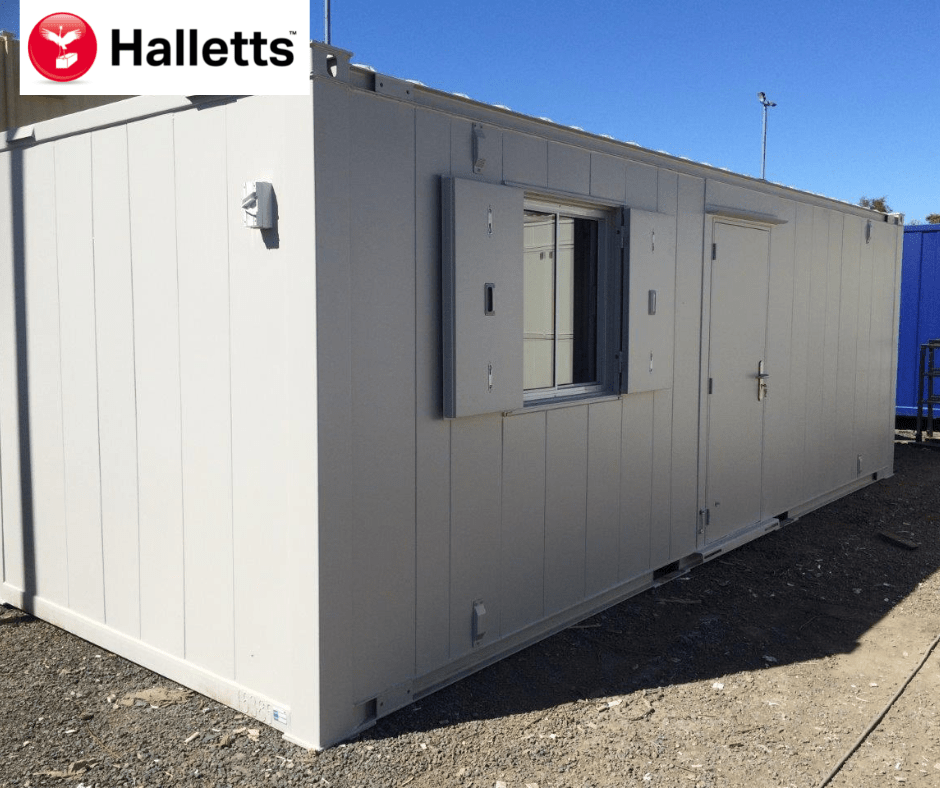
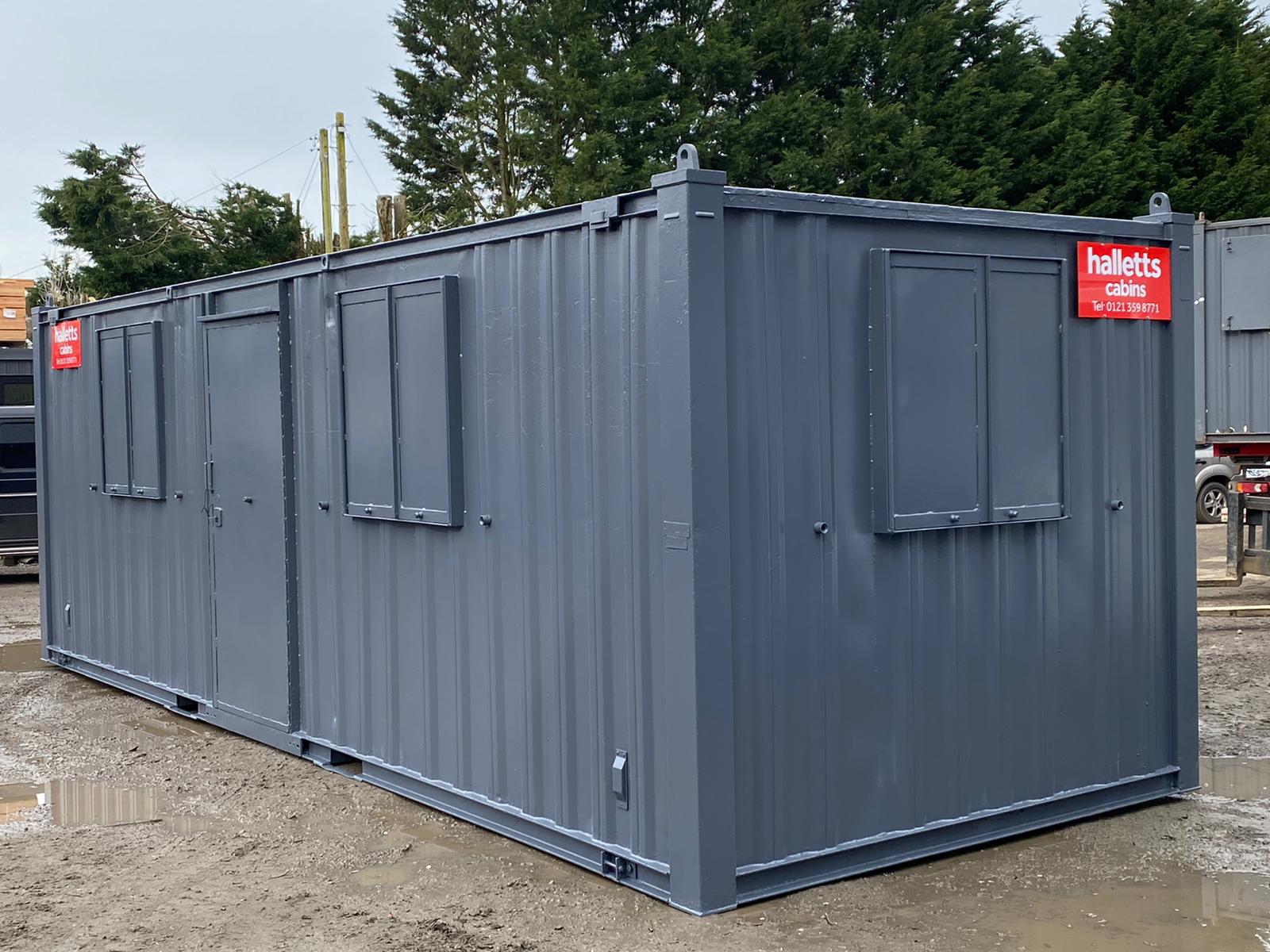
• Reinforced doors and windows with secure locking
• Open plan with electric sockets and lighting
• Ral Code Colour of choice
• Any Extras available : Canteen, Partitions, Toilets.
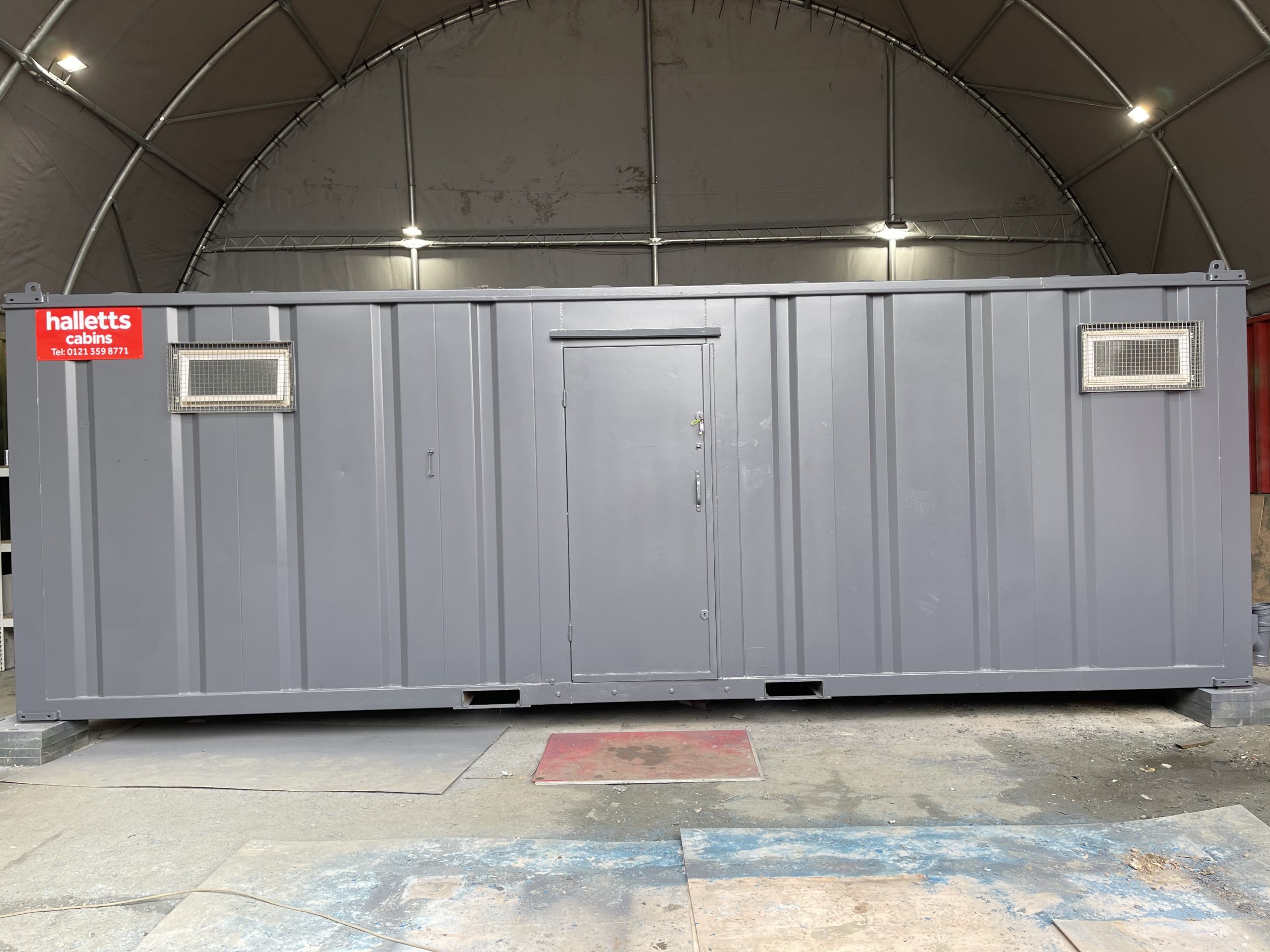
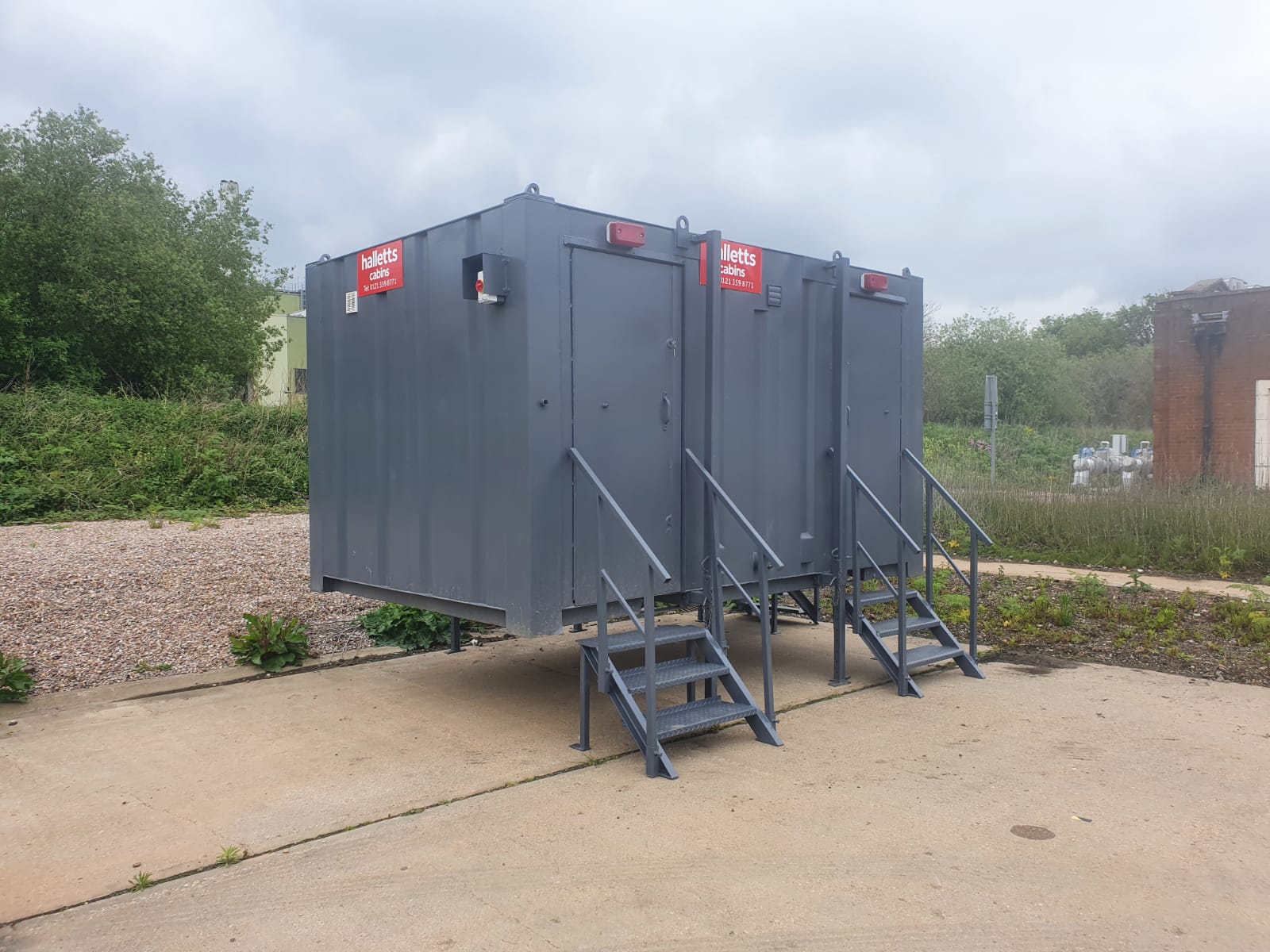
• Reinforced doors with secure locking
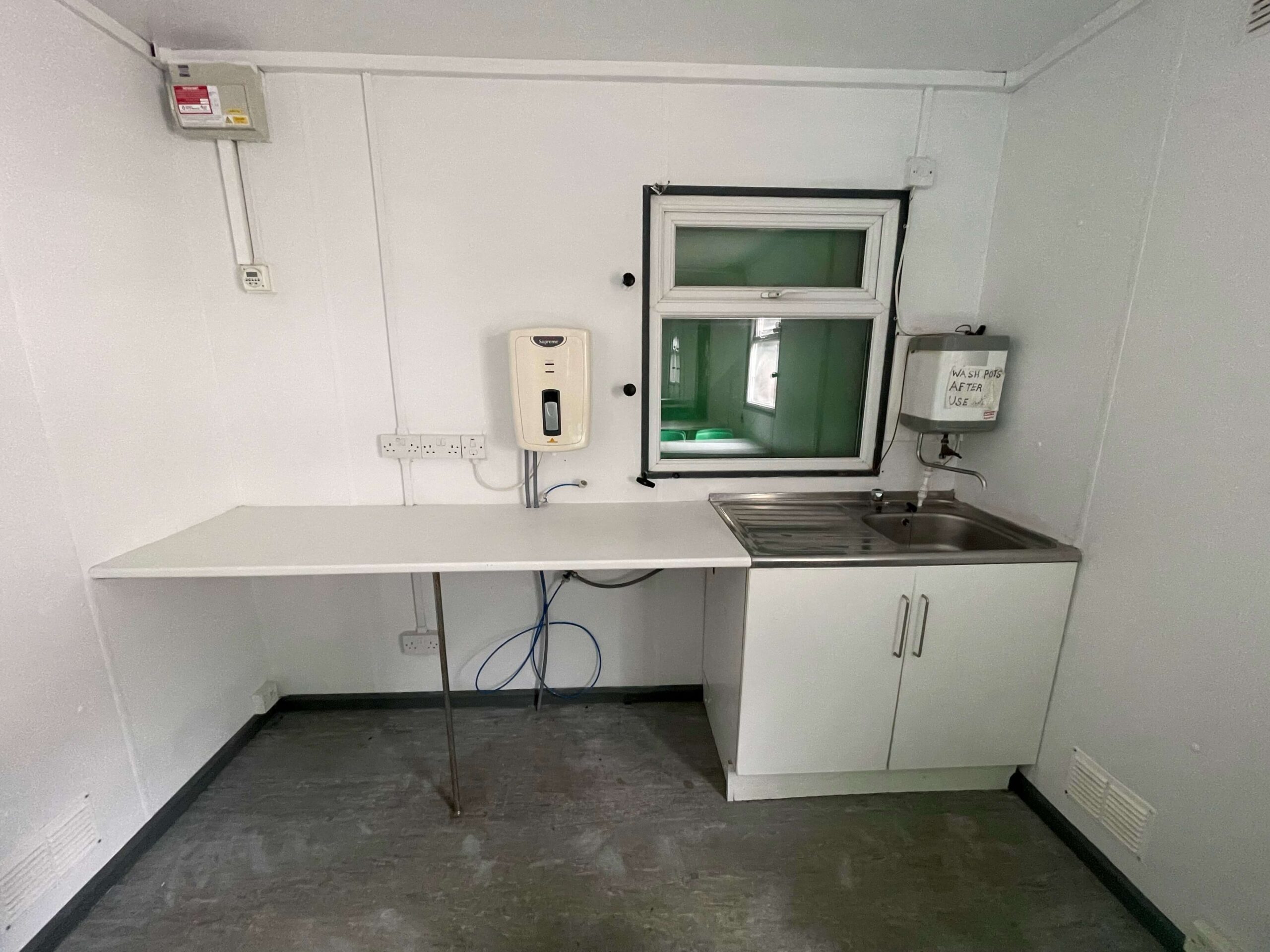
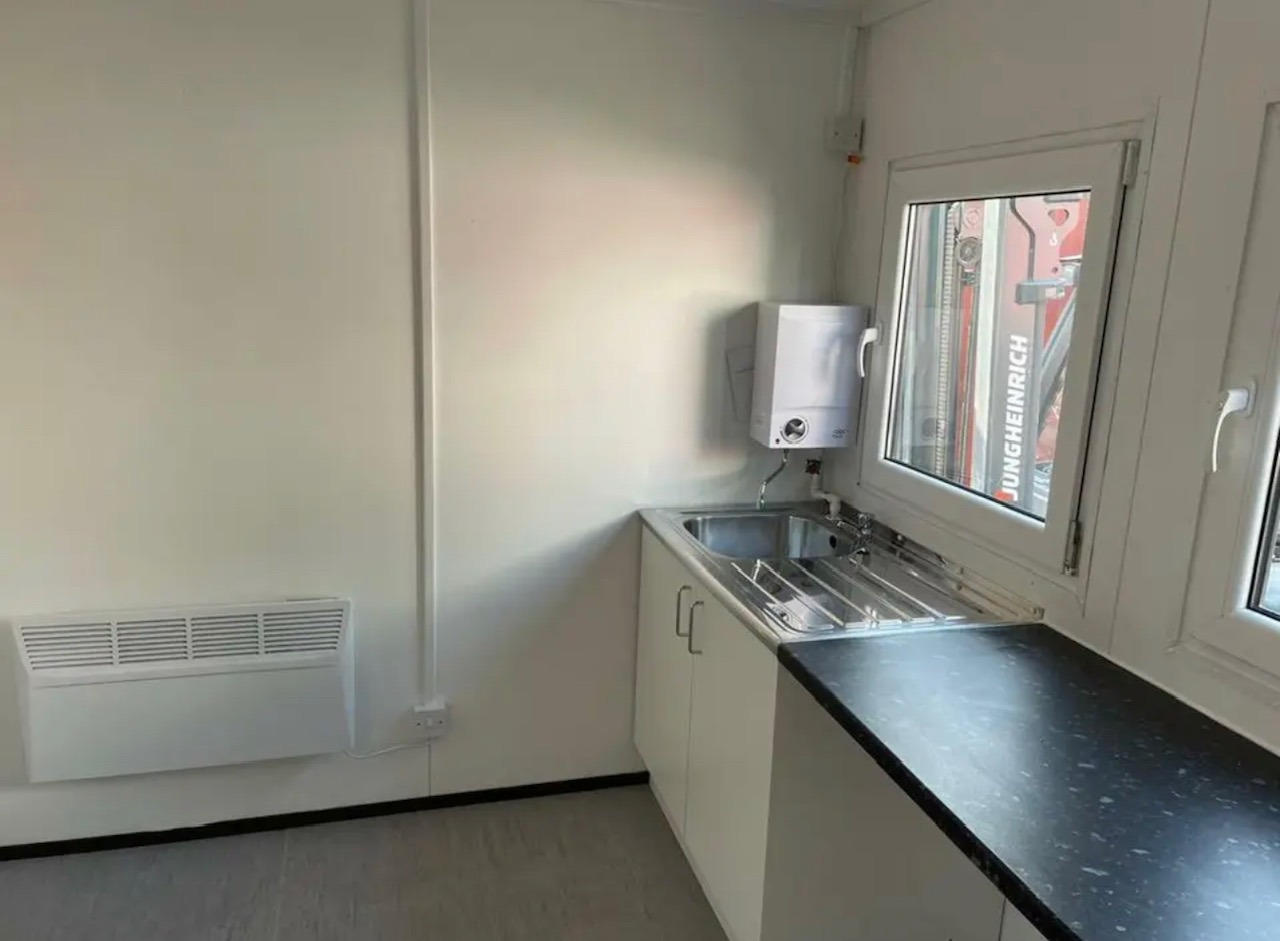
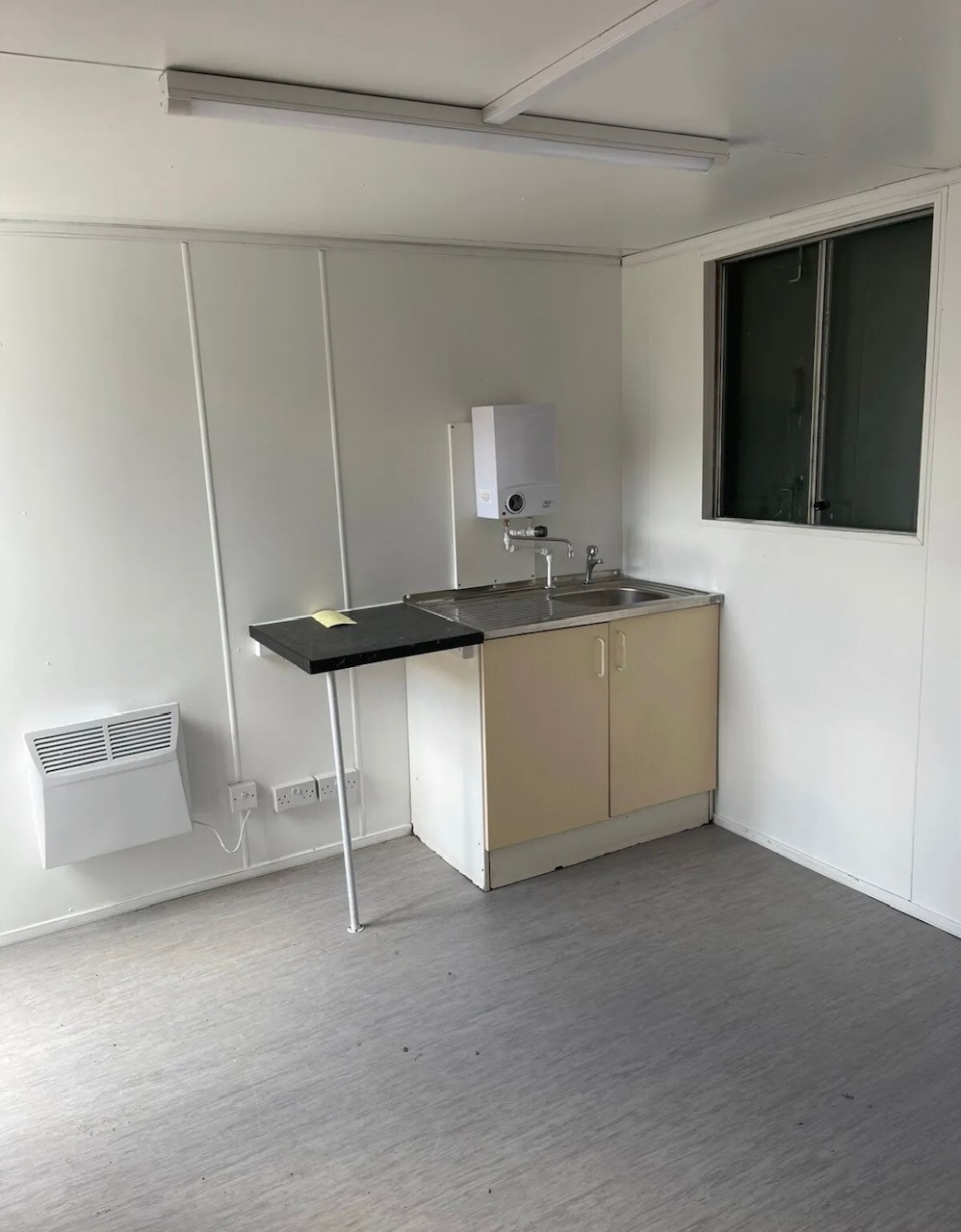
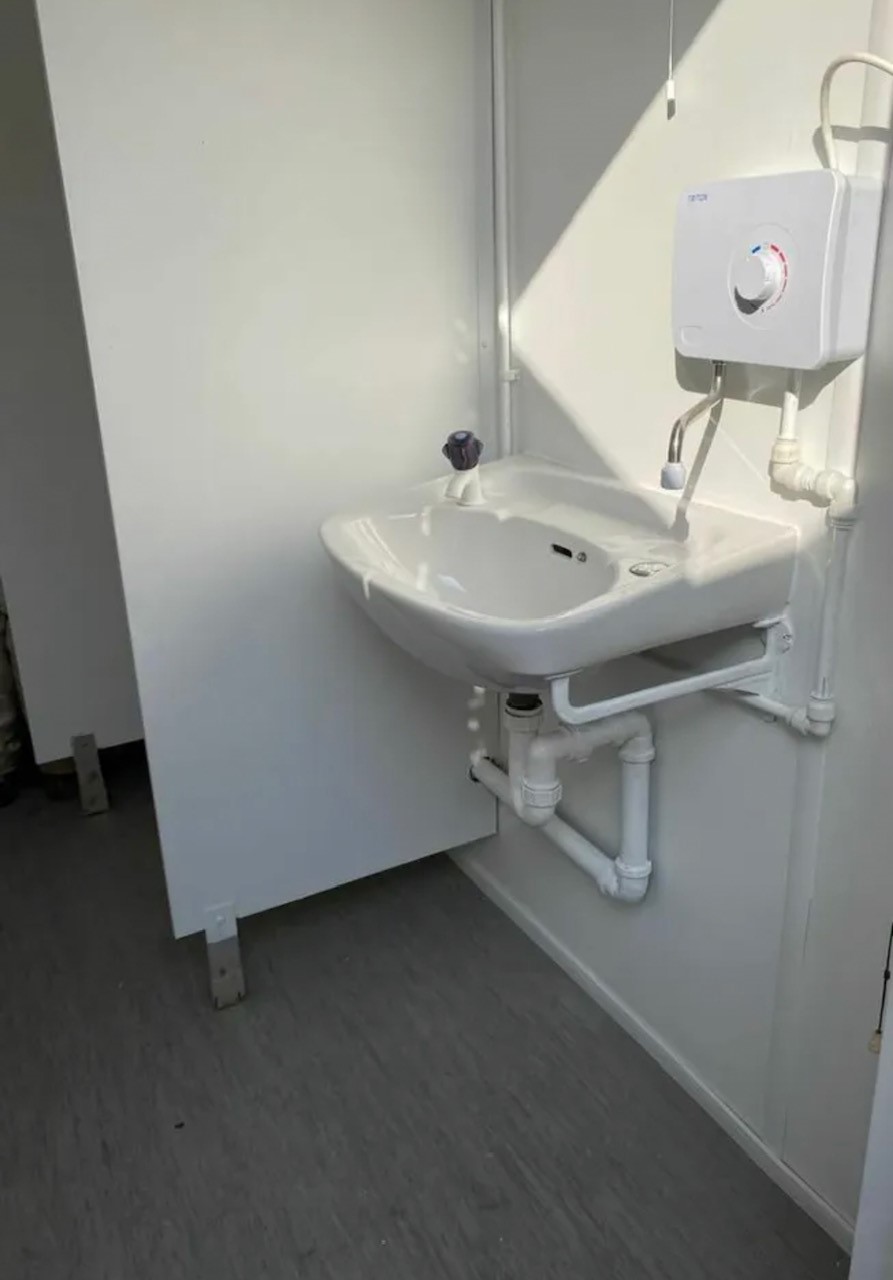
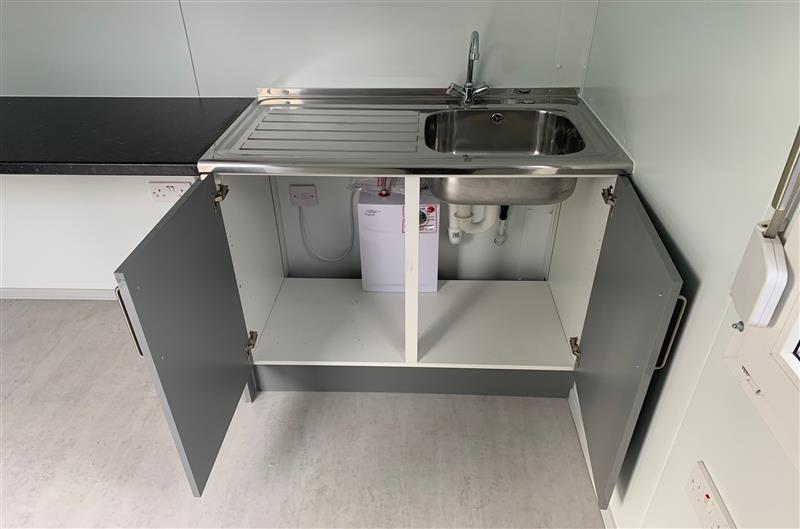
• Sink and water boiler included
Location: Nationwide
Quantity: ∞
EX VAT
Not Available for Hire
Call for an instant quote!
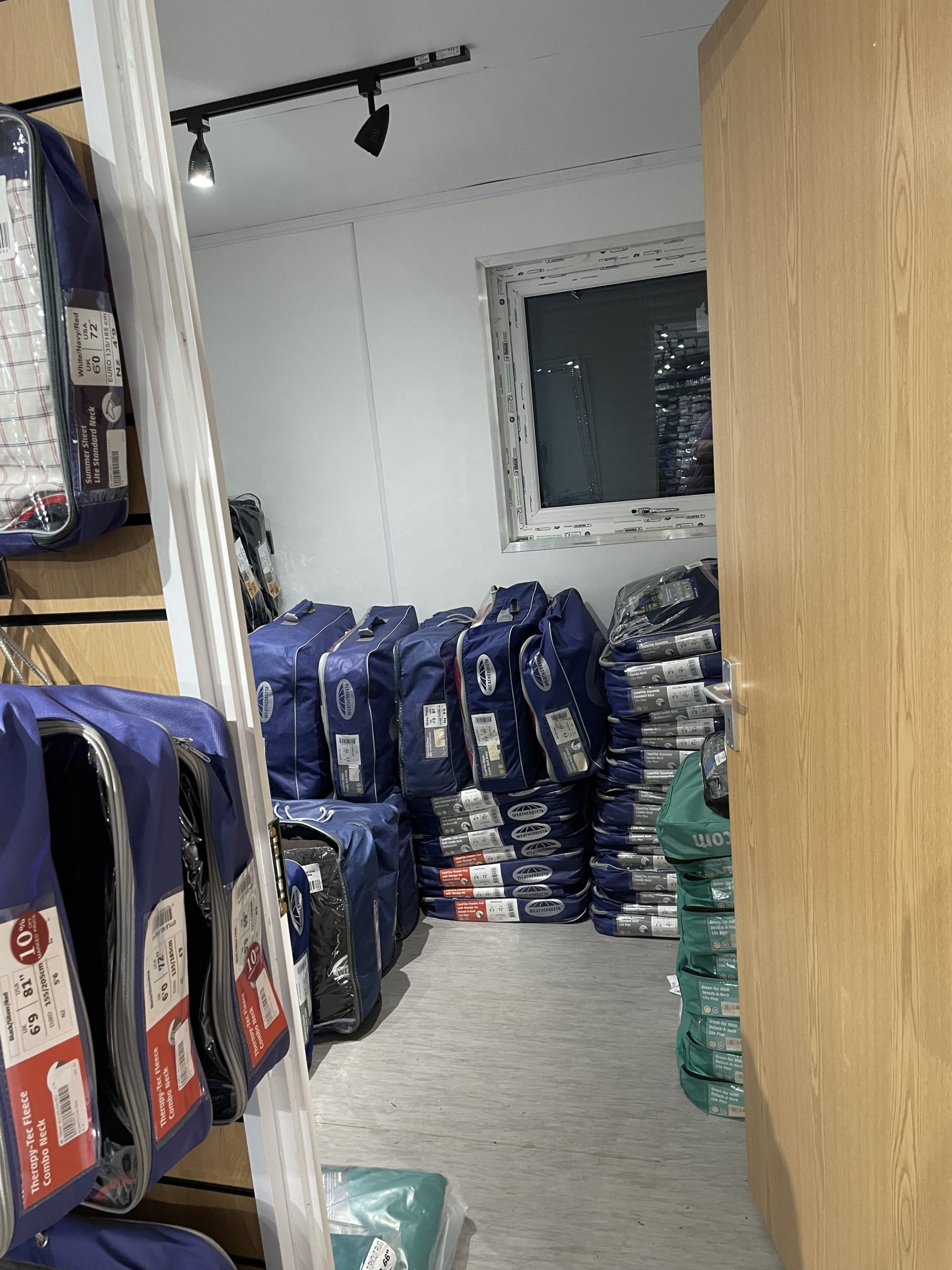
Location: Nationwide
EX VAT
Not Available for Hire
Call for an instant quote!
Get a Quick Container Quote Now!
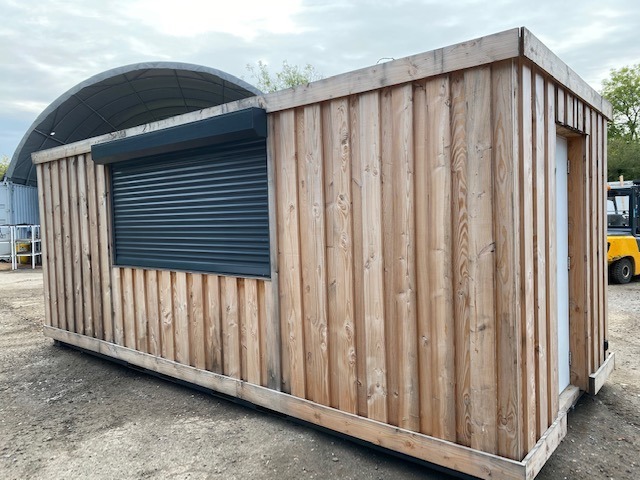
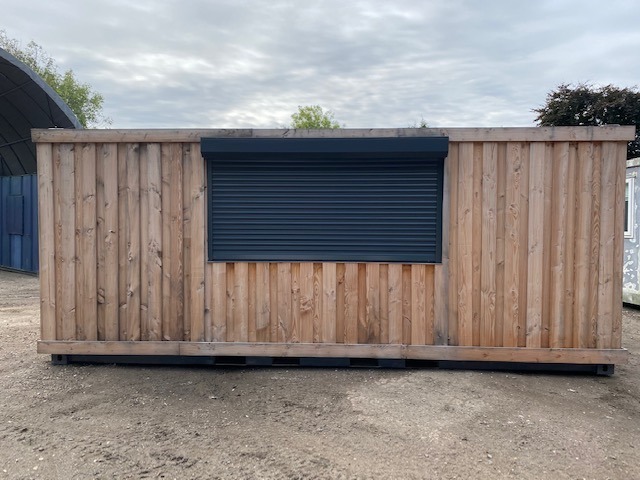
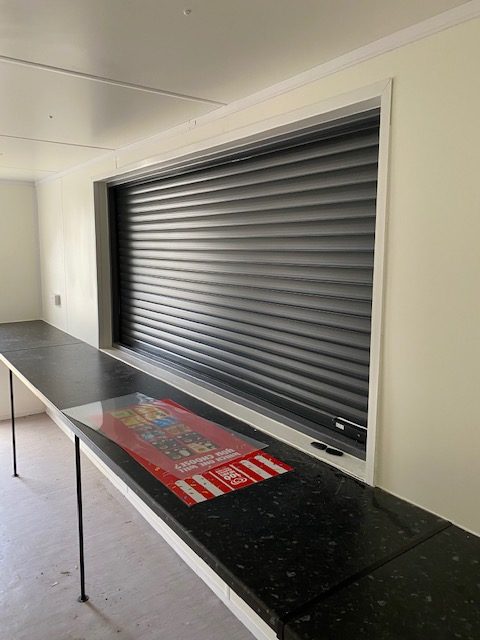
Location: Nationwide
EX VAT
Not Available for Hire
Call for an instant quote!
Get a Quick Container Quote Now!
Get a Quick Container Quote Now!
