Why Choose an HDD Machine for Global Projects?
Global infrastructure projects face hard ground, long distances, and strict schedule pressure. In this environment, an HDD machine can offer a controlled way to install utilities beneath roads, rivers, railways, and developed sites. Horizontal directional drilling reduces open excavation, helping protect traffic flow, landscaping, and existing surfaces. It also supports projects where surface disruption could create serious community and commercial costs.
Choosing equipment requires more than comparing engine power or drilling diameter. Contractors should examine soil reports, bore length, entry space, fluid management, tracking accuracy, and local service capacity. A machine that performs well in soft clay may struggle in cobbles or fractured rock. Experienced teams match the rig, tooling, drilling fluid, and locating system to actual ground conditions. They also verify operator training, spare-part access, fuel requirements, and regional safety expectations before mobilization. Small details matter. A delayed sensor can stop an entire spread.
Global work is rarely predictable. Weather changes. Ground records can be incomplete. Even a carefully designed bore may need adjustment after the pilot head meets unexpected material. Therefore, the largest HDD machine is not always the best choice. Reliability, maintainability, documented performance, and responsive technical support may deliver greater value across several countries and seasons. This article explores these practical considerations while recognizing an uncomfortable truth: no machine removes project risk. Good planning only makes risk more visible, measurable, and manageable.
What Is an HDD Machine and How Does It Work?
An HDD machine, or horizontal directional drilling machine, installs underground pipes and cables with limited surface excavation. It works from a compact entry area, often beside a road or river. A drill head creates a guided pilot bore beneath the obstacle. Operators then enlarge the bore with a reamer and pull the product pipe through it. That sounds simple. It is not.
The operator steers the drill head by reading its depth, pitch, and direction. Drilling fluid cools the head, carries soil away, and helps stabilize the bore. According to the U.S. Federal Highway Administration’s Horizontal Directional Drilling Good Practices Guidelines, successful work depends on ground investigation, accurate alignment, fluid control, and pullback planning. A small deviation can become expensive after several hundred meters. This is where field experience matters.
HDD can reduce road closures, spoil removal, and surface restoration. The European Commission reports that construction and demolition waste represents more than one-third of waste generated in the European Union. Less open excavation may reduce this burden, but the benefit is not automatic. Rock, groundwater, unstable soil, and poor utility records can change the method completely. A machine may look powerful on site. It still needs a realistic bore plan, careful tracking, and time for unexpected ground conditions.
Which Ground Conditions Suit HDD Machine Applications?
Ground conditions determine whether an HDD machine performs smoothly or struggles underground. Cohesive clay usually offers stable bore walls and predictable steering. Firm silt can also work, but groundwater may soften it quickly. Loose sand needs careful drilling-fluid control. Otherwise, the bore may collapse before pipe installation.
The Federal Highway Administration’s Horizontal Directional Drilling Good Practices Guidelines emphasize soil investigation before equipment selection. Field teams should review bore logs, groundwater levels, grain size, and rock strength. ASTM F1962 also links design decisions to soil conditions, drilling fluid behavior, and pullback loads. In practical work, a 1% pilot-hole deviation limit is often specified for controlled installations. Small errors become serious near roads, rivers, or existing utilities. That part is easy to underestimate.
HDD machines are less suitable for uncontrolled cobbles, fractured rock, karst voids, or mixed layers with sudden changes. Hard rock can still be drilled with suitable cutters and torque, but progress may slow sharply. The 2023 U.S. Geological Survey groundwater assessment data shows why water conditions matter: aquifer materials vary greatly in permeability and storage. A sandy aquifer may accept fluid rapidly, while dense clay may retain pressure. I have seen projects where the soil report looked adequate, yet unexpected gravel changed the drilling plan overnight. Better investigation helps, but it never removes uncertainty. A test bore, real-time pressure monitoring, and conservative pullback calculations remain valuable.
What Factors Determine the Right HDD Machine Choice?
Choosing the right HDD machine for a global project starts with ground conditions, not machine size. Clay, sand, gravel, and fractured rock demand different cutting and steering responses. A compact rig may suit a short urban crossing, while a longer installation needs greater pullback force and torque. Bigger is not always better.
The planned pipe diameter and bore length also shape the decision. Engineers should check maximum pullback, drilling fluid capacity, rod strength, and steering accuracy together. In rocky ground, tooling compatibility matters as much as engine power. Mud recycling can reduce water use and improve bore stability, especially where disposal rules are strict. Small details matter.
Transport and local support can change the practical choice. A machine that fits through a narrow gate may save hours of preparation. Remote projects need accessible spare parts, clear maintenance procedures, and operators trained for changing soil behavior. Electrical supply, noise limits, weather, and regional safety requirements also deserve early review. Field teams sometimes select excessive capacity for reassurance, then face higher transport costs and slower setup. That choice can be wrong. A realistic risk assessment, supported by site data and verified calculations, is more dependable than relying on habit. Buried utilities, unstable entry pits, and unexpected cobbles still require contingency planning. No model removes those uncertainties.
How Are HDD Machines Used Across International Infrastructure Projects?
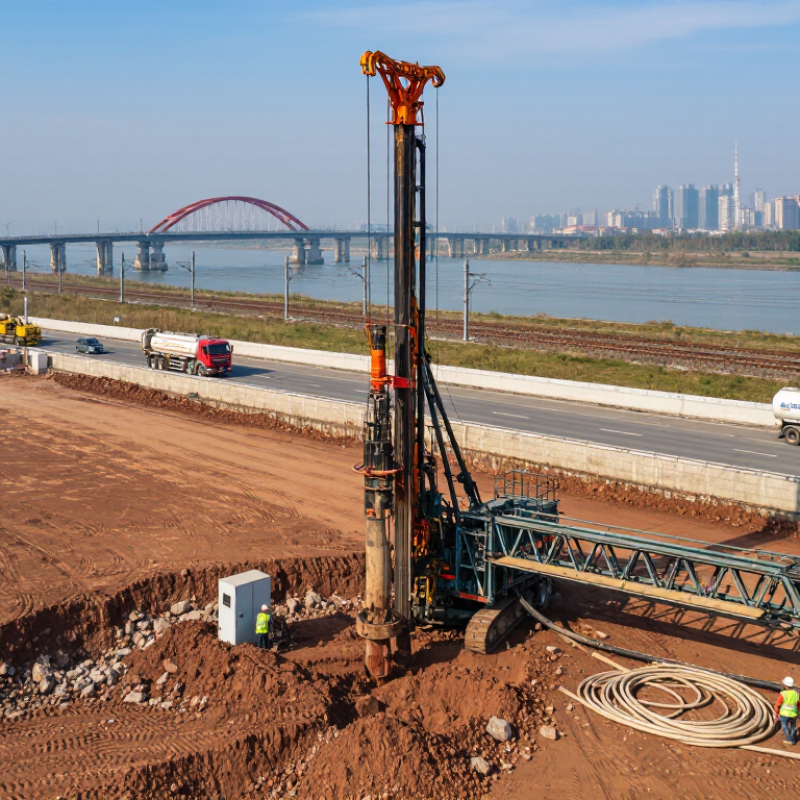
Horizontal directional drilling (HDD) machines support infrastructure work where open excavation is disruptive or impractical. Across international projects, crews use them beneath highways, railways, rivers, and crowded urban streets. They install fiber-optic conduits, water lines, power cables, and selected utility pipelines with limited surface disturbance.
Project conditions vary sharply between regions. A machine suitable for compact clay may struggle in fractured rock or loose sand. Experienced teams study geological reports, utility maps, groundwater levels, and local construction requirements before drilling.
Real-time tracking helps operators control depth and alignment. However, surveys can be incomplete. Unexpected boulders, undocumented cables, or changing soil layers still create serious risks. A reliable plan includes safe separation distances, drilling-fluid controls, and a practical recovery method.
Tips: Match machine torque and pullback capacity to the ground profile and installation length. Confirm local permits and utility records before mobilization. Keep communication clear between the operator, locator, engineer, and site supervisor. Small alignment errors can become expensive at the exit point. Short briefings help. Document drilling pressure, fluid returns, and location data throughout the operation. These records support quality checks and improve decisions when field conditions change. Overly confident schedules often fail, especially when weather, customs delays, or unfamiliar regulations affect international work.