Why Use Rail Web Broadband Dampers?
Rail systems transmit energy through steel, sleepers, fasteners, and surrounding ground. When wheels pass over the rail, the web can vibrate across a broad range of frequencies. This vibration may increase rolling noise, structure-borne sound, and local fatigue concerns. A Rail Web Broadband Damper helps control that energy by adding carefully designed damping to the rail web. The device works continuously as trains operate. It does not depend on active power or complex control software. That matters.
In practice, engineers assess noise measurements, track geometry, rail profiles, train speed, and fastening conditions before selecting a damper. A well-designed solution can reduce resonant vibration while preserving required railway performance. Installation can also be less disruptive than major track reconstruction, especially during planned maintenance windows. However, dampers are not universal cures. Their results depend on rail type, attachment quality, operating conditions, and the dominant noise source. Measure first. This point is sometimes overlooked.
Reliable decisions require field testing, documented installation procedures, and comparisons taken before and after treatment. Experienced rail teams also inspect the dampers periodically, because impact, corrosion, and maintenance work can affect performance. Laboratory data provides useful guidance, but real track behavior can differ. That difference deserves honest attention. Choosing a Rail Web Broadband Damper should therefore involve practical measurements, engineering review, and realistic expectations. Used thoughtfully, it can become a focused tool for quieter, better-controlled railway infrastructure.
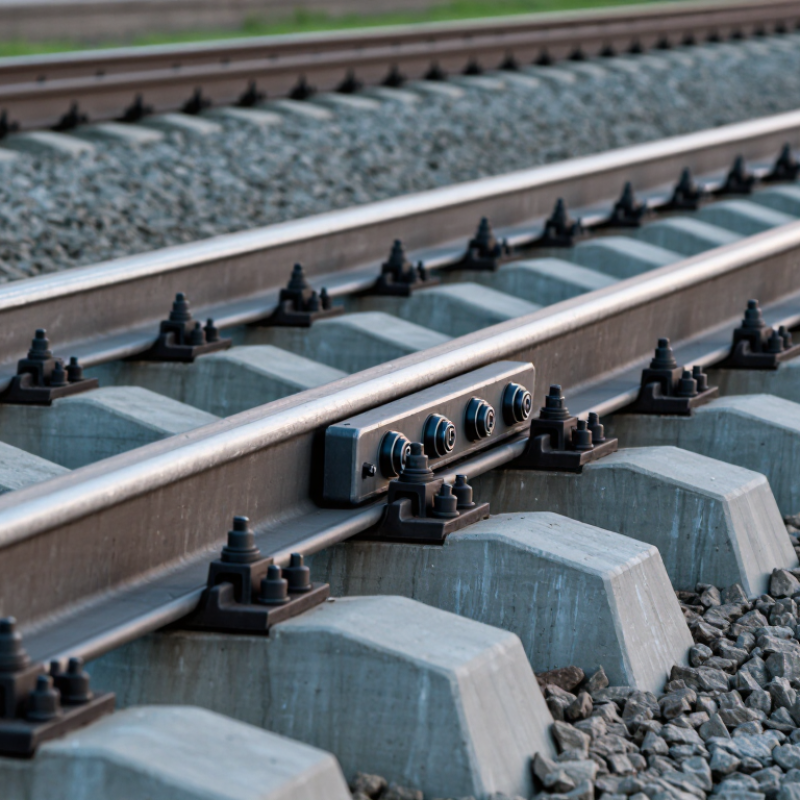
Rail web broadband dampers are vibration-control devices attached directly to the rail web. They usually combine viscoelastic material with a metal mass or constrained layer. When trains pass, the rail vibrates. The damper converts part of that vibrational energy into low-level heat.
“Broadband” matters because rail vibration rarely occurs at one frequency. Wheel flats, corrugation, track stiffness, and train speed create changing frequency patterns. A broadband damper addresses a wider range than a narrowly tuned absorber. The U.S. Federal Railroad Administration’s Rail Transportation Noise and Vibration Manual identifies wheel–rail interaction as a major source of railway noise. The European Environment Agency’s Environmental Noise in Europe 2020 report estimated that about 22 million people faced harmful railway noise exposure in Europe. These figures explain the practical interest in controlling rail vibration near homes, tunnels, and platforms.
Tips: Check rail profiles, fastening conditions, train speeds, and measured vibration levels before selecting a damper. Installation should follow documented engineering procedures. Field measurements matter more than assumptions. The design is not magic. A damper may reduce structure-borne vibration, yet deliver limited benefits when rough wheels or poor track geometry remain untreated. Independent testing, such as frequency-response measurements before and after installation, improves reliability. Engineers should also inspect clearance, corrosion protection, maintenance access, and performance during seasonal temperature changes.
Rail web broadband dampers control structural vibrations by absorbing energy from the rail. They are fitted along the rail web, close to the source of movement. When wheels pass over small surface irregularities, the rail begins to flex and vibrate. The damper responds to this motion and converts part of the vibration energy into low-level heat. Unlike narrow-band devices, broadband dampers operate across a wider range of frequencies. This can reduce noise, rail movement, and vibration transmitted into nearby structures. The effect is practical, but not magical.
In field assessments, engineers compare vibration readings before and after installation. They also inspect wheel condition, rail roughness, fasteners, sleepers, and the surrounding ground. A damper cannot correct every problem. Poor track geometry may still create strong impacts. Installation quality matters too. Uneven contact, loose fittings, or unsuitable spacing can reduce performance. Rail operators should review measured data rather than rely on appearance alone. Conditions change over time, so follow-up inspections remain important.
Tips: Check the rail profile before selecting dampers. Use vibration measurements at several distances. Confirm secure attachment during routine maintenance. Watch for unusual wear or movement. Leave room for improvement. A second assessment may reveal details missed during the first survey.
Rail web broadband dampers are fitted to the rail web, the vertical section between the head and foot. They absorb vibration across a wide frequency range. This matters because railway noise rarely comes from one frequency alone. Rolling contact, rail joints, wheel imperfections, and track stiffness can create several overlapping tones. When dampers reduce rail vibration, nearby residents may notice less ringing and structure-borne noise.
The benefit is often clearest beside curves, bridges, tunnels, and densely occupied buildings. A well-selected system can limit vibration traveling through sleepers and supporting structures. It may also reduce the sharp metallic sound heard during train passage.
Field assessments should include noise recordings, vibration measurements, train speeds, and track condition. Without this information, installation becomes guesswork. Results vary.
Installation quality affects performance. The rail surface, fastening condition, clearance, and damper spacing all deserve inspection. Maintenance teams should check for loosened components, corrosion, and accidental damage during routine track work.
Dampers are not a magic fix. They cannot correct poor wheel maintenance, damaged rail profiles, or an unstable track foundation. In some projects, the expected improvement is smaller than predicted because the dominant noise source lies elsewhere.
That is why engineers should compare measurements before and after installation, using consistent train types and operating conditions. Small details matter.
Why Use Rail Web Broadband Dampers?
Rail web broadband dampers are used to control rolling noise and vibration across a wide frequency range. They attach to the rail web, where they absorb part of the energy created by wheel and rail contact. Their compact position helps preserve track clearance and reduce interference with railway operations. Fit matters.
In modern metro systems, these dampers are useful near apartment buildings, hospitals, schools, and underground stations. They can support noise control on straight sections and selected curves. On elevated viaducts, reducing rail vibration may also limit structure-borne noise inside nearby buildings. Railway engineers often assess noise measurements, rail condition, fastening stiffness, and local speed before choosing a treatment.
They also suit busy commuter routes where trains operate throughout the day and night. Maintenance teams can inspect the components during planned track access, checking fasteners, corrosion, and physical damage. Details matter. A damper is not a universal answer. Poor installation, worn rail surfaces, or unsuitable spacing can reduce its effect. That assumption deserves challenge.
Field experience shows that performance should be verified after installation. Engineers may compare vibration readings before and after treatment, while residents’ observations provide useful context. Results can vary with temperature, vehicle type, wheel condition, and track geometry. Regular review keeps the application practical rather than merely theoretical.
| Railway Application | Typical Noise or Vibration Issue | How a Rail Web Broadband Damper Works | Common Installation Location | Primary Operational Benefit | Key Design Considerations |
|---|---|---|---|---|---|
| Urban metro and light-rail corridors | Rolling noise from wheel–rail contact can affect passengers, nearby buildings, and residents along densely populated routes. | It adds tuned and broadband damping to the rail, reducing the rail’s vibration response across a wide frequency range. | On the rail web between the rail head and foot, particularly on sections close to residential or commercial areas. | Lower wayside noise | Clearance to vehicles, platform equipment, signalling hardware, and maintenance tools must be verified before installation. |
| High-speed passenger lines | High operating speeds can increase rolling-noise radiation and dynamic interaction between wheels and rails. | The damper dissipates vibrational energy in the rail and helps limit resonant responses that contribute to airborne noise. | On continuously welded rail sections where noise control is required without changing the basic track form. | Noise mitigation with limited track alteration | Track geometry, maximum speed, rail profile, fastening stiffness, aerodynamic clearance, and long-term attachment reliability should be assessed. |
| Freight railway routes | Heavy axle loads, rough wheels, rail corrugation, and irregular track conditions can produce substantial vibration and rolling noise. | It absorbs part of the rail vibration generated by wheel–rail forces and can reduce the amplification of rail-borne sound. | On heavily trafficked main lines, curves, approaches to terminals, and other locations identified through measurement. | Reduced vibration response | Loading gauge, ballast conditions, axle-load environment, contamination, impact resistance, and ease of replacement are important. |
| Curved track and wheel squeal control | Sharp curves may generate tonal squeal caused by lateral wheel–rail creepage and stick–slip behaviour. | Broadband damping reduces the rail’s ability to radiate sound, complementing lubrication or friction-management measures. | On the high-noise rail sections of tight curves and near curve transitions. | Support for curve-noise reduction | It should not be treated as a substitute for correct wheel and rail profiles, gauge-corner lubrication, or friction management. |
| Bridges and viaducts | Track vibration can be transmitted efficiently through relatively stiff structures and may create noticeable airborne or structure-borne noise. | Rail damping reduces the vibrational energy entering the track–structure system before it is transferred to the bridge deck. | On rails located over bridge decks, viaduct spans, and approach zones where vibration measurements indicate a problem. | Lower structure-borne vibration | Structural dynamics, drainage, inspection access, fire requirements, and compatibility with bridge expansion details must be considered. |
| Tunnels and underground stations | Hard tunnel surfaces can reflect and amplify wheel–rail noise, while vibration may be transmitted to station structures and adjacent buildings. | It reduces rail vibration at the source, helping limit reverberant noise and vibration propagation within confined spaces. | On tunnel track, station approaches, and sections near sensitive equipment or occupied spaces. | Improved acoustic environment | Emergency access, smoke and fire performance, tunnel clearance, cleaning procedures, and inspection intervals must be addressed. |
| Track near hospitals, schools, and laboratories | Rail-generated vibration may disturb occupants or affect vibration-sensitive activities and instruments. | By damping rail-web vibration, the system can reduce a source component of both airborne and ground-borne vibration. | On the railway section closest to the sensitive building, normally selected after baseline vibration surveys. | Protection of sensitive receptors | Performance should be verified with site measurements; building foundation, soil conditions, train type, and operating speed also influence results. |
| Conventional ballasted track renewal projects | Noise and vibration limits may need to be met without replacing the existing track system with a more complex slab-track solution. | It provides an additional rail-damping treatment while retaining conventional rails, sleepers, ballast, and fastenings. | Installed during rail replacement or tamping-related possession periods where access is available. | Practical retrofit option | Installation time, compatibility with rail grinding, tamping operations, ballast cleaning, and maintenance access should be confirmed. |
| Depot and maintenance facility approaches | Frequent low-speed movements, wheel flats, braking events, and repeated shunting can create local vibration and tonal noise. | It helps damp rail vibration generated by repeated wheel–rail impacts and operational movements. | On approach tracks, throat areas, and sections adjacent to workshops or nearby communities. | Reduced local disturbance | Exposure to oil, grease, ballast movement, inspection vehicles, and frequent shunting should be included in the product assessment. |
| Rail sections with corrugation-related noise | Periodic rail corrugation can produce strong tonal noise and increased dynamic wheel–rail forces. | It reduces the rail’s vibrational response, although rail grinding or milling remains necessary to correct the corrugation itself. | On identified corrugated sections after confirming rail condition and the dominant noise frequency range. | Complementary noise control | Regular rail-condition monitoring is required because damping does not remove wear, roughness, wheel defects, or geometric irregularities. |
Why Use Rail Web Broadband Dampers?
Selecting effective rail web broadband dampers begins with the vibration problem, not the product catalogue. Rail noise often contains several frequencies from wheel impacts, rolling contact, and rail corrugation. The European Environment Agency’s Environmental Noise in Europe 2020 assessment identifies railway noise as a major environmental exposure across Europe. A damper should therefore cover the measured frequency range, rather than target one convenient peak. Site measurements should include train speed, axle load, curve radius, rail profile, and fastening condition. Small details matter.
Installation quality is equally important. The damper must maintain firm, continuous contact with the rail web. Surface rust, paint, moisture, or uneven clamping can reduce energy transfer. Laboratory results may report reductions of 3–6 dB(A), a range commonly discussed in European rail-noise research, but field performance can be lower. A 3 dB change is real. It is not always obvious beside a busy track. Engineers should compare before-and-after measurements under similar operating conditions, following methods aligned with ISO 3095 and relevant railway noise standards.
Practical selection also involves clearance, temperature, maintenance access, and compatibility with inspection equipment. Installers should check switches, joints, curves, drainage paths, and emergency walkways before fixing each unit. The European Committee for Standardization stresses controlled testing and repeatable measurement in railway acoustics. That principle is easy to overlook on site. I would avoid promising one universal reduction figure; rail systems differ too much. A short trial section, inspected after several weeks of traffic, often reveals more than a polished specification sheet.
Broadband dampers are selected to reduce rail vibration across a wide frequency range rather than targeting only one resonance. The screening priorities below reflect common engineering considerations for selecting and installing effective rail-web dampers.
Installation note: Confirm rail-web geometry, fastening torque, clearance, drainage, corrosion protection, and access for inspection. Final damper selection should be verified with site measurements such as vibration levels, rail condition, operating speed, temperature range, and the required frequency-reduction target.

Registered in England & Wales No. 2786496
Registered office at: 337 Tanworth Lane,
Shirley, Solihull, B90 4DU
Registered for VAT, registration No.
GB 655 1347 38
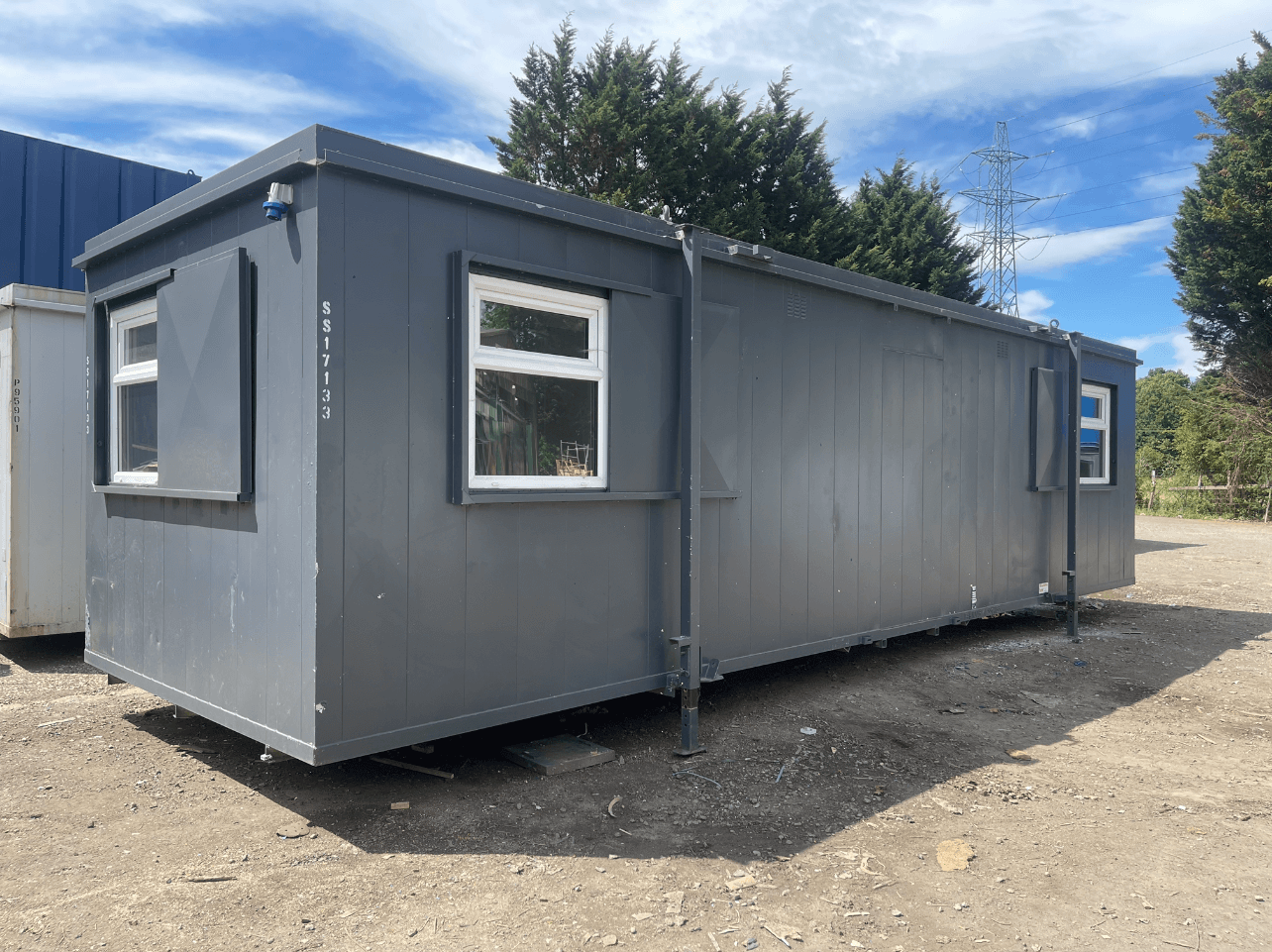
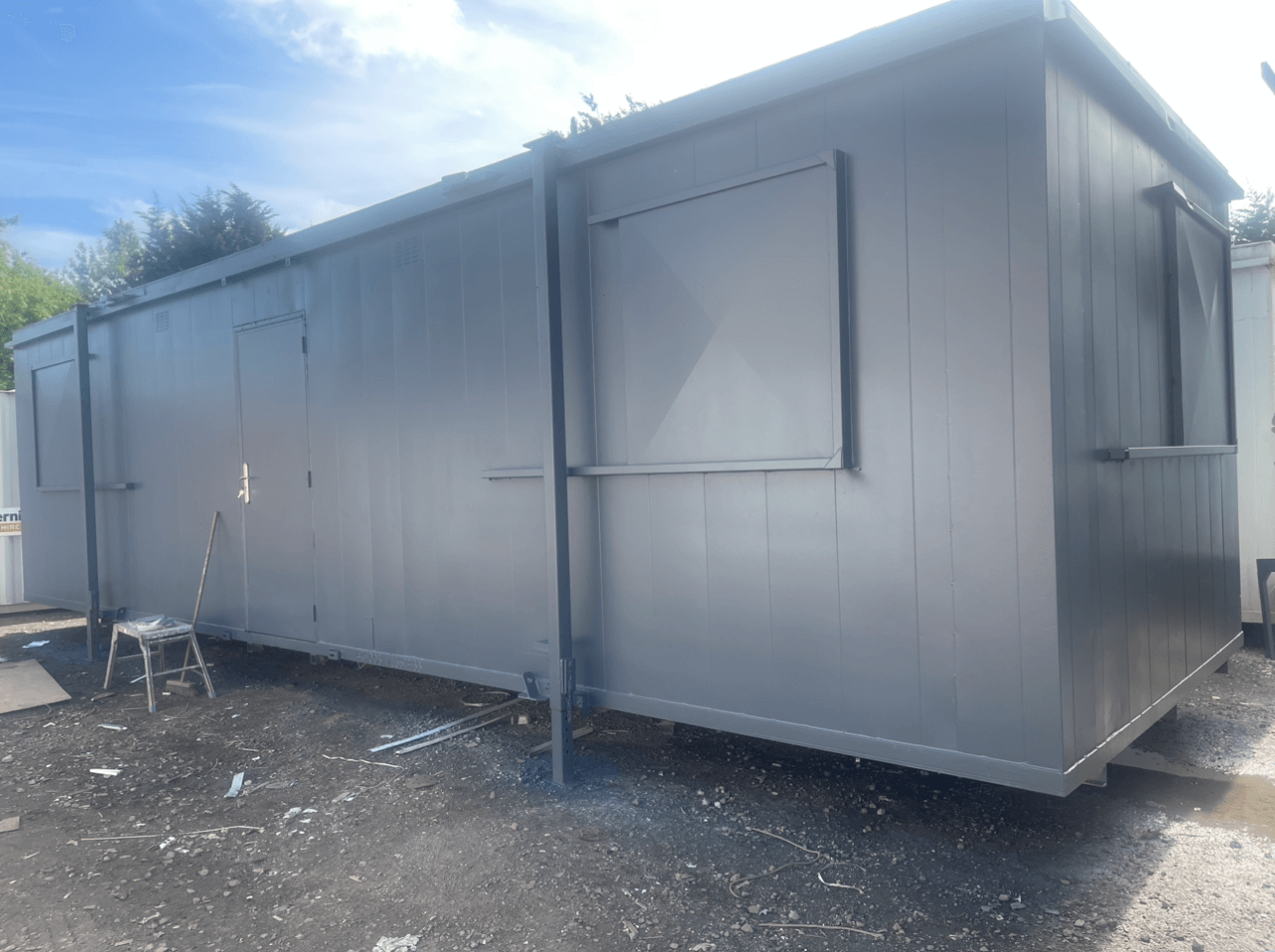
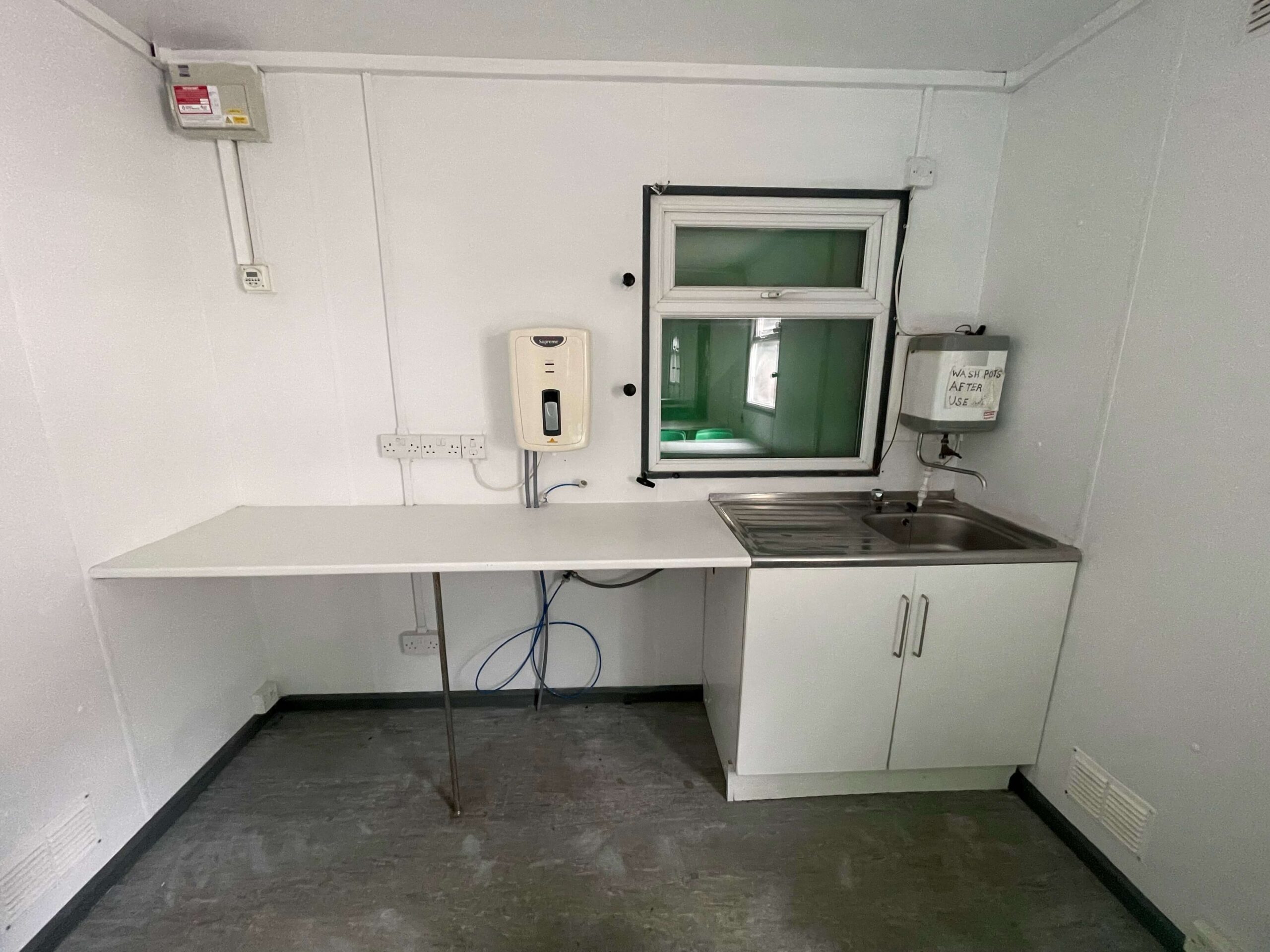
Location: Nationwide
Not Available for Hire
We can deliver for a cost please ask and send us post code.
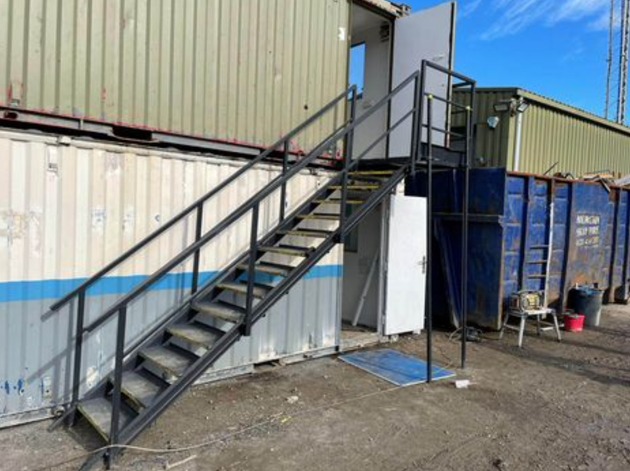
13 tread
14 tread
15 tread
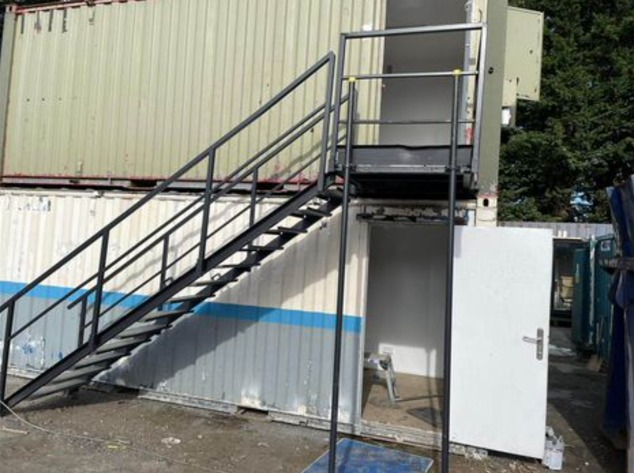
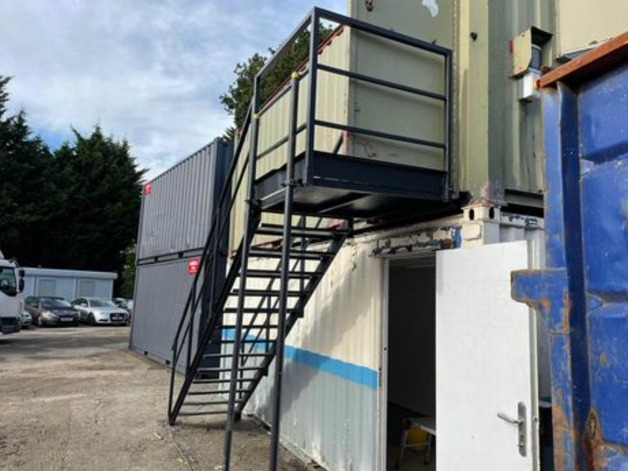
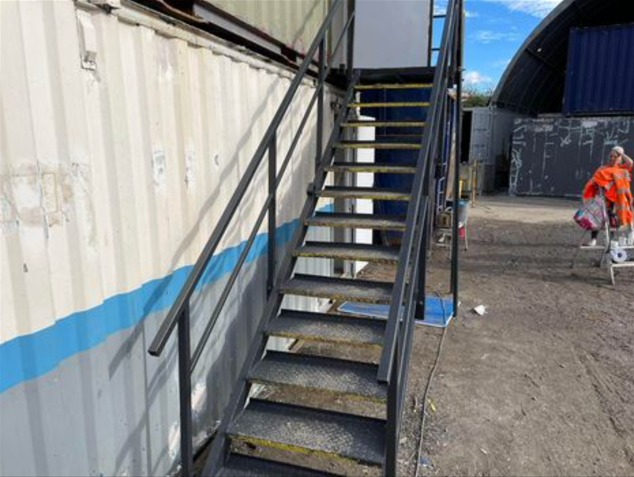
Location: Nationwide
Not Available for Hire
Call for an instant quote!
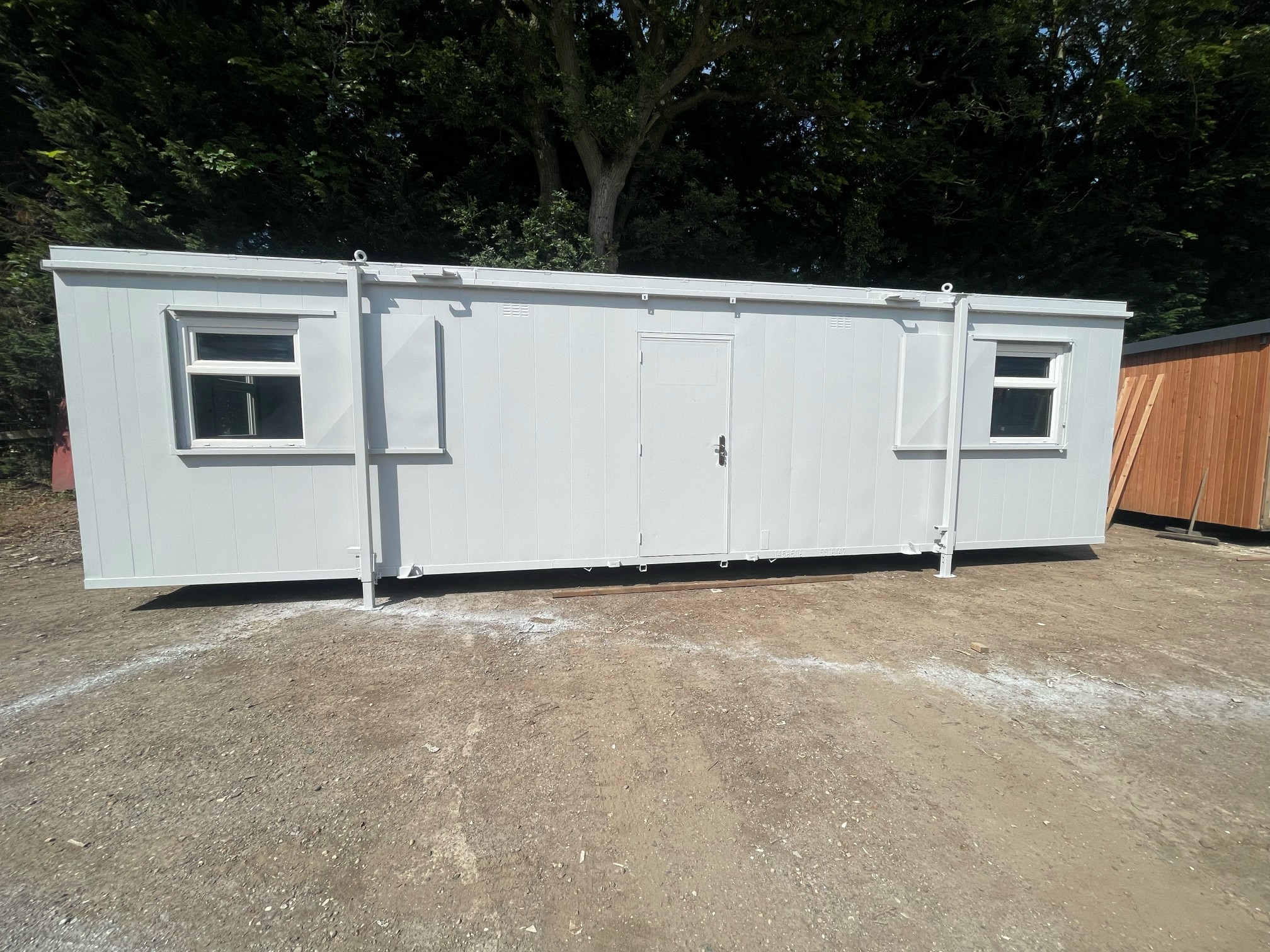
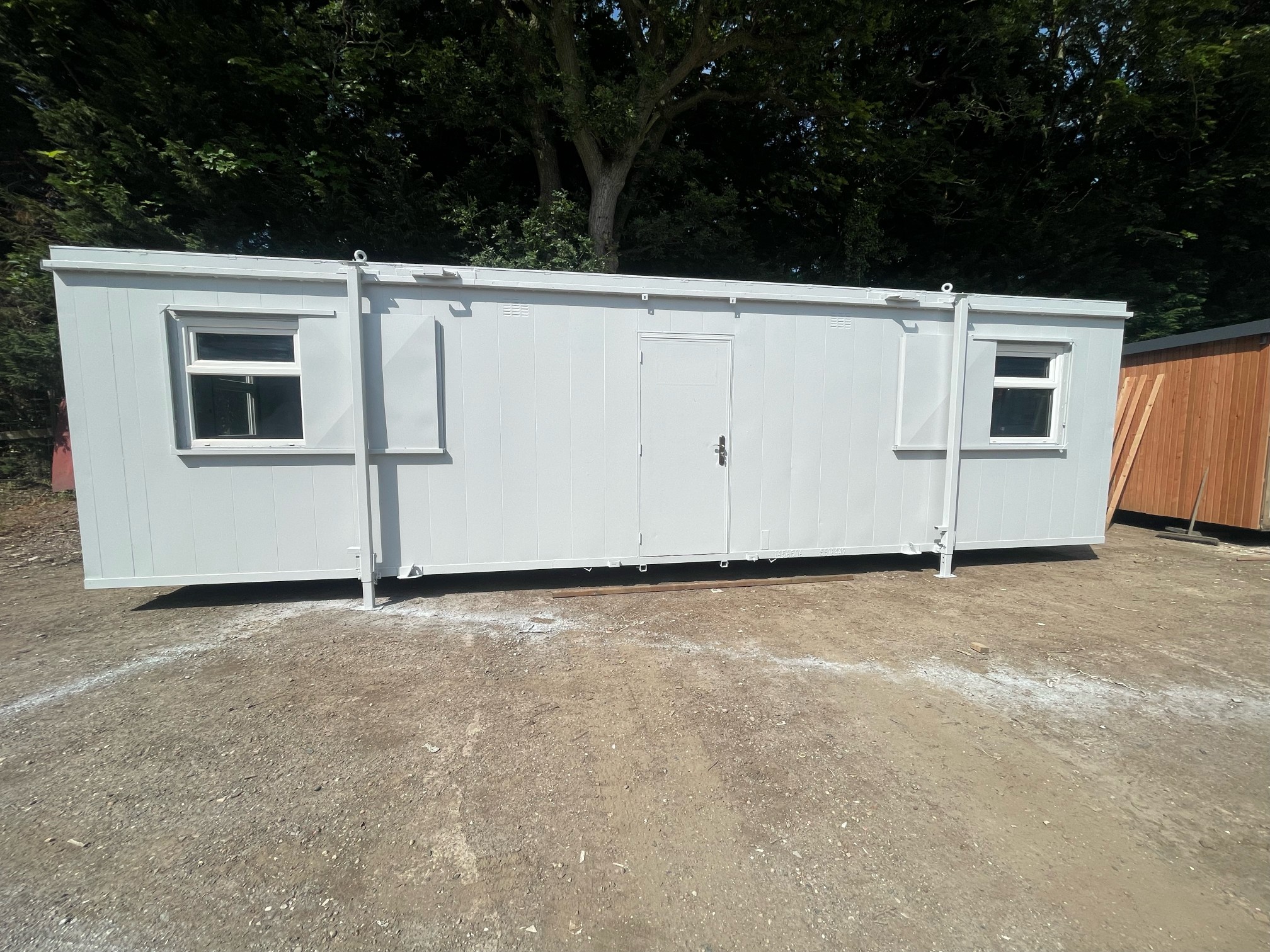
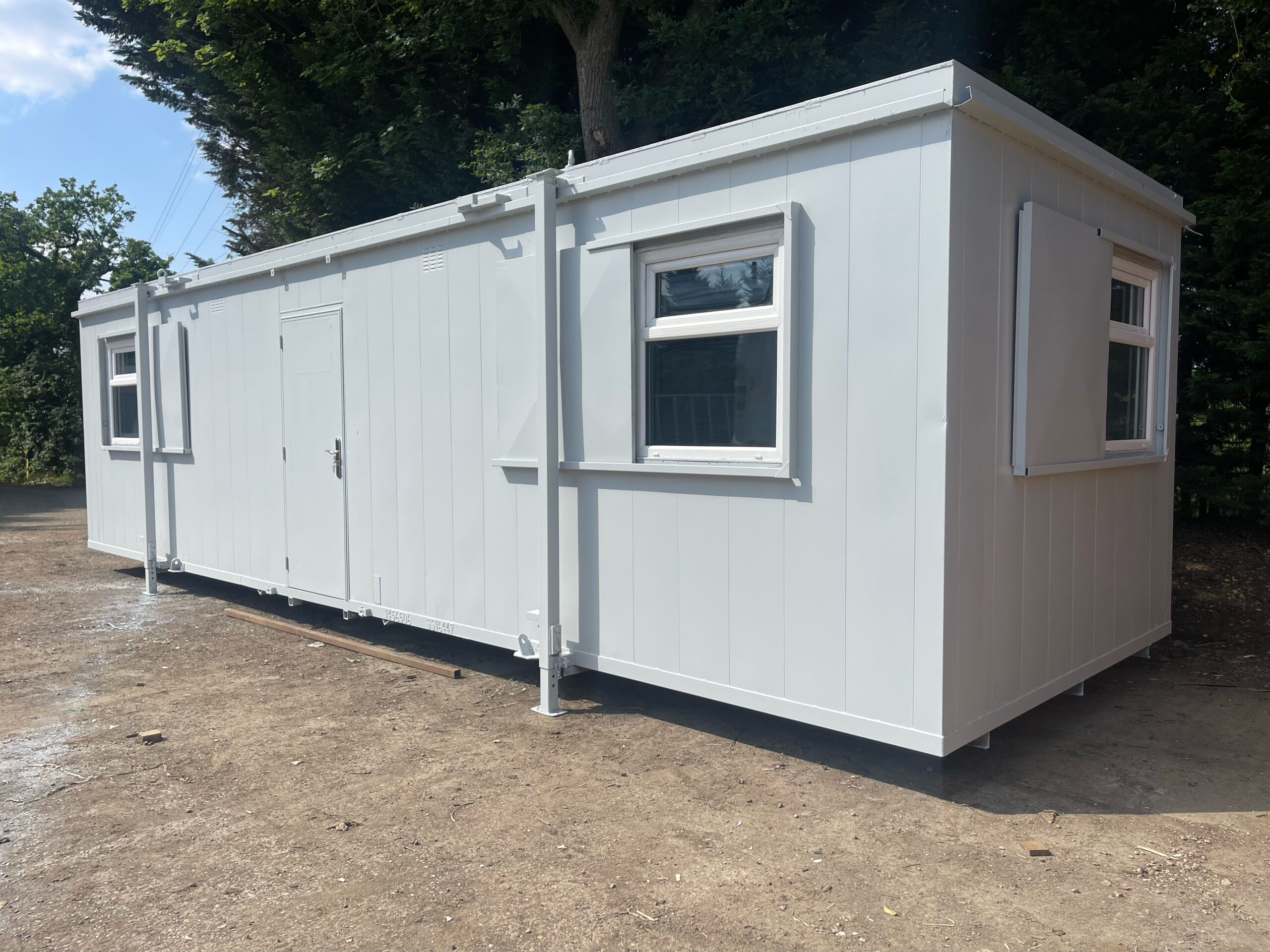
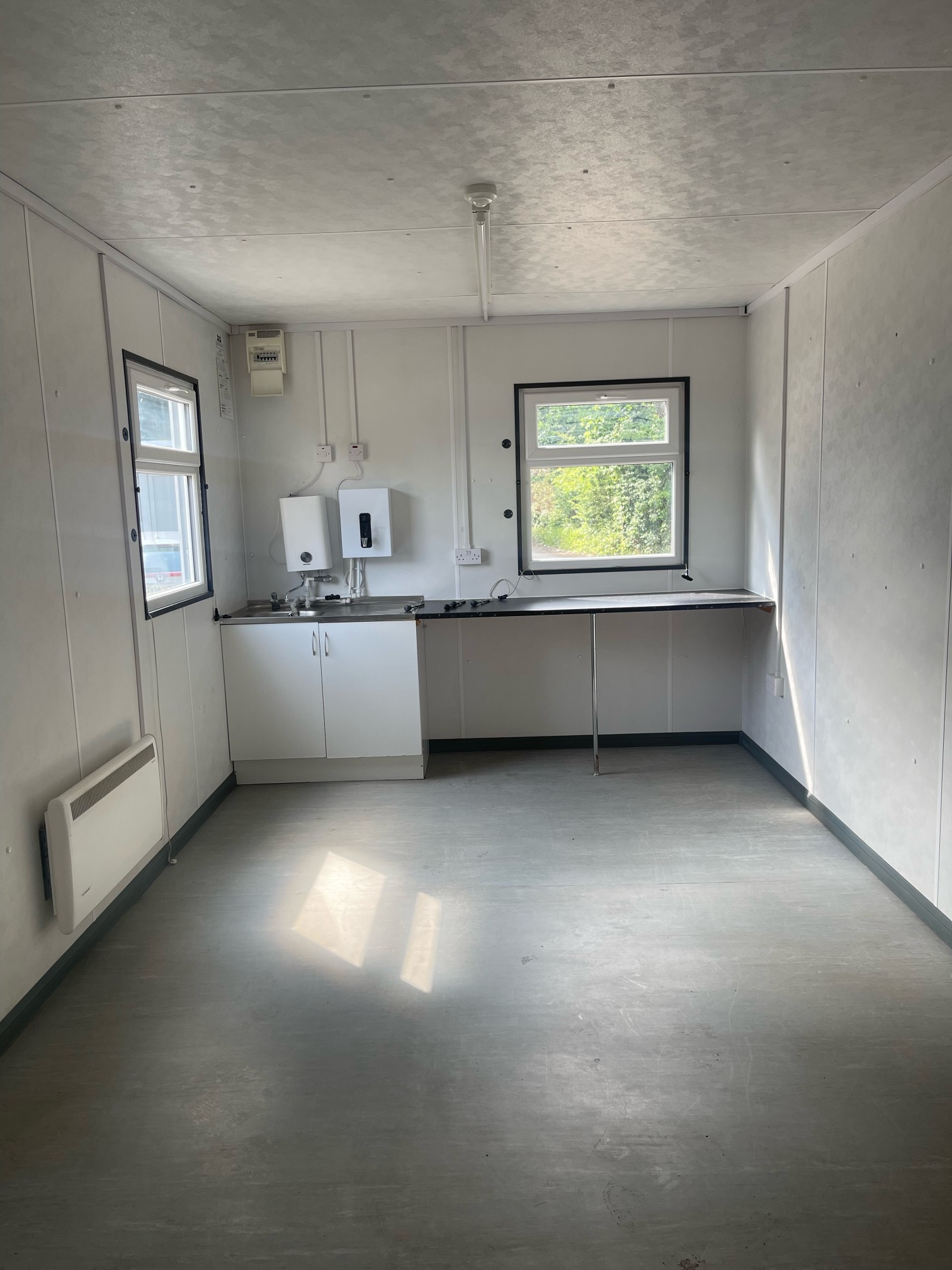
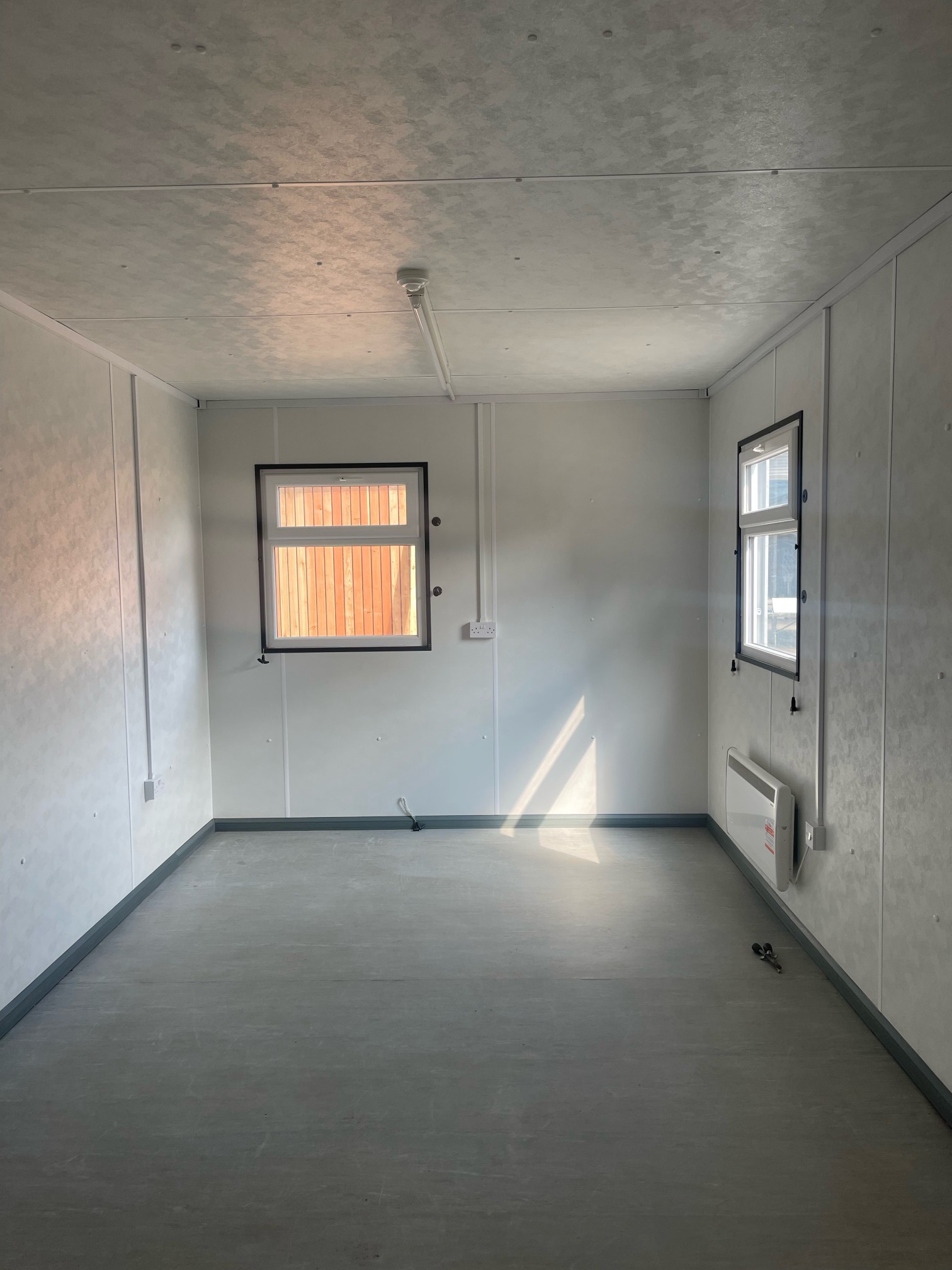
Location: Nationwide
Not Available for Hire
We can deliver for a cost please ask and send us post code.
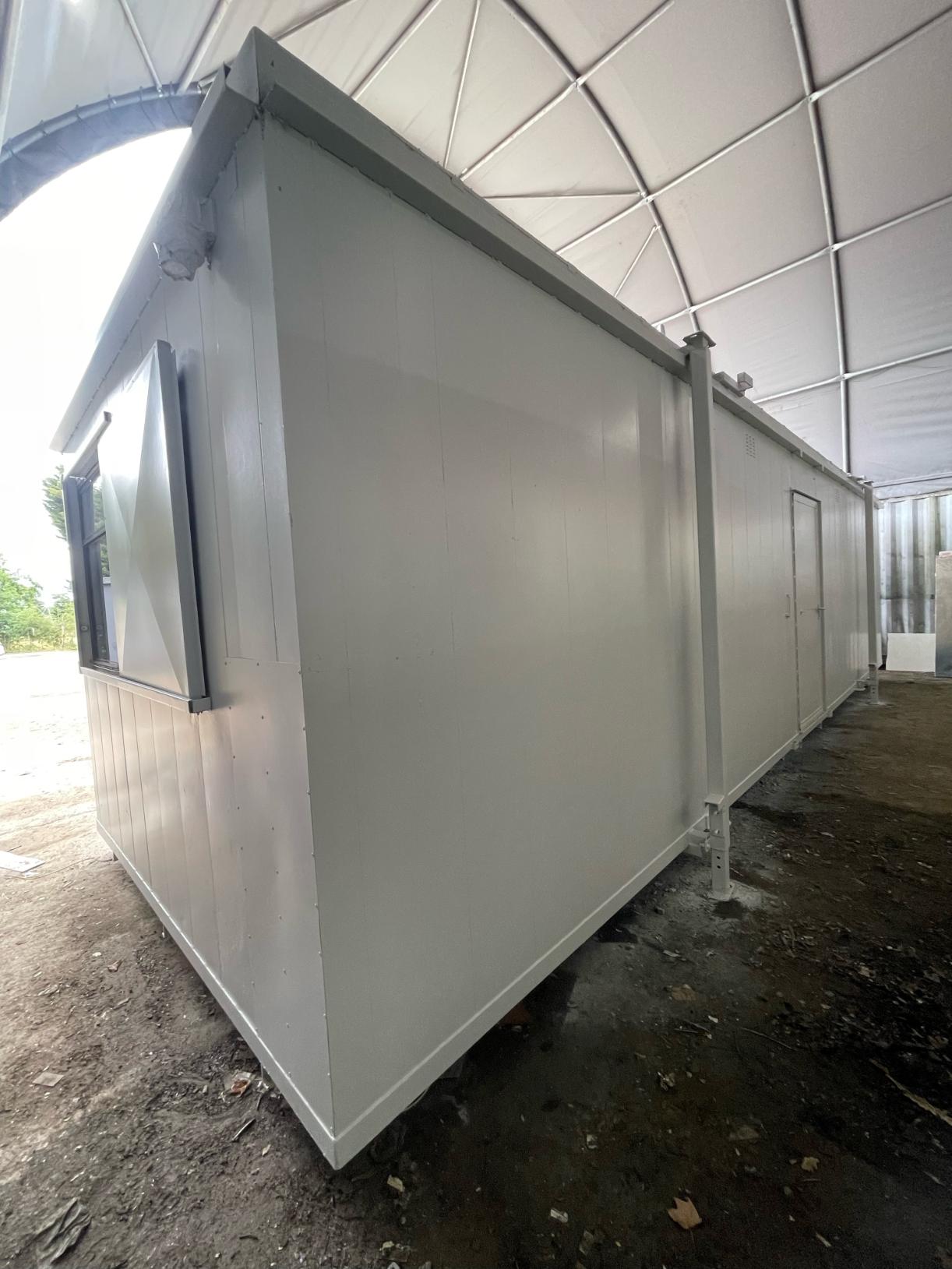
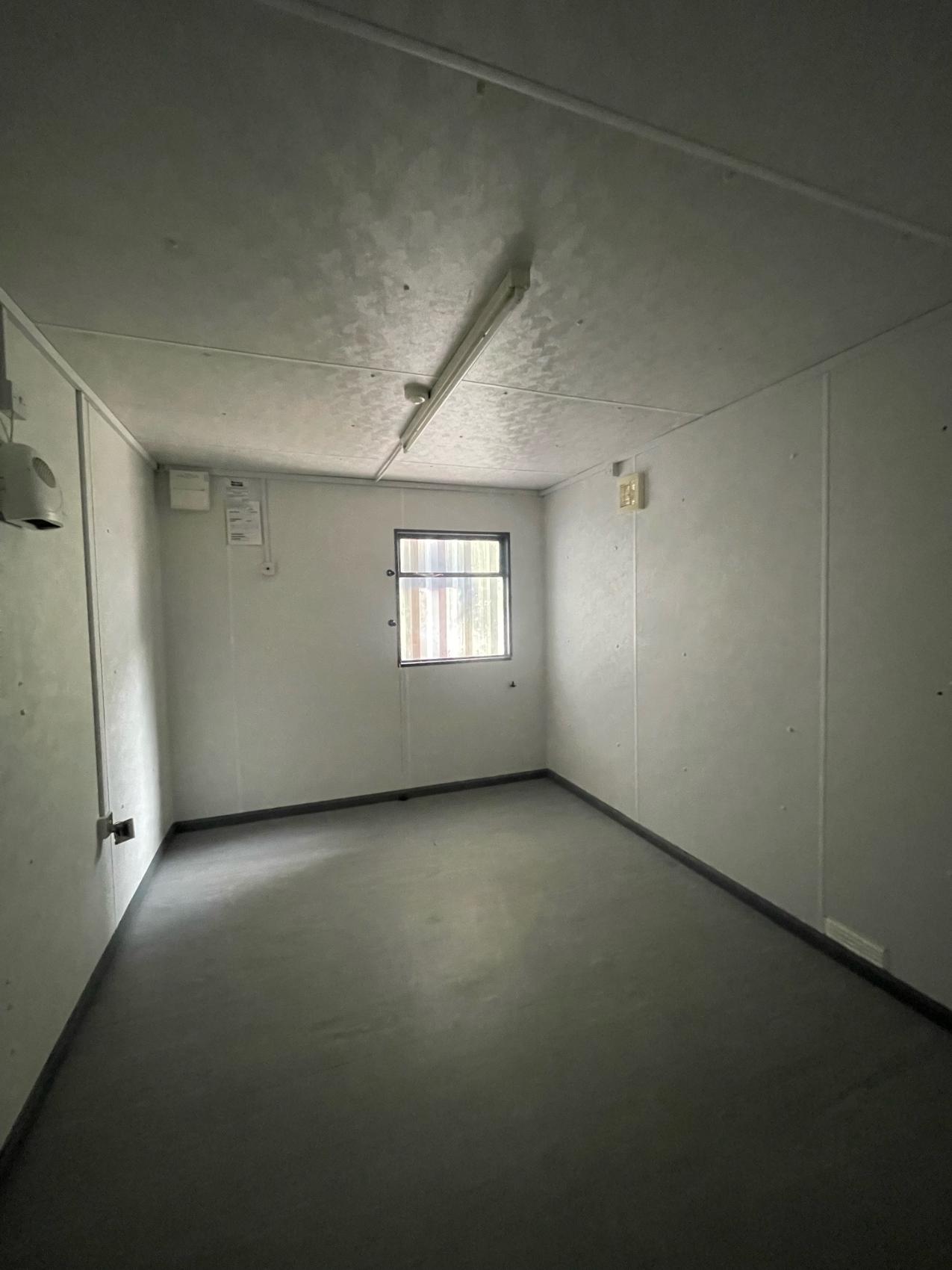
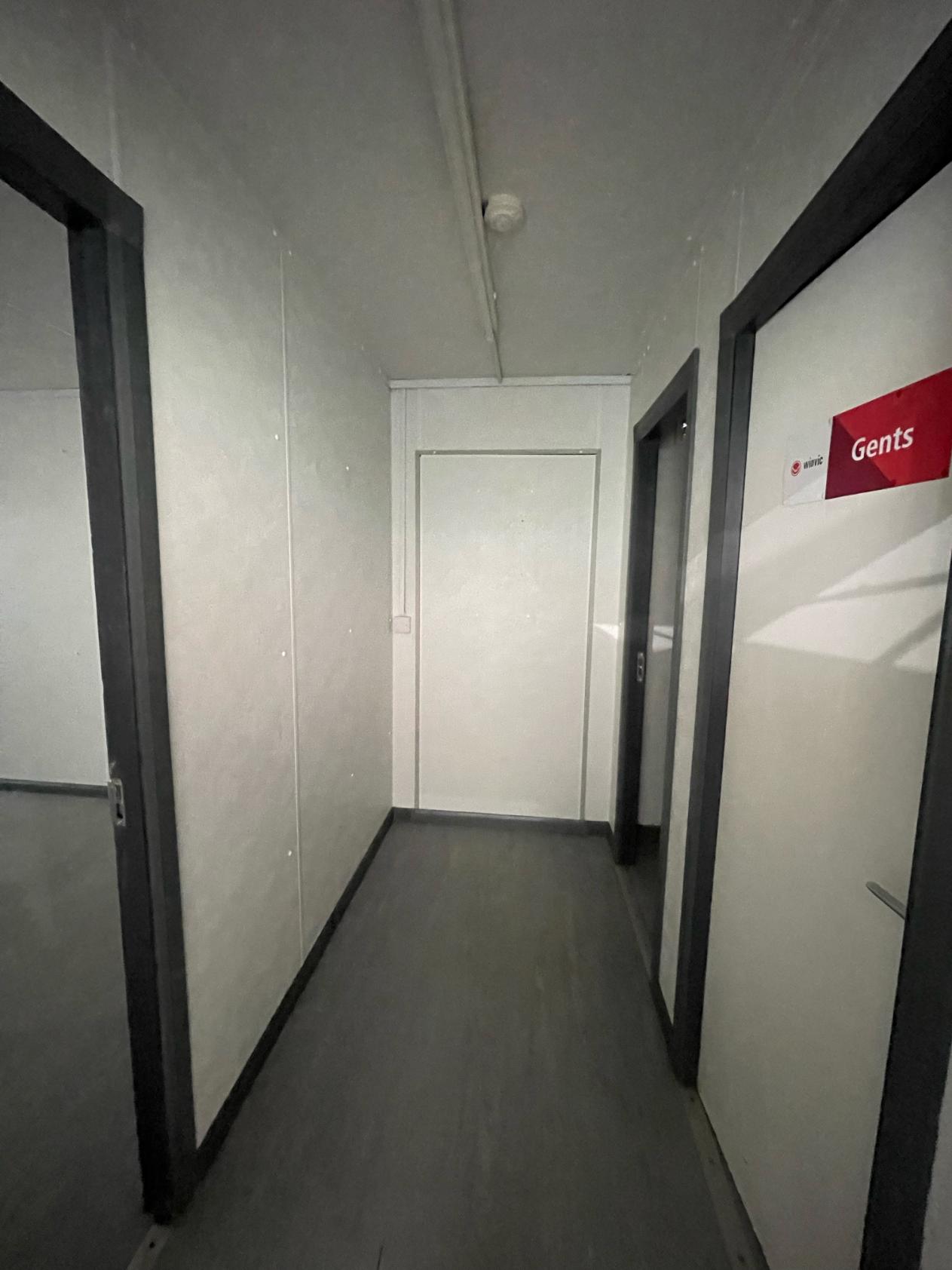
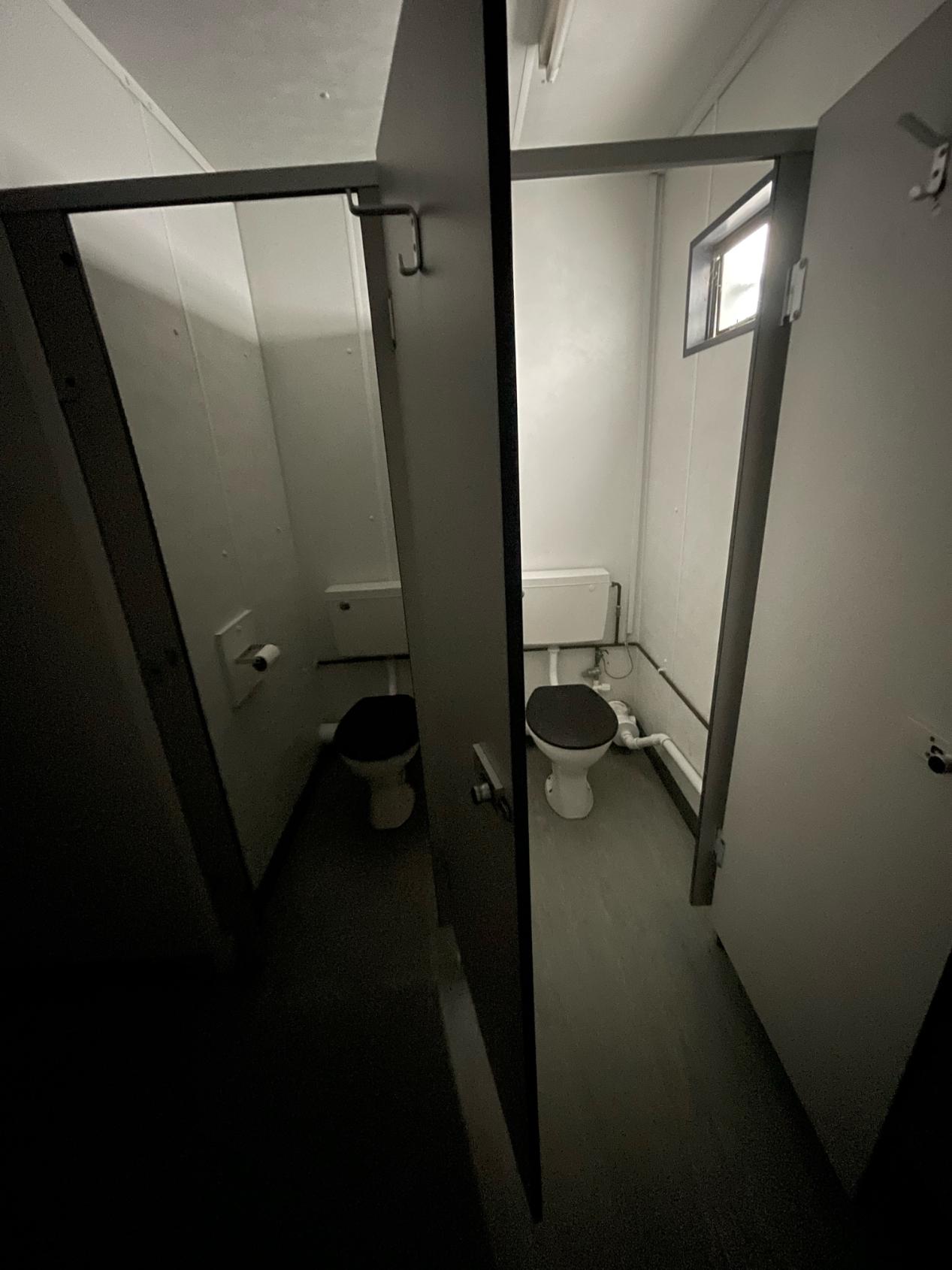
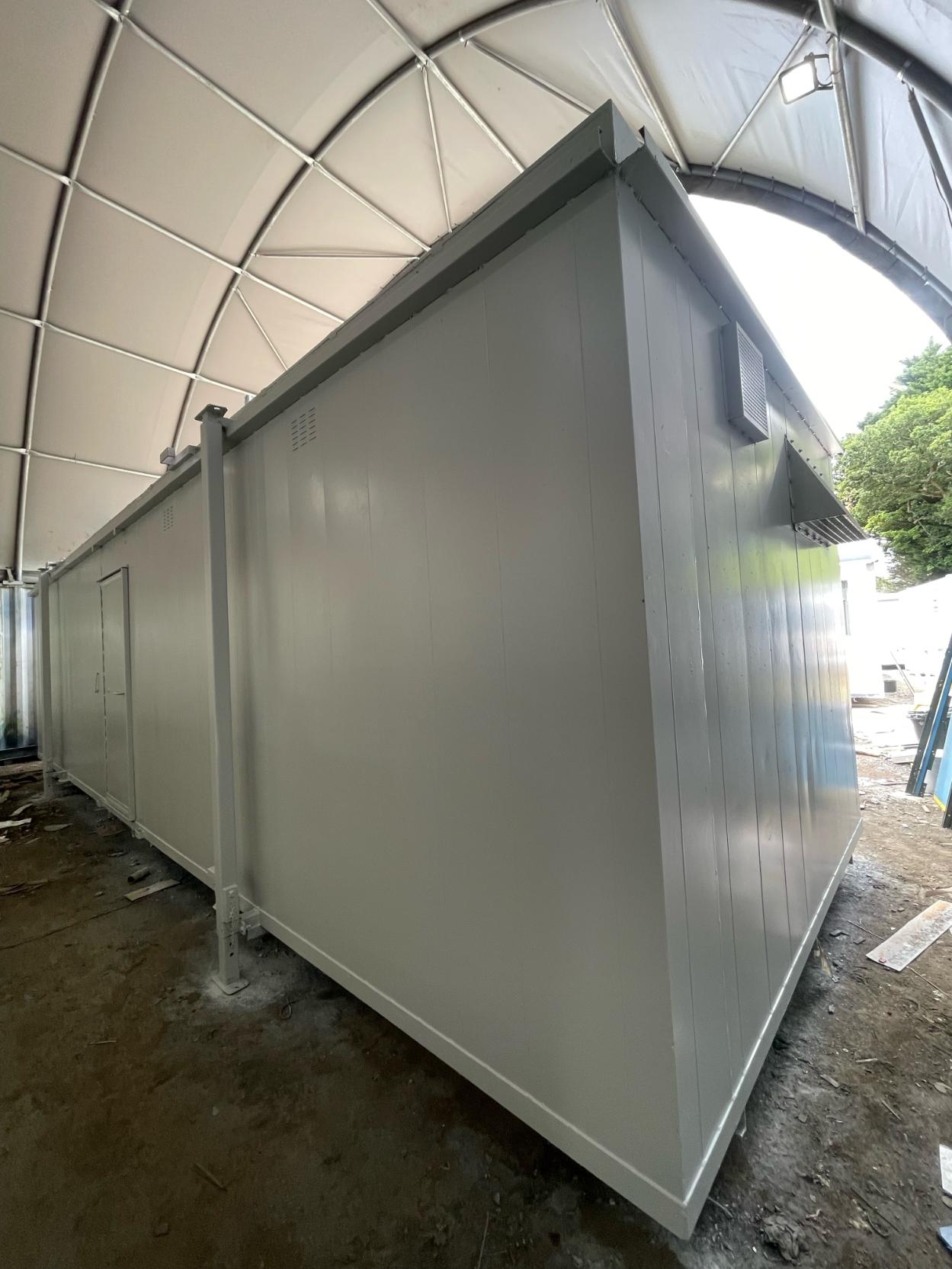
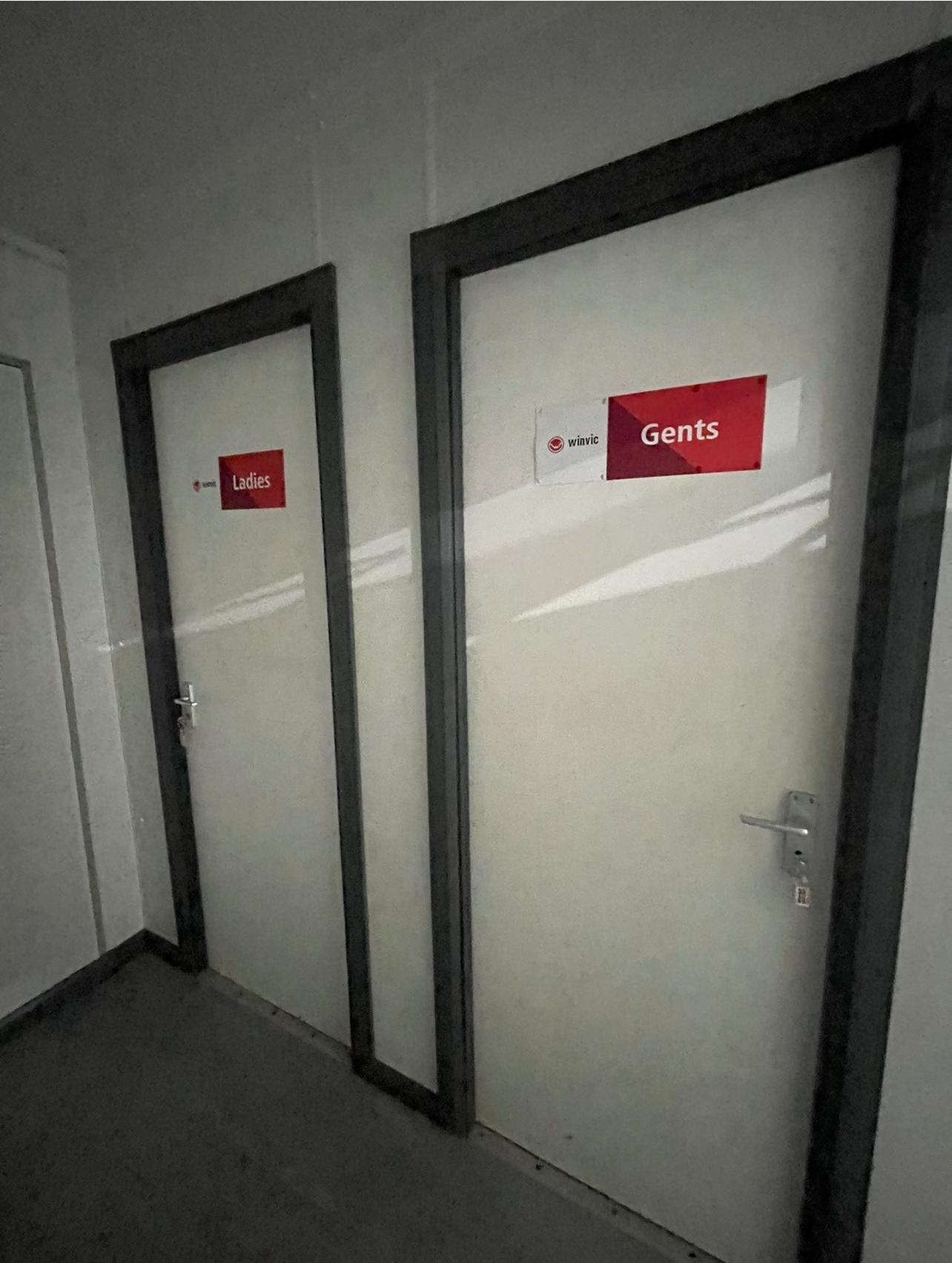
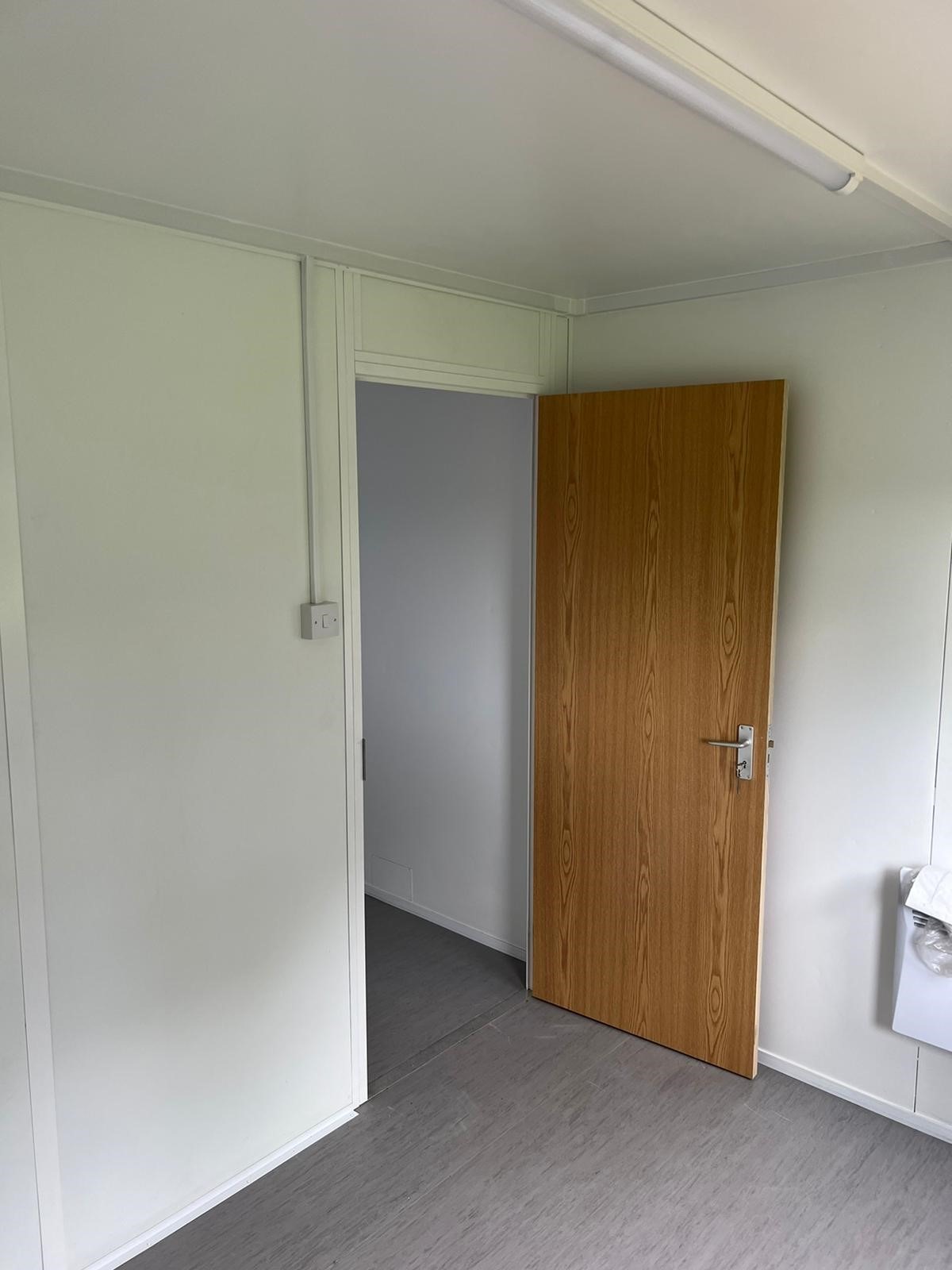
Hallway leading into:
Transport can be arranged please ask.
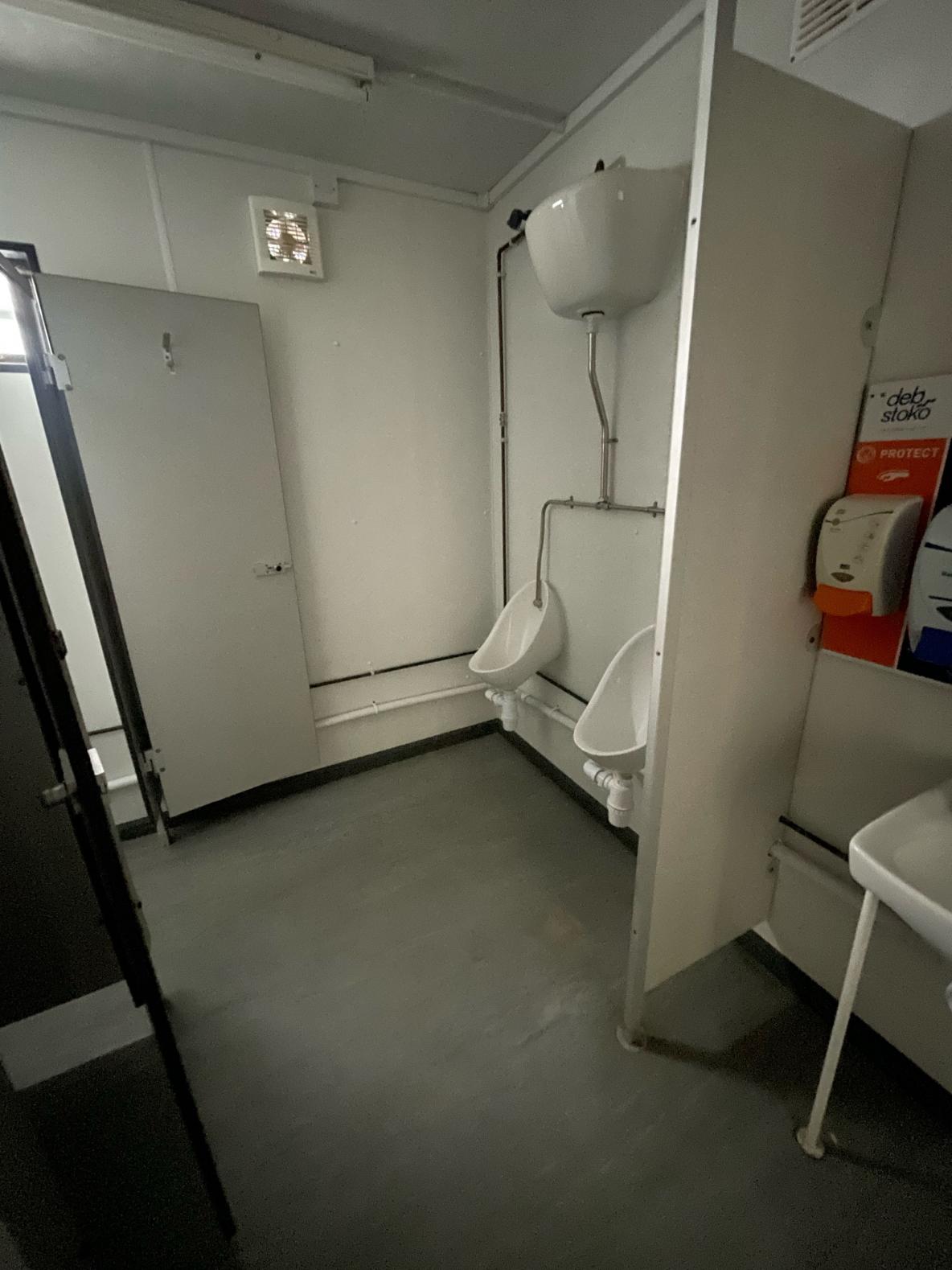
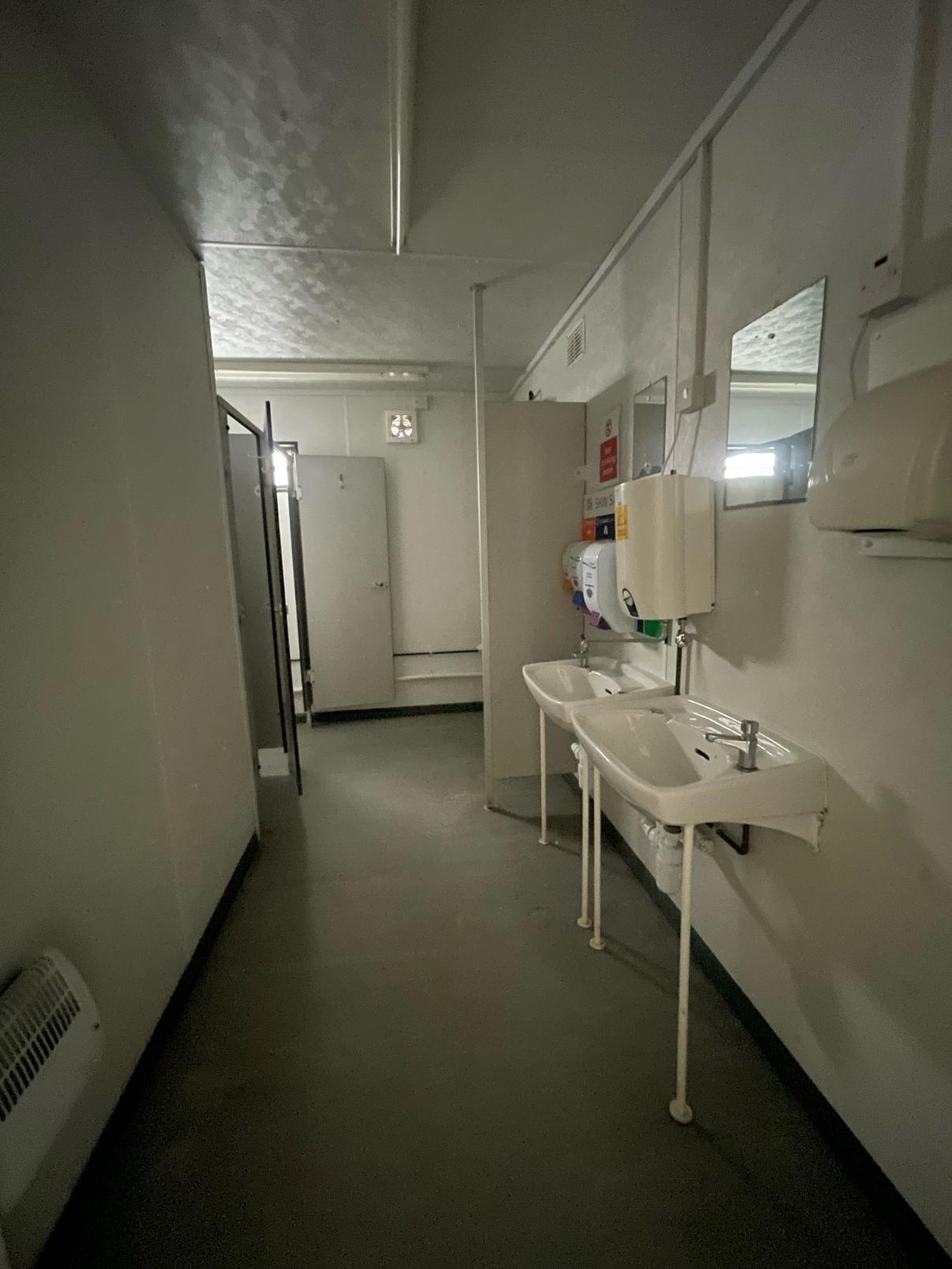
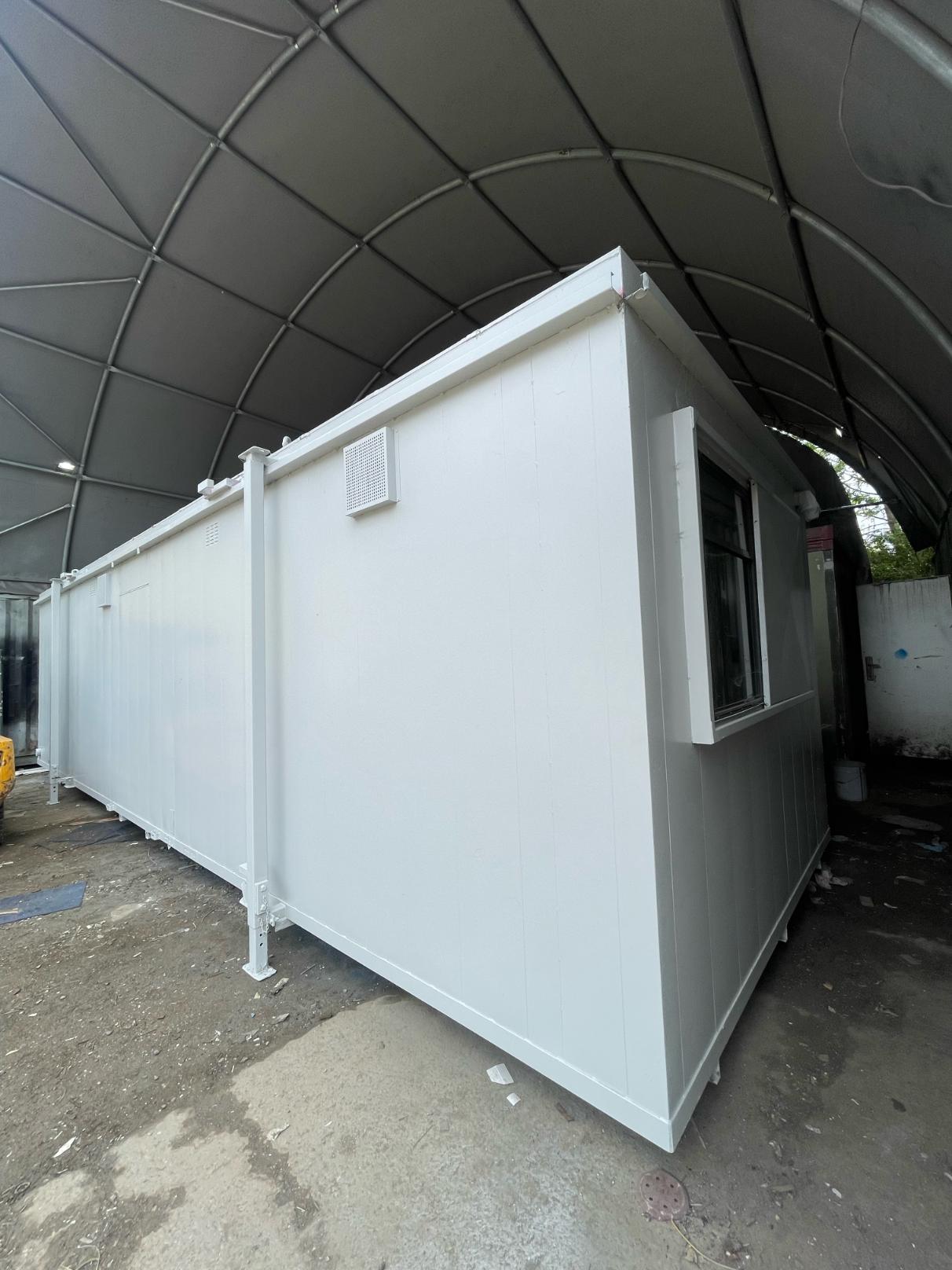
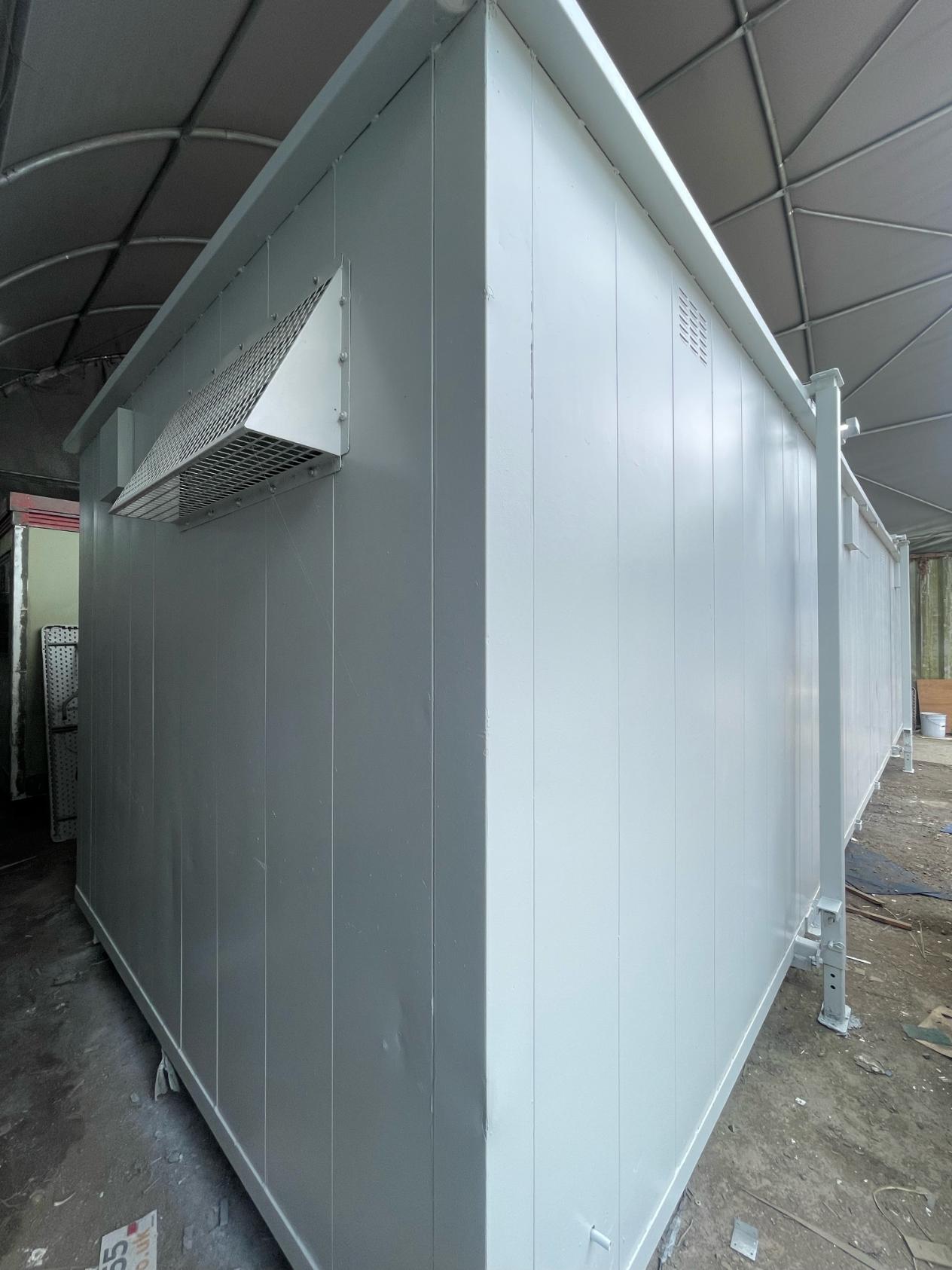
Location: Nationwide
Not Available for Hire
Call for an instant quote!
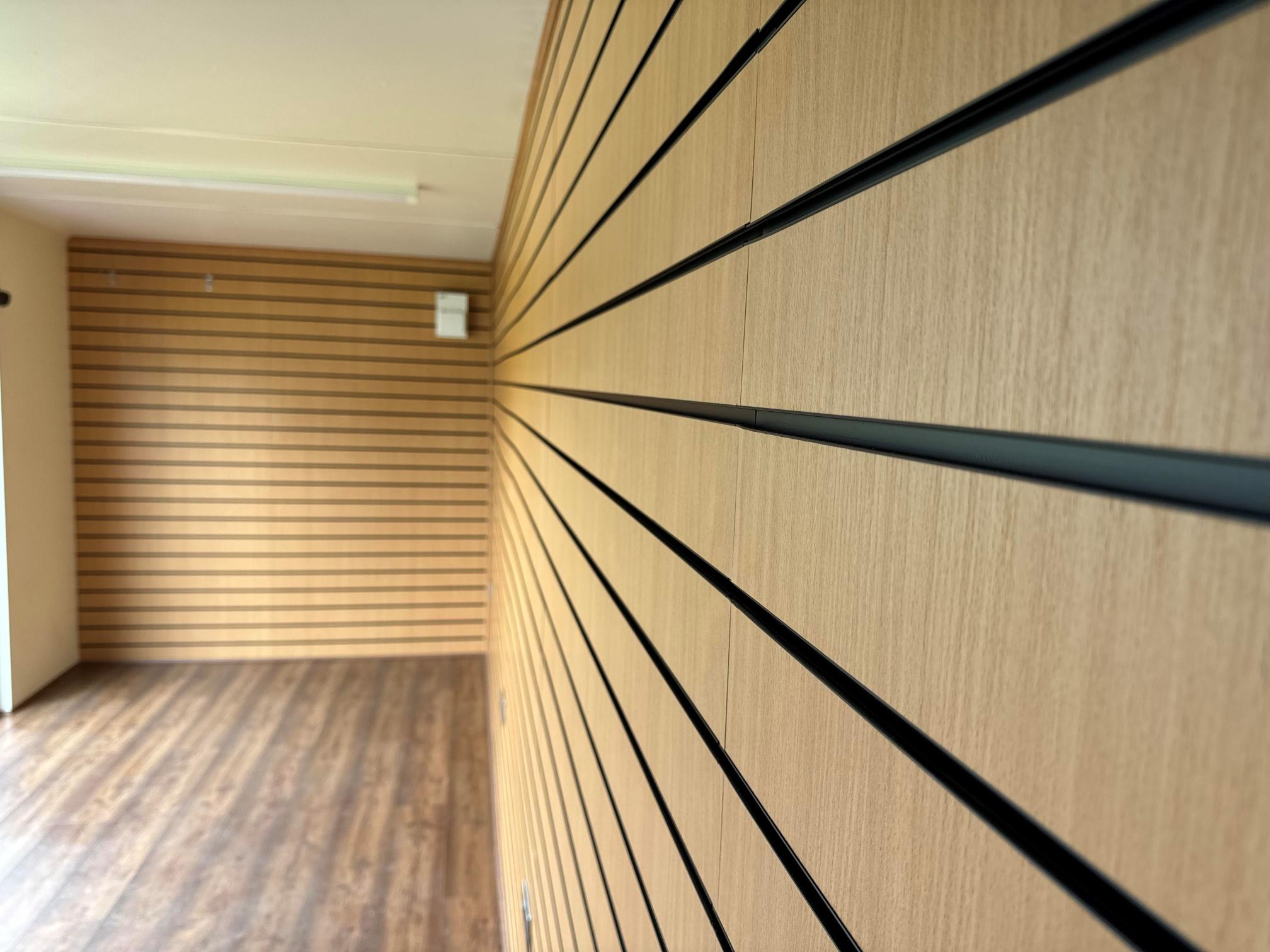
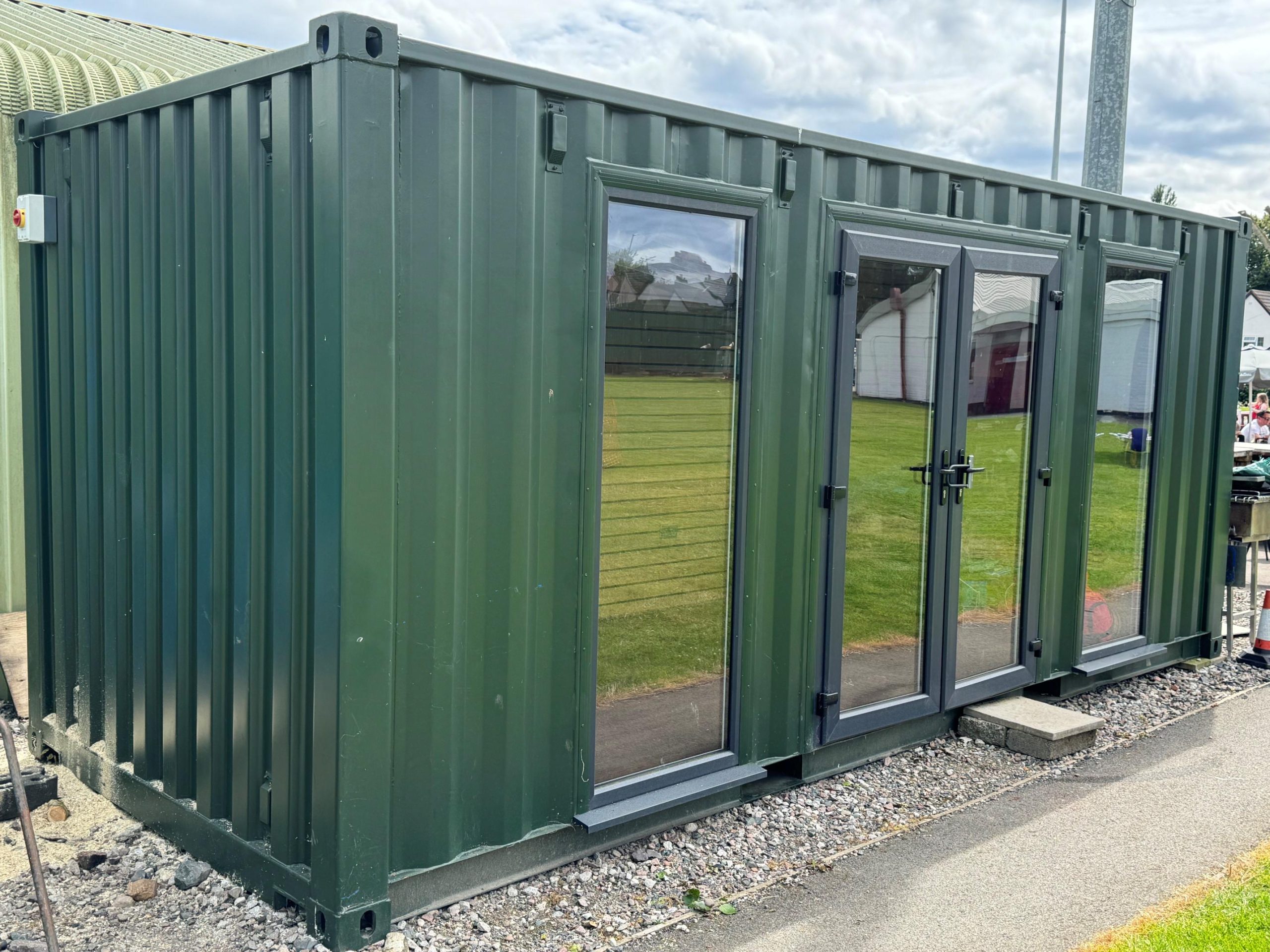
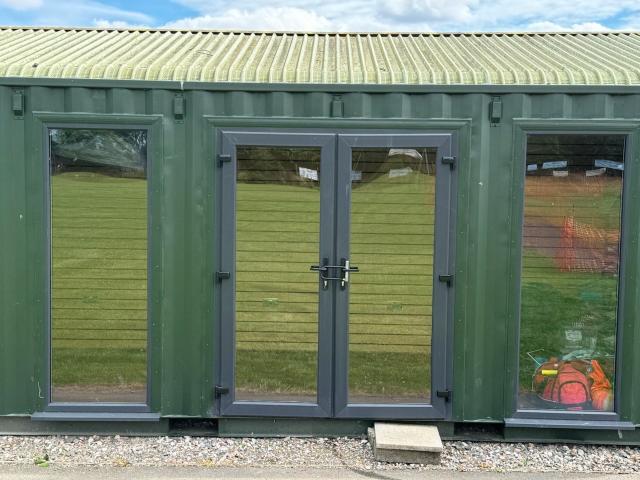
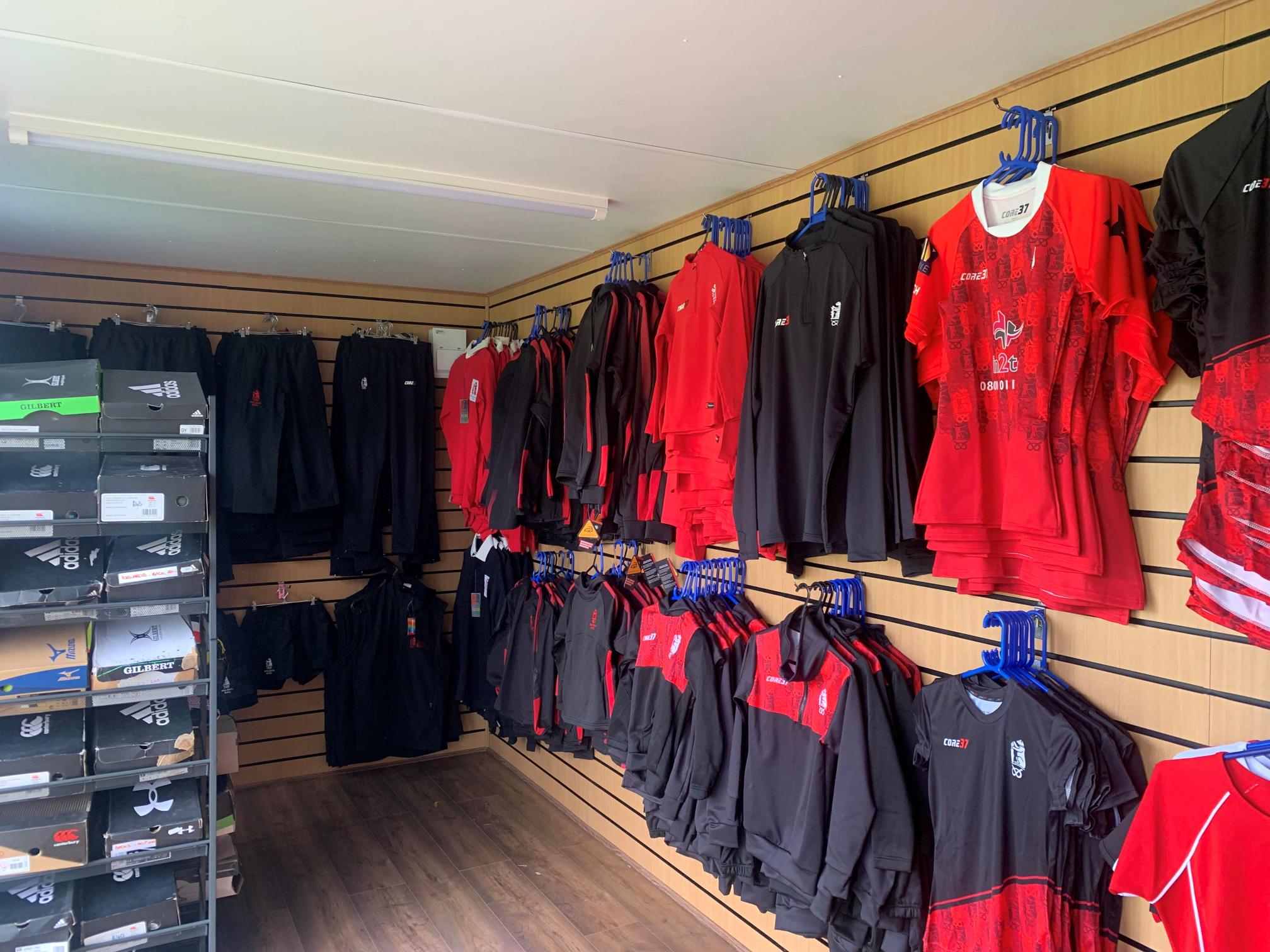
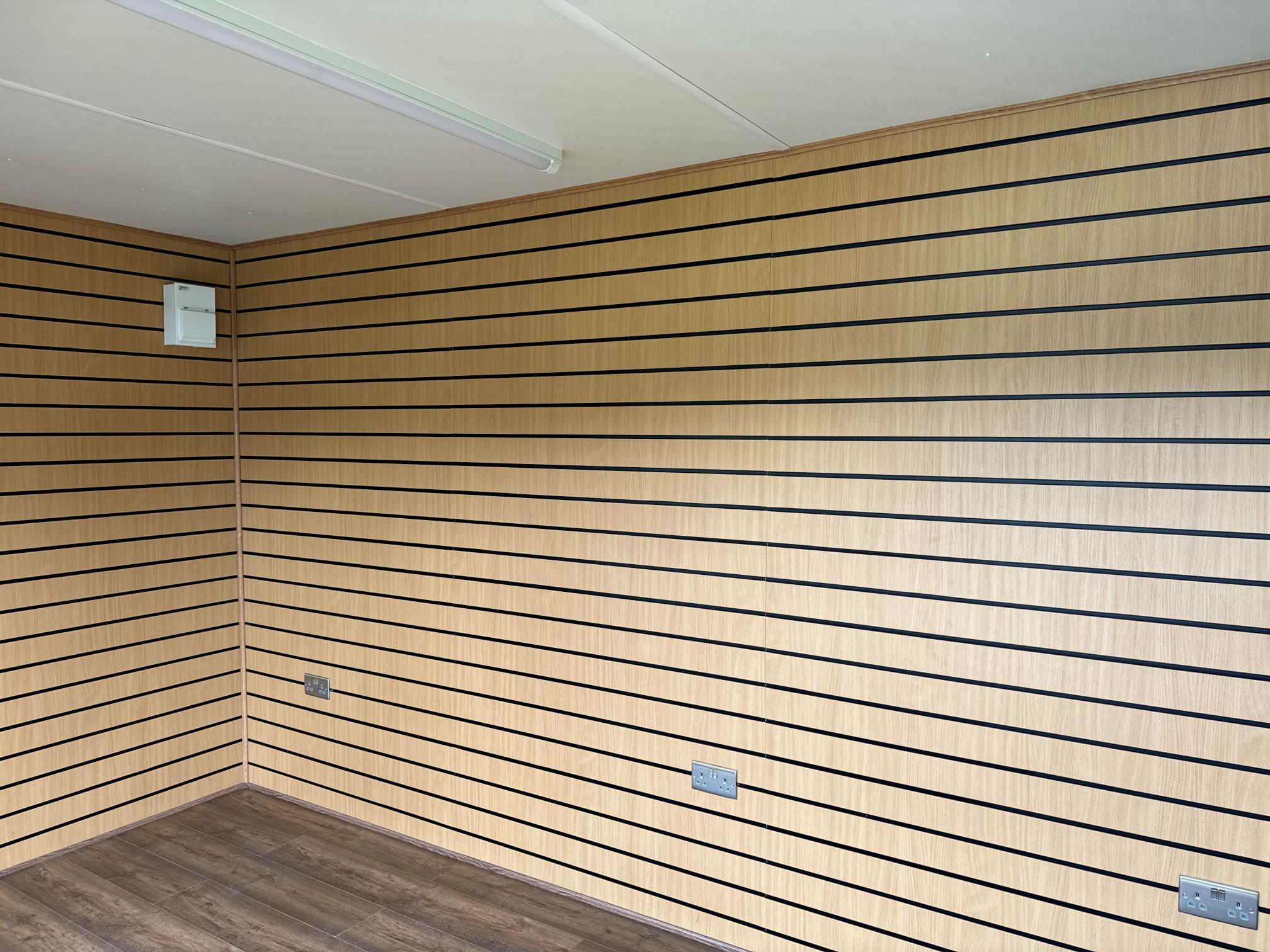
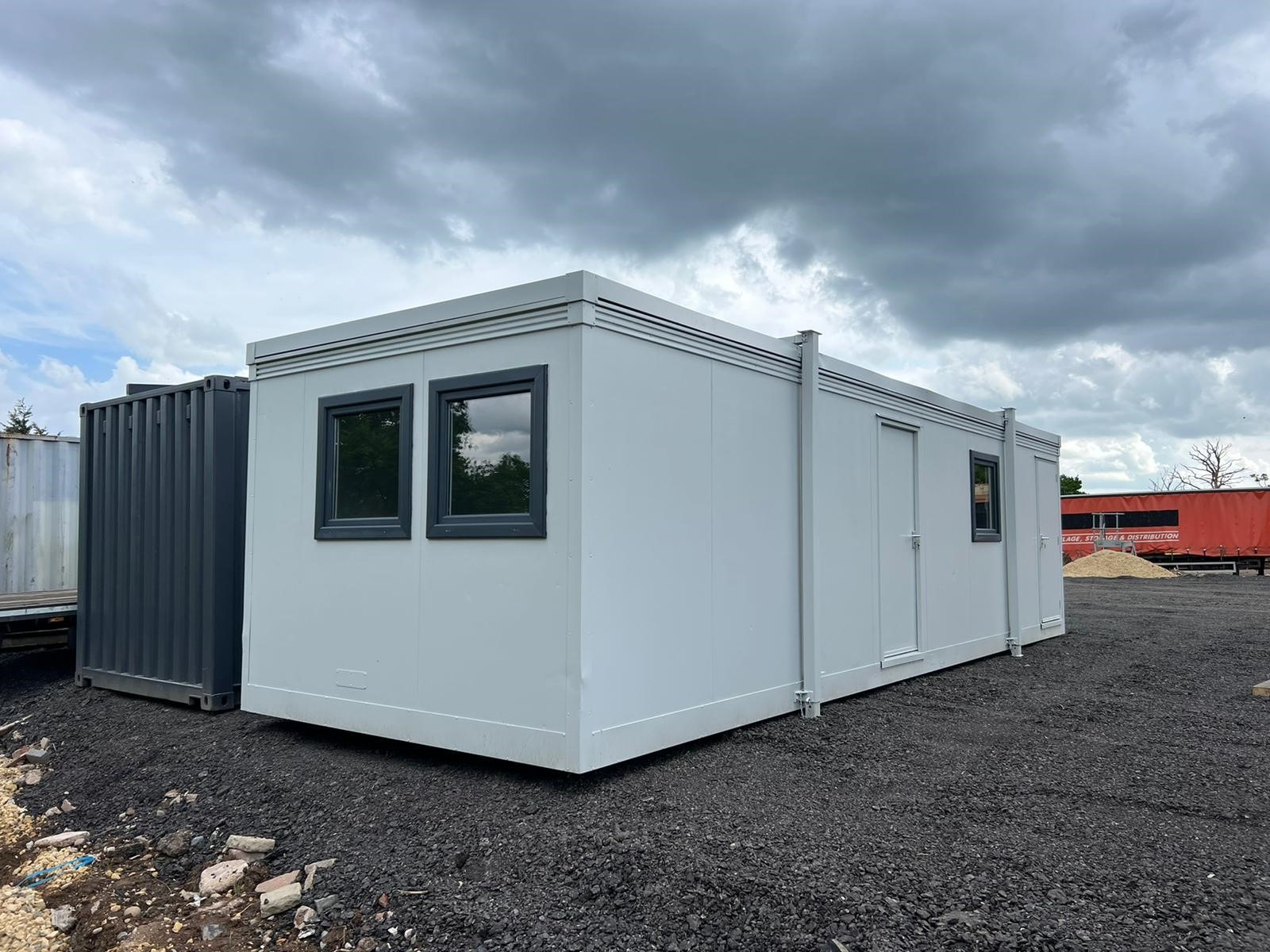
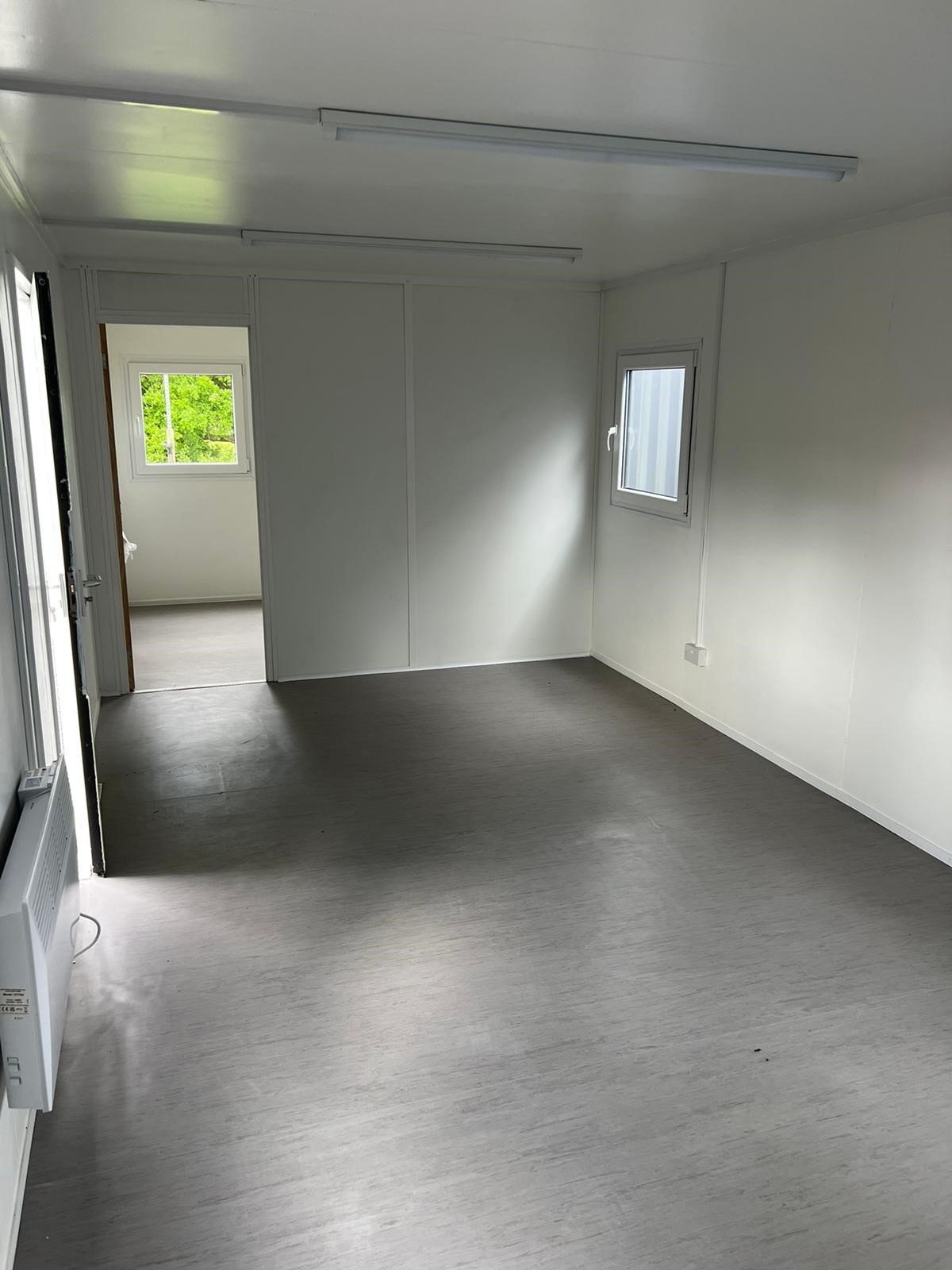
20ft x 8ft Container Conversion Retail Shop
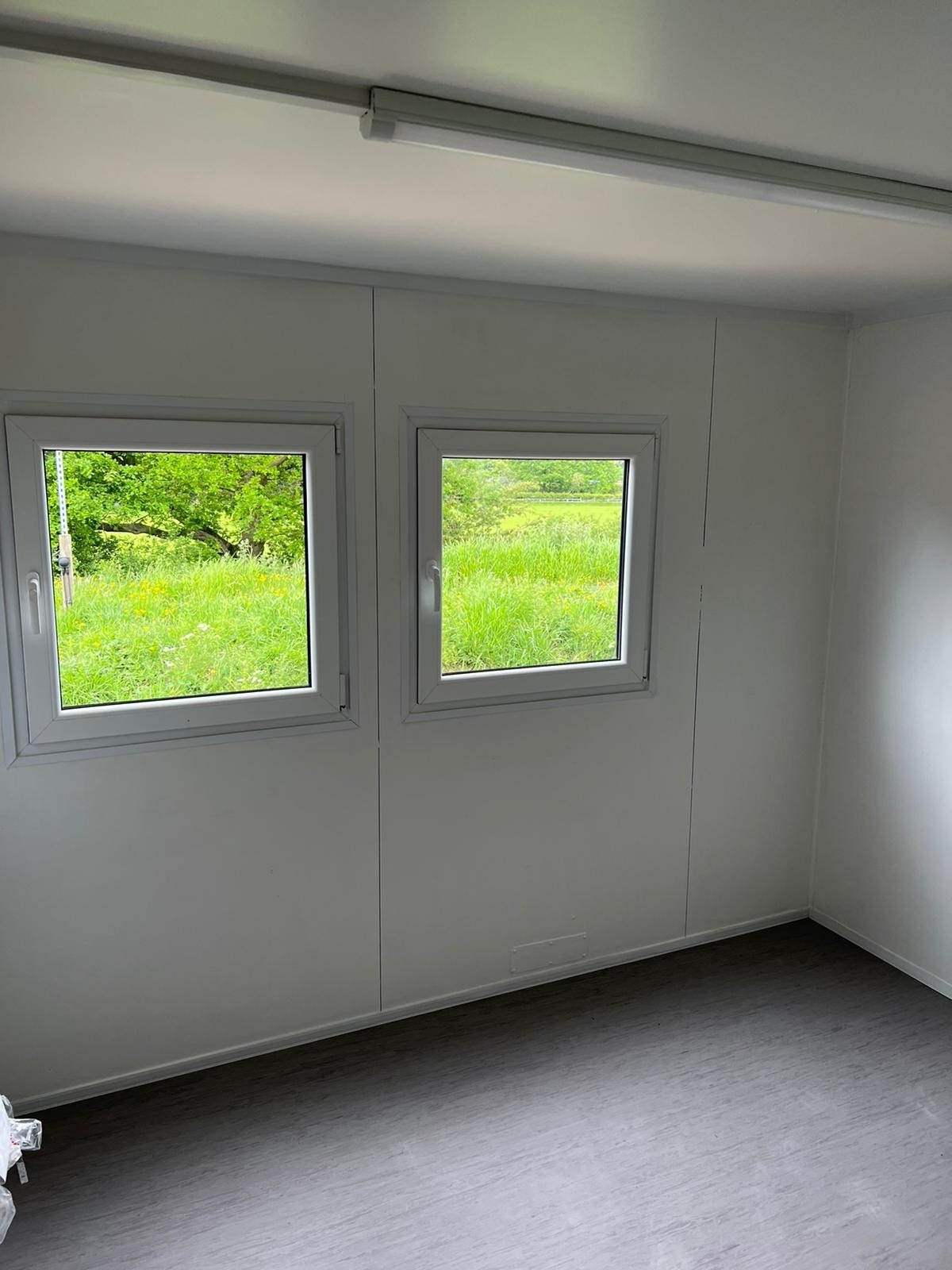
UPVC Double glazed Windows + French Doors
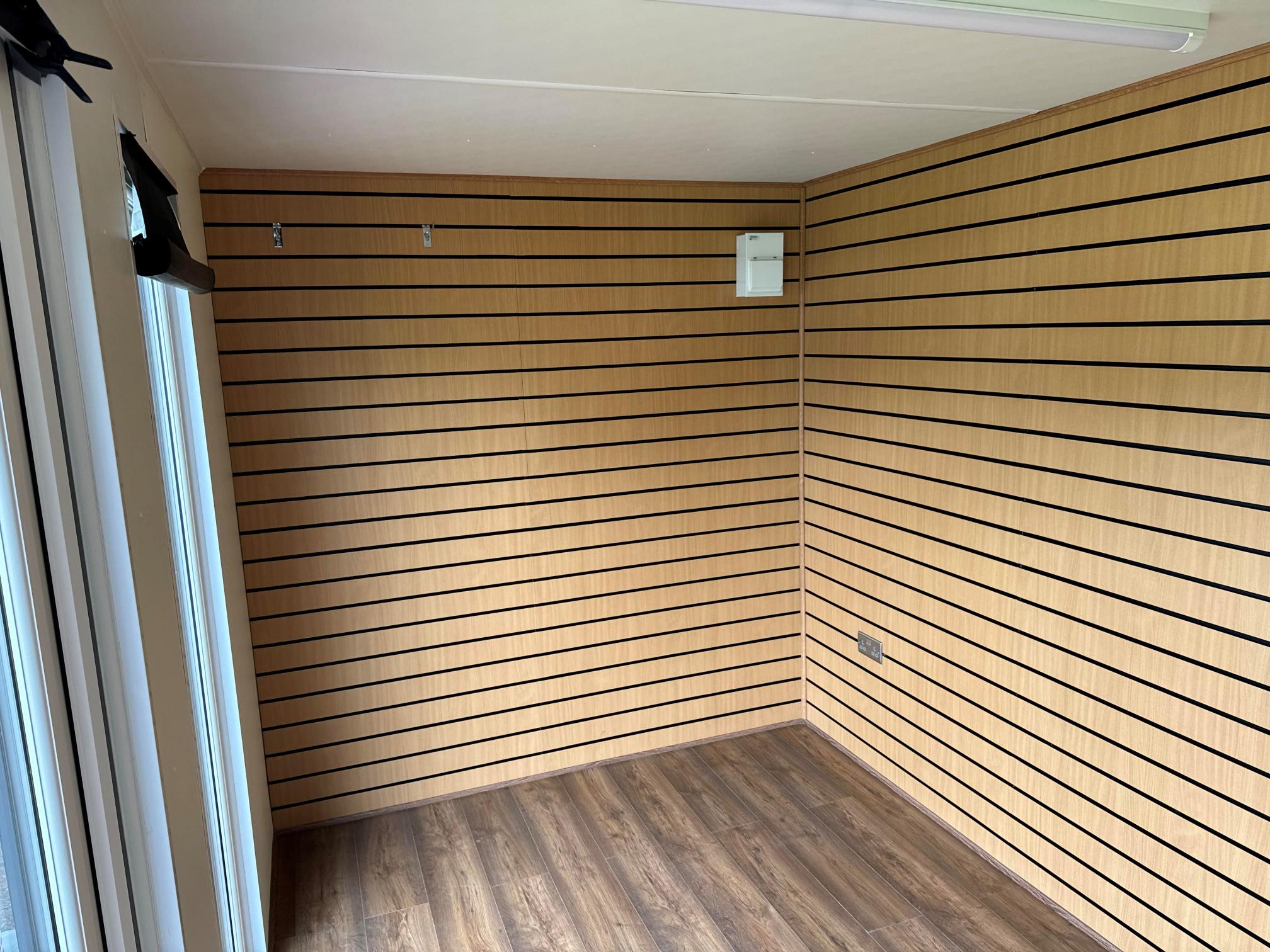
Slat Wall for retail fixings and Merchandise
Electric Chrome Sockets, led lighting and heating.
Laminate Flooring
12 months Warranty
Maintenance call out package included
Less than 2 years old
Still in Brand New Condition
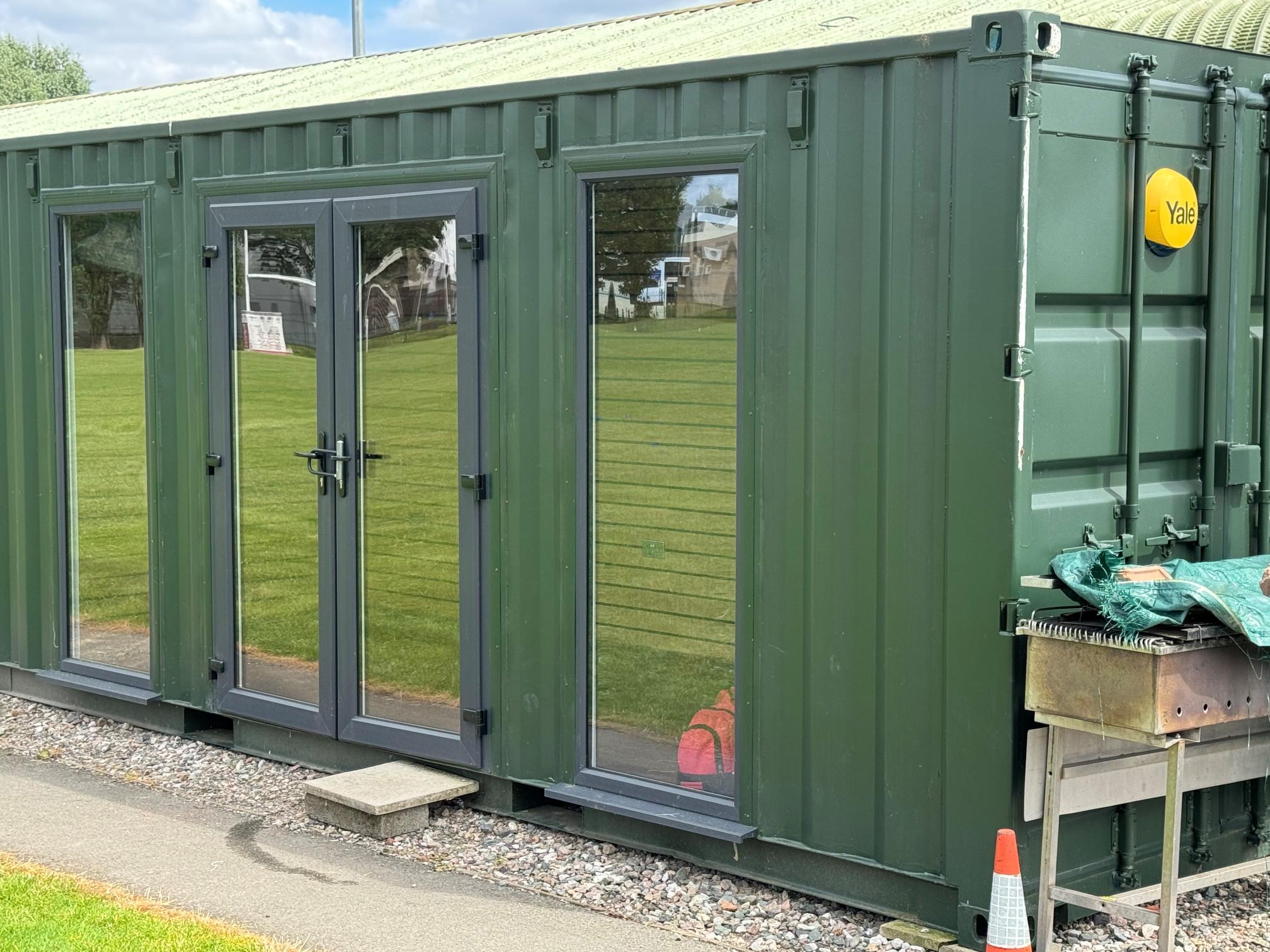

Fully refurbished
Colour light grey
Slate grey anthracite upvc double glazed windows
Location: Nationwide
+ VAT
Not Available for Hire
Call for an instant quote!
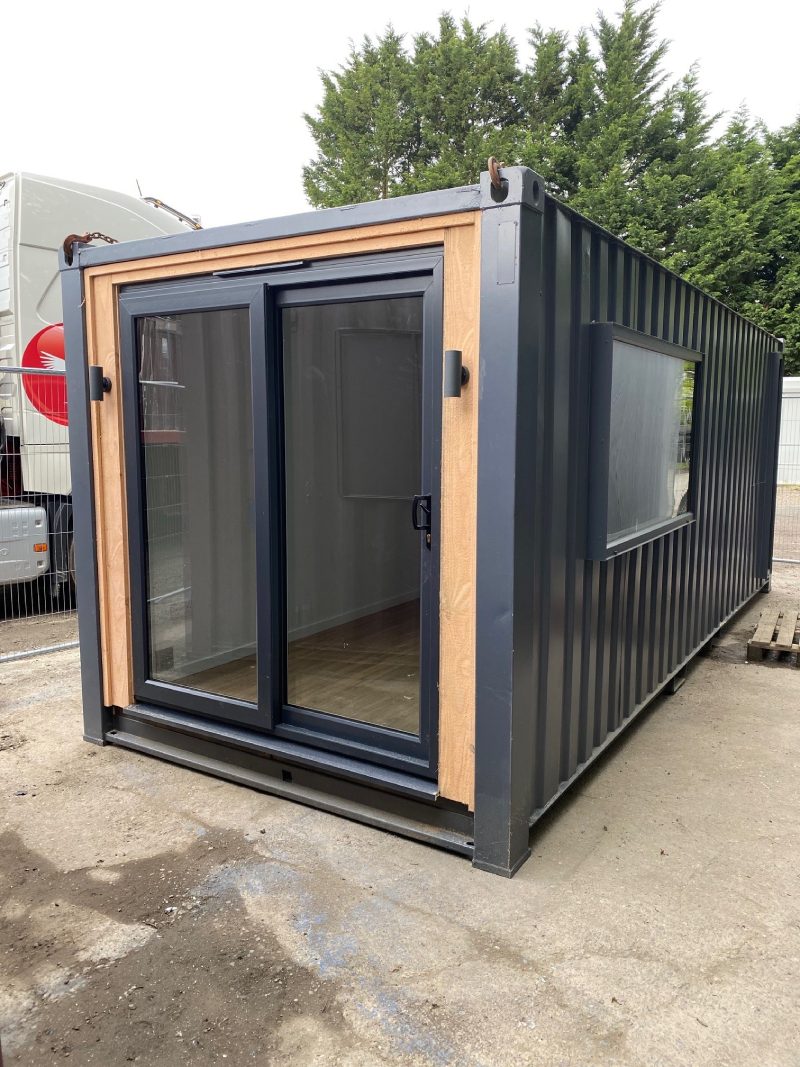
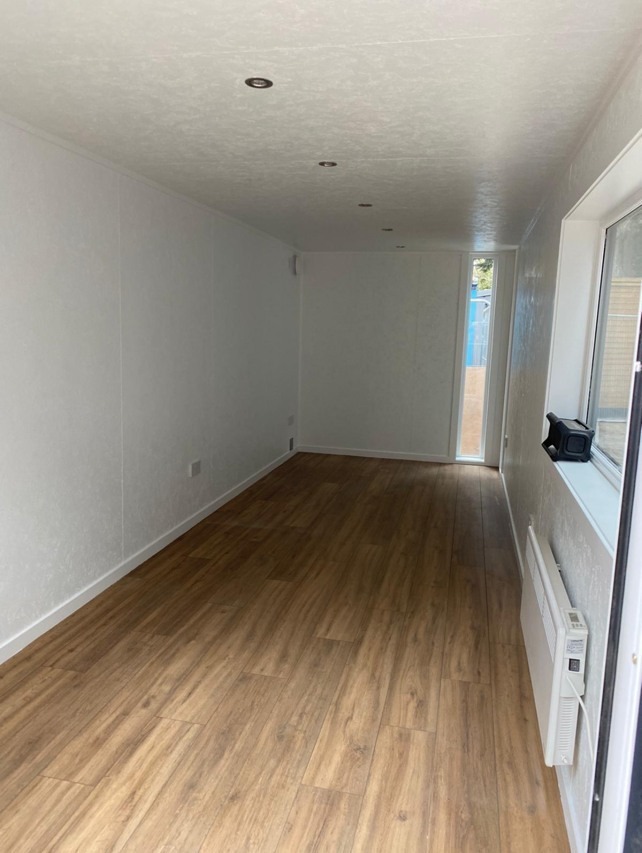
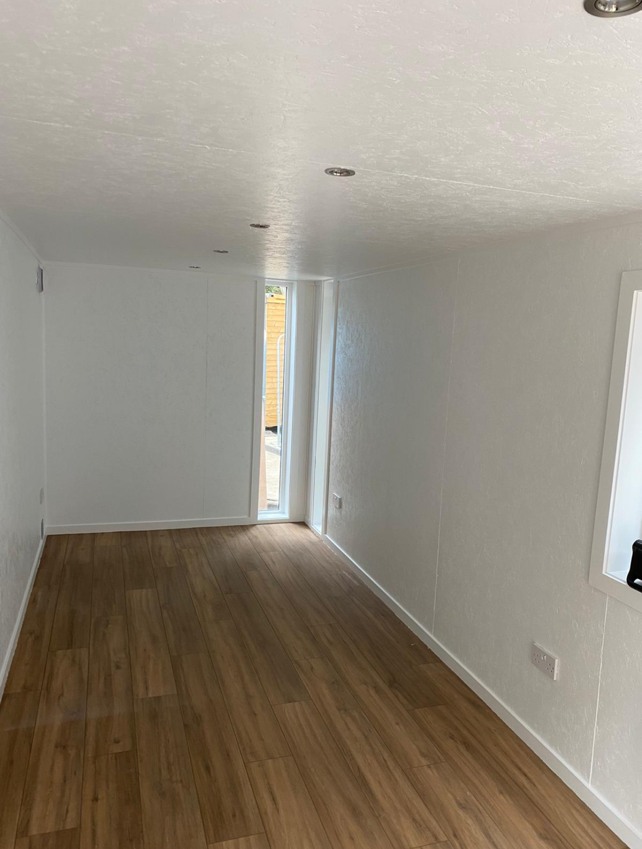
Fully Insulated with electric sockets, spot lighting, and heating
Wood Flooring
UPVC Sliding Door + Windows
Lead Time for build 6-8 weeks
Location: Nationwide
+ VAT
Not Available for Hire
Call for an instant quote!
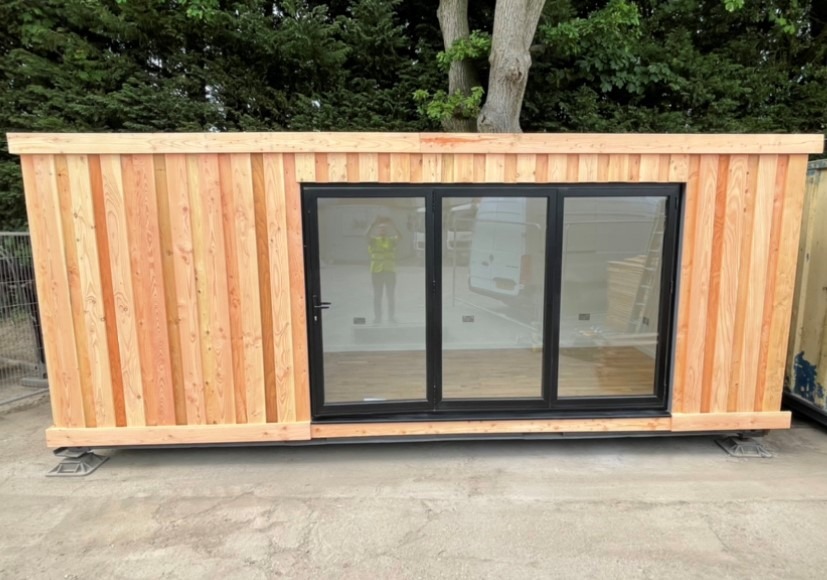
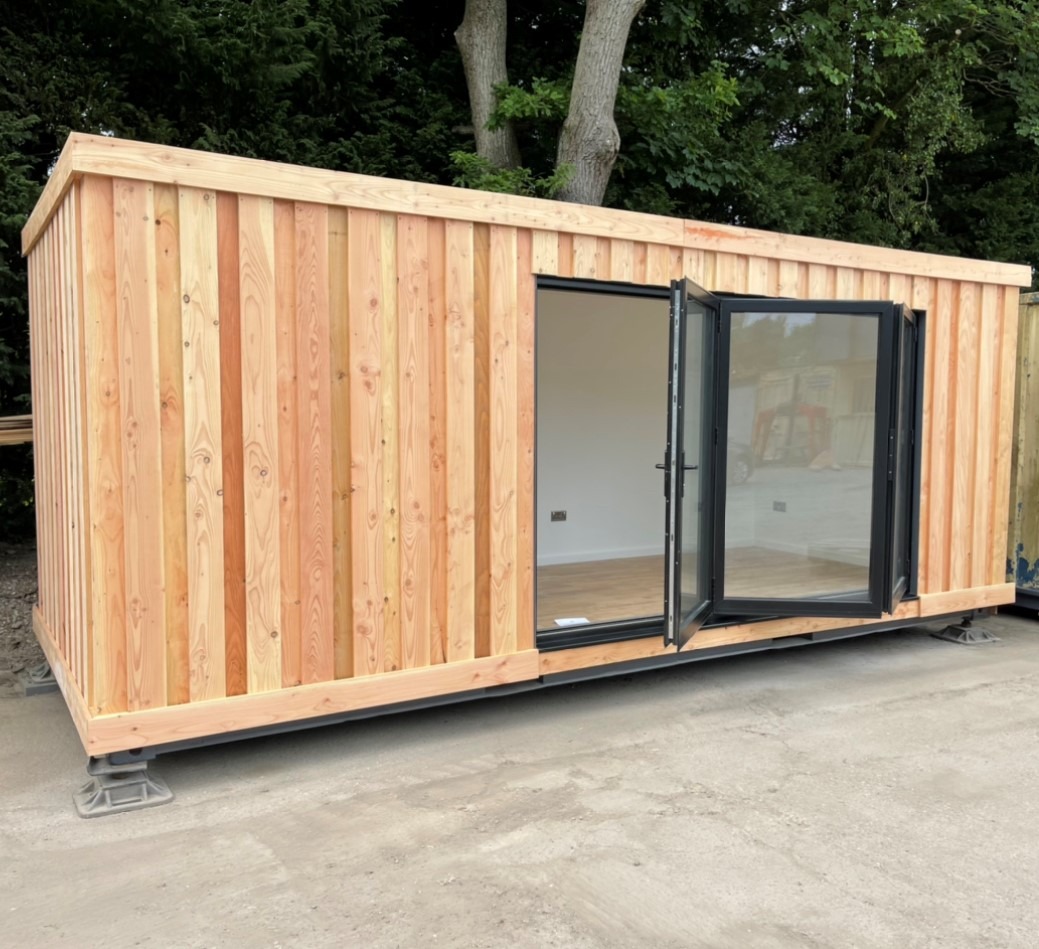
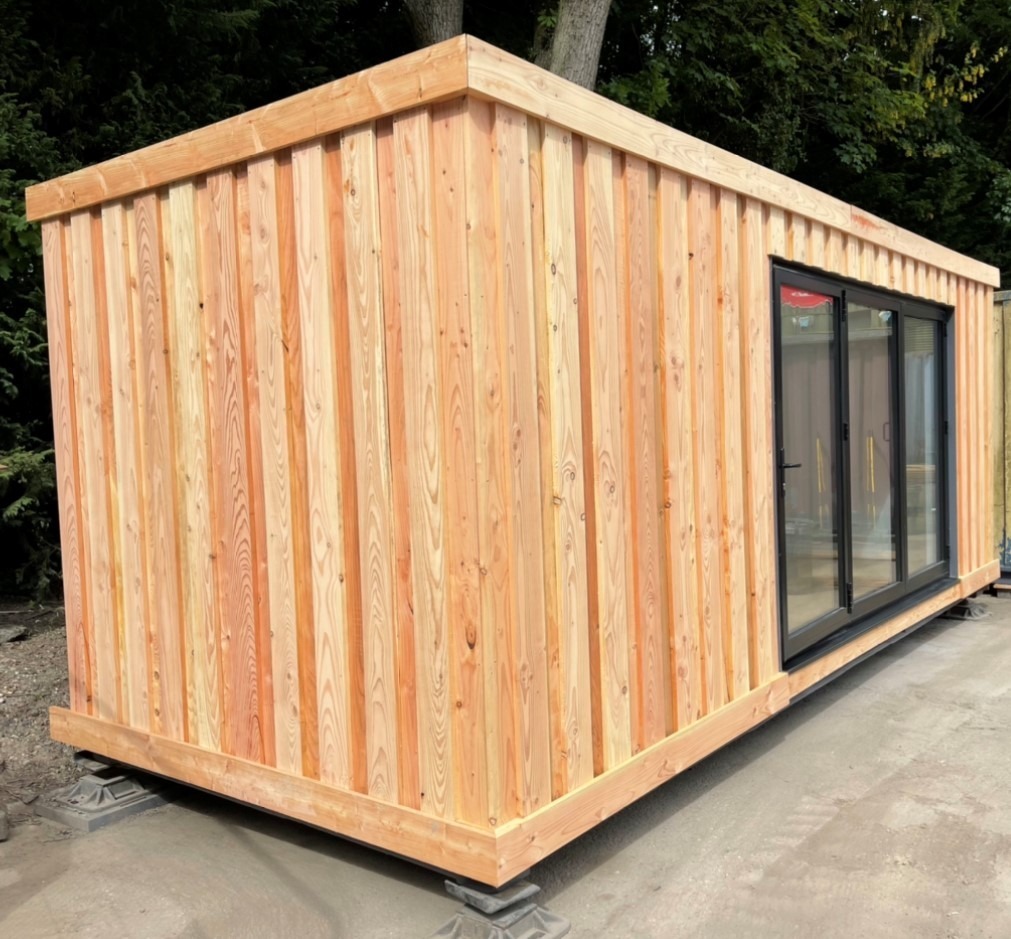
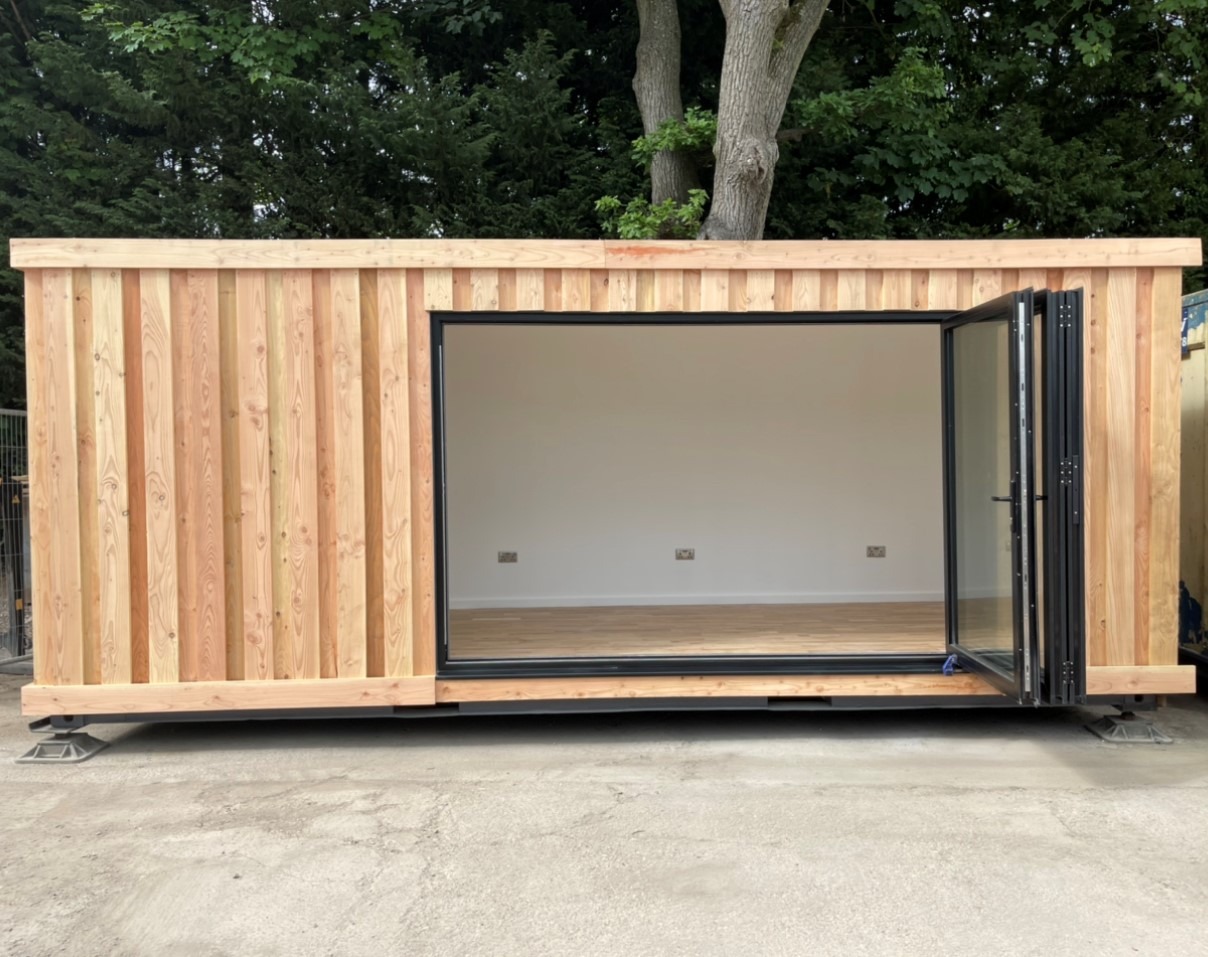
Fully Insulated with electric sockets, spot lighting, and heating
Wood Flooring
Aluminium Bi Fold Doors
Fully wrapped in larch cladding
Lead Time for build 6-8 weeks
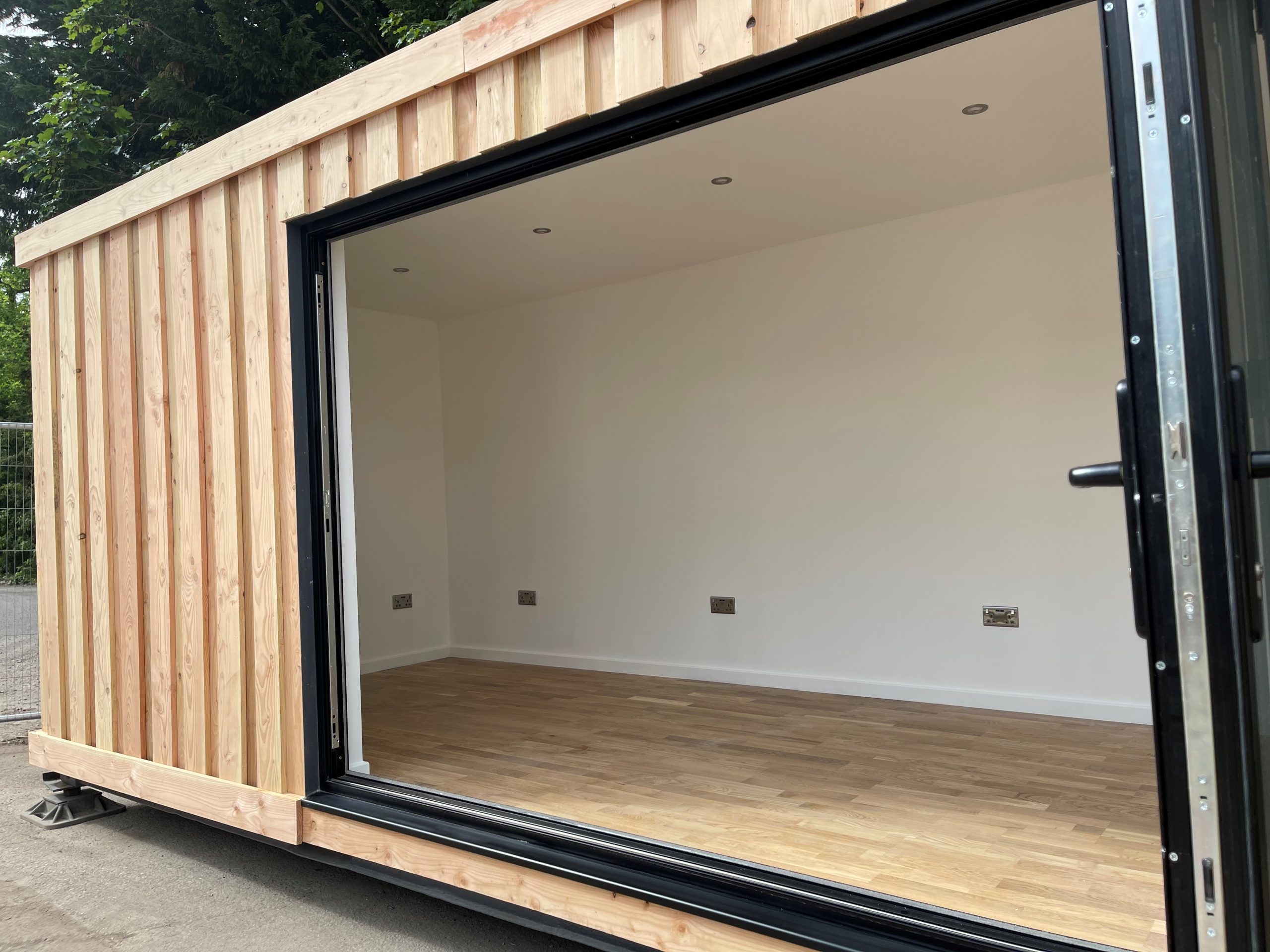
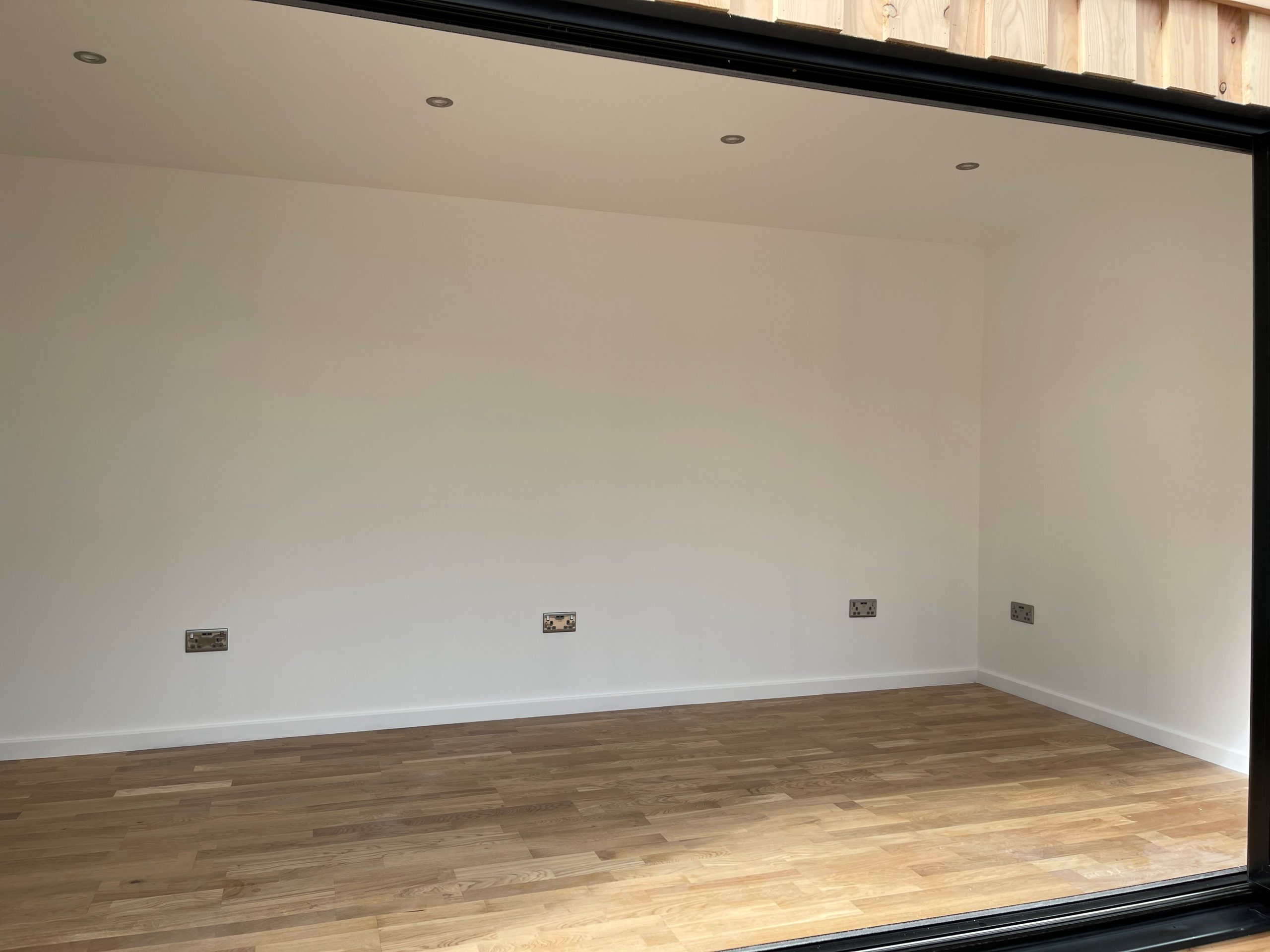
Location: Nationwide
+ VAT
Not Available for Hire
Call for an instant quote!
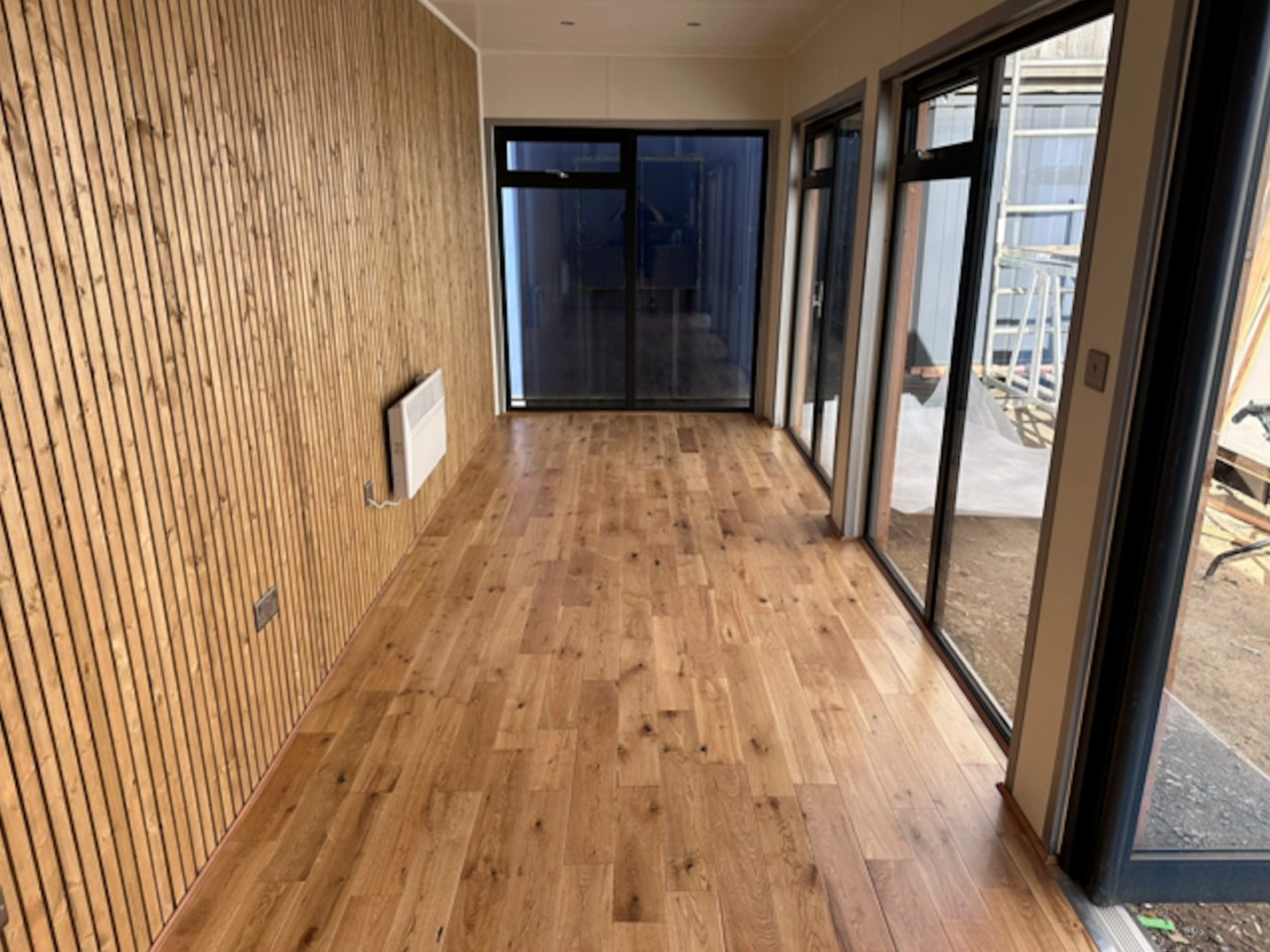
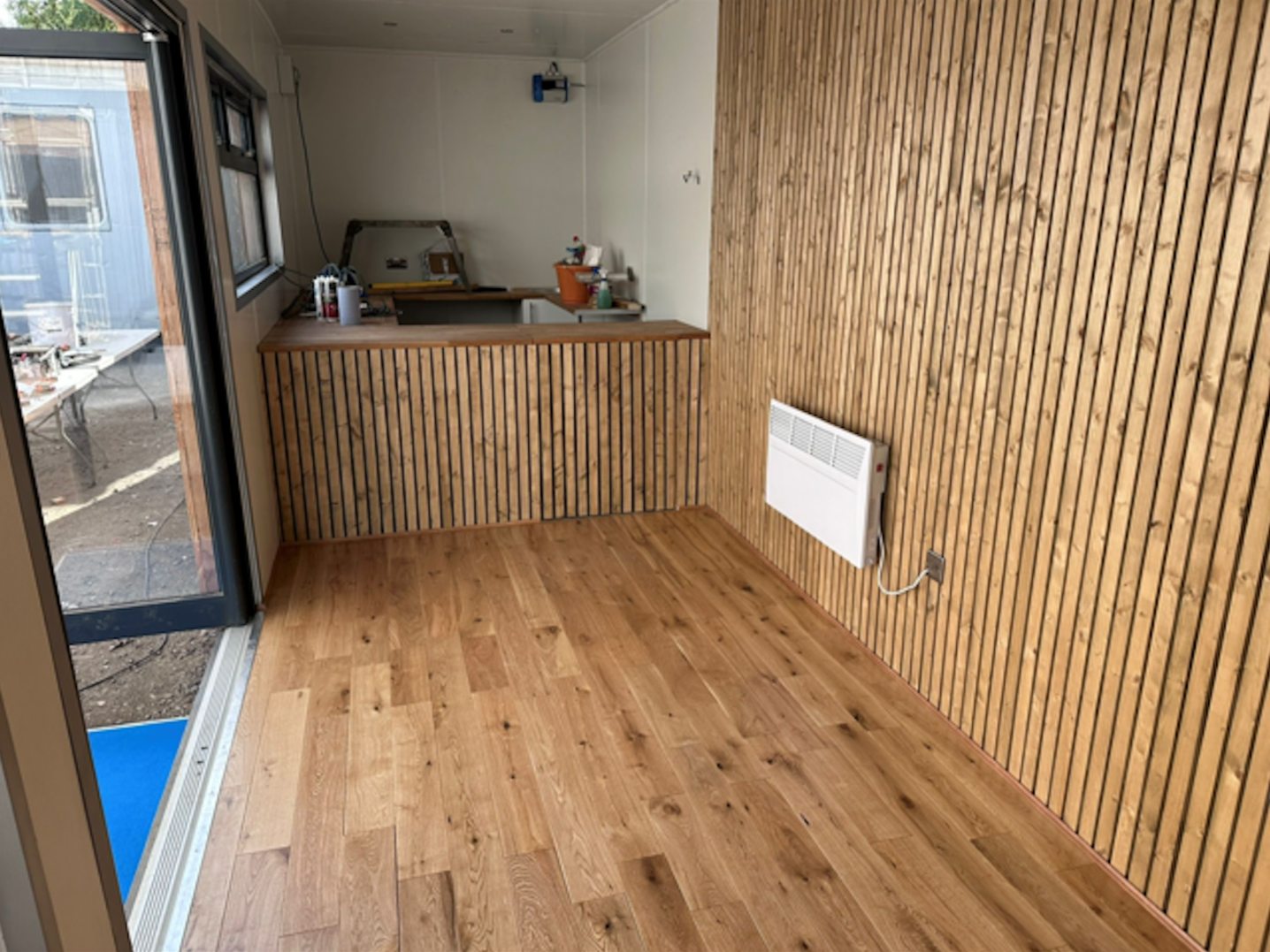
Fully Insulated with electric sockets, spot lighting, and heating
Wood Flooring
Feature Clad Wall and Ceiling
UPVC Double glazed French Doors
Fully wrapped in larch cladding
Lead Time for build 6-8 weeks
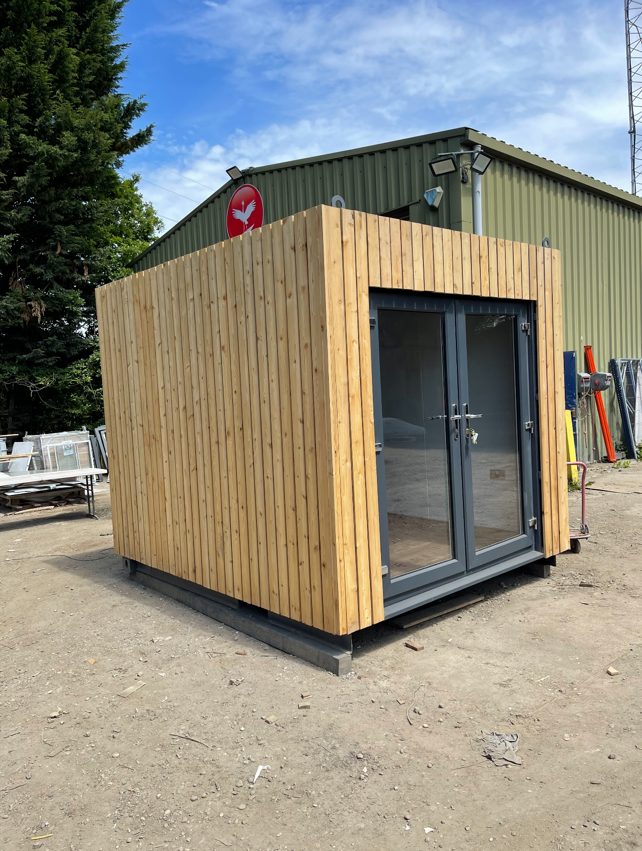
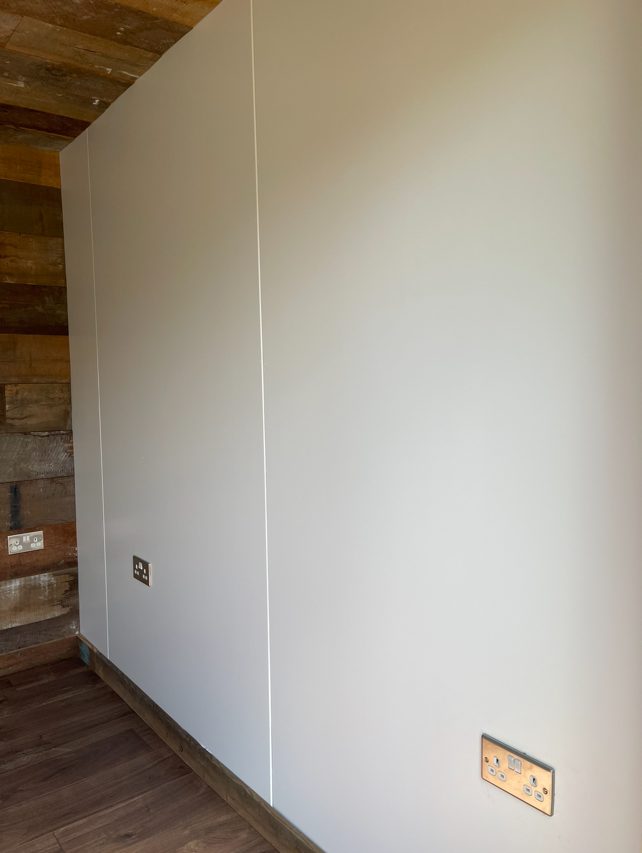
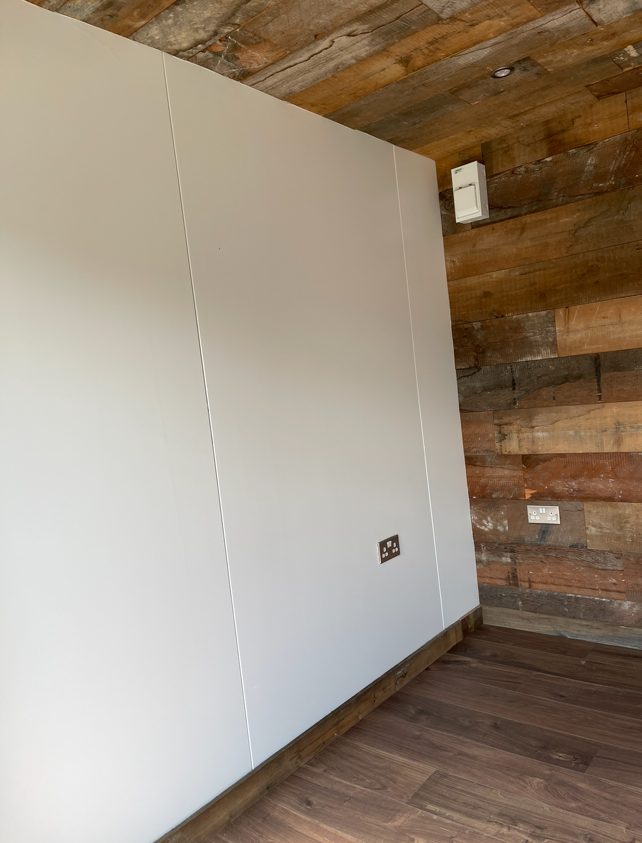
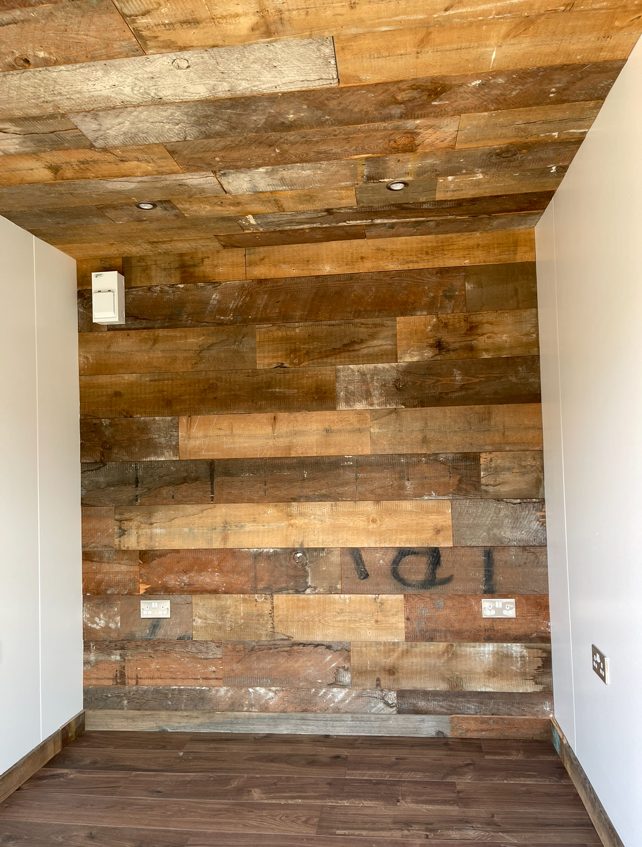
Location: Nationwide
EX VAT
Not Available for Hire
Call for an instant quote!
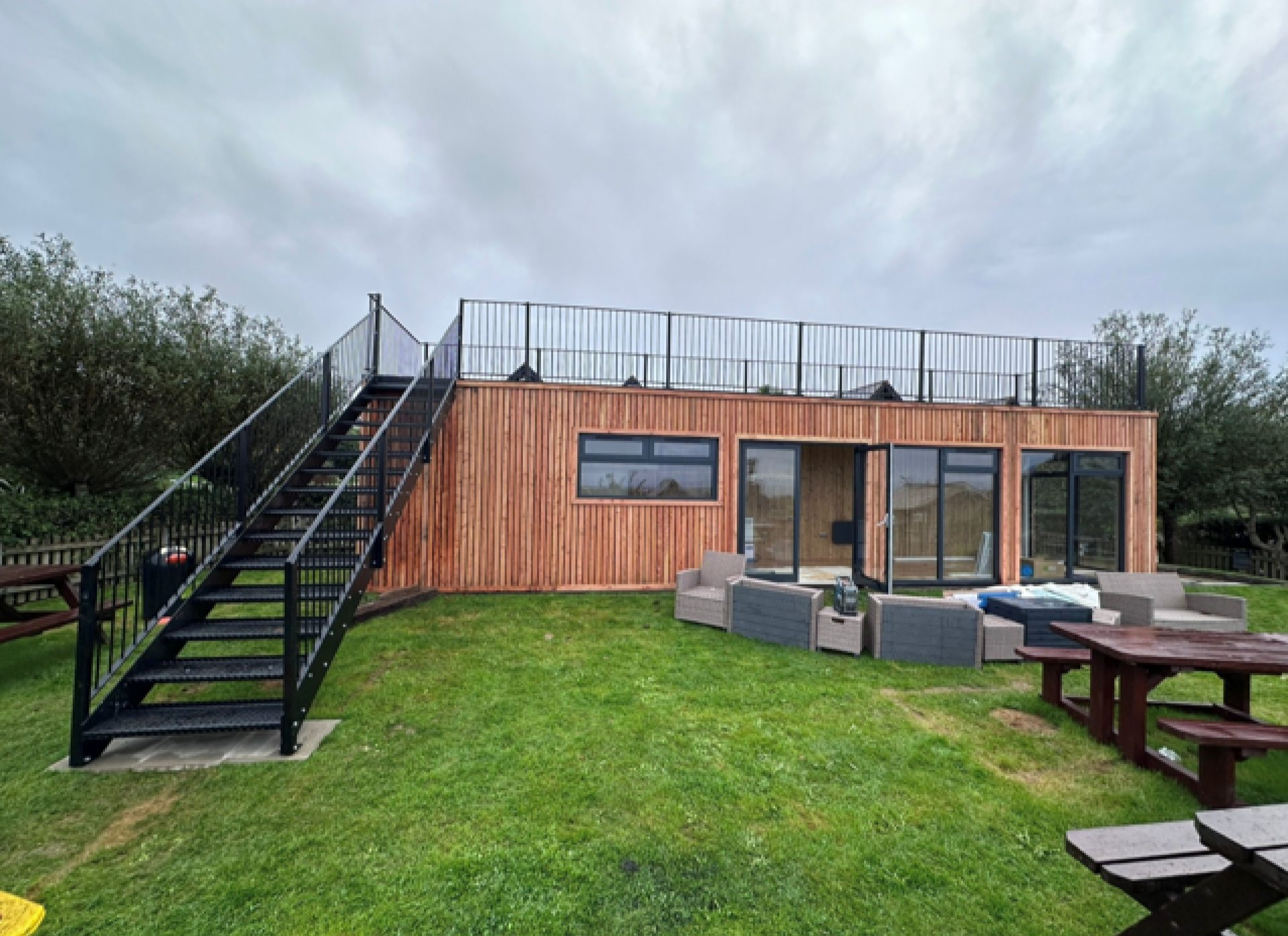
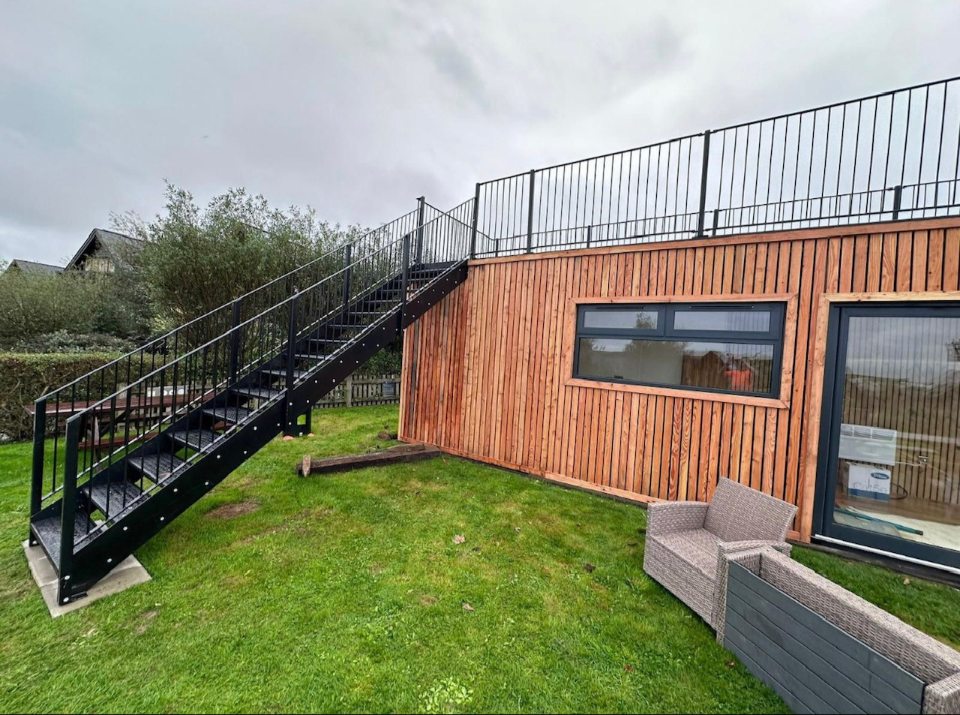
Location: Nationwide
EX VAT
Not Available for Hire
Call for an instant quote!
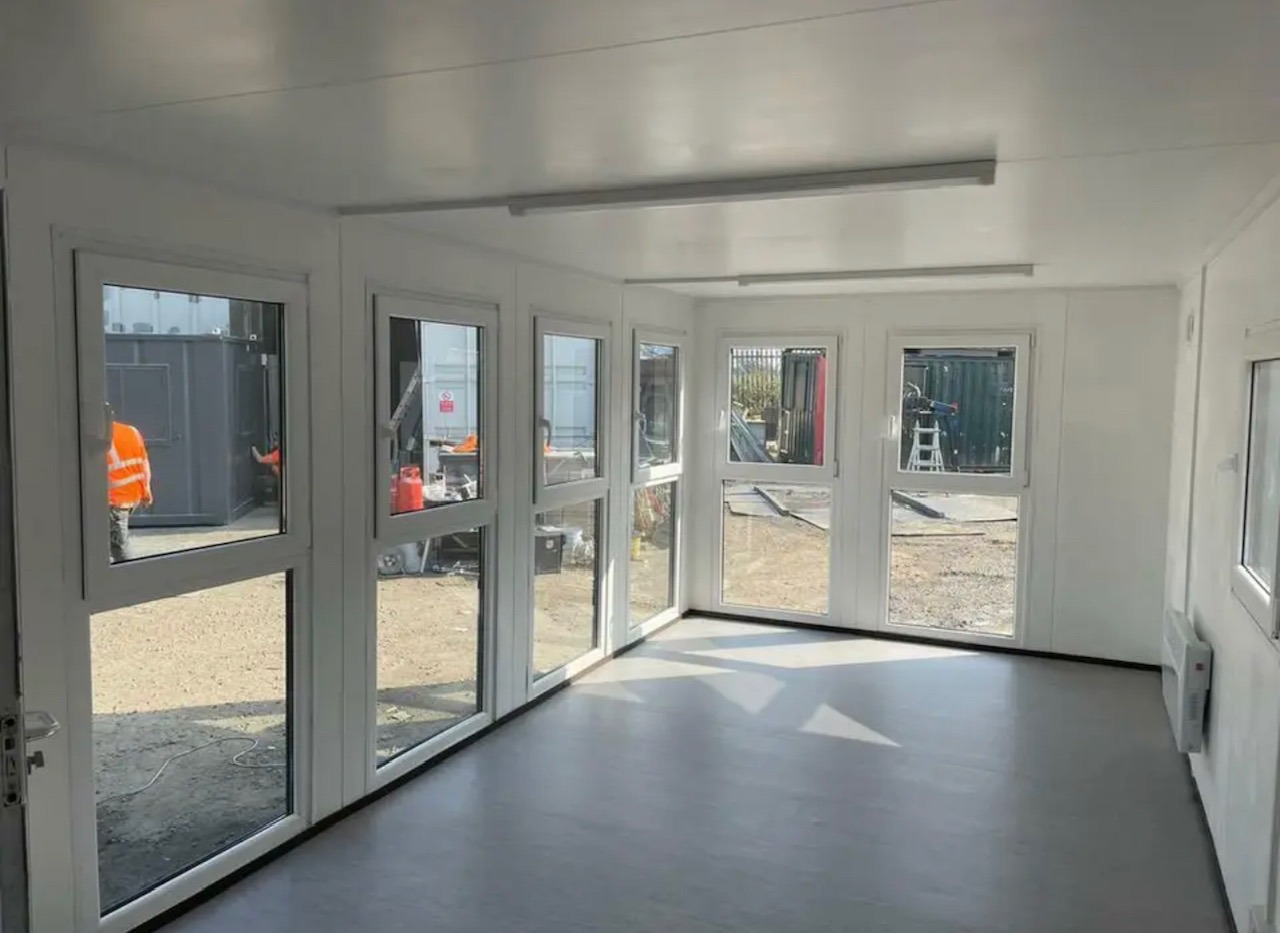
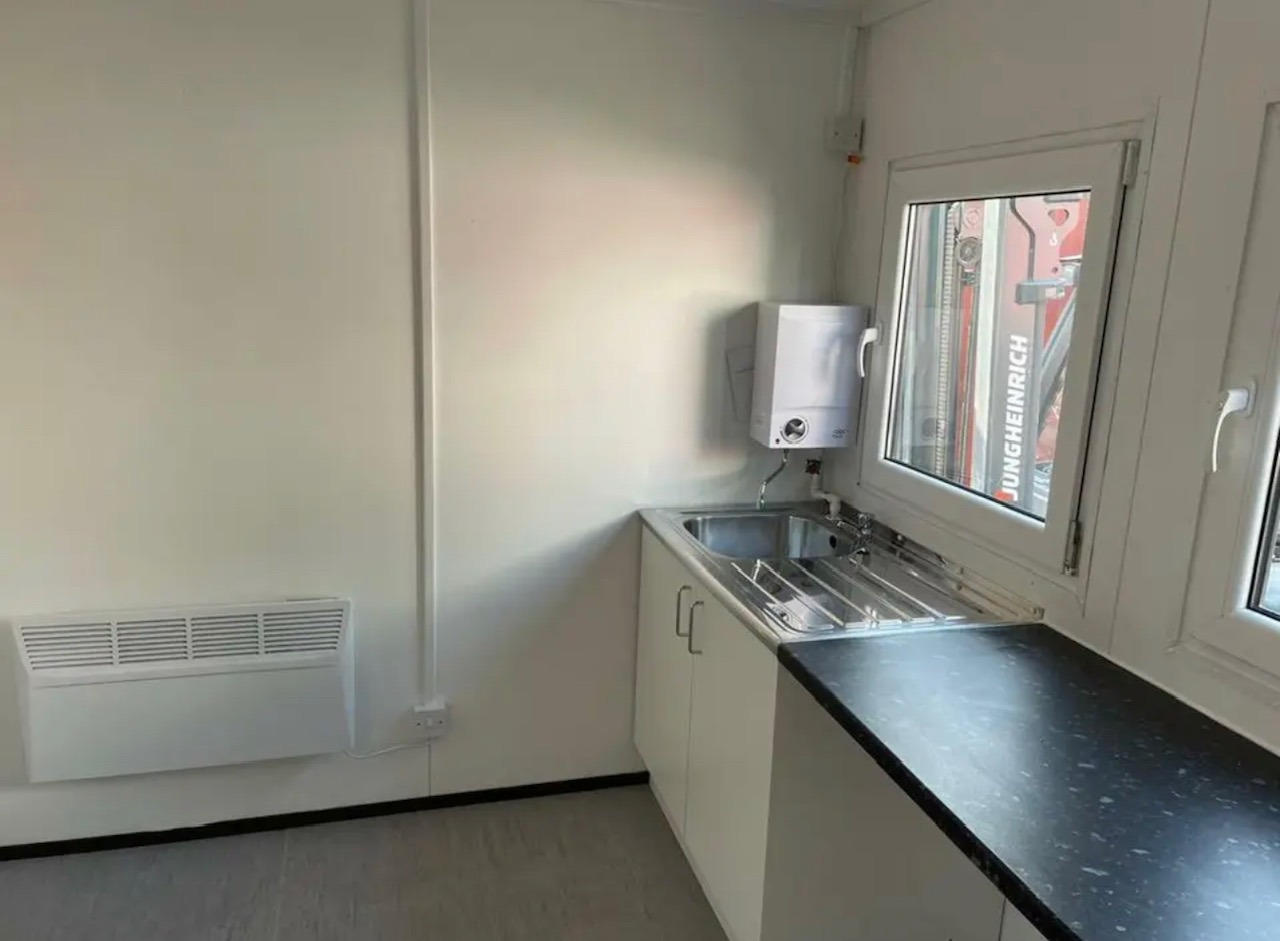
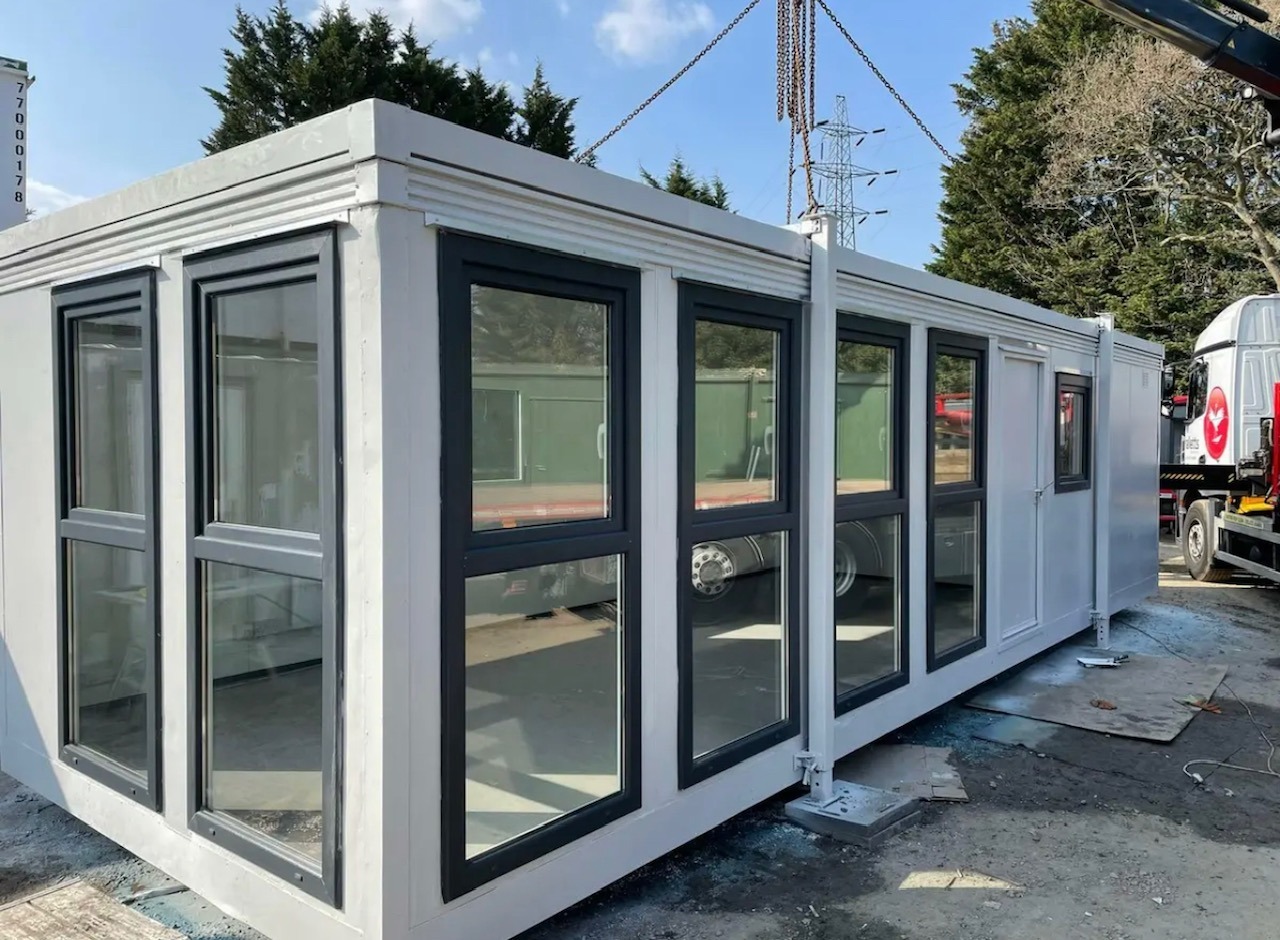
Location: Nationwide
EX VAT
Not Available for Hire
Call for an instant quote!
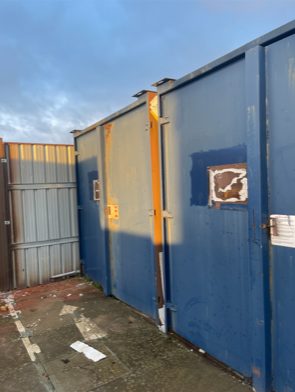
Location: Nationwide
EX VAT
Not Available for Hire
Call for an instant quote!
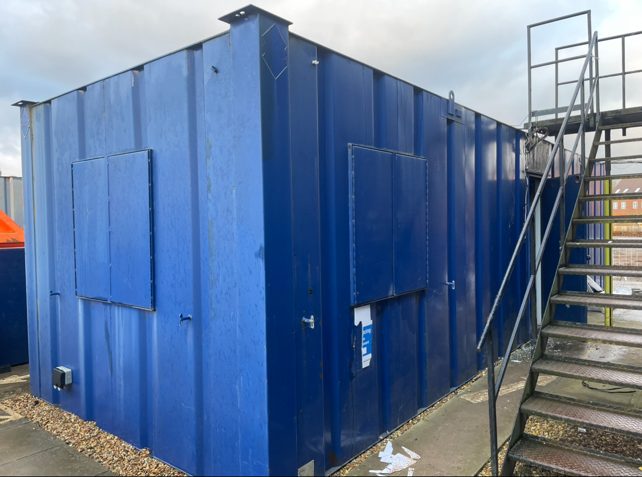
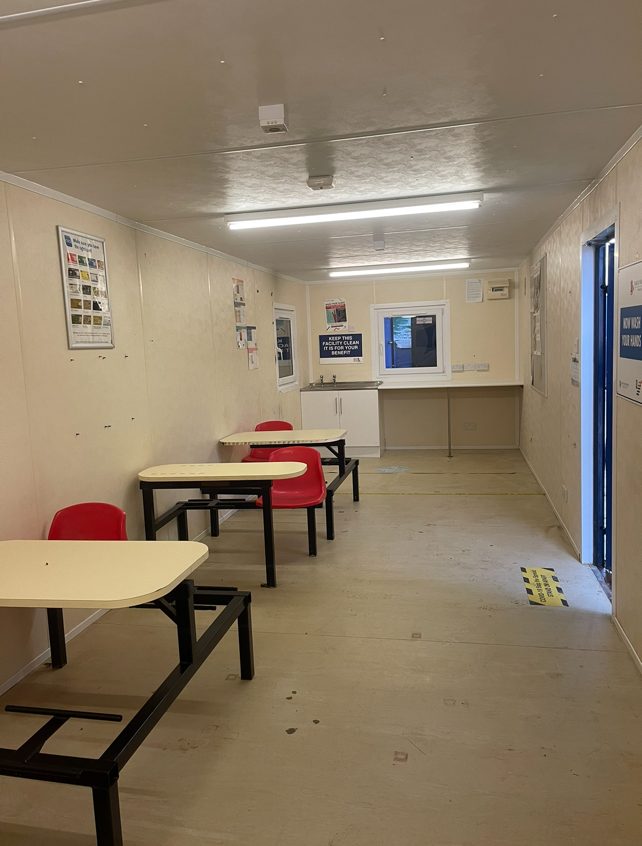
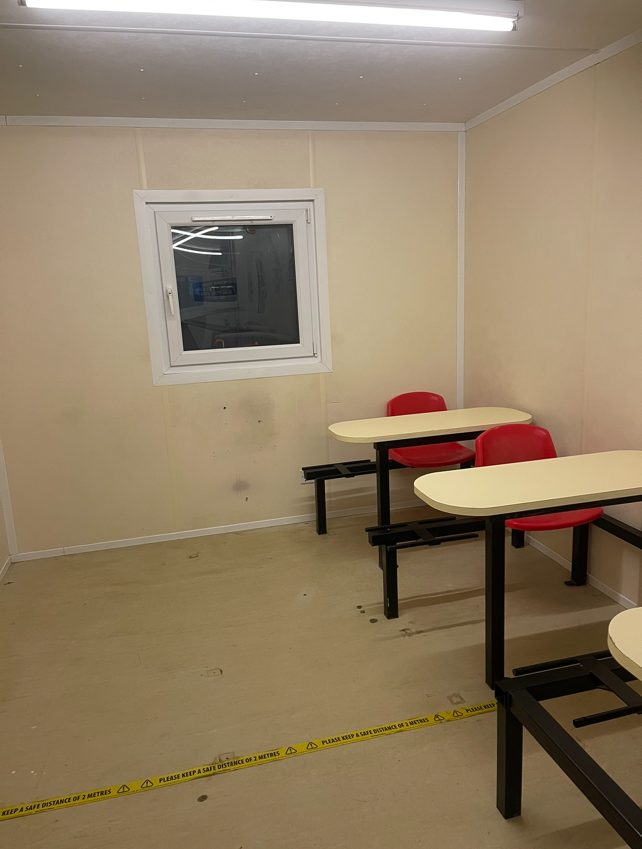
Location: Nationwide
EX VAT
Not Available for Hire
Call for an instant quote!
Location: Nationwide
EX VAT
Not Available for Hire
Call for an instant quote!
Location: Nationwide
EX VAT
Not Available for Hire
Call for an instant quote!
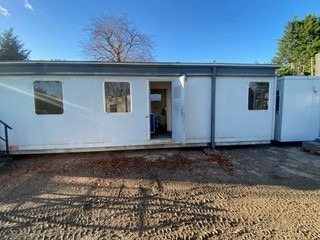
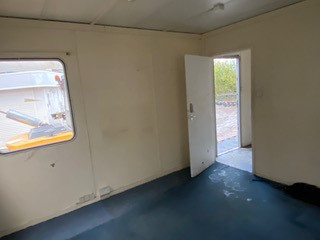
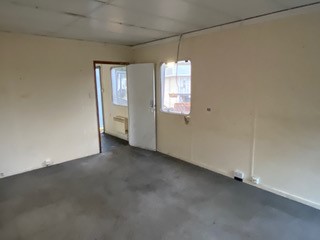
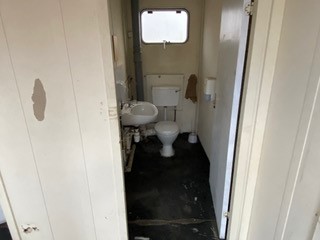
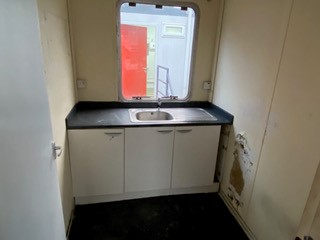
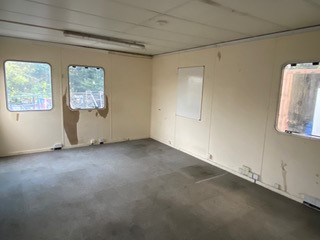
Location: Nationwide
EX VAT
Not Available for Hire
Call for an instant quote!
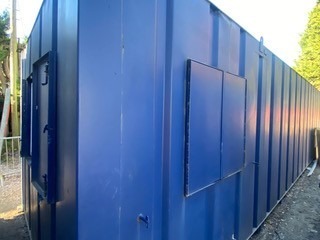
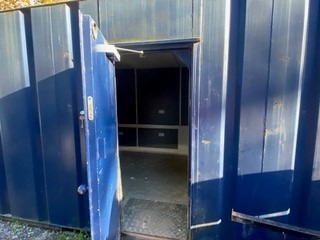
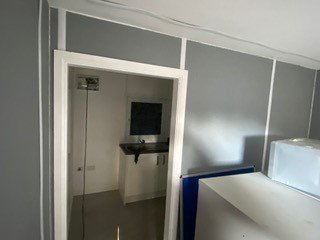
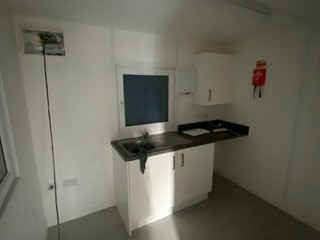
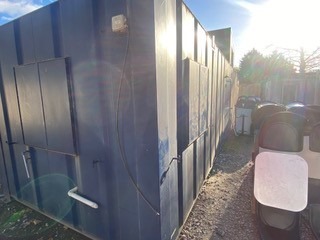
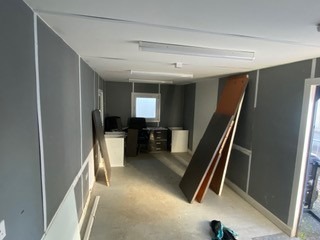
Location: Nationwide
EX VAT
Not Available for Hire
Call for an instant quote!
Location: Nationwide
EX VAT
Not Available for Hire
Call for an instant quote!
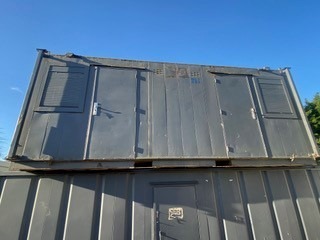
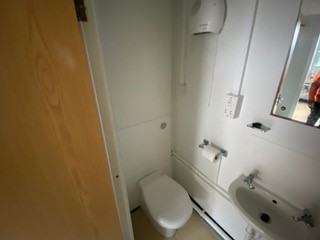
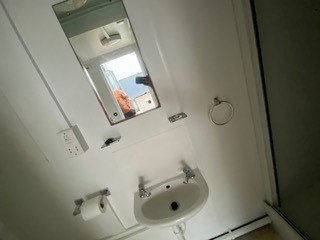
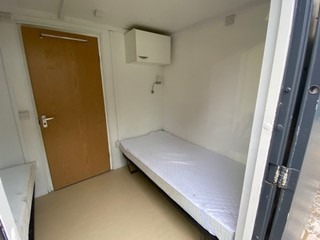
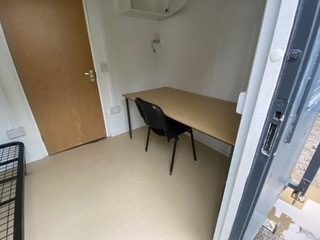
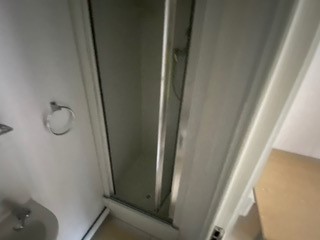
Location: Nationwide
EX VAT
Not Available for Hire
Call for an instant quote!
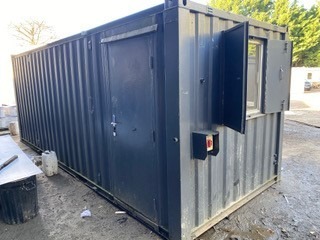
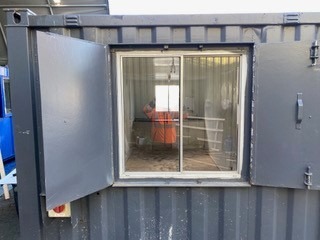
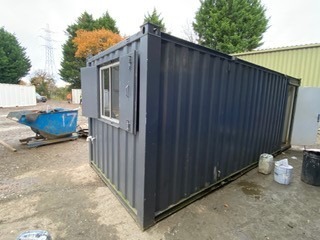
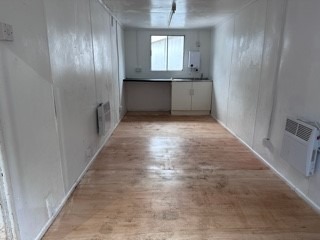
Location: Nationwide
EX VAT
Not Available for Hire
Call for an instant quote!
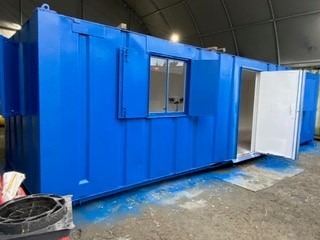
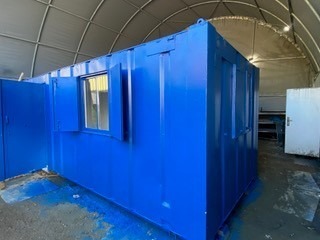
Location: Nationwide
EX VAT
Not Available for Hire
Call for an instant quote!
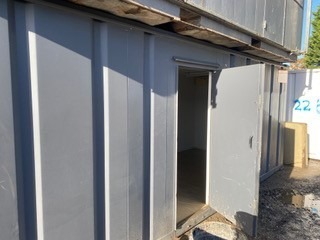
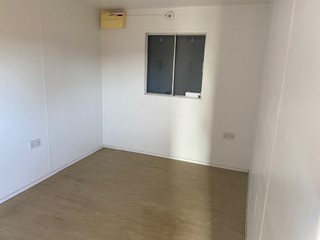
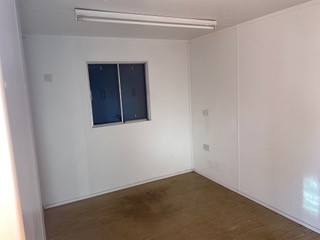
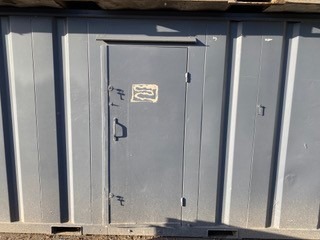
Location: Nationwide
EX VAT
Not Available for Hire
Call for an instant quote!
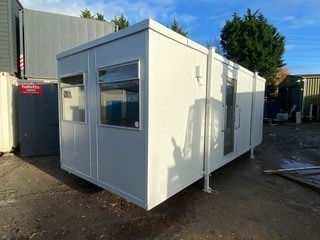
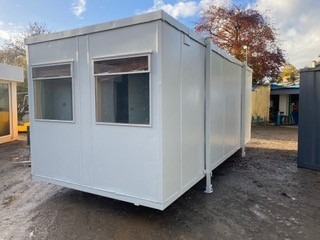
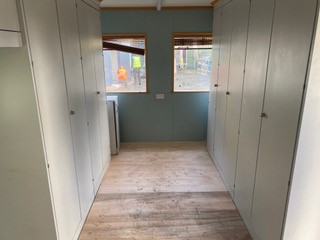
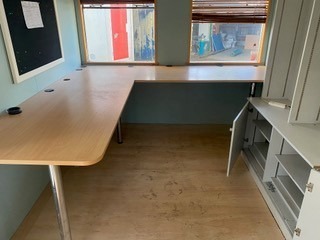
Location: Nationwide
EX VAT
Not Available for Hire
Call for an instant quote!
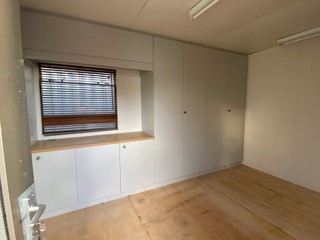
Location: Nationwide
EX VAT
Not Available for Hire
Call for an instant quote!
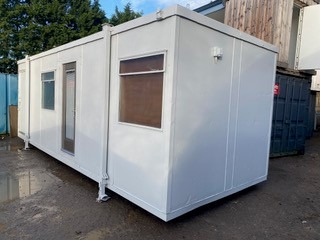
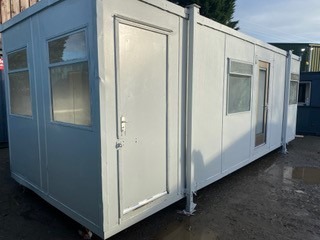
10ftx8ft – £5950 + Vat / 16ftx8ft – £7950 + Vat / 20ftx8ft – £9000 + Vat / 24ftx8ft – £12000 + Vat / 30ftx8ft – £13500 + Vat
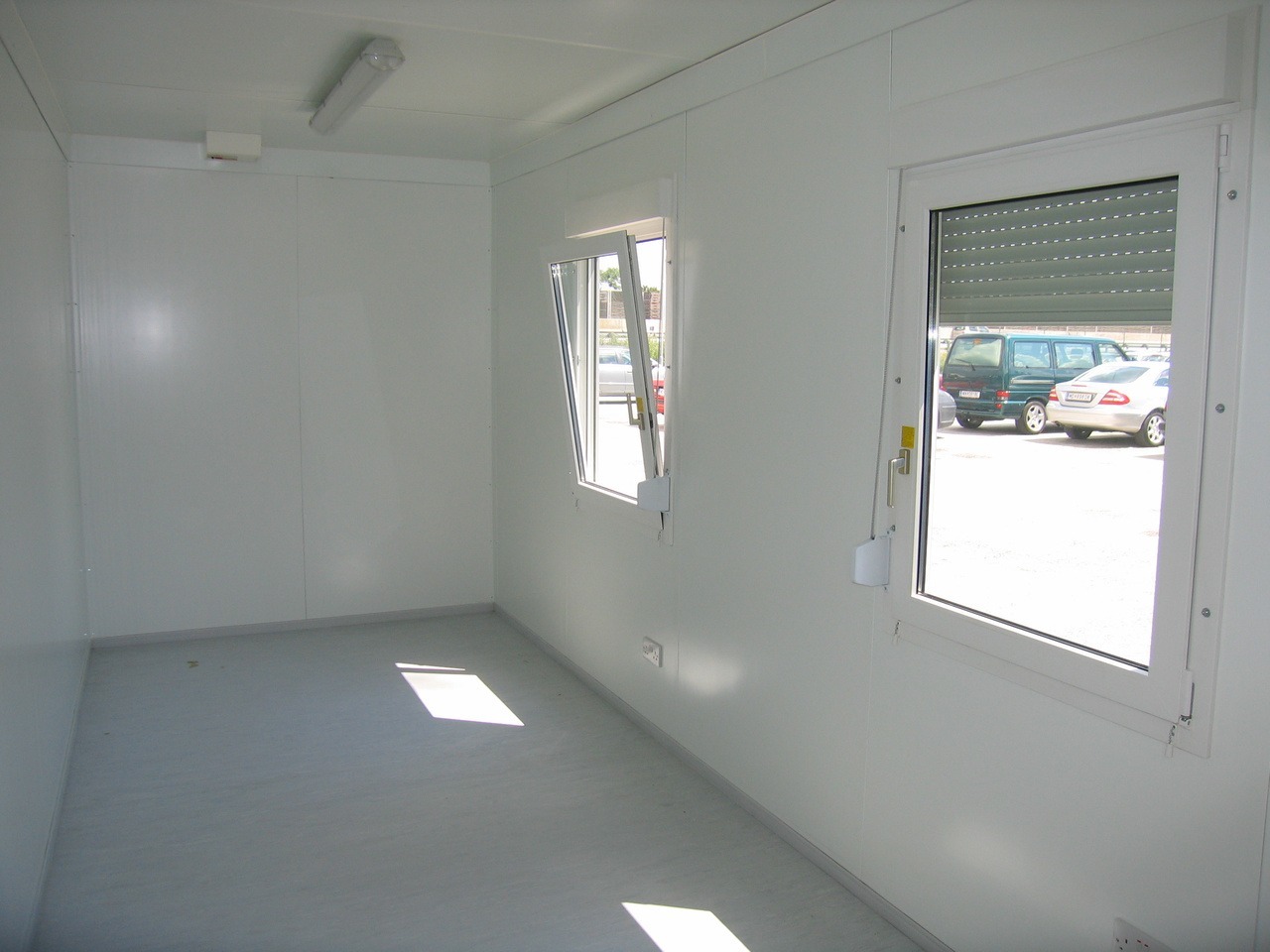
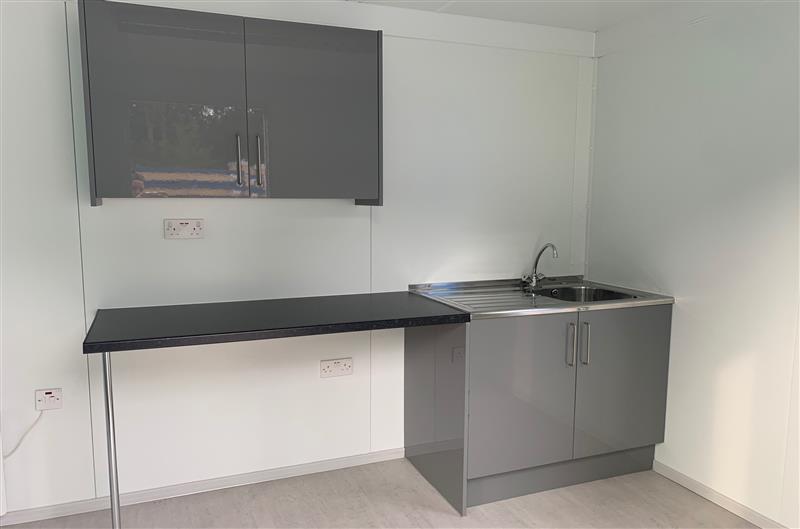
Location: Nationwide
EX VAT
Not Available for Hire
Call for an instant quote!
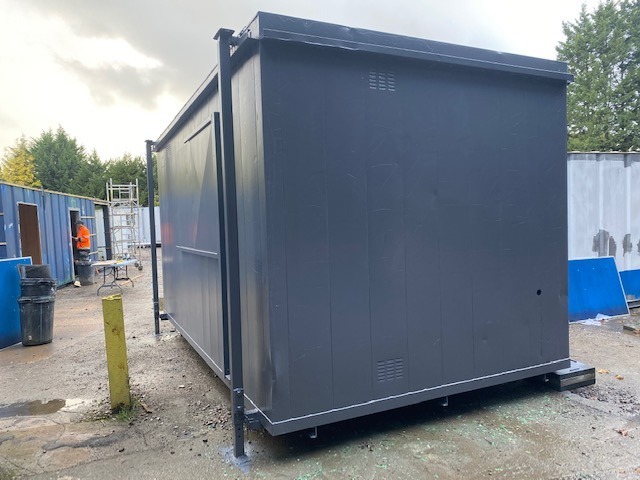
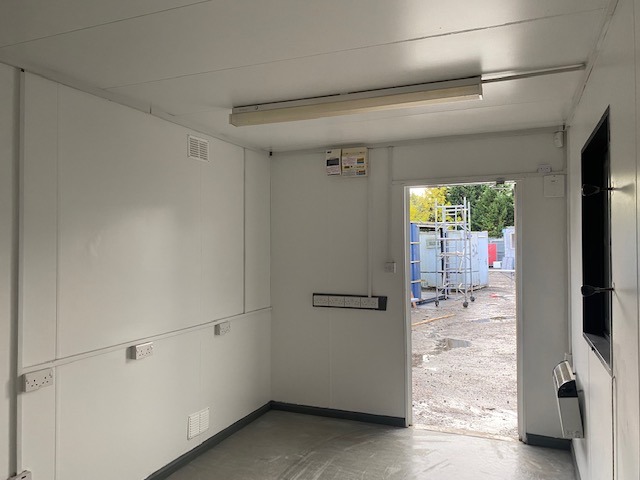
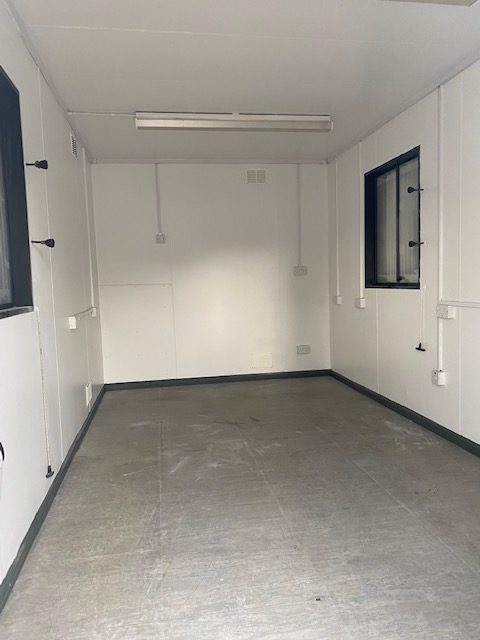
Location: Nationwide
EX VAT
Not Available for Hire
Call for an instant quote!
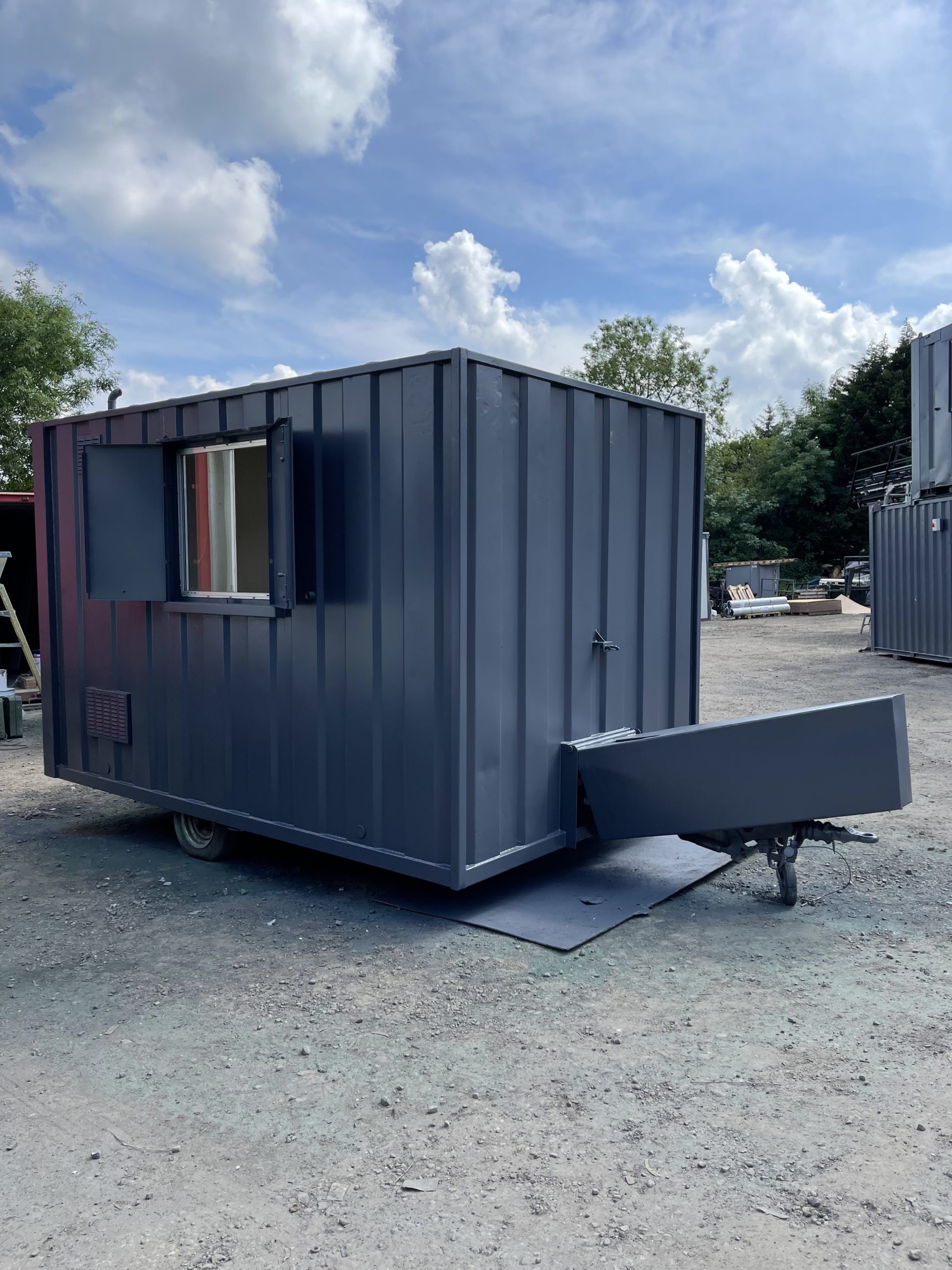
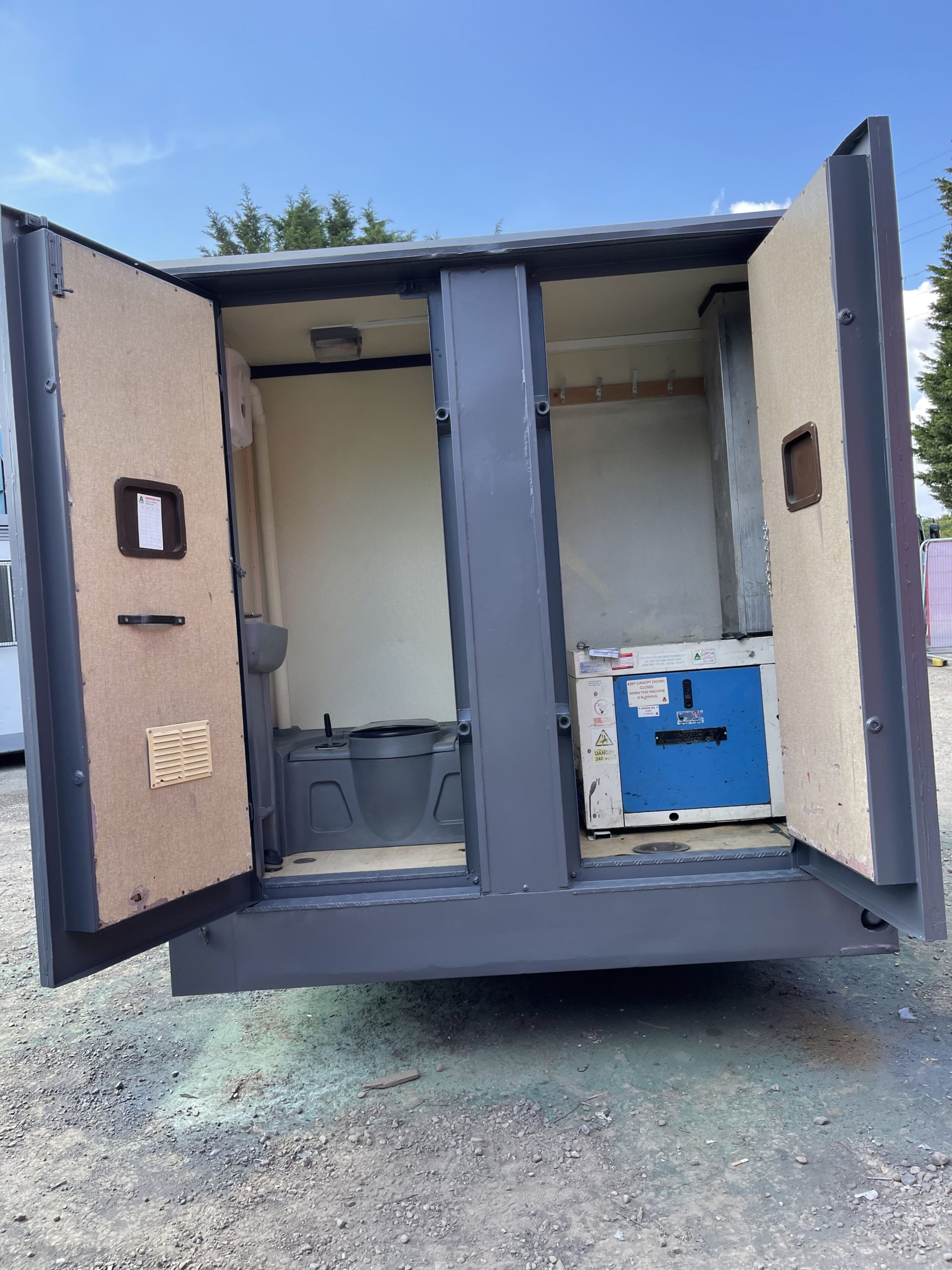
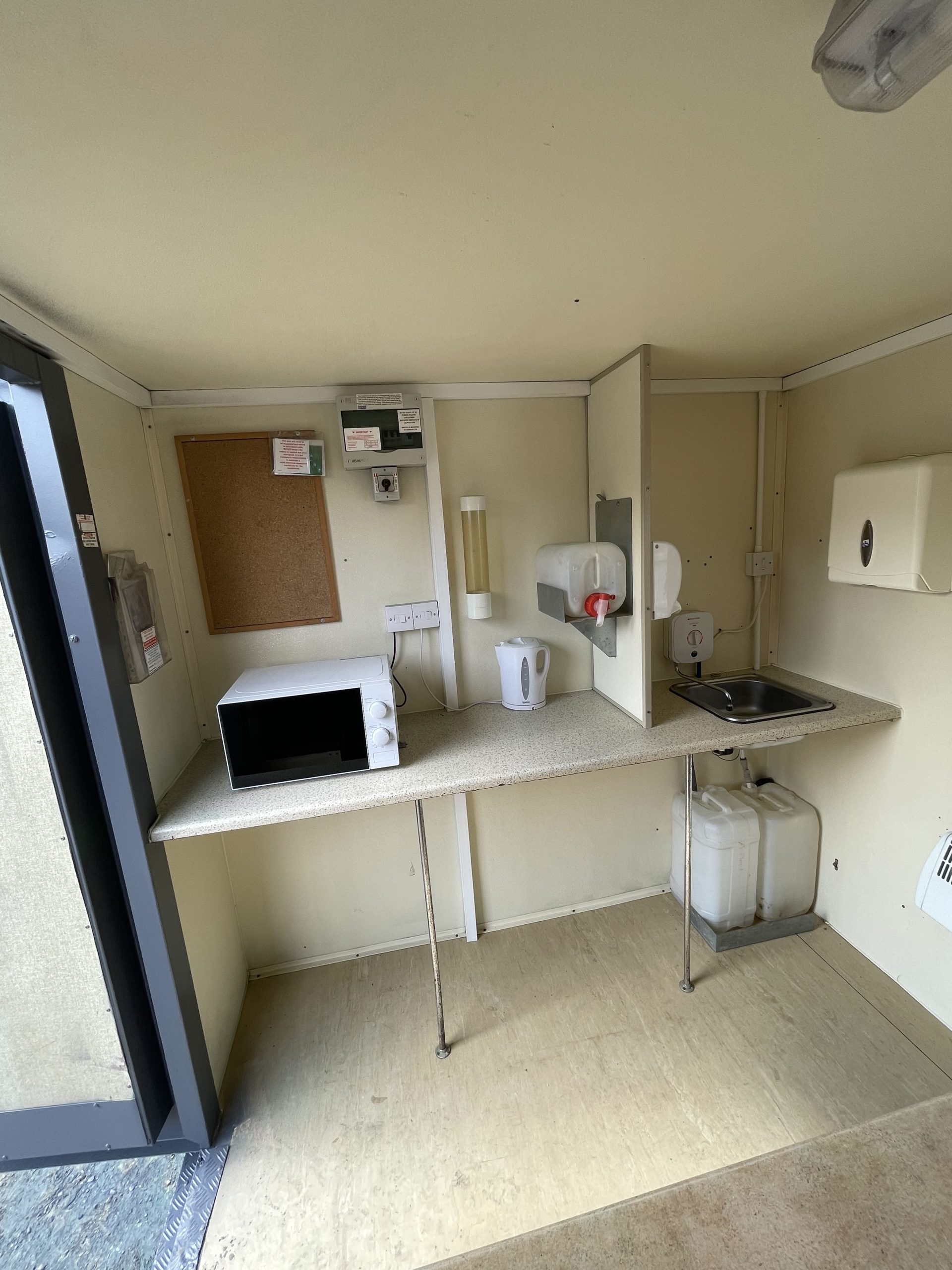
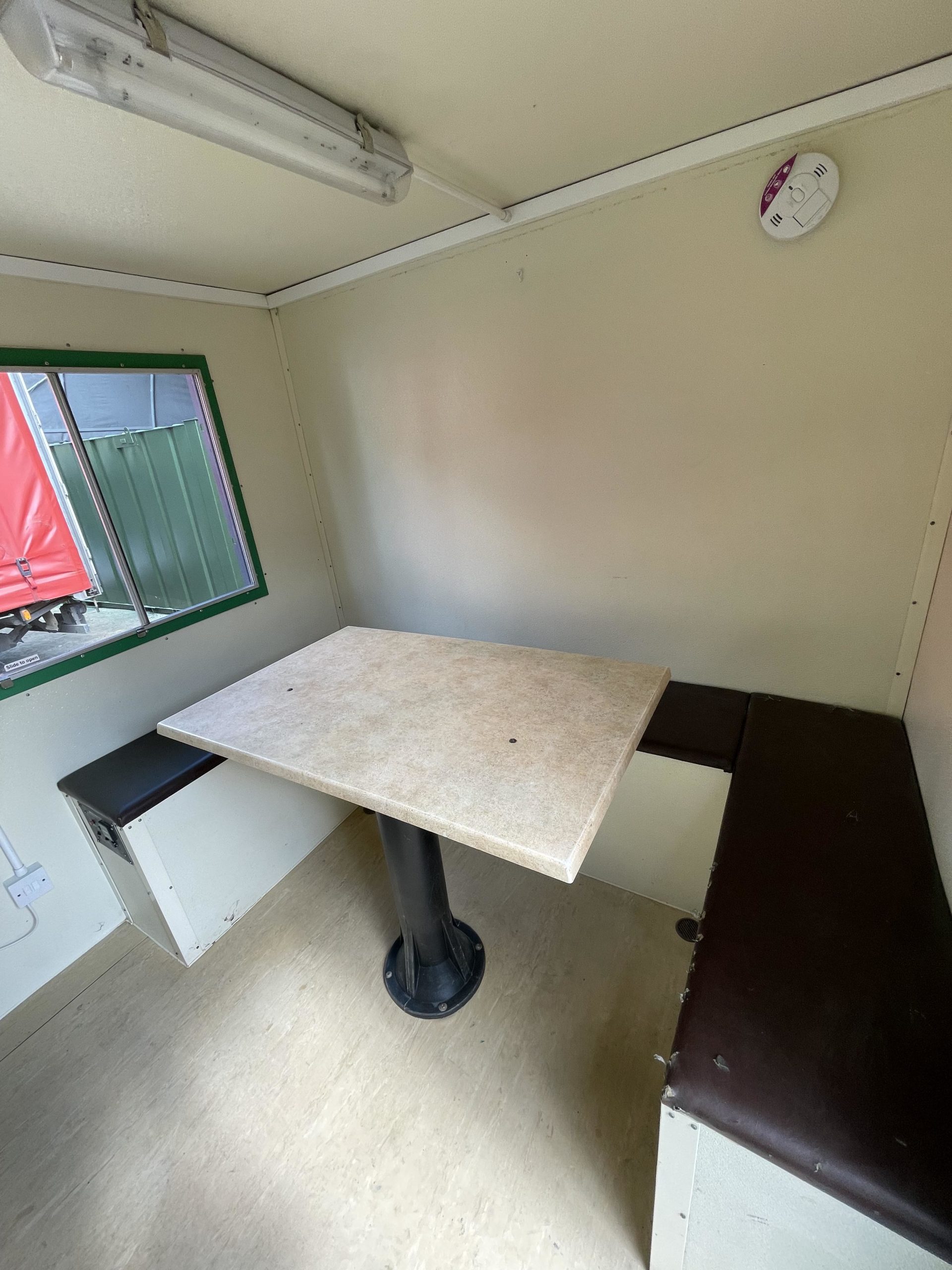
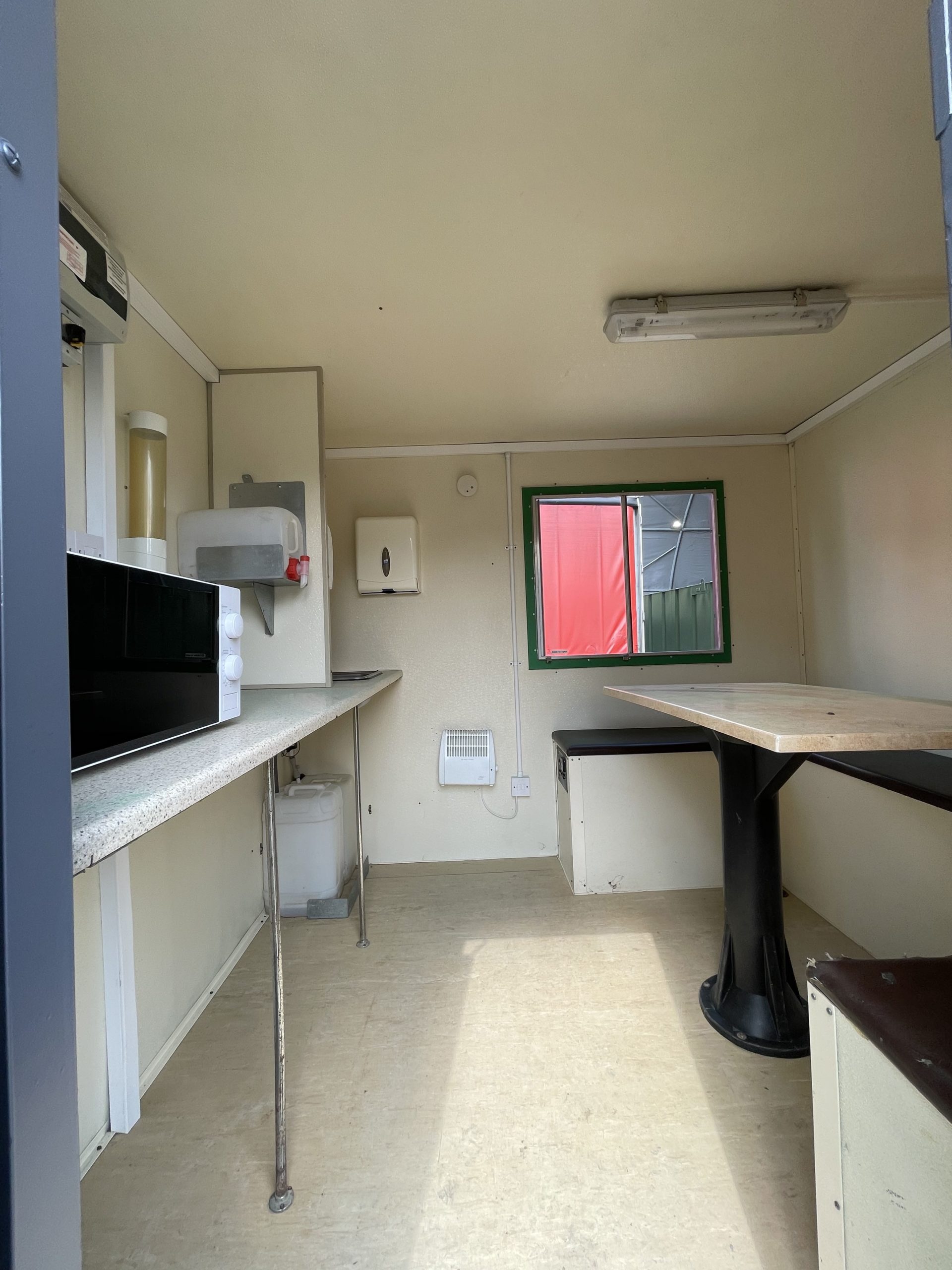
Location: Nationwide
EX VAT
Not Available for Hire
Call for an instant quote!
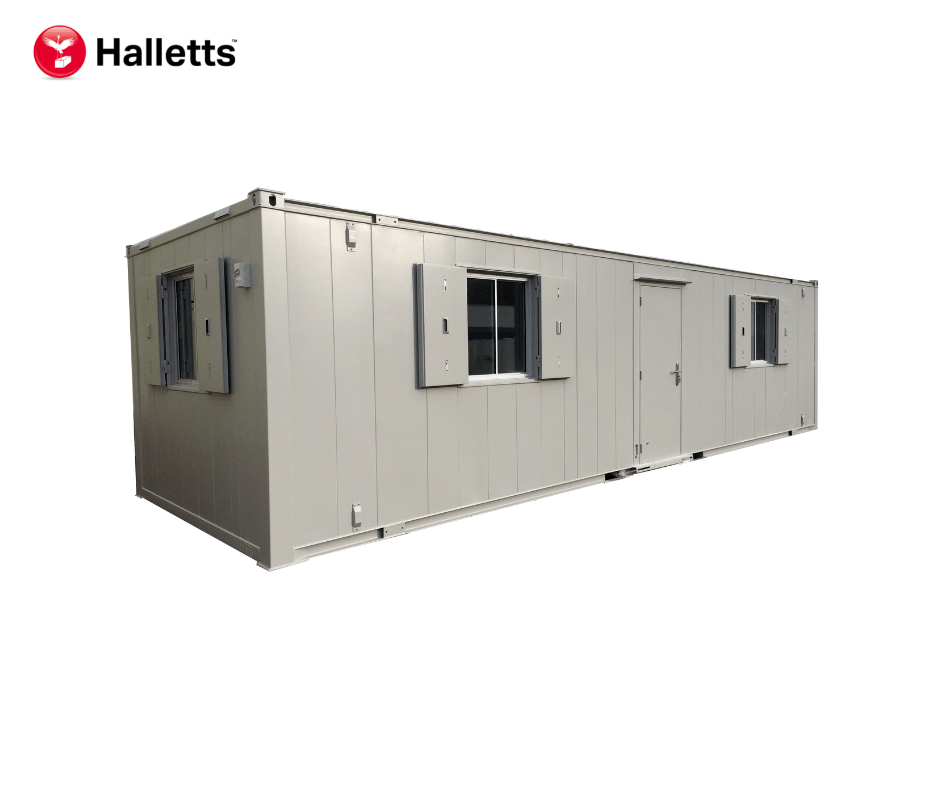
Location: Nationwide
Quantity: ∞
EX VAT
Not Available for Hire
Call for an instant quote!
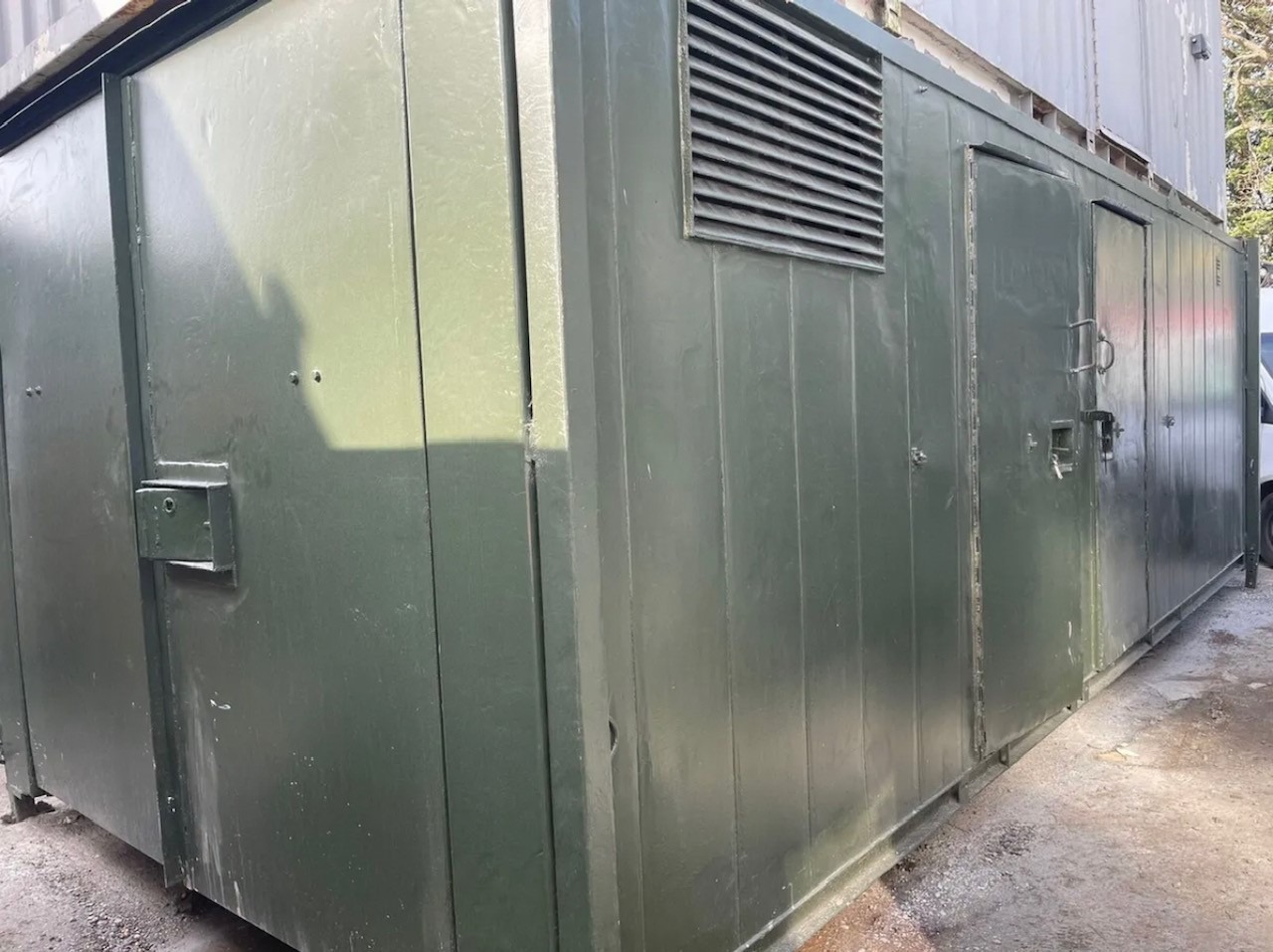
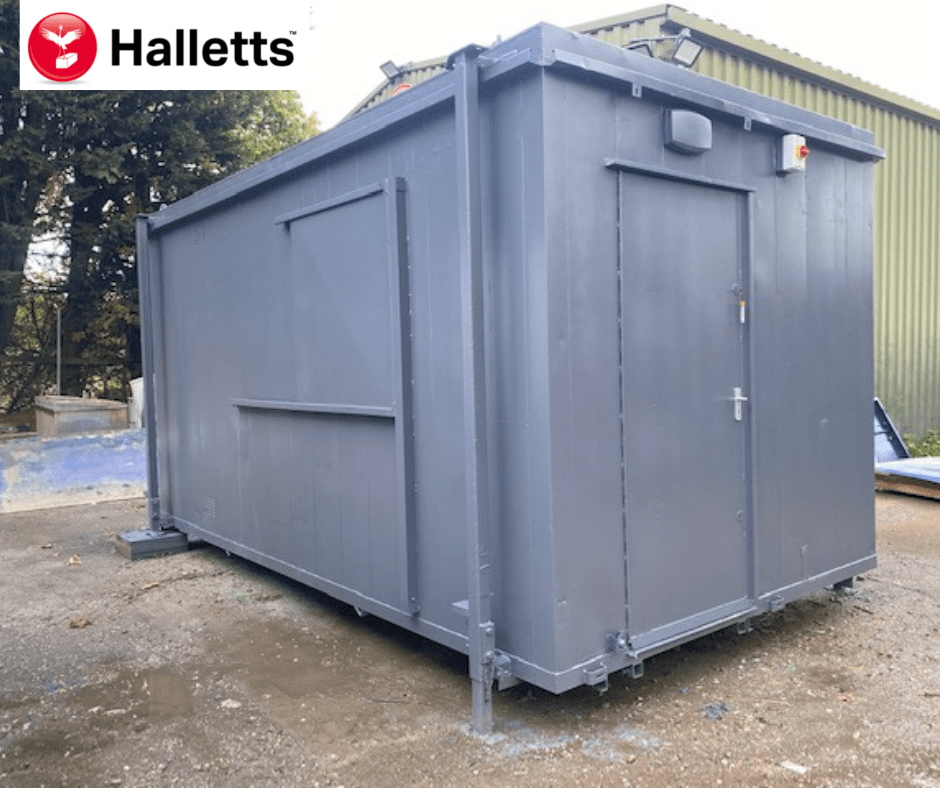
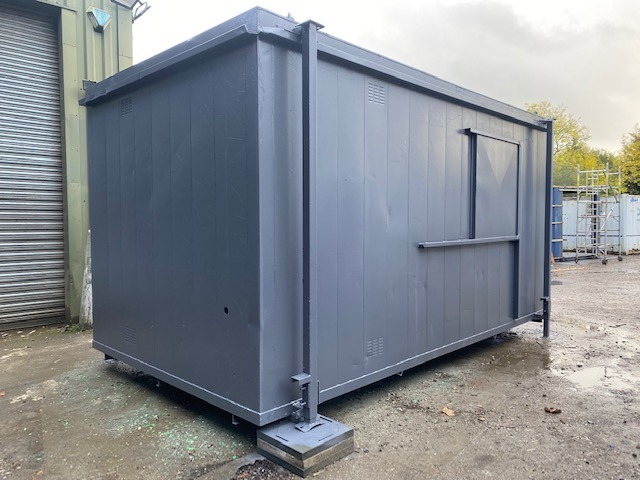
• Reinforced doors and windows with secure locking
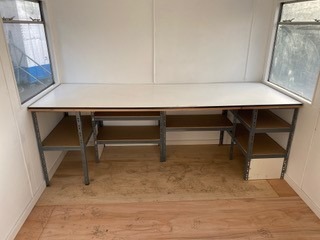
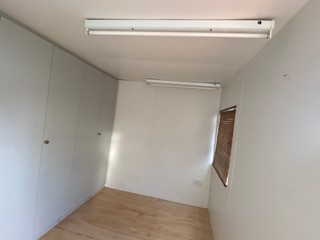
• Open plan with electric sockets and lighting
• Ral Code Colour of choice
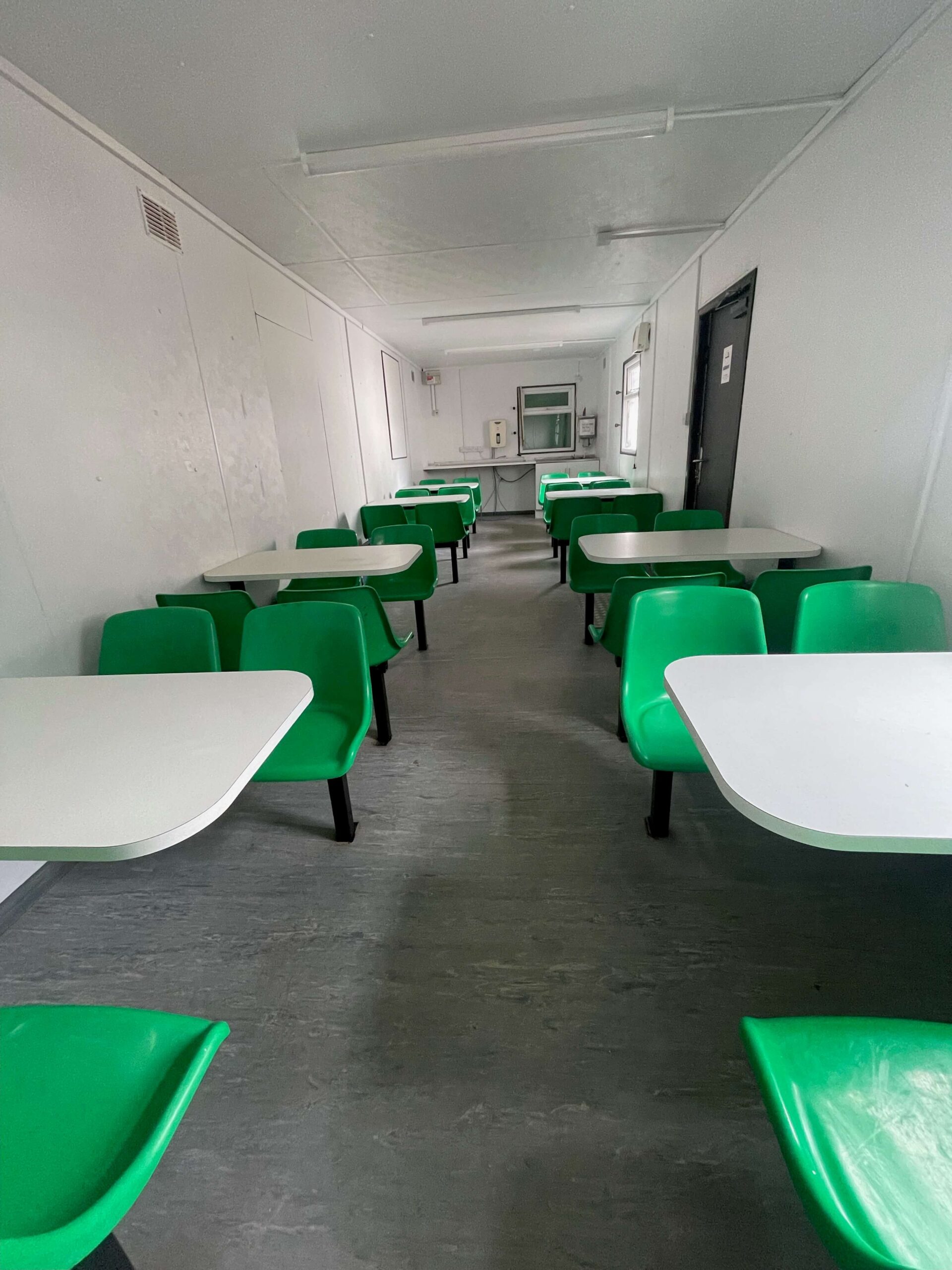
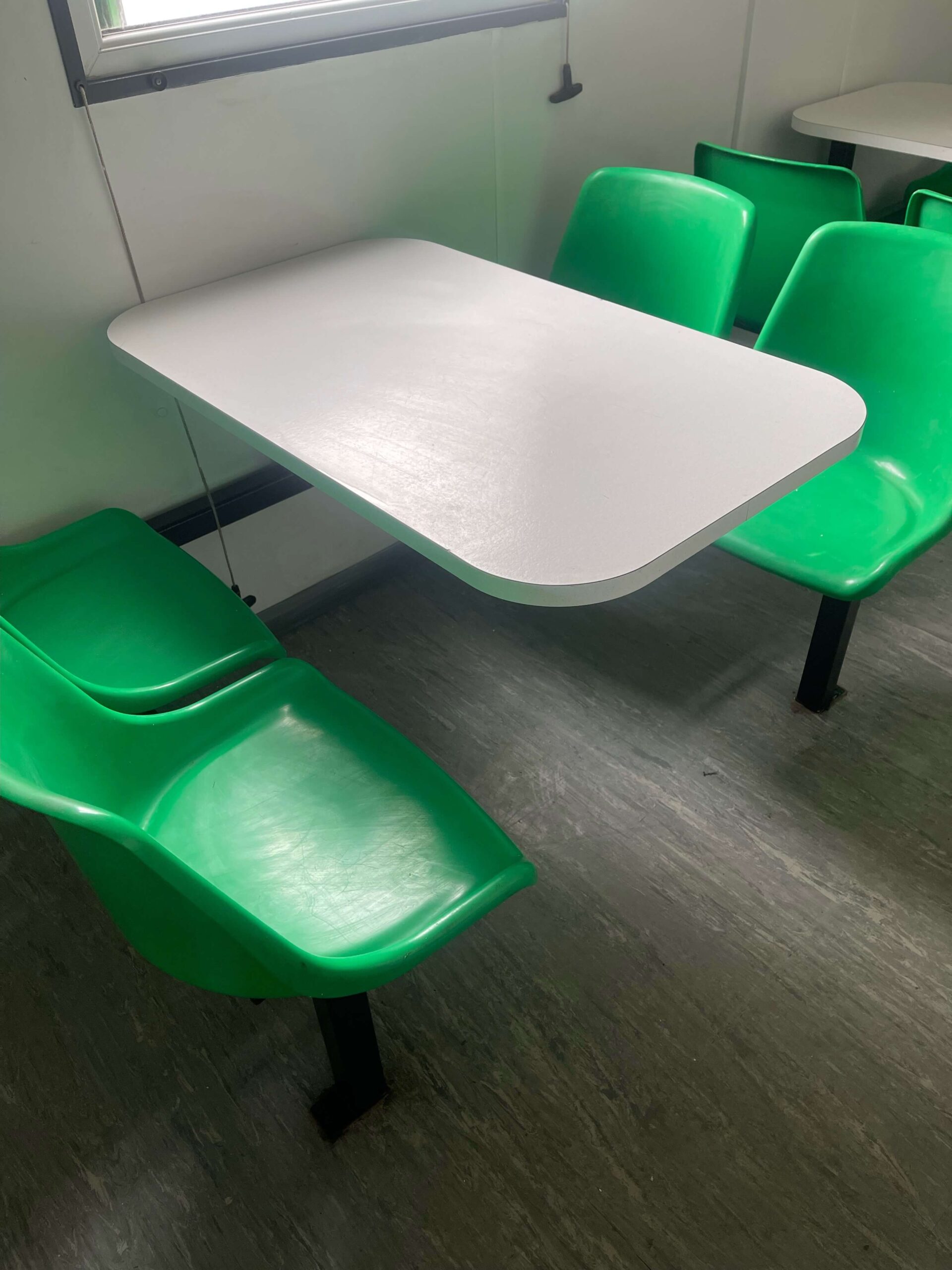
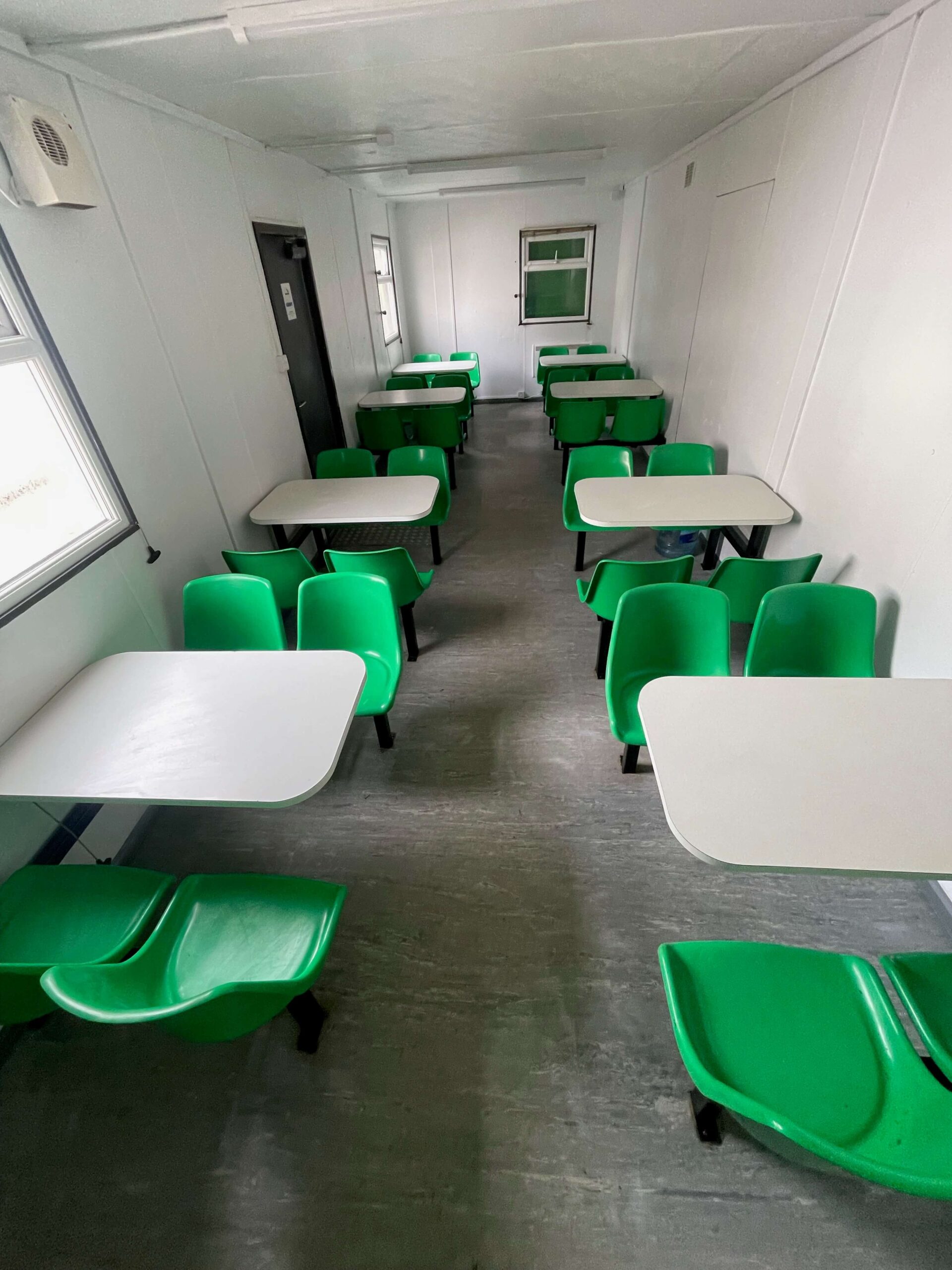
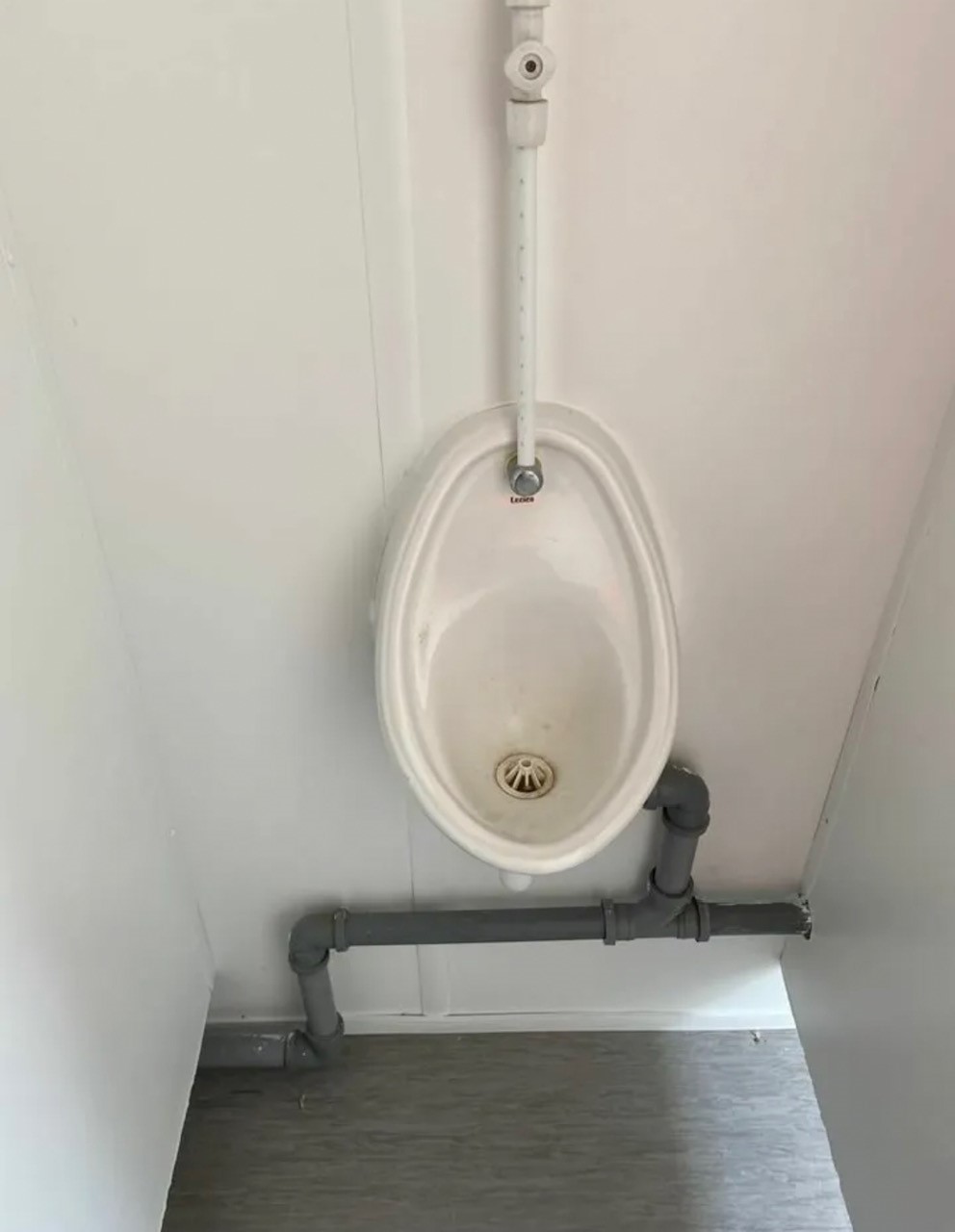
• Any Extras available : Canteen, Partitions, Toilets.
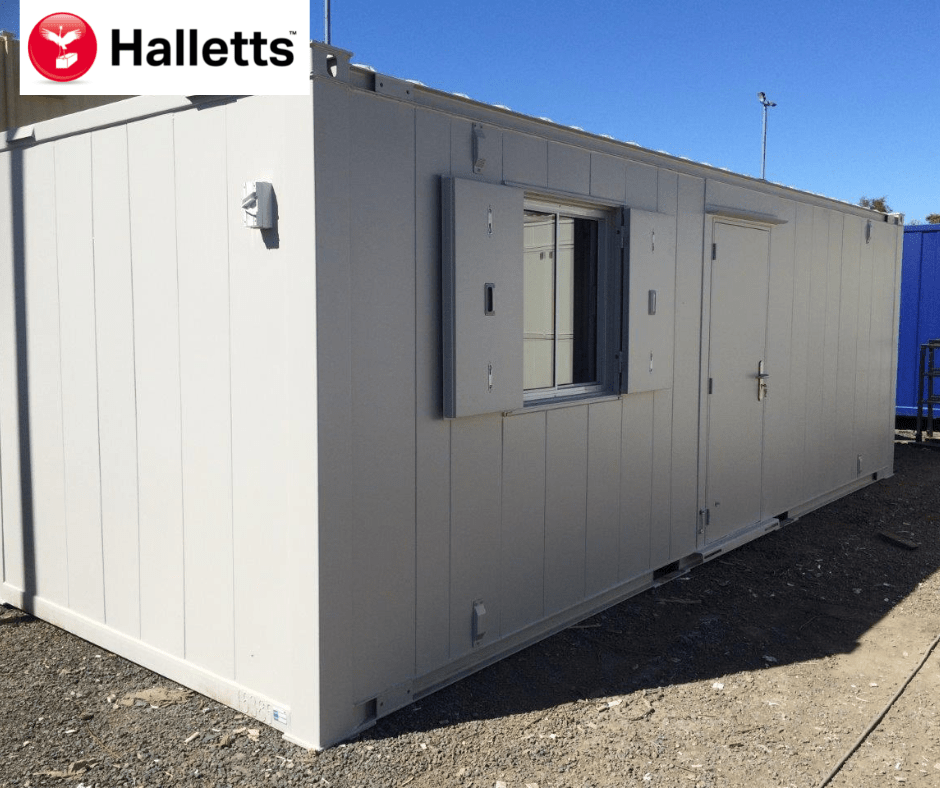
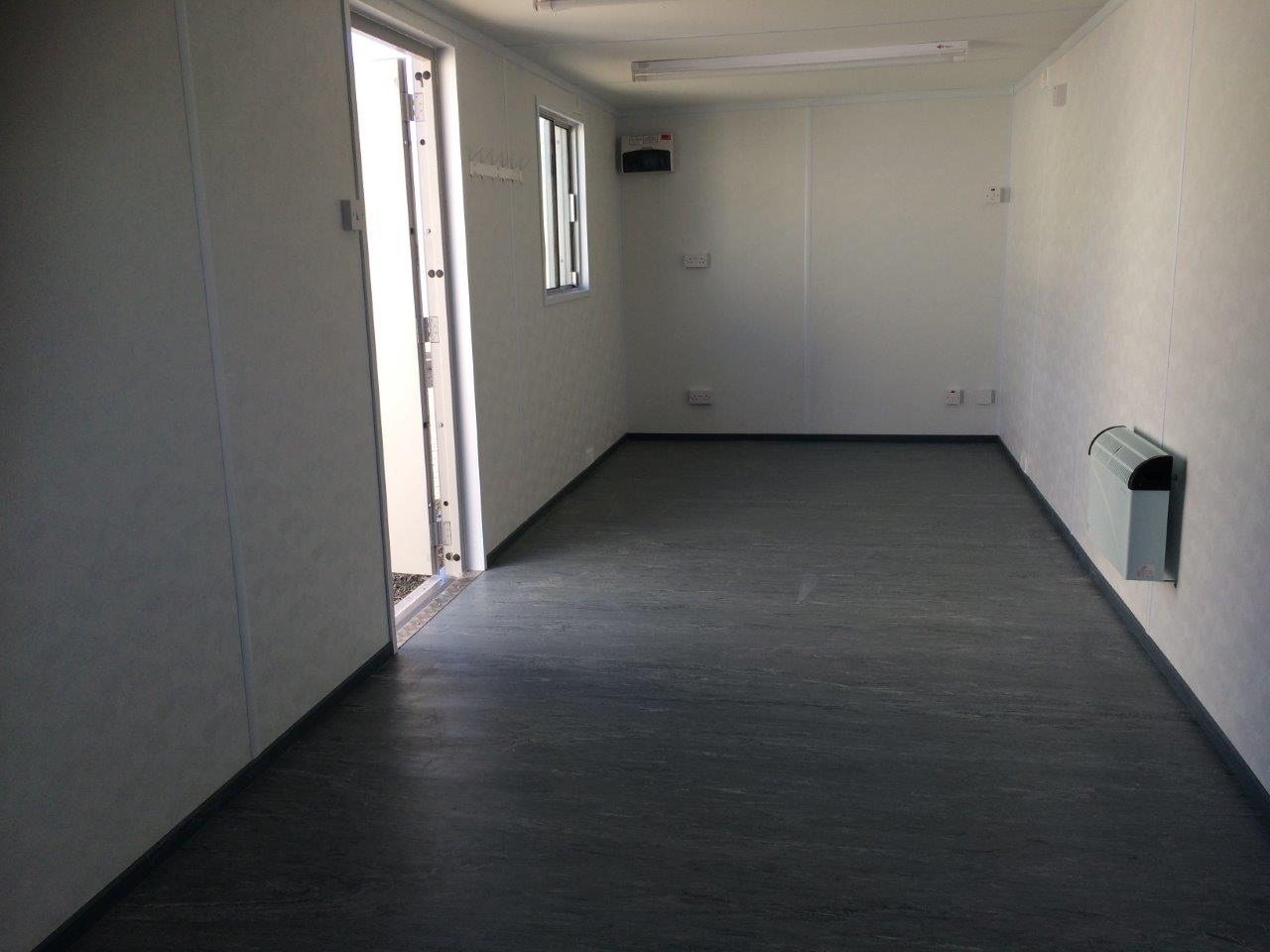
Location: Nationwide
EX VAT
Not Available for Hire
Call for an instant quote!
• Reinforced doors and windows with secure locking
• Open plan with electric sockets and lighting
• Ral Code Colour of choice
• Any Extras available : Canteen, Partitions, Toilets.
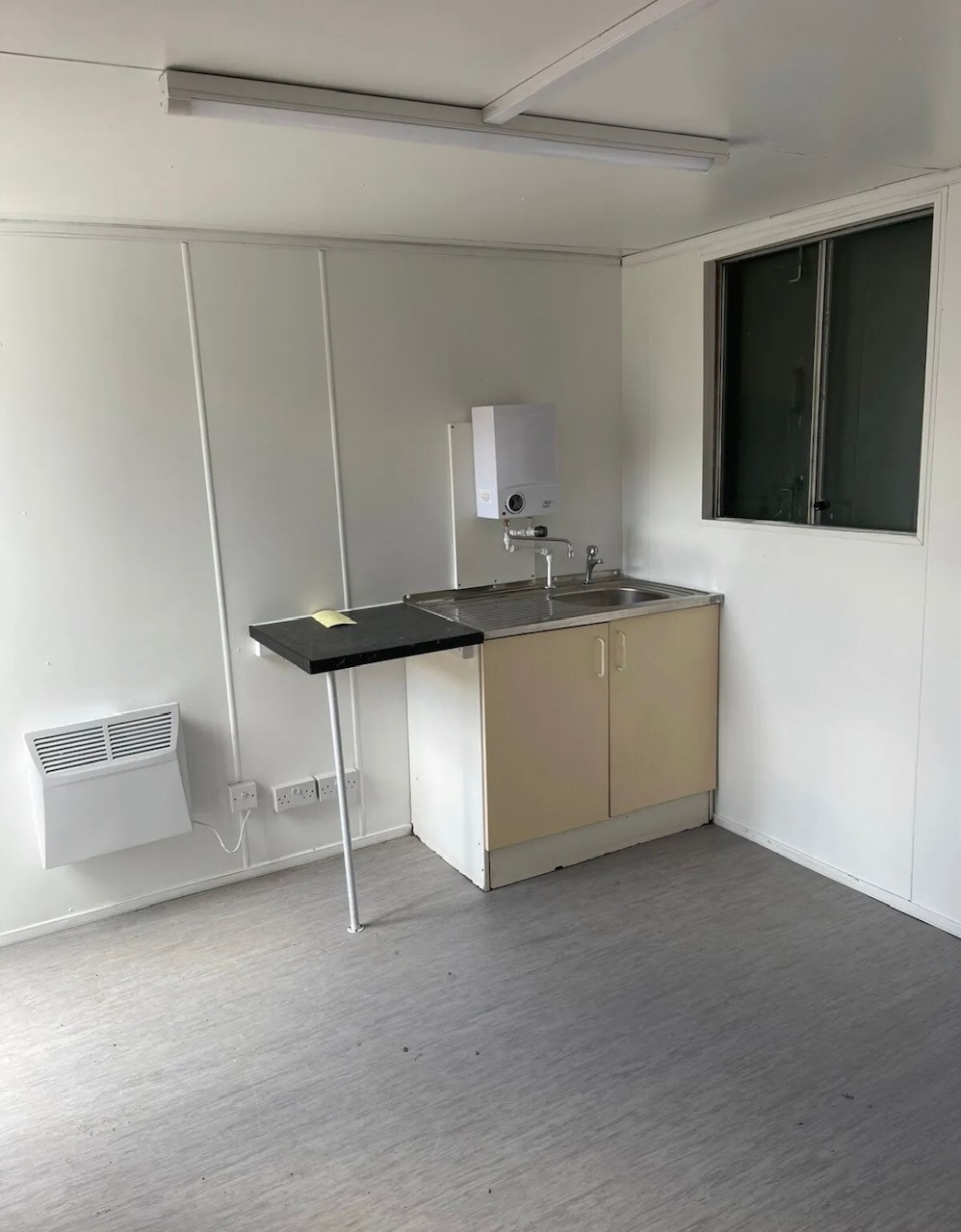
• Reinforced doors with secure locking
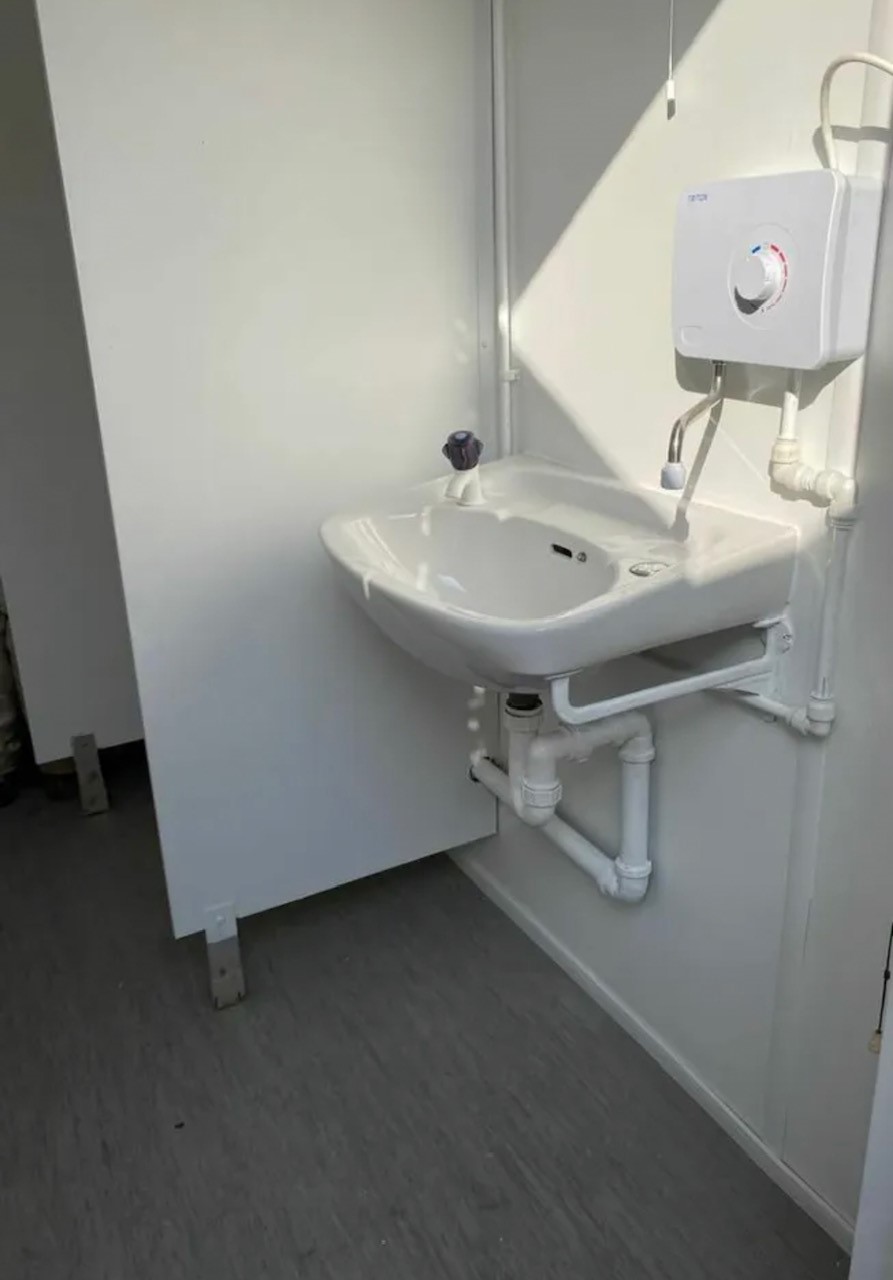
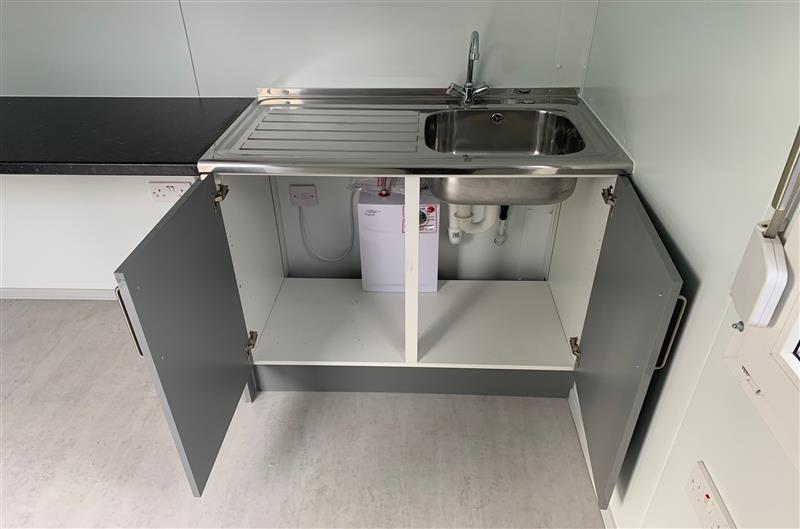
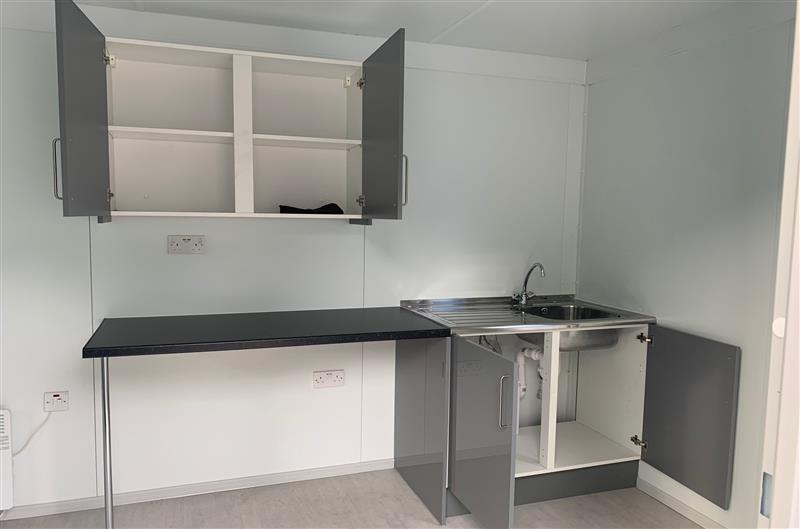
• Sink and water boiler included
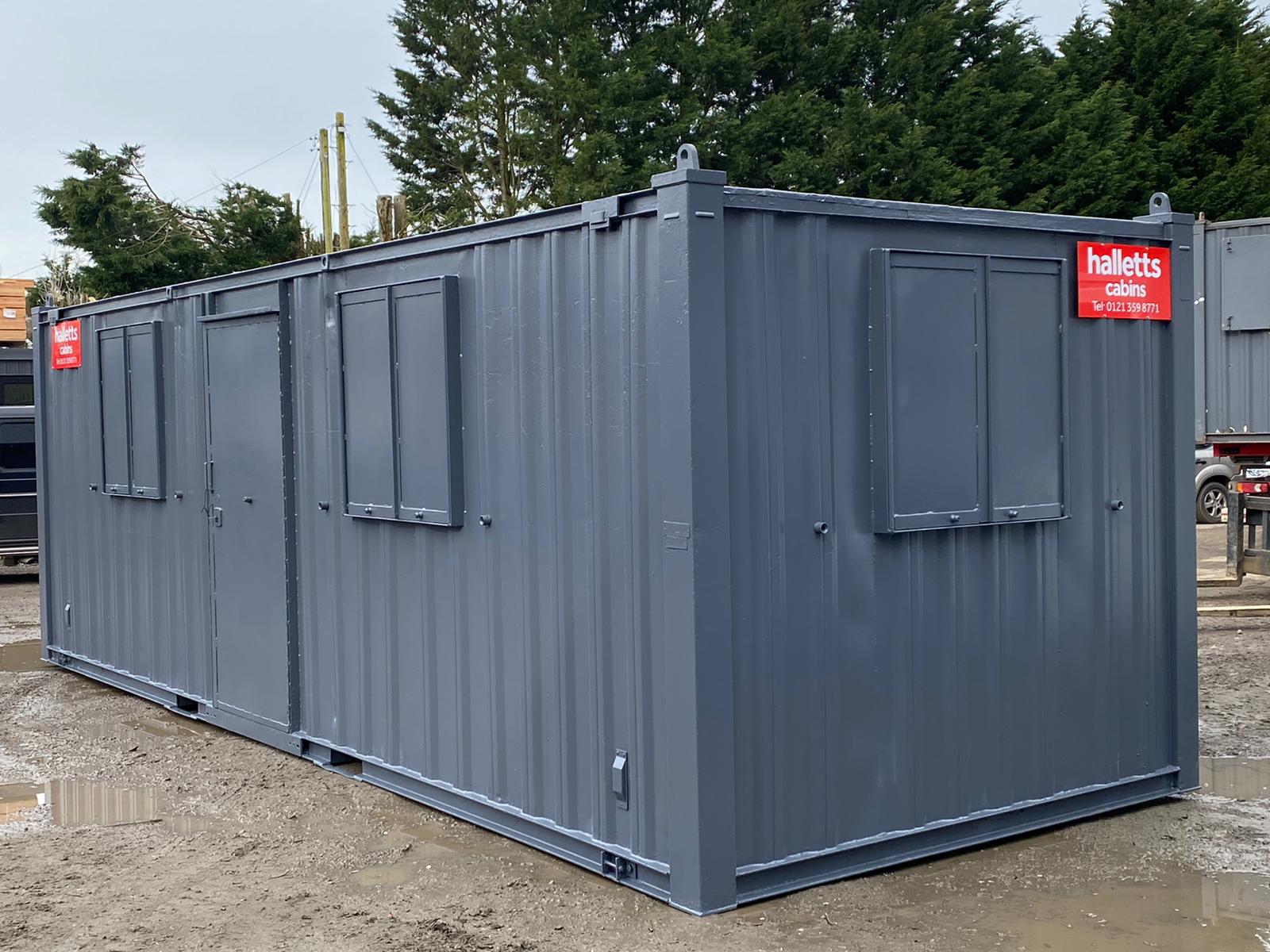
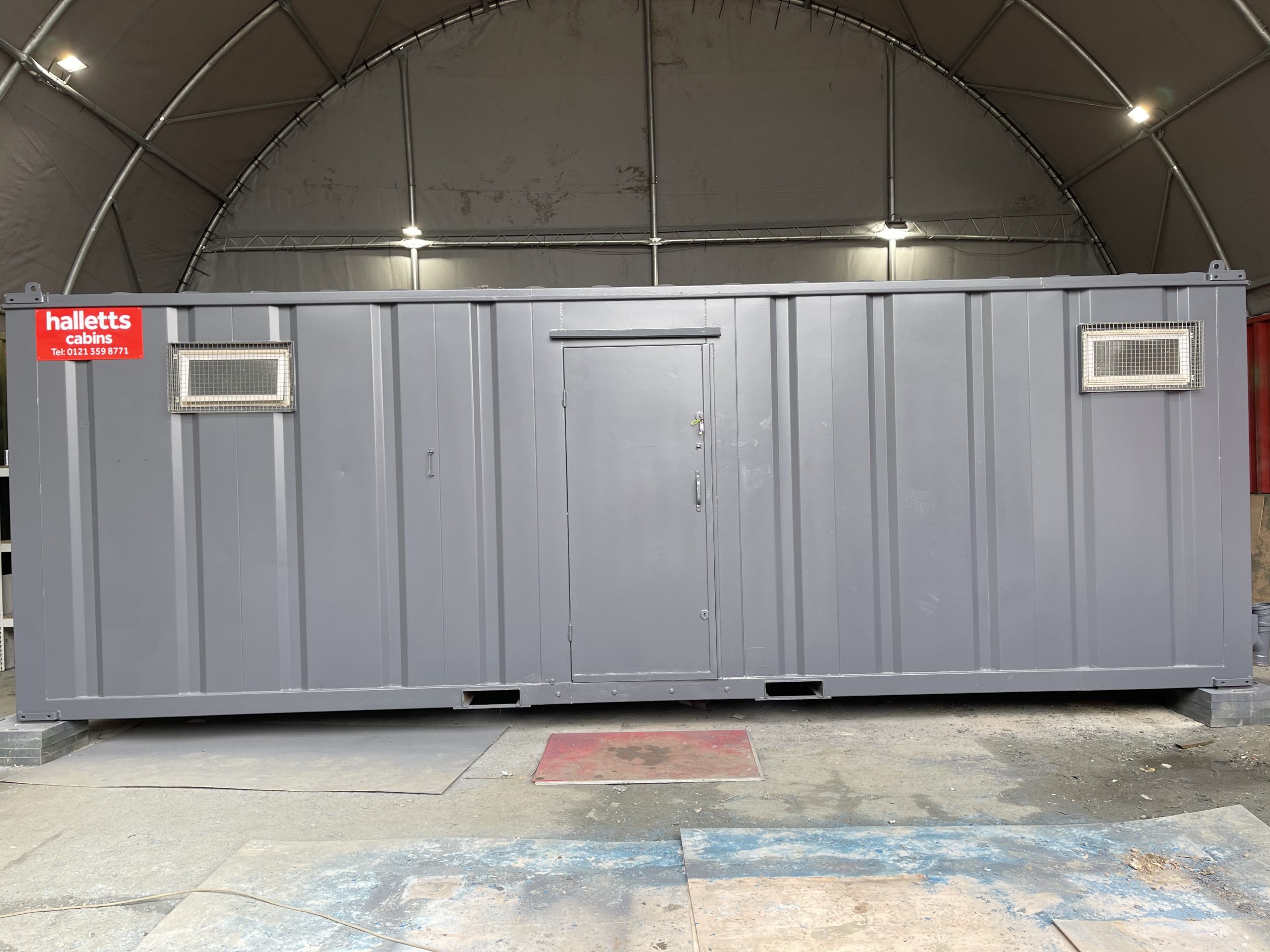
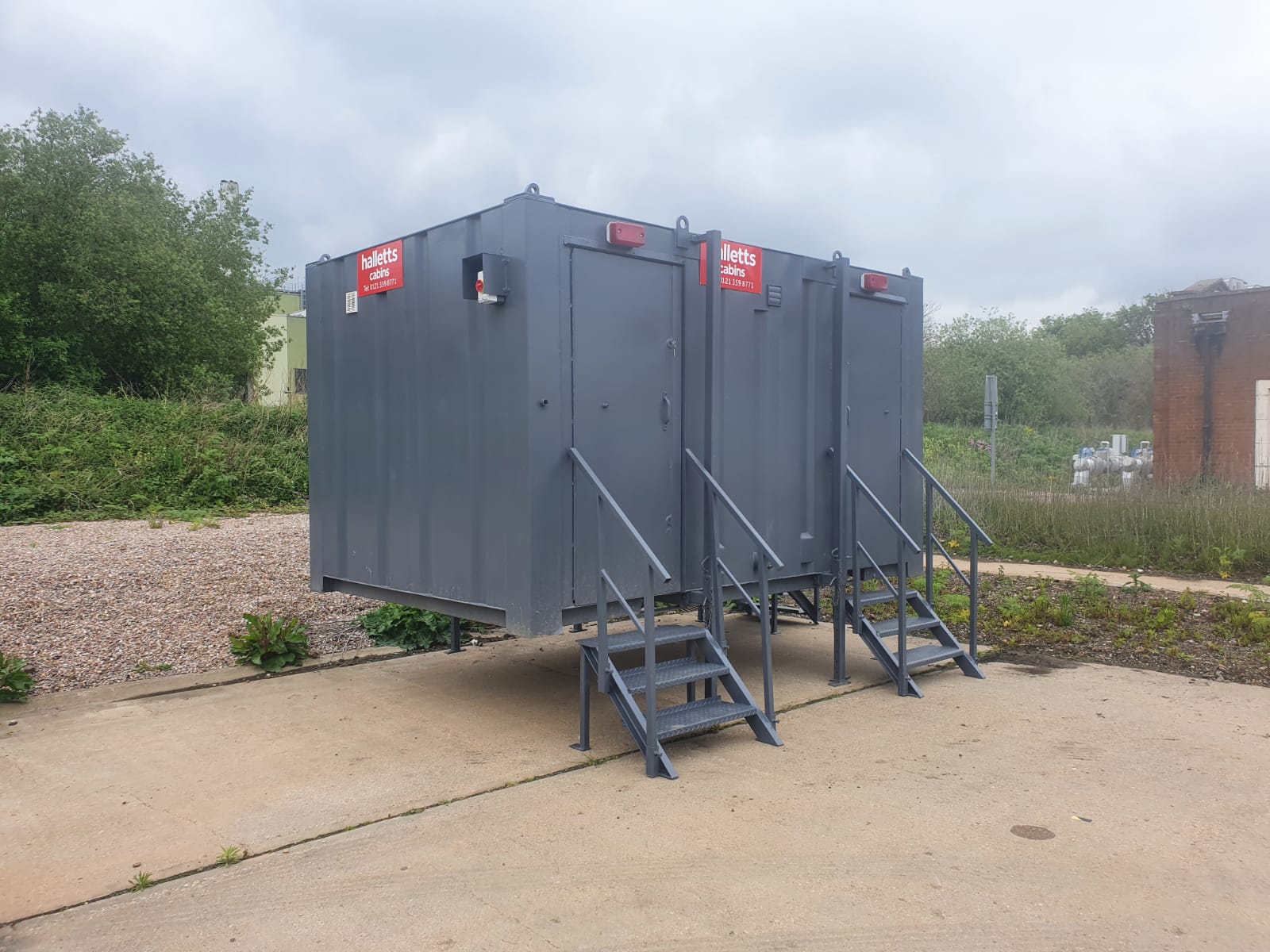
Location: Nationwide
Quantity: ∞
EX VAT
Not Available for Hire
Call for an instant quote!
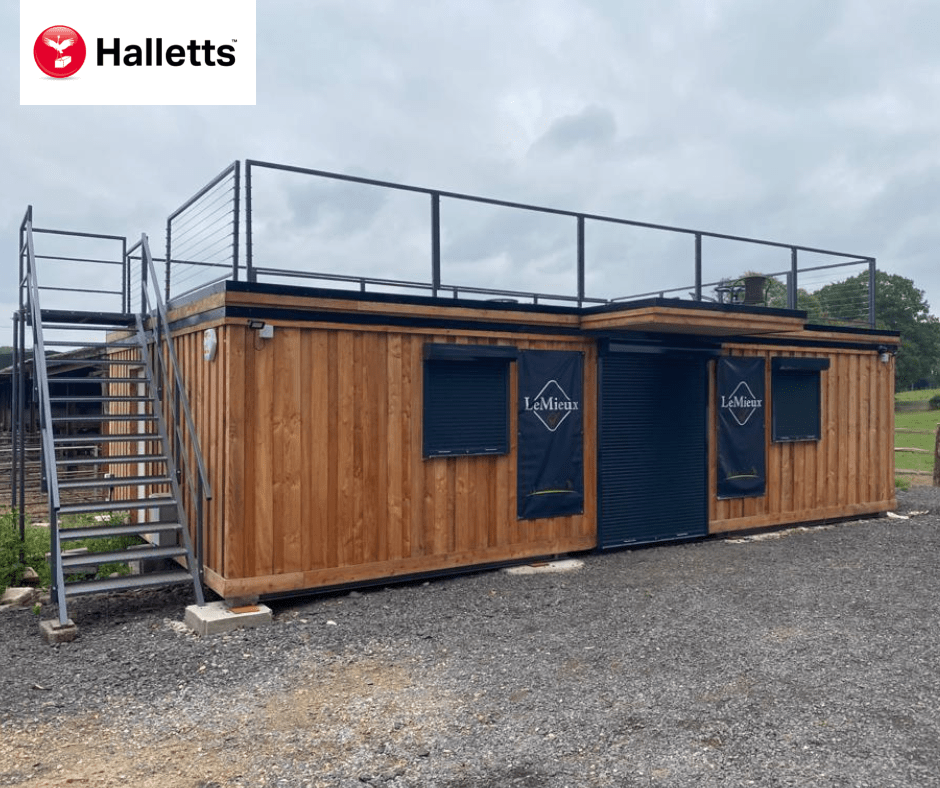
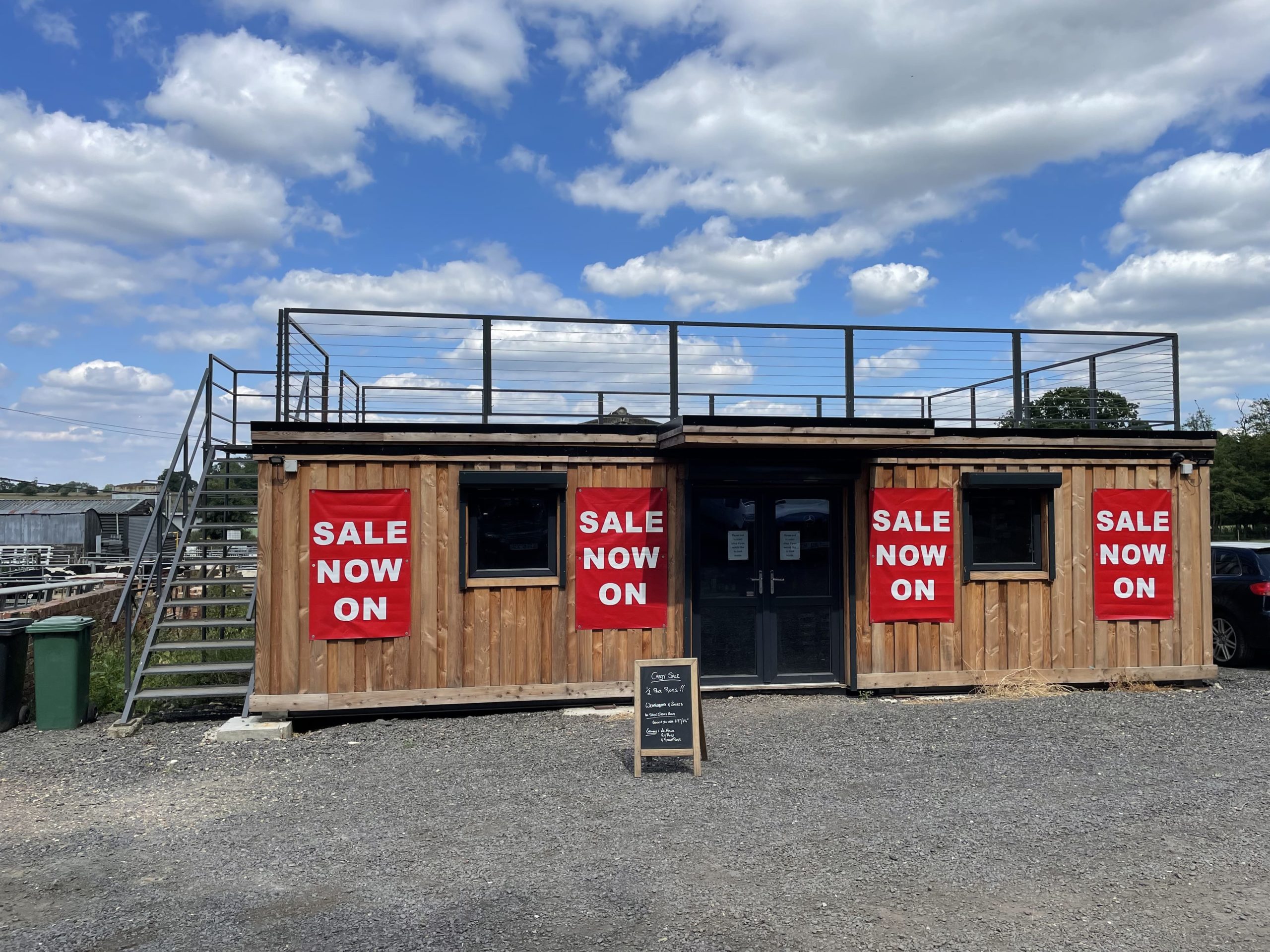
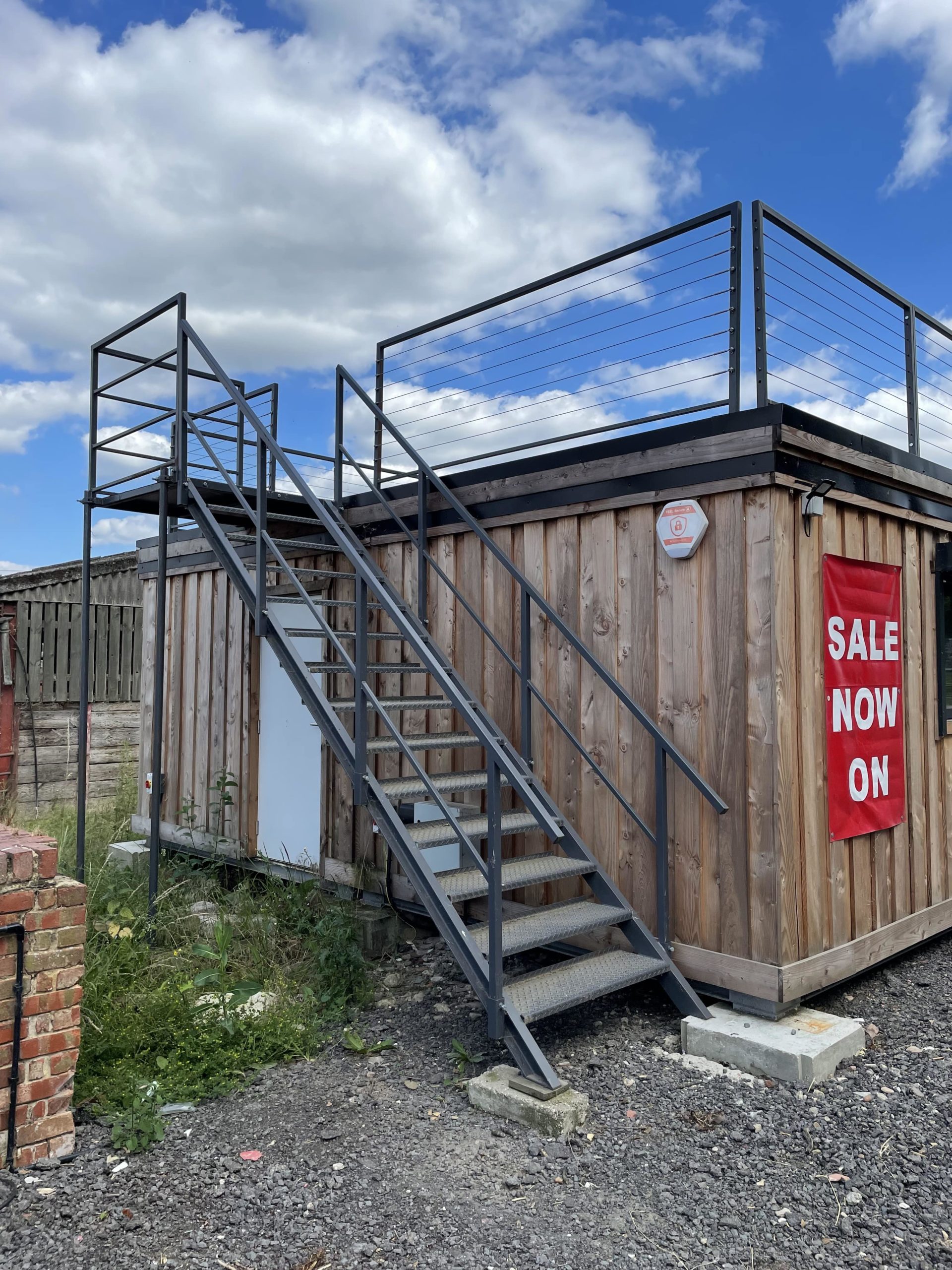
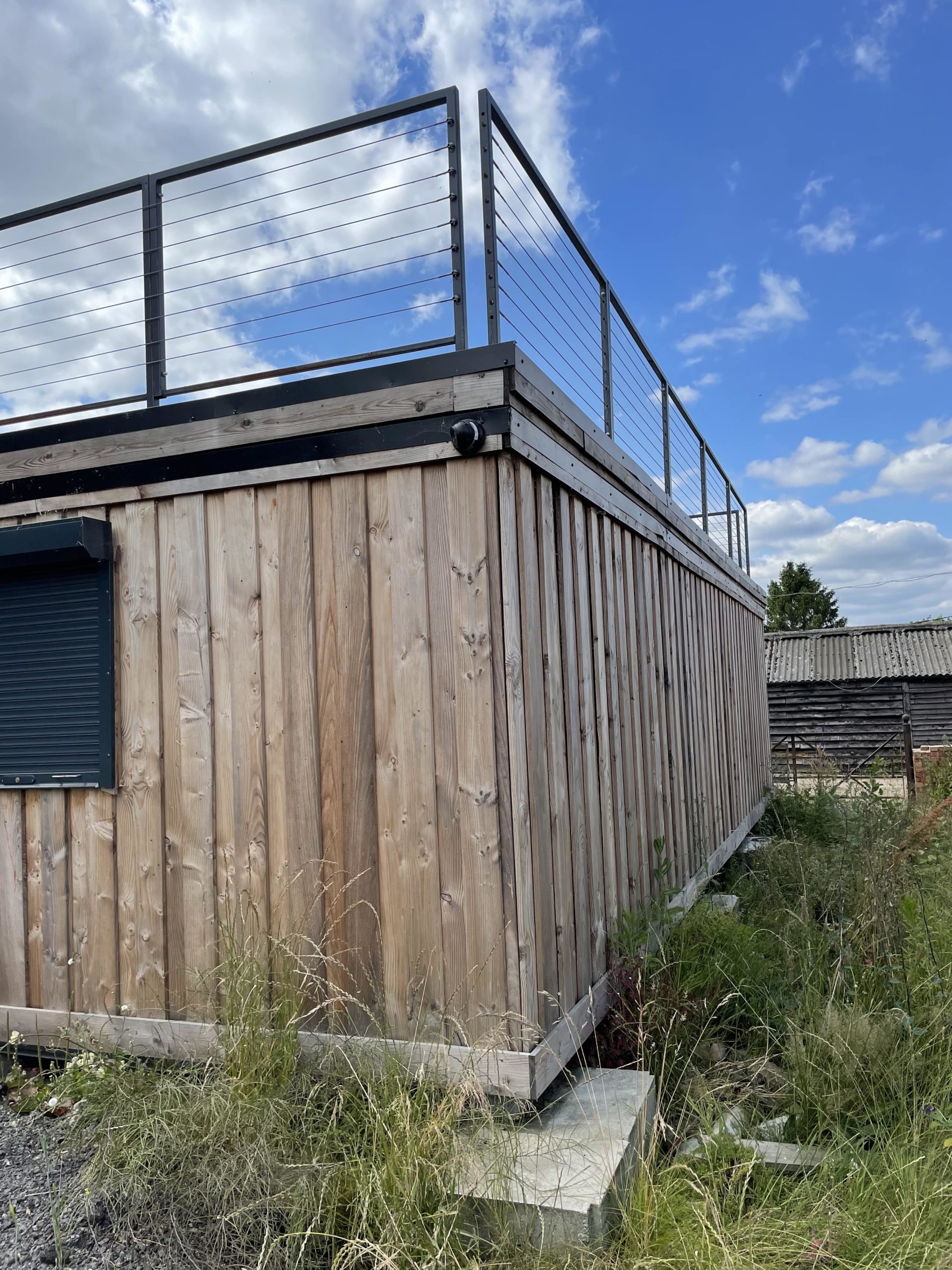
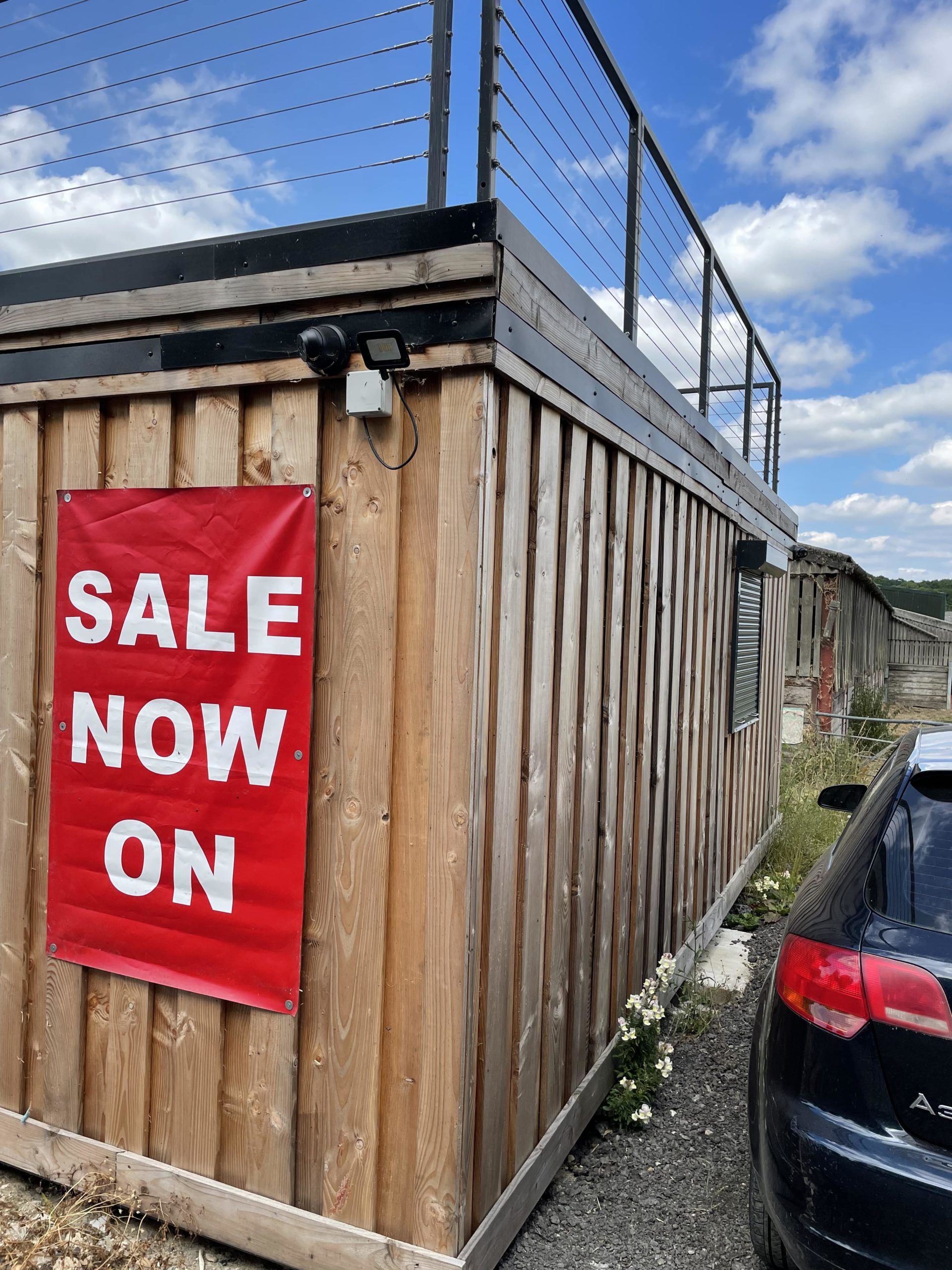
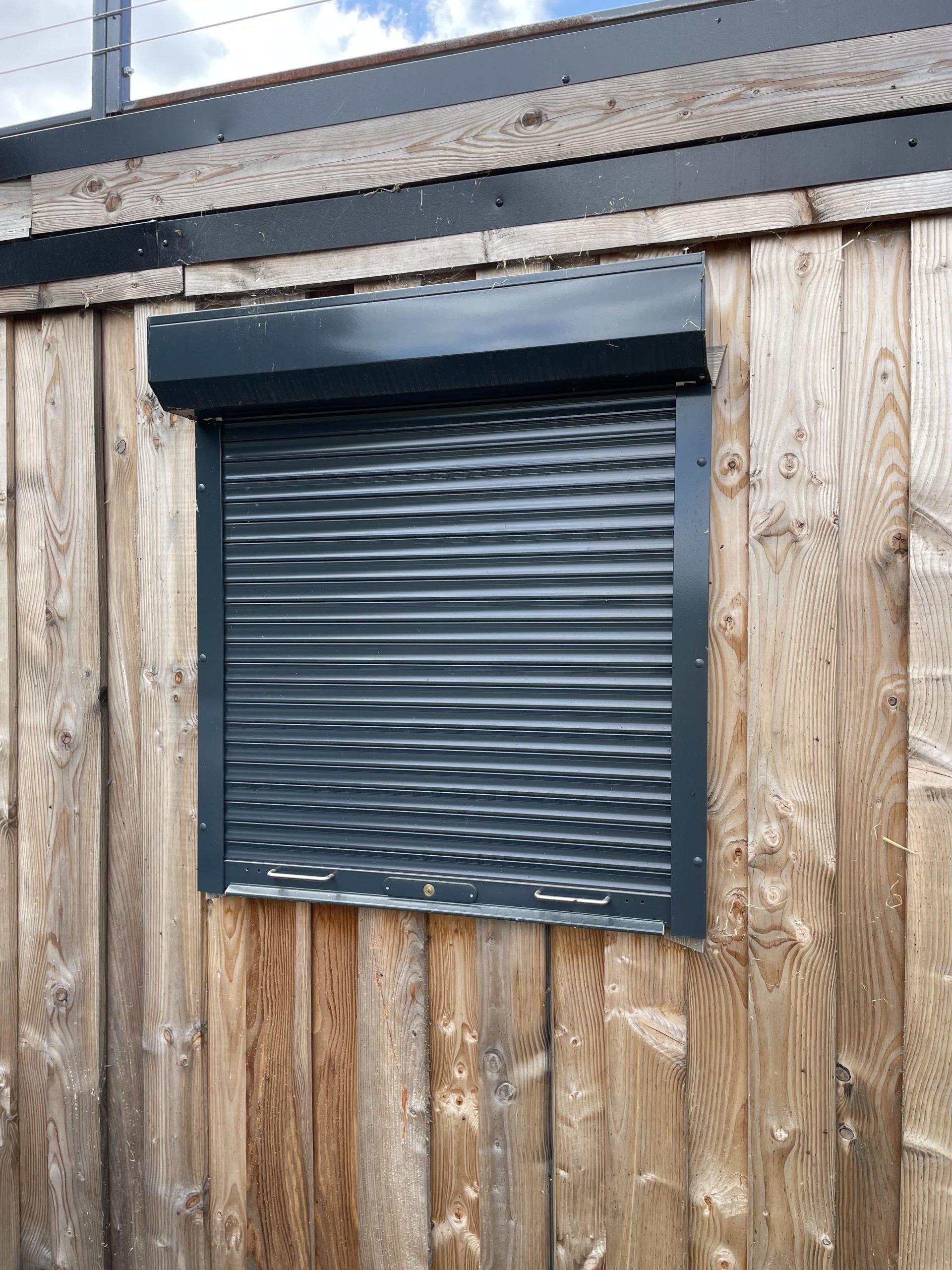
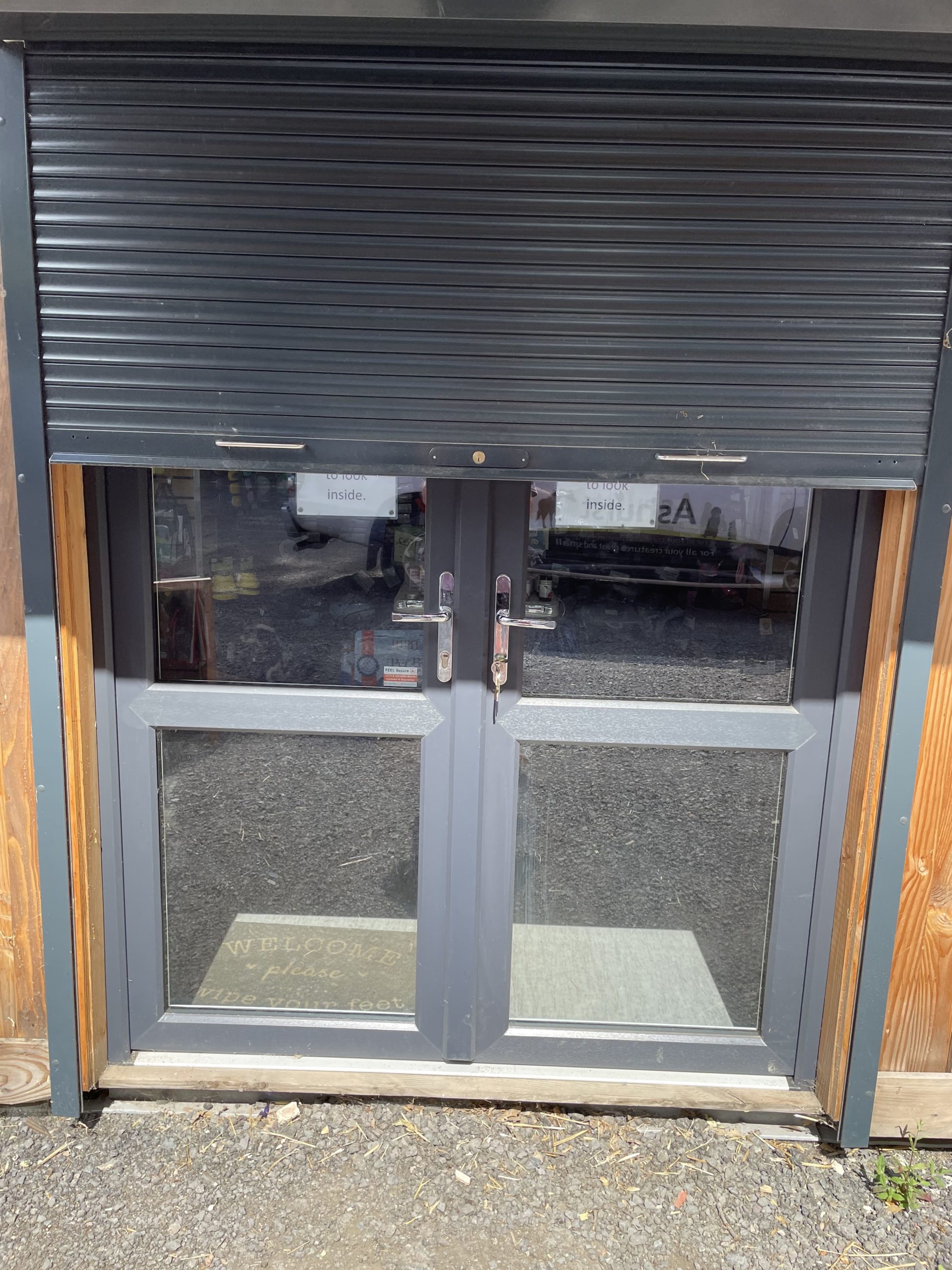
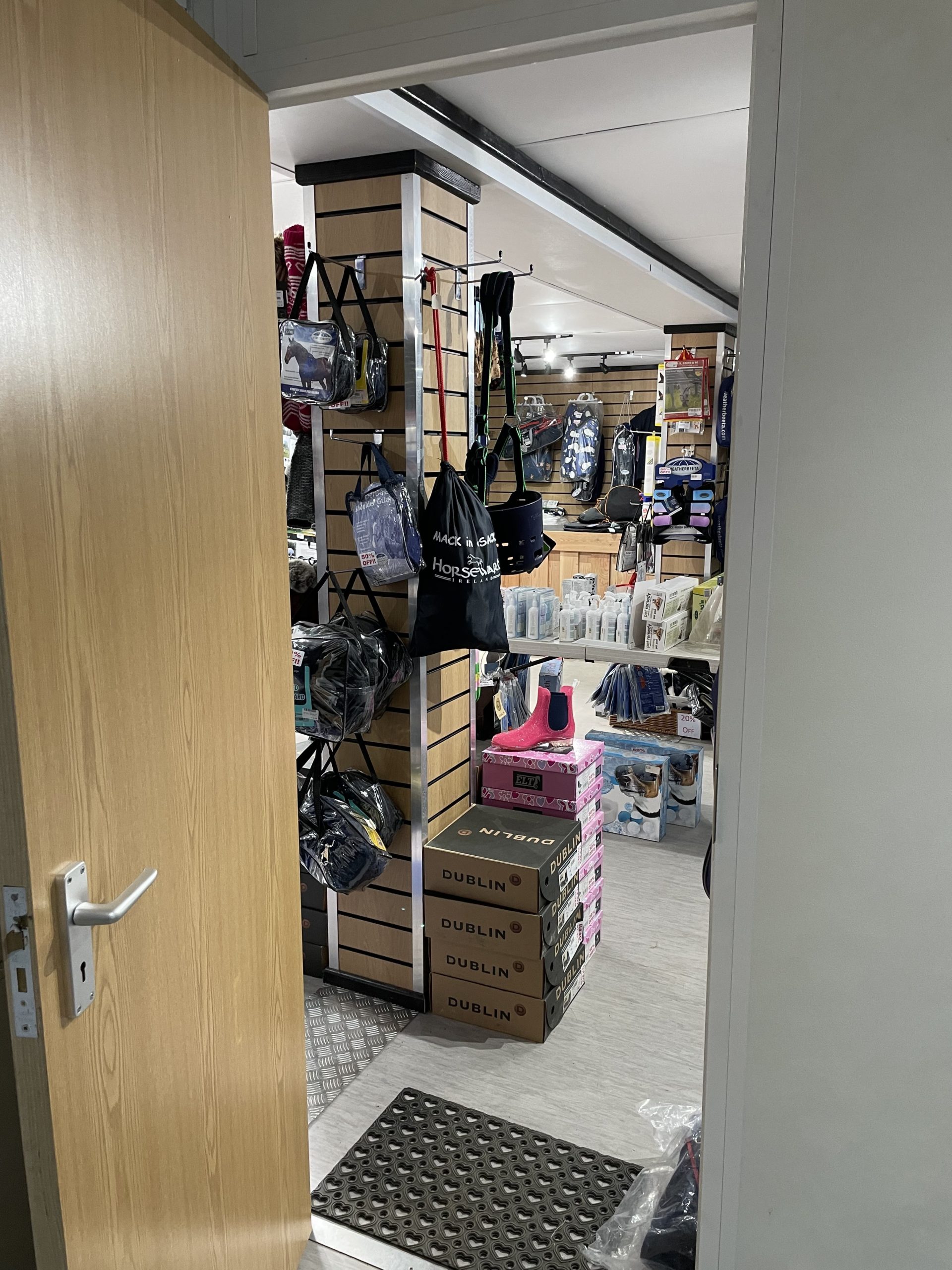
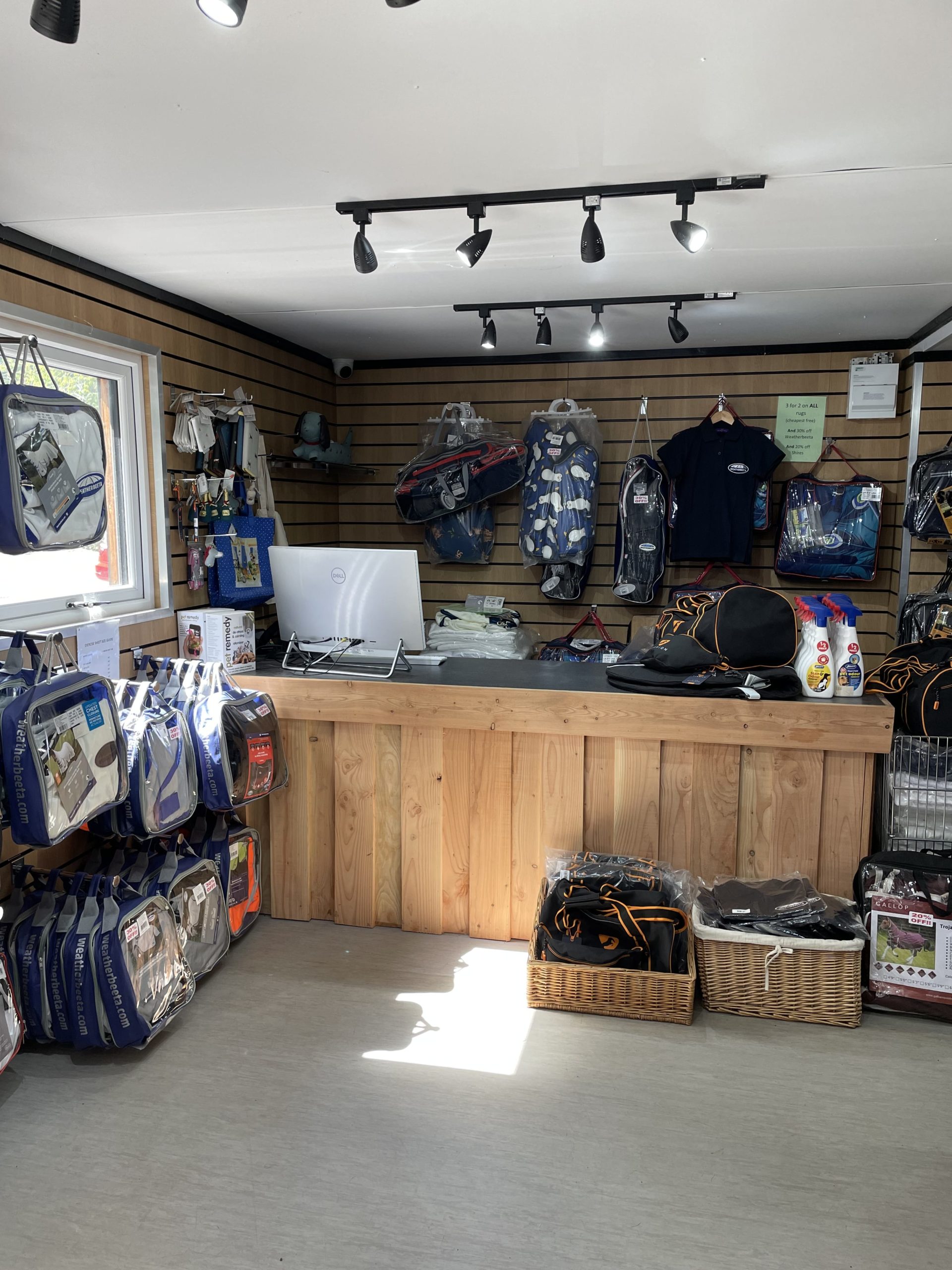
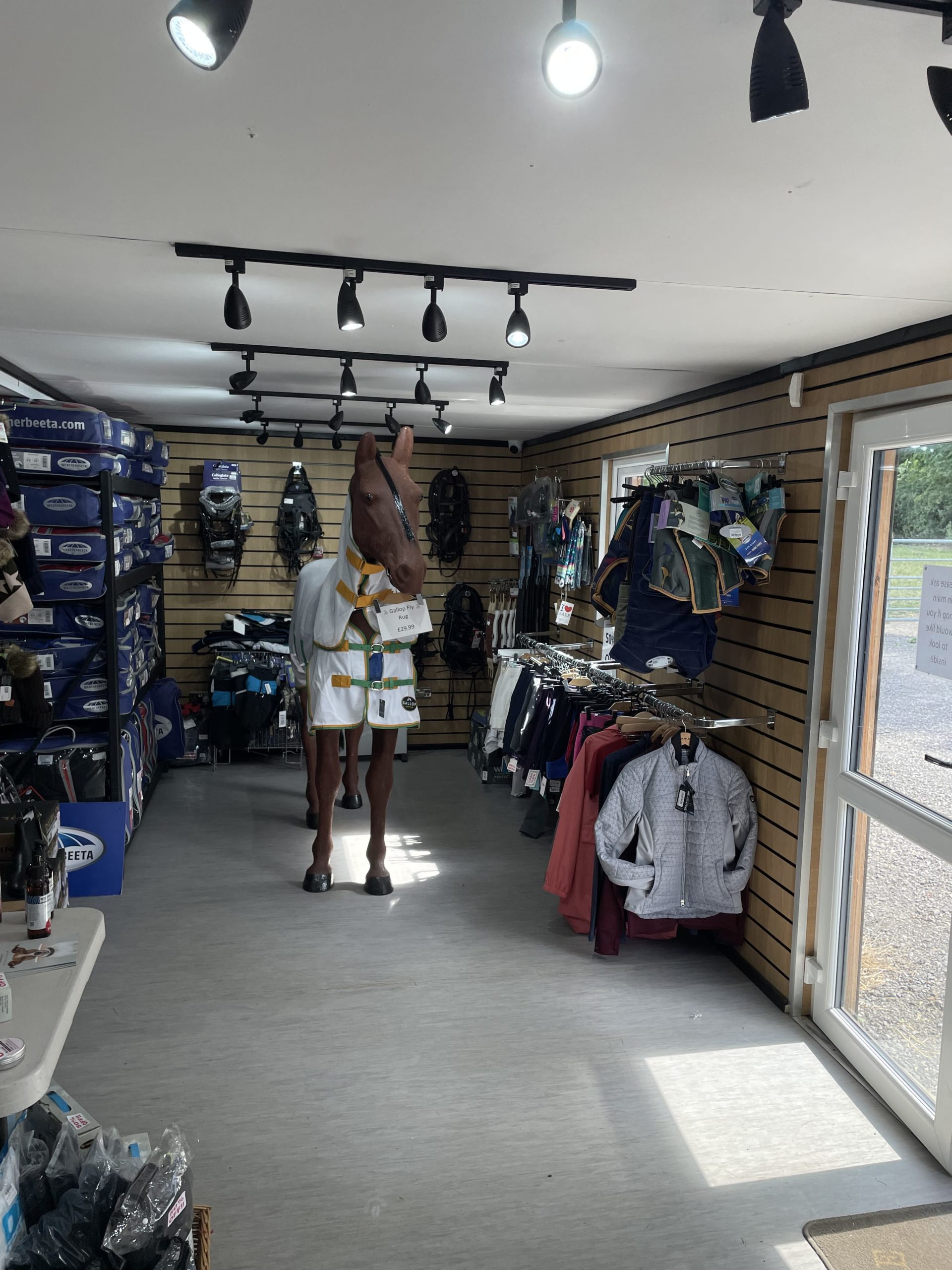
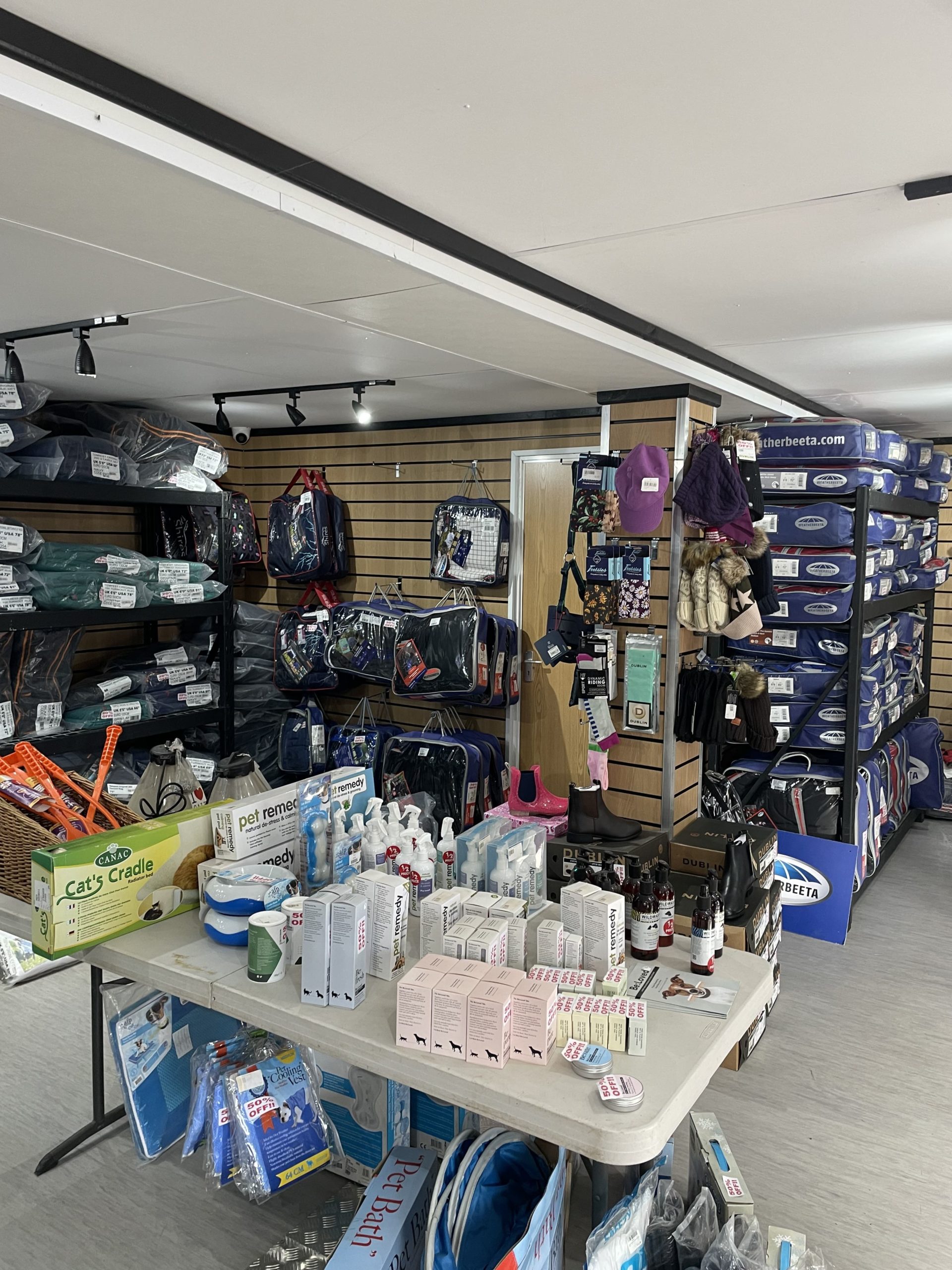
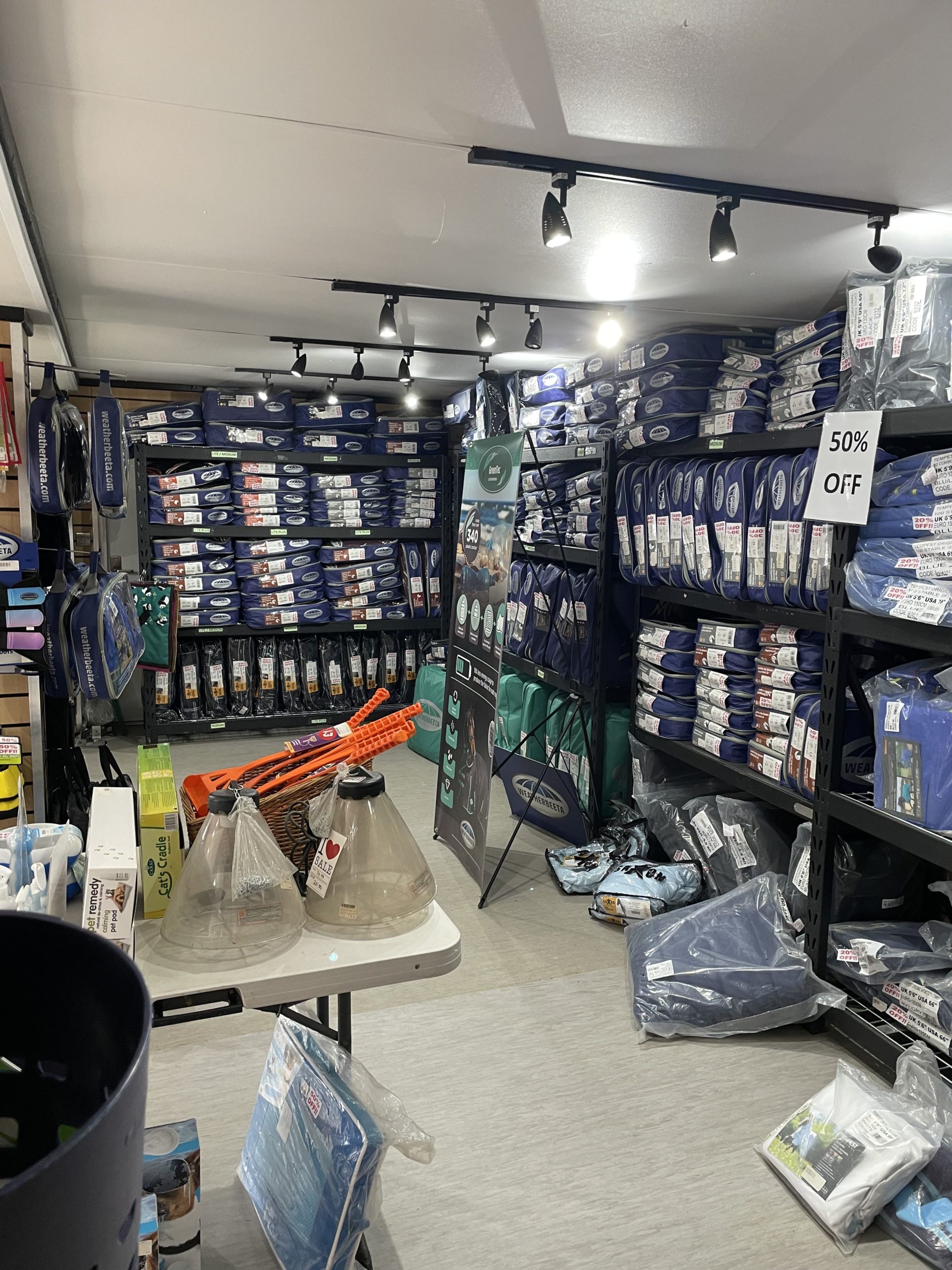
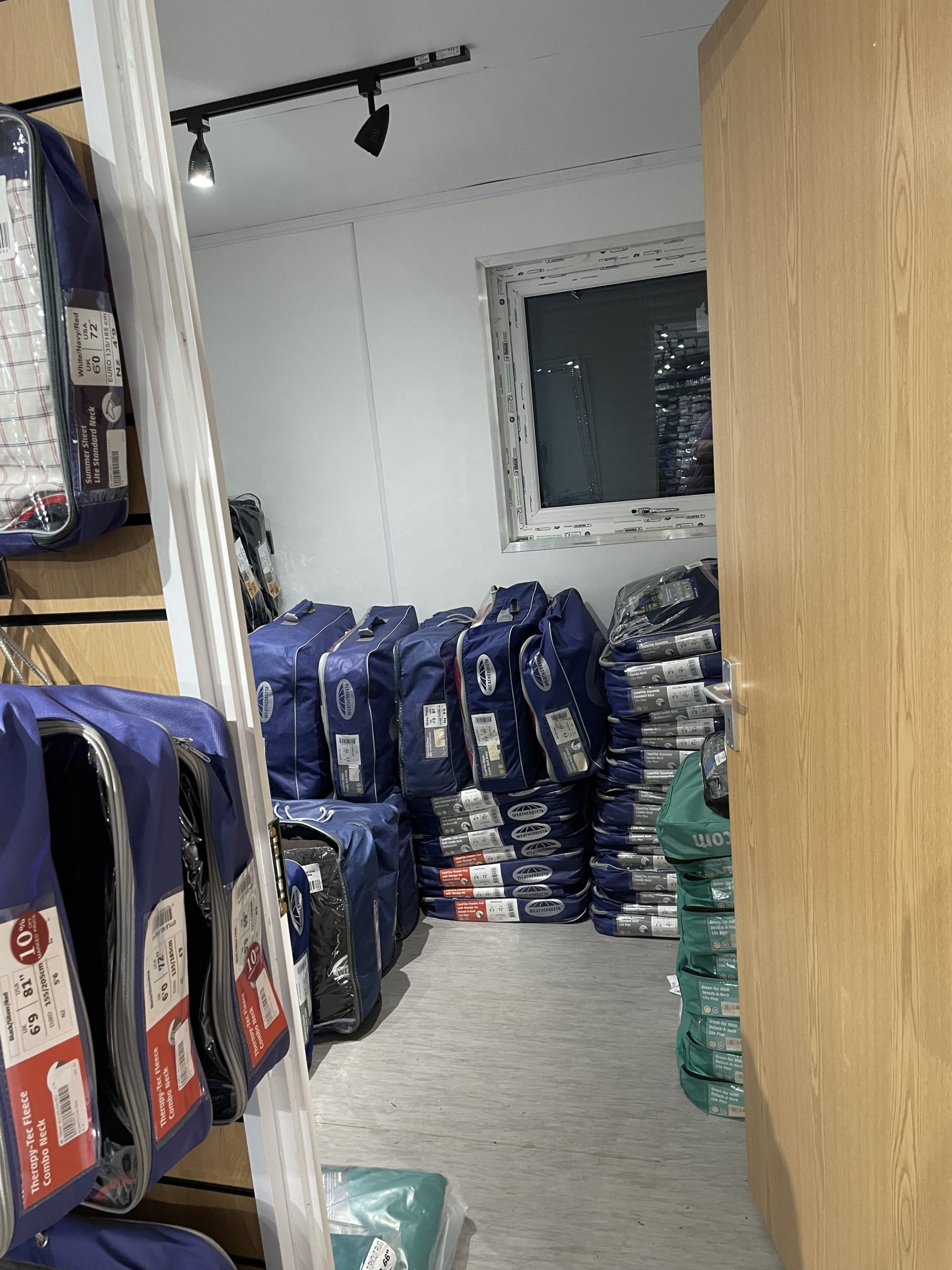
Location: Nationwide
EX VAT
Not Available for Hire
Call for an instant quote!
Get a Quick Container Quote Now!
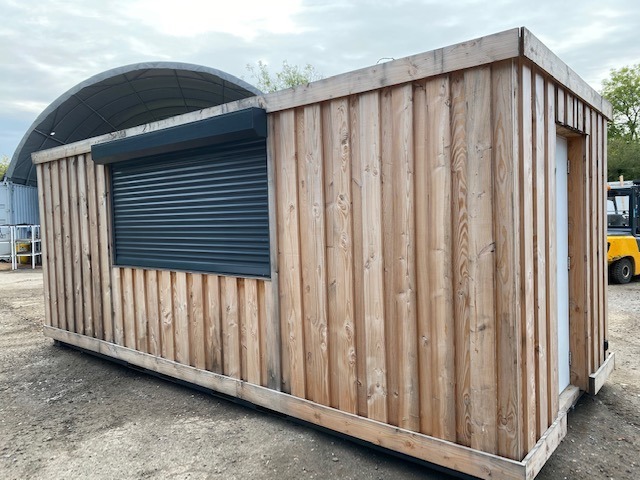
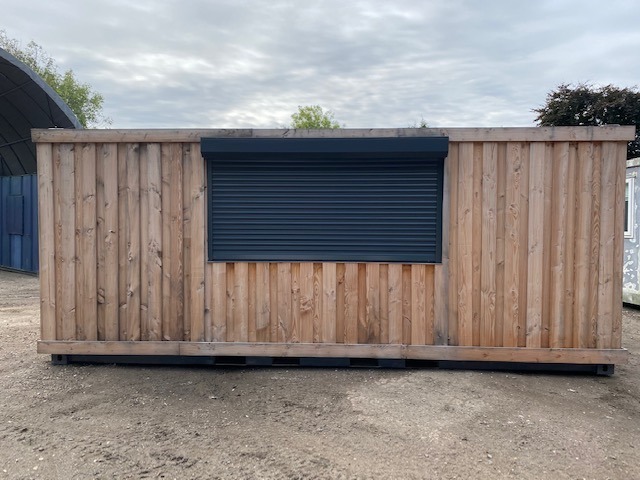
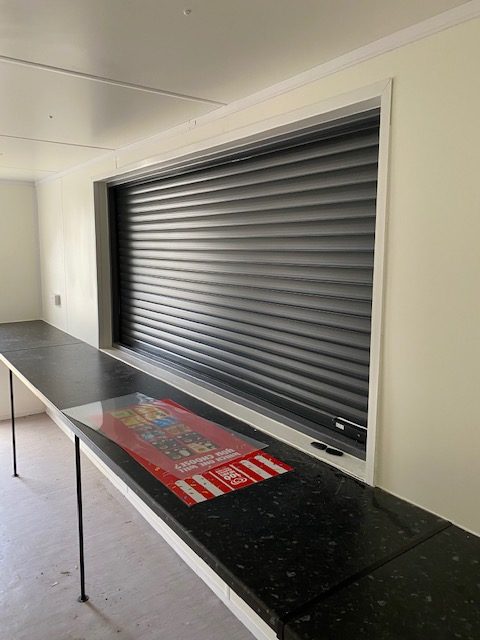
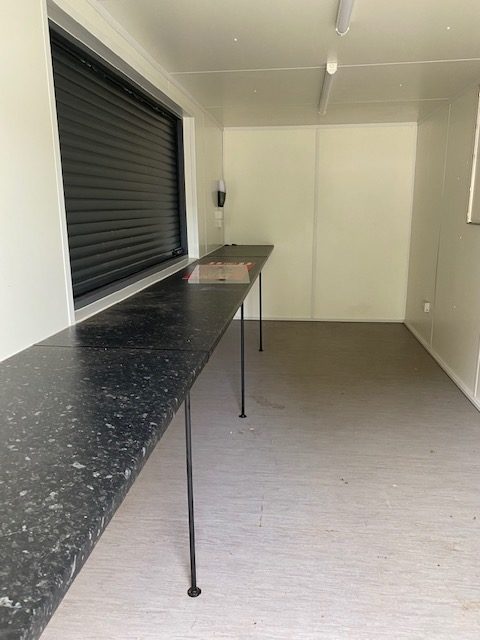
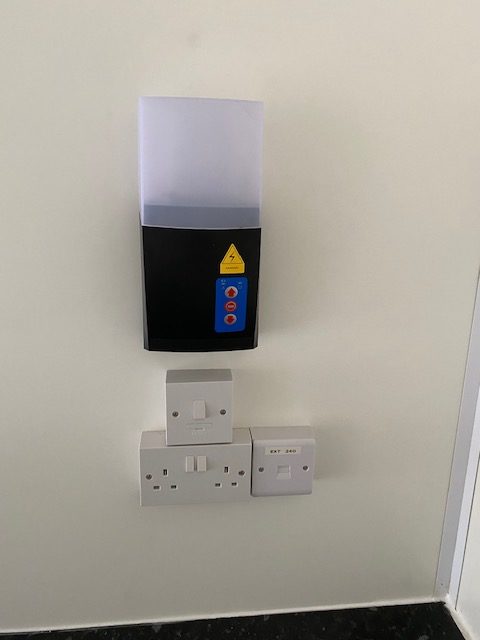
Location: Nationwide
EX VAT
Not Available for Hire
Call for an instant quote!
Get a Quick Container Quote Now!
Get a Quick Container Quote Now!
