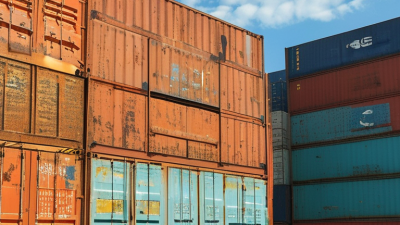
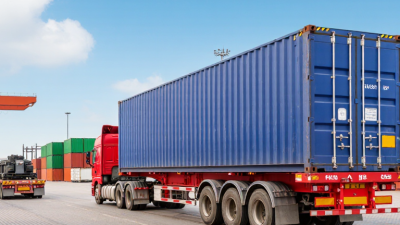
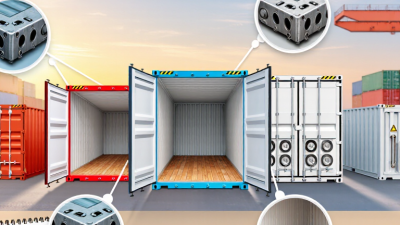
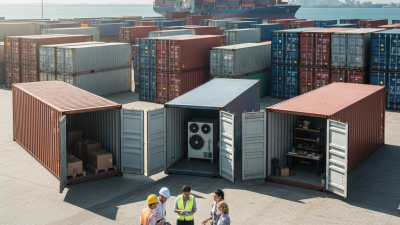
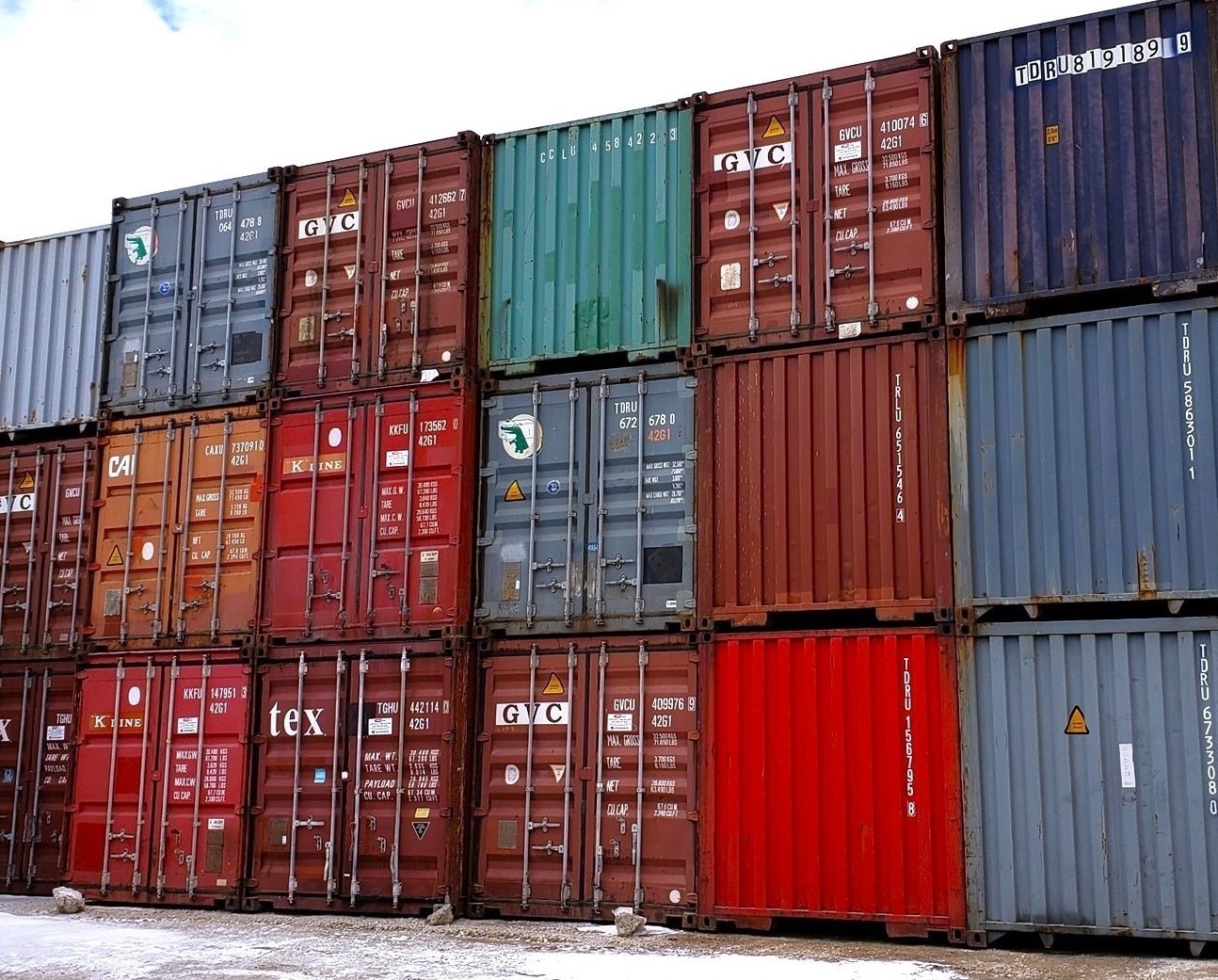
Choosing the right sea container can shape the safety, cost, and timing of global cargo movement. A container is more than a steel box. Its size, structure, ventilation, and loading history affect every mile at sea. In practice, small decisions matter: a 20-foot unit may suit dense machinery, while a 40-foot high-cube container can provide valuable vertical space for lighter cartons. The wrong fit can leave empty volume, uneven weight, or damaged packaging.
This guide explores how experienced shippers assess cargo dimensions, gross weight, moisture sensitivity, loading equipment, and destination requirements. Standard dry containers often handle general freight, but refrigerated, open-top, flat-rack, and tank options serve different approved purposes. A careful review includes container condition, door seals, floor strength, corner posts, and valid inspection markings. It also considers pallet layout, lashing points, axle limits, and port handling conditions. Reliable decisions should follow carrier guidance, recognized international standards, and current customs documentation.
Still, no checklist is flawless. Product changes, seasonal availability, and imperfect measurements can alter the best choice. Measure twice. Ask for evidence. Photographs, packing lists, and a verified booking record can expose problems before loading. This article offers a practical framework for comparing equipment, controlling avoidable risks, and communicating clearly with freight partners. The aim is not to choose the largest sea container, but the safest and most efficient one for the cargo, route, and handling plan.
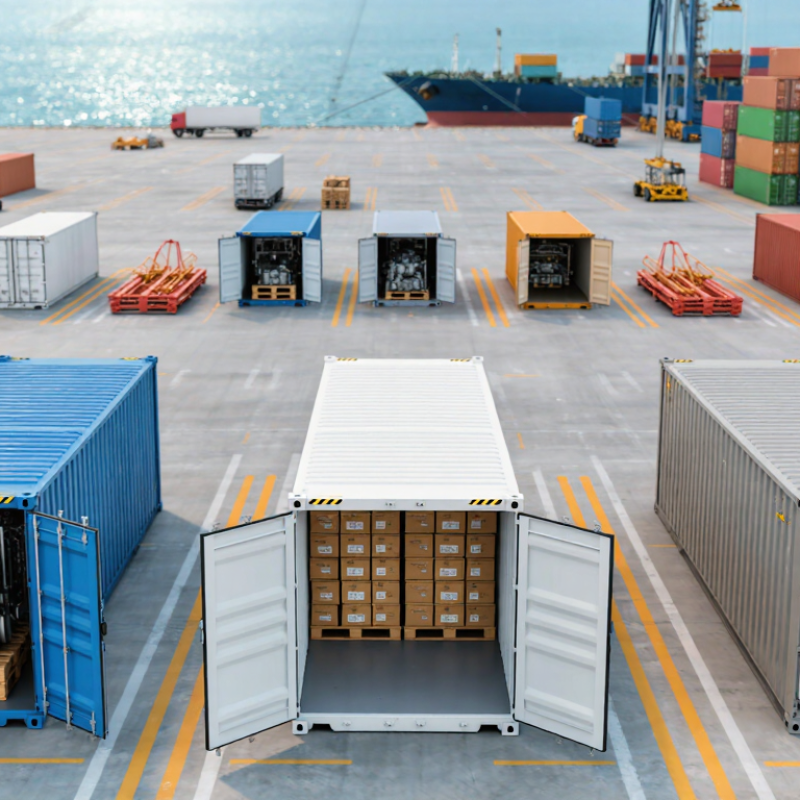
Choosing a sea container starts with dimensions, not cargo weight alone. ISO 668 defines standard external sizes used across international shipping. A 20-foot container measures about 6.058 metres long, 2.438 metres wide, and 2.591 metres high. A 40-foot unit keeps the same width and height but doubles the length. A high-cube container adds roughly 305 millimetres of internal height. Door openings and usable space still vary by design. UNCTAD’s Review of Maritime Transport 2024 recorded approximately 12.3 billion tonnes of seaborne trade in 2023. Standardisation supports that enormous flow.
The dry container suits most boxed, palletised, and non-temperature-sensitive cargo. Reefers maintain controlled temperatures, but their machinery reduces interior space and requires a power connection. Open-top containers help with tall machinery loaded by crane. Flat racks handle wide or heavy units, while tank containers carry approved bulk liquids. Check the container’s CSC plate, maximum payload, door clearance, and internal length. Don’t trust nominal dimensions alone.
A 40-foot dry container may hold about 25 standard European pallets, depending on pallet orientation and load height. One misplaced pallet can block the doors. The World Shipping Council reported 221 containers lost at sea in 2023, reinforcing the importance of weight distribution and secure lashing. My own planning rule is simple: measure the actual cargo, draw the loading pattern, and allow clearance for handling. A neat spreadsheet can still mislead. Recheck the weak points.
| Container Type | External Dimensions L × W × H |
Internal Dimensions L × W × H |
Door Opening W × H |
Approx. Volume | Maximum Gross Weight | Typical Payload | Recommended Use |
|---|---|---|---|---|---|---|---|
| 20-Foot General Purpose | 6,058 × 2,438 × 2,591 mm (20 × 8 × 8 ft 6 in) |
5,898 × 2,352 × 2,393 mm (19 ft 4 in × 7 ft 9 in × 7 ft 10 in) |
2,340 × 2,280 mm | 33.2 m³ | 30,480 kg | Approximately 28,200 kg | Dense, heavy cargo such as machinery, metal products, building materials, and palletized goods. |
| 40-Foot General Purpose | 12,192 × 2,438 × 2,591 mm (40 × 8 × 8 ft 6 in) |
12,032 × 2,352 × 2,393 mm (39 ft 6 in × 7 ft 9 in × 7 ft 10 in) |
2,340 × 2,280 mm | 67.7 m³ | 30,480 kg | Approximately 26,700 kg | Large volumes of general cargo, cartons, furniture, textiles, and mixed palletized shipments. |
| 40-Foot High Cube | 12,192 × 2,438 × 2,896 mm (40 × 8 × 9 ft 6 in) |
12,032 × 2,352 × 2,698 mm (39 ft 6 in × 7 ft 9 in × 8 ft 10 in) |
2,340 × 2,585 mm | 76.4 m³ | 30,480 kg | Approximately 26,500 kg | Bulky or lightweight cargo requiring extra vertical clearance and around 13% more internal volume than a standard 40-foot container. |
| 45-Foot High Cube | 13,716 × 2,438 × 2,896 mm (45 × 8 × 9 ft 6 in) |
13,556 × 2,352 × 2,698 mm (44 ft 6 in × 7 ft 9 in × 8 ft 10 in) |
2,340 × 2,585 mm | Approximately 86.0 m³ | Typically 32,500 kg | Approximately 29,000 kg | High-volume, lower-density cargo where additional length is more efficient than using multiple shorter containers. |
| 20-Foot Open Top | 6,058 × 2,438 × 2,591 mm (20 × 8 × 8 ft 6 in) |
Approximately 5,898 × 2,352 × 2,348 mm | 2,340 × 2,280 mm | Approximately 32.6 m³ | 30,480 kg | Approximately 28,000 kg | Over-height or top-loaded cargo, including scrap metal, stone, timber, and industrial equipment. |
| 40-Foot High Cube Refrigerated | 12,192 × 2,438 × 2,896 mm (40 × 8 × 9 ft 6 in) |
Approximately 11,590 × 2,290 × 2,545 mm | Approximately 2,290 × 2,480 mm | Approximately 67.7 m³ | Typically 34,000 kg | Approximately 29,000 kg | Temperature-sensitive cargo such as frozen food, fresh produce, pharmaceuticals, and other perishables. |
| 20-Foot Flat Rack | Approximately 6,058 × 2,438 × 2,591 mm | No enclosed internal dimensions; cargo platform is approximately 5,638 mm long and 2,438 mm wide. | Open sides and top | Not applicable | Typically 34,000 kg | Varies by unit and route | Heavy, wide, or unusually shaped cargo such as vehicles, machinery, steel structures, and industrial components. |
| 40-Foot Flat Rack | Approximately 12,192 × 2,438 × 2,591 mm | No enclosed internal dimensions; cargo platform is approximately 11,652 mm long and 2,438 mm wide. | Open sides and top | Not applicable | Typically 45,000 kg | Varies by unit and route | Oversized or exceptionally heavy cargo that cannot be loaded through standard container doors. |
| Important: Dimensions, maximum gross weights, payload ratings, and available equipment can vary according to the container's construction, tare weight, owner specifications, vessel limitations, and local regulations. Always confirm the exact unit data and route restrictions before booking. Maximum gross weight includes both cargo and container tare weight. | |||||||
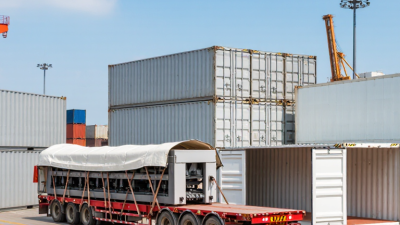
How to Choose the Right Sea Container for Global Shipping?
Container selection starts with the cargo, not the available equipment list. Measure length, width, height, and awkward projections before booking. A standard container suits stackable cartons with moderate volume and stable weight distribution. High-cube equipment provides extra internal height, but that space can encourage careless loading. It is not a substitute for accurate measurements.
Weight matters as much as volume. The International Maritime Organization requires a verified gross mass before loading a packed container. Include cargo, packaging, pallets, and securing materials. A 2023 World Bank Logistics Performance Index report highlights tracking and shipment reliability as major supply-chain concerns. Incorrect weights can damage equipment, delay inspections, and disrupt stowage plans. I have seen teams calculate cargo weight correctly, then forget wooden supports and moisture barriers.
Special handling changes the decision. Temperature-sensitive cargo needs a refrigerated container, with tested airflow and a documented temperature range. Oversized machinery may require a flat rack or open-top unit. Heavy items should sit low, with the center of gravity clearly marked. UNCTAD’s Review of Maritime Transport 2024 recorded about 858 million TEUs in global container-port throughput during 2023. At that scale, small loading errors multiply quickly. A perfect volume calculation can still fail. Check door clearance, lifting points, securing angles, and the carrier’s payload limits before final approval.
Weather and route conditions should guide your container choice. A standard dry container suits most boxed cargo, but moisture-sensitive goods need extra protection. Use desiccant bags, moisture barriers, and ventilation controls when routes cross humid regions. For chilled or frozen cargo, a temperature-controlled container is essential. Check its temperature range, power requirements, and recent inspection records. Salt air can damage door seals and locking parts. Small faults become expensive delays.
Security also depends on container condition, not only the seal. Choose a unit with straight doors, working lock rods, intact flooring, and no visible light through the walls. A high-security seal supports tracking and accountability, but it cannot repair weak cargo packing. Distribute weight evenly and keep heavy items low. Always confirm the container’s certified gross mass before loading. This protects workers, vehicles, and cargo during road and rail transfers.
Tips: Match container height to the cargo, not convenience. High-cube units offer more volume but may face height limits inland. Ask the carrier about equipment availability at the destination. A perfect container on paper may be difficult to replace there. Photograph the interior, doors, floor, and seal before loading. Record moisture damage or rust honestly. I would not rely on a quick visual check alone; corners, roof joints, and door gaskets deserve careful attention. Weather forecasts can change, and route assumptions are sometimes wrong.
Choosing a sea container starts with the route, not the box. A 20-foot dry container may suit dense cargo, while a 40-foot unit gives more volume for lighter goods. On a long route with two transshipments, handling risk and schedule variability matter. I once favored the largest available container, then found that unused space still carried port and inland charges. That was an expensive lesson.
Regulations can change the practical choice. Confirm cargo dimensions, verified gross mass procedures, packing standards, and destination customs documents before booking. Some ports restrict equipment types or offer fewer refrigerated connections. A reefer needs continuous power and a documented temperature range. An open-top unit may simplify tall cargo, but it can require special approval, weather protection, and extra handling. Requirements differ by country and sometimes by terminal. Check official carrier and port guidance.
Availability often decides more than theory. During peak seasons, a nearby depot may offer only 40-foot equipment, forcing a route or loading change. Compare transit time, sailing frequency, transshipment points, and inland distance. Then calculate landed cost: ocean freight, surcharges, inland delivery, handling, storage, insurance, and possible demurrage. Ask for written validity dates. Estimates expire quickly. My own spreadsheets have missed small terminal fees before, so I leave a contingency and review every assumption with the forwarder.
Container quality affects cargo protection, handling, and delivery reliability.
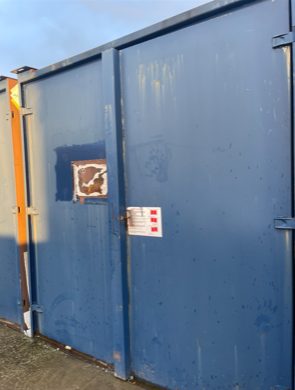
Inspect the unit before accepting it, even when depot staff have checked it. Examine the roof, side panels, corner castings, doors, locking bars, and floorboards. Look for daylight, fresh repairs, water stains, strong odors, or loose flooring. A clean container is not always a dry container. Test the door seals with a careful visual check, especially around the lower corners.
Certification should be verified from the container itself.
Check the CSC safety approval plate, maximum gross mass, tare weight, and inspection details. The numbers must match the booking documents and equipment release information. Ask whether the container suits the cargo type, route, and carrier requirements. Requirements can differ by port or service. Do not rely only on a copied certificate.
Booking details deserve equal attention.
Confirm the container size, equipment availability, empty pickup location, return depot, gate cut-off, and shipping instructions. Record the container number before loading. Photograph every side, the interior, the floor, and the door seals. After loading, confirm the seal number and keep it with the inspection record.
A final check should happen before the truck leaves, not hours later. No checklist is perfect. I have found that rushed inspections miss small holes and incorrect seal numbers. A second review takes minutes, but correcting a damaged or misidentified container can take much longer.
Registered in England & Wales No. 2786496
Registered office at: 337 Tanworth Lane,
Shirley, Solihull, B90 4DU
Registered for VAT, registration No.
GB 655 1347 38


Location: Nationwide
Not Available for Hire
We can deliver for a cost please ask and send us post code.
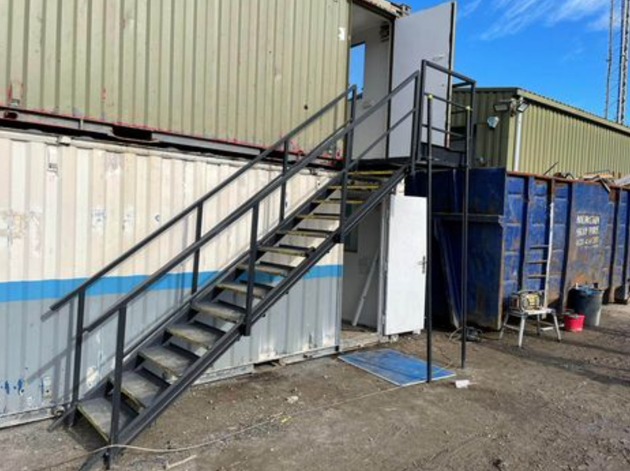
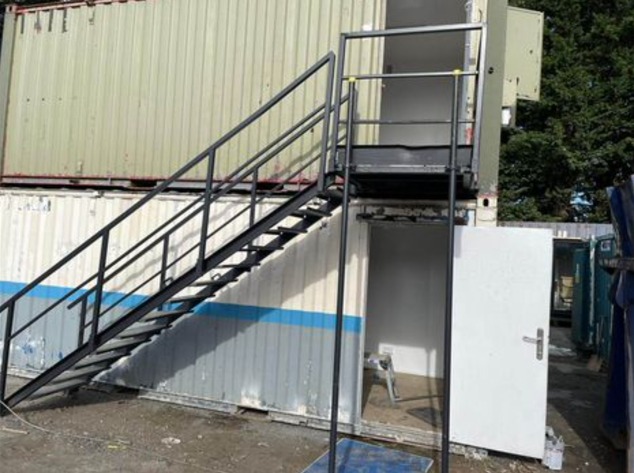
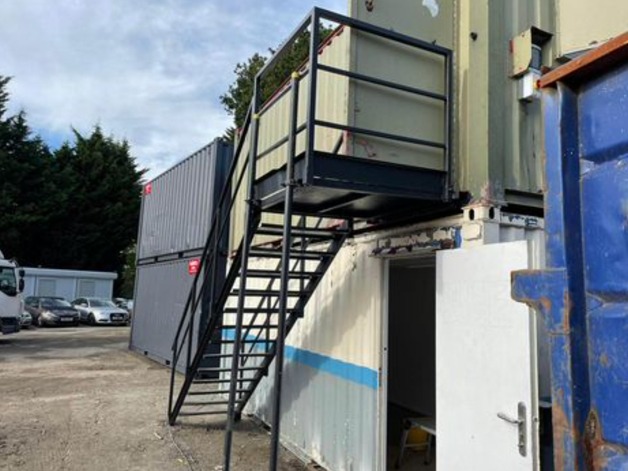
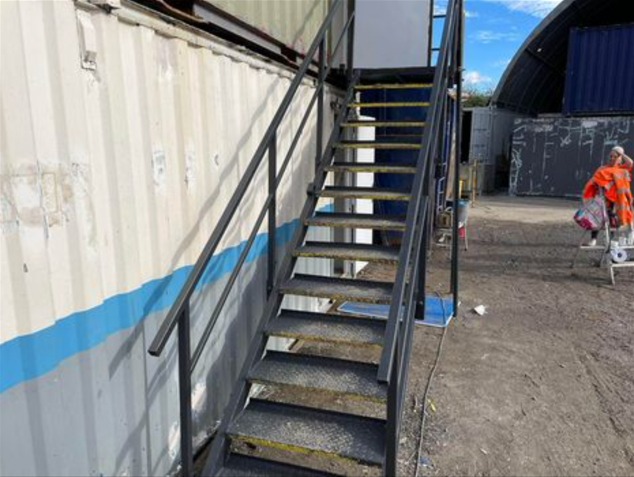
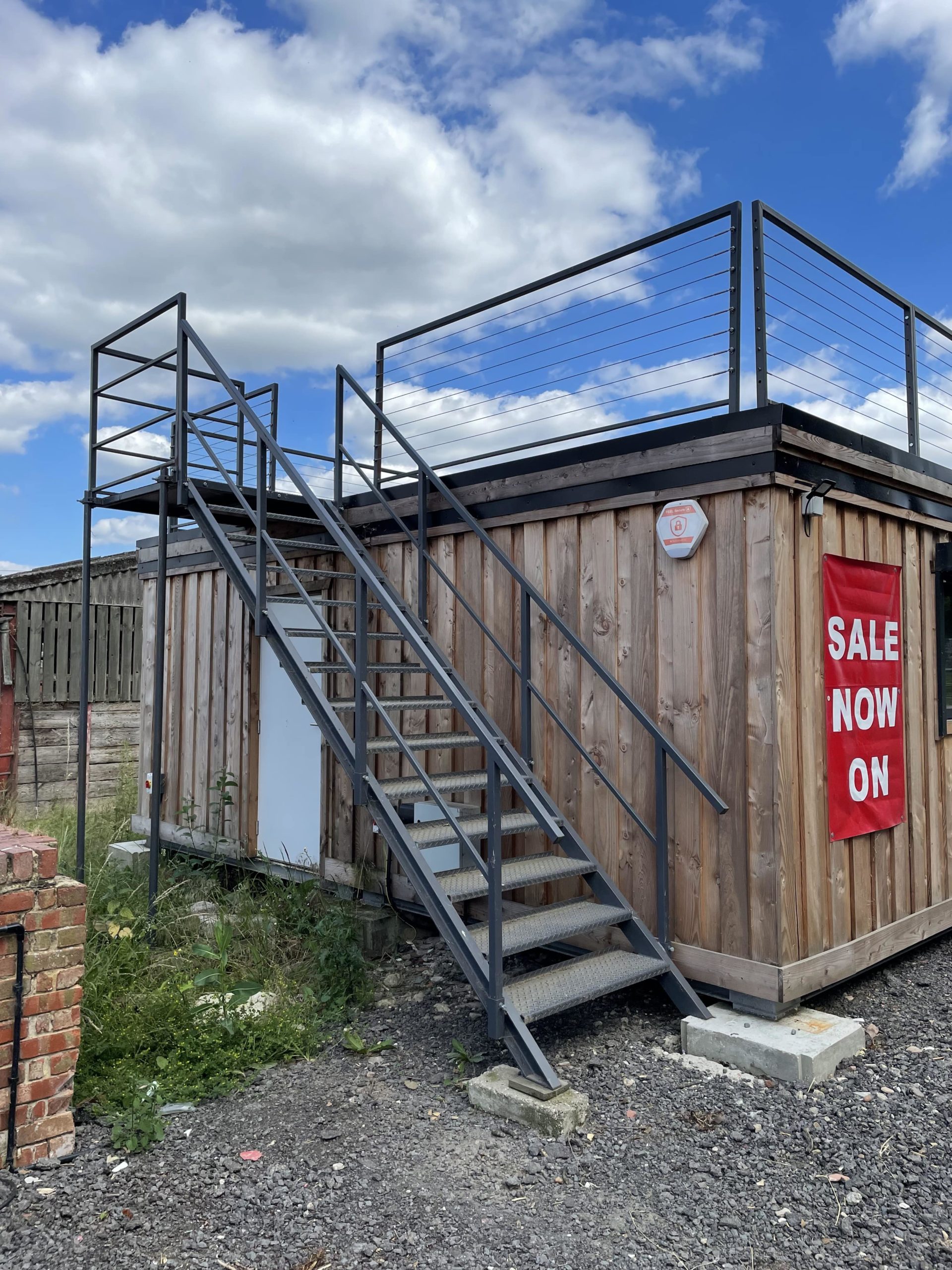
13 tread
14 tread
15 tread


Location: Nationwide
Not Available for Hire
Call for an instant quote!


Location: Nationwide
Not Available for Hire
We can deliver for a cost please ask and send us post code.
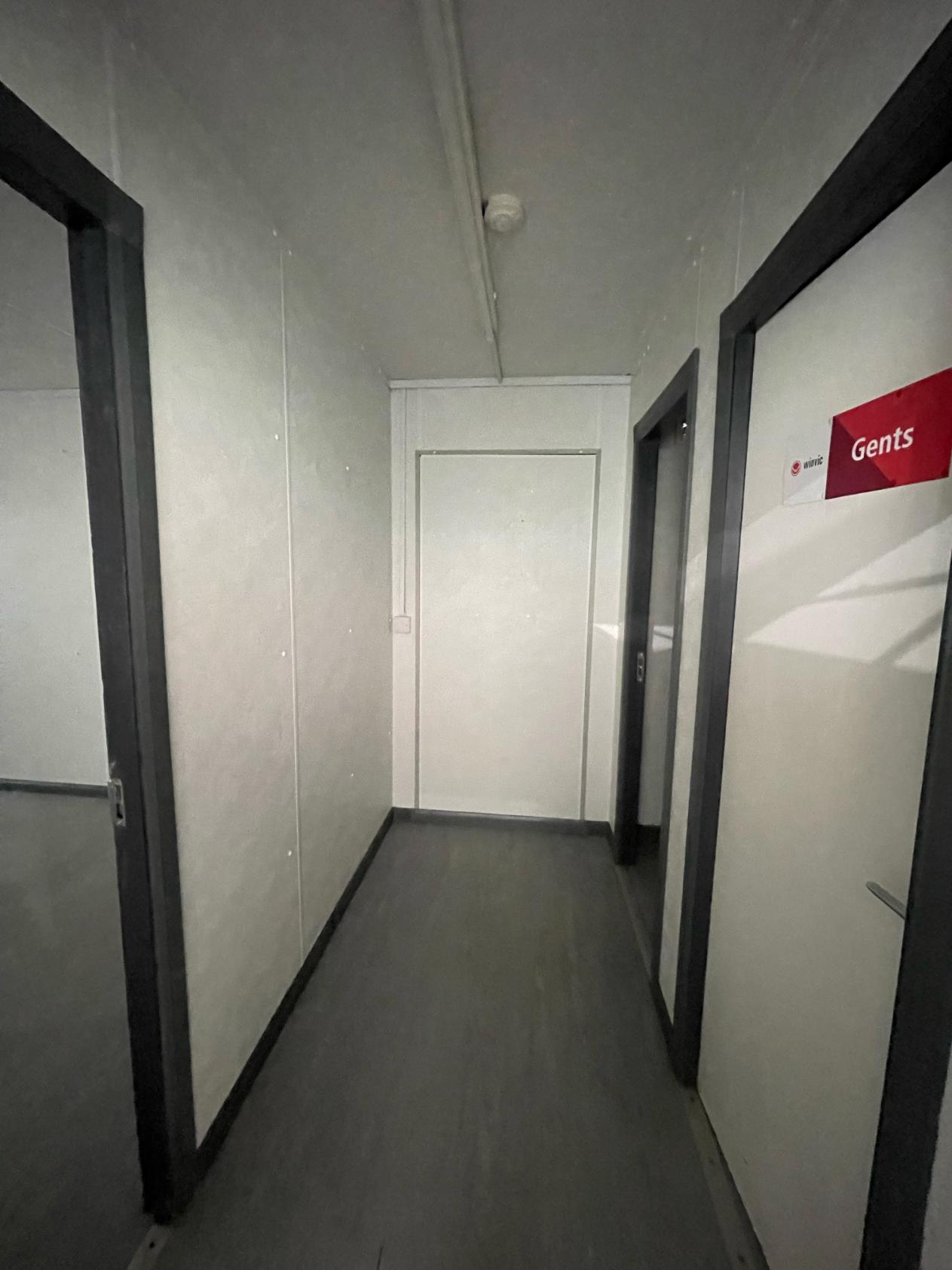
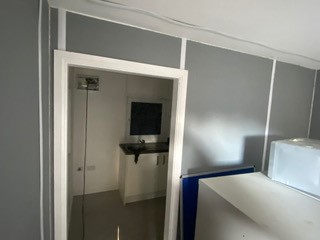
Hallway leading into:
Transport can be arranged please ask.


Location: Nationwide
Not Available for Hire
Call for an instant quote!
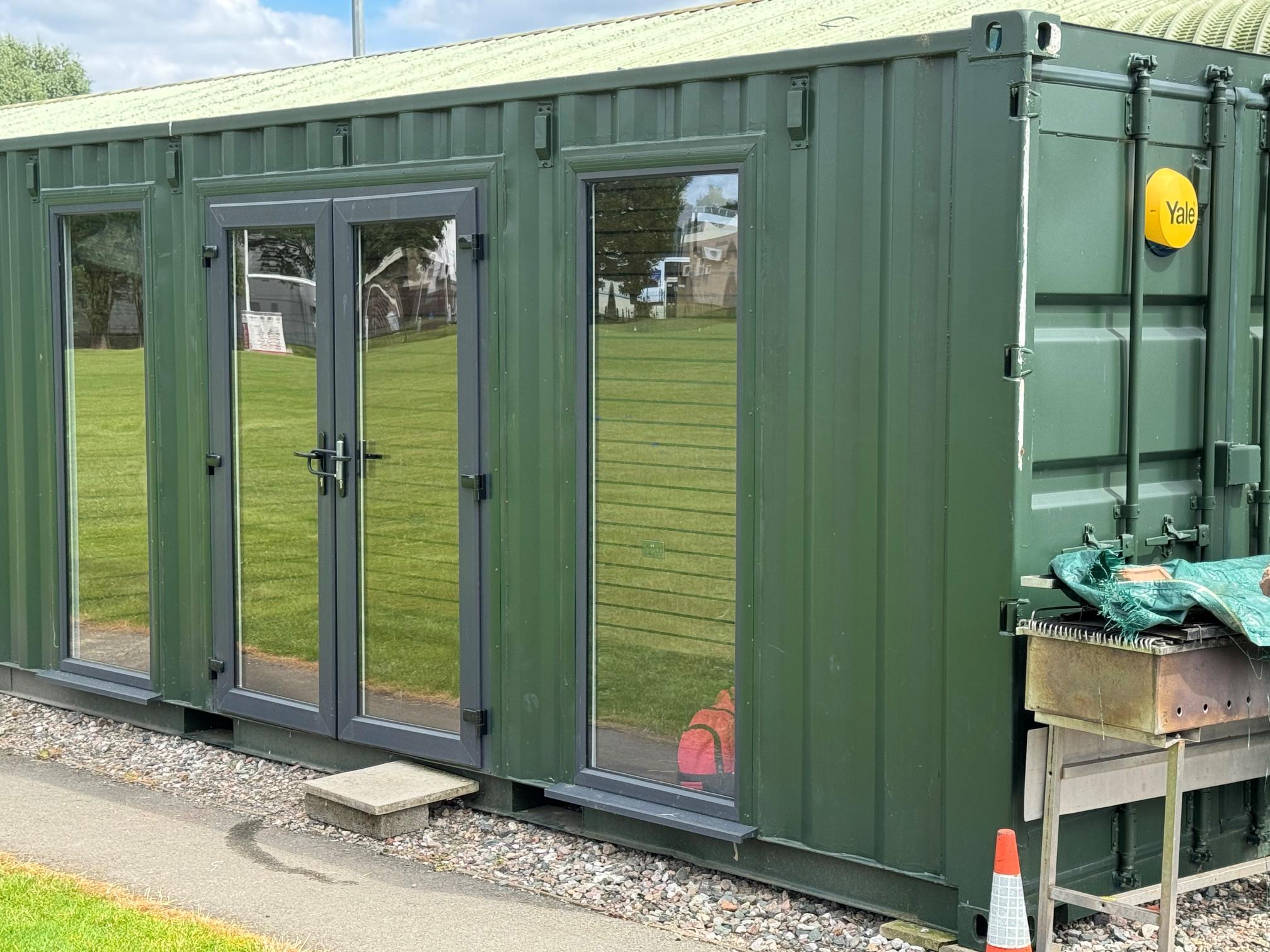
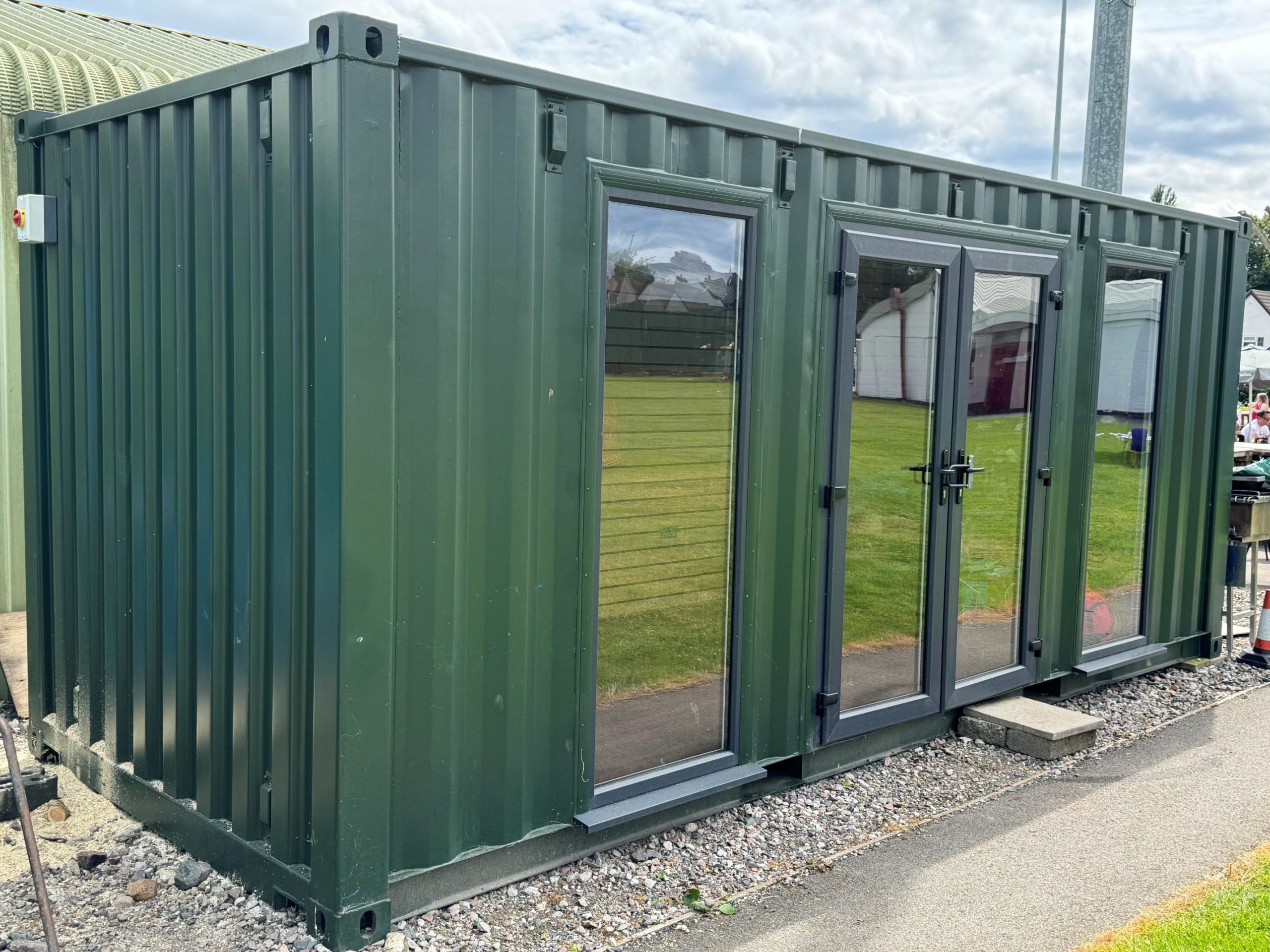
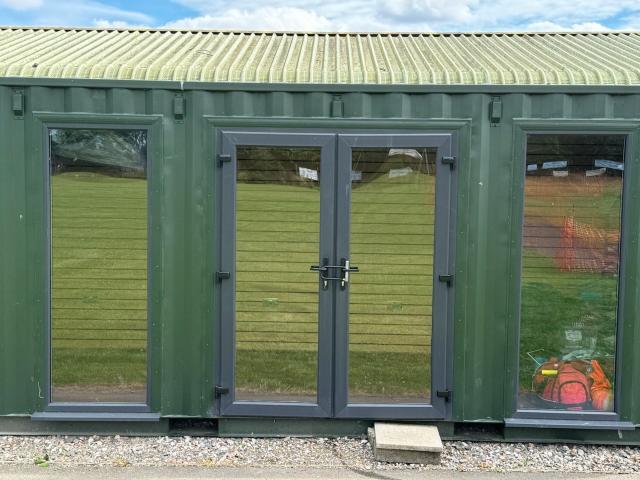
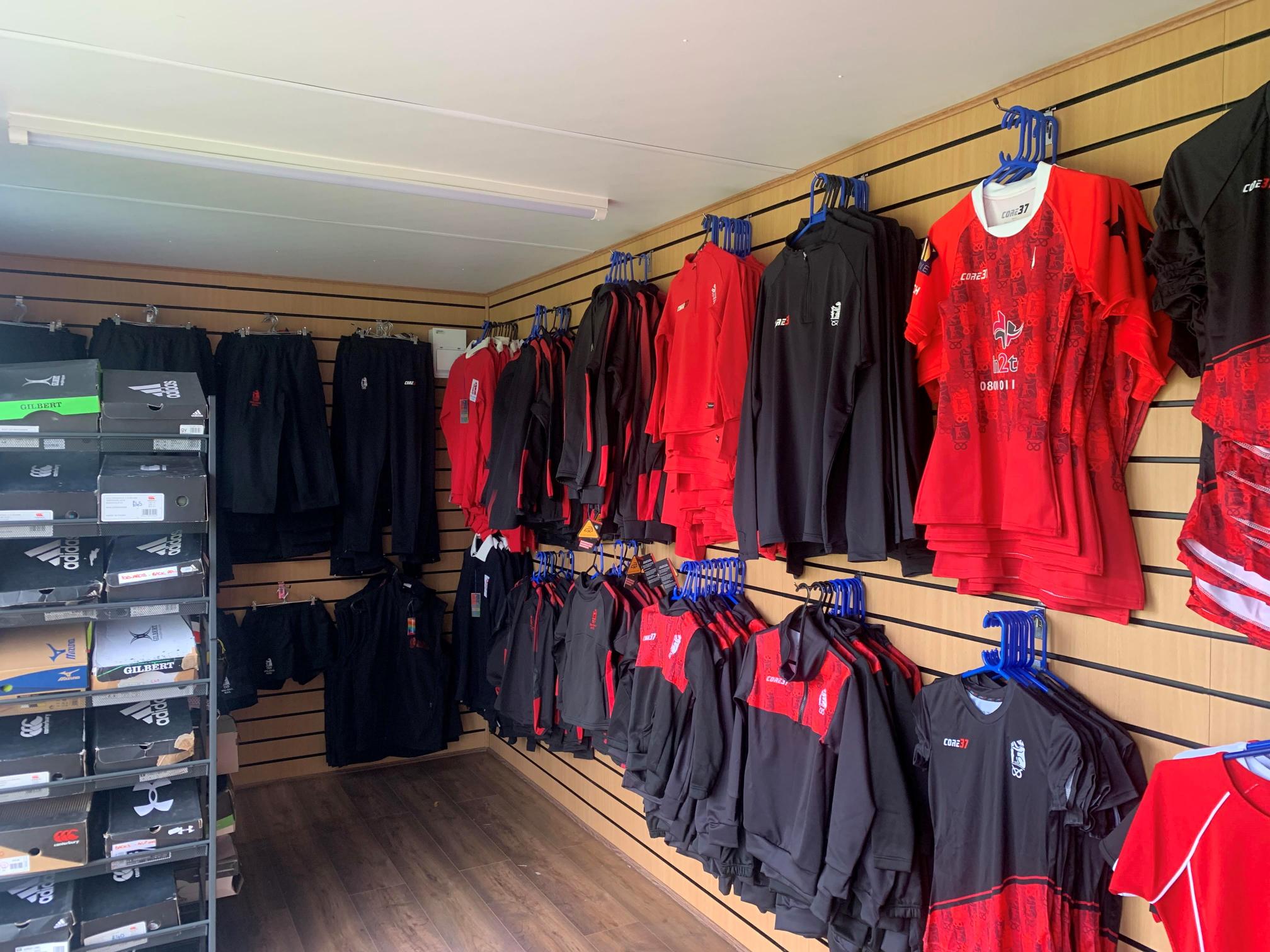
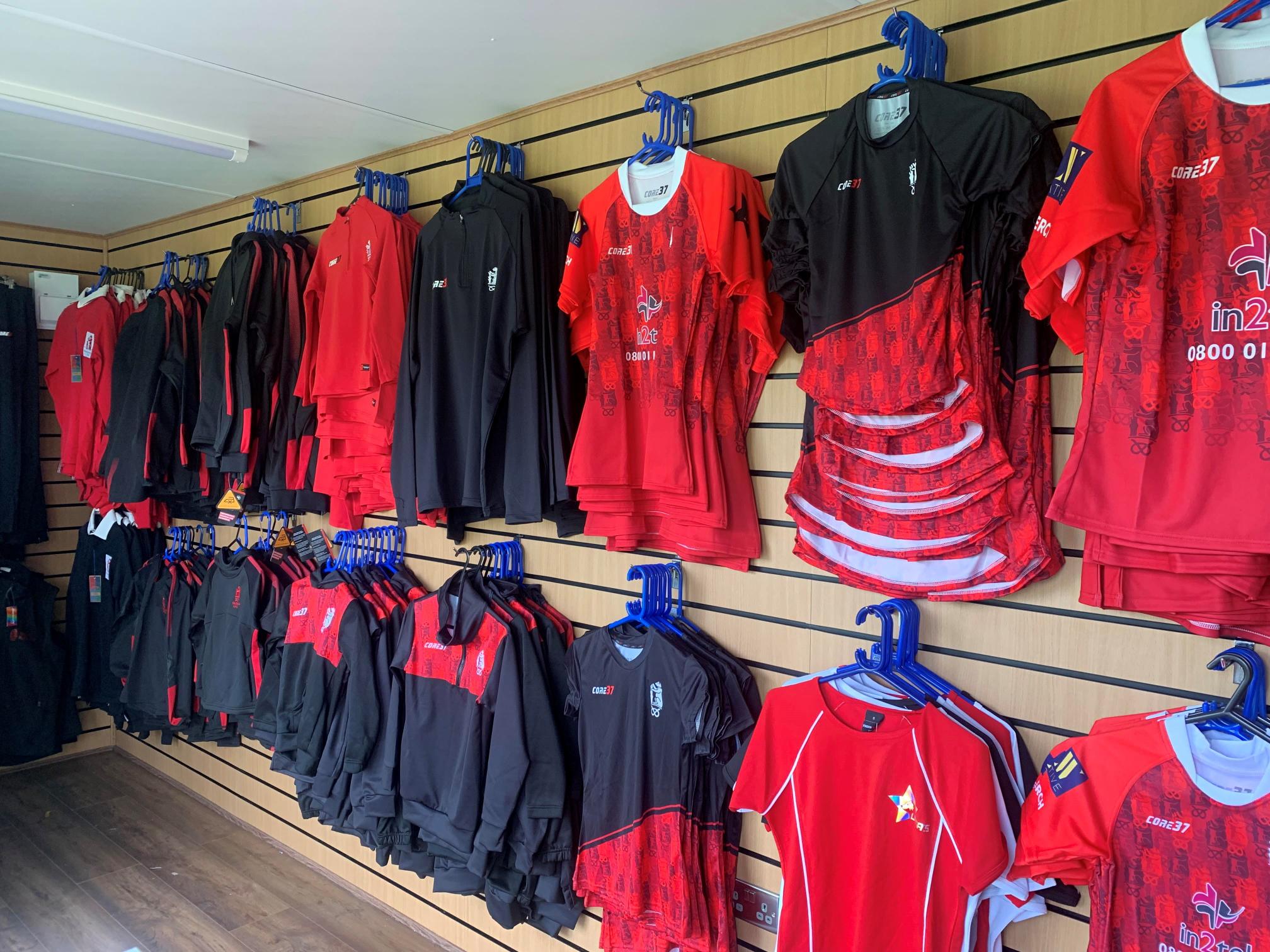
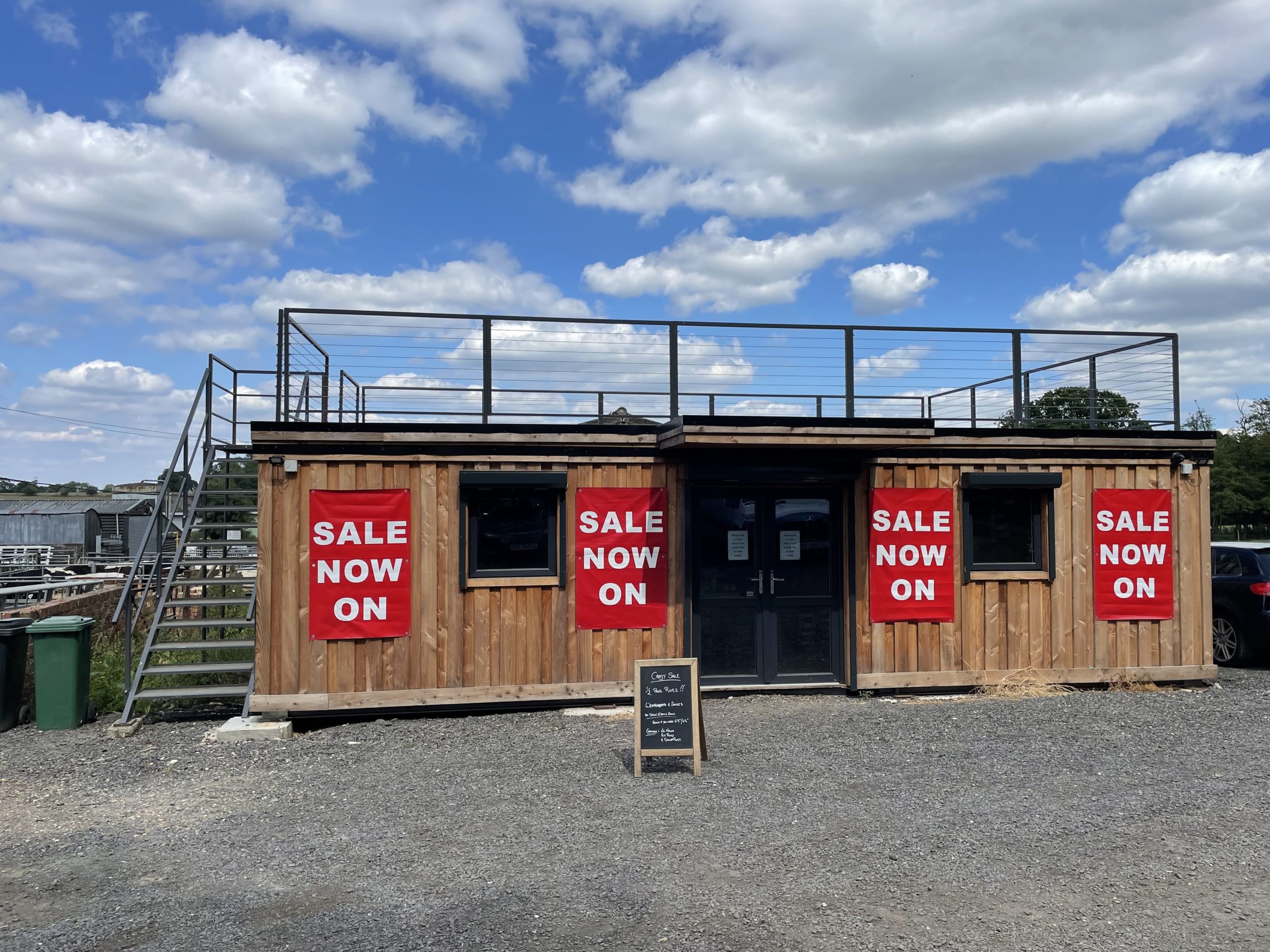
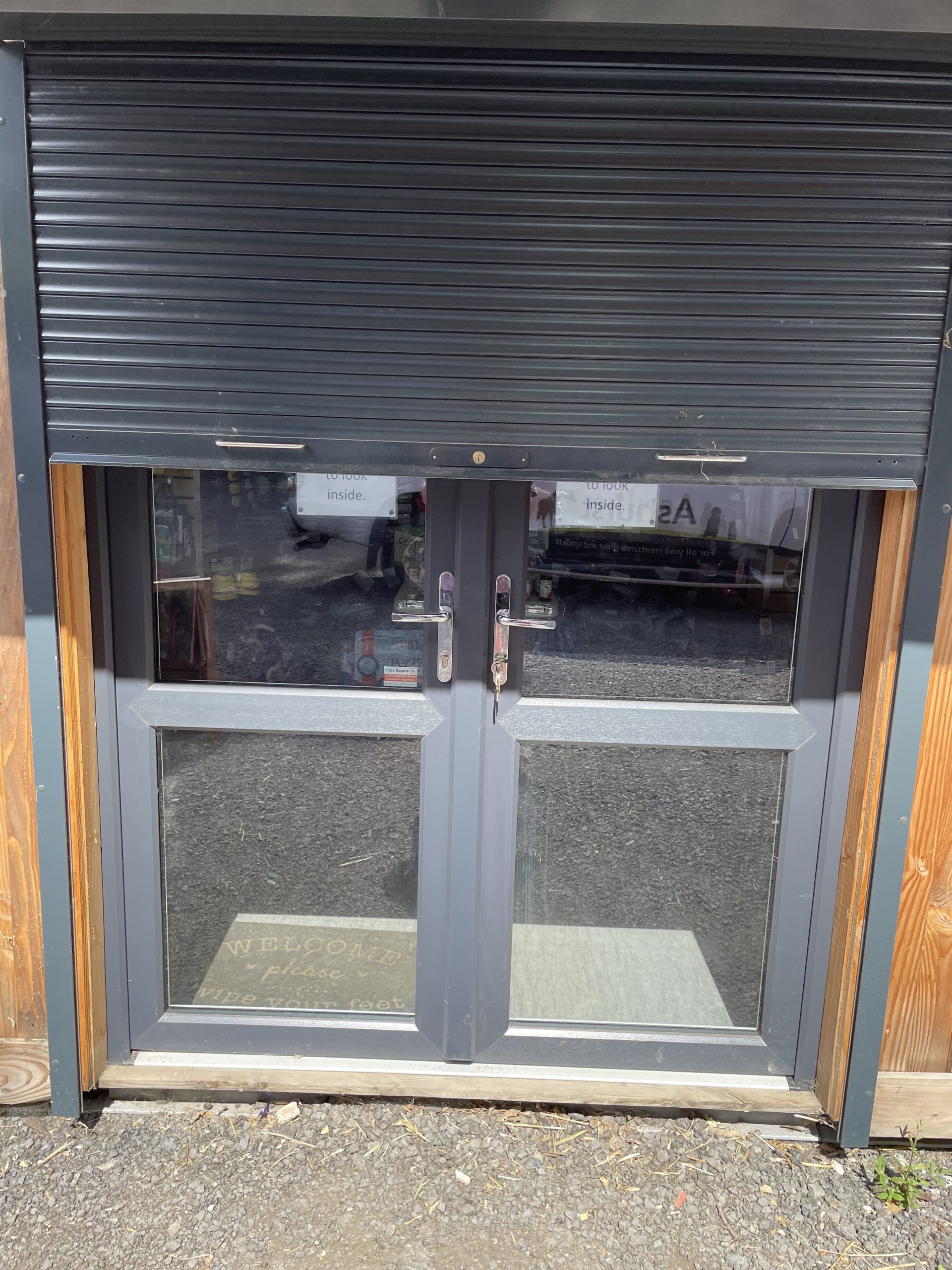
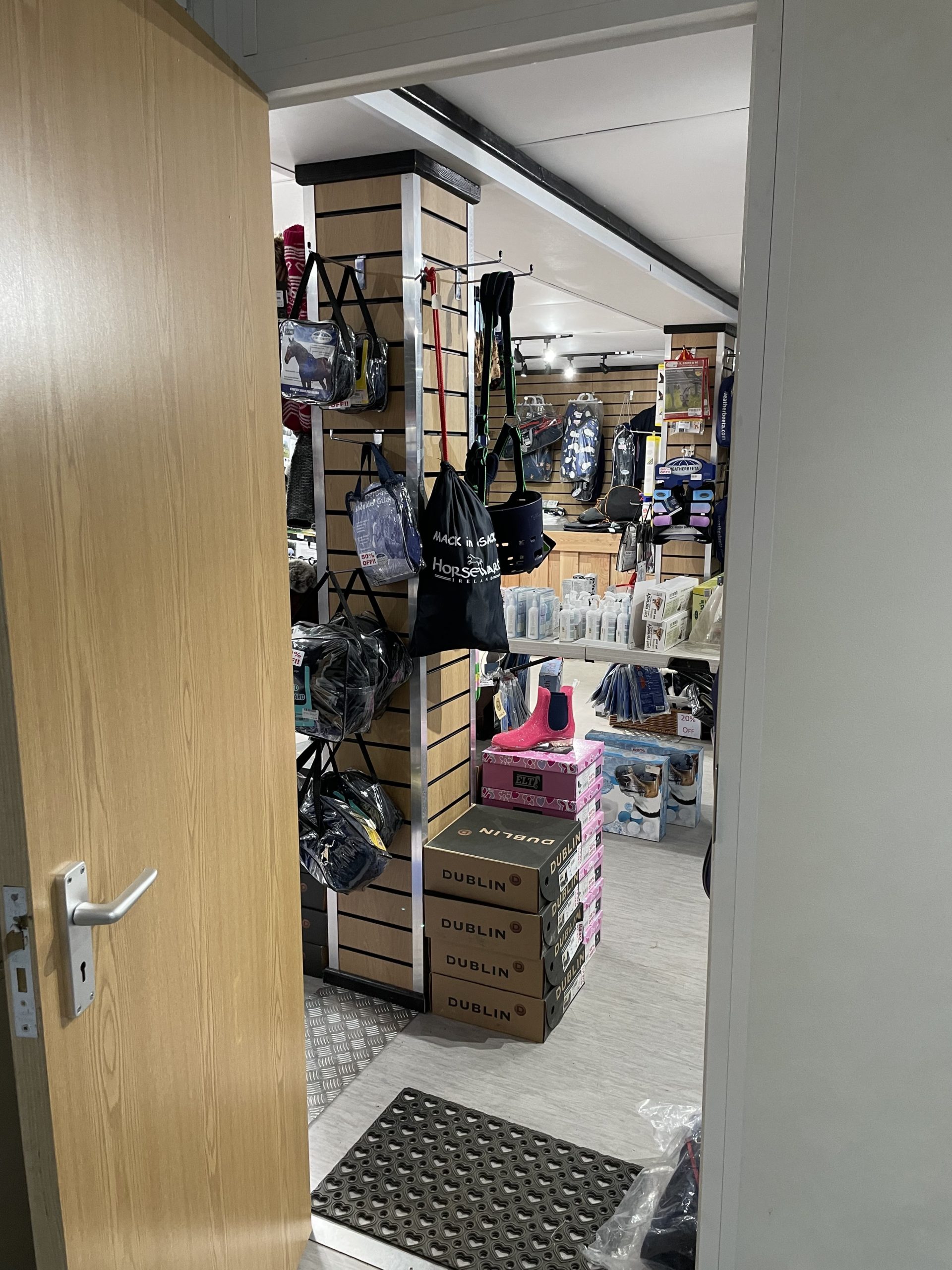
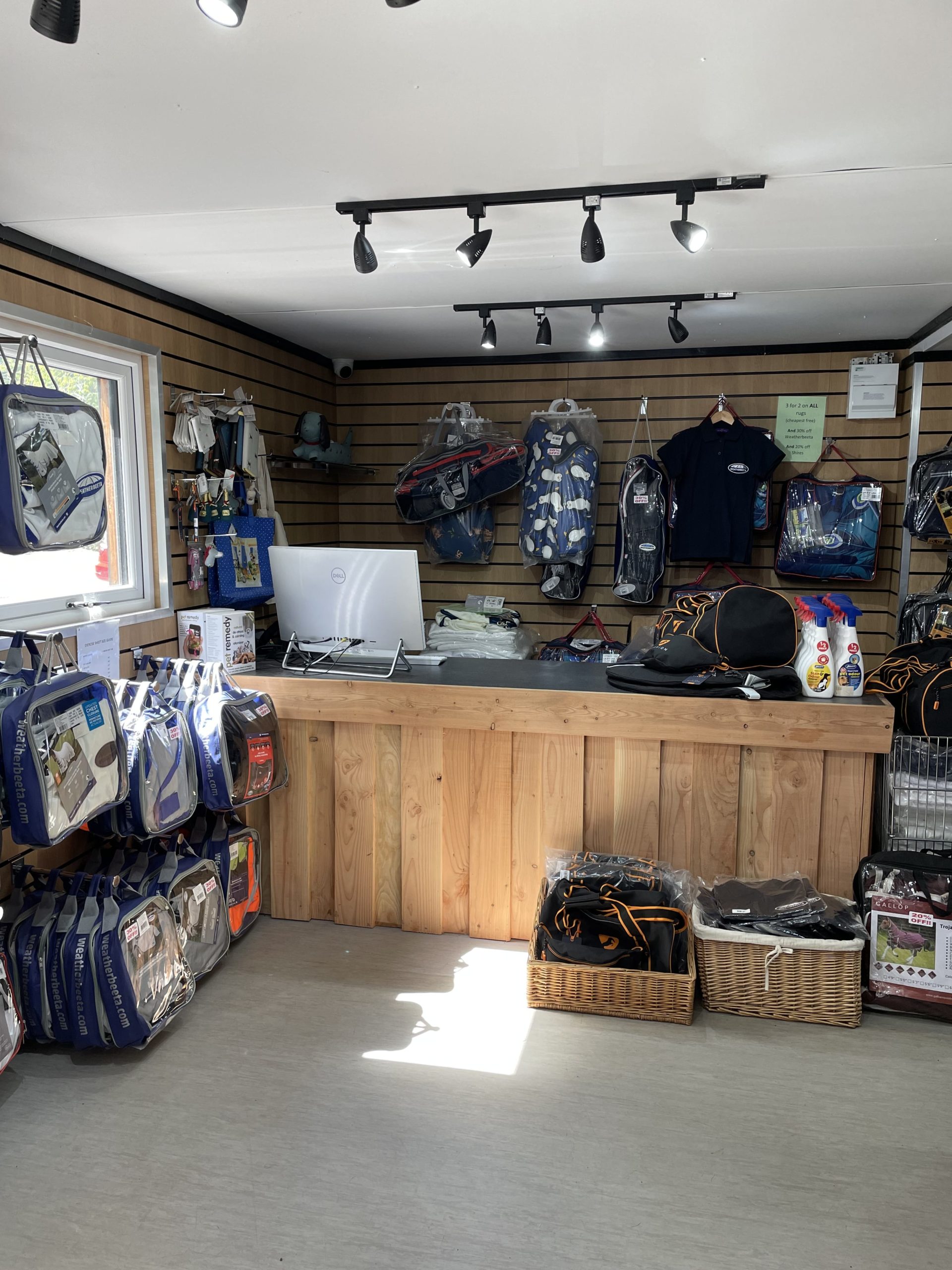
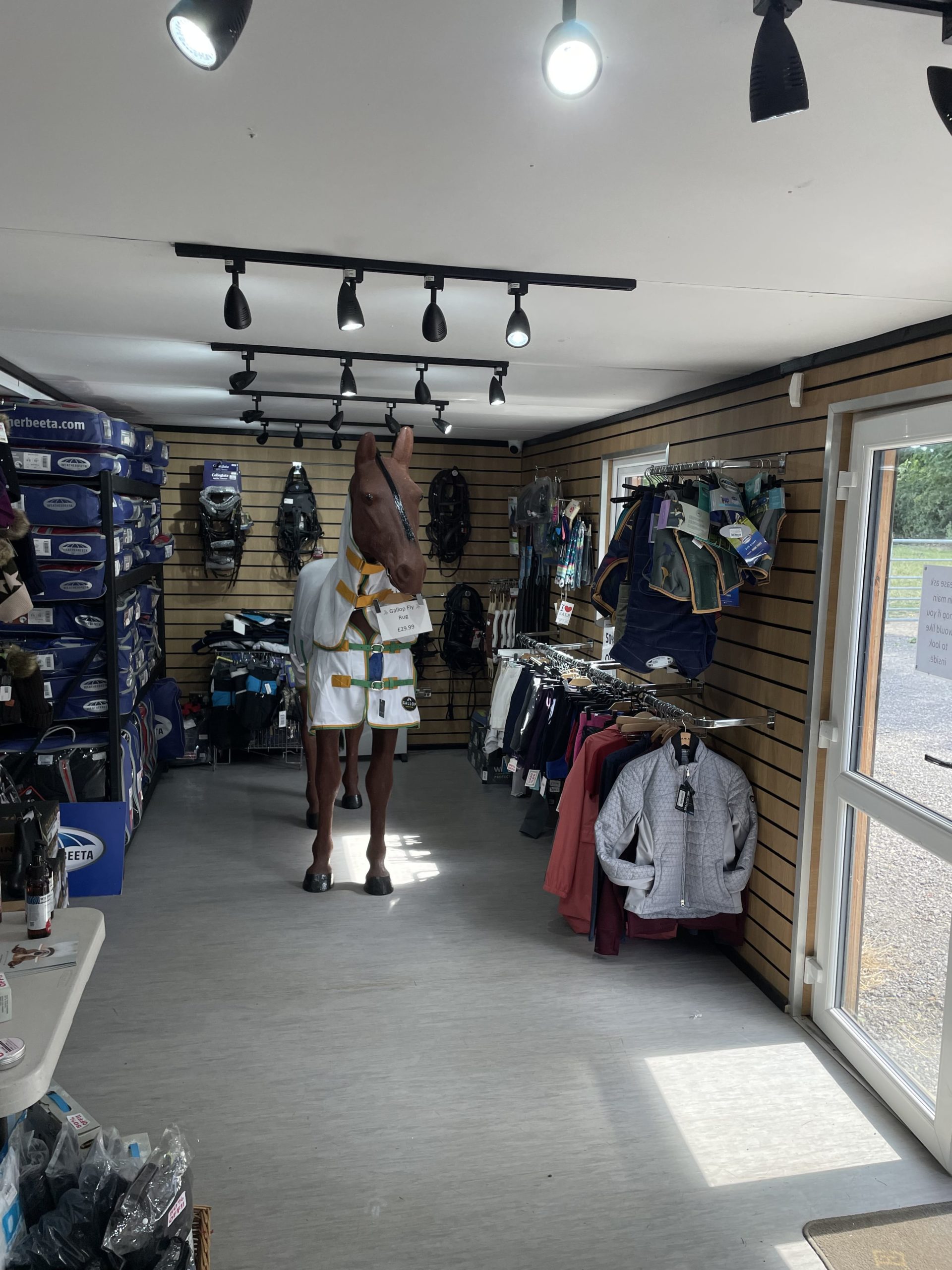
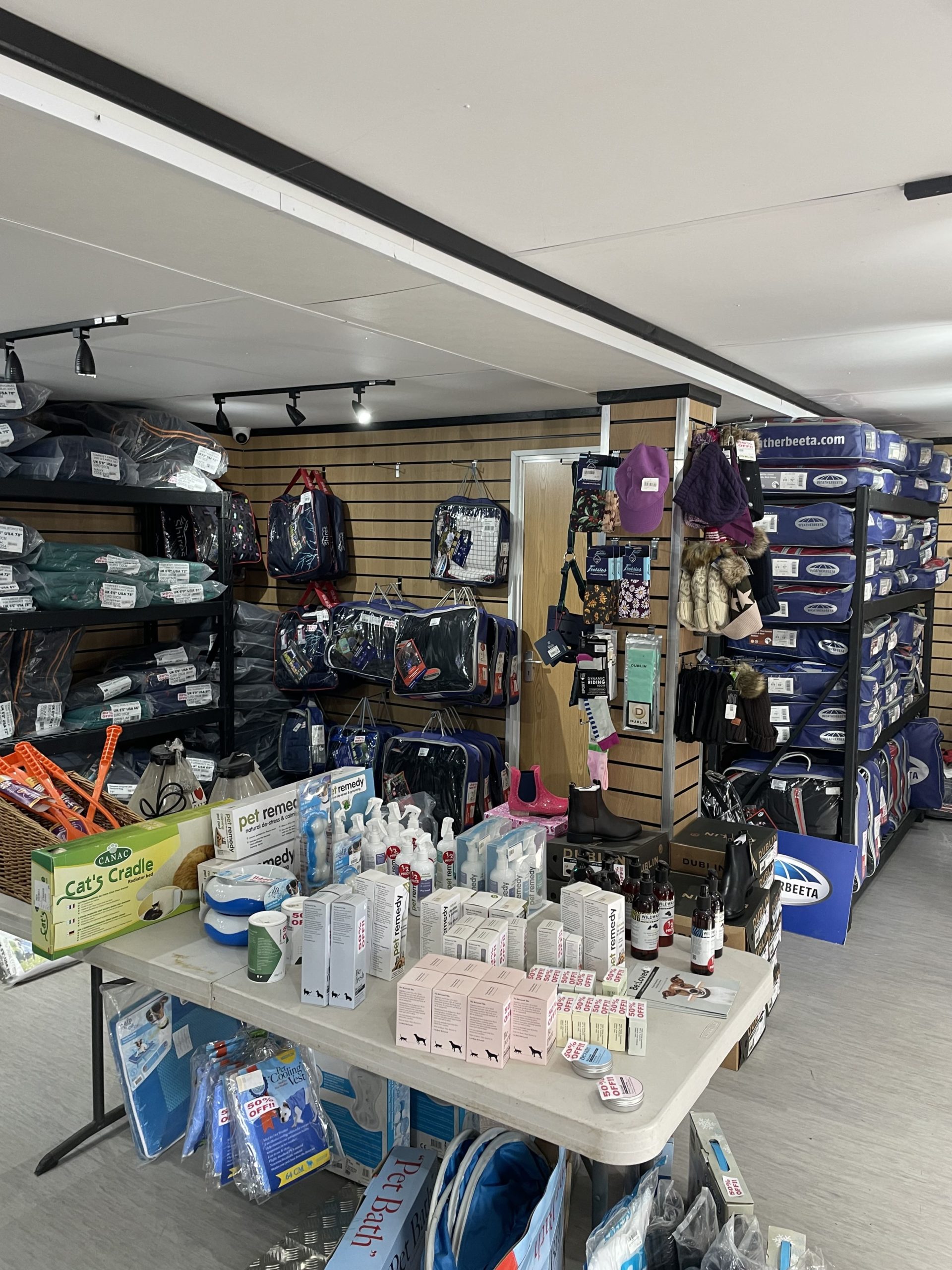
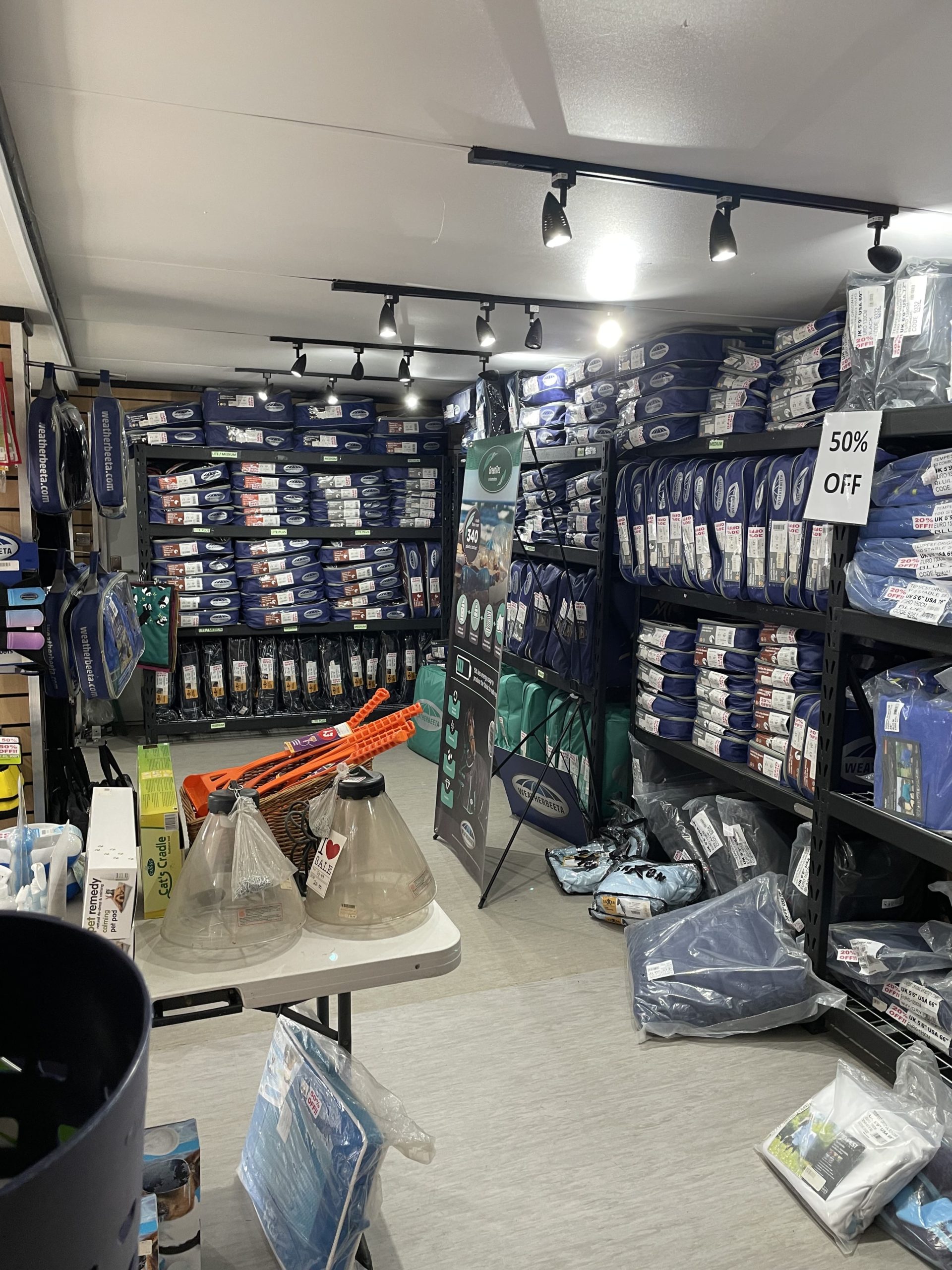
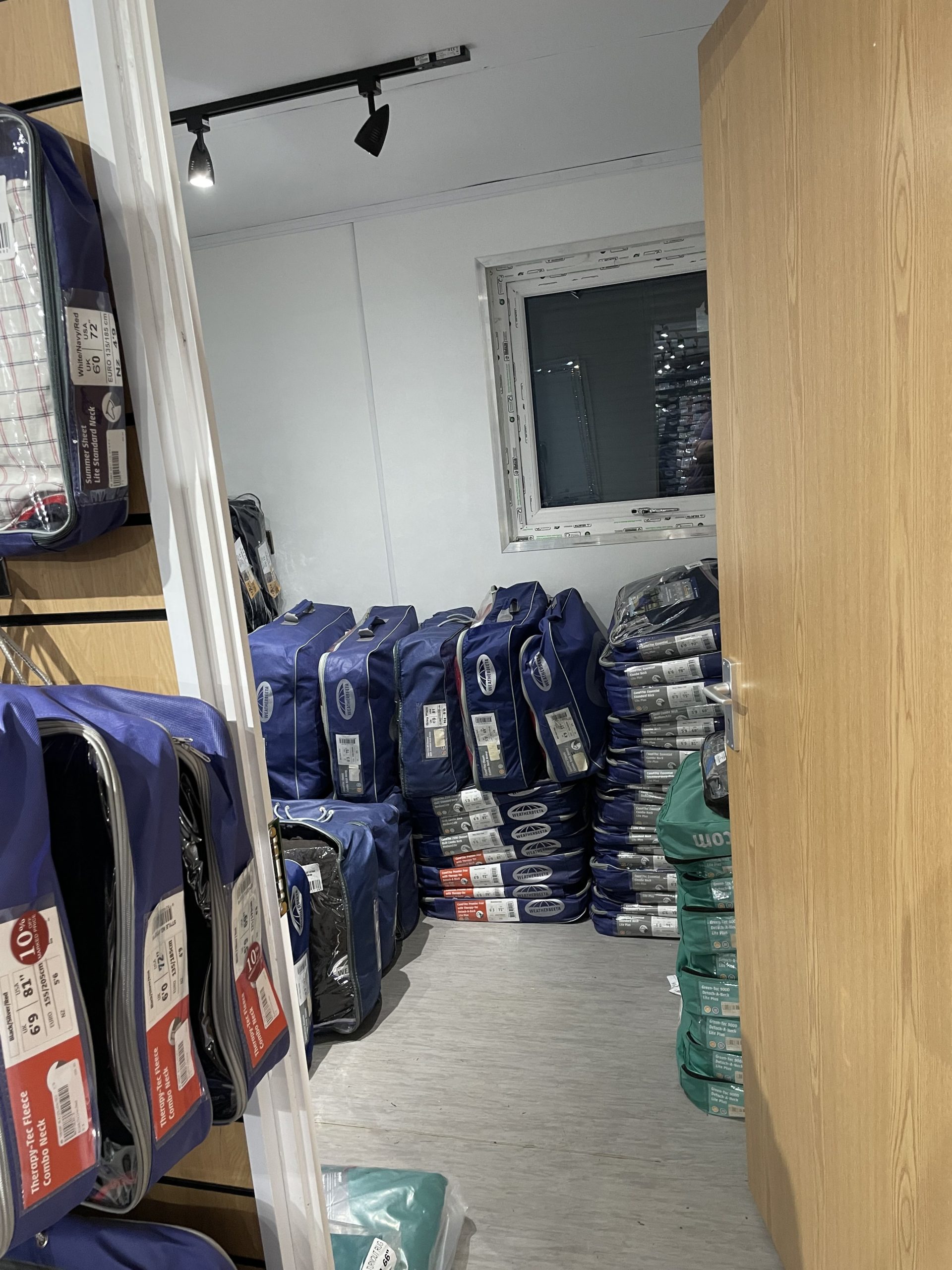
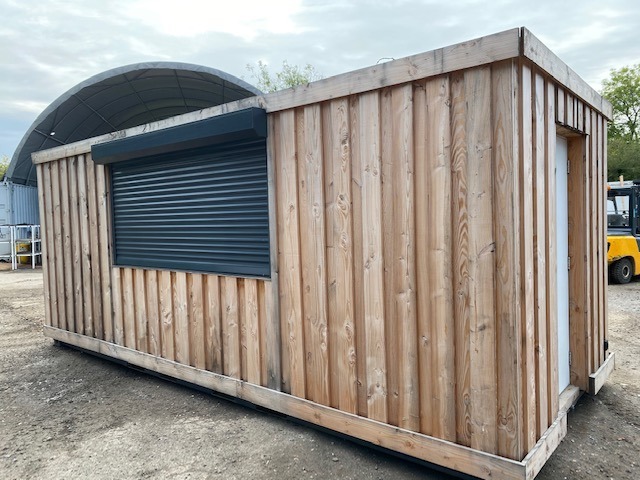
20ft x 8ft Container Conversion Retail Shop
UPVC Double glazed Windows + French Doors
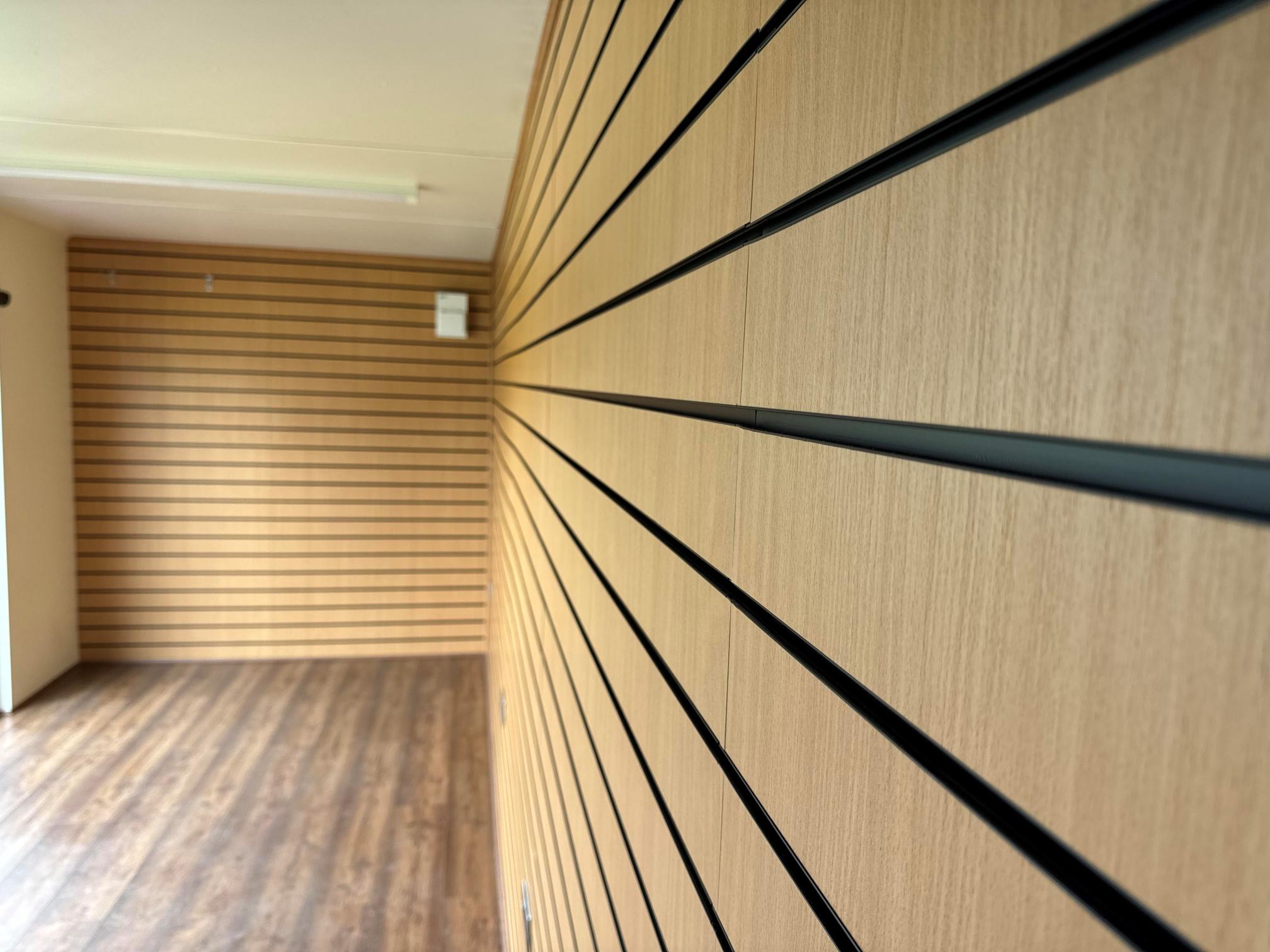
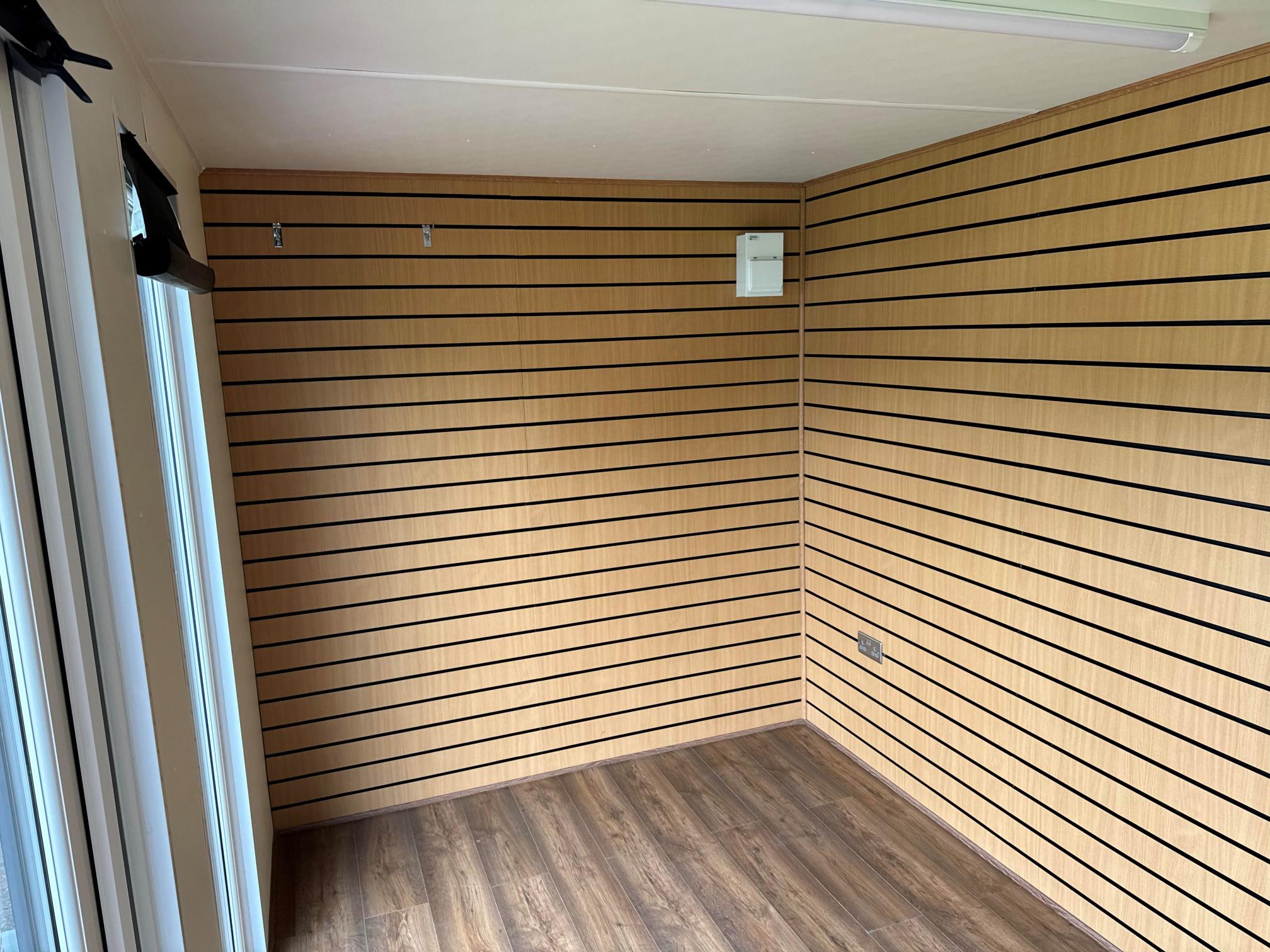
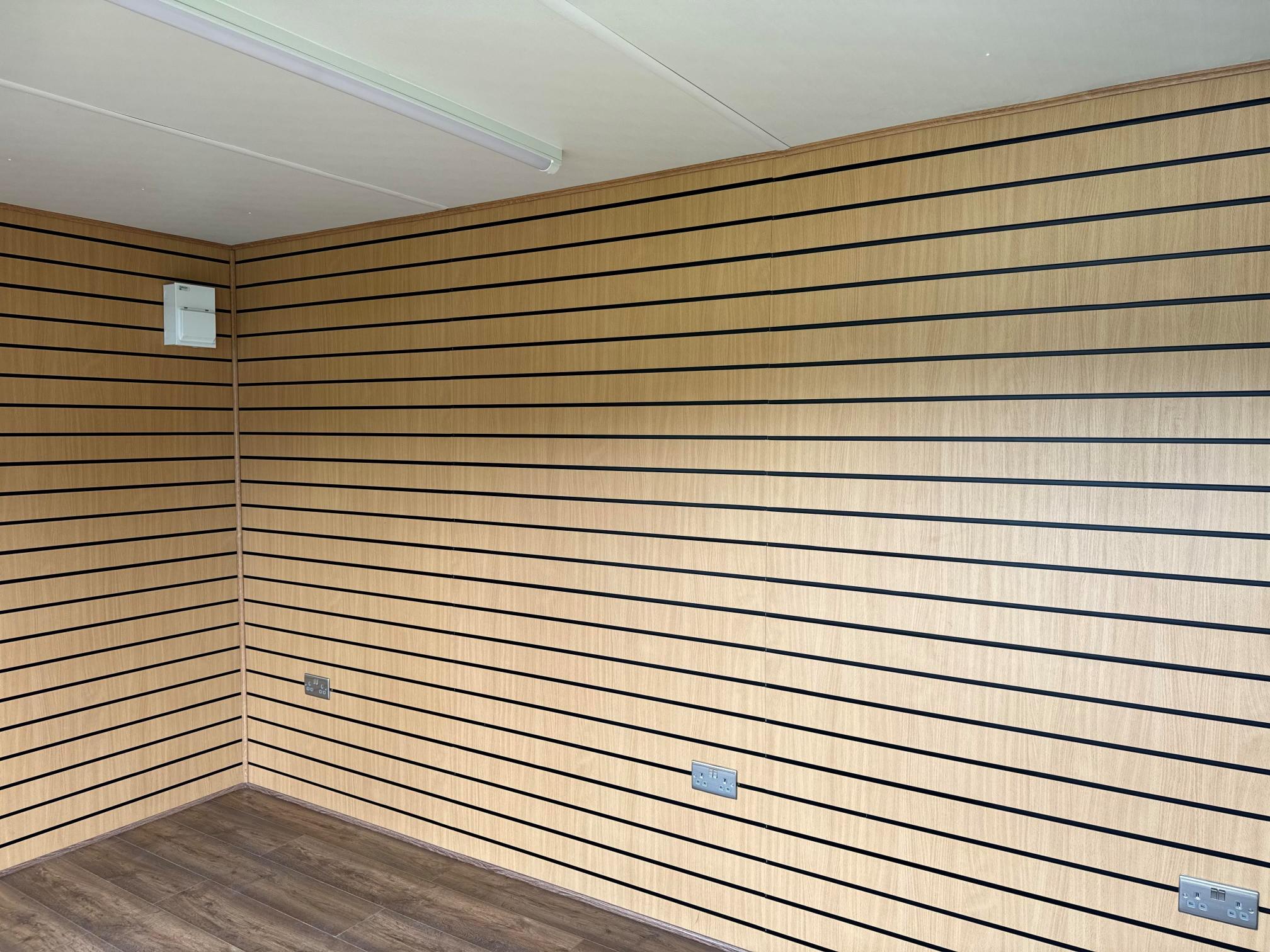
Slat Wall for retail fixings and Merchandise
Electric Chrome Sockets, led lighting and heating.
Laminate Flooring
12 months Warranty
Maintenance call out package included
Less than 2 years old
Still in Brand New Condition


Fully refurbished
Colour light grey
Slate grey anthracite upvc double glazed windows


Location: Nationwide
+ VAT
Not Available for Hire
Call for an instant quote!
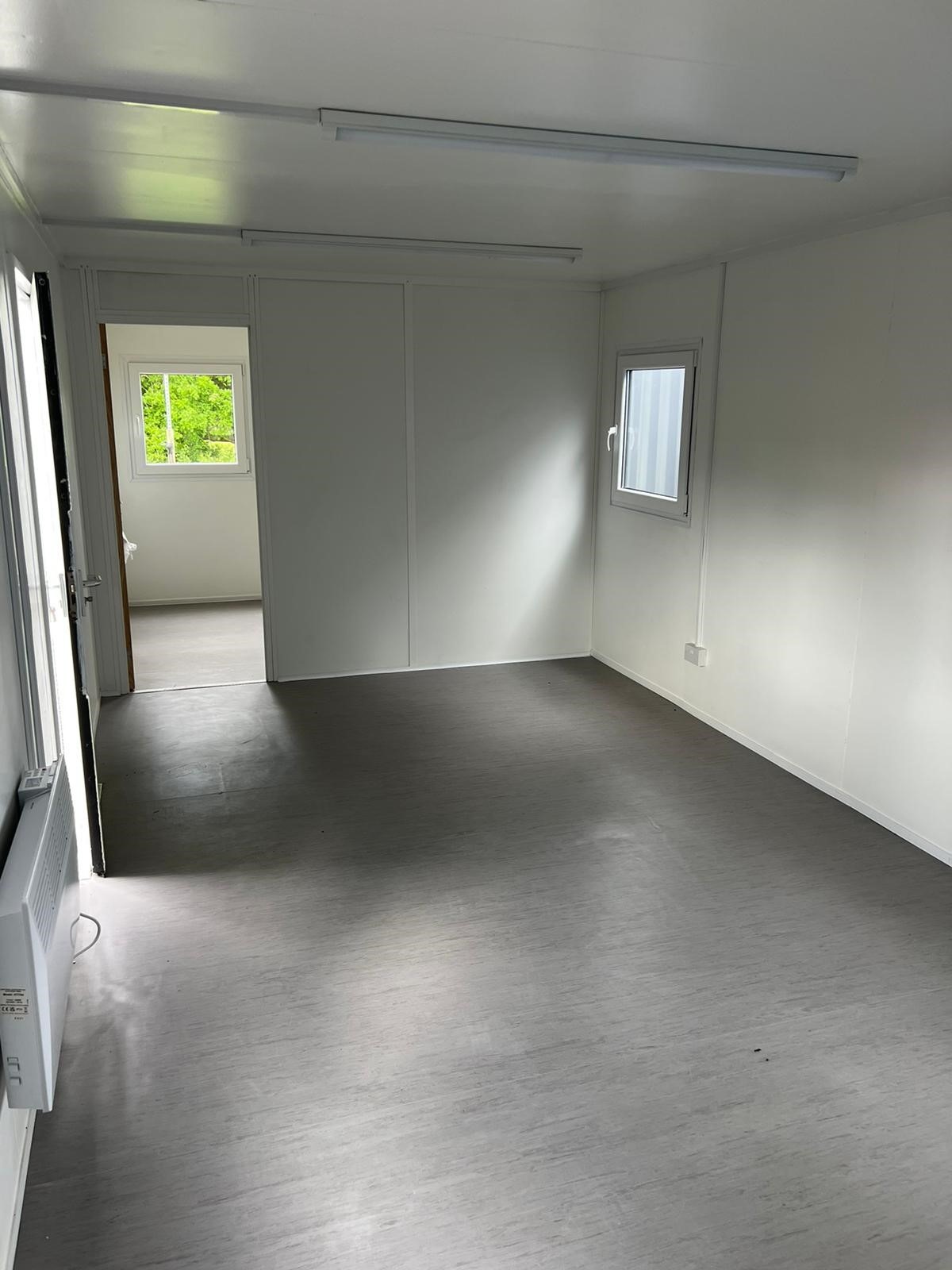
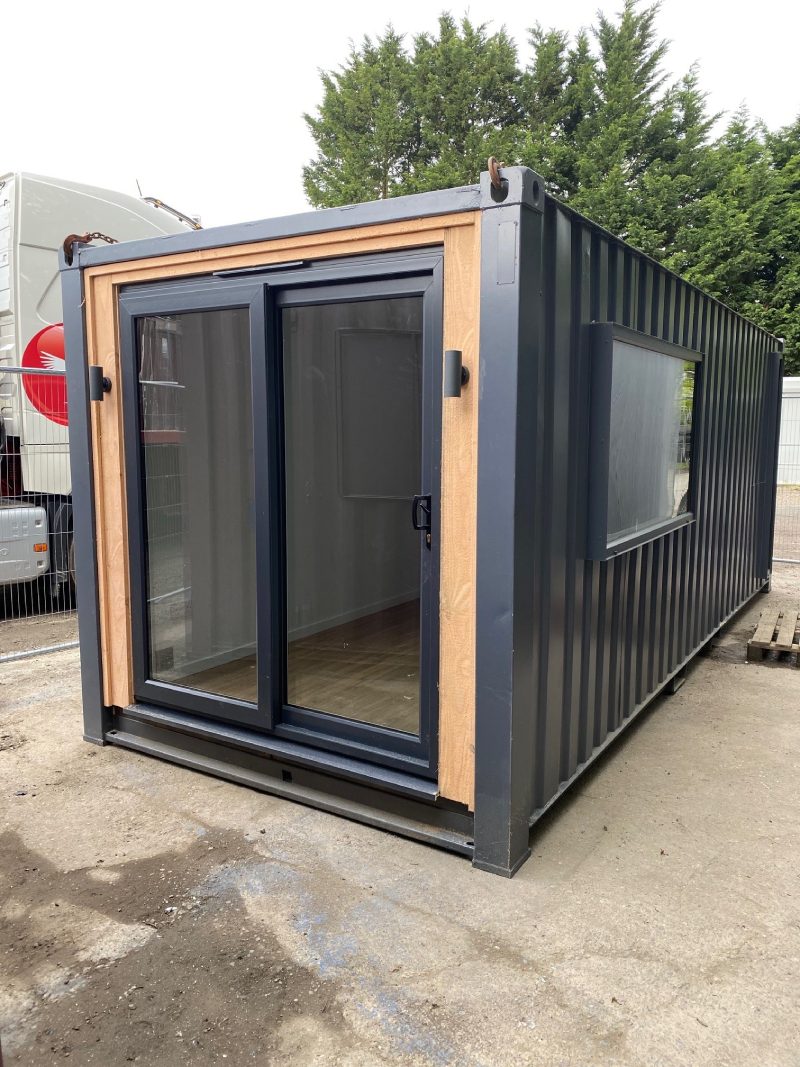
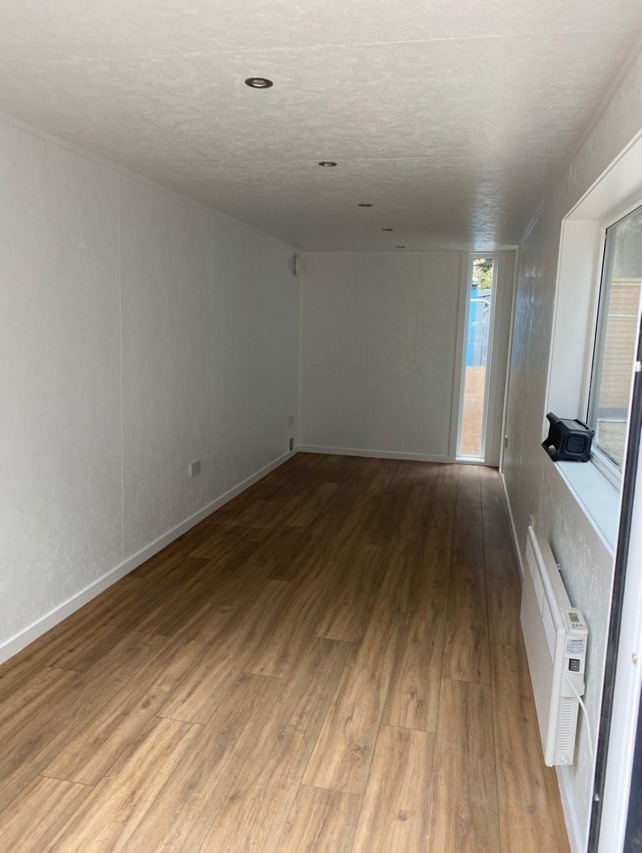
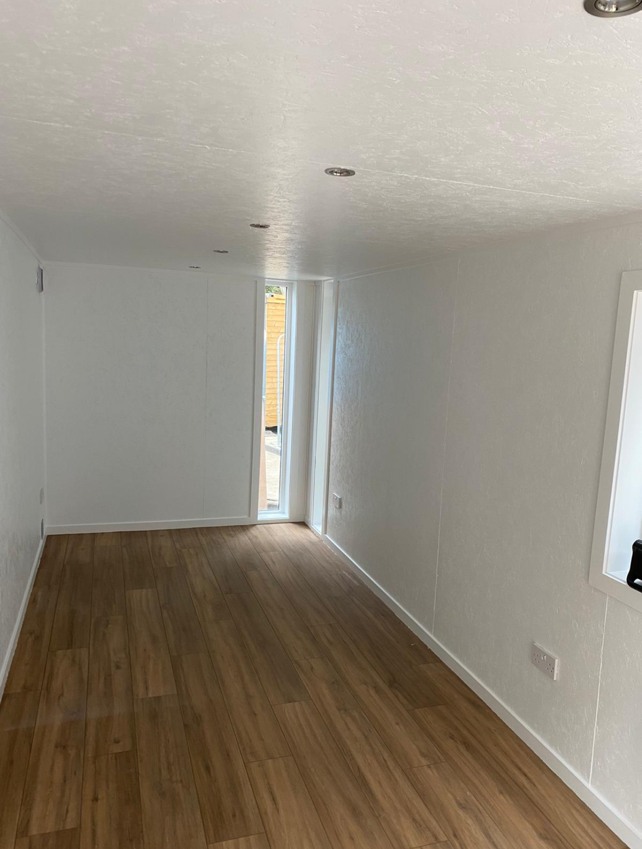
Fully Insulated with electric sockets, spot lighting, and heating
Wood Flooring
UPVC Sliding Door + Windows
Lead Time for build 6-8 weeks


Location: Nationwide
+ VAT
Not Available for Hire
Call for an instant quote!
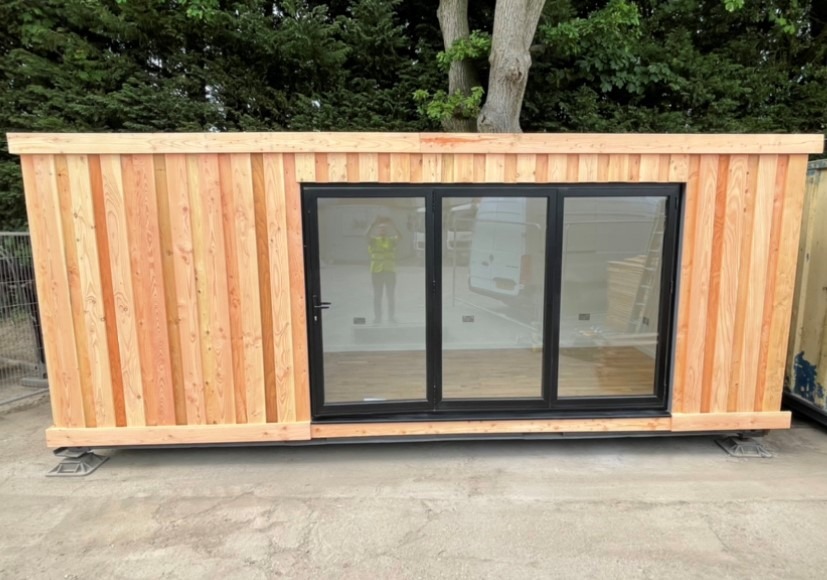
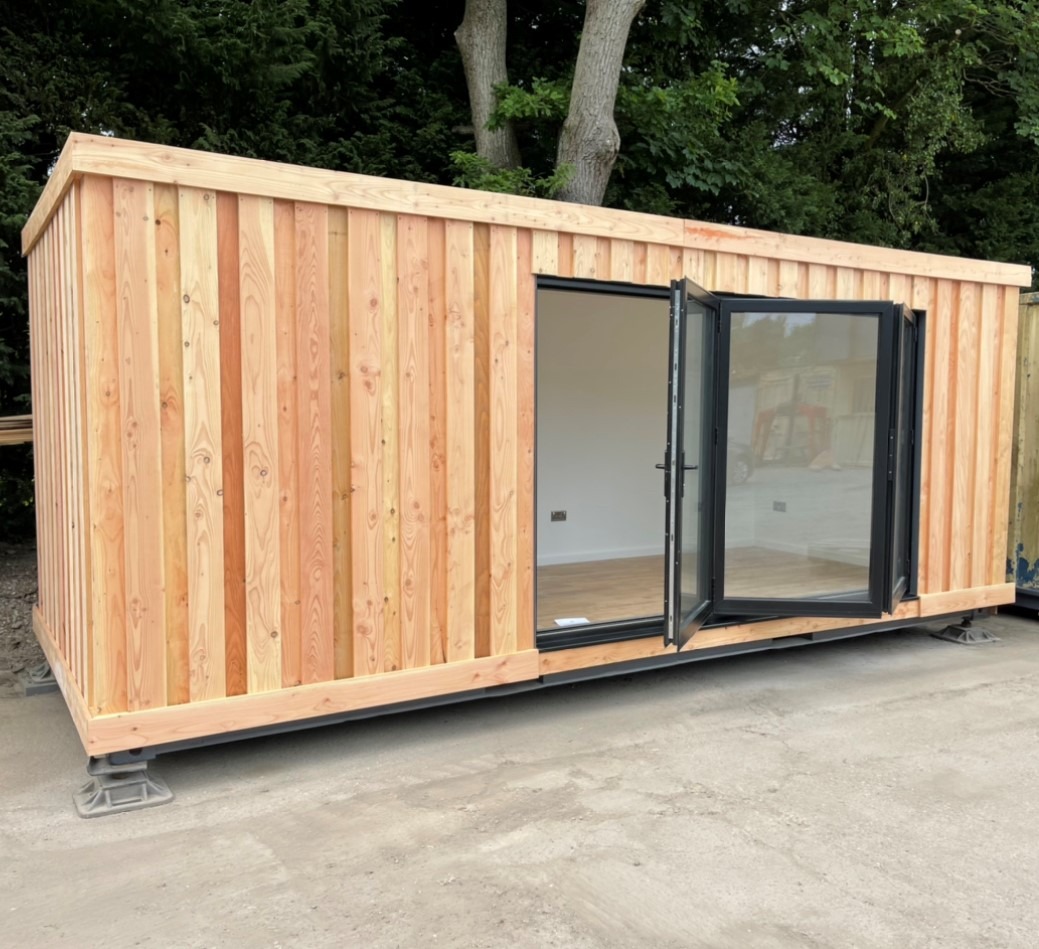
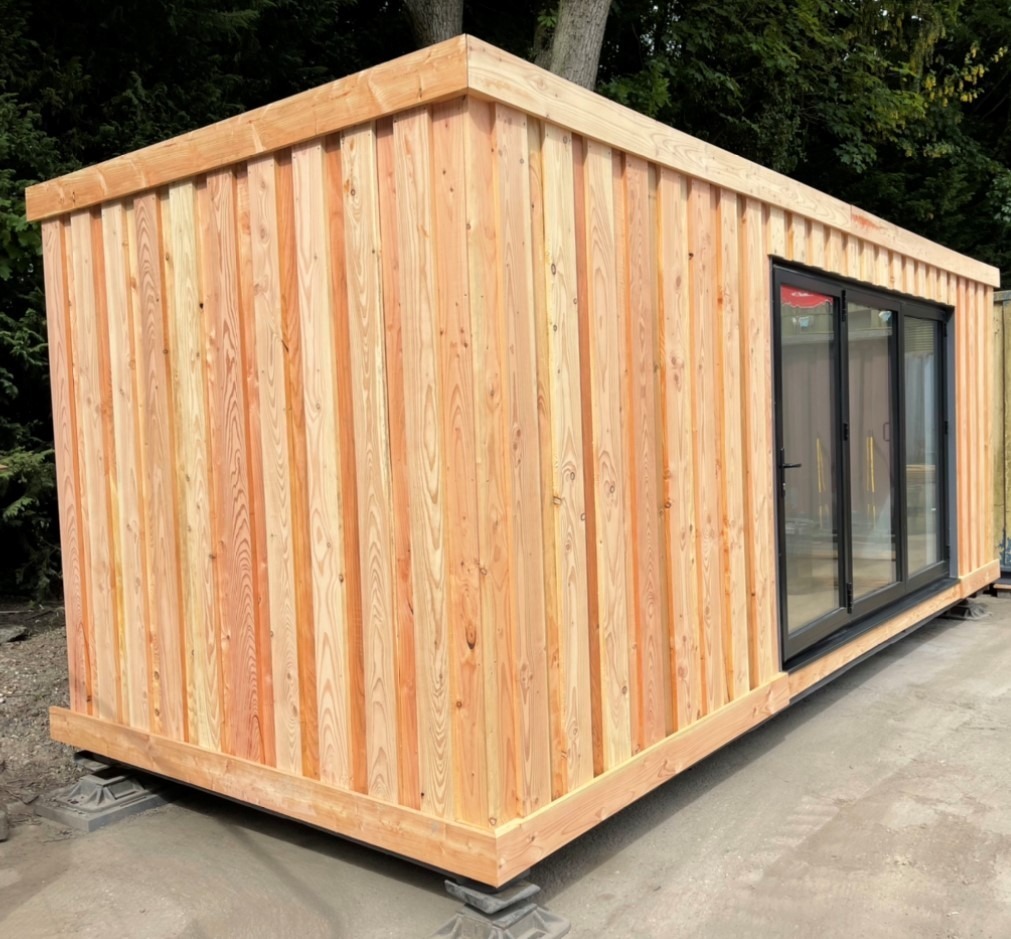
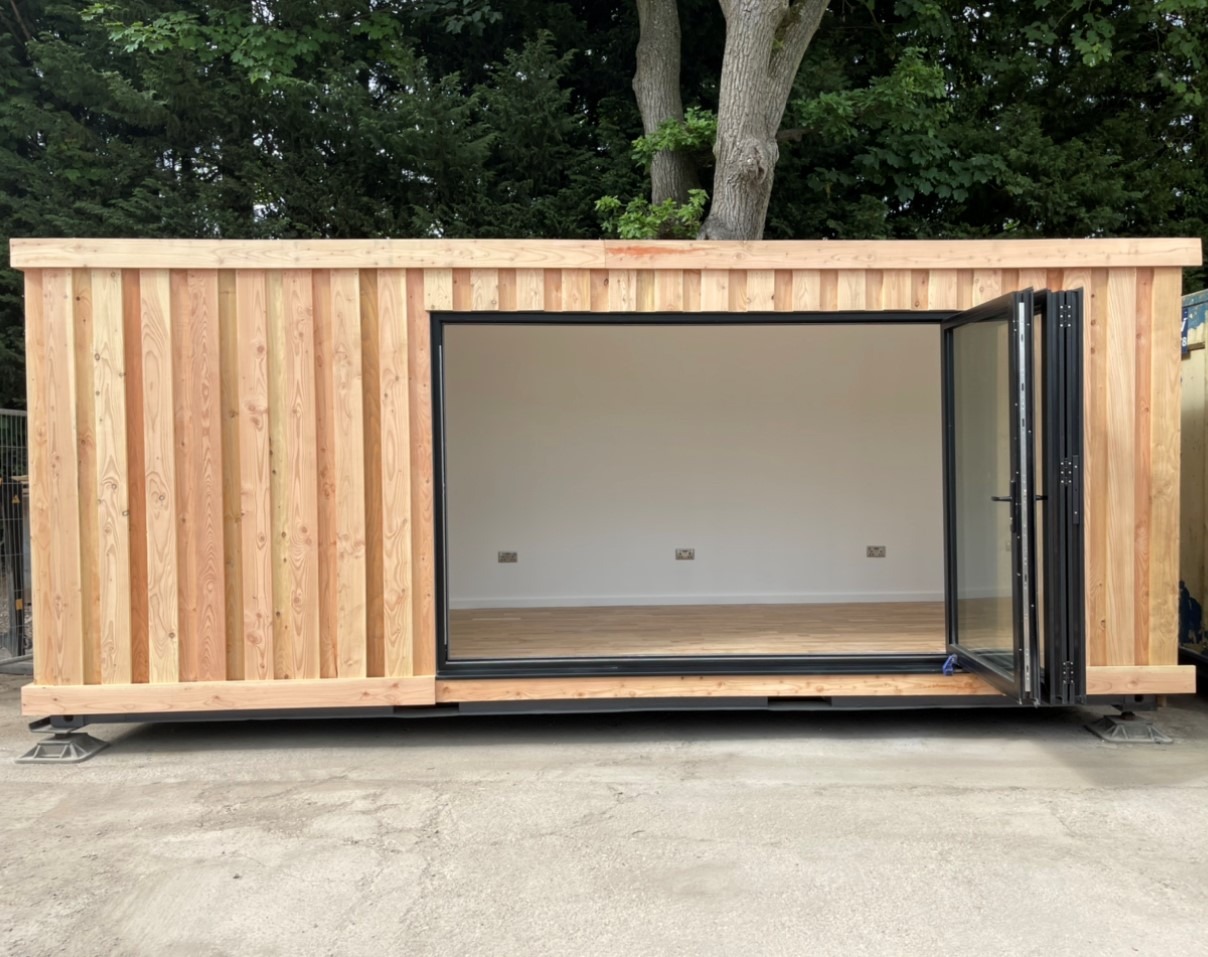
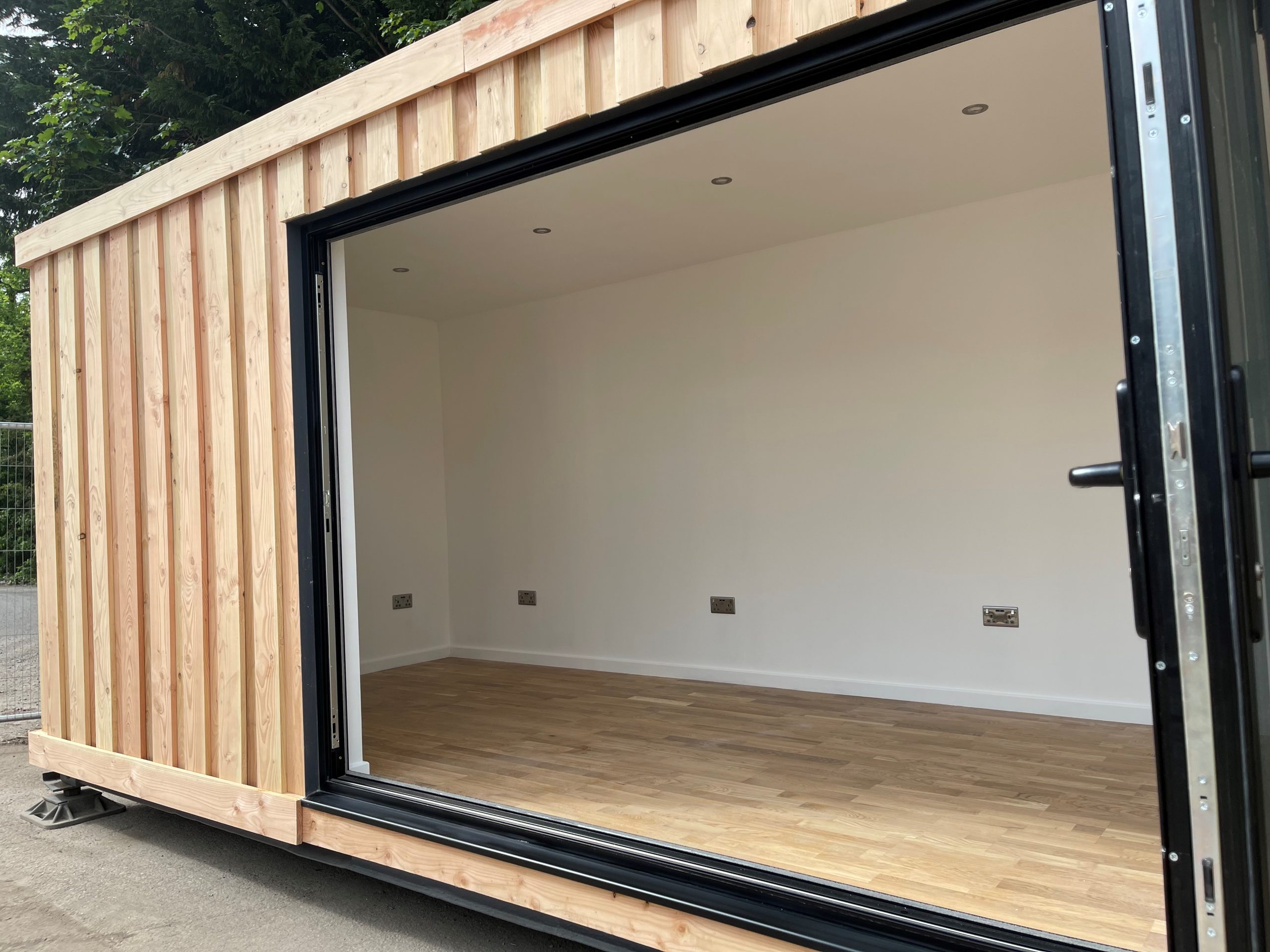
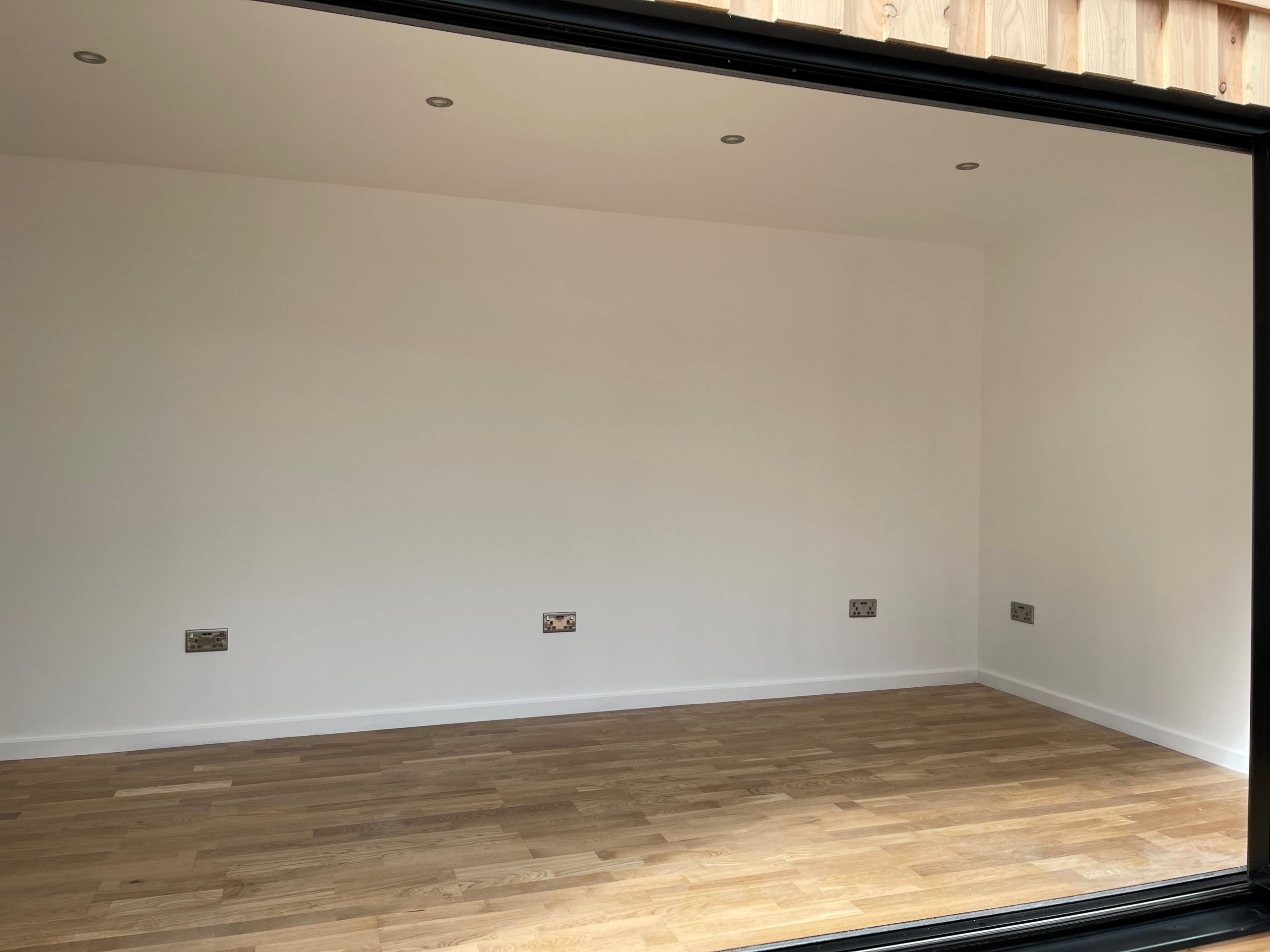
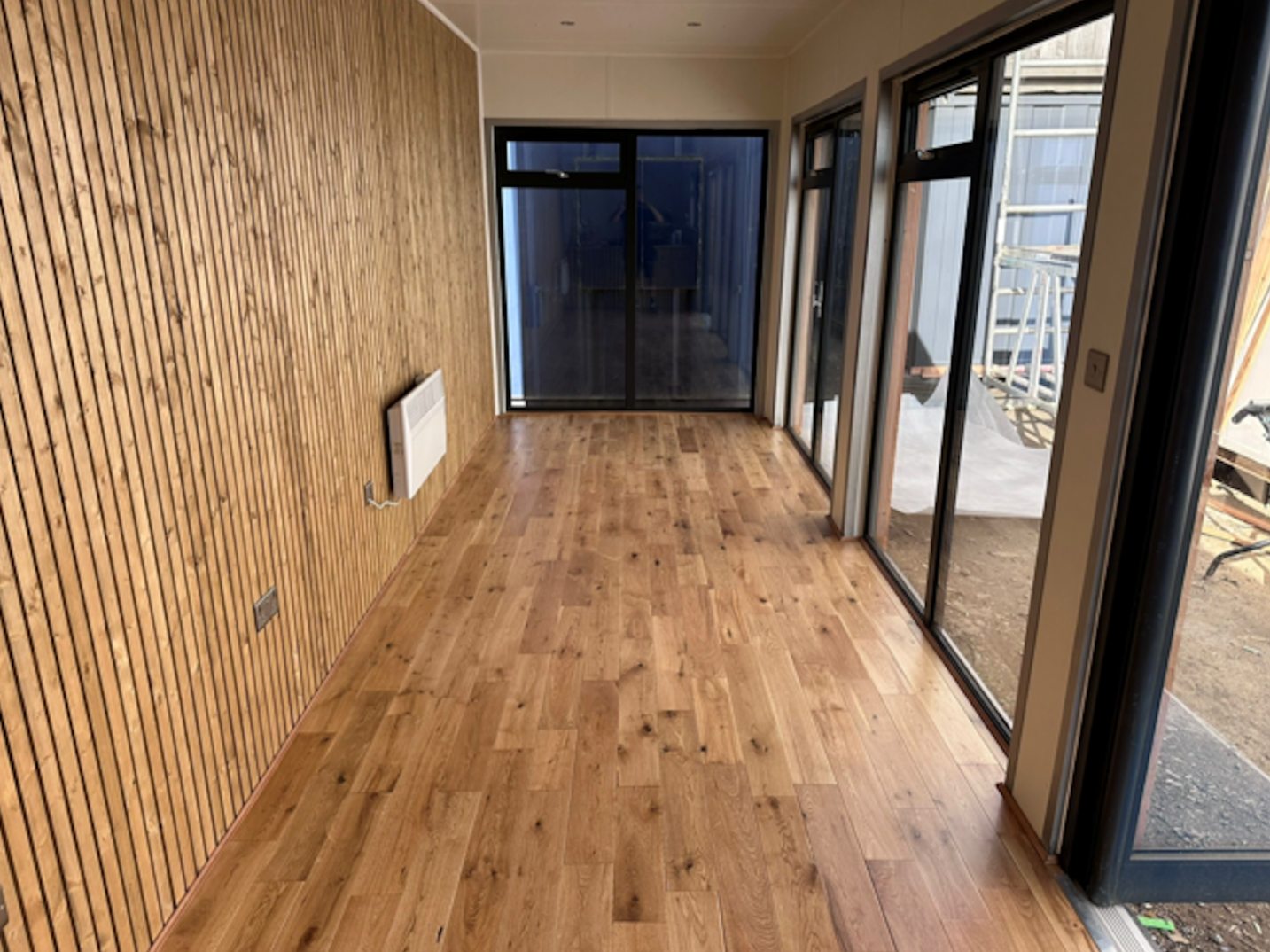
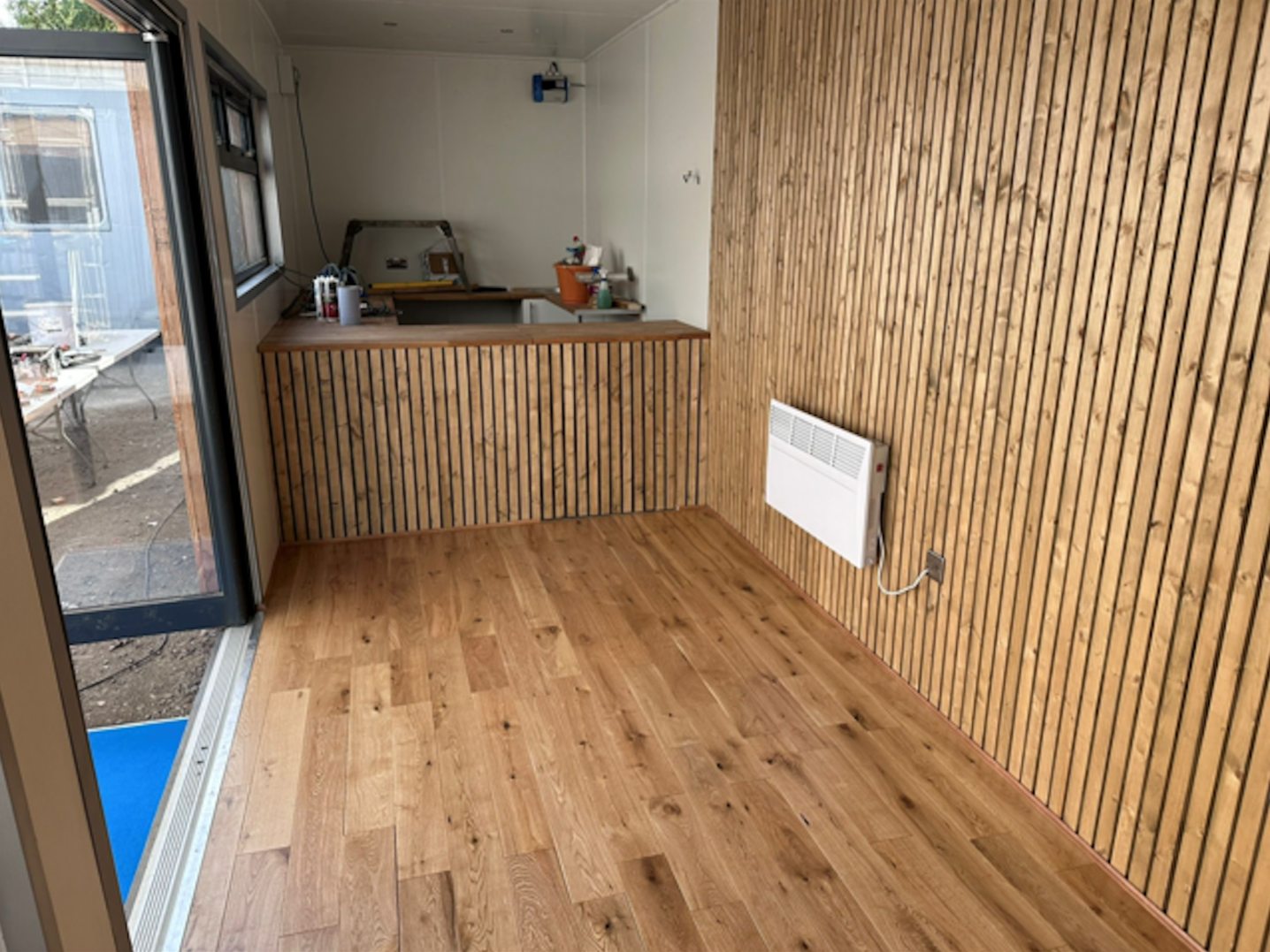
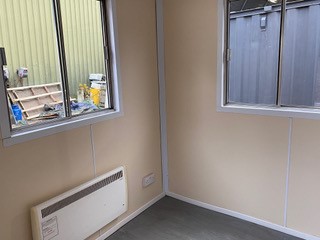
Fully Insulated with electric sockets, spot lighting, and heating
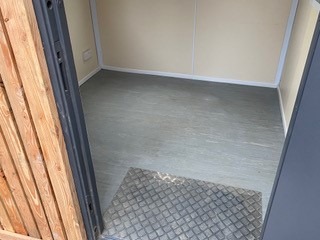
Wood Flooring
Aluminium Bi Fold Doors
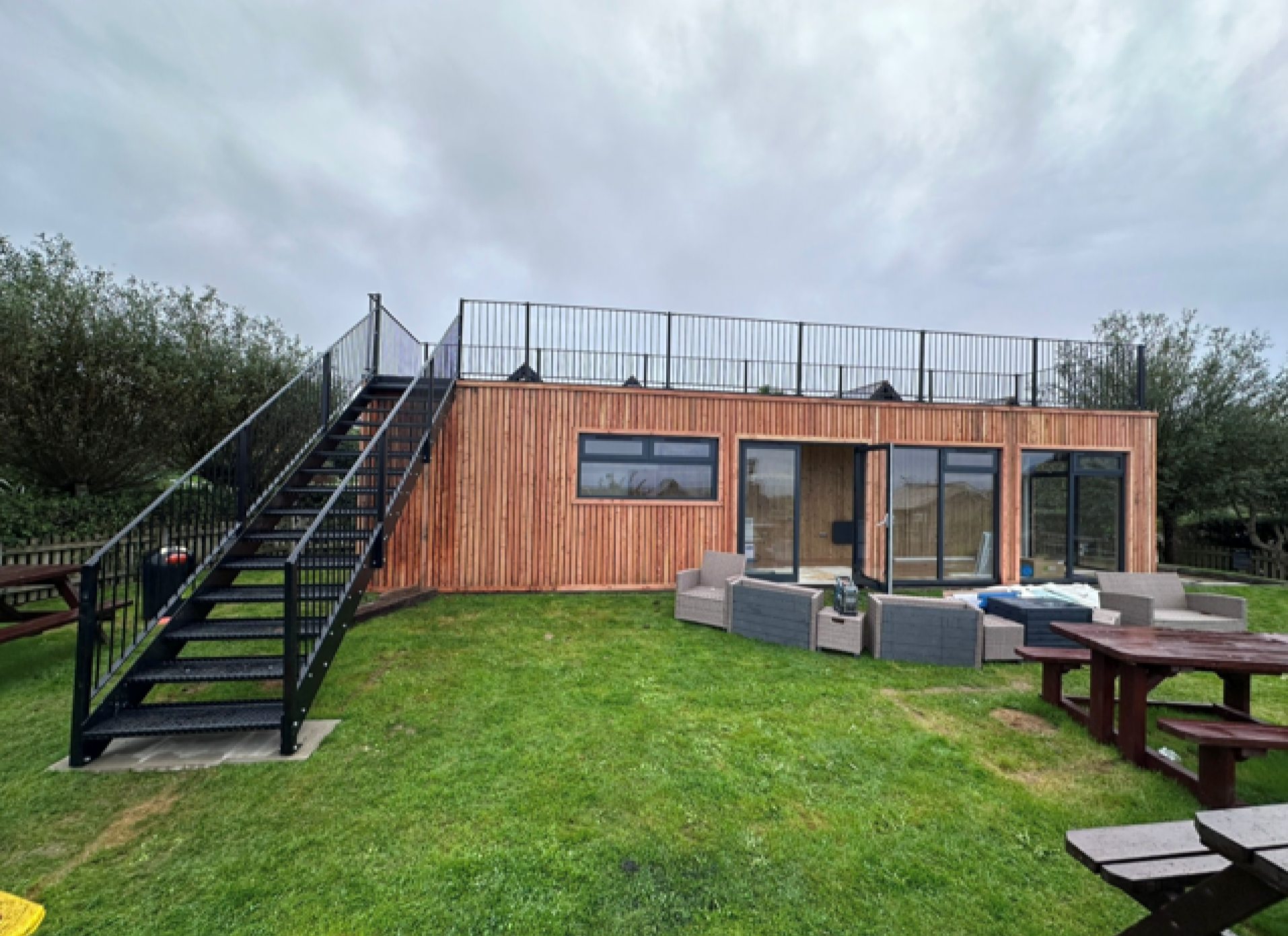
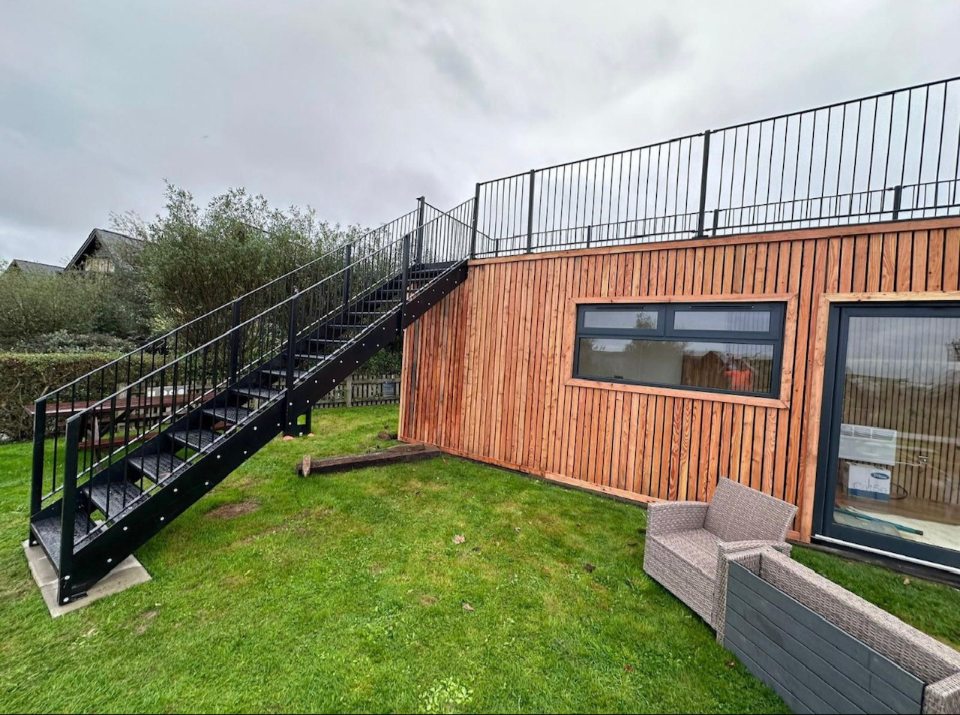
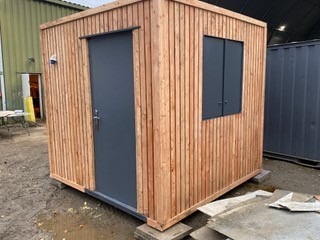
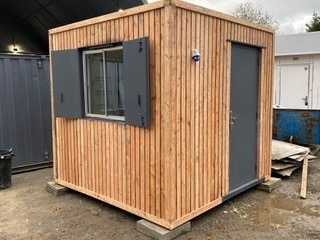
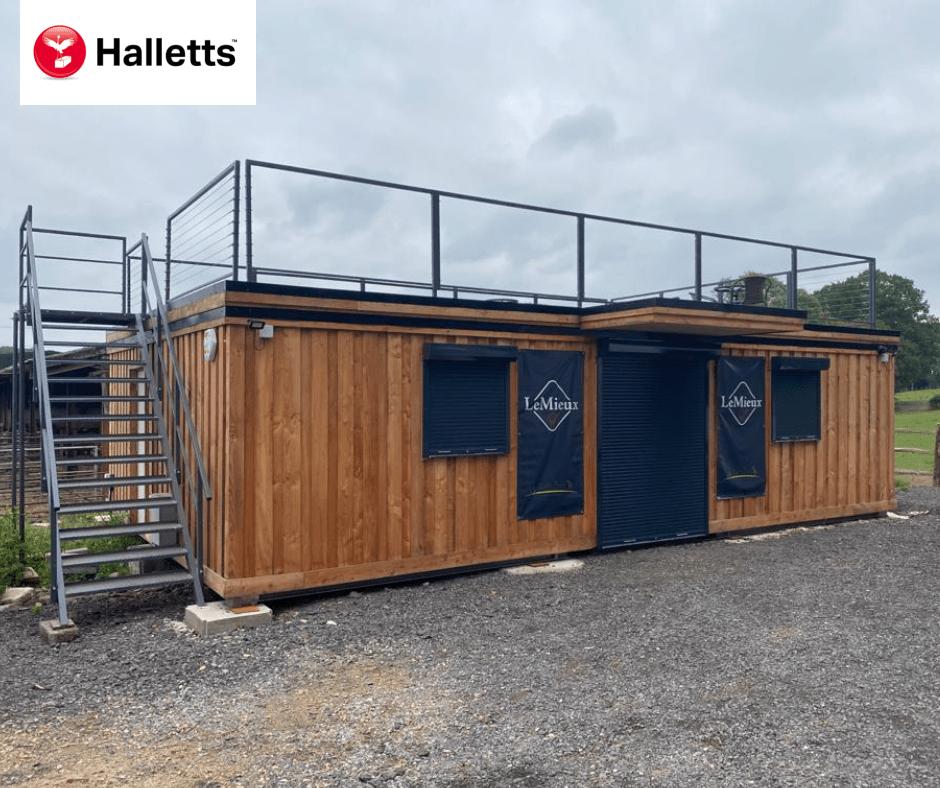
Fully wrapped in larch cladding
Lead Time for build 6-8 weeks


Location: Nationwide
+ VAT
Not Available for Hire
Call for an instant quote!
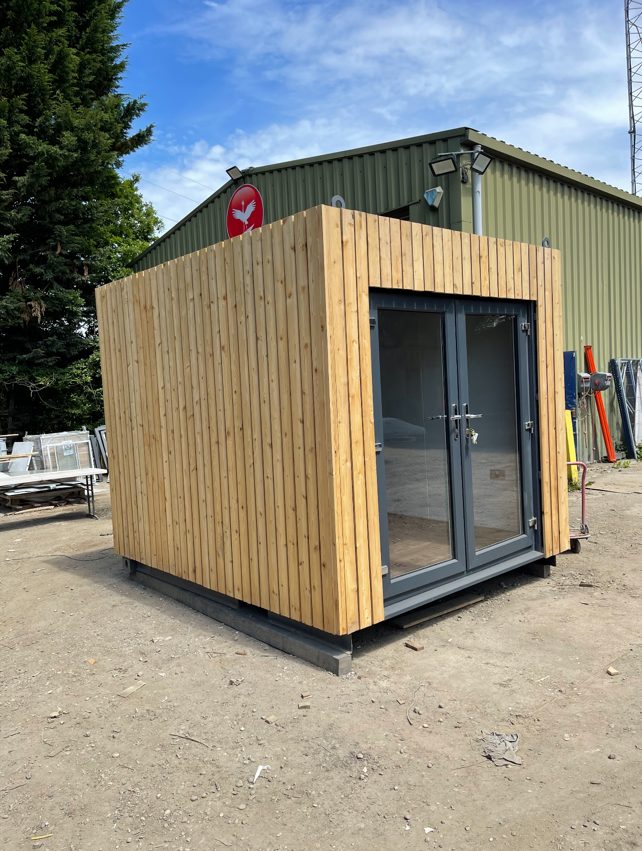
Fully Insulated with electric sockets, spot lighting, and heating
Wood Flooring
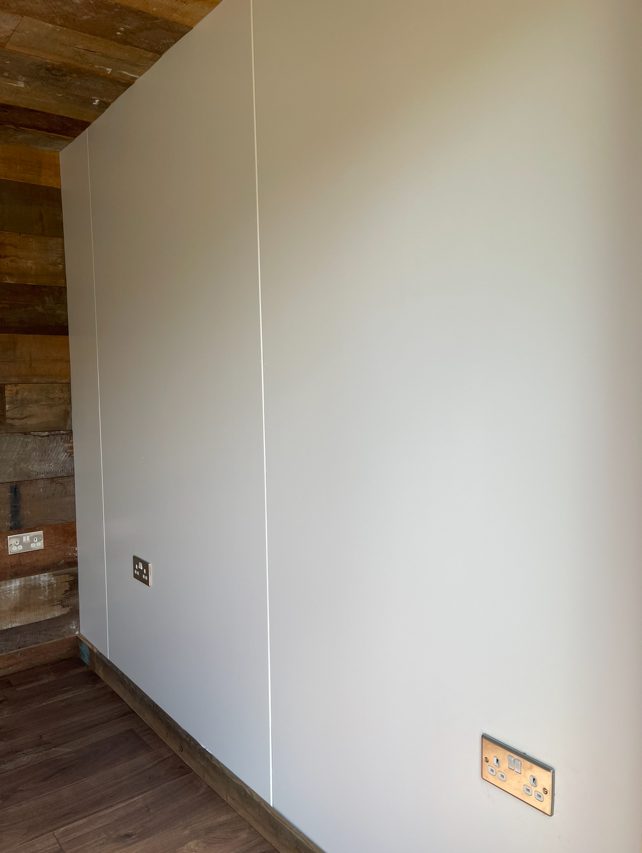
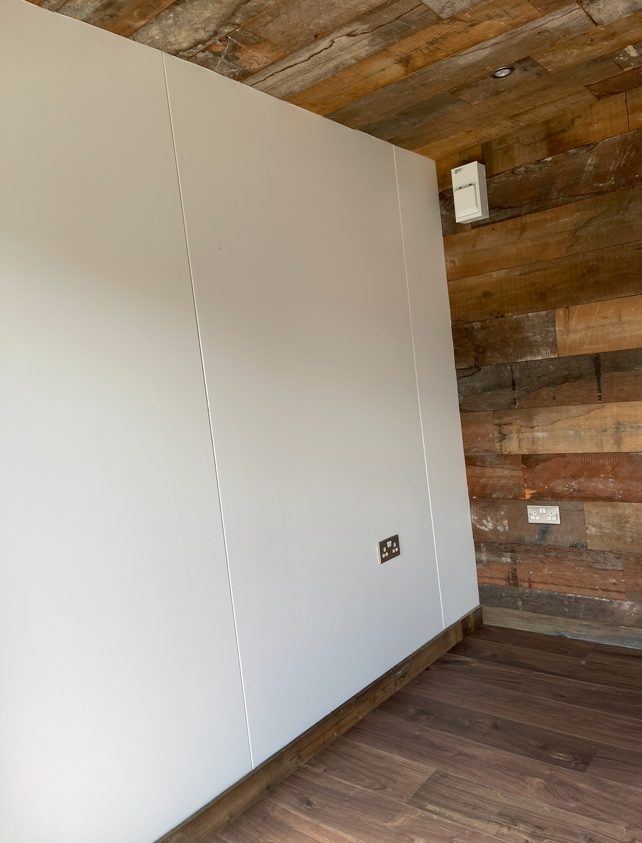
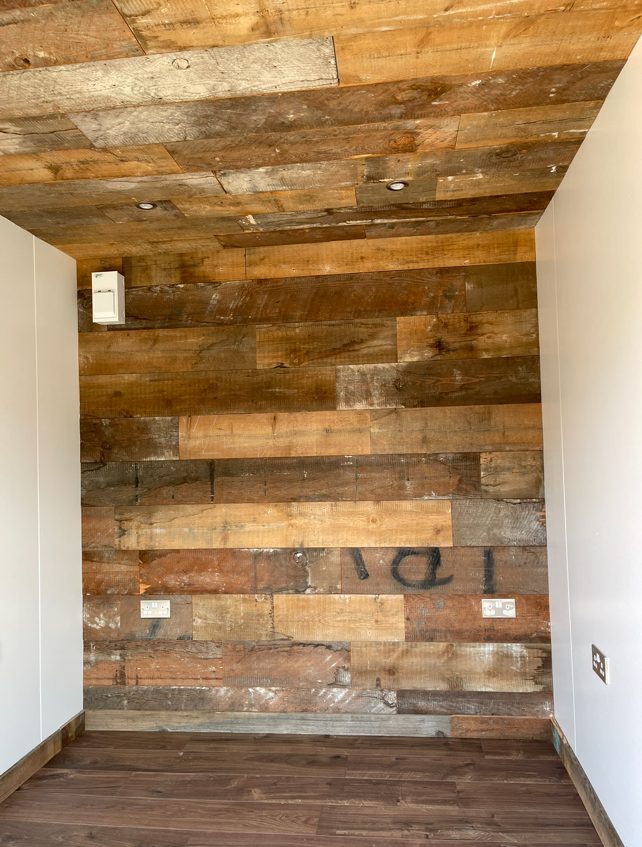
Feature Clad Wall and Ceiling
UPVC Double glazed French Doors
Fully wrapped in larch cladding
Lead Time for build 6-8 weeks


Location: Nationwide
EX VAT
Not Available for Hire
Call for an instant quote!


Location: Nationwide
EX VAT
Not Available for Hire
Call for an instant quote!


Location: Nationwide
EX VAT
Not Available for Hire
Call for an instant quote!


Location: Nationwide
EX VAT
Not Available for Hire
Call for an instant quote!


Location: Nationwide
EX VAT
Not Available for Hire
Call for an instant quote!

Location: Nationwide
EX VAT
Not Available for Hire
Call for an instant quote!


Location: Nationwide
EX VAT
Not Available for Hire
Call for an instant quote!


Location: Nationwide
EX VAT
Not Available for Hire
Call for an instant quote!


Location: Nationwide
EX VAT
Not Available for Hire
Call for an instant quote!


Location: Nationwide
EX VAT
Not Available for Hire
Call for an instant quote!


Location: Nationwide
EX VAT
Not Available for Hire
Call for an instant quote!


Location: Nationwide
EX VAT
Not Available for Hire
Call for an instant quote!


Location: Nationwide
EX VAT
Not Available for Hire
Call for an instant quote!


Location: Nationwide
EX VAT
Not Available for Hire
Call for an instant quote!


Location: Nationwide
EX VAT
Not Available for Hire
Call for an instant quote!


Location: Nationwide
EX VAT
Not Available for Hire
Call for an instant quote!
10ftx8ft – £5950 + Vat / 16ftx8ft – £7950 + Vat / 20ftx8ft – £9000 + Vat / 24ftx8ft – £12000 + Vat / 30ftx8ft – £13500 + Vat


Location: Nationwide
EX VAT
Not Available for Hire
Call for an instant quote!


Location: Nationwide
EX VAT
Not Available for Hire
Call for an instant quote!


Location: Nationwide
EX VAT
Not Available for Hire
Call for an instant quote!

Location: Nationwide
Quantity: ∞
EX VAT
Not Available for Hire
Call for an instant quote!
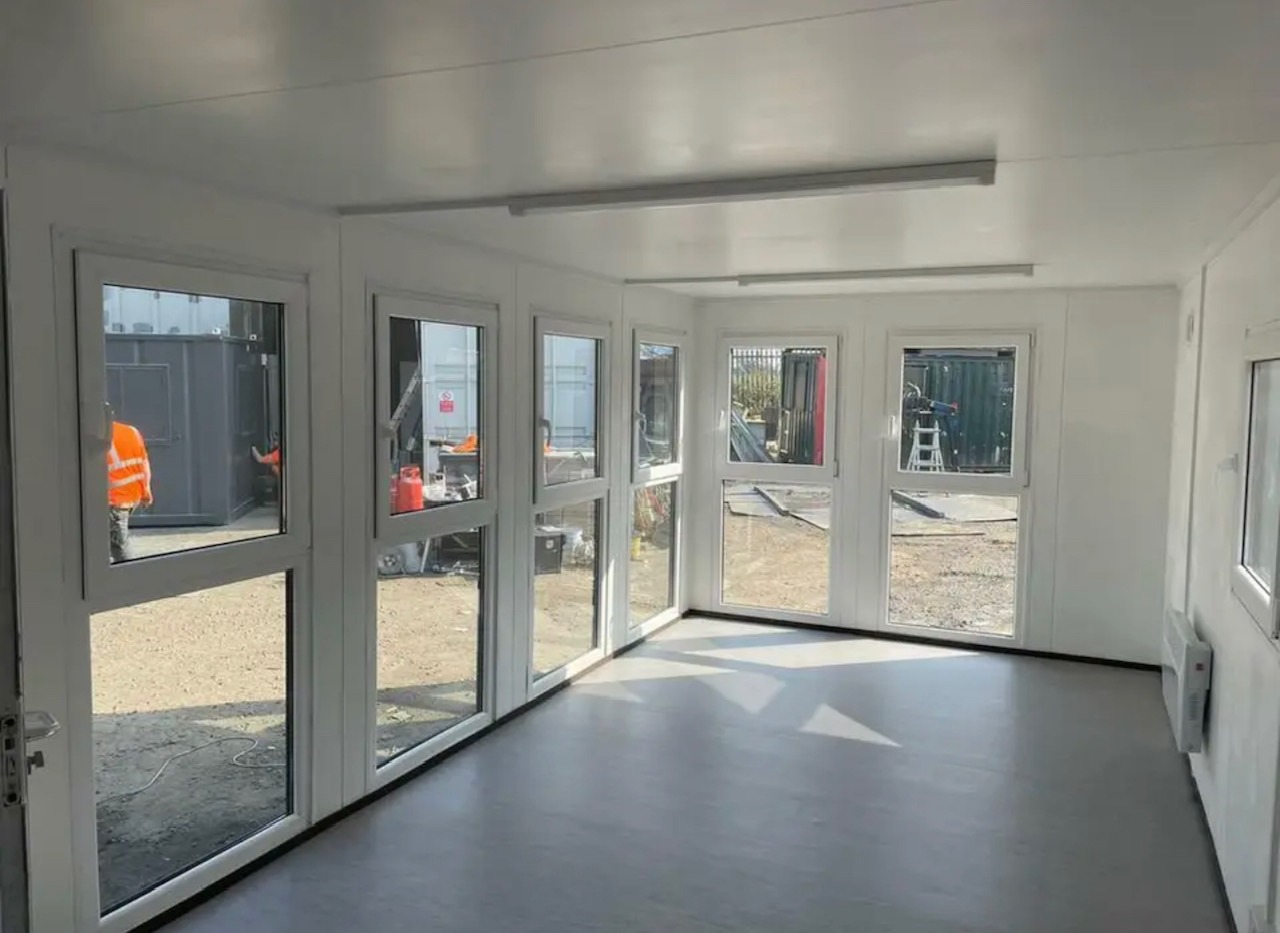
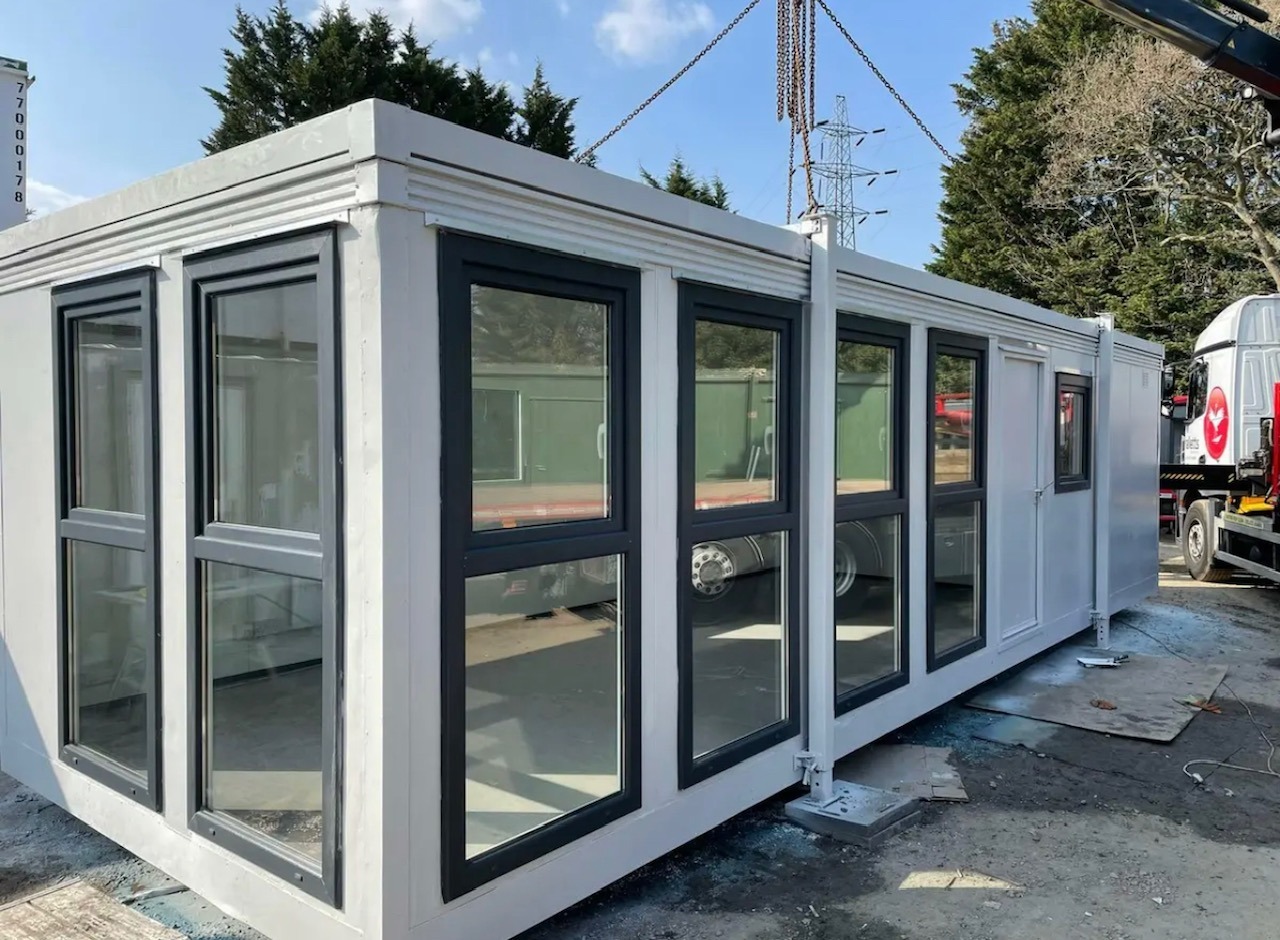
• Reinforced doors and windows with secure locking
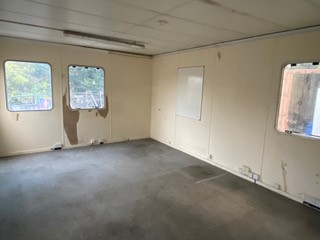
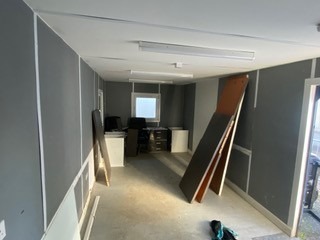
• Open plan with electric sockets and lighting
• Ral Code Colour of choice
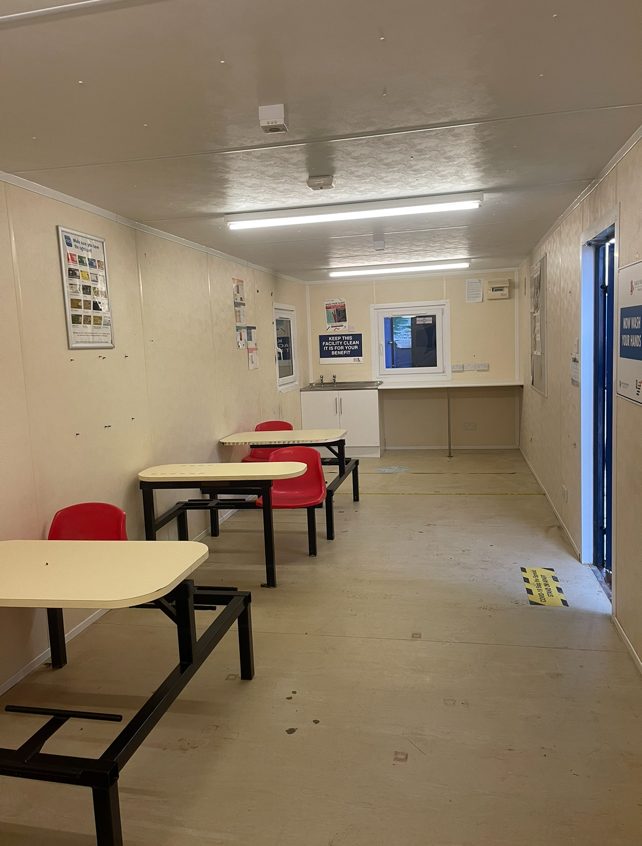
• Any Extras available : Canteen, Partitions, Toilets.


Location: Nationwide
EX VAT
Not Available for Hire
Call for an instant quote!
• Reinforced doors and windows with secure locking
• Open plan with electric sockets and lighting
• Ral Code Colour of choice
• Any Extras available : Canteen, Partitions, Toilets.

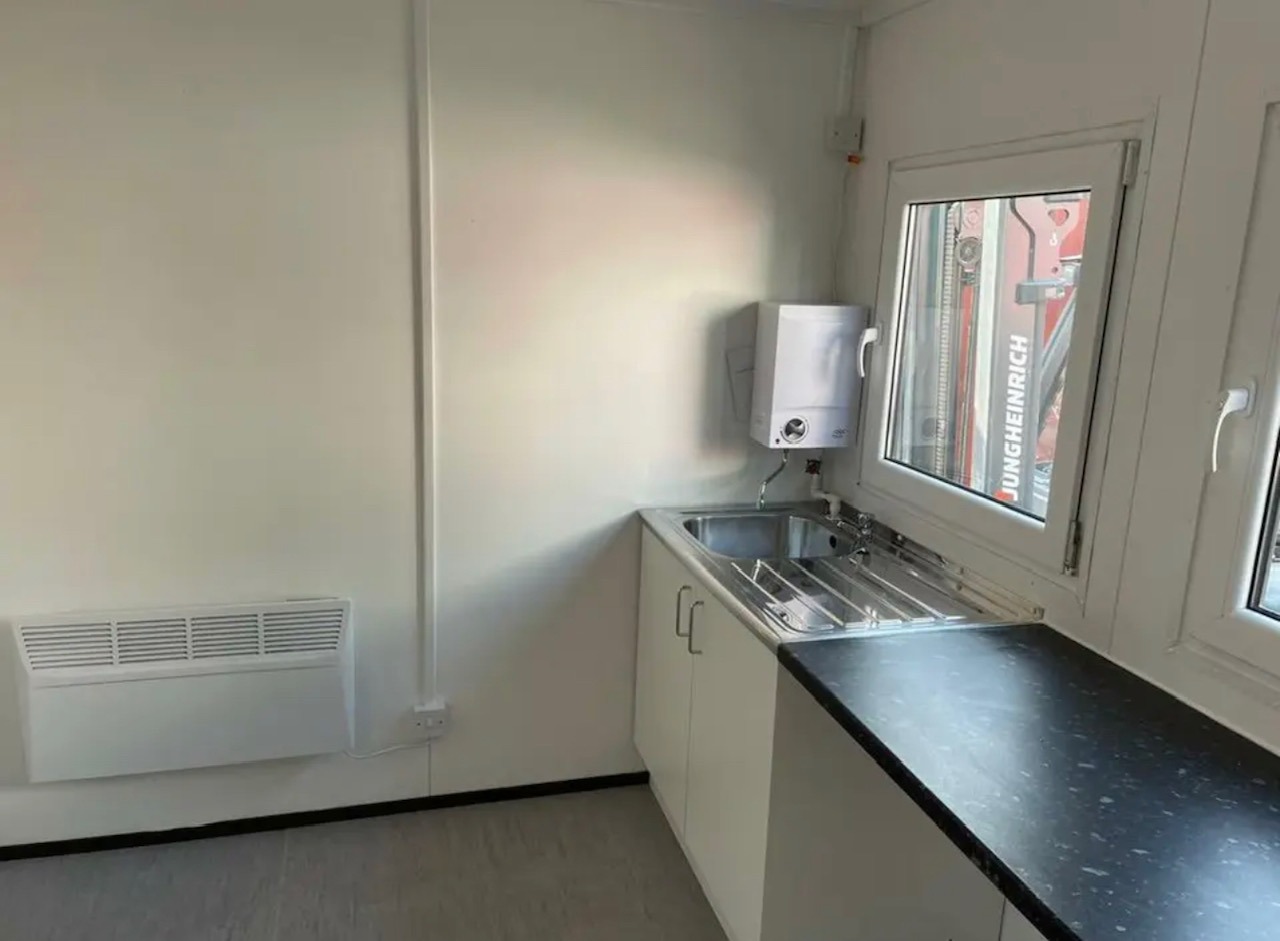
• Reinforced doors with secure locking
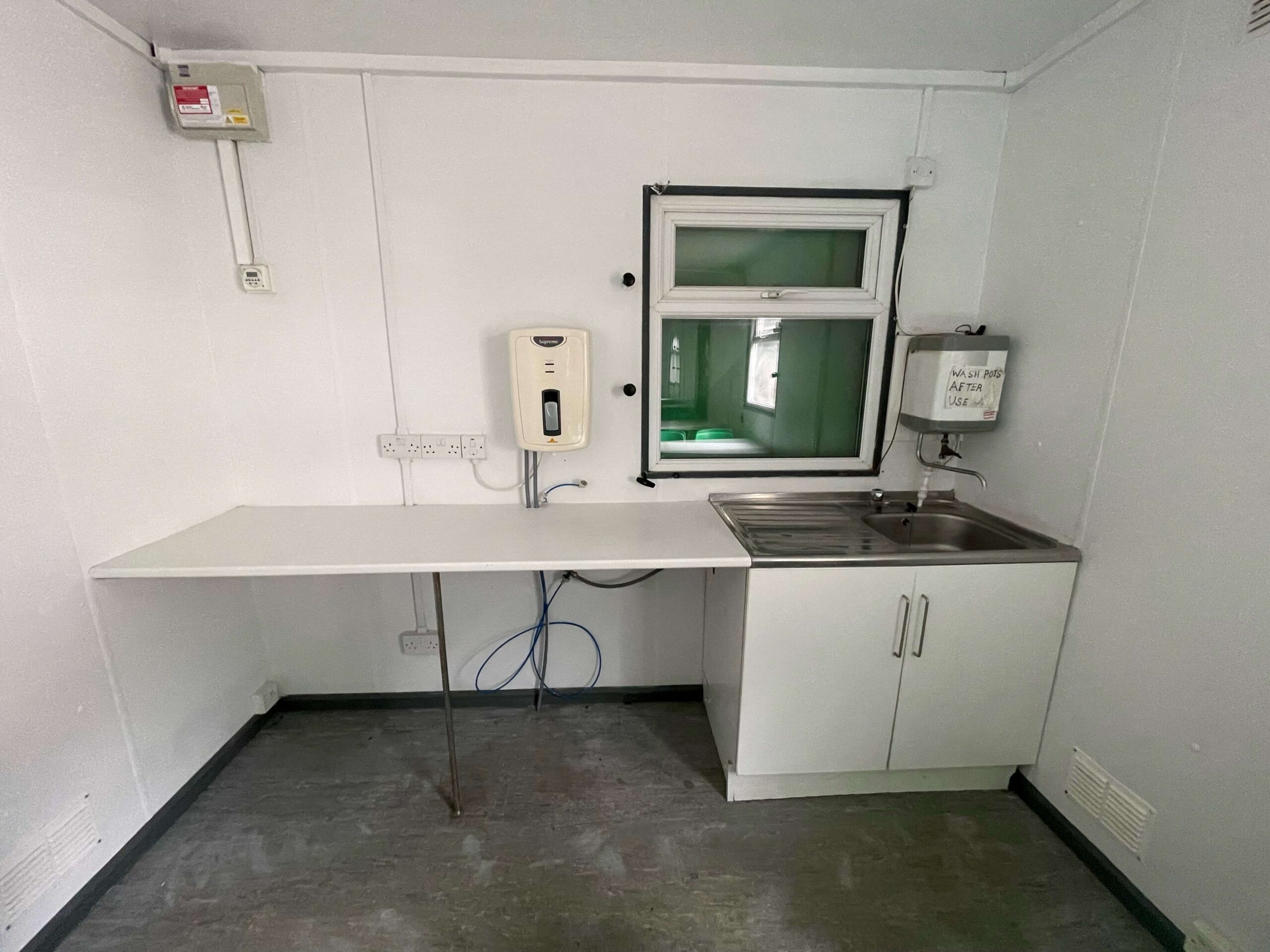
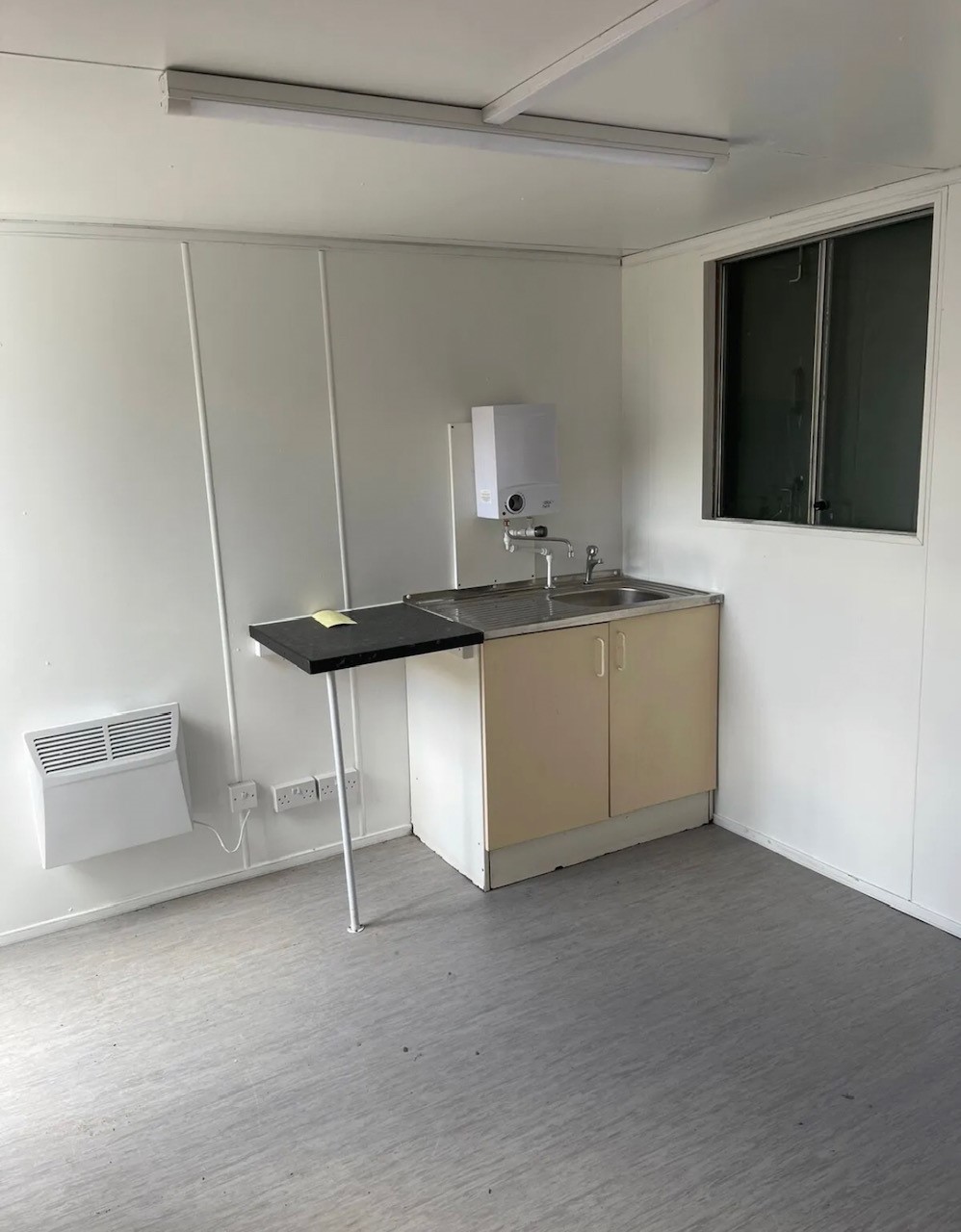
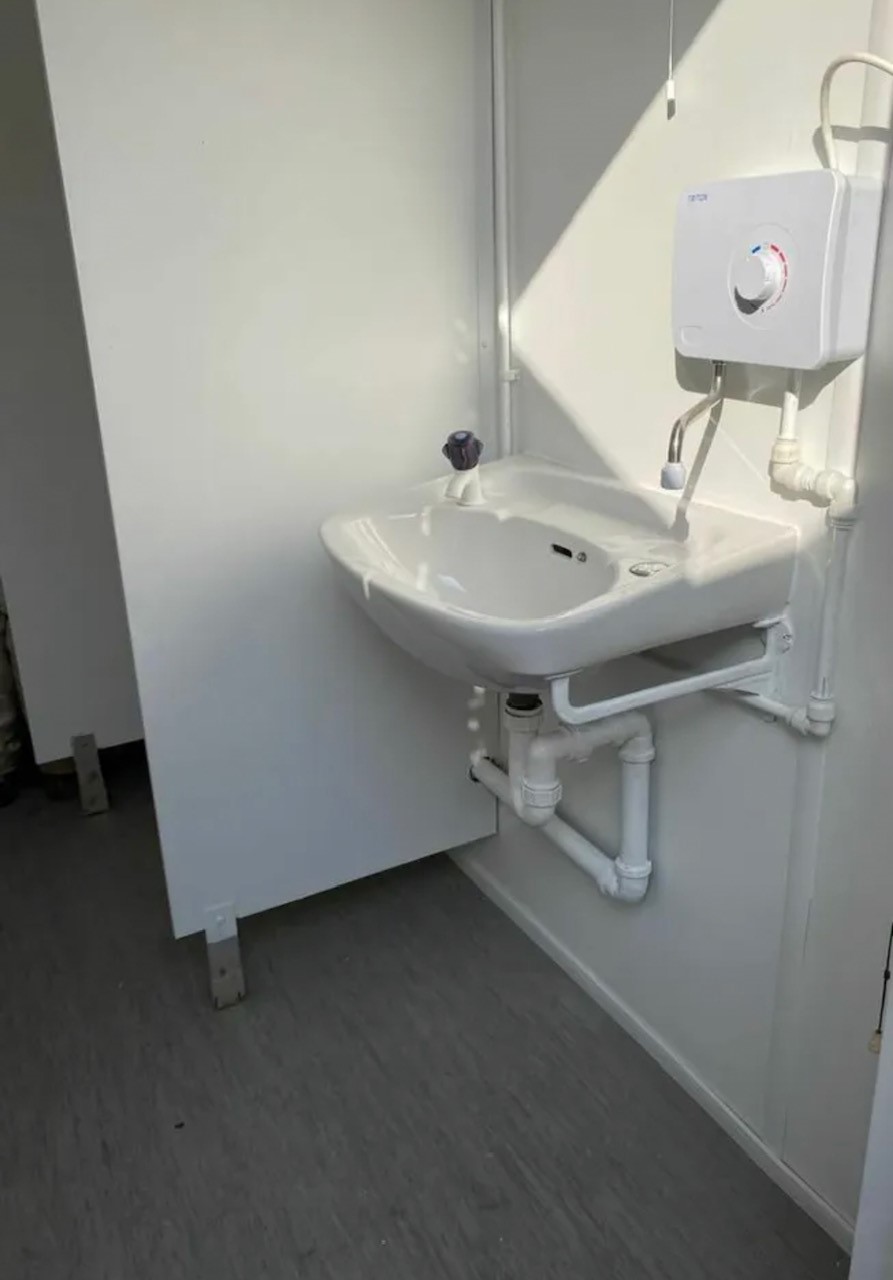
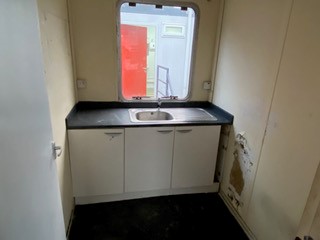
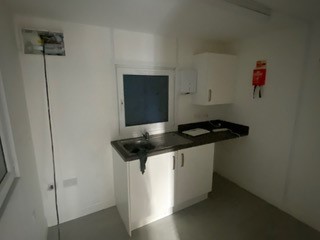
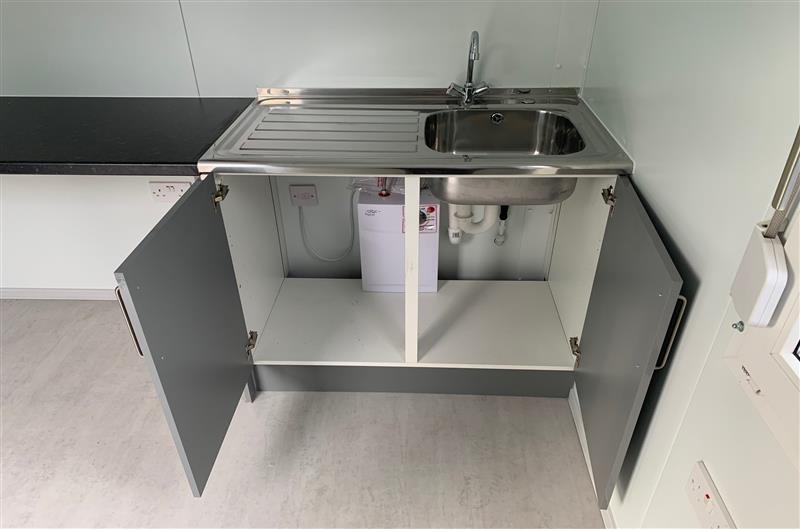
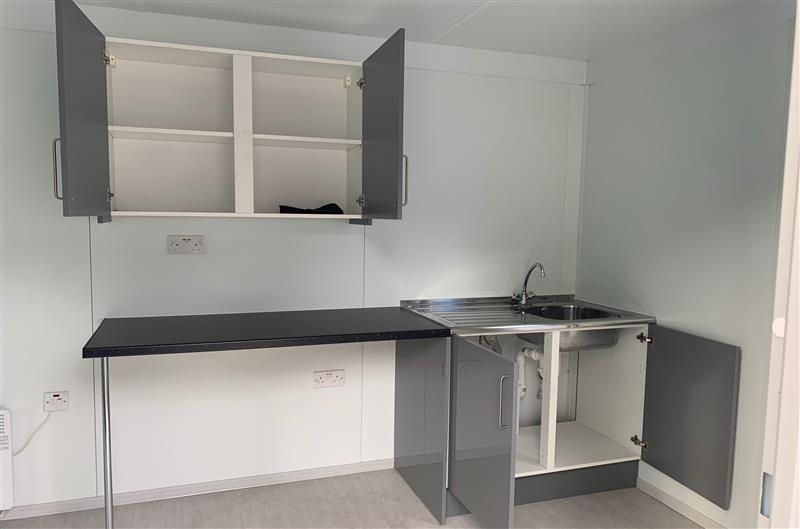
• Sink and water boiler included


Location: Nationwide
Quantity: ∞
EX VAT
Not Available for Hire
Call for an instant quote!


Location: Nationwide
EX VAT
Not Available for Hire
Call for an instant quote!
Get a Quick Container Quote Now!


Location: Nationwide
EX VAT
Not Available for Hire
Call for an instant quote!
Get a Quick Container Quote Now!