Renting a shipping container can solve a very practical problem: creating secure storage, moving equipment, or managing a temporary site without buying a steel box outright. The need is tied to a vast, changing supply chain. UNCTAD’s Review of Maritime Transport 2024 reports that seaborne trade reached 12.3 billion tonnes in 2023, with further growth projected for 2024. That figure describes cargo moving across the world, not rental availability in any one town. Still, it helps explain why container access, delivery timing, and local inventory can vary.
Details matter. A 20-foot container may suit boxed stock, while bulky equipment can need a 40-foot unit or easier door access. Measure the load, then check the route from the truck’s drop-off point to the intended placement. A narrow gate or soft ground can turn a simple delivery into an expensive headache. Small details count.
This guide explains how to compare rental terms in 2026, choose a suitable size, and prepare for delivery. Ask providers for written pricing that identifies transport, rental duration, deposits, and possible collection fees. Check the container’s condition, door seals, and locking points before signing or loading it. Terms differ by provider and location, so a listed monthly rate is only part of the cost. One point is easy to miss: the cheapest quote may not include the service you actually need. The right choice depends on your cargo, site, schedule, and budget—and sometimes those plans change.

Before renting a container in 2026, decide whether it will hold goods on-site, travel by road or rail, or move overseas. Those uses create different requirements. Measure the largest item, then note its weight, shape, and access needs. A pallet may fit through the door but still leave too little room to turn a hand truck. Measure twice.
For storage, check ground clearance, door swing, ventilation, and how often you need access. For transport, confirm cargo dimensions, loading method, route, and delivery location with the rental provider. A standard 20-foot unit may suit dense, compact items; bulky goods can need more floor space even when light. Internal dimensions vary, so ask for the specific unit’s measurements.
Industry data can help set expectations, but it cannot tell you what is available nearby. UNCTAD’s Review of Maritime Transport 2024 reported 0.3% growth in global containerized trade in 2023 and forecast 3.5% growth for 2024. The Bureau International des Containers’ 2023 Container Census estimated the global fleet at about 50.9 million TEU at the end of 2022. Large totals do not guarantee a suitable local unit. Leave room for imperfect packing plans, and list what must remain reachable after loading.
Compare the approximate internal volume of common container sizes to help estimate how much storage space you may need.
Approximate internal volumes are 33.2 m³ for a 20-foot standard container, 67.7 m³ for a 40-foot standard container, and 76.3 m³ for a 40-foot high-cube container. Actual usable capacity varies by container specifications and cargo shape.
Start by matching the container type to the job. A standard dry container suits boxed household goods, tools, or construction materials. High-cube models offer extra vertical room for tall items, while refrigerated units require a suitable power supply. Common lengths include 20 and 40 feet, but usable interior dimensions vary. Check the door opening, too; a bulky cabinet may not fit even when the floor space looks adequate. Measure twice.
Rental terms can change the real cost. Compare the included rental period, delivery and pickup charges, deposit, and fees for keeping the unit longer. Ask whether the site needs a level surface or clear truck access. A tight driveway or soft ground can complicate placement. Confirm the container’s condition and who handles repairs before signing. I would also leave a little schedule flexibility; delivery windows can shift.
Tips: Measure the largest item and the planned placement area before requesting a quote. Keep a written list of dates, access requirements, and quoted charges. If you are between sizes, ask for interior measurements rather than relying on the label alone. Those details are easy to overlook.
Before renting a shipping container in 2026, measure the full delivery route, not only the parking pad. A standard 20-foot container is about 20 feet long and 8 feet wide; a 40-foot unit is about 40 feet long and 8 feet wide. Those external dimensions are specified in ISO 668:2020. The delivery vehicle needs extra room to turn, stop, and unload. Ask the rental company for its truck and unloading clearances. Small details matter. Check overhead branches, cables, gates, soft ground, and the distance from the street to the placement spot.
Access can be tight even when the container fits. The Federal Highway Administration’s Federal Size Regulations for Commercial Motor Vehicles lists a 102-inch maximum width on the National Network, but that limit does not tell you whether a specific truck can navigate your driveway. Send the provider photos, measurements, and a simple route sketch before booking. Also confirm whether the container will be placed on public property or within a restricted area; local authorities may require approval or a permit. Requirements vary by location. A flat-looking lawn can still be too soft after rain, and I would not assume a short delivery route is an easy one. Get the placement method, surface requirements, and any permit responsibilities in writing.
| Planning Item | Typical Details | What to Check Before Booking |
|---|---|---|
| 10-foot container | Typically about 10 ft long, 8 ft wide, and 8 ft 6 in high. Exact dimensions vary by unit. | Confirm the container’s actual outside dimensions, door position, and delivery equipment requirements. |
| 20-foot container | Typically about 20 ft long, 8 ft wide, and 8 ft 6 in high. A high-cube version is commonly about 9 ft 6 in high. | Measure the intended placement area and allow room for delivery, access to the doors, and any required supports. |
| 40-foot container | Typically about 40 ft long and 8 ft wide. Standard and high-cube heights are commonly about 8 ft 6 in and 9 ft 6 in, respectively. | Check that the site and approach can accommodate both the container and the delivery vehicle’s turning and unloading space. |
| Road and gate access | Access needs depend on the delivery vehicle, container size, route, and unloading method; there is no single clearance that fits every delivery. | Measure gate openings, road width, turning areas, slopes, and any narrow approaches. Share photos and measurements when requesting a quote. |
| Overhead clearance | Branches, cables, roof overhangs, and other obstructions can prevent a truck from reaching or unloading at the proposed location. | Check the full route and placement area for overhead obstructions. Ask the rental provider what clearance its specific delivery vehicle requires. |
| Ground and placement surface | A firm, reasonably level surface helps support the container. Soft soil, standing water, and steep or uneven ground can create placement problems. | Prepare a stable area before delivery. Ask whether the container should sit on level blocks or another suitable support at its corner points. |
| Door and working space | The container doors need room to open, and users need a safe path to load and unload items. | Plan the door orientation and leave usable clearance in front of it. Keep the access path clear of vehicles, fences, and stored materials. |
| Permits and local rules | Requirements vary by location and may depend on zoning, placement duration, property type, or whether the container occupies public space. | Check with the local planning or building department before delivery. Also review property-manager, homeowners’ association, or lease rules where applicable. |
| Public right-of-way | Placing a container on a street, sidewalk, or other public land may require a separate permit or may not be allowed. | Get approval from the relevant local authority before scheduling delivery; do not assume permission is included in the rental. |
| Delivery method and unloading | Containers may be delivered using different truck and unloading systems. The equipment and space needed depend on the provider and container. | Confirm the delivery method, required clear space, acceptable ground conditions, placement limits, and what happens if the site is inaccessible. |
| Rental term and total cost | Quotes may include a rental period, delivery and pickup charges, taxes, and fees for extensions or special access conditions. | Request an itemized quote. Confirm the minimum term, billing cycle, extension process, pickup notice, and any cancellation or failed-delivery charges. |
| Information to provide for a quote | Useful details include the container size, delivery address, intended use, preferred placement spot, rental dates, and site photographs. | Disclose access restrictions, surface conditions, overhead hazards, permit status, and any time or vehicle restrictions before confirming the booking. |
Planning note: Dimensions and delivery clearances are typical estimates, not guarantees. Confirm the exact container specifications, site requirements, local permits, and delivery conditions before booking.
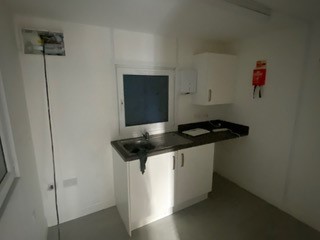
Request quotes with the same details so you can compare providers fairly. Share the container size, rental period, delivery address, and intended placement surface. Mention narrow gates, low branches, soft ground, or limited turning space. A delivery truck needs room to maneuver.
Ask each provider to itemize delivery, pickup, monthly rent, deposits, and possible extra fees. Confirm when billing starts, how extensions are priced, and what happens if pickup is delayed. Get it in writing. A low monthly rate can look less attractive once transport charges appear.
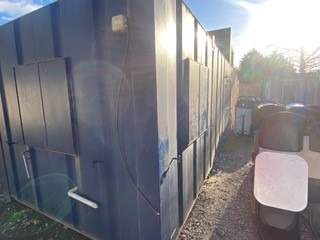
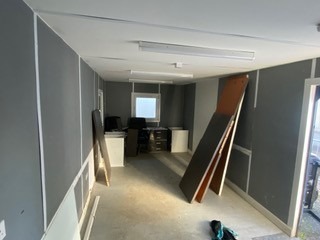
Check the container’s dimensions and condition before booking. Ask for recent photos, and confirm that doors open smoothly and the floor is sound. Clarify who handles repairs, weather-related issues, and routine access concerns. Details matter.
I once treated a clear driveway as proof that delivery would be simple; I had overlooked a low overhead cable. That small assumption changed the placement plan.
Ask the provider how delivery is assessed, and whether the proposed spot works for their truck. Choose the quote that explains its terms clearly, not just the one with the lowest headline price.
Before booking, confirm the container size, door position, placement surface, and truck access. Measure the driveway entrance, turning space, and overhead clearance. Send the supplier photos of the site; a small obstacle can prevent safe placement. Ask when rent begins and whether delivery-day delays affect the billing period.
The American Transportation Research Institute’s 2024 Operational Costs of Trucking report recorded average U.S. truck operating costs of $2.270 per mile in 2023.
That is not a container rental quote, but it shows why haul distance and waiting time matter. Request a written estimate covering delivery, placement, pickup, and possible waiting charges. Allow slack. A narrow delivery window may be difficult to keep.
During use, keep the doors accessible and the container on a firm, level surface. Photograph its condition at delivery, including the floor, walls, and lock area. Before pickup, remove stored items, sweep the interior, and clear the truck’s route. Confirm the return date and collection requirements in writing. One detail is easy to miss: a blocked approach or an unready container may delay pickup and add charges under the rental terms.
Registered in England & Wales No. 2786496
Registered office at: 337 Tanworth Lane,
Shirley, Solihull, B90 4DU
Registered for VAT, registration No.
GB 655 1347 38


Location: Nationwide
Not Available for Hire
We can deliver for a cost please ask and send us post code.
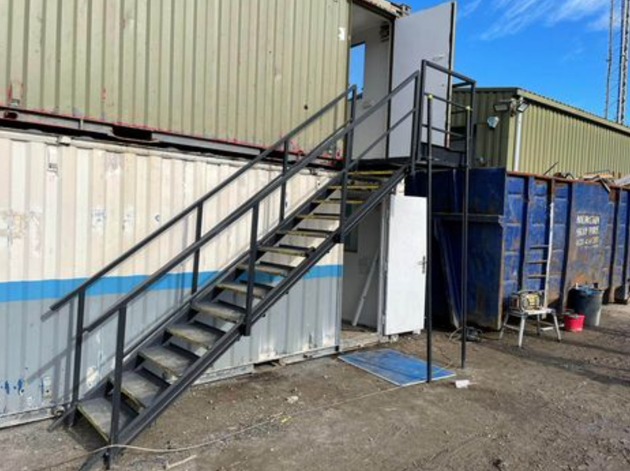
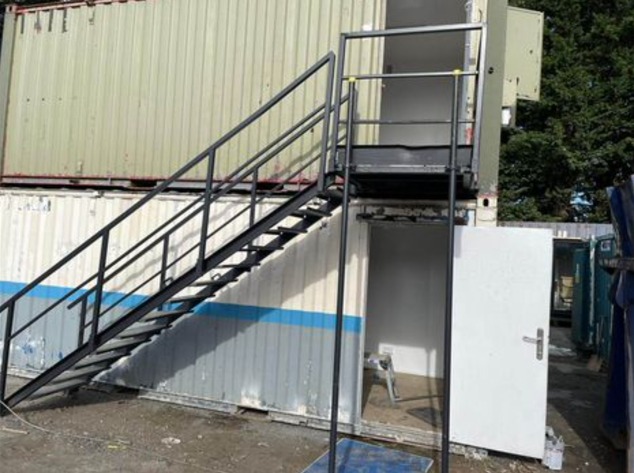
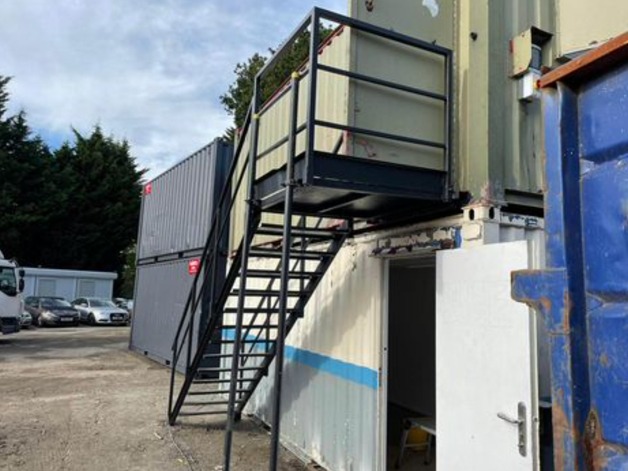
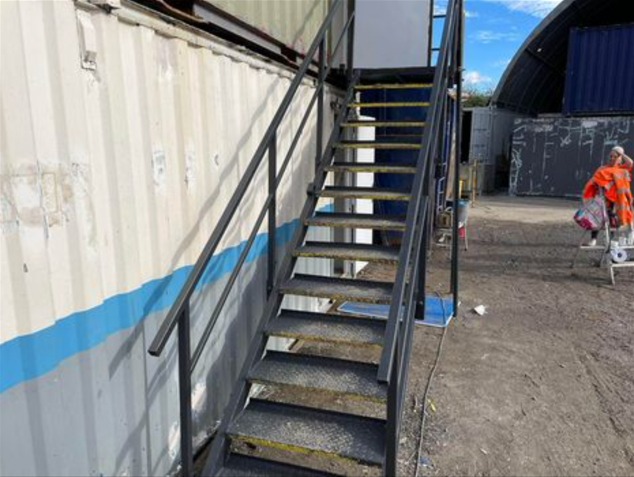
13 tread
14 tread
15 tread


Location: Nationwide
Not Available for Hire
Call for an instant quote!


Location: Nationwide
Not Available for Hire
We can deliver for a cost please ask and send us post code.
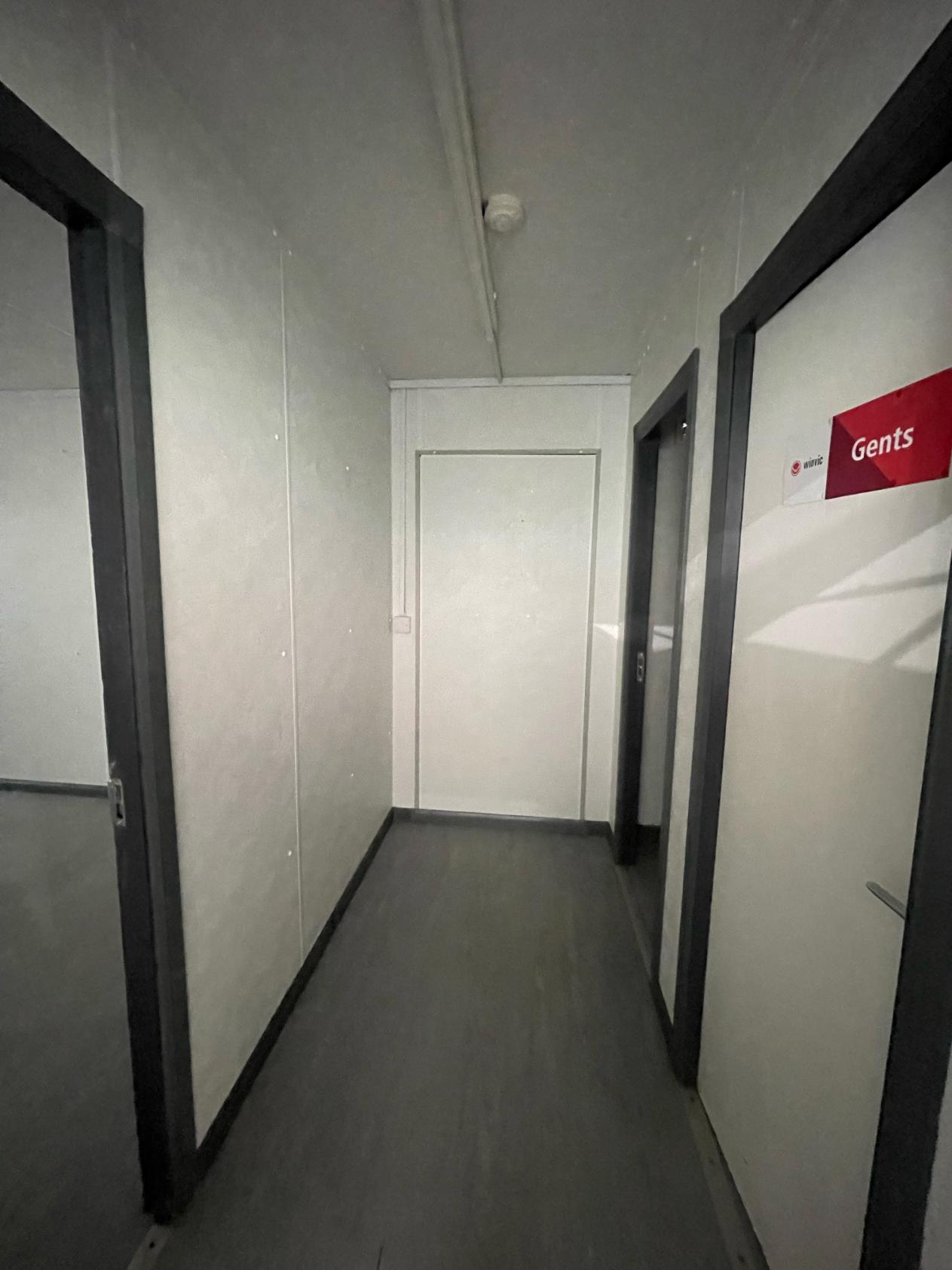
Hallway leading into:
Transport can be arranged please ask.


Location: Nationwide
Not Available for Hire
Call for an instant quote!
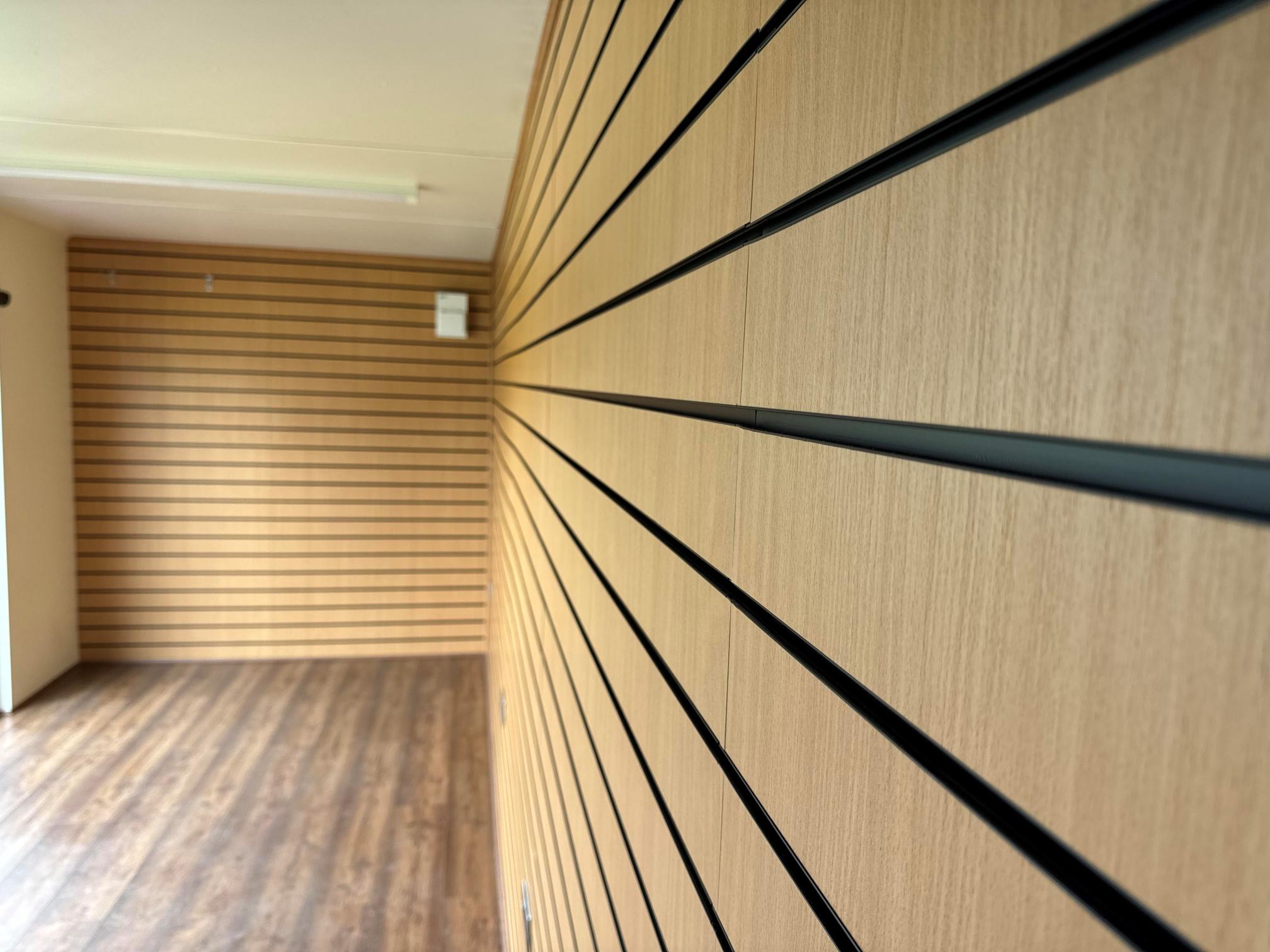
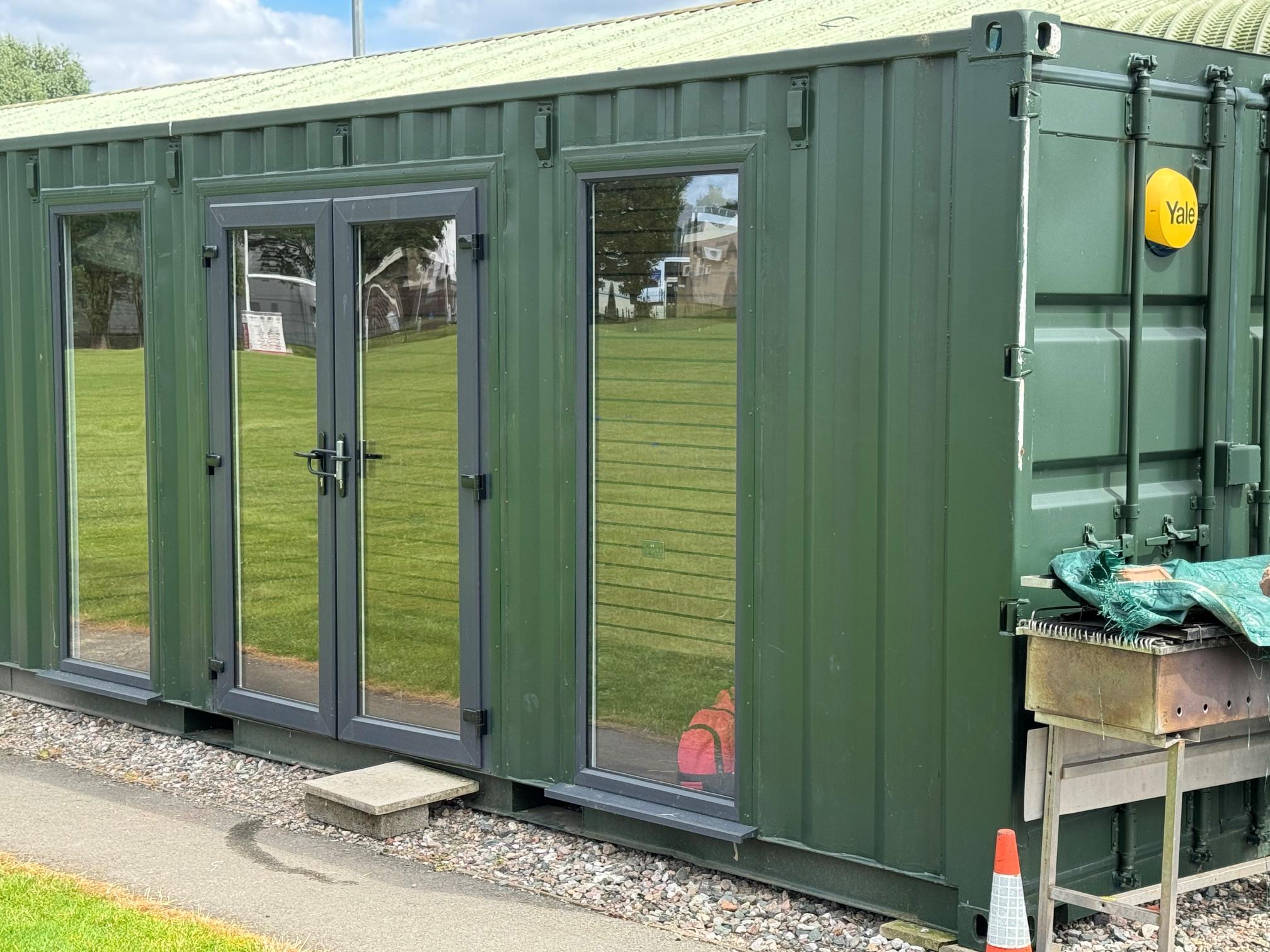
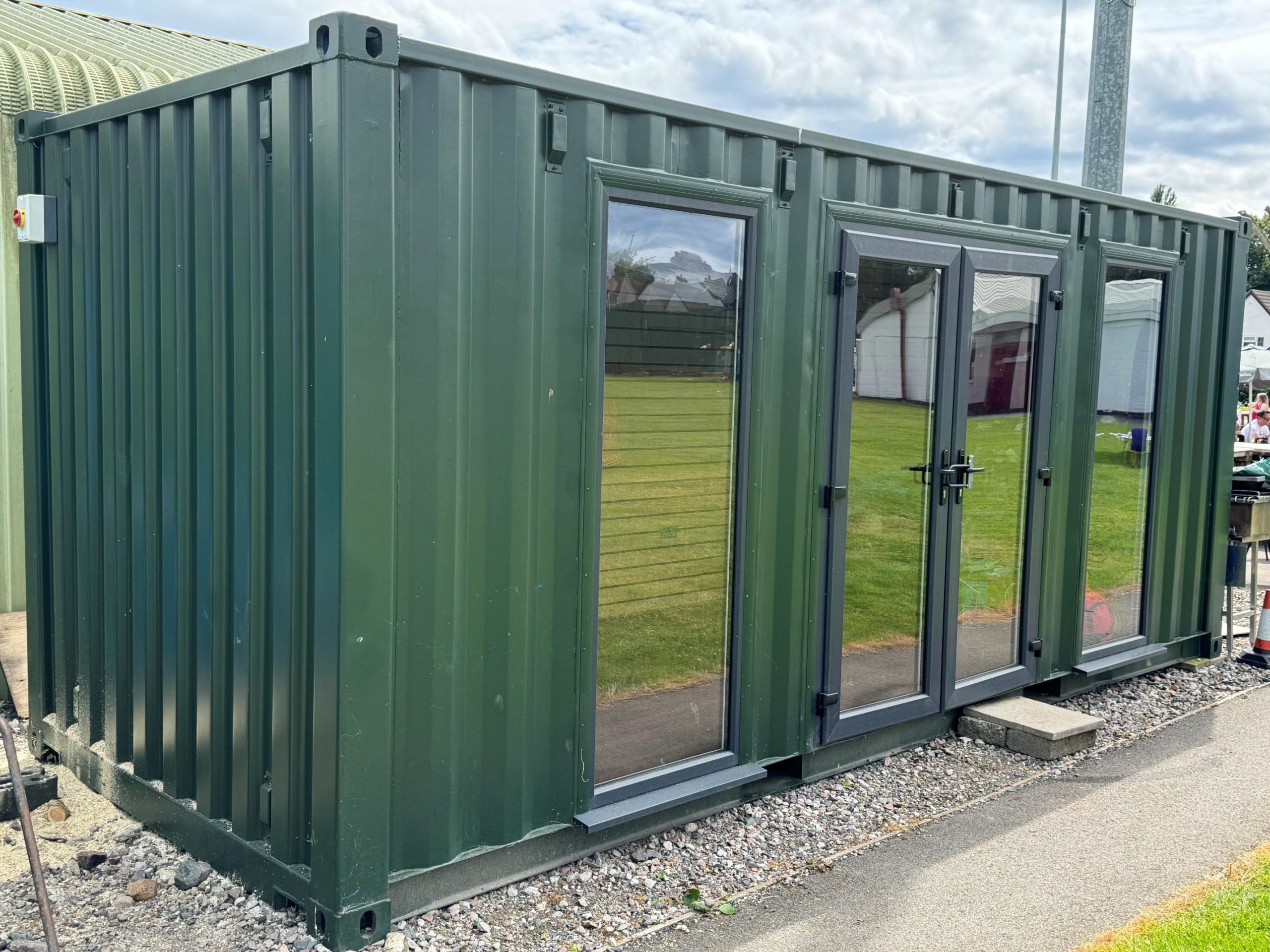
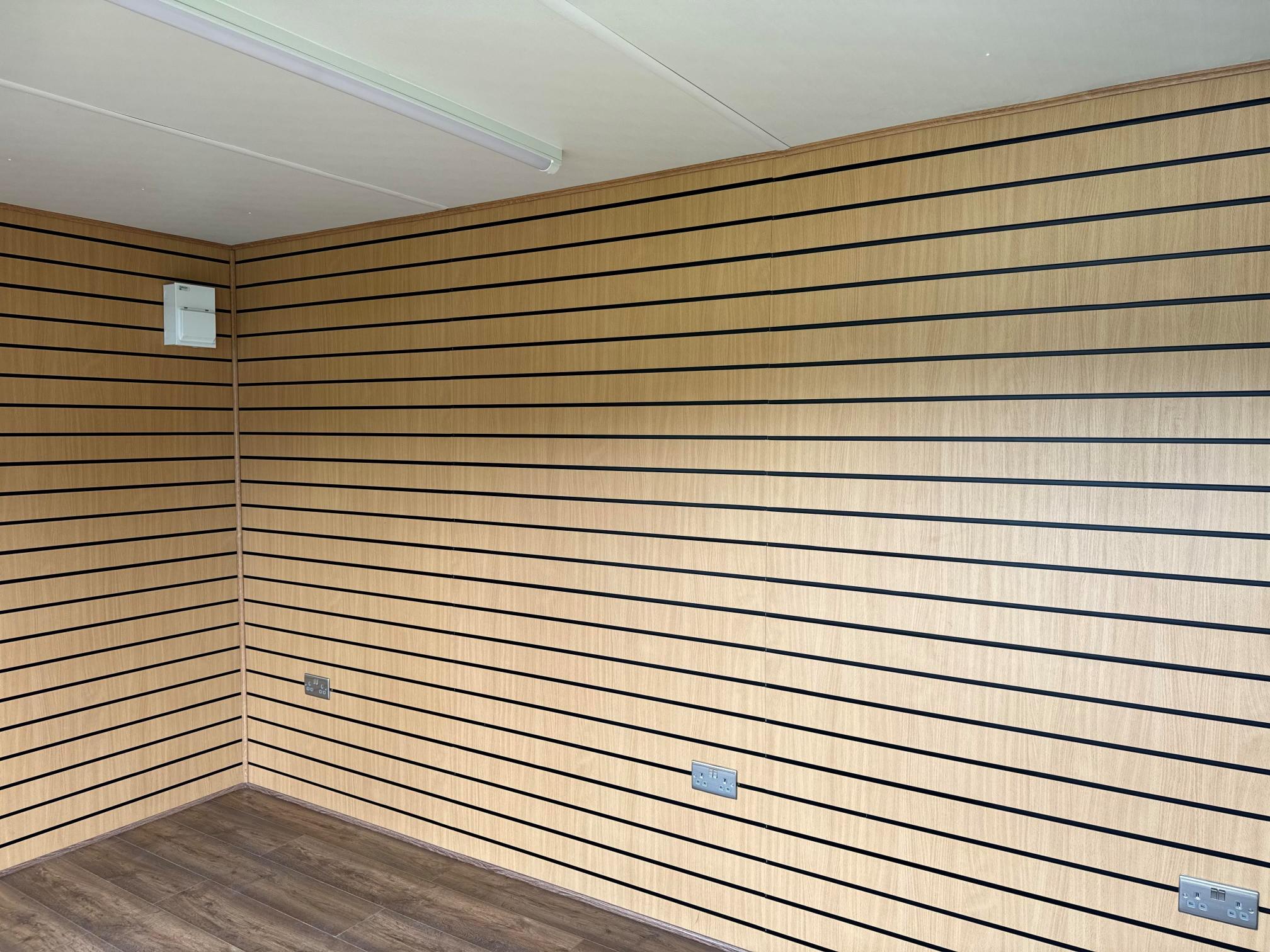
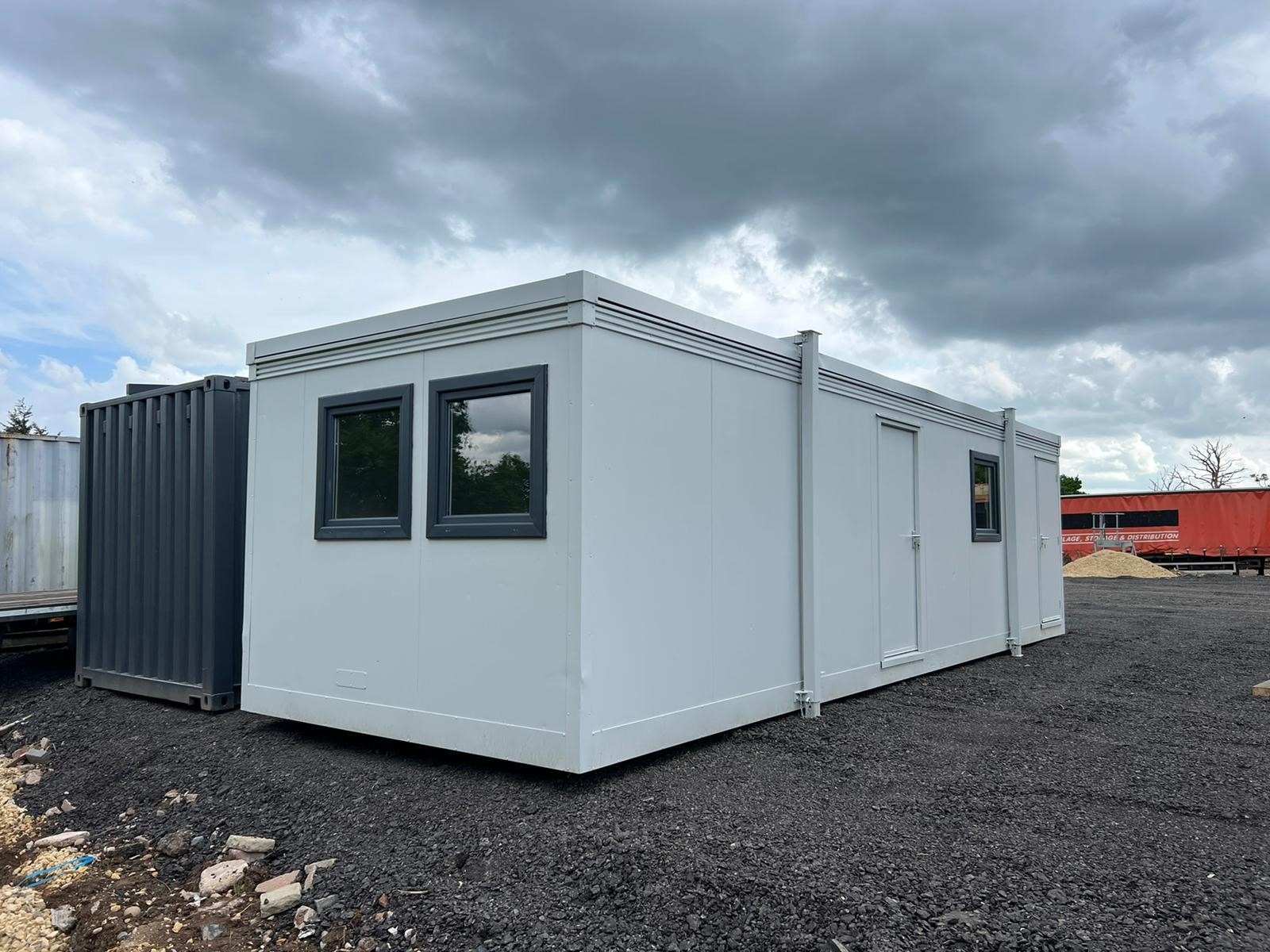
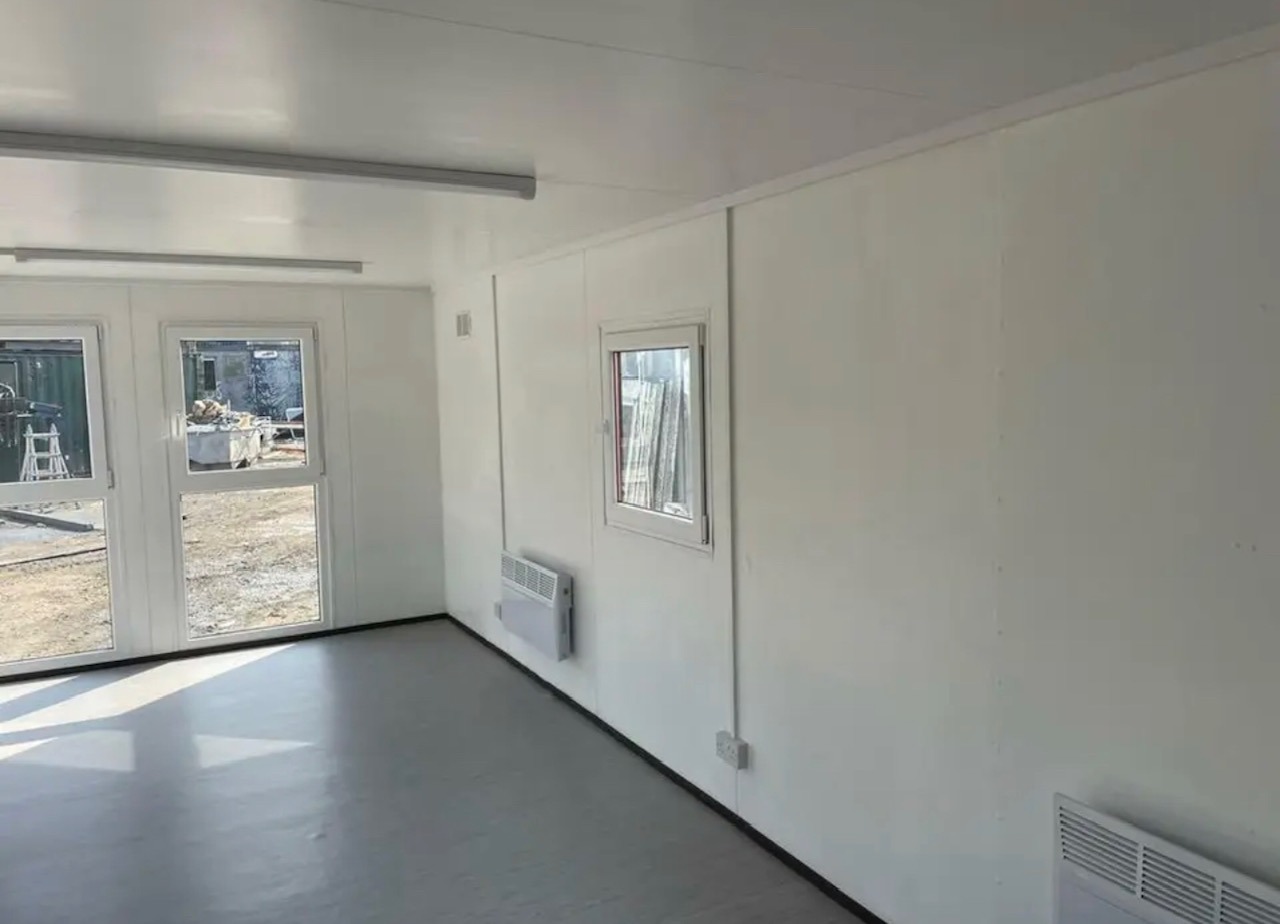
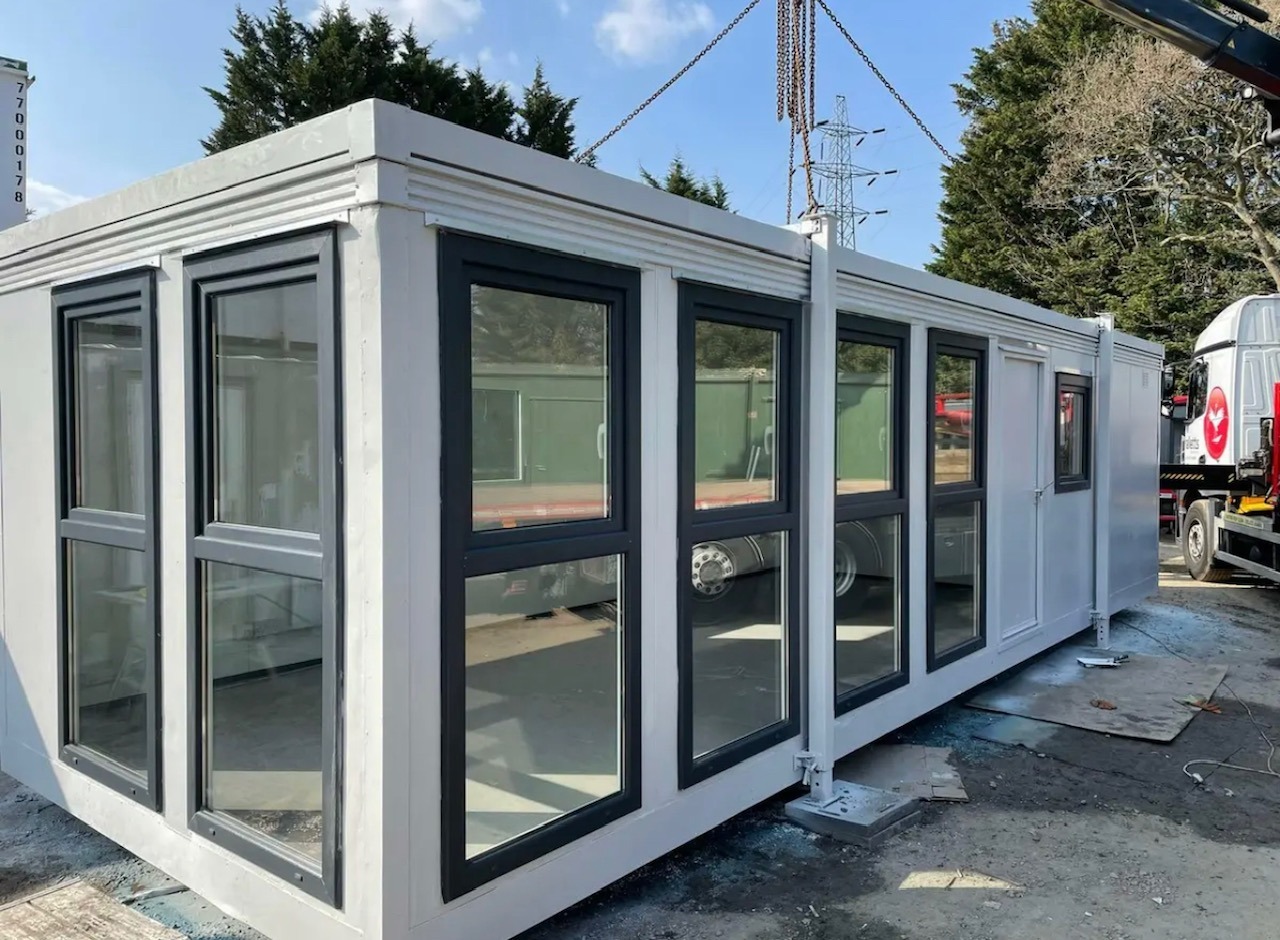
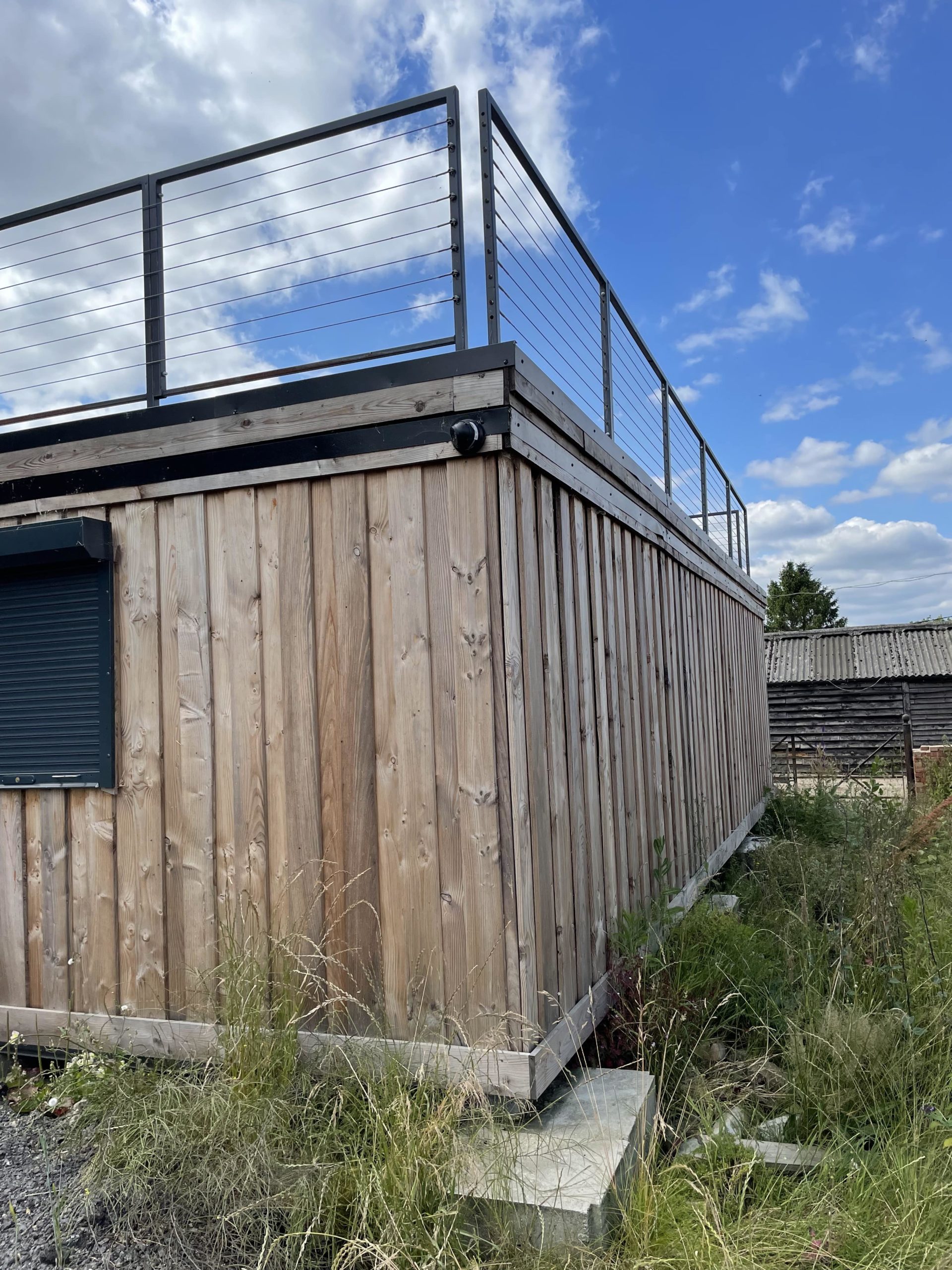
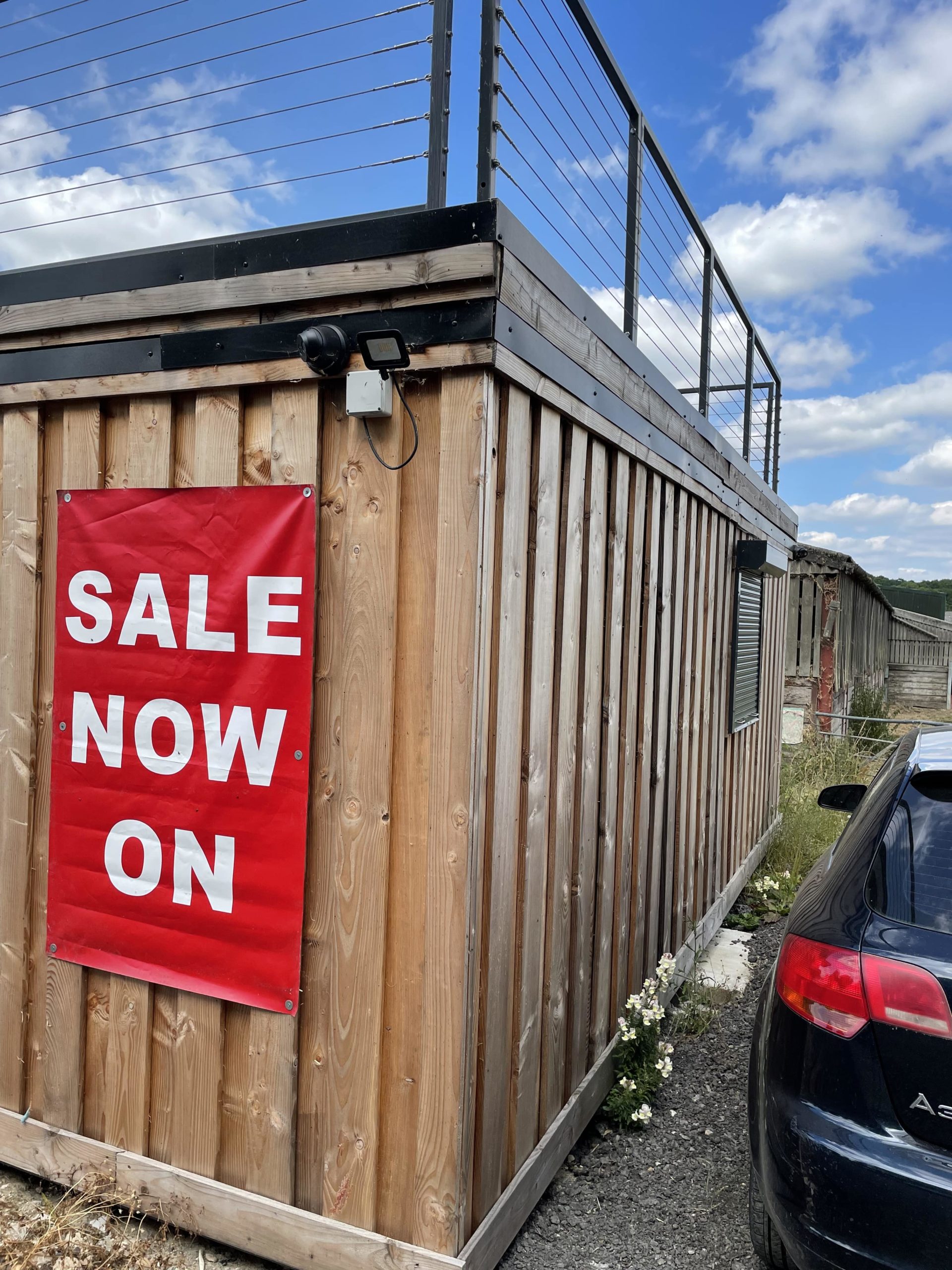
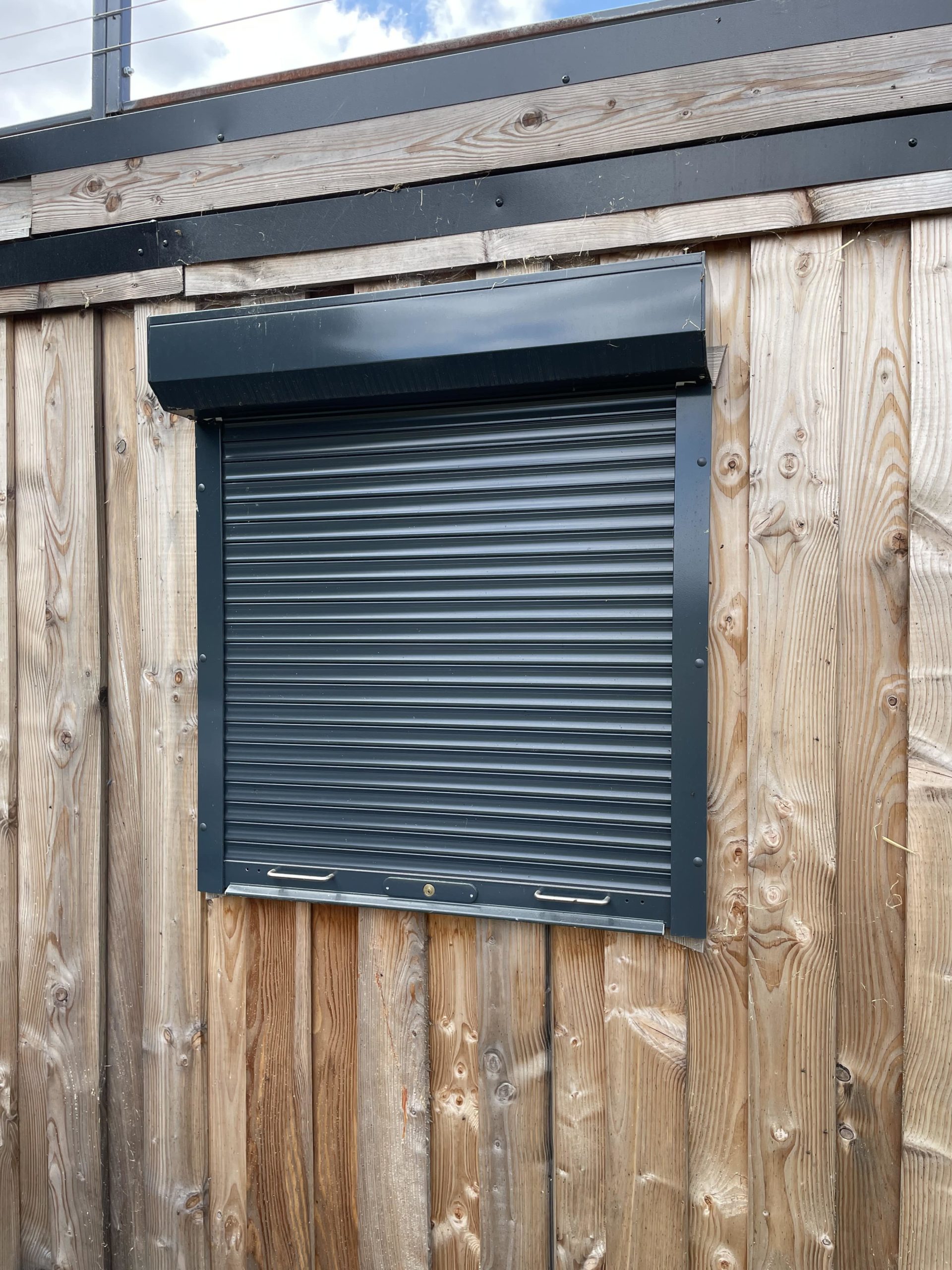
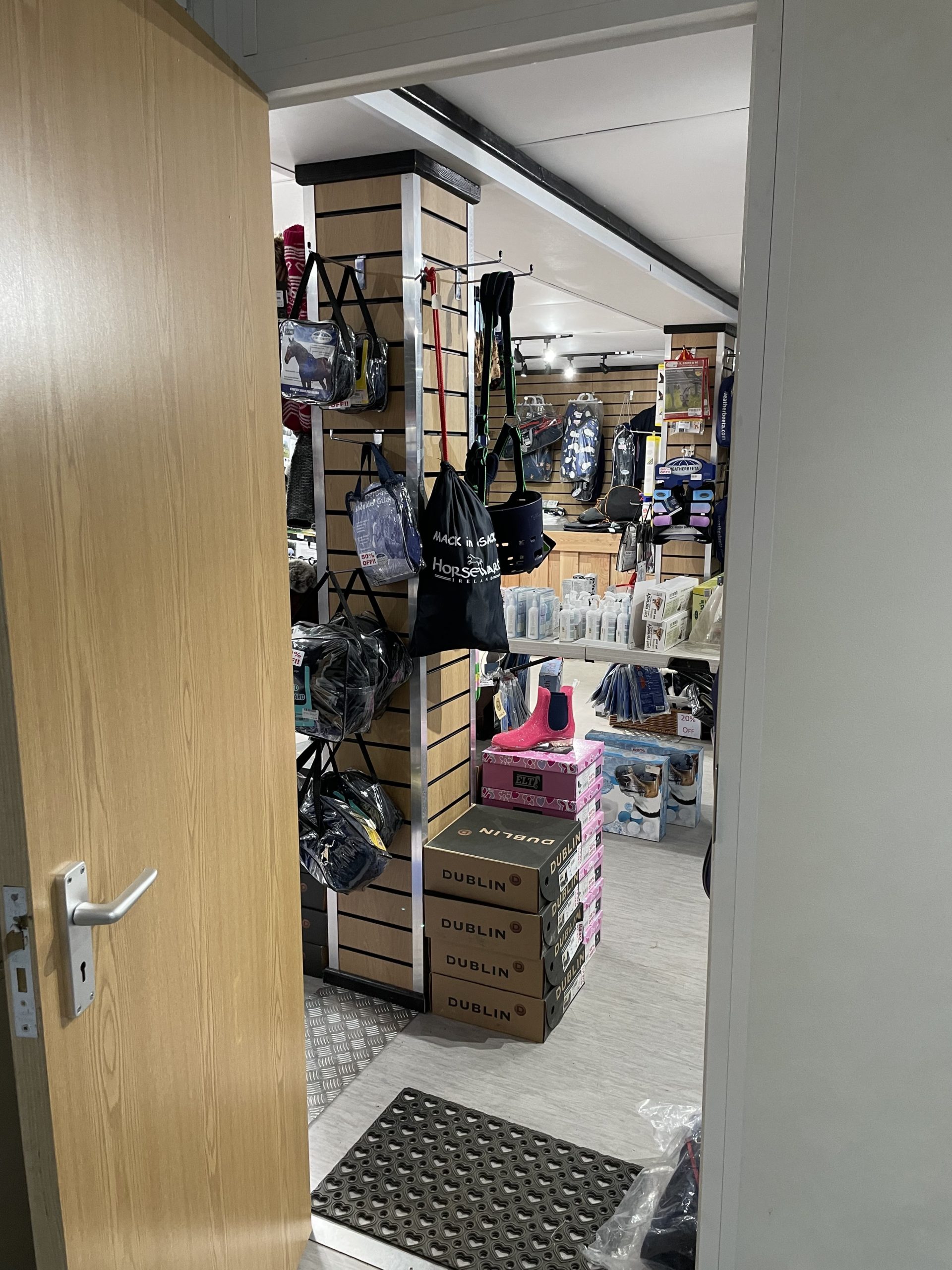
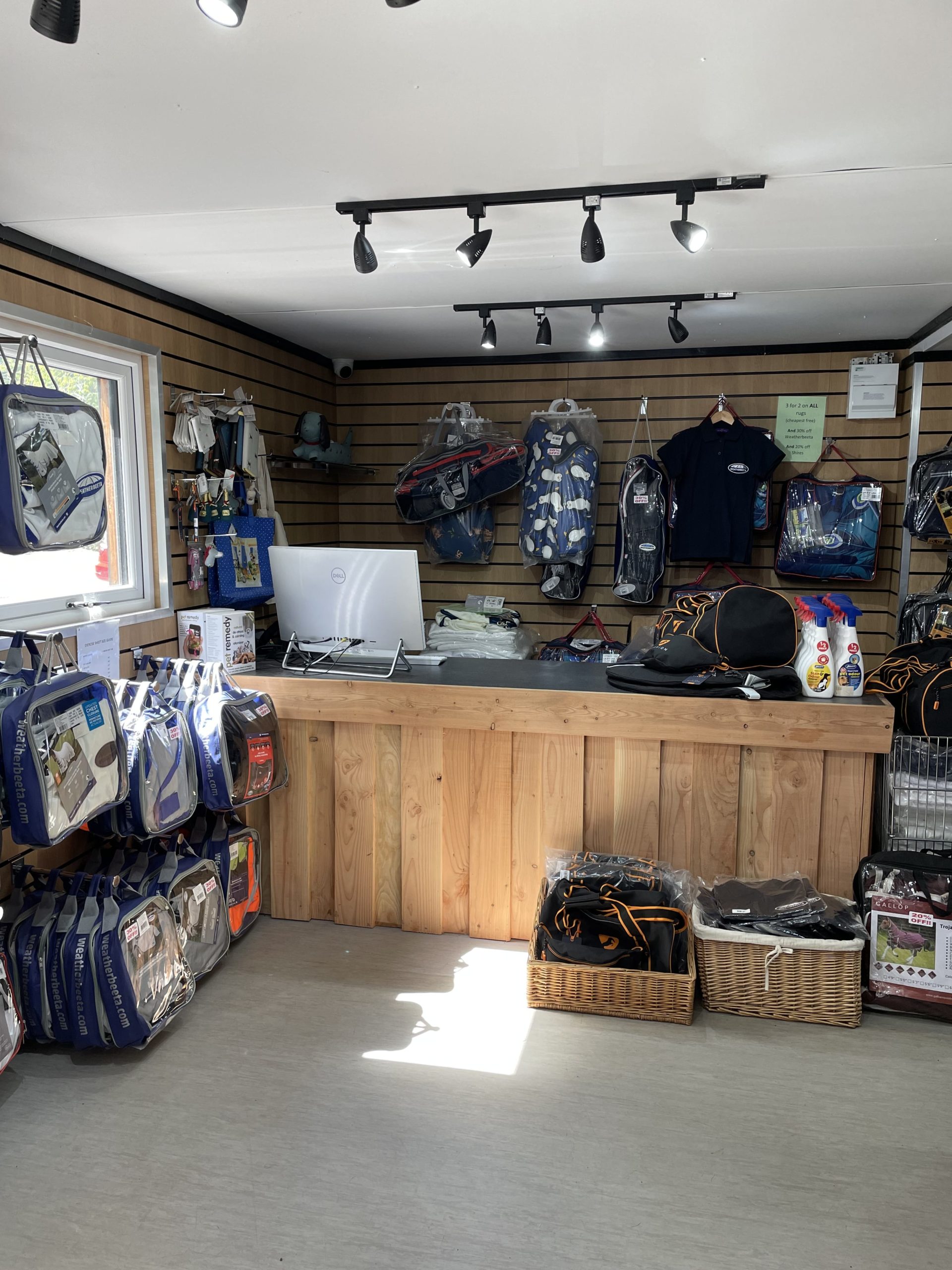
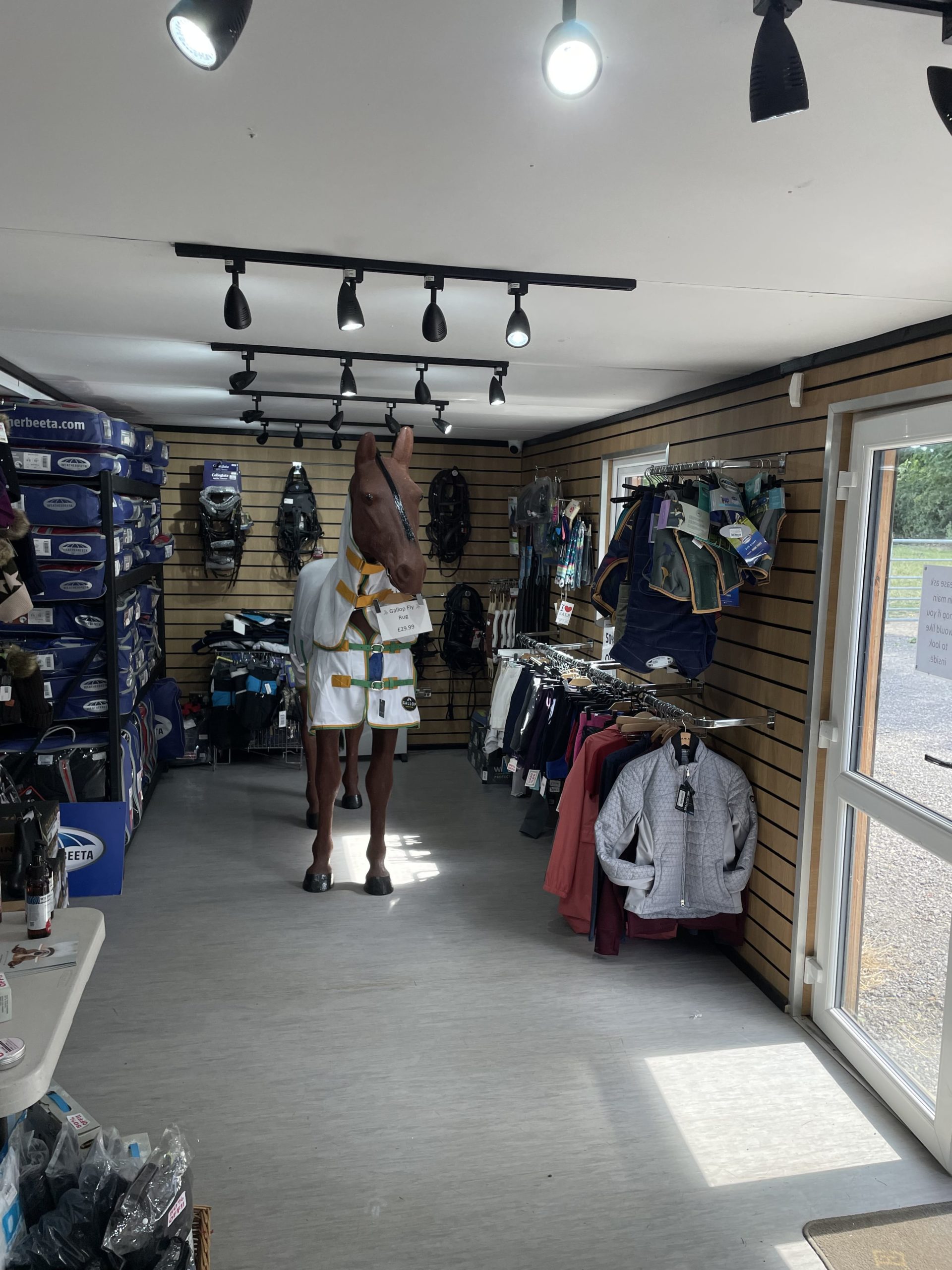
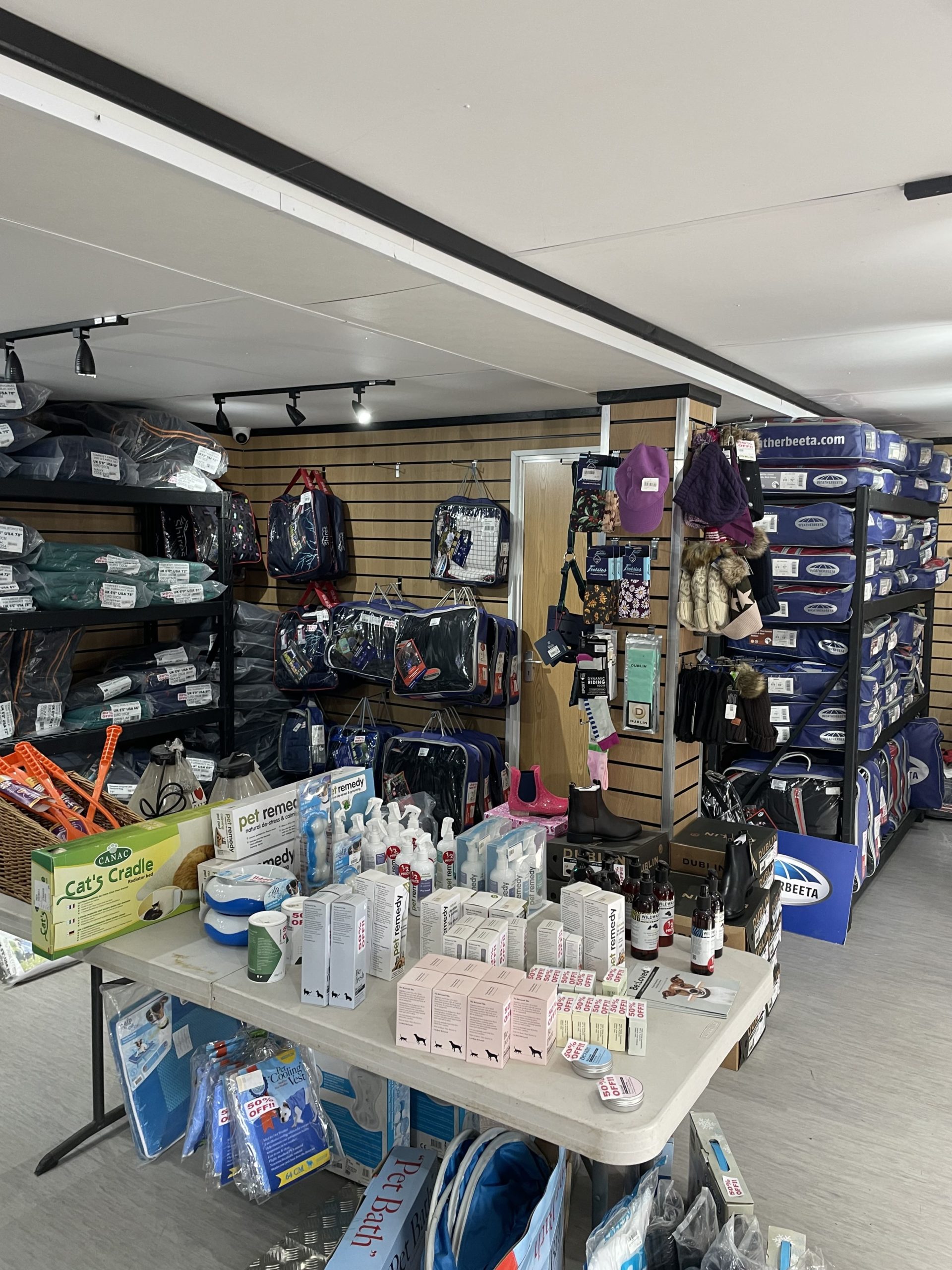
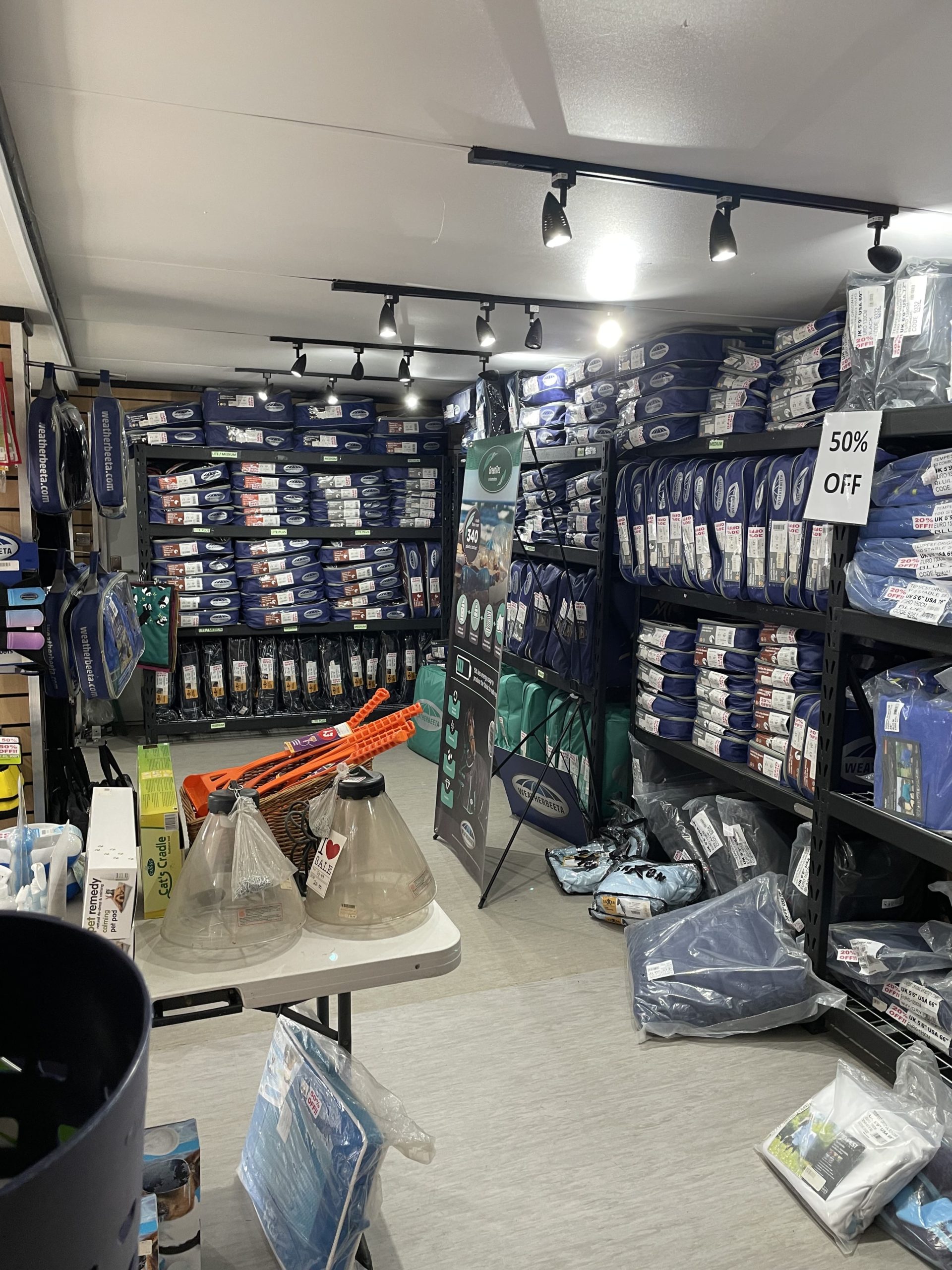
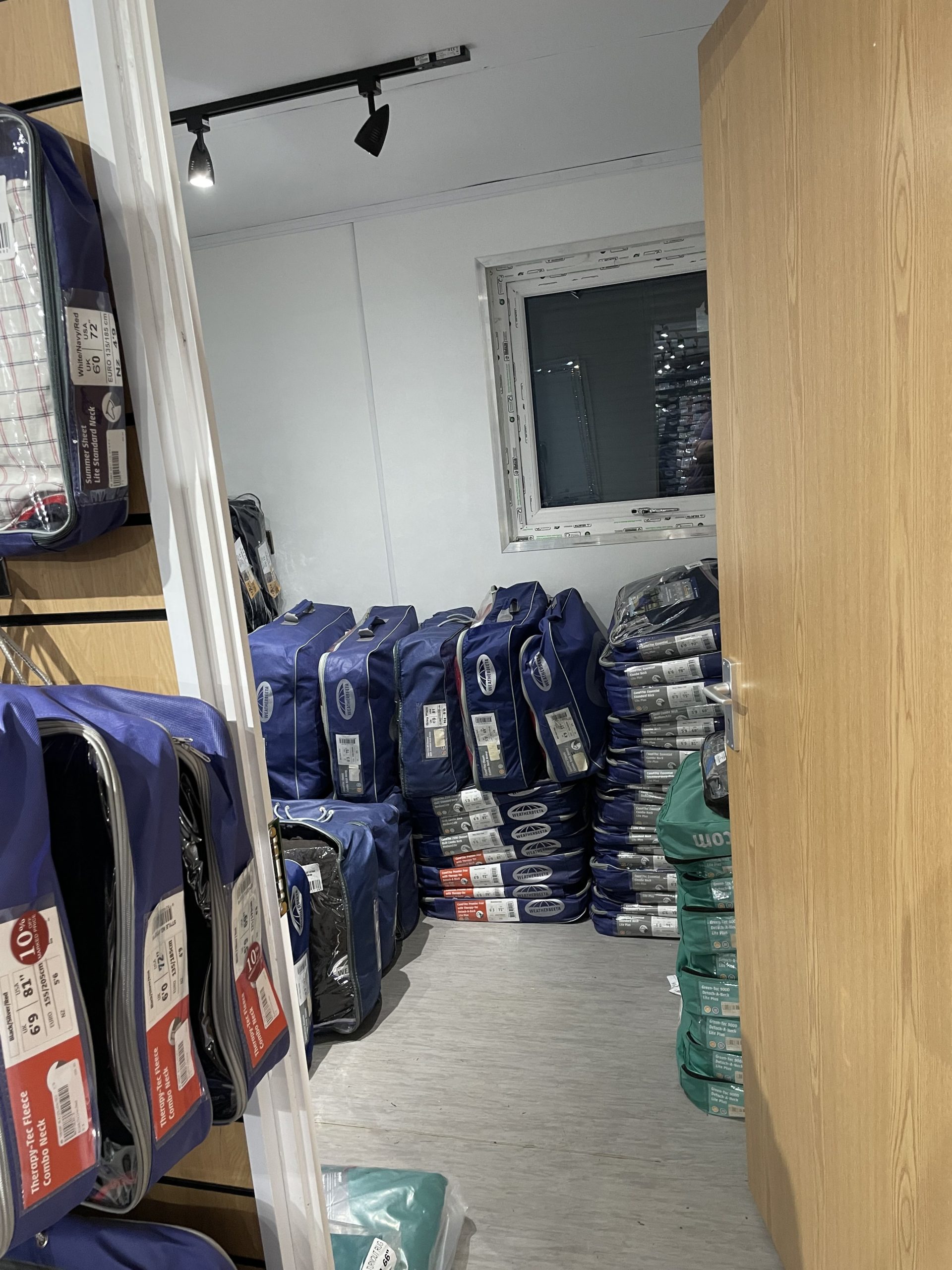
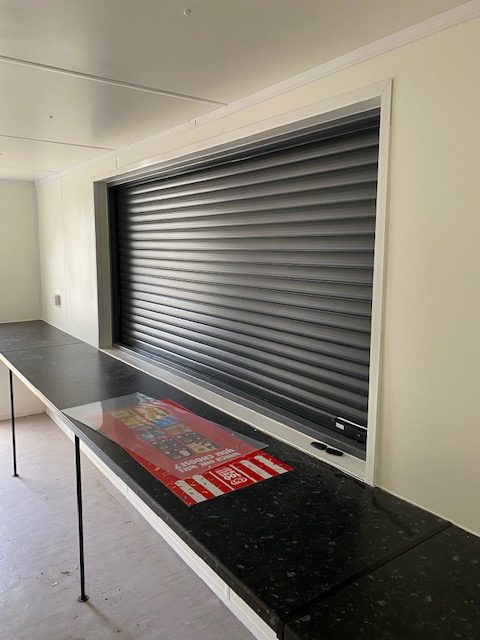
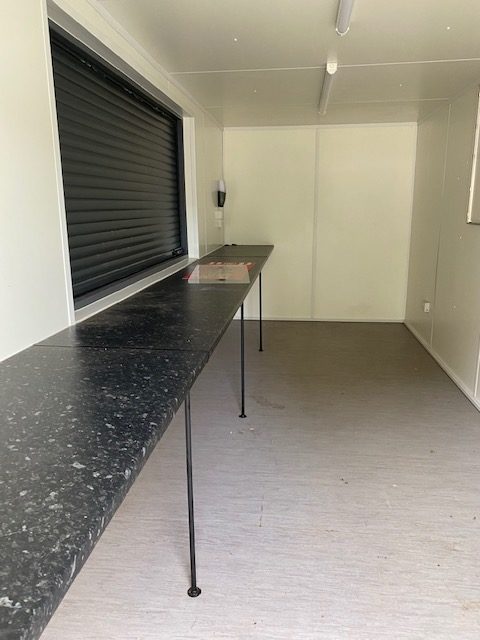
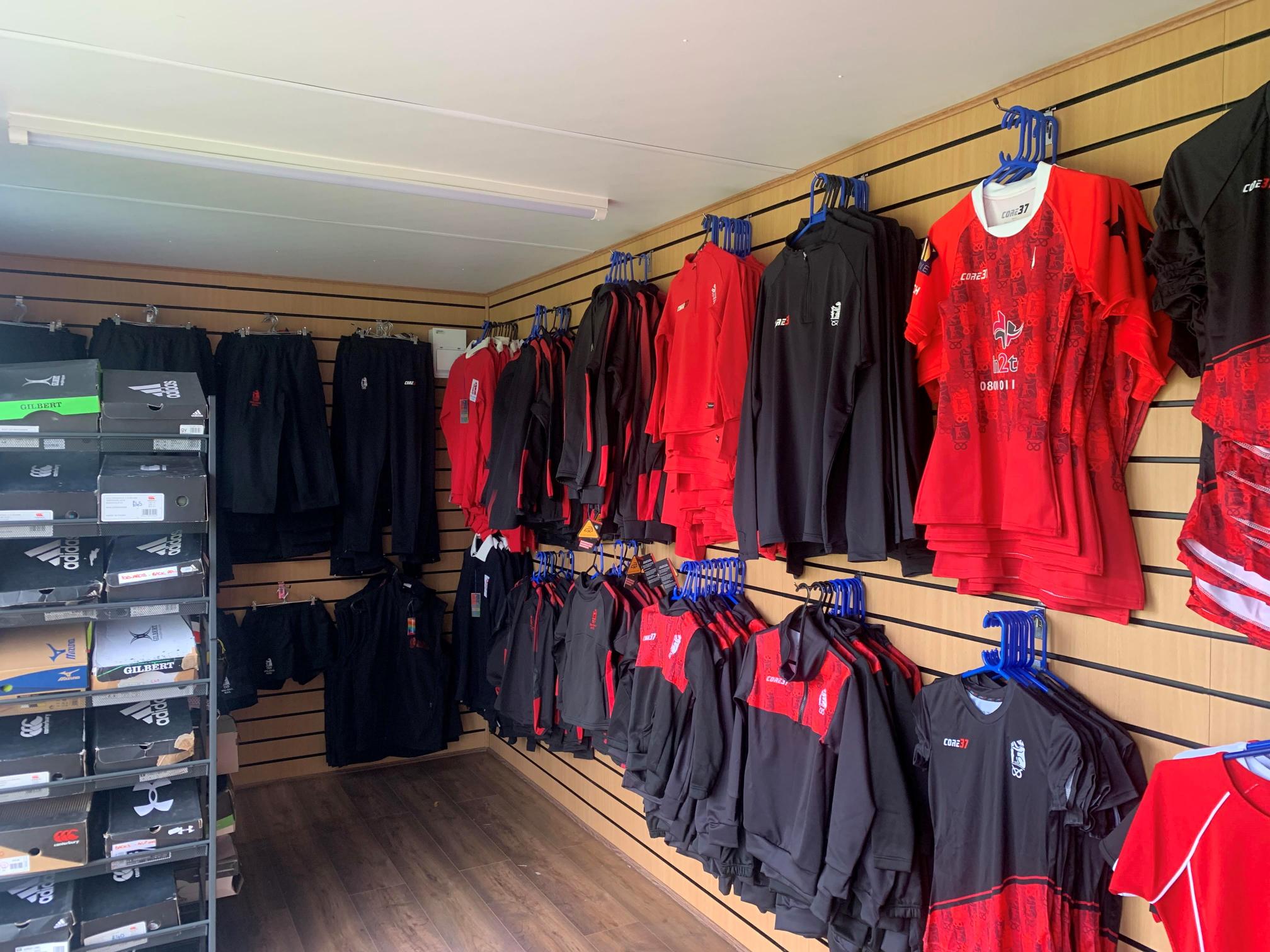
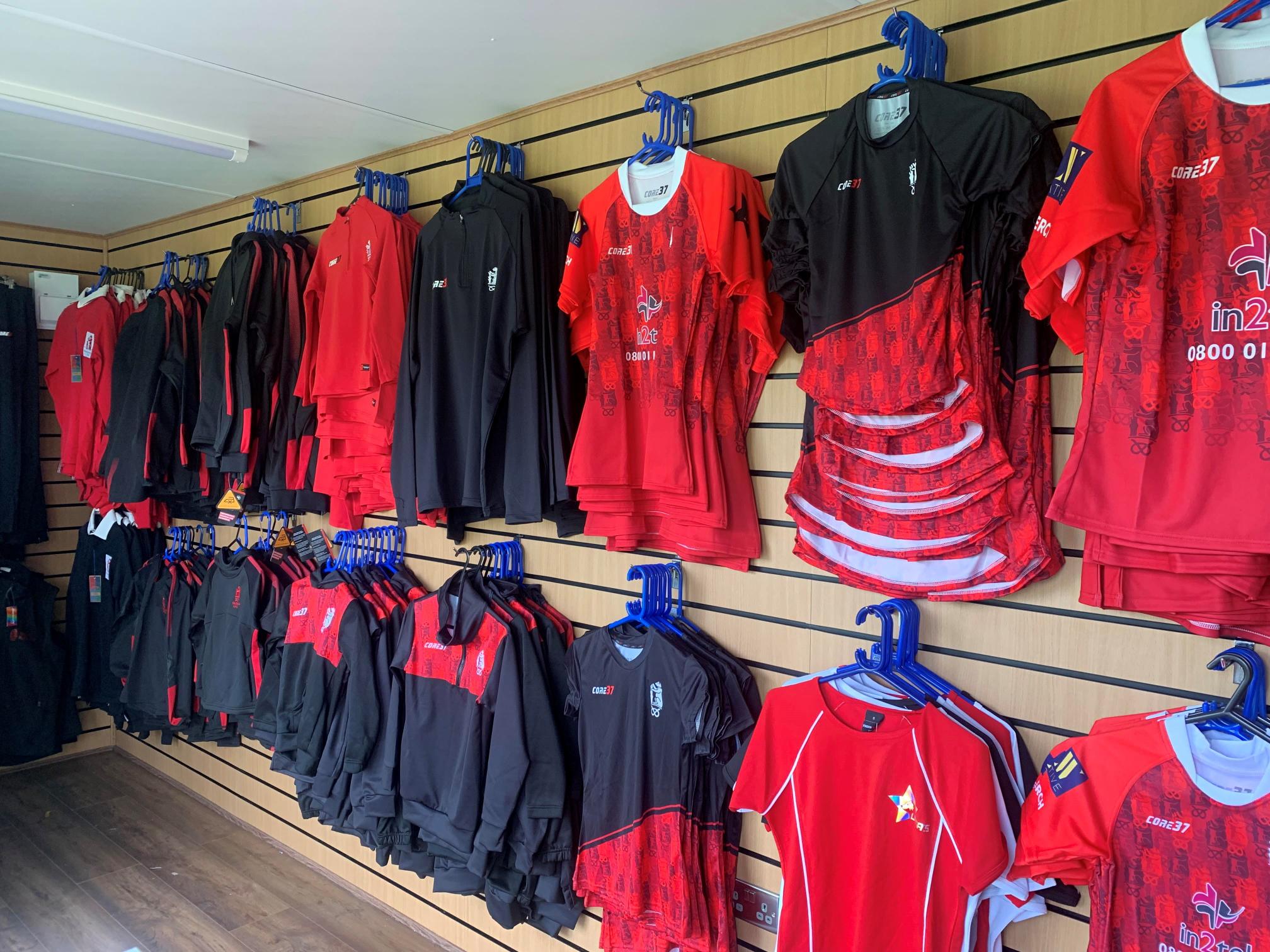
20ft x 8ft Container Conversion Retail Shop
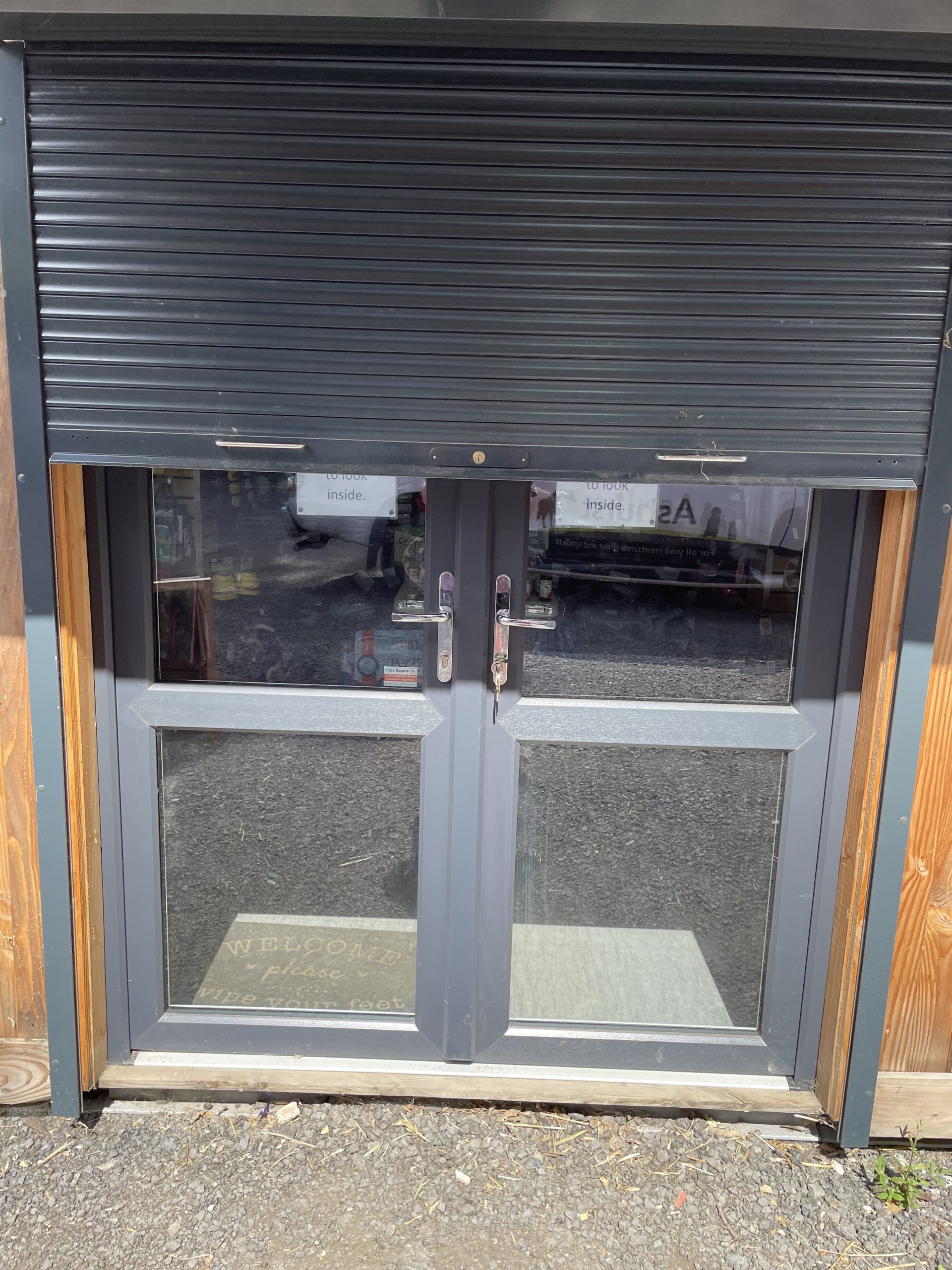
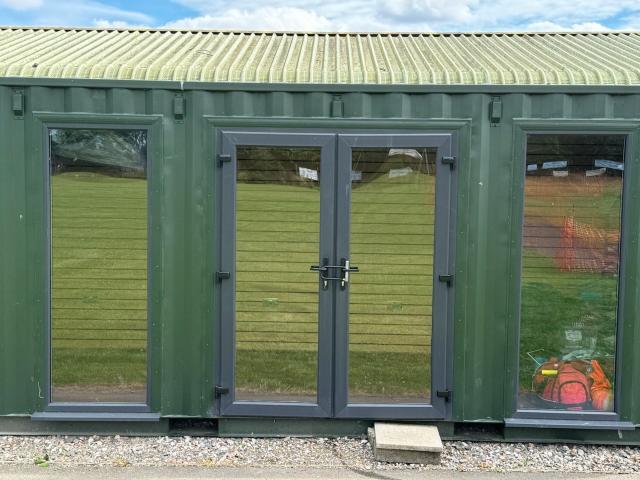
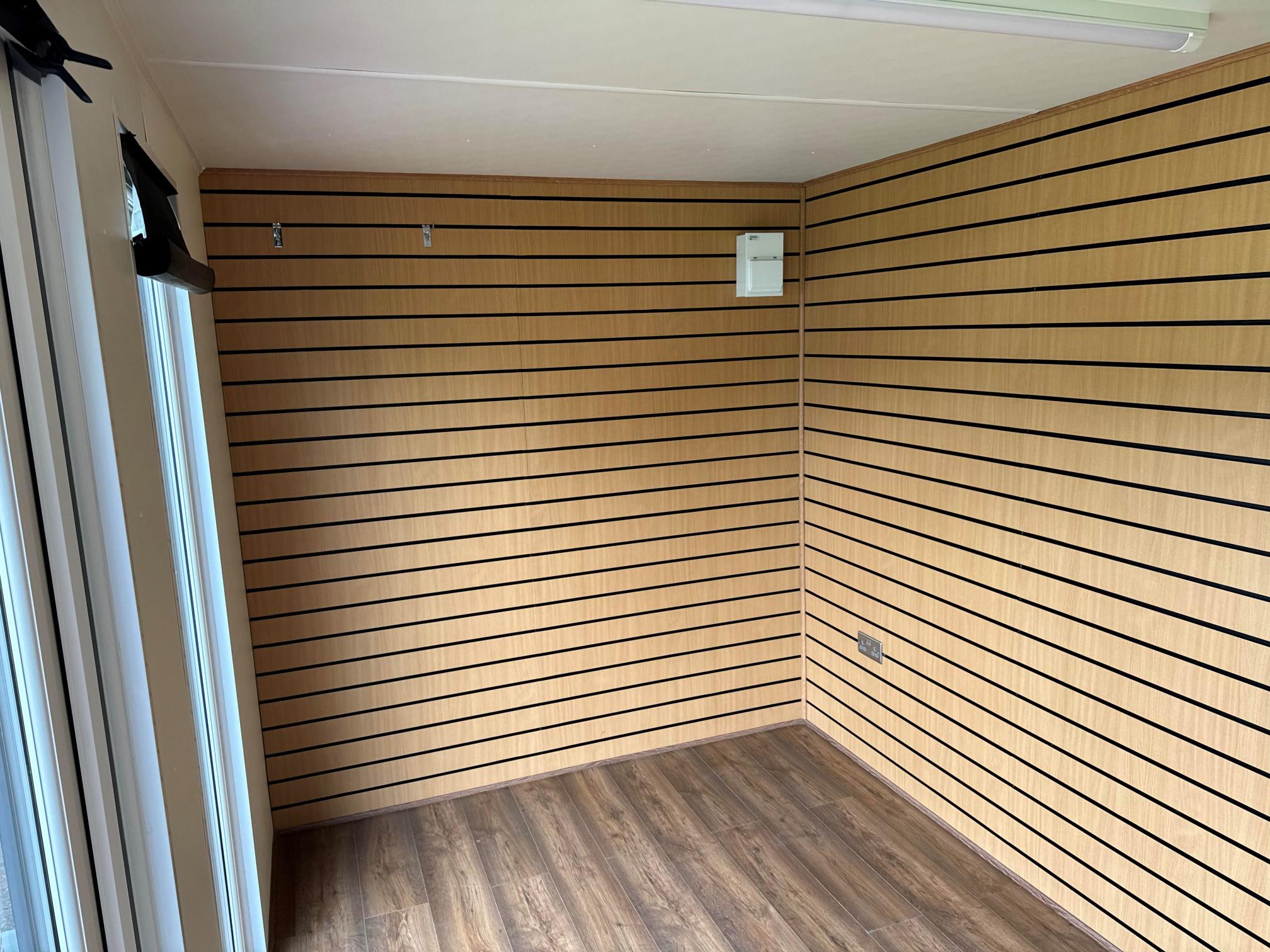
UPVC Double glazed Windows + French Doors
Slat Wall for retail fixings and Merchandise
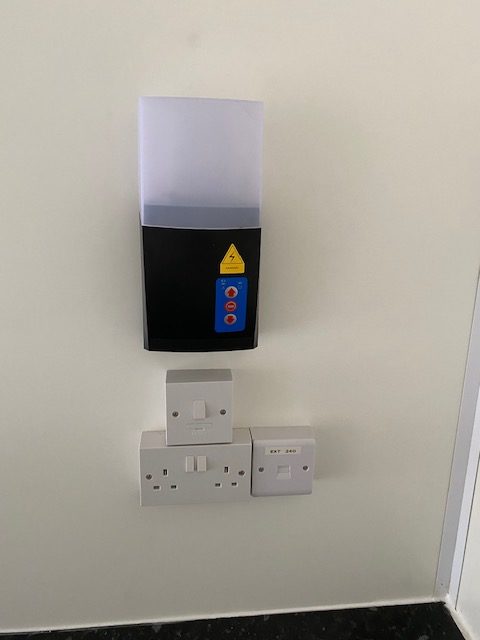
Electric Chrome Sockets, led lighting and heating.
Laminate Flooring
12 months Warranty
Maintenance call out package included
Less than 2 years old
Still in Brand New Condition


Fully refurbished
Colour light grey
Slate grey anthracite upvc double glazed windows


Location: Nationwide
+ VAT
Not Available for Hire
Call for an instant quote!
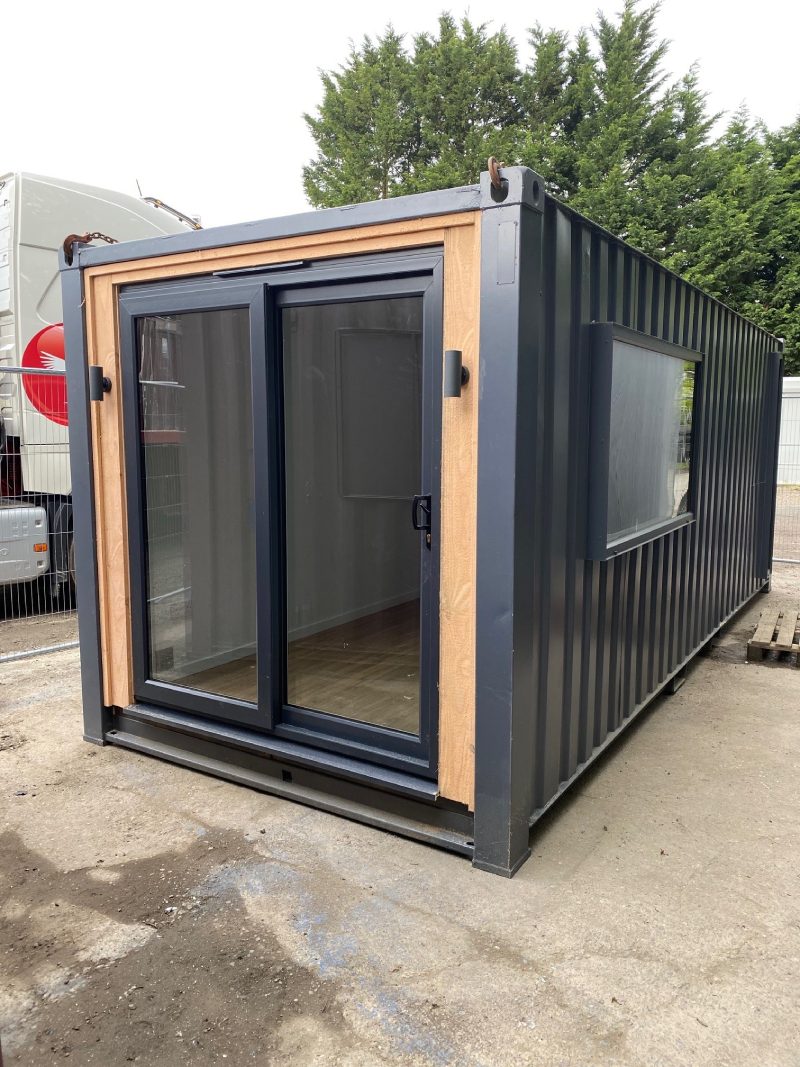
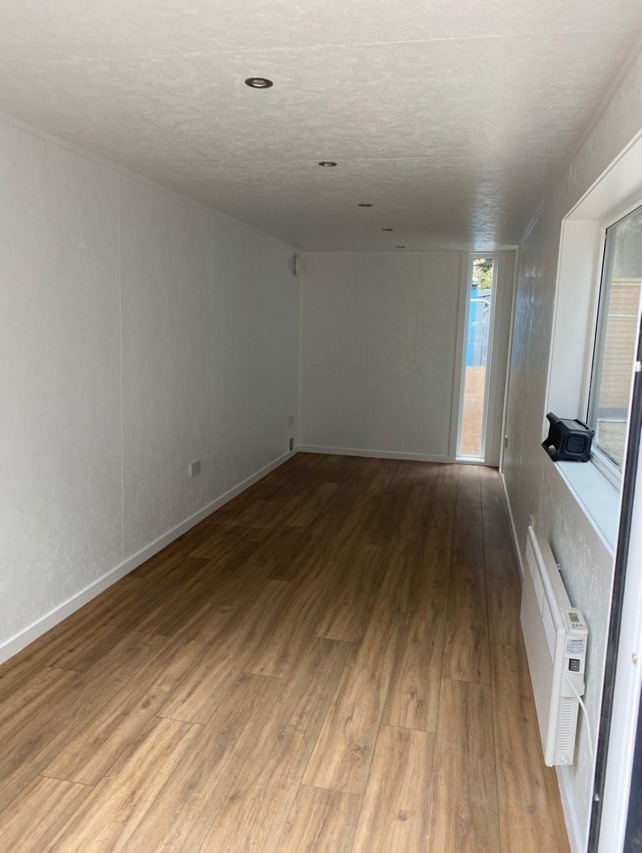
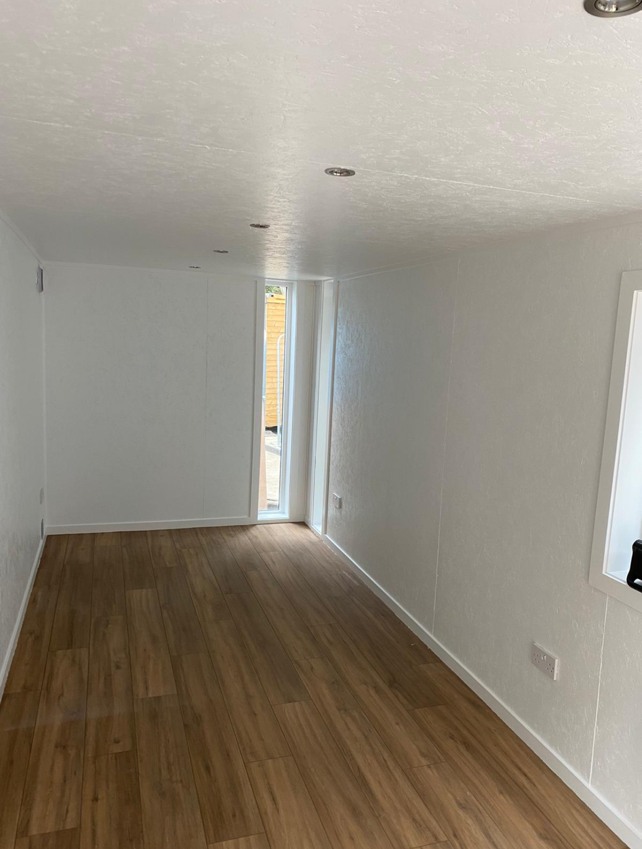
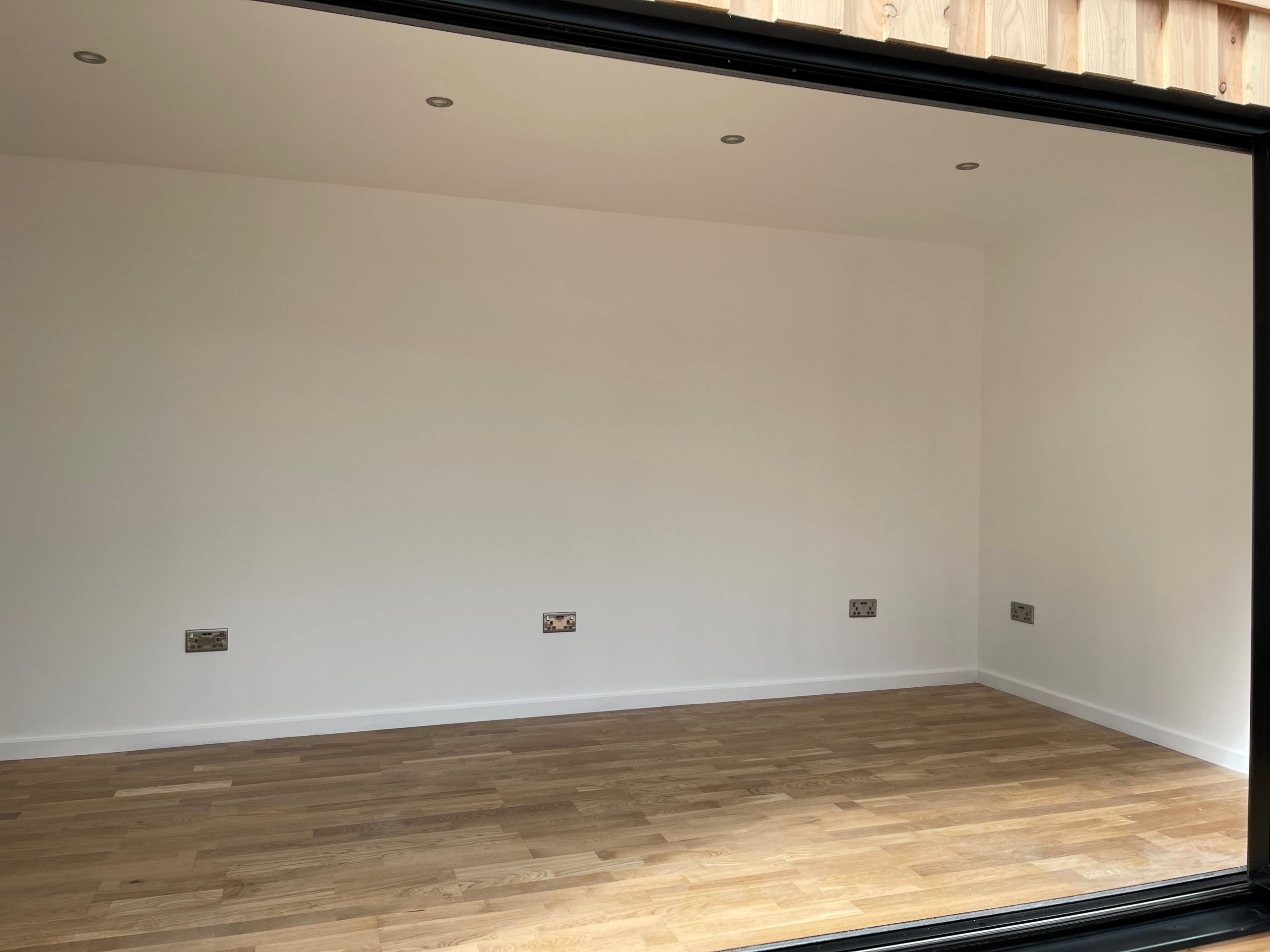
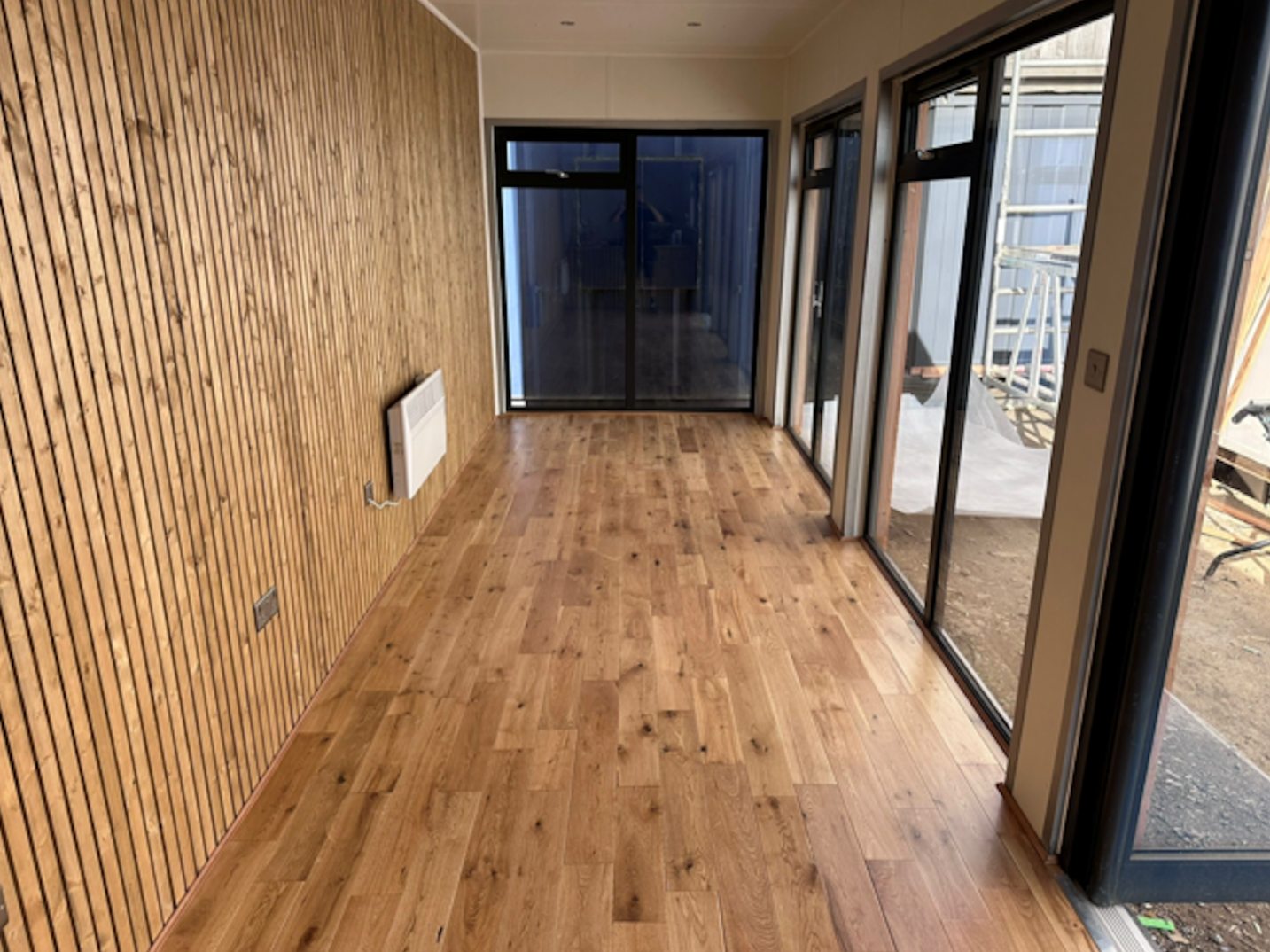
Fully Insulated with electric sockets, spot lighting, and heating
Wood Flooring
UPVC Sliding Door + Windows
Lead Time for build 6-8 weeks


Location: Nationwide
+ VAT
Not Available for Hire
Call for an instant quote!
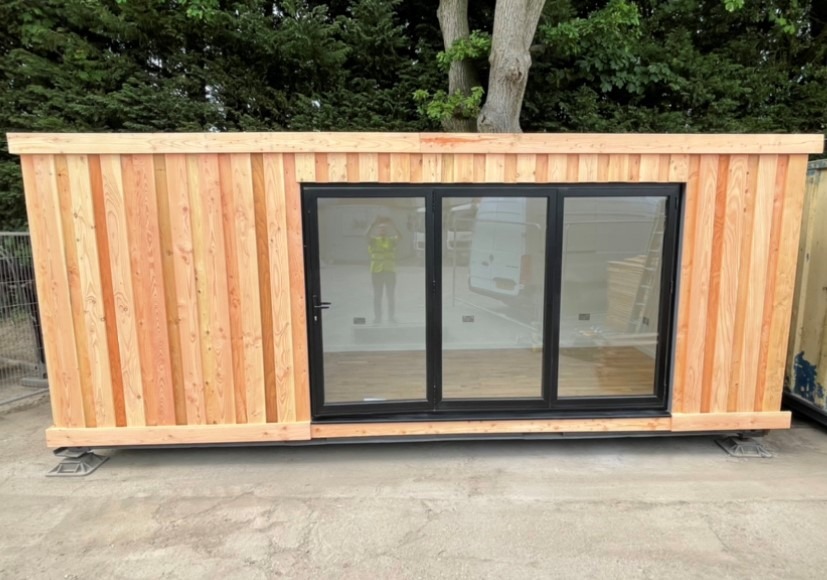
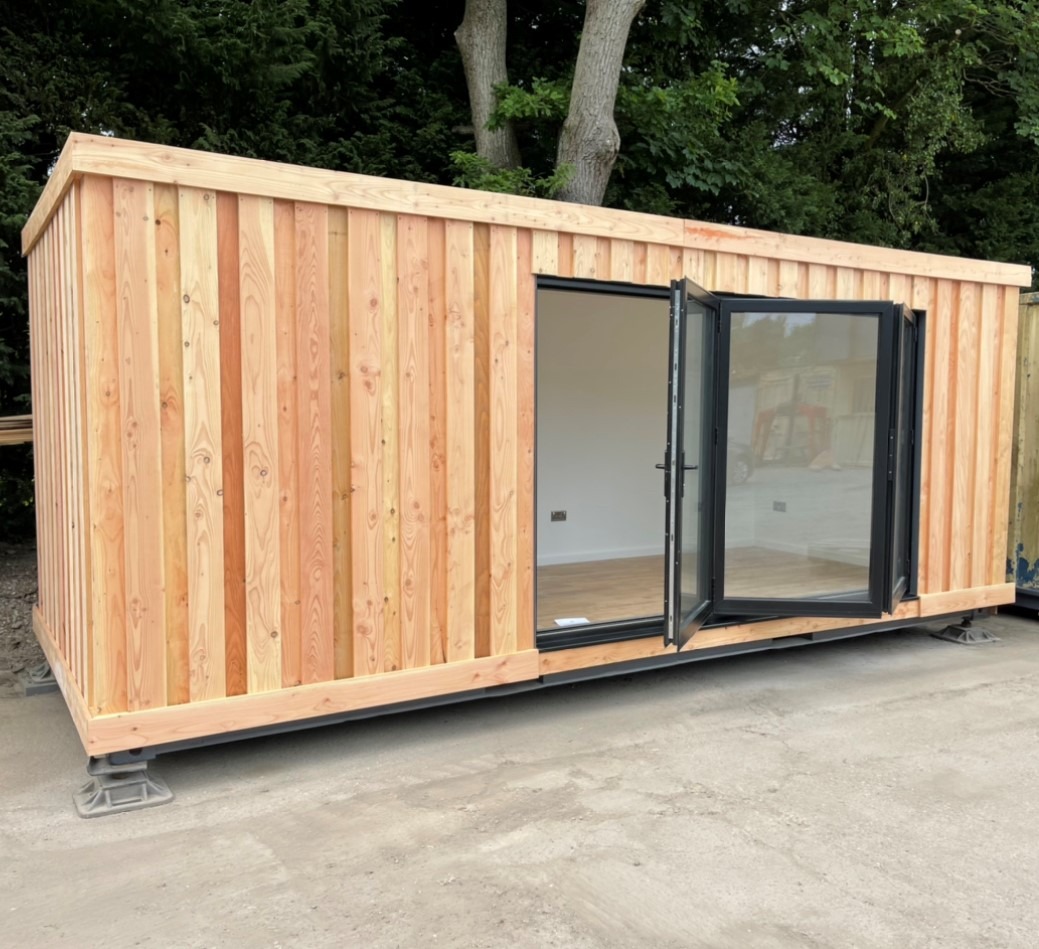
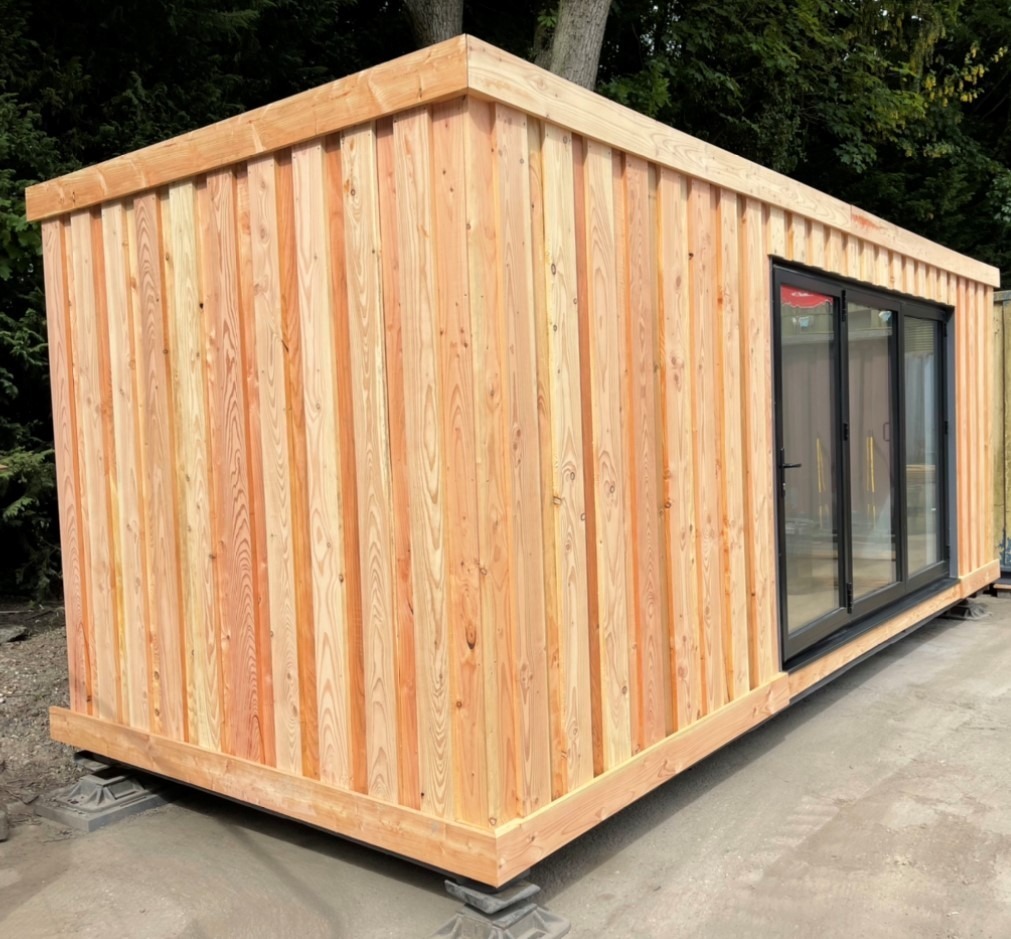
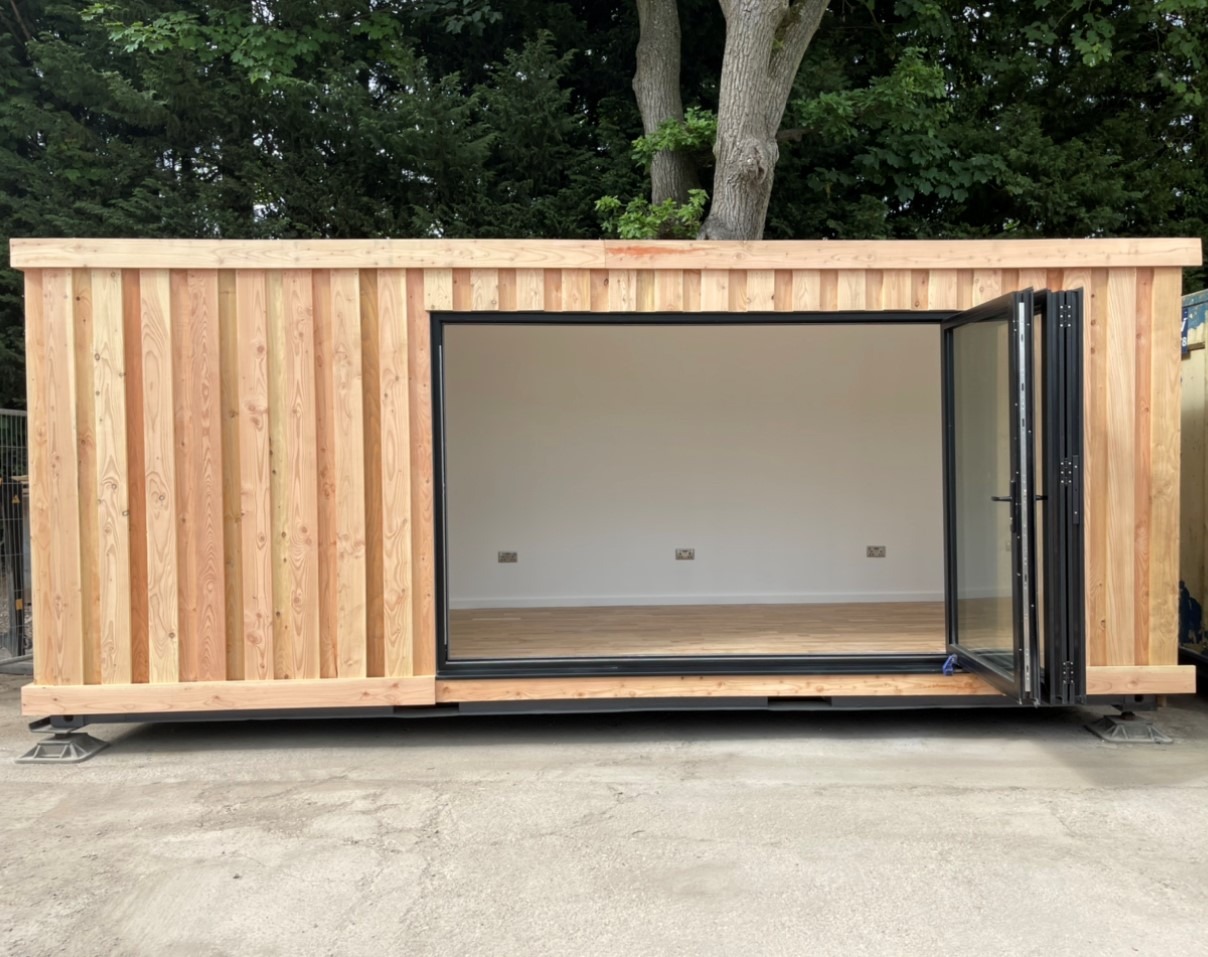
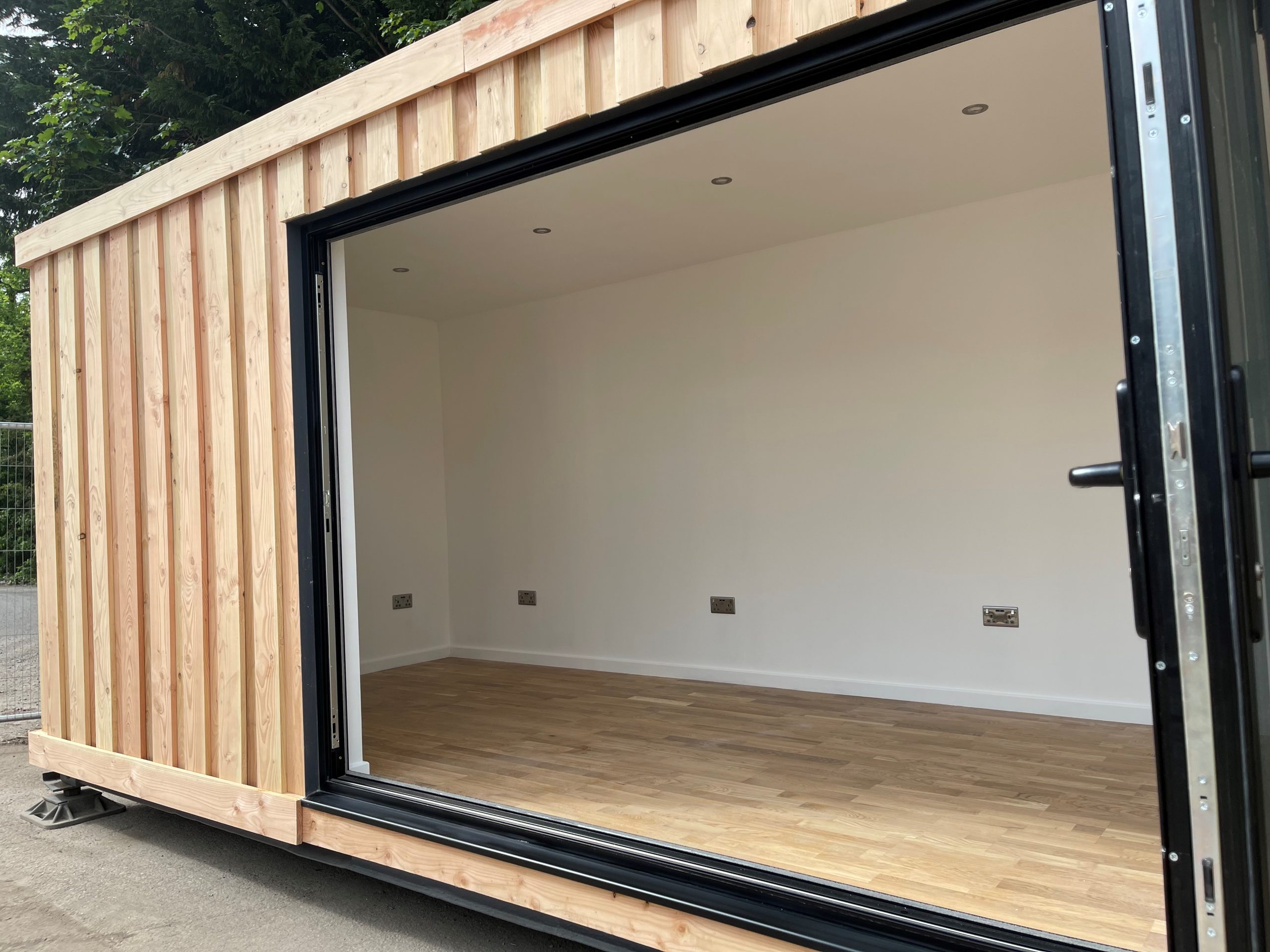
Fully Insulated with electric sockets, spot lighting, and heating
Wood Flooring
Aluminium Bi Fold Doors
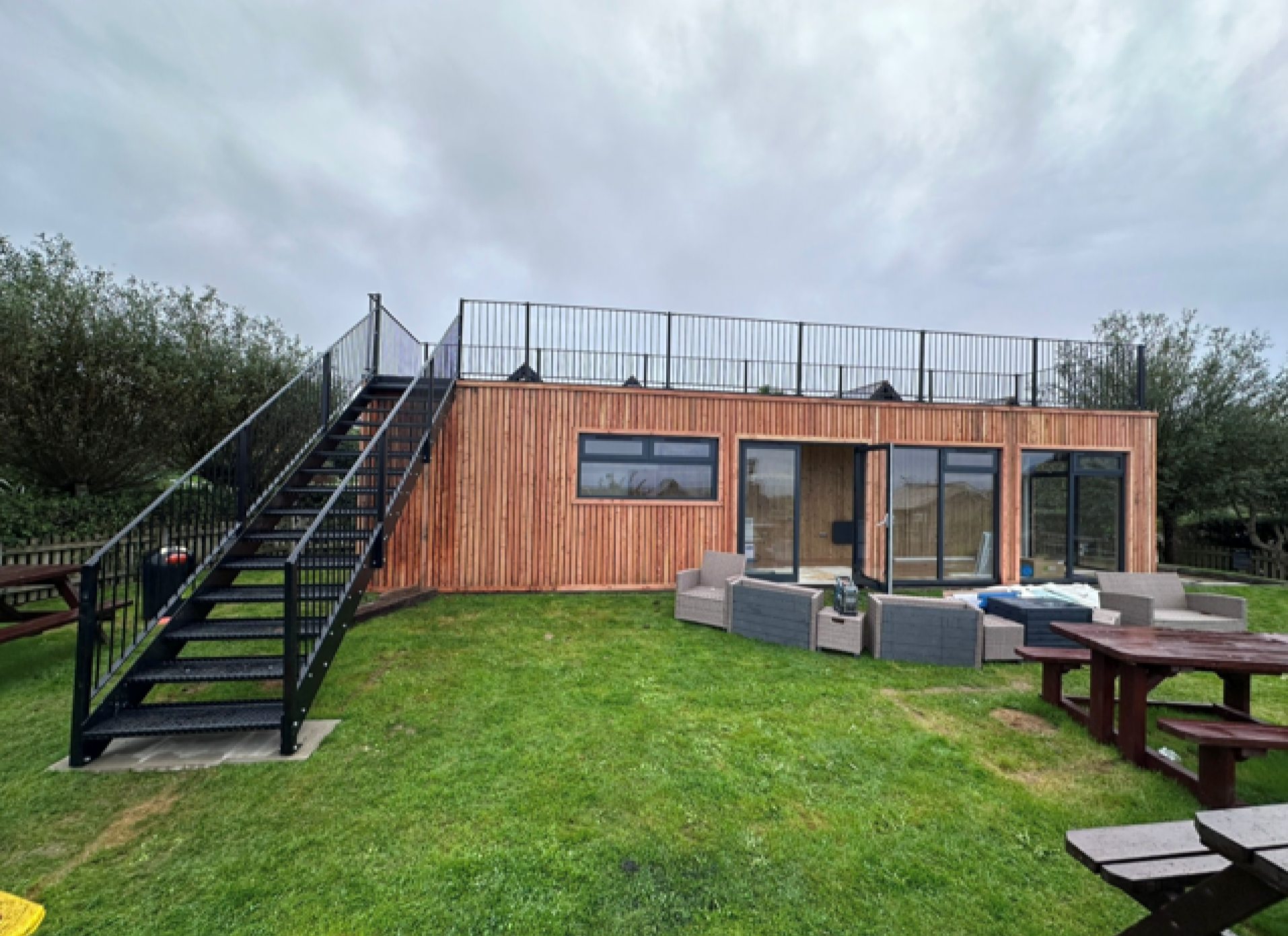
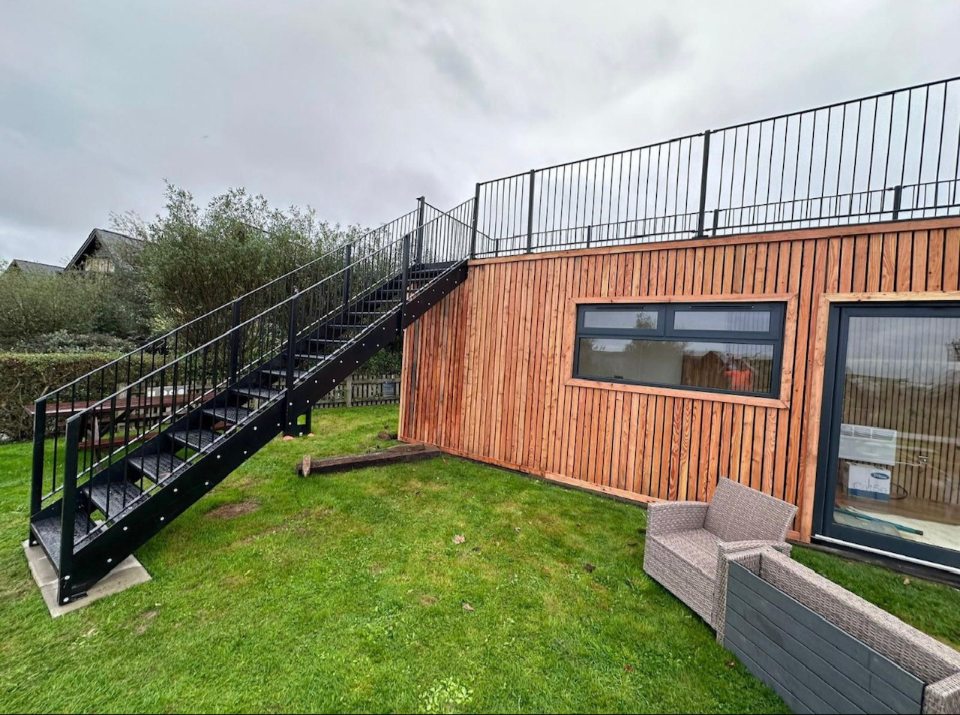
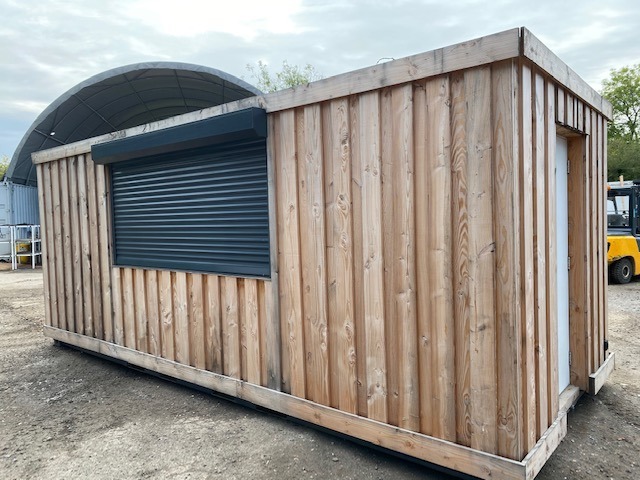
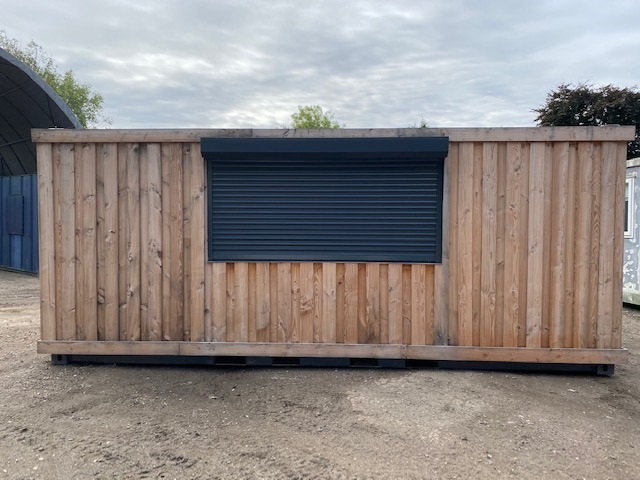
Fully wrapped in larch cladding
Lead Time for build 6-8 weeks


Location: Nationwide
+ VAT
Not Available for Hire
Call for an instant quote!
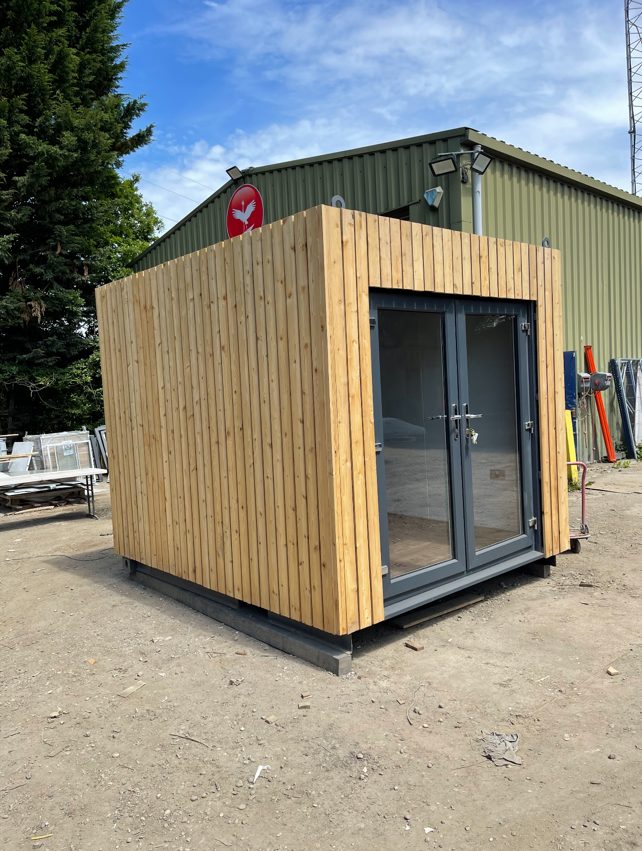
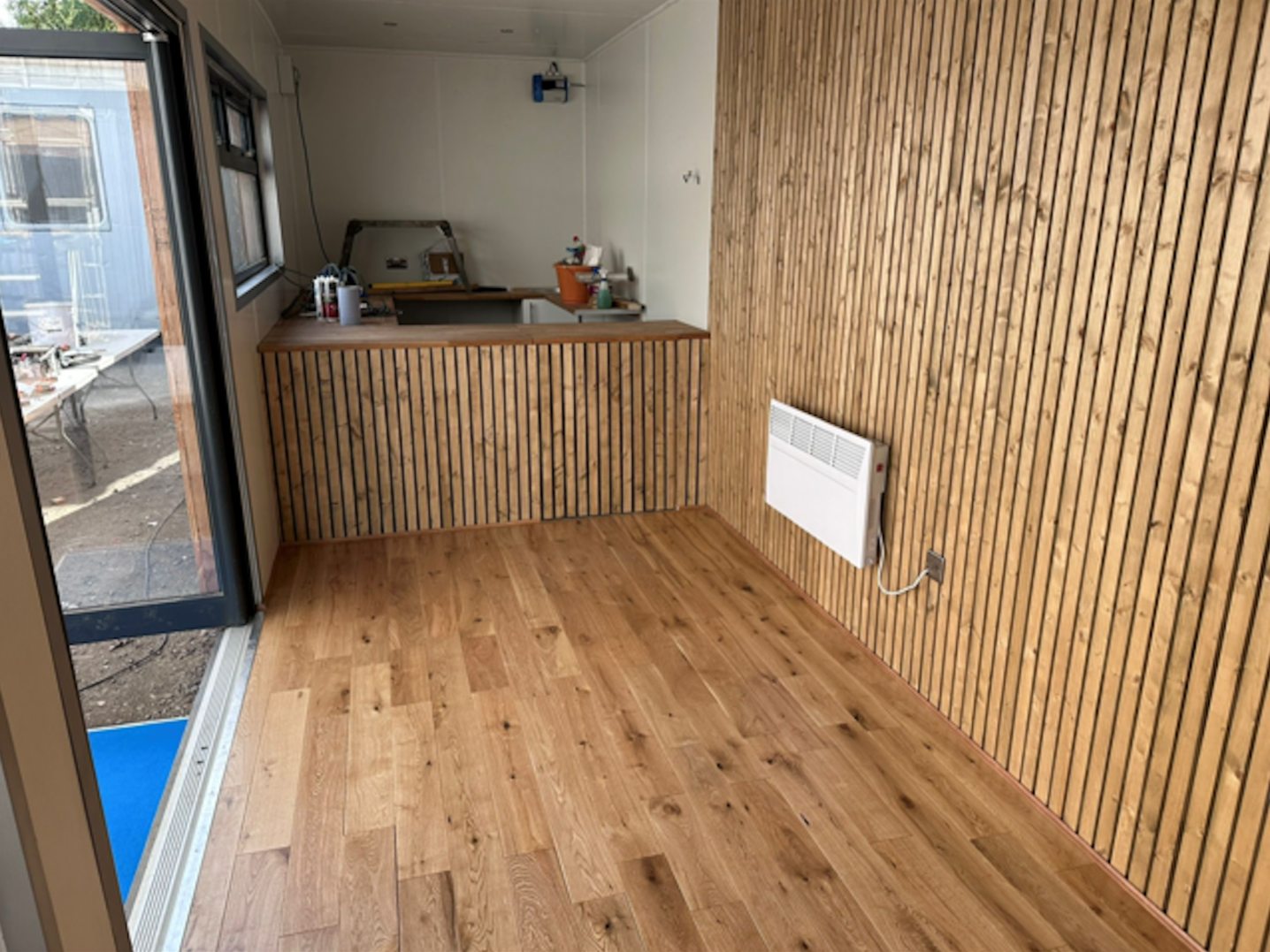
Fully Insulated with electric sockets, spot lighting, and heating
Wood Flooring
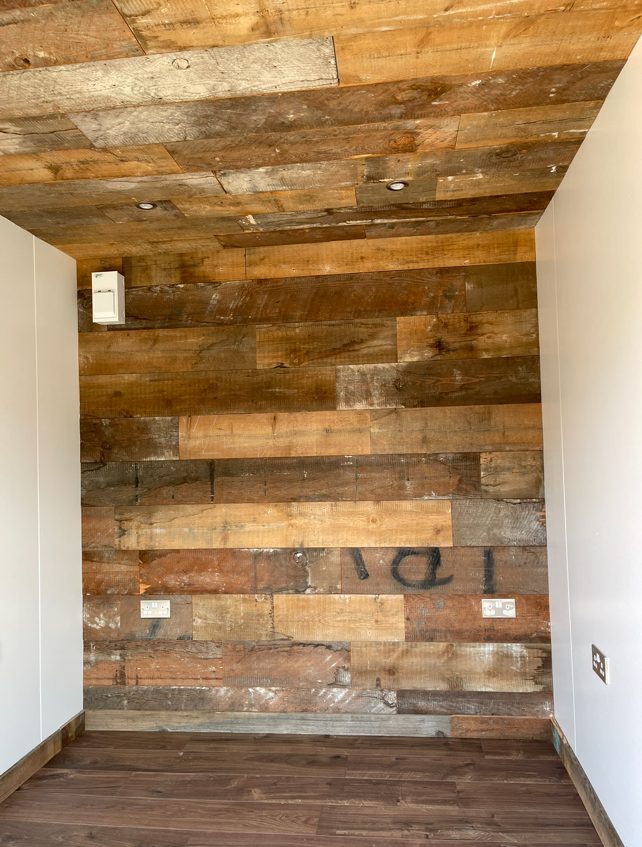
Feature Clad Wall and Ceiling
UPVC Double glazed French Doors
Fully wrapped in larch cladding
Lead Time for build 6-8 weeks


Location: Nationwide
EX VAT
Not Available for Hire
Call for an instant quote!


Location: Nationwide
EX VAT
Not Available for Hire
Call for an instant quote!


Location: Nationwide
EX VAT
Not Available for Hire
Call for an instant quote!


Location: Nationwide
EX VAT
Not Available for Hire
Call for an instant quote!


Location: Nationwide
EX VAT
Not Available for Hire
Call for an instant quote!

Location: Nationwide
EX VAT
Not Available for Hire
Call for an instant quote!


Location: Nationwide
EX VAT
Not Available for Hire
Call for an instant quote!


Location: Nationwide
EX VAT
Not Available for Hire
Call for an instant quote!


Location: Nationwide
EX VAT
Not Available for Hire
Call for an instant quote!


Location: Nationwide
EX VAT
Not Available for Hire
Call for an instant quote!


Location: Nationwide
EX VAT
Not Available for Hire
Call for an instant quote!


Location: Nationwide
EX VAT
Not Available for Hire
Call for an instant quote!


Location: Nationwide
EX VAT
Not Available for Hire
Call for an instant quote!


Location: Nationwide
EX VAT
Not Available for Hire
Call for an instant quote!


Location: Nationwide
EX VAT
Not Available for Hire
Call for an instant quote!


Location: Nationwide
EX VAT
Not Available for Hire
Call for an instant quote!
10ftx8ft – £5950 + Vat / 16ftx8ft – £7950 + Vat / 20ftx8ft – £9000 + Vat / 24ftx8ft – £12000 + Vat / 30ftx8ft – £13500 + Vat


Location: Nationwide
EX VAT
Not Available for Hire
Call for an instant quote!


Location: Nationwide
EX VAT
Not Available for Hire
Call for an instant quote!


Location: Nationwide
EX VAT
Not Available for Hire
Call for an instant quote!

Location: Nationwide
Quantity: ∞
EX VAT
Not Available for Hire
Call for an instant quote!
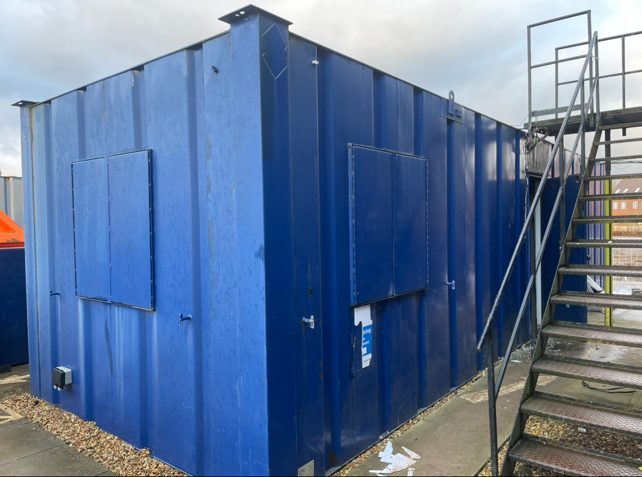
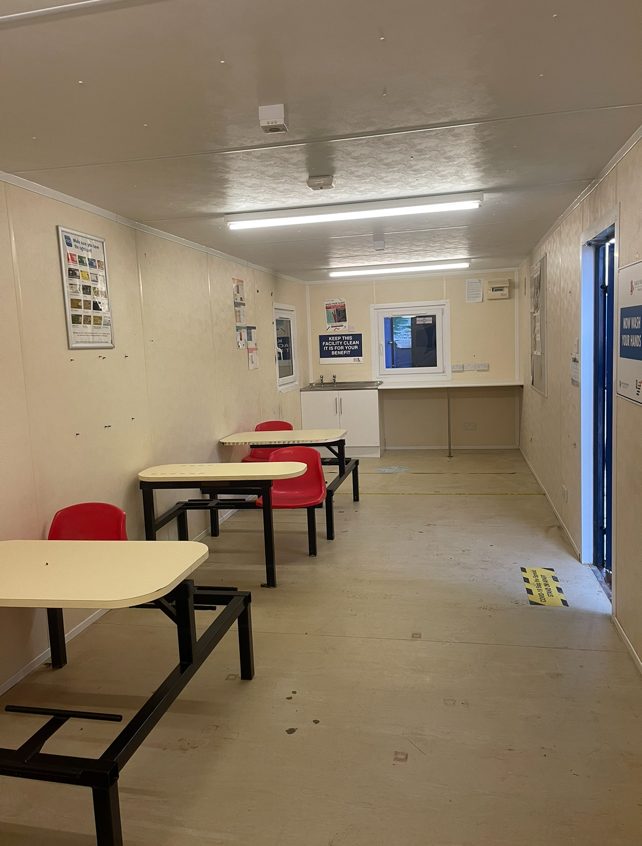
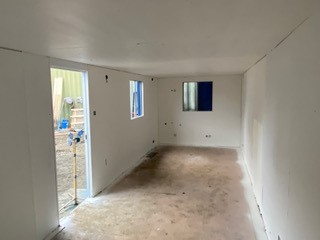
• Reinforced doors and windows with secure locking
• Open plan with electric sockets and lighting
• Ral Code Colour of choice
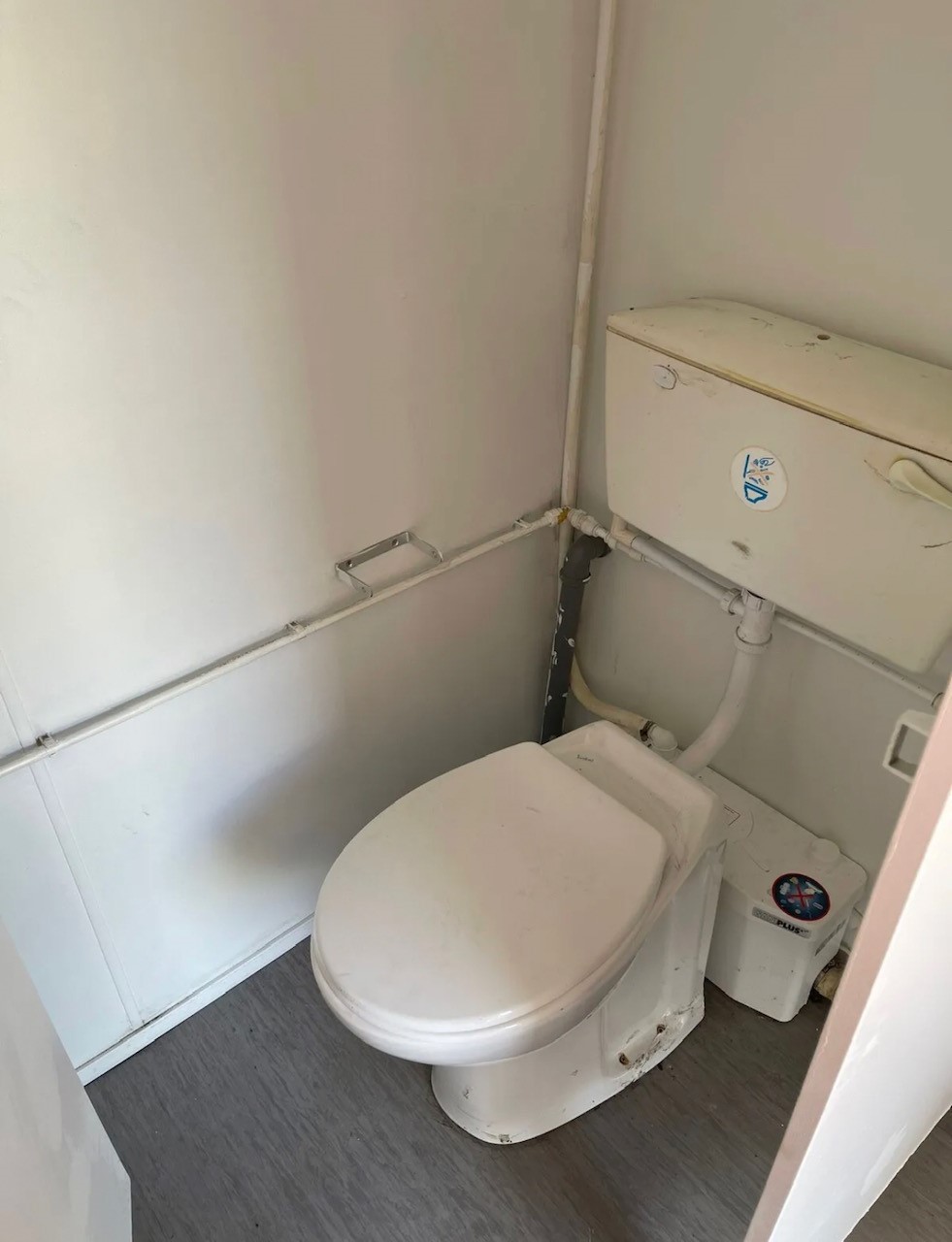
• Any Extras available : Canteen, Partitions, Toilets.


Location: Nationwide
EX VAT
Not Available for Hire
Call for an instant quote!
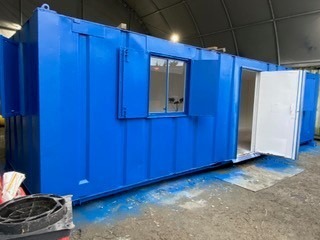
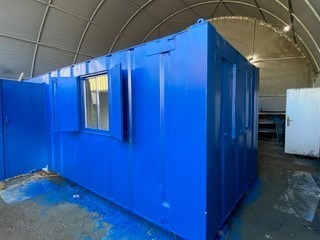
• Reinforced doors and windows with secure locking
• Open plan with electric sockets and lighting
• Ral Code Colour of choice
• Any Extras available : Canteen, Partitions, Toilets.

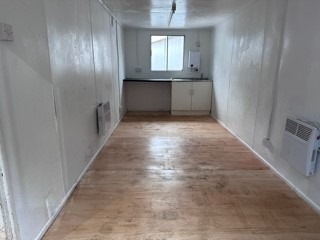
• Reinforced doors with secure locking
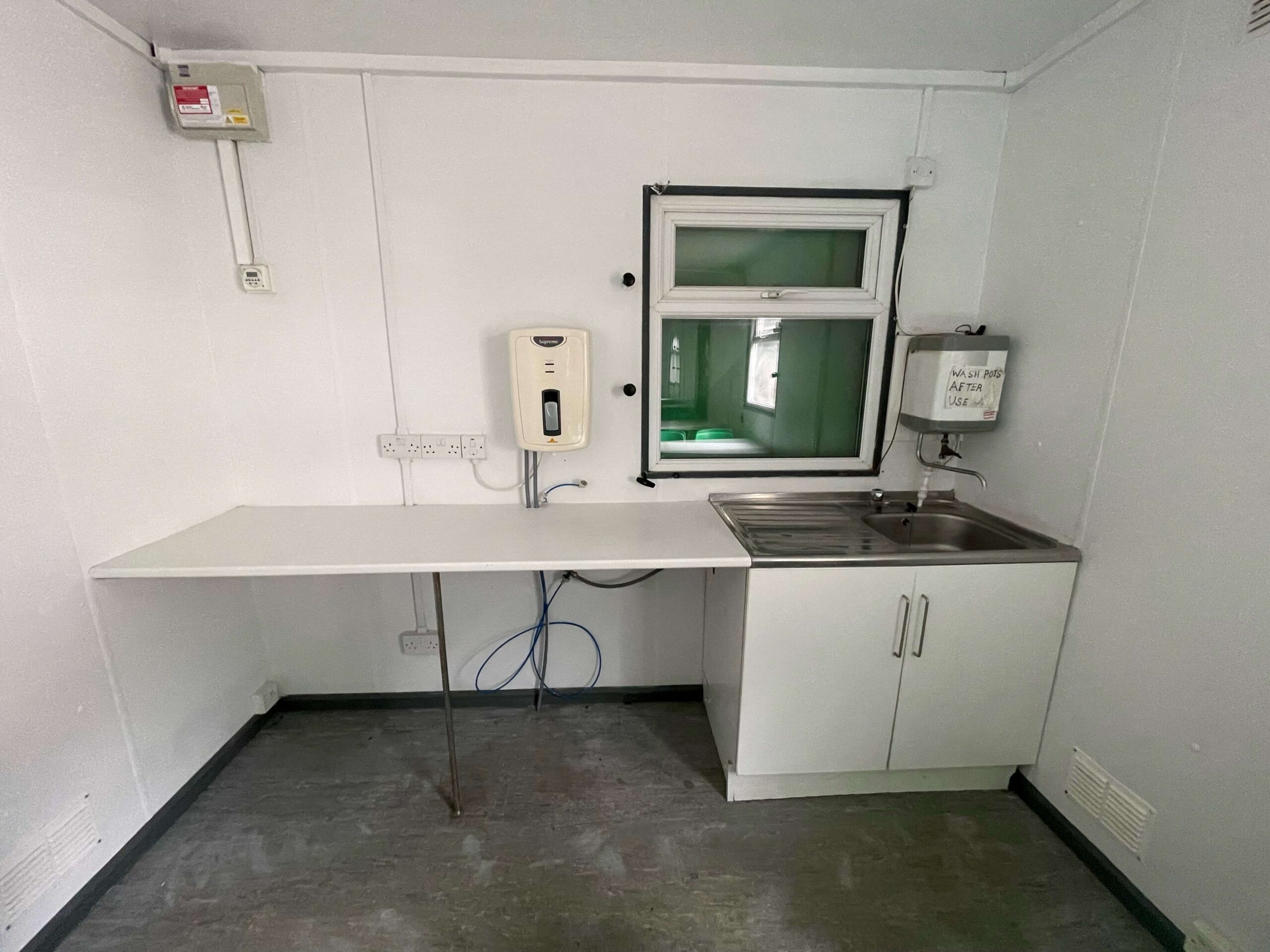
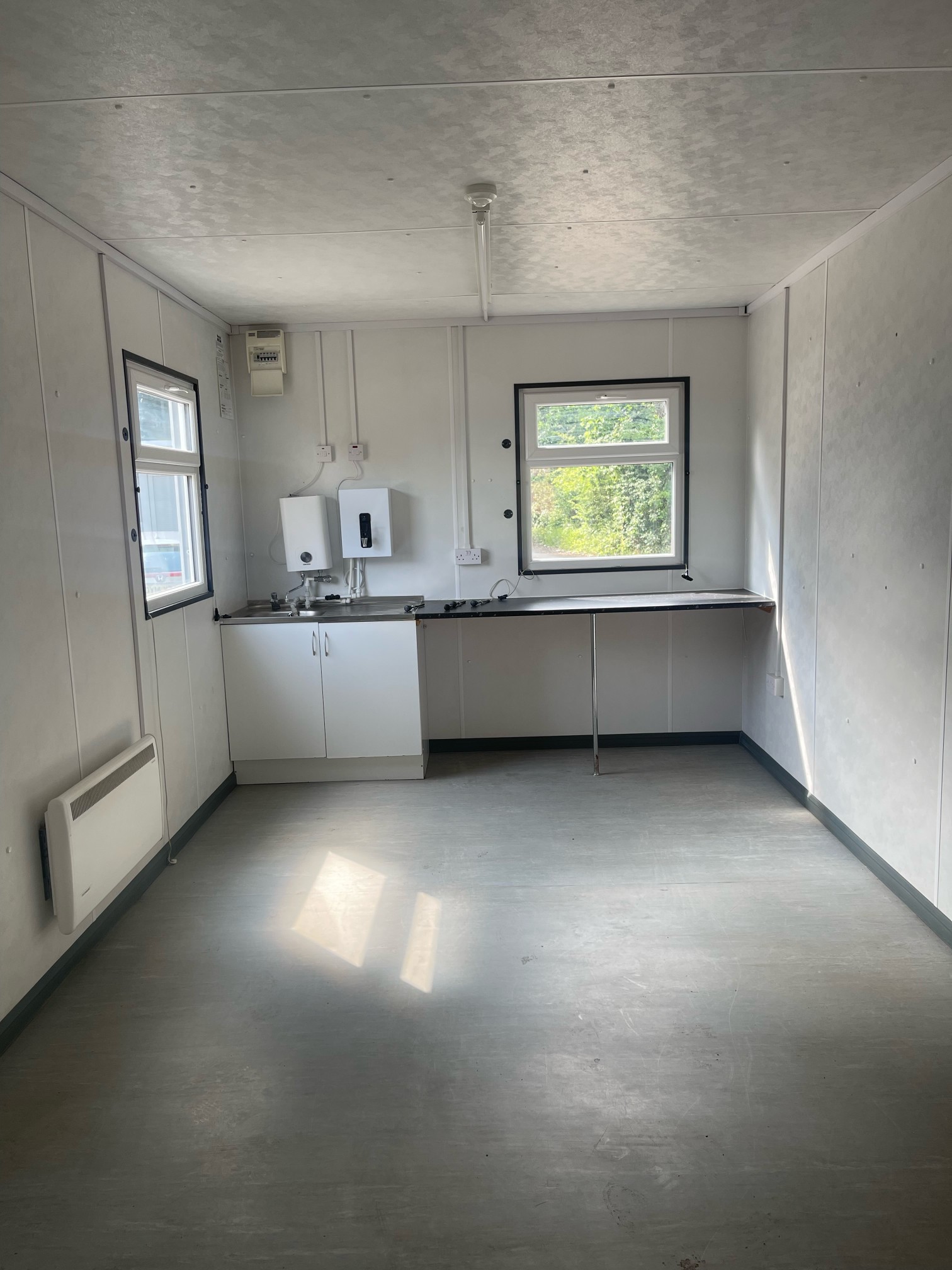
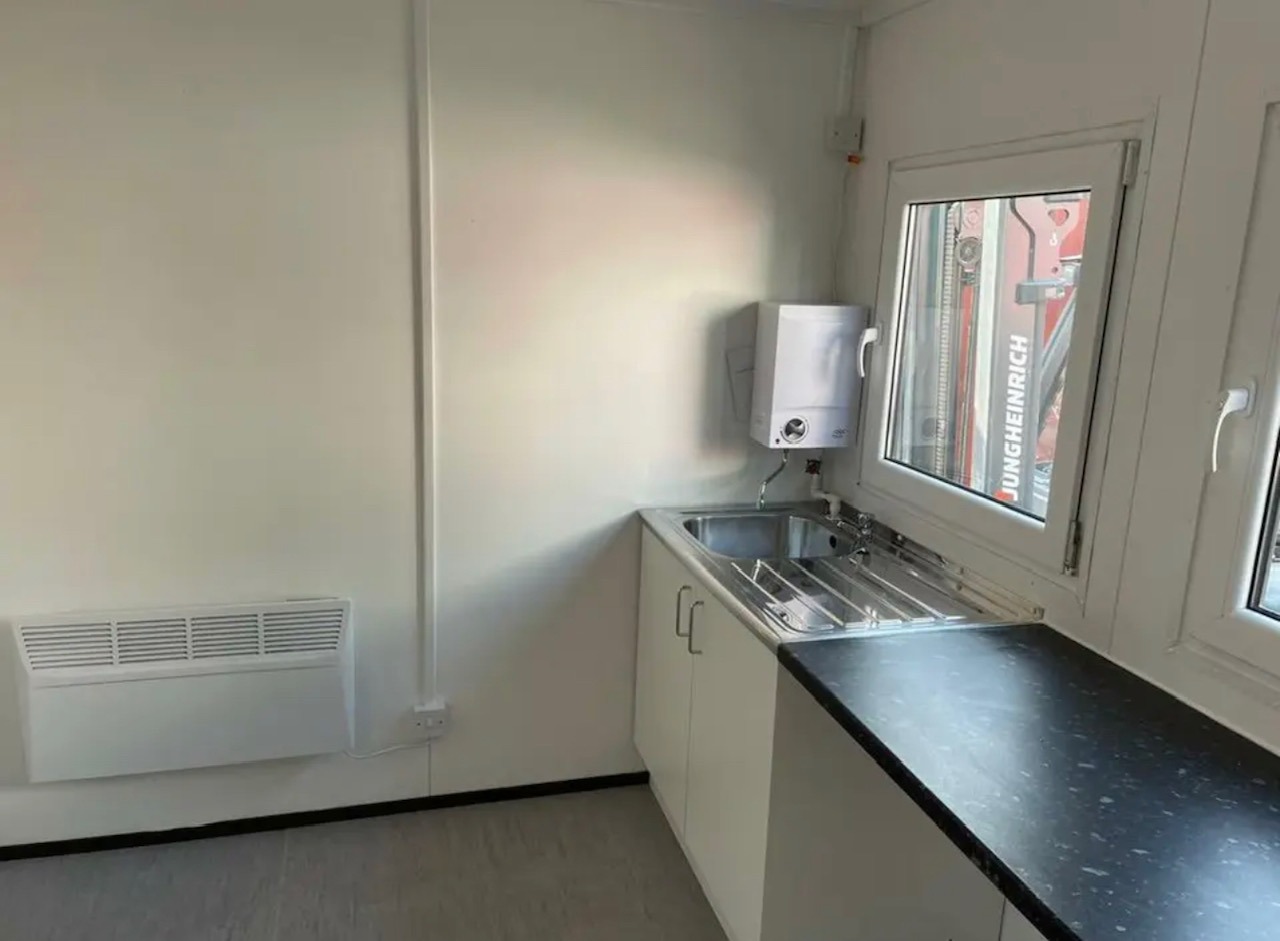
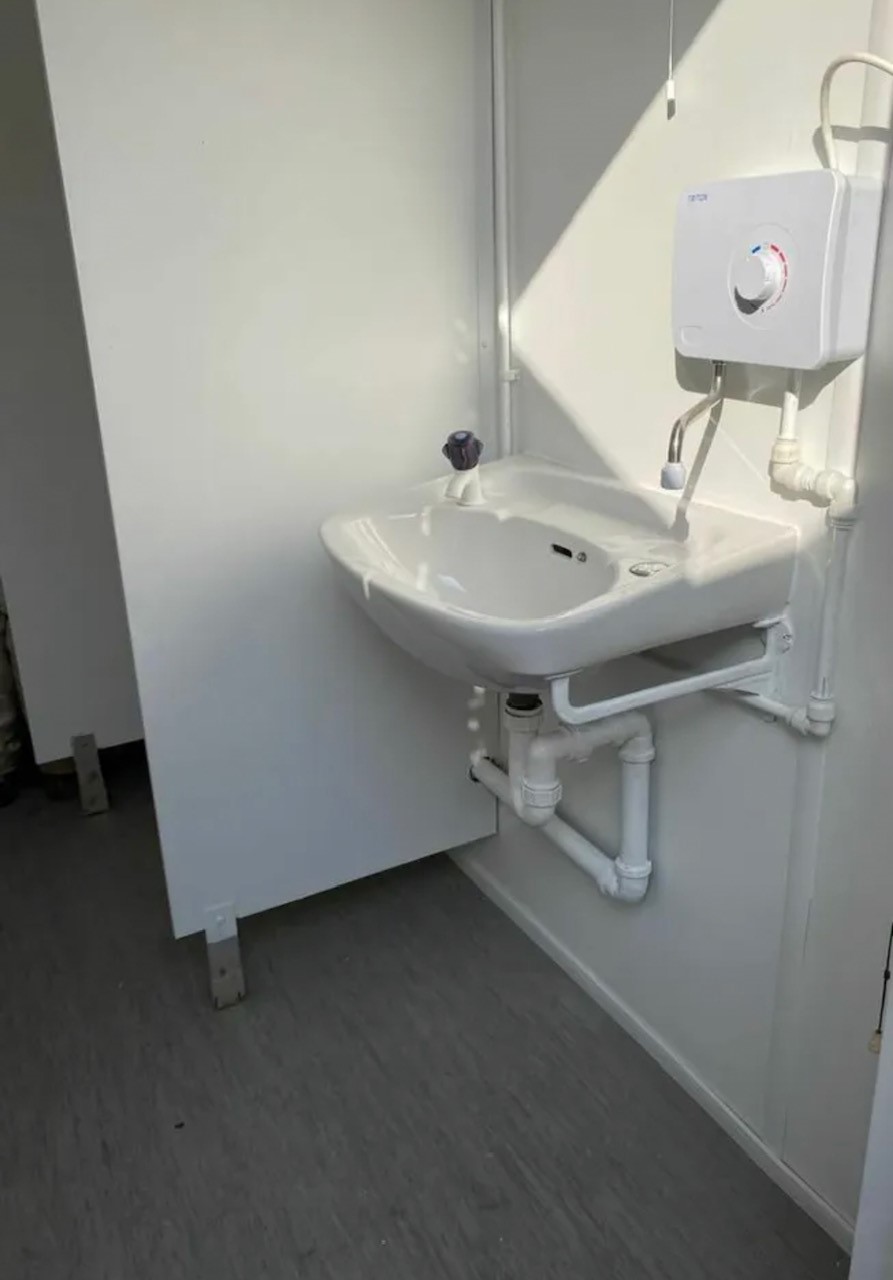
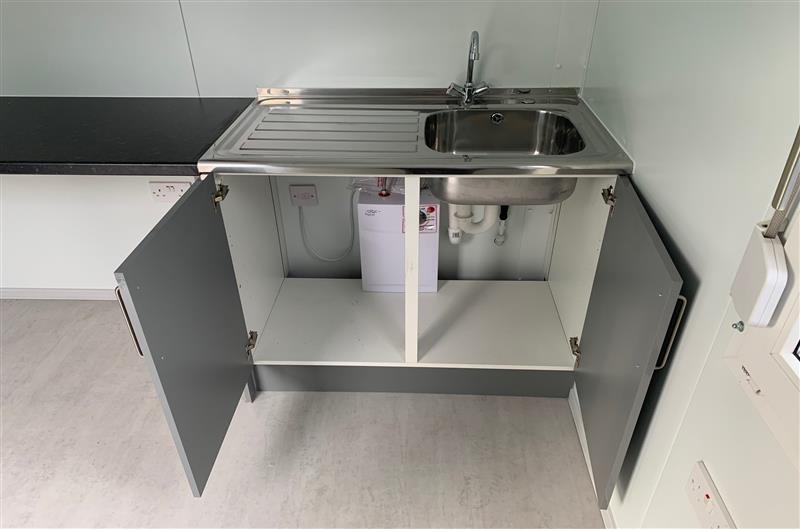
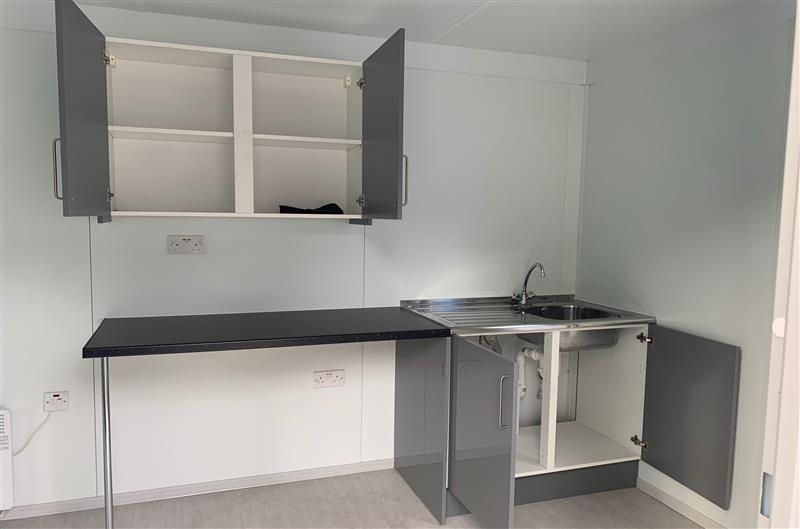
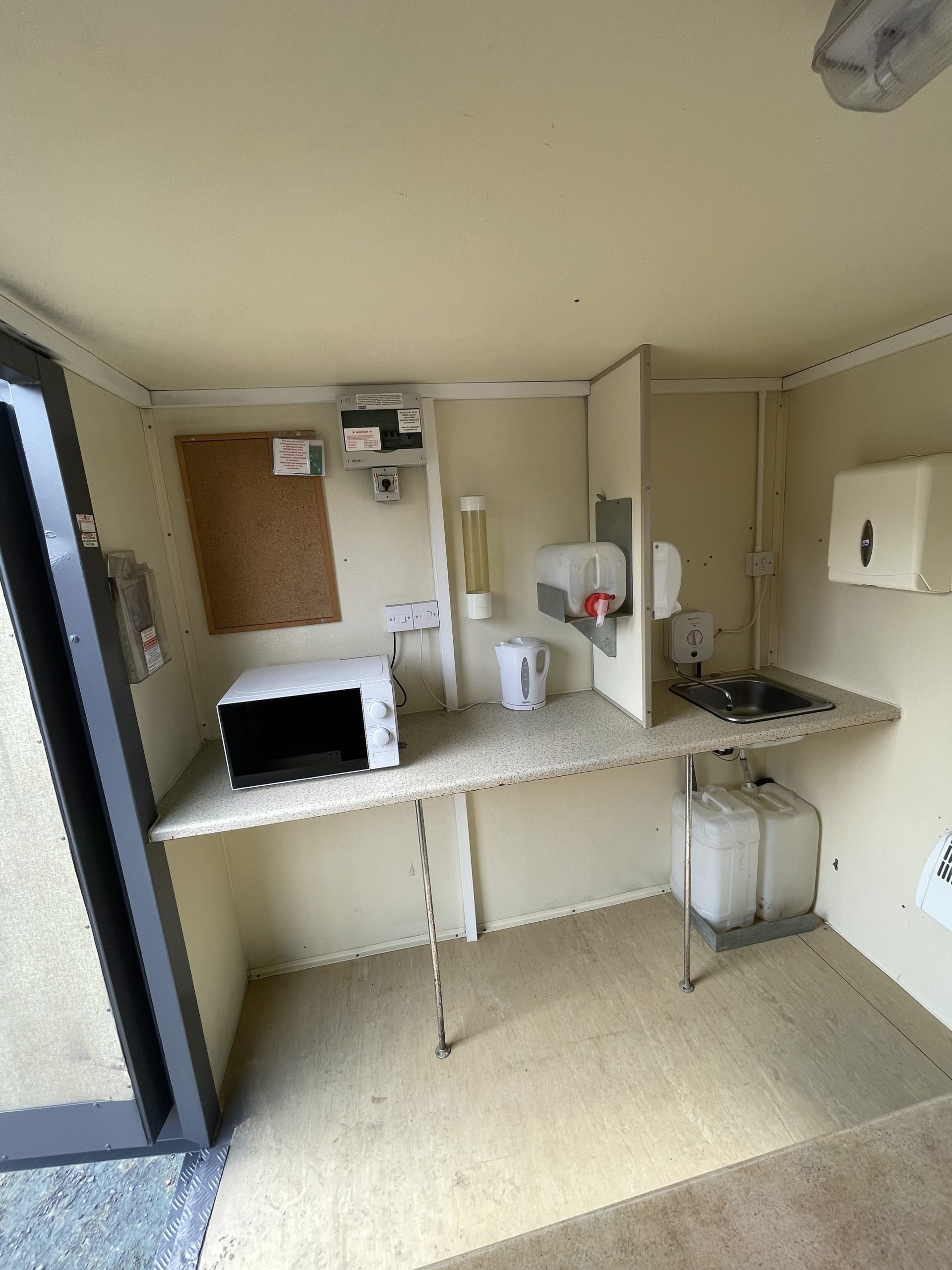
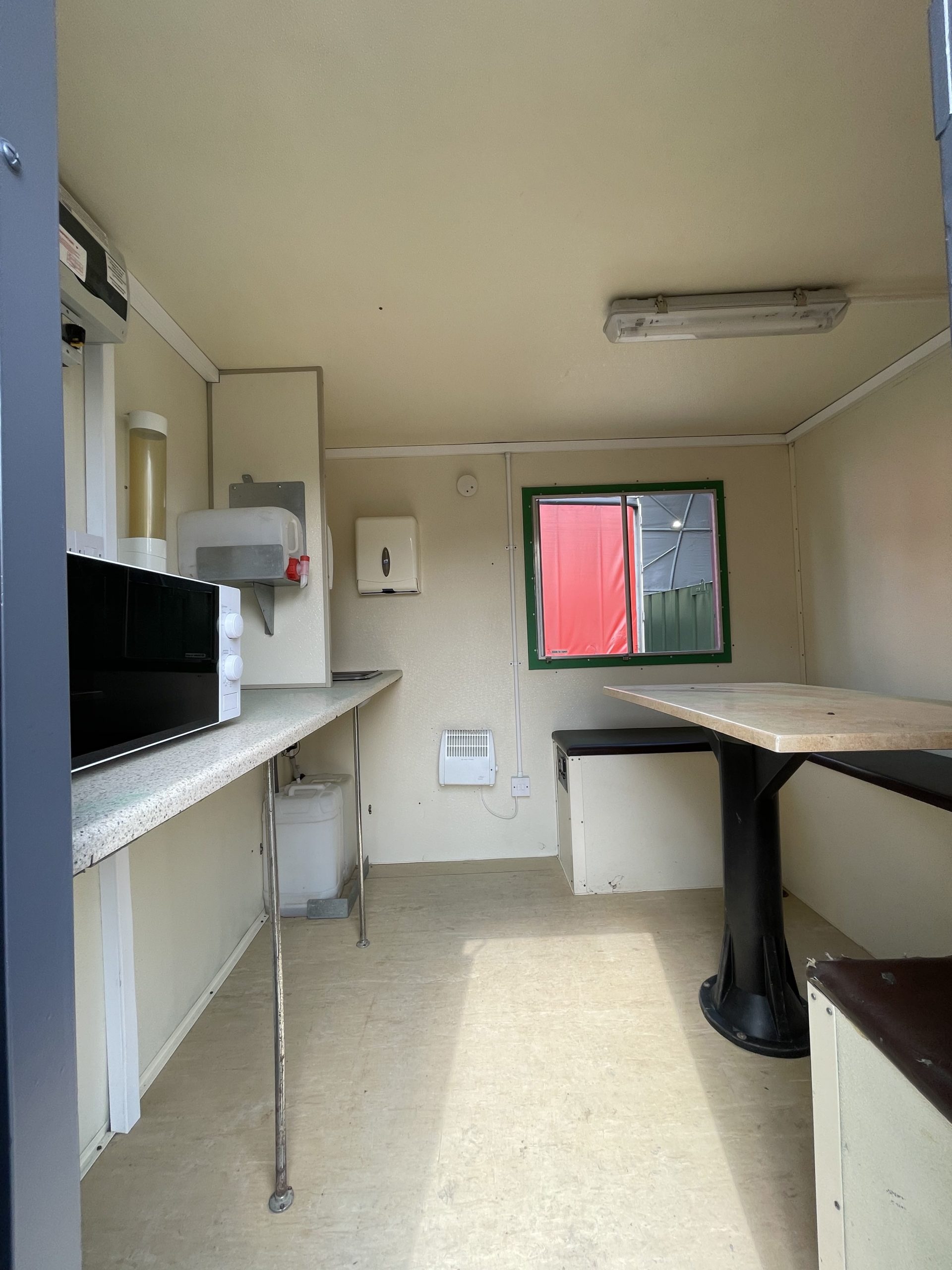
• Sink and water boiler included


Location: Nationwide
Quantity: ∞
EX VAT
Not Available for Hire
Call for an instant quote!


Location: Nationwide
EX VAT
Not Available for Hire
Call for an instant quote!
Get a Quick Container Quote Now!


Location: Nationwide
EX VAT
Not Available for Hire
Call for an instant quote!
Get a Quick Container Quote Now!