Why Choose a Sea Container for Global Shipping?
A sea container is more than a steel box. It is a practical link between factories, ports, railways, and warehouses. Standardized dimensions allow cargo to move between ships, trucks, and trains with fewer interruptions. This simple design can reduce handling damage, shorten transfer times, and improve cost planning.
Jan Hoffmann, a widely respected UNCTAD trade logistics expert, has described maritime transport as “the backbone of international trade.” His observation helps explain the sea container’s lasting importance. A container protects packaged goods from rain, dust, repeated lifting, and some security risks during authorized commercial transport. It also supports clearer loading plans, weight control, and shipment tracking.
The advantages are real.
Yet, a sea container is not a perfect answer. Shippers must consider cargo dimensions, ventilation, temperature sensitivity, port congestion, and inland delivery conditions. A container may leave a factory efficiently, then wait for days at a busy terminal. Empty-container repositioning can also create unnecessary cost and environmental pressure. These weaknesses deserve honest attention.
Choosing the right container requires experience, not guesswork. Dry containers suit many general goods, while refrigerated or specialized units support more demanding cargo. Reliable planning includes verified weights, suitable packaging, secure loading, and accurate documentation. Conditions vary by route and season. Therefore, businesses should compare total logistics performance, rather than judging price alone. A sea container works best when its limitations are understood before the cargo reaches the port.
What Is a Sea Container and How Does It Work?
Why Choose a Sea Container for Global Shipping?
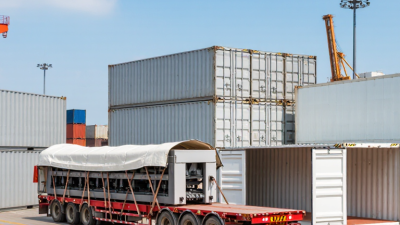
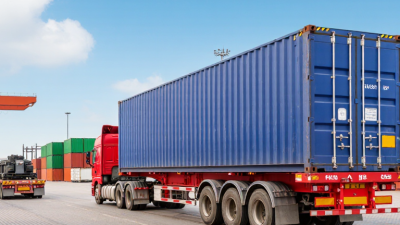
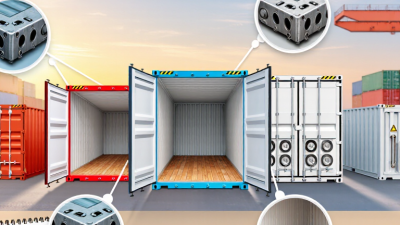
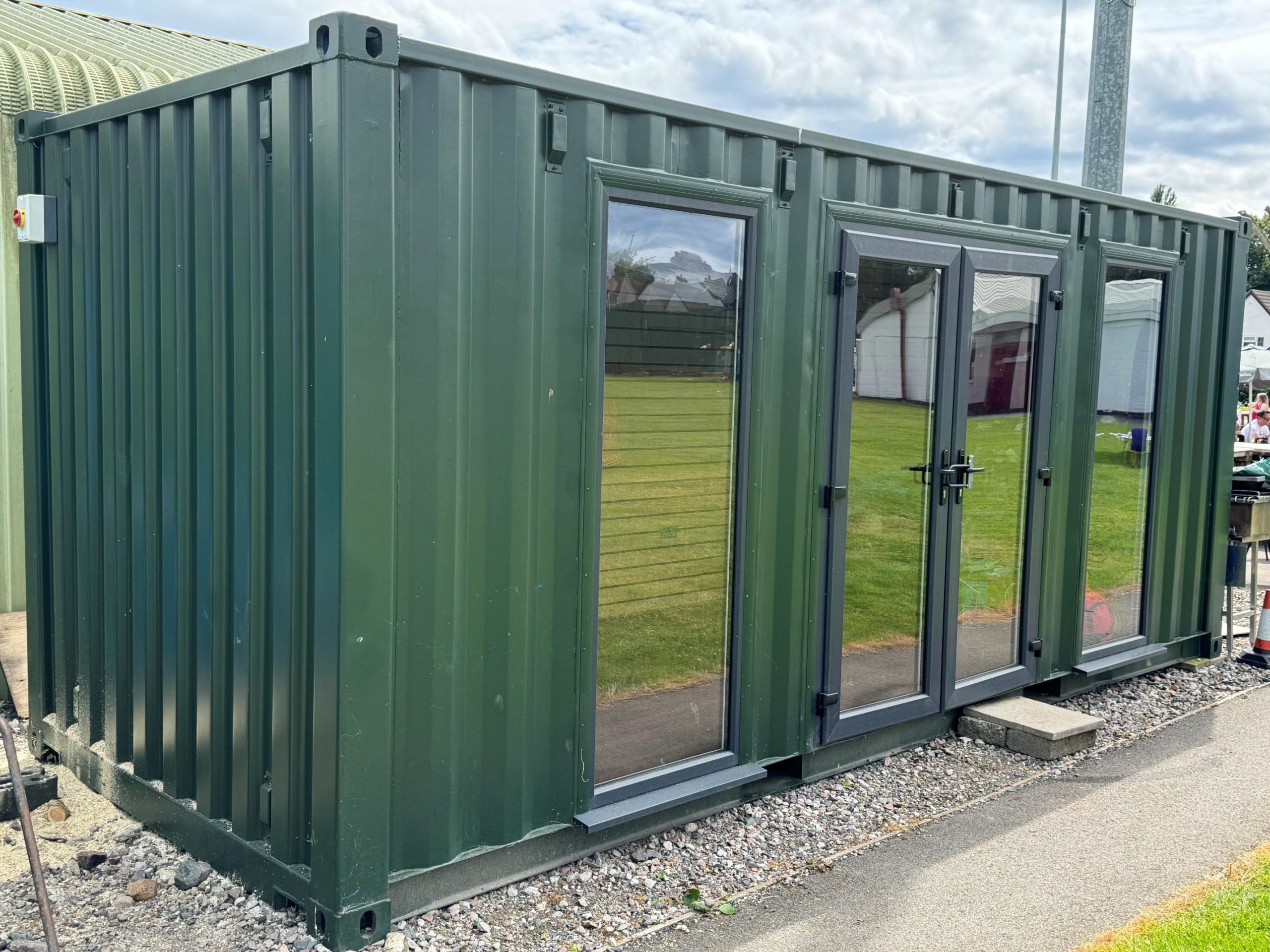
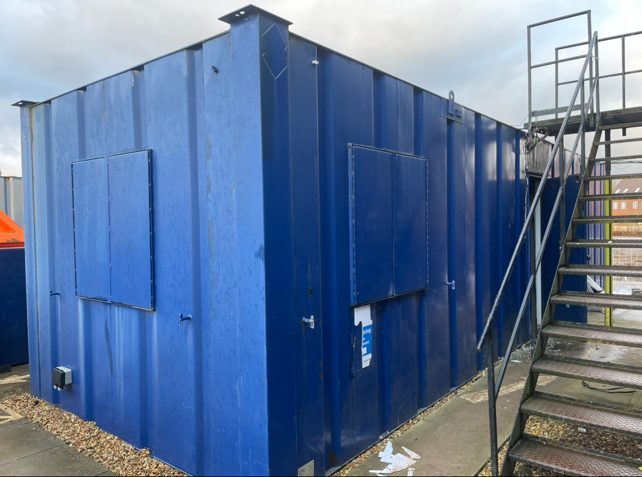
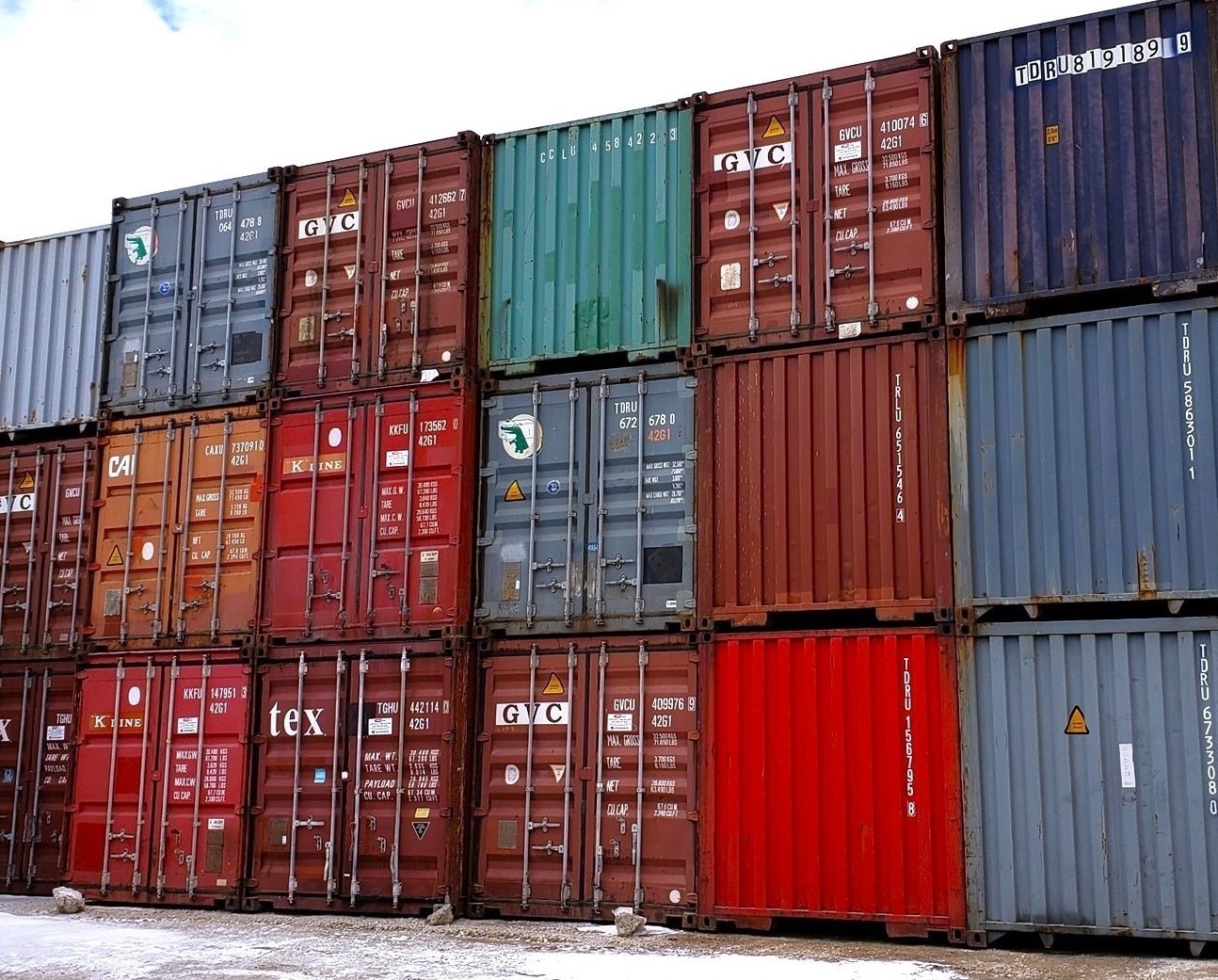
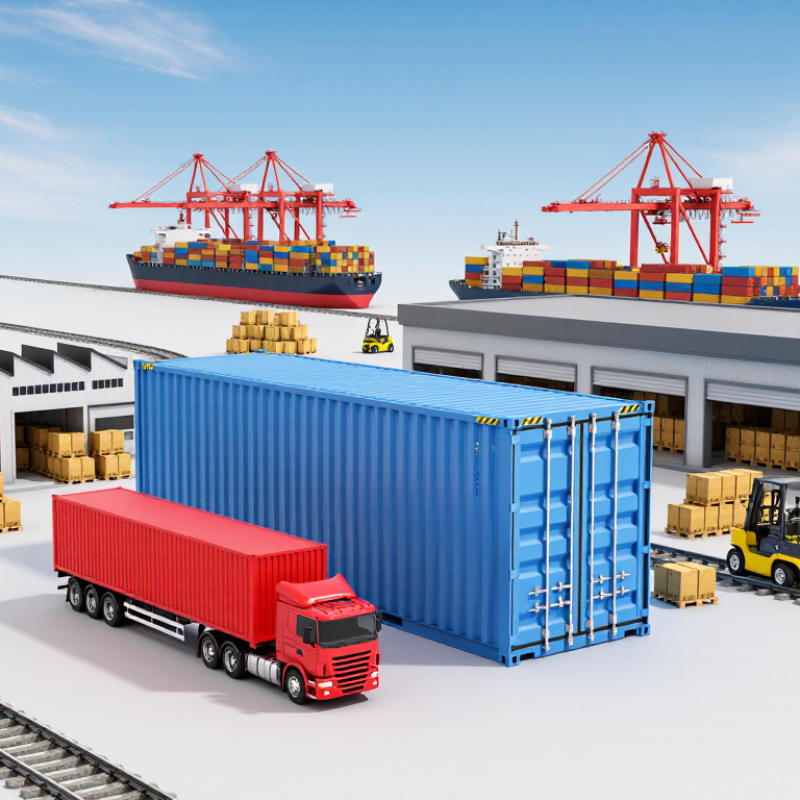
A sea container is a standardized steel box built for repeated transport. Most dry containers measure 20 or 40 feet long. Their corner castings connect with twistlocks on ships, trucks, and rail wagons. This design enables intermodal transport without unloading the cargo at every transfer point. The same sealed box may leave a factory, cross an ocean, and arrive at a distribution center.
UNCTAD’s Review of Maritime Transport 2024 confirms that over 80% of global merchandise trade by volume moves by sea. Containers support this scale through predictable dimensions and efficient cargo handling. A 20-foot container equals one TEU, the basic unit used to measure container capacity. Inside, cargo should be evenly distributed, secured against movement, and protected from moisture. Small details matter. Poor weight distribution can create serious handling risks.
The process is practical, but not perfect. Salt air, temperature changes, and condensation can damage sensitive goods. A dry container may look secure while moisture forms beneath the roof. The container’s safety plate records inspection information, but checks still require professional judgment. Shippers also need accurate cargo descriptions, verified weights, and suitable packing materials. UNCTAD reported approximately 12.3 billion tons of seaborne trade in 2023, showing the system’s enormous reach. However, scale does not remove human error. A forgotten moisture absorber or weak strap can disrupt an otherwise efficient journey.
How Sea Containers Enable Efficient Global Cargo Transport
A sea container turns global cargo transport into a predictable, repeatable process. Standard dimensions support smooth transfers between trucks, railways, and vessels. ISO 668 defines common container dimensions, helping terminals handle boxes with compatible equipment. UNCTAD’s Review of Maritime Transport 2024 reports that maritime trade reached about 12.3 billion tons in 2023. This scale shows why containerization remains central to international logistics.
A sealed container also protects cargo from rain, dust, and repeated handling. Inside, pallets can be positioned with load bars, corner protectors, and moisture absorbers. Good weight distribution matters. Heavy cartons should stay low and near the center. Cargo documentation must match the physical load, including dimensions, weight, and handling instructions. A small measurement error can delay a transfer or create safety concerns.
Tips: Check the container floor before loading. Photograph visible damage. Leave airflow around sensitive goods. Confirm the verified gross mass before dispatch. The World Bank’s Logistics Performance Index 2023 highlights reliability and shipment visibility as major logistics priorities. Yet a container is not a perfect solution. Poor packing can cause shifting, condensation, or damaged corners during rough seas. A practical loading plan should consider the route, climate, cargo sensitivity, and unloading conditions—not only the available space.
How to Select the Right Container for Your Shipment
Choosing the right sea container starts with the cargo profile, not the lowest freight quote. A 20-foot unit often suits dense, heavy goods because its floor load fills before its volume does. A 40-foot container offers more cubic space for lighter cartons, furniture, or packaged equipment. Need extra internal height? A high-cube model can provide roughly 30 centimeters more clearance. Measure every item, including pallets, protective padding, and awkward corners.
Temperature-sensitive products require a refrigerated container with stable temperature control. Dry goods generally need a standard, weather-resistant container. Before loading, inspect the floor, roof, door seals, and locking bars. Look for daylight through cracks. Check the inspection plate and maximum gross weight against your cargo plan. Leave space for safe handling and even weight distribution. Uneven loading can damage cartons and complicate unloading at the destination.
Container selection also depends on packing method and route conditions. Use moisture barriers when cargo may face condensation during ocean transit. Add desiccants carefully, but do not treat them as a complete solution. Confirm the container’s internal dimensions with the carrier or freight forwarder. Port equipment may limit certain container types on specific routes. A practical mistake is trusting catalog dimensions without checking door clearance. I have seen one extra centimeter matter. Plans can still fail. Recheck measurements after final packing, record the loaded weight, and photograph the interior before closing the doors.
What Regulations Govern Sea Container Shipping?
Sea containers support global trade because they standardize cargo handling across ships, ports, railways, and trucks. UNCTAD’s Review of Maritime Transport 2024 reported about 858 million TEUs in global container port throughput during 2023. That scale demands consistent rules. A container is not automatically ready for international transport.
The International Maritime Organization’s SOLAS requirements make the shipper responsible for declaring the verified gross mass before loading. This figure includes cargo, packaging, pallets, and the container’s tare weight. Operators may weigh the packed unit or calculate its contents accurately. A missing or incorrect declaration can cause delays, rehandling, or refusal at the terminal. Small errors matter.
The 1972 Convention for Safe Containers requires an approved safety plate and regular examinations. Periodic inspections generally cannot exceed 30 months. The IMDG Code also governs cargo requiring special handling, documentation, and marking. Customs authorities add separate rules for invoices, origin details, seals, and import declarations. UNCTAD’s 2024 report also recorded continued disruption risks across major trade routes, showing why accurate paperwork matters. The system is not flawless. Weight records can be rushed, and national procedures may differ. Experienced shippers therefore check the container plate, booking data, VGM, and customs documents before the truck arrives.