What Is the Largest Shipping Container Size?
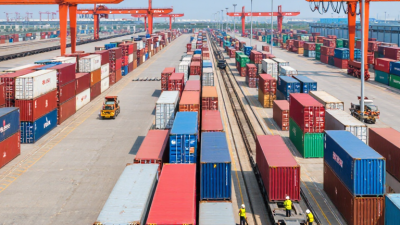
What is the largest shipping container? The answer depends on whether “largest” means longest, tallest, or most widely used. For many freight discussions, a 53-foot container is the largest commonly encountered option, especially in domestic intermodal transport in North America. Ocean freight more often relies on standard ISO sizes, including 20-foot and 40-foot units, with high-cube versions adding height. That distinction matters. An impressive exterior length does not automatically make a container suitable for a vessel, railcar, or loading site. Door openings, interior dimensions, payload limits, and handling equipment can change what fits in practice. Small details matter.
This guide explains how container size is measured and compares common lengths, heights, and usable capacities. It also clarifies why a 53-foot unit should not be treated as the universal largest shipping container. Availability varies by region, carrier, route, and equipment pool, so specifications should be checked against the supplier’s current data sheet. Nominal dimensions are only the start. A tape measure inside the box may tell a different story from the number painted on its side. We’ll consider typical exterior dimensions, interior space, and practical trade-offs for storage and transport. The goal is not to crown one size without context. It is to help readers choose with fewer assumptions—and to notice where the evidence is thinner.
What Counts as the Largest Shipping Container?
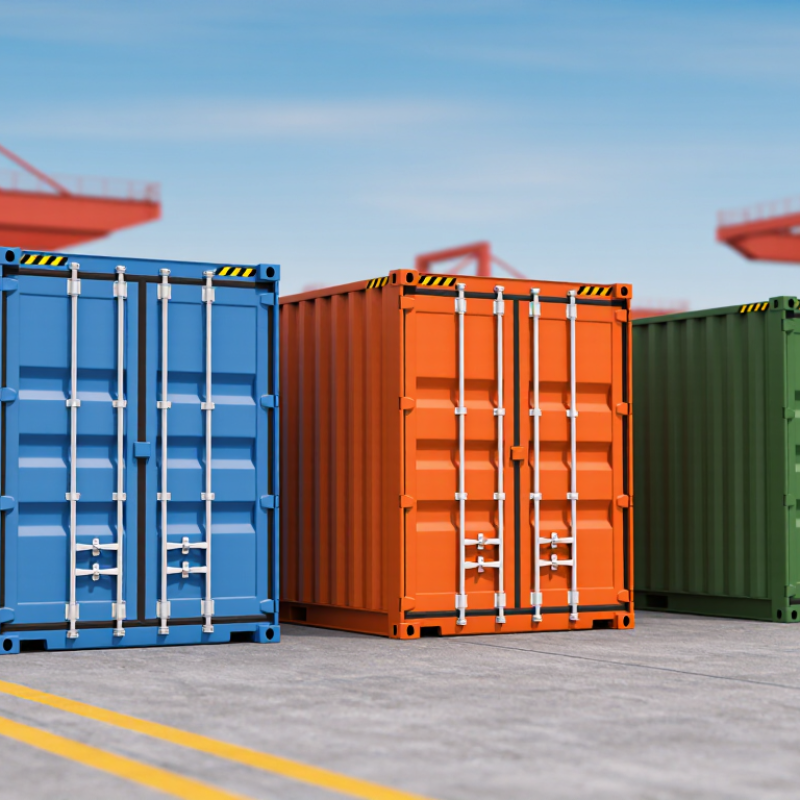
What counts as the largest shipping container depends on what you are measuring. A 40-foot high-cube container is a common choice when extra height matters. It is roughly one foot taller than a standard 40-foot container, giving tall cartons or equipment more vertical room. But “largest” can also mean length, interior volume, or permitted payload. Those measurements do not always point to the same container.
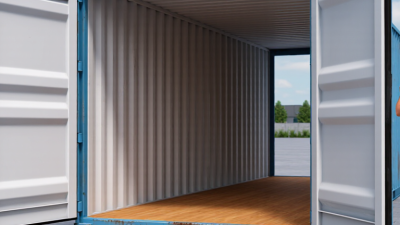
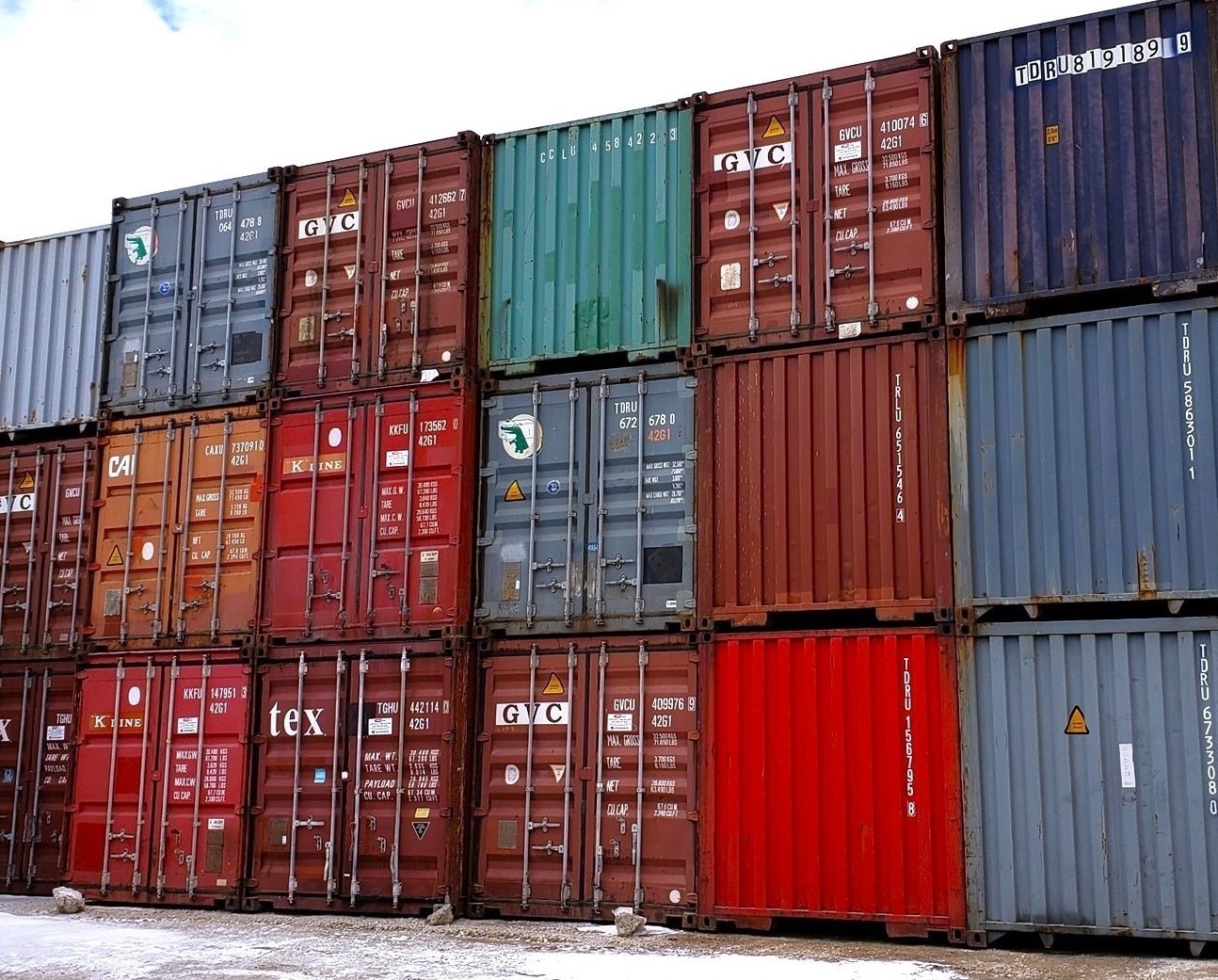
Some domestic freight systems use containers around 53 feet long, while many ocean routes are designed around shorter formats. A longer container is not automatically usable on every ship, railcar, or terminal. Special-purpose units, such as flat racks, may carry unusually wide or tall loads, yet they do not provide the enclosed space of a standard box. Interior dimensions also shrink because of wall thickness, corner fittings, and door framing. Check the door opening, not just the advertised outer size. Small detail. Payload limits vary by unit and transport setup, too, so the largest volume may not be the heaviest practical option.
Tips: Compare exterior and interior dimensions, door clearance, and maximum payload before choosing. Ask the carrier or equipment provider to confirm route compatibility. A tape measure helps, but I would still verify the specification sheet; dimensions can vary slightly between containers.
The 53-Foot Container in North American Freight
In North American freight, the 53-foot container is a familiar choice for moving large volumes by road and rail. Its extra length can accommodate more cartons, pallets, or bulky equipment than a typical 40-foot container. That matters. A shipper moving lightweight packaged goods may use the added floor space, while dense cargo can reach weight limits before filling the container.
A standard 53-foot unit is about 8 feet 6 inches wide externally; high-cube versions are roughly 9 feet 6 inches tall. Exact interior measurements vary with construction, so cargo plans should use the equipment provider’s specifications. A pallet may fit on paper, then lose usable space to wall thickness, door framing, or loading clearance. Small details count.
These containers are designed around North American domestic freight networks, including highways, rail terminals, and distribution centers. They are not simply longer versions of the containers most commonly used for international ocean transport. Compatibility also depends on the trailer, rail equipment, route, and local operating limits. I have seen planning focus too heavily on cubic capacity; that is an easy mistake. Check payload, axle distribution, and handling needs alongside dimensions. A 53-foot container can be the largest practical option for a shipment, but it is not always the most efficient one.
The Largest Standard ISO Containers Used in Ocean Shipping
What Is the Largest Shipping Container Size?
The Largest Standard ISO Containers Used in Ocean Shipping
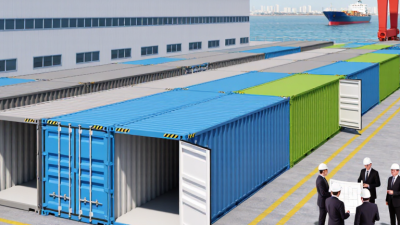
Among standard ISO containers used in ocean shipping, the 45-foot high-cube is generally the longest option. Its external dimensions are about 45 feet long, 8 feet wide, and 9 feet 6 inches high. The extra length offers more floor space than a 40-foot container, while the added height helps accommodate taller cargo. Interior measurements are smaller because of the walls, doors, and floor structure. Exact capacity and allowable payload depend on the container’s design and data plate.
There is a catch. Not every ship, terminal, or inland route handles 45-foot containers, so availability can vary. A 40-foot high-cube container is often the more widely accepted choice. When comparing sizes, check both internal dimensions and the maximum gross weight; more room does not automatically mean more carrying capacity. The word “largest” can also be misleading: a container may be standard under ISO specifications but still uncommon at a particular port. Even a few inches can affect loading plans, door clearance, or how neatly pallets fit. A tape measure helps.
How Container Length, Height, and Capacity Compare
How Container Length, Height, and Capacity Compare
A container’s stated length is its exterior measurement; usable space inside is smaller. ISO 668:2020 defines standard container dimensions, while the German Insurance Association’s Container Handbook lists typical internal measurements.
A 20-foot standard container offers about 5.9 metres of internal length, 2.35 metres of width, and 2.39 metres of height. Its volume is roughly 33 cubic metres. Compact, but not roomy.
A 40-foot high-cube container has about 12.03 metres of internal length and 2.69 metres of height, providing approximately 76 cubic metres. The extra height adds nearly 30 percent more volume than a typical 40-foot standard container.
Among commonly used standard formats, the 45-foot high cube is longer still: about 13.56 metres inside, with roughly 86 cubic metres of capacity. These figures are typical, not universal; wall thickness and construction details vary.
More volume does not always mean more usable cargo space. Pallets, door openings, and awkwardly shaped loads leave gaps, and the heaviest cargo may reach weight limits before filling the container. A tape measure and a loading plan can prevent a costly mismatch. I’d treat advertised capacity as a ceiling, not a promise.
How Transport Rules Affect Maximum Container Size
A 53-foot container is among the largest commonly used on some domestic freight routes, while 40-foot units are more typical in international shipping. But length alone does not decide whether a container can travel. Transport rules, equipment, and route conditions set the practical limit.
A road carrier must consider the container’s gross weight, chassis, axle limits, and the height of the loaded vehicle. A route that looks clear on a map may include a low bridge or a tight turn. Rail services have their own loading clearances, and ships require containers to fit approved spaces and secure safely for the voyage. That sounds simple, but it isn’t. A few extra inches can change the plan.
Rules and equipment vary by country, carrier, and route, so confirm dimensions and weight limits before loading. Measure the cargo, not just the empty container, and leave room for secure bracing. Oversized units may need special handling or may not fit standard transport equipment. In practice, the biggest available container is not always the best choice. I’ve seen planning focus too much on capacity; checking the full route early is less exciting, but it prevents costly surprises.